EP4582554A2 - Co-barcoding d'adn à base de billes de tube unique pour séquençage, haplotypage et assemblage précis et rentables - Google Patents
Co-barcoding d'adn à base de billes de tube unique pour séquençage, haplotypage et assemblage précis et rentables Download PDFInfo
- Publication number
- EP4582554A2 EP4582554A2 EP25159746.4A EP25159746A EP4582554A2 EP 4582554 A2 EP4582554 A2 EP 4582554A2 EP 25159746 A EP25159746 A EP 25159746A EP 4582554 A2 EP4582554 A2 EP 4582554A2
- Authority
- EP
- European Patent Office
- Prior art keywords
- dna
- ligation
- beads
- composition
- fragments
- Prior art date
- Legal status (The legal status is an assumption and is not a legal conclusion. Google has not performed a legal analysis and makes no representation as to the accuracy of the status listed.)
- Pending
Links
Images


























Classifications
-
- C—CHEMISTRY; METALLURGY
- C40—COMBINATORIAL TECHNOLOGY
- C40B—COMBINATORIAL CHEMISTRY; LIBRARIES, e.g. CHEMICAL LIBRARIES
- C40B50/00—Methods of creating libraries, e.g. combinatorial synthesis
- C40B50/14—Solid phase synthesis, i.e. wherein one or more library building blocks are bound to a solid support during library creation; Particular methods of cleavage from the solid support
- C40B50/16—Solid phase synthesis, i.e. wherein one or more library building blocks are bound to a solid support during library creation; Particular methods of cleavage from the solid support involving encoding steps
-
- C—CHEMISTRY; METALLURGY
- C12—BIOCHEMISTRY; BEER; SPIRITS; WINE; VINEGAR; MICROBIOLOGY; ENZYMOLOGY; MUTATION OR GENETIC ENGINEERING
- C12Q—MEASURING OR TESTING PROCESSES INVOLVING ENZYMES, NUCLEIC ACIDS OR MICROORGANISMS; COMPOSITIONS OR TEST PAPERS THEREFOR; PROCESSES OF PREPARING SUCH COMPOSITIONS; CONDITION-RESPONSIVE CONTROL IN MICROBIOLOGICAL OR ENZYMOLOGICAL PROCESSES
- C12Q1/00—Measuring or testing processes involving enzymes, nucleic acids or microorganisms; Compositions therefor; Processes of preparing such compositions
- C12Q1/68—Measuring or testing processes involving enzymes, nucleic acids or microorganisms; Compositions therefor; Processes of preparing such compositions involving nucleic acids
- C12Q1/6806—Preparing nucleic acids for analysis, e.g. for polymerase chain reaction [PCR] assay
-
- C—CHEMISTRY; METALLURGY
- C12—BIOCHEMISTRY; BEER; SPIRITS; WINE; VINEGAR; MICROBIOLOGY; ENZYMOLOGY; MUTATION OR GENETIC ENGINEERING
- C12N—MICROORGANISMS OR ENZYMES; COMPOSITIONS THEREOF; PROPAGATING, PRESERVING, OR MAINTAINING MICROORGANISMS; MUTATION OR GENETIC ENGINEERING; CULTURE MEDIA
- C12N15/00—Mutation or genetic engineering; DNA or RNA concerning genetic engineering, vectors, e.g. plasmids, or their isolation, preparation or purification; Use of hosts therefor
- C12N15/09—Recombinant DNA-technology
- C12N15/10—Processes for the isolation, preparation or purification of DNA or RNA
-
- C—CHEMISTRY; METALLURGY
- C12—BIOCHEMISTRY; BEER; SPIRITS; WINE; VINEGAR; MICROBIOLOGY; ENZYMOLOGY; MUTATION OR GENETIC ENGINEERING
- C12N—MICROORGANISMS OR ENZYMES; COMPOSITIONS THEREOF; PROPAGATING, PRESERVING, OR MAINTAINING MICROORGANISMS; MUTATION OR GENETIC ENGINEERING; CULTURE MEDIA
- C12N15/00—Mutation or genetic engineering; DNA or RNA concerning genetic engineering, vectors, e.g. plasmids, or their isolation, preparation or purification; Use of hosts therefor
- C12N15/09—Recombinant DNA-technology
- C12N15/10—Processes for the isolation, preparation or purification of DNA or RNA
- C12N15/1034—Isolating an individual clone by screening libraries
- C12N15/1082—Preparation or screening gene libraries by chromosomal integration of polynucleotide sequences, HR-, site-specific-recombination, transposons, viral vectors
-
- C—CHEMISTRY; METALLURGY
- C12—BIOCHEMISTRY; BEER; SPIRITS; WINE; VINEGAR; MICROBIOLOGY; ENZYMOLOGY; MUTATION OR GENETIC ENGINEERING
- C12Q—MEASURING OR TESTING PROCESSES INVOLVING ENZYMES, NUCLEIC ACIDS OR MICROORGANISMS; COMPOSITIONS OR TEST PAPERS THEREFOR; PROCESSES OF PREPARING SUCH COMPOSITIONS; CONDITION-RESPONSIVE CONTROL IN MICROBIOLOGICAL OR ENZYMOLOGICAL PROCESSES
- C12Q1/00—Measuring or testing processes involving enzymes, nucleic acids or microorganisms; Compositions therefor; Processes of preparing such compositions
- C12Q1/68—Measuring or testing processes involving enzymes, nucleic acids or microorganisms; Compositions therefor; Processes of preparing such compositions involving nucleic acids
- C12Q1/6869—Methods for sequencing
-
- C—CHEMISTRY; METALLURGY
- C40—COMBINATORIAL TECHNOLOGY
- C40B—COMBINATORIAL CHEMISTRY; LIBRARIES, e.g. CHEMICAL LIBRARIES
- C40B20/00—Methods specially adapted for identifying library members
- C40B20/04—Identifying library members by means of a tag, label, or other readable or detectable entity associated with the library members, e.g. decoding processes
-
- C—CHEMISTRY; METALLURGY
- C40—COMBINATORIAL TECHNOLOGY
- C40B—COMBINATORIAL CHEMISTRY; LIBRARIES, e.g. CHEMICAL LIBRARIES
- C40B50/00—Methods of creating libraries, e.g. combinatorial synthesis
- C40B50/06—Biochemical methods, e.g. using enzymes or whole viable microorganisms
-
- C—CHEMISTRY; METALLURGY
- C40—COMBINATORIAL TECHNOLOGY
- C40B—COMBINATORIAL CHEMISTRY; LIBRARIES, e.g. CHEMICAL LIBRARIES
- C40B70/00—Tags or labels specially adapted for combinatorial chemistry or libraries, e.g. fluorescent tags or bar codes
-
- B—PERFORMING OPERATIONS; TRANSPORTING
- B01—PHYSICAL OR CHEMICAL PROCESSES OR APPARATUS IN GENERAL
- B01J—CHEMICAL OR PHYSICAL PROCESSES, e.g. CATALYSIS OR COLLOID CHEMISTRY; THEIR RELEVANT APPARATUS
- B01J2219/00—Chemical, physical or physico-chemical processes in general; Their relevant apparatus
- B01J2219/00274—Sequential or parallel reactions; Apparatus and devices for combinatorial chemistry or for making arrays; Chemical library technology
- B01J2219/00277—Apparatus
- B01J2219/00497—Features relating to the solid phase supports
- B01J2219/005—Beads
-
- B—PERFORMING OPERATIONS; TRANSPORTING
- B01—PHYSICAL OR CHEMICAL PROCESSES OR APPARATUS IN GENERAL
- B01J—CHEMICAL OR PHYSICAL PROCESSES, e.g. CATALYSIS OR COLLOID CHEMISTRY; THEIR RELEVANT APPARATUS
- B01J2219/00—Chemical, physical or physico-chemical processes in general; Their relevant apparatus
- B01J2219/00274—Sequential or parallel reactions; Apparatus and devices for combinatorial chemistry or for making arrays; Chemical library technology
- B01J2219/00277—Apparatus
- B01J2219/0054—Means for coding or tagging the apparatus or the reagents
- B01J2219/00547—Bar codes
-
- B—PERFORMING OPERATIONS; TRANSPORTING
- B01—PHYSICAL OR CHEMICAL PROCESSES OR APPARATUS IN GENERAL
- B01J—CHEMICAL OR PHYSICAL PROCESSES, e.g. CATALYSIS OR COLLOID CHEMISTRY; THEIR RELEVANT APPARATUS
- B01J2219/00—Chemical, physical or physico-chemical processes in general; Their relevant apparatus
- B01J2219/00274—Sequential or parallel reactions; Apparatus and devices for combinatorial chemistry or for making arrays; Chemical library technology
- B01J2219/00277—Apparatus
- B01J2219/0054—Means for coding or tagging the apparatus or the reagents
- B01J2219/00572—Chemical means
-
- B—PERFORMING OPERATIONS; TRANSPORTING
- B01—PHYSICAL OR CHEMICAL PROCESSES OR APPARATUS IN GENERAL
- B01J—CHEMICAL OR PHYSICAL PROCESSES, e.g. CATALYSIS OR COLLOID CHEMISTRY; THEIR RELEVANT APPARATUS
- B01J2219/00—Chemical, physical or physico-chemical processes in general; Their relevant apparatus
- B01J2219/00274—Sequential or parallel reactions; Apparatus and devices for combinatorial chemistry or for making arrays; Chemical library technology
- B01J2219/00583—Features relative to the processes being carried out
- B01J2219/00585—Parallel processes
-
- B—PERFORMING OPERATIONS; TRANSPORTING
- B01—PHYSICAL OR CHEMICAL PROCESSES OR APPARATUS IN GENERAL
- B01J—CHEMICAL OR PHYSICAL PROCESSES, e.g. CATALYSIS OR COLLOID CHEMISTRY; THEIR RELEVANT APPARATUS
- B01J2219/00—Chemical, physical or physico-chemical processes in general; Their relevant apparatus
- B01J2219/00274—Sequential or parallel reactions; Apparatus and devices for combinatorial chemistry or for making arrays; Chemical library technology
- B01J2219/00583—Features relative to the processes being carried out
- B01J2219/00592—Split-and-pool, mix-and-divide processes
-
- B—PERFORMING OPERATIONS; TRANSPORTING
- B01—PHYSICAL OR CHEMICAL PROCESSES OR APPARATUS IN GENERAL
- B01J—CHEMICAL OR PHYSICAL PROCESSES, e.g. CATALYSIS OR COLLOID CHEMISTRY; THEIR RELEVANT APPARATUS
- B01J2219/00—Chemical, physical or physico-chemical processes in general; Their relevant apparatus
- B01J2219/00274—Sequential or parallel reactions; Apparatus and devices for combinatorial chemistry or for making arrays; Chemical library technology
- B01J2219/00583—Features relative to the processes being carried out
- B01J2219/00596—Solid-phase processes
-
- B—PERFORMING OPERATIONS; TRANSPORTING
- B01—PHYSICAL OR CHEMICAL PROCESSES OR APPARATUS IN GENERAL
- B01J—CHEMICAL OR PHYSICAL PROCESSES, e.g. CATALYSIS OR COLLOID CHEMISTRY; THEIR RELEVANT APPARATUS
- B01J2219/00—Chemical, physical or physico-chemical processes in general; Their relevant apparatus
- B01J2219/00274—Sequential or parallel reactions; Apparatus and devices for combinatorial chemistry or for making arrays; Chemical library technology
- B01J2219/00718—Type of compounds synthesised
- B01J2219/0072—Organic compounds
- B01J2219/00722—Nucleotides
Definitions
- stLFR is simple to perform and can be implemented with a relatively small investment in oligonucleotides to generate barcoded beads. Further, stLFR uses standard equipment found in almost all molecular biology laboratories and can be analyzed by almost any sequencing strategy. Finally, stLFR replaces standard NGS library preparation methods, requires only 1 ng of DNA, and does not add significantly to the cost of whole genome or whole exome analyses with a total cost per sample of less than 30 dollars.
- 3' branch ligation involves the covalent joining of the 5' phosphate from a blunt-end adapter to the recessed 3' hydroxyl of the genomic DNA ( FIG. 1A ).
- Branch ligation is described in Example 3, below. Also see US Pat. Pub. US2018/0044668 and International Application WO 2016/037418 , both incorporated by reference for all purposes. Also see US Pat. Pub. 2018/0044667 , incorporated by reference for all purposes. Using this method, it is theoretically possible to amplify and sequence all sub-fragments of a captured genomic molecule.
- stLFR is a powerful method in part because it uses a very large number (e.g., ⁇ 1.8 billion) unique barcodes and enables co-barcoding that is specific to each individual long genomic DNA molecule. This type of data should be beneficial for de novo genome assembly and improved scaffolding.
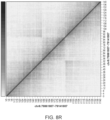
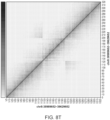
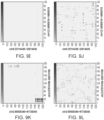
- SALSA was not designed for stLFR data, making it necessary to alter the stLFR data to a structure similar to Hi-C.
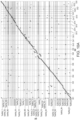
- stLFR scaffolds The quality of stLFR scaffolds was further analyzed by aligning them to build 37 of the human reference genome and comparing them with the program dnadiff ( 31 ).
- stLFR scaffolds agreed closely with the reference genome and the number of breakpoints, translocations, relocations, and inversions was similar to those of the scaffolds generated with Hi-C reads (Table 2). Alignment dot plots further demonstrate the high degree of continuity between stLFR scaffolds and the reference genome ( FIG. 10 ).
- stLFR an efficient whole genome sequencing library preparation technology, that enables the co-barcoding of sub-fragments of long genomic DNA molecules with a single unique clonal barcode in a single tube process.
- Using microbeads as miniaturized compartments allows a practically unlimited number of clonal barcodes to be used per sample at a negligible cost.
- RNA analyses such as full-length mRNA sequencing from 1,000s of cells by combination with single cell technologies or deep population sequencing of 16S RNA in microbial samples.
- Phased chromatin mapping by the Assay for Transposase-Accessible Chromatin (ATAC-seq) ( 32 ) or methylation studies are all also possible with stLFR.
- target nucleic acid refers to any nucleic acid (or polynucleotide) suitable for processing and sequencing by the methods described herein.
- the nucleic acid may be single stranded or double stranded and may include DNA, RNA, or other known nucleic acids.
- the target nucleic acids may be those of any organism, including but not limited to viruses, bacteria, yeast, plants, fish, reptiles, amphibians, birds, and mammals (including, without limitation, mice, rats, dogs, cats, goats, sheep, cattle, horses, pigs, rabbits, monkeys and other non-human primates, and humans).
- a target nucleic acid may be obtained from an individual or from a multiple individuals (i.e., a population).
- a sample from which the nucleic acid is obtained may contain a nucleic acids from a mixture of cells or even organisms, such as: a human saliva sample that includes human cells and bacterial cells; a mouse xenograft that includes mouse cells and cells from a transplanted human tumor; etc.
- Target nucleic acids may be unamplified or they may be amplified by any suitable nucleic acid amplification method known in the art.
- Target nucleic acids may be purified according to methods known in the art to remove cellular and subcellular contaminants (lipids, proteins, carbohydrates, nucleic acids other than those to be sequenced, etc.), or they may be unpurified, i.e., include at least some cellular and subcellular contaminants, including without limitation intact cells that are disrupted to release their nucleic acids for processing and sequencing.
- Target nucleic acids can be obtained from any suitable sample using methods known in the art. Such samples include but are not limited to: tissues, isolated cells or cell cultures, bodily fluids (including, but not limited to, blood, urine, serum, lymph, saliva, anal and vaginal secretions, perspiration and semen); air, agricultural, water and soil samples, etc.
- Nonlimiting examples of target nucleic acids include "circulating nucleic acids” (CNA), which are nucleic acids circulating in human blood or other body fluids, including but not limited to lymphatic fluid, liquor, ascites, milk, urine, stool and bronchial lavage, for example, and can be distinguished as either cell-free (CF) or cell-associated nucleic acids (reviewed in Pinzani et al., Methods 50: 302-307, 2010 ).
- CNA circulating nucleic acids
- Target nucleic acids may be genomic DNA (e.g., from a single individual), cDNA, and/or may be complex nucleic acids, including nucleic acids from multiple individuals or genomes.
- complex nucleic acids include a microbiome, circulating fetal cells in the bloodstream of a expecting mother (see, e.g., Kavanagh et al., J. Chromatol. B 878: 1905-1911, 2010 ), circulating tumor cells (CTC) from the bloodstream of a cancer patient (see, e.g., Allard et al., Clin Cancer Res. 10: 6897-6904, 2004 ).
- genomic DNA from a single cell or a small number of cells, such as, for example, from biopsies (e.g., fetal cells biopsied from the trophectoderm of a blastocyst; cancer cells from needle aspiration of a solid tumor, etc.).
- pathogens e.g., bacteria cells, virus, or other pathogens, in a tissue, in blood or other body fluids, etc.
- complex nucleic acid refers to large populations of nonidentical nucleic acids or polynucleotides.
- the target nucleic acid is genomic DNA; exome DNA (a subset of whole genomic DNA enriched for transcribed sequences which contains the set of exons in a genome); a transcriptome (i.e., the set of all mRNA transcripts produced in a cell or population of cells, or cDNA produced from such mRNA); a methylome (i.e., the population of methylated sites and the pattern of methylation in a genome); an exome (i.e., protein-coding regions of a genome selected by an exon capture or enrichment method; a microbiome; a mixture of genomes of different organisms; a mixture of genomes of different cell types of an organism; and other complex nucleic acid mixtures comprising large numbers of different nucleic acid molecules (examples include, without limitation, a microbiome, a xenograft, a solid tumor biopsy comprising both normal and tumor cells, etc.), including subsets of the aforementioned types of complex nucleic acids.
- exome DNA
- target nucleic acids or first fragments are genomic fragments.
- the genomic fragments are longer than 10kb, e.g., 10-100kb, 10-500kb, 20-300kb, or longer than 100 kb.
- the amount of DNA (e.g., human genomic DNA) used in a single mixture may be ⁇ 10ng, ⁇ 3ng, ⁇ 1ng , ⁇ 0.3nm, or ⁇ 0.1ng of DNA.
- target nucleic acids or first fragments are 5,000 to 100,000 KB in length
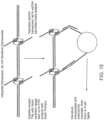
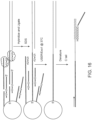
- FIGS. 17-B5 illustrate additional approaches.
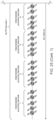
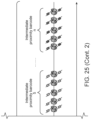
- FIG. 17 shows production of double stranded DNBs, which can be transposon inserted and captured by stLFR beads. Up to thousands of copies (e.g., 10-10,000 copies, such as 10-1000 copies or 100-1000 copies) can be made on the same DNA strand. This enables high coverage of the original molecule with stLFR sequencing.
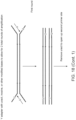
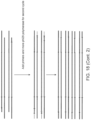
- FIG. 18 illustrates that when a limited amount of template DNA is available, limited preamplification steps can be used prior to stLFR.
- FIG. 19 describes an approach in which random nickase is used at low concentration, Klenow fragment at medium concentration, and ligase at high concentration. Beads and DNA are at concentrations suitable for stLFR.
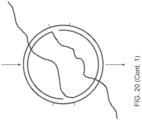
- FIG. 20 shows ligation of hairpin adapters on long DNA and use of primers in the loops and Ph29 or similar polymerase to create concatenated dsDNA before barcoding.
- Tn5 coupled transposons were inserted into 40 ng of genomic DNA in a 60 ⁇ L reaction of 10 mM TAPS-NaOH (pH 8.5), 5 mM MgCl 2 , and 10% DMF at 55 °C for 10 minutes.
- 1.5 ⁇ L of transposon inserted DNA was transferred to 248.5 ⁇ L of hybridization buffer consisting of 50 mM Tris-HCl (pH 7.5), 100 mM MgCl 2 , and 0.05% TWEEN ® 20.
- 10-50 million barcoded beads were resuspended in the same hybridization buffer. The diluted DNA was added to the barcoded beads and the mix was heated to 60 °C for 10 minutes with occasional light mixing.
- All barcoded oligonucleotides were synthesized at 100 nmol scale in 384 well format with standard desalting and delivered at a concentration of 200 ⁇ M in 1X TE (pH 8.0) by Integrated DNA Technologies (Coralville, IA).
- This particular design does require that at least one barcode oligonucleotidefrom each set is used to create the proper final sequence, however, slight modifications of the 6 base overlapping sequences between barcode sets can be made to remove an entire barcode set.
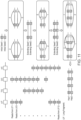
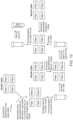
- Barcoded beads are constructed using a split and pool strategy with 3 sets of double-stranded barcode DNA molecules. Full length adaptors are constructed through successive ligations ( FIG. 12 and FIG. 13 ). Barcode oligonucleotides are supplied in 384-well plates (see Reagents Notes). Common adapter oligonucleotides are supplied in tubes. Depending on what sequencing technology is being used, it may be necessary to alter the PCR primer sequence within the common adapter oligo.
- Hybridized barcode oligonucleotides have a final concentration of 66 ⁇ M.
- beads can be examined using a flow cytometer by hybridizing a fluorescently labeled oligonucleotideto the 3' end of the bead adapter sequence. We typically see about 25% of the total streptavidin bound sites have a full length constructed adapter sequence.
- beads for stLFR To prepare beads for stLFR, they must first be denatured to single stranded DNA and then rehybridized with the bridge oligo.
- the protocol utilizes two transposons to create hybridization sequences and PCR primer sites along the length of genomic DNA molecules. This is the most simplified and quickest stLFR method, but has potentially 50% less coverage per long DNA fragment than the 3' branch ligation protocol. It may be necessary to alter some of the transposon sequence after the mosaic region for compatibility with sequencing technologies other than BGISEQ-500. Check the sequencing primers being used prior to ordering these oligonucleotides. Information on all of the oligonucleotide sequences is available in the supplementary materials.
- PCR master mix by adding 150 ⁇ L of PCR mix (2X), 4 ⁇ L of PCR Primer 1 (100 ⁇ M), 4 ⁇ L of PCR primer 2 (100 ⁇ M), 6 ⁇ L of PfuCx enzyme, and 136 ⁇ L of dH2O. Preheat the PCR mastermix at 95 °C for 3 minutes. Place on DynaMag TM -2 Magnet for 2 minutes to collect beads onto the side of the tube. Remove wash buffer and add PCR master mix to beads.
- This protocol is based on the single transposon insertion and novel adapter ligation methods in a DNA gap and can enable higher coverage per fragment, which may be important for some sequencing strategies such as de novo assembly. This strategy is slightly more expensive due to additional reagents. It also takes 2.5 hours longer.
- Tn5 enzyme to the transposon by combining 9.6 ⁇ L of hybridized capture transposon in step 61 with 23.53 ⁇ L of Tn5 (13.6 pmol/ ⁇ L), and 46.87 ⁇ L of Coupling Buffer (1X).
- PCR master mix by adding 150 ⁇ L of 2X PCR buffer, 4 ⁇ L of PCR Primer 1 (100 ⁇ M), 4 ⁇ L of PCR primer 2 (100 ⁇ M), 6 ⁇ L of PCR enzyme, and 136 ⁇ L of dH2O. Remove wash buffer and add PCR master mix to beads.
- Step 1 95 C 3 minutes
- Step 2 95 C 10 seconds
- Step 3 58 C 30 seconds
- Step 4 72 C 2 minutes
- Step 5 Repeat steps 2-4 10-12 times
- the starting point for this process is a FASTQ file.
- This is a standard format for read data that is generated by most sequencing technologies.
- the software we use to deconvolute the barcode information takes the FASTQ file and expects 42 bases of the barcode and common adapter sequence to be appended to the end of the first read. It matches the barcode read data to the expected 1536 sequences at each barcode position.
- the barcoding strategy used by stLFR enables error correction of barcodes that have a single base mismatch.
- the final output from our software is a FASTQ file with the barcode information appended to the end of the read ID with the format #Barcode1ID_Barcode2ID_ Barcode3lD, where BarcodelD is a number from 0-1536.
- the BAM file "NA12878_WGS_v2_phased_possorted_bam.bam” from a recent Chromium dataset was downloaded from the 10X Genomics website and processed in the same manner as the stLFR libraries.
- VCF file "NA12878_WGS_v2_phased_variants.vcf.gz” from the same Chromium library.
- This VCF contains data that was processed through 10X Genomics' optimized pipeline.
- the fragment size was for the Chromium library was copied from the 10X Genomics website.
- 10 Genomics uses a length weighted mean to calculate fragment size which may result in a larger size than the average fragment size. 2 Read data were not available, this is what is reported in Zhang et al. w( 12 ). 3 Data from a standard library processed on a BGISEQ-500.
- Table 6 shows exemplary sequences that may be used in the stLFR methods described herein.
- EXAMPLE 3 3' branch ligation, a novel method to ligate DNA to 3'OH ends of DNA or RNA, and its applications
- 3' Branch Ligation is used to add an additional adaptor (3' branch ligation adapter) in the stLFR embodiment described herein. See, e.g., ⁇ 1.1.2.
- Ligases join breaks in nucleic acids, which is essential for cell viability and vitality.
- DNA ligases catalyze the formation of a phosphodiester bond between DNA ends and play crucial roles in DNA repair, recombination and replication in vivo.
- RNA ligases join the 5'-phosphoryl (5'PO4) and 3'-hydroxyl (3'OH) RNA termini via phosphodiester bonds and are involved in RNA repair, splicing and editing.
- Ligases from all three kingdoms of organisms (bacteria, archaebacteria, and eukaryotes) can be utilized in vitro as important molecular tools for applications like cloning, ligase-based amplification or detection, synthetic biology and etc.
- T4 DNA ligase One of the most widely used ligases in vitro is Bacteriophage T4 DNA ligase, which is a single 55-kDA polypeptide and requires ATP as energy source. T4 DNA ligase typically joins the adjacent 5'PO4 and 3'OH termini of duplexed DNA. In addition to sealing nicks or ligating cohesive ends, T4 DNA ligase can also efficiently catalyze blunt end joining, which was not seen in all the other DNA ligases.
- T4 RNA ligase 1 and 2 are the products of gene 63 and 24, respectively, of T4 phage.
- T4 RNA ligase 1 include single-stranded RNA and DNA, while T4 RNA ligase 2 preferentially seals nicks on dsRNA rather than ligating the ends of ssRNA.
- T4 DNA ligase which we call 3'-branch ligation (3'BL). It can join DNA or DNA/RNA fragments at nicks, single-stranded gaps or 5'-overhang regions to form a branch structure.
- 3'BL 3'-branch ligation
- This report extensively studied a wide variety of ligation cofactors and activators and optimized the ligation conditions for this type of novel ligation. With our 3'BL protocol, no base pairing was required and the ligation can be more than 90% complete even for a 1-nt gap.
- One of its applications is to attach adapters to DNA or RNA in the NGS library preparation.
- DNA ligation involves the joining of 5'PO4 and 3'OH DNA ends of cohesive or blunt ended fragments. Cohesive end ligation is generally faster and less dependent on enzyme concentration than blunt end joining. Both processes can be catalyzed by Bacteriophage T4 DNA ligase, which uses ATP as energy-yielding cofactor and requires Mg2+. T4 DNA ligase was also reported to ligate specific or degenerate single-stranded oligos to partially single-stranded substrates through hybridization.
- T4 DNA ligase-mediated ligation which doesn't require complimentary base pairing and can ligate a blunt-ended DNA donor to the 3'OH end of a duplex DNA acceptor at nicks, gaps or 5'-overhangs to form a branch structure ( FIG. 21a ). Therefore, we use the term 3'-branch ligation (3'BL) to describe these ligations.
- the synthetic donor DNA we used contained one blunt duplex end and one ssDNA end.
- the acceptor substrates contained one of the following structures: a dephosphorylated nick, a 1-or 8-nucleotide (nt) gap, or a 5'-overhang of 36 nt.
- T4 ligase helps to join the 5'PO4 of the adapter strand to the sole ligatable 3'OH of the substrate strand to form a fork-shaped ligation product.
- the ligase amount needed for 3'BL was comparable to that in the blunt-end ligation.
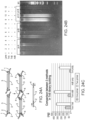
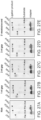
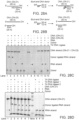
- adapter::substrate DNA molar ratios of 10 to 100 and performed the reactions at 37°C for one hour at pH 7.8 with 1mM ATP, 10mM MgCl2 and 10% PEG-8000. Ligation of the same adapters to blunt-ended substrates as well as no ligase reactions were used as controls. To assay for ligation product yields, the reactions were run on either denaturing polyacrylamide gels ( FIG. 21b ) or TBE gels ( FIG. 22a-d ). The ratio of product to substrate intensity was used to quantify ligation efficiency through ImageJ (FIG. 21b-c).
- FIG. 23a We further investigated 3'BL on DNA/RNA hybrids (ON21/22) that form one DNA and one RNA 5'-overhang ( FIG. 23a ).
- Negative ligation controls included DNA/RNA hybrids, ssDNA or ssRNA oligos, individually or incubated with adapters (lane 3, 4 and 5 in FIG. 23b ).
- DNA/RNA hybrids were incubated with adapters, we saw size change of RNA oligonucleotidefrom original 29 nt to 49 nt at an efficiency of >90%, suggesting T4 DNA ligase can efficiently ligate adapter to the RNA.
- the DNA substrate remained unchanged (lane 1 and 2 in FIG. 23b ).
- the substrates for 3'BL were composed of 2 pmol ON1 or ON9 mixed with 4 pmol each of one or two additional oligos in pH 8 Tris-EDTA (TE) Buffer (Life Technologies).
- Substrate 1 and 5 (nick): ON1/2/3 and ON9/10/11; substrate 2 and 6 (1 bp gap): ON1/2/4 and ON9/10/12; substrate 3 (8 bp gap): ON1/4/5; substrate 4 and 9 (5'-overhang): ON1/2 and ON9/10; substrate 7 (2 bp gap): ON9/10/13; substrate 8 (3 bp gap): ON9/10/14; blunt-end control: ON1/6 ( FIG. 1 , Supplementary Table 1).
- the template was ligated to 180 pmol of adapter (Ad-C: ON7/8, Ad-T: ON15/16, Ad-A: ON17/8 or Ad-GA: ON19/20) using 2400 units of T4 ligase (Enzymatics Inc) in 3'BL buffer [0.05 mg/ml BSA (New England Biolabs), 50 mM Tris-Cl pH7.8 (Amresco), 10 mM MgCl2 (EMD Millipore), 0.5 mM DTT (VWR Scientific), 10% PEG-8000 (Sigma Aldrich), and 1 mM ATP (Sigma Aldrich)].
- BSA New England Biolabs
- Amresco Tris-Cl pH7.8
- EMD Millipore EMD Millipore
- 0.5 mM DTT VWR Scientific
- 10% PEG-8000 Sigma Aldrich
- 1 mM ATP Sigma Aldrich
- the optimization tests were conducted by altering the ATP concentration from 1uM to 1mM, the Mg 2+ concentration, pH value, temperature from 12 to 42°C and additives like PEG-8000 from 2.5% to 10% and SSB from 2.5 to 20ng/ul.
- the ligation mix was prepared on ice and incubated at 37°C for 1 to 12 hours followed by heat inactivation at 65°C for 15 min.
- the samples were purified using Axygen beads (Corning) and eluted into 40 ⁇ L TE Buffer. All ligation reactions were run on 6% TBE or denaturing polyacrylamide gels (Life Technologies) and visualized on an Alpha Imager (Alpha Innotech). An input control was loaded at either equal or half of the amount of the templates used for the ligation.
- a ligation efficiency rate was estimated by dividing the intensity of ligated products by the total intensity of ligated and unligated products using ImageJ Software (NIH).
- the substrates for 3'BL was composed of 10 pmol ON22 RNA oligonucleotidemixed with 2 pmol of ON21 or ON23 DNA oligo.
- the substrate was incubated with Ad-T (ON15/16) in 3'BL buffer as described above and incubated at 37°C for 1 hour.
- 3'BL using T4 RNA ligase 1 or 2 was performed in their own 1x RNA ligase buffer (NEB) along with 20% DMSO. All the ligation products were assayed on 6% denaturing polyacrylamide gels.
- the transposon oligonucleotides used in this experiment were synthesized by Sangon Biotech.
- TnA, TnB, and MErev oligos were annealed at a ratio of 1:1:2.
- tn1 and MErev were annealed at a ratio of 1:1.
- Transposome assembly was performed by mixing 15 pmol of pre-annealed adapters, 7 ul of Tn5 transposase (Vazemy), and 5.5 ul of glycerol to obtain a 20ul reaction which was incubated at 30°C for 1 hour.
- Transposon insertion of genomic DNA was carried out in 20 ul reactions containing 100 ng of gDNA, TAG buffer (Vazyme), and 2 ul of the assembled transposome. The reaction was incubated at 55°C for 10 min, followed by addition of 100ul of PB buffer (Qiagen) to remove the transposome complex from tagmented DNA and purification using Agencourt AMPure XP beads (Beckman Coulter).
- 3' branch ligation of AdB (ONB1, ONB2) to the tagmented DNA was performed in reactions containing 100 pmol of the adapter, 600 U of T4 DNA ligase (Enzymatics Inc.), and 3'BL buffer incubated at 25°C for 1 hour. Reactions were purified using AMPure XP beads. PCR amplification of tagmented and gap ligated DNA was done in 50 ul reactions containing 2 ul of the tagmented or gap ligated DNA, TAB buffer, 1 ul TruePrep Amplify Enzyme (Vazyme), 200 mM dNTPs (Enzymatics Inc.), and 400 mM of each primer Pr-A and Pr-B.
- Tagmented reactions were run at 72°C for 3 min; 98°C for 30 sec; 98°C for 10 sec, 58°C for 30 sec, 72°C for 2 min for 8 cycles; and 72°C for a 10 minute extension. Gap ligated reactions were run using the same program without the initial 3min extension at 72°C.
- PCR reactions were purified using AMPure XP beads, in either a single step size selection or through double fractionation. Purified products were quantified using the Qubit High-Sensitivity DNA kit (Invitrogen).
- EXAMPLE 4 3' Branch Ligation: A Novel Method to Ligate Non-Complementary DNA to Recessed or Internal 3'OH Ends in DNA or RNA
- Nucleic acid ligases are crucial enzymes that repair breaks in DNA or RNA during synthesis, repair and recombination.
- Various molecular tools have been developed using the diverse activities of DNA/RNA ligases. However, additional ligase activities remain to be discovered.
- T4 DNA ligase to join 5' phosphorylated blunt-end double-stranded DNA to DNA breaks at 3' recessive ends, gaps, or nicks to form a 3' branch structure. Therefore, this base pairing-independent ligation is termed 3' branch ligation (3'BL).
- T4 DNA ligase efficiently ligated DNA to the 3' end of RNA in a DNA/RNA hybrid, whereas RNA ligases are less efficient in this reaction.
- Ligases repair breaks in nucleic acids, and this activity is essential for cell viability and vitality.
- DNA ligases catalyze the formation of a phosphodiester bond between DNA ends and play crucial roles in DNA repair, recombination, and replication in vivo 1-3.
- RNA ligases join the 5'-phosphoryl (5'PO4) and 3'-hydroxyl (3'OH) RNA termini via phosphodiester bonds and are involved in RNA repair, splicing, and editing4.
- Ligases from all three kingdoms of organisms (bacteria, archaebacteria, and eukaryotes) can be utilized in vitro as important molecular tools for applications such as cloning, ligase-based amplification or detection, and synthetic biology5-7.
- T4 DNA ligase is a single 55-kDA polypeptide that requires ATP as an energy source 8.
- T4 DNA ligase typically joins the adjacent 5'PO4 and 3'OH termini of duplexed DNA. In addition to sealing nicks and ligating cohesive ends, T4 DNA ligase can also efficiently catalyze blunt-end joining, which has not been observed for any other DNA ligases9,10.
- T4 ligase Some unusual catalytic properties of this ligase were reported previously, such as sealing single-stranded gaps in duplex DNA, sealing nicks adjacent to abasic sites in double-stranded DNA (dsDNA), promoting intramolecular loop formation with partially double-stranded DNA, and joining DNA strands containing 3' branch extensions11-13.
- T4 ligase template-independent ligation mediated by T4 ligase, such as mis-paired nick sealing in dsDNA14 or even single-stranded DNA (ssDNA) ligation, albeit at very low efficiency15.
- T4 RNA ligases 1 and 2 are the products of genes 63 and 24, respectively, of T4 phage. Both require an adjacent 5'PO4 and 3'OH end for a successful ligation with the concurrent hydrolysis of ATP to AMP and PPi.
- the substrates for T4 RNA ligase 1 include single-stranded RNA and DNA, whereas T4 RNA ligase 2 preferentially seals nicks on dsRNA rather than ligating the ends of ssRNA16,17.
- the ligase quantity needed for 3'BL was comparable to that for blunt-end ligation.
- donor:substrate DNA molar ratios of 30 to 100, and we performed the reactions at 37°C for one hour at pH 7.8 with 1 mM ATP, 10 mM MgCl2, and 10% PEG-8000.
- the ligation of the same donors to blunt-end substrates and ligase-free reactions were used as positive and negative controls, respectively.
- the 5'PO4 ends of three different adapters contained either a single T or A or the dinucleotide GA at the ligation junction before a consensus CTGCTGA sequence. These 5'PO4 ends were individually ligated to the 3'OH ends of acceptor templates with a T at the ligation junction. Overall, high ligation efficiency (70-90%) was seen in most cases except for nick ligations or 3'BL using Ad-GA (FIG. 27f), thus indicating some nucleotide preference of T4 DNA ligase at the ligation junctions.
- T4 DNA ligase and T4 RNA ligase 2 can effectively join a 5'PO4 DNA end to a juxtaposed 3'OH DNA or RNA end when the complimentary strand is RNA but not DNA17. Therefore, we performed the same ligation test using T4 RNA ligase 1 and 2 either in 20% DMSO ( FIG. 28d ) or in 10% PEG. In both tests, T4 RNA ligase 1 and T4 RNA ligase 2 slightly ligated the blunt end adapters to the 3' end of RNA in a DNA/RNA hybrid.
- T4 RNA ligase 2 could join a blunt-end dsDNA adapter to ssRNA.
- T4 DNA ligase but not T4 RNA ligase, is competent to efficiently ligate blunt-end dsDNA to the 3' end of RNA through 3'BL.
- FIG. 29c Human genomic DNA was incubated with equimolar amounts of TnA and TnB transposome complexes, with the TnA transposome complex alone, or with the TnY (TnA/B) transposome complex.
- T4 DNA ligase One important property of T4 DNA ligase is its efficient joining of blunt-ended dsDNA21,22, which has not been observed with other DNA ligases. This ligase was also reported to mediate some unusual catalytic events, such as ligating single-strand gaps or mismatched bases in duplex DNA11,12, forming a stem-loop molecule from partially double-stranded DNA13, or inefficiently ligating ssDNA in a template-independent manner20.
- T4 DNA ligase catalyzed the joining of blunt-end dsDNA to the 3'OH end of dsDNA with a nick and the joining of partially single-stranded duplex DNA with a gap or 5' overhang.
- no ligation to the 5'PO4 end at the 5' recessed ends or in the gaps was observed , which indicates that after binding to the 5'PO4 end of the dsDNA adapter, T4 DNA ligase can access the recessed 3' end when DNA bends.
- T4 DNA ligase can access the recessed 3' end when DNA bends.
- T4 DNA ligase is commonly used in the adapter addition step during NGS library preparation. With its ability to perform 3'BL, T4 ligase can ligate adapters to several genomic structures that were previously considered unligatable, resulting in a higher template usage rate. 3'BL can also be coupled with transposon tagmentation. The traditional double-transposon strategy has only 50% of the tagmented molecules that are amenable for the following amplification step.
- hybridization with DNA probes targeting the Poly(A) tail or specific miRNA sequences can be used to create DNA-RNA hybrids with a DNA 5'-overhang, which is followed by ligation to adapter sequences with sample and/or UID barcodes through 3'BL. These common sequences can then be reverse transcribed to produce the cDNA of targeted RNA sequences.
- the use of 3'BL mediated by T4 DNA ligase could potentially provide several advantages for NGS RNA library construction. First, hybridization with a DNA strand would prevent secondary structure formation by the RNA strand and therefore mitigate the bias introduced by other protocols.
- T4 DNA ligase enables high-efficiency adapter addition through 3'BL, which avoids intramolecular RNA interactions that can be promoted by RNA ligases.
- adapter dimers can be effectively eliminated, possibly rendering undesirable gel purification unnecessary. This new method could lead to improved unbiased microRNA expression profiling with simple and scalable workflows, and thus, large-scale research studies would become more affordable.
- the substrates for 3'BL were composed of 2 pmol of ON1 or ON9 mixed with 4 pmol each of one or two additional oligos in pH 8 Tris-EDTA (TE) buffer (Life Technologies) as follows: substrate 1 and 5 (nick), ON-1/2/3 and ON-9/10/11; substrate 2 and 6 (1-nt gap), ON1/2/4 and ON9/10/12; substrate 3 (8-nt gap), ON1/4/5; substrate 4 and 9 (5' overhang), ON1/2 and ON9/10; substrate 7 (2-nt gap), ON9/10/13; substrate 8 (3-nt gap), ON9/10/14; blunt-end control, ON1 and ON6 ( FIG. 26 , Supplementary Table 1).
- the template was ligated to 180 pmol of adapter (Ad-G: ON7/8, Ad-T: ON15/16, Ad-A: ON17/8, or Ad-GA: ON19/20) using 2,400 units of T4 ligase (Enzymatics Inc.) in 3'BL buffer [0.05 mg/ml BSA (New England Biolabs), 50 mM Tris-Cl pH 7.8 (Amresco), 10 mM MgCl2 (EMD Millipore), 0.5 mM DTT (VWR Scientific), 10% PEG-8000 (Sigma Aldrich), and 1 mM ATP (Sigma Aldrich)].
- BSA New England Biolabs
- Amresco Tris-Cl pH 7.8
- EMD Millipore EMD Millipore
- 0.5 mM DTT VWR Scientific
- 10% PEG-8000 Sigma Aldrich
- 1 mM ATP Sigma Aldrich
- the optimization tests were conducted by altering the ATP concentration from 1 ⁇ M to 1 mM, the Mg2+ concentration from 3 to 10 mM, the pH value from 3 to 9, temperature from 12 to 42°C, and adjusting additives such as PEG-8000 from 2.5% to 10% and SSB from 2.5 to 20 ng/ ⁇ L.
- the ligation mixture was prepared on ice and incubated at 37°C for 1 to 12 hours before heat inactivation at 65°C for 15 min.
- the samples were purified using Axygen beads (Corning) and eluted into 40 ⁇ L TE Buffer. All ligation reactions were run on 6% TBE or denaturing polyacrylamide gels (Life Technologies) and visualized on an Alpha Imager (Alpha Innotech).
- An input control was loaded at either an equal quantity or half the quantity of the template used for ligation.
- a ligation efficiency rate was estimated by dividing the intensity of ligated products by the total intensity of ligated and unligated products using ImageJ
- the substrates for 3'BL were composed of 10 pmol ON-21 RNA oligo mixed with 2 pmol of ON-21 or ON-23 DNA oligo.
- the substrate was incubated with Ad-T (ON15/16) in 3'BL buffer as described above and incubated at 37°C for 1 hour.
- 3'BL using T4 RNA ligase 1 or 2 was performed in 1x RNA ligase buffer (NEB) with either 20% DMSO or 25% PEG. All ligation products were assayed on 6% denaturing polyacrylamide gels.
- the transposon oligonucleotides used in this experiment were synthesized by Sangon Biotech.
- oligos for TnA (ON24), TnB (ON25), and MErev (ON26) were annealed at a 1:1:2 ratio.
- ON24 and ON26 were annealed at a 1:1 ratio.
- ON24 and ON27 were annealed at a 1:1 ratio.
- Transposon assembly was performed by mixing 100 pmol of pre-annealed adapters, 7 ⁇ L of Tn5 transposase, and sufficient glycerol to obtain a total 20- ⁇ L reaction, which was incubated at 30°C for 1 hour.
- Tagmentation of genomic DNA was performed in 20- ⁇ L reactions containing 100 ng of gDNA, TAG buffer (homemade), and 1 ⁇ L of the assembled transposon. The reaction was incubated at 55°C for 10 min; 40 ⁇ L of 6 M guanidine hydrochloride (Sigma) was then added to remove the transposon complex from tagmented DNA, and DNA was purified using Agencourt AMPure XP beads (Beckman Coulter).
- the gap ligation of AdB (ON28 and ON29) to the tagmented DNA was performed at 25°C for 1 hour in reactions containing 100 pmol of the adapter, 600 U of T4 DNA ligase (Enzymatics Inc.), and 3'BL buffer. Reactions were purified using AM Pure XP beads. PCR amplification of tagmented and gap-ligated DNA was performed in 50- ⁇ L reactions containing 2 ⁇ L of the tagmented or gap-ligated DNA, TAB buffer, 1 ⁇ L TruePrep Amplify Enzyme (Vazyme), 200 mM dNTPs (Enzymatics Inc.), and 400 mM each of primers Pr-A and Pr-B.
- Tagmented reactions were incubated as follows: 72°C for 3 min; 98°C for 30 sec; 8 cycles of 98°C for 10 sec, 58°C for 30 sec, and 72°C for 2 min; and 72°C for a 10-minute extension. Gap-ligated reactions were run using the same program without the initial 3 min extension at 72°C. PCR reactions using either prA (ON30) or both prA and prB (ON31) were purified using AM Pure XP beads. Purified products were quantified using the Qubit High-Sensitivity DNA kit (Invitrogen).
Landscapes
- Chemical & Material Sciences (AREA)
- Organic Chemistry (AREA)
- Life Sciences & Earth Sciences (AREA)
- Health & Medical Sciences (AREA)
- Engineering & Computer Science (AREA)
- Genetics & Genomics (AREA)
- Biochemistry (AREA)
- Molecular Biology (AREA)
- Zoology (AREA)
- Wood Science & Technology (AREA)
- Biotechnology (AREA)
- Chemical Kinetics & Catalysis (AREA)
- General Engineering & Computer Science (AREA)
- Bioinformatics & Cheminformatics (AREA)
- Analytical Chemistry (AREA)
- Medicinal Chemistry (AREA)
- General Chemical & Material Sciences (AREA)
- Microbiology (AREA)
- Proteomics, Peptides & Aminoacids (AREA)
- Biomedical Technology (AREA)
- Physics & Mathematics (AREA)
- General Health & Medical Sciences (AREA)
- Biophysics (AREA)
- Crystallography & Structural Chemistry (AREA)
- Plant Pathology (AREA)
- Immunology (AREA)
- Structural Engineering (AREA)
- Bioinformatics & Computational Biology (AREA)
- Virology (AREA)
- Measuring Or Testing Involving Enzymes Or Micro-Organisms (AREA)
Applications Claiming Priority (6)
| Application Number | Priority Date | Filing Date | Title |
|---|---|---|---|
| US201862668757P | 2018-05-08 | 2018-05-08 | |
| US201862672501P | 2018-05-16 | 2018-05-16 | |
| US201862687159P | 2018-06-19 | 2018-06-19 | |
| EP23168214.7A EP4245861B1 (fr) | 2018-05-08 | 2019-05-07 | Co-barcoding d'adn à base de billes à un seul tube pour séquençage, haplotypage et assemblage précis et rentables |
| EP19799951.9A EP3790967B1 (fr) | 2018-05-08 | 2019-05-07 | Co-barcoding d'adn à base de billes à un seul tube pour séquençage, haplotypage et assemblage précis et rentables |
| PCT/US2019/031161 WO2019217452A1 (fr) | 2018-05-08 | 2019-05-07 | Co-barcoding d'adn à base de billes à un seul tube pour séquençage, haplotypage et assemblage précis et rentables |
Related Parent Applications (2)
| Application Number | Title | Priority Date | Filing Date |
|---|---|---|---|
| EP23168214.7A Division EP4245861B1 (fr) | 2018-05-08 | 2019-05-07 | Co-barcoding d'adn à base de billes à un seul tube pour séquençage, haplotypage et assemblage précis et rentables |
| EP19799951.9A Division EP3790967B1 (fr) | 2018-05-08 | 2019-05-07 | Co-barcoding d'adn à base de billes à un seul tube pour séquençage, haplotypage et assemblage précis et rentables |
Publications (2)
| Publication Number | Publication Date |
|---|---|
| EP4582554A2 true EP4582554A2 (fr) | 2025-07-09 |
| EP4582554A3 EP4582554A3 (fr) | 2025-07-30 |
Family
ID=68467070
Family Applications (3)
| Application Number | Title | Priority Date | Filing Date |
|---|---|---|---|
| EP23168214.7A Active EP4245861B1 (fr) | 2018-05-08 | 2019-05-07 | Co-barcoding d'adn à base de billes à un seul tube pour séquençage, haplotypage et assemblage précis et rentables |
| EP19799951.9A Active EP3790967B1 (fr) | 2018-05-08 | 2019-05-07 | Co-barcoding d'adn à base de billes à un seul tube pour séquençage, haplotypage et assemblage précis et rentables |
| EP25159746.4A Pending EP4582554A3 (fr) | 2018-05-08 | 2019-05-07 | Co-barcoding d'adn à base de billes de tube unique pour séquençage, haplotypage et assemblage précis et rentables |
Family Applications Before (2)
| Application Number | Title | Priority Date | Filing Date |
|---|---|---|---|
| EP23168214.7A Active EP4245861B1 (fr) | 2018-05-08 | 2019-05-07 | Co-barcoding d'adn à base de billes à un seul tube pour séquençage, haplotypage et assemblage précis et rentables |
| EP19799951.9A Active EP3790967B1 (fr) | 2018-05-08 | 2019-05-07 | Co-barcoding d'adn à base de billes à un seul tube pour séquençage, haplotypage et assemblage précis et rentables |
Country Status (6)
| Country | Link |
|---|---|
| US (1) | US12497713B2 (fr) |
| EP (3) | EP4245861B1 (fr) |
| CN (2) | CN120624607A (fr) |
| ES (1) | ES2947437T3 (fr) |
| TW (1) | TWI837127B (fr) |
| WO (1) | WO2019217452A1 (fr) |
Families Citing this family (18)
| Publication number | Priority date | Publication date | Assignee | Title |
|---|---|---|---|---|
| US9328382B2 (en) | 2013-03-15 | 2016-05-03 | Complete Genomics, Inc. | Multiple tagging of individual long DNA fragments |
| EP4245861B1 (fr) | 2018-05-08 | 2025-02-26 | MGI Tech Co., Ltd. | Co-barcoding d'adn à base de billes à un seul tube pour séquençage, haplotypage et assemblage précis et rentables |
| SG11202101164TA (en) * | 2018-08-03 | 2021-03-30 | 10X Genomics Inc | Methods and systems to minimize barcode exchange |
| EP3918088B1 (fr) | 2019-01-29 | 2024-03-13 | MGI Tech Co., Ltd. | Stlfr à couverture élevée |
| CN114981427A (zh) * | 2020-05-18 | 2022-08-30 | 深圳华大智造科技股份有限公司 | 标签化的转座复合体及其在高通量测序中的应用 |
| EP4163390A4 (fr) * | 2020-06-03 | 2024-08-07 | Tenk Genomics, Inc. | Procédé d'analyse de l'acide nucléique cible d'une cellule |
| EP4170028A4 (fr) * | 2020-06-19 | 2023-10-18 | MGI Tech Co., Ltd. | Construction de bibliothèque sans pcr à haute compatibilité et procédé de séquençage |
| US20240287048A1 (en) * | 2020-10-16 | 2024-08-29 | The Broad Institute, Inc. | Substituted acyl sulfonamides for treating cancer |
| KR20230121076A (ko) * | 2020-12-15 | 2023-08-17 | 제노다이브 파마 가부시키가이샤 | Dna 샘플의 시퀀스에 있어서의 어댑터 결합 효율을평가하는 방법 |
| AU2022212231A1 (en) * | 2021-01-29 | 2023-08-03 | 10X Genomics, Inc. | Method for transposase mediated spatial tagging and analyzing genomic dna in a biological sample |
| MX2023009046A (es) * | 2021-02-04 | 2023-08-10 | Illumina Inc | Generacion de lectura unida indexada prolongada en globulos unidos con transposomas. |
| IL310293A (en) | 2021-07-22 | 2024-03-01 | Mgi Tech Co Ltd | STLFR cut-tie |
| CN117157714A (zh) * | 2022-03-31 | 2023-12-01 | 京东方科技集团股份有限公司 | 基因组甲基化测序数据的处理方法、装置、设备和介质 |
| CN115896239A (zh) * | 2022-07-25 | 2023-04-04 | 四川康德赛医疗科技有限公司 | 一种rna修饰效率的定量方法、试剂盒及其应用 |
| WO2024022207A1 (fr) * | 2022-07-25 | 2024-02-01 | Mgi Tech Co., Ltd. | Procédés de codage à barres conjoint positionnel en solution pour le séquençage de longues molécules d'adn |
| WO2025117738A1 (fr) * | 2023-11-28 | 2025-06-05 | Illumina, Inc. | Procédés d'amélioration d'efficacité de ligature d'indice moléculaire unique |
| WO2025207588A2 (fr) * | 2024-03-27 | 2025-10-02 | Bio-Rad Laboratories, Inc. | Séquençage unicellulaire à l'aide de multiples adaptateurs de transposase |
| WO2025208123A1 (fr) * | 2024-03-28 | 2025-10-02 | The Regents Of The University Of California | Procédés et systèmes de profilage d'architecture de chromatine |
Citations (5)
| Publication number | Priority date | Publication date | Assignee | Title |
|---|---|---|---|---|
| WO2006138284A2 (fr) | 2005-06-15 | 2006-12-28 | Callida Genomics, Inc. | Analyse d'acides nucleiques a l'aide de melanges aleatoires de fragments non chevauchants |
| WO2014145820A2 (fr) | 2013-03-15 | 2014-09-18 | Complete Genomics, Inc. | Marquage multiple de fragments longs d'adn |
| WO2016037418A1 (fr) | 2014-09-12 | 2016-03-17 | 深圳华大基因科技有限公司 | Procédé de construction d'une bibliothèque de composés cycliques d'acides nucléiques simple brin et réactifs associés |
| US20180044667A1 (en) | 2014-09-12 | 2018-02-15 | Bgi Shenzhen Co., Limited | Method for constructing nucleic acid single-stranded cyclic library and reagents thereof |
| US20180044668A1 (en) | 2014-10-14 | 2018-02-15 | Bgi Shenzhen Co., Limited | Mate pair library construction |
Family Cites Families (59)
| Publication number | Priority date | Publication date | Assignee | Title |
|---|---|---|---|---|
| US5202231A (en) | 1987-04-01 | 1993-04-13 | Drmanac Radoje T | Method of sequencing of genomes by hybridization of oligonucleotide probes |
| US5677170A (en) | 1994-03-02 | 1997-10-14 | The Johns Hopkins University | In vitro transposition of artificial transposons |
| AU718357B2 (en) | 1995-06-07 | 2000-04-13 | Lynx Therapeutics, Inc. | Oligonucleotide tags for sorting and identification |
| FI103809B1 (fi) | 1997-07-14 | 1999-09-30 | Finnzymes Oy | In vitro -menetelmä templaattien tuottamiseksi DNA-sekventointia varten |
| US6864052B1 (en) | 1999-01-06 | 2005-03-08 | Callida Genomics, Inc. | Enhanced sequencing by hybridization using pools of probes |
| EP1196554B1 (fr) | 1999-03-18 | 2009-02-25 | Complete Genomics AS | Procedes de clonage et de production de chaines de fragments avec un contenu d'information lisible |
| EP1290225A4 (fr) | 2000-05-20 | 2004-09-15 | Univ Michigan | Procede de production d'une bibliotheque d'adn utilisant l'amplification positionnelle |
| WO2002023163A1 (fr) | 2000-09-15 | 2002-03-21 | California Institute Of Technology | Dispositifs a debit transversal microfabriques et procedes associes |
| US9388459B2 (en) | 2002-06-17 | 2016-07-12 | Affymetrix, Inc. | Methods for genotyping |
| CN103396933B (zh) | 2003-02-26 | 2016-04-20 | 凯利达基因组股份有限公司 | 通过杂交进行的随机阵列dna分析 |
| US20060024681A1 (en) | 2003-10-31 | 2006-02-02 | Agencourt Bioscience Corporation | Methods for producing a paired tag from a nucleic acid sequence and methods of use thereof |
| DE602006013831D1 (de) | 2005-06-23 | 2010-06-02 | Keygene Nv | Verbesserte strategien zur sequenzierung komplexer genome unter verwendung von sequenziertechniken mit hohem durchsatz |
| US7960104B2 (en) | 2005-10-07 | 2011-06-14 | Callida Genomics, Inc. | Self-assembled single molecule arrays and uses thereof |
| CN101432439B (zh) | 2006-02-24 | 2013-07-24 | 考利达基因组股份有限公司 | Dna阵列上的高通量基因组测序 |
| US7833716B2 (en) | 2006-06-06 | 2010-11-16 | Gen-Probe Incorporated | Tagged oligonucleotides and their use in nucleic acid amplification methods |
| US7910354B2 (en) | 2006-10-27 | 2011-03-22 | Complete Genomics, Inc. | Efficient arrays of amplified polynucleotides |
| CA2669728C (fr) | 2006-11-15 | 2017-04-11 | Biospherex Llc | Sequencage multietiquette et analyse ecogenomique |
| US20080242560A1 (en) | 2006-11-21 | 2008-10-02 | Gunderson Kevin L | Methods for generating amplified nucleic acid arrays |
| US8518640B2 (en) | 2007-10-29 | 2013-08-27 | Complete Genomics, Inc. | Nucleic acid sequencing and process |
| US8415099B2 (en) | 2007-11-05 | 2013-04-09 | Complete Genomics, Inc. | Efficient base determination in sequencing reactions |
| US7897344B2 (en) | 2007-11-06 | 2011-03-01 | Complete Genomics, Inc. | Methods and oligonucleotide designs for insertion of multiple adaptors into library constructs |
| WO2009061840A1 (fr) | 2007-11-05 | 2009-05-14 | Complete Genomics, Inc. | Procédés et conceptions d'oligonucléotide pour une insertion d'adaptateurs multiples en utilisant une méthylation sélective |
| US8592150B2 (en) | 2007-12-05 | 2013-11-26 | Complete Genomics, Inc. | Methods and compositions for long fragment read sequencing |
| WO2009103068A1 (fr) | 2008-02-15 | 2009-08-20 | Life Technologies Corporation | Méthodes et compositions pour le cisaillement de polymères par sonication |
| EP4230747A3 (fr) | 2008-03-28 | 2023-11-15 | Pacific Biosciences Of California, Inc. | Compositions et procédés de séquençage d'acide nucléique |
| WO2009132028A1 (fr) | 2008-04-21 | 2009-10-29 | Complete Genomics, Inc. | Structures pour puces de détection d'acides nucléiques |
| US8383345B2 (en) | 2008-09-12 | 2013-02-26 | University Of Washington | Sequence tag directed subassembly of short sequencing reads into long sequencing reads |
| US9080211B2 (en) | 2008-10-24 | 2015-07-14 | Epicentre Technologies Corporation | Transposon end compositions and methods for modifying nucleic acids |
| CA2750054C (fr) | 2008-10-24 | 2018-05-29 | Epicentre Technologies Corporation | Compositions terminales de transposon et procede de modification d'acides nucleiques |
| EP2394164A4 (fr) | 2009-02-03 | 2014-01-08 | Complete Genomics Inc | Cartographie de séquences oligomères |
| US20120165202A1 (en) | 2009-04-30 | 2012-06-28 | Good Start Genetics, Inc. | Methods and compositions for evaluating genetic markers |
| US20100298170A1 (en) | 2009-05-13 | 2010-11-25 | Nicholas Jack Heredia | Methods and systems for introducing functional polynucleotides into a target polynucleotide |
| US9524369B2 (en) | 2009-06-15 | 2016-12-20 | Complete Genomics, Inc. | Processing and analysis of complex nucleic acid sequence data |
| US20120003657A1 (en) | 2010-07-02 | 2012-01-05 | Samuel Myllykangas | Targeted sequencing library preparation by genomic dna circularization |
| US9029103B2 (en) | 2010-08-27 | 2015-05-12 | Illumina Cambridge Limited | Methods for sequencing polynucleotides |
| EP2619329B1 (fr) | 2010-09-24 | 2019-05-22 | The Board of Trustees of The Leland Stanford Junior University | Capture directe, amplification et séquençage d'adn cible à l'aide d'amorces immobilisées |
| US8829171B2 (en) | 2011-02-10 | 2014-09-09 | Illumina, Inc. | Linking sequence reads using paired code tags |
| WO2012061832A1 (fr) | 2010-11-05 | 2012-05-10 | Illumina, Inc. | Liaison entre des lectures de séquences à l'aide de codes marqueurs appariés |
| US9074251B2 (en) | 2011-02-10 | 2015-07-07 | Illumina, Inc. | Linking sequence reads using paired code tags |
| CN103443338B (zh) | 2011-02-02 | 2017-09-22 | 华盛顿大学商业化中心 | 大规模平行邻接作图 |
| US20120258892A1 (en) | 2011-04-08 | 2012-10-11 | Yan Wang | Methods, Compositions, and Kits for Making Targeted Nucleic Acid Libraries |
| EP2754078A4 (fr) | 2011-04-14 | 2015-12-02 | Complete Genomics Inc | Traitement et analyse de données de séquences d'acides nucléiques complexes |
| US9005935B2 (en) | 2011-05-23 | 2015-04-14 | Agilent Technologies, Inc. | Methods and compositions for DNA fragmentation and tagging by transposases |
| EP2714938B1 (fr) | 2011-05-27 | 2017-11-15 | President and Fellows of Harvard College | Procédés d'amplification du génome total d'une cellule isolée |
| WO2012166647A1 (fr) | 2011-05-27 | 2012-12-06 | Life Technologies Corporation | Procédés de manipulation de biomolécules |
| US9803239B2 (en) | 2012-03-29 | 2017-10-31 | Complete Genomics, Inc. | Flow cells for high density array chips |
| US9488823B2 (en) | 2012-06-07 | 2016-11-08 | Complete Genomics, Inc. | Techniques for scanned illumination |
| US10988803B2 (en) | 2014-12-29 | 2021-04-27 | Life Genetics Lab, Llc | Multiplexed assay for quantitating and assessing integrity of cell-free DNA in biological fluids for cancer diagnosis, prognosis and surveillance |
| US9683230B2 (en) | 2013-01-09 | 2017-06-20 | Illumina Cambridge Limited | Sample preparation on a solid support |
| DK2970951T3 (da) | 2013-03-13 | 2019-05-13 | Illumina Inc | Fremgangsmåder til nukleinsyresekventering |
| CN105593683B (zh) | 2013-10-01 | 2018-11-30 | 考利达基因组股份有限公司 | 鉴定基因组中的变异的定相和连接方法 |
| CN107002117B (zh) | 2013-12-05 | 2021-12-10 | 生捷科技控股公司 | 核酸测序方法 |
| US10017759B2 (en) | 2014-06-26 | 2018-07-10 | Illumina, Inc. | Library preparation of tagged nucleic acid |
| RU2736728C2 (ru) * | 2014-10-17 | 2020-11-19 | Иллумина Кембридж Лимитед | Транспозиция с сохранением сцепления генов |
| WO2017151828A1 (fr) | 2016-03-01 | 2017-09-08 | Universal Sequencing Technology Corporation | Procédés et kits de suivi d'une origine cible d'acide nucléique pour le séquençage d'acides nucléiques |
| CN107686842A (zh) | 2016-08-03 | 2018-02-13 | 南京大学 | 一种靶多核苷酸编辑方法及其应用 |
| CN110139932B (zh) | 2016-12-19 | 2024-05-17 | 生物辐射实验室股份有限公司 | 液滴加标的相邻性保留的标签化dna |
| EP4245861B1 (fr) | 2018-05-08 | 2025-02-26 | MGI Tech Co., Ltd. | Co-barcoding d'adn à base de billes à un seul tube pour séquençage, haplotypage et assemblage précis et rentables |
| AU2020220461B2 (en) | 2019-02-14 | 2026-02-12 | MAX-PLANCK-Gesellschaft zur Förderung der Wissenschaften e.V. | Haplotagging - haplotype phasing and single-tube combinatorial barcoding of nucleic acid molecules using bead-immobilized Tn5 transposase |
-
2019
- 2019-05-07 EP EP23168214.7A patent/EP4245861B1/fr active Active
- 2019-05-07 EP EP19799951.9A patent/EP3790967B1/fr active Active
- 2019-05-07 WO PCT/US2019/031161 patent/WO2019217452A1/fr not_active Ceased
- 2019-05-07 CN CN202510210888.XA patent/CN120624607A/zh active Pending
- 2019-05-07 ES ES19799951T patent/ES2947437T3/es active Active
- 2019-05-07 CN CN201980046212.4A patent/CN112639094B/zh active Active
- 2019-05-07 EP EP25159746.4A patent/EP4582554A3/fr active Pending
- 2019-05-07 US US17/051,870 patent/US12497713B2/en active Active
- 2019-05-08 TW TW108115891A patent/TWI837127B/zh active
Patent Citations (5)
| Publication number | Priority date | Publication date | Assignee | Title |
|---|---|---|---|---|
| WO2006138284A2 (fr) | 2005-06-15 | 2006-12-28 | Callida Genomics, Inc. | Analyse d'acides nucleiques a l'aide de melanges aleatoires de fragments non chevauchants |
| WO2014145820A2 (fr) | 2013-03-15 | 2014-09-18 | Complete Genomics, Inc. | Marquage multiple de fragments longs d'adn |
| WO2016037418A1 (fr) | 2014-09-12 | 2016-03-17 | 深圳华大基因科技有限公司 | Procédé de construction d'une bibliothèque de composés cycliques d'acides nucléiques simple brin et réactifs associés |
| US20180044667A1 (en) | 2014-09-12 | 2018-02-15 | Bgi Shenzhen Co., Limited | Method for constructing nucleic acid single-stranded cyclic library and reagents thereof |
| US20180044668A1 (en) | 2014-10-14 | 2018-02-15 | Bgi Shenzhen Co., Limited | Mate pair library construction |
Non-Patent Citations (87)
| Title |
|---|
| A. M. PHILLIPPYM. C. SCHATZM. POP: "Genome assembly forensics: finding the elusive mis-assembly.", GENOME BIOLOGY, vol. 9, 2008, pages 55 |
| AGENT TECHNOLOGIES, I. RECOVEREASE DNA ISOLATION KIT. REVISION C.0, 2015 |
| ALEXANDER, NUCLEIC ACIDS RES., vol. 31, no. 12, 15 June 2003 (2003-06-15), pages 3208 - 16 |
| ALEXANDER, R. C.JOHNSON, A. KTHORPE, J. AGEVEDON, T.TESTA, S. M.: "Canonical nucleosides can be utilized by T4 DNA ligase as universal template bases at ligation junctions", NUCLEIC ACIDS RES., vol. 31, 2003, pages 3208 - 3216 |
| ALLARD ET AL., CLIN CANCER RES., vol. 10, 2004, pages 6897 - 6904 |
| AMINI, S. ET AL.: "Haplotype-resolved whole-genome sequencing by contiguity-preserving transposition and combinatorial indexing", NAT GENET, vol. 46, 2014, pages 1343 - 1349, XP055630733, DOI: 10.1038/ng.3119 |
| BROUDE, N. E.SANO, T.SMITH, C. L.CANTOR, C. R.: "Enhanced DNA sequencing by hybridization", PROC. NATL. ACAD. SCI., vol. 91, 1994, pages 3072 - 3076, XP000619675, DOI: 10.1073/pnas.91.8.3072 |
| BULLARD, BIOCHEM J, vol. 398, 2006, pages 135 - 144 |
| BULLARD, D. R.BOWATER, R. P.: "Direct comparison of nick-joining activity of the nucleic acid ligases from bacteriophage T4", BIOCHEM. J., vol. 398, 2006, pages 135 - 144, XP002467857, DOI: 10.1042/BJ20060313 |
| BUSHATI, N.COHEN, S. M.: "microRNA functions.", ANNU. REV. CELL DEV. BIOL., vol. 23, 2007, pages 175 - 205 |
| CAI, L.HU, C.SHEN, S.WANG, W.HUANG, W.: "Characterization of bacteriophage T3 DNA ligase", J. BIOCHEM., vol. 135, 2004, pages 397 - 403, XP055862579, DOI: 10.1093/jb/mvh047 |
| CIOTLOS, S. ET AL.: "Whole genome sequence analysis of BT-474 using complete Genomics' standard and long fragment read technologies", GIGASCIENCE, vol. 5, 2016, pages 8 |
| DICKSON, K. S.BURNS, C. M.RICHARDSON, J. P: "Determination of the free-energy change for repair of a DNA phosphodiester bond", J. BIOL. CHEM., vol. 275, 2000, pages 15828 - 15831, XP055258626, DOI: 10.1074/jbc.M910044199 |
| DUITAMA, J.: "Fosmid-based whole genome haplotyping of a HapMap trio child: evaluation of Single Individual Haplotyping techniques", NUCLEIC ACIDS RES, vol. 40, 2012, pages 2041 - 2053 |
| EDGE, PBAFNA, V.BANSAL, V.: "HapCUT2: robust and accurate haplotype assembly for diverse sequencing technologies.", GENOME RES, vol. 27, 2017, pages 801 - 812, XP093191188, DOI: 10.1101/gr.213462.116 |
| FAN, H. C.WANG, J.POTANINA, AQUAKE, S. R.: "Whole-genome molecular haplotyping of single cells", NAT BIOTECHNOL, vol. 29, 2011, pages 51 - 57, XP037104094, DOI: 10.1038/nbt.1739 |
| G. X. ZHENG ET AL.: "Haplotyping germline and cancer genomes with high-throughput linked-read sequencing.", NOT BIOTECHNOL,, 2016 |
| GOFFIN ET AL., NUCLEIC ACIDS RES, vol. 15, 1987, pages 8755 - 8771 |
| GOFFIN, CBAILLY, V.VERLY, W. G.: "Nicks 3' or 5' to AP sites or to mispaired bases, and one-nucleotide gaps can be sealed by T4 DNA ligase", NUCLEIC ACIDS RES., vol. 15, 1987, pages 8755 - 8771 |
| GORBACHEVA, BIOTECHNIQUES, vol. 58, no. 4, April 2015 (2015-04-01), pages 200 - 202 |
| GORBACHEVA, TQUISPE-TINTAYA, W.POPOV, V. N.VIJG, J.MASLOV, A. Y.: "Improved transposon-based library preparation for the Ion Torrent platform.", BIOTECHNIQUES, vol. 58, 2015, pages 200, XP055215063, DOI: 10.2144/000114277 |
| GORYSHIN, I.BAAS, B.VAIDYANATHAN, R.MAFFITT, M., OLIGONUCLEOTIDE REPLACEMENT FOR DI-TAGGED AND DIRECTIONAL LIBRARIES., 2016 |
| GULBAHCE, N. ET AL.: "Quantitative Whole Genome Sequencing of Circulating Tumor Cells Enables Personalized Combination Therapy of Metastatic Cancer", CANCER RES, vol. 77, 2017, pages 4530 - 4541 |
| GUNDERSON, K. L. ET AL.: "Mutation detection by ligation to complete n-mer DNA arrays", GENOME RES., vol. 8, 1998, pages 1142 - 1153 |
| H. C. FANJ. WANGA. POTANINAS. R. QUAKE: "Whole-genome molecular haplotyping of single cells.", NOT BIOTECHNOL, vol. 29, 2011, pages 51 - 57 |
| H. KUHN, FEBS J., vol. 272, no. 23, December 2005 (2005-12-01), pages 5991 - 6000 |
| H. LI ET AL.: "The Sequence Alignment/Map format and SAMtools", BIOINFORMATICS, vol. 25, 2009, pages 2078 - 2079, XP055229864, DOI: 10.1093/bioinformatics/btp352 |
| HELLNER, K. ET AL.: "Premalignant SOX2 overexpression in the fallopian tubes of ovarian cancer patients: Discovery and validation studies", EBIOMEDICINE, vol. 10, 2016, pages 137 - 149 |
| HO, C. K.SHUMAN, S.: "Bacteriophage T4 RNA ligase 2 (gp24. 1) exemplifies a family of RNA ligases found in all phylogenetic domains", PROC. NATL. ACAD. SCI., vol. 99, 2002, pages 12709 - 12714 |
| HO, C. K.WANG, L. K.LIMA, C. D.SHUMAN, S.: "Structure and mechanism of RNA ligase", STRUCTURE, vol. 12, 2004, pages 327 - 339, XP022553548 |
| I. AGENT TECHNOLOGIES, RECOVEREASE DNA ISOLATION KIT. REVISION C.0, 2015 |
| J. D. BUENROSTROP. G. GIRESIL. C. ZABAH. Y. CHANGW. J. GREENLEAF: "Transposition of native chromatin for fast and sensitive epigenomic profiling of open chromatin, DNA-binding proteins and nucleosome position", NAT METHODS, vol. 10, 2013, pages 1213 - 1218 |
| J. G. CLEARY ET AL.: "Comparing Variant Call Files for Performance Benchmarking of Next-Generation Sequencing Variant Calling Pipelines.", BIORXIV, 2015 |
| J. GHURYEM. POPS. KOREND. BICKHARTC. S. CHIN: "Scaffolding of long read assemblies using long range contact information.", BMC GENOMICS, vol. 18, 2017, pages 527 |
| J. HUANG ET AL.: "A reference human genome dataset of the BGISEQ-500 sequencer", GIGASCIENCE, vol. 6, 2017, pages 1 - 9, XP093079843, DOI: 10.1093/gigascience/gix024 |
| J. M. ZOOK ET AL.: "Integrating human sequence data sets provides a resource of benchmark SNP and indel genotype calls", NOT BIOTECHNOL, vol. 32, 2014, pages 246 - 251 |
| J. M. ZOOK ET AL.: "Integrating human sequence data sets provides a resource of benchmark SNP and indel genotype calls.", NOT BIOTECHNOL, vol. 32, 2014, pages 246 - 251 |
| J. R. DIXON ET AL.: "Topological domains in mammalian genomes identified by analysis of chromatin interactions", NATURE, vol. 485, 2012, pages 376 - 380, XP055178389, DOI: 10.1038/nature11082 |
| JOSEPH C. MELLOR ET AL., PHASED NGS LIBRARY GENERATION VIA TETHERED SYNAPTIC COMPLEXES, 16 May 2018 (2018-05-16), Retrieved from the Internet <URL:seqwell.com/wp-content/uploads/2017/02/seqWell_LongBow_poster_AGBT2017.pdf> |
| K. JOY. L. CHENJ. J. DE PABLOD. C. SCHWARTZ: "Elongation and migration of single DNA molecules in microchannels using oscillatory shear flows", LOB CHIP, vol. 9, 2009, pages 2348 - 2355 |
| KAVANAGH ET AL., J. CHROMATOL. B, vol. 878, 2010, pages 1905 - 1911 |
| KITZMAN, J. O. ET AL.: "Haplotype-resolved genome sequencing of a Gujarati Indian individual", NAT BIOTECHNOL, vol. 29, 2011, pages 59 - 63, XP037113438, DOI: 10.1038/nbt.1740 |
| KUHN, H.FRANK-KAMENETSKII, M. D.: "Template-independent ligation of single-stranded DNA by T4 DNA ligase", FEBS J., vol. 272, 2005, pages 5991 - 6000, XP055084765, DOI: 10.1111/j.1742-4658.2005.04954.x |
| KULESHOV, V. ET AL.: "Whole-genome haplotyping using long reads and statistical methods", NAT BIOTECHNOL, vol. 32, 2014, pages 261 - 266, XP093146451, DOI: 10.1038/nbt.2833 |
| LEHNMAN, I. R.: "DNA ligase: structure, mechanism, and function", SCIENCE, vol. 80, no. 186, 1974, pages 790 - 797 |
| LI, H.DURBIN, R.: "Fast and accurate short read alignment with Burrows-Wheeler transform", BIOINFORMATICS, vol. 25, 2009, pages 1754 - 1760, XP055553969, DOI: 10.1093/bioinformatics/btp324 |
| M. PENDLETON ET AL.: "Assembly and diploid architecture of an individual human genome via single-molecule technologies", NOT METHODS, vol. 12, 2015, pages 780 - 786 |
| M. PENDLETON ET AL.: "Assembly and diploid architecture of an individual human genome via single-molecule technologies.", NOT METHODS, vol. 12, 2015, pages 780 - 786 |
| MA, L. ET AL.: "Direct determination of molecular haplotypes by chromosome microdissection", NAT METHODS, vol. 7, 2010, pages 299 - 301, XP055026888, DOI: 10.1038/nmeth.1443 |
| MALLORY, A. C.VAUCHERET, H.: "Functions of microRNAs and related small RNAs in plants", NAT. GENET., vol. 38, 2006, pages 31 |
| MAO, Q. ET AL.: "Advanced Whole-Genome Sequencing and Analysis of Fetal Genomes from Amniotic Fluid", CLINICAL CHEMISTRY, 2018 |
| MAO, Q. ET AL.: "The whole genome sequences and experimentally phased haplotypes of over 100 personal genomes.", GIGASCIENCE, vol. 5, 2016, pages 1 - 9, XP021268887, DOI: 10.1186/s13742-016-0148-z |
| MCELWAIN, M. A.ZHANG, R. Y.DRMANAC, R.PETERS, B. A.: "Long Fragment Read (LFR) Technology: Cost-Effective, High-Quality Genome-Wide Molecular Haplotyping.", METHODS MOL BIOL, vol. 1551, 2017, pages 191 - 205 |
| MCKENNA, A. ET AL.: "The Genome Analysis Toolkit: a MapReduce framework for analyzing next-generation DNA sequencing data", GENOME RES, vol. 20, 2010, pages 1297 - 1303, XP055573785, DOI: 10.1101/gr.107524.110 |
| MENDEL-HARTVIG ET AL., NUCLEIC ACIDS RES., vol. 32, 2004, pages 2 |
| MENDEL-HARTVIG, M.KUMAR, A.LANDEGREN, U.: "Ligase-mediated construction of branched DNA strands: a novel DNA joining activity catalyzed by T4 DNA ligase", NUCLEIC ACIDS RES., vol. 32 |
| NILSSON, S. VMAGNUSSON, G.: "Sealing of gaps in duplex DNA by T4 DNA ligase", NUCLEIC ACIDS RES., vol. 10, 1982, pages 1425 - 1437 |
| NILSSONMAGNUSSON, NUCLEIC ACIDS RES, vol. 10, 1982, pages 1425 - 1437 |
| PASCAL, J. M.: "DNA and RNA ligases: structural variations and shared mechanisms.", CURR. OPIN. STRUCT. BIOL., vol. 18, 2008, pages 96 - 105, XP022485997, DOI: 10.1016/j.sbi.2007.12.008 |
| PETERS, B. A. ET AL.: "Accurate whole-genome sequencing and haplotyping from 10 to 20 human cells", NATURE, vol. 487, 2012, pages 190 - 195, XP055209563, DOI: 10.1038/nature11236 |
| PETERS, B. A. ET AL.: "Detection and phasing of single base de novo mutations in biopsies from human in vitro fertilized embryos by advanced whole-genome sequencing.", GENOME RES, vol. 25, 2015, pages 426 - 434, XP055579701, DOI: 10.1101/gr.181255.114 |
| PETERS, B. A.LIU, J.DRMANAC, R.: "Co-barcoded sequence reads from long DNA fragments: a cost-effective solution for ''perfect genome'' sequencing", FRONTIERS IN GENETICS, vol. 5, 2014, pages 466 |
| PICELLI, S. ET AL.: "Tn5 transposase and tagmentation procedures for massively scaled sequencing projects.", GENOME RES, vol. 24, 2014, pages 2033 - 2040, XP055236186, DOI: 10.1101/gr.177881.114 |
| PINZANI ET AL., METHODS, vol. 50, 2010, pages 302 - 307 |
| R. DRMANAC ET AL.: "Human genome sequencing using unchained base reads on self-assembling DNA nanoarrays.", SCIENCE, vol. 327, 2010, pages 78 - 81, XP055367869, DOI: 10.1126/science.1181498 |
| S. KURTZ ET AL.: "Versatile and open software for comparing large genomes.", GENOME BIOLOGY, vol. 5, 2004, pages 12 |
| S. S. T. MAK ET AL.: "Comparative performance of the BGISEQ-500 vs Illumina HiSeq2500 sequencing platforms for palaeogenomic sequencing.", GIGASCIENCE, vol. 6, 2017, pages 1 - 13, XP055795958, DOI: 10.1093/gigascience/gix049 |
| S. SELVARAJR. D. JV. BANSALB. REN: "Whole-genome haplotype reconstruction using proximity-ligation and shotgun sequencing.", NOT BIOTECHNOL, vol. 31, 2013, pages 1111 - 1118 |
| SCHAAF, C. P. ET AL.: "Truncating mutations of MAGEL2 cause Prader-Willi phenotypes and autism", NAT GENET, vol. 45, 2013, pages 1405 - 1408, XP055321420, DOI: 10.1038/ng.2776 |
| SEGUIN-ORLANDO, A. ET AL.: "Ligation bias in illumina next-generation DNA libraries: implications for sequencing ancient genomes.", PLOS ONE, vol. 8, 2013, pages 78575 |
| SELVARAJ, S.J, R. D.BANSAL, V.REN, B.: "Whole-genome haplotype reconstruction using proximity-ligation and shotgun sequencing", NAT BIOTECHNOL, vol. 31, 2013, pages 1111 - 1118, XP037163689, DOI: 10.1038/nbt.2728 |
| SGARAMELLA, V.EHRLICH, S. D.: "Use of the T4 Polynucleotide Ligase in The Joining of Flush-Ended DNA Segments Generated by Restriction Endonucleases", FEBS J., vol. 86, 1978, pages 531 - 537 |
| SGARAMELLA, V.KHORANA, H. G. CXII.: "Total synthesis of the structural gene for an alanine transfer RNA from yeast. Enzymic joining of the chemically synthesized polydeoxynucleotides to form the DNA duplex representing nucleotide sequence 1 to 20", J. MOL. BIOL., vol. 72, 1972, pages 427 - 444, XP024011662, DOI: 10.1016/0022-2836(72)90155-6 |
| SHUMAN, S.: "DNA ligases: progress and prospects", J. BIOL. CHEM., vol. 284, 2009, pages 17365 - 17369 |
| SUK, E. K. ET AL.: "A comprehensively molecular haplotype-resolved genome of a European individual.", GENOME RES, vol. 21, 2011, pages 1672 - 1685, XP055189472, DOI: 10.1101/gr.125047.111 |
| T. FEHLMANN ET AL.: "cPAS-based sequencing on the BGISEQ-500 to explore small non-coding RNAs", CLIN EPIGENETICS, vol. 8, 2016, pages 123 |
| TIMSON, D. J.SINGLETON, M. R.WIGLEY, D. B.: "DNA ligases in the repair and replication of DNA.", MUTAT. RES. REPAIR, vol. 460, 2000, pages 301 - 318 |
| TOMKINSON, A. E.MACKEY, Z. B.: "Structure and function of mammalian DNA ligases.", MUTAT. RES. REPAIR, vol. 407, 1998, pages 1 - 9, XP002065035 |
| TOMKINSON, A. E.VIJAYAKUMAR, S.PASCAL, J. M.ELLENBERGER, T.: "DNA ligases: structure, reaction mechanism, and function", CHEM. REV., vol. 106, 2006, pages 687 - 699 |
| WALKER, R. F. ET AL.: "Clinical and genetic analysis of a rare syndrome associated with neoteny.", GENETICS IN MEDICINE, 2017 |
| WANG ET AL., BIORXIV, Retrieved from the Internet <URL:https://doi.org/10.1101/324392> |
| WESTERNROSE, NUCLEIC ACIDS RES., vol. 19, 1991, pages 809 - 813 |
| Z. DONG ET AL.: "Identification of balanced chromosomal rearrangements previously unknown among participants in the 1000 Genomes Project: implications for interpretation of structural variation in genomes and the future of clinical cytogenetics.", GENET MED,, 2017 |
| Z. DONG ET AL.: "Low-pass whole-genome sequencing in clinical cytogenetics: a validated approach.", GENET MED, vol. 18, 2016, pages 940 - 948, XP055785748, DOI: 10.1038/gim.2015.199 |
| ZHANG, F. ET AL.: "Haplotype phasing of whole human genomes using bead-based barcode partitioning in a single tube", NAT BIOTECHNOL, vol. 35, 2017, pages 852 - 857, XP055584000, DOI: 10.1038/nbt.3897 |
| ZHANG, K. ET AL.: "Long-range polony haplotyping of individual human chromosome molecules", NAT GENET, vol. 38, 2006, pages 382 - 387, XP002588422, DOI: 10.1038/NG1741 |
| ZHENG, G. X. ET AL.: "Haplotyping germline and cancer genomes with high-throughput linked-read sequencing", NAT BIOTECHNOL, 2016 |
Also Published As
| Publication number | Publication date |
|---|---|
| EP3790967B1 (fr) | 2023-04-19 |
| TW202016300A (zh) | 2020-05-01 |
| ES2947437T3 (es) | 2023-08-09 |
| CN120624607A (zh) | 2025-09-12 |
| CN112639094A (zh) | 2021-04-09 |
| CN112639094B (zh) | 2025-03-18 |
| EP3790967A1 (fr) | 2021-03-17 |
| EP4245861B1 (fr) | 2025-02-26 |
| EP3790967A4 (fr) | 2021-12-29 |
| EP4582554A3 (fr) | 2025-07-30 |
| EP4245861A3 (fr) | 2023-10-11 |
| US20210115595A1 (en) | 2021-04-22 |
| WO2019217452A1 (fr) | 2019-11-14 |
| US12497713B2 (en) | 2025-12-16 |
| EP4245861A2 (fr) | 2023-09-20 |
| TWI837127B (zh) | 2024-04-01 |
Similar Documents
| Publication | Publication Date | Title |
|---|---|---|
| EP4245861B1 (fr) | Co-barcoding d'adn à base de billes à un seul tube pour séquençage, haplotypage et assemblage précis et rentables | |
| US12570971B2 (en) | Contiguity preserving transposition | |
| US20220042090A1 (en) | PROGRAMMABLE RNA-TEMPLATED SEQUENCING BY LIGATION (rSBL) | |
| EP2619329B1 (fr) | Capture directe, amplification et séquençage d'adn cible à l'aide d'amorces immobilisées | |
| EP3514243B1 (fr) | Procédés de préparation d'échantillons | |
| US20120003657A1 (en) | Targeted sequencing library preparation by genomic dna circularization | |
| EP3636757A1 (fr) | Transposition conservant la contiguïté | |
| CN106574286A (zh) | 选择性扩增核酸序列 | |
| US20240318244A1 (en) | Click-chemistry based barcoding | |
| US20250163492A1 (en) | Method for generating population of labeled nucleic acid molecules and kit for the method | |
| HK40044321B (zh) | 用於测序、单体型分型和组装的基於单管珠粒的dna共条形码化 | |
| HK40044321A (en) | Single-tube bead-based dna co-barcoding for sequencing, haplotyping, and assembly | |
| HK40052715A (en) | Contiguity preserving transposition |
Legal Events
| Date | Code | Title | Description |
|---|---|---|---|
| PUAI | Public reference made under article 153(3) epc to a published international application that has entered the european phase |
Free format text: ORIGINAL CODE: 0009012 |
|
| STAA | Information on the status of an ep patent application or granted ep patent |
Free format text: STATUS: THE APPLICATION HAS BEEN PUBLISHED |
|
| REG | Reference to a national code |
Ref country code: DE Ref legal event code: R079 Free format text: PREVIOUS MAIN CLASS: C12Q0001680600 Ipc: C12N0015100000 |
|
| PUAL | Search report despatched |
Free format text: ORIGINAL CODE: 0009013 |
|
| AC | Divisional application: reference to earlier application |
Ref document number: 3790967 Country of ref document: EP Kind code of ref document: P Ref document number: 4245861 Country of ref document: EP Kind code of ref document: P |
|
| AK | Designated contracting states |
Kind code of ref document: A2 Designated state(s): AL AT BE BG CH CY CZ DE DK EE ES FI FR GB GR HR HU IE IS IT LI LT LU LV MC MK MT NL NO PL PT RO RS SE SI SK SM TR |
|
| AK | Designated contracting states |
Kind code of ref document: A3 Designated state(s): AL AT BE BG CH CY CZ DE DK EE ES FI FR GB GR HR HU IE IS IT LI LT LU LV MC MK MT NL NO PL PT RO RS SE SI SK SM TR |
|
| RIC1 | Information provided on ipc code assigned before grant |
Ipc: C12N 15/10 20060101AFI20250623BHEP Ipc: C12N 15/66 20060101ALI20250623BHEP Ipc: C12N 9/00 20060101ALI20250623BHEP Ipc: C40B 20/04 20060101ALI20250623BHEP Ipc: C40B 70/00 20060101ALI20250623BHEP Ipc: C12Q 1/6806 20180101ALI20250623BHEP |
|
| STAA | Information on the status of an ep patent application or granted ep patent |
Free format text: STATUS: EXAMINATION IS IN PROGRESS |
|
| RAP1 | Party data changed (applicant data changed or rights of an application transferred) |
Owner name: MGI TECH CO., LTD. |
|
| 17P | Request for examination filed |
Effective date: 20260127 |
|
| 17Q | First examination report despatched |
Effective date: 20260202 |