JP2004342000A - Contents distribution method - Google Patents
Contents distribution method Download PDFInfo
- Publication number
- JP2004342000A JP2004342000A JP2003140331A JP2003140331A JP2004342000A JP 2004342000 A JP2004342000 A JP 2004342000A JP 2003140331 A JP2003140331 A JP 2003140331A JP 2003140331 A JP2003140331 A JP 2003140331A JP 2004342000 A JP2004342000 A JP 2004342000A
- Authority
- JP
- Japan
- Prior art keywords
- content
- terminal device
- information
- metadata
- stored
- Prior art date
- Legal status (The legal status is an assumption and is not a legal conclusion. Google has not performed a legal analysis and makes no representation as to the accuracy of the status listed.)
- Granted
Links
Images



Classifications
-
- H—ELECTRICITY
- H04—ELECTRIC COMMUNICATION TECHNIQUE
- H04H—BROADCAST COMMUNICATION
- H04H60/00—Arrangements for broadcast applications with a direct linking to broadcast information or broadcast space-time; Broadcast-related systems
- H04H60/68—Systems specially adapted for using specific information, e.g. geographical or meteorological information
- H04H60/73—Systems specially adapted for using specific information, e.g. geographical or meteorological information using meta-information
-
- G—PHYSICS
- G06—COMPUTING OR CALCULATING; COUNTING
- G06F—ELECTRIC DIGITAL DATA PROCESSING
- G06F16/00—Information retrieval; Database structures therefor; File system structures therefor
- G06F16/40—Information retrieval; Database structures therefor; File system structures therefor of multimedia data, e.g. slideshows comprising image and additional audio data
- G06F16/48—Retrieval characterised by using metadata, e.g. metadata not derived from the content or metadata generated manually
-
- H—ELECTRICITY
- H04—ELECTRIC COMMUNICATION TECHNIQUE
- H04H—BROADCAST COMMUNICATION
- H04H60/00—Arrangements for broadcast applications with a direct linking to broadcast information or broadcast space-time; Broadcast-related systems
- H04H60/35—Arrangements for identifying or recognising characteristics with a direct linkage to broadcast information or to broadcast space-time, e.g. for identifying broadcast stations or for identifying users
- H04H60/49—Arrangements for identifying or recognising characteristics with a direct linkage to broadcast information or to broadcast space-time, e.g. for identifying broadcast stations or for identifying users for identifying locations
- H04H60/54—Arrangements for identifying or recognising characteristics with a direct linkage to broadcast information or to broadcast space-time, e.g. for identifying broadcast stations or for identifying users for identifying locations where broadcast information is generated
Landscapes
- Engineering & Computer Science (AREA)
- Theoretical Computer Science (AREA)
- Signal Processing (AREA)
- Library & Information Science (AREA)
- Multimedia (AREA)
- Data Mining & Analysis (AREA)
- Databases & Information Systems (AREA)
- Physics & Mathematics (AREA)
- General Engineering & Computer Science (AREA)
- General Physics & Mathematics (AREA)
- Information Transfer Between Computers (AREA)
- Information Retrieval, Db Structures And Fs Structures Therefor (AREA)
Abstract
【課題】コンテンツの存在する位置に関わらず、ユーザ側で、コンテンツを一元的に表示でき、ユーザ自身に多数のコンテンツの存在する位置を意識させることなく、コンテンツの取得・再生ができるコンテンツ配信方法を提供する。
【解決手段】コンテンツ1を配信する配信局10又はコンテンツ1を中継する中継局20から配信されるコンテンツ1を受信し、複数のコンテンツ1を管理する管理機器30と、管理機器30からコンテンツ1が配信される複数の端末機器40とを有するシステムにおけるコンテンツ配信方法において、配信局10から配信するコンテンツ1にメタデータ2を付属させ、中継局20、管理機器30、又は端末機器40でコンテンツ1を保存したとき、保存したコンテンツ1のメタデータ2に、自分自身の位置情報を追加する。
【選択図】 図1Kind Code: A1 A content distribution method that allows a user to unifyly display content regardless of the location where the content exists, and to acquire and reproduce the content without making the user aware of the location where a large number of content exists. I will provide a.
A management device for receiving a content distributed from a distribution station for distributing the content or a relay station for relaying the content and managing a plurality of contents, the content being distributed from the management device. In a content distribution method in a system having a plurality of terminal devices 40 to be distributed, metadata 2 is attached to content 1 distributed from a distribution station 10, and the content 1 is distributed by the relay station 20, the management device 30, or the terminal device 40. When the content is stored, its own position information is added to the metadata 2 of the stored content 1.
[Selection diagram] Fig. 1
Description
【0001】
【発明の属する技術分野】
本発明は、放送局やネットワーク配信局などからユーザに対して、番組・映像・音楽などのコンテンツの配信を行うコンテンツ配信方法に関し、特に、ユーザ側において配信された複数のコンテンツの利用を容易にする技術に関する。
【0002】
【従来の技術】
従来、放送局やネットワーク配信局からユーザに対してコンテンツを配信する場合、ユーザ側では、放送局やネットワーク配信局から、現在配信されているコンテンツ、これから配信されるコンテンツの存在位置や、ユーザが録画したコンテンツや購入したコンテンツなどの存在位置により、ユーザ自身が意識してコンテンツの位置を指定し(例えば番組表からの予約、チャンネルの切替、録画一覧からの再生、購入したコンテンツの再生など)、再生又はそれに応じた操作を行っていた。
【0003】
また、従来から、ARIB(社団法人 電波産業会)の規格書ARIB STD−B24「デジタル放送におけるデータ放送符号化方式と伝送方式」で定義されているBML(Broadcast Markup Language)や、TVエニタイムフォーラム(TV Anytime Forum)が制定しているメタデータ関連の規格書で定義されているTVエニタイムメタデータ(TV−Anytime Metadata)などを用いて、放送局やネットワーク配信局などから配信するコンテンツのそれぞれにコンテンツの情報を示すメタデータを付属させ、ユーザ側で、コンテンツに関する情報を取得し、その情報を利用することが行われていた。
【0004】
【発明が解決しようとする課題】
ところで、上述の従来の技術において、ユーザ側では、放送局やネットワーク配信局から配信された複数のコンテンツを利用する場合に、複数のコンテンツの存在位置をユーザ自身で意識していなくてはならず、多数のコンテンツを利用する場合には、目的のコンテンツの取得や再生が煩雑になるという問題点があった。
【0005】
また、コンテンツにメタデータを付属させて配信する場合でも、メタデータの情報は、コンテンツの配信元である放送局やネットワーク配信局側でのみ設定され、配信元の情報、コンテンツ名、コンテンツの概要、ビデオフォーマット、番組情報などのコンテンツ情報のみで構成されており、このメタデータの情報から、現在のコンテンツの存在位置などを取得することはできなかった。
【0006】
そこで、本発明の目的は、コンテンツのそれぞれにコンテンツの情報を示すメタデータを付属させ、ユーザ側の機器内で、メタデータのデータベースを用いて、全てのコンテンツを同列に扱い、ユーザ側の機器に存在しないコンテンツは、上位・外部機器へ問い合わせることによって、コンテンツの存在する位置に関わらず、ユーザ側で、コンテンツを一元的に表示でき、ユーザ自身に多数のコンテンツの存在する位置を意識させることなく、コンテンツの取得・再生ができるコンテンツ配信方法を提供することにある。
【0007】
【課題を解決するための手段】
本発明によるコンテンツ配信方法は、コンテンツを配信する際、コンテンツにメタデータを付属させ、コンテンツを保存した機器の位置情報をメタデータに追加するものである。
【0008】
また、本発明によるコンテンツ配信方法は、コンテンツを配信する配信局又はコンテンツを中継する中継局から配信されるコンテンツを受信し、複数のコンテンツを管理する管理機器と、管理機器からコンテンツが配信される複数の端末機器とを有するシステムにおけるコンテンツ配信方法において、配信局から配信するコンテンツにメタデータを付属させ、中継局、管理機器、及び端末機器でコンテンツを保存したとき、保存したコンテンツのメタデータに、自分自身の位置情報を追加するものである。
【0009】
【発明の実施の形態】
以下、本発明の実施の形態を図面に基づいて詳細に説明する。なお、実施の形態を説明するための全図において、同一部材には同一の符号を付し、その繰り返しの説明は省略する。
【0010】
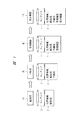
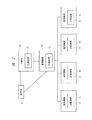
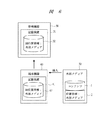
図1は本発明の一実施の形態におけるコンテンツ配信方法を示す説明図、図2は本発明の一実施の形態におけるコンテンツ配信方法を実施するためのシステム構成の一例を示す構成図である。
【0011】
図1において、配信局10から配信されるコンテンツ1には、コンテンツ1の情報及びコンテンツ1の位置情報を有するメタデータ2が付属しており、配信局10では、コンテンツ1を配信する際、コンテンツ1のメタデータ2に配信局1の位置を示す位置情報を追加している。
【0012】
この位置情報は、例えば、配信局10のIPアドレスなど、配信局10を特定することができる情報から構成され、中継局20、管理機器30、端末機器40も同様に異なる位置情報を持っており、それぞれコンテンツ1を保存した場合に、コンテンツ1のメタデータ2に自分自身の位置を示す位置情報を追加するようになっている。
【0013】
図2において、コンテンツ配信方法を実施するためのシステムは、放送局やネットワーク配信局などコンテンツ1の配信を行う配信局10、配信局10から配信されるコンテンツ1を一括して管理しコンテンツ1の配信を行う、又は配信局10から配信されるコンテンツ1をキャッシュして中継する中継局20、配信局10又は中継局20から配信されるコンテンツ1を受信し、コンテンツ1の管理を行うホームゲートウエイ、ホームサーバなどの管理機器30、ユーザがコンテンツ1を利用する複数の端末機器40から構成されている。
【0014】
また、中継局20、管理機器30、端末機器40には、それぞれコンテンツ1やコンテンツ1に付属しているメタデータ2の情報を記憶する記憶装置21,31,41が備えられており、それぞれの記憶装置21,31,41内に、メタデータ2の情報がコンテンツ1毎にデータベースとして格納されている。
【0015】
また、中継局20や管理機器30の記憶装置21、31に記憶されるコンテンツ1は、記憶装置21,31の容量を超えた場合には、古いコンテンツ1から削除されるか、アクセス頻度の低いコンテンツ1から削除されるようになっている。
【0016】
次に、コンテンツ1に付属されるメタデータ2について説明する。
【0017】
コンテンツ1に付属されるメタデータ2には、例えば、TVエニタイムフォーラム(TV Anytime Forum)が制定しているメタデータ関連の規格書で定義されているコンテンツ1を特定するCRID(Contents Reference ID)、コンテンツ1の概要、コンテンツ1のビデオフォーマット、コンテンツ1の番組情報などのコンテンツ情報が含まれている。
【0018】
また、この実施の形態では、メタデータ2に、これらのコンテンツ情報の他に、コンテンツ1が保存されて存在している位置の情報である位置情報も含まれており、この位置情報は、配信局10だけではなく、中継局20、管理機器30、端末機器40など、コンテンツ1を保存する機器側でも情報の追加や削除ができるようになっている。
【0019】
次に、この実施の形態の動作について説明する。
【0020】
まず、コンテンツ1を配信局10から端末機器40へ配信する際のメタデータ2の情報の変化について説明する。
【0021】
図1に示すように、配信局10から配信されるコンテンツ1にはメタデータ2の情報として、配信局10の位置情報が追加されている。
【0022】
そして、配信局10から配信されたコンテンツ1は中継局20で受信され、中継局20でコンテンツ1を保存した場合は、コンテンツ1のメタデータ2の情報に中継局20の位置情報を追加する。
【0023】
同様に、管理機器30でコンテンツ1を保存した場合は、コンテンツ1のメタデータ2の情報に管理機器30の位置情報を追加し、各端末機器40にコンテンツ1を保存した場合は、コンテンツ1のメタデータ2の情報に端末機器40の位置情報を追加する。
【0024】
これにより、端末機器40側に配信されたコンテンツ1のメタデータ2には、そのコンテンツ1が保存されている場所(配信局10、中継局20、管理機器30、端末機器40)の位置情報が含まれることになり、端末機器40側でコンテンツ1の存在場所を含めたコンテンツ1の情報を取得することができる。
【0025】
次に、コンテンツ1そのものではなく、例えば、番組情報や番組表の配信などコンテンツ1に付属させるメタデータ2の情報のみを配信する場合の動作について説明する。
【0026】
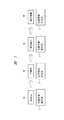
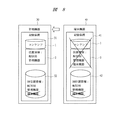
図3はメタデータのみを配信する場合のメタデータの情報の変化を示す図である。
【0027】
コンテンツ1そのものではなく、コンテンツ1に付属させるメタデータ2の情報のみを配信する場合は、図3に示すように、配信局10から配信されるメタデータ2の情報として、配信局の位置情報が追加されている。
【0028】
そして、配信局10から配信されたメタデータ2は中継局20で受信され、中継局20に受信したメタデータ2に対応するコンテンツ1が保存されていなければ、メタデータ2の情報に中継局20の位置情報は追加せずに配信局10の位置情報のままにする。
【0029】
同様に、管理機器30にメタデータ2に対応するコンテンツ1が保存されていなければ、メタデータ2の情報に管理機器30の位置情報は追加せずに配信局10の位置情報のままにし、各端末機器40にメタデータ2に対応するコンテンツ1が保存されていなければ、メタデータ2の情報に端末機器40の位置情報は追加せずに配信局10の位置情報のままにする。
【0030】
また、中継局20、管理機器30、端末機器40において、受信したメタデータ2に対応するコンテンツ1が保存されていれば、図1に示すメタデータ2と同様に、それぞれの位置情報をメタデータ2に追加していく。
【0031】
次に、端末機器40にコンテンツ1が配信された後の動作について説明する。
【0032】
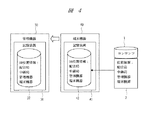
図4は端末機器にコンテンツが配信された後の動作を説明するための説明図である。
【0033】
図4において、管理機器30の記憶装置31及び端末機器40の記憶装置41は、それぞれコンテンツ1に付属するメタデータ2の情報を格納するデータベース32、42を備えている。
【0034】
まず、図4に示すように、端末機器40で受信されたコンテンツ1に付属しているメタデータ2には、位置情報として、配信局10から端末機器40までの情報が格納されており、端末機器40では、コンテンツ1を記憶装置41に保存し、コンテンツ1に付属しているメタデータ2の情報を記憶装置41内のデータベース42にコンテンツ1毎に格納する。
【0035】
そして、端末機器40は新しいコンテンツ1を保存したことを管理機器30に通知し、管理機器30では、端末機器40から通知された情報に基づいて、記憶装置31内のデータベース32に、コンテンツ1の位置情報を追加する。
【0036】
これにより、管理機器30側では、接続されている端末機器40に保存されているコンテンツ1の位置情報を管理することができる。
【0037】
次に、コンテンツ1を端末機器40からビデオテープやDVDなどの外部記録メディアや他の端末機器40に複製した場合の動作について説明する。
【0038】
図5はコンテンツを端末機器から外部記録メディアや他の端末機器に複製した場合の動作を説明するための説明図である。
【0039】
図5は、端末機器A40aに保存されているコンテンツ1を外部メディア50及び端末機器B40bに複製する状態を示しており、端末機器A40aに保存されているコンテンツ1に付属しているメタデータ2の情報としては、位置情報として端末機器A40aのみの例を示している。
【0040】
まず、端末機器A40aに保存しているコンテンツ1を外部メディア50に複製する場合は、外部メディア50に複製するコンテンツ1に付属するメタデータ2の情報としては、外部メディア50は別の管理機器30に接続されている端末機器40で使用される場合もあるため、外部メディア50の位置情報のみを格納する。
【0041】
そして、端末機器A40aでは外部メディア50の位置情報を記録装置41のデータベース42に追加し、管理機器30に外部メディア50にコンテンツ1を複製したことを通知し、管理機器30では、端末機器A40aから通知された情報に基づいて、記憶装置31内のデータベース32に、コンテンツ1の位置情報を追加する。
【0042】
また、端末機器A40aに保存しているコンテンツ1を端末機器B40bに複製する場合は、端末機器B40bでは、コンテンツ1が複製された後、コンテンツ1に付属しているメタデータ2に、端末機器A40aの位置情報に代えて、端末機器B40bの情報を追加し、端末機器B40bの位置情報を記録装置41のデータベース42に追加し、管理機器30に端末機器B40bにコンテンツ1を複製したことを通知し、管理機器30では、端末機器A40aから通知された情報に基づいて、記憶装置31内のデータベース32に、コンテンツ1の位置情報を追加する。
【0043】
次に、外部メディア50が端末機器40に挿入、又は外部メディア50が端末機器40から排除された場合の動作について説明する。
【0044】
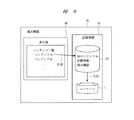
図6は外部メディアが端末機器に挿入された場合の動作を説明するための説明図、図7は外部メディアが端末機器から排除された場合の動作を説明するための説明図である。
【0045】
まず、外部メディア50が端末機器40に挿入された場合は、外部メディア50内に保存されているコンテンツ1に付属されているメタデータ2を調べて、記憶装置41内のデータベース42に外部メディア50の位置情報を追加し、管理機器30に外部メディア50が挿入されたことを通知し、管理機器30では、端末機器40から通知された情報に基づいて、記憶装置31内のデータベース32に、外部メディア50の位置情報を追加する。
【0046】
また、端末機器40に外部メディア50が挿入され、外部メディア50に保存しているコンテンツ1を端末機器40に保存した場合は、記憶装置41のデータベース42に端末機器40の位置情報を追加し、管理機器30に端末機器40にコンテンツ1を保存したことを通知し、管理機器30では、端末機器40から通知された情報に基づいて、記憶装置31内のデータベース32に、コンテンツ1の位置情報を追加する。
【0047】
また、外部メディア50が端末機器40から排除された場合は、排除された外部メディア50に存在するコンテンツ1を記憶装置41内のデータベース42から検索し、記憶装置41内のデータベース42に、外部メディア50の位置情報はそのままで、外部メディア50が排除され取り外されたことを記入し、管理機器30に外部メディア50が排除されたことを通知し、管理機器30では、端末機器40から通知された情報に基づいて、記憶装置31内のデータベース32に、外部メディア50の位置情報はそのままで、外部メディア50が排除され取り外されたことを記入する。
【0048】
次に、端末機器40内でコンテンツ1が削除された場合の動作について説明する。
【0049】
図8は端末機器内でコンテンツが削除された場合の動作を説明するための説明図である。
【0050】
端末機器40内のコンテンツ1が削除された場合は、削除されたコンテンツ1を記憶装置41内のデータベース42から検索し、記憶装置41内のデータベース42から、端末機器40の位置情報を削除し、削除した結果、上位管理機器30などの位置情報が全て存在しない場合は、コンテンツ1の情報そのものをデータベース42上から削除する。
【0051】
そして、管理機器30にコンテンツ1が削除されたことを通知し、管理機器30では、端末機器40から通知された情報に基づいて、記憶装置31内のデータベース32から、端末機器40の位置情報を削除する。
【0052】
次に、端末機器40でのコンテンツ1の利用について説明する。
【0053】
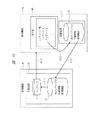
図9は端末機器にコンテンツが保存されている場合のコンテンツ利用の動作を説明するための説明図、図10は管理機器にコンテンツが保存されている場合のコンテンツ利用の動作を説明するための説明図、図11は他の端末機器にコンテンツが保存されている場合のコンテンツ利用の動作を説明するための説明図である。
【0054】
各図において、端末機器40にはコンテンツ1の一覧などを表示するための表示部60を備えている。
【0055】
まず、端末機器40側では、表示部60などに、記憶装置41内のデータベース42に存在するコンテンツ情報から現ユーザが利用できるコンテンツ1を、図9、図10、図11に示すように全て等価なコンテンツ一覧として表示している。
【0056】
そして、端末機器40にコンテンツ1が保存されている場合は、図9に示すように、ユーザがコンテンツ1の一覧から、あるコンテンツを選択(例えば、コンテンツA)すると、記憶装置41内のデータベース42のコンテンツAに該当するコンテンツ情報から位置情報を取得する(S100)。
【0057】
そして、図9に示すように、コンテンツAの位置情報が端末機器40のみの場合は、端末機器40の記憶装置41内に保存されているコンテンツAのコンテンツ1を再生する(S101)。
【0058】
また、管理機器30にコンテンツ1が保存されている場合は、図10に示すように、ユーザがコンテンツ1の一覧から、あるコンテンツを選択(例えば、コンテンツB)すると、記憶装置41内のデータベース42のコンテンツBに該当するコンテンツ情報から位置情報を取得する(S110)。
【0059】
そして、図10に示すように、コンテンツBの位置情報が管理機器30の場合は、管理機器30に対して該当するコンテンツ1の配信要求を行う(S111)。
【0060】
そして、配信要求を受けた管理機器30では、記憶装置31内のデータベース32のコンテンツBに該当するコンテンツ情報から位置情報を取得し、コンテンツBの位置情報により管理機器30にコンテンツ1が存在する場合は、そのコンテンツ1の配信処理を行い(S112)、端末機器40に対して、コンテンツ1の配信を行い(S113)、端末機器40で配信されたコンテンツ1を再生する。
【0061】
また、記憶装置31内のデータベース32の位置情報により管理機器30に端末機器40から配信要求を受けたコンテンツが存在しない場合は、記憶装置31内のデータベース32の位置情報に基づいて、コンテンツ1が存在する上位の中継局20や配信局10に対して、配信要求を転送する。
【0062】
そして、転送された配信要求を受けた中継局20や配信局10は、管理機器30と同様な動作により、管理機器30に対して、配信要求の内容に基づいてコンテンツ1の配信を行い、管理機器30では上位の中継局20や配信局10から配信されたコンテンツ1を端末機器40に配信し、端末機器40で配信されたコンテンツ1を再生する。
【0063】
また、管理機器30に保存されていたコンテンツ1が削除されるなどしてコンテンツ1が存在せず、他の端末機器40にコンテンツ1が保存されている場合は、図11に示すように、端末機器A40aのユーザがコンテンツ1の一覧からコンテンツを選択(例えば、コンテンツC)すると、記憶装置41内のデータベース42のコンテンツCに該当するコンテンツ情報から位置情報を取得する(S120)。
【0064】
そして、図11に示すように、コンテンツCの位置情報が管理機器30の場合は、管理機器30に対して該当するコンテンツ1の配信要求を行う(S121)。
【0065】
そして、配信要求を受けた管理機器30では、記憶装置31内のデータベース32のコンテンツCに該当するコンテンツ情報から位置情報を取得し、コンテンツCの位置情報により管理機器30にはコンテンツ1が存在せず、コンテンツCが、端末機器B40b及び端末機器C40cに保存されている場合、端末機器A40aと端末機器B40b及び端末機器C40cとの位置関係、コンテンツ配信のコスト、コンテンツ配信時のネットワークの負荷などの情報を、例えば、予め管理機器30のデータベース32などに格納しておき、その情報により、最適な場所(例えば、端末機器B40b)に対して、該当するコンテンツ1の配信要求を行う(S122)。
【0066】
そして、配信要求を受けた端末機器B40bでは、記憶装置41内のデータベース42のコンテンツCに該当するコンテンツ情報から位置情報を取得し、コンテンツCの位置情報により、そのコンテンツ1の配信処理を行い(S123)、端末機器A40aに対して、管理機器30を経由するか、又は直接端末機器A40aに対してコンテンツ1の配信を行い(S124)、端末機器A40aで配信されたコンテンツ1を再生する。
【0067】
なお、コンテンツ1が外部メディア50のみに保存されている場合には、ユーザに対して外部メディア50を挿入させるメッセージを出すなどして、その外部メディア50をユーザに挿入させるようになっている。
【0068】
次に、端末機器40で選択されたコンテンツ1が未来に配信される予定の場合の動作について説明する。
【0069】
例えば、番組情報や番組表の配信などにより、未来に配信されるコンテンツ1の情報が、端末機器40の記憶装置41のデータベース42に格納され、そのコンテンツ1をユーザが選択した場合は、端末機器40側でコンテンツ1の配信予約を行い、配信される予定時間になると、コンテンツ1の配信元(例えば、配信局10)に対してコンテンツ1の配信要求を、例えば管理機器30を介して送信し、コンテンツ1の配信要求に対して配信されたコンテンツ1を端末機器40で再生又は保存する。
【0070】
次に、端末機器40が管理機器30に追加された場合、及び端末機器40が管理機器30から切断された場合の動作について説明する。
【0071】
まず、端末機器40がネットワークなどを介して管理機器30に接続され、管理機器30が管理する端末機器40に追加された場合は、端末機器40の記憶装置41内のデータベース42に存在するコンテンツ情報を、すべて上位の管理機器30へ通知し、管理機器30側では、追加された端末機器40から通知された情報を記憶装置31内のデータベース32へ追加する。
【0072】
また、管理機器30側からも、記憶装置31内のデータベース32に存在するコンテンツ情報を端末機器40へ通知し、端末機器40側では、管理機器30から通知された情報を記憶装置41内のデータベース42へ追加する。
【0073】
これにより、管理機器30側の記憶装置31内のデータベース32に、新たに追加された端末機器40に保存されているコンテンツ1の情報が格納され、管理機器30側で端末機器40側に保存されているコンテンツ1の管理を行うことができる。また、端末機器40側の記憶装置41内のデータベース42に、管理機器30に保存されているコンテンツ1の情報が格納され、端末機器40側で、管理機器30で管理されているコンテンツ1を利用することができるようになる。
【0074】
また、端末機器40が管理機器30から切断された場合は、端末機器40側では、端末機器40自身で保有しているコンテンツ1以外のコンテンツ情報を、記憶装置41内のデータベース42から削除する。
【0075】
また、管理機器30では、端末機器40からの応答がなくなったときに、記憶装置31内のデータベース32上から、応答がなくなった端末機器40に関する位置情報を削除する。
【0076】
これにより、管理機器30側の記憶装置31内のデータベース32から、切断された端末機器40に保存されているコンテンツ1の情報が削除され、管理機器30側で切断された端末機器40の管理を行わなくなる。また、端末機器40では、端末機器40側の記憶装置41内のデータベース42には、端末機器40自身で保存しているコンテンツ1の情報以外が削除され、他の機器などに保存されているコンテンツ1を利用できない状態になる。
【0077】
なお、端末機器40が管理機器30から切断された場合に、端末機器40において、端末機器40自身に保存されているコンテンツ1と外部メディア50に複製したコンテンツ1以外のコンテンツ情報を、記憶装置41内のデータベース42から削除するようにしてもよい。
【0078】
この場合は、端末機器40に保存されていないコンテンツ1を利用する場合には、外部メディア50を挿入するメッセージを出すなどして、その外部メディア50をユーザに挿入させるようにすればよい。
【0079】
この実施の形態では、配信局10からユーザの使用する端末機器40に対して、番組・映像・音楽などのコンテンツ1の配信を行う際に、コンテンツ1に付属されているメタデータ2の情報に、コンテンツ1の配信経路である中継局20や管理機器30などのコンテンツ1を保存した機器の位置情報を格納するようにしたので、ユーザの使用する端末機器40では、コンテンツ1の存在位置を取得でき、コンテンツ1の存在する位置に関わらず、ユーザ側で、コンテンツを一元的に表示させることが可能となる。
【0080】
また、ユーザ自身に多数のコンテンツ1の存在する位置を意識させることなく、コンテンツの取得・再生をすることが可能となる。
【0081】
【発明の効果】
以上のように本発明によれば、配信局から配信するコンテンツにメタデータを付属し、中継局、管理機器、及び端末機器でコンテンツを保存したとき、保存したコンテンツのメタデータに、自分自身の位置情報を追加するようにしたので、端末機器では、コンテンツの存在位置を取得でき、コンテンツの存在する位置に関わらず、端末機器側で、コンテンツを一元的に表示させることができる。
【0082】
また、端末機器側で多数のコンテンツの存在する位置を意識させることなく、コンテンツの取得・再生をすることができる。
【図面の簡単な説明】
【図1】本発明の一実施の形態におけるコンテンツ配信方法を示す説明図である。
【図2】本発明の一実施の形態におけるコンテンツ配信方法を実施するためのシステム構成の一例を示す構成図である。
【図3】本発明の一実施の形態におけるメタデータのみを配信する場合のメタデータの情報の変化を示す図である。
【図4】本発明の一実施の形態における端末機器にコンテンツが配信された後の動作を説明するための説明図である。
【図5】本発明の一実施の形態におけるコンテンツを端末機器から外部メディアや他の端末機器に複製した場合の動作を説明するための説明図である。
【図6】本発明の一実施の形態における外部メディアが端末機器に挿入された場合の動作を説明するための説明図である。
【図7】本発明の一実施の形態における外部メディアが端末機器から排除された場合の動作を説明するための説明図である。
【図8】本発明の一実施の形態における端末機器内でコンテンツが削除された場合の動作を説明するための説明図である。
【図9】本発明の一実施の形態における端末機器にコンテンツが保存されている場合のコンテンツ利用の動作を説明するための説明図である。
【図10】本発明の一実施の形態における管理機器にコンテンツが保存されている場合のコンテンツ利用の動作を説明するための説明図である。
【図11】本発明の一実施の形態における他の端末機器にコンテンツが保存されている場合のコンテンツ利用の動作を説明するための説明図である。
【符号の説明】
1…コンテンツ、2…メタデータ、10…配信局、20…中継局、21…記憶装置、30…管理機器、31…記憶装置、32…データベース、40…端末機器、40a…端末機器A、40b…端末機器B、40c…端末機器C、41…記憶装置、42…データベース、50…外部メディア、60…表示部。[0001]
TECHNICAL FIELD OF THE INVENTION
The present invention relates to a content distribution method for distributing contents such as programs, videos, and music from a broadcasting station or a network distribution station to a user, and particularly to a method for easily using a plurality of contents distributed on the user side. Related to technology.
[0002]
[Prior art]
Conventionally, when content is distributed from a broadcast station or a network distribution station to a user, the user side receives the content currently distributed from the broadcast station or the network distribution station, the location of the content to be distributed, and the user. The user specifies the position of the content consciously based on the location of the recorded content or purchased content (eg, reservation from a program guide, switching channels, playback from a recording list, playback of purchased content, etc.). , Playback or an operation corresponding thereto.
[0003]
In addition, BML (Broadcast Markup Language), a TV Anytime Forum (BML) defined in ARIB STD-B24 “Data Broadcasting Coding and Transmission System in Digital Broadcasting” of ARIB (Association of Radio Industries and Businesses) has been conventionally used. Each content to be distributed from a broadcasting station, a network distribution station, or the like, using TV-Anytime Metadata defined in a metadata-related standard established by the TV Anytime Forum. Metadata indicating the information is attached, and the user obtains information about the content and uses the information.
[0004]
[Problems to be solved by the invention]
By the way, in the above-mentioned conventional technology, when a user uses a plurality of contents distributed from a broadcasting station or a network distribution station, the user must be aware of the location of the plurality of contents by himself. However, when a large number of contents are used, there is a problem that acquisition and reproduction of the target contents become complicated.
[0005]
Also, even when metadata is attached to content and distributed, the metadata information is set only at the broadcasting station or network distribution station that is the distribution source of the content, and information on the distribution source, the content name, and the outline of the content , Video format, program information, and the like, and it was not possible to acquire the current content location from the metadata information.
[0006]
Therefore, an object of the present invention is to attach metadata indicating information of contents to each of the contents, and treat all contents in the same line using a metadata database in the user-side device, For content that does not exist in the system, by inquiring to the host / external device, the user can display the content in a unified manner regardless of the location where the content exists, and make the user aware of the location where many contents exist. It is another object of the present invention to provide a content distribution method capable of acquiring and reproducing content.
[0007]
[Means for Solving the Problems]
According to the content distribution method of the present invention, when distributing content, metadata is attached to the content, and position information of a device storing the content is added to the metadata.
[0008]
Also, the content distribution method according to the present invention receives a content distributed from a distribution station that distributes the content or a relay station that relays the content, and manages a plurality of contents, and distributes the content from the management device. In a content distribution method in a system having a plurality of terminal devices, metadata is attached to content distributed from a distribution station, and when the content is stored in a relay station, a management device, and a terminal device, the metadata of the stored content is added to the metadata. , To add their own location information.
[0009]
BEST MODE FOR CARRYING OUT THE INVENTION
Hereinafter, embodiments of the present invention will be described in detail with reference to the drawings. In all the drawings for describing the embodiments, the same members are denoted by the same reference numerals, and a repeated description thereof will be omitted.
[0010]
FIG. 1 is an explanatory diagram illustrating a content distribution method according to an embodiment of the present invention, and FIG. 2 is a configuration diagram illustrating an example of a system configuration for implementing the content distribution method according to an embodiment of the present invention.
[0011]
In FIG. 1, a
[0012]
The location information is composed of information that can specify the
[0013]
In FIG. 2, a system for implementing the content distribution method includes a
[0014]
The
[0015]
Further, when the
[0016]
Next, the
[0017]
The
[0018]
Also, in this embodiment, in addition to these pieces of content information, the
[0019]
Next, the operation of this embodiment will be described.
[0020]
First, a change in information of the
[0021]
As shown in FIG. 1, position information of the
[0022]
Then, the
[0023]
Similarly, when the
[0024]
Accordingly, the
[0025]
Next, an operation in the case where only the information of the
[0026]
FIG. 3 is a diagram showing a change in metadata information when only metadata is distributed.
[0027]
When only the information of the
[0028]
Then, the
[0029]
Similarly, if the
[0030]
If the
[0031]
Next, an operation after the
[0032]
FIG. 4 is an explanatory diagram for explaining an operation after the content is distributed to the terminal device.
[0033]
In FIG. 4, a
[0034]
First, as shown in FIG. 4, in the
[0035]
Then, the
[0036]
Thus, the
[0037]
Next, an operation when the
[0038]
FIG. 5 is an explanatory diagram for explaining an operation when content is copied from a terminal device to an external recording medium or another terminal device.
[0039]
FIG. 5 shows a state in which the
[0040]
First, when the
[0041]
Then, the terminal device A40a adds the location information of the external medium 50 to the
[0042]
When the
[0043]
Next, an operation when the
[0044]
FIG. 6 is an explanatory diagram for explaining an operation when the external medium is inserted into the terminal device, and FIG. 7 is an explanatory diagram for explaining an operation when the external medium is excluded from the terminal device.
[0045]
First, when the
[0046]
When the
[0047]
When the
[0048]
Next, an operation when the
[0049]
FIG. 8 is an explanatory diagram for explaining an operation when a content is deleted in the terminal device.
[0050]
When the
[0051]
Then, the
[0052]
Next, the use of the
[0053]
FIG. 9 is an explanatory diagram for explaining the operation of using the content when the content is stored in the terminal device, and FIG. 10 is an explanatory diagram for explaining the operation of using the content when the content is stored in the management device. FIG. 11 and FIG. 11 are explanatory diagrams for explaining the operation of using the content when the content is stored in another terminal device.
[0054]
In each figure, the
[0055]
First, on the
[0056]
Then, when the
[0057]
Then, as shown in FIG. 9, when the position information of the content A is only the
[0058]
When the
[0059]
Then, as shown in FIG. 10, when the position information of the content B is the
[0060]
Then, the
[0061]
Further, when there is no content whose distribution request is received from the
[0062]
Then, the
[0063]
When the
[0064]
Then, as shown in FIG. 11, when the position information of the content C is the
[0065]
Then, the
[0066]
Then, the
[0067]
If the
[0068]
Next, an operation when the
[0069]
For example, information on
[0070]
Next, operations performed when the
[0071]
First, when the
[0072]
Further, the
[0073]
As a result, the information of the
[0074]
When the
[0075]
When the response from the
[0076]
As a result, the information of the
[0077]
When the
[0078]
In this case, when the
[0079]
In this embodiment, when the
[0080]
Further, it is possible to acquire / reproduce the content without making the user himself aware of the position where the large number of
[0081]
【The invention's effect】
As described above, according to the present invention, metadata is attached to content distributed from a distribution station, and when the content is stored in a relay station, a management device, and a terminal device, the metadata of the stored content includes its own. Since the location information is added, the terminal device can acquire the location of the content, and the terminal device can unifyly display the content regardless of the location of the content.
[0082]
Further, it is possible to acquire and reproduce the content without making the terminal device aware of the position where a large number of contents exist.
[Brief description of the drawings]
FIG. 1 is an explanatory diagram showing a content distribution method according to an embodiment of the present invention.
FIG. 2 is a configuration diagram showing an example of a system configuration for implementing a content distribution method according to an embodiment of the present invention.
FIG. 3 is a diagram illustrating a change in metadata information when only metadata is distributed according to an embodiment of the present invention.
FIG. 4 is an explanatory diagram illustrating an operation after content is distributed to a terminal device according to an embodiment of the present invention.
FIG. 5 is an explanatory diagram for describing an operation when content is copied from a terminal device to an external medium or another terminal device according to an embodiment of the present invention.
FIG. 6 is an explanatory diagram illustrating an operation when an external medium is inserted into a terminal device according to an embodiment of the present invention.
FIG. 7 is an explanatory diagram illustrating an operation when an external medium is excluded from a terminal device according to an embodiment of the present invention.
FIG. 8 is an explanatory diagram illustrating an operation when content is deleted in the terminal device according to the embodiment of the present invention.
FIG. 9 is an explanatory diagram illustrating an operation of using a content when a content is stored in a terminal device according to an embodiment of the present invention.
FIG. 10 is an explanatory diagram illustrating an operation of using a content when the content is stored in the management device according to an embodiment of the present invention.
FIG. 11 is an explanatory diagram illustrating an operation of using a content when content is stored in another terminal device according to an embodiment of the present invention.
[Explanation of symbols]
DESCRIPTION OF
Claims (5)
前記配信局から配信する前記コンテンツにメタデータを付属させ、前記中継局、前記管理機器、又は前記端末機器で前記コンテンツを保存したとき、保存した前記コンテンツの前記メタデータに、自分自身の位置情報を追加することを特徴とするコンテンツ配信方法。A management device that receives content distributed from a distribution station that distributes content or a relay station that relays the content, and manages a plurality of the content, and a plurality of terminal devices to which the content is distributed from the management device. Content distribution method in a system having
When metadata is attached to the content to be distributed from the distribution station, and when the content is stored in the relay station, the management device, or the terminal device, the metadata of the stored content has its own location information. A content distribution method characterized by adding a content.
前記管理機器及び前記端末機器内にデータベースを設け、前記データベースに前記コンテンツに付属されている前記メタデータの情報を格納することを特徴とするコンテンツ配信方法。The content distribution method according to claim 2,
A content distribution method, wherein a database is provided in the management device and the terminal device, and information of the metadata attached to the content is stored in the database.
前記端末機器で前記コンテンツを保存したとき、その旨の情報を前記管理機器に通知し、通知された前記コンテンツに対応する前記管理機器内の前記データベースに前記端末機器の位置情報を追加することを特徴とするコンテンツ配信方法。The content distribution method according to claim 3,
When storing the content in the terminal device, notify the management device of information to that effect, and adding the position information of the terminal device to the database in the management device corresponding to the notified content. Characteristic content distribution method.
前記端末機器上に、前記端末機器内のデータベースに格納された情報に基づいて、前記コンテンツの一覧を表示させ、前記コンテンツが選択されると、前記端末機器内のデータベースに格納された情報に基づいて、前記コンテンツを取得することを特徴とするコンテンツ配信方法。The content distribution method according to claim 3 or 4,
On the terminal device, based on the information stored in the database in the terminal device, to display a list of the content, when the content is selected, based on the information stored in the database in the terminal device And acquiring the content.
Priority Applications (2)
| Application Number | Priority Date | Filing Date | Title |
|---|---|---|---|
| JP2003140331A JP4454251B2 (en) | 2003-05-19 | 2003-05-19 | Content distribution system |
| US10/847,880 US20050004946A1 (en) | 2003-05-19 | 2004-05-19 | Method for distributing contents |
Applications Claiming Priority (1)
| Application Number | Priority Date | Filing Date | Title |
|---|---|---|---|
| JP2003140331A JP4454251B2 (en) | 2003-05-19 | 2003-05-19 | Content distribution system |
Publications (2)
| Publication Number | Publication Date |
|---|---|
| JP2004342000A true JP2004342000A (en) | 2004-12-02 |
| JP4454251B2 JP4454251B2 (en) | 2010-04-21 |
Family
ID=33529081
Family Applications (1)
| Application Number | Title | Priority Date | Filing Date |
|---|---|---|---|
| JP2003140331A Expired - Fee Related JP4454251B2 (en) | 2003-05-19 | 2003-05-19 | Content distribution system |
Country Status (2)
| Country | Link |
|---|---|
| US (1) | US20050004946A1 (en) |
| JP (1) | JP4454251B2 (en) |
Cited By (2)
| Publication number | Priority date | Publication date | Assignee | Title |
|---|---|---|---|---|
| WO2006073280A1 (en) * | 2005-01-07 | 2006-07-13 | Electronics And Telecommunications Research Institute | Apparatus and method for providing adaptive broadcast service using usage environment description including biographic information and terminal information |
| JP2008529157A (en) * | 2005-01-31 | 2008-07-31 | トムソン ライセンシング | System architecture and method for scheduled download service |
Families Citing this family (6)
| Publication number | Priority date | Publication date | Assignee | Title |
|---|---|---|---|---|
| CA2533971C (en) * | 2005-01-26 | 2010-04-13 | Karl Storz Development Corp. | Illumination system for variable direction of view instruments |
| US8397072B2 (en) * | 2005-05-20 | 2013-03-12 | Rovi Solutions Corporation | Computer-implemented method and system for embedding ancillary information into the header of a digitally signed executable |
| US20070073725A1 (en) * | 2005-08-05 | 2007-03-29 | Realnetworks, Inc. | System and method for sharing personas |
| EP2171970A1 (en) * | 2007-07-31 | 2010-04-07 | Macrovision Corporation | A computer-implemented method and system to enable out of band tracking for digital distribution |
| US20110088073A1 (en) * | 2009-10-12 | 2011-04-14 | At&T Intellectual Property I, L.P. | User-configured background channels in internet-protocol television |
| EP4369677B1 (en) * | 2021-07-05 | 2026-02-11 | Panasonic Intellectual Property Corporation of America | Position information relay device, position information acquisition system, position information relay method, and program |
Family Cites Families (4)
| Publication number | Priority date | Publication date | Assignee | Title |
|---|---|---|---|---|
| US6959326B1 (en) * | 2000-08-24 | 2005-10-25 | International Business Machines Corporation | Method, system, and program for gathering indexable metadata on content at a data repository |
| JP4309629B2 (en) * | 2002-09-13 | 2009-08-05 | 株式会社日立製作所 | Network system |
| US7624158B2 (en) * | 2003-01-14 | 2009-11-24 | Eycast Inc. | Method and apparatus for transmission and storage of digital medical data |
| JP2005071227A (en) * | 2003-08-27 | 2005-03-17 | Sony Corp | Metadata distribution management system, metadata distribution management apparatus, individual metadata management apparatus, client terminal, metadata distribution management method, and computer program |
-
2003
- 2003-05-19 JP JP2003140331A patent/JP4454251B2/en not_active Expired - Fee Related
-
2004
- 2004-05-19 US US10/847,880 patent/US20050004946A1/en not_active Abandoned
Cited By (2)
| Publication number | Priority date | Publication date | Assignee | Title |
|---|---|---|---|---|
| WO2006073280A1 (en) * | 2005-01-07 | 2006-07-13 | Electronics And Telecommunications Research Institute | Apparatus and method for providing adaptive broadcast service using usage environment description including biographic information and terminal information |
| JP2008529157A (en) * | 2005-01-31 | 2008-07-31 | トムソン ライセンシング | System architecture and method for scheduled download service |
Also Published As
| Publication number | Publication date |
|---|---|
| JP4454251B2 (en) | 2010-04-21 |
| US20050004946A1 (en) | 2005-01-06 |
Similar Documents
| Publication | Publication Date | Title |
|---|---|---|
| US9800936B2 (en) | Apparatus, systems and methods for accessing an initial portion of a media content event | |
| US8335826B2 (en) | Network system, access management server, event notification method, network appliance and computer program | |
| US7284032B2 (en) | Method and system for sharing information with users in a network | |
| US6678463B1 (en) | System and method for incorporating previously broadcast content into program recording | |
| US8024766B2 (en) | System and method for distributing network-based personal video | |
| US20040090978A1 (en) | Terminal device for recording program information with means to limit the playing of said program information | |
| US8549559B2 (en) | Information processing apparatus and information processing method, and program | |
| US8925005B2 (en) | Custom content channel | |
| JPH0856352A (en) | Video file server and recording control device | |
| WO2007132899A1 (en) | Program recording/reproducing device, and program recording/reproducing method | |
| JP3595687B2 (en) | Recording control device, broadcasting station, broadcasting / receiving system and medium | |
| GB2402570A (en) | Television receiving apparatus with facility to transmit received program to second receiver | |
| US20020199197A1 (en) | System for exchanging data | |
| JP2004342000A (en) | Contents distribution method | |
| US7293084B1 (en) | Network contents managing system | |
| JP2001024973A (en) | Image providing method and apparatus | |
| JP2003046958A (en) | Video data storage device and video data acquiring device | |
| US9596503B1 (en) | Apparatus, systems and methods for deleting recording timers of a media device | |
| JP4170136B2 (en) | Rental data deposit system | |
| KR20090076152A (en) | Ad schedule management device and method thereof | |
| JP2002232813A (en) | Broadcast receiving terminal device | |
| US20050286857A1 (en) | Method and system for controlling broadcast recorder | |
| JP2000287193A (en) | Information recording and reproducing system | |
| JP2007323276A (en) | Communication apparatus and communication method | |
| JP2008118329A (en) | Content transmitting apparatus and content receiving apparatus |
Legal Events
| Date | Code | Title | Description |
|---|---|---|---|
| A621 | Written request for application examination |
Free format text: JAPANESE INTERMEDIATE CODE: A621 Effective date: 20060123 |
|
| A977 | Report on retrieval |
Free format text: JAPANESE INTERMEDIATE CODE: A971007 Effective date: 20080520 |
|
| A131 | Notification of reasons for refusal |
Free format text: JAPANESE INTERMEDIATE CODE: A131 Effective date: 20080715 |
|
| A521 | Request for written amendment filed |
Free format text: JAPANESE INTERMEDIATE CODE: A523 Effective date: 20080916 |
|
| A711 | Notification of change in applicant |
Free format text: JAPANESE INTERMEDIATE CODE: A711 Effective date: 20080916 |
|
| A521 | Request for written amendment filed |
Free format text: JAPANESE INTERMEDIATE CODE: A821 Effective date: 20080916 |
|
| A131 | Notification of reasons for refusal |
Free format text: JAPANESE INTERMEDIATE CODE: A131 Effective date: 20090203 |
|
| A521 | Request for written amendment filed |
Free format text: JAPANESE INTERMEDIATE CODE: A523 Effective date: 20090402 |
|
| A131 | Notification of reasons for refusal |
Free format text: JAPANESE INTERMEDIATE CODE: A131 Effective date: 20090811 |
|
| A521 | Request for written amendment filed |
Free format text: JAPANESE INTERMEDIATE CODE: A523 Effective date: 20091009 |
|
| TRDD | Decision of grant or rejection written | ||
| A01 | Written decision to grant a patent or to grant a registration (utility model) |
Free format text: JAPANESE INTERMEDIATE CODE: A01 Effective date: 20100105 |
|
| A01 | Written decision to grant a patent or to grant a registration (utility model) |
Free format text: JAPANESE INTERMEDIATE CODE: A01 |
|
| A61 | First payment of annual fees (during grant procedure) |
Free format text: JAPANESE INTERMEDIATE CODE: A61 Effective date: 20100202 |
|
| FPAY | Renewal fee payment (event date is renewal date of database) |
Free format text: PAYMENT UNTIL: 20130212 Year of fee payment: 3 |
|
| R150 | Certificate of patent or registration of utility model |
Free format text: JAPANESE INTERMEDIATE CODE: R150 |
|
| FPAY | Renewal fee payment (event date is renewal date of database) |
Free format text: PAYMENT UNTIL: 20140212 Year of fee payment: 4 |
|
| R250 | Receipt of annual fees |
Free format text: JAPANESE INTERMEDIATE CODE: R250 |
|
| LAPS | Cancellation because of no payment of annual fees |