JP2005242573A - Production line design system and production line design method - Google Patents
Production line design system and production line design method Download PDFInfo
- Publication number
- JP2005242573A JP2005242573A JP2004050037A JP2004050037A JP2005242573A JP 2005242573 A JP2005242573 A JP 2005242573A JP 2004050037 A JP2004050037 A JP 2004050037A JP 2004050037 A JP2004050037 A JP 2004050037A JP 2005242573 A JP2005242573 A JP 2005242573A
- Authority
- JP
- Japan
- Prior art keywords
- production line
- processes
- existing
- production
- line design
- Prior art date
- Legal status (The legal status is an assumption and is not a legal conclusion. Google has not performed a legal analysis and makes no representation as to the accuracy of the status listed.)
- Pending
Links
Images
Classifications
-
- Y—GENERAL TAGGING OF NEW TECHNOLOGICAL DEVELOPMENTS; GENERAL TAGGING OF CROSS-SECTIONAL TECHNOLOGIES SPANNING OVER SEVERAL SECTIONS OF THE IPC; TECHNICAL SUBJECTS COVERED BY FORMER USPC CROSS-REFERENCE ART COLLECTIONS [XRACs] AND DIGESTS
- Y02—TECHNOLOGIES OR APPLICATIONS FOR MITIGATION OR ADAPTATION AGAINST CLIMATE CHANGE
- Y02P—CLIMATE CHANGE MITIGATION TECHNOLOGIES IN THE PRODUCTION OR PROCESSING OF GOODS
- Y02P90/00—Enabling technologies with a potential contribution to greenhouse gas [GHG] emissions mitigation
- Y02P90/02—Total factory control, e.g. smart factories, flexible manufacturing systems [FMS] or integrated manufacturing systems [IMS]
Landscapes
- General Factory Administration (AREA)
Abstract
Description
本発明は、生産ライン設計システム、および生産ライン設計方法に関する。 The present invention relates to a production line design system and a production line design method.
近年、工場における生産ラインの構成や各工程ステージのレイアウトなどの設計を行う際に、コンピュータ設計支援システムが利用されている。 2. Description of the Related Art In recent years, computer design support systems have been used when designing production line configurations and layouts of process stages in factories.
たとえば、従来のコンピュータ支援システムを利用した生産ラインの設計としては、製品の生産に必要なデータを生産工程に沿って関連付けしてコンピュータ内に格納しておき、新たに生産する製品の生産ラインを配置する際に、コンピュータ内に蓄積されている既存製品の生産ラインの工程から流用できそうな候補データを抽出して、その候補データが新たな生産ラインに流用できるかどうかを判断して生産ラインの各工程の配置をしている(特許文献1)。
上記のような従来の技術では、いったんできあがった後の生産ラインに対して、後から変更を加える場合について考慮されていないという問題がある。 The conventional technology as described above has a problem in that no consideration is given to a case where a production line after completion is once changed.
これは、特に、少量多品種生産や、ベースとなる製品が同じでそれに変更を加えた製品を生産する場合、あるいは既存の同種の製品のためのラインを切り換える場合などに、上記従来の技術では、既にできあがっている生産ライン対してわずかな変更を加えることで済むものであっても、そういった後からの工程変更や工程スペースの変更が考慮されていないために、工程の追加や変更できず、すべて新しく設計し直す必要があり、結果的に生産ライン自体もそれにあわせて構築し直さなければならないといった問題があった。 This is particularly the case with the above-mentioned conventional technology, such as when producing a variety of products in small quantities, producing a product with the same base product and changing it, or switching the line for an existing product of the same type. Even if it is possible to make a slight change to the production line that has already been completed, it is not possible to add or change processes because process changes and process space changes after that are not taken into consideration. All had to be redesigned, and as a result, the production line itself had to be rebuilt accordingly.
そこで本発明の目的は、将来の生産ラインの変更に対応可能なように生産ラインを設計することができる生産ライン設計システムおよび生産ライン設計方法を提供することである。 Accordingly, an object of the present invention is to provide a production line design system and a production line design method capable of designing a production line so as to be able to cope with future changes in the production line.
上記課題を解決するための本発明は、設計する生産ラインにおいて生産する製品が必要とする工程、工程順、および各工程が必要とする工程スペースを記憶した工程情報記憶手段と、既存の生産ライン内に存在する工程の工程順および各工程が必要とする工程スペースを記憶した生産ライン情報記憶手段と、前記工程情報記憶手段から前記設計する生産ラインで必要な工程と、前記生産ライン情報記憶手段から前記既存の生産ラインの全工程とを取得して、その中から重複する工程を取り除いて、残った各工程を前記製品の工程順に合わせてそれぞれの前記工程スペースを配置する生産ライン設計手段と、を有することを特徴とする生産ライン設計システムである。 In order to solve the above problems, the present invention provides a process information storage means storing a process required by a product to be produced on a production line to be designed, a process order, and a process space required by each process, and an existing production line. Production line information storage means for storing the process order of the processes existing therein and the process space required for each process, the steps required in the production line designed from the process information storage means, and the production line information storage means A production line design means for acquiring all the processes of the existing production line from, removing duplicate processes from the processes, and arranging each process space by matching the remaining processes in the order of the processes of the product; , A production line design system.
また、上位課題を解決するための本発明は、設計する生産ラインにおいて生産する製品が必要とする工程、工程順、および各工程が必要とする工程スペースを取得する段階と、既存の生産ライン内に存在する工程、工程順、および各工程が必要とする工程スペースを取得する段階と、取得したすべての工程の中から重複する工程を取り除く段階と、残った各工程を前記製品の工程順に合わせてそれぞれの前記工程スペースを配置する段階と、を有することを特徴とする生産ライン設計方法である。 In addition, the present invention for solving the higher-level problems includes a step of acquiring a process required for a product to be produced in a production line to be designed, a process order, a process space required for each process, and an existing production line. The process, the process order, and the process space required by each process, the process of removing duplicate processes from all the acquired processes, and the remaining processes are matched in the process order of the product And a step of arranging each of the process spaces.
本発明の生産ライン設計システムによれば、工程情報記憶手段に新たに設計する製品が必要とする工程とその工程順を記憶し、一方、生産ライン情報記憶手段に既存の生産ライン内に存在する工程とその工程順を記憶して、生産ライン設計手段がこれら記憶手段から、設計する生産ラインに必要な工程と既存の生産ラインの工程とを取得して足し合わせ、それら工程の中から重複するものを取り除いて、残りの各工程の工程スペースを新たに構築する生産ラインとして配置するので、既存の生産ラインに存在する工程は新たに構築する生産ラインにすべて存在することになるので、新たに構築した生産ラインをさらに変更する場合なども、変更に容易が可能であり、しかも、既存の生産ラインに存在しないほどの余分な工程を追加しているものではないから、必要最少の工程数で生産ラインを構成することができる。 According to the production line design system of the present invention, the process information storage means stores the process required by the newly designed product and the order of the processes, while the production line information storage means exists in the existing production line. The process and the order of the processes are stored, and the production line design means obtains and adds the processes necessary for the production line to be designed and the processes of the existing production line from these storage means, and overlaps these processes. Since the process space is removed and the process space of each remaining process is newly constructed, all the processes existing in the existing production line exist in the newly constructed production line. Even when the constructed production line is further changed, it is easy to change, and an extra process that does not exist in the existing production line is added. Not a can configure the production line by the number of steps required minimum.
また、本発明の生産ライン設計方法によれば、設計する生産ラインに必要な工程と既存の生産ラインのすべての工程とを足し合わせて、それら工程の中から重複するものを除いて、残りの各工程の工程スペースを新たに構築する生産ラインとして配置するので、既存の生産ラインに存在する工程は新たに構築する生産ラインにすべて存在することになるので、新たに構築した生産ラインをさらに変更する場合なども、変更に容易が可能であり、しかも、既存の生産ラインに存在しないほどの余分な工程を追加しているものではないから、必要最少の工程数で生産ラインを構成することができる。 In addition, according to the production line design method of the present invention, the processes necessary for the production line to be designed and all the processes of the existing production line are added together, and the remaining ones are excluded except for those duplicated. Since the process space of each process is arranged as a newly constructed production line, all the processes existing in the existing production line will exist in the newly constructed production line, so the newly constructed production line will be further changed. In this case, the production line can be configured with the minimum number of necessary steps because it is easy to change and does not add extra steps that do not exist in the existing production line. it can.
以下、図面を参照して本発明を実施するための最良の形態について説明する。 The best mode for carrying out the present invention will be described below with reference to the drawings.
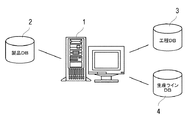
図1は、本発明を適用した生産ライン設計システム(以下単にシステムと称する場合がある)の構成を示す図面である。ここでは自動車の組み立て生産ラインの設計を例に説明する。 FIG. 1 is a diagram showing a configuration of a production line design system (hereinafter sometimes simply referred to as a system) to which the present invention is applied. Here, the design of an automobile assembly production line will be described as an example.
このシステムは、設計処理を行うコンピュータ1と、製品を登録してある製品データベース(図中データベースをBDと表記した)2と、製品を生産するために必要なすべての工程を登録してある工程データベース3と、既設の生産ラインの工程およびその工程順などを登録してある生産ラインデータベース4とからなる。
This system includes a
コンピュータ1は、生産ライン設計手段であり、後述する手順により生産ラインにおける工程の配置を実行して、工程スペースの配置による生産ラインの設計図を作成する。なお、このコンピュータ1には、キーボードやマウスなどの入力装置、モニターやプリンタなどの出力装置が接続されていて、適宜設計図の出力、修正などが行えるようになっている。
The
製品データベース2は、生産ラインで製造されている製品の情報をデータベースとして記憶したものであり、たとえばコンピュータ1とデータ記憶装置からなる。ここで製品の情報とは、具体的には、たとえば、自動車の製品名とその製品の車種(セダン、ワゴン、ワンボックスなど)、仕向先(北米向け、日本向け、西欧向けなど)、車種ごとの特殊部品の有無などが登録されている。
The
工程データベース3は、工程情報記憶手段であり、製品ごとにその製品の組み立てに必要なすべての工程を記憶し、また、工程ごとにその工程に用いられている設備、工程を実行するために必要な工程スペース、工程内における設備配置などを記憶している(これらを工程情報と称する)。したがって、この工程データベース3には、これから設計する生産ラインにおいて生産する製品が必要とする工程情報、既存の製品の工程情報などが記憶されている。このようなデータベースは、たとえばコンピュータによって構築される。
The
工程に用いられている設備は、工程ごとに、その工程を実施するために必要なすべて設備(装置)であり、たとえば、ロボット、搬送装置、部品棚などである。 The equipment used in the process is all equipment (apparatus) necessary for carrying out the process for each process, for example, a robot, a transfer device, a parts shelf, and the like.
工程スペースは、工程を実施するために必要なすべてのスペースであり、たとえば、上記設備を設置するためのスペース、作業を行うために必要なスペースなどを組み合わせその工程で必要とするすべての面積である。 The process space is all the space necessary for carrying out the process. For example, the space for installing the above equipment, the space necessary for performing the work, etc. is there.
工程内の設備配置は、上記工程スペース内における上記設備と作業スペースの配置である。 The equipment arrangement in the process is an arrangement of the equipment and work space in the process space.
生産ラインデータベース4は、生産ライン情報記憶手段であり、既存の生産ラインについて、各工程の工程順と各工程が必要とする工程スペース、各工程の配置などを生産ライン構成情報として記憶したデータベースである。このようなデータベースは、たとえばコンピュータによって構築される。
The
ここで、たとえば、複数の工場がある場合には、それら複数の工場内にあるすべての生産ラインについて、生産ラインごとに、生産している製品と、その生産ラインにおける各工程などがすべて記憶されていることが好ましい。また、すべての生産ラインの情報を一カ所のデータベースとして集める代わりに各工場とオンラインで接続して、各工場の生産ライン構成情報が収集できるようになっていれば、そのような形態も生産ライン情報記憶手段となる。 Here, for example, when there are a plurality of factories, all the production lines in each of these factories are stored for each production line and all the processes in the production line are stored. It is preferable. In addition, instead of collecting all production line information as a single database, it is possible to connect to each factory online and collect production line configuration information for each factory. Information storage means.
また、このような生産ライン情報には、たとえば、記憶している項目として、工場名、その工場における生産ラインNoなどがさらに含まれていてもよい。 In addition, such production line information may further include, for example, a factory name, a production line number in the factory, and the like as stored items.
次に、このシステムによる生産ライン設計の手順を説明する。 Next, a production line design procedure using this system will be described.
ここで説明に先立ち、用いる用語について簡単に説明する。 Prior to the description, terms used will be briefly described.
生産ラインは、通常、メインラインとサブラインの2種類のラインから成り立つ。 A production line usually consists of two types of lines: a main line and a sub-line.
メインラインは、どの車種にも共通する基本的な製品を組み付けるのに必ず必要な工程で構成される。 The main line consists of the processes that are necessary for assembling basic products that are common to all models.
そして、このメインラインに存在する各工程をベース工程と称する。ベース工程は、ある基準を定めて、それに対するために必要となる工程で、基準は、メインライン上に配置される自動車の組み立てに必要な工程であると共に、あるスペックの車種をどれくらい生産するのに対応している。 And each process which exists in this main line is called a base process. The base process is a process that is required to establish and meet a certain standard. The standard process is a process that is necessary for assembling automobiles arranged on the main line, and how much a model with a certain specification is produced. It corresponds to.
具体的には、必要な工程としては、エンジン組み付け工程、車軸組み付け工程、車輪(およびその周辺部品)組み付け工程、電装品組み付け工程、内装品組み付け工程、パネル組み付け工程などであり、さらに、これらの工程が、生産台数などに応じて分割される場合などがある。これは、あるスペックの車種の生産台数が少なければ、たとえば、パネル組み付け工程として、ドアパネル、フロントグリル、リア、フェンダー、ボンネットなどを一つの工程ステージ上で組み付けるが、生産台数の多い場合には、これらをそれぞれ分割して、複数の工程ステージにおいて組み付けるようにするものである。 Specifically, the necessary processes include an engine assembly process, an axle assembly process, a wheel (and peripheral parts) assembly process, an electrical component assembly process, an interior product assembly process, a panel assembly process, and the like. The process may be divided according to the number of production. For example, if the number of vehicles of a certain spec is small, for example, as a panel assembly process, a door panel, front grille, rear, fender, bonnet, etc. are assembled on one process stage. Each of these is divided and assembled at a plurality of process stages.
なお、このようなベース工程は、あらかじめ基本工程として工程データベース3に様々な工程の中から任意に決めて登録しておくものである。
Such a base process is arbitrarily determined and registered in advance in the
サブラインは、メインライン以外で生成する製品を組み付けるのに必要な工程で構成されるラインであり、これらサブラインで行われる工程をオプション工程と称する。オプション工程では、同じメインライン上を流れている車種であっても、特別に組み付けるような特殊部品を組み立てたり、また、基準を上回る生産能力が要求された場合に、一時的にメインラインでの工程を肩代わりする工程(または装置)などがある。特殊部品とは、たとえば、サンルーフなどのように、同じ車種であっても取り付ける車と取り付けない車がある場合などである。同様に、特殊なボディ色(ツートンや特別な色)に合わせて塗装した樹脂部品なども特殊部品とされる場合がある。なお、このような特殊部品とするかどうかの扱いは任意に決めるものであり、特に限定されるものではない。 The sub-line is a line composed of processes necessary for assembling a product generated other than the main line, and a process performed in these sub-lines is referred to as an optional process. In the optional process, even if it is a car model flowing on the same main line, special parts that are specially assembled are assembled, or if production capacity exceeding the standard is required, There is a process (or apparatus) that replaces the process. The special part is, for example, a case where there are a car that is attached and a car that is not attached even in the same vehicle type, such as a sunroof. Similarly, resin parts painted in accordance with a special body color (two-tone or special color) may be used as special parts. It should be noted that the handling of such special parts is arbitrarily determined and is not particularly limited.
また、これらサブラインには、メインラインと同期をとる必要があるラインと不要のラインがある。 These sublines include a line that needs to be synchronized with the main line and an unnecessary line.
メインラインと同期をとる必要があるサブラインは、メインラインで組み付けが行われる部品を、そのメインラインで組み付けが行われる時点までに複数の部品を組み立てて、メインラインに供給するようなサブラインである。具体的には、たとえば、サンルーフ付き車とサンルーフなし車が同じメインライン上で流れている場合には、サンルーフを取り付ける生産車のメインライン上での移動に合わせてサンルーフ取り付けに必要な部品を組みたれるサブラインである。同様の特殊色の車に合わせた塗色の樹脂部品を供給するラインなどである。 The sub-line that needs to be synchronized with the main line is a sub-line that assembles a part that is assembled on the main line and supplies it to the main line by assembling multiple parts by the time the main line is assembled. . Specifically, for example, when a car with a sunroof and a car without a sunroof flow on the same main line, the necessary parts for the sunroof installation are assembled according to the movement of the production car to which the sunroof is attached on the main line. It is a subline. For example, a line that supplies resin parts with paint colors that match a special color car.
また、一時的にメインラインの肩代わりをするような場合も、メインラインおける前後の工程と同期をとる必要がある。 In addition, when the shoulder of the main line is temporarily used, it is necessary to synchronize with the processes before and after the main line.
一方、メインラインとの同期が不要のサブラインは、具体的には、たとえば、一般車向けの樹脂部品や内装品、計器類など、メインライン上を流れる、ほぼすべての車に取り付ける部品などを組み立てるためのサブラインである。 On the other hand, sub-lines that do not require synchronization with the main line, for example, assemble parts that are attached to almost all cars that flow on the main line, such as resin parts for general vehicles, interior parts, and instruments. It is a subline for.
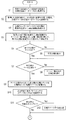
図2および図3は、生産ライン設計手順を示すフローチャートである。 2 and 3 are flowcharts showing a production line design procedure.
まず、コンピュータ1は、設計する生産ラインで生産する製品の情報(製品情報)を製品データベース2から取得する(S1)。ここでは、今回設計する生産ラインにおいて製造する製品の種類(たとえば車種としてセダンか、ワゴンかなど)、車の構造情報(特殊部品の有無など)を製品データベース2から得る。
First, the
続いて、取得した製品情報から、その製品の生産に必要な工程、工程順、工程スペースなどを工程データベース3から取得する(S2)。このとき取得される工程は、ベース工程とオプション工程のすべての工程である。 Subsequently, from the acquired product information, a process, a process order, a process space, and the like necessary for production of the product are acquired from the process database 3 (S2). The processes acquired at this time are all processes of the base process and the optional process.
続いて、生産ラインデータベース4から各工場の既存の生産ライン構成情報を取得する(S3)。すなわち、ここで既存の生産ライン内に存在する工程、工程順、および工程スペースを取得する。 Subsequently, the existing production line configuration information of each factory is acquired from the production line database 4 (S3). That is, here, the process, process order, and process space existing in the existing production line are acquired.
取得した各工場の生産ライン構成情報(存在する全ての工程とその工程順)を集約してすべての工程の和をとり、同じ機能を持つ工程(すなわち重複する工程)を取り除いて、残りの工程を生産ラインの並びとして配置する(S4)。このとき、同じ機能の工程かどうかの判断は、あらかじめ生産ラインデータベース4を構築する際に、同じ機能の工程には、同じ名称または同じ機能の工程であることを示す識別符号を付して記憶しておくことによりそれら名称や識別符号から判断する。
Collect the production line configuration information (all existing processes and their order) of each factory to sum all processes, remove processes with the same function (that is, duplicate processes), and the remaining processes Are arranged as a sequence of production lines (S4). At this time, when the
続いて、設計する生産ラインのすべての工程がそろったか否かを判断する(S5)。ここで、すべての工程がそろっていない場合には、設計する生産ラインで生産する製品の工程として不足している工程を追加する(S6)。一方、すべての工程がそろっている場合にはそのまま次のステップS7へ進む。 Subsequently, it is determined whether or not all the processes of the production line to be designed are completed (S5). Here, when all the processes are not complete, a process that is insufficient as a process of a product produced in the designed production line is added (S6). On the other hand, if all the processes are complete, the process proceeds to the next step S7 as it is.
ここまでで、既存の生産ラインの全工程と設計する生産ラインで必要な工程をすべて足し合わせて、その中から重複する工程を取り除いた工程が抽出されることになる。 Up to this point, all the processes of the existing production line and all necessary processes in the production line to be designed are added, and a process is extracted from which redundant processes are removed.
なお、上記手順においては、先に既存の生産ラインの全工程を足し合わせて、その工程の中に設計する生産ラインで生産する製品の工程として足りない工程を追加するようにしたが、これは、同様な製品の生産ラインを設計する場合、既存の生産ラインの工程と同じ工程が存在する率が多いため、これらすべてを先に足し合わせると重複する工程が多くなるので、先に既存の生産ラインの工程のみを足し合わせて重複工程を取り除き、後から設計末ウ生産らに不足している工程を足し合わせるほうが、重複工程を検索して取り除くための処理数が少なくすることができるためである。したがって、これに限らず、既存の生産ラインの全工程にさらに設計する生産ラインで生産する製品の工程をすべて足し合わせてから、重複する工程を取り除くようにしてもよい。 In the above procedure, all the processes of the existing production line are added together, and the process that is not enough as the process of the product to be produced on the production line to be designed is added to the process. When designing a production line for similar products, there are many cases where there are many processes that are the same as the existing production line processes. It is possible to reduce the number of processes for searching for and removing duplicate processes by adding only the processes in the line and removing duplicate processes, and then adding the processes that are lacking in design end production. is there. Therefore, the present invention is not limited to this, and all the processes of products produced on the production line to be further designed may be added to all the processes of the existing production line, and then the overlapping processes may be removed.
ここまでできあがった複数の工程からなる生産ラインを仮ラインと称する。 A production line composed of a plurality of processes completed so far is referred to as a temporary line.
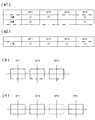
図4は、ステップS4およびS5の処理を説明するために、これらのステップで作成される生産ライン構成を模式的に表した図面である。 FIG. 4 is a diagram schematically showing a production line configuration created in these steps in order to explain the processes in steps S4 and S5.
ここでは、たとえば、既存の生産ラインとして、A車用およびB車用の生産ラインがあった場合に、工程がST1〜4存在するとする。この場合に、図4(a1)に示すように、A車の生産に必要な工程は、ST1、ST2、およびST4であり、B車の生産に必要な工程は、ST1およびST4である。したがって、既存の生産ラインからは、図4(b)に示すように、工程ST1、2および4が得られる。 Here, for example, when there are production lines for A car and B car as existing production lines, it is assumed that the processes exist in ST1 to ST4. In this case, as shown in FIG. 4 (a1), the steps necessary for the production of the A vehicle are ST1, ST2, and ST4, and the steps necessary for the production of the B vehicle are ST1 and ST4. Therefore, steps ST1, 2 and 4 are obtained from the existing production line as shown in FIG.
そして、設計する生産ラインがC車用で必要な工程が図4(a2)に示すように、ST1、2、および3とすると、図4(b)に示した既存の生産ラインだけでは、ST3が足りないことになる。そこで、図4(c)に示すように、既存の生産ラインの工程に、さらに工程ST3を加えた、工程ST1〜4が並んだ仮ラインを作成する。 As shown in FIG. 4 (a2), if the production line to be designed is for a C car, and ST1, 2, and 3, ST3 is sufficient for the existing production line shown in FIG. 4 (b). Is missing. Therefore, as shown in FIG. 4C, a temporary line in which processes ST1 to ST4 are arranged by adding process ST3 to the process of the existing production line is created.
次に、コンピュータ1は、ステップ4および6までで抽出した工程からなる仮ラインの中の各工程がベース工程かどうか判断する(S7)。ここで、各工程の中でベース工程以外の工程(すなわちオプション工程)があれば、それを抽出した仮ラインの中から取り除く(S8)。これによりベース工程のみが残ることになる。
Next, the
次に、コンピュータ1は、ベース工程のみとなった仮ラインの各工程の工程スペースをこの生産ラインを構築する工場内のライン配置スペースに配置する(S9)。この工程の配置は、工程データベース3から得られた各工程の工程スペースを工場のライン配置スペースないに収まるように、工程スペースのアウトと次の工程スペースのインが接続するように配置するものである。
Next, the
続いて、工程の配置条件(ラインピッチやステージピッチなど)を調整する(S10)。このとき連続する同等機能は、入れ替え可能工程とする。 Subsequently, the process arrangement conditions (line pitch, stage pitch, etc.) are adjusted (S10). At this time, a continuous equivalent function is a replaceable process.
続いて、生産ライン配置禁止エリアの制約をチェックする(S11)。生産ライン配置禁止エリアは、工程スペースを配置してはいけないエリアであり、たとえば、工場柱、搬送経路、ロボット稼動範囲、既に工程ステージが配置されているエリアなどであり、これら配置禁止エリアはあらかじめ工場内における配置禁止エリアとして登録しておく。ここで、配置禁止エリア内にいずれかの工程スペースがかかる場合には、その工程スペースが禁止エリアから出るように、各工程スペースの配置を調整する(S12)。 Subsequently, restrictions on the production line placement prohibited area are checked (S11). Production line placement prohibited areas are areas where process space should not be placed, such as factory pillars, transfer routes, robot operating ranges, areas where process stages have already been placed, etc. Register as a prohibited area in the factory. Here, when any one of the process spaces is included in the arrangement prohibited area, the arrangement of the process spaces is adjusted so that the process space exits the prohibited area (S12).
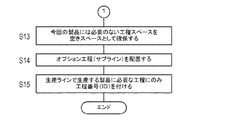
次に、コンピュータ1は、配置された各工程の中から、今回の製品には必要のない工程スペースを空きスペースとして確保する(S13)。これは、図4の例で言えば、C車の生産に工程ST4は必要ないが、先のステップS4でこの工程ST4もベース工程として配置されているので、このST4を空きスペースとして生産ラインの中に確保しておく。
Next, the
これにより、工程ST4が必要となる他車種の生産を行う場合には、ライン替えするときにも、新たに必要となる工程ST4内に設備を配置だけで、工程スペースの入れ換えや移動を行うことなく対応することができる。なおかつ、今回不要な工程は、他工場の工程と同等なエリア分だけの空きスペースであるため必要以上の空きスペースを作ってしまうこともない。 As a result, when production of other vehicle types that require the process ST4 is performed, even when the line is changed, the process space can be replaced or moved only by arranging the equipment in the newly required process ST4. We can cope without. In addition, the process unnecessary this time is an empty space equivalent to an area equivalent to the process of another factory, and therefore, an unnecessarily empty space is not created.
続いて、オプション工程(サブライン)を配置する(S14)。オプション工程は、ベース工程を配置したエリア外で、配置禁止エリア外に設置する。 Subsequently, an optional process (subline) is arranged (S14). The optional process is installed outside the area where the base process is arranged and outside the prohibited area.
なおかつ、そのオプション工程で生成された部品などを組み付ける場所の近くに設置することが好ましい。 Moreover, it is preferable to install near the place where the parts generated in the optional process are assembled.
最後に、この生産ラインで生産する製品に必要な工程にのみ工程番号(ID)を付ける(S15)。このとき、空きスペースは欠番または空きスペースを示すIDを付ける。 Finally, a process number (ID) is assigned only to a process necessary for a product produced on this production line (S15). At this time, the empty space is given an ID indicating a missing number or an empty space.
以上で処理を終了する。 The process ends here.
以上のように、本実施形態によれば、既存の生産ラインの工程と設計する生産ラインで必要な工程を足し合わせて、重複する工程を取り除き、さらにその中からベース工程のみを取り出して、生産ラインの工程配置を行うこととしたので、新たな製品ための生産ラインの設計ともに、生産する製品が変更になった場合でも、容易に対応することのできる生産ラインの工程配置を行うことが可能となる。 As described above, according to the present embodiment, the necessary processes in the existing production line and the designed production line are added to eliminate duplicate processes, and only the base process is taken out of the processes to produce Since it is decided to arrange the process of the line, it is possible to arrange the process of the production line that can easily cope with the design of the production line for a new product, even if the product to be produced is changed It becomes.
本発明は、自動車の生産工場内における生産ラインの設計に好適であり、また、自動車以外にも様々な製品の生産ライン構築に使用することができる。 The present invention is suitable for designing a production line in an automobile production factory, and can be used to construct production lines for various products other than automobiles.
1…コンピュータ、
2…製品データベース、
3…工程データベース、
4…生産ラインデータベース。
1 ... computer,
2 ... Product database,
3. Process database,
4 ... Production line database.
Claims (6)
既存の生産ライン内に存在する工程の工程順および各工程が必要とする工程スペースを記憶した生産ライン情報記憶手段と、
前記工程情報記憶手段から前記設計する生産ラインで必要な工程と、前記生産ライン情報記憶手段から前記既存の生産ラインの全工程とを取得して、その中から重複する工程を取り除いて、残った各工程を前記製品の工程順に合わせてそれぞれの前記工程スペースを配置する生産ライン設計手段と、
を有することを特徴とする生産ライン設計システム。 Process information storage means for storing processes required by products to be produced in a production line to be designed, process order, and process space required by each process;
Production line information storage means for storing the process order of processes existing in the existing production line and the process space required for each process;
The process necessary for the production line to be designed is acquired from the process information storage means, and all the processes of the existing production line are acquired from the production line information storage means, and the redundant processes are removed from the process, and the process remains. Production line design means for arranging each process space in accordance with the process order of the products,
A production line design system characterized by comprising:
既存の生産ライン内に存在する工程、工程順、および各工程が必要とする工程スペースを取得する段階と、
取得したすべての工程の中から重複する工程を取り除く段階と、
残った各工程を前記製品の工程順に合わせてそれぞれの前記工程スペースを配置する段階と、
を有することを特徴とする生産ライン設計方法。 Obtaining the process required by the product to be produced in the production line to be designed, the process order, and the process space required for each process;
Obtaining a process, a process order, and a process space required for each process existing in an existing production line;
Removing duplicate processes from all acquired processes;
Arranging each process space by matching the remaining processes in the order of the processes of the products;
A production line design method characterized by comprising:
Priority Applications (1)
| Application Number | Priority Date | Filing Date | Title |
|---|---|---|---|
| JP2004050037A JP2005242573A (en) | 2004-02-25 | 2004-02-25 | Production line design system and production line design method |
Applications Claiming Priority (1)
| Application Number | Priority Date | Filing Date | Title |
|---|---|---|---|
| JP2004050037A JP2005242573A (en) | 2004-02-25 | 2004-02-25 | Production line design system and production line design method |
Publications (1)
| Publication Number | Publication Date |
|---|---|
| JP2005242573A true JP2005242573A (en) | 2005-09-08 |
Family
ID=35024267
Family Applications (1)
| Application Number | Title | Priority Date | Filing Date |
|---|---|---|---|
| JP2004050037A Pending JP2005242573A (en) | 2004-02-25 | 2004-02-25 | Production line design system and production line design method |
Country Status (1)
| Country | Link |
|---|---|
| JP (1) | JP2005242573A (en) |
Cited By (2)
| Publication number | Priority date | Publication date | Assignee | Title |
|---|---|---|---|---|
| WO2019111580A1 (en) * | 2017-12-04 | 2019-06-13 | 株式会社日立パワーソリューションズ | Scheduling device, scheduling method, and storage medium |
| JP2021163395A (en) * | 2020-04-03 | 2021-10-11 | 川崎重工業株式会社 | Production line design method and production line design system |
-
2004
- 2004-02-25 JP JP2004050037A patent/JP2005242573A/en active Pending
Cited By (3)
| Publication number | Priority date | Publication date | Assignee | Title |
|---|---|---|---|---|
| WO2019111580A1 (en) * | 2017-12-04 | 2019-06-13 | 株式会社日立パワーソリューションズ | Scheduling device, scheduling method, and storage medium |
| JP2019101788A (en) * | 2017-12-04 | 2019-06-24 | 株式会社日立パワーソリューションズ | Scheduling apparatus, scheduling method and storage medium |
| JP2021163395A (en) * | 2020-04-03 | 2021-10-11 | 川崎重工業株式会社 | Production line design method and production line design system |
Similar Documents
| Publication | Publication Date | Title |
|---|---|---|
| Tharma et al. | An approach for the implementation of the digital twin in the automotive wiring harness field | |
| US6966050B2 (en) | Software building support system | |
| EP1320003B1 (en) | Unit designing apparatus and method | |
| CN103493053A (en) | Systems and methods for airplane electrical system connection routing and visualization with topology determination | |
| US7103519B2 (en) | Virtual manufacturing system | |
| US6629307B2 (en) | Method for ensuring correct pin assignments between system board connections using common mapping files | |
| WO2011102397A1 (en) | Wire harness connectivity inspection method and wire harness connectivity inspection program | |
| JP5586325B2 (en) | Wire harness continuity inspection method and wire harness continuity inspection program | |
| EP0847022A3 (en) | Method for designing an architectural system | |
| US20110153056A1 (en) | Functional Mechatronic Objects | |
| WO2004036325A1 (en) | Step processing configuration/management method in factory production step management system | |
| US20110179090A1 (en) | Product Lifecycle Management Using a Sparsely Populated Table | |
| CN111192156A (en) | Assembly body disassembly sequence generation method and device | |
| Al-Zaher et al. | Design method of under-body platform automotive framing systems | |
| JP2005242573A (en) | Production line design system and production line design method | |
| JP2012164087A (en) | Method of generating two-dimensional drawing of wiring harness | |
| CN112559373B (en) | Software compatibility management method and system | |
| JP5067619B2 (en) | Component interference check apparatus and method | |
| Geisbüsch et al. | Testing and validation: From hardware focus to full virtualization? | |
| Flores et al. | Second-generation product line engineering: A case study at general motors | |
| CN112527542A (en) | Fault analysis method | |
| Braun et al. | A model-based approach for automotive software development | |
| US20050102645A1 (en) | Method of generating a schematic driven layout for a hierarchical integrated circuit design | |
| JP2008077559A (en) | Tracking system and method | |
| CN115053192B (en) | Timetable data creating device and timetable data creating method |
Legal Events
| Date | Code | Title | Description |
|---|---|---|---|
| A621 | Written request for application examination |
Free format text: JAPANESE INTERMEDIATE CODE: A621 Effective date: 20061127 |
|
| A977 | Report on retrieval |
Free format text: JAPANESE INTERMEDIATE CODE: A971007 Effective date: 20090428 |
|
| A131 | Notification of reasons for refusal |
Free format text: JAPANESE INTERMEDIATE CODE: A131 Effective date: 20090512 |
|
| A02 | Decision of refusal |
Free format text: JAPANESE INTERMEDIATE CODE: A02 Effective date: 20090929 |