JP2005293962A - Composition for electrolyte, polymer electrolyte, and battery using the same - Google Patents
Composition for electrolyte, polymer electrolyte, and battery using the same Download PDFInfo
- Publication number
- JP2005293962A JP2005293962A JP2004105653A JP2004105653A JP2005293962A JP 2005293962 A JP2005293962 A JP 2005293962A JP 2004105653 A JP2004105653 A JP 2004105653A JP 2004105653 A JP2004105653 A JP 2004105653A JP 2005293962 A JP2005293962 A JP 2005293962A
- Authority
- JP
- Japan
- Prior art keywords
- chemical formula
- group
- structure represented
- compound
- hydrogen atom
- Prior art date
- Legal status (The legal status is an assumption and is not a legal conclusion. Google has not performed a legal analysis and makes no representation as to the accuracy of the status listed.)
- Abandoned
Links
- 0 C*CC(C)C1*CCC1 Chemical compound C*CC(C)C1*CCC1 0.000 description 6
Images
Classifications
-
- E—FIXED CONSTRUCTIONS
- E06—DOORS, WINDOWS, SHUTTERS, OR ROLLER BLINDS IN GENERAL; LADDERS
- E06B—FIXED OR MOVABLE CLOSURES FOR OPENINGS IN BUILDINGS, VEHICLES, FENCES OR LIKE ENCLOSURES IN GENERAL, e.g. DOORS, WINDOWS, BLINDS, GATES
- E06B1/00—Border constructions of openings in walls, floors, or ceilings; Frames to be rigidly mounted in such openings
- E06B1/04—Frames for doors, windows, or the like to be fixed in openings
- E06B1/32—Frames composed of parts made of different materials
-
- H—ELECTRICITY
- H01—ELECTRIC ELEMENTS
- H01M—PROCESSES OR MEANS, e.g. BATTERIES, FOR THE DIRECT CONVERSION OF CHEMICAL ENERGY INTO ELECTRICAL ENERGY
- H01M10/00—Secondary cells; Manufacture thereof
- H01M10/05—Accumulators with non-aqueous electrolyte
- H01M10/052—Li-accumulators
-
- E—FIXED CONSTRUCTIONS
- E06—DOORS, WINDOWS, SHUTTERS, OR ROLLER BLINDS IN GENERAL; LADDERS
- E06B—FIXED OR MOVABLE CLOSURES FOR OPENINGS IN BUILDINGS, VEHICLES, FENCES OR LIKE ENCLOSURES IN GENERAL, e.g. DOORS, WINDOWS, BLINDS, GATES
- E06B1/00—Border constructions of openings in walls, floors, or ceilings; Frames to be rigidly mounted in such openings
- E06B1/56—Fastening frames to the border of openings or to similar contiguous frames
- E06B1/60—Fastening frames to the border of openings or to similar contiguous frames by mechanical means, e.g. anchoring means
- E06B1/6015—Anchoring means
- E06B1/6038—Anchoring means specially adapted for being embedded in the wall
-
- H—ELECTRICITY
- H01—ELECTRIC ELEMENTS
- H01B—CABLES; CONDUCTORS; INSULATORS; SELECTION OF MATERIALS FOR THEIR CONDUCTIVE, INSULATING OR DIELECTRIC PROPERTIES
- H01B1/00—Conductors or conductive bodies characterised by the conductive materials; Selection of materials as conductors
- H01B1/06—Conductors or conductive bodies characterised by the conductive materials; Selection of materials as conductors mainly consisting of other non-metallic substances
- H01B1/12—Conductors or conductive bodies characterised by the conductive materials; Selection of materials as conductors mainly consisting of other non-metallic substances organic substances
- H01B1/122—Ionic conductors
-
- H—ELECTRICITY
- H01—ELECTRIC ELEMENTS
- H01M—PROCESSES OR MEANS, e.g. BATTERIES, FOR THE DIRECT CONVERSION OF CHEMICAL ENERGY INTO ELECTRICAL ENERGY
- H01M10/00—Secondary cells; Manufacture thereof
- H01M10/05—Accumulators with non-aqueous electrolyte
- H01M10/056—Accumulators with non-aqueous electrolyte characterised by the materials used as electrolytes, e.g. mixed inorganic/organic electrolytes
- H01M10/0564—Accumulators with non-aqueous electrolyte characterised by the materials used as electrolytes, e.g. mixed inorganic/organic electrolytes the electrolyte being constituted of organic materials only
- H01M10/0565—Polymeric materials, e.g. gel-type or solid-type
-
- H—ELECTRICITY
- H01—ELECTRIC ELEMENTS
- H01M—PROCESSES OR MEANS, e.g. BATTERIES, FOR THE DIRECT CONVERSION OF CHEMICAL ENERGY INTO ELECTRICAL ENERGY
- H01M10/00—Secondary cells; Manufacture thereof
- H01M10/05—Accumulators with non-aqueous electrolyte
- H01M10/056—Accumulators with non-aqueous electrolyte characterised by the materials used as electrolytes, e.g. mixed inorganic/organic electrolytes
- H01M10/0564—Accumulators with non-aqueous electrolyte characterised by the materials used as electrolytes, e.g. mixed inorganic/organic electrolytes the electrolyte being constituted of organic materials only
- H01M10/0566—Liquid materials
- H01M10/0567—Liquid materials characterised by the additives
-
- H—ELECTRICITY
- H01—ELECTRIC ELEMENTS
- H01M—PROCESSES OR MEANS, e.g. BATTERIES, FOR THE DIRECT CONVERSION OF CHEMICAL ENERGY INTO ELECTRICAL ENERGY
- H01M10/00—Secondary cells; Manufacture thereof
- H01M10/05—Accumulators with non-aqueous electrolyte
- H01M10/052—Li-accumulators
- H01M10/0525—Rocking-chair batteries, i.e. batteries with lithium insertion or intercalation in both electrodes; Lithium-ion batteries
-
- Y—GENERAL TAGGING OF NEW TECHNOLOGICAL DEVELOPMENTS; GENERAL TAGGING OF CROSS-SECTIONAL TECHNOLOGIES SPANNING OVER SEVERAL SECTIONS OF THE IPC; TECHNICAL SUBJECTS COVERED BY FORMER USPC CROSS-REFERENCE ART COLLECTIONS [XRACs] AND DIGESTS
- Y02—TECHNOLOGIES OR APPLICATIONS FOR MITIGATION OR ADAPTATION AGAINST CLIMATE CHANGE
- Y02E—REDUCTION OF GREENHOUSE GAS [GHG] EMISSIONS, RELATED TO ENERGY GENERATION, TRANSMISSION OR DISTRIBUTION
- Y02E60/00—Enabling technologies; Technologies with a potential or indirect contribution to GHG emissions mitigation
- Y02E60/10—Energy storage using batteries
Landscapes
- Chemical & Material Sciences (AREA)
- Engineering & Computer Science (AREA)
- Manufacturing & Machinery (AREA)
- General Chemical & Material Sciences (AREA)
- Electrochemistry (AREA)
- Physics & Mathematics (AREA)
- Chemical Kinetics & Catalysis (AREA)
- General Physics & Mathematics (AREA)
- Inorganic Chemistry (AREA)
- Condensed Matter Physics & Semiconductors (AREA)
- Dispersion Chemistry (AREA)
- Civil Engineering (AREA)
- Structural Engineering (AREA)
- Spectroscopy & Molecular Physics (AREA)
- Mechanical Engineering (AREA)
- Secondary Cells (AREA)
Abstract
Description
本発明は、電解液と重合性化合物とを含む電解質用組成物、この電解質用組成物を重合することにより得られる高分子電解質、およびそれを用いた電池に関する。 The present invention relates to an electrolyte composition containing an electrolytic solution and a polymerizable compound, a polymer electrolyte obtained by polymerizing the electrolyte composition, and a battery using the same.
近年、カメラ一体型VTR(videotape recorder)、携帯電話あるいは携帯用コンピューターなどのポータブル電子機器が多く登場し、その小型軽量化が図られている。それに伴い、電子機器のポータブル電源として、電池、特に二次電池の開発が活発に進められている。中でも、リチウムイオン二次電池は、高いエネルギー密度を実現できるものとして注目されており、薄型で折り曲げ可能な形状の自由度が高いものについても多く研究されている。 In recent years, many portable electronic devices such as a camera-integrated VTR (videotape recorder), a mobile phone, or a portable computer have appeared, and their size and weight have been reduced. Accordingly, the development of batteries, particularly secondary batteries, has been actively promoted as portable power sources for electronic devices. In particular, lithium ion secondary batteries are attracting attention as being capable of realizing a high energy density, and many studies have been made on thin and high-flexible shapes that can be bent.
このような形状の自由度が高い電池には、高分子化合物に電解質塩を溶解させた全固体状の高分子電解質や、あるいは高分子化合物に電解液を保持させたゲル状の高分子電解質などが用いられている。中でも、ゲル状の高分子電解質は、電解液を保持しているために全固体状に比べて活物質との接触性およびイオン伝導率に優れており、また、電解液に比べて漏液が起こりにくいという特徴を有していることから注目を浴びている。 For such batteries with a high degree of freedom in shape, an all solid polymer electrolyte in which an electrolyte salt is dissolved in a polymer compound, or a gel polymer electrolyte in which an electrolyte is held in a polymer compound, etc. Is used. In particular, gel polymer electrolytes have an electrolyte solution, so they have better contact with the active material and ionic conductivity than all solids, and they have a higher leakage than electrolytes. It is attracting attention because it has the feature that it hardly occurs.
このゲル状の高分子電解質を作製する方法としては、例えば、重合性化合物および電解液を混合した電解質用組成物を重合開始剤を用いて重合させてゲル化するもの、または高分子化合物と電解液とを希釈溶媒を用いて混合しキャストしたのち希釈溶媒を揮発させてゲル化するものがある。このうち重合開始剤を用いる方法は、キャストによる方法に比べて電解液の選択肢が広く、またコーターおよび乾燥炉の必要がなく作製が簡便であるので好ましい。 As a method for producing this gel polymer electrolyte, for example, a composition for an electrolyte in which a polymerizable compound and an electrolytic solution are mixed is polymerized using a polymerization initiator, or gelled, or a polymer compound and an electrolyte are electrolyzed. Some liquids are mixed and cast using a diluting solvent, and then the diluting solvent is volatilized and gelled. Among these, the method using a polymerization initiator is preferable because it has a wider choice of electrolytic solutions than the casting method, and it is easy to produce without the need for a coater and a drying furnace.
この重合により得られる高分子電解質は、例えば電極を巻回した電池に用いる場合、電極を巻回する前に、電極上に重合性化合物を含む電解質用組成物を塗布して紫外線照射あるいは加熱するか、または、電極を巻回して巻回電極体を作製したのち、巻回電極体に電解質用組成物を注入して加熱することにより作製される(例えば、特許文献1参照)。特に、巻回電極体に電解質用組成物を注入して加熱する方法は、高分子電解質と電極またはセパレータとの界面における接合性に優れており、望ましい。
しかしながら、このような高分子電解質には重合開始剤あるいは未反応の重合性化合物が含まれているので、電池を充電状態で保存した場合、これらが電極において反応して電池抵抗が上昇し、容量を大きく低下させるという問題があった。 However, since such a polymer electrolyte contains a polymerization initiator or an unreacted polymerizable compound, when the battery is stored in a charged state, it reacts at the electrode to increase the battery resistance and increase the capacity. There was a problem of greatly lowering.
本発明はかかる問題に鑑みてなされたもので、その目的は、電池を充電状態で保存した際における容量の低下を抑制することができる電解質用組成物および高分子電解質、並びにそれを用いた電池を提供することにある。 The present invention has been made in view of such problems, and an object of the present invention is to provide an electrolyte composition and a polymer electrolyte capable of suppressing a decrease in capacity when the battery is stored in a charged state, and a battery using the same. Is to provide.
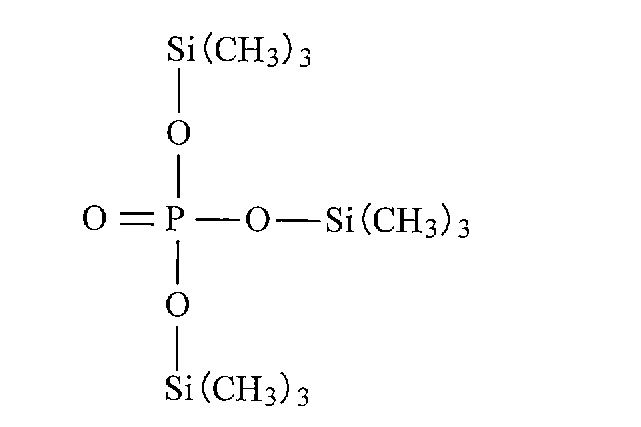
本発明による電解質用組成物は、電解液と重合性化合物とを含有するものであって、電解液は化1で表される構造を有する化合物を含むものである。 The composition for electrolyte according to the present invention contains an electrolytic solution and a polymerizable compound, and the electrolytic solution contains a compound having a structure represented by Chemical Formula 1.
本発明による高分子電解質は、電解液と高分子化合物とを含むものであって、電解液は、化2で表される構造を有する化合物を含むものである。 The polymer electrolyte according to the present invention contains an electrolytic solution and a polymer compound, and the electrolytic solution contains a compound having a structure represented by Chemical Formula 2.
本発明による電池は、正極および負極と共に、電解液および高分子化合物を含む高分子電解質を備えたものであって、電解液は化3で表される構造を有する化合物を含むものである。 The battery according to the present invention includes a positive electrode and a negative electrode, a polymer electrolyte containing an electrolytic solution and a polymer compound, and the electrolytic solution contains a compound having a structure represented by Chemical Formula 3.
本発明の電解質用組成物あるいは高分子電解質によれば、P−O−Si結合またはB−O−Si結合を有する化合物を含むようにしたので、例えば、本発明の電池に用いれば、抵抗が上昇することを抑制し、容量が低下することを抑制することができる。 According to the electrolyte composition or polymer electrolyte of the present invention, since the compound having a P—O—Si bond or a B—O—Si bond is included, for example, when used in the battery of the present invention, the resistance is reduced. It is possible to suppress the increase and suppress the capacity from decreasing.
特に、P−O−Si結合またはB−O−Si結合を有する化合物の電解液における含有量を0.1質量%以上5質量%以下の範囲内にすれば、より高い効果を得ることができる。 In particular, when the content of the compound having a P—O—Si bond or a B—O—Si bond in the electrolytic solution is within a range of 0.1% by mass or more and 5% by mass or less, a higher effect can be obtained. .
以下、本発明の実施の形態について、図面を参照して詳細に説明する。 Hereinafter, embodiments of the present invention will be described in detail with reference to the drawings.
本発明の一実施の形態に係る電解質用組成物は、電解液と、重合性化合物とを含有している。また、本発明の一実施の形態に係る高分子電解質は、この電解質用組成物を重合させることにより得られたものであり、電解液と、重合性化合物が重合された高分子化合物とを含有している。なお、本明細書において「電解質用組成物を重合させる」というのは、具体的には「電解質用組成物中の重合性化合物を重合させる」ということを意味しており、電解質用組成物に含まれる電解液などについても重合させるわけではない。 The composition for electrolyte which concerns on one embodiment of this invention contains electrolyte solution and a polymeric compound. The polymer electrolyte according to one embodiment of the present invention is obtained by polymerizing the composition for electrolyte, and contains an electrolytic solution and a polymer compound obtained by polymerizing a polymerizable compound. doing. In the present specification, “polymerize the electrolyte composition” specifically means “polymerize the polymerizable compound in the electrolyte composition”. The electrolyte contained therein is not polymerized.
電解液は、溶媒に電解質塩を溶解したものである。溶媒としては、例えば、γ−ブチロラクトン,γ−バレロラクトン,δ−バレロラクトンあるいはε−カプロラクトンなどのラクトン系溶媒、エチレンカーボネート,プロピレンカーボネート,ブチレンカーボネート,ビニレンカーボネート,ジメチルカーボネート,エチルメチルカーボネートあるいはジエチルカーボネートなどのカーボネート系溶媒、1,2−ジメトキシエタン,1−エトキシ−2−メトキシエタン,1,2−ジエトキシエタン,テトラヒドロフランあるいは2−メチルテトラヒドロフランなどのエーテル系溶媒、アセトニトリルなどのニトリル系溶媒、スルフォラン系溶媒、リン酸類、リン酸エステル溶媒、またはピロリドン類などの非水溶媒が挙げられる。溶媒は、いずれか1種を単独で用いてもよく、2種以上を混合して用いてもよい。 The electrolytic solution is obtained by dissolving an electrolyte salt in a solvent. Examples of the solvent include lactone solvents such as γ-butyrolactone, γ-valerolactone, δ-valerolactone, and ε-caprolactone, ethylene carbonate, propylene carbonate, butylene carbonate, vinylene carbonate, dimethyl carbonate, ethyl methyl carbonate, and diethyl carbonate. Carbonate solvents such as 1,2-dimethoxyethane, 1-ethoxy-2-methoxyethane, 1,2-diethoxyethane, ether solvents such as tetrahydrofuran or 2-methyltetrahydrofuran, nitrile solvents such as acetonitrile, sulfolane Nonaqueous solvents such as system solvents, phosphoric acids, phosphoric acid ester solvents, or pyrrolidones are mentioned. Any one type of solvent may be used alone, or two or more types may be mixed and used.
電解質塩としては、溶媒に溶解してイオンを生ずるものであればいずれを用いてもよく、1種を単独で用いてもよく、2種以上を混合して用いてもよい。例えばリチウム塩であれば、六フッ化リン酸リチウム(LiPF6 ),四フッ化ホウ酸リチウム(LiBF4 ),六フッ化ヒ酸リチウム(LiAsF6 ),過塩素酸リチウム(LiClO4 ),トリフルオロメタンスルホン酸リチウム(LiCF3 SO3 ),ビス(トリフルオロメタンスルホニル)イミドリチウム(LiN(CF3 SO2 )2 ),ビス(ペンタフルオロエタンスルホニル)イミドリチウム(LiN(C2 F5 SO2 )2 ),トリス(トリフルオロメタンスルホニル)メチルリチウム(LiC(SO2 CF3 )3 ),四フッ化アルミン酸リチウム(LiAlCl4 )あるいは六フッ化ケイ酸リチウム(LiSiF6 )などが挙げられる。中でも、六フッ化リン酸リチウムが好ましい。高いイオン伝導率を得ることができるからである。 Any electrolyte salt may be used as long as it dissolves in a solvent to generate ions, and one kind may be used alone, or two or more kinds may be mixed and used. For example, for lithium salts, lithium hexafluorophosphate (LiPF 6 ), lithium tetrafluoroborate (LiBF 4 ), lithium hexafluoroarsenate (LiAsF 6 ), lithium perchlorate (LiClO 4 ), trifluoro Lithium methanesulfonate (LiCF 3 SO 3 ), bis (trifluoromethanesulfonyl) imide lithium (LiN (CF 3 SO 2 ) 2 ), bis (pentafluoroethanesulfonyl) imide lithium (LiN (C 2 F 5 SO 2 ) 2 ), Tris (trifluoromethanesulfonyl) methyl lithium (LiC (SO 2 CF 3 ) 3 ), lithium tetrafluoroaluminate (LiAlCl 4 ) or lithium hexafluorosilicate (LiSiF 6 ). Among these, lithium hexafluorophosphate is preferable. This is because high ionic conductivity can be obtained.
電解液は、また、添加剤として化4で表される構造を有する化合物を1種または2種以上含んでいる。本実施の形態の高分子電解質を例えば後述する電池に用いた際に、例えば未反応の重合性化合物あるいは後述する重合開始剤が電極において反応して抵抗が上昇してしまうことを抑制することができるからである。 The electrolytic solution also contains one or more compounds having a structure represented by Chemical Formula 4 as an additive. When the polymer electrolyte of the present embodiment is used in, for example, a battery described later, for example, it is possible to suppress an increase in resistance due to, for example, an unreacted polymerizable compound or a polymerization initiator described later reacting at an electrode. Because it can.
化4で表される構造を有する化合物としては、例えば、化5で表される化合物あるいは化6で表される化合物が挙げられる。 Examples of the compound having a structure represented by Chemical formula 4 include a compound represented by Chemical formula 5 or a compound represented by Chemical formula 6.
化5および化6において、R41ないしR49,R51ないしR59はアルキル基を表し、それらは同一であっても異なっていてもよい。 In Chemical Formula 5 and Chemical Formula 6, R41 to R49 and R51 to R59 each represents an alkyl group, which may be the same or different.
化5で表される化合物の具体例を挙げれば、化7に示したリン酸トリス(トリメチルシリル)あるいは化8に示したリン酸トリス(トリエチルシリル)などがある。これらは1種単独で用いてもよく、2種以上を混合して用いてもよい。 Specific examples of the compound represented by Chemical formula 5 include Tris phosphate (trimethylsilyl) shown in Chemical formula 7 or Tris phosphate (triethylsilyl) shown in Chemical formula 8. These may be used alone or in combination of two or more.
化6で表される化合物の具体例を挙げれば、化9に示したホウ酸トリス(トリメチルシリル)あるいは化10に示したホウ酸トリス(トリエチルシリル)などがある。 Specific examples of the compound represented by Chemical Formula 6 include tris borate (trimethylsilyl) represented by Chemical Formula 9 and tris (triethylsilyl) borate represented by Chemical Formula 10.
化4で表される構造を有する化合物の電解液における含有量は、例えば、0.1質量%以上5質量%以下の範囲内であることが好ましい。この範囲内において、より高い効果を得ることができるからである。 The content of the compound having the structure represented by Chemical Formula 4 in the electrolytic solution is preferably in the range of 0.1% by mass to 5% by mass, for example. This is because a higher effect can be obtained within this range.
また、電解液は、必要に応じて化4で表される構造を有する化合物以外の添加剤を含んでいてもよい。 Moreover, electrolyte solution may contain additives other than the compound which has a structure represented by Chemical formula 4 as needed.
重合性化合物としては、例えば、アクリレート基あるいはメタクリレート基を有しかつエーテル基を含まない化合物を含むことが好ましい。すなわち、高分子化合物は、例えば、アクリレート基あるいはメタクリレート基を有しかつエーテル基を含まない重合性化合物が重合された構造を有することが好ましい。エーテル基が存在するとエーテル基にカチオンが配位し、それによりカチオン伝導率が低下してしまうからである。このような重合性化合物としては、例えば、エーテル基を含有していない単官能アクリレート,単官能メタクリレート,多官能アクリレートあるいは多官能メタクリレートが挙げられる。具体的には、アクリル酸エステル,メタクリル酸エステル,アクリロニトリル,メタクリロニトリル,ジアクリル酸エステル,トリアクリル酸エステル,ジメタクリル酸エステルあるいはトリメタクリル酸エステルなどがこれに該当する。 As the polymerizable compound, for example, a compound having an acrylate group or a methacrylate group and not containing an ether group is preferably included. That is, the polymer compound preferably has a structure in which, for example, a polymerizable compound having an acrylate group or a methacrylate group and not containing an ether group is polymerized. This is because when an ether group is present, a cation is coordinated to the ether group, thereby reducing the cation conductivity. Examples of such polymerizable compounds include monofunctional acrylates, monofunctional methacrylates, polyfunctional acrylates, and polyfunctional methacrylates that do not contain an ether group. Specifically, acrylic acid ester, methacrylic acid ester, acrylonitrile, methacrylonitrile, diacrylic acid ester, triacrylic acid ester, dimethacrylic acid ester or trimethacrylic acid ester correspond to this.
特に、重合性化合物として、化11で表される構造と、化12で表される構造と、化13で表される構造との少なくとも3つの構造部を有する化合物を用いるようにすれば、極めて優れた電池特性を得ることができ好ましい。 In particular, if a compound having at least three structural parts of the structure represented by Chemical Formula 11, the structure represented by Chemical Formula 12, and the structure represented by Chemical Formula 13 is used as the polymerizable compound, It is preferable because excellent battery characteristics can be obtained.
化11ないし化13において、X11,X12,X2およびX3は水素原子またはメチル基を表し、R1は炭素を含みエーテル基を含まない構造部を表し、R2およびR3は水素原子、あるいは炭素を含みエーテル基を含まない構造部を表す。好ましくは、R1はエーテル基を含まないアルキレン基を有し、R2はエーテル基を含まない鎖状あるいは環状のアルキル基を有する。1化合物に含まれる化11ないし化13の各構造部の数は任意であり、2以上の場合、X11,X12,X2,X3,R1,R2あるいはR3は、各構造部において同一でもよく、異なっていてもよい。また、化11ないし化13の各構造部の結合関係も任意である。すなわち、化11ないし化13の各構造部は例えば一定の順番で繰り返し結合していてもよく、順不同に結合していてもよい。
In Chemical Formula 11 to Chemical Formula 13, X11, X12, X2 and X3 represent a hydrogen atom or a methyl group, R1 represents a structural part containing carbon and no ether group, and R2 and R3 represent a hydrogen atom or a carbon containing ether. It represents a structural part that does not contain a group. Preferably, R1 has an alkylene group containing no ether group, and R2 has a chain or cyclic alkyl group containing no ether group. The number of each structural part of Chemical Formula 11 to Chemical Formula 13 included in one compound is arbitrary, and in the case of 2 or more, X11, X12, X2, X3, R1, R2 or R3 may be the same or different in each structural part. It may be. Further, the coupling relationship between the structural parts of
このような重合性化合物としては、例えば、化14で表される構造と、化15で表される構造と、化16で表される構造とを有する化合物が好ましい。 As such a polymerizable compound, for example, a compound having a structure represented by Chemical formula 14, a structure represented by Chemical formula 15, and a structure represented by Chemical formula 16 is preferable.
化14ないし化16において、X11,X12,X2およびX3は水素原子またはメチル基を表し、R21は水素原子、炭素数10以下のアルキル基、あるいは芳香環を有する炭素数12以下の基を表し、R31は水素原子、炭素数10以下のアルキル基、芳香環を有する炭素数12以下の基、化17で表される基、あるいは化18で表される基を表す。 In the chemical formulas 14 to 16, X11, X12, X2 and X3 represent a hydrogen atom or a methyl group, R21 represents a hydrogen atom, an alkyl group having 10 or less carbon atoms, or a group having 12 or less carbon atoms having an aromatic ring, R31 represents a hydrogen atom, an alkyl group having 10 or less carbon atoms, a group having 12 or less carbon atoms having an aromatic ring, a group represented by chemical formula 17 or a group represented by chemical formula 18.
化17において、R32は水素原子、フッ素原子、あるいはフッ化メチル(CF3 )基を表し、aは0以上6以下の整数、bは0以上16以下の整数、cは1または2、dは1または2である。 In Formula 17, R32 represents a hydrogen atom, a fluorine atom, or a methyl fluoride (CF 3 ) group, a is an integer of 0 or more and 6 or less, b is an integer of 0 or more and 16 or less, c is 1 or 2, and d is 1 or 2.
化18において、R33は2価の連結基を表し、R34は環状カーボネート基を表す。 In Chemical formula 18, R33 represents a divalent linking group, and R34 represents a cyclic carbonate group.
重合性化合物のより具体的な例としては、例えば、化19で表される構造と、化20で表される構造と、化21で表される構造とを有する化合物が挙げられる。
More specific examples of the polymerizable compound include compounds having a structure represented by Chemical Formula 19, a structure represented by
化19ないし化21において、X11,X12,X2およびX3は水素原子またはメチル基を表し、R22およびR35は炭素数6以下のアルキル基を表す。
In Chemical Formula 19 to
また例えば、化22で表される構造と、化23で表される構造と、化24で表される構造とを有する化合物も挙げられる。 Moreover, for example, a compound having a structure represented by Chemical Formula 22, a structure represented by Chemical Formula 23, and a structure represented by Chemical Formula 24 is also included.
化22ないし化24において、X11,X12,X2およびX3は水素原子またはメチル基を表し、R22は炭素数6以下のアルキル基を表し、R36は芳香環を有する炭素数12以下の基を表す。R36としては、例えば、化25で表される基が挙げられる。
In Chemical Formula 22 to Chemical Formula 24, X11, X12, X2 and X3 represent a hydrogen atom or a methyl group, R22 represents an alkyl group having 6 or less carbon atoms, and R36 represents a group having 12 or less carbon atoms having an aromatic ring. Examples of R36 include a group represented by
更に例えば、化26で表される構造と、化27で表される構造と、化28で表される構造とを有する化合物も挙げられる。 Further examples include compounds having a structure represented by Chemical Formula 26, a structure represented by Chemical Formula 27, and a structure represented by Chemical Formula 28.
化26ないし化28において、X11,X12,X2およびX3は水素原子またはメチル基を表し、R22は炭素数6以下のアルキル基を表し、R32は水素原子、フッ素原子、あるいはフッ化メチル(CF3 )基を表し、aは0以上6以下の整数、bは0以上16以下の整数、cは1または2、dは1または2である。 In Chemical Formulas 26 to 28, X11, X12, X2 and X3 each represent a hydrogen atom or a methyl group, R22 represents an alkyl group having 6 or less carbon atoms, R32 represents a hydrogen atom, a fluorine atom, or methyl fluoride (CF 3 A represents an integer of 0 or more and 6 or less, b is an integer of 0 or more and 16 or less, c is 1 or 2, and d is 1 or 2.
加えて例えば、化29で表される構造と、化30で表される構造と、化31で表される構造とを有する化合物も挙げられる。
In addition, for example, a compound having a structure represented by Chemical formula 29, a structure represented by Chemical formula 30, and a structure represented by
化29ないし化31において、X11,X12,X2およびX3は水素原子またはメチル基を表し、R22は炭素数6以下のアルキル基を表す。 In the chemical formulas 29 to 31, X11, X12, X2 and X3 represent a hydrogen atom or a methyl group, and R22 represents an alkyl group having 6 or less carbon atoms.
重合性化合物はいずれか1種を単独で用いてもよいが、単官能体と多官能体を混合するか、または、多官能体を単独あるいは2種類以上混合して用いることが望ましい。このように構成することにより、重合した高分子電解質の機械的強度と電解液保持性とを両立させやすくなるからである。 Any one of the polymerizable compounds may be used alone, but it is desirable to mix a monofunctional compound and a polyfunctional compound, or to use a polyfunctional compound singly or in combination of two or more. This is because such a configuration makes it easy to achieve both the mechanical strength of the polymerized polymer electrolyte and the electrolyte solution retainability.
電解液に対する重合性化合物あるいはそれを重合させた高分子化合物の割合は、電解液100質量部に対して、重合性化合物あるいは高分子化合物が3質量部以上10質量部以下であることが好ましい。重合性化合物あるいは高分子化合物が少ないと十分な機械的強度を得ることができず、重合性化合物あるいは高分子化合物が多いとイオン伝導率が低くなってしまうからである。 The ratio of the polymerizable compound or the polymer compound obtained by polymerizing it to the electrolytic solution is preferably 3 parts by mass or more and 10 parts by mass or less of the polymerizable compound or the polymer compound with respect to 100 parts by mass of the electrolytic solution. This is because sufficient mechanical strength cannot be obtained when the amount of the polymerizable compound or polymer compound is small, and the ionic conductivity decreases when the amount of the polymer compound or polymer compound is large.
電解質用組成物は、更に必要に応じて重合開始剤を含んでいる。重合開始剤としては、アゾ系重合開始剤あるいはパーオキサイド系重合開始剤などを用いることができるが、中でもパーオキサイド系重合開始剤が好ましい。パーオキサイド系重合開始剤を用いるようにすれば、ゲル化時における気体の発生を抑制することができからである。 The composition for electrolyte further contains a polymerization initiator as necessary. As the polymerization initiator, an azo polymerization initiator or a peroxide polymerization initiator can be used, and among these, a peroxide polymerization initiator is preferable. This is because if a peroxide polymerization initiator is used, generation of gas during gelation can be suppressed.
パーオキサイド系重合開始剤としては、例えば、ケトンパーオキサイド系重合開始剤,パーオキシケタール系重合開始剤,ハイドロパーオキサイド系重合開始剤,パーオキシジカーボネート系重合開始剤あるいはパーオキシエステル系重合開始剤が挙げられる。中でも、パーオキシエステル系重合開始剤が好ましい。重合性化合物の割合が少なくても十分にゲル化させることができ、十分な機械的強度を得ることができるからである。重合開始剤は、いずれか1種を単独で用いてもよく、2種以上を混合して用いてもよい。 Examples of peroxide polymerization initiators include ketone peroxide polymerization initiators, peroxyketal polymerization initiators, hydroperoxide polymerization initiators, peroxydicarbonate polymerization initiators, and peroxyester polymerization initiators. Agents. Among these, a peroxy ester polymerization initiator is preferable. This is because even if the ratio of the polymerizable compound is small, it can be sufficiently gelled and sufficient mechanical strength can be obtained. Any one kind of polymerization initiators may be used alone, or two or more kinds thereof may be mixed and used.
パーオキシエステル系重合開始剤としては、例えば、t−ブチルパーオキシネオデカノエート、t−ヘキシルパーオキシネオデカノエート、1,1,3,3−テトラメチルブチルパーオキシネオデカノエート、t−ブチルパーオキシピバレート、t−ヘキシルパーオキシピバレート、1,1,3,3−テトラメチルブチルパーオキシ−2−エチルヘキサノエート、t−ブチルパーオキシ−2−エチルヘキサノエート、t−ブチルパーオキシイソブチレート、t−ブチルパーオキシ−3,5,5−トリメチルヘキサノエート、t−ブチルパーオキシラウレート、あるいはt−ブチルパーオキシアセテートが挙げられる。パーオキシエステル系重合開始剤は、いずれか1種を単独で用いてもよく、2種以上を混合して用いてもよい。 Examples of the peroxy ester polymerization initiator include t-butyl peroxyneodecanoate, t-hexyl peroxyneodecanoate, 1,1,3,3-tetramethylbutyl peroxyneodecanoate, t-butyl peroxypivalate, t-hexyl peroxypivalate, 1,1,3,3-tetramethylbutylperoxy-2-ethylhexanoate, t-butylperoxy-2-ethylhexanoate, Examples thereof include t-butyl peroxyisobutyrate, t-butyl peroxy-3,5,5-trimethylhexanoate, t-butyl peroxylaurate, and t-butyl peroxyacetate. Any one of the peroxyester polymerization initiators may be used alone, or two or more thereof may be mixed and used.
電解質用組成物における重合開始剤の割合は、電解液100質量部に対して、重合開始剤が0.01質量部以上5質量部以下であることが好ましい。この範囲内において、高分子電解質の機械的強度とイオン伝導率とを共に高くすることができるからである。 The ratio of the polymerization initiator in the electrolyte composition is preferably 0.01 parts by mass or more and 5 parts by mass or less with respect to 100 parts by mass of the electrolytic solution. This is because, within this range, both the mechanical strength and the ionic conductivity of the polymer electrolyte can be increased.
なお、本実施の形態に係る高分子電解質は、この電解質用組成物を加熱することにより得られる。その際、加熱温度は、90℃以下とすることが好ましく、75℃以下とすればより好ましい。加熱温度が高すぎると、電解液に含まれる電解質塩が分解してしまう恐れがあるからである。 The polymer electrolyte according to the present embodiment can be obtained by heating the composition for electrolyte. At that time, the heating temperature is preferably 90 ° C. or less, and more preferably 75 ° C. or less. This is because if the heating temperature is too high, the electrolyte salt contained in the electrolytic solution may be decomposed.
この高分子電解質は、例えば、次のようにして電池に用いられる。 This polymer electrolyte is used for a battery as follows, for example.
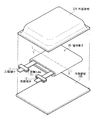
図1は本実施の形態に係る高分子電解質を用いた二次電池を分解して表すものである。この二次電池は、正極端子11および負極端子12が取り付けられた電池素子20をフィルム状の外装部材30A,30Bの内部に封入したものである。正極端子11および負極端子12は、外装部材30A,30Bの内部から外部に向かい例えば同一方向にそれぞれ導出されている。正極端子11および負極端子12は、例えば、アルミニウム(Al),銅(Cu),ニッケル(Ni)あるいはステンレスなどの金属材料によりそれぞれ構成されている。
FIG. 1 is an exploded view of a secondary battery using the polymer electrolyte according to the present embodiment. In the secondary battery, a
外装部材30A,30Bは、例えば、ナイロンフィルム,アルミニウム箔およびポリエチレンフィルムをこの順に張り合わせた矩形状のラミネートフィルムにより構成されている。外装部材30A,30Bは、例えば、ポリエチレンフィルム側と電池素子20とが対向するように配設されており、各外縁部が融着あるいは接着剤により互いに密着されている。外装部材30A,30Bと正極端子11および負極端子12との間には、外気の侵入を防止するための密着フィルム31が挿入されている。密着フィルム31は、正極端子11および負極端子12に対して密着性を有する材料により構成され、例えば、正極端子11および負極端子12が上述した金属材料により構成される場合には、ポリエチレン,ポリプロピレン,変性ポリエチレンあるいは変性ポリプロピレンなどのポリオレフィン樹脂により構成されることが好ましい。
The
なお、外装部材30A,30Bは、上述したラミネートフィルムに代えて、他の構造を有するラミネートフィルム、ポリプロピレンなどの高分子フィルムあるいは金属フィルムなどにより構成するようにしてもよい。
The
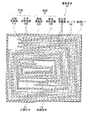
図2は、図1に示した電池素子20のI−I線に沿った断面構造を表すものである。電池素子20は、正極21と負極22とが本実施の形態に係る高分子電解質23およびセパレータ24を介して対向して位置し、巻回されているものであり、最外周部は保護テープ25により保護されている。
FIG. 2 shows a cross-sectional structure taken along line II of the
正極21は、例えば、対向する一対の面を有する正極集電体21Aの両面あるいは片面に正極活物質層21Bが設けられた構造を有している。正極集電体21Aには、長手方向における一方の端部に正極活物質層21Bが設けられず露出している部分があり、この露出部分に正極端子11が取り付けられている。正極集電体21Aは、例えば、アルミニウム箔,ニッケル箔あるいはステンレス箔などの金属箔により構成されている。
The
正極活物質層21Bは、例えば、正極活物質として、リチウム(Li)を吸蔵および離脱することが可能な正極材料のいずれか1種または2種以上を含んでおり、必要に応じて導電剤および結着剤を含んでいてもよい。リチウムを吸蔵および離脱することが可能な正極材料としては、例えば、硫化チタン(TiS2 ),硫化モリブデン(MoS2 ),セレン化ニオブ(NbSe2 )あるいは酸化バナジウム(V2 O5 )などのリチウムを含有しない金属硫化物あるいは金属酸化物など、またはリチウムを含有するリチウム複合酸化物、あるいはリチウム含有リン酸化合物またはポリアセチレンあるいはポリピロールなどの高分子化合物が挙げられる。
The positive electrode
中でも、リチウム複合酸化物およびリチウム含有リン酸化合物は、高電圧および高エネルギー密度を得ることができるものがあるので好ましい。このようなリチウム複合酸化物あるいはリチウム含有リン酸化合物としては、例えば、化学式Lix MIO2 あるいはLiy MIIPO4 で表されるものが挙げられる。式中、MIおよびMIIは1種類以上の遷移金属を表し、特にコバルト(Co),ニッケル,マンガン(Mn)および鉄(Fe)のうちの少なくとも1種を含むことが好ましい。xおよびyの値は電池の充放電状態によって異なり、通常、0.05≦x≦1.10、0.05≦y≦1.10である。化学式Lix MIO2 で表されるリチウム複合酸化物の具体例としては、リチウムコバルト複合酸化物(LiCoO2 )、リチウムニッケル複合酸化物(LiNiO2 )、リチウムニッケルコバルト複合酸化物(LiNiz Co1-z O2 (0<z<1))、あるいはリチウムマンガン複合酸化物(LiMn2 O4 )などが挙げられる。 Among these, lithium composite oxides and lithium-containing phosphoric acid compounds are preferable because some can obtain a high voltage and a high energy density. Examples of such a lithium composite oxide or lithium-containing phosphate compound include those represented by the chemical formula Li x MIO 2 or Li y MIIPO 4 . In the formula, MI and MII represent one or more transition metals, and preferably contain at least one of cobalt (Co), nickel, manganese (Mn) and iron (Fe). The values of x and y vary depending on the charge / discharge state of the battery, and are generally 0.05 ≦ x ≦ 1.10 and 0.05 ≦ y ≦ 1.10. Specific examples of the lithium composite oxide represented by the chemical formula Li x MIO 2 include lithium cobalt composite oxide (LiCoO 2 ), lithium nickel composite oxide (LiNiO 2 ), and lithium nickel cobalt composite oxide (LiNi z Co 1). -z O 2 (0 <z <1)) or lithium manganese composite oxide (LiMn 2 O 4 ).
負極22は、例えば、正極21と同様に、対向する一対の面を有する負極集電体22Aの両面あるいは片面に負極活物質層22Bが設けられた構造を有している。負極集電体22Aは、例えば、銅箔,ニッケル箔あるいはステンレス箔などの金属箔により構成されている。
The negative electrode 22 has, for example, a structure in which a negative electrode active material layer 22B is provided on both surfaces or one surface of a negative electrode
負極活物質層22Bは、例えば、負極活物質として、リチウムを吸蔵および離脱することが可能な負極材料および金属リチウムのいずれか1種または2種以上を含んでおり、必要に応じて導電剤および結着剤を含んでいてもよい。リチウムを吸蔵および離脱することが可能な負極材料としては、例えば、炭素材料,金属酸化物あるいは高分子化合物が挙げられる。炭素材料としては、難黒鉛化炭素材料あるいは黒鉛系材料などが挙げられ、より具体的には、熱分解炭素類,コークス類,黒鉛類,ガラス状炭素類,有機高分子化合物焼成体,炭素繊維あるいは活性炭などがある。このうち、コークス類にはピッチコークス,ニードルコークスあるいは石油コークスなどがあり、有機高分子化合物焼成体というのは、フェノール樹脂やフラン樹脂などの高分子材料を適当な温度で焼成して炭素化したものをいう。また、金属酸化物としては、酸化鉄,酸化ルテニウムあるいは酸化モリブテンなどが挙げられ、高分子化合物としてはポリアセチレンあるいはポリピロールなどが挙げられる。 The negative electrode active material layer 22B includes, for example, one or more of a negative electrode material capable of inserting and extracting lithium and metal lithium as a negative electrode active material, and a conductive agent and A binder may be included. Examples of the negative electrode material capable of inserting and extracting lithium include a carbon material, a metal oxide, and a polymer compound. Examples of carbon materials include non-graphitizable carbon materials or graphite materials, and more specifically, pyrolytic carbons, cokes, graphites, glassy carbons, organic polymer compound fired bodies, carbon fibers Or there is activated carbon. Among these, coke includes pitch coke, needle coke, and petroleum coke. Organic polymer compound fired bodies are carbonized by firing polymer materials such as phenol resin and furan resin at an appropriate temperature. Say things. In addition, examples of the metal oxide include iron oxide, ruthenium oxide, and molybdenum oxide, and examples of the polymer compound include polyacetylene and polypyrrole.
リチウムを吸臓および離脱することが可能な負極材料としては、また、リチウムと合金を形成可能な金属元素の単体、合金あるいは化合物、またはリチウムと合金を形成可能な半金属元素の単体,合金あるいは化合物も挙げられる。なお、合金には、2種以上の金属元素からなるものに加えて、1種以上の金属元素と1種以上の半金属元素とからなるものも含める。その組織には固溶体,共晶(共融混合物),金属間化合物あるいはそれらのうち2種以上が共存するものがある。 As a negative electrode material capable of absorbing and releasing lithium, a simple substance, alloy or compound of a metal element capable of forming an alloy with lithium, or a simple substance, alloy or compound of a metalloid capable of forming an alloy with lithium Also included are compounds. In addition to the alloy composed of two or more metal elements, the alloy includes an alloy composed of one or more metal elements and one or more metalloid elements. The structures include solid solutions, eutectics (eutectic mixtures), intermetallic compounds, or those in which two or more of them coexist.
このような金属元素あるいは半金属元素としては、例えば、スズ(Sn),鉛(Pb),アルミニウム,インジウム(In),ケイ素(Si),亜鉛(Zn),アンチモン(Sb),ビスマス(Bi),ガリウム(Ga),ゲルマニウム(Ge),ヒ素(As),銀(Ag),ハフニウム(Hf),ジルコニウム(Zr)およびイットリウム(Y)が挙げられる。これらの合金あるいは化合物としては、例えば化学式Mas Mbt で表されるものが挙げられる。この化学式において、Maはリチウムと合金を形成可能な金属元素および半金属元素のうちの少なくとも1種を表し、MbはMa以外の元素のうちの少なくとも1種を表す。sおよびtの値はそれぞれs>0、t≧0である。 Examples of such metal elements or metalloid elements include tin (Sn), lead (Pb), aluminum, indium (In), silicon (Si), zinc (Zn), antimony (Sb), and bismuth (Bi). , Gallium (Ga), germanium (Ge), arsenic (As), silver (Ag), hafnium (Hf), zirconium (Zr) and yttrium (Y). These alloys or compounds, such as those represented by the chemical formula Ma s Mb t. In this chemical formula, Ma represents at least one of a metal element and a metalloid element capable of forming an alloy with lithium, and Mb represents at least one of elements other than Ma. The values of s and t are s> 0 and t ≧ 0, respectively.
中でも、長周期型周期表における14族の金属元素あるいは半金属元素の単体、合金または化合物が好ましく、特に好ましいのはケイ素あるいはスズ、またはこれらの合金あるいは化合物である。これらは結晶質のものでもアモルファスのものでもよい。 Among them, a simple substance, alloy or compound of a group 14 metal element or metalloid element in the long-period periodic table is preferable, and silicon or tin, or an alloy or compound thereof is particularly preferable. These may be crystalline or amorphous.
このような合金あるいは化合物について具体的に例を挙げれば、LiAl、AlSb、CuMgSb、SiB4 、SiB6 、Mg2 Si、Mg2 Sn、Ni2 Si、TiSi2 、MoSi2 、CoSi2 、NiSi2 、CaSi2 、CrSi2 、Cu5 Si、FeSi2 、MnSi2 、NbSi2 、TaSi2 、VSi2 、WSi2 、ZnSi2 、SiC、Si3 N4 、Si2 N2 O、SiOv (0<v≦2)、SnOw (0<w≦2)、SnSiO3 、LiSiOあるいはLiSnOなどがある。 Specific examples of such alloys or compounds include LiAl, AlSb, CuMgSb, SiB 4 , SiB 6 , Mg 2 Si, Mg 2 Sn, Ni 2 Si, TiSi 2 , MoSi 2 , CoSi 2 , NiSi 2. , CaSi 2, CrSi 2, Cu 5 Si, FeSi 2, MnSi 2, NbSi 2, TaSi 2, VSi 2, WSi 2, ZnSi 2, SiC, Si 3 N 4, Si 2 N 2 O, SiO v (0 < v ≦ 2), SnO w (0 <w ≦ 2), SnSiO 3 , LiSiO or LiSnO.
セパレータ24は、例えば、ポリプロピレンあるいはポリエチレンなどのポリオレフィン系の材料よりなる多孔質膜、またはセラミック製の不織布などの無機材料よりなる多孔質膜など、イオン透過度が大きく、所定の機械的強度を有する絶縁性の薄膜により構成されており、これら2種以上の多孔質膜を積層した構造とされていてもよい。 The separator 24 has a high ion permeability and a predetermined mechanical strength, such as a porous film made of a polyolefin-based material such as polypropylene or polyethylene, or a porous film made of an inorganic material such as a ceramic nonwoven fabric. It is comprised by the insulating thin film, and may be set as the structure which laminated | stacked these 2 or more types of porous films.
この二次電池は例えば次のようにして製造することができる。 This secondary battery can be manufactured, for example, as follows.
まず、正極21を作製する。例えば、粒子状の正極活物質を用いる場合には、正極活物質と必要に応じて導電剤および結着剤とを混合して正極合剤を調製し、N−メチル−2−ピロリドンなどの分散媒に分散させて正極合剤スラリーを作製する。そののち、この正極合剤スラリーを正極集電体21Aに塗布し乾燥させ、圧縮成型して正極活物質層21Bを形成する。
First, the
また、負極22を作製する。例えば、粒子状の負極活物質を用いる場合には、負極活物質と必要に応じて導電剤および結着剤とを混合して負極合剤を調製し、N−メチル−2−ピロリドンなどの分散媒に分散させて負極合剤スラリーを作製する。そののち、この負極合剤スラリーを負極集電体22Aに塗布し乾燥させ、圧縮成型して負極活物質層22Bを形成する。
Moreover, the negative electrode 22 is produced. For example, when a particulate negative electrode active material is used, a negative electrode active material is mixed with a conductive agent and a binder as necessary to prepare a negative electrode mixture, and dispersion of N-methyl-2-pyrrolidone or the like A negative electrode mixture slurry is prepared by dispersing in a medium. Thereafter, the negative electrode mixture slurry is applied to the negative electrode
次いで、正極21に正極端子11を取り付けると共に、負極22に負極端子12を取り付けたのち、セパレータ24,正極21,セパレータ24および負極22を順次積層して巻回し、最外周部に保護テープ25を接着して巻回電極体を形成する。続いて、この巻回電極体を外装部材30A,30Bで挟み、一辺を除く外周縁部を熱融着して袋状とする。
Next, after attaching the
そののち、上述した電解液と重合性化合物と必要に応じて重合開始剤とを含む電解質用組成物を用意し、外装部材30A,30Bの開口部から巻回電極体の内部に注入して、外装部材30A,30Bの開口部を熱融着し封入する。次いで、電解質用組成物を注入した巻回電極体を外装部材30A,30Bの外部から加熱して重合性化合物を重合させることにより、ゲル状の高分子電解質23を形成する。加熱温度は上述したように90℃以下、更には75℃以下とすることが好ましい。これにより図1および図2に示した二次電池が完成する。
Thereafter, an electrolyte composition containing the above-described electrolytic solution, a polymerizable compound, and a polymerization initiator as necessary is prepared, and injected into the wound electrode body from the openings of the
なお、この二次電池は次のようにして製造してもよい。例えば、巻回電極体を作製してから電解質用組成物を注入するのではなく、正極21および負極22の上に電解質用組成物を塗布したのちに巻回し、外装部材30A,30Bの内部に封入して加熱するようにしてもよい。また、正極21および負極22の上に電解質用組成物を塗布し、加熱して高分子電解質23を形成したのちに巻回し、外装部材30A,30Bの内部に封入するようにしてもよい。但し、外装部材30A,30Bの内部に封入してから加熱するようにした方が好ましい。加熱して高分子電解質23を形成したのちに巻回すると、高分子電解質23と正極21,負極22あるいはセパレータ24との界面接合が不十分となり、内部抵抗が高くなってしまう場合があるからである。
In addition, you may manufacture this secondary battery as follows. For example, instead of injecting the electrolyte composition after producing the wound electrode body, the electrolyte composition is applied onto the
この二次電池では、充電を行うと、例えば、正極活物質層21Bからリチウムイオンが離脱し、高分子電解質23を介して負極活物質層22Bに吸蔵される。放電を行うと、例えば、負極活物質層22Bからリチウムイオンが離脱し、高分子電解質23を介して正極活物質層21Bに吸蔵される。その際、高分子電解質23はP−O−Si結合またはB−O−Si結合を有する化合物を含んでいるので、未反応の重合性化合物あるいは重合開始剤が電極において反応することが抑制される。
In the secondary battery, when charged, for example, lithium ions are released from the positive electrode
このように本実施の形態の電解質用組成物を加熱して得られた高分子電解質23によれば、P−O−Si結合またはB−O−Si結合を有する化合物を含むようにしたので、例えば、本実施の形態の電池に用いた場合に、未反応の重合性化合物あるいは重合開始剤などが電極において反応し、抵抗が上昇することを抑制することができ、容量が低下することを抑制することができる。 Thus, according to the polymer electrolyte 23 obtained by heating the electrolyte composition of the present embodiment, since the compound having a P—O—Si bond or a B—O—Si bond is included, For example, when used in the battery of the present embodiment, unreacted polymerizable compound or polymerization initiator reacts at the electrode, and it is possible to suppress an increase in resistance and to suppress a decrease in capacity. can do.
特に、P−O−Si結合またはB−O−Si結合を有する化合物の電解液における含有量を0.1質量%以上5質量%以下の範囲内にすれば、より高い効果を得ることができる。 In particular, when the content of the compound having a P—O—Si bond or a B—O—Si bond in the electrolytic solution is within a range of 0.1% by mass or more and 5% by mass or less, a higher effect can be obtained. .
更に、重合性化合物として、アクリレート基あるいはメタクリレート基を有しかつエーテル基を含まない化合物、特に、化11,化12および化13で表される各構造を有する化合物を用いるようにすれば、容量およびサイクル特性などの電池特性をより向上させることができる。
Furthermore, if a compound having an acrylate group or a methacrylate group and not containing an ether group, particularly a compound having each structure represented by
加えて、パーオキシエステル系重合開始剤を用いるようにすれば、ゲル化時における気体の発生を抑制することができると共に、重合性化合物の割合を少なくしても十分にゲル化させることができ、十分な機械的強度を得ることができる。 In addition, if a peroxyester polymerization initiator is used, the generation of gas during gelation can be suppressed, and sufficient gelation can be achieved even if the proportion of the polymerizable compound is reduced. Sufficient mechanical strength can be obtained.
更に、本発明の具体的な実施例について、図面を参照して詳細に説明する。本実施例では、図1および図2に示した二次電池を作製した。 Further, specific embodiments of the present invention will be described in detail with reference to the drawings. In this example, the secondary battery shown in FIGS. 1 and 2 was produced.
(実施例1〜3)
まず、炭酸リチウム(Li2 CO3 )0.5molに対して炭酸コバルト(CoCO3 )1molの割合で混合し、空気中において900℃で5時間焼成することにより、正極活物質としてリチウムコバルト複合酸化物(LiCoO2 )を得た。次いで、得られたリチウムコバルト複合酸化物85質量部と、導電剤である黒鉛5質量部と、結着剤であるポリフッ化ビニリデン10質量部とを混合して正極合剤を調製し、さらにこれを分散媒であるN−メチル−2−ピロリドンに分散させて正極合剤スラリーとした。続いて、この正極合剤スラリーを厚み20μmのアルミニウム箔よりなる正極集電体21Aの両面に均一に塗布し、乾燥させたのち、ロールプレス機で圧縮成形して正極活物質層21Bを形成し、正極21を作製した。そののち、正極21に正極端子11を取り付けた。
(Examples 1-3)
First, lithium carbonate (Li 2 CO 3) were mixed at a ratio of cobalt carbonate (CoCO 3) 1 mol with respect to 0.5 mol, by firing for 5 hours at 900 ° C. in air, the lithium-cobalt complex oxide as a positive electrode active material The product (LiCoO 2 ) was obtained. Next, 85 parts by mass of the obtained lithium cobalt composite oxide, 5 parts by mass of graphite as a conductive agent, and 10 parts by mass of polyvinylidene fluoride as a binder were prepared to prepare a positive electrode mixture, and this Was dispersed in N-methyl-2-pyrrolidone as a dispersion medium to obtain a positive electrode mixture slurry. Subsequently, the positive electrode mixture slurry is uniformly applied to both surfaces of a positive electrode current collector 21A made of an aluminum foil having a thickness of 20 μm, dried, and then compression-molded with a roll press to form a positive electrode
また、粉砕した黒鉛粉末を負極活物質として用意し、この黒鉛粉末90質量部と、結着剤であるポリフッ化ビニリデン10質量部とを混合して負極合剤を調製し、さらにこれを分散媒であるN−メチル−2−ピロリドンに分散させ負極合剤スラリーとした。次いで、この負極合剤スラリーを厚み15μmの銅箔よりなる負極集電体22Aの両面に均一に塗布し、乾燥させたのち、ロールプレス機で圧縮成形して負極活物質層22Bを形成し、負極22を作製した。続いて、負極22に負極端子12を取り付けた。
A pulverized graphite powder is prepared as a negative electrode active material, and 90 parts by mass of the graphite powder and 10 parts by mass of polyvinylidene fluoride as a binder are mixed to prepare a negative electrode mixture, which is further dispersed in a dispersion medium. Was dispersed in N-methyl-2-pyrrolidone as a negative electrode mixture slurry. Next, this negative electrode mixture slurry was uniformly applied to both surfaces of a negative electrode
正極21および負極22を作製したのち、正極21および負極22を、厚み25μmの微孔性ポリエチレンフィルムよりなるセパレータ24を介して密着させ、長手方向に巻回して、最外周部に保護テープ25を貼り付けることにより、巻回電極体を作製した。
After the
また、電解液100質量部に対して、重合性化合物溶液を5質量部、パーオキシエステル系重合開始剤であるt−ブチルパーオキシネオデカノエートを0.1質量部の割合で混合し、電解質用組成物を作製した。その際、電解液には、エチレンカーボネートとジエチルカーボネートとをエチレンカーボネート:ジエチルカーボネート=3:7の質量比で混合した溶媒に、六フッ化リン酸リチウムを1mol/lとなるように溶解させ、更に、添加剤としてP−O−Si結合またはB−O−Si結合を有する化合物を添加したものを用いた。添加剤としては、実施例1では、化7で表されるリン酸トリス(トリメチルシリル)を、実施例2では、化8で表されるリン酸トリス(トリエチルシリル)を、実施例3では、化9で表されるホウ酸トリス(トリメチルシリル)を用い、添加剤の電解液における含有量はいずれも1質量%とした。 Further, with respect to 100 parts by mass of the electrolytic solution, 5 parts by mass of the polymerizable compound solution and t-butyl peroxyneodecanoate which is a peroxy ester polymerization initiator are mixed at a ratio of 0.1 part by mass, An electrolyte composition was prepared. At that time, in the electrolyte solution, lithium hexafluorophosphate was dissolved to 1 mol / l in a solvent in which ethylene carbonate and diethyl carbonate were mixed at a mass ratio of ethylene carbonate: diethyl carbonate = 3: 7, Furthermore, what added the compound which has a P-O-Si bond or a B-O-Si bond as an additive was used. As the additive, in Example 1, tris phosphate (trimethylsilyl) represented by Chemical Formula 7 was used, in Example 2, tris phosphate (triethylsilyl) represented by Chemical Formula 8 was used, and in Example 3, Tris borate (trimethylsilyl) represented by 9 was used, and the content of the additive in the electrolyte was 1% by mass.
また、重合性化合物には、化32に示したトリメチロールプロパントリアクリレートと化33に示したネオペンチルグリコールジアクリレートとを、トリメチロールプロパントリアクリレート:ネオペンチルグリコールジアクリレート=3:7の質量比で混合したものを用いた。 Further, the polymerizable compound includes trimethylolpropane triacrylate shown in Chemical formula 32 and neopentyl glycol diacrylate shown in Chemical formula 33 in a mass ratio of trimethylolpropane triacrylate: neopentylglycol diacrylate = 3: 7. What was mixed with was used.
次いで、作製した巻回電極体を外装部材30A,30Bの間に装填し、外装部材30A,30Bの3辺を熱融着した。外装部材30A,30Bには最外層から順に25μm厚のナイロンフィルムと40μm厚のアルミニウム箔と30μm厚のポリプロピレンフィルムとが積層されてなる防湿性のアルミラミネートフィルムを用いた。
Next, the produced wound electrode body was loaded between the
続いて、外装部材30A,30Bの内部に電解質用組成物を注入し、外装部材30A,30Bの残りの1辺を減圧下において熱融着し、密封した。そののち、これをガラス板に挟んで70℃で15分間加熱し、重合性化合物を重合させることにより電解質用組成物をゲル化させて高分子電解質23とした。これにより、図1および図2に示した二次電池を得た。
Subsequently, the electrolyte composition was injected into the
また、本実施例に対する比較例として、比較例1では、添加剤を添加しないことを除き、比較例2では、重合性化合物溶液および重合開始剤を用いず、加熱処理を行わなかったことを除き、比較例3では、重合性化合物溶液、重合開始剤および添加剤を用いず、加熱処理を行わなかったことを除き、実施例1と同様にして二次電池を作製した。 Further, as a comparative example for this example, in Comparative Example 1, except that no additive was added, and in Comparative Example 2, a polymerizable compound solution and a polymerization initiator were not used, and heat treatment was not performed. In Comparative Example 3, a secondary battery was produced in the same manner as in Example 1 except that the polymerizable compound solution, the polymerization initiator, and the additive were not used and the heat treatment was not performed.
得られた実施例1〜3および比較例1〜3の各二次電池に対して、23℃で500mAの定電流定電圧充電を上限4.2Vまで2時間行い、電池抵抗を測定したのち、−20℃で250mAの定電流放電を終止電圧3.0Vまで行い、低温での放電容量を測定した。更に、23℃で500mAの定電流定電圧充電を上限4.2Vまで2時間行い、充電状態のまま23℃で20日保存したのち、保存後の電池抵抗を測定した。その後、上述した条件と同様にして−20℃で250mAの定電流放電を終止電圧3.0Vまで行い、保存後の低温での放電容量を求めた。これにより保存前後における抵抗増加率を[(保存後の抵抗−保存前の抵抗)/保存前の抵抗]×100により算出した。また、低温での放電容量維持率を(保存後の放電容量/保存前の放電容量)×100により算出した。得られた結果を表1に示す。 For each of the obtained secondary batteries of Examples 1 to 3 and Comparative Examples 1 to 3, a constant current constant voltage charge of 500 mA was performed at 23 ° C. for 2 hours up to 4.2 V, and the battery resistance was measured. A constant current discharge of 250 mA was performed at −20 ° C. to a final voltage of 3.0 V, and the discharge capacity at a low temperature was measured. Furthermore, constant current constant voltage charging at 500 mA at 23 ° C. was performed for 2 hours to an upper limit of 4.2 V, and the battery resistance was measured after storage at 23 ° C. for 20 days in the charged state. Thereafter, under the same conditions as described above, a constant current discharge of 250 mA was performed at −20 ° C. to a final voltage of 3.0 V, and the discharge capacity at low temperature after storage was determined. The resistance increase rate before and after storage was calculated by [(resistance after storage−resistance before storage) / resistance before storage] × 100. Moreover, the discharge capacity maintenance factor at low temperature was calculated by (discharge capacity after storage / discharge capacity before storage) × 100. The obtained results are shown in Table 1.
表1から分かるように、P−O−Si結合を有する添加剤を添加した実施例1〜2によれば、添加剤を添加していない比較例1よりも抵抗増加率を低くすると共に、放電容量維持率を高くすることができた。また、ゲル化していない液状の電解質を用いた比較例2,3についても、添加剤を添加した比較例2の方が放電容量維持率を高くすることができたが、その程度は実施例1,2の方が大きかった。更に、添加剤をB−O−Si結合を有する化合物に変えても実施例1,2と同様の結果が得られた。 As can be seen from Table 1, according to Examples 1 and 2 to which an additive having a P—O—Si bond was added, the resistance increase rate was made lower than that of Comparative Example 1 in which no additive was added, and the discharge was performed. The capacity maintenance rate could be increased. Further, in Comparative Examples 2 and 3 using a non-gelled liquid electrolyte, the discharge capacity retention rate was higher in Comparative Example 2 in which an additive was added. , 2 was larger. Furthermore, the same results as in Examples 1 and 2 were obtained even when the additive was changed to a compound having a B—O—Si bond.
すなわち、P−O−Si結合またはB−O−Si結合を有する化合物を含むようにすれば、特に、重合性化合物を重合させた高分子化合物を用いる場合において電池抵抗の上昇を抑え、容量の低下を抑制することができる。 That is, if a compound having a P—O—Si bond or a B—O—Si bond is included, particularly when a polymer compound obtained by polymerizing a polymerizable compound is used, an increase in battery resistance is suppressed, and The decrease can be suppressed.
(実施例4〜7)
電解液におけるリン酸トリス(トリメチルシリル)の含有量を表2に示したように変えたことを除き、他は実施例1と同様にして二次電池を作製した。これらの二次電池についても実施例1と同様にして保存前後における抵抗増加率および放電容量維持率を求めた。それらの結果を実施例1および比較例1の結果と共に表2に示す。
(Examples 4 to 7)
A secondary battery was fabricated in the same manner as in Example 1 except that the content of tris (trimethylsilyl) phosphate in the electrolytic solution was changed as shown in Table 2. For these secondary batteries, the resistance increase rate and the discharge capacity retention rate before and after storage were determined in the same manner as in Example 1. The results are shown in Table 2 together with the results of Example 1 and Comparative Example 1.
表1から分かるように、実施例4〜7によれば、実施例1と同様の結果が得られた。また、実施例1,5,6によれば、添加剤の含有量が0.1質量%未満である実施例4、あるいは5質量%超である実施例7よりも放電容量維持率の改善効果がより大きかった。すなわち、電解液におけるP−O−Si結合またはB−O−Si結合を有する化合物の含有量を0.1質量%以上5質量%以下にすれば、電池抵抗の上昇をより抑え、容量の低下をより抑制することができる。 As can be seen from Table 1, according to Examples 4 to 7, the same results as in Example 1 were obtained. In addition, according to Examples 1, 5, and 6, the effect of improving the discharge capacity retention rate is higher than Example 4 in which the additive content is less than 0.1% by mass, or Example 7 in which the content of the additive exceeds 5% by mass. Was bigger. That is, if the content of the compound having a P—O—Si bond or a B—O—Si bond in the electrolytic solution is 0.1% by mass or more and 5% by mass or less, the increase in battery resistance is further suppressed, and the capacity is decreased. Can be further suppressed.
以上、実施の形態および実施例を挙げて本発明を説明したが、本発明は上記実施の形態および実施例に限定されるものではなく、種々変形可能である。例えば、上記実施の形態および実施例では、高分子電解質23が添加剤として化4で表される構造を有する化合物を含む場合について説明したが、重合性化合物がこの構造を有していてもよい。 Although the present invention has been described with reference to the embodiments and examples, the present invention is not limited to the above embodiments and examples, and various modifications can be made. For example, in the above embodiments and examples, the case where the polymer electrolyte 23 includes a compound having a structure represented by Chemical Formula 4 as an additive has been described, but the polymerizable compound may have this structure. .
また、上記実施の形態および実施例では、電解質用組成物が電解液と、重合性化合物と、必要に応じて重合開始剤とを含む場合について説明したが、これら以外の他の材料、添加剤などを含んでいてもよい。 Moreover, although the said embodiment and Example demonstrated the case where the composition for electrolyte contained electrolyte solution, the polymeric compound, and the polymerization initiator as needed, materials other than these, additives Etc. may be included.
更に、上記実施の形態および実施例では、電解質組成物を加熱して高分子電解質23を作製するようにしたが、加圧しつつ加熱するようにしてもよく、加熱したのち加圧するようにしてもよい。 Further, in the above embodiment and examples, the electrolyte composition is heated to produce the polymer electrolyte 23. However, the polymer electrolyte 23 may be heated, or may be heated while being pressurized, or may be pressurized after being heated. Good.
加えて、上記実施の形態および実施例では、二次電池の構成について一例を挙げて説明したが、他の構成を有する電池についても適用することができる。例えば、上記実施の形態では巻回ラミネート型の二次電池について説明したが、単層ラミネート型、あるいは積層ラミネート型についても同様に適用することができる。また、いわゆる円筒型、角型、コイン型、ボタン型などについても適用することができる。更に、二次電池に限らず、一次電池についても適用することができる。 In addition, in the above-described embodiments and examples, the configuration of the secondary battery has been described with an example, but the present invention can also be applied to a battery having another configuration. For example, in the above embodiment, the wound laminate type secondary battery has been described. However, the present invention can be similarly applied to a single layer laminate type or a laminated laminate type. Further, it can be applied to so-called cylindrical type, square type, coin type, button type and the like. Furthermore, not only the secondary battery but also the primary battery can be applied.
更にまた、上記実施の形態および実施例では、電極反応物質としてリチウムを用いる二次電池について説明したが、電極反応物質としてナトリウムあるいはカリウムなどの他のアルカリ金属、またはマグネシウムあるいはカルシウムなどのアルカリ土類金属、またはアルミニウムなどの他の軽金属を用いる場合についても本発明を適用することができる。その際、正極活物質、負極活物質および非水溶媒などは、その電解質塩に応じて選択される。 Furthermore, in the above embodiments and examples, a secondary battery using lithium as an electrode reactant has been described. However, as an electrode reactant, another alkali metal such as sodium or potassium, or an alkaline earth such as magnesium or calcium. The present invention can also be applied to the case of using a metal or another light metal such as aluminum. In that case, a positive electrode active material, a negative electrode active material, a nonaqueous solvent, etc. are selected according to the electrolyte salt.
11…正極端子、12…負極端子、20…電池素子、21…正極、21A…正極集電体、21B…正極活物質層、22…負極、22A…負極集電体、22B…負極活物質層、23…高分子電解質、24…セパレータ、25…保護テープ、30A,30B…外装部材、31…密着フィルム。
DESCRIPTION OF
Claims (24)
前記電解液は化1で表される構造を有する化合物を含む
ことを特徴とする電解質用組成物。
The electrolyte solution includes a compound having a structure represented by Chemical Formula 1.
前記電解液は、化17で表される構造を有する化合物を含む
ことを特徴とする高分子電解質。
The polymer electrolyte includes a compound having a structure represented by Chemical formula 17:
前記電解液は化33で表される構造を有する化合物を含む
ことを特徴とする電池。
The battery, wherein the electrolytic solution includes a compound having a structure represented by Chemical Formula 33.
The battery according to claim 16, wherein the positive electrode, the negative electrode, and the polymer electrolyte are housed inside an exterior member, and the polymer compound is polymerized inside the exterior member.
Priority Applications (6)
| Application Number | Priority Date | Filing Date | Title |
|---|---|---|---|
| JP2004105653A JP2005293962A (en) | 2004-03-31 | 2004-03-31 | Composition for electrolyte, polymer electrolyte, and battery using the same |
| US11/084,956 US20050221195A1 (en) | 2004-03-31 | 2005-03-21 | Composition for electrolyte, high molecular weight electrolyte, and battery using it |
| TW094108785A TWI279935B (en) | 2004-03-31 | 2005-03-22 | Composition for electrolyte, polymer electrolyte, and battery using the same |
| KR1020050026360A KR20060044982A (en) | 2004-03-31 | 2005-03-30 | Composition for electrolyte, polymer electrolyte and battery using same |
| EP05006915A EP1585142A1 (en) | 2004-03-31 | 2005-03-30 | Composition for electrolyte, high molecular weight electrolyte, and battery using it |
| CNA2005100697346A CN1840550A (en) | 2004-03-31 | 2005-03-31 | Composition for electrolyte, high molecular weight electrolyte, and battery using it |
Applications Claiming Priority (1)
| Application Number | Priority Date | Filing Date | Title |
|---|---|---|---|
| JP2004105653A JP2005293962A (en) | 2004-03-31 | 2004-03-31 | Composition for electrolyte, polymer electrolyte, and battery using the same |
Publications (1)
| Publication Number | Publication Date |
|---|---|
| JP2005293962A true JP2005293962A (en) | 2005-10-20 |
Family
ID=34909450
Family Applications (1)
| Application Number | Title | Priority Date | Filing Date |
|---|---|---|---|
| JP2004105653A Abandoned JP2005293962A (en) | 2004-03-31 | 2004-03-31 | Composition for electrolyte, polymer electrolyte, and battery using the same |
Country Status (6)
| Country | Link |
|---|---|
| US (1) | US20050221195A1 (en) |
| EP (1) | EP1585142A1 (en) |
| JP (1) | JP2005293962A (en) |
| KR (1) | KR20060044982A (en) |
| CN (1) | CN1840550A (en) |
| TW (1) | TWI279935B (en) |
Cited By (7)
| Publication number | Priority date | Publication date | Assignee | Title |
|---|---|---|---|---|
| KR100804696B1 (en) | 2006-11-20 | 2008-02-18 | 삼성에스디아이 주식회사 | Electrolyte for lithium secondary battery, and lithium secondary battery comprising same |
| WO2010016521A1 (en) * | 2008-08-06 | 2010-02-11 | 三井化学株式会社 | Non-aqueous electrolytic solution, lithium secondary battery and method for producing same, and mixed non-aqueous electrolytic solution |
| WO2012157119A1 (en) * | 2011-05-19 | 2012-11-22 | トヨタ自動車株式会社 | Solid-state lithium battery |
| KR101340031B1 (en) | 2007-03-23 | 2013-12-10 | 삼성에스디아이 주식회사 | Electrolyte for lithium rechargeable battery and a lithium rechargeable battery comprising it |
| KR20140060175A (en) * | 2012-11-09 | 2014-05-19 | 삼성에스디아이 주식회사 | Electrolyte solution for seconndary lithium battery and secondary lithium battery using the same |
| JP2014160676A (en) * | 2009-02-26 | 2014-09-04 | Lg Chem Ltd | Non-aqueous electrolyte for lithium secondary battery and lithium secondary battery including the same |
| JP2016189327A (en) * | 2015-03-27 | 2016-11-04 | 旭化成株式会社 | Electrolyte additive for non-aqueous storage devices |
Families Citing this family (18)
| Publication number | Priority date | Publication date | Assignee | Title |
|---|---|---|---|---|
| KR100745732B1 (en) * | 2005-06-14 | 2007-08-02 | 삼성에스디아이 주식회사 | Organic electrolyte and lithium battery employing the same |
| KR100873632B1 (en) * | 2005-08-24 | 2008-12-12 | 삼성에스디아이 주식회사 | Organic Electrolyte and Lithium Battery |
| US7732546B2 (en) * | 2007-10-03 | 2010-06-08 | Bausch & Lomb Incorporated | Use of silylated sulfonate monomers to improve contact lens wettability |
| KR101065381B1 (en) * | 2009-01-22 | 2011-09-16 | 삼성에스디아이 주식회사 | Electrolyte for lithium secondary battery and lithium secondary battery comprising same |
| JP5487297B2 (en) * | 2010-04-06 | 2014-05-07 | 株式会社東芝 | Non-aqueous electrolyte battery |
| JP5427101B2 (en) * | 2010-04-27 | 2014-02-26 | 株式会社日立製作所 | Non-aqueous electrolyte and non-aqueous electrolyte secondary battery using the same |
| KR101537142B1 (en) * | 2012-04-30 | 2015-07-15 | 주식회사 엘지화학 | Additive for non-aqueous liquid electrolyte, non-aqueous liquid electrolyte and lithium secondary cell comprising the same |
| EP2908375B1 (en) | 2013-10-28 | 2018-09-19 | LG Chem, Ltd. | Lithium secondary battery |
| KR102310478B1 (en) * | 2014-09-16 | 2021-10-08 | 에스케이이노베이션 주식회사 | Electrolyte for Lithium Secondary Battery and Lithium Secondary Battery Containing the Same |
| CN106033824B (en) * | 2015-03-18 | 2018-12-04 | 宁德时代新能源科技股份有限公司 | High-voltage lithium ion battery and electrolyte thereof |
| CN104701571B (en) * | 2015-03-30 | 2018-04-10 | 中国科学院福建物质结构研究所 | A kind of lithium ion battery high-temperature-resistant high-pressure-resistant electrolyte |
| HUE060241T2 (en) * | 2016-07-22 | 2023-02-28 | Daikin Ind Ltd | Electrolyte solution, electrochemical device, secondary battery, and module |
| US11322780B2 (en) | 2016-07-22 | 2022-05-03 | Daikin Industries, Ltd. | Electrolyte solution, electrochemical device, secondary battery, and module |
| KR102209829B1 (en) | 2016-07-25 | 2021-01-29 | 삼성에스디아이 주식회사 | Additive for electrolyte of lithium battery, electrolyte including the same and lithium battery using the electrolyte |
| CN107634261B (en) * | 2017-08-18 | 2019-12-13 | 清华大学 | A kind of polymer electrolyte for polymer battery and preparation method thereof |
| CN109786824B (en) | 2019-01-25 | 2021-09-24 | 宁德新能源科技有限公司 | Electrolyte and electrochemical device using the same |
| CN109802180B (en) | 2019-01-25 | 2021-08-03 | 宁德新能源科技有限公司 | Electrolyte solution and electrochemical device |
| CN113451649B (en) * | 2020-03-27 | 2025-01-21 | 河北圣泰材料股份有限公司 | Application of lithium borate compounds in battery electrolytes |
Family Cites Families (1)
| Publication number | Priority date | Publication date | Assignee | Title |
|---|---|---|---|---|
| JP4014737B2 (en) * | 1998-09-17 | 2007-11-28 | 昭和電工株式会社 | Thermally polymerizable composition and use thereof |
-
2004
- 2004-03-31 JP JP2004105653A patent/JP2005293962A/en not_active Abandoned
-
2005
- 2005-03-21 US US11/084,956 patent/US20050221195A1/en not_active Abandoned
- 2005-03-22 TW TW094108785A patent/TWI279935B/en not_active IP Right Cessation
- 2005-03-30 EP EP05006915A patent/EP1585142A1/en not_active Withdrawn
- 2005-03-30 KR KR1020050026360A patent/KR20060044982A/en not_active Withdrawn
- 2005-03-31 CN CNA2005100697346A patent/CN1840550A/en active Pending
Cited By (12)
| Publication number | Priority date | Publication date | Assignee | Title |
|---|---|---|---|---|
| KR100804696B1 (en) | 2006-11-20 | 2008-02-18 | 삼성에스디아이 주식회사 | Electrolyte for lithium secondary battery, and lithium secondary battery comprising same |
| US7494746B2 (en) | 2006-11-20 | 2009-02-24 | Samsung Sdi Co., Ltd. | Electrolyte for rechargeable lithium battery, and rechargeable lithium battery including same |
| KR101340031B1 (en) | 2007-03-23 | 2013-12-10 | 삼성에스디아이 주식회사 | Electrolyte for lithium rechargeable battery and a lithium rechargeable battery comprising it |
| WO2010016521A1 (en) * | 2008-08-06 | 2010-02-11 | 三井化学株式会社 | Non-aqueous electrolytic solution, lithium secondary battery and method for producing same, and mixed non-aqueous electrolytic solution |
| JP5274563B2 (en) * | 2008-08-06 | 2013-08-28 | 三井化学株式会社 | Non-aqueous electrolyte for lithium secondary battery, lithium secondary battery and method for producing the same, and mixed non-aqueous electrolyte for lithium secondary battery |
| KR101318482B1 (en) | 2008-08-06 | 2013-10-16 | 미쓰이 가가쿠 가부시키가이샤 | Non-aqueous electrolytic solution, lithium secondary battery and method for producing same, and mixed non-aqueous electrolytic solution |
| JP2014160676A (en) * | 2009-02-26 | 2014-09-04 | Lg Chem Ltd | Non-aqueous electrolyte for lithium secondary battery and lithium secondary battery including the same |
| WO2012157119A1 (en) * | 2011-05-19 | 2012-11-22 | トヨタ自動車株式会社 | Solid-state lithium battery |
| KR20140060175A (en) * | 2012-11-09 | 2014-05-19 | 삼성에스디아이 주식회사 | Electrolyte solution for seconndary lithium battery and secondary lithium battery using the same |
| JP2014096366A (en) * | 2012-11-09 | 2014-05-22 | Samsung Sdi Co Ltd | Electrolyte for lithium secondary battery and lithium secondary battery including the same |
| KR101994262B1 (en) * | 2012-11-09 | 2019-06-28 | 삼성에스디아이 주식회사 | Electrolyte solution for seconndary lithium battery and secondary lithium battery using the same |
| JP2016189327A (en) * | 2015-03-27 | 2016-11-04 | 旭化成株式会社 | Electrolyte additive for non-aqueous storage devices |
Also Published As
| Publication number | Publication date |
|---|---|
| CN1840550A (en) | 2006-10-04 |
| TWI279935B (en) | 2007-04-21 |
| KR20060044982A (en) | 2006-05-16 |
| EP1585142A1 (en) | 2005-10-12 |
| US20050221195A1 (en) | 2005-10-06 |
| TW200605424A (en) | 2006-02-01 |
Similar Documents
| Publication | Publication Date | Title |
|---|---|---|
| US20050221195A1 (en) | Composition for electrolyte, high molecular weight electrolyte, and battery using it | |
| JP4085986B2 (en) | battery | |
| KR20090050952A (en) | Nonaqueous electrolyte battery | |
| JP5494116B2 (en) | Nonaqueous electrolyte composition and nonaqueous electrolyte battery | |
| JP2009123499A (en) | Non-aqueous electrolyte secondary battery and non-aqueous electrolyte composition | |
| JP5177211B2 (en) | Negative electrode active material, negative electrode and battery | |
| CN101630759B (en) | Electrolyte solution and battery | |
| JP2008218381A (en) | Non-aqueous electrolyte battery | |
| JPWO2006088002A1 (en) | Electrolyte and battery | |
| JP2007258127A (en) | Negative electrode and battery | |
| US7919208B2 (en) | Anode active material and battery | |
| JP2008159496A (en) | Gel electrolyte, lithium ion secondary battery, and method for producing gel electrolyte | |
| JP5045882B2 (en) | Electrolyte and battery | |
| JP4466416B2 (en) | Polymer electrolyte for secondary battery and secondary battery using the same | |
| CN100568608C (en) | Polymer Electrolytes and Batteries | |
| JP2005038744A (en) | Separator, electrolyte composition, and battery manufacturing method | |
| JP2006059710A (en) | Electrolyte and battery | |
| JP4609707B2 (en) | battery | |
| JP2006253091A (en) | battery | |
| JP2004311114A (en) | Composition for electrolyte, polymer electrolyte and battery using the same | |
| JP2006253086A (en) | Polymer electrolyte, battery, and battery manufacturing method | |
| JP2004342376A (en) | Battery manufacturing method | |
| JP2007207450A (en) | Nonaqueous electrolyte secondary battery and its manufacturing method | |
| JP2004311140A (en) | Composition for electrolyte, polymer electrolyte and battery using the same | |
| JP2004139823A (en) | Composition for electrolyte, polymer electrolyte and battery using the same |
Legal Events
| Date | Code | Title | Description |
|---|---|---|---|
| A621 | Written request for application examination |
Free format text: JAPANESE INTERMEDIATE CODE: A621 Effective date: 20060911 |
|
| A762 | Written abandonment of application |
Free format text: JAPANESE INTERMEDIATE CODE: A762 Effective date: 20080826 |