JP2005295937A - Artificial tree for insect spawning and method for producing the same - Google Patents
Artificial tree for insect spawning and method for producing the same Download PDFInfo
- Publication number
- JP2005295937A JP2005295937A JP2004119309A JP2004119309A JP2005295937A JP 2005295937 A JP2005295937 A JP 2005295937A JP 2004119309 A JP2004119309 A JP 2004119309A JP 2004119309 A JP2004119309 A JP 2004119309A JP 2005295937 A JP2005295937 A JP 2005295937A
- Authority
- JP
- Japan
- Prior art keywords
- artificial tree
- spawning
- insect
- tree
- sawdust
- Prior art date
- Legal status (The legal status is an assumption and is not a legal conclusion. Google has not performed a legal analysis and makes no representation as to the accuracy of the status listed.)
- Pending
Links
- 241000238631 Hexapoda Species 0.000 title claims abstract description 91
- 238000004519 manufacturing process Methods 0.000 title claims abstract description 15
- 239000011230 binding agent Substances 0.000 claims abstract description 25
- 239000000203 mixture Substances 0.000 claims abstract description 16
- 240000007594 Oryza sativa Species 0.000 claims abstract description 8
- 235000007164 Oryza sativa Nutrition 0.000 claims abstract description 8
- 235000009566 rice Nutrition 0.000 claims abstract description 8
- 235000015097 nutrients Nutrition 0.000 claims description 24
- 239000002023 wood Substances 0.000 claims description 22
- 239000002344 surface layer Substances 0.000 claims description 12
- 238000000034 method Methods 0.000 claims description 11
- 239000007787 solid Substances 0.000 claims description 8
- 230000001954 sterilising effect Effects 0.000 claims description 6
- 238000001035 drying Methods 0.000 claims description 5
- 229920002472 Starch Polymers 0.000 claims description 4
- 235000013312 flour Nutrition 0.000 claims description 4
- 239000008107 starch Substances 0.000 claims description 4
- 235000019698 starch Nutrition 0.000 claims description 4
- 241000209140 Triticum Species 0.000 claims description 3
- 235000021307 Triticum Nutrition 0.000 claims description 3
- 235000013601 eggs Nutrition 0.000 description 27
- 238000009395 breeding Methods 0.000 description 17
- 230000001488 breeding effect Effects 0.000 description 17
- 241000131077 Lucanidae Species 0.000 description 14
- 241000131091 Lucanus cervus Species 0.000 description 12
- 230000017448 oviposition Effects 0.000 description 12
- 230000012010 growth Effects 0.000 description 9
- 239000010410 layer Substances 0.000 description 7
- 241000233866 Fungi Species 0.000 description 5
- 240000000599 Lentinula edodes Species 0.000 description 5
- 240000004808 Saccharomyces cerevisiae Species 0.000 description 4
- 235000014680 Saccharomyces cerevisiae Nutrition 0.000 description 4
- 239000011343 solid material Substances 0.000 description 4
- 238000004659 sterilization and disinfection Methods 0.000 description 4
- 238000010586 diagram Methods 0.000 description 3
- 239000002054 inoculum Substances 0.000 description 3
- 241000254173 Coleoptera Species 0.000 description 2
- 239000000853 adhesive Substances 0.000 description 2
- 230000001070 adhesive effect Effects 0.000 description 2
- 229920002678 cellulose Polymers 0.000 description 2
- 239000001913 cellulose Substances 0.000 description 2
- 235000013305 food Nutrition 0.000 description 2
- 230000012447 hatching Effects 0.000 description 2
- 230000009571 larval growth Effects 0.000 description 2
- 229920003023 plastic Polymers 0.000 description 2
- 230000001737 promoting effect Effects 0.000 description 2
- 239000002994 raw material Substances 0.000 description 2
- XLYOFNOQVPJJNP-UHFFFAOYSA-N water Substances O XLYOFNOQVPJJNP-UHFFFAOYSA-N 0.000 description 2
- 235000001674 Agaricus brunnescens Nutrition 0.000 description 1
- 241000894006 Bacteria Species 0.000 description 1
- 101100495256 Caenorhabditis elegans mat-3 gene Proteins 0.000 description 1
- 240000008067 Cucumis sativus Species 0.000 description 1
- 235000010799 Cucumis sativus var sativus Nutrition 0.000 description 1
- 240000000731 Fagus sylvatica Species 0.000 description 1
- 235000010099 Fagus sylvatica Nutrition 0.000 description 1
- 240000008397 Ganoderma lucidum Species 0.000 description 1
- 241001465754 Metazoa Species 0.000 description 1
- 241000607479 Yersinia pestis Species 0.000 description 1
- 150000001413 amino acids Chemical class 0.000 description 1
- 230000007423 decrease Effects 0.000 description 1
- 230000003247 decreasing effect Effects 0.000 description 1
- 230000018109 developmental process Effects 0.000 description 1
- 230000000694 effects Effects 0.000 description 1
- -1 etc. of sawdust Substances 0.000 description 1
- 238000009415 formwork Methods 0.000 description 1
- 230000008676 import Effects 0.000 description 1
- 229910010272 inorganic material Inorganic materials 0.000 description 1
- 239000011147 inorganic material Substances 0.000 description 1
- 230000001418 larval effect Effects 0.000 description 1
- 229920005610 lignin Polymers 0.000 description 1
- 235000016709 nutrition Nutrition 0.000 description 1
- 230000035699 permeability Effects 0.000 description 1
- 239000000126 substance Substances 0.000 description 1
- 238000006467 substitution reaction Methods 0.000 description 1
- 239000002699 waste material Substances 0.000 description 1
- 239000002916 wood waste Substances 0.000 description 1
Images
Landscapes
- Housing For Livestock And Birds (AREA)
Abstract
Description
本発明は、クワガタ等の昆虫の産卵木に代わる人工木およびその製造方法に関する。 The present invention relates to an artificial tree replacing an egg-laying tree of an insect such as a stag beetle and a method for producing the same.
従来、クワガタ等の昆虫の繁殖を行う場合、例えば椎茸を栽培した後のホダ木などを適当な大きさに調整したものを産卵木として用いる。この産卵木をクワガタ等の飼育床に設置し所定の条件を整えれば、クワガタ等はこの産卵木に穴を掘ってその内部に産卵する。この卵は産卵木内部で孵化し幼虫となり、産卵木を餌として産卵木内部で成長する。その後、幼虫がある程度成長すると、適当な時期に例えばペンチやドライバーを用いてこの産卵木を割り、内部の幼虫を取り出して幼虫1匹ごとに個別に飼育する。
このようなクワガタ等の繁殖は非常にデリケートなものであり、特に産卵木はクワガタ等の産卵場所となりかつ卵の孵化や幼虫の成長に供するものとして用いられるため、繁殖にとって重要な要因となっている。このため、この産卵木の状態によってはクワガタ等が産卵しなかったり、幼虫の成長の妨げとなり、良質な成虫が得られなかったりすることがあった。そこで、産卵木であるホダ木に予め栄養分等を含有させることで健全な成虫を得るなどの試みが成されている(例えば、特許文献1参照)。
Conventionally, when breeding insects such as stag beetles, for example, a hodder tree after cultivating shiitake mushrooms adjusted to an appropriate size is used as a spawning tree. If this spawning tree is placed on a breeding floor such as a stag beetle and the predetermined conditions are adjusted, the stag beetle digs a hole in this spawning tree and lays eggs inside the spawning tree. The egg hatches and becomes a larva inside the spawning tree, and grows inside the spawning tree using the spawning tree as a feed. Thereafter, when the larvae grow to some extent, the spawning tree is divided at an appropriate time using, for example, pliers or a screwdriver, and the larvae inside are taken out and reared individually for each larvae.
Breeding of such stag beetles is very delicate. Especially, the spawning tree is a place for laying eggs such as stag beetles and is used for hatching eggs and growing larvae. Yes. For this reason, depending on the state of the egg-laying tree, stag beetles may not lay eggs, or the growth of larvae may be hindered, resulting in failure to obtain high-quality adults. Thus, attempts have been made to obtain healthy adults by adding nutrients and the like to the spawning tree, which is a spawning tree, in advance (see, for example, Patent Document 1).
近年、椎茸等の輸入の増加や菌床栽培の普及による原木栽培の減少等により国内におけるホダ木の生産量が減少し、産卵木として使用できるホダ木の入手が困難となりつつある。また、上述のように産卵木は、昆虫等の繁殖にとって重要な要因であり、例えば、普通の枯れ木等を用いたとしても、その木材自身が硬すぎたり、幼虫を成長させるための栄養価が低いといったことから、その代用はできなかった。このようなことから、ホダ木に代えて産卵木として使用できる代用品の開発が嘱望されている。
また、上記従来例を含め一般的にクワガタ等の産卵木にホダ木を使用した場合、上述したように産卵木を割って幼虫を取り出す割り出し作業を必要としていた。この割り出し作業では、幼虫を探しつつ比較的硬い産卵木を強引に割るため、注意深く作業しないと幼虫を痛めて健全な幼虫が得られないことがあり、非常に熟練を要する作業であった。
In recent years, the production volume of hoda-trees in Japan has decreased due to the increase in imports of shiitake mushrooms and the like, and the decline in raw wood cultivation due to the spread of fungus bed cultivation, making it difficult to obtain the hoda-trees that can be used as spawning trees. In addition, as described above, the spawning tree is an important factor for the reproduction of insects and the like. For example, even if an ordinary dead tree or the like is used, the wood itself is too hard or has a nutritional value for growing larvae. The substitution was not possible because it was low. For this reason, development of a substitute that can be used as a spawning tree instead of a hoda tree is desired.
In addition, when a hoda tree is generally used as a spawning tree such as a stag beetle, including the above-described conventional example, as described above, it is necessary to perform an indexing operation for breaking the spawning tree and extracting larvae. In this indexing operation, a relatively hard spawning tree is forcibly divided while searching for larvae, and unless it is carefully done, the larvae may be damaged and healthy larvae may not be obtained.
本発明はこのような事情に鑑みなされたものであり、容易にクワガタ等の昆虫の繁殖ができるとともに、昆虫の産卵および幼虫の成長を促し産卵木の代用品として好適に使用できる昆虫産卵用人工木およびその製造方法の提供を目的とする。 The present invention has been made in view of such circumstances, and it is possible to easily reproduce insects such as stag beetle and to promote the growth of insects and the growth of larvae, and can be suitably used as a substitute for spawning trees. An object is to provide a tree and a method for manufacturing the tree.
本発明の昆虫産卵用人工木は、樹木のおがくずを無機質のバインダで固めてなり、表面層が乾燥しかつ内部が湿気を有することを特徴としている。 The artificial tree for laying eggs of the present invention is characterized in that the sawdust of the tree is hardened with an inorganic binder, the surface layer is dry, and the inside has moisture.
上記のように構成された昆虫産卵用人工木は、前記おがくずと前記無機質のバインダとを混合した状態で乾燥させているため、その表面層は木材ほど硬くはないが容易にほぐすことができる程度の適度な硬さで固められている。よって、この昆虫産卵用人工木の表面を擬似的な木材のようにできる。他方、前記昆虫産卵用人工木内部は湿気を有しており前記表面層ほど硬く固められていないので、昆虫にとっては内部に向かって穴が掘りやすくなっている。これらのことから、木材の表面から穴を掘ってその内部に産卵する習性があるクワガタ等の昆虫類に対して、当該昆虫産卵用人工木は、その内部への産卵を促すことができる。また、当該昆虫産卵用人工木の内部は、上述のように湿気を有しているので、昆虫の産卵および幼虫が成長する環境として好適なものとできる。
また、孵化した幼虫を取り出す割り出し作業においても、この昆虫産卵用人工木は、上述したように木材ほど硬くなく容易にほぐすことができるので、内部の幼虫を健全な状態で取り出すことができ、繁殖に失敗することを防止できる。
Since the artificial tree for insect spawning constructed as described above is dried in a state where the sawdust and the inorganic binder are mixed, the surface layer is not as hard as wood but can be easily loosened. It is hardened with moderate hardness. Therefore, the surface of this insect spawning artificial tree can be made like a pseudo wood. On the other hand, since the inside of the artificial tree for insect laying has moisture and is not hardened as much as the surface layer, it is easy for an insect to dig a hole toward the inside. For these reasons, for insects such as stag beetles that have the habit of digging holes from the surface of the wood and laying eggs in the inside thereof, the artificial tree for insect laying eggs can promote egg-laying in the inside. Moreover, since the inside of the artificial tree for insect laying has moisture as described above, it can be made suitable as an environment in which insect laying and larvae grow.
Also, in the indexing work for extracting hatched larvae, this artificial spawning tree is not as hard as wood and can be easily loosened, so that the internal larvae can be taken out in a healthy state and breeding Can be prevented from failing.
また、前記バインダは、米ぬか、小麦粉、でんぷんから選択される少なくとも1つからなることが好ましい。これらを使用した場合、前記おがくずをバインダとして好適に固化できることに加えて、孵化した幼虫は前記おがくずを餌とするため、このバインダを同時に栄養素として摂取させることができる。従って、産卵木内部の幼虫の成長を促進することができる。また、これらを前記バインダとして使用した場合、当該昆虫産卵用人工木をよりほぐし易いものにできる。 The binder is preferably made of at least one selected from rice bran, wheat flour, and starch. When these are used, in addition to being able to suitably solidify the sawdust as a binder, the hatched larvae feed on the sawdust, so that this binder can be ingested as a nutrient at the same time. Therefore, the growth of larvae inside the egg-laying tree can be promoted. In addition, when these are used as the binder, the insect spawning artificial tree can be more easily loosened.
また、上記昆虫産卵用人工木には、昆虫用の栄養素を添加してもよい。これら栄養素は、前記おがくずに混合あるいは吸収されるので、前記昆虫産卵用人工木内部の幼虫に摂取させることができる。従って、前記昆虫産卵用人工木内部の幼虫の成長を促進することができる。また、対象となる昆虫類に合わせて栄養素を選択することで、さまざまな昆虫に適した産卵用人工木に調整し使用できる。 Moreover, you may add the nutrient for insects to the said artificial tree for insect spawning. Since these nutrients are mixed or absorbed in the sawdust, they can be taken by the larvae inside the artificial tree for insect spawning. Therefore, it is possible to promote the growth of larvae in the insect spawning artificial tree. In addition, by selecting nutrients according to the target insects, it can be used by adjusting to an artificial tree for laying eggs suitable for various insects.
また、本発明の昆虫産卵用人工木の製造方法は以下に示す製造工程(a)〜(d)を含むことを特徴としている。
(a)樹木のおがくずを殺菌処理する第一工程
(b)前記おがくずと、このおがくずを固化させるための無機質のバインダを混合して混合物を得る第二工程
(c)前記混合物を型枠に入れて圧縮し、固めて脆性固形物とする第三工程
(d)表面層は乾燥し、内部は湿気が残留する程度に前記脆性固形物を乾燥する第四工程
In addition, the method for producing an artificial tree for insect spawning according to the present invention includes the following production steps (a) to (d).
(A) First step of sterilizing wood sawdust (b) Second step of obtaining a mixture by mixing the sawdust and an inorganic binder for solidifying the sawdust (c) Putting the mixture in a mold The third step (d), which is compressed and hardened to form a brittle solid, and the surface layer is dried, and the fourth step of drying the brittle solid to the extent that moisture remains inside.
上記昆虫産卵用人工木の製造方法によれば、前記おがくずと前記無機質のバインダとを混合した混合物を圧縮した後、適度に乾燥させるので、その表面層を適度な硬さで固めることができる。このように得られる昆虫産卵用人工木の表面は擬似的な木材のようにでき、かつその内部には湿気が残留しているので、上述したように昆虫等の産卵を促すことができる。また、その内部に残留している湿気によって、産卵および幼虫が成長する環境として好適である昆虫産卵用人工木を得ることができる。 According to the above method for producing an artificial tree for insect spawning, the mixture obtained by mixing the sawdust and the inorganic binder is compressed and then dried appropriately, so that the surface layer can be hardened with an appropriate hardness. The surface of the artificial tree for insect laying thus obtained can be made like a pseudo timber, and moisture remains in the inside thereof, so that laying of insects and the like can be promoted as described above. Further, an insect spawning artificial tree suitable as an environment for laying eggs and larvae can be obtained by the moisture remaining inside.
また、前記第二工程において、昆虫用の栄養素をさらに混合してもよい。これら栄養素は、前記おがくずに混合されて付着するので、当該昆虫産卵用人工木内部の幼虫に摂取させることができる。よって、幼虫の成長を促進することができる昆虫産卵用人工木とすることができる。 Moreover, you may further mix the nutrient for insects in said 2nd process. Since these nutrients are mixed and adhered to the sawdust, they can be ingested by the larvae inside the insect spawning artificial tree. Therefore, it can be set as the artificial tree for insect spawning which can promote the growth of a larva.
以上のように、本発明によれば、容易にクワガタ等の昆虫の繁殖ができるとともに、昆虫の産卵および幼虫の成長を促し産卵木の代用品として好適に使用できる昆虫産卵用人工木を得ることができる。 As described above, according to the present invention, an insect spawning artificial tree can be obtained that can easily reproduce insects such as stag beetles and can be used suitably as a substitute for spawning trees by promoting egg spawning and larval growth. Can do.
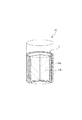
次に、本発明の好ましい実施形態について添付図面を参照しながら説明する。図1は、本発明の実施形態に係る昆虫産卵用人工木の外観およびその断面の一部を示した模式図である。尚、以下の説明では、クワガタの繁殖に適用する昆虫産卵用人工木を例示して説明する。 Next, preferred embodiments of the present invention will be described with reference to the accompanying drawings. FIG. 1 is a schematic view showing an appearance of an artificial tree for insect spawning according to an embodiment of the present invention and a part of its cross section. In the following description, an insect spawning artificial tree applied to stag breeding will be described as an example.
図1に示す昆虫産卵用人工木10は、例えばナラ材のおがくずとこのおがくずを固化させるためのバインダなどとを混合して、円柱形状に成形した固形物である。以下、この昆虫産卵用人工木10の製造方法について説明する。
The
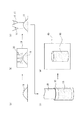
図2は、この昆虫産卵用人工木10の製造工程を示した模式図であり、図2(a)は、昆虫産卵用人工木10の主原料であるおがくず11を示している。このおがくず11は、例えばナラ材をのこぎり等で加工する際に発生する粉状の木屑である。おがくず11には前記ナラ材以外の樹木からなるものでも使用できるが、ナラ材、コナラ材、クヌギ材、ブナ材等の落葉広葉樹のおがくずを使用することが好ましい。クワガタ等の昆虫やその幼虫はこれらの落葉広葉樹をより好んで食するためである。
FIG. 2 is a schematic view showing a manufacturing process of the insect spawning
図2(b)は第一工程である殺菌処理工程を模式的に示している。おがくず11は、図に示すように密閉された容器20などに投入し蒸気21などを吹きつけて殺菌処理を行う。クワガタの卵や幼虫にとって害となる細菌や害虫等を駆除するためである。またこの殺菌処理は、おがくず11を熱湯へ浸漬することで行ってもよい。
FIG. 2B schematically shows a sterilization process which is the first process. Sawdust 11 is put into a sealed
図2(c)はおがくず11にバインダ等を添加混合する第二工程を模式的に示している。第二工程では、第一工程で殺菌処理されたおがくず11に、無機質のバインダ12と栄養素13とを添加混合することで混合物15を得る。またこのとき、おがくず11は、前記殺菌処理時の蒸気等によって湿気を有する状態となっているが、必要であれば適量の水分14を添加してもよい。
バインダ12は粉末状のおがくず11を結び付けて固化させるために添加されており、本実施形態では米ぬかを用い、おがくずに対して約2割程度混合している。
FIG. 2C schematically shows a second step of adding and mixing a binder or the like to the
The binder 12 is added to bind and solidify the
バインダ12としては、接着剤等ほどの接着力を有するものではなく、おがくず11を結び付けて固化できる無機質の物であれば前記米ぬか以外のものも使用できるが、米ぬか、小麦粉、でんぷんから選択される少なくとも1つを用いることが好ましい。その理由は、これらは、おがくず11を容易にほぐすことができる程度に結び付けて適度に固化できるためである。また、これら米ぬか、小麦粉、でんぷんは、幼虫にとっては栄養素であり、バインダ12はおがくず11に混合されることで、おがくず11に付着したりするが、孵化したクワガタの幼虫はバインダ12が付着したおがくず11を餌として摂取するため、栄養素としてのバインダ12をおがくず11と共に幼虫に摂取させることができ、昆虫産卵用人工木10内部の幼虫の成長を促進することができるからである。
The binder 12 does not have adhesive strength as much as an adhesive, and any other inorganic rice bran can be used as long as it is an inorganic material that can bind and solidify the
栄養素13には例えばビール酵母を用いており、これをおがくず11に添加することによって、上記のバインダ12と同様に昆虫産卵用人工木10内部の幼虫に摂取させることができる。ビール酵母は、クワガタの幼虫にとって優れた栄養素として知られており、これによって幼虫の成長を促進することができる。この栄養素13としては、ビール酵母以外にキナコ、アミノ酸等を添加してもよい。
For example, beer yeast is used as the nutrient 13, and by adding this to the
また、栄養素13として、椎茸やカワラ茸等の木材腐朽菌の種菌を添加してもよい。このような種菌は直接的に幼虫の栄養素とはならないが、昆虫産卵用人工木1に加えることで椎茸等のホダ木と同様に昆虫産卵用人工木1内部に木材腐朽菌を培養することができ、昆虫等の産卵を促す効果を得ることができる。すなわち、クワガタの幼虫は生み付けられた木を餌としており、木の成分に含まれるセルロースやリグニンを摂取分解することで栄養源としていると考えられている。木材腐朽菌を昆虫産卵用人工木1内部に培養すれば、おがくずに含まれるセルロース等はこの木材腐朽菌によって程よく分解され、幼虫が餌として摂取しやすい状態とすることができ、その成長を促すことができる。またクワガタの成虫は、このような椎茸菌等が接種された木材が産卵に適していると判断し産卵しようとする習性をもっているため、成虫の産卵を促すこともできる。
また、この栄養素13は、対象となる昆虫類に合わせてその栄養素を選択することで、さまざまな昆虫に適した昆虫産卵用人工木10に調整することができる。
Further, as the nutrient 13, an inoculum of a wood-rotting fungus such as shiitake mushroom or kawara mushroom may be added. Although such inoculum is not directly a larval nutrient, it can be added to the insect spawning artificial tree 1 to cultivate wood-rotting fungi inside the insect spawning artificial tree 1 as well as a shiitake mushroom. It is possible to obtain an effect of promoting egg-laying such as insects. That is, stag beetles larvae feed on the trees that have been born, and are considered to be nutrient sources by ingesting and decomposing cellulose and lignin contained in the components of the trees. If wood-rotting fungi are cultured inside the artificial tree 1 for egg laying, cellulose contained in sawdust will be decomposed moderately by the wood-rotting fungi so that larvae can be easily ingested as food and promote their growth. be able to. In addition, adult stag beetles have the habit of trying to lay eggs by judging that wood inoculated with such shiitake mushrooms and the like is suitable for laying eggs, and therefore can promote the laying of adults.
Moreover, this nutrient 13 can be adjusted to the insect spawning
図2(d)は第二工程で得られた混合物15を固化する第三工程を示している。この混合物15は適度な粘性を持っており、このような状態の混合物15を例えば円筒状の型枠30に投入後、図のようにプランジャ31等により圧縮し押し固める。そして、この押し固めた混合物15は、型枠から抜くことによって円筒状の脆性固形物16とすることができる。
FIG.2 (d) has shown the 3rd process which solidifies the
図2(e)は第三工程で得られた脆性固形物16を乾燥する第四工程を示している。図のように、脆性固形物16は、例えば通気性の良い容器40内に置き、約3ヶ月間陰干しする。するとこの脆性固形物16は、その表面が乾燥して適度な硬さを有するとともにその中心部は湿気が残留する程度に乾燥する。また、乾燥する際、湿気が不足してしまうのであれば、適度に水分を補給してもよい。この間、添加した米ぬかやビール酵母は、適度におがくず11に確実に付着するなどして、幼虫にとって摂取しやすい状態にすることができる。また、栄養素13として木材腐朽菌を添加した場合には、この乾燥される間に種菌が脆性固形物16の内部で培養され、脆性固形物16の中で均一に菌糸を発達させることができ、産卵あるいは幼虫の成長にとって好適な状態にすることができる。このようにして、昆虫産卵用人工木10が得られる。
FIG. 2E shows a fourth step of drying the brittle
図1に戻って、上記のようにして得られた昆虫産卵用人工木10は、略湿気が無い状態まで乾燥した表面層10aと、適度に湿気を有する状態が保持されている内部層10bとの2層により構成されている。この内部層10bは、この昆虫産卵用人工木10の円柱軸方向に直交する円断面Dにおいて約90%程度の面積を占める程度となるように乾燥されている。この昆虫産卵用人工木10における内部層10bが占める割合は、おがくず11やバインダ12、栄養素13等に使用される成分等によって調整され、昆虫にとって最適な値にされる。また、表面層10aは、略湿気が無い状態まで乾燥しているので硬く固まった状態であるが、元々おがくず11等を固化したものなので容易にほぐすことができ、木材に穴を掘る昆虫にとっては適度な硬さとなっている。
このように構成された昆虫産卵用人工木10によれば、その内部層10bは適度な湿気有した状態に保持されているため、昆虫の産卵および幼虫が成長する環境として好適なものとできる。
Returning to FIG. 1, the artificial egg-laying
According to the insect spawning
また、上述した本実施形態に係る昆虫産卵用人工木10の製造方法によれば、おがくず11と無機質のバインダ12とを混合した混合物15を圧縮した後、適度に乾燥させるので、その表面層10aを適度な硬さで固めることができる。このように得られる昆虫産卵用人工木10の表面は、擬似的な木材のようにできる。他方、昆虫産卵用人工木10内部層10bは湿気を有しており、表面層10aほど硬く固められていないので、昆虫にとっては内部に向かって穴が掘りやすくなっている。このため、木材の表面から穴を掘ってその内部に産卵する習性があるクワガタ等の昆虫類に対して、昆虫産卵用人工木10は、その内部への産卵を促すことができる。
Moreover, according to the manufacturing method of the
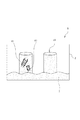
次に、本実施形態に係る昆虫産卵用人工木10を用いてクワガタを繁殖する方法について説明する。図3は、本発明の実施形態に係る昆虫産卵用人工木の使用態様を示した模式図である。
クワガタの繁殖は、例えば図3に示すようなクワガタの飼育床Sを用いる。この飼育床Sは、透明のプラスチック等からなる飼育ケース2と、その内部に適量敷き詰められた昆虫を飼育するための土状の飼育マット3と、本実施形態に係る昆虫産卵用人工木10とを備えている。
Next, a method for breeding stag beetle using the insect spawning
For example, a stag breeding floor S shown in FIG. 3 is used for breeding stag beetles. The breeding floor S includes a
飼育床Sの内部にクワガタK1(雄)とクワガタK2(雌)とを各1匹ずつ投入し、適切な環境を整える。そして、飼育床S内部のクワガタK1,K2に交尾をさせれば、クワガタK2(雌)は昆虫産卵用人工木10の内部に穴を掘ってその内部数箇所に複数の卵(図示せず)を産む。そして卵を内包した昆虫産卵用人工木10を一定期間所定の条件下で保持すると、卵は昆虫産卵用人工木10の内部で孵化し幼虫(図示せず)となる。そして、幼虫がある程度成長すると内部で幼虫同士が共食いする恐れがあるので、ある程度成長した段階で昆虫産卵用人工木1から幼虫を取り出す割り出し作業を行い、取り出した幼虫は1匹ごとに個別に飼育する。
A stag beetle K1 (male) and a stag beetle K2 (female) are introduced into the breeding floor S one by one to prepare an appropriate environment. Then, if the stag beetles K1 and K2 in the breeding floor S are mated, the stag beetle K2 (female) dug a hole in the insect spawning
この場合、本実施形態に係る昆虫産卵用人工木10は、おがくず等を湿気が残留する程度に固化したものであり、木材ほど硬くないので容易にほぐすことができる。従って、昆虫産卵用人工木10から幼虫を取り出す前記割り出し作業の際にも、内部の幼虫を痛めることなく健全な状態で取り出すことができる。
またこの割り出し作業のタイミングは、産卵木内部に産卵された時期を推定し、その時期から卵が孵化し幼虫になるであろう時期を予測して行うため、そのタイミングが早いとまだ卵であったり孵化した直後の幼虫であったりすることがある。これらは、非常に生命力が弱く取り扱いが難しい。このような場合にも本実施形態に係る昆虫産卵用人工木10では、卵等に致命的なダメージを与えることがないので、そのまま個別に飼育床に入れて飼育を継続することができる。従って、昆虫産卵用人工木10を用いた場合、割り出し作業に熟練を必要とせず誰にでも容易にこの作業を行うことができる。
In this case, the insect spawning
Also, the timing of this indexing work is to estimate the time when the eggs were laid in the spawning tree, and to predict when the eggs would hatch and become larvae from that time. Or larvae just after hatching. These are very weak and difficult to handle. Even in such a case, the insect spawning
このように本実施形態に係る昆虫産卵用人工木10は、クワガタ等の昆虫の繁殖作業を容易とすることができかつそれらの産卵および幼虫の成長を促すことができるので、産卵木の代用品として好適に使用することができる。 As described above, the artificial tree for insect spawning 10 according to the present embodiment can facilitate the breeding work of insects such as stag beetles and can promote the spawning and growth of larvae. Can be suitably used.
また、本実施形態の昆虫産卵用人工木10は円柱形状に成形したが、その形状は、昆虫の繁殖に用いることのできる形状、大きさであれば、いかなるように成形してもよい。
また、本実施形態の昆虫産卵用人工木10は、その側面と密接しつつ側面を覆うような筒状の紙あるいはプラスチック製の容器に挿入して用いてもよい。この容器は、昆虫産卵用人工木10の表面全体を覆うのではなく、例えば、円筒上下面は覆わないようにする等、クワガタK2がその表面から穴を掘って産卵できるように昆虫産卵用人工木10の表面の一部を必ず露出させた形状とする。このように昆虫産卵用人工木10を前記容器に挿入することで、持ち運びする際等に昆虫産卵用人工木10が崩壊することを防止できるので、昆虫産卵用人工木10の取り扱いが容易になる。
Moreover, although the
In addition, the
また、本実施形態に係る昆虫産卵用人工木10は、クワガタのみでなく幼虫が木材を主食とする昆虫、例えばカブトムシやカミキリムシなどの繁殖にも使用できる。また、昆虫産卵用人工木10を使用した後の廃材は、再度固めることで昆虫産卵用人工木10として再利用することもできるし、そのままの状態で幼虫の餌とすることもできる。
In addition, the insect spawning
尚、本発明の昆虫産卵用人工木およびその製造方法は、上記実施形態に限定されるものではなく、おがくず、バインダ、栄養素等の種類、組成、配合等、またこれら混合物の乾燥方法等は、本発明の趣旨に基づいて適宜変更することができる。 In addition, the artificial tree for insect laying eggs and the method for producing the same according to the present invention are not limited to the above-described embodiments, and the types, compositions, blends, etc. of sawdust, binder, nutrients, etc. It can change suitably based on the meaning of the present invention.
10 昆虫産卵用人工木
10a 表面層
10b 内部層
11 おがくず
12 バインダ
13 栄養素
15 混合物
16 脆性固形物
DESCRIPTION OF
Claims (5)
(a)樹木のおがくずを殺菌処理する第一工程
(b)前記おがくずと、このおがくずを固化させるための無機質のバインダを混合して混合物を得る第二工程
(c)前記混合物を型枠に入れて圧縮し、固めて脆性固形物とする第三工程
(d)表面層は乾燥し、内部は湿気が残留する程度に前記脆性固形物を乾燥する第四工程 The manufacturing method of the artificial tree for insect spawning characterized by including the following process (a)-(d).
(A) First step of sterilizing wood sawdust (b) Second step of obtaining a mixture by mixing the sawdust and an inorganic binder for solidifying the sawdust (c) Putting the mixture in a mold The third step (d), which is compressed and hardened to form a brittle solid, and the surface layer is dried, and the fourth step of drying the brittle solid to the extent that moisture remains inside.
Priority Applications (1)
| Application Number | Priority Date | Filing Date | Title |
|---|---|---|---|
| JP2004119309A JP2005295937A (en) | 2004-04-14 | 2004-04-14 | Artificial tree for insect spawning and method for producing the same |
Applications Claiming Priority (1)
| Application Number | Priority Date | Filing Date | Title |
|---|---|---|---|
| JP2004119309A JP2005295937A (en) | 2004-04-14 | 2004-04-14 | Artificial tree for insect spawning and method for producing the same |
Publications (1)
| Publication Number | Publication Date |
|---|---|
| JP2005295937A true JP2005295937A (en) | 2005-10-27 |
Family
ID=35328232
Family Applications (1)
| Application Number | Title | Priority Date | Filing Date |
|---|---|---|---|
| JP2004119309A Pending JP2005295937A (en) | 2004-04-14 | 2004-04-14 | Artificial tree for insect spawning and method for producing the same |
Country Status (1)
| Country | Link |
|---|---|
| JP (1) | JP2005295937A (en) |
Cited By (5)
| Publication number | Priority date | Publication date | Assignee | Title |
|---|---|---|---|---|
| CN102090374A (en) * | 2010-12-09 | 2011-06-15 | 福建省农业科学院植物保护研究所 | Bionic tree for moving habits of small insect |
| KR101375108B1 (en) | 2012-06-12 | 2014-03-17 | 김민기 | kneading composition for flies oviposition and induction method for flies oviposition using the same |
| JP2015029428A (en) * | 2013-07-31 | 2015-02-16 | 鹿島建設株式会社 | Artificial nest box for nest building of woodpeckers |
| KR20230131689A (en) * | 2022-03-07 | 2023-09-14 | 국립낙동강생물자원관 | Method and device of breeding autocrates maqueti |
| CN118303366A (en) * | 2024-01-30 | 2024-07-09 | 北京林业大学 | A method for efficiently artificially rearing larvae of the longwood borer |
-
2004
- 2004-04-14 JP JP2004119309A patent/JP2005295937A/en active Pending
Cited By (6)
| Publication number | Priority date | Publication date | Assignee | Title |
|---|---|---|---|---|
| CN102090374A (en) * | 2010-12-09 | 2011-06-15 | 福建省农业科学院植物保护研究所 | Bionic tree for moving habits of small insect |
| KR101375108B1 (en) | 2012-06-12 | 2014-03-17 | 김민기 | kneading composition for flies oviposition and induction method for flies oviposition using the same |
| JP2015029428A (en) * | 2013-07-31 | 2015-02-16 | 鹿島建設株式会社 | Artificial nest box for nest building of woodpeckers |
| KR20230131689A (en) * | 2022-03-07 | 2023-09-14 | 국립낙동강생물자원관 | Method and device of breeding autocrates maqueti |
| KR102779262B1 (en) | 2022-03-07 | 2025-03-07 | 국립낙동강생물자원관 | Method and device of breeding autocrates maqueti |
| CN118303366A (en) * | 2024-01-30 | 2024-07-09 | 北京林业大学 | A method for efficiently artificially rearing larvae of the longwood borer |
Similar Documents
| Publication | Publication Date | Title |
|---|---|---|
| US8001719B2 (en) | Method for producing rapidly renewable chitinous material using fungal fruiting bodies and product made thereby | |
| KR100639300B1 (en) | How to breed slugs | |
| Abdullah et al. | Domestication of a wild medicinal sclerotial mushroom, Lignosus rhinocerotis (Cooke) Ryvarden | |
| KR101100666B1 (en) | Liquid Fertilizer Manufacturing Method Using Starfish | |
| CN101961000A (en) | Method for breeding large amount of Stratiolaelaps scimitus and Hypoaspis aculeifer (Canestrini) manually | |
| Giménez et al. | Evaluation of casing materials made from spent mushroom substrate and coconut fibre pith for use in production of Agaricus bisporus (Lange) Imbach | |
| CN108046877A (en) | A kind of edible fungus culturing matrix | |
| Nikšić et al. | Farming of medicinal mushrooms | |
| US20230080744A1 (en) | Mycelium composite burial container | |
| JP2005295937A (en) | Artificial tree for insect spawning and method for producing the same | |
| JP3806732B2 (en) | Plant growth container | |
| JP2002058382A (en) | Artificial bank for growing seaweed | |
| JP2003219760A (en) | Insect rearing material and method for producing the same | |
| JP2997442B2 (en) | Breeding floor and breeding method of pre-emergence beetles | |
| JP3366925B2 (en) | Spawning and larval breeding beds of stag beetles | |
| JP2000342096A (en) | Method for breeding small animal | |
| EP1593300A1 (en) | Device for growing mushrooms | |
| JP2003144007A (en) | Spawning tree for insects, method for producing the same, and insect breeding container | |
| JPH1052174A (en) | Raising seedling culturing pot comprising full-ripe compost formed body and its production | |
| CN107409818A (en) | A kind of preparation method of bio-based mycelia material ecological, environmental protective flowerpot | |
| KR20220006238A (en) | Soil for recycling with mushroom cultivation and without grid | |
| JP4895684B2 (en) | Method and material for promoting the growth of beetle larvae | |
| Bisht et al. | Comparative assessment of Oyster mushroom (Pleurotus spp.) for their growth behaviour and yield performance using wheat straw and finger millet straw as a substrate. | |
| KR200393577Y1 (en) | mushroom bed cap | |
| KR101470925B1 (en) | Cultivation methods of Plants using spagnum |
Legal Events
| Date | Code | Title | Description |
|---|---|---|---|
| A621 | Written request for application examination |
Effective date: 20070403 Free format text: JAPANESE INTERMEDIATE CODE: A621 |
|
| A977 | Report on retrieval |
Free format text: JAPANESE INTERMEDIATE CODE: A971007 Effective date: 20090128 |
|
| A131 | Notification of reasons for refusal |
Effective date: 20091006 Free format text: JAPANESE INTERMEDIATE CODE: A131 |
|
| A02 | Decision of refusal |
Free format text: JAPANESE INTERMEDIATE CODE: A02 Effective date: 20100216 |