JP2006123750A - Allocation support device and program for operation schedule - Google Patents
Allocation support device and program for operation schedule Download PDFInfo
- Publication number
- JP2006123750A JP2006123750A JP2004315195A JP2004315195A JP2006123750A JP 2006123750 A JP2006123750 A JP 2006123750A JP 2004315195 A JP2004315195 A JP 2004315195A JP 2004315195 A JP2004315195 A JP 2004315195A JP 2006123750 A JP2006123750 A JP 2006123750A
- Authority
- JP
- Japan
- Prior art keywords
- information
- station
- train
- work
- order
- Prior art date
- Legal status (The legal status is an assumption and is not a legal conclusion. Google has not performed a legal analysis and makes no representation as to the accuracy of the status listed.)
- Granted
Links
Images


Landscapes
- Train Traffic Observation, Control, And Security (AREA)
- Management, Administration, Business Operations System, And Electronic Commerce (AREA)
Abstract
【課題】 ユーザが指定する任意の範囲の全区間のダイヤについて、車両や乗務員の割り当てがくまなく、且つ適切に行われているかをチェックすることができる運行ダイヤの割り当て支援装置を提供する。
【解決手段】 1運行単位或は1設備単位で列車駅順序を含んだダイヤ情報と、車両・設備・乗務員などに関する情報と、仕業情報とを格納し、ユーザからの要求に応じて、指定された範囲の運行について、列車駅順序に基づいて駅毎の属性値等を抽出し、列車番号に対応する仕業が全て割り当てられているか、適切に割り当てられているかどうかをチェックする。
【選択図】 図1
PROBLEM TO BE SOLVED: To provide an operation diagram assignment support device capable of checking whether or not assignment of vehicles and crew members is performed properly for all sections in an arbitrary range specified by a user.
SOLUTION: Stores schedule information including train station order in one operation unit or one equipment unit, information on vehicles / equipment / crew, etc., and work information, and is specified according to a request from a user. For the operation in the range, the attribute values and the like for each station are extracted based on the train station order, and it is checked whether all the operations corresponding to the train number are assigned or appropriately assigned.
[Selection] Figure 1
Description
本発明は、バス・航空機・列車などの運行ダイヤを管理するためのシステムに関し、特に、作成された運行ダイヤ情報に対する運送機材や乗務員などの割り当てを管理する際に好適な運行ダイヤの割り当て支援装置及びプログラムに関するものである。 The present invention relates to a system for managing operation schedules of buses, airplanes, trains, etc., and particularly suitable for managing the allocation of operation schedules and crew members to the generated operation schedule information. And programs.
従来よりバス・航空機・列車などの運送機材を運行する輸送機関では、運行ダイヤを作成し当該運行ダイヤに沿って運送機材を運行している。近年は運行ダイヤを作成したり管理したりする際にはコンピュータ資源の支援を受けた運行ダイヤ作成装置や運行ダイヤ管理装置が用いられ、作成時・運用時の効率化が図られている。以下、列車の運行を例に説明する。 Conventionally, in transportation organizations that operate transportation equipment such as buses, aircraft, and trains, operation schedules are created and transportation equipment is operated along the operation schedules. In recent years, when creating and managing an operation diagram, an operation diagram creation device and an operation diagram management device that are supported by computer resources are used to improve efficiency at the time of creation and operation. Hereinafter, a train operation will be described as an example.
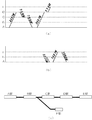
列車ダイヤは一般的にスジと呼ばれる単位で1つの運行が定義された運行ダイヤで表現されている。これは横軸を時刻、縦軸を各駅として、1つの列車が各駅を着発する時刻を折れ線状に表現したものである。図2(a)、(b)は運行ダイヤの例を示す図である。また、図2(c)はこの運行ダイヤで運行される線区のモデル図である。このモデルでは、B駅で路線が分岐しており、C駅D駅を経てE駅へつながる路線と、B駅からF駅へとつながる路線とがある。A駅〜E駅は10両編成の車両編成に対応するが、F駅は4両編成までの車両編成にしか対応出来ないものとする。 A train schedule is generally expressed as an operation schedule in which one operation is defined by a unit called a streak. This expresses the time at which one train arrives at each station as a broken line with time on the horizontal axis and each station on the vertical axis. FIGS. 2A and 2B are diagrams showing examples of operation diagrams. Moreover, FIG.2 (c) is a model figure of the line section operated by this operation schedule. In this model, the route is branched at B station, and there are a route that leads to E station via C station and D station, and a route that leads from B station to F station. Stations A to E correspond to a 10-car train formation, but station F can only accommodate a vehicle formation up to a 4-car train.
図2(a)の運行ダイヤはA駅〜E駅を示し、図2(a)はA駅〜F駅を示している。この運行ダイヤの中で、‘3033M’や‘758M’などと記載されている文字列は列車番号と呼ばれるもので、1つの運行に対して1つ付与されるコードである。例えば図2(a)で列車番号3033Mの列車はA駅を出発し、B駅とC駅を経てD駅に終着する。
The operation diagram of FIG. 2A shows A station to E station, and FIG. 2A shows A station to F station. In this operation schedule, character strings described as '3033M', '758M', etc. are called train numbers and are codes given to one operation. For example, in FIG. 2A, the train with the
ところで運行ダイヤだけでは、列車が何両編成で運行されているかであるとか、車両の切離しをしているのかいないのか等の情報は読みとれない。そこでこの運行ダイヤを元に箱ダイヤと呼ばれるダイヤも別途作成される。箱ダイヤは、車両や乗務員の運用を表現するものであって、車両の箱ダイヤであれば編成毎に作成される。1つの編成に対する1つの箱ダイヤを1仕業と読んでおり、列車番号と同様に仕業毎に仕業番号が付与されて区別される。 By the way, it is not possible to read information such as how many trains the train is operating or whether or not the vehicle is disconnected. Therefore, a diagram called a box diagram is also created separately based on this service diagram. The box diagram expresses the operation of the vehicle and the crew, and is created for each train if it is a vehicle box diagram. One box diagram for one organization is read as one work, and a work number is assigned to each work in the same way as a train number.
例えば図2(a)、(b)において、列車番号3001Mは10両編成でA駅からB駅まで運行され、B駅で4両を切り離して6両編成でB駅を出発して最終的にはD駅まで運行するものとする。一方のB駅で切り離された4両編成の列車は、列車番号3002MとしてB駅からA駅に折り返し運行し、その後再度A駅で折り返して列車番号1051Mと1052Mとして運行され、最終的にはA駅まで運行するという仕業を考える。
For example, in FIGS. 2 (a) and 2 (b),
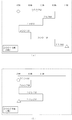
この仕業を箱ダイヤで表したのが図3(a)、(b)である。仕業番号2001は、列車番号3033M、758M、756M、3001M、773Mとして運行される6両編成部分の車両に関する仕業である。仕業番号2002は、列車番号3001M、3002M、1051M、1052Mとして運行される4両編成部分の車両に関する仕業である。列車番号3001Mは、仕業番号2001と2002両方に設定されているため、6両+4両の計10両編成で運行されることが分る。
FIGS. 3A and 3B show this work in a box diagram. The
このような箱ダイヤを使うことで個々の車両(編成)がどの運行に割り当てられているかを明確に表現する事が出来る。また、1つの運行は必ずしも1つの編成だけで実現するのではなく、複数の編成を連結する事により必要両数を確保したり、あるいは全運行区間のうちの一部区間だけ編成両数を増やす(増結)等、運行ダイヤに対する編成の割り当ての仕方には非常に多くの組合せが考えられる。熟練者は運行ダイヤを1つ1つ塗りつぶしながら箱ダイヤとして作成していくのであるが、上記の様な繁雑な作業を行うために、塗りつぶしの状態が判らなくなり、結果として運行ダイヤに対する割り当てが漏れていたり、逆に過剰に編成を割り当ててしまう様な問題も、時には発生する。このため、最終的に、運行ダイヤに対する編成の割り当て状況を棚卸し的に検証するという作業が不可欠となる。 By using such a box diagram, it is possible to clearly express which operation each vehicle (organization) is assigned to. In addition, one operation is not necessarily realized by only one train, but a necessary number of vehicles can be secured by connecting a plurality of trains, or the number of trains can be increased only in some sections of all service sections. There are a great many combinations of how to assign trains to schedules such as (addition). The expert creates a box diagram while painting each operation diagram one by one. However, in order to perform the above-mentioned complicated work, the state of the painting is not known, and as a result, the allocation to the operation diagram is leaked. In some cases, there are problems such as over-assignment and excessive allocation of organization. For this reason, it is indispensable to finally verify the allocation status of the organization for the operation schedule in an inventory manner.
そこで、人手に代わって遺伝的アルゴリズムなどの支援をもつコンピュータシステムで箱ダイヤを作成する技術が生まれてきた(例えば、特許文献1参照。)。これは、運行ダイヤを構成するスジに対して無作為に優先度を付与して優先度の並びである記号列を染色体と見立てる。そして仕業ダイヤに乗務員を配置する際に、優先度に応じてスジが重ならないように仕業を配置する。この配置された仕業つまり染色体毎の評価値を算出し、この評価値に基づいて遺伝的アルゴリズムで最適な仕業を残すというものである。例えば、未割り当てとなったスジの総時間数などを元に評価値が算出されるので、未割り当てが少ない遺伝子ほど良い評価値が算出される。 Therefore, a technique for creating a box diagram by using a computer system having a support such as a genetic algorithm in place of human labor has been born (see, for example, Patent Document 1). In this method, priority is randomly assigned to the stripes constituting the operation diagram, and a symbol string that is a sequence of priorities is regarded as a chromosome. Then, when assigning crew members to the work schedule, work is arranged so that lines do not overlap according to priority. The arranged work, that is, an evaluation value for each chromosome is calculated, and an optimum work is left by a genetic algorithm based on the evaluation value. For example, since an evaluation value is calculated based on the total number of hours of unassigned stripes, a better evaluation value is calculated for genes with fewer unassignments.
このように輸送会社では、運行ダイヤを元に箱ダイヤを作成して実際の車両や乗務員の運用に関する情報を手動或は自動で作成しているが、完成したこの箱ダイヤと運行ダイヤの間で総合的に正当性チェックする仕組みが無かった。つまり、特許文献1のようにスジデータを元に自動的に乗務員を適当に割り当てて箱ダイヤを作成する仕組み自体は存在していたが、これは時間的に見て重複して割り当てが成されていないかなどを確認しただけである。
In this way, the shipping company creates a box diagram based on the operation schedule and creates information about the actual operation of the vehicle and crew manually or automatically, but between this completed box diagram and the operation schedule There was no system for comprehensively checking the validity. In other words, as in
例えば、列車ダイヤの車両仕業を考えると、仕業毎に車両編成数が異なるため、駅のホーム長が足りているか、架線の敷設されていない線区に電気駆動車を走らせていないかなど、車両、設備や乗務員の属性に応じた割り当てが成されているかが非常に重要な事項となる。 For example, considering train schedules for trains, the number of trains is different for each task, so there are enough station platform heads or whether an electric drive vehicle is running on a line with no overhead lines. It is a very important matter whether the assignment according to the attributes of the equipment and crew is made.
また、実際に運行に用いられる実施ダイヤは臨時列車が追加されていたり、工事などの影響により駅で使用する番線を変更したりなど、日常的に変更が加えられる。特許文献1では、ダイヤに変更が発生した場合には全てのスジに対して最初から優先度の付与・割り当て・評価を行う必要があり、所謂実施ダイヤ作成や管理には向いていない。
In addition, schedules that are actually used for operation are subject to daily changes, such as the addition of temporary trains and changes in the number of lines used at stations due to construction and other reasons. In
本発明は、上記のような問題に基づくものであり、その目的は、全運行ダイヤ情報に対する車両や乗務員の充当が適切に行われているかどうかを任意のタイミングでくまなくチェックすることができる運行ダイヤの割り当て支援装置及びプログラムを提供することである。 The present invention is based on the problems as described above, and the purpose of the present invention is an operation that can check at all timings whether or not the vehicle and the crew are appropriately applied to all the operation schedule information. It is to provide a diamond allocation support apparatus and program.
上記の課題を解決するための請求項1に記載の発明は、輸送機関の運行ダイヤに対して運送機材や人員の割り当てに関する処理を支援する為の運行ダイヤの割り当て支援装置において、運行ダイヤ情報を1運行単位の1設備毎に当該運行単位の識別子情報を含んだ運行設備情報として格納した運行設備情報格納手段と、1仕業単位毎に当該仕業単位に対応する前記識別子情報を含む仕業情報を格納した仕業情報格納手段と、前記運行設備情報と前記仕業情報を基に割り当て状況を識別する充当状況識別手段とを備え、前記充当状況識別手段は、予め定められた運行ダイヤに関する条件についての割り当て状況を、前記運行設備情報と仕業情報とを比較することによって識別することを特徴とするものである。
The invention according to
上記の課題を解決するための請求項2に記載の発明は、請求項1において運送機材、設備或は人員等に関する資源情報を格納した資源情報格納手段を更に備え、前記充当状況識別手段は、前記資源情報格納手段に格納された資源情報に対して、前記仕業情報格納部に格納されている各仕業情報が条件を満たすかどうかを識別することを特徴とするものである。
The invention according to
上記の課題を解決するための請求項3に記載の発明は、請求項1または2において前記運行設備情報は、前記1運行単位毎に当該運行単位で使用される設備について使用される順番が昇順或は降順で識別できる設備順番情報を含むことを特徴とするものである。
Invention of Claim 3 for solving said subject is ascending order in which the said operation equipment information is used about the equipment used by the said operation unit for every said operation unit in
上記の課題を解決するための請求項4に記載の発明に係るダイヤデータは運送機関の運行ダイヤの割り当て支援装置に用いられるダイヤデータであって、運行ダイヤ情報に基づいて1運行単位の1設備毎に当該運行単位の識別子情報および該運行単位で使用される設備について使用される順番が昇順或は降順で識別できる設備順番に関する情報を含んで1レコードとして構成した運行設備情報と、1仕業単位毎に当該仕業単位に対応する前記識別子情報を含んで1レコードとして構成した仕業情報とが、互いに前記識別子情報に基づいて関連付けされて登録されることを特徴とするものである。
The diagram data according to the invention described in
上記の課題を解決するための請求項5に記載の発明に係るプログラムは請求項1に記載の各手段の処理をコンピュータに実行させるためのものである。 A program according to a fifth aspect of the present invention for solving the above-described problem is a program for causing a computer to execute the processing of each means according to the first aspect.
本発明によれば、ユーザが指定する任意の範囲の全運行ダイヤ情報に対して車両や乗務員がもれなく割り当てられているかどうかを、ユーザが任意のタイミングでチェックすることができるようになる。 According to the present invention, it is possible for a user to check at an arbitrary timing whether or not all vehicles and crew are assigned to all operation schedule information in an arbitrary range specified by the user.
また、本発明によれば、ユーザが指定する任意の範囲の全運行ダイヤ情報に対して割り当てられた車両や乗務員の属性が、適切であるかどうかをユーザが任意のタイミングでチェックすることができるようになる。 Further, according to the present invention, the user can check at any timing whether or not the attributes of the vehicle and the crew assigned to all the operation schedule information in an arbitrary range specified by the user are appropriate. It becomes like this.
以下、本発明を適用した好適な実施形態を、添付図面を参照しながら詳細に説明する。本実施の形態でも列車ダイヤを例に説明するが、列車に限らずバスや航空機など、運行ダイヤを用いて運送機材や設備の運用管理がなされるものに適用できる。 DESCRIPTION OF EXEMPLARY EMBODIMENTS Hereinafter, preferred embodiments to which the invention is applied will be described in detail with reference to the accompanying drawings. In this embodiment, a train schedule is described as an example. However, the present invention is not limited to a train, but can be applied to a bus, an aircraft, or the like that is used for operation management of transportation equipment and facilities using a service schedule.
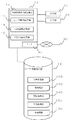
図1は、本発明の第一の実施形態に係る運行ダイヤの割り当て支援装置の構成を概略的に示した図である。図1において、運行ダイヤの割り当て支援装置10は、列車駅順序情報管理部11と、ダイヤ情報格納部12と、ユーザ要求管理部13、有効期限管理部14、日跨り値管理部15と、出力部20と、入力部30、ネットワークインターフェイス40等から構成される。運行ダイヤ管理装置10は、ワークステーションやパーソナルコンピュータなどのコンピュータで構成されるものであって、出力部20は画面表示を行うCRT、LCD、印刷用のプリンターなどの機器であり、入力部30はキーボードやマウスなどの機器である。
FIG. 1 is a diagram schematically showing the configuration of an operation diagram assignment support apparatus according to the first embodiment of the present invention. In FIG. 1, an operation diagram
列車駅順序情報管理部11は本願発明の特徴部の1つであり、コンピュータのメモリ上で機能する。そしてダイヤ情報格納部12は、ハードディスクドライブなどの記憶装置であり、物理的に運行ダイヤ管理装置10の内部に備わっていてもよく、或いはネットワーク50上で接続されている記憶装置であっても良いもので、いわゆるデータベースシステムとして構築されたものである。ダイヤ情報格納部12には、列車駅情報120、車両情報130、駅設備情報140、乗務員情報150、仕業情報160等の情報が格納されている。
The train station order information management unit 11 is one of the features of the present invention and functions on a computer memory. The diagram
本発明では、1つの列車番号の1つの駅毎に列車駅情報120が設定され、ダイヤ情報格納部12に格納されている。列車駅情報120の1レコードには、「列車番号」「有効期限」「列車日付」「日跨り値」「列車駅順序」「駅名」「番線」「到着時刻」「発車時刻」などが設定登録されている。
In the present invention,
「列車番号」は1つのスジ(運行)に対して1つの番号が対応付けられている。例えば1運行で5つの駅を発着する場合、列車駅情報120のレコードが5つ格納される。この5つの列車駅情報120は、「列車番号」によって関連づけされ、連続的な情報として扱うことができる。「有効期限」は、この各列車駅情報120自体が有効である期間を示すデータである。例えば、今後予定されているダイヤ改正の為に作成する列車ダイヤのスジであれば、その改正日を開始日としてから任意の終了日までを設定する。また、夏休みや冬休み期間だけ運行するような臨時列車であれば、その期間が設定される。列車駅情報120が有効であるかどうかは、有効期限管理部14が「有効期限」情報を参照して判断する。なお、この「有効期限」を情報として持っているため、古い運行ダイヤの情報などもダイヤ情報格納部12に残しておくことが出来るため、過去のダイヤを参照することなども容易に行なえる。
In “train number”, one number is associated with one stripe (operation). For example, when five trains arrive and depart in one service, five records of
なお、実際の運行では、運転されている区間が全く異なっている場合には、複数の列車に同じ列車番号を使用する事があり得るため、必要に応じて列車番号の代わりに列車を一意に特定出来るID(列車番号ID)を使用する事も可能である。 In actual operation, if the section being operated is completely different, the same train number may be used for multiple trains. It is also possible to use an identifiable ID (train number ID).
「列車日付」は各列車が実際に運行される日付情報が代入される。原則的には、始発駅を出発する日の情報が代入される。この「列車日付」情報は、列車番号が終着駅に到着するまで一意で変わらない。なお、「列車日付」は列車ダイヤを作成するときに固定的に付与されるものではなく、図示しないカレンダー情報や運行日パターン情報などにリンクして代入されるものである。 The date information on which each train is actually operated is substituted for “train date”. In principle, information on the date of departure from the first station is substituted. This “train date” information is unique and does not change until the train number arrives at the terminal station. The “train date” is not fixedly assigned when the train schedule is created, but is assigned by linking to calendar information, service day pattern information, etc. (not shown).
「日跨り値」は、列車が日を跨った回数を示す値である。仮に列車が日を1回跨って運行される場合、その列車駅情報120には、「日跨り値」として‘1’が設定される。「日跨り値」は、列車ダイヤを作成するときに設定される。
The “day span value” is a value indicating the number of times that the train straddles the day. If the train is operated once a day, “1” is set as the “day span value” in the
「列車日付」と「日跨り値」は主として連携して機能する情報である。例えば平日深夜に運行される列車は、日を跨って土曜日に終着駅に到着することが考えられる。この場合、終着駅の平日(月曜日の0:00〜金曜日の24:00)の列車を単純に切り出すと、日を跨って運行してきたこの列車は抽出されないおそれがある。そこで本発明では、2004年1月9日(金)に列車が始発駅を出発し、翌1月10日(土)に終着駅に到着したということが容易に識別できるようになっている。具体的には、終着駅の列車駅情報120には、「列車日付:2004年1月9日」「日跨り値:1」などの情報が格納される。つまり、この駅でのダイヤでは1月10日に到着しているが、本当は前日の1月9日の運行であり、日を1日跨っているという情報が容易に識別できる。
“Train date” and “day stride value” are information that functions mainly in cooperation. For example, a train that operates at midnight on weekdays may arrive at a terminal station on Saturdays across the day. In this case, if a train on a weekday of a terminal station (00:00 on Monday to 24:00 on Friday) is simply cut out, this train that has been operating across the day may not be extracted. Therefore, in the present invention, it is possible to easily identify that the train departed from the first station on Friday, January 9, 2004 and arrived at the final station on Saturday, January 10, 2004. Specifically, information such as “train date: January 9, 2004” and “day span value: 1” is stored in the
日を跨って運行されているか否かを判断するのは日跨り値管理部15であり、ユーザの要求に応じて運行ダイヤ情報を抽出するときに機能する。
It is the day-to-day
「列車駅順序」は、本発明で新たに導入された情報である。列車番号毎に、その列車が着発する駅の順序を番号で表現したものである。例えば図2において、列車番号3033Mと3001Mは、それぞれ順にA駅B駅C駅D駅を着発する。この場合、列車番号3033Mでは、「列車駅順序」としてA駅に‘100’、B駅に‘200’、C駅に‘300’などの昇順(又は降順)の番号を付与する。同様に列車番号3001Mでも各駅に昇順(又は降順)の番号を付与するが、この番号は列車番号3033Mと同じでも良いし、別でも良い。つまり、その列車番号において、使用する駅の順番が特定されるものであれば任意に付与して良いものである。
“Train station order” is information newly introduced in the present invention. For each train number, the order of the stations where the train arrives is represented by a number. For example, in FIG. 2,
「駅名」は駅の名称であり、「番線」はこの列車番号120の列車が使用する駅の番線に関する情報である。「到着時刻」「発車時刻」は文字通り、その列車が当該駅に到着する時刻及び当駅を出発する時刻が格納される。そして、「連結両数」は、その駅での車両の編成車両の数量に関する情報が格納される。
“Station name” is the name of the station, and “Number line” is information regarding the number line of the station used by the train with the
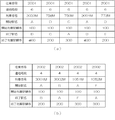
以上のような定義で列車駅情報120の一例を示したのが、図4である。図4は列車番号3001Mに関するA駅からD駅までの各列車駅情報120と、列車番号3002Mに関する列車駅情報120である。この様な列車駅情報120が全てのスジに関してダイヤ情報格納部12に格納されている。なお、ここでは簡単のために、どの列車番号の列車も、始発駅の「列車駅順序」を‘100’として、1駅毎に‘100’を加算した値とする。つまり、列車番号3001MではA駅の「列車駅順序」は‘100’であるが、A駅は列車番号3002Mでは終着駅となるので列車番号3002Mでの「列車駅順序」は‘200’となっている。この列車駅情報120は、とりもなおさずスジを反映したものであるので、運行ダイヤを表す情報でもある。
FIG. 4 shows an example of the
なお、図4では、簡略化の為に列車駅情報120は、1つのテーブルで表現しているが、幾つかのテーブルに分割してリンクさせる、所謂リレーショナルデータベースの形式で登録することが好ましい。なお、図4のテーブルでは、列方向が1つのレコードとしてダイヤ情報格納部12に列車駅情報120として格納される。また、後述する仕業情報160も同様にリレーショナルデータベースの形式で登録され、例えば列車番号などをキーにリンク付けされる。
In FIG. 4, for the sake of simplicity, the
ダイヤ情報格納部12には更に、仕業情報160が格納されている。仕業情報160は、車両に関する仕業情報、運転手や車掌など乗務員に関する仕業情報があるが、ここでは代表的な例として車両に関する仕業情報を用いて説明することとする。その一例として図3(a)、(b)の箱ダイヤに対応する仕業情報160として図5を用いる。
The diamond
図5には仕業情報160として2つ示されている。1つは仕業番号2001の仕業情報160で、もう1つは仕業番号2002の仕業情報160である。仕業情報160は、車両1編成に対して1つ設定されるもので、「仕業番号」「列車番号」「開始駅名」「開始列車駅順序」「終了駅名」「終了列車駅順序」「連結両数」等が設定されている。「仕業番号」は1つの仕業に対して一意に1つ付与される番号である。「列車番号」はその仕業で使用される列車番号を特定する情報であり、1つの仕業が複数のスジで構成されているときには、そのスジに対応する数だけ「列車番号」の情報が格納される。また、1つの列車番号の運行が複数の仕業に跨っているときには、複数の仕業情報160に同じ列車番号が設定される。
In FIG. 5, two pieces of
なお、図5では、仕業番号2001と2002とを2つのテーブルに分けて表示しているが、これは便宜上そうしているものであり、同じテーブルにそれぞれレコードとして登録しても良い。
In FIG. 5, the
「開始列車駅順序」と「終了列車駅順序」は、列車駅情報120として格納されている各列車駅情報の「列車駅順序」にリンクする情報であり、各「列車番号」で特定されるスジの始発駅の「列車駅順序」と終着駅の「列車駅順序」が格納されているものである。何れの駅も始発駅は「列車駅順序」を‘100’としているので、図5でも全ての「開始列車駅順序」は‘100’となっている。この「開始列車駅順序」と「終了列車駅順序」は、本発明で取り入れられた概念であり、従来は用いられていないものである。
The “start train station order” and “end train station order” are information linked to the “train station order” of each train station information stored as the
「連結両数」はこの列車番号での運行上設定されている車両の編成車両数に関する情報が格納されている。 The “number of connected cars” stores information related to the number of trained vehicles set for operation with this train number.
仕業情報160は「開始列車駅順序」と「終了列車駅順序」を除いて従来から採用されている情報から構成されるものであるので、特許文献1で示したようなコンピュータ支援により作成された箱ダイヤや、伝統的に使用されてきた箱ダイヤの情報を用いて登録しても良い。いずれにしても、所謂箱ダイヤに対応する情報と、今回導入した「開始列車駅順序」と「終了列車駅順序」とが組み合わされてダイヤ情報格納部12に仕業情報160として格納されているものである。
Since the
ダイヤ情報格納部12内の列車駅情報120と仕業情報160とは、互いに「列車番号」等の情報を基にリンクが張られているものとなっている。従って相互にデータを参照することが可能となっている。
The
更にダイヤ情報格納部12には、車両情報130や駅設備情報140等の情報が格納されている。車両情報130には、車両の形式(動力源)、車両長、定員数、ドアの数など、車両の属性に拘る情報が、車両毎に登録されている。また、駅設備情報140には、駅のホーム長、略駅名など駅の属性に拘る情報や駅間距離、線区最高速度、勾配などの線区の属性に拘る情報など、設備に関する属性情報が登録されている。これら車両情報130や駅設備情報140も任意のキーを元に列車駅情報120や仕業情報160とリンクが張られている。
Further, the diamond
さて、このように構成された各情報に基づいて車両や乗務員が不整合なく、且つ抜けなく割り当てられているかどうかをチェックする仕組みについて以下説明する。 Now, a mechanism for checking whether vehicles and crew members are assigned without inconsistency and without omission based on each piece of information configured as described above will be described below.
1.車両の割り当てチェック
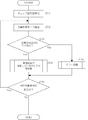
まず最初に、車両の割り当てに関するチェックについて図6と図7のフローチャートを用いて説明する。車両の割り当てにおいては、ダイヤの全区間に対して対応する仕業が存在するか、そして、その仕業は適切であるかがチェックされる。このチェック処理はユーザからの要求に応じて、ユーザ要求管理部13がダイヤ情報格納部12に格納された情報を用いて行う。つまり、ユーザ要求管理部13は、コンピュータメモリ上で動作するソフトウェアの処理でもよく、また専用のハードウェアで構成しても良い。
1. Vehicle Allocation Check First, a vehicle allocation check will be described with reference to the flowcharts of FIGS. In the allocation of vehicles, it is checked whether there is a corresponding work for all sections of the diagram and whether the work is appropriate. This check process is performed by the user
図6のステップ201では、チェックを行いたい区間が特定される。このチェックを行いたい区間は、ユーザが入力部20等から入力した要求を、ユーザ要求管理部13が受信して特定する。区間の特定の方法は特に問わないが、例えば、線区で特定したり、日時を組み合わせたりしてユーザは任意に指定して良い。勿論登録されているダイヤ情報全体を指定しても良い。
In
次いでステップ201で特定された区間で運行される列車について、ユーザ要求管理部13は、ダイヤ情報格納部12に格納された列車駅情報120から、何れかの列車番号の一連の列車駅情報120を抽出する。例えば列車番号3001Mの列車駅情報120であれば、A駅B駅C駅D駅の各駅に対応する5つのレコードを抽出する(ステップ202)。
Next, for a train operated in the section specified in
ステップ203では、抽出された列車番号を含む仕業情報160が少なくとも1つダイヤ情報格納部12に存在するかどうかが判断される。列車番号3001Mであれば、仕業番号2001と仕業番号2002の中に登録されているため、ステップ203では‘Yes’と判断される。
In
一方、抽出された列車番号を含む仕業情報160が1つも存在しない場合、割り当てがされていないという判断がなされ、ステップ206のエラー処理が成される。エラー処理では、ユーザに対して当該列車番号には仕業が充当されていない旨のメッセージを出力部30に表示したり、エラーログなどの記録等が行われる。
On the other hand, when there is no
ステップ203で‘Yes’と判断されると、次にステップ204において、車両属性が当該運行に満足しているかどうかが判断される。ステップ204では、具体的には列車の編成両数、駅のホーム長、番線長、列車の動力源などの属性がチェックされる。このステップ204の処理について、図7のフローチャートを用いてより詳細に説明する。
If "Yes" is determined in
図7のステップ301では、まず初期化の処理が行われる。ここでは、図6のステップ202で抽出された列車駅情報120の全ての駅について整合性をチェックする為、例えば列車駅順序などの駅を特定する情報を用いて網羅的に処理する。そこで、変数Nに列車駅順序を代入するための初期化として対象列車について抽出した列車駅情報の中で、列車駅順序の最小値を設定する。
In
ステップ302では、列車駅順序‘N’の列車駅情報120のレコードが抽出される。最初は対象列車の始発駅、あるいはチェック区間内の一番最初の駅の列車駅情報120が抽出される。列車番号3001Mの場合、図4に示した駅名‘A’(列車駅順序=100とする)のレコードが抽出されることになる。
In step 302, a record of
次いでステップ303で、当該列車の当該列車駅に対して割り当てられている仕業を抽出する。ここでは、列車駅情報120に持つ列車駅順序と、仕業情報160の開始列車駅順序、終了列車駅順序を用いる事で、数値比較による高速な抽出が行われる。もし、この時に条件に合致する仕業が全く抽出出来なかった場合は、「当該駅において」仕業が充当されていないという事になり、エラー処理310へ進む(ステップ304)。このエラー処理は図6のステップ206と同様に画面表示やログとして記録する処理である。以降に説明する処理においても各エラー処理(ステップ310、311、312、313)は同様であるので、以降は説明を省略する。列車番号3001Mの場合は、上述した様に仕業番号2001と仕業番号2002に列車番号が含まれ、かつどちらの仕業も列車駅順序の条件を満たしているので、図5に示す2つの仕業情報160が抽出される。
Next, in step 303, the work assigned to the train station of the train is extracted. Here, by using the train station order included in the
この抽出された列車駅情報120と仕業情報160とを用いてステップ305では、編成車両数の整合性をチェックする。まず、列車駅順序‘100’の列車駅情報120から「連結両数」を参照し、ステップ303で抽出された全仕業情報160の車両数の合計値と一致するかどうかが計算される。つまり、列車番号3001Mの場合、列車駅順序‘100’のA駅では「連結両数」は‘10’である。これに対して、抽出された仕業番号2001と仕業番号2002は、それぞれ‘6’と‘4’であり、合計すると‘10’となるため、一致する(Yes)と判断される。
In
仮に、ステップ305で一致しない(No)と判断された場合、編成される車両数が多すぎるか、不足しているということになるため、ステップ311としてエラー処理が成される。つまり、必要な仕業が過不足なく充当されているかどうかは、この編成車両のチェックで行われることになる。なお、本実施の形態では列車駅情報120内の「連結両数」と、仕業情報160の全車両数の合計値に基づいて編成車両数の整合性をチェックしたが、例えば、列車駅情報120内に、必要な仕業数として「必要仕業数」などの情報を設定し、ステップ303で抽出された仕業の数が、この「必要仕業数」に合致しているかどうかで、仕業が充当されているかどうかをチェックしたり、あるいは仕業情報160の方に「必要仕業数」などの情報を設けて、列車駅に対応して抽出した仕業の数が「必要仕業数」とあっているかをチェックするようにしても良い。
If it is determined in
編成車両数が正しければ、次に車両から求められる列車長に対して駅のホームの長さ、及び番線の長さが足りているかどうかがチェックされる。駅設備を示す情報として、ホーム長と番線長とが使われる。ホーム長は、駅で乗客が乗降できるプラットホームの(有効な)長さを示し、番線長はホーム長にかかわらず番線として使用できる長さを示す。例えば、機関車で牽引された列車の場合、駅において乗客が乗降するのは客車だけであって、機関車自体は駅のホームからはみ出して停車しても問題ない場合がある。また、貨物列車などでは、乗客の乗降は考える必要が無いため、当該駅において他の列車の運行に影響を与えさえしなければ、ホーム長をはみ出した長さでその番線を使って停車することが許される。そこで、列車が停車する駅については、少なくとも停車出来るかどうか番線長をチェックする必要があり、乗客の乗降を予定した駅についてはホーム長もチェックする必要がある(ステップ306)。以下ではホーム長チェックを例に説明する。 If the number of trained vehicles is correct, it is checked whether the length of the platform of the station and the length of the number line are sufficient for the train length determined from the next vehicle. As information indicating the station equipment, the home length and the wire length are used. The home length indicates the (effective) length of the platform on which passengers can get on and off at the station, and the number of the line indicates the length that can be used as a line regardless of the platform length. For example, in the case of a train towed by a locomotive, passengers can only get on and off at the station, and there may be no problem if the locomotive itself protrudes from the station platform and stops. In addition, on freight trains, passengers do not need to think about getting on and off, so if they do not affect the operation of other trains at the station, they must stop at the same length as the platform head. Is allowed. Therefore, at the station where the train stops, it is necessary to check the length of the line at least whether the train can be stopped, and it is also necessary to check the home length of the station where passengers are scheduled to get on and off (step 306). Hereinafter, the home length check will be described as an example.
本発明では車両情報130に車両の様々な属性が登録されており、この中に各車両の車両長の情報も含まれている。また、駅設備情報140には、駅のホーム長に関する情報が登録されている。そこで、これら各車両長の情報を元に、当該列車の全長を求め、更に、列車駅情報120の駅名情報と番線情報とから駅で使用する番線を特定した上で、駅設備情報140のホーム情報を参照する。
In the present invention, various attributes of the vehicle are registered in the
当該仕業の車両数に対してホーム長が足りていれば、ステップ306で‘Yes’と判断され、足りていなければ‘No’と判断される。なお、ダイヤによっては、ホーム長を超過した列車の場合、使用するドアを限定してホーム長に収まる範囲だけで乗降を行うようにするなどの工夫もある。このような対応についての一例としては、列車駅情報120内に、「使用ドア数」「使用ドア位置」などの情報を登録しておくことでステップ306で‘Yes’と判断されるように制御しても良い。
If the home length is sufficient with respect to the number of vehicles for the job, “Yes” is determined in
次にステップ307では、列車の動力源をチェックする。列車にはディーゼル・電気・蒸気機関など、幾つかの動力に種別出来る。例えば、電気を動力源とする列車の場合は架線が必要となり、かつ同じ電気でも直流、交流50Hz、交流60Hz等の違いがある。従って、当該仕業の列車がどのような動力源かを確認し、駅番線や線路の設備がその動力源に対応されているかどうかなどをチェックする必要がある。
Next, in
そこで、車両情報130の車両の属性情報に基づいて当該仕業で使用する列車の動力源に関する情報を抽出し、駅設備情報140に格納されている駅番線や線路の属性情報がこの動力源に対応されているかどうかを判断する。対応されていれば‘Yes’、対応されていなければ‘No’と判断される。
Therefore, based on the vehicle attribute information of the
ステップ304〜307で1つの駅に対する当該仕業情報160のチェックを終えるので、当該列車番号120に他のチェックすべき駅があるかどうかをステップ308で判断する。他にチェックすべき駅があれば、‘N’に一定値を加算してステップ302からステップ307を繰り返す。今回は、列車駅順序が100刻みで設定されていると仮定しているので、ここでは‘100’を加算している。他にチェックすべき列車駅情報が無ければ、図7のフローは終了し、図6のステップ204は終了する。
Since the check of the
なお、図7に示すフローの様に、エラーが検出されたらその時点でフォローを抜けて処理を終わってしまうのではなく、全ての列車駅情報に関する整合性を抜けなくチェックするために、各エラー状態に対応したエラー処理を経由して次のチェック処理を引き続き行う様になっている。 In addition, as shown in the flow of FIG. 7, when an error is detected, each error is detected in order to check consistency of all the train station information without losing follow-up and ending the process at that time. The next check processing is continued through error processing corresponding to the state.
再び図6に戻り、ステップ204において列車の編成両数、駅ホーム長、駅番線長、列車の動力源などの属性チェックが終了した場合には、ステップ201で特定した範囲に別の列車番号があるかどうかを判断し(ステップ205)、別の列車番号があれば、ステップ202に戻ってステップ204までを繰り返す。なお、本実施の形態では、列車の編成両数、番線長、ホーム長、及び列車の動力源の属性をチェックしたが、チェックする項目と、各項目のチェックの順番はこの例に限らない。本発明が利用される状況に応じて適宜設定できるものである。
Returning to FIG. 6 again, in
2.乗務員の割り当てチェック
次に、乗務員の割り当てに関するチェックについて説明する。乗務員についても車両と同様にダイヤの全区間に対して対応する仕業が存在するか、そして、その仕業は適切であるかがチェックされる。
2. Crew Allocation Check Next, a check regarding crew allocation will be described. As for the crew, as with the vehicle, it is checked whether there is a corresponding work for all sections of the diagram and whether the work is appropriate.
乗務員については、運転士と車掌とに分けて仕業を設定し、それぞれについてチェックを行うようにする。ダイヤの全区間に対して対応する仕業が存在するか、というチェックについては、車両の仕業と同様に行う。 For crew members, work is set separately for the driver and conductor, and each is checked. The check whether there is a corresponding work for all sections of the diamond is performed in the same manner as the work of the vehicle.
まず、運転士については、「運転士が1名割り当てられているか」という点をチェックする。一方、車掌については、ワンマン運行でない限り「車掌が1名以上割り当てられているか」がチェックされる。これらの情報のチェックについては、ダイヤ情報格納部12の乗務員情報150を参照して行う。
First, for the driver, a check is made as to whether “one driver is assigned”. On the other hand, as for the conductor, “whether one or more conductors are assigned” is checked unless the operation is one-man. The information is checked with reference to the
仕業が適切であるかどうかについては、上述した図7のフローチャートと同様にチェックを行う。チェック項目は限定しないが、例えば以下のようなチェックが必要になる。先の列車番号3001Mでは、A駅を出発するときには10両編成であるが、B駅で6両と4両とに切り離す為、この連結部分には双方の乗務員室(運転室)が存在して車両間を行き来出来ないものとする。
Whether or not the work is appropriate is checked in the same manner as in the flowchart of FIG. Check items are not limited, but for example, the following checks are required. In the
仮に、列車運行中は車掌がどの車両にも行き来できるように運行したいという場合、上記列車番号3001Mの車両編成ではこの条件をクリアできない。このような条件に適合しているかどうかをチェックするために、車両情報130に、「貫通」という情報を設けておき、各編成のどの車両間を乗務員が行き来できるかを格納しておく。
If it is desired to operate the train so that the conductor can come and go to any vehicle during train operation, this condition cannot be cleared with the train formation of the
そして、列車番号と仕業番号から特定される車両について、1名の車掌がどの車両にも行き来できるか、つまり「貫通」情報がすべて満たされているかどうかを判断する。もし、貫通していない編成である場合、それぞれの編成部分に対応する為の複数の車掌が乗務しているかどうかを判断する。列車番号3001Mでこの条件を満たすには、4両と6両のそれぞれに車掌を配置するように仕業情報を登録しておけば良い。
Then, with respect to the vehicle specified from the train number and the work number, it is determined whether one conductor can go to any vehicle, that is, whether all the “penetration” information is satisfied. If the knitting is not penetrating, it is determined whether or not a plurality of conductors corresponding to the respective knitting portions are on board. In order to satisfy this condition with the
以上説明したように、本発明では1つの列車番号の1つの駅毎に列車駅情報120を設けたことで、全区間のダイヤについて、仕業が正しく割り当てられているかどうかをくまなくチェックすることが出来るようになった。特に、列車駅情報120内に「列車駅順序」情報を、仕業情報160内に「開始列車駅順序」「終了列車駅順序」をそれぞれ設けたことで、任意の区間(駅)について任意のタイミングで高速に割当状況のチェックを行なえるようになった。
As described above, in the present invention, by providing the
つまり、従来はダイヤ作成時にこそ重複した割り当て等が起こらないようにチェックすることはあったが、本発明ではいつでも指定した区間について割り当ての整合性と適格性がチェックできるようになったものである。 In other words, in the past, there was a check so that duplicate assignments did not occur at the time of diamond creation, but in the present invention, it is now possible to check the consistency and qualification of assignment for a specified section at any time. .
「列車駅順序」を設けたことによる更なる効果をより詳細に説明する。「列車駅順序」が無いと列車の運転区間を特定するには、駅名や駅に一意に付与されるIDなどでどこの駅からどこの駅までというような指定をすることになる。例えばAA駅を出発した列車がBB駅、CC駅、・・・と運行し、AA駅に戻って1運行が終わるような環状に運行される列車番号5001Mがある場合に、1つの列車番号5001Mで特定される運行の始発駅と終着駅が同一になる。 The further effect by having "train station order" is demonstrated in detail. If there is no “train station order”, the train operation section is specified by specifying from which station to which station by the station name or ID uniquely assigned to the station. For example, when a train that departs from AA station operates as BB station, CC station,... And there is a train number 5001M that is operated in a ring so that one operation is completed after returning to AA station, one train number 5001M The starting and ending stations of the service specified in are the same.
「列車駅順序」を設けたことによる効果をより詳細に説明する。列車の運転区間は、駅名あるいは駅に一意に付与されるIDなどで○○駅から△△駅までという指定がなされる。仕業の割り当て区間も、同様の指定となる。このため、運行ダイヤの区間に対して仕業が割り当てられている区間を判断するためには、運行ダイヤの始発駅から終着駅までの全ての駅(列車駅情報)を一旦抽出し、その中から、駅名あるいは駅IDを条件に対応する区間を探すという処理を行う必要がある。また、今回の処理の様に、列車のある駅(列車駅情報)において割り当てられている仕業を求めたい場合には、仕業情報中の開始駅と終了駅の間に含まれる駅を運行ダイヤ情報から抽出し、その中に当該駅が含まれているかどうかを探す、という手順になるため、非常に処理量が多くなる。 The effect of providing the “train station order” will be described in more detail. The train operation section is designated from the station XX to the station △ Δ by a station name or an ID uniquely assigned to the station. The assignment section of the work is also designated similarly. For this reason, in order to determine the section where work is assigned to the section of the service schedule, all the stations (train station information) from the start station to the end station of the service schedule are extracted once, It is necessary to perform a process of searching for a section corresponding to the condition of the station name or the station ID. Also, if you want to find the work assigned at the station where the train is located (train station information) as in this process, the schedule information included in the work information between the start station and the end station is displayed. The procedure is to search for whether or not the station is included in the data, and the processing amount is very large.
また、AA駅を出発した列車がBB駅、CC駅、・・・と運行し、最後にAA駅に戻って1運行が終わるような、環状に運行される列車番号5001Mがある場合には、‘AA駅’の駅名や駅IDだけではどちらの‘AA駅’なのかが判らず、必要な情報が抽出出来なくなる可能性がある。 In addition, if there is a train number 5001M that operates in a ring, such as a train that departs from AA station operates as BB station, CC station,... There is a possibility that necessary information cannot be extracted because it is not possible to know which “AA station” is only by the station name or station ID of “AA station”.
しかし、列車駅情報の「列車駅順序」、仕業情報の「開始列車駅順序」「終了列車駅順序」を設ける事により、上述の処理は全て数値比較処理のみにより実現出来るため、処理量は格段に削減出来る。今回の発明内容の様に、ある駅(列車駅)で割り当てられている仕業を抽出するという場合も、非常に容易となる。更に環状列車の場合も、始発の‘AA駅’と終着の‘AA駅’は列車駅順序が異なるため、明確に区別を付ける事が出来る。 However, by providing the “train station order” in the train station information and the “start train station order” and “end train station order” in the work information, all of the above processing can be realized only by numerical comparison processing. Can be reduced. As in the case of the present invention, it is very easy to extract work assigned at a certain station (train station). Further, in the case of a ring train, the first train “AA station” and the last train “AA station” are different in order of the train stations, and therefore can be clearly distinguished.
また、始発駅から順に数値表現された情報であるため、1つの運行内の駅に関する情報を任意に抽出したとしても、どの駅がどの駅より先に着発するのかが容易に把握できるという利点もある。 In addition, since it is information expressed numerically in order from the first station, there is an advantage that even if information on stations in one operation is arbitrarily extracted, it is easy to grasp which station is arriving before which station. is there.
以上、詳細に説明したように、本発明の運行ダイヤの割り当て支援装置は、ユーザが指定する任意の範囲のダイヤについて、車両や乗務員の割り当てがくまなく行われているかをチェックすることが出来るようになった。 As described above in detail, the operation support device for schedule allocation according to the present invention can check whether allocation of vehicles and crew members is performed all over a range of schedules designated by the user. Became.
以上説明したように、本発明の運行ダイヤの割り当て支援装置は、ユーザが指定する任意の範囲の全運行ダイヤ情報に対して車両や乗務員がもれなく割り当てられているかどうかを、ユーザが任意のタイミングでチェックすることができるようになる。したがって、本発明の運行ダイヤの割り当て支援装置は、バス・航空機・列車などの運行ダイヤを管理するためのシステムに適用することができる。 As described above, the operation schedule assignment support device according to the present invention determines whether or not the vehicle and the crew are all assigned to all the operation schedule information in an arbitrary range specified by the user. You can check. Therefore, the operation diagram assignment support device of the present invention can be applied to a system for managing operation diagrams such as buses, airplanes, and trains.
10 運行ダイヤの割り当て支援装置
11 列車駅順序情報管理部
12 ダイヤ情報格納部
13 ユーザ要求管理部
14 有効期限管理部
15 日跨り値管理部
20 出力部
30 入力部
40 ネットワークインターフェイス
50 ネットワーク
120 列車駅情報
130 車両情報
140 駅設備情報
150 乗務員情報
160 仕業情報
DESCRIPTION OF
Claims (5)
運行ダイヤ情報を1運行単位の1設備毎に当該運行単位の識別子情報を含んだ運行設備情報として格納した運行設備情報格納手段と、
1仕業単位毎に当該仕業単位に対応する前記識別子情報を含む仕業情報を格納した仕業情報格納手段と、
前記運行設備情報と前記仕業情報を基に割り当て状況を識別する充当状況識別手段とを備え、
前記充当状況識別手段は、予め定められた運行ダイヤに関する条件についての割り当て状況を、前記運行設備情報と仕業情報とを比較することによって識別することを特徴とする運行ダイヤの割り当て支援装置。 In the operation diagram assignment support device to support the processing related to the assignment of transport equipment and personnel to the operation schedule of the transport system,
Operation facility information storage means for storing operation schedule information as operation facility information including identifier information of the operation unit for each facility of one operation unit;
A work information storage means for storing work information including the identifier information corresponding to the work unit for each work unit;
An allocation status identifying means for identifying an allocation status based on the operation facility information and the work information;
The allocation status identifying means identifies an allocation status for a condition relating to a predetermined operation schedule by comparing the operation facility information and work information, and the allocation schedule allocation support device.
前記充当状況識別手段は、前記資源情報格納手段に格納された資源情報に対して、前記仕業情報格納部に格納されている各仕業情報が条件を満たすかどうかを識別することを特徴とする請求項1に記載の運行ダイヤの割り当て支援装置。 It further comprises resource information storage means for storing resource information related to transportation equipment, equipment or personnel,
The appropriation status identifying means identifies whether each piece of work information stored in the work information storage unit satisfies a condition for the resource information stored in the resource information storage means. Item 2. The schedule support device for schedules according to Item 1.
運行ダイヤ情報に基づいて1運行単位の1設備毎に当該運行単位の識別子情報および該運行単位で使用される設備について使用される順番が昇順或は降順で識別できる設備順番に関する情報を含んで1レコードとして構成した運行設備情報と、
1仕業単位毎に当該仕業単位に対応する前記識別子情報を含んで1レコードとして構成した仕業情報とが、
互いに前記識別子情報に基づいて関連付けされて登録されることを特徴とするダイヤデータ。 It is a diagram data used in the allocation support device of the operation schedule of the transport organization,
1 for each facility of one operation unit based on the operation schedule information, including information on the identifier of the operation unit and information on the facility order that can be identified in ascending or descending order for the equipment used in the operation unit. Information on operation facilities configured as records,
The work information configured as one record including the identifier information corresponding to the work unit for each work unit,
Diamond data characterized by being registered in association with each other based on the identifier information.
The program for making a computer perform the process of each means of Claim 1.
Priority Applications (1)
| Application Number | Priority Date | Filing Date | Title |
|---|---|---|---|
| JP2004315195A JP4632169B2 (en) | 2004-10-29 | 2004-10-29 | Allocation support device and program for operation schedule |
Applications Claiming Priority (1)
| Application Number | Priority Date | Filing Date | Title |
|---|---|---|---|
| JP2004315195A JP4632169B2 (en) | 2004-10-29 | 2004-10-29 | Allocation support device and program for operation schedule |
Publications (2)
| Publication Number | Publication Date |
|---|---|
| JP2006123750A true JP2006123750A (en) | 2006-05-18 |
| JP4632169B2 JP4632169B2 (en) | 2011-02-16 |
Family
ID=36718889
Family Applications (1)
| Application Number | Title | Priority Date | Filing Date |
|---|---|---|---|
| JP2004315195A Expired - Lifetime JP4632169B2 (en) | 2004-10-29 | 2004-10-29 | Allocation support device and program for operation schedule |
Country Status (1)
| Country | Link |
|---|---|
| JP (1) | JP4632169B2 (en) |
Cited By (6)
| Publication number | Priority date | Publication date | Assignee | Title |
|---|---|---|---|---|
| JP2010073052A (en) * | 2008-09-19 | 2010-04-02 | Toshiba Corp | Test data generation device and method |
| WO2011043273A1 (en) | 2009-10-06 | 2011-04-14 | オートリブ ディベロップメント エービー | Passenger restraint device for vehicles |
| JP2015160531A (en) * | 2014-02-27 | 2015-09-07 | 株式会社日立システムズ | Diagram generation apparatus, diagram generation method, and program |
| JP2016536203A (en) * | 2013-08-26 | 2016-11-24 | ▲劉▼健 | Trains and train systems longer than home |
| CN114172952A (en) * | 2021-11-12 | 2022-03-11 | 杭州房象网络科技有限公司 | Multi-site service data distribution method, system, equipment and medium |
| WO2024134810A1 (en) * | 2022-12-21 | 2024-06-27 | 株式会社 東芝 | Information processing device for timetable system, information processing method, and information processing program |
Citations (4)
| Publication number | Priority date | Publication date | Assignee | Title |
|---|---|---|---|---|
| JPH0796837A (en) * | 1993-09-29 | 1995-04-11 | Toshiba Corp | Train work schedule creation device |
| JPH08310399A (en) * | 1995-05-18 | 1996-11-26 | Hitachi Ltd | How to make a train schedule |
| JP2000272517A (en) * | 1999-03-25 | 2000-10-03 | Kyodo Printing Co Ltd | Train search database and train data editing device |
| JP2002370646A (en) * | 2001-06-15 | 2002-12-24 | Toshiba Corp | Operation plan creation program, apparatus and method |
-
2004
- 2004-10-29 JP JP2004315195A patent/JP4632169B2/en not_active Expired - Lifetime
Patent Citations (4)
| Publication number | Priority date | Publication date | Assignee | Title |
|---|---|---|---|---|
| JPH0796837A (en) * | 1993-09-29 | 1995-04-11 | Toshiba Corp | Train work schedule creation device |
| JPH08310399A (en) * | 1995-05-18 | 1996-11-26 | Hitachi Ltd | How to make a train schedule |
| JP2000272517A (en) * | 1999-03-25 | 2000-10-03 | Kyodo Printing Co Ltd | Train search database and train data editing device |
| JP2002370646A (en) * | 2001-06-15 | 2002-12-24 | Toshiba Corp | Operation plan creation program, apparatus and method |
Cited By (6)
| Publication number | Priority date | Publication date | Assignee | Title |
|---|---|---|---|---|
| JP2010073052A (en) * | 2008-09-19 | 2010-04-02 | Toshiba Corp | Test data generation device and method |
| WO2011043273A1 (en) | 2009-10-06 | 2011-04-14 | オートリブ ディベロップメント エービー | Passenger restraint device for vehicles |
| JP2016536203A (en) * | 2013-08-26 | 2016-11-24 | ▲劉▼健 | Trains and train systems longer than home |
| JP2015160531A (en) * | 2014-02-27 | 2015-09-07 | 株式会社日立システムズ | Diagram generation apparatus, diagram generation method, and program |
| CN114172952A (en) * | 2021-11-12 | 2022-03-11 | 杭州房象网络科技有限公司 | Multi-site service data distribution method, system, equipment and medium |
| WO2024134810A1 (en) * | 2022-12-21 | 2024-06-27 | 株式会社 東芝 | Information processing device for timetable system, information processing method, and information processing program |
Also Published As
| Publication number | Publication date |
|---|---|
| JP4632169B2 (en) | 2011-02-16 |
Similar Documents
| Publication | Publication Date | Title |
|---|---|---|
| CN109532960B (en) | Automatic dispatching system for marshalling station | |
| Malucelli et al. | Delay and disruption management in local public transportation via real-time vehicle and crew re-scheduling: a case study | |
| JP6605929B2 (en) | Resource operation plan support apparatus and resource operation plan support method | |
| Lai et al. | Real-time rescheduling and disruption management for public transit | |
| Oliveira et al. | A relax-and-fix-based algorithm for the vehicle-reservation assignment problem in a car rental company | |
| JP7022039B2 (en) | Vehicle allocation support systems, methods, and programs | |
| Nielsen | Rolling Stock Rescheduling in Passenger Railways: Applications in short-term planning and in disruption management | |
| Bohlin et al. | Optimization of railway freight shunting | |
| Haahr et al. | A matheuristic approach to integrate humping and pullout sequencing operations at railroad hump yards | |
| JP2016203873A (en) | Resource application plan support device and resource application plan support method | |
| JP4113594B2 (en) | Riding route creation support device | |
| Şahin et al. | Tactical crew planning in railways | |
| JP4632169B2 (en) | Allocation support device and program for operation schedule | |
| JP7458811B2 (en) | Crew working time calculation system | |
| Gainanov et al. | On track procession assignment problem at the railway network sections | |
| Jaumard et al. | Multi-column generation model for the locomotive assignment problem | |
| JP6656899B2 (en) | Transportation planning system and transportation plan change support method | |
| Kroon et al. | Algorithmic support for railway disruption management | |
| US20220335351A1 (en) | Resource Operation Planning Assistance Apparatus and Resource Operation Planning Assistance Method | |
| JP6649121B2 (en) | Crew operation management system and crew operation management method | |
| JP5007205B2 (en) | Information processing apparatus, information processing method, and program | |
| US20020035417A1 (en) | Locomotive wreck repair | |
| Clausen | 03. Disruption Management in PassengerTransportation-from Air to Tracks | |
| Dong | Modeling rail freight operations under different operating strategies | |
| Kato et al. | Automatic Generation Method for Crew Scheduling After a Large‐Scale Natural Disaster |
Legal Events
| Date | Code | Title | Description |
|---|---|---|---|
| A621 | Written request for application examination |
Free format text: JAPANESE INTERMEDIATE CODE: A621 Effective date: 20071011 |
|
| A131 | Notification of reasons for refusal |
Free format text: JAPANESE INTERMEDIATE CODE: A131 Effective date: 20100726 |
|
| A977 | Report on retrieval |
Free format text: JAPANESE INTERMEDIATE CODE: A971007 Effective date: 20100729 |
|
| A521 | Request for written amendment filed |
Free format text: JAPANESE INTERMEDIATE CODE: A523 Effective date: 20100922 |
|
| TRDD | Decision of grant or rejection written | ||
| A01 | Written decision to grant a patent or to grant a registration (utility model) |
Free format text: JAPANESE INTERMEDIATE CODE: A01 Effective date: 20101025 |
|
| A01 | Written decision to grant a patent or to grant a registration (utility model) |
Free format text: JAPANESE INTERMEDIATE CODE: A01 |
|
| R150 | Certificate of patent or registration of utility model |
Ref document number: 4632169 Country of ref document: JP Free format text: JAPANESE INTERMEDIATE CODE: R150 Free format text: JAPANESE INTERMEDIATE CODE: R150 |
|
| A61 | First payment of annual fees (during grant procedure) |
Free format text: JAPANESE INTERMEDIATE CODE: A61 Effective date: 20101107 |
|
| FPAY | Renewal fee payment (event date is renewal date of database) |
Free format text: PAYMENT UNTIL: 20131126 Year of fee payment: 3 |
|
| R250 | Receipt of annual fees |
Free format text: JAPANESE INTERMEDIATE CODE: R250 |
|
| R250 | Receipt of annual fees |
Free format text: JAPANESE INTERMEDIATE CODE: R250 |
|
| R250 | Receipt of annual fees |
Free format text: JAPANESE INTERMEDIATE CODE: R250 |
|
| R250 | Receipt of annual fees |
Free format text: JAPANESE INTERMEDIATE CODE: R250 |
|
| R250 | Receipt of annual fees |
Free format text: JAPANESE INTERMEDIATE CODE: R250 |
|
| R250 | Receipt of annual fees |
Free format text: JAPANESE INTERMEDIATE CODE: R250 |
|
| R250 | Receipt of annual fees |
Free format text: JAPANESE INTERMEDIATE CODE: R250 |
|
| R250 | Receipt of annual fees |
Free format text: JAPANESE INTERMEDIATE CODE: R250 |
|
| R250 | Receipt of annual fees |
Free format text: JAPANESE INTERMEDIATE CODE: R250 |
|
| R250 | Receipt of annual fees |
Free format text: JAPANESE INTERMEDIATE CODE: R250 |
|
| R250 | Receipt of annual fees |
Free format text: JAPANESE INTERMEDIATE CODE: R250 |
|
| EXPY | Cancellation because of completion of term |