JP2006155461A - Information processing apparatus, information processing method, and program - Google Patents
Information processing apparatus, information processing method, and program Download PDFInfo
- Publication number
- JP2006155461A JP2006155461A JP2004348276A JP2004348276A JP2006155461A JP 2006155461 A JP2006155461 A JP 2006155461A JP 2004348276 A JP2004348276 A JP 2004348276A JP 2004348276 A JP2004348276 A JP 2004348276A JP 2006155461 A JP2006155461 A JP 2006155461A
- Authority
- JP
- Japan
- Prior art keywords
- data
- information processing
- cluster
- recording medium
- file
- Prior art date
- Legal status (The legal status is an assumption and is not a legal conclusion. Google has not performed a legal analysis and makes no representation as to the accuracy of the status listed.)
- Pending
Links
Images








Landscapes
- Information Retrieval, Db Structures And Fs Structures Therefor (AREA)
Abstract
【課題】 FAT上で削除されているが、メモリ上に残っている実データを削除時、またはメディア挿入時に消去して記録処理の高速化を図る。
【解決手段】 ステップS11で削除するファイルのディレクトリエントリを検索し、S12でディレクトリエントリに対して削除マークを書き込み、S13で先頭クラスタ番号から開始して終端位置EOFに到達するまで、ブロック単位で削除されるクラスタ番号が検索される。そのクラスタ番号を特定する情報をリストして保持する。S14において、先頭クラスタ番号から終端位置EOFに達するまでFATエントリの内容をクリアする。S15においては、削除した数だけ、未使用クラスタ数が加算される。S16において、S13の検索結果から、消去コマンドを発行する開始LBAおよびセクタ数を算出する。S17において、消去コマンドが実行され、ブロック単位でクラスタ群が消去される。
【選択図】 図5
PROBLEM TO BE SOLVED: To speed up a recording process by deleting actual data which has been deleted on the FAT but remains on the memory or at the time of inserting a medium.
A directory entry of a file to be deleted is searched in step S11, a deletion mark is written to the directory entry in S12, and deletion is performed in blocks until starting at the first cluster number and reaching the end position EOF in S13. The cluster number to be searched is searched. List and hold information identifying the cluster number. In S14, the contents of the FAT entry are cleared from the start cluster number until the end position EOF is reached. In S15, the number of unused clusters is added by the number deleted. In S16, the start LBA for issuing the erase command and the number of sectors are calculated from the search result in S13. In S17, an erase command is executed, and the cluster group is erased in units of blocks.
[Selection] Figure 5
Description
この発明は、一括消去型の半導体メモリに対して適用される情報処理装置、情報処理方法、並びにプログラムに関する。 The present invention relates to an information processing apparatus, an information processing method, and a program applied to a batch erasing type semiconductor memory.
ディジタルビデオカメラ、ディジタルスチルカメラ、パーソナルコンピュータ、携帯情報端末、据え置き型ビデオレコーダー等では、MS−DOS(Microsoft Disc Operating
System)(登録商標)互換のFAT(File Allocation Table)ファイルシステムが使用されて静止画や動画、音声(または音楽)といった各種データを記録することがなされている。例えば下記特許文献1、特許文献2および特許文献3には、一括消去型の半導体メモリ(以下フラッシュメモリと称する)としてのメモリカードに対してFATファイルシステムを適用するデータ記憶装置について記載されている。
In digital video cameras, digital still cameras, personal computers, personal digital assistants, stationary video recorders, etc., MS-DOS (Microsoft Disc Operating
System (registered trademark) compatible FAT (File Allocation Table) file system is used to record various data such as still images, moving images, and audio (or music). For example, the following
FAT16/32では、ファイルシステムとしてファイル削除処理を実行しても、FATの内容が書き換えられるだけで、実データが記録されているクラスタの内容はそのまま残る。つまり、そのクラスタが位置する消去ブロックも使用状態のままということになり、次回の記録の前のどこかの時点で、消去ブロックの内容を消去して未使用状態に戻さないと再利用できず、メモリを有効利用できない問題がある。 In FAT16 / 32, even if file deletion processing is executed as a file system, only the contents of FAT are rewritten, and the contents of clusters in which actual data is recorded remain as they are. In other words, the erase block in which the cluster is located remains in the used state, and it cannot be reused unless the erase block contents are erased and returned to the unused state at some point before the next recording. There is a problem that the memory cannot be used effectively.
特許文献1には、半導体メモリのコントローラが管理する論理物理変換管理テーブルのアルゴリズムとして、可能な限り予め消去された未使用ブロックに対してデータの書き込みを行い、消去動作を省略して書き込みを高速に行うことが記載されている。
In
かかる特許文献1における「未消去ブロック」は、上述したようなFATファイルシステムにおける削除されずにデータが残されたままという意味とは相違する。この発明は、削除済みデータを保持しているブロックを消去しておくことによって、次回の記録時に消去のオーバーヘッドが生じなくするものである。
The “unerased block” in
すなわち、この発明の目的は、ファイル削除時に、消去ブロック単位で削除されるクラスタ群が存在する場合、その消去ブロックの実データを消去しておくことによって、その消去ブロックを次回の記録時に速やかに記録可能とすることができる情報処理装置、情報処理方法、並びにプログラムを提供することにある。 That is, the object of the present invention is to quickly delete an erase block at the next recording time by deleting the actual data of the erase block when there is a cluster group to be deleted in erase block units when deleting a file. An information processing apparatus, an information processing method, and a program that can be recorded are provided.
この発明の他の目的は、メモリカードのようなリムーバブルなデータ記録媒体を挿入する時に、その媒体のFAT全体をスキャンすることで消去可能なブロックを調べ、スキャン後に消去を行うようにした情報処理装置、情報処理方法、並びにプログラムを提供することにある。 Another object of the present invention is to perform information processing in which when a removable data recording medium such as a memory card is inserted, an erasable block is checked by scanning the entire FAT of the medium, and erasing is performed after scanning. An apparatus, an information processing method, and a program are provided.
上述した課題を解決するために、この発明の第1の態様は、所定のデータ量の単位で構成される消去ブロックを単位としてデータが記録される記録媒体のデータを管理する情報処理装置において、
ファイルシステム上で対応する管理情報を削除したことに伴って消去可能となったファイルの実データであって、空き領域と判定する単位の整数倍の実データを検索し、
検索された実データを消去するように、記録媒体を制御する制御部を有する情報処理装置である。
In order to solve the above-described problem, a first aspect of the present invention is an information processing apparatus for managing data on a recording medium on which data is recorded in units of erase blocks each having a predetermined data amount unit.
Search the actual data of the file that became erasable with the deletion of the corresponding management information on the file system, and the actual data that is an integer multiple of the unit that is determined as free space,
The information processing apparatus includes a control unit that controls the recording medium so as to erase the retrieved actual data.
この発明の第2の態様は、所定のデータ量の単位で構成される消去ブロックを単位としてデータが記録される記録媒体のデータを管理する情報処理方法において、
ファイルシステム上で対応する管理情報を削除したことに伴って消去可能となったファイルの実データであって、空き領域と判定する単位の整数倍の実データを検索するステップと、
検索された実データを消去するステップとからなる情報処理方法である。
According to a second aspect of the present invention, there is provided an information processing method for managing data on a recording medium on which data is recorded in units of erase blocks each having a predetermined amount of data.
Searching for real data of a file that has become erasable as a result of deleting the corresponding management information on the file system, which is an integral multiple of a unit determined as a free space;
An information processing method comprising a step of erasing retrieved real data.
この発明の第3の態様は、記録されているデータが所定のデータ量の単位で一括消去される記録媒体に対する情報処理方法をコンピュータに対して実行させるプログラムにおいて、
ファイルシステム上で対応する管理情報を削除したことに伴って消去可能となったファイルの実データであって、空き領域と判定する単位の整数倍の実データを検索するステップと、
検索された実データを消去するステップとからなる情報処理方法のプログラムである。
According to a third aspect of the present invention, there is provided a program for causing a computer to execute an information processing method for a recording medium in which recorded data is collectively erased in units of a predetermined data amount.
Searching for real data of a file that has become erasable as a result of deleting the corresponding management information on the file system, which is an integral multiple of a unit determined as a free space;
An information processing method program comprising a step of erasing retrieved real data.
この発明によれば、ファイル削除時に未使用ブロックを準備しておくことが可能となり、次回の記録時に未使用ブロックを用いて速やかに記録処理を実行可能となる。従来と比較して、ファイルシステムのレベルから見て削除済み、つまり、未使用と判断できるクラスタに対応する消去ブロックに対して記録を行う際に、事前に消去ブロックの内容を消去して未使用に戻しておくので、実際に記録が開始されるまでの時間を短縮できる。 According to the present invention, it is possible to prepare an unused block when deleting a file, and it is possible to quickly execute a recording process using the unused block at the next recording time. Compared to the conventional case, when deleting is deleted from the file system level, that is, when recording is performed on an erase block corresponding to a cluster that can be determined to be unused, the contents of the erase block are erased in advance and unused. Therefore, the time until recording is actually started can be shortened.
この発明では、従来と比較して、ファイルシステムのレベルから見て削除済み、つまり、未使用と判断できるクラスタに対応する消去ブロックに対して記録を行う際に、事前に消去ブロックの内容を消去して未使用に戻しておくので、実際に記録が開始されるまでの時間を短縮できる。例えば、静止画の高速連写記録などでは、記録開始までの処理を逐一速やかに行わないと、記録動作が破綻してしまう恐れがあり、そのようなケースにおいてこの発明が有効である。 In the present invention, the contents of the erase block are erased in advance when recording is performed on an erase block corresponding to a cluster that has been deleted from the file system level, that is, can be determined as unused, as compared to the conventional system. Since it is returned to the unused state, the time until recording is actually started can be shortened. For example, in high-speed continuous shooting recording of still images and the like, unless the processing until the start of recording is performed promptly, there is a risk that the recording operation will fail. In such a case, the present invention is effective.
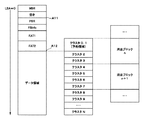
この発明の一実施形態の説明に先立ち、FAT16およびFAT32のファイルシステムについて説明する。図1は、リムーバブルな半導体メモリ例えばフラッシュメモリをFAT16でフォーマットした場合のデータ構造を示す。図2は、半導体メモリをFAT32でフォーマットした場合のデータ構造を示す。FAT16は、FATを16ビットで管理するもので、FAT32は、FATを32ビットで管理するものである。フラッシュメモリの具体例は、メモリースティック(商品名)であり、その規格は、「メモリースティックPROフォーマット仕様書 ver.1.01-01」に規定されている。 Prior to the description of one embodiment of the present invention, the FAT16 and FAT32 file systems will be described. FIG. 1 shows a data structure when a removable semiconductor memory such as a flash memory is formatted with the FAT16. FIG. 2 shows a data structure when the semiconductor memory is formatted with FAT32. The FAT 16 manages FAT with 16 bits, and the FAT 32 manages FAT with 32 bits. A specific example of the flash memory is a memory stick (trade name), and its standard is defined in “Memory Stick PRO Format Specification Ver.1.01-01”.
FATファイルシステムでは、複数個のセクタで構成されるクラスタを単位としてデータが管理される。クラスタのサイズは、セクタのサイズの倍数とされている。例えば1セクタが512バイトとされ、1クラスタのサイズがm(m=1,2,4,・・・,64,128)個のセクタからなるものとされる。m=64の場合では、1クラスタが32Kバイトとされている。 In the FAT file system, data is managed in units of clusters composed of a plurality of sectors. The cluster size is a multiple of the sector size. For example, one sector is 512 bytes, and the size of one cluster is m (m = 1, 2, 4,..., 64, 128). In the case of m = 64, one cluster is 32K bytes.
従来、このクラスタサイズは、フラッシュメモリの消去ブロックのサイズより大きかった。しかしながら、近年、フラッシュメモリの容量の増加に伴い、消去ブロックのサイズが最大のクラスタサイズを超えるようになってきた。そういった事情を考慮して、特許文献2では、動画記録時に空き領域と判定するサイズをクラスタ単位ではなく、消去ブロック単位(の整数倍)とすることにより、記録効率を向上させている。図1および図2では、消去ブロックと表記するが、以下の説明では、単にブロックと称する。
Conventionally, this cluster size is larger than the size of the erase block of the flash memory. However, in recent years, with the increase in the capacity of the flash memory, the size of the erase block has come to exceed the maximum cluster size. In consideration of such circumstances, in
図1および図2においては、ブロックのサイズよりクラスタのサイズが小さく、さらに、クラスタのサイズのn倍(nは2以上の整数)が1ブロックのサイズとなる。例えば1ブロックのサイズが128Kバイト、1クラスタのサイズが32Kバイトとされ、1ブロック内に(n=4)クラスタが含まれる。したがって、クラスタ番号0〜3=ブロックN、クラスタ番号4〜7=ブロックN+1、・・・の関係の配置を有している。 1 and 2, the cluster size is smaller than the block size, and n times the cluster size (n is an integer of 2 or more) is the size of one block. For example, the size of one block is 128 Kbytes, the size of one cluster is 32 Kbytes, and (n = 4) clusters are included in one block. Therefore, the cluster numbers 0-3 = block N, cluster numbers 4-7 = block N + 1,...
MS−DOS等では、ファイル管理データとして、MBR(Master Boot Record)、PBR(Partition Boot Record)、FATおよびルートディレクトリエントリが規定されてい
る。PBRは、BPB(BIOS Parameter Block)と呼ばれることもある。一例として、フラッシュメモリに対して1個のパーティションが形成されるものとされている。
In MS-DOS or the like, MBR (Master Boot Record), PBR (Partition Boot Record), FAT, and root directory entry are defined as file management data. The PBR is sometimes called BPB (BIOS Parameter Block). As an example, one partition is formed for the flash memory.
MBRは、記録媒体の先頭(LBA=0)に配置される。MBRには各パーティションの情報(例えば開始LBAセクタ番号・サイズ等)が記録される。 The MBR is arranged at the beginning (LBA = 0) of the recording medium. Information of each partition (for example, start LBA sector number and size) is recorded in the MBR.
PBRは、各パーティションの先頭セクタに配置される。PBRが記録されているセクタは、MBR内の開始LBAセクタ番号に記述されている。なお、LBAセクタ番号とは、有効ブロック内(或いは有効ブロックの代替ブロック)の各セクタに一意的に付された番号である。LBAセクタ番号は、LBA(論理ブロック番号)が0のブロックの先頭から昇順に付されている。 The PBR is arranged in the head sector of each partition. The sector in which the PBR is recorded is described in the start LBA sector number in the MBR. The LBA sector number is a number uniquely assigned to each sector in the valid block (or a substitute block of the valid block). LBA sector numbers are assigned in ascending order from the top of a block having an LBA (logical block number) of 0.
FATは、PBRに続くセクタから複数のセクタにわたって記録される。FATは、ユーザ領域で扱われるファイルの連結状態をクラスタ単位で表している。なお、バックアップのために二つのFAT1、FAT2(以下、単にFATと称する)が記録されている。また、一つのFATの物理的なデータサイズは、フラッシュメモリ内のクラスタ数が変化しない限り、一定である。 The FAT is recorded over a plurality of sectors from the sector following the PBR. The FAT represents a connection state of files handled in the user area in cluster units. Note that two FAT1 and FAT2 (hereinafter simply referred to as FAT) are recorded for backup. In addition, the physical data size of one FAT is constant as long as the number of clusters in the flash memory does not change.
メディア上に記録されているデータは、クラスタ単位で管理されている。一つのファイルが複数のクラスタで構成される場合には、一つのクラスタを読み出した後に次のクラスタを読み出す必要がある。しかしながら、次のクラスタは、フラッシュメモリ上で物理的に連続する位置に記録されているとは限らない。FATは、あるクラスタに続くクラスタがどのクラスタであるかを示す情報である。このようにFATによって示されるクラスタの続く関係をFATチェインと称する。 Data recorded on the medium is managed in cluster units. When one file is composed of a plurality of clusters, it is necessary to read the next cluster after reading one cluster. However, the next cluster is not always recorded at physically continuous positions on the flash memory. The FAT is information indicating which cluster is a cluster following a certain cluster. The subsequent relationship of the clusters indicated by the FAT is referred to as a FAT chain.
メディア上に存在する全てのクラスタには、クラスタ番号0002から始まるクラスタ番号が付されている。FAT内の各エントリに対しては、クラスタ番号が一義的に割り当てられている。各エントリには、割り当てられているクラスタ番号のクラスタに接続された次のクラスタ番号が格納される。したがって、そのクラスタが割り当てられているエントリに格納されているクラスタ番号を参照することによって、次のクラスタのクラスタ番号を知ることができる。 All clusters existing on the medium are assigned cluster numbers starting from cluster number 0002. A cluster number is uniquely assigned to each entry in the FAT. Each entry stores the next cluster number connected to the cluster of the assigned cluster number. Therefore, the cluster number of the next cluster can be known by referring to the cluster number stored in the entry to which the cluster is assigned.
FAT16の場合では、ルートディレクトリエントリに限って、FATが記録された最終セクタに続く次のセクタから記録される。FATの直後から始まるルートディレクトリエントリ格納領域には、ルートディレクトリに配置される各ファイルおよびディレクトリのエントリが記述される。ルートディレクトリエントリ格納領域のデータサイズは、一定である。上述したファイル管理データに続く次のセクタからユーザエリアの最初のクラスタ(クラスタ番号「02」)が開始する。なお、FAT32では、ルートディレクトリエントリも、サブディレクトリと同様にして、ユーザデータエリア内に記録されている。 In the case of FAT16, only the root directory entry is recorded from the next sector following the last sector in which the FAT is recorded. In the root directory entry storage area starting immediately after the FAT, entries of files and directories arranged in the root directory are described. The data size of the root directory entry storage area is constant. The first cluster (cluster number “02”) in the user area starts from the next sector following the file management data described above. In FAT32, the root directory entry is also recorded in the user data area in the same manner as the subdirectory.
図3は、FATファイルシステム例えばFAT32にしたがってフラッシュメモリに対してデータを記録した時を説明するためのデータの一例である。図3AがFATを示し、図3Bがディレクトリエントリの情報構造を示す。 FIG. 3 is an example of data for explaining the time when data is recorded in the flash memory according to the FAT file system, for example, FAT32. FIG. 3A shows the FAT, and FIG. 3B shows the information structure of the directory entry.
ディレクトリエントリは、32バイトのデータからなり、「名前」(8バイト)、「拡張名」(3バイト)、「属性」(1バイト)、「予約(未定義を意味する」(1バイト)、「作成時刻」(3バイト)、「作成日時」(2バイト)、「最終アクセス日付」(2バイト)、「先頭クラスタ番号(high)」(2バイト)、「記録時刻」(2バイト)、「記録日付」(2バイト)、「先頭クラスタ番号(low)」(2バイト)、「ファイルサイズ
」(4バイト)が先頭から順に配置されている。図3Bでは、バイト位置が2種類の表記法で示されている。その一つは、0から始まる16進で表したものであり、他のものは、1から始まる10進で表したものである。
The directory entry consists of 32 bytes of data, including “name” (8 bytes), “extended name” (3 bytes), “attribute” (1 byte), “reserved (meaning undefined” (1 byte), “Creation time” (3 bytes), “creation date” (2 bytes), “last access date” (2 bytes), “first cluster number (high)” (2 bytes), “recording time” (2 bytes), “Record date” (2 bytes), “first cluster number (low)” (2 bytes), and “file size” (4 bytes) are arranged in order from the top in FIG. One is represented in hexadecimal, starting with 0, and the other in decimal, starting with 1.
ディレクトリエントリは、1ファイル毎または1ディレクトリ毎に対応しており、図3の例では、4個のファイルに対応して4個のエントリが記録されている。第1のファイルのディレクトリエントリには、先頭クラスタ番号として(00000007h)(hは、16進表記を意味する。以下同様)が記録されている。図3Aに示すFATの対応するエントリには、(00000008h)が記録されている。(00000008h)に対応するエントリには、(00000009h)が記録されている。(00000009h)に対応するエントリには、ファイルの終端クラスタを意味するデータEOF例えば(0FFFFFFFh)が記録されている。FAT16の場合のEOFは、(FFFFh)である。なお、図3えにおいて、「−」は、未使用クラスタに対応するエントリを表しており、例えば全て0のデータが書かれている。 The directory entry corresponds to each file or each directory. In the example of FIG. 3, four entries are recorded corresponding to four files. In the directory entry of the first file, (00000007h) (h means hexadecimal notation, and so on) is recorded as the leading cluster number. (00000008h) is recorded in the entry corresponding to the FAT shown in FIG. 3A. In the entry corresponding to (00000008h), (00000009h) is recorded. In an entry corresponding to (00000009h), data EOF indicating a file end cluster, for example, (0FFFFFFFh) is recorded. The EOF in the case of FAT16 is (FFFFh). In FIG. 3E, “-” represents an entry corresponding to an unused cluster. For example, data of all 0 is written.
第1のファイルは、クラスタ番号の(00000007h)から(00000009h)までに連続的に記録されている。他のファイルに関するクラスタの連鎖情報もFATに保持されている。例えば第3のファイルの場合では、先頭のクラスタ番号が(0000001Bh)とされ、以下、(00000011h)→(00000012h)→(00000013h)→(00000014h)→(00000003h)と記録される。 The first file is continuously recorded from the cluster numbers (00000007h) to (00000009h). Cluster chain information regarding other files is also held in the FAT. For example, in the case of the third file, the leading cluster number is (0000001Bh), and (00000011h) → (00000012h) → (00000013h) → (00000014h) → (00000003h) is recorded.
以上のように、各ファイルは、ファイル名、作成日時、先頭クラスタ番号、ファイルサイズ等を保持するディレクトリエントリと、クラスタの連鎖情報を保持するFATと、クラスタ単位で記録されているファイルの実体である実データの3個の要素に基づいて記録媒体上に記録されている。3個の要素の記録位置は、ひとまとまりになっているわけでなく、点在している。 As described above, each file consists of a directory entry that holds the file name, creation date and time, top cluster number, file size, etc., FAT that holds the chain information of the cluster, and the substance of the file recorded in units of clusters. It is recorded on the recording medium based on three elements of certain actual data. The recording positions of the three elements are not grouped but scattered.
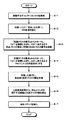
FAT16またはFAT32において、記録済みのファイルを削除する処理について図4を参照して説明する。最初にステップS1において、削除するファイル名のディレクトリエントリを検索する。ステップS2において、検索したディレクトリエントリを削除する。削除の操作は、先頭の1バイト、すなわち、名前の先頭に対して削除マークとしてのコードE5hを書き込む。ステップS3において、ディレクトリエントリの先頭クラスタ番号から開始してFATを参照しながら終端位置EOFに到達するまで、FATのファイルに関する連鎖情報がクリアされる。クリアは、ゼロデータを書き込むことでなされる。 Processing for deleting a recorded file in the FAT16 or FAT32 will be described with reference to FIG. First, in step S1, a directory entry having a file name to be deleted is searched. In step S2, the searched directory entry is deleted. In the deletion operation, a code E5h as a deletion mark is written to the first byte, that is, the head of the name. In step S3, the chain information regarding the FAT file is cleared until the end position EOF is reached while referring to the FAT starting from the top cluster number of the directory entry. Clearing is done by writing zero data.
以上の処理でファイルの削除処理が完了する。すなわち、従来では、FATファイルシステムにおいてファイルを削除する処理は、ディレクトリエントリに対して所定の値を書き込み、FATをクリアすることである。その際に、記録媒体のデータ領域に書かれている実データに対する処理がなされず、実データは、残されたままである。本明細書における「削除」の用語は、ディレクトリエントリに対して所定の値を書き込み、FATをクリアする処理を意味する。 With the above processing, the file deletion processing is completed. That is, conventionally, the process of deleting a file in the FAT file system is to write a predetermined value to the directory entry and clear the FAT. At that time, the actual data written in the data area of the recording medium is not processed, and the actual data remains. The term “deletion” in this specification means a process of writing a predetermined value to a directory entry and clearing the FAT.
このように削除済みファイルの実データの内容を保持しているブロックを再利用する場合には、そのブロックの内容を消去する必要がある。ここで、半導体メモリ例えばフラッシュメモリを構成するブロックの内容を消去するとは、物理的、例えば電気的にブロックの内容を2進表現で全て"1"にすることを意味する。フラッシュメモリは、全て"1"の情報から書き込まれた内容によって該当するビットを"0"に変えることによってデータを保持
する。一実施形態におけるフラッシュメモリの性質上、"1"→"0"の書き込みは可能であるが、"0"→"1"の書き込みが不可能であるので、全て"1"に戻す処理、すなわち、消去を行
ってから書き込みを行う必要がある。この消去に要する時間がオーバーヘッドとして生じる。本明細書における「消去」の用語は、ブロックの内容を物理的に全て"1"に戻すこと
を意味する。
Thus, when reusing a block that holds the contents of actual data of a deleted file, it is necessary to erase the contents of the block. Here, erasing the contents of a block constituting a semiconductor memory such as a flash memory means that the contents of the block are all physically set to “1” in binary representation, for example, electrically. The flash memory holds the data by changing the corresponding bit to “0” according to the contents written from the information “1”. Because of the nature of the flash memory in one embodiment, “1” → “0” can be written, but “0” → “1” cannot be written. It is necessary to perform writing after erasing. The time required for this erasing occurs as overhead. In this specification, the term “erase” means that the contents of the block are physically returned to “1”.
なお、未使用ブロックの内容をホスト例えば記録再生装置が読んだときに、値が"1"と
読めるのか、それとも"0"と読めるかは、半導体メモリ内のコントローラの処理に依存し
ている。すなわち、フラッシュメモリ自体が保持している状態としては、"1"の場合でも
、半導体メモリ内のコントローラがそのまま"1"としてホストに返すのか、反転させて"0"として返すのかは、コントローラ、半導体メモリの種類等に依存している。使用中の有効データについては、当然反転させないが、未使用状態に限っては、値を"1"のままホスト
に返すか、"0"に反転して返すのかの何れの場合もありうる。
Whether the value can be read as “1” or “0” when the host, for example, the recording / reproducing apparatus reads the contents of the unused block depends on the processing of the controller in the semiconductor memory. That is, as for the state held by the flash memory itself, even if it is "1", whether the controller in the semiconductor memory returns to the host as "1" as it is, or whether it is inverted and returned as "0" depends on the controller, It depends on the type of semiconductor memory. Of course, valid data in use is not inverted, but as long as it is not in use, it can be returned to the host with a value of “1” or inverted to “0”.
この発明の一実施形態では、ファイル削除時に追加的処理として、ブロック単位で削除できるクラスタ群が存在するのか否かを判定し、若し、そのようなクラスタ群が存在する場合には、そのブロックの内容を消去しておくものである。このような処理を行っておくことによって、次回の記録時に未使用ブロックとして扱われ、消去が不要なために速やかに記録処理を実行することが可能となる。 In one embodiment of the present invention, as an additional process at the time of file deletion, it is determined whether or not there is a cluster group that can be deleted in block units, and if such a cluster group exists, that block is determined. The contents of are deleted. By performing such processing, it is handled as an unused block at the next recording, and it is not necessary to erase, so that the recording processing can be executed promptly.
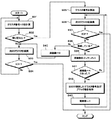
図5は、この発明の一実施形態において、ホスト例えば記録再生装置のCPUの制御によって実行されるファイル削除時の処理の流れを示す。最初にステップS11において、削除するファイルのディレクトリエントリを検索する。ステップS12において、検索したディレクトリエントリの先頭の1バイト、すなわち、名前の先頭に対して削除マークとしてのコードE5hを書き込む。ステップS11およびS12は、従来の図4に示す処理におけるステップS1およびS2と同様のものである。 FIG. 5 shows a flow of processing at the time of file deletion executed under the control of the host, for example, the CPU of the recording / reproducing apparatus in the embodiment of the invention. First, in step S11, a directory entry of a file to be deleted is searched. In step S12, a code E5h serving as a deletion mark is written in the first byte of the searched directory entry, that is, in the head of the name. Steps S11 and S12 are the same as steps S1 and S2 in the conventional process shown in FIG.
ステップS13において、ディレクトリエントリの先頭クラスタ番号から開始してFATを参照しながら終端位置EOFに到達するまで、ブロック単位で削除されるクラスタ番号が検索される。検索されたクラスタ番号を特定する情報例えば開始クラスタ番号およびブロック数の情報をリストして保持する。ステップS14において、先頭クラスタ番号から終端位置EOFに達するまでFATエントリの内容をクリアする。 In step S13, the cluster number deleted in units of blocks is searched from the beginning cluster number of the directory entry until reaching the end position EOF while referring to the FAT. Information for identifying the searched cluster number, for example, information on the start cluster number and the number of blocks is listed and held. In step S14, the contents of the FAT entry are cleared until the end position EOF is reached from the head cluster number.
ステップS15においては、削除した数だけ、未使用(空き)クラスタ数が加算される。なお、図示は省略するが、保持している未使用クラスタ数は、記録した数だけ減算される。ステップS16において、ステップS13の検索結果から、消去コマンドを発行する開始LBA(論理ブロック番号)およびセクタ数を算出する。ステップS17において、消去コマンドが実行され、ブロック単位でクラスタ群が消去される。メモリースティックPROにおいては、消去コマンドは、「ERASEコマンド」と称される。 In step S15, the number of unused (empty) clusters is added by the number deleted. Although not shown, the number of unused clusters held is subtracted by the recorded number. In step S16, the start LBA (logical block number) for issuing the erase command and the number of sectors are calculated from the search result in step S13. In step S17, an erase command is executed, and the cluster group is erased in units of blocks. In the memory stick PRO, the erase command is referred to as an “ERASE command”.
図6は、ブロックサイズとクラスタサイズの関係を算出する処理の流れを示す。ステップS21において、メモリカードのブロックサイズが取得される。一例として、メモリースティックPROにおいては、図1および図2に示すユーザデータエリアとは別のシステムエリアに対してメモリカードを制御するのに必要とされる情報が記録されているアトリビュート情報エリアが設けられている。このエリアの"Device Information"に保持されている情報の一つとして「ブロックサイズ」があるので、この情報を参照してブロックサイズを取得できる。 FIG. 6 shows the flow of processing for calculating the relationship between the block size and the cluster size. In step S21, the block size of the memory card is acquired. As an example, the memory stick PRO is provided with an attribute information area in which information necessary for controlling the memory card is recorded for a system area different from the user data area shown in FIGS. ing. Since there is “block size” as one of the information held in “Device Information” in this area, the block size can be acquired by referring to this information.
次にステップS22において、メモリカードのクラスタサイズが取得される。クラスタサイズは、PBR中の"PBRSecClus"(1クラスタ当たりのセクタ数)と、"PBRBytsPerSec"(1セクタ当たりのバイト数)とを掛け算することによって算出することができる。ス
テップS23では、ブロックサイズ÷クラスタサイズの商、すなわち、1ブロックを構成するクラスタの個数Xが計算され、Xの値が保持される。1ブロックを構成するクラスタの個数Xは、ステップS13の処理で使用される。図1および図2に示される例では、X=4である。
Next, in step S22, the cluster size of the memory card is acquired. The cluster size can be calculated by multiplying “PBRSecClus” (number of sectors per cluster) in the PBR by “PBRBytsPerSec” (number of bytes per sector). In step S23, the quotient of block size / cluster size, that is, the number X of clusters constituting one block is calculated, and the value of X is held. The number X of clusters constituting one block is used in the process of step S13. In the example shown in FIGS. 1 and 2, X = 4.
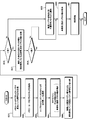
図7は、ステップS13の処理をより詳細に示す。最初のステップS31において、クラスタ番号をXで割り算し、ステップS32において、割り切れたか否かが判断される。割り切れたことは、そのクラスタ番号がブロックの先頭に位置していることを意味する。ステップS32において、割り切れなかったと判定される場合には、ステップS33にて次のクラスタが検索される。ステップS34では、次のクラスタがファイルの終端EOFか否かが判定される。若し、EOFであれば、処理が終了する。そうでない場合には、処理がステップS31に戻り、上述したステップS31およびS32がなされる。 FIG. 7 shows the process of step S13 in more detail. In the first step S31, the cluster number is divided by X, and in step S32, it is determined whether or not it has been divided. The fact that it is divisible means that the cluster number is located at the head of the block. In step S32, if it is determined that it was not divisible, the next cluster is searched in step S33. In step S34, it is determined whether or not the next cluster is a file end EOF. If it is EOF, the process ends. Otherwise, the process returns to step S31, and steps S31 and S32 described above are performed.
ステップS32において、割り切れたと判定される場合では、処理がステップS35に移り、そのクラスタ番号が開始クラスタ番号として保持される。ステップS36では、次のクラスタが検索され、ステップS37では、次のクラスタがファイルの終端EOFか否かが判定される。若し、EOFであれば、処理が終了する。そうでない場合には、処理がステップS38に戻り、連続しているか否かが判定される。 If it is determined in step S32 that it is divisible, the process moves to step S35, and the cluster number is held as the start cluster number. In step S36, the next cluster is searched, and in step S37, it is determined whether or not the next cluster is the end EOF of the file. If it is EOF, the process ends. Otherwise, the process returns to step S38, and it is determined whether or not it is continuous.
ステップS38において、連続していると判定される場合には、ステップS39において連続数をインクリメントする。連続していない場合では、ステップS40において、連続数を0に初期化してステップS33の次のクラスタの検索の処理に移る。連続数をインクリメントしたステップS39の後のステップS41では、連続数がX例えば4に等しくなったか否かが判定される。 If it is determined in step S38 that the data is continuous, the number of continuous data is incremented in step S39. If not, in step S40, the number of continuations is initialized to 0, and the process proceeds to the search for the next cluster in step S33. In step S41 after step S39 in which the continuous number is incremented, it is determined whether or not the continuous number is equal to X, for example, 4.
ステップS41において、連続数がXに達していないと判定されると、ステップS36の次のクラスタの検索の処理に戻る。ステップS41において、連続数がXに達したと判定されると、ステップS42において、ステップS35で保持したクラスタ番号およびブロック数が保持される。保持されるクラスタ番号は、ブロックの先頭の開始クラスタ番号である。 If it is determined in step S41 that the continuous number has not reached X, the process returns to the search for the next cluster in step S36. If it is determined in step S41 that the continuous number has reached X, in step S42, the cluster number and block number held in step S35 are held. The retained cluster number is the start cluster number at the beginning of the block.
ステップS42では、リストの形式でクラスタ番号と連続するブロック数の値が保持される。例えば開始クラスタ番号○○に対応する消去ブロックから3ブロック分消去可能と判定された場合には、リストの1行には、「クラスタ番号○○ 3」の内容が書かれる。ステップS42の後のステップS43において、連続数が0にされ、処理がステップS36の次のクラスタの検索に戻る。 In step S42, the value of the number of blocks continuous with the cluster number in the form of a list is held. For example, when it is determined that three blocks can be erased from the erase block corresponding to the start cluster number OO, the contents of "cluster number OO 3" are written in one line of the list. In step S43 after step S42, the continuous number is set to 0, and the process returns to the search for the next cluster in step S36.
図8は、開始クラスタ番号に対応する開始LBAの算出の式を示す。図6の処理で算出している、ブロックサイズとクラスタサイズとの関係から、ブロック数をセクタ数に換算することによって、消去コマンドを発行する際に必要とされる「開始LBA」および「セクタ数」が分かる。なお、FAT16/32に関する詳細に関するリファレンスとして、"Microsoft Extensible Firmware Initiative FAT32 File System"が存在し、図8の計算式における各用語は、このリファレンスにおける用語である。但し、このリファレンスでは、"PBR"の代わりに、同じ意味の"BPB"の表記が使用されている。 FIG. 8 shows a formula for calculating the start LBA corresponding to the start cluster number. From the relationship between the block size and the cluster size calculated in the processing of FIG. 6, the “start LBA” and “sector number” required when issuing the erase command by converting the block number into the sector number I understand. Note that “Microsoft Extensible Firmware Initiative FAT32 File System” exists as a reference regarding details regarding FAT16 / 32, and each term in the calculation formula of FIG. 8 is a term in this reference. However, in this reference, “BPB” having the same meaning is used instead of “PBR”.
図8Aは、FAT16の場合の換算式を示す。データ領域の開始LBAは、図1におけるデータ領域の先頭の位置A2に対応する。「パーティションの開始LBA」は、図1におけるPBRの先頭の位置A1に対応する。"PBRRsvdSecCnt"は、PBRと、PBRおよ
びFAT1間に存在する隙間のデータ量をとを合計したデータ量を表しており、PBRの中に含まれている情報である。"PBRFATSz16"は、FATのサイズを表している。"PBRNumFATs"は、FATの数を表している。これらの情報もPBRの中に含まれている。FATの数は、2である。"PBRRootEntCnt×32÷PBRBytsPerSec"は、ルートディレクトリエントリのデータ量を表している。総セクタ数が16ビット空間を超える場合には、FATのデータ量の計算において、FATのサイズが"PBRFATSz32"に変更される。
FIG. 8A shows a conversion formula in the case of FAT16. The start LBA of the data area corresponds to the start position A2 of the data area in FIG. “Partition start LBA” corresponds to the head position A1 of the PBR in FIG. “PBRRsvdSecCnt” represents the total data amount of the PBR and the data amount of the gap existing between the PBR and the FAT1, and is information included in the PBR. “PBRFATSz16” represents the size of the FAT. “PBRNumFATs” represents the number of FATs. These pieces of information are also included in the PBR. The number of FATs is two. “PBRRootEntCnt × 32 ÷ PBRBytsPerSec” represents the data amount of the root directory entry. When the total number of sectors exceeds the 16-bit space, the FAT size is changed to “PBRFATSz32” in the calculation of the FAT data amount.
また、クラスタ番号Nの開始LBAは、総クラスタ数Nからディレクトリエントリに割り当てられたクラスタ数"PBRRootClus"(ここでは2)を減算した値に、クラスタ当たり
のセクタ数"PBRSecPerClus"を乗算することによって計算される。
The starting LBA of cluster number N is obtained by multiplying the value obtained by subtracting the number of clusters “PBRRootClus” (2 in this case) assigned to the directory entry from the total number of clusters N by the number of sectors per cluster “PBRSecPerClus”. Calculated.
図8Bに示すFAT32の場合も、FAT16の場合と同様に、開始クラスタ番号および開始クラスタ番号に対応する開始LBAを計算することができる。データ領域の開始LBAは、図2におけるデータ領域の先頭の位置A12に対応する。「パーティションの開始LBA」は、図2におけるPBRの先頭の位置A11に対応する。"PBRRsvdSecCnt"は
、PBRと、隙間のデータ量と、FSinfoのデータ量とを合計したものを示している。FAT32では、FAT16と比較してルートディレクトリエントリが存在しないので、ルートディレクトリエントリに関する項目が数式内に存在しない。
In the case of FAT32 shown in FIG. 8B, the start LBA corresponding to the start cluster number and the start cluster number can be calculated as in the case of FAT16. The start LBA of the data area corresponds to the start position A12 of the data area in FIG. “Partition start LBA” corresponds to the head position A11 of the PBR in FIG. “PBRRsvdSecCnt” indicates a sum of the PBR, the data amount of the gap, and the data amount of FSinfo. In FAT32, there is no root directory entry as compared to FAT16, and therefore no item relating to the root directory entry exists in the formula.
上述した一実施形態では、ファイル削除時に追加的処理として、ブロック単位で削除できるクラスタ群が存在する場合には、そのブロックの内容を消去しておくものである。以下に述べるこの発明の他の実施形態は、記録媒体例えばメモリカードの挿入時に消去処理を行うものである。 In the embodiment described above, when there is a cluster group that can be deleted in block units as an additional process when deleting a file, the contents of the block are deleted. In another embodiment of the present invention described below, an erasing process is performed when a recording medium such as a memory card is inserted.
メモリカードが挿入されるタイミングとしては、二つの場合がありうる。一つは、パワーONの状態でメモリカードを挿入する場合であり、他の一つは、メモリカードを挿入してからパワーをONする場合である。他の場合において、パワーONの度に消去処理を行うようにしても良いが、メモリカードが交換されていなければ、毎回、消去処理を行う必要がない。 There may be two cases as the timing when the memory card is inserted. One is a case where the memory card is inserted in a power-on state, and the other is a case where the power is turned on after the memory card is inserted. In other cases, the erasing process may be performed every time the power is turned on, but it is not necessary to perform the erasing process every time the memory card is not replaced.
図9のフローチャートは、この発明の他の実施形態において、ホスト例えば記録再生装置のCPUの制御によって実行される、メモリカードの挿入時に消去処理を行う他の実施形態の処理の流れを示す。ステップS51では、メモリカードのブロックサイズや製造シリアル番号などを取得する。次にステップS52において、メモリカードのクラスタサイズが取得される。ステップS53では、ブロックサイズ÷クラスタサイズの商、すなわち、1ブロックを構成するクラスタの個数Xを計算され、Xの値が保持される。このステップS51、S52、S53の処理は、図6におけるステップS21、S22およびS23の処理と同様のものである。メモリカードの製造シリアル番号(4バイト)は、"Device
Information"に含まれている。
The flowchart of FIG. 9 shows the flow of processing of another embodiment for performing an erasing process when a memory card is inserted, which is executed under the control of a host, for example, a CPU of a recording / reproducing apparatus, in another embodiment of the present invention. In step S51, the block size and manufacturing serial number of the memory card are acquired. Next, in step S52, the cluster size of the memory card is acquired. In step S53, the quotient of block size ÷ cluster size, that is, the number X of clusters constituting one block is calculated and the value of X is held. The processes in steps S51, S52, and S53 are the same as the processes in steps S21, S22, and S23 in FIG. The serial number (4 bytes) of the memory card is "Device
Included in "Information".
ステップS54において、FATがスキャンされる。このステップでは、消去対象の判定と未使用(空き)クラスタ数の集計がなされる。前述した図7に示されるフローチャートにおいては、ファイル削除時に削除したクラスタ群の中でブロック単位で消去できるものを検索している。図9のフローチャートでは、削除したファイルに限らず、FAT全体で削除マークとしてのコードE5hが書かれているディレクトリエントリが検索され、そのディレクトリエントリに対応するクラスタ群がブロック単位で消去可能か否かが検索される。並行してメモリカード全体の未使用(空き)クラスタ数が計数される。この発明の他の実施形態による処理のために限らず、通常、半導体メモリの残容量を調べるために、FATがスキャンされることもあるので、そのスキャン時に消去処理を行うようにできる。 In step S54, the FAT is scanned. In this step, the erasure target is determined and the number of unused (empty) clusters is totaled. In the flowchart shown in FIG. 7 described above, a search is made for clusters that can be erased in block units from among the cluster groups that were deleted when the file was deleted. In the flowchart of FIG. 9, not only the deleted file but also the directory entry in which the code E5h as the deletion mark is written is searched in the entire FAT, and whether or not the cluster group corresponding to the directory entry can be erased in units of blocks. Is searched. In parallel, the number of unused (free) clusters in the entire memory card is counted. In addition to the processing according to another embodiment of the present invention, the FAT is usually scanned in order to check the remaining capacity of the semiconductor memory. Therefore, the erasing process can be performed during the scanning.
ステップS55では、取得した製造シリアル番号などと現在保持している製造シリアル番号などとを比較する。製造シリアル番号に限らず、メモリカードを一意に識別できる情報を使用できる。例えば"Device Information"には、製造メーカコード(1バイト)、製造商品コード(3バイト)、ID(16バイト)などが含まれており、これらの情報をメモリカードを一意に特定する情報として使用しても良い。 In step S55, the acquired manufacturing serial number or the like is compared with the currently held manufacturing serial number or the like. Not only the manufacturing serial number but also information that can uniquely identify the memory card can be used. For example, “Device Information” includes manufacturer code (1 byte), manufactured product code (3 bytes), ID (16 bytes), etc., and these information are used as information for uniquely identifying the memory card. You may do it.
ステップS56において、両者が一致するか否かが判定される。一致すると判定されると、ステップS57において、ステップS54において集計した未使用クラスタ数と、現在保持している未使用クラスタ数とが比較される。 In step S56, it is determined whether or not both match. If it is determined that they match, in step S57, the number of unused clusters counted in step S54 is compared with the number of unused clusters currently held.
FAT32の場合では、"FSInfo"(図2参照)の中の"FSIFreeCount"(4バイト)を見ることによって、現在保持している未使用クラスタ数が分かる。"FSInfo"の位置は、PBR中の"PBRFSInfo"を参照すれば分かる。FAT16の場合では、"FSInfo"が存在しない
ので、例えばPBRの直後に位置するセクタ(512バイト)などを利用して"FSIFreeCount"に相当する情報が保持される。
In the case of FAT32, the number of unused clusters currently held is known by looking at “FSIFreeCount” (4 bytes) in “FSInfo” (see FIG. 2). The position of “FSInfo” can be found by referring to “PBRFSInfo” in the PBR. In the case of FAT16, since “FSInfo” does not exist, information corresponding to “FSIFreeCount” is held using, for example, a sector (512 bytes) located immediately after PBR.
ステップS57の比較の結果がステップS58において判定される。集計した未使用クラスタ数と、現在保持している未使用クラスタ数とが一致する場合には、メモリカードの未使用クラスタ数が保持されている状態と変化していないこと、すなわち、メモリカードが交換されていないことを意味するので、消去処理が省略可能と判断され、処理が終了する。両者が一致しないと判定されると、ステップS60において、未使用クラスタ数が保持される。 The result of the comparison in step S57 is determined in step S58. If the total number of unused clusters matches the number of unused clusters currently held, the number of unused clusters in the memory card has not changed from the state in which it is held. Since it means that they have not been exchanged, it is determined that the erasure process can be omitted, and the process ends. If it is determined that the two do not match, the number of unused clusters is held in step S60.
ステップS56において、取得した製造シリアル番号などと現在保持している製造シリアル番号などとが不一致と判定されると、ステップS59において、ステップS51において取得された製造シリアル番号などが記録再生装置内の不揮発性メモリに保持される。そして、ステップS60において、未使用クラスタ数が保持される。ステップS61では、ステップS54において消去対象として検索されたクラスタ群が消去される。消去処理は、上述したこの発明の一実施形態におけるのと同様に、ホストが消去コマンドをメモリカードに対して与えることで実行される。 If it is determined in step S56 that the acquired manufacturing serial number does not match the currently held manufacturing serial number or the like, in step S59, the manufacturing serial number or the like acquired in step S51 is stored in the nonvolatile recording / reproducing apparatus. Is held in memory. In step S60, the number of unused clusters is held. In step S61, the cluster group searched for deletion in step S54 is deleted. The erasure process is executed when the host gives an erasure command to the memory card as in the above-described embodiment of the present invention.
ステップS61の消去処理において、メモリカード上の実データが消去される。 In the erasing process in step S61, the actual data on the memory card is erased.
上述したこの発明の一実施形態および他の実施形態は、ソフトウェアによって実装可能であり、図10に示すように、アプリケーション⇔ファイルシステム⇔デバイスドライバ⇔記録媒体の階層構造で実装される。アプリケーションがファイルレベルでファイルシステムに対してアクセス要求を行い、ファイルシステムがアクセスに対してファイルレベルでアクセス応答を行う。ファイルシステムは、デバイスドライバに対してクラスタレベルでアクセス要求を行い、デバイスドライバがファイルシステムに対してクラスタレベルでアクセス応答を行う。デバイスドライバは、記録媒体に対してセクタレベルでアクセス要求を行い、記録媒体がデバイスドライバに対してセクタレベルでアクセス応答を行う。 One embodiment and other embodiments of the present invention described above can be implemented by software, and are implemented in a hierarchical structure of application, file system, device driver, and recording medium as shown in FIG. The application makes an access request to the file system at the file level, and the file system makes an access response to the access at the file level. The file system makes an access request to the device driver at the cluster level, and the device driver makes an access response to the file system at the cluster level. The device driver makes an access request to the recording medium at the sector level, and the recording medium makes an access response to the device driver at the sector level.
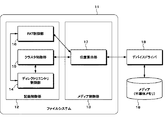
図11は、ファイルシステムの構成例を示す。ファイルシステム11は、記録制御部12およびメディア制御部13からなる。記録制御部12は、ディレクトリエントリ制御部14、クラスタ制御部15、FAT制御部16を有している。メディア制御部13は、位置算出部17を有している。デバイスドライバ18がメディアとしての半導体メモリ19を制御する。メディア制御部13の位置算出部17がデバイスドライバ18と結合されている。記録制御部12の処理として、上述したようなブロック単位で削除されるクラスタ群の判定、消去コマンドの発行、消去処理の実行等の処理が従来の処理に追加される。
FIG. 11 shows a configuration example of a file system. The
図12は、この発明をディジタルビデオカメラに対して適用した場合の構成例を概略的に示す。光学レンズ部21を介して被写体像がCCD(Charge Coupled Device)等の撮像素子からからなる光電変換部22に供給され、被写体像に応じた撮像信号が得られる。撮像信号が画像信号処理部23に供給される。画像信号処理部23は、撮像信号に対してγ補正、解像度変換等の処理を行う。また、画像信号処理部23は、静止画の場合では例えばJPEG(Joint Photographic Experts Group)によって圧縮処理を行い、動画の場合
では例えばMPEG2(Moving Picture Experts Group Phase 2)等の画像圧縮処理を行う。
FIG. 12 schematically shows a configuration example when the present invention is applied to a digital video camera. The subject image is supplied to the
画像信号処理部23に対して画像入出力部24および液晶ディスプレイ25が接続されている。画像入出力部24は、外部から所定方式のビデオ信号が入力可能とされている。この入力されたビデオ信号が画像信号処理部23の処理を経て液晶ディスプレイ25に表示させることが可能とされている。また、画像信号処理部23は、画像入出力部24を介して入力されたビデオ信号について、光電変換部22から入力されたアナログビデオ信号と同様にして、記録用データに変換してドライブ33に転送することもできる。これに対応して画像入出力部24は、例えばDV(Digital Video)フォーマットなどの所定方式に
従った映像(画像)信号出力端子/映像信号入力端子を備える。液晶ディスプレイ25は、ディジタルビデオカメラ本体に設けられたもので、撮影中の画像、再生画像等を表示する。
An image input /
音声入出力部26を介して、マイクロホン、記録メディア等の外部から音声信号が入力され、入力音声信号が音声処理部27に供給される。音声処理部27は、ATRAC(Adaptive Transfer Acoustic Coding)、MP3(MPEG1 Audio Layer 3)等の圧縮処理を行う。音声入出力部26を介して出力される音声信号がヘッドホン等の再生装置で再生され、また、出力される圧縮音声信号が記録メディアに記録される。
An audio signal is input from the outside such as a microphone or a recording medium via the audio input /
参照符号28は、CPU(Central Processing Unit)を示し、CPU28に対して、R
AM29、ROM30、操作入力部31、通信部32およびドライブ33が接続されている。
The
内蔵メモリであるRAM29は、CPU21が処理に使用するワーク用メモリである。内蔵メモリであるROM30には、プログラム等のデータが格納されている。操作入力部31は、操作ボタン等の複数のキーである。GUIの構成の操作入力部を使用しても良い。通信部32に対して有線ネットワーク(USB、Ethernet(商標)、IEEE(Institute of Electrical and Electronics Engineers) 1394等)または無線ネットワーク(IEEE802.11a/b/g、Bluetooth等)が接続される。ドライブ33は、メモリカード等のリムーバブルな半導体メモリを制御するドライブである。
A
CPU28がドライブ33を介して半導体メモリに対してデータを書き込み、また、半導体メモリからデータを再生する。撮影された画像データが圧縮されて半導体メモリに記録される。半導体メモリに記録されているデータがFAT16/32のファイルシステムによって管理される。上述したように、CPU28が半導体メモリを管理する場合、ファイルの削除時の追加処理として、または半導体メモリの挿入時になされる処理として、ブロック単位で消去可能なクラスタ群が検索され、そのクラスタ群が消去される。
The
図13は、この発明をパーソナルコンピュータに対して適用した場合の構成例を概略的に示す。図13において、参照符号41がCPUを示し、42がCPUバスを示す。CPUバス42に対して 内蔵メモリであるROM43およびRAM44が接続されている。ROM43には、プログラム等のデータが格納されている。RAM44は、CPU41が処理に使用するワーク用メモリである。
FIG. 13 schematically shows a configuration example when the present invention is applied to a personal computer. In FIG. 13, reference numeral 41 indicates a CPU, and 42 indicates a CPU bus. A
CPUバス42に対して、デバイスコントローラとしての入出力インターフェース45が接続されている。デバイスとして、入力部46、出力部47、通信部48および記憶部49が設けられている。入力部46には,キーボード、マウス、スキャナ、マイクロホンが含まれている。出力部47には、ディスプレイ、スピーカ、プリンタ、プロッタが含まれている。通信部48には、USB、IEEE1394、ブルートゥース、IEE802.11a/b/gのそれぞれの方式で通信を行う部分が含まれている。記憶部49には、光ディスク、磁気ディスク、光磁気ディスク、半導体メモリが含まれている。
An input /
CPU41が入出力インターフェース45を介して記憶部49に含まれる半導体メモリに対してデータを書き込み、また、メモリカードからデータを再生する。上述したように、半導体メモリに記録されているデータがFAT16/32のファイルシステムによって管理され、ブロック単位で消去可能なクラスタ群が検索され、そのクラスタ群が消去される。
The CPU 41 writes data to the semiconductor memory included in the
図14は、この発明による半導体メモリの管理を概略的に示す。半導体メモリ51は、フラッシュメモリ52、コントローラ53およびホストとのインターフェース54とから構成されている。コントローラ53は、ホスト側の記録再生装置61からのみ制御される構成に限らず、CPUの構成とされ、記録再生装置61のCPU62と分離して制御が可能とされる場合もある。記録再生装置61は、CPU62と半導体メモリ51とのインターフェース63を有している。
FIG. 14 schematically shows the management of a semiconductor memory according to the present invention. The
記録再生装置61が半導体メモリ51に対してLBA(論理アドレス)によってアクセスを行う。半導体メモリ51のコントローラ53が管理する論理物理変換テーブル54によって論理物理変換され、対応するブロック内のページにアクセスされる。
The recording / reproducing
冒頭に挙げた特許文献1には、論理物理変換管理テーブル54のアルゴリズムとして、可能な限り予め消去された未使用ブロックに対してデータの書き込み(更新、変更をも含む)を行い、消去動作を省略して書き込みを高速に行うことが記載されている。特許文献1における「未消去ブロック」とは、「書き込みアクセスに対して新たな未使用ブロックを割り当てたことにより、データを保持しておく必要がなくなったブロック」のことである。
In
かかる特許文献1における「未消去ブロック」は、この発明における「FATファイルシステムにおける削除されずにデータが残されたままのブロック」という意味とは相違する。上述したように、この発明は、削除済みデータを保持しているブロックを消去しておくことによって、次回の記録時に消去のオーバーヘッドが生じなくするものであり、特許文献1に記載のものとは相違するものである。
The “unerased block” in
以上、この発明の実施の形態について具体的に説明したが、この発明は、上述の実施の形態に限定されるものではなく、この発明の技術的思想に基づく各種の変形が可能である。例えば上述した説明では、1ブロックを空き領域と判定するサイズとしているが、ブロックのサイズによっては、1ブロックより小なるサイズ例えば1/2ブロック、または複数ブロックを空き領域と判定することも可能である。また、この発明は、メモリースティックに限らず、「CF+and CompactFlash Specification Revision 2.1」に規定される
コンパクトフラッシュに対しても適用できる。さらに、この発明は、SDメモリカードに対しても適用できる。よりさらに、この発明は、ファイルシステムとしてFAT16/32以外のファイルシステム例えばUDF(Universal Disc Format)に対しても適用できる
。
Although the embodiment of the present invention has been specifically described above, the present invention is not limited to the above-described embodiment, and various modifications based on the technical idea of the present invention are possible. For example, in the above description, one block is determined to be a free area. However, depending on the size of the block, a size smaller than one block, for example, ½ block, or a plurality of blocks can be determined as a free area. is there. Further, the present invention is not limited to a memory stick, but can be applied to a compact flash specified in “CF + and CompactFlash Specification Revision 2.1”. Furthermore, the present invention can also be applied to an SD memory card. Furthermore, the present invention can be applied to a file system other than FAT16 / 32, for example, UDF (Universal Disc Format) as a file system.
21 光学レンズ部
22 光電変換部
28,41 CPU
33 ドライブ
21
33 drives
Claims (9)
ファイルシステム上で対応する管理情報を削除したことに伴って消去可能となったファイルの実データであって、空き領域と判定する単位の整数倍の実データを検索し、
検索された上記実データを消去するように、上記記録媒体を制御する制御部を有する情報処理装置。 In an information processing apparatus for managing data of a recording medium on which data is recorded in units of erase blocks configured in units of a predetermined data amount,
Search the actual data of the file that became erasable with the deletion of the corresponding management information on the file system, and the actual data that is an integer multiple of the unit that is determined as free space,
An information processing apparatus having a control unit for controlling the recording medium so as to erase the searched actual data.
上記記録媒体は、半導体メモリであることを特徴とする情報処理装置。 The information processing apparatus according to claim 1,
An information processing apparatus, wherein the recording medium is a semiconductor memory.
上記制御部は、上記記録媒体に保持されているデータを削除する時に追加的に上記検索された実データの消去を行う情報処理装置。 The information processing apparatus according to claim 1,
The information processing apparatus, wherein the control unit additionally deletes the searched actual data when deleting data held in the recording medium.
上記記録媒体がリムーバブルな記録媒体であって、
上記制御部は、上記記録媒体の挿入時に上記ファイルシステム管理情報をスキャンして上記実データを検索し、上記検索された実データの消去を行う情報処理装置。 The information processing apparatus according to claim 1,
The recording medium is a removable recording medium,
The information processing apparatus, wherein the control unit scans the file system management information to retrieve the actual data when the recording medium is inserted, and erases the retrieved actual data.
ファイルシステム上で対応する管理情報を削除したことに伴って消去可能となったファイルの実データであって、空き領域と判定する単位の整数倍の実データを検索するステップと、
検索された上記実データを消去するステップとからなる情報処理方法。 In an information processing method for managing data of a recording medium on which data is recorded in units of erase blocks configured in units of a predetermined data amount,
Searching for real data of a file that has become erasable as a result of deleting the corresponding management information on the file system, which is an integral multiple of a unit determined as a free space;
An information processing method comprising: erasing the retrieved actual data.
上記記録媒体は、半導体メモリであることを特徴とする情報処理方法。 The information processing method according to claim 5,
An information processing method, wherein the recording medium is a semiconductor memory.
上記記録媒体に保持されているデータを削除する時に追加的に上記検索された実データの消去を行う情報処理方法。 The information processing method according to claim 5,
An information processing method for additionally deleting the retrieved actual data when deleting data held in the recording medium.
上記記録媒体がリムーバブルな記録媒体であって、
上記記録媒体の挿入時に上記ファイルシステム管理情報をスキャンして上記実データを検索し、上記検索された実データの消去を行う情報処理方法。 The information processing method according to claim 5,
The recording medium is a removable recording medium,
An information processing method for scanning the file system management information when the recording medium is inserted, searching for the actual data, and erasing the searched actual data.
ファイルシステム上で対応する管理情報を削除したことに伴って消去可能となったファイルの実データであって、空き領域と判定する単位の整数倍の実データを検索するステップと、
検索された上記実データを消去するステップとからなる情報処理方法のプログラム。
In a program for causing a computer to execute an information processing method for a recording medium in which recorded data is collectively erased in units of a predetermined amount of data,
Searching for real data of a file that has become erasable as a result of deleting the corresponding management information on the file system, which is an integral multiple of a unit determined as a free space;
A program of an information processing method comprising the step of erasing the searched actual data.
Priority Applications (1)
| Application Number | Priority Date | Filing Date | Title |
|---|---|---|---|
| JP2004348276A JP2006155461A (en) | 2004-12-01 | 2004-12-01 | Information processing apparatus, information processing method, and program |
Applications Claiming Priority (1)
| Application Number | Priority Date | Filing Date | Title |
|---|---|---|---|
| JP2004348276A JP2006155461A (en) | 2004-12-01 | 2004-12-01 | Information processing apparatus, information processing method, and program |
Publications (1)
| Publication Number | Publication Date |
|---|---|
| JP2006155461A true JP2006155461A (en) | 2006-06-15 |
Family
ID=36633645
Family Applications (1)
| Application Number | Title | Priority Date | Filing Date |
|---|---|---|---|
| JP2004348276A Pending JP2006155461A (en) | 2004-12-01 | 2004-12-01 | Information processing apparatus, information processing method, and program |
Country Status (1)
| Country | Link |
|---|---|
| JP (1) | JP2006155461A (en) |
Cited By (5)
| Publication number | Priority date | Publication date | Assignee | Title |
|---|---|---|---|---|
| JP2009271848A (en) * | 2008-05-09 | 2009-11-19 | Fujitsu Microelectronics Ltd | File system and data management method |
| JPWO2009001514A1 (en) * | 2007-06-22 | 2010-08-26 | パナソニック株式会社 | MEMORY CONTROLLER, NONVOLATILE STORAGE DEVICE, FILE SYSTEM, NONVOLATILE STORAGE SYSTEM, DATA WRITE METHOD, AND DATA WRITE PROGRAM |
| JP2011164963A (en) * | 2010-02-10 | 2011-08-25 | Sony Corp | Information recording device, imaging device, information updating method and program |
| US9032138B2 (en) | 2011-11-23 | 2015-05-12 | Samsung Electronics Co., Ltd. | Storage device based on a flash memory and user device including the same |
| US11907567B2 (en) | 2021-03-24 | 2024-02-20 | Kioxia Corporation | Memory system having a controller with a data erasure processing function |
Citations (9)
| Publication number | Priority date | Publication date | Assignee | Title |
|---|---|---|---|---|
| JPH07271645A (en) * | 1994-03-30 | 1995-10-20 | Oki Electric Ind Co Ltd | Semiconductor memory |
| JPH07287640A (en) * | 1994-02-25 | 1995-10-31 | Canon Inc | Recording medium, recording unit, and recording system using the recording medium or recording unit |
| JPH08293015A (en) * | 1995-04-20 | 1996-11-05 | Sharp Corp | Image storage |
| JPH0997314A (en) * | 1995-09-28 | 1997-04-08 | Canon Inc | IC card device |
| JPH1153248A (en) * | 1997-08-04 | 1999-02-26 | Tokyo Electron Ltd | Data processing system, block erase type storage medium, and program recording medium |
| JP2000222292A (en) * | 1999-02-04 | 2000-08-11 | Nec Saitama Ltd | Data managing method utilizing flash memory |
| JP2001236251A (en) * | 2000-02-23 | 2001-08-31 | Fujitsu Ltd | File system |
| JP2003203007A (en) * | 2002-01-07 | 2003-07-18 | Nec Corp | Non-volatile area management method for mobile phone memory |
| JP2004310477A (en) * | 2003-04-08 | 2004-11-04 | Renesas Technology Corp | Memory card |
-
2004
- 2004-12-01 JP JP2004348276A patent/JP2006155461A/en active Pending
Patent Citations (9)
| Publication number | Priority date | Publication date | Assignee | Title |
|---|---|---|---|---|
| JPH07287640A (en) * | 1994-02-25 | 1995-10-31 | Canon Inc | Recording medium, recording unit, and recording system using the recording medium or recording unit |
| JPH07271645A (en) * | 1994-03-30 | 1995-10-20 | Oki Electric Ind Co Ltd | Semiconductor memory |
| JPH08293015A (en) * | 1995-04-20 | 1996-11-05 | Sharp Corp | Image storage |
| JPH0997314A (en) * | 1995-09-28 | 1997-04-08 | Canon Inc | IC card device |
| JPH1153248A (en) * | 1997-08-04 | 1999-02-26 | Tokyo Electron Ltd | Data processing system, block erase type storage medium, and program recording medium |
| JP2000222292A (en) * | 1999-02-04 | 2000-08-11 | Nec Saitama Ltd | Data managing method utilizing flash memory |
| JP2001236251A (en) * | 2000-02-23 | 2001-08-31 | Fujitsu Ltd | File system |
| JP2003203007A (en) * | 2002-01-07 | 2003-07-18 | Nec Corp | Non-volatile area management method for mobile phone memory |
| JP2004310477A (en) * | 2003-04-08 | 2004-11-04 | Renesas Technology Corp | Memory card |
Cited By (5)
| Publication number | Priority date | Publication date | Assignee | Title |
|---|---|---|---|---|
| JPWO2009001514A1 (en) * | 2007-06-22 | 2010-08-26 | パナソニック株式会社 | MEMORY CONTROLLER, NONVOLATILE STORAGE DEVICE, FILE SYSTEM, NONVOLATILE STORAGE SYSTEM, DATA WRITE METHOD, AND DATA WRITE PROGRAM |
| JP2009271848A (en) * | 2008-05-09 | 2009-11-19 | Fujitsu Microelectronics Ltd | File system and data management method |
| JP2011164963A (en) * | 2010-02-10 | 2011-08-25 | Sony Corp | Information recording device, imaging device, information updating method and program |
| US9032138B2 (en) | 2011-11-23 | 2015-05-12 | Samsung Electronics Co., Ltd. | Storage device based on a flash memory and user device including the same |
| US11907567B2 (en) | 2021-03-24 | 2024-02-20 | Kioxia Corporation | Memory system having a controller with a data erasure processing function |
Similar Documents
| Publication | Publication Date | Title |
|---|---|---|
| CN101504593B (en) | Recording device, recording device control method, recording device control method program | |
| CN100543702C (en) | Document recording device and its control method and execution method | |
| US6675276B2 (en) | Method for providing extensible dos-fat system structures on one-time programmable media | |
| US6823417B2 (en) | Memory controller for memory card manages file allocation table | |
| CN101542447B (en) | write-once recording device | |
| US7401174B2 (en) | File system defragmentation and data processing method and apparatus for an information recording medium | |
| CN101268449B (en) | Data recording device and data recoding method | |
| WO2004084074A1 (en) | Data storage device, method for updating management information in data storage device, and computer program | |
| CN100530190C (en) | Apparatus and method for processing information | |
| JP5558093B2 (en) | Semiconductor device and memory system | |
| JP4487954B2 (en) | Data recording apparatus, data recording method, and program | |
| JP4714291B2 (en) | Information recording apparatus, information recording method, and information recording program | |
| JP2006178633A (en) | Information processing apparatus, information processing method, and program | |
| JP4734898B2 (en) | Information processing apparatus, information processing method, and program | |
| JP2006228138A (en) | Semiconductor storage device, storage control method, and information equipment | |
| US7424573B2 (en) | Information processing apparatus, method, and program for formatting multiple recording media integrated as one | |
| JP2006164017A (en) | Information processing apparatus, information processing method, and program | |
| JP2006146812A (en) | Information processing apparatus, information processing method, and program | |
| CN100468361C (en) | Information recording medium, access device to information recording medium, and access method | |
| JP2006178632A (en) | Information processing apparatus, information processing method, and program | |
| JP2007310533A (en) | Nonvolatile storage system, nonvolatile storage device, and file data writing method | |
| JP5489818B2 (en) | Recording / reproducing apparatus and control method thereof | |
| JP2016015057A (en) | Recording device | |
| JP2006133855A (en) | Information processing apparatus, information processing method, and program | |
| JP2005332481A (en) | Recording apparatus and method, recording medium, and program |
Legal Events
| Date | Code | Title | Description |
|---|---|---|---|
| A621 | Written request for application examination |
Free format text: JAPANESE INTERMEDIATE CODE: A621 Effective date: 20070829 |
|
| A977 | Report on retrieval |
Free format text: JAPANESE INTERMEDIATE CODE: A971007 Effective date: 20100405 |
|
| A131 | Notification of reasons for refusal |
Free format text: JAPANESE INTERMEDIATE CODE: A131 Effective date: 20100420 |
|
| A521 | Written amendment |
Free format text: JAPANESE INTERMEDIATE CODE: A523 Effective date: 20100618 |
|
| A02 | Decision of refusal |
Free format text: JAPANESE INTERMEDIATE CODE: A02 Effective date: 20100817 |