JP2006233473A - Toilet seat device - Google Patents
Toilet seat device Download PDFInfo
- Publication number
- JP2006233473A JP2006233473A JP2005046757A JP2005046757A JP2006233473A JP 2006233473 A JP2006233473 A JP 2006233473A JP 2005046757 A JP2005046757 A JP 2005046757A JP 2005046757 A JP2005046757 A JP 2005046757A JP 2006233473 A JP2006233473 A JP 2006233473A
- Authority
- JP
- Japan
- Prior art keywords
- temperature
- drying
- temperature sensor
- toilet seat
- toilet
- Prior art date
- Legal status (The legal status is an assumption and is not a legal conclusion. Google has not performed a legal analysis and makes no representation as to the accuracy of the status listed.)
- Pending
Links
Images




Landscapes
- Toilet Supplies (AREA)
- Bidet-Like Cleaning Device And Other Flush Toilet Accessories (AREA)
Abstract
【課題】簡単な構成で使用後の余熱の影響をなくすことで、乾燥動作時の実際の乾燥温度のみならず、乾燥温度に影響している温度便器内温度を1つの温度センサで温度を検出することができ、常に一定温度の乾燥とした便座装置を提供することである。
【解決手段】人体局部に温風を吹き出す温風吹き出し口を有する乾燥機能部7と、前記吹き出し口に温度を検出する温度センサ6と、乾燥機能部7による乾燥中に温度センサ6で検出される検出値に基づいて温風吹き出し温度を制御する温度制御部8とを備え、温度制御部8は乾燥時以外においても温度センサ6による温度検出を行うことを特徴とする。
【選択図】図1
[PROBLEMS] To detect not only the actual drying temperature during the drying operation but also the temperature in the temperature toilet that affects the drying temperature with a single temperature sensor by eliminating the influence of residual heat after use with a simple configuration. It is possible to provide a toilet seat device that is always dry at a constant temperature.
A drying function unit having a hot air blowing port for blowing hot air to a local body part, a temperature sensor for detecting temperature at the blowing port, and a temperature sensor detected during drying by the drying function unit. And a temperature control unit 8 that controls the temperature of the hot air blowout based on the detected value. The temperature control unit 8 performs temperature detection by the temperature sensor 6 even when the temperature is not dry.
[Selection] Figure 1
Description
本発明は、乾燥機能を有する便座装置に関するものである。 The present invention relates to a toilet seat device having a drying function.
従来、この種の便座装置としては室内温度に応じて乾燥温度を制御するものがあった(例えば、特許文献1参照)。 Conventionally, as this type of toilet seat device, there is one that controls the drying temperature in accordance with the room temperature (see, for example, Patent Document 1).
図9は、特許文献1に記載された従来の便座装置を示すものである。図9に示すように、便座装置は、便器本体1と便座2とからなり、便座2の後部にはヒータ4および送風ファン5からなる乾燥機能部7と乾燥機能部7等を制御するためのマイクロコンピュータ(図示せず)を備える温度制御部8が配設されている。
FIG. 9 shows a conventional toilet seat device described in
また、便器本体1の外側には室温センサ9が備えられており、温度制御部8は温風暖房運転が行なわれているときに乾燥動作状態となった場合は、前回の乾燥動作が終了した後室温センサ9により室温の検出を行ない、この検出した検出値に基づいて検出値の更新を行なう。
しかしながら、従来の室温を測定することによる制御においては、実際の便器内温度が水や便器の温度により影響を受け、実際の室温と比べて異なるため、室温によってそのまま便器内温度に反映されるとは限らない。また、使用者や便座装置の余熱等のない状態での便器内温度が乾燥温度に影響しているので、室温による制御ではより正確な乾燥温度を制御することは難しい。 However, in the conventional control by measuring the room temperature, the actual toilet temperature is affected by the temperature of the water and the toilet and is different from the actual room temperature. Is not limited. Moreover, since the temperature in the toilet bowl in the state where there is no residual heat or the like of the user or the toilet seat device affects the drying temperature, it is difficult to control the drying temperature more accurately by the control at room temperature.
本発明は、前記従来の課題を解決するもので、便器内温度のみならず、乾燥動作時の実際の乾燥温度を1つの温度センサで温度を検出することができ、常に一定温度の乾燥とした便座装置を提供することを目的とする。 The present invention solves the above-described conventional problems, and it is possible to detect not only the temperature in the toilet bowl but also the actual drying temperature during the drying operation with one temperature sensor, and always set the drying at a constant temperature. An object is to provide a toilet seat device.
前記従来の課題を解決するために、本発明の便座装置の温度制御部は乾燥時以外においても前記温度センサによる温度検出を行うようにしたものである。 In order to solve the conventional problem, the temperature control unit of the toilet seat device according to the present invention detects the temperature by the temperature sensor even when the toilet seat is not dry.
これによって、便器内温度により乾燥時に出てくる温風は影響を受け、便器内温度に比例して乾燥温度が変化してしまうのを防ぐため乾燥時以外において便器内温度を検出し、乾燥時以外において便器内温度を検出する。さらに乾燥開始後の乾燥温度を検出することで、ヒータの通電率を変更して、常に設定した一定の乾燥温度を提供することが可能となる。 As a result, the warm air generated during drying is affected by the temperature inside the toilet, and the temperature inside the toilet is detected at times other than drying to prevent the drying temperature from changing in proportion to the temperature inside the toilet. The temperature in the toilet bowl is detected in other cases. Furthermore, by detecting the drying temperature after the start of drying, it is possible to change the energization rate of the heater and provide a constant drying temperature that is always set.
本発明の便座装置は、便器内温度のみならず、乾燥動作時の実際の乾燥温度を1つの温度センサで温度を検出することができ、常に一定温度の乾燥を行うことができる。 The toilet seat device of the present invention can detect the temperature of the actual drying temperature during the drying operation with a single temperature sensor as well as the temperature inside the toilet, and can always perform drying at a constant temperature.
第1の発明は、人体局部に温風を吹き出す温風吹き出し口を有する乾燥機能部と、吹き出し口に温度を検出する温度センサと、乾燥機能部による乾燥中に前記温度センサで検出される検出値に基づいて温風吹き出し温度を制御する温度制御部とを備え、温度制御部は乾燥時以外においても温度センサによる温度検出を行うことにより、便器内温度と実際の乾燥温度を1つの温度センサで検出することができる。 1st invention is the drying function part which has the warm air blower which blows out warm air to a human body local part, the temperature sensor which detects temperature in a blower, and the detection detected by the said temperature sensor during drying by a dry function part A temperature control unit that controls the temperature of the hot air blowing based on the value, and the temperature control unit detects the temperature in the toilet bowl and the actual drying temperature by one temperature sensor even when the temperature is not dry. Can be detected.
第2の発明は、特に、第1の発明の便座装置において、温度制御部は乾燥機能部による乾燥中に前記温度センサで検出される検出値に応じて温風吹き出し温度を制御するとともに、乾燥時以外に温度センサにより検出された温度に応じても制御するものである。その結果、人的影響や便座装置使用による余熱の影響をなくし、温度センサがより正確な便器内温度を検出することができる。 According to a second aspect of the invention, in particular, in the toilet seat device of the first aspect of the invention, the temperature control unit controls the hot air blowing temperature according to the detection value detected by the temperature sensor during the drying by the drying function unit, and the drying. Control is also performed according to the temperature detected by the temperature sensor other than the time. As a result, it is possible to eliminate the influence of human heat and residual heat due to the use of the toilet seat device, and the temperature sensor can detect the temperature inside the toilet more accurately.
第3の発明は、特に、第2の便座装置において、人体の着座と脱座を検知する着座検知部を備え、温度制御部は着座検知部により人体の着座を検知されたときの温度を温度センサにより検出することにより、使用者が使用する直前の便器内温度を人的影響や便座装置使用による影響のない最良の状態で検出できる。 In particular, the third aspect of the present invention is the second toilet seat device, further comprising a seating detection unit that detects seating and unseating of the human body, and the temperature control unit detects the temperature when the seating detection unit detects the seating of the human body. By detecting with a sensor, the temperature in the toilet immediately before the user can use can be detected in the best state without human influence or the use of the toilet seat device.
第4の発明は、特に第3の便座装置において、温度制御部は前記着座検知部により人体の脱座を検知してから所定時間が経過するまでは温度センサによる温度の検出を行わないものであり、使用者が繰り返し乾燥を行なったり、前回の使用者の使用後に時間の経過していない状態で次の使用者が着座したことによる外的余熱が残った状態での温度センサの誤検知をなくすことができる。 According to a fourth aspect of the present invention, particularly in the third toilet seat device, the temperature control unit does not detect the temperature by the temperature sensor until a predetermined time has elapsed after the seating detection unit detects the seating of the human body. Yes, the temperature sensor is misdetected when the user repeatedly dries or the external heat remaining due to the next user sitting after the previous user's use has not passed. Can be eliminated.
第5の発明は、特に第1〜4の便座装置において、乾燥機能部による乾燥中において、温度センサによる検出温度変化率が所定範囲内であれば温風吹き出し温度を一定とするもので、ヒータを一定の通電率にすることで温度センサ故障による危険を防止することができる。 According to a fifth aspect of the present invention, in particular, in the first to fourth toilet seat devices, when the rate of change in temperature detected by the temperature sensor is within a predetermined range during drying by the drying function unit, the hot air blowing temperature is made constant. By setting a constant energization rate, it is possible to prevent danger due to temperature sensor failure.
第6の発明は、特に第1〜5の便座装置において、乾燥機能部による乾燥中に温度センサで検出される検出値が、所定時間の間で乾燥時以外に前記温度センサにより検出された温度に基づいて定まる設定値とならないとき、温度制御部は温度センサの障害と判断するものである。その結果、温度センサが正常ではないという判断を容易に行う事ができ、温度センサによる誤作動を回避することができる。 According to a sixth aspect of the invention, in particular, in the first to fifth toilet seat devices, the detected value detected by the temperature sensor during drying by the drying function unit is a temperature detected by the temperature sensor during a predetermined time other than during drying. When the set value is not determined based on the temperature control unit, the temperature control unit determines that the temperature sensor is faulty. As a result, it can be easily determined that the temperature sensor is not normal, and malfunction due to the temperature sensor can be avoided.
以下、本発明の実施の形態について、図面を参照しながら説明する。なお、本実施の形態によって本発明が限定されるものではない。 Hereinafter, embodiments of the present invention will be described with reference to the drawings. Note that the present invention is not limited to the present embodiment.
(実施の形態1)
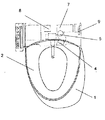
図1のように、便座装置は便器本体1と便座2とからなり、便座2の後部には人体の着座と脱座を検知する着座検知部3と、ヒータ4、送風ファン5及び乾燥温風の吹出し口近傍の温度センサ6からなる乾燥機能部7と、乾燥機能部7等を制御するためのマイクロコンピュータ(図示せず)を備える温度制御部8が配設されている。
(Embodiment 1)
As shown in FIG. 1, the toilet seat device includes a
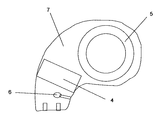
図2は図1の乾燥機能部7を詳細に示している。送風ファン5から流れる冷風がヒータ4を通過することで温風となり、その温風温度を乾燥温風の吹出し口近傍に設置されている温度センサ6が検出する仕組みになっている。
FIG. 2 shows the
以上のように構成された便座装置について、以下その動作、作用を説明する。 About the toilet seat apparatus comprised as mentioned above, the operation | movement and an effect | action are demonstrated below.
図3は、乾燥時においては各室温による便器内温度によって同じヒータ4の通電率によって乾燥を行なった際の時間による乾燥温度の関係である。同じヒータ4の通電率であっても便器内温度に深く影響してしまう。なお、本実施の形態における便器内温度とは、便器と便座装置で囲まれた便器内部の温度のことである。 FIG. 3 shows the relationship of the drying temperature depending on the time when drying is performed at the energization rate of the same heater 4 according to the temperature in the toilet bowl at each room temperature during drying. Even if the energization rate of the same heater 4 is used, the temperature inside the toilet bowl is greatly affected. In the present embodiment, the temperature inside the toilet is the temperature inside the toilet enclosed by the toilet and the toilet seat device.
そこで、ヒータ4の通電率を図4のように温度センサ6により検出された便器内温度によって、ヒータ4の通電初期値を変化させ、乾燥開始後は温度センサ6から検出される実際の乾燥温度により通電率の補正を行なうことで、便器内温度により温風温度の変化に対して補正を行なう事ができる。
Therefore, the initial energization value of the heater 4 is changed according to the temperature in the toilet bowl detected by the
その結果、図5のように便器内温度の高低に関わらず、初期通電率を変更させることにより、実際の乾燥温度を検出できるため、便器内温度が低くても短時間で設定温度まで温風温度を上げることが出来る。 As a result, since the actual drying temperature can be detected by changing the initial energization rate regardless of the level of the toilet interior temperature as shown in FIG. 5, the warm air can reach the set temperature in a short time even when the toilet interior temperature is low. The temperature can be raised.
また、便器内部は便器や人体臀部、洗浄用水に囲まれて形成される空間であるから、便器内温度は室内温度と比較して短時間で急激に変化が起き、その一方で、局部は人体の中でも鋭敏な温度感覚を持っており、乾燥温風の温度変化に敏感である。そこで、図5のように便器内温度に応じて初期通電率を変更させて温風温度の制御を行うことによって、乾燥中は常に一定の温風温度が局部に当たるように制御され、人体にとって快適な乾燥を行うことができる。 In addition, since the inside of the toilet is a space formed by the toilet, the human body, and the washing water, the temperature inside the toilet changes rapidly in a short time compared to the room temperature, while the local area Among them, it has a sensitive temperature sensation and is sensitive to temperature changes of dry hot air. Therefore, by controlling the hot air temperature by changing the initial energization rate according to the temperature in the toilet as shown in FIG. 5, the constant hot air temperature is always applied to the local area during drying, which is comfortable for the human body. Drying can be performed.
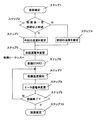
図6は、温度制御部8の制御シーケンスをフローチャートにしたものである。まず、着座検知部3が人体の着座状態を検知する(ステップ1)。
FIG. 6 is a flowchart of the control sequence of the
次に、脱座後一定時間を経過しているかどうか判断を行なう(ステップ2)。なお、脱座後一定時間を経過しているかどうかを判断する理由は、前回の使用者の脱座から一定時間経過していれば乾燥温風等の外的余熱もなくなるが、前回の使用者の脱座から一定時間経過していなければ、乾燥温風で通常よりも温度センサ6の温度が上がっている可能性があるためである。
Next, it is determined whether or not a certain time has elapsed after the sitting (step 2). The reason for determining whether or not a certain time has passed since the departure is that if the fixed time has passed since the previous user's departure, there is no external residual heat such as dry hot air, but the previous user This is because the temperature of the
そして、ステップ2において脱座後一定時間が経過していると判断されれば、便器内温度はこの検出値を用いる(ステップ3)。逆に、ステップ2において脱座後一定時間経過していないと判断されれば、便器内温度の更新を行なわないため、前回便器内温度の更新を行なった検出値を確定値として使用する(ステップ4)。そして、ステップ3、4で確定した便器内温度により、乾燥開始時の前記ヒータ4の初期通電率を変更させる(ステップ5)。
If it is determined in step 2 that a certain time has elapsed after the seating, the detected value is used for the temperature in the toilet bowl (step 3). On the other hand, if it is determined in step 2 that a certain time has not passed since the seating has been completed, the temperature inside the toilet is not updated, and the detected value obtained by updating the temperature in the previous toilet is used as the final value (step 4). Then, the initial energization rate of the heater 4 at the start of drying is changed according to the temperature in the toilet bowl determined in
そして、乾燥シーケンスに移る。乾燥シーケンスとは乾燥が開始されてから乾燥が終了するまでの事であり、本実施においては着座後の洗浄など本実施の制御に関して影響しないものについては記載せず、乾燥シーケンスのみ記載している。なお、乾燥シーケンスは下記に説明するステップ6〜9を指す。
Then, the process proceeds to the drying sequence. The drying sequence refers to the period from the start of drying until the end of drying. In this embodiment, the items that do not affect the control of this operation, such as washing after sitting, are not described, and only the drying sequence is described. . The drying sequence refers to
乾燥が開始されると(ステップ6)、温風温度を温度センサ6により検出し(ステップ7)、検出値に基づきヒータ4の通電率を変更させ、設定温風温度になるよう調整される(ステップ8)。乾燥が終了していなければステップ7に戻り(ステップ9)、再び温度の検出を行い、それによりステップ8で通電率を変化させ、常に温風温度により通電率を変更させる。
When the drying is started (step 6), the hot air temperature is detected by the temperature sensor 6 (step 7), and the energization rate of the heater 4 is changed based on the detected value so as to be adjusted to the set hot air temperature ( Step 8). If the drying has not been completed, the process returns to step 7 (step 9), the temperature is detected again, thereby changing the energization rate in
乾燥が終了して脱座をしていない状態で再度乾燥された場合は、乾燥温風等の外的余熱が考えられるため、便器内温度は着座状態で確定している便器内温度(前回の乾燥と同様)でステップ6に戻り、乾燥を行なう。最後に乾燥が終了して脱座状態を検出する(ステップ10)。 When drying is completed and drying is performed again without taking a seat away, external residual heat such as dry hot air is considered, so the toilet temperature is determined in the seated state (the previous temperature) As in the case of drying), the process returns to step 6 to perform drying. Finally, the drying is completed and the disengaged state is detected (step 10).
なお、ステップ6以降で乾燥開始後に温度センサ6による検出温度変化率が所定範囲内であれば温風吹き出し温度を一定とすることにより、温度センサ6の異常時にも高温等の危険もない。
If the rate of change in temperature detected by the
以上のように、本実施の形態においては、温度センサ6により、便器内温度と実際の乾燥温度を検出できるものであり、便器内温度に関わらず、常に一定の温風温度での乾燥を提供する。
As described above, in the present embodiment, the
(実施の形態2)
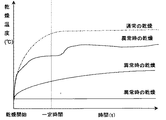
図1のような便器本体1と便座2に対して、図2のように乾燥機能部7の中に温度センサ6がある温度制御部8において、乾燥動作時の温度センサは通常はヒータ4に一定の通電率で乾燥を行なった場合は、図3のように乾燥開始から時間が経ち、温度が一定温度に安定するまではヒータ4に通電する時間とともに増加していく。
(Embodiment 2)
For the
しかし、図7のように乾燥開始後一定時間経過後に検出される乾燥温度が明らかに低い場合や設定値まで上昇せずに一定値で安定してしまった場合は、温度センサ6の異常か、外的障害により温度センサ6の温度が上がらなくなっていると考えられる。この場合は、温度センサ6に障害が生じていると判断できる。
However, if the drying temperature detected after a certain period of time has elapsed since the start of drying as shown in FIG. 7 or if the drying temperature has stabilized at a certain value without increasing to the set value, It is considered that the temperature of the
そこで、図8のように本実施の形態2においては第1の実施の形態で述べた図6のフローチャートにある乾燥シーケンスの温度制御構成に従い、下記に説明するステップ9−1〜ステップ9−3を加えた構成とすることにより、前記温度センサ6による誤動作を回避できる。仕組みとしては、乾燥が開始されてから一定時間時間経過した状態であるかどうかを測定し(ステップ9−1)、設定した乾燥温度に対しての正常な範囲が検出されているかどうかを判定し(ステップ9−2)、異常時であれば温度センサ6の異常として検出して乾燥を終了する(ステップ9−3)。
Therefore, in the second embodiment as shown in FIG. 8, in accordance with the temperature control configuration of the drying sequence in the flowchart of FIG. 6 described in the first embodiment, step 9-1 to step 9-3 described below are performed. By adopting the configuration, the malfunction due to the
なお、ステップ9−2で述べた正常な範囲とは、ヒータ4の通電率の変化に対しての変化率、温度センサ6で検出される温度(温度センサ6両端にかかる電圧値、AD値など)が、設定温度に対して想定される範囲であることを示す。
Note that the normal range described in step 9-2 includes the rate of change with respect to the change in the energization rate of the heater 4, the temperature detected by the temperature sensor 6 (the voltage value across the
以上の説明から明らかなように本発明によれば、次の効果が得られる。 As is apparent from the above description, according to the present invention, the following effects can be obtained.
本発明の便座装置は、1つの温度センサで便器内温度と乾燥動作時の実際の乾燥温度を検出する2つの温度検出を行う事ができる。 The toilet seat device of the present invention can perform two temperature detections for detecting the temperature inside the toilet and the actual drying temperature during the drying operation with one temperature sensor.
これにより、室温に対して類推した乾燥温度制御による実際の乾燥温度が不明確になることも、2つの温度センサを用いて室温と実際の乾燥温度を検出する必要もない。 Thus, the actual drying temperature by the drying temperature control analogy to the room temperature becomes unclear, and it is not necessary to detect the room temperature and the actual drying temperature using the two temperature sensors.
また、便器内温度の検出を脱座から所定時間が経過するまで温度の検出を行わないことにより、外的影響をなくした正確な便器内温度の検出をする事ができる。 In addition, since the temperature in the toilet bowl is not detected until a predetermined time has elapsed since the sitting, the temperature in the toilet bowl can be accurately detected without any external influence.
さらに、使用者が着座した際に現在の便器内温度を確定させる事により、使用者が使用する直前までの便器内温度を外的影響のない使用直前の状態で得ることができる。 Further, by determining the current toilet temperature when the user is seated, the toilet temperature immediately before use by the user can be obtained in a state immediately before use without any external influence.
それにより、検出された便器内温度によって乾燥動作開始時の初期通電率を変更させ、いかなる便器内温度であっても一定の温風温度での乾燥を行うことができる。 Thereby, the initial energization rate at the start of the drying operation is changed according to the detected toilet temperature, and drying at a constant hot air temperature can be performed at any toilet temperature.
ここで、使用者が乾燥後に再度乾燥をした場合、また、脱座後に一定時間経過前に着座して乾燥を使用した場合でも、室温自体の変化は少ないために便器内温度の変化も少なく、便器内温度の更新は行なわれず、温度センサを乾燥内部にあるために生じる余熱の影響を回避することができる。 Here, even when the user dries again after drying, or when sitting and using drying after elapse of a certain time after sitting, the change in the temperature in the toilet is small because the change in room temperature itself is small, The temperature in the toilet bowl is not updated, and the influence of the residual heat generated because the temperature sensor is inside the drying can be avoided.
また、温度センサが何らかの障害で故障してしまい、乾燥開始時から乾燥温度検出値が変化しなかった場合、ヒータを一定の通電率にすることで温度センサ故障による危険を防止することができる。それに加えて乾燥温度検知により便器内温度も異常値であることが発見でき、温度センサの故障、異常を容易に発見することができる。 Further, when the temperature sensor fails due to some trouble and the drying temperature detection value does not change from the start of drying, it is possible to prevent the danger due to the temperature sensor failure by setting the heater to a constant energization rate. In addition, the temperature inside the toilet can be found to be an abnormal value by detecting the drying temperature, and a failure or abnormality of the temperature sensor can be easily found.
なお、ここに挙げた第1の実施の形態、及び第2の本実施の形態において制御方法はこれに限るものではなく、本発明の範囲を逸脱することなく種々の変形又は修正が可能である。 In the first embodiment and the second embodiment described here, the control method is not limited to this, and various changes or modifications can be made without departing from the scope of the present invention. .
以上のように、本発明にかかる便座装置は1つの温度センサで室温と乾燥動作時の実際の乾燥温度を検出する2つの温度検出を行う事ができ、乾燥機能を有する便座装置に適用できる。 As described above, the toilet seat device according to the present invention can perform two temperature detections for detecting the room temperature and the actual drying temperature during the drying operation with one temperature sensor, and can be applied to a toilet seat device having a drying function.
1 便器本体
2 便座
3 着座検知部
4 ヒータ
5 送風ファン
6 温度センサ
7 乾燥機能部
8 温度制御部
9 室温センサ
DESCRIPTION OF
Claims (6)
Priority Applications (1)
| Application Number | Priority Date | Filing Date | Title |
|---|---|---|---|
| JP2005046757A JP2006233473A (en) | 2005-02-23 | 2005-02-23 | Toilet seat device |
Applications Claiming Priority (1)
| Application Number | Priority Date | Filing Date | Title |
|---|---|---|---|
| JP2005046757A JP2006233473A (en) | 2005-02-23 | 2005-02-23 | Toilet seat device |
Publications (1)
| Publication Number | Publication Date |
|---|---|
| JP2006233473A true JP2006233473A (en) | 2006-09-07 |
Family
ID=37041438
Family Applications (1)
| Application Number | Title | Priority Date | Filing Date |
|---|---|---|---|
| JP2005046757A Pending JP2006233473A (en) | 2005-02-23 | 2005-02-23 | Toilet seat device |
Country Status (1)
| Country | Link |
|---|---|
| JP (1) | JP2006233473A (en) |
Cited By (5)
| Publication number | Priority date | Publication date | Assignee | Title |
|---|---|---|---|---|
| JP2011056086A (en) * | 2009-09-11 | 2011-03-24 | Panasonic Corp | Sanitary bidet device |
| JP2011115656A (en) * | 2011-03-22 | 2011-06-16 | Panasonic Corp | Sanitary washing device |
| JP2011143264A (en) * | 2011-03-22 | 2011-07-28 | Panasonic Corp | Sanitary washing device |
| CN105942916A (en) * | 2016-06-30 | 2016-09-21 | 绵阳福乐明科技有限公司 | Intelligent toilet lid with drying unit |
| CN108968763A (en) * | 2018-07-05 | 2018-12-11 | 深圳和而泰数据资源与云技术有限公司 | A kind of control method and intelligent closestool of intelligent closestool |
Citations (7)
| Publication number | Priority date | Publication date | Assignee | Title |
|---|---|---|---|---|
| JPS60175637A (en) * | 1984-02-23 | 1985-09-09 | アイシン精機株式会社 | Human body puvic drying apparatus |
| JPH05339972A (en) * | 1992-06-11 | 1993-12-21 | Toto Ltd | Private-part washer |
| JPH0614849A (en) * | 1992-06-30 | 1994-01-25 | Toto Ltd | Hot air dryer |
| JPH07102614A (en) * | 1993-10-01 | 1995-04-18 | Inax Corp | Closet |
| JPH10296216A (en) * | 1997-02-25 | 1998-11-10 | Matsushita Electric Works Ltd | Garbage disposal equipment |
| JP2001325002A (en) * | 2000-05-15 | 2001-11-22 | Inax Corp | Method for controlling electrical equipment |
| JP2003515694A (en) * | 1999-12-03 | 2003-05-07 | ローベルト ボツシユ ゲゼルシヤフト ミツト ベシユレンクテル ハフツング | How to detect erroneous sensors |
-
2005
- 2005-02-23 JP JP2005046757A patent/JP2006233473A/en active Pending
Patent Citations (7)
| Publication number | Priority date | Publication date | Assignee | Title |
|---|---|---|---|---|
| JPS60175637A (en) * | 1984-02-23 | 1985-09-09 | アイシン精機株式会社 | Human body puvic drying apparatus |
| JPH05339972A (en) * | 1992-06-11 | 1993-12-21 | Toto Ltd | Private-part washer |
| JPH0614849A (en) * | 1992-06-30 | 1994-01-25 | Toto Ltd | Hot air dryer |
| JPH07102614A (en) * | 1993-10-01 | 1995-04-18 | Inax Corp | Closet |
| JPH10296216A (en) * | 1997-02-25 | 1998-11-10 | Matsushita Electric Works Ltd | Garbage disposal equipment |
| JP2003515694A (en) * | 1999-12-03 | 2003-05-07 | ローベルト ボツシユ ゲゼルシヤフト ミツト ベシユレンクテル ハフツング | How to detect erroneous sensors |
| JP2001325002A (en) * | 2000-05-15 | 2001-11-22 | Inax Corp | Method for controlling electrical equipment |
Cited By (6)
| Publication number | Priority date | Publication date | Assignee | Title |
|---|---|---|---|---|
| JP2011056086A (en) * | 2009-09-11 | 2011-03-24 | Panasonic Corp | Sanitary bidet device |
| JP2011115656A (en) * | 2011-03-22 | 2011-06-16 | Panasonic Corp | Sanitary washing device |
| JP2011143264A (en) * | 2011-03-22 | 2011-07-28 | Panasonic Corp | Sanitary washing device |
| CN105942916A (en) * | 2016-06-30 | 2016-09-21 | 绵阳福乐明科技有限公司 | Intelligent toilet lid with drying unit |
| CN108968763A (en) * | 2018-07-05 | 2018-12-11 | 深圳和而泰数据资源与云技术有限公司 | A kind of control method and intelligent closestool of intelligent closestool |
| CN108968763B (en) * | 2018-07-05 | 2024-05-31 | 深圳和而泰智能家电控制器有限公司 | A control method for smart toilet and smart toilet |
Similar Documents
| Publication | Publication Date | Title |
|---|---|---|
| JP7400928B2 (en) | air conditioning system | |
| JP2011055859A (en) | Hand dryer | |
| CN107861539A (en) | Toilet bowl control method, controller and storage medium | |
| JP2006233473A (en) | Toilet seat device | |
| KR102209212B1 (en) | Air conditioning system for automotive vehicles | |
| JP2015137818A (en) | Heat source machine and bath equipment | |
| JP2018031725A (en) | Human detection device | |
| CN105082929A (en) | Air conditioning system for motor vehicles | |
| KR101950254B1 (en) | Intelligent car seat for sensing absence of passenger | |
| JP2001348936A (en) | Toilet equipment | |
| JP6618032B2 (en) | Toilet equipment | |
| JPH07102614A (en) | Closet | |
| JP6223818B2 (en) | Intake heater temperature estimation device and engine start assist system | |
| JP7114024B2 (en) | toilet seat device | |
| JP2008216376A (en) | Temperature control apparatus for fixing unit and image forming apparatus | |
| JP2020033830A (en) | Sanitary washing equipment | |
| JP3975304B2 (en) | Electric water heater air blow prevention device | |
| CN104875581B (en) | The vehicle intelligent champignon system that a kind of heat cycles is controlled | |
| JP2007024329A (en) | Surface heating device | |
| KR20170026836A (en) | Remote control system for seat hot wire and smart remote control method using the same | |
| JP2005137556A (en) | Toilet equipment | |
| JP2005139717A (en) | Toilet equipment | |
| JP3358251B2 (en) | Toilet equipment | |
| JP2000129753A (en) | Seated condition detection device for toilet seat | |
| JP7104889B2 (en) | Heated toilet seat device |
Legal Events
| Date | Code | Title | Description |
|---|---|---|---|
| A621 | Written request for application examination |
Free format text: JAPANESE INTERMEDIATE CODE: A621 Effective date: 20071112 |
|
| RD01 | Notification of change of attorney |
Free format text: JAPANESE INTERMEDIATE CODE: A7421 Effective date: 20071212 |
|
| RD01 | Notification of change of attorney |
Free format text: JAPANESE INTERMEDIATE CODE: A7421 Effective date: 20091120 |
|
| A977 | Report on retrieval |
Free format text: JAPANESE INTERMEDIATE CODE: A971007 Effective date: 20100317 |
|
| A131 | Notification of reasons for refusal |
Free format text: JAPANESE INTERMEDIATE CODE: A131 Effective date: 20100413 |
|
| A521 | Request for written amendment filed |
Free format text: JAPANESE INTERMEDIATE CODE: A523 Effective date: 20100519 |
|
| A131 | Notification of reasons for refusal |
Free format text: JAPANESE INTERMEDIATE CODE: A131 Effective date: 20101124 |
|
| A521 | Request for written amendment filed |
Free format text: JAPANESE INTERMEDIATE CODE: A523 Effective date: 20110111 |
|
| A02 | Decision of refusal |
Free format text: JAPANESE INTERMEDIATE CODE: A02 Effective date: 20110215 |