JP2006268024A - Method for replenishing development replenisher in automatic developing device for photosensitive lithographic printing plate and automatic developing device therefor - Google Patents
Method for replenishing development replenisher in automatic developing device for photosensitive lithographic printing plate and automatic developing device therefor Download PDFInfo
- Publication number
- JP2006268024A JP2006268024A JP2006039807A JP2006039807A JP2006268024A JP 2006268024 A JP2006268024 A JP 2006268024A JP 2006039807 A JP2006039807 A JP 2006039807A JP 2006039807 A JP2006039807 A JP 2006039807A JP 2006268024 A JP2006268024 A JP 2006268024A
- Authority
- JP
- Japan
- Prior art keywords
- developer
- replenishment
- value
- replenisher
- conductivity
- Prior art date
- Legal status (The legal status is an assumption and is not a legal conclusion. Google has not performed a legal analysis and makes no representation as to the accuracy of the status listed.)
- Pending
Links
- 238000000034 method Methods 0.000 title claims abstract description 198
- 238000007639 printing Methods 0.000 title claims abstract description 93
- 238000011161 development Methods 0.000 title claims abstract description 77
- 238000012545 processing Methods 0.000 claims abstract description 130
- 238000004364 calculation method Methods 0.000 claims description 24
- 230000000694 effects Effects 0.000 claims description 17
- 239000003792 electrolyte Substances 0.000 claims description 17
- 230000036962 time dependent Effects 0.000 claims description 12
- 230000007423 decrease Effects 0.000 claims description 9
- 239000007788 liquid Substances 0.000 abstract description 80
- 230000035945 sensitivity Effects 0.000 abstract description 25
- 230000008859 change Effects 0.000 abstract description 7
- 230000001965 increasing effect Effects 0.000 abstract description 5
- 230000003247 decreasing effect Effects 0.000 abstract description 4
- -1 alkyl glycosides Chemical class 0.000 description 140
- 239000010410 layer Substances 0.000 description 130
- 150000001875 compounds Chemical class 0.000 description 111
- XLYOFNOQVPJJNP-UHFFFAOYSA-N water Substances O XLYOFNOQVPJJNP-UHFFFAOYSA-N 0.000 description 75
- 229920000642 polymer Polymers 0.000 description 70
- 229920001223 polyethylene glycol Polymers 0.000 description 69
- 239000004793 Polystyrene Substances 0.000 description 68
- 239000002202 Polyethylene glycol Substances 0.000 description 65
- 239000000243 solution Substances 0.000 description 64
- 230000018109 developmental process Effects 0.000 description 63
- 239000000975 dye Substances 0.000 description 53
- 238000005406 washing Methods 0.000 description 53
- 229910052782 aluminium Inorganic materials 0.000 description 52
- 239000000178 monomer Substances 0.000 description 49
- 230000008569 process Effects 0.000 description 45
- 238000011282 treatment Methods 0.000 description 45
- XAGFODPZIPBFFR-UHFFFAOYSA-N aluminium Chemical compound [Al] XAGFODPZIPBFFR-UHFFFAOYSA-N 0.000 description 43
- 229920005989 resin Polymers 0.000 description 41
- 239000011347 resin Substances 0.000 description 41
- 239000000203 mixture Substances 0.000 description 40
- 229920001451 polypropylene glycol Polymers 0.000 description 36
- ISWSIDIOOBJBQZ-UHFFFAOYSA-N Phenol Natural products OC1=CC=CC=C1 ISWSIDIOOBJBQZ-UHFFFAOYSA-N 0.000 description 34
- 238000000576 coating method Methods 0.000 description 34
- 239000011248 coating agent Substances 0.000 description 33
- WSFSSNUMVMOOMR-UHFFFAOYSA-N Formaldehyde Chemical compound O=C WSFSSNUMVMOOMR-UHFFFAOYSA-N 0.000 description 32
- 239000002253 acid Substances 0.000 description 32
- 125000004432 carbon atom Chemical group C* 0.000 description 32
- 239000000463 material Substances 0.000 description 30
- OKKJLVBELUTLKV-UHFFFAOYSA-N Methanol Chemical compound OC OKKJLVBELUTLKV-UHFFFAOYSA-N 0.000 description 27
- 239000007864 aqueous solution Substances 0.000 description 27
- 150000003839 salts Chemical class 0.000 description 26
- 229920001577 copolymer Polymers 0.000 description 23
- 229910052751 metal Inorganic materials 0.000 description 22
- 239000011550 stock solution Substances 0.000 description 22
- 230000032258 transport Effects 0.000 description 22
- KWYUFKZDYYNOTN-UHFFFAOYSA-M Potassium hydroxide Chemical compound [OH-].[K+] KWYUFKZDYYNOTN-UHFFFAOYSA-M 0.000 description 21
- HEMHJVSKTPXQMS-UHFFFAOYSA-M Sodium hydroxide Chemical compound [OH-].[Na+] HEMHJVSKTPXQMS-UHFFFAOYSA-M 0.000 description 21
- 125000004429 atom Chemical group 0.000 description 21
- 239000003085 diluting agent Substances 0.000 description 21
- 239000002184 metal Substances 0.000 description 21
- 125000002887 hydroxy group Chemical group [H]O* 0.000 description 20
- 125000000217 alkyl group Chemical group 0.000 description 19
- ZWEHNKRNPOVVGH-UHFFFAOYSA-N 2-Butanone Chemical compound CCC(C)=O ZWEHNKRNPOVVGH-UHFFFAOYSA-N 0.000 description 18
- 238000001035 drying Methods 0.000 description 18
- 150000002148 esters Chemical class 0.000 description 18
- 238000003780 insertion Methods 0.000 description 18
- 238000007788 roughening Methods 0.000 description 18
- 238000005507 spraying Methods 0.000 description 18
- CURLTUGMZLYLDI-UHFFFAOYSA-N Carbon dioxide Chemical compound O=C=O CURLTUGMZLYLDI-UHFFFAOYSA-N 0.000 description 17
- 239000003513 alkali Substances 0.000 description 17
- 239000007787 solid Substances 0.000 description 17
- 239000000126 substance Substances 0.000 description 17
- 125000001424 substituent group Chemical group 0.000 description 17
- 125000003118 aryl group Chemical group 0.000 description 16
- 239000003795 chemical substances by application Substances 0.000 description 16
- 230000037431 insertion Effects 0.000 description 16
- 238000003860 storage Methods 0.000 description 16
- QGZKDVFQNNGYKY-UHFFFAOYSA-O Ammonium Chemical compound [NH4+] QGZKDVFQNNGYKY-UHFFFAOYSA-O 0.000 description 14
- QAOWNCQODCNURD-UHFFFAOYSA-N Sulfuric acid Chemical compound OS(O)(=O)=O QAOWNCQODCNURD-UHFFFAOYSA-N 0.000 description 14
- 125000003178 carboxy group Chemical group [H]OC(*)=O 0.000 description 14
- 239000002699 waste material Substances 0.000 description 14
- 238000010790 dilution Methods 0.000 description 13
- 239000012895 dilution Substances 0.000 description 13
- 125000004435 hydrogen atom Chemical group [H]* 0.000 description 13
- 230000001603 reducing effect Effects 0.000 description 13
- 239000004094 surface-active agent Substances 0.000 description 13
- 230000014509 gene expression Effects 0.000 description 12
- 239000007921 spray Substances 0.000 description 12
- 125000000565 sulfonamide group Chemical group 0.000 description 12
- GRYLNZFGIOXLOG-UHFFFAOYSA-N Nitric acid Chemical compound O[N+]([O-])=O GRYLNZFGIOXLOG-UHFFFAOYSA-N 0.000 description 11
- 229920003171 Poly (ethylene oxide) Polymers 0.000 description 11
- 239000000654 additive Substances 0.000 description 11
- 238000005259 measurement Methods 0.000 description 11
- 229910017604 nitric acid Inorganic materials 0.000 description 11
- 239000004698 Polyethylene Substances 0.000 description 10
- 239000003921 oil Substances 0.000 description 10
- 238000006116 polymerization reaction Methods 0.000 description 10
- 235000000346 sugar Nutrition 0.000 description 10
- NIXOWILDQLNWCW-UHFFFAOYSA-M Acrylate Chemical compound [O-]C(=O)C=C NIXOWILDQLNWCW-UHFFFAOYSA-M 0.000 description 9
- LFQSCWFLJHTTHZ-UHFFFAOYSA-N Ethanol Chemical compound CCO LFQSCWFLJHTTHZ-UHFFFAOYSA-N 0.000 description 9
- ZMANZCXQSJIPKH-UHFFFAOYSA-N Triethylamine Chemical compound CCN(CC)CC ZMANZCXQSJIPKH-UHFFFAOYSA-N 0.000 description 9
- 229940048053 acrylate Drugs 0.000 description 9
- 125000001931 aliphatic group Chemical group 0.000 description 9
- 239000011230 binding agent Substances 0.000 description 9
- 125000005462 imide group Chemical group 0.000 description 9
- 229920000573 polyethylene Polymers 0.000 description 9
- 230000002829 reductive effect Effects 0.000 description 9
- QGKMIGUHVLGJBR-UHFFFAOYSA-M (4z)-1-(3-methylbutyl)-4-[[1-(3-methylbutyl)quinolin-1-ium-4-yl]methylidene]quinoline;iodide Chemical compound [I-].C12=CC=CC=C2N(CCC(C)C)C=CC1=CC1=CC=[N+](CCC(C)C)C2=CC=CC=C12 QGKMIGUHVLGJBR-UHFFFAOYSA-M 0.000 description 8
- CERQOIWHTDAKMF-UHFFFAOYSA-N Methacrylic acid Chemical compound CC(=C)C(O)=O CERQOIWHTDAKMF-UHFFFAOYSA-N 0.000 description 8
- NBIIXXVUZAFLBC-UHFFFAOYSA-N Phosphoric acid Chemical compound OP(O)(O)=O NBIIXXVUZAFLBC-UHFFFAOYSA-N 0.000 description 8
- 229910052910 alkali metal silicate Inorganic materials 0.000 description 8
- 125000002947 alkylene group Chemical group 0.000 description 8
- 239000001569 carbon dioxide Substances 0.000 description 8
- 229910002092 carbon dioxide Inorganic materials 0.000 description 8
- 238000001514 detection method Methods 0.000 description 8
- RTZKZFJDLAIYFH-UHFFFAOYSA-N ether Substances CCOCC RTZKZFJDLAIYFH-UHFFFAOYSA-N 0.000 description 8
- BWHMMNNQKKPAPP-UHFFFAOYSA-L potassium carbonate Chemical compound [K+].[K+].[O-]C([O-])=O BWHMMNNQKKPAPP-UHFFFAOYSA-L 0.000 description 8
- 239000000047 product Substances 0.000 description 8
- 238000011144 upstream manufacturing Methods 0.000 description 8
- KXGFMDJXCMQABM-UHFFFAOYSA-N 2-methoxy-6-methylphenol Chemical compound [CH]OC1=CC=CC([CH])=C1O KXGFMDJXCMQABM-UHFFFAOYSA-N 0.000 description 7
- FBPFZTCFMRRESA-JGWLITMVSA-N D-glucitol Chemical compound OC[C@H](O)[C@@H](O)[C@H](O)[C@H](O)CO FBPFZTCFMRRESA-JGWLITMVSA-N 0.000 description 7
- VEXZGXHMUGYJMC-UHFFFAOYSA-N Hydrochloric acid Chemical compound Cl VEXZGXHMUGYJMC-UHFFFAOYSA-N 0.000 description 7
- XEEYBQQBJWHFJM-UHFFFAOYSA-N Iron Chemical compound [Fe] XEEYBQQBJWHFJM-UHFFFAOYSA-N 0.000 description 7
- 230000000996 additive effect Effects 0.000 description 7
- 230000032683 aging Effects 0.000 description 7
- HRBFQSUTUDRTSV-UHFFFAOYSA-N benzene-1,2,3-triol;propan-2-one Chemical compound CC(C)=O.OC1=CC=CC(O)=C1O HRBFQSUTUDRTSV-UHFFFAOYSA-N 0.000 description 7
- 238000007334 copolymerization reaction Methods 0.000 description 7
- 235000014113 dietary fatty acids Nutrition 0.000 description 7
- 239000000194 fatty acid Substances 0.000 description 7
- 229930195729 fatty acid Natural products 0.000 description 7
- 239000002736 nonionic surfactant Substances 0.000 description 7
- 229920001568 phenolic resin Polymers 0.000 description 7
- 150000003254 radicals Chemical class 0.000 description 7
- 235000011121 sodium hydroxide Nutrition 0.000 description 7
- 239000002904 solvent Substances 0.000 description 7
- ARXJGSRGQADJSQ-UHFFFAOYSA-N 1-methoxypropan-2-ol Chemical compound COCC(C)O ARXJGSRGQADJSQ-UHFFFAOYSA-N 0.000 description 6
- SMZOUWXMTYCWNB-UHFFFAOYSA-N 2-(2-methoxy-5-methylphenyl)ethanamine Chemical compound COC1=CC=C(C)C=C1CCN SMZOUWXMTYCWNB-UHFFFAOYSA-N 0.000 description 6
- NIXOWILDQLNWCW-UHFFFAOYSA-N 2-Propenoic acid Natural products OC(=O)C=C NIXOWILDQLNWCW-UHFFFAOYSA-N 0.000 description 6
- NLHHRLWOUZZQLW-UHFFFAOYSA-N Acrylonitrile Chemical compound C=CC#N NLHHRLWOUZZQLW-UHFFFAOYSA-N 0.000 description 6
- YCKRFDGAMUMZLT-UHFFFAOYSA-N Fluorine atom Chemical compound [F] YCKRFDGAMUMZLT-UHFFFAOYSA-N 0.000 description 6
- 239000004677 Nylon Substances 0.000 description 6
- 239000006096 absorbing agent Substances 0.000 description 6
- 230000002378 acidificating effect Effects 0.000 description 6
- 239000000987 azo dye Substances 0.000 description 6
- 239000002585 base Substances 0.000 description 6
- 238000006243 chemical reaction Methods 0.000 description 6
- USIUVYZYUHIAEV-UHFFFAOYSA-N diphenyl ether Chemical compound C=1C=CC=CC=1OC1=CC=CC=C1 USIUVYZYUHIAEV-UHFFFAOYSA-N 0.000 description 6
- 238000005530 etching Methods 0.000 description 6
- 229910052731 fluorine Inorganic materials 0.000 description 6
- 239000011737 fluorine Substances 0.000 description 6
- 125000005843 halogen group Chemical group 0.000 description 6
- 230000002401 inhibitory effect Effects 0.000 description 6
- 230000005764 inhibitory process Effects 0.000 description 6
- 239000011777 magnesium Substances 0.000 description 6
- 229920001778 nylon Polymers 0.000 description 6
- PNJWIWWMYCMZRO-UHFFFAOYSA-N pent‐4‐en‐2‐one Natural products CC(=O)CC=C PNJWIWWMYCMZRO-UHFFFAOYSA-N 0.000 description 6
- 238000005498 polishing Methods 0.000 description 6
- 150000003242 quaternary ammonium salts Chemical class 0.000 description 6
- 239000011734 sodium Substances 0.000 description 6
- QTWJRLJHJPIABL-UHFFFAOYSA-N 2-methylphenol;3-methylphenol;4-methylphenol Chemical compound CC1=CC=C(O)C=C1.CC1=CC=CC(O)=C1.CC1=CC=CC=C1O QTWJRLJHJPIABL-UHFFFAOYSA-N 0.000 description 5
- OKTJSMMVPCPJKN-UHFFFAOYSA-N Carbon Chemical compound [C] OKTJSMMVPCPJKN-UHFFFAOYSA-N 0.000 description 5
- KCXVZYZYPLLWCC-UHFFFAOYSA-N EDTA Chemical compound OC(=O)CN(CC(O)=O)CCN(CC(O)=O)CC(O)=O KCXVZYZYPLLWCC-UHFFFAOYSA-N 0.000 description 5
- JOYRKODLDBILNP-UHFFFAOYSA-N Ethyl urethane Chemical compound CCOC(N)=O JOYRKODLDBILNP-UHFFFAOYSA-N 0.000 description 5
- DGAQECJNVWCQMB-PUAWFVPOSA-M Ilexoside XXIX Chemical compound C[C@@H]1CC[C@@]2(CC[C@@]3(C(=CC[C@H]4[C@]3(CC[C@@H]5[C@@]4(CC[C@@H](C5(C)C)OS(=O)(=O)[O-])C)C)[C@@H]2[C@]1(C)O)C)C(=O)O[C@H]6[C@@H]([C@H]([C@@H]([C@H](O6)CO)O)O)O.[Na+] DGAQECJNVWCQMB-PUAWFVPOSA-M 0.000 description 5
- PXHVJJICTQNCMI-UHFFFAOYSA-N Nickel Chemical compound [Ni] PXHVJJICTQNCMI-UHFFFAOYSA-N 0.000 description 5
- 239000004743 Polypropylene Substances 0.000 description 5
- 235000010724 Wisteria floribunda Nutrition 0.000 description 5
- 125000003342 alkenyl group Chemical group 0.000 description 5
- 150000003863 ammonium salts Chemical class 0.000 description 5
- 239000002280 amphoteric surfactant Substances 0.000 description 5
- 238000007743 anodising Methods 0.000 description 5
- 229910052799 carbon Inorganic materials 0.000 description 5
- 150000001735 carboxylic acids Chemical class 0.000 description 5
- 150000001768 cations Chemical class 0.000 description 5
- 229930003836 cresol Natural products 0.000 description 5
- 239000012954 diazonium Substances 0.000 description 5
- 238000007865 diluting Methods 0.000 description 5
- 238000004090 dissolution Methods 0.000 description 5
- 229920001971 elastomer Polymers 0.000 description 5
- VOOLKNUJNPZAHE-UHFFFAOYSA-N formaldehyde;2-methylphenol Chemical compound O=C.CC1=CC=CC=C1O VOOLKNUJNPZAHE-UHFFFAOYSA-N 0.000 description 5
- 229930182470 glycoside Natural products 0.000 description 5
- 239000003999 initiator Substances 0.000 description 5
- 229910052749 magnesium Inorganic materials 0.000 description 5
- FQPSGWSUVKBHSU-UHFFFAOYSA-N methacrylamide Chemical compound CC(=C)C(N)=O FQPSGWSUVKBHSU-UHFFFAOYSA-N 0.000 description 5
- BPCNEKWROYSOLT-UHFFFAOYSA-N n-phenylprop-2-enamide Chemical compound C=CC(=O)NC1=CC=CC=C1 BPCNEKWROYSOLT-UHFFFAOYSA-N 0.000 description 5
- 150000002894 organic compounds Chemical class 0.000 description 5
- 229920000620 organic polymer Polymers 0.000 description 5
- 239000003960 organic solvent Substances 0.000 description 5
- 229920001155 polypropylene Polymers 0.000 description 5
- 229910052708 sodium Inorganic materials 0.000 description 5
- 150000005846 sugar alcohols Chemical class 0.000 description 5
- LWIHDJKSTIGBAC-UHFFFAOYSA-K tripotassium phosphate Chemical compound [K+].[K+].[K+].[O-]P([O-])([O-])=O LWIHDJKSTIGBAC-UHFFFAOYSA-K 0.000 description 5
- QQVDJLLNRSOCEL-UHFFFAOYSA-N (2-aminoethyl)phosphonic acid Chemical compound [NH3+]CCP(O)([O-])=O QQVDJLLNRSOCEL-UHFFFAOYSA-N 0.000 description 4
- KETQAJRQOHHATG-UHFFFAOYSA-N 1,2-naphthoquinone Chemical compound C1=CC=C2C(=O)C(=O)C=CC2=C1 KETQAJRQOHHATG-UHFFFAOYSA-N 0.000 description 4
- CMCBDXRRFKYBDG-UHFFFAOYSA-N 1-dodecoxydodecane Chemical compound CCCCCCCCCCCCOCCCCCCCCCCCC CMCBDXRRFKYBDG-UHFFFAOYSA-N 0.000 description 4
- UZKWTJUDCOPSNM-UHFFFAOYSA-N 1-ethenoxybutane Chemical compound CCCCOC=C UZKWTJUDCOPSNM-UHFFFAOYSA-N 0.000 description 4
- JLIDVCMBCGBIEY-UHFFFAOYSA-N 1-penten-3-one Chemical compound CCC(=O)C=C JLIDVCMBCGBIEY-UHFFFAOYSA-N 0.000 description 4
- XKRFYHLGVUSROY-UHFFFAOYSA-N Argon Chemical compound [Ar] XKRFYHLGVUSROY-UHFFFAOYSA-N 0.000 description 4
- LSNNMFCWUKXFEE-UHFFFAOYSA-M Bisulfite Chemical compound OS([O-])=O LSNNMFCWUKXFEE-UHFFFAOYSA-M 0.000 description 4
- KAKZBPTYRLMSJV-UHFFFAOYSA-N Butadiene Chemical compound C=CC=C KAKZBPTYRLMSJV-UHFFFAOYSA-N 0.000 description 4
- SOGAXMICEFXMKE-UHFFFAOYSA-N Butylmethacrylate Chemical compound CCCCOC(=O)C(C)=C SOGAXMICEFXMKE-UHFFFAOYSA-N 0.000 description 4
- RPNUMPOLZDHAAY-UHFFFAOYSA-N Diethylenetriamine Chemical compound NCCNCCN RPNUMPOLZDHAAY-UHFFFAOYSA-N 0.000 description 4
- JIGUQPWFLRLWPJ-UHFFFAOYSA-N Ethyl acrylate Chemical compound CCOC(=O)C=C JIGUQPWFLRLWPJ-UHFFFAOYSA-N 0.000 description 4
- QUSNBJAOOMFDIB-UHFFFAOYSA-N Ethylamine Chemical compound CCN QUSNBJAOOMFDIB-UHFFFAOYSA-N 0.000 description 4
- DHMQDGOQFOQNFH-UHFFFAOYSA-N Glycine Chemical compound NCC(O)=O DHMQDGOQFOQNFH-UHFFFAOYSA-N 0.000 description 4
- RRHGJUQNOFWUDK-UHFFFAOYSA-N Isoprene Chemical compound CC(=C)C=C RRHGJUQNOFWUDK-UHFFFAOYSA-N 0.000 description 4
- FYYHWMGAXLPEAU-UHFFFAOYSA-N Magnesium Chemical compound [Mg] FYYHWMGAXLPEAU-UHFFFAOYSA-N 0.000 description 4
- BAPJBEWLBFYGME-UHFFFAOYSA-N Methyl acrylate Chemical compound COC(=O)C=C BAPJBEWLBFYGME-UHFFFAOYSA-N 0.000 description 4
- BAVYZALUXZFZLV-UHFFFAOYSA-N Methylamine Chemical compound NC BAVYZALUXZFZLV-UHFFFAOYSA-N 0.000 description 4
- YNAVUWVOSKDBBP-UHFFFAOYSA-N Morpholine Chemical compound C1COCCN1 YNAVUWVOSKDBBP-UHFFFAOYSA-N 0.000 description 4
- 229910019142 PO4 Inorganic materials 0.000 description 4
- 239000004372 Polyvinyl alcohol Substances 0.000 description 4
- JUJWROOIHBZHMG-UHFFFAOYSA-N Pyridine Chemical compound C1=CC=NC=C1 JUJWROOIHBZHMG-UHFFFAOYSA-N 0.000 description 4
- 229910004298 SiO 2 Inorganic materials 0.000 description 4
- 239000004115 Sodium Silicate Substances 0.000 description 4
- PPBRXRYQALVLMV-UHFFFAOYSA-N Styrene Chemical compound C=CC1=CC=CC=C1 PPBRXRYQALVLMV-UHFFFAOYSA-N 0.000 description 4
- 150000008065 acid anhydrides Chemical class 0.000 description 4
- 150000001252 acrylic acid derivatives Chemical class 0.000 description 4
- 125000003545 alkoxy group Chemical group 0.000 description 4
- 150000005215 alkyl ethers Chemical class 0.000 description 4
- 229910000147 aluminium phosphate Inorganic materials 0.000 description 4
- 150000008064 anhydrides Chemical class 0.000 description 4
- 239000012298 atmosphere Substances 0.000 description 4
- FUSUHKVFWTUUBE-UHFFFAOYSA-N buten-2-one Chemical compound CC(=O)C=C FUSUHKVFWTUUBE-UHFFFAOYSA-N 0.000 description 4
- 239000011575 calcium Substances 0.000 description 4
- 239000007795 chemical reaction product Substances 0.000 description 4
- 230000000052 comparative effect Effects 0.000 description 4
- 229910052802 copper Inorganic materials 0.000 description 4
- 239000010949 copper Substances 0.000 description 4
- 238000010586 diagram Methods 0.000 description 4
- 150000001989 diazonium salts Chemical class 0.000 description 4
- 230000005611 electricity Effects 0.000 description 4
- 125000006575 electron-withdrawing group Chemical group 0.000 description 4
- 230000007613 environmental effect Effects 0.000 description 4
- FJKIXWOMBXYWOQ-UHFFFAOYSA-N ethenoxyethane Chemical compound CCOC=C FJKIXWOMBXYWOQ-UHFFFAOYSA-N 0.000 description 4
- SUPCQIBBMFXVTL-UHFFFAOYSA-N ethyl 2-methylprop-2-enoate Chemical compound CCOC(=O)C(C)=C SUPCQIBBMFXVTL-UHFFFAOYSA-N 0.000 description 4
- 238000010438 heat treatment Methods 0.000 description 4
- 125000000623 heterocyclic group Chemical group 0.000 description 4
- JTHNLKXLWOXOQK-UHFFFAOYSA-N hex-1-en-3-one Chemical compound CCCC(=O)C=C JTHNLKXLWOXOQK-UHFFFAOYSA-N 0.000 description 4
- IQPQWNKOIGAROB-UHFFFAOYSA-N isocyanate group Chemical group [N-]=C=O IQPQWNKOIGAROB-UHFFFAOYSA-N 0.000 description 4
- 229920002521 macromolecule Polymers 0.000 description 4
- FPYJFEHAWHCUMM-UHFFFAOYSA-N maleic anhydride Chemical compound O=C1OC(=O)C=C1 FPYJFEHAWHCUMM-UHFFFAOYSA-N 0.000 description 4
- 229910001507 metal halide Inorganic materials 0.000 description 4
- 150000005309 metal halides Chemical class 0.000 description 4
- SWPMNMYLORDLJE-UHFFFAOYSA-N n-ethylprop-2-enamide Chemical compound CCNC(=O)C=C SWPMNMYLORDLJE-UHFFFAOYSA-N 0.000 description 4
- 229910052757 nitrogen Inorganic materials 0.000 description 4
- 229920003986 novolac Polymers 0.000 description 4
- 239000000123 paper Substances 0.000 description 4
- 239000010452 phosphate Substances 0.000 description 4
- 229920002223 polystyrene Polymers 0.000 description 4
- 229920002451 polyvinyl alcohol Polymers 0.000 description 4
- 229910000027 potassium carbonate Inorganic materials 0.000 description 4
- 235000011181 potassium carbonates Nutrition 0.000 description 4
- 238000011084 recovery Methods 0.000 description 4
- 239000011342 resin composition Substances 0.000 description 4
- NTHWMYGWWRZVTN-UHFFFAOYSA-N sodium silicate Chemical compound [Na+].[Na+].[O-][Si]([O-])=O NTHWMYGWWRZVTN-UHFFFAOYSA-N 0.000 description 4
- 229910052911 sodium silicate Inorganic materials 0.000 description 4
- 238000004381 surface treatment Methods 0.000 description 4
- 230000002123 temporal effect Effects 0.000 description 4
- 229910052725 zinc Inorganic materials 0.000 description 4
- 239000011701 zinc Substances 0.000 description 4
- JPPRXACMNPYJNK-UHFFFAOYSA-N 1-docosoxydocosane Chemical compound CCCCCCCCCCCCCCCCCCCCCCOCCCCCCCCCCCCCCCCCCCCCC JPPRXACMNPYJNK-UHFFFAOYSA-N 0.000 description 3
- FDCJDKXCCYFOCV-UHFFFAOYSA-N 1-hexadecoxyhexadecane Chemical compound CCCCCCCCCCCCCCCCOCCCCCCCCCCCCCCCC FDCJDKXCCYFOCV-UHFFFAOYSA-N 0.000 description 3
- VBICKXHEKHSIBG-UHFFFAOYSA-N 1-monostearoylglycerol Chemical compound CCCCCCCCCCCCCCCCCC(=O)OCC(O)CO VBICKXHEKHSIBG-UHFFFAOYSA-N 0.000 description 3
- HBXWUCXDUUJDRB-UHFFFAOYSA-N 1-octadecoxyoctadecane Chemical compound CCCCCCCCCCCCCCCCCCOCCCCCCCCCCCCCCCCCC HBXWUCXDUUJDRB-UHFFFAOYSA-N 0.000 description 3
- LXOFYPKXCSULTL-UHFFFAOYSA-N 2,4,7,9-tetramethyldec-5-yne-4,7-diol Chemical compound CC(C)CC(C)(O)C#CC(C)(O)CC(C)C LXOFYPKXCSULTL-UHFFFAOYSA-N 0.000 description 3
- JAHNSTQSQJOJLO-UHFFFAOYSA-N 2-(3-fluorophenyl)-1h-imidazole Chemical compound FC1=CC=CC(C=2NC=CN=2)=C1 JAHNSTQSQJOJLO-UHFFFAOYSA-N 0.000 description 3
- FALRKNHUBBKYCC-UHFFFAOYSA-N 2-(chloromethyl)pyridine-3-carbonitrile Chemical compound ClCC1=NC=CC=C1C#N FALRKNHUBBKYCC-UHFFFAOYSA-N 0.000 description 3
- HZAXFHJVJLSVMW-UHFFFAOYSA-N 2-Aminoethan-1-ol Chemical compound NCCO HZAXFHJVJLSVMW-UHFFFAOYSA-N 0.000 description 3
- XNWFRZJHXBZDAG-UHFFFAOYSA-N 2-METHOXYETHANOL Chemical compound COCCO XNWFRZJHXBZDAG-UHFFFAOYSA-N 0.000 description 3
- ZRUOTKQBVMWMDK-UHFFFAOYSA-N 2-hydroxy-6-methylbenzaldehyde Chemical compound CC1=CC=CC(O)=C1C=O ZRUOTKQBVMWMDK-UHFFFAOYSA-N 0.000 description 3
- NQRAOOGLFRBSHM-UHFFFAOYSA-N 2-methyl-n-(4-sulfamoylphenyl)prop-2-enamide Chemical compound CC(=C)C(=O)NC1=CC=C(S(N)(=O)=O)C=C1 NQRAOOGLFRBSHM-UHFFFAOYSA-N 0.000 description 3
- 125000003903 2-propenyl group Chemical group [H]C([*])([H])C([H])=C([H])[H] 0.000 description 3
- WFDIJRYMOXRFFG-UHFFFAOYSA-N Acetic anhydride Chemical compound CC(=O)OC(C)=O WFDIJRYMOXRFFG-UHFFFAOYSA-N 0.000 description 3
- WEVYAHXRMPXWCK-UHFFFAOYSA-N Acetonitrile Chemical compound CC#N WEVYAHXRMPXWCK-UHFFFAOYSA-N 0.000 description 3
- HRPVXLWXLXDGHG-UHFFFAOYSA-N Acrylamide Chemical compound NC(=O)C=C HRPVXLWXLXDGHG-UHFFFAOYSA-N 0.000 description 3
- 239000004925 Acrylic resin Substances 0.000 description 3
- 229920000178 Acrylic resin Polymers 0.000 description 3
- WPYMKLBDIGXBTP-UHFFFAOYSA-N Benzoic acid Natural products OC(=O)C1=CC=CC=C1 WPYMKLBDIGXBTP-UHFFFAOYSA-N 0.000 description 3
- WVDDGKGOMKODPV-UHFFFAOYSA-N Benzyl alcohol Chemical compound OCC1=CC=CC=C1 WVDDGKGOMKODPV-UHFFFAOYSA-N 0.000 description 3
- OYPRJOBELJOOCE-UHFFFAOYSA-N Calcium Chemical compound [Ca] OYPRJOBELJOOCE-UHFFFAOYSA-N 0.000 description 3
- RYGMFSIKBFXOCR-UHFFFAOYSA-N Copper Chemical compound [Cu] RYGMFSIKBFXOCR-UHFFFAOYSA-N 0.000 description 3
- XTHFKEDIFFGKHM-UHFFFAOYSA-N Dimethoxyethane Chemical compound COCCOC XTHFKEDIFFGKHM-UHFFFAOYSA-N 0.000 description 3
- PIICEJLVQHRZGT-UHFFFAOYSA-N Ethylenediamine Chemical compound NCCN PIICEJLVQHRZGT-UHFFFAOYSA-N 0.000 description 3
- WOBHKFSMXKNTIM-UHFFFAOYSA-N Hydroxyethyl methacrylate Chemical compound CC(=C)C(=O)OCCO WOBHKFSMXKNTIM-UHFFFAOYSA-N 0.000 description 3
- WMFOQBRAJBCJND-UHFFFAOYSA-M Lithium hydroxide Chemical compound [Li+].[OH-] WMFOQBRAJBCJND-UHFFFAOYSA-M 0.000 description 3
- FXHOOIRPVKKKFG-UHFFFAOYSA-N N,N-Dimethylacetamide Chemical compound CN(C)C(C)=O FXHOOIRPVKKKFG-UHFFFAOYSA-N 0.000 description 3
- ZMXDDKWLCZADIW-UHFFFAOYSA-N N,N-Dimethylformamide Chemical compound CN(C)C=O ZMXDDKWLCZADIW-UHFFFAOYSA-N 0.000 description 3
- 229930192627 Naphthoquinone Natural products 0.000 description 3
- BPQQTUXANYXVAA-UHFFFAOYSA-N Orthosilicate Chemical compound [O-][Si]([O-])([O-])[O-] BPQQTUXANYXVAA-UHFFFAOYSA-N 0.000 description 3
- MUBZPKHOEPUJKR-UHFFFAOYSA-N Oxalic acid Chemical compound OC(=O)C(O)=O MUBZPKHOEPUJKR-UHFFFAOYSA-N 0.000 description 3
- OFOBLEOULBTSOW-UHFFFAOYSA-N Propanedioic acid Natural products OC(=O)CC(O)=O OFOBLEOULBTSOW-UHFFFAOYSA-N 0.000 description 3
- RWRDLPDLKQPQOW-UHFFFAOYSA-N Pyrrolidine Chemical compound C1CCNC1 RWRDLPDLKQPQOW-UHFFFAOYSA-N 0.000 description 3
- 229930006000 Sucrose Natural products 0.000 description 3
- CZMRCDWAGMRECN-UGDNZRGBSA-N Sucrose Chemical compound O[C@H]1[C@H](O)[C@@H](CO)O[C@@]1(CO)O[C@@H]1[C@H](O)[C@@H](O)[C@H](O)[C@@H](CO)O1 CZMRCDWAGMRECN-UGDNZRGBSA-N 0.000 description 3
- YXFVVABEGXRONW-UHFFFAOYSA-N Toluene Chemical compound CC1=CC=CC=C1 YXFVVABEGXRONW-UHFFFAOYSA-N 0.000 description 3
- HCHKCACWOHOZIP-UHFFFAOYSA-N Zinc Chemical compound [Zn] HCHKCACWOHOZIP-UHFFFAOYSA-N 0.000 description 3
- 125000005396 acrylic acid ester group Chemical group 0.000 description 3
- 125000002252 acyl group Chemical group 0.000 description 3
- 229910052783 alkali metal Inorganic materials 0.000 description 3
- 150000001336 alkenes Chemical class 0.000 description 3
- 125000005250 alkyl acrylate group Chemical group 0.000 description 3
- 150000001408 amides Chemical class 0.000 description 3
- 150000001412 amines Chemical class 0.000 description 3
- 239000003945 anionic surfactant Substances 0.000 description 3
- 150000004945 aromatic hydrocarbons Chemical class 0.000 description 3
- 125000003710 aryl alkyl group Chemical group 0.000 description 3
- 230000015572 biosynthetic process Effects 0.000 description 3
- HQABUPZFAYXKJW-UHFFFAOYSA-N butan-1-amine Chemical compound CCCCN HQABUPZFAYXKJW-UHFFFAOYSA-N 0.000 description 3
- 229910052791 calcium Inorganic materials 0.000 description 3
- 125000001951 carbamoylamino group Chemical group C(N)(=O)N* 0.000 description 3
- 150000001720 carbohydrates Chemical class 0.000 description 3
- 125000002915 carbonyl group Chemical group [*:2]C([*:1])=O 0.000 description 3
- 239000003086 colorant Substances 0.000 description 3
- 238000004132 cross linking Methods 0.000 description 3
- 239000003431 cross linking reagent Substances 0.000 description 3
- 125000000664 diazo group Chemical group [N-]=[N+]=[*] 0.000 description 3
- 235000013681 dietary sucrose Nutrition 0.000 description 3
- UAOMVDZJSHZZME-UHFFFAOYSA-N diisopropylamine Chemical compound CC(C)NC(C)C UAOMVDZJSHZZME-UHFFFAOYSA-N 0.000 description 3
- 239000000539 dimer Substances 0.000 description 3
- 150000002009 diols Chemical class 0.000 description 3
- 238000005868 electrolysis reaction Methods 0.000 description 3
- 239000008151 electrolyte solution Substances 0.000 description 3
- 230000002708 enhancing effect Effects 0.000 description 3
- NHOGGUYTANYCGQ-UHFFFAOYSA-N ethenoxybenzene Chemical compound C=COC1=CC=CC=C1 NHOGGUYTANYCGQ-UHFFFAOYSA-N 0.000 description 3
- 238000011156 evaluation Methods 0.000 description 3
- 238000002474 experimental method Methods 0.000 description 3
- 125000003709 fluoroalkyl group Chemical group 0.000 description 3
- USEUJPGSYMRJHM-UHFFFAOYSA-N formaldehyde;4-methylphenol Chemical compound O=C.CC1=CC=C(O)C=C1 USEUJPGSYMRJHM-UHFFFAOYSA-N 0.000 description 3
- 239000007789 gas Substances 0.000 description 3
- 229940093915 gynecological organic acid Drugs 0.000 description 3
- 229920001519 homopolymer Polymers 0.000 description 3
- 238000005984 hydrogenation reaction Methods 0.000 description 3
- 239000003112 inhibitor Substances 0.000 description 3
- 238000002347 injection Methods 0.000 description 3
- 239000007924 injection Substances 0.000 description 3
- 229910052742 iron Inorganic materials 0.000 description 3
- VZCYOOQTPOCHFL-UPHRSURJSA-N maleic acid Chemical compound OC(=O)\C=C/C(O)=O VZCYOOQTPOCHFL-UPHRSURJSA-N 0.000 description 3
- 239000011976 maleic acid Substances 0.000 description 3
- 238000004519 manufacturing process Methods 0.000 description 3
- 125000005397 methacrylic acid ester group Chemical group 0.000 description 3
- 125000001434 methanylylidene group Chemical group [H]C#[*] 0.000 description 3
- LVHBHZANLOWSRM-UHFFFAOYSA-N methylenebutanedioic acid Natural products OC(=O)CC(=C)C(O)=O LVHBHZANLOWSRM-UHFFFAOYSA-N 0.000 description 3
- 238000002156 mixing Methods 0.000 description 3
- JESXATFQYMPTNL-UHFFFAOYSA-N mono-hydroxyphenyl-ethylene Natural products OC1=CC=CC=C1C=C JESXATFQYMPTNL-UHFFFAOYSA-N 0.000 description 3
- 150000002791 naphthoquinones Chemical class 0.000 description 3
- 229910052759 nickel Inorganic materials 0.000 description 3
- 125000000449 nitro group Chemical group [O-][N+](*)=O 0.000 description 3
- 150000007524 organic acids Chemical class 0.000 description 3
- 235000005985 organic acids Nutrition 0.000 description 3
- 125000004043 oxo group Chemical group O=* 0.000 description 3
- 229910052760 oxygen Inorganic materials 0.000 description 3
- 150000002989 phenols Chemical class 0.000 description 3
- 150000003009 phosphonic acids Chemical class 0.000 description 3
- 239000002985 plastic film Substances 0.000 description 3
- 229920006255 plastic film Polymers 0.000 description 3
- 239000004014 plasticizer Substances 0.000 description 3
- 239000002491 polymer binding agent Substances 0.000 description 3
- 238000012805 post-processing Methods 0.000 description 3
- 239000011241 protective layer Substances 0.000 description 3
- WVIICGIFSIBFOG-UHFFFAOYSA-N pyrylium Chemical class C1=CC=[O+]C=C1 WVIICGIFSIBFOG-UHFFFAOYSA-N 0.000 description 3
- 239000001488 sodium phosphate Substances 0.000 description 3
- 238000003756 stirring Methods 0.000 description 3
- 229940014800 succinic anhydride Drugs 0.000 description 3
- 229960004793 sucrose Drugs 0.000 description 3
- 150000003871 sulfonates Chemical class 0.000 description 3
- 150000003460 sulfonic acids Chemical class 0.000 description 3
- 125000000472 sulfonyl group Chemical group *S(*)(=O)=O 0.000 description 3
- 238000003786 synthesis reaction Methods 0.000 description 3
- 238000005979 thermal decomposition reaction Methods 0.000 description 3
- 239000010936 titanium Substances 0.000 description 3
- 229910052719 titanium Inorganic materials 0.000 description 3
- DVKJHBMWWAPEIU-UHFFFAOYSA-N toluene 2,4-diisocyanate Chemical compound CC1=CC=C(N=C=O)C=C1N=C=O DVKJHBMWWAPEIU-UHFFFAOYSA-N 0.000 description 3
- JOXIMZWYDAKGHI-UHFFFAOYSA-N toluene-4-sulfonic acid Chemical compound CC1=CC=C(S(O)(=O)=O)C=C1 JOXIMZWYDAKGHI-UHFFFAOYSA-N 0.000 description 3
- VZCYOOQTPOCHFL-UHFFFAOYSA-N trans-butenedioic acid Natural products OC(=O)C=CC(O)=O VZCYOOQTPOCHFL-UHFFFAOYSA-N 0.000 description 3
- LDHQCZJRKDOVOX-UHFFFAOYSA-N trans-crotonic acid Natural products CC=CC(O)=O LDHQCZJRKDOVOX-UHFFFAOYSA-N 0.000 description 3
- PUPZLCDOIYMWBV-UHFFFAOYSA-N (+/-)-1,3-Butanediol Chemical compound CC(O)CCO PUPZLCDOIYMWBV-UHFFFAOYSA-N 0.000 description 2
- RGHNJXZEOKUKBD-NRXMZTRTSA-N (2r,3r,4r,5s)-2,3,4,5,6-pentahydroxyhexanoic acid Chemical compound OC[C@H](O)[C@@H](O)[C@@H](O)[C@@H](O)C(O)=O RGHNJXZEOKUKBD-NRXMZTRTSA-N 0.000 description 2
- HXKKHQJGJAFBHI-UHFFFAOYSA-N 1-aminopropan-2-ol Chemical compound CC(O)CN HXKKHQJGJAFBHI-UHFFFAOYSA-N 0.000 description 2
- XXCVIFJHBFNFBO-UHFFFAOYSA-N 1-ethenoxyoctane Chemical compound CCCCCCCCOC=C XXCVIFJHBFNFBO-UHFFFAOYSA-N 0.000 description 2
- OVGRCEFMXPHEBL-UHFFFAOYSA-N 1-ethenoxypropane Chemical compound CCCOC=C OVGRCEFMXPHEBL-UHFFFAOYSA-N 0.000 description 2
- DKZRLCHWDNEKRH-UHFFFAOYSA-N 1-nonoxynonane Chemical compound CCCCCCCCCOCCCCCCCCC DKZRLCHWDNEKRH-UHFFFAOYSA-N 0.000 description 2
- KUIZKZHDMPERHR-UHFFFAOYSA-N 1-phenylprop-2-en-1-one Chemical compound C=CC(=O)C1=CC=CC=C1 KUIZKZHDMPERHR-UHFFFAOYSA-N 0.000 description 2
- RSZXXBTXZJGELH-UHFFFAOYSA-N 2,3,4-tri(propan-2-yl)naphthalene-1-sulfonic acid Chemical compound C1=CC=CC2=C(C(C)C)C(C(C)C)=C(C(C)C)C(S(O)(=O)=O)=C21 RSZXXBTXZJGELH-UHFFFAOYSA-N 0.000 description 2
- ASKIVFGGGGIGKH-UHFFFAOYSA-N 2,3-dihydroxypropyl 16-methylheptadecanoate Chemical compound CC(C)CCCCCCCCCCCCCCC(=O)OCC(O)CO ASKIVFGGGGIGKH-UHFFFAOYSA-N 0.000 description 2
- IRLYGRLEBKCYPY-UHFFFAOYSA-N 2,5-dimethylbenzenesulfonic acid Chemical compound CC1=CC=C(C)C(S(O)(=O)=O)=C1 IRLYGRLEBKCYPY-UHFFFAOYSA-N 0.000 description 2
- GPOGMJLHWQHEGF-UHFFFAOYSA-N 2-chloroethyl 2-methylprop-2-enoate Chemical compound CC(=C)C(=O)OCCCl GPOGMJLHWQHEGF-UHFFFAOYSA-N 0.000 description 2
- WHBAYNMEIXUTJV-UHFFFAOYSA-N 2-chloroethyl prop-2-enoate Chemical compound ClCCOC(=O)C=C WHBAYNMEIXUTJV-UHFFFAOYSA-N 0.000 description 2
- WBIQQQGBSDOWNP-UHFFFAOYSA-N 2-dodecylbenzenesulfonic acid Chemical compound CCCCCCCCCCCCC1=CC=CC=C1S(O)(=O)=O WBIQQQGBSDOWNP-UHFFFAOYSA-N 0.000 description 2
- VUIWJRYTWUGOOF-UHFFFAOYSA-N 2-ethenoxyethanol Chemical compound OCCOC=C VUIWJRYTWUGOOF-UHFFFAOYSA-N 0.000 description 2
- ZNQVEEAIQZEUHB-UHFFFAOYSA-N 2-ethoxyethanol Chemical compound CCOCCO ZNQVEEAIQZEUHB-UHFFFAOYSA-N 0.000 description 2
- IZHVBANLECCAGF-UHFFFAOYSA-N 2-hydroxy-3-(octadecanoyloxy)propyl octadecanoate Chemical compound CCCCCCCCCCCCCCCCCC(=O)OCC(O)COC(=O)CCCCCCCCCCCCCCCCC IZHVBANLECCAGF-UHFFFAOYSA-N 0.000 description 2
- RFVNOJDQRGSOEL-UHFFFAOYSA-N 2-hydroxyethyl octadecanoate Chemical compound CCCCCCCCCCCCCCCCCC(=O)OCCO RFVNOJDQRGSOEL-UHFFFAOYSA-N 0.000 description 2
- OMIGHNLMNHATMP-UHFFFAOYSA-N 2-hydroxyethyl prop-2-enoate Chemical compound OCCOC(=O)C=C OMIGHNLMNHATMP-UHFFFAOYSA-N 0.000 description 2
- XLLIQLLCWZCATF-UHFFFAOYSA-N 2-methoxyethyl acetate Chemical compound COCCOC(C)=O XLLIQLLCWZCATF-UHFFFAOYSA-N 0.000 description 2
- VRWOCLJWLOZDAI-UHFFFAOYSA-N 2-methyl-n-propanoylprop-2-enamide Chemical compound CCC(=O)NC(=O)C(C)=C VRWOCLJWLOZDAI-UHFFFAOYSA-N 0.000 description 2
- LBBOQIHGWMYDPM-UHFFFAOYSA-N 2-tert-butylphenol;formaldehyde Chemical compound O=C.CC(C)(C)C1=CC=CC=C1O LBBOQIHGWMYDPM-UHFFFAOYSA-N 0.000 description 2
- UYEMGAFJOZZIFP-UHFFFAOYSA-N 3,5-dihydroxybenzoic acid Chemical compound OC(=O)C1=CC(O)=CC(O)=C1 UYEMGAFJOZZIFP-UHFFFAOYSA-N 0.000 description 2
- REEBWSYYNPPSKV-UHFFFAOYSA-N 3-[(4-formylphenoxy)methyl]thiophene-2-carbonitrile Chemical compound C1=CC(C=O)=CC=C1OCC1=C(C#N)SC=C1 REEBWSYYNPPSKV-UHFFFAOYSA-N 0.000 description 2
- IWTYTFSSTWXZFU-UHFFFAOYSA-N 3-chloroprop-1-enylbenzene Chemical compound ClCC=CC1=CC=CC=C1 IWTYTFSSTWXZFU-UHFFFAOYSA-N 0.000 description 2
- YEJRWHAVMIAJKC-UHFFFAOYSA-N 4-Butyrolactone Chemical compound O=C1CCCO1 YEJRWHAVMIAJKC-UHFFFAOYSA-N 0.000 description 2
- JLBJTVDPSNHSKJ-UHFFFAOYSA-N 4-Methylstyrene Chemical compound CC1=CC=C(C=C)C=C1 JLBJTVDPSNHSKJ-UHFFFAOYSA-N 0.000 description 2
- MPFIISCRTZAMEQ-UHFFFAOYSA-N 4-chloro-n-(2-methylprop-2-enoyl)benzamide Chemical compound CC(=C)C(=O)NC(=O)C1=CC=C(Cl)C=C1 MPFIISCRTZAMEQ-UHFFFAOYSA-N 0.000 description 2
- 229910000838 Al alloy Inorganic materials 0.000 description 2
- QGZKDVFQNNGYKY-UHFFFAOYSA-N Ammonia Chemical compound N QGZKDVFQNNGYKY-UHFFFAOYSA-N 0.000 description 2
- ATRRKUHOCOJYRX-UHFFFAOYSA-N Ammonium bicarbonate Chemical compound [NH4+].OC([O-])=O ATRRKUHOCOJYRX-UHFFFAOYSA-N 0.000 description 2
- PAYRUJLWNCNPSJ-UHFFFAOYSA-N Aniline Chemical compound NC1=CC=CC=C1 PAYRUJLWNCNPSJ-UHFFFAOYSA-N 0.000 description 2
- CIWBSHSKHKDKBQ-JLAZNSOCSA-N Ascorbic acid Chemical compound OC[C@H](O)[C@H]1OC(=O)C(O)=C1O CIWBSHSKHKDKBQ-JLAZNSOCSA-N 0.000 description 2
- IJGRMHOSHXDMSA-UHFFFAOYSA-N Atomic nitrogen Chemical compound N#N IJGRMHOSHXDMSA-UHFFFAOYSA-N 0.000 description 2
- 239000005711 Benzoic acid Substances 0.000 description 2
- KCXZNSGUUQJJTR-UHFFFAOYSA-N Di-n-hexyl phthalate Chemical compound CCCCCCOC(=O)C1=CC=CC=C1C(=O)OCCCCCC KCXZNSGUUQJJTR-UHFFFAOYSA-N 0.000 description 2
- RWSOTUBLDIXVET-UHFFFAOYSA-N Dihydrogen sulfide Chemical class S RWSOTUBLDIXVET-UHFFFAOYSA-N 0.000 description 2
- ROSDSFDQCJNGOL-UHFFFAOYSA-N Dimethylamine Chemical compound CNC ROSDSFDQCJNGOL-UHFFFAOYSA-N 0.000 description 2
- IAZDPXIOMUYVGZ-UHFFFAOYSA-N Dimethylsulphoxide Chemical compound CS(C)=O IAZDPXIOMUYVGZ-UHFFFAOYSA-N 0.000 description 2
- XEKOWRVHYACXOJ-UHFFFAOYSA-N Ethyl acetate Chemical compound CCOC(C)=O XEKOWRVHYACXOJ-UHFFFAOYSA-N 0.000 description 2
- LYCAIKOWRPUZTN-UHFFFAOYSA-N Ethylene glycol Chemical compound OCCO LYCAIKOWRPUZTN-UHFFFAOYSA-N 0.000 description 2
- FPVVYTCTZKCSOJ-UHFFFAOYSA-N Ethylene glycol distearate Chemical compound CCCCCCCCCCCCCCCCCC(=O)OCCOC(=O)CCCCCCCCCCCCCCCCC FPVVYTCTZKCSOJ-UHFFFAOYSA-N 0.000 description 2
- 239000004471 Glycine Substances 0.000 description 2
- QIGBRXMKCJKVMJ-UHFFFAOYSA-N Hydroquinone Chemical compound OC1=CC=C(O)C=C1 QIGBRXMKCJKVMJ-UHFFFAOYSA-N 0.000 description 2
- WHXSMMKQMYFTQS-UHFFFAOYSA-N Lithium Chemical compound [Li] WHXSMMKQMYFTQS-UHFFFAOYSA-N 0.000 description 2
- PEEHTFAAVSWFBL-UHFFFAOYSA-N Maleimide Chemical compound O=C1NC(=O)C=C1 PEEHTFAAVSWFBL-UHFFFAOYSA-N 0.000 description 2
- VVQNEPGJFQJSBK-UHFFFAOYSA-N Methyl methacrylate Chemical compound COC(=O)C(C)=C VVQNEPGJFQJSBK-UHFFFAOYSA-N 0.000 description 2
- GYCMBHHDWRMZGG-UHFFFAOYSA-N Methylacrylonitrile Chemical compound CC(=C)C#N GYCMBHHDWRMZGG-UHFFFAOYSA-N 0.000 description 2
- CNCOEDDPFOAUMB-UHFFFAOYSA-N N-Methylolacrylamide Chemical compound OCNC(=O)C=C CNCOEDDPFOAUMB-UHFFFAOYSA-N 0.000 description 2
- SECXISVLQFMRJM-UHFFFAOYSA-N N-Methylpyrrolidone Chemical compound CN1CCCC1=O SECXISVLQFMRJM-UHFFFAOYSA-N 0.000 description 2
- WHNWPMSKXPGLAX-UHFFFAOYSA-N N-Vinyl-2-pyrrolidone Chemical compound C=CN1CCCC1=O WHNWPMSKXPGLAX-UHFFFAOYSA-N 0.000 description 2
- QLZHNIAADXEJJP-UHFFFAOYSA-N Phenylphosphonic acid Chemical compound OP(O)(=O)C1=CC=CC=C1 QLZHNIAADXEJJP-UHFFFAOYSA-N 0.000 description 2
- LGRFSURHDFAFJT-UHFFFAOYSA-N Phthalic anhydride Natural products C1=CC=C2C(=O)OC(=O)C2=C1 LGRFSURHDFAFJT-UHFFFAOYSA-N 0.000 description 2
- NQRYJNQNLNOLGT-UHFFFAOYSA-N Piperidine Chemical compound C1CCNCC1 NQRYJNQNLNOLGT-UHFFFAOYSA-N 0.000 description 2
- ZLMJMSJWJFRBEC-UHFFFAOYSA-N Potassium Chemical compound [K] ZLMJMSJWJFRBEC-UHFFFAOYSA-N 0.000 description 2
- VYPSYNLAJGMNEJ-UHFFFAOYSA-N Silicium dioxide Chemical compound O=[Si]=O VYPSYNLAJGMNEJ-UHFFFAOYSA-N 0.000 description 2
- CDBYLPFSWZWCQE-UHFFFAOYSA-L Sodium Carbonate Chemical compound [Na+].[Na+].[O-]C([O-])=O CDBYLPFSWZWCQE-UHFFFAOYSA-L 0.000 description 2
- FAPWRFPIFSIZLT-UHFFFAOYSA-M Sodium chloride Chemical compound [Na+].[Cl-] FAPWRFPIFSIZLT-UHFFFAOYSA-M 0.000 description 2
- IYFATESGLOUGBX-YVNJGZBMSA-N Sorbitan monopalmitate Chemical compound CCCCCCCCCCCCCCCC(=O)OC[C@@H](O)[C@H]1OC[C@H](O)[C@H]1O IYFATESGLOUGBX-YVNJGZBMSA-N 0.000 description 2
- 239000004147 Sorbitan trioleate Substances 0.000 description 2
- PRXRUNOAOLTIEF-ADSICKODSA-N Sorbitan trioleate Chemical compound CCCCCCCC\C=C/CCCCCCCC(=O)OC[C@@H](OC(=O)CCCCCCC\C=C/CCCCCCCC)[C@H]1OC[C@H](O)[C@H]1OC(=O)CCCCCCC\C=C/CCCCCCCC PRXRUNOAOLTIEF-ADSICKODSA-N 0.000 description 2
- KKEYFWRCBNTPAC-UHFFFAOYSA-N Terephthalic acid Chemical compound OC(=O)C1=CC=C(C(O)=O)C=C1 KKEYFWRCBNTPAC-UHFFFAOYSA-N 0.000 description 2
- ZFOZVQLOBQUTQQ-UHFFFAOYSA-N Tributyl citrate Chemical compound CCCCOC(=O)CC(O)(C(=O)OCCCC)CC(=O)OCCCC ZFOZVQLOBQUTQQ-UHFFFAOYSA-N 0.000 description 2
- GSEJCLTVZPLZKY-UHFFFAOYSA-N Triethanolamine Chemical compound OCCN(CCO)CCO GSEJCLTVZPLZKY-UHFFFAOYSA-N 0.000 description 2
- WYGWHHGCAGTUCH-ISLYRVAYSA-N V-65 Substances CC(C)CC(C)(C#N)\N=N\C(C)(C#N)CC(C)C WYGWHHGCAGTUCH-ISLYRVAYSA-N 0.000 description 2
- XTXRWKRVRITETP-UHFFFAOYSA-N Vinyl acetate Chemical compound CC(=O)OC=C XTXRWKRVRITETP-UHFFFAOYSA-N 0.000 description 2
- QYKIQEUNHZKYBP-UHFFFAOYSA-N Vinyl ether Chemical class C=COC=C QYKIQEUNHZKYBP-UHFFFAOYSA-N 0.000 description 2
- IJCWFDPJFXGQBN-RYNSOKOISA-N [(2R)-2-[(2R,3R,4S)-4-hydroxy-3-octadecanoyloxyoxolan-2-yl]-2-octadecanoyloxyethyl] octadecanoate Chemical compound CCCCCCCCCCCCCCCCCC(=O)OC[C@@H](OC(=O)CCCCCCCCCCCCCCCCC)[C@H]1OC[C@H](O)[C@H]1OC(=O)CCCCCCCCCCCCCCCCC IJCWFDPJFXGQBN-RYNSOKOISA-N 0.000 description 2
- 150000007513 acids Chemical class 0.000 description 2
- WNLRTRBMVRJNCN-UHFFFAOYSA-N adipic acid Chemical compound OC(=O)CCCCC(O)=O WNLRTRBMVRJNCN-UHFFFAOYSA-N 0.000 description 2
- 150000001338 aliphatic hydrocarbons Chemical class 0.000 description 2
- 229910000272 alkali metal oxide Inorganic materials 0.000 description 2
- 150000001340 alkali metals Chemical class 0.000 description 2
- 125000004453 alkoxycarbonyl group Chemical group 0.000 description 2
- 150000001346 alkyl aryl ethers Chemical class 0.000 description 2
- 125000005037 alkyl phenyl group Chemical group 0.000 description 2
- 125000000304 alkynyl group Chemical group 0.000 description 2
- 229910045601 alloy Inorganic materials 0.000 description 2
- 239000000956 alloy Substances 0.000 description 2
- XYLMUPLGERFSHI-UHFFFAOYSA-N alpha-Methylstyrene Chemical compound CC(=C)C1=CC=CC=C1 XYLMUPLGERFSHI-UHFFFAOYSA-N 0.000 description 2
- WNROFYMDJYEPJX-UHFFFAOYSA-K aluminium hydroxide Chemical compound [OH-].[OH-].[OH-].[Al+3] WNROFYMDJYEPJX-UHFFFAOYSA-K 0.000 description 2
- 125000003368 amide group Chemical group 0.000 description 2
- 125000004397 aminosulfonyl group Chemical group NS(=O)(=O)* 0.000 description 2
- 239000001099 ammonium carbonate Substances 0.000 description 2
- 125000000129 anionic group Chemical group 0.000 description 2
- 238000002048 anodisation reaction Methods 0.000 description 2
- 229910052786 argon Inorganic materials 0.000 description 2
- 125000005129 aryl carbonyl group Chemical group 0.000 description 2
- 150000008378 aryl ethers Chemical class 0.000 description 2
- 125000004391 aryl sulfonyl group Chemical group 0.000 description 2
- QVGXLLKOCUKJST-UHFFFAOYSA-N atomic oxygen Chemical compound [O] QVGXLLKOCUKJST-UHFFFAOYSA-N 0.000 description 2
- 235000010233 benzoic acid Nutrition 0.000 description 2
- AOJOEFVRHOZDFN-UHFFFAOYSA-N benzyl 2-methylprop-2-enoate Chemical compound CC(=C)C(=O)OCC1=CC=CC=C1 AOJOEFVRHOZDFN-UHFFFAOYSA-N 0.000 description 2
- GCTPMLUUWLLESL-UHFFFAOYSA-N benzyl prop-2-enoate Chemical compound C=CC(=O)OCC1=CC=CC=C1 GCTPMLUUWLLESL-UHFFFAOYSA-N 0.000 description 2
- 229960003237 betaine Drugs 0.000 description 2
- IISBACLAFKSPIT-UHFFFAOYSA-N bisphenol A Chemical compound C=1C=C(O)C=CC=1C(C)(C)C1=CC=C(O)C=C1 IISBACLAFKSPIT-UHFFFAOYSA-N 0.000 description 2
- 229920001400 block copolymer Polymers 0.000 description 2
- 238000012661 block copolymerization Methods 0.000 description 2
- 230000003139 buffering effect Effects 0.000 description 2
- JHIWVOJDXOSYLW-UHFFFAOYSA-N butyl 2,2-difluorocyclopropane-1-carboxylate Chemical compound CCCCOC(=O)C1CC1(F)F JHIWVOJDXOSYLW-UHFFFAOYSA-N 0.000 description 2
- CQEYYJKEWSMYFG-UHFFFAOYSA-N butyl acrylate Chemical compound CCCCOC(=O)C=C CQEYYJKEWSMYFG-UHFFFAOYSA-N 0.000 description 2
- CREMABGTGYGIQB-UHFFFAOYSA-N carbon carbon Chemical compound C.C CREMABGTGYGIQB-UHFFFAOYSA-N 0.000 description 2
- 239000011203 carbon fibre reinforced carbon Substances 0.000 description 2
- 125000002091 cationic group Chemical group 0.000 description 2
- 239000003093 cationic surfactant Substances 0.000 description 2
- NEHMKBQYUWJMIP-UHFFFAOYSA-N chloromethane Chemical compound ClC NEHMKBQYUWJMIP-UHFFFAOYSA-N 0.000 description 2
- 238000009833 condensation Methods 0.000 description 2
- 239000000470 constituent Substances 0.000 description 2
- 150000004696 coordination complex Chemical class 0.000 description 2
- 229940118056 cresol / formaldehyde Drugs 0.000 description 2
- LDHQCZJRKDOVOX-NSCUHMNNSA-N crotonic acid Chemical compound C\C=C\C(O)=O LDHQCZJRKDOVOX-NSCUHMNNSA-N 0.000 description 2
- 125000004093 cyano group Chemical group *C#N 0.000 description 2
- JHIVVAPYMSGYDF-UHFFFAOYSA-N cyclohexanone Chemical compound O=C1CCCCC1 JHIVVAPYMSGYDF-UHFFFAOYSA-N 0.000 description 2
- OIWOHHBRDFKZNC-UHFFFAOYSA-N cyclohexyl 2-methylprop-2-enoate Chemical compound CC(=C)C(=O)OC1CCCCC1 OIWOHHBRDFKZNC-UHFFFAOYSA-N 0.000 description 2
- DOIRQSBPFJWKBE-UHFFFAOYSA-N dibutyl phthalate Chemical compound CCCCOC(=O)C1=CC=CC=C1C(=O)OCCCC DOIRQSBPFJWKBE-UHFFFAOYSA-N 0.000 description 2
- ZBCBWPMODOFKDW-UHFFFAOYSA-N diethanolamine Chemical compound OCCNCCO ZBCBWPMODOFKDW-UHFFFAOYSA-N 0.000 description 2
- FLKPEMZONWLCSK-UHFFFAOYSA-N diethyl phthalate Chemical compound CCOC(=O)C1=CC=CC=C1C(=O)OCC FLKPEMZONWLCSK-UHFFFAOYSA-N 0.000 description 2
- 125000005442 diisocyanate group Chemical group 0.000 description 2
- LVTYICIALWPMFW-UHFFFAOYSA-N diisopropanolamine Chemical compound CC(O)CNCC(C)O LVTYICIALWPMFW-UHFFFAOYSA-N 0.000 description 2
- 229940043276 diisopropanolamine Drugs 0.000 description 2
- 238000007598 dipping method Methods 0.000 description 2
- POULHZVOKOAJMA-UHFFFAOYSA-N dodecanoic acid Chemical compound CCCCCCCCCCCC(O)=O POULHZVOKOAJMA-UHFFFAOYSA-N 0.000 description 2
- 229940060296 dodecylbenzenesulfonic acid Drugs 0.000 description 2
- XJELOQYISYPGDX-UHFFFAOYSA-N ethenyl 2-chloroacetate Chemical compound ClCC(=O)OC=C XJELOQYISYPGDX-UHFFFAOYSA-N 0.000 description 2
- MEGHWIAOTJPCHQ-UHFFFAOYSA-N ethenyl butanoate Chemical compound CCCC(=O)OC=C MEGHWIAOTJPCHQ-UHFFFAOYSA-N 0.000 description 2
- LZCLXQDLBQLTDK-UHFFFAOYSA-N ethyl 2-hydroxypropanoate Chemical compound CCOC(=O)C(C)O LZCLXQDLBQLTDK-UHFFFAOYSA-N 0.000 description 2
- 125000001495 ethyl group Chemical group [H]C([H])([H])C([H])([H])* 0.000 description 2
- JVICFMRAVNKDOE-UHFFFAOYSA-M ethyl violet Chemical compound [Cl-].C1=CC(N(CC)CC)=CC=C1C(C=1C=CC(=CC=1)N(CC)CC)=C1C=CC(=[N+](CC)CC)C=C1 JVICFMRAVNKDOE-UHFFFAOYSA-M 0.000 description 2
- 150000002171 ethylene diamines Chemical class 0.000 description 2
- 238000001914 filtration Methods 0.000 description 2
- 238000011010 flushing procedure Methods 0.000 description 2
- 125000000524 functional group Chemical group 0.000 description 2
- RBNPOMFGQQGHHO-UHFFFAOYSA-N glyceric acid Chemical compound OCC(O)C(O)=O RBNPOMFGQQGHHO-UHFFFAOYSA-N 0.000 description 2
- 150000002314 glycerols Chemical class 0.000 description 2
- VOZRXNHHFUQHIL-UHFFFAOYSA-N glycidyl methacrylate Chemical compound CC(=C)C(=O)OCC1CO1 VOZRXNHHFUQHIL-UHFFFAOYSA-N 0.000 description 2
- KWIUHFFTVRNATP-UHFFFAOYSA-N glycine betaine Chemical compound C[N+](C)(C)CC([O-])=O KWIUHFFTVRNATP-UHFFFAOYSA-N 0.000 description 2
- 150000002338 glycosides Chemical class 0.000 description 2
- 229910052736 halogen Inorganic materials 0.000 description 2
- 150000002367 halogens Chemical class 0.000 description 2
- 239000001307 helium Substances 0.000 description 2
- 229910052734 helium Inorganic materials 0.000 description 2
- SWQJXJOGLNCZEY-UHFFFAOYSA-N helium atom Chemical compound [He] SWQJXJOGLNCZEY-UHFFFAOYSA-N 0.000 description 2
- LNCPIMCVTKXXOY-UHFFFAOYSA-N hexyl 2-methylprop-2-enoate Chemical compound CCCCCCOC(=O)C(C)=C LNCPIMCVTKXXOY-UHFFFAOYSA-N 0.000 description 2
- LNMQRPPRQDGUDR-UHFFFAOYSA-N hexyl prop-2-enoate Chemical compound CCCCCCOC(=O)C=C LNMQRPPRQDGUDR-UHFFFAOYSA-N 0.000 description 2
- 238000007602 hot air drying Methods 0.000 description 2
- 239000001257 hydrogen Substances 0.000 description 2
- 229910052739 hydrogen Inorganic materials 0.000 description 2
- 239000005457 ice water Substances 0.000 description 2
- 150000003949 imides Chemical class 0.000 description 2
- 238000007654 immersion Methods 0.000 description 2
- 229910017053 inorganic salt Inorganic materials 0.000 description 2
- CDAISMWEOUEBRE-UHFFFAOYSA-N inositol Chemical compound OC1C(O)C(O)C(O)C(O)C1O CDAISMWEOUEBRE-UHFFFAOYSA-N 0.000 description 2
- 230000003993 interaction Effects 0.000 description 2
- QQVIHTHCMHWDBS-UHFFFAOYSA-N isophthalic acid Chemical compound OC(=O)C1=CC=CC(C(O)=O)=C1 QQVIHTHCMHWDBS-UHFFFAOYSA-N 0.000 description 2
- 229910052743 krypton Inorganic materials 0.000 description 2
- DNNSSWSSYDEUBZ-UHFFFAOYSA-N krypton atom Chemical compound [Kr] DNNSSWSSYDEUBZ-UHFFFAOYSA-N 0.000 description 2
- 229910052744 lithium Inorganic materials 0.000 description 2
- KWGKDLIKAYFUFQ-UHFFFAOYSA-M lithium chloride Chemical compound [Li+].[Cl-] KWGKDLIKAYFUFQ-UHFFFAOYSA-M 0.000 description 2
- QSHDDOUJBYECFT-UHFFFAOYSA-N mercury Chemical compound [Hg] QSHDDOUJBYECFT-UHFFFAOYSA-N 0.000 description 2
- 229910052753 mercury Inorganic materials 0.000 description 2
- 125000002496 methyl group Chemical group [H]C([H])([H])* 0.000 description 2
- 125000001570 methylene group Chemical group [H]C([H])([*:1])[*:2] 0.000 description 2
- 239000012046 mixed solvent Substances 0.000 description 2
- 239000003607 modifier Substances 0.000 description 2
- 239000001788 mono and diglycerides of fatty acids Substances 0.000 description 2
- UUORTJUPDJJXST-UHFFFAOYSA-N n-(2-hydroxyethyl)prop-2-enamide Chemical compound OCCNC(=O)C=C UUORTJUPDJJXST-UHFFFAOYSA-N 0.000 description 2
- OJBZOTFHZFZOIJ-UHFFFAOYSA-N n-acetyl-2-methylprop-2-enamide Chemical compound CC(=O)NC(=O)C(C)=C OJBZOTFHZFZOIJ-UHFFFAOYSA-N 0.000 description 2
- PMJFVKWBSWWAKT-UHFFFAOYSA-N n-cyclohexylprop-2-enamide Chemical compound C=CC(=O)NC1CCCCC1 PMJFVKWBSWWAKT-UHFFFAOYSA-N 0.000 description 2
- FYCBGURDLIKBDA-UHFFFAOYSA-N n-hexyl-2-methylprop-2-enamide Chemical compound CCCCCCNC(=O)C(C)=C FYCBGURDLIKBDA-UHFFFAOYSA-N 0.000 description 2
- CHDKQNHKDMEASZ-UHFFFAOYSA-N n-prop-2-enoylprop-2-enamide Chemical compound C=CC(=O)NC(=O)C=C CHDKQNHKDMEASZ-UHFFFAOYSA-N 0.000 description 2
- YOOYVODKUBZAPO-UHFFFAOYSA-N naphthalen-1-ylphosphonic acid Chemical compound C1=CC=C2C(P(O)(=O)O)=CC=CC2=C1 YOOYVODKUBZAPO-UHFFFAOYSA-N 0.000 description 2
- 125000002560 nitrile group Chemical group 0.000 description 2
- 229940065472 octyl acrylate Drugs 0.000 description 2
- ANISOHQJBAQUQP-UHFFFAOYSA-N octyl prop-2-enoate Chemical compound CCCCCCCCOC(=O)C=C ANISOHQJBAQUQP-UHFFFAOYSA-N 0.000 description 2
- 229920001542 oligosaccharide Polymers 0.000 description 2
- 150000002482 oligosaccharides Chemical class 0.000 description 2
- RPQRDASANLAFCM-UHFFFAOYSA-N oxiran-2-ylmethyl prop-2-enoate Chemical compound C=CC(=O)OCC1CO1 RPQRDASANLAFCM-UHFFFAOYSA-N 0.000 description 2
- 125000005702 oxyalkylene group Chemical group 0.000 description 2
- 239000001301 oxygen Substances 0.000 description 2
- IWDCLRJOBJJRNH-UHFFFAOYSA-N p-cresol Chemical compound CC1=CC=C(O)C=C1 IWDCLRJOBJJRNH-UHFFFAOYSA-N 0.000 description 2
- LPNBBFKOUUSUDB-UHFFFAOYSA-N p-toluic acid Chemical compound CC1=CC=C(C(O)=O)C=C1 LPNBBFKOUUSUDB-UHFFFAOYSA-N 0.000 description 2
- 239000002245 particle Substances 0.000 description 2
- 238000005192 partition Methods 0.000 description 2
- UCUUFSAXZMGPGH-UHFFFAOYSA-N penta-1,4-dien-3-one Chemical class C=CC(=O)C=C UCUUFSAXZMGPGH-UHFFFAOYSA-N 0.000 description 2
- GYDSPAVLTMAXHT-UHFFFAOYSA-N pentyl 2-methylprop-2-enoate Chemical compound CCCCCOC(=O)C(C)=C GYDSPAVLTMAXHT-UHFFFAOYSA-N 0.000 description 2
- ULDDEWDFUNBUCM-UHFFFAOYSA-N pentyl prop-2-enoate Chemical compound CCCCCOC(=O)C=C ULDDEWDFUNBUCM-UHFFFAOYSA-N 0.000 description 2
- CMPQUABWPXYYSH-UHFFFAOYSA-N phenyl phosphate Chemical compound OP(O)(=O)OC1=CC=CC=C1 CMPQUABWPXYYSH-UHFFFAOYSA-N 0.000 description 2
- MLCHBQKMVKNBOV-UHFFFAOYSA-N phenylphosphinic acid Chemical compound OP(=O)C1=CC=CC=C1 MLCHBQKMVKNBOV-UHFFFAOYSA-N 0.000 description 2
- XNGIFLGASWRNHJ-UHFFFAOYSA-N phthalic acid Chemical compound OC(=O)C1=CC=CC=C1C(O)=O XNGIFLGASWRNHJ-UHFFFAOYSA-N 0.000 description 2
- 239000000049 pigment Substances 0.000 description 2
- BASFCYQUMIYNBI-UHFFFAOYSA-N platinum Chemical compound [Pt] BASFCYQUMIYNBI-UHFFFAOYSA-N 0.000 description 2
- 229920001983 poloxamer Polymers 0.000 description 2
- 229920001515 polyalkylene glycol Polymers 0.000 description 2
- 229920005596 polymer binder Polymers 0.000 description 2
- 239000003505 polymerization initiator Substances 0.000 description 2
- 229910052700 potassium Inorganic materials 0.000 description 2
- 239000011591 potassium Substances 0.000 description 2
- 229960003975 potassium Drugs 0.000 description 2
- 239000001508 potassium citrate Substances 0.000 description 2
- QEEAPRPFLLJWCF-UHFFFAOYSA-K potassium citrate (anhydrous) Chemical compound [K+].[K+].[K+].[O-]C(=O)CC(O)(CC([O-])=O)C([O-])=O QEEAPRPFLLJWCF-UHFFFAOYSA-K 0.000 description 2
- NROKBHXJSPEDAR-UHFFFAOYSA-M potassium fluoride Chemical compound [F-].[K+] NROKBHXJSPEDAR-UHFFFAOYSA-M 0.000 description 2
- 239000002244 precipitate Substances 0.000 description 2
- NHARPDSAXCBDDR-UHFFFAOYSA-N propyl 2-methylprop-2-enoate Chemical compound CCCOC(=O)C(C)=C NHARPDSAXCBDDR-UHFFFAOYSA-N 0.000 description 2
- PNXMTCDJUBJHQJ-UHFFFAOYSA-N propyl prop-2-enoate Chemical compound CCCOC(=O)C=C PNXMTCDJUBJHQJ-UHFFFAOYSA-N 0.000 description 2
- WGYKZJWCGVVSQN-UHFFFAOYSA-N propylamine Chemical compound CCCN WGYKZJWCGVVSQN-UHFFFAOYSA-N 0.000 description 2
- LLHKCFNBLRBOGN-UHFFFAOYSA-N propylene glycol methyl ether acetate Chemical compound COCC(C)OC(C)=O LLHKCFNBLRBOGN-UHFFFAOYSA-N 0.000 description 2
- JEXVQSWXXUJEMA-UHFFFAOYSA-N pyrazol-3-one Chemical compound O=C1C=CN=N1 JEXVQSWXXUJEMA-UHFFFAOYSA-N 0.000 description 2
- UMJSCPRVCHMLSP-UHFFFAOYSA-N pyridine Natural products COC1=CC=CN=C1 UMJSCPRVCHMLSP-UHFFFAOYSA-N 0.000 description 2
- 239000001008 quinone-imine dye Substances 0.000 description 2
- 239000007870 radical polymerization initiator Substances 0.000 description 2
- 239000011541 reaction mixture Substances 0.000 description 2
- 239000008237 rinsing water Substances 0.000 description 2
- 238000007127 saponification reaction Methods 0.000 description 2
- SPVXKVOXSXTJOY-UHFFFAOYSA-O selenonium Chemical class [SeH3+] SPVXKVOXSXTJOY-UHFFFAOYSA-O 0.000 description 2
- 239000004065 semiconductor Substances 0.000 description 2
- 229910052710 silicon Inorganic materials 0.000 description 2
- 229910052814 silicon oxide Inorganic materials 0.000 description 2
- 239000002002 slurry Substances 0.000 description 2
- GEHJYWRUCIMESM-UHFFFAOYSA-L sodium sulfite Chemical compound [Na+].[Na+].[O-]S([O-])=O GEHJYWRUCIMESM-UHFFFAOYSA-L 0.000 description 2
- PNGLEYLFMHGIQO-UHFFFAOYSA-M sodium;3-(n-ethyl-3-methoxyanilino)-2-hydroxypropane-1-sulfonate;dihydrate Chemical compound O.O.[Na+].[O-]S(=O)(=O)CC(O)CN(CC)C1=CC=CC(OC)=C1 PNGLEYLFMHGIQO-UHFFFAOYSA-M 0.000 description 2
- 239000001570 sorbitan monopalmitate Substances 0.000 description 2
- 235000011071 sorbitan monopalmitate Nutrition 0.000 description 2
- 229940031953 sorbitan monopalmitate Drugs 0.000 description 2
- 235000019337 sorbitan trioleate Nutrition 0.000 description 2
- 229960000391 sorbitan trioleate Drugs 0.000 description 2
- 239000001589 sorbitan tristearate Substances 0.000 description 2
- 235000011078 sorbitan tristearate Nutrition 0.000 description 2
- 229960004129 sorbitan tristearate Drugs 0.000 description 2
- 229910001220 stainless steel Inorganic materials 0.000 description 2
- 239000010935 stainless steel Substances 0.000 description 2
- 239000007858 starting material Substances 0.000 description 2
- 150000003440 styrenes Chemical class 0.000 description 2
- 125000000547 substituted alkyl group Chemical group 0.000 description 2
- 125000003107 substituted aryl group Chemical group 0.000 description 2
- 229910052717 sulfur Inorganic materials 0.000 description 2
- JRMUNVKIHCOMHV-UHFFFAOYSA-M tetrabutylammonium bromide Chemical compound [Br-].CCCC[N+](CCCC)(CCCC)CCCC JRMUNVKIHCOMHV-UHFFFAOYSA-M 0.000 description 2
- NHGXDBSUJJNIRV-UHFFFAOYSA-M tetrabutylammonium chloride Chemical compound [Cl-].CCCC[N+](CCCC)(CCCC)CCCC NHGXDBSUJJNIRV-UHFFFAOYSA-M 0.000 description 2
- 125000002813 thiocarbonyl group Chemical group *C(*)=S 0.000 description 2
- 125000004953 trihalomethyl group Chemical group 0.000 description 2
- GETQZCLCWQTVFV-UHFFFAOYSA-N trimethylamine Chemical compound CN(C)C GETQZCLCWQTVFV-UHFFFAOYSA-N 0.000 description 2
- 229910000404 tripotassium phosphate Inorganic materials 0.000 description 2
- 235000019798 tripotassium phosphate Nutrition 0.000 description 2
- RYFMWSXOAZQYPI-UHFFFAOYSA-K trisodium phosphate Chemical compound [Na+].[Na+].[Na+].[O-]P([O-])([O-])=O RYFMWSXOAZQYPI-UHFFFAOYSA-K 0.000 description 2
- 229910000406 trisodium phosphate Inorganic materials 0.000 description 2
- 235000019801 trisodium phosphate Nutrition 0.000 description 2
- ZDPHROOEEOARMN-UHFFFAOYSA-N undecanoic acid Chemical compound CCCCCCCCCCC(O)=O ZDPHROOEEOARMN-UHFFFAOYSA-N 0.000 description 2
- KOZCZZVUFDCZGG-UHFFFAOYSA-N vinyl benzoate Chemical compound C=COC(=O)C1=CC=CC=C1 KOZCZZVUFDCZGG-UHFFFAOYSA-N 0.000 description 2
- 229920001567 vinyl ester resin Polymers 0.000 description 2
- 125000000391 vinyl group Chemical group [H]C([*])=C([H])[H] 0.000 description 2
- 229920002554 vinyl polymer Polymers 0.000 description 2
- 229920003169 water-soluble polymer Polymers 0.000 description 2
- 229910052724 xenon Inorganic materials 0.000 description 2
- FHNFHKCVQCLJFQ-UHFFFAOYSA-N xenon atom Chemical compound [Xe] FHNFHKCVQCLJFQ-UHFFFAOYSA-N 0.000 description 2
- 229910000859 α-Fe Inorganic materials 0.000 description 2
- HDTRYLNUVZCQOY-UHFFFAOYSA-N α-D-glucopyranosyl-α-D-glucopyranoside Natural products OC1C(O)C(O)C(CO)OC1OC1C(O)C(O)C(O)C(CO)O1 HDTRYLNUVZCQOY-UHFFFAOYSA-N 0.000 description 1
- OKJFKPFBSPZTAH-UHFFFAOYSA-N (2,4-dihydroxyphenyl)-(4-hydroxyphenyl)methanone Chemical compound C1=CC(O)=CC=C1C(=O)C1=CC=C(O)C=C1O OKJFKPFBSPZTAH-UHFFFAOYSA-N 0.000 description 1
- DRAWQKGUORNASA-UHFFFAOYSA-N (2-hydroxy-3-octadec-9-enoyloxypropyl) octadec-9-enoate Chemical compound CCCCCCCCC=CCCCCCCCC(=O)OCC(O)COC(=O)CCCCCCCC=CCCCCCCCC DRAWQKGUORNASA-UHFFFAOYSA-N 0.000 description 1
- HZBSQYSUONRRMW-UHFFFAOYSA-N (2-hydroxyphenyl) 2-methylprop-2-enoate Chemical compound CC(=C)C(=O)OC1=CC=CC=C1O HZBSQYSUONRRMW-UHFFFAOYSA-N 0.000 description 1
- IUSXXDHQFMPZQX-UHFFFAOYSA-N (2-hydroxyphenyl) prop-2-enoate Chemical compound OC1=CC=CC=C1OC(=O)C=C IUSXXDHQFMPZQX-UHFFFAOYSA-N 0.000 description 1
- HJIAMFHSAAEUKR-UHFFFAOYSA-N (2-hydroxyphenyl)-phenylmethanone Chemical compound OC1=CC=CC=C1C(=O)C1=CC=CC=C1 HJIAMFHSAAEUKR-UHFFFAOYSA-N 0.000 description 1
- LIZLYZVAYZQVPG-UHFFFAOYSA-N (3-bromo-2-fluorophenyl)methanol Chemical compound OCC1=CC=CC(Br)=C1F LIZLYZVAYZQVPG-UHFFFAOYSA-N 0.000 description 1
- NTHRHRINERQNSR-UHFFFAOYSA-N (3-hydroxyphenyl) 2-methylprop-2-enoate Chemical compound CC(=C)C(=O)OC1=CC=CC(O)=C1 NTHRHRINERQNSR-UHFFFAOYSA-N 0.000 description 1
- DRZPXZMMDBMTHL-UHFFFAOYSA-N (3-hydroxyphenyl) prop-2-enoate Chemical compound OC1=CC=CC(OC(=O)C=C)=C1 DRZPXZMMDBMTHL-UHFFFAOYSA-N 0.000 description 1
- MUTGBJKUEZFXGO-OLQVQODUSA-N (3as,7ar)-3a,4,5,6,7,7a-hexahydro-2-benzofuran-1,3-dione Chemical compound C1CCC[C@@H]2C(=O)OC(=O)[C@@H]21 MUTGBJKUEZFXGO-OLQVQODUSA-N 0.000 description 1
- KMOUUZVZFBCRAM-OLQVQODUSA-N (3as,7ar)-3a,4,7,7a-tetrahydro-2-benzofuran-1,3-dione Chemical compound C1C=CC[C@@H]2C(=O)OC(=O)[C@@H]21 KMOUUZVZFBCRAM-OLQVQODUSA-N 0.000 description 1
- PJMXUSNWBKGQEZ-UHFFFAOYSA-N (4-hydroxyphenyl) 2-methylprop-2-enoate Chemical compound CC(=C)C(=O)OC1=CC=C(O)C=C1 PJMXUSNWBKGQEZ-UHFFFAOYSA-N 0.000 description 1
- NIUHGYUFFPSEOW-UHFFFAOYSA-N (4-hydroxyphenyl) prop-2-enoate Chemical compound OC1=CC=C(OC(=O)C=C)C=C1 NIUHGYUFFPSEOW-UHFFFAOYSA-N 0.000 description 1
- OBDUMNZXAIUUTH-HWKANZROSA-N (e)-tetradec-2-ene Chemical group CCCCCCCCCCC\C=C\C OBDUMNZXAIUUTH-HWKANZROSA-N 0.000 description 1
- FFJCNSLCJOQHKM-CLFAGFIQSA-N (z)-1-[(z)-octadec-9-enoxy]octadec-9-ene Chemical compound CCCCCCCC\C=C/CCCCCCCCOCCCCCCCC\C=C/CCCCCCCC FFJCNSLCJOQHKM-CLFAGFIQSA-N 0.000 description 1
- AVQQQNCBBIEMEU-UHFFFAOYSA-N 1,1,3,3-tetramethylurea Chemical compound CN(C)C(=O)N(C)C AVQQQNCBBIEMEU-UHFFFAOYSA-N 0.000 description 1
- JYEUMXHLPRZUAT-UHFFFAOYSA-N 1,2,3-triazine Chemical compound C1=CN=NN=C1 JYEUMXHLPRZUAT-UHFFFAOYSA-N 0.000 description 1
- WSLDOOZREJYCGB-UHFFFAOYSA-N 1,2-Dichloroethane Chemical compound ClCCCl WSLDOOZREJYCGB-UHFFFAOYSA-N 0.000 description 1
- RTTZISZSHSCFRH-UHFFFAOYSA-N 1,3-bis(isocyanatomethyl)benzene Chemical compound O=C=NCC1=CC=CC(CN=C=O)=C1 RTTZISZSHSCFRH-UHFFFAOYSA-N 0.000 description 1
- 229940058015 1,3-butylene glycol Drugs 0.000 description 1
- WZCQRUWWHSTZEM-UHFFFAOYSA-N 1,3-phenylenediamine Chemical compound NC1=CC=CC(N)=C1 WZCQRUWWHSTZEM-UHFFFAOYSA-N 0.000 description 1
- AZQWKYJCGOJGHM-UHFFFAOYSA-N 1,4-benzoquinone Chemical compound O=C1C=CC(=O)C=C1 AZQWKYJCGOJGHM-UHFFFAOYSA-N 0.000 description 1
- OHLKMGYGBHFODF-UHFFFAOYSA-N 1,4-bis(isocyanatomethyl)benzene Chemical compound O=C=NCC1=CC=C(CN=C=O)C=C1 OHLKMGYGBHFODF-UHFFFAOYSA-N 0.000 description 1
- SBJCUZQNHOLYMD-UHFFFAOYSA-N 1,5-Naphthalene diisocyanate Chemical compound C1=CC=C2C(N=C=O)=CC=CC2=C1N=C=O SBJCUZQNHOLYMD-UHFFFAOYSA-N 0.000 description 1
- VZXPHDGHQXLXJC-UHFFFAOYSA-N 1,6-diisocyanato-5,6-dimethylheptane Chemical compound O=C=NC(C)(C)C(C)CCCCN=C=O VZXPHDGHQXLXJC-UHFFFAOYSA-N 0.000 description 1
- PQUXFUBNSYCQAL-UHFFFAOYSA-N 1-(2,3-difluorophenyl)ethanone Chemical compound CC(=O)C1=CC=CC(F)=C1F PQUXFUBNSYCQAL-UHFFFAOYSA-N 0.000 description 1
- UYZQWKKNVBJVOF-UHFFFAOYSA-N 1-decoxytetradecane Chemical compound CCCCCCCCCCCCCCOCCCCCCCCCC UYZQWKKNVBJVOF-UHFFFAOYSA-N 0.000 description 1
- BMVXCPBXGZKUPN-UHFFFAOYSA-N 1-hexanamine Chemical compound CCCCCCN BMVXCPBXGZKUPN-UHFFFAOYSA-N 0.000 description 1
- ICLCCFKUSALICQ-UHFFFAOYSA-N 1-isocyanato-4-(4-isocyanato-3-methylphenyl)-2-methylbenzene Chemical compound C1=C(N=C=O)C(C)=CC(C=2C=C(C)C(N=C=O)=CC=2)=C1 ICLCCFKUSALICQ-UHFFFAOYSA-N 0.000 description 1
- WTDKNKIQGBNMKG-UHFFFAOYSA-M 1-methylpyridin-1-ium;bromide Chemical compound [Br-].C[N+]1=CC=CC=C1 WTDKNKIQGBNMKG-UHFFFAOYSA-M 0.000 description 1
- KWKAKUADMBZCLK-UHFFFAOYSA-N 1-octene Chemical group CCCCCCC=C KWKAKUADMBZCLK-UHFFFAOYSA-N 0.000 description 1
- PTBDIHRZYDMNKB-UHFFFAOYSA-N 2,2-Bis(hydroxymethyl)propionic acid Chemical compound OCC(C)(CO)C(O)=O PTBDIHRZYDMNKB-UHFFFAOYSA-N 0.000 description 1
- SCBGJZIOPNAEMH-UHFFFAOYSA-N 2,2-bis(4-hydroxyphenyl)acetic acid Chemical compound C=1C=C(O)C=CC=1C(C(=O)O)C1=CC=C(O)C=C1 SCBGJZIOPNAEMH-UHFFFAOYSA-N 0.000 description 1
- HTQNYBBTZSBWKL-UHFFFAOYSA-N 2,3,4-trihydroxbenzophenone Chemical compound OC1=C(O)C(O)=CC=C1C(=O)C1=CC=CC=C1 HTQNYBBTZSBWKL-UHFFFAOYSA-N 0.000 description 1
- 239000000263 2,3-dihydroxypropyl (Z)-octadec-9-enoate Substances 0.000 description 1
- LXFQSRIDYRFTJW-UHFFFAOYSA-N 2,4,6-trimethylbenzenesulfonic acid Chemical compound CC1=CC(C)=C(S(O)(=O)=O)C(C)=C1 LXFQSRIDYRFTJW-UHFFFAOYSA-N 0.000 description 1
- VOZKAJLKRJDJLL-UHFFFAOYSA-N 2,4-diaminotoluene Chemical compound CC1=CC=C(N)C=C1N VOZKAJLKRJDJLL-UHFFFAOYSA-N 0.000 description 1
- FTALTLPZDVFJSS-UHFFFAOYSA-N 2-(2-ethoxyethoxy)ethyl prop-2-enoate Chemical compound CCOCCOCCOC(=O)C=C FTALTLPZDVFJSS-UHFFFAOYSA-N 0.000 description 1
- OLQFXOWPTQTLDP-UHFFFAOYSA-N 2-(2-hydroxyethoxy)ethyl 2-methylprop-2-enoate Chemical compound CC(=C)C(=O)OCCOCCO OLQFXOWPTQTLDP-UHFFFAOYSA-N 0.000 description 1
- PWVUXRBUUYZMKM-UHFFFAOYSA-N 2-(2-hydroxyethoxy)ethyl octadecanoate Chemical compound CCCCCCCCCCCCCCCCCC(=O)OCCOCCO PWVUXRBUUYZMKM-UHFFFAOYSA-N 0.000 description 1
- RWXMAAYKJDQVTF-UHFFFAOYSA-N 2-(2-hydroxyethoxy)ethyl prop-2-enoate Chemical compound OCCOCCOC(=O)C=C RWXMAAYKJDQVTF-UHFFFAOYSA-N 0.000 description 1
- DAVVKEZTUOGEAK-UHFFFAOYSA-N 2-(2-methoxyethoxy)ethyl 2-methylprop-2-enoate Chemical compound COCCOCCOC(=O)C(C)=C DAVVKEZTUOGEAK-UHFFFAOYSA-N 0.000 description 1
- MXLVVOUBPBBRDE-UHFFFAOYSA-N 2-(4-hydroxyphenyl)ethyl 2-methylprop-2-enoate Chemical compound CC(=C)C(=O)OCCC1=CC=C(O)C=C1 MXLVVOUBPBBRDE-UHFFFAOYSA-N 0.000 description 1
- YEVQZPWSVWZAOB-UHFFFAOYSA-N 2-(bromomethyl)-1-iodo-4-(trifluoromethyl)benzene Chemical compound FC(F)(F)C1=CC=C(I)C(CBr)=C1 YEVQZPWSVWZAOB-UHFFFAOYSA-N 0.000 description 1
- JWNWCEAWZGLYTE-UHFFFAOYSA-N 2-(trimethylazaniumyl)butanoate Chemical compound CCC(C([O-])=O)[N+](C)(C)C JWNWCEAWZGLYTE-UHFFFAOYSA-N 0.000 description 1
- TXHZNLCKXHJYNX-UHFFFAOYSA-N 2-[2-[2-[2-[2-[2-[2-[2-(2-methoxyethoxy)ethoxy]ethoxy]ethoxy]ethoxy]ethoxy]ethoxy]ethoxy]ethyl 2-methylprop-2-enoate Chemical compound COCCOCCOCCOCCOCCOCCOCCOCCOCCOC(=O)C(C)=C TXHZNLCKXHJYNX-UHFFFAOYSA-N 0.000 description 1
- 125000000022 2-aminoethyl group Chemical group [H]C([*])([H])C([H])([H])N([H])[H] 0.000 description 1
- PTJDGKYFJYEAOK-UHFFFAOYSA-N 2-butoxyethyl prop-2-enoate Chemical compound CCCCOCCOC(=O)C=C PTJDGKYFJYEAOK-UHFFFAOYSA-N 0.000 description 1
- ZVUNTIMPQCQCAQ-UHFFFAOYSA-N 2-dodecanoyloxyethyl dodecanoate Chemical compound CCCCCCCCCCCC(=O)OCCOC(=O)CCCCCCCCCCC ZVUNTIMPQCQCAQ-UHFFFAOYSA-N 0.000 description 1
- DILXLMRYFWFBGR-UHFFFAOYSA-N 2-formylbenzene-1,4-disulfonic acid Chemical compound OS(=O)(=O)C1=CC=C(S(O)(=O)=O)C(C=O)=C1 DILXLMRYFWFBGR-UHFFFAOYSA-N 0.000 description 1
- MUHFRORXWCGZGE-KTKRTIGZSA-N 2-hydroxyethyl (z)-octadec-9-enoate Chemical compound CCCCCCCC\C=C/CCCCCCCC(=O)OCCO MUHFRORXWCGZGE-KTKRTIGZSA-N 0.000 description 1
- 125000000954 2-hydroxyethyl group Chemical group [H]C([*])([H])C([H])([H])O[H] 0.000 description 1
- JITOHJHWLTXNCU-UHFFFAOYSA-N 2-methyl-n-(4-methylphenyl)sulfonylprop-2-enamide Chemical compound CC(=C)C(=O)NS(=O)(=O)C1=CC=C(C)C=C1 JITOHJHWLTXNCU-UHFFFAOYSA-N 0.000 description 1
- XLLXMBCBJGATSP-UHFFFAOYSA-N 2-phenylethenol Chemical compound OC=CC1=CC=CC=C1 XLLXMBCBJGATSP-UHFFFAOYSA-N 0.000 description 1
- XYJLPCAKKYOLGU-UHFFFAOYSA-N 2-phosphonoethylphosphonic acid Chemical compound OP(O)(=O)CCP(O)(O)=O XYJLPCAKKYOLGU-UHFFFAOYSA-N 0.000 description 1
- DAUAQNGYDSHRET-UHFFFAOYSA-N 3,4-dimethoxybenzoic acid Chemical compound COC1=CC=C(C(O)=O)C=C1OC DAUAQNGYDSHRET-UHFFFAOYSA-N 0.000 description 1
- QDWTXRWOKORYQH-UHFFFAOYSA-N 3-bromobenzenesulfonic acid Chemical compound OS(=O)(=O)C1=CC=CC(Br)=C1 QDWTXRWOKORYQH-UHFFFAOYSA-N 0.000 description 1
- IQOJIHIRSVQTJJ-UHFFFAOYSA-N 3-chlorobenzenesulfonic acid Chemical compound OS(=O)(=O)C1=CC=CC(Cl)=C1 IQOJIHIRSVQTJJ-UHFFFAOYSA-N 0.000 description 1
- CXJAFLQWMOMYOW-UHFFFAOYSA-N 3-chlorofuran-2,5-dione Chemical compound ClC1=CC(=O)OC1=O CXJAFLQWMOMYOW-UHFFFAOYSA-N 0.000 description 1
- YNGIFMKMDRDNBQ-UHFFFAOYSA-N 3-ethenylphenol Chemical compound OC1=CC=CC(C=C)=C1 YNGIFMKMDRDNBQ-UHFFFAOYSA-N 0.000 description 1
- ULMZOZMSDIOZAF-UHFFFAOYSA-N 3-hydroxy-2-(hydroxymethyl)propanoic acid Chemical compound OCC(CO)C(O)=O ULMZOZMSDIOZAF-UHFFFAOYSA-N 0.000 description 1
- OFNISBHGPNMTMS-UHFFFAOYSA-N 3-methylideneoxolane-2,5-dione Chemical compound C=C1CC(=O)OC1=O OFNISBHGPNMTMS-UHFFFAOYSA-N 0.000 description 1
- RZRNAYUHWVFMIP-GDCKJWNLSA-N 3-oleoyl-sn-glycerol Chemical compound CCCCCCCC\C=C/CCCCCCCC(=O)OC[C@H](O)CO RZRNAYUHWVFMIP-GDCKJWNLSA-N 0.000 description 1
- QZYCWJVSPFQUQC-UHFFFAOYSA-N 3-phenylfuran-2,5-dione Chemical compound O=C1OC(=O)C(C=2C=CC=CC=2)=C1 QZYCWJVSPFQUQC-UHFFFAOYSA-N 0.000 description 1
- URDOJQUSEUXVRP-UHFFFAOYSA-N 3-triethoxysilylpropyl 2-methylprop-2-enoate Chemical compound CCO[Si](OCC)(OCC)CCCOC(=O)C(C)=C URDOJQUSEUXVRP-UHFFFAOYSA-N 0.000 description 1
- UPMLOUAZCHDJJD-UHFFFAOYSA-N 4,4'-Diphenylmethane Diisocyanate Chemical compound C1=CC(N=C=O)=CC=C1CC1=CC=C(N=C=O)C=C1 UPMLOUAZCHDJJD-UHFFFAOYSA-N 0.000 description 1
- BTXXTMOWISPQSJ-UHFFFAOYSA-N 4,4,4-trifluorobutan-2-one Chemical class CC(=O)CC(F)(F)F BTXXTMOWISPQSJ-UHFFFAOYSA-N 0.000 description 1
- LKVFCSWBKOVHAH-UHFFFAOYSA-N 4-Ethoxyphenol Chemical compound CCOC1=CC=C(O)C=C1 LKVFCSWBKOVHAH-UHFFFAOYSA-N 0.000 description 1
- HMMIRWHBSMBXTH-UHFFFAOYSA-N 4-[bis(2-hydroxyethyl)amino]-4-oxobutanoic acid Chemical compound OCCN(CCO)C(=O)CCC(O)=O HMMIRWHBSMBXTH-UHFFFAOYSA-N 0.000 description 1
- WFCQTAXSWSWIHS-UHFFFAOYSA-N 4-[bis(4-hydroxyphenyl)methyl]phenol Chemical compound C1=CC(O)=CC=C1C(C=1C=CC(O)=CC=1)C1=CC=C(O)C=C1 WFCQTAXSWSWIHS-UHFFFAOYSA-N 0.000 description 1
- KSOWMDCLEHRQPH-UHFFFAOYSA-N 4-diazocyclohexa-1,5-dien-1-amine Chemical class NC1=CCC(=[N+]=[N-])C=C1 KSOWMDCLEHRQPH-UHFFFAOYSA-N 0.000 description 1
- QJRVOJKLQNSNDB-UHFFFAOYSA-N 4-dodecan-3-ylbenzenesulfonic acid Chemical class CCCCCCCCCC(CC)C1=CC=C(S(O)(=O)=O)C=C1 QJRVOJKLQNSNDB-UHFFFAOYSA-N 0.000 description 1
- KFDVPJUYSDEJTH-UHFFFAOYSA-N 4-ethenylpyridine Chemical compound C=CC1=CC=NC=C1 KFDVPJUYSDEJTH-UHFFFAOYSA-N 0.000 description 1
- DNFUJUFGVPNZMP-UHFFFAOYSA-N 4-hydroxy-2-(2-hydroxyethyl)-2-methylbutanoic acid Chemical compound OCCC(C)(CCO)C(O)=O DNFUJUFGVPNZMP-UHFFFAOYSA-N 0.000 description 1
- FUGYGGDSWSUORM-UHFFFAOYSA-N 4-hydroxystyrene Chemical compound OC1=CC=C(C=C)C=C1 FUGYGGDSWSUORM-UHFFFAOYSA-N 0.000 description 1
- BTJIUGUIPKRLHP-UHFFFAOYSA-N 4-nitrophenol Chemical compound OC1=CC=C([N+]([O-])=O)C=C1 BTJIUGUIPKRLHP-UHFFFAOYSA-N 0.000 description 1
- ZDTXQHVBLWYPHS-UHFFFAOYSA-N 4-nitrotoluene-2-sulfonic acid Chemical compound CC1=CC=C([N+]([O-])=O)C=C1S(O)(=O)=O ZDTXQHVBLWYPHS-UHFFFAOYSA-N 0.000 description 1
- IDIMQYQWJLCKLC-UHFFFAOYSA-N 5-hydroxy-2-(3-hydroxypropyl)-2-methylpentanoic acid Chemical compound OCCCC(C)(CCCO)C(O)=O IDIMQYQWJLCKLC-UHFFFAOYSA-N 0.000 description 1
- YCPXWRQRBFJBPZ-UHFFFAOYSA-N 5-sulfosalicylic acid Chemical compound OC(=O)C1=CC(S(O)(=O)=O)=CC=C1O YCPXWRQRBFJBPZ-UHFFFAOYSA-N 0.000 description 1
- VVPHSMHEYVOVLH-UHFFFAOYSA-N 6-hydroxynaphthalene-2-sulfonic acid Chemical compound C1=C(S(O)(=O)=O)C=CC2=CC(O)=CC=C21 VVPHSMHEYVOVLH-UHFFFAOYSA-N 0.000 description 1
- ZCYVEMRRCGMTRW-UHFFFAOYSA-N 7553-56-2 Chemical group [I] ZCYVEMRRCGMTRW-UHFFFAOYSA-N 0.000 description 1
- HWTDMFJYBAURQR-UHFFFAOYSA-N 80-82-0 Chemical compound OS(=O)(=O)C1=CC=CC=C1[N+]([O-])=O HWTDMFJYBAURQR-UHFFFAOYSA-N 0.000 description 1
- LPEKGGXMPWTOCB-UHFFFAOYSA-N 8beta-(2,3-epoxy-2-methylbutyryloxy)-14-acetoxytithifolin Natural products COC(=O)C(C)O LPEKGGXMPWTOCB-UHFFFAOYSA-N 0.000 description 1
- 244000215068 Acacia senegal Species 0.000 description 1
- 229910000013 Ammonium bicarbonate Inorganic materials 0.000 description 1
- DPUOLQHDNGRHBS-UHFFFAOYSA-N Brassidinsaeure Natural products CCCCCCCCC=CCCCCCCCCCCCC(O)=O DPUOLQHDNGRHBS-UHFFFAOYSA-N 0.000 description 1
- CPELXLSAUQHCOX-UHFFFAOYSA-M Bromide Chemical compound [Br-] CPELXLSAUQHCOX-UHFFFAOYSA-M 0.000 description 1
- 229920002134 Carboxymethyl cellulose Polymers 0.000 description 1
- 229920001747 Cellulose diacetate Polymers 0.000 description 1
- DQEFEBPAPFSJLV-UHFFFAOYSA-N Cellulose propionate Chemical compound CCC(=O)OCC1OC(OC(=O)CC)C(OC(=O)CC)C(OC(=O)CC)C1OC1C(OC(=O)CC)C(OC(=O)CC)C(OC(=O)CC)C(COC(=O)CC)O1 DQEFEBPAPFSJLV-UHFFFAOYSA-N 0.000 description 1
- 229920002284 Cellulose triacetate Polymers 0.000 description 1
- VEXZGXHMUGYJMC-UHFFFAOYSA-M Chloride anion Chemical compound [Cl-] VEXZGXHMUGYJMC-UHFFFAOYSA-M 0.000 description 1
- VYZAMTAEIAYCRO-UHFFFAOYSA-N Chromium Chemical compound [Cr] VYZAMTAEIAYCRO-UHFFFAOYSA-N 0.000 description 1
- 229920000742 Cotton Polymers 0.000 description 1
- 239000004375 Dextrin Substances 0.000 description 1
- 229920001353 Dextrin Polymers 0.000 description 1
- FEWJPZIEWOKRBE-JCYAYHJZSA-N Dextrotartaric acid Chemical compound OC(=O)[C@H](O)[C@@H](O)C(O)=O FEWJPZIEWOKRBE-JCYAYHJZSA-N 0.000 description 1
- MQIUGAXCHLFZKX-UHFFFAOYSA-N Di-n-octyl phthalate Natural products CCCCCCCCOC(=O)C1=CC=CC=C1C(=O)OCCCCCCCC MQIUGAXCHLFZKX-UHFFFAOYSA-N 0.000 description 1
- 239000005696 Diammonium phosphate Substances 0.000 description 1
- VKOUCJUTMGHNOR-UHFFFAOYSA-N Diphenolic acid Chemical compound C=1C=C(O)C=CC=1C(CCC(O)=O)(C)C1=CC=C(O)C=C1 VKOUCJUTMGHNOR-UHFFFAOYSA-N 0.000 description 1
- QXNVGIXVLWOKEQ-UHFFFAOYSA-N Disodium Chemical class [Na][Na] QXNVGIXVLWOKEQ-UHFFFAOYSA-N 0.000 description 1
- 239000004593 Epoxy Substances 0.000 description 1
- URXZXNYJPAJJOQ-UHFFFAOYSA-N Erucic acid Natural products CCCCCCC=CCCCCCCCCCCCC(O)=O URXZXNYJPAJJOQ-UHFFFAOYSA-N 0.000 description 1
- VGGSQFUCUMXWEO-UHFFFAOYSA-N Ethene Chemical compound C=C VGGSQFUCUMXWEO-UHFFFAOYSA-N 0.000 description 1
- KIWBPDUYBMNFTB-UHFFFAOYSA-N Ethyl hydrogen sulfate Chemical compound CCOS(O)(=O)=O KIWBPDUYBMNFTB-UHFFFAOYSA-N 0.000 description 1
- 239000005977 Ethylene Substances 0.000 description 1
- 229920000084 Gum arabic Polymers 0.000 description 1
- 239000005057 Hexamethylene diisocyanate Substances 0.000 description 1
- UFHFLCQGNIYNRP-UHFFFAOYSA-N Hydrogen Chemical compound [H][H] UFHFLCQGNIYNRP-UHFFFAOYSA-N 0.000 description 1
- 239000005058 Isophorone diisocyanate Substances 0.000 description 1
- HEBKCHPVOIAQTA-IMJSIDKUSA-N L-arabinitol Chemical compound OC[C@H](O)C(O)[C@@H](O)CO HEBKCHPVOIAQTA-IMJSIDKUSA-N 0.000 description 1
- FBPFZTCFMRRESA-FSIIMWSLSA-N L-glucitol Chemical compound OC[C@H](O)[C@H](O)[C@@H](O)[C@H](O)CO FBPFZTCFMRRESA-FSIIMWSLSA-N 0.000 description 1
- 239000005639 Lauric acid Substances 0.000 description 1
- CERQOIWHTDAKMF-UHFFFAOYSA-M Methacrylate Chemical compound CC(=C)C([O-])=O CERQOIWHTDAKMF-UHFFFAOYSA-M 0.000 description 1
- 239000000020 Nitrocellulose Substances 0.000 description 1
- ZCQWOFVYLHDMMC-UHFFFAOYSA-N Oxazole Chemical compound C1=COC=N1 ZCQWOFVYLHDMMC-UHFFFAOYSA-N 0.000 description 1
- ABLZXFCXXLZCGV-UHFFFAOYSA-N Phosphorous acid Chemical compound OP(O)=O ABLZXFCXXLZCGV-UHFFFAOYSA-N 0.000 description 1
- 239000004721 Polyphenylene oxide Substances 0.000 description 1
- 239000004111 Potassium silicate Substances 0.000 description 1
- BUGBHKTXTAQXES-UHFFFAOYSA-N Selenium Chemical group [Se] BUGBHKTXTAQXES-UHFFFAOYSA-N 0.000 description 1
- XUIMIQQOPSSXEZ-UHFFFAOYSA-N Silicon Chemical compound [Si] XUIMIQQOPSSXEZ-UHFFFAOYSA-N 0.000 description 1
- UIIMBOGNXHQVGW-DEQYMQKBSA-M Sodium bicarbonate-14C Chemical compound [Na+].O[14C]([O-])=O UIIMBOGNXHQVGW-DEQYMQKBSA-M 0.000 description 1
- 239000004902 Softening Agent Substances 0.000 description 1
- NWGKJDSIEKMTRX-AAZCQSIUSA-N Sorbitan monooleate Chemical compound CCCCCCCC\C=C/CCCCCCCC(=O)OC[C@@H](O)[C@H]1OC[C@H](O)[C@H]1O NWGKJDSIEKMTRX-AAZCQSIUSA-N 0.000 description 1
- HVUMOYIDDBPOLL-XWVZOOPGSA-N Sorbitan monostearate Chemical compound CCCCCCCCCCCCCCCCCC(=O)OC[C@@H](O)[C@H]1OC[C@H](O)[C@H]1O HVUMOYIDDBPOLL-XWVZOOPGSA-N 0.000 description 1
- 229920002472 Starch Polymers 0.000 description 1
- LSNNMFCWUKXFEE-UHFFFAOYSA-N Sulfurous acid Chemical compound OS(O)=O LSNNMFCWUKXFEE-UHFFFAOYSA-N 0.000 description 1
- YSMRWXYRXBRSND-UHFFFAOYSA-N TOTP Chemical compound CC1=CC=CC=C1OP(=O)(OC=1C(=CC=CC=1)C)OC1=CC=CC=C1C YSMRWXYRXBRSND-UHFFFAOYSA-N 0.000 description 1
- FEWJPZIEWOKRBE-UHFFFAOYSA-N Tartaric acid Natural products [H+].[H+].[O-]C(=O)C(O)C(O)C([O-])=O FEWJPZIEWOKRBE-UHFFFAOYSA-N 0.000 description 1
- BOTDANWDWHJENH-UHFFFAOYSA-N Tetraethyl orthosilicate Chemical compound CCO[Si](OCC)(OCC)OCC BOTDANWDWHJENH-UHFFFAOYSA-N 0.000 description 1
- ATJFFYVFTNAWJD-UHFFFAOYSA-N Tin Chemical compound [Sn] ATJFFYVFTNAWJD-UHFFFAOYSA-N 0.000 description 1
- RTAQQCXQSZGOHL-UHFFFAOYSA-N Titanium Chemical compound [Ti] RTAQQCXQSZGOHL-UHFFFAOYSA-N 0.000 description 1
- HDTRYLNUVZCQOY-WSWWMNSNSA-N Trehalose Natural products O[C@@H]1[C@@H](O)[C@@H](O)[C@@H](CO)O[C@@H]1O[C@@H]1[C@H](O)[C@@H](O)[C@@H](O)[C@@H](CO)O1 HDTRYLNUVZCQOY-WSWWMNSNSA-N 0.000 description 1
- XSTXAVWGXDQKEL-UHFFFAOYSA-N Trichloroethylene Chemical group ClC=C(Cl)Cl XSTXAVWGXDQKEL-UHFFFAOYSA-N 0.000 description 1
- SLINHMUFWFWBMU-UHFFFAOYSA-N Triisopropanolamine Chemical compound CC(O)CN(CC(C)O)CC(C)O SLINHMUFWFWBMU-UHFFFAOYSA-N 0.000 description 1
- GPVDHNVGGIAOQT-UHFFFAOYSA-N Veratric acid Natural products COC1=CC=C(C(O)=O)C(OC)=C1 GPVDHNVGGIAOQT-UHFFFAOYSA-N 0.000 description 1
- NNLVGZFZQQXQNW-ADJNRHBOSA-N [(2r,3r,4s,5r,6s)-4,5-diacetyloxy-3-[(2s,3r,4s,5r,6r)-3,4,5-triacetyloxy-6-(acetyloxymethyl)oxan-2-yl]oxy-6-[(2r,3r,4s,5r,6s)-4,5,6-triacetyloxy-2-(acetyloxymethyl)oxan-3-yl]oxyoxan-2-yl]methyl acetate Chemical compound O([C@@H]1O[C@@H]([C@H]([C@H](OC(C)=O)[C@H]1OC(C)=O)O[C@H]1[C@@H]([C@@H](OC(C)=O)[C@H](OC(C)=O)[C@@H](COC(C)=O)O1)OC(C)=O)COC(=O)C)[C@@H]1[C@@H](COC(C)=O)O[C@@H](OC(C)=O)[C@H](OC(C)=O)[C@H]1OC(C)=O NNLVGZFZQQXQNW-ADJNRHBOSA-N 0.000 description 1
- FJWGYAHXMCUOOM-QHOUIDNNSA-N [(2s,3r,4s,5r,6r)-2-[(2r,3r,4s,5r,6s)-4,5-dinitrooxy-2-(nitrooxymethyl)-6-[(2r,3r,4s,5r,6s)-4,5,6-trinitrooxy-2-(nitrooxymethyl)oxan-3-yl]oxyoxan-3-yl]oxy-3,5-dinitrooxy-6-(nitrooxymethyl)oxan-4-yl] nitrate Chemical compound O([C@@H]1O[C@@H]([C@H]([C@H](O[N+]([O-])=O)[C@H]1O[N+]([O-])=O)O[C@H]1[C@@H]([C@@H](O[N+]([O-])=O)[C@H](O[N+]([O-])=O)[C@@H](CO[N+]([O-])=O)O1)O[N+]([O-])=O)CO[N+](=O)[O-])[C@@H]1[C@@H](CO[N+]([O-])=O)O[C@@H](O[N+]([O-])=O)[C@H](O[N+]([O-])=O)[C@H]1O[N+]([O-])=O FJWGYAHXMCUOOM-QHOUIDNNSA-N 0.000 description 1
- AOBHTXFZZPUOGU-UHFFFAOYSA-N [2-(trifluoromethyl)-1,3-dioxolan-2-yl]methanol Chemical compound OCC1(C(F)(F)F)OCCO1 AOBHTXFZZPUOGU-UHFFFAOYSA-N 0.000 description 1
- MPIAGWXWVAHQBB-UHFFFAOYSA-N [3-prop-2-enoyloxy-2-[[3-prop-2-enoyloxy-2,2-bis(prop-2-enoyloxymethyl)propoxy]methyl]-2-(prop-2-enoyloxymethyl)propyl] prop-2-enoate Chemical compound C=CC(=O)OCC(COC(=O)C=C)(COC(=O)C=C)COCC(COC(=O)C=C)(COC(=O)C=C)COC(=O)C=C MPIAGWXWVAHQBB-UHFFFAOYSA-N 0.000 description 1
- 230000005856 abnormality Effects 0.000 description 1
- 238000005299 abrasion Methods 0.000 description 1
- 238000010521 absorption reaction Methods 0.000 description 1
- 239000000205 acacia gum Substances 0.000 description 1
- 235000010489 acacia gum Nutrition 0.000 description 1
- DHKHKXVYLBGOIT-UHFFFAOYSA-N acetaldehyde Diethyl Acetal Natural products CCOC(C)OCC DHKHKXVYLBGOIT-UHFFFAOYSA-N 0.000 description 1
- 150000001241 acetals Chemical class 0.000 description 1
- 125000002777 acetyl group Chemical group [H]C([H])([H])C(*)=O 0.000 description 1
- HFBMWMNUJJDEQZ-UHFFFAOYSA-N acryloyl chloride Chemical compound ClC(=O)C=C HFBMWMNUJJDEQZ-UHFFFAOYSA-N 0.000 description 1
- 125000003647 acryloyl group Chemical group O=C([*])C([H])=C([H])[H] 0.000 description 1
- 230000009471 action Effects 0.000 description 1
- 230000004913 activation Effects 0.000 description 1
- 239000012190 activator Substances 0.000 description 1
- 238000012644 addition polymerization Methods 0.000 description 1
- 239000012790 adhesive layer Substances 0.000 description 1
- 239000001361 adipic acid Substances 0.000 description 1
- 235000011037 adipic acid Nutrition 0.000 description 1
- 230000002411 adverse Effects 0.000 description 1
- 150000001298 alcohols Chemical class 0.000 description 1
- 125000003172 aldehyde group Chemical group 0.000 description 1
- 125000004849 alkoxymethyl group Chemical group 0.000 description 1
- 150000004996 alkyl benzenes Chemical class 0.000 description 1
- 150000008051 alkyl sulfates Chemical class 0.000 description 1
- 125000004644 alkyl sulfinyl group Chemical group 0.000 description 1
- 125000004390 alkyl sulfonyl group Chemical group 0.000 description 1
- HDTRYLNUVZCQOY-LIZSDCNHSA-N alpha,alpha-trehalose Chemical compound O[C@@H]1[C@@H](O)[C@H](O)[C@@H](CO)O[C@@H]1O[C@@H]1[C@H](O)[C@@H](O)[C@H](O)[C@@H](CO)O1 HDTRYLNUVZCQOY-LIZSDCNHSA-N 0.000 description 1
- AWUCVROLDVIAJX-UHFFFAOYSA-N alpha-glycerophosphate Natural products OCC(O)COP(O)(O)=O AWUCVROLDVIAJX-UHFFFAOYSA-N 0.000 description 1
- DCAYPVUWAIABOU-UHFFFAOYSA-N alpha-n-hexadecene Natural products CCCCCCCCCCCCCCCC DCAYPVUWAIABOU-UHFFFAOYSA-N 0.000 description 1
- 125000003277 amino group Chemical group 0.000 description 1
- 229910021529 ammonia Inorganic materials 0.000 description 1
- 235000012538 ammonium bicarbonate Nutrition 0.000 description 1
- SWLVFNYSXGMGBS-UHFFFAOYSA-N ammonium bromide Chemical compound [NH4+].[Br-] SWLVFNYSXGMGBS-UHFFFAOYSA-N 0.000 description 1
- 235000012501 ammonium carbonate Nutrition 0.000 description 1
- 229910000148 ammonium phosphate Inorganic materials 0.000 description 1
- ZRIUUUJAJJNDSS-UHFFFAOYSA-N ammonium phosphates Chemical compound [NH4+].[NH4+].[NH4+].[O-]P([O-])([O-])=O ZRIUUUJAJJNDSS-UHFFFAOYSA-N 0.000 description 1
- 238000000137 annealing Methods 0.000 description 1
- 239000001000 anthraquinone dye Substances 0.000 description 1
- 239000002518 antifoaming agent Substances 0.000 description 1
- 239000007900 aqueous suspension Substances 0.000 description 1
- 150000004982 aromatic amines Chemical class 0.000 description 1
- 150000001491 aromatic compounds Chemical group 0.000 description 1
- VUEDNLCYHKSELL-UHFFFAOYSA-N arsonium Chemical class [AsH4+] VUEDNLCYHKSELL-UHFFFAOYSA-N 0.000 description 1
- 125000005135 aryl sulfinyl group Chemical group 0.000 description 1
- 125000000732 arylene group Chemical group 0.000 description 1
- 125000004104 aryloxy group Chemical group 0.000 description 1
- 235000010323 ascorbic acid Nutrition 0.000 description 1
- 229960005070 ascorbic acid Drugs 0.000 description 1
- 239000011668 ascorbic acid Substances 0.000 description 1
- 125000000751 azo group Chemical group [*]N=N[*] 0.000 description 1
- 230000004888 barrier function Effects 0.000 description 1
- 150000007514 bases Chemical class 0.000 description 1
- 239000000981 basic dye Substances 0.000 description 1
- 235000015278 beef Nutrition 0.000 description 1
- 229940116224 behenate Drugs 0.000 description 1
- 229940092714 benzenesulfonic acid Drugs 0.000 description 1
- 125000003236 benzoyl group Chemical group [H]C1=C([H])C([H])=C(C([H])=C1[H])C(*)=O 0.000 description 1
- 235000019445 benzyl alcohol Nutrition 0.000 description 1
- 125000001797 benzyl group Chemical group [H]C1=C([H])C([H])=C(C([H])=C1[H])C([H])([H])* 0.000 description 1
- CHQVQXZFZHACQQ-UHFFFAOYSA-M benzyl(triethyl)azanium;bromide Chemical compound [Br-].CC[N+](CC)(CC)CC1=CC=CC=C1 CHQVQXZFZHACQQ-UHFFFAOYSA-M 0.000 description 1
- UUZYBYIOAZTMGC-UHFFFAOYSA-M benzyl(trimethyl)azanium;bromide Chemical compound [Br-].C[N+](C)(C)CC1=CC=CC=C1 UUZYBYIOAZTMGC-UHFFFAOYSA-M 0.000 description 1
- XFOZBWSTIQRFQW-UHFFFAOYSA-M benzyl-dimethyl-prop-2-enylazanium;chloride Chemical compound [Cl-].C=CC[N+](C)(C)CC1=CC=CC=C1 XFOZBWSTIQRFQW-UHFFFAOYSA-M 0.000 description 1
- 229940000635 beta-alanine Drugs 0.000 description 1
- UCMIRNVEIXFBKS-UHFFFAOYSA-N beta-aminopropionic acid Natural products NCCC(O)=O UCMIRNVEIXFBKS-UHFFFAOYSA-N 0.000 description 1
- BJQHLKABXJIVAM-UHFFFAOYSA-N bis(2-ethylhexyl) phthalate Chemical compound CCCCC(CC)COC(=O)C1=CC=CC=C1C(=O)OCC(CC)CCCC BJQHLKABXJIVAM-UHFFFAOYSA-N 0.000 description 1
- 229910052797 bismuth Inorganic materials 0.000 description 1
- JCXGWMGPZLAOME-UHFFFAOYSA-N bismuth atom Chemical compound [Bi] JCXGWMGPZLAOME-UHFFFAOYSA-N 0.000 description 1
- 229910021538 borax Inorganic materials 0.000 description 1
- 150000001639 boron compounds Chemical class 0.000 description 1
- 125000001246 bromo group Chemical group Br* 0.000 description 1
- 244000309464 bull Species 0.000 description 1
- 235000019437 butane-1,3-diol Nutrition 0.000 description 1
- 229910052793 cadmium Inorganic materials 0.000 description 1
- BDOSMKKIYDKNTQ-UHFFFAOYSA-N cadmium atom Chemical compound [Cd] BDOSMKKIYDKNTQ-UHFFFAOYSA-N 0.000 description 1
- UIZLQMLDSWKZGC-UHFFFAOYSA-N cadmium helium Chemical compound [He].[Cd] UIZLQMLDSWKZGC-UHFFFAOYSA-N 0.000 description 1
- 125000003917 carbamoyl group Chemical group [H]N([H])C(*)=O 0.000 description 1
- 125000005626 carbonium group Chemical group 0.000 description 1
- HDFRDWFLWVCOGP-UHFFFAOYSA-N carbonothioic O,S-acid Chemical compound OC(S)=O HDFRDWFLWVCOGP-UHFFFAOYSA-N 0.000 description 1
- 239000001768 carboxy methyl cellulose Substances 0.000 description 1
- 235000010948 carboxy methyl cellulose Nutrition 0.000 description 1
- 150000001732 carboxylic acid derivatives Chemical class 0.000 description 1
- 239000008112 carboxymethyl-cellulose Substances 0.000 description 1
- 238000005266 casting Methods 0.000 description 1
- 239000004359 castor oil Substances 0.000 description 1
- 235000019438 castor oil Nutrition 0.000 description 1
- 229920006317 cationic polymer Polymers 0.000 description 1
- 229920006217 cellulose acetate butyrate Polymers 0.000 description 1
- 229920001727 cellulose butyrate Polymers 0.000 description 1
- 229920006218 cellulose propionate Polymers 0.000 description 1
- 239000002738 chelating agent Substances 0.000 description 1
- 239000003638 chemical reducing agent Substances 0.000 description 1
- 239000000460 chlorine Substances 0.000 description 1
- 125000001309 chloro group Chemical group Cl* 0.000 description 1
- KRVSOGSZCMJSLX-UHFFFAOYSA-L chromic acid Substances O[Cr](O)(=O)=O KRVSOGSZCMJSLX-UHFFFAOYSA-L 0.000 description 1
- 229910052804 chromium Inorganic materials 0.000 description 1
- 239000011651 chromium Substances 0.000 description 1
- 238000004140 cleaning Methods 0.000 description 1
- 239000011247 coating layer Substances 0.000 description 1
- 229910017052 cobalt Inorganic materials 0.000 description 1
- 239000010941 cobalt Substances 0.000 description 1
- GUTLYIVDDKVIGB-UHFFFAOYSA-N cobalt atom Chemical compound [Co] GUTLYIVDDKVIGB-UHFFFAOYSA-N 0.000 description 1
- 238000005097 cold rolling Methods 0.000 description 1
- 238000013329 compounding Methods 0.000 description 1
- 230000005494 condensation Effects 0.000 description 1
- 235000009508 confectionery Nutrition 0.000 description 1
- 238000007796 conventional method Methods 0.000 description 1
- 238000001816 cooling Methods 0.000 description 1
- 239000013078 crystal Substances 0.000 description 1
- ILUAAIDVFMVTAU-UHFFFAOYSA-N cyclohex-4-ene-1,2-dicarboxylic acid Chemical compound OC(=O)C1CC=CCC1C(O)=O ILUAAIDVFMVTAU-UHFFFAOYSA-N 0.000 description 1
- 230000007547 defect Effects 0.000 description 1
- 238000005238 degreasing Methods 0.000 description 1
- 238000000586 desensitisation Methods 0.000 description 1
- 230000006866 deterioration Effects 0.000 description 1
- 235000019425 dextrin Nutrition 0.000 description 1
- 125000004386 diacrylate group Chemical group 0.000 description 1
- MNNHAPBLZZVQHP-UHFFFAOYSA-N diammonium hydrogen phosphate Chemical compound [NH4+].[NH4+].OP([O-])([O-])=O MNNHAPBLZZVQHP-UHFFFAOYSA-N 0.000 description 1
- 229910000388 diammonium phosphate Inorganic materials 0.000 description 1
- 235000019838 diammonium phosphate Nutrition 0.000 description 1
- 150000008049 diazo compounds Chemical class 0.000 description 1
- IMKFYSIHWZULRD-UHFFFAOYSA-M dibenzyl(dimethyl)azanium;bromide Chemical compound [Br-].C=1C=CC=CC=1C[N+](C)(C)CC1=CC=CC=C1 IMKFYSIHWZULRD-UHFFFAOYSA-M 0.000 description 1
- KORSJDCBLAPZEQ-UHFFFAOYSA-N dicyclohexylmethane-4,4'-diisocyanate Chemical compound C1CC(N=C=O)CCC1CC1CCC(N=C=O)CC1 KORSJDCBLAPZEQ-UHFFFAOYSA-N 0.000 description 1
- 229940043237 diethanolamine Drugs 0.000 description 1
- HPNMFZURTQLUMO-UHFFFAOYSA-N diethylamine Chemical compound CCNCC HPNMFZURTQLUMO-UHFFFAOYSA-N 0.000 description 1
- 229940043279 diisopropylamine Drugs 0.000 description 1
- PSLWZOIUBRXAQW-UHFFFAOYSA-M dimethyl(dioctadecyl)azanium;bromide Chemical compound [Br-].CCCCCCCCCCCCCCCCCC[N+](C)(C)CCCCCCCCCCCCCCCCCC PSLWZOIUBRXAQW-UHFFFAOYSA-M 0.000 description 1
- 125000006222 dimethylaminomethyl group Chemical group [H]C([H])([H])N(C([H])([H])[H])C([H])([H])* 0.000 description 1
- ASMQGLCHMVWBQR-UHFFFAOYSA-M diphenyl phosphate Chemical compound C=1C=CC=CC=1OP(=O)([O-])OC1=CC=CC=C1 ASMQGLCHMVWBQR-UHFFFAOYSA-M 0.000 description 1
- ZPWVASYFFYYZEW-UHFFFAOYSA-L dipotassium hydrogen phosphate Chemical compound [K+].[K+].OP([O-])([O-])=O ZPWVASYFFYYZEW-UHFFFAOYSA-L 0.000 description 1
- 229910000396 dipotassium phosphate Inorganic materials 0.000 description 1
- 235000019797 dipotassium phosphate Nutrition 0.000 description 1
- 150000002016 disaccharides Chemical class 0.000 description 1
- BNIILDVGGAEEIG-UHFFFAOYSA-L disodium hydrogen phosphate Chemical compound [Na+].[Na+].OP([O-])([O-])=O BNIILDVGGAEEIG-UHFFFAOYSA-L 0.000 description 1
- 229910000397 disodium phosphate Inorganic materials 0.000 description 1
- 235000019800 disodium phosphate Nutrition 0.000 description 1
- 239000006185 dispersion Substances 0.000 description 1
- 229940085632 distearyl ether Drugs 0.000 description 1
- CDIPRYKTRRRSEM-UHFFFAOYSA-M docosyl(trimethyl)azanium;bromide Chemical compound [Br-].CCCCCCCCCCCCCCCCCCCCCC[N+](C)(C)C CDIPRYKTRRRSEM-UHFFFAOYSA-M 0.000 description 1
- POULHZVOKOAJMA-UHFFFAOYSA-M dodecanoate Chemical compound CCCCCCCCCCCC([O-])=O POULHZVOKOAJMA-UHFFFAOYSA-M 0.000 description 1
- VVNBOKHXEBSBQJ-UHFFFAOYSA-M dodecyl(triethyl)azanium;bromide Chemical compound [Br-].CCCCCCCCCCCC[N+](CC)(CC)CC VVNBOKHXEBSBQJ-UHFFFAOYSA-M 0.000 description 1
- XJWSAJYUBXQQDR-UHFFFAOYSA-M dodecyltrimethylammonium bromide Chemical compound [Br-].CCCCCCCCCCCC[N+](C)(C)C XJWSAJYUBXQQDR-UHFFFAOYSA-M 0.000 description 1
- ODQWQRRAPPTVAG-GZTJUZNOSA-N doxepin Chemical compound C1OC2=CC=CC=C2C(=C/CCN(C)C)/C2=CC=CC=C21 ODQWQRRAPPTVAG-GZTJUZNOSA-N 0.000 description 1
- 238000010894 electron beam technology Methods 0.000 description 1
- 238000005516 engineering process Methods 0.000 description 1
- DPUOLQHDNGRHBS-KTKRTIGZSA-N erucic acid Chemical compound CCCCCCCC\C=C/CCCCCCCCCCCC(O)=O DPUOLQHDNGRHBS-KTKRTIGZSA-N 0.000 description 1
- 125000004185 ester group Chemical group 0.000 description 1
- 229940031098 ethanolamine Drugs 0.000 description 1
- 150000002170 ethers Chemical class 0.000 description 1
- VRZVPALEJCLXPR-UHFFFAOYSA-N ethyl 4-methylbenzenesulfonate Chemical group CCOS(=O)(=O)C1=CC=C(C)C=C1 VRZVPALEJCLXPR-UHFFFAOYSA-N 0.000 description 1
- RIFGWPKJUGCATF-UHFFFAOYSA-N ethyl chloroformate Chemical compound CCOC(Cl)=O RIFGWPKJUGCATF-UHFFFAOYSA-N 0.000 description 1
- 229940116333 ethyl lactate Drugs 0.000 description 1
- 125000000816 ethylene group Chemical group [H]C([H])([*:1])C([H])([H])[*:2] 0.000 description 1
- 238000001704 evaporation Methods 0.000 description 1
- 230000008020 evaporation Effects 0.000 description 1
- 125000001153 fluoro group Chemical group F* 0.000 description 1
- AWJWCTOOIBYHON-UHFFFAOYSA-N furo[3,4-b]pyrazine-5,7-dione Chemical compound C1=CN=C2C(=O)OC(=O)C2=N1 AWJWCTOOIBYHON-UHFFFAOYSA-N 0.000 description 1
- ANSXAPJVJOKRDJ-UHFFFAOYSA-N furo[3,4-f][2]benzofuran-1,3,5,7-tetrone Chemical compound C1=C2C(=O)OC(=O)C2=CC2=C1C(=O)OC2=O ANSXAPJVJOKRDJ-UHFFFAOYSA-N 0.000 description 1
- 238000005227 gel permeation chromatography Methods 0.000 description 1
- ZEMPKEQAKRGZGQ-XOQCFJPHSA-N glycerol triricinoleate Natural products CCCCCC[C@@H](O)CC=CCCCCCCCC(=O)OC[C@@H](COC(=O)CCCCCCCC=CC[C@@H](O)CCCCCC)OC(=O)CCCCCCCC=CC[C@H](O)CCCCCC ZEMPKEQAKRGZGQ-XOQCFJPHSA-N 0.000 description 1
- 229940074045 glyceryl distearate Drugs 0.000 description 1
- 229940075507 glyceryl monostearate Drugs 0.000 description 1
- 229940100608 glycol distearate Drugs 0.000 description 1
- 150000002334 glycols Chemical class 0.000 description 1
- 230000005484 gravity Effects 0.000 description 1
- 230000003695 hair diameter Effects 0.000 description 1
- 239000008233 hard water Substances 0.000 description 1
- 230000020169 heat generation Effects 0.000 description 1
- CPBQJMYROZQQJC-UHFFFAOYSA-N helium neon Chemical compound [He].[Ne] CPBQJMYROZQQJC-UHFFFAOYSA-N 0.000 description 1
- RRAMGCGOFNQTLD-UHFFFAOYSA-N hexamethylene diisocyanate Chemical compound O=C=NCCCCCCN=C=O RRAMGCGOFNQTLD-UHFFFAOYSA-N 0.000 description 1
- 125000004836 hexamethylene group Chemical group [H]C([H])([*:2])C([H])([H])C([H])([H])C([H])([H])C([H])([H])C([H])([H])[*:1] 0.000 description 1
- 229920006158 high molecular weight polymer Polymers 0.000 description 1
- 238000005098 hot rolling Methods 0.000 description 1
- 150000003840 hydrochlorides Chemical class 0.000 description 1
- XMBWDFGMSWQBCA-UHFFFAOYSA-N hydrogen iodide Chemical class I XMBWDFGMSWQBCA-UHFFFAOYSA-N 0.000 description 1
- WGCNASOHLSPBMP-UHFFFAOYSA-N hydroxyacetaldehyde Natural products OCC=O WGCNASOHLSPBMP-UHFFFAOYSA-N 0.000 description 1
- 125000005027 hydroxyaryl group Chemical group 0.000 description 1
- 125000004029 hydroxymethyl group Chemical group [H]OC([H])([H])* 0.000 description 1
- VIAWHDNKXWYTMO-UHFFFAOYSA-M hydroxymethyl-dimethyl-phenylazanium;bromide Chemical compound [Br-].OC[N+](C)(C)C1=CC=CC=C1 VIAWHDNKXWYTMO-UHFFFAOYSA-M 0.000 description 1
- 150000002462 imidazolines Chemical class 0.000 description 1
- 150000002466 imines Chemical class 0.000 description 1
- 230000001771 impaired effect Effects 0.000 description 1
- 230000006872 improvement Effects 0.000 description 1
- 239000012535 impurity Substances 0.000 description 1
- 230000000977 initiatory effect Effects 0.000 description 1
- 238000009434 installation Methods 0.000 description 1
- 230000010354 integration Effects 0.000 description 1
- 229910052740 iodine Inorganic materials 0.000 description 1
- 238000005342 ion exchange Methods 0.000 description 1
- 238000010884 ion-beam technique Methods 0.000 description 1
- 150000002500 ions Chemical class 0.000 description 1
- 230000001678 irradiating effect Effects 0.000 description 1
- 125000000959 isobutyl group Chemical group [H]C([H])([H])C([H])(C([H])([H])[H])C([H])([H])* 0.000 description 1
- LDHQCZJRKDOVOX-IHWYPQMZSA-N isocrotonic acid Chemical compound C\C=C/C(O)=O LDHQCZJRKDOVOX-IHWYPQMZSA-N 0.000 description 1
- NIMLQBUJDJZYEJ-UHFFFAOYSA-N isophorone diisocyanate Chemical compound CC1(C)CC(N=C=O)CC(C)(CN=C=O)C1 NIMLQBUJDJZYEJ-UHFFFAOYSA-N 0.000 description 1
- 229940102253 isopropanolamine Drugs 0.000 description 1
- 125000001449 isopropyl group Chemical group [H]C([H])([H])C([H])(*)C([H])([H])[H] 0.000 description 1
- JJWLVOIRVHMVIS-UHFFFAOYSA-N isopropylamine Chemical compound CC(C)N JJWLVOIRVHMVIS-UHFFFAOYSA-N 0.000 description 1
- 125000000468 ketone group Chemical group 0.000 description 1
- 229940070765 laurate Drugs 0.000 description 1
- 230000031700 light absorption Effects 0.000 description 1
- 125000005647 linker group Chemical group 0.000 description 1
- 150000002642 lithium compounds Chemical class 0.000 description 1
- PAZHGORSDKKUPI-UHFFFAOYSA-N lithium metasilicate Chemical compound [Li+].[Li+].[O-][Si]([O-])=O PAZHGORSDKKUPI-UHFFFAOYSA-N 0.000 description 1
- 229910052912 lithium silicate Inorganic materials 0.000 description 1
- 238000012423 maintenance Methods 0.000 description 1
- FDZZZRQASAIRJF-UHFFFAOYSA-M malachite green Chemical compound [Cl-].C1=CC(N(C)C)=CC=C1C(C=1C=CC=CC=1)=C1C=CC(=[N+](C)C)C=C1 FDZZZRQASAIRJF-UHFFFAOYSA-M 0.000 description 1
- 229940107698 malachite green Drugs 0.000 description 1
- 230000007257 malfunction Effects 0.000 description 1
- 239000000845 maltitol Substances 0.000 description 1
- 235000010449 maltitol Nutrition 0.000 description 1
- VQHSOMBJVWLPSR-WUJBLJFYSA-N maltitol Chemical compound OC[C@H](O)[C@@H](O)[C@@H]([C@H](O)CO)O[C@H]1O[C@H](CO)[C@@H](O)[C@H](O)[C@H]1O VQHSOMBJVWLPSR-WUJBLJFYSA-N 0.000 description 1
- 229940035436 maltitol Drugs 0.000 description 1
- 229910052748 manganese Inorganic materials 0.000 description 1
- 239000011572 manganese Substances 0.000 description 1
- WPBNNNQJVZRUHP-UHFFFAOYSA-L manganese(2+);methyl n-[[2-(methoxycarbonylcarbamothioylamino)phenyl]carbamothioyl]carbamate;n-[2-(sulfidocarbothioylamino)ethyl]carbamodithioate Chemical compound [Mn+2].[S-]C(=S)NCCNC([S-])=S.COC(=O)NC(=S)NC1=CC=CC=C1NC(=S)NC(=O)OC WPBNNNQJVZRUHP-UHFFFAOYSA-L 0.000 description 1
- 238000010297 mechanical methods and process Methods 0.000 description 1
- MBKDYNNUVRNNRF-UHFFFAOYSA-N medronic acid Chemical compound OP(O)(=O)CP(O)(O)=O MBKDYNNUVRNNRF-UHFFFAOYSA-N 0.000 description 1
- VHRYZQNGTZXDNX-UHFFFAOYSA-N methacryloyl chloride Chemical compound CC(=C)C(Cl)=O VHRYZQNGTZXDNX-UHFFFAOYSA-N 0.000 description 1
- ISWNAMNOYHCTSB-UHFFFAOYSA-N methanamine;hydrobromide Chemical compound [Br-].[NH3+]C ISWNAMNOYHCTSB-UHFFFAOYSA-N 0.000 description 1
- 125000001160 methoxycarbonyl group Chemical group [H]C([H])([H])OC(*)=O 0.000 description 1
- AYLRODJJLADBOB-QMMMGPOBSA-N methyl (2s)-2,6-diisocyanatohexanoate Chemical compound COC(=O)[C@@H](N=C=O)CCCCN=C=O AYLRODJJLADBOB-QMMMGPOBSA-N 0.000 description 1
- 229940050176 methyl chloride Drugs 0.000 description 1
- 229940057867 methyl lactate Drugs 0.000 description 1
- JFTBTTPUYRGXDG-UHFFFAOYSA-N methyl violet Chemical compound Cl.C1=CC(=NC)C=CC1=C(C=1C=CC(=CC=1)N(C)C)C1=CC=C(N(C)C)C=C1 JFTBTTPUYRGXDG-UHFFFAOYSA-N 0.000 description 1
- CXKWCBBOMKCUKX-UHFFFAOYSA-M methylene blue Chemical compound [Cl-].C1=CC(N(C)C)=CC2=[S+]C3=CC(N(C)C)=CC=C3N=C21 CXKWCBBOMKCUKX-UHFFFAOYSA-M 0.000 description 1
- 125000004170 methylsulfonyl group Chemical group [H]C([H])([H])S(*)(=O)=O 0.000 description 1
- 229960000907 methylthioninium chloride Drugs 0.000 description 1
- RZRNAYUHWVFMIP-UHFFFAOYSA-N monoelaidin Natural products CCCCCCCCC=CCCCCCCCC(=O)OCC(O)CO RZRNAYUHWVFMIP-UHFFFAOYSA-N 0.000 description 1
- 239000008164 mustard oil Substances 0.000 description 1
- ICWPRFNZEBFLPT-UHFFFAOYSA-N n-(2-hydroxyphenyl)-2-methylprop-2-enamide Chemical compound CC(=C)C(=O)NC1=CC=CC=C1O ICWPRFNZEBFLPT-UHFFFAOYSA-N 0.000 description 1
- KIQBVKPQYARZTK-UHFFFAOYSA-N n-(2-hydroxyphenyl)prop-2-enamide Chemical compound OC1=CC=CC=C1NC(=O)C=C KIQBVKPQYARZTK-UHFFFAOYSA-N 0.000 description 1
- VAVZHSBOROHMQD-UHFFFAOYSA-N n-(3-hydroxyphenyl)-2-methylprop-2-enamide Chemical compound CC(=C)C(=O)NC1=CC=CC(O)=C1 VAVZHSBOROHMQD-UHFFFAOYSA-N 0.000 description 1
- PMHOLXNNEPPFNZ-UHFFFAOYSA-N n-(3-hydroxyphenyl)prop-2-enamide Chemical compound OC1=CC=CC(NC(=O)C=C)=C1 PMHOLXNNEPPFNZ-UHFFFAOYSA-N 0.000 description 1
- XZSZONUJSGDIFI-UHFFFAOYSA-N n-(4-hydroxyphenyl)-2-methylprop-2-enamide Chemical compound CC(=C)C(=O)NC1=CC=C(O)C=C1 XZSZONUJSGDIFI-UHFFFAOYSA-N 0.000 description 1
- POVITWJTUUJBNK-UHFFFAOYSA-N n-(4-hydroxyphenyl)prop-2-enamide Chemical compound OC1=CC=C(NC(=O)C=C)C=C1 POVITWJTUUJBNK-UHFFFAOYSA-N 0.000 description 1
- MXDDRENDTSVWLG-UHFFFAOYSA-N n-(4-methylphenyl)sulfonylprop-2-enamide Chemical compound CC1=CC=C(S(=O)(=O)NC(=O)C=C)C=C1 MXDDRENDTSVWLG-UHFFFAOYSA-N 0.000 description 1
- RCHKEJKUUXXBSM-UHFFFAOYSA-N n-benzyl-2-(3-formylindol-1-yl)acetamide Chemical compound C12=CC=CC=C2C(C=O)=CN1CC(=O)NCC1=CC=CC=C1 RCHKEJKUUXXBSM-UHFFFAOYSA-N 0.000 description 1
- 125000004108 n-butyl group Chemical group [H]C([H])([H])C([H])([H])C([H])([H])C([H])([H])* 0.000 description 1
- NXURUGRQBBVNNM-UHFFFAOYSA-N n-nitro-2-phenylprop-2-enamide Chemical compound [O-][N+](=O)NC(=O)C(=C)C1=CC=CC=C1 NXURUGRQBBVNNM-UHFFFAOYSA-N 0.000 description 1
- 125000004123 n-propyl group Chemical group [H]C([H])([H])C([H])([H])C([H])([H])* 0.000 description 1
- KKFHAJHLJHVUDM-UHFFFAOYSA-N n-vinylcarbazole Chemical compound C1=CC=C2N(C=C)C3=CC=CC=C3C2=C1 KKFHAJHLJHVUDM-UHFFFAOYSA-N 0.000 description 1
- PSZYNBSKGUBXEH-UHFFFAOYSA-M naphthalene-1-sulfonate Chemical compound C1=CC=C2C(S(=O)(=O)[O-])=CC=CC2=C1 PSZYNBSKGUBXEH-UHFFFAOYSA-M 0.000 description 1
- 229910052754 neon Inorganic materials 0.000 description 1
- GKAOGPIIYCISHV-UHFFFAOYSA-N neon atom Chemical compound [Ne] GKAOGPIIYCISHV-UHFFFAOYSA-N 0.000 description 1
- 230000007935 neutral effect Effects 0.000 description 1
- 238000006386 neutralization reaction Methods 0.000 description 1
- 229920001220 nitrocellulos Polymers 0.000 description 1
- 125000004433 nitrogen atom Chemical group N* 0.000 description 1
- GSGDTSDELPUTKU-UHFFFAOYSA-N nonoxybenzene Chemical compound CCCCCCCCCOC1=CC=CC=C1 GSGDTSDELPUTKU-UHFFFAOYSA-N 0.000 description 1
- 125000001400 nonyl group Chemical group [H]C([*])([H])C([H])([H])C([H])([H])C([H])([H])C([H])([H])C([H])([H])C([H])([H])C([H])([H])C([H])([H])[H] 0.000 description 1
- IOQPZZOEVPZRBK-UHFFFAOYSA-N octan-1-amine Chemical compound CCCCCCCCN IOQPZZOEVPZRBK-UHFFFAOYSA-N 0.000 description 1
- ZPIRTVJRHUMMOI-UHFFFAOYSA-N octoxybenzene Chemical compound CCCCCCCCOC1=CC=CC=C1 ZPIRTVJRHUMMOI-UHFFFAOYSA-N 0.000 description 1
- 238000007645 offset printing Methods 0.000 description 1
- JRZJOMJEPLMPRA-UHFFFAOYSA-N olefin Natural products CCCCCCCC=C JRZJOMJEPLMPRA-UHFFFAOYSA-N 0.000 description 1
- 239000013307 optical fiber Substances 0.000 description 1
- 125000002524 organometallic group Chemical group 0.000 description 1
- 230000010355 oscillation Effects 0.000 description 1
- 235000006408 oxalic acid Nutrition 0.000 description 1
- GIPDEPRRXIBGNF-KTKRTIGZSA-N oxolan-2-ylmethyl (z)-octadec-9-enoate Chemical compound CCCCCCCC\C=C/CCCCCCCC(=O)OCC1CCCO1 GIPDEPRRXIBGNF-KTKRTIGZSA-N 0.000 description 1
- 125000005740 oxycarbonyl group Chemical group [*:1]OC([*:2])=O 0.000 description 1
- 125000004430 oxygen atom Chemical group O* 0.000 description 1
- WXZMFSXDPGVJKK-UHFFFAOYSA-N pentaerythritol Chemical compound OCC(CO)(CO)CO WXZMFSXDPGVJKK-UHFFFAOYSA-N 0.000 description 1
- JLFNLZLINWHATN-UHFFFAOYSA-N pentaethylene glycol Chemical compound OCCOCCOCCOCCOCCO JLFNLZLINWHATN-UHFFFAOYSA-N 0.000 description 1
- 125000004817 pentamethylene group Chemical group [H]C([H])([*:2])C([H])([H])C([H])([H])C([H])([H])C([H])([H])[*:1] 0.000 description 1
- 230000002093 peripheral effect Effects 0.000 description 1
- 239000003208 petroleum Substances 0.000 description 1
- 125000006678 phenoxycarbonyl group Chemical group 0.000 description 1
- 150000004714 phosphonium salts Chemical class 0.000 description 1
- 150000003014 phosphoric acid esters Chemical class 0.000 description 1
- 239000001007 phthalocyanine dye Substances 0.000 description 1
- 229920003023 plastic Polymers 0.000 description 1
- 239000004033 plastic Substances 0.000 description 1
- 229910052697 platinum Inorganic materials 0.000 description 1
- 229920000233 poly(alkylene oxides) Polymers 0.000 description 1
- 229920001281 polyalkylene Polymers 0.000 description 1
- 229920000768 polyamine Polymers 0.000 description 1
- 229920000515 polycarbonate Polymers 0.000 description 1
- 239000004417 polycarbonate Substances 0.000 description 1
- 229920000728 polyester Polymers 0.000 description 1
- 229920006267 polyester film Polymers 0.000 description 1
- 229920000570 polyether Polymers 0.000 description 1
- 229940113116 polyethylene glycol 1000 Drugs 0.000 description 1
- 229940057838 polyethylene glycol 4000 Drugs 0.000 description 1
- 229920000139 polyethylene terephthalate Polymers 0.000 description 1
- 239000005518 polymer electrolyte Substances 0.000 description 1
- 230000000379 polymerizing effect Effects 0.000 description 1
- 229920001296 polysiloxane Polymers 0.000 description 1
- 239000001267 polyvinylpyrrolidone Substances 0.000 description 1
- 229920000036 polyvinylpyrrolidone Polymers 0.000 description 1
- 235000013855 polyvinylpyrrolidone Nutrition 0.000 description 1
- 239000011736 potassium bicarbonate Substances 0.000 description 1
- 235000015497 potassium bicarbonate Nutrition 0.000 description 1
- 229910000028 potassium bicarbonate Inorganic materials 0.000 description 1
- DJEHXEMURTVAOE-UHFFFAOYSA-M potassium bisulfite Chemical compound [K+].OS([O-])=O DJEHXEMURTVAOE-UHFFFAOYSA-M 0.000 description 1
- 229960002635 potassium citrate Drugs 0.000 description 1
- 235000011082 potassium citrates Nutrition 0.000 description 1
- 239000011698 potassium fluoride Substances 0.000 description 1
- 235000003270 potassium fluoride Nutrition 0.000 description 1
- 235000010259 potassium hydrogen sulphite Nutrition 0.000 description 1
- TYJJADVDDVDEDZ-UHFFFAOYSA-M potassium hydrogencarbonate Chemical compound [K+].OC([O-])=O TYJJADVDDVDEDZ-UHFFFAOYSA-M 0.000 description 1
- NNHHDJVEYQHLHG-UHFFFAOYSA-N potassium silicate Chemical compound [K+].[K+].[O-][Si]([O-])=O NNHHDJVEYQHLHG-UHFFFAOYSA-N 0.000 description 1
- 229910052913 potassium silicate Inorganic materials 0.000 description 1
- 235000019353 potassium silicate Nutrition 0.000 description 1
- 239000002243 precursor Substances 0.000 description 1
- 238000002360 preparation method Methods 0.000 description 1
- 238000003672 processing method Methods 0.000 description 1
- 230000001737 promoting effect Effects 0.000 description 1
- ARJOQCYCJMAIFR-UHFFFAOYSA-N prop-2-enoyl prop-2-enoate Chemical compound C=CC(=O)OC(=O)C=C ARJOQCYCJMAIFR-UHFFFAOYSA-N 0.000 description 1
- BDERNNFJNOPAEC-UHFFFAOYSA-N propan-1-ol Chemical compound CCCO BDERNNFJNOPAEC-UHFFFAOYSA-N 0.000 description 1
- 125000004805 propylene group Chemical group [H]C([H])([H])C([H])([*:1])C([H])([H])[*:2] 0.000 description 1
- 239000008262 pumice Substances 0.000 description 1
- 238000005086 pumping Methods 0.000 description 1
- 230000005855 radiation Effects 0.000 description 1
- 238000007670 refining Methods 0.000 description 1
- GHMLBKRAJCXXBS-UHFFFAOYSA-N resorcinol Chemical compound OC1=CC=CC(O)=C1 GHMLBKRAJCXXBS-UHFFFAOYSA-N 0.000 description 1
- 229960001755 resorcinol Drugs 0.000 description 1
- PYWVYCXTNDRMGF-UHFFFAOYSA-N rhodamine B Chemical compound [Cl-].C=12C=CC(=[N+](CC)CC)C=C2OC2=CC(N(CC)CC)=CC=C2C=1C1=CC=CC=C1C(O)=O PYWVYCXTNDRMGF-UHFFFAOYSA-N 0.000 description 1
- 229940043267 rhodamine b Drugs 0.000 description 1
- 239000010731 rolling oil Substances 0.000 description 1
- 238000005096 rolling process Methods 0.000 description 1
- 239000000523 sample Substances 0.000 description 1
- 229910052711 selenium Inorganic materials 0.000 description 1
- 239000010703 silicon Substances 0.000 description 1
- 239000002356 single layer Substances 0.000 description 1
- 150000003384 small molecules Chemical class 0.000 description 1
- AWUCVROLDVIAJX-GSVOUGTGSA-N sn-glycerol 3-phosphate Chemical compound OC[C@@H](O)COP(O)(O)=O AWUCVROLDVIAJX-GSVOUGTGSA-N 0.000 description 1
- 235000015424 sodium Nutrition 0.000 description 1
- 229940047670 sodium acrylate Drugs 0.000 description 1
- 229910000029 sodium carbonate Inorganic materials 0.000 description 1
- 235000017550 sodium carbonate Nutrition 0.000 description 1
- 239000011780 sodium chloride Substances 0.000 description 1
- 239000001509 sodium citrate Substances 0.000 description 1
- NLJMYIDDQXHKNR-UHFFFAOYSA-K sodium citrate Chemical compound O.O.[Na+].[Na+].[Na+].[O-]C(=O)CC(O)(CC([O-])=O)C([O-])=O NLJMYIDDQXHKNR-UHFFFAOYSA-K 0.000 description 1
- 235000011083 sodium citrates Nutrition 0.000 description 1
- 235000010267 sodium hydrogen sulphite Nutrition 0.000 description 1
- 235000010265 sodium sulphite Nutrition 0.000 description 1
- 235000010339 sodium tetraborate Nutrition 0.000 description 1
- 229950004959 sorbitan oleate Drugs 0.000 description 1
- 229950011392 sorbitan stearate Drugs 0.000 description 1
- 239000008107 starch Substances 0.000 description 1
- 235000019698 starch Nutrition 0.000 description 1
- 230000003068 static effect Effects 0.000 description 1
- 150000008163 sugars Chemical class 0.000 description 1
- 125000000446 sulfanediyl group Chemical group *S* 0.000 description 1
- FDDDEECHVMSUSB-UHFFFAOYSA-N sulfanilamide Chemical compound NC1=CC=C(S(N)(=O)=O)C=C1 FDDDEECHVMSUSB-UHFFFAOYSA-N 0.000 description 1
- 150000003455 sulfinic acids Chemical class 0.000 description 1
- 125000000475 sulfinyl group Chemical group [*:2]S([*:1])=O 0.000 description 1
- HXJUTPCZVOIRIF-UHFFFAOYSA-N sulfolane Chemical compound O=S1(=O)CCCC1 HXJUTPCZVOIRIF-UHFFFAOYSA-N 0.000 description 1
- BDHFUVZGWQCTTF-UHFFFAOYSA-M sulfonate Chemical compound [O-]S(=O)=O BDHFUVZGWQCTTF-UHFFFAOYSA-M 0.000 description 1
- 125000003375 sulfoxide group Chemical group 0.000 description 1
- 125000004434 sulfur atom Chemical group 0.000 description 1
- CXVGEDCSTKKODG-UHFFFAOYSA-N sulisobenzone Chemical compound C1=C(S(O)(=O)=O)C(OC)=CC(O)=C1C(=O)C1=CC=CC=C1 CXVGEDCSTKKODG-UHFFFAOYSA-N 0.000 description 1
- 239000013589 supplement Substances 0.000 description 1
- 230000003746 surface roughness Effects 0.000 description 1
- 239000000725 suspension Substances 0.000 description 1
- 239000006188 syrup Substances 0.000 description 1
- 235000020357 syrup Nutrition 0.000 description 1
- 239000003760 tallow Substances 0.000 description 1
- 235000002906 tartaric acid Nutrition 0.000 description 1
- 239000011975 tartaric acid Substances 0.000 description 1
- 125000005207 tetraalkylammonium group Chemical group 0.000 description 1
- 150000005621 tetraalkylammonium salts Chemical class 0.000 description 1
- DPKBAXPHAYBPRL-UHFFFAOYSA-M tetrabutylazanium;iodide Chemical compound [I-].CCCC[N+](CCCC)(CCCC)CCCC DPKBAXPHAYBPRL-UHFFFAOYSA-M 0.000 description 1
- AUHHYELHRWCWEZ-UHFFFAOYSA-N tetrachlorophthalic anhydride Chemical compound ClC1=C(Cl)C(Cl)=C2C(=O)OC(=O)C2=C1Cl AUHHYELHRWCWEZ-UHFFFAOYSA-N 0.000 description 1
- SMEFTBPJZGVAPK-UHFFFAOYSA-M tetradodecylazanium;bromide Chemical compound [Br-].CCCCCCCCCCCC[N+](CCCCCCCCCCCC)(CCCCCCCCCCCC)CCCCCCCCCCCC SMEFTBPJZGVAPK-UHFFFAOYSA-M 0.000 description 1
- SYZCZDCAEVUSPM-UHFFFAOYSA-M tetrahexylazanium;bromide Chemical compound [Br-].CCCCCC[N+](CCCCCC)(CCCCCC)CCCCCC SYZCZDCAEVUSPM-UHFFFAOYSA-M 0.000 description 1
- 229940072958 tetrahydrofurfuryl oleate Drugs 0.000 description 1
- 125000000383 tetramethylene group Chemical group [H]C([H])([*:1])C([H])([H])C([H])([H])C([H])([H])[*:2] 0.000 description 1
- QBVXKDJEZKEASM-UHFFFAOYSA-M tetraoctylammonium bromide Chemical compound [Br-].CCCCCCCC[N+](CCCCCCCC)(CCCCCCCC)CCCCCCCC QBVXKDJEZKEASM-UHFFFAOYSA-M 0.000 description 1
- SPALIFXDWQTXKS-UHFFFAOYSA-M tetrapentylazanium;bromide Chemical compound [Br-].CCCCC[N+](CCCCC)(CCCCC)CCCCC SPALIFXDWQTXKS-UHFFFAOYSA-M 0.000 description 1
- VJFXTJZJJIZRKP-UHFFFAOYSA-M tetraphenylazanium;bromide Chemical compound [Br-].C1=CC=CC=C1[N+](C=1C=CC=CC=1)(C=1C=CC=CC=1)C1=CC=CC=C1 VJFXTJZJJIZRKP-UHFFFAOYSA-M 0.000 description 1
- 238000012719 thermal polymerization Methods 0.000 description 1
- 150000007944 thiolates Chemical class 0.000 description 1
- OKYDCMQQLGECPI-UHFFFAOYSA-N thiopyrylium Chemical class C1=CC=[S+]C=C1 OKYDCMQQLGECPI-UHFFFAOYSA-N 0.000 description 1
- 229910052718 tin Inorganic materials 0.000 description 1
- 239000011135 tin Substances 0.000 description 1
- RUELTTOHQODFPA-UHFFFAOYSA-N toluene 2,6-diisocyanate Chemical compound CC1=C(N=C=O)C=CC=C1N=C=O RUELTTOHQODFPA-UHFFFAOYSA-N 0.000 description 1
- IAQRGUVFOMOMEM-ONEGZZNKSA-N trans-but-2-ene Chemical compound C\C=C\C IAQRGUVFOMOMEM-ONEGZZNKSA-N 0.000 description 1
- WYXIGTJNYDDFFH-UHFFFAOYSA-Q triazanium;borate Chemical compound [NH4+].[NH4+].[NH4+].[O-]B([O-])[O-] WYXIGTJNYDDFFH-UHFFFAOYSA-Q 0.000 description 1
- STCOOQWBFONSKY-UHFFFAOYSA-N tributyl phosphate Chemical compound CCCCOP(=O)(OCCCC)OCCCC STCOOQWBFONSKY-UHFFFAOYSA-N 0.000 description 1
- 125000003866 trichloromethyl group Chemical group ClC(Cl)(Cl)* 0.000 description 1
- HHLJUSLZGFYWKW-UHFFFAOYSA-N triethanolamine hydrochloride Chemical compound Cl.OCCN(CCO)CCO HHLJUSLZGFYWKW-UHFFFAOYSA-N 0.000 description 1
- 125000002023 trifluoromethyl group Chemical group FC(F)(F)* 0.000 description 1
- 125000004385 trihaloalkyl group Chemical group 0.000 description 1
- RKBCYCFRFCNLTO-UHFFFAOYSA-N triisopropylamine Chemical compound CC(C)N(C(C)C)C(C)C RKBCYCFRFCNLTO-UHFFFAOYSA-N 0.000 description 1
- 239000013638 trimer Substances 0.000 description 1
- SZEMGTQCPRNXEG-UHFFFAOYSA-M trimethyl(octadecyl)azanium;bromide Chemical compound [Br-].CCCCCCCCCCCCCCCCCC[N+](C)(C)C SZEMGTQCPRNXEG-UHFFFAOYSA-M 0.000 description 1
- GNMJFQWRASXXMS-UHFFFAOYSA-M trimethyl(phenyl)azanium;bromide Chemical compound [Br-].C[N+](C)(C)C1=CC=CC=C1 GNMJFQWRASXXMS-UHFFFAOYSA-M 0.000 description 1
- KPFRXMSETZXGKJ-UHFFFAOYSA-M trimethyl-[3-(trifluoromethyl)phenyl]azanium;bromide Chemical compound [Br-].C[N+](C)(C)C1=CC=CC(C(F)(F)F)=C1 KPFRXMSETZXGKJ-UHFFFAOYSA-M 0.000 description 1
- WUUHFRRPHJEEKV-UHFFFAOYSA-N tripotassium borate Chemical compound [K+].[K+].[K+].[O-]B([O-])[O-] WUUHFRRPHJEEKV-UHFFFAOYSA-N 0.000 description 1
- 235000015870 tripotassium citrate Nutrition 0.000 description 1
- BSVBQGMMJUBVOD-UHFFFAOYSA-N trisodium borate Chemical compound [Na+].[Na+].[Na+].[O-]B([O-])[O-] BSVBQGMMJUBVOD-UHFFFAOYSA-N 0.000 description 1
- GPRLSGONYQIRFK-MNYXATJNSA-N triton Chemical compound [3H+] GPRLSGONYQIRFK-MNYXATJNSA-N 0.000 description 1
- 229960004418 trolamine Drugs 0.000 description 1
- ROVRRJSRRSGUOL-UHFFFAOYSA-N victoria blue bo Chemical compound [Cl-].C12=CC=CC=C2C(NCC)=CC=C1C(C=1C=CC(=CC=1)N(CC)CC)=C1C=CC(=[N+](CC)CC)C=C1 ROVRRJSRRSGUOL-UHFFFAOYSA-N 0.000 description 1
- 230000000007 visual effect Effects 0.000 description 1
- 238000011179 visual inspection Methods 0.000 description 1
- 238000010792 warming Methods 0.000 description 1
- HEBKCHPVOIAQTA-SCDXWVJYSA-N xylitol Chemical compound OC[C@H](O)[C@@H](O)[C@H](O)CO HEBKCHPVOIAQTA-SCDXWVJYSA-N 0.000 description 1
- 150000007934 α,β-unsaturated carboxylic acids Chemical class 0.000 description 1
- 239000004711 α-olefin Substances 0.000 description 1
Images
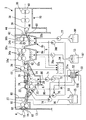


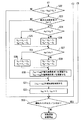
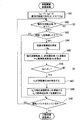
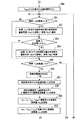
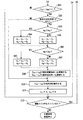
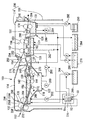
Landscapes
- Photosensitive Polymer And Photoresist Processing (AREA)
Abstract
Description
本発明は、感光性平版印刷版自動現像装置の現像補充液補充方法、及び感光性平版印刷版自動現像装置に関し、特に現像処理条件の変化に対する現像液感度の変動を最小限に抑える技術に関する。 The present invention relates to a developing replenisher replenishing method for a photosensitive lithographic printing plate automatic developing apparatus and a photosensitive lithographic printing plate automatic developing apparatus, and more particularly to a technique for minimizing fluctuations in developer sensitivity to changes in development processing conditions.
一般に、感光性平版印刷版の自動現像装置では、現像液の感度を管理する手法として、現像液が貯留された現像槽内に現像補充液を経時的に補充するとともに、処理される平版印刷版の版面積を計測し、該計測値に応じた量の現像補充液を補充する現像補充液の経時及び処理補充方式(以下「面積経時基準補充方式」という)が採用されている。 In general, in an automatic developing device for photosensitive lithographic printing plates, as a method for managing the sensitivity of the developer, the lithographic printing plate to be processed is replenished with time with a developer replenisher in a developer tank in which the developer is stored. A developing replenisher solution aging and processing replenishment method (hereinafter referred to as “area aging reference replenishment method”) is employed in which the plate area is measured and an amount of development replenisher solution is replenished in accordance with the measured value.
しかしながら、このような面積経時基準補充方式では、自動現像装置の現像処理部に、高精度な平版印刷版の版面積測定装置が必要となり、構造の複雑化及びコスト高を招くという問題があった。また、平版印刷版の感光面が片面のみなのか両面なのか(以下「片面/両面」という)の判別、及び版種(感光層の塗布量が異なる版等)の判別が困難である。このため、平版印刷版の版面積・片面/両面・版種の変化に起因して必要な現像補充液の補充量が変化すると、現像補充量の補充を適正に行うことが困難になる問題があった。 However, such an area chronological reference replenishment method requires a highly accurate planographic printing plate area measuring device in the development processing section of the automatic developing device, resulting in a complicated structure and high cost. . In addition, it is difficult to determine whether the lithographic printing plate has only one side or both sides (hereinafter referred to as “single side / both sides”) and to determine the type of plate (plates with different photosensitive layer coating amounts). For this reason, if the replenishment amount of the required development replenisher changes due to changes in the plate area, single side / both sides, and plate type of the lithographic printing plate, it becomes difficult to properly replenish the development replenishment amount. there were.
そこで従来、例えば特許文献1に記載されるように、感光性平版印刷版用の自動現像装置の現像補充液補充方法として、現像液の電導度を測定するとともに、測定値を、予め実験で求めた最適感度を示す電導度値(以下、「適正電導度値」という。)と比較し、測定値が適正電導度値を下回った場合に、現像補充液を補充する補充方式(以下、「電導度基準補充方式」という。)があった。このような電導度基準補充方式では、例え処理される平版印刷版の版面積・片面/両面・版種が変化しても、適正な量の現像補充液の補充を行うことができ、現像液の感度を適正に保つことができる。
Therefore, conventionally, as described in, for example,
ところが、一般には、経時による炭酸ガスだけで疲労した現像液と、版処理だけで疲労した現像液とでは適正電導度値が異なるという経験的事実がある(シリケート系処理剤/経時疲労(炭酸ガス疲労)−補充回復時:65mS/cm、処理疲労−補充回復時:55mS/cm、非シリケート系処理剤/経時疲労−補充回復時:56mS/cm、処理疲労−補充回復時:39mS/cm)。そのため、上述した電導度基準補充方式では、処理頻度、例えば1日あたりの処理量が予想量と異なる場合、実際の経時補充量と処理補充量との比率も予想値と食い違うため、それぞれの適正電導度から算出される現像槽中の現像液全体の適正電導度値が変化し、事前に設定した適正電導度値との間に食い違いが生じて、現像液感度を適正に保つことができなくなってしまう問題が生じる。 However, in general, there is an empirical fact that a proper conductivity value is different between a developer that is fatigued only by carbon dioxide gas over time and a developer that is fatigued only by plate processing (silicate-based processing agent / time-dependent fatigue (carbon dioxide gas). (Fatigue) -Replenishment recovery: 65 mS / cm, Treatment fatigue-Replenishment recovery: 55 mS / cm, Non-silicate processing agent / Aging fatigue-Replenishment recovery: 56 mS / cm, Treatment fatigue-Replenishment recovery: 39 mS / cm) . Therefore, in the above-mentioned conductivity reference replenishment method, when the processing frequency, for example, the processing amount per day is different from the expected amount, the ratio between the actual replenishment amount and the processing replenishment amount also differs from the expected value. The appropriate conductivity value of the entire developer in the developer tank calculated from the conductivity changes, and there is a discrepancy with the appropriate conductivity value set in advance, making it impossible to maintain the developer sensitivity properly. Problems arise.
これに対し、特許文献2、特許文献2を改良した特許文献3では、補充時間間隔を測定し、その時間間隔内に必要とされる経時補充量を求め、1回当たりの補充量からこの経時補充量を減算した値を処理補充量とみなすことで処理補充量と経時補充量をそれぞれ求め、得られた処理補充量と経時補充量の割合から算出される電導度値で現像液電導度を管理する自動現像装置を提案している。この手法によれば、処理される平版印刷版の版面積・片面/両面・版種が変化しても、処理補充量と経時補充量の割合を見積もることにより、適正な現像液電導度値を割り出すことができる。ただし、これらの方法では、自動現像装置の稼働時と停止時との炭酸ガスによる現像液疲労度の差(現像液温度差、液循環の有無、等)から生じる経時補充量の必要量の差異を検出できず、自動現像装置の停止時に跨る補充時間間隔からは正確な処理補充量と経時補充量の割合を求めることができないため誤った電導度値を基準値にしてしまう懸念がある。 On the other hand, in Patent Document 2 and Patent Document 3 improved from Patent Document 2, the replenishment time interval is measured, the replenishment amount required over time is obtained, and the replenishment amount per time is calculated from this replenishment amount. By subtracting the replenishment amount as the processing replenishment amount, the processing replenishment amount and the temporal replenishment amount are obtained, respectively, and the developer conductivity is calculated with the conductivity value calculated from the ratio of the obtained processing replenishment amount and the temporal replenishment amount. Proposes an automatic development device to manage. According to this method, even if the plate area, one side / both sides, and the plate type of the lithographic printing plate to be processed are changed, an appropriate developer conductivity value can be obtained by estimating the ratio between the processing replenishment amount and the replenishment amount with time. Can be determined. However, in these methods, the difference in the required amount of replenishment over time resulting from the difference in developer fatigue due to carbon dioxide gas between the operation and stop of the automatic developing device (difference in developer temperature, presence or absence of liquid circulation, etc.) Cannot be detected, and an accurate ratio between the replenishment amount and the replenishment amount with time cannot be obtained from the replenishment time interval over which the automatic developing apparatus is stopped.
そこで、特許文献4では、自動現像装置停止時に必要となる補充液を補充する自動現像装置起動時と、自動現像装置稼働時と、で異なる演算式を用いて電導度基準値を算出する手法を提案している。
しかしながら、上記の、補充時間間隔から算出した処理補充量と経時補充量の割合から求めた電導度値で現像液電導度を管理する方法では、経時疲労条件が異なる場合、正確な処理補充量と経時補充量の割合が求められない問題がある。経時疲労条件が異なる場合とは、例えば、周辺大気の炭酸ガス濃度が変化した場合や、あるいは、周辺大気の風速が変化した場合、等であり、前者に関しては、自動現像装置を設置した室内の作業者人数に依存して変化し、後者に関しては、空調装置の吹き出し口の位置や風量に依存して変化する、ことが知られている。つまり、上記の補充方法では、室内の作業者の人数の増減等によって、または、空調装置の状態によって、予め実験で定めた単位時間毎の経時補充量と実際の単位時間毎の経時補充量が食い違ってしまい、補充時間間隔から正確な経時補充量が求められず、誤った目標電導度値が算出される懸念がある。 However, in the above-described method of managing the developer conductivity with the conductivity value calculated from the ratio of the processing replenishment amount calculated from the replenishment time interval and the replenishment amount with time, when the fatigue conditions with time differ, There is a problem that the ratio of the replenishment amount with time cannot be obtained. The case where the fatigue conditions with time are different is, for example, when the carbon dioxide concentration in the surrounding atmosphere changes, or when the wind speed in the surrounding atmosphere changes, etc. It is known that it changes depending on the number of workers, and the latter changes depending on the position of the air outlet of the air conditioner and the air volume. In other words, in the above replenishment method, the amount of replenishment over time per unit time and the amount of replenishment over time per actual unit time determined in advance by experiments according to the increase or decrease in the number of workers in the room or the state of the air conditioner. There is a concern that the correct replenishment amount cannot be obtained from the replenishment time interval and an incorrect target conductivity value is calculated.
また、電極式の電導度センサーの場合、現像液、版材の組み合わせによっては、電極表面に汚れが付着し誤動作を起こす可能性があることが知られているが、以上のような従来の電導度補充方式では、電極の汚れ付着等による電導度センサー測定値の異常によって全く現像液活性度の管理が行えなくなってしまう恐れがある。 In the case of electrode-type conductivity sensors, it is known that depending on the combination of developer and plate material, dirt may adhere to the electrode surface and cause malfunctions. In the degree replenishment method, there is a risk that the developer activity may not be managed at all due to an abnormality in the measured value of the conductivity sensor due to adhesion of electrodes and the like.
本発明はかかる事情に鑑み、自動現像装置の現像部を簡易で安価な構成としながら、現像処理条件の変化に対する現像液感度の変動を最小限に抑えることができる、感光性平版印刷版自動現像装置の現像補充液補充方法、及び感光性平版印刷版自動現像装置を提供することを目的としている。 In view of such circumstances, the present invention is a photosensitive lithographic printing plate automatic development capable of minimizing fluctuations in developer sensitivity to changes in development processing conditions while having a simple and inexpensive development unit of an automatic development apparatus. It is an object of the present invention to provide a developing replenisher replenishing method for an apparatus and a photosensitive lithographic printing plate automatic developing apparatus.
本発明の上記目的は、下記(1)〜(4)の構成により達成された。
(1) 露光処理された多枚数の感光性平版印刷版を、電解質を含有する現像液で現像すると共に、現像補充液を補充して現像液活性を一定に保持する感光性平版印刷版自動現像装置の現像補充液補充方法であって、
予め定めた一定の周期毎に現像液電導度を測定し、一定時間毎に予め定めた経時補充量設定値に基づいた量の現像補充液を経時補充液として補充し、一定面積の版処理毎に予め定めた処理補充量設定値に基づいた量の現像補充液を処理補充液として補充し、該経時補充液の量と該処理補充液の量から電導度演算値を算出し、
予め定めた補充方法設定値が電導度方式を示す値であった場合に、前記電導度演算値と前記現像液電導度の測定値とを比較した結果に基づいて、前記経時補充量設定値と前記処理補充量設定値を増減し、
前記補充方法設定値が電導度方式を示す値でなかった場合には、前記経時補充量設定値と前記処理補充量設定値を増減しない、ことを特徴とする感光性平版印刷版自動現像装置の現像補充液補充方法。
The object of the present invention has been achieved by the following constitutions (1) to (4).
(1) Development of an exposed photosensitive lithographic printing plate with a developer containing an electrolyte, and automatic development of a photosensitive lithographic printing plate that replenishes the developer replenisher and keeps the developer activity constant. A method for replenishing a developing replenisher of an apparatus,
The developer conductivity is measured at predetermined intervals, and an amount of development replenisher based on a predetermined replenishment amount set value is replenished as a time-dependent replenisher every fixed time. Replenishing the amount of development replenisher based on a predetermined processing replenishment amount as a processing replenisher, and calculating the conductivity calculation value from the amount of the replenisher over time and the amount of the processing replenisher,
When the predetermined replenishment method set value is a value indicating the conductivity method, based on the result of comparing the conductivity calculation value and the measured value of the developer conductivity, the replenishment amount set value with time Increase or decrease the processing replenishment amount set value,
In the photosensitive lithographic printing plate automatic developing device, the replenishment method setting value does not increase or decrease the replenishment amount setting value with time and the processing replenishment amount setting value when the replenishment method setting value is not a value indicating the conductivity method. Development replenisher replenishment method.
(2)露光処理された多数枚の感光性平版印刷版を、電解質を含有する現像液で現像すると共に、現像補充液を補充して現像液活性を一定に保持する感光性平版印刷版自動現像装置の現像補充液補充方法であって、
予め定めた一定の周期毎に該現像液電導度値を測定し、一定時間毎に予め定めた経時補充量設定値を経時補充量積算値に積算し、一定面積の版処理毎に予め定めた処理補充量設定値を処理補充量積算値に積算し、現像槽内現像液における補充量の割合である補充液置換率を演算し、現像槽内現像液における経時補充液の割合である経時補充比率を演算した後、前記経時補充量積算値と前記処理補充量積算値の合計量が予め定めた補充量最低値を超えた場合、
予め定めた補充方法設定値が電導度方式を示す値の場合は、以下の(A-1)、(A-2)、(A-3)、(A-4)、(A-5)、(A-6)を実行し、前記補充方法設定値が電導度方式を示す値ではない場合は、以下の(B-1)、(B-2)を実行することを特徴とする感光性平版印刷版自動現像装置の現像補充液補充方法。
(A-1)前回補充した時点から現時点までの経過時間を計測し、該経過時間と前記補充液置換率と、から第1電導度演算値を算出し、
(A-2)該第1電導度演算値と、測定された前記現像液電導度値と、を比較した結果により前記経時補充量設定値と前記処理補充量設定値を変更し、
(A-3)前記補充液置換率と前記経時補充比率とを用いて第2電導度演算値を演算し、
(A-4)該第2電導度演算値と、測定された前記現像液電導度値と、を比較した結果により前記経時補充量設定値と前記処理補充量設定値を変更し、
(A-5)前記経時補充量積算値と前記処理補充量積算値の合計量の補充液を現像槽内の現像液に補充し、
(A-6)前記経時補充量積算値と前記処理補充量積算値を初期化する。
(B-1)前記経時補充量積算値と前記処理補充量積算値の合計量の補充液を現像槽内の現像液に補充し、
(B-2)前記経時補充量積算値と前記処理補充量積算値を初期化する。
(2) Development of an exposed photosensitive lithographic printing plate with a developer containing an electrolyte, and automatic development of a photosensitive lithographic printing plate that replenishes the developer replenisher and keeps the developer activity constant. A method for replenishing a developing replenisher of an apparatus,
The developer conductivity value is measured every predetermined period, and the predetermined replenishment amount set value is integrated into the replenishment amount integrated value every predetermined time, and predetermined for each plate processing of a certain area. The processing replenishment amount set value is added to the processing replenishment amount integrated value, the replenisher replacement rate that is the ratio of the replenishment amount in the developer in the developing tank is calculated, and the replenishment over time that is the ratio of the replenisher over time in the developing tank After calculating the ratio, if the total amount of the replenishment amount integrated value over time and the processing replenishment amount integrated value exceeds a predetermined replenishment amount minimum value,
When the predetermined replenishment method setting value is a value indicating the conductivity method, the following (A-1), (A-2), (A-3), (A-4), (A-5), (A-6) is executed, and when the replenishment method set value is not a value indicating the conductivity method, the following (B-1) and (B-2) are executed. A developing replenisher replenishing method for a printing plate automatic developing apparatus.
(A-1) Measure the elapsed time from the previous replenishment time to the present time, calculate the first conductivity calculation value from the elapsed time and the replenisher replacement rate,
(A-2) changing the replenishment amount setting value with time and the processing replenishment amount setting value according to the result of comparing the first conductivity calculation value and the measured developer conductivity value,
(A-3) calculating a second conductivity calculation value using the replenisher replacement rate and the replenishment ratio with time,
(A-4) changing the replenishment amount setting value with time and the processing replenishment amount setting value according to a result of comparing the second conductivity calculation value and the measured developer conductivity value,
(A-5) Replenish the developer in the developing tank with a replenisher of the total amount of the replenishment amount integrated over time and the processing replenishment amount integrated value;
(A-6) The integrated replenishment amount with time and the processing replenishment amount integrated value are initialized.
(B-1) replenishing the developer in the developing tank with a replenisher of a total amount of the replenishment amount integrated value over time and the processing replenishment amount integrated value;
(B-2) The integrated replenishment amount with time and the integrated replenishment amount with processing are initialized.
(3)予め現像液の活性度が適正範囲にある電導度値を目標電導度値として算出するとともに、自動現像装置の運転開始直後において、予め定めた補充方法設定が電導度方式を示す値の場合には、以下の(C-1)、(C-2)、(C-3)、(C-4)を実行し、
前記補充方法設定値が電導度方式を示す値ではない場合には、自動現像装置が停止していた時間に応じて現像補充液を前記現像液に補充する、ことを特徴とする(2)記載の感光性平版印刷版自動現像装置の現像補充液補充方法。
(C-1)予め定めた一定の周期毎に現像液電導度を測定し、
(C-2)測定した該現像液電導度値が前記目標電導度値より低い場合には予め定めた量の現像補充液を前記現像液に補充し、
(C-3)前記補充に伴って前記目標電導度値を更新し、
(C-4)前記現像液電導度値が前記目標電導度を上回るまで(C-1)、(C-2)、(C-3)を繰り返す。
(4)露光処理された多枚数の感光性平版印刷版を、電解質を含有する現像液で現像すると共に、現像液活性を一定に保持する感光性平版印刷版自動現像装置であって、
前記感光性平版印刷版を現像液で現像する現像処理部と、
前記現像液の電導度を測定する電導度測定手段と、
現像補充液を前記現像液に補充する現像液補充手段と、
を有し、(2)又は(3)項記載の現像補充液補充方法に基づいて、前記現像補充液を前記現像液に補充することを特徴とする感光性平版印刷版自動現像装置。
(3) A conductivity value in which the activity of the developer is within an appropriate range is calculated as a target conductivity value, and a predetermined replenishment method setting is a value indicating the conductivity method immediately after the operation of the automatic developing device is started. In this case, execute (C-1), (C-2), (C-3), (C-4) below,
(2) The replenishing solution is replenished to the developer according to the time during which the automatic developing device has been stopped when the replenishing method set value is not a value indicating the conductivity method. Development replenisher replenishment method of the photosensitive lithographic printing plate automatic developing apparatus.
(C-1) Measure the conductivity of the developer at fixed intervals.
(C-2) When the measured developer conductivity value is lower than the target conductivity value, a predetermined amount of developer replenisher is replenished to the developer,
(C-3) Update the target conductivity value with the replenishment,
(C-4) Repeat (C-1), (C-2), and (C-3) until the developer conductivity value exceeds the target conductivity.
(4) A photosensitive lithographic printing plate automatic developing apparatus that develops a large number of exposed photosensitive lithographic printing plates with a developer containing an electrolyte and maintains constant developer activity,
A development processing unit for developing the photosensitive lithographic printing plate with a developer;
Conductivity measuring means for measuring the conductivity of the developer;
Developer replenishing means for replenishing the developer with a developer replenisher;
A photosensitive lithographic printing plate automatic developing device comprising: replenishing the developer with the developer replenisher based on the developer replenisher replenishing method according to (2) or (3).
露光処理された多数枚の感光性平版印刷版を、電解質を含有する水溶液からなる現像液で現像する際に、測定した現像液電導度を用いてその時々の環境条件・処理条件に見合った経時補充量・処理補充量を求め、これに基づいた補充を行って現像液感度を安定に保つことで、簡易で安価な装置構成であるにも関わらず、処理頻度(処理補充量と経時補充量の割合)の変動による基準電導度の変化を補正し、且つ、環境炭酸ガス濃度が変化した場合や、異なる種類の感光材料を処理した場合でも、自動的にそれに見合った値に近づけていくことができるため、感度安定性が高い自動現像処理を実現できる。また、電導度センサーが故障した場合でも、代替の補充方式に切り替えることができるので、版材の処理を継続することが可能となる。 When developing a large number of exposed photosensitive lithographic printing plates with a developer composed of an aqueous solution containing an electrolyte, the time elapsed according to the current environmental and processing conditions using the measured developer conductivity. By calculating the replenishment amount and the processing replenishment amount, and performing replenishment based on this to maintain the developer sensitivity stable, the processing frequency (the processing replenishment amount and the replenishment amount with time) is achieved despite the simple and inexpensive device configuration. If the environmental carbon dioxide concentration changes or when different types of photosensitive materials are processed, the values are automatically brought close to the corresponding values. Therefore, automatic development processing with high sensitivity stability can be realized. In addition, even when the conductivity sensor breaks down, it is possible to switch to an alternative replenishment method, so that it is possible to continue processing the plate material.
本発明において、「現像補充液」とは、現像性能を一定に保つために補充する処理液のことである。一般に、この補充液として、補充液原液を希釈液(例、水)で希釈して調製されたものや、希釈することなく補充液原液そのままを用いるものがあるが、本発明では、「現像補充液」とは補充液原液を希釈液で希釈し調製したものを意味する。また、補充方法としては、予め希釈して調製した補充液を現像液に補充することもあれば、補充液原液と希釈液とを別々に直接現像液に補充する方法もある。 In the present invention, the “developing replenisher” refers to a processing liquid that is replenished to keep development performance constant. In general, as this replenisher, there are those prepared by diluting the replenisher stock solution with a diluent (eg, water) and those using the replenisher stock solution as it is without dilution. “Liquid” means a solution prepared by diluting a replenisher stock solution with a diluent. Further, as a replenishment method, there are a method of replenishing the developer with a replenisher prepared by diluting in advance, and a method of directly replenishing the developer with a replenisher stock solution and a diluted solution separately.
また、本発明において、現像液の電導度値を測定する電導度センサーとしては交流電導度計、交流ブリッジ計あるいは、その他の電導度計などの公知の手段を用いることができる。又、該測定装置の測定電流値や発振周波数等は、現像液の組成等により最適条件は異なるが、電流値は装置的にも又水溶性の現像液の電気分解を防ぐ為にもある程度低いことが好ましく、数百mAから数μAが好ましい。又、周波数は、現像液中の静電容量成分との関係から、数百Hz〜数百kHzのものが好ましい。 In the present invention, known means such as an AC conductivity meter, an AC bridge meter, or other conductivity meter can be used as the conductivity sensor for measuring the conductivity value of the developer. The measurement current value and oscillation frequency of the measuring device vary depending on the developer composition, etc., but the current value is low to some extent in order to prevent electrolysis of the water-soluble developer. It is preferably several hundred mA to several μA. Further, the frequency is preferably several hundred Hz to several hundred kHz from the relationship with the electrostatic capacitance component in the developer.
電解質を含む現像液の電導度値は、水溶液の温度に依存し、液温が上がるとその値は低下する。従って、より好ましくは、温度センサーおよび温度補償回路を付した測定器で電導度値を測定するのが好ましい。また、補充を制御する制御装置において、実際に測定した液抵抗値と液温度から、予め定めた温度における電導度値に換算し温度補償することも可能である。交流電導度計、交流ブリッジ計あるいは、その他の電導度計のセンサー設置位置は、測定時に現像液に浸漬され、現像液の交流電導度値が測定できる場所であれば良く、例えば自動現像装置液の現像液循環系、特に現像タンク中もしくは、循環パイプ中が好ましい位置である。又検出部としては電極に白金、ステンレス等を用いた公知の測定セルを使用することができる。 The conductivity value of the developer containing the electrolyte depends on the temperature of the aqueous solution, and the value decreases as the liquid temperature increases. Therefore, it is more preferable to measure the conductivity value with a measuring instrument equipped with a temperature sensor and a temperature compensation circuit. In the control device that controls replenishment, it is also possible to compensate for the temperature by converting the actually measured liquid resistance value and liquid temperature into a conductivity value at a predetermined temperature. The sensor installation position of the AC conductivity meter, AC bridge meter, or other conductivity meter may be a place where the AC conductivity value of the developer can be measured by being immersed in the developer at the time of measurement. The developer circulation system, particularly in the developing tank or the circulation pipe is a preferable position. Moreover, as a detection part, the well-known measurement cell which used platinum, stainless steel, etc. for the electrode can be used.
以下、本発明に係る感光性平版印刷版自動現像装置の現像補充液補充方法、及び感光性平版印刷版自動現像装置の好適な実施の形態を説明する。
先ず、本発明の自動現像装置に用いられるアルカリ性現像液について説明する。本発明のアルカリ性現像液は、現像スタート時に仕込む現像液(現像開始液と称する。)、あるいは現像補充液として使用できる。以下、特に記載しない限り、現像開始液と現像補充液を一括して現像液と称する。
本発明の現像液はアルカリ性の水溶液を基本組成とし、従来公知のアルカリ水溶液の中から適宜選択することができる。
アルカリ水溶液としては、ケイ酸アルカリ若しくは非還元糖と、塩基とからなる現像液が挙げられ、特にpH12.5〜14.0のものが好ましい。
前記ケイ酸アルカリとしては、水に溶解したときにアルカリ性を示すものであり、例えばケイ酸ナトリウム、ケイ酸カリウム、ケイ酸リチウムなどのアルカリ金属ケイ酸塩、ケイ酸アンモニウムなどが挙げられる。
ケイ酸アルカリは1種単独でも、2種以上を組み合わせて用いてもよい。
DESCRIPTION OF THE PREFERRED EMBODIMENTS Preferred embodiments of a developing replenisher replenishing method for a photosensitive lithographic printing plate automatic developing apparatus and a photosensitive lithographic printing plate automatic developing apparatus according to the present invention will be described below.
First, an alkaline developer used in the automatic developing apparatus of the present invention will be described. The alkaline developer of the present invention can be used as a developer to be charged at the start of development (referred to as a development starter) or a development replenisher. Hereinafter, unless otherwise specified, the development starter and the development replenisher are collectively referred to as a developer.
The developer of the present invention has an alkaline aqueous solution as a basic composition, and can be appropriately selected from conventionally known alkaline aqueous solutions.
Examples of the alkaline aqueous solution include a developer composed of an alkali silicate or non-reducing sugar and a base, and those having a pH of 12.5 to 14.0 are particularly preferable.
The alkali silicate exhibits alkalinity when dissolved in water, and examples thereof include alkali metal silicates such as sodium silicate, potassium silicate and lithium silicate, and ammonium silicate.
The alkali silicate may be used alone or in combination of two or more.
上記アルカリ水溶液は、ケイ酸塩の成分である酸化ケイ素SiO2とアルカリ酸化物M2O(Mはアルカリ金属又はアンモニウム基を表す。)との混合比率、及び濃度の調整により、現像性を容易に調節することができる。
前記アルカリ水溶液の中でも、前記酸化ケイ素SiO2とアルカリ酸化物M2Oとの混合比率(SiO2/M2O:モル比)が0.5〜3.0のものが好ましく、この範囲にあると、平版印刷版の支持体として汎用のアルミニウム板をエッチングすることが少なく、現像性が良好である。SiO2/M2O(モル比)はさらに好ましくは1.0〜2.0である。
The alkali aqueous solution can be easily developed by adjusting the mixing ratio and concentration of silicon oxide SiO 2 and alkali oxide M 2 O (M represents an alkali metal or ammonium group), which is a silicate component. Can be adjusted to.
Among the alkali aqueous solutions, those having a mixing ratio (SiO 2 / M 2 O: molar ratio) of the silicon oxide SiO 2 and the alkali oxide M 2 O of 0.5 to 3.0 are preferably in this range. In addition, a general-purpose aluminum plate is rarely etched as a support for a lithographic printing plate, and developability is good. SiO 2 / M 2 O (molar ratio) is more preferably 1.0 to 2.0.
また、現像液中のケイ酸アルカリの濃度としては、良好な現像性及び処理能力並びに廃液処理の利便性から、アルカリ水溶液の質量に対して1〜10質量%が好ましく、3〜8質量%がより好ましく、4〜7質量%が最も好ましい。 The concentration of the alkali silicate in the developer is preferably 1 to 10% by mass, and 3 to 8% by mass with respect to the mass of the aqueous alkali solution, from the viewpoint of good developability and processing capability and convenience of waste liquid treatment. More preferably, 4 to 7% by mass is most preferable.
非還元糖と塩基とからなる現像液において、非還元糖とは遊離性のアルデヒド基やケトン基を持たないために還元性を有しない糖類を意味し、還元基同士の結合したトレハロース型少糖類、糖類の還元基と非糖類が結合した配糖体、糖類に水素添加して還元した糖アルコールに分類される。本発明ではこれらのいずれも好適に用いることができる。
トレハロース型少糖類としては、例えばサッカロースやトレハロースが挙げられ、前記配糖体としては、例えばアルキル配糖体、フェノール配糖体、カラシ油配糖体などが挙げられる。
糖アルコールとしては、例えばD,L−アラビット、リビット、キシリット、D,L−ソルビット、D,L−マンニット、D,L−イジット、D,L−タリット、ズルシット、アロズルシット、メソイノシットなどが挙げられる。さらには、二糖類の水素添加で得られるマルチトール、オリゴ糖の水素添加で得られる還元体(還元水あめ)なども好適に挙げることができる。
In a developer composed of a non-reducing sugar and a base, the non-reducing sugar means a sugar that does not have a reducing property because it does not have a free aldehyde group or a ketone group. Glycosides in which saccharide reducing groups and non-saccharides are combined, and sugar alcohols reduced by hydrogenation of saccharides. Any of these can be preferably used in the present invention.
Examples of trehalose-type oligosaccharides include saccharose and trehalose, and examples of the glycoside include alkyl glycosides, phenol glycosides, and mustard oil glycosides.
Examples of the sugar alcohol include D, L-arabit, rebit, xylit, D, L-sorbit, D, L-mannit, D, L-digit, D, L-talit, dulcit, allozulcit, meso-inosit and the like. . Furthermore, maltitol obtained by hydrogenation of a disaccharide, a reduced form (reduced water candy) obtained by hydrogenation of an oligosaccharide, and the like can also be suitably exemplified.
上記のうち、非還元糖としては、糖アルコール、サッカロースが好ましく、中でも特に、D−ソルビット、メソイノシット、サッカロース、還元水あめが適度なpH領域に緩衝作用がある点でより好ましい。
これらの非還元糖は単独でも、二種以上を組み合わせてもよく、現像液中に占める割合としては、0.1〜30質量%が好ましく、1〜20質量%がより好ましい。
Among the above, as the non-reducing sugar, sugar alcohol and saccharose are preferable, and among them, D-sorbite, meso-inosit, saccharose, and reduced starch syrup are more preferable because they have a buffering action in an appropriate pH range.
These non-reducing sugars may be used singly or in combination of two or more. The proportion of the non-reducing sugar in the developer is preferably 0.1 to 30% by mass, and more preferably 1 to 20% by mass.
前記ケイ酸アルカリ若しくは非還元糖には、塩基としてアルカリ剤を従来公知の物の中から適宜選択して組み合わせることができる。
該アルカリ剤としては、例えば水酸化ナトリウム、水酸化カリウム、水酸化リチウム、リン酸三ナトリウム、リン酸三カリウム、リン酸三アンモニウム、リン酸二ナトリウム、リン酸二カリウム、リン酸二アンモニウム、炭酸ナトリウム、炭酸カリウム、炭酸アンモニウム、炭酸水素ナトリウム、炭酸水素カリウム、炭酸水素アンモニウム、ホウ酸ナトリウム、ホウ酸カリウム、ホウ酸アンモニウムなどの無機アルカリ剤、クエン酸カリウム、クエン酸三カリウム、クエン酸ナトリウムなどが挙げられる。
In the alkali silicate or non-reducing sugar, an alkali agent as a base can be appropriately selected from conventionally known compounds and combined.
Examples of the alkali agent include sodium hydroxide, potassium hydroxide, lithium hydroxide, trisodium phosphate, tripotassium phosphate, triammonium phosphate, disodium phosphate, dipotassium phosphate, diammonium phosphate, carbonic acid. Inorganic alkaline agents such as sodium, potassium carbonate, ammonium carbonate, sodium bicarbonate, potassium bicarbonate, ammonium bicarbonate, sodium borate, potassium borate, ammonium borate, potassium citrate, tripotassium citrate, sodium citrate, etc. Is mentioned.
さらにモノメチルアミン、ジメチルアミン、トリメチルアミン、モノエチルアミン、ジエチルアミン、トリエチルアミン、モノイソプロピルアミン、ジイソプロピルアミン、トリイソプロピルアミン、n−ブチルアミン、モノエタノールアミン、ジエタノールアミン、トリエタノールアミン、モノイソプロパノールアミン、ジイソプロパノールアミン、エチレンイミン、エチレンジアミン、ピリジンなどの有機アルカリ剤も好適に挙げることができる。
これらのアルカリ剤は単独で用いても、二種以上を組み合わせて用いてもよい。
中でも水酸化ナトリウム、水酸化カリウムが好ましい。その理由は、非還元糖に対する添加量を調整することにより、広いpH領域においてpH調整が可能となるためである。また、リン酸三ナトリウム、リン酸三カリウム、炭酸ナトリウム、炭酸カリウムなどもそれ自身に緩衝作用があるので好ましい。
Furthermore, monomethylamine, dimethylamine, trimethylamine, monoethylamine, diethylamine, triethylamine, monoisopropylamine, diisopropylamine, triisopropylamine, n-butylamine, monoethanolamine, diethanolamine, triethanolamine, monoisopropanolamine, diisopropanolamine, ethylene An organic alkali agent such as imine, ethylenediamine, pyridine and the like can also be suitably exemplified.
These alkaline agents may be used alone or in combination of two or more.
Of these, sodium hydroxide and potassium hydroxide are preferred. The reason is that the pH can be adjusted in a wide pH range by adjusting the amount added to the non-reducing sugar. Further, trisodium phosphate, tripotassium phosphate, sodium carbonate, potassium carbonate and the like are preferable because they have a buffering action.
本発明の現像液は、カルボキシアルキルチオ無水コハク酸、カルボキシアルキルチオコハク酸及びそれらの塩類からなる群から選ばれる少なくとも1種を含有することを特徴とする。
上記カルボキシアルキルチオ無水コハク酸、カルボキシアルキルチオコハク酸及びそれらの塩類からなる群から選ばれる少なくとも1種として、下記一般式(I)又は(II)で表される化合物が挙げられる。本発明の現像液にはこのような化合物を1種単独で、あるいは2種以上組み合わせて用いることができる。
The developer of the present invention contains at least one selected from the group consisting of carboxyalkylthiosuccinic anhydride, carboxyalkylthiosuccinic acid and salts thereof.
Examples of at least one selected from the group consisting of the carboxyalkylthiosuccinic anhydride, carboxyalkylthiosuccinic acid and salts thereof include compounds represented by the following general formula (I) or (II). In the developer of the present invention, these compounds can be used alone or in combination of two or more.
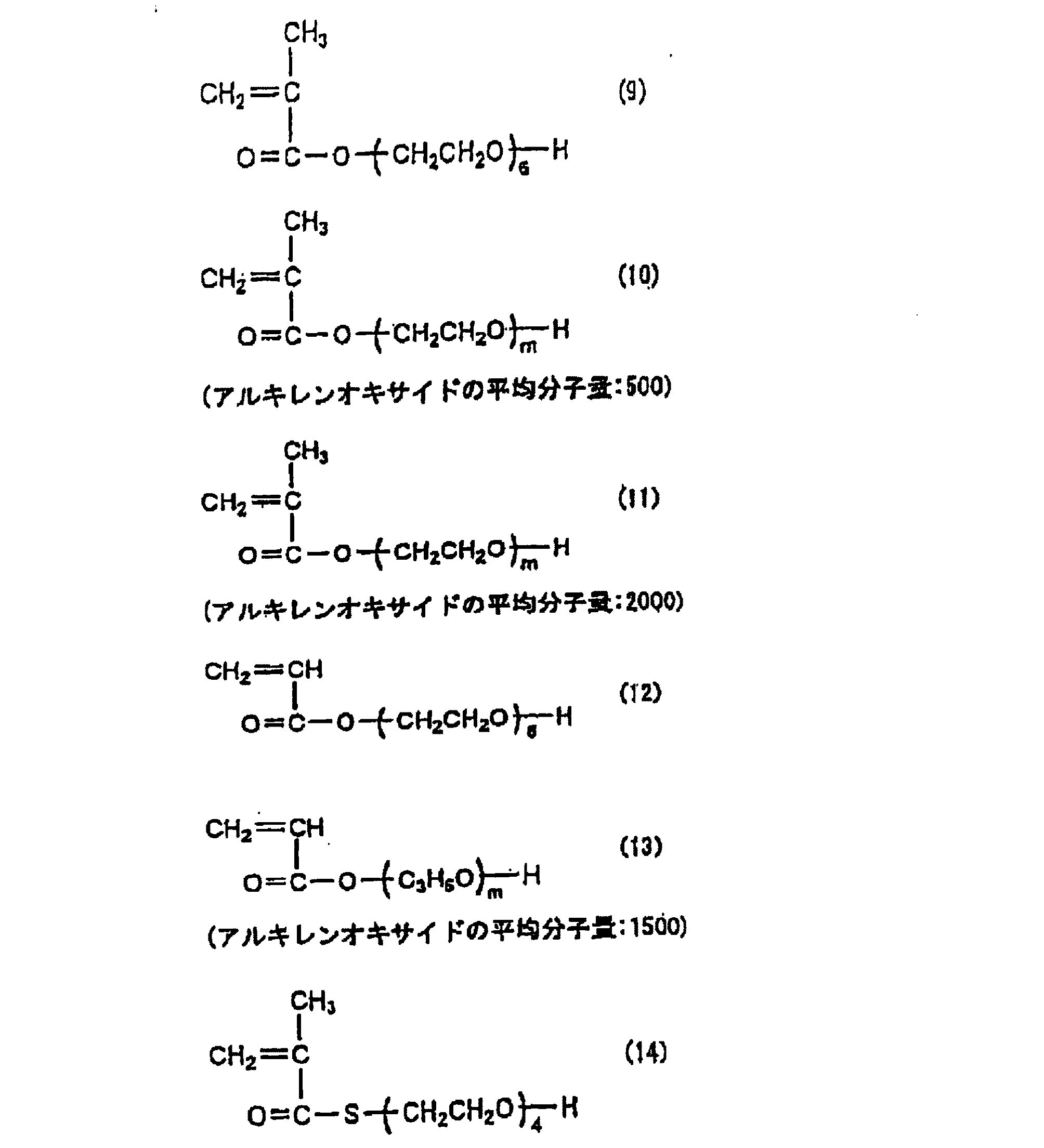
(式(I)中、R1は炭素原子数1〜30のアルキレン基を表し、M1は水素原子、金属原子又はアンモニウムを表す。) (In formula (I), R 1 represents an alkylene group having 1 to 30 carbon atoms, and M 1 represents a hydrogen atom, a metal atom, or ammonium.)
(式(II)中、R2は炭素原子数1〜30のアルキレン基を表し、M2、M3及びM4は各々独立に水素原子、金属原子又はアンモニウムを表す。) (In formula (II), R 2 represents an alkylene group having 1 to 30 carbon atoms, and M 2 , M 3 and M 4 each independently represents a hydrogen atom, a metal atom or ammonium.)
上記式(I)で表されるカルボキシアルキルチオ無水コハク酸又はその塩類、上記式(II)で表されるカルボキシアルキルチオコハク酸又はその塩類において、R1及びR2はそれぞれ炭素原子数1〜30のアルキレン基であり、直鎖状でも分岐していてもよい。該アルキレン基の具体例としてエチレン基、プロピレン基、ブチレン基、ペンチレン基、ヘキシレン基、オクチレン基、ノニレン基、デシレン基、ウンデシレン基、ドデシレン基、トリデシレン基、テトラデシレン基、ペンタデシレン基、ヘキサデシレン基、ヘプタデシレン基、オクタデシレン基、ノナデシレン基、アイコシレン基、ヘンイコシレン基、ドコシレン基、トリコシレン基、テトラコシレン基、ペンタコシレン基、ヘキサコシレン基、オクタコシレン基、ノナコシレン基、トリアコンチレン基などが挙げられる。これらの中でも炭素数原子数1〜18のアルキレン基が好ましい。 In the carboxyalkylthiosuccinic anhydride represented by the above formula (I) or a salt thereof, the carboxyalkylthiosuccinic acid represented by the above formula (II) or a salt thereof, R 1 and R 2 each have 1 to 30 carbon atoms. An alkylene group, which may be linear or branched. Specific examples of the alkylene group include ethylene group, propylene group, butylene group, pentylene group, hexylene group, octylene group, nonylene group, decylene group, undecylene group, dodecylene group, tridecylene group, tetradecylene group, pentadecylene group, hexadecylene group, heptadecylene. Group, octadecylene group, nonadecylene group, eicosylene group, heicosylene group, docosylene group, tricosylene group, tetracosylene group, pentacosylene group, hexacosylene group, octacosylene group, nonacosylene group, triaconylene group and the like. Among these, an alkylene group having 1 to 18 carbon atoms is preferable.
上記式(I)及び上記式(II)において、M1、M2、M3及びM4が表す金属原子は一価に相当する金属原子であって、具体的にリチウム、ナトリウム、カリウムなどのアルカリ金属である一価の金属原子、カルシウム、マグネシウム、亜鉛、アルミニウム、鉄、コバルト、ニッケル、銅、錫などが挙げられる。中でも、リチウム、ナトリウム、カリウム、カルシウム、マグネシウムが好ましい。ここで金属原子として二価以上の金属原子については、該金属原子をその価数で除した仮想的な金属原子を一価に相当する金属原子とし、例えばカルシウム、マグネシウムなどの二価の金属であるときは、Ca1/2、Mg1/2などと表され、アルミニウムのような三価の金属のときはAl1/3と表される。実際は、一般式(I)で表される化合物においては、二価の金属原子の場合は、その1個が2分子を架橋する構造となり、三価の金属の場合は、その1個が3分子を架橋する構造となる。一方、一般式(II)で表される化合物においては、二価の金属原子1個がM2、M3およびM4のうち2に相当する。また、二価の金属原子は一般式(II)で表される化合物の1分子内のM2、M3およびM4のうちの2に相当してもよく、一般式(II)で表される化合物の2分子のM2、M3およびM4のうちの2に相当し、2分子を架橋する構造となってもよい。
さらに、三価の金属原子は、一般式(II)で表される化合物の1分子ないし3分子のM2、M3およびM4のうちの3に相当する。
In the above formula (I) and the above formula (II), the metal atoms represented by M 1 , M 2 , M 3 and M 4 are monovalent metal atoms, specifically lithium, sodium, potassium, etc. Examples thereof include monovalent metal atoms which are alkali metals, calcium, magnesium, zinc, aluminum, iron, cobalt, nickel, copper, tin and the like. Of these, lithium, sodium, potassium, calcium, and magnesium are preferable. Here, for a metal atom having a valence of 2 or more as a metal atom, a virtual metal atom obtained by dividing the metal atom by its valence is a metal atom corresponding to a monovalent, for example, a divalent metal such as calcium or magnesium. In some cases, it is expressed as Ca 1/2 , Mg 1/2 or the like, and in the case of a trivalent metal such as aluminum, it is expressed as Al 1/3 . Actually, in the compound represented by the general formula (I), in the case of a divalent metal atom, one of them has a structure of bridging two molecules, and in the case of a trivalent metal, one of them has three molecules. It becomes the structure which bridge | crosslinks. On the other hand, in the compound represented by the general formula (II), one divalent metal atom corresponds to two of M 2 , M 3 and M 4 . The divalent metal atom may correspond to two of M 2 , M 3 and M 4 in one molecule of the compound represented by the general formula (II), and is represented by the general formula (II). It corresponds to 2 out of 2 molecules of M 2 , M 3 and M 4 of the compound, and may have a structure in which 2 molecules are cross-linked.
Further, the trivalent metal atom corresponds to 3 of 1 to 3 molecules of M 2 , M 3 and M 4 of the compound represented by the general formula (II).
上記式(I)及び上記式(II)において、M1、M2、M3及びM4が表すアンモニウムは、NH4 +、第一級アンモニウム、第二級アンモニウム及び第三級アンモニウムを包含し、第一級アンモニウム、第二級アンモニウム及び第三級アンモニウムにおいて置換基は炭素原子数1〜24の脂肪族基及び芳香族基であり得、該脂肪族基及び芳香族基は置換基を有していてもよく、例えば水酸基などで置換されていてもよい。第二級アンモニウム及び第三級アンモニウムにおいて、各々の二置換基及び三置換基は同一でも異なっていてもよく、互いに結合して環を形成していてもよい。
上述のアンモニウム塩を誘導する有機アミンの例として、メチルアミン、エチルアミン、プロピルアミン、ブチルアミン、ヘキシルアミン、オクチルアミンなどの脂肪族アミン、エタノールアミン、ジエタノールアミン、トリエタノールアミン、イソプロパノールアミン、ジイソプロパノールアミン、トリイソプロパノールアミンなどのアルカノールアミン、アニリンなどの芳香族アミン、モルホリン、ピリジン、ピロリジン、ピペリジンなどの複素環式アミンなどが挙げられる。これらの中で、特にモルホリンおよびアルカノールアミンが好適である。
In the above formula (I) and the above formula (II), ammonium represented by M 1 , M 2 , M 3 and M 4 includes NH 4 + , primary ammonium, secondary ammonium and tertiary ammonium. In primary ammonium, secondary ammonium and tertiary ammonium, the substituent may be an aliphatic group having 1 to 24 carbon atoms and an aromatic group, and the aliphatic group and aromatic group have a substituent. For example, it may be substituted with a hydroxyl group or the like. In secondary ammonium and tertiary ammonium, each di- and tri-substituent may be the same or different, and may be bonded to each other to form a ring.
Examples of organic amines from which the above ammonium salts are derived include aliphatic amines such as methylamine, ethylamine, propylamine, butylamine, hexylamine, octylamine, ethanolamine, diethanolamine, triethanolamine, isopropanolamine, diisopropanolamine, Examples include alkanolamines such as triisopropanolamine, aromatic amines such as aniline, and heterocyclic amines such as morpholine, pyridine, pyrrolidine, and piperidine. Of these, morpholine and alkanolamine are particularly preferred.
本発明に用いる上記一般式(I)又は(II)で表される化合物は、常法により製造することができ、例えば特開平8−337891号公報に開示される方法で製造することができる。例えば無水マレイン酸にメルカプトカルボン酸又はその塩を付加することにより、一般式(I)で表されるカルボキシアルキルチオ無水コハク酸又はカルボキシアルキルチオ無水コハク酸塩が得られる。また、このようにして得られた一般式(I)で表される化合物を加水分解し、そのまま、あるいは適当な塩基性化合物で中和して塩とすることにより、一般式(II)で表される化合物を得ることができる。 The compound represented by the general formula (I) or (II) used in the present invention can be produced by a conventional method, for example, by the method disclosed in JP-A-8-337789. For example, a carboxyalkylthio succinic anhydride or a carboxyalkylthio succinic anhydride represented by the general formula (I) is obtained by adding mercaptocarboxylic acid or a salt thereof to maleic anhydride. In addition, the compound represented by the general formula (I) thus obtained is hydrolyzed and neutralized with an appropriate basic compound as it is to obtain a salt. Can be obtained.
本発明の現像液中、カルボキシアルキルチオ無水コハク酸、カルボキシアルキルチオコハク酸及びそれらの塩類からなる群から選ばれる少なくとも1種の含有量は0.001〜10.0質量%が適当であり、好ましくは0.01〜1.0質量%、より好ましくは0.05〜0.5質量%である。 In the developer of the present invention, the content of at least one selected from the group consisting of carboxyalkylthiosuccinic anhydride, carboxyalkylthiosuccinic acid and salts thereof is suitably 0.001 to 10.0% by mass, preferably It is 0.01-1.0 mass%, More preferably, it is 0.05-0.5 mass%.
アルカリ性現像液は、上記の通り、ケイ酸アルカリ若しくは非還元糖と、塩基を含む現像液を用いるが、そのカチオン成分として従来よりLi+、Na+、K+、NH4 +が用いられ、中でもイオン半径の小さいカチオンを多く含有する系では、画像記録層への浸透性が高く現像性に優れる一方、画像部まで溶解して画像欠陥を生ずる。従って、アルカリ濃度を上げるには、ある程度の限度があり、画像部に欠陥を生ずることなく、且つ非画像部に画像記録層(残膜)が残存しないように完全に処理するためには、微妙な液性条件の設定が要求された。
しかし、前記カチオン成分として、そのイオン半径の大きいカチオンを用いることにより、画像記録層中への現像液の浸透性を抑制することができ、アルカリ濃度、即ち、現像性を低下させることなく、画像部の溶解抑止効果をも向上させることができる。
前記カチオン成分としては、上記アルカリ金属カチオン及びアンモニウムイオンのほか、他のカチオンも用いることができる。
As described above, as the alkaline developer, a developer containing an alkali silicate or non-reducing sugar and a base is used, and Li + , Na + , K + , and NH 4 + are conventionally used as the cationic component, In a system containing a large amount of cations having a small ionic radius, the penetrability into the image recording layer is high and the developability is excellent. Therefore, there is a certain limit to increasing the alkali concentration, and in order to completely process the image recording layer (residual film) so as not to remain in the non-image area without causing defects in the image area, it is delicate. It was required to set a proper liquid condition.
However, by using a cation having a large ionic radius as the cation component, the penetrability of the developer into the image recording layer can be suppressed, and the image density can be reduced without reducing the alkali concentration, that is, the developability. The dissolution inhibiting effect of the part can also be improved.
As the cation component, in addition to the alkali metal cation and ammonium ion, other cations can be used.
本発明の現像液の使用態様は特に限定されるものではない。
近年、製版・印刷業界では製版作業の合理化及び標準化のため、印刷版用の自動現像装置が広く用いられている。本発明の現像液は自動現像装置による現像処理に用いることができる。
このような自動現像装置は、一般に現像部と後処理部からなり、印刷版を搬送する装置と各処理槽及びスプレー装置からなり、露光済みの印刷版を水平に搬送しながら、ポンプで汲み上げた各処理液をスプレーノズルから吹き付けて現像処理するものである。また、最近は処理液が満たされた処理液槽中に液中ガイドロールなどによって印刷版を浸漬搬送させて処理する方法も知られている。このような自動処理においては、各処理液に処理量や稼働時間などに応じて補充液を補充しながら処理することができる。
The usage mode of the developer of the present invention is not particularly limited.
In recent years, automatic development apparatuses for printing plates have been widely used in the plate making and printing industries in order to rationalize and standardize plate making operations. The developer of the present invention can be used for development processing by an automatic development apparatus.
Such an automatic developing device generally comprises a developing unit and a post-processing unit, and comprises a printing plate conveying device, each processing tank and a spray device, and the exposed printing plate is pumped up while being conveyed horizontally. Each processing solution is sprayed from a spray nozzle and developed. In addition, recently, a method is also known in which a printing plate is dipped and conveyed by a submerged guide roll or the like in a processing liquid tank filled with the processing liquid. In such automatic processing, each processing solution can be processed while being replenished with a replenisher according to the processing amount, operating time, and the like.
この場合、現像開始液よりもアルカリ強度の高い水溶液を現像補充液として現像液中に加えることによって、長時間現像タンク中に現像液を交換することなく多量の画像形成材料を処理できる。本発明の製版方法においても、この補充方式を採用することが好ましい態様である。 In this case, a large amount of image forming material can be processed without changing the developing solution in the developing tank for a long time by adding an aqueous solution having a higher alkali strength than the developing starting solution to the developing solution as a developing replenisher. Also in the plate making method of the present invention, it is a preferable aspect to adopt this replenishment method.
現像液には、現像性の促進や抑制、現像カスの分散及び印刷版画像部の親インキ性を高める目的で、必要に応じて種々の界面活性剤や有機溶剤などを添加することもできる。 Various surfactants, organic solvents, and the like can be added to the developer as necessary for the purpose of promoting and suppressing developability, dispersing development residue, and improving ink affinity of the printing plate image area.
界面活性剤としては、ノニオン系、アニオン系、カチオン系又は両性界面活性剤から選択できる。
ノニオン性界面活性剤としては、例えば、ポリエチレングリコール、ポリエチレングリコールポリプロピレングリコールブロックコポリマー等のポリエチレングリコール類、ポリエチレングリコールセチルエーテル、ポリエチレングリコールステアリルエーテル、ポリエチレングリコールオレイルエーテル、ポリエチレングリコールベヘニルエーテル等のポリエチレングリコールアルキルエーテル類、ポリエチレングリコールポリプロピレングリコールセチルエーテル、ポリエチレングリコールポリプロピレングリコールデシルテトラデシルエーテル等のポリエチレングリコールポリプロピレングリコールアルキルエーテル類、ポリエチレングリコールオクチルフェニルエーテル、ポリエチレングリコールノニルフェニルエーテル等のポリエチレングリコールアルキルフェニルエーテル類、モノステアリン酸エチレングリコール、ジステアリン酸エチレングリコール、ステアリン酸ジエチレングリコール、ジステアリン酸ポリエチレングリコール、モノラウリル酸ポリエチレングリコール、モノステアリン酸ポリエチレングリコール、モノオレイン酸ポリエチレングリコール等のポリエチレングリコール脂肪酸エステル類、モノミリスチン酸グリセリル、モノステアリン酸グリセリル、モノイソステアリン酸グリセリル、ジステアリン酸グリセリル、モノオレイン酸グリセリル、ジオレイン酸グリセリル等のグリセリル脂肪酸エステル類、及びそのポリエチレンオキサイド付加物類、モノパルミチン酸ソルビタン、モノステアリン酸ソルビタン、トリステアリン酸ソルビタン、モノオレイン酸ソルビタン、トリオレイン酸ソルビタン等のソルビタン脂肪酸エステル類、及びそのポリエチレンオキサイド付加物類、モノラウリン酸ソルビット、テトラステアリン酸ソルビット、ヘキサステアリン酸ソルビット、テトラオレイン酸ソルビット等のソルビット脂肪酸エステル類、及びそのポリエチレンオキサイド付加物類、ヒマシ油のポリエチレンオキサイド付加物類等を挙げることができる。
The surfactant can be selected from nonionic, anionic, cationic or amphoteric surfactants.
Examples of nonionic surfactants include polyethylene glycols such as polyethylene glycol and polyethylene glycol polypropylene glycol block copolymers, polyethylene glycol alkyl ethers such as polyethylene glycol cetyl ether, polyethylene glycol stearyl ether, polyethylene glycol oleyl ether, and polyethylene glycol behenyl ether. Polyethylene glycol polypropylene glycol cetyl ether, polyethylene glycol polypropylene glycol decyl tetradecyl ether and other polyethylene glycol polypropylene glycol alkyl ethers, polyethylene glycol octyl phenyl ether, polyethylene glycol nonyl phenyl ether and other polyesters Polyethylene glycol fatty acid esters such as lenglycol alkylphenyl ethers, ethylene glycol monostearate, ethylene glycol distearate, diethylene glycol stearate, polyethylene glycol distearate, polyethylene glycol monolaurate, polyethylene glycol monostearate, polyethylene glycol monooleate Glyceryl monomyristate, glyceryl monostearate, glyceryl monoisostearate, glyceryl distearate, glyceryl monooleate, glyceryl dioleate and the like, and polyethylene oxide adducts thereof, sorbitan monopalmitate, mono Sorbitan stearate, sorbitan tristearate, mono Sorbitan fatty acid esters such as sorbitan oleate and sorbitan trioleate, and polyethylene oxide adducts thereof, sorbite monosorbate, sorbite tetrastearate, sorbite hexastearate, sorbite tetraoleate, and the like Examples thereof include polyethylene oxide adducts and polyethylene oxide adducts of castor oil.
アニオン界面活性剤としては、例えば脂肪酸塩類、アビエチン酸塩類、ヒドロキシアルカンスルホン酸塩類、アルカンスルホン酸塩類、ジアルキルスルホ琥珀酸エステル塩類、αオレフィンスルホン酸塩類、直鎖アルキルベンゼンスルホン酸塩類、分岐鎖アルキルベンゼンスルホン酸塩類、アルキルナフタレンスルホン酸塩類、アルキルフェノキシポリオキシエチレンプロピルスルホン酸塩類、ポリオキシエチレンアルキルスルホフェニルエーテル塩類、N−メチル−N−オレイルタウリンナトリウム塩、N−アルキルスルホ琥珀酸モノアミド二ナトリウム塩、石油スルホン酸塩類、硫酸化牛脂油、脂肪酸アルキルエステルの硫酸エステル塩類、アルキル硫酸エステル塩類、ポリオキシエチレンアルキルエーテル硫酸エステル塩類、脂肪酸モノグリセリド硫酸エステル塩類、ポリオキシエチレンアルキルフェニルエーテル硫酸エステル塩類、ポリオキシエチレンスチリルフェニルエーテル硫酸エステル塩類、アルキルリン酸エステル塩類、ポリオキシエチレンアルキルエーテルリン酸エステル塩類、ポリオキシエチレンアルキルフェニルエーテルリン酸エステル塩類、スチレン/無水マレイン酸共重合物の部分鹸化物類、オレフィン/無水マレイン酸共重合物の部分鹸化物類、ナフタレンスルホン酸塩ホルマリン縮合物類などが好適に挙げられる。 Examples of the anionic surfactant include fatty acid salts, abietic acid salts, hydroxyalkane sulfonic acid salts, alkane sulfonic acid salts, dialkyl sulfosuccinic acid ester salts, α-olefin sulfonic acid salts, linear alkyl benzene sulfonic acid salts, branched alkyl benzene sulfonic acid. Acid salts, alkylnaphthalene sulfonates, alkylphenoxy polyoxyethylenepropyl sulfonates, polyoxyethylene alkylsulfophenyl ether salts, N-methyl-N-oleyl taurine sodium salt, N-alkylsulfosuccinic acid monoamide disodium salt, Petroleum sulfonates, sulfated beef tallow oil, fatty acid alkyl ester sulfates, alkyl sulfate esters, polyoxyethylene alkyl ether sulfates, fatty acid compounds Glyceryl sulfate ester salt, polyoxyethylene alkyl phenyl ether sulfate ester salt, polyoxyethylene styryl phenyl ether sulfate ester salt, alkyl phosphate ester salt, polyoxyethylene alkyl ether phosphate ester salt, polyoxyethylene alkyl phenyl ether phosphate ester Preferable examples include salts, partially saponified products of styrene / maleic anhydride copolymer, partially saponified products of olefin / maleic anhydride copolymer, and naphthalene sulfonate formalin condensates.
カチオン性界面活性剤としては、例えばアルキルアミン塩類、テトラブチルアンモニウムブロミド等の第四級アンモニウム塩類、ポリオキシエチレンアルキルアミン塩類、ポリエチレンポリアミン誘導体などが挙げられる。
両性界面活性剤としては、例えばカルボキシベタイン類、アルキルアミノカルボン酸類、スルホベタイン類、アミノ硫酸エステル類、イミダゾリン類などが挙げられる。
現像液中における界面活性剤濃度としては、0.001〜10質量%が適当であって、0.005〜1質量%がより好ましく、0.01〜0.5質量%が最も好ましい。
Examples of the cationic surfactant include alkylamine salts, quaternary ammonium salts such as tetrabutylammonium bromide, polyoxyethylene alkylamine salts, and polyethylene polyamine derivatives.
Examples of amphoteric surfactants include carboxybetaines, alkylaminocarboxylic acids, sulfobetaines, aminosulfuric esters, imidazolines, and the like.
The surfactant concentration in the developer is suitably 0.001 to 10% by mass, more preferably 0.005 to 1% by mass, and most preferably 0.01 to 0.5% by mass.
現像液には、さらに現像性能を高める目的で、以下のような添加剤を加えることができる。
例えば特開昭58−75152号公報に記載のNaCl、KCl、KBrなどの中性塩、特開昭58−190952号公報に記載のEDTA、NTAなどのキレート剤、特開昭59−121336号公報に記載の[Co(NH3)6]Cl3、CoCl2・6H2Oなどの錯体、特開昭50−51324号公報に記載のアルキルナフタレンスルホン酸ソーダ、n−テトラデシル−N,N−ジヒドロキシエチルベタインなどのアニオン又は両性界面活性剤、米国特許第4,374,920号明細書に記載のテトラメチルデシンジオールなどの非イオン性界面活性剤、特開昭55−95946号公報に記載のp−ジメチルアミノメチルポリスチレンのメチルクロライド4級化合物などのカチオニックポリマー、特開昭56−142528号公報に記載のビニルベンジルトリメチルアンモニウムクロライドとアクリル酸ソーダとの共重合体などの両性高分子電解質、特開昭57−192951号公報に記載の亜硫酸ソーダなどの還元性無機塩、特開昭58−59444号公報に記載の塩化リチウムなどの無機リチウム化合物、特開昭59−75255号公報に記載の有機Si、Tiなどを含む有機金属界面活性剤、特開昭59−84241号公報に記載の有機ホウ素化合物、EP101010号明細書に記載のテトラアルキルアンモニウムオキサイドなどの4級アンモニウム塩等が挙げられる。
The following additives can be added to the developer for the purpose of further improving the development performance.
For example, neutral salts such as NaCl, KCl and KBr described in JP-A-58-75152, chelating agents such as EDTA and NTA described in JP-A-58-190952, JP-A-59-121336 [Co (NH 3 ) 6 ] Cl 3 , CoCl 2 .6H 2 O and other complexes described in JP-A-50-51324, sodium alkylnaphthalene sulfonate, n-tetradecyl-N, N-dihydroxy Anionic or amphoteric surfactants such as ethylbetaine, nonionic surfactants such as tetramethyldecynediol described in US Pat. No. 4,374,920, p described in JP-A-55-95946 -Cationic polymers such as methyl chloride quaternary compound of dimethylaminomethyl polystyrene, JP 56-142528 Amphoteric polymer electrolytes such as a copolymer of vinylbenzyltrimethylammonium chloride and sodium acrylate described in JP-A No. 57-195951, reducing inorganic salts such as sodium sulfite described in JP-A-57-192951, Inorganic lithium compounds such as lithium chloride described in Japanese Patent No. 59444, organometallic surfactants containing organic Si, Ti, etc. described in Japanese Patent Laid-Open No. 59-75255, and organic compounds described in Japanese Patent Laid-Open No. 59-84241 Examples thereof include boron compounds and quaternary ammonium salts such as tetraalkylammonium oxides described in EP101010.
また、現像液に含める有機溶剤としてはベンジルアルコールなどが好ましい。また、ポリエチレングリコールもしくはその誘導体、又はポリプロピレングリコールもしくはその誘導体などの添加も好ましい。
さらに必要に応じて、ハイドロキノン、レゾルシン、亜硫酸又は亜硫酸水素酸のナトリウム塩若しくはカリウム塩などの無機塩系還元剤、有機カルボン酸、消泡剤、硬水軟化剤を加えることもできる。
In addition, benzyl alcohol or the like is preferable as the organic solvent included in the developer. Moreover, addition of polyethylene glycol or a derivative thereof, or polypropylene glycol or a derivative thereof is also preferable.
Furthermore, if necessary, an inorganic salt-based reducing agent such as hydroquinone, resorcin, sulfurous acid or sodium or potassium hydrogen sulfite, an organic carboxylic acid, an antifoaming agent, and a hard water softening agent may be added.
本発明のアルカリ性現像液は、種々の感光性平版印刷版の現像処理に用いることができる。
従って本発明は、感光性平版印刷版を露光後、上記のアルカリ性現像液で現像することを含む、平版印刷版の製版方法に向けられている。
本発明のアルカリ性現像液を適用することができる感光性平版印刷版は、支持体上に感光層、感熱層などの画像記録層を設けた種々の感光性平版印刷版を挙げることができる。例えば、そのような感光性平版印刷版としてコンベンショナルポジタイプ、コンベンショナルネガタイプ、フォトポリマータイプ、サーマルポジタイプ、サーマルネガタイプなどが好適に挙げられる。ここでいうコンベンショナルとは、透明陽画又は透明陰画を通して、画像様露光をする従来型の平版印刷版原版をさす。
The alkaline developer of the present invention can be used for development processing of various photosensitive lithographic printing plates.
Accordingly, the present invention is directed to a method for making a lithographic printing plate comprising developing a photosensitive lithographic printing plate with the above alkaline developer after exposure.
Examples of the photosensitive lithographic printing plate to which the alkaline developer of the present invention can be applied include various photosensitive lithographic printing plates in which an image recording layer such as a photosensitive layer and a heat-sensitive layer is provided on a support. For example, as such a photosensitive lithographic printing plate, a conventional positive type, a conventional negative type, a photopolymer type, a thermal positive type, a thermal negative type, and the like are preferably exemplified. The term "conventional" as used herein refers to a conventional lithographic printing plate precursor that performs imagewise exposure through a transparent positive image or a transparent negative image.
以下、これらの種々の画像記録層について説明する。
<コンベンショナルポジタイプ>
コンベンショナルポジタイプの感光性樹脂組成物の好ましいものとして、o−キノンジアジド化合物とアルカリ可溶性高分子化合物とを含有する組成物が挙げられる。o−キノンジアジド化合物としては、例えば、1,2−ナフトキノン−2−ジアジド−5−スルホニルクロライドとフェノール・ホルムアルデヒド樹脂またはクレゾール・ホルムアルデヒド樹脂とのエステルや、米国特許第3,635,709号明細書に記載されている1,2−ナフトキノン−2−ジアジド−5−スルホニルクロライドとピロガロール・アセトン樹脂とのエステルがある。アルカリ可溶性高分子化合物は例えば、フェノール・ホルムアルデヒド樹脂、クレゾール・ホルムアルデヒド樹脂、フェノール・クレゾール・ホルムアルデヒド共縮合樹脂、ポリヒドロキシスチレン、N−(4−ヒドロキシフェニル)メタクリルアミドの共重合体、特開平7−36184号公報に記載されているカルボキシ基含有ポリマー等が挙げられる。また、特開昭51−34711号公報に記載されているようなフェノール性ヒドロキシ基を含有するアクリル系樹脂、特開平2−866号に記載されているスルホンアミド基を有するアクリル系樹脂や、ウレタン系の樹脂等、種々のアルカリ可溶性の高分子化合物も用いることができる。さらに感光性樹脂組成物には、特開平7−92660号公報[0024]〜[0027]で示されている感度調節剤、焼出剤、染料等の化合物や同公報[0031]で示されているような塗布性を良化するための界面活性剤を加えることが好ましい。
Hereinafter, these various image recording layers will be described.
<Conventional positive type>
A preferable example of a conventional positive photosensitive resin composition is a composition containing an o-quinonediazide compound and an alkali-soluble polymer compound. Examples of o-quinonediazide compounds include esters of 1,2-naphthoquinone-2-diazide-5-sulfonyl chloride and phenol-formaldehyde resin or cresol-formaldehyde resin, and US Pat. No. 3,635,709. There are esters of 1,2-naphthoquinone-2-diazide-5-sulfonyl chloride and pyrogallol acetone resin as described. Examples of the alkali-soluble polymer compound include phenol / formaldehyde resin, cresol / formaldehyde resin, phenol / cresol / formaldehyde co-condensation resin, polyhydroxystyrene, N- (4-hydroxyphenyl) methacrylamide copolymer, Examples thereof include carboxy group-containing polymers described in Japanese Patent No. 36184. Also, acrylic resins containing phenolic hydroxy groups as described in JP-A-51-34711, acrylic resins having sulfonamide groups as described in JP-A-2-866, and urethane Various alkali-soluble polymer compounds such as resins can also be used. Further, the photosensitive resin composition includes compounds such as sensitivity modifiers, printing agents, dyes and the like disclosed in JP-A-7-92660 [0024] to [0027] and those disclosed in the same publication [0031]. It is preferable to add a surfactant for improving the coatability.
<コンベンショナルネガタイプ>
コンベンショナルネガタイプの感光性樹脂組成物としては、ジアゾ樹脂とアルカリ可溶性または膨潤性の高分子化合物(結合剤)とを含有するものが挙げられる。ジアゾ樹脂としては、例えば、芳香族ジアゾニウム塩とホルムアルデヒド等の活性カルボニル基含有化合物との縮合物が挙げられ、さらに例えば、p−ジアゾフェニルアミン類とホルムアルデヒドとの縮合物とヘキサフルオロリン酸塩またはテトラフルオロホウ酸塩との反応生成物である有機溶媒可溶性ジアゾ樹脂無機塩が挙げられる。特に、特開昭59−78340号公報に記載されている6量体以上を20モル%以上含んでいる高分子量ジアゾ化合物が好ましい。好適な結合剤としては、アクリル酸、メタクリル酸、クロトン酸またはマレイン酸を必須成分として含む共重合体、例えば、特開昭50−118802号公報に記載されているような2−ヒドロキシエチル(メタ)アクリレート、(メタ)アクリロニトリル、(メタ)アクリル酸等のモノマーの多元共重合体や、特開昭56−4144号公報に記載されているようなアルキルアクリレート、(メタ)アクリロニトリル、および、不飽和カルボン酸からなる多元共重合体を挙げることができる。さらに感光性樹脂組成物には、特開平7−281425号公報[0014]〜[0015]で示されている焼出剤、染料、塗膜の柔軟性や耐摩耗性を付与するための可塑剤、現像促進剤等の化合物、塗布性を良化するための界面活性剤を加えることが好ましい。上述したコンベンショナルタイプのポジ型もしくはネガ型感光層の下層としては、特開2000−105462号公報に記載されている、酸基を有する構成成分とオニウム基を有する構成成分とを有する高分子化合物を含有する中間層を設けることが好ましい。
<Conventional negative type>
Examples of conventional negative photosensitive resin compositions include those containing a diazo resin and an alkali-soluble or swellable polymer compound (binder). Examples of the diazo resin include a condensate of an aromatic diazonium salt and an active carbonyl group-containing compound such as formaldehyde. Further, for example, a condensate of p-diazophenylamines and formaldehyde and hexafluorophosphate or An organic solvent-soluble diazo resin inorganic salt that is a reaction product with tetrafluoroborate is exemplified. In particular, a high molecular weight diazo compound containing 20 mol% or more of a hexamer described in JP-A-59-78340 is preferable. Suitable binders include copolymers containing acrylic acid, methacrylic acid, crotonic acid or maleic acid as essential components, for example, 2-hydroxyethyl (meta) as described in JP-A-50-118802. ) Acrylate, (meth) acrylonitrile, multi-component copolymers of monomers such as (meth) acrylic acid, alkyl acrylate, (meth) acrylonitrile, and unsaturated as described in JP-A-56-4144 Mention may be made of multi-component copolymers composed of carboxylic acids. Furthermore, a plasticizer for imparting flexibility and abrasion resistance to the photosensitive resin composition as disclosed in JP-A-7-281425 [0014] to [0015]. It is preferable to add a compound such as a development accelerator and a surfactant for improving the coating property. As a lower layer of the above-mentioned conventional type positive type or negative type photosensitive layer, a polymer compound having a component having an acid group and a component having an onium group described in JP-A-2000-105462 is used. It is preferable to provide an intermediate layer to be contained.
<フォトポリマータイプ>
(感光層)
フォトポリマータイプの光重合型感光性組成物(以下「光重合性組成物」という)は、付加重合可能なエチレン性不飽和結合含有化合物(以下、単に「エチレン性不飽和結合含有化合物」という)と、光重合開始剤と、高分子結合剤とを必須成分として含有し、必要に応じて、着色剤、可塑剤、熱重合禁止剤等の種々の化合物を含有する。
光重合性組成物に含有されるエチレン性不飽和結合含有化合物は、光重合性組成物が活性光線の照射を受けた場合に、光重合開始剤の作用により付加重合し、架橋し硬化するようなエチレン性不飽和結合を有する化合物である。エチレン性不飽和結合含有化合物は、末端エチレン性不飽和結合を少なくとも1個、好ましくは2個以上有する化合物の中から任意に選択することができ、例えば、モノマー、プレポリマー(即ち、2量体、3量体およびオリゴマー)、これらの混合物、これらの共重合体等の化学的形態を有する。モノマーの例としては、不飽和カルボン酸(例えば、アクリル酸、メタクリル酸、イタコン酸、クロトン酸、イソクロトン酸、マレイン酸)と脂肪族多価アルコール化合物とのエステル、不飽和カルボン酸と脂肪族多価アミン化合物とのアミドが挙げられる。またウレタン系付加重合性化合物も好適である。
光重合性組成物に含有される開始剤としては、使用する光源の波長により、種々の光重合開始剤または2種以上の光重合開始剤の併用系(光開始系)を適宜選択して用いることができ、例えば、特開2001−22079号公報[0021]〜[0023]で示されている開始系が好ましい。光重合性組成物に含有される高分子結合剤は、光重合性組成物の皮膜形成剤として機能するだけでなく、感光層をアルカリ現像液に溶解させる必要があるため、アルカリ水に可溶性または膨潤性である有機高分子重合体が使用される。上記高分子としては同公報[0036]〜[0063]で示されている物が有用である。その他光重合性組成物には、同公報[0079]〜[0088]で示されている添加剤(例えば塗布性を良化するための界面活性剤)を加えることも好ましい。
また、上記感光層の上に、酸素の重合禁止作用を防止するために酸素遮断性保護層を設けることが好ましい。酸素遮断性保護層に含有される重合体としては、ポリビニルアルコールその共重合体が挙げられる。さらにフォトポリマータイプの感光層の下層として特開2001−228608号公報[0124]〜[0165]で示されているような中間層もしくは接着層を設けるのも好ましい。
<Photopolymer type>
(Photosensitive layer)
A photopolymer type photopolymerizable photosensitive composition (hereinafter referred to as “photopolymerizable composition”) is an addition-polymerizable ethylenically unsaturated bond-containing compound (hereinafter simply referred to as “ethylenically unsaturated bond-containing compound”). And a photopolymerization initiator and a polymer binder as essential components, and if necessary, various compounds such as a colorant, a plasticizer, a thermal polymerization inhibitor and the like.
The ethylenically unsaturated bond-containing compound contained in the photopolymerizable composition is such that, when the photopolymerizable composition is irradiated with actinic rays, it undergoes addition polymerization by the action of the photopolymerization initiator, crosslinks and cures. It is a compound having an ethylenically unsaturated bond. The ethylenically unsaturated bond-containing compound can be arbitrarily selected from compounds having at least one terminal ethylenically unsaturated bond, preferably two or more, such as monomers, prepolymers (ie, dimers). Trimers and oligomers), mixtures thereof, and copolymers thereof. Examples of monomers include esters of unsaturated carboxylic acids (eg, acrylic acid, methacrylic acid, itaconic acid, crotonic acid, isocrotonic acid, maleic acid) and aliphatic polyhydric alcohol compounds, unsaturated carboxylic acids and aliphatic polyhydric compounds. And amides with a polyvalent amine compound. Urethane addition polymerizable compounds are also suitable.
As the initiator contained in the photopolymerizable composition, various photopolymerization initiators or a combination system (photoinitiation system) of two or more photopolymerization initiators are appropriately selected and used depending on the wavelength of the light source used. For example, an initiation system shown in JP 2001-22079 A [0021] to [0023] is preferable. The polymer binder contained in the photopolymerizable composition not only functions as a film-forming agent for the photopolymerizable composition, but also needs to dissolve the photosensitive layer in an alkali developer. An organic high molecular weight polymer that is swellable is used. As the polymer, those shown in the publications [0036] to [0063] are useful. In addition, it is also preferable to add the additive (for example, surfactant for improving applicability | paintability) shown by the same gazette [0079]-[0088] to a photopolymerizable composition.
Further, it is preferable to provide an oxygen-blocking protective layer on the photosensitive layer in order to prevent the oxygen polymerization inhibiting action. Examples of the polymer contained in the oxygen barrier protective layer include polyvinyl alcohol and its copolymer. Furthermore, it is also preferable to provide an intermediate layer or an adhesive layer as shown in JP-A-2001-228608 [0124] to [0165] as the lower layer of the photopolymer type photosensitive layer.
<サーマルポジタイプ>
(感熱層)
サーマルポジタイプの感熱層は、アルカリ可溶性高分子化合物と光熱変換物質とを含有する。このアルカリ可溶性高分子化合物は、高分子中に酸性基を含有する単独重合体、これらの共重合体、およびこれらの混合物を包含し、特に下記(1)や(2)のような酸性基を有するものが、アルカリ現像液に対する溶解性の点で好ましい:(1)フェノール性ヒドロキシ基(−Ar−OH)、(2)スルホンアミド基(−SO2NH−R)。とりわけ、赤外線レーザ等による露光での画像形成性に優れる点で、フェノール性ヒドロキシ基を有することが好ましく、例えば、フェノールホルムアルデヒド樹脂、m−クレゾールホルムアルデヒド樹脂、p−クレゾールホルムアルデヒド樹脂、m−/p−混合クレゾールホルムアルデヒド樹脂、フェノール/クレゾール(m−、p−およびm−/p−混合のいずれでもよい)混合ホルムアルデヒド樹脂等のノボラック樹脂;ピロガロールアセトン樹脂が好ましく挙げられる。さらに詳しくは特開2001−305722号公報の[0023]〜[0042]で示されている高分子が好ましく用いられる。光熱変換物質は、露光エネルギーを熱に変換して感熱層の露光部領域の相互作用解除を効率よく行うことを可能とする。記録感度の観点から、波長700〜1200nmの赤外域に光吸収域がある顔料または染料が好ましい。染料としては。具体的には、アゾ染料、金属錯塩アゾ染料、ピラゾロンアゾ染料、ナフトキノン染料、アントラキノン染料、フタロシアニン染料、カルボニウム染料、キノンイミン染料、メチン染料、シアニン染料、スクワリリウム色素、ピリリウム塩、金属チオレート錯体(例えば、ニッケルチオレート錯体)等の染料を用いることができる。中でも、シアニン染料が好ましく、特開2001−305722号公報の一般式(I)で示されたシアニン染料を挙げることができる。サーマルポジタイプの組成物中には、前記コンベンショナルポジタイプで記述した物と同様の感度調節剤、焼出剤、染料等の化合物や塗布性を良化するための界面活性剤を加えることが好ましく、詳しくは特開2001−305722号公報の[0053]〜[0059]で示されている化合物が好ましい。
サーマルポジタイプの感熱層は単層でもよいし、特開平11−218914号公報に記載されているような2層構造として設けてもよい。
サーマルポジタイプの感熱層と支持体との間には、下塗層を設けることが好ましい。下塗層に含有される成分としては特開2001−305722号公報の[0068]で示された種々の有機化合物が挙げられる。
<Thermal positive type>
(Thermosensitive layer)
The thermal positive type heat-sensitive layer contains an alkali-soluble polymer compound and a photothermal conversion substance. This alkali-soluble polymer compound includes a homopolymer containing an acidic group in the polymer, a copolymer thereof, and a mixture thereof. In particular, an acidic group such as the following (1) or (2) is included. It is preferable from the viewpoint of solubility in an alkaline developer: (1) a phenolic hydroxy group (—Ar—OH), (2) a sulfonamide group (—SO 2 NH—R). In particular, it is preferable to have a phenolic hydroxy group from the viewpoint of excellent image formability upon exposure with an infrared laser or the like, for example, phenol formaldehyde resin, m-cresol formaldehyde resin, p-cresol formaldehyde resin, m− / p−. Preferable examples include mixed cresol formaldehyde resin, phenol / cresol (any of m-, p- and m- / p-mixed) mixed formaldehyde resin, etc .; pyrogallol acetone resin. In more detail, the polymers shown in [0023] to [0042] of JP-A No. 2001-305722 are preferably used. The photothermal conversion substance converts exposure energy into heat and can efficiently cancel the interaction of the exposed area of the heat sensitive layer. From the viewpoint of recording sensitivity, a pigment or dye having a light absorption region in the infrared region with a wavelength of 700 to 1200 nm is preferable. As a dye. Specifically, azo dyes, metal complex azo dyes, pyrazolone azo dyes, naphthoquinone dyes, anthraquinone dyes, phthalocyanine dyes, carbonium dyes, quinoneimine dyes, methine dyes, cyanine dyes, squarylium dyes, pyrylium salts, metal thiolate complexes (for example, A dye such as a nickel thiolate complex) can be used. Among these, cyanine dyes are preferable, and examples include cyanine dyes represented by general formula (I) in JP-A No. 2001-305722. In the composition of the thermal positive type, it is preferable to add a sensitivity modifier, a printing agent, a compound such as a dye similar to those described for the conventional positive type, and a surfactant for improving the coating property. Specifically, the compounds shown in [0053] to [0059] of JP-A No. 2001-305722 are preferable.
The thermal positive type heat-sensitive layer may be a single layer or may be provided as a two-layer structure as described in JP-A-11-218914.
An undercoat layer is preferably provided between the thermal positive type heat-sensitive layer and the support. Examples of components contained in the undercoat layer include various organic compounds shown in JP-A-2001-305722, [0068].
<サーマルネガタイプ>
(感熱層)
サーマルネガタイプの感熱層は、赤外線レーザ照射部が硬化して画像部を形成するネガ型の感熱層である。
このようなサーマルネガタイプの感熱層の一つとして、重合型の層が好適に挙げられる。重合層は、(A)赤外線吸収剤と、(B)ラジカル発生剤(ラジカル重合開始剤)と、発生したラジカルにより重合反応を起こして硬化する(C)ラジカル重合性化合物と、(D)バインダーポリマーとを含有する。
重合層においては、赤外線吸収剤が吸収した赤外線を熱に変換し、この際発生した熱により、オニウム塩等のラジカル重合開始剤が分解し、ラジカルが発生する。ラジカル重合性化合物は、末端エチレン性不飽和結合を有する化合物から選ばれ、発生したラジカルにより連鎖的に重合反応が生起し、硬化する。(A)赤外線吸収剤としては、例えば、前述したサーマルポジタイプの感熱層に含有される前記光熱変換物質が挙げられるが、特にシアニン色素の具体例としては特開2001−133969号公報の段落番号[0017]〜[0019]に記載されたものを挙げることができる。(B)ラジカル発生剤としては、オニウム塩が挙げられ、好適に用いることのできるオニウム塩の具体例としては、特開2001−133969号公報の段落番号[0030]〜[0033]に記載されたものを挙げることができる。(C)ラジカル重合性化合物は、末端エチレン性不飽和結合を少なくとも1個、好ましくは2個以上有する化合物から選ばれる。(D)バインダーポリマーとしては線状有機ポリマーを用いることが好ましく、水または弱アルカリ水に可溶性または膨潤性である線状有機ポリマーが選択される。特にこれらの中で、ベンジル基またはアリル基と、カルボキシ基とを側鎖に有する(メタ)アクリル樹脂が、膜強度、感度および現像性のバランスに優れており、好適である。(C)ラジカル重合性化合物および(D)バインダーポリマーに関しては同公報[0036]〜[0060]に詳しく記載された物が使用できる。その他の添加物としては、同公報[0061]〜[0068]で示されている添加剤(例えば塗布性を良化するための界面活性剤)を加えることも好ましい。
<Thermal negative type>
(Thermosensitive layer)
The thermal negative-type heat-sensitive layer is a negative-type heat-sensitive layer in which the infrared laser irradiation part is cured to form an image part.
As one of such thermal negative type heat-sensitive layers, a polymerization type layer is preferably exemplified. The polymerization layer comprises (A) an infrared absorber, (B) a radical generator (radical polymerization initiator), a curing reaction caused by the generated radical (C) a radical polymerizable compound, and (D) a binder. Containing polymer.
In the polymerization layer, the infrared rays absorbed by the infrared absorber are converted into heat, and the generated heat decomposes radical polymerization initiators such as onium salts to generate radicals. The radically polymerizable compound is selected from compounds having a terminal ethylenically unsaturated bond, and a polymerization reaction is caused in a chain by the generated radicals and is cured. Examples of the infrared absorber (A) include the above-described photothermal conversion substance contained in the above-described thermal positive type heat-sensitive layer. In particular, as a specific example of the cyanine dye, paragraph number of JP-A No. 2001-133969 [0017] to [0019] may be mentioned. (B) Examples of the radical generator include onium salts. Specific examples of onium salts that can be suitably used are described in paragraphs [0030] to [0033] of JP-A No. 2001-133969. Things can be mentioned. (C) The radically polymerizable compound is selected from compounds having at least one terminal ethylenically unsaturated bond, preferably two or more. (D) It is preferable to use a linear organic polymer as the binder polymer, and a linear organic polymer that is soluble or swellable in water or weak alkaline water is selected. Of these, a (meth) acrylic resin having a benzyl group or an allyl group and a carboxy group in the side chain is particularly preferable because of its excellent balance of film strength, sensitivity, and developability. With respect to (C) the radical polymerizable compound and (D) the binder polymer, those described in detail in the publications [0036] to [0060] can be used. As other additives, it is also preferable to add an additive (for example, a surfactant for improving coatability) shown in the publications [0061] to [0068].
また、重合型のほかに、サーマルネガタイプの感熱層の一つとして、酸架橋型の層が好適に挙げられる。酸架橋層は、(E)光または熱により酸を発生する化合物(以下「酸発生剤」という。)と、(F)発生した酸により架橋する化合物(以下「架橋剤」という。)とを含有し、更に、酸の存在下で架橋剤と反応しうる(G)アルカリ可溶性高分子化合物を含有する。赤外線レーザのエネルギーを効率よく使用するため、酸架橋層には(A)赤外線吸収剤が配合される。(E)酸発生剤としては、光重合の光開始剤、色素類の光変色剤、マイクロレジスト等に使用されている酸発生剤等の、熱分解して酸を発生しうる化合物が挙げられる。(F)架橋剤には、(i)ヒドロキシメチル基またはアルコキシメチル基で置換された芳香族化合物、(ii)N−ヒドロキシメチル基、N−アルコキシメチル基またはN−アシルオキシメチル基を有する化合物、または(iii)エポキシ化合物が挙げられる。(G)アルカリ可溶性高分子化合物としては、ノボラック樹脂、側鎖にヒドロキシアリール基を有するポリマー等が挙げられる。 In addition to the polymerization type, an acid-crosslinking type layer is preferably used as one of the thermal negative type heat-sensitive layers. The acid cross-linking layer comprises (E) a compound that generates an acid by light or heat (hereinafter referred to as “acid generator”) and (F) a compound that cross-links by the generated acid (hereinafter referred to as “cross-linking agent”). And (G) an alkali-soluble polymer compound that can react with a crosslinking agent in the presence of an acid. In order to efficiently use the energy of the infrared laser, (A) an infrared absorber is blended in the acid crosslinking layer. Examples of the acid generator (E) include compounds capable of generating an acid upon thermal decomposition, such as a photoinitiator for photopolymerization, a photochromic agent for dyes, and an acid generator used for a microresist. . (F) The crosslinking agent includes (i) an aromatic compound substituted with a hydroxymethyl group or an alkoxymethyl group, (ii) a compound having an N-hydroxymethyl group, an N-alkoxymethyl group or an N-acyloxymethyl group, Or (iii) an epoxy compound is mentioned. (G) Examples of the alkali-soluble polymer compound include novolak resins and polymers having a hydroxyaryl group in the side chain.
<バックコート層>
各種の画像記録層を設けて得られた感光性平版印刷版の裏面には、必要に応じて、重ねた場合における画像記録層の傷付きを防止するために、有機高分子化合物からなる被覆層(「バックコート層」という。)を設けることができる。
<露光>
感光性平版印刷版には、その画像記録層に応じた種々の処理方法により、像露光が施される。像露光に用いられる活性光線の光源としては、例えば、水銀灯、メタルハライドランプ、キセノンランプ、ケミカルランプが挙げられる。レーザビームとしては、例えば、ヘリウム・ネオンレーザ(He−Neレーザ)、アルゴンレーザ、クリプトンレーザ、ヘリウム・カドミウムレーザ、KrFエキシマーレーザ、半導体レーザ、YAGレーザ、YAG−SHGレーザが挙げられる。
<Back coat layer>
In order to prevent the image recording layer from being scratched when it is overlaid on the back surface of the photosensitive lithographic printing plate obtained by providing various image recording layers, a coating layer made of an organic polymer compound. (Referred to as “back coat layer”).
<Exposure>
The photosensitive lithographic printing plate is subjected to image exposure by various processing methods corresponding to the image recording layer. Examples of the active light source used for image exposure include a mercury lamp, a metal halide lamp, a xenon lamp, and a chemical lamp. Examples of the laser beam include a helium-neon laser (He-Ne laser), an argon laser, a krypton laser, a helium-cadmium laser, a KrF excimer laser, a semiconductor laser, a YAG laser, and a YAG-SHG laser.
本発明のアルカリ性現像液は、特に、赤外線感光性平版印刷版からの製版に好適に用いられる。従ってここではまた、支持体上に感光層を有し、該感光層(以下、感熱層とも呼ぶ。)が赤外線吸収染料及びアルカリ可溶性樹脂を含んでいる赤外線感光性平版印刷版を露光後、上記に詳述したアルカリ性現像液にて現像処理することを含む平版印刷版の製版方法に触れる。
以下に赤外線感光性平版印刷版について詳しく説明する。先ず、その画像記録層となる感熱層の成分について説明する。
The alkaline developer of the present invention is particularly preferably used for plate making from an infrared-sensitive lithographic printing plate. Therefore, here, the photosensitive layer (hereinafter also referred to as a heat-sensitive layer) having a photosensitive layer on the support is exposed to an infrared-sensitive lithographic printing plate containing an infrared-absorbing dye and an alkali-soluble resin. The lithographic printing plate making method including development with an alkaline developer described in detail in 1) is touched.
The infrared photosensitive lithographic printing plate will be described in detail below. First, the components of the heat-sensitive layer serving as the image recording layer will be described.
〔赤外線吸収染料〕
感熱層に用いられる赤外線吸収染料は、赤外線を吸収し熱を発生する染料であれば特に制限はなく、赤外線吸収染料として知られる種々の染料を用いることができる。
赤外線吸収染料としては、市販の染料及び文献(例えば「染料便覧」有機合成化学協会編集、昭和45年刊)に記載されている公知のものが利用できる。具体的には、アゾ染料、金属錯塩アゾ染料、ピラゾロンアゾ染料、キノンイミン染料、メチン染料、シアニン染料などの染料が挙げられる。本発明において、これらの染料のうち赤外光、もしくは近赤外光を吸収するものが、赤外光もしくは近赤外光を発光するレーザーでの利用に適する点で特に好ましい。
そのような赤外光、もしくは近赤外光を吸収する染料としては例えば特開昭58−125246号、特開昭59−84356号、特開昭59−202829号、特開昭60−78787号等に記載されているシアニン染料、特開昭58−173696号、特開昭58−181690号、特開昭58−194595号等に記載されているメチン染料、特開昭58−112793号、特開昭58−224793号、特開昭59−48187号、特開昭59−73996号、特開昭60−59240号、特開昭60−63744号公報等に記載されているナフトキノン染料、特開昭58−112792号公報等に記載されているスクワリリウム色素、英国特許434,875号記載のシアニン染料等を挙げることができる。
[Infrared absorbing dye]
The infrared absorbing dye used in the heat sensitive layer is not particularly limited as long as it absorbs infrared rays and generates heat, and various dyes known as infrared absorbing dyes can be used.
As the infrared absorbing dye, commercially available dyes and known dyes described in the literature (for example, “Dye Handbook” edited by the Society of Synthetic Organic Chemistry, published in 1970) can be used. Specific examples include azo dyes, metal complex azo dyes, pyrazolone azo dyes, quinoneimine dyes, methine dyes, and cyanine dyes. In the present invention, among these dyes, those that absorb infrared light or near-infrared light are particularly preferable because they are suitable for use in lasers that emit infrared light or near-infrared light.
Examples of dyes that absorb such infrared light or near infrared light include, for example, JP-A-58-125246, JP-A-59-84356, JP-A-59-202829, and JP-A-60-78787. Methine dyes described in JP-A-58-173696, JP-A-58-181690, JP-A-58-194595, etc., JP-A-58-112793, Naphthoquinone dyes described in JP-A-58-224793, JP-A-59-48187, JP-A-59-73996, JP-A-60-59240, JP-A-60-63744, etc. Examples thereof include squarylium dyes described in JP-A-58-112792, and cyanine dyes described in British Patent 434,875.
また、染料として米国特許5,156,938号記載の近赤外吸収増感剤も好適に用いられ、また、米国特許3,881,924号記載の置換されたアリールベンゾ(チオ)ピリリウム塩、特開昭57−142645号(米国特許第4,327,169号)記載のトリメチンチアピリリウム塩、特開昭58−181051号、同58−220143号、同59−41363号、同59−84248号、同59−84249号、同59−146063号、同59−146061号公報に記載されているピリリウム系化合物、特開昭59−216146号公報記載のシアニン染料、米国特許第4,283,475号に記載のペンタメチンチオピリリウム塩等や特公平5−13514号、同5−19702号広報に開示されているピリリウム化合物等が、市販品としては、エポリン社製のEpolight
III−178、Epolight III−130、Epolight III−125等が特に好ましく用いられる。
感熱層に用いられる赤外線吸収染料で特に好ましいものとして米国特許第4,756,993号明細書中に式(I)、(II)として記載されている赤外線吸収染料を挙げることができる。該色素はアルカリ化溶性樹脂と非常に強い相互作用を示し、感熱層の未露光部耐アルカル現像性において優れる。
Further, a near-infrared absorption sensitizer described in US Pat. No. 5,156,938 is also preferably used as the dye, and a substituted arylbenzo (thio) pyrylium salt described in US Pat. No. 3,881,924, Trimethine thiapyrylium salt described in JP-A-57-142645 (US Pat. No. 4,327,169), JP-A-58-181051, 58-220143, 59-41363, 59-84248 Nos. 59-84249, 59-146063, 59-146061, pyranlium compounds, cyanine dyes described in JP-A-59-216146, US Pat. No. 4,283,475 Pentamethine thiopyrylium salts described in No. 5 and pyrylium compounds disclosed in Japanese Patent Publication Nos. 5-13514 and 5-19702 But, as commercially available products, Eporin Co. Epolight
III-178, Eplight III-130, Eplight III-125 and the like are particularly preferably used.
Infrared absorbing dyes described as formulas (I) and (II) in US Pat. No. 4,756,993 are particularly preferred as infrared absorbing dyes used in the heat sensitive layer. The dye exhibits a very strong interaction with the alkalized soluble resin, and is excellent in the unexposed area alkaline development resistance of the heat-sensitive layer.
感熱層の赤外線吸収染料の添加量は感熱層質量に対し、感度と層の耐久性の観点から3〜50質量%が適当であり、好ましくは5〜40質量%、更に好ましくは8〜35質量%である。
以下に赤外線吸収染料の具体例を示すが、本発明はこれらに限定されるものではない。
The amount of the infrared absorbing dye added to the heat-sensitive layer is suitably 3 to 50% by weight, preferably 5 to 40% by weight, more preferably 8 to 35% by weight from the viewpoint of sensitivity and layer durability with respect to the heat-sensitive layer mass. %.
Specific examples of the infrared absorbing dye are shown below, but the present invention is not limited thereto.
〔アルカリ可溶性樹脂〕
感熱層に使用されるアルカリ可溶性樹脂は、水不溶性且つアルカリ水可溶性の樹脂(以下、適宜、アルカリ可溶性高分子と称する)とは、高分子中の主鎖および/または側鎖に酸性基を含有する単独重合体、これらの共重合体またはこれらの混合物を包含する。したがって、感光性平版印刷版の感熱層は、アルカリ性現像液に接触すると溶解する特性を有するものである。
感熱層に使用されるアルカリ可溶性高分子は、従来公知のものであれば特に制限はないが、(1)フェノール性水酸基、(2)スルホンアミド基、(3)活性イミド基のいずれかの官能基を分子中に有する高分子化合物であることが好ましい。例えば以下のものが例示されるが、これらに限定されるものではない。
[Alkali-soluble resin]
The alkali-soluble resin used in the heat-sensitive layer is a water-insoluble and alkali-water-soluble resin (hereinafter, appropriately referred to as an alkali-soluble polymer), which contains an acidic group in the main chain and / or side chain in the polymer. Homopolymers, copolymers thereof, or mixtures thereof. Therefore, the heat-sensitive layer of the photosensitive lithographic printing plate has a property of dissolving when contacted with an alkaline developer.
The alkali-soluble polymer used in the heat-sensitive layer is not particularly limited as long as it is a conventionally known polymer. However, any one of (1) a phenolic hydroxyl group, (2) a sulfonamide group, and (3) an active imide group may be used. A polymer compound having a group in the molecule is preferred. For example, although the following are illustrated, it is not limited to these.
(1)フェノール性水酸基を有する高分子化合物としては、例えば、フェノールホルムアルデヒド樹脂、m−クレゾールホルムアルデヒド樹脂、p−クレゾールホルムアルデヒド樹脂、m−/p−混合クレゾールホルムアルデヒド樹脂、フェノール/クレゾール(m−,p−,又はm−/p−混合のいずれでもよい)混合ホルムアルデヒド樹脂等のノボラック樹脂やピロガロールアセトン樹脂が挙げられる。フェノール性水酸基を有する高分子化合物としてはこの他に、側鎖にフェノール性水酸基を有する高分子化合物を用いることが好ましい。側鎖にフェノール性水酸基を有する高分子化合物としては、フェノール性水酸基と重合可能な不飽和結合をそれぞれ1つ以上有する低分子化合物からなる重合性モノマーを単独重合、或いは該モノマーに他の重合性モノマーを共重合させて得られる高分子化合物が挙げられる。 (1) Examples of the polymer compound having a phenolic hydroxyl group include phenol formaldehyde resin, m-cresol formaldehyde resin, p-cresol formaldehyde resin, m- / p-mixed cresol formaldehyde resin, phenol / cresol (m-, p Any of-or m- / p-mixing) may be used. Examples thereof include novolak resins such as mixed formaldehyde resins and pyrogallol acetone resins. In addition to this, a polymer compound having a phenolic hydroxyl group in the side chain is preferably used as the polymer compound having a phenolic hydroxyl group. As a polymer compound having a phenolic hydroxyl group in the side chain, a polymerizable monomer comprising a low molecular compound having at least one unsaturated bond polymerizable with the phenolic hydroxyl group is homopolymerized, or other polymerizable property is added to the monomer. Examples thereof include a polymer compound obtained by copolymerizing monomers.
フェノール性水酸基を有する重合性モノマーとしては、フェノール性水酸基有するアクリルアミド、メタクリルアミド、アクリル酸エステル、メタクリル酸エステル、又はヒドキシスチレン等が挙げられる。具体的にはN−(2−ヒドキシフェニル)アクリルアミド、N−(3−ヒドキシフェニル)アクリルアミド、N−(4−ヒドキシフェニル)アクリルアミド、N−(2−ヒドキシフェニル)メタクリルアミド、N−(3−ヒドキシフェニル)メタクリルアミド、N−(4−ヒドキシフェニル)メタクリルアミド、o−ヒドキシフェニルアクリレート、m−ヒドキシフェニルアクリレート、p−ヒドキシフェニルアクリレート、o−ヒドキシフェニルメタクリレート、m−ヒドキシフェニルメタクリレート、p−ヒドキシフェニルメタクリレート、o−ヒドロキシスチレン、m−ヒドロキシスチレン、p−ヒドロキシスチレン、2−(2−ヒドロキシフェニル)エチルアクリレート、2−(3−ヒドロキシフェニル)エチルアクリレート、2−(4−ヒドロキシフェニル)エチルアクリレート、2−(2−ヒドロキシフェニル)エチルメタクリレート、2−(3−ヒドロキシフェニル)エチルメタクリレート、2−(4−ヒドロキシフェニル)エチルメタクリレート等を好適に使用することができる。かかるフェノール性水酸基を有する樹脂は、2種類以上を組み合わせて使用してもよい。更に、米国特許4,123,279号明細書に記載されているように、t−ブチルフェノールホルムアルデヒド樹脂、オクチルフェノールホルムアルデヒド樹脂のような、炭素数3〜8のアルキル基を置換基として有するフェノールとホルムアルデヒドとの共重合体を併用してもよい。 Examples of the polymerizable monomer having a phenolic hydroxyl group include acrylamide, methacrylamide, acrylic acid ester, methacrylic acid ester, and hydroxystyrene having a phenolic hydroxyl group. Specifically, N- (2-hydroxyphenyl) acrylamide, N- (3-hydroxyphenyl) acrylamide, N- (4-hydroxyphenyl) acrylamide, N- (2-hydroxyphenyl) methacrylamide, N -(3-Hydroxyphenyl) methacrylamide, N- (4-Hydroxyphenyl) methacrylamide, o-Hydroxyphenyl acrylate, m-Hydroxyphenyl acrylate, p-Hydroxyphenyl acrylate, o-Hydroxyphenyl methacrylate , M-hydroxyphenyl methacrylate, p-hydroxyphenyl methacrylate, o-hydroxystyrene, m-hydroxystyrene, p-hydroxystyrene, 2- (2-hydroxyphenyl) ethyl acrylate, 2- (3-hydroxyphenyl) ethyl Acrylate, 2- 4-hydroxyphenyl) ethyl acrylate, 2- (2-hydroxyphenyl) ethyl methacrylate, 2- (3-hydroxyphenyl) ethyl methacrylate can be suitably used 2- (4-hydroxyphenyl) ethyl methacrylate. Such resins having a phenolic hydroxyl group may be used in combination of two or more. Furthermore, as described in US Pat. No. 4,123,279, phenol and formaldehyde having an alkyl group having 3 to 8 carbon atoms as a substituent, such as t-butylphenol formaldehyde resin and octylphenol formaldehyde resin, These copolymers may be used in combination.
(2)スルホンアミド基を有するアルカリ可溶性高分子化合物としては、スルホンアミド基を有する重合性モノマーを単独重合、或いは該モノマーに他の重合性モノマーを共重合させて得られる高分子化合物が挙げられる。スルホンアミド基を有する重合性モノマーとしては、1分子中に、窒素原子上に少なくとも1つの水素原子が結合したスルホンアミド基−NH−SO2−と、重合可能な不飽和結合をそれぞれ1つ以上有する低分子化合物からなる重合性モノマーが挙げられる。その中でも、アクリロイル基、アリル基、又はビニロキシ基と、置換或いはモノ置換アミノスルホニル基又は置換スルホニルイミノ基とを有する低分子化合物が好ましい。 (2) Examples of the alkali-soluble polymer compound having a sulfonamide group include a polymer compound obtained by homopolymerizing a polymerizable monomer having a sulfonamide group or copolymerizing the monomer with another polymerizable monomer. . The polymerizable monomer having a sulfonamide group includes at least one sulfonamide group —NH—SO 2 — in which at least one hydrogen atom is bonded on a nitrogen atom and one polymerizable unsaturated bond in one molecule. And a polymerizable monomer comprising a low molecular weight compound. Among these, a low molecular compound having an acryloyl group, an allyl group, or a vinyloxy group and a substituted or monosubstituted aminosulfonyl group or a substituted sulfonylimino group is preferable.
(3)活性イミド基を有するアルカリ可溶性高分子化合物は、活性イミド基を分子内に有するものが好ましく、この高分子化合物としては、1分子中に活性イミド基と重合可能な不飽和結合をそれぞれ1つ以上有する低分子化合物からなる重合性モノマーを単独重合、或いは該モノマーに他の重合性モノマーを共重合させて得られる高分子化合物が挙げられる。
このような化合物としては、具体的には、N−(p−トルエンスルホニル)メタクリルアミド、N−(p−トルエンスルホニル)アクリルアミド等を好適に使用することができる。
(3) The alkali-soluble polymer compound having an active imide group preferably has an active imide group in the molecule, and the polymer compound has an unsaturated bond polymerizable with an active imide group in one molecule. Examples thereof include a polymer compound obtained by homopolymerizing a polymerizable monomer composed of one or more low-molecular compounds or by copolymerizing the polymerizable monomer with another polymerizable monomer.
As such a compound, specifically, N- (p-toluenesulfonyl) methacrylamide, N- (p-toluenesulfonyl) acrylamide and the like can be preferably used.
更に、アルカリ可溶性高分子化合物としては、前記フェノール性水酸基を有する重合性モノマー、スルホンアミド基を有する重合性モノマー、及び活性イミド基を有する重合性モノマーのうち2種類以上を重合させた高分子化合物、或いはこれら2種類以上の重合性モノマーに他の重合性モノマーを共重合させて得られる高分子化合物を使用することが好ましい。フェノール性水酸機を有する重合性モノマーに、スルホンアミド基を有する重合性モノマー及び/又は活性イミド基を有する重合性モノマーを共重合させる場合には、これら成分の配合重合比(質量比)は50:50から5:95の範囲にあることが好ましく、40:60から10:90の範囲にあることが特に好ましい。 Furthermore, as the alkali-soluble polymer compound, a polymer compound obtained by polymerizing two or more of the polymerizable monomer having a phenolic hydroxyl group, the polymerizable monomer having a sulfonamide group, and the polymerizable monomer having an active imide group is used. Alternatively, it is preferable to use a polymer compound obtained by copolymerizing these two or more polymerizable monomers with another polymerizable monomer. When a polymerizable monomer having a phenolic hydroxyl machine is copolymerized with a polymerizable monomer having a sulfonamide group and / or a polymerizable monomer having an active imide group, the compounding polymerization ratio (mass ratio) of these components is It is preferably in the range of 50:50 to 5:95, particularly preferably in the range of 40:60 to 10:90.
アルカリ可溶性高分子が前記フェノール性水酸基を有する重合性モノマー、スルホンアミド基を有する重合性モノマー、又は活性イミド基を有する重合性モノマーと、他の重合性モノマーとの共重合体である場合には、アルカリ可溶性を付与するモノマーは10モル%以上含むことが好ましく、20モル%以上含むものがより好ましい。共重合成分が10モル%より少ないと、アルカリ可溶性が不十分となりやすく、現像ラチチュードの向上効果が十分達成されないことがある。 When the alkali-soluble polymer is a copolymer of a polymerizable monomer having a phenolic hydroxyl group, a polymerizable monomer having a sulfonamide group, or a polymerizable monomer having an active imide group and another polymerizable monomer The monomer that imparts alkali solubility is preferably contained in an amount of 10 mol% or more, more preferably 20 mol% or more. When the copolymerization component is less than 10 mol%, alkali solubility tends to be insufficient, and the development latitude improvement effect may not be sufficiently achieved.
前記フェノール性水酸基を有する重合性モノマー、スルホンアミド基を有する重合性モノマー、又は活性イミド基を有する重合性モノマーと共重合させるモノマー成分としては、下記(m1)〜(m12)に挙げる化合物を例示することができるが、これらに限定さ
れるものではない。
(m1)2−ヒドキシエチルアクリレート又は2−ヒドロキシエチルメタクリレート等の脂肪族水酸機を有するアクリル酸エステル類、及びメタクリル酸エステル類。
(m2)アクリル酸メチル、アクリル酸エチル、アクリル酸プロピル、アクリル酸ブチル、アクリル酸アミル、アクリル酸ヘキシル、アクリル酸オクチル、アクリル酸ベンジル、アクリル酸―2−クロロエチル、グリシジルアクリレート、等のアルキルアクリレート。
(m3)メタクリル酸メチル、メタクリル酸エチル、メタクリル酸プロピル、メタクリル酸ブチル、メタクリル酸アミル、メタクリル酸ヘキシル、メタクリル酸シクロヘキシル、メタクリル酸ベンジル、メタクリル酸−2−クロロエチル、グリシジルメタクリレート、等のアルキルメタクリレート。
(m4)アクリルアミド、メタクリルアミド、N−メチロールアクリルアミド、N−エチルアクリルアミド、N−ヘキシルメタクリルアミド、N−シクロヘキシルアクリルアミド、N−ヒドキシエチルアクリルアミド、N−フェニルアクリルアミド、N−ニトロフェニルアクリルアミド、N−エチルーN―フェニルアクリルアミド等のアクリルアミド若しくはメタクリルアミド。
Examples of the monomer component to be copolymerized with the polymerizable monomer having a phenolic hydroxyl group, the polymerizable monomer having a sulfonamide group, or the polymerizable monomer having an active imide group include the compounds listed in the following (m1) to (m12). However, the present invention is not limited to these.
(M1) Acrylic acid esters and methacrylic acid esters having an aliphatic hydroxyl group such as 2-hydroxyethyl acrylate or 2-hydroxyethyl methacrylate.
(M2) Alkyl acrylates such as methyl acrylate, ethyl acrylate, propyl acrylate, butyl acrylate, amyl acrylate, hexyl acrylate, octyl acrylate, benzyl acrylate, 2-chloroethyl acrylate, and glycidyl acrylate.
(M3) Alkyl methacrylates such as methyl methacrylate, ethyl methacrylate, propyl methacrylate, butyl methacrylate, amyl methacrylate, hexyl methacrylate, cyclohexyl methacrylate, benzyl methacrylate, 2-chloroethyl methacrylate, and glycidyl methacrylate.
(M4) Acrylamide, methacrylamide, N-methylol acrylamide, N-ethyl acrylamide, N-hexyl methacrylamide, N-cyclohexyl acrylamide, N-hydroxyethyl acrylamide, N-phenyl acrylamide, N-nitrophenyl acrylamide, N-ethyl- Acrylamide or methacrylamide such as N-phenylacrylamide.
(m5)エチルビニルエーテル、2−クロロエチルビニルエーテル、ヒドキシエチルビニルエーテル、プロピルビニルエーテル、ブチルビニルエーテル、オクチルビニルエーテル、フェニルビニルエーテル等のビニルエーテル類。
(m6)ビニルアセテート、ビニルクロロアセテート、ビニルブチレート、安息香酸ビニル等のビニルエステル類。
(m7)スチレン、α―メチルスチレン、メチルスチレン、クロロメチルスチレン等のスチレン類。
(m8)メチルビニルケトン、エチルビニルケトン、プロピルビニルケトン、フェニルビニルケトン等のビニルケトン類。
(m9)エチレン、プロピレン、イソブチレン、ブタジエン、イソプレン等のオレフィン類。
(m10)N−ビニルピロリドン、アクリルニトリル、メタクリロニトリル等。
(m11)マレイミド、N−アクリロイルアクリルアミド、N−アセチルメタクリルアミド、N−プロピオニルメタクリルアミド、N−(p−クロロベンゾイル)メタクリルアミド等の不飽和イミド。
(m12)アクリル酸、メタクリル酸、無水マレイン酸、イタコン酸等の不飽和カルボン酸。
(M5) Vinyl ethers such as ethyl vinyl ether, 2-chloroethyl vinyl ether, hydroxyethyl vinyl ether, propyl vinyl ether, butyl vinyl ether, octyl vinyl ether, and phenyl vinyl ether.
(M6) Vinyl esters such as vinyl acetate, vinyl chloroacetate, vinyl butyrate and vinyl benzoate.
(M7) Styrenes such as styrene, α-methylstyrene, methylstyrene, and chloromethylstyrene.
(M8) Vinyl ketones such as methyl vinyl ketone, ethyl vinyl ketone, propyl vinyl ketone, and phenyl vinyl ketone.
(M9) Olefins such as ethylene, propylene, isobutylene, butadiene and isoprene.
(M10) N-vinylpyrrolidone, acrylonitrile, methacrylonitrile and the like.
(M11) Unsaturated imides such as maleimide, N-acryloylacrylamide, N-acetylmethacrylamide, N-propionylmethacrylamide, N- (p-chlorobenzoyl) methacrylamide.
(M12) Unsaturated carboxylic acids such as acrylic acid, methacrylic acid, maleic anhydride and itaconic acid.
アルカリ可溶性高分子化合物としては、赤外線レーザー等による露光での画像形成性に優れる点で、フェノール性水酸基を有することが好ましく、例えば、フェノールホルムアルデヒド樹脂、m−クレゾールホルムアルデヒド樹脂、p−クレゾールホルムアルデヒド樹脂、m−/p−混合クレゾールホルムアルデヒド樹脂、フェノール/クレゾール(m−,p−,又はm−/p−混合いずれでもよい)混合ホルムアルデヒド樹脂等のノボラック樹脂やピロガロールアセトン樹脂が好ましく挙げられる。
また、フェノール性水酸基を有するアルカリ可溶性高分子化合物としては、更に、米国特許第4,123,279号明細書に記載されているように、t−ブチルフェノールホルムアルデヒド樹脂、オクチルフェノールホルムアルデヒド樹脂のような、炭素数3〜8のアルキル基を置換基として有するフェノールとホルムアルデヒドとの縮重合体が挙げられる。
アルカリ可溶性高分子化合物の共重合の方法としては、従来知られている、グラフト共重合、ブロック共重合、ランダム共重合法等を用いることができる。
The alkali-soluble polymer compound preferably has a phenolic hydroxyl group in terms of excellent image-forming properties in exposure with an infrared laser or the like, such as phenol formaldehyde resin, m-cresol formaldehyde resin, p-cresol formaldehyde resin, Preferred examples include novolak resins and pyrogallol acetone resins such as m- / p-mixed cresol formaldehyde resin and phenol / cresol (which may be m-, p-, or m- / p-mixed) mixed formaldehyde resin.
Further, as an alkali-soluble polymer compound having a phenolic hydroxyl group, as described in US Pat. No. 4,123,279, carbon such as t-butylphenol formaldehyde resin and octylphenol formaldehyde resin is used. Examples include condensation polymers of phenol and formaldehyde having an alkyl group of 3 to 8 as a substituent.
As a copolymerization method of the alkali-soluble polymer compound, a conventionally known graft copolymerization, block copolymerization, random copolymerization method or the like can be used.
本発明においてアルカリ可溶性高分子が、前記フェノール性水酸基を有する重合性モノマー、スルホンアミド基を有する重合性モノマー、又は活性イミド基を有する重合性モノマーの単独重合体或いは共重合体の場合、重量平均分子量が2,000以上、数平均分子量が500以上のものが好ましい。更に好ましくは、重量平均分量が5,000〜300,000で、数平均分子量が800〜250,000であり、分散度(重量平均分子量/数平均分子量)が1.1〜10のものである。
また、本発明においてアルカリ可溶性高分子がフェノールホルムアルデヒド樹脂、クレゾールアルデヒド樹脂等の樹脂である場合には、重量平均分子量が500〜20.000であり、数平均分子量が200〜10,000のものが好ましい。
これらアルカリ可溶性高分子化合物は、それぞれ1種類或いは2種類以上を組み合わせて使用してよく、感熱層の感度と耐久性の両面から、前記感熱層全固形分中、30〜99質量%、好ましくは40〜95質量%、特に好ましくは50〜90質量%の添加量で用いられる。
In the present invention, when the alkali-soluble polymer is a homopolymer or copolymer of a polymerizable monomer having a phenolic hydroxyl group, a polymerizable monomer having a sulfonamide group, or a polymerizable monomer having an active imide group, the weight average Those having a molecular weight of 2,000 or more and a number average molecular weight of 500 or more are preferred. More preferably, the weight average molecular weight is 5,000 to 300,000, the number average molecular weight is 800 to 250,000, and the dispersity (weight average molecular weight / number average molecular weight) is 1.1 to 10. .
In the present invention, when the alkali-soluble polymer is a resin such as phenol formaldehyde resin or cresol aldehyde resin, the weight average molecular weight is 500 to 20.000, and the number average molecular weight is 200 to 10,000. preferable.
These alkali-soluble polymer compounds may be used alone or in combination of two or more. From the viewpoint of both the sensitivity and durability of the heat-sensitive layer, the heat-sensitive layer has a total solid content of 30 to 99% by mass, preferably It is used in an amount of 40 to 95% by mass, particularly preferably 50 to 90% by mass.
感熱層にはまた、カルボキシル基を有するアルカリ可溶性高分子化合物(以下(B1)成分ということもある。)を含ませてもよい。
(B1)成分の高分子化合物としては、カルボキシル基を有するアルカリ可溶性高分子化合物であれば何れでもよいが、下記で定義される高分子化合物(b1−1)、(b1−2)が好ましい。
(b1−1)下記一般式(i)で表される重合性モノマー単位を有するアルカリ可溶性高分子化合物(以下、高分子化合物(b1−1)ともいう)
The heat-sensitive layer may also contain an alkali-soluble polymer compound having a carboxyl group (hereinafter sometimes referred to as “component (B1)”).
The polymer compound (B1) may be any alkali-soluble polymer compound having a carboxyl group, but polymer compounds (b1-1) and (b1-2) defined below are preferred.
(B1-1) An alkali-soluble polymer compound having a polymerizable monomer unit represented by the following general formula (i) (hereinafter also referred to as polymer compound (b1-1))
(式中、Xmは単結合又は2価の連結基を、Yは水素又はカルボキシル基を、Zは水素、アルキル基又はカルボキシル基を表す。)
一般式(i)で表される重合性モノマー単位を構成するモノマーとして、カルボキシル基と、重合可能な不飽和基を分子内にそれぞれ1以上有する重合性モノマーがある。
そのような重合性モノマーの具体例として、アクリル酸、メタクリル酸、マレイン酸、無水マレイン酸、イタコン酸、無水イタコン酸等のα、β−不飽和カルボン酸類を挙げることができる。
(In the formula, Xm represents a single bond or a divalent linking group, Y represents hydrogen or a carboxyl group, and Z represents hydrogen, an alkyl group or a carboxyl group.)
As the monomer constituting the polymerizable monomer unit represented by the general formula (i), there is a polymerizable monomer having at least one carboxyl group and one polymerizable unsaturated group in the molecule.
Specific examples of such polymerizable monomers include α, β-unsaturated carboxylic acids such as acrylic acid, methacrylic acid, maleic acid, maleic anhydride, itaconic acid and itaconic anhydride.
上記カルボキシル基を有する重合性モノマーと共重合させるモノマーとしては、例えば下記(1)〜(11)が挙げられるが、これらに限定されるものではない。
(1)2−ヒドロキエチルアクリレート又は2−ヒドロキシエチルメタクリレート等の脂肪族水酸基を有するアクリル酸エステル類、メタクリル酸エステル類。
(2)アクリル酸メチル、アクリル酸エチル、アクリル酸プロピル、アクリル酸ブチル、アクリル酸アミル、アクリル酸ヘキシル、アクリル酸オクチル、アクリル酸ベンジル、アクリル酸−2−クロロエチル、グリシジルアクリレート、N−ジメチルアミノエチルアクリレート等のアルキルアクリレート。
(3)メタクリル酸メチル、メタクリル酸エチル、メタクリル酸プロピル、メタクリル酸ブチル、メタクリル酸アミル、メタクリル酸ヘキシル、メタクリル酸シクロヘキシル、メタクリル酸ベンジル、メタクリル酸−2−クロロエチル、グリシジルメタクリレート、N−ジメチルアミノエチルメタクリレート等のアルキルメタクリレート。
Examples of the monomer to be copolymerized with the polymerizable monomer having a carboxyl group include, but are not limited to, the following (1) to (11).
(1) Acrylic acid esters and methacrylic acid esters having an aliphatic hydroxyl group such as 2-hydroxyethyl acrylate or 2-hydroxyethyl methacrylate.
(2) Methyl acrylate, ethyl acrylate, propyl acrylate, butyl acrylate, amyl acrylate, hexyl acrylate, octyl acrylate, benzyl acrylate, 2-chloroethyl acrylate, glycidyl acrylate, N-dimethylaminoethyl Alkyl acrylates such as acrylates;
(3) Methyl methacrylate, ethyl methacrylate, propyl methacrylate, butyl methacrylate, amyl methacrylate, hexyl methacrylate, cyclohexyl methacrylate, benzyl methacrylate, 2-chloroethyl methacrylate, glycidyl methacrylate, N-dimethylaminoethyl Alkyl methacrylate such as methacrylate.
(4)アクリルアミド、メタクリルアミド、N−メチロールアクリルアミド、N−エチルアクリルアミド、N−ヘキシルメタクリルアミド、N−シクロヘキシルアクリルアミド、N−ヒドロキシエチルアクリルアミド、N−フェニルアクリルアミド、N−ニトロフェニルアクリルアミド、N−エチル−N−フェニルアクリルアミド等のアクリルアミド又はメタクリルアミド。
(5)エチルビニルエーテル、2−クロロエチルビニルエーテル、ヒドロキシエチルビニルエーテル、プロピルビニルエーテル、ブチルビニルエーテル、オクチルビニルエーテル、フェニルビニルエーテル等のビニルエーテル類。
(6)ビニルアセテート、ビニルクロロアセテート、ビニルブチレート、安息香酸ビニル等のビニルエステル類。
(7)スチレン、α−メチルスチレン、メチルスチレン、クロロメチルスチレン等のスチレン類。
(4) Acrylamide, methacrylamide, N-methylolacrylamide, N-ethylacrylamide, N-hexylmethacrylamide, N-cyclohexylacrylamide, N-hydroxyethylacrylamide, N-phenylacrylamide, N-nitrophenylacrylamide, N-ethyl- Acrylamide or methacrylamide such as N-phenylacrylamide.
(5) Vinyl ethers such as ethyl vinyl ether, 2-chloroethyl vinyl ether, hydroxyethyl vinyl ether, propyl vinyl ether, butyl vinyl ether, octyl vinyl ether, and phenyl vinyl ether.
(6) Vinyl esters such as vinyl acetate, vinyl chloroacetate, vinyl butyrate and vinyl benzoate.
(7) Styrenes such as styrene, α-methylstyrene, methylstyrene, and chloromethylstyrene.
(8)メチルビニルケトン、エチルビニルケトン、プロピルビニルケトン、フェニルビニルケトン等のビニルケトン類。
(9)エチレン、プロピレン、イソブチレン、ブタジエン、イソプレン等のオレフィン類。(10)N−ビニルピロリドン、N−ビニルカルバゾール、4−ビニルピリジン、アクリロニトリル、メタクリロニトリル等。
(11)マレイミド、N−アクリロイルアクリルアミド、N−アセチルメタクリルアミド、N−プロピオニルメタクリルアミド、N−(p−クロロベンゾイル)メタクリルアミド等の不飽和イミド。
(8) Vinyl ketones such as methyl vinyl ketone, ethyl vinyl ketone, propyl vinyl ketone, and phenyl vinyl ketone.
(9) Olefins such as ethylene, propylene, isobutylene, butadiene, and isoprene. (10) N-vinylpyrrolidone, N-vinylcarbazole, 4-vinylpyridine, acrylonitrile, methacrylonitrile and the like.
(11) Unsaturated imides such as maleimide, N-acryloylacrylamide, N-acetylmethacrylamide, N-propionylmethacrylamide, N- (p-chlorobenzoyl) methacrylamide.
また、下記一般式(ii)のモノマーも好ましく用いられる。 Moreover, the monomer of the following general formula (ii) is also preferably used.
式中、XはO、S、又はN−R12を表す。R10〜R12は、各々独立に、水素原子又はアルキル基を表す。m、n、oは、各々独立に、2から5の整数を表し、CmH2m、CnH2n、CoH2oは、各々、直鎖でも分岐構造でもよい。p、q、rは各々独立に、0から3,000の整数を表し、p+q+r≧2である。 In the formula, X represents O, S, or N—R 12 . R 10 to R 12 each independently represents a hydrogen atom or an alkyl group. m, n, and o each independently represent an integer of 2 to 5, and C m H 2m , C n H 2n , and C o H 2o may each be a straight chain or a branched structure. p, q, and r each independently represent an integer of 0 to 3,000, and p + q + r ≧ 2.
R10〜R12におけるアルキル基としては、炭素原子数1〜12のものが好ましく、具体的には、メチル基、エチル基、n−プロピル基、イソプロピル基などが挙げられる。p、q、rは好ましくは0から500の整数を表し、更に好ましくは0から100の整数を表す。
上記一般式(ii)で表される繰り返し単位に相当するモノマーの例を以下に挙げるが、この限りではない。
The alkyl group in R 10 to R 12, preferably one having 1 to 12 carbon atoms, specifically, methyl group, ethyl group, n- propyl group, an isopropyl group. p, q, and r preferably represent an integer of 0 to 500, and more preferably represent an integer of 0 to 100.
Although the example of the monomer corresponding to the repeating unit represented by the said general formula (ii) is given below, it is not this limitation.
上記一般式(ii)で表される繰り返し単位は、市販のヒドロキシポリ(オキシアルキレン)材料、例えば商品名プルロニック(Pluronic(旭電化工業(株)製)、アデカポリエーテル(旭電化工業(株)製)、カルボワックス(Carbowax(グリコ・プロダクス))、トリトン(Toriton(ローム・アンド・ハース(Rohm and Haas製)、およびP.E.G(第一工業製薬(株)製)として販売されているものを公知の方法でアクリル酸、メタクリル酸、アクリルクロリド、メタクリルクロリド又は無水アクリル酸等と反応させることによって製造できる。
別に、公知の方法で製造したポリ(オキシアルキレン)ジアクリレート等を用いることもできる。
The repeating unit represented by the general formula (ii) is a commercially available hydroxypoly (oxyalkylene) material such as a trade name Pluronic (Pluronic (manufactured by Asahi Denka Kogyo Co., Ltd.), Adeka Polyether (Asahi Denka Kogyo Co., Ltd.) ), Carbowax (Carbowax (Glyco Product)), Triton (Toriton (Rohm and Haas (Rohm and Haas)), and PE (Daiichi Kogyo Seiyaku Co., Ltd.) Can be produced by reacting the product with acrylic acid, methacrylic acid, acrylic chloride, methacrylic chloride or acrylic acid anhydride in a known manner.
Separately, poly (oxyalkylene) diacrylate produced by a known method can also be used.
市販品のモノマーとしては、日本油脂株式会社製の水酸基末端ポリアルキレングリコールモノ(メタ)アクリレートとしてブレンマーPE−90、ブレンマーPE−200、ブレンマーPE−350、ブレンマーAE−90、ブレンマーAE−200、ブレンマーAE−400、ブレンマーPP−1000、ブレンマーPP−500、ブレンマーPP−800、ブレンマーAP−150、ブレンマーAP−400、ブレンマーAP−550、ブレンマーAP−800、ブレンマー50PEP−300、ブレンマー70PEP−350B、ブレンマーAEPシリーズ、ブレンマー55PET−400、ブレンマー30PET−800、ブレンマー55PET−800、ブレンマーAETシリーズ、ブレンマー30PPT−800、ブレンマー50PPT−800、ブレンマー70PPT−800、ブレンマーAPTシリーズ、ブレンマー10PPB−500B、ブレンマー10APB−500Bなどが挙げられる。同様に日本油脂株式会社製のアルキル末端ポリアルキレングリコールモノ(メタ)アクリレートとしてブレンマーPME−100、ブレンマーPME−200、ブレンマーPME−400、ブレンマーPME−1000、ブレンマーPME−4000、ブレンマーAME−400、ブレンマー50POEP−800B、ブレンマー50AOEP−800B、ブレンマーPLE−200、ブレンマーALE−200、ブレンマーALE−800、ブレンマーPSE−400、ブレンマーPSE−1300、ブレンマーASEPシリーズ、ブレンマーPKEPシリーズ、ブレンマーAKEPシリーズ、ブレンマーANE−300、ブレンマーANE−1300、ブレンマーPNEPシリーズ、ブレンマーPNPEシリーズ、ブレンマー43ANEP−500、ブレンマー70ANEP−550など、また共栄社化学株式会社製ライトエステルMC、ライトエステル130MA、ライトエステル041MA、ライトアクリレートBO−A、ライトアクリレートEC−A、ライトアクリレートMTG−A、ライトアクリレート130A、ライトアクリレートDPM−A、ライトアクリレートP−200A、ライトアクリレートNP−4EA、ライトアクリレートNP−8EAなどが挙げられる。
As a commercially available monomer, Blemmer PE-90, Blemmer PE-200, Blemmer PE-350, Blemmer AE-90, Blemmer AE-200, Blemmer as a hydroxyl-terminated polyalkylene glycol mono (meth) acrylate manufactured by NOF Corporation. AE-400, Blemmer PP-1000, Blemmer PP-500, Blemmer PP-800, Blemmer AP-150, Blemmer AP-400, Blemmer AP-550, Blemmer AP-800,
高分子化合物(b1−1)におけるカルボキシル基と、重合可能な不飽和基とを分子内にそれぞれ1以上有する重合性モノマー成分を有する最小構成単位は、特に1種類のみである必要はなく、同一の酸性基を有する最小構成単位を2種以上、または異なる酸性基を有する最小構成単位を2種以上共重合させたものを用いることもできる。
共重合の方法としては、従来知られているグラフト共重合、ブロック共重合、ランダム共重合法などを用いることができる。
The minimum constitutional unit having a polymerizable monomer component having at least one carboxyl group and at least one polymerizable unsaturated group in the polymer compound (b1-1) is not necessarily limited to one kind, and is the same. It is also possible to use a copolymer obtained by copolymerizing two or more kinds of minimum structural units having the above acidic group or two or more kinds of minimum structural units having different acidic groups.
As the copolymerization method, conventionally known graft copolymerization, block copolymerization, random copolymerization, and the like can be used.
(b1−2)カルボキシル基を有する下記一般式(iii)、(iv)または(v)で表されるジオール化合物と下記一般式(viii)で表されるジイソシアネート化合物との反応生成物を基本骨格とするカルボキシル基を有するアルカリ可溶性高分子化合物(以下、高分子化合物(b1−2)ともいう。) (B1-2) A basic skeleton is a reaction product of a diol compound represented by the following general formula (iii), (iv) or (v) having a carboxyl group and a diisocyanate compound represented by the following general formula (viii) And an alkali-soluble polymer compound having a carboxyl group (hereinafter, also referred to as polymer compound (b1-2)).
R13は水素原子、置換基(例えばアルキル、アリール、アルコキシ、エステル、ウレタン、アミド、ウレイド、ハロゲノの各基が好ましい。)を有していてもよいアルキル、アルケニル、アラルキル、アリール、アルコキシ、アリーロキシ基を示し、好ましくは水素原子、炭素原子数1〜8個のアルキル基もしくは炭素原子数2〜8のアルケニル基、炭素原子数6〜15個のアリール基を示す。
R14、R15、R16はそれぞれ同一でも相異していてもよい、単結合、置換基(例えばアルキル、アルケニル、アラルキル、アリール、アルコキシ及びハロゲノの各基が好ましい。)を有していてもよい二価の脂肪族又は芳香族炭化水素を示す。好ましくは炭素原子数1〜20のアルキレン基、炭素原子数6〜15のアリーレン基、更に好ましくは炭素原子数1〜8個のアルキレン基を示す。
また、必要に応じ、R14、R15、R16中にイソシアネート基と反応しない他の官能基、例えばエステル基、ウレタン基、アミド基、ウレイド基、炭素−炭素不飽和結合を有していてもよい。なお、R13、R14、R15、R16のうちの2又は3個で環を構成してもよい。
Arは置換基を有していてもよい三価の芳香族炭化水素を示し、好ましくは炭素原子数6〜15個の芳香族基を示す。
R 13 is a hydrogen atom, a substituent (for example, alkyl, aryl, alkoxy, ester, urethane, amide, ureido, halogeno are preferable), alkyl, alkenyl, aralkyl, aryl, alkoxy, aryloxy Preferably a hydrogen atom, an alkyl group having 1 to 8 carbon atoms, an alkenyl group having 2 to 8 carbon atoms, or an aryl group having 6 to 15 carbon atoms.
R 14 , R 15 and R 16 may have the same or different single bond and substituent (for example, alkyl, alkenyl, aralkyl, aryl, alkoxy and halogeno groups are preferred). Or a divalent aliphatic or aromatic hydrocarbon. Preferably an alkylene group having 1 to 20 carbon atoms, an arylene group having 6 to 15 carbon atoms, more preferably an alkylene group having 1 to 8 carbon atoms is shown.
If necessary, R 14 , R 15 , R 16 have other functional groups that do not react with isocyanate groups, such as ester groups, urethane groups, amide groups, ureido groups, and carbon-carbon unsaturated bonds. Also good. In addition, you may comprise a ring by 2 or 3 of R < 13 >, R <14> , R <15> , R < 16 >.
Ar represents a trivalent aromatic hydrocarbon which may have a substituent, and preferably an aromatic group having 6 to 15 carbon atoms.
OCN−R18−NCO (viii)
式中、R18は置換基(例えばアルキル、アルケニル、アラルキル、アリール、アルコキシ、ハロゲノの各基が好ましい。)を有していてもよい二価の脂肪族又は芳香族炭化水素を示す。必要に応じ、R18中にイソシアネート基と反応しない他の官能基、例えばエステル、ウレタン、アミド、ウレイド基、炭素−炭素不飽和結合を有していてもよい。
OCN-R 18 -NCO (viii)
In the formula, R 18 represents a divalent aliphatic or aromatic hydrocarbon which may have a substituent (eg, alkyl, alkenyl, aralkyl, aryl, alkoxy and halogeno groups are preferable). If necessary, R 18 may have another functional group that does not react with an isocyanate group, such as an ester, urethane, amide, ureido group, or carbon-carbon unsaturated bond.
一般式(iii)、(iv)又は(v)で示されるカルボキシル基を有するジオール化合物としては具体的には以下に示すものが含まれる。
即ち、3,5−ジヒドロキシ安息香酸、2,2−ビス(ヒドロキシメチル)プロピオン酸、2,2−ビス(2−ヒドロキシエチル)プロピオン酸、2,2−ビス(3−ヒドロキシプロピル)プロピオン酸、ビス(ヒドロキシメチル)酢酸、ビス(4−ヒドロキシフェニル)酢酸、4,4−ビス(4−ヒドロキシフェニル)ペンタン酸、酒石酸、N,N−ビス(2−ヒドロキシエチル)−3−カルボキシ−プロピオンアミドなどが挙げられる。
Specific examples of the diol compound having a carboxyl group represented by the general formula (iii), (iv) or (v) include those shown below.
3,5-dihydroxybenzoic acid, 2,2-bis (hydroxymethyl) propionic acid, 2,2-bis (2-hydroxyethyl) propionic acid, 2,2-bis (3-hydroxypropyl) propionic acid, Bis (hydroxymethyl) acetic acid, bis (4-hydroxyphenyl) acetic acid, 4,4-bis (4-hydroxyphenyl) pentanoic acid, tartaric acid, N, N-bis (2-hydroxyethyl) -3-carboxy-propionamide Etc.
該(b1−2)のカルボキシル基を有するアルカリ可溶性高分子化合物は、下記一般式(vi)又は(vii)で表されるジオールを組み合わせた反応生成物であると好ましい。 The alkali-soluble polymer compound having a carboxyl group (b1-2) is preferably a reaction product in which a diol represented by the following general formula (vi) or (vii) is combined.
式中、R17はそれぞれ水素原子又は炭素原子数1〜8のアルキル基を示し、nは2以上の整数を示す。R17における炭素原子数1〜8のアルキル基としては、例えばメチル基、エチル基、i−プロピル基、n−ブチル基、i−ブチル基などが挙げられる。
以下に、上記一般式(vi)又は(vii)で表されるジオールの具体例を示すが、本発明はこれらに限定されるものではない。
In the formula, R 17 represents a hydrogen atom or an alkyl group having 1 to 8 carbon atoms, and n represents an integer of 2 or more. Examples of the alkyl group having 1 to 8 carbon atoms in R 17, a methyl group, an ethyl group, i- propyl, n- butyl group, etc. i- butyl group.
Specific examples of the diol represented by the general formula (vi) or (vii) are shown below, but the present invention is not limited thereto.
(vi)の具体例
HO−(−CH2CH2O−)3−H
HO−(−CH2CH2O−)4−H
HO−(−CH2CH2O−)5−H
HO−(−CH2CH2O−)6−H
HO−(−CH2CH2O−)7−H
HO−(−CH2CH2O−)8−H
HO−(−CH2CH2O−)10−H
HO−(−CH2CH2O−)12−H
ポリエチレングリコール(平均分子量1000)
ポリエチレングリコール(平均分子量2000)
ポリエチレングリコール(平均分子量4000)
HO−(−CH2CH(CH3)O−)3−H
HO−(−CH2CH(CH3)O−)4−H
HO−(−CH2CH(CH3)O−)6−H
ポリプロピレングリコール(平均分子量1000)
ポリプロピレングリコール(平均分子量2000)
ポリプロピレングリコール(平均分子量4000)
Specific examples of (vi) HO — (— CH 2 CH 2 O—) 3 —H
HO — (— CH 2 CH 2 O—) 4 —H
HO — (— CH 2 CH 2 O—) 5 —H
HO — (— CH 2 CH 2 O—) 6 —H
HO — (— CH 2 CH 2 O—) 7 —H
HO — (— CH 2 CH 2 O—) 8 —H
HO — (— CH 2 CH 2 O—) 10 —H
HO — (— CH 2 CH 2 O—) 12 —H
Polyethylene glycol (average molecular weight 1000)
Polyethylene glycol (average molecular weight 2000)
Polyethylene glycol (average molecular weight 4000)
HO — (— CH 2 CH (CH 3 ) O—) 3 —H
HO — (— CH 2 CH (CH 3 ) O—) 4 —H
HO — (— CH 2 CH (CH 3 ) O—) 6 —H
Polypropylene glycol (average molecular weight 1000)
Polypropylene glycol (average molecular weight 2000)
Polypropylene glycol (average molecular weight 4000)
(vii)の具体例
HO−(−CH2CH2CH2O−)3−H
HO−(−CH2CH2CH2O−)4−H
HO−(−CH2CH2CH2O−)8−H
HO−(−CH2CH2CH(CH3)O−)12−H
Specific examples of (vii) HO — (— CH 2 CH 2 CH 2 O—) 3 —H
HO — (— CH 2 CH 2 CH 2 O—) 4 —H
HO — (— CH 2 CH 2 CH 2 O—) 8 —H
HO — (— CH 2 CH 2 CH (CH 3 ) O—) 12 —H
一般式(viii)で示されるジイソシアネート化合物として、具体的には以下に示すものが含まれる。
すなわち、2,4−トリレンジイソシアネート、2,4−トリレンジイソシアネートの二量体、2,6−トリレンジイソシアネート、p−キシリレンジイソシアネート、m−キシリレンジイソシアネート、4,4’−ジフェニルメタンジイソシアネート、1,5−ナフタレンジイソシアネート、3,3’−ジメチルビフェニル−4,4’−ジイソシアネートなどの如き芳香族ジイソシアネート化合物;ヘキサメチレンジイソシアネート、トリメチルヘキサメチレンジイソシアネート、リジンジイソシアネート、ダイマー酸ジイソシアネートなどの如き脂肪族ジイソシアネート化合物、イソホロンジイソシアネート、4,4’−メチレンビス(シクロヘキシルイソシアネート)、メチルシクロヘキサン−2,4(又は2,6)−ジイソシアネート、1,3−(イソシアネートメチル)シクロヘキサンなどの如き脂肪族ジイソシアネート化合物;1,3−ブチレングリコール1モルとトリレンジイソシアネート2モルとの付加体などの如きジオールとジイソシアネートとの反応物であるジイソシアネート化合物などが挙げられる。
Specific examples of the diisocyanate compound represented by the general formula (viii) include those shown below.
That is, 2,4-tolylene diisocyanate, dimer of 2,4-tolylene diisocyanate, 2,6-tolylene diisocyanate, p-xylylene diisocyanate, m-xylylene diisocyanate, 4,4′-diphenylmethane diisocyanate, Aromatic diisocyanate compounds such as 1,5-naphthalene diisocyanate and 3,3′-dimethylbiphenyl-4,4′-diisocyanate; aliphatic diisocyanates such as hexamethylene diisocyanate, trimethylhexamethylene diisocyanate, lysine diisocyanate and dimer acid diisocyanate Compound, isophorone diisocyanate, 4,4′-methylenebis (cyclohexyl isocyanate), methylcyclohexane-2,4 (or 2,6) -diisocyanate, 1 An aliphatic diisocyanate compound such as 1,3- (isocyanatomethyl) cyclohexane; a diisocyanate compound which is a reaction product of a diol and diisocyanate such as an adduct of 1 mol of 1,3-butylene glycol and 2 mol of tolylene diisocyanate, and the like. Can be mentioned.
高分子化合物(b1−2)の合成に使用するジイソシアネート及びジオール化合物のモル比は好ましくは0.8:1〜1.2〜1であり、ポリマー末端にイソシアネート基が残存した場合、アルコール類又はアミン類等で処理することにより、最終的にイソシアネート基が残存しない形で合成される。 The molar ratio of the diisocyanate and the diol compound used for the synthesis of the polymer compound (b1-2) is preferably 0.8: 1 to 1.2-1, and when an isocyanate group remains at the polymer terminal, alcohols or By treating with amines or the like, it is finally synthesized in a form in which no isocyanate group remains.
(B1)成分として、上記の高分子化合物(b1−1)及び(b1−2)から1種単独を使用してもよいし、また2種以上を併用してもよい。
(B1)成分中に含有されるカルボキシル基を有する繰り返し単位の含有量は、該(B1)成分の各単量体の総量に基づいて2モル%以上であり、好ましくは2〜70モル%であり、より好ましくは5〜60モル%の範囲である。
(B1)成分の好ましい重量平均分子量は、3000〜300,000が好ましく、6,000〜100,000がより好ましい。
As the component (B1), one type may be used alone from the above polymer compounds (b1-1) and (b1-2), or two or more types may be used in combination.
The content of the repeating unit having a carboxyl group contained in the component (B1) is 2 mol% or more based on the total amount of each monomer of the component (B1), preferably 2 to 70 mol%. Yes, more preferably in the range of 5 to 60 mol%.
The preferred weight average molecular weight of the component (B1) is preferably 3000 to 300,000, more preferably 6,000 to 100,000.
さらに、(B1)成分の好ましい添加量は、感熱層の全固形分質量に対して0.005〜80質量%の範囲であり、好ましくは0.01〜50質量%の範囲であり、更に好ましくは1〜20質量%の範囲である。 Furthermore, the preferable addition amount of (B1) component is the range of 0.005-80 mass% with respect to the total solid content mass of a heat sensitive layer, Preferably it is the range of 0.01-50 mass%, More preferably Is in the range of 1-20% by weight.
〔添加剤〕
前記の感熱層を形成するにあたっては、上記の成分の他、本発明の効果を損なわない限りにおいて、更に必要に応じて、種々の添加剤を添加することができる。
−溶解性阻害化合物−
感光性平版印刷版には、そのインヒビション(溶解性阻害)を高める目的で、該感熱層に、種々のインヒビターを含有させることができる。
該インヒビターとしては特に限定されないが、4級アンモニウム塩、ポリエチレングリコール系化合物等が挙げられる。
〔Additive〕
In forming the heat-sensitive layer, in addition to the above components, various additives can be added as necessary as long as the effects of the present invention are not impaired.
-Solubility inhibiting compound-
The photosensitive lithographic printing plate can contain various inhibitors in the heat-sensitive layer for the purpose of enhancing the inhibition (solubility inhibition).
Although it does not specifically limit as this inhibitor, A quaternary ammonium salt, a polyethyleneglycol type compound, etc. are mentioned.
4級アンモニウム塩としては、特に限定されないが、テトラアルキルアンモニウム塩、トリアルキルアリールアンモニウム塩、ジアルキルジアリールアンモニウム塩、アルキルトリアリールアンモニウム塩、テトラアリールアンモニウム塩、環状アンモニウム塩、二環状アンモニウム塩が挙げられる。
具体的には、テトラブチルアンモニウムブロミド、テトラペンチルアンモニウムブロミド、テトラヘキシルアンモニウムブロミド、テトラオクチルアンモニウムブロミド、テトララウリルアンモニウムブロミド、テトラフェニルアンモニウムブロミド、テトラナフチルアンモニウムブロミド、テトラブチルアンモニウムクロリド、テトラブチルアンモニウムヨージド、テトラステアリルアンモニウムブロミド、ラウリルトリメチルアンモニウムブロミド、ステアリルトリメチルアンモニウムブロミド、ベヘニルトリメチルアンモニウムブロミド、ラウリルトリエチルアンモニウムブロミド、フェニルトリメチルアンモニウムブロミド、3−トリフルオロメチルフェニルトリメチルアンモニウムブロミド、ベンジルトリメチルアンモニウムブロミド、ジベンジルジメチルアンモニウムブロミド、ジステアリルジメチルアンモニウムブロミド、トリステアリルメチルアンモニウムブロミド、ベンジルトリエチルアンモニウムブロミド、ヒドロキシフェニルトリメチルアンモニウムブロミド、N−メチルピリジニウムブロミド等が挙げられる。特に特願2001−226297号、特願2001−370059号、特願2001−398047号明細書記載の4級アンモニウム塩が好ましい。
Although it does not specifically limit as a quaternary ammonium salt, A tetraalkyl ammonium salt, a trialkyl aryl ammonium salt, a dialkyl diaryl ammonium salt, an alkyl triaryl ammonium salt, a tetraaryl ammonium salt, a cyclic ammonium salt, and a bicyclic ammonium salt are mentioned. .
Specifically, tetrabutylammonium bromide, tetrapentylammonium bromide, tetrahexylammonium bromide, tetraoctylammonium bromide, tetralaurylammonium bromide, tetraphenylammonium bromide, tetranaphthylammonium bromide, tetrabutylammonium chloride, tetrabutylammonium iodide , Tetrastearyl ammonium bromide, lauryl trimethyl ammonium bromide, stearyl trimethyl ammonium bromide, behenyl trimethyl ammonium bromide, lauryl triethyl ammonium bromide, phenyl trimethyl ammonium bromide, 3-trifluoromethylphenyl trimethyl ammonium bromide, benzyl trimethyl ammonium bromide De, dibenzyl dimethyl ammonium bromide, distearyl dimethyl ammonium bromide, tristearyl methyl ammonium bromide, benzyl triethyl ammonium bromide, hydroxyphenyl trimethyl ammonium bromide, N- methyl pyridinium bromide, and the like. In particular, quaternary ammonium salts described in Japanese Patent Application Nos. 2001-226297, 2001-370059, and 2001-398047 are preferable.
4級アンモニウム塩の添加量は、十分な溶解性阻害効果とバインダーの製膜性に悪影響を与えない点で、画像記録層の全固形分量に対して固形分で0.1〜50質量%であることが好ましく、さらには、1〜30質量%であることがより好ましい。 The addition amount of the quaternary ammonium salt is 0.1 to 50% by mass in terms of solid content with respect to the total solid content of the image recording layer in that it does not adversely affect the sufficient solubility inhibiting effect and film forming property of the binder. It is preferable that there is more preferably 1 to 30% by mass.
ポリエチレングリコール系化合物としては、特に限定されないが、下記構造のものが挙げられる。 Although it does not specifically limit as a polyethyleneglycol type compound, The thing of the following structure is mentioned.
R1−{−O−(R3−O−)m−R2}n
(R1は多価アルコール残基又は多価フェノール残基、R2は水素原子、炭素原子数1〜25の置換基を有しても良いアルキル基、アルケニル基、アルキニル基、アルキロイル基、アリール基又はアリーロイル基、R3は置換基を有しても良いアルキレン残基を示す。mは平均で10以上、nは1以上4以下の整数である。)
R 1 - {- O- (R 3 -O-) m-R 2} n
(R 1 is a polyhydric alcohol residue or polyhydric phenol residue, R 2 is a hydrogen atom, an alkyl group, alkenyl group, alkynyl group, alkyloyl group, aryl optionally having a substituent having 1 to 25 carbon atoms A group or an aryloyl group, R 3 represents an alkylene residue which may have a substituent, m is an average of 10 or more, and n is an integer of 1 to 4.
上記構造のポリエチレングリコール系化合物の例としては、ポリエチレングリコール類、ポリプロピレングリコール類、ポリエチレングリコールアルキルエーテル類、ポリプロピレングリコールアルキルエーテル類、ポリエチレングリコールアリールエーテル類、ポリプロピレングリコールアリールエーテル類、ポリエチレングリコールアルキルアリールエーテル類、ポリプロピレングリコールアルキルアリールエーテル類、ポリエチレングリコールグリセリンエステル、ポリプロピレングリコールグリセリンエステル類、ポリエチレンソルビトールエステル類、ポリプロピレングリコールソルビトールエステル類、ポリエチレングリコール脂肪酸エステル類、ポリプロピレングリコール脂肪酸エステル類、ポリエチレングリコール化エチレンジアミン類、ポリプロピレングリコール化エチレンジアミン類、ポリエチレングリコール化ジエチレントリアミン類、ポリプロピレングリコール化ジエチレントリアミン類が挙げられる。 Examples of polyethylene glycol compounds having the above structure include polyethylene glycols, polypropylene glycols, polyethylene glycol alkyl ethers, polypropylene glycol alkyl ethers, polyethylene glycol aryl ethers, polypropylene glycol aryl ethers, polyethylene glycol alkyl aryl ethers. , Polypropylene glycol alkyl aryl ethers, polyethylene glycol glycerin esters, polypropylene glycol glycerin esters, polyethylene sorbitol esters, polypropylene glycol sorbitol esters, polyethylene glycol fatty acid esters, polypropylene glycol fatty acid esters, polyethylene glycolated ethylene Diamines, polypropylene glycolated ethylenediamines, polyethylene glycolated diethylenetriamine, and polypropylene glycol diethylenetriamines.
これらの具体例を示すと、ポリエチレングリコール1000、ポリエチレングリコール2000、ポリエチレングリコール4000、ポリエチレングリコール10000、ポリエチレングリコール20000、ポリエチレングリコール50000、ポリエチレングリコール100000、ポリエチレングリコール200000、ポリエチレングリコール500000、ポリプロピレングリコール1500、ポリプロピレングリコール3000、ポリプロピレングリコール4000、ポリエチレングリコールメチルエーテル、ポリエチレングリコールエチルエーテル、ポリエチレングリコールフェニルエーテル、ポリエチレングリコールジメチルエーテル、ポリエチレングリコールジエチルエーテル、ポリエチレングリコールジフェニルエーテル、ポリエチレングリコールラウリルエーテル、ポリエチレングリコールジラウリルエーテル、ポリエチレングリコールノニルエーテル、ポリエチレングリコールセチルエーテル、ポリエチレングリコールステアリルエーテル、ポリエチレングリコールジステアリルエーテル、ポリエチレングリコールベヘニルエーテル、ポリエチレングリコールジベヘニルエーテル、ポリプロピレングリコールメチルエーテル、ポリプロピレングリコールエチルエーテル、ポリプロピレングリコールフェニルエーテル、ポリプロピレングリコールジメチルエーテル、ポリプロピレングリコールジエチルエーテル、ポリプロピレングリコールジフェニルエーテル、ポリプロピレングリコールラウリルエーテル、ポリプロピレングリコールジラウリルエーテル、ポリプロピレングリコールノニルエーテル、ポリエチレングリコールアセチルエステル、ポリエチレングリコールジアセチルエステル、ポリエチレングリコール安息香酸エステル、ポリエチレングリコールラウリルエステル、ポリエチレングリコールジラウリルエステル、ポリエチレングリコールノニル酸エステル、ポリエチレングリコールセチル酸エステル、ポリエチレングリコールステアロイルエステル、ポリエチレングリコールジステアロイルエステル、ポリエチレングリコールベヘン酸エステル、ポリエチレングリコールジベヘン酸エステル、ポリプロピレングリコールアセチルエステル、ポリプロピレングリコールジアセチルエステル、ポリプロピレングリコール安息香酸エステル、ポリプロピレングリコールジ安息香酸エステル、ポリプロピレングリコールラウリル酸エステル、ポリプロピレングリコールジラウリル酸エステル、ポリプロピレングリコールノニル酸エステル、ポリエチレングリコールグリセリンエーテル、ポリプロピレングリコールグリセリンエーテル、ポリエチレングリコールソルビトールエーテル、ポリプロピレングリコールソルビトールエーテル、ポリエチレングリコール化エチレンジアミン、ポリプロピレングリコール化エチレンジアミン、ポリエチレングリコール化ジエチレントリアミン、ポリプロピレングリコール化ジエチレントリアミン、ポリエチレングリコール化ペンタメチレンヘキサミンが挙げられる。 Specific examples thereof include polyethylene glycol 1000, polyethylene glycol 2000, polyethylene glycol 4000, polyethylene glycol 10000, polyethylene glycol 20000, polyethylene glycol 50000, polyethylene glycol 100000, polyethylene glycol 200000, polyethylene glycol 500000, polypropylene glycol 1500, polypropylene glycol. 3000, polypropylene glycol 4000, polyethylene glycol methyl ether, polyethylene glycol ethyl ether, polyethylene glycol phenyl ether, polyethylene glycol dimethyl ether, polyethylene glycol diethyl ether, polyethylene glycol diphenyl ether , Polyethylene glycol lauryl ether, polyethylene glycol dilauryl ether, polyethylene glycol nonyl ether, polyethylene glycol cetyl ether, polyethylene glycol stearyl ether, polyethylene glycol distearyl ether, polyethylene glycol behenyl ether, polyethylene glycol dibehenyl ether, polypropylene glycol methyl ether, polypropylene Glycol ethyl ether, polypropylene glycol phenyl ether, polypropylene glycol dimethyl ether, polypropylene glycol diethyl ether, polypropylene glycol diphenyl ether, polypropylene glycol lauryl ether, polypropylene glycol dilauryl ether, Ripropylene glycol nonyl ether, polyethylene glycol acetyl ester, polyethylene glycol diacetyl ester, polyethylene glycol benzoic acid ester, polyethylene glycol lauryl ester, polyethylene glycol dilauryl ester, polyethylene glycol nonyl acid ester, polyethylene glycol cetyl acid ester, polyethylene glycol stearoyl ester, Polyethylene glycol distearoyl ester, polyethylene glycol behenate ester, polyethylene glycol dibehenate ester, polypropylene glycol acetyl ester, polypropylene glycol diacetyl ester, polypropylene glycol benzoate ester, polypropylene glycol dibenzoate ester, Polypropylene glycol laurate, polypropylene glycol dilaurate, polypropylene glycol nonyl ester, polyethylene glycol glycerol ether, polypropylene glycol glycerol ether, polyethylene glycol sorbitol ether, polypropylene glycol sorbitol ether, polyethylene glycolated ethylenediamine, polypropylene glycolated ethylenediamine, polyethylene Examples include glycolated diethylenetriamine, polypropylene glycolated diethylenetriamine, and polyethylene glycolated pentamethylenehexamine.
ポリエチレングリコール系化合物の添加量は、十分な溶解性阻害効果と画像形成性の観点から、画像記録層の全固形分量に対して固形分で0.1〜50質量%であることが好ましく、1〜30質量%であることがより好ましい。 The addition amount of the polyethylene glycol compound is preferably 0.1 to 50% by mass in terms of solid content with respect to the total solid content of the image recording layer, from the viewpoint of sufficient solubility inhibiting effect and image forming property. More preferably, it is -30 mass%.
また、上記インヒビション(溶解性阻害)改善の施策を行った場合、感度の低下が生じるが、この場合、ラクトン化合物を添加物することが有効である。このラクトン化合物は、露光部に現像液が浸透した際、現像液とラクトン化合物が反応し、新たにカルボン酸化合物が発生し、露光部の溶解に寄与して感度が向上するものと考えられる。
ラクトン化合物としては、特に限定されないが、下記一般式(L−I)及び一般式(L−II)で表される化合物が挙げられる。
Further, when the above-described measures for improving the inhibition (solubility inhibition) are performed, the sensitivity is lowered. In this case, it is effective to add a lactone compound. This lactone compound is considered to be that when the developer penetrates into the exposed area, the developer and the lactone compound react to generate a new carboxylic acid compound, contributing to dissolution of the exposed area and improving sensitivity.
Although it does not specifically limit as a lactone compound, The compound represented by the following general formula (LI) and general formula (L-II) is mentioned.
一般式(L−I)及び一般式(L−II)において、X1、X2、X3及びX4は、環の構成原子又は原子団であって、同じでも異なってもよく、それぞれ独立に置換基を有してもよく、かつ一般式(L−I)におけるX1、X2及びX3の少なくとも一つ及び一般式(L−II)におけるX1、X2、X3及びX4の少なくとも一つは、電子吸引性置換基又は電子吸引性基で置換された置換基を有する。
X1、X2、X3及びX4で表される環の構成原子又は原子団は、環を形成するための二つの単結合を有する非金属原子又は該非金属原子を含む原子団である。
好ましい非金属原子又は非金属原子団は、メチレン基、スルフィニル基、カルボニル基、チオカルボニル基、スルホニル基、硫黄原子、酸素原子及びセレニウム原子から選ばれる原子又は原子団であって、より好ましくは、メチレン基、カルボニル基及びスルホニル基から選ばれる原子団である。
In General Formula (LI) and General Formula (L-II), X 1 , X 2 , X 3 and X 4 are ring constituent atoms or atomic groups, which may be the same or different and are independent of each other. And may have a substituent, and at least one of X 1 , X 2 and X 3 in the general formula (LI) and X 1 , X 2 , X 3 and X in the general formula (L-II) At least one of 4 has an electron-withdrawing substituent or a substituent substituted with an electron-withdrawing group.
The constituent atoms or atomic groups of the ring represented by X 1 , X 2 , X 3 and X 4 are nonmetallic atoms having two single bonds for forming a ring or atomic groups containing the nonmetallic atoms.
A preferred nonmetallic atom or nonmetallic atomic group is an atom or atomic group selected from a methylene group, a sulfinyl group, a carbonyl group, a thiocarbonyl group, a sulfonyl group, a sulfur atom, an oxygen atom, and a selenium atom, and more preferably, It is an atomic group selected from a methylene group, a carbonyl group and a sulfonyl group.
一般式(L−I)におけるX1、X2及びX3の少なくとも一つ又は一般式(L−II)におけるX1、X2、X3及びX4の少なくとも一つは、電子吸引性基を有する。本明細書において電子吸引性置換基は、ハメットの置換基定数σpが正の価を取る基を指す。ハメットの置換基定数に関しては、Journal of Medicinal Chemistry,1973,Vol.16,No.11,1207−1216等を参考にすることができる。ハメットの置換基定数σpが正の価を取る電子吸引性基としては、例えばハロゲン原子(フッ素原子(σp値:0.06)、塩素原子(σp値:0.23)、臭素原子(σp値:0.23)、ヨウ素原子(σp値:0.18))、トリハロアルキル基(トリブロモメチル(σp値:0.29)、トリクロロメチル(σp値:0.33)、トリフルオロメチル(σp値:0.54))、シアノ基(σp値:0.66)、ニトロ基(σp値:0.78)、脂肪族・アリールもしくは複素環スルホニル基(例えば、メタンスルホニル(σp値:0.72))、脂肪族・アリールもしくは複素環アシル基(例えば、アセチル(σp値:0.50)、ベンゾイル(σp値:0.43))、アルキニル基(例えば、C≡CH(σp値:0.23))、脂肪族・アリールもしくは複素環オキシカルボニル基(例えば、メトキシカルボニル(σp値:0.45)、フェノキシカルボニル(σp値:0.44))、カルバモイル基(σp値:0.36)、スルファモイル基(σp値:0.57)、スルホキシド基、ヘテロ環基、オキソ基、ホスホリル基等が挙げられる。 At least one of X 1 , X 2 and X 3 in the general formula (LI) or at least one of X 1 , X 2 , X 3 and X 4 in the general formula (L-II) is an electron withdrawing group Have In this specification, the electron-withdrawing substituent refers to a group in which Hammett's substituent constant σp takes a positive value. For Hammett's substituent constants, see Journal of Medicinal Chemistry, 1973, Vol. 16, no. 11, 1207-1216 etc. can be referred to. Examples of electron-withdrawing groups in which Hammett's substituent constant σp takes a positive valence include halogen atoms (fluorine atoms (σp value: 0.06), chlorine atoms (σp value: 0.23), bromine atoms (σp value). : 0.23), iodine atom (σp value: 0.18)), trihaloalkyl group (tribromomethyl (σp value: 0.29), trichloromethyl (σp value: 0.33), trifluoromethyl (σp) Value: 0.54)), cyano group (σp value: 0.66), nitro group (σp value: 0.78), aliphatic / aryl or heterocyclic sulfonyl group (for example, methanesulfonyl (σp value: 0. 72)), aliphatic / aryl or heterocyclic acyl groups (for example, acetyl (σp value: 0.50), benzoyl (σp value: 0.43)), alkynyl groups (for example, C≡CH (σp value: 0)) .23)), Aliphatic Ali Or a heterocyclic oxycarbonyl group (for example, methoxycarbonyl (σp value: 0.45), phenoxycarbonyl (σp value: 0.44)), carbamoyl group (σp value: 0.36), sulfamoyl group (σp value: 0.57), sulfoxide groups, heterocyclic groups, oxo groups, phosphoryl groups and the like.
好ましい電子吸引性基は、アミド基、アゾ基、ニトロ基、炭素数1〜5のフルオロアルキル基、ニトリル基、炭素数1〜5のアルコキシカルボニル基、炭素数1〜5のアシル基、炭素数1〜9のアルキルスルホニル基、炭素数6〜9のアリールスルホニル基、炭素数1〜9のアルキルスルフィニル基、炭素数6〜9のアリールスルフィニル基、炭素数6〜9のアリールカルボニル基、チオカルボニル基、炭素数1〜9の含フッ素アルキル基、炭素数6〜9の含フッ素アリール基、炭素数3〜9の含フッ素アリル基、オキソ基及びハロゲン元素から選ばれる基である。
より好ましくは、ニトロ基、炭素数1〜5のフルオロアルキル基、ニトリル基、炭素数1〜5のアルコキシカルボニル基、炭素数1〜5のアシル基、炭素数6〜9のアリールスルホニル基、炭素数6〜9のアリールカルボニル基、オキソ基及びハロゲン元素から選ばれる基である。
以下に、一般式(L−I)及びは一般式(L−II)で表される化合物の具体例を示すが、本発明はこれらの化合物に限定されるものではない。
Preferred electron withdrawing groups include amide groups, azo groups, nitro groups, fluoroalkyl groups having 1 to 5 carbon atoms, nitrile groups, alkoxycarbonyl groups having 1 to 5 carbon atoms, acyl groups having 1 to 5 carbon atoms, and carbon numbers. An alkylsulfonyl group having 1 to 9 carbon atoms, an arylsulfonyl group having 6 to 9 carbon atoms, an alkylsulfinyl group having 1 to 9 carbon atoms, an arylsulfinyl group having 6 to 9 carbon atoms, an arylcarbonyl group having 6 to 9 carbon atoms, and thiocarbonyl A group selected from a group, a fluorine-containing alkyl group having 1 to 9 carbon atoms, a fluorine-containing aryl group having 6 to 9 carbon atoms, a fluorine-containing allyl group having 3 to 9 carbon atoms, an oxo group, and a halogen element.
More preferably, a nitro group, a fluoroalkyl group having 1 to 5 carbon atoms, a nitrile group, an alkoxycarbonyl group having 1 to 5 carbon atoms, an acyl group having 1 to 5 carbon atoms, an arylsulfonyl group having 6 to 9 carbon atoms, carbon It is a group selected from an arylcarbonyl group of formulas 9 to 9, an oxo group and a halogen element.
Specific examples of the compounds represented by formula (LI) and formula (L-II) are shown below, but the present invention is not limited to these compounds.
一般式(L−I)及び一般式(L−II)で表される化合物の添加量は、十分な効果と良好な画像形成性を発揮するために、画像記録層の全固形分量に対して固形分で0.1〜50質量%が好ましく、さらには、1〜30質量%がより好ましい。なお、この化合物は現像液と反応するため、選択的に現像液を接触することが望まれる。
このラクトン化合物は、いずれか一種を用いても、併用してもよい。また2種類以上の一般式(L−I)の化合物、又は2種類以上の一般式(L−II)の化合物を合計添加量が上記範囲内で任意の比率で併用してもよい。
The addition amount of the compounds represented by the general formula (LI) and the general formula (L-II) is based on the total solid content of the image recording layer in order to exhibit sufficient effects and good image forming properties. The solid content is preferably 0.1 to 50% by mass, and more preferably 1 to 30% by mass. In addition, since this compound reacts with a developing solution, it is desirable to contact a developing solution selectively.
These lactone compounds may be used alone or in combination. Two or more compounds of the general formula (LI) or two or more compounds of the general formula (L-II) may be used in combination at an arbitrary ratio within the above range.
また、オニウム塩、o−キノンジアジド化合物、芳香族スルホン化合物、芳香族スルホン酸エステル化合物等の熱分解性であり、分解しない状態ではアルカリ水可溶性高分子化合物の溶解性を実質的に低下させる物質を併用することは、画像部の現像液への溶解阻止性の向上を図る点では、好ましい。オニウム塩としてはジアゾニウム塩、アンモニウム塩、ホスホニウム塩、ヨードニウム塩、スルホニウム塩、セレノニウム塩、アルソニウム塩等を挙げることができる。 In addition, a substance that is thermally decomposable, such as an onium salt, an o-quinonediazide compound, an aromatic sulfone compound, and an aromatic sulfonic acid ester compound, and that substantially reduces the solubility of the alkaline water-soluble polymer compound without being decomposed. Use in combination is preferable in terms of improving the dissolution inhibition of the image area in the developer. Examples of onium salts include diazonium salts, ammonium salts, phosphonium salts, iodonium salts, sulfonium salts, selenonium salts, and arsonium salts.
本発明において用いられるオニウム塩として、好適なものとしては、例えば、S.I.Schlesinger,Photogr.Sci.Eng.,18,387(1974)、T.S.Bal et al,Polymer,21,423(1980)、特開平5−158230号公報に記載のジアゾニウム塩、米国特許第4,069,055 号、同4,069,056 号、特開平3−140140号の明細書に記載のアンモニウム塩、D.C.Neckeret al,Macromolecules,17,2468(1984)、C.S.Wen et al,Teh,Proc.Conf.Rad.Curing ASIA,p478 Tokyo,Oct(1988)、米国特許第4,069,055 号、同4,069,056 号に記載のホスホニウム塩、J.V.Crivello et al,Macromolecules,10(6),1307 (1977)、Chem.&Eng.News,Nov.28,p31(1988)、欧州特許第104,143 号、米国特許第339,049 号、同第410,201 号、特開平2−150848号、特開平2−296514号に記載のヨードニウム塩、J.V.Crivello et al,Polymer J. 17,73(1985)、J.V.Crivello et al,J.Org.Chem.,43,3055(1978)、W.R.Watt et al,J.Polymer Sci.,Polymer Chem.Ed.,22,1789(1984)、J.V.Crivello et al,Polymer Bull.,14,279(1985)、J.V.Crivello et al,Macromolecules,14(5),1141(1981)、J. V.Crivello et al,J.Polymer Sci.,Polymer Chem.Ed.,17,2877(1979)、欧州特許第370,693 号、同233,567 号、同297,443号、同297,442 号、米国特許第4,933,377 号、同3,902,114 号、同410,201 号、同339,049 号、同4,760,013 号、同4,734,444 号、同2,833,827 号、独国特許第2,904,626 号、同3,604,580 号、同3,604,581 号に記載のスルホニウム塩、J.V.Crivello et al,Macromolecules,10(6),1307(1977)、J.V.Crivello et al,J.Polymer Sci.,Polymer Chem.Ed.,17,1047(1979)に記載のセレノニウム塩、C.S.Wen et al,Teh,Proc.Conf.Rad.Curing ASIA,p478,Tokyo,Oct(1988)に記載のアルソニウム塩等があげられる。
オニウム塩のなかでも、ジアゾニウム塩が特に好ましい。また、特に好適なジアゾニウム塩としては特開平5−158230号公報記載のものが挙げられる。
Preferred examples of the onium salt used in the present invention include S.P. I. Schlesinger, Photogr. Sci. Eng. , 18, 387 (1974), T.A. S. Bal et al, Polymer, 21, 423 (1980), diazonium salts described in JP-A-5-158230, U.S. Pat. Nos. 4,069,055, 4,069,056, and JP-A-3-140140. Ammonium salts described in the specification of C. Necker et al, Macromolecules, 17, 2468 (1984), C.I. S. Wen et al, Teh, Proc. Conf. Rad. Curing ASIA, p478 Tokyo, Oct (1988), U.S. Pat. Nos. 4,069,055 and 4,069,056; V. Crivello et al, Macromolecules, 10 (6), 1307 (1977), Chem. & Eng. News, Nov. 28, p31 (1988), European Patent No. 104,143, U.S. Pat. Nos. 339,049, 410,201, JP-A-2-150848, JP-A-2-296514, . V. Crivello et al, Polymer J. et al. 17, 73 (1985), J. Am. V. Crivello et al, J.A. Org. Chem. 43, 3055 (1978); R. Watt et al, J.A. Polymer Sci. , Polymer Chem. Ed. , 22, 1789 (1984), J. Am. V. Crivello et al, Polymer Bull. 14, 279 (1985), J. Am. V. Crivello et al, Macromolecules, 14 (5), 1141 (1981), J. MoI. V. Crivello et al, J.A. Polymer Sci. , Polymer Chem. Ed. 17, 2877 (1979), European Patent Nos. 370,693, 233,567, 297,443, 297,442, U.S. Pat. Nos. 4,933,377 and 3,902,114. Nos. 410, 201, 339, 049, 4, 760, 013, 4, 734, 444, 2, 833, 827, German Patent No. 2,904, 626, Sulfonium salts described in JP-A-3,604,580 and JP-A-3,604,581; V. Crivello et al, Macromolecules, 10 (6), 1307 (1977), J. MoI. V. Crivello et al, J.A. Polymer Sci. , Polymer Chem. Ed. , 17, 1047 (1979), a selenonium salt described in C.I. S. Wen et al, Teh, Proc. Conf. Rad. Curing ASIA, p478, Tokyo, Oct (1988).
Of the onium salts, diazonium salts are particularly preferred. Particularly suitable diazonium salts include those described in JP-A-5-158230.
オニウム塩の対イオンとしては、四フッ化ホウ酸、六フッ化リン酸、トリイソプロピルナフタレンスルホン酸、5−ニトロ−o−トルエンスルホン酸、5−スルホサリチル酸、2,5−ジメチルベンゼンスルホン酸、2,4,6−トリメチルベンゼンスルホン酸、2−ニトロベンゼンスルホン酸、3−クロロベンゼンスルホン酸、3−ブロモベンゼンスルホン酸、2−フルオロカプリルナフタレンスルホン酸、ドデシルベンゼンスルホン酸、1−ナフトール−5−スルホン酸、2−メトキシ−4−ヒドロキシ−5−ベンゾイル−ベンゼンスルホン酸、及びパラトルエンスルホン酸等を挙げることができる。これらの中でも特に六フッ化リン酸、トリイソプロピルナフタレンスルホン酸や2,5−ジメチルベンゼンスルホン酸のごときアルキル芳香族スルホン酸が好適である。 The counter ion of the onium salt includes tetrafluoroboric acid, hexafluorophosphoric acid, triisopropylnaphthalenesulfonic acid, 5-nitro-o-toluenesulfonic acid, 5-sulfosalicylic acid, 2,5-dimethylbenzenesulfonic acid, 2,4,6-trimethylbenzenesulfonic acid, 2-nitrobenzenesulfonic acid, 3-chlorobenzenesulfonic acid, 3-bromobenzenesulfonic acid, 2-fluorocaprylnaphthalenesulfonic acid, dodecylbenzenesulfonic acid, 1-naphthol-5-sulfone Examples include acid, 2-methoxy-4-hydroxy-5-benzoyl-benzenesulfonic acid, and paratoluenesulfonic acid. Of these, particularly preferred are alkyl aromatic sulfonic acids such as hexafluorophosphoric acid, triisopropylnaphthalenesulfonic acid and 2,5-dimethylbenzenesulfonic acid.
好適なキノンジアジド類としてはo−キノンジアジド化合物を挙げることができる。本発明に用いられるo−キノンジアジド化合物は、少なくとも1個のo−キノンジアジド基を有する化合物で、熱分解によりアルカリ可溶性を増すものであり、種々の構造の化合物を用いることができる。つまり、o−キノンジアジドは熱分解により結着剤の溶解抑制を失うことと、o−キノンジアジド自身がアルカリ可溶性の物質に変化することの両方の効果により感材系の溶解性を助ける。本発明に用いられるo−キノンジアジド化合物としては、例えば、J.コーサー著,「ライト−センシティブ・システムズ」,(John Wiley & Sons.Inc.),第339〜352頁に記載の化合物が使用できるが、特に種々の芳香族ポリヒドロキシ化合物あるいは芳香族アミノ化合物と反応させたo−キノンジアジドのスルホン酸エステル又はスルホン酸アミドが好適である。また、特公昭43−28403号公報に記載されているようなベンゾキノン(1,2)−ジアジドスルホン酸クロライド又はナフトキノン−(1、2)−ジアジド−5−スルホン酸クロライドとピロガロール−アセトン樹脂とのエステル、米国特許第3,046,120 号及び同第3,188,210 号に記載されているベンゾキノン−(1,2−ジアジドスルホン酸クロライド又はナフトキノン−(1,2)−ジアジド−5スルホン酸クロライドとフェノール−ホルムアルデヒド樹脂とのエステルも好適に使用される。 Suitable quinonediazides include o-quinonediazide compounds. The o-quinonediazide compound used in the present invention is a compound having at least one o-quinonediazide group, which increases alkali solubility by thermal decomposition, and compounds having various structures can be used. That is, o-quinonediazide assists the solubility of the sensitive material system by both the effect of losing the inhibition of dissolution of the binder by thermal decomposition and the change of o-quinonediazide itself into an alkali-soluble substance. Examples of the o-quinonediazide compound used in the present invention include J. The compounds described by Korser, “Light-Sensitive Systems”, (John Wiley & Sons. Inc.), pp. 339-352 can be used, but in particular, they react with various aromatic polyhydroxy compounds or aromatic amino compounds. The o-quinonediazide sulfonic acid ester or sulfonic acid amide is preferred. Further, benzoquinone (1,2) -diazide sulfonic acid chloride or naphthoquinone- (1,2) -diazide-5-sulfonic acid chloride and pyrogallol-acetone resin as described in JP-B-43-28403 Esters of benzoquinone- (1,2-diazide sulfonic acid chloride or naphthoquinone- (1,2) -diazide-5 described in US Pat. Nos. 3,046,120 and 3,188,210. Esters of sulfonic acid chloride and phenol-formaldehyde resin are also preferably used.
さらにナフトキノン−(1,2)−ジアジド−4−スルホン酸クロライドとフェノールホルムアルデヒド樹脂あるいはクレゾール−ホルムアルデヒド樹脂とのエステル、ナフトキノン−(1,2)−ジアジド−4−スルホン酸クロライドとピロガロール−アセトン樹脂とのエステルも同様に好適に使用される。その他の有用なo−キノンジアジド化合物としては、数多くの特許に報告され知られている。例えば特開昭47−5303号、特開昭48−63802 号、特開昭48−63803 号、特開昭48−96575 号、特開昭49−38701 号、特開昭48−13354 号、特公昭41−11222号、特公昭45−9610号、特公昭49−17481 号、米国特許第2,797,213 号、同第3,454,400 号、同第3,544,323 号、同第3,573,917 号、同第3,674,495 号、同第3,785,825 号、英国特許第1,227,602 号、同第1,251,345 号、同第1,267,005 号、同第1,329,888 号、同第1,330,932 号、ドイツ特許第854,890 号などの各明細書中に記載されているものをあげることができる。 Further, an ester of naphthoquinone- (1,2) -diazido-4-sulfonic acid chloride and phenol formaldehyde resin or cresol-formaldehyde resin, naphthoquinone- (1,2) -diazido-4-sulfonic acid chloride and pyrogallol-acetone resin Similarly, the esters are also preferably used. Other useful o-quinonediazide compounds are reported and known in numerous patents. For example, JP-A-47-5303, JP-A-48-63802, JP-A-48-63803, JP-A-48-96575, JP-A-49-38701, JP-A-48-13354, Japanese Patent Publication Nos. 41-11222, 45-9610, 49-17478, U.S. Pat. Nos. 2,797,213, 3,454,400, 3,544,323, 3,573,917, 3,674,495, 3,785,825, British Patents 1,227,602, 1,251,345, 1,267, No. 005, No. 1,329,888, No. 1,330,932, German Patent No. 854,890, and the like.
o−キノンジアジド化合物の添加量は好ましくは画像記録層の全固形分に対し、1〜50質量%、更に好ましくは5〜30質量%、特に好ましくは10〜30質量%の範囲である。これらの化合物は単一で使用できるが、数種の混合物として使用してもよい。また特開平11−288089号公報記載の少なくとも一部がエステル化されたアルカリ可溶性樹脂を含んでも良い。 The addition amount of the o-quinonediazide compound is preferably in the range of 1 to 50% by mass, more preferably 5 to 30% by mass, and particularly preferably 10 to 30% by mass with respect to the total solid content of the image recording layer. These compounds can be used alone, but may be used as a mixture of several kinds. Moreover, you may include the alkali-soluble resin by which at least one part of Unexamined-Japanese-Patent No. 11-288089 was esterified.
また、画像記録層表面の溶解阻止性の強化とともに表面のキズに対する抵抗力を強化する目的で、特開2000−187318号公報に記載されているような、分子中に炭素数3〜20のパーフルオロアルキル基を2又は3個有する(メタ)アクリレート単量体を重合成分とする重合体を併用すること好ましい。添加量としては、層材料中に占める割合が0.1〜10質量%が好ましく、より好ましくは0.5〜5質量%である。 Further, for the purpose of enhancing the dissolution inhibiting property on the surface of the image recording layer and enhancing the resistance to scratches on the surface, it is possible to improve the resistance against scratches on the surface as described in JP-A No. 2000-187318. It is preferable to use a polymer having a polymerization component of a (meth) acrylate monomer having 2 or 3 fluoroalkyl groups. As addition amount, the ratio for which it occupies in a layer material is 0.1-10 mass%, More preferably, it is 0.5-5 mass%.
−現像促進剤−
また、感度を更に向上させる目的で、酸無水物類、フェノール類、有機酸類を併用することもできる。
酸無水物類としては環状酸無水物が好ましく、具体的に環状酸無水物としては米国特許第4,115,128 号明細書に記載されている無水フタル酸、テトラヒドロ無水フタル酸、ヘキサヒドロ無水フタル酸、3,6−エンドオキシ−テトラヒドロ無水フタル酸、テトラクロル無水フタル酸、無水マレイン酸、クロル無水マレイン酸、α−フェニル無水マレイン酸、無水コハク酸、無水ピロメリット酸などが使用できる。非環状の酸無水物としては無水酢酸などが挙げられる。
フェノール類としては、ビスフェノールA、2,2’−ビスヒドロキシスルホン、p−ニトロフェノール、p−エトキシフェノール、2,4,4′−トリヒドロキシベンゾフェノン、2,3,4−トリヒドロキシベンゾフェノン、4−ヒドロキシベンゾフェノン、4,4′,4″−トリヒドロキシトリフェニルメタン、4,4′,3″,4″−テトラヒドロキシ−3,5,3′,5′−テトラメチルトリフェニルメタンなどが挙げられる。
-Development accelerator-
For the purpose of further improving sensitivity, acid anhydrides, phenols and organic acids can be used in combination.
As the acid anhydrides, cyclic acid anhydrides are preferable. Specific examples of the cyclic acid anhydrides include phthalic anhydride, tetrahydrophthalic anhydride, and hexahydrophthalic anhydride described in US Pat. No. 4,115,128. Acid, 3,6-endooxy-tetrahydrophthalic anhydride, tetrachlorophthalic anhydride, maleic anhydride, chloromaleic anhydride, α-phenylmaleic anhydride, succinic anhydride, pyromellitic anhydride and the like can be used. Examples of the non-cyclic acid anhydride include acetic anhydride.
The phenols include bisphenol A, 2,2′-bishydroxysulfone, p-nitrophenol, p-ethoxyphenol, 2,4,4′-trihydroxybenzophenone, 2,3,4-trihydroxybenzophenone, 4- Examples include hydroxybenzophenone, 4,4 ', 4 "-trihydroxytriphenylmethane, 4,4', 3", 4 "-tetrahydroxy-3,5,3 ', 5'-tetramethyltriphenylmethane. .
更に、有機酸類としては、特開昭60−88942号、特開平2−96755号公報などに記載されている、スルホン酸類、スルフィン酸類、アルキル硫酸類、ホスホン酸類、リン酸エステル類及びカルボン酸類などがあり、具体的には、p−トルエンスルホン酸、ドデシルベンゼンスルホン酸、p−トルエンスルフィン酸、エチル硫酸、フェニルホスホン酸、フェニルホスフィン酸、リン酸フェニル、リン酸ジフェニル、安息香酸、イソフタル酸、アジピン酸、p−トルイル酸、3,4−ジメトキシ安息香酸、フタル酸、テレフタル酸、4−シクロヘキセン−1,2−ジカルボン酸、エルカ酸、ラウリン酸、n−ウンデカン酸、アスコルビン酸などが挙げられる。
上記の酸無水物、フェノール類及び有機酸類の画像記録層中に占める割合は、0.05〜20質量%が好ましく、より好ましくは0.1〜15質量%、特に好ましくは0.1〜10質量%である。
Furthermore, examples of organic acids include sulfonic acids, sulfinic acids, alkyl sulfates, phosphonic acids, phosphate esters, and carboxylic acids described in JP-A-60-88942 and JP-A-2-96755. Specifically, p-toluenesulfonic acid, dodecylbenzenesulfonic acid, p-toluenesulfinic acid, ethyl sulfate, phenylphosphonic acid, phenylphosphinic acid, phenyl phosphate, diphenyl phosphate, benzoic acid, isophthalic acid, Examples include adipic acid, p-toluic acid, 3,4-dimethoxybenzoic acid, phthalic acid, terephthalic acid, 4-cyclohexene-1,2-dicarboxylic acid, erucic acid, lauric acid, n-undecanoic acid, ascorbic acid and the like. .
The proportion of the acid anhydride, phenols and organic acids in the image recording layer is preferably 0.05 to 20% by mass, more preferably 0.1 to 15% by mass, and particularly preferably 0.1 to 10%. % By mass.
−界面活性剤−
感熱層中には、塗布性を良化するため、また、現像条件に対する処理の安定性を広げるため、特開昭62−251740号公報や特開平3−208514号公報に記載されているような非イオン界面活性剤、特開昭59−121044号公報、特開平4−13149号公報に記載されているような両性界面活性剤、EP950517公報に記載されているようなシロキサン系化合物、特開昭62−170950号公報、特開平11−288093号公報、特願2001−247351号に記載されているようなフッ素含有のモノマー共重合体を添加することができる。
非イオン界面活性剤の具体例としては、ソルビタントリステアレート、ソルビタンモノパルミテート、ソルビタントリオレート、ステアリン酸モノグリセリド、ポリオキシエチレンノニルフェニルエーテル等が挙げられる。両性活性剤の具体例としては、アルキルジ(アミノエチル)グリシン、アルキルポリアミノエチルグリシン塩酸塩、2−アルキル−N−カルボキシエチル−N−ヒドロキシエチルイミダゾリニウムベタインやN−テトラデシル−N,N−ベタイン型(例えば、商品名「アモーゲンK」:第一工業(株)製)等が挙げられる。
シロキサン系化合物としては、ジメチルシロキサンとポリアルキレンオキシドのブロック共重合体が好ましく、具体例として、(株)チッソ社製、DBE−224,DBE−621,DBE−712,DBP−732,DBP−534、独Tego社製、Tego Glide100等のポリアルキレンオキシド変性シリコーンを挙げることが出来る。上記非イオン界面活性剤及び両性界面活性剤の画像記録層中に占める割合は、0.01〜15質量%が好ましく、より好ましくは0.1〜5質量%、さらに好ましくは0.05〜0.5質量%である。
-Surfactant-
In the heat-sensitive layer, as described in JP-A-62-251740 and JP-A-3-208514, in order to improve the coating properties and to expand the stability of processing with respect to development conditions. Nonionic surfactants, amphoteric surfactants as described in JP-A-59-121044, JP-A-4-13149, siloxane compounds as described in EP950517, A fluorine-containing monomer copolymer as described in JP-A No. 62-170950, JP-A No. 11-288093, and Japanese Patent Application No. 2001-247351 can be added.
Specific examples of the nonionic surfactant include sorbitan tristearate, sorbitan monopalmitate, sorbitan trioleate, stearic acid monoglyceride, polyoxyethylene nonylphenyl ether and the like. Specific examples of amphoteric activators include alkyldi (aminoethyl) glycine, alkylpolyaminoethylglycine hydrochloride, 2-alkyl-N-carboxyethyl-N-hydroxyethylimidazolinium betaine and N-tetradecyl-N, N-betaine. Type (for example, trade name “Amorgen K” manufactured by Daiichi Kogyo Co., Ltd.).
The siloxane compound is preferably a block copolymer of dimethylsiloxane and polyalkylene oxide. Specific examples include DBE-224, DBE-621, DBE-712, DBP-732, DBP-534, manufactured by Chisso Corporation. And polyalkylene oxide-modified silicones such as
−焼出し剤/着色剤−
印刷版材料中には、露光による加熱後直ちに可視像を得るための焼き出し剤や、画像着色剤としての染料や顔料を加えることができる。
焼出し剤としては、露光による加熱によって酸を放出する化合物(光酸放出剤)と塩を形成し得る有機染料の組合せを代表として挙げることができる。具体的には、特開昭50−36209号、同53−8128号の各公報に記載されているo−ナフトキノンジアジド−4−スルホン酸ハロゲニドと塩形成性有機染料の組合せや、特開昭53−36223号、同54−74728号、同60−3626号、同61−143748号、同61−151644号及び同63−58440号の各公報に記載されているトリハロメチル化合物と塩形成性有機染料の組合せを挙げることができる。かかるトリハロメチル化合物としては、オキサゾール系化合物とトリアジン系化合物とがあり、どちらも経時安定性に優れ、明瞭な焼き出し画像を与える。
-Bakeout agent / colorant-
In the printing plate material, a printing-out agent for obtaining a visible image immediately after heating by exposure or a dye or pigment as an image coloring agent can be added.
Typical examples of the printing-out agent include a combination of a compound that releases an acid by heating by exposure (photoacid releasing agent) and an organic dye that can form a salt. Specifically, combinations of o-naphthoquinonediazide-4-sulfonic acid halides and salt-forming organic dyes described in JP-A-50-36209 and JP-A-53-8128, 36223, 54-74728, 60-3626, 61-143748, 61-151644 and 63-58440, and trihalomethyl compounds and salt-forming organic dyes Can be mentioned. Such trihalomethyl compounds include oxazole-based compounds and triazine-based compounds, both of which have excellent temporal stability and give clear printout images.
画像の着色剤としては、前述の塩形成性有機染料以外に他の染料を用いることができる。塩形成性有機染料を含めて、好適な染料として油溶性染料と塩基性染料をあげることができる。具体的にはオイルイエロー#101、オイルイエロー#103、オイルピンク#312、オイルグリーンBG、オイルブルーBOS、オイルブルー#603、オイルブラックBY、オイルブラックBS、オイルブラックT−505(以上オリエント化学工業(株)製)、ビクトリアピュアブルー、クリスタルバイオレットラクトン、クリスタルバイオレット(CI42555)、メチルバイオレット(CI42535)、エチルバイオレット、ローダミンB(CI145170B)、マラカイトグリーン(CI42000)、メチレンブルー(CI52015)などを挙げることができる。また、特開昭62−293247号公報に記載されている染料は特に好ましい。
これらの染料は、画像記録層の全固形分に対し、0.01〜10質量%、好ましくは0.1〜3質量%の割合で印刷版材料中に添加することができる。
As the image colorant, other dyes can be used in addition to the aforementioned salt-forming organic dyes. Examples of suitable dyes including salt-forming organic dyes include oil-soluble dyes and basic dyes. Specifically, Oil Yellow # 101, Oil Yellow # 103, Oil Pink # 312, Oil Green BG, Oil Blue BOS, Oil Blue # 603, Oil Black BY, Oil Black BS, Oil Black T-505 (oriental chemical industry) Co., Ltd.), Victoria Pure Blue, Crystal Violet Lactone, Crystal Violet (CI42555), Methyl Violet (CI42535), Ethyl Violet, Rhodamine B (CI145170B), Malachite Green (CI42000), Methylene Blue (CI52015), etc. it can. The dyes described in JP-A-62-293247 are particularly preferred.
These dyes can be added to the printing plate material in a proportion of 0.01 to 10% by mass, preferably 0.1 to 3% by mass, based on the total solid content of the image recording layer.
−可塑剤−
更に印刷版材料中には必要に応じ、塗膜の柔軟性等を付与するために可塑剤が加えられる。例えば、ブチルフタリル、ポリエチレングリコール、クエン酸トリブチル、フタル酸ジエチル、フタル酸ジブチル、フタル酸ジヘキシル、フタル酸ジオクチル、リン酸トリクレジル、リン酸トリブチル、リン酸トリオクチル、オレイン酸テトラヒドロフルフリル、アクリル酸又はメタクリル酸のオリゴマー及びポリマー等が用いられる。
-Plasticizer-
Furthermore, a plasticizer is added to the printing plate material as necessary to impart flexibility of the coating film. For example, butylphthalyl, polyethylene glycol, tributyl citrate, diethyl phthalate, dibutyl phthalate, dihexyl phthalate, dioctyl phthalate, tricresyl phosphate, tributyl phosphate, trioctyl phosphate, tetrahydrofurfuryl oleate, acrylic acid or methacrylic acid These oligomers and polymers are used.
−ワックス剤−
感光性平版印刷版の画像記録層中には、キズに対する抵抗性を付与する目的で、表面の静摩擦係数を低下させる化合物を添加することもできる。具体的には、US6117913号公報、特願2001−261627号明細書、特願2002−032904号明細書、特願2002−165584号明細書に用いられているような、長鎖アルキルカルボン酸のエステルを有する化合物などを挙げることができる。添加量として好ましいのは、層を形成する材料中に占める割合が0.1〜10質量%、より好ましくは0.5〜5質量%である。
-Wax agent-
In the image recording layer of the photosensitive lithographic printing plate, for the purpose of imparting scratch resistance, a compound that lowers the static friction coefficient of the surface can be added. Specifically, esters of long chain alkyl carboxylic acids as used in US Pat. No. 6,117,913, Japanese Patent Application No. 2001-261627, Japanese Patent Application No. 2002-032904, Japanese Patent Application No. 2002-165854 And the like. The amount of addition in the material forming the layer is preferably 0.1 to 10% by mass, more preferably 0.5 to 5% by mass.
感光性平版印刷版は、通常上記各成分を含有する版材の感光層(感熱層)組成物を溶媒に溶かして、適当な支持体上に塗布することにより製造することができる。
〔塗布溶剤〕
ここで使用する溶媒としては、エチレンジクロライド、シクロヘキサノン、メチルエチルケトン、メタノール、エタノール、プロパノール、エチレングリコールモノメチルエーテル、1−メトキシ−2−プロパノール、2−メトキシエチルアセテート、1−メトキシ−2−プロピルアセテート、ジメトキシエタン、乳酸メチル、乳酸エチル、N,N−ジメチルアセトアミド、N,N−ジメチルホルムアミド、N−メチルピロリドン、テトラメチルウレア、N−メチルピロリドン、ジメチルスルホキシド、スルホラン、γ−ブチロラクトン、トルエン、水等をあげることができるがこれに限定されるものではない。これらの溶媒は単独あるいは混合して使用される。
塗布溶剤の選択にあたっては、上部記録層、下部記録層の2層構造を有するものについては、隣接して設けられる場合に互いの層の界面における相溶を防止するため、上部記録層の塗布溶媒は、下部記録層を実質的に溶解しないものを選択することが好ましい。溶媒中の上記成分(添加剤を含む全固形分)の濃度は、好ましくは1〜50質量%である。
酸無水物を使用する際には塗布液中の水を0.5%以下にすることが好ましい。
A photosensitive lithographic printing plate can be produced by dissolving a photosensitive layer (heat-sensitive layer) composition of a plate material usually containing the above-described components in a solvent and coating the solution on a suitable support.
[Coating solvent]
Solvents used here include ethylene dichloride, cyclohexanone, methyl ethyl ketone, methanol, ethanol, propanol, ethylene glycol monomethyl ether, 1-methoxy-2-propanol, 2-methoxyethyl acetate, 1-methoxy-2-propyl acetate, dimethoxy Ethane, methyl lactate, ethyl lactate, N, N-dimethylacetamide, N, N-dimethylformamide, N-methylpyrrolidone, tetramethylurea, N-methylpyrrolidone, dimethyl sulfoxide, sulfolane, γ-butyrolactone, toluene, water, etc. However, the present invention is not limited to this. These solvents are used alone or in combination.
When selecting the coating solvent, the coating solvent for the upper recording layer is used for the upper recording layer and the lower recording layer in order to prevent compatibility at the interface between the layers when they are provided adjacent to each other. Is preferably selected so as not to substantially dissolve the lower recording layer. The concentration of the above components (total solid content including additives) in the solvent is preferably 1 to 50% by mass.
When using an acid anhydride, the water in the coating solution is preferably 0.5% or less.
〔塗布量〕
また、前記感熱性組成物の塗布量(固形分)は、用途によって異なるが、皮膜特性及び耐刷性の観点から0.3〜3.0g/m2の塗布量で設けることが適当である。好ましくは0.5〜2.5g/m2であり、さらに好ましくは0.8〜1.6g/m2である。
[Amount of application]
The coating amount (solid content) of the heat-sensitive composition varies depending on the use, but it is appropriate to provide a coating amount of 0.3 to 3.0 g / m 2 from the viewpoint of film properties and printing durability. . Preferably it is 0.5-2.5 g / m < 2 >, More preferably, it is 0.8-1.6 g / m < 2 >.
〔重層構造〕
本発明を適用する感光性平版印刷版は、上記した成分を含有する画像記録層を支持体上に設けられたものであるが、これら画像記録層は、少なくとも2層以上の重層構成であってもよい(以下便宜上、上側層と下側層とからなる2層の場合を説明する)。
その場合上側層と下側層を構成する、アルカリ可溶性樹脂は、上記に説明したアルカリ可溶性樹脂を適用することができるが、上側層は、下側層よりもアルカリに対する溶解性が低いものであるのが好ましい。
また、赤外線吸収染料は、各層において異なる赤外線吸収染料であってもよく、また各層に複数の化合物からなる赤外線吸収染料を用いてもよい。含有させる量としては、いずれの層に用いる場合にも、上記した通り、添加する層の全固形分に対して0.01〜50質量%、好ましくは0.1〜50質量%、特に好ましくは0.1〜30質量%の割合で添加することができる。複数の層に添加する場合は、添加量の合計が上記範囲になるように添加することが好ましい。
[Multilayer structure]
The photosensitive lithographic printing plate to which the present invention is applied has an image recording layer containing the above-mentioned components provided on a support, and these image recording layers have a multilayer structure of at least two layers. (For convenience, the case of two layers consisting of an upper layer and a lower layer will be described below).
In this case, the alkali-soluble resin that constitutes the upper layer and the lower layer can be the alkali-soluble resin described above, but the upper layer has a lower solubility in alkali than the lower layer. Is preferred.
The infrared absorbing dye may be an infrared absorbing dye different in each layer, or an infrared absorbing dye composed of a plurality of compounds may be used in each layer. The amount to be contained is 0.01 to 50% by mass, preferably 0.1 to 50% by mass, and particularly preferably 0.1% to 50% by mass, based on the total solid content of the layer to be added, as described above, when used in any layer. It can add in the ratio of 0.1-30 mass%. When adding to a several layer, it is preferable to add so that the total of addition amount may become the said range.
上記した熱分解性でありかつ熱分解しない状態ではアルカリ可溶性樹脂の溶解性を実質的に低下させる物質は、経時により一部分解することもあり得るので、画像記録層が重層構成の場合には、下側層に含有させるのが効果的であるが、いずれの層であっても、また両層であってもよい。含有させる量としては、上記した通りである。複数の層に添加する場合は、添加量の合計が上記範囲になるように添加することが好ましい。
また、ラクトン化合物は、重層構成の場合には、上側層に含有させるのが効果的であるが、いずれの層であっても、また両層であってもよい。
In the state of being thermally decomposable and not thermally decomposable, the substance that substantially lowers the solubility of the alkali-soluble resin may be partially decomposed over time. Although it is effective to contain it in the lower layer, it may be any layer or both layers. The amount to be contained is as described above. When adding to a several layer, it is preferable to add so that the total of addition amount may become the said range.
In the case of a multilayer structure, the lactone compound is effective to be contained in the upper layer, but it may be any layer or both layers.
〔支持体〕
感光性平版印刷版に使用される親水性支持体としては、必要な強度と耐久性を備えた寸度的に安定な板状物が挙げられ、例えば、紙、プラスチック(例えば、ポリエチレン、ポリプロピレン、ポリスチレン等)がラミネートされた紙、金属板(例えば、アルミニウム、亜鉛、銅等)、プラスチックフィルム(例えば、二酢酸セルロース、三酢酸セルロース、プロピオン酸セルロース、酪酸セルロース、酢酸酪酸セルロース、硝酸セルロース、ポリエチレンテレフタレート、ポリエチレン、ポリスチレン、ポリプロピレン、ポリカーボネート、ポリビニルアセタール等)、上記のごとき金属がラミネート、もしくは蒸着された紙、もしくはプラスチックフィルム等が含まれる。
[Support]
Examples of the hydrophilic support used in the photosensitive lithographic printing plate include a dimensionally stable plate having necessary strength and durability. For example, paper, plastic (for example, polyethylene, polypropylene, Paper laminated with polystyrene, etc.), metal plate (eg, aluminum, zinc, copper, etc.), plastic film (eg, cellulose diacetate, cellulose triacetate, cellulose propionate, cellulose butyrate, cellulose acetate butyrate, cellulose nitrate, polyethylene) Terephthalate, polyethylene, polystyrene, polypropylene, polycarbonate, polyvinyl acetal, etc.), paper laminated with a metal as described above, or vapor-deposited paper, or plastic film.
支持体としては、ポリエステルフィルム又はアルミニウム板が好ましく、その中でも寸法安定性がよく、比較的安価であるアルミニウム板は特に好ましい。好適なアルミニウム板は、純アルミニウム板及びアルミニウムを主成分とし、微量の異元素を含む合金板であり、更にアルミニウムがラミネートもしくは蒸着されたプラスチックフィルムでもよい。アルミニウム合金に含まれる異元素には、ケイ素、鉄、マンガン、銅、マグネシウム、クロム、亜鉛、ビスマス、ニッケル、チタンなどがある。合金中の異元素の含有量は高々10質量%以下である。 As the support, a polyester film or an aluminum plate is preferable, and among them, an aluminum plate that has good dimensional stability and is relatively inexpensive is particularly preferable. A suitable aluminum plate is a pure aluminum plate or an alloy plate containing aluminum as a main component and containing a trace amount of foreign elements, and may be a plastic film on which aluminum is laminated or vapor-deposited. Examples of foreign elements contained in the aluminum alloy include silicon, iron, manganese, copper, magnesium, chromium, zinc, bismuth, nickel, and titanium. The content of foreign elements in the alloy is at most 10% by mass.
特に好適なアルミニウムは、純アルミニウムであるが、完全に純粋なアルミニウムは精錬技術上製造が困難であるので、僅かに異元素を含有するものでもよい。このようにアルミニウム板は、その組成が特定されるものではなく、従来より公知公用の素材のアルミニウム板を適宜に利用することができる。本発明で用いられるアルミニウム板の厚みはおよそ0.1mm〜0.6mm程度、好ましくは0.15mm〜0.4mm、特に好ましくは0.2mm〜0.3mmである。 A particularly suitable aluminum is pure aluminum, but completely pure aluminum is difficult to manufacture in terms of refining technology, and may contain slightly foreign elements. Thus, the composition of the aluminum plate is not specified, and an aluminum plate made of a publicly known material can be used as appropriate. The thickness of the aluminum plate used in the present invention is about 0.1 mm to 0.6 mm, preferably 0.15 mm to 0.4 mm, and particularly preferably 0.2 mm to 0.3 mm.
アルミニウム板を粗面化するに先立ち、所望により、表面の圧延油を除去するための例えば界面活性剤、有機溶剤又はアルカリ性水溶液などによる脱脂処理が行われる。アルミニウム板の表面の粗面化処理は、種々の方法により行われるが、例えば、機械的に粗面化する方法、電気化学的に表面を溶解粗面化する方法及び化学的に表面を選択溶解させる方法により行われる。機械的方法としては、ボール研磨法、ブラシ研磨法、ブラスト研磨法、バフ研磨法などの公知の方法を用いることができる。また、電気化学的な粗面化法としては塩酸又は硝酸電解液中で交流又は直流により行う方法がある。また、特開昭54−63902号公報に開示されているように両者を組み合わせた方法も利用することができる。
このように粗面化されたアルミニウム板は、必要に応じてアルカリエッチング処理及び中和処理された後、所望により表面の保水性や耐摩耗性を高めるために陽極酸化処理が施される。アルミニウム板の陽極酸化処理に用いられる電解質としては、多孔質酸化皮膜を形成する種々の電解質の使用が可能で、一般的には硫酸、リン酸、蓚酸、クロム酸あるいはそれらの混酸が用いられる。それらの電解質の濃度は電解質の種類によって適宜決められる。
Prior to roughening the aluminum plate, a degreasing treatment with, for example, a surfactant, an organic solvent, or an alkaline aqueous solution for removing rolling oil on the surface is performed as desired. The surface roughening treatment of the aluminum plate is performed by various methods. For example, a method of mechanically roughening, a method of electrochemically dissolving and roughening a surface, and a method of selectively dissolving a surface chemically. This is done by the method of As the mechanical method, a known method such as a ball polishing method, a brush polishing method, a blast polishing method, or a buff polishing method can be used. Further, as an electrochemical surface roughening method, there is a method of performing alternating current or direct current in hydrochloric acid or nitric acid electrolyte. Further, as disclosed in JP-A-54-63902, a method in which both are combined can also be used.
The roughened aluminum plate is subjected to an alkali etching treatment and neutralization treatment as necessary, and then subjected to an anodization treatment to enhance the water retention and wear resistance of the surface as desired. As the electrolyte used for the anodizing treatment of the aluminum plate, various electrolytes that form a porous oxide film can be used. In general, sulfuric acid, phosphoric acid, oxalic acid, chromic acid, or a mixed acid thereof is used. The concentration of these electrolytes is appropriately determined depending on the type of electrolyte.
陽極酸化の処理条件は用いる電解質により種々変わるので一概に特定し得ないが一般的には電解質の濃度が1〜80質量%溶液、液温は5〜70℃、電流密度5〜60A/dm2、電圧1〜100V、電解時間10秒〜5分の範囲であれば適当である。陽極酸化皮膜の量は耐刷性の点で1.0g/m2以上であることが好ましい。陽極酸化処理を施された後、アルミニウム表面は必要により親水化処理が施される。親水化処理としては、米国特許第2,714,066号、同第3,181,461号、第3,280,734号及び第3,902,734号に開示されているようなアルカリ金属シリケート(例えばケイ酸ナトリウム水溶液)法がある。この方法においては、支持体がケイ酸ナトリウム水溶液で浸漬処理されるか又は電解処理される。他に特公昭36−22063号公報に開示されているフッ化ジルコン酸カリウム及び米国特許第3,276,868号、同第4,153,461号、同第4,689,272号に開示されているようなポリビニルホスホン酸で処理する方法などが用いられる。 The treatment conditions for anodization vary depending on the electrolyte used, and thus cannot be specified in general. In general, however, the electrolyte concentration is 1 to 80% by mass solution, the liquid temperature is 5 to 70 ° C., and the current density is 5 to 60 A / dm 2. A voltage of 1 to 100 V and an electrolysis time of 10 seconds to 5 minutes are suitable. The amount of the anodized film is preferably 1.0 g / m 2 or more in terms of printing durability. After the anodizing treatment, the aluminum surface is subjected to a hydrophilic treatment if necessary. Examples of the hydrophilic treatment include alkali metal silicates as disclosed in US Pat. Nos. 2,714,066, 3,181,461, 3,280,734 and 3,902,734. (For example, sodium silicate aqueous solution) method. In this method, the support is immersed in an aqueous sodium silicate solution or electrolytically treated. In addition, it is disclosed in potassium fluoride zirconate disclosed in Japanese Patent Publication No. 36-22063 and U.S. Pat. Nos. 3,276,868, 4,153,461, and 4,689,272. A method of treating with polyvinyl phosphonic acid is used.
感光性平版印刷版は、支持体上に少なくとも前記した画像記録層を設けたものであるが、必要に応じて支持体と画像記録層との間に下塗層を設けることができる。
下塗層成分としては種々の有機化合物が用いられ、例えば、カルボキシメチルセルロース、デキストリン、アラビアガム、2−アミノエチルホスホン酸などのアミノ基を有するホスホン酸類、置換基を有してもよいフェニルホスホン酸、ナフチルホスホン酸、アルキルホスホン酸、グリセロホスホン酸、メチレンジホスホン酸及びエチレンジホスホン酸などの有機ホスホン酸、置換基を有してもよいフェニルリン酸、ナフチルリン酸、アルキルリン酸及びグリセロリン酸などの有機リン酸、置換基を有してもよいフェニルホスフィン酸、ナフチルホスフィン酸、アルキルホスフィン酸及びグリセロホスフィン酸などの有機ホスフィン酸、グリシンやβ−アラニンなどのアミノ酸類、及びトリエタノールアミンの塩酸塩などのヒドロキシ基を有するアミンの塩酸塩等から選ばれるが、2種以上混合して用いてもよい。
In the photosensitive lithographic printing plate, at least the above-described image recording layer is provided on a support, and an undercoat layer can be provided between the support and the image recording layer as necessary.
Various organic compounds are used as an undercoat layer component. For example, phosphonic acids having an amino group such as carboxymethylcellulose, dextrin, gum arabic, 2-aminoethylphosphonic acid, and optionally substituted phenylphosphonic acid Organic phosphonic acids such as naphthylphosphonic acid, alkylphosphonic acid, glycerophosphonic acid, methylenediphosphonic acid and ethylenediphosphonic acid, optionally substituted phenylphosphoric acid, naphthylphosphonic acid, alkylphosphoric acid and glycerophosphoric acid Organic phosphoric acid, optionally substituted phenylphosphinic acid, naphthylphosphinic acid, alkylphosphinic acid, glycerophosphinic acid and other organic phosphinic acids, glycine and β-alanine amino acids, and triethanolamine hydrochloric acid Has a hydroxy group such as salt -Alanine, and hydrochlorides of amines that may be used in combination of two or more.
さらに下記式で示される構造単位を有する有機高分子化合物群から選ばれる少なくとも1種の化合物を含む下塗層も好ましい。 Furthermore, an undercoat layer containing at least one compound selected from the group of organic polymer compounds having a structural unit represented by the following formula is also preferred.
R11は水素原子、ハロゲン原子又はアルキル基を表し、R12及びR13はそれぞれ独立して、水素原子、水酸基、ハロゲン原子、アルキル基、置換アルキル基、アリール基、置換アリール基、−OR14、−COOR15、−CONHR16、−COR17若しくは−CNを表すか、又はR12及びR13が結合して環を形成してもよく、R14〜R17はそれぞれ独立してアルキル基又はアリール基を表し、Xは水素原子、金属原子、NR18R19R20R21を表し、R18〜R21はそれぞれ独立して、水素原子、アルキル基、置換アルキル基、アリール基若しくは置換アリール基を表すか、又はR18及びR19が結合して環を形成してもよく、mは1〜3の整数を表す。 R 11 represents a hydrogen atom, a halogen atom or an alkyl group, and R 12 and R 13 each independently represent a hydrogen atom, a hydroxyl group, a halogen atom, an alkyl group, a substituted alkyl group, an aryl group, a substituted aryl group, —OR 14. , -COOR 15 , -CONHR 16 , -COR 17 or -CN, or R 12 and R 13 may be bonded to form a ring, and each of R 14 to R 17 independently represents an alkyl group or Represents an aryl group, X represents a hydrogen atom, a metal atom, NR 18 R 19 R 20 R 21 , and R 18 to R 21 each independently represent a hydrogen atom, an alkyl group, a substituted alkyl group, an aryl group, or a substituted aryl. Represents a group, or R 18 and R 19 may combine to form a ring, and m represents an integer of 1 to 3.
この下塗層は次のような方法で設けることができる。即ち、水又はメタノール、エタノール、メチルエチルケトンなどの有機溶剤もしくはそれらの混合溶剤に上記の有機化合物を溶解させた溶液をアルミニウム板上に塗布、乾燥して設ける方法と、水又はメタノール、エタノール、メチルエチルケトンなどの有機溶剤もしくはそれらの混合溶剤に上記の有機化合物を溶解させた溶液に、アルミニウム板を浸漬して上記化合物を吸着させ、その後水などによって洗浄、乾燥して下塗層を設ける方法である。前者の方法では、上記の有機化合物の0.005〜10質量%の濃度の溶液を種々の方法で塗布できる。また後者の方法では、溶液の濃度は0.01〜20質量%、好ましくは0.05〜5質量%であり、浸漬温度は20〜90℃、好ましくは25〜50℃であり、浸漬時間は0.1秒〜20分、好ましくは2秒〜1分である。これに用いる溶液は、アンモニア、トリエチルアミン、水酸化カリウムなどの塩基性物質や、塩酸、リン酸などの酸性物質によりpH1〜12の範囲に調整することもできる。
下塗層の被覆量は、十分な耐刷性能を得るため、2〜200mg/m2が適当であり、好ましくは5〜100mg/m2である。
This undercoat layer can be provided by the following method. That is, a method in which water or an organic solvent such as methanol, ethanol, methyl ethyl ketone, or a mixed solvent thereof is dissolved and applied on an aluminum plate and dried, and water, methanol, ethanol, methyl ethyl ketone, etc. In this method, an aluminum plate is immersed in a solution in which the above organic compound is dissolved in the above organic solvent or a mixed solvent thereof to adsorb the above compound, and then washed and dried with water or the like to provide an undercoat layer. In the former method, a solution having a concentration of 0.005 to 10% by mass of the organic compound can be applied by various methods. In the latter method, the concentration of the solution is 0.01 to 20% by mass, preferably 0.05 to 5% by mass, the immersion temperature is 20 to 90 ° C., preferably 25 to 50 ° C., and the immersion time is 0.1 second to 20 minutes, preferably 2 seconds to 1 minute. The solution used for this can be adjusted to a pH range of 1 to 12 with a basic substance such as ammonia, triethylamine or potassium hydroxide, or an acidic substance such as hydrochloric acid or phosphoric acid.
The coating amount of the undercoat layer is suitably 2 to 200 mg / m 2 , preferably 5 to 100 mg / m 2 in order to obtain sufficient printing durability.
上記のようにして作成された感光性平版印刷版は、画像様に露光され、その後、上記に詳述したアルカリ性現像液にて現像処理を施される。
像露光に用いられる活性光線の光源としては、例えば、水銀灯、メタルハライドランプ、キセノンランプ、ケミカルランプ、カーボンアーク灯等がある。放射線としては、電子線、X線、イオンビーム、遠赤外線などがある。またg線、i線、Deep−UV光、高密度エネルギービーム(レーザービーム)も使用される。レーザービームとしてはヘリウム・ネオンレーザー、アルゴンレーザー、クリプトンレーザー、ヘリウム・カドミウムレーザー、KrFエキシマレーザー等が挙げられる。本発明においては、近赤外線から赤外領域において発光波長を持つ光源が好ましく、固体レーザー、半導体レーザーが特に好ましい。
The photosensitive lithographic printing plate prepared as described above is exposed imagewise, and then developed with the alkaline developer described in detail above.
Examples of the active light source used for image exposure include a mercury lamp, a metal halide lamp, a xenon lamp, a chemical lamp, and a carbon arc lamp. Examples of radiation include electron beams, X-rays, ion beams, and far infrared rays. Also, g-line, i-line, deep-UV light, and high-density energy beam (laser beam) are used. Examples of the laser beam include helium / neon laser, argon laser, krypton laser, helium / cadmium laser, and KrF excimer laser. In the present invention, a light source having an emission wavelength in the near infrared to infrared region is preferable, and a solid laser or a semiconductor laser is particularly preferable.
こうして画像露光し、現像し、水洗及び/又はリンス及び/又はガム引きして得られた平版印刷版に、不必要な画像部がある場合には、その不必要な画像部の消去が行われる。このような消去は、例えば特公平2−13293号公報に記載されているような消去液を不必要画像部に塗布し、そのまま所定の時間放置したのちに水洗することにより行う方法が好ましいが、特開平59−174842号公報に記載されているようなオプティカルファイバーで導かれた活性光線を不必要画像部に照射したのち現像する方法も利用できる。 If the lithographic printing plate obtained by image exposure, development, washing and / or rinsing and / or gumming has an unnecessary image area, the unnecessary image area is erased. . Such erasing is preferably performed by applying an erasing solution as described in, for example, Japanese Patent Publication No. 2-13293 to an unnecessary image portion, leaving it for a predetermined time, and then washing with water. A method of developing after irradiating an unnecessary image portion with an actinic ray guided by an optical fiber as described in JP-A-59-174842 can also be used.
以上のようにして得られた平版印刷版は、所望により不感脂化ガムを塗布したのち、印刷工程に供することができるが、より一層の高耐刷力の平版印刷版としたい場合にはバーニング処理が施される。平版印刷版をバーニングする場合には、バーニング前に特公昭61−2518号、同55−28062号、特開昭1−31859号、同61−159655号の各公報に記載されているような整面液で処理することが好ましい。
その方法としては、該整面液を染み込ませたスポンジや脱脂綿にて、平版印刷版上に塗布するか、整面液を満たしたバット中に印刷版を浸漬して塗布する方法や、自動コーターによる塗布などが適用される。また、塗布した後でスキージあるいは、スキージローラーで、その塗布量を均一にすることは、より好ましい結果を与える。
The lithographic printing plate obtained as described above can be subjected to a printing process after applying a desensitized gum if desired. However, if it is desired to obtain a lithographic printing plate with higher printing durability, Processing is performed. In the case of burning a lithographic printing plate, the preparation as described in JP-B-61-2518, JP-A-55-28062, JP-A-1-31859, and JP-A-61-159655 is performed before burning. It is preferable to treat with a surface liquid.
As the method, a method of applying the lithographic printing plate with a sponge or absorbent cotton soaked with the surface-adjusting liquid, or immersing the printing plate in a vat filled with the surface-adjusting liquid, or applying an automatic coater Application by, for example, is applied. Further, it is more preferable to make the coating amount uniform with a squeegee or a squeegee roller after coating.
整面液の塗布量は一般には0.03〜0.8g/m2(乾燥重量)が適当である。整面液が塗布された平版印刷版は必要あれば乾燥された後、バーニングプロセッサー(たとえば富士写真フイルム(株)より販売されているバーニングプロセッサー:「BP−1300」)などで高温に加熱される。この場合の加熱温度及び時間は、画像を形成している成分の種類にもよるが、180〜300℃の範囲で1〜20分の範囲が好ましい。
バーニング処理された平版印刷版は、必要に応じて適宣、水洗、ガム引きなどの従来から行われている処理を施すことができるが水溶性高分子化合物等を含有する整面液が使用された場合にはガム引きなどのいわゆる不感脂化処理を省略することができる。このような処理によって得られた平版印刷版はオフセット印刷機にかけられ、多数枚の印刷に用いられる。
In general, the amount of surface-adjusting solution applied is suitably from 0.03 to 0.8 g / m 2 (dry weight). The lithographic printing plate coated with the surface-adjusting solution is dried if necessary, and then heated to a high temperature with a burning processor (for example, burning processor “BP-1300” sold by Fuji Photo Film Co., Ltd.). . The heating temperature and time in this case are preferably in the range of 180 to 300 ° C. and in the range of 1 to 20 minutes, although depending on the type of components forming the image.
The lithographic printing plate that has been subjected to burning treatment can be subjected to conventional treatments such as water washing and gumming as needed, but a surface-conditioning solution containing a water-soluble polymer compound is used. If so, so-called desensitizing treatment such as gumming can be omitted. The lithographic printing plate obtained by such treatment is applied to an offset printing machine and used for printing a large number of sheets.
次に、本発明に係る自動現像装置について説明する。
図1は本発明に係る現像補充液補充方法を実施する自動現像装置の第1実施形態の構成図である。図1に示すように、この自動現像装置2は、感光性平版印刷版(以下「PS版」という。)4を現像処理するための現像部6と、現像後のPS版4に付着した現像液を洗い流すとともにガム液を塗布する後処理部8と、ガム液塗布後のPS版を乾燥する乾燥部10とを備えている。
Next, the automatic developing apparatus according to the present invention will be described.
FIG. 1 is a configuration diagram of a first embodiment of an automatic developing apparatus for carrying out a developing replenisher replenishing method according to the present invention. As shown in FIG. 1, the automatic developing device 2 includes a developing unit 6 for developing a photosensitive lithographic printing plate (hereinafter referred to as “PS plate”) 4 and a development adhered to the PS plate 4 after development. A
また、現像処理前に加熱が必要なPS版を処理する場合には、図1に図示しない前加熱部も備えることができる。前加熱部は、現像部6の搬送方向上流側に設置され、PS版を搬送しながら指定したPS版面温度を指定した時間だけ維持する機能を持つ。前加熱部に挿入されたPS版は、加熱されながら自動的に次工程へ搬送される。またさらに、図1に図示しない前水洗部を備えることも可能である。前水洗部は、現像部6の搬送方向上流側、且つ前加熱部の搬送方向下流側に設置され、PS版を搬送しながらPS版表面を水洗水によって洗浄し冷却する機能を持つ。前水洗部に挿入されたPS版は、自動的に次工程である現像部6に搬送される。 In the case of processing a PS plate that needs to be heated before the development processing, a preheating unit (not shown in FIG. 1) can be provided. The preheating unit is installed upstream of the developing unit 6 in the transport direction, and has a function of maintaining the specified PS plate surface temperature for a specified time while transporting the PS plate. The PS plate inserted in the preheating unit is automatically conveyed to the next process while being heated. Furthermore, it is possible to provide a pre-water washing section (not shown in FIG. 1). The pre-washing unit is installed on the upstream side in the transport direction of the developing unit 6 and on the downstream side in the transport direction of the pre-heating unit, and has a function of cleaning and cooling the surface of the PS plate with washing water while transporting the PS plate. The PS plate inserted in the pre-water washing unit is automatically conveyed to the developing unit 6 which is the next process.
自動現像装置2の側板12には挿入口14が形成され、挿入口14から挿入されたPS版4は、搬送ローラ16により現像部6へ搬送される。挿入口14には、ゴムブレード18が備えられ、PS版4が挿入されていないとき、挿入口14はゴムブレード18により閉じられている。
An
現像部6の現像槽20内には、搬送方向上流側から順に、搬送ローラ22、ブラシローラ24、スクイズローラ26が備えられ、これらの間の適所にバックアップローラ28が備えられている。PS版4は搬送ローラ22により搬送されながら現像液中を浸漬されて現像処理される。
In the developing
現像部6に連続した後処理部8は、水洗部8aとフィニッシャー部8bとからなる。水洗部8a、にはそれぞれ、PS版4を搬送するローラ30a’、30aと、水洗槽32a、32a内の水洗液をPS版4に吹き付ける噴射部材34aが設けられている。そして、水洗槽32aに水洗水を供給する水洗水供給ポンプ78aが設けられる。フィニッシャー部8b、にはそれぞれ、PS版4を搬送するローラ30bと、フィニッシャー槽32b、32b内のフィニッシャー液をPS版4に吹き付ける噴射部材34bが設けられ、フィニッシャー槽32bにガム液を供給するガム液供給ポンプ77とガム液希釈液を供給するガム液希釈液供給ポンプ78bが設けられる。そして、現像処理後のPS版4は、搬送ローラ30aにより搬送されながら、噴射部材34aにより水洗液を吹き付けられて水洗される。さらに、PS版4は、搬送ローラ30bにより搬送されながら、噴射部材34bによりフィニッシャー液を吹き付けられて塗布される。
The
このとき、水洗槽32aには補充希釈液貯留タンク53内の希釈液57が水洗水供給ポンプ78aにより補充され、フィニッシャー槽32bにはガム液タンク56内のガム液がポンプ77により補充されるとともに補充希釈液貯留タンク53内の希釈液57がガム液希釈液供給ポンプ78bにより補充される。ここで、ガム液と希釈液との補充割合は例えば1:1である。これらの補充に伴い、水洗槽32aからオーバーフローした水洗液と、フィニッシャー槽32bからオーバーフローしたガム廃液は、現像廃液と同様に廃液タンク54に回収される。
At this time, the
また、水洗部8aには、図1に図示しない水洗ブラシローラを備えることも有効である。この水洗ブラシローラは、噴射部材34aとPS版4の間の、PS版4の上面ないし上下面に設置され、搬送されているPS版4の表面を回転しながら擦り水洗するものである。
Further, it is also effective to provide the
一方、水洗部8aを第1フィニッシャー部8aとしフィニッシャー部8bを第2フィニッシャー部8bとする構造も有効である。第1フィニッシャー部8a,第2フィニッシャー部8bにはPS版4を搬送する搬送ローラ30a,30bと、フィニッシャー槽32a,32b内のガム液をPS版4に吹き付ける噴射部材34a,34bが設けられ、現像処理後のPS版4は、搬送ローラ30a,30bにより搬送されながら、噴射部材34a,34bによりガム液を吹き付けられて塗布される。なおこのとき、下流側にある第2フィニッシャー部8bのフィニッシャー槽32b内のガム液は、上流側にある第1フィニッシャー部8aのフィニッシャー槽32a内にオーバーフローして供給されるが、このような構成に代えて、ポンプ等で同様に供給してもよい。この場合、水洗水供給ポンプ78aは使用しない。
On the other hand, a structure in which the
このとき、第2フィニッシャー槽32bにはガム液タンク56内のガム液がポンプ77により補充されるとともに補充希釈液貯留タンク53内の希釈液57が補充希釈液供給ポンプ78により補充される。ここで、ガム液と希釈液との補充割合は例えば1:1である。この補充に伴い、第1フィニッシャー槽32aからオーバーフローしたガム廃液は、現像廃液と同様に廃液タンク54に回収される。
At this time, the gum liquid in the
フィニッシャー部8に連続した乾燥部10は、搬送方向上流側から順に、ガイドローラ36、一対の串ローラ38が設けられている。また、乾燥部10には図示しない温風供給手段、発熱手段等の乾燥手段が設けられている。乾燥部10には排出口40が設けられ、乾燥手段により乾燥されたPS版4は排出口40から排出される。また、乾燥部10とフィニッシャー部8との間の通路にはシャッター44が設けられ、PS版4が通路46を通過していないとき、通路46はシャッター44により閉じられている。
The drying
現像槽20には槽壁と一体に箱状の遮蔽蓋60が設けられている。遮蔽蓋60の底壁は、搬送ローラ22、ブラシローラ24、バックアップローラ28の上部外周面と接触しないように、円弧状に連続して湾曲し、ローラ等と干渉しないようになっている。遮蔽蓋60が箱状であることにより、現像槽20の上部に気密空間が画成されており、現像部6内の空気量ができる限り少なくされている。また、遮蔽蓋60が設けられていることにより、現像液と空気との接触面積ができる限り少なくされている。
The developing
上記構成の自動現像装置2は、適所にゴムブレード62が設けられ、現像部6からフィニッシャー部8bまでが、外部雰囲気に対して実質的に気密に構成されており、外気が流入しないようになっている。また、現像部6と水洗部8aとの間もゴムブレード62により実質的に気密に構成されており、水洗部8a内の空気が現像部6に流入しないようになっている。したがって、現像部6はPS版4の通過時には空気が若干流入するものの、実質的に気密であり、空気がほとんど流入しない密閉型構成である。
In the automatic developing apparatus 2 having the above-described configuration, the
次に、現像部6について詳述する。現像槽20には、現像液の循環用配管80が接続される。循環用配管80中には、現像液循環用ポンプ71、電導度センサー73及びフィルタ(図示せず)がそれぞれ設けられる。現像液循環用ポンプ71は、現像槽20内の現像液を、現像槽20底部の吸入孔から循環用配管80中に吸入させるとともに、循環用配管80中を流通させ、再び現像槽20中に吐出させる。前記フィルタは、循環用配管80中を流れる現像液を濾過する。電導度測定手段としての前記電導度センサ73は、循環用配管80中を流れる現像液の電導度を測定する。
Next, the developing unit 6 will be described in detail. A developing
また、現像部6には、それぞれ補充装置を構成する、補充用配管90,91と、補充用配管90に接続される補充原液貯留タンク55と、前記補充用配管90に介在される補充原液供給ポンプ74と、補充用配管91に接続される補充希釈液貯留タンク53と、補充用配管91に介在される補充希釈液供給ポンプ76とが設けられ、これらが現像液補充手段として機能する。また、現像槽20からオーバーフローした現像廃液は、廃液タンク54に回収される。
In addition, the developing unit 6 includes
具体的に説明すると、前記現像槽20近傍には、現像補充原液58を補充希釈液57で希釈して得られる現像補充液の補充用配管90,91が、一対設けられる。現像補充原液58の補充用配管90は、他端(図1中下端)を補充原液貯留タンク55に接続されており、配管中には、補充原液供給ポンプ74が設けられる。補充原液供給ポンプ74は、現像補充原液58を補充原液貯留タンク55から現像槽20に供給する。補充希釈液57の補充用配管91は、他端(図1中下端)を補充希釈液貯留タンク53に接続されており、配管中には、補充希釈液供給ポンプ76が設けられる。補充希釈液供給ポンプ76は、補充希釈液(水)57を補充希釈液貯留タンク53から現像槽20に供給する。すなわち、補充用配管91、補充希釈液供給ポンプ76及び補充希釈液貯留タンク53によって希釈水補充装置が構成されている。
More specifically, a pair of development
上記補充原液供給ポンプ74や補充希釈液供給ポンプ76は、電導度センサー73及び時間計測部52からの信号に基づいて、条件記憶手段である制御ROM51aもしくは制御RAM51b及び時間計測部52を備えた制御装置(制御手段)50によって制御される。また、制御装置50は、版検出センサ27からの信号に基づいて、搬送ローラ22,ブラシローラ24,スクイズローラ26、等を適切なタイミングで駆動させ、PS版を搬送処理する。
The replenishment stock
さらに、制御装置50は、時間計測部52によって、前回経時補充積算時点からの経過時間、前回電導度測定時点からの経過時間、前回補充してからの経過時間、を計測し、版検出センサ27からの信号に基づいて版の面積を算出し、電導度センサー73によって現像液電導度を測定する。そして制御装置50は、それらの値を利用し必要とあらば、予め決められた補充量・補充液希釈率で、現像補充液(現像補充原液58+補充希釈液57)を、補充原液貯留タンク55及び補充希釈液貯留タンク53から現像槽20に供給する。
Further, the
次に、制御装置50による制御を説明する。図2〜図12は制御装置50による制御方式を示すフローチャートの例である。図2に示す本発明の基本的な制御方式(第1の制御方式)では、概略的には、予めある仮の値に定めた経時補充量設定値・処理補充量設定値に基づいて、現像液活性を一定に保つのに必要な経時補充量・処理補充量を演算し、その値から求められる電導度演算値と予め定めた時間間隔で測定した現像液電導度値とを比較することで前記経時補充量設定値・処理補充量設定値を増減し修正した上で、必要な経時・処理補充液量を補充する。こうすることで、版種、版サイズや処理頻度等の処理条件・環境炭酸ガス濃度や湿度等の環境条件が変化しても、適切な経時補充量、処理補充量、に基づいた補充を行うことが可能となる。
Next, control by the
先ず、図2に示す第1の制御処理を説明する。
ステップ1(以降はS1と略記する)では、予め定めた一定時間毎が経過していれば、経時補充量設定値と経過時間とから算出される経時補充液量を補充する。次にS2では、予め定めた一定面積毎の版が処理されていれば処理補充量設定値と処理面積とから算出される処理補充液量を補充する。
次にS3では、補充方式設定値:Rの値が電導度基準補充方式を示す値:1である場合はS4へ、電導度基準補充方式を示す値:1でない場合はS10に進む。補充方式設定値:Rは、通常の運転においては電導度基準補充方式が設定されるが、電導度センサー73が故障した場合等には、この電導度基準補充方式が正常に機能しないので、その場合に1以外の他の値に変更する。
補充方式設定値:Rの値の変更は、自動的に行っても手動的に行っても良い。補充方式設定値:Rの値の変更を自動的に行う場合は、例えば、電導度センサー73の出力値を予め定めた範囲と比較して、この範囲を超えるときは電導度センサー73が故障したものとみなし、自動的に補充方式設定値:Rの値を1ではない値に変更する。なお、故障発生の判断はこれに限らず、例えば電導度センサー73のプローブ部の汚れを外観検査する等の他の方法であってもよい。
一方、補充方式設定値:Rの値の変更を自動的に行う場合は、例えば、処理された版に、画像部分の感光層が過剰に現像熔解して薄層化する。本来は小点画像を形成する画像部分が現像溶解して無くなっている、非画像部分の感光層が溶け残っている、等の現象が目視観察により認められたときは、電導度センサー73が故障し電導度基準補充方式が破綻をきたしたものとみなし、手動に補充方式設定値:Rの値を1でない値に変更する。
First, the first control process shown in FIG. 2 will be described.
In step 1 (hereinafter abbreviated as S1), the replenishment liquid amount with time calculated from the replenishment amount with time and the elapsed time is replenished if a predetermined time interval has elapsed. Next, in S2, if a plate for each predetermined fixed area has been processed, the amount of processing replenisher calculated from the processing replenishment amount setting value and the processing area is replenished.
Next, in S3, if the value of the replenishment method set value: R is 1 indicating the conductivity reference replenishment method, the process proceeds to S4. If the value indicating the conductivity reference replenishment method is not 1, the process proceeds to S10. The replenishment method set value: R is set to the conductivity reference replenishment method in normal operation. However, if the
The value of the replenishment method setting value: R may be changed automatically or manually. Replenishment method setting value: When the value of R is automatically changed, for example, the output value of the
On the other hand, when the value of the replenishment method setting value: R is automatically changed, for example, the photosensitive layer of the image portion is excessively developed and melted and thinned on the processed plate. When a phenomenon such as an image portion that originally forms a small dot image has been developed and dissolved, or a photosensitive layer of a non-image portion is left undissolved, is observed by visual observation, the
従って、S3においては、電導度センサー73が正常動作中である場合と、それ以外の故障等が生じた場合とに切り分けて、それぞれで異なる処理を行うようにしている。前者の正常動作中である場合は、電導度基準補充方式で運転し、後者のそれ以外の場合は、電導度測定値を用いない面積経時方式等で運転する。これにより、電導度センサー73の故障時等に、電導度によらない現像液補充方式で運転を継続することが可能となり、装置を完全停止させることなく、メンテナンスのためのオペレータを呼ぶ間、装置を稼働し続けることができる。
Therefore, in S3, the process is divided into a case where the
S4では、起動時もしくは前回現像液電導度を測定した時点からの経過時間が予め定めた一定時間に達しているか判断し、達していればS5に、達していなければS10に進む。
S5では現像液の電導度を測定する。次にS6では、補充した経時補充液量・処理補充液量から、電導度演算値値を算出する。
S7で、該電導度演算値と上記電導度測定値とを比較し、電導度測定値が大きければS8へ、電導度測定値が小さければS9に進む。
S8では、処理補充設定値・経時補充設定値を共に予め定めた量だけ減少させる。一方反対にS9では、処理補充設定値・経時補充設定値を共に予め定めた量だけ増加させる。
S10では、自動現像装置の運転スイッチの状態を調査し、運転スイッチが入っている場合にはS1に戻り、運転スイッチが切れている場合には、装置の停止によって処理が終了する。
In S4, it is determined whether the elapsed time from the time of start-up or the previous measurement of the developer conductivity has reached a predetermined time. If it has reached, the process proceeds to S5.
In S5, the conductivity of the developer is measured. Next, in S6, an electric conductivity calculation value is calculated from the replenished temporal replenisher amount / process replenisher amount.
In S7, the calculated conductivity value is compared with the measured conductivity value, and if the measured conductivity value is large, the process proceeds to S8, and if the measured conductivity value is small, the process proceeds to S9.
In S8, both the process replenishment set value and the time-dependent replenishment set value are decreased by a predetermined amount. On the other hand, in S9, both the process replenishment set value and the time-dependent replenishment set value are increased by a predetermined amount.
In S10, the state of the operation switch of the automatic developing apparatus is checked. If the operation switch is turned on, the process returns to S1, and if the operation switch is turned off, the process is terminated by stopping the apparatus.
次に、第2の制御処理について、図3及び図4を用いて説明する。
S11では、制御中に使用する変数である経時補充積算値:IVC、処理補充積算値:IVBを初期化、すなわち0を代入する。またさらに、この自動現像装置が初めての起動か否かを判定し、初めての起動で有れば、制御中使用される変数である補充液置換率:X、経時補充比率:Fを初期化、すなわちXには0を、FにはC5を代入する。
Next, the second control process will be described with reference to FIGS.
In S11, the time-dependent replenishment integrated value: I VC and the process replenishment integrated value: I VB , which are variables used during the control, are initialized, that is, 0 is substituted. Further, it is determined whether or not the automatic developing apparatus is activated for the first time. If the automatic developing apparatus is activated for the first time, the replenisher replacement rate: X and the replenishment ratio with time: F, which are variables used during the control, are initialized. That is, 0 is substituted for X and C 5 is substituted for F.
S12では、起動時もしくは前回経時補充量を積算した時点からの経過時間が、予め定めた時間:TKに達したか判断し、経過していればS13に、経過していなければS14に進む。S13では、経過時間:TKで必要となる経時補充量を経時補充量設定値:VCから演算し、IVCに積算する。例えば、以下のように演算する。
IVC + VC× TK → IVC (9)
In S12, the elapsed time from the time of integrating the startup or previous time lapse replenishment amount, a predetermined time: determining whether reached T K, to S13 if elapsed, the process proceeds to S14 when not reached . In S13, the elapsed time: required by T K time lapse replenishment amount with time replenishment amount set value: calculated from V C, is integrated in the I VC. For example, the calculation is performed as follows.
I VC + V C × T K → I VC (9)
S14では、起動時もしくは前回処理補充量を積算してからの処理面積が、予め定めた処理面積:Sに達したか判断し、処理していればS15に、処理していなければS16に進む。S15では、処理面積:Sで必要となる処理補充量を処理補充量設定値:VBから演算し、IVBに積算する。例えば、以下のように演算する。
IVB + VB× S → IVB (10)
In S14, it is determined whether the processing area at the time of activation or the previous processing replenishment amount has been accumulated has reached a predetermined processing area: S, and if it is processed, the process proceeds to S15, and if not, the process proceeds to S16. . In S15, the processing area: processing replenishment rate processing replenishment amount set value required by S: calculated from V B, is integrated into I VB. For example, the calculation is performed as follows.
I VB + V B × S → I VB (10)
次にS16では、起動時もしくは前回現像液電導度を測定した時点からの経過時間が、予め定めた時間:TDに達したか判断し、経過していればS17に、経過していなければS33に進む。
S17では現像液電導度を測定し、その値を変数:dMに代入する。次のS18では、前回補充を行った時点からの経過時間:TPを測定する。さらに次のS19では、補充液置換率:X、経時補充比率:F、と所定の演算式から電導度演算値1:dT1を算出する。このときの演算式としては、例えば以下のような式が適当である。
dT1=(1−X)×DM+X×[(1−F)× DB+F× DC] (11)
(DM、DC、DB、は予め実験的に求めた定数)
Next, in S16, the time elapsed from the time or the time of measuring the last electric conductivity of developer starts, predetermined time: it is determined whether or not reached T D, to step S17 if the elapsed when not reached Proceed to S33.
Step S17 electric conductivity of the developer is measured, the value assigned to a variable: d M. In the next S18, the elapsed time from the time of performing the last replenishment to measure T P. Further, in the next S19, a conductivity calculation value 1: d T1 is calculated from a predetermined arithmetic expression such as a replenisher replacement rate: X and a time-dependent replenishment ratio: F. As an arithmetic expression at this time, for example, the following expression is appropriate.
d T1 = (1−X) × D M + X × [(1−F) × D B + F × D C ] (11)
(D M , D C , and D B are constants obtained experimentally in advance)
次のS20では、dT1、TP、(IVC+IVB)と所定の演算式から電導度演算値2:dT2を算出する。このときの演算式としては、例えば以下のような式が適当である。
dT2=[VT× dT1+VC× TP× DC+(IVC+IVB−VC× TP)× DB]÷(VT+IVC+IVB) (12)
(VT:自動現像装置の現像槽の容量)
さらに次のS21では、dT1、(IVC+IVB)、Fと所定の演算式から電導度演算値3:dT3を算出する。このときの演算式としては、例えば以下のような式が適当である。
dT3=[VT× dT1+(IVC+IVB)×F×DC+(IVC+IVB)×(1−F)×DB]÷(VT+IVC+IVB) (13)
In the next S20, an electric conductivity calculation value 2: d T2 is calculated from d T1 , T P , (I VC + I VB ) and a predetermined arithmetic expression. As an arithmetic expression at this time, for example, the following expression is appropriate.
d T2 = [V T × d T1 + V C × T P × D C + (I VC + I VB -V C × T P) × D B] ÷ (V T + I VC + I VB) (12)
(VT: Capacity of developing tank of automatic developing device)
Further, in the next S21, an electric conductivity calculation value 3: d T3 is calculated from d T1 , (IV C + I VB ), F and a predetermined calculation formula. As an arithmetic expression at this time, for example, the following expression is appropriate.
d T3 = [V T × d T1 + (I VC + I VB ) × F × D C + (I VC + I VB ) × (1−F) × D B ] ÷ (V T + I VC + I VB ) (13)
次のS22では、補充量積算量:(IVC+IVB)と予め定めた1回あたりの補充量:VLとを比較し、(IVC+IVB)が大きい場合はS23へ、大きくない場合はS33へ進む。 In the next S22, the replenishment amount integrated amount: (I VC + I VB ) is compared with a predetermined replenishment amount per time: V L, and if (I VC + I VB ) is large, the process proceeds to S23. Advances to S33.
S23では、補充方法設定値:Rの値が電導度基準補充方式を示す値:1である場合はS24へ、電導度基準補充方式を示す値:1ではない場合はS31へ進む。 In S23, if the value of the replenishment method setting value: R is 1 indicating the conductivity reference replenishment method, the process proceeds to S24. If the value indicating the conductivity reference replenishment method is not 1, the process proceeds to S31.
S24では、現像液電導度:dMと電導度演算値2:dT2を比較し、dMが小さい場合はS25へ、そうでない場合はS26へ進む。
S25では経時補充量設定値:VCに予め定めた定数:C1を加え、S26ではVCからC1を減じる。また一方、S25では処理補充量設定値:VBに予め定めた定数:C2を加え、S26ではVBからC2を減じる。
次のS27では、現像液電導度:dMと電導度演算値3:dT3を比較し、dMが小さい場合はS28へ、そうでない場合はS29に進む。
S28ではVCに予め定めた定数:C3を加え、S29ではVCからC3を減じる。また一方、S28ではVBから予め定めた定数:C4を減じ、S29ではVBにC4を加える。
In S24, the electric conductivity of developer: d M and electric conductivity calculated value 2: compares the d T2, when d M is small to S25, otherwise proceed to S26.
Time lapse replenishment amount in S25 setpoint: V C to a predetermined constant: C 1 is added, subtracted C 1 from the V C S26. On the other hand, the processing replenishment amount set value in S25: V predetermined constant B: C 2 was added, subtracted C 2 from S26 in V B.
In the next S27, the electric conductivity of developer: d M and electric conductivity calculated value 3: compare d T3, when d M is small to S28, otherwise proceed to S29.
A predetermined constant to S28 in V C: C 3 was added, subtracted C 3 from the V C S29. On the other hand, a predetermined constant from S28 in V B: subtracting C 4, added C 4 to S29 in V B.
次のS30において、(IVC+IVB)値によってX、Fの値を更新する。値の更新は、例えば、以下のように行うのが適当である。
(VT× X+IVC+IVB)÷(VT+IVC+IVB) → X (14)
(VT× X× F+IVC)÷(VT×X+IVC+IVB) → F (15)
In the next S30, the values of X and F are updated with the (I VC + I VB ) value. It is appropriate to update the value as follows, for example.
(V T × X + I VC + I VB ) ÷ (V T + I VC + I VB ) → X (14)
(V T × X × F + I VC ) ÷ (V T × X + I VC + I VB ) → F (15)
S31では、(IVC+IVB)の量の補充液を現像液に補充する。また次のS32では、IVC、IVBを初期化する、すなわち、それぞれに0を代入する。 In S31, the developer is replenished with an amount of replenisher of (I VC + I VB ). In the next S32, I VC and I VB are initialized, that is, 0 is substituted for each.
S33では、自動現像液の運転スイッチの状態を調査し、運転スイッチが入っている場合にはS12に戻り、運転スイッチが切れている場合には、装置の停止によって処理が終了する。 In S33, the state of the operation switch of the automatic developer is investigated. If the operation switch is turned on, the process returns to S12, and if the operation switch is turned off, the process is terminated by stopping the apparatus.
以上のように、本実施形態の制御処理を纏めると、次のように表せる。
本制御処理は、予め定めた一定の周期毎に該現像液電導度値を測定し、一定時間毎に予め定めた経時補充量設定値を経時補充量積算値に積算し、一定面積の版処理毎に予め定めた処理補充量設定値を処理補充量積算値に積算し、現像槽内現像液における補充量の割合である補充液置換率を演算し、現像槽内現像液における経時補充液の割合である経時補充比率を演算した後、前記経時補充量積算値と前記処理補充量積算値の合計量が予め定めた補充量最低値を超えた場合、予め定めた補充方法設定値が電導度方式を示す値の場合は、以下の(A-1)、(A-2)、(A-3)、(A-4)、(A-5)、(A-6)を実行し、前記補充方法設定値が電導度方式を示す値ではない場合は、以下の(B-1)、(B-2)を実行するものである。なお、各ステップの実行順序は適宜前後されることであってもよい。(A-1)前回補充した時点から現時点までの経過時間を計測し、該経過時間と前記補充液置換率と、から第1電導度演算値を算出。
(A-2)該第1電導度演算値と、測定された前記現像液電導度値と、を比較した結果により前記経時補充量設定値と前記処理補充量設定値を変更。
(A-3)前記補充液置換率と前記経時補充比率とを用いて第2電導度演算値を演算。
(A-4)該第2電導度演算値と、測定された前記現像液電導度値と、を比較した結果により前記経時補充量設定値と前記処理補充量設定値を変更。
(A-5)前記経時補充量積算値と前記処理補充量積算値の合計量の補充液を現像槽内の現像液に補充。
(A-6)前記経時補充量積算値と前記処理補充量積算値を初期化する。
(B-1)前記経時補充量積算値と前記処理補充量積算値の合計量の補充液を現像槽内の現像液に補充。
(B-2)前記経時補充量積算値と前記処理補充量積算値を初期化する。
As described above, the control processing of this embodiment can be summarized as follows.
In this control process, the developer conductivity value is measured at predetermined intervals, and the predetermined replenishment amount set value is integrated into the replenishment amount integrated value every predetermined time, and the plate processing of a constant area is performed. The processing replenishment amount set value predetermined for each time is added to the processing replenishment amount integrated value, a replenisher replacement rate that is a ratio of the replenishment amount in the developer in the developing tank is calculated, and After calculating the replenishment ratio with time, which is a ratio, when the total amount of the replenishment amount integrated value with time and the processing replenishment amount integrated value exceeds a predetermined replenishment amount minimum value, the predetermined replenishment method setting value is the conductivity If the value indicates a method, execute the following (A-1), (A-2), (A-3), (A-4), (A-5), (A-6) When the replenishment method set value is not a value indicating the conductivity method, the following (B-1) and (B-2) are executed. Note that the execution order of each step may be appropriately changed. (A-1) The elapsed time from the last replenishment time to the present time is measured, and the first conductivity calculation value is calculated from the elapsed time and the replenisher replacement rate.
(A-2) The time-dependent replenishment amount setting value and the processing replenishment amount setting value are changed based on a result of comparing the first conductivity calculation value and the measured developer conductivity value.
(A-3) The second conductivity calculation value is calculated using the replenisher replacement rate and the time-dependent replenishment ratio.
(A-4) The replenishment amount setting value with time and the processing replenishment amount setting value are changed according to a result of comparing the second conductivity calculation value and the measured developer conductivity value.
(A-5) A replenisher of a total amount of the replenishment amount integrated value with time and the processing replenishment amount integrated value is replenished to the developer in the developing tank.
(A-6) The integrated replenishment amount with time and the processing replenishment amount integrated value are initialized.
(B-1) A replenisher of a total amount of the replenishment amount integrated value with time and the processing replenishment amount integrated value is replenished to the developer in the developing tank.
(B-2) The integrated replenishment amount with time and the integrated replenishment amount with processing are initialized.
次に、第3の制御処理について図5、図6、図7を用いて説明する。この第3の制御処理は、図3及び図4に示す第2の制御処理に対して、自動現像装置の起動時専用制御処理を加えたものである。
S41では、制御中に使用する変数である経時補充積算値:IVC、処理補充積算値:IVBを初期化、すなわち0を代入する。またさらに、この自動現像装置が初めての起動か否かを判定し、初めての起動で有れば、制御中使用される変数である補充液置換率:X、経時補充比率:Fを初期化、すなわちXには0を、FにはC5を代入する。
Next, the third control process will be described with reference to FIGS. The third control process is obtained by adding a dedicated control process for starting the automatic developing device to the second control process shown in FIGS. 3 and 4.
In S41, the replenishment integrated value over time: I VC and the process replenishment integrated value: I VB which are variables used during the control are initialized, that is, 0 is substituted. Further, it is determined whether or not the automatic developing apparatus is activated for the first time. If the automatic developing apparatus is activated for the first time, the replenisher replacement rate: X and the replenishment ratio with time: F, which are variables used during the control, are initialized. That is, 0 is substituted for X and C 5 is substituted for F.
次にS42では、補充方法設定値:Rの値が電導度基準補充方式を示す値:1である場合はS43へ、電導度基準補充方式を示す値:1でない場合はS50へ、進む Next, in S42, if the replenishment method setting value: R is 1 indicating the conductivity reference replenishment method, the process proceeds to S43. If the value indicating the conductivity reference replenishment method is not 1, the process proceeds to S50.
次にS43では、起動時もしくは前回現像液電導度を測定した時点からの経過時間が、予め定めた時間:TDに達したか判断し、経過していればS44に、経過していなければS49に進む。
S44では現像液電導度を測定し、その値を変数:dMに代入する。さらに次のS45では、補充液置換率:X、経時補充比率:F、と所定の演算式から電導度演算値1:dT1を算出する。このときの演算式としては、例えば以下のような式が適当である。
dT1=(1−X)×DM+X×[(1−F)×DB+F×DC] (14)
(DM、DB、DCは予め実験的に求めた定数)
Next, in S43, the time elapsed from the time or the time of measuring the last electric conductivity of developer starts, predetermined time: it is determined whether or not reached T D, in S44 if the elapsed when not reached Proceed to S49.
Step S44 electric conductivity of the developer is measured, the value assigned to a variable: d M. Further, in the next S45, a conductivity calculation value 1: d T1 is calculated from a predetermined arithmetic expression such as a replenisher replacement rate: X and a time-dependent replenishment ratio: F. As an arithmetic expression at this time, for example, the following expression is appropriate.
d T1 = (1−X) × D M + X × [(1−F) × D B + F × D C ] (14)
(D M, D B, D C are constants experimentally determined in advance)
次のS46では、dMとdT1を比較し、dMが小さければS47に進み、そうでなければS51に進む。
S47では、VLの量の補充液を現像液に補充する。さらに次のS48において、VLの値によってX、Fの値を更新する。値の更新は、例えば、以下のように行うのが適当である。
(VT× X+VL)÷(VT+VL) → X (15)
(VT× X× F+VL)÷(VT× X+VL) → F (16)
In the next S46, compares the d M and d T1, the process proceeds to S47 The smaller the d M, the process proceeds to S51 otherwise.
In S47, a replenisher of VL amount is replenished to the developer. In the next S48, the values of X and F are updated with the value of VL . It is appropriate to update the value as follows, for example.
(V T × X + V L ) ÷ (V T + V L ) → X (15)
(V T × X × F + V L) ÷ (V T × X + V L) → F (16)
S49では、自動現像液の運転スイッチの状態を調査し、運転スイッチが入っている場合にはS42に戻り、運転スイッチが切れている場合には、装置の停止によって処理が終了する。 In S49, the state of the operation switch of the automatic developer is investigated. If the operation switch is turned on, the process returns to S42, and if the operation switch is turned off, the process is terminated by stopping the apparatus.
S50では、自動現像装置が停止していた時間:TOFFから計算される量の補充液を現像槽の現像液に補充する。この場合、補充液量:VHCの算出は、以下のように行うのが適当である。
VHC=VCOFF×TOFF (17)
(VCOFFは予め実験的に求めた定数)
In S50, the amount of replenisher calculated from the time when the automatic developing device has been stopped: T OFF is replenished to the developer in the developing tank. In this case, it is appropriate to calculate the amount of replenisher: VHC as follows.
V HC = V COFF × T OFF (17)
(V COFF is an experimental value obtained in advance)
制御がS51まで進んだとき初めて感光材料の現像処理が可能となる。従って例えば、この時に処理が可能である旨を表示する。 Only when the control proceeds to S51, the photosensitive material can be developed. Therefore, for example, a message that processing is possible at this time is displayed.
S51〜S71のステップは、図3及び図4に示す制御処理におけるS12〜S32と同様であるため、ここではその説明を省略するが、前記の補充に伴って目標電導度値を更新して、現像液電導度値がこの目標電導度を上回るまで電導度測定と現像液補充を繰り返す。 Since the steps of S51 to S71 are the same as S12 to S32 in the control processing shown in FIGS. 3 and 4, the description thereof is omitted here, but the target conductivity value is updated with the replenishment, Conductivity measurement and developer replenishment are repeated until the developer conductivity value exceeds the target conductivity.
S72では、自動現像液の運転スイッチの状態を調査し、運転スイッチが入っている場合にはS51に戻り、運転スイッチが切れている場合には、装置の停止によって処理が終了する。 In S72, the state of the operation switch of the automatic developer is checked. If the operation switch is turned on, the process returns to S51. If the operation switch is turned off, the process is terminated by stopping the apparatus.
以上のように、本実施形態の制御処理を纏めると、次のように表せる。
本制御処理は、予め現像液の活性度が適正範囲にある電導度値を目標電導度値として算出するとともに、自動現像装置の運転開始直後において、予め定めた補充方法設定が電導度方式を示す値の場合には、以下の(C-1)、(C-2)、(C-3)、(C-4)を実行し、前記補充方法設定値が電導度方式を示す値ではない場合には、自動現像装置が停止していた時間に応じて現像補充液を前記現像液に補充するものである。なお、各ステップの実行順序は適宜前後されることであってもよい。
(C-1)予め定めた一定の周期毎に現像液電導度を測定し、
(C-2)測定した該現像液電導度値が前記目標電導度値より低い場合には予め定めた量の現像補充液を前記現像液に補充し、
(C-3)前記補充に伴って前記目標電導度値を更新し、
(C-4)前記現像液電導度値が前記目標電導度を上回るまで(C-1)、(C-2)、(C-3)を繰り返す。
As described above, the control processing of this embodiment can be summarized as follows.
In this control process, a conductivity value in which the activity of the developer is within an appropriate range is calculated as a target conductivity value, and a predetermined replenishment method setting indicates the conductivity method immediately after the operation of the automatic developing device is started. In the case of a value, execute the following (C-1), (C-2), (C-3), (C-4), and the replenishment method set value is not a value indicating the conductivity method In this case, the developer replenisher is replenished to the developer according to the time during which the automatic developing device has been stopped. Note that the execution order of each step may be appropriately changed.
(C-1) Measure the conductivity of the developer at fixed intervals.
(C-2) When the measured developer conductivity value is lower than the target conductivity value, a predetermined amount of developer replenisher is replenished to the developer,
(C-3) Update the target conductivity value with the replenishment,
(C-4) Repeat (C-1), (C-2), and (C-3) until the developer conductivity value exceeds the target conductivity.
上記の自動現像装置の制御によれば、現像液電導度の値を利用することによって、経時補充量・処理補充量が自動的に修正されるので、処理条件の変化や環境条件の変化に対して、すなわち、感光材料の種類・サイズ・処理頻度の変化や、周辺炭酸ガス濃度・周辺大気の風速の変化に対しても、常に適切な経時・処理補充量を設定でき、安定した一定感度で現像処理を行うことが可能である。従って、自動現像装置の現像部を簡易で安価な構成としながら、現像処理条件の変化に対する現像液感度の変動を最小限に抑えることができる。また、電導度センサーが故障した場合でも、代替の補充方式に切り替えることができるので、版材の処理を継続することが可能となる。 According to the above control of the automatic developing device, the replenishment amount with time and the processing replenishment amount are automatically corrected by utilizing the value of the developer conductivity. In other words, even with changes in the type, size, and processing frequency of photosensitive materials, changes in ambient carbon dioxide concentration, and wind speed in the surrounding atmosphere, it is possible to always set appropriate aging and processing replenishment amounts with stable and constant sensitivity. Development processing can be performed. Therefore, it is possible to minimize the variation of the developer sensitivity with respect to the change in the development processing conditions while making the developing unit of the automatic developing device simple and inexpensive. In addition, even when the conductivity sensor breaks down, it is possible to switch to an alternative replenishment method, so that it is possible to continue processing the plate material.
次に、本発明の第2実施形態について説明する。図8は本発明の第2実施形態に係る自動現像装置の構成図である。図8に示すように、本実施形態の自動現像装置100は、内部の処理部が外板パネル114で覆われている。外板パネル114の内部には、PS版112を現像処理するための現像槽118及び現像槽118からオーバーフローした現像液を回収するオーバーフロー管120を備えた現像部122と、PS版112に付着した現像液を水洗処理する水洗部124と、水洗後のPS版112にガム液を塗布して不感脂化処理するフィニッシャー部126と、が配設されている。なお、水洗部124には、水洗槽128が配設され、フィニッシャー部126には、ガム液槽130が配設されている。
Next, a second embodiment of the present invention will be described. FIG. 8 is a block diagram of an automatic developing apparatus according to the second embodiment of the present invention. As shown in FIG. 8, in the automatic developing
外板パネル114には、スリット状の挿入口202及び排出口204がそれぞれ設けられている。外板パネル114の上面には、現像部122と水洗部124との間にPS版112を挿入するリエントリー用挿入口(副挿入口)250が設けられている。この副挿入口250からは、現像処理を除く処理を行うためのPS版112の挿入口とされている。
The
この副挿入口250には、ブレード252が配設されている。ブレード252は、先端部が副挿入口250の案内支持面とされる外板パネル114に接触され、基部がブラケット254を介して外板パネル114の裏面側に固定されている。このため、副挿入口250は、ブレード252によって閉塞された状態となる。
A
乾燥部(図示せず)は、図示しない多数のローラによって、フィニッシャー部126から送り出されたPS版112を搬送しながら、このPS版112の両面に温風を吹きつけて乾燥するようになっている。
The drying unit (not shown) is configured to blow hot air on both sides of the
現像部122の現像槽118へのPS版112の挿入側には、一対の搬送ローラ132が配設されており、この一対の搬送ローラ132の間にPS版112が挿入口202から挿入されるようになっている。
A pair of conveying
搬送ローラ132の下流側近傍には、ゴム製ブレード206が取付けられている。ブレード206は、その先端部が現像部122の現像槽118の側壁に接触されており、基部がブラケット256を介して外板パネル114に取付けられている。ブラケット256は、固定部256Aと固定部に蝶ねじ258で取付けられたスライド部256Bとによって構成され、ブレード206はスライド部256Bに固着されている。このため、ブレード206は、蝶ねじ258を緩めスライド部256Bを固定部256Aに対してスライドさせることにより、先端部を現像槽118の側壁から離反させることができる構成となっている。
A
また、この挿入口202の近傍には、PS版12の有無及びその搬送された版の版面積等を測定可能な版検出センサ208が取付けられている。
In addition, a
現像槽118は上方が開口され底部中央部が下方に向けて突出された略逆山形状とされている。この現像槽118内には、ポンプ260が設けられ、このポンプ260によって現像槽118内の現像液が吸い出され、後述のスプレーパイプ144,272から噴出されるようになっている。これにより、現像槽118内に貯留された現像液は循環されるようになっている。この循環中に現像液の電導度を測定する電導度センサ262を通過するようになっている。また、現像槽118には、補充原液供給ポンプ264を介して現像補充原液タンク266から補充原液が供給されるようになっている。さらに後述するが、現像槽118には、ポンプ286を介して水洗槽128から希釈水が供給されるようになっている。
The developing
上記ポンプ264やポンプ286は、電導度センサ262及び時間計測部52からの信号に基づいて、条件記憶手段である制御ROM51aもしくは制御RAM51b及び時間計測部52を備えた制御装置50によって制御される。なお、その他、制御装置50の作用効果は第1実施形態と同様であるのでその説明を省略する。
The
現像槽118内には、上流側にガイド板268、下流側に多数のガイドローラ134及び回転ブラシローラ270が配設されている。これらのガイドローラ134及び回転ブラシローラ270は、現像槽118の一対の側板の間に回転可能に掛け渡されている。
In the developing
前記ガイド板268の上方には、比較的大径のガイドローラ136が、ガイドローラ134の上方には、回転ブラシローラ138及びガイドローラ140が、ガイドローラ140の下方には回転ブラシローラ270が各々配設される。また、現像槽118内の中央部には、PS版112の表面をスクイズする機能を備えた一対の絞りローラ142が配設されている。
A
現像槽118の最下流側には、前記オーバーフロー管120が配設され、現像液の液面が所定のレベルを超えると、現像液を廃液タンク284へ案内して廃棄するようになっている。
The
現像槽118内の現像液表面には、液面蓋150が配置されている。この液面蓋150は回転ブラシローラ138とこれに隣接したガイドローラ140に対応する部分が略円弧状に突出され、現像液表面と空気との接触をできるだけ少なくするため現像液面に密着され、現像液の増減に応じて上下するように、この液面蓋150のPS版112の搬送方向の両端が図示しない側板にスライド可能な構造によって取付けられている。
A
この液面蓋150の搬送方向下流側端には、ブレード274の先端が接触されている。このブレード274はブラケット276を介して外板パネル114に固定されている。このブレード274によって液面蓋150の搬送方向下流端から露出する現像液の液面と、液面蓋150の上方との間が仕切られ、前記挿入口202の近傍のブレード206(現像槽118の側壁と接触した状態)とによって、液面蓋150の上方は外気とは完全に隔離されることになり、現像液の蒸発を抑制することができる。
The tip of the
現像槽118の搬送方向の最下流側には、PS版112を挟持して搬送すると共に、PS版112の表面から現像液を絞り取るローラ対154が配置されている。
A pair of
一方、自動現像装置100には、現像部122の下流側に水洗部124の水洗槽128が配設されている。水洗槽128の上方には、2対の搬送ローラ152,153が配設されている。
On the other hand, the automatic developing
水洗槽128には、現像槽118から送り出されたPS版112から現像液を洗い落とした後の水洗水が貯留されている。搬送ローラ153の上流側、かつ搬送路よりも上側には、スプレーパイプ156が配設されており、このスプレーパイプ156の外周には内部
と連通する複数の吐出口が設けられている。スプレーパイプ156からは、水洗水タンク278からポンプ280によって汲み上げられた水洗水が搬送ローラ153の上側のローラに滴下され、搬送ローラ153が回転することによって、PS版112の表面に水洗水が速やかに広がり、PS版112の表面が水洗水によって洗浄される。
The rinsing
また、搬送ローラ152,153の下側のローラの下部は、受け皿162に収容されている。受け皿162には、水洗水が貯留されるようになっており、下側のローラで汲み上げられて、PS版112の裏面を洗浄すると共に上側の搬送ローラ152,153が乾くのを抑えている。
The lower part of the lower roller of the
また、PS版112の表面上を幅方向へ拡散した水洗水は、PS版112の幅方向両端部から下方の受け皿162へ落ち、この受け皿162から汲み上げられた水洗水によってPS版112の裏面が処理される構成となっている。受け皿162から溢れた水洗水は水洗槽128へ案内される。水洗槽128には、オーバーフロー管282が配設され、所定の液面を超えると、廃液タンク284へ廃棄される。
Further, the washing water diffused in the width direction on the surface of the
また、この水洗槽128と現像槽118とは、ポンプ286を介して連通されており、ポンプ286の駆動によって、水洗槽128内の水洗水が現像槽118へ案内され、現像槽118に補充原液を供給する際の希釈液として利用可能となっている。
The
フィニッシャー部126のガム液槽130の上方には、一対の搬送ローラ178が設けられている。搬送ローラ153によって送り出されたPS版112は、この搬送ローラ178へ案内されるようになっている。
A pair of
また、搬送ローラ178の上流側には、搬送路の上下方向にスプレーパイプ182,288が配設されている。このスプレーパイプ182,288からは、ガム液タンク290からポンプ292によって汲み上げられたガム液が吐出され、PS版112の表面及び裏面に供給される。
In addition,
搬送ローラ178は、PS版112を挟持して搬送すると共に、PS版112の表面を不感脂化処理するためにスプレーパイプ182によって供給されたガム液をスクイズするようになっている。PS版112の表面からスクイズされたガム液は、ガム液槽130に回収される。ガム液槽130内のガム液は、ポンプ294によって循環されるようになっている。また、このガム液槽130には、オーバーフロー管296が設けられ、ガム液が所定の液面を超えると廃液タンク284へ案内され廃棄される構成となっている。
The
また、下側の搬送ローラ178の下部はガム液槽130に貯留されたガム液に浸されており、PS版112の裏面側は、下側の搬送ローラ178が、ガム液槽130からガム液を汲み上げることにより、塗布処理を行っている。これによって、搬送ローラ178がガム液を持ち出してPS版112の裏面の不感脂化処理を行うと共に上側の搬送ローラ178の乾きが抑えられ、搬送ローラ178の表面に処理液の成分が析出しないようになっている。
Further, the lower part of the
このフィニッシャー部126での処理が終了したPS版112は、ケーシング200の排出口204を通過して、乾燥部(図示せず)へ送り出されるようになっている。
The
ここで、排出口204には、仕切板としての蓋体210が設けられている。この蓋体210は、軸212に固着されている。軸212は図示しない駆動手段で(例えばソレノイド)回動可能とされている。この軸212の回転は、挿入口202の近傍に設けられた前記版検出センサ208によるPS版112の検出に基づいてなされる。すなわち、版検出センサ208でPS版112を検出している間及び検出しなくなってから(後端を検出してから)所定時間経過するまでの間は蓋体210は略水平(排出口204の開放状態)で保持され、それ以外は垂直(排出口204の閉塞状態)とされるようになっている。
Here, the
以下に本実施形態の作用を説明する。まず、現像槽118、水洗槽128、ガム液槽130等の処理槽は、上蓋となる外板パネル114、本体108等のケーシング200によって覆われている。また、自動現像装置100によって、PS版112の現像処理が行われていない状態では、挿入口202は、ブレード206が現像槽118の側壁に接触し合っているため、閉塞されている。一方、排出口204は、版検出センサ208でPS版112を検出していないので、蓋体210が垂直状態とされ、この排出口204も閉塞されている。さらに、副挿入口250もブレード252によって閉塞され、現像部122の液面蓋150の上方もブレード206、122によって閉塞されている。このため、現像槽118内の現像液、水洗部124内の水洗水及びフィニッシャー部126内のガム液は、外気に晒されることはなく、炭酸ガス疲労は殆ど無い。このため、経時的劣化による現像能力の低下を抑えることができるので、例えば、現像部122における補充原液の補充量を激減することができる。特に、現像槽118の現像液表面は液面蓋150で覆われているので現像液と外気との接触防止の効果は大きい。
The operation of this embodiment will be described below. First, processing tanks such as the developing
なお、現像液と外気との接触をできるだけ少なくするため、蓋体210の開いている時間をできるだけ短くする方がよい。したがって、PS版112が通過している間のみ開いていて、それ以外の間は閉じている構造が好ましい。
In order to minimize the contact between the developing solution and the outside air, it is preferable to shorten the opening time of the
制御装置50による制御は、前述の第1実施形態で説明した図2〜図7における現像補充液の補充方法のフローチャートの内容と同様であるので、ここではその説明は省略する。
Since the control by the
次に、上記実施形態における現像補充液の補充方法、及び従来の現像補充液の補充方法をそれぞれ適用した場合について、現像液感度の変動量幅を実験により求めた。以下に実施例1〜10、比較例1〜20で使用した現像液A、B、C、D、補充液A、B、C、D、感光材料A、B、C、D、E、の作製方法を記す。 Next, in the case where the development replenisher replenishment method and the conventional developer replenisher replenishment method in the above embodiment were applied, the variation range of the developer sensitivity was obtained by experiments. Production of developer A, B, C, D, replenisher A, B, C, D, photosensitive material A, B, C, D, E used in Examples 1-10 and Comparative Examples 1-20 below Describes the method.
[現像液A]
富士写真フイルム社製現像液DP−7を1/9に希釈して使用した。
[現像液B]
富士写真フイルム社製現像液DT−2を1/9に希釈して使用した。
[現像液C]
下記成分を水に溶解し、KOHで下記のpHになるように現像液を調製した。
界面活性剤([化15]参照) 5 質量%
2,4,7,9−テトラメチル−5−デシン−4,7−ジオール 0.1質量%
エチレンジアミンテトラ酢酸4Na塩 0.2 質量%
炭酸カリウム 0.2 質量%
pH[25℃] 12.0
[Developer A]
A developer DP-7 manufactured by Fuji Photo Film Co., Ltd. was diluted 1/9 and used.
[Developer B]
A developer DT-2 manufactured by Fuji Photo Film Co., Ltd. was diluted 1/9 and used.
[Developer C]
The following components were dissolved in water, and a developer was prepared so as to have the following pH with KOH.
Surfactant (see [Chemical Formula 15]) 5% by mass
2,4,7,9-Tetramethyl-5-decyne-4,7-diol 0.1% by mass
Ethylenediaminetetraacetic acid 4Na salt 0.2% by mass
Potassium carbonate 0.2% by mass
pH [25 ° C] 12.0
[現像液D]
下記成分を水に溶解し、KOHで下記のpHになるように現像液を調製した。
一般式(I)の化合物(Y) 5.0 g
エチレンジアミンテトラ酢酸4Na塩 0.1 g
添加剤1 (P) 1.0 g
添加剤2 (Q) 1.0 g
pH[25℃] 12.0
[Developer D]
The following components were dissolved in water, and a developer was prepared so as to have the following pH with KOH.
Compound (Y) of general formula (I) 5.0 g
Ethylenediaminetetraacetic acid 4Na salt 0.1 g
Additive 1 (P) 1.0 g
Additive 2 (Q) 1.0 g
pH [25 ° C] 12.0
Y:
P:
Q:
[補充液A]
富士写真フイルム社製現像補充液DP−7RWを使用した。
[補充液B]
富士写真フイルム社製現像補充液DT−2Rを使用した。
[補充液C]
下記成分を水に溶解し、KOHで下記のpHになるように現像液を調製した。
界面活性剤([化19]参照) 5 質量%
2,4,7,9−テトラメチル−5−デシン−4,7−ジオール
0.1 質量%
エチレンジアミンテトラ酢酸4Na塩 0.2 質量%
炭酸カリウム 0.2 質量%
pH[25℃] 13.0
[Replenisher A]
A developer replenisher DP-7RW manufactured by Fuji Photo Film Co., Ltd. was used.
[Replenisher B]
A developer replenisher DT-2R manufactured by Fuji Photo Film Co., Ltd. was used.
[Replenisher C]
The following components were dissolved in water, and a developer was prepared so as to have the following pH with KOH.
Surfactant (see [Chemical Formula 19]) 5% by mass
2,4,7,9-tetramethyl-5-decyne-4,7-diol
0.1% by mass
Ethylenediaminetetraacetic acid 4Na salt 0.2% by mass
Potassium carbonate 0.2% by mass
pH [25 ° C] 13.0
[補充液D]
下記成分を水に溶解し、KOHで下記のpHになるように現像液を調製した。
一般式(I)の化合物(Y) 5.0 g
エチレンジアミンテトラ酢酸4Na塩 0.1 g
添加剤1 (P) 1.0 g
添加剤2 (Q) 1.0 g
pH[25℃] 13.0
[Replenisher D]
The following components were dissolved in water, and a developer was prepared so as to have the following pH with KOH.
Compound (Y) of general formula (I) 5.0 g
Ethylenediaminetetraacetic acid 4Na salt 0.1 g
Additive 1 (P) 1.0 g
Additive 2 (Q) 1.0 g
pH [25 ° C] 13.0
Y:
P:
Q:
[感光材料A]
特開2000−231188明細書記載の実施例1に基づいて作成した。得られた感光板に、米国ヌアーク社製プリンターFT26V2UPNS(光源:2kWメタルハライドランプ)で1分間画像露光した。
[感光材料B]
特開平7−295212記載の実施例1に基づいて作成した。得られた感光板に、米国ヌアーク社製プリンターFT26V2UPNS(光源:2kWメタルハライドランプ)で50カウント画像露光した。
[感光材料C]
0.3mm厚のアルミニウム板(材質1050)をトリクロロエチレンで洗浄して脱脂した後、ナイロンブラシと400メッシュのパミス−水懸濁液を用い、この表面を砂目立てし、水でよく洗浄した。洗浄後、このアルミニウム板を45℃の25%水酸化ナトリウム水溶液に9秒間浸漬してエッチングを行い、水洗した後、さらに20%硝酸水溶液に20秒間浸漬し、再度水洗した。このときの砂目立て表面のエッチング量は約3g/m2であった。次に、このアルミニウム板を7%硫酸を電解液として、電流密度15A/dm2の直流電流で3g/m2の陽極酸化被膜を設けた後、水洗、乾燥した。これを、30℃の珪酸ナトリウム2.5%水溶液で10秒処理し、下記下塗り層用塗布液を塗布し、80℃下で15秒間乾燥して支持体を得た。乾燥後の下塗り層の乾燥塗布量は、15mg/m2であった。
[Photosensitive material A]
It created based on Example 1 of Unexamined-Japanese-Patent No. 2000-231188 specification. The resulting photosensitive plate was subjected to image exposure for 1 minute using a printer FT26V2UPNS (light source: 2 kW metal halide lamp) manufactured by Nuark, USA.
[Photosensitive material B]
It created based on Example 1 of Unexamined-Japanese-Patent No. 7-295212. The obtained photosensitive plate was subjected to 50 count image exposure with a printer FT26V2UPNS (light source: 2 kW metal halide lamp) manufactured by Nuark, USA.
[Photosensitive material C]
A 0.3 mm thick aluminum plate (material 1050) was washed with trichlorethylene and degreased, and then a nylon brush and a 400 mesh pumice-water suspension were used to make the surface grainy and washed thoroughly with water. After washing, this aluminum plate was etched by immersing it in a 25% aqueous sodium hydroxide solution at 45 ° C. for 9 seconds, washed with water, further immersed in a 20% nitric acid aqueous solution for 20 seconds, and washed again with water. The etching amount of the grained surface at this time was about 3 g / m 2 . Next, the aluminum plate was provided with an anodized film of 3 g / m 2 with a direct current of 15 A / dm 2 using 7% sulfuric acid as an electrolyte, washed with water and dried. This was treated with a 2.5% aqueous solution of sodium silicate at 30 ° C. for 10 seconds, the following undercoat layer coating solution was applied, and dried at 80 ° C. for 15 seconds to obtain a support. The dry coating amount of the undercoat layer after drying was 15 mg / m 2 .
<下塗り層用塗布液>
下記共重合体P(分子量28000) 0.3g
メタノール 100g
水 1g
共重合体P
<Coating liquid for undercoat layer>
The following copolymer P (molecular weight 28000) 0.3 g
Methanol 100g
1g of water
Copolymer P
<特定の共重合体の合成>
合成例(特定の共重合体1)
攪拌機、冷却管及び滴下ロートを備えた500ml三つ口フラスコにメタクリル酸31.0g(0.36モル)、クロロギ酸エチル39.1g(0.36モル)及びアセトニトリル200mlを入れ、氷水浴で冷却しながら混合物を攪拌した。この混合物にトリエチルアミン36.4g(0.36モル)を約1時間かけて滴下ロートにより滴下した。滴下終了後、氷水浴を取り去り、室温下で30分間混合物を攪拌した。この反応混合物にp−アミノベンゼンスルホンアミド51.7g(0.30モル)を加え、油浴にて70℃に温めながら混合物を1時間攪拌した。反応終了後、この混合物を水1リットルにこの水を攪拌しながら投入し、30分間得られた混合物を攪拌した。この混合物をろ過して析出物を取り出し、これを水500mlでスラリーにした後、このスラリーをろ過し、得られた固体を乾燥することにより、N−(p−アミノスルホニルフェニル)メタクリルアミドの白色固体が得られた(収量46.9g)。
次に攪拌機、冷却管及び滴下ロートを備えた20ml三つ口フラスコにN−(p−アミノスルホニルフェニル)メタクリルアミド4.61g、(0.0192モル)、メタクリル酸エチル2.94g(0.0258モル)、アクリロニトリル0.80g(0.015モル)及びN,N−ジメチルアセトアミド20gを入れ、湯水浴により65℃に加熱しながら混合物を攪拌した。この混合物に「V−65」(和光純薬(株)製)0.15gを加え、65℃に保ちながら窒素気流下2時間混合物を攪拌した。この反応混合物にさらにN−(p−アミノスルホニルフェニル)メタクリルアミド4.61g、メタクリル酸エチル2.94g、アクリロニトリル0.80g、N,N−ジメチルアセトアミド及び「V−65」0.15gの混合物を2時間かけて滴下ロートにより滴下した。滴下終了後、さらに65℃で2時間得られた混合物を攪拌した。反応終了後、メタノール40gを混合物に加え、冷却し、得られた混合物を水2リットルにこの水を攪拌しながら投入し、30分間混合物を攪拌した後、析出物をろ過により取り出し、乾燥することにより15gの白色固体を得た。ゲルパーミエーションクロマトグラフィーにより、この特定の共重合体の重量平均分子量(ポリスチレン標準)を測定したところ、53,000であった。
<Synthesis of specific copolymer>
Synthesis example (specific copolymer 1)
A 500 ml three-necked flask equipped with a stirrer, a condenser and a dropping funnel is charged with 31.0 g (0.36 mol) of methacrylic acid, 39.1 g (0.36 mol) of ethyl chloroformate and 200 ml of acetonitrile and cooled in an ice-water bath. The mixture was stirred while. To this mixture, 36.4 g (0.36 mol) of triethylamine was dropped with a dropping funnel over about 1 hour. After completion of the dropwise addition, the ice-water bath was removed, and the mixture was stirred at room temperature for 30 minutes. To this reaction mixture, 51.7 g (0.30 mol) of p-aminobenzenesulfonamide was added, and the mixture was stirred for 1 hour while warming to 70 ° C. in an oil bath. After completion of the reaction, the mixture was added to 1 liter of water with stirring, and the resulting mixture was stirred for 30 minutes. The mixture was filtered to take out a precipitate, which was slurried with 500 ml of water, and then the slurry was filtered, and the resulting solid was dried to give white N- (p-aminosulfonylphenyl) methacrylamide. A solid was obtained (yield 46.9 g).
Next, 4.61 g of N- (p-aminosulfonylphenyl) methacrylamide (0.0192 mol) and 2.94 g of ethyl methacrylate (0.0258) were added to a 20 ml three-necked flask equipped with a stirrer, a condenser and a dropping funnel. Mol), 0.80 g (0.015 mol) of acrylonitrile and 20 g of N, N-dimethylacetamide were added, and the mixture was stirred while being heated to 65 ° C. with a hot water bath. To this mixture, 0.15 g of “V-65” (manufactured by Wako Pure Chemical Industries, Ltd.) was added, and the mixture was stirred for 2 hours under a nitrogen stream while maintaining at 65 ° C. A further mixture of 4.61 g of N- (p-aminosulfonylphenyl) methacrylamide, 2.94 g of ethyl methacrylate, 0.80 g of acrylonitrile, N, N-dimethylacetamide and 0.15 g of “V-65” was added to this reaction mixture. It dropped by the dropping funnel over 2 hours. After completion of the dropwise addition, the resulting mixture was further stirred at 65 ° C. for 2 hours. After completion of the reaction, 40 g of methanol is added to the mixture, the mixture is cooled, and the resulting mixture is poured into 2 liters of water while stirring the water. After stirring the mixture for 30 minutes, the precipitate is removed by filtration and dried. Gave 15 g of a white solid. It was 53,000 when the weight average molecular weight (polystyrene standard) of this specific copolymer was measured by the gel permeation chromatography.
得られた支持体上に下記画像記録層塗布液を、乾燥塗布量が、1.8g/m2となるように塗布し、ポジ型の赤外線感光性平版印刷版を得た。
<画像記録層用塗布液>
上記特定の共重合体 0.4g
m,p−クレゾールノボラック 0.6g
(m/p比=6/4、重量平均分子量8000、未反応クレゾールを0.5%含有)
シアニン染料A 0.1g
無水フタル酸 0.05g
p−トルエンスルホン酸 0.002g
エチルバイオレット 0.02g
(対イオン:6−ヒドロキシ−β−ナフタレンスルホン酸)
ナフトキノン1,2−ジアジド−5−スルホニルクロイドと
ピロガロール−アセトン樹脂とのエステル化物 0.01g
フッ素系界面活性剤 0.05g
(商品名:メガファックF−177、大日本インキ化学工業(株)製)
メチルエチルケトン 8g
1−メトキシ−2−プロパノール 4g
The following image recording layer coating solution was applied onto the obtained support so that the dry coating amount was 1.8 g / m 2 to obtain a positive-type infrared-sensitive lithographic printing plate.
<Coating liquid for image recording layer>
0.4 g of the above specific copolymer
0.6 g of m, p-cresol novolak
(M / p ratio = 6/4, weight average molecular weight 8000, containing 0.5% of unreacted cresol)
Cyanine dye A 0.1g
Phthalic anhydride 0.05g
0.002 g of p-toluenesulfonic acid
Ethyl violet 0.02g
(Counterion: 6-hydroxy-β-naphthalenesulfonic acid)
0.01 g of esterified product of
Fluorosurfactant 0.05g
(Product name: MegaFuck F-177, manufactured by Dainippon Ink & Chemicals, Inc.)
Methyl ethyl ketone 8g
1-methoxy-2-propanol 4g
[感光材料D]
〔支持体の作製〕
<アルミニウム板>
Si:0.06質量%、Fe:0.30質量%、Cu:0.001質量%、Mn:0.001質量%、Mg:0.001質量%、Zn:0.001質量%、Ti:0.03質量%を含有し、残部はAlと不可避不純物のアルミニウム合金を用いて溶湯を調製し、溶湯処理及びろ過を行った上で、厚さ500mm、幅1200mmの鋳塊をDC鋳造法で作製した。表面を平均10mmの厚さで面削機により削り取った後、550℃で、約5時間均熱保持し、温度400℃に下がったところで、熱間圧延機を用いて厚さ2.7mmの圧延板とした。更に、連続焼鈍機を用いて熱処理を500℃で行った後、冷間圧延で、厚さ0.24mmに仕上げ、JIS 1050材のアルミニウム板を得た。このアルミニウム板を幅1030mmにした後、以下に示す表面処理に供した。
[Photosensitive material D]
(Production of support)
<Aluminum plate>
Si: 0.06 mass%, Fe: 0.30 mass%, Cu: 0.001 mass%, Mn: 0.001 mass%, Mg: 0.001 mass%, Zn: 0.001 mass%, Ti: It contains 0.03% by mass, and the balance is prepared using Al and an inevitable impurity aluminum alloy. After the molten metal treatment and filtration, an ingot having a thickness of 500 mm and a width of 1200 mm is obtained by a DC casting method. Produced. After the surface was shaved with a chamfering machine with an average thickness of 10 mm, the temperature was kept constant at 550 ° C. for about 5 hours, and when the temperature dropped to 400 ° C., rolling with a thickness of 2.7 mm using a hot rolling mill A board was used. Furthermore, after performing heat processing using a continuous annealing machine at 500 degreeC, it finished by cold rolling to 0.24 mm in thickness, and obtained the aluminum plate of JIS1050 material. After making this aluminum plate into width 1030mm, it used for the surface treatment shown below.
<表面処理>
表面処理は、以下の(a)〜(j)の各種処理を連続的に行うことにより行った。なお、各処理および水洗の後にはニップローラで液切りを行った。
<Surface treatment>
The surface treatment was performed by continuously performing the following various treatments (a) to (j). After each treatment and washing with water, the liquid was removed with a nip roller.
(a)機械的粗面化処理
比重1.12の研磨剤(パミス)と水との懸濁液を研磨スラリー液としてアルミニウム板の表面に供給しながら、回転するローラ状ナイロンブラシにより機械的粗面化処理を行った。研磨剤の平均粒径は30μm、最大粒径は100μmであった。ナイロンブラシの材質は6・10ナイロン、毛長は45mm、毛の直径は0.3mmであった。ナイロンブラシはφ300mmのステレス製の筒に穴をあけて密になるように植毛した。回転ブラシは3本使用した。ブラシ下部の2本の支持ローラ(φ200mm)の距離は300mmであった。ブラシローラはブラシを回転させる駆動モータの負荷が、ブラシローラをアルミニウム板に押さえつける前の負荷に対して7kWプラスになるまで押さえつけた。ブラシの回転方向はアルミニウム板の移動方向と同じであった。ブラシの回転数は200rpmであった。
(A) Mechanical surface roughening treatment While supplying a suspension of a polishing agent (pumice) having a specific gravity of 1.12 and water as a polishing slurry liquid to a surface of an aluminum plate, mechanical roughening is performed by a rotating nylon nylon brush. Surface treatment was performed. The average particle size of the abrasive was 30 μm, and the maximum particle size was 100 μm. The material of the nylon brush was 6 · 10 nylon, the hair length was 45 mm, and the hair diameter was 0.3 mm. The nylon brush was planted so as to be dense by making a hole in a stainless steel tube having a diameter of 300 mm. Three rotating brushes were used. The distance between the two support rollers (φ200 mm) at the bottom of the brush was 300 mm. The brush roller was pressed until the load of the drive motor for rotating the brush became 7 kW plus with respect to the load before the brush roller was pressed against the aluminum plate. The rotating direction of the brush was the same as the moving direction of the aluminum plate. The rotation speed of the brush was 200 rpm.
(b)アルカリエッチング処理
上記で得られたアルミニウム板をカセイソーダ濃度2.6質量%、アルミニウムイオン濃度6.5質量%、温度70℃の水溶液を用いてスプレーによるエッチング処理を行い、アルミニウム板を10g/m2溶解した。その後、スプレーによる水洗を行った。
(B) Alkali etching treatment The aluminum plate obtained above was subjected to an etching treatment by spraying using an aqueous solution having a caustic soda concentration of 2.6% by mass, an aluminum ion concentration of 6.5% by mass and a temperature of 70 ° C. / M 2 was dissolved. Then, water washing by spraying was performed.
(c)デスマット処理
温度30℃の硝酸濃度1質量%水溶液(アルミニウムイオンを0.5質量%含む。)で、スプレーによるデスマット処理を行い、その後、スプレーで水洗した。デスマット処理に用いた硝酸水溶液は、硝酸水溶液中で交流を用いて電気化学的粗面化処理を行う工程の廃液を用いた。
(C) Desmutting treatment Desmutting treatment was performed by spraying with a 1% by weight aqueous solution of nitric acid at a temperature of 30 ° C. (containing 0.5% by weight of aluminum ions), and then washed with water by spraying. The nitric acid aqueous solution used for the desmut treatment was a waste liquid from a step of performing an electrochemical surface roughening treatment using alternating current in a nitric acid aqueous solution.
(d)電気化学的粗面化処理
60Hzの交流電圧を用いて連続的に電気化学的な粗面化処理を行った。このときの電解液は、硝酸10.5g/L水溶液(アルミニウムイオンを5g/L、アンモニウムイオンを0.007質量%含む。)、液温50℃であった。交流電源波形は、電流値がゼロからピークに達するまでの時間TPが0.8msec、duty比1:1、台形の矩形波交流を用いて、カーボン電極を対極として電気化学的な粗面化処理を行った。補助アノードにはフェライトを用いた。
電流密度は電流のピーク値で30A/dm2、電気量はアルミニウム板が陽極時の電気量の総和で220C/dm2であった。補助陽極には電源から流れる電流の5%を分流させた。その後、スプレーによる水洗を行った。
(D) Electrochemical roughening treatment An electrochemical roughening treatment was carried out continuously using an alternating voltage of 60 Hz. The electrolytic solution at this time was a 10.5 g / L aqueous solution of nitric acid (containing 5 g / L of aluminum ions and 0.007% by mass of ammonium ions) at a liquid temperature of 50 ° C. The AC power source waveform is electrochemical roughening treatment using a trapezoidal rectangular wave alternating current with a time ratio TP of 0.8 msec until the current value reaches a peak from zero, a duty ratio of 1: 1, and a trapezoidal rectangular wave alternating current. Went. Ferrite was used for the auxiliary anode.
The current density was 30 A / dm 2 at the peak current value, and the amount of electricity was 220 C / dm 2 in terms of the total amount of electricity when the aluminum plate was the anode. 5% of the current flowing from the power source was shunted to the auxiliary anode. Then, water washing by spraying was performed.
(e)アルカリエッチング処理
アルミニウム板に、カセイソーダ濃度26質量%、アルミニウムイオン濃度6.5質量%の水溶液を用いてスプレーによるエッチング処理を32℃で行い、アルミニウム板を0.50g/m2溶解し、前段の交流を用いて電気化学的粗面化処理を行ったときに生成した水酸化アルミニウムを主体とするスマット成分を除去し、また、生成したピットのエッジ部分を溶解してエッジ部分を滑らかにした。その後、スプレーによる水洗を行った。
(E) Alkaline etching treatment An aluminum plate is dissolved in an aqueous solution having a caustic soda concentration of 26% by mass and an aluminum ion concentration of 6.5% by mass at 32 ° C. to dissolve the aluminum plate by 0.50 g / m 2. The smut component mainly composed of aluminum hydroxide generated when the electrochemical surface roughening process is performed using the alternating current of the previous stage is removed, and the edge portion of the generated pit is melted to smooth the edge portion. I made it. Then, water washing by spraying was performed.
(f)デスマット処理
温度30℃の硝酸濃度15質量%水溶液(アルミニウムイオンを4.5質量%含む。)で、スプレーによるデスマット処理を行い、その後、スプレーで水洗した。デスマット処理に用いた硝酸水溶液は、硝酸水溶液中で交流を用いて電気化学的粗面化処理を行う工程の廃液を用いた。
(F) Desmut treatment Desmut treatment was performed by spraying with a 15% by weight aqueous solution of nitric acid at a temperature of 30 ° C. (containing 4.5% by weight of aluminum ions), and then washed with water by spraying. The nitric acid aqueous solution used for the desmut treatment was a waste liquid from a step of performing an electrochemical surface roughening treatment using alternating current in a nitric acid aqueous solution.
(g)電気化学的粗面化処理
60Hzの交流電圧を用いて連続的に電気化学的な粗面化処理を行った。このときの電解液は、塩酸5.0g/L水溶液(アルミニウムイオンを5g/L含む。)、温度35℃であった。交流電源波形は、電流値がゼロからピークに達するまでの時間TPが0.8msec、duty比1:1、台形の矩形波交流を用いて、カーボン電極を対極として電気化学的粗面化処理を行った。補助アノードにはフェライトを用いた。
電流密度は電流のピーク値で25A/dm2、電気量はアルミニウム板が陽極時の電気量の総和で50C/dm2であった。その後、スプレーによる水洗を行った。
(G) Electrochemical surface roughening treatment An electrochemical surface roughening treatment was performed continuously using an alternating voltage of 60 Hz. The electrolytic solution at this time was a hydrochloric acid 5.0 g / L aqueous solution (containing 5 g / L of aluminum ions) at a temperature of 35 ° C. The AC power supply waveform is subjected to electrochemical surface roughening using a carbon electrode as a counter electrode using a trapezoidal rectangular wave alternating current with a time TP of 0.8 msec until the current value reaches a peak from zero, a duty ratio of 1: 1. went. Ferrite was used for the auxiliary anode.
The current density was 25 A / dm 2 at the peak current value, and the amount of electricity was 50 C / dm 2 in terms of the total amount of electricity when the aluminum plate was the anode. Then, water washing by spraying was performed.
(h)アルカリエッチング処理
アルミニウム板をカセイソーダ濃度26質量%、アルミニウムイオン濃度6.5質量%の水溶液を用いてスプレーによるエッチング処理を32℃で行い、アルミニウム板を0.10g/m2溶解し、前段の交流を用いて電気化学的粗面化処理を行ったときに生成した水酸化アルミニウムを主体とするスマット成分を除去し、また、生成したピットのエッジ部分を溶解してエッジ部分を滑らかにした。その後、スプレーによる水洗を行った。
(H) Alkali etching treatment An aluminum plate was sprayed using an aqueous solution having a caustic soda concentration of 26% by mass and an aluminum ion concentration of 6.5% by mass at 32 ° C., and the aluminum plate was dissolved at 0.10 g / m 2 . Removes the smut component mainly composed of aluminum hydroxide that was generated when electrochemical roughening treatment was performed using the alternating current of the previous stage, and also melted the edge part of the generated pit to smooth the edge part. did. Then, water washing by spraying was performed.
(i)デスマット処理
温度60℃の硫酸濃度25質量%水溶液(アルミニウムイオンを0.5質量%含む。)で、スプレーによるデスマット処理を行い、その後、スプレーによる水洗を行った。
(I) Desmutting treatment A desmutting treatment by spraying was performed with a 25% by weight aqueous solution of sulfuric acid at a temperature of 60 ° C. (containing 0.5% by weight of aluminum ions), followed by washing with water by spraying.
(j)陽極酸化処理
陽極酸化装置を用いて陽極酸化処理を行い、平版印刷版用支持体を得た。第一および第二電解部に供給した電解液としては、硫酸を用いた。電解液は、いずれも、硫酸濃度170g/L(アルミニウムイオンを0.5質量%含む。)、温度38℃であった。その後、スプレーによる水洗を行った。最終的な酸化皮膜量は2.7g/m2であった。
以上の処理により得られた支持体のRaは0.45であった。
(J) Anodizing treatment Anodizing treatment was performed using an anodizing apparatus to obtain a lithographic printing plate support. Sulfuric acid was used as the electrolytic solution supplied to the first and second electrolysis units. All electrolytes had a sulfuric acid concentration of 170 g / L (containing 0.5 mass% of aluminum ions) and a temperature of 38 ° C. Then, water washing by spraying was performed. The final oxide film amount was 2.7 g / m 2 .
The Ra of the support obtained by the above treatment was 0.45.
〔下塗り〕
次に、このアルミニウム支持体に下記下塗り液をワイヤーバーにて塗布し、温風式乾燥装置を用いて90℃で30秒間乾燥した。乾燥後の被覆量は10mg/m2であった。
〔undercoat〕
Next, the following undercoat liquid was applied to this aluminum support with a wire bar, and dried at 90 ° C. for 30 seconds using a hot air drying apparatus. The coating amount after drying was 10 mg / m 2 .
<下塗り液>
・エチルアクリレートと2−アクリルアミド−2−メチル−1−プロパン
スルホン酸ナトリウム塩のモル比75:15の共重合体 0.1g
・2−アミノエチルホスホン酸 0.1g
・メタノール 50g
・イオン交換水 50g
<Undercoat liquid>
A copolymer of ethyl acrylate and 2-acrylamido-2-methyl-1-propane sulfonic acid sodium salt in a molar ratio of 75:15 0.1 g
・ 2-aminoethylphosphonic acid 0.1g
・ Methanol 50g
・ Ion exchange water 50g
〔感光層〕
次に、下記感光層塗布液[P−1]を調整し、上記の下塗り済みのアルミニウム板にワイヤーバーを用いて塗布した。乾燥は、温風式乾燥装置にて122℃で43.5秒間行って感光層を形成した。乾燥後の被覆量は1.4g/m2であった。
(Photosensitive layer)
Next, the following photosensitive layer coating solution [P-1] was prepared and applied to the above-mentioned undercoated aluminum plate using a wire bar. Drying was performed at 122 ° C. for 43.5 seconds using a hot air drying apparatus to form a photosensitive layer. The coating amount after drying was 1.4 g / m 2 .
<感光層塗布液[P−1]>
・赤外線吸収剤(IR−1) 0.08g
・重合開始剤(OS−1) 0.25g
・ジペンタエリスリトールヘキサアクリレート 1.00g
・バインダーポリマー(BT−1) 1.00g
・エチルバイオレットのクロライド塩 0.04g
・フッ素系界面活性剤 0.03g
(メガファックF−780−F 大日本インキ化学工業(株))
・メチルエチルケトン 10.4g
・メタノール 4.83g
・1−メトキシ−2−プロパノール 10.4g
<Photosensitive layer coating solution [P-1]>
・ Infrared absorber (IR-1) 0.08g
-Polymerization initiator (OS-1) 0.25g
・ Dipentaerythritol hexaacrylate 1.00g
-Binder polymer (BT-1) 1.00g
・ Ethyl violet chloride 0.04g
・ Fluorine surfactant 0.03g
(Megafuck F-780-F Dainippon Ink & Chemicals, Inc.)
・ Methyl ethyl ketone 10.4g
・ Methanol 4.83g
・ 10.4 g of 1-methoxy-2-propanol
上記感光層塗布液に用いた赤外線吸収剤(IR−1)、重合開始剤(OS−1)、及びバインダーポリマー(BT−1)の構造を以下に示す。 The structures of the infrared absorber (IR-1), the polymerization initiator (OS-1), and the binder polymer (BT-1) used in the photosensitive layer coating solution are shown below.
[保護層(オーバーコート層)]
上記の感光層表面に、ポリビニルアルコール(ケン化度98モル%、重合度500)とポリビニルピロリドン(BASF社製、ルビスコールK−30)の混合水溶液をワイヤーバーを用いて塗布し、温風式乾燥装置にて125℃75秒間乾燥させた。PVAの含有量は85質量%であり、塗布量(乾燥後の被覆量)は2.45g/m2であった。表面の動摩擦係数は0.45であった。
以上のようにして、感光性平版印刷版1を得た。
[Protective layer (overcoat layer)]
On the surface of the photosensitive layer, a mixed aqueous solution of polyvinyl alcohol (saponification degree: 98 mol%, polymerization degree: 500) and polyvinylpyrrolidone (BASF Corp., Rubiscol K-30) is applied using a wire bar. It was dried at 125 ° C. for 75 seconds with a drying apparatus. The content of PVA was 85% by mass, and the coating amount (coating amount after drying) was 2.45 g / m 2 . The surface dynamic friction coefficient was 0.45.
A photosensitive
[感光材料E]
厚さ0.3mmの材質1Sのアルミニウム板を水でよく洗浄し、10%水酸化ナトリウムに70℃60秒間浸漬してエッチングした後、流水で水洗、その後20%硝酸で中和洗浄、水洗した。これをVA=12.7Vの条件下で正弦波の交番波形電流を用いて、1.5%硝酸水溶液中で270クーロン/dm2の陽極時電気量で電解粗面化処理を行った。その表面粗さを測定したところ、0.30μm(Ra表示)であった。引き続いて、30%の硫酸水溶液中に浸漬し、40℃で2分間デスマットした後、33℃、20%硫酸水溶液中で、砂目立てした面に陰極を配置して、電流密度5A/dm2において、50秒陽極酸化したところ厚さが2.7g/m2であった。
このように処理されたアルミニウム版上に、下記組成の中間層用塗布液を塗布し、乾燥塗布質量が2mg/m2に塗布し、100℃で3分乾燥した。
[Photosensitive material E]
A 0.3 mm thick material 1S aluminum plate was thoroughly washed with water, etched by dipping in 10% sodium hydroxide at 70 ° C. for 60 seconds, washed with running water, then neutralized with 20% nitric acid, and washed with water. . This was subjected to an electrolytic surface roughening treatment in a 1.5% nitric acid aqueous solution with an electric quantity at the anode of 270 coulomb / dm 2 using a sinusoidal alternating current under the condition of VA = 12.7V. When the surface roughness was measured, it was 0.30 μm (Ra indication). Subsequently, after dipping in a 30% aqueous sulfuric acid solution and desmutting at 40 ° C. for 2 minutes, a cathode was placed on the grained surface in a 33 ° C., 20% aqueous sulfuric acid solution at a current density of 5 A / dm 2 . When anodized for 50 seconds, the thickness was 2.7 g / m 2 .
On the aluminum plate thus treated, an intermediate layer coating solution having the following composition was applied, a dry coating mass was applied to 2 mg / m 2, and dried at 100 ° C. for 3 minutes.
<中間層用塗布液>
下記組成を混合攪拌し、約5分後に発熱が見られ、60分間反応させた後、メタノール20,000gを加えた液。
<Coating liquid for intermediate layer>
A solution in which the following composition was mixed and stirred, exotherm was observed after about 5 minutes, and after reacting for 60 minutes, 20,000 g of methanol was added.
メタノール 100g
DDP−8(燐酸化合物:日光ケミカル製) 15g
水 10g
燐酸 5g
テトラエトキシシラン 50g
3−メタクリロキシプロピルトリエトキシシラン 50g
Methanol 100g
DDP-8 (phosphate compound: manufactured by Nikko Chemical) 15g
10g of water
Phosphoric acid 5g
Tetraethoxysilane 50g
3-Methacryloxypropyltriethoxysilane 50g
この下塗り層上に、下記組成の高感度光重合性組成物1を乾燥塗布質量が1.5g/m2になるように塗布し、100℃で90秒間乾燥させ感光層を形成した。
On this undercoat layer, a high-
<光重合性組成物1>
エチレン性不飽和結合含有化合物(A1) 1.8g
線状有機高分子バインダー(B1) 1.5g
増感剤(C1) 0.15g
光開始剤(D1) 0.2g
β−フタロシアニン(F1)分散物 0.2g
フッ素系ノニオン界面活性剤メガファックF177(DIC製) 0.03g
メチルエチルケトン 10g
プロピレングリコールモノメチルエーテルアセテート 10g
<
1.8g of ethylenically unsaturated bond-containing compound (A1)
Linear organic polymer binder (B1) 1.5g
Sensitizer (C1) 0.15 g
Photoinitiator (D1) 0.2g
β-phthalocyanine (F1) dispersion 0.2 g
Fluorine-based nonionic surfactant Megafac F177 (manufactured by DIC) 0.03g
Methyl ethyl ketone 10g
10g of propylene glycol monomethyl ether acetate
このように形成された光重合性感光層上にポリビニルアルコール(ケン化度98モル%、重合度500)の3質量%の水溶液を乾燥塗布質量が2.5g/m2になるように塗布し、100℃で90秒間乾燥させ、感光材料Eを得た。 A 3% by weight aqueous solution of polyvinyl alcohol (saponification degree: 98 mol%, polymerization degree: 500) was applied on the photopolymerizable photosensitive layer thus formed so that the dry coating weight was 2.5 g / m 2. And dried at 100 ° C. for 90 seconds to obtain a photosensitive material E.
[実施例1〜10の処理]
表1、表2,表3、表4、表5に示した通り、本発明の補充方法を使用して継続処理を行い現像液感度安定性を評価した。現像感度安定性の評価として、感光材料にハーフトーン化して露光した階調濃度50%の画像の画像濃度が、現像処理した後にどの程度変化するかにより行った。結果を表8に示す。
[Processing of Examples 1 to 10]
As shown in Table 1, Table 2, Table 3, Table 4, and Table 5, continuous processing was performed using the replenishing method of the present invention to evaluate developer sensitivity stability. The evaluation of the development sensitivity stability was performed according to how much the image density of an image having a gradation density of 50% exposed by halftoning the photosensitive material changes after the development processing. The results are shown in Table 8.
[比較例1〜20の処理]
表1、表2、表3、表4、表5に示した通り、面積経時基準補充方法、電導度基準補充方式を使用して継続処理を行い現像液感度安定性を評価した。現像感度安定性の評価として、感光材料にハーフトーン化して露光した階調濃度50%の画像の画像濃度が、現像処理した後にどの程度変化するかにより行った。結果を表8に示す。
[Processing of Comparative Examples 1 to 20]
As shown in Table 1, Table 2, Table 3, Table 4, and Table 5, continuous processing was performed using the area aging reference replenishment method and the conductivity reference replenishment method to evaluate developer sensitivity stability. The evaluation of the development sensitivity stability was performed according to how much the image density of an image having a gradation density of 50% exposed by halftoning the photosensitive material changes after the development processing. The results are shown in Table 8.
以上の評価により、50%階調濃度の変化が、許容範囲である、−1.0%〜+1.0%、を越えている比較例1〜20に対し、本発明方式を使用した実施例1〜10では、50%階調濃度の変化が、許容範囲に収まっていることが確認できた。
本発明により自動現像装置の伝導度センサが故障しても暫定的に面積経時方式で運転できるので、装置を完全停止する必要がなくなり、感材の処理量の低下を最小限度に抑えることが出来る。その結果、製品コストの低減が可能となった。
According to the above evaluation, Examples using the method of the present invention were used for Comparative Examples 1 to 20 in which the change in 50% gradation density exceeded the allowable range of −1.0% to + 1.0%. In 1 to 10, it was confirmed that the change in the 50% gradation density was within the allowable range.
According to the present invention, even if the conductivity sensor of the automatic developing apparatus breaks down, it can be temporarily operated in the area aging method, so that it is not necessary to completely stop the apparatus, and the decrease in the processing amount of the photosensitive material can be minimized. . As a result, the product cost can be reduced.
2,100 自動現像装置
4,112 PS版
6,122 現像部
20,118 現像槽
50 制御装置
51a 制御ROM
51b 制御RAM
52 時間計測部
53 補充希釈液貯留タンク
55,266 補充原液貯留タンク
73,262 電導度センサ
74,264 補充原液供給ポンプ
76 補充希釈液供給ポンプ
90,91 補充用配管
2,100 Automatic developing device 4,112 PS plate 6,122 Developing unit 20,118 Developing
51b Control RAM
52
Claims (4)
予め定めた一定の周期毎に現像液電導度を測定し、一定時間毎に予め定めた経時補充量設定値に基づいた量の現像補充液を経時補充液として補充し、一定面積の版処理毎に予め定めた処理補充量設定値に基づいた量の現像補充液を処理補充液として補充し、該経時補充液の量と該処理補充液の量から電導度演算値を算出し、
予め定めた補充方法設定値が電導度方式を示す値であった場合に、前記電導度演算値と前記現像液電導度の測定値とを比較した結果に基づいて、前記経時補充量設定値と前記処理補充量設定値を増減し、
前記補充方法設定値が電導度方式を示す値でなかった場合には、前記経時補充量設定値と前記処理補充量設定値を増減しない、ことを特徴とする感光性平版印刷版自動現像装置の現像補充液補充方法。 Development of a photosensitive lithographic printing plate automatic developing device that develops a large number of exposed photosensitive lithographic printing plates with a developer containing an electrolyte and replenishes the developer replenisher to keep the developer activity constant. A replenisher replenishment method comprising:
The developer conductivity is measured at predetermined intervals, and an amount of development replenisher based on a predetermined replenishment amount set value is replenished as a time-dependent replenisher every fixed time. Replenishing the amount of development replenisher based on a predetermined processing replenishment amount as a processing replenisher, and calculating the conductivity calculation value from the amount of the replenisher over time and the amount of the processing replenisher,
When the predetermined replenishment method set value is a value indicating the conductivity method, based on the result of comparing the conductivity calculation value and the measured value of the developer conductivity, the replenishment amount set value with time Increase or decrease the processing replenishment amount set value,
In the photosensitive lithographic printing plate automatic developing device, the replenishment method setting value does not increase or decrease the replenishment amount setting value with time and the processing replenishment amount setting value when the replenishment method setting value is not a value indicating the conductivity method. Development replenisher replenishment method.
予め定めた一定の周期毎に該現像液電導度値を測定し、一定時間毎に予め定めた経時補充量設定値を経時補充量積算値に積算し、一定面積の版処理毎に予め定めた処理補充量設定値を処理補充量積算値に積算し、現像槽内現像液における補充量の割合である補充液置換率を演算し、現像槽内現像液における経時補充液の割合である経時補充比率を演算した後、前記経時補充 量積算値と前記処理補充量積算値の合計量が予め定めた補充量最低値を超えた場合、
予め定めた補充方法設定値が電導度方式を示す値の場合は、以下の(A-1)、(A-2)、(A-3)、(A-4)、(A-5)、(A-6)を実行し、前記補充方法設定値が電導度方式を示す値ではない場合は、以下の(B-1)、(B-2)を実行することを特徴とする感光性平版印刷版自動現像装置の現像補充液補充方法。
(A-1)前回補充した時点から現時点までの経過時間を計測し、該経過時間と前記補充液置換率と、から第1電導度演算値を算出し、
(A-2)該第1電導度演算値と、測定された前記現像液電導度値と、を比較した結果により前記経時補充量設定値と前記処理補充量設定値を変更し、
(A-3)前記補充液置換率と前記経時補充比率とを用いて第2電導度演算値を演算し、
(A-4)該第2電導度演算値と、測定された前記現像液電導度値と、を比較した結果により前記経時補充量設定値と前記処理補充量設定値を変更し、
(A-5)前記経時補充量積算値と前記処理補充量積算値の合計量の補充液を現像槽内の現像液に補充し、
(A-6)前記経時補充量積算値と前記処理補充量積算値を初期化する。
(B-1)前記経時補充量積算値と前記処理補充量積算値の合計量の補充液を現像槽内の現像液に補充し、
(B-2)前記経時補充量積算値と前記処理補充量積算値を初期化する。 Development of a photosensitive lithographic printing plate automatic developing device that develops a large number of exposed photosensitive lithographic printing plates with a developer containing an electrolyte and replenishes the developer replenisher to keep the developer activity constant. A replenisher replenishment method comprising:
The developer conductivity value is measured every predetermined period, and the predetermined replenishment amount set value is integrated into the replenishment amount integrated value every predetermined time, and predetermined for each plate processing of a certain area. The processing replenishment amount set value is added to the processing replenishment amount integrated value, the replenisher replacement rate that is the ratio of the replenishment amount in the developer in the developing tank is calculated, and the replenishment over time that is the ratio of the replenisher over time in the developer in the developer tank After the ratio is calculated, when the total amount of the replenishment amount integrated value with time and the processing replenishment amount integrated value exceeds a predetermined minimum replenishment amount value,
When the predetermined replenishment method setting value is a value indicating the conductivity method, the following (A-1), (A-2), (A-3), (A-4), (A-5), (A-6) is executed, and when the replenishment method set value is not a value indicating the conductivity method, the following (B-1) and (B-2) are executed. A developing replenisher replenishing method for a printing plate automatic developing apparatus.
(A-1) Measure the elapsed time from the previous replenishment time to the present time, calculate the first conductivity calculation value from the elapsed time and the replenisher replacement rate,
(A-2) changing the replenishment amount setting value with time and the processing replenishment amount setting value according to the result of comparing the first conductivity calculation value and the measured developer conductivity value,
(A-3) calculating a second conductivity calculation value using the replenisher replacement rate and the replenishment ratio with time,
(A-4) changing the replenishment amount setting value with time and the processing replenishment amount setting value according to a result of comparing the second conductivity calculation value and the measured developer conductivity value,
(A-5) Replenish the developer in the developing tank with a replenisher of the total amount of the replenishment amount integrated over time and the processing replenishment amount integrated value;
(A-6) The integrated replenishment amount with time and the processing replenishment amount integrated value are initialized.
(B-1) replenishing the developer in the developing tank with a replenisher of a total amount of the replenishment amount integrated value over time and the processing replenishment amount integrated value;
(B-2) The integrated replenishment amount with time and the integrated replenishment amount with processing are initialized.
前記補充方法設定値が電導度方式を示す値ではない場合には、自動現像装置が停止していた時間に応じて現像補充液を前記現像液に補充する、ことを特徴とする請求項2記載の感光性平版印刷版自動現像装置の現像補充液補充方法。
(C-1)予め定めた一定の周期毎に現像液電導度を測定し、
(C-2)測定した該現像液電導度値が前記目標電導度値より低い場合には予め定めた量の現像補充液を前記現像液に補充し、
(C-3)前記補充に伴って前記目標電導度値を更新し、
(C-4)前記現像液電導度値が前記目標電導度を上回るまで(C-1)、(C-2)、(C-3)を繰り返す。 When the conductivity value within the appropriate range of the developer activity is calculated in advance as the target conductivity value, and immediately after the start of the operation of the automatic developing device, the predetermined replenishment method setting is a value indicating the conductivity method , Execute (C-1), (C-2), (C-3), (C-4)
3. The developer replenisher is replenished to the developer according to a time during which the automatic developing device has been stopped when the replenishment method set value is not a value indicating an electrical conductivity method. Development replenisher replenishment method of the photosensitive lithographic printing plate automatic developing apparatus.
(C-1) Measure the conductivity of the developer at fixed intervals.
(C-2) When the measured developer conductivity value is lower than the target conductivity value, a predetermined amount of developer replenisher is replenished to the developer,
(C-3) Update the target conductivity value with the replenishment,
(C-4) Repeat (C-1), (C-2), and (C-3) until the developer conductivity value exceeds the target conductivity.
前記感光性平版印刷版を現像液で現像する現像処理部と、
前記現像液の電導度を測定する電導度測定手段と、
現像補充液を前記現像液に補充する現像液補充手段と、
を有し、請求項2又は請求項3項記載の現像補充液補充方法に基づいて、前記現像補充液を前記現像液に補充することを特徴とする感光性平版印刷版自動現像装置。 A photosensitive lithographic printing plate automatic developing apparatus that develops a plurality of exposed photosensitive lithographic printing plates with a developer containing an electrolyte and maintains constant developer activity,
A development processing unit for developing the photosensitive lithographic printing plate with a developer;
Conductivity measuring means for measuring the conductivity of the developer;
Developer replenishing means for replenishing the developer with a developer replenisher;
4. A photosensitive lithographic printing plate automatic developing apparatus, comprising: a developing replenisher replenishing method according to claim 2, wherein the developing replenisher is replenished to the developer.
Priority Applications (1)
| Application Number | Priority Date | Filing Date | Title |
|---|---|---|---|
| JP2006039807A JP2006268024A (en) | 2005-02-23 | 2006-02-16 | Method for replenishing development replenisher in automatic developing device for photosensitive lithographic printing plate and automatic developing device therefor |
Applications Claiming Priority (2)
| Application Number | Priority Date | Filing Date | Title |
|---|---|---|---|
| JP2005047178 | 2005-02-23 | ||
| JP2006039807A JP2006268024A (en) | 2005-02-23 | 2006-02-16 | Method for replenishing development replenisher in automatic developing device for photosensitive lithographic printing plate and automatic developing device therefor |
Publications (1)
| Publication Number | Publication Date |
|---|---|
| JP2006268024A true JP2006268024A (en) | 2006-10-05 |
Family
ID=37203993
Family Applications (1)
| Application Number | Title | Priority Date | Filing Date |
|---|---|---|---|
| JP2006039807A Pending JP2006268024A (en) | 2005-02-23 | 2006-02-16 | Method for replenishing development replenisher in automatic developing device for photosensitive lithographic printing plate and automatic developing device therefor |
Country Status (1)
| Country | Link |
|---|---|
| JP (1) | JP2006268024A (en) |
-
2006
- 2006-02-16 JP JP2006039807A patent/JP2006268024A/en active Pending
Similar Documents
| Publication | Publication Date | Title |
|---|---|---|
| US7435021B2 (en) | Automatic development method of photosensitive lithographic printing plate and automatic development device thereof | |
| JP4166167B2 (en) | Photosensitive lithographic printing plate developer and lithographic printing plate making method | |
| US7493857B2 (en) | Method for controlling development in automatic developing machine for photosensitive lithographic printing plate precursor and automatic developing machine therefor | |
| EP1696275B1 (en) | Method for replenishing development replenisher in automatic developing machine for photosensitive lithographic printing plate precursor and automatic photosensitive lithographic printing plate precursor developing machine | |
| JP4512503B2 (en) | Method for replenishing developer of photosensitive lithographic printing plate automatic developing device and photosensitive lithographic printing plate automatic developing device | |
| JP2005025009A (en) | Development method for lithographic printing original plate | |
| JP2005091472A (en) | Developing solution for photosensitive lithographic printing plate and platemaking method for lithographic printing plate | |
| JP2006268023A (en) | Method for controlling development in automatic developing device for photosensitive lithographic printing plate and automatic developing device therefor | |
| US20050185998A1 (en) | Automatic development method of photosensitive lithographic printing plate and automatic development device thereof | |
| JP2006235070A (en) | Development control method for automatic developing apparatus for photosensitive planographic printing plate, and its automatic developing apparatus | |
| JP2006268024A (en) | Method for replenishing development replenisher in automatic developing device for photosensitive lithographic printing plate and automatic developing device therefor | |
| US7189015B2 (en) | Method for replenishing development replenisher in automatic developing machine for photosensitive lithographic printing plate precursor | |
| JP2006235078A (en) | Automatic developing method for photosensitive planographic printing plate and automatic developing apparatus therefor | |
| JP2005234444A (en) | Automatic developing method for photosensitive planographic printing plate and automatic developing apparatus therefor | |
| JP2007219167A (en) | Method and apparatus for automatically developing photosensitive lithographic printing plate | |
| JP2005234443A (en) | Automatic development method for photosensitive planographic printing plate and automatic developing apparatus therefor | |
| JP2005275385A (en) | Automatic development method of photosensitive lithographic printing plate and automatic development device thereof | |
| JP2005321763A (en) | Method for replenishing developer for automatic developing machine for photosensitive planographic printing plate | |
| JP2005266052A (en) | Development replenisher supplement method of automatically developing machine for photosensitive lithographic printing plate | |
| JP2006091719A (en) | Development replenisher replenishment method for photosensitive lithographic printing plate automatic developing machine. | |
| JP2006126349A (en) | Method for replenishing developer in automatic developing device | |
| JP2007225819A (en) | Automatic development method and automatic development apparatus | |
| JP2005351976A (en) | Method for replenishing developer replenisher in automatic developing machine for photosensitive planographic printing plate | |
| JP2007219168A (en) | Automatic development method and automatic development device for planographic printing plate | |
| JP2004145293A (en) | Method for processing heat-sensitive lithographic printing forme |
Legal Events
| Date | Code | Title | Description |
|---|---|---|---|
| A711 | Notification of change in applicant |
Free format text: JAPANESE INTERMEDIATE CODE: A712 Effective date: 20061127 |
|
| RD04 | Notification of resignation of power of attorney |
Free format text: JAPANESE INTERMEDIATE CODE: A7424 Effective date: 20071109 |
|
| RD04 | Notification of resignation of power of attorney |
Free format text: JAPANESE INTERMEDIATE CODE: A7424 Effective date: 20071116 |
|
| RD04 | Notification of resignation of power of attorney |
Free format text: JAPANESE INTERMEDIATE CODE: A7424 Effective date: 20071126 |