JP2006519002A - Modified nitrilase and its use in a process for the production of carboxylic acids - Google Patents
Modified nitrilase and its use in a process for the production of carboxylic acids Download PDFInfo
- Publication number
- JP2006519002A JP2006519002A JP2006501937A JP2006501937A JP2006519002A JP 2006519002 A JP2006519002 A JP 2006519002A JP 2006501937 A JP2006501937 A JP 2006501937A JP 2006501937 A JP2006501937 A JP 2006501937A JP 2006519002 A JP2006519002 A JP 2006519002A
- Authority
- JP
- Japan
- Prior art keywords
- nitrilase
- acid
- sequence
- polypeptide
- nucleic acid
- Prior art date
- Legal status (The legal status is an assumption and is not a legal conclusion. Google has not performed a legal analysis and makes no representation as to the accuracy of the status listed.)
- Granted
Links
Images






Classifications
-
- C—CHEMISTRY; METALLURGY
- C12—BIOCHEMISTRY; BEER; SPIRITS; WINE; VINEGAR; MICROBIOLOGY; ENZYMOLOGY; MUTATION OR GENETIC ENGINEERING
- C12N—MICROORGANISMS OR ENZYMES; COMPOSITIONS THEREOF; PROPAGATING, PRESERVING, OR MAINTAINING MICROORGANISMS; MUTATION OR GENETIC ENGINEERING; CULTURE MEDIA
- C12N9/00—Enzymes; Proenzymes; Compositions thereof; Processes for preparing, activating, inhibiting, separating or purifying enzymes
- C12N9/14—Hydrolases (3)
- C12N9/78—Hydrolases (3) acting on carbon to nitrogen bonds other than peptide bonds (3.5)
- C12N9/80—Hydrolases (3) acting on carbon to nitrogen bonds other than peptide bonds (3.5) acting on amide bonds in linear amides (3.5.1)
-
- C—CHEMISTRY; METALLURGY
- C12—BIOCHEMISTRY; BEER; SPIRITS; WINE; VINEGAR; MICROBIOLOGY; ENZYMOLOGY; MUTATION OR GENETIC ENGINEERING
- C12N—MICROORGANISMS OR ENZYMES; COMPOSITIONS THEREOF; PROPAGATING, PRESERVING, OR MAINTAINING MICROORGANISMS; MUTATION OR GENETIC ENGINEERING; CULTURE MEDIA
- C12N15/00—Mutation or genetic engineering; DNA or RNA concerning genetic engineering, vectors, e.g. plasmids, or their isolation, preparation or purification; Use of hosts therefor
- C12N15/09—Recombinant DNA-technology
- C12N15/63—Introduction of foreign genetic material using vectors; Vectors; Use of hosts therefor; Regulation of expression
- C12N15/79—Vectors or expression systems specially adapted for eukaryotic hosts
- C12N15/82—Vectors or expression systems specially adapted for eukaryotic hosts for plant cells, e.g. plant artificial chromosomes (PACs)
- C12N15/8241—Phenotypically and genetically modified plants via recombinant DNA technology
- C12N15/8261—Phenotypically and genetically modified plants via recombinant DNA technology with agronomic (input) traits, e.g. crop yield
- C12N15/8271—Phenotypically and genetically modified plants via recombinant DNA technology with agronomic (input) traits, e.g. crop yield for stress resistance, e.g. heavy metal resistance
- C12N15/8274—Phenotypically and genetically modified plants via recombinant DNA technology with agronomic (input) traits, e.g. crop yield for stress resistance, e.g. heavy metal resistance for herbicide resistance
-
- C—CHEMISTRY; METALLURGY
- C12—BIOCHEMISTRY; BEER; SPIRITS; WINE; VINEGAR; MICROBIOLOGY; ENZYMOLOGY; MUTATION OR GENETIC ENGINEERING
- C12N—MICROORGANISMS OR ENZYMES; COMPOSITIONS THEREOF; PROPAGATING, PRESERVING, OR MAINTAINING MICROORGANISMS; MUTATION OR GENETIC ENGINEERING; CULTURE MEDIA
- C12N9/00—Enzymes; Proenzymes; Compositions thereof; Processes for preparing, activating, inhibiting, separating or purifying enzymes
- C12N9/14—Hydrolases (3)
- C12N9/78—Hydrolases (3) acting on carbon to nitrogen bonds other than peptide bonds (3.5)
-
- C—CHEMISTRY; METALLURGY
- C12—BIOCHEMISTRY; BEER; SPIRITS; WINE; VINEGAR; MICROBIOLOGY; ENZYMOLOGY; MUTATION OR GENETIC ENGINEERING
- C12P—FERMENTATION OR ENZYME-USING PROCESSES TO SYNTHESISE A DESIRED CHEMICAL COMPOUND OR COMPOSITION OR TO SEPARATE OPTICAL ISOMERS FROM A RACEMIC MIXTURE
- C12P7/00—Preparation of oxygen-containing organic compounds
- C12P7/40—Preparation of oxygen-containing organic compounds containing a carboxyl group including Peroxycarboxylic acids
-
- C—CHEMISTRY; METALLURGY
- C12—BIOCHEMISTRY; BEER; SPIRITS; WINE; VINEGAR; MICROBIOLOGY; ENZYMOLOGY; MUTATION OR GENETIC ENGINEERING
- C12P—FERMENTATION OR ENZYME-USING PROCESSES TO SYNTHESISE A DESIRED CHEMICAL COMPOUND OR COMPOSITION OR TO SEPARATE OPTICAL ISOMERS FROM A RACEMIC MIXTURE
- C12P7/00—Preparation of oxygen-containing organic compounds
- C12P7/40—Preparation of oxygen-containing organic compounds containing a carboxyl group including Peroxycarboxylic acids
- C12P7/42—Hydroxy-carboxylic acids
Landscapes
- Life Sciences & Earth Sciences (AREA)
- Chemical & Material Sciences (AREA)
- Health & Medical Sciences (AREA)
- Genetics & Genomics (AREA)
- Organic Chemistry (AREA)
- Engineering & Computer Science (AREA)
- Wood Science & Technology (AREA)
- Zoology (AREA)
- Bioinformatics & Cheminformatics (AREA)
- Biotechnology (AREA)
- General Engineering & Computer Science (AREA)
- General Health & Medical Sciences (AREA)
- Microbiology (AREA)
- Biochemistry (AREA)
- Biomedical Technology (AREA)
- Molecular Biology (AREA)
- General Chemical & Material Sciences (AREA)
- Chemical Kinetics & Catalysis (AREA)
- Medicinal Chemistry (AREA)
- Biophysics (AREA)
- Physics & Mathematics (AREA)
- Plant Pathology (AREA)
- Cell Biology (AREA)
- Micro-Organisms Or Cultivation Processes Thereof (AREA)
- Enzymes And Modification Thereof (AREA)
- Preparation Of Compounds By Using Micro-Organisms (AREA)
- Breeding Of Plants And Reproduction By Means Of Culturing (AREA)
- Organic Low-Molecular-Weight Compounds And Preparation Thereof (AREA)
Abstract
本発明は、改変された基質許容性を有する新規のニトリラーゼ、それらを得る方法、および前記ニトリラーゼの使用に関する。前記ニトリラーゼは、野生型Alcaligenes faecalis中の296番目の位置に相当する位置において、チロシンでないアミノ酸を含むポリペプチド配列によりコードされる。本発明はさらに、前記ニトリラーゼをコードする核酸配列およびアミノ酸配列、前記核酸配列を含む発現構築物、前記核酸配列または発現構築物を含むベクター、前記核酸配列、発現構築物またはベクターを含む生物(好ましくは微生物)に関する。本発明はまた、カルボン酸、好ましくはラセミ体ニトリルから生成される置換キラルカルボン酸を調製する方法に関する。The present invention relates to novel nitrilases with modified substrate tolerance, methods for obtaining them and the use of said nitrilases. The nitrilase is encoded by a polypeptide sequence comprising an amino acid that is not tyrosine at a position corresponding to position 296 in wild-type Alcaligenes faecalis. The present invention further includes a nucleic acid sequence and amino acid sequence encoding the nitrilase, an expression construct comprising the nucleic acid sequence, a vector comprising the nucleic acid sequence or expression construct, an organism comprising the nucleic acid sequence, expression construct or vector (preferably a microorganism). About. The invention also relates to a process for preparing substituted chiral carboxylic acids formed from carboxylic acids, preferably racemic nitriles.
Description
本発明は、改変された基質許容性を有する新規のニトリラーゼ、それらを得る方法、および前記ニトリラーゼの使用に関する。前記ニトリラーゼは、野生型Alcaligenes faecalis中の296番目の位置に相当する位置において、チロシンでないアミノ酸を含むポリペプチド配列によりコードされる。本発明はさらに、前記ニトリラーゼをコードする核酸配列およびアミノ酸配列、前記核酸配列を含む発現構築物、前記核酸配列または発現構築物を含むベクター、前記核酸配列、発現構築物またはベクターを含む生物(好ましくは微生物)に関する。本発明はまた、カルボン酸、好ましくは置換キラルカルボン酸をラセミ体ニトリルから調製する方法に関する。 The present invention relates to novel nitrilases with modified substrate tolerance, methods for obtaining them and the use of said nitrilases. The nitrilase is encoded by a polypeptide sequence comprising an amino acid that is not tyrosine at a position corresponding to position 296 in wild-type Alcaligenes faecalis. The present invention further includes a nucleic acid sequence and amino acid sequence encoding the nitrilase, an expression construct comprising the nucleic acid sequence, a vector comprising the nucleic acid sequence or expression construct, an organism comprising the nucleic acid sequence, expression construct or vector (preferably a microorganism). About. The invention also relates to a process for preparing carboxylic acids, preferably substituted chiral carboxylic acids, from racemic nitriles.
キラルおよび光学活性カルボン酸は、多くの製薬または作物保護活性成分の出発物質として、有機化学合成における需要がある。キラルカルボン酸は、ジアステレオマー塩による古典的ラセミ分割に用いることができる。特に関心が持たれているのは、置換または非置換R-(-)-またはS-(+)-マンデル酸である。前記化合物の酵素的合成はニトリラーゼに基づいている。 Chiral and optically active carboxylic acids are in demand in organic chemical synthesis as starting materials for many pharmaceutical or crop protection active ingredients. Chiral carboxylic acids can be used for classical racemic resolution with diastereomeric salts. Of particular interest are substituted or unsubstituted R-(-)-or S-(+)-mandelic acid. The enzymatic synthesis of the compound is based on nitrilase.
ニトリラーゼは、ニトリルの、対応するカルボン酸およびアンモニウムイオンへの加水分解を触媒する酵素である(Faber, Biotransformations in Organic Chemistry, Springer Verlag, Berlin/Heidelberg, 1992, ISBN 3-540-55762-8)。ニトリラーゼは、当初、植物において発見され(Thimann and Mahadevan (1964) Arch Biochem Biophys 105:133-141)、その後多くの微生物、例えば以下の属:Pseudomonas、Nocardia、Arthrobacter、Fusarium、Rhodoccocus、Klebsiella、Aureobacterium、Alcaligenes、Rhodopseudomonas、Corynebacterium sp. strain KO-2-4、Acinetobacter、Bacillus、Variovorax、Brevibacterium、Caseobacter、MycobacteriumおよびCandidaから単離された(Kobayashi and Shimizu (1994) FEMS Microbiology Letters 120:217-224)。ニトリラーゼは多様な基質特異性を有するが、それらの特異性にしたがって大まかに以下の3つのグループに分けられる:脂肪族ニトリルに特異的なニトリラーゼ、芳香族ニトリルに特異的なニトリラーゼ、およびアリールアセトニトリルに特異的なニトリラーゼ(Kobayashiら(1993) Proc Natl Acad Sci USA 90:247-251;Kobayashi and Shimizu (1994)前掲;Levy-Schilら(1995) Gene 161:15-20;Layhら(1998) J Mol Catal B: Enzymatic 5:467-474)。 Nitrilase is an enzyme that catalyzes the hydrolysis of nitriles to the corresponding carboxylic acids and ammonium ions (Faber, Biotransformations in Organic Chemistry, Springer Verlag, Berlin / Heidelberg, 1992, ISBN 3-540-55762-8). Nitrilase was first discovered in plants (Thimann and Mahadevan (1964) Arch Biochem Biophys 105: 133-141) and then many microorganisms such as the following genera: Pseudomonas, Nocardia, Arthrobacter, Fusarium, Rhodoccocus, Klebsiella, Aureobacterium, Isolated from Alcaligenes, Rhodopseudomonas, Corynebacterium sp. Strain KO-2-4, Acinetobacter, Bacillus, Variovorax, Brevibacterium, Caseobacter, Mycobacterium and Candida (Kobayashi and Shimizu (1994) FEMS Microbiology Letters 120: 217-224). Nitrilases have a variety of substrate specificities, but are roughly divided into three groups according to their specificities: nitrilases specific for aliphatic nitriles, nitrilases specific for aromatic nitriles, and arylacetonitriles. Specific nitrilases (Kobayashi et al. (1993) Proc Natl Acad Sci USA 90: 247-251; Kobayashi and Shimizu (1994) supra; Levy-Schil et al. (1995) Gene 161: 15-20; Layh et al. (1998) J Mol Catal B: Enzymatic 5: 467-474).
キラルおよびアキラルカルボン酸およびα-ヒドロキシカルボン酸の、ニトリラーゼを用いた酵素的合成は、当該技術分野において記述されている(例えば、Yamamotoら(1991) Appl Environ Microb 57:3028-3032;Faber, Biotransformations in Organic Chemistry, 第2版, Springer-Verlag, Berlin, 1995;Levy-Schilら(1995) Gene 161:15-20;Cowanら(1998) Extremophiles 2: 207-216;WO 03/000840;WO 96/09403;WO 92/05275、EP-B 0 348 901;US 5,283,193;EP-A-0 449 648、EP-B-0 473 328、EP-B-0 527 553、EP-B-0 332 379、US 5,296,373、EP-A-0 610 048、EP-A-0 610 049、EP-A 0 666 320、WO97/32030)。これらの方法の欠点は、それらが多くの場合光学的純度の低い生成物しかもたらさないこと、および/または、それらが低い空時収率においてのみ進行することである。WO 01/34786は、162番目の位置のシステイン残基の1アミノ酸改変を有する改変されたニトリラーゼを記載している。該ニトリラーゼは、2-ヒドロキシ-4-(メチルチオ)ブチロニトリルを加水分解するのに用いられる。WO 01/34786中の「選択性」(selectivity)は、結果として得られる生成物、2-ヒドロキシ-4-(メチルチオ)ブチルアミドと、2-ヒドロキシ-4-(メチルチオ)ブタン酸の比として定義されている。異なる基質に関するニトリラーゼの選択性については、何も述べられていない。
Enzymatic synthesis of chiral and achiral carboxylic acids and α-hydroxy carboxylic acids using nitrilases has been described in the art (eg, Yamamoto et al. (1991) Appl Environ Microb 57: 3028-3032; Faber, Biotransformations in Organic Chemistry, 2nd edition, Springer-Verlag, Berlin, 1995; Levy-Schil et al. (1995) Gene 161: 15-20; Cowan et al. (1998) Extremophiles 2: 207-216; WO 03/000840; WO 96 / 09403; WO 92/05275, EP-
大部分のニトリラーゼは、非常に狭い基質許容性を有し、このことにより、それらニトリラーゼは、許容できる効率では、1つか少数のニトリルの変換にのみ好適となっている。このことが、新規の生成物についての生体触媒による処理の開発の障害であり、かかる方法を経済的に魅力のない方法にしている。従って、改変された、好ましくはより広い基質許容性を有するニトリラーゼを提供することが1つの目的である。 Most nitrilases have very narrow substrate tolerances, which makes them suitable only for the conversion of one or a few nitriles with acceptable efficiency. This is an obstacle to the development of biocatalytic treatments for new products, making such methods economically unattractive. Accordingly, it is an object to provide modified nitrilases, preferably having broader substrate tolerance.
従って、本発明の最初の実施形態は、ニトリラーゼをコードする単離されたポリペプチドに関し、前記ポリペプチドは、
a) (K/R/H)XXDXXGX(X*)、
b) i) KAINDPVGH(X*)
ii) GH(X*)SRPDV
を含む配列の群から選択されたニトリラーゼ共通配列に対して、少なくとも50%の相
同性を有する配列、
c) i) DP(A/V)GH(X*)SRPDV(L/T)(S/R)L
ii) DPAGH(X*)SRPDVLSLLV
を含む配列の群から選択されたニトリラーゼ共通配列に対して、少なくとも35%の相
同性を有する配列、
を含む配列の群から選択された、少なくとも1つの配列を含み、
前記単離されたポリペプチドに含まれる前記配列において、X*はチロシンでない1個のアミノ酸残基を表し、ここで、X*は配列番号2に記載されている野生型Alcaligenes faecalisニトリラーゼ中の296番目の位置に相当する位置に存在するものである。好ましくは、前記ニトリラーゼ共通配列との相同性が少なくとも40%、さらに好ましくは少なくとも60%または80%、最も好ましくは少なくとも90%または95%である。
Thus, the first embodiment of the present invention relates to an isolated polypeptide encoding a nitrilase, wherein the polypeptide
a) (K / R / H) XXDXXGX (X *),
b) i) KAINDPVGH (X *)
ii) GH (X *) SRPDV
A sequence having at least 50% homology to a nitrilase consensus sequence selected from the group of sequences comprising:
c) i) DP (A / V) GH (X *) SRPDV (L / T) (S / R) L
ii) DPAGH (X *) SRPDVLSLLV
A sequence having at least 35% homology to a nitrilase consensus sequence selected from the group of sequences comprising:
Comprising at least one sequence selected from the group of sequences comprising:
In the sequence contained in the isolated polypeptide, X * represents one amino acid residue that is not tyrosine, where X * is 296 in the wild-type Alcaligenes faecalis nitrilase set forth in SEQ ID NO: 2. It exists at a position corresponding to the th position. Preferably, the homology with said nitrilase consensus sequence is at least 40%, more preferably at least 60% or 80%, most preferably at least 90% or 95%.
さらに好ましくは、該ニトリラーゼ共通配列は、DP(A/V)GH(X*)SRPDV(L/T)(S/R)Lであり、最も好ましくは、該ニトリラーゼ共通配列は、DPAGH(X*)SRPDVLSLLVである。 More preferably, the nitrilase consensus sequence is DP (A / V) GH (X *) SRPDV (L / T) (S / R) L, most preferably the nitrilase consensus sequence is DPAGH (X * ) SRPDVLSLLV.
特に好ましくは、本発明のニトリラーゼは、
a) (K/R)XXXDXXG(H/Y/S)(X*)、
b) KXXXDXXGX(X*)、
c) KAINDPVGH(X*)、
d) GH(X*)SRPDV、
e) DP(A/V)GH(X*)SRPDV(L/T)(S/R)L、
f) DPAGH(X*)SRPDVLSLLV、
よりなる群から選択された1つの配列を含み、
ここでXはあらゆるアミノ酸を表し、本発明の前記ニトリラーゼに含まれる前記配列において、X*はチロシンでない1個のアミノ酸残基を表し、X*は配列番号2に記載されている野生型Alcaligenes faecalisニトリラーゼ中の296番目の位置に相当する位置に存在するものである。好ましくは本発明のニトリラーゼは、
a) KAINDPVGH(X*)、
b) DP(A/V)GH(X*)SRPDV(L/T)(S/R)L、または、最も好ましくは、
DPAGH(X*)SRPDVLSLLV、
よりなる群から選択された1つの配列を含む。
Particularly preferably, the nitrilase of the present invention comprises
a) (K / R) XXXDXXG (H / Y / S) (X *),
b) KXXXDXXGX (X *),
c) KAINDPVGH (X *),
d) GH (X *) SRPDV,
e) DP (A / V) GH (X *) SRPDV (L / T) (S / R) L,
f) DPAGH (X *) SRPDVLSLLV,
Comprising one sequence selected from the group consisting of:
Here, X represents any amino acid, and in the sequence contained in the nitrilase of the present invention, X * represents one amino acid residue that is not tyrosine, and X * represents the wild-type Alcaligenes faecalis described in SEQ ID NO: 2. It exists in the position corresponding to the 296th position in nitrilase. Preferably, the nitrilase of the present invention comprises
a) KAINDPVGH (X *),
b) DP (A / V) GH (X *) SRPDV (L / T) (S / R) L, or most preferably
DPAGH (X *) SRPDVLSLLV,
One sequence selected from the group consisting of:
好ましくは、配列番号2に記載されている野生型Alcaligenes faecalisニトリラーゼ中の296番目の位置に相当する位置のアミノ酸残基X*は、システイン、アラニン、アスパラギン、グリシン、セリン、フェニルアラニンおよびトレオニンよりなる群から選択される。さらに好ましくは、アミノ酸残基X*は、アラニン、システイン、アスパラギンおよびセリンよりなる群から選択される。最も好ましくは、アミノ酸残基X*は、アラニン、およびシステインよりなる群から選択される。 Preferably, the amino acid residue X * at the position corresponding to position 296 in the wild-type Alcaligenes faecalis nitrilase described in SEQ ID NO: 2 is a group consisting of cysteine, alanine, asparagine, glycine, serine, phenylalanine and threonine Selected from. More preferably, amino acid residue X * is selected from the group consisting of alanine, cysteine, asparagine and serine. Most preferably, amino acid residue X * is selected from the group consisting of alanine and cysteine.
好ましくは、本発明のニトリラーゼは、配列番号2に記載されている野生型Alcaligenes faecalisニトリラーゼ中の296番目の位置に相当する位置のアミノ酸残基を除いて、該ニトリラーゼと同一のニトリラーゼと比較して、モジュレートされた、さらに好ましくはより広い、基質許容性を示す。 Preferably, the nitrilase of the present invention is compared with the same nitrilase as the nitrilase except for the amino acid residue at the position corresponding to position 296 in the wild-type Alcaligenes faecalis nitrilase described in SEQ ID NO: 2. Modulated, more preferably broader, substrate tolerance.
本発明の別の実施形態は、本発明のニトリラーゼをコードする核酸配列に関する。 Another embodiment of the invention relates to a nucleic acid sequence encoding the nitrilase of the invention.
本発明のさらに別の実施形態は、本発明のニトリラーゼをコードする少なくとも1つの核酸を含む組換え発現構築物に関する。 Yet another embodiment of the invention relates to a recombinant expression construct comprising at least one nucleic acid encoding a nitrilase of the invention.
本発明のさらに別の実施形態は、少なくとも1つの本発明の組換え発現構築物および/または本発明のニトリラーゼをコードする少なくとも1つの核酸を含む組換え発現ベクターに関する。 Yet another embodiment of the invention relates to a recombinant expression vector comprising at least one recombinant expression construct of the invention and / or at least one nucleic acid encoding a nitrilase of the invention.
本発明の別の実施形態は、好ましくはモジュレートされた基質許容性を有する、ニトリラーゼの作製方法に関し、該方法は、所与のニトリラーゼ中の、少なくとも配列番号2に記載されている野生型Alcaligenes faecalisニトリラーゼ中の296番目の位置に相当する位置のチロシンを、他のアミノ酸に置換するステップを少なくとも含む。好ましくは、前記置換は、該ニトリラーゼをコードする核酸の変異により実現される。 Another embodiment of the invention relates to a method of making a nitrilase, preferably having modulated substrate tolerance, which method comprises the wild-type Alcaligenes described in at least SEQ ID NO: 2 in a given nitrilase. It includes at least a step of substituting tyrosine at a position corresponding to position 296 in faecalis nitrilase with another amino acid. Preferably, the substitution is realized by mutation of a nucleic acid encoding the nitrilase.
本発明の別の実施形態は、ニトリラーゼの基質許容性をモジュレートする方法に関し、該方法は、該ニトリラーゼ中の、少なくとも配列番号2に記載されている野生型Alcaligenes faecalisニトリラーゼ中の296番目の位置に相当する位置のチロシンを他のアミノ酸に置換することによる。好ましくは該置換は、該ニトリラーゼをコードする核酸の変異により実現される。 Another embodiment of the invention relates to a method of modulating the substrate tolerance of nitrilase, said method comprising: position 296 in said nitrilase at least in wild-type Alcaligenes faecalis nitrilase as set forth in SEQ ID NO: 2. By substituting the tyrosine at the position corresponding to with another amino acid. Preferably, the substitution is realized by mutation of the nucleic acid encoding the nitrilase.
本発明の別の実施形態は、カルボン酸の製造方法に関し、該方法においては、ニトリルが、1つ以上の本発明のニトリラーゼのうちの1つの作用によって対応するカルボン酸に変換される。 Another embodiment of the present invention relates to a method for producing a carboxylic acid, wherein the nitrile is converted to the corresponding carboxylic acid by the action of one of the one or more nitrilases of the present invention.
図面の簡単な説明
図1:ラセミ体2-クロロマンデロニトリルの変換についての、種々のY296変異体と、対照(control)/標準としてのY296野生型との相対的比活性(RSA)の比較(実施例2参照)。Y軸は相対的比活性(RSA)を表している。比活性は、以下に記載のように測定した。相対的比活性は、野生型(Y296)酵素の活性を1.0に設定して計算した。X軸は、以下の様々な変異体を表している:A(Y296A)、F(Y296F)、C(Y296C)、G(Y296G)、N(Y296N)、T(Y296T)、S(Y296S)。テストした変異体のいずれもが、野生型Y296ニトリラーゼに比べて高い活性を示している。
BRIEF DESCRIPTION OF THE FIGURES Figure 1: Relative specific activity of various Y296 mutants and control / standard Y296 wild type for conversion of racemic 2-chloromandelonitrile ( RSA) comparison (see Example 2). The Y axis represents relative specific activity (RSA). Specific activity was measured as described below. The relative specific activity was calculated by setting the activity of the wild type (Y296) enzyme to 1.0. The X-axis represents the following various mutants: A (Y296A), F (Y296F), C (Y296C), G (Y296G), N (Y296N), T (Y296T), S (Y296S). All tested mutants show higher activity compared to wild-type Y296 nitrilase.
図2:種々のアリールアセトニトリルの変換についての、変異型ニトリラーゼY296Cと野生型ニトリラーゼY296との比較。Y軸は相対的比活性(RSA)を表している。比活性は、以下に記載のように測定した。相対的比活性は、非置換マンデロニトリルに対する活性を100%に設定して計算した。X軸は、以下の様々なテストされた基質を表している:MN(マンデロニトリル)、2-CMN(2-クロロマンデロニトリル)、3-CMN(3-クロロマンデロニトリル)、4-CMN(4-R-クロロマンデロニトリル)、4-BMN(4-ブロモマンデロニトリル)、および4-MeMN(4-メチルマンデロニトリル)。変異体は、非置換マンデロニトリルに対する活性はそのまま保って、テストした置換マンデロニトリルのいずれに対しても顕著に高い活性を示した。 FIG. 2: Comparison of mutant nitrilase Y296C and wild-type nitrilase Y296 for various arylacetonitrile conversions. The Y axis represents relative specific activity (RSA). Specific activity was measured as described below. Relative specific activity was calculated with the activity for unsubstituted mandelonitrile set at 100%. The X axis represents various tested substrates: MN (mandelonitrile), 2-CMN (2-chloromandelonitrile), 3-CMN (3-chloromandelonitrile), 4- CMN (4-R-chloromandelonitrile), 4-BMN (4-bromomandelonitrile), and 4-MeMN (4-methylmandelonitrile). The mutants showed significantly higher activity against any of the substituted mandelonitriles tested, while retaining activity against the unsubstituted mandelonitrile.
図3:2-クロロマンデロニトリルの変換についての、種々の変異型ニトリラーゼの比較。Y軸は相対的比活性(RSA)を表し、これはマンデロニトリルを100%の対照として、以下に記載のように測定し、計算した。X軸は、以下のテストした種々のニトリラーゼを表している。1650:配列番号2に記載されたAlcaligenes faecalis種に由来するニトリラーゼ(野生型)。1650 Y296C:Y296C変異を有する配列番号2に記載されたAlcaligenes faecalis種に由来するニトリラーゼ。1650 Y296A:Y296A変異を有する配列番号2に記載されたAlcaligenes faecalis種に由来するニトリラーゼ。8750:配列番号4に記載されたAlcaligenes faecalis種に由来するニトリラーゼ(野生型)。8750 Y296A:Y296A変異を有する配列番号4に記載されたAlcaligenes faecalis種に由来するニトリラーゼ。338:配列番号6のPseudomonas sp.に由来するニトリラーゼ(野生型)。338 Y297A:Y297A変異を有する配列番号6のPseudomonas sp.に由来するニトリラーゼ。2-クロロマンデロニトリルに対して、テストしたニトリラーゼの全てが、対応する野生型酵素に比べて顕著に高い活性を示している。 Figure 3: Comparison of various mutant nitrilases for the conversion of 2-chloromandelonitrile. The Y axis represents relative specific activity (RSA), which was measured and calculated as described below using mandelonitrile as a 100% control. The X axis represents the various nitrilases tested below. 1650: A nitrilase (wild type) derived from the Alcaligenes faecalis species described in SEQ ID NO: 2. 1650 Y296C: a nitrilase derived from the Alcaligenes faecalis species set forth in SEQ ID NO: 2 having the Y296C mutation. 1650 Y296A: A nitrilase derived from the Alcaligenes faecalis species set forth in SEQ ID NO: 2 having the Y296A mutation. 8750: A nitrilase (wild type) derived from the Alcaligenes faecalis species described in SEQ ID NO: 4. 8750 Y296A: a nitrilase derived from the Alcaligenes faecalis species set forth in SEQ ID NO: 4 having the Y296A mutation. 338: A nitrilase derived from Pseudomonas sp. Of SEQ ID NO: 6 (wild type). 338 Y297A: a nitrilase derived from Pseudomonas sp. Of SEQ ID NO: 6 having the Y297A mutation. For 2-chloromandelonitrile, all tested nitrilases showed significantly higher activity than the corresponding wild-type enzyme.
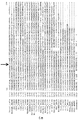
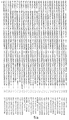
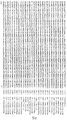
図4a〜f:全長ニトリラーゼアミノ酸配列のアライメント。以下の配列のアライメントを表している:
表1:図4でアライメントされている配列の起源および参照(文献)

Table 1: Origin and references of sequences aligned in Figure 4 (references)
*GenBankもしくはSwissProt登録番号、または特許/特許出願番号のいずれかを示してある。 * Indicates either GenBank or SwissProt registration number or patent / patent application number.
配列番号2に記載された野生型Alcaligenes faecalisニトリラーゼ中の296番目の位置に対応する保存されたチロシン残基は、図4eにおいて矢印で示してある。 The conserved tyrosine residue corresponding to position 296 in the wild-type Alcaligenes faecalis nitrilase set forth in SEQ ID NO: 2 is indicated by an arrow in FIG. 4e.
図5a〜e:全長ニトリラーゼアミノ酸配列のアライメント。WO 03/000840において開示され、R-2-クロロマンデロニトリル変換活性を示すとして記載されている配列を、以下の配列とアライメントした:Alcaligenes faecalisに由来するニトリラーゼNit1650_(DE19848129-A1)、Alcaligenes faecalisに由来するニトリラーゼNitJM3_(P20960;EP0527553)、Alcaligenes faecalisに由来するニトリラーゼNit8750(WO9964607)、およびPseudomonas specに由来するニトリラーゼ。WO 03/000840に由来する配列は特許出願番号の後にその配列番号を示してある、(例えばWO2003000840.332は、WO 03/000840の配列番号332を表している)。配列番号2に記載された野生型Alcaligenes faecalisニトリラーゼ中の296番目の位置に対応する保存されたチロシン残基は、図5dにおいて矢印で示してある。 Figures 5a-e: Alignment of full-length nitrilase amino acid sequences. The sequences disclosed in WO 03/000840 and described as exhibiting R-2-chloromandelonitrile conversion activity were aligned with the following sequences: the nitrilase Nit1650_ (DE19848129-A1), Alcaligenes faecalis derived from Alcaligenes faecalis A nitrilase derived from NitJM3_ (P20960; EP0527553), a nitrilase Nit8750 derived from Alcaligenes faecalis (WO9964607), and a nitrilase derived from Pseudomonas spec. The sequence derived from WO 03/000840 is given its sequence number after the patent application number (eg WO2003000840.332 represents SEQ ID NO: 332 of WO 03/000840). The conserved tyrosine residue corresponding to position 296 in the wild-type Alcaligenes faecalis nitrilase set forth in SEQ ID NO: 2 is indicated by an arrow in FIG. 5d.
野生型Alcaligenes faecalis中の296番目の位置に相当するチロシン残基の置換は、ニトリラーゼの基質許容性の改変をもたらす。結果として得られるニトリラーゼは、改変されていないニトリラーゼによっては変換することができなかったか、わずかしか変換できなかったニトリル基質を変換しうることが観察された。このことは、経済的に満足できる効率での広範なニトリルの変換を可能にするものであり、これは当該技術分野において公知のニトリラーゼによってはなし得ないことである。この効果は、前記ニトリル基質に対する酵素の触媒活性の増加を伴う。 Substitution of a tyrosine residue corresponding to position 296 in wild-type Alcaligenes faecalis results in alteration of the substrate tolerance of nitrilase. It was observed that the resulting nitrilase could convert a nitrile substrate that could not be converted by the unmodified nitrilase, or only a small amount. This allows the conversion of a wide range of nitriles with economically satisfactory efficiency, which cannot be achieved by nitrilases known in the art. This effect is accompanied by an increase in the catalytic activity of the enzyme for the nitrile substrate.
従って、本発明の最初の実施形態は、ニトリラーゼ活性を有するタンパク質をコードする単離されたポリペプチド配列に関し、該ポリペプチドは、配列番号2に記載されている野生型Alcaligenes faecalisニトリラーゼ中の296番目の位置に相当する位置に、チロシン以外の1つのアミノ酸を含む。 Thus, the first embodiment of the present invention relates to an isolated polypeptide sequence encoding a protein having nitrilase activity, which polypeptide is the 296th in the wild type Alcaligenes faecalis nitrilase set forth in SEQ ID NO: 2. One amino acid other than tyrosine is included at a position corresponding to the position of.
当該技術分野において記載されているほぼ全てのニトリラーゼ中で、配列番号2に記載されている野生型Alcaligenes faecalis中の296番目の位置に相当するチロシン残基は保存されている。(例えば、WO 03/000840に記載されている)ニトリラーゼであるとの注釈がつけられているポリペプチドのうち少数が、酵素のこの部分に、異なるアミノ酸配列(コンピュータ上で、対応するDNAから推定)を含んでいる。しかしながら、これらの酵素のいくつかは、公知のニトリラーゼの全てに特徴的な、触媒活性に必要な三つ組(catalytic triad)を含んでいないため(Pace & Brenner (2001) Genome Biology 2(1):1-9参照)、それらの差異は、配列決定エラーの結果であるか(例えば、フレームシフトの結果起こった)、それらの配列がニトリラーゼスーパーファミリーの酵素の型に属するものではない可能性が高い。いずれにせよ、これらの酵素は、配列番号2に記載されている野生型Alcaligenes faecalis中の296番目の位置の周辺領域に対して、顕著な相同性をほとんど、または全く有しておらず、上記の配列タグを含まない。 In almost all nitrilases described in the art, the tyrosine residue corresponding to position 296 in wild-type Alcaligenes faecalis described in SEQ ID NO: 2 is conserved. A small number of polypeptides that are annotated as nitrilases (for example, as described in WO 03/000840) have a different amino acid sequence (on the computer deduced from the corresponding DNA) in this part of the enzyme. ) Is included. However, some of these enzymes do not contain the catalytic triad that is characteristic of all known nitrilases (Pace & Brenner (2001) Genome Biology 2 (1): 1 -9), the differences are likely the result of sequencing errors (eg, occurred as a result of a frameshift) or the sequences do not belong to the nitrilase superfamily of enzyme types. In any case, these enzymes have little or no significant homology to the surrounding region at position 296 in wild-type Alcaligenes faecalis as set forth in SEQ ID NO: 2, The sequence tag of is not included.
「配列番号2に記載されている野生型Alcaligenes faecalis中の296番目の位置に相当する」という語句は、本明細書中で用いられるときには、好ましくはニトリラーゼをコードするポリペプチド配列中の位置を意味するものであって、該ポリペプチド配列について、配列番号2に記載されている配列に対するアライメントを行ったときに、配列番号2に記載されている野生型Alcaligenes faecalis中の296番目の位置の残基に合う(fit)またはそろう(align)位置を意味する。そのようなアライメントは、例えばFASTA(例えば、version 3.3t09 May 18, 2001;スコア行列(scoring matrix):blosum62;Henikoff & Henikoff (1992) Proc Natl Acad Sci USA 89:10915-10919;Pearson WR & Lipman DJ (1988) Proc Natl Acad Sci USA 85:2444-2448)、GAP、またはGAP -ENDWeight(「-ENDWeight」は、終末ギャップに対して他のギャップと同様にペナルティーを課す;スコア行列:blosum62 Henikoff & Henikoff (1992) Proc Natl Acad Sci USA 89:10915-10919;Needleman & Wunsch (1970) J Mol Biol 48:443-453)のようなコンピュータソフトウェアツールを用いて行うことができる。他のニトリラーゼ酵素における、配列番号2に記載されている野生型Alcaligenes faecalis中の296番目の位置に相当する位置はまた、マルチプルアライメント(例えば図4および5に表されているような)によっても同定することができる。以下の表(表2)は、配列番号2に記載されている野生型Alcaligenes faecalis中の296番目の位置に相当する残基を含む領域のアライメントを表している。配列は、GenBank/SwissProtおよび他の供給源(例えば特許出願WO 03/000840)に由来するものである。アライメント(例えば、図4および5に表されているような)は、ClustalWアルゴリズム(Version 1.7、Vector NTI Suite 7 ソフトウェアパッケージのAlignX編に含まれる;Informax;重み付け行列(Weight Matrix):Blosum for proteins;Thompson JDら(1994) Nucl Acids Res 22:4673-4680;Higgins DGら(1996) Methods Enzymol 266:383-402)を用い、以下のパラメータ設定により行った:Gap opening penalty:10;Gap extension penalty:0.05;Gap separation penalty range:8;% identity for alignment delay:40。
The phrase “corresponding to position 296 in wild-type Alcaligenes faecalis as set forth in SEQ ID NO: 2” as used herein preferably means a position in the polypeptide sequence encoding nitrilase. A residue at position 296 in wild-type Alcaligenes faecalis described in SEQ ID NO: 2 when the polypeptide sequence is aligned with the sequence described in SEQ ID NO: 2 It means a position that fits or aligns. Such alignments are for example FASTA (eg version 3.3t09 May 18, 2001; scoring matrix: blosum62; Henikoff & Henikoff (1992) Proc Natl Acad Sci USA 89: 10915-10919; Pearson WR & Lipman DJ (1988) Proc Natl Acad Sci USA 85: 2444-2448), GAP, or GAP -ENDWeight ("-ENDWeight" penalizes the end gap like any other gap; score matrix: blosum62 Henikoff & Henikoff (1992) Proc Natl Acad Sci USA 89: 10915-10919; Needleman & Wunsch (1970) J Mol Biol 48: 443-453). The position corresponding to position 296 in the wild-type Alcaligenes faecalis described in SEQ ID NO: 2 in other nitrilase enzymes is also identified by multiple alignment (eg as represented in FIGS. 4 and 5) can do. The following table (Table 2) represents an alignment of a region containing a residue corresponding to the 296th position in the wild-type Alcaligenes faecalis described in SEQ ID NO: 2. The sequence is derived from GenBank / SwissProt and other sources (eg patent application WO 03/000840). Alignments (eg as represented in FIGS. 4 and 5) are included in the ClustalW algorithm (Version 1.7,
表2:配列番号2に記載されている野生型Alcaligenes faecalis中の296番目の位置(矢印で指示)を含む領域を表すニトリラーゼの部分配列。「ニトリラーゼ」(2列目)は、アライメントされた配列の供給源を表す。定義は、図(図4および5)に与えられた定義と対応している。「開始(1)」は、対応するニトリラーゼの配列中での、4列目に表されている配列タグの最初のアミノ酸残基の位置を示している。この位置は、配列番号2に記載されている野生型Alcaligenes faecalis中の296番目の位置に相当する実際の位置を計算するのに容易に用いることができる。類似性(similarity)と同一性(identity)は、スコア行列:blosum62と、以下に規定するパラメータを用いて、GAP -ENDWeightアルゴリズムにより算出した。
「約」という語は、本明細書中では、大体、ざっと、おおよそ、またはその領域に、ということを意味する。「約」という語が数値範囲と関連して用いられているときには、説明されている数値の上下の境界を広げることによって範囲を修正する。一般に、「約」という語は、本明細書中では、大小(上下)20%の変動幅で、提示された値の上下の数値を修正するために用いられる。 As used herein, the term “about” means roughly, roughly, or in the region. When the word “about” is used in conjunction with a numerical range, it modifies the range by widening the upper and lower boundaries of the numerical values being described. In general, the term “about” is used herein to correct numerical values above and below the presented value with a variation range of 20% in magnitude (up and down).
本明細書中で用いられるときには、「または」という語は、個々のリストの構成要員のどれか1つを意味し、ならびにまた、当該リストの構成要員の任意の組み合わせを含む。 As used herein, the term “or” means any one of the individual list members, and also includes any combination of the list members.
「核酸」という語は、デオキシリボヌクレオチドまたはリボヌクレオチドおよびそれらのポリマーまたはハイブリッドを指し、一本鎖または二本鎖、センスまたはアンチセンス型である。この語は、公知のヌクレオチドのアナログまたは修飾されたバックボーン残基またはバックボーン鎖を含む核酸を包含し、それら核酸は合成された、天然に存在する、および非天然に存在するものであり、対照の核酸と同様の結合特性を有し、対照のヌクレオチドと同様に代謝されるものである。そのようなアナログの例は以下のようなものであるが、これに限定されない:ホスホロチオエート、ホスホルアミデート、メチルホスホネート、キラルメチルホスホネート、2-O-メチルリボヌクレオチド、ペプチド核酸(PNA)、および同様のもの。 The term “nucleic acid” refers to deoxyribonucleotides or ribonucleotides and polymers or hybrids thereof, single or double stranded, sense or antisense forms. The term encompasses nucleic acids containing known nucleotide analogs or modified backbone residues or backbone strands, which are synthesized, naturally occurring and non-naturally occurring, It has the same binding properties as nucleic acids and is metabolized like control nucleotides. Examples of such analogs include, but are not limited to: phosphorothioates, phosphoramidates, methyl phosphonates, chiral methyl phosphonates, 2-O-methyl ribonucleotides, peptide nucleic acids (PNA), and Similar thing.
別に示されている場合を除いて、個々の核酸配列はまた、暗黙のうちに、保存的に改変されたそれらの変異体(例:縮重コドン置換)および相補配列を、明示されている配列と同様に包含する。「核酸」という語は、本明細書中においては、「遺伝子」、「cDNA」、「mRNA」、「オリゴヌクレオチド」および「ポリヌクレオチド」と相互に交換できるように用いられる。 Except where otherwise indicated, individual nucleic acid sequences also implicitly express their conservatively modified variants (eg, degenerate codon substitutions) and complementary sequences. Includes as well. The term “nucleic acid” is used herein interchangeably with “gene”, “cDNA”, “mRNA”, “oligonucleotide” and “polynucleotide”.
本明細書中で用いられるときには、「核酸配列」という句は、ヌクレオチドを表す略語、文字(letter)、符号(character)および語の連続した並びを指す。1つの実施形態においては、核酸は「プローブ」であってもよく、これは比較的短い核酸、通常100ヌクレオチド長未満である。多くの場合、核酸プローブは約50ヌクレオチド長から約10ヌクレオチド長である。核酸の「標的領域」は、目的のものであると同定された核酸の一部分である。核酸の「コード領域(coding region)」は、適当な調節配列の制御下に置かれたときに、配列特異的に転写、翻訳され、特定のポリペプチドまたはタンパク質を産生する、核酸の一部分である。該コード領域は、そのようなポリペプチドまたはタンパク質をコードするという言い方をされる。 As used herein, the phrase “nucleic acid sequence” refers to a contiguous sequence of abbreviations, letters, characters, and words representing nucleotides. In one embodiment, the nucleic acid may be a “probe”, which is a relatively short nucleic acid, usually less than 100 nucleotides in length. Often, nucleic acid probes are from about 50 nucleotides to about 10 nucleotides in length. A “target region” of a nucleic acid is a portion of a nucleic acid that has been identified as being of interest. A nucleic acid "coding region" is a portion of a nucleic acid that, when placed under the control of appropriate regulatory sequences, is sequence-specifically transcribed and translated to produce a specific polypeptide or protein. . The coding region is said to encode such a polypeptide or protein.
「遺伝子」という語句は、ある方法でポリペプチドの発現を制御できるような適当な調節配列に機能しうる様に連結されたコード領域を指す。遺伝子は、コード領域(オープンリーディングフレーム、ORF)に先行する(上流の)および後に続く(下流の)、DNAの翻訳されない調節領域を含み(例えば、プロモーター、エンハンサー、リプレッサーなど)、同様に、適当ならば、個々のコード領域(すなわちエキソン)の間の介在配列(すなわちイントロン)も含む。 The phrase “gene” refers to a coding region operably linked to suitable regulatory sequences so that the expression of the polypeptide can be controlled in some way. Genes include coding regions (open reading frames, ORFs) preceding (upstream) and following (downstream), untranslated regulatory regions of DNA (eg, promoters, enhancers, repressors, etc.), as well as Where appropriate, intervening sequences (ie introns) between individual coding regions (ie exons) are also included.
「ポリペプチド」、「ペプチド」、「オリゴペプチド」、「ポリペプチド」、「遺伝子産物」、「発現産物」および「タンパク質」という語句は、本明細書では、相互に交換できるように、連続したアミノ酸残基のポリマーまたはオリゴマーを指すために使用される。これらの語句は、天然に存在するアミノ酸のポリマーに適用されるのと同様に、その中の1つかそれ以上のアミノ酸残基が、天然に存在するアミノ酸に対応するアナログまたはミメティックであるようなアミノ酸ポリマーに適用される。さらに、本明細書で用いられるときには、「ポリペプチド」という語句は、ペプチド結合または修飾ペプチド結合で互いに結合されているアミノ酸を指し、遺伝子をコードする20のアミノ酸以外の修飾アミノ酸を含んでもよい。ポリペプチドは、自然の過程、例えば翻訳後プロセッシングによって、または当該技術分野において公知の化学修飾技術によって修飾されうる。 The terms “polypeptide”, “peptide”, “oligopeptide”, “polypeptide”, “gene product”, “expression product”, and “protein” are used herein in order to be interchangeable. Used to refer to a polymer or oligomer of amino acid residues. These phrases are amino acids in which one or more amino acid residues therein are analogs or mimetics corresponding to the naturally occurring amino acids, as applied to polymers of naturally occurring amino acids. Applied to polymer. Furthermore, as used herein, the phrase “polypeptide” refers to amino acids joined together by peptide bonds or modified peptide bonds, and may include modified amino acids other than the 20 amino acids encoding a gene. Polypeptides can be modified by natural processes, such as post-translational processing, or by chemical modification techniques known in the art.
修飾は、ペプチド主鎖、アミノ酸側鎖およびアミノ末端またはカルボキシ末端を含む、ポリペプチド中のいかなる部位においても起こりうる。同じ種類の修飾が、所与のポリペプチドの数ヶ所に、同じ程度あるいは異なる程度で存在しうることはよく理解されるであろう。所与のポリペプチドはまた、多種類の修飾を有することも可能である。修飾とは以下のものを含むが、これによって限定されない:アセチル化、アシル化、ADP-リボシル化、アミド化、共有架橋結合もしくは環状化、フラビンまたはヘム基の共有結合、ヌクレオチドもしくはヌクレオチド誘導体の共有結合、脂質もしくは脂質誘導体の共有結合、ホスファチジルイノシトールの共有結合、ジスルフィド結合形成、脱メチル化、システインもしくはピログルタミン酸形成、ホルミル化、γ-カルボキシル化、グリコシル化、GPIアンカー形成、ヒドロキシル化、ヨウ素化、メチル化、ミリストイル化、酸化、ペグ化(pergylation)、タンパク質分解、リン酸化、プレニル化、ラセミ化、セレノイル化、硫酸化、およびトランスファーRNAを介したタンパク質へのアミノ酸の付加(例えばアルギニル化)(Proteins-Structure and Molecular Properties 第2版, Creighton TE, Freeman WH and Company, New York (1993);Posttranslational Covalent Modification of Proteins, Johnson BC編, Academic Press, New York, pp. 1-12 (1983)参照)。修飾は、短いペプチド(「タグ」、例えば6xHISタグのような)またはより大きなドメイン(例:マルトース結合タンパク質、GST-タンパク質、チオレドキシン)へのN末端またはC末端融合も含む。 Modifications can occur at any site in the polypeptide, including the peptide backbone, amino acid side chains, and the amino terminus or carboxy terminus. It will be appreciated that the same type of modification may be present in the same or varying degrees in several places in a given polypeptide. A given polypeptide can also have many types of modifications. Modifications include, but are not limited to: acetylation, acylation, ADP-ribosylation, amidation, covalent cross-linking or cyclization, covalent attachment of flavin or heme groups, sharing of nucleotides or nucleotide derivatives Bond, covalent bond of lipid or lipid derivative, covalent bond of phosphatidylinositol, disulfide bond formation, demethylation, cysteine or pyroglutamate formation, formylation, γ-carboxylation, glycosylation, GPI anchor formation, hydroxylation, iodination , Methylation, myristoylation, oxidation, pergylation, proteolysis, phosphorylation, prenylation, racemization, selenoylation, sulfation, and addition of amino acids to proteins via transfer RNA (eg arginylation) (Proteins-Structure and Molecula r Properties 2nd Edition, Creighton TE, Freeman WH and Company, New York (1993); Posttranslational Covalent Modification of Proteins, edited by Johnson BC, Academic Press, New York, pp. 1-12 (1983)). Modifications also include N-terminal or C-terminal fusions to short peptides (such as “tags”, eg, 6xHIS tags) or larger domains (eg, maltose binding protein, GST-protein, thioredoxin).
「アミノ酸」という語句は、天然に存在するアミノ酸および合成アミノ酸を指し、同様に、天然に存在するアミノ酸と同様に機能するアミノ酸アナログおよびアミノ酸ミメティックを指す。天然に存在するアミノ酸は、遺伝子コードによりコードされるもの、同様に、後に修飾されたそれらのアミノ酸、例えばヒドロキシプロリン、γ-カルボキシグルタミン酸、およびO-ホスホセリンである。アミノ酸アナログとは、天然に存在するアミノ酸と同じ基本化学構造、すなわち、水素に結合した炭素、カルボキシル基、アミノ基およびR基を有する化合物である(例えば、ホモセリン、ノルロイシン、メチオニンスルホキシド、メチオニンメチルスルホニウム)。 The phrase “amino acid” refers to naturally occurring and synthetic amino acids, as well as amino acid analogs and amino acid mimetics that function in a manner similar to the naturally occurring amino acids. Naturally occurring amino acids are those encoded by the genetic code, as well as those amino acids that are later modified, eg, hydroxyproline, γ-carboxyglutamic acid, and O-phosphoserine. An amino acid analog is a compound having the same basic chemical structure as a naturally occurring amino acid, ie, carbon, carboxyl group, amino group and R group bonded to hydrogen (eg, homoserine, norleucine, methionine sulfoxide, methionine methylsulfonium). ).
本明細書中で用いられるときには、「アミノ酸配列」という語句は、アミノ酸残基を表す略語、文字(letter)、符号(character)および語の連続した並びを指す。アミノ酸は、本明細書においては、一般に知られている3文字の記号、またはIUPAC-IUB生化学命名法委員会(IUPAC-IUB Biochemical Nomenclature Commission)により推奨されている1文字の記号のいずれによって表されてもよい。ヌクレオチドは同様に、一般に受け入れられている1文字コードによって表され得る。本明細書で用いている略記は一般的なアミノ酸の1文字コードである:A、アラニン;B、アスパラギンもしくはアスパラギン酸;C、システイン;D、アスパラギン酸;E、グルタミン酸;F、フェニルアラニン;G、グリシン;H、ヒスチジン;I、イソロイシン;K、リジン;L、ロイシン;M、メチオニン;N、アスパラギン;P、プロリン;Q、グルタミン;R、アルギニン;S、セリン;T、トレオニン;V、バリン;W、トリプトファン;Y、チロシン;Z、グルタミンもしくはグルタミン酸(L. Stryer, Biochemistry, 1988, W. H. Freeman and Company, New Yorkを参照)。「X」の文字は、本明細書においてアミノ酸配列中に用いられているときには、いかなるアミノ酸残基でもよいことを表す。 As used herein, the phrase “amino acid sequence” refers to a contiguous sequence of abbreviations, letters, characters, and words representing amino acid residues. Amino acids are represented herein by either the commonly known three letter symbols or the one letter symbols recommended by the IUPAC-IUB Biochemical Nomenclature Commission. May be. Nucleotides may also be represented by the generally accepted single letter code. Abbreviations used herein are one letter codes for common amino acids: A, alanine; B, asparagine or aspartic acid; C, cysteine; D, aspartic acid; E, glutamic acid; F, phenylalanine; H, histidine; I, isoleucine; K, lysine; L, leucine; M, methionine; N, asparagine; P, proline; Q, glutamine; R, arginine; S, serine; T, threonine; W, tryptophan; Y, tyrosine; Z, glutamine or glutamic acid (see L. Stryer, Biochemistry, 1988, WH Freeman and Company, New York). The letter “X”, when used herein in an amino acid sequence, represents any amino acid residue.
「単離された」という語句は、本明細書中で用いられるときには、ある物質が、その元いた環境から取り去られたことを意味する。例えば、生きた動物中にある、天然に存在するポリヌクレオチドまたはポリペプチドは単離されていないが、同じポリヌクレオチドまたはポリペプチドが、天然の系で共存している物質の一部または全部から分離されていれば、それは単離されている。そのようなポリヌクレオチドはベクターの一部となることができ、および/またはそのようなポリヌクレオチドまたはポリペプチドはある組成物の一部となることができ、そのようなベクターまたは組成物がその元いた環境の一部ではないという意味で、それらは単離されている。 The phrase “isolated” as used herein means that a material has been removed from its original environment. For example, a naturally occurring polynucleotide or polypeptide in a living animal has not been isolated, but the same polynucleotide or polypeptide is separated from some or all of the coexisting materials in the natural system. If so, it has been isolated. Such polynucleotides can be part of a vector and / or such polynucleotides or polypeptides can be part of a composition, and such vector or composition can be part of its origin. They are isolated in the sense that they are not part of the environment they were in.
「天然」または「天然由来(起源)」という語句は、本明細書の文脈においては、少なくとも1種の生物内に存在する利用可能な生物、ポリペプチドまたは核酸配列であって、変化も変異もしておらず、また他の方法による人為的な操作を加えられていないものを意味する。 The phrase “natural” or “natural origin (origin)” in the context of the present specification is an available organism, polypeptide or nucleic acid sequence present in at least one organism, which may be altered or mutated. This means that it has not been manipulated by other methods.
「組換え」という語句は、例えば、核酸配列(または該核酸配列を含む生物、発現カセットもしくはベクター)に関して、組換え法により起こる全ての構築物を指し、該構築物においては、
a) 前記核酸配列、または
b) 前記核酸配列a)に機能しうる様に連結された遺伝的調節配列、例えばプロモーター、または
c) (a)および(b)
のいずれかが、その元来の遺伝的環境に位置していないか、組換え法により改変されている、例えば1個以上のヌクレオチド残基の置換、付加、欠失、転移または挿入などの改変がされている構築物を指す。元来の遺伝的環境とは、元の生物においての元来の染色体上遺伝子座を指すか、またはゲノムライブラリー中に存在することを指す。ゲノムライブラリーの場合には、核酸配列の元来の遺伝的環境が、少なくとも部分的には保持されているのが好ましい。該環境は、少なくとも一方の側に核酸配列をつなげており、少なくとも50bp長、好ましくは少なくとも500bp長、特に好ましくは少なくとも1000bp長、非常に好ましくは少なくとも5000bp長の配列を有している。天然に存在する発現カセット(例えば天然に存在する、プロモーターとそれに対応する遺伝子の連結)は、天然でない、合成的な「人工的」方法(例えば変異導入)により改変されれば、組換え発現カセットになる。そのような方法は既に記載されている(US 5,565,350;WO 00/15815;上記も参照のこと)。好ましくは、「組換え」という語句は、本明細書中で用いられるときには、核酸に関して、核酸がその元来の環境において隣接していなかった核酸と共有結合により連結され、隣接していることを意味する。
The phrase “recombinant” refers to any construct that occurs by recombinant methods, for example with respect to a nucleic acid sequence (or organism, expression cassette or vector containing the nucleic acid sequence),
a) the nucleic acid sequence, or
b) a genetic regulatory sequence operably linked to said nucleic acid sequence a), such as a promoter, or
c) (a) and (b)
Are either not located in their original genetic environment, or have been modified by recombinant methods, eg modifications such as substitution, addition, deletion, transfer or insertion of one or more nucleotide residues Refers to a structure that has been The original genetic environment refers to the original chromosomal locus in the original organism or to exist in a genomic library. In the case of a genomic library, it is preferred that the original genetic environment of the nucleic acid sequence is at least partially retained. The environment has a nucleic acid sequence linked on at least one side and has a sequence that is at least 50 bp long, preferably at least 500 bp long, particularly preferably at least 1000 bp long, and very preferably at least 5000 bp long. A naturally occurring expression cassette (eg, a naturally occurring promoter and its corresponding gene linkage) can be modified by non-natural, synthetic “artificial” methods (eg, mutagenesis) to produce a recombinant expression cassette. become. Such methods have already been described (US 5,565,350; WO 00/15815; see also above). Preferably, the phrase “recombinant” as used herein refers to a nucleic acid that is covalently linked and adjacent to a nucleic acid that was not adjacent in its original environment. means.
「組換え」ポリペプチドもしくはタンパク質は、組換えDNA技術により産生された、すなわち、所望のポリペプチドもしくはタンパク質をコードする外来性組換えDNA構築物により形質転換された細胞から産生されるポリペプチドもしくはタンパク質を指す。 A “recombinant” polypeptide or protein is produced by recombinant DNA technology, ie, produced from a cell transformed with an exogenous recombinant DNA construct encoding the desired polypeptide or protein. Point to.
組換え核酸およびポリペプチドはまた、天然に存在せず、改変、変化、変異または他の方法で人為的に操作された分子を含んでいてもよい。「組換えポリペプチド」は、天然には存在しないポリペプチドで、配列において少なくとも1個のアミノ酸残基が、天然に存在するポリペプチドと異なっているものである。前記組換えポリペプチドおよび/または核酸を作製する好ましい方法は、部位特異的もしくは非部位特異的突然変異導入、DNAシャッフリングまたは他の帰納的(recursive)組換えの方法を含んでいてもよい。かかる組換え分子を得る特に好ましい方法は、遺伝子シャッフリングを含む。シャッフリング法は当該技術分野において公知であり、例えばWO 01/12817およびその中で引用されている参照文献に記載されている。「シャッフリング」という語句は、本明細書中においては同一でない配列間の組換えを指し、いくつかの実施形態においては、シャッフリングは相同組換えまたは非相同組換え(例えばcre/loxおよび/またはflp/frt系のような)を介した交差を含む。シャッフリングは、例えば以下の方法を含む種々の異なる形式を採用して行うことができる:in vitroおよびin vivoシャッフリング形式、in silicoシャッフリング形式、二本鎖もしくは一本鎖鋳型のいずれかを用いたシャッフリング形式、プライマーに基づくシャッフリング形式、核酸断片化に基づくシャッフリング方式、オリゴヌクレオチドを介したシャッフリング形式(これらは全て、非同一配列間の組換え事象に基づいており、本明細書において以下により詳細に記載する、もしくは参照する)、ならびに組換えに基づく他の類似の形式。 Recombinant nucleic acids and polypeptides may also include molecules that are not naturally occurring and have been altered, altered, mutated or otherwise manipulated artificially. A “recombinant polypeptide” is a non-naturally occurring polypeptide that differs from a naturally occurring polypeptide by at least one amino acid residue in sequence. Preferred methods for making said recombinant polypeptides and / or nucleic acids may include site-specific or non-site-specific mutagenesis, DNA shuffling or other recursive recombination methods. Particularly preferred methods for obtaining such recombinant molecules include gene shuffling. Shuffling methods are known in the art and are described, for example, in WO 01/12817 and references cited therein. The phrase “shuffling” refers to recombination between sequences that are not identical herein, and in some embodiments, shuffling is homologous or non-homologous recombination (eg, cre / lox and / or flp). including crossing via (like / frt system). Shuffling can be performed using a variety of different formats including, for example, the following methods: in vitro and in vivo shuffling formats, in silico shuffling formats, shuffling using either double-stranded or single-stranded templates. Format, primer-based shuffling format, nucleic acid fragmentation-based shuffling format, oligonucleotide-mediated shuffling format (these are all based on recombination events between non-identical sequences and are described in more detail herein below. Or other similar formats based on recombination.
「合成」ポリペプチドもしくはタンパク質は、化学合成(例えば、固層ペプチド合成)により生成されたペプチドである。化学的ペプチド合成は、当該技術分野において公知であり(例えば、Merrifield (1963), Am. Chem. Soc. 85: 2149-2154;Geysenら(1984) Proc Natl Acad Sci USA 81:3998を参照)、合成キットおよび自動ペプチド合成機が市販されている(例えば、Cambridge Research Biochemicals, Cleveland, United Kingdom;Model 431A synthesizer, Applied Biosystems, Inc., Foster City, CA)。そのような装置は、直接合成または他の公知の技術により連結することができる一連の断片の合成によって、本発明のペプチドを容易に得ることを可能にする。 A “synthetic” polypeptide or protein is a peptide produced by chemical synthesis (eg, solid phase peptide synthesis). Chemical peptide synthesis is known in the art (see, eg, Merrifield (1963), Am. Chem. Soc. 85: 2149-2154; Geysen et al. (1984) Proc Natl Acad Sci USA 81: 3998) Synthesis kits and automated peptide synthesizers are commercially available (eg, Cambridge Research Biochemicals, Cleveland, United Kingdom; Model 431A synthesizer, Applied Biosystems, Inc., Foster City, CA). Such a device makes it possible to easily obtain the peptides of the invention by direct synthesis or by synthesis of a series of fragments that can be linked by other known techniques.
「同一性(identity)」という語句は、2つの核酸配列に関して本明細書中で用いられるときには、プログラムアルゴリズムGAP(Wisconsin Package Version 10.0, University of Wisconsin, Genetics Computer Group (GCG), Madison, USA; Altschulら(1997) Nucleic Acids Res. 25:3389 以下を参照)を用いて、以下のパラメータを設定することで算出される同一性を意味するものと解される:
Gap weight: 50
Length weight: 3
Average match: 10
Average mismatch: 0。
The term “identity” as used herein with respect to two nucleic acid sequences is the program algorithm GAP (Wisconsin Package Version 10.0, University of Wisconsin, Genetics Computer Group (GCG), Madison, USA; Altschul (1997) Nucleic Acids Res. 25: 3389 (see below) is taken to mean the identity calculated by setting the following parameters:
Gap weight: 50
Length weight: 3
Average match: 10
Average mismatch: 0.
例えば核酸レベルで配列番号1の配列との少なくとも60%の相同性を有する配列は、上記のプログラムアルゴリズムにより、上記のパラメータセットを用いて行った、配列番号1の配列との比較において、少なくとも60%の同一性を有する配列を意味するものと解される。必要に応じて、スコア行列blosum62を用いた。 For example, a sequence having at least 60% homology with the sequence of SEQ ID NO: 1 at the nucleic acid level is at least 60 in comparison with the sequence of SEQ ID NO: 1 performed by the above program algorithm using the above parameter set. It is taken to mean a sequence with% identity. A score matrix blosum62 was used as needed.
「同一性」という語句は、2つのポリペプチドに関して本明細書中で用いられるときには、プログラムアルゴリズムGAP(Wisconsin Package Version 10.0, University of Wisconsin, Genetics Computer Group (GCG), Madison, USA)を用いて、以下のパラメータを設定することで算出される同一性を意味するものと解される:
Gap weight: 8
Length weight: 2
Average match: 2,912
Average mismatch: -2,003。
The phrase “identity”, as used herein with respect to two polypeptides, uses the program algorithm GAP (Wisconsin Package Version 10.0, University of Wisconsin, Genetics Computer Group (GCG), Madison, USA) It is understood to mean the identity calculated by setting the following parameters:
Gap weight: 8
Length weight: 2
Average match: 2,912
Average mismatch: -2,003.
例えばタンパク質レベルで配列番号2の配列との少なくとも60%の相同性を有する配列は、上記のプログラムアルゴリズムにより、上記のパラメータセットを用いて行った、配列番号2の配列との比較において、少なくとも60%の同一性を有する配列を意味するものと解される。 For example, a sequence having at least 60% homology with the sequence of SEQ ID NO: 2 at the protein level is at least 60 in comparison with the sequence of SEQ ID NO: 2 performed by the above program algorithm using the above parameter set. It is taken to mean a sequence with% identity.
本明細書中で用いられるときには、ヌクレオチド配列に関して、「相同性(homology)」は「同一性」と同じ意味を有する。しかしながら、アミノ酸配列に関しては、「相同性」は同一かつ保存的な(conservative)アミノ酸置換のパーセンテージを含む。相同性のパーセンテージは、以下のアルゴリズムによって、スコア行列blosum62を用いて算出することができる:Smith and Waterman (1981) Adv Appl Math 2:482、およびNeedleman & Wunsch (1970) J Mol Biol 48:443-453。 As used herein, “homology” has the same meaning as “identity” with respect to nucleotide sequences. However, with respect to amino acid sequences, “homology” includes the percentage of identical and conservative amino acid substitutions. The percentage of homology can be calculated using the score matrix blosum62 by the following algorithm: Smith and Waterman (1981) Adv Appl Math 2: 482, and Needleman & Wunsch (1970) J Mol Biol 48: 443- 453.
本明細書中で2以上のヌクレオチド配列に関して用いられるときには、比較され、最大対応(maximum correspondence)についてアライメントされたときに、上述の公知の配列比較アルゴリズムを用いて測定して、少なくとも99.5%のヌクレオチド同一性を有する場合には、2つの配列は「実質的に同一」である。さらに、配列同士が実質的に同一かどうか決定する目的では、コード領域の同義語コドンは、遺伝的コードの縮重のために同一であるとして扱ってもよい。典型的には、実質的な同一性を決定するべき領域は、少なくとも約20残基にわたっていなければならず、配列が少なくとも25〜200残基にわたって実質的に同一であるのが最も一般的である。 When used herein with respect to two or more nucleotide sequences, at least 99.5% nucleotides as compared using the known sequence comparison algorithm described above when compared and aligned for maximum correspondence Two sequences are “substantially identical” if they have identity. Further, for purposes of determining whether sequences are substantially identical, synonymous codons in the coding region may be treated as identical due to the degeneracy of the genetic code. Typically, the region from which substantial identity is to be determined should span at least about 20 residues, and most commonly the sequence will be substantially identical over at least 25-200 residues. is there.
本明細書中で2以上のアミノ酸配列に関して用いられるときには、最大対応(maximum correspondence)について比較し、アライメントされたときに、上述の公知の配列比較アルゴリズムを用いて測定して、少なくとも99.5%の同一性を有する場合には、2つの配列は「実質的に同一」である。さらに、配列同士が実質的に同一かどうか決定する目的では、保存的なアミノ酸置換は、ポリペプチドがその生物学的機能を実質的に保っていれば、同一であるとして扱ってもよい。 When used herein with respect to two or more amino acid sequences, it is compared for maximum correspondence and when aligned, measured using the known sequence comparison algorithm described above, at least 99.5% identity Two sequences are “substantially identical” if they have sex. Furthermore, for purposes of determining whether sequences are substantially identical, conservative amino acid substitutions may be treated as identical if the polypeptides substantially retain their biological function.
「ハイブリダイゼーション」は、核酸鎖が相補鎖と、相補塩基同士における水素結合を介して結合する過程を指す。ハイブリダイゼーションアッセイは、所望の特定配列がサンプル中に低濃度でしか存在しなくても、その配列を同定することができるほど感度がよく選択的でありうる。ストリンジェントな条件とは、プレハイブリダイゼーションおよびハイブリダイゼーション溶液中の塩濃度またはホルムアミド濃度、および/またはハイブリダイゼーション温度により規定され、当該技術分野においてはよく知られている。ストリンジェンシーは、塩濃度の低下、ホルムアミド濃度の上昇、またはハイブリダイゼーション温度の上昇により高くすることができる。「標準条件」という語句は、本明細書中で用いられるときには、例えば当該核酸に応じて、以下の条件を意味する:42〜58℃の温度、0.1〜5x SSC(1x SSC=0.15M NaCl、15mMクエン酸ナトリウム、pH7.2)の間の濃度の水性緩衝溶液、またはさらに50%ホルムアミド存在下、例えば、5x SSC中で42℃、50%ホルムアミド。DNA:DNAハイブリッドのハイブリダイゼーション条件は、好ましくは0.1x SSC、約20℃〜45℃の間、好ましくは約30℃〜45℃の間の温度を含む。DNA:RNAハイブリッドのハイブリダイゼーション条件は、好ましくは0.1x SSC、約30℃〜55℃の間、好ましくは約45℃〜55℃の間の温度を含む。ハイブリダイゼーションについて提示されるこれらの温度は、一例として、ホルムアミド非存在下において、約100ヌクレオチド長でG+C含量が50%の核酸について計算された融解温度である。DNAハイブリダイゼーションの実験条件は、適当な遺伝学の教科書、例えばSambrookら, “Molecular Cloning”, Cold Spring Harbor Laboratory, 1989に記載されており、当業者に公知の公式によって、例えば核酸の長さ、ハイブリッドの性質またはG+C含量から計算することができる。当業者は、ハイブリダイゼーションについてのさらなる情報を以下の教科書中に見出すことができる:Ausubelら編, 1985, Current Protocols in Molecular Biology, John Wiley & Sons, New
York;Hames and Higgins編, 1985, Nucleic Acids Hybridization: A Practical Approach, IRL Press at Oxford University Press, Oxford;Brown編, 1991, Essential Molecular Biology: A Practical Approach, IRL Press at Oxford University Press, Oxford。特に、本明細書中で用いられるときには、「ストリンジェントなハイブリダイゼーション条件」は、42℃、50%ホルムアミド中、5x SSPE、0.3%SDS、および200ng/ml剪断変性サケ精子DNA、およびそれと同等の条件を含む。上記の範囲および条件についての変動は、当該技術分野においては公知である。
“Hybridization” refers to a process in which a nucleic acid strand binds to a complementary strand through hydrogen bonding between complementary bases. Hybridization assays can be sensitive and selective so that the desired specific sequence can be identified even if it is present at low concentrations in the sample. Stringent conditions are defined by the prehybridization and salt or formamide concentrations in the hybridization solution and / or the hybridization temperature and are well known in the art. Stringency can be increased by decreasing salt concentration, increasing formamide concentration, or increasing hybridization temperature. The term “standard conditions” as used herein means the following conditions, for example, depending on the nucleic acid: temperature of 42-58 ° C., 0.1-5 × SSC (1 × SSC = 0.15 M NaCl, Aqueous buffer solution at a concentration between 15 mM sodium citrate, pH 7.2), or in the presence of 50% formamide, eg, 42 ° C., 50% formamide in 5 × SSC. Hybridization conditions for DNA: DNA hybrids preferably include 0.1 × SSC, temperatures between about 20 ° C. and 45 ° C., preferably between about 30 ° C. and 45 ° C. Hybridization conditions for DNA: RNA hybrids preferably include 0.1 × SSC, temperatures between about 30 ° C. and 55 ° C., preferably between about 45 ° C. and 55 ° C. These temperatures presented for hybridization are, by way of example, melting temperatures calculated for nucleic acids with a length of about 100 nucleotides and a G + C content of 50% in the absence of formamide. Experimental conditions for DNA hybridization are described in appropriate genetics textbooks such as Sambrook et al., “Molecular Cloning”, Cold Spring Harbor Laboratory, 1989, according to formulas known to those skilled in the art, for example, the length of nucleic acids, It can be calculated from the properties of the hybrid or the G + C content. A person skilled in the art can find further information on hybridization in the following textbooks: edited by Ausubel et al., 1985, Current Protocols in Molecular Biology, John Wiley & Sons, New
York; Hames and Higgins, 1985, Nucleic Acids Hybridization: A Practical Approach, IRL Press at Oxford University Press, Oxford; Brown, 1991, Essential Molecular Biology: A Practical Approach, IRL Press at Oxford University Press, Oxford. In particular, as used herein, “stringent hybridization conditions” are: 42 ° C., 50% formamide, 5 × SSPE, 0.3% SDS, and 200 ng / ml shear-denatured salmon sperm DNA, and equivalents Includes conditions. Variations on the above ranges and conditions are known in the art.
「変異体(variant)」という語句は、本明細書中で用いられるときには、1個以上のヌクレオチドまたはアミノ酸残基が改変された本発明のポリヌクレオチドまたはポリペプチドを(それぞれ)指し、コードされたポリペプチドまたはポリペプチドは、ニトリラーゼ活性を保持している。変異体は例えば以下のものを含めた多数の方法のいずれによっても作成することができる:変異性(error-prone)PCR、シャッフリング、オリゴヌクレオチドを介した部位特異的突然変異導入、アッセンブリーPCR、セクシャルPCR突然変異導入、in vivo突然変異導入、カセット突然変異導入、帰納的集合(recursive ensemble)突然変異導入、指数集合突然変異導入、部位特異的突然変異導入、遺伝子再アッセンブリー、遺伝子部位飽和突然変異導入またはそれらの組み合わせのいずれか。 The phrase “variant”, as used herein, refers to and is encoded (respectively) a polynucleotide or polypeptide of the invention in which one or more nucleotides or amino acid residues have been modified. The polypeptide or polypeptide retains nitrilase activity. Variants can be created by any of a number of methods including, for example: error-prone PCR, shuffling, site-directed mutagenesis via oligonucleotides, assembly PCR, sexual PCR mutagenesis, in vivo mutagenesis, cassette mutagenesis, recursive ensemble mutagenesis, exponential set mutagenesis, site-specific mutagenesis, gene reassembly, gene site saturation mutagenesis Or any combination thereof.
「保存的に改変された変異体」は、アミノ酸および核酸配列の両者に適用される。特定の核酸配列に関して、保存的に改変された変異体とは、同一か、本質的に同一なアミノ酸配列をコードする核酸を指し、または、核酸がアミノ酸配列をコードしていない場合には、本質的に同一の配列を指す。具体的には、縮重コドン置換は、1つかそれ以上の選択された(もしくは全ての)コドンの3番目の位置が混合塩基および/またはデオキシイノシン残基によって置換された配列を作製することにより行われうる(Batzerら(1991) Nucleic Acid Res 19:5081;Ohtsukaら(1985) J Biol Chem 260:2605-2608;Rossoliniら(1994) Mol Cell Probes 8:91-98)。遺伝的コードの縮重により、機能的に同一の多くの核酸が所与のタンパク質をコードする。例えば、コドンGCA、GCC、GCGおよびGCUは全てアミノ酸アラニンをコードする。従って、コドンによってアラニンが規定されている全ての位置において、コドンは、コードされたポリペプチドを変えることなく、上記の対応するコドンのいずれにでも代えることができる。そのような核酸の変異は「サイレント変異」であり、保存的に改変された変異の一種である。本明細書において列挙されている、ポリペプチドをコードする全ての核酸配列は、全ての可能な核酸のサイレント変異をも表している。当業者は、核酸のそれぞれのコドン(AUGを除く:これはいくつかの生物においてのGUGと同様に、通常メチオニンに対する唯一のコドンである、およびTGGを除く:これは通常トリプトファンに対する唯一のコドンである)を改変して機能的に同一の分子を得ることが可能であることを認識するものと思われる。さらに、ポリペプチドをコードする核酸のそれぞれのサイレント変異は、記載されたそれぞれの配列に潜在的に包含されている。 “Conservatively modified variants” applies to both amino acid and nucleic acid sequences. With respect to a particular nucleic acid sequence, a conservatively modified variant refers to a nucleic acid that encodes the same or essentially the same amino acid sequence or, if the nucleic acid does not encode an amino acid sequence, Refers to identical sequences. Specifically, degenerate codon substitution is by creating a sequence in which the third position of one or more selected (or all) codons is replaced by a mixed base and / or deoxyinosine residue. (Batzer et al. (1991) Nucleic Acid Res 19: 5081; Ohtsuka et al. (1985) J Biol Chem 260: 2605-2608; Rossolini et al. (1994) Mol Cell Probes 8: 91-98). Due to the degeneracy of the genetic code, many functionally identical nucleic acids encode a given protein. For example, the codons GCA, GCC, GCG and GCU all encode the amino acid alanine. Thus, at every position where an alanine is defined by a codon, the codon can be replaced with any of the corresponding codons described above without altering the encoded polypeptide. Such nucleic acid mutations are “silent mutations” and are a type of mutation conservatively modified. Every nucleic acid sequence encoding a polypeptide listed herein also represents all possible silent variations of the nucleic acid. Those skilled in the art will recognize that each codon of nucleic acid (except AUG: this is usually the only codon for methionine, as well as GUG in some organisms, and excludes TGG: this is usually the only codon for tryptophan. It will be appreciated that it is possible to modify certain) to obtain functionally identical molecules. In addition, each silent variation of a nucleic acid that encodes a polypeptide is potentially encompassed by each described sequence.
アミノ酸配列については、当業者は、コードされた配列中の1個のアミノ酸または小さな割合の複数のアミノ酸を変化、付加または欠失させるような核酸、ペプチド、ポリペプチドもしくはタンパク質配列の個々の置換、欠失または付加は、当該変化が化学的に類似のアミノ酸とのアミノ酸置換をもたらすものである場合には、「保存的に改変された変異体」であると認識するものと思われる。機能的に類似のアミノ酸を提供する保存的置換表は、当該技術分野においてよく知られている。そのような保存的に改変された変異体は、本発明の多型変異体、種間相同体、および対立遺伝子(allele)に加わり、除外されるものではない。 For amino acid sequences, one of ordinary skill in the art will recognize individual substitutions of nucleic acid, peptide, polypeptide or protein sequences that alter, add or delete one amino acid or a small percentage of multiple amino acids in the encoded sequence; A deletion or addition will be recognized as a “conservatively modified variant” if the change results in an amino acid substitution with a chemically similar amino acid. Conservative substitution tables providing functionally similar amino acids are well known in the art. Such conservatively modified variants join the polymorphic variants, interspecies homologues, and alleles of the present invention and are not excluded.
「ニトリラーゼ」という語句は、本明細書中で用いられるときには、ニトリラーゼ活性を示す全てのポリペプチドを含む。 The phrase “nitrilase” as used herein includes all polypeptides that exhibit nitrilase activity.
「ニトリラーゼ活性」という語句は、一般的にはニトリルを対応するカルボン酸とアンモニアに加水分解する能力を意味する。好ましくは「ニトリラーゼ活性」は、対応するカルボン酸の形成をもたらす、ニトリル基への2モル当量の水の付加:
R-CN + 2 H2O →" R-COOH + NH3
を触媒する性質を意味する。
The phrase “nitrilase activity” generally refers to the ability to hydrolyze a nitrile to the corresponding carboxylic acid and ammonia. Preferably the “nitrilase activity” is the addition of 2 molar equivalents of water to the nitrile group resulting in the formation of the corresponding carboxylic acid:
R-CN + 2 H 2 O → "R-COOH + NH 3
Means the property of catalyzing
好ましくは、「ニトリラーゼ」という語句は、EC分類3.5.5.1(ニトリラーゼ)、3.5.5.2(リシニンニトリラーゼ)、3.5.5.4(シアノアラニンニトリラーゼ)、3.5.5.5(アリールアセトニトリラーゼ)、3.5.5.6(ブロモキシニルニトリラーゼ)、および3.5.5.7(脂肪族ニトリラーゼ)を含む。アリールアセトニトリラーゼ(EC 3.5.5.5)がより好ましい。 Preferably, the phrase “nitrilase” refers to EC classifications 3.5.5.1 (nitrilase), 3.5.5.2 (ricinine nitrilase), 3.5.5.4 (cyanoalanine nitrilase), 3.5.5.5 (arylacetonitrilase), 3.5.5.6 ( Bromoxynyl nitrilase), and 3.5.5.7 (aliphatic nitrilase). Aryl acetonitrylase (EC 3.5.5.5) is more preferred.
ニトリラーゼは、ニトリラーゼ活性を有する酵素の間で特徴的に保存されている、保存されたアミノ酸残基もしくはモチーフを含みうる。これらの保存された残基は、例えばいくつかのニトリラーゼの配列のアライメントによって同定することができる。保存された残基は例えば、配列番号2に記載されている野生型Alcaligenes faecalisニトリラーゼの配列の163番目の位置のシステイン残基を含み、該残基はニトリラーゼの反応メカニズムに関与している(Kobayashiら(1993) Proc Natl Acad Sci USA 90:247-251)。保存されたモチーフの3つの領域が、ニトリラーゼポリペプチド中に同定された。それらは、ニトリラーゼ酵素に存在する触媒活性に必要な三つ組(E-K-C)に対応する(Pace & Brenner (2001) Genome Biology 2(1):1-9):
1. fPEaf
2. hRKl.pT
3. l.CWEn..p
(大文字はニトリラーゼ間での90%かそれ以上の共通性を表し、小文字は50%かそれ以上の共通性を表している。配列中のピリオドは保存されていない残基を表している。好ましくは、以下の残基(下線が引かれているもの)は同定されたニトリラーゼ全ての間で完全に保存されている:最初のモチーフもしくは領域の3番目のアミノ酸(E、グルタミン酸);2番目のモチーフの2番目の残基(R、アルギニン);2番目のモチーフの3番目の残基(K、リジン);3番目のモチーフの3番目の残基(C、システイン);および3番目のモチーフの5番目の残基(E、グルタミン酸)。
A nitrilase can contain conserved amino acid residues or motifs that are characteristically conserved among enzymes having nitrilase activity. These conserved residues can be identified, for example, by alignment of several nitrilase sequences. The conserved residue includes, for example, a cysteine residue at position 163 of the sequence of the wild-type Alcaligenes faecalis nitrilase described in SEQ ID NO: 2, and this residue is involved in the reaction mechanism of nitrilase (Kobayashi (1993) Proc Natl Acad Sci USA 90: 247-251). Three regions of conserved motifs have been identified in nitrilase polypeptides. They correspond to the triplet (EKC) required for the catalytic activity present in the nitrilase enzyme (Pace & Brenner (2001) Genome Biology 2 (1): 1-9):
1.fP E af
2.h RK l.pT
3. l. C W E n..p
(Uppercase letters represent 90% or more commonality between nitrilases, lowercase letters represent 50% or more commonality. Periods in the sequence represent unconserved residues. The following residues (underlined) are completely conserved among all identified nitrilases: the third amino acid of the first motif or region (E, glutamic acid); the second The second residue of the motif (R, arginine); the third residue of the second motif (K, lysine); the third residue of the third motif (C, cysteine); and the third motif The fifth residue of (E, glutamic acid).
本発明で、基準配列は配列番号2に記載されている野生型Alcaligenes faecalisニトリラーゼに由来するニトリラーゼである。特定のアミノ酸もしくは核酸の位置についての全ての定義、表示、および記載は、前記配列の一次配列との比較に基づくものであり、当業者によって、例えば図4または5に描かれているような配列アライメントを用いて、他のニトリラーゼに移すことができる。 In the present invention, the reference sequence is a nitrilase derived from the wild-type Alcaligenes faecalis nitrilase described in SEQ ID NO: 2. All definitions, representations, and descriptions of specific amino acid or nucleic acid positions are based on a comparison with the primary sequence of the sequence, and are shown by those skilled in the art, for example, as depicted in FIG. Alignment can be used to transfer to other nitrilases.
ニトリラーゼは、天然、合成または組換えに由来するものでありうる。天然にニトリラーゼを発現する多くの生物が当該技術分野において知られている。好ましくは、本発明に従って改変されるニトリラーゼは、細菌、酵母、真菌、植物または動物由来のニトリラーゼから選択される。さらに好ましくは、ニトリラーゼは微生物に由来するものであり、最も好ましくは細菌に由来するものである。ニトリラーゼはまた、例えば土壌もしくは海洋材料のような環境供給源から、生物を詳細に同定することなく単離することもできる。 The nitrilase can be derived from nature, synthesis or recombination. Many organisms that naturally express nitrilase are known in the art. Preferably, the nitrilase modified according to the present invention is selected from nitrilases from bacteria, yeast, fungi, plants or animals. More preferably, the nitrilase is derived from a microorganism, and most preferably is derived from a bacterium. Nitrilase can also be isolated from environmental sources such as soil or marine material without detailed identification of the organism.
多数のニトリラーゼおよびその配列が、当該技術分野において公知である。これらのニトリラーゼは、以下のものに由来するニトリラーゼを含むが、これによって限定されない:Acidovorax facilis 72W (Gavagan JEら(1999) Appl Microbiol Biotechnol 52:654-659)、Acinetobacter sp. AK 226 (Yamamoto K and Komatsu K (1991) Agric Biol Chem 55(6):1459-1466)、Acinetobacter sp. RFB1 (Finnegan Iら(1991) Appl Microbiol Biotechnol 36:142-144)、Alcaligenes faecalis ATCC 8750 (Yamamoto Kら(1991) Appl Environ Microbiol 57(10):3028-3032)、Alcaligenes faecalis JM3 (Nagasawa Tら(1990) Eur J Biochem 194:765-772)、Arabidopsis thaliana (NIT1/NIT2/NIT3;Vorwerk Sら(2001) Planta 212:508-516)、Arthrobacter sp. J-1 (Bandyopadhyay AKら(1986) Appl Environ Microbiol 51(2):302-306)、Bacillus pallidus Dac521 (Cramp Rら(1997) Microbiology 143:2313-2320)、Comamonas sp. NI1 (Cerbelaud Eら(1996) Ind Chem Libr 8:189-200)、Comamonas testosteroni sp. (Levy-Schil Sら(1995) Gene 161:15-20)、Fusarium oxysporum f. sp. melonis (Goldlust A and Bohak Z (1989) Biotechnol Appl Biochem 11:581-601)、Fusarium solani (Harper BH (1977) Biochem J 167:685-692)、Klebsiella ozaenae (McBride KEら(1986) Appl Environ Microbiol 52(2):325-330)、Pseudomonas fluoreszenz DSM 7155 (Layh Nら(1998) J Mol Catal B: Enzym 5:467-474)、Pseudomonas sp. (Layh Nら(1992) Arch Mircobiol 158:405-411)、Pseudomonas sp. (S1) (Dhillon Jら(1999) Can J Microbiol 45: 811-815)、Pseudomonas sp. 13 (Yanase Hら(1982) Agric Biol Chem 46:2925)、Rhodococcus rhodochrous J1 (Kobayashi Mら(1989) Eur J Biochem 182:349-356)、Rhodococcus rhodochrous K22 (Kobayashi Mら(1990) J Bacteriol 172(9):4807-4815)、Rhodococcus rhodochrous NCIB 11215 (Harper BH (1985) Int J Biochem 17(6):677-683)、Rhodococcus rhodochrous NCIB 11216 (Harper BH (1977) Biochem J 165:309-319)、Rhodococcus rhodochrous PA34 (Bhalla TCら(1992) Appl Microbiol Biotechnol 37:184-190)、Rhodococcus sp. ATCC 39484 (Stevenson DEら(1992) Biotechnol Appl Biochem 15:283-302)、および環境供給源から単離され、例えばWO 03/000840、WO 01/48175、およびWO 02/279079に記載されたニトリラーゼ。 A number of nitrilases and their sequences are known in the art. These nitrilases include, but are not limited to, nitrilases derived from: Acidovorax facilis 72W (Gavagan JE et al. (1999) Appl Microbiol Biotechnol 52: 654-659), Acinetobacter sp. AK 226 (Yamamoto K and Komatsu K (1991) Agric Biol Chem 55 (6): 1459-1466), Acinetobacter sp.RFB1 (Finnegan I et al. (1991) Appl Microbiol Biotechnol 36: 142-144), Alcaligenes faecalis ATCC 8750 (Yamamoto K et al. (1991) Appl Environ Microbiol 57 (10): 3028-3032), Alcaligenes faecalis JM3 (Nagasawa T et al. (1990) Eur J Biochem 194: 765-772), Arabidopsis thaliana (NIT1 / NIT2 / NIT3; Vorwerk S et al. (2001) Planta 212 : 508-516), Arthrobacter sp. J-1 (Bandyopadhyay AK et al. (1986) Appl Environ Microbiol 51 (2): 302-306), Bacillus pallidus Dac521 (Cramp R et al. (1997) Microbiology 143: 2313-2320), Comamonas sp. NI1 (Cerbelaud E et al. (1996) Ind Chem Libr 8: 189-200), Comamonas testosteroni sp. (Levy-Schil S et al. (1995) Gene 161: 15-20), Fusarium oxysporum f. Sp. Melonis ( Goldlust a and bohak Z (1989) Biotechnol Appl Biochem 11: 581-601), Fusarium solani (Harper BH (1977) Biochem J 167: 685-692), Klebsiella ozaenae (McBride KE et al. (1986) Appl Environ Microbiol 52 (2): 325- 330), Pseudomonas fluoreszenz DSM 7155 (Layh N et al. (1998) J Mol Catal B: Enzym 5: 467-474), Pseudomonas sp. (Layh N et al. (1992) Arch Mircobiol 158: 405-411), Pseudomonas sp. S1) (Dhillon J et al. (1999) Can J Microbiol 45: 811-815), Pseudomonas sp. 13 (Yanase H et al. (1982) Agric Biol Chem 46: 2925), Rhodococcus rhodochrous J1 (Kobayashi M et al. (1989) Eur J Biochem 182: 349-356), Rhodococcus rhodochrous K22 (Kobayashi M et al. (1990) J Bacteriol 172 (9): 4807-4815), Rhodococcus rhodochrous NCIB 11215 (Harper BH (1985) Int J Biochem 17 (6): 677- 683), Rhodococcus rhodochrous NCIB 11216 (Harper BH (1977) Biochem J 165: 309-319), Rhodococcus rhodochrous PA34 (Bhalla TC et al. (1992) Appl Microbiol Biotechnol 37: 184-190), Rhodococcus sp. ATCC 39484 (Stevenson DE (1992) Biotechnol Appl Biochem 15: 283-302), and environmental sources A nitrilase isolated and described, for example, in WO 03/000840, WO 01/48175, and WO 02/279079.
本発明の単離されたポリペプチドは、ニトリラーゼ活性を有する酵素をコードし
a) (K/R/H)XXDXXGX(X*)、
b) i) KAINDPVGH(X*)
ii) GH(X*)SRPDV
を含む配列の群から選択されたニトリラーゼ共通配列に対して、少なくとも50%、好
ましくは少なくとも60%、さらに好ましくは少なくとも70%または80%、最も好ま
しくは少なくとも90%または95%の相同性を有する配列、
c) i) DP(A/V)GH(X*)SRPDV(L/T)(S/R)L
ii) DPAGH(X*)SRPDVLSLLV
を含む配列の群から選択されたニトリラーゼ共通配列に対して、少なくとも35%、好
ましくは少なくとも40%、さらに好ましくは少なくとも60%または80%、最も好ま
しくは少なくとも90%または95%の相同性を有する配列、
を含む配列の群から選択された、少なくとも1つの配列を含み、
前記ニトリラーゼ活性を有する酵素に含まれる前記配列において、X*はチロシンでない1個のアミノ酸残基を表し、X*は配列番号2に記載されている野生型Alcaligenes faecalisニトリラーゼ中の296番目の位置に相当する位置に存在するものである。
The isolated polypeptide of the present invention encodes an enzyme having nitrilase activity.
a) (K / R / H) XXDXXGX (X *),
b) i) KAINDPVGH (X *)
ii) GH (X *) SRPDV
At least 50%, preferably at least 60%, more preferably at least 70% or 80%, most preferably at least 90% or 95% homologous to a nitrilase consensus sequence selected from the group of sequences comprising A sequence having sex,
c) i) DP (A / V) GH (X *) SRPDV (L / T) (S / R) L
ii) DPAGH (X *) SRPDVLSLLV
At least 35%, preferably at least 40%, more preferably at least 60% or 80%, most preferably at least 90% or 95% homologous to a nitrilase consensus sequence selected from the group of sequences comprising A sequence having sex,
Comprising at least one sequence selected from the group of sequences comprising:
In the sequence contained in the enzyme having nitrilase activity, X * represents one amino acid residue that is not tyrosine, and X * is located at position 296 in the wild-type Alcaligenes faecalis nitrilase described in SEQ ID NO: 2. It exists at the corresponding position.
特に好ましくは、本発明のニトリラーゼは、
a) (K/R)XXXDXXG(H/Y/S)(X*)、
b) KXXXDXXGX(X*)、
c) KAINDPVGH(X*)、
d) GH(X*)SRPDV、
e) DP(A/V)GH(X*)SRPDV(L/T)(S/R)L、
f) DPAGH(X*)SRPDVLSLLV、
よりなる群から選択された1つの配列を含み、
ここでXはあらゆるアミノ酸を表し、本発明の前記ニトリラーゼに含まれる前記配列において、X*はチロシンでない1個のアミノ酸残基を表し、X*は配列番号2に記載されている野生型Alcaligenes faecalisニトリラーゼ中の296番目の位置に相当する位置に存在するものである。好ましくは本発明のニトリラーゼは、
a) KAINDPVGH(X*)、
b) DP(A/V)GH(X*)SRPDV(L/T)(S/R)L、または、最も好ましくは、
DPAGH(X*)SRPDVLSLLV、
よりなる群から選択された1つの配列を含む。
Particularly preferably, the nitrilase of the present invention comprises
a) (K / R) XXXDXXG (H / Y / S) (X *),
b) KXXXDXXGX (X *),
c) KAINDPVGH (X *),
d) GH (X *) SRPDV,
e) DP (A / V) GH (X *) SRPDV (L / T) (S / R) L,
f) DPAGH (X *) SRPDVLSLLV,
Comprising one sequence selected from the group consisting of:
Here, X represents any amino acid, and in the sequence contained in the nitrilase of the present invention, X * represents one amino acid residue that is not tyrosine, and X * represents the wild-type Alcaligenes faecalis described in SEQ ID NO: 2. It exists in the position corresponding to the 296th position in nitrilase. Preferably, the nitrilase of the present invention comprises
a) KAINDPVGH (X *),
b) DP (A / V) GH (X *) SRPDV (L / T) (S / R) L, or most preferably
DPAGH (X *) SRPDVLSLLV,
One sequence selected from the group consisting of:
好ましい実施形態においては、残基X*は、システイン、アラニン、アスパラギン、グリシン、セリン、フェニルアラニンおよびトレオニンよりなる群から選択される。さらに好ましくは、残基X*は、アラニン、システイン、アスパラギンおよびセリンよりなる群から選択される。最も好ましくは、残基X*は、アラニン、およびシステインよりなる群から選択される。 In a preferred embodiment, residue X * is selected from the group consisting of cysteine, alanine, asparagine, glycine, serine, phenylalanine and threonine. More preferably, residue X * is selected from the group consisting of alanine, cysteine, asparagine and serine. Most preferably, residue X * is selected from the group consisting of alanine and cysteine.
好ましい実施形態においては、本発明のニトリラーゼはさらに、
a) 配列番号2、4、6、または8のアミノ酸配列と少なくとも60%、好ましくは80%、
さらに好ましくは90%、最も好ましくは95%同一であるアミノ酸配列を含むポリペプ
チド分子;
b) 配列番号2、4、6、または8に記載された配列のうち、少なくとも1つの、少なく
とも20の連続したアミノ酸、好ましくは50の連続したアミノ酸の断片を含むポリペ
プチド分子、
よりなる群から選択された1つのポリペプチド配列により表されることを特徴とする。
In a preferred embodiment, the nitrilase of the invention further comprises
a) the amino acid sequence of SEQ ID NO: 2, 4, 6 or 8 and at least 60%, preferably 80%,
A polypeptide molecule comprising an amino acid sequence which is more preferably 90%, most preferably 95% identical;
b) a polypeptide molecule comprising a fragment of at least one, at least 20, contiguous amino acids, preferably 50 contiguous amino acids of the sequence set forth in SEQ ID NO: 2, 4, 6, or 8;
It is represented by one polypeptide sequence selected from the group consisting of:
当該技術分野において公知のニトリラーゼは当業者に公知の多数の方法によって、本発明のニトリラーゼに変異または変換することができる。突然変異導入法はランダムなものまたは部位特異的なものであってもよく、例えば以下の方法を含んでいてもよい:W0 98/42727に記載されているもの;部位特異的突然変異導入(Lingら(1997) Anal Biochem. 254(2):157-78;Daleら(1996) Methods Mol Biol 57:369-74;Smith (1985) Ann Rev Genet 19:423-462;Botstein & Shortle (1985) Science 229:1193-1201;Carter (1986) Biochem J 237 :1-7;Kunkel (1987)「オリゴヌクレオチドを介した部位特異的突然変異導入の効率」("The efficiency of oligonucleotide directed mutagenesis") Nucleic Acids & Molecular Biology, Eckstein F and Lilley DMJ編, Springer Verlag, Berlin);ウラシル含有鋳型を用いた突然変異導入(Kunkel (1985) Proc Natl Acad Sci USA 82:488-492;Kunkel TAら(1987) Methods in Enzymol 154, 367-382;Bass SVら(1988) Science 242:240-245);オリゴヌクレオチドを介した部位特異的突然変異導入(総説として以下を参照:Smith (1985) Ann Rev Genet 19:423-462;Botstein & Shortle (1985) Science 229:1193-1201;Carter (1986) Biochem J 237:1-7、Zoller & Smith (1982) Nucleic Acids Res 10:6487-6500、Zoller & Smith (1983) Methods in Enzymol 100,468-500、Zoller & Smith (1987) Methods in Enzymol. 154,329-350);ホスホチオエート修飾DNA突然変異導入(Taylorら(1985) Nucl Acids Res 13: 8749-8764;Taylorら(1985) Nucl Acids Res 13:8765-8787 (1985);Nakamaye and Eckstein (1986) Nucl Acids Res 14:9679-9698;Sayersら(1988) Nucl Acids Res 16:791-802;Sayersら(1988) Nucl Acids Res 16:803-814);ギャップを有する二本鎖DNAを用いた突然変異導入(Kramerら(1984) Nucl Acids Res 12:9441-9456;Kramer and Fritz (1987) Methods in Enzymol 154:350-367;Kramerら(1988) Nucl Acids Res. 16:7207;Fritzら(1988) Nucl Acids Res 16:6987-6999)。 A nitrilase known in the art can be mutated or converted to the nitrilase of the present invention by a number of methods known to those skilled in the art. Mutagenesis methods may be random or site-specific and may include, for example, the following methods: those described in W0 98/42727; site-directed mutagenesis (Ling (1997) Anal Biochem. 254 (2): 157-78; Dale et al. (1996) Methods Mol Biol 57: 369-74; Smith (1985) Ann Rev Genet 19: 423-462; Botstein & Shortle (1985) Science 229: 1193-1201; Carter (1986) Biochem J 237: 1-7; Kunkel (1987) "The efficiency of oligonucleotide directed mutagenesis" Nucleic Acids & Molecular Biology, Eckstein F and Lilley DMJ, Springer Verlag, Berlin); Mutagenesis using uracil-containing templates (Kunkel (1985) Proc Natl Acad Sci USA 82: 488-492; Kunkel TA et al. (1987) Methods in Enzymol 154, 367-382; Bass SV et al. (1988) Science 242: 240-245); site-directed mutagenesis via oligonucleotides (for review see below) : Smith (1985) Ann Rev Genet 19: 423-462; Botstein & Shortle (1985) Science 229: 1193-1201; Carter (1986) Biochem J 237: 1-7, Zoller & Smith (1982) Nucleic Acids Res 10: 6487-6500, Zoller & Smith (1983) Methods in Enzymol 100,468-500, Zoller & Smith (1987) Methods in Enzymol. 154,329-350); Phosphothioate-modified DNA mutagenesis (Taylor et al. (1985) Nucl Acids Res 13: 8749 Taylor et al. (1985) Nucl Acids Res 13: 8765-8787 (1985); Nakamaye and Eckstein (1986) Nucl Acids Res 14: 9679-9698; Sayers et al. (1988) Nucl Acids Res 16: 791-802; Sayers (1988) Nucl Acids Res 16: 803-814); Mutagenesis using double-stranded DNA with gaps (Kramer et al. (1984) Nucl Acids Res 12: 9441-9456; Kramer and Fritz (1987) Methods in Enzymol 154: 350-367; Kramer et al. (1988) Nucl Acids Res. 16: 7207; Fritz et al. (1988) Nucl Acids Res 16: 6987-6999).
ニトリラーゼ配列の改変は、例えば天然由来の酵素をコードする配列に対する突然変異導入により行われてもよい(Skandalisら(1997) Chemistry & Biology 4:8889-898;Crameriら(1998) Nature 391:288-291)。突然変異導入は、以下のものを含む:変異原性化学物質(Singer and Fraenkel-Conrat (1969) Prog Nucl Acid Res Mol Biol 9:1-29)、変異性(error-prone)PCRによる突然変異導入(Leungら(1989) Technique 1:11-15)、結合性PCR(combinative PCR)によるもの(Crameriら(1998)前掲;Shaoら(1998) Nucleic Acids Res 26:681-683)、または部位特異的突然変異導入によるもの(Directed Mutagenesis: A Practical Approach (1991) McPherson MJ編IRL PRESS)、など。さらに、本発明で使用されるニトリラーゼは、DNAバンクのスクリーニングによって得られてもよく、DNAバンクは、特に多様な供給源からのcDNAもしくはゲノムDNAバンク、特にニトリラーゼの組換えおよびランダム変異、指向性分子進化または土壌もしくは他のビオトープのDNAライブラリーのスクリーニングにより得られたDNAのバンクである。 Modification of the nitrilase sequence may be performed, for example, by mutagenesis to a sequence encoding a naturally occurring enzyme (Skandalis et al. (1997) Chemistry & Biology 4: 8889-898; Crameri et al. (1998) Nature 391: 288- 291). Mutagenesis includes the following: mutagenic chemicals (Singer and Fraenkel-Conrat (1969) Prog Nucl Acid Res Mol Biol 9: 1-29), mutagenesis by error-prone PCR (Leung et al. (1989) Technique 1: 11-15), by combinatorial PCR (Crameri et al. (1998) supra; Shao et al. (1998) Nucleic Acids Res 26: 681-683), or site-specific By Mutagenesis (Directed Mutagenesis: A Practical Approach (1991) McPherson MJ IRL PRESS), etc. In addition, the nitrilase used in the present invention may be obtained by screening a DNA bank, which may be a cDNA or genomic DNA bank, particularly from a variety of sources, particularly nitrilase recombination and random mutation, directional A bank of DNA obtained by molecular evolution or screening of soil or other biotope DNA libraries.
さらなる好適な方法は、以下のものを含む:点ミスマッチ修復(point mismatch repair)(Kramerら(1984) Cell 38: 879-887)、修復欠損宿主系統を用いた突然変異導入(Carterら(1985)Nucl Acids Res 13: 4431-4443 (1985);Carter (1987) Methods in Enzymol. 154:382-403)、欠失突然変異導入(deletion mutagenesis)(Eghtedarzadeh & Henikoff (1986) Nucl Acids Res 14:5115)、制限選択(restriction-selection)および制限純化(restriction-purification)(Wellsら(1986) Phil Trans R Soc Lond A317: 415-423)、全遺伝子合成による突然変異導入(Nambiarら(1984) Science 223:1299-1301;Sakamar & Khorana (1988) Nucl Acids Res 14:6361-6372;Wellsら(1985) Gene 34: 315-323 (1985);Grundstromら(1985) Nucl Acids Res. 13:3305-3316)、二本鎖崩壊修復(double-strand break repair)(Mandecki (1986) Proc Natl Acad Sci. USA 83:7177-7181)。上記の方法の多くについてのさらなる詳細は、Methods in Enzymology、Vol. 154の中に見出すことができ、この文献はまた、種々の突然変異導入法におけるトラブルシューティング問題の有用な管理についても記載している。さらに、他のランダム突然変異導入(例えば、変異原性細菌系統を通過させること、および同様のもの)の適用によっても変異を導入することが可能である。 Further suitable methods include the following: point mismatch repair (Kramer et al. (1984) Cell 38: 879-887), mutagenesis using repair deficient host strains (Carter et al. (1985)). Nucl Acids Res 13: 4431-4443 (1985); Carter (1987) Methods in Enzymol. 154: 382-403), deletion mutagenesis (Eghtedarzadeh & Henikoff (1986) Nucl Acids Res 14: 5115) , Restriction-selection and restriction-purification (Wells et al. (1986) Phil Trans R Soc Lond A317: 415-423), mutation introduction by total gene synthesis (Nambiar et al. (1984) Science 223: 1299-1301; Sakamar & Khorana (1988) Nucl Acids Res 14: 6361-6372; Wells et al. (1985) Gene 34: 315-323 (1985); Grundstrom et al. (1985) Nucl Acids Res. 13: 3305-3316), Double-strand break repair (Mandecki (1986) Proc Natl Acad Sci. USA 83: 7177-7181). Further details on many of the above methods can be found in Methods in Enzymology, Vol. 154, which also describes useful management of troubleshooting problems in various mutagenesis methods. Yes. Furthermore, mutations can be introduced by application of other random mutagenesis (eg, passing through mutagenic bacterial strains and the like).
突然変異導入のキットは市販されている。例えば、Stratagene 、Bio-Rad、Roche、Clontech Laboratories、Life Technologies (Gibco BRL)、New England Biolabs、Pharmacia BiotechおよびPromega Corp.から、キットが入手可能である。 Mutation kits are commercially available. For example, kits are available from Stratagene, Bio-Rad, Roche, Clontech Laboratories, Life Technologies (Gibco BRL), New England Biolabs, Pharmacia Biotech and Promega Corp.
配列番号2に記載されている野生型Alcaligenes faecalisニトリラーゼ中の296番目の位置に相当する位置における他のアミノ酸による変異に加えて、ニトリラーゼに新規の、もしくは改変された性質をもたらすために、さらなる変異を行うことが可能である。このことは、当該技術分野において「指向性進化(directed evolution)」として知られている工程により実現されうる。この方法では、改良された性質を示す変異体を反復的な方法により選択しつつ、酵素を物質的に変異させる方法を組み合わせる(Arnold & Volkov (1999) Current Opin Chem Biol 3:54-59;Kuchner and Arnold (1997) Tibtech 15:523-530)。例えば、WO 01/12817に記載されている方法およびそこで引用されている方法のような方法を用いることができる。改変されたニトリラーゼを得るための好ましい方法は、部位特異的または非部位特異的突然変異導入、DNAシャッフリングまたは他の帰納的組換えの方法を含んでもよい。好ましい実施形態においては、核酸の「ファミリー」(例えば、異なる種に由来するニトリラーゼをコードする核酸配列)のシャッフリングが、組換えポリヌクレオチドのライブラリーを作製するのに用いられる。核酸のファミリーをシャッフリングするときには、異なる系統、種、または遺伝子ファミリーもしくはその一部に由来する相同なポリペプチドをコードする核酸が、核酸の異なる型として用いられる。 In addition to mutations with other amino acids at the position corresponding to position 296 in the wild-type Alcaligenes faecalis nitrilase set forth in SEQ ID NO: 2, further mutations to bring the nitrilase to a new or modified property Can be done. This can be achieved by a process known in the art as “directed evolution”. This method combines a method of materially mutating an enzyme while selecting a variant exhibiting improved properties by an iterative method (Arnold & Volkov (1999) Current Opin Chem Biol 3: 54-59; Kuchner). and Arnold (1997) Tibtech 15: 523-530). For example, methods such as those described in WO 01/12817 and the methods cited therein can be used. Preferred methods for obtaining modified nitrilases may include site-specific or non-site-directed mutagenesis, DNA shuffling or other inductive recombination methods. In a preferred embodiment, shuffling of a “family” of nucleic acids (eg, nucleic acid sequences encoding nitrilases from different species) is used to create a library of recombinant polynucleotides. When shuffling a family of nucleic acids, nucleic acids encoding homologous polypeptides from different strains, species, or gene families or parts thereof are used as different types of nucleic acids.
本発明は、ニトリラーゼをコードするポチヌクレオチドの組換えライブラリーを作製することを含んでもよく、該ライブラリーは、その後以下のような所望の性質を示すニトリラーゼをコードするライブラリーのメンバーを同定するためにスクリーニングされる:例えば、増大した酵素活性、立体特異性(stereospecificity)、部位特異性(regiospecificity)および鏡像異性体特異性(enantiospecificity)、阻害剤への低下した感受性、処理安定性(例えば、溶媒安定性、pH安定性、温度安定性、など)、および同様のもの。組換えライブラリーは、種々の方法のいかなるものを用いても作製することができ、これらの方法には例えばWO 01/12817およびそこで引用されている参照文献に記載されているシャッフリングプロトコルを含むが、これに限定されない。 The invention may include creating a recombinant library of potynucleotides encoding nitrilase, which library then identifies members of the library encoding nitrilase that exhibit the desired properties as follows: Screened for: increased enzyme activity, stereospecificity, site specificity (regiospecificity) and enantiospecificity, reduced sensitivity to inhibitors, process stability (eg, Solvent stability, pH stability, temperature stability, etc.), and the like. Recombinant libraries can be generated using any of a variety of methods, including, for example, the shuffling protocols described in WO 01/12817 and the references cited therein. However, the present invention is not limited to this.
「基質許容性」という語句は、本明細書中で用いられるときには、特定のニトリル基質を変換するニトリラーゼの能力を意味する。好ましくは、基質許容性は酵素のニトリラーゼ活性により測定される。 The phrase “substrate tolerance” as used herein means the ability of a nitrilase to convert a particular nitrile substrate. Preferably, substrate tolerance is measured by the nitrilase activity of the enzyme.
本発明の特定のニトリラーゼに関して、「より広範な基質許容性」という語句は、該特定のニトリラーゼが、配列番号2に記載されている野生型Alcaligenes faecalisニトリラーゼ中の296番目の位置に相当する位置にチロシンを含むこと以外は該特定のニトリラーゼと同じアミノ酸配列によりコードされるニトリラーゼと比較して、少なくとも1つのニトリラーゼ基質についてより高いニトリラーゼ活性を示すことを意味する。好ましくは該活性は、少なくとも10%、好ましくは20%、さらに好ましくは50%、最も好ましくは100%かそれ以上増大する。 With respect to a particular nitrilase of the present invention, the phrase “broader substrate tolerance” means that the particular nitrilase corresponds to position 296 in the wild-type Alcaligenes faecalis nitrilase set forth in SEQ ID NO: 2. Except for the inclusion of tyrosine, it means to exhibit higher nitrilase activity for at least one nitrilase substrate as compared to a nitrilase encoded by the same amino acid sequence as the particular nitrilase. Preferably the activity is increased by at least 10%, preferably 20%, more preferably 50%, most preferably 100% or more.
好ましくは本発明のニトリラーゼは、アリールアセトニトリルに対して、さらに好ましくは置換マンデロニトリルに対して、増大した活性を示す。マンデロニトリルのアリール基は1つ以上の置換基を有していてもよい。好ましい置換基は、アルキル(好ましくはメチル)、アルコキシ(好ましくはメトキシ)、ハロゲンまたはニトロである。置換マンデロニトリルは、以下のものよりなる群から選択されてもよいが、これによって限定されない:o-フルオロマンデロニトリル、p-フルオロマンデロニトリル、m-フルオロマンデロニトリル、o-クロロマンデロニトリル、p-クロロマンデロニトリル、m-クロロマンデロニトリル、o-ブロモマンデロニトリル、p-ブロモマンデロニトリル、m-ブロモマンデロニトリル、o-ニトロマンデロニトリル、p-ニトロマンデロニトリル、m-ニトロマンデロニトリル、o-メチルマンデロニトリル、p-メチルマンデロニトリル、m-メチルマンデロニトリル、o-メトキシマンデロニトリル、p-メトキシマンデロニトリルまたはm-メトキシマンデロニトリル。o-クロロマンデロニトリルがより好ましい。 Preferably the nitrilase of the invention exhibits increased activity against aryl acetonitrile, more preferably against substituted mandelonitrile. The aryl group of mandelonitrile may have one or more substituents. Preferred substituents are alkyl (preferably methyl), alkoxy (preferably methoxy), halogen or nitro. The substituted mandelonitrile may be selected from the group consisting of, but not limited to: o-fluoromandelonitrile, p-fluoromandelonitrile, m-fluoromandelonitrile, o-chloroman Delonitrile, p-chloromandelonitrile, m-chloromandelonitrile, o-bromomandelonitrile, p-bromomandelonitrile, m-bromomandelonitrile, o-nitromandelonitrile, p-nitromandelo Nitrile, m-nitromandelonitrile, o-methylmandelonitrile, p-methylmandelonitrile, m-methylmandelonitrile, o-methoxymandelonitrile, p-methoxymandelonitrile or m-methoxymandelonitrile . o-Chloromandelonitrile is more preferred.
好ましくは、本発明の方法を用いて光学活性カルボン酸が製造され、該カルボン酸は、以下のものよりなる群から選択される、少なくとも1つの化合物を含む:R-マンデル酸、S-マンデル酸、R-p-クロロマンデル酸、S-p-クロロマンデル酸、R-m-クロロマンデル酸、S-m-クロロマンデル酸、R-o-クロロマンデル酸、S-o-クロロマンデル酸、S-o-ブロモマンデル酸、S-p-ブロモマンデル酸、S-m-ブロモマンデル酸、S-o-メチルマンデル酸、S-p-メチルマンデル酸、S-m-メチルマンデル酸、R-o-ブロモマンデル酸、R-p-ブロモマンデル酸、R-m-ブロモマンデル酸、R-o-メチルマンデル酸、R-p-メチルマンデル酸またはR-m-メチルマンデル酸。R-o-クロロマンデル酸がより好ましい。 Preferably, an optically active carboxylic acid is produced using the method of the present invention, the carboxylic acid comprising at least one compound selected from the group consisting of: R-mandelic acid, S-mandelic acid , Rp-chloromandelic acid, Sp-chloromandelic acid, Rm-chloromandelic acid, Sm-chloromandelic acid, Ro-chloromandelic acid, So-chloromandelic acid, So-bromomandelic acid, Sp-bromomandelic acid, Sm -Bromomandelic acid, So-methylmandelic acid, Sp-methylmandelic acid, Sm-methylmandelic acid, Ro-bromomandelic acid, Rp-bromomandelic acid, Rm-bromomandelic acid, Ro-methylmandelic acid, Rp-methyl Mandelic acid or Rm-methylmandelic acid. R-o-chloromandelic acid is more preferred.
また本発明の別の実施形態は、本発明のニトリラーゼをコードする核酸配列を含む。好ましくは該核酸配列は、ニトリラーゼ活性を有する酵素をコードしており、該酵素は、
a) (K/R/H)XXDXXGX(X*)、
b) i) KAINDPVGH(X*)
ii) GH(X*)SRPDV
を含む配列の群から選択されたニトリラーゼ共通配列に対して、少なくとも50%、好
ましくは少なくとも60%、さらに好ましくは少なくとも70%または80%、最も好ま
しくは少なくとも90%または95%の相同性を有する配列、
c) i) DP(A/V)GH(X*)SRPDV(L/T)(S/R)L
ii) DPAGH(X*)SRPDVLSLLV
を含む配列の群から選択されたニトリラーゼ共通配列に対して、少なくとも35%、好
ましくは少なくとも40%、さらに好ましくは少なくとも60%または80%、最も好ま
しくは少なくとも90%または95%の相同性を有する配列、
を含む配列の群から選択された、少なくとも1つの配列を含み、
前記ニトリラーゼ活性を有する酵素に含まれる前記配列において、X*はチロシンでない1個のアミノ酸残基を表し、X*は配列番号2に記載されている野生型Alcaligenes faecalisニトリラーゼ中の296番目の位置に相当する位置に存在するものである。
Another embodiment of the invention also includes a nucleic acid sequence encoding a nitrilase of the invention. Preferably the nucleic acid sequence encodes an enzyme having nitrilase activity, the enzyme comprising:
a) (K / R / H) XXDXXGX (X *),
b) i) KAINDPVGH (X *)
ii) GH (X *) SRPDV
At least 50%, preferably at least 60%, more preferably at least 70% or 80%, most preferably at least 90% or 95% homologous to a nitrilase consensus sequence selected from the group of sequences comprising A sequence having sex,
c) i) DP (A / V) GH (X *) SRPDV (L / T) (S / R) L
ii) DPAGH (X *) SRPDVLSLLV
At least 35%, preferably at least 40%, more preferably at least 60% or 80%, most preferably at least 90% or 95% homologous to a nitrilase consensus sequence selected from the group of sequences comprising A sequence having sex,
Comprising at least one sequence selected from the group of sequences comprising:
In the sequence contained in the enzyme having nitrilase activity, X * represents one amino acid residue that is not tyrosine, and X * is located at position 296 in the wild-type Alcaligenes faecalis nitrilase described in SEQ ID NO: 2. It exists at the corresponding position.
さらに好ましくは、本発明の核酸は、
a) (K/R)XXXDXXG(H/Y/S)(X*)、
b) KXXXDXXGX(X*)、
c) KAINDPVGH(X*)、
d) GH(X*)SRPDV、
e) DP(A/V)GH(X*)SRPDV(L/T)(S/R)L、
f) DPAGH(X*)SRPDVLSLLV、
よりなる群から選択された1つの配列を含むニトリラーゼをコードし、
ここでXはあらゆるアミノ酸を表し、本発明の前記ニトリラーゼに含まれる前記配列において、X*はチロシンでない1個のアミノ酸残基を表し、X*は配列番号2に記載されている野生型Alcaligenes faecalisニトリラーゼ中の296番目の位置に相当する位置に存在するものである。
More preferably, the nucleic acid of the present invention comprises
a) (K / R) XXXDXXG (H / Y / S) (X *),
b) KXXXDXXGX (X *),
c) KAINDPVGH (X *),
d) GH (X *) SRPDV,
e) DP (A / V) GH (X *) SRPDV (L / T) (S / R) L,
f) DPAGH (X *) SRPDVLSLLV,
Encoding a nitrilase comprising one sequence selected from the group consisting of:
Here, X represents any amino acid, and in the sequence contained in the nitrilase of the present invention, X * represents one amino acid residue that is not tyrosine, and X * represents the wild-type Alcaligenes faecalis described in SEQ ID NO: 2. It exists in the position corresponding to the 296th position in nitrilase.
より一層好ましくは、本発明の核酸は、
a) KAINDPVGH(X*)、
b) DP(A/V)GH(X*)SRPDV(L/T)(S/R)L、または、最も好ましくは、
DPAGH(X*)SRPDVLSLLV、
よりなる群から選択された1つの配列を含む、ニトリラーゼ活性を有する酵素をコードしている。
Even more preferably, the nucleic acid of the present invention comprises
a) KAINDPVGH (X *),
b) DP (A / V) GH (X *) SRPDV (L / T) (S / R) L, or most preferably
DPAGH (X *) SRPDVLSLLV,
It encodes an enzyme having nitrilase activity comprising one sequence selected from the group consisting of:
好ましい実施形態においては、残基X*は、システイン、アラニン、アスパラギン、グリシン、セリン、フェニルアラニンおよびトレオニンよりなる群から選択される。さらに好ましくは、残基X*は、アラニン、システイン、アスパラギンおよびセリンよりなる群から選択される。最も好ましくは、残基X*は、アラニン、およびシステインよりなる群から選択される。 In a preferred embodiment, residue X * is selected from the group consisting of cysteine, alanine, asparagine, glycine, serine, phenylalanine and threonine. More preferably, residue X * is selected from the group consisting of alanine, cysteine, asparagine and serine. Most preferably, residue X * is selected from the group consisting of alanine and cysteine.
最も好ましくは、本発明の核酸配列はさらに、
a) 配列番号1、3、5、または7の核酸配列と少なくとも60%、好ましくは80%、
さらに好ましくは90%、最も好ましくは95%同一である核酸配列;
b) 配列番号1、3、5、または7に記載された配列のうち、少なくとも1つの、少なく
とも20の連続した塩基、好ましくは50の連続した塩基、さらに好ましくは100の連
続した塩基の、少なくとも1つの断片を含む核酸配列、
よりなる群から選択された1つの配列により表されることを特徴とする。
Most preferably, the nucleic acid sequence of the present invention further comprises
a) at least 60%, preferably 80% of the nucleic acid sequence of SEQ ID NO: 1, 3, 5, or 7;
More preferably 90%, most preferably 95% identical nucleic acid sequences;
b) of at least one, at least 20 consecutive bases, preferably 50 consecutive bases, more preferably 100 consecutive bases of the sequence set forth in SEQ ID NO: 1, 3, 5, or 7 A nucleic acid sequence comprising at least one fragment,
It is represented by one sequence selected from the group consisting of.
本発明のニトリラーゼの組換え発現のためには、該ニトリラーゼをコードする核酸配列は、発現構築物に組み込まれていてもよい。 For recombinant expression of the nitrilase of the invention, the nucleic acid sequence encoding the nitrilase may be incorporated into an expression construct.
「発現構築物(expression construct)」という語句は、一般的には、その発現(転写および、必要に応じて、翻訳)がニトリラーゼを産生するものである核酸分子が、好ましくは少なくとも1つの遺伝的調節エレメントと機能しうる形で連結されている、いずれかの核酸構築物を意味する。「遺伝的調節配列」という語句は、広い意味で理解されるべきものであり、本発明の発現カセットもしくは組換え微生物の実現、増殖または機能に対して影響を及ぼす全ての配列を指す。これらの遺伝的調節エレメントは、例えば、誘導因子もしくは抑制因子が結合する配列であり、従って核酸の発現を調節する。遺伝的調節配列は、原核生物もしくは真核生物中での転写および/または翻訳を、増強し、調節し、確実にし、または修飾しうる。遺伝的調節配列は、例えば以下の文献に記載されている:「Goeddel; Gene Expression Technology: Methods in Enzymology 185, Academic Press, San Diego, CA (1990)」、「Gruber and Crosby, in: Methods in Plant Molecular Biology and Biotechnolgy, CRC Press, Boca Raton, Florida, Glick and Thompson編, Chapter 7, 89-108」、およびそれらによって引用されている参照文献。
The phrase “expression construct” generally refers to a nucleic acid molecule whose expression (transcription and, optionally, translation) produces nitrilase, preferably at least one genetic regulation. It means any nucleic acid construct that is operably linked to an element. The phrase “genetic regulatory sequence” is to be understood in a broad sense and refers to any sequence that affects the expression cassette or recombinant microorganism realization, growth or function of the present invention. These genetic regulatory elements are, for example, sequences to which inducers or repressors bind and thus regulate nucleic acid expression. Genetic regulatory sequences can enhance, regulate, ensure, or modify transcription and / or translation in prokaryotes or eukaryotes. Genetic regulatory sequences are described, for example, in the following references: “Goeddel; Gene Expression Technology: Methods in Enzymology 185, Academic Press, San Diego, CA (1990)”, “Gruber and Crosby, in: Methods in Plant”. Molecular Biology and Biotechnolgy, CRC Press, Boca Raton, Florida, Glick and Thompson,
これらの新規な調節配列に加えて、実際の構造遺伝子の上流に(前方に)存在することがこれらの配列の自然な調節のために可能であり、および、必要であれば、自然な調節が停止され、遺伝子の発現が増加するように遺伝的に改変されていることが可能である。核酸構築物は、しかしながら、より簡素な構造を有していてもよく、つまり、本発明の核酸配列の上流にいかなる追加の調節シグナルも挿入されておらず、調節作用を持った生来のプロモーターが欠失していない。その代わり、生来の調節配列は、調節作用が働かず、遺伝子発現が増加するように変異させられている。核酸構築物はさらに、1つ以上のエンハンサー配列を含んでいることも都合がよく、該配列は核酸配列の発現の増加を可能にするものであり、プロモーターと機能的に連結している。当該DNA配列の3’末端に、例えば他の調節エレメントやターミネーターのようなさらなる有利な配列を挿入することもまた可能である。本発明の核酸は、該構築物中で、1コピーまたはそれ以上で存在しうる。該構築物はまた、適宜、構築物の選別のための抗生物質耐性または栄養要求補完遺伝子のようなマーカーをさらに含んでもよい。 In addition to these new regulatory sequences, it is possible for natural regulation of these sequences to exist upstream (forward) of the actual structural gene, and if necessary, natural regulation It can be genetically modified to stop and increase gene expression. The nucleic acid construct, however, may have a simpler structure, i.e. no additional regulatory signal is inserted upstream of the nucleic acid sequence of the invention and the native promoter with regulatory action is lacking. I have not lost. Instead, the native regulatory sequence is mutated so that the regulatory action does not work and gene expression is increased. The nucleic acid construct may further conveniently include one or more enhancer sequences, which allow for increased expression of the nucleic acid sequence and are operably linked to a promoter. It is also possible to insert further advantageous sequences, such as other regulatory elements and terminators, at the 3 'end of the DNA sequence. The nucleic acids of the invention may be present in the construct in one copy or more. The construct may also optionally further comprise markers such as antibiotic resistance or auxotrophic complement genes for selection of the construct.
好ましい実施形態においては、本発明のニトリラーゼをコードする核酸配列は、生物(例えば、微生物または植物)中でのその発現を確かにする少なくとも1つのプロモーター配列と、機能しうる形で連結している。 In a preferred embodiment, the nucleic acid sequence encoding the nitrilase of the invention is operably linked to at least one promoter sequence that ensures its expression in an organism (eg, a microorganism or plant). .
機能しうる形での連結(operable linkage)は、当該核酸配列が組換えによって発現されるときに、それぞれの調節エレメントがその機能を遂行できるように、例えば、プロモーターと、発現される核酸配列(例えばニトリラーゼ)および、適宜、例えばターミネーターのようなさらなる調節エレメントが、連続して配置されることを意味するものと解される。化学的な意味での直接的結合は、必ずしも要求されるものではない。例えばエンハンサー配列のような遺伝的調節配列は、さらに離れた位置から標的配列に対してその機能を発揮することも可能であり、実際別のDNA分子からでも可能である。好ましい配置は、組換えにより発現される核酸配列が、プロモーターとして働く配列の後ろに位置しており、2つの配列はお互いに共有結合している。プロモーター配列と、組換えにより発現される核酸配列の距離は、好ましくは500塩基対未満であり、特に好ましくは200塩基対未満、非常に好ましくは100塩基対未満である。 An operable linkage is, for example, a promoter and an expressed nucleic acid sequence (such as a promoter) so that each regulatory element can perform its function when the nucleic acid sequence is expressed recombinantly. For example nitrilase) and, where appropriate, further regulatory elements such as terminators are taken to mean arranged in series. A direct bond in the chemical sense is not necessarily required. For example, a genetic regulatory sequence such as an enhancer sequence can exert its function with respect to the target sequence from a further distant position, and can actually be performed from another DNA molecule. A preferred arrangement is that the recombinantly expressed nucleic acid sequence is located behind a sequence that acts as a promoter, and the two sequences are covalently linked to each other. The distance between the promoter sequence and the nucleic acid sequence expressed recombinantly is preferably less than 500 base pairs, particularly preferably less than 200 base pairs, very particularly preferably less than 100 base pairs.
機能しうる形での連結、および発現カセットは、例えば以下の文献に記載されている通常の組換えおよびクローニング技術を用いて作製することができる:Maniatis T, Fritsch EF and Sambrook J (1989) Molecular Cloning: A Laboratory Manual, Cold Spring Harbor Laboratory, Cold Spring Harbor (NY)、Silhavy TJ, Berman ML and Enquist LW (1984) Experiments with Gene Fusions, Cold Spring Harbor Laboratory, Cold Spring Harbor (NY)、Ausubel FMら(1987) Current Protocols in Molecular Biology, Greene Publishing Assoc. and Wiley InterscienceおよびGelvinら(1990) In: Plant Molecular Biology Manual。しかしながら、例えば制限酵素の特定の切断サイトを有するリンカーとして、またはシグナルペプチドとして働く別の配列が、前記の2つの配列の間に位置していてもよい。配列の挿入により、融合タンパク質を発現させることもできる。 Functionally ligated and expression cassettes can be made, for example, using conventional recombination and cloning techniques described in the following literature: Maniatis T, Fritsch EF and Sambrook J (1989) Molecular Cloning: A Laboratory Manual, Cold Spring Harbor Laboratory, Cold Spring Harbor (NY), Silhavy TJ, Berman ML and Enquist LW (1984) Experiments with Gene Fusions, Cold Spring Harbor Laboratory, Cold Spring Harbor (NY), Ausubel FM et al. (1987) Current Protocols in Molecular Biology, Greene Publishing Assoc. And Wiley Interscience and Gelvin et al. (1990) In: Plant Molecular Biology Manual. However, another sequence that acts, for example, as a linker with a specific cleavage site for a restriction enzyme or as a signal peptide may be located between the two sequences. Fusion proteins can also be expressed by sequence insertion.
本発明の発現カセットは、さらなる遺伝的調節配列として、組換えにより発現される当該核酸配列の5’上流のそれぞれの宿主生物におけるプロモーター機能と、3’下流におけるターミネーター配列と、必要に応じて、別の通常の調節エレメントを包含し、いずれも組換えにより発現される核酸配列と、機能しうる形で連結している。
The expression cassette of the present invention comprises, as further genetic regulatory sequences, a promoter function in each
本発明の発現カセットまたはベクターで形質転換される宿主生物に応じて、好ましい遺伝的調節配列が異なる。 Depending on the host organism transformed with the expression cassette or vector of the invention, the preferred genetic regulatory sequences will vary.
微生物において本発明を実施するための有利な調節配列は、以下のようなプロモーター中に存在する:cos、tac、trp、tet、trp-tet、lpp、lac、lpp-lac、lacIq、T7、T5、T3、gal、trc、rhaP (rhaPBAD)、ara、SP6、λ-PRまたはλ-PLプロモーター、これらはグラム陰性細菌において有利に用いられる。別の有利な調節配列は、例えば、グラム陽性プロモーターamyおよびSPO2、真菌または酵母プロモーターADC1、MFα、AC、P-60、CYC1、GAPDH、TEF、rp28、ADH中のものである。ピルビン酸デカルボキシラーゼのプロモーターおよび、例えばHansenula pr Pichiaに由来するメタノールオキシダーゼのプロモーター(例えばAOXプロモーター)もこれに関して有利である。調節に人工プロモーターを用いることもまた可能である。 Advantageous regulatory sequences for carrying out the invention in microorganisms are present in the following promoters: cos, tac, trp, tet, trp-tet, lpp, lac, lpp-lac, lacI q , T7, T5, T3, gal, trc, rhaP (rhaP BAD), ara, SP6, λ-P R or lambda-P L promoter, which are advantageously used in gram-negative bacteria. Another advantageous regulatory sequence is, for example, in the Gram positive promoters amy and SPO2, fungal or yeast promoters ADC1, MFα, AC, P-60, CYC1, GAPDH, TEF, rp28, ADH. The promoter of pyruvate decarboxylase and the promoter of methanol oxidase from eg Hansenula pr Pichia (eg AOX promoter) are also advantageous in this regard. It is also possible to use artificial promoters for regulation.
植物生物でのニトリラーゼの発現に好適な植物特異的プロモーターは、構成(constitutive)プロモーターを含んでもよい(例えば、CaMV 35Sプロモーター(Franckら(1980) Cell 21:285-294)、OCSプロモーター、ユビキチンプロモーター(Holtorf Sら(1995) Plant Mol Biol 29:637-649)、Arabidopsis thalianaニトリラーゼ1遺伝子プロモーター(GenBank登録番号:U38846、ヌクレオチド3862-5325または-5342)、組織特異的プロモーター(例えばファセオリン(phaseolin)プロモーター;US 5,504,200)または化学的に誘導可能なプロモーター(総説:Gatzら(1997) Annu Rev Plant Physiol Plant Mol Biol 48:89-108))。 Plant specific promoters suitable for the expression of nitrilase in plant organisms may include constitutive promoters (eg, CaMV 35S promoter (Franck et al. (1980) Cell 21: 285-294), OCS promoter, ubiquitin promoter). (Holtorf S et al. (1995) Plant Mol Biol 29: 637-649), Arabidopsis thaliana nitrilase 1 gene promoter (GenBank accession number: U38846, nucleotide 3862-5325 or -5342), tissue specific promoter (eg phaseolin promoter) US 5,504,200) or a chemically inducible promoter (review: Gatz et al. (1997) Annu Rev Plant Physiol Plant Mol Biol 48: 89-108)).
原則的には、上述したような、調節配列を有するすべての天然のプロモーターを、本発明の方法に用いることができる。さらに、合成プロモーターも有効に用いることができる。 In principle, all natural promoters with regulatory sequences as described above can be used in the method of the invention. Furthermore, synthetic promoters can also be used effectively.
本発明の発現カセットまたはベクターは、さらなる機能的エレメントを含んでもよい。機能的エレメントという語句は、広い意味で理解されるべきものであり、本発明の発現カセット、ベクターもしくは組換え生物の作製、増幅または機能に対して影響を及ぼす全てのエレメントを指す。以下のものに一例として言及するが、これによって限定されない:
a) 選択マーカー
選択マーカーは、形質転換または相同組換えに成功した細胞を選別し、分離するのに有用であり、時間が経つ間に染色体外のDNA構築物が失われるのを防ぐのに有用である。選択マーカーは、代謝阻害剤(例えば2-デオキシグルコース-6-リン酸、WO 98/45456)、抗生物質(例えば、アンピシリン、テトラサイクリン、カナマイシン、G 418、ブレオマイシンまたはハイグロマイシン)または除草剤(例えば、ホスフィノトリシンまたはグリホサート)のような殺生性化合物に対する耐性を与える。
The expression cassette or vector of the present invention may contain additional functional elements. The phrase functional element is to be understood in a broad sense and refers to any element that affects the production, amplification or function of the expression cassette, vector or recombinant organism of the invention. The following are mentioned as examples, but are not limited thereby:
a) Selectable marker Selective markers are useful for sorting and isolating cells that have been successfully transformed or homologous recombination, and are useful for preventing loss of extrachromosomal DNA constructs over time. is there. Selectable markers include metabolic inhibitors (eg 2-deoxyglucose-6-phosphate, WO 98/45456), antibiotics (eg ampicillin, tetracycline, kanamycin, G418, bleomycin or hygromycin) or herbicides (eg Confer resistance to biocidal compounds such as phosphinothricin or glyphosate.
原核生物についての好適な選択マーカーは、以下のものを含んでもよいが、これによって限定されない:Amp(アンピシリン耐性;β-ラクタマーゼ)、Cab(カルベニシリン耐性)、Cam(クロラムフェニコール耐性)、Kan(カナマイシン耐性)、Rif(リファンピシン耐性)、Tet(テトラサイクリン耐性)、Zeo(ゼオシン耐性)、またはSpec(スペクチノマイシン耐性)。選択圧は、培地中の一定レベルの抗生物質により保たれる(例えば、アンピシリン100mg/l、カルベニシリン100mg/l、クロラムフェニコール35mg/l、カナマイシン30mg/l、リファンピシン200mg/l、テトラサイクリン12.5mg/l、スペクチノマイシン50mg/l)。
Suitable selectable markers for prokaryotes may include but are not limited to: Amp (ampicillin resistance; β-lactamase), Cab (carbenicillin resistance), Cam (chloramphenicol resistance), Kan (Kanamycin resistance), Rif (Rifampicin resistance), Tet (Tetracycline resistance), Zeo (Zeosin resistance), or Spec (Spectinomycin resistance). Selection pressure is maintained by a certain level of antibiotic in the medium (eg,
植物での使用には、特に好ましい選択マーカーは、除草剤に対する耐性を与えるものである。例としては、ホスフィノトリシンアセチルトランスフェラーゼ(PAT;de Blockら(1987) EMBO J 6: 2513-2518)、5-エノールピルビルシキミ酸-3-リン酸合成酵素(EPSPS)、スルホニルウレア-およびイミダゾリノン不活性化アセト乳酸合成酵素、ブロモキシニル(Bromoxynil(登録商標))分解ニトリラーゼ(bxn)がある。他の真核生物においては、カナマイシン-またはG418-耐性遺伝子(NPTII;NPTI)を用いることができる。 Particularly preferred selectable markers for use in plants are those that confer resistance to herbicides. Examples include phosphinothricin acetyltransferase (PAT; de Block et al. (1987) EMBO J 6: 2513-2518), 5-enolpyruvylshikimate-3-phosphate synthase (EPSPS), sulfonylurea- and imidazolinones There is an inactivated acetolactate synthase, bromoxynil (R) degrading nitrilase (bxn). In other eukaryotes, the kanamycin- or G418-resistance gene (NPTII; NPTI) can be used.
選択マーカーはさらに、宿主生物における遺伝的欠陥、例えばアミノ酸合成欠損の補完に好適な配列を含む。補完は、宿主細胞が当該アミノ酸を欠損した培地中で生育することを可能にする。例えばトリプトファン合成欠損(例えばtrpC)、ロイシン合成欠損(例えばleuB)、またはヒスチジン合成欠損(例えばhisB)が好適である。対応する微生物の系統は市販されており(例えばClontech Inc.から)、それぞれTRP1、Leu2、またはHIS3のような選択マーカーによって補完することができる。 Selectable markers further include sequences suitable for complementing genetic defects in the host organism, such as amino acid synthesis defects. Complementation allows the host cell to grow in media lacking the amino acid. For example, tryptophan synthesis deficiency (eg trpC), leucine synthesis deficiency (eg leuB), or histidine synthesis deficiency (eg hisB) is preferred. Corresponding microbial strains are commercially available (eg from Clontech Inc.) and can be complemented by selectable markers such as TRP1, Leu2, or HIS3, respectively.
b) 転写終結配列:転写終結配列は、意図しない転写(例えばリードスルー(読み飛ばし;read-through))を防ぎ、プラスミドおよび/またはmRNAの安定性および/または量を増やす。 b) Transcription termination sequence: A transcription termination sequence prevents unintended transcription (eg, read-through) and increases the stability and / or quantity of the plasmid and / or mRNA.
c) シャイン-ダルガノ配列(Shine-Dalgarno sequences;SD)は翻訳の開始に有用である。大腸菌での発現における好適な共通配列は、例えば:5'-TAAGGAGG-3'である。該配列は、ATG開始コドンの4〜14ヌクレオチド上流に位置することができ、最適なのは8ヌクレオチドである。RNAの二次構造(これは翻訳効率を低下させることがある)を防ぐために、好ましくは当該領域はA/T-リッチであるべきである。 c) Shine-Dalgarno sequences (SD) are useful for initiating translation. A suitable consensus sequence for expression in E. coli is, for example: 5′-TAAGGAGG-3 ′. The sequence can be located 4-14 nucleotides upstream of the ATG start codon, optimally 8 nucleotides. In order to prevent RNA secondary structure, which may reduce translation efficiency, preferably the region should be A / T-rich.
d) 開始コドン:開始コドンは翻訳の開始点である。大腸菌およびさらに高等な真核生物においては、ATGは最もよく用いられる開始コドンである。大腸菌では、GTGを代わりに用いることもできる。 d) Start codon: The start codon is the starting point for translation. In E. coli and higher eukaryotes, ATG is the most commonly used start codon. In E. coli, GTG can be used instead.
e) タグおよび融合タンパク質:組換えタンパク質と、比較的短いペプチド(「タグ」)または他のタンパク質(「融合タンパク質」)とのNまたはC末端融合は、発現、可溶性、検出、または精製を改善させるのに用いることができる。好ましくは、融合部分はプロテアーゼ(例えば、トロンビンもしくはX因子)切断サイトを含む:これにより、発現および精製後の融合部分の除去が可能になる。 e) Tags and fusion proteins: N- or C-terminal fusions of recombinant proteins with relatively short peptides (“tags”) or other proteins (“fusion proteins”) improve expression, solubility, detection, or purification Can be used. Preferably, the fusion moiety includes a protease (eg, thrombin or factor X) cleavage site: this allows for removal of the fusion moiety after expression and purification.
f) マルチクローニングサイト(MCS)は1つ以上の核酸配列の挿入を可能にし、容易にする。 f) Multiple cloning sites (MCS) allow and facilitate the insertion of one or more nucleic acid sequences.
g) 終止コドン/翻訳ターミネーター:3つの可能な終止コドンのうち、TAAが好ましい(TAGおよびTGAは、ある状況においてはリードスルー翻訳を許すことがあるため)。複数の終止コドンを、翻訳の終結を確かにするために用いることもできる。 g) Stop codon / translation terminator: Of the three possible stop codons, TAA is preferred (since TAG and TGA may allow read-through translation in some circumstances). Multiple stop codons can also be used to ensure translation termination.
h) レポーター遺伝子:レポーター遺伝子は、容易に定量可能なタンパク質をコードし、それらの色や酵素活性を介して、形質転換効率、発現部位または発現時期の評価を可能にする。これに関して特に好ましいのは、レポータータンパク質をコードする遺伝子であり(Schenborn E & Groskreutz D (1999) Mol Biotechnol 13(1):29-44)、レポータータンパク質は例えば緑色蛍光タンパク質(green fluorescent protein;GFP)、クロラムフェニコールトランスフェラーゼ、ルシフェラーゼ(Owら(1986) Science 234:856-859)、またはβ-ガラクトシダーゼである。 h) Reporter gene: The reporter gene encodes a protein that can be easily quantified, and enables evaluation of transformation efficiency, expression site or expression time through their color and enzyme activity. Particularly preferred in this regard is a gene encoding a reporter protein (Schenborn E & Groskreutz D (1999) Mol Biotechnol 13 (1): 29-44), the reporter protein being eg a green fluorescent protein (GFP) Chloramphenicol transferase, luciferase (Ow et al. (1986) Science 234: 856-859), or β-galactosidase.
i) 複製起点、これは例えば大腸菌内での本発明の発現カセットまたはベクターの増幅を確かにするものである。言及すべき例は、ORI(DNA複製起点)、pBR322 oriもしくはP15A oriである(Sambrookら: Molecular Cloning. A Laboratory Manual,第2版、Cold Spring Harbor Laboratory Press, Cold Spring Harbor, NY, 1989)。 i) Origin of replication, which ensures the amplification of the expression cassette or vector of the invention, for example in E. coli. Examples to be mentioned are ORI (DNA origin of replication), pBR322 ori or P15A ori (Sambrook et al .: Molecular Cloning. A Laboratory Manual, 2nd edition, Cold Spring Harbor Laboratory Press, Cold Spring Harbor, NY, 1989).
j) アグロバクテリウムを介した植物形質転換に必要なエレメント、例えばT-DNAの右もしくは左の境界またはvir領域。 j) Elements required for Agrobacterium-mediated plant transformation, such as the right or left border of T-DNA or the vir region.
k) シャペロンタンパク質(例えば、GroELS、dnaKJ、grpE、またはclpB)の発現を仲介する発現カセット。このタンパク質は、特に組換え発現システムにおいて、正しく折りたたまれたタンパク質レベルを上げることが知られている(US 5,635,391)。 k) An expression cassette that mediates the expression of chaperone proteins (eg, GroELS, dnaKJ, grpE, or clpB). This protein is known to raise correctly folded protein levels, especially in recombinant expression systems (US 5,635,391).
l) 宿主での増幅中に、プラスミドの分離および分配を促進するエレメント(例えば、cerサイト;Wilms Bら(2001) Biotechnol Bioeng 73(2):95-103)。 l) Elements that facilitate the separation and distribution of plasmids during amplification in the host (eg cer sites; Wilms B et al. (2001) Biotechnol Bioeng 73 (2): 95-103).
本発明の発現カセットの、生物やその細胞、組織、器官、断片または種子への導入は、発現カセットを含むベクターを用いて有利に達成できる。発現カセットは、適当な制限切断サイトを介してベクター(例えばプラスミド)に導入することができる。作製されたプラスミドはまず、大腸菌に導入される。正しく形質転換された大腸菌は、選別され、生育させられて、当業者に公知の方法により、該組換えプラスミドが得られる。制限解析および配列決定は、クローニング段階を確認するのに役立つことがある。ベクターの例は、プラスミド、コスミド、ファージ、ウイルスまたはアグロバクテリウムである。有利効な実施形態においては、発現カセットはプラスミドベクターを用いて導入される。 Introduction of the expression cassette of the present invention into an organism or its cells, tissues, organs, fragments or seeds can be advantageously achieved using a vector containing the expression cassette. An expression cassette can be introduced into a vector (eg, a plasmid) via an appropriate restriction cleavage site. The prepared plasmid is first introduced into E. coli. Correctly transformed E. coli is selected and grown, and the recombinant plasmid is obtained by methods known to those skilled in the art. Restriction analysis and sequencing can help confirm the cloning stage. Examples of vectors are plasmids, cosmids, phages, viruses or Agrobacterium. In an advantageous embodiment, the expression cassette is introduced using a plasmid vector.
大腸菌での好適なプラスミドの例は、pUC18、pUC19、pBlueScriptシリーズ、pKK223-3、pJOE2702、pBAD、pLG338、pACYC184、pBR322、pUC18、pUC19、pKC30、pRep4、pHS1、pHS2、pPLc236、pMBL24、pLG200、pUR290、pIN-III113-B1、λgt11またはpBdCIであり、StreptomycesではpIJ101、pIJ364、pIJ702またはpIJ361、BacillusではpUB110、pC194またはpBD214、CorynebacteriumではpSA77またはpAJ667、真菌ではpALS1、pIL2またはpBB116、酵母では2μM、pAG-1、YEp6、YEp13またはpEMBLYe23、植物ではpLGV23、pGHlac+、pBIN19、pAK2004またはpDH51である。より高等な真核生物(例えば哺乳類)細胞での発現のためのベクターは、SV40、パピローマウイルス、アデノウイルス、またはポリオーマウイルスに基づくウイルス配列を含むものである(Rodriquez RL & Denhardt DT編; Vectors : A survey of molecular cloning vectors and their uses, Butterworths (1988), Lenstraら(1990) Arch Virol 110:1-24)。前記プラスミドは、使用可能なプラスミドのうちのわずかな選択対象を示したものである。別のプラスミドが、当業者に公知であり、例えばCloning Vectors (Pouwels PHら編 Elsevier, Amsterdam-New York-Oxford, 1985, ISBN 0 444 904018)という本の中に見出すことができる。本発明のニトリラーゼの発現が可能なように、調節配列の制御下に該核酸配列を含む全ての組換え核酸分子は、本発明の一部であるとみなされる。
Examples of suitable plasmids in E. coli are pUC18, pUC19, pBlueScript series, pKK223-3, pJOE2702, pBAD, pLG338, pACYC184, pBR322, pUC18, pUC19, pKC30, pRep4, pHS1, pHS2, pPLc236, pMBL24, pLG200, pUR290 PIN-III 113- B1, λgt11 or pBdCI, Streptomyces pIJ101, pIJ364, pIJ702 or pIJ361, Bacillus pUB110, pC194 or pBD214, Corynebacterium pSA77 or pAJ667, fungi pALS1, pIL2 or pBB116, yeast 2μM pAG-1, YEp6, YEp13 or pEMBLYe23, and pLGV23, pGHlac + , pBIN19, pAK2004 or pDH51 in plants. Vectors for expression in higher eukaryotic (eg mammalian) cells are those containing viral sequences based on SV40, papillomavirus, adenovirus, or polyomavirus (Rodriquez RL & Denhardt DT; Vectors: A survey of molecular cloning vectors and their uses, Butterworths (1988), Lenstra et al. (1990) Arch Virol 110: 1-24). The plasmid represents a small selection of available plasmids. Other plasmids are known to those skilled in the art and can be found, for example, in the book Cloning Vectors (Pouwels PH et al. Edited by Elsevier, Amsterdam-New York-Oxford, 1985,
本発明はさらに、組換え生物またはその組織、器官、断片、細胞または繁殖材料に関し、それらは本発明のニトリラーゼ、該ニトリラーゼをコードする核酸配列、該核酸配列を含む組換え発現カセット、または該発現カセットを含む組換えベクターを含むものである。 The invention further relates to a recombinant organism or tissue, organ, fragment, cell or propagation material thereof, which comprises the nitrilase of the invention, a nucleic acid sequence encoding the nitrilase, a recombinant expression cassette comprising the nucleic acid sequence, or the expression It contains a recombinant vector containing a cassette.
そのような組換え生物は、例えば対応するタンパク質もしくは核酸を用いた形質転換またはトランスフェクションによって作製される。形質転換された生物(または形質転換された細胞もしくは組織)の作製は、当該DNA(例えば発現ベクター)、RNAもしくはタンパク質の、当該宿主細胞への導入を必要とする。多様な方法が、この工程に利用可能であり、形質転換(transformation)(または形質導入(transduction)またはトランスフェクション(transfection))と呼ばれている(Keownら(1990) Methods in Enzymology 185:527-537)。例えば、DNAもしくはRNAは、微小注入(microinjection)またはDNAでコートされた微小粒子を撃ち込むことにより、直接的に導入されうる。さらに、細胞を、例えばポリエチレングリコールを用いて透過性にすることが可能であり、これによりDNAは拡散により細胞内に進入しうるようになる。DNAはまた、リン酸カルシウムを介して、またはミニセル(minicell)、リソソームまたはリポソームのようなDNA含有単位との融合により導入することができる。DNA導入の他の好適な方法はエレクトロポレーションであり、この方法では電気的パルスにより細胞を可逆的に透過性にする。一般的な好ましい方法は、以下のものを含むが、これによって限定されない:リン酸カルシウムを介した形質転換、DEAE-デキストランを介した形質転換、カチオン性脂質を介した形質転換、エレクトロポレーション、形質導入および感染。これらの方法は、当業者によく知られている(Davisら(1986) Basic Methods In Molecular Biology;Sambrook Jら(1989) Molecular cloning: A laboratory manual, Cold Spring Harbor Laboratory Press;Ausubel FMら(1994) Current protocols in molecular biology, John Wiley and Sons;Glover DMら(1995) DNA Cloning Vol.1, IRL Press ISBN 019-963476-9)。 Such recombinant organisms are produced, for example, by transformation or transfection with the corresponding protein or nucleic acid. Production of transformed organisms (or transformed cells or tissues) requires the introduction of the DNA (eg, expression vector), RNA or protein into the host cell. A variety of methods are available for this step, referred to as transformation (or transduction or transfection) (Keown et al. (1990) Methods in Enzymology 185: 527- 537). For example, DNA or RNA can be introduced directly by microinjection or by shooting microparticles coated with DNA. In addition, cells can be made permeable, for example using polyethylene glycol, which allows DNA to enter the cells by diffusion. DNA can also be introduced via calcium phosphate or by fusion with DNA-containing units such as minicells, lysosomes or liposomes. Another suitable method for introducing DNA is electroporation, in which cells are reversibly permeable by electrical pulses. Common preferred methods include, but are not limited to: transformation through calcium phosphate, transformation through DEAE-dextran, transformation through cationic lipids, electroporation, transduction And infection. These methods are well known to those skilled in the art (Davis et al. (1986) Basic Methods In Molecular Biology; Sambrook J et al. (1989) Molecular cloning: A laboratory manual, Cold Spring Harbor Laboratory Press; Ausubel FM et al. (1994). Current protocols in molecular biology, John Wiley and Sons; Glover DM et al. (1995) DNA Cloning Vol. 1, IRL Press ISBN 019-963476-9).
植物においては、これらの「直接的」形質転換技術に加えて、形質転換をAgrobacterium tumefaciensまたはAgrobacterium rhizogenesを用いた細菌感染によっても行うことができる。アグロバクテリウムを介した形質転換は双子葉植物細胞に最も適している。該方法は文献に記載され、当該技術分野において公知である(Horsch RBら(1985) Science 225: 1229f.;EP 120 516;Hoekema, In: The Binary Plant Vector System, Offsetdrukkerij Kanters B.V., Alblasserdam, Chapter V;Anら(1985) EMBO J 4:277-287)。アグロバクテリウムを用いるときには、発現カセットは特定のプラスミド、シャトルベクターもしくは仲介ベクターのいずれか、またはバイナリーベクター(binary vector)に組み込まれる。バイナリーベクターを用いることが好ましい(Holstersら(1978) Mol Gen Genet 163:181-187)。種々のバイナリーベクターが公知であり、その一部、例えばpBI101.2またはpBIN19(Clontech Laboratories, Inc. USA)は市販されている。
In plants, in addition to these “direct” transformation techniques, transformation can also be performed by bacterial infection using Agrobacterium tumefaciens or Agrobacterium rhizogenes. Agrobacterium-mediated transformation is most suitable for dicotyledonous cells. The methods are described in the literature and are known in the art (Horsch RB et al. (1985) Science 225: 1229f .;
形質転換された細胞は、選択マーカーが導入されたDNAに含まれている場合には、形質転換されていない細胞から選別することができる。マーカーとして働くことができる遺伝子の例は、抗生物質もしくは除草剤への耐性を与えることができる全ての遺伝子であり、上述されている。植物に関して、当業者は植物細胞または植物断片から完全な植物を再生する方法についてよく知っている。そのような方法は、例えばFennellら(1992) Plant Cell Rep. 11: 567-570;Stoegerら(1995) Plant Cell Rep. 14:273-278; Jahneら(1994) Theor Appl Genet 89:525-533に記載されている。 Transformed cells can be selected from non-transformed cells if the selectable marker is contained in the introduced DNA. Examples of genes that can serve as markers are all genes that can confer resistance to antibiotics or herbicides and are described above. With respect to plants, those skilled in the art are well aware of how to regenerate complete plants from plant cells or plant fragments. Such methods are described, for example, by Fennell et al. (1992) Plant Cell Rep. 11: 567-570; Stoeger et al. (1995) Plant Cell Rep. 14: 273-278; Jahne et al. (1994) Theor Appl Genet 89: 525-533. It is described in.
本発明はまた、本発明の核酸配列、本発明の発現カセットもしくは本発明のベクターのうち少なくとも1つを用いて形質転換された組換え生物に関し、細胞、細胞培養、組織、断片(例えば植物の場合には、葉、根および同様のもの)またはそれらの生物に由来する繁殖材料に関する。生物という語句は、広い意味で理解されるべきであり、原核生物または真核生物を指し、好ましくは細菌、酵母(例えば、Saccharomyces、KluyveromycesまたはPichia)、真菌(例えば、AspergillusまたはPenicilium)、ヒト以外の動物および植物生物を指す。好ましい植物生物は、上記に示してある。 The invention also relates to recombinant organisms transformed with at least one of the nucleic acid sequences of the invention, the expression cassettes of the invention or the vectors of the invention, cells, cell cultures, tissues, fragments (eg plant In the case of leaves, roots and the like) or propagation material derived from these organisms. The term organism is to be understood in a broad sense and refers to prokaryotes or eukaryotes, preferably bacteria, yeasts (eg Saccharomyces, Kluyveromyces or Pichia), fungi (eg Aspergillus or Penicillium), non-human Refers to animal and plant organisms. Preferred plant organisms are indicated above.
「微生物」または「細菌」という語句は、グラム陽性およびグラム陰性細菌を含む。好ましいものは、Enterobacteriaceaeの全ての属および種、およびActinomycetalesの全ての目および種である。特に好ましいものは、Enterobacteriaceaeの種Escherichia、Serratia、Proteus、Enterobacter、Klebsiella、Salmonella、Shigella、Edwardsielle、Citrobacter、Morganella、Providencia、およびYersiniaである。別の好ましいものは、以下の全ての種である:Agrobacterium、Pseudomonas、Burkholderia、Nocardia、Acetobacter、Gluconobacter、Corynebacterium、Brevibacterium、Bacillus、Clostridium、Cyanobacter、Staphylococcus、Aerobacter、Alcaligenes、RhodococcusおよびStreptomyces。組換えニトリラーゼの発現のためには、Escherichia属が最も好ましく、特に大腸菌(Escherichia coli)が好ましい。 The phrase “microorganism” or “bacteria” includes gram positive and gram negative bacteria. Preferred are all genera and species of Enterobacteriaceae, and all eyes and species of Actinomycetales. Particularly preferred are Enterobacteriaceae species Escherichia, Serratia, Proteus, Enterobacter, Klebsiella, Salmonella, Shigella, Edwardsielle, Citrobacter, Morganella, Providencia, and Yersinia. Another preferred are all the following species: Agrobacterium, Pseudomonas, Burkholderia, Nocardia, Acetobacter, Gluconobacter, Corynebacterium, Brevibacterium, Bacillus, Clostridium, Cyanobacter, Staphylococcus, Aerobacter, Alcaligenes, Rhodococcus and Sttomys. For the expression of recombinant nitrilase, the genus Escherichia is most preferable, and Escherichia coli is particularly preferable.
「植物」または「植物生物」という語句は、本明細書中で用いられるときには、光合成を行うことができる全ての生物を意味する。好ましくは、該生物は、分化した、多細胞の有機体である。この語句は、植物界の高等および下等な植物の全ての属および種を含む。さらに、成熟した植物、種子、芽および若木、および断片、それに由来する繁殖材料および培養物、例えば細胞培養物が含まれる。特に好ましいものは、単子葉植物および双子葉植物であり、さらに好ましいものは、動物もしくはヒトの食物または食品用、または工業利用のための培養植物であり、以下のようなものである:トウモロコシ、コムギ、オオムギ、カノラ、大豆、コメ、サトウキビ、サトウダイコン、ジャガイモ、ビート、タバコ、綿、など。 The phrase “plant” or “plant organism” as used herein means any organism capable of photosynthesis. Preferably, the organism is a differentiated, multicellular organism. This phrase includes all genera and species of higher and lower plants of the plant kingdom. Further included are mature plants, seeds, shoots and seedlings, and fragments, propagation materials and cultures derived therefrom, such as cell cultures. Particularly preferred are monocotyledonous plants and dicotyledonous plants, and more preferred are cultured plants for animal or human food or food or industrial use, such as: corn, Wheat, barley, canola, soy, rice, sugar cane, sugar beet, potato, beet, tobacco, cotton, etc.
組換え生物は、生物の形質転換もしくはトランスフェクションについての上述の方法を用いて作製することができる。 Recombinant organisms can be generated using the methods described above for organism transformation or transfection.
本発明の微生物は、該微生物が生育できるような培地中で生育および繁殖させることができる。該培地は、合成または天然由来でありうる。当該微生物に応じて種々の培地が利用可能であり、それらの培地は当業者に公知である。微生物の生育のために、培地は炭素源、窒素源、無機塩および任意に少々のビタミンおよび/または微量元素を含む。 The microorganism of the present invention can be grown and propagated in a medium in which the microorganism can grow. The medium can be synthetic or naturally derived. Various media are available depending on the microorganism, and these media are known to those skilled in the art. For the growth of microorganisms, the medium contains a carbon source, a nitrogen source, inorganic salts and optionally a few vitamins and / or trace elements.
好ましい炭素源は、例えばグリセロール、糖類のようなポリオールであり、糖類としては例えば以下のものがある:単糖、二糖または多糖(例えばグルコース、フルクトース、マンノース、キシロース、ガラクトース、リボース、ソルボース、リブロース、ラクトース、マルトース、スクロース、ラフィノース、でんぷんまたはセルロース)、複合糖源(例えば糖液)、糖リン酸(例えばフルクトース-1,6-ビスリン酸)、糖アルコール(例えばマンニット)、アルコール(例えばメタノールまたはエタノール)、カルボン酸(例えばクエン酸、乳酸または酢酸)、油および脂質(例えば大豆油または菜種油)、アミノ酸またはアミノ酸混合物(例えばカザミノ酸;Difco)または個々のアミノ酸(例えばグリシン、アスパラギン)またはアミノ糖、最後のものは窒素源としても利用できる。より好ましいものはグルコースおよびポリオール、特にグリセロールである。 Preferred carbon sources are polyols such as glycerol and saccharides, for example saccharides such as: monosaccharides, disaccharides or polysaccharides (eg glucose, fructose, mannose, xylose, galactose, ribose, sorbose, ribulose) Lactose, maltose, sucrose, raffinose, starch or cellulose), complex sugar sources (eg sugar liquid), sugar phosphates (eg fructose-1,6-bisphosphate), sugar alcohols (eg mannitol), alcohols (eg methanol) Or ethanol), carboxylic acids (eg citric acid, lactic acid or acetic acid), oils and lipids (eg soybean oil or rapeseed oil), amino acids or amino acid mixtures (eg casamino acids; Difco) or individual amino acids (eg glycine, asparagine) or amino acids sugar The last one can also be used as a nitrogen source. More preferred are glucose and polyols, especially glycerol.
好ましい窒素源は有機もしくは無機窒素化合物または該化合物を含む物質である。例としては以下のものがある:アンモニア塩(例えばNH4Clまたは(NH4)2SO4)、ニトレート、尿素、および複合窒素源(例えば、ビール酵母自己分解物、大豆粉末、コムギグルテン、酵母抽出物、ペプトン、食肉抽出物、カゼイン加水分解物、酵母またはジャガイモタンパク質(これは頻繁に炭素源としての役割をする)。 Preferred nitrogen sources are organic or inorganic nitrogen compounds or materials containing the compounds. Examples include the following: ammonia salts (eg NH 4 Cl or (NH 4 ) 2 SO 4 ), nitrates, urea, and complex nitrogen sources (eg brewer's yeast autolysate, soy flour, wheat gluten, yeast Extract, peptone, meat extract, casein hydrolyzate, yeast or potato protein (this often serves as a carbon source).
無機塩の例は、カルシウム、マグネシウム、ナトリウム、コバルト、モリブデン、マンガン、カリウム、亜鉛、銅および鉄の塩を含む。対応する陽イオンの塩化物、硫酸塩、硫化物、およびリン酸イオンが特に好ましい。生産性の増強において重要な点は、培地中のFe2+もしくはFe3+イオン濃度の調節である。 Examples of inorganic salts include calcium, magnesium, sodium, cobalt, molybdenum, manganese, potassium, zinc, copper and iron salts. The corresponding cationic chlorides, sulfates, sulfides and phosphate ions are particularly preferred. An important point in enhancing productivity is the regulation of the Fe 2+ or Fe 3+ ion concentration in the medium.
任意に、培地はさらなる生育因子を含んでもよく、そのような因子としては例えば以下のようなものがある:ビタミンまたは生育促進剤(例えばビオチン、2-ケト-L-グルコン酸、アスコルビン酸、サイアミン、葉酸、ニコチン酸、パントテネートまたはピリドキシン)、アミノ酸(例えばアラニン、システイン、プロリン、アスパラギン、グルタミン、セリン、フェニルアラニン、オルニチンまたはバリン)、カルボン酸(例えばクエン酸、ギ酸、乳酸)またはジチオトレイトールのような物質。 Optionally, the medium may contain additional growth factors, such as the following: vitamins or growth promoters (eg biotin, 2-keto-L-gluconic acid, ascorbic acid, thiamine) Folic acid, nicotinic acid, pantothenate or pyridoxine), amino acids (eg alanine, cysteine, proline, asparagine, glutamine, serine, phenylalanine, ornithine or valine), carboxylic acids (eg citric acid, formic acid, lactic acid) or dithiothreitol Material.
個々の栄養素のバランスは、発酵の方法に依存し、それぞれの条件に適応させられる。培地成分は、必要ならば事前に滅菌した後に、発酵の開始時に与えられていてもよく、または発酵工程中の培養条件に従って、連続的、もしくは断続的に加えられてもよい。 The balance of the individual nutrients depends on the method of fermentation and is adapted to the respective conditions. The media components may be given at the start of the fermentation after pre-sterilization if necessary, or may be added continuously or intermittently according to the culture conditions during the fermentation process.
発酵および生育条件は、生成物の最適収量(例えばニトリラーゼ活性の最適収量)を保証するように選択される。好ましい発酵条件は、15℃〜40℃の間、好ましくは25℃〜37℃である。pHは好ましくはpH3〜9の範囲に保たれ、好ましくはpH5〜8である。一般的には発酵時間は数時間から数日間を要し、好ましくは8時間から21日間、より好ましくは4時間から14日間である。培地および発酵条件の最適化の方法は、当該技術分野において公知である(Applied Microbiol Physiology, “A Practical Approach” PM Rhodes, PF Stanbury編, IRL-Press, 1997, S.53-73, ISBN 0 19 963577 3)。
Fermentation and growth conditions are selected to ensure optimal yield of product (eg, optimal yield of nitrilase activity). Preferred fermentation conditions are between 15 ° C and 40 ° C, preferably 25 ° C to 37 ° C. The pH is preferably kept in the range of pH 3-9, preferably pH 5-8. In general, the fermentation time takes several hours to several days, preferably 8 hours to 21 days, more preferably 4 hours to 14 days. Methods for optimizing media and fermentation conditions are known in the art (Applied Microbiol Physiology, “A Practical Approach” PM Rhodes, PF Stanbury, IRL-Press, 1997, S.53-73,
本発明はさらに、光学的に活性な、キラル、もしくはアキラルカルボン酸を調製する方法に関し、該方法は、本発明の核酸によってコードされるアミノ酸配列、または生育中、休眠中または破壊された上述の微生物(=宿主生物)であって、本発明の核酸、1以上の調節シグナルと連結された本発明の核酸を含む本発明の核酸構築物、または本発明のベクターのいずれかを含むものの存在下に、ニトリルを、光学的に活性な、キラル、もしくはアキラルカルボン酸に変換することを含む。 The invention further relates to a method for preparing optically active chiral or achiral carboxylic acids, said method comprising an amino acid sequence encoded by a nucleic acid according to the invention, or a growing, dormant or disrupted above-mentioned In the presence of a microorganism (= host organism) comprising any of the nucleic acids of the invention, the nucleic acid construct of the invention comprising the nucleic acid of the invention linked to one or more regulatory signals, or the vector of the invention. , Converting nitriles to optically active chiral or achiral carboxylic acids.
この方法の有利な実施形態は、光学的に活性な、キラル、もしくはアキラル脂肪族ニトリルの、対応するカルボン酸への変換である。 An advantageous embodiment of this process is the conversion of an optically active chiral or achiral aliphatic nitrile to the corresponding carboxylic acid.
「ニトリル」(nitrile)という語句は、本明細書中で用いるときには、好ましくは少なくとも1つのニトリル基(nitrile grouping)を有するいかなる有機化合物をも意味する。「ニトリル」という語句はまた、アルデヒドもしくはケトンとシアン化物の混合物を含み、該混合物は少なくとも1種のニトリルの形成につながるものである。「シアン化物」という語句は、本明細書中で用いられるときには、シアン化物イオン(CN-)を含むか、これを放出するに至る化合物を意味する。好ましくは、「シアン化物」という語句は、青酸および/または例えば、より好ましくはシアン化ナトリウムもしくはシアン化カリウムのような青酸塩を含む。「混合物」という語句は、この関係において用いられるときには、ニトリルの形成に至るアルデヒド/ケトンとシアン化物の全ての定量的な組み合わせを意味する。好ましくは、該混合物は、等モルもしくは等モルに近い量のアルデヒド/ケトンとシアン化物よりなる。 The phrase “nitrile” as used herein means any organic compound that preferably has at least one nitrile grouping. The phrase “nitrile” also includes a mixture of aldehyde or ketone and cyanide, which mixture leads to the formation of at least one nitrile. The term “cyanide” as used herein means a compound that contains or leads to the release of cyanide ions (CN − ). Preferably, the phrase “cyanide” includes hydrocyanic acid and / or a cyanate such as, for example, more preferably sodium cyanide or potassium cyanide. The phrase “mixture” when used in this context means all quantitative combinations of aldehyde / ketone and cyanide that lead to the formation of a nitrile. Preferably, the mixture consists of equimolar or near equimolar amounts of aldehyde / ketone and cyanide.
本発明の他の好ましい実施形態は、光学的に活性な、キラル、もしくはアキラルカルボン酸を調製する方法であり、一般式Iのニトリルは、本発明のニトリラーゼ、または生育中、休眠中もしくは破壊された上述の微生物であって、本発明のニトリラーゼをコードする核酸配列、本発明の発現カセット、または本発明のベクターのいずれかを含むものの存在下で、一般式IIのカルボン酸に変換される:
ここで、式Iおよび式IIの置換基および変数は、以下の意味を有する:
R1、R2、R3は互いに独立に、水素、置換または非置換の、分岐または非分岐のC1-C10-アルキルまたはC1-C10-アルコキシ、置換または非置換のアリールまたはヘテロアリール、ヒドロキシル、ハロゲン(例えばフッ素、塩素または臭素)、C1-C10-アルキルアミノおよびアミノよりなる群から選択されてもよく、置換基R1、R2およびR3のうち、少なくとも2つ、好ましくは全てが異なっている。
Here, the substituents and variables of formula I and formula II have the following meanings:
R 1 , R 2 , R 3 are independently of each other hydrogen, substituted or unsubstituted, branched or unbranched C 1 -C 10 -alkyl or C 1 -C 10 -alkoxy, substituted or unsubstituted aryl or hetero May be selected from the group consisting of aryl, hydroxyl, halogen (eg fluorine, chlorine or bromine), C 1 -C 10 -alkylamino and amino, at least two of the substituents R 1 , R 2 and R 3 Preferably all are different.
式IおよびIIのR1、R2またはR3置換基の1つがフェニルのようなアリールであるのが有利である。式IおよびIIのR1、R2またはR3置換基の1つがヒドロキシル基であり、1つが水素またはメチル基であることがさらに好ましい。 Advantageously, one of the R 1 , R 2 or R 3 substituents of formulas I and II is an aryl such as phenyl. More preferably, one of the R 1 , R 2 or R 3 substituents of formulas I and II is a hydroxyl group and one is hydrogen or a methyl group.
前記R1、R2またはR3基に対する好適な置換基は、例えば、以下のような1つ以上の置換基である:フッ素、塩素もしくは臭素のようなハロゲン、メルカプト、ニトロ、アミノ、ヒドロキシル、アルキル、アルコキシ、アルケニル、アルケニルオキシ、アルキニルまたは他の芳香族または他の飽和もしくは不飽和の非芳香族環もしくは環系。好ましいものは、メチル、エチル、プロピルまたはブチルのようなC1-C6-アルキルのようなアルキル基、フェニル、チオフェニルのようなアリール、塩素、フッ素または臭素のようなハロゲン、ヒドロキシルまたはアミノである。 Suitable substituents for said R 1 , R 2 or R 3 groups are for example one or more substituents such as: halogens such as fluorine, chlorine or bromine, mercapto, nitro, amino, hydroxyl, Alkyl, alkoxy, alkenyl, alkenyloxy, alkynyl or other aromatic or other saturated or unsaturated non-aromatic rings or ring systems. Preferred are alkyl groups such as C 1 -C 6 -alkyl such as methyl, ethyl, propyl or butyl, aryl such as phenyl, thiophenyl, halogen such as chlorine, fluorine or bromine, hydroxyl or amino .
好ましい実施形態においては、光学的に活性な、キラル、もしくはアキラルカルボン酸を調製する方法は、一般式IIIのニトリルの、一般式IVのカルボン酸への変換を含む:
ここで、式IIIおよび式IVの置換基および変数は、以下の意味を有する:
n=0または1
m=0、1、2または3、ここでm>2のとき、2つの隣接する炭素原子間には二重結合が
1つ存在するか、存在せず、
p=0または1
A、B、DおよびEは互いに独立にCH、NまたはCR7
H=O、S、NR4、CHまたはCR7(n=0のとき)、またはCH、NまたはCR7(n=1のとき)、
ここで、2つの隣接する可変部A、B、D、EまたはHは、他の置換または非置換芳香族、飽和または部分飽和環であって、環中に5〜8個の原子を有し、O、NまたはSのような1つ以上のヘテロ原子を含み、可変部A、B、D、EまたはHのうち3つ以上がヘテロ原子でないような環を共同して形成することが可能であり、
R4は、水素、置換または非置換の、分岐または非分岐のC1-C10-アルキルよりなる群から選択され、
R5、R6、R7は独立に、水素、置換または非置換の、分岐または非分岐のC1-C10-アルキルまたはC1-C10-アルコキシ、置換または非置換のアリールまたはヘテロアリール、ヒドロキシル、ハロゲン(例えばフッ素、塩素または臭素)、C1-C10-アルキルアミノまたはアミノよりなる群から選択されてもよい。
Wherein the substituents and variables of formula III and formula IV have the following meanings:
n = 0 or 1
when m = 0, 1, 2, or 3, where m> 2, there is one or no double bond between two adjacent carbon atoms,
p = 0 or 1
A, B, D and E are independently of each other CH, N or CR7
H = O, S, NR4, CH or CR7 (when n = 0), or CH, N or CR7 (when n = 1),
Where two adjacent variables A, B, D, E or H are other substituted or unsubstituted aromatic, saturated or partially saturated rings having 5 to 8 atoms in the ring Rings containing one or more heteroatoms such as, O, N or S and in which three or more of the variable parts A, B, D, E or H are not heteroatoms can be formed jointly And
R4 is selected from the group consisting of hydrogen, substituted or unsubstituted, branched or unbranched C 1 -C 10 -alkyl;
R5, R6, R7 are independently hydrogen, substituted or unsubstituted, branched or unbranched C 1 -C 10 - alkyl or C 1 -C 10 - alkoxy, substituted or unsubstituted aryl or heteroaryl, hydroxyl, It may be selected from the group consisting of halogen (eg fluorine, chlorine or bromine), C 1 -C 10 -alkylamino or amino.
前記R4、R5またはR6基に対する好適な置換基は、例えば以下のような1つ以上の置換基である:フッ素、塩素もしくは臭素のようなハロゲン、メルカプト、ニトロ、アミノ、ヒドロキシル、アルキル、アルコキシ、アルケニル、アルケニルオキシ、アルキニルまたは他の芳香族または他の飽和もしくは不飽和の非芳香族環もしくは環系。好ましいものは、メチル、エチル、プロピルまたはブチルのようなC1-C6-アルキルのようなアルキル基、フェニル、チオフェニルのようなアリール、塩素、フッ素または臭素のようなハロゲン、ヒドロキシルまたはアミノである。 Suitable substituents for said R 4 , R 5 or R 6 groups are one or more substituents, for example: halogens such as fluorine, chlorine or bromine, mercapto, nitro, amino, hydroxyl, alkyl , Alkoxy, alkenyl, alkenyloxy, alkynyl or other aromatic or other saturated or unsaturated non-aromatic rings or ring systems. Preferred are alkyl groups such as C 1 -C 6 -alkyl such as methyl, ethyl, propyl or butyl, aryl such as phenyl, thiophenyl, halogen such as chlorine, fluorine or bromine, hydroxyl or amino .
上記のアルキル基は、例えば以下のような置換または非置換の、分岐または非分岐のC1-C10-アルキル鎖を含んでもよい:メチル、エチル、n-プロピル、1-メチルエチル、n-ブチル、1-メチルプロピル、2-メチルプロピル、1,1-ジメチルエチル、n-ペンチル、1-メチルブチル、2-メチルブチル、3-メチルブチル、2,2-ジメチルプロピル、1-エチルプロピル、n-ヘキシル、1,1-ジメチルプロピル、1,2-ジメチルプロピル、1-メチルペンチル、2-メチルペンチル、3-メチルペンチル、4-メチルペンチル、1,1-ジメチルブチル、1,2-ジメチルブチル、1,3-ジメチルブチル、2,2-ジメチルブチル、2,3-ジメチルブチル、3,3-ジメチルブチル、1-エチルブチル、2-エチルブチル、1,1,2-トリメチルプロピル、1,2,2-トリメチルプロピル、1-エチル-1-メチルプロピル、1-エチル-2-メチルプロピル、n-ヘプチル、n-オクチル、n-ノニルまたはn-デシル。メチル、エチル、n-プロピル、n-ブチル、i-プロピルまたはi-ブチルが好ましい。
The above alkyl groups may include, for example, the following substituted or unsubstituted, branched or unbranched C 1 -C 10 -alkyl chains: methyl, ethyl, n-propyl, 1-methylethyl, n- Butyl, 1-methylpropyl, 2-methylpropyl, 1,1-dimethylethyl, n-pentyl, 1-methylbutyl, 2-methylbutyl, 3-methylbutyl, 2,2-dimethylpropyl, 1-ethylpropyl, n-
上記のアルケニル基は、例えば以下のような分岐または非分岐C2-C10-アルケニル鎖を含んでもよい:エテニル、プロペニル、1-ブテニル、2-ブテニル、3-ブテニル、2-メチルプロペニル、1-ペンテニル、2-ペンテニル、3-ペンテニル、4-ペンテニル、1-メチル-1-ブテニル、2-メチル-1-ブテニル、3-メチル-1-ブテニル、1-メチル-2-ブテニル、2-メチル-2-ブテニル、3-メチル-2-ブテニル、1-メチル-3-ブテニル、2-メチル-3-ブテニル、3-メチル-3-ブテニル、1,1-ジメチル-2-プロペニル、1,2-ジメチル-1-プロペニル、1,2-ジメチル-2-プロペニル、1-エチル-1-プロペニル、1-エチル-2-プロペニル、1-ヘキセニル、2-ヘキセニル、3-ヘキセニル、4-ヘキセニル、5-ヘキセニル、1-メチル-1-ペンテニル、2-メチル-1-ペンテニル、3-メチル-1-ペンテニル、4-メチル-1-ペンテニル、1-メチル-2-ペンテニル、2-メチル-2-ペンテニル、3-メチル-2-ペンテニル、4-メチル-2-ペンテニル、1-メチル-3-ペンテニル、2-メチル-3-ペンテニル、3-メチル-3-ペンテニル、4-メチル-3-ペンテニル、1-メチル-4-ペンテニル、2-メチル-4-ペンテニル、3-メチル-4-ペンテニル、4-メチル-4-ペンテニル、1,1-ジメチル-2-ブテニル、1,1-ジメチル-3-ブテニル、1,2-ジメチル-1-ブテニル、1,2-ジメチル-2-ブテニル、1,2-ジメチル-3-ブテニル、1,3-ジメチル-1-ブテニル、1,3-ジメチル-2-ブテニル、1,3-ジメチル-3-ブテニル、2,2-ジメチル-3-ブテニル、2,3-ジメチル-1-ブテニル、2,3-ジメチル-2-ブテニル、2,3-ジメチル-3-ブテニル、3,3-ジメチル-1-ブテニル、3,3-ジメチル-2-ブテニル、1-エチル-1-ブテニル、1-エチル-2-ブテニル、1-エチル-3-ブテニル、2-エチル-1-ブテニル、2-エチル-2-ブテニル、2-エチル-3-ブテニル、1,1,2-トリメチル-2-プロペニル、1-エチル-1-メチル-2-プロペニル、1-エチル-2-メチル-1-プロペニル、1-エチル-2-メチル-2-プロペニル、1-ヘプテニル、2-ヘプテニル、3-ヘプテニル、4-ヘプテニル、5-ヘプテニル、6-ヘプテニル、1-オクテニル、2-オクテニル、3-オクテニル、4-オクテニル、5-オクテニル、6-オクテニル、7-オクテニル、ノネニルまたはデセニル。エテニル、プロペニル、ブテニルまたはペンテニルが好ましい。 The above alkenyl groups may include, for example, the following branched or unbranched C 2 -C 10 -alkenyl chains: ethenyl, propenyl, 1-butenyl, 2-butenyl, 3-butenyl, 2-methylpropenyl, 1 -Pentenyl, 2-pentenyl, 3-pentenyl, 4-pentenyl, 1-methyl-1-butenyl, 2-methyl-1-butenyl, 3-methyl-1-butenyl, 1-methyl-2-butenyl, 2-methyl -2-butenyl, 3-methyl-2-butenyl, 1-methyl-3-butenyl, 2-methyl-3-butenyl, 3-methyl-3-butenyl, 1,1-dimethyl-2-propenyl, 1,2 -Dimethyl-1-propenyl, 1,2-dimethyl-2-propenyl, 1-ethyl-1-propenyl, 1-ethyl-2-propenyl, 1-hexenyl, 2-hexenyl, 3-hexenyl, 4-hexenyl, 5 -Hexenyl, 1-methyl-1-pentenyl, 2-methyl-1-pentenyl, 3-methyl-1-pentenyl, 4-methyl-1-pentenyl, 1-methyl Ru-2-pentenyl, 2-methyl-2-pentenyl, 3-methyl-2-pentenyl, 4-methyl-2-pentenyl, 1-methyl-3-pentenyl, 2-methyl-3-pentenyl, 3-methyl- 3-pentenyl, 4-methyl-3-pentenyl, 1-methyl-4-pentenyl, 2-methyl-4-pentenyl, 3-methyl-4-pentenyl, 4-methyl-4-pentenyl, 1,1-dimethyl- 2-butenyl, 1,1-dimethyl-3-butenyl, 1,2-dimethyl-1-butenyl, 1,2-dimethyl-2-butenyl, 1,2-dimethyl-3-butenyl, 1,3-dimethyl- 1-butenyl, 1,3-dimethyl-2-butenyl, 1,3-dimethyl-3-butenyl, 2,2-dimethyl-3-butenyl, 2,3-dimethyl-1-butenyl, 2,3-dimethyl- 2-butenyl, 2,3-dimethyl-3-butenyl, 3,3-dimethyl-1-butenyl, 3,3-dimethyl-2-butenyl, 1-ethyl-1-butenyl, 1-ethyl-2-butenyl, 1-ethyl-3-butenyl, 2-ethyl-1-butenyl, 2-ethyl-2-butenyl, 2 -Ethyl-3-butenyl, 1,1,2-trimethyl-2-propenyl, 1-ethyl-1-methyl-2-propenyl, 1-ethyl-2-methyl-1-propenyl, 1-ethyl-2-methyl -2-propenyl, 1-heptenyl, 2-heptenyl, 3-heptenyl, 4-heptenyl, 5-heptenyl, 6-heptenyl, 1-octenyl, 2-octenyl, 3-octenyl, 4-octenyl, 5-octenyl, 6 -Octenyl, 7-octenyl, nonenyl or decenyl. Ethenyl, propenyl, butenyl or pentenyl is preferred.
上記のアルコキシ基は、例えば以下のような置換または非置換の、分岐または非分岐のC1-C10-アルコキシ鎖であってもよい:メトキシ、エトキシ、プロポキシ、1-メチルエトキシ、ブトキシ、1-メチルプロポキシ、2-メチルプロポキシ、1,1-ジメチルエトキシ、ペントキシ、1-メチルブトキシ、2-メチルブトキシ、3-メチルブトキシ、1,1-ジメチルプロポキシ、1,2-ジメチルプロポキシ、2,2-ジメチルプロポキシ、1-エチルプロポキシ、ヘキソキシ、1-メチルペントキシ、2-メチルペントキシ、3-メチルペントキシ、4-メチルペントキシ、1,1-ジメチルブトキシ、1,2-ジメチルブトキシ、1,3-ジメチルブトキシ、2,2-ジメチルブトキシ、2,3-ジメチルブトキシ、3,3-ジメチルブトキシ、1-エチルブトキシ、2-エチルブトキシ、1,1,2-トリメチルポロポキシ、1,2,2-トリメチルポロポキシ、1-エチル-1-メチルプロポキシ、1-エチル-2-メチルプロポキシ、ヘキシルオキシ、ヘプチルオキシ、オクチルオキシ、ノニルオキシまたはデシルオキシおよびそれらの分岐鎖類似体。 The alkoxy group may be, for example, a substituted or unsubstituted, branched or unbranched C 1 -C 10 -alkoxy chain as follows: methoxy, ethoxy, propoxy, 1-methylethoxy, butoxy, 1 -Methylpropoxy, 2-methylpropoxy, 1,1-dimethylethoxy, pentoxy, 1-methylbutoxy, 2-methylbutoxy, 3-methylbutoxy, 1,1-dimethylpropoxy, 1,2-dimethylpropoxy, 2,2 -Dimethylpropoxy, 1-ethylpropoxy, hexoxy, 1-methylpentoxy, 2-methylpentoxy, 3-methylpentoxy, 4-methylpentoxy, 1,1-dimethylbutoxy, 1,2-dimethylbutoxy, 1 , 3-dimethylbutoxy, 2,2-dimethylbutoxy, 2,3-dimethylbutoxy, 3,3-dimethylbutoxy, 1-ethylbutoxy, 2-ethylbutoxy, 1,1,2-trimethylpropoxy, 1,2 , 2-tri Chiruporopokishi, 1-ethyl-1-methyl-propoxy, 1-ethyl-2-methyl-propoxy, hexyloxy, heptyloxy, octyloxy, nonyloxy or decyloxy and their branched analogs.
上記のアルキルカルボニル基は、例えば以下のような置換または非置換の、分岐または非分岐のC1-C10-アルキルカルボニル鎖であってもよい:メチルカルボニル、エチルカルボニル、n-プロピルカルボニル、1-メチルエチルカルボニル、n-ブチルカルボニル、1-メチルプロピルカルボニル、2-メチルプロピルカルボニル、1,1-ジメチルエチルカルボニル、n-ペンチルカルボニル、1-メチルブチルカルボニル、2-メチルブチルカルボニル、3-メチルブチルカルボニル、2,2-ジメチルプロピルカルボニル、1-エチルプロピルカルボニル、n-ヘキシルカルボニル、1,1-ジメチルプロピルカルボニル、1,2-ジメチルプロピルカルボニル、1-メチルペンチルカルボニル、2-メチルペンチルカルボニル、3-メチルペンチルカルボニル、4-メチルペンチルカルボニル、1,1-ジメチルブチルカルボニル、1,2-ジメチルブチルカルボニル、1,3-ジメチルブチルカルボニル、2,2-ジメチルブチルカルボニル、2,3-ジメチルブチルカルボニル、3,3-ジメチルブチルカルボニル、1-エチルブチルカルボニル、2-エチルブチルカルボニル、1,1,2-triメチルプロピルカルボニル、1,2,2-triメチルプロピルカルボニル、1-エチル-1-メチルプロピルカルボニル、1-エチル-2-メチルプロピルカルボニル、n-ヘプチルカルボニル、n-オクチルカルボニル、n-ノニルカルボニルまたはn-デシルカルボニル。メチルカルボニル、エチルカルボニル、n-プロピルカルボニル、n-ブチルカルボニル、i-プロピルカルボニルまたはi-ブチルカルボニルが好ましい。 The alkylcarbonyl group may be, for example, a substituted or unsubstituted, branched or unbranched C 1 -C 10 -alkylcarbonyl chain as follows: methylcarbonyl, ethylcarbonyl, n-propylcarbonyl, 1 -Methylethylcarbonyl, n-butylcarbonyl, 1-methylpropylcarbonyl, 2-methylpropylcarbonyl, 1,1-dimethylethylcarbonyl, n-pentylcarbonyl, 1-methylbutylcarbonyl, 2-methylbutylcarbonyl, 3-methyl Butylcarbonyl, 2,2-dimethylpropylcarbonyl, 1-ethylpropylcarbonyl, n-hexylcarbonyl, 1,1-dimethylpropylcarbonyl, 1,2-dimethylpropylcarbonyl, 1-methylpentylcarbonyl, 2-methylpentylcarbonyl, 3-methylpentylcarbonyl, 4-methylpentylcarbonyl, 1,1-di Methylbutylcarbonyl, 1,2-dimethylbutylcarbonyl, 1,3-dimethylbutylcarbonyl, 2,2-dimethylbutylcarbonyl, 2,3-dimethylbutylcarbonyl, 3,3-dimethylbutylcarbonyl, 1-ethylbutylcarbonyl, 2-ethylbutylcarbonyl, 1,1,2-trimethylpropylcarbonyl, 1,2,2-trimethylpropylcarbonyl, 1-ethyl-1-methylpropylcarbonyl, 1-ethyl-2-methylpropylcarbonyl, n- Heptylcarbonyl, n-octylcarbonyl, n-nonylcarbonyl or n-decylcarbonyl. Methylcarbonyl, ethylcarbonyl, n-propylcarbonyl, n-butylcarbonyl, i-propylcarbonyl or i-butylcarbonyl are preferred.
上記のアルケニルカルボニル基は、例えば以下のような分岐または非分岐のC2-C10-アルケニルカルボニル鎖であってもよい:エテニルカルボニル、プロペニルカルボニル、1-ブテニルカルボニル、2-ブテニルカルボニル、3-ブテニルカルボニル、2-メチルプロペニルカルボニル、1-ペンテニルカルボニル、2-ペンテニルカルボニル、3-ペンテニルカルボニル、4-ペンテニルカルボニル、1-メチル-1-ブテニルカルボニル、2-メチル-1-ブテニルカルボニル、3-メチル-1-ブテニルカルボニル、1-メチル-2-ブテニルカルボニル、2-メチル-2-ブテニルカルボニル、3-メチル-2-ブテニルカルボニル、1-メチル-3-ブテニルカルボニル、2-メチル-3-ブテニルカルボニル、3-メチル-3-ブテニルカルボニル、1,1-ジメチル-2-プロペニルカルボニル、1,2-ジメチル-1-プロペニルカルボニル、1,2-ジメチル-2-プロペニルカルボニル、1-エチル-1-プロペニルカルボニル、1-エチル-2-プロペニルカルボニル、1-ヘキセニルカルボニル、2-ヘキセニルカルボニル、3-ヘキセニルカルボニル、4-ヘキセニルカルボニル、5-ヘキセニルカルボニル、1-メチル-1-ペンテニルカルボニル、2-メチル-1-ペンテニルカルボニル、3-メチル-1-ペンテニルカルボニル、4-メチル-1-ペンテニルカルボニル、1-メチル-2-ペンテニルカルボニル、2-メチル-2-ペンテニルカルボニル、3-メチル-2-ペンテニルカルボニル、4-メチル-2-ペンテニルカルボニル、1-メチル-3-ペンテニルカルボニル、2-メチル-3-ペンテニルカルボニル、3-メチル-3-ペンテニルカルボニル、4-メチル-3-ペンテニルカルボニル、1-メチル-4-ペンテニルカルボニル、2-メチル-4-ペンテニルカルボニル、3-メチル-4-ペンテニルカルボニル、4-メチル-4-ペンテニルカルボニル、1,1-ジメチル-2-ブテニルカルボニル、1,1-ジメチル-3-ブテニルカルボニル、1,2-ジメチル-1-ブテニルカルボニル、1,2-ジメチル-2-ブテニルカルボニル、1,2-ジメチル-3-ブテニルカルボニル、1,3-ジメチル-1-ブテニルカルボニル、1,3-ジメチル-2-ブテニルカルボニル、1,3-ジメチル-3-ブテニルカルボニル、2,2-ジメチル-3-
ブテニルカルボニル、2,3-ジメチル-1-ブテニルカルボニル、2,3-ジメチル-2-ブテニルカルボニル、2,3-ジメチル-3-ブテニルカルボニル、3,3-ジメチル-1-ブテニルカルボニル、3,3-ジメチル-2-ブテニルカルボニル、1-エチル-1-ブテニルカルボニル、1-エチル-2-ブテニルカルボニル、1-エチル-3-ブテニルカルボニル、2-エチル-1-ブテニルカルボニル、2-エチル-2-ブテニルカルボニル、2-エチル-3-ブテニルカルボニル、1,1,2-トリメチル-2-プロペニルカルボニル、1-エチル-1-メチル-2-プロペニルカルボニル、1-エチル-2-メチル-1-プロペニルカルボニル、1-エチル-2-メチル-2-プロペニルカルボニル、1-ヘプテニルカルボニル、2-ヘプテニルカルボニル、3-ヘプテニルカルボニル、4-ヘプテニルカルボニル、5-ヘプテニルカルボニル、6-ヘプテニルカルボニル、1-オクテニルカルボニル、2-オクテニルカルボニル、3-オクテニルカルボニル、4-オクテニルカルボニル、5-オクテニルカルボニル、6-オクテニルカルボニル、7-オクテニルカルボニル、ノネニルカルボニルまたはデセニルカルボニル。エテニルカルボニル、プロペニルカルボニル、ブテニルカルボニルまたはペンテニルカルボニルが好ましい。
The alkenylcarbonyl group may be a branched or unbranched C 2 -C 10 -alkenylcarbonyl chain, for example: ethenylcarbonyl, propenylcarbonyl, 1-butenylcarbonyl, 2-butenylcarbonyl , 3-butenylcarbonyl, 2-methylpropenylcarbonyl, 1-pentenylcarbonyl, 2-pentenylcarbonyl, 3-pentenylcarbonyl, 4-pentenylcarbonyl, 1-methyl-1-butenylcarbonyl, 2-methyl-1-butene Tenenylcarbonyl, 3-methyl-1-butenylcarbonyl, 1-methyl-2-butenylcarbonyl, 2-methyl-2-butenylcarbonyl, 3-methyl-2-butenylcarbonyl, 1-methyl-3-butene Tenenylcarbonyl, 2-methyl-3-butenylcarbonyl, 3-methyl-3-butenylcarbonyl, 1,1-dimethyl-2-propenylcarbonyl, 1,2-dimethyl-1-propenylcarbonyl Bonyl, 1,2-dimethyl-2-propenylcarbonyl, 1-ethyl-1-propenylcarbonyl, 1-ethyl-2-propenylcarbonyl, 1-hexenylcarbonyl, 2-hexenylcarbonyl, 3-hexenylcarbonyl, 4-hexenylcarbonyl , 5-hexenylcarbonyl, 1-methyl-1-pentenylcarbonyl, 2-methyl-1-pentenylcarbonyl, 3-methyl-1-pentenylcarbonyl, 4-methyl-1-pentenylcarbonyl, 1-methyl-2-pentenylcarbonyl 2-methyl-2-pentenylcarbonyl, 3-methyl-2-pentenylcarbonyl, 4-methyl-2-pentenylcarbonyl, 1-methyl-3-pentenylcarbonyl, 2-methyl-3-pentenylcarbonyl, 3-methyl- 3-pentenylcarbonyl, 4-methyl-3-pentenylcarbonyl, 1-methyl-4-pentenylcarbonyl, 2-methyl-4-pentenylcarbonyl, 3-methyl Ru-4-pentenylcarbonyl, 4-methyl-4-pentenylcarbonyl, 1,1-dimethyl-2-butenylcarbonyl, 1,1-dimethyl-3-butenylcarbonyl, 1,2-dimethyl-1-butenyl Carbonyl, 1,2-dimethyl-2-butenylcarbonyl, 1,2-dimethyl-3-butenylcarbonyl, 1,3-dimethyl-1-butenylcarbonyl, 1,3-dimethyl-2-butenylcarbonyl, 1,3-dimethyl-3-butenylcarbonyl, 2,2-dimethyl-3-
Butenylcarbonyl, 2,3-dimethyl-1-butenylcarbonyl, 2,3-dimethyl-2-butenylcarbonyl, 2,3-dimethyl-3-butenylcarbonyl, 3,3-dimethyl-1-butenyl Carbonyl, 3,3-dimethyl-2-butenylcarbonyl, 1-ethyl-1-butenylcarbonyl, 1-ethyl-2-butenylcarbonyl, 1-ethyl-3-butenylcarbonyl, 2-ethyl-1- Butenylcarbonyl, 2-ethyl-2-butenylcarbonyl, 2-ethyl-3-butenylcarbonyl, 1,1,2-trimethyl-2-propenylcarbonyl, 1-ethyl-1-methyl-2-propenylcarbonyl, 1-ethyl-2-methyl-1-propenylcarbonyl, 1-ethyl-2-methyl-2-propenylcarbonyl, 1-heptenylcarbonyl, 2-heptenylcarbonyl, 3-heptenylcarbonyl, 4-heptenylcarbonyl, 5-heptenylcarbonyl, 6-heptenylcarbonyl, 1-octenyl Carbonyl, 2-octenylcarbonyl, 3-octenylcarbonyl, 4-octenylcarbonyl, 5-octenylcarbonyl, 6-octenylcarbonyl, 7-octenylcarbonyl, nonenylcarbonyl or decenylcarbonyl. Ethenylcarbonyl, propenylcarbonyl, butenylcarbonyl or pentenylcarbonyl is preferred.
上記のアリール基は環または環系中に6〜20個の炭素原子を含む置換または非置換のアリール基でもよい。これらは、互いに縮合した複数の芳香環またはアルキル、アルキルカルボニル、アルケニルもしくはアルケニルカルボニル鎖、カルボニル、酸素もしくは窒素により結合した複数の芳香環を含んでもよい。アリール基は、必要に応じて、C1-C10-アルキル、C3-C8-アルケニル、C3-C6-アルキニルまたはC3-C8-シクロアルキル鎖を介して基本構造に結合されていてもよい。フェニルまたはナフチルが好ましい。 The aryl group may be a substituted or unsubstituted aryl group containing 6 to 20 carbon atoms in the ring or ring system. These may include multiple aromatic rings fused together or multiple aromatic rings linked by alkyl, alkylcarbonyl, alkenyl or alkenylcarbonyl chains, carbonyl, oxygen or nitrogen. The aryl group is optionally attached to the basic structure via a C 1 -C 10 -alkyl, C 3 -C 8 -alkenyl, C 3 -C 6 -alkynyl or C 3 -C 8 -cycloalkyl chain. It may be. Phenyl or naphthyl is preferred.
上記のアリールカルボニル基は、環または環系中に6〜20個の炭素原子を含む置換または非置換のアリールカルボニル基でもよい。環系は、互いに縮合した複数の芳香環またはアルキル、アルキルカルボニル、アルケニルもしくはアルケニルカルボニル鎖、カルボニル、酸素もしくは窒素を介して連結した複数の芳香環を含んでもよい。フェニルカルボニルまたはナフチルカルボニルが好ましい。 The arylcarbonyl group may be a substituted or unsubstituted arylcarbonyl group containing 6 to 20 carbon atoms in the ring or ring system. The ring system may comprise a plurality of aromatic rings fused together or a plurality of aromatic rings linked via an alkyl, alkylcarbonyl, alkenyl or alkenylcarbonyl chain, carbonyl, oxygen or nitrogen. Phenylcarbonyl or naphthylcarbonyl is preferred.
上記のヘテロアリール系は、置換または非置換の、1つ以上の複素芳香族3〜7員環を有する単環もしくは縮合多環芳香族環系であってもよく、該環系は1以上のN、OまたはSのようなヘテロ原子を含有してもよく、必要に応じて、C1-C10-アルキル、C3-C8-アルケニルまたはC3-C8-シクロアルキル鎖を介して基本構造に結合されていてもよい。このようなヘテロアリール基の例は、ピラゾール、イミダゾール、オキサゾール、イソキサゾール、チアゾール、トリアゾール、ピリジン、キノリン、イソキノリン、アクリジン、ピリミジン、ピリダジン、ピラジン、フェナジン、プリンまたはプテリジンである。該ヘテロアリール基は環もしくは環式中のヘテロ原子または個々の炭素原子を介して、または置換基を介して基本構造に結合されていてもよい。ピリジン、イミダゾール、ピリミジン、プリン、ピラジンまたはキノリンが好ましい。 The heteroaryl system may be a substituted or unsubstituted mono- or fused polycyclic aromatic ring system having one or more heteroaromatic 3-7 membered rings, wherein the ring system comprises one or more It may contain heteroatoms such as N, O or S, optionally via a C 1 -C 10 -alkyl, C 3 -C 8 -alkenyl or C 3 -C 8 -cycloalkyl chain It may be combined with the basic structure. Examples of such heteroaryl groups are pyrazole, imidazole, oxazole, isoxazole, thiazole, triazole, pyridine, quinoline, isoquinoline, acridine, pyrimidine, pyridazine, pyrazine, phenazine, purine or pteridine. The heteroaryl group may be attached to the basic structure through a heteroatom or individual carbon atom in the ring or ring, or through a substituent. Pyridine, imidazole, pyrimidine, purine, pyrazine or quinoline are preferred.
上記のアルキルアミノ基は、例えば以下のような置換または非置換の、分岐または非分岐のC1-C10-アルキルアミノ鎖であってもよい:メチルアミノ、エチルアミノ、n-プロピルアミノ、1-メチルエチルアミノ、n-ブチルアミノ、1-メチルプロピルアミノ、2-メチルプロピルアミノ、1,1-ジメチルエチルアミノ、n-ペンチルアミノ、1-メチルブチルアミノ、2-メチルブチルアミノ、3-メチルブチルアミノ、2,2-ジメチルプロピルアミノ、1-エチルプロピルアミノ、n-ヘキシルアミノ、1,1-ジメチルプロピルアミノ、1,2-ジメチルプロピルアミノ、1-メチルペンチルアミノ、2-メチルペンチルアミノ、3-メチルペンチルアミノ、4-メチルペンチルアミノ、1,1-ジメチルブチルアミノ、1,2-ジメチルブチルアミノ、1,3-ジメチルブチルアミノ、2,2-ジメチルブチルアミノ、2,3-ジメチルブチルアミノ、3,3-ジメチルブチルアミノ、1-エチルブチルアミノ、2-エチルブチルアミノ、1,1,2-トリメチルプロピルアミノ、1,2,2-トリメチルプロピルアミノ、1-エチル-1-メチルプロピルアミノ、1-エチル-2-メチルプロピルアミノ、n-ヘプチルアミノ、n-オクチルアミノ、n-ノニルアミノまたはn-デシルアミノ。メチルアミノ、エチルアミノ、n-プロピルアミノ、n-ブチルアミノ、i-プロピルアミノまたはi-ブチルアミノが好ましい。
The alkylamino group may be, for example, a substituted or unsubstituted, branched or unbranched C 1 -C 10 -alkylamino chain as follows: methylamino, ethylamino, n-propylamino, 1 -Methylethylamino, n-butylamino, 1-methylpropylamino, 2-methylpropylamino, 1,1-dimethylethylamino, n-pentylamino, 1-methylbutylamino, 2-methylbutylamino, 3-methyl Butylamino, 2,2-dimethylpropylamino, 1-ethylpropylamino, n-hexylamino, 1,1-dimethylpropylamino, 1,2-dimethylpropylamino, 1-methylpentylamino, 2-methylpentylamino, 3-methylpentylamino, 4-methylpentylamino, 1,1-dimethylbutylamino, 1,2-dimethylbutylamino, 1,3-dimethylbutylamino, 2,2-
好ましいニトリルは、以下のような芳香族または複素芳香族ニトリルを含む:2-フェニルプロピオニトリル、2-ヒドロキシ-2-フェニルアセトニトリル、2-アミノ-2-フェニルアセトニトリル、2-クロロフェニルプロピオニトリル、2-ヒドロキシフェニルプロピオニトリル、ベンゾニトリル、フェニルアセトニトリル、trans-シンナモニトリル、2-ヒドロキシ-4-フェニル-ブチロニトリル、3-シアノチオフェンまたは3-シアノメチルチオフェン。好ましいものはアリールアセトニトリルであり、さらに好ましいものは置換マンデロニトリルである。マンデロニトリルアリール基は、1つ以上の置換基を有していてもよい。好ましい置換基は、アルキル(好ましくはメチル)、アルコキシ(好ましくはメトキシ)、ハロゲンまたはニトロである。置換マンデロニトリルは、以下のものよりなる群から選択されてもよいが、これによって限定されない:o-フルオロマンデロニトリル、p-フルオロマンデロニトリル、m-フルオロマンデロニトリル、o-クロロマンデロニトリル、p-クロロマンデロニトリル、m-クロロマンデロニトリル、o-ブロモマンデロニトリル、p-ブロモマンデロニトリル、m-ブロモマンデロニトリル、o-ニトロマンデロニトリル、p-ニトロマンデロニトリル、m-ニトロマンデロニトリル、o-メチルマンデロニトリル、p-メチルマンデロニトリル、m-メチルマンデロニトリル、o-メトキシマンデロニトリル、p-メトキシマンデロニトリルまたはm-メトキシマンデロニトリル。o-クロロマンデロニトリルがより好ましい。 Preferred nitriles include aromatic or heteroaromatic nitriles such as: 2-phenylpropionitrile, 2-hydroxy-2-phenylacetonitrile, 2-amino-2-phenylacetonitrile, 2-chlorophenylpropionitrile, 2 -Hydroxyphenylpropionitrile, benzonitrile, phenylacetonitrile, trans-cinnamonitrile, 2-hydroxy-4-phenyl-butyronitrile, 3-cyanothiophene or 3-cyanomethylthiophene. Preferred is aryl acetonitrile, and more preferred is substituted mandelonitrile. The mandelonitrile aryl group may have one or more substituents. Preferred substituents are alkyl (preferably methyl), alkoxy (preferably methoxy), halogen or nitro. The substituted mandelonitrile may be selected from the group consisting of, but not limited to: o-fluoromandelonitrile, p-fluoromandelonitrile, m-fluoromandelonitrile, o-chloroman Delonitrile, p-chloromandelonitrile, m-chloromandelonitrile, o-bromomandelonitrile, p-bromomandelonitrile, m-bromomandelonitrile, o-nitromandelonitrile, p-nitromandelo Nitrile, m-nitromandelonitrile, o-methylmandelonitrile, p-methylmandelonitrile, m-methylmandelonitrile, o-methoxymandelonitrile, p-methoxymandelonitrile or m-methoxymandelonitrile . o-Chloromandelonitrile is more preferred.
本発明の方法におけるラセミ体ニトリルとは、2つの鏡像異性体の50:50の混合物または混合物中の2つの鏡像異性体のうち一方が豊富であるような他の混合物よりなるニトリル、またはアルデヒド/ケトン化合物とシアン化物の混合物を意味する。 Racemic nitrile in the process of the present invention means a 50:50 mixture of two enantiomers or a nitrile consisting of another mixture such that one of the two enantiomers in the mixture is rich, or an aldehyde / It means a mixture of a ketone compound and cyanide.
本発明の方法における「光学的に活性な」カルボン酸とは、一方の鏡像異性体が豊富であるようなものを意味する。該方法においては、好ましくは鏡像異性体純度が少なくとも70%ee、好ましくは最低90%ee、特に好ましくは最低98%ee、非常に好ましくは最低99%eeとなる。本発明の好ましい実施形態においては、配列番号2に記載されている野生型Alcaligenes faecalisニトリラーゼ中の296番目の位置に相当するアミノ酸残基を、チロシンでないアミノ酸と交換しても、結果として生じる生成物の鏡像異性体純度は大きく低下することがなく、さらに好ましくは該交換により鏡像異性体純度が変わらないか、または改善される。 By “optically active” carboxylic acid in the process of the present invention is meant such that one of the enantiomers is abundant. In the process, preferably the enantiomeric purity is at least 70% ee, preferably at least 90% ee, particularly preferably at least 98% ee, very particularly preferably at least 99% ee. In a preferred embodiment of the present invention, the amino acid residue corresponding to position 296 in the wild-type Alcaligenes faecalis nitrilase set forth in SEQ ID NO: 2 is replaced with an amino acid that is not tyrosine, resulting in a product. The enantiomeric purity is not significantly reduced, and more preferably the exchange does not change or improve the enantiomeric purity.
本発明の方法は、0℃〜80℃の間、好ましくは10℃〜60℃の間、特に好ましくは15℃〜55℃の間の温度において有利に行われる。 The process according to the invention is advantageously carried out at temperatures between 0 ° C. and 80 ° C., preferably between 10 ° C. and 60 ° C., particularly preferably between 15 ° C. and 55 ° C.
本発明の方法は、pH4〜11、好ましくは4〜9において有利に行われる。 The process according to the invention is advantageously carried out at pH 4-11, preferably 4-9.
該方法において、0.01〜30重量%のニトリルまたは0.01〜30重量%の対応するアルデヒドもしくはケトンと0.01〜30重量%のシアン化物(例えば青酸)を用いることはさらに有利である。該方法は、過剰なシアン化物を用いて行ってもよい。ある状況においては、このことにより、シアン化物含量が提示されているよりも高くなる。当該ニトリルに応じて、様々な量のニトリルを反応に用いることができる。最少量(=0.01〜5重量%の量)のニトリルが、対応するアルデヒドおよびシアン化物と平衡状態にあるニトリル(シアノヒドリン)について有利に用いられ、これは一般にアルデヒドが微生物または酵素に対して毒性を有するためである。揮発性のニトリルは、同様に0.01〜10重量%の量で有利に用いられる。それより多量のシアノヒドリンまたはニトリルを用いると、反応が遅くなる。溶解性が低いかほとんどないニトリル、または水性媒質に非常にわずかしか溶けないニトリルの場合は、上記よりも多量を用いることが可能であり、有利である。変換および収量を増やすためには、ラセミ体ニトリルの添加を調節して反応を有利に行う。生成物は、反応終了後に単離されるか、または側管(bypass)から継続的に取り出されることが可能である。本発明の方法は、バッチ工程の形で行われることが可能であり、このとき原料(educt)は工程の初めに一定濃度で加えられ、続いて対応する生成物に変換される。代わりに、例えば原料濃度を一定またはほとんど一定に保つように、原料を継続的に反応混合物に加えることも可能である。 In the process, it is further advantageous to use 0.01 to 30% by weight of nitrile or 0.01 to 30% by weight of the corresponding aldehyde or ketone and 0.01 to 30% by weight of cyanide (eg hydrocyanic acid). The method may be performed using excess cyanide. In some situations, this results in a higher cyanide content than is presented. Depending on the nitrile, various amounts of nitrile can be used in the reaction. A minimum amount (= 0.01-5% by weight) of a nitrile is advantageously used for a nitrile (cyanohydrin) in equilibrium with the corresponding aldehyde and cyanide, which is generally toxic to microorganisms or enzymes. It is for having. Volatile nitriles are likewise advantageously used in amounts of 0.01 to 10% by weight. Using larger amounts of cyanohydrin or nitrile slows the reaction. Nitriles with low or little solubility or very little solubility in aqueous media can advantageously be used in higher amounts than described above. In order to increase the conversion and yield, the reaction is advantageously carried out by adjusting the addition of racemic nitrile. The product can be isolated after completion of the reaction or continuously removed from the bypass. The process according to the invention can be carried out in the form of a batch process, in which the educt is added at a constant concentration at the beginning of the process and subsequently converted into the corresponding product. Alternatively, it is possible to continuously add the raw material to the reaction mixture, for example so as to keep the raw material concentration constant or almost constant.
上述の適当なアルデヒドまたはケトンとは、該アルデヒドまたはケトンとシアン化物(例えば青酸)の間の反応(適宜塩基触媒を伴う)後にニトリルが形成されるような化合物を意味する。アルデヒドとシアン化物の間の反応は、シアノヒドリンを生じ、該物質は、アルデヒドおよびシアン化物と平衡状態にあるという利点を有する。シアノヒドリンとの平衡状態を設けることは、ニトリルの一方の鏡像異性体のみを変換する酵素を用いても、理論上100%の収率を実現することが可能であることを意味し、これは、ラセミ体ニトリルが継続的に補充されるためである。他の全てのニトリルについて、酵素によって変換されないニトリル(=「誤った」または他の鏡像異性体)は、都合よく、化学反応によってラセミ化され、反応に戻され、それにより100%の理論的収率に達することができるか、または廃棄されるか、精製され、立体中心(stereocenter)を保ったまま化学的に加水分解される。 By suitable aldehyde or ketone as described above is meant a compound in which a nitrile is formed after a reaction (optionally with a base catalyst) between the aldehyde or ketone and a cyanide (eg hydrocyanic acid). The reaction between the aldehyde and cyanide yields cyanohydrin, which has the advantage that it is in equilibrium with the aldehyde and cyanide. Providing an equilibrium with cyanohydrin means that a theoretical yield of 100% can be achieved using an enzyme that converts only one enantiomer of the nitrile, This is because racemic nitrile is continuously replenished. For all other nitriles, nitriles that are not converted by the enzyme (= “wrong” or other enantiomers) are conveniently racemized by the chemical reaction and returned to the reaction, thereby yielding 100% theoretical yield. The rate can be reached or discarded, purified, and chemically hydrolyzed while retaining the stereocenter.
酵素的なニトリル加水分解の方法は、好ましくは水溶液中で行われる。 The enzymatic nitrile hydrolysis process is preferably carried out in an aqueous solution.
本発明の方法は、多数のラセミ体ニトリルを光学的に活性なカルボン酸に変換することを可能にする。該方法においては、少なくともニトリル25mmol/h×mgタンパク質または少なくともニトリル25mmol/h×g微生物乾燥重量、好ましくは少なくともニトリル30mmol/h×mgタンパク質または少なくともニトリル30mmol/h×g乾燥重量、特に好ましくは少なくともニトリル40mmol/h×mgタンパク質または少なくともニトリル40mmol/h×g乾燥重量、非常に好ましくは少なくともニトリル50mmol/h×mgタンパク質または少なくともニトリル50mmol/h×g乾燥重量を変換することが可能である。
The process according to the invention makes it possible to convert a large number of racemic nitriles into optically active carboxylic acids. In the method, at least nitrile 25 mmol / h × mg protein or at least nitrile 25 mmol / h × g microbial dry weight, preferably at least nitrile 30 mmol / h × mg protein or at least nitrile 30 mmol / h × g dry weight, particularly preferably at least It is possible to convert
本発明の核酸、核酸構築物またはベクターを含む生育中の細胞を本発明の方法に用いることが可能である。休眠中の、固定化された、透過性にされた、または破壊された細胞も用いることができる。例えば、破壊された細胞とは、例えば溶剤による処理によって透過性にされた細胞、または酵素処理、機械的処理(例えばフレンチプレス(加圧型細胞破壊装置)、超音波)または他の方法により崩壊された細胞を意味する。このようにして得られた粗抽出物は、本発明の方法に好適であり、有利である。精製されたか、または部分的に精製された酵素も、該工程に用いることができる。固定化された微生物または酵素も同様に好適であり、該反応に有利に用いることができる。 Growing cells containing the nucleic acids, nucleic acid constructs or vectors of the invention can be used in the methods of the invention. Dormant, immobilized, permeabilized or disrupted cells can also be used. For example, disrupted cells are cells that have been made permeable, eg, by treatment with a solvent, or disrupted by enzyme treatment, mechanical treatment (eg, French press (sonic cell breaker), ultrasound) or other methods. Cell. The crude extract thus obtained is suitable and advantageous for the process of the present invention. Purified or partially purified enzymes can also be used in the process. Immobilized microorganisms or enzymes are likewise suitable and can be used advantageously in the reaction.
本発明の方法で調製された光学的に活性なカルボン酸は、抽出または結晶化により、または抽出および結晶化により、水性反応溶液から有利に単離することができる。この目的には、水性反応溶液は濃縮されてもよく(例えば蒸発、凍結乾燥により)、無機酸(例えばHClまたはH2SO4)または有機酸のような酸により、有利にはpH3まで、またはpH値が3より低くなるまで酸性化され、その後有機溶媒により抽出される。収率を上げるために抽出を数回繰り返すことができる。使用可能な有機溶媒は、適宜塩を加えた後に、水との間に界面を作るものであれば原則的にいかなる溶媒でもよい。有効な溶媒は、トルエン、ベンゼン、ヘキサン、メチルtert-ブチルエーテルまたは酢酸エチルのような溶媒である。
The optically active carboxylic acid prepared by the process of the present invention can be advantageously isolated from the aqueous reaction solution by extraction or crystallization or by extraction and crystallization. For this purpose, the aqueous reaction solution may be concentrated (eg by evaporation, lyophilization), with an acid such as an inorganic acid (eg HCl or H 2 SO 4 ) or an organic acid, preferably up to
有機相の濃縮後、生成物は通常化学的純度よく、つまり化学的純度90%超で単離されうる。抽出後、生成物を含んだ有機相は部分的にしか濃縮することができないが、生成物を結晶化することは可能である。このためには、溶液を0℃〜25℃(室温)まで冷却するのが有利である。結晶化はまた、有機溶液から直接行うことも可能である。結晶化された生成物は、再度の結晶化のために、同じかまたは異なる溶媒に再び加えられ、もう一度結晶化することが可能である。少なくとも1回再度の結晶化を行うことは、共晶組成の割合によるが、生成物の鏡像異性体純度をさらに高めることがある。 After concentration of the organic phase, the product can usually be isolated with good chemical purity, i.e. greater than 90% chemical purity. After extraction, the organic phase containing the product can only be partially concentrated, but it is possible to crystallize the product. For this purpose, it is advantageous to cool the solution to 0 ° C. to 25 ° C. (room temperature). Crystallization can also be performed directly from an organic solution. The crystallized product can be re-added to the same or different solvent and recrystallized again for recrystallization. The recrystallization at least once depends on the eutectic composition ratio but may further increase the enantiomeric purity of the product.
光学的に活性なカルボン酸はまた、酸により、有利にはpHが3より低く酸性化させた後に、水性反応溶液から直接結晶化させることも可能である。これは、有利には水溶液を加熱により濃縮させ、容積を10〜90%に、好ましくは20〜80%に、特に好ましくは30〜70%に減少させることを必要とする。結晶化は好ましくは冷却により行う。0℃〜15℃の間の温度が結晶化に好ましい。抽出および、適当であれば、続く結晶化により光学的に活性なカルボン酸を精製することは同様に好ましい。 Optically active carboxylic acids can also be crystallized directly from the aqueous reaction solution after acidification, preferably after acidification, preferably at a pH below 3. This advantageously requires that the aqueous solution is concentrated by heating and the volume is reduced to 10-90%, preferably 20-80%, particularly preferably 30-70%. Crystallization is preferably carried out by cooling. A temperature between 0 ° C. and 15 ° C. is preferred for crystallization. It is likewise preferred to purify the optically active carboxylic acid by extraction and, if appropriate, subsequent crystallization.
これらの好ましいタイプの精製により、本発明の方法の生成物は、反応に用いたニトリルに基づく収率が60〜100%、好ましくは80〜100%、特に好ましくは90〜100%で単離することができる。単離された生成物は、>90%、好ましくは>95%、特に好ましくは>98%の高い化学的純度を有する。さらに、生成物は高い鏡像異性体純度を有し、これは結晶化によりさらに高められうる。このようにして得られた生成物は、薬品もしくは農薬を調製するための有機合成、またはラセミ化合物の分割のための出発物質として好適である。 By these preferred types of purification, the product of the process according to the invention is isolated with a yield of 60 to 100%, preferably 80 to 100%, particularly preferably 90 to 100%, based on the nitrile used in the reaction. be able to. The isolated product has a high chemical purity of> 90%, preferably> 95%, particularly preferably> 98%. In addition, the product has a high enantiomeric purity, which can be further enhanced by crystallization. The products thus obtained are suitable as starting materials for organic synthesis for the preparation of drugs or pesticides, or for resolution of racemates.
本発明のまた別の実施形態は、植物生物において除草剤耐性を実現する方法であると考えられ、該方法においては、該植物生物はニトリラーゼをコードする核酸配列を含む発現カセットを用いて形質転換され、該ニトリラーゼは、配列番号2に記載されている野生型Alcaligenes faecalisニトリラーゼ中の296番目の位置に相当する位置に、チロシンでない1個のアミノ酸を含み、前記核酸配列は当該植物生物におけるプロモーター機能の制御化におかれるものである。好ましくは該除草剤は、ニトリル除草剤、さらに好ましくは3,5-ジブロモ-4-ヒドロキシベンゾニトリル(ブロモキシニル(Bromoxynil)(登録商標))である。 Another embodiment of the present invention is believed to be a method of achieving herbicide tolerance in a plant organism, wherein the plant organism is transformed with an expression cassette comprising a nucleic acid sequence encoding nitrilase. The nitrilase contains one amino acid that is not tyrosine at a position corresponding to position 296 in the wild-type Alcaligenes faecalis nitrilase described in SEQ ID NO: 2, and the nucleic acid sequence has a promoter function in the plant organism. It is to be controlled. Preferably the herbicide is a nitrile herbicide, more preferably 3,5-dibromo-4-hydroxybenzonitrile (Bromoxynil®).
本明細書中に記載されている例および実施形態は、説明的な目的のみにおけるものであり、それらに照らして種々の修正または変更が当業者に示唆されているし、本出願の趣旨および範囲、および特許請求の範囲に含まれるものと解される。本明細書中で引用した全ての刊行物、特許、および特許出願は、あらゆる目的において参照によって本明細書に組み込まれる。 The examples and embodiments described herein are for illustrative purposes only, and various modifications or changes will be suggested to those skilled in the art in light of them, and the spirit and scope of this application And the scope of the claims. All publications, patents, and patent applications cited herein are hereby incorporated by reference for all purposes.
配列
配列番号1 Alcaligenes faecalis種に由来するニトリラーゼをコードする核酸配列
(DE19848129-A1)
配列番号2 Alcaligenes faecalis種に由来するニトリラーゼをコードするアミノ酸配列
(DE19848129-A1)
配列番号3 Alcaligenes faecalis種に由来するニトリラーゼをコードする核酸配列
(WO 99/64607)
配列番号4 Alcaligenes faecalis種に由来するニトリラーゼをコードするアミノ酸配列
(WO 99/64607)
配列番号5 Pseudomonas種に由来するニトリラーゼをコードする核酸配列
配列番号6 Pseudomonas種に由来するニトリラーゼをコードするアミノ酸配列
配列番号7 Rhodococcus rhodochrousに由来するニトリラーゼをコードする核酸配列
(DE10010149)
配列番号8 Rhodococcus rhodochrousに由来するニトリラーゼをコードするアミノ酸配
列(DE10010149)
Sequence SEQ ID NO: 1 Nucleic acid sequence encoding nitrilase from Alcaligenes faecalis species
(DE19848129-A1)
SEQ ID NO: 2 amino acid sequence encoding nitrilase derived from Alcaligenes faecalis species
(DE19848129-A1)
SEQ ID NO: 3 nucleic acid sequence encoding nitrilase from Alcaligenes faecalis species
(WO 99/64607)
SEQ ID NO: 4 amino acid sequence encoding nitrilase from Alcaligenes faecalis species
(WO 99/64607)
SEQ ID NO: 5 Nucleic acid sequence encoding nitrilase derived from Pseudomonas species SEQ ID NO: 6 Amino acid sequence encoding nitrilase derived from Pseudomonas species SEQ ID NO: 7 Nucleic acid sequence encoding nitrilase derived from Rhodococcus rhodochrous
(DE10010149)
SEQ ID NO: 8 amino acid sequence encoding nitrilase derived from Rhodococcus rhodochrous
Column (DE10010149)
実施例1:他のアミノ酸へのY296の置換による改変されたニトリラーゼの作製
配列番号2に記載されている野生型Alcaligenes faecalisニトリラーゼ中の296番目の位置のチロシンの置換は、重複伸長PCR(overlap-extension PCR)を用いた部位特異的突然変異誘発により実現した。以下のアプローチをとった:
以下のプライマーを用いた:
上記プライマー中のNNNは、あらゆる塩基を表す(A;T;C;G;ウォッブルプライマー(wobble primer))。 NNN in the primer represents any base (A; T; C; G; wobble primer).
PCRは、Pfu-ポリメラーゼ(Stratagene)を用い、以下の温度プログラムを用いて行った:95℃3分間;95℃45秒間、55℃45秒間、および72℃2分50秒間、25サイクル;72℃10分間;後の使用まで4℃にて保管。全てのPCR産物は、アガロースゲル電気泳動(E-Gel、Invitrogen)およびカラムクロマトグラフィー(GFXキット、Pharmacia)によって精製した。PCR番号3の産物を、続いてNdeIおよびHindIIIを用いて消化し、対応するように消化したpDHEベクターにクローニングした(DE19848129-A1)。
PCR was performed using Pfu-polymerase (Stratagene) with the following temperature program: 95 ° C for 3 minutes; 95 ° C for 45 seconds, 55 ° C for 45 seconds, and 72 ° C for 2 minutes 50 seconds, 25 cycles; 72 °
実施例2:2-クロロマンデロニトリルについての酵素活性のアッセイ
実施例1に記載のように作製したプラスミドを、大腸菌TG1にトランスフォームし、100μg/mlのアンピシリンを含むLB固形培地上で平板培養した。得られたクローンを0.2mlの液体LB-Amp培地に移し、37℃で一晩生育した。この培養物の一部を、発現を誘導するために2g/lのL-ラムノースを含んだ0.2mlの液体LB-Amp培地に接種するのに用いた。培養物を一晩生育させ、回収し、2-クロロマンデロニトリルに対するそれらの酵素活性を解析した。このために、90μlの細胞懸濁液(10mM Pipes、pH7.2中)を85μlの10mM Pipes、pH7.2および25μlの2-クロロマンデロニトリル(2-CMN)(48mM、メタノール中)に添加した。50℃にて40分間インキュベートした後、HClを加えることで反応を停止した。上清を、2-クロロマンデル酸について、HPLCを用いて解析した。最大活性を有するクローンを単離し、そこからプラスミドDNAを調製し、配列決定を行い、pAgro、pHSG575を含むTG10にトランスフォームした(大腸菌TG10は、大腸菌TG1の派生型であり、ラムノースイソメラーゼrhaAの欠損を含む;pAgro(pBB541;Toshifumi Tomoyasuら(2001) Mol Microbiol 40(2):397-413)およびpHSG575(Takeshita Sら(1987) Gene 61:63-74)は、シャペロンGroELSの共発現のためのプラスミドである)。
Example 2: Assay of enzyme activity for 2-chloromandelonitrile The plasmid prepared as described in Example 1 was transformed into E. coli TG1 and plated on LB solid medium containing 100 μg / ml ampicillin. did. The resulting clone was transferred to 0.2 ml of liquid LB-Amp medium and grown overnight at 37 ° C. A portion of this culture was used to inoculate 0.2 ml liquid LB-Amp medium containing 2 g / l L-rhamnose to induce expression. Cultures were grown overnight, harvested and analyzed for their enzymatic activity on 2-chloromandelonitrile. For this, 90 μl of cell suspension (in 10 mM Pipes, pH 7.2) is added to 85 μl of 10 mM Pipes, pH 7.2 and 25 μl of 2-chloromandelonitrile (2-CMN) (48 mM in methanol) did. After incubation at 50 ° C. for 40 minutes, the reaction was stopped by adding HCl. The supernatant was analyzed for 2-chloromandelic acid using HPLC. A clone with the maximum activity was isolated, plasmid DNA was prepared from it, sequenced, and transformed into TG10 containing pAgro and pHSG575 (E. coli TG10 is a derivative of E. coli TG1 and lacks rhamnose isomerase rhaA PAgro (pBB541; Toshifumi Tomoyasu et al. (2001) Mol Microbiol 40 (2): 397-413) and pHSG575 (Takeshita S et al. (1987) Gene 61: 63-74) for co-expression of the chaperone GroELS A plasmid).
スペクチノマイシン(50μg/ml)、クロラムフェニコール(10μg/ml)および、酵素の誘導に必要ならば、L-ラムノース(0.5g/l)およびIPTG(0.1mM)をさらに含む液体LB-Amp中4mlスケールで生育させた後、上記で選択されたクローンの活性を確認した。図1はいくつかのクローンの活性および改変されていない対照のTG10 pDHE1650 pAgro pHSG575との比較におけるそれらの順序を表している。 Liquid LB-Amp further containing spectinomycin (50 μg / ml), chloramphenicol (10 μg / ml) and, if required for enzyme induction, L-rhamnose (0.5 g / l) and IPTG (0.1 mM) After growing on a medium 4 ml scale, the activity of the clones selected above was confirmed. FIG. 1 shows the activity of some clones and their order in comparison with the unmodified control TG10 pDHE1650 pAgro pHSG575.
活性は、カルボン酸の生産量を決定することにより計算した([μmol/(l*分)])。比活性は、600nmで測定した光学密度(OD600)により表される、アッセイに用いた微生物の生物量について標準化することにより得た([mmol/(l*分*OD600)]。「相対的比活性(relative specific activity)」は、所与の標準基質(例えば野生型ニトリラーゼ)について得られた比活性を1.0に設定し、他のニトリラーゼについての比活性を、3の法則(rule of three)を用いて変換することにより計算した。 The activity was calculated by determining the amount of carboxylic acid produced ([μmol / (l * min)]). Specific activity was obtained by normalizing for the biomass of the microorganisms used in the assay, expressed by the optical density measured at 600 nm (OD600) ([mmol / (l * min * OD600)]. “Relative specific activity” sets the specific activity obtained for a given standard substrate (eg, wild-type nitrilase) to 1.0, and the specific activity for other nitrilases by the rule of three Calculated by using and converting.
実施例3:ニトリラーゼ(配列番号2)とそのY296C変異体との基質許容性の比較
配列番号2に記載されたニトリラーゼ(pDHE1650)およびそのY296C変異体についての発現カセットを含むpDHEベクター(上記のように作製)で形質転換された大腸菌TG10の前培養は、アンピシリン(100μg/ml)、スペクチノマイシン(50μg/ml)、クロラムフェニコール(10μg/ml)を含む25mlの液体LB培地中で、継続的な振盪(200rpm)の下、37℃にて23時間生育した。結果として得られた培養物の10mlを、アンピシリン(100μg/ml)、スペクチノマイシン(50μg/ml)、クロラムフェニコール(10μg/ml)、0.1mM IPTG、および0.5g/l ラムノースを含む400mLのLB培地に接種するのに用い、継続的な振盪(200rpm)の下、37℃にて18時間生育した。生じた生物集団を回収し、10mM Tris/HCl、pH7.0を用いて洗浄した。
Example 3: Comparison of substrate tolerance between nitrilase (SEQ ID NO: 2) and its Y296C variant pDHE vector comprising the nitrilase (pDHE1650) described in SEQ ID NO: 2 and an expression cassette for its Y296C variant (as described above) The pre-culture of E. coli TG10 transformed with the above was prepared in 25 ml liquid LB medium containing ampicillin (100 μg / ml), spectinomycin (50 μg / ml), chloramphenicol (10 μg / ml), The cells were grown at 37 ° C for 23 hours under continuous shaking (200 rpm). 10 ml of the resulting culture is 400 ml containing ampicillin (100 μg / ml), spectinomycin (50 μg / ml), chloramphenicol (10 μg / ml), 0.1 mM IPTG, and 0.5 g / l rhamnose Was used to inoculate the LB medium and grown at 37 ° C. for 18 hours under continuous shaking (200 rpm). The resulting biological population was collected and washed with 10 mM Tris / HCl, pH 7.0.
基質許容性試験は、6mMの指示されたニトリルを含む10mMPIPES、pH7.0/10%MeOH1mlあたり25μlの細胞懸濁液を用いて、40℃にてそれぞれ0.5時間および2時間行った。1M HClを添加することにより反応を停止し、上清をHPLCを用いて解析した。結果は図2に示してある。Y296の位置における変異は、置換アリールアセトニトリルについてより広範な基質許容性をもたらすことが明らかになった。改変されていない酵素が置換ニトリルを低い活性でしか変換できない一方で、該改変は、非置換の基質に対する活性をそのまま保って、テストされた置換基質のいずれに対する活性をも増大させるに至っている。 Substrate tolerance studies were performed at 40 ° C. for 0.5 and 2 hours, respectively, using 10 μM IPES containing 6 mM of the indicated nitrile, 25 μl of cell suspension per ml of pH 7.0 / 10% MeOH. The reaction was stopped by adding 1M HCl and the supernatant was analyzed using HPLC. The results are shown in FIG. Mutations in the Y296 position were found to provide broader substrate tolerance for substituted aryl acetonitriles. While unmodified enzymes can only convert substituted nitriles with low activity, the modification has led to increased activity against any of the tested substituted substrates while retaining activity against unsubstituted substrates.
活性は、カルボン酸の生産量を決定することにより計算した([μmol/(l*分)])。比活性は、600nmで測定した光学密度(OD600)により表される、アッセイに用いた微生物の生物量について標準化することにより得た([mmol/(l*分*OD600)]。「相対的比活性」は、所与の標準基質(例えば非置換マンデロニトリル)について得られた比活性を100%に設定し、他のニトリラーゼについての比活性を、3の法則(rule of three)を用いて変換することにより計算した。 The activity was calculated by determining the amount of carboxylic acid produced ([μmol / (l * min)]). Specific activity was obtained by normalizing for the biomass of the microorganisms used in the assay, expressed by the optical density measured at 600 nm (OD600) ([mmol / (l * min * OD600)]. “Activity” sets the specific activity obtained for a given standard substrate (eg, unsubstituted mandelonitrile) to 100% and the specific activity for other nitrilases using the rule of three Calculated by converting.
実施例4:他のアミノ酸とのY296の置換による改変されたニトリラーゼの作製
4.1 Alcaligenes faecalis ATCC8750に由来するニトリラーゼ(配列番号4、「Nit8750_ALCFA」と呼ぶ)のチロシンY296のアラニンとの置換は、重複伸長PCR(overlap-extension PCR)を用いた部位特異的突然変異誘発により実現した。以下のアプローチをとった:
4.1 Replacement of the nitrilase derived from Alcaligenes faecalis ATCC8750 (SEQ ID NO: 4, “Nit8750_ALCFA”) with tyrosine Y296 by alanine was realized by site-directed mutagenesis using overlap-extension PCR. . The following approach was taken:
プライマー:
PCR反応およびクローニングは、実施例1に記載したように行った。得られたクローンのプラスミドDNAは、配列決定によって示すと、改変されたニトリラーゼNit8750_ALCFA-Y296Aをコードする所望の変異を有していた。 PCR reactions and cloning were performed as described in Example 1. The plasmid DNA of the resulting clones had the desired mutation encoding the modified nitrilase Nit8750_ALCFA-Y296A as shown by sequencing.
4.2 Pseudomonas sp.に由来するニトリラーゼ(配列番号6、「Nit338_PSESP」と呼ぶ;Y297残基は、ニトリラーゼNit1650_ALCFAおよびNit8750_ALCFAのY296に対応する)のチロシンY297のアラニンとの置換は、重複伸長PCR(overlap-extension PCR)を用いた部位特異的突然変異誘発により実現した。以下のアプローチをとった:
プライマー:
PCR反応およびクローニングは、実施例1に記載したように行った。得られたクローンのプラスミドDNAは、配列決定によって示すと、改変されたニトリラーゼNit338_PSESP-Y297Aをコードする所望の変異を有していた。 PCR reactions and cloning were performed as described in Example 1. The plasmid DNA of the resulting clones had the desired mutation encoding the modified nitrilase Nit338_PSESP-Y297A as shown by sequencing.
実施例5:ニトリラーゼNit8750_ALCFAとそのY296A変異体、Nit338_PSESPとそのY297A変異体との基質許容性の比較
配列番号4に記載されたニトリラーゼおよびそのY296A変異体、配列番号6に記載されたニトリラーゼおよびそのY297A変異体についての発現カセットをそれぞれ含むpDHEベクター(上記のように作製)で形質転換された大腸菌TG10の個々の前培養は、アンピシリン(100μg/ml)、スペクチノマイシン(50μg/ml)、クロラムフェニコール(10μg/ml)を含む25mlの液体LB培地中で、継続的な振盪(200rpm)の下、37℃にて23時間生育した。結果として得られた培養物のそれぞれ10mlを、アンピシリン(100μg/ml)、スペクチノマイシン(50μg/ml)、クロラムフェニコール(10μg/ml)、0.1mM IPTG、および0.5g/L ラムノースを含む400mLのLB培地のそれぞれのバッチに接種するのに用い、継続的な振盪(200rpm)の下、37℃にて18時間生育した。生じた生物集団を別々に回収し、10mM Tris/HCl、pH7.0を用いて洗浄した。
Example 5: Comparison of substrate tolerance between nitrilase Nit8750_ALCFA and its Y296A mutant, Nit338_PSESP and its Y297A mutant The nitrilase described in SEQ ID NO: 4 and its Y296A mutant, the nitrilase described in SEQ ID NO: 6 and its Y297A Individual precultures of E. coli TG10 transformed with pDHE vectors (made as described above), each containing an expression cassette for the mutant, were ampicillin (100 μg / ml), spectinomycin (50 μg / ml), chloram The cells were grown in 25 ml of liquid LB medium containing phenicol (10 μg / ml) at 37 ° C. for 23 hours under continuous shaking (200 rpm). 10 ml of each of the resulting cultures contains ampicillin (100 μg / ml), spectinomycin (50 μg / ml), chloramphenicol (10 μg / ml), 0.1 mM IPTG, and 0.5 g / L rhamnose Used to inoculate each batch of 400 mL LB medium and grown for 18 hours at 37 ° C. under continuous shaking (200 rpm). The resulting biological population was collected separately and washed with 10 mM Tris / HCl, pH 7.0.
基質許容性試験は、それぞれ10mMのマンデロニトリルおよび2-クロロマンデロニトリルを含む10mMPIPES、pH7.0/10%MeOH1mlあたり25μlの個々の細胞懸濁液を用いて、40℃にてそれぞれ0.5時間および2時間行った。1M HClを添加することにより反応を停止し、上清をHPLCを用いて解析した。結果は図3に、マンデロニトリルに対する2-クロロマンデロニトリルについての比活性の比率として示してある。計算は、それぞれの野生型ニトリラーゼのマンデロニトリルについての比活性を100%に設定し、他のニトリラーゼおよび2-クロロマンデロニトリルについての比活性を、3の法則(rule of three)を用いて変換することにより行った。 Substrate tolerability studies were performed at 25 ° C. for 0.5 hours each using 25 μl of individual cell suspension per ml of 10 mM MPIPES, pH 7.0 / 10% MeOH containing 10 mM mandelonitrile and 2-chloromandelonitrile, respectively. And 2 hours. The reaction was stopped by adding 1M HCl and the supernatant was analyzed using HPLC. The results are shown in FIG. 3 as the ratio of specific activity for 2-chloromandelonitrile to mandelonitrile. The calculation sets the specific activity for each wild-type nitrilase for mandelonitrile to 100% and the specific activity for the other nitrilases and 2-chloromandelonitrile using the rule of three. This was done by converting.
Y296/Y297(それぞれ、配列番号2に記載されたAlcaligenes faecalisに由来するニトリラーゼ中のY296に対応する)の位置における変異は、野生型ニトリラーゼとは独立の、置換アリールアセトニトリルに対するより広範な基質許容性をもたらす。改変されていない酵素が置換ニトリルを低い活性でしか変換できない一方で、該改変は、テストされた置換基質のいずれに対する活性をも増大させるに至っている。 Mutations in the position of Y296 / Y297 (each corresponding to Y296 in the nitrilase from Alcaligenes faecalis set forth in SEQ ID NO: 2) are broader substrate tolerances to substituted aryl acetonitriles, independent of the wild-type nitrilase Bring. While unmodified enzymes can only convert substituted nitriles with low activity, the modification has led to increased activity against any of the substituted substrates tested.
【配列表】
Claims (18)
a) (K/R/H)XXDXXGX(X*)、
b) i) KAINDPVGH(X*)
ii) GH(X*)SRPDV
を含む配列の群から選択されたニトリラーゼ共通配列に対して、少なくとも50%の相
同性を有する配列、
c) i) DP(A/V)GH(X*)SRPDV(L/T)(S/R)L
ii) DPAGH(X*)SRPDVLSLLV
を含む配列の群から選択されたニトリラーゼ共通配列に対して、少なくとも35%の相
同性を有する配列、
を含む配列の群から選択された、少なくとも1つの配列を含み、
前記単離されたポリペプチドに含まれる前記配列において、X*はチロシンでないアミノ酸残基を表し、ここで、X*は配列番号2に記載されている野生型Alcaligenes faecalisニトリラーゼ中の296番目の位置に相当する位置に存在するものである、
上記ポリペプチド。 An isolated polypeptide encoding a nitrilase, wherein the polypeptide
a) (K / R / H) XXDXXGX (X *),
b) i) KAINDPVGH (X *)
ii) GH (X *) SRPDV
A sequence having at least 50% homology to a nitrilase consensus sequence selected from the group of sequences comprising:
c) i) DP (A / V) GH (X *) SRPDV (L / T) (S / R) L
ii) DPAGH (X *) SRPDVLSLLV
A sequence having at least 35% homology to a nitrilase consensus sequence selected from the group of sequences comprising:
Comprising at least one sequence selected from the group of sequences comprising:
In the sequence contained in the isolated polypeptide, X * represents an amino acid residue that is not tyrosine, where X * is position 296 in the wild-type Alcaligenes faecalis nitrilase described in SEQ ID NO: 2. Exists in the position corresponding to
Said polypeptide.
a) (K/R)XXXDXXG(H/Y/S)(X*)、
b) KXXXDXXGX(X*)、
c) KAINDPVGH(X*)、
d) GH(X*)SRPDV、
e) DP(A/V)GH(X*)SRPDV(L/T)(S/R)L、
f) DPAGH(X*)SRPDVLSLLV、
よりなる群から選択された少なくとも1つの配列を含み、
ここでXは任意のアミノ酸を表し、本発明の前記ニトリラーゼに含まれる前記配列において、X*はチロシンでないアミノ酸残基を表し、ここで、X*は配列番号2に記載されている野生型Alcaligenes faecalisニトリラーゼ中の296番目の位置に相当する位置に存在するものである、
上記ポリペプチド。 2. The isolated polypeptide of claim 1, wherein the polypeptide is
a) (K / R) XXXDXXG (H / Y / S) (X *),
b) KXXXDXXGX (X *),
c) KAINDPVGH (X *),
d) GH (X *) SRPDV,
e) DP (A / V) GH (X *) SRPDV (L / T) (S / R) L,
f) DPAGH (X *) SRPDVLSLLV,
Comprising at least one sequence selected from the group consisting of:
Here, X represents any amino acid, and in the sequence contained in the nitrilase of the present invention, X * represents an amino acid residue that is not tyrosine, where X * is a wild-type Alcaligenes described in SEQ ID NO: 2. present in a position corresponding to position 296 in faecalis nitrilase,
Said polypeptide.
a) 配列番号2、4、6または8のアミノ酸配列と、少なくとも60%、好ましくは80%、さらに好ましくは90%、最も好ましくは95%同一なアミノ酸配列を含むポリペプチド分子;
b) 配列番号2、4、6または8に記載の配列のうちの少なくとも1つの、少なくとも20の連続したアミノ酸、好ましくは50の連続したアミノ酸の断片を含むポリペプチド分子、
よりなる群から選択されたポリペプチド配列によりさらに記載される、上記ポリペプチド。 The isolated polypeptide according to any one of claims 1 to 4, wherein the polypeptide is
a) a polypeptide molecule comprising an amino acid sequence that is at least 60%, preferably 80%, more preferably 90%, most preferably 95% identical to the amino acid sequence of SEQ ID NO: 2, 4, 6 or 8;
b) a polypeptide molecule comprising a fragment of at least 20 consecutive amino acids, preferably 50 consecutive amino acids, of at least one of the sequences set forth in SEQ ID NO: 2, 4, 6 or 8;
The polypeptide described above, further described by a polypeptide sequence selected from the group consisting of:
請求項14に記載の方法。 Converting at least one nitrile of general formula I to a carboxylic acid of general formula II;
15. A method according to claim 14.
Applications Claiming Priority (2)
| Application Number | Priority Date | Filing Date | Title |
|---|---|---|---|
| US45047003P | 2003-02-27 | 2003-02-27 | |
| PCT/EP2004/001804 WO2004076655A1 (en) | 2003-02-27 | 2004-02-24 | Modified nitrilases and their use in methods for the production of carboxylic acids |
Publications (2)
| Publication Number | Publication Date |
|---|---|
| JP2006519002A true JP2006519002A (en) | 2006-08-24 |
| JP4584242B2 JP4584242B2 (en) | 2010-11-17 |
Family
ID=32927657
Family Applications (1)
| Application Number | Title | Priority Date | Filing Date |
|---|---|---|---|
| JP2006501937A Expired - Lifetime JP4584242B2 (en) | 2003-02-27 | 2004-02-24 | Modified nitrilase and its use in a process for the production of carboxylic acids |
Country Status (8)
| Country | Link |
|---|---|
| US (1) | US7985572B2 (en) |
| EP (1) | EP1599584B1 (en) |
| JP (1) | JP4584242B2 (en) |
| CN (1) | CN100445375C (en) |
| AT (1) | ATE435278T1 (en) |
| AU (1) | AU2004215238B2 (en) |
| DE (1) | DE602004021778D1 (en) |
| WO (1) | WO2004076655A1 (en) |
Cited By (2)
| Publication number | Priority date | Publication date | Assignee | Title |
|---|---|---|---|---|
| JP2015516143A (en) * | 2012-04-02 | 2015-06-08 | モデルナ セラピューティクス インコーポレイテッドModerna Therapeutics,Inc. | Modified polynucleotides for the production of proteins associated with human disease |
| US9782462B2 (en) | 2012-04-02 | 2017-10-10 | Modernatx, Inc. | Modified polynucleotides for the production of proteins associated with human disease |
Families Citing this family (15)
| Publication number | Priority date | Publication date | Assignee | Title |
|---|---|---|---|---|
| AT412092B (en) * | 2003-02-27 | 2004-09-27 | Dsm Fine Chem Austria Gmbh | METHOD FOR PRODUCING CHIRAL ALPHA HYDROXYCARBOXYLIC ACIDS BY ENZYMATIC HYDROLYSIS OF CHIRAL CYANHYDRINES |
| WO2007071578A2 (en) * | 2005-12-20 | 2007-06-28 | Basf Se | Method for producing 5-norbornen-2-carboxylic acid from 5-norbornen-2-carbonitrile using an arylacetonitrilase |
| US9254311B2 (en) | 2012-04-02 | 2016-02-09 | Moderna Therapeutics, Inc. | Modified polynucleotides for the production of proteins |
| CN103898083B (en) * | 2014-04-21 | 2016-06-29 | 武汉大学 | A kind of novel hydrolytic enzyme superfamily amidase Azl13 and preparation and application thereof |
| US9804036B2 (en) * | 2014-06-19 | 2017-10-31 | Infineon Technologies Ag | Temperature sensor calibration |
| CN105130792A (en) * | 2015-09-21 | 2015-12-09 | 上海佰瑞生物科技有限公司 | Method for separating and purifying (R)-(-)-mandelic acid synthesized with biological method |
| CN105349583A (en) * | 2015-12-23 | 2016-02-24 | 武汉武药制药有限公司 | Method for preparing (R)-o-chloromandelic acid through enzyme and application of enzyme |
| CN106854673B (en) * | 2016-12-23 | 2020-05-15 | 枣庄市杰诺生物酶有限公司 | Method for preparing R-o-chloromandelic acid by using nitrilase engineering bacteria |
| CA3116477A1 (en) | 2018-10-18 | 2020-04-23 | Basf Se | Method for the production of acrylic acid or salts thereof |
| CN110205315B (en) * | 2019-05-30 | 2021-01-01 | 中国石油大学(华东) | Nitrilase XiNit2, and coding gene and application thereof |
| CN111471668B (en) * | 2020-02-28 | 2022-05-24 | 浙江工业大学 | A kind of nitrilase mutant and its application in the preparation of 1-cyanocyclohexylacetic acid |
| CN113106130B (en) * | 2020-06-23 | 2023-03-14 | 核芯生物医药科技(杭州)有限公司 | Application of nitrile hydratase derived from staphylococcus aggregatus in preparation of amide pyrazine compounds |
| CN118374467A (en) * | 2024-04-11 | 2024-07-23 | 南京农业大学 | Acetolactate synthase ImALS capable of tolerating high concentration of imazamox, its encoding gene and application |
| CN118956838A (en) * | 2024-07-19 | 2024-11-15 | 广西大学 | Mutant nitrilase AfaNit2-T48A and its application in degradation of glucosinolate-derived nitriles |
| CN118995680A (en) * | 2024-09-25 | 2024-11-22 | 河北省科学院生物研究所 | Method for synthesizing D-phenylglycine by enzymatic method |
Citations (3)
| Publication number | Priority date | Publication date | Assignee | Title |
|---|---|---|---|---|
| WO2000023577A1 (en) * | 1998-10-19 | 2000-04-27 | Basf Aktiengesellschaft | Method for producing chiral carboxylic acids from nitriles with the assistance of a nitrilase or microorganisms which contain a gene for the nitrilase |
| WO2001034786A1 (en) * | 1999-11-08 | 2001-05-17 | Aventis Animal Nutrition S.A. | Method for modulating nitrilase selectivity, nitrilases obtained by said method and use thereof |
| WO2003000840A2 (en) * | 2001-06-21 | 2003-01-03 | Diversa Corporation | Nitrilases |
Family Cites Families (22)
| Publication number | Priority date | Publication date | Assignee | Title |
|---|---|---|---|---|
| BR8705281A (en) | 1986-01-08 | 1987-12-22 | Rhone Poulenc Agrochimie | HALOARYLNITRILLA DEGRADING GENE, ITS USE, AND CELLS CONTAINING THE SAME |
| DE68926922T2 (en) | 1988-03-08 | 1996-12-19 | Japan Energy Corp., Tokio/Tokyo | Process for the production of L-alpha amino acids |
| US5283193A (en) | 1988-06-27 | 1994-02-01 | Asahi Kasei Kogyo K.K. | Process for producing optically active α-substituted organic acid and microorganism and enzyme used therefor |
| JP2623345B2 (en) | 1988-06-27 | 1997-06-25 | 旭化成工業株式会社 | Method for producing optically active α-substituted organic acid |
| DE69131217T2 (en) | 1990-03-30 | 1999-09-23 | Mitsubishi Rayon Co., Ltd. | Process for the production of R (-) mandelic acid and its derivatives |
| JP2974737B2 (en) | 1990-08-16 | 1999-11-10 | 三菱レイヨン株式会社 | Production method of optically active lactic acid |
| DK0549710T3 (en) | 1990-09-20 | 1996-03-18 | Du Pont | Process for the preparation of enantiomeric 2-alkanoic acids |
| JP2676568B2 (en) | 1991-06-26 | 1997-11-17 | 日東化学工業株式会社 | Method for producing R (-)-mandelic acid and its derivatives |
| JP3218133B2 (en) | 1993-02-03 | 2001-10-15 | 三菱レイヨン株式会社 | Method for producing optically active α-hydroxycarboxylic acid having phenyl group |
| JP2720140B2 (en) | 1993-02-03 | 1998-02-25 | 日東化学工業株式会社 | Method for producing optically active α-hydroxycarboxylic acid having phenyl group |
| JP3354688B2 (en) | 1994-01-28 | 2002-12-09 | 三菱レイヨン株式会社 | Method for producing α-hydroxy acid or α-hydroxyamide by microorganism |
| CA2200100A1 (en) | 1994-09-22 | 1996-03-28 | Denis Largeau | Enzymatic hydrolysis of 4-methylthiobutyronitriles |
| JP3154633B2 (en) * | 1994-12-28 | 2001-04-09 | 三菱レイヨン株式会社 | Regulators for nitrilase gene expression and their genes |
| JPH0937788A (en) | 1995-07-31 | 1997-02-10 | Nitto Chem Ind Co Ltd | Novel nitrilase gene |
| EP0974669B1 (en) | 1996-02-29 | 2007-05-02 | Nippon Soda Co., Ltd. | Process for preparing alpha-hydroxy acids using microorganism and novel microorganism |
| FR2780416B1 (en) | 1998-06-10 | 2002-12-20 | Rhone Poulenc Nutrition Animal | INDUSTRIAL PROCESS FOR PRODUCING HETEROLOGOUS PROTEINS IN E. COLI AND STRAINS USEFUL FOR THE PROCESS |
| US7118898B1 (en) | 1999-10-26 | 2006-10-10 | Showa Denko K.K. | Rhodococcus bacterium, nitrilase gene, nitrylhydratase gene and amidase gene from Rhondococcus bacterium, and process for producing carboxylic acids by using them |
| US7300775B2 (en) | 1999-12-29 | 2007-11-27 | Verenium Corporation | Methods for producing α-substituted carboxylic acids using nitrilases and strecker reagents |
| DE10010149A1 (en) | 2000-03-03 | 2001-09-06 | Basf Ag | New nucleic acid encoding nitrilase, useful for converting aromatic nitriles to carboxylic acid, pharmaceutical intermediates, isolated from Rhodococcus rhodochrous |
| US20020137153A1 (en) | 2000-10-04 | 2002-09-26 | Ramer Sandra W. | Enantioselective production of amino carboxylic acids |
| ATE483976T1 (en) | 2001-06-05 | 2010-10-15 | Exelixis Inc | GFATS AS P53 PATHWAY MODIFIERS AND METHODS OF USE |
| US7932064B2 (en) | 2002-06-13 | 2011-04-26 | Verenium Corporation | Processes for making (R)-ethyl 4-cyano-3-hydroxybutyric acid |
-
2004
- 2004-02-24 AT AT04713882T patent/ATE435278T1/en active
- 2004-02-24 US US10/546,611 patent/US7985572B2/en active Active
- 2004-02-24 WO PCT/EP2004/001804 patent/WO2004076655A1/en not_active Ceased
- 2004-02-24 EP EP04713882A patent/EP1599584B1/en not_active Expired - Lifetime
- 2004-02-24 AU AU2004215238A patent/AU2004215238B2/en not_active Ceased
- 2004-02-24 JP JP2006501937A patent/JP4584242B2/en not_active Expired - Lifetime
- 2004-02-24 CN CNB2004800053978A patent/CN100445375C/en not_active Expired - Lifetime
- 2004-02-24 DE DE602004021778T patent/DE602004021778D1/en not_active Expired - Lifetime
Patent Citations (3)
| Publication number | Priority date | Publication date | Assignee | Title |
|---|---|---|---|---|
| WO2000023577A1 (en) * | 1998-10-19 | 2000-04-27 | Basf Aktiengesellschaft | Method for producing chiral carboxylic acids from nitriles with the assistance of a nitrilase or microorganisms which contain a gene for the nitrilase |
| WO2001034786A1 (en) * | 1999-11-08 | 2001-05-17 | Aventis Animal Nutrition S.A. | Method for modulating nitrilase selectivity, nitrilases obtained by said method and use thereof |
| WO2003000840A2 (en) * | 2001-06-21 | 2003-01-03 | Diversa Corporation | Nitrilases |
Non-Patent Citations (4)
| Title |
|---|
| JPN6009066284, Biochim. Biophys. Acta, 1998, vol. 1382, 1−4 * |
| JPN6009066286, GenBank Accession D82961, 20020723 * |
| JPN6009066288, Biochemistry, 1990, vol. 31, 9000−9007 * |
| JPN6009066290, Proc. Natl. Acad. Sci. USA, 1993, vol. 90, 247−251 * |
Cited By (2)
| Publication number | Priority date | Publication date | Assignee | Title |
|---|---|---|---|---|
| JP2015516143A (en) * | 2012-04-02 | 2015-06-08 | モデルナ セラピューティクス インコーポレイテッドModerna Therapeutics,Inc. | Modified polynucleotides for the production of proteins associated with human disease |
| US9782462B2 (en) | 2012-04-02 | 2017-10-10 | Modernatx, Inc. | Modified polynucleotides for the production of proteins associated with human disease |
Also Published As
| Publication number | Publication date |
|---|---|
| DE602004021778D1 (en) | 2009-08-13 |
| CN1753990A (en) | 2006-03-29 |
| JP4584242B2 (en) | 2010-11-17 |
| CN100445375C (en) | 2008-12-24 |
| ATE435278T1 (en) | 2009-07-15 |
| AU2004215238A1 (en) | 2004-09-10 |
| AU2004215238B2 (en) | 2009-08-27 |
| WO2004076655A1 (en) | 2004-09-10 |
| EP1599584A1 (en) | 2005-11-30 |
| US7985572B2 (en) | 2011-07-26 |
| US20060259999A1 (en) | 2006-11-16 |
| EP1599584B1 (en) | 2009-07-01 |
Similar Documents
| Publication | Publication Date | Title |
|---|---|---|
| JP4584242B2 (en) | Modified nitrilase and its use in a process for the production of carboxylic acids | |
| US6869783B1 (en) | Method for producing chiral carboxylic acids from nitriles with the assistance of a nitrilase or microoganisms which contain a gene for the nitrilase | |
| US6998258B1 (en) | L-pantolactone-hydrolase and a method for producing D-pantolactone | |
| JP5793487B2 (en) | Aldolases, nucleic acids encoding them and methods for making and using them | |
| JP5563990B2 (en) | Transferases and oxidoreductases, nucleic acids encoding them and methods for making and using them | |
| CN106916857B (en) | A kind of method of producing L-glufosinate-ammonium | |
| JP2011078419A (en) | Chemoenzymatic method for synthesis of statin and statin intermediate | |
| CN101437954A (en) | Aldolases, nucleic acids encoding them and methods for making and using them | |
| JP2005525102A (en) | Amidase, nucleic acid encoding it, and methods of making and using it | |
| WO2004085624A2 (en) | Transaminases, deaminases and aminomutases and compositions and methods for enzymatic detoxification | |
| US20100086986A1 (en) | Nitrilases and Methods for Making and Using Them | |
| JP2003530832A (en) | Nitrilase from Rhodococcus rhodoculus NCIMB 11216 | |
| JP5260645B2 (en) | Modified 13-hydroperoxide lyase and uses thereof | |
| EP1228198B1 (en) | Method for modulating nitrilase selectivity, nitrilases obtained by said method and use thereof | |
| WO2004090124A2 (en) | Sequences encoding s-hydroxynitril lyases and their use in methods for the production of cyanohydrins | |
| MXPA01003893A (en) | Method for producing chiral carboxylic acids from nitriles with the assistance of a nitrilase or microorganisms which contain a gene for the nitrilase | |
| KR20040026672A (en) | The method for producing l-amino acids |
Legal Events
| Date | Code | Title | Description |
|---|---|---|---|
| A621 | Written request for application examination |
Free format text: JAPANESE INTERMEDIATE CODE: A621 Effective date: 20070220 |
|
| A131 | Notification of reasons for refusal |
Free format text: JAPANESE INTERMEDIATE CODE: A131 Effective date: 20100105 |
|
| A601 | Written request for extension of time |
Free format text: JAPANESE INTERMEDIATE CODE: A601 Effective date: 20100325 |
|
| A602 | Written permission of extension of time |
Free format text: JAPANESE INTERMEDIATE CODE: A602 Effective date: 20100401 |
|
| A521 | Request for written amendment filed |
Free format text: JAPANESE INTERMEDIATE CODE: A523 Effective date: 20100705 |
|
| TRDD | Decision of grant or rejection written | ||
| A01 | Written decision to grant a patent or to grant a registration (utility model) |
Free format text: JAPANESE INTERMEDIATE CODE: A01 Effective date: 20100803 |
|
| A01 | Written decision to grant a patent or to grant a registration (utility model) |
Free format text: JAPANESE INTERMEDIATE CODE: A01 |
|
| A61 | First payment of annual fees (during grant procedure) |
Free format text: JAPANESE INTERMEDIATE CODE: A61 Effective date: 20100901 |
|
| R150 | Certificate of patent or registration of utility model |
Free format text: JAPANESE INTERMEDIATE CODE: R150 Ref document number: 4584242 Country of ref document: JP Free format text: JAPANESE INTERMEDIATE CODE: R150 |
|
| FPAY | Renewal fee payment (event date is renewal date of database) |
Free format text: PAYMENT UNTIL: 20130910 Year of fee payment: 3 |
|
| R250 | Receipt of annual fees |
Free format text: JAPANESE INTERMEDIATE CODE: R250 |
|
| R250 | Receipt of annual fees |
Free format text: JAPANESE INTERMEDIATE CODE: R250 |
|
| R250 | Receipt of annual fees |
Free format text: JAPANESE INTERMEDIATE CODE: R250 |
|
| R250 | Receipt of annual fees |
Free format text: JAPANESE INTERMEDIATE CODE: R250 |
|
| R250 | Receipt of annual fees |
Free format text: JAPANESE INTERMEDIATE CODE: R250 |
|
| R250 | Receipt of annual fees |
Free format text: JAPANESE INTERMEDIATE CODE: R250 |
|
| R250 | Receipt of annual fees |
Free format text: JAPANESE INTERMEDIATE CODE: R250 |
|
| R250 | Receipt of annual fees |
Free format text: JAPANESE INTERMEDIATE CODE: R250 |
|
| R250 | Receipt of annual fees |
Free format text: JAPANESE INTERMEDIATE CODE: R250 |
|
| R250 | Receipt of annual fees |
Free format text: JAPANESE INTERMEDIATE CODE: R250 |
|
| R250 | Receipt of annual fees |
Free format text: JAPANESE INTERMEDIATE CODE: R250 |
|
| EXPY | Cancellation because of completion of term |