JP2007053473A - Acoustic echo canceling device, telephone using the same, and acoustic echo canceling method - Google Patents
Acoustic echo canceling device, telephone using the same, and acoustic echo canceling method Download PDFInfo
- Publication number
- JP2007053473A JP2007053473A JP2005235756A JP2005235756A JP2007053473A JP 2007053473 A JP2007053473 A JP 2007053473A JP 2005235756 A JP2005235756 A JP 2005235756A JP 2005235756 A JP2005235756 A JP 2005235756A JP 2007053473 A JP2007053473 A JP 2007053473A
- Authority
- JP
- Japan
- Prior art keywords
- power
- acoustic echo
- residual
- update process
- signal
- Prior art date
- Legal status (The legal status is an assumption and is not a legal conclusion. Google has not performed a legal analysis and makes no representation as to the accuracy of the status listed.)
- Pending
Links
Images


Landscapes
- Telephone Function (AREA)
- Circuit For Audible Band Transducer (AREA)
- Cable Transmission Systems, Equalization Of Radio And Reduction Of Echo (AREA)
Abstract
Description
本発明は、スピーカフォン方式電話などの音声ハンズフリー装置において使用され、スピーカ出力信号が音響反響経路を経由してマイクロフォンに入力される、エコーを除去する、音響エコーキャンセル装置、及びそれを用いた電話機、並びに音響エコーキャンセル方法に関し、詳しくは、ダブルトーク状態を精度良く検出して、学習を正常に行うことが出来る、音響エコーキャンセル装置、及びそれを用いた電話機、並びに音響エコーキャンセル方法に関する。 INDUSTRIAL APPLICABILITY The present invention is used in a voice hands-free device such as a speakerphone telephone, and a speaker output signal is input to a microphone via an acoustic echo path. More particularly, the present invention relates to an acoustic echo canceling apparatus, a telephone using the acoustic echo canceling method, and an acoustic echo canceling method capable of detecting a double talk state with high accuracy and performing learning normally.
従来、スピーカフォン方式電話などの音声ハンズフリー装置において、ハウリングやエコーを防止するために音響エコーキャンセル装置が用いられている。このような音響エコーキャンセル装置では、遠端話者からの受話信号と、近端話者からの送話信号をそれぞれ検出して、遠端話者と近端話者とが同時に発話した、ダブルトーク状態を検出することが出来る、音響エコーキャンセル装置が知られている(例えば、特許文献1参照)。こうすることで、ダブルトーク時に学習を停止することが出来るので、ダブルトーク時における誤学習を防止することが出来る。
しかしながら、近端話者からの送話信号には、エコーや外部音などのノイズが含まれるため、ダブルトーク状態を精度良く検出出来ない場合があった。その結果、ダブルトーク時にも、適応フィルタのフィルタ係数が更新されてしまい、学習が正常に行われなくなって、会話に支障をきたしてしまう不都合があった。 However, since the transmission signal from the near-end speaker includes noises such as echoes and external sounds, the double talk state may not be detected with high accuracy. As a result, even during double talk, the filter coefficient of the adaptive filter is updated, learning is not performed normally, and there is an inconvenience that hinders conversation.
そこで、本発明は、上記課題を鑑み、ダブルトーク状態を精度良く検出して、学習を正常に行うことが出来る、音響エコーキャンセル装置、及びそれを用いた電話機、並びに音響エコーキャンセル方法を提供することを目的とする。 Therefore, in view of the above problems, the present invention provides an acoustic echo canceling apparatus, a telephone using the acoustic echo canceling apparatus, and an acoustic echo canceling method capable of accurately detecting a double talk state and performing learning normally. For the purpose.
本発明に係る音響エコーキャンセル装置は、音響エコーを適応フィルタにより推定し、推定した疑似エコーで音響エコーを除去し、適応フィルタのフィルタ係数を更新する、音響エコーキャンセル装置であって、遠端話者からの受話信号の電力を示す受話電力と、音響エコーの消し残りである残差信号の電力を示す残差電力とを演算する、電力演算部と、フィルタ係数を更新する更新処理を、電力演算部により演算された、受話電力及び残差電力に応じて、実行すべきか否かを判定する、実行可否判定部と、実行可否判定部が更新処理を実行すべきと判定した場合に、更新処理を実行する、更新処理実行部とを有することを特徴とする。 An acoustic echo canceling apparatus according to the present invention is an acoustic echo canceling apparatus that estimates an acoustic echo using an adaptive filter, removes the acoustic echo using the estimated pseudo echo, and updates a filter coefficient of the adaptive filter. Power calculation unit for calculating the reception power indicating the power of the reception signal from the user and the residual power indicating the power of the residual signal that is the residual of the acoustic echo, and the update processing for updating the filter coefficient An update is performed when the execution determination unit and the execution determination unit determine that the update process should be executed, in accordance with the received power and residual power calculated by the calculation unit. And an update process execution unit that executes the process.
本発明に係る音響エコーキャンセル装置は、更新処理の可否に用いる指標に、減算器の出力信号である残差信号を用いるので、更新処理の可否に、減算器の入力信号に含まれる音響エコーや外部音などのノイズを影響させないようにすることが出来る。これにより、ダブルトーク状態を精度良く検出することが出来るので、ダブルトーク時における誤学習を抑制することが出来る。 The acoustic echo canceling apparatus according to the present invention uses a residual signal that is an output signal of a subtractor as an index used for whether or not update processing is possible. Noise such as external sounds can be prevented from being affected. Thereby, since the double talk state can be detected with high accuracy, erroneous learning during double talk can be suppressed.
上記課題を解決するためになされた第1の発明は、音響エコーを適応フィルタにより推定し、推定した疑似エコーで音響エコーを除去し、適応フィルタのフィルタ係数を更新する、音響エコーキャンセル装置であって、遠端話者からの受話信号の電力を示す受話電力と、音響エコーの消し残りである残差信号の電力を示す残差電力とを演算する、電力演算部と、フィルタ係数を更新する更新処理を、電力演算部により演算された、受話電力及び残差電力に応じて、実行すべきか否かを判定する、実行可否判定部と、実行可否判定部が更新処理を実行すべきと判定した場合に、更新処理を実行する、更新処理実行部とを有するものである。 A first invention made to solve the above problem is an acoustic echo canceling apparatus that estimates an acoustic echo using an adaptive filter, removes the acoustic echo using the estimated pseudo echo, and updates a filter coefficient of the adaptive filter. The power calculation unit for calculating the reception power indicating the power of the reception signal from the far-end speaker and the residual power indicating the power of the residual signal, which is the unerased acoustic echo, and the filter coefficient is updated. The execution determination unit and the execution determination unit determine whether or not to execute the update process according to the received power and the residual power calculated by the power calculation unit. In this case, an update process execution unit is provided for executing the update process.
この構成によれば、更新処理の可否に用いる指標に、減算器の出力信号である、残差信号を用いるので、更新処理の可否に、減算器の入力信号に含まれる音響エコーや外部音などのノイズを影響させないようにすることが出来る。これにより、ダブルトーク状態を精度良く検出することが出来るので、ダブルトーク時における誤学習を抑制することが出来る。 According to this configuration, since the residual signal, which is the output signal of the subtractor, is used as the index used for whether or not the update process is possible, the acoustic echo or the external sound included in the input signal of the subtractor is determined whether or not the update process is possible. It is possible to prevent the noise from being affected. Thereby, since the double talk state can be detected with high accuracy, erroneous learning during double talk can be suppressed.
上記課題を解決するためになされた第2の発明は、第1の音響エコーキャンセル装置であって、実行可否判定部は、電力演算部により演算された、受話電力及び残差電力のパワー比に応じて、更新処理を実行するか否かを判定するものである。 2nd invention made | formed in order to solve the said subject is 1st acoustic echo cancellation apparatus, Comprising: An execution availability determination part is set to the power ratio of reception power and residual power calculated by the electric power calculation part. Accordingly, it is determined whether or not to execute the update process.
この構成によれば、受話電力及び残差電力のパワー比で示される1つのパラメータだけで、更新処理の実行可否が判定されるので、更新処理の実行可否処理を簡易に行うことが出来る。これにより、簡易な処理で、ダブルトーク時における誤学習を抑制することが出来る。 According to this configuration, since it is determined whether or not the update process can be performed with only one parameter indicated by the power ratio between the received power and the residual power, the update process can be performed easily. Thereby, the mislearning at the time of double talk can be suppressed with a simple process.
上記課題を解決するためになされた第3の発明は、第1または第2の音響エコーキャンセル装置であって、実行可否判定部は、更に、電力演算部により演算された受話電力が所定値より大きい場合にのみ、更新処理を実行すべきと判定するものである。 3rd invention made | formed in order to solve the said subject is 1st or 2nd acoustic echo cancellation apparatus, Comprising: The feasibility determination part further has the received power calculated by the electric power calculation part from predetermined value Only when the value is larger, it is determined that the update process should be executed.
この構成によれば、受話電力が所定値より小さい場合には、更新処理が実行されないので、受話電力が比較的小さい場合に、減算器の入力信号に含まれるノイズの影響を受けて更新処理が適切に行えないことを、抑制することが出来る。これにより、受話電力が比較的小さい場合であっても、ダブルトーク状態を、精度良く検出することが出来る。 According to this configuration, when the received power is smaller than the predetermined value, the update process is not executed. Therefore, when the received power is relatively small, the update process is affected by the noise included in the input signal of the subtractor. What can not be done properly can be suppressed. Thereby, even when the received power is relatively small, the double talk state can be detected with high accuracy.
上記課題を解決するためになされた第4の発明は、第1ないし第3いずれかの音響エコーキャンセル装置であって、更に、電力演算部により演算された、受話電力及び残差電力に応じて、適応フィルタの区間を制御する、フィルタ区間制御部を有するものである。 A fourth invention made to solve the above-described problem is any one of the first to third acoustic echo canceling apparatuses, and further according to the received power and the residual power calculated by the power calculation unit. The filter section control unit controls the section of the adaptive filter.
この構成によれば、受話電力及び残差電力で示される学習状況に応じて、音響エコーキャンセル処理における収束性と安定性とのバランスを取ることが出来る。これにより、音響エコーを効率良く抑制しながら、ダブルトーク時における誤学習を抑制することが出来る。 According to this configuration, it is possible to balance the convergence and stability in the acoustic echo cancellation process according to the learning situation indicated by the received power and the residual power. Thereby, mislearning at the time of double talk can be suppressed, suppressing acoustic echo efficiently.
上記課題を解決するためになされた第5の発明は、第1ないし第4いずれかの音響エコーキャンセル装置と、受話信号を音声として出力するスピーカと、音声の入力を受け付けるマイクロフォンとを備え、スピーカから出力された音声が音響エコーとしてマイクロフォンに入力される電話機である。 A fifth invention made to solve the above-mentioned problems comprises any one of the first to fourth acoustic echo canceling apparatuses, a speaker that outputs a received signal as sound, and a microphone that receives sound input. Is a telephone in which the sound output from is input to the microphone as an acoustic echo.
この構成によれば、ダブルトーク時における誤学習を抑制することが出来るので、会話を支障なく行うことが出来る。 According to this configuration, mislearning during double talk can be suppressed, so that conversation can be performed without hindrance.
上記課題を解決するためになされた第6の発明は、音響エコーを適応フィルタにより推定し、推定した疑似エコーで音響エコーを除去し、適応フィルタのフィルタ係数を更新する、音響エコーキャンセル方法であって、遠端話者からの受話信号の電力を示す受話電力と、音響エコーの消し残りである残差信号の電力を示す残差電力とを演算し、フィルタ係数を更新する更新処理を、演算された、受話電力及び残差電力に応じて、実行すべきか否かを判定し、更新処理を実行すべきと判定した場合に、更新処理を実行するものである。 A sixth invention made to solve the above problem is an acoustic echo cancellation method for estimating an acoustic echo by an adaptive filter, removing the acoustic echo by the estimated pseudo echo, and updating a filter coefficient of the adaptive filter. The update processing for calculating the filter coefficient is calculated by calculating the received power indicating the power of the received signal from the far-end speaker and the residual power indicating the power of the residual signal that is the residual of the acoustic echo. In accordance with the received power and the residual power, it is determined whether or not to execute, and when it is determined that the update process should be executed, the update process is executed.
(実施の形態1)
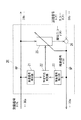
図1は、スピーカフォン方式電話機の一例を示すハードウェアブロック図である。本発明が適用される電話機は、同図の破線で示すように、例えば、スピーカフォン方式電話機1である。スピーカフォン方式電話機1は、ハンドセットを用いず、電話機に内蔵されたスピーカ及びマイクロフォンで通話を行う、いわゆるハンズフリー装置の一例である。電話機は、特に固定電話に限られず携帯電話などの移動体通信であってもよい。
(Embodiment 1)
FIG. 1 is a hardware block diagram illustrating an example of a speakerphone telephone. A telephone to which the present invention is applied is, for example, a speakerphone type telephone 1, as indicated by a broken line in FIG. The speakerphone system telephone 1 is an example of a so-called hands-free device that uses a speaker and a microphone built in the telephone without using a handset. The telephone is not limited to a fixed telephone and may be mobile communication such as a mobile phone.
具体的には、スピーカフォン方式電話機1は、メインIC(Integrated Circuit)2、スピーカ3、マイクロフォン5、ROM(Read Only Memory)6、及びRAM(Random Access Memory)7、通信インターフェース8、A/D変換器9a、9c、D/A変換器9b、9d、及びアンプ10a、10bを有している。また、メインIC2は、音響エコーキャンセル装置として機能するDSP(Digital Signal Processor)20、ペリフェラルバス30a、30b、及びプログラムデータバス40を有している。ROM6には、DSP20を動作させるためのプログラムが記録されており、RAM7は、プログラムを読み込むデータ領域として使用される。なお、音響エコーキャンセル装置の一例としてDSP20を示したが、音響エコーキャンセル装置として機能するものであれば、これに限る必要はなく、例えば、CPU(Central Processing Unit)であってもよい。
Specifically, the speakerphone telephone 1 includes a main IC (Integrated Circuit) 2, a speaker 3, a microphone 5, a ROM (Read Only Memory) 6, a RAM (Random Access Memory) 7, a communication interface 8, and an A / D. Converters 9a and 9c, D /
PSTN(Public Switched Telephone Networks)などの電話回線は、図1に示すように、通信インターフェース8に接続されている。通信インターフェース8は、A/D変換器9a、ペリフェラルバス30a、DSP20、ペリフェラルバス30b、D/A変換器9b、及びアンプ10aを経由して、スピーカ3に接続されている。通信インターフェース8からスピーカ3までの経路で、受話経路RPが構成されている。一方、マイクロフォン5は、アンプ10b、A/D変換器9c、ペリフェラルバス30b、DSP20、ペリフェラルバス30a、及びD/A変換器9dを経由して、通信インターフェース8に接続されている。マイクロフォン5から通信インターフェース8までの経路で、送話経路SPが構成されている。また、DSP20は、プログラムデータバス40を経由して、ROM6及びRAM7に接続されている。
A telephone line such as a PSTN (Public Switched Telephone Networks) is connected to the communication interface 8 as shown in FIG. The communication interface 8 is connected to the speaker 3 via the A / D converter 9a, the
図2は、DSP20の一例を示す機能ブロック図である。DSP20は、同図の破線で示すように、受話信号積分部21、学習可否判定部22、残差信号積分部23、フィルタ25、及び減算部26を有している。フィルタ25は、FIR(Finite Impulse Response)フィルタなどの適応フィルタで構成されている。受話信号積分部21は、受話経路RPに接続され、残差信号積分部23は、送話経路SPに接続されている。受話信号積分部21及び残差信号積分部23は、学習可否判定部22を介して、フィルタ25に接続されている。フィルタ25は、受話経路RPに接続されている。また、減算部26は、送話経路SPに設けられており、フィルタ25は、減算部26を介して、送話経路SPに接続されている。
FIG. 2 is a functional block diagram illustrating an example of the
なお、受話信号積分部21及び残差信号積分部23は、電力演算部として機能する。学習可否判定部22は、実行可否判定部として機能する。フィルタ25は、更新処理実行部として機能する。
The received
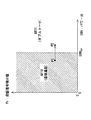
以上の構成において、実施の形態1におけるスピーカフォン方式電話機1の動作について、図1ないし図3に沿って説明する。図3は、パワー比ERRと受話信号積分値Prとの相関に基づく、実施の形態1における音響エコーキャンセル処理の説明図である。 In the above configuration, the operation of the speakerphone telephone 1 according to the first embodiment will be described with reference to FIGS. FIG. 3 is an explanatory diagram of acoustic echo cancellation processing in the first embodiment based on the correlation between the power ratio ERR and the received signal integrated value Pr.
近端話者が発話すると、近端話者が発話した音声が、図1に示すように、送話信号s(n)としてマイクロフォン5に入力される。送話信号s(n)は、送話経路SPを介して、電話回線に出力され、遠端話者側の、図示しない電話機に送信される。 When the near-end speaker speaks, the voice uttered by the near-end speaker is input to the microphone 5 as a transmission signal s (n) as shown in FIG. The transmission signal s (n) is output to the telephone line via the transmission path SP and transmitted to a telephone (not shown) on the far end speaker side.
一方、遠端話者が発話すると、遠端話者が発話した音声が、図1に示すように、受話信号x(n)として、電話回線を介して、スピーカフォン方式電話機1に送信される。受信された受話信号x(n)は、受話経路RPを介して、スピーカ3から音声として出力される。 On the other hand, when the far-end speaker speaks, the voice uttered by the far-end speaker is transmitted to the speakerphone type telephone 1 through the telephone line as a reception signal x (n) as shown in FIG. . The received reception signal x (n) is output as sound from the speaker 3 through the reception path RP.
この際、スピーカ3は受話信号x(n)を、音声として空間に放射するので、放射された音声は、音声が反射することのないマイクロフォン5までの直接的な経路や、音声が空間内の壁、床、天井などの物体に反射する間接的な経路からなる、エコー経路EP(図1右方の一点鎖線)を介して、マイクロフォン5に入力される。以下、放射された音声がエコー経路EPを介してマイクロフォン5に入力された信号を、「音響エコーd(n)」という。 At this time, since the speaker 3 radiates the received signal x (n) as a sound to the space, the emitted sound is a direct route to the microphone 5 where the sound is not reflected, or the sound is within the space. The signal is input to the microphone 5 via an echo path EP (a one-dot chain line on the right side of FIG. 1) including an indirect path that reflects off an object such as a wall, floor, or ceiling. Hereinafter, a signal in which radiated sound is input to the microphone 5 via the echo path EP is referred to as “acoustic echo d (n)”.
受話信号x(n)を受信すると、スピーカフォン方式電話機1は、公知の音響エコーキャンセル処理を実行する。即ち、フィルタ25は、図2に示すように、入力された受話信号x(n)及び音響エコーd(n)に基づいて、正規化LMS(Least Mean Square)アルゴリズムなどの最急降下法により、エコー経路EPの伝達関数を推定し、伝達関数に基づいて疑似エコーy(n)を生成する。減算部26は、音響エコーd(n)から、生成した疑似エコーy(n)を減算して(つまり音響エコーd(n)を除去して)、その差分を残差信号e(n)として出力する。
When receiving the reception signal x (n), the speakerphone telephone 1 executes a known acoustic echo cancellation process. That is, as shown in FIG. 2, the
更に、スピーカフォン方式電話機1は、上述した音響エコーキャンセル処理において、公知の、フィルタ係数の更新処理を実行する。即ち、減算部26が、擬似エコーy(n)を減算して、残差信号e(n)として出力すると、フィルタ25は、残差信号e(n)を受信すると共に受話信号x(n)を受信して、フィルタ係数の補正値を演算し、フィルタ係数を更新する。フィルタ係数を更新するとフィルタ25は、更新されたフィルタ係数に基づいて疑似エコーy(n)を生成して、上述と同様に、音響エコーd(n)から疑似エコーy(n)を減算する。
Furthermore, the speakerphone telephone 1 executes a known filter coefficient update process in the acoustic echo cancellation process described above. That is, when the
本実施の形態1では、パワー比ERRが所定の閾値を超えた場合に、上述した更新処理が実行されるように設定されている。この「パワー比ERR」とは、受話信号x(n)の電力を示す受話電力(後述する「受話信号積分値」)Prと、残差信号e(n)の電力を示す残差電力(後述する「残差信号積分値」)Peとの電力比をいい、本実施の形態1では、パワー比は、ERR=Pe/Prで示される。受話電力は、図2に示す受話信号積分部21が、入力される受話信号x(n)を積分し、受話信号積分値Prとして演算する。一方、残差電力は、図2に示す残差信号積分部23が、入力される残差信号e(n)を積分し、残差信号積分値Peとして演算される。
In the first embodiment, the above-described update process is set to be executed when the power ratio ERR exceeds a predetermined threshold. The “power ratio ERR” refers to a received power indicating the power of the received signal x (n) (“received signal integrated value” described below) Pr and a residual power indicating the power of the residual signal e (n) (described later). In this Embodiment 1, the power ratio is expressed as ERR = Pe / Pr. The reception
即ち、音響エコーキャンセル処理が実行されている状態で、遠端話者のみが発話し始めると(つまり遠端通話状態になると)、受話電力が増大する一方、近端話者は発話しないので、送話信号s(n)の電力(残差電力)が低下する。パワー比ERRは、上述したようにERR=Pe/Prで示されるので、比較的小さい値になる。 That is, when only the far-end speaker starts speaking in a state where the acoustic echo cancellation processing is being executed (that is, when the far-end call state is entered), the reception power increases, but the near-end speaker does not speak. The power (residual power) of the transmission signal s (n) decreases. Since the power ratio ERR is represented by ERR = Pe / Pr as described above, it is a relatively small value.
受話信号積分部21は、演算した受話信号積分値Prを、学習可否判定部22に出力し、同様に、残差信号積分部23は、演算した残差信号積分値Peを、学習可否判定部22に出力する。学習可否判定部22は、入力された、受話信号積分値Pr及び残差信号積分値Peで、パワー比ERRを算出する。
The reception
学習可否判定部22は、パワー比ERRが、パワー比閾値ERRSHを越えたか否か判定しており、パワー比ERRが、パワー比閾値ERRSHを越えたと判定した場合は、フィルタ25に対して、更新処理を実行しないように指示する。一方、パワー比ERRが、パワー比閾値ERRSHを越えていないと判定した場合には、学習可否判定部22は、フィルタ25に対して、更新処理を実行するように指示する。
The learning
例えば、算出されたパワー比ERRが、比較的小さい値であるため、図3に示す領域AR10内の動作点P1に該当する場合、パワー比ERRがパワー比閾値ERRSHを越えていないので、学習可否判定部22は、パワー比ERRが、パワー比閾値ERRSHを越えていないと判定し、フィルタ25に対して、更新処理を実行するように指示する。この指示を受けてフィルタ25は、上述した更新処理を実行する。
For example, since the calculated power ratio ERR is a relatively small value, when it corresponds to the operating point P1 in the area AR10 shown in FIG. 3, the power ratio ERR does not exceed the power ratio threshold ERR SH , so learning is performed. The
次いで、遠端話者が発話をした状態で、近端話者も発話し始めると(つまりダブルトーク状態になると)、音響エコーd(n)に送話信号s(n)が含まれるので、減算部26が出力する音響エコーd(n)の消し残りが増大する。その結果、残差信号積分値Peが増大する。一方、遠端話者が発話を継続しているので、受話信号積分値Prはその値がほぼ維持されているものとする。
Next, when the far-end speaker speaks and the near-end speaker starts speaking (that is, when the double-talk state is entered), the acoustic echo d (n) includes the transmission signal s (n). The remaining unerased acoustic echo d (n) output from the
パワー比ERRは、図3の動作点P1から矢印に示すように図中右方に移動することになる。パワー比ERRが、図3左方に示す領域AR10内から、同図右方に示す領域AR11内に移動すると、学習可否判定部22は、パワー比ERRがパワー比閾値ERRSHを越えたと判定する。そして学習可否判定部22は、フィルタ25に対して、更新処理を実行しないように指示する。この指示を受けてフィルタ25は、上述した更新処理を停止する。
The power ratio ERR moves from the operating point P1 in FIG. 3 to the right as shown by the arrow. When the power ratio ERR moves from the area AR10 shown on the left side of FIG. 3 to the area AR11 shown on the right side of the figure, the learning
このように、遠端話者のみが発話すると、動作点が図3に示す領域AR10に含まれ、更新処理が実行され、一方遠端話者及び近端話者が同時に発話すると、動作点が図3に示す領域AR11に含まれ、更新処理の実行が停止される。従って、ダブルトーク状態では更新処理が実行されないので、ダブルトーク時における誤学習を抑制することが出来、遠端話者と近端話者とは会話を支障なく行うことが出来る。 As described above, when only the far-end speaker speaks, the operating point is included in the area AR10 shown in FIG. 3 and the update process is executed. On the other hand, when the far-end speaker and the near-end speaker speak simultaneously, the operating point becomes The update process is stopped in the area AR11 shown in FIG. Therefore, the update process is not executed in the double talk state, so that mislearning during double talk can be suppressed, and the conversation between the far-end speaker and the near-end speaker can be performed without any trouble.
以上のように、本実施の形態1における音響エコーキャンセル装置では、更新処理の実行可否に用いる指標に、減算部26の出力信号である、残差信号e(n)を用いるので、更新処理の可否に、減算部26の入力信号に含まれる音響エコーd(n)や外部音などのノイズを影響させないようにすることが出来る。これにより、ダブルトーク状態を精度良く検出することが出来るので、ダブルトーク時における誤学習を抑制することが出来る。
As described above, in the acoustic echo cancellation apparatus according to the first embodiment, the residual signal e (n) that is the output signal of the subtracting
また、受話電力及び残差電力のパワー比ERRで示される1つのパラメータだけで、更新処理の実行可否が判定されるので、更新処理の実行可否処理を簡易に行うことが出来る。これにより、簡易な処理で、ダブルトーク時における誤学習を抑制することが出来る。 In addition, since it is determined whether or not the update process can be executed with only one parameter indicated by the power ratio ERR between the received power and the residual power, the update process can be easily executed. Thereby, the mislearning at the time of double talk can be suppressed with a simple process.
なお、上述した実施の形態1では、パワー比ERRに応じて更新処理の実行可否を行った場合について説明したが、更新処理を、受話電力及び残差電力に応じて、実行すべきか否かを判定するものであれば、これに限られない。例えば、受信電力及び残差電力それぞれの絶対値を用いてもよい。 In the above-described first embodiment, the case where the update process is executed according to the power ratio ERR has been described. However, it is determined whether the update process should be executed according to the received power and the residual power. If it determines, it will not be restricted to this. For example, the absolute values of the received power and the residual power may be used.
なお、上述した実施の形態1では、受話電力及び残差電力に応じて、更新処理のみの実行可否について説明したが、更に、更新処理を実行中に、受話電力及び残差電力に応じて、フィルタ係数の区間を制御することも可能である。この際、学習可否判定部22が、フィルタ区間制御部として機能する。
In the above-described first embodiment, whether or not only the update process can be executed according to the received power and the residual power has been described. Further, during the execution of the update process, according to the received power and the residual power, It is also possible to control the section of the filter coefficient. At this time, the learning
フィルタ25内にはフィルタ係数の区間(例えば1〜M)が、設定されており、学習可否判定部22は、更新処理を実行中に、設定されている区間から、フィルタ係数の区間nを決定する。この場合、パワー比ERRが小さい場合は、音響エコーd(n)の消去量が十分確保できているので、音響エコーキャンセル処理の高速収束性を優先して、区間nを短縮する。一方、パワー比ERRが大きい場合には、音響エコーd(n)の消去量が十分確保できていないので、音響エコーキャンセル処理の安定性を優先して、区間nを短縮する。
A filter coefficient section (for example, 1 to M) is set in the
こうすることで、受話電力及び残差電力で示される学習状況に応じて、音響エコーキャンセル処理における高速収束性と安定性とのバランスを取ることが出来る。これにより、音響エコーd(n)を効率良く抑制しながら、ダブルトーク時における誤学習を抑制することが出来る。 By doing so, it is possible to balance high-speed convergence and stability in the acoustic echo cancellation processing in accordance with the learning situation indicated by the received power and residual power. As a result, it is possible to suppress erroneous learning during double talk while efficiently suppressing the acoustic echo d (n).
(実施の形態2)
実施の形態2におけるスピーカフォン方式電話機1の構成は、図1及び図2に示すものと同一であるので、その説明は省略する。
(Embodiment 2)
Since the configuration of the speakerphone type telephone 1 in the second embodiment is the same as that shown in FIGS. 1 and 2, the description thereof is omitted.
上記構成において、実施の形態2におけるスピーカフォン方式電話機1の動作について、図1、図2、及び図4に沿って説明する。図4は、パワー比ERRと受話信号積分値Prとの相関に基づく、実施の形態2における音響エコーキャンセル処理の説明図である。なお、音響エコーキャンセル処理は実施の形態1と同一であるので、更新処理の相違点のみについて、説明する。
With the above configuration, the operation of the speakerphone telephone 1 according to
学習可否判定部22は、実施の形態1と同様に、パワー比ERRに応じて、更新処理を実行すべきか否かを判定するが、学習可否判定部22は、更に、受話電力が所定値より大きい場合にのみ、更新処理を実行すべきと判定するように設定されている。ここでは、上記所定値が、積分閾値PrSHに設定されているものとする。
As in the first embodiment, the learning
例えば、遠端話者及び近端話者のいずれも発話しない場合、受話電力を示す受話信号積分値Prが比較的小さい値を示す。この際、受話信号積分値Prが積分閾値PrSHより小さくなると、動作点P11は、図4に示す領域AR20に含まれる。従って、学習可否判定部22は、受話信号積分値Prが積分閾値PrSHより小さいと判定して、フィルタ25に対して、更新処理を実行しないように指示する。即ち、領域AR20では、無音状態とみなして、更新処理が実行されない。
For example, when neither the far-end speaker nor the near-end speaker speaks, the received signal integrated value Pr indicating the received power indicates a relatively small value. At this time, when the received signal integration value Pr becomes smaller than the integration threshold value Pr SH , the operating point P11 is included in the area AR20 shown in FIG. Therefore, the learning
この状態で、近端話者のみが発話し始めると、送話信号s(n)が減算部26に入力されるので、残差信号積分値Peが増大する。残差信号積分値Peが増大すると、パワー比ERRがパワー比閾値ERRSHを越えるが(つまり動作点が図4中右方に移動していくが)、受話信号積分値Prが積分閾値PrSHより小さい状態では、動作点P12は、図4に示す領域AR21に含まれる。従って、学習可否判定部22は、継続して、フィルタ25に対して、更新処理を実行しないように指示する。即ち、領域AR21では、近端通話とみなして、無音状態と同様に更新処理が実行されない。
In this state, when only the near-end speaker starts speaking, the transmission signal s (n) is input to the subtracting
次いで、近端話者が発話を止めて、遠端話者が発話し始めると、受話信号積分値Prが増大するので、パワー比ERRが減少する。受話信号積分値Prが積分閾値PrSHより大きくなると共に、パワー比ERRがパワー比閾値ERRSHより小さくなると、動作点は図4中左上方向に移動して、動作点P13は、図4に示す領域AR22に含まれる。従って、学習可否判定部22は、フィルタ25に対して、更新処理を実行するように指示する。即ち、領域AR22では、遠端通話とみなして、更新処理が実行される。
Next, when the near-end speaker stops speaking and the far-end speaker starts speaking, the received signal integrated value Pr increases, so that the power ratio ERR decreases. When the received signal integral value Pr becomes larger than the integral threshold value Pr SH and the power ratio ERR becomes smaller than the power ratio threshold value ERR SH , the operating point moves in the upper left direction in FIG. 4, and the operating point P13 is shown in FIG. It is included in area AR22. Therefore, the learning
更に、近端話者も発話を始めると、再び残差信号積分値Peが増大する。パワー比ERRが増大して、パワー比閾値ERRSHを越えると、動作点P14は、図4に示す領域AR23に含まれる。従って、学習可否判定部22は、受話信号積分値Prが積分閾値PrSHより大きいと判定して、フィルタ25に対して、更新処理を実行しないように指示し、更新処理が停止される。即ち、領域AR23では、ダブルトーク状態とみなして、更新処理の実行が停止される。
Further, when the near-end speaker also starts speaking, the residual signal integrated value Pe increases again. When the power ratio ERR increases and exceeds the power ratio threshold value ERR SH , the operating point P14 is included in the area AR23 shown in FIG. Accordingly, the learning
こうして、受話信号積分値Prとパワー比ERRとの値に応じて、動作点が図4に示すいずれかの領域AR20、AR21、AR22、AR23に含まれて、動作点が、領域AR22に含まれる場合にのみ、更新処理が実行される。従って、実施の形態2では、実施の形態1と異なり、領域AR20を無音状態とみなして更新処理を実行しないことで、受話電力が比較的小さい場合に、減算部26の入力信号に含まれるノイズの影響を受けて更新処理が適切に行えないことを、抑制することが出来る。
Thus, the operating point is included in any of the areas AR20, AR21, AR22, AR23 shown in FIG. 4 and the operating point is included in the area AR22 according to the values of the reception signal integrated value Pr and the power ratio ERR. Only when the update process is executed. Therefore, unlike the first embodiment, the second embodiment considers the area AR20 as a silent state and does not execute the update process, so that the noise included in the input signal of the subtracting
以上のように、本実施の形態2における音響エコーキャンセル装置では、受話電力が比較的小さい場合に、減算部26の入力信号に含まれるノイズの影響を受けて更新処理が適切に行えないことを、抑制することが出来るので、受話電力が比較的小さい場合であっても、ダブルトーク状態を、精度良く検出することが出来る。
As described above, in the acoustic echo cancellation apparatus according to the second embodiment, when the received power is relatively small, the update process cannot be appropriately performed due to the influence of noise included in the input signal of the subtracting
なお、上述した実施の形態2では、実施の形態1と同様に、更新処理を、受話電力及び残差電力に応じて、実行すべきか否かを判定するものであれば、これに限られない。また、上述した実施の形態1では、実施の形態1と同様に、更新処理を実行中に、受話電力及び残差電力に応じて、フィルタ係数の区間を制御することも可能である。 In the second embodiment, as in the first embodiment, the update process is not limited to this as long as it is determined whether or not the update process should be executed according to the received power and the residual power. . Further, in the first embodiment described above, as in the first embodiment, it is possible to control the section of the filter coefficient according to the received power and the residual power during the update process.
本発明は、ダブルトーク状態を精度良く検出するので、ダブルトーク時における誤学習を抑制することが出来、ハンドセットを用いず、電話機に内蔵されたスピーカ及びマイクフォンで通話を行うハンズフリー装置に適用することが出来る。また、固定電話や、携帯電話などの移動体通信にも適用することが出来る。 Since the present invention accurately detects the double talk state, it can suppress mislearning during double talk, and can be applied to a hands-free device that uses a speaker and a microphone built in the telephone without using a handset. I can do it. It can also be applied to mobile communications such as fixed telephones and mobile phones.
1 電話機(スピーカフォン方式電話機)
3 スピーカ
5 マイクロフォン
20 音響エコーキャンセル装置(DSP)
21 電力演算部(受話信号積分部)
22 実行可否判定部、フィルタ区間制御部(学習可否判定部)
23 電力演算部(残差信号積分部)
25 適応フィルタ、更新処理実行部(フィルタ)
d(n) 音響エコー
e(n) 残差信号
ERR パワー比
ERRSH 所定値(パワー比閾値)
Pe 残差電力(残差信号積分値)
Pr 受話電力(受話信号積分値)
y(n) 疑似エコー
x(n) 受話信号
1 Telephone (Speakerphone type telephone)
3 Speaker 5
21 Power calculator (received signal integrator)
22 Executability determination unit, filter section control unit (learning determination unit)
23 Power calculator (residual signal integrator)
25 Adaptive filter, update processing execution unit (filter)
d (n) acoustic echo e (n) residual signal ERR power ratio ERR SH predetermined value (power ratio threshold)
Pe residual power (residual signal integral value)
Pr Received power (received signal integral value)
y (n) Pseudo echo x (n) Received signal
Claims (6)
遠端話者からの受話信号の電力を示す受話電力と、前記音響エコーの消し残りである残差信号の電力を示す残差電力とを演算する、電力演算部と、
前記フィルタ係数を更新する更新処理を、前記電力演算部により演算された、前記受話電力及び前記残差電力に応じて、実行すべきか否かを判定する、実行可否判定部と、
前記実行可否判定部が更新処理を実行すべきと判定した場合に、前記更新処理を実行する、更新処理実行部とを有する、
ことを特徴とする音響エコーキャンセル装置。 An acoustic echo canceling apparatus that estimates an acoustic echo with an adaptive filter, removes the acoustic echo with the estimated pseudo echo, and updates a filter coefficient of the adaptive filter,
A power calculator that calculates a received power indicating the power of a received signal from a far-end speaker and a residual power indicating a power of a residual signal that is an unerased residual of the acoustic echo;
An execution determination unit that determines whether or not to update the filter coefficient according to the received power and the residual power calculated by the power calculation unit;
An update process execution unit that executes the update process when the execution determination unit determines that the update process should be executed;
An acoustic echo canceling device.
前記実行可否判定部は、前記電力演算部により演算された、前記受話電力及び前記残差電力のパワー比に応じて、前記更新処理を実行するか否かを判定する、
ことを特徴とする音響エコーキャンセル装置。 The acoustic echo canceling device according to claim 1,
The execution availability determination unit determines whether to perform the update process according to a power ratio of the received power and the residual power calculated by the power calculation unit.
An acoustic echo canceling device.
前記実行可否判定部は、更に、前記電力演算部により演算された受話電力が所定値より大きい場合にのみ、前記更新処理を実行すべきと判定する、
ことを特徴とする音響エコーキャンセル装置。 The acoustic echo canceling device according to claim 1 or 2,
The execution availability determination unit further determines that the update process should be executed only when the received power calculated by the power calculation unit is greater than a predetermined value.
An acoustic echo canceling device.
前記電力演算部により演算された、前記受話電力及び前記残差電力に応じて、前記適応フィルタの区間を制御する、フィルタ区間制御部を有する、
ことを特徴とする音響エコーキャンセル装置。 The acoustic echo canceling device according to any one of claims 1 to 3, further comprising:
A filter section control unit that controls a section of the adaptive filter according to the received power and the residual power calculated by the power calculation unit;
An acoustic echo canceling device.
前記受話信号を音声として出力するスピーカと、
音声の入力を受け付けるマイクロフォンとを備え、
前記スピーカから出力された音声が前記音響エコーとして前記マイクロフォンに入力される、
ことを特徴とする電話機。 The acoustic echo canceling device according to any one of claims 1 to 4,
A speaker for outputting the received signal as voice;
A microphone that accepts voice input,
The sound output from the speaker is input to the microphone as the acoustic echo.
A telephone characterized by that.
遠端話者からの受話信号の電力を示す受話電力と、前記音響エコーの消し残りである残差信号の電力を示す残差電力とを演算し、
前記フィルタ係数を更新する更新処理を、前記演算された、前記受話電力及び前記残差電力に応じて、実行すべきか否かを判定し、
前記更新処理を実行すべきと判定した場合に、前記更新処理を実行する、
ことを特徴とする音響エコーキャンセル方法。 An acoustic echo cancellation method for estimating an acoustic echo with an adaptive filter, removing the acoustic echo with the estimated pseudo echo, and updating a filter coefficient of the adaptive filter,
Calculating the received power indicating the power of the received signal from the far-end speaker, and the residual power indicating the power of the residual signal that is the residual of the acoustic echo,
It is determined whether or not the update process for updating the filter coefficient should be executed according to the calculated received power and residual power,
If it is determined that the update process should be executed, the update process is executed.
An acoustic echo canceling method characterized by the above.
Priority Applications (1)
| Application Number | Priority Date | Filing Date | Title |
|---|---|---|---|
| JP2005235756A JP2007053473A (en) | 2005-08-16 | 2005-08-16 | Acoustic echo canceling device, telephone using the same, and acoustic echo canceling method |
Applications Claiming Priority (1)
| Application Number | Priority Date | Filing Date | Title |
|---|---|---|---|
| JP2005235756A JP2007053473A (en) | 2005-08-16 | 2005-08-16 | Acoustic echo canceling device, telephone using the same, and acoustic echo canceling method |
Publications (1)
| Publication Number | Publication Date |
|---|---|
| JP2007053473A true JP2007053473A (en) | 2007-03-01 |
Family
ID=37917638
Family Applications (1)
| Application Number | Title | Priority Date | Filing Date |
|---|---|---|---|
| JP2005235756A Pending JP2007053473A (en) | 2005-08-16 | 2005-08-16 | Acoustic echo canceling device, telephone using the same, and acoustic echo canceling method |
Country Status (1)
| Country | Link |
|---|---|
| JP (1) | JP2007053473A (en) |
-
2005
- 2005-08-16 JP JP2005235756A patent/JP2007053473A/en active Pending
Similar Documents
| Publication | Publication Date | Title |
|---|---|---|
| US7856097B2 (en) | Echo canceling apparatus, telephone set using the same, and echo canceling method | |
| JP4569618B2 (en) | Echo canceller and speech processing apparatus | |
| JP5125690B2 (en) | Acoustic echo canceller | |
| JP2008141735A (en) | Echo canceller and speech processing apparatus | |
| JP3597671B2 (en) | Handsfree phone | |
| JP2017199949A (en) | Echo elimination device, echo elimination method and echo elimination program | |
| JP2009094802A (en) | Telecommunication apparatus | |
| JP2015039093A (en) | Echo canceller and echo cancellation method | |
| US20050243995A1 (en) | Method and apparatus for canceling acoustic echo in a double-talk period | |
| JP4678349B2 (en) | Call determination device | |
| JP3982823B2 (en) | Audio processing apparatus, audio processing method, and audio processing program | |
| JP2009017029A (en) | Audio signal processing apparatus and audio signal processing method | |
| JP4544040B2 (en) | Echo cancellation device, telephone using the same, and echo cancellation method | |
| JP4887181B2 (en) | Echo prevention device and program | |
| JP2009021859A (en) | Talk state judging apparatus and echo canceler with the talk state judging apparatus | |
| JP4475155B2 (en) | Echo canceller | |
| JP2007053473A (en) | Acoustic echo canceling device, telephone using the same, and acoustic echo canceling method | |
| JPH09116469A (en) | Echo noise cancellor and echo noise canceling method | |
| JP6635211B1 (en) | Echo canceller and IP telephone | |
| JP2008078973A (en) | Double-talk detection method | |
| JP4650163B2 (en) | Loudspeaker | |
| JP5510288B2 (en) | Adaptive filter order control device and program, and echo canceller | |
| JP2010016478A (en) | Voice communication apparatus | |
| JP5118099B2 (en) | Sidetone canceling method and sidetone canceller | |
| JP2004297791A (en) | Echo canceling device, echo canceling method, program, and recording medium |