JP2008529366A - Voice / multimedia mode switching technology in wireless communication networks - Google Patents
Voice / multimedia mode switching technology in wireless communication networks Download PDFInfo
- Publication number
- JP2008529366A JP2008529366A JP2007552508A JP2007552508A JP2008529366A JP 2008529366 A JP2008529366 A JP 2008529366A JP 2007552508 A JP2007552508 A JP 2007552508A JP 2007552508 A JP2007552508 A JP 2007552508A JP 2008529366 A JP2008529366 A JP 2008529366A
- Authority
- JP
- Japan
- Prior art keywords
- request
- mode
- signal
- timer
- user
- Prior art date
- Legal status (The legal status is an assumption and is not a legal conclusion. Google has not performed a legal analysis and makes no representation as to the accuracy of the status listed.)
- Granted
Links
- 238000004891 communication Methods 0.000 title claims abstract description 50
- 238000005516 engineering process Methods 0.000 title description 3
- 230000004044 response Effects 0.000 claims abstract description 56
- 238000000034 method Methods 0.000 claims abstract description 31
- 230000005540 biological transmission Effects 0.000 claims description 8
- 230000008859 change Effects 0.000 claims description 8
- 238000004590 computer program Methods 0.000 claims description 5
- 238000010295 mobile communication Methods 0.000 claims description 3
- 230000004913 activation Effects 0.000 description 3
- 210000004271 bone marrow stromal cell Anatomy 0.000 description 3
- 238000012986 modification Methods 0.000 description 3
- 230000004048 modification Effects 0.000 description 3
- 238000012508 change request Methods 0.000 description 2
- 230000001960 triggered effect Effects 0.000 description 2
- 125000002066 L-histidyl group Chemical group [H]N1C([H])=NC(C([H])([H])[C@](C(=O)[*])([H])N([H])[H])=C1[H] 0.000 description 1
- 238000013459 approach Methods 0.000 description 1
- 230000009286 beneficial effect Effects 0.000 description 1
- 230000008901 benefit Effects 0.000 description 1
- 238000012790 confirmation Methods 0.000 description 1
- 238000007796 conventional method Methods 0.000 description 1
- 238000010586 diagram Methods 0.000 description 1
- 238000002474 experimental method Methods 0.000 description 1
- 230000007794 irritation Effects 0.000 description 1
Images

Classifications
-
- H—ELECTRICITY
- H04—ELECTRIC COMMUNICATION TECHNIQUE
- H04W—WIRELESS COMMUNICATION NETWORKS
- H04W4/00—Services specially adapted for wireless communication networks; Facilities therefor
- H04W4/16—Communication-related supplementary services, e.g. call-transfer or call-hold
Landscapes
- Engineering & Computer Science (AREA)
- Computer Networks & Wireless Communication (AREA)
- Signal Processing (AREA)
- Mobile Radio Communication Systems (AREA)
- Telephonic Communication Services (AREA)
- Transceivers (AREA)
Abstract
要求されたモード切り替えが呼終了タイマにより指定される所定の時間内に確認されない場合に自動的に呼を切断するように構成される無線通信ネットワークにおいて、音声モードからマルチメディアモードへ進行中の呼の切り替えの要求に応答するために、ユーザ端末又は移動体サービス交換センタ(MSC)により使用される技術が提供される。一例において、端末又はMSCは、進行中の呼を音声からマルチメディアへ切り替えるようにとのユーザからの要求を受信した際に、呼終了タイマより短く設定される自動応答タイマを起動する。その要求を受信するユーザは、その要求を受け入れるか或は拒否するかの入力を促される。自動応答タイマの期限切れの前に応答が受信されない場合、呼終了タイマの期限が切れないように、端末或はMSCはユーザのために要求を自動的に拒否する。A call in progress from voice mode to multimedia mode in a wireless communication network configured to automatically disconnect a call if the requested mode switch is not confirmed within a predetermined time specified by the call termination timer Techniques are provided for use by user terminals or mobile service switching centers (MSCs) to respond to requests for switching. In one example, when a terminal or MSC receives a request from a user to switch an ongoing call from voice to multimedia, the terminal or MSC activates an auto answer timer that is set shorter than the call termination timer. A user receiving the request is prompted to accept or reject the request. If no response is received before the auto answer timer expires, the terminal or MSC automatically rejects the request for the user so that the call termination timer does not expire.
Description
本発明は一般に無線通信ネットワークに関し、特に、そのようなネットワーク内での音声モードとマルチメディアモードとの間の切り替えを制御する技術に関する。 The present invention relates generally to wireless communication networks, and more particularly to techniques for controlling switching between voice and multimedia modes within such networks.
最新の無線通信ネットワークは、音声通信、並びに、写真やビデオや音楽などの送信のようなマルチメディア送信を処理する機能を提供する。マルチメディアを無線通信ネットワークに組み込むための種々のプロトコルは、欧州、日本、韓国、米国、及び中国の種々の標準化団体の共同標準化プロジェクトである第3世代パートナーシッププロジェクト(3GPP)により規定される。3GPPプロトコルは、例えば、汎欧州デジタル移動通信システム(GSM)規格に従って構成されるネットワーク等の第2世代無線通信ネットワーク及び全球規模の移動通信システム(UMTS)規格に従って構成されるネットワークのような第3世代ネットワークにおいても利用されるかもしれない。 Modern wireless communication networks offer the ability to handle voice communications and multimedia transmissions such as the transmission of photos, videos, music, and the like. Various protocols for incorporating multimedia into a wireless communication network are defined by the Third Generation Partnership Project (3GPP), a joint standardization project of various standards bodies in Europe, Japan, Korea, the United States, and China. The 3GPP protocol is a third generation wireless communication network such as a network configured according to the Pan-European Digital Mobile Communication System (GSM) standard and a third network such as a network configured according to the Global Mobile Communication System (UMTS) standard. It may also be used in generation networks.
3GPP R−99の3G.324等の初期の3GPPプロトコルにおいては、“純粋な”マルチメディア又は純粋な音声呼のみがセットアップできた。音声とマルチメディアとを一時的に切り替えたいと考えるユーザは、モードを切り替えるために電話を切り、且つリダイヤルする必要があった。この問題に対処するために、新しい機能(サービス変更及び非制限デジタル通信インタフェース(UDI)フォールバック(Service Change and Unrestricted Digital Interface (UDI) Fallback)(SCUDIF)機能という)が3GPP リリース5等のより新しい3GPPプロトコルに組み込まれている。SCUDIFは、呼のセットアップの際、単一のサービス、即ち、音声又はマルチメディアにフォールバックすると共に、その呼がアクティブである間にサービスを切り替える機能を提供する。 3GPP R-99 3G. In early 3GPP protocols such as 324, only “pure” multimedia or pure voice calls could be set up. A user who wants to temporarily switch between voice and multimedia had to hang up and redial to switch modes. To address this issue, a new feature (Service Change and Unrestricted Digital Interface (UDI) Fallback (SCUDIF) feature) is newer such as 3GPP Release 5 Built into the 3GPP protocol. SCUDIF provides the ability to fall back to a single service, namely voice or multimedia, during call setup and to switch between services while the call is active.
ネットワーク又は着信側ユーザ機器(例えば、呼を受信するユーザのハンドセット)がマルチメディアに対応しない場合、フォールバック機能によりマルチメディアコールとしてセットアップされる呼は音声呼にフォールバックできる。フォールバック機能を提供することにより、呼が切れる回数は減る。 If the network or called user equipment (eg, the user's handset receiving the call) is not multimedia capable, a call set up as a multimedia call with the fallback feature can fall back to a voice call. By providing a fallback function, the number of times a call is disconnected is reduced.
モード切り替えの機能により、ユーザは、呼がアクティブである間にマルチメディアから音声へ、或は音声からマルチメディアへの切り替えができる。このために、モード切り替えをトリガしたいと考えるユーザは、切り替えを有効にするために自身の端末に適切なコマンドを入力する。それらコマンドは、移動体サービス交換センサ(MSC)等の中間無線通信ネットワークを介して呼の他方のユーザのハンドセット端末に転送される。モード切り替えがマルチメディアから音声である場合、切り替えは相手ユーザによる応答を必要とせずに自動的に有効になる。 The mode switching feature allows the user to switch from multimedia to voice or from voice to multimedia while the call is active. For this reason, a user who wants to trigger mode switching inputs an appropriate command to his / her terminal in order to validate the switching. The commands are transferred to the other user's handset terminal of the call via an intermediate wireless communication network such as a mobile service switching sensor (MSC). If the mode switch is from multimedia to voice, the switch is automatically enabled without requiring a response by the other user.
しかしながら、主にプライバシーの理由から、切り替えが音声からマルチメディアである場合、プロトコルは、相手ユーザ(即ち、要求を受信するユーザ)がまず切り替えを確認することが許されねばならないことを規定している。即ち、相手ユーザには、音声からマルチメディアへの切り替えの要求を断る機会がある。例えば、これにより、無線通話の受信者が純粋な音声通話であると期待する間に、望ましくない画像又は音楽を突然受信することを防止する。従って、相手ユーザは、要求されたモード切り替えを受け入れるか或は拒否するかの入力を促される。 However, mainly for privacy reasons, if the switch is from voice to multimedia, the protocol specifies that the other user (ie the user receiving the request) must first be allowed to confirm the switch. Yes. That is, the other user has an opportunity to refuse a request for switching from voice to multimedia. For example, this prevents sudden reception of unwanted images or music while a wireless call recipient expects a pure voice call. Accordingly, the other user is prompted to accept or reject the requested mode switch.
話中変更(ICM:In-CALL Modification)手順を採用する無線通信ネットワークにおいて、ユーザ端末が進行中の呼に対する変更に応答するように促された場合にはいつでもタイマが起動され、タイマの期限切れの前に応答が受信されない場合、その呼は自動的に終了する。本来この手順は、相手ユーザの端末が要求された話中変更に応答できない場合に、呼が無期限に接続されたままになることを防止するために提供されている。通常、そのタイマ(ここでは“呼終了タイマ”という)は30秒に設定される。
しかしながら、ICMネットワーク等の呼終了タイマを採用するネットワークにおいてSCUDIFを実現する時に問題が生じる。上述のように、SCUDIFを使用すると、音声とマルチメディアとの切り替えの要求を受信するユーザは、モード切り替えを確認するように入力が促される。ユーザが呼終了タイマにより与えられた30秒の間に応答しない場合、その呼はICMにより自動的に終了される(あるいは、モード切り替えを要求したユーザにより30秒より前に手動で切断される)。受信側ユーザがモード切り替え要求に応答する義務があることを認識していないか、或は何かの理由で迅速に応答できないという状況が発生する可能性がある。例えば、ユーザは、モード切り替えが要求される呼の保留中に呼待合せを介して別の通話に応対しているかもしれない。更に実施例によっては、受信側ユーザは、タイマの期限が設定されたことを通知されていないかもしれず、それ故に、期限が与えられたことに単に気付かないのかもしれない。いずれの場合でも、応答が入力されないと、その呼はタイマの期限切れの後にICMにより自動的に切断され、それはおそらく通話に関係する双方のユーザの苛立ちにつながるだろう。 However, problems arise when implementing SCUDIF in networks that employ call termination timers, such as ICM networks. As described above, when SCUDIF is used, a user receiving a request to switch between audio and multimedia is prompted to confirm mode switching. If the user does not answer within 30 seconds given by the call termination timer, the call is automatically terminated by the ICM (or manually disconnected before 30 seconds by the user who requested the mode switch). . Situations may arise where the receiving user is not aware of the duty to respond to the mode switching request or cannot respond quickly for any reason. For example, the user may be answering another call via call waiting while a call that requires a mode switch is on hold. Further, in some embodiments, the receiving user may not be notified that the timer has expired, and therefore may simply not be aware that the expiration has been granted. In either case, if no answer is entered, the call will be automatically disconnected by the ICM after the timer expires, which will likely cause irritation to both users involved in the call.
従って、ユーザ端末やMSC等の無線通信構成要素と、そのような自動的な呼の終了を防止する機能を有する構成要素を動作させる方法とを提供することが非常に望まれており、本発明はそれを本来の目的としている。 Accordingly, it is highly desirable to provide a wireless communication component such as a user terminal or MSC and a method for operating such a component having the function of preventing such automatic call termination. Has its original purpose.
本発明に従えば、音声モードとマルチメディアモードとの間の通信セションの切り替えの要求に応答するために通信ネットワークの構成要素により使用される技術が提供され、その技術では、要求されたモード切り替えに対する返答(例えば、確認又は拒否)が所定の時間内にない場合、ネットワークは通信セションを自動的に切断する。 In accordance with the present invention, there is provided a technique used by a component of a communication network to respond to a request for switching a communication session between a voice mode and a multimedia mode, where the requested mode switching is provided. If there is no response to (eg, confirmation or rejection) within a predetermined time, the network automatically disconnects the communication session.
その方法の実現において、通信ネットワークの構成要素は、音声モードとマルチメディアモードとの切り替えの要求を(例えば、要求側ユーザ端末から)受信した際にタイマを起動する。ここで、そのタイマは、ネットワークにより与えられた所定の時間より短い時間に設定される。その構成要素は、要求に応答するように(例えば、受信側ユーザ端末の)ユーザに対して促すために、第1の信号を生成するか、或は第1の信号の生成をトリガする。その要求に対する応答がタイマの期限切れの前に受信されない場合、その要求を拒否する第2の信号が自動的に生成される。 In implementing the method, a component of the communication network starts a timer upon receiving a request to switch between voice mode and multimedia mode (eg, from a requesting user terminal). Here, the timer is set to a time shorter than a predetermined time given by the network. The component generates a first signal or triggers the generation of the first signal to prompt the user (eg, at the receiving user terminal) to respond to the request. If a response to the request is not received before the timer expires, a second signal is automatically generated that rejects the request.
本発明の1つの変形例によると、その方法は第1のユーザ端末により実行される。この場合、その方法は、モード切り替えを要求した第2のユーザ端末に中間ネットワーク構成要素(例えば、MSC)を介して、その要求を拒否する第2の信号を送信することを更に含んでもよい。 According to one variant of the invention, the method is performed by a first user terminal. In this case, the method may further include transmitting a second signal rejecting the request to the second user terminal that has requested the mode switching via an intermediate network component (eg, MSC).
第2の変形例によると、その方法はMSC等の中間ネットワーク構成要素により実行される。中間ネットワーク構成要素は、第1のユーザ端末に、要求されたモード切り替えについて第1のユーザ端末に通知する第3の信号を送信することにより第1の信号の生成をトリガしてもよい。更に、その要求を拒否する第2の信号が、中間ネットワーク構成要素により、モード切り替えを要求した第2のユーザ端末に送信されてもよい。 According to a second variant, the method is performed by an intermediate network component such as an MSC. The intermediate network component may trigger the generation of the first signal by transmitting a third signal that informs the first user terminal about the requested mode switch to the first user terminal. Further, a second signal rejecting the request may be transmitted by the intermediate network component to the second user terminal that has requested the mode switching.
音声モードからマルチメディアモードへの切り替えの要求に応答してタイマが起動された場合、その要求を自動的に拒否する第2の信号だけが生成されてもよい。それに加えて或はその代わりに、マルチメディアモードから音声モードへの切り替えの要求に応答してタイマが起動された場合、その要求を自動的に拒否する第2の信号は生成されなくてもよい。 If the timer is started in response to a request to switch from voice mode to multimedia mode, only a second signal that automatically rejects the request may be generated. In addition or alternatively, if the timer is started in response to a request to switch from multimedia mode to voice mode, a second signal that automatically rejects the request may not be generated. .
その方法は、要求に対する応答がタイマの期限切れの前に受信された場合に、タイマを停止することを更に含んでもよい。従って、その要求を拒否する第2の信号の自動生成は防止される。 The method may further include stopping the timer if a response to the request is received before the timer expires. Therefore, automatic generation of the second signal that rejects the request is prevented.
本発明を更なる側面からみると、音声モードとマルチメディアモードとの通信セションの切り替えの要求に応答する環境における通信ネットワークの構成要素により使用される装置が提供される。この装置では、要求されたモード切り替えに対する返答が所定の時間内にない場合、通信セションは自動的に切断される。その装置は、信号を受信するように動作可能な受信ユニットと、自動応答タイマと、音声モードとマルチメディアモードとの間の切り替えを要求する受信ユニットによる要求が受信された際にそのタイマを起動するように動作可能である制御器とを備える。そのタイマは、所定の時間より短い時間の間、実行するように設定される。更に制御器は、要求に応答するようにユーザに促す第1の信号を生成するか、或は第1の信号の生成をトリガし、その要求に対する応答がタイマの期限切れの前に受信されない場合にその要求を拒否する第2の信号を自動的に生成するように動作可能である。 Viewed from a further aspect, the present invention provides an apparatus for use by components of a communication network in an environment that responds to a request for switching a communication session between a voice mode and a multimedia mode. In this apparatus, when the response to the requested mode switching is not within a predetermined time, the communication session is automatically disconnected. The device starts a timer when a request is received by a receiving unit operable to receive a signal, an auto-response timer, and a receiving unit requesting switching between voice mode and multimedia mode. And a controller operable to. The timer is set to run for a time shorter than a predetermined time. In addition, the controller generates a first signal that prompts the user to respond to the request, or triggers the generation of the first signal, and if a response to the request is not received before the timer expires. It is operable to automatically generate a second signal that rejects the request.
第1の変形例によると、通信ネットワークの構成要素は、送信ユニットも内蔵するユーザ端末であり、前記制御器は、通信ネットワークの中間ネットワーク構成要素(例えば、MSC)に、その要求を拒否する第2の信号を送信する送信ユニットを制御するように更に動作可能である。第2の変形例によると、通信ネットワークの構成要素は、送信ユニットも内蔵する中間ネットワーク構成要素(例えば、MSC)であり、前記制御器は、通信ネットワークを介して第1のユーザ端末に、その要求を拒否する第2の信号を送信する送信ユニットを制御するように更に動作可能である。 According to a first variant, the component of the communication network is a user terminal which also incorporates a transmission unit, and the controller rejects the request to an intermediate network component (eg MSC) of the communication network. It is further operable to control a transmission unit that transmits two signals. According to a second variant, the component of the communication network is an intermediate network component (for example an MSC) that also incorporates a transmission unit, and the controller communicates with the first user terminal via the communication network. It is further operable to control a transmitting unit that transmits a second signal that rejects the request.
本発明の1つの具体的で代表的な実施形において、前記自動応答タイマは、提案されたモード切り替えが音声からマルチメディアであるか、或はマルチメディアから音声であるかに関わらず、通信ネットワークの構成要素により起動される。しかしながら、提案されたモード切り替えが音声からマルチメディアである場合、(要求に対する応答がタイマの期限切れの前に受信されないなら)その要求を自動的に拒否する第2の信号だけが生成される。提案された切り替えがマルチメディアから音声である場合、そのタイマは、要求を拒否する信号を生成せずに期限切れになる。音声からマルチメディアへ通話を自動的に切り替えることに対してプライバシーの制約を与えるが、マルチメディアから音声へ呼を切り替える場合には同様の制約を与えないネットワークでは、この区別には利点がある。 In one specific exemplary embodiment of the present invention, the auto-response timer is configured for a communication network regardless of whether the proposed mode switch is voice to multimedia or multimedia to voice. It is started by the component of However, if the proposed mode switch is voice to multimedia, only a second signal is automatically generated that automatically rejects the request (if no response to the request is received before the timer expires). If the proposed switch is from multimedia to voice, the timer expires without generating a signal to reject the request. This distinction is advantageous in networks that give privacy constraints for automatically switching calls from voice to multimedia, but do not give the same restrictions when switching calls from multimedia to voice.
この通信ネットワークは、例えば、ICM/SCUDIFを含む3GPPプロトコルを組み込んだGSM、或はUMTSに基づく無線ネットワークであってもよいが、本発明の原理は、他の規格及びプロトコルに従って構成される他の通信ネットワークにおいても同様に利用される潜在性がある。本発明が実現される構成要素は、ユーザ端末(例えば、無線電話ハンドセット)又はMSC等の中間ネットワーク構成要素であるのが好ましいが、本発明の原理は、通信ネットワークの他の構成要素においても同様に利用される潜在性がある。一般に本発明は、要求されたモード切り替えが所定の時間内に確認されない場合にはネットワークが通信セションを自動的に切断するといういずれの無線通信ネットワークでも有益なものとして利用される。 The communication network may be, for example, a GSM that incorporates the 3GPP protocol including ICM / SCUDIF, or a wireless network based on UMTS, although the principles of the invention may be implemented in accordance with other standards and protocols. There is also a potential for use in communication networks as well. The component in which the present invention is implemented is preferably an intermediate network component such as a user terminal (eg, a radiotelephone handset) or an MSC, although the principles of the present invention are similar for other components of a communication network. Has the potential to be used. In general, the present invention is useful in any wireless communication network where the network automatically disconnects the communication session if the requested mode switch is not confirmed within a predetermined time.
本発明は、ハードウェアを用いた解決策として実現されても良いし、或は、コンピュータプログラムがコンピュータ機器上で実行する場合、本発明のステップを実行するプログラムコードを含むコンピュータプログラムとして実現されても良い。そのコンピュータプログラムは、コンピュータ機器に固定されるデータ保持部やそのコンピュータ機器から取外し可能なデータ保持部に格納されてもよい。 The present invention may be realized as a solution using hardware, or when the computer program is executed on a computer device, the present invention is realized as a computer program including a program code for executing the steps of the present invention. Also good. The computer program may be stored in a data holding unit fixed to the computer device or a data holding unit removable from the computer device.
次に、添付図面に示される代表的な実施例を参照して本発明を説明する。 The invention will now be described with reference to the exemplary embodiments shown in the accompanying drawings.
次に、本発明の完全な理解を提供するために具体的に詳細に説明するが、これは説明をする目的のためのものであり、本発明を限定するためのものではない。本発明がこれら具体的な詳細とは異なる他の実施例において実現されてもよいことは当業者には明らかであろう。特に、1つの無線端末から発呼しもう1つの別の無線端末に着呼するという環境に関して実施例を説明するが、本発明は、そのような実施例に限定されず、例えば、他の複数の端末から発呼するか、或は、他の複数の端末に着呼するかの少なくともいずれかであり、且つ、他の送信形態を介して送信される呼をセットアップするために利用されても良い。更に、個々のハードウェア回路を使用すること、プログラムされたマイクロプロセッサ又は汎用コンピュータと関連して機能するソフトウェアを使用すること、特定用途向け集積回路(ASIC)を使用すること、或は、1つ以上のデジタル信号プロセッサ(DSP)を使用することの内、少なくともいずれかを使用して、以下に説明される機能が実現されてもよいことを当業者は理解するだろう。 The present invention will now be described in detail in order to provide a thorough understanding of the present invention, but is intended to be illustrative and not limiting. It will be apparent to those skilled in the art that the present invention may be practiced in other embodiments that depart from these specific details. In particular, an embodiment will be described with respect to an environment where a call is made from one wireless terminal and another wireless terminal is called. However, the present invention is not limited to such an embodiment. And / or used to set up a call transmitted through another transmission form. good. In addition, using individual hardware circuits, using software that works in conjunction with a programmed microprocessor or general purpose computer, using an application specific integrated circuit (ASIC), or one Those skilled in the art will appreciate that the functions described below may be implemented using at least one of the above digital signal processors (DSPs).
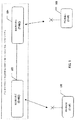
図1は、本発明を実施する無線通信ネットワーク100のハイレベルでの図解を示す。図1の例において、無線通信ネットワークは、3GPPプロトコルを利用するGSM或はUMTSネットワークである。通常、無線通信ネットワークに対して多くの構成要素が存在するが、図1に関しては、発信側MSC(O−MSC)102及び着信側MSC(T−MSC)104の1組のMSC局だけが示される。O−MSC102は、無線通話を発呼するユーザの端末106と関連付けられる(ここでは、端末106は発信側ユーザ機器(O−UE)としても言及される)。T−MSC104は、呼を受信するユーザの端末108と関連付けられる(ここでは、端末108は着信側ユーザ機器(T−UE)としても言及される)。
FIG. 1 shows a high level illustration of a wireless communication network 100 embodying the present invention. In the example of FIG. 1, the wireless communication network is a GSM or UMTS network that utilizes the 3GPP protocol. Although there are typically many components for a wireless communication network, only one set of MSC stations, an originating MSC (O-MSC) 102 and a terminating MSC (T-MSC) 104 are shown in FIG. It is. The O-
無線通信ネットワーク100は、ICM及びSCUDIF機能(又は同様の機能性)を採用するように構成され、それらの機能は、MSC102、104と端末106、108との内の少なくともいずれかで実現される。上述のように、ICMは、呼がアクティブである間に呼のパラメータを変更するための要求中に30秒のタイマを提供する。応答が受信されない場合、その呼は自動的に終了される(又は切断される)。ICMタイマは、O−UE106或はT−MSC104により実現しても良い。あるいは、ICMタイマは、O−MSC102或はT−UE108により実現してもよい。
The wireless communication network 100 is configured to employ ICM and SCUDIF functions (or similar functionality), which are implemented in at least one of the
ICMにより提供される30秒のタイマはここでは一般に、呼終了タイマとしても言及される。ICMの1つの具体的な実施形において、T323と呼ばれるタイマはその目的のために使用される。一方、SCUDIFにより、ユーザ(端末106のユーザ等)は、別のユーザ(端末108のユーザ等)との通話がアクティブである間に音声とマルチメディアとのモード切り替えを要求できるが、SCUDIFはプライバシーの制約を与え、これにより、音声からマルチメディアへの切り替えの要求を受信するユーザがモード切り替えの完了前にまずその要求に同意しなければならない。既に説明したように、応答がユーザにより入力される前にICMの呼終了タイマが期限切れとなり、その結果、通話が自動的に切断されるという状況が生じる可能性がある。 The 30 second timer provided by the ICM is also commonly referred to herein as the call termination timer. In one specific implementation of ICM, a timer called T323 is used for that purpose. On the other hand, SCUDIF allows a user (such as a user of terminal 106) to request a mode switch between voice and multimedia while a call with another user (such as a user of terminal 108) is active. Thus, a user receiving a request to switch from voice to multimedia must first agree to the request before the mode switch is complete. As already explained, there may be situations where the call termination timer of the ICM expires before the response is entered by the user, resulting in the call being automatically disconnected.
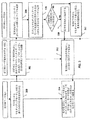
図2は、本発明に従ってこの問題を解決する方法の一実施例の概略を示すフローチャートである。その方法は、ユーザ端末106、108とMSC102、104との内の少なくともいずれかのような図1の無線通信ネットワークの構成要素により実現される。図3〜図6を参照して、ユーザ端末106、108とMSC102、104に関与する個々の例を以下に更に詳細に説明する。図2は単に技術の概要を説明することだけが意図されている。
FIG. 2 is a flowchart outlining one embodiment of a method for solving this problem according to the present invention. The method is implemented by a component of the wireless communication network of FIG. 1 such as at least one of
簡単に説明すると、ステップ200から開始し、音声モードとマルチメディアモードとの間で進行中の呼を切り替えるためにユーザ端末からの要求を受信すると、その構成要素は自動応答タイマを起動する。ここで自動応答タイマとして言及されるタイマは、ICMプロトコルにより規定された呼終了タイマより短い時間に設定される。ステップ202では、その構成要素は、モード変更の要求を受信するユーザに対して、その要求を受け入れるか或は拒否するかを促すための信号を生成する。あるいは、ステップ202では、その構成要素は(例えば、入力要求信号を生成する更なる構成要素にトリガ信号を送信することにより)、要求されたモード切り替えに返答するようにユーザを促すための信号の生成をトリガする。
Briefly, starting from
ステップ204では、自動応答タイマの期限切れの前に入力要求されたユーザから応答が受信されない場合、その構成要素はその要求を拒否する信号を自動的に生成する。図2の各ステップを実現する構成要素がユーザ端末である例において、自動的に生成された要求を拒否する信号は関連するMSCに送信され、そのMSCはICMの呼終了タイマを停止することによりその信号に応答する。図2の各ステップを実現する構成要素がMSC自体である例において、その要求を拒否する信号は、MSCのICM構成要素に単に転送され、MSCはその呼終了タイマを停止することによりその信号に応答する。いずれの場合においても、これによりICMの自動呼終了タイマの期限が切れることはない。従って、呼は、要求を受信するユーザがタイミング良くその要求に応答しなかったために自動的に終了されることはない。
In
ステップ200で設定された自動応答タイマの持続時間に関する限り、自動応答が自動的な呼の終了を防止する時間に生成され処理されることを保証する一方、ユーザが入力要求に応答する時間を可能な限り長くするように可能な限り大きい値にタイマを設定するのが理想的である。タイマの最適な値は、技術が実現される特定のネットワークと、当然そのネットワークにより採用される呼終了タイマの時間とに依存する。30秒の呼終了タイマを採用する典型的なGSM或はUMTS無線ネットワークに関しては、モード切替要求を受け入れるか或は拒否するかを決定するのに十分な時間をユーザに許可する一方、ステップ204で生成された要求を拒否する信号が呼終了タイマを停止する時間内に処理されることを保証するためには、15〜20秒の範囲の値で十分である。ルーチン実験が、自動応答タイマの最適な値を判定するために他の通信ネットワーク内で実行されてもよい。しかし、そのタイマの最適な値を採用する必要はなく、タイマは、自動的な呼の終了を防止するために自動応答が生成され処理されるのを可能にするために、呼終了タイマより十分に短い値に設定されれば十分である。従って、5〜10秒の範囲の値のように更に小さなタイマ値が採用される潜在性もある。
As long as the duration of the auto answer timer set in
さて、図3〜図4を参照し、図2の概念的な各ステップがユーザ端末内で実現される例に従って、説明する。これは好適な実施形の1つである。 Now, with reference to FIG. 3 to FIG. 4, a description will be given according to an example in which the conceptual steps of FIG. 2 are realized in the user terminal. This is one preferred embodiment.
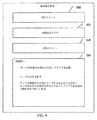
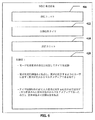
図3は無線ネットワークの選択された構成要素により実行される方法のステップを示す一方、図4はユーザ端末内で使用する1つの装置を示す。図3及び図4、並びにここで説明する全ての図において、関係する構成要素及びステップだけが図示されており、説明される。当業者には理解されるように、多くの付加的なステップや構成要素が無線通信を処理するために必要である。ここでは、本発明の説明を理解し易くするために、本発明に関係する構成要素及びステップのみを説明する。 FIG. 3 shows the method steps performed by selected components of the wireless network, while FIG. 4 shows one device for use in the user terminal. Only relevant components and steps are shown and described in FIGS. 3 and 4 and all the figures described herein. As will be appreciated by those skilled in the art, a number of additional steps and components are required to handle wireless communications. Here, in order to facilitate understanding of the description of the present invention, only components and steps related to the present invention will be described.
図3において、モード切り替えを要求するユーザ端末により実行されるステップを左側に示し、要求を受信するユーザ端末により実行されるステップを右側に示し、受信側端末と関連するMSCにより実行されるステップを中央に示す。なお、要求側ユーザ端末はO−UE或はT−UEであり得る。即ち、いずれの端末もモード切り替えを要求できる。従って、明瞭さと一般性のために、モード切り替えを要求するユーザ端末をここでは、“要求側ユーザ端末”と呼び、要求を受信するユーザ端末を“受信側ユーザ端末”と呼ぶ。 In FIG. 3, the steps executed by the user terminal requesting mode switching are shown on the left side, the steps executed by the user terminal receiving the request are shown on the right side, and the steps executed by the MSC associated with the receiving terminal are shown. Shown in the center. Note that the requesting user terminal may be an O-UE or a T-UE. That is, any terminal can request mode switching. Therefore, for clarity and generality, a user terminal requesting mode switching is referred to herein as a “requesting user terminal” and a user terminal receiving a request is referred to as a “receiving user terminal”.
ステップ300において開始すると、要求側ユーザ端末は、無線ネットワーク接続を介して通話の相手側と関連するMSC(即ち、受信側ユーザがO−UEである場合はO−MSCであり、受信側ユーザがT−UEである場合はT−MSC)に進行中の呼の音声/マルチメディアモードの切り替えの要求を送信する。
Beginning in
ステップ302において、要求は適切なMSCにより受信され、そのMSCはその要求を受信側ユーザ端末に転送し、その要求が音声からマルチメディアへの切り替えに対するものである場合にはICMプロトコルの30秒の呼終了タイマを起動する。その要求がマルチメディアから音声への切り替えに対するものである場合、受信側ユーザからの応答が必要とされないため、30秒の呼終了タイマは起動されない。既に説明したように、プライバシーの理由から、受信側ユーザは音声からマルチメディアへの切り替えを受け入れるか或は拒否する機会が与えられねばならないが、マルチメディアから音声への切り替えに対してはそのような要求は(通常)与えられない。従って、ステップ302において、MSCは単にマルチメディアから音声への切り替えの要求を直接、受信側ユーザ端末に転送する。
In
ステップ304において、受信側ユーザ端末は、モード切り替え要求(例えば、MODIFY DTAP/RNAP_NASメッセージの形式)を受信し、上述のように通常15〜20秒の範囲で設定される自動応答タイマを起動する。なお、この実施例において、MSCの呼終了タイマとは異なり、受信側ユーザ端末の自動応答タイマは、要求切り替えが音声からマルチメディアであるか或はマルチメディアから音声であるかに関わらず起動される。
In
ステップ306において、その要求が音声からマルチメディアである場合、ユーザ端末は、モード変更の要求を受け入れるか或は拒否するかを受信側ユーザに対して促す信号を生成する。ユーザに促すために、適切な図形表示が要求されたモード切り替えをユーザに通知するユーザのハンドセット上に生成されてもよく、また適切な通知音がユーザ設定に依存して生成されてもよい。
In
入力要求に対する応答が自動応答タイマの期限切れの前にユーザにより入力される場合、ステップ308において、(その要求が受け入れられる場合は、例えば、MODIFY COMPLETE DTAP/RNAP_NASメッセージの形式で、或は、その要求が拒否される場合は、例えば、MODIFY REJECT DTAP/RNAP_NASメッセージの形式で)そのユーザ応答は単にMSCに転送されるだけである。しかしながら、その応答が自動応答タイマの期限切れの前に入力されず、且つ、その要求が音声からマルチメディアへの切り替えであった場合、ステップ310が実行される。ステップ310では、ユーザ端末は、その要求を自動的に拒否する信号を生成し、(要求が拒否されるため、例えば、MODIFY REJECT DTAP/RNAP_NASメッセージの形式で)MSCに送信する。 If the response to the input request is entered by the user before the automatic response timer expires, in step 308 (if the request is accepted, eg in the form of a MODIFY COMPLETE DTAP / RNAP_NAS message, or the request Is rejected, the user response is simply forwarded to the MSC (in the form of a MODIFY REJECT DTAP / RNAP_NAS message, for example). However, if the response is not entered before the automatic response timer expires and the request was a voice to multimedia switch, step 310 is executed. In step 310, the user terminal generates a signal that automatically rejects the request and sends it to the MSC (because the request is rejected, eg, in the form of a MODIFY REJECT DTAP / RNAP_NAS message).
ステップ312では、MSCは要求側ユーザ端末に応答を転送し、30秒の呼終了タイマを停止する。最後に、ステップ314において、要求側ユーザはその応答を受信し、モード切り替えが受け入れられた場合には音声/マルチメディアモードを切り替える。モード切り替えが受け入れられなかった場合、要求側ユーザ端末は先の動作モードに留まる。
In
なお、その要求がマルチメディアから音声への切り替えであった場合、応答がその状況では必要とされないため、ステップ310における自動応答タイマの期限切れは単に無視される。その代わり、ユーザ端末は、MSCを介して他のユーザから音声信号を受信することを予想して内部モードを音声に再設定する。ステップ304において、自動応答タイマは、両方のタイプのモード切り替え(即ち、音声からマルチメディアとマルチメディアから音声)に対して設定され、マルチメディアから音声への切り替えと音声からマルチメディアへの切り替えを確認することを受信側ユーザに要求するように実施形の基準が変更される可能性を考慮する。両方の状況においてタイマを起動するようにユーザ端末のハードウェアを構成することにより、基準の変更に更に容易に対応する。当然、必要に応じて、異なる構成(と、特に、条件付きタイマの起動)が実施されてもよい。
Note that if the request is a switch from multimedia to voice, no response is required in that situation, so the expiration of the automatic response timer in step 310 is simply ignored. Instead, the user terminal resets the internal mode to voice in anticipation of receiving voice signals from other users via the MSC. In
図4は、図3のステップ304〜310を実現する際に使用する代表的なユーザ端末内の個々のユニットをハイレベルで図示する。これらのユニットが実行するステップについては既に説明したため、これらユニットについては簡単に要約する。受信ユニット316はMSCから信号を受信し、送信ユニット318はMSCに信号を送信する。これら全てのユニットは制御器320の制御下にある。制御器320はまた、モードの切り替えの要求を受信した際の自動応答タイマ322の起動を制御し、適切な入出力装置(不図示)を介してその要求に応答するようにユーザに促し、(要求された切り替えが音声からマルチメディアである限り)タイマの期限切れの前に応答がユーザによる入力がない場合、自動応答をMSCに転送する。
FIG. 4 illustrates, at a high level, the individual units within a typical user terminal used in implementing steps 304-310 of FIG. Since the steps performed by these units have already been described, these units will be briefly summarized. The receiving
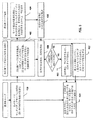
図5〜図6を参照し、図2の概念的な各ステップがMSCにおいて実現される例について説明する。図5はその方法のステップを示す一方、図4はMSCにおいて使用される関係する個々のユニットを示す。多くのステップと構成要素が図3〜図4に関連して既に説明されたステップ及び構成要素と同様或は同一であるため、関係する相違点のみを詳細に説明する。 An example in which the conceptual steps in FIG. 2 are implemented in the MSC will be described with reference to FIGS. FIG. 5 shows the method steps, while FIG. 4 shows the individual units involved in the MSC. Since many of the steps and components are similar or identical to those already described in connection with FIGS. 3-4, only the relevant differences will be described in detail.
簡単に説明すると、図5のステップ400で開始し、要求側ユーザ端末は進行中の呼の音声/マルチメディアモードの切り替えの要求を送信する。ステップ402で、その要求は適切なMSCにより受信される。そのMSCは受信側ユーザにその要求を転送し、また既に説明したように、その要求が音声からマルチメディアへの切り替えに対するものである場合には30秒の呼終了タイマを起動する。更に、そのMSCは、ICMタイマとは別に、より短い内部自動応答タイマを起動する。その自動応答タイマは、要求が音声からマルチメディアへの切り替えに対するものか或はマルチメディアから音声への切り替えに対するものかに関わらず起動される。先と同様に、その要求がマルチメディアから音声への切り替えに対するものである場合、受信側ユーザからの応答が必要とされないため、30秒の呼終了タイマは起動されない。
Briefly, starting at
MSCによりモード切り替え要求を受信側端末に転送することにより、受信側端末内のユーザに入力を促す手順をトリガする。即ち、ステップ404では、受信側端末はモード切り替え要求を受信し、その要求が音声からマルチメディアである場合、その要求を受け入れるか或は拒否するかをユーザに促す。その要求が音声からマルチメディアでない場合、受信側ユーザ端末は、MSCを介して他のユーザから音声信号を受信することを予想して、単に内部モードを音声に再設定する。ステップ406では、ユーザの応答があれば、その応答はMSCに転送され、ステップ408で受信される。
The procedure for prompting the user in the receiving side terminal to input is triggered by transferring the mode switching request to the receiving side terminal by the MSC. That is, in
ステップ408において、音声からマルチメディアへの切り替えに対する応答が自動応答タイマの期限切れの前にMSCにより受信される場合、その応答はステップ410においてICMタイマの停止と要求側ユーザへの応答の転送を含む他の従来の技術に従って処理される。しかしながら、自動応答タイマの期限切れの前に応答が受信側ユーザ端末から受信されず(且つ、その要求が音声からマルチメディアへの切り替えであった)場合、ステップ412が実行される。ステップ412では、MSCはその要求を拒否する信号を自動的に(例えば、対応するユーザコマンドを受信せずに)生成し、それを要求側ユーザ端末に送信し、ICMタイマを停止する。いずれの場合においても、30秒のICMタイマは期限が切れて呼の終了をトリガする前に停止される。最後にステップ414では、要求側ユーザはその応答を受信し、モード切り替えが受け入れられた場合には音声/マルチメディアモードを切り替える。モード切り替えが受け入れられなかった場合には、要求側ユーザ端末は先の動作モードに留まる。
If, in
さて図6を参照して、図5のステップ402と408〜412を実現する際に使用されるMSC内の個々のユニットについて簡単に要約する。受信ユニット416は要求側ユーザ端末と受信側ユーザ端末の両方から信号を選択的に受信し、送信ユニット418は両方の端末に信号を選択的に送信し、それら全てのユニットは制御器420の制御下にある。その制御器はまた、モードの切り替えの要求を受信した際の自動応答タイマ422の起動を制御し、要求に応答するようにユーザに促すために受信側ユーザ端末にその要求を転送し、(要求された切り替えが音声からマルチメディアである限り)タイマの期限切れの前に受信側ユーザからの応答が受信されない場合、自動応答を要求側ユーザ端末に転送する。
Referring now to FIG. 6, a brief summary of the individual units in the MSC used in implementing
3GPP規格に従うICM/SCUDIF機能を採用する無線通信ネットワークにおいて使用する種々の例を説明した。3GPP規格の適用可能な部分に関係する更なる情報は、非特許文献1、非特許文献2、非特許文献3において見い出されるでだろう。 Various examples have been described for use in wireless communication networks that employ ICM / SCUDIF functionality in accordance with 3GPP standards. Further information relating to the applicable part of the 3GPP standard will be found in Non-Patent Document 1, Non-Patent Document 2, and Non-Patent Document 3.
上記実施例において、呼は、モード切り替え要求を受信するユーザからの応答がないだけでは、自動的に切断されない。その代わり、その要求が自動的に断られ、通話は以前のモードで継続できる。本発明の1つの利点は、意図しない呼の終了或は切断が回避されるという事実にある。本発明のアプローチは、モード切り替え要求に応答できないユーザ或はモード切り替え要求があったことに気付かないユーザに特に有益である。 In the above embodiment, the call is not automatically disconnected if there is no response from the user receiving the mode switching request. Instead, the request is automatically dropped and the call can continue in the previous mode. One advantage of the present invention lies in the fact that unintended call termination or disconnection is avoided. The approach of the present invention is particularly beneficial for users who cannot respond to mode switching requests or who do not realize that there has been a mode switching request.
特定の実施例に関して本発明を説明したが、本発明がここで説明され例示された特定の実施例に限定されるものではないことは当業者には認識されるだろう。それ故、好適な実施例に関連して本発明を説明したが、この開示は単に例示的なものに過ぎないことが理解されるべきである。従って、本発明は、添付の請求の範囲によってのみ限定されることが意図されている。 Although the invention has been described with reference to particular embodiments, those skilled in the art will recognize that the invention is not limited to the specific embodiments described and illustrated herein. Thus, while the invention has been described in connection with a preferred embodiment, it is to be understood that this disclosure is merely exemplary. Accordingly, it is intended that the invention be limited only by the scope of the appended claims.
Claims (20)
前記音声モードと前記マルチメディアモードとの切り替えの要求の受信時に、前記所定の時間より短い時間に設定されるタイマを起動する工程と、
前記要求に対して応答するようにユーザを促す第1の信号を生成するか、或は、前記第1の信号の生成のトリガをかける工程と、
前記要求に対する応答が前記タイマの期限切れの前に受信されない場合、前記切り替えの要求を拒否する第2の信号を自動的に生成する工程とを有することを特徴とする方法。 Responds to a request in the communication network to switch the communication session between the voice mode and the multimedia mode, and automatically disconnects the communication session if a response to the requested mode switch is not received within a predetermined time. A way to
Starting a timer set to a time shorter than the predetermined time upon reception of a request to switch between the audio mode and the multimedia mode;
Generating a first signal that prompts a user to respond to the request or triggering the generation of the first signal;
Automatically generating a second signal rejecting the request for switching if a response to the request is not received before the timer expires.
前記第3の信号は、前記要求されたモード切り替えについて前記第1のユーザ端末に通知することを特徴とする請求項4に記載の方法。 The intermediate network component triggers generation of the first signal by transmitting a third signal to the first user terminal;
5. The method of claim 4, wherein the third signal notifies the first user terminal about the requested mode switch.
信号を受信するように動作可能な受信ユニットと、
前記所定の時間より短い時間の間、実行するように設定されるタイマと、
前記音声モードと前記マルチメディアモードとの間の切り替えを要求する要求が前記受信ユニットにより受信された際に、前記タイマを起動するように動作可能である制御器とを有し、
前記制御器はさらに、前記要求に応答するようにユーザに促す第1の信号を生成するか、或は、前記第1の信号の生成をトリガし、前記要求に対する応答が前記タイマの期限切れの前に受信されないなら、前記要求を拒否する第2の信号を自動的に生成するように動作可能であることを特徴とする装置。 In response to a request for switching the communication session between the voice mode and the multimedia mode, and if the response to the requested mode switch is not within a predetermined time, the communication session is automatically disconnected. A device used by a component of a communication network,
A receiving unit operable to receive a signal;
A timer set to run for a time shorter than the predetermined time;
A controller operable to start the timer when a request to switch between the audio mode and the multimedia mode is received by the receiving unit;
The controller further generates a first signal that prompts a user to respond to the request or triggers the generation of the first signal, the response to the request before the timer expires. The device is operable to automatically generate a second signal that rejects the request if not received by the user.
前記制御器はさらに、前記通信ネットワークの中間ネットワーク構成要素に前記要求を拒否する第2の信号を送信するよう前記送信ユニットを制御するように動作可能であることを特徴とする請求項14に記載の装置。 The component of the communication network is a user terminal incorporating a transmission unit,
15. The controller of claim 14, wherein the controller is further operable to control the transmitting unit to transmit a second signal rejecting the request to an intermediate network component of the communication network. Equipment.
前記制御器はさらに、前記通信ネットワークを介して第1のユーザ端末に対して前記要求を拒否する第2の信号を送信するよう前記送信ユニットを制御するように動作可能であることを特徴とする請求項14に記載の装置。 The communication network component is an intermediate network component with a built-in transmission unit;
The controller is further operable to control the transmitting unit to transmit a second signal rejecting the request to a first user terminal via the communication network. The apparatus according to claim 14.
Applications Claiming Priority (1)
| Application Number | Priority Date | Filing Date | Title |
|---|---|---|---|
| PCT/EP2005/000924 WO2006079358A1 (en) | 2005-01-31 | 2005-01-31 | Speech/multimedia mode switching technique in a wireless communications network |
Publications (2)
| Publication Number | Publication Date |
|---|---|
| JP2008529366A true JP2008529366A (en) | 2008-07-31 |
| JP4658145B2 JP4658145B2 (en) | 2011-03-23 |
Family
ID=34960913
Family Applications (1)
| Application Number | Title | Priority Date | Filing Date |
|---|---|---|---|
| JP2007552508A Expired - Lifetime JP4658145B2 (en) | 2005-01-31 | 2005-01-31 | Voice / multimedia mode switching technology in wireless communication networks |
Country Status (11)
| Country | Link |
|---|---|
| US (2) | US8422998B2 (en) |
| EP (1) | EP1849316B1 (en) |
| JP (1) | JP4658145B2 (en) |
| KR (1) | KR101103492B1 (en) |
| CN (1) | CN101112108B (en) |
| AT (1) | ATE438272T1 (en) |
| DE (1) | DE602005015764D1 (en) |
| ES (1) | ES2330120T3 (en) |
| PL (1) | PL1849316T3 (en) |
| PT (1) | PT1849316E (en) |
| WO (1) | WO2006079358A1 (en) |
Families Citing this family (19)
| Publication number | Priority date | Publication date | Assignee | Title |
|---|---|---|---|---|
| CN100583822C (en) * | 2006-04-25 | 2010-01-20 | 华为技术有限公司 | Packet network system with session change function and its realization method and device |
| US9578154B2 (en) * | 2007-01-12 | 2017-02-21 | Nokia Technologies Oy | Mobile communication terminal and method |
| CN101316435B (en) * | 2007-05-31 | 2012-08-08 | 华为技术有限公司 | Call control method and IMS circuit switching control device and terminal unit |
| EP2015608A1 (en) * | 2007-07-13 | 2009-01-14 | Nokia Siemens Networks Oy | Interactive selection of a service during a mobile terminating call with service change and UDI fallback ("SCUDIF") |
| WO2009021549A1 (en) * | 2007-08-10 | 2009-02-19 | Telefonaktiebolaget Lm Ericsson (Publ) | Media switching in mobile communication systems |
| CN101453453B (en) * | 2007-12-04 | 2011-08-03 | 华为技术有限公司 | Method and apparatus for implementing call holding |
| US20090146962A1 (en) * | 2007-12-05 | 2009-06-11 | Nokia Corporation | Mobile communication terminal and method |
| CN101742692B (en) | 2008-11-07 | 2012-07-04 | 华为技术有限公司 | Paging processing, information display method and device |
| KR101030827B1 (en) * | 2008-12-31 | 2011-04-22 | 주식회사 케이티 | Radio bearer management device, system and method |
| CN102136931B (en) | 2010-09-20 | 2013-12-04 | 华为技术有限公司 | Method for configuring virtual port network strategies, network management center and related equipment |
| US8913587B2 (en) * | 2011-05-19 | 2014-12-16 | Qualcomm Incorporated | Infrastructure-unassisted inter-device wireless wide area network handoff |
| US8712411B1 (en) * | 2011-08-01 | 2014-04-29 | Sprint Spectrum L.P. | Varying latency timers in a wireless communication system |
| EP2725737B1 (en) | 2011-08-01 | 2016-01-20 | Huawei Technologies Co., Ltd. | Network policy configuration method, management device and network management centre device |
| US8862098B2 (en) | 2011-09-21 | 2014-10-14 | International Business Machines Corporation | Secure remote control of notification operations of communication devices |
| US8868037B2 (en) * | 2011-09-21 | 2014-10-21 | International Business Machines Corporation | Secure remote control of notification operations of communication devices |
| US10334473B2 (en) * | 2015-12-15 | 2019-06-25 | Motorola Solutions, Inc. | Systems and methods for reducing radiofrequency interference in a mobile communications device |
| CN105610950B (en) * | 2015-12-30 | 2020-07-24 | 腾讯科技(深圳)有限公司 | Conversation processing method and system in fleet travel |
| CN108271202B (en) * | 2016-12-30 | 2022-05-10 | 亿阳信通股份有限公司 | Method and device for positioning network fault based on short-frequency call ticket data |
| CN113422873B (en) * | 2021-06-25 | 2022-09-16 | 北京小米移动软件有限公司 | Prompting method and device for call mode switching, storage medium and electronic equipment |
Citations (2)
| Publication number | Priority date | Publication date | Assignee | Title |
|---|---|---|---|---|
| JPH04334217A (en) * | 1991-05-10 | 1992-11-20 | Osaka Gas Co Ltd | Digital wireless network line holding device |
| JPH08130586A (en) * | 1994-10-28 | 1996-05-21 | Tokyo Gas Co Ltd | Communications system |
Family Cites Families (8)
| Publication number | Priority date | Publication date | Assignee | Title |
|---|---|---|---|---|
| DE69632575T2 (en) * | 1995-11-20 | 2005-06-09 | Koninklijke Philips Electronics N.V. | SYSTEM, METHOD AND STATION FOR LANGUAGE AND NON-LANGUAGE CONNECTIONS |
| WO2001076288A1 (en) * | 2000-04-03 | 2001-10-11 | Nokia Corporation | Dual fallback in circuit-switched multimedia call setup |
| US6845236B2 (en) * | 2000-11-01 | 2005-01-18 | Lg Electronics Inc. | Method for concurrent multiple services in a mobile communication system |
| US20030028643A1 (en) * | 2001-03-13 | 2003-02-06 | Dilithium Networks, Inc. | Method and apparatus for transcoding video and speech signals |
| GB0124323D0 (en) * | 2001-10-10 | 2001-11-28 | Nokia Corp | Setting mode of communication |
| US6879828B2 (en) * | 2002-09-09 | 2005-04-12 | Nokia Corporation | Unbroken primary connection switching between communications services |
| US20050064821A1 (en) * | 2003-09-22 | 2005-03-24 | Telefonaktiebolaget Lm Ericsson (Publ) | Alternative service management |
| US20050180338A1 (en) * | 2004-02-17 | 2005-08-18 | Nokia Corporation | Swapping voice and video calls |
-
2005
- 2005-01-31 PL PL05707092T patent/PL1849316T3/en unknown
- 2005-01-31 EP EP05707092A patent/EP1849316B1/en not_active Expired - Lifetime
- 2005-01-31 PT PT05707092T patent/PT1849316E/en unknown
- 2005-01-31 AT AT05707092T patent/ATE438272T1/en not_active IP Right Cessation
- 2005-01-31 JP JP2007552508A patent/JP4658145B2/en not_active Expired - Lifetime
- 2005-01-31 ES ES05707092T patent/ES2330120T3/en not_active Expired - Lifetime
- 2005-01-31 KR KR1020077017540A patent/KR101103492B1/en not_active Expired - Lifetime
- 2005-01-31 WO PCT/EP2005/000924 patent/WO2006079358A1/en not_active Ceased
- 2005-01-31 DE DE602005015764T patent/DE602005015764D1/en not_active Expired - Lifetime
- 2005-01-31 US US11/814,523 patent/US8422998B2/en active Active
- 2005-01-31 CN CN2005800475368A patent/CN101112108B/en not_active Expired - Lifetime
-
2013
- 2013-04-15 US US13/862,573 patent/US9066215B2/en not_active Expired - Lifetime
Patent Citations (2)
| Publication number | Priority date | Publication date | Assignee | Title |
|---|---|---|---|---|
| JPH04334217A (en) * | 1991-05-10 | 1992-11-20 | Osaka Gas Co Ltd | Digital wireless network line holding device |
| JPH08130586A (en) * | 1994-10-28 | 1996-05-21 | Tokyo Gas Co Ltd | Communications system |
Also Published As
| Publication number | Publication date |
|---|---|
| PL1849316T3 (en) | 2009-12-31 |
| CN101112108B (en) | 2011-07-06 |
| ES2330120T3 (en) | 2009-12-04 |
| US9066215B2 (en) | 2015-06-23 |
| US8422998B2 (en) | 2013-04-16 |
| US20080108338A1 (en) | 2008-05-08 |
| EP1849316A1 (en) | 2007-10-31 |
| KR101103492B1 (en) | 2012-01-10 |
| ATE438272T1 (en) | 2009-08-15 |
| CN101112108A (en) | 2008-01-23 |
| JP4658145B2 (en) | 2011-03-23 |
| DE602005015764D1 (en) | 2009-09-10 |
| WO2006079358A1 (en) | 2006-08-03 |
| US20130231095A1 (en) | 2013-09-05 |
| PT1849316E (en) | 2009-09-28 |
| KR20070093143A (en) | 2007-09-17 |
| EP1849316B1 (en) | 2009-07-29 |
Similar Documents
| Publication | Publication Date | Title |
|---|---|---|
| US9066215B2 (en) | Speech/multimedia mode switching technique in a wireless communications network | |
| CN114365582B (en) | Connection suspension for multiple SIMs | |
| KR101247404B1 (en) | Setting up a full-duplex communication session and transitioning between half-duplex and full-duplex during a communication session within a wireless communications system | |
| US7616944B2 (en) | Method and apparatus for call notification and delivery to a busy mobile station | |
| JP5539447B2 (en) | Method and apparatus for service function modification | |
| KR101937737B1 (en) | Method and apparatus for handover from a packet switched network to a circuit switched network | |
| JP5527814B2 (en) | COMMUNICATION TERMINAL DEVICE, COMMUNICATION SYSTEM, COMMUNICATION CONTROL METHOD, AND PROGRAM | |
| CN101360106B (en) | Method and apparatus for improving continuous packet connectivity in a wireless communications system | |
| CN114641016B (en) | Method and device for transmitting busy indication | |
| CN101180810A (en) | System and method for efficiently providing high-performance scheduling services in a wireless system | |
| CA2598959C (en) | Network-initiated service change from speech to multimedia | |
| JP2009500895A (en) | Method and apparatus applied to identification of handover between wireless communication networks | |
| CN102547921A (en) | Communication control method, device and system and multi-mode terminal | |
| US8194610B2 (en) | Method for establishing a connection with a generic access network and associated GAN-enabled mobile station | |
| US9049621B2 (en) | Method and system for hard handoff in HRPD | |
| WO2011044815A1 (en) | Method, msc/vlr, mme and enodeb for implementing service with priority | |
| CN1369178A (en) | Method and apparatus for disabling communications of specified mode to device capable of multi-mode commnications | |
| KR100678243B1 (en) | Wireless connection method and system | |
| KR100605865B1 (en) | Method and device for setting up call in mobile communication system | |
| CN113163514A (en) | Session processing method and communication device | |
| KR102304200B1 (en) | Base station and terminal device | |
| CN100433914C (en) | Method for rapid building-up of called-side voice calling in broad band CDMA system | |
| CN119967461A (en) | Communication method, device, electronic device and computer readable storage medium | |
| JP2008141264A (en) | Wireless base station, call control server, and wireless communication method | |
| JP2008042561A (en) | Mobile communication terminal and terminal control method |
Legal Events
| Date | Code | Title | Description |
|---|---|---|---|
| A977 | Report on retrieval |
Free format text: JAPANESE INTERMEDIATE CODE: A971007 Effective date: 20101126 |
|
| TRDD | Decision of grant or rejection written | ||
| A01 | Written decision to grant a patent or to grant a registration (utility model) |
Free format text: JAPANESE INTERMEDIATE CODE: A01 Effective date: 20101206 |
|
| A01 | Written decision to grant a patent or to grant a registration (utility model) |
Free format text: JAPANESE INTERMEDIATE CODE: A01 |
|
| A61 | First payment of annual fees (during grant procedure) |
Free format text: JAPANESE INTERMEDIATE CODE: A61 Effective date: 20101222 |
|
| FPAY | Renewal fee payment (event date is renewal date of database) |
Free format text: PAYMENT UNTIL: 20140107 Year of fee payment: 3 |
|
| R150 | Certificate of patent or registration of utility model |
Ref document number: 4658145 Country of ref document: JP Free format text: JAPANESE INTERMEDIATE CODE: R150 Free format text: JAPANESE INTERMEDIATE CODE: R150 |
|
| S111 | Request for change of ownership or part of ownership |
Free format text: JAPANESE INTERMEDIATE CODE: R313113 |
|
| R360 | Written notification for declining of transfer of rights |
Free format text: JAPANESE INTERMEDIATE CODE: R360 |
|
| R360 | Written notification for declining of transfer of rights |
Free format text: JAPANESE INTERMEDIATE CODE: R360 |
|
| R371 | Transfer withdrawn |
Free format text: JAPANESE INTERMEDIATE CODE: R371 |
|
| S111 | Request for change of ownership or part of ownership |
Free format text: JAPANESE INTERMEDIATE CODE: R313113 |
|
| R350 | Written notification of registration of transfer |
Free format text: JAPANESE INTERMEDIATE CODE: R350 |
|
| R250 | Receipt of annual fees |
Free format text: JAPANESE INTERMEDIATE CODE: R250 |
|
| R250 | Receipt of annual fees |
Free format text: JAPANESE INTERMEDIATE CODE: R250 |
|
| R250 | Receipt of annual fees |
Free format text: JAPANESE INTERMEDIATE CODE: R250 |
|
| R250 | Receipt of annual fees |
Free format text: JAPANESE INTERMEDIATE CODE: R250 |
|
| R250 | Receipt of annual fees |
Free format text: JAPANESE INTERMEDIATE CODE: R250 |
|
| R250 | Receipt of annual fees |
Free format text: JAPANESE INTERMEDIATE CODE: R250 |
|
| R250 | Receipt of annual fees |
Free format text: JAPANESE INTERMEDIATE CODE: R250 |
|
| R250 | Receipt of annual fees |
Free format text: JAPANESE INTERMEDIATE CODE: R250 |
|
| R250 | Receipt of annual fees |
Free format text: JAPANESE INTERMEDIATE CODE: R250 |
|
| R250 | Receipt of annual fees |
Free format text: JAPANESE INTERMEDIATE CODE: R250 |
|
| R250 | Receipt of annual fees |
Free format text: JAPANESE INTERMEDIATE CODE: R250 |
|
| R250 | Receipt of annual fees |
Free format text: JAPANESE INTERMEDIATE CODE: R250 |
|
| EXPY | Cancellation because of completion of term |