JP2010077112A - Methylene lactone monomer and method of preserving the same - Google Patents
Methylene lactone monomer and method of preserving the same Download PDFInfo
- Publication number
- JP2010077112A JP2010077112A JP2009165956A JP2009165956A JP2010077112A JP 2010077112 A JP2010077112 A JP 2010077112A JP 2009165956 A JP2009165956 A JP 2009165956A JP 2009165956 A JP2009165956 A JP 2009165956A JP 2010077112 A JP2010077112 A JP 2010077112A
- Authority
- JP
- Japan
- Prior art keywords
- methylene
- lactone monomer
- methylene lactone
- polymerization
- group
- Prior art date
- Legal status (The legal status is an assumption and is not a legal conclusion. Google has not performed a legal analysis and makes no representation as to the accuracy of the status listed.)
- Granted
Links
- -1 Methylene lactone Chemical class 0.000 title claims abstract description 246
- 239000000178 monomer Substances 0.000 title claims abstract description 236
- 238000000034 method Methods 0.000 title claims description 41
- 238000006116 polymerization reaction Methods 0.000 claims abstract description 210
- 239000003112 inhibitor Substances 0.000 claims abstract description 121
- QVGXLLKOCUKJST-UHFFFAOYSA-N atomic oxygen Chemical compound [O] QVGXLLKOCUKJST-UHFFFAOYSA-N 0.000 claims abstract description 119
- 239000001301 oxygen Substances 0.000 claims abstract description 119
- 229910052760 oxygen Inorganic materials 0.000 claims abstract description 119
- 229920000642 polymer Polymers 0.000 claims abstract description 69
- 125000004435 hydrogen atom Chemical group [H]* 0.000 claims abstract description 17
- 125000000962 organic group Chemical group 0.000 claims abstract description 11
- 150000001875 compounds Chemical class 0.000 claims description 55
- 238000003860 storage Methods 0.000 claims description 32
- 238000004519 manufacturing process Methods 0.000 claims description 18
- 150000003568 thioethers Chemical class 0.000 claims description 15
- ISWSIDIOOBJBQZ-UHFFFAOYSA-N Phenol Chemical compound OC1=CC=CC=C1 ISWSIDIOOBJBQZ-UHFFFAOYSA-N 0.000 claims description 14
- OJMIONKXNSYLSR-UHFFFAOYSA-N phosphorous acid Chemical compound OP(O)O OJMIONKXNSYLSR-UHFFFAOYSA-N 0.000 claims description 14
- 150000002989 phenols Chemical class 0.000 claims description 10
- 238000004581 coalescence Methods 0.000 claims 1
- 239000002861 polymer material Substances 0.000 claims 1
- 238000004321 preservation Methods 0.000 claims 1
- 230000007423 decrease Effects 0.000 abstract description 32
- 239000002994 raw material Substances 0.000 abstract description 22
- 239000000243 solution Substances 0.000 description 102
- IJGRMHOSHXDMSA-UHFFFAOYSA-N Atomic nitrogen Chemical compound N#N IJGRMHOSHXDMSA-UHFFFAOYSA-N 0.000 description 51
- KYLUHLJIAMFYKW-UHFFFAOYSA-N 5-methyl-3-methylideneoxolan-2-one Chemical compound CC1CC(=C)C(=O)O1 KYLUHLJIAMFYKW-UHFFFAOYSA-N 0.000 description 45
- GSLDEZOOOSBFGP-UHFFFAOYSA-N alpha-methylene gamma-butyrolactone Chemical compound C=C1CCOC1=O GSLDEZOOOSBFGP-UHFFFAOYSA-N 0.000 description 41
- 238000006243 chemical reaction Methods 0.000 description 35
- QYZFTMMPKCOTAN-UHFFFAOYSA-N n-[2-(2-hydroxyethylamino)ethyl]-2-[[1-[2-(2-hydroxyethylamino)ethylamino]-2-methyl-1-oxopropan-2-yl]diazenyl]-2-methylpropanamide Chemical compound OCCNCCNC(=O)C(C)(C)N=NC(C)(C)C(=O)NCCNCCO QYZFTMMPKCOTAN-UHFFFAOYSA-N 0.000 description 31
- 239000003505 polymerization initiator Substances 0.000 description 31
- 229910001873 dinitrogen Inorganic materials 0.000 description 30
- NLZUEZXRPGMBCV-UHFFFAOYSA-N Butylhydroxytoluene Chemical compound CC1=CC(C(C)(C)C)=C(O)C(C(C)(C)C)=C1 NLZUEZXRPGMBCV-UHFFFAOYSA-N 0.000 description 29
- JAMNHZBIQDNHMM-UHFFFAOYSA-N pivalonitrile Chemical compound CC(C)(C)C#N JAMNHZBIQDNHMM-UHFFFAOYSA-N 0.000 description 29
- NWVVVBRKAWDGAB-UHFFFAOYSA-N p-methoxyphenol Chemical compound COC1=CC=C(O)C=C1 NWVVVBRKAWDGAB-UHFFFAOYSA-N 0.000 description 28
- 238000004458 analytical method Methods 0.000 description 27
- 239000007789 gas Substances 0.000 description 25
- 125000004432 carbon atom Chemical group C* 0.000 description 23
- 239000002904 solvent Substances 0.000 description 23
- 230000000694 effects Effects 0.000 description 20
- NIXOWILDQLNWCW-UHFFFAOYSA-N 2-Propenoic acid Natural products OC(=O)C=C NIXOWILDQLNWCW-UHFFFAOYSA-N 0.000 description 19
- QIGBRXMKCJKVMJ-UHFFFAOYSA-N Hydroquinone Chemical compound OC1=CC=C(O)C=C1 QIGBRXMKCJKVMJ-UHFFFAOYSA-N 0.000 description 19
- 238000004040 coloring Methods 0.000 description 19
- YEJRWHAVMIAJKC-UHFFFAOYSA-N 4-Butyrolactone Chemical compound O=C1CCCO1 YEJRWHAVMIAJKC-UHFFFAOYSA-N 0.000 description 18
- 125000002887 hydroxy group Chemical group [H]O* 0.000 description 18
- HVLLSGMXQDNUAL-UHFFFAOYSA-N triphenyl phosphite Chemical compound C=1C=CC=CC=1OP(OC=1C=CC=CC=1)OC1=CC=CC=C1 HVLLSGMXQDNUAL-UHFFFAOYSA-N 0.000 description 18
- SMZOUWXMTYCWNB-UHFFFAOYSA-N 2-(2-methoxy-5-methylphenyl)ethanamine Chemical compound COC1=CC=C(C)C=C1CCN SMZOUWXMTYCWNB-UHFFFAOYSA-N 0.000 description 17
- 238000005227 gel permeation chromatography Methods 0.000 description 17
- WSFSSNUMVMOOMR-UHFFFAOYSA-N Formaldehyde Chemical compound O=C WSFSSNUMVMOOMR-UHFFFAOYSA-N 0.000 description 15
- ZMXDDKWLCZADIW-UHFFFAOYSA-N N,N-Dimethylformamide Chemical compound CN(C)C=O ZMXDDKWLCZADIW-UHFFFAOYSA-N 0.000 description 15
- YXFVVABEGXRONW-UHFFFAOYSA-N Toluene Chemical compound CC1=CC=CC=C1 YXFVVABEGXRONW-UHFFFAOYSA-N 0.000 description 15
- 125000000217 alkyl group Chemical group 0.000 description 15
- 229910052757 nitrogen Inorganic materials 0.000 description 14
- DOIRQSBPFJWKBE-UHFFFAOYSA-N phthalic acid di-n-butyl ester Natural products CCCCOC(=O)C1=CC=CC=C1C(=O)OCCCC DOIRQSBPFJWKBE-UHFFFAOYSA-N 0.000 description 14
- ZWEHNKRNPOVVGH-UHFFFAOYSA-N 2-Butanone Chemical compound CCC(C)=O ZWEHNKRNPOVVGH-UHFFFAOYSA-N 0.000 description 13
- 125000003118 aryl group Chemical group 0.000 description 13
- 239000000463 material Substances 0.000 description 13
- 235000019645 odor Nutrition 0.000 description 13
- 230000000052 comparative effect Effects 0.000 description 12
- 239000000203 mixture Substances 0.000 description 12
- 125000001424 substituent group Chemical group 0.000 description 12
- CERQOIWHTDAKMF-UHFFFAOYSA-N Methacrylic acid Chemical class CC(=C)C(O)=O CERQOIWHTDAKMF-UHFFFAOYSA-N 0.000 description 11
- 238000004817 gas chromatography Methods 0.000 description 11
- IAZDPXIOMUYVGZ-UHFFFAOYSA-N Dimethylsulphoxide Chemical compound CS(C)=O IAZDPXIOMUYVGZ-UHFFFAOYSA-N 0.000 description 10
- 230000006698 induction Effects 0.000 description 9
- 150000002596 lactones Chemical group 0.000 description 9
- 229910052751 metal Inorganic materials 0.000 description 9
- 239000002184 metal Substances 0.000 description 9
- VSVVZZQIUJXYQA-UHFFFAOYSA-N [3-(3-dodecylsulfanylpropanoyloxy)-2,2-bis(3-dodecylsulfanylpropanoyloxymethyl)propyl] 3-dodecylsulfanylpropanoate Chemical compound CCCCCCCCCCCCSCCC(=O)OCC(COC(=O)CCSCCCCCCCCCCCC)(COC(=O)CCSCCCCCCCCCCCC)COC(=O)CCSCCCCCCCCCCCC VSVVZZQIUJXYQA-UHFFFAOYSA-N 0.000 description 8
- 239000003054 catalyst Substances 0.000 description 8
- 150000003254 radicals Chemical class 0.000 description 8
- 238000001228 spectrum Methods 0.000 description 8
- LFQSCWFLJHTTHZ-UHFFFAOYSA-N Ethanol Chemical compound CCO LFQSCWFLJHTTHZ-UHFFFAOYSA-N 0.000 description 7
- NTIZESTWPVYFNL-UHFFFAOYSA-N Methyl isobutyl ketone Chemical compound CC(C)CC(C)=O NTIZESTWPVYFNL-UHFFFAOYSA-N 0.000 description 7
- UIHCLUNTQKBZGK-UHFFFAOYSA-N Methyl isobutyl ketone Natural products CCC(C)C(C)=O UIHCLUNTQKBZGK-UHFFFAOYSA-N 0.000 description 7
- WYURNTSHIVDZCO-UHFFFAOYSA-N Tetrahydrofuran Chemical compound C1CCOC1 WYURNTSHIVDZCO-UHFFFAOYSA-N 0.000 description 7
- MYRTYDVEIRVNKP-UHFFFAOYSA-N 1,2-Divinylbenzene Chemical compound C=CC1=CC=CC=C1C=C MYRTYDVEIRVNKP-UHFFFAOYSA-N 0.000 description 6
- INOBTMXEJORGST-UHFFFAOYSA-N 5-hexyl-3-methylideneoxolan-2-one Chemical compound CCCCCCC1CC(=C)C(=O)O1 INOBTMXEJORGST-UHFFFAOYSA-N 0.000 description 6
- CSCPPACGZOOCGX-UHFFFAOYSA-N Acetone Chemical compound CC(C)=O CSCPPACGZOOCGX-UHFFFAOYSA-N 0.000 description 6
- UHOVQNZJYSORNB-UHFFFAOYSA-N Benzene Chemical compound C1=CC=CC=C1 UHOVQNZJYSORNB-UHFFFAOYSA-N 0.000 description 6
- SOGAXMICEFXMKE-UHFFFAOYSA-N Butylmethacrylate Chemical compound CCCCOC(=O)C(C)=C SOGAXMICEFXMKE-UHFFFAOYSA-N 0.000 description 6
- HEDRZPFGACZZDS-UHFFFAOYSA-N Chloroform Chemical compound ClC(Cl)Cl HEDRZPFGACZZDS-UHFFFAOYSA-N 0.000 description 6
- YMWUJEATGCHHMB-UHFFFAOYSA-N Dichloromethane Chemical compound ClCCl YMWUJEATGCHHMB-UHFFFAOYSA-N 0.000 description 6
- XEKOWRVHYACXOJ-UHFFFAOYSA-N Ethyl acetate Chemical compound CCOC(C)=O XEKOWRVHYACXOJ-UHFFFAOYSA-N 0.000 description 6
- YNQLUTRBYVCPMQ-UHFFFAOYSA-N Ethylbenzene Chemical compound CCC1=CC=CC=C1 YNQLUTRBYVCPMQ-UHFFFAOYSA-N 0.000 description 6
- LYCAIKOWRPUZTN-UHFFFAOYSA-N Ethylene glycol Chemical compound OCCO LYCAIKOWRPUZTN-UHFFFAOYSA-N 0.000 description 6
- RRHGJUQNOFWUDK-UHFFFAOYSA-N Isoprene Chemical compound CC(=C)C=C RRHGJUQNOFWUDK-UHFFFAOYSA-N 0.000 description 6
- OKKJLVBELUTLKV-UHFFFAOYSA-N Methanol Chemical compound OC OKKJLVBELUTLKV-UHFFFAOYSA-N 0.000 description 6
- BAPJBEWLBFYGME-UHFFFAOYSA-N Methyl acrylate Chemical compound COC(=O)C=C BAPJBEWLBFYGME-UHFFFAOYSA-N 0.000 description 6
- PPBRXRYQALVLMV-UHFFFAOYSA-N Styrene Chemical compound C=CC1=CC=CC=C1 PPBRXRYQALVLMV-UHFFFAOYSA-N 0.000 description 6
- 150000001412 amines Chemical class 0.000 description 6
- 235000010354 butylated hydroxytoluene Nutrition 0.000 description 6
- 125000004185 ester group Chemical group 0.000 description 6
- 125000002496 methyl group Chemical group [H]C([H])([H])* 0.000 description 6
- VLKZOEOYAKHREP-UHFFFAOYSA-N n-Hexane Chemical compound CCCCCC VLKZOEOYAKHREP-UHFFFAOYSA-N 0.000 description 6
- 230000001629 suppression Effects 0.000 description 6
- VVQNEPGJFQJSBK-UHFFFAOYSA-N Methyl methacrylate Chemical compound COC(=O)C(C)=C VVQNEPGJFQJSBK-UHFFFAOYSA-N 0.000 description 5
- FXHOOIRPVKKKFG-UHFFFAOYSA-N N,N-Dimethylacetamide Chemical compound CN(C)C(C)=O FXHOOIRPVKKKFG-UHFFFAOYSA-N 0.000 description 5
- CTQNGGLPUBDAKN-UHFFFAOYSA-N O-Xylene Chemical compound CC1=CC=CC=C1C CTQNGGLPUBDAKN-UHFFFAOYSA-N 0.000 description 5
- 239000003570 air Substances 0.000 description 5
- 125000002723 alicyclic group Chemical group 0.000 description 5
- 239000012986 chain transfer agent Substances 0.000 description 5
- 125000001495 ethyl group Chemical group [H]C([H])([H])C([H])([H])* 0.000 description 5
- 150000002430 hydrocarbons Chemical class 0.000 description 5
- 125000001436 propyl group Chemical group [H]C([*])([H])C([H])([H])C([H])([H])[H] 0.000 description 5
- 238000003756 stirring Methods 0.000 description 5
- 239000000126 substance Substances 0.000 description 5
- 125000004417 unsaturated alkyl group Chemical group 0.000 description 5
- 239000008096 xylene Substances 0.000 description 5
- FYGHSUNMUKGBRK-UHFFFAOYSA-N 1,2,3-trimethylbenzene Chemical compound CC1=CC=CC(C)=C1C FYGHSUNMUKGBRK-UHFFFAOYSA-N 0.000 description 4
- KAKZBPTYRLMSJV-UHFFFAOYSA-N Butadiene Chemical compound C=CC=C KAKZBPTYRLMSJV-UHFFFAOYSA-N 0.000 description 4
- VQTUBCCKSQIDNK-UHFFFAOYSA-N Isobutene Chemical compound CC(C)=C VQTUBCCKSQIDNK-UHFFFAOYSA-N 0.000 description 4
- KFZMGEQAYNKOFK-UHFFFAOYSA-N Isopropanol Chemical compound CC(C)O KFZMGEQAYNKOFK-UHFFFAOYSA-N 0.000 description 4
- LRHPLDYGYMQRHN-UHFFFAOYSA-N N-Butanol Chemical compound CCCCO LRHPLDYGYMQRHN-UHFFFAOYSA-N 0.000 description 4
- 238000005481 NMR spectroscopy Methods 0.000 description 4
- KDLHZDBZIXYQEI-UHFFFAOYSA-N Palladium Chemical compound [Pd] KDLHZDBZIXYQEI-UHFFFAOYSA-N 0.000 description 4
- 150000007514 bases Chemical class 0.000 description 4
- 125000000484 butyl group Chemical group [H]C([*])([H])C([H])([H])C([H])([H])C([H])([H])[H] 0.000 description 4
- 239000012295 chemical reaction liquid Substances 0.000 description 4
- 125000001033 ether group Chemical group 0.000 description 4
- 230000002401 inhibitory effect Effects 0.000 description 4
- 239000003999 initiator Substances 0.000 description 4
- 239000007788 liquid Substances 0.000 description 4
- RFUCOAQWQVDBEU-UHFFFAOYSA-N methyl 2-(hydroxymethyl)prop-2-enoate Chemical compound COC(=O)C(=C)CO RFUCOAQWQVDBEU-UHFFFAOYSA-N 0.000 description 4
- PNJWIWWMYCMZRO-UHFFFAOYSA-N pent‐4‐en‐2‐one Natural products CC(=O)CC=C PNJWIWWMYCMZRO-UHFFFAOYSA-N 0.000 description 4
- CWERGRDVMFNCDR-UHFFFAOYSA-N thioglycolic acid Chemical compound OC(=O)CS CWERGRDVMFNCDR-UHFFFAOYSA-N 0.000 description 4
- WEVYAHXRMPXWCK-UHFFFAOYSA-N Acetonitrile Chemical compound CC#N WEVYAHXRMPXWCK-UHFFFAOYSA-N 0.000 description 3
- NLHHRLWOUZZQLW-UHFFFAOYSA-N Acrylonitrile Chemical compound C=CC#N NLHHRLWOUZZQLW-UHFFFAOYSA-N 0.000 description 3
- XDTMQSROBMDMFD-UHFFFAOYSA-N Cyclohexane Chemical compound C1CCCCC1 XDTMQSROBMDMFD-UHFFFAOYSA-N 0.000 description 3
- JIGUQPWFLRLWPJ-UHFFFAOYSA-N Ethyl acrylate Chemical compound CCOC(=O)C=C JIGUQPWFLRLWPJ-UHFFFAOYSA-N 0.000 description 3
- SECXISVLQFMRJM-UHFFFAOYSA-N N-Methylpyrrolidone Chemical compound CN1CCCC1=O SECXISVLQFMRJM-UHFFFAOYSA-N 0.000 description 3
- 239000002202 Polyethylene glycol Substances 0.000 description 3
- XBDQKXXYIPTUBI-UHFFFAOYSA-M Propionate Chemical compound CCC([O-])=O XBDQKXXYIPTUBI-UHFFFAOYSA-M 0.000 description 3
- XTXRWKRVRITETP-UHFFFAOYSA-N Vinyl acetate Chemical compound CC(=O)OC=C XTXRWKRVRITETP-UHFFFAOYSA-N 0.000 description 3
- 238000002835 absorbance Methods 0.000 description 3
- 239000002253 acid Substances 0.000 description 3
- 239000003905 agrochemical Substances 0.000 description 3
- XYLMUPLGERFSHI-UHFFFAOYSA-N alpha-Methylstyrene Chemical compound CC(=C)C1=CC=CC=C1 XYLMUPLGERFSHI-UHFFFAOYSA-N 0.000 description 3
- 125000003368 amide group Chemical group 0.000 description 3
- 125000003277 amino group Chemical group 0.000 description 3
- 125000002915 carbonyl group Chemical group [*:2]C([*:1])=O 0.000 description 3
- 125000002843 carboxylic acid group Chemical group 0.000 description 3
- 239000003795 chemical substances by application Substances 0.000 description 3
- 238000004587 chromatography analysis Methods 0.000 description 3
- OIWOHHBRDFKZNC-UHFFFAOYSA-N cyclohexyl 2-methylprop-2-enoate Chemical compound CC(=C)C(=O)OC1CCCCC1 OIWOHHBRDFKZNC-UHFFFAOYSA-N 0.000 description 3
- KBLWLMPSVYBVDK-UHFFFAOYSA-N cyclohexyl prop-2-enoate Chemical compound C=CC(=O)OC1CCCCC1 KBLWLMPSVYBVDK-UHFFFAOYSA-N 0.000 description 3
- 238000004821 distillation Methods 0.000 description 3
- SUPCQIBBMFXVTL-UHFFFAOYSA-N ethyl 2-methylprop-2-enoate Chemical compound CCOC(=O)C(C)=C SUPCQIBBMFXVTL-UHFFFAOYSA-N 0.000 description 3
- VANNPISTIUFMLH-UHFFFAOYSA-N glutaric anhydride Chemical group O=C1CCCC(=O)O1 VANNPISTIUFMLH-UHFFFAOYSA-N 0.000 description 3
- 150000002825 nitriles Chemical class 0.000 description 3
- 230000003287 optical effect Effects 0.000 description 3
- 239000013110 organic ligand Substances 0.000 description 3
- KNCYXPMJDCCGSJ-UHFFFAOYSA-N piperidine-2,6-dione Chemical group O=C1CCCC(=O)N1 KNCYXPMJDCCGSJ-UHFFFAOYSA-N 0.000 description 3
- 229920001223 polyethylene glycol Polymers 0.000 description 3
- 230000000379 polymerizing effect Effects 0.000 description 3
- NHARPDSAXCBDDR-UHFFFAOYSA-N propyl 2-methylprop-2-enoate Chemical compound CCCOC(=O)C(C)=C NHARPDSAXCBDDR-UHFFFAOYSA-N 0.000 description 3
- 238000010526 radical polymerization reaction Methods 0.000 description 3
- 125000000542 sulfonic acid group Chemical group 0.000 description 3
- SJMYWORNLPSJQO-UHFFFAOYSA-N tert-butyl 2-methylprop-2-enoate Chemical compound CC(=C)C(=O)OC(C)(C)C SJMYWORNLPSJQO-UHFFFAOYSA-N 0.000 description 3
- YLQBMQCUIZJEEH-UHFFFAOYSA-N tetrahydrofuran Natural products C=1C=COC=1 YLQBMQCUIZJEEH-UHFFFAOYSA-N 0.000 description 3
- 238000002371 ultraviolet--visible spectrum Methods 0.000 description 3
- XLYOFNOQVPJJNP-UHFFFAOYSA-N water Substances O XLYOFNOQVPJJNP-UHFFFAOYSA-N 0.000 description 3
- SCYULBFZEHDVBN-UHFFFAOYSA-N 1,1-Dichloroethane Chemical compound CC(Cl)Cl SCYULBFZEHDVBN-UHFFFAOYSA-N 0.000 description 2
- RYHBNJHYFVUHQT-UHFFFAOYSA-N 1,4-Dioxane Chemical compound C1COCCO1 RYHBNJHYFVUHQT-UHFFFAOYSA-N 0.000 description 2
- PFEFOYRSMXVNEL-UHFFFAOYSA-N 2,4,6-tritert-butylphenol Chemical compound CC(C)(C)C1=CC(C(C)(C)C)=C(O)C(C(C)(C)C)=C1 PFEFOYRSMXVNEL-UHFFFAOYSA-N 0.000 description 2
- GOXQRTZXKQZDDN-UHFFFAOYSA-N 2-Ethylhexyl acrylate Chemical compound CCCCC(CC)COC(=O)C=C GOXQRTZXKQZDDN-UHFFFAOYSA-N 0.000 description 2
- WDQMWEYDKDCEHT-UHFFFAOYSA-N 2-ethylhexyl 2-methylprop-2-enoate Chemical compound CCCCC(CC)COC(=O)C(C)=C WDQMWEYDKDCEHT-UHFFFAOYSA-N 0.000 description 2
- RUMACXVDVNRZJZ-UHFFFAOYSA-N 2-methylpropyl 2-methylprop-2-enoate Chemical compound CC(C)COC(=O)C(C)=C RUMACXVDVNRZJZ-UHFFFAOYSA-N 0.000 description 2
- PZRWFKGUFWPFID-UHFFFAOYSA-N 3,9-dioctadecoxy-2,4,8,10-tetraoxa-3,9-diphosphaspiro[5.5]undecane Chemical compound C1OP(OCCCCCCCCCCCCCCCCCC)OCC21COP(OCCCCCCCCCCCCCCCCCC)OC2 PZRWFKGUFWPFID-UHFFFAOYSA-N 0.000 description 2
- QQZWJUGXPKGMND-UHFFFAOYSA-N 3-methylidene-5-phenyloxolan-2-one Chemical compound O1C(=O)C(=C)CC1C1=CC=CC=C1 QQZWJUGXPKGMND-UHFFFAOYSA-N 0.000 description 2
- ZFHFDZCWLKLJPP-UHFFFAOYSA-N 4-methyl-3-methylideneoxolan-2-one Chemical compound CC1COC(=O)C1=C ZFHFDZCWLKLJPP-UHFFFAOYSA-N 0.000 description 2
- JOOXCMJARBKPKM-UHFFFAOYSA-N 4-oxopentanoic acid Chemical compound CC(=O)CCC(O)=O JOOXCMJARBKPKM-UHFFFAOYSA-N 0.000 description 2
- UYHAOVWDFLWADN-UHFFFAOYSA-N 5-butyl-3-methylideneoxolan-2-one Chemical compound CCCCC1CC(=C)C(=O)O1 UYHAOVWDFLWADN-UHFFFAOYSA-N 0.000 description 2
- FXWWAVREXBDOSP-UHFFFAOYSA-N 5-ethyl-3-methylideneoxolan-2-one Chemical compound CCC1CC(=C)C(=O)O1 FXWWAVREXBDOSP-UHFFFAOYSA-N 0.000 description 2
- DKPFZGUDAPQIHT-UHFFFAOYSA-N Butyl acetate Natural products CCCCOC(C)=O DKPFZGUDAPQIHT-UHFFFAOYSA-N 0.000 description 2
- 0 C1C2C1CC*C2 Chemical compound C1C2C1CC*C2 0.000 description 2
- OKTJSMMVPCPJKN-UHFFFAOYSA-N Carbon Chemical compound [C] OKTJSMMVPCPJKN-UHFFFAOYSA-N 0.000 description 2
- RYGMFSIKBFXOCR-UHFFFAOYSA-N Copper Chemical compound [Cu] RYGMFSIKBFXOCR-UHFFFAOYSA-N 0.000 description 2
- GHKOFFNLGXMVNJ-UHFFFAOYSA-N Didodecyl thiobispropanoate Chemical compound CCCCCCCCCCCCOC(=O)CCSCCC(=O)OCCCCCCCCCCCC GHKOFFNLGXMVNJ-UHFFFAOYSA-N 0.000 description 2
- RTZKZFJDLAIYFH-UHFFFAOYSA-N Diethyl ether Chemical compound CCOCC RTZKZFJDLAIYFH-UHFFFAOYSA-N 0.000 description 2
- XTHFKEDIFFGKHM-UHFFFAOYSA-N Dimethoxyethane Chemical compound COCCOC XTHFKEDIFFGKHM-UHFFFAOYSA-N 0.000 description 2
- NIQCNGHVCWTJSM-UHFFFAOYSA-N Dimethyl phthalate Chemical compound COC(=O)C1=CC=CC=C1C(=O)OC NIQCNGHVCWTJSM-UHFFFAOYSA-N 0.000 description 2
- MYMOFIZGZYHOMD-UHFFFAOYSA-N Dioxygen Chemical compound O=O MYMOFIZGZYHOMD-UHFFFAOYSA-N 0.000 description 2
- BAVYZALUXZFZLV-UHFFFAOYSA-N Methylamine Chemical compound NC BAVYZALUXZFZLV-UHFFFAOYSA-N 0.000 description 2
- IMNFDUFMRHMDMM-UHFFFAOYSA-N N-Heptane Chemical compound CCCCCCC IMNFDUFMRHMDMM-UHFFFAOYSA-N 0.000 description 2
- OFBQJSOFQDEBGM-UHFFFAOYSA-N Pentane Chemical compound CCCCC OFBQJSOFQDEBGM-UHFFFAOYSA-N 0.000 description 2
- DKGAVHZHDRPRBM-UHFFFAOYSA-N Tert-Butanol Chemical compound CC(C)(C)O DKGAVHZHDRPRBM-UHFFFAOYSA-N 0.000 description 2
- 239000007983 Tris buffer Substances 0.000 description 2
- HCHKCACWOHOZIP-UHFFFAOYSA-N Zinc Chemical compound [Zn] HCHKCACWOHOZIP-UHFFFAOYSA-N 0.000 description 2
- 125000003545 alkoxy group Chemical group 0.000 description 2
- 125000002029 aromatic hydrocarbon group Chemical group 0.000 description 2
- 150000004945 aromatic hydrocarbons Chemical class 0.000 description 2
- 125000000751 azo group Chemical group [*]N=N[*] 0.000 description 2
- 125000003354 benzotriazolyl group Chemical group N1N=NC2=C1C=CC=C2* 0.000 description 2
- AOJOEFVRHOZDFN-UHFFFAOYSA-N benzyl 2-methylprop-2-enoate Chemical compound CC(=C)C(=O)OCC1=CC=CC=C1 AOJOEFVRHOZDFN-UHFFFAOYSA-N 0.000 description 2
- GCTPMLUUWLLESL-UHFFFAOYSA-N benzyl prop-2-enoate Chemical compound C=CC(=O)OCC1=CC=CC=C1 GCTPMLUUWLLESL-UHFFFAOYSA-N 0.000 description 2
- 238000009835 boiling Methods 0.000 description 2
- 230000005587 bubbling Effects 0.000 description 2
- FUSUHKVFWTUUBE-UHFFFAOYSA-N buten-2-one Chemical compound CC(=O)C=C FUSUHKVFWTUUBE-UHFFFAOYSA-N 0.000 description 2
- CQEYYJKEWSMYFG-UHFFFAOYSA-N butyl acrylate Chemical compound CCCCOC(=O)C=C CQEYYJKEWSMYFG-UHFFFAOYSA-N 0.000 description 2
- 150000001728 carbonyl compounds Chemical class 0.000 description 2
- 150000001732 carboxylic acid derivatives Chemical class 0.000 description 2
- 229920001577 copolymer Polymers 0.000 description 2
- 229910052802 copper Inorganic materials 0.000 description 2
- 239000010949 copper Substances 0.000 description 2
- LDHQCZJRKDOVOX-NSCUHMNNSA-N crotonic acid Chemical compound C\C=C\C(O)=O LDHQCZJRKDOVOX-NSCUHMNNSA-N 0.000 description 2
- 238000010586 diagram Methods 0.000 description 2
- 229910001882 dioxygen Inorganic materials 0.000 description 2
- PWWSSIYVTQUJQQ-UHFFFAOYSA-N distearyl thiodipropionate Chemical compound CCCCCCCCCCCCCCCCCCOC(=O)CCSCCC(=O)OCCCCCCCCCCCCCCCCCC PWWSSIYVTQUJQQ-UHFFFAOYSA-N 0.000 description 2
- WNAHIZMDSQCWRP-UHFFFAOYSA-N dodecane-1-thiol Chemical compound CCCCCCCCCCCCS WNAHIZMDSQCWRP-UHFFFAOYSA-N 0.000 description 2
- MCPKSFINULVDNX-UHFFFAOYSA-N drometrizole Chemical compound CC1=CC=C(O)C(N2N=C3C=CC=CC3=N2)=C1 MCPKSFINULVDNX-UHFFFAOYSA-N 0.000 description 2
- 239000003814 drug Substances 0.000 description 2
- 230000008030 elimination Effects 0.000 description 2
- 238000003379 elimination reaction Methods 0.000 description 2
- 150000002148 esters Chemical class 0.000 description 2
- SYGAXBISYRORDR-UHFFFAOYSA-N ethyl 2-(hydroxymethyl)prop-2-enoate Chemical compound CCOC(=O)C(=C)CO SYGAXBISYRORDR-UHFFFAOYSA-N 0.000 description 2
- WBJINCZRORDGAQ-UHFFFAOYSA-N formic acid ethyl ester Natural products CCOC=O WBJINCZRORDGAQ-UHFFFAOYSA-N 0.000 description 2
- ZSIAUFGUXNUGDI-UHFFFAOYSA-N hexan-1-ol Chemical compound CCCCCCO ZSIAUFGUXNUGDI-UHFFFAOYSA-N 0.000 description 2
- FUZZWVXGSFPDMH-UHFFFAOYSA-M hexanoate Chemical compound CCCCCC([O-])=O FUZZWVXGSFPDMH-UHFFFAOYSA-M 0.000 description 2
- 125000004051 hexyl group Chemical group [H]C([H])([H])C([H])([H])C([H])([H])C([H])([H])C([H])([H])C([H])([H])* 0.000 description 2
- 238000009776 industrial production Methods 0.000 description 2
- 229910052809 inorganic oxide Inorganic materials 0.000 description 2
- 150000002576 ketones Chemical class 0.000 description 2
- 239000004973 liquid crystal related substance Substances 0.000 description 2
- 229910044991 metal oxide Inorganic materials 0.000 description 2
- 150000004706 metal oxides Chemical class 0.000 description 2
- VNWKTOKETHGBQD-UHFFFAOYSA-N methane Chemical compound C VNWKTOKETHGBQD-UHFFFAOYSA-N 0.000 description 2
- QPJVMBTYPHYUOC-UHFFFAOYSA-N methyl benzoate Chemical compound COC(=O)C1=CC=CC=C1 QPJVMBTYPHYUOC-UHFFFAOYSA-N 0.000 description 2
- 239000012778 molding material Substances 0.000 description 2
- 125000002560 nitrile group Chemical group 0.000 description 2
- TVMXDCGIABBOFY-UHFFFAOYSA-N octane Chemical compound CCCCCCCC TVMXDCGIABBOFY-UHFFFAOYSA-N 0.000 description 2
- 150000002894 organic compounds Chemical class 0.000 description 2
- 150000001451 organic peroxides Chemical class 0.000 description 2
- 229910052763 palladium Inorganic materials 0.000 description 2
- NFHFRUOZVGFOOS-UHFFFAOYSA-N palladium;triphenylphosphane Chemical compound [Pd].C1=CC=CC=C1P(C=1C=CC=CC=1)C1=CC=CC=C1.C1=CC=CC=C1P(C=1C=CC=CC=1)C1=CC=CC=C1.C1=CC=CC=C1P(C=1C=CC=CC=1)C1=CC=CC=C1.C1=CC=CC=C1P(C=1C=CC=CC=1)C1=CC=CC=C1 NFHFRUOZVGFOOS-UHFFFAOYSA-N 0.000 description 2
- 125000001147 pentyl group Chemical group C(CCCC)* 0.000 description 2
- 230000000704 physical effect Effects 0.000 description 2
- 230000002035 prolonged effect Effects 0.000 description 2
- BDERNNFJNOPAEC-UHFFFAOYSA-N propan-1-ol Chemical compound CCCO BDERNNFJNOPAEC-UHFFFAOYSA-N 0.000 description 2
- 238000000746 purification Methods 0.000 description 2
- 239000003507 refrigerant Substances 0.000 description 2
- 238000007363 ring formation reaction Methods 0.000 description 2
- 150000003839 salts Chemical class 0.000 description 2
- 239000007787 solid Substances 0.000 description 2
- ISXSCDLOGDJUNJ-UHFFFAOYSA-N tert-butyl prop-2-enoate Chemical compound CC(C)(C)OC(=O)C=C ISXSCDLOGDJUNJ-UHFFFAOYSA-N 0.000 description 2
- VZGDMQKNWNREIO-UHFFFAOYSA-N tetrachloromethane Chemical compound ClC(Cl)(Cl)Cl VZGDMQKNWNREIO-UHFFFAOYSA-N 0.000 description 2
- LDHQCZJRKDOVOX-UHFFFAOYSA-N trans-crotonic acid Natural products CC=CC(O)=O LDHQCZJRKDOVOX-UHFFFAOYSA-N 0.000 description 2
- MZHULIWXRDLGRR-UHFFFAOYSA-N tridecyl 3-(3-oxo-3-tridecoxypropyl)sulfanylpropanoate Chemical compound CCCCCCCCCCCCCOC(=O)CCSCCC(=O)OCCCCCCCCCCCCC MZHULIWXRDLGRR-UHFFFAOYSA-N 0.000 description 2
- 229930195735 unsaturated hydrocarbon Natural products 0.000 description 2
- 229910052725 zinc Inorganic materials 0.000 description 2
- 239000011701 zinc Substances 0.000 description 2
- FVQMJJQUGGVLEP-UHFFFAOYSA-N (2-methylpropan-2-yl)oxy 2-ethylhexaneperoxoate Chemical compound CCCCC(CC)C(=O)OOOC(C)(C)C FVQMJJQUGGVLEP-UHFFFAOYSA-N 0.000 description 1
- KDGNCLDCOVTOCS-UHFFFAOYSA-N (2-methylpropan-2-yl)oxy propan-2-yl carbonate Chemical compound CC(C)OC(=O)OOC(C)(C)C KDGNCLDCOVTOCS-UHFFFAOYSA-N 0.000 description 1
- SZSVFZPJZLBPOF-UHFFFAOYSA-N (4-methylidene-5-oxooxolan-2-yl) acetate Chemical compound CC(=O)OC1CC(=C)C(=O)O1 SZSVFZPJZLBPOF-UHFFFAOYSA-N 0.000 description 1
- QFMZQPDHXULLKC-UHFFFAOYSA-N 1,2-bis(diphenylphosphino)ethane Chemical compound C=1C=CC=CC=1P(C=1C=CC=CC=1)CCP(C=1C=CC=CC=1)C1=CC=CC=C1 QFMZQPDHXULLKC-UHFFFAOYSA-N 0.000 description 1
- VNQNXQYZMPJLQX-UHFFFAOYSA-N 1,3,5-tris[(3,5-ditert-butyl-4-hydroxyphenyl)methyl]-1,3,5-triazinane-2,4,6-trione Chemical compound CC(C)(C)C1=C(O)C(C(C)(C)C)=CC(CN2C(N(CC=3C=C(C(O)=C(C=3)C(C)(C)C)C(C)(C)C)C(=O)N(CC=3C=C(C(O)=C(C=3)C(C)(C)C)C(C)(C)C)C2=O)=O)=C1 VNQNXQYZMPJLQX-UHFFFAOYSA-N 0.000 description 1
- LOMJGCFEVIUZMW-UHFFFAOYSA-N 1,3,7,9-tetratert-butyl-11-(2-ethylhexoxy)-5h-benzo[d][1,3,2]benzodioxaphosphocine Chemical compound C1C2=CC(C(C)(C)C)=CC(C(C)(C)C)=C2OP(OCC(CC)CCCC)OC2=C1C=C(C(C)(C)C)C=C2C(C)(C)C LOMJGCFEVIUZMW-UHFFFAOYSA-N 0.000 description 1
- YHMYGUUIMTVXNW-UHFFFAOYSA-N 1,3-dihydrobenzimidazole-2-thione Chemical compound C1=CC=C2NC(S)=NC2=C1 YHMYGUUIMTVXNW-UHFFFAOYSA-N 0.000 description 1
- OXHNLMTVIGZXSG-UHFFFAOYSA-N 1-Methylpyrrole Chemical compound CN1C=CC=C1 OXHNLMTVIGZXSG-UHFFFAOYSA-N 0.000 description 1
- WJFKNYWRSNBZNX-UHFFFAOYSA-N 10H-phenothiazine Chemical compound C1=CC=C2NC3=CC=CC=C3SC2=C1 WJFKNYWRSNBZNX-UHFFFAOYSA-N 0.000 description 1
- KGRVJHAUYBGFFP-UHFFFAOYSA-N 2,2'-Methylenebis(4-methyl-6-tert-butylphenol) Chemical compound CC(C)(C)C1=CC(C)=CC(CC=2C(=C(C=C(C)C=2)C(C)(C)C)O)=C1O KGRVJHAUYBGFFP-UHFFFAOYSA-N 0.000 description 1
- CZNRFEXEPBITDS-UHFFFAOYSA-N 2,5-bis(2-methylbutan-2-yl)benzene-1,4-diol Chemical compound CCC(C)(C)C1=CC(O)=C(C(C)(C)CC)C=C1O CZNRFEXEPBITDS-UHFFFAOYSA-N 0.000 description 1
- DMWVYCCGCQPJEA-UHFFFAOYSA-N 2,5-bis(tert-butylperoxy)-2,5-dimethylhexane Chemical compound CC(C)(C)OOC(C)(C)CCC(C)(C)OOC(C)(C)C DMWVYCCGCQPJEA-UHFFFAOYSA-N 0.000 description 1
- JZODKRWQWUWGCD-UHFFFAOYSA-N 2,5-di-tert-butylbenzene-1,4-diol Chemical compound CC(C)(C)C1=CC(O)=C(C(C)(C)C)C=C1O JZODKRWQWUWGCD-UHFFFAOYSA-N 0.000 description 1
- GJDRKHHGPHLVNI-UHFFFAOYSA-N 2,6-ditert-butyl-4-(diethoxyphosphorylmethyl)phenol Chemical compound CCOP(=O)(OCC)CC1=CC(C(C)(C)C)=C(O)C(C(C)(C)C)=C1 GJDRKHHGPHLVNI-UHFFFAOYSA-N 0.000 description 1
- OZAIFHULBGXAKX-UHFFFAOYSA-N 2-(2-cyanopropan-2-yldiazenyl)-2-methylpropanenitrile Chemical compound N#CC(C)(C)N=NC(C)(C)C#N OZAIFHULBGXAKX-UHFFFAOYSA-N 0.000 description 1
- AAMTXHVZOHPPQR-UHFFFAOYSA-N 2-(hydroxymethyl)prop-2-enoic acid Chemical compound OCC(=C)C(O)=O AAMTXHVZOHPPQR-UHFFFAOYSA-N 0.000 description 1
- QQZOPKMRPOGIEB-UHFFFAOYSA-N 2-Oxohexane Chemical compound CCCCC(C)=O QQZOPKMRPOGIEB-UHFFFAOYSA-N 0.000 description 1
- PFHOSZAOXCYAGJ-UHFFFAOYSA-N 2-[(2-cyano-4-methoxy-4-methylpentan-2-yl)diazenyl]-4-methoxy-2,4-dimethylpentanenitrile Chemical compound COC(C)(C)CC(C)(C#N)N=NC(C)(C#N)CC(C)(C)OC PFHOSZAOXCYAGJ-UHFFFAOYSA-N 0.000 description 1
- WYGWHHGCAGTUCH-UHFFFAOYSA-N 2-[(2-cyano-4-methylpentan-2-yl)diazenyl]-2,4-dimethylpentanenitrile Chemical compound CC(C)CC(C)(C#N)N=NC(C)(C#N)CC(C)C WYGWHHGCAGTUCH-UHFFFAOYSA-N 0.000 description 1
- IFXDUNDBQDXPQZ-UHFFFAOYSA-N 2-methylbutan-2-yl 2-ethylhexaneperoxoate Chemical compound CCCCC(CC)C(=O)OOC(C)(C)CC IFXDUNDBQDXPQZ-UHFFFAOYSA-N 0.000 description 1
- HDCMRFUDMYGBFU-UHFFFAOYSA-N 2-methylbutan-2-yl 7-methyloctaneperoxoate Chemical compound CCC(C)(C)OOC(=O)CCCCCC(C)C HDCMRFUDMYGBFU-UHFFFAOYSA-N 0.000 description 1
- CFVWNXQPGQOHRJ-UHFFFAOYSA-N 2-methylpropyl prop-2-enoate Chemical compound CC(C)COC(=O)C=C CFVWNXQPGQOHRJ-UHFFFAOYSA-N 0.000 description 1
- PFANXOISJYKQRP-UHFFFAOYSA-N 2-tert-butyl-4-[1-(5-tert-butyl-4-hydroxy-2-methylphenyl)butyl]-5-methylphenol Chemical compound C=1C(C(C)(C)C)=C(O)C=C(C)C=1C(CCC)C1=CC(C(C)(C)C)=C(O)C=C1C PFANXOISJYKQRP-UHFFFAOYSA-N 0.000 description 1
- OVFNLCOUYWXMMV-UHFFFAOYSA-N 2-tert-butyl-4-[14-(5-tert-butyl-4-hydroxy-2-methylphenyl)-17,17-di(tridecyl)triacontan-14-yl]-5-methylphenol dihydroxyphosphanyl dihydrogen phosphite Chemical compound OP(O)OP(O)O.C=1C(C(C)(C)C)=C(O)C=C(C)C=1C(CCCCCCCCCCCCC)(CCC(CCCCCCCCCCCCC)(CCCCCCCCCCCCC)CCCCCCCCCCCCC)C1=CC(C(C)(C)C)=C(O)C=C1C OVFNLCOUYWXMMV-UHFFFAOYSA-N 0.000 description 1
- IKEHOXWJQXIQAG-UHFFFAOYSA-N 2-tert-butyl-4-methylphenol Chemical compound CC1=CC=C(O)C(C(C)(C)C)=C1 IKEHOXWJQXIQAG-UHFFFAOYSA-N 0.000 description 1
- GPNYZBKIGXGYNU-UHFFFAOYSA-N 2-tert-butyl-6-[(3-tert-butyl-5-ethyl-2-hydroxyphenyl)methyl]-4-ethylphenol Chemical compound CC(C)(C)C1=CC(CC)=CC(CC=2C(=C(C=C(CC)C=2)C(C)(C)C)O)=C1O GPNYZBKIGXGYNU-UHFFFAOYSA-N 0.000 description 1
- FRIBMENBGGCKPD-UHFFFAOYSA-N 3-(2,3-dimethoxyphenyl)prop-2-enal Chemical compound COC1=CC=CC(C=CC=O)=C1OC FRIBMENBGGCKPD-UHFFFAOYSA-N 0.000 description 1
- KUEJCCNZERMALW-UHFFFAOYSA-N 3-methylidene-4-pentyloxolan-2-one Chemical compound CCCCCC1COC(=O)C1=C KUEJCCNZERMALW-UHFFFAOYSA-N 0.000 description 1
- SRBVGIMLMRHNHD-UHFFFAOYSA-N 3-methylidene-4-phenyloxolan-2-one Chemical compound C1OC(=O)C(=C)C1C1=CC=CC=C1 SRBVGIMLMRHNHD-UHFFFAOYSA-N 0.000 description 1
- VXHJGYHCCUFTOZ-UHFFFAOYSA-N 3-methylidene-4-propyloxolan-2-one Chemical compound CCCC1COC(=O)C1=C VXHJGYHCCUFTOZ-UHFFFAOYSA-N 0.000 description 1
- QBBQLCAVRUMYJL-UHFFFAOYSA-N 3-methylidene-5-pentyloxolan-2-one Chemical compound CCCCCC1CC(=C)C(=O)O1 QBBQLCAVRUMYJL-UHFFFAOYSA-N 0.000 description 1
- VFXXTYGQYWRHJP-UHFFFAOYSA-N 4,4'-azobis(4-cyanopentanoic acid) Chemical compound OC(=O)CCC(C)(C#N)N=NC(C)(CCC(O)=O)C#N VFXXTYGQYWRHJP-UHFFFAOYSA-N 0.000 description 1
- PRWJPWSKLXYEPD-UHFFFAOYSA-N 4-[4,4-bis(5-tert-butyl-4-hydroxy-2-methylphenyl)butan-2-yl]-2-tert-butyl-5-methylphenol Chemical compound C=1C(C(C)(C)C)=C(O)C=C(C)C=1C(C)CC(C=1C(=CC(O)=C(C=1)C(C)(C)C)C)C1=CC(C(C)(C)C)=C(O)C=C1C PRWJPWSKLXYEPD-UHFFFAOYSA-N 0.000 description 1
- JFNXEMAQHCBBDL-UHFFFAOYSA-N 4-[[3,5-bis[(5,5-ditert-butyl-4-hydroxycyclohexa-1,3-dien-1-yl)methyl]-2,4,6-trimethylphenyl]methyl]-6,6-ditert-butylcyclohexa-1,3-dien-1-ol Chemical compound CC1=C(CC=2CC(C(O)=CC=2)(C(C)(C)C)C(C)(C)C)C(C)=C(CC=2CC(C(O)=CC=2)(C(C)(C)C)C(C)(C)C)C(C)=C1CC1=CC=C(O)C(C(C)(C)C)(C(C)(C)C)C1 JFNXEMAQHCBBDL-UHFFFAOYSA-N 0.000 description 1
- TVGUZZJJJZFGLG-UHFFFAOYSA-N 4-butyl-3-methylideneoxolan-2-one Chemical compound CCCCC1COC(=O)C1=C TVGUZZJJJZFGLG-UHFFFAOYSA-N 0.000 description 1
- LJTGGGVGGOBONY-UHFFFAOYSA-N 4-ethyl-3-methylideneoxolan-2-one Chemical compound CCC1COC(=O)C1=C LJTGGGVGGOBONY-UHFFFAOYSA-N 0.000 description 1
- AFBBIIYNHAXSJG-UHFFFAOYSA-N 4-hexyl-3-methylideneoxolan-2-one Chemical compound CCCCCCC1COC(=O)C1=C AFBBIIYNHAXSJG-UHFFFAOYSA-N 0.000 description 1
- YYSDNLZCJQMZCZ-UHFFFAOYSA-N 5,5-dimethyl-3-methylenedihydrofuran-2-one Chemical compound CC1(C)CC(=C)C(=O)O1 YYSDNLZCJQMZCZ-UHFFFAOYSA-N 0.000 description 1
- 239000004342 Benzoyl peroxide Substances 0.000 description 1
- OMPJBNCRMGITSC-UHFFFAOYSA-N Benzoylperoxide Chemical compound C=1C=CC=CC=1C(=O)OOC(=O)C1=CC=CC=C1 OMPJBNCRMGITSC-UHFFFAOYSA-N 0.000 description 1
- AAYXOHMOQRVFBT-UHFFFAOYSA-N C(C)(C)(C)C1=C(C(=CC=C1)C(C)(C)C)C(O)(C(CO)(CO)CO)C1=C(C=CC=C1C(C)(C)C)C(C)(C)C Chemical compound C(C)(C)(C)C1=C(C(=CC=C1)C(C)(C)C)C(O)(C(CO)(CO)CO)C1=C(C=CC=C1C(C)(C)C)C(C)(C)C AAYXOHMOQRVFBT-UHFFFAOYSA-N 0.000 description 1
- JGDSPOCXKKSJTF-UHFFFAOYSA-N C(C)(C)(C)OOC1=CC(=C(C=C1C(C)C)C(C)C)OOC(C)(C)C Chemical compound C(C)(C)(C)OOC1=CC(=C(C=C1C(C)C)C(C)C)OOC(C)(C)C JGDSPOCXKKSJTF-UHFFFAOYSA-N 0.000 description 1
- GJIPRZBKBVLCRI-UHFFFAOYSA-N CC(C)(C1(C(O)C(=CC(=C1)C)C(C)(C)C)C)C Chemical compound CC(C)(C1(C(O)C(=CC(=C1)C)C(C)(C)C)C)C GJIPRZBKBVLCRI-UHFFFAOYSA-N 0.000 description 1
- RZEZXTMPKZZSME-UHFFFAOYSA-N CC(CC1)CC1C1CCCC1 Chemical compound CC(CC1)CC1C1CCCC1 RZEZXTMPKZZSME-UHFFFAOYSA-N 0.000 description 1
- 239000004215 Carbon black (E152) Substances 0.000 description 1
- QPLDLSVMHZLSFG-UHFFFAOYSA-N Copper oxide Chemical compound [Cu]=O QPLDLSVMHZLSFG-UHFFFAOYSA-N 0.000 description 1
- 239000005751 Copper oxide Substances 0.000 description 1
- 241001448862 Croton Species 0.000 description 1
- MHAJPDPJQMAIIY-UHFFFAOYSA-N Hydrogen peroxide Chemical compound OO MHAJPDPJQMAIIY-UHFFFAOYSA-N 0.000 description 1
- YIVJZNGAASQVEM-UHFFFAOYSA-N Lauroyl peroxide Chemical compound CCCCCCCCCCCC(=O)OOC(=O)CCCCCCCCCCC YIVJZNGAASQVEM-UHFFFAOYSA-N 0.000 description 1
- LSDPWZHWYPCBBB-UHFFFAOYSA-N Methanethiol Chemical group SC LSDPWZHWYPCBBB-UHFFFAOYSA-N 0.000 description 1
- FDBMBOYIVUGUSL-UHFFFAOYSA-N OP(O)OP(O)O.C(C)(C)(C)C1=C(C(=CC(=C1)C)C(C)(C)C)C(O)(C(CO)(CO)CO)C1=C(C=C(C=C1C(C)(C)C)C)C(C)(C)C Chemical compound OP(O)OP(O)O.C(C)(C)(C)C1=C(C(=CC(=C1)C)C(C)(C)C)C(O)(C(CO)(CO)CO)C1=C(C=C(C=C1C(C)(C)C)C)C(C)(C)C FDBMBOYIVUGUSL-UHFFFAOYSA-N 0.000 description 1
- 241001483078 Phyto Species 0.000 description 1
- JUJWROOIHBZHMG-UHFFFAOYSA-N Pyridine Chemical group C1=CC=NC=C1 JUJWROOIHBZHMG-UHFFFAOYSA-N 0.000 description 1
- BGNXCDMCOKJUMV-UHFFFAOYSA-N Tert-Butylhydroquinone Chemical compound CC(C)(C)C1=CC(O)=CC=C1O BGNXCDMCOKJUMV-UHFFFAOYSA-N 0.000 description 1
- 229910021536 Zeolite Inorganic materials 0.000 description 1
- CGRTZESQZZGAAU-UHFFFAOYSA-N [2-[3-[1-[3-(3-tert-butyl-4-hydroxy-5-methylphenyl)propanoyloxy]-2-methylpropan-2-yl]-2,4,8,10-tetraoxaspiro[5.5]undecan-9-yl]-2-methylpropyl] 3-(3-tert-butyl-4-hydroxy-5-methylphenyl)propanoate Chemical compound CC(C)(C)C1=C(O)C(C)=CC(CCC(=O)OCC(C)(C)C2OCC3(CO2)COC(OC3)C(C)(C)COC(=O)CCC=2C=C(C(O)=C(C)C=2)C(C)(C)C)=C1 CGRTZESQZZGAAU-UHFFFAOYSA-N 0.000 description 1
- CPYOJKOCWVLKLO-UHFFFAOYSA-N [3,5-bis[(3,5-ditert-butylphenyl)-hydroxymethyl]-2,4,6-trimethylphenyl]-(3,5-ditert-butylphenyl)methanol Chemical compound CC1=C(C(O)C=2C=C(C=C(C=2)C(C)(C)C)C(C)(C)C)C(C)=C(C(O)C=2C=C(C=C(C=2)C(C)(C)C)C(C)(C)C)C(C)=C1C(O)C1=CC(C(C)(C)C)=CC(C(C)(C)C)=C1 CPYOJKOCWVLKLO-UHFFFAOYSA-N 0.000 description 1
- KYIKRXIYLAGAKQ-UHFFFAOYSA-N abcn Chemical compound C1CCCCC1(C#N)N=NC1(C#N)CCCCC1 KYIKRXIYLAGAKQ-UHFFFAOYSA-N 0.000 description 1
- 125000004036 acetal group Chemical group 0.000 description 1
- 125000004018 acid anhydride group Chemical group 0.000 description 1
- ATMLPEJAVWINOF-UHFFFAOYSA-N acrylic acid acrylic acid Chemical compound OC(=O)C=C.OC(=O)C=C ATMLPEJAVWINOF-UHFFFAOYSA-N 0.000 description 1
- 239000000853 adhesive Substances 0.000 description 1
- 230000001070 adhesive effect Effects 0.000 description 1
- 150000001299 aldehydes Chemical class 0.000 description 1
- 150000001336 alkenes Chemical class 0.000 description 1
- 229910052782 aluminium Inorganic materials 0.000 description 1
- XAGFODPZIPBFFR-UHFFFAOYSA-N aluminium Chemical compound [Al] XAGFODPZIPBFFR-UHFFFAOYSA-N 0.000 description 1
- 150000001408 amides Chemical class 0.000 description 1
- 150000008064 anhydrides Chemical class 0.000 description 1
- 239000002246 antineoplastic agent Substances 0.000 description 1
- 239000003443 antiviral agent Substances 0.000 description 1
- IVRMZWNICZWHMI-UHFFFAOYSA-N azide group Chemical group [N-]=[N+]=[N-] IVRMZWNICZWHMI-UHFFFAOYSA-N 0.000 description 1
- 125000005337 azoxy group Chemical group [N+]([O-])(=N*)* 0.000 description 1
- 235000019400 benzoyl peroxide Nutrition 0.000 description 1
- 230000015572 biosynthetic process Effects 0.000 description 1
- FQUNFJULCYSSOP-UHFFFAOYSA-N bisoctrizole Chemical compound N1=C2C=CC=CC2=NN1C1=CC(C(C)(C)CC(C)(C)C)=CC(CC=2C(=C(C=C(C=2)C(C)(C)CC(C)(C)C)N2N=C3C=CC=CC3=N2)O)=C1O FQUNFJULCYSSOP-UHFFFAOYSA-N 0.000 description 1
- OCWYEMOEOGEQAN-UHFFFAOYSA-N bumetrizole Chemical compound CC(C)(C)C1=CC(C)=CC(N2N=C3C=C(Cl)C=CC3=N2)=C1O OCWYEMOEOGEQAN-UHFFFAOYSA-N 0.000 description 1
- LSURRKWOANERMF-UHFFFAOYSA-N butyl 2-(hydroxymethyl)prop-2-enoate Chemical compound CCCCOC(=O)C(=C)CO LSURRKWOANERMF-UHFFFAOYSA-N 0.000 description 1
- 229940043232 butyl acetate Drugs 0.000 description 1
- 125000003178 carboxy group Chemical group [H]OC(*)=O 0.000 description 1
- 238000010531 catalytic reduction reaction Methods 0.000 description 1
- 239000003153 chemical reaction reagent Substances 0.000 description 1
- 238000004440 column chromatography Methods 0.000 description 1
- 150000004696 coordination complex Chemical group 0.000 description 1
- 229910000431 copper oxide Inorganic materials 0.000 description 1
- IXPUJMULXNNEHS-UHFFFAOYSA-L copper;n,n-dibutylcarbamodithioate Chemical compound [Cu+2].CCCCN(C([S-])=S)CCCC.CCCCN(C([S-])=S)CCCC IXPUJMULXNNEHS-UHFFFAOYSA-L 0.000 description 1
- OBBCYCYCTJQCCK-UHFFFAOYSA-L copper;n,n-diethylcarbamodithioate Chemical compound [Cu+2].CCN(CC)C([S-])=S.CCN(CC)C([S-])=S OBBCYCYCTJQCCK-UHFFFAOYSA-L 0.000 description 1
- ZOUQIAGHKFLHIA-UHFFFAOYSA-L copper;n,n-dimethylcarbamodithioate Chemical compound [Cu+2].CN(C)C([S-])=S.CN(C)C([S-])=S ZOUQIAGHKFLHIA-UHFFFAOYSA-L 0.000 description 1
- SPTHWAJJMLCAQF-UHFFFAOYSA-M ctk4f8481 Chemical compound [O-]O.CC(C)C1=CC=CC=C1C(C)C SPTHWAJJMLCAQF-UHFFFAOYSA-M 0.000 description 1
- XLJMAIOERFSOGZ-UHFFFAOYSA-M cyanate group Chemical group [O-]C#N XLJMAIOERFSOGZ-UHFFFAOYSA-M 0.000 description 1
- HPXRVTGHNJAIIH-UHFFFAOYSA-N cyclohexanol Chemical compound OC1CCCCC1 HPXRVTGHNJAIIH-UHFFFAOYSA-N 0.000 description 1
- 125000000113 cyclohexyl group Chemical group [H]C1([H])C([H])([H])C([H])([H])C([H])(*)C([H])([H])C1([H])[H] 0.000 description 1
- WJTCGQSWYFHTAC-UHFFFAOYSA-N cyclooctane Chemical compound C1CCCCCCC1 WJTCGQSWYFHTAC-UHFFFAOYSA-N 0.000 description 1
- 239000004914 cyclooctane Substances 0.000 description 1
- 230000007547 defect Effects 0.000 description 1
- 239000003599 detergent Substances 0.000 description 1
- 230000006866 deterioration Effects 0.000 description 1
- LSXWFXONGKSEMY-UHFFFAOYSA-N di-tert-butyl peroxide Chemical compound CC(C)(C)OOC(C)(C)C LSXWFXONGKSEMY-UHFFFAOYSA-N 0.000 description 1
- 125000000664 diazo group Chemical group [N-]=[N+]=[*] 0.000 description 1
- IJGRMHOSHXDMSA-UHFFFAOYSA-O diazynium Chemical group [NH+]#N IJGRMHOSHXDMSA-UHFFFAOYSA-O 0.000 description 1
- MTHSVFCYNBDYFN-UHFFFAOYSA-N diethylene glycol Chemical compound OCCOCCO MTHSVFCYNBDYFN-UHFFFAOYSA-N 0.000 description 1
- FBSAITBEAPNWJG-UHFFFAOYSA-N dimethyl phthalate Natural products CC(=O)OC1=CC=CC=C1OC(C)=O FBSAITBEAPNWJG-UHFFFAOYSA-N 0.000 description 1
- 229960001826 dimethylphthalate Drugs 0.000 description 1
- HNPSIPDUKPIQMN-UHFFFAOYSA-N dioxosilane;oxo(oxoalumanyloxy)alumane Chemical compound O=[Si]=O.O=[Al]O[Al]=O HNPSIPDUKPIQMN-UHFFFAOYSA-N 0.000 description 1
- DMBHHRLKUKUOEG-UHFFFAOYSA-N diphenylamine Chemical class C=1C=CC=CC=1NC1=CC=CC=C1 DMBHHRLKUKUOEG-UHFFFAOYSA-N 0.000 description 1
- 125000002228 disulfide group Chemical group 0.000 description 1
- 229940079593 drug Drugs 0.000 description 1
- 125000005610 enamide group Chemical group 0.000 description 1
- 125000001240 enamine group Chemical group 0.000 description 1
- 150000002170 ethers Chemical class 0.000 description 1
- TUKWPCXMNZAXLO-UHFFFAOYSA-N ethyl 2-nonylsulfanyl-4-oxo-1h-pyrimidine-6-carboxylate Chemical compound CCCCCCCCCSC1=NC(=O)C=C(C(=O)OCC)N1 TUKWPCXMNZAXLO-UHFFFAOYSA-N 0.000 description 1
- 229940093499 ethyl acetate Drugs 0.000 description 1
- 238000002474 experimental method Methods 0.000 description 1
- 150000008282 halocarbons Chemical class 0.000 description 1
- 125000005843 halogen group Chemical group 0.000 description 1
- 150000002390 heteroarenes Chemical class 0.000 description 1
- 125000005842 heteroatom Chemical group 0.000 description 1
- 150000002391 heterocyclic compounds Chemical class 0.000 description 1
- 229930195733 hydrocarbon Natural products 0.000 description 1
- 125000000687 hydroquinonyl group Chemical group C1(O)=C(C=C(O)C=C1)* 0.000 description 1
- 125000004464 hydroxyphenyl group Chemical group 0.000 description 1
- 125000005462 imide group Chemical group 0.000 description 1
- 239000012535 impurity Substances 0.000 description 1
- 230000005764 inhibitory process Effects 0.000 description 1
- IQPQWNKOIGAROB-UHFFFAOYSA-N isocyanate group Chemical group [N-]=C=O IQPQWNKOIGAROB-UHFFFAOYSA-N 0.000 description 1
- ZFSLODLOARCGLH-UHFFFAOYSA-N isocyanuric acid Chemical compound OC1=NC(O)=NC(O)=N1 ZFSLODLOARCGLH-UHFFFAOYSA-N 0.000 description 1
- 238000006317 isomerization reaction Methods 0.000 description 1
- XFXPMWWXUTWYJX-UHFFFAOYSA-N isonitrile group Chemical group N#[C-] XFXPMWWXUTWYJX-UHFFFAOYSA-N 0.000 description 1
- ZBKFYXZXZJPWNQ-UHFFFAOYSA-N isothiocyanate group Chemical group [N-]=C=S ZBKFYXZXZJPWNQ-UHFFFAOYSA-N 0.000 description 1
- 239000005453 ketone based solvent Substances 0.000 description 1
- 229940040102 levulinic acid Drugs 0.000 description 1
- 239000003446 ligand Substances 0.000 description 1
- 125000005397 methacrylic acid ester group Chemical group 0.000 description 1
- WSFSSNUMVMOOMR-NJFSPNSNSA-N methanone Chemical compound O=[14CH2] WSFSSNUMVMOOMR-NJFSPNSNSA-N 0.000 description 1
- MKIJJIMOAABWGF-UHFFFAOYSA-N methyl 2-sulfanylacetate Chemical compound COC(=O)CS MKIJJIMOAABWGF-UHFFFAOYSA-N 0.000 description 1
- 229940095102 methyl benzoate Drugs 0.000 description 1
- 229940043265 methyl isobutyl ketone Drugs 0.000 description 1
- 125000000325 methylidene group Chemical group [H]C([H])=* 0.000 description 1
- SQDFHQJTAWCFIB-UHFFFAOYSA-N n-methylidenehydroxylamine Chemical group ON=C SQDFHQJTAWCFIB-UHFFFAOYSA-N 0.000 description 1
- 125000001624 naphthyl group Chemical group 0.000 description 1
- 125000000449 nitro group Chemical group [O-][N+](*)=O 0.000 description 1
- 125000004433 nitrogen atom Chemical group N* 0.000 description 1
- QJGQUHMNIGDVPM-UHFFFAOYSA-N nitrogen group Chemical group [N] QJGQUHMNIGDVPM-UHFFFAOYSA-N 0.000 description 1
- 125000000018 nitroso group Chemical group N(=O)* 0.000 description 1
- 125000002092 orthoester group Chemical group 0.000 description 1
- 150000003901 oxalic acid esters Chemical class 0.000 description 1
- 125000004430 oxygen atom Chemical group O* 0.000 description 1
- 239000003973 paint Substances 0.000 description 1
- WXZMFSXDPGVJKK-UHFFFAOYSA-N pentaerythritol Chemical compound OCC(CO)(CO)CO WXZMFSXDPGVJKK-UHFFFAOYSA-N 0.000 description 1
- 229950000688 phenothiazine Drugs 0.000 description 1
- 125000001997 phenyl group Chemical group [H]C1=C([H])C([H])=C(*)C([H])=C1[H] 0.000 description 1
- AQSJGOWTSHOLKH-UHFFFAOYSA-N phosphite(3-) Chemical class [O-]P([O-])[O-] AQSJGOWTSHOLKH-UHFFFAOYSA-N 0.000 description 1
- 125000004437 phosphorous atom Chemical group 0.000 description 1
- 229910052698 phosphorus Inorganic materials 0.000 description 1
- FZYCEURIEDTWNS-UHFFFAOYSA-N prop-1-en-2-ylbenzene Chemical compound CC(=C)C1=CC=CC=C1.CC(=C)C1=CC=CC=C1 FZYCEURIEDTWNS-UHFFFAOYSA-N 0.000 description 1
- HJWLCRVIBGQPNF-UHFFFAOYSA-N prop-2-enylbenzene Chemical compound C=CCC1=CC=CC=C1 HJWLCRVIBGQPNF-UHFFFAOYSA-N 0.000 description 1
- 125000004368 propenyl group Chemical group C(=CC)* 0.000 description 1
- 230000035484 reaction time Effects 0.000 description 1
- 230000009257 reactivity Effects 0.000 description 1
- 230000002000 scavenging effect Effects 0.000 description 1
- 238000004611 spectroscopical analysis Methods 0.000 description 1
- 229940014800 succinic anhydride Drugs 0.000 description 1
- 125000001174 sulfone group Chemical group 0.000 description 1
- 125000003375 sulfoxide group Chemical group 0.000 description 1
- 150000003462 sulfoxides Chemical class 0.000 description 1
- 238000003786 synthesis reaction Methods 0.000 description 1
- OPQYOFWUFGEMRZ-UHFFFAOYSA-N tert-butyl 2,2-dimethylpropaneperoxoate Chemical compound CC(C)(C)OOC(=O)C(C)(C)C OPQYOFWUFGEMRZ-UHFFFAOYSA-N 0.000 description 1
- CIHOLLKRGTVIJN-UHFFFAOYSA-N tert‐butyl hydroperoxide Chemical compound CC(C)(C)OO CIHOLLKRGTVIJN-UHFFFAOYSA-N 0.000 description 1
- LVEOKSIILWWVEO-UHFFFAOYSA-N tetradecyl 3-(3-oxo-3-tetradecoxypropyl)sulfanylpropanoate Chemical compound CCCCCCCCCCCCCCOC(=O)CCSCCC(=O)OCCCCCCCCCCCCCC LVEOKSIILWWVEO-UHFFFAOYSA-N 0.000 description 1
- NZNAAUDJKMURFU-UHFFFAOYSA-N tetrakis(2,2,6,6-tetramethylpiperidin-4-yl) butane-1,2,3,4-tetracarboxylate Chemical compound C1C(C)(C)NC(C)(C)CC1OC(=O)CC(C(=O)OC1CC(C)(C)NC(C)(C)C1)C(C(=O)OC1CC(C)(C)NC(C)(C)C1)CC(=O)OC1CC(C)(C)NC(C)(C)C1 NZNAAUDJKMURFU-UHFFFAOYSA-N 0.000 description 1
- ZMZDMBWJUHKJPS-UHFFFAOYSA-M thiocyanate group Chemical group [S-]C#N ZMZDMBWJUHKJPS-UHFFFAOYSA-M 0.000 description 1
- 125000000101 thioether group Chemical group 0.000 description 1
- QQBLOZGVRHAYGT-UHFFFAOYSA-N tris-decyl phosphite Chemical compound CCCCCCCCCCOP(OCCCCCCCCCC)OCCCCCCCCCC QQBLOZGVRHAYGT-UHFFFAOYSA-N 0.000 description 1
- 238000005292 vacuum distillation Methods 0.000 description 1
- 125000000391 vinyl group Chemical group [H]C([*])=C([H])[H] 0.000 description 1
- 239000010457 zeolite Substances 0.000 description 1
Images

Landscapes
- Furan Compounds (AREA)
- Addition Polymer Or Copolymer, Post-Treatments, Or Chemical Modifications (AREA)
Abstract
Description
本発明は、メチレンラクトン単量体及びその保存方法に関する。より詳しくは、メチレンラクトン単量体の工業的な生産、使用、保存、輸送等において好適に用いることができるメチレンラクトン単量体及びその保存方法に関する。 The present invention relates to a methylene lactone monomer and a storage method thereof. More specifically, the present invention relates to a methylene lactone monomer that can be suitably used in industrial production, use, storage, transportation, and the like of a methylene lactone monomer and a storage method thereof.
エキソメチレン基とラクトン環構造とを有するメチレンラクトン単量体は、生理活性発現骨格として知られており、抗腫瘍剤、抗ウイルス剤等の医農薬中間体として期待される他、耐熱性、光学特性、UV硬化性、粘着性、透明性等の特性を有する重合体を製造するための単量体として適用されることが期待されるものである。このような単量体から得られる重合体は、電子情報材料、電池材料、光学材料、レジスト材料、液晶材料、冷媒材料、塗料、接着剤、洗剤ビルダー等の各種化学製品の製造原料や医農薬原料に適用できる可能性がある。このように、メチレンラクトン単量体は、化学、医農薬等の分野において有用な化合物である。 A methylene lactone monomer having an exomethylene group and a lactone ring structure is known as a physiologically active skeleton, and is expected as an intermediate for medicines and agricultural chemicals such as antitumor agents and antiviral agents. It is expected to be applied as a monomer for producing a polymer having properties such as properties, UV curability, adhesiveness, and transparency. Polymers obtained from such monomers include raw materials for manufacturing various chemical products such as electronic information materials, battery materials, optical materials, resist materials, liquid crystal materials, refrigerant materials, paints, adhesives, detergent builders, and medical and agricultural chemicals. It may be applicable to raw materials. Thus, the methylene lactone monomer is a useful compound in the fields of chemistry, medicine and agricultural chemicals.
通常、メチレンラクトン単量体の製法としては、塩基性条件や金属触媒を用いた合成経路が知られている。例えば、塩基性化合物存在下でγ−ブチロラクトンと蟻酸エチルとを反応させ、続いて得られた化合物をホルムアルデヒドと反応させる方法(例えば、特許文献1参照。)、パラジウム等の金属触媒下でアクリル酸とアルケン化合物とを反応させる方法(例えば、特許文献2・非特許文献1参照。)、亜鉛存在下でα−ハロゲン化メチルアクリル酸とカルボニル化合物とを反応させる方法(例えば、特許文献3参照。)、金属酸化物触媒、ゼオライト触媒等の存在下でγ−ブチロラクトンとホルムアルデヒドとを反応させる方法(例えば、特許文献4参照。)、塩基性触媒存在下でγ−ブチロラクトンとホルムアルデヒドとを反応させる方法(例えば、特許文献5参照。)等を挙げることができる。更には、アルキリデン無水コハク酸又はアルキル無水マレイン酸を接触還元することにより得られた置換基を持つγ−ブチロラクトン化合物とシュウ酸エステルとを塩基性化合物存在下で反応させ、続いて得られた化合物をホルムアルデヒドと反応させる方法(例えば、特許文献6参照。)、レブリン酸より得られた置換基を持つγ−ブチロラクトン化合物とホルムアルデヒトとを塩基性触媒存在下で反応させる方法(例えば、特許文献7参照。)等により合成されることが知られている。これらの合成工程の後、未反応の原料等の不純物を精製工程により取り除いて得られることになる。メチレンラクトン単量体は、従来より保存時に重合反応がおこることを抑制するため、例えば、α−メチレン−γ−ブチロラクトンに2,6−ジ−tert−ブチル−4−メチルフェノール(BHT)が添加されたものや、α−メチレン−γ−バレロラクトンにヒドロキノンが添加されたもののように、重合禁止剤が添加された形態で販売されている(例えば、非特許文献2参照。)。 Generally, as a method for producing a methylene lactone monomer, a basic condition or a synthetic route using a metal catalyst is known. For example, a method of reacting γ-butyrolactone and ethyl formate in the presence of a basic compound, and subsequently reacting the resulting compound with formaldehyde (for example, see Patent Document 1), acrylic acid under a metal catalyst such as palladium. A method of reacting an alkene compound with an alkene compound (for example, see Patent Document 2 and Non-Patent Document 1), and a method of reacting an α-halogenated methylacrylic acid with a carbonyl compound in the presence of zinc (for example, see Patent Document 3). ), A method of reacting γ-butyrolactone with formaldehyde in the presence of a metal oxide catalyst, a zeolite catalyst or the like (see, for example, Patent Document 4), a method of reacting γ-butyrolactone with formaldehyde in the presence of a basic catalyst. (For example, refer to Patent Document 5). Further, a compound obtained by reacting a γ-butyrolactone compound having a substituent obtained by catalytic reduction of alkylidene succinic anhydride or alkylmaleic anhydride with an oxalic acid ester in the presence of a basic compound. (For example, see Patent Document 6), and a method for reacting a γ-butyrolactone compound having a substituent obtained from levulinic acid with formaldehyde in the presence of a basic catalyst (for example, see Patent Document 7). Etc.) and the like. After these synthesis steps, impurities such as unreacted raw materials are removed by a purification step. For example, 2,6-di-tert-butyl-4-methylphenol (BHT) is added to α-methylene-γ-butyrolactone to prevent the polymerization reaction from occurring during storage. Such as those obtained by adding hydroquinone to α-methylene-γ-valerolactone (see, for example, Non-Patent Document 2).
メチレンラクトン単量体から製造される重合体は、様々な産業分野での利用が期待されるものであるが、メチレンラクトン単量体は、重合反応の原料として用いられた場合に、重合速度が低下したり、重合開始までの誘導期が長くなる等の重合性の低下が生じるという性質を有していることが判明した。工業的な生産工程において重合体を製造する場合、製造コスト等の観点から、高い効率で製造することが必要となるため、メチレンラクトン単量体の重合性の低下を抑制し、充分な重合性を発揮するものとすることは、メチレンラクトン単量体の工業的な利用を考えるうえで解決すべき大きな課題である。
本発明は、上記現状に鑑みてなされたものであり、メチレンラクトン単量体の重合速度の低下や重合開始までの誘導期が長くなる等の重合性の低下を抑制し、工業的な重合体の製造原料として好適に用いることができるメチレンラクトン単量体を提供することを目的とするものである。
A polymer produced from a methylene lactone monomer is expected to be used in various industrial fields. However, a methylene lactone monomer has a polymerization rate when used as a raw material for a polymerization reaction. It has been found that the polymer has a property that the polymerization property is lowered, such as a decrease in the induction period until the polymerization is started, and the like. When producing a polymer in an industrial production process, it is necessary to produce the polymer with high efficiency from the viewpoint of production cost, etc. It is a major problem to be solved when considering the industrial use of methylene lactone monomers.
The present invention has been made in view of the above-described situation, and suppresses a decrease in polymerizability such as a decrease in the polymerization rate of a methylene lactone monomer and a long induction period until the start of polymerization, and an industrial polymer. It aims at providing the methylene lactone monomer which can be used suitably as a manufacturing raw material of this.
本発明者らは、エキソメチレン基とラクトン環構造とを有するという構造に由来した特有の物性を有するメチレンラクトン単量体について種々検討したところ、メチレンラクトン単量体を重合反応の原料として用いた場合に、重合速度が低下したり、重合開始までの誘導期が長くなる等の重合性の低下が生じたり、臭気を生じたりする場合があることを見出した。ここで、驚くべきことに、分子状酸素(単に酸素とも呼ぶ)は、「ラジカル重合を行うにあたって、分子状酸素(単に酸素とも呼ぶ)は、開始剤や単量体から生成するラジカルと反応して重合を開始できない化合物とするため、重合を阻害することになる(非特許文献3)」ことが知られているにもかかわらず、メチレンラクトン単量体は、酸素共存下よりもむしろ酸素非共存下において保存された場合に、重合速度が低下したり重合開始までの誘導期が長くなったりすることを見出し、メチレンラクトン単量体はこれまで知られている一般的な単量体の取り扱いとは異なる取り扱いの工夫を見出す必要があることを見出した。そこで、メチレンラクトン単量体において、溶存酸素量が0.02mg/L以上となるようにし、かつ、メチレンラクトン単量体に実質的に作用する重合禁止剤量のメチレンラクトン単量体の質量に対する割合として表される重合禁止剤濃度が0.1質量%以下となるように重合禁止剤を共存させると、メチレンラクトン単量体の重合性の低下が抑制され、重合体の原料として好適に用いることができる単量体となることを見出した。また、メチレンラクトン単量体は、保存時や重合時に着色したり、保存時に重合したり臭気が発生したりすることがあるが、上記のように溶存酸素量を特定値以上となるようにし、かつ、重合禁止剤を特定濃度以下で共存させることで、重合性の低下を抑制する効果に付随して、これらの着色、副次的に生じるメチレンラクトン単量体の重合、臭気の発生も充分に抑制され、保存や重合反応原料としての使用に適したメチレンラクトン単量体を提供できることを見出した。
なお、メチレンラクトン単量体以外の通常の重合性単量体においては、重合禁止剤として用いられる通常使用量範囲で用いれば、保存時には保存安定性を高める重合禁止効果を発揮し、重合時には重合率の低下等の重合反応に大きな支障をきたすような問題を引き起こすことは通常ないが、本発明のように特殊な単量体であるメチレンラクトン単量体においては、重合禁止剤として用いられる通常使用量範囲で用いても、重合時に問題となる場合があることが本発明者等によって明らかとなった。本発明においては、溶存酸素量を高め、重合禁止剤を少ない特定範囲で存在させることによって、保存時には保存安定性を高めるとともに、重合反応を行うに際しては、溶存酸素が意外にもメチレンラクトン単量体の重合に大きな障害とはならず、しかも重合禁止剤濃度が低く設定されているためにメチレンラクトン単量体に特有の重合率の低下等を抑制することができることを見出したものである。
更に本発明者等は、重合禁止剤として、チオエーテル系、ホスファイト系、又は、フェノール系のいずれかの化合物の1種類又は2種類以上を用いることにより、重合性の低下を防止する効果をはじめとする各種効果がより顕著に発揮されること、及び、これらの中でも、特定の構造のフェノール系の化合物を用いることにより、更に顕著な重合性低下防止効果等が発揮されることも見出し、上記課題をみごとに解決することができることに想到し、本発明に到達したものである。特に、メチレンラクトン単量体において、重合体の原料とした場合に、重合速度が低下したり、重合開始までの誘導期が長くなったりする等の重合性の低下と溶存酸素や重合禁止剤との関連についてはこれまで全く知られていなかったものであり、本発明は、溶存酸素量や重合禁止剤の種類や濃度が、重合性の低下に影響する要因であることを見出すとともに、最適な溶存酸素量、重合禁止剤の種類や濃度を見出した点において、大きな意義を有するものである。
As a result of various studies on methylene lactone monomers having specific physical properties derived from a structure having an exomethylene group and a lactone ring structure, the present inventors used the methylene lactone monomer as a raw material for the polymerization reaction. In some cases, it has been found that the polymerization rate may decrease, the polymerization property may decrease such as the induction period until the polymerization starts, or the odor may be generated. Here, surprisingly, molecular oxygen (also simply referred to as oxygen) is “when performing radical polymerization, molecular oxygen (also simply referred to as oxygen) reacts with radicals generated from initiators and monomers. Although it is known that the polymerization is inhibited because the compound cannot be initiated by polymerization (Non-Patent Document 3), the methylene lactone monomer does not contain oxygen in the presence of oxygen. When stored in the presence of coexistence, it has been found that the polymerization rate decreases and the induction period until the start of polymerization is prolonged, and methylene lactone monomer is handled as a general monomer known so far. It was found that it was necessary to find a device for handling different from the above. Therefore, in the methylene lactone monomer, the dissolved oxygen amount is set to 0.02 mg / L or more, and the amount of the polymerization inhibitor that substantially acts on the methylene lactone monomer is based on the mass of the methylene lactone monomer. When the polymerization inhibitor is allowed to coexist so that the concentration of the polymerization inhibitor expressed as a ratio is 0.1% by mass or less, the decrease in the polymerizability of the methylene lactone monomer is suppressed, and it is suitably used as a raw material for the polymer. It was found to be a monomer that can be used. In addition, the methylene lactone monomer may be colored during storage or polymerization, or may be polymerized during storage or odor may be generated, so that the amount of dissolved oxygen becomes a specific value or more as described above, In addition, the coexistence of a polymerization inhibitor at a specific concentration or less is sufficient to suppress the decrease in polymerizability, and the coloring, secondary polymerization of methylene lactone monomer, and odor generation are sufficient. It was found that a methylene lactone monomer suitable for storage and use as a raw material for polymerization reaction can be provided.
In addition, in normal polymerizable monomers other than methylene lactone monomers, when used in the normal use amount range used as a polymerization inhibitor, it exerts a polymerization inhibition effect that enhances storage stability during storage, and polymerization during polymerization In the methylene lactone monomer which is a special monomer as in the present invention, it is usually used as a polymerization inhibitor. It has been clarified by the present inventors that even if it is used within the usage amount range, it may cause a problem during polymerization. In the present invention, the amount of dissolved oxygen is increased, and the presence of a polymerization inhibitor in a small specific range increases storage stability during storage. The present inventors have found that the polymerization rate of the polymer is not a major obstacle, and the polymerization inhibitor concentration, which is set low, can suppress a decrease in the polymerization rate peculiar to the methylene lactone monomer.
Furthermore, the present inventors have the effect of preventing a decrease in polymerizability by using one or more of thioether, phosphite, or phenolic compounds as a polymerization inhibitor. It has also been found that various effects are exhibited more remarkably, and among these, by using a phenolic compound having a specific structure, a further remarkable effect of preventing a decrease in polymerizability, etc. is also found. The inventors have arrived at the present invention by conceiving that the problem can be solved brilliantly. In particular, in a methylene lactone monomer, when used as a polymer raw material, the polymerization rate decreases, the induction period until the start of polymerization becomes long, etc. In the present invention, the present invention has found that the amount of dissolved oxygen and the type and concentration of the polymerization inhibitor are factors that affect the decrease in polymerizability. This has great significance in finding the amount of dissolved oxygen and the type and concentration of the polymerization inhibitor.
すなわち本発明は、下記一般式(1); That is, the present invention provides the following general formula (1);
(式中、R1、R2、R3及びR4は、同一又は異なって、水素原子、又は、1価の有機基を表す。)で表されるメチレンラクトン単量体であって、上記メチレンラクトン単量体は、溶存酸素量が0.02mg/L以上で、重合禁止剤を共存させた溶液であり、メチレンラクトン単量体に実質的に作用する重合禁止剤量のメチレンラクトン単量体の質量に対する割合として表される重合禁止剤濃度が0.1質量%以下であるメチレンラクトン単量体である。
以下に本発明を詳述する。
(Wherein R 1 , R 2 , R 3 and R 4 are the same or different and represent a hydrogen atom or a monovalent organic group), The methylene lactone monomer is a solution in which the dissolved oxygen amount is 0.02 mg / L or more and a polymerization inhibitor coexists, and the amount of methylene lactone that is a polymerization inhibitor amount that substantially acts on the methylene lactone monomer. It is a methylene lactone monomer having a polymerization inhibitor concentration expressed as a ratio to the mass of the body of 0.1% by mass or less.
The present invention is described in detail below.
本発明のメチレンラクトン単量体は、溶存酸素量が0.02mg/L以上の溶液であるが、溶存酸素量は、0.05mg/L以上であることが好ましい。より好ましくは、0.1mg/L以上である。更に好ましくは、0.25mg/L以上であり、特に好ましくは、0.5mg/L以上であり、最も好ましくは、1.0mg/L以上である。溶存酸素量が多くなると、メチレンラクトン単量体の重合性の低下の抑制効果や、着色、保存時の重合や臭気の発生を抑制する効果がより顕著に発揮されることになる。また、溶存酸素量は、2000mg/L以下であることが好ましい。バブリングや加圧等の通常の溶存酸素を増加させるための方法では、溶存酸素量を2000mg/Lより多くすることが困難であったり、高価な容器や装置が必要となる場合がある。また、溶存酸素量が2000mg/Lより多いと、逆にメチレンラクトン単量体を劣化させる可能性がある。また、同じ条件での保存においても、ロットにより溶存酸素量に違いが生じる場合があるが、保存時の溶液中の溶存酸素量が0.02mg/L以上であれば特に問題となることはない。
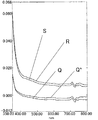
メチレンラクトン単量体の溶液の溶存酸素量は、酸素メーター等により、測定することができる。なお、本発明において、着色があるとは、メチレンラクトン単量体の溶液のUV−VISスペクトル分析を行い、スペクトルのベースラインをゼロに合わせた時に、400〜600nmの領域における吸光度の最大値が、0.005以上であることを意味する。0.005以上になると、目視でも着色していることが判別できる。
The methylene lactone monomer of the present invention is a solution having a dissolved oxygen content of 0.02 mg / L or more, but the dissolved oxygen content is preferably 0.05 mg / L or more. More preferably, it is 0.1 mg / L or more. More preferably, it is 0.25 mg / L or more, particularly preferably 0.5 mg / L or more, and most preferably 1.0 mg / L or more. When the amount of dissolved oxygen is increased, the effect of suppressing the decrease in polymerizability of the methylene lactone monomer and the effect of suppressing the occurrence of coloring and storage and the generation of odor are more prominently exhibited. Moreover, it is preferable that the amount of dissolved oxygen is 2000 mg / L or less. In usual methods for increasing dissolved oxygen such as bubbling and pressurization, it may be difficult to increase the amount of dissolved oxygen to more than 2000 mg / L, or an expensive container or device may be required. On the other hand, if the amount of dissolved oxygen is more than 2000 mg / L, the methylene lactone monomer may be deteriorated. Also, even in storage under the same conditions, there may be differences in the amount of dissolved oxygen depending on the lot, but there is no particular problem if the amount of dissolved oxygen in the solution at the time of storage is 0.02 mg / L or more. .
The amount of dissolved oxygen in the methylene lactone monomer solution can be measured with an oxygen meter or the like. In the present invention, the term “colored” means that the maximum absorbance in the region of 400 to 600 nm is obtained when UV-VIS spectrum analysis of a solution of methylene lactone monomer is performed and the baseline of the spectrum is adjusted to zero. , 0.005 or more. If it is 0.005 or more, it can be determined visually that it is colored.
本発明のメチレンラクトン単量体は、重合禁止剤を共存させた溶液であり、メチレンラクトン単量体に実質的に作用する重合禁止剤量のメチレンラクトン単量体の質量に対する割合として表される重合禁止剤濃度が、0.1質量%以下である。すなわち、下記式;
重合禁止剤濃度(質量%)=[{重合禁止剤(g)×(メチレンラクトン単量体(g)/メチレンラクトン単量体を含む溶液(g))}/メチレンラクトン単量体(g)]×100
で求められる重合禁止剤濃度が、0.1質量%以下である。メチレンラクトン単量体が、溶存酸素量が0.02mg/L以上であり、かつ、重合禁止剤をこのような濃度で含むものであると、メチレンラクトン単量体を重合反応の原料として用いた場合に、安定な重合性を発揮することになり、各種用途に適したメチレンラクトン単量体を提供することが可能となる。また、保存や輸送時等における重合が充分に抑制され、着色することなく、安定かつ安全に取り扱うことが可能となる。これらの重合禁止剤は、上記一般式(1)で表される特定の構造に由来する特有の物性を有するメチレンラクトン単量体に対して、0.02mg/L以上の溶存酸素量を共存させる場合に、顕著な効果を発揮するものであり、これらの重合禁止剤を用いることによって、重合性の低下を抑制する効果に加え、保存や輸送時のメチレンラクトン単量体の着色や臭気抑制、重合抑制、および、重合反応の原料として用いた場合の着色抑制等の効果が発揮されることになる。それに対して、重合禁止剤の濃度が0.1質量%より高くなると、そのようなメチレンラクトン単量体を重合反応に供した際に重合反応が充分に進行しないおそれがあるため、重合禁止剤濃度を最適な範囲に設定することが重要である。
上述の通り特定の濃度において上記重合禁止剤はメチレンラクトン単量体に対して重合阻害効果を発揮するが、例えば、メチレンラクトン単量体と構造的に類似のアクリル酸等に対しては、上記重合禁止剤は上述の特定濃度では重合阻害効果を発揮しない。この原因としては、メチレンラクトン単量体の重合の駆動力が環構造の歪の解消であり、アクリル酸等の他の重合性モノマーの重合の駆動力とは異なる要因が加味されることが考えられる。したがって、上記重合禁止剤を上記濃度で含ませることによる意義は、メチレンラクトン単量体に特有のものである。
The methylene lactone monomer of the present invention is a solution in which a polymerization inhibitor coexists, and is expressed as a ratio of the amount of the polymerization inhibitor that substantially acts on the methylene lactone monomer to the mass of the methylene lactone monomer. The polymerization inhibitor concentration is 0.1% by mass or less. That is, the following formula:
Polymerization inhibitor concentration (mass%) = [{Polymerization inhibitor (g) × (methylene lactone monomer (g) / methylene lactone monomer solution (g))} / methylene lactone monomer (g) ] × 100
The polymerization inhibitor concentration determined in (1) is 0.1% by mass or less. When the methylene lactone monomer has a dissolved oxygen amount of 0.02 mg / L or more and contains a polymerization inhibitor at such a concentration, the methylene lactone monomer is used as a raw material for the polymerization reaction. Thus, stable polymerizability is exhibited, and it becomes possible to provide a methylene lactone monomer suitable for various uses. In addition, polymerization during storage or transportation is sufficiently suppressed, and it becomes possible to handle it stably and safely without coloring. These polymerization inhibitors coexist with a dissolved oxygen amount of 0.02 mg / L or more with respect to a methylene lactone monomer having specific physical properties derived from the specific structure represented by the general formula (1). In this case, a remarkable effect is exhibited, and by using these polymerization inhibitors, in addition to the effect of suppressing the decrease in polymerizability, coloring and odor suppression of the methylene lactone monomer during storage and transportation, Effects such as suppression of polymerization and suppression of coloring when used as a raw material for the polymerization reaction will be exhibited. On the other hand, when the concentration of the polymerization inhibitor is higher than 0.1% by mass, the polymerization reaction may not sufficiently proceed when such a methylene lactone monomer is subjected to the polymerization reaction. It is important to set the concentration within the optimum range.
As described above, the polymerization inhibitor exhibits a polymerization inhibitory effect on the methylene lactone monomer at a specific concentration. For example, for acrylic acid structurally similar to the methylene lactone monomer, The polymerization inhibitor does not exhibit a polymerization inhibitory effect at the above-mentioned specific concentration. The reason for this is that the driving force of the polymerization of the methylene lactone monomer is elimination of the distortion of the ring structure, and a factor different from the driving force of the polymerization of other polymerizable monomers such as acrylic acid is considered. It is done. Therefore, the significance of including the polymerization inhibitor at the above concentration is peculiar to the methylene lactone monomer.
上記重合禁止剤濃度としては、より好ましくは、0.000001〜0.095質量%であり、更に好ましくは、0.00001〜0.085質量%である。最も好ましくは、0.00005〜0.08質量%である。メチレンラクトン単量体が溶媒に溶解している場合においても、重合禁止剤濃度はメチレンラクトン単量体に対する濃度として規定する。
なお、本発明においては、用いる重合禁止剤の種類毎に、本発明の効果を更に効果的に発揮するための最適な濃度範囲があり、重合禁止剤の種類に合わせて、濃度範囲を設定することがより好ましい。例えば、後述するように、重合禁止剤として、p−メトキシフェノールを用いる場合には、その濃度は、0.00001〜0.08質量%であることが好ましく、より好ましくは、0.0001〜0.05質量%である。更に好ましくは、0.0001〜0.02質量%であり、特に好ましくは、0.0001〜0.01質量%である。また、2,6−ジ−t−ブチル−4−メチルフェノールを用いる場合には、その濃度は、0.0001〜0.095質量%であることが好ましく、より好ましくは、0.0005〜0.09質量%である。更に好ましくは、0.001〜0.07質量%であり、特に好ましくは、0.001〜0.05質量%である。
As said polymerization inhibitor density | concentration, More preferably, it is 0.000001-0.095 mass%, More preferably, it is 0.00001-0.085 mass%. Most preferably, it is 0.00005-0.08 mass%. Even when the methylene lactone monomer is dissolved in the solvent, the polymerization inhibitor concentration is defined as the concentration relative to the methylene lactone monomer.
In the present invention, there is an optimum concentration range for more effectively exerting the effects of the present invention for each type of polymerization inhibitor used, and the concentration range is set according to the type of polymerization inhibitor. It is more preferable. For example, as will be described later, when p-methoxyphenol is used as the polymerization inhibitor, the concentration is preferably 0.00001 to 0.08% by mass, more preferably 0.0001 to 0. 0.05% by mass. More preferably, it is 0.0001-0.02 mass%, Most preferably, it is 0.0001-0.01 mass%. When 2,6-di-t-butyl-4-methylphenol is used, the concentration is preferably 0.0001 to 0.095% by mass, more preferably 0.0005 to 0. 0.09% by mass. More preferably, it is 0.001-0.07 mass%, Most preferably, it is 0.001-0.05 mass%.
上記重合禁止剤は、(a)メチレンラクトン単量体の体積に合わせて重合禁止剤を正確に秤量して添加する、(b)メチレンラクトン単量体の体積に対して過剰に重合禁止剤を添加した後、活性炭等を用いて過剰分を除去する、(c)メチレンラクトン単量体の体積に合わせて過少に重合禁止剤を添加した後、メチレンラクトン単量体や溶媒を留去する、等の方法のいずれか、又は併用により、所定の濃度とすることができる。 The polymerization inhibitor is (a) the polymerization inhibitor is accurately weighed and added in accordance with the volume of the methylene lactone monomer, and (b) the polymerization inhibitor is excessively added to the volume of the methylene lactone monomer. After the addition, the excess is removed using activated carbon or the like. (C) After adding a polymerization inhibitor to the volume of the methylene lactone monomer, the methylene lactone monomer and the solvent are distilled off. The predetermined concentration can be obtained by any one of the above methods or in combination.
本発明のメチレンラクトン単量体は、溶存酸素量が0.02mg/L以上の溶液であるが、メチレンラクトン単量体を保存する場合、保存時においても溶存酸素量が0.02mg/L以上の状態を保ったまま保存されるようにすることが好ましい。そのような状態で保存されることにより、メチレンラクトン単量体を重合性の低下が抑制され、重合体の原料として好適に用いることができる状態のまま維持できるだけでなく、メチレンラクトン単量体を着色や重合、及び、臭気の発生のない高い品質のままの状態を維持することが可能となる。 The methylene lactone monomer of the present invention is a solution having a dissolved oxygen amount of 0.02 mg / L or more. However, when the methylene lactone monomer is stored, the dissolved oxygen amount is 0.02 mg / L or more even during storage. It is preferable that the image is stored while maintaining this state. By being stored in such a state, the methylene lactone monomer can be kept in a state in which the decrease in polymerizability is suppressed and can be suitably used as a raw material for the polymer. It becomes possible to maintain a high quality state without coloring, polymerization, and odor generation.
メチレンラクトン単量体は、常温・常圧では一般に固体もしくは液体で存在する。したがって、本発明のメチレンラクトン単量体は、液体状態にあるメチレンラクトン単量体をそのままの状態で保存するものであってもよいし、固体もしくは液体状態のメチレンラクトン単量体を溶媒に溶解、混合させた状態で保存するものであってもよい。上記溶媒は、メチレンラクトン単量体と上記条件下で反応しない化合物であればよく、水、炭化水素、芳香族炭素水素、アルコール、ケトン、エステル、エーテル、ニトリル、ハロゲン化された炭化水素、アミド、スルホキシド等が好ましい。例えば、水、ペンタン、ヘキサン、シクロヘキサン、ヘプタン、オクタン、シクロオクタン、ベンゼン、トルエン、キシレン、トリメチルベンゼン、メタノール、エタノール、プロパノール、イソプロパノール、ブタノール、t−ブタノール、ヘキサノール、シクロヘキサノール、エチレングリコール、ポリエチレングリコール、アセトン、エチルメチルケトン、メチルブチルケトン、メチルイソブチルケトン、酢酸エチル、酢酸ブチル、安息香酸メチル、フタル酸ジメチル、γ−ブチロラクトン、ジメトキシエタン、ジオキサン、テトラヒドロフラン、ポリエチレングリコールエーテル、アセトニトリル、塩化メチレン、クロロホルム、ジクロロエタン、N,N−ジメチルホルムアミド、N,N−ジメチルアセトアミド、N−メチルピロリドン、ジメチルスルホキシド、四塩化炭素等が挙げられる。中でも、水、ヘキサン、シクロヘキサン、オクタン、ベンゼン、トルエン、キシレン、トリメチルベンゼン、メタノール、エタノール、プロパノール、イソプロパノール、ブタノール、エチレングリコール、ポリエチレングリコール、アセトン、エチルメチルケトン、メチルイソブチルケトン、酢酸エチル、酢酸ブチル、ジメトキシエタン、ジオキサン、テトラヒドロフラン、塩化メチレン、クロロホルム、ジクロロエタン、N,N−ジメチルホルムアミド、N,N−ジメチルアセトアミド、N−メチルピロリドン、ジメチルスルホキシド等がより好ましい。上記溶媒は、1種類のみを用いてもよく、2種類以上適宜混合して用いてもよい。溶媒を使用する場合には、溶媒に溶解したメチレンラクトン単量体溶液の溶存酸素量が、0.02mg/L以上あればよい。 The methylene lactone monomer generally exists as a solid or liquid at room temperature and normal pressure. Therefore, the methylene lactone monomer of the present invention may be one that preserves the methylene lactone monomer in the liquid state as it is, or dissolves the methylene lactone monomer in the solid or liquid state in the solvent. Or may be stored in a mixed state. The solvent may be a compound that does not react with the methylene lactone monomer under the above conditions, and is water, hydrocarbon, aromatic hydrocarbon, alcohol, ketone, ester, ether, nitrile, halogenated hydrocarbon, amide. , Sulfoxide and the like are preferable. For example, water, pentane, hexane, cyclohexane, heptane, octane, cyclooctane, benzene, toluene, xylene, trimethylbenzene, methanol, ethanol, propanol, isopropanol, butanol, t-butanol, hexanol, cyclohexanol, ethylene glycol, polyethylene glycol , Acetone, ethyl methyl ketone, methyl butyl ketone, methyl isobutyl ketone, ethyl acetate, butyl acetate, methyl benzoate, dimethyl phthalate, γ-butyrolactone, dimethoxyethane, dioxane, tetrahydrofuran, polyethylene glycol ether, acetonitrile, methylene chloride, chloroform , Dichloroethane, N, N-dimethylformamide, N, N-dimethylacetamide, N-methylpyrrole Emissions, dimethyl sulfoxide, carbon tetrachloride and the like. Among them, water, hexane, cyclohexane, octane, benzene, toluene, xylene, trimethylbenzene, methanol, ethanol, propanol, isopropanol, butanol, ethylene glycol, polyethylene glycol, acetone, ethyl methyl ketone, methyl isobutyl ketone, ethyl acetate, butyl acetate , Dimethoxyethane, dioxane, tetrahydrofuran, methylene chloride, chloroform, dichloroethane, N, N-dimethylformamide, N, N-dimethylacetamide, N-methylpyrrolidone, dimethylsulfoxide and the like are more preferable. Only one kind of the solvent may be used, or two or more kinds may be appropriately mixed and used. When a solvent is used, the dissolved oxygen amount of the methylene lactone monomer solution dissolved in the solvent may be 0.02 mg / L or more.
本発明のメチレンラクトン単量体が溶媒に溶解、混合させた状態のものである場合、溶媒中のメチレンラクトン単量体の質量濃度は、10%以上99%以下であることが好ましい。より好ましくは、20%以上90%以下であり、更に好ましくは、40%以上70%以下である。 When the methylene lactone monomer of the present invention is dissolved and mixed in a solvent, the mass concentration of the methylene lactone monomer in the solvent is preferably 10% or more and 99% or less. More preferably, they are 20% or more and 90% or less, More preferably, they are 40% or more and 70% or less.
本発明のメチレンラクトン単量体の温度は、100℃以下であることが好ましい。より好ましくは、85℃以下であり、更に好ましくは、60℃以下である。温度の下限については特に限定されるものではないが、−50℃以上であることが好ましい。より好ましくは、−25℃以上である。メチレンラクトン単量体がこのような温度であると、重合性の低下が抑制されるだけでなく、着色や保存時の重合、及び、臭気発生の抑制効果がより顕著に発揮され、重合等各種反応に直ちに使用することができる。 The temperature of the methylene lactone monomer of the present invention is preferably 100 ° C. or lower. More preferably, it is 85 degrees C or less, More preferably, it is 60 degrees C or less. The lower limit of the temperature is not particularly limited, but is preferably −50 ° C. or higher. More preferably, it is −25 ° C. or higher. When the temperature of the methylene lactone monomer is at such a temperature, not only a decrease in polymerizability is suppressed, but also the effect of suppressing the coloring and storage, and the generation of odors are more prominent. Can be used immediately in the reaction.
また、メチレンラクトン単量体を容器に入れて保存する場合、容器内の圧力は、0.01〜20atmであることが好ましい。より好ましくは、0.1〜10atmである。メチレンラクトン単量体がこのような圧力下で保存されると、保存中に重合性の低下や着色等の劣化を起こすことなく、重合体の原料等各種用途に直ちに使用することができる。 Moreover, when storing a methylene lactone monomer in a container, it is preferable that the pressure in a container is 0.01-20 atm. More preferably, it is 0.1-10 atm. When the methylene lactone monomer is stored under such a pressure, it can be used immediately for various uses such as a raw material of a polymer without causing deterioration of polymerizability or coloring during storage.
上記メチレンラクトン単量体と接触する気相部は、酸素濃度が0.001%以上であることが好ましい。より好ましくは、0.005%以上であり、更に好ましくは、0.01%以上である。気相部の酸素濃度が0.001%以下であると、メチレンラクトン単量体の溶液中の酸素濃度が当初0.02mg/Lであったとしても、保存中に溶存酸素濃度が徐々に低下して0.02mg/Lを下回り、メチレンラクトン単量体に重合性の低下、及び、着色、保存中の重合や臭気が生じるおそれがある。 The gas phase portion in contact with the methylene lactone monomer preferably has an oxygen concentration of 0.001% or more. More preferably, it is 0.005% or more, and still more preferably 0.01% or more. If the oxygen concentration in the gas phase is 0.001% or less, the dissolved oxygen concentration gradually decreases during storage even if the oxygen concentration in the methylene lactone monomer solution was initially 0.02 mg / L. If it is less than 0.02 mg / L, the methylene lactone monomer may be reduced in polymerizability, and may be colored, polymerized during storage, or odor.
上記メチレンラクトン単量体において、溶存酸素量を0.02mg/L以上にする方法としては、空気、酸素、酸素を含有する気体等をバブリングする方法、攪拌もしくは静置した状態で気相部に空気、酸素、酸素を含有する気体等を導入する方法、攪拌もしくは静置した状態で気相部に空気、酸素、酸素を含有する気体等を常圧以上導入し加圧する方法等が挙げられる。 In the methylene lactone monomer, the dissolved oxygen amount is set to 0.02 mg / L or more, such as a method of bubbling air, oxygen, oxygen-containing gas, etc., or stirring or standing in the gas phase part. Examples thereof include a method of introducing air, oxygen, oxygen-containing gas, and the like, and a method of introducing and pressurizing air, oxygen, oxygen-containing gas or the like into the gas phase portion at a normal pressure or higher while stirring or standing.
本発明のメチレンラクトン単量体に用いられる重合禁止剤としては、ラジカル重合反応を防止する化合物であれば特に限定されず、例えば、チオエーテル系、ホスファイト系、フェノール系、安定遊離基系、アミン系、有機配位子含有金属系、無機酸化物系等の化合物が挙げられ、これらの1種類又は2種類以上を用いることができる。上記重合禁止剤の中でも、メチレンラクトン単量体の着色抑制と該化合物の安定な重合性を充分に実現する上で、チオエーテル系、ホスファイト系、フェノール系の少なくともいずれかの化合物を用いることが好ましい。上記重合禁止剤は、チオエーテル系、ホスファイト系、フェノール系化合物が主成分であることが好ましい。すなわち、上記重合禁止剤は、重合禁止剤100質量%中、チオエーテル系、ホスファイト系、フェノール系化合物の合計量が50質量%以上であることが好ましい。より好ましくは、60質量%以上であり、更に好ましくは70質量%以上であり、特に好ましくは、80質量%以上であり、最も好ましくは、90質量%以上である。 The polymerization inhibitor used in the methylene lactone monomer of the present invention is not particularly limited as long as it is a compound that prevents radical polymerization reaction. For example, thioether, phosphite, phenol, stable free radical, amine Examples thereof include compounds such as systems, organic ligand-containing metal systems, and inorganic oxide systems, and one or more of these can be used. Among the above polymerization inhibitors, in order to sufficiently realize the suppression of coloring of the methylene lactone monomer and the stable polymerization of the compound, it is possible to use at least one of thioether, phosphite and phenol compounds. preferable. The polymerization inhibitor is preferably mainly composed of a thioether, phosphite or phenol compound. That is, in the polymerization inhibitor, the total amount of thioether, phosphite, and phenolic compounds is preferably 50% by mass or more in 100% by mass of the polymerization inhibitor. More preferably, it is 60 mass% or more, More preferably, it is 70 mass% or more, Especially preferably, it is 80 mass% or more, Most preferably, it is 90 mass% or more.
上記重合禁止剤がチオエーテル系、ホスファイト系、フェノール系の化合物からなる群より選択される少なくとも1種の化合物であることは、本発明の好適な実施形態の1つである。重合禁止剤としては、同じ系に属する化合物を1種類又は2種類以上用いてもよく、異なる系に属する化合物を1種類又は2種類以上用いてもよい。 It is one of the preferred embodiments of the present invention that the polymerization inhibitor is at least one compound selected from the group consisting of thioether-based, phosphite-based, and phenol-based compounds. As the polymerization inhibitor, one or more compounds belonging to the same system may be used, or one or more compounds belonging to different systems may be used.
上記チオエーテル系の重合禁止剤とは、チオエーテル骨格を有し、ラジカルを捕捉することができる化合物である。例えば、ジラウリル−3,3’−チオジプロピオネート、ジミリスチル−3,3’−チオジプロピオネート、ジステアリル−3,3’−チオジプロピオネート、ペンタエリスリトールテトラキス(3−ラウリルチオプロピオネート)、ジトリデシル−3,3′−チオジプロピオネート、2−メルカプトベンズイミダゾール、ジトリデシル−3,3’−チオジプロピオネート、1,3,5−トリス−β−ステアリルチオプロピオニルオキシエチルイソシアヌレート、3,3’−チオビスプロピオン酸ジドデシルエステル、3,3’−チオビスプロピオン酸ジオクタデシルエステル等が挙げられる。 The thioether-based polymerization inhibitor is a compound having a thioether skeleton and capable of capturing radicals. For example, dilauryl-3,3′-thiodipropionate, dimyristyl-3,3′-thiodipropionate, distearyl-3,3′-thiodipropionate, pentaerythritol tetrakis (3-laurylthiopropionate ), Ditridecyl-3,3′-thiodipropionate, 2-mercaptobenzimidazole, ditridecyl-3,3′-thiodipropionate, 1,3,5-tris-β-stearylthiopropionyloxyethyl isocyanurate, 3,3'-thiobispropionic acid didodecyl ester, 3,3'-thiobispropionic acid dioctadecyl ester, and the like.
上記ホスファイト系の重合禁止剤とは、リン原子を有し、ラジカルを捕捉することができる化合物である。例えば、トリフェニルホスファイト、3,5−ジ−t−ブチル−4−ヒドロキシベンジルホスホン酸ジエチル、ジステアリルペンタエリスリトールジホスファイト、ビス(2,6−ジ−t−ブチルフェニル)ペンタエリスリトールジホスファイト、2,2’−メチレンビス(4,6−ジ−t−ブチルフェニル)2−エチルヘキシルホスファイト、テトラ(トリデシル)−4,4’−ブチリデンビス(3−メチル−6−t−ブチルフェノール)ジホスファイト、ジステアリルペンタエリスリトールジホスファイト、ビス(2,6−ジ−t−ブチル−4−メチルフェニル)ペンタエリスリトールジホスファイト、トリス(モノ,ジノニルフェニル)ホスファイト、トリデシルホスファイト、トリス(2,4−ジ−t−ブチルフェニル)ホスファイト等が挙げられる。 The phosphite polymerization inhibitor is a compound having a phosphorus atom and capable of trapping radicals. For example, triphenyl phosphite, diethyl 3,5-di-t-butyl-4-hydroxybenzylphosphonate, distearyl pentaerythritol diphosphite, bis (2,6-di-t-butylphenyl) pentaerythritol diphos Phyto, 2,2′-methylenebis (4,6-di-t-butylphenyl) 2-ethylhexyl phosphite, tetra (tridecyl) -4,4′-butylidenebis (3-methyl-6-t-butylphenol) diphosphite, Distearyl pentaerythritol diphosphite, bis (2,6-di-t-butyl-4-methylphenyl) pentaerythritol diphosphite, tris (mono, dinonylphenyl) phosphite, tridecyl phosphite, tris (2 , 4-Di-t-butylphenyl) phosphie Etc. The.
上記フェノール系の重合禁止剤とは、芳香環に少なくとも1つの水酸基が結合した構造を有し、ラジカルを捕捉することができる化合物である。例えば、ヒドロキノン、p−メトキシフェノール、2,5−ジ−t−ブチルヒドロキノン、2,5−ジ−t−アミルヒドロキノン、2−t−ブチルヒドロキノン、2,2’−メチレン−ビス(4−メチル−6−t−ブチルフェノール)、2,2’−メチレン−ビス(4−エチル−6−t−ブチルフェノール)、トリス(3,5−ジ−t−ブチル−4−ヒドロキシベンジル)イソシアヌレート、1,1,3−トリス(2−メチル−4−ヒドロキシ−5−t−ブチルフェニル)ブタン(トパノール)、4,4’−ブチリデンビス(3−メチル−6−t−ブチルフェノール)、n−オクタデシル−3−(3’,5’−ジ−t−ブチル−4’−ヒドロキシフェニル)プロピオナート、テトラキス[メチレン−3−(3’,5’−ジ−t−ブチル−4’−ヒドロキシフェニル)プロピオネート]メタン、3,9−ビス[2−[3−(3−t−ブチル−4−ヒドロキシ−5−メチルフェニル)−プロピオニルオキシ]−1,1−ジメチルエチル]−2,4,8,10−テトラオキサスピロ[5,5]ウンデカン、1,3,5−トリメチル−2,4,6−トリス(3,3−ジ−t−ブチル−4−ヒドロキシベンジル)ベンゼン、2,6−ジ−t−ブチル−4−メチルフェノール、2−t−ブチル−4−メチルフェノール、2,4,6−トリ−t−ブチルフェノール、2,6−ジ−t−ブチル−2,4−キシレノール、N,N’−ヘキサメチレンビス(3,5−ジ−t−ブチル−4−ヒドロキシ−ヒドロシンナマイミド)、1,3,5−トリメチル−2,4,6−トリス(3,5−ジ−t−ブチル−4−ヒドロキシベンジル)ベンゼン、2−(2’−ヒドロキシ−3’−t−ブチル−5’−メチルフェニル)−5−クロロベンゾトリアゾール、2−(2’−ヒドロキシ−5’−メチルフェニル)ベンゾトリアゾール、2,2’−メチレン ビス[4−(1,1,3,3−テトラメチルブチル)−6−(2N−ベンゾトリアゾール−2−イル)フェノール]、2−(2’−ヒドロキシ−5’−t−オクチルフェニル)ベンゾトリアゾール等が挙げられる。 The phenol-based polymerization inhibitor is a compound having a structure in which at least one hydroxyl group is bonded to an aromatic ring and capable of scavenging radicals. For example, hydroquinone, p-methoxyphenol, 2,5-di-t-butylhydroquinone, 2,5-di-t-amylhydroquinone, 2-t-butylhydroquinone, 2,2′-methylene-bis (4-methyl -6-tert-butylphenol), 2,2'-methylene-bis (4-ethyl-6-tert-butylphenol), tris (3,5-di-tert-butyl-4-hydroxybenzyl) isocyanurate, 1, 1,3-tris (2-methyl-4-hydroxy-5-tert-butylphenyl) butane (topanol), 4,4′-butylidenebis (3-methyl-6-tert-butylphenol), n-octadecyl-3- (3 ′, 5′-di-t-butyl-4′-hydroxyphenyl) propionate, tetrakis [methylene-3- (3 ′, 5′-di-t-butyl-4 ′ Hydroxyphenyl) propionate] methane, 3,9-bis [2- [3- (3-tert-butyl-4-hydroxy-5-methylphenyl) -propionyloxy] -1,1-dimethylethyl] -2,4 , 8,10-tetraoxaspiro [5,5] undecane, 1,3,5-trimethyl-2,4,6-tris (3,3-di-t-butyl-4-hydroxybenzyl) benzene, 2, 6-di-t-butyl-4-methylphenol, 2-t-butyl-4-methylphenol, 2,4,6-tri-t-butylphenol, 2,6-di-t-butyl-2,4- Xylenol, N, N′-hexamethylenebis (3,5-di-tert-butyl-4-hydroxy-hydrocinnamimide), 1,3,5-trimethyl-2,4,6-tris (3,5 -Di-t-butyl- -Hydroxybenzyl) benzene, 2- (2'-hydroxy-3'-t-butyl-5'-methylphenyl) -5-chlorobenzotriazole, 2- (2'-hydroxy-5'-methylphenyl) benzotriazole 2,2′-methylene bis [4- (1,1,3,3-tetramethylbutyl) -6- (2N-benzotriazol-2-yl) phenol], 2- (2′-hydroxy-5 ′ -T-octylphenyl) benzotriazole and the like.
上記安定遊離基系の重合禁止剤とは、長時間安定に存在できる遊離基が結合している化合物である。上記長時間安定に存在できる遊離基が結合している化合物としては、例えば、不対電子が電機陰性度の大きな酸素上にあり、更に非局在できる構造を有する化合物、又は、不対電子の近傍に立体的に嵩高い基を有し、不対電子の反応性を低下させる化合物が好適である。このような化合物としては、例えば、カルビノキシル系化合物、N−オキシル系化合物や[{(CH3)3Si}]2CH3Ge、[{(CH3)3Si}2CH]3Sn等が挙げられる。 The stable free radical polymerization inhibitor is a compound to which a free radical that can exist stably for a long time is bonded. Examples of the compound to which a free radical that can exist stably for a long time is bonded include, for example, a compound having a structure in which unpaired electrons are on oxygen with a large electronegativity and can be delocalized, or unpaired electrons. A compound having a sterically bulky group in the vicinity and reducing the reactivity of unpaired electrons is preferred. Examples of such compounds include carbinoxyl compounds, N-oxyl compounds, [{(CH 3 ) 3 Si}] 2 CH 3 Ge, [{(CH 3 ) 3 Si} 2 CH] 3 Sn, and the like. Can be mentioned.
上記アミン系重合禁止剤とは、窒素原子に1つ又は2つ以上の炭化水素基が結合した構造を有する化合物である。上記アミン系重合禁止剤としては、フェノチアジン、アルキル化ジフェニルアミン、テトラキス(2,2,6,6−テトラメチル−4−ピペリジル)−1,2,3,4−ブタンテトラカルボキシレート等が挙げられる。 The amine polymerization inhibitor is a compound having a structure in which one or two or more hydrocarbon groups are bonded to a nitrogen atom. Examples of the amine polymerization inhibitor include phenothiazine, alkylated diphenylamine, tetrakis (2,2,6,6-tetramethyl-4-piperidyl) -1,2,3,4-butanetetracarboxylate and the like.
上記有機配位子含有金属系の重合禁止剤とは、非共有電子対を有する有機化合物が配位子となって金属元素と結合した構造を有する金属錯体である。金属元素は、有機化合物の非共有電子対と配位結合し得るものであればよく、このような金属元素としては、例えば、銅、アルミニウムが挙げられる。これらの中でも銅が好ましく、例えば、ジメチルジチオカルバミン酸銅、ジエチルジチオカルバミン酸銅、ジブチルジチオカルバオン酸銅等が挙げられる。
上記無機酸化物系の重合禁止剤とは、例えば、酸化銅等が挙げられる。
The organic ligand-containing metal-based polymerization inhibitor is a metal complex having a structure in which an organic compound having an unshared electron pair becomes a ligand and is bonded to a metal element. The metal element only needs to be capable of coordinating with the lone pair of the organic compound, and examples of such a metal element include copper and aluminum. Among these, copper is preferable, and examples thereof include copper dimethyldithiocarbamate, copper diethyldithiocarbamate, and copper dibutyldithiocarbamate.
Examples of the inorganic oxide polymerization inhibitor include copper oxide.
本発明のメチレンラクトン単量体において、チオエーテル系、ホスファイト系、フェノール系のいずれかに属する重合禁止剤であって、安定遊離基系、アミン系、有機配位子含有金属系、または、無機酸化物系のいずれかにも属するといえるものは、チオエーテル系、ホスファイト系、フェノール系のいずれかに分類するものとする。例えば、フェノール系部位とアミン系部位とを有する2−(2’−ヒドロキシ−5’−メチルフェニル)ベンゾトリアゾールは、フェノール系に属するものとする。 In the methylene lactone monomer of the present invention, a polymerization inhibitor belonging to any of thioether, phosphite, and phenol, which is a stable free radical, amine, organic ligand-containing metal, or inorganic Those that can be said to belong to any of the oxides are classified into thioethers, phosphites, and phenols. For example, 2- (2'-hydroxy-5'-methylphenyl) benzotriazole having a phenolic moiety and an amine moiety belongs to the phenolic group.
本発明のメチレンラクトン単量体に用いる重合禁止剤としては、上述したように、チオエーテル系、ホスファイト系、及び、フェノール系の化合物からなる群より選択される少なくとも1種類の化合物であることが好ましいが、フェノール系の重合禁止剤としては、芳香環に水酸基以外の置換基が少なくとも1つ結合した構造を有するものが好ましい。すなわち、本発明のメチレンラクトン単量体に用いる重合禁止剤としては、チオエーテル系、ホスファイト系、及び、フェノール系の化合物であって、芳香環に水酸基以外の置換基が少なくとも1つ結合した構造を有するものからなる群より選択される少なくとも1種類の化合物であることがより好ましい。更に好ましくは、フェノール系の化合物であって、芳香環に水酸基以外の置換基が少なくとも1つ結合した構造を有するものである。 As described above, the polymerization inhibitor used in the methylene lactone monomer of the present invention is at least one compound selected from the group consisting of thioether, phosphite, and phenol compounds. Preferable phenolic polymerization inhibitors are those having a structure in which at least one substituent other than a hydroxyl group is bonded to an aromatic ring. That is, the polymerization inhibitor used in the methylene lactone monomer of the present invention is a thioether-based, phosphite-based, or phenol-based compound having a structure in which at least one substituent other than a hydroxyl group is bonded to an aromatic ring. More preferably, it is at least one compound selected from the group consisting of compounds having More preferably, it is a phenol-based compound having a structure in which at least one substituent other than a hydroxyl group is bonded to an aromatic ring.
上記フェノール系の化合物における水酸基以外の置換基としては、炭素数1以上18以下のアルキル基、炭素数1以上10以下のアルコキシル基、炭素数1以上10以下のエステル基含有基、炭素数1以上10以下のアミド基含有基、炭素数6以上20以下の芳香環含有基、炭素数6以上20以下のベンゾトリアゾール基含有基、炭素数6以上20以下の芳香環に置換基を有するベンゾトリアゾール基含有基等が好ましい。より好ましくは、炭素数1以上12以下のアルキル基、炭素数1以上8以下のアルコキシル基、炭素数1以上8以下のエステル基含有基、炭素数6以上12以下の芳香環含有基である。 Examples of the substituent other than the hydroxyl group in the phenolic compound include an alkyl group having 1 to 18 carbon atoms, an alkoxyl group having 1 to 10 carbon atoms, an ester group-containing group having 1 to 10 carbon atoms, and one or more carbon atoms. An amide group-containing group having 10 or less, an aromatic ring-containing group having 6 to 20 carbon atoms, a benzotriazole group-containing group having 6 to 20 carbon atoms, or a benzotriazole group having a substituent on an aromatic ring having 6 to 20 carbon atoms Containing groups are preferred. More preferably, they are an alkyl group having 1 to 12 carbon atoms, an alkoxyl group having 1 to 8 carbon atoms, an ester group-containing group having 1 to 8 carbon atoms, and an aromatic ring-containing group having 6 to 12 carbon atoms.
本発明のメチレンラクトン単量体に用いる重合禁止剤としては、上述したものの中でも、p−メトキシフェノール、トパノール、2,6−ジ−t−ブチル−4−メチルフェノール、ペンタエリスリトールテトラキス(3−ラウリルチオプロピオネート)、トリフェニルホスファイト及びヒドロキノンからなる群より選択される少なくとも1種であることが好ましい。更に好ましくは、p−メトキシフェノール、トパノール、2,6−ジ−t−ブチル−4−メチルフェノール、ペンタエリスリトールテトラキス(3−ラウリルチオプロピオネート)、トリフェニルホスファイトのいずれかであり、最も好ましくは、p−メトキシフェノール、トパノールである。 As the polymerization inhibitor used in the methylene lactone monomer of the present invention, among those described above, p-methoxyphenol, topanol, 2,6-di-t-butyl-4-methylphenol, pentaerythritol tetrakis (3-lauryl) Thiopropionate), triphenyl phosphite and hydroquinone are preferred. More preferably, p-methoxyphenol, topanol, 2,6-di-t-butyl-4-methylphenol, pentaerythritol tetrakis (3-laurylthiopropionate), triphenyl phosphite, P-methoxyphenol and topanol are preferred.
本発明におけるメチレンラクトン単量体は、下記一般式(1); The methylene lactone monomer in the present invention has the following general formula (1):
(式中、R1、R2、R3及びR4は、同一又は異なって、水素原子、又は、1価の有機基を表す。)で表される。メチレンラクトン単量体は、常温及び冷蔵保存においても着色が生じることがあり、また、重合速度が低下したり、重合開始までの誘導期が長くなる等の重合性の低下も起こる場合があるが、本発明のメチレンラクトン単量体のような溶存酸素量を特定し、特定濃度の重合禁止剤を共存させた溶液とすることにより、これらの不具合を効果的に抑制することができる。
更にR1、R2、R3及びR4が下記のようなものであると、本発明のメチレンラクトン単量体の効果がより顕著に発揮されることになる。
(Wherein R 1 , R 2 , R 3 and R 4 are the same or different and each represents a hydrogen atom or a monovalent organic group). The methylene lactone monomer may be colored even at room temperature and refrigerated storage, and the polymerization rate may decrease, or the polymerization may decrease, such as the induction period until the polymerization starts. These defects can be effectively suppressed by specifying the amount of dissolved oxygen such as the methylene lactone monomer of the present invention and making the solution coexist with a polymerization inhibitor having a specific concentration.
Further, when R 1 , R 2 , R 3 and R 4 are as described below, the effect of the methylene lactone monomer of the present invention is more remarkably exhibited.
上記R1、R2、R3及びR4としては、水素原子、水酸基、炭素数1以上60以下の直鎖飽和アルキル基、分岐飽和アルキル基、脂環式飽和アルキル基、芳香族基含有基、直鎖不飽和アルキル基、分岐不飽和アルキル基もしくは脂環式不飽和アルキル基、又は、炭素数1以上60以下のエステル基、ニトリル基、カルボン酸基、エーテル基、水酸基、ハロゲン基、イソニトリル基、シアナート基、イソシアナート基、チオシアナート基、イソチオシアナート基、スルフィド基、ジスルフィド基、スルホキシド基、スルホン基、ニトロ基、ニトロソ基、スルホン酸基、カルボニル基(例えば、ケトンやアルデヒド)、アミノ基、アミンオキシド基、ニトロン基、アミド基、アジド基、アセタール基、アゾ基、アゾキシ基、アジン基、イミノ基、イミド基、エナミン基、エナミド基、オルトエステル基、ジアゾ基、ジアゾニウム基、ケタール基、オニウム塩、複素環式化合物、ヘテロ芳香族化合物、ヘテロ元素等を有する原子団であることが好ましい。より好ましくは、水素原子、水酸基、炭素数1以上30以下の直鎖飽和アルキル基、分岐飽和アルキル基、脂環式飽和アルキル基、芳香族基含有基、直鎖不飽和アルキル基、分岐不飽和アルキル基、脂環式不飽和アルキル基、及び、炭素数1以上30以下のエステル基、ニトリル基、カルボン酸基、エーテル基、水酸基、スルホン酸基、カルボニル基、アミノ基、アミド基、オニウム塩を有する原子団である。更に好ましくは、水素原子、水酸基、炭素数1以上18以下の直鎖飽和アルキル基、分岐飽和アルキル基、脂環式飽和アルキル基、芳香族基含有基、及び、炭素数1以上18以下のエステル基、カルボン酸基、エーテル基、水酸基、スルホン酸基、カルボニル基、アミノ基を有する原子団である。更に好ましくは、水素原子、水酸基、又は、置換基を有してもよい炭素数1以上12以下の炭化水素基である。その中でも更に好ましくは、水素原子、水酸基、又は、炭素数1以上8以下のアルキル基である。特に好ましくは、水素原子、メチル基、エチル基、プロピル基、ブチル基、ペンチル基、ヘキシル基である。そして、最も好ましくは、水素原子、メチル基、エチル基、プロピル基、ブチル基である。また、R3、R4の少なくとも1つがメチル基、エチル基、プロピル基、ブチル基、ペンチル基、ヘキシル基であることが好ましい。より好ましくは、R3、R4の少なくとも1つがメチル基、エチル基、プロピル基、ブチル基である。なお、上記R1、R2、R3及びR4は、結合し、環構造を形成してもよい。 R 1 , R 2 , R 3 and R 4 include a hydrogen atom, a hydroxyl group, a linear saturated alkyl group having 1 to 60 carbon atoms, a branched saturated alkyl group, an alicyclic saturated alkyl group, and an aromatic group-containing group. Straight chain unsaturated alkyl group, branched unsaturated alkyl group or alicyclic unsaturated alkyl group, or ester group having 1 to 60 carbon atoms, nitrile group, carboxylic acid group, ether group, hydroxyl group, halogen group, isonitrile Group, cyanate group, isocyanate group, thiocyanate group, isothiocyanate group, sulfide group, disulfide group, sulfoxide group, sulfone group, nitro group, nitroso group, sulfonic acid group, carbonyl group (for example, ketone or aldehyde), amino Group, amine oxide group, nitrone group, amide group, azide group, acetal group, azo group, azoxy group, azine group, imi group Group, an imido group, an enamine group, an enamide group, ortho ester group, a diazo group, a diazonium group, a ketal group, an onium salt, a heterocyclic compound, heteroaromatic compound is preferably an atomic group having a hetero element, and the like. More preferably, a hydrogen atom, a hydroxyl group, a linear saturated alkyl group having 1 to 30 carbon atoms, a branched saturated alkyl group, an alicyclic saturated alkyl group, an aromatic group-containing group, a linear unsaturated alkyl group, a branched unsaturated group. Alkyl groups, alicyclic unsaturated alkyl groups, and ester groups having 1 to 30 carbon atoms, nitrile groups, carboxylic acid groups, ether groups, hydroxyl groups, sulfonic acid groups, carbonyl groups, amino groups, amide groups, onium salts Is an atomic group having More preferably, a hydrogen atom, a hydroxyl group, a linear saturated alkyl group having 1 to 18 carbon atoms, a branched saturated alkyl group, an alicyclic saturated alkyl group, an aromatic group-containing group, and an ester having 1 to 18 carbon atoms. An atomic group having a group, a carboxylic acid group, an ether group, a hydroxyl group, a sulfonic acid group, a carbonyl group, and an amino group. More preferably, they are a hydrogen atom, a hydroxyl group, or a hydrocarbon group having 1 to 12 carbon atoms which may have a substituent. Among these, a hydrogen atom, a hydroxyl group, or an alkyl group having 1 to 8 carbon atoms is more preferable. Particularly preferred are a hydrogen atom, a methyl group, an ethyl group, a propyl group, a butyl group, a pentyl group, and a hexyl group. Most preferably, they are a hydrogen atom, a methyl group, an ethyl group, a propyl group, or a butyl group. In addition, at least one of R 3 and R 4 is preferably a methyl group, an ethyl group, a propyl group, a butyl group, a pentyl group, or a hexyl group. More preferably, at least one of R 3 and R 4 is a methyl group, an ethyl group, a propyl group, or a butyl group. R 1 , R 2 , R 3 and R 4 may be bonded to form a ring structure.
本発明のメチレンラクトン単量体は、溶液中にメチレンラクトン単量体、重合禁止剤、酸素、及び溶媒以外のその他の成分を含んでいてもよいが、メチレンラクトン単量体が主成分であることが好ましく、メチレンラクトン単量体の含有割合は、メチレンラクトン単量体と、重合禁止剤、酸素、及び溶媒以外のその他の成分との合計質量100%に対して、90%以上であることが好ましい。より好ましくは、92%以上であり、更に好ましくは、94%以上である。メチレンラクトン単量体、重合禁止剤、酸素、及び溶媒以外のその他の成分とは、例えば、メチレンラクトン単量体のエキソ部位の二重結合が異性化して生成した内部アルケン等である。 The methylene lactone monomer of the present invention may contain a methylene lactone monomer, a polymerization inhibitor, oxygen, and other components other than the solvent in the solution, but the methylene lactone monomer is the main component. Preferably, the content ratio of the methylene lactone monomer is 90% or more with respect to 100% of the total mass of the methylene lactone monomer and the other components other than the polymerization inhibitor, oxygen, and the solvent. Is preferred. More preferably, it is 92% or more, and still more preferably 94% or more. Examples of the other components other than the methylene lactone monomer, the polymerization inhibitor, oxygen, and the solvent include, for example, an internal alkene formed by isomerization of the double bond at the exo site of the methylene lactone monomer.
上記メチレンラクトン単量体は、例えば、塩基性化合物存在下でラクトンと蟻酸エチルとを反応させ、続いて得られた化合物をホルムアルデヒドと反応させる方法、塩基性化合物存在下でラクトンとシュウ酸エステルとを反応させ、続いて得られた化合物をホルムアルデヒドと反応させる方法、パラジウム等の金属触媒下でアクリル酸とアルケン化合物とを反応させる方法、亜鉛存在下でα−ハロゲン化メチルアクリル酸とカルボニル化合物とを反応させる方法、金属酸化物や塩基性触媒等の存在下でラクトンとホルムアルデヒドとを反応させる方法等によって製造することができる。本発明のメチレンラクトン単量体のように、上記重合禁止剤(メチレンラクトン単量体に実質的に作用する重合禁止剤量のメチレンラクトン単量体の質量に対する割合として表される重合禁止剤濃度が、0.1質量%以下)、及び、0.02mg/L以上の溶存酸素量を共存させることにより重合性の低下を抑制して重合性を安定化させるとともに、着色等も抑制する方法は、このような製造方法によって製造されたメチレンラクトン単量体に好適に用いることができる。 The methylene lactone monomer is, for example, a method of reacting lactone with ethyl formate in the presence of a basic compound, and subsequently reacting the obtained compound with formaldehyde, lactone and oxalate ester in the presence of a basic compound. And then reacting the resulting compound with formaldehyde, reacting acrylic acid with an alkene compound in the presence of a metal catalyst such as palladium, and α-halogenated methylacrylic acid and a carbonyl compound in the presence of zinc. And a method of reacting lactone with formaldehyde in the presence of a metal oxide or a basic catalyst. Like the methylene lactone monomer of the present invention, the polymerization inhibitor concentration (polymerization inhibitor concentration expressed as a ratio of the amount of polymerization inhibitor substantially acting on the methylene lactone monomer to the mass of the methylene lactone monomer) However, 0.1% by mass or less) and a method of suppressing the decrease in polymerizability by coexisting the dissolved oxygen amount of 0.02 mg / L or more to stabilize the polymerizability, and to suppress coloring and the like The methylene lactone monomer produced by such a production method can be suitably used.
本発明のメチレンラクトン単量体として特に好ましい化合物の具体例としては、α−メチレン−γ−ブチロラクトン、α−メチレン−γ−バレロラクトン、γ−エチル−α−メチレン−γ−ブチロラクトン、γ−プロピル−α−メチレン−γ−ブチロラクトン、γ−ブチル−α−メチレン−γ−ブチロラクトン、γ−ペンチル−α−メチレン−γ−ブチロラクトン、γ−ヘキシル−α−メチレン−γ−ブチロラクトン、γ,γ−ジメチル−α−メチレン−γ−ブチロラクトン、γ−フェニル−α−メチレン−γ−ブチロラクトン、β−メチル−α−メチレン−γ−ブチロラクトン、β−エチル−α−メチレン−γ−ブチロラクトン、β−プロピル−α−メチレン−γ−ブチロラクトン、β−ブチル−α−メチレン−γ−ブチロラクトン、β−ペンチル−α−メチレン−γ−ブチロラクトン、β−ヘキシル−α−メチレン−γ−ブチロラクトン、β,β−ジメチル−α−メチレン−γ−ブチロラクトン、β−フェニル−α−メチレン−γ−ブチロラクトン、β−メチル−γ−メチル−α−メチレン−γ−ブチロラクトン、γ−アセトキシ−α−メチレン−γ−ブチロラクトン等が挙げられる。これらの中でも、α−メチレン−γ−ブチロラクトン、α−メチレン−γ−バレロラクトン、γ−エチル−α−メチレン−γ−ブチロラクトン、γ−ブチル−α−メチレン−γ−ブチロラクトン、γ−ヘキシル−α−メチレン−γ−ブチロラクトン、γ−フェニル−α−メチレン−γ−ブチロラクトン、β−メチル−α−メチレン−γ−ブチロラクトン、β,β−ジメチル−α−メチレン−γ−ブチロラクトンであることが最も好ましい。 Specific examples of particularly preferable compounds as the methylene lactone monomer of the present invention include α-methylene-γ-butyrolactone, α-methylene-γ-valerolactone, γ-ethyl-α-methylene-γ-butyrolactone, γ-propyl. -Α-methylene-γ-butyrolactone, γ-butyl-α-methylene-γ-butyrolactone, γ-pentyl-α-methylene-γ-butyrolactone, γ-hexyl-α-methylene-γ-butyrolactone, γ, γ-dimethyl -Α-methylene-γ-butyrolactone, γ-phenyl-α-methylene-γ-butyrolactone, β-methyl-α-methylene-γ-butyrolactone, β-ethyl-α-methylene-γ-butyrolactone, β-propyl-α -Methylene-γ-butyrolactone, β-butyl-α-methylene-γ-butyrolactone, β-pentyl-α-methylene-γ- Butyrolactone, β-hexyl-α-methylene-γ-butyrolactone, β, β-dimethyl-α-methylene-γ-butyrolactone, β-phenyl-α-methylene-γ-butyrolactone, β-methyl-γ-methyl-α- Examples include methylene-γ-butyrolactone and γ-acetoxy-α-methylene-γ-butyrolactone. Among these, α-methylene-γ-butyrolactone, α-methylene-γ-valerolactone, γ-ethyl-α-methylene-γ-butyrolactone, γ-butyl-α-methylene-γ-butyrolactone, γ-hexyl-α Most preferred are -methylene-γ-butyrolactone, γ-phenyl-α-methylene-γ-butyrolactone, β-methyl-α-methylene-γ-butyrolactone, β, β-dimethyl-α-methylene-γ-butyrolactone. .
本発明のメチレンラクトン単量体は、上述したように、重合体の原料として用いた場合に、重合速度が低下したり、重合開始までの誘導期が長くなる等の重合性の低下が充分に抑制されたものであることに加え、着色や重合、臭気の発生も充分に抑制されたものであることから、重合体の原料として好適に用いることができるものである。このような、本発明のメチレンラクトン単量体からなることを特徴とするメチレンラクトン重合体の原料用メチレンラクトン単量体もまた、本発明の1つである。 As described above, when the methylene lactone monomer of the present invention is used as a raw material for a polymer, the polymerization rate is sufficiently lowered, and the polymerization is sufficiently reduced such that the induction period until the start of polymerization is prolonged. In addition to being suppressed, coloring, polymerization, and generation of odor are sufficiently suppressed, and therefore, it can be suitably used as a raw material for the polymer. Such a methylene lactone monomer for a raw material of a methylene lactone polymer characterized by comprising the methylene lactone monomer of the present invention is also one aspect of the present invention.
本発明はまた、下記一般式(1); The present invention also provides the following general formula (1):
(式中、R1、R2、R3及びR4は、同一又は異なって、水素原子、又は、1価の有機基を表す。)で表されるメチレンラクトン単量体を保存する方法であって、上記保存方法は、メチレンラクトン単量体を溶存酸素量が0.02mg/L以上で、重合禁止剤を共存させた溶液として保存し、メチレンラクトン単量体に実質的に作用する重合禁止剤量のメチレンラクトン単量体の質量に対する割合として表される重合禁止剤濃度を0.1質量%以下として保存するメチレンラクトン単量体の保存方法でもある。
上述のように、メチレンラクトン単量体は、溶存酸素量を0.02mg/L以上とし、かつ、メチレンラクトン単量体に実質的に作用する重合禁止剤量のメチレンラクトン単量体の質量に対する割合として表される重合禁止剤濃度が0.1質量%以下となるように重合禁止剤を共存させることによって重合性の低下の抑制に加え、保存時の着色や重合、及び、臭気の発生を充分に抑制することができることから、メチレンラクトン単量体を溶存酸素量が0.02mg/L以上で、重合禁止剤を共存させた溶液として保存し、メチレンラクトン単量体に実質的に作用する重合禁止剤量のメチレンラクトン単量体の質量に対する割合として表される重合禁止剤濃度を0.1質量%以下として保存することはメチレンラクトン単量体の好適な保存方法である。
(Wherein R 1 , R 2 , R 3 and R 4 are the same or different and each represents a hydrogen atom or a monovalent organic group). In the above storage method, the methylene lactone monomer is stored as a solution in which the dissolved oxygen amount is 0.02 mg / L or more and the polymerization inhibitor coexists, and the polymerization substantially acts on the methylene lactone monomer. It is also a method for storing a methylene lactone monomer in which the polymerization inhibitor concentration expressed as a ratio of the amount of the inhibitor to the mass of the methylene lactone monomer is 0.1% by mass or less.
As described above, the methylene lactone monomer has a dissolved oxygen amount of 0.02 mg / L or more, and the amount of the polymerization inhibitor that substantially acts on the methylene lactone monomer with respect to the mass of the methylene lactone monomer. In addition to suppressing a decrease in polymerizability by coexisting a polymerization inhibitor so that the polymerization inhibitor concentration expressed as a ratio is 0.1% by mass or less, coloring and polymerization during storage, and generation of odor Since it can be sufficiently suppressed, the methylene lactone monomer is stored as a solution in which the dissolved oxygen amount is 0.02 mg / L or more and the polymerization inhibitor coexists, and substantially acts on the methylene lactone monomer. Preserving the polymerization inhibitor concentration expressed as a ratio of the amount of the polymerization inhibitor to the mass of the methylene lactone monomer as 0.1% by mass or less is a preferable method for storing the methylene lactone monomer. It is.
本発明のメチレンラクトン単量体の保存方法は、溶存酸素量が0.02mg/L以上であるメチレンラクトン単量体をそのまま保存するものであってもよく、溶存酸素量が0.02mg/L未満であるメチレンラクトン単量体を溶存酸素量が0.02mg/L以上となるようにして保存するもののいずれのものであってもよい。溶存酸素量が0.02mg/L未満であるメチレンラクトン単量体の溶存酸素量を0.02mg/L以上となるようにする方法としては、空気、酸素、酸素を含有する気体等をバブリングする方法、攪拌もしくは静置した状態で気相部に空気、酸素、酸素を含有する気体等を導入する方法、攪拌もしくは静置した状態で気相部に空気、酸素、酸素を含有する気体等を常圧以上導入し加圧する方法等が挙げられる。
なお、溶存酸素量が0.02mg/L以上でメチレンラクトン単量体を保存する場合であっても、空気下で保存した場合に比べ、窒素下で保存した場合には、該メチレンラクトン単量体を重合して得られるメチレンラクトン重合体の重量平均分子量がわずかに小さくなる場合がある。これは、窒素下で保存したメチレンラクトン単量体を重合反応に供した場合には、何らかの連鎖移動効果が働いているためと考えられる。
The method for storing a methylene lactone monomer of the present invention may be a method of storing a methylene lactone monomer having a dissolved oxygen content of 0.02 mg / L or more as it is, and a dissolved oxygen content of 0.02 mg / L. Any methylene lactone monomer that is less than or equal to 0.02 mg / L or more may be stored. As a method for setting the dissolved oxygen amount of the methylene lactone monomer having a dissolved oxygen amount of less than 0.02 mg / L to 0.02 mg / L or more, air, oxygen, a gas containing oxygen, or the like is bubbled. Method, a method of introducing air, oxygen, oxygen-containing gas or the like into the gas phase portion while stirring or standing, a gas containing air, oxygen, oxygen or the like in the gas phase portion while stirring or standing Examples include a method of introducing and pressurizing at a pressure higher than normal pressure.
Even when the methylene lactone monomer is stored at a dissolved oxygen amount of 0.02 mg / L or more, the amount of methylene lactone is less when stored under nitrogen than when stored under air. The weight average molecular weight of the methylene lactone polymer obtained by polymerizing the polymer may be slightly reduced. This is considered to be due to some chain transfer effect acting when a methylene lactone monomer stored under nitrogen is subjected to a polymerization reaction.
上記メチレンラクトン単量体の保存方法は、重合禁止剤を共存させた溶液として保存し、メチレンラクトン単量体に実質的に作用する重合禁止剤量のメチレンラクトン単量体の質量に対する割合として表される重合禁止剤濃度を0.1質量%以下としてメチレンラクトン単量体を保存する方法であるが、重合禁止剤の濃度しては、より好ましくは、0.000001〜0.095質量%であり、更に好ましくは、0.00001〜0.085質量%である。最も好ましくは、0.00005〜0.08質量%である。
なお、上述した本発明のメチレンラクトン単量体と同様、本発明のメチレンラクトン単量体の保存方法においても、用いる重合禁止剤の種類毎に、本発明の効果を更に効果的に発揮するための最適な濃度範囲があり、重合禁止剤の種類に合わせて、濃度範囲を設定することがより好ましい。例えば、重合禁止剤として、p−メトキシフェノールを用いる場合には、その濃度は、0.00001〜0.08質量%であることが好ましく、より好ましくは、0.0001〜0.05質量%である。更に好ましくは、0.0001〜0.02質量%であり、特に好ましくは、0.0001〜0.01質量%である。また、2,6−ジ−t−ブチル−4−メチルフェノールを用いる場合には、その濃度は、0.0001〜0.095質量%であることが好ましく、より好ましくは、0.0005〜0.09質量%である。更に好ましくは、0.001〜0.07質量%であり、特に好ましくは、0.001〜0.05質量%である。
メチレンラクトン単量体が溶媒に溶解している場合においても、重合禁止剤濃度はメチレンラクトン単量体に対する濃度として規定する。
The method for storing the methylene lactone monomer is stored as a solution in which a polymerization inhibitor coexists, and is expressed as a ratio of the amount of the polymerization inhibitor that substantially acts on the methylene lactone monomer to the mass of the methylene lactone monomer. The concentration of the polymerization inhibitor is 0.1% by mass or less, and the methylene lactone monomer is stored. The concentration of the polymerization inhibitor is more preferably 0.000001 to 0.095% by mass. More preferably, it is 0.00001-0.085 mass%. Most preferably, it is 0.00005-0.08 mass%.
In addition, in the same way as the methylene lactone monomer of the present invention described above, also in the method of storing the methylene lactone monomer of the present invention, the effect of the present invention is more effectively exhibited for each type of polymerization inhibitor used. It is more preferable to set the concentration range according to the type of the polymerization inhibitor. For example, when p-methoxyphenol is used as a polymerization inhibitor, the concentration is preferably 0.00001 to 0.08 mass%, more preferably 0.0001 to 0.05 mass%. is there. More preferably, it is 0.0001-0.02 mass%, Most preferably, it is 0.0001-0.01 mass%. When 2,6-di-t-butyl-4-methylphenol is used, the concentration is preferably 0.0001 to 0.095% by mass, more preferably 0.0005 to 0. 0.09% by mass. More preferably, it is 0.001-0.07 mass%, Most preferably, it is 0.001-0.05 mass%.
Even when the methylene lactone monomer is dissolved in the solvent, the polymerization inhibitor concentration is defined as the concentration relative to the methylene lactone monomer.
上記メチレンラクトン単量体の保存方法は、メチレンラクトン単量体を−50〜80℃の温度で保存するものであることが好ましい。メチレンラクトン単量体をこのような温度で保存すると、重合性の低下を効果的に抑制することが可能となることに加え、メチレンラクトン単量体の着色や重合、臭気の発生をより効果的に抑制することができる。より好ましくは、−40〜75℃であり、更に好ましくは−25〜70℃である。最も好ましくは、−15〜60℃である。 The methylene lactone monomer is preferably stored at a temperature of −50 to 80 ° C. When the methylene lactone monomer is stored at such a temperature, it is possible to effectively suppress the decrease in polymerizability, and more effective coloring, polymerization, and odor generation of the methylene lactone monomer. Can be suppressed. More preferably, it is -40-75 degreeC, More preferably, it is -25-70 degreeC. Most preferably, it is -15-60 degreeC.
本発明のメチレンラクトン単量体の保存方法に用いられる重合禁止剤としては、上述した本発明のメチレンラクトン単量体に用いられるものと同様のものを1種又は2種以上用いることができるが、これらの中でも、チオエーテル系、ホスファイト系、及び、フェノール系の化合物からなる群より選択される少なくとも1種の化合物を用いることが好ましい。これらの重合禁止剤を用いることで長期間にわたって、重合性の低下を生じさせないようにできることに加え、メチレンラクトン単量体の着色や重合を充分に抑制することができるため、メチレンラクトン単量体の品質をより高い状態で長期間保持することが可能となる。重合禁止剤としてより好ましくは、フェノール系の化合物であって、芳香環に水酸基以外の置換基が少なくとも1つ結合した構造を有するものからなる群より選択される少なくとも1種類の化合物である。更に好ましくは、フェノール系の化合物であって、芳香環に水酸基以外の置換基が少なくとも1つ結合した構造を有するものである。フェノール系の化合物であって、芳香環に水酸基以外の置換基が少なくとも1つ結合した構造を有するものを用いることでメチレンラクトン単量体を更に高い品質で保持することが可能となる。
フェノール系の化合物における水酸基以外の置換基としては、上述したものと同様のものが好ましい。
As the polymerization inhibitor used in the method for preserving the methylene lactone monomer of the present invention, one or two or more similar to those used for the methylene lactone monomer of the present invention described above can be used. Among these, it is preferable to use at least one compound selected from the group consisting of thioether-based, phosphite-based, and phenol-based compounds. By using these polymerization inhibitors, in addition to being able to prevent a decrease in polymerizability over a long period of time, coloring and polymerization of the methylene lactone monomer can be sufficiently suppressed. It is possible to maintain a higher quality for a long time. More preferable as the polymerization inhibitor is at least one compound selected from the group consisting of phenolic compounds having a structure in which at least one substituent other than a hydroxyl group is bonded to an aromatic ring. More preferably, it is a phenol-based compound having a structure in which at least one substituent other than a hydroxyl group is bonded to an aromatic ring. By using a phenolic compound having a structure in which at least one substituent other than a hydroxyl group is bonded to an aromatic ring, the methylenelactone monomer can be maintained at a higher quality.
As the substituent other than the hydroxyl group in the phenol-based compound, the same ones as described above are preferable.
本発明のメチレンラクトン単量体の保存方法に用いられる重合禁止剤としては、具体的には、上述した本発明のメチレンラクトン単量体に用いられるものと同様のものが好ましく、p−メトキシフェノール、トパノール、2,6−ジ−t−ブチル−4−メチルフェノール、ペンタエリスリトールテトラキス(3−ラウリルチオプロピオネート)、トリフェニルホスファイト及びヒドロキノンからなる群より選択される少なくとも1種であることが好ましい。更に好ましくは、p−メトキシフェノール、トパノール、2,6−ジ−t−ブチル−4−メチルフェノール、ペンタエリスリトールテトラキス(3−ラウリルチオプロピオネート)、トリフェニルホスファイトのいずれかであり、最も好ましくは、p−メトキシフェノール、トパノールである。 Specifically, the polymerization inhibitor used in the method for storing a methylene lactone monomer of the present invention is preferably the same as that used for the methylene lactone monomer of the present invention described above, and p-methoxyphenol. , Topanol, 2,6-di-t-butyl-4-methylphenol, pentaerythritol tetrakis (3-laurylthiopropionate), triphenyl phosphite and hydroquinone Is preferred. More preferably, p-methoxyphenol, topanol, 2,6-di-t-butyl-4-methylphenol, pentaerythritol tetrakis (3-laurylthiopropionate), triphenyl phosphite, P-methoxyphenol and topanol are preferred.
上述したように、本発明のメチレンラクトン単量体や、本発明のメチレンラクトン単量体の保存方法により保存されたメチレンラクトン単量体は、重合速度の低下や重合開始までの誘導期が長くなる等の重合性の低下が抑制されたものであることに加え、着色が充分に抑制されたものであることから、電子情報材料、光学材料、レジスト材料、液晶材料、冷媒材料や電池材料等をはじめとする各種産業分野で用いられる重合体の原料として好適に用いることができ、これにより、着色が充分に抑制された重合体を効率的に得ることができる。
このような、本発明のメチレンラクトン単量体又は本発明のメチレンラクトン単量体の保存方法を行った後のメチレンラクトン単量体を用いて製造するメチレンラクトン重合体の製造方法もまた、本発明の1つである。
また、このような本発明のメチレンラクトン重合体の製造方法によって製造されるメチレンラクトン重合体もまた、本発明の1つである。
本発明のメチレンラクトン重合体の製造方法は、本発明のメチレンラクトン単量体の保存方法を行った後のメチレンラクトン単量体を重合反応に供する形態、本発明における溶存酸素量を外れる少ない溶存酸素量でメチレンラクトン単量体を保存した後にメチレンラクトン単量体を重合反応に供する前に上記溶存酸素量である溶液と混合して本発明のメチレンラクトン単量体としてから重合反応を行う形態や、本発明における重合禁止剤濃度を外れる多量の重合禁止剤濃度でメチレンラクトン単量体を保存した後にメチレンラクトン単量体を重合反応に供する前に蒸留等を行い本発明のメチレンラクトン単量体としてから重合反応を行う形態であってもよく、本発明のメチレンラクトン単量体又は本発明のメチレンラクトン単量体の保存方法を行った後のメチレンラクトン単量体を用いるものである限り、製造工程は特に制限されない。ただし、メチレンラクトン重合体の製造の簡便性の観点から、本発明のメチレンラクトン重合体の製造方法は、本発明のメチレンラクトン単量体の保存方法を行った後のメチレンラクトン単量体を重合反応に供する形態であることが好ましい。
なお、上記メチレンラクトン重合体の製造方法においては、メチレンラクトン単量体の溶存酸素量を少なくすればするほど、上記したように通常の単量体とは異なって重合性の低下が認められるが、そのような場合であっても、例えば、メチレンラクトン単量体を重合反応に供する際の重合反応時間を長くする等の反応条件を設定することにより、設計通りの重合体を得ることが可能である。従って、本発明においては、上記メチレンラクトン単量体の特殊性を考慮しつつ、上記溶存酸素量範囲において反応条件を適宜調節することが好ましい。
以下に、光学材料用途に用いられるメチレンラクトン重合体を製造する場合について記載する。
As described above, the methylene lactone monomer of the present invention and the methylene lactone monomer stored by the storage method of the methylene lactone monomer of the present invention have a long induction period until the polymerization rate decreases and the polymerization starts. In addition to the suppression of the decrease in polymerizability such as the coloring, since the coloring is sufficiently suppressed, electronic information materials, optical materials, resist materials, liquid crystal materials, refrigerant materials, battery materials, etc. Can be suitably used as a raw material for a polymer used in various industrial fields including the above, whereby a polymer in which coloring is sufficiently suppressed can be efficiently obtained.
Such a method for producing a methylene lactone polymer produced using the methylene lactone monomer of the present invention or the methylene lactone monomer after the method for preserving the methylene lactone monomer of the present invention is also provided. It is one of the inventions.
Further, the methylene lactone polymer produced by such a method for producing a methylene lactone polymer of the present invention is also one aspect of the present invention.
The method for producing a methylene lactone polymer of the present invention is a form in which the methylene lactone monomer is subjected to a polymerization reaction after the method for preserving the methylene lactone monomer of the present invention, and the dissolved oxygen amount is less than the amount of dissolved oxygen in the present invention. A mode in which the methylene lactone monomer is stored in the amount of oxygen and then mixed with the solution having the dissolved oxygen amount before being subjected to the polymerization reaction before the methylene lactone monomer is subjected to the polymerization reaction, and then the polymerization reaction is carried out as the methylene lactone monomer of the present invention. In addition, after the methylene lactone monomer is stored at a large amount of the polymerization inhibitor concentration deviating from the polymerization inhibitor concentration in the present invention, the methylene lactone monomer is subjected to distillation or the like before being subjected to the polymerization reaction. The methylene lactone monomer of the present invention or the storage method of the methylene lactone monomer of the present invention As long as it is used methylene lactone monomer after the manufacturing process is not particularly limited. However, from the viewpoint of ease of production of the methylene lactone polymer, the method for producing the methylene lactone polymer of the present invention is obtained by polymerizing the methylene lactone monomer after performing the method for storing the methylene lactone monomer of the present invention. It is preferable that the form is used for the reaction.
In the above method for producing a methylene lactone polymer, the lower the amount of dissolved oxygen in the methylene lactone monomer, the lower the polymerizability is different from the normal monomer as described above. Even in such a case, for example, it is possible to obtain a polymer as designed by setting reaction conditions such as increasing the polymerization reaction time when the methylene lactone monomer is subjected to the polymerization reaction. It is. Therefore, in the present invention, it is preferable to appropriately adjust the reaction conditions in the dissolved oxygen amount range in consideration of the peculiarity of the methylene lactone monomer.
The case where a methylene lactone polymer used for an optical material application is produced is described below.
上記メチレンラクトン単量体を原料とする重合体の製造において、重合反応の温度は−100〜200℃であることが好ましい。より好ましくは、0〜100℃である。 In the production of the polymer using the methylene lactone monomer as a raw material, the temperature of the polymerization reaction is preferably -100 to 200 ° C. More preferably, it is 0-100 degreeC.
上記重合体の原料となる単量体成分は、メチレンラクトン単量体を含む限り、その他の単量体を含んでいてもよいが、メチレンラクトン単量体が全単量体成分100質量%中、5〜100質量%であることが好ましい。より好ましくは、10〜100質量%である。メチレンラクトン化合物が5質量%未満であると、耐熱性、耐溶剤性、表面硬度が不十分になることがある。 The monomer component as a raw material of the polymer may contain other monomers as long as it contains a methylene lactone monomer, but the methylene lactone monomer is contained in 100% by mass of the total monomer components. 5 to 100% by mass is preferable. More preferably, it is 10-100 mass%. When the methylene lactone compound is less than 5% by mass, the heat resistance, solvent resistance, and surface hardness may be insufficient.
上記単量体成分が含むその他の単量体としては、(メタ)アクリル酸エステル、α−ヒドロキシメチルアクリル酸エステル、不飽和カルボン酸、スチレン、ビニルトルエン、ジビニルベンゼン、α−メチルスチレン、アクリロニトリル、メチルビニルケトン、エチレン、プロピレン、ブテン、イソブテン、ブタジエン、イソプレン、酢酸ビニル等が挙げられ、これらは1種又は2種以上を用いることができる。(メタ)アクリル酸エステルとしては特に限定されないが、例えば、アクリル酸メチル、アクリル酸エチル、アクリル酸n−ブチル、アクリル酸イソブチル、アクリル酸t−ブチル、アクリル酸シクロへキシル、アクリル酸ベンジル、アクリル酸2−エチルヘキシル等のアクリル酸エステル類;メタクリル酸メチル、メタクリル酸エチル、メタクリル酸プロピル、メタクリル酸n−ブチル、メタクリル酸イソブチル、メタクリル酸t−ブチル、メタクリル酸シクロへキシル、メタクリル酸ベンジル、メタクリル酸2−エチルへキシル等のメタクリル酸エステル類等が挙げられる。α−ヒドロキシメチルアクリル酸エステルとしては、α−ヒドロキシメチルアクリル酸メチル、α−ヒドロキシメチルアクリル酸エチル、α−ヒドロキシメチルアクリル酸ブチル、α−ヒドロキシメチルアクリル酸シクロへキシル等が挙げられる。不飽和カルボン酸としては、例えば、アクリル酸、メタクリル酸、クロトン酸、α−置換アクリル酸等が挙げられる。これらの中でも、アクリル酸メチル、アクリル酸エチル、アクリル酸n−ブチル、アクリル酸イソブチル、アクリル酸t−ブチル、アクリル酸シクロへキシル、アクリル酸ベンジル、アクリル酸2−エチルへキシル、メタクリル酸メチル、メタクリル酸エチル、メタクリル酸プロピル、メタクリル酸n−ブチル、メタクリル酸イソブチル、メタクリル酸t−ブチル、メタクリル酸シクロへキシル、メタクリル酸ベンジル、メタクリル酸2−エチルへキシル、α−ヒドロキシメチルアクリル酸メチル、α−ヒドロキシメチルアクリル酸エチル、α−ヒドロキシメチルアクリル酸ブチル、アクリル酸、メタクリル酸、クロトン酸、α−置換アクリル酸、スチレン、ジビニルベンゼン、α−メチルスチレン、アクリロニトリル、エチレン、プロピレン、ブテン、イソブテン、ブタジエン、イソプレン、酢酸ビニルが好ましい。より好ましくは、アクリル酸メチル、アクリル酸エチル、アクリル酸n−ブチル、アクリル酸t−ブチル、アクリル酸シクロへキシル、アクリル酸2−エチルへキシル、メタクリル酸メチル、メタクリル酸エチル、メタクリル酸プロピル、メタクリル酸n−ブチル、メタクリル酸t−ブチル、メタクリル酸シクロへキシル、メタクリル酸2−エチルへキシル、α−ヒドロキシメチルアルリル酸メチル、α−ヒドロキシメチルアクリル酸エチル、アクリル酸、メタクリル酸、クロトン酸、α−置換アクリル酸、スチレン、ジビニルベンゼン、α−メチルスチレン、アクリロニトリル、エチレン、プロピレン、ブタジエン、イソプレン、酢酸ビニルである。 Other monomers included in the monomer component include (meth) acrylic acid ester, α-hydroxymethyl acrylic acid ester, unsaturated carboxylic acid, styrene, vinyl toluene, divinylbenzene, α-methyl styrene, acrylonitrile, Examples thereof include methyl vinyl ketone, ethylene, propylene, butene, isobutene, butadiene, isoprene, vinyl acetate and the like, and these can be used alone or in combination. Although it does not specifically limit as (meth) acrylic acid ester, For example, methyl acrylate, ethyl acrylate, acrylate n-butyl, acrylate isobutyl, acrylate acrylate, cyclohexyl acrylate, benzyl acrylate, acrylic Acrylic acid esters such as 2-ethylhexyl acid; methyl methacrylate, ethyl methacrylate, propyl methacrylate, n-butyl methacrylate, isobutyl methacrylate, t-butyl methacrylate, cyclohexyl methacrylate, benzyl methacrylate, methacrylic acid And methacrylic acid esters such as 2-ethylhexyl acid. Examples of the α-hydroxymethyl acrylate include methyl α-hydroxymethyl acrylate, ethyl α-hydroxymethyl acrylate, butyl α-hydroxymethyl acrylate, cyclohexyl α-hydroxymethyl acrylate, and the like. Examples of the unsaturated carboxylic acid include acrylic acid, methacrylic acid, crotonic acid, α-substituted acrylic acid and the like. Among these, methyl acrylate, ethyl acrylate, n-butyl acrylate, isobutyl acrylate, t-butyl acrylate, cyclohexyl acrylate, benzyl acrylate, 2-ethylhexyl acrylate, methyl methacrylate, Ethyl methacrylate, propyl methacrylate, n-butyl methacrylate, isobutyl methacrylate, t-butyl methacrylate, cyclohexyl methacrylate, benzyl methacrylate, 2-ethylhexyl methacrylate, methyl α-hydroxymethyl acrylate, α-hydroxymethyl ethyl acrylate, α-hydroxymethyl butyl acrylate, acrylic acid, methacrylic acid, crotonic acid, α-substituted acrylic acid, styrene, divinylbenzene, α-methylstyrene, acrylonitrile, ethylene, propylene, Butene, isobutene, butadiene, isoprene and vinyl acetate are preferred. More preferably, methyl acrylate, ethyl acrylate, n-butyl acrylate, t-butyl acrylate, cyclohexyl acrylate, 2-ethylhexyl acrylate, methyl methacrylate, ethyl methacrylate, propyl methacrylate, N-butyl methacrylate, t-butyl methacrylate, cyclohexyl methacrylate, 2-ethylhexyl methacrylate, methyl α-hydroxymethyl allylate, ethyl α-hydroxymethyl acrylate, acrylic acid, methacrylic acid, croton Acid, α-substituted acrylic acid, styrene, divinylbenzene, α-methylstyrene, acrylonitrile, ethylene, propylene, butadiene, isoprene, and vinyl acetate.
上記重合体の製造においては、溶媒を用いることなく行ってもよく、溶媒を用いて行ってもよい。溶媒を用いる場合、溶媒としては、特に限定されるものではないが、例えば、トルエン、キシレン、エチルベンゼン等の芳香族炭化水素系溶媒;メチルエチルケトン、メチルイソブチルケトン等のケトン系溶媒;テトラヒドロフラン等のエーテル系溶媒;ジメチルスルホキシド、N,N−ジメチルホルムアミド、N,N−ジメチルアセトアミド、N−メチルピロリドン、クロロホルム、γ−ブチロラクトン等が挙げられ、これらは1種又は2種以上を用いることができる。これらの中でも、トルエン、キシレン、エチルベンゼン、メチルエチルケトン、メチルイソブチルケトン、テトラヒドロフラン、ジメチルスルホキシド、N,N−ジメチルホルムアミド、N,N−ジメチルアセトアミド、N−メチルピロリドン、γ−ブチロラクトンが好ましい。より好ましくは、トルエン、キシレン、エチルベンゼン、メチルエチルケトン、メチルイソブチルケトン、ジメチルスルホキシド、N,N−ジメチルホルムアミド、N,N−ジメチルアセトアミド、γ−ブチロラクトンである。また、使用する溶媒の沸点が高すぎると、最終的に得られるポリマーの残存揮発分が多くなることから、沸点が50〜200℃のものが好ましい。 The production of the polymer may be performed without using a solvent, or may be performed using a solvent. When a solvent is used, the solvent is not particularly limited. For example, aromatic hydrocarbon solvents such as toluene, xylene, and ethylbenzene; ketone solvents such as methyl ethyl ketone and methyl isobutyl ketone; ethers such as tetrahydrofuran Solvent; dimethyl sulfoxide, N, N-dimethylformamide, N, N-dimethylacetamide, N-methylpyrrolidone, chloroform, γ-butyrolactone, and the like can be used, and one or more of these can be used. Among these, toluene, xylene, ethylbenzene, methyl ethyl ketone, methyl isobutyl ketone, tetrahydrofuran, dimethyl sulfoxide, N, N-dimethylformamide, N, N-dimethylacetamide, N-methylpyrrolidone, and γ-butyrolactone are preferable. More preferred are toluene, xylene, ethylbenzene, methyl ethyl ketone, methyl isobutyl ketone, dimethyl sulfoxide, N, N-dimethylformamide, N, N-dimethylacetamide, and γ-butyrolactone. Moreover, since the residual volatile matter of the polymer finally obtained will increase when the boiling point of the solvent to be used is too high, a thing with a boiling point of 50-200 degreeC is preferable.
上記溶媒の使用量としては、単量体成分、溶媒、及び、後述する重合開始剤や連鎖移動剤等を含めた原料溶液全体を100質量%とすると、全単量体成分濃度が20〜80質量%、好ましくは30〜70質量%、より好ましくは40〜60質量%となるように設定することが好ましい。単量体成分濃度が20質量%より低い場合には生産性が低く、更に成形用材料として脱溶媒する際に大量の熱量が必要となる場合や、得られた成形用材料に残存揮発分が多くなる場合がある。また単量体成分濃度が80質量%より高い場合には、重合の進行に伴いポリマー溶液の粘度が上昇し、撹拌や抜き出し、移送・輸送等が困難となる場合がある。 The amount of the solvent used is such that the monomer component, the solvent, and the total raw material solution including the polymerization initiator and chain transfer agent described later are 100% by mass, and the total monomer component concentration is 20 to 80. It is preferable to set so that it may become mass%, Preferably it is 30-70 mass%, More preferably, it is 40-60 mass%. When the monomer component concentration is lower than 20% by mass, the productivity is low. Furthermore, when a large amount of heat is required when the solvent is removed as a molding material, there is residual volatile content in the obtained molding material. May increase. On the other hand, when the monomer component concentration is higher than 80% by mass, the viscosity of the polymer solution increases with the progress of the polymerization, and it may be difficult to stir, extract, transfer and transport.
上記重合体の製造においては、必要に応じて重合開始剤を用いることができる。重合開始剤としては、特に限定されるものではないが、例えば、クメンハイドロパーオキサイド、ジイソプロピルベンゼンハイドロパーオキサイド、ジ−t−ブチルパーオキサイド、ラウロイルパーオキサイド、ベンゾイルパーオキサイド、t−ブチルパーオキシイソプロピルカーボネート、t−アミルパーオキシイソノナノエート、t−アミルパーオキシ−2−エチルヘキサノエート、2,5−ジメチル−2,5−ジ(t−ブチルパーオキシ)ヘキサン、1,1’−ジ−t−ブチルパーオキシ−3,3,5−トリメチレンシクロヘキサン、1,3−ジ−(t−ブチルパーオキシ)−ジイソプロピルベンゼン、t−ブチルハイドロパーオキシド、t−ブチルパーオキシ−2−エチルヘキサノエート、t−ブチルパーオキシピバレート、t−アミルハイドロパーオキシド等の有機過酸化物;2,2’−アゾビス(2−メチルイソブチロニトリル)、2,2’−アゾビス(イソブチロニトリル)、1,1’−アゾビス(シクロヘキサンカルボニトリル)、2,2’−アゾビス(2,4−ジメチルバレロニトリル)、2,2’−アゾビス(4−メトキシ−2,4−ジメチルバレロニトリル)、2,2’−アゾビス(イソ酪酸)ジメチル、4,4’−アゾビス(4−シアノ吉草酸)等のアゾ化合物等が好ましく、これらの1種類又は2種類以上を用いることができる。有機過酸化物及びアゾ化合物のうち、いずれか一方を使用しても両方を使用してもよい。重合反応における重合開始剤の濃度は、単量体成分の使用量に応じて適宜調節すればよく、特に限定されるものではないが、例えば、単量体100質量部に対して、好ましくは0.001質量部以上3質量部以下、より好ましくは0.005質量部以上2質量部以下である。また、紫外線を使用して重合を行ってもよい。 In the production of the polymer, a polymerization initiator can be used as necessary. The polymerization initiator is not particularly limited. For example, cumene hydroperoxide, diisopropylbenzene hydroperoxide, di-t-butyl peroxide, lauroyl peroxide, benzoyl peroxide, t-butylperoxyisopropyl Carbonate, t-amylperoxyisononanoate, t-amylperoxy-2-ethylhexanoate, 2,5-dimethyl-2,5-di (t-butylperoxy) hexane, 1,1′-di -T-butylperoxy-3,3,5-trimethylenecyclohexane, 1,3-di- (t-butylperoxy) -diisopropylbenzene, t-butyl hydroperoxide, t-butylperoxy-2-ethyl Hexanoate, t-butyl peroxypivalate, t-a Organic peroxides such as hydroperoxide; 2,2′-azobis (2-methylisobutyronitrile), 2,2′-azobis (isobutyronitrile), 1,1′-azobis (cyclohexanecarbonitrile) ), 2,2′-azobis (2,4-dimethylvaleronitrile), 2,2′-azobis (4-methoxy-2,4-dimethylvaleronitrile), 2,2′-azobis (isobutyric acid) dimethyl, An azo compound such as 4,4′-azobis (4-cyanovaleric acid) is preferred, and one or more of these can be used. Either one or both of organic peroxides and azo compounds may be used. The concentration of the polymerization initiator in the polymerization reaction may be appropriately adjusted according to the amount of the monomer component used, and is not particularly limited. For example, it is preferably 0 with respect to 100 parts by mass of the monomer. 0.001 to 3 parts by mass, more preferably 0.005 to 2 parts by mass. Moreover, you may superpose | polymerize using an ultraviolet-ray.
上記重合体の製造においては、必要に応じて連鎖移動剤を用いることができる。連鎖移動剤としては、特に限定されるものではないが、n−ドデシルメルカプタン、メルカプト酢酸、メルカプト酢酸メチル等のメルカプタン系連鎖移動剤、α−メチルスチレンダイマー等が好ましく、これらの1種又は2種以上を用いることができる。より好ましくは、連鎖移動効果が高く、残存モノマーを低減でき、入手も容易な、n−ドデシルメルカプタン、メルカプト酢酸である。連鎖移動剤の使用量は、用いる単量体の組み合わせや、反応条件、目標とするポリマーの分子量等に応じて適宜設定すればよく、特に限定されないが、全単量体成分100質量%に対して5質量%以下が好ましい。より好ましくは1質量%以下である。 In the production of the polymer, a chain transfer agent can be used as necessary. The chain transfer agent is not particularly limited, but is preferably a mercaptan chain transfer agent such as n-dodecyl mercaptan, mercaptoacetic acid, methyl mercaptoacetate, α-methylstyrene dimer, and the like, one or two of these. The above can be used. More preferred are n-dodecyl mercaptan and mercaptoacetic acid, which have a high chain transfer effect, can reduce residual monomers, and are easily available. The amount of chain transfer agent used may be appropriately set according to the combination of monomers used, reaction conditions, target polymer molecular weight, and the like, and is not particularly limited. 5 mass% or less is preferable. More preferably, it is 1 mass% or less.
上記重合体は、主鎖にメチレンラクトン環以外の環構造を有していても良い。主鎖に環構造を持たせることで、重合体の耐熱性を大きく向上させることが可能となる。環構造としては、例えばエステル基、イミド基、または酸無水物基を環構造中に含む環構造が挙げられる。環構造のより具体的な例として、ラクトン環構造、グルタルイミド構造、または無水グルタル酸構造が挙げられる。重合体が有していても良い具体的なラクトン構造は特に限定されないが、例えば下記式(2); The polymer may have a ring structure other than a methylene lactone ring in the main chain. By giving the main chain a ring structure, the heat resistance of the polymer can be greatly improved. Examples of the ring structure include a ring structure including an ester group, an imide group, or an acid anhydride group in the ring structure. More specific examples of the ring structure include a lactone ring structure, a glutarimide structure, or a glutaric anhydride structure. The specific lactone structure that the polymer may have is not particularly limited. For example, the following formula (2);
(式中、R5、R6及びR7は、互いに独立して、水素原子または炭素数1以上20以下の有機基である。当該有機基は酸素原子を含んでいてもよい。)に示される構造であっても良い。
有機基は、例えば、メチル基、エチル基、プロピル基等の炭素数が1以上20以下のアルキル基、エテニル基、プロペニル基等の炭素数が1以上20以下の不飽和炭化水素基、フェニル基、ナフチル基等の炭素数が1以上20以下の芳香族炭化水素基、及び、これらアルキル基、不飽和炭化水素基、芳香族炭化水素基において水素原子の1つ以上が、水酸基、カルボキシル基、エーテル基及びエステル基から選ばれる少なくとも1種の基により置換された基等である。
(Wherein R 5 , R 6 and R 7 are each independently a hydrogen atom or an organic group having 1 to 20 carbon atoms. The organic group may contain an oxygen atom). It may be a structure.
The organic group is, for example, an alkyl group having 1 to 20 carbon atoms, such as a methyl group, an ethyl group, or a propyl group, an unsaturated hydrocarbon group having 1 to 20 carbon atoms, such as an ethenyl group or a propenyl group, or a phenyl group. , An aromatic hydrocarbon group having 1 to 20 carbon atoms such as a naphthyl group, and one or more of hydrogen atoms in these alkyl group, unsaturated hydrocarbon group, and aromatic hydrocarbon group are a hydroxyl group, a carboxyl group, And a group substituted with at least one group selected from an ether group and an ester group.
上記式(2)に示すラクトン環構造は、例えば、メタクリル酸メチルと2−(ヒドロキシメチル)アクリル酸メチルとを含む単量体群を共重合した後、得られた共重合体における隣り合ったメタクリル酸メチル単位と2−(ヒドロキシメチル)アクリル酸メチル単位とを脱アルコール環化縮合させて形成できる。このとき、R5はH、R6はCH3、R7はCH3である。 The lactone ring structure represented by the above formula (2) is adjacent to each other in the obtained copolymer after copolymerizing a monomer group including, for example, methyl methacrylate and methyl 2- (hydroxymethyl) acrylate. It can be formed by subjecting a methyl methacrylate unit and a methyl 2- (hydroxymethyl) acrylate to dealcoholization cyclocondensation. At this time, R 5 is H, R 6 is CH 3 , and R 7 is CH 3 .
上記重合体が有していても良いグルタルイミド構造は、下記式(3); The glutarimide structure that the polymer may have has the following formula (3):
(式中、R8とR9及びR10は、互いに独立して水素原子または上記式(2)における有機基として例示した基である。)により示される環構造である。
グルタルイミド構造は、例えば、(メタ)アクリル酸エステルを含む単量体群を重合した後、得られた重合体をメチルアミン等のイミド化剤によりイミド化して形成できる。
重合体が有しても良い無水グルタル酸構造は、下記式(4);
(Wherein R 8 , R 9 and R 10 are each independently a hydrogen atom or a group exemplified as the organic group in the above formula (2)).
The glutarimide structure can be formed, for example, by polymerizing a monomer group containing (meth) acrylic acid ester and imidizing the obtained polymer with an imidizing agent such as methylamine.
The glutaric anhydride structure that the polymer may have has the following formula (4):
(式中、R11及びR12は、互いに独立して、水素原子又は上記式(2)における有機基として例示した基である。)に示される構造である。
無水グルタル酸構造は、例えば、(メタ)アクリル酸エステルと(メタ)アクリル酸とを含む単量体群を共重合した後、得られた共重合体を分子内で脱アルコール環化縮合させて形成できる。
(Wherein R 11 and R 12 are each independently a hydrogen atom or a group exemplified as the organic group in the above formula (2)).
The glutaric anhydride structure is obtained by, for example, copolymerizing a monomer group containing (meth) acrylic acid ester and (meth) acrylic acid, and then subjecting the obtained copolymer to dealcoholization cyclocondensation in the molecule. Can be formed.
上記重合体の重量平均分子量としては、該重合体の使用目的に応じて必要とされる重量平均分子量は異なってくるが、例えば、1000〜2000000のような範囲であれば、ポリマーとして充分使用可能であるといえる。
なお、重量平均分子量は、例えば、東ソー社製 HLC−8220 GPCを使用し、カラムとして、TSK−Gel Super HZM−Mを使用してゲル浸透クロマトグラフィー分析を行うことにより測定することができる。
As the weight average molecular weight of the polymer, the weight average molecular weight required varies depending on the purpose of use of the polymer. For example, in the range of 1000 to 2,000,000, the polymer can be used sufficiently. You can say that.
The weight average molecular weight can be measured, for example, by performing gel permeation chromatography analysis using HLC-8220 GPC manufactured by Tosoh Corporation and using TSK-Gel Super HZM-M as a column.
本発明のメチレンラクトン単量体は、溶存酸素量を0.02mg/L以上にし、重合禁止剤をメチレンラクトン単量体に実質的に作用する重合禁止剤量のメチレンラクトン単量体の質量に対する割合として表される重合禁止剤濃度が、0.1質量%以下となる濃度で共存させることにより、重合速度が低下したり、重合開始までの誘導期が長くなる等の重合性の低下が抑制され、また、メチレンラクトン単量体の着色や臭気の発生等も抑制されたものであることから、重合を促進することができ、また、着色や臭気が充分に抑制された単量体として、工業的な重合体の製造の原料として好適に用いることができるものである。
また、メチレンラクトン単量体を、このような溶存酸素量が0.02mg/L以上で、重合禁止剤がメチレンラクトン単量体に実質的に作用する重合禁止剤量のメチレンラクトン単量体の質量に対する割合として表される重合禁止剤濃度0.1質量%以下の濃度で共存した溶液とすると、保存時のメチレンラクトン単量体の重合が効果的に抑制されることから、溶存酸素量が0.02mg/L以上で、重合禁止剤がメチレンラクトン単量体に実質的に作用する重合禁止剤量のメチレンラクトン単量体の質量に対する割合として表される重合禁止剤濃度0.1質量%以下の濃度で共存した溶液とすることは、メチレンラクトン単量体の好適な保存方法である。
The methylene lactone monomer of the present invention has a dissolved oxygen amount of 0.02 mg / L or more, and a polymerization inhibitor amount that substantially acts on the methylene lactone monomer as a polymerization inhibitor amount relative to the mass of the methylene lactone monomer. The coexistence of the polymerization inhibitor concentration expressed as a ratio at a concentration of 0.1% by mass or less suppresses a decrease in polymerizability such as a decrease in polymerization rate or a long induction period until the start of polymerization. In addition, since the coloration of the methylene lactone monomer and the generation of odor are suppressed, the polymerization can be promoted, and as the monomer in which the coloration and odor are sufficiently suppressed, It can be suitably used as a raw material for producing an industrial polymer.
In addition, the methylene lactone monomer has a dissolved oxygen amount of 0.02 mg / L or more, and a polymerization inhibitor amount of the methylene lactone monomer in which the polymerization inhibitor substantially acts on the methylene lactone monomer. Since the polymerization inhibitor concentration expressed as a ratio to the mass is a coexisting solution with a concentration of 0.1% by mass or less, the polymerization of the methylene lactone monomer during storage is effectively suppressed. A polymerization inhibitor concentration of 0.1% by mass expressed as a ratio of a polymerization inhibitor amount at which the polymerization inhibitor substantially acts on the methylenelactone monomer to a mass of the methylenelactone monomer at 0.02 mg / L or more. Making the solution coexisting at the following concentrations is a preferable method for storing the methylene lactone monomer.
以下に実施例を掲げて本発明を更に詳細に説明するが、本発明はこれらの実施例のみに限定されるものではない。 The present invention will be described in more detail with reference to the following examples. However, the present invention is not limited to these examples.
α−メチレン−γ−バレロラクトンは、東京化成から購入した試薬(薄黄色)を減圧蒸留精製したものを使用した。α−メチレン−γ−ブチロラクトンは、減圧蒸留ではなくカラムクロマトグラフィーにより精製(無色)した以外は、米国特許5166357号明細書を参考に合成した。γ−ヘキシル−α−メチレン−γ−ブチロラクトンは、国際公開第2008/023823号公報を参考に合成した。
溶存酸素量は、セントラル科学(株)製の酸素メーター(UC−12−SOL型/使用電極:UC−203型)を使用して測定した。
紫外−可視分光分析(UV−VIS)は、SHIMADZU社製 UV−1650PCを用い、セミミクロブラックセルに試料を直接入れて測定した。
ガスクロマトグラフィー分析は、Agilent社製 6890Nを使用し、カラムとして、ジーエルサイエンス社製 キャピラリーカラム InertCapを使用して測定した。
ゲル浸透クロマトグラフィー分析は、東ソー社製 HLC−8220 GPCを使用し、カラムとして、TSK−Gel Super HZM−Mを使用して行い、重量平均分子量を測定した。
NMRは、バリアン社製 核磁気共鳴装置FT−NMR(400MHz)を使用した。
なお、下記実施例においては、実験日が異なる等の操作上の理由により、スペクトルのベースラインが必ずしもゼロに一致していない場合には、スペクトルの700〜800nmの部分をベース(ゼロ)として吸光度の数値を読むこととした。
As α-methylene-γ-valerolactone, a reagent purchased from Tokyo Kasei (light yellow) was purified by distillation under reduced pressure. α-methylene-γ-butyrolactone was synthesized with reference to US Pat. No. 5,166,357, except that it was purified (colorless) by column chromatography instead of vacuum distillation. γ-Hexyl-α-methylene-γ-butyrolactone was synthesized with reference to International Publication No. 2008/023823.
The amount of dissolved oxygen was measured using an oxygen meter (UC-12-SOL type / electrode used: UC-203 type) manufactured by Central Science Co., Ltd.
Ultraviolet-visible spectroscopic analysis (UV-VIS) was performed by using a UV-1650PC manufactured by SHIMADZU and placing the sample directly in a semi-micro black cell.
Gas chromatographic analysis was performed using Agilent 6890N and using GL Sciences capillary column InertCap as the column.
Gel permeation chromatography analysis was performed using HLC-8220 GPC manufactured by Tosoh Corporation and using TSK-Gel Super HZM-M as a column, and the weight average molecular weight was measured.
For NMR, a nuclear magnetic resonance apparatus FT-NMR (400 MHz) manufactured by Varian was used.
In the following examples, when the baseline of the spectrum does not necessarily coincide with zero due to operational reasons such as different experiment days, the absorbance is determined with the 700-800 nm portion of the spectrum as the base (zero). It was decided to read the numbers.
下記に従い、試料A〜試料Dを調製した。
(試料A)
α−メチレン−γ−バレロラクトン(10g)をサンプル瓶に採り、窒素をバブリングした。溶存酸素量は、0.01mg/Lであった。サンプル瓶内の気相部を窒素で置換し、2ケ月間20℃で静置した。2カ月後も溶液は無色透明であることを確認した。
(試料B)
α−メチレン−γ−バレロラクトン(10g)をサンプル瓶に採り、酸素をバブリングした。溶存酸素量は、0.1mg/Lであった。サンプル瓶内の気相部を空気で置換し、2ケ月間20℃で静置した。2カ月後も溶液は無色透明であることを確認した。
(試料C)
α−メチレン−γ−バレロラクトン(10g)をサンプル瓶に採り、酸素を充分にバブリングした。溶存酸素量は、12.8mg/Lであった。サンプル瓶内の気相部を酸素で置換し、2ケ月間20℃で静置した。2カ月後も溶液は無色透明であることを確認した。
(試料D)
α−メチレン−γ−バレロラクトン(10g)をサンプル瓶に採り、空気をバブリングした。溶存酸素量は、2.4mg/Lであった。サンプル瓶内の気相部を空気で置換し、2ケ月間20℃で静置した。2カ月後も溶液は無色透明であることを確認した。
Samples A to D were prepared according to the following.
(Sample A)
α-methylene-γ-valerolactone (10 g) was placed in a sample bottle and nitrogen was bubbled. The amount of dissolved oxygen was 0.01 mg / L. The gas phase part in the sample bottle was replaced with nitrogen, and left at 20 ° C. for 2 months. After 2 months, the solution was confirmed to be colorless and transparent.
(Sample B)
α-methylene-γ-valerolactone (10 g) was taken into a sample bottle and bubbled with oxygen. The amount of dissolved oxygen was 0.1 mg / L. The gas phase portion in the sample bottle was replaced with air, and left at 20 ° C. for 2 months. After 2 months, the solution was confirmed to be colorless and transparent.
(Sample C)
α-methylene-γ-valerolactone (10 g) was put in a sample bottle and oxygen was sufficiently bubbled. The amount of dissolved oxygen was 12.8 mg / L. The gas phase portion in the sample bottle was replaced with oxygen, and left at 20 ° C. for 2 months. After 2 months, the solution was confirmed to be colorless and transparent.
(Sample D)
α-methylene-γ-valerolactone (10 g) was placed in a sample bottle and bubbled with air. The amount of dissolved oxygen was 2.4 mg / L. The gas phase portion in the sample bottle was replaced with air, and left at 20 ° C. for 2 months. After 2 months, the solution was confirmed to be colorless and transparent.
(参考例1)
反応装置に、試料A(0.8g)を仕込んだ。この反応容器に窒素ガスを導入しながら重合開始剤として、2,2’−アゾビス(2−メチルイソブチロニトリル)(0.002g)を添加し、均一な溶液とした。反応液を静置のまま85℃まで昇温して、硬化するまでの時間を目視にて確認したところ、35分を要した。
なお、硬化するまでの時間とは、α−メチレン−γ−バレロラクトンの重合が進行し、流動性がなくなった時点までの時間を指す。
(Reference Example 1)
Sample A (0.8 g) was charged into the reactor. While introducing nitrogen gas into the reaction vessel, 2,2′-azobis (2-methylisobutyronitrile) (0.002 g) was added as a polymerization initiator to obtain a uniform solution. It took 35 minutes to raise the temperature of the reaction solution to 85 ° C. while still standing and visually confirm the time until curing.
In addition, the time until hardening refers to the time until the polymerization of α-methylene-γ-valerolactone proceeds and the fluidity is lost.
(参考例2)
反応装置に、試料B(0.8g)を仕込んだ。この反応容器に窒素ガスを導入しながら重合開始剤として、2,2’−アゾビス(2−メチルイソブチロニトリル)(0.002g)を添加し、均一な溶液とした。反応液を静置のまま85℃まで昇温して、硬化するまでの時間を目視にて確認したところ、25分であった。得られた重合物は無色であった。
(Reference Example 2)
Sample B (0.8 g) was charged into the reactor. While introducing nitrogen gas into the reaction vessel, 2,2′-azobis (2-methylisobutyronitrile) (0.002 g) was added as a polymerization initiator to obtain a uniform solution. It was 25 minutes when the temperature of the reaction liquid was raised to 85 ° C. while still standing and visually confirmed. The obtained polymer was colorless.
(参考例3)
反応装置に、試料C(0.8g)を仕込んだ。この反応容器に窒素ガスを導入しながら重合開始剤として、2,2’−アゾビス(2−メチルイソブチロニトリル)(0.002g)を添加し、均一な溶液とした。反応液を静置のまま85℃まで昇温して、硬化するまでの時間を目視にて確認したところ、23分であった。得られた重合物は無色であった。
(Reference Example 3)
Sample C (0.8 g) was charged into the reactor. While introducing nitrogen gas into the reaction vessel, 2,2′-azobis (2-methylisobutyronitrile) (0.002 g) was added as a polymerization initiator to obtain a uniform solution. It was 23 minutes when the temperature of the reaction liquid was raised to 85 ° C. while still standing, and the time until curing was visually confirmed. The obtained polymer was colorless.
(参考例4)
反応装置に、試料D(0.8g)を仕込んだ。この反応容器に窒素ガスを導入しながら重合開始剤として、2,2’−アゾビス(2−メチルイソブチロニトリル)(0.002g)を添加し、均一な溶液とした。反応液を静置のまま85℃まで昇温して、硬化するまでの時間を目視にて確認したところ、23分であった。得られた重合物は無色であった。
(Reference Example 4)
Sample D (0.8 g) was charged into the reactor. While introducing nitrogen gas into the reaction vessel, 2,2′-azobis (2-methylisobutyronitrile) (0.002 g) was added as a polymerization initiator to obtain a uniform solution. It was 23 minutes when the temperature of the reaction liquid was raised to 85 ° C. while still standing, and the time until curing was visually confirmed. The obtained polymer was colorless.
(参考例5(試料E))
α−メチレン−γ−バレロラクトン(10g)をサンプル瓶に採り、ここにヒドロキノンを0.15質量%加えて、空気をバブリングした。溶存酸素量は、2.2mg/Lであった。サンプル瓶内の気相部を空気で置換し、2ケ月間20℃で静置した。2カ月後に溶液は薄黄色になった。
(Reference Example 5 (Sample E))
α-methylene-γ-valerolactone (10 g) was put in a sample bottle, 0.15% by mass of hydroquinone was added thereto, and air was bubbled. The amount of dissolved oxygen was 2.2 mg / L. The gas phase portion in the sample bottle was replaced with air, and left at 20 ° C. for 2 months. The solution became light yellow after 2 months.
(参考例6(試料F))
α−メチレン−γ−ブチロラクトン(10g)をサンプル瓶に採り、空気をバブリングした。溶存酸素量は2.0mg/Lであった。サンプル瓶の気相部を空気で置換し、3週間冷蔵庫内(−10℃)で静置した。この間、α−メチレン−γ−ブチロラクトンは着色・硬化しないことを目視により確認した。
(Reference Example 6 (Sample F))
α-methylene-γ-butyrolactone (10 g) was placed in a sample bottle and bubbled with air. The amount of dissolved oxygen was 2.0 mg / L. The gas phase part of the sample bottle was replaced with air, and left in the refrigerator (−10 ° C.) for 3 weeks. During this time, it was visually confirmed that α-methylene-γ-butyrolactone was not colored or cured.
(参考例7(試料G))
α−メチレン−γ−ブチロラクトン(10g)をサンプル瓶に採り、空気をバブリングした。溶存酸素量は2.4mg/Lであった。サンプル瓶の気相部を空気で置換し、3週間室温(25℃)で静置した。この間、α−メチレン−γ−ブチロラクトンは着色・硬化しないことを目視により確認した。
(Reference Example 7 (Sample G))
α-methylene-γ-butyrolactone (10 g) was placed in a sample bottle and bubbled with air. The amount of dissolved oxygen was 2.4 mg / L. The gas phase part of the sample bottle was replaced with air and allowed to stand at room temperature (25 ° C.) for 3 weeks. During this time, it was visually confirmed that α-methylene-γ-butyrolactone was not colored or cured.
(参考例8(試料H))
α−メチレン−γ−ブチロラクトン(10g)をサンプル瓶に採り、空気をバブリングした。溶存酸素量は2.3mg/Lであった。サンプル瓶の気相部を空気で置換し、3週間50℃で静置した。この間、α−メチレン−γ−ブチロラクトンは着色・硬化しないことを目視により確認した。
(Reference Example 8 (Sample H))
α-methylene-γ-butyrolactone (10 g) was placed in a sample bottle and bubbled with air. The amount of dissolved oxygen was 2.3 mg / L. The gas phase part of the sample bottle was replaced with air, and left at 50 ° C. for 3 weeks. During this time, it was visually confirmed that α-methylene-γ-butyrolactone was not colored or cured.
(参考例9(試料I))
α−メチレン−γ−ブチロラクトン(10g)をサンプル瓶に採り、空気をバブリングした。溶存酸素量は2.3mg/Lであった。サンプル瓶の気相部を空気で置換し、80℃で静置したところ、薄桃色へと着色し、3時間後にα−メチレン−γ−ブチロラクトンは硬化していないことを目視により確認した。
試料A〜I、及び、参考例1〜9について、表1にまとめた。なお、表1中、重合禁止剤のHQは、ヒドロキノンを表す。
(Reference Example 9 (Sample I))
α-methylene-γ-butyrolactone (10 g) was placed in a sample bottle and bubbled with air. The amount of dissolved oxygen was 2.3 mg / L. When the gas phase portion of the sample bottle was replaced with air and allowed to stand at 80 ° C., it was colored pale pink, and it was visually confirmed that α-methylene-γ-butyrolactone was not cured after 3 hours.
Samples A to I and Reference Examples 1 to 9 are summarized in Table 1. In Table 1, HQ of the polymerization inhibitor represents hydroquinone.
(参考例10)
試料Dと試料EのUV−VISを測定したところ、図1に示すスペクトルとなった。試料Dに比較して試料Eは350〜600nmにおける吸光度が大きくなっており、試料Dは無色であるが、試料Eは薄黄色に着色していることが観測された。
(Reference Example 10)
When UV-VIS of sample D and sample E was measured, the spectrum shown in FIG. 1 was obtained. Compared to sample D, sample E had a greater absorbance at 350 to 600 nm, and sample D was colorless, but sample E was observed to be colored pale yellow.
下記に従い、試料J、試料Kを調製した。
(試料J)
α−メチレン−γ−バレロラクトン(20g)にp−メトキシフェノール(0.01質量%)を加え、空気をバブリングして空気下20℃で2ヶ月間保存した。溶存酸素濃度は2.4mg/Lであり、2ヶ月後も無色透明であることを確認した。
(試料K)
α−メチレン−γ−バレロラクトン(20g)にp−メトキシフェノール(0.005質量%)を加え、空気をバブリングして空気下20℃で2ヶ月間保存した。溶存酸素濃度は2.6mg/Lであり、2ヶ月後も無色透明であることを確認した。
Sample J and Sample K were prepared according to the following.
(Sample J)
p-Methoxyphenol (0.01% by mass) was added to α-methylene-γ-valerolactone (20 g), bubbled with air, and stored at 20 ° C. for 2 months under air. The dissolved oxygen concentration was 2.4 mg / L, and it was confirmed that it was colorless and transparent after 2 months.
(Sample K)
p-Methoxyphenol (0.005 mass%) was added to α-methylene-γ-valerolactone (20 g), air was bubbled, and the mixture was stored under air at 20 ° C. for 2 months. The dissolved oxygen concentration was 2.6 mg / L, and it was confirmed that it was colorless and transparent after 2 months.
(実施例1)
試料J(0.8g)を試験管に加え、ここに窒素ガスを導入しながら重合開始剤として、2,2’−アゾビス(2−メチルイソブチロニトリル)(0.002g)を添加し、均一な溶液とした。反応液を85℃まで昇温して60分間静置したところ液は増粘し、α−メチレン−γ−バレロラクトン仕込み量の17%が重合して高分子化合物が生成していることを、ガスクロマトグラフィー分析及びゲル浸透クロマトグラフィー分析により確認した。
Example 1
Sample J (0.8 g) was added to a test tube, and 2,2′-azobis (2-methylisobutyronitrile) (0.002 g) was added as a polymerization initiator while introducing nitrogen gas. A uniform solution was obtained. When the temperature of the reaction solution was raised to 85 ° C. and allowed to stand for 60 minutes, the solution thickened and 17% of the charged amount of α-methylene-γ-valerolactone was polymerized to produce a polymer compound. This was confirmed by gas chromatography analysis and gel permeation chromatography analysis.
(実施例2)
試料K(0.8g)を試験管に加え、ここに窒素ガスを導入しながら重合開始剤として、2,2’−アゾビス(2−メチルイソブチロニトリル)(0.002g)を添加し、均一な溶液とした。反応液を85℃まで昇温して60分間静置したところ液は増粘し、α−メチレン−γ−バレロラクトン仕込み量の30%が重合して高分子化合物が生成していることを、ガスクロマトグラフィー分析及びゲル浸透クロマトグラフィー分析により確認した。
(Example 2)
Sample K (0.8 g) was added to a test tube, and while introducing nitrogen gas, 2,2′-azobis (2-methylisobutyronitrile) (0.002 g) was added as a polymerization initiator, A uniform solution was obtained. When the temperature of the reaction solution was raised to 85 ° C. and allowed to stand for 60 minutes, the solution thickened and 30% of the charged amount of α-methylene-γ-valerolactone was polymerized to produce a polymer compound. This was confirmed by gas chromatography analysis and gel permeation chromatography analysis.
(実施例3(試料L))
α−メチレン−γ−バレロラクトン(20g)にp−メトキシフェノール(0.001質量%)を加え、窒素をバブリングして窒素下20℃で2ヶ月間保存した。溶存酸素濃度は0.02mg/Lであり、2ヶ月後も無色透明であることを確認した。
(Example 3 (Sample L))
p-Methoxyphenol (0.001% by mass) was added to α-methylene-γ-valerolactone (20 g), bubbled with nitrogen, and stored at 20 ° C. under nitrogen for 2 months. The dissolved oxygen concentration was 0.02 mg / L, and it was confirmed that it was colorless and transparent after 2 months.
(実施例4(試料M))
α−メチレン−γ−バレロラクトン(20g)にp−メトキシフェノール(0.001質量%)を加え、酸素をバブリングして酸素下20℃で2ヶ月間保存した。溶存酸素濃度は13mg/Lであり、2ヶ月後も無色透明であることを確認した。
(Example 4 (Sample M))
p-Methoxyphenol (0.001% by mass) was added to α-methylene-γ-valerolactone (20 g), bubbled with oxygen, and stored at 20 ° C. under oxygen for 2 months. The dissolved oxygen concentration was 13 mg / L, and it was confirmed that it was colorless and transparent after 2 months.
(実施例5(試料N))
α−メチレン−γ−バレロラクトン(20g)にp−メトキシフェノール(0.001質量%)を加え、空気をバブリングして空気下20℃で2ヶ月間保存した。溶存酸素濃度は2.2mg/Lであり、2ヶ月後も無色透明であることを確認した。
(Example 5 (Sample N))
p-Methoxyphenol (0.001% by mass) was added to α-methylene-γ-valerolactone (20 g), air was bubbled, and the mixture was stored at 20 ° C. under air for 2 months. The dissolved oxygen concentration was 2.2 mg / L, and it was confirmed that it was colorless and transparent after 2 months.
下記に従い、試料O、試料Pを調製した。
(試料O)
α−メチレン−γ−バレロラクトン(20g)に2,6−ジ−t−ブチル−4−メチルフェノール(0.01質量%)を加え、空気をバブリングして空気下20℃で2ヶ月間保存した。溶存酸素濃度は2.8mg/Lであり、2ヶ月後も無色透明であることを確認した。
(試料P)
α−メチレン−γ−バレロラクトン(20g)に2,6−ジ−t−ブチル−4−メチルフェノール(0.005質量%)を加え、空気をバブリングして空気下20℃で2ヶ月間保存した。溶存酸素濃度は2.7mg/Lであり、2ヶ月後も無色透明であることを確認した。
Sample O and Sample P were prepared according to the following.
(Sample O)
2,6-di-tert-butyl-4-methylphenol (0.01% by mass) was added to α-methylene-γ-valerolactone (20 g), and air was bubbled and stored at 20 ° C. for 2 months under air. did. The dissolved oxygen concentration was 2.8 mg / L, and it was confirmed that it was colorless and transparent after 2 months.
(Sample P)
2,6-di-tert-butyl-4-methylphenol (0.005% by mass) was added to α-methylene-γ-valerolactone (20 g), bubbled with air and stored at 20 ° C. for 2 months under air. did. The dissolved oxygen concentration was 2.7 mg / L, and it was confirmed that it was colorless and transparent after 2 months.
(実施例6)
試料O(0.8g)を試験管に加え、ここに窒素ガスを導入しながら重合開始剤として、2,2’−アゾビス(2−メチルイソブチロニトリル)(0.002g)を添加し、均一な溶液とした。反応液を85℃まで昇温して60分間静置したところ液は硬化し、α−メチレン−γ−バレロラクトン仕込み量の26%が重合して高分子化合物が生成していることを、ガスクロマトグラフィー分析及びゲル浸透クロマトグラフィー分析により確認した。
(Example 6)
Sample O (0.8 g) was added to a test tube, and while introducing nitrogen gas, 2,2′-azobis (2-methylisobutyronitrile) (0.002 g) was added as a polymerization initiator, A uniform solution was obtained. When the temperature of the reaction solution was raised to 85 ° C. and allowed to stand for 60 minutes, the solution was cured and 26% of the charged amount of α-methylene-γ-valerolactone was polymerized to produce a polymer compound. Confirmed by chromatographic analysis and gel permeation chromatography analysis.
(実施例7)
試料P(0.8g)を試験管に加え、ここに窒素ガスを導入しながら重合開始剤として、2,2’−アゾビス(2−メチルイソブチロニトリル)(0.002g)を添加し、均一な溶液とした。反応液を85℃まで昇温して60分間静置したところ液は増粘し、α−メチレン−γ−バレロラクトン仕込み量の55%が硬化して高分子化合物が生成していることを、ガスクロマトグラフィー分析及びゲル浸透クロマトグラフィー分析により確認した。
(Example 7)
Sample P (0.8 g) was added to a test tube, and while introducing nitrogen gas, 2,2′-azobis (2-methylisobutyronitrile) (0.002 g) was added as a polymerization initiator, A uniform solution was obtained. When the temperature of the reaction solution was raised to 85 ° C. and allowed to stand for 60 minutes, the solution thickened, and 55% of the charged amount of α-methylene-γ-valerolactone was cured to produce a polymer compound. This was confirmed by gas chromatography analysis and gel permeation chromatography analysis.
(実施例8(試料Q))
α−メチレン−γ−バレロラクトン(20g)にp−メトキシフェノール(0.1質量%)を加え、空気をバブリングして空気下20℃で2ヶ月間保存した。溶存酸素濃度は2.8mg/Lであり、2ヶ月後も無色透明であることを目視により確認した。UV−VISを観測したところ、スペクトルQ(図2)が観測された。なお、蒸留精製直後(重合禁止剤無添加)のα−メチレン−γ−バレロラクトンのUV−VISを測定したところ、スペクトルQ’(図2)として観測された。
(Example 8 (Sample Q))
p-Methoxyphenol (0.1% by mass) was added to α-methylene-γ-valerolactone (20 g), air was bubbled, and the mixture was stored under air at 20 ° C. for 2 months. The dissolved oxygen concentration was 2.8 mg / L, and it was visually confirmed that it was colorless and transparent after 2 months. When UV-VIS was observed, spectrum Q (FIG. 2) was observed. When UV-VIS of α-methylene-γ-valerolactone was measured immediately after purification by distillation (without addition of a polymerization inhibitor), it was observed as spectrum Q ′ (FIG. 2).
(実施例9(試料R))
α−メチレン−γ−バレロラクトン(20g)にペンタエリスリトールテトラキス(3−ラウリルチオプロピオネート)(0.1質量%)を加え、空気をバブリングして空気下20℃で2ヶ月間保存した。溶存酸素濃度は2.4mg/Lであり、2ヵ月後も無色透明であることを目視により確認した。UV−VISを観測したところ、スペクトルR(図2)が観測された。
(Example 9 (Sample R))
Pentaerythritol tetrakis (3-laurylthiopropionate) (0.1% by mass) was added to α-methylene-γ-valerolactone (20 g), bubbled with air, and stored under air at 20 ° C. for 2 months. The dissolved oxygen concentration was 2.4 mg / L, and it was visually confirmed that it was colorless and transparent after 2 months. When UV-VIS was observed, spectrum R (FIG. 2) was observed.
(実施例10(試料S))
α−メチレン−γ−バレロラクトン(20g)にトリフェニルホスファイト(0.1質量%)を加え、空気をバブリングして空気下20℃で2ヶ月間保存した。溶存酸素濃度は2.2mg/Lであり、2ヶ月後も無色透明であることを目視により確認した。UV−VISを観測したところ、スペクトルS(図2)が観測された。
(Example 10 (Sample S))
Triphenyl phosphite (0.1% by mass) was added to α-methylene-γ-valerolactone (20 g), air was bubbled, and the mixture was stored under air at 20 ° C. for 2 months. The dissolved oxygen concentration was 2.2 mg / L, and it was visually confirmed that it was colorless and transparent after 2 months. When UV-VIS was observed, spectrum S (FIG. 2) was observed.
下記に従い、試料T、試料Uを調製した。
(試料T)
東京化成より購入したα−メチレン−γ−バレロラクトンには、重合禁止剤であるヒドロキノンの濃度は、0.2〜0.25質量%程度であることをNMRにより決定した。蒸留精製したα−メチレン−γ−バレロラクトン(10g)をサンプル瓶に採り、ここにヒドロキノン(0.15質量%)を加えて、空気をバブリングした。溶存酸素量は、2.2mg/Lであった。サンプル瓶内の気相部を空気で置換し、2ヶ月間20℃で静置した。2ヶ月後に溶液は薄黄色になった。
(試料U)
α−メチレン−γ−バレロラクトン(10g)をサンプル瓶に採り、ここにヒドロキノン(0.15質量%)を加えて、空気をバブリングした。溶存酸素量は、0.01mg/Lであった。サンプル瓶内の気相部を空気で置換し、2ヶ月間20℃で静置した。2ヶ月後に溶液は薄黄色に着色し、その色は試料Tよりも濃いことを確認した。
Sample T and sample U were prepared according to the following.
(Sample T)
It was determined by NMR that α-methylene-γ-valerolactone purchased from Tokyo Chemical Industry had a concentration of hydroquinone as a polymerization inhibitor of about 0.2 to 0.25% by mass. Distilled and purified α-methylene-γ-valerolactone (10 g) was placed in a sample bottle, hydroquinone (0.15% by mass) was added thereto, and air was bubbled. The amount of dissolved oxygen was 2.2 mg / L. The gas phase portion in the sample bottle was replaced with air, and left at 20 ° C. for 2 months. The solution became light yellow after 2 months.
(Sample U)
α-methylene-γ-valerolactone (10 g) was placed in a sample bottle, hydroquinone (0.15% by mass) was added thereto, and air was bubbled. The amount of dissolved oxygen was 0.01 mg / L. The gas phase portion in the sample bottle was replaced with air, and left at 20 ° C. for 2 months. After 2 months, the solution was colored pale yellow, and it was confirmed that the color was darker than Sample T.
(比較例1)
試料T(0.8g)を試験管に加え、ここに窒素ガスを導入しながら重合開始剤として、2,2’−アゾビス(2−メチルイソブチロニトリル)(0.002g)を添加し、均一な溶液とした。反応液を85℃まで昇温して60分間静置したが、重合は進行しなかった。
(Comparative Example 1)
Sample T (0.8 g) was added to a test tube, and 2,2′-azobis (2-methylisobutyronitrile) (0.002 g) was added as a polymerization initiator while introducing nitrogen gas. A uniform solution was obtained. The reaction solution was heated to 85 ° C. and allowed to stand for 60 minutes, but polymerization did not proceed.
(比較例2)
試料U(0.8g)を試験管に加え、ここに窒素ガスを導入しながら重合開始剤として、2,2’−アゾビス(2−メチルイソブチロニトリル)(0.002g)を添加し、均一な溶液とした。反応液を85℃まで昇温して60分間静置したが、重合は進行しなかった。
(Comparative Example 2)
Sample U (0.8 g) was added to a test tube, and 2,2′-azobis (2-methylisobutyronitrile) (0.002 g) was added as a polymerization initiator while introducing nitrogen gas. A uniform solution was obtained. The reaction solution was heated to 85 ° C. and allowed to stand for 60 minutes, but polymerization did not proceed.
(実施例11(試料V))
α−メチレン−γ−ブチロラクトン(20g)にp−メトキシフェノール(0.1質量%)を加え、空気をバブリングして空気下50℃で3週間保存した。溶存酸素濃度は2.3mg/Lであり、3週間後も無色透明であることを確認した。
(Example 11 (Sample V))
p-Methoxyphenol (0.1% by mass) was added to α-methylene-γ-butyrolactone (20 g), air was bubbled, and the mixture was stored at 50 ° C. for 3 weeks under air. The dissolved oxygen concentration was 2.3 mg / L, and it was confirmed that it was colorless and transparent after 3 weeks.
下記に従い、試料W〜試料Yを調製した。
(試料W)
α−メチレン−γ−ブチロラクトン(10g)をサンプル瓶に採り、ここにp−メトキシフェノール(0.15質量%)を加えて、空気をバブリングした。溶存酸素量は3.1mg/Lであった。サンプル瓶の気相部を空気で置換し、1ヶ月間20℃で静置した。1ヶ月後に溶液はごく僅かに薄黄色になった。
(試料X)
α−メチレン−γ−バレロラクトン(40g)に2,6−ジ−t−ブチル−4−メチルフェノールとトリフェニルホスファイトとの混合重合禁止剤(1/1<質量%/質量%>)(0.01質量%)を加え、空気をバブリングして空気下20℃で6ヶ月間保存した。溶存酸素濃度は3.1mg/Lであり、6ヶ月後も無色透明であることを確認した。
(試料Y)
α−メチレン−γ−バレロラクトン(40g)に2,6−ジ−t−ブチル−4−メチルフェノールとペンタエリスリトールテトラキス(3−ラウリルチオプロピオネート)との混合重合禁止剤(1/1<質量%/質量%>)(0.01質量%)を加え、空気をバブリングして空気下20℃で6ヶ月間保存した。溶存酸素濃度は3.1mg/Lであり、6ヶ月後も無色透明であることを確認した。
Sample W to Sample Y were prepared according to the following.
(Sample W)
α-methylene-γ-butyrolactone (10 g) was placed in a sample bottle, p-methoxyphenol (0.15% by mass) was added thereto, and air was bubbled. The amount of dissolved oxygen was 3.1 mg / L. The gas phase part of the sample bottle was replaced with air and allowed to stand at 20 ° C. for 1 month. After one month, the solution became very slightly pale yellow.
(Sample X)
α-methylene-γ-valerolactone (40 g) mixed with 2,6-di-tert-butyl-4-methylphenol and triphenyl phosphite (1/1 <mass% / mass%>) ( 0.01 mass%) was added, air was bubbled, and it was stored under air at 20 ° C. for 6 months. The dissolved oxygen concentration was 3.1 mg / L, and it was confirmed that it was colorless and transparent after 6 months.
(Sample Y)
α-methylene-γ-valerolactone (40 g) mixed with 2,6-di-tert-butyl-4-methylphenol and pentaerythritol tetrakis (3-laurylthiopropionate) (1/1 < Mass% / mass%>) (0.01 mass%) was added, air was bubbled, and the mixture was stored under air at 20 ° C. for 6 months. The dissolved oxygen concentration was 3.1 mg / L, and it was confirmed that it was colorless and transparent after 6 months.
(比較例3)
試料W(0.8g)を試験管に加え、ここに窒素ガスを導入しながら重合開始剤として、2,2’−アゾビス(2−メチルイソブチロニトリル)(0.002g)を添加し、均一な溶液とした。反応液を85℃まで昇温して60分間静置したが、重合は進行しなかった。
(Comparative Example 3)
Sample W (0.8 g) was added to a test tube, and 2,2′-azobis (2-methylisobutyronitrile) (0.002 g) was added as a polymerization initiator while introducing nitrogen gas. A uniform solution was obtained. The reaction solution was heated to 85 ° C. and allowed to stand for 60 minutes, but polymerization did not proceed.
(実施例12)
試料X(0.8g)を試験管に加え、ここに窒素ガスを導入しながら重合開始剤として、2,2’−アゾビス(2−メチルイソブチロニトリル)(0.002g)を添加し、均一な溶液とした。反応液を85℃まで昇温して60分間静置したところ液は増粘し、α−メチレン−γ−バレロラクトン仕込み量の18%が重合して高分子化合物が生成していることを、ガスクロマトグラフィー分析及びゲル浸透クロマトグラフィー分析により確認した。
Example 12
Sample X (0.8 g) was added to a test tube, and 2,2′-azobis (2-methylisobutyronitrile) (0.002 g) was added as a polymerization initiator while introducing nitrogen gas thereto, A uniform solution was obtained. When the temperature of the reaction solution was raised to 85 ° C. and allowed to stand for 60 minutes, the solution thickened and 18% of the charged amount of α-methylene-γ-valerolactone was polymerized to produce a polymer compound. This was confirmed by gas chromatography analysis and gel permeation chromatography analysis.
(実施例13)
試料Y(0.8g)を試験管に加え、ここに窒素ガスを導入しながら重合開始剤として、2,2’−アゾビス(2−メチルイソブチロニトリル)(0.002g)を添加し、均一な溶液とした。反応液を85℃まで昇温して60分間静置したところ液は増粘し、α−メチレン−γ−バレロラクトン仕込み量の35%が重合して高分子化合物が生成していることを、ガスクロマトグラフィー分析及びゲル浸透クロマトグラフィー分析により確認した。
試料J〜Y、及び、実施例1〜13、比較例1〜3について、表2にまとめた。
なお、表2中の略語は以下の通りである。
GVL:α−メチレン−γ−バレロラクトン
GBL:α−メチレン−γ−ブチロラクトン
α:p−メトキシフェノール
β:2,6−ジ−t−ブチル−4−メチルフェノール
γ:ペンタエリスリトールテトラキス(3−ラウリルチオプロピオネート)
δ:トリフェニルホスファイト
HQ:ヒドロキノン
ε:2,6−ジ−t−ブチル−4−メチルフェノールとトリフェニルホスファイトとの混合重合禁止剤(1/1<質量%/質量%>)
ζ:2,6−ジ−t−ブチル−4−メチルフェノールとペンタエリスリトールテトラキス(3−ラウリルチオプロピオネート)との混合重合禁止剤(1/1<質量%/質量%>)
(Example 13)
Sample Y (0.8 g) was added to a test tube, and while introducing nitrogen gas, 2,2′-azobis (2-methylisobutyronitrile) (0.002 g) was added as a polymerization initiator, A uniform solution was obtained. When the temperature of the reaction solution was raised to 85 ° C. and allowed to stand for 60 minutes, the solution thickened and 35% of the charged amount of α-methylene-γ-valerolactone was polymerized to produce a polymer compound. This was confirmed by gas chromatography analysis and gel permeation chromatography analysis.
Samples J to Y, Examples 1 to 13, and Comparative Examples 1 to 3 are summarized in Table 2.
Abbreviations in Table 2 are as follows.
GVL: α-methylene-γ-valerolactone GBL: α-methylene-γ-butyrolactone α: p-methoxyphenol β: 2,6-di-t-butyl-4-methylphenol γ: pentaerythritol tetrakis (3-lauryl Thiopropionate)
δ: triphenyl phosphite HQ: hydroquinone ε: mixed polymerization inhibitor of 2,6-di-t-butyl-4-methylphenol and triphenyl phosphite (1/1 <mass% / mass%>)
ζ: inhibitor of mixed polymerization of 2,6-di-t-butyl-4-methylphenol and pentaerythritol tetrakis (3-laurylthiopropionate) (1/1 <mass% / mass%>)
下記に従い、試料Z〜試料ACを調製した。
(試料Z)
γ−ヘキシル−α−メチレン−γ−ブチロラクトン(20g)に空気をバブリングして空気下20℃で6ヶ月間保存した。溶存酸素濃度は5.3mg/Lであり、6ヶ月後も無色透明であることを確認した。
(試料AA)
γ−ヘキシル−α−メチレン−γ−ブチロラクトン(20g)を窒素下20℃で6ヶ月間保存した。溶存酸素濃度は0.02mg/Lであり、6ヶ月後も無色透明であることを確認した。
(試料AB)
α−メチレン−γ−バレロラクトン(40g)にトパノール(0.001質量%)を加え、空気をバブリングして空気下20℃で2ヶ月間保存した。溶存酸素濃度は3.3mg/Lであり、2ヶ月後も無色透明であることを確認した。
(試料AC)
α−メチレン−γ−バレロラクトン(40g)にトパノール(0.001質量%)を加え、窒素下20℃で2ヶ月間保存した。溶存酸素濃度は0.02mg/Lであり、2ヶ月後も無色透明であることを確認した。
Sample Z to Sample AC were prepared according to the following.
(Sample Z)
Air was bubbled through γ-hexyl-α-methylene-γ-butyrolactone (20 g) and stored under air at 20 ° C. for 6 months. The dissolved oxygen concentration was 5.3 mg / L, and it was confirmed that it was colorless and transparent after 6 months.
(Sample AA)
γ-Hexyl-α-methylene-γ-butyrolactone (20 g) was stored at 20 ° C. under nitrogen for 6 months. The dissolved oxygen concentration was 0.02 mg / L, and it was confirmed that it was colorless and transparent after 6 months.
(Sample AB)
Topanol (0.001% by mass) was added to α-methylene-γ-valerolactone (40 g), air was bubbled, and the mixture was stored under air at 20 ° C. for 2 months. The dissolved oxygen concentration was 3.3 mg / L, and it was confirmed that it was colorless and transparent after 2 months.
(Sample AC)
Topanol (0.001% by mass) was added to α-methylene-γ-valerolactone (40 g) and stored at 20 ° C. for 2 months under nitrogen. The dissolved oxygen concentration was 0.02 mg / L, and it was confirmed that it was colorless and transparent after 2 months.
(参考例11)
試料Z(1g)と溶存酸素濃度10.5mg/Lのメチルイソブチルケトンを試験管に加え、ここに窒素ガスを導入しながら重合開始剤として、2,2’−アゾビス(2−メチルイソブチロニトリル)(0.0025g)を添加し、均一な溶液とした。反応液を85℃まで昇温して20分間静置したところ液は増粘し、γ−ヘキシル−α−メチレン−γ−ブチロラクトン仕込み量の73%が重合して高分子化合物が生成していることを、ガスクロマトグラフィー分析により確認した。
(Reference Example 11)
Sample Z (1 g) and methyl isobutyl ketone having a dissolved oxygen concentration of 10.5 mg / L were added to a test tube, and 2,2′-azobis (2-methylisobutyro) was used as a polymerization initiator while introducing nitrogen gas. Nitrile) (0.0025 g) was added to make a uniform solution. When the temperature of the reaction solution was raised to 85 ° C. and allowed to stand for 20 minutes, the solution thickened and 73% of the charged amount of γ-hexyl-α-methylene-γ-butyrolactone was polymerized to form a polymer compound. This was confirmed by gas chromatography analysis.
(参考例12)
試料AA(1g)と溶存酸素濃度10.5mg/Lのメチルイソブチルケトンを試験管に加え、ここに窒素ガスを導入しながら重合開始剤として、2,2’−アゾビス(2−メチルイソブチロニトリル)(0.0025g)を添加し、均一な溶液とした。反応液を85℃まで昇温して20分間静置したところ液は増粘し、γ−ヘキシル−α−メチレン−γ−ブチロラクトン仕込み量の59%が重合して高分子化合物が生成していることを、ガスクロマトグラフィー分析により確認した。
(Reference Example 12)
Sample AA (1 g) and methyl isobutyl ketone having a dissolved oxygen concentration of 10.5 mg / L were added to a test tube, and 2,2′-azobis (2-methylisobutyro) was used as a polymerization initiator while introducing nitrogen gas. Nitrile) (0.0025 g) was added to make a uniform solution. When the temperature of the reaction solution was raised to 85 ° C. and allowed to stand for 20 minutes, the solution thickened and 59% of the charged amount of γ-hexyl-α-methylene-γ-butyrolactone was polymerized to form a polymer compound. This was confirmed by gas chromatography analysis.
(参考例13)
試料Z(1g)を試験管に加え、ここに窒素ガスを導入しながら重合開始剤として、2,2’−アゾビス(2−メチルイソブチロニトリル)(0.0025g)を添加し、均一な溶液とした。反応液を85℃まで昇温して60分間静置したところ液は硬化し、得られた高分子化合物の重量平均分子量は52万であることを、ゲル浸透クロマトグラフィー分析により確認した。
(Reference Example 13)
Sample Z (1 g) was added to a test tube, and 2,2′-azobis (2-methylisobutyronitrile) (0.0025 g) was added as a polymerization initiator while introducing nitrogen gas into the test tube. It was set as the solution. The reaction solution was heated to 85 ° C. and allowed to stand for 60 minutes. The solution was cured, and it was confirmed by gel permeation chromatography analysis that the obtained polymer compound had a weight average molecular weight of 520,000.
(参考例14)
試料AA(1g)を試験管に加え、ここに窒素ガスを導入しながら重合開始剤として、2,2’−アゾビス(2−メチルイソブチロニトリル)(0.0025g)を添加し、均一な溶液とした。反応液を85℃まで昇温して60分間静置したところ液は硬化し、得られた高分子化合物の重量平均分子量は48万であることを、ゲル浸透クロマトグラフィー分析により確認した。
(Reference Example 14)
Sample AA (1 g) was added to a test tube, and 2,2′-azobis (2-methylisobutyronitrile) (0.0025 g) was added as a polymerization initiator while introducing nitrogen gas into the test tube. It was set as the solution. The reaction solution was heated to 85 ° C. and allowed to stand for 60 minutes. The solution was cured, and it was confirmed by gel permeation chromatography analysis that the obtained polymer compound had a weight average molecular weight of 480,000.
(実施例14)
試料AB(1g)を試験管に加え、ここに窒素ガスを導入しながら重合開始剤として、2,2’−アゾビス(2−メチルイソブチロニトリル)(0.0025g)を添加し、均一な溶液とした。反応液を85℃まで昇温して30分間静置したところ液は硬化し、得られた高分子化合物の重量平均分子量は45万であることを、ゲル浸透クロマトグラフィー分析により確認した。
(Example 14)
Sample AB (1 g) was added to a test tube, and 2,2′-azobis (2-methylisobutyronitrile) (0.0025 g) was added as a polymerization initiator while introducing nitrogen gas into the test tube. It was set as the solution. The reaction solution was heated to 85 ° C. and allowed to stand for 30 minutes. The solution was cured, and it was confirmed by gel permeation chromatography analysis that the obtained polymer compound had a weight average molecular weight of 450,000.
(実施例15)
試料AC(1g)を試験管に加え、ここに窒素ガスを導入しながら重合開始剤として、2,2’−アゾビス(2−メチルイソブチロニトリル)(0.0025g)を添加し、均一な溶液とした。反応液を85℃まで昇温して30分間静置したところ液は硬化し、得られた高分子化合物の重量平均分子量は30万であることを、ゲル浸透クロマトグラフィー分析により確認した。
(Example 15)
Sample AC (1 g) was added to a test tube, and 2,2′-azobis (2-methylisobutyronitrile) (0.0025 g) was added as a polymerization initiator while introducing nitrogen gas into the test tube. It was set as the solution. The reaction solution was heated to 85 ° C. and allowed to stand for 30 minutes. The solution was cured, and it was confirmed by gel permeation chromatography analysis that the obtained polymer compound had a weight average molecular weight of 300,000.
(参考例15)
溶存酸素濃度が3.5mg/Lであるα−メチレン−γ−バレロラクトン(20g)とp−メトキシフェノール(0.02質量%)とを試験管に加え、ここに窒素ガスを導入しながら重合開始剤として、2,2’−アゾビス(2−メチルイソブチロニトリル)(0.002g)を添加し、均一な溶液とした。反応液を85℃まで昇温して60分間静置したが、重合は進行しなかった。
(Reference Example 15)
Α-methylene-γ-valerolactone (20 g) having a dissolved oxygen concentration of 3.5 mg / L and p-methoxyphenol (0.02% by mass) were added to a test tube, and polymerization was performed while introducing nitrogen gas therein. 2,2′-Azobis (2-methylisobutyronitrile) (0.002 g) was added as an initiator to obtain a uniform solution. The reaction solution was heated to 85 ° C. and allowed to stand for 60 minutes, but polymerization did not proceed.
(参考例16)
溶存酸素濃度が3.5mg/Lであるα−メチレン−γ−バレロラクトン(20g)とp−メトキシフェノール(0.05質量%)とを試験管に加え、ここに窒素ガスを導入しながら重合開始剤として、2,2’−アゾビス(2−メチルイソブチロニトリル)(0.002g)を添加し、均一な溶液とした。反応液を85℃まで昇温して60分間静置したが、重合は進行しなかった。
(Reference Example 16)
Α-methylene-γ-valerolactone (20 g) having a dissolved oxygen concentration of 3.5 mg / L and p-methoxyphenol (0.05% by mass) are added to a test tube, and polymerization is performed while introducing nitrogen gas therein. 2,2′-Azobis (2-methylisobutyronitrile) (0.002 g) was added as an initiator to obtain a uniform solution. The reaction solution was heated to 85 ° C. and allowed to stand for 60 minutes, but polymerization did not proceed.
(参考例17)
溶存酸素濃度が3.5mg/Lであるα−メチレン−γ−バレロラクトン(20g)とp−メトキシフェノール(0.1質量%)とを試験管に加え、ここに窒素ガスを導入しながら重合開始剤として、2,2’−アゾビス(2−メチルイソブチロニトリル)(0.002g)を添加し、均一な溶液とした。反応液を85℃まで昇温して60分間静置したが、重合は進行しなかった。
(Reference Example 17)
Α-methylene-γ-valerolactone (20 g) having a dissolved oxygen concentration of 3.5 mg / L and p-methoxyphenol (0.1% by mass) were added to a test tube, and polymerization was conducted while introducing nitrogen gas therein. 2,2′-Azobis (2-methylisobutyronitrile) (0.002 g) was added as an initiator to obtain a uniform solution. The reaction solution was heated to 85 ° C. and allowed to stand for 60 minutes, but polymerization did not proceed.
(参考例18)
溶存酸素濃度が3.5mg/Lであるα−メチレン−γ−バレロラクトン(20g)と2,6−ジ−t−ブチル−4−メチルフェノール(0.02質量%)とを試験管に加え、ここに窒素ガスを導入しながら重合開始剤として、2,2’−アゾビス(2−メチルイソブチロニトリル)(0.002g)を添加し、均一な溶液とした。反応液を85℃まで昇温して60分間静置したところ液は増粘し、α−メチレン−γ−バレロラクトン仕込み量の15%が重合して高分子化合物が生成していることを、ガスクロマトグラフィー分析及びゲル浸透クロマトグラフィー分析により確認した。
(Reference Example 18)
Α-methylene-γ-valerolactone (20 g) having a dissolved oxygen concentration of 3.5 mg / L and 2,6-di-t-butyl-4-methylphenol (0.02% by mass) were added to a test tube. Then, while introducing nitrogen gas, 2,2′-azobis (2-methylisobutyronitrile) (0.002 g) was added as a polymerization initiator to obtain a uniform solution. When the temperature of the reaction solution was raised to 85 ° C. and allowed to stand for 60 minutes, the solution thickened and 15% of the charged amount of α-methylene-γ-valerolactone was polymerized to produce a polymer compound. This was confirmed by gas chromatography analysis and gel permeation chromatography analysis.
(参考例19)
溶存酸素濃度が3.5mg/Lであるα−メチレン−γ−バレロラクトン(20g)と2,6−ジ−t−ブチル−4−メチルフェノール(0.05質量%)とを試験管に加え、ここに窒素ガスを導入しながら重合開始剤として、2,2’−アゾビス(2−メチルイソブチロニトリル)(0.002g)を添加し、均一な溶液とした。反応液を85℃まで昇温して60分間静置したところ液は増粘し、α−メチレン−γ−バレロラクトン仕込み量の10%が重合して高分子化合物が生成していることを、ガスクロマトグラフィー分析及びゲル浸透クロマトグラフィー分析により確認した。
(Reference Example 19)
Α-methylene-γ-valerolactone (20 g) having a dissolved oxygen concentration of 3.5 mg / L and 2,6-di-t-butyl-4-methylphenol (0.05% by mass) were added to a test tube. Then, while introducing nitrogen gas, 2,2′-azobis (2-methylisobutyronitrile) (0.002 g) was added as a polymerization initiator to obtain a uniform solution. When the temperature of the reaction solution was raised to 85 ° C. and allowed to stand for 60 minutes, the solution thickened and 10% of the charged amount of α-methylene-γ-valerolactone was polymerized to produce a polymer compound. This was confirmed by gas chromatography analysis and gel permeation chromatography analysis.
(参考例20)
溶存酸素濃度が3.5mg/Lであるα−メチレン−γ−バレロラクトン(20g)と2,6−ジ−t−ブチル−4−メチルフェノール(0.1質量%)とを試験管に加え、ここに窒素ガスを導入しながら重合開始剤として、2,2’−アゾビス(2−メチルイソブチロニトリル)(0.002g)を添加し、均一な溶液とした。反応液を85℃まで昇温して60分間静置したが、ほぼ重合は進行せず、α−メチレン−γ−バレロラクトン仕込み量の1%未満の量が重合して高分子化合物が生成していることを、ガスクロマトグラフィー分析及びゲル浸透クロマトグラフィー分析により確認した。
(Reference Example 20)
Α-methylene-γ-valerolactone (20 g) having a dissolved oxygen concentration of 3.5 mg / L and 2,6-di-t-butyl-4-methylphenol (0.1% by mass) were added to a test tube. Then, while introducing nitrogen gas, 2,2′-azobis (2-methylisobutyronitrile) (0.002 g) was added as a polymerization initiator to obtain a uniform solution. The reaction solution was heated to 85 ° C. and allowed to stand for 60 minutes, but the polymerization did not proceed substantially, and an amount of less than 1% of the charged amount of α-methylene-γ-valerolactone was polymerized to produce a polymer compound. It was confirmed by gas chromatography analysis and gel permeation chromatography analysis.
下記に従い、試料ADを調製した。
(試料AD)
アクリル酸(20g)にp−メトキシフェノール(0.1質量%)を加え、空気をバブリングして空気下20℃で6ヶ月間保存した。溶存酸素濃度は8.1mg/Lであり、6ヶ月後も無色透明であることを確認した。
Sample AD was prepared according to the following.
(Sample AD)
P-Methoxyphenol (0.1% by mass) was added to acrylic acid (20 g), air was bubbled, and the mixture was stored under air at 20 ° C. for 6 months. The dissolved oxygen concentration was 8.1 mg / L, and it was confirmed that it was colorless and transparent after 6 months.
(比較例4)
試料AD(0.8g)を試験管に加え、ここに窒素ガスを導入しながら重合開始剤として、2,2’−アゾビス(2−メチルイソブチロニトリル)(0.002g)を添加し、均一な溶液とした。反応液を85℃まで昇温して60分間静置したところ液は硬化し、アクリル酸仕込み量の100%が重合して高分子化合物が生成していることを、ガスクロマトグラフィー分析及びゲル浸透クロマトグラフィー分析により確認した。
実施例1、2、6、7、参考例15〜20、比較例4について、表3にまとめた。
なお、表3中の略語は以下の通りである。
GVL:α−メチレン−γ−バレロラクトン
AA:アクリル酸
α:p−メトキシフェノール
β:2,6−ジ−t−ブチル−4−メチルフェノール
(Comparative Example 4)
Sample AD (0.8 g) was added to a test tube, and while introducing nitrogen gas, 2,2′-azobis (2-methylisobutyronitrile) (0.002 g) was added as a polymerization initiator, A uniform solution was obtained. When the reaction solution was heated to 85 ° C. and allowed to stand for 60 minutes, the solution was cured, and 100% of the charged amount of acrylic acid was polymerized to produce a polymer compound. Gas chromatography analysis and gel permeation Confirmed by chromatographic analysis.
Examples 1, 2, 6, 7, Reference Examples 15 to 20 and Comparative Example 4 are summarized in Table 3.
Abbreviations in Table 3 are as follows.
GVL: α-methylene-γ-valerolactone AA: acrylic acid α: p-methoxyphenol β: 2,6-di-t-butyl-4-methylphenol
下記に従い、試料AE〜試料AHを調製した。
(試料AE)
α−メチレン−γ−ブチロラクトン(10g)にp−メトキシフェノール(0.05質量%)を加え、空気をバブリングして空気下35℃で1ヶ月間保存した。溶存酸素濃度は3.0mg/Lであり、1ヶ月後も無色透明であることを確認した。また、この間、α−メチレン−γ−ブチロラクトンの重合は見られなかった。
(試料AF)
α−メチレン−γ−ブチロラクトン(10g)にp−メトキシフェノール(0.2質量%)を加え、空気をバブリングして空気下35℃で1ヶ月間保存した。溶存酸素濃度は2.8mg/Lであり、1ヶ月後も無色透明であることを確認した。また、この間、α−メチレン−γ−ブチロラクトンの重合は見られなかった。
(試料AG)
アクリル酸(10g)にp−メトキシフェノール(0.03質量%)を加え、空気をバブリングして空気下20℃で6ヶ月間保存した。溶存酸素濃度は8.5mg/Lであり、6ヶ月後も無色透明であることを確認した。また、この間、アクリル酸の重合は見られなかった。
(試料AH)
アクリル酸(10g)にp−メトキシフェノール(0.2質量%)を加え、空気をバブリングして空気下20℃で6ヶ月間保存した。溶存酸素濃度は8.3mg/Lであり、6ヶ月後も無色透明であることを確認した。また、この間、アクリル酸の重合は見られなかった。
Samples AE to AH were prepared according to the following.
(Sample AE)
p-Methoxyphenol (0.05% by mass) was added to α-methylene-γ-butyrolactone (10 g), air was bubbled, and the mixture was stored under air at 35 ° C. for 1 month. The dissolved oxygen concentration was 3.0 mg / L, and it was confirmed that it was colorless and transparent after one month. During this time, polymerization of α-methylene-γ-butyrolactone was not observed.
(Sample AF)
p-Methoxyphenol (0.2% by mass) was added to α-methylene-γ-butyrolactone (10 g), air was bubbled, and the mixture was stored under air at 35 ° C. for 1 month. The dissolved oxygen concentration was 2.8 mg / L, and it was confirmed that it was colorless and transparent even after one month. During this time, polymerization of α-methylene-γ-butyrolactone was not observed.
(Sample AG)
P-Methoxyphenol (0.03% by mass) was added to acrylic acid (10 g), air was bubbled, and the mixture was stored under air at 20 ° C. for 6 months. The dissolved oxygen concentration was 8.5 mg / L, and it was confirmed that it was colorless and transparent after 6 months. During this time, polymerization of acrylic acid was not observed.
(Sample AH)
P-Methoxyphenol (0.2 mass%) was added to acrylic acid (10 g), air was bubbled, and the mixture was stored under air at 20 ° C. for 6 months. The dissolved oxygen concentration was 8.3 mg / L, and it was confirmed that it was colorless and transparent after 6 months. During this time, polymerization of acrylic acid was not observed.
(実施例16)
試料AE(1.0g)を試験管に加え、ここに窒素ガスを導入しながら重合開始剤として2,2’−アゾビス(2−メチルイソブチロニトリル)(0.001g)を添加し、均一な溶液とした。反応液を85℃まで昇温して25分間静置したところ、液が硬化することを目視により確認した。
(Example 16)
Sample AE (1.0 g) was added to a test tube, and 2,2′-azobis (2-methylisobutyronitrile) (0.001 g) was added as a polymerization initiator while introducing nitrogen gas. Solution. When the temperature of the reaction solution was raised to 85 ° C. and allowed to stand for 25 minutes, it was visually confirmed that the solution was cured.
(比較例5)
試料AF(1.0g)を試験管に加え、ここに窒素ガスを導入しながら重合開始剤として2,2’−アゾビス(2−メチルイソブチロニトリル)(0.001g)を添加し、均一な溶液とした。反応液を85℃まで昇温して90分間静置したところ、液は未だ流動性を保っており、硬化しないことを目視により確認した。
(Comparative Example 5)
Sample AF (1.0 g) was added to a test tube, and 2,2′-azobis (2-methylisobutyronitrile) (0.001 g) was added as a polymerization initiator while introducing nitrogen gas. Solution. When the temperature of the reaction liquid was raised to 85 ° C. and allowed to stand for 90 minutes, it was visually confirmed that the liquid still maintained fluidity and did not cure.
(比較例6)
試料AG(1.0g)を試験管に加え、ここに窒素ガスを導入しながら重合開始剤として2,2’−アゾビス(2−メチルイソブチロニトリル)(0.001g)を添加し、均一な溶液とした。反応液を85℃まで昇温して10分間静置したところ、液が硬化することを目視により確認した。
(Comparative Example 6)
Sample AG (1.0 g) was added to a test tube, and while introducing nitrogen gas, 2,2′-azobis (2-methylisobutyronitrile) (0.001 g) was added as a polymerization initiator, and uniform. Solution. When the temperature of the reaction solution was raised to 85 ° C. and allowed to stand for 10 minutes, it was visually confirmed that the solution was cured.
(比較例7)
試料AH(1.0g)を試験管に加え、ここに窒素ガスを導入しながら重合開始剤として2,2’−アゾビス(2−メチルイソブチロニトリル)(0.001g)を添加し、均一な溶液とした。反応液を85℃まで昇温して10分間静置したところ、液が硬化することを目視により確認した。
実施例16、比較例5〜7について、表4にまとめた。
なお、表4中の略語は以下の通りである。
GBL:α−メチレン−γ−ブチロラクトン
AA:アクリル酸
α:p−メトキシフェノール
(Comparative Example 7)
Sample AH (1.0 g) was added to a test tube, and 2,2′-azobis (2-methylisobutyronitrile) (0.001 g) was added as a polymerization initiator while introducing nitrogen gas, Solution. When the temperature of the reaction solution was raised to 85 ° C. and allowed to stand for 10 minutes, it was visually confirmed that the solution was cured.
Example 16 and Comparative Examples 5 to 7 are summarized in Table 4.
Abbreviations in Table 4 are as follows.
GBL: α-methylene-γ-butyrolactone AA: acrylic acid α: p-methoxyphenol
参考例1〜14の結果から、メチレンラクトン単量体の溶存酸素量を0.02mg/L以上とすることにのみによっては、メチレンラクトン単量体の種類によって、保存時の着色が抑制されたり、重合性の低下が抑制されたりする場合と、抑制されない場合とがあることが分かった。これに対して、実施例1〜15の結果から、メチレンラクトン単量体の溶存酸素量を0.02mg/L以上とし、重合禁止剤を濃度0.1質量%以下で共存させることによって、メチレンラクトン単量体の種類によらず、保存時の着色や重合性の低下を確実に抑制することができることが確認された。
このような重合性の低下の抑制は、工業的な生産性や製品の品質を考慮すれば、際立って優れた効果であり、従来技術からは予期せぬ効果であるといえる。
また、実施例14、15の結果から、メチレンラクトン単量体を保存する際に空気下で保存した場合も窒素下で保存した場合も、重合性を低下させることなく保存後のメチレンラクトン単量体を用いて重合反応を行うことができるが、窒素下で保存したメチレンラクトン単量体を用いた場合の方が空気下で保存したメチレンラクトン単量体を用いた場合と比較して、得られるメチレンラクトン重合体の重量平均分子量がわずかに小さくなることが分かった。これは、窒素下で保存したメチレンラクトン単量体を重合反応に供した場合には、何らかの連鎖移動効果が働いているものと考えられる。
実施例1、2、6、7、参考例15〜20、比較例4の結果から、本発明において用いる特定の重合禁止剤は、重合禁止剤の種類によってメチレンラクトン単量体の重合を妨げる量は異なるものの、特定の濃度でメチレンラクトン単量体に対して重合阻害効果を有することが確認された。それに対して、メチレンラクトン単量体と同様にCH2=CH−COO−部位を有するアクリル酸に対しては、上記特定の濃度では同様の重合禁止剤は、重合阻害効果を発揮しないことが確認された。また、実施例16、比較例5〜7の結果から、単量体がメチレンラクトン単量体である場合には、本発明における重合禁止剤濃度を超える重合禁止剤を用いると、重合は阻害され進行しないが、単量体がアクリル酸である場合には、本発明における重合禁止剤濃度を超える重合禁止剤を用いても、重合は阻害されずに進行することが確認され、重合禁止剤濃度はメチレンラクトン単量体に特有の問題であることが明らかとなった。この原因としては、上述したように、メチレンラクトン単量体の重合の駆動力が環構造の歪の解消であり、アクリル酸等の他の重合性モノマーのそれとは異なっていることが考えられる。
したがって、このような重合禁止剤の効果は、メチレンラクトン単量体に特有のものであるといえ、また、メチレンラクトン単量体と共存させる重合禁止剤の種類や量によって得られる効果が異なるため、実験結果からは重合禁止剤の量の特定が重要であり、特定の種類のものが本発明にとって好ましいといえる。
From the results of Reference Examples 1 to 14, only when the dissolved oxygen amount of the methylene lactone monomer is 0.02 mg / L or more, coloring during storage may be suppressed depending on the type of the methylene lactone monomer. It has been found that there are cases where a decrease in polymerizability is suppressed and cases where it is not suppressed. On the other hand, from the results of Examples 1 to 15, the dissolved oxygen amount of the methylene lactone monomer was 0.02 mg / L or more, and the polymerization inhibitor was allowed to coexist at a concentration of 0.1% by mass or less. It was confirmed that coloring during storage and a decrease in polymerizability could be reliably suppressed regardless of the type of lactone monomer.
Such suppression of the decrease in polymerizability is an outstanding effect in view of industrial productivity and product quality, and is an unexpected effect from the prior art.
In addition, from the results of Examples 14 and 15, when storing the methylene lactone monomer, both when stored under air and when stored under nitrogen, the amount of methylene lactone after storage without reducing the polymerizability The polymerization reaction can be carried out using the product, but when using a methylene lactone monomer stored under nitrogen, compared to using a methylene lactone monomer stored under air. It was found that the weight average molecular weight of the resulting methylene lactone polymer was slightly reduced. This is considered to be due to some chain transfer effect when a methylene lactone monomer stored under nitrogen is subjected to a polymerization reaction.
From the results of Examples 1, 2, 6, 7, Reference Examples 15 to 20, and Comparative Example 4, the specific polymerization inhibitor used in the present invention is an amount that hinders the polymerization of the methylene lactone monomer depending on the type of the polymerization inhibitor. Although it is different, it was confirmed that it has a polymerization inhibitory effect on the methylene lactone monomer at a specific concentration. On the other hand, for acrylic acid having a CH 2 ═CH—COO— moiety as in the case of the methylene lactone monomer, it was confirmed that the same polymerization inhibitor did not exhibit a polymerization inhibitory effect at the above-mentioned specific concentration. It was done. Further, from the results of Example 16 and Comparative Examples 5 to 7, when the monomer is a methylene lactone monomer, the polymerization is inhibited by using a polymerization inhibitor exceeding the concentration of the polymerization inhibitor in the present invention. Although it does not proceed, when the monomer is acrylic acid, it is confirmed that the polymerization proceeds without being inhibited even when a polymerization inhibitor exceeding the polymerization inhibitor concentration in the present invention is used. Was found to be a problem peculiar to methylene lactone monomers. As described above, as described above, it is considered that the driving force of polymerization of the methylene lactone monomer is elimination of distortion of the ring structure and is different from that of other polymerizable monomers such as acrylic acid.
Therefore, it can be said that the effect of such a polymerization inhibitor is peculiar to the methylene lactone monomer, and the effect obtained depends on the type and amount of the polymerization inhibitor coexisting with the methylene lactone monomer. From the experimental results, it is important to specify the amount of the polymerization inhibitor, and it can be said that a specific type is preferable for the present invention.
Claims (8)
該メチレンラクトン単量体は、溶存酸素量が0.02mg/L以上で、重合禁止剤を共存させた溶液であり、メチレンラクトン単量体に実質的に作用する重合禁止剤量のメチレンラクトン単量体の質量に対する割合として表される重合禁止剤濃度が、0.1質量%以下であることを特徴とするメチレンラクトン単量体。 The following general formula (1);
The methylene lactone monomer is a solution having a dissolved oxygen amount of 0.02 mg / L or more and coexisting with a polymerization inhibitor. A methylene lactone monomer having a polymerization inhibitor concentration expressed as a ratio to the mass of the monomer, of 0.1% by mass or less.
該保存方法は、メチレンラクトン単量体を溶存酸素量が0.02mg/L以上で、重合禁止剤を共存させた溶液として保存し、メチレンラクトン単量体に実質的に作用する重合禁止剤量のメチレンラクトン単量体の質量に対する割合として表される重合禁止剤濃度を0.1質量%以下として保存することを特徴とするメチレンラクトン単量体の保存方法。 The following general formula (1);
The storage method involves storing a methylene lactone monomer as a solution having a dissolved oxygen amount of 0.02 mg / L or more and a polymerization inhibitor coexisting, and a polymerization inhibitor amount that substantially acts on the methylene lactone monomer. A method for storing a methylene lactone monomer, comprising storing the polymerization inhibitor concentration expressed as a ratio to the mass of the methylene lactone monomer at 0.1% by mass or less.
Priority Applications (1)
| Application Number | Priority Date | Filing Date | Title |
|---|---|---|---|
| JP2009165956A JP5485604B2 (en) | 2008-07-16 | 2009-07-14 | Methylene lactone monomer and storage method thereof |
Applications Claiming Priority (5)
| Application Number | Priority Date | Filing Date | Title |
|---|---|---|---|
| JP2008184793 | 2008-07-16 | ||
| JP2008184793 | 2008-07-16 | ||
| JP2008224113 | 2008-09-01 | ||
| JP2008224113 | 2008-09-01 | ||
| JP2009165956A JP5485604B2 (en) | 2008-07-16 | 2009-07-14 | Methylene lactone monomer and storage method thereof |
Publications (2)
| Publication Number | Publication Date |
|---|---|
| JP2010077112A true JP2010077112A (en) | 2010-04-08 |
| JP5485604B2 JP5485604B2 (en) | 2014-05-07 |
Family
ID=42207978
Family Applications (1)
| Application Number | Title | Priority Date | Filing Date |
|---|---|---|---|
| JP2009165956A Expired - Fee Related JP5485604B2 (en) | 2008-07-16 | 2009-07-14 | Methylene lactone monomer and storage method thereof |
Country Status (1)
| Country | Link |
|---|---|
| JP (1) | JP5485604B2 (en) |
Cited By (3)
| Publication number | Priority date | Publication date | Assignee | Title |
|---|---|---|---|---|
| WO2013047041A1 (en) * | 2011-09-30 | 2013-04-04 | 三菱瓦斯化学株式会社 | Resin composition, prepreg, and metal foil-clad laminate |
| CN116375993A (en) * | 2023-04-11 | 2023-07-04 | 青岛科技大学 | A simple method for preparing high molecular weight modifiable copolyesters |
| WO2026082467A1 (en) * | 2024-10-15 | 2026-04-23 | Basf Se | Stabilization of α-methylenelactones |
Citations (7)
| Publication number | Priority date | Publication date | Assignee | Title |
|---|---|---|---|---|
| JP2005187608A (en) * | 2003-12-25 | 2005-07-14 | Dainippon Ink & Chem Inc | Acrylic aqueous pressure-sensitive adhesive composition and pressure-sensitive adhesive |
| JP2006171019A (en) * | 2004-12-10 | 2006-06-29 | Fuji Photo Film Co Ltd | Method for producing pattern forming material, and pattern forming material |
| JP2007086691A (en) * | 2005-09-26 | 2007-04-05 | Fujifilm Corp | Method for producing photosensitive lithographic printing plate |
| JP2009001518A (en) * | 2007-06-21 | 2009-01-08 | Mitsubishi Rayon Co Ltd | Process for producing α-methylene-β-alkyl-γ-butyrolactone |
| JP2009007301A (en) * | 2007-06-28 | 2009-01-15 | Mitsubishi Rayon Co Ltd | Process for producing α-methylene-γ-butyrolactone |
| JP2009179610A (en) * | 2008-01-31 | 2009-08-13 | Nippon Shokubai Co Ltd | Composition containing methylene lactone compound and its stabilization method |
| JP2009179614A (en) * | 2008-01-31 | 2009-08-13 | Nippon Shokubai Co Ltd | Handling method of methylene lactone compound |
-
2009
- 2009-07-14 JP JP2009165956A patent/JP5485604B2/en not_active Expired - Fee Related
Patent Citations (7)
| Publication number | Priority date | Publication date | Assignee | Title |
|---|---|---|---|---|
| JP2005187608A (en) * | 2003-12-25 | 2005-07-14 | Dainippon Ink & Chem Inc | Acrylic aqueous pressure-sensitive adhesive composition and pressure-sensitive adhesive |
| JP2006171019A (en) * | 2004-12-10 | 2006-06-29 | Fuji Photo Film Co Ltd | Method for producing pattern forming material, and pattern forming material |
| JP2007086691A (en) * | 2005-09-26 | 2007-04-05 | Fujifilm Corp | Method for producing photosensitive lithographic printing plate |
| JP2009001518A (en) * | 2007-06-21 | 2009-01-08 | Mitsubishi Rayon Co Ltd | Process for producing α-methylene-β-alkyl-γ-butyrolactone |
| JP2009007301A (en) * | 2007-06-28 | 2009-01-15 | Mitsubishi Rayon Co Ltd | Process for producing α-methylene-γ-butyrolactone |
| JP2009179610A (en) * | 2008-01-31 | 2009-08-13 | Nippon Shokubai Co Ltd | Composition containing methylene lactone compound and its stabilization method |
| JP2009179614A (en) * | 2008-01-31 | 2009-08-13 | Nippon Shokubai Co Ltd | Handling method of methylene lactone compound |
Cited By (5)
| Publication number | Priority date | Publication date | Assignee | Title |
|---|---|---|---|---|
| WO2013047041A1 (en) * | 2011-09-30 | 2013-04-04 | 三菱瓦斯化学株式会社 | Resin composition, prepreg, and metal foil-clad laminate |
| JPWO2013047041A1 (en) * | 2011-09-30 | 2015-03-26 | 三菱瓦斯化学株式会社 | Resin composition, prepreg and metal foil-clad laminate |
| US10028377B2 (en) * | 2011-09-30 | 2018-07-17 | Mitsubishi Gas Chemical Company, Inc. | Resin composition, prepreg and metal foil-clad laminate |
| CN116375993A (en) * | 2023-04-11 | 2023-07-04 | 青岛科技大学 | A simple method for preparing high molecular weight modifiable copolyesters |
| WO2026082467A1 (en) * | 2024-10-15 | 2026-04-23 | Basf Se | Stabilization of α-methylenelactones |
Also Published As
| Publication number | Publication date |
|---|---|
| JP5485604B2 (en) | 2014-05-07 |
Similar Documents
| Publication | Publication Date | Title |
|---|---|---|
| JP5591543B2 (en) | Reactive diluent | |
| JPH09124713A (en) | Stabilized acrylic acid composition | |
| CN108602793B (en) | Process for preparing monomers from mixtures of isomers | |
| JP2013014784A (en) | Ortho-nitrosophenols as polymerization inhibitors | |
| JP5485604B2 (en) | Methylene lactone monomer and storage method thereof | |
| CN117355501A (en) | Methyl methacrylate-containing composition, method for preserving methyl methacrylate-containing composition, and method for producing methyl methacrylate polymer | |
| CN104016821A (en) | Polymerization inhibitor and polymerization inhibiting method for (methyl) acrolein, (methyl) acrylic acid and esters thereof | |
| JPH05320217A (en) | Method for preventing polymerization of (meth) acrylic acid | |
| JP2011519944A (en) | Curing accelerator for anaerobic curable compositions | |
| EP4504690A1 (en) | Antifoulant compositions for vapor-space applications | |
| KR20230175271A (en) | Methyl methacrylate-containing composition and method for producing methyl methacrylate polymer | |
| TW201443014A (en) | Fabricating method of (meth)acrylarylester, (meth)acrylarylester composition and preserving method of (meth)acrylarylester | |
| JP5459964B2 (en) | Methylene lactone compound-containing composition and method for stabilizing the same | |
| KR20010062158A (en) | Method of stabilizing N-oxyl compounds in vinyl compounds | |
| US20110250373A1 (en) | Polymerization controllers for organic peroxide initiator cured composites | |
| KR20230175269A (en) | Methyl methacrylate-containing composition and method for producing methyl methacrylate polymer | |
| CA2861418A1 (en) | Improved 1,1-disubstituted ethylene process | |
| CA3246208A1 (en) | Synergistic antifoulant compositions and methods of using the same | |
| JP6202037B2 (en) | Composition | |
| JP2009179614A (en) | Handling method of methylene lactone compound | |
| US5760278A (en) | Stabilization method of vinyl compound with hydroxy group and composition containing such vinyl compound | |
| CN104411668B (en) | The purification of 1,1 dibasic vinyl compounds | |
| FR2768723A1 (en) | Composition inhibiting polymerisation of unsaturated monomers | |
| TW202423890A (en) | Composition containing ester compound and method for producing the same, polymerizable composition, (meth)acrylic polymer and method for producing the same | |
| JP2025063869A (en) | Monomer composition, method for producing methacrylic resin composition, methacrylic resin composition, and resin molded product |
Legal Events
| Date | Code | Title | Description |
|---|---|---|---|
| A621 | Written request for application examination |
Free format text: JAPANESE INTERMEDIATE CODE: A621 Effective date: 20120224 |
|
| A131 | Notification of reasons for refusal |
Free format text: JAPANESE INTERMEDIATE CODE: A131 Effective date: 20131126 |
|
| A521 | Written amendment |
Free format text: JAPANESE INTERMEDIATE CODE: A523 Effective date: 20131224 |
|
| TRDD | Decision of grant or rejection written | ||
| A01 | Written decision to grant a patent or to grant a registration (utility model) |
Free format text: JAPANESE INTERMEDIATE CODE: A01 Effective date: 20140128 |
|
| A61 | First payment of annual fees (during grant procedure) |
Free format text: JAPANESE INTERMEDIATE CODE: A61 Effective date: 20140220 |
|
| R150 | Certificate of patent or registration of utility model |
Ref document number: 5485604 Country of ref document: JP Free format text: JAPANESE INTERMEDIATE CODE: R150 |
|
| LAPS | Cancellation because of no payment of annual fees |