JP2010247111A - Sludge drying system - Google Patents
Sludge drying system Download PDFInfo
- Publication number
- JP2010247111A JP2010247111A JP2009100950A JP2009100950A JP2010247111A JP 2010247111 A JP2010247111 A JP 2010247111A JP 2009100950 A JP2009100950 A JP 2009100950A JP 2009100950 A JP2009100950 A JP 2009100950A JP 2010247111 A JP2010247111 A JP 2010247111A
- Authority
- JP
- Japan
- Prior art keywords
- sludge
- steam
- water
- heat
- discharged
- Prior art date
- Legal status (The legal status is an assumption and is not a legal conclusion. Google has not performed a legal analysis and makes no representation as to the accuracy of the status listed.)
- Pending
Links
Images



Landscapes
- Drying Of Solid Materials (AREA)
- Treatment Of Sludge (AREA)
Abstract
Description
本発明は、家庭や工場等から排出される排水に含まれる汚泥を集約し、それを乾燥させる汚泥乾燥システムに関する。 The present invention relates to a sludge drying system that collects sludge contained in waste water discharged from a home or factory and dries it.
生活下水または産業排水処理場での残渣物として生じる汚泥の処理は、衛生環境面からも極めて重要な問題となっている。特に産業の発展や生活水準の向上にともなってこの汚泥量は増加する傾向にあり、人口や工場が集中する都市部では早急の対応が求められている。大量の汚泥が集約されるとそこに含まれるアンモニアガス等による悪臭の問題が顕著となる。これに対応すべく、汚泥を嫌気性消臭、好気性消臭する技術や、汚泥の乾燥に使用した空気に対して、冷却・除湿および加熱処理を行い再び汚泥の乾燥に循環的に利用する技術が公開されている(例えば、特許文献1を参照)。 Treatment of sludge generated as a residue in domestic sewage or industrial wastewater treatment plants is an extremely important problem from the viewpoint of sanitary environment. The amount of sludge tends to increase with the development of industry and the improvement of living standards, and an immediate response is required in urban areas where population and factories are concentrated. When a large amount of sludge is collected, the problem of bad odor due to ammonia gas contained therein becomes prominent. In order to cope with this, the sludge is anaerobically and aerobically deodorized, and the air used for sludge drying is cooled, dehumidified, and heat-treated, and then used again for sludge drying. The technology is disclosed (for example, refer to Patent Document 1).
また汚泥から発生する悪臭を処理する技術として、その悪臭を発生するガスを、ゴミ燃焼のための燃焼施設に対して燃焼用空気として送る技術が公開されている(例えば、特許文献2を参照。)。この技術では、該臭気ガスによる燃焼施設の構成材料の腐食を防ぐために、活性炭を利用して燃焼施設に送られるガスから事前に硫黄成分を除去する。これにより汚泥臭気の問題と設備維持の問題の解決を図ろうとするものである。 In addition, as a technique for treating malodor generated from sludge, a technique for sending gas generating the malodor as combustion air to a combustion facility for burning garbage is disclosed (for example, see Patent Document 2). ). In this technique, in order to prevent corrosion of the constituent materials of the combustion facility by the odor gas, sulfur components are removed in advance from the gas sent to the combustion facility using activated carbon. This is intended to solve the problem of sludge odor and the maintenance of equipment.
生活排水や工場排水を浄化する下水処理場等の排水浄化施設では、排水をエアレーション技術等によって河川等に放流可能な程度に浄化する。そして、排水の残渣物は汚泥として適切な処理がされるとともに、浄化された水は河川等に放流されることになる。ここで、排水浄化施設からの放流水の温度は、当該浄化施設に至った過程で得た熱エネルギー、すなわち家庭や工場等での温水としての使用形態等の影響を受けて比較的高温である。そして、放流水の量が増加すると、放流先の水温上昇の影響は無視できない程度に大きくなり、例えば河川に棲息する生物の生活環境に大きなダメージを与える等、環境面での配慮が求められる。 In wastewater purification facilities such as sewage treatment plants that purify domestic wastewater and industrial wastewater, wastewater is purified to the extent that it can be discharged into rivers and the like by aeration technology. The waste water is appropriately treated as sludge, and the purified water is discharged into a river or the like. Here, the temperature of the discharged water from the wastewater purification facility is relatively high due to the influence of the heat energy obtained in the process of reaching the purification facility, that is, the use form as hot water at home or factory, etc. . When the amount of discharged water increases, the influence of the rise in the water temperature at the discharge destination becomes so large that it cannot be ignored. For example, environmental considerations are required, such as damaging the living environment of living organisms living in the river.
一方で、汚泥については含有している水分量も比較的高く、現在、日本全国の下水処理場で発生する脱水処理後の汚泥は、概ね40000t/日である。そのうち水分は32000t/日にも及ぶため、この汚泥を排水浄化施設での汚泥の最終処理状態として、施設外の所定の施設に運搬をしようとすると、搬出費用が極めて高くなる問題が生じる。該搬出の負荷軽減のため排水浄化施設内で乾燥処理や焼却処理を行ったりしているが、乾燥処理や焼却処理を行うにしても燃料(重油等)費用が生じ、コスト負担は軽視できない。さらに燃料の使用により発生する二酸化炭素による環境負荷の増加も避けられず、やはり環境面での配慮が求められている。 On the other hand, the amount of water contained in the sludge is relatively high, and the amount of sludge after dehydration generated at sewage treatment plants throughout Japan is approximately 40,000 t / day. Since the amount of water reaches 32000t / day, if the sludge is used as the final treatment state of the sludge in the wastewater purification facility and transported to a predetermined facility outside the facility, there is a problem that the carrying out cost becomes extremely high. In order to reduce the load of carrying out, drying treatment or incineration treatment is performed in the wastewater purification facility. However, even if drying treatment or incineration treatment is performed, fuel (heavy oil, etc.) costs are incurred, and the cost burden cannot be ignored. Furthermore, an increase in environmental load due to carbon dioxide generated by the use of fuel is unavoidable, and environmental considerations are still required.
本発明は、上記問題に鑑みてなされたものであり、排水浄化施設で生じる汚泥と放流水
とを処理する上で、環境面での負荷を可及的に軽減し、該汚泥の乾燥を行う汚泥乾燥システムを提供することを目的とする。
The present invention has been made in view of the above problems, and in treating sludge and effluent water generated in a wastewater purification facility, the environmental load is reduced as much as possible, and the sludge is dried. The purpose is to provide a sludge drying system.
上記課題を解決すべく、本発明に係る汚泥乾燥システムにおいては、排水浄化施設内の浄化工程での中間処理水や、該排水浄化施設で排水が浄化されそこから放流される放流水が有する熱エネルギーを利用して蒸気を生成し、その蒸気を用いて汚泥を乾燥させる構成とした。このような構成により、汚泥乾燥に要する熱源を排水浄化施設内で準備することが可能となるため、排水浄化施設に起因する環境負荷を可及的に軽減することができる。 In order to solve the above-mentioned problems, in the sludge drying system according to the present invention, the intermediate treatment water in the purification process in the wastewater purification facility and the heat of the effluent water from which the wastewater is purified and discharged from the wastewater purification facility. Steam was generated using energy, and the sludge was dried using the steam. With such a configuration, it is possible to prepare a heat source required for sludge drying in the wastewater purification facility, so that the environmental load caused by the wastewater purification facility can be reduced as much as possible.
詳細には、本発明は、汚泥乾燥システムであって、家庭や工場等から排出される排水を、汚泥と外部に放流可能な程度に浄化された放流水とに分離して該排水の浄化を行う排水浄化施設において、外部に放流する前の該放流水および/または該排水浄化施設内における浄化処理工程の中間処理水を熱源として自己が有する内部循環する冷媒を介して直接または間接的に熱交換を行うことで蒸気を発生させる蒸気発生部と、該蒸気発生部によって発生させられた蒸気が供給され、該供給された蒸気によって、放流水と分離された汚泥を乾燥することで、乾燥汚泥を生成する乾燥部と、を備える。 More specifically, the present invention is a sludge drying system for separating waste water discharged from a home or factory into sludge and discharged water purified to such an extent that it can be discharged to the outside. In the wastewater purification facility to be used, heat is directly or indirectly supplied through the internally circulating refrigerant having the discharged water before being discharged to the outside and / or the intermediate treated water in the purification treatment process in the wastewater purification facility as a heat source. A steam generation unit that generates steam by performing exchange, and a steam generated by the steam generation unit is supplied, and the sludge separated from the discharged water is dried by the supplied steam, thereby drying sludge. A drying unit for generating
前記排水浄化施設では、家庭(住居施設)、工場、商店、オフィスビル、農地等のように、水の使用に伴い排水が生じる場所から送られてくる排水の浄化を行う。当該浄化により排水は汚泥と放流水とに分離され、このうち放流水については所定の適正な処理を経て河川等への放流が行われる。この浄化に関する技術としては、例えば国や地方公共団体で決められた放流水の水質基準を満たすように行われるエアレーション等の従来技術が採用できる。ここで、排水浄化施設からの放流水の温度は、排出先の河川の水温等と比べても比較的高温である。これは、排水浄化施設に排水が受け入れられた時点で、その排水には所定の場所で温水として使用される等の使用形態による。この放流水の高温化の傾向は近年特に顕著であり、主に生活水準の向上や工業の発展が要因と考えられる。 The wastewater purification facility purifies wastewater sent from a place where wastewater is generated due to the use of water, such as a home (residential facility), a factory, a store, an office building, and farmland. By the purification, the waste water is separated into sludge and effluent water, and the effluent water is discharged into rivers and the like through a predetermined appropriate treatment. As the technology relating to this purification, for example, a conventional technology such as aeration performed so as to satisfy the water quality standard of the discharged water determined by the national or local public bodies can be adopted. Here, the temperature of the discharged water from the wastewater purification facility is relatively high compared to the water temperature of the discharge destination river. This is due to the usage pattern such as when the drainage is accepted by the drainage purification facility, and the drainage is used as warm water in a predetermined place. The trend of increasing the temperature of the discharged water is particularly remarkable in recent years, and is considered to be mainly due to the improvement of living standards and industrial development.
そこで、本発明に係る汚泥乾燥システムは、排水浄化施設内での浄化処理工程の中間処理水や該排水が浄化された後の放流水の有する熱エネルギーに着目した汚泥乾燥処理を行う。ここで排水浄化施設内の中間処理水としては、浄化の何れかの段階において熱源として利用できる状態にあるものであれば採用が可能である。たとえば、エアレーション等のある程度浄化工程を経て処理されたものなどが採用できる。好ましくは、汚泥乾燥システムに対して化学的に悪影響を及ぼさない中間処理水が好ましい。また、排水に含まれる水分量をある程度減らし汚泥を生成することで、後に行われる乾燥汚泥の生成を容易にさせる。この汚泥の生成は従来の排水浄化施設で行われている濃縮工程や脱水工程によって実現されてもよく、またそれ以外の処理であって、汚泥の乾燥を行うのに好ましい該乾燥のための前処理によって実現されてもよい。 Then, the sludge drying system which concerns on this invention performs the sludge drying process which paid its attention to the thermal energy which the intermediate treatment water of the purification treatment process in a waste water purification plant and the discharged water after this waste water is purified. Here, the intermediate treated water in the waste water purification facility can be adopted as long as it is in a state where it can be used as a heat source at any stage of purification. For example, a material that has been processed through a certain purification process such as aeration can be employed. Preferably, intermediate treated water that does not adversely affect the sludge drying system is preferable. Moreover, the production | generation of the dry sludge performed later is made easy by reducing the moisture content contained in waste_water | drain to some extent, and producing | generating sludge. This sludge generation may be realized by a concentration process or a dehydration process performed in a conventional wastewater purification facility, and is a treatment other than that, which is preferable for drying the sludge. It may be realized by processing.
また、蒸気発生部は、上述したように放流水の有する熱エネルギーを利用して蒸気を生成する。この蒸気発生部は、その中に循環する冷媒を有し、この冷媒と放流水との間で直接または間接的に熱交換が行われることで、熱媒を介した蒸気発生を行う。より具体的には、蒸気発生部は、内部に循環冷媒を有し熱交換が可能なヒートポンプ装置と、該ヒートポンプ装置によって回収された熱エネルギーで発生した蒸気を圧縮する装置とを有してもよい。このような構成により、放流前の放流水が10度前後の温度であっても、そこに存在する熱エネルギーを凝縮して蒸気を生成することが可能となる。 Moreover, a steam generation part produces | generates a vapor | steam using the thermal energy which discharge water has as mentioned above. This steam generation part has the refrigerant | coolant which circulates in it, and performs steam generation via a heat medium by performing heat exchange directly or indirectly between this refrigerant and discharge water. More specifically, the steam generation unit may include a heat pump device having a circulating refrigerant therein and capable of heat exchange, and a device for compressing the steam generated by the heat energy recovered by the heat pump device. Good. With such a configuration, even if the discharged water before discharge is at a temperature of about 10 degrees, it is possible to generate steam by condensing the thermal energy present there.
そして、前記蒸気発生部によって発生させられた蒸気を利用して、汚泥の乾燥が行われる。この蒸気を利用することで効率的な乾燥汚泥の生成が実現できる。このように本発明に係る汚泥乾燥システムによれば、排水浄化施設内の中間処理水や排水浄化により生成さ
れる放流水の有する熱エネルギーを蒸気の形で集約し、それを汚泥の乾燥に利用することで、いわば排水浄化施設内である程度閉じた形で乾燥汚泥の生成が可能となる。その結果、排水浄化施設から放流される放流水の温度を下げることが可能になり、放流先の河川等に対する環境負荷を軽減することができる。また、汚泥処理として放流水や中間処理水から得た熱エネルギーを利用した乾燥汚泥の生成が行われることで、やはり環境負荷を軽減することができる。
Then, the sludge is dried using the steam generated by the steam generator. By using this steam, efficient generation of dry sludge can be realized. As described above, according to the sludge drying system according to the present invention, the thermal energy possessed by the intermediate treatment water in the wastewater purification facility and the effluent water generated by the wastewater purification is aggregated in the form of steam and used for drying the sludge. By doing so, it becomes possible to produce dry sludge in a form that is closed to some extent in the wastewater purification facility. As a result, the temperature of the discharged water discharged from the wastewater purification facility can be lowered, and the environmental load on the discharge destination river or the like can be reduced. In addition, the generation of dry sludge using thermal energy obtained from the discharged water or intermediate treated water as the sludge treatment can also reduce the environmental burden.
ここで、前記汚泥乾燥システムにおいて、前記乾燥部は、前記供給された蒸気の一部であって汚泥の乾燥のために用いられた後の蒸気が凝縮した凝縮水を排出する場合、前記蒸気発生部は、前記放流水および/または前記中間処理水に加えて前記乾燥部によって排出された前記凝縮水の保有熱量を直接熱回収または間接的熱回収を行うことで、熱源として蒸気を発生させるように構成してもよい。すなわち、乾燥部で乾燥汚泥の生成のために供給される蒸気から発生した凝縮水をそのままシステム外に捨てるのではなく、蒸気発生部による蒸気発生のためにシステム内で再び有効利用するものである。これにより、蒸気発生部での蒸気を効率よく発生させることができる。 Here, in the sludge drying system, when the drying unit discharges condensed water that is a part of the supplied steam and has condensed steam after being used for drying sludge, the steam generation is performed. The unit generates steam as a heat source by performing direct heat recovery or indirect heat recovery of the retained heat amount of the condensed water discharged by the drying unit in addition to the discharged water and / or the intermediate treated water. You may comprise. In other words, the condensate generated from the steam supplied to generate dry sludge in the drying section is not thrown out of the system as it is, but is effectively reused in the system again for the generation of steam by the steam generation section. . Thereby, the steam in a steam generation part can be generated efficiently.
また、蒸気発生部は、前記乾燥部における汚泥の乾燥工程で発生した排気の保有熱量を、熱交換にて回収した乾燥熱排温水の保有熱量を、直接熱回収または間接的熱回収を行うことで熱源として、蒸気を発生させるように構成してもよい。すなわち、いままでなかなか使用されずにいた100℃以下の低温の排温水についても、ヒートポンプ装置等を含む蒸
気発生部で熱回収することにより、再び蒸気として有効利用することが可能となる。
In addition, the steam generation unit performs direct heat recovery or indirect heat recovery of the heat held in the exhaust heat generated by the heat exchange of the heat held in the exhaust generated in the sludge drying process in the drying unit. In this case, steam may be generated as a heat source. That is, low-temperature exhaust water having a low temperature of 100 ° C. or less that has not been used so far can be effectively reused as steam by recovering heat in a steam generation unit including a heat pump device or the like.
また前記排水浄化施設には、汚泥を焼却する汚泥焼却装置が備えられている場合がある。そして、該汚泥焼却装置によって前記汚泥の焼却が行われるときに該汚泥焼却装置から排出される排気の熱量を熱交換器で回収した焼却熱排温水を排出する。このような場合には、前記蒸気発生部は、前記放流水および/または前記中間処理水に加えて該汚泥焼却装置から排出される前記焼却熱排温水を直接熱回収または間接的熱交換で回収を行うことで、熱源として蒸気を発生させてもよい。すなわち、汚泥の減容化処理のために汚泥焼却装置によってその焼却が行われる場合、そこで発生する焼却熱排温水の熱エネルギーをそのままシステム外に捨てるのではなく、蒸気発生部による蒸気発生のためにシステム内で再び有効利用するものである。これにより、蒸気発生部での蒸気を効率よく発生させることができる。さらには放流先の河川の温度より高温の放流水の放流による環境負荷と同質の排出される燃焼熱による環境への影響も抑制することが可能となる。特に、実際の汚泥焼却装置によって発生する燃焼熱量は比較的に大きいため、その焼却熱の有効利用は環境保護の側面からも意義がある。 The drainage purification facility may be provided with a sludge incinerator for incinerating sludge. Then, when the sludge is incinerated by the sludge incinerator, the incineration heat exhaust water from which the heat quantity of the exhaust discharged from the sludge incinerator is recovered by a heat exchanger is discharged. In such a case, the steam generator collects the incineration heat exhaust hot water discharged from the sludge incinerator in addition to the discharged water and / or the intermediate treated water by direct heat recovery or indirect heat exchange. As a result, steam may be generated as a heat source. That is, when the incineration is performed by the sludge incinerator for sludge volume reduction treatment, the heat energy generated from the incineration heat exhaust water is not thrown out of the system as it is, but is generated by the steam generation unit. In the system, it is effectively used again. Thereby, the steam in a steam generation part can be generated efficiently. Furthermore, it is possible to suppress the environmental impact caused by the combustion heat that is discharged in the same quality as the environmental load due to the discharge of the discharge water at a temperature higher than the temperature of the discharge destination river. In particular, since the amount of combustion heat generated by an actual sludge incinerator is relatively large, effective use of the incineration heat is significant from the viewpoint of environmental protection.
ここで、上記汚泥乾燥システムにおいて、前記乾燥部は、前記蒸気発生部によって発生させられた蒸気を用いて汚泥の一部を乾燥することで、前記汚泥焼却装置で使用され該汚泥を焼却するための燃料となる前記乾燥汚泥を生成するようにしてもよい。乾燥部によって生成された乾燥汚泥は、それに含まれる有機分によって有用な燃料資源とも為りうる。そこで、その乾燥汚泥を燃料に利用して排水浄化施設で生じる汚泥の燃焼処理を行うことで、当該排水浄化施設内である程度閉じた形で汚泥の処理が実現できる。このような構成によれば、新たに汚泥焼却のための化石燃料を大量に使用することなく、施設内で生じる汚泥の焼却減容化処理が実現可能であり、さらには、この燃料としての乾燥汚泥は従来から燃料として使用される化石燃料とは異なり炭酸ガスの排出にはカウントされないいわゆるカーボンフリーとして扱われるため、排水浄化施設としても好適な燃料と言える。 Here, in the sludge drying system, the drying unit is used in the sludge incinerator to incinerate the sludge by drying a part of the sludge using the steam generated by the steam generating unit. You may make it produce | generate the said dry sludge used as a fuel. The dried sludge produced by the drying section can also be a useful fuel resource depending on the organic content contained in it. Therefore, by treating the sludge generated in the wastewater purification facility using the dried sludge as fuel, the sludge can be treated in a form that is closed to some extent in the wastewater purification facility. According to such a configuration, it is possible to realize incineration volume reduction treatment of sludge generated in the facility without newly using a large amount of fossil fuel for sludge incineration, and further, drying as this fuel Unlike conventional fossil fuels, sludge is treated as so-called carbon-free, which is not counted in the discharge of carbon dioxide, so it can be said that it is a suitable fuel for wastewater purification facilities.
なお、ここで着目すべきは、本発明に係る汚泥乾燥システムで生成される、この燃料としての乾燥汚泥は、上記蒸気発生部によって発生させられた蒸気、すなわち排水浄化施設内で生み出された熱源を元に生成された点である。従来まではただ河川等の外部に放流さ
れていた放流水や該排水浄化施設内の中間処理水が有する熱エネルギーを、蒸気発生部を介して回収し、それを汚泥の燃焼装置での燃料に循環利用することは、従来までの排水浄化施設では何ら開示されていない構成であり、また上述した環境負荷の軽減効果は見逃すことができないものである。なお、上記乾燥汚泥は、汚泥を焼却する汚泥焼却装置に利用するだけでなく、燃料を必要とする様々な施設、例えば排水の排出源でもある工場における熱源として使用することも可能である。
It should be noted that the dry sludge generated as the fuel produced by the sludge drying system according to the present invention is the steam generated by the steam generation unit, that is, the heat source generated in the waste water purification facility. This is a point generated based on. Until now, the thermal energy of the effluent water that had been discharged to the outside of rivers and the intermediate treatment water in the wastewater purification facility is recovered via the steam generator, and used as fuel for sludge combustion equipment. Recycling is a configuration that is not disclosed at all in conventional wastewater purification facilities, and the above-described effect of reducing the environmental load cannot be overlooked. The dried sludge is not only used in a sludge incinerator that incinerates sludge, but also can be used as a heat source in various facilities that require fuel, such as factories that are also sources of wastewater.
また、上述までの汚泥乾燥システムにおいて、前記排水浄化施設は、家庭排水と工場排水の少なくとも一方を集約してその浄化を行う排水浄化施設であるか、又は工場施設内に設けられ該工場施設からの工場排水を浄化する工場内排水浄化施設であってもよい。この他、汚泥を含む排水の排出源である様々な施設に対して、本発明に係る汚泥乾燥システムは有意義に適用できる。 In the sludge drying system described above, the wastewater purification facility is a wastewater purification facility that collects and purifies at least one of household wastewater and factory wastewater, or is provided in the factory facility from the factory facility. It may be a factory wastewater purification facility that purifies the factory wastewater. In addition, the sludge drying system according to the present invention can be meaningfully applied to various facilities that are discharge sources of wastewater containing sludge.
また、上述した技術的思想に基づいて、本発明を排水浄化施設で生じる汚泥を乾燥させるための制御装置、もしくは該制御装置で制御を行うためのプログラムの側面から捉えることも可能である。 Moreover, based on the technical idea mentioned above, it is also possible to grasp this invention from the side of the control apparatus for drying the sludge produced in a waste water purification facility, or the program for performing control with this control apparatus.
排水浄化施設で生じる汚泥と放流水とを処理する上で、環境面での負荷を可及的に軽減し、該汚泥の乾燥を行う汚泥乾燥システムを提供することが可能となる。 It is possible to provide a sludge drying system that reduces the environmental load as much as possible when processing sludge and discharged water generated in a wastewater purification facility, and dries the sludge.
本発明に係る汚泥乾燥システムの実施の形態について、図面に基づいて詳細に説明する。 An embodiment of a sludge drying system according to the present invention will be described in detail based on the drawings.
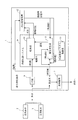
図1に排水処理施設における代表的な標準活性汚泥法の処理の流れを示す。なお、図1に含まれる汚泥乾燥システム9が本発明に係るシステムである。ここで、排水処理施設1に流入する排水の主なものとしては、家庭等の住居施設から排出される生活排水2と工場から排出される工場排水3がある。流入した排水は、最初沈殿池4内でそこに含まれる汚泥の最初の沈殿が行われる。そして、最初沈殿池4での上澄みが次のエアレーションタンク5に送られ、いわゆるエアレーションによる浄化が行われる。一方で、最初沈殿池4での残渣物は、一般には固形分を1.0〜2.0重量%程度含む汚泥となる。エアレーションタンク5によってエアレーション処理が行われると、更に最終沈殿池6に送られ、そこでも汚泥の沈殿が行われる。この最終沈殿池6での残渣物は、一般に固形分を1.0重量%程度含
む汚泥となる。これらの汚泥は濃縮工程や脱水工程などの処理を経た後、汚泥8として汚泥乾燥システム9に送られる。また、最終沈殿池6での上澄みは、国等が定めた河川放流のための放流水の放流基準を満たすように所定の適切な処理が施された上で、放流施設7から河川への放流が実行されることになる。
FIG. 1 shows a typical standard activated sludge process flow in a wastewater treatment facility. The
このように排水浄化施設1には工場や住居施設で利用された後の水、すなわち排水が集約されてくる。ここで工場排水3については、工場での生産活動に供されたことで、その水温は比較的高温となる傾向がある。また生活排水についても、住居施設での温水として
の利用等によって、その水温も比較的高温となる傾向がある。結果的に、排水浄化施設1に集約される排水の温度も比較的高くなり、特に工場や住居施設が密集する都市部や、工業化が進む近年においてはその傾向がより顕著になっている。
As described above, the
排水浄化施設1では、エアレーション等を実施することで排水の浄化が行われるが、これらエアレーションによって排水温度は大きく変動しない。流入する工場排水や生活排水の水温の上昇が、最終的に河川に放流される放流水の温度上昇に影響を与える傾向がある。特に、都市部では人口の集中により、また工場が設立されている地域ではそこでの工業活動により河川への放流水温度の上昇が顕著となる。例えば、東京都心部の排水浄化施設から河川に放流される放流水の水温については、季節による変動はあるものの直近の約40年間においては排水温度が5.5度程度上昇しているという測定結果も得られており、特に1990年代以降での放流水温度の上昇は顕著である。このような水温が上昇した排水が結果
的に河川に放流されると河川の水温が上昇することになるため、河川を中心として海洋や湖沼の生態系に与える影響は深刻である。
In the waste
そこで、図2に示す排水浄化施設1には本発明に係る汚泥乾燥システム9が設けられており、汚泥乾燥システム9により上述の最終沈殿池6から放流施設7に送られ河川に放流される前の放流水が有する熱エネルギーの熱回収が行われ、その回収熱を利用して、排水浄化施設1で集約された汚泥の乾燥処理が行われる。汚泥乾燥システム9に搭載される乾燥部10では、上記沈殿池やエアレーション施設によって排水から汚泥が取り除かれた状態の放流水が有する熱エネルギーを放流施設7によって外部(河川)に放流される前に抽出して、それを利用することで汚泥の乾燥を行う。図2に示すように、汚泥乾燥システム9内の蒸気発生部11によって、放流水の熱エネルギーが直接または間接的に熱回収される。具体的には、この蒸気発生部11は、熱源となる放流水(10℃以上)を取り込み、その内部の循環冷媒を圧縮および減圧を繰り返すヒートポンプシステムによって、放流水と冷媒との間で直接または間接的に熱交換を行い、結果的に蒸気を発生させる。
Therefore, the
そして、蒸気発生部11によって発生させられた蒸気は乾燥部10に送られ、そこで汚泥8の乾燥のためのエネルギー源として利用される。なお、乾燥部11に供給される蒸気の好ましい仕様は、ゲージ圧力で0.2MPa以上である。このように蒸気発生部11で生成される蒸気は、その生成のためのエネルギー源を主に放流水とするため、装置全体を駆動するための電力等は蒸気発生部11内のヒートポンプ冷媒の循環等に使用されるものに限られ、その結果、蒸気発生のために必要とされる外部からの投入エネルギーを抑制することができる。これにより、河川への放流水の温度を低下させることができるとともに、汚泥の乾燥処理に要するエネルギーの一部又は全部を排水浄化施設1内で賄うことが可能になるため汚泥処理に要するコストを低く抑えることができる。
Then, the steam generated by the
また、上述した乾燥部10、蒸気発生部11の各装置の制御および各装置間の制御(汚泥の移動や冷媒の循環、蒸気の生成等)については、汚泥乾燥システム内の汚泥乾燥制御部13によって実行される。この汚泥乾燥制御部13は、不図示のCPU、メモリ、ハードディスク等を含む汚泥乾燥システム9に設けられたコンピュータ上で実行されるコンピュータプログラムにより実現される。
Moreover, about the control of each apparatus of the drying
このような効果を奏する汚泥乾燥システム9のより詳細な構成について、図3から図5に基づいて説明する。図3に示す汚泥乾燥システムでは、乾燥部10では蒸気発生部11から供給される蒸気を熱源として汚泥の乾燥が行われる。このとき、供給される全ての蒸気が汚泥の乾燥に有効に供されるのが好ましいが、その一部が乾燥に利用された後に凝縮水として排出されてしまうことになる。この場合、乾燥部10での乾燥処理を経てもまだ熱エネルギーが残っていることになるため、システム外へそのまま凝縮水を排出してしまうとエネルギーロスになるとともに、外部環境への負荷にもなる。そこでエネルギーの有
効的な利用を図るために、乾燥部10から排出される凝縮水の熱エネルギーを直接または間接的に熱回収して、蒸気発生部に再循環する。これによりこの凝縮水の有する熱エネルギーの回収が行われることになる。
A more detailed configuration of the
また図4に示す汚泥乾燥システムでは、上述の放流水および凝縮水の他に、乾燥部にて汚泥の乾燥工程で発生した排気の保有熱量を、熱交換にて回収した乾燥熱排温水の保有熱量を、直接熱回収または間接的熱回収を行うことで熱源として、蒸気を発生させるように構成してもよいことを示している。すなわち、いままでなかなか使用されずにいた100℃
以下の低温の排温水についても、蒸気発生部11のヒートポンプシステム装置で熱回収することにより、再び蒸気として有効利用することが可能になる。具体的には、熱交換器によって生み出された乾燥熱排温水は放流前の放流水に加えられ、もしくは直接蒸気発生部11に供給されて、該蒸気発生部による蒸気発生が行われる。
Further, in the sludge drying system shown in FIG. 4, in addition to the above-mentioned discharged water and condensed water, the retained heat amount of the exhaust gas generated in the sludge drying process in the drying section is retained by the heat exchange. It shows that the heat quantity may be configured to generate steam as a heat source by performing direct heat recovery or indirect heat recovery. In other words, 100 ℃
The following low-temperature discharged hot water can also be effectively used again as steam by recovering heat with the heat pump system device of the
また図5に示す汚泥乾燥システム9では、生成された汚泥のうち一部が汚泥焼却装置12に送られて焼却処理される。そして残りの汚泥については、同様に汚泥乾燥システム9に送られて乾燥汚泥とされる。その後、生成された乾燥汚泥は、汚泥焼却装置12に送られて汚泥を焼却するための燃料として使用されることになる。脱水処理後の汚泥8は、その約8割が水分であるが、図5に示すように、汚泥焼却装置12に供給される汚泥と乾燥汚泥の比率を適切に調整すれば、汚泥の焼却処理を、排水浄化施設1内で完結することも可能である。
Moreover, in the
ここで、汚泥焼却装置12の詳細な構造を図6に基づいて説明する。汚泥焼却装置12には、汚泥の焼却処理を行うための燃焼炉14が設けられている。ここに上述したように汚泥と乾燥汚泥が運び込まれ、それらの焼却が行われる。そして、該燃焼によって生じる排ガスは、燃焼炉14を経て、第一予熱装置15、第二予熱装置16、サイクロン装置17、集塵機18、スクラバー19、排煙装置20へ流れて、最終的に清浄な空気として大気中に放出される。
Here, the detailed structure of the
第一予熱装置15は、排ガス通路を流れる排ガスの熱を利用して、燃焼炉14での燃焼を良好な状態にするために該燃焼炉の燃焼空気の予熱を行うものである。また、第二予熱装置16は、最終的に清浄化された排ガスを大気中に放出する際に、排ガス中に含まれる水分が凝結し白煙を形成しないように排煙装置20での排ガスの再加熱を行うものである。第二予熱装置16の下流側に設けられたサイクロン装置17は、その内部で発生させたサイクロンによる遠心力を利用して、排ガスから焼却灰を分離除去する。なお、分離除去された焼却灰は、外部にいたずらに放出されないよう適切な処理が行われる。また、サイクロン装置17の下流側に設けられた集塵機18は、サイクロン装置17で除去しきれなかった更に細かい粒子状物質(PM)等を除去する。
The
その後、排ガスはスクラバー19に送られ、そこでスクラバー水が供給されて、排ガスが大気放出の基準を満たす状態にされ、排煙装置20から大気放出される。ここで、スクラバー19においては、第一予熱装置15、第二予熱装置16、サイクロン装置17、集塵機18を経た排ガスが送られてくるが、この時点でも排ガスはある程度の温度を有している。そこで、スクラバー19で発生する焼却熱排温水を汚泥乾燥システム9内の蒸気発生部の熱エネルギー源として戻す(図5を参照)。すなわち、焼却熱排温水が有する熱エネルギーが、乾燥部10で乾燥汚泥を生成するための熱源となる蒸気の生成に有効的に利用される構成を採用する。
Thereafter, the exhaust gas is sent to the
このように汚泥、乾燥汚泥の焼却によって生じた燃焼熱を、蒸気発生部11を介して再び乾燥汚泥の生成に利用することで、排水浄化施設1における熱エネルギーの有効利用することが可能となる。また、図5に示すように、汚泥焼却装置12においては乾燥部10
で乾燥汚泥を生成する際に生じる臭気も含めて汚泥焼却装置12に送られるようにすることで該臭気による悪臭の問題を回避できる。
By using the combustion heat generated by the incineration of sludge and dried sludge in this manner, the heat energy in the
The problem of bad odor due to the odor can be avoided by sending the sludge to the
このようにいままでなかなか回収できなかった排水浄化施設で発生する低温排熱に対して、汚泥乾燥システム9が備える蒸気発生部11のヒートポンプシステム装置により熱エネルギーを有効に回収し、回収された熱エネルギーを乾燥部10の熱源とすることで、汚泥を乾燥し乾燥汚泥を生成することが、排水浄化施設1内で完結することも可能となる。すなわち、汚泥の乾燥を外部から運搬してくる化石燃料に完全に依存せずとも実現することができるため、環境への負荷を軽減することが可能である。また、河川への放流水については、蒸気発生部11での熱回収によりその水温が低下することになるため、河川等の温暖化を防止することができる。なお、出願人の試算によれば、全国の下水処理場に本システムが導入された場合、下水処理場からの河川への放流水を平均で2.2℃前後低くする
ことができると考えられる。
Thus, heat energy is effectively recovered by the heat pump system device of the
そして、汚泥乾燥システム9を経て生成された乾燥汚泥は、最終的に処分される場所へ運搬されたり、排水浄化施設外の工場の燃料として使用されたりしてもよい。乾燥汚泥となることで上述した含有水分量(32000t/日)が無くなるため乾燥汚泥の重量は小さくな
り、以て運搬コストを抑制することができる。また、当該乾燥汚泥が工場で使用される場合には、乾燥汚泥は化石燃料に該当せず炭酸ガスの排出にはカウントされないカーボンフリーの燃料であるから、工場運営の面でも環境負荷の面でも有効な燃料である。なお、仮に乾燥汚泥中の水分量が0重量%とすると、汚泥乾燥システム9生成される乾燥汚泥は、8000t/日になる。そして、生成される乾燥汚泥の熱量は概ね2000〜5000kcal/kgである
ので、上記汚泥乾燥システム9で生成される乾燥汚泥は有用な熱源であることは容易に理解できる。また、乾燥汚泥の臭気や長期保存不可の観点から、上述の乾燥汚泥を炭化処理して、炭化汚泥として利用することも考えられる。
And the dry sludge produced | generated via the
なお、上述までの実施例においては、蒸気発生部11は外部に放流される前の放流水との間で熱交換を行いそれにより蒸気の生成を行ったが、その形態に代えて排水浄化施設1内に存在する浄化工程での中間処理水との間で熱交換を行うようにしてもよい。すなわち、汚泥8と分離される前の、完全な浄化処理が完了する前の中間処理水と熱交換を行っても、放流水と熱交換を行う場合と同様に、乾燥汚泥を生成するために必要な熱エネルギーを回収することが可能である。もちろん、放流水と排水浄化施設内の中間処理水の両者との間で熱交換を行っても構わない。
In the above-described embodiments, the
1・・・排水浄化施設
2・・・生活排水
3・・・工場排水
4・・・最初沈殿池
5・・・エアレーションタンク
6・・・最終沈殿池
7・・・放流施設
8・・・汚泥
9・・・汚泥乾燥システム
10・・・乾燥部
11・・・蒸気発生部
12・・・汚泥焼却装置
13・・・汚泥乾燥システム制御部
14・・・燃焼炉
15・・・第一予熱装置
16・・・第二予熱装置
17・・・サイクロン装置
18・・・集塵機
19・・・スクラバー
20・・・排煙装置
DESCRIPTION OF
Claims (6)
前記蒸気発生部によって発生させられた蒸気が供給され、該供給された蒸気によって前記放流水と分離された前記汚泥を乾燥することで、乾燥汚泥を生成する乾燥部と、
を備える、汚泥乾燥システム。 In the wastewater purification facility that purifies the wastewater by separating the wastewater discharged from homes and factories into sludge and the discharged water purified to the extent that it can be discharged to the outside, the discharged water before being discharged to the outside And / or a steam generation unit that generates steam by directly or indirectly performing heat exchange through an internally circulating refrigerant that has an intermediate treated water in the wastewater purification facility as a heat source;
A drying unit that generates dry sludge by supplying the steam generated by the steam generation unit and drying the sludge separated from the discharged water by the supplied steam;
A sludge drying system.
請求項1に記載の汚泥乾燥システム。 The steam generating unit uses condensed water discharged after the supplied steam is used for drying the sludge in the drying unit as a heat source in addition to the discharged water and / or the intermediate treated water. Through direct or indirect heat exchange through the internally circulating refrigerant to generate steam,
The sludge drying system according to claim 1.
請求項1または請求項2に記載の汚泥乾燥システム。 The steam generating unit adds dry heat exhaust hot water, which is recovered by heat exchange of heat generated in the sludge drying process in the drying unit, to the effluent water and / or the intermediate treated water as a heat source. Heat is exchanged directly or indirectly through the internally circulating refrigerant of
The sludge drying system according to claim 1 or 2.
請求項1から請求項3の何れか一項に記載の汚泥乾燥システム。 When the wastewater purification facility is equipped with a sludge incinerator, the steam generating unit uses the heat discharged from the incineration heat exhaust water recovered from the heat quantity of the exhaust discharged from the sludge incinerator with a heat exchanger and / or the In addition to the intermediate treated water, it serves as a heat source, and generates heat by directly or indirectly exchanging heat through its internally circulating refrigerant.
The sludge drying system according to any one of claims 1 to 3.
請求項4に記載の汚泥乾燥システム。 The drying unit uses the steam generated by the steam generation unit to dry a part of the sludge separated from the discharged water, and thereby the fuel for sludge incineration used in the sludge incinerator. Producing the dried sludge
The sludge drying system according to claim 4.
請求項1から請求項5の何れか一項に記載の汚泥乾燥システム。 The wastewater purification facility is a wastewater purification facility that collects and purifies at least one of household wastewater and factory wastewater, or is a wastewater purification facility that is provided in the factory facility and purifies the factory wastewater from the factory facility. A facility,
The sludge drying system according to any one of claims 1 to 5.
Priority Applications (1)
| Application Number | Priority Date | Filing Date | Title |
|---|---|---|---|
| JP2009100950A JP2010247111A (en) | 2009-04-17 | 2009-04-17 | Sludge drying system |
Applications Claiming Priority (1)
| Application Number | Priority Date | Filing Date | Title |
|---|---|---|---|
| JP2009100950A JP2010247111A (en) | 2009-04-17 | 2009-04-17 | Sludge drying system |
Publications (1)
| Publication Number | Publication Date |
|---|---|
| JP2010247111A true JP2010247111A (en) | 2010-11-04 |
Family
ID=43310078
Family Applications (1)
| Application Number | Title | Priority Date | Filing Date |
|---|---|---|---|
| JP2009100950A Pending JP2010247111A (en) | 2009-04-17 | 2009-04-17 | Sludge drying system |
Country Status (1)
| Country | Link |
|---|---|
| JP (1) | JP2010247111A (en) |
Cited By (5)
| Publication number | Priority date | Publication date | Assignee | Title |
|---|---|---|---|---|
| JP2013117359A (en) * | 2011-12-05 | 2013-06-13 | Okawara Mfg Co Ltd | Drying equipment |
| CN104150738A (en) * | 2014-08-11 | 2014-11-19 | 华东理工常熟研究院有限公司 | Organic fine-particle sludge drying method and movable drying system |
| WO2020087608A1 (en) * | 2018-10-31 | 2020-05-07 | 江南大学 | Pretreatment device and process for paper product filler |
| CN113531560A (en) * | 2021-07-28 | 2021-10-22 | 上海环境工程设计研究院有限公司 | Garbage sludge synergistic drying incineration and NOx and odor synergistic treatment process |
| CN113683289A (en) * | 2021-09-15 | 2021-11-23 | 东华大学 | Low-energy-consumption thermal drying method for sludge |
-
2009
- 2009-04-17 JP JP2009100950A patent/JP2010247111A/en active Pending
Cited By (6)
| Publication number | Priority date | Publication date | Assignee | Title |
|---|---|---|---|---|
| JP2013117359A (en) * | 2011-12-05 | 2013-06-13 | Okawara Mfg Co Ltd | Drying equipment |
| CN104150738A (en) * | 2014-08-11 | 2014-11-19 | 华东理工常熟研究院有限公司 | Organic fine-particle sludge drying method and movable drying system |
| CN104150738B (en) * | 2014-08-11 | 2016-01-13 | 华东理工常熟研究院有限公司 | A kind of drying method of organism particulate mud and portable anhydration system |
| WO2020087608A1 (en) * | 2018-10-31 | 2020-05-07 | 江南大学 | Pretreatment device and process for paper product filler |
| CN113531560A (en) * | 2021-07-28 | 2021-10-22 | 上海环境工程设计研究院有限公司 | Garbage sludge synergistic drying incineration and NOx and odor synergistic treatment process |
| CN113683289A (en) * | 2021-09-15 | 2021-11-23 | 东华大学 | Low-energy-consumption thermal drying method for sludge |
Similar Documents
| Publication | Publication Date | Title |
|---|---|---|
| JP5271100B2 (en) | Waste heat power generation method using exhaust gas from incinerator | |
| US20060260190A1 (en) | Method and apparatus for treating organic matter | |
| JP2013511386A (en) | Waste to energy conversion by hydrothermal decomposition and resource regeneration methods. | |
| JP2009028672A (en) | Method and apparatus for processing high water content waste | |
| JP2014008501A (en) | Waste water treatment system and complex power generation facility | |
| JP2009045612A (en) | Waste recycling method and facility | |
| JP2005319373A (en) | Method and apparatus for converting sludge into fuel | |
| JP2007167782A (en) | Waste disposal method | |
| CN108238706A (en) | Oily sludge substep pyrolysis treatment systems and technique | |
| CN103712216B (en) | Mud and rubbish combine incineration thermoelectric treatment system and processing method | |
| JP2005321131A (en) | Sludge incinerating system | |
| JP2019023453A (en) | Power generation system using waste heat in sewage sludge incineration facility and operation method of power generation system | |
| JP2011036781A (en) | Sludge digestion system | |
| US7718064B2 (en) | Integrated clean biomass to energy system | |
| JP5444439B2 (en) | Incineration plant | |
| JP2012207617A (en) | Exhaust heat recovery method and exhaust heat recovery system | |
| JP5027697B2 (en) | Sewage sludge treatment method | |
| CN100503489C (en) | Method for burning treating wet waste mud with waste heat recovering | |
| JP2010149079A (en) | Treatment method of waste containing highly hydrous waste and treatment device used for the same | |
| JP4961156B2 (en) | Effective use of waste heat from incineration | |
| KR100817622B1 (en) | Integrated energy circulation use system linking sewage treatment system and cogeneration system | |
| CN106630535A (en) | In-place and low-energy-consumption sludge treatment method | |
| JP2002102647A (en) | Treatment method for incineration flue gas | |
| CN210480860U (en) | High-efficient hydrogen manufacturing equipment of municipal sludge resourceization | |
| CN204227429U (en) | Fluid bed sludge incinerating system |