JP2011122425A - Concrete tower - Google Patents
Concrete tower Download PDFInfo
- Publication number
- JP2011122425A JP2011122425A JP2010268069A JP2010268069A JP2011122425A JP 2011122425 A JP2011122425 A JP 2011122425A JP 2010268069 A JP2010268069 A JP 2010268069A JP 2010268069 A JP2010268069 A JP 2010268069A JP 2011122425 A JP2011122425 A JP 2011122425A
- Authority
- JP
- Japan
- Prior art keywords
- tower
- concrete
- tendon
- compressive strength
- foundation
- Prior art date
- Legal status (The legal status is an assumption and is not a legal conclusion. Google has not performed a legal analysis and makes no representation as to the accuracy of the status listed.)
- Pending
Links
- 239000004567 concrete Substances 0.000 title claims abstract description 71
- 210000002435 tendon Anatomy 0.000 claims description 45
- 230000007423 decrease Effects 0.000 claims description 2
- 239000004568 cement Substances 0.000 description 12
- 101150080085 SEG1 gene Proteins 0.000 description 4
- 101100202858 Saccharomyces cerevisiae (strain ATCC 204508 / S288c) SEG2 gene Proteins 0.000 description 4
- 101100421134 Schizosaccharomyces pombe (strain 972 / ATCC 24843) sle1 gene Proteins 0.000 description 4
- 239000000463 material Substances 0.000 description 4
- 239000011513 prestressed concrete Substances 0.000 description 4
- 239000000203 mixture Substances 0.000 description 3
- XLYOFNOQVPJJNP-UHFFFAOYSA-N water Substances O XLYOFNOQVPJJNP-UHFFFAOYSA-N 0.000 description 3
- 229910000831 Steel Inorganic materials 0.000 description 2
- 230000008901 benefit Effects 0.000 description 2
- 239000010959 steel Substances 0.000 description 2
- 238000005056 compaction Methods 0.000 description 1
- 238000013016 damping Methods 0.000 description 1
- 230000001419 dependent effect Effects 0.000 description 1
- 230000007613 environmental effect Effects 0.000 description 1
- 239000003292 glue Substances 0.000 description 1
- 239000000843 powder Substances 0.000 description 1
- 239000011150 reinforced concrete Substances 0.000 description 1
- 239000004576 sand Substances 0.000 description 1
- 238000012216 screening Methods 0.000 description 1
- 239000002689 soil Substances 0.000 description 1
- 230000003068 static effect Effects 0.000 description 1
- 239000004575 stone Substances 0.000 description 1
Images
Classifications
-
- E—FIXED CONSTRUCTIONS
- E04—BUILDING
- E04H—BUILDINGS OR LIKE STRUCTURES FOR PARTICULAR PURPOSES; SWIMMING OR SPLASH BATHS OR POOLS; MASTS; FENCING; TENTS OR CANOPIES, IN GENERAL
- E04H12/00—Towers; Masts or poles; Chimney stacks; Water-towers; Methods of erecting such structures
- E04H12/16—Prestressed structures
-
- Y—GENERAL TAGGING OF NEW TECHNOLOGICAL DEVELOPMENTS; GENERAL TAGGING OF CROSS-SECTIONAL TECHNOLOGIES SPANNING OVER SEVERAL SECTIONS OF THE IPC; TECHNICAL SUBJECTS COVERED BY FORMER USPC CROSS-REFERENCE ART COLLECTIONS [XRACs] AND DIGESTS
- Y02—TECHNOLOGIES OR APPLICATIONS FOR MITIGATION OR ADAPTATION AGAINST CLIMATE CHANGE
- Y02E—REDUCTION OF GREENHOUSE GAS [GHG] EMISSIONS, RELATED TO ENERGY GENERATION, TRANSMISSION OR DISTRIBUTION
- Y02E10/00—Energy generation through renewable energy sources
- Y02E10/70—Wind energy
- Y02E10/72—Wind turbines with rotation axis in wind direction
Landscapes
- Engineering & Computer Science (AREA)
- Architecture (AREA)
- Civil Engineering (AREA)
- Structural Engineering (AREA)
- Wind Motors (AREA)
Abstract
Description
本発明は、コンクリートタワー、特に風車のためのコンクリートタワーに関する。 The present invention relates to a concrete tower, in particular a concrete tower for a windmill.
風車のためのタワーは、通常2つの構成要素を含んでいる。第1のタワー構成要素は基礎であるのに対し、第2のタワー構成要素はタワー自体である。 A tower for a windmill usually includes two components. The first tower component is the foundation, while the second tower component is the tower itself.
基礎を設計するための多くの方法が存在する。一般的に、基礎は鉄筋コンクリートを用いて建設される。基礎は細分されており、広い基礎面積をカバーする。このタイプの基礎は、支持土壌(bearing soil)を備える場所に極めて適している。 There are many ways to design the foundation. Generally, the foundation is constructed using reinforced concrete. The foundation is subdivided and covers a large foundation area. This type of foundation is very suitable for places with bearing soil.
タワーは、動荷重及び静荷重に曝される。動荷重は、風によって生ぜしめられ、タワーの上部に取り付けられた、支持された風車によって生ぜしめられる。 The tower is exposed to dynamic and static loads. The dynamic load is generated by the wind and is supported by a supported windmill attached to the top of the tower.
風車のタワーはコンクリートから形成される。特に洋上現場のためには、タワーは、20年以上の長寿命が保証されるように構成される。 The windmill tower is formed from concrete. Especially for offshore sites, the tower is configured to ensure a long life of 20 years or more.
洋上タワーのコンクリートは、他の材料の減衰特性よりも高い減衰特性を有している。 Offshore tower concrete has damping characteristics higher than those of other materials.
好適には、プレストレスト・コンクリート(PSコンクリート)がタワーのために使用され、従って、高い耐疲労性が達成される。従って、動的故障のリスクが回避される。 Preferably, prestressed concrete (PS concrete) is used for the tower, so that high fatigue resistance is achieved. Therefore, the risk of dynamic failure is avoided.
プレストレスト・コンクリートタワーは、鋼と比較して優れた疲労特性を示す。付加的に、プレストレスト・コンクリートタワーは、より低い材料コストにより、他のものよりも安価である。 Prestressed concrete towers exhibit excellent fatigue properties compared to steel. In addition, prestressed concrete towers are cheaper than others due to lower material costs.
典型的なコンクリートタワーは、例えば国際公開第2009/056898号明細書より公知である。 A typical concrete tower is known, for example, from WO 2009/056898.
好適な風車タワーは円錐形である。タワーは、プレストレス又はプレテンションが与えられた多数のセグメントを含んでいる。 A preferred windmill tower is conical. The tower includes a number of pre-stressed or pre-tensioned segments.
好適には、各タワーセグメントは多数のテンドンを有しており、これらのテンドンは、セグメントを他のセグメントに結合するために使用される。従って、テンドンは、完成したタワーの様々な高さに固定されている。テンドンは、タワーの基礎に又はタワーの基礎の近傍に係留されている。 Preferably, each tower segment has a number of tendons that are used to connect the segment to other segments. Thus, tendons are fixed at various heights in the completed tower. The tendon is moored at or near the tower foundation.
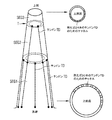
図3は、コンクリートタワーTの従来公知の構造を示している。タワーは、3つのセグメントSEG1,SEG2,SEG3を有している。 FIG. 3 shows a conventionally known structure of the concrete tower T. The tower has three segments SEG1, SEG2, and SEG3.
上部のセグメントSEG3は例えば24本のテンドンTDによって固定されている。24本のテンドンTDは、タワーTの上部の近傍において、完成したタワーTと結合されている。テンドンは、セグメントSEG2とセグメントSEG1とが接合されている領域においても、完成したタワーTと結合されている。最後に、テンドンは、タワーTの基礎の近傍において又はタワーTの基礎において、完成したタワーTと結合されている。 The upper segment SEG3 is fixed by, for example, 24 tendons TD. The 24 tendons TD are connected to the completed tower T in the vicinity of the top of the tower T. The tendon is connected to the completed tower T in the region where the segment SEG2 and the segment SEG1 are joined. Finally, the tendon is coupled with the completed tower T in the vicinity of the tower T foundation or at the foundation of the tower T.
セグメントSEG2は、例えば6本の付加的なテンドンTDによって固定されている。6本の付加的なテンドンTDは、セグメントSEG2とセグメントSEG1とが接合されている領域の近傍において、完成したタワーTと結合されている。テンドンは、タワーTの基礎の近傍において又はタワーTの基礎において、完成したタワーTと結合されている。 The segment SEG2 is fixed by, for example, six additional tendons TD. Six additional tendons TD are coupled to the completed tower T in the vicinity of the region where the segments SEG2 and SEG1 are joined. The tendon is coupled to the completed tower T in the vicinity of the tower T foundation or at the foundation of the tower T.
従って、タワーTの上面図は、SEG3の断面において、24本のテンドンTDのためのチャネルを示しているのに対し、タワーTの上面図は、SEG1の断面において、30本のテンドンのためのチャネルを示している。 Thus, the top view of the tower T shows the channels for 24 tendons TD in the cross section of SEG3, while the top view of the tower T shows 30 tendons in the cross section of SEG1. Shows the channel.
様々な異なる断面における全てのテンドンを固定及び係留することは、複雑で、時間を費やす。従って、この作業は、タワーの計算の中で深刻な点である。 Fixing and mooring all tendons in a variety of different cross-sections is complex and time consuming. This is therefore a serious point in the tower calculations.
テンドンは様々な高さにおいて係留されているので、ほとんどの張力は下部セグメントに作用する。 Since tendons are moored at various heights, most tension acts on the lower segment.
従って、下部セグメントは、上部セグメントよりも、コンクリートのより大きな断面積を有している。 Accordingly, the lower segment has a larger cross-sectional area of concrete than the upper segment.
上部セグメントは、コンクリートの最も小さな断面積を示しており、従って、最も小さな張力がここに加えられる。 The upper segment shows the smallest cross-sectional area of the concrete, so the smallest tension is applied here.
本発明の課題は、タワーアセンブリの複雑さを減じかつ所要のコストをも減じることができる、特に風車のための改良されたタワーを提供することである。 The object of the present invention is to provide an improved tower, especially for wind turbines, which can reduce the complexity of the tower assembly and also reduce the required costs.
前記課題は請求項1の特徴により達成される。好適な構成は従属請求項の対象である。 The object is achieved by the features of claim 1. Preferred configurations are the subject matter of the dependent claims.
本発明は、風車のコンクリートタワーに関する。本発明によれば、コンクリートの圧縮強さはタワーの高さに応じて変化する。 The present invention relates to a concrete tower of a windmill. According to the present invention, the compressive strength of concrete varies with the height of the tower.
好適には、タワーは多数のテンドンを有している。テンドンは、コンクリートタワーがプレストレスを加えられるように配置されている。 Preferably, the tower has a number of tendons. The tendons are arranged so that the concrete tower can be prestressed.
好適には、各テンドンは、テンドンの第1の端部と、テンドンの第2の端部とにおいてのみコンクリートタワーに係留されている。 Preferably, each tendon is anchored to the concrete tower only at the first end of the tendon and the second end of the tendon.
好適には、各テンドンの第2の端部はタワーの上部の近傍に係留されているのに対し、各テンドンの第1の端部はタワーの基礎の近傍に係留されている。 Preferably, the second end of each tendon is anchored near the top of the tower, while the first end of each tendon is anchored near the foundation of the tower.
好適には、コンクリートの圧縮強さ(基礎強度)は、タワーの高さに応じて比例して増大されている。従って、タワーのある高さにおけるコンクリートの断面の減少が達成される。この減少は、コンクリートの圧縮強さの増大によって補償される。 Preferably, the compressive strength (foundation strength) of the concrete is increased in proportion to the height of the tower. Thus, a reduction in the concrete cross section at a certain height of the tower is achieved. This decrease is compensated by an increase in the compressive strength of the concrete.
本発明によれば、コンクリート製のタワーの構成は、テンドンが上述のように好適な構成において使用されるならば、"コンクリートの断面積"ごとの"張力"の増大に耐える。 In accordance with the present invention, the concrete tower configuration will withstand an increase in "tension" per "concrete cross section" if tendon is used in the preferred configuration as described above.
コンクリートはセメントと水との混合によって形成される。従って、コンクリートは、極めて粗いコンクリートから極めて微細なコンクリートまでの範囲をカバーする。必要であれば、特定の混和材がコンクリートに付加される。圧縮強さ等のコンクリートの特性は、それぞれの導入される材料の量及サイズによって決定される。 Concrete is formed by mixing cement and water. Thus, concrete covers a range from very coarse concrete to very fine concrete. If necessary, specific admixtures are added to the concrete. Concrete properties such as compressive strength are determined by the amount and size of each material introduced.
セメント粉末は、水と混合されるとペーストを形成する。ペーストは、骨材を保持又は結合する糊のように作用する。 Cement powder forms a paste when mixed with water. The paste acts like a glue that holds or bonds the aggregate.
セメントは、
−汎用のセメント、
−低熱セメント、
−収縮制限セメント等
のような、様々な異なる特性を備えた範囲において形成される。
Cement
-General purpose cement,
-Low heat cement,
-Formed in a range with a variety of different properties, such as shrinkage limiting cements.
コンクリートのために使用されるセメントは、種々異なる特性を備えた基本セメントの混合物であることができる。 The cement used for concrete can be a mixture of basic cements with different properties.
骨材には基本的に2つのタイプ、すなわち細かいもの(細かい砂及び粗い砂及びラッシャーファイン)と、粗いもの(砕石、砂利、又はスクリーニング)とがある。概して、骨材は、強度、硬さ及び耐性が高いことが望ましい。 There are basically two types of aggregates: fine (fine and coarse sand and rusher fine) and coarse (crushed stone, gravel, or screening). In general, it is desirable for the aggregate to have high strength, hardness and resistance.
コンクリートの圧縮強さ(キューブ強度、基本強度)は、多くの要因、例えば、
−締固め(すなわちコンクリートにおける空気の含有量)
−養生(コンクリートを湿らせておく)
−天候(養生の間の)
−セメント又はセメント混合物のタイプ
−水とセメントとの比(比が小さいほど、コンクリートは強くなる)
によって影響される。
The compressive strength of concrete (cube strength, basic strength) depends on many factors, for example
-Compaction (ie air content in concrete)
-Curing (keep concrete wet)
-Weather (during curing)
-Type of cement or cement mixture-Ratio of water to cement (the smaller the ratio, the stronger the concrete)
Is influenced by.
本発明によれば、タワーの高さが大きくなると、コンクリートの圧縮強さが増大される。 According to the invention, the compressive strength of the concrete increases as the height of the tower increases.
コンクリートの密度は、タワーの高さが大きくなるに従って増大する。これは、コンクリートの密度を高めるために使用される機械的な振動機械の使用によって保証されてよい。 The density of concrete increases as the height of the tower increases. This may be ensured by the use of mechanical vibration machines used to increase the density of the concrete.
好適には、可変コンクリート強度は、セメントタイプの混合を次第に変化させることによって得られる。 Preferably, the variable concrete strength is obtained by gradually changing the cement type mixing.
例えば、(タワーの下側部分に使用される)比較的低いコンクリート強度を有する混合物を最初に使用する。(タワーの上側部分に使用される)比較的高いコンクリート強度を有する混合物を最後に使用する。 For example, a mixture having a relatively low concrete strength (used for the lower part of the tower) is used first. Finally, a mixture with a relatively high concrete strength (used for the upper part of the tower) is used.
本発明によれば、コンクリートのコンクリート強度は、タワー高さが大きくなるに従って比例して変化又は増大させられる。従って、より少ないテンドンを備えかつテンドンの"途中"係留を用いない単純なタワー構造が達成される。 According to the present invention, the concrete strength of the concrete is changed or increased proportionally as the tower height increases. Thus, a simple tower structure is achieved with fewer tendons and without the “midway” mooring of tendons.
コンクリートの可変強度により、プレストレスト・コンクリートのタワーのための安定性及び一般的な利点(鋼と比較した場合の良好な疲労特性及び低い材料コスト等)が保証される。 The variable strength of the concrete ensures stability and general benefits for prestressed concrete towers, such as good fatigue properties and low material costs when compared to steel.
別の利点は、より少ないテンドンが必要とされ、従ってタワーの構造が単純であるということである。従って、コストが減じられる。 Another advantage is that less tendon is required and thus the tower structure is simple. Thus, costs are reduced.
各タワーセクション及び使用されるタワーセグメントは、異なる個々のコンクリート強度を有する。最も高い強度を備えたタワーセクションが、最も小さな直径を備えたセクションであるのに対し、最も小さな強度を備えたセクションは、最も大きな直径を備えたセクションである。 Each tower section and tower segment used has a different individual concrete strength. The tower section with the highest strength is the section with the smallest diameter, while the section with the smallest strength is the section with the largest diameter.
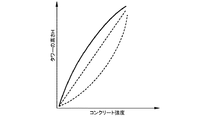
タワー高さに応じたコンクリート強度の変化は、様々な線形又は非線形の特性曲線に従ってよい。 The change in concrete strength as a function of tower height may follow various linear or non-linear characteristic curves.
特性曲線は、計画されたタワーの現場、その場所の環境条件等に合わせて最適化されてよい。 The characteristic curve may be optimized for the planned tower site, the environmental conditions of the site, and the like.
本発明により、"コンクリート断面積単位"ごとの"張力"は、タワーの全高に亘って実質的に等しい。 According to the invention, the “tension” per “concrete cross-section unit” is substantially equal over the entire height of the tower.
以下の図面によって発明をより詳細に説明する。図面は単なる例であり、発明の範囲を限定しない。 The invention is explained in more detail in the following figures. The drawings are merely examples and do not limit the scope of the invention.
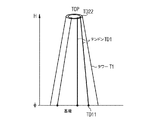
図1は本発明によるコンクリートタワーT1を示している。コンクリートタワーT1は多数のテンドンTD1を有している。 FIG. 1 shows a concrete tower T1 according to the invention. The concrete tower T1 has a number of tendons TD1.
テンドンTD1は、コンクリートタワーT1にプレストレスが加えられるように配置されている。各テンドンTD1は、テンドンTD1の第1の端部TD11及びテンドンTD1の第2の端部TD22のみにおいてコンクリートタワーT1に係留されている。 The tendon TD1 is arranged so that prestress is applied to the concrete tower T1. Each tendon TD1 is moored to the concrete tower T1 only at the first end TD11 of tendon TD1 and the second end TD22 of tendon TD1.
各テンドンTD1の第2の端部TD22は、タワーの上部の近傍に係留されているのに対し、各テンドンTD1の第1の端部TD11はタワーの基礎の近傍に係留されている。 The second end TD22 of each tendon TD1 is moored near the top of the tower, while the first end TD11 of each tendon TD1 is moored near the foundation of the tower.
コンクリートの圧縮強さは、タワーT1の高さHに応じて変化させられている。 The compressive strength of the concrete is changed according to the height H of the tower T1.
好適には、コンクリートの圧縮強さ(基本強度)は、タワーT1の高さHに応じて比例して増大させられている。 Preferably, the compressive strength (basic strength) of the concrete is increased in proportion to the height H of the tower T1.
図2は、本発明によって使用される様々な異なる特性曲線を示している。 FIG. 2 shows a variety of different characteristic curves used by the present invention.
T1 タワー、 TD1 テンドン、 TD11 第1の端部、 TD22 第2の端部 T1 tower, TD1 tendon, TD11 first end, TD22 second end
Claims (9)
各テンドンの第1の端部がタワーの基礎の近傍に係留されている、請求項3記載のコンクリートタワー。 4. A concrete tower according to claim 3, wherein the second end of each tendon is moored near the top of the tower and / or the first end of each tendon is moored near the foundation of the tower. .
コンクリートが、タワーの上部において第2の圧縮強さを有しており、
第2の圧縮強さが第1の圧縮強さよりも大きい、請求項1から4までのいずれか1項記載のコンクリートタワー。 The concrete has a first compressive strength at the foundation of the tower;
The concrete has a second compressive strength at the top of the tower;
The concrete tower according to claim 1, wherein the second compressive strength is larger than the first compressive strength.
前記セグメントに多数のテンドンによってプレストレスが加えられており、
各テンドンが、テンドンの第1の端部及びテンドンの第2の端部においてのみ、完成したタワーに係留されており、
各テンドンの第1の端部が、タワー基礎の近傍に又はタワー基礎に配置された、第1のセグメントに係留されており、
各テンドンの第2の端部が、タワーの上部の近傍に又はタワーの上部に配置された、セグメントに係留されている、請求項1から5までのいずれか1項記載のコンクリートタワー。 At least two segments are arranged to form a concrete tower,
Prestress is applied to the segment by a number of tendons,
Each tendon is moored to the finished tower only at the first end of the tendon and the second end of the tendon,
The first end of each tendon is moored to a first segment located near or on the tower foundation;
A concrete tower according to any one of the preceding claims, wherein the second end of each tendon is anchored to a segment located near or at the top of the tower.
Applications Claiming Priority (2)
| Application Number | Priority Date | Filing Date | Title |
|---|---|---|---|
| EP09014913.9 | 2009-12-01 | ||
| EP09014913.9A EP2330263B1 (en) | 2009-12-01 | 2009-12-01 | Concrete tower |
Publications (1)
| Publication Number | Publication Date |
|---|---|
| JP2011122425A true JP2011122425A (en) | 2011-06-23 |
Family
ID=42229032
Family Applications (1)
| Application Number | Title | Priority Date | Filing Date |
|---|---|---|---|
| JP2010268069A Pending JP2011122425A (en) | 2009-12-01 | 2010-12-01 | Concrete tower |
Country Status (7)
| Country | Link |
|---|---|
| US (1) | US8220212B2 (en) |
| EP (1) | EP2330263B1 (en) |
| JP (1) | JP2011122425A (en) |
| CN (1) | CN102080464B (en) |
| CA (1) | CA2722849A1 (en) |
| DK (1) | DK2330263T3 (en) |
| NZ (1) | NZ587740A (en) |
Families Citing this family (16)
| Publication number | Priority date | Publication date | Assignee | Title |
|---|---|---|---|---|
| US8458970B2 (en) * | 2008-06-13 | 2013-06-11 | Tindall Corporation | Base support for wind-driven power generators |
| US10203268B2 (en) | 2008-12-04 | 2019-02-12 | Laura P. Solliday | Methods for measuring and modeling the process of prestressing concrete during tensioning/detensioning based on electronic distance measurements |
| EP2408982A4 (en) * | 2009-03-19 | 2012-09-12 | Ericsson Telefon Ab L M | A telecommunication tower segment |
| ES2396087B1 (en) * | 2011-06-30 | 2014-05-19 | Acciona Windpower, S.A. | ASSEMBLY PROCEDURE OF A MOUNTAINER AND AEROGENERATOR ASSEMBLED ACCORDING TO THIS PROCEDURE |
| US9175670B2 (en) | 2012-08-03 | 2015-11-03 | James D. Lockwood | Precast concrete post tensioned segmented wind turbine tower |
| KR101383162B1 (en) * | 2012-08-08 | 2014-04-09 | 한국해양과학기술원 | Modular Wind Power Tower using Multiple Prestressing Tendons |
| US9032674B2 (en) | 2013-03-05 | 2015-05-19 | Siemens Aktiengesellschaft | Wind turbine tower arrangement |
| EP2781673B1 (en) * | 2013-03-21 | 2016-03-16 | ALSTOM Renewable Technologies | Tower |
| DE102013105512A1 (en) * | 2013-05-29 | 2014-12-04 | Max Bögl Wind AG | Concrete foundation and method for producing a concrete foundation for a wind power tower and positioning device for positioning of ducts in a concrete foundation |
| US10519685B2 (en) * | 2014-02-28 | 2019-12-31 | University Of Maine System Board Of Trustees | Hybrid concrete-composite tower for a wind turbine and method of manufacturing |
| CN103821677B (en) * | 2014-03-20 | 2016-07-20 | 哈尔滨工业大学(威海) | Prefabricated PC RPC wind power tower |
| CN103867019B (en) * | 2014-03-27 | 2016-04-20 | 哈尔滨工业大学(威海) | Assembling external prestressing RPC wind power tower |
| FR3029231B1 (en) * | 2014-12-01 | 2016-12-30 | Lafarge Sa | CONCRETE SECTION |
| CN108603379B (en) * | 2015-08-31 | 2020-11-10 | 西门子歌美飒可再生能源有限公司 | Concrete equipment towers with guiding slots for tensioning tendons |
| CN106481515A (en) * | 2016-10-08 | 2017-03-08 | 霍尔果斯新国金新能源科技有限公司 | Concrete towers cartridge module and its method for stretching |
| US12529239B2 (en) | 2022-10-31 | 2026-01-20 | Ge Infrastructure Technology Llc | Wind turbine tower structure with stacked tower sections |
Citations (4)
| Publication number | Priority date | Publication date | Assignee | Title |
|---|---|---|---|---|
| JPS6443667A (en) * | 1987-08-07 | 1989-02-15 | Mikio Sugimoto | Concrete placing method |
| JPH03146310A (en) * | 1989-11-01 | 1991-06-21 | Yoshio Niioka | Concrete manufacturing method |
| JPH0510054A (en) * | 1991-07-03 | 1993-01-19 | Nippon Concrete Ind Co Ltd | Concrete pillar |
| JP2009019550A (en) * | 2007-07-11 | 2009-01-29 | Kurosawa Construction Co Ltd | Wind-power generator apparatus |
Family Cites Families (28)
| Publication number | Priority date | Publication date | Assignee | Title |
|---|---|---|---|---|
| US1699736A (en) | 1924-09-08 | 1929-01-22 | Westinghouse Electric & Mfg Co | Pole reenforcement |
| DE835520C (en) | 1949-03-06 | 1952-06-13 | Bbc Brown Boveri & Cie | Concrete mast |
| DE1434785A1 (en) | 1964-03-02 | 1968-11-28 | Fritz Reinke | Hollow body assembled from prefabricated parts |
| CH656174A5 (en) | 1980-02-26 | 1986-06-13 | Roland Lindqvist | Device on a line pole for reinforcing the same |
| US4317317A (en) * | 1980-02-27 | 1982-03-02 | Chromalloy American Corporation | Liquid storage tank |
| WO1986002689A1 (en) | 1984-10-31 | 1986-05-09 | R.F.D. Consultants Pty. Ltd. | A modular utility pole |
| US4909661A (en) * | 1987-11-23 | 1990-03-20 | The Texas A&M University System | Advanced dynamic impact extension module |
| NL8900245A (en) * | 1989-02-01 | 1990-09-03 | Frederikus Adolf Joseph Grimbe | METHOD FOR MANUFACTURING A CONCRETE POST AND OBTAINED CONCRETE POST |
| GB8924080D0 (en) * | 1989-10-26 | 1989-12-13 | Llewellyn Lyn I D | Improvements relating to structural beams |
| JPH04189986A (en) * | 1990-11-21 | 1992-07-08 | Nippon Steel Corp | Tower body of tower structure |
| DE29809541U1 (en) | 1998-05-27 | 1999-10-07 | Arand, Wilfried, 59425 Unna | Device for producing tall, hollow, tower-like structures of two hundred meters in height and more, in particular towers for wind turbines |
| DE19944307C2 (en) * | 1999-09-15 | 2003-04-10 | Sp Beton Gmbh & Co Kg | Multilayer composite material made of cement-bound concrete and polymer-bound concrete, process for its production and use of the multilayer composite material |
| DE10033845A1 (en) | 2000-07-12 | 2002-01-24 | Aloys Wobben | Pre-stressed concrete tower |
| DE10126912A1 (en) | 2001-06-01 | 2002-12-19 | Oevermann Gmbh & Co Kg Hoch Un | Prestressed concrete tower structure |
| US6851231B2 (en) | 2001-06-27 | 2005-02-08 | Maher K. Tadros | Precast post-tensioned segmental pole system |
| DE10226996B4 (en) | 2001-10-09 | 2014-07-03 | Aloys Wobben | Method for creating a foundation, in particular for a tower of a wind energy plant |
| DE10160306B4 (en) | 2001-12-07 | 2004-01-15 | Wobben, Aloys, Dipl.-Ing. | Tower of a wind turbine |
| HRP20020044B1 (en) * | 2002-01-16 | 2008-11-30 | Mara-Institut D.O.O. | Indirectly prestressed, concrete, roof-ceiling construction with flat soffit |
| NL1019953C2 (en) * | 2002-02-12 | 2002-12-19 | Mecal Applied Mechanics B V | Prefabricated tower or mast, as well as a method for joining and / or re-tensioning segments that must form a single structure, as well as a method for building a tower or mast consisting of segments. |
| DE10230273B3 (en) | 2002-07-05 | 2004-02-12 | Institut für Fertigteiltechnik und Fertigbau Weimar e.V. | Wind turbine tower has flanged cylindrical coupling piece for attaching upper cylindrical steel section to lower cylindrical concrete section |
| US20060248848A1 (en) * | 2003-09-19 | 2006-11-09 | Chappell Ralph L | Performed slab for use as a foundation or splash pad for industrial equipment |
| US20050072115A1 (en) * | 2003-09-19 | 2005-04-07 | Chappell Ralph Louis | Preformed portable slab for use as a foundation or splash pad for industrial equipment |
| FR2861388B1 (en) * | 2003-10-23 | 2006-02-03 | Lafarge Aluminates | DENSE MORTAR BASED ON BINARY ETTRINGITIC BINDER, COMPRISING AT LEAST ONE POLYMER COMBINED WITH POLY (ALKYLENE OXIDE) AND AT LEAST ONE STRUCTURING ORGANIC RESIN. |
| WO2007025555A1 (en) * | 2005-08-30 | 2007-03-08 | Icec Holding Ag | Method for vertically extruding a concrete element, device for producing a concrete element and devices produced by this method |
| CN201065667Y (en) | 2007-06-26 | 2008-05-28 | 赵德富 | High intensity ring-shaped prestressed concrete electric pole |
| WO2009056898A1 (en) | 2007-11-02 | 2009-05-07 | Alejandro Cortina-Cordero | Post-tensioned concrete tower for wind turbines |
| US8458970B2 (en) | 2008-06-13 | 2013-06-11 | Tindall Corporation | Base support for wind-driven power generators |
| US8307593B2 (en) * | 2010-08-18 | 2012-11-13 | General Electric Company | Tower with adapter section |
-
2009
- 2009-12-01 EP EP09014913.9A patent/EP2330263B1/en not_active Revoked
- 2009-12-01 DK DK09014913.9T patent/DK2330263T3/en active
-
2010
- 2010-09-01 NZ NZ587740A patent/NZ587740A/en not_active IP Right Cessation
- 2010-11-24 US US12/953,567 patent/US8220212B2/en not_active Expired - Fee Related
- 2010-11-29 CA CA2722849A patent/CA2722849A1/en not_active Abandoned
- 2010-12-01 JP JP2010268069A patent/JP2011122425A/en active Pending
- 2010-12-01 CN CN201010572949.0A patent/CN102080464B/en not_active Expired - Fee Related
Patent Citations (4)
| Publication number | Priority date | Publication date | Assignee | Title |
|---|---|---|---|---|
| JPS6443667A (en) * | 1987-08-07 | 1989-02-15 | Mikio Sugimoto | Concrete placing method |
| JPH03146310A (en) * | 1989-11-01 | 1991-06-21 | Yoshio Niioka | Concrete manufacturing method |
| JPH0510054A (en) * | 1991-07-03 | 1993-01-19 | Nippon Concrete Ind Co Ltd | Concrete pillar |
| JP2009019550A (en) * | 2007-07-11 | 2009-01-29 | Kurosawa Construction Co Ltd | Wind-power generator apparatus |
Also Published As
| Publication number | Publication date |
|---|---|
| EP2330263B1 (en) | 2016-03-16 |
| EP2330263A1 (en) | 2011-06-08 |
| US20110126481A1 (en) | 2011-06-02 |
| US8220212B2 (en) | 2012-07-17 |
| DK2330263T3 (en) | 2016-06-06 |
| NZ587740A (en) | 2011-07-29 |
| CN102080464B (en) | 2015-04-01 |
| CN102080464A (en) | 2011-06-01 |
| CA2722849A1 (en) | 2011-06-01 |
Similar Documents
| Publication | Publication Date | Title |
|---|---|---|
| CN102080464B (en) | Concrete tower | |
| US20180128246A1 (en) | Wind turbine comprising a tower part of an ultra-high performance fiber reinforced composite | |
| US20090313913A1 (en) | Polymeric concrete for wind generator towers or other large structural applicatons | |
| Kalpana et al. | Light weight steel fibre reinforced concrete: A review | |
| CN105948579B (en) | A kind of water proofing property ECC and carbon cloth composite consolidation material and its application method | |
| AU2006224942A2 (en) | Tower foundation system and method for providing such system | |
| CN202265838U (en) | Multidirectional prestress foundation of wind driven generator | |
| CN102936107B (en) | High performance concrete containing composite fiber | |
| CN104829186A (en) | Preparation method of heat-repairing concrete containing asphalt aggregate | |
| Ramlingam et al. | Development of a novel DNA-shaped steel fiber and its performance on fresh and hardened concrete | |
| CN101550703B (en) | Method for designing reinforced concrete foundation or pile cap | |
| KR20140038226A (en) | Supporting structure for offshore wind power generator | |
| Khalid et al. | Self-consolidating concretes containing waste PET bottles as sand replacement | |
| CN119288767A (en) | Lattice wind turbine tower | |
| CN105621955A (en) | Room-temperature bituminous concrete and preparation method thereof | |
| Fouad et al. | High-strength materials for spun concrete poles | |
| Makhlouf | Torsional behavior of RC beams with opening using (CFRP-GFRP-Steel) stirrups | |
| CN205857782U (en) | A kind of ECC and the Reinforced Concrete Members with Flexure of carbon cloth composite consolidation | |
| JP2006046013A (en) | Monopile foundation for wind power generation facilities | |
| George et al. | Torsional and cracking behaviours of normal weight and coconut shell lightweight concretes | |
| CN207920777U (en) | Pylon and wind power generating set | |
| CN107366360B (en) | A kind of compound shear connector of steel pipe-ultra-high performance concrete | |
| Wu et al. | Innovative Post-tensioned hybrid wind turbine tower made of ultra high performance cementitious composites segment | |
| CN204475313U (en) | The concrete precast pile of a kind of glass fiber-reinforced polymer and reinforcing bar hybrid reinforcement | |
| CN207959716U (en) | A kind of steel column structure of assembling type steel structure house |
Legal Events
| Date | Code | Title | Description |
|---|---|---|---|
| A621 | Written request for application examination |
Free format text: JAPANESE INTERMEDIATE CODE: A621 Effective date: 20131007 |
|
| A977 | Report on retrieval |
Free format text: JAPANESE INTERMEDIATE CODE: A971007 Effective date: 20141016 |
|
| A02 | Decision of refusal |
Free format text: JAPANESE INTERMEDIATE CODE: A02 Effective date: 20150323 |