JP2011502425A - Synchronization of initialization data and time bursts in mobile communication systems - Google Patents
Synchronization of initialization data and time bursts in mobile communication systems Download PDFInfo
- Publication number
- JP2011502425A JP2011502425A JP2010532036A JP2010532036A JP2011502425A JP 2011502425 A JP2011502425 A JP 2011502425A JP 2010532036 A JP2010532036 A JP 2010532036A JP 2010532036 A JP2010532036 A JP 2010532036A JP 2011502425 A JP2011502425 A JP 2011502425A
- Authority
- JP
- Japan
- Prior art keywords
- initialization data
- burst
- data
- signal
- time
- Prior art date
- Legal status (The legal status is an assumption and is not a legal conclusion. Google has not performed a legal analysis and makes no representation as to the accuracy of the status listed.)
- Withdrawn
Links
- 238000010295 mobile communication Methods 0.000 title 1
- 230000005540 biological transmission Effects 0.000 claims abstract description 22
- 238000000034 method Methods 0.000 claims description 14
- 230000006835 compression Effects 0.000 claims description 6
- 238000007906 compression Methods 0.000 claims description 6
- 230000015654 memory Effects 0.000 description 13
- 238000010586 diagram Methods 0.000 description 9
- 238000011084 recovery Methods 0.000 description 8
- 230000008569 process Effects 0.000 description 6
- 238000013500 data storage Methods 0.000 description 5
- 230000008859 change Effects 0.000 description 3
- 238000004891 communication Methods 0.000 description 3
- 230000006870 function Effects 0.000 description 3
- 230000008713 feedback mechanism Effects 0.000 description 2
- 230000000737 periodic effect Effects 0.000 description 2
- 238000013459 approach Methods 0.000 description 1
- 230000008901 benefit Effects 0.000 description 1
- 238000004590 computer program Methods 0.000 description 1
- 238000013461 design Methods 0.000 description 1
- 238000005516 engineering process Methods 0.000 description 1
- 239000000284 extract Substances 0.000 description 1
- 238000007726 management method Methods 0.000 description 1
- 238000012986 modification Methods 0.000 description 1
- 230000004048 modification Effects 0.000 description 1
- 230000001360 synchronised effect Effects 0.000 description 1
- 238000012546 transfer Methods 0.000 description 1
Images

Classifications
-
- H—ELECTRICITY
- H04—ELECTRIC COMMUNICATION TECHNIQUE
- H04H—BROADCAST COMMUNICATION
- H04H20/00—Arrangements for broadcast or for distribution combined with broadcast
- H04H20/16—Arrangements for broadcast or for distribution of identical information repeatedly
-
- H—ELECTRICITY
- H04—ELECTRIC COMMUNICATION TECHNIQUE
- H04H—BROADCAST COMMUNICATION
- H04H20/00—Arrangements for broadcast or for distribution combined with broadcast
- H04H20/42—Arrangements for resource management
- H04H20/426—Receiver side
-
- H—ELECTRICITY
- H04—ELECTRIC COMMUNICATION TECHNIQUE
- H04N—PICTORIAL COMMUNICATION, e.g. TELEVISION
- H04N21/00—Selective content distribution, e.g. interactive television or video on demand [VOD]
- H04N21/20—Servers specifically adapted for the distribution of content, e.g. VOD servers; Operations thereof
- H04N21/23—Processing of content or additional data; Elementary server operations; Server middleware
- H04N21/235—Processing of additional data, e.g. scrambling of additional data or processing content descriptors
-
- H—ELECTRICITY
- H04—ELECTRIC COMMUNICATION TECHNIQUE
- H04N—PICTORIAL COMMUNICATION, e.g. TELEVISION
- H04N21/00—Selective content distribution, e.g. interactive television or video on demand [VOD]
- H04N21/40—Client devices specifically adapted for the reception of or interaction with content, e.g. set-top-box [STB]; Operations thereof
- H04N21/43—Processing of content or additional data, e.g. demultiplexing additional data from a digital video stream; Elementary client operations, e.g. monitoring of home network or synchronising decoder's clock; Client middleware
- H04N21/435—Processing of additional data, e.g. decrypting of additional data, reconstructing software from modules extracted from the transport stream
-
- H—ELECTRICITY
- H04—ELECTRIC COMMUNICATION TECHNIQUE
- H04N—PICTORIAL COMMUNICATION, e.g. TELEVISION
- H04N21/00—Selective content distribution, e.g. interactive television or video on demand [VOD]
- H04N21/40—Client devices specifically adapted for the reception of or interaction with content, e.g. set-top-box [STB]; Operations thereof
- H04N21/43—Processing of content or additional data, e.g. demultiplexing additional data from a digital video stream; Elementary client operations, e.g. monitoring of home network or synchronising decoder's clock; Client middleware
- H04N21/438—Interfacing the downstream path of the transmission network originating from a server, e.g. retrieving encoded video stream packets from an IP network
- H04N21/4383—Accessing a communication channel
-
- H—ELECTRICITY
- H04—ELECTRIC COMMUNICATION TECHNIQUE
- H04N—PICTORIAL COMMUNICATION, e.g. TELEVISION
- H04N21/00—Selective content distribution, e.g. interactive television or video on demand [VOD]
- H04N21/40—Client devices specifically adapted for the reception of or interaction with content, e.g. set-top-box [STB]; Operations thereof
- H04N21/43—Processing of content or additional data, e.g. demultiplexing additional data from a digital video stream; Elementary client operations, e.g. monitoring of home network or synchronising decoder's clock; Client middleware
- H04N21/438—Interfacing the downstream path of the transmission network originating from a server, e.g. retrieving encoded video stream packets from an IP network
- H04N21/4383—Accessing a communication channel
- H04N21/4384—Accessing a communication channel involving operations to reduce the access time, e.g. fast-tuning for reducing channel switching latency
-
- H—ELECTRICITY
- H04—ELECTRIC COMMUNICATION TECHNIQUE
- H04N—PICTORIAL COMMUNICATION, e.g. TELEVISION
- H04N21/00—Selective content distribution, e.g. interactive television or video on demand [VOD]
- H04N21/60—Network structure or processes for video distribution between server and client or between remote clients; Control signalling between clients, server and network components; Transmission of management data between server and client, e.g. sending from server to client commands for recording incoming content stream; Communication details between server and client
- H04N21/63—Control signaling related to video distribution between client, server and network components; Network processes for video distribution between server and clients or between remote clients, e.g. transmitting basic layer and enhancement layers over different transmission paths, setting up a peer-to-peer communication via Internet between remote STB's; Communication protocols; Addressing
- H04N21/643—Communication protocols
- H04N21/64315—DVB-H
Landscapes
- Engineering & Computer Science (AREA)
- Signal Processing (AREA)
- Multimedia (AREA)
- Business, Economics & Management (AREA)
- General Business, Economics & Management (AREA)
- Two-Way Televisions, Distribution Of Moving Picture Or The Like (AREA)
- Compression Or Coding Systems Of Tv Signals (AREA)
- Mobile Radio Communication Systems (AREA)
- Synchronisation In Digital Transmission Systems (AREA)
Abstract
Iフレームなどの関連の初期化データを有するMPEG−2エンコード化信号を提供するために信号をエンコードし、前記信号を伝送する装置であって、伝送される信号が前記MPEG−2エンコード化信号を搬送するためにバースト単位で生成され、各バーストが期間を有し、タイムスライシングサイクルで生成され、各タイムスライシングサイクルが少なくともバースト期間とオフタイムとを含み、少なくとも1つのIフレームがバーストで搬送され、新しいIフレームが伝送用に受信されるまで、前記少なくとも1つのIフレームがそれ以降のすべてのバーストで繰り返される。 An apparatus for encoding and transmitting a signal to provide an MPEG-2 encoded signal having associated initialization data such as an I-frame, wherein the transmitted signal converts the MPEG-2 encoded signal Generated in bursts to carry, each burst has a period and is generated in a time slicing cycle, each time slicing cycle includes at least a burst period and an off time, and at least one I frame is carried in a burst The at least one I frame is repeated in all subsequent bursts until a new I frame is received for transmission.
Description
関連出願の相互参照
本出願は、2007年10月31日に出願した米国仮出願第61/001,484号の利益を主張するものである。
This application claims the benefit of US Provisional Application No. 61 / 001,484, filed Oct. 31, 2007.
本発明は、概して通信システムに関し、より詳細にはワイヤレスシステム、例えば、地上放送、携帯電話、Wi−Fi(Wireless−Fidelity:ワイヤレス忠実性)、衛星などに関する。 The present invention relates generally to communication systems, and more particularly to wireless systems such as terrestrial broadcasts, mobile phones, Wi-Fi (Wireless Fidelity), satellites, and the like.
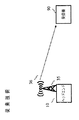
今日、移動体デバイスはどこにでもある。MP3プレーヤーからパーソナルデジタルアシスタント、携帯電話、移動体テレビ(TV)にいたるまで存在する。残念なことに、移動体デバイスは、一般的には、計算のためのリソースおよび/または電力に限界がある。この点については、IP(インターネットプロトコル)Datacast over DVB−H(Digital Video Broadcasting − Handheld)システムが、そのようなデバイス用に最適化されたIP型の手法を使用する、任意のタイプのファイルおよびサービスを配信するためのエンドツーエンド放送システムである。例えば、非特許文献1、非特許文献2、非特許文献3、非特許文献4および非特許文献5を参照されたい。当業界で知られているIP Datacast over DVB−Hシステムの例が図1に示されている。図1では、ヘッドエンド10(本明細書では「送信機」とも呼ばれる)がDVB−H信号36を、アンテナ35を介して、受信機90で表される1つまたは複数の受信側デバイス(本明細書では「クライアント」または「受信機」とも呼ばれる。)にブロードキャストする。DVB−H信号36はIP Datacastをクライアントに搬送する。受信機90はDVB−H信号36を、そこからIP Datacastを復元するためにアンテナを介して(図示せず)受信する。図1のシステムは、単方向ネットワークを表している。
Today, mobile devices are everywhere. They range from MP3 players to personal digital assistants, mobile phones, and mobile TVs (TVs). Unfortunately, mobile devices are generally limited in computational resources and / or power. In this regard, any type of file and service where the IP (Internet Protocol) DVB-H (Digital Video Broadcasting-Handheld) system uses an IP-type approach optimized for such devices. Is an end-to-end broadcasting system for delivering For example, see Non-Patent
特に、DVB−Hシステムにおいて、データは一連の個別パケットとしてバースト単位で伝送される。データのこれらのタイムスライスは、物理的なブロードキャストチャネル上で提供される様々なサービスを分離するために使用できる。これにより、バッテリ電源式受信機は、関連データが利用可能になっているときインターバルの間だけその無線通信をオンにすることにより、電力を節約することができる。これは、図2に示されている。放送局は、サービスのトランスポートストリームを搬送する信号(例えば、図1のDVB−H信号36)を、タイムスライシングサイクル40で示されているようなタイムスライシング方式でブロードキャストする。タイムスライシングサイクルは、データのバースト、すなわち、データバースト45と、その後に続く、放送局がそのサービスの伝送を停止する無音期間とを含む。データバースト45は、バースト期間インターバル41(すなわち、オンタイム)の間持続し、無音期間はオフタイム42の間持続する。オフタイムインターバル42の間は、受信機の少なくとも一部はパワーを下げ、そのため電力が節約される。そのサービスの次のバースト55を受信する時になると、受信機はパワーを上げる。
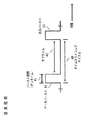
In particular, in a DVB-H system, data is transmitted in burst units as a series of individual packets. These time slices of data can be used to separate the various services provided on the physical broadcast channel. This allows the battery powered receiver to save power by turning on its wireless communication only during the interval when relevant data is available. This is illustrated in FIG. The broadcast station broadcasts a signal carrying a service transport stream (for example, the DVB-
所与のサービス用のタイムスライシングサイクルの時間の量、すなわち、長さはシステム設計の役割であり、長さは異なってよい。このインターバルは、受信機がサービスのデータの受信を開始するために必要な平均時間を表す。DVB−Hプロジェクト事務局によると、現在の技術では、バースト相互間に2秒から4秒のインターバルが許容されており、その結果、平均サービス取得時間は1秒から2秒になる。 The amount of time, i.e., length, of the time slicing cycle for a given service is a system design role and the length may vary. This interval represents the average time required for the receiver to start receiving service data. According to the DVB-H Project Secretariat, current technology allows an interval of 2 to 4 seconds between bursts, resulting in an average service acquisition time of 1 to 2 seconds.
しかし、サービスによって提供される特定のデータに応じて、さらに複雑な状況が存在することがあり、その状況のために、ユーザがサービスを受信機で完全に利用できるようになるために必要な時間が拡大することがある。特に、受信機は、受信されたデータストリームを処理できるようになるには、その前に初期化データを受信しなければならないことがある。例えば、後続のPフレーム(プレディクテッドフレーム)を復号化できるようになる前に受信機で初期Iフレーム(イントラフレーム)を受信および復号化する必要があるビデオ符号化スキームでは、遅延が拡大する可能性がある。そのため、受信機が最初に電源オンになった時、またはチャネル変更中の時にも、受信機は、その最初のIフレームを搬送するデータバーストを待たねばならないことがあり、その結果、ユーザにサービスを待たせることになる。別の例としてビデオ規格の非特許文献6があり、この規格では、任意のビデオフレームを復号化できるようになる前に、最初にパラメータセットが受信されて、復号器に渡される必要がある。この場合も、受信機が最初に電源オンになった時、または新しいチャネルに切り替わる時、受信機は、パラメータセットを搬送する特定のデータバーストを待たなければならない。そして、最後の例として、複数のデータのストリームを同期させるためには同期化データが必要なことがある。例えば、サービスが、両方が個別のRTP(リアルタイムプロトコル)ストリームとして伝送されるオーディオストリームおよびビデオストリームで構成されることがある(例えば、非特許文献7参照)。これらのストリームの同期化には、個別のRTPストリームの共通基準クロックを判定するために受信機がRTCP(リアルタイム制御プロトコル)送信機レポートを受信することが必要である。これらのRTCP送信機レポートがないと、受信機は、ビデオおよびオーディオを正しく同期化することができず、そのため、この場合も、受信機がRTCP送信機レポートを待つ間、遅延が拡大する。 However, depending on the specific data provided by the service, there may be more complex situations, and the time required for the user to be able to fully use the service at the receiver. May expand. In particular, the receiver may have to receive initialization data before it can process the received data stream. For example, in video encoding schemes where an initial I frame (intra frame) needs to be received and decoded at the receiver before a subsequent P frame (predicted frame) can be decoded, the delay is increased. there is a possibility. Therefore, even when the receiver is first powered on or during a channel change, the receiver may have to wait for a data burst carrying that first I-frame, resulting in service to the user. Will make you wait. Another example is Non-Patent Document 6 of the video standard, in which a parameter set must first be received and passed to a decoder before any video frame can be decoded. Again, when the receiver is first powered on or switched to a new channel, the receiver must wait for a specific data burst carrying the parameter set. As a final example, synchronized data may be required to synchronize multiple data streams. For example, a service may be composed of an audio stream and a video stream that are both transmitted as separate RTP (Real Time Protocol) streams (see, for example, Non-Patent Document 7). Synchronization of these streams requires the receiver to receive an RTCP (Real Time Control Protocol) transmitter report to determine a common reference clock for the individual RTP streams. Without these RTCP transmitter reports, the receiver cannot properly synchronize the video and audio, so again the delay is increased while the receiver waits for the RTCP transmitter report.
上述のように、受信機は、サービスを完全に提供できるようになる前に初期化データを待たなければならないことがあり、そのため、サービス取得時間が大きくなることがある。実際、受信機は、必要な初期化データを搬送するデータバーストを最終的に受信する前に複数のデータバーストを待たなければならないことがある。したがって、および本発明の原理により、装置は、関連の初期化データを有するエンコード化信号を提供するように信号をエンコードし、そのエンコード化信号であって、伝送される信号がそのエンコード化信号を搬送するためにバースト単位で生成され、各バーストが期間を有し、タイムスライシングサイクルで生成され、各タイムスライシングサイクルが少なくともバースト期間とオフタイムとを含み、初期化データがバーストで送信され、新しい初期化データが伝送用に受信されるまで、その初期化データがそれ以降の各バーストで繰り返されるエンコード化信号を伝送する。 As described above, the receiver may have to wait for initialization data before it can fully provide the service, which can increase service acquisition time. In fact, the receiver may have to wait for multiple data bursts before finally receiving a data burst carrying the necessary initialization data. Thus, and in accordance with the principles of the present invention, an apparatus encodes a signal to provide an encoded signal having associated initialization data, wherein the encoded signal is transmitted by the transmitted signal. Generated in bursts to carry, each burst has a period and is generated in a time slicing cycle, each time slicing cycle includes at least a burst period and an off time, initialization data is transmitted in bursts, and new Until the initialization data is received for transmission, the initialization data transmits an encoded signal that is repeated in each subsequent burst.
本発明の1つの例示的な実施形態では、装置は、ビデオを含むサービスを提供する。詳細には、装置は、Iフレームなどの関連の初期化データを有するMPEG−2エンコード化信号を提供するように信号をエンコードし、その信号であって、伝送される信号がMPEG−2エンコード化信号を搬送するためにバースト単位で生成され、各バーストが期間を有し、タイムスライシングサイクルで生成され、各タイムスライシングサイクルが少なくともバースト期間とオフタイムとを含み、少なくとも1つのIフレームがバーストで搬送され、新しいIフレームが伝送用に受信されるまで、その少なくとも1つのIフレームがそれ以降の各バーストで繰り返される信号を伝送する。 In one exemplary embodiment of the invention, the device provides a service that includes video. Specifically, the device encodes the signal to provide an MPEG-2 encoded signal having associated initialization data such as an I-frame, where the transmitted signal is MPEG-2 encoded. Generated in bursts to carry the signal, each burst has a period, is generated in a time slicing cycle, each time slicing cycle includes at least a burst period and an off time, and at least one I frame is a burst At least one I frame carries a signal that is repeated in each subsequent burst until it is carried and a new I frame is received for transmission.
本発明の別の例示的な実施形態では、装置は、信号であって、その信号がバースト単位で生成され、MPEG−2エンコード化信号を搬送し、各バーストが期間を有し、タイムスライシングサイクルで生成され、各タイムスライシングサイクルが少なくともバースト期間とオフタイムとを含む信号を受信し、初期化データ、例えば、少なくとも1つのIフレームを各受信されたバーストから復元し、前に受信されたバーストから繰り返された、復元されたIフレームを破棄する。その結果、装置は、各バースト内のMPEG−2エンコード化ビデオを完全に利用することができ、そのため、より速いチャネル取得およびエラーからの回復が容易になる。 In another exemplary embodiment of the present invention, the apparatus is a signal that is generated in bursts and carries an MPEG-2 encoded signal, each burst having a duration, and a time slicing cycle. Received at each time slicing cycle, including at least a burst duration and an off time, recovering initialization data, eg, at least one I frame from each received burst, and a previously received burst Discard the restored I-frame repeated from As a result, the device can fully utilize the MPEG-2 encoded video within each burst, thus facilitating faster channel acquisition and error recovery.
本発明の別の例示的な実施形態では、装置は、ビデオを含むサービスを提供する。詳細には、装置は、パラメータセットなどの関連の初期化データを有するH.264エンコード化信号を提供するように信号をエンコードし、その信号であって、伝送される信号がH.264エンコード化信号を搬送するためにバースト単位で生成され、各バーストが期間を有し、タイムスライシングサイクルで生成され、各タイムスライシングサイクルが少なくともバースト期間とオフタイムとを含み、新しいパラメータセットが伝送用に受信されるまで、その少なくとも1つのパラメータセットがバーストで搬送され、それ以降の各バーストで繰り返される信号を伝送する。 In another exemplary embodiment of the invention, the device provides a service that includes video. In particular, the device is a H.264 device with associated initialization data such as a parameter set. The signal is encoded to provide an H.264 encoded signal, and the transmitted signal is H.264. Generated in bursts to carry H.264 encoded signals, each burst has a duration and is generated in a time slicing cycle, each time slicing cycle includes at least a burst duration and an off time, and a new parameter set is transmitted Until it is received for, that at least one parameter set is carried in bursts and carries a signal repeated in each subsequent burst.
本発明の別の例示的な実施形態では、装置は、信号であって、その信号がバースト単位で生成され、H.264エンコード化信号を搬送し、各バーストが期間を有し、タイムスライシングサイクルで生成され、各タイムスライシングサイクルが少なくともバースト期間とオフタイムとを含む信号を受信し、初期化データ、例えば、少なくとも1つのパラメータセットを各受信されたバーストから復元し、前に受信されたバーストから繰り返された、復元されたパラメータセットを破棄する。その結果、装置は、各バースト内のH.264エンコード化ビデオを完全に利用することができ、そのため、より速いチャネル取得およびエラーからの回復が容易になる。 In another exemplary embodiment of the present invention, the apparatus is a signal, wherein the signal is generated in bursts, H.264 encoded signal, each burst has a period and is generated in a time slicing cycle, each time slicing cycle receives a signal including at least a burst period and an off time, and initialization data, eg, at least 1 One parameter set is recovered from each received burst, and the recovered parameter set repeated from a previously received burst is discarded. As a result, the device is able to H.264 encoded video can be fully utilized, thus facilitating faster channel acquisition and error recovery.
本発明の別の例示的な実施形態では、装置は、個別のRTPストリームとして伝送されるビデオおよびオーディオを含むサービスを提供する。詳細には、装置は、ビデオおよびオーディオストリームがRTCP送信機レポートなどの関連の初期化データを有する、ビデオおよびオーディオ用のRTPストリームを提供するように信号をエンコードし、その信号であって、伝送される信号がビデオおよびオーディオストリームを搬送するためにバースト単位で生成され、各バーストが期間を有し、タイムスライシングサイクルで生成され、各タイムスライシングサイクルが少なくともバースト期間とオフタイムとを含み、少なくとも1つのRTCP送信機レポートがバーストで搬送され、新しいRTCP送信機レポートが伝送用に受信されるまで、その少なくとも1つのRTCP送信機レポートがそれ以降の各バーストで繰り返される信号を伝送する。 In another exemplary embodiment of the present invention, the device provides a service that includes video and audio transmitted as separate RTP streams. Specifically, the device encodes a signal to provide an RTP stream for video and audio, the video and audio stream having associated initialization data such as an RTCP transmitter report, and the signal is transmitted Generated in units of bursts to carry video and audio streams, each burst having a period and generated in a time slicing cycle, each time slicing cycle including at least a burst period and an off time, One RTCP transmitter report is carried in bursts, and until a new RTCP transmitter report is received for transmission, the at least one RTCP transmitter report transmits a signal that repeats in each subsequent burst.
本発明の別の例示的な実施形態では、装置は、信号であって、その信号がバースト単位で生成され、個別のビデオおよびオーディオRTPストリームを搬送し、各バーストが期間を有し、タイムスライシングサイクルで生成され、各タイムスライシングサイクルが少なくともバースト期間とオフタイムとを含む信号を受信し、初期化データ、例えば、少なくとも1つのRTCP送信機レポートを各受信されたバーストから復元し、前に受信されたバーストから繰り返された、復元されたRTCP送信機レポートを破棄する。その結果、装置は、各バースト内の個別のRTPストリームを完全に利用することができ、そのため、より速いチャネル取得およびエラーからの回復が容易になる。 In another exemplary embodiment of the present invention, an apparatus is a signal that is generated in bursts and carries separate video and audio RTP streams, each burst having a duration, and time slicing. Generated in a cycle, each time slicing cycle receives a signal that includes at least a burst duration and an off-time, and restores initialization data, eg, at least one RTCP transmitter report, from each received burst before receiving Discard the restored RTCP transmitter report, repeated from the generated burst. As a result, the device can fully utilize the individual RTP streams within each burst, thus facilitating faster channel acquisition and error recovery.
本発明の1つの例示的な実施形態では、装置は、ビデオを含むサービスを提供する。詳細には、装置は、定期的なIR(initialization and refresh:初期化およびリフレッシュ)パケットなどの関連の初期化データを有するROHC(RObust Header Compression:頑強なヘッダ圧縮)エンコード化信号を提供するように信号をROHC(RFC 3095)に従ってエンコードし、その信号であって、伝送される信号がROHCエンコード化信号を搬送するためにバースト単位で生成され、各バーストが期間を有し、タイムスライシングサイクルで生成され、各タイムスライシングサイクルが少なくともバースト期間とオフタイムとを含み、少なくとも1つのIRパケットがバーストで搬送され、新しいIRパケットが伝送用に受信されるまで、その少なくとも1つのIRパケットがそれ以降の各バーストで繰り返される信号を伝送する。 In one exemplary embodiment of the invention, the device provides a service that includes video. In particular, the device provides a ROHC (Robust Header Compression) encoded signal with associated initialization data, such as periodic IR (initialization and refresh) packets. The signal is encoded according to ROHC (RFC 3095), and the signal to be transmitted is generated in bursts to carry the ROHC encoded signal, each burst has a duration, generated in a time slicing cycle Each time slicing cycle includes at least a burst period and an off-time, at least one IR packet is carried in a burst, and at least one I is received until a new IR packet is received for transmission. The R packet carries a signal that is repeated in each subsequent burst.
本発明の別の例示的な実施形態では、装置は、信号であって、その信号がバースト単位で生成され、ROHCエンコード化信号を搬送し、各バーストが期間を有し、タイムスライシングサイクルで生成され、各タイムスライシングサイクルが少なくともバースト期間とオフタイムとを含む信号を受信し、初期化データ、例えば、少なくとも1つのIRパケットを各受信されたバーストから復元し、前に受信されたバーストから繰り返された、復元されたIRパケットを破棄する。その結果、装置は、各バースト内のROHCエンコード化ビデオを完全に利用することができ、そのため、より速いチャネル取得およびエラーからの回復が容易になる。 In another exemplary embodiment of the present invention, an apparatus is a signal that is generated in bursts and carries a ROHC encoded signal, each burst having a duration and generated in a time slicing cycle. Each time slicing cycle receives a signal that includes at least a burst duration and an off time, recovers initialization data, e.g., at least one IR packet from each received burst, and repeats from a previously received burst The restored IR packet is discarded. As a result, the device can fully utilize the ROHC encoded video within each burst, thus facilitating faster channel acquisition and error recovery.
上記を鑑みて、および「発明を実施するための形態」を読めば明らかになるように、他の実施形態および他の機能も可能であり、それらは本発明の原理の範疇に入る。 In view of the above and as will become apparent from reading the Detailed Description, other embodiments and other functions are possible and are within the principles of the invention.
本発明の概念を除いて、各図面に示された要素はよく知られており、それらについて詳細には説明しない。例えば、本発明の概念を除いて、DMT(Discrete Multitone)伝送(OFDM(直交周波数分割多重)またはCOFDM(符号化直交周波数分割多重)とも呼ばれる)に精通していることが想定されており、これらについて本明細書では説明しない。また、テレビ放送、受信機およびビデオエンコード化に精通していることも想定されており、これらについて本明細書では詳細には説明しない。例えば、本発明の概念を除いて、NTSC(National Television Systems Committee:全米テレビ放送方式標準化委員会)、PAL(Phase Alternation Lines:位相反転線)、SECAM(SEquential Couleur Avec Memoire:順次式カラーメモリ)、およびATSC(Advanced Television Systems Committee)、Chinese Digital Television System(GB) 20600−2006、およびDVB−Hなどのテレビ規格に関する現行および提案された推奨事項に精通していることが想定されている。同様に、本発明の概念を除いて、8−VSB(eight−level vestigial sideband)、QAM(Quadrature Amplitude Modulation:直交振幅変調)および受信機構成要素、例えば、高周波(RF)フロントエンド(低ノイズブロック、チューナー、ダウンコンバーターなど)、復調器、相関器、リーク積分器およびスクエアラなど、他の伝送の概念が想定されている。さらに、本発明の概念を除いて、FLUTE(File Delivery over Unidirectional Transport)プロトコル、ALC(Asynchronous Layered Coding)プロトコル、IP(インターネットプロトコル)、IPE(Internet Protocol Encapsulator)などのプロトコルに精通していることが想定されており、これらについて本明細書では説明しない。同様に、本発明の概念を除いて、転送ビットストリームを生成するためのフォーマット方法およびエンコード方法(MPEG(Moving Picture Expert Group)−2システム規格(ISO/IEC 13818−1)など)はよく知られており、これらについて本明細書では説明しない。本発明の概念は、従来のプログラミング手法を用いても実施できることに留意されたい。そのため、本発明の概念は本明細書では説明しない。最後に、図面上の同様の番号は同様の要素を表す。 Except for the inventive concept, the elements shown in each drawing are well known and will not be described in detail. For example, except for the concept of the present invention, it is assumed that DMT (Discrete Multitone) transmission (also called OFDM (Orthogonal Frequency Division Multiplexing) or COFDM (Coded Orthogonal Frequency Division Multiplexing)) is familiar, Are not described herein. Also, familiarity with television broadcasts, receivers and video encoding is assumed and will not be described in detail herein. For example, except for the concept of the present invention, NTSC (National Television Systems Committee), PAL (Phase Alternation Lines), SECAM (Sequential Couleur Ave Memories: Sequential Color Memory Memory) It is assumed that they are familiar with current and proposed recommendations for television standards such as Advanced Television Systems Committee (ATSC), Chinese Digital Television System (GB) 20600-2006, and DVB-H. Similarly, except for the concept of the present invention, 8-VSB (eight-level vestigial sideband), QAM (Quadrature Amplitude Modulation) and receiver components such as radio frequency (RF) front end (low noise block) Other transmission concepts are envisioned, such as a tuner, downconverter, etc.), demodulator, correlator, leak integrator and squarer. Further, except for the concept of the present invention, the FLUTE (File Delivery over Unidirectional Transport) protocol, the ALC (Asynchronous Layered Coding) protocol, the IP (Internet Protocol), the IPE (Internet Protocol Encapsulator), etc. These are assumed and will not be described herein. Similarly, except for the concept of the present invention, a format method and an encoding method (MPEG (Moving Picture Expert Group) -2 system standard (ISO / IEC 13818-1), etc.) for generating a transfer bitstream are well known. These are not described herein. It should be noted that the concepts of the present invention can be implemented using conventional programming techniques. Therefore, the concept of the present invention is not described herein. Finally, like numbers on the drawings represent like elements.
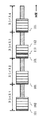
前に説明したように、受信機が最初に電源オンになった時、またはチャネル変更中の時にも、または同じチャネル内でサービスを変更するだけの場合であっても、受信機は、任意の受信されたデータを処理できるようになる前に、必要な初期化データを搬送するデータバーストをさらに待たなければならないことがある。その結果、ユーザは、サービスまたはプログラムにアクセスできるようになる前に、増えた時間待たなければならない。これは、図3にさらに示されており、図3は、特定のサービスのデータのコンテンツに関係なく、例えば、「サービスA」は特定のブロードキャストチャネルで伝送されるなどに関係なく、データのストリームがタイムスライスバーストに分割される例を示している。詳細には、送信機、例えば、図1のヘッドエンド10は、「サービスA」のトランスポートストリームを搬送するチャネルで、図3の一連のスライス、すなわち、スライス1、スライス2、スライス3およびスライス4で示されるタイムスライシング方式で信号をブロードキャストする。各タイムスライシングサイクルにおいて、その特定のサービス用にオンタイムおよびオフタイムがある。「サービスA」の「オフタイム」中、他のデータを同じチャネルで、すなわち、別のサービス、例えば「サービスB」のデータを別のタイムスライスで伝送できることに留意されたい。これは、図3の点々ブロック99で示されている。「サービスA」については、クロスハッチブロックは初期化データを表し、白色ブロックはコンテンツデータの個別のユニットを表す。例えば、MPEG2エンコーディングのコンテキストでは、初期化データ101はIフレームを表し、コンテンツデータ102はPフレームを表す。図3から分かるように、スライス2は初期化データを含んでいない。受信機がスライス2のコンテンツデータを処理するためには、受信機は、スライス1から初期化データ101を受信していなければならない。そのため、受信機が「サービスA」を受信するように調整が合った時に最初にスライス2を受信すると、受信機は、初期化データ101を受信していないので、スライス2のデータのどれも処理できない。そのため、受信機はスライス3まで待たなければならず、スライス3で、初期化データ111によって表される新しいIフレームを受信できる。スライス3の初期化データ111を受信すると、受信機は、コンテンツデータ112で表される、後続のコンテンツデータを処理することができる。
As explained earlier, the receiver can be used at any time, even when the receiver is first powered on, during a channel change, or just changing service within the same channel. It may be necessary to wait further for a data burst carrying the necessary initialization data before the received data can be processed. As a result, the user must wait an increased amount of time before being able to access the service or program. This is further illustrated in FIG. 3, which shows a stream of data regardless of the content of data for a particular service, eg, “Service A” is transmitted on a particular broadcast channel, etc. Shows an example in which is divided into time slice bursts. In particular, the transmitter, eg, the
図4に進むと、本発明の原理による例示的な実施形態が示されている。詳細には、および本発明の原理により、装置は、関連の初期化データを有するエンコード化信号を提供するように信号をエンコードし、そのエンコード化信号であって、伝送される信号がそのエンコード化信号を搬送するためにバースト単位で生成され、各バーストが期間を有し、タイムスライシングサイクルで生成され、各タイムスライシングサイクルが少なくともバースト期間とオフタイムとを含み、初期化データがバーストで送信され、新しい初期化データが伝送用に受信されるまで、その初期化データがそれ以降の各バーストで繰り返されるエンコード化信号を伝送する。図4から分かるように、初期化データはすべてのバーストに存在する。そのため、受信機が最初にスライス2の中で「サービスA」を受信するように調整が合った時でも受信機は、スライス2も、スライス1で最初に伝送された初期化データ101を繰り返しているので、スライス2のコンテンツデータを処理することができる。初期化データ101は、新しいIフレームが生成されるまで繰り返される。これは、スライス3およびスライス4に示されている。スライス3では、初期化データ101が再び繰り返され、さらに、初期化データ111で表される新しいIフレームもスライス3で伝送されている。そのため、次のスライス4では、初期化データ111が繰り返されることになった。したがって、本発明は、初期化パラメータとこれらのバーストを同期化して各バースト内のデータが受信機によって完全に利用できるようにし、そのため、より速いチャネル取得またはサービス取得およびエラーからの回復が容易になる。図4から分かるように、追加された初期化データは、以前はコンテンツデータによって使用されていた伝送帯域幅を使用するので、より速い取得時間と引き換えに帯域幅が多少失われる。
Proceeding to FIG. 4, an exemplary embodiment in accordance with the principles of the present invention is shown. In particular, and in accordance with the principles of the present invention, an apparatus encodes a signal to provide an encoded signal having associated initialization data, wherein the transmitted signal is encoded. Generated in bursts to carry the signal, each burst has a period and is generated in a time slicing cycle, each time slicing cycle includes at least a burst period and an off time, and initialization data is transmitted in bursts Until the new initialization data is received for transmission, the initialization data transmits an encoded signal that is repeated in each subsequent burst. As can be seen from FIG. 4, the initialization data is present in every burst. Therefore, even when the receiver first adjusts to receive “service A” in slice 2, the receiver also repeats
すべてのバーストで初期化データを繰り返すために追加帯域幅が必要なことについては、これは、様々な方法で対処できる。第1に、ビデオエンコーダおよびオーディオエンコーダなどのデータソースは、エンコーダの出力ビット速度を制御する機能をサポートする。したがって、初期化データを繰り返すために必要な帯域幅に適応するために、例えば、エンコードされたビデオのビットレートを下げることにより、コンテンツデータの帯域幅を減らすことができる。あるいは、必要な帯域幅を提供するためにバーストの「オンタイム」を拡大することができ、それにより、タイムスライシングサイクルの期間を少し拡大することができる。最後に、初期化データは非常に小さい傾向があり、既存のシステムで一般的にパディングに使用される、タイムスライスの一部分に収まる可能性があることにも留意されたい。実際には、タイムスライシングユニットとエンコーダとの間でフィードバック機構が使用できて、タイムスライシングユニットは、初期化データの存在を補償するためにエンコードビットレートを調整できるように、初期化データの後に残る利用可能なタイムスライス内のスペース量をエンコーダに報告することができる。 For the need for additional bandwidth to repeat the initialization data in every burst, this can be handled in various ways. First, data sources such as video encoders and audio encoders support the ability to control the output bit rate of the encoder. Therefore, in order to adapt to the bandwidth required to repeat the initialization data, the bandwidth of the content data can be reduced, for example by reducing the bit rate of the encoded video. Alternatively, the “on-time” of the burst can be expanded to provide the required bandwidth, thereby slightly extending the duration of the time slicing cycle. Finally, it should also be noted that the initialization data tends to be very small and may fit within a portion of the time slice that is typically used for padding in existing systems. In practice, a feedback mechanism can be used between the time slicing unit and the encoder, and the time slicing unit remains after the initialization data so that the encoding bit rate can be adjusted to compensate for the presence of the initialization data. The amount of space in the available time slice can be reported to the encoder.
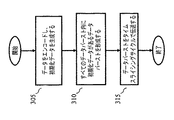
本発明の原理による送信機で使用するための例示的な流れ図が図5に示されている。ステップ305において、送信機は、例えば、MPEG−2に従ってデータをエンコードし、その一部分がIフレームなどの初期化データを表す、エンコード化データを生成する。ステップ310において、送信機は、そのエンコード化信号を搬送するためのデータバーストであって、各バーストが期間を有し、タイムスライシングサイクルで生成され、各タイムスライシングサイクルが少なくともバースト期間とオフタイムとを含み、初期化データがバーストで送信され、新しい初期化データが伝送用に受信されるまで、その初期化データがそれ以降の各バーストで繰り返されるデータバーストを形成する。最後に、ステップ315において、送信機は、そのデータバーストをタイムスライシングサイクルで伝送する。
An exemplary flow diagram for use with a transmitter according to the principles of the present invention is shown in FIG. In
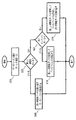
図6に進むと、図5のステップ310でデータバーストを形成するのに使用するための、本発明の原理による例示的な流れ図が示されている。ステップ350において、送信機は、特定のデータバースト用のエンコード化データを受信する。ステップ355において、送信機は、受信されたデータに「新しい」初期化データが含まれているかを検査する。「新しい」初期化データがない場合、すなわち、受信されたデータがコンテンツデータ(例えば、MPEG−2でのPフレーム)のみを含む場合、以前に判定された、または「古い」初期化データ、例えば、MPEG−2でのIフレームが必要であり、送信機は、このデータバーストの中に「古い」初期化データを繰り返す。一方、「新しい」初期化データ、例えば、MPEG−2での新しいIフレームがある場合、送信機は、ステップ365で、このデータバーストとして受信されたデータの中に「古い」コンテンツデータがあるかを検査する。このコンテキストでは、「古い」コンテンツデータは「古い」初期化データを必要とする。「古い」コンテンツデータがない場合、送信機は、「新しい」初期化データを使ってデータバーストを形成する。受信されたデータの中に「古い」コンテンツデータがある場合、送信機は、「新しい」初期化データと共に「古い」初期化データを繰り返してデータバーストを形成する。どの場合にも、その直後のデータバーストでは、「新しい」初期化データが、今度は次のデータバーストを形成するための「古い」初期化データとして扱われることに留意されたい。
Proceeding to FIG. 6, an exemplary flow diagram in accordance with the principles of the present invention for use in forming a data burst in
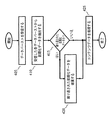
図7を参照すると、本発明の原理による、受信機で使用するための例示的な流れ図が示されている。ステップ405において、受信機はデータバーストを受信する。ステップ410において、受信機は、各受信されたデータバーストから初期化データを抽出する。例えば、MPEG−2のコンテキストでは、各受信されたデータバーストは少なくとも1つのIフレームを有する。ステップ415において、受信機は、抽出された初期化データは、繰り返された初期化データであるかを検査する。例えば、受信機は、抽出された初期化データを前に保存されたバージョンの受信された初期化データと比較する。それらが同じ場合、抽出された初期化データは繰り返された初期化データであり、受信機は、ステップ420で、繰り返された初期化データを破棄する。同じでない場合、抽出された初期化データは「新しい」初期化データであり、その「新しい」初期化データは、次に受信されるデータバーストの中での比較のために今の時点で保存される。どの場合にも、受信機は、ステップ425で、必要な初期化データを使用してコンテンツデータ(例えば、MPEG−2でのPフレーム)を処理する。例えば、データバーストが「古い」コンテンツデータおよび「新しい」コンテンツデータを有している場合、「古い」コンテンツデータに関連付けられた、前に受信された初期化データが「古い」コンテンツデータを処理するために使用され、受信されたデータバースト内の「新しい」初期化データは「新しい」コンテンツデータを処理するために使用される。
Referring to FIG. 7, an exemplary flow diagram for use in a receiver in accordance with the principles of the present invention is shown. In
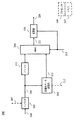
図8に進むと、本発明の原理による、送信機200の例示的な実施形態が示されている。本発明の概念に関係ある部分のみが示されている。送信機はプロセッサ中心のシステムであって、図8で波線ボックスの形で示されるプロセッサ240およびメモリ245によって表される、1つまたは複数のプロセッサおよび関連のメモリを備える。このコンテキストでは、プロセッサ240が実行し、例えばエンコーダ205を実装するために、コンピュータプログラムまたはソフトウェアをメモリ245内に記憶する。プロセッサ240は、1つまたは複数の蓄積プログラム制御プロセッサを表し、これらのプロセッサは送信機のこの機能に専用である必要はなく、例えばプロセッサ240は送信機の他の機能を制御することもできる。メモリ245は、例えばRAM(ランダムアクセスメモリ)、ROM(読み出し専用メモリ)、等の任意の記憶デバイスを表し、送信機にとって内部におよび/または外部にあってよく、必要に応じて揮発性および/または不揮発性である。
Proceeding to FIG. 8, an exemplary embodiment of a
図8に示す要素には、エンコーダ205、初期化データ記憶部210、バッファ215、mux(多重化装置)220、および変調器225が含まれる。例えばビデオおよび/またはオーディオなどのマルチメディアコンテンツを表すデータ信号204を、エンコーダ205に与える。エンコーダ205は、そのデータ信号204をエンコードし、初期化データおよびコンテンツデータを含むエンコード化データ信号206をもたらす。例えば、エンコーダ205はMPEG−2エンコーダであり、ビデオでは、エンコード化データ信号206は、Iフレーム(初期化データ)およびPフレーム(コンテンツデータ)のストリームを表す。エンコード化データ信号206は、記憶するためにバッファ215に与えられ、初期化データ記憶部210にも与えられる。バッファ215は、このエンコード化データをデータバーストの間一時的に記憶する。初期化データ記憶部210は、エンコーダ205によって生成されるままの状態で初期化データを記憶する。そのため、本発明の原理により、直近に生成した初期化データが、データバーストで伝送するために常に利用可能である。Mux220は、バッファ215からのエンコード化データ、または初期化データ記憶部210内に記憶された初期化データを、データバーストで伝送するために変調器225に提供する。変調器225は、アップコンバーターおよびアンテナ(どちらも図8には図示せず)を介して伝送するための変調信号226をもたらす。mux220が提供するデータについての選択は、(例えばプロセッサ240からの)制御信号219によって制御される。例えば、あるデータバーストの開始時に、プロセッサ240は、記憶された初期化データを変調器225に提供するようにmux220を制御する。次いで、そのデータバーストがオンタイムである残りの部分では、プロセッサ240は、エンコード化データをバッファ215から変調器225に提供するようにmux220を制御する。データバーストのオフタイム中は、プロセッサ240は、mux220を制御信号219によって不能にする。
The elements shown in FIG. 8 include an
前に説明したように、すべてのデータバーストで繰り返される初期化データのサイズを明らかにするために、フィードバック機構を使用して、エンコーダ205が提供するビットレートを変更することができる。これを、破線形式で示す制御信号207および212によって図8に示す。詳細にはプロセッサ240が、制御信号212により、初期化データ記憶部210内に記憶された初期化データのサイズを、例えばバイト単位で求める。そのようなものとして、次いでプロセッサ240は、制御信号207により、エンコーダ205のエンコードレートを変更して、データバーストで繰り返される初期化データの存在を補償する。
As previously described, a feedback mechanism can be used to change the bit rate provided by the
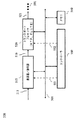
次に図9を参照すると、本発明の原理による、受信機500の例示的な実施形態が示されている。本発明の概念に関係ある受信機500の部分のみを示す。受信機500は、例えば、PC、PDA(パーソナルデジタルアシスタント)、携帯電話、移動体デジタルテレビ(DTV)等、任意のプロセッサ中心のプラットフォームを表す。受信機500は、復調器/復号器515、トランスポートプロセッサ520、コントローラ550、およびメモリ560を含む。簡単にするために、アナログデジタルコンバーター、フロントエンドフィルタなど、受信機の他の構成要素は図示していないことに留意すべきである。トランスポートプロセッサ520およびコントローラ550はどちらも、1つまたは複数のマイクロプロセッサおよび/またはDSP(デジタル信号プロセッサ)をそれぞれ表し、プログラムを実行し、データを記憶するためのメモリを含むことができる。この点については、メモリ560は受信機500内のメモリを表し、例えばトランスポートプロセッサ520および/またはコントローラ550の任意のメモリを含む。図示のように、例示的な双方向データ/制御バス501が、受信機500の様々な要素を互いに結合する。バス501は代表例に過ぎず、受信機500の諸要素間でデータおよび制御信号を搬送するために、例えば(パラレル形式および/またはシリアル形式の)個別信号を使用することなどができる。復調器/復号器515は、アンテナおよびダウンコンバーター(図示せず)を介して信号511を受信する。復調器/復号器515は、信号511の復調および復号化を実行し、復号化した信号516をトランスポートプロセッサ520に提供する。トランスポートプロセッサ520はパケットプロセッサであり、リアルタイムプロトコルスタックおよびFLUTE/ALCプロトコルスタックの両方を実装して、リアルタイムコンテンツまたはファイルベースコンテンツを復元する。トランスポートプロセッサ520は、コンテンツ信号521によって示すコンテンツを、(円591によって示す)後続の適当な回路に提供する。上述の流れ図によれば、トランスポートプロセッサ520はコンテンツを復元し、繰り返される初期化データを破棄する。本発明の原理により、コントローラ560は、制御信号551および552により(バス501を介して)、トランスポートプロセッサ520および復調器/復号器515のパワーマネージメントを実行する。
Referring now to FIG. 9, an exemplary embodiment of a
上記を鑑み、かつ本発明の原理により、すべてのデータバーストで初期化データを繰り返すことにより、より速いチャネル取得またはサービス取得が実現される。本発明の概念をMPEG−2エンコード化信号のコンテキストで示したが、本発明の概念はそれだけに限定されず、初期化を必要とする他のタイプのエンコードスキームまたは伝送スキームにも適用できることに留意すべきである。 In view of the above and in accordance with the principles of the present invention, faster channel acquisition or service acquisition is realized by repeating initialization data in every data burst. Although the inventive concept has been shown in the context of an MPEG-2 encoded signal, it is noted that the inventive concept is not so limited and can be applied to other types of encoding or transmission schemes that require initialization. Should.
例えば、本発明の別の例示的な実施形態では、装置は、ビデオを含むサービスを提供する。詳細には、装置は、パラメータセットなどの関連の初期化データを有するH.264エンコード化信号を提供するように信号をエンコードし、その信号であって、伝送される信号がH.264エンコード化信号を搬送するためにバースト単位で生成され、各バーストが期間を有し、タイムスライシングサイクルで生成され、各タイムスライシングサイクルが少なくともバースト期間とオフタイムとを含み、少なくとも1つのパラメータセットがバーストで搬送され、新しいパラメータセットが伝送用に受信されるまで、その少なくとも1つのパラメータセットがそれ以降のすべてのバーストで繰り返される、信号を伝送する。 For example, in another exemplary embodiment of the invention, the device provides a service that includes video. In particular, the device is a H.264 device with associated initialization data such as a parameter set. The signal is encoded to provide an H.264 encoded signal, and the transmitted signal is H.264. H.264 encoded signals are generated in units of bursts, each burst has a period and is generated in a time slicing cycle, each time slicing cycle includes at least a burst period and an off time, and at least one parameter set Is carried in bursts and transmits a signal, at least one of which is repeated in all subsequent bursts until a new parameter set is received for transmission.
本発明の別の例示的な実施形態では、装置は、信号であって、その信号がバースト単位で生成され、H.264エンコード化信号を搬送し、各バーストが期間を有し、タイムスライシングサイクルで生成され、各タイムスライシングサイクルが少なくともバースト期間とオフタイムとを含む、信号を受信し、初期化データ、例えば、少なくとも1つのパラメータセットを、受信したすべてのバーストから復元し、前に受信したバーストから繰り返されている、復元したパラメータセットを破棄する。その結果、装置は、各バースト内のH.264エンコード化ビデオを完全に利用することができ、そのため、より速いチャネル取得およびエラーからの回復が容易になる。 In another exemplary embodiment of the present invention, the apparatus is a signal, wherein the signal is generated in bursts, H.264 encoded signal, each burst has a period and is generated in a time slicing cycle, each time slicing cycle includes at least a burst period and an off-time, receives a signal, and initializes data, for example, at least One parameter set is recovered from all received bursts, and the recovered parameter set is repeated from a previously received burst. As a result, the device is able to H.264 encoded video can be fully utilized, thus facilitating faster channel acquisition and error recovery.
本発明の別の例示的な実施形態では、装置は、個別のRTPストリームとして伝送されるビデオおよびオーディオを含むサービスを提供する。詳細には、装置は、ビデオおよびオーディオストリームがRTCP送信機レポートなどの関連の初期化データを有する、ビデオおよびオーディオ用の個別のRTPストリームを提供するように信号をエンコードし、その信号であって、伝送される信号がビデオおよびオーディオストリームを搬送するためにバースト単位で生成され、各バーストが期間を有し、タイムスライシングサイクルで生成され、各タイムスライシングサイクルが少なくともバースト期間とオフタイムとを含み、少なくとも1つのRTCP送信機レポートがバーストで搬送され、新しいRTCP送信機レポートが伝送用に受信されるまで、その少なくとも1つのRTCP送信機レポートがそれ以降のすべてのバーストで繰り返される、信号を伝送する。 In another exemplary embodiment of the present invention, the device provides a service that includes video and audio transmitted as separate RTP streams. Specifically, the device encodes the signal to provide separate RTP streams for video and audio, with the video and audio streams having associated initialization data such as RTCP transmitter reports, The transmitted signal is generated in bursts to carry video and audio streams, each burst has a period and is generated in a time slicing cycle, each time slicing cycle including at least a burst period and an off time Transmit signal, at least one RTCP sender report is carried in bursts, and at least one RTCP sender report is repeated in all subsequent bursts until a new RTCP sender report is received for transmission To do.
本発明の別の例示的な実施形態では、装置は、信号であって、その信号がバースト単位で生成され、個別のビデオおよびオーディオRTPストリームを搬送し、各バーストが期間を有し、タイムスライシングサイクルで生成され、各タイムスライシングサイクルが少なくともバースト期間とオフタイムとを含む、信号を受信し、初期化データ、例えば、少なくとも1つのRTCP送信機レポートを、受信したすべてのバーストから復元し、前に受信したバーストから繰り返されている、復元したRTCP送信機レポートを破棄する。その結果、装置は、各バースト内の個別のRTPストリームを完全に利用することができ、そのため、より速いチャネル取得およびエラーからの回復が容易になる。 In another exemplary embodiment of the present invention, an apparatus is a signal that is generated in bursts and carries separate video and audio RTP streams, each burst having a duration, and time slicing. Generated in a cycle, each time slicing cycle includes at least a burst period and an off time, receives a signal, recovers initialization data, eg, at least one RTCP transmitter report, from all received bursts, and Discard the restored RTCP transmitter report that is repeated from the received burst. As a result, the device can fully utilize the individual RTP streams within each burst, thus facilitating faster channel acquisition and error recovery.
本発明の別の例示的な実施形態では、装置は、ビデオを含むサービスを提供する。詳細には、装置は、定期的なIR(初期化およびリフレッシュ)パケットなどの関連の初期化データを有するROHC(頑強なヘッダ圧縮)エンコード化信号を提供するように信号をROHC(RFC 3095)に従ってエンコードし、その信号であって、伝送される信号がROHCエンコード化信号を搬送するためにバースト単位で生成され、各バーストが期間を有し、タイムスライシングサイクルで生成され、各タイムスライシングサイクルが少なくともバースト期間とオフタイムとを含み、少なくとも1つのIRパケットがバーストで搬送され、新しいIRパケットが伝送用に受信されるまで、その少なくとも1つのIRパケットがそれ以降のすべてのバーストで繰り返される、信号を伝送する。 In another exemplary embodiment of the invention, the device provides a service that includes video. Specifically, the device signals in accordance with ROHC (RFC 3095) to provide a ROHC (robust header compression) encoded signal with associated initialization data such as periodic IR (initialization and refresh) packets. The signal to be transmitted, wherein the transmitted signal is generated in bursts to carry the ROHC encoded signal, each burst has a duration and is generated in a time slicing cycle, and each time slicing cycle is at least A signal that includes a burst period and an off-time, wherein at least one IR packet is carried in a burst and that at least one IR packet is repeated in all subsequent bursts until a new IR packet is received for transmission Is transmitted.
本発明の別の例示的な実施形態では、装置は、信号であって、その信号がバースト単位で生成され、ROHCエンコード化信号を搬送し、各バーストが期間を有し、タイムスライシングサイクルで生成され、各タイムスライシングサイクルが少なくともバースト期間とオフタイムとを含む、信号を受信し、初期化データ、例えば、少なくとも1つのIRパケットを、受信したすべてのバーストから復元し、前に受信したバーストから繰り返されている、復元したIRパケットを破棄する。その結果、装置は、各バースト内のROHCエンコード化ビデオを完全に利用することができ、そのため、より速いチャネル取得およびエラーからの回復が容易になる。 In another exemplary embodiment of the present invention, an apparatus is a signal that is generated in bursts and carries a ROHC encoded signal, each burst having a duration and generated in a time slicing cycle. Each time slicing cycle includes at least a burst duration and an off time, receives a signal, recovers initialization data, e.g., at least one IR packet from all received bursts, and from a previously received burst Discard the reconstructed IR packet that is repeated. As a result, the device can fully utilize the ROHC encoded video within each burst, thus facilitating faster channel acquisition and error recovery.
上記を鑑みて、前述の内容は本発明の原理を示すに過ぎず、したがって、本明細書に明示的に記載されていなくても本発明の原理を実施し、かつ本発明の趣旨および範囲に含まれる多数の代替措置を当業者は考案できることが理解されよう。例えば、個別機能要素のコンテキストで示すが、これらの機能要素を1つまたは複数のIC(集積回路)に実施することができる。同様に、個別の要素として示すが、その要素のいずれかまたはすべてを、例えば図5〜図7等に示すステップの1つまたは複数に対応する関連ソフトウェアを実行する、蓄積プログラム制御プロセッサ、例えばデジタル信号プロセッサに実装することができる。さらに、本発明の原理は他のタイプの通信システム、例えば衛星、Wi−Fi(ワイヤレス忠実性)、携帯電話などに適用することができる。実際には、本発明の概念は固定受信機または移動受信機にも適用することができる。したがって、添付の特許請求の範囲によって定義する本発明の趣旨および範囲から逸脱することなく、例示的な実施形態に多数の修正を加えることができ、他の措置を考案できることを理解すべきである。 In view of the above, the foregoing merely illustrates the principles of the invention and, therefore, embodies the principles of the invention even if not explicitly described herein, and is within the spirit and scope of the invention. It will be appreciated that those skilled in the art can devise numerous alternatives that are included. For example, although shown in the context of individual functional elements, these functional elements can be implemented in one or more ICs (integrated circuits). Similarly, an accumulating program control processor, such as a digital, that is shown as a separate element, but that executes any or all of the elements, associated software corresponding to one or more of the steps illustrated in FIGS. It can be implemented in a signal processor. Furthermore, the principles of the present invention can be applied to other types of communication systems such as satellites, Wi-Fi (wireless fidelity), mobile phones and the like. In practice, the inventive concept can also be applied to fixed or mobile receivers. Accordingly, it should be understood that numerous modifications can be made to the exemplary embodiments and other measures can be devised without departing from the spirit and scope of the invention as defined by the appended claims. .
Claims (11)
前記エンコード化信号を伝送するステップであって、前記伝送される信号が前記エンコード化信号を搬送するためにバースト単位で生成され、各バーストが期間を有し、タイムスライシングサイクルで生成され、各タイムスライシングサイクルが少なくとも前記バースト期間とオフタイムとを含み、前記初期化データがバーストで送信され、新しい初期化データが伝送用に受信されるまで、前記初期化データがそれ以降のすべてのバーストで繰り返される、前記エンコード化信号を伝送するステップと
を含むことを特徴とする方法。 Encoding the signal to provide an encoded signal having associated initialization data;
Transmitting the encoded signal, wherein the transmitted signal is generated in bursts to carry the encoded signal, each burst having a period, generated in a time slicing cycle, each time A slicing cycle includes at least the burst period and off time, the initialization data is repeated in all subsequent bursts until the initialization data is transmitted in bursts and new initialization data is received for transmission. Transmitting the encoded signal. The method comprising:
前記繰り返される初期化データの前記サイズに応じて前記エンコード化信号のビットレートを調整するステップ
を含むことを特徴とする請求項1に記載の方法。 The repeated initialization data has a size in bytes, and the encoding step includes:
The method of claim 1, further comprising: adjusting a bit rate of the encoded signal according to the size of the repeated initialization data.
初期化データを、受信したすべてのバーストから復元するステップであって、前記初期化データは前記エンコード化信号に関連する、復元するステップと、
前に受信したバーストから繰り返されている、復元した初期化データを破棄するステップと
を含むことを特徴とする方法。 Receiving a signal, wherein the signal is generated in bursts, carries an encoded signal, each burst has a period and is generated in a time slicing cycle, and each time slicing cycle has at least the burst period and Receiving, including off-time;
Recovering initialization data from all received bursts, wherein the initialization data is associated with the encoded signal; and
Discarding the restored initialization data repeated from a previously received burst.
前記エンコード化信号を伝送するための変調器であって、前記伝送される信号が前記エンコード化信号を搬送するためにバースト単位で生成され、各バーストが期間を有し、タイムスライシングサイクルで生成され、各タイムスライシングサイクルが少なくとも前記バースト期間とオフタイムとを含み、前記初期化データがバーストで送信され、新しい初期化データが伝送用に受信されるまで、前記初期化データがそれ以降のすべてのバーストで繰り返される、変調器と
を備えることを特徴とする装置。 An encoder for encoding the signal and providing an encoded signal with associated initialization data;
A modulator for transmitting the encoded signal, wherein the transmitted signal is generated in bursts to carry the encoded signal, each burst having a period and generated in a time slicing cycle Each time slicing cycle includes at least the burst period and off-time, until the initialization data is transmitted in bursts and new initialization data is received for transmission, A device comprising: a modulator repeated in a burst.
繰り返される初期化データを記憶するためのバッファと、
前記繰り返される初期化データまたは前記記憶されたエンコード化信号のいずれかを、伝送するために前記変調器に提供するための多重化装置と
をさらに備えることを特徴とする請求項6に記載の装置。 A buffer for storing the encoded signal;
A buffer for storing repeated initialization data;
The apparatus of claim 6, further comprising: a multiplexing device for providing either the repeated initialization data or the stored encoded signal to the modulator for transmission. .
初期化データを、受信したすべてのバーストから復元するためのプロセッサであって、前記初期化データは前記エンコード化信号に関連し、前記プロセッサは前に受信したバーストから繰り返されている、復元した初期化データを破棄する、プロセッサと
を備えることを特徴とする装置。 A demodulator for providing a demodulated signal, wherein the demodulated signal is generated in bursts, carries an encoded signal, each burst has a duration, is generated in a time slicing cycle, and each time slicing cycle is A demodulator comprising at least the burst period and off-time;
A processor for recovering initialization data from all received bursts, wherein the initialization data is associated with the encoded signal, and the processor is repeated from a previously received burst. An apparatus comprising: a processor that discards the digitized data.
Applications Claiming Priority (2)
| Application Number | Priority Date | Filing Date | Title |
|---|---|---|---|
| US148407P | 2007-10-31 | 2007-10-31 | |
| PCT/US2008/012219 WO2009058265A1 (en) | 2007-10-31 | 2008-10-28 | Synchronizing initialization data to time bursts in a mobile communications system |
Publications (2)
| Publication Number | Publication Date |
|---|---|
| JP2011502425A true JP2011502425A (en) | 2011-01-20 |
| JP2011502425A5 JP2011502425A5 (en) | 2011-12-15 |
Family
ID=40427331
Family Applications (1)
| Application Number | Title | Priority Date | Filing Date |
|---|---|---|---|
| JP2010532036A Withdrawn JP2011502425A (en) | 2007-10-31 | 2008-10-28 | Synchronization of initialization data and time bursts in mobile communication systems |
Country Status (8)
| Country | Link |
|---|---|
| US (1) | US20100208850A1 (en) |
| EP (1) | EP2210418A1 (en) |
| JP (1) | JP2011502425A (en) |
| KR (1) | KR20100081331A (en) |
| CN (1) | CN101843100A (en) |
| CA (1) | CA2703484A1 (en) |
| MX (1) | MX2010004849A (en) |
| WO (1) | WO2009058265A1 (en) |
Cited By (1)
| Publication number | Priority date | Publication date | Assignee | Title |
|---|---|---|---|---|
| JP2012165071A (en) * | 2011-02-03 | 2012-08-30 | Sony Corp | Imaging apparatus, reception device, image transmission system, and image transmission method |
Families Citing this family (4)
| Publication number | Priority date | Publication date | Assignee | Title |
|---|---|---|---|---|
| US8547884B2 (en) * | 2010-09-28 | 2013-10-01 | Neocific, Inc. | Methods and apparatus for flexible use of frequency bands |
| JP5032646B2 (en) * | 2010-11-24 | 2012-09-26 | 株式会社東芝 | IMAGING DEVICE, IMAGING DEVICE OPERATING METHOD, AND ENDOSCOPE DEVICE |
| US9148676B2 (en) | 2012-12-04 | 2015-09-29 | Sony Corporation | Broadcast transition channel |
| US10123040B2 (en) * | 2016-08-30 | 2018-11-06 | Qualcomm Incorporated | Intra-coded video frame caching for video telephony sessions |
Family Cites Families (7)
| Publication number | Priority date | Publication date | Assignee | Title |
|---|---|---|---|---|
| US5541852A (en) * | 1994-04-14 | 1996-07-30 | Motorola, Inc. | Device, method and system for variable bit-rate packet video communications |
| US20020021750A1 (en) * | 2000-05-12 | 2002-02-21 | Belotserkovsky Maxim B. | Method and apparatus for selective equalizer tap initialization in an OFDM system |
| EP1790160A4 (en) * | 2004-09-15 | 2009-08-26 | Nokia Corp | Providing zapping streams to broadcast receivers |
| EP1856911A4 (en) * | 2005-03-07 | 2010-02-24 | Ericsson Telefon Ab L M | Multimedia channel switching |
| US7950042B2 (en) * | 2005-12-16 | 2011-05-24 | Newport Media, Inc. | Fast switching between time division multiplexed (TDM) channels |
| US7826536B2 (en) * | 2005-12-29 | 2010-11-02 | Nokia Corporation | Tune in time reduction |
| WO2007081108A1 (en) * | 2006-01-13 | 2007-07-19 | Lg Electronics Inc. | Digital broadcasting system and method of processing data |
-
2008
- 2008-10-28 CA CA2703484A patent/CA2703484A1/en not_active Abandoned
- 2008-10-28 JP JP2010532036A patent/JP2011502425A/en not_active Withdrawn
- 2008-10-28 CN CN200880114242A patent/CN101843100A/en active Pending
- 2008-10-28 WO PCT/US2008/012219 patent/WO2009058265A1/en not_active Ceased
- 2008-10-28 EP EP08844192A patent/EP2210418A1/en not_active Ceased
- 2008-10-28 MX MX2010004849A patent/MX2010004849A/en not_active Application Discontinuation
- 2008-10-28 US US12/734,063 patent/US20100208850A1/en not_active Abandoned
- 2008-10-28 KR KR1020107009560A patent/KR20100081331A/en not_active Withdrawn
Cited By (1)
| Publication number | Priority date | Publication date | Assignee | Title |
|---|---|---|---|---|
| JP2012165071A (en) * | 2011-02-03 | 2012-08-30 | Sony Corp | Imaging apparatus, reception device, image transmission system, and image transmission method |
Also Published As
| Publication number | Publication date |
|---|---|
| EP2210418A1 (en) | 2010-07-28 |
| KR20100081331A (en) | 2010-07-14 |
| CN101843100A (en) | 2010-09-22 |
| MX2010004849A (en) | 2010-05-27 |
| US20100208850A1 (en) | 2010-08-19 |
| CA2703484A1 (en) | 2009-05-07 |
| WO2009058265A1 (en) | 2009-05-07 |
Similar Documents
| Publication | Publication Date | Title |
|---|---|---|
| US10979161B2 (en) | Method and apparatus to enable fast channel switching with limited DVB receiver memory | |
| EP2304955B1 (en) | A real-time transport protocol (rtp) packetization method for fast channel change applications using scalable video coding (svc) | |
| US20060258324A1 (en) | Method, system and network entity for providng digital broadband transmission | |
| US20100150249A1 (en) | Staggercasting with no channel change delay | |
| EP3148196A1 (en) | Broadcast signal transmitting/receiving method and device | |
| US20110289538A1 (en) | Ratings and quality measurements for digital broadcast viewers | |
| US20100208850A1 (en) | Synchronizing initialization data to time bursts in a mobile communications system | |
| KR101223130B1 (en) | Method and apparatus for receiving multiple simultaneous stream bursts with limited dvb receiver memory | |
| KR20090066043A (en) | Method and device for saving power of digital broadcasting receiver | |
| EP2151075A2 (en) | Time-interleaved simulcast for tune-in reduction |
Legal Events
| Date | Code | Title | Description |
|---|---|---|---|
| A521 | Request for written amendment filed |
Free format text: JAPANESE INTERMEDIATE CODE: A523 Effective date: 20111026 |
|
| A621 | Written request for application examination |
Free format text: JAPANESE INTERMEDIATE CODE: A621 Effective date: 20111026 |
|
| A761 | Written withdrawal of application |
Free format text: JAPANESE INTERMEDIATE CODE: A761 Effective date: 20120615 |