JP2012144308A - Management system and management method for cargo handling vehicle - Google Patents
Management system and management method for cargo handling vehicle Download PDFInfo
- Publication number
- JP2012144308A JP2012144308A JP2011002069A JP2011002069A JP2012144308A JP 2012144308 A JP2012144308 A JP 2012144308A JP 2011002069 A JP2011002069 A JP 2011002069A JP 2011002069 A JP2011002069 A JP 2011002069A JP 2012144308 A JP2012144308 A JP 2012144308A
- Authority
- JP
- Japan
- Prior art keywords
- skill
- target
- variable
- driving
- dependent variable
- Prior art date
- Legal status (The legal status is an assumption and is not a legal conclusion. Google has not performed a legal analysis and makes no representation as to the accuracy of the status listed.)
- Granted
Links
Images





Landscapes
- Forklifts And Lifting Vehicles (AREA)
Abstract
【課題】 全ての作業者に共通の改善項目を指示しても、個々の作業者は、自分の運転操作を具体的にどのように改善すればよいのか明確に把握することが困難である。
【解決手段】 処理装置が、作業車両から、評価すべき単位となる評価対象ごとに、運転技能に依存する複数の技能依存変数を含む運転情報を取得して、記憶装置に記憶する。記憶装置に記憶された運転情報に基づいて、評価対象のうち着目する評価対象の技能依存変数の改善目標を算出する。技能依存変数の中から、着目する評価対象の、改善すべき技能依存変数を選定する。選定された技能依存変数に基づく情報を出力装置に出力する。
【選択図】 図3APROBLEM TO BE SOLVED: Even if a common improvement item is instructed to all workers, it is difficult for each worker to clearly understand how to improve his / her driving operation.
A processing device obtains driving information including a plurality of skill-dependent variables depending on driving skills from a work vehicle for each evaluation target as a unit to be evaluated, and stores the driving information in a storage device. Based on the driving information stored in the storage device, an improvement target for the skill-dependent variable of the evaluation target to be focused on is calculated. From the skill-dependent variables, select the skill-dependent variables to be improved that are to be evaluated. Information based on the selected skill-dependent variable is output to the output device.
[Selection] Figure 3A
Description
本発明は、作業車両の運転情報に基づいて、運転の改善目標を決定する荷役作業車両の管理装置及び管理方法に関する。 The present invention relates to a cargo handling work vehicle management apparatus and management method for determining a driving improvement target based on driving vehicle driving information.
フォークリフトの運転状況を表す運転変数、例えば急加速レベル、ブレーキ回数、スイッチバック回数等は、作業者の技能によって異なる。これらの運転変数は、燃料の単位消費量あたりの仕事量に影響を与える。複数の運転変数及び仕事量を統計解析することにより、燃料の単位消費量あたりの仕事量に与える影響の大きい運転変数を抽出することができる。抽出結果に基づいて、運転操作の改善を指示することができる。 The driving variables representing the driving situation of the forklift, such as the rapid acceleration level, the number of brakes, the number of switchbacks, etc., vary depending on the skill of the worker. These operating variables affect the amount of work per unit of fuel consumed. By statistically analyzing a plurality of operating variables and workload, it is possible to extract operating variables that have a large influence on the workload per unit consumption of fuel. Based on the extraction result, it is possible to instruct improvement of the driving operation.
運転操作には、作業者固有の特徴がある。一例として、ある作業者には、頻繁に急加速を行う特徴があり、他の作業者には、頻繁にスイッチバックを繰り返す特徴がある。全ての作業者に共通の改善項目を指示しても、個々の作業者は、自分の運転操作を具体的にどのように改善すればよいのか明確に把握することが困難である。 Driving operation has characteristics unique to the operator. As an example, one worker has a feature of frequently performing rapid acceleration, and another worker has a feature of frequently repeating switchback. Even if a common improvement item is instructed to all workers, it is difficult for each worker to clearly grasp how to improve his / her driving operation.
また、運転操作には、作業環境固有の特徴もある。一例として、広い工場内での作業では、1回の荷役作業あたりの走行距離が長くなる。作業環境を変更することによって、作業車両のエネルギ消費効率を高めることができる場合がある。ところが、どのような作業環境を、どのように変更すればよいかを決定することは困難である。 In addition, the driving operation has characteristics unique to the work environment. As an example, in a work in a large factory, the traveling distance per one cargo handling operation becomes long. There are cases where the energy consumption efficiency of the work vehicle can be increased by changing the work environment. However, it is difficult to determine what work environment should be changed.
本発明の一観点によると、
処理装置と、
前記処理装置によってデータの書き込み及び読み出しが行われる記憶装置と、
前記処理装置からの制御によって、該処理装置の処理結果を出力する出力装置と
を有し、
前記処理装置は、
作業車両から、評価すべき単位となる評価対象ごとに、運転技能または作業環境に依存する複数の変数を含む運転情報を取得して、前記記憶装置に記憶し、
前記記憶装置に記憶された前記運転情報に基づいて、前記評価対象のうち着目する評価対象の前記変数のうち改善対象変数の改善目標を算出し、
前記改善対象変数の中から、着目する前記評価対象の、改善すべき改善対象変数を選定し、
選定された前記改善対象変数に基づく情報を前記出力装置に出力する 荷役作業車両の管理装置が提供される。
According to one aspect of the invention,
A processing device;
A storage device to which data is written and read by the processing device;
An output device that outputs a processing result of the processing device under control from the processing device;
The processor is
For each evaluation target that is a unit to be evaluated from the work vehicle, driving information including a plurality of variables depending on driving skill or work environment is acquired and stored in the storage device,
Based on the driving information stored in the storage device, an improvement target of an improvement target variable among the evaluation target variables of the evaluation target is calculated,
From the improvement target variables, select the improvement target variable to be improved of the evaluation target of interest,
There is provided a cargo handling work vehicle management device that outputs information based on the selected improvement target variable to the output device.
本発明の他の観点によると、
コンピュータが実行する荷役作業管理方法であって、
作業車両から、評価すべき単位となる評価対象ごとに、運転技能または作業環境に依存する複数の変数を含む運転情報を取得して、記憶装置に記憶し、
前記記憶装置に記憶された前記運転情報に基づいて、前記評価対象のうち着目する評価対象の前記変数のうち改善対象変数の改善目標を算出し、
前記改善対象変数の中から、着目する前記評価対象の、改善すべき改善対象変数を選定し、
選定された前記改善対象変数に基づく情報を出力装置に出力する荷役作業車両の管理方法が提供される。
According to another aspect of the invention,
A cargo handling work management method executed by a computer,
For each evaluation target that is a unit to be evaluated from the work vehicle, driving information including a plurality of variables depending on driving skill or work environment is acquired and stored in a storage device,
Based on the driving information stored in the storage device, an improvement target of an improvement target variable among the evaluation target variables of the evaluation target is calculated,
From the improvement target variables, select the improvement target variable to be improved of the evaluation target of interest,
A management method for a cargo handling work vehicle that outputs information based on the selected improvement target variable to an output device is provided.
複数の改善対象変数の中から、着目する評価対象の、改善すべき改善対象変数を選定するため、評価対象個々の特徴に適合した荷役作業車両の管理を行うことができる。 Since an improvement target variable to be improved is selected from among a plurality of improvement target variables, it is possible to manage a cargo handling work vehicle adapted to the characteristics of each evaluation target.
[実施例1]
図1に、実施例1による荷役作業管理装置の支援対象である荷役作業車両の側面図を示す。荷役作業車両10は、フォーク11、車輪12、インストルメントパネル13、ハンドル14、レバー15、及び座席16を含む。図1には、荷役作業車両の例としてフォークリフトを示すが、実施例による荷役作業管理装置の管理対象は、工場、倉庫等の構内で走行するその他の作業車両であってもよい。
[Example 1]
FIG. 1 is a side view of a cargo handling work vehicle that is a support target of the cargo handling work management apparatus according to the first embodiment. The cargo
荷役作業車両10は、ガソリンエンジン等の内燃機関を駆動原とするいわゆるエンジン車であってもよく、バッテリ等の蓄電装置から供給される電気エネルギで駆動される電気モータを駆動源とするいわゆるバッテリ車であってもよい。以下の説明では、荷役作業車両10がバッテリ車であるとする。
The cargo
運転者が、座席16に搭乗し、ハンドル14、複数のレバー15、アクセルペダル、ブレーキペダル、その他の各種スイッチを操作する。これらの操作により、フォーク11の昇降、荷役作業車両10の前進と後退、右折と左折等の動作が行われる。これらの動作を組み合わせることにより、荷物の積み降ろし、搬送等を行うことができる。
The driver gets on the
図2に、荷役作業車両10に搭載されている車載管理装置20及び荷役作業管理装置50のブロック図を示す。車載管理装置20は、制御装置21、リアルタイムクロック(RTC)22、メモリ23、表示装置24、入力装置25、通信回路26、及びインタフェース27を含む。
In FIG. 2, the block diagram of the vehicle-mounted
制御装置21は、CPU、MPU等の演算装置、及び半導体メモリ等の記憶装置を含む。RTC22は、現在時刻を計測し、現在時刻情報を制御装置21に送信する。メモリ23は、一時記憶部23a及び情報記憶部23bを含む。一時記憶部23aは、種々のデータを一時的に記憶する。情報記憶部23bは、車両情報を記憶する。表示装置24は、インストルメントパネル13(図1)に搭載され、CRT、液晶表示パネル、またはLED表示パネル等で構成される。入力装置25は、入力キー、及び外部入力装置との接続機能を備える。入力装置25を通して、制御装置21に、入力キーの情報、種々の初期設定情報が入力される。
The
通信回路26は、ネットワーク40を介して、荷役作業管理装置50と通信を行う。インタフェース27は、荷重測定装置31、車速測定装置32、荷役レバー操作測定装置33、及び揚高測定装置34により測定された測定結果を受信し、制御装置21に入力する。
The
荷重測定装置31は、フォーク11(図1)が受ける荷重を測定する。車速測定装置32は、荷役作業車両の走行速度を測定する。荷役レバー操作測定装置33は、レバー15(図1)のうち荷役レバーの操作量を測定する。揚高測定装置34は、フォーク11の、基準位置からの高さを測定する。
The
ネットワーク40として、データ通信を行うことができる種々のネットワークを適用することができる。例えば、有線または無線の公衆通信回線網、専用通信回線網、インターネット、携帯電話網、イントラネット、またはこれらを組み合わせた通信網を利用することができる。
As the
ネットワーク40に、荷役作業管理装置50が接続されている。荷役作業管理装置50は、処理装置51、出力装置52、及び記憶装置53を含む。出力装置52は、処理装置51から制御を受けて、処理装置51の演算結果を出力する。記憶装置53は、処理装置51で実行されるコンピュータプログラム、実行に必要なデータ等を記憶する。
A cargo handling
車載管理装置20及び荷役作業管理装置50の動作を説明する前に、用語の定義を行う。
Before describing the operations of the in-
「負荷状態」は、荷重測定装置31で測定された荷重が規定値を超えている状態を意味する。すなわち、フォーク11(図1)で荷物を保持している状態(例えば、パレットが地面から離れて持ち上げられている状態)を意味する。
“Load state” means a state in which the load measured by the
「荷役回数」は、荷物を搬送した回数を意味し、1つの負荷状態が終了するごとに、荷役回数が1回増える。パレットを置いた後、後退することで、1つの負荷状態が終了したとと判断される。一例として、荷重測定装置31の測定値によって荷重が無いと判断した後に、後退動作を行うことで、1つの負荷状態が終了したと判断される。ここで、荷物を一時的に接地した後、再度持ち上げて走行を行った場合には、荷役回数は増加しない。すなわち、同じ荷物を何回持ち上げても、荷役回数は1回とされる。
The “number of times of cargo handling” means the number of times the cargo is conveyed, and the number of times of cargo handling increases by one every time one load state is completed. After placing the pallet, it is determined that one load state has ended by moving backward. As an example, after determining that there is no load based on the measurement value of the
「負荷走行距離」は、負荷状態で荷役作業車両が走行した距離を意味する。負荷走行距離は、負荷状態の終了時点における累積距離計の値から、当該負荷状態の開始時点における累積距離計の値を減じることにより算出することができる。 “Load travel distance” means the distance traveled by the cargo handling work vehicle in a loaded state. The load travel distance can be calculated by subtracting the value of the cumulative distance meter at the start of the load state from the value of the cumulative distance meter at the end of the load state.
「蓄電装置放電量」は、蓄電装置からの放電電流を時間で積分した値を意味する。蓄電装置の電圧と放電電流との積を時間で積分すると、消費されたエネルギが求まる。蓄電装置の電圧がほぼ一定である場合には、蓄電装置放電量を、エネルギ消費量と等価な物理量として取り扱うことができる。なお、エンジン車の場合には、燃料消費量がエネルギ消費量に相当する。 “Power storage device discharge amount” means a value obtained by integrating the discharge current from the power storage device over time. When the product of the voltage of the power storage device and the discharge current is integrated over time, the consumed energy is obtained. When the voltage of the power storage device is substantially constant, the discharge amount of the power storage device can be handled as a physical quantity equivalent to the energy consumption amount. In the case of an engine vehicle, fuel consumption corresponds to energy consumption.
次に、車載管理装置20の動作について説明する。車載管理装置20は、荷役作業車両10の運転情報を取得し、取得された情報を一時記憶部23aに記憶する。例えば、負荷状態が終了するごとに、当該負荷状態で搬送した荷物の重量(荷重)を、一時記憶部23aに記憶する。
Next, the operation of the in-
1回の集計期間が終了すると、当該集計期間内に走行した走行距離を算出する。1回の集計期間は、例えば15分である。この走行距離は、当該集計期間の終了時における累積距離計の値から、当該集計期間の開始時における累積距離計の値を減ずることにより算出することができる。さらに、当該集計期間の間における蓄電装置からの放電量を算出する。放電量は、例えば一定のサンプリング時間ごとに放電電流を測定し、測定結果を時間で積分することにより算出することができる。当該集計期間内の走行距離、放電量、及び荷役回数を、一時記憶部23aに記憶する。放電量は、エネルギ消費量を表していると考えることができるため、以下「放電量」を、「エネルギ消費量」という場合がある。
When one counting period ends, the travel distance traveled within the counting period is calculated. The one aggregation period is, for example, 15 minutes. This travel distance can be calculated by subtracting the value of the cumulative distance meter at the start of the total period from the value of the cumulative distance meter at the end of the total period. Further, the amount of discharge from the power storage device during the counting period is calculated. The discharge amount can be calculated, for example, by measuring the discharge current at regular sampling times and integrating the measurement results over time. The travel distance, the discharge amount, and the number of cargo handling operations within the counting period are stored in the
荷役作業管理装置50は、車載管理装置20から受信した運転情報に基づいて、運転技能向上のための支援を行う。以下、荷役作業管理装置50が行う荷役作業管理方法について説明する。
The cargo handling
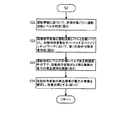
図3Aに、荷役作業管理方法のフローチャートを示す。 FIG. 3A shows a flowchart of the cargo handling work management method.
ステップS1において、荷役作業管理装置50が車載管理装置20(図2)から運転情報を取得し、記憶装置53に記憶する。
In step S <b> 1, the cargo handling
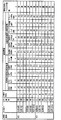
図4に、取得された運転情報の一例を示す。運転情報は、主として作業環境に依存する環境依存変数と、主として運転技能に依存する技能依存変数を含む。運転情報は、評価対象ごとに取得され、記憶される。「評価対象」は、運転技能を評価する単位となる。一例として、作業を行う車両、作業日、及び車両を運転した作業者によって評価対象が区別される。 FIG. 4 shows an example of the acquired driving information. The driving information includes an environment dependent variable mainly depending on the work environment and a skill dependent variable mainly depending on the driving skill. The driving information is acquired and stored for each evaluation target. “Evaluation target” is a unit for evaluating driving skills. As an example, evaluation objects are distinguished by a vehicle that performs a work, a work day, and an operator who has driven the vehicle.
例えば、1人の作業者(甲)が1台の作業車両(車両番号#1)を、異なる日(8月6日と8月7日)に運転した場合、運転日ごとに異なる評価対象番号(No.1とNo.2)が付与される。また、同日(8月7日)に、同一の作業車両(車両番号#1)を、2人の作業者(甲と乙)が運転した場合、作業者ごとに異なる評価対象番号(No.2とNo.3)が付与される。作業者は、作業者それぞれに付与された識別番号により識別することができる。作業者の識別番号は、作業者が作業車両を運転するときに、車載管理装置20(図2)に入力される。車載管理装置20への入力には、テンキー、タッチパネル、磁気カードリーダ等を用いることができる。
For example, when one worker (the former) drives one work vehicle (vehicle number # 1) on different days (August 6 and August 7), the evaluation target numbers that differ for each driving day (No. 1 and No. 2) are given. On the same day (August 7), when two workers (A and B) drive the same work vehicle (vehicle number # 1), different evaluation target numbers (No. 2) for each worker. And No. 3). The worker can be identified by an identification number assigned to each worker. The worker identification number is input to the in-vehicle management device 20 (FIG. 2) when the worker drives the work vehicle. For input to the in-
なお、車載管理装置20に作業者識別機能が無い場合には、車両番号と作業日とによって、評価対象を区別してもよい。同一作業日内には、1台の車両を1人の作業者しか運転しないという作業ルールを定めておけば、作業日によって評価対象を区別することにより、結果的に作業者によって評価対象が区別されていることになる。
In addition, when the vehicle-mounted
環境依存変数には、例えば「荷役回数」、「平均荷重」、「走行距離」、「荷役時間」、「マスト+荷重」が含まれる。ここで、「荷役回数」は、単位時間(例えば1時間)あたりの荷役作業の回数を意味する。「平均荷重」は、搬送した荷物の重量の平均値を意味する。「走行距離」は、荷役作業1回あたりに作業車両が走行した距離を意味する。「荷役時間」は、荷役作業1回あたりに荷物の昇降を行っている時間を意味する。「マスト+荷重」は、作業車両の昇降する部分(マスト)の重量と、平均荷重とを合計した重量を意味する。 The environment dependent variables include, for example, “number of times of handling”, “average load”, “travel distance”, “loading time”, and “mast + load”. Here, the “number of times of cargo handling” means the number of times of cargo handling work per unit time (for example, one hour). “Average load” means the average value of the weight of the conveyed goods. “Travel distance” means the distance traveled by the work vehicle per cargo handling operation. The “loading time” means a time during which a load is lifted / lowered per load handling operation. “Mast + load” means the total weight of the weight of the part (mast) that the work vehicle moves up and down and the average load.
技能依存変数には、例えば「加速度超過率」、「負荷時間稼働率」、「負荷走行後退率」、「スイッチバック回数」、「車速超過率」、「ブレーキ操作回数」等を含む。「加速度超過率」は、走行していた時間のうち、加速度が基準値を超えていた時間の割合を意味する。「負荷時間稼働率」は、稼働時間のうち、実際に荷物を保持していた時間の割合を意味する。ここで、「稼動時間」は、走行または荷物の昇降を行っている時間を意味する。フォークがパレットを保持していない状態(無負荷状態)で車両が稼動している時間も「稼働時間」に含まれる。「負荷走行後退率」は、全走行距離のうち、荷物を保持した状態で後退した距離の割合を意味する。「スイッチバック回数」は、荷役作業1回あたりスイッチバックを行った回数を意味する。「車速超過率」は、走行していた時間のうち、車速が基準値を超えていた時間の割合を意味する。「ブレーキ操作回数」は、荷役作業1回あたりブレーキ操作を行った回数を意味する。 Skill-dependent variables include, for example, “acceleration excess rate”, “load time operating rate”, “load travel reverse rate”, “switchback count”, “vehicle speed excess rate”, “brake operation count”, and the like. “Acceleration excess rate” means the proportion of the time during which the acceleration exceeded the reference value in the traveling time. The “load time operating rate” means the proportion of the operating time in which the load is actually held. Here, the “operation time” means a time during which the vehicle travels or lifts and loads the luggage. The time during which the vehicle is operating in a state where the fork does not hold the pallet (no load state) is also included in the “operation time”. “Load travel backward rate” means the ratio of the distance traveled while holding a load out of the total travel distance. “Number of switchbacks” means the number of times switchback was performed per cargo handling operation. “Vehicle speed excess rate” means the proportion of time during which the vehicle speed exceeds a reference value in the traveling time. “Number of brake operations” means the number of times of brake operation per cargo handling operation.
環境依存変数は、作業者の技能に依存する程度が低く、作業環境に大きく依存する。技能依存変数は、作業者の運転技能に大きく依存する。運転情報の各々を、環境依存変数とするか技能依存変数とするかは、必ずしも汎用的に決定されるわけではない。例えば、本実施例において技能依存変数に分類された運転情報のうち、作業者が異なっても大きな差が生じないようなものは、環境依存変数に分類してもよい。 The environment dependent variable is less dependent on the skill of the worker and greatly depends on the work environment. Skill-dependent variables are highly dependent on the operator's driving skills. Whether each piece of driving information is an environment-dependent variable or a skill-dependent variable is not necessarily determined universally. For example, among the driving information classified as skill-dependent variables in the present embodiment, information that does not cause a large difference even if the workers are different may be classified as environment-dependent variables.
これらの運転情報は、車載管理装置20(図2)から取得される種々のデータに基づいて演算を行うことにより、数値データとして得られる。これらの数値データをそのまま取り扱うことは、統計処理を行うのに不便である。このため、これらの運転情報の各々について、数値データが取り得る数値範囲を複数の区画に区分し、運転情報の数値結果を、有限離散型事象として取り扱うこととする。 Such driving information is obtained as numerical data by performing calculations based on various data acquired from the in-vehicle management device 20 (FIG. 2). It is inconvenient for statistical processing to handle these numerical data as they are. Therefore, for each of these pieces of driving information, the numerical range that the numerical data can take is divided into a plurality of sections, and the numerical result of the driving information is handled as a finite discrete event.
図5を参照して、荷役回数Aの数値データを、有限離散型事象に置き換える方法について説明する。図5は、荷役回数Aのヒストグラムの一例を示す。図5の横軸は、荷役回数Aを表し、縦軸は、評価対象の数(頻度)を表す。荷役回数Aの平均をμ、標準偏差をσとする。μ−3σからμ+3σまでの範囲を3等分する。すなわち、横軸が、μ−3σ〜μ−σ、μ−σ〜μ+σ、μ+σ〜μ+3σの3つの領域に区分される。荷役回数Aがμ−σ以下の区画をA1、μ−σ〜μ+σの区画をA2、μ+σ以上の区画をA3とする。 With reference to FIG. 5, a method for replacing the numerical data of the cargo handling count A with a finite discrete event will be described. FIG. 5 shows an example of a histogram of the number A of cargo handling operations. The horizontal axis in FIG. 5 represents the cargo handling count A, and the vertical axis represents the number of evaluation targets (frequency). The average of the number A of cargo handling is μ, and the standard deviation is σ. The range from μ−3σ to μ + 3σ is divided into three equal parts. That is, the horizontal axis is divided into three regions of μ−3σ to μ−σ, μ−σ to μ + σ, and μ + σ to μ + 3σ. A section having a cargo handling frequency A of μ−σ or less is A1, a section of μ−σ to μ + σ is A2, and a section of μ + σ or more is A3.
荷役回数Aについて、測定値が区画A1内の値を取る事象、区画A2内の値を取る事象、及び区画A3内の値を取る事象のうち、いずれかの事象が生じる。図4においては、荷役回数Aを、その測定値が属する区画A1、A2、A3で表している。同様に、他の運転情報も、有限離散型事象に置き換えられている。 Regarding the number A of handling operations, any one of an event in which the measured value takes a value in the section A1, an event in which the value in the section A2 takes a value, and an event in which the value in the section A3 takes a value occurs. In FIG. 4, the number A of cargo handling is represented by sections A1, A2, and A3 to which the measured values belong. Similarly, other driving information is also replaced with a finite discrete event.
図3AのステップS2において、着目する評価対象の技能依存変数の改善目標を算出する。 In step S2 of FIG. 3A, an improvement target for the skill-dependent variable to be evaluated is calculated.
図3Bに、ステップS2の詳細なフローチャートを示す。まず、ステップS21において、運転情報の測定値に基づいて、評価対象ごとに運転技能レベルを判定する。図4に、運転技能レベルの判定値を、「優」、「良」、「可」のいずれかで示す。 FIG. 3B shows a detailed flowchart of step S2. First, in step S21, a driving skill level is determined for each evaluation object based on a measured value of driving information. In FIG. 4, the determination value of the driving skill level is shown as “excellent”, “good”, or “possible”.
図6及び図7を参照して、ステップS21で行う運転技能レベルの判定方法について説明する。 With reference to FIG.6 and FIG.7, the determination method of the driving skill level performed at step S21 is demonstrated.
図6に示すように、評価対象ごとに、荷役作業1回あたりのエネルギ消費量EUを、走行距離C、及び平均荷重Bに基づいて正規化することにより、正規化エネルギ消費量NEUを算出する。正規化エネルギ消費量NEUを算出するときには、図4に示した有限離散型事象に置き換える前の数値データを用いる。具体的には、評価対象番号kの、正規化エネルギ消費量NEU(k)は、
NEU(k)=EU(k)/(C(k)×B(k))
と表すことができる。ここで、Cは、走行距離であり、Bは、平均荷重であり、kは、評価対象番号である。
As shown in FIG. 6, the normalized energy consumption NEU is calculated by normalizing the energy consumption EU per cargo handling operation for each evaluation object based on the travel distance C and the average load B. . When calculating the normalized energy consumption NEU, numerical data before being replaced with the finite discrete event shown in FIG. 4 is used. Specifically, the normalized energy consumption NEU (k) of the evaluation target number k is
NEU (k) = EU (k) / (C (k) × B (k))
It can be expressed as. Here, C is a travel distance, B is an average load, and k is an evaluation target number.
なお、荷役作業1回あたりのエネルギ消費量EUを、走行距離C、及び単位荷役回数あたりの総重量Wに基づいて正規化してもよい。評価対象番号kの、単位荷役回数当りの総重量W(k)は、
W(k)=WV+B(k)×(Tl(k)/Tm(k))
と定義される。ここで、WVは車両重量、Tlは負荷状態である時間、Tmは稼動状態である時間を意味する。この場合、評価対象番号kの、正規化エネルギ消費量NEU(k)は、
NEU(k)=EU(k)/(C(k)×W(k))
と表すことができる。
The energy consumption EU per cargo handling operation may be normalized based on the travel distance C and the total weight W per unit cargo handling. The total weight W (k) per unit cargo handling for the evaluation target number k is
W (k) = WV + B (k) × (Tl (k) / Tm (k))
Is defined. Here, WV represents the vehicle weight, Tl represents the time during the load state, and Tm represents the time during the operation state. In this case, the normalized energy consumption NEU (k) of the evaluation target number k is
NEU (k) = EU (k) / (C (k) × W (k))
It can be expressed as.
常時同じ荷物のみを対象とした作業を行っている場合には、単位荷役回数当りの総重量W(k)の変化が少ないため、単位荷役回数当りのエネルギ消費量EUを、走行距離Cのみに基づいて正規化してもよい。この場合には、正規化エネルギ消費量NEUは、
NEU(k)=EU(k)/C(k)
と表すことができる。
When working only on the same cargo at all times, the change in the total weight W (k) per unit cargo handling is small, so the energy consumption EU per unit cargo handling is reduced to the mileage C only. You may normalize based on. In this case, the normalized energy consumption NEU is
NEU (k) = EU (k) / C (k)
It can be expressed as.
図7に、走行距離Cと正規化エネルギ消費量NEUとの関係を示す。横軸は走行距離Cを表し、縦軸は正規化エネルギ消費量NEUを表す。図7に示したグラフから、走行距離Cと正規化エネルギ消費量NEUとは、走行距離Cが長くなるに従って正規化エネルギ消費量NEUが減少するような相関関係を有することがわかる。 FIG. 7 shows the relationship between the travel distance C and the normalized energy consumption NEU. The horizontal axis represents the travel distance C, and the vertical axis represents the normalized energy consumption NEU. From the graph shown in FIG. 7, it can be seen that the travel distance C and the normalized energy consumption amount NEU have a correlation such that the normalized energy consumption amount NEU decreases as the travel distance C increases.
荷役作業を行う際には、正規化エネルギ消費量NEUができるだけ少なくなるような運転を心がけることが好ましい。ところが、正規化エネルギ消費量NEUは、走行距離Cと相関関係を有しているため、走行距離Cを考慮しないで単に正規化エネルギ消費量NEUの大小関係のみに基づいて、運転の良否を判定することは好ましくない。 When carrying out the cargo handling operation, it is preferable to keep in mind that the normalized energy consumption NEU is as small as possible. However, since the normalized energy consumption amount NEU has a correlation with the travel distance C, it is determined whether the driving is good or not based only on the magnitude relationship of the normalized energy consumption amount NEU without considering the travel distance C. It is not preferable to do.
例えば、図7において、走行距離がCa、正規化エネルギ消費量がNEUaの点Pに対応する運転と、走行距離がCb、正規化エネルギ消費量がNEUbの点Qに対応する運転とを比較する。点Qに対応する運転の正規化エネルギ消費量NEUbの方が、点Pに対応する運転の正規化エネルギ消費量NEUaよりも少ない。ところが、走行距離がCa近傍の正規化エネルギ消費量NEUの分布は、走行距離がCb近傍の正規化エネルギ消費量NEUの分布よりも、エネルギ消費量が多い方に偏っている。 For example, in FIG. 7, an operation corresponding to point P where the travel distance is Ca and the normalized energy consumption is NEUa is compared with an operation corresponding to point Q where the travel distance is Cb and the normalized energy consumption is NEUb. . The normalized energy consumption NEUb for the operation corresponding to the point Q is smaller than the normalized energy consumption NEUa for the operation corresponding to the point P. However, the distribution of the normalized energy consumption NEU near the Ca travel distance is biased toward the higher energy consumption than the distribution of the normalized energy consumption NEU near the Cb travel distance.
運転の良否は、この正規化エネルギ消費量NEUの分布の偏りを考慮して判断することが好ましい。そうすると、エネルギ消費の点で、正規化エネルギ消費量が多い点Pに対応する運転の方が、正規化エネルギ消費量が少ない点Qに対応する運転よりも、好ましいと判断される。このように、走行距離Cを考慮して運転の良否を判定することにより、作業構内の広さ等の作業環境の影響を排除し、運転の良否を、より適切に判定することができる。 It is preferable to determine whether the operation is good or bad in consideration of the uneven distribution of the normalized energy consumption NEU. Then, in terms of energy consumption, it is determined that the operation corresponding to the point P where the normalized energy consumption is large is preferable to the operation corresponding to the point Q where the normalized energy consumption is small. Thus, by determining the quality of driving in consideration of the travel distance C, the influence of the work environment such as the size of the work premises can be eliminated, and the quality of driving can be determined more appropriately.
処理装置51は、正規化エネルギ消費量NEUと、走行距離Cとの相関関係に基づいて、評価対象ごとの算出値を複数の区分に分類する。図7においては、各算出値が、区分S「優」、「良」、「可」の3つに分類されている。例えば、図7に示したように、正規化エネルギ消費量NEUと、走行距離Cとが、右下がりの相関関係を有している場合には、各区分の境界線を右下がりの曲線にすればよい。
The
以下、3つの区分に分類する手法の一例について説明する。走行距離がCとC+ΔCとの間の値を持つすべての点の正規化エネルギ消費量の分布の標準偏差σを求める。正規化エネルギ消費量NEUの−3σから+3σまでの範囲を3等分する。3等分した3つの範囲を、正規化エネルギ消費量NEUの小さい方から順番に、区分「優」、「良」、「可」と定義する。走行距離Cの全範囲において、同じ方法で3つの区分を定義する。なお、標準偏差が−3σ〜3σよりも外側の範囲は、両端の区分「優」または「可」に含める。 Hereinafter, an example of a method for classifying into three categories will be described. The standard deviation σ of the distribution of normalized energy consumption at all points whose mileage has a value between C and C + ΔC is obtained. The range from −3σ to + 3σ of the normalized energy consumption NEU is divided into three equal parts. The three ranges divided into three equal parts are defined as “excellent”, “good”, and “possible” in order from the smallest normalized energy consumption NEU. In the entire range of travel distance C, three sections are defined in the same way. In addition, the range outside the standard deviation of −3σ to 3σ is included in the “excellent” or “possible” at both ends.
上述の方法により、評価対象ごとに、その運転技能レベルが「優」、「良」、「可」のどの区分に属するかを判定することができる。 By the above-described method, it is possible to determine for each evaluation object whether the driving skill level belongs to “excellent”, “good”, or “possible”.
図7では、横軸の変数に走行距離Cを採用したが、運転情報に基づいて算出される変数のうち、作業環境に依存するその他の変数を横軸として採用してもよい。例えば、荷物を搬送する際に、荷役作業車両がほとんど同じ経路を走行するが、搬送対象である荷物の重量のばらつきが大きいような作業環境では、走行距離Cを図7の横軸とすると、プロットの横方向のばらつきが小さくなってしまう。 In FIG. 7, the travel distance C is adopted as the variable on the horizontal axis, but other variables depending on the work environment may be adopted as the horizontal axis among the variables calculated based on the driving information. For example, when transporting a load, the cargo handling work vehicle travels on almost the same route, but in a work environment where the variation in the weight of the load to be transported is large, if the travel distance C is the horizontal axis in FIG. The variation in the horizontal direction of the plot is reduced.
この場合には、平均荷重Bを図7の横軸としてもよい。また、走行距離Cがほぼ一定であると考えられるため、単位荷役回数あたりのエネルギ消費量EUを、単位荷役回数あたりの総重量Wのみに基づいて正規化してもよい。この場合には、正規化エネルギ消費量NEUは、
NEU(k)=EU(k)/W(k)
と表すことができる。
In this case, the average load B may be the horizontal axis in FIG. Further, since it is considered that the travel distance C is substantially constant, the energy consumption EU per unit handling number may be normalized based only on the total weight W per unit handling number. In this case, the normalized energy consumption NEU is
NEU (k) = EU (k) / W (k)
It can be expressed as.
また、図7の横軸の変数として、単位荷役回数あたりの負荷時間、負荷稼働時間、稼働時間、またはキーオン時間を採用してもよい。ここで、「負荷時間」は、負荷状態になっている時間を意味する。フォークが荷物を持ち上げた状態で静止し、車両が稼動していない時間も「負荷時間」に含まれる。「負荷稼働時間」は、負荷状態であり、かつ稼動状態である時間を意味する。「キーオン時間」は、スタートキーがONになっている時間を意味する。 Moreover, you may employ | adopt the load time per unit handling frequency | count, load operation time, operation time, or key-on time as a variable of the horizontal axis | shaft of FIG. Here, the “load time” means a time during which the load state is maintained. The “load time” includes the time when the fork is stationary with the load lifted and the vehicle is not operating. The “load operating time” means a time during which the load is in an operating state. “Key-on time” means the time when the start key is ON.
また、図7では、縦軸である正規化エネルギ消費量NEUは、単位荷役回数あたりのエネルギ消費量EUを正規化することにより算出したが、単位稼働時間あたりのエネルギ消費量、単位負荷時間あたりのエネルギ消費量、単位負荷稼働時間あたりのエネルギ消費量、単位キーオン時間あたりのエネルギ消費量を正規化することにより算出してもよい。 In FIG. 7, the normalized energy consumption amount NEU, which is the vertical axis, is calculated by normalizing the energy consumption amount EU per unit handling frequency, but the energy consumption amount per unit operating time, per unit load time The energy consumption amount per unit load, the energy consumption amount per unit load operating time, and the energy consumption amount per unit key-on time may be normalized.
図3BのステップS22において、環境依存変数と運転技能レベルとを親ノードとし、技能依存変数を子ノードとするベイジアンネットワークの、子ノードの条件付確率表を作成する。 In step S22 of FIG. 3B, a conditional probability table of child nodes of a Bayesian network having the environment dependent variable and the driving skill level as a parent node and the skill dependent variable as a child node is created.
図8に、ベイジアンネットワークの具体例、及び子ノードの条件付確率表の具体例を示す。このベイジアンネットワークは、環境依存変数の1つである走行距離A、及び運転技能レベルZを親ノードとし、技能依存変数の1つである加速度超過率Fを子ノードとするモデルである。図8に示した例では、走行距離の値が区画A1、A2、及びA3に属する事象が起こる確率が、それぞれ0.6、0.3、及び0.1であり、運転技能レベルZが「優」、「良」、及び「可」になる確率は、それぞれ0.2、0.5、及び0.3である。走行距離Aが区画A1に属し、運転技能レベルZが「優」である条件の下で、加速度超過率Fが区画F1、F2、F3に属する確率は、それぞれ0.75、0.20、0.05である。 FIG. 8 shows a specific example of a Bayesian network and a specific example of a conditional probability table for child nodes. This Bayesian network is a model in which the travel distance A, which is one of environment dependent variables, and the driving skill level Z are used as parent nodes, and the acceleration excess rate F, which is one of skill dependent variables, is used as a child node. In the example shown in FIG. 8, the probability that an event belonging to the sections A1, A2, and A3 will occur is 0.6, 0.3, and 0.1, respectively, and the driving skill level Z is “ The probabilities of “excellent”, “good”, and “good” are 0.2, 0.5, and 0.3, respectively. Under the condition that the travel distance A belongs to the section A1 and the driving skill level Z is “excellent”, the probability that the acceleration excess rate F belongs to the sections F1, F2, and F3 is 0.75, 0.20, and 0, respectively. .05.
環境依存変数、技能依存変数の種々の組み合わせについて、図8に示した条件付確率表を作成する。ここで、実施例1では、親ノードである環境依存変数と運転技能レベルとを入力変数として計算を行い、技能依存変数を出力変数として求める例を示す。 The conditional probability table shown in FIG. 8 is created for various combinations of environment dependent variables and skill dependent variables. Here, in the first embodiment, an example is shown in which calculation is performed using the environment-dependent variable that is the parent node and the driving skill level as input variables, and the skill-dependent variable is obtained as an output variable.
図3BのステップS23において、着目する評価対象の運転技能レベルが「目標レベル」となる事象を前提条件とし、技能依存変数が取り得る事象の各々の発生確率を推論する演算を行う。通常は、目標レベルを「優」に設定する。 In step S23 of FIG. 3B, an operation for inferring the probability of occurrence of each event that can be taken by the skill-dependent variable is performed on the precondition that the target driving skill level to be evaluated is the “target level”. Normally, the target level is set to “excellent”.
図9を参照して、ステップS23で行う具体的処理について説明する。評価対象番号5の評価対象に着目する。なお、図9では、着目する評価対象のみならず、評価対象番号1〜12のすべての評価対象について、技能依存変数の発生確率を推論した結果を示している。なお、着目する評価対象として、母集団の全ての評価対象から複数個の評価対象を抽出してもよい。
With reference to FIG. 9, the specific process performed by step S23 is demonstrated. Attention is paid to the
技能依存変数の各々の事象の発生確率を推論する前提条件として、運転技能レベルを、目標レベルである「優」とし、環境依存変数の各々を、図4に示した測定結果とする。この前提条件で、図8に示した条件付確率表に基づいて、技能依存変数の各々について、各事象の発生確率を推論する演算を行う。図9には、加速度超過率と負荷時間稼働率について、各事象の発生確率の推論結果を示している。他の技能依存変数についても、同様に各事象の発生確率を推論する。図9において、着目する評価対象の、技能依存変数の各々について、最大の発生確率を下線付き太字で示している。 As a precondition for inferring the occurrence probability of each event of the skill-dependent variable, the driving skill level is set to the target level “excellent”, and each environment-dependent variable is set to the measurement result shown in FIG. Under this precondition, an operation for inferring the probability of occurrence of each event is performed for each skill-dependent variable based on the conditional probability table shown in FIG. FIG. 9 shows the inference results of the occurrence probability of each event with respect to the acceleration excess rate and the load time operation rate. Similarly, the probability of occurrence of each event is inferred for other skill-dependent variables. In FIG. 9, the maximum occurrence probability is shown in bold underlined for each skill-dependent variable to be evaluated.
上述のように、図3BのステップS22とS23とにおいて、図4に示した環境依存変数、技能依存変数、及び運転技能レベルに基づくベイジアンネットワークを用い、環境依存変数及び運転技能レベルを前提条件として、技能依存変数の取り得る事象の発生確率を推論する演算が行われる。 As described above, in steps S22 and S23 in FIG. 3B, using the Bayesian network based on the environment-dependent variables, skill-dependent variables, and driving skill levels shown in FIG. 4, the environment-dependent variables and the driving skill levels are used as preconditions. Then, an operation is performed to infer the probability of occurrence of an event that the skill-dependent variable can take.
図3BのステップS24において、技能依存変数の各々について、発生確率が最大となる事象を選定し、選定された事象を、当該技能依存変数の改善目標とする。 In step S24 of FIG. 3B, for each skill-dependent variable, an event having the maximum occurrence probability is selected, and the selected event is set as an improvement target for the skill-dependent variable.
図10に、ステップS24で決定された技能依存変数の各々の改善目標を示す。例えば、図9において、着目する評価対象番号5の加速度超過率について、事象F1の発生確率が最大になる。このため、図10では、評価対象番号5の加速度超過率の改善目標をF1とする。同様に、着目する評価対象のすべての技能依存変数の改善目標を求める。
FIG. 10 shows improvement goals for the skill-dependent variables determined in step S24. For example, in FIG. 9, the occurrence probability of the event F1 is maximized for the acceleration excess rate of the
図3AのステップS3において、技能依存変数の測定結果と、その改善目標とを対比し、改善すべき技能依存変数を選定する。 In step S3 of FIG. 3A, the skill-dependent variable to be improved is selected by comparing the measurement result of the skill-dependent variable with the improvement target.
図11に、ステップS3で選定された改善すべき技能依存変数、及びその改善目標を示す。例えば、図4に示したように、評価対象番号5の加速度超過率の測定結果はF2であり、図10に示したように、その改善目標はF1である。測定結果と改善目標とが異なる場合には、図11に示すように、評価対象番号5の改善すべき技能依存変数として、加速度超過率を選定し、その改善目標をF1とする。同様に、評価対象番号5の改善すべき技能依存変数として、負荷走行後退を選定し、その改善目標をH3とする。さらに、改善すべき技能依存変数として、ブレーキ操作回数を選定し、その改善目標をK1とする。
FIG. 11 shows the skill-dependent variables to be improved selected in step S3 and their improvement targets. For example, as shown in FIG. 4, the measurement result of the acceleration excess rate of the
また、図4に示したように、評価対象番号5の負荷時間稼働率の測定結果はG2であり、図10に示したように、その改善目標もG2である。このように、測定結果と改善目標とが一致する技能依存変数(例えば、負荷時間稼働率)は、改善すべき技能依存変数として選定しない。図11においては、改善すべき技能依存変数として選定されなかった変数の欄に「−」記号を付している。
Moreover, as shown in FIG. 4, the measurement result of the load time operation rate of the
図3AのステップS4において、着目する評価対象の改善すべき技能依存変数に優先度を付与する。 In step S4 of FIG. 3A, a priority is assigned to the skill-dependent variable to be improved that is the target of evaluation.
図3Cに、ステップS4の詳細なフローチャートを示す。ステップS41において、改善すべき技能依存変数が改善目標に等しくなる事象の発生確率を比較する。 FIG. 3C shows a detailed flowchart of step S4. In step S41, the probability of occurrence of an event in which the skill-dependent variable to be improved is equal to the improvement target is compared.
図12に、ステップS41で比較対象となる発生確率を示す。これらの発生確率は、図9に示したように、既に推定演算によって求められているため、この発生確率が、改善すべき技能依存変数が改善目標に等しくなる事象の発生確率として設定される。 FIG. 12 shows the occurrence probability to be compared in step S41. Since these occurrence probabilities are already obtained by estimation calculation as shown in FIG. 9, this occurrence probability is set as an occurrence probability of an event in which the skill-dependent variable to be improved is equal to the improvement target.
着目する評価対象について、改善すべき技能依存変数の発生確率を比較する。例えば、評価対象番号5については、加速度超過率、負荷走行後退率、及びブレーキ操作回数の発生確率0.77、0.83、及び0.35が比較される。
Compare the occurrence probabilities of skill-dependent variables to be improved for the target of evaluation. For example, for the
図3CのステップS42において、改善すべき技能依存変数に、その発生確率の高い順番に優先度を付与する。 In step S42 in FIG. 3C, priorities are given to the skill-dependent variables to be improved in descending order of their occurrence probabilities.
図13に、ステップS42で付与された改善すべき技能依存変数の優先度を示す。例えば、評価対象番号5については、発生確率が最も高い負荷走行後退率の優先度を「1」とし、発生確率が2番目に高い加速度超過率の優先度を「2」とし、発生確率が最も低いブレーキ操作回数の優先度を「3」とする。
FIG. 13 shows the priorities of the skill-dependent variables to be improved given in step S42. For example, for the
図3AのステップS5において、改善すべき技能依存変数、及びその改善目標を、出力装置52に出力する。
In step S5 of FIG. 3A, the skill-dependent variable to be improved and its improvement target are output to the
図14に、ステップS5で出力される評価対象番号5に関する出力例を示す。改善すべき技能依存変数が、改善の優先度、及び改善目標と関連付けて表示されている。改善の優先度は、図13で決定されており、改善目標は、図11で決定されている。なお、改善目標のみでは、具体的な目標数値を直接的に把握することが困難であるため、改善目標となる事象から改善目標値を算出し、算出された改善目標値を併せて出力してもよい。
FIG. 14 shows an output example related to the
改善目標値は、例えば、図5に示した例において、各事象の区画を決定する際に、μ−3σまたμ+3σまでの範囲を3等分したときの各範囲の中心値とすればよい。 For example, in the example illustrated in FIG. 5, the improvement target value may be the center value of each range when the range up to μ−3σ or μ + 3σ is equally divided into three when determining the section of each event.
実施例1において、図11に示した改善すべき技能依存変数は、運転技能レベルが「優」になることを前提条件としている。このため、改善すべき技能依存変数を、その改善目標に近づけることにより、運転技能レベルの判定値を向上させることができる。 In the first embodiment, the skill-dependent variable to be improved shown in FIG. 11 is based on the premise that the driving skill level is “excellent”. For this reason, the judgment value of the driving skill level can be improved by bringing the skill dependent variable to be improved closer to the improvement target.
また、実施例1においては、ステップS3(図3A)において、全ての技能依存変数の中から改善すべき技能依存変数を選定している。このため、評価対象である作業者は、自分の運転技能を高めるために、どの技能依存変数をどの程度改善すればよいかを、容易に認識することができる。 In the first embodiment, the skill-dependent variable to be improved is selected from all the skill-dependent variables in Step S3 (FIG. 3A). For this reason, the worker who is an evaluation object can easily recognize which skill-dependent variable should be improved and how much to improve his / her driving skill.
実施例1では、図4に示したように、車両番号ごと、作業日ごと、かつ作業者ごとに、評価を行った。得られた評価結果を、車両番号ごとに集計することにより、運転技能レベルの車両依存性を把握することができる。 In Example 1, as shown in FIG. 4, the evaluation was performed for each vehicle number, for each work day, and for each worker. By collecting the obtained evaluation results for each vehicle number, the vehicle dependency of the driving skill level can be grasped.
例えば、複数の種類の荷物が混在する作業環境においては、荷物の重量等に応じて、定格の大きな車両と小さな車両とを使い分けることが好ましい。不適合な定格の車両を使用して荷物の搬送を行うと、エネルギ消費量が多くなってしまう場合がある。車両番号ごとに運転技能レベルを集計することにより、搬送対象の荷物に応じて、最も好ましい定格の車両を決定することができる。 For example, in a work environment in which a plurality of types of luggage is mixed, it is preferable to use a vehicle with a large rating and a vehicle with a small rating according to the weight of the luggage. When a non-conforming rated vehicle is used to carry a package, energy consumption may increase. By summing up the driving skill level for each vehicle number, it is possible to determine the vehicle with the most preferable rating according to the package to be transported.
また、車両のバッテリの充電量が少なくなっている車両を無理に稼動させた場合、エネルギ消費効率が低下することも考えられる。特定の車両の運転技能レベルの判定値が低い場合には、当該車両のバッテリ充電量の低下等が懸念される。この場合には、他の車両に乗り換えることにより、運転技能レベルの向上が期待される。 In addition, when a vehicle having a low battery charge is operated forcibly, energy consumption efficiency may be reduced. When the determination value of the driving skill level of a specific vehicle is low, there is a concern about a decrease in the battery charge amount of the vehicle. In this case, the driving skill level is expected to be improved by switching to another vehicle.
同様に、得られた評価結果を作業日ごとに集計してもよい。特定の作業日の評価結果が低い場合、当該作業日に、運転技能レベルを低下させる特殊な要因があった可能性も考えられる。 Similarly, the obtained evaluation results may be totaled for each work day. If the evaluation result of a specific work day is low, there may be a special factor that reduces the driving skill level on the work day.
このように、評価結果を車両番号ごと、または作業日ごとに集計することにより、運転技能レベルを向上させるための改善点を、より詳細に分析することが可能になる。 In this way, by collecting the evaluation results for each vehicle number or each work day, it becomes possible to analyze in detail the improvement points for improving the driving skill level.
[実施例2]
図15〜図16を参照して、実施例2による荷役作業管理装置の動作について説明する。実施例2では、実施例1の動作に加え、さらに、技能依存変数の改善後に、運転技能レベルの判定値が向上する期待値が算出される。以下、期待値の算出方法について説明する。
[Example 2]
With reference to FIGS. 15-16, operation | movement of the cargo handling work management apparatus by Example 2 is demonstrated. In the second embodiment, in addition to the operation of the first embodiment, an expected value that improves the determination value of the driving skill level is calculated after the skill-dependent variable is improved. Hereinafter, an expected value calculation method will be described.
図8に示した環境依存変数と運転技能レベルとを親ノードとし、技能依存変数を子ノードとしたモデルを用いて、入力変数を環境依存変数と技能依存変数とし、運転技能レベルを出力変数として計算を行う。 Using the model with the environment-dependent variables and driving skill levels shown in FIG. 8 as parent nodes, skill-dependent variables as child nodes, input variables as environment-dependent variables and skill-dependent variables, and driving skill levels as output variables Perform the calculation.
図15に示すように、着目すべき評価対象について、環境依存変数の測定結果(図4)、及び技能依存変数の改善目標(図10)を前提条件とし、図8に示した条件付確率表に基づいて、運転技能レベルが「優」、「良」、「可」と判定される確率を求める。例えば、評価対象番号5に着目すると、環境依存変数を測定結果と等しくし、技能依存変数を改善目標と等しくした場合、運転技能レベルが「優」、「良」、「可」と判定される確率は、それぞれ0.77、0.23、及び0である。すなわち、図4に示したように、評価対象番号5の評価対象の運転技能レベルの判定値は「良」であったが、加速度超過率をF1に改善し、負荷走行後退率をH3に改善し、ブレーキ操作回数をK1に改善すれば、0.77の確率で運転技能レベルが「優」に向上することが期待される。
As shown in FIG. 15, the conditional probability table shown in FIG. 8 is based on the evaluation results to be focused on, assuming the measurement result of the environment dependent variable (FIG. 4) and the improvement target of the skill dependent variable (FIG. 10) as preconditions. Based on the above, the probability that the driving skill level is determined as “excellent”, “good”, or “possible” is obtained. For example, paying attention to the
図15に示したように、図4に示した環境依存変数、技能依存変数、及び運転技能レベルに基づくベイジアンネットワークを用い、環境依存変数及び技能依存変数を前提条件として、運転技能レベルの取り得る事象の発生確率を推論する演算が行われる。この演算により、図3AのステップS5の演算結果から得られた改善すべき技能依存変数をどの程度改善すると、技能判定レベルを改善することができるかを推論することができる。 As shown in FIG. 15, the Bayesian network based on the environment-dependent variables, skill-dependent variables, and driving skill levels shown in FIG. 4 is used, and the driving skill levels can be taken with the environment-dependent variables and skill-dependent variables as preconditions. An operation is performed to infer the occurrence probability of the event. By this calculation, it is possible to infer how much the skill-dependent variable to be improved obtained from the calculation result of step S5 in FIG. 3A can be improved to improve the skill determination level.
具体的には、ステップS5から得られた結果により、実際に改善が可能な項目を前提条件として、技能判定レベルを推論する。そして、前提条件に基づいた各技能判定レベルとなる確率を出力する。 Specifically, based on the result obtained from step S5, the skill determination level is inferred on the assumption that an item that can actually be improved. And the probability which becomes each skill determination level based on a precondition is output.
図16に、出力装置52(図2)に出力される情報を示す。図14に示した実施例1で出力される情報に加え、改善後の運転技能レベルが「優」、「良」、「可」になる確率(期待値)が出力される。 FIG. 16 shows information output to the output device 52 (FIG. 2). In addition to the information output in the first embodiment illustrated in FIG. 14, the probability (expected value) that the improved driving skill level is “excellent”, “good”, and “possible” is output.
実施例2では、作業者は、技能依存変数を改善目標まで改善したときに、自分の運転技能レベルの判定値が向上する期待値を認識することができる。これにより、各作業者に対して、技能改善の動機付けが行われる。 In the second embodiment, the worker can recognize an expected value that improves the determination value of his / her driving skill level when the skill dependent variable is improved to the improvement target. Thereby, the motivation of skill improvement is performed with respect to each worker.
[実施例3]
図2、図3A、図17A〜図21を参照して、実施例3による荷役作業管理装置の動作について説明する。
[Example 3]
The operation of the cargo handling work management device according to the third embodiment will be described with reference to FIGS.
図3AのステップS1において、処理装置51(図2)が、作業車両から評価対象ごとに運転情報を取得して、記憶装置53(図2)に記憶する。 In step S1 of FIG. 3A, the processing device 51 (FIG. 2) acquires driving information for each evaluation target from the work vehicle and stores it in the storage device 53 (FIG. 2).
図18に、ステップS1で記憶された運転情報の一例を示す。実施例1では、環境依存変数及び技能依存変数の値を、複数の区間に分類して、有限離散型事象として取り扱ったが、実施例3では、これらの変数の測定値をそのまま取り扱う。例えば図18に示した評価対象番号1の荷役回数a(1)は、単位時間あたりの荷役回数の実測値を表す。評価対象ごとに、正規化エネルギ消費量が記憶される。正規化エネルギ消費量は、図6で説明した方法と同一の方法で算出することができる。
FIG. 18 shows an example of the driving information stored in step S1. In the first embodiment, the values of environment-dependent variables and skill-dependent variables are classified into a plurality of sections and handled as finite discrete events, but in the third embodiment, measured values of these variables are handled as they are. For example, the number of cargo handling a (1) of the
すべての評価対象を、走行距離の値c(k)に基づいて、複数の区分、例えば3つの区分C1、C2、C3に分類する。例えば実施例1の図4に示した走行距離Cの有限離散型事象C1、C2、C3に置き換えられる走行距離を持つ評価対象を、それぞれ区分C1、C2、C3に分類する。図18では、区分C2に分類された評価対象を、太線で囲って示している。以下の説明では、区分C2に分類された評価対象について、改善すべき技能依存変数及び改善目標値を求める方法について説明する。区分C1に分類された評価対象、及び区分C3に分類された評価対象についても、同様の方法で、改善すべき技能依存変数及び改善目標値を求めることができる。以下の説明では、走行距離区分がC2の評価対象のみについて取り扱う。 All evaluation targets are classified into a plurality of sections, for example, three sections C1, C2, and C3, based on the travel distance value c (k). For example, evaluation objects having travel distances that are replaced by the finite discrete events C1, C2, and C3 of the travel distance C shown in FIG. 4 of the first embodiment are classified into sections C1, C2, and C3, respectively. In FIG. 18, the evaluation objects classified into the category C2 are shown surrounded by a bold line. In the following description, a method for obtaining the skill-dependent variable and the improvement target value to be improved for the evaluation target classified in the category C2 will be described. With respect to the evaluation target classified into the category C1 and the evaluation target classified into the category C3, the skill-dependent variable and the improvement target value to be improved can be obtained by the same method. In the following description, only the evaluation object whose mileage classification is C2 will be dealt with.
走行距離Cが大きく異なる評価対象をまとめて取り扱うと、評価結果の信頼度が低下する。走行距離Cを、予め複数の区分に分類しておくと、各区分に属する評価対象の走行距離Cのばらつきが小さくなる。このため、評価結果の信頼度を高めることができる。なお、走行距離Cのばらつきが少なく、十分な信頼度が確保されると考えられる場合には、走行距離Cを複数の区分に分類することなく、すべての評価対象をまとめて取り扱ってもよい。 When the evaluation objects with greatly different travel distances C are collectively handled, the reliability of the evaluation result is lowered. If the travel distance C is classified into a plurality of sections in advance, the variation in the travel distance C to be evaluated belonging to each section is reduced. For this reason, the reliability of an evaluation result can be raised. In addition, when it is thought that there is little dispersion | variation in the travel distance C and sufficient reliability is ensured, you may handle all the evaluation objects collectively, without classifying the travel distance C into a some division.
図3AのステップS2において、着目する評価対象の技能依存変数の改善目標を算出する。 In step S2 of FIG. 3A, an improvement target for the skill-dependent variable to be evaluated is calculated.
図17Aに、ステップS2の詳細なフローチャートを示す。ステップSB21において、運転技能レベルの判定値が「優」の評価対象について、技能依存変数を平均し、平均値を算出する。運転技能レベルの判定値が「良」及び「可」の評価対象の技能依存変数は、この平均値の算出に関与しない。図18の最下行に、算出された平均値を示す。例えば、「優」の加速度超過率の平均値はfmである。ステップSB22において、技能依存変数の改善目標として、その技能依存変数の「優」の平均値を採用する。 FIG. 17A shows a detailed flowchart of step S2. In step SB21, the skill-dependent variables are averaged and the average value is calculated for the evaluation target having the driving skill level determination value of “excellent”. The skill-dependent variables to be evaluated whose driving skill level judgment values are “good” and “possible” are not involved in the calculation of this average value. The calculated average value is shown in the bottom line of FIG. For example, the average value of the “excellent” acceleration excess rate is fm. In step SB22, the average value of “excellent” of the skill dependent variable is adopted as the improvement target of the skill dependent variable.
図3AのステップS3において、着目する評価対象の改善すべき技能依存変数を選定する。 In step S3 of FIG. 3A, a skill-dependent variable to be improved that is a target of evaluation is selected.
図17Bに、ステップS3の詳細なフローチャートを示す。ステップSB31において、「優」の評価対象について、環境依存変数、技能依存変数、及び正規化エネルギ消費量に対して基準化処理を行う。ここで、「基準化処理」は、各変数の平均値が0、分散が1となるように、変数の値を調節する処理である。図19に、基準化処理を行った後の運転情報の値を示す。図19には、走行距離区分がC2、運転技能レベルの判定値が「優」の評価対象のみを示している。例えば、評価対象番号9の加速度超過率の基準化された値はfn(9)であり、各変数の基準化された値の平均値は0になる。
FIG. 17B shows a detailed flowchart of step S3. In step SB31, a standardization process is performed on the environment-dependent variable, the skill-dependent variable, and the normalized energy consumption for the “excellent” evaluation target. Here, the “standardization process” is a process of adjusting the variable values so that the average value of each variable is 0 and the variance is 1. In FIG. 19, the value of the driving | running information after performing a normalization process is shown. FIG. 19 shows only evaluation targets whose travel distance category is C2 and whose driving skill level determination value is “excellent”. For example, the standardized value of the acceleration excess rate of the
図17BのステップSB32において、「優」の評価対象について、正規化エネルギ消費量を目的変数として重回帰分析を実行し、環境依存変数及び技能依存変数の回帰係数を算出する。図19の最下行に、回帰係数を示す。例えば、加速度超過率の回帰係数はRGfである。 In step SB32 of FIG. 17B, multiple regression analysis is performed on the evaluation target “excellent” using the normalized energy consumption as the objective variable, and the regression coefficients of the environment dependent skill and the skill dependent variable are calculated. The regression coefficient is shown in the bottom line of FIG. For example, the regression coefficient of the acceleration excess rate is RGf.
図17BのステップSB33において、回帰係数の絶対値に基づいて、改善すべき技能依存係数を選定する。図20に示すように、例えばスイッチバック回数の回帰係数RGi及びブレーキ回数の回帰係数RGkの絶対値が、他の技能依存係数の回帰係数RGf、RGg、RGh、及びRGjの絶対値に比べて十分大きい場合、スイッチバック回数及びブレーキ操作回数を、改善すべき技能依存変数として選定する。 In step SB33 of FIG. 17B, a skill-dependent coefficient to be improved is selected based on the absolute value of the regression coefficient. As shown in FIG. 20, for example, the absolute values of the regression coefficient RGi for the number of switchbacks and the regression coefficient RGk for the number of brakes are sufficiently larger than the absolute values of the regression coefficients RGf, RGg, RGh, and RGj of other skill-dependent coefficients. If so, the switchback frequency and the brake operation frequency are selected as skill-dependent variables to be improved.
図3AのステップS4において、着目する評価対象の、改善すべき技能依存変数に優先度を付与する。 In step S4 in FIG. 3A, a priority is assigned to the skill-dependent variable to be improved, which is the target of evaluation.
図17Cに、ステップS4の詳細なフローチャートを示す。ステップSB41において、着目する評価対象の、改善すべき技能依存変数の値と、ステップSB32で算出された回帰係数との積の絶対値を算出する。ここで、着目する評価対象は、走行距離区分がC2で、かつ運転技能レベルの判定値が「優」以外のもの、すなわち「良」及び「可」のものとする。運転技能レベルの判定値が「優」の評価対象については、改善すべき技能依存変数は無いと仮定される。例えば、図21において、評価対象番号2のスイッチバック回数、及びブレーキ操作回数に関する算出値は、それぞれ|i(2)×RGi|、|k(2)×RGk|となる。
FIG. 17C shows a detailed flowchart of step S4. In step SB41, the absolute value of the product of the value of the skill dependent variable to be improved and the regression coefficient calculated in step SB32 is calculated. Here, it is assumed that the target of evaluation is that the travel distance category is C2 and the determination value of the driving skill level is other than “excellent”, that is, “good” and “good”. It is assumed that there is no skill-dependent variable to be improved for an evaluation target having a driving skill level determination value of “excellent”. For example, in FIG. 21, the calculated values related to the number of switchbacks and the number of brake operations for the
ステップSB42において、ステップSB41で算出された積の絶対値が大きい順番に優先度を付与する。例えば、図21に示したように、評価対象番号2に関して、スイッチバック回数に関わる算出値|i(2)×RGi|が、ブレーキ走査回数に関わる算出値|k(2)×RGk|より大きい場合、スイッチバック回数の優先度を「1」とし、ブレーキ操作回数の優先度を「2」とする。
In step SB42, priorities are given in descending order of the absolute value of the product calculated in step SB41. For example, as shown in FIG. 21, for the
図3AのステップS5において、改善すべき技能依存変数及びその改善目標を、出力装置52(図2)に出力する。 In step S5 of FIG. 3A, the skill-dependent variable to be improved and its improvement target are output to the output device 52 (FIG. 2).
図17Dに、ステップS5の詳細なフローチャートを示す。ステップSB51において、運転技能レベルの判定値が「優」以外の評価対象を抽出する。運転技能レベルの判定値が「優」の評価対象については、改善すべき項目はないと仮定されているため、ステップSB51で抽出する必要はない。ステップSB52において、「優」以外の評価対象について、ステップSB33で選定された改善すべき技能依存変数、及びステップSB22で算出された改善すべき技能依存変数の目標値、及びステップSB42で付与された優先度を出力する。 FIG. 17D shows a detailed flowchart of step S5. In step SB51, evaluation targets whose driving skill level determination value is other than “excellent” are extracted. Since it is assumed that there is no item to be improved for an evaluation target whose driving skill level determination value is “excellent”, it is not necessary to extract in step SB51. In step SB52, for the evaluation target other than “excellent”, the skill-dependent variable to be improved selected in step SB33, the target value of the skill-dependent variable to be improved calculated in step SB22, and given in step SB42 Output priority.
実施例3では、技能依存変数のうち回帰係数の大きい変数が、改善すべき変数として選定される。回帰係数が大きいということは、目的変数である正規化エネルギ消費量に与える影響が大きいことを意味する。回帰係数が大きい技能依存変数を改善することにより、回帰係数が小さい技能依存変数を改善する場合に比べて、正規化エネルギ消費量を効果的に削減することが期待される。 In the third embodiment, a variable having a large regression coefficient among skill-dependent variables is selected as a variable to be improved. A large regression coefficient means that the influence on the normalized energy consumption, which is an objective variable, is large. By improving skill-dependent variables having a large regression coefficient, it is expected that the normalized energy consumption can be effectively reduced as compared to improving skill-dependent variables having a small regression coefficient.
上記実施例1〜実施例3では、荷役作業管理装置50(図2)と荷役作業車両10とをネットワーク40を介して接続したが、荷役作業管理装置50を荷役作業車両10に搭載してもよい。
In the first to third embodiments, the cargo handling work management device 50 (FIG. 2) and the cargo
上記実施例1〜実施例3では、技能依存変数として、「加速度超過率」、「負荷時間稼働率」、「負荷走行後退率」、「スイッチバック回数」、「車速超過率」、「ブレーキ操作回数」を例示したが、他の変数を技能依存変数として採用してもよい。例えば、「旋回速度」、「旋回変化速度」、「車両衝撃(乱暴運転)」、「負荷無稼動(危険放置)」、「単位時間あたりのキーオン回数」等を技能依存変数として採用してもよい。 In the first to third embodiments, the skill-dependent variables include “acceleration excess rate”, “load time operating rate”, “load travel reverse rate”, “switchback frequency”, “vehicle speed excess rate”, “brake operation” Although the “number of times” is exemplified, other variables may be adopted as skill-dependent variables. For example, even if “turning speed”, “turning change speed”, “vehicle impact (violent driving)”, “load non-operation (dangerous leaving)”, “key-on count per unit time”, etc. are adopted as skill dependent variables Good.
[実施例4]
上記実施例1〜実施例3では、図8に示したように、環境依存変数と運転技能レベルとを親ノードとし、技能依存変数を子ノードとしたモデルを用い、環境依存変数と運転技能レベルとを入力変数とし、技能依存変数を出力変数として、計算を行った。すなわち、技能依存変数を改善対象変数として評価を行った。
[Example 4]
In the first to third embodiments, as shown in FIG. 8, the environment dependent variable and the driving skill level are used using the model having the environment dependent variable and the driving skill level as a parent node and the skill dependent variable as a child node. Were used as input variables and skill-dependent variables as output variables. That is, the skill-dependent variable was evaluated as an improvement target variable.
各作業者の運転技能レベルが向上してくると、作業者の運転技能レベルの改善のみでは、作業車両の燃費を、さらに向上させることが困難になってくる。実施例4においては、各作業者の運転技能レベルが一定レベル以上まで高くなった際に、作業車両の燃費を、さらに効果的に高めることができる方法を提供する。 As the driving skill level of each worker improves, it becomes difficult to further improve the fuel consumption of the work vehicle only by improving the driving skill level of the worker. In the fourth embodiment, there is provided a method capable of further effectively increasing the fuel consumption of a work vehicle when the driving skill level of each worker is increased to a certain level or higher.
図8に示したモデルにおいて、運転技能レベルと技能依存変数とを入力変数とし、環境依存変数を出力変数として計算を行う。具体的には、図3Aに示したステップS2において、着目する評価対象の環境依存変数の改善目標を算出する。ステップS3において、着目する評価対象の改善すべき環境依存変数を選定する。ステップS4において、着目する評価対象の環境依存変数に優先度を付与する。ステップS5において、改善すべき環境依存変数、及びその改善目標値を出力する。すなわち、実施例4では、環境依存変数を改善対象変数として評価が行われる。 In the model shown in FIG. 8, the calculation is performed using the driving skill level and the skill-dependent variable as input variables and the environment-dependent variable as an output variable. Specifically, in step S2 shown in FIG. 3A, the improvement target of the environment-dependent variable to be evaluated is calculated. In step S3, an environment-dependent variable to be improved which is a target of evaluation is selected. In step S4, a priority is assigned to the environment-dependent variable to be evaluated. In step S5, the environment dependent variable to be improved and its improvement target value are output. That is, in the fourth embodiment, the evaluation is performed using the environment dependent variable as the improvement target variable.
なお、環境依存変数の改善目標値を算出するためには、環境依存変数の測定値がばらついた多くの運転情報を収集することが好ましい。例えば、作業環境の異なる複数の工場における運転情報を収集し、これらの運転情報に用いて評価を行うことにより、環境依存変数の改善目標値を算出することができる。 In order to calculate the improvement target value of the environment-dependent variable, it is preferable to collect a lot of driving information in which measured values of the environment-dependent variable vary. For example, the improvement target value of the environment dependent variable can be calculated by collecting operation information in a plurality of factories with different work environments and performing evaluation using the operation information.
例えば、改善すべき環境依存変数として「荷役回数」や「荷役荷重」が選定された場合には、1回の荷役作業で搬送する荷物の個数(分量)を変更することにより、「荷役回数」や「荷役荷重」を改善目標値に近づけることができる。改善すべき環境依存変数として「マスト+荷重」が選定された場合には、作業車両のマストを変更することにより、「マスト+荷重」を改善目標値に近づけることができる。 For example, when “loading frequency” or “loading load” is selected as an environment-dependent variable to be improved, the “number of times of cargo handling” is changed by changing the number (amount) of cargoes carried in one cargo handling operation. And “loading load” can be brought closer to the improvement target value. When “mast + load” is selected as the environment-dependent variable to be improved, “mast + load” can be brought closer to the improvement target value by changing the mast of the work vehicle.
改善すべき環境依存変数として「走行距離」が選定された場合には、作業環境(工場)のレイアウトを変更することにより、「走行距離」を改善目標値に近づけることができる。改善すべき環境依存変数として「荷役時間」が選定された場合には、荷物が載置される棚の高さを変更することにより、「荷役時間」を改善目標値に近づけることができる。 When “travel distance” is selected as the environment-dependent variable to be improved, the “travel distance” can be brought closer to the improvement target value by changing the layout of the work environment (factory). When “loading time” is selected as an environment-dependent variable to be improved, the “loading time” can be brought closer to the improvement target value by changing the height of the shelf on which the load is placed.
なお、1回の荷役作業で搬送する荷物の個数を変更することや、マストを変更することは比較的容易であるが、作業環境のレイアウトや棚の高さを変更することは容易ではない。ステップS4において、変更容易な作業環境に関わる環境依存変数の優先度を、変更が困難な作業に関わる環境依存変数の優先度より高くするようにしてもよい。 Note that it is relatively easy to change the number of packages to be transported in a single cargo handling operation or to change the mast, but it is not easy to change the layout of the work environment or the height of the shelf. In step S4, the priority of the environment dependent variable related to the work environment that is easy to change may be made higher than the priority of the environment dependent variable related to the work that is difficult to change.
実施例4による評価結果に基づいて、作業環境を変更することにより、作業車両のエネルギ消費効率をさらに高めることができる。 By changing the work environment based on the evaluation result according to the fourth embodiment, the energy consumption efficiency of the work vehicle can be further increased.
なお、実施例1〜実施例4では、各作業者に対する技能改善について説明を行った。統計処理の単位を、各作業者ではなく、部門単位、または工場単位等の群単位で平均値を算出し、統計処理を行ってもよい。この場合、部門ごと、または工場ごとの作業者の運転技能の傾向を把握することができる。これにより、部門単位や工場単位でも運転技能の工場を図ることができる。 In Examples 1 to 4, skill improvement for each worker was described. The statistical process may be performed by calculating an average value in units of groups such as department units or factory units instead of each worker. In this case, it is possible to grasp the tendency of the operator's driving skill for each department or factory. As a result, factories for driving skills can be planned in units of departments or factories.
以上実施例に沿って本発明を説明したが、本発明はこれらに制限されるものではない。例えば、種々の変更、改良、組み合わせ等が可能なことは当業者に自明であろう。 Although the present invention has been described with reference to the embodiments, the present invention is not limited thereto. It will be apparent to those skilled in the art that various modifications, improvements, combinations, and the like can be made.
10 荷役作業車両
11 フォーク
12 車輪
13 インストルメントパネル
14 ハンドル
15 レバー
16 座席
20 車載管理装置
21 制御装置
22 リアルタイムクロック
23 メモリ
23a 一時記憶部
23b 情報記憶部
24 表示装置
25 入力装置
26 通信回路
31 荷重測定装置
32 車速測定装置
33 荷役レバー操作測定装置
34 揚高測定装置
40 ネットワーク
50 荷役作業管理装置
51 処理装置
52 出力装置
53 記憶装置
DESCRIPTION OF
Claims (7)
前記処理装置によってデータの書き込み及び読み出しが行われる記憶装置と、
前記処理装置からの制御によって、該処理装置の処理結果を出力する出力装置と
を有し、
前記処理装置は、
作業車両から、評価すべき単位となる評価対象ごとに、運転技能または作業環境に依存する複数の変数を含む運転情報を取得して、前記記憶装置に記憶し、
前記記憶装置に記憶された前記運転情報に基づいて、前記評価対象のうち着目する評価対象の前記変数のうち改善対象変数の改善目標を算出し、
前記改善対象変数の中から、着目する前記評価対象の、改善すべき改善対象変数を選定し、
選定された前記改善対象変数に基づく情報を前記出力装置に出力する荷役作業車両の管理装置。 A processing device;
A storage device to which data is written and read by the processing device;
An output device that outputs a processing result of the processing device under control from the processing device;
The processor is
For each evaluation target that is a unit to be evaluated from the work vehicle, driving information including a plurality of variables depending on driving skill or work environment is acquired and stored in the storage device,
Based on the driving information stored in the storage device, an improvement target of an improvement target variable among the evaluation target variables of the evaluation target is calculated,
From the improvement target variables, select the improvement target variable to be improved of the evaluation target of interest,
A management apparatus for a cargo handling work vehicle that outputs information based on the selected improvement target variable to the output device.
前記処理装置は、前記技能依存変数を前記改善対象変数とし、前記改善目標を算出する際に、前記環境依存変数及び前記技能依存変数に基づいて、前記改善目標を算出する請求項1または2に記載の荷役作業車両の管理装置。 The driving information includes a plurality of skill-dependent variables that depend on driving skills, and a plurality of environment-dependent variables that depend on a work environment,
The processing apparatus calculates the improvement target based on the environment-dependent variable and the skill-dependent variable when calculating the improvement target using the skill-dependent variable as the variable to be improved. The cargo handling work vehicle management device described.
前記記憶装置に記憶されている前記運転情報に基づいて、前記評価対象ごとに運転技能レベルを判定し、
前記環境依存変数が、着目する前記評価対象の前記環境依存変数の値をとり、前記運転技能レベルが目標レベルとなる事象を前提条件とし、前記技能依存変数の各々について、当該技能依存変数がとり得る事象の発生確率を、前記記憶装置に記憶された前記運転情報に基づいて推論する演算を行い、
前記技能依存変数の各々について、前記発生確率が最も高い事象に基づいて、前記改善目標を求める請求項3に記載の荷役作業車両の管理装置。 The processor is
Based on the driving information stored in the storage device, a driving skill level is determined for each evaluation target,
The environment-dependent variable takes the value of the environment-dependent variable to be evaluated and assumes an event that the driving skill level is a target level, and for each skill-dependent variable, the skill-dependent variable takes Performing an operation to infer the occurrence probability of an event to be obtained based on the driving information stored in the storage device;
The cargo handling work vehicle management device according to claim 3, wherein the improvement target is obtained based on an event having the highest occurrence probability for each skill-dependent variable.
前記環境依存変数が、着目する前記評価対象の前記環境依存変数の値をとり、着目する前記評価対象の改善すべき前記技能依存変数が前記改善目標になっていることを前提条件とし、前記運転技能レベルが取り得る事象の発生確率を、前記記憶装置に記憶された前記運転情報に基づいて推論する演算を行い、
前記出力装置に、推論された前記確率を出力する請求項4に記載の荷役作業車両の管理装置。 The processor is
The environment-dependent variable takes the value of the environment-dependent variable of the evaluation object of interest, and the skill-dependent variable to be improved of the evaluation object of interest is the improvement target, and the driving Perform an operation to infer the probability of occurrence of an event that the skill level can take based on the driving information stored in the storage device,
5. The cargo handling work vehicle management device according to claim 4, wherein the inferred probability is output to the output device.
前記記憶装置に記憶されている前記運転情報に基づいて、前記評価対象ごとに運転技能レベルを判定し、
前記技能依存変数が、着目する前記評価対象の前記技能依存変数の値をとり、前記運転技能レベルが目標レベルとなる事象を前提条件とし、前記環境依存変数の各々について、当該環境依存変数がとり得る事象の発生確率を、前記記憶装置に記憶された前記運転情報に基づいて推論する演算を行い、
前記環境依存変数の各々について、前記発生確率が最も高い事象に基づいて、前記改善目標を求める請求項3に記載の荷役作業車両の管理装置。 The processor is
Based on the driving information stored in the storage device, a driving skill level is determined for each evaluation target,
The skill-dependent variable takes the value of the skill-dependent variable to be evaluated and the event that the driving skill level is a target level is a precondition, and for each environment-dependent variable, the environment-dependent variable takes Performing an operation to infer the occurrence probability of an event to be obtained based on the driving information stored in the storage device;
The management apparatus for a cargo handling work vehicle according to claim 3, wherein the improvement target is obtained for each of the environment-dependent variables based on an event having the highest occurrence probability.
作業車両から、評価すべき単位となる評価対象ごとに、運転技能または作業環境に依存する複数の変数を含む運転情報を取得して、記憶装置に記憶し、
前記記憶装置に記憶された前記運転情報に基づいて、前記評価対象のうち着目する評価対象の前記変数のうち改善対象変数の改善目標を算出し、
前記改善対象変数の中から、着目する前記評価対象の、改善すべき改善対象変数を選定し、
選定された前記改善対象変数に基づく情報を出力装置に出力する荷役作業車両の管理方法。 A cargo handling work management method executed by a computer,
For each evaluation target that is a unit to be evaluated from the work vehicle, driving information including a plurality of variables depending on driving skill or work environment is acquired and stored in a storage device,
Based on the driving information stored in the storage device, an improvement target of an improvement target variable among the evaluation target variables of the evaluation target is calculated,
From the improvement target variables, select the improvement target variable to be improved of the evaluation target of interest,
A management method for a cargo handling work vehicle that outputs information based on the selected improvement target variable to an output device.
Priority Applications (1)
| Application Number | Priority Date | Filing Date | Title |
|---|---|---|---|
| JP2011002069A JP5602031B2 (en) | 2011-01-07 | 2011-01-07 | Management apparatus and management method for cargo handling work vehicle |
Applications Claiming Priority (1)
| Application Number | Priority Date | Filing Date | Title |
|---|---|---|---|
| JP2011002069A JP5602031B2 (en) | 2011-01-07 | 2011-01-07 | Management apparatus and management method for cargo handling work vehicle |
Publications (2)
| Publication Number | Publication Date |
|---|---|
| JP2012144308A true JP2012144308A (en) | 2012-08-02 |
| JP5602031B2 JP5602031B2 (en) | 2014-10-08 |
Family
ID=46788315
Family Applications (1)
| Application Number | Title | Priority Date | Filing Date |
|---|---|---|---|
| JP2011002069A Expired - Fee Related JP5602031B2 (en) | 2011-01-07 | 2011-01-07 | Management apparatus and management method for cargo handling work vehicle |
Country Status (1)
| Country | Link |
|---|---|
| JP (1) | JP5602031B2 (en) |
Cited By (7)
| Publication number | Priority date | Publication date | Assignee | Title |
|---|---|---|---|---|
| WO2016121243A1 (en) * | 2015-01-29 | 2016-08-04 | 日立建機株式会社 | Operation assisting device for work machines |
| JP2021187624A (en) * | 2020-05-29 | 2021-12-13 | 国立研究開発法人産業技術総合研究所 | Control vehicle for industrial vehicle, industrial vehicle, and control program for industrial vehicle |
| JPWO2023166692A1 (en) * | 2022-03-04 | 2023-09-07 | ||
| JP2024175718A (en) * | 2023-06-07 | 2024-12-19 | 三菱ロジスネクスト株式会社 | Forklift, pedal weight change system and pedal weight estimation program |
| JP2025004279A (en) * | 2023-06-26 | 2025-01-15 | 三菱ロジスネクスト株式会社 | Forklift, pedal weight change system, pedal weight estimation program, and forklift allocation system |
| JP2025030691A (en) * | 2023-08-24 | 2025-03-07 | 三菱ロジスネクスト株式会社 | Forklift, lever resistance value change system and lever resistance value estimation program |
| CN119889001A (en) * | 2025-01-15 | 2025-04-25 | 青岛安特翔天信息工程有限公司 | Port monitoring data analysis-based safety early warning method and system |
Citations (4)
| Publication number | Priority date | Publication date | Assignee | Title |
|---|---|---|---|---|
| JPH04182202A (en) * | 1990-11-15 | 1992-06-29 | Mitsubishi Heavy Ind Ltd | Load handling work controller |
| JPH10248362A (en) * | 1997-03-06 | 1998-09-22 | Kubota Corp | Work vehicle control device |
| JP2005139000A (en) * | 2003-10-14 | 2005-06-02 | Toyota Industries Corp | System and method for managing operating status of industrial vehicles |
| JP2009256081A (en) * | 2008-04-21 | 2009-11-05 | Toyota Industries Corp | Control system of industrial vehicle for cargo handling |
-
2011
- 2011-01-07 JP JP2011002069A patent/JP5602031B2/en not_active Expired - Fee Related
Patent Citations (4)
| Publication number | Priority date | Publication date | Assignee | Title |
|---|---|---|---|---|
| JPH04182202A (en) * | 1990-11-15 | 1992-06-29 | Mitsubishi Heavy Ind Ltd | Load handling work controller |
| JPH10248362A (en) * | 1997-03-06 | 1998-09-22 | Kubota Corp | Work vehicle control device |
| JP2005139000A (en) * | 2003-10-14 | 2005-06-02 | Toyota Industries Corp | System and method for managing operating status of industrial vehicles |
| JP2009256081A (en) * | 2008-04-21 | 2009-11-05 | Toyota Industries Corp | Control system of industrial vehicle for cargo handling |
Cited By (14)
| Publication number | Priority date | Publication date | Assignee | Title |
|---|---|---|---|---|
| WO2016121243A1 (en) * | 2015-01-29 | 2016-08-04 | 日立建機株式会社 | Operation assisting device for work machines |
| JP2016141940A (en) * | 2015-01-29 | 2016-08-08 | 日立建機株式会社 | Operation supporting device of working machine |
| JP2021187624A (en) * | 2020-05-29 | 2021-12-13 | 国立研究開発法人産業技術総合研究所 | Control vehicle for industrial vehicle, industrial vehicle, and control program for industrial vehicle |
| JP7495054B2 (en) | 2020-05-29 | 2024-06-04 | 国立研究開発法人産業技術総合研究所 | Industrial vehicle control device, industrial vehicle, and industrial vehicle control program |
| JPWO2023166692A1 (en) * | 2022-03-04 | 2023-09-07 | ||
| WO2023166692A1 (en) * | 2022-03-04 | 2023-09-07 | 日本電気株式会社 | Operation determination method, operation determination system, and operation determination device |
| JP2024175718A (en) * | 2023-06-07 | 2024-12-19 | 三菱ロジスネクスト株式会社 | Forklift, pedal weight change system and pedal weight estimation program |
| JP7708523B2 (en) | 2023-06-07 | 2025-07-15 | 三菱ロジスネクスト株式会社 | Forklift, pedal weight change system and pedal weight estimation program |
| JP2025004279A (en) * | 2023-06-26 | 2025-01-15 | 三菱ロジスネクスト株式会社 | Forklift, pedal weight change system, pedal weight estimation program, and forklift allocation system |
| JP7693267B2 (en) | 2023-06-26 | 2025-06-17 | 三菱ロジスネクスト株式会社 | Forklift, pedal weight change system, pedal weight estimation program, and forklift allocation system |
| JP2025030691A (en) * | 2023-08-24 | 2025-03-07 | 三菱ロジスネクスト株式会社 | Forklift, lever resistance value change system and lever resistance value estimation program |
| JP7747426B2 (en) | 2023-08-24 | 2025-10-01 | 三菱ロジスネクスト株式会社 | Forklift, lever resistance value change system and lever resistance value estimation program |
| CN119889001A (en) * | 2025-01-15 | 2025-04-25 | 青岛安特翔天信息工程有限公司 | Port monitoring data analysis-based safety early warning method and system |
| CN119889001B (en) * | 2025-01-15 | 2026-04-17 | 青岛安特翔天信息工程有限公司 | Port monitoring data analysis-based safety early warning method and system |
Also Published As
| Publication number | Publication date |
|---|---|
| JP5602031B2 (en) | 2014-10-08 |
Similar Documents
| Publication | Publication Date | Title |
|---|---|---|
| JP5602031B2 (en) | Management apparatus and management method for cargo handling work vehicle | |
| US11615655B2 (en) | Dynamic industrial vehicle measure | |
| JP5683223B2 (en) | Cargo work vehicle management device | |
| CN105027168B (en) | Normalized performance data across industrial vehicles | |
| US20140277902A1 (en) | System and method for crowdsourcing vehicle-related analytics | |
| JP2009256081A (en) | Control system of industrial vehicle for cargo handling | |
| JP4232655B2 (en) | System and method for managing operating status of industrial vehicles | |
| Al-Shaebi et al. | The effect of forklift driver behavior on energy consumption and productivity | |
| Tong et al. | Developing high-precision battery electric forklift driving cycle with variable cargo weight | |
| Ji et al. | Analysis of vehicle requirements in a general automated guided vehicle system based transportation system | |
| JP7120048B2 (en) | Vehicle information management system | |
| CN119740905B (en) | Intelligent pavement maintenance type determining method and equipment based on data frequency distribution | |
| CN113049026B (en) | Multi-mode fusion identification method and device based on Internet of things | |
| US20230259845A1 (en) | Information processing method and information processing system | |
| Žunic et al. | Improving unloading time prediction for Vehicle Routing Problem based on GPS data | |
| WO2011099181A1 (en) | Maintenance plan formulation system, maintenance plan formulation device, control method, and recording medium | |
| CN107730180A (en) | A kind of cargo transport monitoring method, equipment and computer-readable storage medium | |
| WO2024201651A1 (en) | Information processing device, information processing method, and non-transitory computer-readable recording medium | |
| CN113822613A (en) | Warehouse logistics method, system and device, electronic equipment and storage medium thereof | |
| JP7743918B2 (en) | Delivery support system, delivery support method, and program | |
| JP2012173873A (en) | Operation management device for industrial vehicle | |
| Kazemi et al. | A Bi-Objective Model for Agency Centers Location, Scheduling, and Routing in the Taxi Industry: Incorporating Split Simultaneous Pickup and Delivery to Maximize Passenger Satisfaction | |
| JP2022129491A (en) | Aggregation base selection method, computer program, and aggregation base selection device | |
| JPWO2024201651A5 (en) | Information processing device, information processing method, and program | |
| WO2022044087A1 (en) | Logistics analysis device and logistics hub installation assistance device, method, and computer-readable medium |
Legal Events
| Date | Code | Title | Description |
|---|---|---|---|
| A621 | Written request for application examination |
Free format text: JAPANESE INTERMEDIATE CODE: A621 Effective date: 20130517 |
|
| A977 | Report on retrieval |
Free format text: JAPANESE INTERMEDIATE CODE: A971007 Effective date: 20140327 |
|
| A131 | Notification of reasons for refusal |
Free format text: JAPANESE INTERMEDIATE CODE: A131 Effective date: 20140513 |
|
| A521 | Request for written amendment filed |
Free format text: JAPANESE INTERMEDIATE CODE: A523 Effective date: 20140602 |
|
| TRDD | Decision of grant or rejection written | ||
| A01 | Written decision to grant a patent or to grant a registration (utility model) |
Free format text: JAPANESE INTERMEDIATE CODE: A01 Effective date: 20140819 |
|
| A61 | First payment of annual fees (during grant procedure) |
Free format text: JAPANESE INTERMEDIATE CODE: A61 Effective date: 20140819 |
|
| R150 | Certificate of patent or registration of utility model |
Ref document number: 5602031 Country of ref document: JP Free format text: JAPANESE INTERMEDIATE CODE: R150 |
|
| S533 | Written request for registration of change of name |
Free format text: JAPANESE INTERMEDIATE CODE: R313533 |
|
| R350 | Written notification of registration of transfer |
Free format text: JAPANESE INTERMEDIATE CODE: R350 |
|
| R250 | Receipt of annual fees |
Free format text: JAPANESE INTERMEDIATE CODE: R250 |
|
| R250 | Receipt of annual fees |
Free format text: JAPANESE INTERMEDIATE CODE: R250 |
|
| R250 | Receipt of annual fees |
Free format text: JAPANESE INTERMEDIATE CODE: R250 |
|
| R250 | Receipt of annual fees |
Free format text: JAPANESE INTERMEDIATE CODE: R250 |
|
| R250 | Receipt of annual fees |
Free format text: JAPANESE INTERMEDIATE CODE: R250 |
|
| R250 | Receipt of annual fees |
Free format text: JAPANESE INTERMEDIATE CODE: R250 |
|
| R250 | Receipt of annual fees |
Free format text: JAPANESE INTERMEDIATE CODE: R250 |
|
| R250 | Receipt of annual fees |
Free format text: JAPANESE INTERMEDIATE CODE: R250 |
|
| LAPS | Cancellation because of no payment of annual fees |