JP2012505902A - Transducible polypeptides for modifying mitochondrial metabolism - Google Patents
Transducible polypeptides for modifying mitochondrial metabolism Download PDFInfo
- Publication number
- JP2012505902A JP2012505902A JP2011532208A JP2011532208A JP2012505902A JP 2012505902 A JP2012505902 A JP 2012505902A JP 2011532208 A JP2011532208 A JP 2011532208A JP 2011532208 A JP2011532208 A JP 2011532208A JP 2012505902 A JP2012505902 A JP 2012505902A
- Authority
- JP
- Japan
- Prior art keywords
- protein
- polynucleotide
- use according
- antibody
- domain
- Prior art date
- Legal status (The legal status is an assumption and is not a legal conclusion. Google has not performed a legal analysis and makes no representation as to the accuracy of the status listed.)
- Pending
Links
- 108090000765 processed proteins & peptides Proteins 0.000 title claims abstract description 124
- 102000004196 processed proteins & peptides Human genes 0.000 title claims abstract description 117
- 229920001184 polypeptide Polymers 0.000 title claims abstract description 115
- 230000006677 mitochondrial metabolism Effects 0.000 title description 3
- 108090000623 proteins and genes Proteins 0.000 claims abstract description 89
- 102000040430 polynucleotide Human genes 0.000 claims abstract description 85
- 108091033319 polynucleotide Proteins 0.000 claims abstract description 85
- 239000002157 polynucleotide Substances 0.000 claims abstract description 85
- 102000004169 proteins and genes Human genes 0.000 claims abstract description 79
- 230000027455 binding Effects 0.000 claims abstract description 69
- 230000008685 targeting Effects 0.000 claims abstract description 68
- 239000000203 mixture Substances 0.000 claims abstract description 55
- 230000026683 transduction Effects 0.000 claims abstract description 15
- 238000010361 transduction Methods 0.000 claims abstract description 15
- 210000004027 cell Anatomy 0.000 claims description 100
- 150000001413 amino acids Chemical group 0.000 claims description 42
- 230000002438 mitochondrial effect Effects 0.000 claims description 31
- 101000835023 Homo sapiens Transcription factor A, mitochondrial Proteins 0.000 claims description 28
- 102100026155 Transcription factor A, mitochondrial Human genes 0.000 claims description 28
- 239000000427 antigen Substances 0.000 claims description 20
- 102000036639 antigens Human genes 0.000 claims description 20
- 108091007433 antigens Proteins 0.000 claims description 19
- 239000012634 fragment Substances 0.000 claims description 17
- 230000001965 increasing effect Effects 0.000 claims description 14
- 102000005962 receptors Human genes 0.000 claims description 13
- 108020003175 receptors Proteins 0.000 claims description 13
- 238000006467 substitution reaction Methods 0.000 claims description 12
- 108091023040 Transcription factor Proteins 0.000 claims description 11
- 102000040945 Transcription factor Human genes 0.000 claims description 11
- 239000003446 ligand Substances 0.000 claims description 11
- 102000007056 Recombinant Fusion Proteins Human genes 0.000 claims description 10
- 108010008281 Recombinant Fusion Proteins Proteins 0.000 claims description 10
- 230000008437 mitochondrial biogenesis Effects 0.000 claims description 8
- 230000004783 oxidative metabolism Effects 0.000 claims description 8
- 238000013518 transcription Methods 0.000 claims description 6
- 230000035897 transcription Effects 0.000 claims description 6
- -1 anti-HER2 Proteins 0.000 claims description 5
- 101710160107 Outer membrane protein A Proteins 0.000 claims description 4
- 201000004792 malaria Diseases 0.000 claims description 2
- 239000004094 surface-active agent Substances 0.000 claims description 2
- 230000004927 fusion Effects 0.000 claims 5
- 108010077805 Bacterial Proteins Proteins 0.000 claims 4
- 102000009024 Epidermal Growth Factor Human genes 0.000 claims 2
- NOESYZHRGYRDHS-UHFFFAOYSA-N insulin Chemical compound N1C(=O)C(NC(=O)C(CCC(N)=O)NC(=O)C(CCC(O)=O)NC(=O)C(C(C)C)NC(=O)C(NC(=O)CN)C(C)CC)CSSCC(C(NC(CO)C(=O)NC(CC(C)C)C(=O)NC(CC=2C=CC(O)=CC=2)C(=O)NC(CCC(N)=O)C(=O)NC(CC(C)C)C(=O)NC(CCC(O)=O)C(=O)NC(CC(N)=O)C(=O)NC(CC=2C=CC(O)=CC=2)C(=O)NC(CSSCC(NC(=O)C(C(C)C)NC(=O)C(CC(C)C)NC(=O)C(CC=2C=CC(O)=CC=2)NC(=O)C(CC(C)C)NC(=O)C(C)NC(=O)C(CCC(O)=O)NC(=O)C(C(C)C)NC(=O)C(CC(C)C)NC(=O)C(CC=2NC=NC=2)NC(=O)C(CO)NC(=O)CNC2=O)C(=O)NCC(=O)NC(CCC(O)=O)C(=O)NC(CCCNC(N)=N)C(=O)NCC(=O)NC(CC=3C=CC=CC=3)C(=O)NC(CC=3C=CC=CC=3)C(=O)NC(CC=3C=CC(O)=CC=3)C(=O)NC(C(C)O)C(=O)N3C(CCC3)C(=O)NC(CCCCN)C(=O)NC(C)C(O)=O)C(=O)NC(CC(N)=O)C(O)=O)=O)NC(=O)C(C(C)CC)NC(=O)C(CO)NC(=O)C(C(C)O)NC(=O)C1CSSCC2NC(=O)C(CC(C)C)NC(=O)C(NC(=O)C(CCC(N)=O)NC(=O)C(CC(N)=O)NC(=O)C(NC(=O)C(N)CC=1C=CC=CC=1)C(C)C)CC1=CN=CN1 NOESYZHRGYRDHS-UHFFFAOYSA-N 0.000 claims 2
- KIUKXJAPPMFGSW-DNGZLQJQSA-N (2S,3S,4S,5R,6R)-6-[(2S,3R,4R,5S,6R)-3-Acetamido-2-[(2S,3S,4R,5R,6R)-6-[(2R,3R,4R,5S,6R)-3-acetamido-2,5-dihydroxy-6-(hydroxymethyl)oxan-4-yl]oxy-2-carboxy-4,5-dihydroxyoxan-3-yl]oxy-5-hydroxy-6-(hydroxymethyl)oxan-4-yl]oxy-3,4,5-trihydroxyoxane-2-carboxylic acid Chemical group CC(=O)N[C@H]1[C@H](O)O[C@H](CO)[C@@H](O)[C@@H]1O[C@H]1[C@H](O)[C@@H](O)[C@H](O[C@H]2[C@@H]([C@@H](O[C@H]3[C@@H]([C@@H](O)[C@H](O)[C@H](O3)C(O)=O)O)[C@H](O)[C@@H](CO)O2)NC(C)=O)[C@@H](C(O)=O)O1 KIUKXJAPPMFGSW-DNGZLQJQSA-N 0.000 claims 1
- IYMAXBFPHPZYIK-BQBZGAKWSA-N Arg-Gly-Asp Chemical compound NC(N)=NCCC[C@H](N)C(=O)NCC(=O)N[C@@H](CC(O)=O)C(O)=O IYMAXBFPHPZYIK-BQBZGAKWSA-N 0.000 claims 1
- 108010002913 Asialoglycoproteins Proteins 0.000 claims 1
- 102000004877 Insulin Human genes 0.000 claims 1
- 108090001061 Insulin Proteins 0.000 claims 1
- 102000004856 Lectins Human genes 0.000 claims 1
- 108090001090 Lectins Proteins 0.000 claims 1
- 102000015215 Stem Cell Factor Human genes 0.000 claims 1
- 108010039445 Stem Cell Factor Proteins 0.000 claims 1
- 102000004338 Transferrin Human genes 0.000 claims 1
- 108090000901 Transferrin Proteins 0.000 claims 1
- 102400001320 Transforming growth factor alpha Human genes 0.000 claims 1
- 101800004564 Transforming growth factor alpha Proteins 0.000 claims 1
- 230000003302 anti-idiotype Effects 0.000 claims 1
- 230000001262 anti-secretory effect Effects 0.000 claims 1
- 108010072041 arginyl-glycyl-aspartic acid Proteins 0.000 claims 1
- 229940014144 folate Drugs 0.000 claims 1
- OVBPIULPVIDEAO-LBPRGKRZSA-N folic acid Chemical compound C=1N=C2NC(N)=NC(=O)C2=NC=1CNC1=CC=C(C(=O)N[C@@H](CCC(O)=O)C(O)=O)C=C1 OVBPIULPVIDEAO-LBPRGKRZSA-N 0.000 claims 1
- 235000019152 folic acid Nutrition 0.000 claims 1
- 239000011724 folic acid Substances 0.000 claims 1
- 238000000338 in vitro Methods 0.000 claims 1
- 238000001727 in vivo Methods 0.000 claims 1
- 229940125396 insulin Drugs 0.000 claims 1
- 239000002523 lectin Substances 0.000 claims 1
- 238000005621 mannosylation reaction Methods 0.000 claims 1
- 210000003046 sporozoite Anatomy 0.000 claims 1
- 239000012581 transferrin Substances 0.000 claims 1
- 238000000034 method Methods 0.000 abstract description 29
- 230000004060 metabolic process Effects 0.000 abstract 1
- 235000018102 proteins Nutrition 0.000 description 71
- 235000001014 amino acid Nutrition 0.000 description 40
- 229940024606 amino acid Drugs 0.000 description 38
- 210000003463 organelle Anatomy 0.000 description 33
- 208000037265 diseases, disorders, signs and symptoms Diseases 0.000 description 25
- 210000003470 mitochondria Anatomy 0.000 description 25
- 108020004414 DNA Proteins 0.000 description 21
- 239000012528 membrane Substances 0.000 description 20
- 201000010099 disease Diseases 0.000 description 19
- 230000006870 function Effects 0.000 description 15
- 210000003763 chloroplast Anatomy 0.000 description 14
- 238000009472 formulation Methods 0.000 description 14
- 208000011580 syndromic disease Diseases 0.000 description 14
- 108020005196 Mitochondrial DNA Proteins 0.000 description 13
- DHMQDGOQFOQNFH-UHFFFAOYSA-N Glycine Chemical compound NCC(O)=O DHMQDGOQFOQNFH-UHFFFAOYSA-N 0.000 description 12
- 210000001519 tissue Anatomy 0.000 description 12
- 108010033040 Histones Proteins 0.000 description 11
- ROHFNLRQFUQHCH-YFKPBYRVSA-N L-leucine Chemical compound CC(C)C[C@H](N)C(O)=O ROHFNLRQFUQHCH-YFKPBYRVSA-N 0.000 description 11
- 239000011701 zinc Substances 0.000 description 11
- 235000005772 leucine Nutrition 0.000 description 10
- ZDXPYRJPNDTMRX-VKHMYHEASA-N L-glutamine Chemical compound OC(=O)[C@@H](N)CCC(N)=O ZDXPYRJPNDTMRX-VKHMYHEASA-N 0.000 description 9
- ROHFNLRQFUQHCH-UHFFFAOYSA-N Leucine Natural products CC(C)CC(N)C(O)=O ROHFNLRQFUQHCH-UHFFFAOYSA-N 0.000 description 9
- 235000012631 food intake Nutrition 0.000 description 9
- 125000002924 primary amino group Chemical group [H]N([H])* 0.000 description 9
- DCXYFEDJOCDNAF-REOHCLBHSA-N L-asparagine Chemical compound OC(=O)[C@@H](N)CC(N)=O DCXYFEDJOCDNAF-REOHCLBHSA-N 0.000 description 8
- OUYCCCASQSFEME-QMMMGPOBSA-N L-tyrosine Chemical compound OC(=O)[C@@H](N)CC1=CC=C(O)C=C1 OUYCCCASQSFEME-QMMMGPOBSA-N 0.000 description 8
- KDXKERNSBIXSRK-UHFFFAOYSA-N Lysine Natural products NCCCCC(N)C(O)=O KDXKERNSBIXSRK-UHFFFAOYSA-N 0.000 description 8
- 241000699670 Mus sp. Species 0.000 description 8
- 206010028980 Neoplasm Diseases 0.000 description 8
- 125000003275 alpha amino acid group Chemical group 0.000 description 8
- 150000001720 carbohydrates Chemical group 0.000 description 8
- 230000037406 food intake Effects 0.000 description 8
- 102000039446 nucleic acids Human genes 0.000 description 8
- 108020004707 nucleic acids Proteins 0.000 description 8
- 150000007523 nucleic acids Chemical class 0.000 description 8
- 230000029058 respiratory gaseous exchange Effects 0.000 description 8
- 239000013598 vector Substances 0.000 description 8
- 230000004568 DNA-binding Effects 0.000 description 7
- 102000004108 Neurotransmitter Receptors Human genes 0.000 description 7
- 108090000590 Neurotransmitter Receptors Proteins 0.000 description 7
- 235000009697 arginine Nutrition 0.000 description 7
- 239000000872 buffer Substances 0.000 description 7
- 235000014633 carbohydrates Nutrition 0.000 description 7
- 239000000539 dimer Substances 0.000 description 7
- 230000004048 modification Effects 0.000 description 7
- 238000012986 modification Methods 0.000 description 7
- 238000011282 treatment Methods 0.000 description 7
- 239000004475 Arginine Substances 0.000 description 6
- WHUUTDBJXJRKMK-UHFFFAOYSA-N Glutamic acid Natural products OC(=O)C(N)CCC(O)=O WHUUTDBJXJRKMK-UHFFFAOYSA-N 0.000 description 6
- 108010048671 Homeodomain Proteins Proteins 0.000 description 6
- 102000009331 Homeodomain Proteins Human genes 0.000 description 6
- COLNVLDHVKWLRT-QMMMGPOBSA-N L-phenylalanine Chemical compound OC(=O)[C@@H](N)CC1=CC=CC=C1 COLNVLDHVKWLRT-QMMMGPOBSA-N 0.000 description 6
- 108010077850 Nuclear Localization Signals Proteins 0.000 description 6
- ODKSFYDXXFIFQN-UHFFFAOYSA-N arginine Natural products OC(=O)C(N)CCCNC(N)=N ODKSFYDXXFIFQN-UHFFFAOYSA-N 0.000 description 6
- 230000008859 change Effects 0.000 description 6
- 235000018417 cysteine Nutrition 0.000 description 6
- 230000007812 deficiency Effects 0.000 description 6
- 239000003937 drug carrier Substances 0.000 description 6
- 210000003527 eukaryotic cell Anatomy 0.000 description 6
- 230000002209 hydrophobic effect Effects 0.000 description 6
- 230000003993 interaction Effects 0.000 description 6
- 150000002632 lipids Chemical class 0.000 description 6
- 230000004898 mitochondrial function Effects 0.000 description 6
- 239000002858 neurotransmitter agent Substances 0.000 description 6
- 239000008194 pharmaceutical composition Substances 0.000 description 6
- 210000002377 thylakoid Anatomy 0.000 description 6
- ZKHQWZAMYRWXGA-KQYNXXCUSA-J ATP(4-) Chemical compound C1=NC=2C(N)=NC=NC=2N1[C@@H]1O[C@H](COP([O-])(=O)OP([O-])(=O)OP([O-])([O-])=O)[C@@H](O)[C@H]1O ZKHQWZAMYRWXGA-KQYNXXCUSA-J 0.000 description 5
- ZKHQWZAMYRWXGA-UHFFFAOYSA-N Adenosine triphosphate Natural products C1=NC=2C(N)=NC=NC=2N1C1OC(COP(O)(=O)OP(O)(=O)OP(O)(O)=O)C(O)C1O ZKHQWZAMYRWXGA-UHFFFAOYSA-N 0.000 description 5
- 102000052510 DNA-Binding Proteins Human genes 0.000 description 5
- 102100037907 High mobility group protein B1 Human genes 0.000 description 5
- CKLJMWTZIZZHCS-REOHCLBHSA-N L-aspartic acid Chemical compound OC(=O)[C@@H](N)CC(O)=O CKLJMWTZIZZHCS-REOHCLBHSA-N 0.000 description 5
- 201000000639 Leber hereditary optic neuropathy Diseases 0.000 description 5
- 239000004472 Lysine Substances 0.000 description 5
- 208000009869 Neu-Laxova syndrome Diseases 0.000 description 5
- 125000000539 amino acid group Chemical group 0.000 description 5
- 230000001580 bacterial effect Effects 0.000 description 5
- 210000004556 brain Anatomy 0.000 description 5
- 201000011510 cancer Diseases 0.000 description 5
- 206010012601 diabetes mellitus Diseases 0.000 description 5
- 208000035475 disorder Diseases 0.000 description 5
- 239000003623 enhancer Substances 0.000 description 5
- 230000014509 gene expression Effects 0.000 description 5
- ZDXPYRJPNDTMRX-UHFFFAOYSA-N glutamine Natural products OC(=O)C(N)CCC(N)=O ZDXPYRJPNDTMRX-UHFFFAOYSA-N 0.000 description 5
- 235000004554 glutamine Nutrition 0.000 description 5
- 208000016354 hearing loss disease Diseases 0.000 description 5
- 239000004615 ingredient Substances 0.000 description 5
- 235000018977 lysine Nutrition 0.000 description 5
- 230000007246 mechanism Effects 0.000 description 5
- 210000003205 muscle Anatomy 0.000 description 5
- 210000000663 muscle cell Anatomy 0.000 description 5
- 230000010627 oxidative phosphorylation Effects 0.000 description 5
- 239000000546 pharmaceutical excipient Substances 0.000 description 5
- 239000000243 solution Substances 0.000 description 5
- 210000004881 tumor cell Anatomy 0.000 description 5
- 239000003981 vehicle Substances 0.000 description 5
- XLYOFNOQVPJJNP-UHFFFAOYSA-N water Substances O XLYOFNOQVPJJNP-UHFFFAOYSA-N 0.000 description 5
- DCXYFEDJOCDNAF-UHFFFAOYSA-N Asparagine Natural products OC(=O)C(N)CC(N)=O DCXYFEDJOCDNAF-UHFFFAOYSA-N 0.000 description 4
- 206010003591 Ataxia Diseases 0.000 description 4
- 208000031229 Cardiomyopathies Diseases 0.000 description 4
- 102000014914 Carrier Proteins Human genes 0.000 description 4
- 108091026890 Coding region Proteins 0.000 description 4
- 108700020911 DNA-Binding Proteins Proteins 0.000 description 4
- 239000004471 Glycine Substances 0.000 description 4
- 208000006968 Helminthiasis Diseases 0.000 description 4
- QNAYBMKLOCPYGJ-REOHCLBHSA-N L-alanine Chemical compound C[C@H](N)C(O)=O QNAYBMKLOCPYGJ-REOHCLBHSA-N 0.000 description 4
- AGPKZVBTJJNPAG-WHFBIAKZSA-N L-isoleucine Chemical compound CC[C@H](C)[C@H](N)C(O)=O AGPKZVBTJJNPAG-WHFBIAKZSA-N 0.000 description 4
- 208000035177 MELAS Diseases 0.000 description 4
- 241001465754 Metazoa Species 0.000 description 4
- 102100021506 NADH-ubiquinone oxidoreductase chain 4 Human genes 0.000 description 4
- 208000008589 Obesity Diseases 0.000 description 4
- ONIBWKKTOPOVIA-UHFFFAOYSA-N Proline Natural products OC(=O)C1CCCN1 ONIBWKKTOPOVIA-UHFFFAOYSA-N 0.000 description 4
- KZSNJWFQEVHDMF-UHFFFAOYSA-N Valine Natural products CC(C)C(N)C(O)=O KZSNJWFQEVHDMF-UHFFFAOYSA-N 0.000 description 4
- 235000004279 alanine Nutrition 0.000 description 4
- 235000009582 asparagine Nutrition 0.000 description 4
- 229960001230 asparagine Drugs 0.000 description 4
- 108091008324 binding proteins Proteins 0.000 description 4
- 210000000170 cell membrane Anatomy 0.000 description 4
- 230000001413 cellular effect Effects 0.000 description 4
- 150000001875 compounds Chemical class 0.000 description 4
- XUJNEKJLAYXESH-UHFFFAOYSA-N cysteine Natural products SCC(N)C(O)=O XUJNEKJLAYXESH-UHFFFAOYSA-N 0.000 description 4
- 230000004069 differentiation Effects 0.000 description 4
- 239000000839 emulsion Substances 0.000 description 4
- 230000002068 genetic effect Effects 0.000 description 4
- 235000014304 histidine Nutrition 0.000 description 4
- 238000002169 hydrotherapy Methods 0.000 description 4
- 239000002207 metabolite Substances 0.000 description 4
- 230000004065 mitochondrial dysfunction Effects 0.000 description 4
- 210000001700 mitochondrial membrane Anatomy 0.000 description 4
- 239000000178 monomer Substances 0.000 description 4
- 210000000653 nervous system Anatomy 0.000 description 4
- 235000020824 obesity Nutrition 0.000 description 4
- 208000014837 parasitic helminthiasis infectious disease Diseases 0.000 description 4
- 238000007911 parenteral administration Methods 0.000 description 4
- COLNVLDHVKWLRT-UHFFFAOYSA-N phenylalanine Natural products OC(=O)C(N)CC1=CC=CC=C1 COLNVLDHVKWLRT-UHFFFAOYSA-N 0.000 description 4
- 229920000642 polymer Polymers 0.000 description 4
- 238000002360 preparation method Methods 0.000 description 4
- 230000000750 progressive effect Effects 0.000 description 4
- 230000002829 reductive effect Effects 0.000 description 4
- 210000003705 ribosome Anatomy 0.000 description 4
- 230000014616 translation Effects 0.000 description 4
- 208000001072 type 2 diabetes mellitus Diseases 0.000 description 4
- 208000024827 Alzheimer disease Diseases 0.000 description 3
- 208000014644 Brain disease Diseases 0.000 description 3
- 102000000844 Cell Surface Receptors Human genes 0.000 description 3
- 108010001857 Cell Surface Receptors Proteins 0.000 description 3
- 208000032274 Encephalopathy Diseases 0.000 description 3
- 102000004190 Enzymes Human genes 0.000 description 3
- 108090000790 Enzymes Proteins 0.000 description 3
- WQZGKKKJIJFFOK-GASJEMHNSA-N Glucose Natural products OC[C@H]1OC(O)[C@H](O)[C@@H](O)[C@@H]1O WQZGKKKJIJFFOK-GASJEMHNSA-N 0.000 description 3
- 108700010013 HMGB1 Proteins 0.000 description 3
- 101001133056 Homo sapiens Mucin-1 Proteins 0.000 description 3
- 101000711846 Homo sapiens Transcription factor SOX-9 Proteins 0.000 description 3
- 101000956263 Homo sapiens Uncharacterized protein C19orf48 Proteins 0.000 description 3
- QIVBCDIJIAJPQS-VIFPVBQESA-N L-tryptophane Chemical compound C1=CC=C2C(C[C@H](N)C(O)=O)=CNC2=C1 QIVBCDIJIAJPQS-VIFPVBQESA-N 0.000 description 3
- KZSNJWFQEVHDMF-BYPYZUCNSA-N L-valine Chemical compound CC(C)[C@H](N)C(O)=O KZSNJWFQEVHDMF-BYPYZUCNSA-N 0.000 description 3
- 239000000232 Lipid Bilayer Substances 0.000 description 3
- 201000002169 Mitochondrial myopathy Diseases 0.000 description 3
- 102100034256 Mucin-1 Human genes 0.000 description 3
- 208000021642 Muscular disease Diseases 0.000 description 3
- 208000018737 Parkinson disease Diseases 0.000 description 3
- 101710149951 Protein Tat Proteins 0.000 description 3
- MTCFGRXMJLQNBG-UHFFFAOYSA-N Serine Natural products OCC(N)C(O)=O MTCFGRXMJLQNBG-UHFFFAOYSA-N 0.000 description 3
- 101710106660 Shutoff alkaline exonuclease Proteins 0.000 description 3
- FAPWRFPIFSIZLT-UHFFFAOYSA-M Sodium chloride Chemical compound [Na+].[Cl-] FAPWRFPIFSIZLT-UHFFFAOYSA-M 0.000 description 3
- AYFVYJQAPQTCCC-UHFFFAOYSA-N Threonine Natural products CC(O)C(N)C(O)=O AYFVYJQAPQTCCC-UHFFFAOYSA-N 0.000 description 3
- 239000004473 Threonine Substances 0.000 description 3
- 102100034204 Transcription factor SOX-9 Human genes 0.000 description 3
- 206010044608 Trichiniasis Diseases 0.000 description 3
- QIVBCDIJIAJPQS-UHFFFAOYSA-N Tryptophan Natural products C1=CC=C2C(CC(N)C(O)=O)=CNC2=C1 QIVBCDIJIAJPQS-UHFFFAOYSA-N 0.000 description 3
- 208000037386 Typhoid Diseases 0.000 description 3
- 102100038573 Uncharacterized protein C19orf48 Human genes 0.000 description 3
- 239000004480 active ingredient Substances 0.000 description 3
- KRKNYBCHXYNGOX-UHFFFAOYSA-N citric acid Chemical compound OC(=O)CC(O)(C(O)=O)CC(O)=O KRKNYBCHXYNGOX-UHFFFAOYSA-N 0.000 description 3
- 230000018109 developmental process Effects 0.000 description 3
- 239000002270 dispersing agent Substances 0.000 description 3
- 239000003814 drug Substances 0.000 description 3
- 230000000694 effects Effects 0.000 description 3
- 238000002474 experimental method Methods 0.000 description 3
- 239000008103 glucose Substances 0.000 description 3
- 235000013922 glutamic acid Nutrition 0.000 description 3
- 239000004220 glutamic acid Substances 0.000 description 3
- 210000003494 hepatocyte Anatomy 0.000 description 3
- HNDVDQJCIGZPNO-UHFFFAOYSA-N histidine Natural products OC(=O)C(N)CC1=CN=CN1 HNDVDQJCIGZPNO-UHFFFAOYSA-N 0.000 description 3
- 208000023692 inborn mitochondrial myopathy Diseases 0.000 description 3
- 239000007924 injection Substances 0.000 description 3
- 238000002347 injection Methods 0.000 description 3
- 230000003834 intracellular effect Effects 0.000 description 3
- 229960000310 isoleucine Drugs 0.000 description 3
- AGPKZVBTJJNPAG-UHFFFAOYSA-N isoleucine Natural products CCC(C)C(N)C(O)=O AGPKZVBTJJNPAG-UHFFFAOYSA-N 0.000 description 3
- 210000004185 liver Anatomy 0.000 description 3
- 239000000463 material Substances 0.000 description 3
- 201000001441 melanoma Diseases 0.000 description 3
- 208000012268 mitochondrial disease Diseases 0.000 description 3
- 230000025608 mitochondrion localization Effects 0.000 description 3
- 230000035772 mutation Effects 0.000 description 3
- 239000002773 nucleotide Substances 0.000 description 3
- 125000003729 nucleotide group Chemical group 0.000 description 3
- 239000000843 powder Substances 0.000 description 3
- 230000010076 replication Effects 0.000 description 3
- 239000002904 solvent Substances 0.000 description 3
- 241000894007 species Species 0.000 description 3
- 239000003381 stabilizer Substances 0.000 description 3
- 239000000725 suspension Substances 0.000 description 3
- 230000001225 therapeutic effect Effects 0.000 description 3
- 231100000607 toxicokinetics Toxicity 0.000 description 3
- 238000013519 translation Methods 0.000 description 3
- 208000003982 trichinellosis Diseases 0.000 description 3
- 201000007588 trichinosis Diseases 0.000 description 3
- 201000008297 typhoid fever Diseases 0.000 description 3
- OUYCCCASQSFEME-UHFFFAOYSA-N tyrosine Natural products OC(=O)C(N)CC1=CC=C(O)C=C1 OUYCCCASQSFEME-UHFFFAOYSA-N 0.000 description 3
- 239000004474 valine Substances 0.000 description 3
- 239000000080 wetting agent Substances 0.000 description 3
- PUPZLCDOIYMWBV-UHFFFAOYSA-N (+/-)-1,3-Butanediol Chemical compound CC(O)CCO PUPZLCDOIYMWBV-UHFFFAOYSA-N 0.000 description 2
- 108091032973 (ribonucleotides)n+m Proteins 0.000 description 2
- 208000030507 AIDS Diseases 0.000 description 2
- 206010063409 Acarodermatitis Diseases 0.000 description 2
- 102100023635 Alpha-fetoprotein Human genes 0.000 description 2
- 108700031308 Antennapedia Homeodomain Proteins 0.000 description 2
- 208000003343 Antiphospholipid Syndrome Diseases 0.000 description 2
- 101100178203 Arabidopsis thaliana HMGB3 gene Proteins 0.000 description 2
- 239000000592 Artificial Cell Substances 0.000 description 2
- CIWBSHSKHKDKBQ-JLAZNSOCSA-N Ascorbic acid Chemical compound OC[C@H](O)[C@H]1OC(=O)C(O)=C1O CIWBSHSKHKDKBQ-JLAZNSOCSA-N 0.000 description 2
- 201000001320 Atherosclerosis Diseases 0.000 description 2
- 206010003694 Atrophy Diseases 0.000 description 2
- 108010001572 Basic-Leucine Zipper Transcription Factors Proteins 0.000 description 2
- 102000000806 Basic-Leucine Zipper Transcription Factors Human genes 0.000 description 2
- 206010006187 Breast cancer Diseases 0.000 description 2
- 208000026310 Breast neoplasm Diseases 0.000 description 2
- 208000011691 Burkitt lymphomas Diseases 0.000 description 2
- 108010074051 C-Reactive Protein Proteins 0.000 description 2
- 102100032752 C-reactive protein Human genes 0.000 description 2
- CURLTUGMZLYLDI-UHFFFAOYSA-N Carbon dioxide Chemical compound O=C=O CURLTUGMZLYLDI-UHFFFAOYSA-N 0.000 description 2
- 108010022366 Carcinoembryonic Antigen Proteins 0.000 description 2
- 102100025475 Carcinoembryonic antigen-related cell adhesion molecule 5 Human genes 0.000 description 2
- 201000009030 Carcinoma Diseases 0.000 description 2
- 108010077544 Chromatin Proteins 0.000 description 2
- 208000011231 Crohn disease Diseases 0.000 description 2
- 102100026398 Cyclic AMP-responsive element-binding protein 3 Human genes 0.000 description 2
- 206010011878 Deafness Diseases 0.000 description 2
- 206010058314 Dysplasia Diseases 0.000 description 2
- 241000196324 Embryophyta Species 0.000 description 2
- 206010016654 Fibrosis Diseases 0.000 description 2
- 108010010803 Gelatin Proteins 0.000 description 2
- 101150091750 HMG1 gene Proteins 0.000 description 2
- 101150021904 HMGB1 gene Proteins 0.000 description 2
- 208000032087 Hereditary Leber Optic Atrophy Diseases 0.000 description 2
- 102000018802 High Mobility Group Proteins Human genes 0.000 description 2
- 108010052512 High Mobility Group Proteins Proteins 0.000 description 2
- 101710168537 High mobility group protein B1 Proteins 0.000 description 2
- 102100022128 High mobility group protein B2 Human genes 0.000 description 2
- 102000006947 Histones Human genes 0.000 description 2
- 108700005087 Homeobox Genes Proteins 0.000 description 2
- 101000855520 Homo sapiens Cyclic AMP-responsive element-binding protein 3 Proteins 0.000 description 2
- 101001045791 Homo sapiens High mobility group protein B2 Proteins 0.000 description 2
- 101000623901 Homo sapiens Mucin-16 Proteins 0.000 description 2
- 102000008394 Immunoglobulin Fragments Human genes 0.000 description 2
- 108010021625 Immunoglobulin Fragments Proteins 0.000 description 2
- 208000026350 Inborn Genetic disease Diseases 0.000 description 2
- 208000010038 Ischemic Optic Neuropathy Diseases 0.000 description 2
- FFEARJCKVFRZRR-BYPYZUCNSA-N L-methionine Chemical compound CSCC[C@H](N)C(O)=O FFEARJCKVFRZRR-BYPYZUCNSA-N 0.000 description 2
- 206010024229 Leprosy Diseases 0.000 description 2
- 208000010994 Lethal infantile mitochondrial myopathy Diseases 0.000 description 2
- 208000035172 MERRF Diseases 0.000 description 2
- 108010052285 Membrane Proteins Proteins 0.000 description 2
- 102100023123 Mucin-16 Human genes 0.000 description 2
- 241000699666 Mus <mouse, genus> Species 0.000 description 2
- 208000036572 Myoclonic epilepsy Diseases 0.000 description 2
- 102100027347 Neural cell adhesion molecule 1 Human genes 0.000 description 2
- 208000014060 Niemann-Pick disease Diseases 0.000 description 2
- 108700020796 Oncogene Proteins 0.000 description 2
- 206010030924 Optic ischaemic neuropathy Diseases 0.000 description 2
- 206010033128 Ovarian cancer Diseases 0.000 description 2
- 206010061535 Ovarian neoplasm Diseases 0.000 description 2
- 229910019142 PO4 Inorganic materials 0.000 description 2
- 206010061902 Pancreatic neoplasm Diseases 0.000 description 2
- 208000000733 Paroxysmal Hemoglobinuria Diseases 0.000 description 2
- 201000005702 Pertussis Diseases 0.000 description 2
- 102100036050 Phosphatidylinositol N-acetylglucosaminyltransferase subunit A Human genes 0.000 description 2
- 102000012288 Phosphopyruvate Hydratase Human genes 0.000 description 2
- 108010022181 Phosphopyruvate Hydratase Proteins 0.000 description 2
- NBIIXXVUZAFLBC-UHFFFAOYSA-N Phosphoric acid Chemical compound OP(O)(O)=O NBIIXXVUZAFLBC-UHFFFAOYSA-N 0.000 description 2
- 201000010769 Prader-Willi syndrome Diseases 0.000 description 2
- 208000033063 Progressive myoclonic epilepsy Diseases 0.000 description 2
- 102000007066 Prostate-Specific Antigen Human genes 0.000 description 2
- 108010072866 Prostate-Specific Antigen Proteins 0.000 description 2
- 208000006289 Rett Syndrome Diseases 0.000 description 2
- 241000447727 Scabies Species 0.000 description 2
- 238000012300 Sequence Analysis Methods 0.000 description 2
- 208000006011 Stroke Diseases 0.000 description 2
- 208000034972 Sudden Infant Death Diseases 0.000 description 2
- 206010042440 Sudden infant death syndrome Diseases 0.000 description 2
- 208000002847 Surgical Wound Diseases 0.000 description 2
- 208000001163 Tangier disease Diseases 0.000 description 2
- 101001023030 Toxoplasma gondii Myosin-D Proteins 0.000 description 2
- 206010067584 Type 1 diabetes mellitus Diseases 0.000 description 2
- 241000700605 Viruses Species 0.000 description 2
- 230000003213 activating effect Effects 0.000 description 2
- 238000007792 addition Methods 0.000 description 2
- WQZGKKKJIJFFOK-PHYPRBDBSA-N alpha-D-galactose Chemical group OC[C@H]1O[C@H](O)[C@H](O)[C@@H](O)[C@H]1O WQZGKKKJIJFFOK-PHYPRBDBSA-N 0.000 description 2
- 239000012736 aqueous medium Substances 0.000 description 2
- 125000000637 arginyl group Chemical group N[C@@H](CCCNC(N)=N)C(=O)* 0.000 description 2
- 125000003118 aryl group Chemical group 0.000 description 2
- 229940009098 aspartate Drugs 0.000 description 2
- 230000037444 atrophy Effects 0.000 description 2
- 230000004071 biological effect Effects 0.000 description 2
- 230000008827 biological function Effects 0.000 description 2
- 230000015572 biosynthetic process Effects 0.000 description 2
- 230000037396 body weight Effects 0.000 description 2
- 125000002091 cationic group Chemical group 0.000 description 2
- 230000030833 cell death Effects 0.000 description 2
- 239000002458 cell surface marker Substances 0.000 description 2
- 238000006243 chemical reaction Methods 0.000 description 2
- 229930002875 chlorophyll Natural products 0.000 description 2
- 235000019804 chlorophyll Nutrition 0.000 description 2
- ATNHDLDRLWWWCB-AENOIHSZSA-M chlorophyll a Chemical compound C1([C@@H](C(=O)OC)C(=O)C2=C3C)=C2N2C3=CC(C(CC)=C3C)=[N+]4C3=CC3=C(C=C)C(C)=C5N3[Mg-2]42[N+]2=C1[C@@H](CCC(=O)OC\C=C(/C)CCC[C@H](C)CCC[C@H](C)CCCC(C)C)[C@H](C)C2=C5 ATNHDLDRLWWWCB-AENOIHSZSA-M 0.000 description 2
- 210000003483 chromatin Anatomy 0.000 description 2
- 208000014797 chronic intestinal pseudoobstruction Diseases 0.000 description 2
- ZPUCINDJVBIVPJ-LJISPDSOSA-N cocaine Chemical compound O([C@H]1C[C@@H]2CC[C@@H](N2C)[C@H]1C(=O)OC)C(=O)C1=CC=CC=C1 ZPUCINDJVBIVPJ-LJISPDSOSA-N 0.000 description 2
- 230000000295 complement effect Effects 0.000 description 2
- 239000013078 crystal Substances 0.000 description 2
- 150000001945 cysteines Chemical class 0.000 description 2
- 230000001086 cytosolic effect Effects 0.000 description 2
- 238000012217 deletion Methods 0.000 description 2
- 230000037430 deletion Effects 0.000 description 2
- 238000011161 development Methods 0.000 description 2
- 238000006471 dimerization reaction Methods 0.000 description 2
- 238000009826 distribution Methods 0.000 description 2
- 238000009509 drug development Methods 0.000 description 2
- 201000009028 early myoclonic encephalopathy Diseases 0.000 description 2
- 239000003995 emulsifying agent Substances 0.000 description 2
- 230000004761 fibrosis Effects 0.000 description 2
- 201000005206 focal segmental glomerulosclerosis Diseases 0.000 description 2
- 229920000159 gelatin Polymers 0.000 description 2
- 239000008273 gelatin Substances 0.000 description 2
- 235000019322 gelatine Nutrition 0.000 description 2
- 235000011852 gelatine desserts Nutrition 0.000 description 2
- 102000034356 gene-regulatory proteins Human genes 0.000 description 2
- 108091006104 gene-regulatory proteins Proteins 0.000 description 2
- 208000016361 genetic disease Diseases 0.000 description 2
- 210000002216 heart Anatomy 0.000 description 2
- 206010020871 hypertrophic cardiomyopathy Diseases 0.000 description 2
- 230000006698 induction Effects 0.000 description 2
- 230000001939 inductive effect Effects 0.000 description 2
- 201000006747 infectious mononucleosis Diseases 0.000 description 2
- 206010022000 influenza Diseases 0.000 description 2
- 239000007972 injectable composition Substances 0.000 description 2
- 150000002484 inorganic compounds Chemical class 0.000 description 2
- 229910010272 inorganic material Inorganic materials 0.000 description 2
- 230000004807 localization Effects 0.000 description 2
- 230000033001 locomotion Effects 0.000 description 2
- 229920002521 macromolecule Polymers 0.000 description 2
- 208000015486 malignant pancreatic neoplasm Diseases 0.000 description 2
- 208000003531 maternally-inherited Leigh syndrome Diseases 0.000 description 2
- 239000011159 matrix material Substances 0.000 description 2
- 210000000473 mesophyll cell Anatomy 0.000 description 2
- 230000002503 metabolic effect Effects 0.000 description 2
- 229930182817 methionine Natural products 0.000 description 2
- 230000036457 multidrug resistance Effects 0.000 description 2
- 210000002569 neuron Anatomy 0.000 description 2
- 239000002547 new drug Substances 0.000 description 2
- 201000002761 non-arteritic anterior ischemic optic neuropathy Diseases 0.000 description 2
- 231100000252 nontoxic Toxicity 0.000 description 2
- 230000003000 nontoxic effect Effects 0.000 description 2
- 239000003921 oil Substances 0.000 description 2
- 206010030875 ophthalmoplegia Diseases 0.000 description 2
- 208000001749 optic atrophy Diseases 0.000 description 2
- 150000002894 organic compounds Chemical class 0.000 description 2
- 238000007254 oxidation reaction Methods 0.000 description 2
- 238000004806 packaging method and process Methods 0.000 description 2
- 201000002528 pancreatic cancer Diseases 0.000 description 2
- 208000008443 pancreatic carcinoma Diseases 0.000 description 2
- 201000003045 paroxysmal nocturnal hemoglobinuria Diseases 0.000 description 2
- 230000001575 pathological effect Effects 0.000 description 2
- 108010043655 penetratin Proteins 0.000 description 2
- MCYTYTUNNNZWOK-LCLOTLQISA-N penetratin Chemical compound C([C@H](NC(=O)[C@H](CC=1C2=CC=CC=C2NC=1)NC(=O)[C@H]([C@@H](C)CC)NC(=O)[C@H](CCCCN)NC(=O)[C@@H](NC(=O)[C@H](CCC(N)=O)NC(=O)[C@@H](N)CCCNC(N)=N)[C@@H](C)CC)C(=O)N[C@@H](CCC(N)=O)C(=O)N[C@@H](CC(N)=O)C(=O)N[C@@H](CCCNC(N)=N)C(=O)N[C@@H](CCCNC(N)=N)C(=O)N[C@@H](CCSC)C(=O)N[C@@H](CCCCN)C(=O)N[C@@H](CC=1C2=CC=CC=C2NC=1)C(=O)N[C@@H](CCCCN)C(=O)N[C@@H](CCCCN)C(N)=O)C1=CC=CC=C1 MCYTYTUNNNZWOK-LCLOTLQISA-N 0.000 description 2
- 208000033808 peripheral neuropathy Diseases 0.000 description 2
- 239000010452 phosphate Substances 0.000 description 2
- 230000029553 photosynthesis Effects 0.000 description 2
- 238000010672 photosynthesis Methods 0.000 description 2
- 239000003755 preservative agent Substances 0.000 description 2
- 201000001204 progressive myoclonus epilepsy Diseases 0.000 description 2
- 238000011160 research Methods 0.000 description 2
- 230000027756 respiratory electron transport chain Effects 0.000 description 2
- 230000002441 reversible effect Effects 0.000 description 2
- 206010039073 rheumatoid arthritis Diseases 0.000 description 2
- 150000003839 salts Chemical class 0.000 description 2
- 208000005687 scabies Diseases 0.000 description 2
- 210000002027 skeletal muscle Anatomy 0.000 description 2
- 239000011780 sodium chloride Substances 0.000 description 2
- 102000005969 steroid hormone receptors Human genes 0.000 description 2
- 108020003113 steroid hormone receptors Proteins 0.000 description 2
- 238000003860 storage Methods 0.000 description 2
- 239000000126 substance Substances 0.000 description 2
- 239000000375 suspending agent Substances 0.000 description 2
- 230000002459 sustained effect Effects 0.000 description 2
- 208000024891 symptom Diseases 0.000 description 2
- 230000032258 transport Effects 0.000 description 2
- 230000003442 weekly effect Effects 0.000 description 2
- 238000001262 western blot Methods 0.000 description 2
- SFLSHLFXELFNJZ-QMMMGPOBSA-N (-)-norepinephrine Chemical compound NC[C@H](O)C1=CC=C(O)C(O)=C1 SFLSHLFXELFNJZ-QMMMGPOBSA-N 0.000 description 1
- FVFVNNKYKYZTJU-UHFFFAOYSA-N 6-chloro-1,3,5-triazine-2,4-diamine Chemical compound NC1=NC(N)=NC(Cl)=N1 FVFVNNKYKYZTJU-UHFFFAOYSA-N 0.000 description 1
- 230000002407 ATP formation Effects 0.000 description 1
- 102100024643 ATP-binding cassette sub-family D member 1 Human genes 0.000 description 1
- 102100033350 ATP-dependent translocase ABCB1 Human genes 0.000 description 1
- 201000011452 Adrenoleukodystrophy Diseases 0.000 description 1
- 208000000230 African Trypanosomiasis Diseases 0.000 description 1
- 208000032671 Allergic granulomatous angiitis Diseases 0.000 description 1
- 201000004384 Alopecia Diseases 0.000 description 1
- 208000023434 Alpers-Huttenlocher syndrome Diseases 0.000 description 1
- 241001135756 Alphaproteobacteria Species 0.000 description 1
- 208000024985 Alport syndrome Diseases 0.000 description 1
- 208000004881 Amebiasis Diseases 0.000 description 1
- 206010001935 American trypanosomiasis Diseases 0.000 description 1
- 206010001980 Amoebiasis Diseases 0.000 description 1
- 206010001981 Amoebic infections Diseases 0.000 description 1
- 240000001426 Amorpha canescens Species 0.000 description 1
- 235000015911 Amorpha canescens Nutrition 0.000 description 1
- 235000004047 Amorpha fruticosa Nutrition 0.000 description 1
- 208000009575 Angelman syndrome Diseases 0.000 description 1
- 102000005427 Asialoglycoprotein Receptor Human genes 0.000 description 1
- 208000023275 Autoimmune disease Diseases 0.000 description 1
- 208000031212 Autoimmune polyendocrinopathy Diseases 0.000 description 1
- 208000032791 BCR-ABL1 positive chronic myelogenous leukemia Diseases 0.000 description 1
- 241000894006 Bacteria Species 0.000 description 1
- 108020000946 Bacterial DNA Proteins 0.000 description 1
- 208000023328 Basedow disease Diseases 0.000 description 1
- 108010027344 Basic Helix-Loop-Helix Transcription Factors Proteins 0.000 description 1
- 102000018720 Basic Helix-Loop-Helix Transcription Factors Human genes 0.000 description 1
- 208000009137 Behcet syndrome Diseases 0.000 description 1
- 208000037663 Best vitelliform macular dystrophy Diseases 0.000 description 1
- 102100022548 Beta-hexosaminidase subunit alpha Human genes 0.000 description 1
- 201000004569 Blindness Diseases 0.000 description 1
- 238000009010 Bradford assay Methods 0.000 description 1
- 206010006500 Brucellosis Diseases 0.000 description 1
- 101150082216 COL2A1 gene Proteins 0.000 description 1
- 101000823934 Caenorhabditis elegans Serine palmitoyltransferase 3 Proteins 0.000 description 1
- 101100489922 Caenorhabditis elegans abf-2 gene Proteins 0.000 description 1
- 206010051226 Campylobacter infection Diseases 0.000 description 1
- 206010058892 Carnitine deficiency Diseases 0.000 description 1
- 208000003732 Cat-scratch disease Diseases 0.000 description 1
- 108010051109 Cell-Penetrating Peptides Proteins 0.000 description 1
- 102000020313 Cell-Penetrating Peptides Human genes 0.000 description 1
- 206010053684 Cerebrohepatorenal syndrome Diseases 0.000 description 1
- 208000024699 Chagas disease Diseases 0.000 description 1
- 208000010693 Charcot-Marie-Tooth Disease Diseases 0.000 description 1
- 102000019034 Chemokines Human genes 0.000 description 1
- 108010012236 Chemokines Proteins 0.000 description 1
- 201000006082 Chickenpox Diseases 0.000 description 1
- 101000986346 Chironomus tentans High mobility group protein I Proteins 0.000 description 1
- 206010008631 Cholera Diseases 0.000 description 1
- 206010008748 Chorea Diseases 0.000 description 1
- 102000010792 Chromogranin A Human genes 0.000 description 1
- 108010038447 Chromogranin A Proteins 0.000 description 1
- 206010008909 Chronic Hepatitis Diseases 0.000 description 1
- 201000000915 Chronic Progressive External Ophthalmoplegia Diseases 0.000 description 1
- 208000010833 Chronic myeloid leukaemia Diseases 0.000 description 1
- 208000006344 Churg-Strauss Syndrome Diseases 0.000 description 1
- 208000010354 Coenzyme Q10 deficiency Diseases 0.000 description 1
- 108010073254 Colicins Proteins 0.000 description 1
- 206010009944 Colon cancer Diseases 0.000 description 1
- 208000009802 Colorado tick fever Diseases 0.000 description 1
- 208000035473 Communicable disease Diseases 0.000 description 1
- 208000008448 Congenital adrenal hyperplasia Diseases 0.000 description 1
- 206010062344 Congenital musculoskeletal anomaly Diseases 0.000 description 1
- 206010056370 Congestive cardiomyopathy Diseases 0.000 description 1
- 102000012437 Copper-Transporting ATPases Human genes 0.000 description 1
- 208000008953 Cryptosporidiosis Diseases 0.000 description 1
- 206010011502 Cryptosporidiosis infection Diseases 0.000 description 1
- 201000003883 Cystic fibrosis Diseases 0.000 description 1
- 102000000634 Cytochrome c oxidase subunit IV Human genes 0.000 description 1
- 108090000365 Cytochrome-c oxidases Proteins 0.000 description 1
- 102000004127 Cytokines Human genes 0.000 description 1
- 108090000695 Cytokines Proteins 0.000 description 1
- 206010011831 Cytomegalovirus infection Diseases 0.000 description 1
- FBPFZTCFMRRESA-FSIIMWSLSA-N D-Glucitol Natural products OC[C@H](O)[C@H](O)[C@@H](O)[C@H](O)CO FBPFZTCFMRRESA-FSIIMWSLSA-N 0.000 description 1
- FBPFZTCFMRRESA-KVTDHHQDSA-N D-Mannitol Chemical compound OC[C@@H](O)[C@@H](O)[C@H](O)[C@H](O)CO FBPFZTCFMRRESA-KVTDHHQDSA-N 0.000 description 1
- FBPFZTCFMRRESA-JGWLITMVSA-N D-glucitol Chemical compound OC[C@H](O)[C@@H](O)[C@H](O)[C@H](O)CO FBPFZTCFMRRESA-JGWLITMVSA-N 0.000 description 1
- WQZGKKKJIJFFOK-QTVWNMPRSA-N D-mannopyranose Chemical compound OC[C@H]1OC(O)[C@@H](O)[C@@H](O)[C@@H]1O WQZGKKKJIJFFOK-QTVWNMPRSA-N 0.000 description 1
- 102000053602 DNA Human genes 0.000 description 1
- 206010011891 Deafness neurosensory Diseases 0.000 description 1
- 206010011985 Decubitus ulcer Diseases 0.000 description 1
- 206010012289 Dementia Diseases 0.000 description 1
- 208000001490 Dengue Diseases 0.000 description 1
- 206010012310 Dengue fever Diseases 0.000 description 1
- 229920001353 Dextrin Polymers 0.000 description 1
- 239000004375 Dextrin Substances 0.000 description 1
- 206010012735 Diarrhoea Diseases 0.000 description 1
- 208000004986 Diffuse Cerebral Sclerosis of Schilder Diseases 0.000 description 1
- 201000010046 Dilated cardiomyopathy Diseases 0.000 description 1
- 241000255581 Drosophila <fruit fly, genus> Species 0.000 description 1
- 108700006830 Drosophila Antp Proteins 0.000 description 1
- 206010013801 Duchenne Muscular Dystrophy Diseases 0.000 description 1
- 206010013883 Dwarfism Diseases 0.000 description 1
- 208000014094 Dystonic disease Diseases 0.000 description 1
- 108700035208 EC 7.-.-.- Proteins 0.000 description 1
- KCXVZYZYPLLWCC-UHFFFAOYSA-N EDTA Chemical compound OC(=O)CN(CC(O)=O)CCN(CC(O)=O)CC(O)=O KCXVZYZYPLLWCC-UHFFFAOYSA-N 0.000 description 1
- 201000011001 Ebola Hemorrhagic Fever Diseases 0.000 description 1
- 208000030820 Ebola disease Diseases 0.000 description 1
- 208000001976 Endocrine Gland Neoplasms Diseases 0.000 description 1
- 208000018428 Eosinophilic granulomatosis with polyangiitis Diseases 0.000 description 1
- 102000018651 Epithelial Cell Adhesion Molecule Human genes 0.000 description 1
- 108010066687 Epithelial Cell Adhesion Molecule Proteins 0.000 description 1
- 208000010201 Exanthema Diseases 0.000 description 1
- 208000001914 Fragile X syndrome Diseases 0.000 description 1
- 206010017918 Gastroenteritis viral Diseases 0.000 description 1
- 206010017993 Gastrointestinal neoplasms Diseases 0.000 description 1
- 208000007465 Giant cell arteritis Diseases 0.000 description 1
- 208000010412 Glaucoma Diseases 0.000 description 1
- 208000015023 Graves' disease Diseases 0.000 description 1
- 108700010012 HMGN1 Proteins 0.000 description 1
- 208000020061 Hand, Foot and Mouth Disease Diseases 0.000 description 1
- 208000025713 Hand-foot-and-mouth disease Diseases 0.000 description 1
- 208000031220 Hemophilia Diseases 0.000 description 1
- 208000009292 Hemophilia A Diseases 0.000 description 1
- 206010019755 Hepatitis chronic active Diseases 0.000 description 1
- 108010020382 Hepatocyte Nuclear Factor 1-alpha Proteins 0.000 description 1
- 102100022057 Hepatocyte nuclear factor 1-alpha Human genes 0.000 description 1
- 208000002972 Hepatolenticular Degeneration Diseases 0.000 description 1
- 208000033981 Hereditary haemochromatosis Diseases 0.000 description 1
- 208000009889 Herpes Simplex Diseases 0.000 description 1
- 208000007514 Herpes zoster Diseases 0.000 description 1
- 241000238631 Hexapoda Species 0.000 description 1
- 241000282412 Homo Species 0.000 description 1
- 101000581981 Homo sapiens Neural cell adhesion molecule 1 Proteins 0.000 description 1
- 101000698001 Homo sapiens Transcription initiation protein SPT3 homolog Proteins 0.000 description 1
- 241000725303 Human immunodeficiency virus Species 0.000 description 1
- 241000713772 Human immunodeficiency virus 1 Species 0.000 description 1
- 208000022361 Human papillomavirus infectious disease Diseases 0.000 description 1
- 208000023105 Huntington disease Diseases 0.000 description 1
- DGAQECJNVWCQMB-PUAWFVPOSA-M Ilexoside XXIX Chemical compound C[C@@H]1CC[C@@]2(CC[C@@]3(C(=CC[C@H]4[C@]3(CC[C@@H]5[C@@]4(CC[C@@H](C5(C)C)OS(=O)(=O)[O-])C)C)[C@@H]2[C@]1(C)O)C)C(=O)O[C@H]6[C@@H]([C@H]([C@@H]([C@H](O6)CO)O)O)O.[Na+] DGAQECJNVWCQMB-PUAWFVPOSA-M 0.000 description 1
- 206010061598 Immunodeficiency Diseases 0.000 description 1
- 208000029462 Immunodeficiency disease Diseases 0.000 description 1
- 108060003951 Immunoglobulin Proteins 0.000 description 1
- 108700005091 Immunoglobulin Genes Proteins 0.000 description 1
- 206010023076 Isosporiasis Diseases 0.000 description 1
- ONIBWKKTOPOVIA-BYPYZUCNSA-N L-Proline Chemical compound OC(=O)[C@@H]1CCCN1 ONIBWKKTOPOVIA-BYPYZUCNSA-N 0.000 description 1
- ODKSFYDXXFIFQN-BYPYZUCNSA-P L-argininium(2+) Chemical compound NC(=[NH2+])NCCC[C@H]([NH3+])C(O)=O ODKSFYDXXFIFQN-BYPYZUCNSA-P 0.000 description 1
- 108010054278 Lac Repressors Proteins 0.000 description 1
- 206010023927 Lassa fever Diseases 0.000 description 1
- 208000028742 Leber hereditary optic neuropathy and dystonia Diseases 0.000 description 1
- 208000004023 Legionellosis Diseases 0.000 description 1
- 208000004554 Leishmaniasis Diseases 0.000 description 1
- 206010024238 Leptospirosis Diseases 0.000 description 1
- 206010024641 Listeriosis Diseases 0.000 description 1
- 206010058467 Lung neoplasm malignant Diseases 0.000 description 1
- 208000016604 Lyme disease Diseases 0.000 description 1
- 102100022699 Lymphoid enhancer-binding factor 1 Human genes 0.000 description 1
- 108090001093 Lymphoid enhancer-binding factor 1 Proteins 0.000 description 1
- JLVVSXFLKOJNIY-UHFFFAOYSA-N Magnesium ion Chemical compound [Mg+2] JLVVSXFLKOJNIY-UHFFFAOYSA-N 0.000 description 1
- 206010026749 Mania Diseases 0.000 description 1
- 229930195725 Mannitol Natural products 0.000 description 1
- 208000030162 Maple syrup disease Diseases 0.000 description 1
- 208000000932 Marburg Virus Disease Diseases 0.000 description 1
- 201000011013 Marburg hemorrhagic fever Diseases 0.000 description 1
- 208000001826 Marfan syndrome Diseases 0.000 description 1
- 208000014413 Maternally-inherited diabetes and deafness Diseases 0.000 description 1
- 101710147036 Mating-type M-specific polypeptide Mc Proteins 0.000 description 1
- 201000005505 Measles Diseases 0.000 description 1
- 108010047230 Member 1 Subfamily B ATP Binding Cassette Transporter Proteins 0.000 description 1
- 108010049137 Member 1 Subfamily D ATP Binding Cassette Transporter Proteins 0.000 description 1
- 102000018697 Membrane Proteins Human genes 0.000 description 1
- 206010027202 Meningitis bacterial Diseases 0.000 description 1
- 206010027260 Meningitis viral Diseases 0.000 description 1
- 208000008948 Menkes Kinky Hair Syndrome Diseases 0.000 description 1
- 208000012583 Menkes disease Diseases 0.000 description 1
- NPPQSCRMBWNHMW-UHFFFAOYSA-N Meprobamate Chemical compound NC(=O)OCC(C)(CCC)COC(N)=O NPPQSCRMBWNHMW-UHFFFAOYSA-N 0.000 description 1
- 208000037942 Methicillin-resistant Staphylococcus aureus infection Diseases 0.000 description 1
- 208000035155 Mitochondrial DNA-associated Leigh syndrome Diseases 0.000 description 1
- 108010058682 Mitochondrial Proteins Proteins 0.000 description 1
- 102000006404 Mitochondrial Proteins Human genes 0.000 description 1
- 206010058799 Mitochondrial encephalomyopathy Diseases 0.000 description 1
- 108010063954 Mucins Proteins 0.000 description 1
- 208000005647 Mumps Diseases 0.000 description 1
- 241000699660 Mus musculus Species 0.000 description 1
- 101100351033 Mus musculus Pax7 gene Proteins 0.000 description 1
- 208000000112 Myalgia Diseases 0.000 description 1
- 208000033761 Myelogenous Chronic BCR-ABL Positive Leukemia Diseases 0.000 description 1
- 208000002033 Myoclonus Diseases 0.000 description 1
- 102100030856 Myoglobin Human genes 0.000 description 1
- 108010062374 Myoglobin Proteins 0.000 description 1
- 201000009623 Myopathy Diseases 0.000 description 1
- 208000013928 Myopathy and diabetes mellitus Diseases 0.000 description 1
- 201000002481 Myositis Diseases 0.000 description 1
- 206010068871 Myotonic dystrophy Diseases 0.000 description 1
- 101150100316 ND4 gene Proteins 0.000 description 1
- 108091061960 Naked DNA Proteins 0.000 description 1
- 108010069196 Neural Cell Adhesion Molecules Proteins 0.000 description 1
- 206010029260 Neuroblastoma Diseases 0.000 description 1
- 208000009905 Neurofibromatoses Diseases 0.000 description 1
- 108091028043 Nucleic acid sequence Proteins 0.000 description 1
- 108010047956 Nucleosomes Proteins 0.000 description 1
- 102000043276 Oncogene Human genes 0.000 description 1
- 208000001132 Osteoporosis Diseases 0.000 description 1
- 101710116435 Outer membrane protein Proteins 0.000 description 1
- 241000935974 Paralichthys dentatus Species 0.000 description 1
- 206010034038 Parotitis Diseases 0.000 description 1
- 208000004843 Pendred Syndrome Diseases 0.000 description 1
- 201000011252 Phenylketonuria Diseases 0.000 description 1
- 102000006335 Phosphate-Binding Proteins Human genes 0.000 description 1
- 108010058514 Phosphate-Binding Proteins Proteins 0.000 description 1
- 208000009362 Pneumococcal Pneumonia Diseases 0.000 description 1
- 206010035728 Pneumonia pneumococcal Diseases 0.000 description 1
- 206010035737 Pneumonia viral Diseases 0.000 description 1
- 108010013381 Porins Proteins 0.000 description 1
- 241000097929 Porphyria Species 0.000 description 1
- 208000010642 Porphyrias Diseases 0.000 description 1
- 206010063493 Premature ageing Diseases 0.000 description 1
- 208000032038 Premature aging Diseases 0.000 description 1
- 208000004210 Pressure Ulcer Diseases 0.000 description 1
- 206010060862 Prostate cancer Diseases 0.000 description 1
- 208000000236 Prostatic Neoplasms Diseases 0.000 description 1
- 108010076504 Protein Sorting Signals Proteins 0.000 description 1
- 241000287531 Psittacidae Species 0.000 description 1
- 206010037688 Q fever Diseases 0.000 description 1
- 238000011529 RT qPCR Methods 0.000 description 1
- 206010037742 Rabies Diseases 0.000 description 1
- 208000012322 Raynaud phenomenon Diseases 0.000 description 1
- 208000005587 Refsum Disease Diseases 0.000 description 1
- 208000007014 Retinitis pigmentosa Diseases 0.000 description 1
- 208000025747 Rheumatic disease Diseases 0.000 description 1
- 241000282806 Rhinoceros Species 0.000 description 1
- 206010039207 Rocky Mountain Spotted Fever Diseases 0.000 description 1
- 101150106167 SOX9 gene Proteins 0.000 description 1
- 240000004808 Saccharomyces cerevisiae Species 0.000 description 1
- 206010039438 Salmonella Infections Diseases 0.000 description 1
- 101000650578 Salmonella phage P22 Regulatory protein C3 Proteins 0.000 description 1
- 206010039587 Scarlet Fever Diseases 0.000 description 1
- 206010039710 Scleroderma Diseases 0.000 description 1
- 208000009966 Sensorineural Hearing Loss Diseases 0.000 description 1
- 108010071390 Serum Albumin Proteins 0.000 description 1
- 102000007562 Serum Albumin Human genes 0.000 description 1
- 201000003176 Severe Acute Respiratory Syndrome Diseases 0.000 description 1
- 208000021386 Sjogren Syndrome Diseases 0.000 description 1
- 108010053551 Sp1 Transcription Factor Proteins 0.000 description 1
- 208000009415 Spinocerebellar Ataxias Diseases 0.000 description 1
- 208000006045 Spondylarthropathies Diseases 0.000 description 1
- 241000191967 Staphylococcus aureus Species 0.000 description 1
- 229920002472 Starch Polymers 0.000 description 1
- 108091008874 T cell receptors Proteins 0.000 description 1
- 102000016266 T-Cell Antigen Receptors Human genes 0.000 description 1
- 210000001744 T-lymphocyte Anatomy 0.000 description 1
- 208000001106 Takayasu Arteritis Diseases 0.000 description 1
- 208000022292 Tay-Sachs disease Diseases 0.000 description 1
- 206010043376 Tetanus Diseases 0.000 description 1
- 101710120037 Toxin CcdB Proteins 0.000 description 1
- 206010044269 Toxocariasis Diseases 0.000 description 1
- 201000005485 Toxoplasmosis Diseases 0.000 description 1
- 102100030246 Transcription factor Sp1 Human genes 0.000 description 1
- 102100027912 Transcription initiation protein SPT3 homolog Human genes 0.000 description 1
- 101001040920 Triticum aestivum Alpha-amylase inhibitor 0.28 Proteins 0.000 description 1
- 241000223109 Trypanosoma cruzi Species 0.000 description 1
- 208000026911 Tuberous sclerosis complex Diseases 0.000 description 1
- 206010046851 Uveitis Diseases 0.000 description 1
- 206010046980 Varicella Diseases 0.000 description 1
- 241000700647 Variola virus Species 0.000 description 1
- 241000251539 Vertebrata <Metazoa> Species 0.000 description 1
- 108010067390 Viral Proteins Proteins 0.000 description 1
- 201000011032 Werner Syndrome Diseases 0.000 description 1
- 206010049644 Williams syndrome Diseases 0.000 description 1
- 208000018839 Wilson disease Diseases 0.000 description 1
- 101000756604 Xenopus laevis Actin, cytoplasmic 1 Proteins 0.000 description 1
- 208000003152 Yellow Fever Diseases 0.000 description 1
- 201000004525 Zellweger Syndrome Diseases 0.000 description 1
- 208000036813 Zellweger spectrum disease Diseases 0.000 description 1
- HCHKCACWOHOZIP-UHFFFAOYSA-N Zinc Chemical compound [Zn] HCHKCACWOHOZIP-UHFFFAOYSA-N 0.000 description 1
- OIPILFWXSMYKGL-UHFFFAOYSA-N acetylcholine Chemical compound CC(=O)OCC[N+](C)(C)C OIPILFWXSMYKGL-UHFFFAOYSA-N 0.000 description 1
- 229960004373 acetylcholine Drugs 0.000 description 1
- 208000030597 adult Refsum disease Diseases 0.000 description 1
- 239000000443 aerosol Substances 0.000 description 1
- 206010064930 age-related macular degeneration Diseases 0.000 description 1
- 230000032683 aging Effects 0.000 description 1
- 125000001931 aliphatic group Chemical group 0.000 description 1
- 231100000360 alopecia Toxicity 0.000 description 1
- 208000006682 alpha 1-Antitrypsin Deficiency Diseases 0.000 description 1
- 108010026331 alpha-Fetoproteins Proteins 0.000 description 1
- 230000004075 alteration Effects 0.000 description 1
- 229910000147 aluminium phosphate Inorganic materials 0.000 description 1
- 125000003277 amino group Chemical group 0.000 description 1
- 229940126575 aminoglycoside Drugs 0.000 description 1
- 206010002026 amyotrophic lateral sclerosis Diseases 0.000 description 1
- 238000004458 analytical method Methods 0.000 description 1
- 208000007502 anemia Diseases 0.000 description 1
- 210000004102 animal cell Anatomy 0.000 description 1
- 239000003242 anti bacterial agent Substances 0.000 description 1
- 229940088710 antibiotic agent Drugs 0.000 description 1
- 239000003429 antifungal agent Substances 0.000 description 1
- 229940121375 antifungal agent Drugs 0.000 description 1
- 239000003963 antioxidant agent Substances 0.000 description 1
- 235000006708 antioxidants Nutrition 0.000 description 1
- 238000013459 approach Methods 0.000 description 1
- 239000007864 aqueous solution Substances 0.000 description 1
- 239000003125 aqueous solvent Substances 0.000 description 1
- 206010003246 arthritis Diseases 0.000 description 1
- 229960005070 ascorbic acid Drugs 0.000 description 1
- 235000010323 ascorbic acid Nutrition 0.000 description 1
- 239000011668 ascorbic acid Substances 0.000 description 1
- 108010006523 asialoglycoprotein receptor Proteins 0.000 description 1
- 235000003704 aspartic acid Nutrition 0.000 description 1
- 208000006673 asthma Diseases 0.000 description 1
- 210000001130 astrocyte Anatomy 0.000 description 1
- 201000008680 babesiosis Diseases 0.000 description 1
- 201000009904 bacterial meningitis Diseases 0.000 description 1
- 238000005452 bending Methods 0.000 description 1
- 208000005980 beta thalassemia Diseases 0.000 description 1
- WQZGKKKJIJFFOK-VFUOTHLCSA-N beta-D-glucose Chemical compound OC[C@H]1O[C@@H](O)[C@H](O)[C@@H](O)[C@@H]1O WQZGKKKJIJFFOK-VFUOTHLCSA-N 0.000 description 1
- OQFSQFPPLPISGP-UHFFFAOYSA-N beta-carboxyaspartic acid Natural products OC(=O)C(N)C(C(O)=O)C(O)=O OQFSQFPPLPISGP-UHFFFAOYSA-N 0.000 description 1
- 208000022806 beta-thalassemia major Diseases 0.000 description 1
- 230000002457 bidirectional effect Effects 0.000 description 1
- 230000002146 bilateral effect Effects 0.000 description 1
- 239000011230 binding agent Substances 0.000 description 1
- 229920002988 biodegradable polymer Polymers 0.000 description 1
- 239000004621 biodegradable polymer Substances 0.000 description 1
- 230000008436 biogenesis Effects 0.000 description 1
- 230000033228 biological regulation Effects 0.000 description 1
- 230000001851 biosynthetic effect Effects 0.000 description 1
- 230000008499 blood brain barrier function Effects 0.000 description 1
- 210000001218 blood-brain barrier Anatomy 0.000 description 1
- 210000004958 brain cell Anatomy 0.000 description 1
- 201000006824 bubonic plague Diseases 0.000 description 1
- 239000004067 bulking agent Substances 0.000 description 1
- 210000004899 c-terminal region Anatomy 0.000 description 1
- 239000001569 carbon dioxide Substances 0.000 description 1
- 229910002092 carbon dioxide Inorganic materials 0.000 description 1
- 239000011203 carbon fibre reinforced carbon Substances 0.000 description 1
- 239000000969 carrier Substances 0.000 description 1
- 210000000845 cartilage Anatomy 0.000 description 1
- 230000022159 cartilage development Effects 0.000 description 1
- 230000021164 cell adhesion Effects 0.000 description 1
- 230000032677 cell aging Effects 0.000 description 1
- 230000011712 cell development Effects 0.000 description 1
- 230000003915 cell function Effects 0.000 description 1
- 230000004663 cell proliferation Effects 0.000 description 1
- 230000004656 cell transport Effects 0.000 description 1
- 230000004700 cellular uptake Effects 0.000 description 1
- 239000002738 chelating agent Substances 0.000 description 1
- 239000003795 chemical substances by application Substances 0.000 description 1
- 108091000085 chlorophyll binding Proteins 0.000 description 1
- 230000011088 chloroplast localization Effects 0.000 description 1
- 210000001612 chondrocyte Anatomy 0.000 description 1
- 208000012601 choreatic disease Diseases 0.000 description 1
- 230000002759 chromosomal effect Effects 0.000 description 1
- 208000019425 cirrhosis of liver Diseases 0.000 description 1
- 229960003920 cocaine Drugs 0.000 description 1
- 230000006999 cognitive decline Effects 0.000 description 1
- 208000010877 cognitive disease Diseases 0.000 description 1
- 230000037410 cognitive enhancement Effects 0.000 description 1
- 208000029742 colonic neoplasm Diseases 0.000 description 1
- 239000003086 colorant Substances 0.000 description 1
- 239000002131 composite material Substances 0.000 description 1
- 238000004590 computer program Methods 0.000 description 1
- 239000000470 constituent Substances 0.000 description 1
- 239000013068 control sample Substances 0.000 description 1
- 239000002537 cosmetic Substances 0.000 description 1
- 208000035250 cutaneous malignant susceptibility to 1 melanoma Diseases 0.000 description 1
- 201000008167 cystoisosporiasis Diseases 0.000 description 1
- 210000000805 cytoplasm Anatomy 0.000 description 1
- 210000000172 cytosol Anatomy 0.000 description 1
- 230000007423 decrease Effects 0.000 description 1
- 230000007850 degeneration Effects 0.000 description 1
- 230000003210 demyelinating effect Effects 0.000 description 1
- 208000025729 dengue disease Diseases 0.000 description 1
- 230000001419 dependent effect Effects 0.000 description 1
- 235000019425 dextrin Nutrition 0.000 description 1
- 238000000502 dialysis Methods 0.000 description 1
- 235000014113 dietary fatty acids Nutrition 0.000 description 1
- 239000003085 diluting agent Substances 0.000 description 1
- 206010013023 diphtheria Diseases 0.000 description 1
- LOKCTEFSRHRXRJ-UHFFFAOYSA-I dipotassium trisodium dihydrogen phosphate hydrogen phosphate dichloride Chemical compound P(=O)(O)(O)[O-].[K+].P(=O)(O)([O-])[O-].[Na+].[Na+].[Cl-].[K+].[Cl-].[Na+] LOKCTEFSRHRXRJ-UHFFFAOYSA-I 0.000 description 1
- 150000002016 disaccharides Chemical class 0.000 description 1
- 239000007884 disintegrant Substances 0.000 description 1
- ZGSPNIOCEDOHGS-UHFFFAOYSA-L disodium [3-[2,3-di(octadeca-9,12-dienoyloxy)propoxy-oxidophosphoryl]oxy-2-hydroxypropyl] 2,3-di(octadeca-9,12-dienoyloxy)propyl phosphate Chemical compound [Na+].[Na+].CCCCCC=CCC=CCCCCCCCC(=O)OCC(OC(=O)CCCCCCCC=CCC=CCCCCC)COP([O-])(=O)OCC(O)COP([O-])(=O)OCC(OC(=O)CCCCCCCC=CCC=CCCCCC)COC(=O)CCCCCCCC=CCC=CCCCCC ZGSPNIOCEDOHGS-UHFFFAOYSA-L 0.000 description 1
- 229940079593 drug Drugs 0.000 description 1
- 208000001848 dysentery Diseases 0.000 description 1
- 230000004064 dysfunction Effects 0.000 description 1
- 208000010118 dystonia Diseases 0.000 description 1
- 239000003974 emollient agent Substances 0.000 description 1
- 206010014599 encephalitis Diseases 0.000 description 1
- 201000011523 endocrine gland cancer Diseases 0.000 description 1
- 210000002472 endoplasmic reticulum Anatomy 0.000 description 1
- 206010015037 epilepsy Diseases 0.000 description 1
- 201000006517 essential tremor Diseases 0.000 description 1
- 201000005884 exanthem Diseases 0.000 description 1
- 230000001747 exhibiting effect Effects 0.000 description 1
- 239000013604 expression vector Substances 0.000 description 1
- 210000001723 extracellular space Anatomy 0.000 description 1
- 229930195729 fatty acid Natural products 0.000 description 1
- 239000000194 fatty acid Substances 0.000 description 1
- 150000004665 fatty acids Chemical class 0.000 description 1
- 239000000945 filler Substances 0.000 description 1
- 239000000796 flavoring agent Substances 0.000 description 1
- 235000013305 food Nutrition 0.000 description 1
- 235000013355 food flavoring agent Nutrition 0.000 description 1
- 235000003599 food sweetener Nutrition 0.000 description 1
- 230000005714 functional activity Effects 0.000 description 1
- 125000000524 functional group Chemical group 0.000 description 1
- 230000002538 fungal effect Effects 0.000 description 1
- 108020001507 fusion proteins Proteins 0.000 description 1
- 102000037865 fusion proteins Human genes 0.000 description 1
- 229930182830 galactose Chemical group 0.000 description 1
- 230000002496 gastric effect Effects 0.000 description 1
- 238000001415 gene therapy Methods 0.000 description 1
- 201000006592 giardiasis Diseases 0.000 description 1
- 208000005594 glucose-galactose malabsorption Diseases 0.000 description 1
- 125000002791 glucosyl group Chemical group C1([C@H](O)[C@@H](O)[C@H](O)[C@H](O1)CO)* 0.000 description 1
- 230000034659 glycolysis Effects 0.000 description 1
- 230000002414 glycolytic effect Effects 0.000 description 1
- 239000008187 granular material Substances 0.000 description 1
- 239000003979 granulating agent Substances 0.000 description 1
- 229940093915 gynecological organic acid Drugs 0.000 description 1
- 230000036541 health Effects 0.000 description 1
- 230000010370 hearing loss Effects 0.000 description 1
- 231100000888 hearing loss Toxicity 0.000 description 1
- 208000019622 heart disease Diseases 0.000 description 1
- 230000002440 hepatic effect Effects 0.000 description 1
- 208000006454 hepatitis Diseases 0.000 description 1
- 208000003215 hereditary nephritis Diseases 0.000 description 1
- 239000000833 heterodimer Substances 0.000 description 1
- 150000002411 histidines Chemical class 0.000 description 1
- 239000000710 homodimer Substances 0.000 description 1
- 239000005556 hormone Substances 0.000 description 1
- 229940088597 hormone Drugs 0.000 description 1
- 208000029080 human African trypanosomiasis Diseases 0.000 description 1
- 229920001477 hydrophilic polymer Polymers 0.000 description 1
- 230000001969 hypertrophic effect Effects 0.000 description 1
- 230000001900 immune effect Effects 0.000 description 1
- 230000007813 immunodeficiency Effects 0.000 description 1
- 230000005847 immunogenicity Effects 0.000 description 1
- 102000018358 immunoglobulin Human genes 0.000 description 1
- 201000001371 inclusion conjunctivitis Diseases 0.000 description 1
- 239000003701 inert diluent Substances 0.000 description 1
- 208000015181 infectious disease Diseases 0.000 description 1
- 208000027866 inflammatory disease Diseases 0.000 description 1
- 238000001802 infusion Methods 0.000 description 1
- 238000003780 insertion Methods 0.000 description 1
- 230000037431 insertion Effects 0.000 description 1
- 230000002687 intercalation Effects 0.000 description 1
- 238000009830 intercalation Methods 0.000 description 1
- 238000001361 intraarterial administration Methods 0.000 description 1
- 210000003093 intracellular space Anatomy 0.000 description 1
- 238000007918 intramuscular administration Methods 0.000 description 1
- 238000007912 intraperitoneal administration Methods 0.000 description 1
- 238000001990 intravenous administration Methods 0.000 description 1
- 239000003456 ion exchange resin Substances 0.000 description 1
- 229920003303 ion-exchange polymer Polymers 0.000 description 1
- 230000001788 irregular Effects 0.000 description 1
- 210000003734 kidney Anatomy 0.000 description 1
- 208000006443 lactic acidosis Diseases 0.000 description 1
- 125000001909 leucine group Chemical group [H]N(*)C(C(*)=O)C([H])([H])C(C([H])([H])[H])C([H])([H])[H] 0.000 description 1
- 150000002614 leucines Chemical class 0.000 description 1
- 208000032839 leukemia Diseases 0.000 description 1
- 208000028454 lice infestation Diseases 0.000 description 1
- 230000031700 light absorption Effects 0.000 description 1
- 239000007788 liquid Substances 0.000 description 1
- 208000004731 long QT syndrome Diseases 0.000 description 1
- 230000007774 longterm Effects 0.000 description 1
- 239000007937 lozenge Substances 0.000 description 1
- 239000000314 lubricant Substances 0.000 description 1
- 201000005202 lung cancer Diseases 0.000 description 1
- 208000020816 lung neoplasm Diseases 0.000 description 1
- 206010025135 lupus erythematosus Diseases 0.000 description 1
- 239000012931 lyophilized formulation Substances 0.000 description 1
- 210000003712 lysosome Anatomy 0.000 description 1
- 230000001868 lysosomic effect Effects 0.000 description 1
- 208000002780 macular degeneration Diseases 0.000 description 1
- 229910001425 magnesium ion Inorganic materials 0.000 description 1
- 238000012423 maintenance Methods 0.000 description 1
- 210000004962 mammalian cell Anatomy 0.000 description 1
- 239000000594 mannitol Substances 0.000 description 1
- 235000010355 mannitol Nutrition 0.000 description 1
- 208000024393 maple syrup urine disease Diseases 0.000 description 1
- 230000001404 mediated effect Effects 0.000 description 1
- 239000002609 medium Substances 0.000 description 1
- 208000030159 metabolic disease Diseases 0.000 description 1
- 239000000693 micelle Substances 0.000 description 1
- 244000005700 microbiome Species 0.000 description 1
- 210000000274 microglia Anatomy 0.000 description 1
- 201000011540 mitochondrial DNA depletion syndrome 4a Diseases 0.000 description 1
- 108091064355 mitochondrial RNA Proteins 0.000 description 1
- 108010045576 mitochondrial transcription factor A Proteins 0.000 description 1
- 102000035118 modified proteins Human genes 0.000 description 1
- 108091005573 modified proteins Proteins 0.000 description 1
- 230000009456 molecular mechanism Effects 0.000 description 1
- 150000002772 monosaccharides Chemical class 0.000 description 1
- 208000030194 mouth disease Diseases 0.000 description 1
- 201000006417 multiple sclerosis Diseases 0.000 description 1
- 208000010805 mumps infectious disease Diseases 0.000 description 1
- 210000001665 muscle stem cell Anatomy 0.000 description 1
- 201000006938 muscular dystrophy Diseases 0.000 description 1
- 210000002346 musculoskeletal system Anatomy 0.000 description 1
- 238000002703 mutagenesis Methods 0.000 description 1
- 231100000350 mutagenesis Toxicity 0.000 description 1
- 206010028417 myasthenia gravis Diseases 0.000 description 1
- 210000004165 myocardium Anatomy 0.000 description 1
- 210000001087 myotubule Anatomy 0.000 description 1
- 230000017074 necrotic cell death Effects 0.000 description 1
- 230000001537 neural effect Effects 0.000 description 1
- 201000004931 neurofibromatosis Diseases 0.000 description 1
- 201000001119 neuropathy Diseases 0.000 description 1
- 230000007823 neuropathy Effects 0.000 description 1
- 210000004882 non-tumor cell Anatomy 0.000 description 1
- 239000002736 nonionic surfactant Substances 0.000 description 1
- 239000000346 nonvolatile oil Substances 0.000 description 1
- 229960002748 norepinephrine Drugs 0.000 description 1
- SFLSHLFXELFNJZ-UHFFFAOYSA-N norepinephrine Natural products NCC(O)C1=CC=C(O)C(O)=C1 SFLSHLFXELFNJZ-UHFFFAOYSA-N 0.000 description 1
- 239000002777 nucleoside Substances 0.000 description 1
- 150000003833 nucleoside derivatives Chemical class 0.000 description 1
- 210000001623 nucleosome Anatomy 0.000 description 1
- 210000004940 nucleus Anatomy 0.000 description 1
- 210000000056 organ Anatomy 0.000 description 1
- 230000030589 organelle localization Effects 0.000 description 1
- 150000007524 organic acids Chemical class 0.000 description 1
- 235000005985 organic acids Nutrition 0.000 description 1
- 230000011164 ossification Effects 0.000 description 1
- 201000008482 osteoarthritis Diseases 0.000 description 1
- 230000003647 oxidation Effects 0.000 description 1
- 230000036961 partial effect Effects 0.000 description 1
- 239000002245 particle Substances 0.000 description 1
- 239000006072 paste Substances 0.000 description 1
- 244000052769 pathogen Species 0.000 description 1
- 230000035515 penetration Effects 0.000 description 1
- 239000000813 peptide hormone Substances 0.000 description 1
- 210000001428 peripheral nervous system Anatomy 0.000 description 1
- 210000002824 peroxisome Anatomy 0.000 description 1
- 238000002823 phage display Methods 0.000 description 1
- NBIIXXVUZAFLBC-UHFFFAOYSA-K phosphate Chemical compound [O-]P([O-])([O-])=O NBIIXXVUZAFLBC-UHFFFAOYSA-K 0.000 description 1
- 239000002953 phosphate buffered saline Substances 0.000 description 1
- 230000000243 photosynthetic effect Effects 0.000 description 1
- 239000002504 physiological saline solution Substances 0.000 description 1
- 239000000049 pigment Substances 0.000 description 1
- 210000002826 placenta Anatomy 0.000 description 1
- 229920001983 poloxamer Polymers 0.000 description 1
- 208000030761 polycystic kidney disease Diseases 0.000 description 1
- 208000005987 polymyositis Diseases 0.000 description 1
- 229920000136 polysorbate Polymers 0.000 description 1
- 239000001267 polyvinylpyrrolidone Substances 0.000 description 1
- 235000013855 polyvinylpyrrolidone Nutrition 0.000 description 1
- 229920000036 polyvinylpyrrolidone Polymers 0.000 description 1
- 102000007739 porin activity proteins Human genes 0.000 description 1
- 230000004481 post-translational protein modification Effects 0.000 description 1
- 230000002335 preservative effect Effects 0.000 description 1
- 206010036807 progressive multifocal leukoencephalopathy Diseases 0.000 description 1
- 108020001580 protein domains Proteins 0.000 description 1
- 238000001243 protein synthesis Methods 0.000 description 1
- 238000009163 protein therapy Methods 0.000 description 1
- 206010037844 rash Diseases 0.000 description 1
- 238000010992 reflux Methods 0.000 description 1
- 230000001172 regenerating effect Effects 0.000 description 1
- 230000000241 respiratory effect Effects 0.000 description 1
- 230000002207 retinal effect Effects 0.000 description 1
- 230000000552 rheumatic effect Effects 0.000 description 1
- 201000005404 rubella Diseases 0.000 description 1
- 206010039447 salmonellosis Diseases 0.000 description 1
- 201000004409 schistosomiasis Diseases 0.000 description 1
- 210000004116 schwann cell Anatomy 0.000 description 1
- 230000003248 secreting effect Effects 0.000 description 1
- 208000023573 sensorineural hearing loss disease Diseases 0.000 description 1
- 230000020509 sex determination Effects 0.000 description 1
- 230000011664 signaling Effects 0.000 description 1
- 201000002612 sleeping sickness Diseases 0.000 description 1
- 239000011734 sodium Substances 0.000 description 1
- 229910052708 sodium Inorganic materials 0.000 description 1
- 238000002415 sodium dodecyl sulfate polyacrylamide gel electrophoresis Methods 0.000 description 1
- 239000007787 solid Substances 0.000 description 1
- 239000000600 sorbitol Substances 0.000 description 1
- 208000002320 spinal muscular atrophy Diseases 0.000 description 1
- 201000005671 spondyloarthropathy Diseases 0.000 description 1
- 239000007921 spray Substances 0.000 description 1
- 230000000087 stabilizing effect Effects 0.000 description 1
- 239000008107 starch Substances 0.000 description 1
- 235000019698 starch Nutrition 0.000 description 1
- 210000000130 stem cell Anatomy 0.000 description 1
- 238000011476 stem cell transplantation Methods 0.000 description 1
- 239000008223 sterile water Substances 0.000 description 1
- 150000003431 steroids Chemical class 0.000 description 1
- 208000022218 streptococcal pneumonia Diseases 0.000 description 1
- 238000007920 subcutaneous administration Methods 0.000 description 1
- 239000000758 substrate Substances 0.000 description 1
- 235000000346 sugar Nutrition 0.000 description 1
- 150000005846 sugar alcohols Chemical class 0.000 description 1
- 239000003765 sweetening agent Substances 0.000 description 1
- 238000003786 synthesis reaction Methods 0.000 description 1
- 208000006379 syphilis Diseases 0.000 description 1
- 230000009885 systemic effect Effects 0.000 description 1
- 208000016505 systemic primary carnitine deficiency disease Diseases 0.000 description 1
- 239000003826 tablet Substances 0.000 description 1
- 206010043207 temporal arteritis Diseases 0.000 description 1
- 210000001550 testis Anatomy 0.000 description 1
- 229940124597 therapeutic agent Drugs 0.000 description 1
- 238000002560 therapeutic procedure Methods 0.000 description 1
- 230000036962 time dependent Effects 0.000 description 1
- 230000017423 tissue regeneration Effects 0.000 description 1
- 206010044325 trachoma Diseases 0.000 description 1
- 230000002463 transducing effect Effects 0.000 description 1
- 238000012546 transfer Methods 0.000 description 1
- 238000011830 transgenic mouse model Methods 0.000 description 1
- 230000004102 tricarboxylic acid cycle Effects 0.000 description 1
- 201000002311 trypanosomiasis Diseases 0.000 description 1
- 201000008827 tuberculosis Diseases 0.000 description 1
- 208000009999 tuberous sclerosis Diseases 0.000 description 1
- 125000001493 tyrosinyl group Chemical group [H]OC1=C([H])C([H])=C(C([H])=C1[H])C([H])([H])C([H])(N([H])[H])C(*)=O 0.000 description 1
- 238000011144 upstream manufacturing Methods 0.000 description 1
- 230000000304 vasodilatating effect Effects 0.000 description 1
- 230000035899 viability Effects 0.000 description 1
- 201000010044 viral meningitis Diseases 0.000 description 1
- 208000009421 viral pneumonia Diseases 0.000 description 1
- 239000013603 viral vector Substances 0.000 description 1
- 201000007790 vitelliform macular dystrophy Diseases 0.000 description 1
- 208000020938 vitelliform macular dystrophy 2 Diseases 0.000 description 1
- 208000006542 von Hippel-Lindau disease Diseases 0.000 description 1
- 230000004580 weight loss Effects 0.000 description 1
- 229910052725 zinc Inorganic materials 0.000 description 1
Images
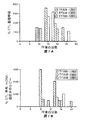
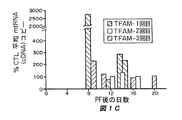
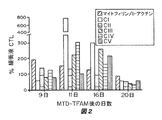
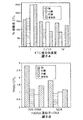
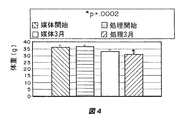
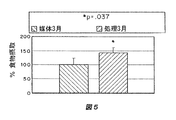
Classifications
-
- A—HUMAN NECESSITIES
- A61—MEDICAL OR VETERINARY SCIENCE; HYGIENE
- A61K—PREPARATIONS FOR MEDICAL, DENTAL OR TOILETRY PURPOSES
- A61K38/00—Medicinal preparations containing peptides
- A61K38/02—Peptides of undefined number of amino acids; Derivatives thereof
-
- A—HUMAN NECESSITIES
- A61—MEDICAL OR VETERINARY SCIENCE; HYGIENE
- A61K—PREPARATIONS FOR MEDICAL, DENTAL OR TOILETRY PURPOSES
- A61K38/00—Medicinal preparations containing peptides
- A61K38/16—Peptides having more than 20 amino acids; Gastrins; Somatostatins; Melanotropins; Derivatives thereof
- A61K38/17—Peptides having more than 20 amino acids; Gastrins; Somatostatins; Melanotropins; Derivatives thereof from animals; from humans
-
- A—HUMAN NECESSITIES
- A61—MEDICAL OR VETERINARY SCIENCE; HYGIENE
- A61P—SPECIFIC THERAPEUTIC ACTIVITY OF CHEMICAL COMPOUNDS OR MEDICINAL PREPARATIONS
- A61P17/00—Drugs for dermatological disorders
-
- A—HUMAN NECESSITIES
- A61—MEDICAL OR VETERINARY SCIENCE; HYGIENE
- A61P—SPECIFIC THERAPEUTIC ACTIVITY OF CHEMICAL COMPOUNDS OR MEDICINAL PREPARATIONS
- A61P3/00—Drugs for disorders of the metabolism
- A61P3/04—Anorexiants; Antiobesity agents
-
- C—CHEMISTRY; METALLURGY
- C07—ORGANIC CHEMISTRY
- C07K—PEPTIDES
- C07K14/00—Peptides having more than 20 amino acids; Gastrins; Somatostatins; Melanotropins; Derivatives thereof
- C07K14/435—Peptides having more than 20 amino acids; Gastrins; Somatostatins; Melanotropins; Derivatives thereof from animals; from humans
- C07K14/46—Peptides having more than 20 amino acids; Gastrins; Somatostatins; Melanotropins; Derivatives thereof from animals; from humans from vertebrates
- C07K14/47—Peptides having more than 20 amino acids; Gastrins; Somatostatins; Melanotropins; Derivatives thereof from animals; from humans from vertebrates from mammals
-
- C—CHEMISTRY; METALLURGY
- C07—ORGANIC CHEMISTRY
- C07K—PEPTIDES
- C07K19/00—Hybrid peptides, i.e. peptides covalently bound to nucleic acids, or non-covalently bound protein-protein complexes
-
- C—CHEMISTRY; METALLURGY
- C12—BIOCHEMISTRY; BEER; SPIRITS; WINE; VINEGAR; MICROBIOLOGY; ENZYMOLOGY; MUTATION OR GENETIC ENGINEERING
- C12N—MICROORGANISMS OR ENZYMES; COMPOSITIONS THEREOF; PROPAGATING, PRESERVING, OR MAINTAINING MICROORGANISMS; MUTATION OR GENETIC ENGINEERING; CULTURE MEDIA
- C12N15/00—Mutation or genetic engineering; DNA or RNA concerning genetic engineering, vectors, e.g. plasmids, or their isolation, preparation or purification; Use of hosts therefor
- C12N15/09—Recombinant DNA-technology
- C12N15/11—DNA or RNA fragments; Modified forms thereof; Non-coding nucleic acids having a biological activity
-
- C—CHEMISTRY; METALLURGY
- C07—ORGANIC CHEMISTRY
- C07K—PEPTIDES
- C07K2319/00—Fusion polypeptide
- C07K2319/01—Fusion polypeptide containing a localisation/targetting motif
- C07K2319/07—Fusion polypeptide containing a localisation/targetting motif containing a mitochondrial localisation signal
-
- C—CHEMISTRY; METALLURGY
- C07—ORGANIC CHEMISTRY
- C07K—PEPTIDES
- C07K2319/00—Fusion polypeptide
- C07K2319/70—Fusion polypeptide containing domain for protein-protein interaction
- C07K2319/71—Fusion polypeptide containing domain for protein-protein interaction containing domain for transcriptional activaation, e.g. VP16
-
- C—CHEMISTRY; METALLURGY
- C07—ORGANIC CHEMISTRY
- C07K—PEPTIDES
- C07K2319/00—Fusion polypeptide
- C07K2319/80—Fusion polypeptide containing a DNA binding domain, e.g. Lacl or Tet-repressor
-
- Y—GENERAL TAGGING OF NEW TECHNOLOGICAL DEVELOPMENTS; GENERAL TAGGING OF CROSS-SECTIONAL TECHNOLOGIES SPANNING OVER SEVERAL SECTIONS OF THE IPC; TECHNICAL SUBJECTS COVERED BY FORMER USPC CROSS-REFERENCE ART COLLECTIONS [XRACs] AND DIGESTS
- Y02—TECHNOLOGIES OR APPLICATIONS FOR MITIGATION OR ADAPTATION AGAINST CLIMATE CHANGE
- Y02A—TECHNOLOGIES FOR ADAPTATION TO CLIMATE CHANGE
- Y02A50/00—TECHNOLOGIES FOR ADAPTATION TO CLIMATE CHANGE in human health protection, e.g. against extreme weather
- Y02A50/30—Against vector-borne diseases, e.g. mosquito-borne, fly-borne, tick-borne or waterborne diseases whose impact is exacerbated by climate change
Landscapes
- Health & Medical Sciences (AREA)
- Life Sciences & Earth Sciences (AREA)
- Chemical & Material Sciences (AREA)
- Organic Chemistry (AREA)
- General Health & Medical Sciences (AREA)
- Medicinal Chemistry (AREA)
- Engineering & Computer Science (AREA)
- Genetics & Genomics (AREA)
- Proteomics, Peptides & Aminoacids (AREA)
- Bioinformatics & Cheminformatics (AREA)
- Molecular Biology (AREA)
- Biochemistry (AREA)
- Zoology (AREA)
- Biophysics (AREA)
- Pharmacology & Pharmacy (AREA)
- Animal Behavior & Ethology (AREA)
- Public Health (AREA)
- Veterinary Medicine (AREA)
- Gastroenterology & Hepatology (AREA)
- Biomedical Technology (AREA)
- Epidemiology (AREA)
- Toxicology (AREA)
- Immunology (AREA)
- General Chemical & Material Sciences (AREA)
- Wood Science & Technology (AREA)
- General Engineering & Computer Science (AREA)
- Nuclear Medicine, Radiotherapy & Molecular Imaging (AREA)
- Biotechnology (AREA)
- Chemical Kinetics & Catalysis (AREA)
- Obesity (AREA)
- Dermatology (AREA)
- Physics & Mathematics (AREA)
- Child & Adolescent Psychology (AREA)
- Hematology (AREA)
- Plant Pathology (AREA)
- Microbiology (AREA)
- Diabetes (AREA)
- Peptides Or Proteins (AREA)
- Medicines That Contain Protein Lipid Enzymes And Other Medicines (AREA)
- Pharmaceuticals Containing Other Organic And Inorganic Compounds (AREA)
Abstract
対象の代謝を改変するための方法、及び組成物が提供される。一つの実施態様は、ポリヌクレオチド結合ドメイン、タンパク質形質導入ドメイン、及びターゲティングドメインを有する組換えポリペプチドを提供する。好ましい実施態様において、ポリヌクレオチド結合ドメインは、1つ以上のHMGボックスドメインを含む。
【選択図】 図1AMethods and compositions for altering the metabolism of a subject are provided. One embodiment provides a recombinant polypeptide having a polynucleotide binding domain, a protein transduction domain, and a targeting domain. In a preferred embodiment, the polynucleotide binding domain comprises one or more HMG box domains.
[Selection] Figure 1A
Description
(連邦によって後援された研究、又は開発に関する記載)
以下の開示の態様は、国立衛生研究所によって授与された助成金番号AG023443-02によって、部分的に支援された。従って、米国は、本開示における特定の権利を有する。
(Federal sponsored research or development statement)
The following disclosure aspects were supported in part by grant number AG023443-02 awarded by the National Institutes of Health. Accordingly, the United States has certain rights in this disclosure.
(本発明の分野)
本開示は、一般に、形質導入可能なDNA結合タンパク質の細胞小器官への送達のための組成物、及び方法に、より詳細にはミトコンドリアを修飾する、例えばミトコンドリア生物発生、及び酸化的代謝を誘導するための組成物、及び方法に向けられる。
(Field of the Invention)
The present disclosure generally relates to compositions and methods for delivery of transducible DNA binding proteins to organelles, and more particularly to modify mitochondria, eg, induce mitochondrial biogenesis and oxidative metabolism It is directed to a composition and method for doing so.
(背景)
進化の間において、多くの微生物は、巨大分子を生細胞に導入するという課題に取り組んだ。細胞特異的な、通常受容体を媒介するか、又は能動的取り込みメカニズムを除いて、多くの系統において独立して出現した一般的な解法は、脂質二重層膜と相互作用し、かつ脂質二重層内に挿入するように特異的に進化されたペプチドに依存する。従って、細菌コリシン、ヒトポーリン、及び多様な種からのタンパク質形質導入ドメイン(PTD)は、正に荷電したαヘリックスのモチーフを有し、両親媒性構造を持つことが多く、かつこれは、脂質膜内に挿入すること、及び細胞内により大きな積荷を送達することができる。最近の研究報告では、血液脳関門、及び胎盤を含む生物学的境界を超えるタンパク質の送達のためにこれらに融合されたPTDの良好な使用を確認している。
(background)
During evolution, many microorganisms have tackled the challenge of introducing macromolecules into living cells. With the exception of cell-specific, normally receptor-mediated or active uptake mechanisms, common solutions that have emerged independently in many strains interact with lipid bilayer membranes and lipid bilayers Rely on peptides that have been specifically evolved to insert into. Therefore, bacterial colicin, human porin, and protein transduction domains (PTDs) from various species often have a positively charged alpha helix motif and often have an amphipathic structure, which is a lipid membrane It can be inserted into and deliver larger loads into the cell. Recent research reports confirm the good use of PTD fused to these for delivery of proteins across the blood-brain barrier and biological boundaries including the placenta.
ミトコンドリアは、全ての真核細胞におけるα-プロテオ細菌の、エネルギーを産生し、かつ細胞死を制御する内部共生体である(Fitzpatrickらの文献、Mol Biol Evol., 23(1):74-85(2006))。ミトコンドリア外膜は、真核生物血漿膜のものと同様の脂質組成を有するが、ミトコンドリア内膜は、独特の脂質、カルジオリピンを含み、細菌膜により近く似ている。ミトコンドリアは、酸化的リン酸化を行うために必要なタンパク質を産生することに関与する、これら自体のDNA、転写、及び翻訳機構を含む。多くの疾患は、ミトコンドリア数、ミトコンドリア機能、又はより具体的には、酸化的リン酸化の減退と関連している。更にまた、基底状態、若しくは健康な状態におけるミトコンドリアの機能、数、又は酸化的リン酸化を増加させると、脳、及び筋肉などのミトコンドリア代謝に非常に依存する細胞、及び組織の能力を増加させ得る。
従って、対象におけるミトコンドリア数、ミトコンドリア機能、及び/又は酸化的リン酸化を増加させるための組成物、及び方法を提供することが、本発明の目的である。
Mitochondria are an endosymbiosis that produces energy and controls cell death of α-proteobacteria in all eukaryotic cells (Fitzpatrick et al., Mol Biol Evol., 23 (1): 74-85. (2006)). The outer mitochondrial membrane has a lipid composition similar to that of eukaryotic plasma membranes, but the inner mitochondrial membrane contains a unique lipid, cardiolipin, and is more like a bacterial membrane. Mitochondria contain their own DNA, transcription, and translation machinery that is involved in producing the proteins necessary to carry out oxidative phosphorylation. Many diseases are associated with reduced mitochondrial numbers, mitochondrial function, or more specifically, oxidative phosphorylation. Furthermore, increasing mitochondrial function, number, or oxidative phosphorylation in the basal or healthy state can increase the ability of cells and tissues that are highly dependent on mitochondrial metabolism such as brain and muscle. .
Accordingly, it is an object of the present invention to provide compositions and methods for increasing mitochondrial number, mitochondrial function, and / or oxidative phosphorylation in a subject.
(要旨)
ミトコンドリア生物学的活性、並びにミトコンドリアの数を増加させるための組成物、及び方法が提供される。一つの実施態様は、ポリヌクレオチド結合ドメイン、ターゲティングドメイン、例えば細胞小器官特異的なターゲティングシグナル、及びタンパク質形質導入ドメインを有する修飾ポリペプチドを提供する。特定の実施態様において、修飾ポリペプチドは、少なくとも1つのHMGボックスドメイン、より典型的には少なくとも2つのHMGボックスドメインを有する。ポリペプチドは、ミトコンドリアなどの細胞、及び標的特異的な細胞小器官に入るようにデザインされている。ターゲティングシグナルは、関心対象の部位、例えば細胞小器官にポリペプチドを向けるのを補助し、これにより細胞の細胞小器官の機能を改変する。
(Summary)
Compositions and methods are provided for increasing mitochondrial biological activity, as well as the number of mitochondria. One embodiment provides a modified polypeptide having a polynucleotide binding domain, a targeting domain, eg, an organelle-specific targeting signal, and a protein transduction domain. In certain embodiments, the modified polypeptide has at least one HMG box domain, more typically at least two HMG box domains. Polypeptides are designed to enter cells such as mitochondria and target-specific organelles. The targeting signal helps direct the polypeptide to a site of interest, eg, an organelle, thereby altering the function of the organelle of the cell.
好ましい実施態様において、組換えポリペプチドは、

別の実施態様において、組換えポリペプチドは、
別の実施態様は、対照と比較してミトコンドリア生物発生を増大するために、細胞に対してポリヌクレオチド結合ドメイン、ターゲティングドメイン、及びタンパク質形質導入ドメインを有する組換えポリペプチドの有効な量を投与することにより、ミトコンドリア生物発生を誘導する、及びミトコンドリア酸化的代謝を増加させる組成物、並びに方法を提供する。一つの実施態様は、ポリヌクレオチド結合ドメイン、ターゲティングドメイン、及びタンパク質形質導入ドメインを有する組換えポリペプチド、並びに医薬として許容し得る担体、又は賦形剤から本質的になる医薬組成物を提供する。好ましくは、ポリヌクレオチド結合ドメインは、ポリヌクレオチドを結合することができるTFAM、又はその断片を含む。別の実施態様は、対象におけるミトコンドリア酸化的代謝を増大させるために、対象に対して開示されたポリペプチドの有効な量を投与することによって体重を減少させるための方法を提供する。 Another embodiment administers an effective amount of a recombinant polypeptide having a polynucleotide binding domain, a targeting domain, and a protein transduction domain to a cell to increase mitochondrial biogenesis as compared to a control Thus, compositions and methods for inducing mitochondrial biogenesis and increasing mitochondrial oxidative metabolism are provided. One embodiment provides a pharmaceutical composition consisting essentially of a recombinant polypeptide having a polynucleotide binding domain, a targeting domain, and a protein transduction domain, and a pharmaceutically acceptable carrier or excipient. Preferably, the polynucleotide binding domain comprises TFAM, or a fragment thereof, capable of binding a polynucleotide. Another embodiment provides a method for reducing body weight by administering an effective amount of a disclosed polypeptide to a subject to increase mitochondrial oxidative metabolism in the subject.
好ましい実施態様は、3つのポリペプチド領域、又はドメインを有する融合タンパク質を提供する。第1の領域は、N末端基領域であり、PTDを含む。PTDは、ターゲティングシグナル、又はドメインを含む第2の領域に作動可能に連結される。第2の領域は、ミトコンドリアDNAに結合するか、又は凝縮するポリペプチドを含む第三部位に作動可能に連結される。好ましくは、ポリヌクレオチド結合ポリペプチドは、ミトコンドリア転写因子である。ミトコンドリアDNAを結合するか、又は凝縮する好ましいポリペプチドは、ミトコンドリアDNAを結合するか、若しくは凝縮すること、又はミトコンドリアDNAの転写を促進するか、若しくは誘導することかできるTFAM、又はその断片を含むが、限定されない。 Preferred embodiments provide fusion proteins having three polypeptide regions, or domains. The first region is an N-terminal group region and includes PTD. The PTD is operably linked to a second region that includes a targeting signal, or domain. The second region is operably linked to a third site that contains a polypeptide that binds to or condenses mitochondrial DNA. Preferably, the polynucleotide binding polypeptide is a mitochondrial transcription factor. Preferred polypeptides that bind or condense mitochondrial DNA include TFAM, or a fragment thereof, that can bind or condense mitochondrial DNA, or promote or induce transcription of mitochondrial DNA. However, it is not limited.
(詳細な説明)
(1. 定義)
開示された主題を記述し、及び請求する際に、以下の用語法が下記の定義に従って使用されるだろう。
(Detailed explanation)
(1. Definition)
In describing and claiming the disclosed subject matter, the following terminology will be used in accordance with the definitions below.
「ポリペプチド」という用語は、タンパク質、及びその断片を含む。ポリペプチドは、アミノ酸残基配列として本明細書に開示される。これらの配列は、アミノからカルボキシ末端に向けて左から右に書き込まれる。標準的な命名法に従って、アミノ酸残基配列は、以下の通りに示されるような3文字、又は1文字コードのいずれによって命名される:アラニン(Ala、A)、アルギニン(Arg、R)、アスパラギン(Asn、N)、アスパラギン酸(Asp、D)、システイン(Cys、C)、グルタミン(Gln、Q)、グルタミン酸(Glu、E)、グリシン(Gly、G)、ヒスチジン(His、H)、イソロイシン(Ile、I)、ロイシン(Leu、L)、リジン(Lys、K)、メチオニン(Met、M)、フェニルアラニン(Phe、F)、プロリン(Pro、P)、セリン(Ser、S)、スレオニン(Thr、T)、トリプトファン(trp、W)、チロシン(Tyr、Y)、及びバリン(Val、V)。 The term “polypeptide” includes proteins and fragments thereof. Polypeptides are disclosed herein as amino acid residue sequences. These sequences are written from left to right from the amino to the carboxy terminus. According to standard nomenclature, amino acid residue sequences are named by either a three letter or one letter code as shown below: alanine (Ala, A), arginine (Arg, R), asparagine (Asn, N), aspartic acid (Asp, D), cysteine (Cys, C), glutamine (Gln, Q), glutamic acid (Glu, E), glycine (Gly, G), histidine (His, H), isoleucine (Ile, I), leucine (Leu, L), lysine (Lys, K), methionine (Met, M), phenylalanine (Phe, F), proline (Pro, P), serine (Ser, S), threonine ( Thr, T), tryptophan (trp, W), tyrosine (Tyr, Y), and valine (Val, V).
「変異体」は、参照ポリペプチド、又はポリヌクレオチドと異なるが、必須な特性を保持するポリペプチド、又はポリヌクレオチドをいう。典型的なポリペプチド変異体は、アミノ酸配列が別の参照ポリペプチドと異なる。一般に、相違は、参照ポリペプチド、及び変異体の配列が全体的に近似しており、多くの領域において同一であるように、限定される。変異体、及び参照ポリペプチドは、1つ以上の修飾(例えば、置換、付加、及び/又は欠失)によって、アミノ酸配列が異なってもよい。置換され、又は挿入されるアミノ酸残基は、遺伝子暗号によってコードされるものであっても、又はなくてもよい。ポリペプチドの変異体は、対立遺伝子変異体など天然に生じていてもよく、又はこれは、天然に存在することが知られていない変異体でもよい。 “Variant” refers to a polypeptide or polynucleotide that differs from a reference polypeptide or polynucleotide but retains essential properties. A typical polypeptide variant differs in amino acid sequence from another, reference polypeptide. In general, the differences are limited so that the sequences of the reference polypeptide and the variant are generally approximate and are identical in many regions. Variants and reference polypeptides may differ in amino acid sequence by one or more modifications (eg, substitutions, additions, and / or deletions). The amino acid residue that is substituted or inserted may or may not be encoded by the genetic code. A variant of a polypeptide may occur naturally, such as an allelic variant, or it may be a variant that is not known to occur naturally.
修飾、及び改変を、開示におけるポリペプチドの構造に行うことができ、更にポリペプチドとして同様の特徴を有する分子(例えば、保存的アミノ酸置換)を得ることができる。例えば、特定のアミノ酸は、はっきりそれと分かる活性の喪失を伴わずに配列においてその他のアミノ酸に置換することができる。ポリペプチドの相互作用能、及び性質は、そのポリペプチドの生物学的機能活性を規定するので、特定のアミノ酸配列置換をポリペプチド配列に行って、そしてそれにも関わらず同様の特性を有するポリペプチドを得ることができる。 Modifications and alterations can be made to the structure of the polypeptides in the disclosure, and molecules having similar characteristics as polypeptides (eg, conservative amino acid substitutions) can be obtained. For example, certain amino acids can be substituted for other amino acids in the sequence without a noticeable loss of activity. Polypeptides having the same ability to interact with a particular amino acid sequence, and nevertheless, the ability to interact and the nature of a polypeptide define the biological functional activity of that polypeptide. Can be obtained.
このような変化を作製する際に、アミノ酸のヒドロパシーインデックスを考慮することができる。ポリペプチドに対して双方向性生物学的機能を与える際のヒドロパシーアミノ酸インデックスの重要性は、当該技術分野において一般に理解される。特定のアミノ酸を類似のヒドロパシーインデックス、又はスコアを有する他のアミノ酸に置換することができ、更に類似の生物学的活性を有するポリペプチドを生じることが知られている。それぞれのアミノ酸には、その疎水性、及び電荷特徴に基づいてヒドロパシーインデックスを割り当てられている。これらのインデックスは、以下の通りである:イソロイシン(+4.5);バリン(+4.2);ロイシン(+3.8);フェニルアラニン(+2.8);システイン/システイン(+2.5);メチオニン(+1.9);アラニン(+1.8);グリシン(-0.4);スレオニン(-0.7);セリン(-0.8);トリプトファン(-0.9);チロシン(-1.3);プロリン(-1.6);ヒスチジン(-3.2);グルタミン酸(-3.5);グルタミン(-3.5);アスパルテート(-3.5);アスパラギン(-3.5);リジン(-3.9);及びアルギニン(-4.5)。 In making such changes, the hydropathy index of amino acids can be considered. The importance of the hydropathic amino acid index in conferring bidirectional biological function on a polypeptide is generally understood in the art. It is known that certain amino acids can be replaced with other amino acids with similar hydropathy indices, or scores, resulting in polypeptides with similar biological activity. Each amino acid has been assigned a hydropathic index based on its hydrophobicity and charge characteristics. These indices are as follows: isoleucine (+4.5); valine (+4.2); leucine (+3.8); phenylalanine (+2.8); cysteine / cysteine (+2.5); methionine (+1.9); alanine (+1.8); Glycine (-0.4); Threonine (-0.7); Serine (-0.8); Tryptophan (-0.9); Tyrosine (-1.3); Proline (-1.6); Histidine (-3.2); Glutamic acid (- 3.5); glutamine (-3.5); aspartate (-3.5); asparagine (-3.5); lysine (-3.9); and arginine (-4.5).
アミノ酸の相対的なヒドロパシーの特徴が、生じるポリペプチドの二次構造を決定し、そしてまた酵素、基質、受容体、抗体、抗原等などのその他の分子とポリペプチドの相互作用を定義すると考えられる。アミノ酸を、同様のヒドロパシーインデックスを有する別のアミノ酸によって置換することができ、更に機能的に同等なポリペプチドを得ることができることは、当該技術分野において公知である。このような変化において、そのヒドロパシーインデックスが±2以内であるアミノ酸の置換が好ましく、±1以内のものが、特に好ましく、±0.5以内のものは、更に、特に好ましい。 The relative hydropathic characteristics of amino acids determine the secondary structure of the resulting polypeptide and also define the interaction of the polypeptide with other molecules such as enzymes, substrates, receptors, antibodies, antigens, etc. . It is known in the art that an amino acid can be replaced by another amino acid having a similar hydropathy index, and that further functionally equivalent polypeptides can be obtained. In such changes, substitution of amino acids whose hydropathy index is within ± 2 is preferred, those within ± 1 are particularly preferred, and those within ± 0.5 are even more particularly preferred.
また、アミノ酸の様な置換は、特にこれにより作製された生物学的に機能的な同等なポリペプチド、又はペプチドが免疫学的実施態様に使用するために意図される場合に、親水性に基づいて行うことができる。以下の親水性値がアミノ酸残基に割り当てられている:アルギニン(+3.0);リジン(+3.0);アスパルテート(+3.0±1);グルタミン酸(+3.0±1);セリン(+0.3);アスパラギン(+0.2);グルタミン(+0.2);グリシン(0);プロリン(-0.5±1);スレオニン(-0.4);アラニン(-0.5);ヒスチジン(-0.5);システイン(-1.0);メチオニン(-1.3);バリン(-1.5);ロイシン(-1.8);イソロイシン(-1.8);チロシン(-2.3);フェニルアラニン(-2.5);トリプトファン(-3.4)。アミノ酸を同様の親水性値を有する別のものに置換することができ、更に生物学的に同等な、及び特に、免疫学的に同等なポリペプチドを得ることができることが理解される。このような変化において、その親水性値が±2以内であるアミノ酸の置換が好ましく、±1以内のものが特に好ましく、及び±0.5以内のものが、更に、特に好ましい。 In addition, substitutions such as amino acids are based on hydrophilicity, particularly when the biologically functional equivalent polypeptide produced thereby or the peptide is intended for use in an immunological embodiment. Can be done. The following hydrophilicity values have been assigned to amino acid residues: arginine (+3.0); lysine (+3.0); aspartate (+ 3.0 ± 1); glutamic acid (+ 3.0 ± 1); serine (+0.3); Asparagine (+0.2); Glutamine (+0.2); Glycine (0); Proline (-0.5 ± 1); Threonine (-0.4); Alanine (-0.5); Histidine (-0.5); Cysteine (-1.0); (-1.3); valine (-1.5); leucine (-1.8); isoleucine (-1.8); tyrosine (-2.3); phenylalanine (-2.5); tryptophan (-3.4). It is understood that an amino acid can be replaced with another having a similar hydrophilicity value, and further biologically equivalent and in particular immunologically equivalent polypeptides can be obtained. In such changes, substitution of amino acids whose hydrophilicity values are within ± 2 is preferred, those within ± 1 are particularly preferred, and those within ± 0.5 are even more preferred.
上で概説したように、アミノ酸置換は、一般にアミノ酸側鎖置換基の相対的類似性、例えばそれらの疎水性、親水性、充電、サイズ等に基づいている。前述の種々の特徴が考慮される例示的な置換は、当業者に周知であり、摂取する、及び含む(元の残基:例示的な置換):(Ala:Gly、Ser)、(Arg:Lys)、(Asn:Gln、His)、(Asp:Glu、Cys、Ser)、(Gln:Asn)、(Glu:Asp)、(Gly:Ala)、(His:Asn、Gln)、(Ile:Leu、Val)、(Leu:Ile、Val)、(Lys:Arg)、(Met:Leu、Tyr)、(Ser:Thr)、(Thr:Ser)、(Tip:Tyr)、(Tyr:trp(Phe))、及び(Val:Ile、Leu)。従って、この開示の実施態様は、前述のようなポリペプチドの機能的、又は生物学的同等物を想定する。特に、ポリペプチドの実施態様は、関心対象のポリペプチドと約50%、60%、70%、80%、90%、及び95%の配列同一性を有する変異体を含むことができる。 As outlined above, amino acid substitutions are generally based on the relative similarity of amino acid side chain substituents, such as their hydrophobicity, hydrophilicity, charge, size, and the like. Exemplary substitutions that take into account the various features described above are well known to those of skill in the art and are ingested and include (original residues: exemplary substitutions): (Ala: Gly, Ser), (Arg: Lys), (Asn: Gln, His), (Asp: Glu, Cys, Ser), (Gln: Asn), (Glu: Asp), (Gly: Ala), (His: Asn, Gln), (Ile: Leu, Val), (Leu: Ile, Val), (Lys: Arg), (Met: Leu, Tyr), (Ser: Thr), (Thr: Ser), (Tip: Tyr), (Tyr: trp ( Phe)), and (Val: Ile, Leu). Accordingly, embodiments of this disclosure contemplate functional or biological equivalents of the polypeptides as described above. In particular, polypeptide embodiments can include variants having about 50%, 60%, 70%, 80%, 90%, and 95% sequence identity with the polypeptide of interest.
「同一性」は、当技術分野において公知のとおり、配列を比較することによって定まる、2つ以上のポリペプチド配列の関係である。当該技術分野において、「同一性」は、また、このような配列の列間のマッチによって決定されるポリペプチド間の配列相関性の程度を意味する。「同一性」、及び「類似性」は、限定されないが、(計算分子生物学(Computational Molecular Biology), Lesk, A. M.編, Oxford University Press, New York, 1988;バイオコンピューティング:情報科学、及びゲノムプロジェクト(Biocomputing: Informatics and Genome Projects), Smith, D. W.編, Academic Press, New York, 1993;配列データのコンピューター解析、I部(Computer Analysis of Sequence Data, Part I), Griffin, A. M., 、及び Griffin, H. G.編, Humana Press, New Jersey, 1994; 分子生物学における配列解析(Sequence Analysis in Molecular Biology), von Heinje, G., Academic Press, 1987;並びに配列解析プライマー(Sequence Analysis Primer), Gribskov, M. and Devereux, J.編, M Stockton Press, New York, 1991;並びにCarillo, H.、及び Lipman, D., SIAM J Applied Math., 48: 1073 (1988)に記述されたものを含む、公知の方法によって容易に算出することができる。 “Identity” is the relationship between two or more polypeptide sequences as determined by comparing the sequences, as is known in the art. In the art, “identity” also means the degree of sequence correlation between polypeptides determined by a match between sequences of such sequences. “Identity” and “similarity” include, but are not limited to, (Computational Molecular Biology, Lesk, AM, Oxford University Press, New York, 1988; biocomputing: information science and genome Project (Biocomputing: Informatics and Genome Projects), Smith, DW, Academic Press, New York, 1993; Computer Analysis of Sequence Data, Part I, Griffin, AM, and Griffin, HG, Humana Press, New Jersey, 1994; Sequence Analysis in Molecular Biology, von Heinje, G., Academic Press, 1987; and Sequence Analysis Primer, Gribskov, M. and Devereux, J., M Stockton Press, New York, 1991; and Carillo, H., and Lipman, D., SIAM J Applied Math., 48: 1073 (1988). It can be easily calculated by a method.
同一性を決定するための好ましい方法は、試験される配列間で最も大きなマッチを与えるようにデザインされる。同一性、及び類似性を決定する方法は、一般に公開されているコンピュータプログラムにおいて体系化されている。2つの配列間のパーセント同一性は、Needelman、及びWunsch(J. Mol. Biol., 48:443-453、1970)アルゴリズム(例えば、NBLAST、及びXBLAST)を組み込む解析ソフトウェア(すなわち、遺伝学コンピュータグループの配列解析ソフトウェアパッケージ、Madison Wis.)を使用することにより決定することができる。本開示のポリペプチドのために同一性を決定するために、デフォルトパラメーターが使用される。 Preferred methods for determining identity are designed to give the greatest match between the sequences tested. Methods for determining identity and similarity are organized in publicly available computer programs. Percent identity between two sequences is determined by analysis software (ie, genetic computer group) that incorporates Needelman and Wunsch (J. Mol. Biol., 48: 443-453, 1970) algorithms (eg, NBLAST and XBLAST). The sequence analysis software package, Madison Wis.) Can be used. Default parameters are used to determine identity for the polypeptides of the present disclosure.
例証として、ポリペプチド配列は、参照配列と同一、すなわち100%同一でもよく、又は%同一性が100%未満であるように参照配列と比較して特定の整数個のアミノ酸変異を含んでいてもよい。このような変化は、少なくとも1つのアミノ酸欠失、保存的、及び非保存的置換を含む置換、又は挿入から選択され、前記変化は、参照ポリペプチド配列のアミノ末端、若しくはカルボキシ末端の位置にて、又は個々に、参照配列におけるアミノ酸の間に、又は参照配列内の1つ以上の隣接する基のいずれか点在されてこれらの末端位置の間のどこでも存在してもよい。所与の%同一性のためのアミノ酸変異の数は、参照ポリペプチドにおけるアミノ酸の総数に、それぞれのパーセント同一性の数のパーセントを乗じる(100で割る)こと、次いで、その結果を参照ポリペプチドにおけるアミノ酸の前記総数から減算することによって決定される。 By way of example, a polypeptide sequence may be identical to a reference sequence, i.e. 100% identical, or may contain a specific integer number of amino acid variations compared to a reference sequence such that the percent identity is less than 100%. Good. Such a change is selected from at least one amino acid deletion, substitution, including conservative and non-conservative substitutions, or insertion, said change being at the amino-terminal or carboxy-terminal position of the reference polypeptide sequence. Or individually, anywhere between amino acids in the reference sequence, or interspersed with one or more adjacent groups in the reference sequence, and between these terminal positions. The number of amino acid mutations for a given% identity is calculated by multiplying the total number of amino acids in the reference polypeptide by the percentage of the number of each percent identity (dividing by 100) and then dividing the result by the reference polypeptide Determined by subtracting from the total number of amino acids in.
本明細書に使用される、「低ストリンジェンシー」という用語は、ポリヌクレオチド、又はポリペプチドがほとんど、又は全く配列特異性がなく別の物質に結合することができる条件をいう。 As used herein, the term “low stringency” refers to conditions under which a polynucleotide or polypeptide can bind to another substance with little or no sequence specificity.
本明細書に使用される、「精製される」という用語、及び同様の用語は、天然の環境において通常は分子、又は化合物に付随するその他の成分が実質的にない(少なくとも60%ない、好ましくは75%ない、及び最も好ましくは90%ない)形態の、分子、又は化合物の単離に関する。 As used herein, the term “purified” and like terms are substantially free of at least 60%, preferably no other components normally associated with the molecule or compound in its natural environment. Is not 75%, and most preferably 90%) in the form of molecules or compounds.
本明細書に使用される、「医薬として許容し得る担体」という用語は、リン酸緩衝生理食塩溶液、水、及び油/水、又は水/油乳剤などの乳剤などの標準的な薬学的担体、並びに種々のタイプの湿潤剤のいずれかを包含する。 As used herein, the term “pharmaceutically acceptable carrier” refers to standard pharmaceutical carriers such as phosphate buffered saline, water, and emulsions such as oil / water or water / oil emulsions. As well as any of various types of wetting agents.
本明細書に使用される、「治療」という用語は、特異的な障害、若しくは状態と関連している症候を軽減すること、及び/又は前記症候を予防し、又は排除することを含む。 As used herein, the term “treatment” includes alleviating symptoms associated with a specific disorder or condition and / or preventing or eliminating the symptoms.
「作動可能に連結される」とは、成分がこれらの通常の機能を行うように構成される並置をいう。例えば、コード配列に作動可能に連結された制御配列、又はプロモーターは、コード配列の発現を遂行することができ、タンパク質に作動可能に連結された細胞小器官局在化配列は、連結されたタンパク質を特異的な細胞小器官にて局在化させるのを助けるだろう。 “Operably linked” refers to a juxtaposition where the components are configured to perform these normal functions. For example, a control sequence operably linked to a coding sequence, or a promoter, can effect expression of the coding sequence, and an organelle localization sequence operably linked to the protein Will help localize in specific organelles.
「局在化シグナル、又は配列、又はドメイン」、又は「ターゲティングシグナル、又は配列、又はドメイン」は、同義的に使用され、特異的な細胞、組織、細胞小器官、細胞内領域、又は細胞状態に分子を向けるシグナルをいう。シグナルは、ポリヌクレオチド、ポリペプチド、又は炭水化物部分であることができ、又は付着された分子を所望の位置に向けるために十分な有機、又は無機化合物であることができる。例示的なターゲティングシグナルは、表1に提供してあり、Wagnerらの文献、Adv Gen 53:333-354(2005)において記述されたものなどの当該技術分野において公知の細胞ターゲティングシグナルを含み、その開示は、これらの全体が本明細書に参考として組み込まれる。表1収載された全長配列が含まれる必要がないないこと、及びこれらの配列の切断を含む修飾が開示の範囲内であることが認識されるであろうが、ただし、配列は、連結された分子を特異的な細胞タイプに向けるように作動することを条件とする。本開示のターゲティングシグナルは、表1の配列と80〜100%の配列同一性を有することができる。適切なターゲティングシグナルの1つのクラスは、受容体:リガンドメカニズムにおいてターゲットされた細胞と相互作用しないものを含む。例えば、ターゲティングシグナルは、実効電荷、例えば正電荷を有する、又は与えるシグナルを含む。正に荷電したシグナルは、ニューロン、及び筋肉などの負に荷電した細胞タイプをターゲットするために使用することができる。負に帯電したシグナルは、正に荷電した細胞をターゲットするために使用することができる。 “Localization signal or sequence or domain” or “targeting signal or sequence or domain” is used interchangeably and refers to a specific cell, tissue, organelle, subcellular region, or cellular state A signal that directs a molecule to. The signal can be a polynucleotide, polypeptide, or carbohydrate moiety, or it can be enough organic or inorganic compound to direct the attached molecule to the desired location. Exemplary targeting signals are provided in Table 1 and include cell targeting signals known in the art, such as those described in Wagner et al., Adv Gen 53: 333-354 (2005), The disclosures of which are hereby incorporated by reference in their entirety. It will be appreciated that the full-length sequences listed in Table 1 need not be included, and modifications including truncation of these sequences are within the scope of the disclosure, provided that the sequences are linked. Condition is to operate to direct molecules to specific cell types. The targeting signals of the present disclosure can have 80-100% sequence identity with the sequences in Table 1. One class of suitable targeting signals includes those that do not interact with the targeted cell in the receptor: ligand mechanism. For example, a targeting signal includes a signal having or giving a net charge, eg, a positive charge. Positively charged signals can be used to target negatively charged cell types such as neurons and muscles. Negatively charged signals can be used to target positively charged cells.
「指向性」は、特異的な細胞、細胞タイプ、又は細胞状態に引きつけられる分子の性向をいう。当該技術分野において、指向性は、異なるウイルス及び病原体が優先して特異的な宿主種、又はこれらの種内の特異的な細胞タイプに対してターゲットするように進化した方法をいうことができる。特異的な細胞、細胞タイプ、又は細胞状態に引きつけられる分子の性向は、ターゲティングシグナルによって達成することができる。 “Direction” refers to the propensity of a molecule to be attracted to a specific cell, cell type, or cellular state. In the art, directionality can refer to methods that have evolved to target different virus and pathogens preferentially to specific host species, or specific cell types within these species. The propensity of molecules to be attracted to specific cells, cell types, or cellular states can be achieved by targeting signals.
「細胞タイプ」は、当該技術分野において細胞をグループ化、又は分類する様式である。細胞タイプという用語は、部分的には共通の生物学的機能、位置、形態、構造、ポリペプチドの発現、ヌクレオチド、又は代謝産物を介して決定されるこれらの生物学的特徴に基づいた、細胞のグループ化をいう。 “Cell type” is a way of grouping or classifying cells in the art. The term cell type refers to a cell based in part on these biological characteristics determined through a common biological function, location, morphology, structure, polypeptide expression, nucleotide, or metabolite. This means grouping.
「細胞状態」は、細胞タイプの状態をいう。細胞は、これらの生命の全体を通じて動的であり、分化、機能、形態、及び構造の種々の状態を達成することができる。本明細書に使用される、細胞状態は、その生涯の全体を通じた特異的な細胞タイプをいう。 “Cell state” refers to a cell type state. Cells are dynamic throughout their lives and can achieve a variety of states of differentiation, function, morphology, and structure. As used herein, a cellular state refers to a specific cell type throughout its lifetime.
本明細書に使用される、「細胞表面マーカー」という用語は、タイプ、又は状態のいずれかにおいて独特のものと細胞を同定するために十分な細胞の表面上に、又は近くに存在した部分、ペプチド、タンパク質、炭水化物、核酸、抗体、抗原、及び/又は代謝産物などの任意の分子をいう。 As used herein, the term “cell surface marker” refers to a moiety present on or near the surface of a cell sufficient to identify the cell as being unique in either type or condition, Any molecule such as a peptide, protein, carbohydrate, nucleic acid, antibody, antigen, and / or metabolite.
「タンパク質形質導入ドメイン」、又はPTDは、脂質二重層、ミセル、細胞膜、細胞小器官膜、又は小胞膜を横切るのを促進するポリペプチド、ポリヌクレオチド、炭水化物、又は有機、若しくは無機化合物をいう。別の分子に付着されたPTDは、分子が膜を横切る、例えば細胞外スペースから細胞内スペースに、又はサイトゾルから細胞小器官内に行くことを促進する。例示的なPTDは、
(2. 修飾されたポリヌクレオチド結合、又はポリヌクレオチド-パッケージングポリペプチド)
(A. ポリヌクレオチド結合ドメイン)
本明細書において提供されるポリペプチド、例えばDNA結合性タンパク質の送達のための組成物、及び方法は、任意にPTDを有し、かつ任意にターゲティングシグナル、若しくはドメインを有するポリヌクレオチド結合ポリペプチド、又はポリヌクレオチド-パッケージングポリペプチドを含む。修飾、又は組換えポリペプチドは、ポリヌクレオチド、又はその変異体を結合し、又はパッケージすることが知られている任意のポリペプチドであることができる。組換えポリペプチドは、単独で、又はポリヌクレオチドと組み合わせて、いずれかで治療的薬剤として使用することができる。一つの実施態様において、ポリヌクレオチド結合ポリペプチドは、特に、少なくとも1つのHMGボックスドメインにおいて、ポリヌクレオチドを結合するために、少なくとも高移動群(HMG)タンパク質のメンバーの一部を含む。
(2. Modified polynucleotide binding or polynucleotide-packaging polypeptide)
(A. Polynucleotide binding domain)
Compositions and methods for delivery of polypeptides provided herein, eg, DNA binding proteins, optionally have a PTD and optionally a polynucleotide or a binding polypeptide having a targeting signal, or domain, Or a polynucleotide-packaging polypeptide. The modified, or recombinant polypeptide can be any polypeptide known to bind or package a polynucleotide, or a variant thereof. Recombinant polypeptides can be used as therapeutic agents either alone or in combination with polynucleotides. In one embodiment, the polynucleotide binding polypeptide comprises at least a portion of a member of a high mobility group (HMG) protein to bind the polynucleotide, particularly in at least one HMG box domain.
一般に、HMGドメインは、2つの疎水性コアによって「L字状」の配置において安定化される3つのヘリックスの球状の折りたたみを含む。全ての真核細胞に共通である高移動群染色体タンパク質HMG1、又はHMG2は、例えばクロマチン機能、及び遺伝子制御を促進するために、非配列特異的な様式においてDNAを結合する。これらは、ヌクレオソームと直接相互作用することができ、クロマチン構造のモジュレーターであると考えられる。これらは、また、DNAに対するこれらの親和性を増加させることによって、p53、Hox転写因子、及びステロイドホルモン受容体を含む遺伝子発現の多数の制御因子を活性化するのに重要である。HMGタンパク質は、HMG-1/2、HMG-I(Y)、及びHMG-14/17を含む。 In general, the HMG domain comprises three helix globular folds that are stabilized in an “L-shaped” configuration by two hydrophobic cores. The high mobility group chromosomal protein HMG1, or HMG2, common to all eukaryotic cells, binds DNA in a non-sequence specific manner, for example to promote chromatin function and gene regulation. They can interact directly with nucleosomes and are thought to be modulators of chromatin structure. They are also important in activating many regulators of gene expression, including p53, Hox transcription factors, and steroid hormone receptors, by increasing their affinity for DNA. HMG proteins include HMG-1 / 2, HMG-I (Y), and HMG-14 / 17.
HMG-1/2-ボックスタンパク質は、タンパク質に存在するHMGドメインの数、これらの配列認識の特性、及びこれらの進化の関係に従って、3つのサブファミリーに更に区別することができる。第1のグループは、配列特異性をもたずにDNAに結合する染色体タンパク質(クラスI、HMG1、及びHMG2)を含み、第2は、DNAと結合するときに、別の関連因子の存在下において配列特異性を示す、リボソーム、及びミトコンドリア転写因子(クラスII、酵母ARS結合タンパク質ABF-2、UBF、及びミトコンドリア転写因子mtTF-1)を含み、かつ第3は、配列特異的なDNA結合を示す遺伝子特異的な転写因子(クラスIII、リンパ様エンハンサー-結合因子LEF-1、及びTCF-1;哺乳類性決定因子SRY、及び密接に関連したSOXタンパク質;及び真菌の調節性タンパク質Mat-MC、Mat-a1、Stel1、及びRox1)を含む。HMG1/2-ボックスDNA結合ドメインは、約75〜約80アミノ酸であり、高度に保存されたプロリン、芳香族、及び塩基性残基を含む。HMGドメインタンパク質の共通の特性は、DNAヘリックスの副溝との相互作用、不規則なDNA構造に対する結合、及び屈曲によってDNA構造を調整する能力を含む。 HMG-1 / 2-box proteins can be further differentiated into three subfamilies according to the number of HMG domains present in the protein, their sequence recognition characteristics, and their evolutionary relationships. The first group includes chromosomal proteins (Class I, HMG1, and HMG2) that bind to DNA without sequence specificity, and the second, in the presence of other related factors when binding to DNA. Ribosomes exhibiting sequence specificity in, and mitochondrial transcription factors (class II, yeast ARS-binding proteins ABF-2, UBF, and mitochondrial transcription factor mtTF-1), and third, sequence-specific DNA binding Gene-specific transcription factors shown (Class III, lymphoid enhancer-binding factor LEF-1 and TCF-1; mammalian determinant SRY, and closely related SOX protein; and fungal regulatory protein Mat-MC, Mat-a1, Stel1, and Rox1). The HMG1 / 2-box DNA binding domain is about 75 to about 80 amino acids and contains highly conserved proline, aromatic, and basic residues. Common properties of HMG domain proteins include the ability to tune the DNA structure by interacting with the minor groove of the DNA helix, binding to irregular DNA structures, and bending.
SOX(SRY-型HMGボックス)タンパク質は、性の決定、骨格形成、プレB、及びT細胞発達、並びに神経誘導を含む多数の発達過程において重要な機能を有する。SOX9は、Col2a1遺伝子の軟骨細胞-特異的エンハンサーを結合し、かつ活性化することによって、軟骨形成の間に直接的な役割を果たす。SOX9遺伝子機能の喪失は、屈曲肢異形成症(CD)として知られる遺伝的状態、極度な骨格の形成異常によって特徴づけられる小人症の形態、及びXYの個体の3/4が間性、又は男性から女性への性転換のいずれかを示すものを引き起こす。SOXファミリーには、クローン化された20を超えるメンバーがある。その全てがHMGドメインを含み、これは、特異的に二重鎖DNAモチーフに結合することができ、ヒト精巣決定因子SRYのHMGドメインと50%以上の相同性を有している。SOX9の好ましいDNA結合部位は、
一つの実施態様において、組換えポリヌクレオチド結合タンパク質は、少なくとも1つのHMGボックスドメイン、一般には少なくとも2つ、より詳細には2-5つのHMGボックスドメインを有する。HMGボックスドメインは、例えば、DNAの副溝を結合するために、タンパク質の凹表面上の大きな表面を使用して、ATリッチなDNA配列に結合することができる。この結合は、接触の部位から離れて、DNA螺旋軸を曲げる。第1、及び第2のヘリックスは、DNAに接触し、これらのN末端が副溝に適合するのに対して、ヘリックス3は、主に溶媒に曝露される。ヘリックス2における脂肪族、及び芳香族残基の部分的なインターカレーションが、副溝において生じる。
In one embodiment, the recombinant polynucleotide binding protein has at least one HMG box domain, generally at least two, and more particularly 2-5 HMG box domains. HMG box domains can bind to AT-rich DNA sequences, for example, using a large surface on the concave surface of the protein to bind the minor groove of DNA. This binding bends the DNA helix axis away from the site of contact. The first and second helices contact the DNA and their N-termini fit into the minor groove, whereas
その他の実施態様において、ポリヌクレオチド結合ポリペプチドは、少なくとも1つのポリヌクレオチド結合ドメイン、典型的には2つ、又はそれ以上のポリヌクレオチド結合ドメインを有することができる。ポリヌクレオチド結合ドメインは、同じ、又は異なることができる。例えば、ポリヌクレオチド結合ポリペプチドは、HMGボックス、ホメオドメイン、及びPOUドメイン;C2H2、及びC2C2などのZnフィンガードメイン;ロイシンジッパー、及びヘリックスループヘリックスドメインなどの両親媒性ヘリックスドメイン;並びにヒストンの折りたたみからなる群から選択される1つ以上のDNA結合ドメインと組み合わせて、少なくとも一つのHMGボックスを含むことができる。ポリヌクレオチド結合ドメインは、特異的なポリヌクレオチド配列に特異的であり、又は好ましくはポリヌクレオチドに非特異的に結合する。或いは、ポリヌクレオチド結合ポリペプチドは、配列特異的な様式で結合する少なくとも1つのポリヌクレオチド結合ドメイン、及び非特異的にDNAを結合する少なくとも1つのポリヌクレオチド結合ドメインのより多くの組み合わせを有することができる。 In other embodiments, the polynucleotide binding polypeptide can have at least one polynucleotide binding domain, typically two or more polynucleotide binding domains. The polynucleotide binding domains can be the same or different. For example, polynucleotide-binding polypeptides can be HMG boxes, homeodomains, and POU domains; Zn finger domains such as C 2 H 2 and C 2 C 2 ; amphipathic helix domains such as leucine zippers and helix loop helix domains As well as at least one HMG box in combination with one or more DNA binding domains selected from the group consisting of histone folds. The polynucleotide binding domain is specific for a specific polynucleotide sequence, or preferably non-specifically binds to a polynucleotide. Alternatively, the polynucleotide binding polypeptide may have more combinations of at least one polynucleotide binding domain that binds in a sequence-specific manner and at least one polynucleotide binding domain that binds DNA non-specifically. it can.
特定の実施態様は、ヘリックスターンヘリックスモチーフ、又は少なくともヘリックスターンヘリックスタンパク質のポリヌクレオチド結合領域を有する修飾されたポリヌクレオチド結合ポリペプチドを提供する。ヘリックスターンヘリックスタンパク質は、1リプレッサー、及びcroタンパク質などの細菌調節性タンパク質、lacリプレッサーなどと同様の構造を有し、これらは、二量体として結合し、かつその結合部位がパリンドロームである。これらは、短いターンによって分離された3つのらせん領域を含み、それが、これらがヘリックスターンヘリックスタンパク質と呼ばれている理由である。二量体の各サブユニットにおける1つのタンパク質ヘリックス(ヘリックス3)は、DNAヘリックスの2つの連続したターンの主溝を占める。従って、もう1つの実施態様において、開示されたポリヌクレオチド結合ポリペプチドは、二量体、又はその他の多成分複合体を形成することができ、1〜3個のヘリックスを有することができる。 Certain embodiments provide a modified polynucleotide binding polypeptide having a helix turn helix motif, or at least a polynucleotide binding region of a helix turn helix protein. Helix-turn-helix proteins have a structure similar to 1 repressor and bacterial regulatory proteins such as cro protein, lac repressor, etc., which bind as dimers and have a palindromic binding site. is there. These contain three helical regions separated by short turns, which is why they are called helix-turn-helix proteins. One protein helix (helix 3) in each subunit of the dimer occupies the main groove of two consecutive turns of the DNA helix. Thus, in another embodiment, the disclosed polynucleotide binding polypeptides can form dimers, or other multicomponent complexes, and can have 1-3 helices.
更に別の実施態様において、修飾されたポリヌクレオチド結合ポリペプチドは、ホメオドメイン、又はホメオドメインタンパク質の一部を含む。ホメオドメインタンパク質は、ホメオティック遺伝子と呼ばれている遺伝子の群において最初に同定された180塩基対の配列に結合する。従って、配列は、ホメオボックスと呼ばれた。180bpは、対応するタンパク質において60アミノ酸に対応する。このタンパク質ドメインは、ホメオドメインと呼ばれている。ホメオドメイン含有タンパク質は、それ以来、脊椎動物、及び植物を含む広範な生物において同定されてきた。ホメオドメインは、高度な配列保存を示す。ホメオドメインは、4つのαらせん領域を含む。ヘリックスII、及びIIIは、ターンを含む3つのアミノ酸によって接続される。この領域は、細菌DNA結合タンパク質のヘリックスII、及びIIIに非常に類似する構造を有する。 In yet another embodiment, the modified polynucleotide binding polypeptide comprises a homeodomain or a portion of a homeodomain protein. Homeodomain proteins bind to a 180 base pair sequence that was first identified in a group of genes called homeotic genes. The sequence was therefore called homeobox. 180 bp corresponds to 60 amino acids in the corresponding protein. This protein domain is called the homeodomain. Homeodomain-containing proteins have since been identified in a wide range of organisms including vertebrates and plants. Homeodomains exhibit a high degree of sequence conservation. The homeodomain contains four α helical regions. Helix II and III are connected by three amino acids including turns. This region has a structure very similar to the helix II and III of the bacterial DNA binding protein.
更に別の実施態様は、Znフィンガードメイン、又は少なくともZnフィンガータンパク質の一部を有する修飾されたポリヌクレオチド結合ポリペプチドを提供する。Znフィンガータンパク質は、一般構造:Phe(時にはTyr)-Cys-2〜4アミノ酸-Cys-3アミノ酸-Phe(時にはTyr)-5アミノ酸-Leu-2アミノ酸-His-3アミノ酸-Hisをもつドメインを有する。不変の位置に存在するフェニルアラニン、又はチロシン残基は、DNA結合のために必要とされる。フィンガーの数が変化するにもかかわらず、同様の配列がその他のDNA結合タンパク質の範囲において見いだされた。例えば、多数の遺伝子のプロモーター基部領域において見いだされるGCボックスに結合するSP1転写因子は、3本のフィンガーを有する。2つのシステイン、及び2つのヒスチジンを有するこのタイプのZnフィンガーは、C2H2 Znフィンガーと呼ばれている。 Yet another embodiment provides a modified polynucleotide binding polypeptide having a Zn finger domain, or at least a portion of a Zn finger protein. Zn finger protein has a domain with the general structure: Phe (sometimes Tyr) -Cys-2-4 amino acids-Cys-3 amino acids-Phe (sometimes Tyr) -5 amino acids-Leu-2 amino acids-His-3 amino acids-His Have. A phenylalanine or tyrosine residue present in an invariant position is required for DNA binding. Similar sequences were found in a range of other DNA binding proteins, despite the number of fingers changing. For example, the SP1 transcription factor that binds to the GC box found in the promoter base region of many genes has three fingers. This type of Zn finger with two cysteines and two histidines is called a C 2 H 2 Zn finger.
2対のシステインの間に亜鉛を結合するZnフィンガーの別の型タイプが、DNA結合タンパク質の範囲において見いだされた。この種のZnフィンガーの一般構造は、:Cys-2アミノ酸-Cys-13アミノ酸-Cys-2アミノ酸-Cysである。これは、C2C2 Znフィンガーと呼ばれている。これは、ステロイド受容体スーパーファミリーとして知られるタンパク質の群において見いだされ、それぞれ2つのC2C2 Znフィンガーを有する。 Another type of Zn finger that binds zinc between two pairs of cysteines was found in the range of DNA binding proteins. The general structure of this type of Zn finger is: Cys-2 amino acid-Cys-13 amino acid-Cys-2 amino acid-Cys. This is called a C 2 C 2 Zn finger. This is found in a group of proteins known as the steroid receptor superfamily, each with two C 2 C 2 Zn fingers.
別の実施態様は、ロイシンジッパー、又は少なくともロイシンジッパータンパク質の一部を有する修飾されたポリヌクレオチド結合ポリペプチドを提供する。最初のロイシンジッパータンパク質は、肝細胞の抽出物から同定され、これは、エンハンサー結合タンパク質であり、かつこれがCAATプロモーター近位配列に結合すると元来は考えられていたので、C/EBPと呼ばれていた。C/EBPは、二量体としてのみDNAに結合すだろう。2つの単量体が二量体を作製するために連結するタンパク質の領域は、二量体化ドメインと呼ばれている。これは、タンパク質のC末端の方にある。アミノ酸配列を調べたときに、35アミノ酸のひと配列にわたってロイシン残基が7アミノ酸ごとに存在することが判明した。この領域がαヘリックスを形成すると、次いでこれらのロイシンの全てがヘリックスの1つの表面上に整列するだろう。 Another embodiment provides a modified polynucleotide binding polypeptide having a leucine zipper, or at least a portion of a leucine zipper protein. The first leucine zipper protein was identified from an extract of hepatocytes, which was called an C / EBP because it was an enhancer binding protein and was originally thought to bind to the CAAT promoter proximal sequence. It was. C / EBP will bind to DNA only as a dimer. The region of the protein where the two monomers join together to create a dimer is called the dimerization domain. This is towards the C-terminus of the protein. When the amino acid sequence was examined, it was found that leucine residues exist every 7 amino acids over a 35 amino acid human sequence. If this region forms an α-helix, then all of these leucines will align on one surface of the helix.
ロイシンは、疎水性側鎖を有するので、ヘリックスの1つの表面は、非常に疎水性である。逆の表面は、親水性である帯電側鎖をもつアミノ酸を有する。疎水性、及び親水性の特徴の組み合わせでは、分子が両親媒性の別名を与える。ロイシンジッパー領域に隣接して、塩基性(正に荷電した)アミノ酸リジン、及びアルギニンリッチな20〜30アミノ酸の領域がある。これは、DNA結合ドメインであり-しばしばbZIPドメイン-ロイシンジッパーの塩基性領域とも言われる。C/EBPは、DNAヘリックスの周囲を包むこれらのbZIP領域によってDNAに結合すると考えられる。 Since leucine has hydrophobic side chains, one surface of the helix is very hydrophobic. The opposite surface has amino acids with charged side chains that are hydrophilic. In the combination of hydrophobic and hydrophilic characteristics, the molecule gives an amphipathic alias. Adjacent to the leucine zipper region is a basic (positively charged) amino acid lysine and a region of 20-30 amino acids rich in arginine. This is the DNA binding domain—often referred to as the basic region of the bZIP domain—leucine zipper. C / EBP is thought to bind to DNA through these bZIP regions that wrap around the DNA helix.
ロイシンジッパー-bZIP構造は、jun、及びfos発癌遺伝子の産物を含むその他のタンパク質の範囲において見いだされた。C/EBPは、同一のサブユニットのホモダイマーとしてDNAに結合するのに対して、fosは、全くホモダイマーを形成することができず、jun/junホモダイマーは、不安定な傾向がある。しかし、fos/junヘテロ二量体は、ずっと安定である。これらのfos/junヘテロ二量体は、様々なプロモーター、及びエンハンサーに結合して転写を活性化するAP1と呼ばれる一般的な転写因子に対応する。コンセンサスなAP1結合部位は、パリンドロームの
別の実施態様は、ヘリックスループヘリックスドメイン、又はヘリックスループヘリックスタンパク質のポリヌクレオチド結合部位を有する修飾されたポリヌクレオチド結合ポリペプチドを提供する。ヘリックスループヘリックスタンパク質は、これらが両親媒性ヘリックスを経て二量体を形成するという点で、ロイシンジッパーと同様である。類似性の領域が、E47、及びE12と呼ばれる2つエンハンサー結合タンパク質の間にあると気づいたときに、これらは、タンパク質のクラスとして最初に発見された。この保存された領域は、ループによって分離された2つの両親媒性、それゆえヘリックスループヘリックスを形成する能力がある。二量体化ドメインの隣には、DNA結合ドメインがあり、再び塩基性アミノ酸に富んでおり、bHLHドメインと言われる。また、これらの構造は、ショウジョウバエの神経系、Achaete-scute複合体の発達、及び哺乳動物の筋肉分化のために必要とされるMyoDと呼ばれるタンパク質において必要とされる多数の遺伝子において見いだされる。 Another embodiment provides a modified polynucleotide binding polypeptide having a helix loop helix domain, or a polynucleotide binding site of a helix loop helix protein. Helix loop helix proteins are similar to leucine zippers in that they form a dimer via an amphipathic helix. When they realized that a region of similarity was between two enhancer binding proteins called E47 and E12, they were first discovered as a class of proteins. This conserved region is capable of forming two amphiphiles separated by a loop and hence a helix loop helix. Next to the dimerization domain is the DNA binding domain, which is again rich in basic amino acids and is referred to as the bHLH domain. These structures are also found in a number of genes required in the Drosophila nervous system, the development of the Achaete-scute complex, and a protein called MyoD that is required for mammalian muscle differentiation.
更に別の実施態様において、修飾されたポリヌクレオチド結合ポリペプチドは、ヒストンポリペプチド、ヒストンポリペプチドの断片、又は少なくとも1つのヒストンの折りたたみを含む。ヒストンの折りたたみは、二量体内に構築されるヒストンポリペプチド単量体に存在する。ヒストンポリペプチドは、H2A、H2B、H3、及びH4を含み、これらは、ヘテロ二量体H2A-2B、及びH3-H4を形成することができる。ヒストン様ポリペプチドが開示された組成物、及び方法においても使用することができることが認識されるであろう。ヒストン様ポリペプチドは、HMf、又はメタノサーモウス・フェルビヂュス(Methanothermous fervidus)からのヒストン、当該技術分野において公知のその他の古細菌ヒストン、並びにMJ1647、CBF、TAFII、又は転写因子IID、SPT3、及びDr1-DRAPなどのポリペプチドを含むヒストンの折りたたみを含むが、限定されない(その全体が参照により組み込まれるSanderman, K.らの文献、Cell. Mol. Life Sci.54:1350-1364(1998))。 In yet another embodiment, the modified polynucleotide binding polypeptide comprises a histone polypeptide, a fragment of a histone polypeptide, or at least one histone fold. Histone folding exists in histone polypeptide monomers that are built into dimers. Histone polypeptides include H2A, H2B, H3, and H4, which can form heterodimers H2A-2B and H3-H4. It will be appreciated that histone-like polypeptides can also be used in the disclosed compositions and methods. Histone-like polypeptides include HMf, or histones from Methanothermous fervidus, other archaeal histones known in the art, and MJ1647, CBF, TAFII, or transcription factors IID, SPT3, and Dr1. Includes, but is not limited to, histone folds containing polypeptides such as -DRAP (Sanderman, K. et al., Cell. Mol. Life Sci. 54: 1350-1364 (1998), which is incorporated by reference in its entirety).
一つの実施態様は、とりわけ、非ヒストンポリヌクレオチド結合ポリペプチド、例えばミトコンドリア転写因子A(TFAM)ポリペプチド、その変異体、又はポリヌクレオチドを結合するのに十分なその断片を含むポリヌクレオチド結合ポリペプチドを提供する。変異体TFAMは、参照TFAM、例えば天然に存在するTFAMと80%、85%、90%、95%、99%、又はそれ以上の配列同一性を有することができる。 One embodiment includes, inter alia, a polynucleotide binding polypeptide comprising a non-histone polynucleotide binding polypeptide, such as a mitochondrial transcription factor A (TFAM) polypeptide, a variant thereof, or a fragment thereof sufficient to bind a polynucleotide. I will provide a. A variant TFAM can have 80%, 85%, 90%, 95%, 99%, or more sequence identity with a reference TFAM, eg, a naturally occurring TFAM.
TFAMは、2つのHMG-ボックスドメインを有する高移動群(HMG)タンパク質のメンバーである。TFAM、並びにその他のHMGタンパク質は、DNAを結合して、包み、曲げ、及び巻き戻す。従って、本開示の実施態様は、HMGファミリータンパク質の1つ以上のポリヌクレオチド結合領域を含むポリヌクレオチド結合ポリペプチドを含み、任意にポリペプチドがポリヌクレオチドと結合し、又は会合するときにポリヌクレオチドの構造的な変化を誘導する。ポリヌクレオチドにおける高次構造の変化を誘導することにより、ポリペプチドは、ポリヌクレオチドを包む。TFAMは、900:1の比率でミトコンドリアDNAに結合することが報告されている(Alam, T.I.らの文献、 Nucleic Acid Res. 31(6):1640-1645(2003))。本明細書に開示される組成物、及び方法に使用されるポリヌクレオチド結合ポリペプチドの量は、送達されるポリヌクレオチドのサイズ、及び量に応じて変化することができることが認識されるであろう。ポリヌクレオチド結合ポリペプチド対送達されるポリヌクレオチドの塩基対の適切な比は、約1:1〜1:1,000;より好ましくは、1:100;更に好ましくは、1:約10〜約20の送達されるポリヌクレオチドの対を含むが、限定されない。TFAM、別のポリヌクレオチド結合ポリペプチド、又は2つ以上のポリヌクレオチド結合ポリペプチドの組み合わせをポリヌクレオチドに付加して、ポリヌクレオチドを包み、又はカバーし、これによりをポリヌクレオチドを包み、これを分解から保護することができることが認識されるであろう。 TFAM is a member of a high mobility group (HMG) protein with two HMG-box domains. TFAM, as well as other HMG proteins, binds DNA, wraps, bends and unwinds. Accordingly, embodiments of the present disclosure include a polynucleotide binding polypeptide comprising one or more polynucleotide binding regions of an HMG family protein, optionally of the polynucleotide when the polypeptide binds or associates with the polynucleotide. Induce structural changes. By inducing a conformational change in the polynucleotide, the polypeptide encapsulates the polynucleotide. TFAM has been reported to bind to mitochondrial DNA at a ratio of 900: 1 (Alam, T.I. et al., Nucleic Acid Res. 31 (6): 1640-1645 (2003)). It will be appreciated that the amount of polynucleotide binding polypeptide used in the compositions and methods disclosed herein can vary depending on the size and amount of polynucleotide delivered. . Suitable ratios of polynucleotide binding polypeptide to delivered polynucleotide base pair are about 1: 1 to 1: 1,000; more preferably 1: 100; more preferably 1: about 10 to about 20 delivery. Including, but not limited to, pairs of polynucleotides. Add TFAM, another polynucleotide binding polypeptide, or a combination of two or more polynucleotide binding polypeptides to a polynucleotide to wrap or cover the polynucleotide, thereby wrapping the polynucleotide and breaking it down It will be appreciated that it can be protected from.
TFAMは、PTD、及び任意にターゲティングシグナルを含むように修飾することができる。ターゲティングシグナルは、特異的な組織、細胞、又は細胞小器官に対する分子の局在化を促進する単量体の配列を含むことができる。単量体は、アミノ酸、ヌクレオチド、若しくはヌクレオシド塩基、又はグルコース、ガラクトースなどの糖基、及び炭水化物ターゲティングシグナルを形成するようなものであることができる。 TFAM can be modified to include a PTD and optionally a targeting signal. The targeting signal can include a sequence of monomers that facilitates localization of the molecule to a specific tissue, cell, or organelle. Monomers can be those that form amino acids, nucleotides, or nucleoside bases, or sugar groups such as glucose, galactose, and carbohydrate targeting signals.
(B. タンパク質形質導入ドメイン)
ポリヌクレオチド結合ポリペプチドは、細胞を貫通するペプチド(CPPS)としても知られているタンパク質形質導入ドメイン(PTD)を含むように修飾することができる。PTDは、当該技術分野において公知であり、受容体非依存的な機構で細胞膜を越えることができるタンパク質の小さな領域を含むが、限定されない(Kabouridisの文献、P., Trends in Biotechnology(11):498-503(2003))。PTDのいくつかが記述されているが、2つの最も一般的に使用されるPTDは、HIVのTATタンパク質(Frankel、及び Paboの文献、 Cell, 55(6):1189-93(1988))、及びショウジョウバエのアンテナペディア(Antennapedia)転写因子由来であり、そのPTDは、ペネトラチン(Penetratin)(Derossiらの文献、J Biol Chem., 269(14):10444-50(1994))として知られている。
(B. Protein transduction domain)
Polynucleotide binding polypeptides can be modified to include a protein transduction domain (PTD), also known as a cell penetrating peptide (CPPS). PTD is known in the art and includes, but is not limited to, a small region of protein that can cross the cell membrane by a receptor-independent mechanism (Kabouridis, P., Trends in Biotechnology (11): 498-503 (2003)). Although some of the PTDs have been described, the two most commonly used PTDs are the TAT protein of HIV (Frankel and Pabo, Cell, 55 (6): 1189-93 (1988)), And the Drosophila Antennapedia transcription factor, and its PTD is known as Penetratin (Derossi et al., J Biol Chem., 269 (14): 10444-50 (1994)). .
アンテナペディアホメオドメインは、68アミノ酸残基の長さであり、4つのαヘリックスを含む。ペネトラチンは、アンテナペディアの第3のヘリックスに由来する16アミノ酸配列からなるこのタンパク質の活性ドメインである。TATタンパク質は、86アミノ酸からなり、HIV-1の複製に関与する。TATのPTDは、取り込みに重要と思われる親タンパク質の11アミノ酸配列ドメイン(残基47〜57;
(C. ターゲティングシグナル、又はドメイン)
更に他の実施態様において、修飾されたポリヌクレオチド結合ポリペプチドは、ターゲティングシグナル、又はドメインを含むように任意に修飾される。ターゲティングシグナル、又は配列は、宿主、組織、器官、細胞、細胞小器官、非核細胞小器官、又は細胞コンパートメントに特異的であることができる。例えば、本明細書に開示される組成物は、組成物を肝臓に、又は肝細胞にターゲットするために、ガラクトシル末端の巨大分子で修飾することができる。修飾組成物は、これらの細胞だけに大量に、かつ高親和性に存在しているアシアロ糖タンパクレセプターと担体ガラクトース残基の相互作用の後、選択的に肝細胞に入る。その上、本明細書に開示される組成物は、その他の特異的な細胞間領域、コンパートメント、又は細胞タイプにターゲットすることができる。
(C. Targeting signal or domain)
In yet other embodiments, the modified polynucleotide binding polypeptide is optionally modified to include a targeting signal, or domain. The targeting signal, or sequence, can be specific to the host, tissue, organ, cell, organelle, non-nuclear organelle, or cell compartment. For example, the compositions disclosed herein can be modified with a galactosyl-terminated macromolecule to target the composition to the liver or to hepatocytes. The modified composition selectively enters hepatocytes after the interaction of asialoglycoprotein receptors and carrier galactose residues that are present in large amounts and with high affinity only in these cells. Moreover, the compositions disclosed herein can be targeted to other specific intercellular regions, compartments, or cell types.
一つの実施態様において、ターゲティングシグナルは、細胞へのベクターの透過を可能にするように、ベクター、及び細胞膜を互いに十分に近づけるように、標的細胞の表面に位置するそのリガンド、又は受容体に結合する。本開示のさらなる実施態様は、特異的な組織、又は細胞タイプにポリヌクレオチドを特異的に送達することに向けられ、そこで、ポリヌクレオチドは、ポリペプチドをコードでき、又は異なるポリヌクレオチドの発現を妨げることができる。細胞に送達されるポリヌクレオチドは、細胞の機能を増強、又は寄与することができるポリペプチドをコードすることができる。 In one embodiment, the targeting signal binds to the vector and its ligand or receptor located on the surface of the target cell so that the vector and the cell membrane are sufficiently close together to allow penetration of the vector into the cell. To do. Further embodiments of the present disclosure are directed to specifically delivering a polynucleotide to a specific tissue, or cell type, where the polynucleotide can encode a polypeptide or prevent expression of a different polynucleotide. be able to. The polynucleotide delivered to the cell can encode a polypeptide that can enhance or contribute to the function of the cell.
好ましい実施態様において、ターゲティング分子は、抗体、又はその抗原結合断片、抗体ドメイン、抗原、T細胞受容体、細胞表面受容体、細胞表面細胞接着因子、主要組織適合遺伝子座タンパク質、ウイルス外膜タンパク、及び定義した細胞に特異的に結合するファージディスプレイによって選択されるペプチドからなる群から選択される。 In a preferred embodiment, the targeting molecule is an antibody, or antigen-binding fragment thereof, antibody domain, antigen, T cell receptor, cell surface receptor, cell surface cell adhesion factor, major histocompatibility locus protein, viral outer membrane protein, And selected from the group consisting of peptides selected by phage display that specifically bind to the defined cells.
特異的な細胞にターゲティングするポリヌクレオチドは、特異的な細胞、及び組織ターゲティングシグナルを発現するように開示された組成物を修飾することによって達成することができる。これらの配列は、特異的な細胞、及び組織をターゲットするが、一部の実施態様において、ターゲティングシグナルと細胞の相互作用は、従来の受容体:リガンド相互作用を介して生じない。真核細胞は、多数の異なる細胞表面分子を含む。各分子の構造、及び機能は、細胞の起源、発現、特徴、及び構造に特異的であり得る。特異的な細胞タイプの分子の独特の細胞表面相補物の決定は、当該技術分野において周知の技術を使用して決定することができる。 Polynucleotides that target specific cells can be achieved by modifying the disclosed compositions to express specific cell and tissue targeting signals. Although these sequences target specific cells and tissues, in some embodiments, targeting signal-cell interactions do not occur via conventional receptor: ligand interactions. Eukaryotic cells contain many different cell surface molecules. The structure and function of each molecule can be specific to the cell's origin, expression, characteristics, and structure. The determination of a unique cell surface complement of a specific cell type molecule can be determined using techniques well known in the art.
当業者であれば、記述したベクター組成物の指向性が、ターゲティングシグナルを単に変えることによって変化させることができることを理解するであろう。一つの具体的な実施態様において、ポリヌクレオチドの送達をターゲットするためのベクターへの細胞表面抗原に特異的な抗体の付加を可能にする組成物が提供される。例示的な細胞表面抗原を表1に提供してあり、本明細書に記述される。 One skilled in the art will appreciate that the directivity of the described vector composition can be altered by simply changing the targeting signal. In one specific embodiment, a composition is provided that allows for the addition of an antibody specific for a cell surface antigen to a vector for targeting delivery of the polynucleotide. Exemplary cell surface antigens are provided in Table 1 and are described herein.
哺乳動物生物の組織におけるほとんどすべての細胞タイプが、いくつかの独特の細胞表面受容体、又は抗原を有することは、当該技術分野において公知である。従って、ターゲティングシグナルとして細胞表面受容体、又は抗原に対するほとんど任意のリガンドを組み込むことが可能である。例えば、ペプチドホルモンは、このようなホルモンの受容体を有するこれらの細胞に送達をターゲットするためのターゲット部分として使用することができる。ケモカイン、及びサイトカインは、同様に、これらの標的細胞への複合体の送達をターゲットするためのターゲティングシグナルとして使用することができる。様々な技術が、特定の細胞、又は細胞状態において優先して発現される遺伝子を同定するために開発されており、当業者であれば、関心対象のターゲット組織に優先して、又は一義的に発現されるターゲティングシグナルを同定するためにこのような技術を使用することができる。 It is known in the art that almost all cell types in tissues of mammalian organisms have some unique cell surface receptors, or antigens. Thus, it is possible to incorporate almost any ligand for a cell surface receptor or antigen as a targeting signal. For example, peptide hormones can be used as a targeting moiety to target delivery to those cells that have receptors for such hormones. Chemokines and cytokines can similarly be used as targeting signals to target delivery of the complex to these target cells. Various techniques have been developed to identify genes that are preferentially expressed in a particular cell or cell state, and those skilled in the art will prioritize or uniquely identify the target tissue of interest. Such techniques can be used to identify the targeting signal that is expressed.
(i. 脳ターゲティング)
一つの実施態様において、ターゲティングシグナルは、脳、及び末梢神経系を含む神経系の細胞に向けられる。脳の細胞は、いくつかのタイプ、及び状態を含み、タイプに特異的な独特の細胞表面分子を有する。更に、細胞タイプ、及び状態は、共通の細胞表面分子の提示によって、更に特徴づけること、及び分類することができる。
(I. Brain targeting)
In one embodiment, the targeting signal is directed to cells of the nervous system, including the brain and the peripheral nervous system. Brain cells include a number of types and states, and have unique cell surface molecules that are type specific. In addition, cell types and conditions can be further characterized and classified by presentation of common cell surface molecules.
一つの実施態様において、ターゲティングシグナルは、神経系の細胞の表面上に発現される特異的な神経伝達物質受容体に向けられる。神経伝達物質受容体の分布は、当該技術分野において周知であり、当業者であれば、ターゲティングシグナルとして神経伝達物質受容体の特異的抗体使用することにより記述された組成物に向けることができる。更に、これらの受容体に対する神経伝達物質の指向性を考慮すると、一つの実施態様において、ターゲティングシグナルは、神経伝達物質受容体に特異的に結合することができる神経伝達物質、又はリガンドからなる。 In one embodiment, the targeting signal is directed to a specific neurotransmitter receptor that is expressed on the surface of cells of the nervous system. The distribution of neurotransmitter receptors is well known in the art and one of ordinary skill in the art can direct the compositions described by using specific antibodies of neurotransmitter receptors as targeting signals. Furthermore, considering the neurotransmitter directivity for these receptors, in one embodiment, the targeting signal consists of a neurotransmitter, or ligand, that can specifically bind to the neurotransmitter receptor.
一つの実施態様において、ターゲティングシグナルは、アストロサイト、ミクログリア、神経細胞、オリゴデンドライト、及びシュワン細胞を含んでいてもよい神経系の細胞に特異的である。これらの細胞は、これらの機能、位置、形状、神経伝達物質クラス、及び病理学的状態によって更に分けることができる。また、神経系の細胞は、これらの分化の状態、例えば幹細胞によっても同定することができる。これらの細胞タイプ、及び状態に特異的な例示的なマーカーは、当該技術分野において周知であり、CD133、及びニューロスフェア(Neurosphere)を含むが、限定されない。 In one embodiment, the targeting signal is specific for cells of the nervous system that may include astrocytes, microglia, neurons, oligodendrites, and Schwann cells. These cells can be further divided by their function, location, shape, neurotransmitter class, and pathological state. Nervous cells can also be identified by their differentiation state, for example, stem cells. Exemplary markers specific to these cell types and conditions are well known in the art and include, but are not limited to, CD133, and Neurosphere.
(ii. 筋肉ターゲティング)
一つの実施態様において、ターゲティングシグナルは、筋骨格系の細胞に指示される。筋肉細胞は、いくつかの型、及び状態を含み、型、及び状態に特異的な独特の細胞表面分子を有する。更に、細胞タイプ、及び状態は、共通の細胞表面分子の提出によって、更に特徴づけ、分類することができる。
(Ii. Muscle targeting)
In one embodiment, the targeting signal is directed to cells of the musculoskeletal system. Muscle cells include several types and states, and have unique cell surface molecules that are specific to the type and state. In addition, cell types and conditions can be further characterized and classified by submission of common cell surface molecules.
一つの実施態様において、ターゲティングシグナルは、筋肉細胞の表面上に発現される特異的な神経伝達物質受容体に向けられる。神経伝達物質受容体の分布は、当該技術分野において周知であり、当業者であれば、ターゲティングシグナルとして神経伝達物質受容体の特異的抗体を使用することによって記述された組成物に向けることができる。更に、これらの受容体に対する神経伝達物質の指向性を考慮すると、一つの実施態様において、ターゲティングシグナルは、神経伝達物質からなる。ターゲットすることができる筋肉細胞上に発現される例示的な神経伝達物質は、アセチルコリン、及びノルエピネフリンを含むが、限定されない。 In one embodiment, the targeting signal is directed to a specific neurotransmitter receptor expressed on the surface of muscle cells. The distribution of neurotransmitter receptors is well known in the art and one skilled in the art can direct the described composition by using a specific antibody of the neurotransmitter receptor as a targeting signal. . Further, considering the neurotransmitter directivity for these receptors, in one embodiment the targeting signal consists of a neurotransmitter. Exemplary neurotransmitters expressed on muscle cells that can be targeted include, but are not limited to, acetylcholine and norepinephrine.
一つの実施態様において、ターゲティングシグナルは、2つの主要なグループであるI型、及びII型からなる筋肉細胞に特異的である。これらの細胞は、これらの機能、位置、形状、ミオグロビン含量、及び病理学的状態によって更に分けることができる。また、筋肉細胞は、これらの分化の状態、例えば筋肉幹細胞によっても同定することができる。これらの細胞タイプ、及び状態に特異的な例示的なマーカーは、当該技術分野において周知であり、MyoD、Pax7、及びMR4を含むが、限定されない。 In one embodiment, the targeting signal is specific for muscle cells consisting of two major groups, type I and type II. These cells can be further divided by their function, location, shape, myoglobin content, and pathological state. Muscle cells can also be identified by their differentiation state, such as muscle stem cells. Exemplary markers specific for these cell types and conditions are well known in the art and include, but are not limited to, MyoD, Pax7, and MR4.
(iii. 腫瘍ターゲティング)
一つの実施態様において、ターゲティングシグナルは、腫瘍細胞を選択的にターゲットするために使用される。腫瘍細胞は、腫瘍細胞にのみ発現され、又は非腫瘍細胞に存在するが腫瘍細胞に優先して存在する細胞表面マーカーを発現する。例示的な腫瘍特異的細胞表面マーカーは、α-フェトプロテイン(AFP)、C反応性タンパク質(CRP)、癌抗原-50(CA-50)、卵巣癌関連癌抗原-125(CA-125)、乳癌関連癌抗原15-3(CA15-3)、癌抗原-19(CA-19)、及び胃腸癌関連癌抗原-242、癌胎児抗原(CEA)、癌腫関連抗原(CAA)、クロモグラニンA、上皮ムチン抗原(MC5)、ヒト上皮特異的抗原(HEA)、ルイス(a)抗原、メラノーマ抗原、メラノーマ関連抗原100、25、及び150、ムチン様癌腫関連抗原、多剤耐性関連タンパク質(MRPm6)、多剤耐性関連タンパク質(MRP41)、Neu癌遺伝子タンパク質(C-erbB-2)、ニューロン特異的エノラーゼ(NSE)、P糖タンパク質(mdr1遺伝子産物)、多剤耐性関連抗原、p170、多剤耐性関連抗原、前立腺特異的抗原(PSA)、CD56、及びNCAMを含むが、限定されない。一つの実施態様において、ターゲティングシグナルは、腫瘍細胞表面マーカーに特異的な抗体からなる。
(Iii. Tumor targeting)
In one embodiment, targeting signals are used to selectively target tumor cells. Tumor cells express cell surface markers that are expressed only on tumor cells or present in non-tumor cells but preferentially on tumor cells. Exemplary tumor-specific cell surface markers are α-fetoprotein (AFP), C-reactive protein (CRP), cancer antigen-50 (CA-50), ovarian cancer-related cancer antigen-125 (CA-125), breast cancer Related Cancer Antigen 15-3 (CA15-3), Cancer Antigen-19 (CA-19), and Gastrointestinal Cancer Related Cancer Antigen-242, Carcinoembryonic Antigen (CEA), Carcinoma Associated Antigen (CAA), Chromogranin A, Epithelial Mucin Antigen (MC5), human epithelial specific antigen (HEA), Lewis (a) antigen, melanoma antigen, melanoma related
(iv. 抗体)
別の実施態様は、ターゲティングシグナルとして作用する開示された組換えポリペプチドに結合する抗体、又はその抗原結合断片を提供する。抗体、又はその抗原結合断片は、ベクターを細胞タイプ、又は細胞状態に向けるために有用である。一つの実施態様において、組換えポリペプチドは、例えば黄色ブドウ球菌(Staphylococcus aureus)からのプロテインA、及びプロテインGのなどの抗体を結合することが知られているタンパク質からのものなどの、抗体結合ドメインを有する。抗体を結合することが知られているその他のドメインは、当該技術分野において公知であり、置換することができる。特定の実施態様において、抗体は、ポリクローナル、モノクローナル、直鎖状、ヒト化、キメラ、又はこれらの断片である。代表的な抗体断片は、非ウイルスベクターの抗体結合部分を結合する断片であり、当該技術分野において公知であるFab、Fab'、F(ab')、Fv二重特異性抗体、直鎖状抗体、単鎖抗体、及び二重特異性抗体を含む。
(Iv. Antibody)
Another embodiment provides an antibody, or antigen-binding fragment thereof, that binds to the disclosed recombinant polypeptide that acts as a targeting signal. The antibody, or antigen-binding fragment thereof, is useful for directing the vector to a cell type or state. In one embodiment, the recombinant polypeptide is an antibody binding, such as from a protein known to bind antibodies such as protein A, and protein G from Staphylococcus aureus, for example. Have a domain. Other domains known to bind antibodies are known in the art and can be substituted. In certain embodiments, the antibody is polyclonal, monoclonal, linear, humanized, chimeric, or a fragment thereof. Representative antibody fragments are those that bind the antibody-binding portion of a non-viral vector. Fab, Fab ′, F (ab ′), Fv bispecific antibodies, linear antibodies known in the art Single chain antibodies, and bispecific antibodies.
一部の実施態様において、ターゲティングドメインは、所望のターゲット細胞タイプ、又は細胞状態にベクターを向ける抗体の全部、又は一部を含む。抗体は、モノクローナル、又はポリクローナルであることができるが、好ましくはモノクローナルである。ヒト遺伝子療法の目的のためには、抗体は、ヒト遺伝子に由来し、かつ細胞表面マーカーに特異的であり、かつ当技術分野において公知のようにヒト宿主への潜在的免疫原性を減少させるように産生される。例えば、「ヒト」抗体を産生することができる全てのヒト免疫グロブリン遺伝子クラスターを含むトランスジェニックマウスを利用することができる。一つの実施態様において、このようなヒト抗体の断片は、ターゲティングシグナルとして使用される。好ましい実施態様において、ヒト抗体でモデル化された単鎖抗体は、原核生物培養において調製される。 In some embodiments, the targeting domain comprises all or part of an antibody that directs the vector to the desired target cell type or cell state. The antibody can be monoclonal or polyclonal, but is preferably monoclonal. For human gene therapy purposes, antibodies are derived from human genes and are specific for cell surface markers and reduce potential immunogenicity to human hosts as is known in the art. Is produced as follows. For example, transgenic mice containing all human immunoglobulin gene clusters capable of producing “human” antibodies can be utilized. In one embodiment, such a human antibody fragment is used as a targeting signal. In a preferred embodiment, single chain antibodies modeled with human antibodies are prepared in prokaryotic culture.
本開示のさらなる実施態様は、細胞内コンパートメント、又は細胞小器官にポリペプチドを特異的に送達することに向けられる。真核細胞は、膜結合した構造、又は細胞小器官を含む。細胞小器官は、単一の、又は複数の膜を有することができ、植物、及び動物細胞の両方に存在することができる。細胞小器官の機能に応じて、細胞小器官は、タンパク質、及び補因子などの特異的な成分からなることができる。細胞小器官に送達されるポリペプチドは、細胞小器官の機能を増強すること、又は寄与することができる。ミトコンドリア、及び葉緑体などのいくつかの細胞小器官は、それ自体のゲノムを含む。核酸は、これらの細胞小器官の中で複製され、転写され、及び翻訳される。タンパク質は、移入され、代謝産物が移出される。従って、細胞小器官の膜を越えた物質の交換がある。一部の実施態様において、ミトコンドリアポリペプチドは、ミトコンドリアに特異的に送達される。 A further embodiment of the present disclosure is directed to specifically delivering the polypeptide to an intracellular compartment, or organelle. Eukaryotic cells contain membrane-bound structures or organelles. Organelles can have a single or multiple membranes and can be present in both plant and animal cells. Depending on the function of the organelle, the organelle can consist of specific components such as proteins and cofactors. The polypeptide delivered to the organelle can enhance or contribute to the function of the organelle. Some organelles such as mitochondria and chloroplasts contain their own genome. Nucleic acids are replicated, transcribed, and translated in these organelles. Proteins are imported and metabolites are exported. Thus, there is an exchange of material across the organelle membrane. In some embodiments, the mitochondrial polypeptide is specifically delivered to the mitochondria.
例示的な細胞小器官は、核、ミトコンドリア、葉緑体、リソソーム、ペルオキシソーム、ゴルジ、小胞体、及び核小体を含む。合成細胞小器官は、脂質から形成することができ、脂質膜の中に特異的なタンパク質を含むことができる。加えて、合成細胞小器官の内容物には、核酸の翻訳のための成分を含むように操作することができる。 Exemplary organelles include the nucleus, mitochondria, chloroplast, lysosome, peroxisome, Golgi, endoplasmic reticulum, and nucleolus. Synthetic organelles can be formed from lipids and can contain specific proteins in lipid membranes. In addition, the contents of the synthetic organelle can be manipulated to include components for translation of nucleic acids.
(v. 核局在化シグナル)
本明細書に開示される組成物は、1つ以上の核局在化シグナルを含むことができる。核局在化シグナル(NLS)、又はドメインは、当該技術分野において公知であり、例えばSV 40 T抗原、又は
The compositions disclosed herein can include one or more nuclear localization signals. Nuclear localization signals (NLS), or domains, are known in the art, eg SV 40 T antigen, or
(vi. ミトコンドリアターゲティング)
本開示のその他の実施態様において、ミトコンドリアに特異的にターゲットする修飾されたポリヌクレオチド結合ポリペプチドが開示される。ミトコンドリアは、グルコースの解糖からアデノシン三リン酸 (ATP)にエネルギーを変換する分子機構を含む。次いで、ATPの高エネルギーホスフェート結合において貯蔵されたエネルギーは、細胞機能に動力供給するために利用される。ミトコンドリアは、大部分がタンパク質であるが、いくらかの脂質、DNA、及びRNAが存在する。これらの一般的な球面細胞小器官は、酸化的リン酸化、及び電子伝達の酵素の足場に折り重なる内膜(クリステ)を囲んでいる外膜を有する。大部分のミトコンドリアは、平らな棚様のクリステを有するが、ステロイド分泌細胞においては、管状クリステを有し得る。ミトコンドリアマトリックスは、クエン酸回路、脂肪酸酸化、及びミトコンドリア核酸の酵素を含む。
(Vi. Mitochondrial targeting)
In other embodiments of the present disclosure, modified polynucleotide binding polypeptides that specifically target mitochondria are disclosed. Mitochondria contain molecular mechanisms that convert energy from glycolytic glycolysis to adenosine triphosphate (ATP). The energy stored in the high energy phosphate binding of ATP is then utilized to power cellular functions. Mitochondria are mostly proteins, but there are some lipids, DNA, and RNA. These common spherical organelles have an outer membrane that surrounds an inner membrane (Christe) that folds onto an enzyme scaffold for oxidative phosphorylation and electron transfer. Most mitochondria have a flat shelf-like crystal, but in steroid secreting cells, they can have a tubular crystal. The mitochondrial matrix contains the citrate cycle, fatty acid oxidation, and enzymes of mitochondrial nucleic acids.
ミトコンドリアDNAは、二本鎖、及び環状である。ミトコンドリアRNAは、3つの標準的な多様性;リボソーム、メッセンジャー、及びトランスファーがあるが、それぞれがミトコンドリアに特異的である。いくつかのタンパク質合成は、ミトコンドリアにおいて、細胞質リボソームとは異なるミトコンドリアのリボソームで生じる。その他のミトコンドリアタンパク質は、細胞質リボソームで作製され、ミトコンドリアにこれらを向けるシグナルペプチドを持つ。細胞の代謝活性は、細胞内のクリステの数、及びミトコンドリアの数に関連がある。心筋などの高い代謝活性を有する細胞は、多くの十分に発達したミトコンドリアを有する。新たなミトコンドリアは、これらが成長して、分裂するときに、既存のミトコンドリアから形成される。 Mitochondrial DNA is double-stranded and circular. Mitochondrial RNA has three standard varieties; ribosome, messenger, and transfer, each specific for mitochondria. Some protein synthesis occurs in mitochondria with mitochondrial ribosomes that are different from cytoplasmic ribosomes. Other mitochondrial proteins are made of cytoplasmic ribosomes and have a signal peptide that directs them to the mitochondria. The metabolic activity of a cell is related to the number of crystes in the cell and the number of mitochondria. Cells with high metabolic activity, such as the heart muscle, have many fully developed mitochondria. New mitochondria are formed from existing mitochondria as they grow and divide.
ミトコンドリアの内膜は、膜を横切って種々の代謝産物を輸送する、関連した配列、及び構造のタンパク質のファミリーを含む。これらのアミノ酸配列は、三部構造を有して、約100アミノ酸の長さの3つの関連した配列を構成した。1つのキャリアのリピートは、その他に存在するものと関連があり、いくつかの特徴的な配列の特色が、ファミリーを通じて保存される。 The mitochondrial inner membrane contains a family of proteins with related sequences and structures that transport various metabolites across the membrane. These amino acid sequences had a three-part structure and constituted three related sequences approximately 100 amino acids long. One carrier's repeats are related to others, and some characteristic sequence features are preserved throughout the family.
特異的なポリペプチドの細胞小器官へのターゲティングは、特異的な細胞小器官ターゲティングシグナルを含むように、開示された組成物を修飾することによって達成することができる。これらの配列は、特異的な細胞小器官にターゲットするが、一部の実施態様において、細胞小器官とターゲティングシグナルの相互作用は、従来の受容体:リガンド相互作用を介しては生じない。真核細胞は、多数の別々の膜に結合したコンパートメント、又は細胞小器官を含む。各細胞小器官の構造、及び機能は、主に構成成分のポリペプチドのその独特の相補物によって決定される。しかし、大多数のこれらのポリペプチドは、細胞質においてこれらの合成を開始する。従って、細胞小器官の生物発生、及び維持は、新しく合成されたタンパク質がこれらの適切なコンパートメントに正確にターゲットされ得ることを必要とする。これは、しばしば、アミノ末端のシグナリング配列、並びに翻訳後修飾、及び二次構造によって達成される。ミトコンドリアについては、いくつかのアミノ末端ターゲティングシグナルが推論され、当該技術分野において公知である。 Targeting specific polypeptides to organelles can be accomplished by modifying the disclosed compositions to include specific organelle targeting signals. Although these sequences target specific organelles, in some embodiments, the organelle-targeting signal interaction does not occur via conventional receptor: ligand interactions. Eukaryotic cells contain compartments or organelles attached to a number of separate membranes. The structure and function of each organelle is largely determined by its unique complement of the constituent polypeptides. However, the vast majority of these polypeptides initiate their synthesis in the cytoplasm. Thus, the biogenesis and maintenance of organelles requires that newly synthesized proteins can be accurately targeted to these appropriate compartments. This is often accomplished by amino terminal signaling sequences, as well as post-translational modifications and secondary structure. For mitochondria, several amino terminal targeting signals are inferred and are known in the art.
一つの実施態様において、細胞小器官をターゲットするシグナルは、少なくとも2、好ましくは5〜15、最も好ましくは約11個の荷電された群を含むことができ、正味の反対荷電を有する細胞小器官に引き寄せられるようにターゲティングシグナルを生じさせる。別の実施態様において、ターゲティングシグナルは、一連の荷電した基を含むことができ、これがターゲティングシグナルを電磁電位勾配に対して、又はその下のいずれかに細胞小器官内に輸送させる。適切に荷電した基は、荷電した官能基を有するアミノ酸、アミノ基、核酸等などの細胞内条件下で荷電される基である。ミトコンドリア局在化/ターゲティングシグナルは、一般に高度に正に荷電したアミノ酸のリーダー配列からなる。これにより、高度に負に荷電したミトコンドリアにタンパク質をターゲットすることができる。受容体に接近するためのリガンドの確率的ブラウン運動に依存する受容体:リガンドアプローチと異なり、一部の実施態様のミトコンドリア局在化シグナルは、荷電のためにミトコンドリアに引き寄せられる。 In one embodiment, the organelle-targeting signal can comprise at least 2, preferably 5-15, most preferably about 11 charged groups, with an organelle having a net opposite charge. Generate a targeting signal to be attracted to. In another embodiment, the targeting signal can comprise a series of charged groups that cause the targeting signal to be transported into the organelle either against or below the electromagnetic potential gradient. Appropriately charged groups are those that are charged under intracellular conditions such as amino acids, amino groups, nucleic acids and the like having charged functional groups. Mitochondrial localization / targeting signals generally consist of a highly positively charged amino acid leader sequence. This allows the protein to be targeted to highly negatively charged mitochondria. Unlike the receptor: ligand approach, which relies on stochastic Brownian movement of the ligand to access the receptor, the mitochondrial localization signal of some embodiments is attracted to the mitochondria due to charge.
ミトコンドリアに入るために、タンパク質は、一般に、Tim、及びTom複合体(ミトコンドリア膜の内側/外側のトランスロカーゼ)からなるミトコンドリア導入機構と相互作用しなければならない。ミトコンドリアターゲティングシグナルに関して、正電荷は、関連するタンパク質を複合体に引き寄せ、タンパク質をミトコンドリア内に引き寄せ続ける。Tim、及びTom複合体は、タンパク質が膜を横切ることを可能にする。従って、本開示の一つの実施態様は、正に荷電したターゲティングシグナル、及びミトコンドリア導入機構を利用して、本開示の組成物を内側のミトコンドリアスペースに送達する。別の実施態様において、ミトコンドリア局在化シグナルを含むPTD関連ポリペプチドは、ミトコンドリアマトリックスへの侵入のためにTom/Tim複合体を利用していないようである。Del Gaizoらの文献、 Mol Genet Metab. 80(1-2):170-80 (2003)を参照されたい。 In order to enter the mitochondria, proteins must interact with the mitochondrial transduction mechanism, which generally consists of Tim and Tom complexes (translocases inside / outside the mitochondrial membrane). With respect to the mitochondrial targeting signal, the positive charge continues to attract the associated protein to the complex and attract the protein into the mitochondria. Tim and Tom complexes allow proteins to cross the membrane. Accordingly, one embodiment of the present disclosure utilizes a positively charged targeting signal and a mitochondrial transduction mechanism to deliver the disclosed composition to the inner mitochondrial space. In another embodiment, a PTD-related polypeptide comprising a mitochondrial localization signal does not appear to utilize a Tom / Tim complex for entry into the mitochondrial matrix. See Del Gaizo et al., Mol Genet Metab. 80 (1-2): 170-80 (2003).
ヒト疾患、細胞増殖、細胞死、及び老化におけるミトコンドリアの重要性を考慮すると、本開示の実施態様は、また、ミトコンドリア機能の操作を包含し、公知のミトコンドリア疾患(LHON、MELAS、その他)、及び推定のミトコンドリア疾患(老化、アルツハイマー病、パーキンソン病、糖尿病、心疾患)を治療することができる手段を供給する。 In view of the importance of mitochondria in human disease, cell proliferation, cell death, and aging, embodiments of the present disclosure also include manipulation of mitochondrial function, known mitochondrial diseases (LHON, MELAS, etc.), and Provides a means to treat putative mitochondrial diseases (aging, Alzheimer's disease, Parkinson's disease, diabetes, heart disease).
(vii. 葉緑体ターゲティング)
別の実施態様において,本明細書に開示される修飾された組成物は、葉緑体局在化シグナル、又はドメインを含むことによって、葉緑体にポリペプチドを特異的に送達する。葉緑体については、推論されるいくつかのアミノ末端ターゲティングシグナルが当該技術分野において公知である。葉緑体は、二重の周囲膜を持つ真核細胞における光合成細胞小器官である。二重膜内部の液体は、ストロマと呼ばれている。葉緑体は、その環状の、裸のDNAを収納するための核様体領域を有する。また、ストロマは、カルビン回路の部位である。カルビン回路は、二酸化炭素から炭水化物、及びその他の化合物を産生する、一連の酵素が触媒する化学的反応である。
(Vii. Chloroplast targeting)
In another embodiment, the modified compositions disclosed herein specifically deliver a polypeptide to the chloroplast by including a chloroplast localization signal, or domain. For chloroplasts, several inferred amino terminal targeting signals are known in the art. Chloroplasts are photosynthetic organelles in eukaryotic cells with a double surrounding membrane. The liquid inside the double membrane is called a stroma. The chloroplast has a nucleoid region for housing its circular, naked DNA. The stroma is a part of the Calvin circuit. The Calvin cycle is a series of enzyme-catalyzed chemical reactions that produce carbohydrates and other compounds from carbon dioxide.
ストロマ内には、チラコイドと呼ばれる小さい膜嚢がある。嚢は、グループで積み重ねられる。それぞれのグループは、グラナと呼ばれる。それぞれの葉緑体には、多くのグラナがある。チラコイド膜は、光合成の明反応の部位である。チラコイドは、固有の、及び外部タンパク質を有し、いくつかは特別な補欠分子族を持ち、電子がタンパク質複合体からタンパク質複合体まで移動するのを可能にする。これらのタンパク質は、時にはZ-スキームとして知られている電子伝達系を構成する。 Within the stroma there is a small membrane sac called thylakoid. The sac is stacked in groups. Each group is called a grana. Each chloroplast has many granas. The thylakoid membrane is the site of light reaction of photosynthesis. Thylakoids have intrinsic and external proteins, some with special prosthetic groups that allow electrons to move from protein complex to protein complex. These proteins constitute an electron transport system, sometimes known as the Z-scheme.
2つの重要な膜タンパク質(P680、及びP700)の補欠分子族は、葉緑素の色素分子である。これらの葉緑素結合タンパク質は、チラコイドに強い緑色を与える。葉緑体における多くのチラコイドは、葉緑体に緑色を与える。葉の葉肉細胞における多くの葉緑体は、その細胞に緑色を与える。葉における多くの葉肉細胞は、葉に緑色を与える。葉緑素分子は、光エネルギーを吸収し、マグネシウムイオンを囲んでいる共鳴化学的構造における電子雲内に電子がブーストされる。この励起した電子は、膜における周囲の電子伝達タンパク質によって除去される。これらの電子、及び付随するプロトンの移動は、最終的にATPのリン酸結合にエネルギーをトラップすることとなる。従って、チラコイドは、光吸収、及びATP合成のための場所である。ストロマは、ATPを使用し、トラップしたエネルギーを炭水化物の炭素-炭素結合に貯蔵する。いくつかの葉緑体は、デンプン粒を発生することを示す。これらは、長期貯蔵のための炭水化物の複雑な重合体である。 The prosthetic group of two important membrane proteins (P680 and P700) are chlorophyll pigment molecules. These chlorophyll binding proteins give a strong green color to thylakoids. Many thylakoids in the chloroplast give the chloroplast a green color. Many chloroplasts in leaf mesophyll cells give the cells a green color. Many mesophyll cells in the leaf give the leaf a green color. The chlorophyll molecule absorbs light energy and boosts electrons into an electron cloud in a resonant chemical structure surrounding the magnesium ion. This excited electron is removed by surrounding electron transfer proteins in the membrane. These electron and accompanying proton movements eventually trap energy in the phosphate bonds of ATP. Thus, thylakoids are a place for light absorption and ATP synthesis. The stroma uses ATP to store the trapped energy in the carbon-carbon bond of the carbohydrate. Some chloroplasts are shown to develop starch granules. These are complex polymers of carbohydrates for long-term storage.
葉緑体の生体エネルギー機能を考慮すると、外来ポリペプチドを導入する能力は、他の敵対的な環境における生存度の増大、及び光合成の効率の上昇をさせるように植物を導き得る。従って、その他の実施態様は、市販の化合物のためのより有効な生合成ストラテジーのための葉緑体の修飾に向けられる。 Given the bioenergy function of chloroplasts, the ability to introduce foreign polypeptides can lead plants to increase viability in other hostile environments and increase the efficiency of photosynthesis. Thus, other embodiments are directed to chloroplast modification for more effective biosynthetic strategies for commercially available compounds.
(3. ミトコンドリア生物発生、及びOXPHOSを増加)
本開示の実施態様は、ミトコンドリア生物発生、及び酸化的代謝を増加させることに適用できる組成物、及び方法を提供する。ミトコンドリア生物発生、及び/又は酸化的代謝の減少の結果としての細胞機能不全は、また、開示された組成物、及び方法を使用して治療、又は減少させることができる。例えば、レーバー遺伝性視神経萎縮症(LHON)に罹患している患者からのND4遺伝子におけるG11778A mtDNA突然変異を持つSH-SY5Y神経芽細胞腫サイブリッド細胞を、ミトコンドリアにターゲットされる形質導入可能なTFAM(MTD-TFAM)、又は緩衝液対照で処理した。グルコースを代謝している無処置の細胞を使用する、同時の「高解像度」酸素測定-呼吸実験を行った。基礎呼吸値は、それぞれの時点での相当する緩衝液対照細胞の値の割合として表される同数の生細胞の機能として示した。MTD-TFAMによる処理は、基礎呼吸速度の時間依存的な可逆的な増大を引き起こし、約2週間で対照試料に対して最大3倍に達した(図1A-C)。
(3. Increase mitochondrial biogenesis and OXPHOS)
Embodiments of the present disclosure provide compositions and methods applicable to increasing mitochondrial biogenesis and oxidative metabolism. Cell dysfunction as a result of mitochondrial biogenesis and / or reduced oxidative metabolism can also be treated or reduced using the disclosed compositions and methods. For example, SH-SY5Y neuroblastoma cybrid cells carrying the G11778A mtDNA mutation in the ND4 gene from a patient suffering from Leber's hereditary optic atrophy (LHON) can be transduced into mitochondria-targeted transducible TFAM ( MTD-TFAM), or buffer control. Simultaneous “high resolution” oximetry-breathing experiments were performed using intact cells metabolizing glucose. Basal respiration values were expressed as a function of the same number of live cells expressed as a percentage of the value of the corresponding buffer control cells at each time point. Treatment with MTD-TFAM caused a time-dependent reversible increase in basal respiration rate, reaching up to three times the control sample in about 2 weeks (FIGS. 1A-C).
TFAMは、ミトコンドリアゲノム複製、及び転写のための認識された必須な因子であるので、MTD-TFAMの曝露は、呼吸器タンパク質へのミトコンドリア遺伝子複製、転写、及び翻訳を増加させ得る。いくつかのミトコンドリア遺伝子についての多重qPCRは、MTD-TFAMでの処理の後、DNA、及びRNA(cDNA)の両方で、ミトコンドリア遺伝子のコピー数の実質的増大を示す。複数の個々のETCタンパク質のレベルを、ウェスタンブロットを使用して、処理した細胞において評価した。ウェスタンブロット解析は、外側のミトコンドリア膜タンパク質マイトフィリン対細胞質βアクチンのものとの比として表してある、細胞における相対ミトコンドリア量は、MTD-TFAM処理した細胞において2倍(1.9倍)になったことを明らかにした(図2)。いくつかの複合体からのmtDNAがコードする(CIV、サブユニット2)、及び複数の核ゲノムがコードするETCタンパク質のレベルは、また、MTD-TFAM処理された細胞において実質的に、及び可逆的に増加し、11日目にて複合体Iにおいて最も大きな全体の増大が観察された(図2)。細胞における呼吸の増加は、動物に反映された。正常な成体雄マウスを、MTD-TFAM、又は緩衝液対照のI.P.注射で処理した。呼吸を、脳、心臓、骨格筋、腎臓、及び肝臓からのミトコンドリア調製物において調査した。処理したマウスは、個々の複合体について、相対的な状態3(+ADP)の呼吸数にて、組織全体で呼吸の増加を示した(図3A〜3B)。従って、本開示において提供される実施態様は、ミトコンドリア生物発生、及び、又はミトコンドリア酸化的代謝を増加する方法を可能にする。 Since TFAM is a recognized essential factor for mitochondrial genome replication and transcription, exposure to MTD-TFAM can increase mitochondrial gene replication, transcription, and translation to respiratory proteins. Multiplex qPCR for several mitochondrial genes shows a substantial increase in mitochondrial gene copy number, both in DNA and RNA (cDNA) after treatment with MTD-TFAM. The levels of multiple individual ETC proteins were assessed in treated cells using Western blot. Western blot analysis, expressed as the ratio of the outer mitochondrial membrane protein mitophilin to cytoplasmic β-actin, showed that the relative mitochondrial mass in cells was doubled (1.9 times) in MTD-TFAM treated cells (Figure 2). The levels of ETC protein encoded by mtDNA from several complexes (CIV, subunit 2) and multiple nuclear genomes are also substantially and reversible in cells treated with MTD-TFAM. The largest overall increase in complex I was observed on day 11 (FIG. 2). Increased respiration in the cells was reflected in the animals. Normal adult male mice were treated with MTD-TFAM or buffer control I.P. injections. Respiration was investigated in mitochondrial preparations from brain, heart, skeletal muscle, kidney, and liver. Treated mice showed an increase in respiration throughout the tissue with relative state 3 (+ ADP) respiration rates for the individual complexes (FIGS. 3A-3B). Thus, the embodiments provided in the present disclosure allow methods for increasing mitochondrial biogenesis and / or mitochondrial oxidative metabolism.
(4. 遺伝的な疾患、又は症候群)
本開示の実施態様は、組成物、及び方法を提供し、それはミトコンドリア機能不全が一次イベント、若しくは二次的な原因である疾患、又は障害に関連した遺伝子の治療的プロトコル、及び治療に適用できる。細胞ミトコンドリア機能不全は、また、開示された組成物、及び方法を使用して治療、又は減少させることができる。特に、ミトコンドリア機能不全を生じる疾患は、特異的にターゲットされる。また、改良されたミトコンドリア機能が治療的であると判明するかもしれない疾患も開示される。疾患は、子供、例えば18歳以下の個体、典型的には12歳以下、又は成人、例えば18歳以上の個個体に存在し得る。従って、本開示の実施態様は、ミトコンドリア機能不全を減少させる、又はミトコンドリア機能を改善することが可能な形質導入タンパク質で宿主を処理することによって、疾患、特に遺伝的疾患と診断された宿主を治療することに向けられる。
(4. Genetic diseases or syndromes)
Embodiments of the present disclosure provide compositions and methods that can be applied to therapeutic protocols and treatments for genes associated with diseases or disorders where mitochondrial dysfunction is the primary event or secondary cause. . Cell mitochondrial dysfunction can also be treated or reduced using the disclosed compositions and methods. In particular, diseases that cause mitochondrial dysfunction are specifically targeted. Also disclosed are diseases in which improved mitochondrial function may prove to be therapeutic. The disease may be present in children, such as individuals under 18 years of age, typically 12 years of age or under, or adults, such as individuals over 18 years of age. Thus, embodiments of the present disclosure treat a host diagnosed with a disease, particularly a genetic disease, by treating the host with a transducing protein capable of reducing mitochondrial dysfunction or improving mitochondrial function. Directed to do.
本明細書に開示される組成物で治療することができる適切な遺伝子に基づいた疾患は、以下を含むが、限定されない:
(ミトコンドリア疾患):アルパース疾患;バース症候群;β-酸化欠損;カルニチン-アシルカルニチン欠損;カルニチン欠損;コエンザイムQ10欠損;複合体I欠損;複合体II欠損;複合体III欠損;複合体IV欠損;複合体V欠損;シトクロムcオキシダーゼ(COX)欠損、LHONレーバー遺伝性視神経萎縮症;MM−ミトコンドリアミオパチー;LIMM-致死小児性ミトコンドリアミオパチー;MMC-母系性筋疾患、及び心筋症;NARP-神経性の筋力低下、運動失調、及び色素性網膜炎;リー疾患;FICP-致死的小児性心筋症プラス、MELAS関連心筋症;MELAS-乳酸性アシドーシス、及び脳卒中様発症を伴うミトコンドリア脳筋症;LDYT-レーバー遺伝性視神経萎縮症、及びジストニア;MERRF-ミオクローヌス癲癇、及び赤色ぼろ筋線維;MHCM-母性遺伝肥大型心筋症;CPEO-慢性進行性外眼筋麻痺;KSS-カーンズ・セイヤー症候群;DM-真性糖尿病;DMDF真性糖尿病+聴覚障害;CIPO-筋疾患、及び眼筋麻痺を有する慢性腸偽性閉塞;DEAF-母性遺伝聴覚障害、又はアミノグリコシド誘導性聴覚障害;PEM-進行性脳症;SNHL-感音難聴;脳筋症;ミトコンドリア細胞変性;拡張型心筋症;GER-胃腸還流;DEMCHO-痴呆症、及び舞踏病;AMDF-運動失調、ミオクローヌス;運動不耐性;ESOC癲癇、脳卒中、視神経萎縮、及び認知の減退;FBSN家族性両側性線条体壊死;FSGS巣状糸球体硬化症;LIMM致死小児性のミトコンドリアミオパチー;MDM筋疾患、及び真性糖尿病;MEPRミオクローヌス癲癇、及び精神運動の後退;MERME MERRF/MELAS重複疾患;MHCM母系遺伝肥大型心筋症;MICM母系遺伝心筋症;MILS母系遺伝リー症候群;ミトコンドリア脳心筋症;多システムミトコンドリア障害(筋疾患、脳症、失明、難聴、末梢神経障害);NAION非動脈炎性前方虚血性視神経症;NIDDMインスリン非依存性真性糖尿病;PEM進行性脳症;PME進行性ミオクローヌスてんかん;RTT レット症候群;SIDS乳児突然死症候群;MIDD母性遺伝糖尿病、及び聴覚障害;及びMODY若者の中高年性糖尿病。
Suitable gene-based diseases that can be treated with the compositions disclosed herein include, but are not limited to:
(Mitochondrial disease): Alpers disease; Bath syndrome; β-oxidation deficiency; carnitine-acylcarnitine deficiency; carnitine deficiency; coenzyme Q10 deficiency; complex I deficiency; complex II deficiency; Body V deficiency; cytochrome c oxidase (COX) deficiency, LHON Leber hereditary optic atrophy; MM-mitochondrial myopathy; LIMM-lethal pediatric mitochondrial myopathy; MMC-maternal myopathy and cardiomyopathy; NARP-neurogenic muscle strength Decline, ataxia, and retinitis pigmentosa; Lee disease; FICP-lethal pediatric cardiomyopathy plus, MELAS-related cardiomyopathy; MELAS-lactic acidosis, and mitochondrial encephalomyopathy with stroke-like onset; LDYT-Laver inheritance Optic atrophy, and dystonia; MERRF-myoclonic epilepsy and red rag muscle fiber; MHCM-maternally inherited hypertrophic cardiomyopathy; CPEO-chronic progressive Eye muscle paralysis; KSS-Kerns-Sayer syndrome; DM-diabetes mellitus; DMDF diabetes mellitus + hearing impairment; CIPO-muscular disease and chronic intestinal pseudoobstruction with eye muscle paralysis; DEAF-maternal genetic hearing impairment or aminoglycoside induction PEM-progressive encephalopathy; SNHL-sensory hearing loss; encephalomyopathy; mitochondrial cell degeneration; dilated cardiomyopathy; GER- gastrointestinal reflux; DEMCHO-dementia and chorea; AMDF-ataxia, myoclonus; Exercise intolerance; ESOC 癲癇, stroke, optic atrophy, and cognitive decline; FBSN familial bilateral striatal necrosis; FSGS focal glomerulosclerosis; LIMM fatal pediatric mitochondrial myopathy; MDM myopathy and diabetes mellitus MEPR myoclonic epilepsy and psychomotor regression; MERME MERRF / MELAS duplication disease; MHCM maternally inherited hypertrophic cardiomyopathy; MICM maternally inherited cardiomyopathy; MILS maternally inherited Leigh syndrome; mitochondrial encephalomyocardial disease; Ria disorder (muscular disease, encephalopathy, blindness, hearing loss, peripheral neuropathy); NAION non-arteritic anterior ischemic optic neuropathy; NIDDM non-insulin-dependent diabetes mellitus; PEM progressive encephalopathy; PME progressive myoclonic epilepsy; RTT Rett syndrome SIDS sudden infant death syndrome; MIDD maternally inherited diabetes and hearing impairment; and MODY youth middle-aged diabetes.
(核疾患):筋ジストロフィー、エリス・ヴァンクレベルト症候群、マルファン症候群、筋強直性ジストロフィー、脊髄筋萎縮、軟骨異形成、筋萎縮性側索硬化症、シャルコー‐マリー‐ツース症候群、歓楽境症候群、ダイアストロフィー性骨異形成症、デュシェンヌ型筋ジストロフィー、エリス・ヴァンクレベルト症候群、進行性骨化性線維形成異常症、アルツハイマー病、アンジェルマン症候群、癲癇、本態性振戦、脆弱エックス症候群、フリードライヒ運動失調症、ハンチントン疾患、ニーマンピック病、パーキンソン病、プラダー・ウィリー症候群、レット症候群、脊髄小脳萎縮、ウィリアムス症候群、血管拡張性失調症、貧血、鎌形赤血球、バーキット-リンパ種、ゴーシュ病、血友病、白血病、発作性夜間ヘモグロビン尿症、ポルフィリン症、地中海貧血症、クローン病、アルファ-1-抗トリプシン欠損、嚢胞性線維症、聴覚障害、ペンドレッド症候群、緑内障、脈絡膜及び網膜の渦巻形の萎縮、副腎過形成、アドレノロイコジストロフィ、コケイン症候群、長いQT症候群、高IgMを有する免疫不全症、アルポート症候群、エリス・ヴァンクレベルト症候群、進行性骨化性線維形成異常症、ワーデンブルグ症候群、ウェルナー症候群。 (Nuclear disease): muscular dystrophy, Ellis-Vanclebel syndrome, Marfan syndrome, myotonic dystrophy, spinal muscular atrophy, cartilage dysplasia, amyotrophic lateral sclerosis, Charcot-Marie-Tooth syndrome, recreational syndrome, Diastrophic osteodysplasia, Duchenne muscular dystrophy, Ellis-Vanclebert syndrome, progressive ossifying fibrosis, Alzheimer's disease, Angelman syndrome, epilepsy, essential tremor, fragile X syndrome, Friedreich exercise Ataxia, Huntington's disease, Niemann-Pick disease, Parkinson's disease, Prader-Willi syndrome, Rett syndrome, spinocerebellar atrophy, Williams syndrome, vasodilatory ataxia, anemia, sickle cell, Burkitt's lymphoma, Gauche disease, hemophilia Disease, leukemia, paroxysmal nocturnal hemoglobinuria, pol Filinosis, Mediterranean anemia, Crohn's disease, alpha-1-antitrypsin deficiency, cystic fibrosis, hearing impairment, Pendred syndrome, glaucoma, choroidal and retinal spiral atrophy, adrenal hyperplasia, adrenoleukodystrophy, Cocaine syndrome, long QT syndrome, immunodeficiency with high IgM, Alport syndrome, Ellis Van Krebert syndrome, progressive ossification fibrosis, Wardenburg syndrome, Werner syndrome.
(感染性疾患):ウイルス性-エイズ、エイズ関連症候群、水ぼうそう(水痘)、感冒、サイトメガロウイルス感染、コロラドダニ熱、デング熱、エボラ出血熱、おたふくかぜ、流感、手足口病、肝炎-単純ヘルペス、帯状ヘルペス、HPV、インフルエンザ、ラッサ熱、麻疹、マールブルグ出血熱、感染性単核症、耳下腺炎、灰白髄炎、進行性多病巣性白血球脳症、狂犬病、風疹、SARS、痘瘡(天然痘)、ウイルス性脳炎、ウイルス性胃腸炎、ウイルス性髄膜炎、ウイルス性肺炎、西ナイル疾患-黄熱;細菌性-炭疽菌、細菌性髄膜炎、ブルセラ症、腺ペスト、カンピロバクター感染症、猫ひっかき病、コレラ、ジフテリア、発疹チフス、りん疾、ハンセン病、レジオネラ症、らい、レプトスピラ症、リステリア症、ライム病、類鼻疽、MRSA感染、ノカルジア症、百日咳、肺炎球菌性肺炎、オウム病、Q熱、ロッキー山紅斑熱、又はRMSF、サルモネラ症、猩紅熱、細菌性赤痢、梅毒、破傷風、トラコーマ、結核、野兎病、腸チフス、チフス、百日咳; 寄生性-アフリカトリパノソーマ症、アメーバ症、蛔虫症、バベシア症、シャーガス病、肝ジストマ症、クリプトスポリジウム症、嚢虫症、裂頭条虫症、メジナ虫症、包虫症、蟯虫症、肝蛭症、肥大吸虫症、糸状虫感染症、自由生活アメーバ性感染、ジアルジア症、顎口虫症、膜様条虫症、イソスポラ症、カラアザール、リーシュマニア症、マラリア、メタゴニムス症、ハエ蛆症、回旋糸状虫症、シラミ寄生症、蟯虫感染、疥癬、住血吸虫病、テニア症、トキソカラ症、トキソプラズマ症、旋毛虫症、旋毛虫症、鞭虫症、トリパノソーマ症。 (Infectious diseases): Viral-AIDS, AIDS-related syndrome, chickenpox (varicella), cold, cytomegalovirus infection, Colorado tick fever, dengue fever, Ebola hemorrhagic fever, mumps, flu, hand-foot-and-mouth disease, hepatitis-herpes simplex, herpes zoster , HPV, influenza, Lassa fever, measles, Marburg hemorrhagic fever, infectious mononucleosis, parotitis, gray leukitis, progressive multifocal leukoencephalopathy, rabies, rubella, SARS, pressure ulcer (smallpox), virus Encephalitis, viral gastroenteritis, viral meningitis, viral pneumonia, West Nile disease-yellow fever; bacterial-anthrax, bacterial meningitis, brucellosis, glandular plague, Campylobacter infection, cat scratch disease , Cholera, Diphtheria, Typhoid Rash, Phosphate, Leprosy, Legionellosis, Leprosy, Leptospirosis, Listeriosis, Lyme disease, Rhinoceros, MRSA infection, Noka Diarrhea, whooping cough, pneumococcal pneumonia, parrot disease, Q fever, Rocky mountain spotted fever, or RMSF, salmonellosis, scarlet fever, bacterial dysentery, syphilis, tetanus, trachoma, tuberculosis, mania, typhoid fever, typhoid, pertussis; Parasitic-African trypanosomiasis, amebiasis, helminthiasis, babesiosis, Chagas disease, hepatic dystomatosis, cryptosporidiosis, cysticesis, craniocystiasis, medinosasis, helminthiasis, helminthiasis, liver cirrhosis , Hypertrophic fluke, filamentous infection, free-living amoebic infection, giardiasis, jaw-and-mouth disease, membranous scabies, isosporiasis, calazar, leishmaniasis, malaria, metagonism, fly wing, convoluted Insect disease, lice infestation, helminth infection, scabies, schistosomiasis, teniasis, toxocariasis, toxoplasmosis, trichinosis, trichinosis, trichinosis, trypanosomiasis.
(癌):乳癌、及び卵巣癌、バーキットリンパ種、慢性骨髄性白血病、大腸癌、肺癌、悪性メラノーマ、多発性内分泌腫瘍、神経線維腫症、p53リーフラメニ症候群、膵臓癌、前立腺癌、網膜芽細胞腫、フォンヒッペル-リンダウ症候群、多嚢胞腎疾患、結節硬化。 (Cancer): Breast cancer and ovarian cancer, Burkitt lymphoma, chronic myelogenous leukemia, colon cancer, lung cancer, malignant melanoma, multiple endocrine tumors, neurofibromatosis, p53 Riflameni syndrome, pancreatic cancer, prostate cancer, retinoblast Cell tumor, von Hippel-Lindau syndrome, polycystic kidney disease, tuberous sclerosis.
(代謝性障害):アドレノロイコジストロフィ、アテローム硬化、ベスト病、ゴーシュ病、グルコースガラクトース吸収不良、渦巻形萎縮、若年型糖尿病、肥満、発作性夜間ヘモグロビン尿症、フェニールケトン尿症、レフサム病、タンジール病、テイ・サックス病、アドレノロイコジストロフィ、2型糖尿病、ゴーシュ病、遺伝性ヘモクロマトーシス、レッシューナイハン症候群、メープルシロップ尿症、メンケス症候群、ニーマンピック病、膵臓癌、プラダー-ウィリ症候群、ポルフィリン症、レフサム病、タンジール病、ウィルソン病、ツェルウェガー症候群、早老、SCID。
(Metabolic disorders): Adrenoleucodystrophy, atherosclerosis, Best disease, Gauche disease, glucose galactose malabsorption, spiral atrophy, juvenile diabetes, obesity, paroxysmal nocturnal hemoglobinuria, phenylketonuria, refsum disease, Tangier disease, Tay-Sachs disease, adrenoleucodystrophy,
(自己免疫疾患):自己免疫多腺性症候群、狼蒼、I型糖尿病、強皮症、多発性硬化症、クローン病、慢性活動性肝炎、慢性関節リウマチ、グレーブス病、重症筋無力症、筋炎、抗リン脂質症候群(APS)、ブドウ膜炎、多発筋炎、レイノー現象、及び脱髄性神経障害、並びにリウマチ性多筋痛、側頭動脈炎、シェーグレン症候群、ベーチェット病、チャーグ‐ストラウス症候群、及び高安動脈炎などのまれな障害。 (Autoimmune disease): autoimmune polyglandular syndrome, lupus, type I diabetes, scleroderma, multiple sclerosis, Crohn's disease, chronic active hepatitis, rheumatoid arthritis, Graves' disease, myasthenia gravis, myositis Antiphospholipid syndrome (APS), uveitis, polymyositis, Raynaud's phenomenon, and demyelinating neuropathy, and rheumatic polymyalgia, temporal arteritis, Sjogren's syndrome, Behcet's disease, Churg-Strauss syndrome, and Rare disorders such as Takayasu arteritis.
(炎症性障害):脱毛症、ダイアストロフィー性骨異形成症、エリス・ヴァンクレベルト症候群、喘息、骨関節炎、慢性関節リウマチ、及び脊椎関節症を含む関節炎。 (Inflammatory disorders): Arthritis including alopecia, diastrophic osteodysplasia, Ellis-Vanclebert syndrome, asthma, osteoarthritis, rheumatoid arthritis, and spondyloarthropathy.
(年齢関連性障害):アルツハイマー病、パーキンソン病、アテローム硬化、年齢関連性黄斑部変性、年齢関連性骨粗鬆症。 (Age-related disorders): Alzheimer's disease, Parkinson's disease, atherosclerosis, age-related macular degeneration, age-related osteoporosis.
また、開示された方法、及び組成物は、ヒト、又はヒト以外の動物に対する組織再生/再生医療、幹細胞移植、認知の増強、性能強化、及び美容の変化において、年齢に関連する症候群を治療し、管理し、又は減少させるために使用することができる。 The disclosed methods and compositions also treat age-related syndromes in tissue regeneration / regenerative medicine, stem cell transplantation, cognitive enhancement, performance enhancement, and cosmetic changes to humans or non-human animals. Can be used to manage, reduce or reduce.
(9. 肥満、及び食料消費)
本開示の実施態様は、肥満を減少させる、及び/又は食物摂取を増加させることに適用できる組成物、並びに方法を提供する。例えば、50匹のマウス(25匹の媒体対照、及びMTD-TFAMで処理した25匹)を、3月の時間のインターバルにわたって、食物摂取、及び重量についてモニターし、その間に生理食塩水、又はMTD-TFAMをそれぞれ毎月一回合計3回、IP注射した。研究の開始時のマウス重量は、変化しなかった。食物摂取は、毎週ベースで測定した。研究の終結時に、MTD-TFAM処理したマウスは、研究の期間にわたって、対照動物より43%多くの食物を消費していたにもかかわらず(p=.037)、統計学的に有意な体重減少を有した(p=.0002)(図4、及び5)。図5において、50匹のマウス(25匹の媒体対照、及びMTD-TFAMで処理した25匹)を、3月の時間インターバルにわたって食物摂取についてモニターし、その間に生理食塩水、又はMTD-TFAMをそれぞれ毎月一回合計3回、IP注射した。研究の開始時のマウス重量は、変化しなかった。食物摂取は、毎週ベースで測定した。研究の終結時に、MTD-TFAM処理したマウスは、研究の期間にわたって、対照動物より統計学的に有意な43%の食物摂取の増加を有した(p=.037)。従って、開示された方法は、肥満、及び/又は食物摂取の増加を治療するために使用することができる。
(9. Obesity and food consumption)
Embodiments of the present disclosure provide compositions and methods applicable to reducing obesity and / or increasing food intake. For example, 50 mice (25 vehicle controls and 25 treated with MTD-TFAM) were monitored for food intake and weight over a 3 month time interval during which saline or MTD -TFAM was injected IP once a month for a total of 3 times. The mouse weight at the start of the study did not change. Food intake was measured on a weekly basis. At the end of the study, MTD-TFAM treated mice consumed 43% more food than control animals over the duration of the study (p = .037), but statistically significant weight loss (P = .0002) (FIGS. 4 and 5). In FIG. 5, 50 mice (25 vehicle controls and 25 treated with MTD-TFAM) were monitored for food intake over a 3 month time interval during which time saline or MTD-TFAM was received. Each was injected IP once a month for a total of 3 times. The mouse weight at the start of the study did not change. Food intake was measured on a weekly basis. At the end of the study, MTD-TFAM-treated mice had a statistically significant 43% increase in food intake over control periods (p = .037) over control animals. Thus, the disclosed methods can be used to treat obesity and / or increased food intake.
(10. 投与)
本明細書に提供される組成物は、宿主に生理的に許容し得る担体において投与しもよい。投与の好ましい方法は、全身性、又は細胞への直接の投与を含む。組成物は、タンパク質療法についての技術分野において一般に公知であるように、細胞、又は患者に投与することができる。一つの実施態様は、ポリヌクレオチド結合ドメイン、ターゲティングドメイン、及びタンパク質形質導入ドメインを有する組換えポリペプチド、並びに医薬として許容し得る担体、又は賦形剤から本質的になる医薬組成物を提供する。好ましくは、ポリヌクレオチド結合ドメインは、ポリヌクレオチドを結合することができるTFAM、又はその断片を含む。組成物は、ミトコンドリア代謝を増加させるための組換えポリペプチドの有効量を含む。
(10. Administration)
The compositions provided herein may be administered in a carrier that is physiologically acceptable to the host. Preferred methods of administration include systemic or direct administration to cells. The composition can be administered to a cell or patient, as is generally known in the art for protein therapy. One embodiment provides a pharmaceutical composition consisting essentially of a recombinant polypeptide having a polynucleotide binding domain, a targeting domain, and a protein transduction domain, and a pharmaceutically acceptable carrier or excipient. Preferably, the polynucleotide binding domain comprises TFAM, or a fragment thereof, capable of binding a polynucleotide. The composition includes an effective amount of the recombinant polypeptide for increasing mitochondrial metabolism.
修飾された複合組成物は、医薬として許容し得る担体媒体との混合物中に組み合わせることができる。治療的製剤は、凍結乾燥された製剤、又は水性溶液の形態で、随意の生理的に許容し得る担体、賦形剤、又は安定剤(レミントンの医薬品化学、第16版(Remington's Pharmaceutical Sciences 16th edition)、Osol, A.編(1980))と所望の純度を有する活性成分を混合することによって、貯蔵のために調製される。許容し得る担体、賦形剤、又は安定剤は、使用される投薬量、及び濃度にてレシピエントに無毒性であり、リン酸、クエン酸、及びその他の有機酸などの緩衝液;アスコルビン酸を含む抗酸化剤;低分子量(約10残基未満の)ポリペプチド;血清アルブミン、ゼラチン、又は免疫グロブリンなどのタンパク質;ポリビニルピロリドンなどの親水性重合体、グリシン、グルタミン、アスパラギン、アルギニン、又はリジンなどのアミノ酸;グルコース、マンノース又はデキストリンを含む単糖類、二糖、及びその他の炭水化物;EDTAなどのキレート化剤;マンニトール、又はソルビトールなどの糖アルコール;ナトリウムなどの塩形成対イオン;及び/又はTween(登録商標)、Pluronic(登録商標)、又はPEGなどの非イオン性界面活性剤を含む。 The modified composite composition can be combined in a mixture with a pharmaceutically acceptable carrier medium. The therapeutic formulation may be an optional physiologically acceptable carrier, excipient, or stabilizer in the form of a lyophilized formulation or an aqueous solution (Remington's Pharmaceutical Sciences 16th edition ), Osol, A. Ed. (1980)) and an active ingredient having the desired purity is prepared for storage. Acceptable carriers, excipients, or stabilizers are nontoxic to recipients at the dosages and concentrations used; buffers such as phosphoric acid, citric acid, and other organic acids; ascorbic acid A low molecular weight (less than about 10 residues) polypeptide; a protein such as serum albumin, gelatin, or immunoglobulin; a hydrophilic polymer such as polyvinylpyrrolidone, glycine, glutamine, asparagine, arginine, or lysine Amino acids such as; monosaccharides, disaccharides and other carbohydrates including glucose, mannose or dextrin; chelating agents such as EDTA; sugar alcohols such as mannitol or sorbitol; salt-forming counterions such as sodium; and / or Tween Non-ionic surfactants such as (registered trademark), Pluronic (registered trademark) or PEG.
本開示の組成物は、非経口的に投与することができる。本明細書に使用される、「非経口投与」は、対象の組織の物理的な裂け目を介して医薬組成物を投与することによって特徴づけられる。非経口的投与は、注射による、外科的な切開を介する、又は組織を貫通する非外科的創傷等を介して投与することを含む。特に、非経口的投与は、皮下、腹腔内、静脈内、動脈内、筋肉内、胸骨内注射、及び腎臓透析注入技術を含む。 The compositions of the present disclosure can be administered parenterally. As used herein, “parenteral administration” is characterized by administering the pharmaceutical composition through a physical tear in the tissue of interest. Parenteral administration includes administration by injection, through a surgical incision, or through a non-surgical wound or the like that penetrates tissue. In particular, parenteral administration includes subcutaneous, intraperitoneal, intravenous, intraarterial, intramuscular, intrasternal injection, and renal dialysis infusion techniques.
非経口的製剤は、滅菌水、又は無菌の等浸透圧性生理食塩水などの医薬として許容し得る担体と組み合わせた活性成分を含むことができる。このような製剤は、ボーラス投与のため、又は連続投与のために適した形態で調製され、パックされ、又は販売されてもよい。注射可能な製剤は、アンプルに、又は保存剤を含む複数投与量容器に調製され、パックされ、又は販売されてもよい。非経口的投与製剤は、懸濁液、溶液、油性、又は水性媒体中の乳剤、ペースト、再構成可能な乾燥(すなわち粉末、又は粒状)製剤、及び移植可能な持効性、又は生物分解可能な製剤を含む。このような製剤は、また、薬剤を懸濁し、安定化し、又は分散させることを含む1つ以上のさらなる成分含んでいてもよい。非経口的製剤は、無菌の注射可能な水性、若しくは油性懸濁液、又は溶液の形態で調製され、パックされ、又は販売されてもよい。非経口的製剤は、また、本明細書に記述された分散剤、湿潤剤、又は懸濁剤を含んでいてもよい。これらのタイプの製剤を調製するための方法は、公知である。無菌の注射可能な製剤は、水、1,3-ブタンジオール、リンゲル液、生理食塩水、及び合成のモノグリセリド、若しくはジグリセリドなどの不揮発性油などの無毒性で非経口的に許容し得る希釈剤、又は溶媒を使用して調製してもよい。その他の非経口的投与製剤は、微晶質形態、リポソーム型調製、及び生分解性ポリマー系を含む。持効性、又は移植ための組成物は、乳剤、イオン交換樹脂、やや溶けにくい重合体、及びやや溶けにくい塩などの医薬として許容し得る重合体、又は疎水性材料を含んでいてもよい。 A parenteral formulation can contain the active ingredient in combination with a pharmaceutically acceptable carrier, such as sterile water or sterile isotonic saline. Such formulations may be prepared, packed, or sold in a form suitable for bolus administration or for continuous administration. Injectable formulations may be prepared, packed, or sold in ampoules or in multi-dose containers containing a preservative. Formulations for parenteral administration include suspensions, solutions, oily or emulsions in aqueous media, pastes, reconstitutable dry (ie, powder or granular) formulations, and implantable sustained or biodegradable Preparations. Such formulations may also include one or more additional ingredients including suspending, stabilizing, or dispersing the drug. Parenteral preparations may be prepared, packed, or sold in the form of a sterile injectable aqueous or oleaginous suspension or solution. Parenteral formulations may also contain a dispersing agent, wetting agent, or suspending agent as described herein. Methods for preparing these types of formulations are known. Sterile injectable formulations are non-toxic parenterally acceptable diluents such as water, 1,3-butanediol, Ringer's solution, physiological saline, and non-volatile oils such as synthetic mono- or diglycerides, Or you may prepare using a solvent. Other parenteral dosage formulations include microcrystalline forms, liposomal preparations, and biodegradable polymer systems. Sustained or implantable compositions may include pharmaceutically acceptable polymers such as emulsions, ion exchange resins, slightly soluble polymers, and slightly soluble salts, or hydrophobic materials.
医薬組成物は、頬側製剤において調製され、パックされ、又は販売されてもよい。このような製剤は、公知の方法を使用して作られる錠剤、粉末、エアロゾル、噴霧溶液、懸濁液、又はトローチ剤の形態でもよく、経口的に溶解性、若しくは分解可能な組成物、及び/又は本明細書に記述される1つ以上のさらなる成分を含む、製剤のバランスをとった約0.1%〜約20%(w/w)の活性成分を含んでいてもよい。好ましくは、粉末製剤、又はエアロゾル化製剤は、分散するときに、約0.1ナノメートル〜約200ナノメートルの範囲の平均的粒子、又は液滴サイズを有する。 The pharmaceutical composition may be prepared, packed or sold in a buccal formulation. Such formulations may be in the form of tablets, powders, aerosols, spray solutions, suspensions, or lozenges made using known methods, orally soluble or degradable compositions, and The formulation may comprise from about 0.1% to about 20% (w / w) of the active ingredient, including one or more additional ingredients as described herein. Preferably, the powder formulation or aerosolized formulation has an average particle or droplet size in the range of about 0.1 nanometers to about 200 nanometers when dispersed.
本明細書に使用される、「さらなる成分」は、以下の1つ以上を含む:賦形剤、界面活性剤、分散剤、不活性な希釈剤、造粒剤、崩壊剤、結合剤、滑沢剤、甘味料薬剤、香味料薬剤、着色剤、防腐剤、生理的に分解可能な組成物(例えば、ゼラチン)、水性媒体、水性溶媒、油性媒体、及び油性溶媒、懸濁剤、分散剤、湿潤剤、乳化剤、緩和薬、緩衝液、塩、糊料、充填剤、乳化剤、抗酸化剤、抗生物質、抗真菌薬剤、安定化剤、及び医薬として許容し得る重合体、又は疎水性材料。医薬組成物に含まれてもよいその他の「さらなる成分」は、公知である。適切なさらなる成分は、レミントンの医薬品化学(Remington's Pharmaceutical Sciences)、Mack Publishing Co., Genaro,編, Easton, Pa.(1985)に記述されている。 As used herein, “additional ingredients” include one or more of the following: excipients, surfactants, dispersants, inert diluents, granulating agents, disintegrants, binders, lubricants. Bulking agents, sweetening agents, flavoring agents, coloring agents, preservatives, physiologically degradable compositions (eg, gelatin), aqueous media, aqueous solvents, oily media, and oily solvents, suspending agents, dispersing agents , Wetting agents, emulsifiers, emollients, buffers, salts, pastes, fillers, emulsifiers, antioxidants, antibiotics, antifungal agents, stabilizers, and pharmaceutically acceptable polymers, or hydrophobic materials . Other “further ingredients” that may be included in the pharmaceutical composition are known. Suitable additional ingredients are described in Remington's Pharmaceutical Sciences, Mack Publishing Co., Genaro, Ed., Easton, Pa. (1985).
本開示の医薬品組成物において、本明細書に開示された投薬量、及び所望の濃度の修飾されたベクターは、想像される特定の用途に依存して変化させてもよい。適切な投薬量、又は投与経路の決定は、当業者の技術の範囲内であろう。動物実験は、ヒト療法の有効な用量の決定のための信頼できる指針を提供する。有効な用量の種間スケーリングは、Mordenti, J.、及び Chappell, W.の文献、トキシコキネティクスおよび新たな薬物開発における、「トキシコキネティクスにおける種間スケーリングの使用」("The use of interspecies scaling in toxicokinetics" in Toxicokinetics and New Drug Development), Yacobiら編, Pergamon Press, New York 1989、pp. 42-96によって提示されている原理に従って行うことができる。 In the pharmaceutical compositions of the present disclosure, the dosages disclosed herein, and the desired concentration of the modified vector may vary depending on the particular application envisioned. Determination of the appropriate dosage or route of administration will be within the skill of those in the art. Animal experiments provide reliable guidance for the determination of effective doses for human therapy. Effective interspecies scaling of doses is described in “The use of interspecies scaling” in Mordenti, J., and Chappell, W. literature, toxicokinetics and new drug development. in toxicokinetics "in Toxicokinetics and New Drug Development), edited by Yacobi et al., Pergamon Press, New York 1989, pp. 42-96.
(実施例1:組換え構築物)
11アルギニンからなる11アミノ酸タンパク質形質導入ドメイン(PTD)は、黄色ブドウ球菌からのプロテインAの抗体を結合する部分、ドメインBにインフレームでクローン化した。PTD-ドメインBコード配列は、TFAMコード配列の上流にタンデムにクローン化して、細菌発現ベクターにクローン化した。組換えタンパク質は、細菌において発現させて、単離した。精製したタンパク質を濃縮して、タンパク質濃度をBradfordアッセイ(Biorad)で評価した。精製したタンパク質をSDS-Pageで解析し、純度を検証した。
(Example 1: Recombinant construct)
An 11 amino acid protein transduction domain (PTD) consisting of 11 arginines was cloned in-frame into domain B, the portion that binds the protein A antibody from S. aureus. The PTD-domain B coding sequence was cloned in tandem upstream of the TFAM coding sequence and cloned into a bacterial expression vector. The recombinant protein was expressed and isolated in bacteria. The purified protein was concentrated and the protein concentration was assessed with the Bradford assay (Biorad). The purified protein was analyzed by SDS-Page to verify the purity.
好ましい実施態様において、組換えポリペプチドは、
別の実施態様において、組換えポリペプチドは、
(実施例2:構築物配列データ)
PTD-PA-TFAM(PTD実線下線;プロテインA抗体を結合するドメインのタンデムドメインB二重下線;TFAMダッシュ下線)ペプチド長(332):
PTD-PA-TFAM (PTD solid underline; tandem domain B double underline of protein A antibody binding domain; TFAM dash underline) Peptide length (332):
本明細書において参照される配列のための配列データは、当該技術分野において、例えばGenBankにおいて公知であり、これらの全体が本明細書に参照により組み込まれる。 Sequence data for the sequences referred to herein are known in the art, for example in GenBank, and are incorporated herein by reference in their entirety.
本開示の上記の実施態様、特に、任意の「好ましい」実施態様は、単に可能な実施実施態様であり、単に本開示の原理を明らかに理解するために記載されていることが強調されるべきである。多くの変異、及び修飾を、本開示の精神、及び原理から実質的に逸脱することのなく、本開示の上記の実施態様に行ってもよい。全てのこのような修飾、及び変異は、本明細書において、この開示、及び本開示の範囲内に含まれ、以下の特許請求の範囲によって保護されることが意図される。 It should be emphasized that the above-described embodiments of the present disclosure, in particular, any “preferred” embodiments are merely possible embodiments and are merely described for a clear understanding of the principles of the present disclosure. It is. Many variations and modifications may be made to the above-described embodiments of the present disclosure without substantially departing from the spirit and principles of the present disclosure. All such modifications and variations are intended to be included herein within the scope of this disclosure and the present disclosure and protected by the following claims.
Claims (22)
Applications Claiming Priority (3)
| Application Number | Priority Date | Filing Date | Title |
|---|---|---|---|
| US12/253,138 US20090123468A1 (en) | 2003-10-24 | 2008-10-16 | Transducible polypeptides for modifying metabolism |
| US12/253,138 | 2008-10-16 | ||
| PCT/US2009/060652 WO2010045335A1 (en) | 2008-10-16 | 2009-10-14 | Transducible polypeptides for modifying mitochondrial metabolism |
Publications (2)
| Publication Number | Publication Date |
|---|---|
| JP2012505902A true JP2012505902A (en) | 2012-03-08 |
| JP2012505902A5 JP2012505902A5 (en) | 2012-12-06 |
Family
ID=41360255
Family Applications (1)
| Application Number | Title | Priority Date | Filing Date |
|---|---|---|---|
| JP2011532208A Pending JP2012505902A (en) | 2008-10-16 | 2009-10-14 | Transducible polypeptides for modifying mitochondrial metabolism |
Country Status (11)
| Country | Link |
|---|---|
| US (2) | US20090123468A1 (en) |
| EP (1) | EP2352752A1 (en) |
| JP (1) | JP2012505902A (en) |
| KR (1) | KR20110080159A (en) |
| CN (1) | CN102245631A (en) |
| AU (1) | AU2009303382B2 (en) |
| BR (1) | BRPI0920577A2 (en) |
| CA (1) | CA2740801A1 (en) |
| MX (1) | MX2011004002A (en) |
| RU (1) | RU2529950C2 (en) |
| WO (1) | WO2010045335A1 (en) |
Families Citing this family (32)
| Publication number | Priority date | Publication date | Assignee | Title |
|---|---|---|---|---|
| AU2004297533B2 (en) * | 2003-10-24 | 2010-04-29 | Gencia Corporation | Methods and compositions for delivering polynucleotides |
| US20090208478A1 (en) * | 2003-10-24 | 2009-08-20 | Gencia Corporation | Transducible polypeptides for modifying metabolism |
| US20090123468A1 (en) | 2003-10-24 | 2009-05-14 | Gencia Corporation | Transducible polypeptides for modifying metabolism |
| US8507277B2 (en) * | 2003-10-24 | 2013-08-13 | Gencia Corporation | Nonviral vectors for delivering polynucleotides |
| US8133733B2 (en) | 2003-10-24 | 2012-03-13 | Gencia Corporation | Nonviral vectors for delivering polynucleotides to target tissues |
| US8062891B2 (en) * | 2003-10-24 | 2011-11-22 | Gencia Corporation | Nonviral vectors for delivering polynucleotides to plants |
| US8981044B2 (en) | 2010-04-21 | 2015-03-17 | National University Corporation Hokkaido University | Lipid membrane structure having intranuclear migrating property |
| US9884909B2 (en) | 2010-12-01 | 2018-02-06 | Alderbio Holdings Llc | Anti-NGF compositions and use thereof |
| US9539324B2 (en) | 2010-12-01 | 2017-01-10 | Alderbio Holdings, Llc | Methods of preventing inflammation and treating pain using anti-NGF compositions |
| US9067988B2 (en) | 2010-12-01 | 2015-06-30 | Alderbio Holdings Llc | Methods of preventing or treating pain using anti-NGF antibodies |
| US9078878B2 (en) | 2010-12-01 | 2015-07-14 | Alderbio Holdings Llc | Anti-NGF antibodies that selectively inhibit the association of NGF with TrkA, without affecting the association of NGF with p75 |
| US11214610B2 (en) | 2010-12-01 | 2022-01-04 | H. Lundbeck A/S | High-purity production of multi-subunit proteins such as antibodies in transformed microbes such as Pichia pastoris |
| US9783601B2 (en) | 2010-12-01 | 2017-10-10 | Alderbio Holdings Llc | Methods of preventing inflammation and treating pain using anti-NGF compositions |
| WO2013103964A1 (en) | 2012-01-06 | 2013-07-11 | Gencia Corporation | Methods and compositions for treating proteinopathies |
| CN105647938B (en) * | 2012-01-20 | 2019-04-02 | 中国农业科学院上海兽医研究所 | A kind of recombinant vector and its application in preparing or screening anti-influenza drugs |
| WO2013181633A1 (en) * | 2012-05-31 | 2013-12-05 | Volio, Inc. | Providing a converstional video experience |
| WO2013188873A1 (en) | 2012-06-15 | 2013-12-19 | Gencia Corporation | Compositions and methods for enhancing immune responses |
| WO2013188874A1 (en) | 2012-06-15 | 2013-12-19 | Gencia Corporation | Methods of mitigating side effects of radiation exposure and chemotherapy |
| CN105377265A (en) * | 2013-03-15 | 2016-03-02 | 吉奇亚公司 | Compositions and methods for treating conditions that affect epidermis |
| US9580758B2 (en) | 2013-11-12 | 2017-02-28 | Luc Montagnier | System and method for the detection and treatment of infection by a microbial agent associated with HIV infection |
| US10815276B2 (en) | 2014-05-21 | 2020-10-27 | Entrada Therapeutics, Inc. | Cell penetrating peptides and methods of making and using thereof |
| PT3149025T (en) | 2014-05-21 | 2019-08-01 | Entrada Therapeutics Inc | Cell penetrating peptides and methods of making and using thereof |
| WO2016033368A1 (en) | 2014-08-27 | 2016-03-03 | Ohio State Innovation Foundation | Improved peptidyl calcineurin inhibitors |
| EP2992892A1 (en) * | 2014-09-05 | 2016-03-09 | Universität zu Köln | Fusion protein for use in the treatment of mitochondrial diseases |
| IT201700041980A1 (en) | 2017-04-14 | 2018-10-14 | Medical Microinstruments Spa | ROBOTIC ASSEMBLY FOR MICROSURGERY |
| US11339192B2 (en) | 2017-10-04 | 2022-05-24 | Ohio State Innovation Foundation | Bicyclic peptidyl inhibitors |
| US11576946B2 (en) | 2018-01-29 | 2023-02-14 | Ohio State Innovation Foundation | Peptidyl inhibitors of calcineurin-NFAT interaction |
| EP3746105A4 (en) | 2018-01-29 | 2022-05-18 | Ohio State Innovation Foundation | CAL-PDZ BINDING DOMAIN CYCLIC PEPTIDYL INHIBITORS |
| WO2019165183A1 (en) | 2018-02-22 | 2019-08-29 | Entrada Therapeutics, Inc. | Compositions and methods for treating mitochondrial neurogastrointestinal encephalopathy |
| CN108486124B (en) * | 2018-03-26 | 2020-08-04 | 浙江大学 | Characteristic sequence of TFAM gene in Jiaxing black pig and method for meat quality identification |
| CN108676806B (en) * | 2018-03-26 | 2020-08-04 | 浙江大学 | Characteristic sequence of TFB2M gene in Jiaxing black pig and identification method of meat quality |
| CN113801857B (en) * | 2021-11-16 | 2022-02-15 | 中国科学院华南植物园 | NADH dehydrogenase mutant SlNOX with improved enzyme activity and application thereof |
Citations (1)
| Publication number | Priority date | Publication date | Assignee | Title |
|---|---|---|---|---|
| JP2007508846A (en) * | 2003-10-24 | 2007-04-12 | ゲンシア コーポレーション | Methods for delivering polynucleotides and compositions for delivery |
Family Cites Families (250)
| Publication number | Priority date | Publication date | Assignee | Title |
|---|---|---|---|---|
| US5693489A (en) | 1984-03-30 | 1997-12-02 | Associated Universities, Inc. | Cloning and expression of the gene for bacteriophage T7 RNA polymerase |
| US4952496A (en) | 1984-03-30 | 1990-08-28 | Associated Universities, Inc. | Cloning and expression of the gene for bacteriophage T7 RNA polymerase |
| US4622302A (en) | 1984-08-09 | 1986-11-11 | American National Red Cross | Process for inducing membrane fusion under an electric field |
| US4752473A (en) | 1984-10-12 | 1988-06-21 | The Regents Of The University Of California | Expression of glycosylated human influenza hemagglutinin proteins |
| US4873089A (en) | 1985-07-12 | 1989-10-10 | Cornell Research Foundation Inc., Cornell University | Proteoliposomes as drug carriers |
| EP0257362A1 (en) | 1986-08-27 | 1988-03-02 | Siemens Aktiengesellschaft | Adder |
| US4803072A (en) | 1986-09-10 | 1989-02-07 | Smithkline Beckman Corporation | Immunomodulation |
| US5149782A (en) | 1988-08-19 | 1992-09-22 | Tanox Biosystems, Inc. | Molecular conjugates containing cell membrane-blending agents |
| US6306625B1 (en) | 1988-12-30 | 2001-10-23 | Smithkline Beecham Biologicals, Sa | Method for obtaining expression of mixed polypeptide particles in yeast |
| US5354844A (en) | 1989-03-16 | 1994-10-11 | Boehringer Ingelheim International Gmbh | Protein-polycation conjugates |
| CA2040896C (en) | 1990-04-20 | 2002-01-29 | Edwin F. Ullman | Double receptor polynucleotide assay method |
| US5709879A (en) | 1990-06-29 | 1998-01-20 | Chiron Corporation | Vaccine compositions containing liposomes |
| US5985318A (en) | 1990-08-24 | 1999-11-16 | Burroughs Wellcome Co. | Fusogenic liposomes that are free of active neuraminidase |
| DE69130627T2 (en) | 1990-09-07 | 1999-09-09 | Nec Corp. | Circuit for determining the amount of the shift in a floating point computer, which requires little hardware and can be operated at high speed |
| US5756041A (en) | 1991-07-11 | 1998-05-26 | Arruda; William C. | Method and apparatus for processing blown tube films |
| NZ244306A (en) | 1991-09-30 | 1995-07-26 | Boehringer Ingelheim Int | Composition for introducing nucleic acid complexes into eucaryotic cells, complex containing nucleic acid and endosomolytic agent, peptide with endosomolytic domain and nucleic acid binding domain and preparation |
| US5981273A (en) | 1991-09-30 | 1999-11-09 | Boehringer Ingelheim Int'l. Gmbh | Composition comprising an endosomolytic agent for introducing nucleic acid complexes into higher eucaryotic cells |
| US5780444A (en) | 1991-12-13 | 1998-07-14 | Trustees Of Princeton University | Compositions and methods for cell transformation |
| US5422277A (en) | 1992-03-27 | 1995-06-06 | Ortho Diagnostic Systems Inc. | Cell fixative composition and method of staining cells without destroying the cell surface |
| US6113946A (en) | 1992-04-03 | 2000-09-05 | The Regents Of The University Of California | Self-assembling polynucleotide delivery system comprising dendrimer polycations |
| US6080791A (en) | 1992-07-24 | 2000-06-27 | Seres Laboratories, Inc. | Method of treating a viral condition by inhibiting membrane fusion |
| US6337070B1 (en) | 1993-04-29 | 2002-01-08 | Takara Shuzo Co., Ltd. | Polypeptides for use in generating anti-human influenza virus antibodies |
| WO1994006920A1 (en) | 1992-09-22 | 1994-03-31 | Medical Research Council | Recombinant viruses displaying a nonviral polypeptide on their external surface |
| US5552155A (en) | 1992-12-04 | 1996-09-03 | The Liposome Company, Inc. | Fusogenic lipsomes and methods for making and using same |
| US5589362A (en) | 1993-06-14 | 1996-12-31 | Basf Aktiengesellschaft | Tetracycline regulated transcriptional modulators with altered DNA binding specificities |
| US5866755A (en) | 1993-06-14 | 1999-02-02 | Basf Aktiengellschaft | Animals transgenic for a tetracycline-regulated transcriptional inhibitor |
| EP0705334A1 (en) | 1993-06-14 | 1996-04-10 | Basf Aktiengesellschaft | Tight control of gene expression in eucaryotic cells by tetracycline-responsive promoters |
| US5912411A (en) | 1993-06-14 | 1999-06-15 | University Of Heidelberg | Mice transgenic for a tetracycline-inducible transcriptional activator |
| US6004941A (en) | 1993-06-14 | 1999-12-21 | Basf Aktiengesellschaft | Methods for regulating gene expression |
| US5814618A (en) | 1993-06-14 | 1998-09-29 | Basf Aktiengesellschaft | Methods for regulating gene expression |
| US5859310A (en) | 1993-06-14 | 1999-01-12 | Basf Aktiengesellschaft | Mice transgenic for a tetracycline-controlled transcriptional activator |
| US20030022315A1 (en) | 1993-06-14 | 2003-01-30 | Basf Aktiengesellschaft And Knoll Aktiengesellschaft | Tetracycline-inducible transcriptional inhibitor fusion proteins |
| US5789156A (en) | 1993-06-14 | 1998-08-04 | Basf Ag | Tetracycline-regulated transcriptional inhibitors |
| US5464758A (en) | 1993-06-14 | 1995-11-07 | Gossen; Manfred | Tight control of gene expression in eucaryotic cells by tetracycline-responsive promoters |
| US5888981A (en) | 1993-06-14 | 1999-03-30 | Basf Aktiengesellschaft | Methods for regulating gene expression |
| US5654168A (en) | 1994-07-01 | 1997-08-05 | Basf Aktiengesellschaft | Tetracycline-inducible transcriptional activator and tetracycline-regulated transcription units |
| GB9317380D0 (en) | 1993-08-20 | 1993-10-06 | Therexsys Ltd | Transfection process |
| DE4335025A1 (en) | 1993-10-14 | 1995-04-20 | Boehringer Ingelheim Int | Endosomolytically active particles |
| WO1995031183A1 (en) | 1994-05-16 | 1995-11-23 | Washington University | Cell membrane fusion composition and method |
| US5728399A (en) | 1994-06-29 | 1998-03-17 | University Of Conn. | Use of a bacterial component to enhance targeted delivery of polynucleotides to cells |
| US5837533A (en) | 1994-09-28 | 1998-11-17 | American Home Products Corporation | Complexes comprising a nucleic acid bound to a cationic polyamine having an endosome disruption agent |
| US5885613A (en) | 1994-09-30 | 1999-03-23 | The University Of British Columbia | Bilayer stabilizing components and their use in forming programmable fusogenic liposomes |
| FR2730637B1 (en) | 1995-02-17 | 1997-03-28 | Rhone Poulenc Rorer Sa | PHARMACEUTICAL COMPOSITION CONTAINING NUCLEIC ACIDS, AND USES THEREOF |
| US5799515A (en) | 1995-02-17 | 1998-09-01 | Floyd; Herbert R. | Auto column pivot lock |
| US5733540A (en) | 1995-03-08 | 1998-03-31 | Lee; Peter Poon-Hang | Protection from viral infection via colonization of mucosal membranes with genetically modified bacteria |
| US5723319A (en) | 1995-06-05 | 1998-03-03 | Avid Therapeutics, Inc. | Cultured cell line that inducibly expresses the hepatitis B virus genome, and uses thereof for screening antiviral substances |
| US5851796A (en) | 1995-06-07 | 1998-12-22 | Yale University | Autoregulatory tetracycline-regulated system for inducible gene expression in eucaryotes |
| US5908777A (en) | 1995-06-23 | 1999-06-01 | University Of Pittsburgh | Lipidic vector for nucleic acid delivery |
| US6017734A (en) * | 1995-07-07 | 2000-01-25 | The Texas A & M University System | Unique nucleotide and amino acid sequence and uses thereof |
| GB9515356D0 (en) | 1995-07-26 | 1995-09-20 | Medical Res Council | Improvements in or relating to delivery of nucleic acid |
| AU6671496A (en) | 1995-08-17 | 1997-03-12 | Introgene B.V. | Poly(organo)phosphazenes for use in synthetic transfection systems |
| DE69634697T2 (en) | 1995-10-25 | 2006-05-04 | Octoplus B.V. | CATIONIC POLYACRYLATES AND POLY (ALKYL) ACRYLATES OR THE ACCORDING ACRYLAMIDES FOR USE IN SYNTHETIC TRANSFECTION SYSTEMS |
| US5804445A (en) * | 1996-01-11 | 1998-09-08 | Board Of Regents, The University Of Texas System | High affinity mutants of nuclear factor-interleukin 6 and methods of use therefor |
| RU2201961C2 (en) | 1996-01-29 | 2003-04-10 | Кие-Хиунг ПАЙК | Method for obtaining protein due to using translation system of mitochondria |
| US6037348A (en) | 1996-02-09 | 2000-03-14 | Eli Lilly And Company | Inhibition of viral replication |
| RU2066552C1 (en) | 1996-02-12 | 1996-09-20 | Товарищество с ограниченной ответственностью "Био Прогресс" | Composition for photodynamic target-cell impairment and a method of photodynamic target-cell impairment |
| DE19605279A1 (en) | 1996-02-13 | 1997-08-14 | Hoechst Ag | Target cell-specific vectors for the introduction of genes into cells, drugs containing such vectors and their use |
| US5770414A (en) | 1996-02-20 | 1998-06-23 | The Regents Of The University Of California | Regulatable retrovirus system for genetic modification of cells |
| NZ332666A (en) | 1996-05-08 | 2000-05-26 | Nika Health Products Ltd | Cationic virosomes having a positively charged lipid bilayer membrane with an integrated viral fusogenic peptide as genetic transfer systems for use in gene therapy |
| US6004808A (en) | 1996-06-21 | 1999-12-21 | Aurora Biosciences Corporation | Promiscuous G-protein compositions and their use |
| US5948681A (en) | 1996-08-14 | 1999-09-07 | Children's Hospital Of Philadelphia | Non-viral vehicles for use in gene transfer |
| US6255071B1 (en) | 1996-09-20 | 2001-07-03 | Cold Spring Harbor Laboratory | Mammalian viral vectors and their uses |
| US6025192A (en) | 1996-09-20 | 2000-02-15 | Cold Spring Harbor Laboratory | Modified retroviral vectors |
| US5854016A (en) | 1996-09-27 | 1998-12-29 | Icos Corporation | Creba Isoform |
| AU725257B2 (en) | 1996-10-15 | 2000-10-12 | Transave, Inc. | N-acyl phosphatidylethanolamine-mediated liposomal drug delivery |
| US20020155095A1 (en) * | 1996-10-18 | 2002-10-24 | Tattanahalli L. Nagabhushan | Methods and compositions for delivery and expression of interferon-a nucleic acids |
| GB9623051D0 (en) | 1996-11-06 | 1997-01-08 | Schacht Etienne H | Delivery of DNA to target cells in biological systems |
| FR2759382A1 (en) | 1997-02-10 | 1998-08-14 | Transgene Sa | NOVEL COMPOUNDS AND COMPOSITIONS CONTAINING THEM FOR USE IN TRANSFERRING AT LEAST ONE THERAPEUTICALLY ACTIVE SUBSTANCE, IN PARTICULAR A POLYNUCLEOTIDE, INTO A TARGET CELL AND USE IN GENE THERAPY |
| DE19716732C2 (en) | 1997-03-07 | 1999-03-25 | Max Delbrueck Centrum | Specific magnetosomes, processes for their preparation and their use |
| US5831020A (en) * | 1997-03-25 | 1998-11-03 | The Research Foundation Of State University Of New York | Protein-mediated nuclear import of DNA |
| US6368821B1 (en) | 1997-04-14 | 2002-04-09 | Stratagene | Process for infecting eukaryotic cells with a bacterial virus |
| US6099847A (en) | 1997-05-15 | 2000-08-08 | The United States Of America As Represented By The Department Of Health And Human Services | Chimeric Gag pseudovirions |
| GB9711115D0 (en) | 1997-05-29 | 1997-07-23 | Inst Of Child Health | Integrin-targeting vectors having enhanced transfection activity |
| US6127159A (en) * | 1997-06-06 | 2000-10-03 | The Board Of Trustees Of The Leland Stanford Junior University | Mitofusin genes and their uses |
| US7811803B2 (en) | 1997-06-19 | 2010-10-12 | University Of Medicine And Dentistry Of New Jersey | Methods and compositions for rapid purification of proteasomes and methods of use of components thereof |
| DE69827268T2 (en) | 1997-06-19 | 2005-12-01 | University Of Medicine And Dentistry Of New Jersey | METHOD AND COMPOSITIONS FOR RASKING PURIFICATION OF PROTEASOMES AND METHOD FOR USING CORRESPONDING COMPONENTS |
| US5972650A (en) | 1997-06-26 | 1999-10-26 | Brigham And Women's Hospital | Tetracycline repressor regulated mammalian cell transcription and viral replication switch |
| US6087166A (en) | 1997-07-03 | 2000-07-11 | Basf Aktiengesellschaft | Transcriptional activators with graded transactivation potential |
| FR2766195A1 (en) | 1997-07-21 | 1999-01-22 | Transgene Sa | CATIONIC POLYMERS, COMPLEXES ASSOCIATING THE SAID CATIONIC POLYMERS AND THERAPEUTICALLY ACTIVE SUBSTANCES INCLUDING AT LEAST ONE NEGATIVE CHARGES, ESPECIALLY NUCLEIC ACIDS, AND THEIR USE IN GENE THERAPY |
| US6207648B1 (en) | 1997-07-24 | 2001-03-27 | Trustees Of Boston University | Methods of using cytochrome P450 reductase for the enhancement of P450-based anti-cancer gene therapy |
| US6054312A (en) | 1997-08-29 | 2000-04-25 | Selective Genetics, Inc. | Receptor-mediated gene delivery using bacteriophage vectors |
| WO1999013905A1 (en) | 1997-09-18 | 1999-03-25 | The Trustees Of The University Of Pennsylvania | Receptor-binding pocket mutants of influenza a virus hemagglutinin for use in targeted gene delivery |
| GB9720148D0 (en) * | 1997-09-22 | 1997-11-26 | Innes John Centre Innov Ltd | Gene silencing materials and methods |
| US6734171B1 (en) | 1997-10-10 | 2004-05-11 | Inex Pharmaceuticals Corp. | Methods for encapsulating nucleic acids in lipid bilayers |
| US6136536A (en) | 1997-10-29 | 2000-10-24 | Genetics Institute, Inc. | Rapid generation of stable mammalian cell lines producing high levels of recombinant proteins |
| US5968773A (en) | 1997-11-14 | 1999-10-19 | Heddle; John A. | System and method for regulation of gene expression |
| IT1297090B1 (en) | 1997-12-01 | 1999-08-03 | Barbara Ensoli | TAT OF HIV-1 OR ITS DERIVATIVES, ALONE OR IN COMBINATION, FOR VACCINAL, PROPHYLACTIC AND THERAPEUTIC PURPOSES, AGAINST AIDS, CANCERS AND |
| CA2314267A1 (en) * | 1997-12-10 | 1999-06-17 | Washington University | Anti-pathogen system and methods of use thereof |
| US6410057B1 (en) | 1997-12-12 | 2002-06-25 | Samyang Corporation | Biodegradable mixed polymeric micelles for drug delivery |
| WO1999029758A1 (en) | 1997-12-12 | 1999-06-17 | Samyang Corporation | Positively-charged poly[alpha-(omega-aminoalkyl)glycolic acid] for the delivery of a bioactive agent via tissue and cellular uptake |
| CN1281355A (en) | 1997-12-12 | 2001-01-24 | 三阳株式会社 | Biodegradable mixed polymeric micelles for gene delivery |
| US6506559B1 (en) * | 1997-12-23 | 2003-01-14 | Carnegie Institute Of Washington | Genetic inhibition by double-stranded RNA |
| US6372720B1 (en) | 1998-02-05 | 2002-04-16 | Kenneth J. Longmuir | Liposome fusion and delivery vehicle |
| WO1999042091A2 (en) | 1998-02-19 | 1999-08-26 | Massachusetts Institute Of Technology | Use of polycations as endosomolytic agents |
| US6737506B1 (en) | 1998-02-25 | 2004-05-18 | Paul Anziano | Manganese superoxide dismutase exon 3-deleted isoforms and nucleic acid molecules encoding the isoforms |
| HUP9900956A2 (en) | 1998-04-09 | 2002-04-29 | Aventis Pharma Deutschland Gmbh. | Single-chain multiple antigen-binding molecules, their preparation and use |
| US6986902B1 (en) | 1998-04-28 | 2006-01-17 | Inex Pharmaceuticals Corporation | Polyanionic polymers which enhance fusogenicity |
| WO1999064581A1 (en) | 1998-06-10 | 1999-12-16 | University Of South Florida | Electrofusion chamber |
| US6143564A (en) | 1998-07-07 | 2000-11-07 | University Of Hawaii | Use of the polar body chromosomes for the production of embryos and normal offspring |
| US6759236B1 (en) | 1998-08-18 | 2004-07-06 | Research Development Foundation | Methods to enhance and confine expression of genes |
| US20040071736A1 (en) | 1998-08-25 | 2004-04-15 | Health Protection Agency | Methods and compounds for the treatment of mucus hypersecretion |
| WO2000012732A2 (en) | 1998-08-28 | 2000-03-09 | Pioneer Hi-Bred International, Inc. | Organelle targeting sequences |
| WO2000023568A2 (en) | 1998-10-06 | 2000-04-27 | Albert Einstein College Of Medicine Of Yeshiva University | Methods and compositions for decreasing mitochondrial overproduction of reactive oxygen species in cells |
| US6759574B1 (en) * | 1998-11-05 | 2004-07-06 | The State Of Oregon Acting By And Through The State Board Of Higher Education On Behalf Of Oregon State University | Plants having enhanced gall resistance and methods and compositions for producing same |
| US20050037335A1 (en) | 1998-11-07 | 2005-02-17 | Wolfgang Hillen | Method for identifying novel transcriptional regulatory proteins |
| DE19856052A1 (en) | 1998-12-04 | 2000-06-08 | Deutsches Krebsforsch | Conjugate for enrichment in neuronal cells |
| AU773353B2 (en) | 1998-12-22 | 2004-05-20 | Dow Agrosciences Llc | Methods and genetic compositions to limit outcrossings and undesired gene flow in crop plants |
| US6903077B1 (en) * | 1999-01-04 | 2005-06-07 | University Of Vermont And State Agricultural College | Methods and products for delivering nucleic acids |
| DE19900743A1 (en) | 1999-01-12 | 2000-07-13 | Aventis Pharma Gmbh | New complexing proteins |
| US6323391B1 (en) | 1999-01-25 | 2001-11-27 | Trustees Of The University Of Pennsylvania | Methods and transgenic mouse model for identifying and modulating factors leading to motor neuron degeneration |
| AU775001B2 (en) | 1999-03-31 | 2004-07-15 | Invitrogen Corporation | Delivery of functional protein sequences by translocating polypeptides |
| US6849272B1 (en) | 1999-04-21 | 2005-02-01 | Massachusetts Institute Of Technology | Endosomolytic agents and cell delivery systems |
| ATE368122T1 (en) | 1999-04-29 | 2007-08-15 | Cell Genesys Inc | METHOD AND MEANS FOR PRODUCING SAFE HIGH TITRE RECOMBINANT LENTIVIRAL VECTORS |
| EP1179012B2 (en) | 1999-05-17 | 2009-07-15 | ConjuChem Biotechnologies Inc. | Long lasting fusion peptide inhibitors of viral infection |
| JP4106402B2 (en) | 1999-05-21 | 2008-06-25 | フジコピアン株式会社 | Thermal transfer image forming method and combination of thermal transfer materials used therefor |
| US7319086B1 (en) | 1999-05-28 | 2008-01-15 | University Of Sydney | Method of prophylaxis and treatment and agents useful for same |
| ATE458818T1 (en) | 1999-06-07 | 2010-03-15 | Tet Systems Holding Gmbh & Co | TET REPRESSOR BASED TRANSCRIPTIONAL REGULATORY PROTEINS |
| CA2272788A1 (en) | 1999-06-11 | 2000-12-11 | Garching Innovation Gmbh | Means and methods for transformation of plant mitochondria |
| US6770632B1 (en) | 1999-07-16 | 2004-08-03 | The General Hospital Corporation | Folypolyglutamyl synthetase gene transfer to enhance antifolate |
| US6586411B1 (en) | 2000-08-16 | 2003-07-01 | Mayo Foundation For Medical Education And Research | System for monitoring the location of transgenes |
| US6632800B1 (en) | 1999-08-17 | 2003-10-14 | Mayo Foundation For Medical Education And Research | System for monitoring the expression of transgenes |
| US6780639B1 (en) | 1999-08-24 | 2004-08-24 | Universite Libre De Bruxelles | Antibiotic inducible/repressible genetic construct for gene therapy or gene immunization |
| EP2267008B1 (en) | 1999-08-25 | 2014-07-02 | Allergan, Inc. | Activatable recombinant neurotoxins |
| US20030104622A1 (en) | 1999-09-01 | 2003-06-05 | Robbins Paul D. | Identification of peptides that facilitate uptake and cytoplasmic and/or nuclear transport of proteins, DNA and viruses |
| US6875448B1 (en) | 1999-09-03 | 2005-04-05 | Chugai Seiyaku Kabushiki Kaisha | Method of intracellular sustained-release of drug and preparations |
| US6633933B1 (en) | 1999-09-30 | 2003-10-14 | Oak Technology, Inc. | Controller for ATAPI mode operation and ATAPI driven universal serial bus mode operation and methods for making the same |
| US6511676B1 (en) | 1999-11-05 | 2003-01-28 | Teni Boulikas | Therapy for human cancers using cisplatin and other drugs or genes encapsulated into liposomes |
| US20040072739A1 (en) * | 1999-11-10 | 2004-04-15 | Anderson Christen M. | Compositions and methods for regulating endogenous inhibitor of ATP synthase, including treatment for diabetes |
| US6867036B1 (en) | 1999-11-23 | 2005-03-15 | Mayo Foundation For Medical Education And Research | Gene expression by positive feedback activation of a cell type-specific promoter |
| US7060291B1 (en) | 1999-11-24 | 2006-06-13 | Transave, Inc. | Modular targeted liposomal delivery system |
| DE10003241A1 (en) | 2000-01-26 | 2001-08-02 | Werner Lubitz | Sealing bacterial ghosts |
| US6872406B2 (en) | 2000-02-11 | 2005-03-29 | Children's Hospital Research Foundation | Fusogenic properties of saposin C and related proteins and polypeptides for application to transmembrane drug delivery systems |
| MXPA02008175A (en) | 2000-02-21 | 2003-05-23 | Fujisawa Pharmaceutical Co | Thiazepinyl hydroxamic acid derivatives as matrix metalloproteinase inhibitors. |
| KR20080023768A (en) | 2000-03-30 | 2008-03-14 | 화이트헤드 인스티튜트 포 바이오메디칼 리서치 | RNA sequence specific mediator of RNA interference |
| EP1276859B1 (en) * | 2000-04-28 | 2007-02-07 | Sangamo Biosciences Inc. | Targeted modification of chromatin structure |
| US20020151028A1 (en) | 2000-05-18 | 2002-10-17 | Cornell Research Foundation, Inc. | Structure-based drug design for Ulp1 protease substrates |
| US7244560B2 (en) * | 2000-05-21 | 2007-07-17 | Invitrogen Corporation | Methods and compositions for synthesis of nucleic acid molecules using multiple recognition sites |
| US6544780B1 (en) | 2000-06-02 | 2003-04-08 | Genphar, Inc. | Adenovirus vector with multiple expression cassettes |
| US20020031818A1 (en) | 2000-06-22 | 2002-03-14 | Ronai Ze?Apos;Ev A. | Modification of Mdm2 activity |
| GB0027328D0 (en) * | 2000-06-23 | 2000-12-27 | Aventis Pharma Inc | Bioengineered vehicles for targeted nucleic acid delivery |
| IL154059A0 (en) * | 2000-07-21 | 2003-07-31 | Syngenta Participations Ag | Zinc finger domain recognition code and uses thereof |
| US6696038B1 (en) | 2000-09-14 | 2004-02-24 | Expression Genetics, Inc. | Cationic lipopolymer as biocompatible gene delivery agent |
| WO2002038759A2 (en) * | 2000-11-10 | 2002-05-16 | Mitotech Ab | Method for inducing apoptiosis |
| GB0027905D0 (en) | 2000-11-15 | 2000-12-27 | Glaxo Group Ltd | New protein |
| US7273722B2 (en) | 2000-11-29 | 2007-09-25 | Allergan, Inc. | Neurotoxins with enhanced target specificity |
| US6771623B2 (en) | 2000-12-01 | 2004-08-03 | Telefonaktiebolaget Lm Ericsson (Publ) | Method for ensuring reliable mobile IP service |
| KR100912741B1 (en) | 2001-01-10 | 2009-08-18 | 아막사 아게 | Modular Transfection System |
| US6897196B1 (en) | 2001-02-07 | 2005-05-24 | The Regents Of The University Of California | pH sensitive lipids based on ortho ester linkers, composition and method |
| US6652886B2 (en) | 2001-02-16 | 2003-11-25 | Expression Genetics | Biodegradable cationic copolymers of poly (alkylenimine) and poly (ethylene glycol) for the delivery of bioactive agents |
| GB0106315D0 (en) | 2001-03-14 | 2001-05-02 | Ich Productions Ltd | Transfection complexes |
| JP2002368577A (en) | 2001-04-06 | 2002-12-20 | Murata Mfg Co Ltd | Dual mode filter |
| AU2002257243A1 (en) | 2001-05-04 | 2002-11-18 | Cornell Research Foundation, Inc. | Rapidly cleavable sumo fusion protein expression system for difficult to express proteins |
| ES2242860T3 (en) | 2001-05-31 | 2005-11-16 | Conjuchem, Inc. | LONG LIFE FUSION PEPTIDIC INHIBITORS AGAINST HIV INFECTIONS. |
| US7314971B2 (en) * | 2001-07-12 | 2008-01-01 | Basf Plant Science Gmbh | Nuclear fertility restorer genes and methods of use in plants |
| KR100495138B1 (en) | 2001-07-31 | 2005-06-14 | 학교법인 한림대학교 | Plant cell transducing domain-cargo molecule complex |
| DE10143205A1 (en) * | 2001-09-04 | 2003-03-20 | Icon Genetics Ag | Process for protein production in plants |
| EP1434878A4 (en) | 2001-09-17 | 2007-03-14 | Yeda Res & Dev | Nucleic acid constructs capable of high efficiency delivery of polynucleotides into dna containing organelles and methods of utilizing same |
| AU2002364952B2 (en) | 2001-11-14 | 2008-04-10 | Novavax, Inc. | Mycobacterial vaccine |
| US7750134B2 (en) | 2001-11-20 | 2010-07-06 | Sanford-Burnham Medical Research Institute | Nucleic acids encoding microbial SUMO protease homologs |
| US7018819B2 (en) | 2001-11-30 | 2006-03-28 | Cellectricon Ab | Method and apparatus for manipulation of cells and cell-like structures focused electric fields in microfludic systems and use thereof |
| WO2003052067A2 (en) | 2001-12-13 | 2003-06-26 | University Of Virginia Patent Foundation | Vector mediated organelle transfection |
| US20030186281A1 (en) | 2001-12-21 | 2003-10-02 | Wolfgang Hillen | Modified tetracycline repressor protein compositions and methods of use |
| DE60318014T2 (en) | 2002-01-07 | 2008-11-27 | Lifesensors, Inc. | PROCESSES AND COMPOSITIONS FOR PROTEIN EXPRESSION AND CLEANING |
| US7220576B2 (en) | 2002-01-07 | 2007-05-22 | Lifesensors, Inc. | Methods and compositions for protein expression and purification |
| WO2003076561A2 (en) | 2002-03-09 | 2003-09-18 | Artemis Pharmaceuticals Gmbh | Recombinase fusion protein with enhanced cellular uptake |
| US7919075B1 (en) | 2002-03-20 | 2011-04-05 | Advanced Cardiovascular Systems, Inc. | Coatings for implantable medical devices |
| US7101844B2 (en) * | 2002-03-29 | 2006-09-05 | Creagene, Inc. | Cytoplasmic transduction peptides and uses thereof |
| US20070015271A1 (en) * | 2002-04-04 | 2007-01-18 | Rosen Craig A | Human secreted proteins |
| WO2003087768A2 (en) | 2002-04-12 | 2003-10-23 | Mitokor | Targets for therapeutic intervention identified in the mitochondrial proteome |
| AU2003232485A1 (en) | 2002-04-18 | 2003-10-27 | Mtm Laboratories Ag | Neopeptides and methods useful for detection and treatment of cancer |
| JP2005523326A (en) * | 2002-04-22 | 2005-08-04 | ザ ボード オブ トラスティーズ オブ ザ レランド スタンフォード ジュニア ユニバーシティ | Peptide inhibitor of protein kinase C |
| US7402427B2 (en) | 2002-04-30 | 2008-07-22 | Dnavec Research Inc. | Vectors with modified protease-dependent tropism |
| US6835810B2 (en) * | 2002-05-13 | 2004-12-28 | Geneshuttle Biopharma, Inc. | Fusion protein for use as vector |
| US7056529B2 (en) | 2002-05-14 | 2006-06-06 | University Of Louisville Research Foundation, Inc. | Direct cellular energy delivery system |
| US7273620B1 (en) | 2002-05-20 | 2007-09-25 | University Of British Columbia | Triggered release of liposomal drugs following mixing of cationic and anionic liposomes |
| CA2485939C (en) | 2002-05-29 | 2013-10-29 | Regeneron Pharmaceuticals, Inc. | Inducible eukaryotic expression system |
| US7553667B2 (en) | 2002-06-06 | 2009-06-30 | Her Majesty The Queen In Right Of Canada As Represented By The Minister Of Agriculture And Agri-Food | Regulation of gene expression using chromatin remodelling factors |
| US7105347B2 (en) | 2002-07-30 | 2006-09-12 | Corning Incorporated | Method and device for protein delivery into cells |
| US7371922B2 (en) | 2002-07-31 | 2008-05-13 | The Board Of Trustees Of The University Of Illinois | Nuclear transfer with porcine embryonic stem cells |
| US6850133B2 (en) | 2002-08-14 | 2005-02-01 | Intel Corporation | Electrode configuration in a MEMS switch |
| DE10238046A1 (en) | 2002-08-20 | 2004-03-04 | Giesing, Michael, Prof. Dr.med. | Procedure for the examination of body fluids for cancer cells, its use, corresponding analysis kits and use of certain active substances for the treatment of cancer |
| US7666668B2 (en) | 2002-08-28 | 2010-02-23 | Tet Systems Holding Gmbh & Co. Kg | Chromosomal loci for the stringent control of gene activities via transcription activation systems |
| US7042608B2 (en) | 2002-09-18 | 2006-05-09 | Pentax Corporation | Scanning optical system |
| WO2004039029A1 (en) | 2002-10-25 | 2004-05-06 | Ut Starcom (China) Co., Ltd. | A voice calling handling method using dynamic home agency technology at the whole ip framework |
| WO2004083902A2 (en) | 2002-10-25 | 2004-09-30 | Georgia Tech Research Corporation | Multifunctional magnetic nanoparticle probes for intracellular molecular imaging and monitoring |
| KR100472938B1 (en) | 2002-10-31 | 2005-03-11 | 학교법인 한림대학교 | Advanced cell-transducing transport domain-target protein-transport domain fusion protein and thereof uses |
| EA008497B1 (en) | 2002-11-21 | 2007-06-29 | Певион Биотех Лтд. | High-efficiency fusogenic vesicles, methods of producing them, and pharmaceutical compositions containing them |
| WO2004061077A2 (en) | 2002-12-24 | 2004-07-22 | North Carolina State University | Increasing gamete production with a gene switch |
| EP1579221A2 (en) | 2003-01-03 | 2005-09-28 | Alcedo Biotech GmbH | Uses of hmgb, hmgn, hmga proteins |
| CA2513072A1 (en) * | 2003-01-09 | 2004-07-29 | Invitrogen Corporation | Cellular delivery and activation polypeptide-nucleic acid complexes |
| US7090837B2 (en) | 2003-01-21 | 2006-08-15 | The Salk Institute For Biological Studies | Compositions and methods for tissue specific targeting of lentivirus vectors |
| US7402409B2 (en) | 2003-01-23 | 2008-07-22 | Epitomics, Inc. | Cell fusion method |
| US6878374B2 (en) | 2003-02-25 | 2005-04-12 | Nitto Denko Corporation | Biodegradable polyacetals |
| US8399217B2 (en) | 2003-03-14 | 2013-03-19 | Brookhaven Science Associates, Llc | High density growth of T7 expression strains with auto-induction option |
| US7560264B2 (en) | 2003-03-14 | 2009-07-14 | Brookhaven Science Associates, Llc | High density growth of T7 expression strains with auto-induction option |
| JP2007525456A (en) | 2003-05-15 | 2007-09-06 | ザ・ボード・オブ・リージェンツ・フォー・オクラホマ・ステート・ユニバーシティ | DNA vaccine expressing HA1 of equine influenza 2 virus |
| GB0313132D0 (en) | 2003-06-06 | 2003-07-09 | Ich Productions Ltd | Peptide ligands |
| US20070203083A1 (en) | 2003-06-13 | 2007-08-30 | Mootha Vamsi K | Methods Of Regulating Metabolism And Mitochondrial Function |
| US20060222657A1 (en) | 2003-06-20 | 2006-10-05 | Dowdy Steven F | Polypeptide transduction and fusogenic peptides |
| JP5248014B2 (en) * | 2003-06-25 | 2013-07-31 | ゲンシア コーポレーション | Modified vectors for organelle transfection |
| AU2004254600A1 (en) | 2003-06-26 | 2005-01-13 | Lifesensors, Inc. | Methods and compositions for enhanced protein expression and purification |
| US20050042603A1 (en) * | 2003-07-01 | 2005-02-24 | Allele Biotechnology & Pharmaceuticals, Inc. | Compositions and methods for peptide-assisted transfection |
| GB0317511D0 (en) | 2003-07-25 | 2003-08-27 | Biovex Ltd | Viral vectors |
| US7048925B2 (en) | 2003-08-28 | 2006-05-23 | Nitto Denko Corporation | Acid-sensitive polyacetals and methods |
| JP2005108515A (en) | 2003-09-29 | 2005-04-21 | Sanyo Electric Co Ltd | Nonaqueous electrolyte battery |
| US8283444B2 (en) * | 2003-10-24 | 2012-10-09 | Wake Forest University | Non-viral delivery of compounds to mitochondria |
| US8062891B2 (en) * | 2003-10-24 | 2011-11-22 | Gencia Corporation | Nonviral vectors for delivering polynucleotides to plants |
| US8133733B2 (en) * | 2003-10-24 | 2012-03-13 | Gencia Corporation | Nonviral vectors for delivering polynucleotides to target tissues |
| US20090123468A1 (en) * | 2003-10-24 | 2009-05-14 | Gencia Corporation | Transducible polypeptides for modifying metabolism |
| US20090208478A1 (en) * | 2003-10-24 | 2009-08-20 | Gencia Corporation | Transducible polypeptides for modifying metabolism |
| US8507277B2 (en) * | 2003-10-24 | 2013-08-13 | Gencia Corporation | Nonviral vectors for delivering polynucleotides |
| JP2007522118A (en) | 2004-01-30 | 2007-08-09 | ペプリン バイオリピッズ ピーティーワイ エルティーディー | Therapeutic and carrier molecules |
| WO2005090390A1 (en) | 2004-03-17 | 2005-09-29 | Crucell Holland B.V. | Novel assay for the separation and quantification of hemagglutinin antigens |
| RU2262945C1 (en) * | 2004-04-29 | 2005-10-27 | Закрытое акционерное общество "Научно-производственное предприятие "Тринита" | Method for decreasing body weight in experiment in animals |
| EP1757680B1 (en) | 2004-05-11 | 2009-09-16 | Shukokai Incorporated | Methods for cultivating antigen presenting cells |
| ATE488766T1 (en) | 2004-06-21 | 2010-12-15 | Progenra Inc | DIAGNOSTICS AND SCREENING METHOD AND KIT IN CONNECTION WITH PROTEOLYTIC ACTIVITY |
| DE602004010112T2 (en) | 2004-09-14 | 2008-09-18 | Helmholtz Zentrum München Deutsches Forschungszentrum Für Gesundheit Und Umwelt (Gmbh) | In cis regulated conditional gene vectors |
| EP1812074B1 (en) | 2004-10-18 | 2010-12-29 | Nitto Denko Corporation | Intracellular peptide delivery |
| US7829104B2 (en) | 2004-12-01 | 2010-11-09 | Aeras Global Tb Vaccine Foundation | Electroporation of Mycobacterium and overexpression of antigens in mycobacteria |
| FR2878846B1 (en) | 2004-12-07 | 2007-02-23 | Enscr | ANALOGUE COMPOUNDS OF MEMBRANE LIPIDS OF ARCHAEBACTERIA AND LIPOSOMIAL COMPOSITIONS INCORPORATING SUCH COMPOUNDS |
| US7964571B2 (en) | 2004-12-09 | 2011-06-21 | Egen, Inc. | Combination of immuno gene therapy and chemotherapy for treatment of cancer and hyperproliferative diseases |
| EP1836214A4 (en) | 2004-12-30 | 2009-01-21 | Lifesensors Inc | Compositions, methods, and kits for enhancing protein expression, solubility and isolation |
| US7741431B2 (en) | 2005-02-01 | 2010-06-22 | The United States Of America As Represented By The Secretary Of The Army | Liposomes containing novel targeting and/or fusogenic peptides, preparations containing them and therapeutic use thereof |
| EP1851238A4 (en) | 2005-02-24 | 2008-12-31 | Univ Massachusetts | NUCLEIC ACIDS OF INFLUENZA, POLYPEPTIDES AND USES THEREOF |
| EP1861419B1 (en) | 2005-03-15 | 2011-06-29 | Allergan, Inc. | Modified clostridial toxins with enhanced targeting capabilities for endogenous clostridial toxin receptor systems |
| DE602006007558D1 (en) | 2005-03-15 | 2009-08-13 | 4Sc Ag | N-sulfonylpyrroles and their use as histone deacetylase inhibitors |
| US7881468B2 (en) | 2005-04-08 | 2011-02-01 | Telefonaktiebolaget L M Ericsson (Publ) | Secret authentication key setup in mobile IPv6 |
| US8114581B2 (en) | 2005-09-15 | 2012-02-14 | The Regents Of The University Of California | Methods and compositions for detecting neoplastic cells |
| CA2630348C (en) | 2005-11-17 | 2016-01-12 | Stichting Voor De Technische Wetenschappen | Inducible expression systems |
| ES2325644B1 (en) | 2005-12-30 | 2010-06-28 | Universidad Del Pais Vasco (Upv/Ehu) | NON-PROTEOLIZABLE HEXAPEPTIDES INHIBITORS OF GLICOPROTEIN 41 OF THE VIRUS OF AIDS. |
| JP2009532017A (en) | 2006-02-10 | 2009-09-10 | ザ レジェンツ オブ ザ ユニヴァースティ オブ カリフォルニア | Introducible delivery of siRNA by dsRNA binding domain fusion to PTD / CPPS |
| US7807363B2 (en) | 2006-02-28 | 2010-10-05 | Alcon Research, Ltd. | Superoxide dismutase-2 expression for glaucoma diagnosis |
| US7795380B2 (en) | 2006-06-02 | 2010-09-14 | University Of Iowa Research Foundation | Compositions and methods for nucleic acid delivery |
| AU2007272515B2 (en) | 2006-07-11 | 2013-09-26 | Allergan, Inc. | Modified clostridial toxins with enhanced translocation capabilities and altered targeting activity for clostridial toxin target cells |
| CA2670014A1 (en) | 2006-11-22 | 2008-11-20 | Emory University | Production of anti-microbial peptides |
| US7989185B2 (en) | 2006-11-29 | 2011-08-02 | The Board Of Trustees Of The Leland Stanford Junior University | Rapid, informative diagnostic assay for influenza viruses including H5N1 |
| WO2008072781A1 (en) | 2006-12-12 | 2008-06-19 | Kyushu University, National University Corporation | Method for prevention or treatment of memory disorder in mammal |
| TWI328040B (en) | 2007-05-04 | 2010-08-01 | Stresspro Biomedicine Inc | Expression system of recombinant proteins with enhanced yield and immunogenecity |
| US7973019B1 (en) | 2007-10-03 | 2011-07-05 | Alcon Research, Ltd. | Transferrin/transferrin receptor-mediated siRNA delivery |
| TW200932274A (en) | 2007-12-18 | 2009-08-01 | Alcon Res Ltd | Interfering RNA delivery system and uses thereof |
| EP2100961A1 (en) | 2008-03-04 | 2009-09-16 | Icon Genetics GmbH | Method of protease production in plants |
| US8103278B2 (en) | 2008-04-01 | 2012-01-24 | Mediatek Inc. | Method and system for managing idle mode of a mobile node with multiple interfaces |
| TW200951219A (en) | 2008-05-06 | 2009-12-16 | Academia Sinica | An improved SUMO fusion protein system for effective production of native proteins |
| TW200948959A (en) | 2008-05-06 | 2009-12-01 | Academia Sinica | Preparation of soluble capsid proteins of picornavirus using SUMO fusion technology |
| CN101307316B (en) | 2008-07-22 | 2011-03-16 | 北京中农颖泰生物技术有限公司 | Secretion expression of antibiotic peptide CAD in bacillus subtilis and expression system of recombination bacillus subtilis |
| US8440449B2 (en) | 2008-09-30 | 2013-05-14 | The United States Of America, As Represented By The Secretary Of Agriculture | Transformed Saccharomyces cerevisiae engineered for xylose utilization |
| WO2010037593A1 (en) | 2008-10-01 | 2010-04-08 | Tet Systems Holding Gmbh & Co.Kg | Tetracycline inducible transcription control sequence |
| US8007786B2 (en) | 2009-10-20 | 2011-08-30 | Asi Agenzia Spaziale Italiana | Radioprotective SOD soluble isoform and uses thereof |
| EP2510107A4 (en) | 2009-12-07 | 2013-08-07 | Synaptic Res Llc | Method for identification of protease activity inhibitors and assaying the presence of protease activity |
| JP5331756B2 (en) | 2010-06-29 | 2013-10-30 | ダンロップスポーツ株式会社 | Golf ball |
-
2008
- 2008-10-16 US US12/253,138 patent/US20090123468A1/en not_active Abandoned
-
2009
- 2009-10-14 JP JP2011532208A patent/JP2012505902A/en active Pending
- 2009-10-14 KR KR1020117010726A patent/KR20110080159A/en not_active Withdrawn
- 2009-10-14 MX MX2011004002A patent/MX2011004002A/en not_active Application Discontinuation
- 2009-10-14 WO PCT/US2009/060652 patent/WO2010045335A1/en not_active Ceased
- 2009-10-14 CN CN2009801496853A patent/CN102245631A/en active Pending
- 2009-10-14 AU AU2009303382A patent/AU2009303382B2/en not_active Ceased
- 2009-10-14 CA CA2740801A patent/CA2740801A1/en not_active Abandoned
- 2009-10-14 RU RU2011119496/10A patent/RU2529950C2/en not_active IP Right Cessation
- 2009-10-14 EP EP09741131A patent/EP2352752A1/en not_active Withdrawn
- 2009-10-14 BR BRPI0920577A patent/BRPI0920577A2/en not_active IP Right Cessation
-
2012
- 2012-03-13 US US13/419,189 patent/US8927691B2/en not_active Expired - Fee Related
Patent Citations (1)
| Publication number | Priority date | Publication date | Assignee | Title |
|---|---|---|---|---|
| JP2007508846A (en) * | 2003-10-24 | 2007-04-12 | ゲンシア コーポレーション | Methods for delivering polynucleotides and compositions for delivery |
Non-Patent Citations (1)
| Title |
|---|
| JPN6014015002; Zhihua Jiang: 'Singnificant associations of the mitochondrial transcription factor A promoter polymorphisms with ma' Biochemical and Biophysical Research Communications Vol.334, No.2, 2005, 516-523ページ * |
Also Published As
| Publication number | Publication date |
|---|---|
| WO2010045335A1 (en) | 2010-04-22 |
| RU2011119496A (en) | 2012-11-27 |
| EP2352752A1 (en) | 2011-08-10 |
| US20090123468A1 (en) | 2009-05-14 |
| CN102245631A (en) | 2011-11-16 |
| BRPI0920577A2 (en) | 2015-12-29 |
| AU2009303382B2 (en) | 2013-08-29 |
| CA2740801A1 (en) | 2010-04-22 |
| RU2529950C2 (en) | 2014-10-10 |
| US8927691B2 (en) | 2015-01-06 |
| US20130302876A9 (en) | 2013-11-14 |
| AU2009303382A1 (en) | 2010-04-22 |
| US20120231521A1 (en) | 2012-09-13 |
| KR20110080159A (en) | 2011-07-12 |
| MX2011004002A (en) | 2011-06-20 |
Similar Documents
| Publication | Publication Date | Title |
|---|---|---|
| AU2009303382B2 (en) | Transducible polypeptides for modifying mitochondrial metabolism | |
| US8952133B2 (en) | Nonviral vectors for delivering polynucleotides to target tissue | |
| JP4838722B2 (en) | Methods for delivering polynucleotides and compositions for delivery | |
| US20140113853A1 (en) | Transducible Polypeptides for Modifying Metabolism | |
| US8507277B2 (en) | Nonviral vectors for delivering polynucleotides | |
| JP7177047B2 (en) | Rationally-designed synthetic peptide shuttle agents, uses thereof, methods and kits associated therewith for delivering polypeptide cargoes from the extracellular space of target eukaryotic cells to the cytosol and/or nucleus | |
| US9969774B2 (en) | Cell penetrating peptide and method for delivering biologically active substance using same | |
| JP7834294B2 (en) | Cell-permeable peptides and their use | |
| EP1644496A2 (en) | Modified vectors for organelle transfection | |
| HK1095738B (en) | Methods and compositions for delivering polynucleotides | |
| HK1163743A (en) | Methods and compositions for delivering polynucleotides |
Legal Events
| Date | Code | Title | Description |
|---|---|---|---|
| A521 | Request for written amendment filed |
Free format text: JAPANESE INTERMEDIATE CODE: A523 Effective date: 20121012 |
|
| A621 | Written request for application examination |
Free format text: JAPANESE INTERMEDIATE CODE: A621 Effective date: 20121012 |
|
| A131 | Notification of reasons for refusal |
Free format text: JAPANESE INTERMEDIATE CODE: A131 Effective date: 20140408 |
|
| A601 | Written request for extension of time |
Free format text: JAPANESE INTERMEDIATE CODE: A601 Effective date: 20140702 |
|
| A602 | Written permission of extension of time |
Free format text: JAPANESE INTERMEDIATE CODE: A602 Effective date: 20140709 |
|
| A02 | Decision of refusal |
Free format text: JAPANESE INTERMEDIATE CODE: A02 Effective date: 20150106 |