JP2014201744A - Method for producing zinc sulfide nanoparticles to which metal ions are added and method for applying warm white light by photoluminescence - Google Patents
Method for producing zinc sulfide nanoparticles to which metal ions are added and method for applying warm white light by photoluminescence Download PDFInfo
- Publication number
- JP2014201744A JP2014201744A JP2014068747A JP2014068747A JP2014201744A JP 2014201744 A JP2014201744 A JP 2014201744A JP 2014068747 A JP2014068747 A JP 2014068747A JP 2014068747 A JP2014068747 A JP 2014068747A JP 2014201744 A JP2014201744 A JP 2014201744A
- Authority
- JP
- Japan
- Prior art keywords
- zinc
- white light
- warm white
- ions
- light
- Prior art date
- Legal status (The legal status is an assumption and is not a legal conclusion. Google has not performed a legal analysis and makes no representation as to the accuracy of the status listed.)
- Pending
Links
Images
Classifications
-
- F—MECHANICAL ENGINEERING; LIGHTING; HEATING; WEAPONS; BLASTING
- F21—LIGHTING
- F21V—FUNCTIONAL FEATURES OR DETAILS OF LIGHTING DEVICES OR SYSTEMS THEREOF; STRUCTURAL COMBINATIONS OF LIGHTING DEVICES WITH OTHER ARTICLES, NOT OTHERWISE PROVIDED FOR
- F21V9/00—Elements for modifying spectral properties, polarisation or intensity of the light emitted, e.g. filters
- F21V9/30—Elements containing photoluminescent material distinct from or spaced from the light source
-
- C—CHEMISTRY; METALLURGY
- C01—INORGANIC CHEMISTRY
- C01G—COMPOUNDS CONTAINING METALS NOT COVERED BY SUBCLASSES C01D OR C01F
- C01G9/00—Compounds of zinc
- C01G9/08—Sulfides
-
- C—CHEMISTRY; METALLURGY
- C09—DYES; PAINTS; POLISHES; NATURAL RESINS; ADHESIVES; COMPOSITIONS NOT OTHERWISE PROVIDED FOR; APPLICATIONS OF MATERIALS NOT OTHERWISE PROVIDED FOR
- C09K—MATERIALS FOR MISCELLANEOUS APPLICATIONS, NOT PROVIDED FOR ELSEWHERE
- C09K11/00—Luminescent materials, e.g. electroluminescent or chemiluminescent
- C09K11/08—Luminescent materials, e.g. electroluminescent or chemiluminescent containing inorganic luminescent materials
- C09K11/58—Luminescent materials, e.g. electroluminescent or chemiluminescent containing inorganic luminescent materials containing copper, silver or gold
- C09K11/582—Chalcogenides
- C09K11/584—Chalcogenides with zinc or cadmium
-
- F—MECHANICAL ENGINEERING; LIGHTING; HEATING; WEAPONS; BLASTING
- F21—LIGHTING
- F21V—FUNCTIONAL FEATURES OR DETAILS OF LIGHTING DEVICES OR SYSTEMS THEREOF; STRUCTURAL COMBINATIONS OF LIGHTING DEVICES WITH OTHER ARTICLES, NOT OTHERWISE PROVIDED FOR
- F21V9/00—Elements for modifying spectral properties, polarisation or intensity of the light emitted, e.g. filters
- F21V9/02—Elements for modifying spectral properties, polarisation or intensity of the light emitted, e.g. filters for simulating daylight
-
- C—CHEMISTRY; METALLURGY
- C01—INORGANIC CHEMISTRY
- C01P—INDEXING SCHEME RELATING TO STRUCTURAL AND PHYSICAL ASPECTS OF SOLID INORGANIC COMPOUNDS
- C01P2002/00—Crystal-structural characteristics
- C01P2002/50—Solid solutions
-
- C—CHEMISTRY; METALLURGY
- C01—INORGANIC CHEMISTRY
- C01P—INDEXING SCHEME RELATING TO STRUCTURAL AND PHYSICAL ASPECTS OF SOLID INORGANIC COMPOUNDS
- C01P2006/00—Physical properties of inorganic compounds
- C01P2006/60—Optical properties, e.g. expressed in CIELAB-values
-
- Y—GENERAL TAGGING OF NEW TECHNOLOGICAL DEVELOPMENTS; GENERAL TAGGING OF CROSS-SECTIONAL TECHNOLOGIES SPANNING OVER SEVERAL SECTIONS OF THE IPC; TECHNICAL SUBJECTS COVERED BY FORMER USPC CROSS-REFERENCE ART COLLECTIONS [XRACs] AND DIGESTS
- Y02—TECHNOLOGIES OR APPLICATIONS FOR MITIGATION OR ADAPTATION AGAINST CLIMATE CHANGE
- Y02B—CLIMATE CHANGE MITIGATION TECHNOLOGIES RELATED TO BUILDINGS, e.g. HOUSING, HOUSE APPLIANCES OR RELATED END-USER APPLICATIONS
- Y02B20/00—Energy efficient lighting technologies, e.g. halogen lamps or gas discharge lamps
Landscapes
- Chemical & Material Sciences (AREA)
- Physics & Mathematics (AREA)
- Spectroscopy & Molecular Physics (AREA)
- Engineering & Computer Science (AREA)
- Organic Chemistry (AREA)
- General Engineering & Computer Science (AREA)
- Inorganic Chemistry (AREA)
- Materials Engineering (AREA)
- Luminescent Compositions (AREA)
- Led Device Packages (AREA)
Abstract
Description
本発明は、光に刺激されて600から650ナノメートル(nm)の波長の赤色光を発光させるマンガンを添加する硫化亜鉛ナノ粒子の製造方法、及びマンガンを添加する硫化亜鉛ナノ粒子により温白光蛍光膜を製造し、光ルミネセンスによる温白光を応用する方法に関する。 The present invention relates to a method for producing zinc sulfide nanoparticles to which manganese is added that emits red light having a wavelength of 600 to 650 nanometers (nm) when stimulated by light, and warm white fluorescent light by using zinc sulfide nanoparticles to which manganese is added. The present invention relates to a method for producing a film and applying warm white light by photoluminescence.
現在市販される白色光発光ダイオードは主に以下の2つの方法で製造される。
(1)青色光LED結晶粒により青色光を発光させ、一部の青色光はエポキシ樹脂に塗布されるYAG(Y3Al5O2)等の黄色蛍光粉末を刺激し黄色光を発光させ、残りの青色光及び黄色光が混合されて白色光を発光させる。
(2)赤色光発光ダイオードチップ、緑色光発光ダイオードチップ、及び青色光発光ダイオードチップで構成されるマルチチップLED、或いはフルカラーLEDにより、これらLEDチップが発光させる赤色光、緑色光、及び青色光を混合させて白色光を発光させる。
White light emitting diodes currently on the market are mainly manufactured by the following two methods.
(1) Blue light is emitted by blue light LED crystal grains, and part of the blue light stimulates yellow fluorescent powder such as YAG (Y3Al5O2) applied to the epoxy resin to emit yellow light, and the remaining blue light and Yellow light is mixed to emit white light.
(2) Red light, green light, and blue light emitted by a multi-chip LED or full-color LED composed of a red light emitting diode chip, a green light emitting diode chip, and a blue light emitting diode chip. Mix to emit white light.
しかしながら、前述した2種類の従来の技術にはそれぞれ欠点がある。以下に詳述する。
上述の方法(1)により製造される白色光発光ダイオードが発光させる白色光は、青色光の割合を高めて黄色蛍光粉末を刺激し黄色光を発光させた後、残りの青色光は黄色蛍光粉末が発光させる黄色光と混合されて白色光を発光させるため、発光された白色光は青色の色温度が高い昼白色光となる。高い色温度の昼白色光は赤色光の波長が欠乏するため演色性が低いほか、長時間高い色温度の光源に曝されると夜間に人体のメラトニンの分泌が抑制されてしまい、不眠症や癌に罹る確率が高まる等の問題がある。このため、常用する照明としては相応しくない。
上述の方法(2)により製造されるフルカラーLEDは異なるLEDチップで構成されるため、異なる駆動回路が必要であり、製造工程が複雑になり製造が困難である。また、マルチチップ構造は放熱性に乏しく、各光源の発光効率及び熱の安定性に差異があるため、発光される白色光が不均一である。このように、製造工程の複雑さ、放熱問題、及び発光される白色光の不均一といった欠点が存在する。
However, each of the above-described two types of conventional techniques has drawbacks. This will be described in detail below.
The white light emitted by the white light emitting diode manufactured by the above method (1) increases the proportion of blue light, stimulates yellow fluorescent powder to emit yellow light, and then the remaining blue light is yellow fluorescent powder. Is mixed with yellow light to emit white light, so that the emitted white light becomes daylight white light having a high blue color temperature. Daylight white light with high color temperature has low color rendering due to lack of red light wavelength, and when exposed to a light source with high color temperature for a long time, secretion of melatonin in the human body is suppressed at night, resulting in insomnia and There are problems such as an increased probability of getting cancer. For this reason, it is not suitable for regular lighting.
Since the full-color LED manufactured by the above-described method (2) is composed of different LED chips, a different drive circuit is required, and the manufacturing process becomes complicated and is difficult to manufacture. In addition, the multi-chip structure is poor in heat dissipation, and the light emission efficiency and heat stability of each light source are different, so that the emitted white light is non-uniform. Thus, there are drawbacks such as the complexity of the manufacturing process, heat dissipation problems, and non-uniformity of the emitted white light.
このほかに、上述の2つの方法はどちらも蛍光粉末が必要であるが、蛍光粉末の原料は大部分が希土類元素であり、希土類元素の生産量は非常に少なく採掘も難しいため価格が高騰し続けており、コストが高くなる。また、希土類元素の採掘には地表面の植物を大量に伐採する必要があり、重大な環境破壊に繋がる。さらに、蛍光粉末の製造方法の多くは固相焼結法(solid−state sintering)を採用し、1000℃以上の高温で長時間焼結するため製造コストが増加する。このため、上述の方法には希土類元素及び固相焼結法を使用するためのコスト上昇及び環境破壊の欠点がある。 In addition, both of the above-mentioned two methods require fluorescent powder, but the raw material of fluorescent powder is mostly rare earth elements, and the production volume of rare earth elements is very small and it is difficult to mine. Continuing, the cost will be higher. In addition, the mining of rare earth elements requires a large amount of cutting down on the ground surface, leading to serious environmental destruction. In addition, many of the methods for producing fluorescent powder employ solid-state sintering, which sinters at a high temperature of 1000 ° C. or higher for a long time, thus increasing the production cost. For this reason, the above-described methods have the disadvantages of increased costs and environmental destruction due to the use of rare earth elements and solid phase sintering.
そこで、本発明者は上記の欠点が改善可能と考え、鋭意検討を重ねた結果、合理的設計で上記の課題を効果的に改善する本発明の提案に到った。
即ち、安価で取得し易く、環境保護にも繋がる材料を希土類元素の代替として光ルミネセンスによる発光を発生させ、照明に適する演色性の高い低い色温度の温白光を発光させる。
Therefore, the present inventor considered that the above-mentioned drawbacks can be improved, and as a result of intensive studies, the present inventor has arrived at a proposal of the present invention that effectively improves the above-described problems by rational design.
That is, light emission by photoluminescence is generated as a substitute for rare earth elements for a material that is inexpensive and easy to acquire and leads to environmental protection, and warm white light having a low color temperature suitable for illumination is emitted.
本発明は、このような従来の問題に鑑みてなされたものである。上記課題解決のため、本発明は、金属イオンを添加する硫化亜鉛ナノ粒子の製造方法を提供することを主目的とする。
換言すれば、安価で取得し易く、環境保護に適した材料を採用し、製造工程も難易度が低下し、コストが低くなる、光に刺激されて赤色光を発光させる金属イオンを添加する硫化亜鉛ナノ粒子を製造することで、希土類元素を原料とする高コストで製造に時間がかかり且つ高温が必要な従来の固相焼結法により製造される赤色蛍光粉末に代替し、赤色光蛍光粉末の製造コストを減少させ、製造工程も簡略化させる。また、前述の金属イオンを添加する硫化亜鉛ナノ粒子を採用して、光に刺激されて温白光を発する温白光蛍光膜を製造することで、温白光蛍光膜の製造コストを減少させて製造工程をも簡略化させる。
The present invention has been made in view of such conventional problems. In order to solve the above problems, the main object of the present invention is to provide a method for producing zinc sulfide nanoparticles to which metal ions are added.
In other words, it is cheap and easy to acquire, adopts a material suitable for environmental protection, the manufacturing process is also less difficult, the cost is reduced, and the sulfide is added with a metal ion that emits red light stimulated by light. By producing zinc nanoparticles, red light fluorescent powder replaces the red fluorescent powder manufactured by the conventional solid-phase sintering method, which requires high temperature and high cost using rare earth elements as a raw material. The manufacturing cost is reduced and the manufacturing process is simplified. In addition, by using the zinc sulfide nanoparticles to which the above metal ions are added, manufacturing a warm white light fluorescent film that emits warm white light stimulated by light, thereby reducing the manufacturing cost of the warm white light fluorescent film and manufacturing process Is also simplified.
本発明は、温白光蛍光膜の製造方法を提供することを他の目的とする。
つまり、青色光有機材料、酸化亜鉛ナノ粒子、及び金属イオンを添加する硫化亜鉛ナノ粒子を採用し、製造の難易度が低く、低コストな方法により有機/無機ハイブリッド薄膜を製造することで、高価で取得が難しく、環境保護にも適しない希土類元素の材料が不要になる。前記有機/無機ハイブリッド薄膜が紫外線に刺激されると、青色光、緑色光、及び赤色光を同時に発光させて混合させ、照明に適し且つ演色性の優れた低い色温度の温白光を発光させる温白光蛍光膜とし、また白色光の色温度及び色度座標を制御させる。このほか、前記温白光蛍光膜を用い光ルミネセンスを更に発生させ、照明に適し且つ演色性の優れた低い色温度の温白光を発光させ、人体に発光傷害を与えない。
Another object of the present invention is to provide a method for producing a warm white fluorescent film.
In other words, blue light organic materials, zinc oxide nanoparticles, and zinc sulfide nanoparticles to which metal ions are added are used, and the organic / inorganic hybrid thin film is manufactured by a low-cost method with low manufacturing difficulty. It is not necessary to use rare earth elements that are difficult to obtain and suitable for environmental protection. When the organic / inorganic hybrid thin film is stimulated by ultraviolet rays, blue light, green light, and red light are simultaneously emitted and mixed to produce a warm white light having a low color temperature suitable for illumination and excellent in color rendering. A white fluorescent film is used, and the color temperature and chromaticity coordinates of white light are controlled. In addition, photoluminescence is further generated using the warm white fluorescent film, warm white light having a low color temperature suitable for illumination and excellent in color rendering is emitted, and the human body is not damaged by light emission.
本発明は、光ルミネセンスによる温白光の発光方法を提供することを他の目的とする。
つまり、青色光有機材料、酸化亜鉛ナノ粒子、及び金属イオンを添加する硫化亜鉛ナノ粒子を採用するため、製造の難易度が低く、低コストの方法により有機/無機ハイブリッド薄膜を製造して温白光蛍光膜とし、高価で取得が難しく、環境保護にも適さない希土類元素材料が不要になる。有機/無機ハイブリッド薄膜に紫外線を照射して刺激し、青色光、緑色光、及び赤色光を同時に発光させて照明に適し且つ演色性の優れた低い色温度の温白光を混合させ、人体に発光傷害をもたらさず、白色光の色温度及び色度座標を制御させる。
Another object of the present invention is to provide a method for emitting warm white light by photoluminescence.
In other words, because it employs blue light organic material, zinc oxide nanoparticles, and zinc sulfide nanoparticles to which metal ions are added, the manufacturing difficulty is low, and an organic / inorganic hybrid thin film is manufactured by a low-cost method to produce warm white light. A rare-earth element material that is expensive and difficult to obtain and is not suitable for environmental protection is not required as a fluorescent film. The organic / inorganic hybrid thin film is stimulated by irradiating it with ultraviolet light, and simultaneously emits blue light, green light, and red light to mix warm white light with a low color temperature suitable for illumination and excellent color rendering, and emits light to the human body. Control the color temperature and chromaticity coordinates of white light without causing injury.
本発明に係る金属イオンを添加する硫化亜鉛ナノ粒子の製造方法の特徴の一によれば、光に刺激されて600から650ナノメートル(nm)の波長の赤色光を発光させるマンガンを添加する硫化亜鉛ナノ粒子を製造する方法である。 According to one of the features of the method for producing zinc sulfide nanoparticles to which metal ions are added according to the present invention, sulfurization is performed by adding manganese that is stimulated by light and emits red light having a wavelength of 600 to 650 nanometers (nm). A method for producing zinc nanoparticles.
上述した課題を解決し、目的を達成するために、本発明に係る金属イオンを添加する硫化亜鉛ナノ粒子の製造方法は、亜鉛イオン及び赤色光の発光中心となる金属イオンを含有する溶液を製造する工程1、硫化イオンを含有する溶液を製造する工程2、前記亜鉛イオン及び金属イオンを含有する溶液と前記硫化イオンを含有する溶液とを均等に混合し混合溶液を製造し、前記混合溶液中で金属イオンを添加する硫化亜鉛ナノ粒子を成長させる工程3、及び前記金属イオンを添加する硫化亜鉛ナノ粒子に対し熱処理を施し溶剤を除去する工程4を具備することを特徴とする。 In order to solve the above-described problems and achieve the object, the method for producing zinc sulfide nanoparticles to which metal ions according to the present invention are added, produces a solution containing zinc ions and metal ions that become red light emission centers. Step 1, producing a solution containing sulfide ions, producing a mixed solution by uniformly mixing the solution containing zinc ions and metal ions and the solution containing sulfide ions, in the mixed solution The method includes the step 3 of growing zinc sulfide nanoparticles to which metal ions are added and the step 4 of performing heat treatment on the zinc sulfide nanoparticles to which the metal ions are added to remove the solvent.
前記方法には安価で取得し易い、環境保護にも適した材料を採用し、製造の難易度が低く、低コストな方法により光に刺激されて赤色光を発光させる金属イオンを添加する硫化亜鉛ナノ粒子を製造することで、希土類元素原料の高コストで、製造に時間がかかり高温が必要な従来の固相焼結法により製造される赤色蛍光粉末に代替し、赤色光蛍光粉末の製造コストを減少させ且つ製造工程を簡略化させる。 Zinc sulfide is a low-cost, easy-to-acquire material suitable for environmental protection, and has low manufacturing difficulty, and is added with zinc sulfide that is stimulated by light and emits red light. By producing nanoparticles, it is possible to replace the red fluorescent powder produced by the conventional solid-phase sintering method, which is expensive and requires a high temperature for the rare earth element raw material, and the production cost of the red light fluorescent powder. And simplify the manufacturing process.
また、本発明に係る温白光蛍光膜の製造方法の特徴の一によれば、基板を提供する工程1、有機材料溶液を製造する工程2、酸化亜鉛ナノ粒子を前記有機材料溶液に添加する工程3、金属イオンを添加する硫化亜鉛ナノ粒子を前記有機材料溶液に添加する工程4、前記有機材料溶液を前記基板に塗布する工程5、及び前記有機材料溶液が塗布された前記基板に対しアニール(anneal)を施し、前記基板に有機/無機ハイブリッド薄膜を形成させ、温白光蛍光膜とする工程6を含むことを特徴とする。 In addition, according to one of the features of the method for producing a warm white fluorescent film according to the present invention, the step 1 of providing a substrate, the step 2 of producing an organic material solution, and the step of adding zinc oxide nanoparticles to the organic material solution 3. Step 4 of adding zinc sulfide nanoparticles to which metal ions are added to the organic material solution, Step 5 of applying the organic material solution to the substrate, and annealing the substrate on which the organic material solution has been applied ( and an organic / inorganic hybrid thin film is formed on the substrate to form a warm white fluorescent film.
前記方法は、青色光有機材料、酸化亜鉛ナノ粒子、及び金属イオンを添加する硫化亜鉛ナノ粒子を採用し、製造の難易度が低く、低コストの方法により有機/無機ハイブリッド薄膜を製造し温白光蛍光膜とすることで、高価で取得が難しく、環境保護に適さない希土類元素材料を必要としない。 The method employs blue light organic material, zinc oxide nanoparticles, and zinc sulfide nanoparticles to which metal ions are added, and the organic / inorganic hybrid thin film is manufactured by a low-cost method with low manufacturing difficulty. By using a fluorescent film, a rare earth element material that is expensive and difficult to obtain and is not suitable for environmental protection is not required.
また、本発明に係る光ルミネセンスによる温白光の方法の特徴の一によれば、前記光ルミネセンスによる温白光の発光方法は、基板を提供する工程1、有機材料溶液を製造する工程2、酸化亜鉛ナノ粒子を前記有機材料溶液に添加する工程3、金属イオンを添加する硫化亜鉛ナノ粒子を前記有機材料溶液に添加する工程4、前記有機材料溶液を前記基板に塗布する工程5、及び前記有機材料溶液が塗布された前記基板に対しアニールを施し、前記基板に有機/無機ハイブリッド薄膜を形成させて温白光蛍光膜とし、温白光蛍光膜に紫外線を照射し刺激することで照明に適し且つ演色性の優れた低い色温度温の白色光を発光させ、人体に発光傷害をもたらさず、白色光の色温度及び色度座標を制御させる工程6を含むことを特徴とする。 In addition, according to one of the features of the method of warm white light by photoluminescence according to the present invention, the method of emitting warm white light by photoluminescence includes a step 1 of providing a substrate, a step 2 of manufacturing an organic material solution, Step 3 of adding zinc oxide nanoparticles to the organic material solution, Step 4 of adding zinc sulfide nanoparticles to which metal ions are added to the organic material solution, Step 5 of applying the organic material solution to the substrate, and The substrate coated with the organic material solution is annealed, an organic / inorganic hybrid thin film is formed on the substrate to form a warm white fluorescent film, and the warm white fluorescent film is irradiated with ultraviolet light to stimulate and is suitable for illumination. The method includes a step 6 of causing white light having a low color temperature with excellent color rendering properties to be emitted, controlling the color temperature and chromaticity coordinates of the white light without causing light emission damage to the human body.
従って、本発明が提供される金属イオンを添加する硫化亜鉛ナノ粒子の製造方法は、温白光蛍光膜の製造方法及び光ルミネセンスによる温白光の方法には全て、安価で取得の容易な環境保護に適する材料が採用され、製造の難易度が低く低コストな方法により、光に刺激されて赤色光を発光させる金属イオンを添加する硫化亜鉛ナノ粒子を製造することで、希土類元素を原料とし、高コストで製造に時間がかかり且つ高温が必要な従来の固相焼結法により製造される赤色蛍光粉末に代替し、赤色光蛍光粉末の製造コストを減少させ、製造工程を簡略化させる。
さらに、金属イオンを添加する硫化亜鉛ナノ粒子、青色光有機材料、及び酸化亜鉛ナノ粒子により有機/無機ハイブリッド薄膜を製造し温白光蛍光膜とし、温白光蛍光膜に紫外線を照射して刺激することで、青色光、緑色光、及び赤色光を同時に発光させ、照明に適し且つ演色性の優れた低い色温度の温白光を混合させ、人体に発光傷害をもたらさず、白色光の色温度及び色度座標を制御させる。
Accordingly, the zinc sulfide nanoparticle production method to which the present invention provides metal ions is added to the production method of warm white fluorescent film and the method of warm white light by photoluminescence. By using zinc sulfide nanoparticles to which metal ions that are stimulated by light and emit red light are added by a low-cost method with a material suitable for the use of rare earth elements as raw materials, It replaces the red fluorescent powder manufactured by the conventional solid-phase sintering method, which is expensive and takes time to manufacture and requires a high temperature, thereby reducing the manufacturing cost of the red light fluorescent powder and simplifying the manufacturing process.
Furthermore, an organic / inorganic hybrid thin film is manufactured from zinc sulfide nanoparticles to which metal ions are added, blue light organic material, and zinc oxide nanoparticles to form a warm white fluorescent film, and the warm white fluorescent film is irradiated with ultraviolet rays to stimulate it. The blue light, the green light and the red light are emitted at the same time, the warm white light having a low color temperature suitable for illumination and excellent in color rendering is mixed, and the human body is not damaged by the light. Control the degree coordinates.
本発明における好適な実施の形態について、添付図面を参照して説明する。
尚、以下に説明する実施の形態は、特許請求の範囲に記載された本発明の内容を限定するものではない。また、以下に説明される構成の全てが、本発明の必須要件であるとは限らない。さらに、この明細書では、各部材の異なる部分は実物のサイズに基き作成されているわけではなく、一つの尺度と関連する他の尺度との比較や、或いは誇張や簡略化が加えられており、より明確に描画することで本発明に対する理解を促すものである。
本発明に応用される従来の技術は、重点を引用するのみで、本発明の説明を補助する。
Preferred embodiments of the present invention will be described with reference to the accompanying drawings.
The embodiments described below do not limit the contents of the present invention described in the claims. In addition, all of the configurations described below are not necessarily essential requirements of the present invention. Furthermore, in this specification, the different parts of each member are not created based on the actual size, but one scale is compared with other related scales, or is exaggerated or simplified. By drawing more clearly, an understanding of the present invention is promoted.
The prior art applied to the present invention assists in the description of the present invention with only a citation.
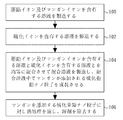
図1は本発明の一実施形態に係る金属イオンを添加する硫化亜鉛ナノ粒子の製造方法を示すフローチャートである。
図1によれば、まず、亜鉛を含有する化学薬品と赤色光の発光中心となる金属を含有する化学薬品とを溶剤に溶解し、亜鉛イオン及び赤色光の発光中心となる金属イオンを含有する溶液を製造する(工程100)。
工程100では、亜鉛を含有する化学薬品は溶剤に溶解されて亜鉛イオンを電離させる化学薬品であり、例えば硝酸亜鉛、酢酸亜鉛、塩化亜鉛、或いは溶解により亜鉛イオンを電離させる他の化学薬品であり、亜鉛イオン及び赤色光の発光中心となる金属イオンを含有する溶液の亜鉛イオン源となる。
赤色光の発光中心となる金属を含有する化学薬品は溶剤に溶解され亜鉛イオンを電離させる化学薬品であり、例えば硝酸金属塩、醋酸金属塩、塩化金属塩、或いは溶解により赤色光の発光中心となる金属イオンを電離させる他の化学薬品であり、亜鉛イオン及び赤色光の発光中心となる金属イオンを含有する溶液の赤色光の発光中心となる金属イオン源となる。また、亜鉛イオン及び金属イオンを含有する溶液の金属イオンと亜鉛イオンのモル数の比率は0.01%から30%である。
FIG. 1 is a flowchart showing a method for producing zinc sulfide nanoparticles to which metal ions are added according to an embodiment of the present invention.
According to FIG. 1, first, a chemical containing zinc and a chemical containing a metal serving as a red light emission center are dissolved in a solvent to contain zinc ions and metal ions serving as a red light emission center. A solution is produced (step 100).
In
A chemical containing a metal that becomes a red light emission center is a chemical that dissolves in a solvent and ionizes zinc ions. For example, a nitrate metal salt, a metal oxalate salt, a metal chloride salt, or a red light emission center by dissolution. This is another chemical that ionizes the metal ions, and becomes a metal ion source that becomes the emission center of red light in a solution containing zinc ions and metal ions that become the emission center of red light. The ratio of the number of moles of metal ions and zinc ions in the solution containing zinc ions and metal ions is 0.01% to 30%.
赤色光の発光中心となる金属イオンは、マンガンイオン、鉄イオン、コバルトイオン、銅イオン、或いは赤色光の発光中心となる他の金属イオンの何れか一つであり、特にマンガンイオンが好ましい。マンガンイオンを発光中心となる金属イオンとして採用する場合、赤色光の発光中心となる金属を含有する化学薬品はマンガンを含有する化学薬品であり、溶剤に溶解されてマンガンイオンを電離させる硝酸マンガン、醋酸マンガン、塩化マンガン、或いは溶解によりマンガンイオンを電離させる他の化学薬品の何れか一つであり、亜鉛イオン及び赤色光の発光中心となる金属イオンを含有する溶液の赤色光の発光中心となるマンガンイオン源となる。
また、亜鉛イオン及びマンガンイオンを含有する溶液のマンガンイオンと亜鉛イオンのモル数の比率は0.01%から30%である。工程100で使用される溶剤は、水、脱イオン水、メチルアルコール、エタノール、2―メトキシエタノール(2 methyloxyethanol)、或いは亜鉛を含有する化学薬品及び赤色光の発光中心となる金属を含有する化学薬品の他の溶剤でもよい。
The metal ion serving as the red light emission center is any one of manganese ions, iron ions, cobalt ions, copper ions, or other metal ions serving as the red light emission center, and manganese ions are particularly preferable. When adopting manganese ions as metal ions that become the emission center, the chemical containing the metal that becomes the emission center of red light is a chemical containing manganese, manganese nitrate that is dissolved in a solvent and ionizes the manganese ions, It is one of manganese oxalate, manganese chloride, or other chemicals that ionize manganese ions by dissolution, and becomes the red light emission center of the solution containing zinc ions and metal ions that become red light emission centers It becomes a manganese ion source.
The ratio of the number of moles of manganese ions and zinc ions in the solution containing zinc ions and manganese ions is 0.01% to 30%. The solvent used in
続いて、硫黄を含有する化学薬品は溶剤に溶解され、硫化イオンを含有する溶液を製造する(工程102)。
工程102の硫黄を含む化学薬品は溶剤に溶解されて硫化イオンを電離させる化学薬品であり、硝硫化ナトリウム、硫化尿素、ジメチルスルホキシド、或いは溶解により硫化イオンを電離させる他の化学薬品の何れか一つであり、硫化イオンを含有する溶液の硫化イオン源となる。工程102で使用される溶剤は、水、脱イオン水、メチルアルコール、エタノール、2―メトキシエタノール(2 methyloxyethanol)、或いは硫黄を含有する化学薬品が溶解される他の溶剤の何れか一つである。
Subsequently, the chemical containing sulfur is dissolved in a solvent to produce a solution containing sulfide ions (step 102).
The chemical containing sulfur in step 102 is a chemical that is dissolved in a solvent to ionize sulfide ions, and is any one of sodium nitrate, urea sulfide, dimethyl sulfoxide, or other chemicals that ionize sulfide ions by dissolution. It becomes a source of sulfide ions for a solution containing sulfide ions. The solvent used in step 102 is any one of water, deionized water, methyl alcohol, ethanol, 2-methoxyethanol, or other solvent in which sulfur-containing chemicals are dissolved. .
亜鉛イオン及び金属イオンを含有する溶液と硫化イオンを含有する溶液とを均等に混合させて混合溶液を製造し、前記混合溶液を15℃から200℃の温度で20分から48時間放置するか、或いは超音波振動器で20分から48時間振動させ、前記混合溶液中で(赤色光の発光中心となる)金属イオンが添加される硫化亜鉛ナノ粒子を成長させる(工程104)。
工程104では、前記混合溶液(或いは成長溶液)は直接室温で20分から48時間放置されるか、或いは超音波振動器により20分から48時間振動され、混合溶液中で(赤色光の発光中心となる)金属イオンが添加される硫化亜鉛ナノ粒子を成長させる。
A solution containing zinc ions and metal ions and a solution containing sulfide ions are mixed evenly to prepare a mixed solution, and the mixed solution is left at a temperature of 15 ° C. to 200 ° C. for 20 minutes to 48 hours, or Vibrating with an ultrasonic vibrator for 20 minutes to 48 hours, the zinc sulfide nanoparticles to which metal ions (which become the emission center of red light) are added are grown in the mixed solution (step 104).
In step 104, the mixed solution (or growth solution) is left to stand directly at room temperature for 20 minutes to 48 hours, or is vibrated by an ultrasonic vibrator for 20 minutes to 48 hours, and becomes a red light emission center in the mixed solution. ) Grow zinc sulfide nanoparticles to which metal ions are added.
また、成長した金属イオンを添加する硫化亜鉛ナノ粒子を収集し、100℃から500℃の温度で成長した金属イオンを添加する硫化亜鉛ナノ粒子に対し30分から3時間熱処理を施し、溶剤を除去する(工程106)。
その後、手動、ボールミル、或いは他の研磨装置により金属イオンを添加する硫化亜鉛ナノ粒子の研磨を行い、金属イオンを添加する硫化亜鉛ナノ粒子の粒径を均一にする。
Moreover, the zinc sulfide nanoparticles to which the grown metal ions are added are collected, and the zinc sulfide nanoparticles to which the metal ions grown at a temperature of 100 to 500 ° C. are subjected to heat treatment for 30 minutes to 3 hours to remove the solvent. (Step 106).
Thereafter, the zinc sulfide nanoparticles to which metal ions are added are polished manually, by a ball mill, or other polishing apparatus, so that the particle sizes of the zinc sulfide nanoparticles to which metal ions are added are made uniform.
(赤色光の発光中心となる)金属イオンが添加される硫化亜鉛ナノ粒子は、赤色光の発光中心となる金属イオンの電子跳躍が赤色光の発光中心となり、例えばマンガンイオン4T1―>6A1の電子跳躍が赤色光の発光中心となり、赤色光を発光させる。
(赤色光の発光中心となる)金属イオンが添加される硫化亜鉛ナノ粒子は安価で、溶液も取得し易い環境保護にも適する亜鉛を含有する化学薬品、赤色光の発光中心となる金属を含有する化学薬品、及び硫黄を含有する化学薬品であり、製造の難易度が低く(高温、高圧、真空等の製造条件が不要)、低コストの方法により紫外線に刺激されて赤色光を発光させる金属イオンを添加する硫化亜鉛ナノ粒子を製造する。このため、(赤色光の発光中心となる)金属イオンを添加する硫化亜鉛ナノ粒子は従来の赤色蛍光粉末同様光に刺激されて赤色光を発光させるのみならず、高価で、取得が難しく、環境保護にも適さない希土類元素を原料とし、高コストで製造に時間がかかり且つ高温が必要な従来の固相焼結法により製造される赤色蛍光粉末が不要になり、製造コストを減少させて製造工程も簡略化させる。
In zinc sulfide nanoparticles to which metal ions (which become the emission center of red light) are added, the electron jump of the metal ion which becomes the emission center of red light becomes the emission center of red light. For example, electrons of manganese ions 4T1-> 6A1 The jump becomes the red light emission center, and emits red light.
Zinc sulfide nanoparticles to which metal ions are added (red light emission center) are inexpensive, easy to obtain solutions and contain zinc-containing chemicals suitable for environmental protection, red light emission center metal And chemicals containing sulfur that are low in manufacturing difficulty (no need for manufacturing conditions such as high temperature, high pressure, and vacuum), and that emit red light when stimulated by ultraviolet rays using a low-cost method Zinc sulfide nanoparticles to which ions are added are produced. For this reason, zinc sulfide nanoparticles to which metal ions (which become the emission center of red light) are added are not only stimulated by light like conventional red fluorescent powder, but also emit red light, are expensive, difficult to obtain, and environmental Using rare earth elements that are not suitable for protection as raw materials, it takes time to manufacture at high cost, and the red fluorescent powder manufactured by the conventional solid-phase sintering method that requires high temperature is no longer necessary, reducing manufacturing costs. Simplify the process.
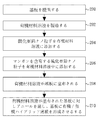
図2を参照しながら温白光蛍光膜の製造方法について説明する。まず、基板を提供する(工程200)。
基板は、ガラス基板、エポキシ樹脂基板、石英基板、ポリエチレンテレフタレート(PET)基板、或いは他の材質の基板の何れか一つである。続いて、脱イオン水、アセトン、イソプロピルアルコール及び超音波振動器によりそれぞれ基板に対し洗浄を行い、エアガンにより基板を乾燥させる。その後、洗浄後の基板の表面に対し紫外線―オゾン(UV Ozone)処理を施し改質させる。
A method for manufacturing a warm white fluorescent film will be described with reference to FIG. First, a substrate is provided (step 200).
The substrate is any one of a glass substrate, an epoxy resin substrate, a quartz substrate, a polyethylene terephthalate (PET) substrate, or a substrate made of another material. Subsequently, the substrate is cleaned with deionized water, acetone, isopropyl alcohol, and an ultrasonic vibrator, respectively, and the substrate is dried with an air gun. Thereafter, the surface of the substrate after cleaning is subjected to ultraviolet-ozone (UV Ozone) treatment to be modified.
続いて、有機材料を有機溶剤に溶解し、有機材料溶液を製造する(工程202)。
有機材料は青色光有機材料、例えばポリフルオレン(poly(fluorine))、Alq2、ピリミジン(pyrimidine)の芳香族オリゴマー(Aromatic oligomer)、フルオレンオリゴマー(Fluorene Oligomers)、フラン含有芳香族オリゴマー(Aromatic oligomer)、ジステアリルアリーレン(DSA)、スチルベン誘導体(stilbenes)、或クマリン(coumarins)、或いは紫外線に刺激されて青色光を発光させる有機材料の何れか一つであり、有機溶剤はトルエン、クロロフォルム、ジメチルベンゼン、或いは前述の有機材料が溶解される他の溶剤である。
Subsequently, the organic material is dissolved in an organic solvent to produce an organic material solution (step 202).
The organic material is a blue light organic material such as polyfluorene (poly (fluorine)), Alq2, an aromatic oligomer of pyrimidine (Aromatic oligomer), a fluorene oligomer (Fluorene Oligomers), a furan-containing aromatic oligomer (Aromatic oligomer), Distearyl arylene (DSA), stilbene derivatives (stilbenes), coumarins, or an organic material that emits blue light when stimulated by ultraviolet light, and the organic solvent is toluene, chloroform, dimethylbenzene, Or it is another solvent in which the aforementioned organic material is dissolved.
酸化亜鉛ナノ粒子、酸化亜鉛ナノワイヤ、酸化亜鉛ナノピラー、酸化亜鉛ナノチューブ、或いは酸化亜鉛ナノアイランド等の酸化亜鉛ナノ粒子を有機材料溶液に添加する(工程204)。
酸化亜鉛ナノ粒子の大きさは1ナノメートル(nm)から2000ナノメートル(nm)である。次に、酸化亜鉛ナノ粒子が有機材料溶液中で均一に分散された後、(赤色光の発光中心となる)金属イオンが添加される硫化亜鉛ナノ粒子は前記有機材料溶液中(工程206)で攪拌或いは超音波振動器により振動されて有機溶液中の(青色光)有機材料、酸化亜鉛ナノ粒子、及び(赤色光の発光中心となる)金属イオンが添加される硫化亜鉛ナノ粒子が均等に混合され、有機溶液中の有機物質((青色光)有機材料)と無機物質(酸化亜鉛ナノ粒子及び(赤色光の発光中心となる)金属イオンが添加される硫化亜鉛ナノ粒子)とを均等に混合させる。(赤色光の発光中心となる)金属イオンが添加される硫化亜鉛ナノ粒子の大きさは1ナノメートル(nm)から3000ナノメートル(nm)である。
(赤色光の発光中心となる)金属イオンが添加される硫化亜鉛ナノ粒子中の金属イオンは、マンガンイオン、鉄イオン、コバルトイオン、銅イオン、或いは赤色光の発光中心となる他の金属イオンの何れか一つである。特にマンガンイオンが好ましく、亜鉛イオン及び金属イオンを含有する溶液中の金属イオンと亜鉛イオンのモル数の比率は0.01%から30%である。
(赤色光の発光中心となる)金属イオンが添加される硫化亜鉛ナノ粒子は、本発明の図1の金属イオンを添加する硫化亜鉛ナノ粒子の製造方法により製造され、これは既に前文で詳述しているため再述は省く。或いは、工程206では、水熱合成(hydrothermal)、固相反応法(solid−state reaction)、回転塗布法(spin coating)、浸漬コーティング(dip coating)、電気化学法、液相沈殿法(Precipitation in Liquid Phase)、熱蒸着法(thermal evaporation)、化学気相成長(chemicalvapor deposition)、分子線エピタキシー法(molecular beam epitaxy)、有機金属気相成長法(MOCVD)、パルスレーザー堆積法(Pulsed Laser Deposition(PLD))等の方法を採用し(赤色光の発光中心となる)金属イオンが添加される硫化亜鉛ナノ粒子を製造する。
Zinc oxide nanoparticles such as zinc oxide nanoparticles, zinc oxide nanowires, zinc oxide nanopillars, zinc oxide nanotubes, or zinc oxide nanoislands are added to the organic material solution (step 204).
The size of the zinc oxide nanoparticles is 1 nanometer (nm) to 2000 nanometer (nm). Next, after the zinc oxide nanoparticles are uniformly dispersed in the organic material solution, the zinc sulfide nanoparticles to which metal ions (which are the emission center of red light) are added are added in the organic material solution (step 206). Mix evenly with organic materials (blue light) in organic solution, zinc oxide nanoparticles, and zinc sulfide nanoparticles to which metal ions (red light emission center) are added by being vibrated by stirring or ultrasonic vibrator The organic substance ((blue light) organic material) and inorganic substance (zinc oxide nanoparticles and zinc sulfide nanoparticles to which metal ions (red light emission center) are added) in the organic solution are mixed evenly. Let The size of the zinc sulfide nanoparticles to which metal ions (which are the emission center of red light) are added is 1 nanometer (nm) to 3000 nanometers (nm).
The metal ions in the zinc sulfide nanoparticles to which metal ions are added (red light emission centers) are manganese ions, iron ions, cobalt ions, copper ions, or other metal ions that are red light emission centers. One of them. Manganese ions are particularly preferable, and the ratio of the number of moles of metal ions and zinc ions in the solution containing zinc ions and metal ions is 0.01% to 30%.
Zinc sulfide nanoparticles to which metal ions (which become the emission center of red light) are added are produced by the method for producing zinc sulfide nanoparticles to which metal ions of FIG. 1 of the present invention are added, which has already been described in detail in the preamble. Therefore, restatement is omitted. Alternatively, in step 206, hydrothermal, solid-state reaction, spin coating, dip coating, electrochemical, liquid phase precipitation (precipitation in). Liquid Phase, thermal evaporation, chemical vapor deposition, molecular beam epitaxy, metal organic chemical vapor deposition (MOCVD), pulsed laser deposition (PulsedLas) PLD)) and the like are employed to produce zinc sulfide nanoparticles to which metal ions are added (which becomes the emission center of red light).
工程206の完了後、有機材料溶液中で(青色光)有機材料、酸化亜鉛ナノ粒子、及び(赤色光の発光中心となる)金属イオンが添加される硫化亜鉛ナノ粒子が均等に混合され、金属イオンを添加する硫化亜鉛ナノ粒子の有機材料溶液中での重量濃度は1%から90%であり、特に1%から30%が好ましく、計算方式は金属イオンを添加する硫化亜鉛ナノ粒子の重量/溶剤重量X100%である。
(青色光)有機材料の有機材料溶液中での重量濃度は0.01%から10%であり、計算方式は(青色光)有機材料の重量/溶剤重量X100%である。酸化亜鉛ナノ粒子の有機材料溶液中での重量濃度は0.1%から20%であり、計算方式は酸化亜鉛ナノ粒子的重量/溶剤重量X100%である。
After completion of step 206, the organic material (blue light), the zinc oxide nanoparticles, and the zinc sulfide nanoparticles to which the metal ions (to be the emission center of red light) are added are mixed evenly in the organic material solution. The weight concentration of the zinc sulfide nanoparticles to which ions are added in the organic material solution is 1% to 90%, particularly preferably 1% to 30%, and the calculation method is the weight of zinc sulfide nanoparticles to which metal ions are added /
The weight concentration of (blue light) organic material in the organic material solution is 0.01% to 10%, and the calculation method is (blue light) weight of organic material /
次に、(青色光)有機材料、酸化亜鉛ナノ粒子、及び(赤色光の発光中心となる)金属イオンが添加される硫化亜鉛ナノ粒子が均等に混合された有機材料溶液が基板に塗布される(工程208)。
工程208の有機材料溶液は、回転塗布法(spin coating)、浸漬コーティング(dip coating)、インクジェット印刷(ink printing)、熱蒸着法(Thermal evaporation)、スパッタリング(Sputtering)、スプレー塗装(spray coating)、或いはロールツーロール(Roll−to−Roll)等の方式で基板に塗布される。
Next, an organic material solution in which an organic material (blue light), zinc oxide nanoparticles, and zinc sulfide nanoparticles to which metal ions (which are emission centers of red light) are added is uniformly mixed is applied to the substrate. (Step 208).
The organic material solution of step 208 is spin coating, dip coating, ink printing, thermal evaporation, sputtering, spray coating, spray coating, dip coating, dip coating, ink printing, thermal evaporation, thermal spraying, spray coating, spray coating, Or it apply | coats to a board | substrate by systems, such as a roll-to-roll (Roll-to-Roll).
続いて、有機材料溶液が塗布された基板(或いは基板に塗布される有機材料溶液)に対しアニールを施し、基板に有機/無機ハイブリッド薄膜を形成させ、温白光蛍光膜とする(工程210)。
工程210では、前記有機材料溶液が塗布された基板(或いは基板に塗布される有機材料溶液)に対し70℃から300℃でアニールを30分から3時間施し、基板に温白光蛍光膜を形成させる。温白光蛍光膜の厚さは10ナノメートル(nm)から200マイクロメートル(μm)である。
Subsequently, the substrate on which the organic material solution is applied (or the organic material solution applied to the substrate) is annealed to form an organic / inorganic hybrid thin film on the substrate to form a warm white fluorescent film (step 210).
In step 210, the substrate coated with the organic material solution (or the organic material solution coated on the substrate) is annealed at 70 to 300 ° C. for 30 minutes to 3 hours to form a warm white fluorescent film on the substrate. The thickness of the warm white light fluorescent film is 10 nanometers (nm) to 200 micrometers (μm).
温白光蛍光膜は(青色光)有機材料、酸化亜鉛ナノ粒子、及び(赤色光の発光中心となる)金属イオンが添加される硫化亜鉛ナノ粒子が混合されて組成される有機/無機ハイブリッド薄膜であり、紫外線が照射されて刺激され、青色光、緑色光、及び赤色光を同時に発光させると共に混合させて白色光を発光させる。赤色光は主に(赤色光の発光中心となる)金属イオンが添加される硫化亜鉛ナノ粒子中の金属イオン(例えばマンガンイオン、鉄イオン、コバルトイオン、銅イオン、或いは赤色光の発光中心となる他の金属イオンの何れか一つ)が紫外線に刺激されて電子跳躍を発生させ赤色光を発光させる。
マンガンイオンが添加される硫化亜鉛ナノ粒子中の金属イオンは波高値620ナノメートル(nm)の波長の赤色光を発光させ、一般的な赤色蛍光粉末が発光させる波高値620ナノメートル(nm)の波長の赤色光に比べてより赤色光に近く、赤色光材料としてより適している。緑色光は電子が(青色光)有機材料と酸化亜鉛ナノ粒子とが形成させる結合欠落箇所を再結合させることで形成され、欠落のエネルギー準位が波高値532ナノメートル(nm)の波長の緑色光を発光させる。
青色光は(青色光)有機材料が紫外線に刺激されることで発光される。温白光蛍光膜が発光させる白色光は、青色光、緑色光、及び赤色光が混合されることで組成され、高い演色性及び低い色温度という特性を有し、照明に適しており、人体に発光傷害をもたらさず、高い演色性且つ低い色温度の温白光である。
A warm white light fluorescent film is an organic / inorganic hybrid thin film composed of a mixture of (blue light) organic material, zinc oxide nanoparticles, and zinc sulfide nanoparticles to which metal ions (red light emission center) are added. Yes, it is stimulated by being irradiated with ultraviolet rays, and simultaneously emits blue light, green light, and red light and mixes them to emit white light. Red light is mainly a metal ion (for example, manganese ion, iron ion, cobalt ion, copper ion, or red light emission center) in zinc sulfide nanoparticles to which a metal ion (which becomes an emission center of red light) is added. Any one of the other metal ions) is stimulated by ultraviolet rays to generate electron jumps and emit red light.
Metal ions in the zinc sulfide nanoparticles to which manganese ions are added emit red light having a wavelength of 620 nanometers (nm), and a typical red fluorescent powder emits red light of 620 nanometers (nm). It is closer to red light than red light having a wavelength, and is more suitable as a red light material. Green light is formed by the recombination of the bond-missing site formed by the electron (blue light) formed by the organic material and the zinc oxide nanoparticles, and the energy level of the missing is green with a wavelength of a peak value of 532 nanometers (nm). Light is emitted.
Blue light is emitted when the organic material is stimulated by ultraviolet rays (blue light). The white light emitted by the warm white light fluorescent film is composed by mixing blue light, green light, and red light, has the characteristics of high color rendering and low color temperature, is suitable for lighting, and is suitable for the human body. It is a warm white light having a high color rendering property and a low color temperature without causing luminescence damage.
温白光蛍光膜が発光させる白色光は、青色光、緑色光、及び赤色光が混合されたものであり、青色光、緑色光、及び赤色光は(青色光)有機材料及び酸化亜鉛ナノ粒子によりそれぞれ形成された結合欠落、及び(赤色光の発光中心となる)金属イオンが添加される硫化亜鉛ナノ粒子中の金属イオンにより形成される。このため、温白光蛍光膜中の(青色光)有機材料、酸化亜鉛ナノ粒子、及び(赤色光の発光中心となる)金属イオンが添加される硫化亜鉛ナノ粒子の比率を調整させることで白色光中の各光色の比率を調整させ、白色光の色温度及び色度座標の調整及び制御を行う。換言すれば、工程208の(青色光)有機材料、酸化亜鉛ナノ粒子、及び(赤色光の発光中心となる)金属イオンが添加される硫化亜鉛ナノ粒子の有機材料溶液中での濃度比率を調整ないしは制御させることで、白色光中の各光色の比率を調整でき、白色光の色温度及び色度座標の制御及び調整を行う。
このほか、アニールの温度は(青色光)有機材料及び酸化亜鉛ナノ粒子により形成される結合欠落の数量に影響を与え、緑色光の強度を改変させる。つまりは、アニールの温度を改変させることで緑色光の強度を制御させ、白色光中の緑色光の強度を更に制御させて改変させ、白色光の色温度及び色度座標の制御及び調整を行う。換言すれば、工程210のアニールの温度を制御することで、(青色光)有機材料及び酸化亜鉛ナノ粒子により形成される結合欠落の数量を調整ないしは制御でき、白色光中の緑色光の強度を制御させることで白色光の色温度及び色度座標を更に制御及び調整させる。
The white light emitted by the warm white light fluorescent film is a mixture of blue light, green light, and red light, and the blue light, green light, and red light are (blue light) formed by organic materials and zinc oxide nanoparticles. Each of them is formed by a metal ion in a zinc sulfide nanoparticle to which a bond loss formed and a metal ion (which becomes a red light emission center) are added. Therefore, white light can be adjusted by adjusting the ratio of (blue light) organic material, zinc oxide nanoparticles, and zinc sulfide nanoparticles to which metal ions (red light emission center) are added in the warm white light phosphor film. The ratio of each light color is adjusted, and the color temperature and chromaticity coordinates of white light are adjusted and controlled. In other words, the concentration ratio of the organic material solution (blue light), zinc oxide nanoparticles, and zinc sulfide nanoparticles to which metal ions (which become the emission center of red light) are added in the organic material solution in step 208 is adjusted. Alternatively, the ratio of each light color in white light can be adjusted by controlling it, and the color temperature and chromaticity coordinates of white light are controlled and adjusted.
In addition, the annealing temperature affects the amount of bond loss formed by the (blue light) organic material and the zinc oxide nanoparticles and modifies the intensity of the green light. In other words, the intensity of green light is controlled by modifying the annealing temperature, the intensity of green light in white light is further controlled and modified, and the color temperature and chromaticity coordinates of white light are controlled and adjusted. . In other words, by controlling the annealing temperature in step 210, the amount of bond loss formed by the (blue light) organic material and zinc oxide nanoparticles can be adjusted or controlled, and the intensity of green light in white light can be controlled. By controlling it, the color temperature and chromaticity coordinates of the white light are further controlled and adjusted.
従って、本発明が提供される金属イオンを添加する硫化亜鉛ナノ粒子の製造方法、温白光蛍光膜の製造方法及び光ルミネセンスによる温白光の方法は、全て青色光有機材料、酸化亜鉛ナノ粒子、及び金属イオンを添加する硫化亜鉛ナノ粒子等の安価で取得の容易な、環境保護にも適する材料を原料とし、製造の難易度が低く低コストな方法により有機/無機ハイブリッド薄膜を製造することで、高価で取得が難しく、環境保護にも適さない希土類元素の材料が不要になり、温白光蛍光膜の製造工程を簡略化させて温白光蛍光膜の製造コストをも減少させる。
有機/無機ハイブリッド薄膜は紫外線に刺激されて青色光、緑色光、及び赤色光を同時に発光させ、照明に適し且つ演色性の優れた低い色温度の温白光を混合させるため、これを温白光蛍光膜とする。温白光蛍光膜の各成分の比率或いはアニールの温度を改変させることで、白色光の色温度及び色度座標の制御及び調整を行う。
Therefore, the present invention provides a method for producing zinc sulfide nanoparticles to which metal ions are added, a method for producing a warm white fluorescent film, and a method for warm white light by photoluminescence are all blue light organic materials, zinc oxide nanoparticles, And organic / inorganic hybrid thin films using low-cost, easy-to-acquire materials that are suitable for environmental protection, such as zinc sulfide nanoparticles to which metal ions are added. The rare earth element material which is expensive and difficult to acquire and is not suitable for environmental protection is not required, and the manufacturing process of the warm white fluorescent film is simplified to reduce the manufacturing cost of the warm white fluorescent film.
The organic / inorganic hybrid thin film is stimulated by ultraviolet rays to emit blue light, green light, and red light simultaneously, and mixes warm white light with a low color temperature suitable for illumination and excellent color rendering. A membrane. The color temperature and chromaticity coordinates of white light are controlled and adjusted by changing the ratio of each component of the warm white light fluorescent film or the annealing temperature.
また、本発明は光ルミネセンスによる温白光の方法をさらに提供する。そして、図2は光ルミネセンスによる温白光の方法のフローチャートを示す。
まず、図2の工程200から工程210では、(青色光)有機材料、酸化亜鉛ナノ粒子、及び(赤色光の発光中心となる)金属イオンが添加される硫化亜鉛ナノ粒子が混合される有機無機薄膜を製造し、温白光蛍光膜とする。これらの工程は前文で詳細に説明しているため、再述は省略する。
続いて、紫光発光ダイオードや他の紫外線を発光させる装置または部材を紫外線光源とし、温白光蛍光膜に紫外線を照射させて温白光蛍光膜を刺激し、青色光、緑色光、及び赤色光を同時に発光させ、照明に適し且つ演色性の優れた低い色温度の温白光を混合させる。
The present invention further provides a method of warm white light by photoluminescence. FIG. 2 shows a flowchart of the method of warm white light by photoluminescence.
First, in
Subsequently, a purple light emitting diode or other ultraviolet light emitting device or member is used as an ultraviolet light source, and the warm white fluorescent film is irradiated with ultraviolet light to stimulate the warm white fluorescent film to simultaneously emit blue light, green light, and red light. Light is emitted and mixed with warm white light having a low color temperature suitable for illumination and excellent in color rendering.
前述の図2の温白光蛍光膜の製造方法では、温白光蛍光膜の製造には安価で取得が容易な、環境保護に適した材料を原料とし、製造の難易度が低く低コストな方法により製造されるため、本発明の光ルミネセンスによる温白光の発光方法には前記温白光蛍光膜が使用されて光ルミネセンスによる発光を発生させる。
本発明の光ルミネセンスによる温白光の発光方法は、簡単且つ安価で環境保護にも適するのみならず、紫外線に刺激されて発光される白色光は、青色光、緑色光、及び赤色光の混合であり、照明に適し且つ演色性の優れた低い色温度の温白光である。
In the method for manufacturing the warm white light fluorescent film shown in FIG. 2 described above, the warm white light fluorescent film is manufactured by using an inexpensive and easy-to-acquire material suitable for environmental protection as a raw material, with a low manufacturing difficulty and a low cost method. Since it is manufactured, the warm white light fluorescent film is used in the method for emitting warm white light by photoluminescence of the present invention to generate light emission by photoluminescence.
The method of emitting warm white light by photoluminescence according to the present invention is simple and inexpensive and suitable for environmental protection. White light emitted by being stimulated by ultraviolet rays is a mixture of blue light, green light, and red light. It is a warm white light with a low color temperature suitable for illumination and excellent in color rendering.
また、本発明の光ルミネセンスによる温白光の発光方法は、温白光蛍光膜の各成分の比率ないしはアニールの温度を改変させることで、白色光の色温度及び色度座標の制御及び調整を行う。換言すれば、本発明の光ルミネセンスによる温白光の発光方法は、工程208の(青色光)有機材料、酸化亜鉛ナノ粒子、及び(赤色光の発光中心となる)金属イオンが添加される硫化亜鉛ナノ粒子の有機材料溶液中での濃度比率を調整ないしは制御させるか、或いは工程210のアニールの温度を制御させることで、本発明の光ルミネセンスによる温白光の発光方法により発光される白色光の色温度及び色度座標の制御及び調整を実行する。 The method of emitting warm white light by photoluminescence of the present invention controls and adjusts the color temperature and chromaticity coordinates of white light by changing the ratio of each component of the warm white light fluorescent film or the temperature of annealing. . In other words, in the method for emitting warm white light by photoluminescence of the present invention, the sulfur material to which the (blue light) organic material, zinc oxide nanoparticles, and metal ions (to become the red light emission center) in step 208 are added. White light emitted by the method of warm white light emission by the photoluminescence of the present invention by adjusting or controlling the concentration ratio of zinc nanoparticles in the organic material solution or by controlling the annealing temperature in step 210. Control and adjustment of the color temperature and chromaticity coordinates of
この問題に対し、例えば温白光蛍光膜の(赤色光の発光中心となる)金属イオンが添加される硫化亜鉛ナノ粒子の比率、或いは(赤色光の発光中心となる)金属イオンが添加される硫化亜鉛ナノ粒子の有機材料溶液中での濃度比率を増加させることで、温白光蛍光膜が発光させる白色光の緑色光及び赤色光の強度を増強させ、緑色光及び赤色光を主とした温白光を発光させる。その比率或いは濃度比率が高いほど、温白光の色度座標は赤色領域に偏向し、色温度もより低くなる。 In order to solve this problem, for example, the ratio of zinc sulfide nanoparticles to which a metal ion (which becomes a red light emission center) of a warm white fluorescent film is added, or a sulfur ion to which a metal ion (which becomes a red light emission center) is added. By increasing the concentration ratio of zinc nanoparticles in the organic material solution, the intensity of green light and red light of white light emitted by the warm white light fluorescent film is enhanced, and warm white light mainly composed of green light and red light. To emit light. As the ratio or density ratio is higher, the chromaticity coordinates of warm white light are deflected to the red region, and the color temperature is also lowered.
なお、温白光蛍光膜の酸化亜鉛ナノ粒子の比率、或いは酸化亜鉛ナノ粒子の有機材料溶液中での濃度比率を増加させ、温白光蛍光膜が発光させる白色光の緑色光及び赤色光の強度を同様に増強させることで、緑色光及び赤色光を主とした温白光を発光させる。この比率或いは濃度比率が高いほど、温白光の色度座標は赤色領域に偏向し、色温度もより低くなる。
反対に、温白光蛍光膜の(青色光)有機材料の比率、或いは(青色光)有機材料の有機材料溶液中での濃度比率を増加させることで、温白光蛍光膜が発光させる白色光の青色光の強度を増強させ、青色光を主とした昼白色光を発光させる。この比率或いは濃度比率が高いほど、昼白色光の色度座標が青色領域に偏向し、色温度もより高くなる。
In addition, increase the ratio of the zinc oxide nanoparticles in the warm white fluorescent film or the concentration ratio of the zinc oxide nanoparticles in the organic material solution to increase the intensity of the green light and red light of the white light emitted by the warm white fluorescent film. In the same manner, warm white light mainly including green light and red light is emitted. As this ratio or density ratio is higher, the chromaticity coordinates of warm white light are deflected to the red region, and the color temperature is also lowered.
On the other hand, by increasing the ratio of the (blue light) organic material in the warm white fluorescent film or the concentration ratio of the (blue light) organic material in the organic material solution, the white light blue color emitted by the warm white fluorescent film is increased. Increases the intensity of light and emits daylight white light, mainly blue light. As this ratio or density ratio is higher, the chromaticity coordinates of daylight white light are deflected to the blue region, and the color temperature is also higher.
アニールの温度を上昇させ、温白光蛍光膜の(青色光)有機材料及び酸化亜鉛ナノ粒子により形成される結合欠落の数量を増加させることで、白色光蛍光膜が発光させる白色光の緑色光の強度を増強させ、緑色光及び赤色光を主とした温白光を発光させる。この比率或いは濃度比率が高いほど、温白光の色度座標は赤色領域に偏向し、色温度もより低くなる。 By increasing the annealing temperature and increasing the number of bond loss formed by the (blue light) organic material and zinc oxide nanoparticles of the warm white light fluorescent film, the white light green light emitted by the white light fluorescent film The intensity is increased, and warm white light mainly including green light and red light is emitted. As this ratio or density ratio is higher, the chromaticity coordinates of warm white light are deflected to the red region, and the color temperature is also lowered.
上述の実施形態に鑑みて、本発明が提供される金属イオンを添加する硫化亜鉛ナノ粒子の製造方法、温白光蛍光膜の製造方法及び光ルミネセンスによる温白光の方法は、全て安価で取得の容易な環境保護にも適する材料を採用し、製造の難易度が低く低コストな方法により光に刺激されて赤色光を発光させる金属イオンを添加する硫化亜鉛ナノ粒子を製造することで、希土類元素を原料とし、高コストで製造に時間がかかり且つ高温が必要な従来の固相焼結法により製造される赤色蛍光粉末に代替し、赤色光蛍光粉末の製造コストを減少させて製造工程を簡略化させる。
さらに、金属イオンを添加する硫化亜鉛ナノ粒子、青色光有機材料、及び酸化亜鉛ナノ粒子により製造される有機/無機ハイブリッド薄膜を温白光蛍光膜とし、温白光蛍光膜に紫外線を照射して刺激し、青色光、緑色光、及び赤色光を同時に発光させ、照明に適し且つ演色性の優れた低い色温度の温白光を混合させ、人体に発光傷害をもたらさず、白色光の色温度及び色度座標を制御させる。
In view of the above-described embodiment, the method for producing zinc sulfide nanoparticles to which metal ions are added, the method for producing a warm white fluorescent film, and the method for warm white light by photoluminescence are all obtained at low cost. By using materials suitable for easy environmental protection and manufacturing zinc sulfide nanoparticles to which metal ions that emit red light are stimulated by light by a low-cost method with low manufacturing difficulty, rare earth elements The raw material is replaced with red fluorescent powder manufactured by the conventional solid-phase sintering method, which is expensive and takes a long time to manufacture, reducing the manufacturing cost of the red fluorescent powder and simplifying the manufacturing process Make it.
In addition, the organic / inorganic hybrid thin film made of zinc sulfide nanoparticles to which metal ions are added, blue light organic material, and zinc oxide nanoparticles are used as a warm white fluorescent film, and the warm white fluorescent film is irradiated with ultraviolet light to stimulate it. Blue light, green light, and red light are emitted simultaneously, and warm white light with a low color temperature that is suitable for lighting and excellent in color rendering is mixed. Control the coordinates.
以上、本発明の実施形態について図面を参照して詳述したが、具体的な構成はこの実施形態に限られるものではなく、本発明の要旨を逸脱しない範囲の設計変更等も含まれる。 As mentioned above, although embodiment of this invention was explained in full detail with reference to drawings, the concrete structure is not restricted to this embodiment, The design change etc. of the range which does not deviate from the summary of this invention are included.
100 本発明の金属イオンを添加する硫化亜鉛ナノ粒子の製造方法における工程。
101 本発明の金属イオンを添加する硫化亜鉛ナノ粒子の製造方法における工程。
102 本発明の金属イオンを添加する硫化亜鉛ナノ粒子の製造方法における工程。
103 本発明の金属イオンを添加する硫化亜鉛ナノ粒子の製造方法における工程。
104 本発明の金属イオンを添加する硫化亜鉛ナノ粒子の製造方法における工程。
105 本発明の金属イオンを添加する硫化亜鉛ナノ粒子の製造方法における工程。
106 本発明の金属イオンを添加する硫化亜鉛ナノ粒子の製造方法における工程。
100 本発明の温白光蛍光膜の製造方法及び光ルミネセンスによる温白光の方法における工程。
201 本発明の温白光蛍光膜の製造方法及び光ルミネセンスによる温白光の方法における工程。
202 本発明の温白光蛍光膜の製造方法及び光ルミネセンスによる温白光の方法における工程。
203 本発明の温白光蛍光膜の製造方法及び光ルミネセンスによる温白光の方法における工程。
204 本発明の温白光蛍光膜の製造方法及び光ルミネセンスによる温白光の方法における工程。
205 本発明の温白光蛍光膜の製造方法及び光ルミネセンスによる温白光の方法における工程。
206 本発明の温白光蛍光膜の製造方法及び光ルミネセンスによる温白光の方法における工程。
207 本発明の温白光蛍光膜の製造方法及び光ルミネセンスによる温白光の方法における工程。
208 本発明の温白光蛍光膜の製造方法及び光ルミネセンスによる温白光の方法における工程。
209 本発明の温白光蛍光膜の製造方法及び光ルミネセンスによる温白光の方法における工程。
210 本発明の温白光蛍光膜の製造方法及び光ルミネセンスによる温白光の方法における工程。
100 The process in the manufacturing method of the zinc sulfide nanoparticle which adds the metal ion of this invention.
101 The process in the manufacturing method of the zinc sulfide nanoparticle which adds the metal ion of this invention.
102 The process in the manufacturing method of the zinc sulfide nanoparticle which adds the metal ion of this invention.
103 The process in the manufacturing method of the zinc sulfide nanoparticle which adds the metal ion of this invention.
104 The process in the manufacturing method of the zinc sulfide nanoparticle which adds the metal ion of this invention.
105 The process in the manufacturing method of the zinc sulfide nanoparticle which adds the metal ion of this invention.
106 The process in the manufacturing method of the zinc sulfide nanoparticle which adds the metal ion of this invention.
100 The process in the manufacturing method of the warm white light fluorescent film of this invention, and the method of the warm white light by photoluminescence.
201 A process in a method for producing a warm white fluorescent film of the present invention and a method for warm white light by photoluminescence.
202 The process in the manufacturing method of the warm white light fluorescent film of this invention, and the method of the warm white light by photoluminescence.
203 A step in the method for producing a warm white fluorescent film of the present invention and the method of warm white light by photoluminescence.
204 A process in the method for producing a warm white fluorescent film of the present invention and the method for warm white light by photoluminescence.
205 Steps in the method for producing the warm white fluorescent film of the present invention and the method of warm white light by photoluminescence.
206 Steps in the method for producing a warm white fluorescent film of the present invention and the method of warm white light by photoluminescence.
207 A step in the method for producing a warm white fluorescent film of the present invention and the method for warm white light by photoluminescence.
208. A process in a method for producing a warm white fluorescent film of the present invention and a method for warm white light by photoluminescence.
209 The process in the manufacturing method of the warm white light fluorescent film of this invention, and the method of the warm white light by photoluminescence.
210 Steps in the method for producing the warm white light fluorescent film of the present invention and the method of warm white light by photoluminescence.
Claims (28)
硫化イオンを含有する溶液を製造する工程2と、
前記亜鉛イオン及び金属イオンを含有する溶液と前記硫化イオンを含有する溶液とを均等に混合し混合溶液を製造し、前記混合溶液中で金属イオンを添加する硫化亜鉛ナノ粒子を成長させる工程3と、
前記金属イオンを添加する硫化亜鉛ナノ粒子に対し熱処理を施し溶剤を除去する工程4を具備することを特徴とする、
金属イオンを添加する硫化亜鉛ナノ粒子の製造方法。 Step 1 for producing a solution containing zinc ions and metal ions which are red light emission centers;
Step 2 for producing a solution containing sulfide ions;
Step 3 for uniformly mixing the solution containing zinc ions and metal ions and the solution containing sulfide ions to produce a mixed solution, and growing zinc sulfide nanoparticles to which metal ions are added in the mixed solution; ,
Characterized in that it comprises a step 4 of performing heat treatment on the zinc sulfide nanoparticles to which the metal ions are added to remove the solvent,
The manufacturing method of the zinc sulfide nanoparticle which adds a metal ion.
有機材料溶液を製造する工程2と、
酸化亜鉛ナノ粒子を前記有機材料溶液に添加する工程3と、
金属イオンを添加する硫化亜鉛ナノ粒子を前記有機材料溶液に添加する工程4と、
前記有機材料溶液を前記基板に塗布する工程5と、
前記有機材料溶液が塗布された前記基板に対しアニールを施し、前記基板に有機/無機ハイブリッド薄膜を形成させ、温白光蛍光膜とする工程6を含むことを特徴とする、
光ルミネセンスによる温白光を応用する方法。 Providing a substrate, step 1;
Step 2 for producing an organic material solution;
Adding zinc oxide nanoparticles to the organic material solution 3;
Adding zinc sulfide nanoparticles to which metal ions are added to the organic material solution; and
Applying the organic material solution to the substrate; and
And annealing the substrate coated with the organic material solution to form an organic / inorganic hybrid thin film on the substrate to form a warm white fluorescent film.
A method of applying warm white light by photoluminescence.
亜鉛イオン及び赤色光の発光中心となる金属イオンを含有する溶液を製造する工程aと、
硫化イオンを含有する溶液を製造する工程bと、
前記亜鉛イオン及び金属イオンを含有する溶液と前記硫化イオンを含有する溶液とを均等に混合し混合溶液を製造し、前記混合溶液中で金属イオンを添加する硫化亜鉛ナノ粒子を成長させる工程cと、
前記金属イオンを添加する硫化亜鉛ナノ粒子に対し熱処理を施し溶剤を除去する工程dを具備することを特徴とする、請求項9に記載の光ルミネセンスによる温白光を応用する方法。 The method for producing zinc sulfide nanoparticles to which the metal ions are added,
Step a for producing a solution containing zinc ions and metal ions which are red light emission centers, and
A step b for producing a solution containing sulfide ions;
A step of growing the zinc sulfide nanoparticles to which metal ions are added in the mixed solution by uniformly mixing the solution containing zinc ions and metal ions and the solution containing sulfide ions to produce a mixed solution; ,
The method of applying warm white light by photoluminescence according to claim 9, further comprising a step d of performing heat treatment on the zinc sulfide nanoparticles to which the metal ions are added to remove the solvent.
Applications Claiming Priority (2)
| Application Number | Priority Date | Filing Date | Title |
|---|---|---|---|
| TW102112135 | 2013-04-03 | ||
| TW102112135A TWI483902B (en) | 2013-04-03 | 2013-04-03 | Method for fabricating metal-ion-doped zinc sulfide and method for generating a warm white light by using the metal-ion-doped zinc sulfide |
Publications (1)
| Publication Number | Publication Date |
|---|---|
| JP2014201744A true JP2014201744A (en) | 2014-10-27 |
Family
ID=50439161
Family Applications (1)
| Application Number | Title | Priority Date | Filing Date |
|---|---|---|---|
| JP2014068747A Pending JP2014201744A (en) | 2013-04-03 | 2014-03-28 | Method for producing zinc sulfide nanoparticles to which metal ions are added and method for applying warm white light by photoluminescence |
Country Status (5)
| Country | Link |
|---|---|
| US (1) | US20140302253A1 (en) |
| EP (1) | EP2796413A3 (en) |
| JP (1) | JP2014201744A (en) |
| CN (1) | CN104099088B (en) |
| TW (1) | TWI483902B (en) |
Cited By (2)
| Publication number | Priority date | Publication date | Assignee | Title |
|---|---|---|---|---|
| JP2016145314A (en) * | 2015-02-09 | 2016-08-12 | 合皓股▲分▼有限公司 | Method for preparing luminescence material containing no rare earth element having maximum absorption wavelength of 410 nano (nm) to 470 nano (nm) and method of conducting luminescence of white photoluminescence by application thereof |
| KR20250059051A (en) * | 2023-10-24 | 2025-05-02 | 한국생산기술연구원 | Surface treated metal cathode and method of surface treatment same |
Families Citing this family (5)
| Publication number | Priority date | Publication date | Assignee | Title |
|---|---|---|---|---|
| JP6480714B2 (en) * | 2014-11-19 | 2019-03-13 | サムテック・イノベーションズ株式会社 | Inspection equipment |
| CN105985775B (en) * | 2015-02-09 | 2018-09-04 | 合皓股份有限公司 | Method for preparing rare earth-free fluorescent material and method for photo-induced white light emission by using same |
| BR102016006005B1 (en) * | 2016-03-18 | 2022-11-16 | Universidade Estadual De Campinas - Unicamp | HIERARCHICALLY NANOSTRUCTURED NANOPARTICLE FOR WHITE LIGHT EMISSION AND USE |
| CN107123693B (en) * | 2017-04-14 | 2020-05-22 | 华南理工大学 | Efficient CdTe nanocrystalline solar cell with high-transparency window layer material based on solution method processing and preparation method thereof |
| CN112316895B (en) * | 2020-11-04 | 2022-04-12 | 江西理工大学 | Composite material for selectively removing aluminum ions in rare earth ion solution and preparation method thereof |
Citations (9)
| Publication number | Priority date | Publication date | Assignee | Title |
|---|---|---|---|---|
| JP2002201471A (en) * | 2000-12-27 | 2002-07-19 | Sony Corp | Method for manufacturing luminous body, luminous body, and display device |
| JP2002298753A (en) * | 2001-03-30 | 2002-10-11 | National Institute Of Advanced Industrial & Technology | Manufacturing method for thin film light emitting element |
| WO2004007636A1 (en) * | 2002-07-16 | 2004-01-22 | Futaba Corporation | Composite nanoparticle and process for producing the same |
| JP2004505470A (en) * | 2000-07-28 | 2004-02-19 | パテント−トロイハント−ゲゼルシヤフト フユール エレクトリツシエ グリユーラムペン ミツト ベシユレンクテル ハフツング | Illumination unit with at least one LED as light source |
| JP2005272516A (en) * | 2004-03-23 | 2005-10-06 | Sumitomo Osaka Cement Co Ltd | Method for producing compound semiconductor ultra fine particle |
| JP2007091958A (en) * | 2005-09-29 | 2007-04-12 | Toshiba Corp | Manufacturing method of white light emitting LED lamp, manufacturing method of backlight using the same, and manufacturing method of liquid crystal display device |
| JP2007119566A (en) * | 2005-10-27 | 2007-05-17 | Konica Minolta Medical & Graphic Inc | Nanoparticle and method for manufacturing the same |
| JP2008138156A (en) * | 2006-02-02 | 2008-06-19 | Mitsubishi Chemicals Corp | Composite oxynitride phosphor, light-emitting device using the same, image display device, illumination device, phosphor-containing composition, and composite oxynitride |
| JP2011249732A (en) * | 2010-05-31 | 2011-12-08 | Hitachi Ltd | Illuminating device |
Family Cites Families (20)
| Publication number | Priority date | Publication date | Assignee | Title |
|---|---|---|---|---|
| US4181753A (en) * | 1976-08-19 | 1980-01-01 | Brown, Boveri & Cie Aktiengesellschaft | Process for the production of electroluminescent powders for display panels and coating the powders with zinc phosphate |
| US6193908B1 (en) * | 1997-02-24 | 2001-02-27 | Superior Micropowders Llc | Electroluminescent phosphor powders, methods for making phosphor powders and devices incorporating same |
| EP1241713A1 (en) * | 2001-02-07 | 2002-09-18 | Agfa-Gevaert | Preparation of improved ZnS: Mn phosphors |
| US6558575B2 (en) * | 2001-02-07 | 2003-05-06 | Agfa-Gevaert | Perparation of improved ZnS:Mn phosphors |
| EP1559712A1 (en) * | 2004-01-28 | 2005-08-03 | Institut National De La Sante Et De La Recherche Medicale (Inserm) | A method for manufacturing optically active coumaryl amino acid salts and the coumaryl aminoacid salts thus obtained |
| EP1850368B2 (en) * | 2005-02-15 | 2021-04-21 | Pioneer Corporation | Film forming composition and organic electroluminescent device |
| TWI403570B (en) * | 2005-08-10 | 2013-08-01 | 三菱化學股份有限公司 | Phosphor and manufacturing method thereof, containing phosphor composition, illuminating device and use thereof |
| US7652736B2 (en) * | 2005-10-25 | 2010-01-26 | 3M Innovative Properties Company | Infrared light reflecting film |
| JP2007194194A (en) * | 2005-12-22 | 2007-08-02 | Matsushita Electric Ind Co Ltd | ELECTROLUMINESCENCE ELEMENT AND DISPLAY DEVICE, EXPOSURE DEVICE, AND ILLUMINATION DEVICE USING THE SAME |
| JP5052829B2 (en) * | 2006-06-19 | 2012-10-17 | 住友化学株式会社 | Method for manufacturing capsule-shaped micro light emitting device |
| US8119233B2 (en) * | 2007-02-17 | 2012-02-21 | Nanogram Corporation | Functional composites, functional inks and applications thereof |
| JP2008274254A (en) * | 2007-03-30 | 2008-11-13 | Mitsubishi Chemicals Corp | Phosphor and production method therefor, phosphor-containing composition, light emitting device, image display device and lighting device |
| US20090057612A1 (en) * | 2007-08-31 | 2009-03-05 | Semiconductor Energy Laboratory Co., Ltd. | Phosphor and method for manufacturing the same |
| JP5176459B2 (en) * | 2007-09-28 | 2013-04-03 | 大日本印刷株式会社 | White light emitting device |
| US8557143B2 (en) * | 2008-03-13 | 2013-10-15 | Global Tungsten And Powders Corp. | Electroluminescent ZnS:Mn phosphor and method of making |
| CN101245242B (en) * | 2008-03-14 | 2010-06-16 | 中南大学 | A kind of aqueous phase preparation method of nucleation doping ZnS:Mn and ZnS:Mn/ZnS nanocrystal |
| JP5539659B2 (en) * | 2008-05-22 | 2014-07-02 | リンテック株式会社 | Luminescent composition, inorganic electroluminescent sheet using the same, and method for producing the same |
| CN101391802A (en) * | 2008-11-03 | 2009-03-25 | 扬州大学 | A kind of preparation method of manganese-doped zinc sulfide nanopowder of semiconductor fluorescent material |
| AU2010236468A1 (en) * | 2009-04-15 | 2011-10-13 | Research Triangle Institute | Stimulated lighting devices |
| KR101458082B1 (en) * | 2011-04-05 | 2014-11-05 | 단국대학교 산학협력단 | Water dispersable nano phosphor and process for producing the same |
-
2013
- 2013-04-03 TW TW102112135A patent/TWI483902B/en active
- 2013-07-09 US US13/938,121 patent/US20140302253A1/en not_active Abandoned
-
2014
- 2014-02-27 CN CN201410069585.2A patent/CN104099088B/en active Active
- 2014-03-26 EP EP20140161703 patent/EP2796413A3/en not_active Withdrawn
- 2014-03-28 JP JP2014068747A patent/JP2014201744A/en active Pending
Patent Citations (9)
| Publication number | Priority date | Publication date | Assignee | Title |
|---|---|---|---|---|
| JP2004505470A (en) * | 2000-07-28 | 2004-02-19 | パテント−トロイハント−ゲゼルシヤフト フユール エレクトリツシエ グリユーラムペン ミツト ベシユレンクテル ハフツング | Illumination unit with at least one LED as light source |
| JP2002201471A (en) * | 2000-12-27 | 2002-07-19 | Sony Corp | Method for manufacturing luminous body, luminous body, and display device |
| JP2002298753A (en) * | 2001-03-30 | 2002-10-11 | National Institute Of Advanced Industrial & Technology | Manufacturing method for thin film light emitting element |
| WO2004007636A1 (en) * | 2002-07-16 | 2004-01-22 | Futaba Corporation | Composite nanoparticle and process for producing the same |
| JP2005272516A (en) * | 2004-03-23 | 2005-10-06 | Sumitomo Osaka Cement Co Ltd | Method for producing compound semiconductor ultra fine particle |
| JP2007091958A (en) * | 2005-09-29 | 2007-04-12 | Toshiba Corp | Manufacturing method of white light emitting LED lamp, manufacturing method of backlight using the same, and manufacturing method of liquid crystal display device |
| JP2007119566A (en) * | 2005-10-27 | 2007-05-17 | Konica Minolta Medical & Graphic Inc | Nanoparticle and method for manufacturing the same |
| JP2008138156A (en) * | 2006-02-02 | 2008-06-19 | Mitsubishi Chemicals Corp | Composite oxynitride phosphor, light-emitting device using the same, image display device, illumination device, phosphor-containing composition, and composite oxynitride |
| JP2011249732A (en) * | 2010-05-31 | 2011-12-08 | Hitachi Ltd | Illuminating device |
Cited By (3)
| Publication number | Priority date | Publication date | Assignee | Title |
|---|---|---|---|---|
| JP2016145314A (en) * | 2015-02-09 | 2016-08-12 | 合皓股▲分▼有限公司 | Method for preparing luminescence material containing no rare earth element having maximum absorption wavelength of 410 nano (nm) to 470 nano (nm) and method of conducting luminescence of white photoluminescence by application thereof |
| KR20250059051A (en) * | 2023-10-24 | 2025-05-02 | 한국생산기술연구원 | Surface treated metal cathode and method of surface treatment same |
| KR102912582B1 (en) | 2023-10-24 | 2026-01-14 | 한국생산기술연구원 | Surface treated metal cathode and method of surface treatment same |
Also Published As
| Publication number | Publication date |
|---|---|
| US20140302253A1 (en) | 2014-10-09 |
| TW201439007A (en) | 2014-10-16 |
| CN104099088B (en) | 2016-09-14 |
| EP2796413A2 (en) | 2014-10-29 |
| CN104099088A (en) | 2014-10-15 |
| TWI483902B (en) | 2015-05-11 |
| EP2796413A3 (en) | 2015-04-08 |
Similar Documents
| Publication | Publication Date | Title |
|---|---|---|
| Xuan et al. | Inkjet-printed quantum dot color conversion films for high-resolution and full-color micro light-emitting diode displays | |
| Guner et al. | A review on halide perovskites as color conversion layers in white light emitting diode applications | |
| Hsieh et al. | Enhancing the water resistance and stability of CsPbBr3 perovskite quantum dots for light-emitting-diode applications through encapsulation in waterproof polymethylsilsesquioxane aerogels | |
| Li et al. | Recent progress in low-voltage cathodoluminescent materials: synthesis, improvement and emission properties | |
| CN105733556B (en) | A kind of quantum dot composite fluorescent particle, LED module | |
| Do et al. | Soft-template synthesis of nitrogen-doped carbon nanodots: tunable visible-light photoluminescence and phosphor-based light-emitting diodes | |
| US9206958B2 (en) | Thin film wavelength converters and methods for making the same | |
| TWI483902B (en) | Method for fabricating metal-ion-doped zinc sulfide and method for generating a warm white light by using the metal-ion-doped zinc sulfide | |
| Guo et al. | Direct synthesis of high quantum yield lead‐free CsCu2I3 powder in water and its application in yellow LED | |
| Guo et al. | Entropy-driven strongly confined low-toxicity pure-red perovskite quantum dots for spectrally stable light-emitting diodes | |
| KR20150079629A (en) | Target for ultraviolet light generation, electron beam-excited ultraviolet light source, and production method for target for ultraviolet light generation | |
| KR20160065230A (en) | core/shell structured quantum dot, the nanohybride film containing these and the preparing method thereof | |
| Shao et al. | Bright emission and high photoluminescence CsPb 2 Br 5 NCs encapsulated in mesoporous silica with ultrahigh stability and excellent optical properties for white light-emitting diodes | |
| WO2013189809A1 (en) | Device for supplying electromagnetic radiation | |
| Li et al. | Photoluminescence properties and device application of CsPb2Br5 quantum dots in glasses | |
| JP2016145314A (en) | Method for preparing luminescence material containing no rare earth element having maximum absorption wavelength of 410 nano (nm) to 470 nano (nm) and method of conducting luminescence of white photoluminescence by application thereof | |
| TW201506323A (en) | White light-emitting diode with high uniformity and wide angle intensity distribution | |
| Liu et al. | Pure-red electroluminescence of quantum-confined CsPbI3 perovskite nanocrystals obtained by the gradient purification method | |
| Dong et al. | Ligand modification enhanced quantum dot LEDs: principles and methods | |
| Yang et al. | In situ tetrafluoroborate-modified MAPbBr 3 nanocrystals showing high photoluminescence, stability and self-assembly behavior | |
| Wang et al. | Dendrimer-encapsulated halide perovskite nanocrystals for self-powered white light-emitting glass | |
| Xiong et al. | Achieving a near-unity quantum yield from yellow emitting metal halide double perovskites toward human-centric warm white LED lighting | |
| Zhou et al. | FA+ and Mn2+ codoped CsPbCl3 perovskite quantum dots with super thermal stability | |
| Hao et al. | Robust and reliable organic dye-embedded zinc oxide nanocomposite phosphor with a broad spectrum and high efficiency enables an eco-friendly white laser light diode | |
| CN116240017B (en) | Preparation method and application of antimony-doped organic-inorganic indium-based halide luminescent materials |
Legal Events
| Date | Code | Title | Description |
|---|---|---|---|
| A977 | Report on retrieval |
Free format text: JAPANESE INTERMEDIATE CODE: A971007 Effective date: 20150220 |
|
| A131 | Notification of reasons for refusal |
Free format text: JAPANESE INTERMEDIATE CODE: A131 Effective date: 20150310 |
|
| A521 | Written amendment |
Free format text: JAPANESE INTERMEDIATE CODE: A523 Effective date: 20150610 |
|
| A02 | Decision of refusal |
Free format text: JAPANESE INTERMEDIATE CODE: A02 Effective date: 20150630 |