JP2017007762A - Erection device and erection method - Google Patents
Erection device and erection method Download PDFInfo
- Publication number
- JP2017007762A JP2017007762A JP2015122183A JP2015122183A JP2017007762A JP 2017007762 A JP2017007762 A JP 2017007762A JP 2015122183 A JP2015122183 A JP 2015122183A JP 2015122183 A JP2015122183 A JP 2015122183A JP 2017007762 A JP2017007762 A JP 2017007762A
- Authority
- JP
- Japan
- Prior art keywords
- support mechanism
- dimensional object
- standing
- surface support
- state
- Prior art date
- Legal status (The legal status is an assumption and is not a legal conclusion. Google has not performed a legal analysis and makes no representation as to the accuracy of the status listed.)
- Pending
Links
Images




Abstract
【課題】立体物を容易に起立させる。【解決手段】起立装置10は、立体物1が倒伏状態にあるとき立体物を側面側から支持する側面支持機構20と、所定の支点34aに回転自在に接続され、側面支持機構と所定の位置関係にあるときに固定可能であり、立体物が起立状態にあるとき立体物を底面側から支持する底面支持機構30と、底面支持機構における支点の反対側に回転自在に接続された連結部材46と、連結部材に回転自在に接続された摺動部材42と、摺動部材を、底面支持機構と連結部材との接続位置より鉛直下方において水平方向に摺動し、底面支持機構を起立させる起立シリンダ(アクチュエータ)48と、を備えることを特徴とする。【選択図】図5A three-dimensional object is easily erected. A standing device 10 is rotatably connected to a side support mechanism 20 that supports a three-dimensional object from the side when the three-dimensional object 1 is in a lying state, and a predetermined fulcrum 34a. The bottom surface supporting mechanism 30 that supports the three-dimensional object from the bottom surface side when the three-dimensional object is in an upright state, and a connecting member 46 that is rotatably connected to the opposite side of the fulcrum in the bottom surface supporting mechanism. And a sliding member 42 rotatably connected to the coupling member, and a sliding member that slides horizontally in the vertical direction below the connection position between the bottom surface supporting mechanism and the coupling member to stand the bottom surface supporting mechanism. And a cylinder (actuator) 48. [Selection] Figure 5
Description
本発明は、立体物を起立させる起立装置および起立方法に関する。 The present invention relates to a standing device and a standing method for standing a three-dimensional object.
大型の立体物や重量が大きい立体物を組み立てる際、その立体物を起立状態や倒伏状態といった様々な姿勢に変化させて作業しなければならない場合がある。また、このような立体物が剛体ではなかったり、立体物の表面を強固に固定することができない場合、立体物の姿勢を変化させるために、起立状態の立体物を鉛直下方から支持する底面用定盤、および、倒伏状態の立体物を鉛直下方から支持する側面用定盤を準備しなければならないことがある。そして、底面用定盤と側面用定盤とを連結し、立体物を支持する定盤の姿勢を変化させることで、立体物自体に高い外圧をかけることなく、立体物を起立状態や倒伏状態に変化させることができる。 When assembling a large three-dimensional object or a three-dimensional object with a large weight, it may be necessary to change the three-dimensional object to various postures such as a standing state or a lying state. In addition, when such a three-dimensional object is not a rigid body or the surface of the three-dimensional object cannot be firmly fixed, in order to change the posture of the three-dimensional object, for the bottom surface that supports the standing three-dimensional object from below vertically It may be necessary to prepare a surface plate and a side surface plate that supports a three-dimensional object in a lying state from vertically below. Then, by connecting the bottom surface plate and the side surface plate and changing the posture of the surface plate that supports the solid object, the solid object can be in an upright state or a lying state without applying high external pressure to the solid object itself. Can be changed.
例えば、図10を用いて立体物1を組み立てる例を示す。まず、図10(a)に示すように、幅方向より高さ方向の長さが長い立体物1を倒伏状態とし、側面用定盤2に支持させる。このような倒伏状態では、立体物1の組立作業性を向上できる。側面用定盤2には、それぞれの端部が互いに回転自在となるように底面用定盤3が接続されている。倒伏状態での組立作業が完了すると、図10(b)のように底面用定盤3を立体物1の底面1aに対応する位置まで起立させ、側面用定盤2と底面用定盤3との位置関係がL字形状になるように配置し、梁4を設けて側面用定盤2と底面用定盤3とを強固に固定する。そして、図10(b)において白抜き矢印で示すように、側面用定盤2および底面用定盤3の他方の端部それぞれをクレーン等で独立して弛張させ、図10(c)のように、支点Aを中心に回転させて、立体物1を起立状態に変位させる。こうして起立状態で立体物1を加工することができる。
For example, an example of assembling the three-
従来、このような立体物1を自動的に起立させる装置は検討されているが(例えば、特許文献1)、立体物1の大きさや重量が過大になると、その負荷を担う適切なアクチュエータがなく、単純な自動化は困難であった。
Conventionally, an apparatus for automatically standing such a three-
このように、大型の立体物や重量が大きい立体物の場合、定盤を準備したり、定盤をL字形状に形成したりしなければならない場合があるので、その組み立ては人手を頼らざるを得なかった。しかし、立体物が大きければ大きいほど、また、重ければ重いほど作業者の安全面に配慮しなければならないので、その分、作業効率が低下していた。 As described above, in the case of a large three-dimensional object or a three-dimensional object having a large weight, it may be necessary to prepare a surface plate or to form a surface plate in an L-shape, and assembling does not rely on human hands. Did not get. However, the larger the three-dimensional object is, and the heavier it is, the more important it is to consider the safety of the worker, so the work efficiency is reduced accordingly.
そこで本発明は、このような課題に鑑み、立体物を容易に起立させることが可能な起立装置および起立方法を提供することを目的としている。 Then, in view of such a subject, an object of the present invention is to provide a standing device and a standing method which can stand up a solid thing easily.
上記課題を解決するために、本発明の起立装置は、立体物が倒伏状態にあるとき立体物を側面側から支持する側面支持機構と、所定の支点に回転自在に接続され、側面支持機構と所定の位置関係にあるときに固定可能であり、立体物が起立状態にあるとき立体物を底面側から支持する底面支持機構と、底面支持機構における支点の反対側に回転自在に接続された連結部材と、連結部材に回転自在に接続された摺動部材と、摺動部材を、底面支持機構と連結部材との接続位置より鉛直下方において水平方向に摺動し、底面支持機構を起立させるアクチュエータと、を備えることを特徴とする。 In order to solve the above problems, the standing device of the present invention includes a side support mechanism that supports a three-dimensional object from the side surface when the three-dimensional object is in a lying state, and a side support mechanism that is rotatably connected to a predetermined fulcrum. A bottom support mechanism that can be fixed when in a predetermined positional relationship and supports the three-dimensional object from the bottom side when the three-dimensional object is in a standing state, and a connection that is rotatably connected to the opposite side of the fulcrum in the bottom support mechanism. A member, a sliding member rotatably connected to the coupling member, and an actuator that slides the sliding member in a horizontal direction vertically below a connection position between the bottom surface supporting mechanism and the coupling member to stand the bottom surface supporting mechanism And.
上記課題を解決するために、本発明の、立体物を側面側から支持する側面支持機構、立体物を底面側から支持する底面支持機構、および、底面支持機構を起立させるリンク機構を用いて立体物を起立させる起立方法は、側面支持機構に立体物を載置し、リンク機構により底面支持機構を起立させ、側面支持機構と底面支持機構を所定の位置関係で固定し、リンク機構により底面支持機構を倒伏させることで、立体物を起立させることを特徴とする。 In order to solve the above-described problems, the present invention uses a side support mechanism that supports a three-dimensional object from the side surface side, a bottom surface support mechanism that supports a three-dimensional object from the bottom surface side, and a link mechanism that erects the bottom surface support mechanism. The standing method is to place a three-dimensional object on the side support mechanism, raise the bottom support mechanism by the link mechanism, fix the side support mechanism and the bottom support mechanism in a predetermined positional relationship, and support the bottom by the link mechanism. It is characterized in that a three-dimensional object is erected by overturning the mechanism.
本発明によれば、立体物を容易に起立させることが可能となる。 According to the present invention, a three-dimensional object can be easily erected.
以下に添付図面を参照しながら、本発明の好適な実施形態について詳細に説明する。かかる実施形態に示す寸法、材料、その他具体的な数値等は、発明の理解を容易とするための例示にすぎず、特に断る場合を除き、本発明を限定するものではない。なお、本明細書および図面において、実質的に同一の機能、構成を有する要素については、同一の符号を付することにより重複説明を省略し、また本発明に直接関係のない要素は図示を省略する。 Hereinafter, preferred embodiments of the present invention will be described in detail with reference to the accompanying drawings. The dimensions, materials, and other specific numerical values shown in the embodiments are merely examples for facilitating the understanding of the invention, and do not limit the present invention unless otherwise specified. In the present specification and drawings, elements having substantially the same function and configuration are denoted by the same reference numerals, and redundant description is omitted, and elements not directly related to the present invention are not illustrated. To do.
大型の立体物や重量が大きい立体物を組み立てる際、その立体物を起立状態や倒伏状態といった様々な姿勢に変化させて作業する。その際、以下のような制限がある場合がある。すなわち、立体物が剛体ではなかったり、立体物の表面を強固に固定することができない場合、立体物の姿勢を切り換えるために、底面用定盤および側面用定盤をL字形状に固定し、起立状態および倒伏状態にある立体物をそれぞれ支持しなければならない。ただし、最初からL字形状に固定すると、立体物の倒伏状態において、底面用定盤が邪魔になり、立体物の底面に対する作業ができなくなる。そこで、倒伏状態ではL字形状を解除しておき、立体物を起立させる直前でL字形状に固定しなければならない。したがって、作業者は、底面用定盤の起立と、立体物を含む両定盤の起立といった2段階の作業を強いられる。 When assembling a large three-dimensional object or a heavy three-dimensional object, the three-dimensional object is changed into various postures such as a standing state and a lying state. At that time, there may be the following restrictions. That is, when the solid object is not a rigid body or the surface of the solid object cannot be firmly fixed, in order to switch the posture of the solid object, the bottom surface plate and the side surface plate are fixed in an L shape, Each solid object in the standing state and the lying state must be supported. However, if the L-shaped object is fixed from the beginning, the bottom surface plate becomes an obstacle in the state of the three-dimensional object lying down, and the work on the bottom surface of the three-dimensional object cannot be performed. Therefore, the L-shape must be canceled in the lying down state and fixed to the L-shape just before standing the three-dimensional object. Therefore, the operator is forced to perform two-stage work, such as standing the bottom surface plate and standing both surface plates including the three-dimensional object.
また、このような起立作業に単なる起立装置を用いようにも、リンク機構によっては、その負荷を許容する適切なアクチュエータを準備することができなかった。さらに、上記の底面用定盤の起立と、立体物を含む両定盤の起立といった2段階それぞれに起立装置を準備するとなると、コストが増大するばかりでなく、占有領域の制限により配置自体ができないといった問題が生じうる。そこで、本実施形態では、安全面に配慮し、簡易な構成で立体物を容易に起立させることが可能な起立装置を提供することを目的としている。 Further, even if a simple standing device is used for such a standing work, depending on the link mechanism, an appropriate actuator that allows the load cannot be prepared. Furthermore, if the standing device is prepared for each of the two stages of standing the above-described bottom surface plate and standing both surface plates including a three-dimensional object, not only the cost increases but also the arrangement itself cannot be performed due to the limitation of the occupied area. Such a problem may occur. Therefore, in the present embodiment, it is an object of the present invention to provide an upright device that can easily stand up a three-dimensional object with a simple configuration in consideration of safety.
(起立装置10)
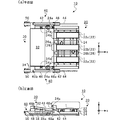
図1は、起立装置10の概略的な構成を示す説明図であり、このうち、図1(a)は、起立装置10の平面図を示し、図1(b)は、起立装置10の正面図を示す。ここでは起立装置10を説明するため、x方向、y方向、z方向を図1のように定義する。また、起立対象となる立体物1は、幅方向より高さ方向の長さが長いとし、幅方向の面を側面、高さ方向の底に相当する面を底面とする。起立装置10は、立体物1を側面側から支持する側面支持機構20と、立体物1を底面側から支持する底面支持機構30と、側面支持機構20と底面支持機構30を変位させて、最終的に立体物1を起立させるリンク機構40とを含んで構成される。
(Standing device 10)
FIG. 1 is an explanatory view showing a schematic configuration of the standing
側面支持機構20は、側面用定盤22と、側面用ベース24と、位置調整シリンダ26とを含んで構成される。側面用定盤22は、xy平面に沿った平板形状で複数(例えば、ここでは側面用定盤22a、22b、22cの3つ)設けられており、それぞれにおいて、立体物1が倒伏状態(高さ方向が水平方向)となっている間、立体物1を側面側から支持する。ここでは、立体物1を倒伏させて側面用定盤22に載置し、作業者は、倒伏状態で可能な作業、例えば、立体物1の組立作業を実行する。
The
側面用ベース24は、図1中、側面用定盤22の鉛直下方から、側面用定盤22を、x方向およびz方向への移動を制限しつつz方向に支持する。このように3つの側面用定盤22a、22b、22c全てを、x、z方向への移動を制限して側面用ベース24に支持させることで、3つの立体物1を一度に連動して起立させることができる。また、側面用ベース24は、後述する支点34aに対し回転自在に接続されている。
In FIG. 1, the
位置調整シリンダ26は、複数(例えば、ここでは位置調整シリンダ26a、26bの2つ)設けられ、ローラーユニットまたは直動ベアリングによって側面用定盤22a、22cをそれぞれ独立してy方向およびy方向の逆方向に摺動し、側面用定盤22bに対する側面用定盤22a、22cの相対位置を調整する。かかる位置調整シリンダ26によって、側面用定盤22a、22b、22cそれぞれが支持する3つの立体物1の間隔を調整することが可能となる。
A plurality of position adjustment cylinders 26 (for example, two of the
底面支持機構30は、底面用定盤32と、底面用ベース34とを含んで構成される。底面用定盤32は、xy平面に沿った平板形状で形成され、後述するように、立体物1が起立状態(高さ方向が鉛直方向)となっている間、立体物1を底面側から支持する。底面用ベース34は、図1中、底面用定盤32の鉛直下方においてxy平面に延在し、底面用定盤32をz方向に固定的に支持する。また、底面用ベース34は、側面用ベース24と共通の支点34aに対し回転自在に接続されている。
The bottom
リンク機構40は、摺動部材42と、レール44と、連結部材46と、起立シリンダ48と、シリンダベース50とを含んで構成される。摺動部材42は、アンカーボルト等により基礎に固定され水平方向(x方向)に延在するレール44に対し、直動ベアリングを通じて移動自在に案内される。連結部材46は、その一方の端部46aが摺動部材42に回転自在に接続され、他方の端部46bが底面支持機構30における支点34aの反対側に回転自在に接続される。起立シリンダ(アクチュエータ)48は、底面支持機構30のy方向前後に設けられ、それぞれ、基礎に固定されたシリンダベース50に支持された状態で水平方向に配置される。また、起立シリンダ48は、底面支持機構30とリンク機構40との接続位置(連結部材46の他方の端部46bの位置)より鉛直下方において、ピストンロッド48aの伸縮により、摺動部材42をレール44に沿ってx方向に摺動させる。
The
リンク機構40では、このように起立シリンダ48によって摺動部材42を摺動させることで、少なくとも底面支持機構30を倒伏状態と起立状態とのいずれかに切り換える。例えば、ピストンロッド48aが収縮した状態では、底面支持機構30は倒伏状態となっており、ピストンロッド48aが伸張することで摺動部材42が摺動し、連結部材46の一方の端部46aがx方向に引張される。すると、底面支持機構30における連結部材46の他方の端部46bとの係合部分(接続位置)がx方向に引張され、基礎に固定された支点34aを中心に回転して底面支持機構30が起立状態となる。
In the
また、後述するように、側面用固定部24aと底面用固定部34bとが所定の位置関係にあるとき(ここではL字形状)、互いに連結することで、側面支持機構20と底面支持機構30とをL字形状に固定できる。そして、リンク機構40は、そのL字形状に形成された側面支持機構20と底面支持機構30とを一体的に変位させることができる。この場合、側面支持機構20と底面支持機構30との姿勢はトレードオフの関係となる。すなわち、ピストンロッド48aが伸張すると、側面支持機構20が倒伏状態、底面支持機構30が起立状態となり、ピストンロッド48aが収縮すると、側面支持機構20が起立状態、底面支持機構30が倒伏状態となる。以下に、リンク機構40の動作に応じた側面支持機構20および底面支持機構30の姿勢変化について詳述する。
Further, as described later, when the side
(起立方法)
図2は、起立方法の処理の流れを説明したフローチャートであり、図3〜図7は起立方法の各処理を説明するための説明図である。起立方法では、図2のように、立体物形成処理S100、底面支持機構起立処理S102、側面支持機構起立処理S104、側面支持機構倒伏処理S106、底面支持機構倒伏処理S108の順で処理が進行する。以下、起立方法の各処理を詳述する。
(How to stand up)
FIG. 2 is a flowchart for explaining the processing flow of the standing-up method, and FIGS. 3 to 7 are explanatory diagrams for explaining each processing of the standing-up method. In the standing-up method, as shown in FIG. 2, the processing proceeds in the order of the three-dimensional object forming process S100, the bottom surface support mechanism standing process S102, the side surface support mechanism standing process S104, the side surface support mechanism falling process S106, and the bottom surface support mechanism falling process S108. . Hereinafter, each process of the standing-up method will be described in detail.
(立体物形成処理S100)
起立装置10は、初期状態で、図3に示すように、側面支持機構20および底面支持機構30がいずれも安定かつ安全な姿勢である倒伏状態となっている。また、起立装置10は全体としてフラットな姿勢となっているので、メンテナンス性に優れ、カバー等で被覆し易くなっている。
(Three-dimensional object formation process S100)
As shown in FIG. 3, the standing
作業者は、まず、位置調整シリンダ26を通じて、3つの立体物1同士の間隔、すなわち、3つの側面用定盤22a、22b、22cの間隔を調整する。3つの側面用定盤22a、22b、22cの間隔が所望する間隔になると、作業者は、かかる状態で、側面用定盤22上で3つの立体物1をそれぞれ組み立てる(加工する)。このとき、立体物1の底面1aには、まだ、底面用定盤32が近接していないので、作業者は、3つの立体物1の底面1a同士を接合する等、底面1aの加工が可能である。
First, the operator adjusts the intervals between the three three-
(底面支持機構起立処理S102)
また、側面支持機構20および底面支持機構30は、いずれもx方向の相手が存在する側の端部が支点34aに対して回転自在に接続され、また、支点34aが基礎に固定されているのに対し、両機構20、30は基礎に固定されていない。
(Bottom support mechanism standing up process S102)
Further, the
倒伏状態での立体物1の加工が完了すると、作業者は、リンク機構40を通じて、底面支持機構30を倒伏状態から起立状態に切り換える。すなわち、図4に示すように、起立シリンダ48がピストンロッド48aを伸張することで摺動部材42がレール44上をx方向に摺動し、連結部材46の一方の端部46aがx方向に引張される。すると、底面支持機構30における連結部材46の他方の端部46bとの係合部分がx方向に引張され、基礎に固定された支点34aを中心に底面支持機構30が回転して起立状態となる。
When the processing of the three-
こうして、側面支持機構20と底面支持機構30との位置関係がL字形状になり、底面用定盤32が立体物1の底面1aに近接する。このとき、側面用固定部24aと底面用固定部34bとは、それぞれに設けられた連結孔が一致する位置関係となり、作業者は、図4において黒丸で示すように、側面用固定部24aと底面用固定部34bとを連結ピンで連結することで、側面支持機構20と底面支持機構30とをL字形状に固定することができる。
Thus, the positional relationship between the side
(側面支持機構起立処理S104)
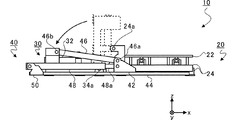
続いて、作業者は、リンク機構40を通じて、側面支持機構20とL字形状に固定された底面支持機構30を起立状態から倒伏状態に戻す。すなわち、図5に示すように、起立シリンダ48がピストンロッド48aを収縮することで摺動部材42がレール44上をx方向と逆方向に摺動し、連結部材46の一方の端部46aがx方向の逆方向に押圧される。すると、底面支持機構30における連結部材46の他方の端部46bとの係合部分がx方向の逆方向に押圧され、基礎に固定された支点34aを中心に底面支持機構30が回転して倒伏状態となる。
(Side Support Mechanism Standing Process S104)
Subsequently, the operator returns the side
ただし、ここでは、側面支持機構20と底面支持機構30とが固定されているので、側面支持機構20と底面支持機構30とは一体的に回転し、側面支持機構20と底面支持機構30との姿勢がトレードオフの関係となる。すなわち、底面支持機構30が倒伏状態となると、それに伴い側面支持機構20が起立状態となる。したがって、側面用定盤22に支持されていた立体物1も図5のように起立状態となる。こうして、作業者は、3つの立体物1の天面1b同士を接合する等、立体物1の起立状態での作業が可能となる。
However, since the side
このように立体物1の加工が進行し、起立装置10での作業が完了すると、作業者は、例えば、クレーン等を通じて、一体形成された3つの立体物1を起立させた状態のまま起立装置10から外部に移動させる。
When the processing of the three-
(側面支持機構倒伏処理S106)
立体物1の移動が完了すると、作業者は、リンク機構40を通じて、底面支持機構30を、再度、倒伏状態から起立状態に切り換える。すなわち、図6に示すように、起立シリンダ48がピストンロッド48aを伸張することで摺動部材42がレール44上をx方向に摺動し、連結部材46の一方の端部46aがx方向に引張される。すると、底面支持機構30における連結部材46の他方の端部46bとの係合部分がx方向に引張され、基礎に固定された支点34aを中心に底面支持機構30が回転して起立状態となる。
(Side support mechanism lodging process S106)
When the movement of the three-
また、側面支持機構20と底面支持機構30とがまだ固定されている状態なので、側面支持機構20と底面支持機構30とは一体的に回転し、底面支持機構30が起立状態となると、それに伴い側面支持機構20が倒伏状態となる。ただし、ここでは、立体物1が載置されていない。
Further, since the side
底面支持機構30が起立状態になると(側面支持機構20が倒伏状態になると)、作業者は、図6において黒丸で示した連結ピンを外し、側面用固定部24aと底面用固定部34bとの連結を解除する。こうして、側面支持機構20と底面支持機構30とのL字形状の固定が解除される。
When the bottom
(底面支持機構倒伏処理S108)
続いて、作業者は、リンク機構40を通じて、側面支持機構20から固定が解除された底面支持機構30のみを起立状態から倒伏状態に戻す。すなわち、図7に示すように、起立シリンダ48がピストンロッド48aを収縮することで摺動部材42がレール44上をx方向と逆方向に摺動し、連結部材46の一方の端部46aがx方向の逆方向に押圧される。すると、底面支持機構30における連結部材46の他方の端部46bとの係合部分がx方向の逆方向に押圧され、基礎に固定された支点34aを中心に底面支持機構30が回転して倒伏状態となる。
(Bottom support mechanism lodging process S108)
Subsequently, the operator returns only the bottom
こうして、起立装置10は、初期状態の、側面支持機構20および底面支持機構30がいずれも安定かつ安全な姿勢である倒伏状態に戻る。かかる起立方法では、立体物1の組み立てと連結ピンの挿入以外の作業を起立装置10により自動的に行うことができる。
Thus, the standing
かかる起立装置10および起立方法によれば、以下のような作用、効果を有する。すなわち、立体物1の底面に対する作業のため、立体物1を起立させる際、底面支持機構30の起立処理(底面支持機構起立処理S102)と、側面支持機構20の起立処理(側面支持機構起立処理S104)の2つの処理が必要となるが、それを1つのリンク機構40のみによって実現している。したがって、起立装置10の占有領域を最小限に抑えつつ、効率的に立体物1を起立させることが可能となる。
According to the standing
また、リンク機構40において起立シリンダ48やレール44を、底面支持機構30とリンク機構40との接続位置より鉛直下方において水平に配置する構成により、摺動部材42を、剛性を確保できる基礎近傍で地面に水平に摺動でき、摺動部材42の剛性と安全性を両立させることができる。また、基礎に固定する部位はあるものの、起立装置10自体は全て地面より上方に位置しているので、装置を埋設するための地面の掘削を要さず、その配置自体を容易に変更することが可能となる。
In addition, the structure in which the
さらに、起立シリンダ48への負荷が高い側面支持機構起立処理S104の起立開始時点では、起立シリンダ48の力の方向と、支点34aを中心とする回転方向との角度差が小さいので、起立シリンダ48の力を立体物1の起立に効率良く費やすことができる。したがって、過大な力を要すことなく、立体物1を容易に起立させることが可能となる。換言すれば、立体物1を起立させるのに要する力を小さく見積もることができるので、起立シリンダ48自体の容量(出力)を抑えることができる。
Further, at the start of the side support mechanism erecting process S104 with a high load on the
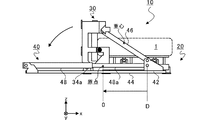
図8、図9は、起立シリンダ48の必要出力を説明するための説明図である。ここで、図8は、側面支持機構起立処理S104の開始時を示し、図9は、図8における摺動部材42の位置がx方向の逆方向に向かって変位し、立体物1(正確には、立体物1+側面支持機構20+底面支持機構30)が起立させられる間の起立シリンダ48の最低必要出力を示す。
8 and 9 are explanatory diagrams for explaining the necessary output of the
起立シリンダ48は、立体物1を起立させるべく、ピストンロッド48aを収縮して、摺動部材42をx=Dの位置からx=0まで変位させる。ここで、x=0は、立体物形成処理S100が実行される初期状態における摺動部材の位置であり、x=Dは、底面支持機構起立処理S102が実行され、底面支持機構30が起立状態にあるときの摺動部材42の位置である。
The standing
このように摺動部材42がx=Dからx=0に変位すると、起立シリンダ48の最低必要出力は図9に示すような軌跡となる。
When the sliding
ここでは、立体物1の重心座標と支点34aとの関係により、摺動部材42がx=Dからx=0に変位する途中のE地点で、起立シリンダ48の力の方向が反転する。すなわち、摺動部材42がx=Dからx=Eに変位する間は、ピストンロッド48aを収縮する方向に出力が働くが、x=Eからx=0に変位する間は、ピストンロッド48aを収縮しつつ、その収縮を抑制する方向に出力が働いている。ただし、いずれの方向においても、最低必要出力の絶対値は所定の値P以下となり、最低必要出力を極めて小さく抑えられることが理解できる。
Here, due to the relationship between the barycentric coordinates of the three-
以上、説明したように、本実施形態の起立装置10では、リンク機構40を用いることで、立体物1を容易に起立させ、安全性を確保しつつ、作業時間を大幅に短縮することが可能となる。
As described above, in the standing
以上、添付図面を参照しながら本発明の好適な実施形態について説明したが、本発明はかかる実施形態に限定されないことは言うまでもない。当業者であれば、特許請求の範囲に記載された範疇において、各種の変更例または修正例に想到し得ることは明らかであり、それらについても当然に本発明の技術的範囲に属するものと了解される。 As mentioned above, although preferred embodiment of this invention was described referring an accompanying drawing, it cannot be overemphasized that this invention is not limited to this embodiment. It will be apparent to those skilled in the art that various changes and modifications can be made within the scope of the claims, and these are naturally within the technical scope of the present invention. Is done.
例えば、上述した実施形態では、側面支持機構20と底面支持機構30とが共通する支点34aに回転自在に接続されている例を挙げて説明したが、側面支持機構20は底面支持機構30に、梁等、様々な手段で固定され、底面支持機構30の回転に伴って起立状態となれば足り、側面支持機構20自体が回転自在に設けられる必要はない。
For example, in the above-described embodiment, the example in which the side
本発明は、立体物を起立させる起立装置および起立方法に利用することができる。 INDUSTRIAL APPLICABILITY The present invention can be used for a standing device and a standing method for standing a three-dimensional object.
1 立体物
10 起立装置
20 側面支持機構
30 底面支持機構
34a 支点
34b 底面用固定部
40 リンク機構
42 摺動部材
46 連結部材
48 起立シリンダ(アクチュエータ)
DESCRIPTION OF
Claims (2)
所定の支点に回転自在に接続され、前記側面支持機構と所定の位置関係にあるときに固定可能であり、前記立体物が起立状態にあるとき該立体物を底面側から支持する底面支持機構と、
前記底面支持機構における前記支点の反対側に回転自在に接続された連結部材と、
前記連結部材に回転自在に接続された摺動部材と、
前記摺動部材を、前記底面支持機構と前記連結部材との接続位置より鉛直下方において水平方向に摺動し、前記底面支持機構を起立させるアクチュエータと、
を備えることを特徴とする起立装置。 A side surface support mechanism for supporting the three-dimensional object from the side surface when the three-dimensional object is lying down;
A bottom surface support mechanism that is rotatably connected to a predetermined fulcrum, can be fixed when in a predetermined positional relationship with the side surface support mechanism, and supports the three-dimensional object from the bottom surface side when the three-dimensional object is in an upright state; ,
A connecting member rotatably connected to the opposite side of the fulcrum in the bottom surface support mechanism;
A sliding member rotatably connected to the connecting member;
An actuator that slides the sliding member in a horizontal direction vertically below a connection position between the bottom surface support mechanism and the coupling member, and erects the bottom surface support mechanism;
An upright device comprising:
前記側面支持機構に立体物を載置し、
前記リンク機構により前記底面支持機構を起立させ、
前記側面支持機構と前記底面支持機構を所定の位置関係で固定し、
前記リンク機構により前記底面支持機構を倒伏させることで、前記立体物を起立させることを特徴とする起立方法。 A side surface support mechanism for supporting a three-dimensional object from the side surface side, a bottom surface support mechanism for supporting the three-dimensional object from the bottom surface side, and a standing method for erecting the three-dimensional object using a link mechanism for erecting the bottom surface support mechanism. ,
A solid object is placed on the side support mechanism,
The bottom support mechanism is raised by the link mechanism,
Fixing the side surface support mechanism and the bottom surface support mechanism in a predetermined positional relationship;
An erection method, wherein the three-dimensional object is erected by lowering the bottom surface support mechanism by the link mechanism.
Priority Applications (1)
| Application Number | Priority Date | Filing Date | Title |
|---|---|---|---|
| JP2015122183A JP2017007762A (en) | 2015-06-17 | 2015-06-17 | Erection device and erection method |
Applications Claiming Priority (1)
| Application Number | Priority Date | Filing Date | Title |
|---|---|---|---|
| JP2015122183A JP2017007762A (en) | 2015-06-17 | 2015-06-17 | Erection device and erection method |
Publications (1)
| Publication Number | Publication Date |
|---|---|
| JP2017007762A true JP2017007762A (en) | 2017-01-12 |
Family
ID=57762995
Family Applications (1)
| Application Number | Title | Priority Date | Filing Date |
|---|---|---|---|
| JP2015122183A Pending JP2017007762A (en) | 2015-06-17 | 2015-06-17 | Erection device and erection method |
Country Status (1)
| Country | Link |
|---|---|
| JP (1) | JP2017007762A (en) |
Citations (5)
| Publication number | Priority date | Publication date | Assignee | Title |
|---|---|---|---|---|
| JPS57113921U (en) * | 1981-01-08 | 1982-07-14 | ||
| JPH11255307A (en) * | 1998-03-10 | 1999-09-21 | Mhi Sagami Hightec Kk | Reversing device |
| JP2003312817A (en) * | 2002-04-23 | 2003-11-06 | Kimura:Kk | Vehicle tilting device |
| JP2009184775A (en) * | 2008-02-05 | 2009-08-20 | Hitachi Plant Technologies Ltd | Transport cart |
| JP2014152470A (en) * | 2013-02-06 | 2014-08-25 | Sanki Kogyo Kk | Derricking waterproof door device |
-
2015
- 2015-06-17 JP JP2015122183A patent/JP2017007762A/en active Pending
Patent Citations (5)
| Publication number | Priority date | Publication date | Assignee | Title |
|---|---|---|---|---|
| JPS57113921U (en) * | 1981-01-08 | 1982-07-14 | ||
| JPH11255307A (en) * | 1998-03-10 | 1999-09-21 | Mhi Sagami Hightec Kk | Reversing device |
| JP2003312817A (en) * | 2002-04-23 | 2003-11-06 | Kimura:Kk | Vehicle tilting device |
| JP2009184775A (en) * | 2008-02-05 | 2009-08-20 | Hitachi Plant Technologies Ltd | Transport cart |
| JP2014152470A (en) * | 2013-02-06 | 2014-08-25 | Sanki Kogyo Kk | Derricking waterproof door device |
Similar Documents
| Publication | Publication Date | Title |
|---|---|---|
| US10450170B2 (en) | Mobile crane having adjustable ballast mounting apparatus | |
| US11958192B2 (en) | Method and system for mobile reconfigurable robot for a large workspace | |
| EP2147756B1 (en) | Transfer robot | |
| CN103187611A (en) | Multi-point driving device of general base station antenna | |
| US12134185B2 (en) | Compact 6-axis positioning system | |
| CN203077277U (en) | Hybrid pose adjustment mechanism | |
| JP6916717B2 (en) | Disconnector | |
| JP6308078B2 (en) | Work lifting device | |
| US12084326B2 (en) | Lift and tilt mechanism and a tilt system | |
| CN207915455U (en) | A kind of regulating arm | |
| JPWO2019031539A1 (en) | Motion base | |
| TW201533407A (en) | Traction device fixing structure of solar tracking system | |
| CN113695803A (en) | Automatic welding assembly lifting platform | |
| KR20160001747A (en) | Device for cable robot | |
| CN210282273U (en) | Hydraulic robot | |
| CN104061407A (en) | Mobile robot | |
| KR20230064913A (en) | Multi-radius roller plunger jig for supporting cylindrical structures | |
| CN115556027B (en) | Photosensitive element mounting device and photosensitive element mounting method | |
| JP5668985B2 (en) | Lifting device and lifting method | |
| KR101309658B1 (en) | Frame module for controlling variable length of frame and legged mobile robot with it | |
| CN203077276U (en) | Circumferential angle adjusting mechanism | |
| GB2347883A (en) | Tripod manipulator | |
| Li et al. | 6-DOF Outdoor High-Load Robot for Solar Panel Array Installation: Deformation Compensation, Inverse Kinematics and Decoupling Control | |
| JP2018080029A (en) | Lift device | |
| CN108127646A (en) | A kind of regulating arm |
Legal Events
| Date | Code | Title | Description |
|---|---|---|---|
| A621 | Written request for application examination |
Free format text: JAPANESE INTERMEDIATE CODE: A621 Effective date: 20180424 |
|
| A977 | Report on retrieval |
Free format text: JAPANESE INTERMEDIATE CODE: A971007 Effective date: 20190313 |
|
| A131 | Notification of reasons for refusal |
Free format text: JAPANESE INTERMEDIATE CODE: A131 Effective date: 20190319 |
|
| A02 | Decision of refusal |
Free format text: JAPANESE INTERMEDIATE CODE: A02 Effective date: 20190917 |