JP2017010221A - Information providing system, information providing apparatus, route signal information relay method, and computer program - Google Patents
Information providing system, information providing apparatus, route signal information relay method, and computer program Download PDFInfo
- Publication number
- JP2017010221A JP2017010221A JP2015124202A JP2015124202A JP2017010221A JP 2017010221 A JP2017010221 A JP 2017010221A JP 2015124202 A JP2015124202 A JP 2015124202A JP 2015124202 A JP2015124202 A JP 2015124202A JP 2017010221 A JP2017010221 A JP 2017010221A
- Authority
- JP
- Japan
- Prior art keywords
- information
- signal information
- mobile communication
- communication device
- route
- Prior art date
- Legal status (The legal status is an assumption and is not a legal conclusion. Google has not performed a legal analysis and makes no representation as to the accuracy of the status listed.)
- Granted
Links
Images



Landscapes
- Navigation (AREA)
- Traffic Control Systems (AREA)
- Optical Communication System (AREA)
Abstract
【課題】 路線信号情報の利用価値を向上する。【解決手段】 本発明の一態様に係るシステムは、下記に定義する第1及び第2移動通信機5A,5Bと、第1及び第2移動通信機5A,5Bと無線通信する情報提供装置3とを備える。第1移動通信機5Aは、交通管制システム9の路側通信機14から受信した路線信号情報を情報提供装置3に送信し、情報提供装置3は、第1移動通信機5Aから受信した路線信号情報を少なくとも第2移動通信機5Bに送信し、第2移動通信機5Bは、自機の路線信号情報を情報提供装置3から受信した路線信号情報に更新する。第1移動通信機5A:路線信号情報を第1時点で受信した移動通信機5第2移動通信機5B:路線信号情報を第1時点よりも前の第2時点で受信した移動通信機5【選択図】 図5PROBLEM TO BE SOLVED: To improve the utility value of route signal information. A system according to an aspect of the present invention includes first and second mobile communication devices 5A and 5B defined below, and an information providing device 3 that wirelessly communicates with first and second mobile communication devices 5A and 5B. With. The first mobile communication device 5A transmits the route signal information received from the roadside communication device 14 of the traffic control system 9 to the information providing device 3, and the information providing device 3 receives the route signal information received from the first mobile communication device 5A. Is transmitted to at least the second mobile communication device 5B, and the second mobile communication device 5B updates its own route signal information to the route signal information received from the information providing device 3. First mobile communication device 5A: mobile communication device 5 that received route signal information at a first time point second mobile communication device 5B: mobile communication device 5 that received route signal information at a second time point before the first time point Selection diagram] FIG.
Description
本発明は、情報提供システム、情報提供装置、路線信号情報の中継方法、及びコンピュータプログラムに関する。具体的には、路線の1又は複数の交差点の信号情報を含む路線信号情報を移動通信機に提供する方法の改良に関する。 The present invention relates to an information providing system, an information providing apparatus, a route signal information relay method, and a computer program. Specifically, the present invention relates to an improvement in a method of providing route signal information including signal information of one or more intersections of a route to a mobile communication device.
道路管理者が管理する交差点の信号情報を、交差点の上流側の道路に設置された光ビーコンから車両に提供する情報提供システムが既に知られている(特許文献1参照)。
この場合、光ビーコンを通過する車両の車載機は、下流交差点の信号情報に基づいて、自車両が交差点を安全に通過できるか否かを判定し、通過できないと判定した場合に搭乗者に減速を促すなどの安全運転支援を実行できるようになる。
There is already known an information providing system that provides signal information of an intersection managed by a road manager to a vehicle from an optical beacon installed on a road upstream of the intersection (see Patent Document 1).
In this case, the in-vehicle device of the vehicle passing through the optical beacon determines whether or not the own vehicle can safely pass the intersection based on the signal information of the downstream intersection, and decelerates to the passenger when it is determined that the vehicle cannot pass. It is possible to implement safe driving support such as prompting.
光ビーコンから提供する信号情報を、1つの交差点だけでなく複数の交差点の信号情報を含む路線信号情報とすることも既に提案されている。
この場合、光ビーコンを通過する車両の車載機は、路線に含まれる複数の下流交差点の信号情報に基づいて、路線を通行する場合の推奨速度を算出してドライバーに事前に報知したり、信号待ち停止の場合の赤残り時間を算出してドライバーに報知したりするなどの運転支援制御を実行できるようになる。
It has already been proposed that the signal information provided from the optical beacon is route signal information including signal information of a plurality of intersections as well as one intersection.
In this case, the in-vehicle device of the vehicle that passes the optical beacon calculates the recommended speed when traveling on the route based on the signal information of a plurality of downstream intersections included in the route and notifies the driver in advance, It becomes possible to execute driving support control such as calculating the remaining red time in the case of waiting stop and informing the driver.
路線信号情報に含まれる各交差点の信号情報は、交通管制センターの中央装置により、例えばオフセットなどの信号制御パラメータの算出周期ごとに更新される。
従って、車両が光ビーコンから路線信号情報を受信してから、路線の途中を走行中に信号制御パラメータが更新されると、現在位置よりも下流側の交差点の信号情報を利用できなくなる場合がある。また、路線の最上流の交差点に到達する前に信号制御パラメータが更新されると、車両は路線信号情報に含まれるすべての交差点の信号情報を利用できない場合がある。
The signal information of each intersection included in the route signal information is updated by the central device of the traffic control center for each calculation period of signal control parameters such as offset.
Therefore, if the signal control parameter is updated while the vehicle is traveling along the route after receiving the route signal information from the optical beacon, the signal information at the intersection downstream of the current position may not be used. . Further, if the signal control parameters are updated before reaching the most upstream intersection on the route, the vehicle may not be able to use the signal information of all the intersections included in the route signal information.
このように、路線信号情報の取得から信号制御パラメータの次回の更新までの時間(後述の「情報有効時間」)によっては、路線に含まれる交差点の一部又は全部の信号情報を利用できなくなる場合がある。
このため、路線信号情報に含める交差点数を多くしても、車両が光ビーコンを通過したタイミングによっては、車両が全部の交差点の信号情報を利用できるとは限らないため、さらに適切なサービス提供がなされるような仕組みが望まれている。
As described above, depending on the time from the acquisition of route signal information to the next update of the signal control parameter (“information valid time” described later), signal information of some or all of the intersections included in the route cannot be used. There is.
For this reason, even if the number of intersections included in the route signal information is increased, depending on the timing at which the vehicle passes the optical beacon, the vehicle may not be able to use the signal information of all the intersections. A mechanism to be made is desired.
本発明は、かかる従来の問題点に鑑み、路線信号情報に含まれる交差点の信号情報を車両ができるだけ多く利用できるようにして、路線信号情報の利用価値を向上することを目的とする。 SUMMARY OF THE INVENTION The present invention has been made in view of the above-described problems, and it is an object of the present invention to improve the utility value of route signal information by allowing a vehicle to use as much signal information of intersections included in route signal information as possible.
(1) 本発明の情報提供システムは、下記に定義する第1及び第2移動通信機と、前記第1及び第2移動通信機と無線通信する情報提供装置とを備える情報提供システムであって、前記第1移動通信機は、交通管制システムの路側通信機から受信した路線信号情報を前記情報提供装置に送信し、前記情報提供装置は、前記第1移動通信機から受信した前記路線信号情報を少なくとも前記第2移動通信機に送信し、前記第2移動通信機は、自機の路線信号情報を前記情報提供装置から受信した前記路線信号情報に更新する。 (1) An information providing system of the present invention is an information providing system including first and second mobile communication devices defined below and an information providing device that wirelessly communicates with the first and second mobile communication devices. The first mobile communication device transmits route signal information received from the roadside communication device of the traffic control system to the information providing device, and the information providing device receives the route signal information received from the first mobile communication device. Is transmitted to at least the second mobile communication device, and the second mobile communication device updates its route signal information to the route signal information received from the information providing apparatus.
第1移動通信機:情報提供装置と無線通信する移動通信機のうち、路線の1又は複数の交差点の信号情報を含む路線信号情報を交通管制システムの路側通信機から第1時点で受信した移動通信機
第2移動通信機:情報提供装置と無線通信する移動通信機のうち、路線の1又は複数の交差点の信号情報を含む路線信号情報を交通管制システムの路側通信機から第1時点よりも前の第2時点で受信した移動通信機
First mobile communication device: A mobile communication device that wirelessly communicates with an information providing device and that has received route signal information including signal information of one or more intersections of a route from a roadside communication device of a traffic control system at a first time point Communication device Second mobile communication device: Among mobile communication devices that wirelessly communicate with the information providing device, route signal information including signal information of one or more intersections of the route is obtained from the road side communication device of the traffic control system from the first time point. Mobile communication device received at the previous second time point
(10) 本発明の情報提供装置は、上記に定義する第1及び第2移動通信機と無線通信する情報提供装置であって、前記第1移動通信機が送信した路線信号情報を受信する受信部と、受信した前記路線信号情報を少なくとも前記第2移動通信機に送信する送信部と、を備える。 (10) The information providing apparatus of the present invention is an information providing apparatus that wirelessly communicates with the first and second mobile communication devices defined above, and receives the route signal information transmitted by the first mobile communication device. And a transmitter that transmits at least the received route signal information to the second mobile communication device.
(11) 本発明のコンピュータプログラムは、上記に定義する第1及び第2移動通信機と無線通信する情報提供装置に、路線信号情報の中継処理を実行させるためのコンピュータプログラムであって、前記第1移動通信機が送信した前記路線信号情報を受信するステップと、受信した前記路線信号情報を少なくとも前記第2移動通信機に送信するステップと、を含む。 (11) A computer program according to the present invention is a computer program for causing an information providing apparatus that wirelessly communicates with the first and second mobile communication devices defined above to perform relay processing of route signal information. Receiving the route signal information transmitted by one mobile communication device and transmitting the received route signal information to at least the second mobile communication device.
(12) 本発明の中継方法は、上記に定義する第1及び第2移動通信機と無線通信する情報提供装置が実行する、路線信号情報の中継方法であって、前記第1移動通信機が送信した前記路線信号情報を受信するステップと、受信した前記路線信号情報を少なくとも前記第2移動通信機に送信するステップと、を含む。 (12) A relay method of the present invention is a route signal information relay method executed by an information providing apparatus that wirelessly communicates with the first and second mobile communication devices defined above, wherein the first mobile communication device Receiving the transmitted route signal information; and transmitting the received route signal information to at least the second mobile communication device.
本発明によれば、路線信号情報の利用価値を向上することができる。 According to the present invention, the utility value of route signal information can be improved.
<本発明の実施形態の概要>
以下、本発明の実施形態の概要を列記して説明する。
(1) 本実施形態の情報提供システムは、下記に定義する第1及び第2移動通信機と、前記第1及び第2移動通信機と無線通信する情報提供装置とを備える情報提供システムであって、前記第1移動通信機は、交通管制システムの路側通信機から受信した路線信号情報を前記情報提供装置に送信し、前記情報提供装置は、前記第1移動通信機から受信した前記路線信号情報を少なくとも前記第2移動通信機に送信し、前記第2移動通信機は、自機の路線信号情報を前記情報提供装置から受信した前記路線信号情報に更新する。
<Outline of Embodiment of the Present Invention>
Hereinafter, an outline of embodiments of the present invention will be listed and described.
(1) The information providing system according to the present embodiment is an information providing system including first and second mobile communication devices defined below and an information providing device that wirelessly communicates with the first and second mobile communication devices. The first mobile communication device transmits route signal information received from the roadside communication device of the traffic control system to the information providing device, and the information providing device receives the route signal received from the first mobile communication device. Information is transmitted to at least the second mobile communication device, and the second mobile communication device updates its own route signal information to the route signal information received from the information providing apparatus.
第1移動通信機:情報提供装置と無線通信する移動通信機のうち、路線の1又は複数の交差点の信号情報を含む路線信号情報を交通管制システムの路側通信機から第1時点で受信した移動通信機
第2移動通信機:情報提供装置と無線通信する移動通信機のうち、路線の1又は複数の交差点の信号情報を含む路線信号情報を交通管制システムの路側通信機から第1時点よりも前の第2時点で受信した移動通信機
First mobile communication device: A mobile communication device that wirelessly communicates with an information providing device and that has received route signal information including signal information of one or more intersections of a route from a roadside communication device of a traffic control system at a first time point Communication device Second mobile communication device: Among mobile communication devices that wirelessly communicate with the information providing device, route signal information including signal information of one or more intersections of the route is obtained from the road side communication device of the traffic control system from the first time point. Mobile communication device received at the previous second time point
本実施形態の情報提供システムによれば、第1移動通信機が、交通管制システムの路側通信機から受信した路線信号情報を情報提供装置に送信し、情報提供装置が、第1移動通信機から受信した路線信号情報を少なくとも第2移動通信機に送信し、自機の路線信号情報を情報提供装置から受信した路線信号情報に更新するので、第2移動通信機は、第1移動通信機が路側通信機から受信した最新の路線信号情報を取得することができる。 According to the information providing system of the present embodiment, the first mobile communication device transmits the route signal information received from the roadside communication device of the traffic control system to the information providing device, and the information providing device is transmitted from the first mobile communication device. Since the received route signal information is transmitted to at least the second mobile communication device and the route signal information of the own device is updated to the route signal information received from the information providing device, the second mobile communication device is the first mobile communication device. The latest route signal information received from the roadside communication device can be acquired.
従って、例えば第2移動通信機の車両が路線を走行中である場合に、当該車両が利用可能となる交差点の信号情報の数が増加する可能性を高めることができる。
このため、路線信号情報に含まれる交差点の信号情報を車両ができるだけ多く利用できるようになり、路線信号情報の利用価値が向上する。
Therefore, for example, when the vehicle of the second mobile communication device is traveling on a route, it is possible to increase the possibility that the number of signal information at intersections where the vehicle can be used increases.
For this reason, the vehicle can use as much signal information of the intersection included in the route signal information as possible, and the utility value of the route signal information is improved.
(2) 本実施形態の情報提供システムにおいて、前記第1移動通信機は、前記路側通信機が前記路線信号情報を送信した送信時刻及び自機が前記路線信号情報を受信した受信時刻のうちの少なくとも一方を、前記路線信号情報とともに前記情報提供装置に送信することが好ましい。
このようにすれば、情報提供装置は、第1移動通信機から受信した送信時刻及び受信時刻のうちの少なくとも一方に、路線信号情報の路線有効時間を加算することにより、路線信号情報のタイムアウト時刻を算出できるようになる。
(2) In the information providing system according to the present embodiment, the first mobile communication device includes a transmission time when the roadside communication device transmits the route signal information and a reception time when the own device receives the route signal information. It is preferable to transmit at least one to the information providing apparatus together with the route signal information.
According to this configuration, the information providing apparatus adds the route valid time of the route signal information to at least one of the transmission time and the reception time received from the first mobile communication device, so that the time-out time of the route signal information is increased. Can be calculated.
(3) 本実施形態の情報提供システムにおいて、前記路線信号情報に、現時点からの情報の期限を表す情報有効時間が含まれる場合には、前記情報提供装置は、前記第1移動通信機から受信した前記路線信号情報に基づくタイムアウト時刻から自装置の送信時刻を減算して、自装置が送信する前記路線信号情報の情報有効時間を算出することが好ましい。
このようにすれば、情報提供装置が自装置の送信時刻を移動通信機に通知する必要がなくなるので、ダウンリンク方向の通信量を抑えることができる。
(3) In the information providing system according to the present embodiment, when the route signal information includes an information valid time indicating a time limit of information from the present time, the information providing apparatus receives the information from the first mobile communication device. It is preferable to calculate the information valid time of the route signal information transmitted by the own device by subtracting the transmission time of the own device from the timeout time based on the route signal information.
In this way, it is not necessary for the information providing apparatus to notify the mobile communication device of the transmission time of the own apparatus, so that the traffic in the downlink direction can be suppressed.
(4) 本実施形態の情報提供システムにおいて、前記情報提供装置は、自装置が送信する前記路線信号情報の情報有効時間を算出する場合に、前記タイムアウト時刻から更に自装置における送信遅延を減算することが好ましい。
このようにすれば、情報提供装置が算出する情報有効時間の精度が高くなるので、移動通信機による情報有効時間を用いたタイムアウト時刻の算出精度を高めることができる。
(4) In the information providing system of this embodiment, the information providing apparatus further subtracts the transmission delay in the own apparatus from the timeout time when calculating the information valid time of the route signal information transmitted by the own apparatus. It is preferable.
In this way, since the accuracy of the information valid time calculated by the information providing device is increased, it is possible to improve the accuracy of calculating the timeout time using the information valid time by the mobile communication device.
(5) 本実施形態の情報提供システムにおいて、前記路線信号情報に、現時点からの情報の期限を表す情報有効時間が含まれる場合には、前記情報提供装置は、前記第1移動通信機から受信した前記路線信号情報に基づくタイムアウト時刻が最新である場合に、当該路線信号情報の送信を実行することが好ましい。
このようにすれば、情報提供装置のダウンリンク方向の通信量の一時的な増大を防止できるとともに、移動通信機の処理負荷を軽減することができる。
(5) In the information providing system according to the present embodiment, when the route signal information includes an information valid time indicating a time limit of information from the present time, the information providing apparatus receives the information from the first mobile communication device. When the timeout time based on the route signal information is the latest, it is preferable to transmit the route signal information.
In this way, it is possible to prevent a temporary increase in the amount of communication in the downlink direction of the information providing apparatus and reduce the processing load on the mobile communication device.
(6) 本実施形態の情報提供システムにおいて、前記情報提供装置は、前記路線信号情報の送信先を、現在位置が前記路線に存在する前記移動通信機に限定することが好ましい。
このようにすれば、不要な情報送信に伴う情報提供装置のダウンリンク方向の通信量の増大を防止できるとともに、移動通信機の処理負荷を軽減することができる。
(6) In the information providing system according to the present embodiment, it is preferable that the information providing apparatus limits a transmission destination of the route signal information to the mobile communication device having a current position on the route.
In this way, it is possible to prevent an increase in the amount of communication in the downlink direction of the information providing apparatus due to unnecessary information transmission, and to reduce the processing load on the mobile communication device.
(7) 本実施形態の情報提供システムにおいて、前記情報提供装置は、前記移動通信機に送信する前記路線信号情報から、当該移動通信機が通過済みの前記交差点の前記信号情報を除外することが好ましい。
このようにすれば、路線信号情報のデータ量を個別に削減できるので、情報提供装置のダウンリンク方向の通信量を低減することができる。
(7) In the information providing system of the present embodiment, the information providing apparatus may exclude the signal information of the intersection where the mobile communication device has passed from the route signal information transmitted to the mobile communication device. preferable.
In this way, since the data amount of the route signal information can be individually reduced, the communication amount in the downlink direction of the information providing apparatus can be reduced.
(8) 本実施形態の情報提供システムにおいて、前記路線信号情報に、現時点からの情報の期限を表す情報有効時間が含まれる場合には、前記移動通信機は、前記情報提供装置から受信した前記路線信号情報に基づくタイムアウト時刻が最新である場合に、自機の路線信号情報を前記情報提供装置から受信した前記路線信号情報に更新することが好ましい。
このようにすれば、過去の古い路線信号情報を用いた誤った運転支援制御が実行されるのを未然に防止することができる。
(8) In the information providing system according to the present embodiment, when the route signal information includes an information valid time indicating a time limit of information from the present time, the mobile communication device receives the information received from the information providing device. When the time-out time based on the route signal information is the latest, it is preferable to update the route signal information of the own device to the route signal information received from the information providing apparatus.
In this way, it is possible to prevent an erroneous driving support control using old route signal information from being executed in advance.
(9) 本実施形態の情報提供システムにおいて、前記移動通信機は、前記情報提供装置から受信した前記路線信号情報が、自車両が走行中の前記路線に関する情報である場合に、自機の路線信号情報を前記情報提供装置から受信した前記路線信号情報に更新することが好ましい。
このようにすれば、自車両の走行経路とは無関係の路線信号情報については更新を行う必要がなくなるので、移動通信機の処理負荷を軽減することができる。
(9) In the information providing system according to the present embodiment, the mobile communication device has its own route when the route signal information received from the information providing device is information on the route on which the host vehicle is traveling. It is preferable to update the signal information to the route signal information received from the information providing apparatus.
In this way, it is not necessary to update the route signal information irrelevant to the travel route of the host vehicle, so that the processing load on the mobile communication device can be reduced.
(10) 本実施形態の情報提供装置は、上記に定義する第1及び第2移動通信機と無線通信する情報提供装置であって、前記第1移動通信機が送信した路線信号情報を受信する受信部と、受信した前記路線信号情報を少なくとも前記第2移動通信機に送信する送信部と、を備えるものである。 (10) The information providing apparatus of the present embodiment is an information providing apparatus that wirelessly communicates with the first and second mobile communication devices defined above, and receives route signal information transmitted by the first mobile communication device. A receiving unit; and a transmitting unit that transmits at least the received route signal information to the second mobile communication device.
本実施形態の情報提供装置によれば、受信部が、第1移動通信機が送信した路線信号情報を受信し、送信部が、受信した路線信号情報を少なくとも第2移動通信機に送信するので、第2移動通信機に、第1移動通信機が路側通信機から受信した最新の路線信号情報を提供することができる。 According to the information providing apparatus of the present embodiment, the receiving unit receives the route signal information transmitted from the first mobile communication device, and the transmitting unit transmits the received route signal information to at least the second mobile communication device. The latest route signal information received by the first mobile communication device from the roadside communication device can be provided to the second mobile communication device.
従って、例えば第2移動通信機の車両が路線を走行中である場合に、当該車両が利用可能となる交差点の信号情報の数が増加する可能性を高めることができる。
このため、路線信号情報に含まれる交差点の信号情報を車両ができるだけ多く利用できるようになり、路線信号情報の利用価値が向上する。
Therefore, for example, when the vehicle of the second mobile communication device is traveling on a route, it is possible to increase the possibility that the number of signal information at intersections where the vehicle can be used increases.
For this reason, the vehicle can use as much signal information of the intersection included in the route signal information as possible, and the utility value of the route signal information is improved.
(11) 本実施形態のコンピュータプログラムは、上記に定義する第1及び第2移動通信機と無線通信する情報提供装置に、路線信号情報の中継処理を実行させるためのコンピュータプログラムであって、前記送信部及び前記受信部が行う前記各ステップを含む。
従って、本実施形態のコンピュータプログラムは、本実施形態の情報提供装置と同様の作用効果を奏する。
(11) A computer program according to the present embodiment is a computer program for causing an information providing apparatus that wirelessly communicates with the first and second mobile communication devices defined above to execute relay processing of route signal information, Each step performed by the transmission unit and the reception unit is included.
Therefore, the computer program of the present embodiment has the same effects as the information providing apparatus of the present embodiment.
(12) 本実施形態の中継方法は、上記に定義する第1及び第2移動通信機と無線通信する情報提供装置が実行する、路線信号情報の中継方法であって、前記送信部及び前記受信部が行う前記各ステップを含む。
従って、本実施形態の中継方法は、本実施形態の情報提供装置と同様の作用効果を奏する。
(12) The relay method of the present embodiment is a route signal information relay method executed by the information providing apparatus that wirelessly communicates with the first and second mobile communication devices defined above, and includes the transmission unit and the reception Each step performed by the unit.
Therefore, the relay method of the present embodiment has the same effects as the information providing apparatus of the present embodiment.
<本発明の実施形態の詳細>
以下、図面を参照して、本発明の実施形態の詳細を説明する。なお、以下に記載する実施形態の少なくとも一部を任意に組み合わせてもよい。
<Details of Embodiment of the Present Invention>
Hereinafter, details of embodiments of the present invention will be described with reference to the drawings. In addition, you may combine arbitrarily at least one part of embodiment described below.
〔情報提供システムの全体構成〕
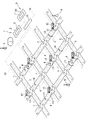
図1は、本発明の実施形態に係る情報提供システム1の全体構成図である。
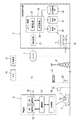
図2は、本発明の実施形態に係る情報提供システム1を構成する、情報提供装置3と車両4に搭載された車載機5との内部構成を示す機能ブロック図である。
本実施形態において、「車両」とは、自動車(自動二輪車を含む)、原動機付き自転車、軽車両及びトロリーバスなどのことをいう。「車載機」とは、車両4に恒久的又は一時的に搭載された、通信機能などを有するコンピュータ装置のことをいう。
[Overall configuration of information provision system]
FIG. 1 is an overall configuration diagram of an
FIG. 2 is a functional block diagram showing an internal configuration of the
In the present embodiment, “vehicle” refers to an automobile (including a motorcycle), a motorbike, a light vehicle, a trolley bus, and the like. The “in-vehicle device” refers to a computer device that has a communication function or the like that is permanently or temporarily mounted on the
図1及び図2に示すように、本実施形態の情報提供システム1は、情報処理センター2に設けられた情報提供装置3と、情報提供装置3と無線通信を行う複数の車両4にそれぞれ搭載された車載機5(図2参照)とを備えている。
車載機5は、移動体通信網などを介した情報提供装置3との無線通信を行う「移動通信機」としての機能を有する。本実施形態の車載機5は、光ビーコンなどよりなる後述の路側通信機14との無線通信を実行することもできる。
As shown in FIGS. 1 and 2, the
The in-
車載機5は、ナビゲーション装置を含む。ナビゲーション装置は、車両4に組み込まれた専用装置であってもよいし、車両4に一時的に搭載されたモバイル端末(携帯電話機、スマートフォン、タブレット端末、及びノート型パソコンなど)であってもよい。
車載機5は、路側通信機14と通信するITS(Intelligent Transport Systems)通信機を含む(図2の第2通信部52)。ITS通信機は、車両4のダッシュボードなどに取り付けられた専用装置よりなる。
The in-
The in-
情報提供システム1では、情報提供装置3が、予め入会した登録会員(ユーザー)に対して、登録済みの多数の車両4からプローブデータ(「フローティングカーデータ」ともいう。)を収集し、プローブデータを考慮して目的地までの最適経路の探索及び交通情報(渋滞情報や旅行時間など)の生成を行い、その結果をユーザーに情報提供する。
従って、情報提供システム1のユーザーは、VICS(登録商標)情報のみを考慮した経路探索よりも高精度の探索結果を、情報提供装置3から取得することができる。
In the
Therefore, the user of the
情報提供装置3は、FM多重放送で配信されるVICS情報を道路交通情報センター(図示せず)から取得している。
情報提供装置3は、無線基地局6とインターネットなどの公衆通信網7を介して通信可能である。車載機5は、無線基地局6と無線通信が可能である。このため、車載機5は、各地の無線基地局6を経由した移動体通信により、情報提供装置3との間で所定の情報をほぼリアルタイム(例えば3秒ごと)に送受信することができる。
The
The
車載機5のナビゲーション装置は、入力デバイスと、ディスプレイ及びスピーカ等よりなる出力装置とを備えている。入力デバイスに所定の旅行条件が入力されると、その旅行条件は情報提供装置3に送信される。
車載機5のナビゲーション装置は、情報提供装置3から最適経路や交通情報などの提供情報を受信すると、受信した提供情報の内容を道路地図とともにディスプレイに表示したり音声出力したりして、提供情報をユーザーに提示することができる。
The navigation device of the in-
When the navigation device of the in-
なお、車載機5のナビゲーション装置は、GPS(Global Positioning System )受信機も備えている。従って、車載機5のナビゲーション装置は、GPSを利用した自車両の位置検出機能及び時刻同期機能を有する。
The navigation device of the in-
〔交通管制システムの全体構成〕
図1に示すように、本実施形態の交通管制システム9は、交通管制センター10に設けられた中央装置11と、中央装置11の管轄エリアに含まれる交通信号機12、交通信号制御機13及び路側通信機14とを含む。
交通信号制御機13は、管轄エリアの各交差点に設置されており、電話回線等よりなる専用の通信回線15を介してルーター16経由で中央装置11に接続されている。
[Overall configuration of traffic control system]
As shown in FIG. 1, the
The
中央装置11は、管轄エリアに含まれる交差点の交通信号制御機13とLAN(Local Area Network)を構成している。
従って、中央装置11は、各交差点の交通信号制御機13と双方向通信が可能であり、各々の交通信号制御機13は、他の交通信号制御機13とも双方向通信が可能である。なお、中央装置11は、必ずしも交通管制センター10に設置されていなくてもよく、道路上に設置されていてもよい。
The
Accordingly, the
路側通信機14は、例えば幹線道路の流入路に設置されており、通信回線15を介して交通信号制御機13に接続されている。
路側通信機14は、VICS対応の車載機5と無線通信する通信装置である。路側通信機14は、例えば、光通信対応の車載機と近赤外線を用いた光通信を行う光ビーコン、或いは、700MHz帯での無線通信を行うITS無線機などよりなる。なお、以下の説明では、路側通信機14として光ビーコンが採用されているものとする。
The
The
中央装置11は、管轄エリアに属する各交差点の交通信号機12について、交通状況に応じた信号制御パラメータ(サイクル長、スプリット、及びオフセット)を変更する交通感応制御を実行可能である。
具体的には、交差点への流入交通量に基づいて、系統区間に含まれる一連の交通信号機12を調整する系統制御や、この系統制御を道路網に拡張した広域制御などを行い、これらの制御結果である信号制御パラメータを交通信号制御機13に送信する。
The
Specifically, based on the amount of traffic flowing into the intersection, system control that adjusts a series of
交通信号制御機13は、中央装置11から受信した信号制御パラメータに従って交通信号機12の灯色の切り替えタイミング(ステップ秒数)を生成する。
また、交通信号制御機13は、生成した切り替えタイミングに従って、交通信号機12の青丸灯、黄丸灯、赤丸灯及び右折矢印灯などの信号灯器が点灯、消灯又は点滅するように、信号灯器に電力を供給する。
The
In addition, the
〔情報提供装置の内部構成〕
図2に示すように、情報提供装置3は、サーバコンピュータ等よりなるコンピュータ装置30と、コンピュータ装置30に接続された通信インターフェースである通信装置31と、ハードディスク等に格納された各種のデータベース32〜34とを備えている。
通信装置31は、公衆通信網7を介して無線基地局6に接続されている。通信装置31は、無線基地局6と車載機5の第1通信部51との間の無線通信を通じて、車載機5との間で所定の情報の送受信を行うことができる。
[Internal configuration of information providing device]
As shown in FIG. 2, the
The
会員データベース32には、情報提供システム1に登録済みの会員の識別情報や車両IDなどが保存されている。コンピュータ装置30は、会員データベース32に保存された車両ID宛てに提供情報を送信する。
交通情報データベース33には、道路交通情報センターから取得したVICS情報や、各車両4から収集した車両4の位置及び時刻(走行軌跡)を含むプローブデータなどが保存されている。これらの情報は、受信ごとに逐次更新されて最新の情報が保持される。
The
The
地図データベース34には、道路地図データ35が保存されている。道路地図データ35には、「交差点データ」と「リンクデータ」とが含まれる。
このうち、「交差点データ」は、全国の交差点に付与された交差点IDと、その交差点位置とを対応付けたデータである。「リンクデータ」は、全国の道路に対応して付与された特定リンクのリンクIDに対して、次の情報1)〜4)を対応付けたデータよりなる。
The
Among these, “intersection data” is data in which intersection IDs assigned to intersections nationwide are associated with the intersection positions. The “link data” includes data in which the following information 1) to 4) is associated with the link ID of a specific link assigned corresponding to a road in the whole country.
1) 特定リンクの始点・終点・補間点の位置
2) 特定リンクの始点に接続するリンクID
3) 特定リンクの終点に接続するリンクID
4) 特定リンクのリンクコスト
本実施形態の道路地図データ35は、実際の道路線形と走行方向に対応したネットワークを構成するため、例えば図1に示すように、交差点間の道路区間を向きが異なる一対の有向リンクl(小文字のエル)で表したネットワークになっている。
1) Position of start point / end point / interpolation point of specific link 2) Link ID connected to start point of specific link
3) Link ID connected to the end point of a specific link
4) Link cost of specific link The
具体的には、道路地図データ35は、交差点ごとにノードnが設定され、各々のノードn間が逆向きの一対のリンクlで繋がった有向グラフよりなる。従って、一方通行の道路の場合は、一方向のリンクlのみが設定される。なお、交差点以外の道路の途中地点にもノードnが設定される場合もある。
また、道路地図データ35のリンクデータには、地図上の各道路に対応する特定のリンクlが、一般道路であるか有料道路であるかの道路種別も含まれている。
Specifically, the
Further, the link data of the
図2に示すように、情報提供装置3のコンピュータ装置30は、ハードディスク及びランダムアクセスメモリ等よりなる記憶装置36と、記憶装置36から各種のコンピュータプログラムを読み出して実行するCPU等よりなる制御装置37とを備えている。
上記のコンピュータプログラムには、特定の車両4の車載機5から受信した最新の「路線信号情報」を、別の車両4の車載機5に転送する中継処理を実行する通信制御プログラムが含まれる。
As shown in FIG. 2, the
The computer program includes a communication control program for executing a relay process for transferring the latest “route signal information” received from the vehicle-mounted
また、コンピュータ装置30の制御装置37は、直近のプローブデータから登録会員の車両4の現在位置などをモニタリングする監視機能や、車両4の現在位置からリンクまでの距離に基づいて、車両4がどのリンクを走行中かを判定するマップマッチング機能などを備えている。
Further, the
〔車載機の内部構成〕
図2に示すように、車載機5は、無線基地局6との通信用である第1通信部51と、路側通信機(光ビーコン)14との通信用である第2通信部52と、これらの通信制御などを行うプロセッサ(CPU:Central Processing Unit)を含む制御部53と、制御部53に接続されたROMやRAM等の記憶装置よりなる記憶部54とを備える。
[Internal configuration of in-vehicle device]
As shown in FIG. 2, the in-
車載機5の第1通信部51は、無線基地局6と無線通信を行う通信インターフェースよりなる。第1通信部51は、無線基地局6と通信装置31との公衆通信網7を介した通信により、情報提供装置3との間で情報の送受信を行うことができる。
車載機5の第2通信部52は、近赤外線を用いた光通信を行う通信インターフェースよりなる。第2通信部52は、光ビーコン14の通信エリアを通過する間に、光信号よりなるアップリンク信号とダウンリンク信号の送受信を行うことができる。
The
The
車載機5の記憶部54は、制御部53が実行するコンピュータプログラムや、情報提供装置3及び中央装置11などから受信した各種データを記憶している。
車載機5の制御部53は、上記のコンピュータプログラムを実行することにより、プローブデータ及び受信データなどの各種データの中継処理や、車両4のドライバーに対する運転支援制御などを実行することができる。
The
The
具体的には、制御部53は、記憶部54に蓄積されたプローブデータを含むアップリンク信号を生成し、生成したアップリンク信号を第2通信部52に送信させる。アップリンク送信されたプローブデータは、光ビーコン14により中央装置11に転送される。
制御部53は、第2通信部52が受信したダウンリンク信号に交通情報や規制情報などが含まれる場合には、取得した交通情報及び規制情報をナビゲーション装置の出力装置から出力させる。
Specifically, the
When the downlink signal received by the
制御部53は、第2通信部52が受信したダウンリンク信号に後述の「路線信号情報」が含まれる場合には、以下の各種の運転支援制御を実行することができる。
例えば、制御部53は、下流交差点の信号情報から予測される下流交差点への進入時点の信号灯色に基づいて、無駄な加減速を抑制させるための報知情報を生成し、生成した報知情報をナビゲーション装置の出力装置に出力させる。これにより、車両4が交差点を通行する際の安全運転に繋がるとともに、車両4の燃料消費量を抑制することができる。
When the downlink signal received by the
For example, the
制御部53は、下流交差点の信号情報から予測される自車両の停止及び発信時刻に基づいて、アイドリングストップを行って発進する場合の燃料消費量と、行わないで発進する場合の燃料消費量とを比較し、低い方の燃料消費量となるようにECU(Engine Control Unit)を制御する。これにより、車両4の燃料消費量を抑制することができる。
制御部53は、自車両が信号待ち停止中である場合に、下流交差点の信号情報から予測される青開始時点をドライバーに事前に通知する。これにより、交差点における交通流の円滑化が期待される。
Based on the stop and transmission time of the host vehicle predicted from the signal information of the downstream intersection, the
The
制御部53は、第2通信部52が受信したダウンリンク信号に後述の「路線信号情報」が含まれる場合には、ダウンリンク信号から路線信号情報を取り出し、取り出した路線信号情報を第1通信部51に送信させて情報提供装置3に転送する。
このように、本実施形態では、車載機5が光ビーコン14などの路側通信機から受信した路線信号情報については、交通管制システム9とは別の一般の通信経路により、情報提供装置3に中継される。
When the downlink signal received by the
As described above, in this embodiment, the route signal information received by the in-
〔路線信号情報のフォーマット〕
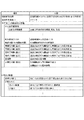
図3は、交通管制システム9において生成及び伝送される、路線信号情報のフォーマットの一例を示す表である。
「路線信号情報」とは、例えば系統区間よりなる所定の路線に含まれる1又は複数の交差点の信号情報と、当該交差点の位置情報と、当該交差点間のリンク情報などを含む情報のことをいう。
[Route signal information format]
FIG. 3 is a table showing an example of the format of route signal information generated and transmitted in the
“Route signal information” refers to information including signal information of one or a plurality of intersections included in a predetermined route including a system section, position information of the intersections, link information between the intersections, and the like. .
図3に示すように、路線信号情報の項目には、上から順に、「情報有効時間」、「格納交差点数」、「交差点(1)の路線信号情報」、及び「UTMSリンク情報」(UTMSはUniversal Traffic Management Systemの略)などが含まれる。
「情報有効時間」とは、現在時刻からオフセット更新予定時刻までの時間のことを意味する。「オフセット更新予定時刻」とは、中央装置11が、路線信号情報の生成対象である路線に含まれる交差点のオフセットを更新する予定時刻である。
As shown in FIG. 3, the route signal information items include “information valid time”, “number of stored intersections”, “route signal information at intersection (1)”, and “UTMS link information” (UTMS) in order from the top. Is an abbreviation of Universal Traffic Management System).
“Information valid time” means the time from the current time to the scheduled offset update time. The “offset update scheduled time” is a scheduled time when the
中央装置11の交通感応制御では、所定の制御周期(例えば、1分、2.5分又は5分など)ごとに信号制御パラメータが更新される。従って、交通感応制御の制御周期ごとにオフセット更新予定時刻と路線信号情報の内容も更新される。
このため、1つの路線信号情報が有効である時間は、オフセット更新予定時刻までである。すなわち、路線信号情報の受信側から見ると、オフセット更新予定時刻は、路線信号情報が有効である最終時刻(以下、「タイムアウト時刻」という。)を意味する。
In the traffic sensitive control of the
For this reason, the time during which one route signal information is valid is until the offset update scheduled time. That is, when viewed from the receiving side of the route signal information, the offset update scheduled time means the last time (hereinafter referred to as “time-out time”) when the route signal information is valid.
「格納交差点数」とは、1つの路線信号情報に含まれる交差点数のことである。格納交差点数Iには、I=1〜16までのいずれかの数値が記される。
「交差点(1)の路線信号情報」とは、格納交差点数で指定されるI個の交差点のうち最も上流側の交差点の信号情報を意味する。図3では、交差点(1)の信号情報が1つだけ例示されているが、格納交差点数I=2以上の場合には、交差点(2)以後の信号情報が交差点(1)の場合と同じフォーマットで続く。
The “number of stored intersections” is the number of intersections included in one route signal information. In the storage intersection number I, any numerical value from 1 to 16 is written.
“Route signal information of intersection (1)” means signal information of the most upstream intersection among I intersections designated by the number of stored intersections. In FIG. 3, only one signal information of the intersection (1) is illustrated, but when the number of stored intersections I = 2 or more, the signal information after the intersection (2) is the same as that of the intersection (1). Continue in format.
「交差点(1)の路線信号情報」には、「交差点位置情報」、「サイクル開始までの経過時間」、「青開始時間(最小)」、「青開始時間(最大)」、「青終了時間(最小)」、「青終了時間(最大)」、「黄時間」、及び「赤開始時間(最大)」が含まれる。
「交差点位置情報」には、「交差点参照座標」が含まれる。「交差点参照座標」には、交差点の中央部等の緯度、経度及び高度が記される。
“Route signal information of intersection (1)” includes “intersection position information”, “elapsed time until cycle start”, “blue start time (minimum)”, “blue start time (maximum)”, “blue end time” (Minimum), “blue end time (maximum)”, “yellow time”, and “red start time (maximum)”.
The “intersection position information” includes “intersection reference coordinates”. In “intersection reference coordinates”, the latitude, longitude, and altitude of the center of the intersection are described.
「サイクル開始までの経過時間」には、現在時刻から当該交差点のサイクル開始時刻までの時刻差が記される。以下、サイクル開始までの経過時間のことを、「サイクル開始時間」という。
「青開始時間(最小)」には、サービス対象の流出方向(車両4が交差点を流出する方向)のサイクル開始から青開始までの最小秒数が記される。「青開始時間(最大)」には、サービス対象の流出方向のサイクル開始から青開始までの最大秒数が記される。
In “Elapsed time until cycle start”, a time difference from the current time to the cycle start time of the intersection is described. Hereinafter, the elapsed time until the start of the cycle is referred to as “cycle start time”.
“Blue start time (minimum)” describes the minimum number of seconds from the start of the cycle to the start of blue in the outflow direction of the service target (the direction in which the
「青終了時間(最小)」には、サービス対象の流出方向のサイクル開始から青終了までの最小秒数が記される。「青終了時間(最大)」には、サービス対象の流出方向のサイクル開始から青終了までの最大秒数が記される。
「黄時間」には、サービス対象の流出方向の黄時間が記される。「赤開始時間(最大)」には、サービス対象の流出方向のサイクル開始から青時間終了後の赤開始までの最大秒数が記される。
The “blue end time (minimum)” describes the minimum number of seconds from the start of the cycle in the outflow direction of the service object to the end of blue. The “blue end time (maximum)” describes the maximum number of seconds from the start of the cycle in the outflow direction of the service object to the end of blue.
“Yellow time” indicates the yellow time in the outflow direction of the service target. “Red start time (maximum)” describes the maximum number of seconds from the start of the cycle in the outflow direction of the service object to the start of red after the end of the blue hour.
「UTMSリンク情報」には、「格納リンク数」と「UTMSリンク(1)」とが含まれる。
「格納リンク数」には、光ビーコン14の設置点から路線の最下流交差点までのリンク数が記される。従って、格納リンク数は、1つの路線信号情報に含まれるリンク情報数を意味する。格納リンク数Lには、L=0〜255までのいずれかの数値が記される。
“UTMS link information” includes “number of stored links” and “UTMS link (1)”.
“Number of stored links” describes the number of links from the installation point of the
「UTMSリンク(1)」とは、格納リンク数で指定されるL個のUTMSリンクのうち最も上流側のリンク情報を意味する。図3では、リンク(1)の情報が1つだけ例示されているが、格納リンク数Lが2以上の場合には、リンク(2)以後のリンク情報がリンク(1)の場合と同じフォーマットで続く。 “UTMS link (1)” means link information on the most upstream side among L UTMS links specified by the number of stored links. In FIG. 3, only one piece of information on the link (1) is illustrated, but when the number of stored links L is 2 or more, the link information after the link (2) is the same format as the case of the link (1). Continue on.
「UTMSリンク(1)」には、「2次メッシュ座標」と「リンク番号」が含まれる。
「2次メッシュ座標」には、該当するUTMSリンクについての2次メッシュ座標値が記される。「リンク番号」には、該当するUTMSリンクについてのリンク番号の値が記される。
“UTMS link (1)” includes “secondary mesh coordinates” and “link number”.
In the “secondary mesh coordinates”, secondary mesh coordinate values for the corresponding UTMS link are described. In the “link number”, the value of the link number for the corresponding UTMS link is written.
〔従来の路線信号情報の提供方法の問題点〕
図4は、従来の路線信号情報の提供方法を示す説明図である。
図4において、破線で囲まれたエリアは、信号情報が提供される交差点J1〜J4を含む路線Rを示す。図4の例では、車両4が道路を左側(上流側)から右側(下流側)に向かって走行し、車両4が走行する予定の路線Rには、上流側から順に4つの交差点J1〜J4が含まれるものとする。これらの点は、後述の図5の場合も同様である。
[Problems of conventional route signal information providing methods]
FIG. 4 is an explanatory diagram showing a conventional method for providing route signal information.
In FIG. 4, an area surrounded by a broken line indicates a route R including intersections J1 to J4 where signal information is provided. In the example of FIG. 4, the
図4に示す通り、交通管制センター10の中央装置11は、路線Rの上流側(例えば交差点J1の流入路)に位置する光ビーコン14に、路線Rの路線信号情報を所定時間(例えば1分)ごとに送信する。
光ビーコン14は、路線信号情報を受信すると、情報有効時間及びサイクル開始時間(図3参照)を、自機のローカルクロックに従って所定時間(例えば1秒)ごとにカウントダウンし、それらの時間をダウンリンク送信時における時間値に更新する。
As shown in FIG. 4, the
When receiving the route signal information, the
光ビーコン14は、時間値を更新した後の路線信号情報を含むダウンリンク信号を、自機の通信エリアに送信する。これにより、光ビーコン14の通信エリアを通過する車両4の車載機5は、路線Rに含まれる複数の交差点J1〜J4の信号情報を予め取得する。
このため、前述の運転支援制御を実行可能な車載機5は、路線Rに含まれる各交差点J1〜J4の信号情報を用いて、各交差点J1〜J4の上流地点において当該運転支援制御を実行できるようになる。
The
For this reason, the vehicle-mounted
しかし、例えば図4の仮想線で示すように、車両4が交差点J3の上流側を走行中に路線有効時間がゼロ(=タイムアウト時刻の経過)になると、車両4は交差点J3以後の信号情報を利用できなくなる。
或いは、光ビーコン14からの受信時点における路線信号情報の路線有効時間が非常に短い場合(例えば10秒以下)には、車両4が最初の交差点J1に到達する前にタイムアウト時刻が経過し、車両4はすべての交差点J1〜J4の信号情報を利用できない。
However, as shown by the phantom line in FIG. 4, for example, if the effective route time becomes zero (= time-out time has elapsed) while the
Alternatively, when the route effective time of the route signal information at the time of reception from the
このように、路線信号情報の受信時点における路線有効時間の長さによっては、路線Rに含まれる交差点J1〜J4の一部又は全部の信号情報がタイムアウトにより無駄な情報となり、適切なサービスを車両4に提供できない場合がある。
なお、路線有効時間内において、交通信号制御機13に故障などの異常が発生したり、道路管理者による強制介入が実施されたりした場合にも、車両4が受信した路線信号情報に含まれる各交差点J1〜J4の信号情報が現実の信号情報と相違することになる。
As described above, depending on the length of the route valid time at the time of receiving the route signal information, part or all of the signal information of the intersections J1 to J4 included in the route R becomes useless information due to the time-out, and an appropriate service is provided to the vehicle. 4 may not be provided.
It should be noted that each time included in the route signal information received by the
〔路線信号情報の新たな提供方法〕
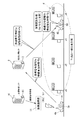
図5は、本実施形態に係る路線信号情報の提供方法を示す説明図である。図5の提供方法を採用すれば、タイムアウトによる上記の問題点が解消ないし抑制される。
図5において、第1及び第2車両4A,4Bは、いずれも情報提供システム1の登録会員の車両4である。第1車両4Aは、光ビーコン14と第1時点に通信した登録会員の車両4である。車両4Bは、光ビーコン14と第1時点よりも前の第2時点に通信した登録会員の車両4である。
[New method of providing route signal information]
FIG. 5 is an explanatory diagram showing a route signal information providing method according to the present embodiment. If the provision method of FIG. 5 is employ | adopted, said problem by timeout will be thru | or suppressed.
In FIG. 5, the first and
符号5Aは、第1車両4Aの車載機(以下「第1車載機」という。)である。符号5Bは、第2車両4Bの車載機(以下、「第2車載機」という。)である。
従って、第1車載機5Aは、情報提供装置3と無線通信する車載機5のうち、路線信号情報を光ビーコン14から第1時点で受信した車載機5であり、第2車載機5Bは、情報提供装置3と無線通信する車載機5のうち、路線信号情報を光ビーコン14から第1時点よりも前の第2時点で受信した車載機5である。
Accordingly, the first in-
符号Iaは、第1車載機5Aが情報処理センター2の情報提供装置3に送信する路線信号情報である。路線信号情報Iaの情報有効時間をTaとする。
符号Ibは、第2車載機5Bが保持する路線信号情報である。路線信号情報Ibの情報有効時間をTbとする。
Reference symbol Ia is route signal information that the first vehicle-mounted
The code | symbol Ib is the route signal information which the
符号taは、路線信号情報Iaのタイムアウト時刻である。タイムアウト時刻taは、情報有効時間Taの開始時刻をtsaとすると、ta=Ta+tsaにより算出することができる。
符号tbは、路線信号情報Ibのタイムアウト時刻である。タイムアウト時刻tbは、情報有効時間Tbの開始時刻をtsbとすると、tb=Ta+tsbにより算出することができる。
The symbol ta is a timeout time of the route signal information Ia. The timeout time ta can be calculated by ta = Ta + tsa, where tsa is the start time of the information valid time Ta.
Reference symbol tb is a timeout time of the route signal information Ib. The timeout time tb can be calculated by tb = Ta + tsb, where tsb is the start time of the information valid time Tb.
図5に示すように、本実施形態の情報提供システム1では、路線有効時間の時間切れにより一部又は全部の交差点の信号情報が無駄になるのをできるだけ防止するため、路線信号情報Iaを受信した第1車載機5A→情報提供装置3→第2車載機5Bの順で、直近の路線信号情報Iaを第2車載機5Bに中継する。
すなわち、情報提供システム1を構成する各通信主体は、次の第1〜第3処理をそれぞれ実行する。
As shown in FIG. 5, in the
That is, each communication subject constituting the
第1処理:光ビーコン14から路線信号情報Iaを受信した車載機5(第1車載機5A)は、受信した路線信号情報Iaを情報提供装置3に送信する。
第2処理:第1車載機5Aから路線信号情報Iaを受信した情報提供装置3は、受信した路線信号情報Iaを、少なくとも他の車載機5(第2車載機5B)に送信する。
1st process: The vehicle equipment 5 (
Second process: The
第3処理:情報提供装置3から路線信号情報Iaを受信した車載機5(第2車載機5B)は、路線有効時間Ta,Tbのタイムアウト時刻ta,tbを用いて、自機の路線信号情報を受信した路線信号情報Iaに更新するか否かを決定する情報更新処理(図6参照)を実行する。
Third processing: The vehicle-mounted device 5 (second vehicle-mounted
第2処理(情報提供装置3の中継処理)において、情報提供装置3による路線信号情報Iaの送信方法は、ブロードキャスト送信であってもよいし、第1車載機5Aを除外したマルチキャスト送信を所定時間だけ行う方法であってもよい。
ブロードキャスト送信を採用する場合には、第1車載機5Aは、光ビーコン14を通過した直後から、自機が情報提供装置3に送信した路線信号情報Iaを情報提供装置3から受信可能となる。
In the second processing (relay processing of the information providing device 3), the transmission method of the route signal information Ia by the
When adopting broadcast transmission, the first vehicle-mounted
マルチキャスト送信を採用する場合には、情報提供装置3は、路線信号情報Iaを受信してから所定時間(例えば20秒)は、宛先を第1車載機5A以外に絞ってマルチキャスト送信し、所定時間の経過後にマルチキャスト送信の宛先に第1車載機5Aを含める。
この場合、第1車載機5Aは、光ビーコン14を通過してから所定期間が経過するまでは自機が送信した路線信号情報Iaを受信せず、所定時間が経過した後に第2車載機5Bと同様に路線信号情報Iaを受信可能となる。
When multicast transmission is adopted, the
In this case, the first in-
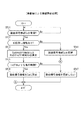
図6は、車載機5の制御部53が行う情報更新処理のフローチャートである。
図6に示すように、車載機5の制御部53は、情報提供装置3から路線信号情報Iaを受信したか否かを常に判定している(ステップST11)。
制御部53は、路線信号情報Iaを受信した場合には、記憶部54が既に路線信号情報を記憶しているか否かを判定する(ステップST12)。
FIG. 6 is a flowchart of information update processing performed by the
As shown in FIG. 6, the
When the route signal information Ia is received, the
上記の判定結果が否定的である場合は、制御部53は、受信した路線信号情報Iaを記憶部54に記憶させる(ステップST14)。
上記の判定結果が肯定的である場合は、制御部53は、受信した路線信号情報Iaのタイムアウト時刻taと、記憶中の路線信号情報Ibのタイムアウト時刻tbとをそれぞれ算出する(ステップST13)。
When the determination result is negative, the
When the determination result is affirmative, the
路線信号情報Ia,Ibのタイムアウト時刻ta,tbは、情報有効時間Ta,Tbにその開始時刻tsa,tsbを加算することによって算出される。
開始時刻tsa,tsbは、情報提供装置3が自装置の送信時刻t3に基づいて情報有効時間Ta,Tbを更新するが、その送信時刻t3を受信側に通知しない場合(図7参照)には、受信側の車載機5における路線信号情報の受信時刻r3を採用すればよい。
The timeout times ta and tb of the route signal information Ia and Ib are calculated by adding the start times tsa and tsb to the information valid times Ta and Tb.
When the
次に、制御部53は、タイムアウト時刻taがタイムアウト時刻tbよりも後の時刻であるか否か、すなわち、ta>tbであるかを判定する(ステップST15)。
ta>tbの場合には、路線信号情報Iaの方が路線信号情報Ibよりもタイムアウト時刻が未来となり、前者が最新情報であることを意味する。従って、ステップST15の判定は、受信した路線信号情報Iaのタイムアウト時刻taが最新であるか否かの判定と等価である。
Next, the
In the case of ta> tb, it means that the route signal information Ia has a future timeout time than the route signal information Ib, and the former is the latest information. Therefore, the determination in step ST15 is equivalent to the determination of whether or not the timeout time ta of the received route signal information Ia is the latest.
上記の判定結果が否定的である場合は、制御部53は、路線信号情報を受信した路線信号情報Iaに更新しない(ステップST17)。すなわち、制御部53は、受信した路線信号情報Iaを採用せず、現状の路線信号情報Ibを継続して採用する。
上記の判定結果が肯定的である場合は、制御部53は、路線信号情報を受信した路線信号情報Iaに更新する(ステップST17)。すなわち、制御部53は、記憶部54に記憶させる路線信号情報を、現状の路線信号情報Ibから路線信号情報Iaに置き換える。
When the determination result is negative, the
When the determination result is affirmative, the
このように、本実施形態の車載機5によれば、制御部53が、情報提供装置3から受信した路線信号情報Iaのタイムアウト時刻taが最新である場合に限り、自機の路線信号情報を受信した路線信号情報Iaに更新するので、過去の路線信号情報Ibを用いた誤った運転支援制御が実行されるのを未然に防止することができる。
Thus, according to the vehicle-mounted
図6の情報更新処理において、情報提供装置3から受信した路線信号情報Iaが、自車両が走行中の路線に関する情報であるか否かを判定し、この判定結果が肯定的である場合に路線信号情報Iaに更新する処理を付加してもよい。なお、上記の判定は、自車両の現在位置と路線信号情報Iaに含まれるリンク情報(図3参照)の座標との差分が、所定値以下であるか否かによって行うことができる。
このようにすれば、自車両の走行経路とは無関係の路線信号情報Iaについては更新を行う必要がなくなるので、車載機5の処理負荷を軽減することができる。
In the information update process of FIG. 6, it is determined whether or not the route signal information Ia received from the
In this way, it is not necessary to update the route signal information Ia that is unrelated to the travel route of the host vehicle, so that the processing load on the in-
〔路線信号情報の送受信処理〕
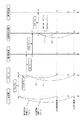
図7は、路線信号情報の送受信処理の一例を示すタイムチャートである。
図7において、右向きの矢印は、各々の通信主体間で送受信される「路線信号情報」を意味する。図7のタイムチャートでは、時刻は下向きに進行する。
時刻t0は、中央装置11における路線信号情報の送信時刻である。時刻r0は、光ビーコン14における路線信号情報の受信時刻である。
[Route signal information transmission / reception processing]
FIG. 7 is a time chart illustrating an example of route signal information transmission / reception processing.
In FIG. 7, a right-pointing arrow means “route signal information” transmitted and received between respective communication subjects. In the time chart of FIG. 7, the time advances downward.
Time t0 is the transmission time of the route signal information in the
時刻t1は、光ビーコン14における路線信号情報の送信時刻である。時刻r1は、第1車載機5Aにおける路線信号情報の受信時刻である。
時刻t2は、第1車載機5Aにおける路線信号情報の送信時刻である。時刻r2は、情報提供装置3における路線信号情報の受信時刻である。
時刻t3は、情報提供装置3における路線信号情報の送信時刻である。時刻r3は、第2車載機5Bにおける路線信号情報の受信時刻である。
Time t1 is the transmission time of the route signal information in the
Time t2 is the transmission time of the route signal information in the first in-
Time t3 is the transmission time of the route signal information in the
時刻teは、タイムアウト時刻である。時刻tcは、サイクル開始時刻である。路線Rに複数の交差点J1〜J4が含まれる場合には、各交差点J1〜J4に対応する複数のサイクル開始時刻tcが存在する。もっとも、図7では、図示の簡略化のため、1つのサイクル開始時刻tcのみが記載されている。
以上の点は、後述の図8〜図10の場合も同様である。なお、以下の説明において、第1及び第2車載機5A,5Bと情報提供装置3が主語となる処理は、車載機5の制御部53及び情報処理装置3の制御装置37が実行する。
Time te is a timeout time. Time tc is the cycle start time. When the route R includes a plurality of intersections J1 to J4, there are a plurality of cycle start times tc corresponding to the intersections J1 to J4. However, in FIG. 7, only one cycle start time tc is shown for simplification of illustration.
The above points are the same in the case of FIGS. In the following description, the process in which the first and second vehicle-mounted
図7に示すように、中央装置11は、送信時刻t0において、情報有効時間Te0とサイクル開始時間(図3中の「サイクル開始時刻までの経過時間」)Tc0を含む路線信号情報を光ビーコン14に送信する。中央装置11における路線信号情報の送信周期は、例えば1分である。中央装置11は、情報有効時間Te0とサイクル開始時間Tc0を、次式によって算出する。
Te0=te−t0
Tc0=tc−t0
As shown in FIG. 7, the
Te0 = te-t0
Tc0 = tc−t0
中央装置11は、送信時刻t0を光ビーコン14に通知しない。この場合、光ビーコン14は、路線信号情報の受信時刻r0を、情報有効時間Te0とサイクル開始時間Tc0の開始時刻とする。
光ビーコン14における路線信号情報の送信周期は、例えば0.1秒である。従って、光ビーコン14は、中央装置11から次の路線信号情報を受信するまでの間、現在保持中の情報有効時間Te0とサイクル開始時間Tc0をローカル時刻に従ってカウントダウンすることにより更新する。
The
The transmission period of route signal information in the
すなわち、光ビーコン14は、自機の送信周期(=0.1秒)が経過するごとに、中央装置11から受信した路線信号情報に含まれる情報有効時間Te0とサイクル開始時間Tc0から当該送信周期を差し引くことにより、自機の送信時刻t1における情報有効時間Te1とサイクル開始期間Tc1を逐次的に算出する。
従って、情報有効時間Te1及びサイクル開始期間Tc1とタイムアウト時刻te及びサイクル開始時刻tcの間には、結果的に次式が成立する。
Te1=te−t1
Tc1=tc−t1
That is, the
Therefore, the following expression is established as a result between the information valid time Te1 and the cycle start period Tc1, the timeout time te, and the cycle start time tc.
Te1 = te-t1
Tc1 = tc−t1
光ビーコン14は、路線信号情報とともに送信時刻t1を第1車載機5Aに通知する。この場合、第1車載機5Aは、路線信号情報の送信時刻t1を、情報有効時間Te1とサイクル開始時間Tc1の開始時刻とする。
従って、第1車載機5Aは、路線信号情報のダイムアウト時刻te及びサイクル開始時刻tcを、次式によって算出することができる。
te=Te1+t1
tc=Tc1+t1
The
Therefore, the first vehicle-mounted
te = Te1 + t1
tc = Tc1 + t1
第1車載機5Aは、光ビーコン14が送信した路線信号情報を受信時刻r1に受信すると、情報提供装置3に対する次の送信タイミングである送信時刻t2に、受信した路線信号情報をそのまま情報提供装置3に送信する。
すなわち、第1車載機5Aは、情報有効時間Te1及びサイクル開始時間Tc1を含む路線信号情報を情報提供装置3に中継し、光ビーコン14から通知された送信時刻t1を情報提供装置3に送信する。
When the first vehicle-mounted
That is, the first vehicle-mounted
情報提供装置3は、第1車載機5Aが送信した路線信号情報を受信時刻r2に受信すると、情報有効時間とサイクル開始時間を、第2車載機5Bに対する次の送信タイミングである送信時刻t3における時間値に更新する。
すなわち、情報提供装置3は、送信時刻t3に送信する路線信号情報の情報有効時間Te3とサイクル開始時間Tc3を、次式によって算出する。
Te3=Te1−(t3−t1)
Tc3=Tc1−(t3−t1)
When the
That is, the
Te3 = Te1- (t3-t1)
Tc3 = Tc1- (t3-t1)
情報提供装置3は、情報有効時間Te3とサイクル開始時間Tc3を含む路線信号情報を、送信時刻t3に第2車載機5Bに送信する。第2車載機5Bは、当該路線信号情報を受信時刻r3に受信する。
情報提供装置3は、送信時刻t3を第2車載機5Bに通知しない。この場合、第2車載機5Bは、路線信号情報の受信時刻r3を、情報有効時間Te3とサイクル開始時間Tc3の開始時刻とする。
The
The
従って、第2車載機5Bは、タイムアウト時刻teとサイクル開始時刻tcを次式によって算出することができる。
te=Te3+r3
tc=Tc3+r3
Therefore, the second in-
te = Te3 + r3
tc = Tc3 + r3
第2車載機5Bは、算出したタイムアウト時刻teに基づいて、受信した路線信号情報が最新か否か(タイムアウト時刻teが最も未来であるか否か)を判定する(図6のステップST15)。
また、第2車載機5Bは、上記の判定結果が最新である場合に、自機の路線信号情報を情報提供装置3から受信した路線信号情報に更新する(図6のステップST16)。
Based on the calculated timeout time te, the second in-
Further, when the above determination result is the latest, the second in-
なお、図7のタイムチャートにおいて、光ビーコン14が送信時刻t1を通知しない場合は、情報有効時間Te1とサイクル開始時間Tc1の開始時刻として、第1車載機5Aの受信時刻r1を採用してもよい。
この場合、第1車載機5Aは、光ビーコン14からの路線信号情報の受信時刻r1を情報提供装置3に通知すればよい。
In the time chart of FIG. 7, when the
In this case, the first in-
〔情報提供システムの効果〕
以上の通り、本実施形態の情報提供システム1によれば、第1車載機5Aが、光ビーコン14から受信した路線信号情報Iaを情報提供装置3に送信し、情報提供装置3が、第1車載機5Aから受信した路線信号情報Iaを少なくとも第2車載機5Bに送信し、第2車載機5Bが、自機の路線信号情報を情報提供装置3から受信した路線信号情報Iaに更新する(図5参照)。
[Effects of information provision system]
As described above, according to the
このため、第2車載機5Bは、第1車載機5Aが光ビーコン14から受信した、タイムアウト時刻taが最新である(時刻が最も未来である)路線信号情報Iaを取得することができる。
従って、第2車両4Bが路線Rを走行中である場合に、第2車両4Bが利用可能となる交差点の信号情報の数が増加する可能性が高まり、路線信号情報に含まれる交差点J1〜J4の信号情報を第2車両4Bができるだけ多く利用できるようになる。
Therefore, the second in-
Accordingly, when the
例えば、図5において、第2車両4Bが交差点J4の上流側を走行中に、路線信号情報Ibのタイムアウト時刻tbが経過し、路線信号情報Iaのタイムアウト時刻taが未だ経過していない場合は、路線信号情報Iaへの更新により、第2車両4Bは交差点J4の信号情報を利用できるようになる。
このように、本実施形態の情報提供システム1によれば、路線信号情報に含まれる交差点J1〜J4の信号情報を車両4ができるだけ多く利用できるようになるので、路線信号情報の利用価値を向上させることができる。
For example, in FIG. 5, when the
As described above, according to the
本実施形態の情報提供システム1によれば、第1車載機5Aが、光ビーコン14が路線信号情報を送信した送信時刻t1を、路線信号情報とともに情報提供装置3に送信する(図7参照)。
このため、情報提供装置3は、第1車載機5Aから受信した送信時刻t1に路線信号情報の路線有効時間Te1を加算することにより、受信した路線信号情報のタイムアウト時刻teを算出することができる。
According to the
For this reason, the
なお、第1車載機5Aは、自機が路線信号情報を受信した受信時刻r1を、路線信号情報とともに情報提供装置3に送信することにしてもよい。
この場合、情報提供装置3は、第1車載機5Aから受信した受信時刻r1に路線信号情報の路線有効時間Te1を加算することにより、受信した路線信号情報のタイムアウト時刻teを算出することができる。
The first in-
In this case, the
本実施形態の情報提供システム1によれば、情報提供装置3が、路線信号情報のタイムアウト時刻te(=Te1+t1)から自装置の送信時刻t3を減算して、第2車載機5Bに送信する路線信号情報の情報有効時間Te3を算出するので(図7参照)、情報提供装置3が送信時刻t3を車載機5に通知する必要がなくなる。
すなわち、受信側の車載機5は、路線信号情報の受信時刻r3を情報有効時間Te3の開始時刻と見なして、路線信号情報の有効性を判定すればよい。このため、送信時刻t3の送信が不要となる分だけ、ダウンリンク方向の通信量を抑えることができる。
According to the
That is, the vehicle-mounted
もっとも、登録会員が多数であるため、情報提供装置3が多数の車載機5に路線信号情報を送信する必要がある場合には、制御装置37の送信命令から通信装置31による実際の送信動作までの送信遅延Δt3が無視できなくなる可能性がある。
そこで、情報提供装置3は、情報有効時間Te3及びサイクル開始時間Tc3を、次式によって算出することにしてもよい。
However, since there are a large number of registered members, when the
Therefore, the
Te3=Te1−(t3−t1)−Δt3
Tc3=Tc1−(t3−t1)−Δt3
このようにすれば、情報有効時間Te3及びサイクル開始時間Tc3の精度が高くなるので、受信側の車載機5がタイムアウト時刻teとサイクル開始時刻tcを正確に算出できるようになる。
Te3 = Te1- (t3-t1) -Δt3
Tc3 = Tc1− (t3−t1) −Δt3
In this way, the accuracy of the information valid time Te3 and the cycle start time Tc3 is increased, so that the in-
〔第1の変形例〕
図8は、路線信号情報の送受信処理の変形例を示すタイムチャートである。
上述の実施形態では、情報提供装置3は、第1車載機5Aから受信した路線信号情報を、タイムアウト時刻teの新旧を考慮せずに少なくとも第2車載機5Bに中継する。
従って、例えば、比較的多数の車両4が連続して光ビーコン14を通過し、第1車載機5Aが短時間に集中して発生すると、タイムアウト時刻teが同じである多数の路線信号情報が、情報提供装置3を介して車載機5に提供される可能性がある。
[First Modification]
FIG. 8 is a time chart showing a modification of the transmission / reception processing of route signal information.
In the above-described embodiment, the
Therefore, for example, when a relatively large number of
このため、情報提供装置3のダウンリンク方向の通信量が一時的に増大するとともに、車載機5が、更新不要の路線信号情報についての情報更新処理(図6)を頻繁に実行せねばならず、車載機5の処理負荷が大きくなる。
そこで、図8のステップST20に示すように、情報提供装置3は、受信した路線信号情報のタイムアウト時刻teが最新である場合に限り、第1車載機5Aから受信した路線信号情報の送信を実行することが好ましい。
For this reason, the traffic in the downlink direction of the
Therefore, as shown in step ST20 of FIG. 8, the
具体的には、情報提供装置3は、受信済みの路線信号情報のタイムアウト時刻txと、新たに受信した路線信号情報のタイムアウト時刻tyとを比較し、ty=txの場合には路線信号情報を送信せず、ty>txの場合に路線信号情報を送信すればよい。
かかる処理を実行すれば、情報提供装置3のダウンリンク方向の通信量の一時的な増大を防止できるとともに、車載機5の処理負荷を軽減することができる。
Specifically, the
By executing such processing, it is possible to prevent a temporary increase in the communication amount of the
〔第2の変形例〕
図9は、路線信号情報の送受信処理の別の変形例を示すタイムチャートである。
上述の実施形態では、情報提供装置3は、第1車載機5Aから受信した路線信号情報を少なくともすべての第2車載機5Bに中継する。すなわち、路線信号情報の送信先が特に限定されていない。しかし、かかる中継方法では、路線Rを走行していないために路線信号情報が不要な車載機5にも路線信号情報が提供される。
[Second Modification]
FIG. 9 is a time chart showing another modification of the transmission / reception processing of route signal information.
In the above-described embodiment, the
このため、情報提供装置3のダウンリンク方向の通信量が無駄に増大するとともに、車載機5が、不要な路線信号情報を破棄する処理を実行せねばならず、車載機5の処理負荷が大きくなる。
そこで、図9のステップST30に示すように、情報提供装置3は、受信した路線信号情報の送信先を、当該路線信号情報において対象とされる路線Rに存在する車載機5に限定することが好ましい。
For this reason, the amount of communication in the downlink direction of the
Therefore, as shown in step ST30 of FIG. 9, the
具体的には、情報提供装置3は、路線信号情報に含まれるリンク情報(図3参照)の座標値と一致又は近接する現在位置である車両4をデータベース33から抽出し、抽出された車両4の車載機5のみに路線信号情報を送信すればよい。
このようにすれば、不要な情報送信に伴う情報提供装置3のダウンリンク方向の通信量の増大を防止できるとともに、車載機5の処理負荷を軽減することができる。
Specifically, the
In this way, it is possible to prevent an increase in the amount of communication in the downlink direction of the
上述の実施形態では、情報提供装置3は、情報有効時間の更新などを除いて、第1車載機5Aから受信した路線信号情報のデータ内容を変更せずに、路線信号情報を少なくとも第2車載機5Bに中継する。
すなわち、一部の交差点J1〜J4の信号情報が路線信号情報から削除されることはなく、通過済みの不要な交差点の信号情報の有無に関係なく、すべての交差点J1〜J4の信号情報を含む路線信号情報が一律に車載機5に送信される。
In the above-described embodiment, the
That is, the signal information of some intersections J1 to J4 is not deleted from the route signal information, and includes signal information of all the intersections J1 to J4 regardless of the presence or absence of unnecessary intersection signal information. Route signal information is uniformly transmitted to the in-
しかし、例えば図5中の交差点J4の上流側を走行する車両4Bに着目すると、当該車両4Bにとっては、通過済みの交差点J1〜J3の信号情報は不要であり、現時点以後に通過する交差点J4の信号情報のみで足りる。
そこで、図9のステップST40に示すように、情報提供装置3は、通過済みの交差点J1〜J3の信号情報を路線信号情報から除外し、除外した後の路線信号情報を車載機5に送信することが好ましい。
However, if attention is paid to the
Therefore, as shown in step ST40 of FIG. 9, the
具体的には、情報提供装置3は、路線信号情報に含まれるリンク情報及び交差点位置情報(図3参照)と、車両4の現在位置及び方位とに基づいて、車両4の進入予定の交差点を特定し、特定した交差点及びその下流側の交差点の信号情報を含む路線信号情報を、車載機5に送信すればよい。
このようにすれば、路線信号情報のデータ量を個別に削減できるので、情報提供装置3のダウンリンク方向の通信量を低減することができる。
Specifically, the
In this way, since the data amount of the route signal information can be individually reduced, the communication amount in the downlink direction of the
〔第3の変形例〕
図10は、路線信号情報の送受信処理の別の変形例を示すタイムチャートである。
上述の実施形態では、情報提供装置3が、自装置の送信時刻t3が開始時刻となるように情報有効時間とサイクル開始時間を更新しているが(図7参照)、かかる時間の更新処理を省略することにしてもよい。
[Third Modification]
FIG. 10 is a time chart showing another modification of the transmission / reception process of route signal information.
In the above-described embodiment, the
すなわち、情報提供装置3は、第1車載機5Aと同様に、光ビーコン14が算出した情報有効時間Te1及びサイクル開始時間Tc1を含む路線信号情報を送信対象とし、光ビーコンの送信時刻t1を車載機5に通知することにしてもよい。
この場合、受信側の車載機5は、通知された送信時刻t1を用いて、te=Te1+t1、tc=Tc1+t1の算出式により、タイムアウト時刻teとサイクル開始時刻tcを算出することができる。
That is, the
In this case, the in-
〔第4の変形例〕
図11は、路線信号情報の送受信処理の別の変形例を示すタイムチャートである。
上述の実施形態では、第1車載機5Aが、光ビーコン14から通知された情報有効時間Te1及びサイクル開始時間Tc1と送信時刻t1を、そのまま情報提供装置3に送信しているが(図7参照)、第1車載機5Aは、自機の送信時刻t2によって情報有効時間Te2及びサイクル開始時間Tc2を更新し、更新した時間Te2,Tc2を含む路線信号情報を、自機の送信時刻t2とともに情報提供装置3に送信してもよい。
[Fourth Modification]
FIG. 11 is a time chart showing another modification of the transmission / reception process of route signal information.
In the above-described embodiment, the first in-
すなわち、図11に示すように、第1車載機5Aは、自機の送信時点t2における情報有効時間Te2とサイクル開始時間Tc2を次式によって算出し、算出した時間Te2,Tc2を送信時刻t2とともに情報提供装置3に送信してもよい。
Te2=Te1−(t2−t1)
Tc2=Tc1−(t2−t1)
That is, as shown in FIG. 11, the first in-
Te2 = Te1- (t2-t1)
Tc2 = Tc1- (t2-t1)
情報提供装置3は、自装置の送信時刻t3により情報有効時間とサイクル開始時間を更新する場合には、路線信号情報に含める情報有効時間Te3とサイクル開始時間Tc3を、次式によって算出すればよい。
Te3=Te2−(t3−t2)
Tc3=Tc2−(t3−t2)
この場合、第2車載機5Bは、受信した各時間Te3,Tc3と自機の受信時刻r3を用いて、te=Te3+r3、tc=Tc3+r3の算出式により、タイムアウト時刻teとサイクル開始時刻tcを算出することができる。
When the
Te3 = Te2- (t3-t2)
Tc3 = Tc2- (t3-t2)
In this case, the second in-
もっとも、情報提供装置3は、第1車載機5Aから受信した路線信号情報に含まれる情報有効時間Te2及びサイクル開始時間Tc2と、第1車載機5Aから通知された送信時刻t2を、第2車載機5Bにそのまま送信することにしてもよい。
この場合、第2車載機5Bは、受信した各時間Te2,Tc2及び送信時刻t2を用いて、te=Te2+t2、tc=Tc2+t2の算出式により、タイムアウト時刻teとサイクル開始時刻tcを算出することができる。
However, the
In this case, the second vehicle-mounted
今回開示した実施形態はすべての点で例示であって制限的なものではない。本発明の権利範囲は、上述の実施形態に限定されるものではなく、特許請求の範囲に記載された構成と均等の範囲内でのすべての変更が含まれる。 The embodiments disclosed herein are illustrative and non-restrictive in every respect. The scope of rights of the present invention is not limited to the above-described embodiments, but includes all modifications within the scope equivalent to the configurations described in the claims.
1 情報提供システム
2 情報処理センター
3 情報提供装置
4 車両
4A 第1車両
4B 第2車両
5 車載機(移動通信機)
5A 第1車載機(第1移動通信機)
5B 第2車載機(第2移動通信機)
6 無線基地局
7 公衆通信網
9 交通管制システム
10 交通管制センター
11 中央装置
12 交通信号機
13 交通信号制御機
14 路側通信機(光ビーコン)
15 通信回線
16 ルーター
30 コンピュータ装置
31 通信装置(送信部、受信部)
32 会員データベース
33 情報データベース
34 地図データベース
35 道路地図データ
36 記憶装置
37 制御装置
51 第1通信部
52 第2通信部
53 制御部
54 記憶部
DESCRIPTION OF
5A First in-vehicle device (first mobile communication device)
5B Second in-vehicle device (second mobile communication device)
6
15
32
Claims (12)
前記第1移動通信機は、交通管制システムの路側通信機から受信した路線信号情報を前記情報提供装置に送信し、
前記情報提供装置は、前記第1移動通信機から受信した前記路線信号情報を少なくとも前記第2移動通信機に送信し、
前記第2移動通信機は、自機の路線信号情報を前記情報提供装置から受信した前記路線信号情報に更新する情報提供システム。
第1移動通信機:情報提供装置と無線通信する移動通信機のうち、路線の1又は複数の交差点の信号情報を含む路線信号情報を交通管制システムの路側通信機から第1時点で受信した移動通信機
第2移動通信機:情報提供装置と無線通信する移動通信機のうち、路線の1又は複数の交差点の信号情報を含む路線信号情報を交通管制システムの路側通信機から第1時点よりも前の第2時点で受信した移動通信機 An information providing system comprising first and second mobile communication devices defined below, and an information providing device that wirelessly communicates with the first and second mobile communication devices,
The first mobile communication device transmits the route signal information received from the roadside communication device of the traffic control system to the information providing device,
The information providing device transmits the route signal information received from the first mobile communication device to at least the second mobile communication device,
The second mobile communication device is an information providing system that updates route signal information of the own device to the route signal information received from the information providing device.
First mobile communication device: A mobile communication device that wirelessly communicates with an information providing device and that has received route signal information including signal information of one or more intersections of a route from a roadside communication device of a traffic control system at a first time point Communication device Second mobile communication device: Among mobile communication devices that wirelessly communicate with the information providing device, route signal information including signal information of one or more intersections of the route is obtained from the road side communication device of the traffic control system from the first time point. Mobile communication device received at the previous second time point
前記情報提供装置は、前記第1移動通信機から受信した前記路線信号情報に基づくタイムアウト時刻から自装置の送信時刻を減算して、自装置が送信する前記路線信号情報の情報有効時間を算出する請求項1又は請求項2に記載の情報提供システム。 The route signal information includes an information valid time indicating the time limit of information from the present time,
The information providing device calculates an information valid time of the route signal information transmitted by the device by subtracting a transmission time of the device from a timeout time based on the route signal information received from the first mobile communication device. The information providing system according to claim 1 or 2.
前記情報提供装置は、前記第1移動通信機から受信した前記路線信号情報に基づくタイムアウト時刻が最新である場合に、当該路線信号情報の送信を実行する請求項1〜請求項4のいずれか1項に記載の情報提供システム。 The route signal information includes an information valid time indicating the time limit of information from the present time,
The said information provision apparatus performs transmission of the said route signal information, when the timeout time based on the said route signal information received from the said 1st mobile communication apparatus is the newest. Information providing system according to item.
前記移動通信機は、前記情報提供装置から受信した前記路線信号情報に基づくタイムアウト時刻が最新である場合に、自機の路線信号情報を前記情報提供装置から受信した前記路線信号情報に更新する請求項1〜請求項7のいずれか1項に記載の情報提供システム。 The route signal information includes an information valid time indicating the time limit of information from the present time,
The mobile communication device updates its route signal information to the route signal information received from the information providing device when a time-out time based on the route signal information received from the information providing device is latest. The information providing system according to any one of claims 1 to 7.
前記第1移動通信機が送信した路線信号情報を受信する受信部と、
受信した前記路線信号情報を少なくとも前記第2移動通信機に送信する送信部と、を備える情報提供装置。
第1移動通信機:情報提供装置と無線通信する移動通信機のうち、路線の1又は複数の交差点の信号情報を含む路線信号情報を交通管制システムの路側通信機から第1時点で受信した移動通信機
第2移動通信機:情報提供装置と無線通信する移動通信機のうち、路線の1又は複数の交差点の信号情報を含む路線信号情報を交通管制システムの路側通信機から第1時点よりも前の第2時点で受信した移動通信機 An information providing apparatus that wirelessly communicates with first and second mobile communication devices defined below,
A receiving unit for receiving route signal information transmitted by the first mobile communication device;
An information providing apparatus comprising: a transmission unit that transmits at least the route signal information received to the second mobile communication device.
First mobile communication device: A mobile communication device that wirelessly communicates with an information providing device and that has received route signal information including signal information of one or more intersections of a route from a roadside communication device of a traffic control system at a first time point Communication device Second mobile communication device: Among mobile communication devices that wirelessly communicate with the information providing device, route signal information including signal information of one or more intersections of the route is obtained from the road side communication device of the traffic control system from the first time point. Mobile communication device received at the previous second time point
前記第1移動通信機が送信した前記路線信号情報を受信するステップと、
受信した前記路線信号情報を少なくとも前記第2移動通信機に送信するステップと、を含むコンピュータプログラム。
第1移動通信機:情報提供装置と無線通信する移動通信機のうち、路線の1又は複数の交差点の信号情報を含む路線信号情報を交通管制システムの路側通信機から第1時点で受信した移動通信機
第2移動通信機:情報提供装置と無線通信する移動通信機のうち、路線の1又は複数の交差点の信号情報を含む路線信号情報を交通管制システムの路側通信機から第1時点よりも前の第2時点で受信した移動通信機 A computer program for causing an information providing apparatus that wirelessly communicates with the first and second mobile communication devices defined below to execute relay processing of route signal information,
Receiving the route signal information transmitted by the first mobile communication device;
Transmitting the received route signal information to at least the second mobile communication device.
First mobile communication device: A mobile communication device that wirelessly communicates with an information providing device and that has received route signal information including signal information of one or more intersections of a route from a roadside communication device of a traffic control system at a first time point Communication device Second mobile communication device: Among mobile communication devices that wirelessly communicate with the information providing device, route signal information including signal information of one or more intersections of the route is obtained from the road side communication device of the traffic control system from the first time point. Mobile communication device received at the previous second time point
前記第1移動通信機が送信した前記路線信号情報を受信するステップと、
受信した前記路線信号情報を少なくとも前記第2移動通信機に送信するステップと、を含む路線信号情報の中継方法。
第1移動通信機:情報提供装置と無線通信する移動通信機のうち、路線の1又は複数の交差点の信号情報を含む路線信号情報を交通管制システムの路側通信機から第1時点で受信した移動通信機
第2移動通信機:情報提供装置と無線通信する移動通信機のうち、路線の1又は複数の交差点の信号情報を含む路線信号情報を交通管制システムの路側通信機から第1時点よりも前の第2時点で受信した移動通信機 A route signal information relay method executed by an information providing apparatus that wirelessly communicates with first and second mobile communication devices defined below,
Receiving the route signal information transmitted by the first mobile communication device;
And transmitting the received route signal information to at least the second mobile communication device.
First mobile communication device: A mobile communication device that wirelessly communicates with an information providing device and that has received route signal information including signal information of one or more intersections of a route from a roadside communication device of a traffic control system at a first time point Communication device Second mobile communication device: Among mobile communication devices that wirelessly communicate with the information providing device, route signal information including signal information of one or more intersections of the route is obtained from the road side communication device of the traffic control system from the first time point. Mobile communication device received at the previous second time point
Priority Applications (1)
| Application Number | Priority Date | Filing Date | Title |
|---|---|---|---|
| JP2015124202A JP6507397B2 (en) | 2015-06-19 | 2015-06-19 | INFORMATION PROVIDING SYSTEM, INFORMATION PROVIDING DEVICE, RELAY METHOD OF ROAD SIGNAL INFORMATION, AND COMPUTER PROGRAM |
Applications Claiming Priority (1)
| Application Number | Priority Date | Filing Date | Title |
|---|---|---|---|
| JP2015124202A JP6507397B2 (en) | 2015-06-19 | 2015-06-19 | INFORMATION PROVIDING SYSTEM, INFORMATION PROVIDING DEVICE, RELAY METHOD OF ROAD SIGNAL INFORMATION, AND COMPUTER PROGRAM |
Publications (2)
| Publication Number | Publication Date |
|---|---|
| JP2017010221A true JP2017010221A (en) | 2017-01-12 |
| JP6507397B2 JP6507397B2 (en) | 2019-05-08 |
Family
ID=57764422
Family Applications (1)
| Application Number | Title | Priority Date | Filing Date |
|---|---|---|---|
| JP2015124202A Active JP6507397B2 (en) | 2015-06-19 | 2015-06-19 | INFORMATION PROVIDING SYSTEM, INFORMATION PROVIDING DEVICE, RELAY METHOD OF ROAD SIGNAL INFORMATION, AND COMPUTER PROGRAM |
Country Status (1)
| Country | Link |
|---|---|
| JP (1) | JP6507397B2 (en) |
Cited By (2)
| Publication number | Priority date | Publication date | Assignee | Title |
|---|---|---|---|---|
| JP2019016310A (en) * | 2017-07-11 | 2019-01-31 | 株式会社 ミックウェア | Road-vehicle communication system, on-vehicle communication device and computer program |
| JP2021164068A (en) * | 2020-03-31 | 2021-10-11 | Kddi株式会社 | Information acquisition device, information acquisition method, and computer program |
Citations (2)
| Publication number | Priority date | Publication date | Assignee | Title |
|---|---|---|---|---|
| JP2009157419A (en) * | 2007-12-25 | 2009-07-16 | Sumitomo Electric Ind Ltd | Driving support system, road communication device, and in-vehicle device |
| JP2009217729A (en) * | 2008-03-12 | 2009-09-24 | Toyota Motor Corp | Travel support device |
-
2015
- 2015-06-19 JP JP2015124202A patent/JP6507397B2/en active Active
Patent Citations (2)
| Publication number | Priority date | Publication date | Assignee | Title |
|---|---|---|---|---|
| JP2009157419A (en) * | 2007-12-25 | 2009-07-16 | Sumitomo Electric Ind Ltd | Driving support system, road communication device, and in-vehicle device |
| JP2009217729A (en) * | 2008-03-12 | 2009-09-24 | Toyota Motor Corp | Travel support device |
Cited By (2)
| Publication number | Priority date | Publication date | Assignee | Title |
|---|---|---|---|---|
| JP2019016310A (en) * | 2017-07-11 | 2019-01-31 | 株式会社 ミックウェア | Road-vehicle communication system, on-vehicle communication device and computer program |
| JP2021164068A (en) * | 2020-03-31 | 2021-10-11 | Kddi株式会社 | Information acquisition device, information acquisition method, and computer program |
Also Published As
| Publication number | Publication date |
|---|---|
| JP6507397B2 (en) | 2019-05-08 |
Similar Documents
| Publication | Publication Date | Title |
|---|---|---|
| US9513135B2 (en) | Stochastic range | |
| CN110546695B (en) | Method, apparatus and computer program product for integrated management of signal phase and timing for traffic lights | |
| US9805597B2 (en) | Method and device for communication between road users and/or pedestrians and a traffic infrastructure on the basis of an ad-hoc wireless motor vehicle communications system for traffic control | |
| US20190103028A1 (en) | Demand responsive operation system | |
| JP5432534B2 (en) | POSITION INFORMATION NOTIFICATION SYSTEM, POSITION INFORMATION NOTIFICATION METHOD, INFORMATION CENTER DEVICE, AND IN-VEHICLE DEVICE | |
| US9008964B2 (en) | Device for road and urban mobility and for solving the problem of traffic congestion | |
| WO2019085955A1 (en) | Scheduling method and device for emergency vehicle | |
| US20150029039A1 (en) | Driving support device | |
| CN107209988B (en) | Method for determining the optimal speed of a motor vehicle approaching a traffic light | |
| CN103918016A (en) | vehicle side system | |
| JP5304409B2 (en) | Route selection apparatus and method, traffic information providing apparatus and method, and computer program | |
| JPWO2016136616A1 (en) | Traffic index generation device, traffic index generation method, and computer program | |
| JP7154831B2 (en) | Vehicle management system and vehicle management method | |
| JP2012155769A (en) | Stop position determination device, method and computer program, and traffic index calculation device, method and computer program | |
| US10733883B1 (en) | Configurable virtual traffic detection system under predictive signal states | |
| JP2019074803A (en) | Server device and vehicle system | |
| JP2015007909A (en) | Traffic light control system | |
| JP5591426B2 (en) | Driving assistance device | |
| JP2013214225A (en) | Traffic information system, central server, service server and traffic information providing method | |
| JP4222624B1 (en) | Route bus operation management system | |
| JP2013182490A (en) | Traffic information conversion device, traffic information system, central server, service server, and traffic information providing method | |
| US20220146275A1 (en) | Method, computer program. device, vehicle, and network component for estimating a departure time for a user using a vehicle | |
| JP6507397B2 (en) | INFORMATION PROVIDING SYSTEM, INFORMATION PROVIDING DEVICE, RELAY METHOD OF ROAD SIGNAL INFORMATION, AND COMPUTER PROGRAM | |
| JP2014048297A (en) | Route calculation method using central station | |
| CN104091458B (en) | A kind of assist the method for driving, device and mobile terminal |
Legal Events
| Date | Code | Title | Description |
|---|---|---|---|
| A625 | Written request for application examination (by other person) |
Free format text: JAPANESE INTERMEDIATE CODE: A625 Effective date: 20180122 |
|
| A977 | Report on retrieval |
Free format text: JAPANESE INTERMEDIATE CODE: A971007 Effective date: 20181024 |
|
| A131 | Notification of reasons for refusal |
Free format text: JAPANESE INTERMEDIATE CODE: A131 Effective date: 20181106 |
|
| A521 | Request for written amendment filed |
Free format text: JAPANESE INTERMEDIATE CODE: A523 Effective date: 20181214 |
|
| TRDD | Decision of grant or rejection written | ||
| A01 | Written decision to grant a patent or to grant a registration (utility model) |
Free format text: JAPANESE INTERMEDIATE CODE: A01 Effective date: 20190305 |
|
| A61 | First payment of annual fees (during grant procedure) |
Free format text: JAPANESE INTERMEDIATE CODE: A61 Effective date: 20190308 |
|
| R150 | Certificate of patent or registration of utility model |
Ref document number: 6507397 Country of ref document: JP Free format text: JAPANESE INTERMEDIATE CODE: R150 |
|
| R250 | Receipt of annual fees |
Free format text: JAPANESE INTERMEDIATE CODE: R250 |
|
| R250 | Receipt of annual fees |
Free format text: JAPANESE INTERMEDIATE CODE: R250 |
|
| R250 | Receipt of annual fees |
Free format text: JAPANESE INTERMEDIATE CODE: R250 |
|
| R250 | Receipt of annual fees |
Free format text: JAPANESE INTERMEDIATE CODE: R250 |
|
| R250 | Receipt of annual fees |
Free format text: JAPANESE INTERMEDIATE CODE: R250 |