JP2017122004A - Article management apparatus, article management system, and article management method - Google Patents
Article management apparatus, article management system, and article management method Download PDFInfo
- Publication number
- JP2017122004A JP2017122004A JP2016003039A JP2016003039A JP2017122004A JP 2017122004 A JP2017122004 A JP 2017122004A JP 2016003039 A JP2016003039 A JP 2016003039A JP 2016003039 A JP2016003039 A JP 2016003039A JP 2017122004 A JP2017122004 A JP 2017122004A
- Authority
- JP
- Japan
- Prior art keywords
- article
- container
- identification information
- information
- terminal
- Prior art date
- Legal status (The legal status is an assumption and is not a legal conclusion. Google has not performed a legal analysis and makes no representation as to the accuracy of the status listed.)
- Granted
Links
Images







Landscapes
- Management, Administration, Business Operations System, And Electronic Commerce (AREA)
Abstract
【課題】複数の物品を複数の容器に収納した場合でも、どの容器にどの物品が収納されたのかを判別できるようにする。【解決手段】容器60は、電波遮蔽性を持つ包囲部材を備えている。出荷側の端末10−1は、容器60の蓋61を閉いた状態では容器内部のRFIDタグ62および物品70のRFIDタグ71を読み取ることができ、閉じた状態では読み取ることができない。端末10−1は、蓋61を閉じる前と閉じた時に、読み取ることができたタグIDをサーバ40へ送信する。サーバ40は、読み取ることができなくなったRFIDタグ62とRFIDタグ71のタグIDを紐付けて保持する。【選択図】図1An object of the present invention is to make it possible to determine which container contains which article even when a plurality of articles are contained in a plurality of containers. A container (60) includes a surrounding member having radio wave shielding properties. The terminal 10-1 on the shipping side can read the RFID tag 62 inside the container and the RFID tag 71 of the article 70 when the lid 61 of the container 60 is closed, but cannot read the RFID tag 71 when the lid 61 is closed. The terminal 10 - 1 transmits to the server 40 the tag ID that can be read before and when the lid 61 is closed. The server 40 holds the tag IDs of the unreadable RFID tag 62 and the RFID tag 71 in association with each other. [Selection drawing] Fig. 1
Description
本発明は、物品管理装置、物品管理システム、および物品管理方法に関する。 The present invention relates to an article management apparatus, an article management system, and an article management method.
医薬品業界では、これまで、より良い物を安定的に作ることに関して改善をしてきた。しかし、近年になって、医薬品の流通過程において医薬品の保存環境が守られていなかったり、偽造品が混入したりするなどの問題が発生していた。 The pharmaceutical industry has improved on the stable production of better products. However, in recent years, problems have arisen in the distribution process of pharmaceutical products, such as the preservation environment of the pharmaceutical products being not protected and the inclusion of counterfeit products.
このような状況に対して、GDP(Good Distribution Practice)が制定されようとしている。このために、保存環境を管理する必要があり、その手段として温度測定器付きの容器(保冷箱)を利用することが知られている(特許文献1)。 For such a situation, GDP (Good Distribution Practice) is about to be enacted. For this reason, it is necessary to manage the storage environment, and it is known to use a container (cold box) with a temperature measuring device as its means (Patent Document 1).
この場合、容器に医薬品が入っている期間は、容器の蓋が閉じられている期間と考えることができる。しかし、容器自体に蓋の開閉を検知する機能が無いため、温度データを取得できても、何時から何時まで医薬品が中に入っていたのかは分からない。 In this case, the period during which the medicine is contained in the container can be considered as a period during which the lid of the container is closed. However, since the container itself does not have a function of detecting the opening / closing of the lid, even if the temperature data can be acquired, it is not known from what time to what time the drug has entered.
他方、電波遮蔽性を有する包囲部材を備えた容器内にRFIDタグなどの通信機を取り付け、外部の検知装置により通信機からの電波の検出が可能か否かに基づいて、容器の蓋の開閉状態を検知するシステムがある(特許文献2)。 On the other hand, a communication device such as an RFID tag is attached to a container having a surrounding member having radio wave shielding properties, and the lid of the container is opened and closed based on whether or not the external detection device can detect a radio wave from the communication device. There is a system for detecting a state (Patent Document 2).
このシステムでは、物品の出荷側で、GPSデータ取得機能およびネットワーク通信機能を持つ検知装置により、容器の蓋を閉める前にタグIDを読み取り、GPSデータとともにサーバへ送信し、物品の着荷側で、容器の蓋を開けた時にタグIDを読み取り、GPSデータとともにサーバへ送信することで、サーバでは、物品の出荷場所、着荷場所、および物品が容器に収納されていた期間を把握することができる。 In this system, the tag ID is read before closing the lid of the container by the detection device having the GPS data acquisition function and the network communication function on the shipment side of the article, and is transmitted to the server together with the GPS data. When the container lid is opened, the tag ID is read and transmitted to the server together with the GPS data, so that the server can grasp the shipping location of the article, the arrival location, and the period during which the article has been stored in the container.
しかしながら、特許文献2に記載されたシステムでは、複数の物品を複数の容器に収納した場合、どの容器にどの物品が収納されたのかを判別できないという問題がある。 However, in the system described in Patent Document 2, when a plurality of articles are stored in a plurality of containers, there is a problem that it is impossible to determine which article is stored in which container.
本発明は、このような問題を解決するためになされたものであり、その目的は、複数の物品を複数の容器に収納した場合でも、どの容器にどの物品が収納されたのかを判別できるようにすることである。 The present invention has been made to solve such a problem, and the object of the present invention is to be able to determine which articles are stored in which containers even when a plurality of articles are stored in a plurality of containers. Is to do.
本発明は、物品が保持する物品識別情報と開閉部を有する容器が保持する容器識別情報を紐付けるための物品管理装置であって、前記物品識別情報と前記容器識別情報を取得する取得手段と、前記取得手段が取得した情報が過去の取得時から追加または削減がないかを判別する判別手段と、前記判別手段の結果から、前記物品識別情報と前記容器識別情報を紐付けて記憶する紐付け手段と、を備え、前記紐付け手段は、前記判別手段が前回取得時から追加された前記物品識別情報と前記容器識別情報、または削減された前記物品識別情報と前記容器識別情報を紐付けて記憶する物品管理装置である。 The present invention is an article management apparatus for associating article identification information held by an article with container identification information held by a container having an opening / closing unit, and the acquisition means for acquiring the article identification information and the container identification information; Determining means for determining whether the information acquired by the acquiring means has not been added or reduced since the previous acquisition; and a string for storing the article identification information and the container identification information in association with the result of the determining means Attaching means, and the associating means associates the article identification information and the container identification information added since the previous acquisition by the determination means, or the reduced article identification information and the container identification information. This is an article management device that stores information.
本発明によれば、複数の物品を複数の容器に収納した場合でも、どの容器にどの物品が収納されたのかを判別することができる。 According to the present invention, even when a plurality of articles are stored in a plurality of containers, it is possible to determine which article is stored in which container.
以下、本発明の実施形態について図面を参照して詳細に説明する。
[第1の実施形態]
〈物品管理システムの全体構成〉
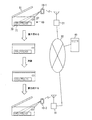
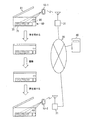
図1は、本発明の第1の実施形態に係る物品管理システムの全体構成を示す図である。
Hereinafter, embodiments of the present invention will be described in detail with reference to the drawings.
[First Embodiment]
<Overall configuration of article management system>
FIG. 1 is a diagram showing an overall configuration of an article management system according to the first embodiment of the present invention.
本発明の第1の実施形態に係る物品管理システムは、物品70の流通過程における各担当者が操作する端末10−1,10−2と、物品管理装置としてのサーバ40が通信ネットワーク30を介して接続された構成を有する。
In the article management system according to the first embodiment of the present invention, the terminals 10-1 and 10-2 operated by each person in charge in the distribution process of the
ここでは、端末10−1は物品の出荷側の担当者が操作する端末、端末10−2は物品の着荷側の担当者が操作する端末であり、無線基地局31により通信ネットワーク30に接続される。ただし、以下の説明では、特に区別する必要がある場合を除き、端末10とする。
Here, the terminal 10-1 is a terminal operated by a person in charge on the shipment side of the article, and the terminal 10-2 is a terminal operated by a person in charge on the arrival side of the article, and is connected to the
物品70は、その外面に物品識別情報保持手段としてのRFIDタグ71が取り付けられている。容器60は、その外面が電波遮蔽性を持つ包囲部材(アルミニウムなどの金属の薄膜)により囲まれた保冷箱であり、収納空間の内面に容器識別情報保持手段としてのRFIDタグ62が取り付けられている。なお、容器60は、電波遮蔽性を持つ金属シートを容器60の内面に貼り付けたものでもよい。
An
端末10はRFIDタグの読取機能を備えている。すなわち、RFIDタグはタグIDを保持しており、端末10は、RFIDタグから送信される情報を受信し、受信した情報に含まれているタグIDを読み取ることができる。ここで、RFIDタグは、自ら電波を放射して端末10に送信するアクティブ型でもよいし、端末10からの電波を受信して負荷変調することにより情報を端末10に送信するパッシブ型でもよい。
The
本実施形態では、端末10は、容器60の蓋61が開いた状態では、RFIDタグ62に保持されているタグIDである容器識別情報(以下、容器IDと記載することがある。)、およびRFIDタグ71に保持されているタグIDである物品識別情報(以下、物品IDと記載することがある。)の読取が可能である。しかし、端末10は、蓋61が閉じた状態では、RFIDタグ62,71との間の電波の伝送路が容器60の包囲部材により遮断されるため、容器IDおよび物品IDの読取は不能である。
In the present embodiment, the
サーバ40は各種データベース(詳細については、図5を参照して後述する。)を内蔵しており、端末10との間で様々な情報の送受信を行う。
The
次に、この物品管理システムの概略動作について説明する(詳細な動作については後述する。)。なお、ここでは、便宜上、1つの容器60を図示したが、実際には複数の容器60が存在するので、以下、複数の容器60が存在するものとして説明する。
Next, a schematic operation of the article management system will be described (detailed operation will be described later). In addition, although the one
物品の出荷側では、容器60に物品を収納し、蓋61が開いた状態で端末10−1によりRFIDタグ62,RFIDタグ71から容器ID,物品IDを読み取り、サーバ40に送信する。図示された容器60以外の容器60についても同様である。
On the shipping side of the article, the article is stored in the
次に蓋61を閉め、端末10−1により読み取ることのできた容器IDおよび物品IDをサーバ40に送信する。このとき、図示された容器60および物品70については、容器IDおよび物品IDを読み取ることはできず、他に蓋61が開いた状態の容器60があれば、その容器IDが読み取られ、サーバ40に送信される。また、その容器60に収納された物品70の物品ID、および未収納の物品70の物品IDもサーバ40に送信される。
Next, the
サーバ40は、前回受信した容器IDおよび物品IDと、今回受信した容器IDおよび物品IDとを比較する。そして、前回読み取ることができ、かつ今回読み取ることができなかった容器IDと物品ID、すなわち、読取可能から読取不能に変化した容器IDと物品IDは、蓋61が閉められた容器60の容器IDとその容器60に収納された物品70の物品IDであると判断し、その容器IDと物品IDを紐付けてデータベースに格納する。
The
蓋61が閉められた容器60は、トラックなどにより着荷側に運搬される。着荷側では、到着した容器60の蓋61を開ける前に、端末10−2により読み取ることのできた容器IDおよび物品IDをサーバ40に送信する。蓋61が閉じた状態では読み取りが不可能であるため、空白のデータが送信される。
The
次に蓋61を開け、読み取ることのできた容器IDおよび物品IDをサーバ40に送信する。サーバ40は、今回読み取ることができるようになった容器IDと物品ID、すなわち、読取不能から読取可能に変化した容器IDと物品IDは、蓋61が開けられた容器60の容器IDとその容器60に収納されて運搬された物品70の物品IDであると判断し、それらを紐付ける。
Next, the
つまり、出荷側では、容器60の蓋61を閉める前後に検出される容器IDおよび物品IDの差分により、着荷側では、容器60の蓋61を開ける前後に検出される容器IDおよび物品IDの差分により、容器IDと物品IDの紐付けが可能である。
In other words, on the shipping side, the difference between the container ID and the article ID detected before and after closing the
〈端末のハードウェア構成〉
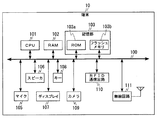
図2は、端末10のハードウェア構成を示すブロック図である。この端末10は、スマートフォンやタブレットなどの携帯型の端末である。
<Hardware configuration of terminal>
FIG. 2 is a block diagram illustrating a hardware configuration of the terminal 10. This terminal 10 is a portable terminal such as a smartphone or a tablet.
図示のように、端末10は、バス100と、それぞれがバス100に接続されたCPU101、RAM102、ROM103aおよびフラッシュメモリ103bなどの記憶部103、マイク105、スピーカ106、ディスプレイ107、キー108、カメラ109、RFID通信回路110、および無線回路111を備えている。
As illustrated, the terminal 10 includes a
CPU101は端末10の全体を制御するプロセッサである。RAM102はCPU101が各種処理を実行するときにワークエリアとなるメモリである。ROM103aはOS(オペレーティング・システム)などの基本プログラムや固定データを記憶するメモリである。フラッシュメモリ103bは、サーバ40との通信に使用するプログラムやデータなどを記憶するメモリである。
The
マイク105は、操作者の音声や周囲の音を音声信号に変換する手段であり、スピーカ106は、操作者に対する音声メッセージや通話中の相手の音声などを出力する手段である。
The
ディスプレイ107は、端末10の動作状態、キー108から入力された情報、カメラ109で撮影している映像などを表示するLCD等の表示装置である。キー108は、ユーザがこの端末10を操作するための各種キーである。カメラ109は静止画や動画を撮影するための画像入力手段である。
The
RFID通信回路110は、本実施形態におけるRFIDタグや後述する第2の実施形態におけるロガーと無線通信を行うための回路である。無線回路111は、無線基地局31を介して端末10を通信ネットワーク30に接続する手段である。
The
〈サーバのハードウェア構成〉
図3は、サーバ40のハードウェア構成を示すブロック図である。
図示のように、サーバ40は、バス400と、それぞれがバス400に接続されたCPU401、RAM402、ROM403aおよびHDD(ハードディスクドライブ)403bなどの記憶部403、入力部405、出力部406、通信部407、および外部I/F408を備えている。
<Hardware configuration of server>
FIG. 3 is a block diagram illustrating a hardware configuration of the
As illustrated, the
CPU401はサーバ40の全体を制御するプロセッサである。RAM402はCPU401が各種処理を実行するときにワークエリアとなるメモリである。ROM403aはOSなどの基本プログラムや固定データを記憶するメモリである。HDD403bは、各種データベース、および物品管理プログラムなどを記憶する外部記憶装置である。
The
入力部405は、キーボードやマウスなどからなる、このサーバ40を操作するための手段である。出力部406は、サーバ40の動作状態、入力部405から入力された情報などを表示するディスプレイや、各種データを印刷するプリンタなどである。
The
通信部407は、サーバ40で生成された各種データを通信ネットワーク30経由で端末10へ送信したり、端末10から送信されたデータを通信ネットワーク30経由で受信したりするNIC(ネットワーク・インタフェース・カード)などである。
The
外部I/F408は、CD−ROM、DVD−ROM、USBメモリなどのリムーバブル記録媒体や記憶媒体の接続手段である。
The external I /
〈端末の機能構成〉
図4は、端末10の機能構成を示すブロック図である。
図示のように、端末10は、情報入力部11、情報送受信部12、情報記憶部13、情報表示部14、および情報処理部15を備えている。
<Functional configuration of terminal>
FIG. 4 is a block diagram illustrating a functional configuration of the terminal 10.
As illustrated, the terminal 10 includes an
情報入力部11は、キー108からの情報の手入力や、マイク105およびカメラ109からの電気信号の情報を受け付ける機能を有する。情報送受信部12は、RFID通信回路110、および無線回路111を介して情報を送受信する機能を有する。情報記憶部13は、情報入力部11から入力された情報、および情報送受信部12で受信された情報の書き込み/読み出し機能を有する。情報表示部14は、情報入力部11から入力された情報、情報送受信部12で受信された情報、および情報記憶部13から読み出された情報を表示する機能を有する。情報処理部15は、上記各部の制御、上記各部の間の情報の転送制御、および各種情報処理を行う機能を有する。
The
〈サーバの機能構成〉
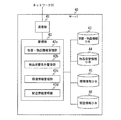
図5は、サーバ40の機能構成を示すブロック図である。
図示のように、サーバ40は、通信部41、管理部42、容器・物品情報DB(データベース)43、物品保管情報DB44、環境情報DB45、配送情報DB46を備えている。また、管理部42は、データ処理や制御を行う機能を有しており、容器・物品情報管理部42a、物品保管条件管理部42b、環境情報管理部42c、および配送情報管理部42dを備えている。
<Functional configuration of server>
FIG. 5 is a block diagram illustrating a functional configuration of the
As illustrated, the
ここで、物品保管条件管理部42b、環境情報管理部42c、およびそれぞれに対応する物品保管情報DB44、環境情報DB45は、後述する第2の実施形態に係る物品管理システムでのみ使用するものであり、本実施形態および後述する第3の実施形態では不要なブロックである。したがって、本実施形態および第3の実施形態におけるサーバ40の機能構成は、これらのブロックを除去したものでよいが、便宜上、物品管理装置としてのサーバ40の機能構成は各実施形態について共通のものとした。
Here, the article storage
通信部41は、通信ネットワーク30を介して外部装置とデータ通信を行う機能を有する。容器・物品情報管理部42aは、容器60の判別コード、物品70の判別コード、後述する第2の実施形態におけるロガーの判別コード、RFIDタグ62のタグID、RFIDタグ71のタグIDなど管理する機能を有する。物品保管情報管理部42bは、流通段階における物品の保管条件(上限温度/下限温度)を管理する機能を有する。環境情報管理部42cは、流通段階における物品の環境情報の測定条件の管理および測定データの管理を行う機能を有する。配送情報管理部42dは、物品の配送情報を管理する機能を有する。各管理部の動作の詳細については後述する。
The
容器・物品情報DB43、物品保管情報DB44、環境情報DB45、配送情報DB46は、それぞれ対応する管理部が処理に際して参照・更新するデータベースである。なお、サーバ40内にDB43〜46を含む構成を図示したが、DB43〜46は別のデータベースサーバ等に配置してもよい。
The container /
〈物品管理システムの動作〉
以上の構成を備えた物品管理システムの詳細な動作について、「判別コードの登録処理」、「容器物品情報の登録処理」、「出荷側の紐付け処理」、「着荷側の紐付け処理」の順に説明する。
<Operation of article management system>
Regarding the detailed operation of the article management system having the above-described configuration, the "determination code registration process", "container article information registration process", "shipment side linking process", and "arrival side linking process" These will be described in order.
《判別コードの登録処理》
この処理は、予め物品と容器を判別可能なコードを決めて、サーバ40に保存する処理である。
《Registration code registration process》
This process is a process in which a code capable of discriminating articles and containers is determined in advance and stored in the
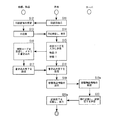
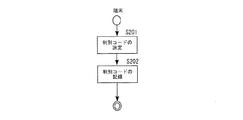
図6は、判別コードの登録処理の手順を示すフローチャートである。
端末10は、例えば出荷側の担当者により決定された判別コードが入力されると(ステップS1)、入力された判別コードをサーバ40へ送信する(ステップS2)。
FIG. 6 is a flowchart showing a procedure of discrimination code registration processing.
For example, when the determination code determined by the person in charge on the shipping side is input (step S1), the terminal 10 transmits the input determination code to the server 40 (step S2).
サーバ40は、判別コードを受信し(ステップS3)、容器・物品情報DB43に記録(格納)し、記録が完了したことを端末10へ送信する(ステップS4)。端末10は、記録の完了の通知を受信し、表示する(ステップS5)。
The
表1に判別コードの一例を示す。
《容器物品情報の登録処理》
この処理は、RFIDタグ62が取り付けられた容器60、RFIDタグ71が取り付けられた物品70に対して、RFIDタグ62,71の存在と、RFIDタグ62,71であることを確認するために、サーバ40に登録する処理である。この処理は、出荷側の端末10−1を使用して行われる。
<Registration processing of container article information>
This process is performed to confirm the presence of the RFID tags 62 and 71 and the RFID tags 62 and 71 with respect to the
表2に容器物品情報の一例を示す。
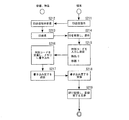
図7は、容器物品情報の登録処理の手順を示すフローチャートである。なお、この図の左端に図示されている処理の主体は、「容器60に取り付けられたRFIDタグ62、物品70に取り付けられたRFIDタグ71」であるが、説明の便宜上、「容器、物品」とした。
FIG. 7 is a flowchart showing the procedure of the container article information registration process. The main subject of the processing shown at the left end of this figure is “
端末10−1は、容器60、物品70に対して、ID送信指示を送信する(ステップS11)。容器60、物品70は、ID送信指示を受信し(ステップS12)、それぞれのタグIDを送信する(ステップS13)。端末10−1は、タグIDを受信し、表示する(ステップS14)。
このように、ID発行時に容器と物品を判別できるようにすることで、判別コードが不要になり、サーバ側でIDから容器か物品かを判別することができる。したがって、バーコードなどのIDを容器と物品とを判別できるようにしておくことで、後述する変形例(7)のように、無線の遮断だけでなく、バーコードの有無でも容器と物品との紐付けができるようになる。
The terminal 10-1 transmits an ID transmission instruction to the
Thus, by making it possible to discriminate between a container and an article when issuing an ID, a discrimination code becomes unnecessary, and the server can discriminate whether it is a container or an article from the ID. Therefore, by making it possible to discriminate between the container and the article using an ID such as a barcode, the container and the article can be connected not only with the wireless cutoff but also with or without the barcode, as in Modification (7) described later. Can be tied.
担当者は表示されたタグIDの先頭を見て、そのタグIDが容器IDなのか物品IDなのかを確認して、判別コードを入力する。判別コードは図6に示した手順で登録されたものであり、「物品:0」、「容器:1」である。端末10−1は、入力された判別コードを容器60、物品70へ送信する(ステップS15)。
The person in charge looks at the head of the displayed tag ID, confirms whether the tag ID is a container ID or an article ID, and inputs a discrimination code. The discrimination codes are registered by the procedure shown in FIG. 6 and are “article: 0” and “container: 1”. The terminal 10-1 transmits the input discrimination code to the
容器60、物品70は、判別コードを受信し、メモリ(RFIDタグの内部メモリ)に書き込む(ステップS16)。この結果、容器60および物品70は、容器物品情報を保持することになる。容器60、物品70は、判別コードの書き込み完了の通知を端末10−1へ送信し(ステップS17)、端末10−1は、書き込み完了の通知を受信する(ステップ18)。
The
次に端末10−1は、容器物品情報をサーバ40へ送信する(ステップS19)。サーバ40は、容器物品情報を受信し(ステップS19a)、容器・物品情報DB43に記録(格納)し、記録完了の通知を端末10−1へ送信する(ステップS20)。端末10−1は、記録完了の通知を受信し、データが正しくサーバ40に記録されたことを表示する(ステップS20a)。
Next, the terminal 10-1 transmits container article information to the server 40 (step S19). The
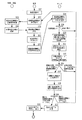
《出荷側の紐付け処理》
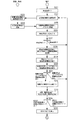
図8は、出荷側の紐付け処理の手順を示すフローチャートである。この処理では、出荷側の容器IDと物品IDを紐付ける処理、すなわち、どの容器にどの物品が収納されたかを表す情報をサーバ40に登録する処理である。
《Shipping process on shipping side》
FIG. 8 is a flowchart showing the procedure of the linking process on the shipping side. This process is a process of associating the shipping-side container ID and the article ID, that is, a process of registering in the
まず端末10−1は、容器物品情報の受信回数のカウント値(以下、単に受信回数という)を0に設定する(ステップS21)。次に端末10−1は、出荷区域にある容器60および物品70に対して、容器物品情報の送信指示を行う(ステップS22)。
First, the terminal 10-1 sets a count value of the number of times of receiving container article information (hereinafter simply referred to as the number of times of reception) to 0 (step S21). Next, the terminal 10-1 issues a container article information transmission instruction to the
容器60および物品70は、容器物品情報の送信指示を受信し(ステップS23)、容器物品情報を端末10−1へ送信する(ステップS24)。端末10−1は、容器物品情報を受信し(ステップS25)、受信回数に1を加える(ステップS26)。この結果、受信回数は1となる。
The
端末10−1が受信した容器物品情報を表3に示す。
次に端末10−1は、受信した容器物品情報、および受信回数をサーバ40へ送信する(ステップS27)。サーバ40は、容器物品情報および受信回数を受信し、メモリ(RAM402)に格納する(ステップS28)。
Next, the terminal 10-1 transmits the received container article information and the number of receptions to the server 40 (step S27). The
次にサーバ40は、受信回数が1であるか1より大きいかを判定する(ステップS29)。ここでは、受信回数が1であるため、端末10−1に対して、容器物品情報の取得(ステップS22の実行)を指示する。
Next, the
作業者は、容器60に物品70を収納し、蓋61を閉める。例えば容器IDがL00003の容器60に物品IDがB00005、B00006、B00011、B00012の物品70を収納したものとする。
The operator stores the
このように物品70を容器60に収納し、蓋61を閉めた後に、ステップS22〜S25が実行され、端末10−1が受信した容器物品情報は表4に示すものとなる。
次に端末10−1は、受信回数に1を加え(ステップS26)、受信した容器物品情報、および受信回数(ここでは2)をサーバ40へ送信する(ステップS27)。サーバ40は、容器物品情報および受信回数を受信し、メモリに格納する(ステップS28)。
Next, the terminal 10-1 adds 1 to the number of receptions (step S26), and transmits the received container article information and the number of receptions (here, 2) to the server 40 (step S27). The
次にサーバ40は、受信回数が1であるか1より大きいかを判定する(ステップS29)。今回は受信回数が2であるため、前回取得(メモリに格納)した容器物品情報と、今回新たに取得した容器物品情報とを比較する(ステップS30)。
Next, the
そして、比較の結果、読めなくなった容器物品情報を抽出する(ステップS31)。ここでは、表3に示す容器物品情報と表4に示す容器物品情報の差分の容器物品情報である下記の表5に示す容器物品情報が抽出される。
次に、サーバ40は、抽出された容器物品情報の中から、容器の判別コード(=1)を有する容器物品情報を抽出する(ステップS32)。表5の中で判別コード(=1)を含む容器物品情報は容器ID=LD00003を有する容器物品情報であるから、ここでは、下記の表6に示す容器物品情報が抽出される。
次に、ステップS32で抽出された容器物品情報の中に容器の判別コードを有する容器物品情報があるか否か、換言すれば、容器の判別コードを有する容器物品情報が抽出されたか否かを判定する(ステップS33)。ここでは、表6に示す容器物品情報が抽出されたので、あると判定される。 Next, it is determined whether or not there is container article information having a container discrimination code in the container article information extracted in step S32, in other words, whether or not container article information having a container discrimination code has been extracted. Determination is made (step S33). Here, since the container article information shown in Table 6 has been extracted, it is determined that there is.
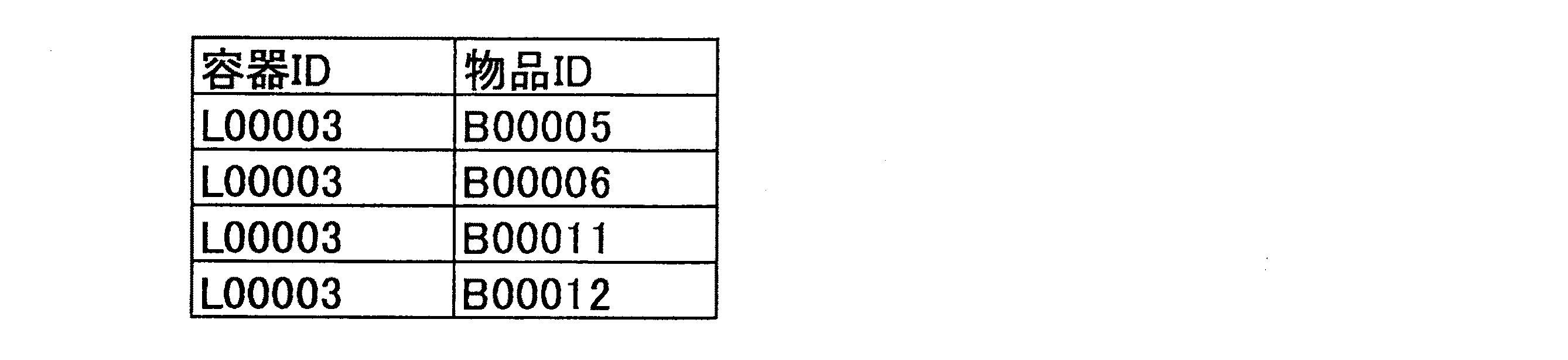
次にサーバ40は、容器の判別コードを有する容器物品情報中のタグID(容器ID)と、物品の判別コードを有する容器物品情報のタグID(物品ID)とを紐付け(ステップS34)、紐付け結果を容器・物品対応表として、容器・物品情報DB43に追記する(ステップS35)。下記の表7に紐付け結果の一例を示す。
次にサーバ40は、ステップS30で読めた容器物品情報(表4)の中に容器の判別コード(=1)があるか否かを判定する(ステップS36)。判定の結果、ある場合は、端末10−1に対して、容器物品情報の取得(ステップS22の実行)を指示する。ここでは、表4に示す容器物品情報の中に下記の表8に示す容器物品情報があるので、サーバ40は端末10−1に対して、容器物品情報の取得を指示する。
ステップS36で「なし」と判定されるまで、ステップS22〜S36の処理が繰り返される。そして、「なし」と判定された場合、サーバ40は端末10−1に対して、紐付けの完了の通知を送信し(ステップS37)、端末10−1は紐付け完了の通知を受信し、表示する(ステップS38)。ここでは、紐付けが完了すると、容器・物品情報DB43には下記の表9に示す容器・物品対応情報が格納される。
これにより、複数のタグIDが読めてしまう環境でも、容器60のタグIDと、その容器60に収納された物品70のタグIDとを一意に紐付けることができる。したがって、複数の物品を複数の容器に収納した場合でも、どの容器にどの物品が収納されたのかを判別することができる。
以上説明した図8において、サーバが実行する処理のうち、端末との間の通信は通信部41が実行し、サーバ内の処理は管理部40内の容器・物品情報管理部42aが実行する。つまり、通信部41および容器・物品情報管理部42aが本発明(請求項1)における取得手段に対応し、容器・物品情報管理部42aが本発明における判別手段および紐付け手段に対応する。
Thereby, even in an environment where a plurality of tag IDs can be read, the tag ID of the
In the processing described above with reference to FIG. 8, communication with the terminal is executed by the
《着荷側の紐付け処理》
図9は、着荷側の紐付け処理の手順を示すフローチャートである。この処理では、着荷側で容器IDと、物品IDを紐付ける処理、すなわち、着荷側で蓋61を開けたどの容器60にどの物品70が収納されていたかを表す情報をサーバ40に登録する処理である。
《Pasting process on arrival side》
FIG. 9 is a flowchart showing the procedure of the linking process on the arrival side. In this process, the process of associating the container ID with the article ID on the arrival side, that is, the process of registering in the
着荷側の担当者(以下、受入担当者)は、容器60が到着する前に、着荷予定の物品数または容器数をサーバ40に問い合わせるため、端末10−2から配送数送信指示を送信する(ステップS41)。
The person in charge on the arrival side (hereinafter referred to as the person in charge of receiving) transmits a delivery number transmission instruction from the terminal 10-2 to inquire the
サーバ40は、配送数送信指示を受信すると(ステップS42)、配送情報DB46から物品数または容器数を読み出し、端末10−2へ送信する(ステップS43)。端末10−2は、配送数を受信し、未検出数としてメモリ(RAM102)に格納する(ステップS44)。ここでは、下記の表10に示す物品数(=12)または容器数(=3)が格納されたものとする。
次に端末10−2は、受信回数を0に設定し(ステップS45)、着荷区域にある容器60および物品70に対して、容器物品情報の送信指示を行う(ステップS46)。容器物品情報の送信指示を受信した容器60、物品70は(ステップS47)、端末10−2に対して、容器物品情報を送信する(ステップS48)。端末10−2は、容器物品情報を受信する(ステップS49)。
Next, the terminal 10-2 sets the number of receptions to 0 (step S45), and instructs the
ただし、まだ受入担当者が容器60の蓋61を開けていないため、端末10−2と通信可能な容器60(厳密にはRFIDタグ62)も物品70(厳密にはRFIDタグ71)も存在しないため、容器物品情報は下記の表11に示すように空白となる。
端末10−2は、受信回数に1を加える(ステップS50)。この結果、受信回数は1となる。次に端末10−2は、受信した容器物品情報(空白)、および受信回数(=1)をサーバ40へ送信する(ステップS51)。 The terminal 10-2 adds 1 to the number of receptions (step S50). As a result, the number of receptions is 1. Next, the terminal 10-2 transmits the received container article information (blank) and the number of receptions (= 1) to the server 40 (step S51).
サーバ40は、容器物品情報および受信回数を受信し、メモリ(RAM402)に格納する(ステップS52)。次にサーバ40は、受信回数が1であるか1より大きいかを判定する(ステップS53)。ここでは、受信回数が1であるため、端末10−2に対して、容器物品情報の取得(ステップS46の実行)を指示する。
The
受入担当者は、容器60の蓋61を開ける。この結果、端末10−2は、RFIDタグ62およびRFIDタグ71と通信可能になる。したがって、端末10−2が容器60、物品70に対して、容器物品情報の送信指示を行うと(ステップS46)、容器60、物品70は、容器物品情報送信指示を受信し(ステップS47)、それぞれが保持している容器物品情報を端末10−2へ送信する(ステップS48)。ここでは、下記の表12に示す容器物品情報が送信されたものとする。
この表に示す容器物品情報の場合、容器ID=L00001の容器60の蓋61が開き、その内部に物品ID=B00001,B00002,B00003,B00004の物品が収納されていたことになる。
In the case of the container article information shown in this table, the
端末10−2は、容器物品情報を受信し(ステップS49)、受信回数に1を加え(ステップS50)、容器物品情報と受信回数をサーバ40へ送信する(ステップS51)。サーバ40は、容器物品情報および受信回数を受信し、メモリ(RAM402)に格納する(ステップS52)。
The terminal 10-2 receives the container article information (step S49), adds 1 to the number of receptions (step S50), and transmits the container article information and the number of receptions to the server 40 (step S51). The
次にサーバ40は、受信回数が1であるか1より大きいかを判定する(ステップS53)。今回は受信回数が2であるため、前回取得した容器物品情報と今回新たに取得した容器物品情報とを比較する(ステップS54)。
Next, the
そして、比較の結果、新たに読めた容器物品情報を抽出する(ステップS55)。ここでは、表11に示す容器物品情報(空白)と表12に示す容器物品情報の差分の容器物品情報、すなわち表12に示す容器物品情報が抽出される。 Then, as a result of the comparison, newly read container article information is extracted (step S55). Here, the container article information of the difference between the container article information (blank) shown in Table 11 and the container article information shown in Table 12, that is, the container article information shown in Table 12 is extracted.
次にサーバ40は、抽出された容器物品情報の中から、容器の判別コード(=1)を有する容器物品情報を抽出する(ステップS56)。ここでは、下記の表13に示す容器物品情報が抽出される。
次にサーバ40は、ステップS56で抽出された容器物品情報の中に容器の判別コード(=1)があるか否かを判定する(ステップS57)。
Next, the
ここでは、表13に示す容器物品対応表が抽出されたので、あると判定され、ステップS58に進んで、容器IDと物品IDの紐付けを行う。これにより、下記の表14に示す容器・物品対応表が作成される、容器・物品情報DB43に格納される。
一方、容器の判別コード(=1)がなかった場合は、再度、端末10−2に対して、容器物品情報の取得(ステップS46の実行)を指示する。 On the other hand, if there is no container discrimination code (= 1), the terminal 10-2 is again instructed to acquire container article information (execution of step S46).
サーバ40は、容器IDと物品IDの紐付け(ステップS58)の後、未検出の物品数または容器数を算出し(ステップS59)、未検出数が0であるか正であるかを判定する(ステップS60)。
The
ここでは、前回の未検出数が表10に示すものであり、今回の検出数が表12より下記の表15となる。
したがって、現在の未検出数は、表10と表15の差分である下記の表16のようになる。
このため、未検出数が正と判定され、サーバ40は、再度、端末10−2に対して、容器物品情報の取得(ステップS46の実行)を指示する。
For this reason, it is determined that the undetected number is positive, and the
着荷予定の全ての容器60または物品70が検出されると、未検出数が0と判定されるので、サーバ40は、端末10−2に対して、紐付け完了の通知を送信する(ステップS61)。端末10−2は、紐付け完了の通知を受信し、表示する(ステップS62)。紐付けの完了により、下記の表17に示す容器・物品対応表が容器・物品情報DB43に格納される。
この表に示す容器・物品対応情報より、複数のタグIDが読めてしまう環境でも、容器60のタグIDと、その容器60に収納された物品70のタグIDとを一意に紐付けることができる。したがって、複数の物品が複数の容器に収納されていた場合でも、どの容器にどの物品が収納されていたかを判別することができる。
以上説明した図9において、サーバが実行する処理のうち、端末との間の通信は通信部41が実行し、サーバ内の処理は管理部40内の容器・物品情報管理部42aが実行する。つまり、通信部41および容器・物品情報管理部42aが本発明における取得手段に対応し、容器・物品情報管理部42aが本発明における判別手段、および紐付け手段に対応する。
Even in an environment where a plurality of tag IDs can be read from the container / article correspondence information shown in this table, the tag ID of the
9 described above, among the processes executed by the server, communication with the terminal is executed by the
[第2の実施形態]
〈物品管理システムの全体構成〉
図10は、本発明の第2の実施形態に係る物品管理システムの全体構成を示す図である。この図において、第1の実施形態(図1)と同一または対応部分には図1と同じ参照符号が付されている。
[Second Embodiment]
<Overall configuration of article management system>
FIG. 10 is a diagram showing an overall configuration of an article management system according to the second embodiment of the present invention. In this figure, the same reference numerals as those in FIG. 1 are attached to the same or corresponding parts as those in the first embodiment (FIG. 1).
第1の実施形態に係る物品管理システムと比較した第2の実施形態に係る物品管理システムの主な特徴は下記(1)〜(6)である。
(1)環境情報取得装置としてのロガー80が取り付けられた容器60を用い、出荷から着荷までの容器60内の環境情報としての温度を一定時間毎に取得する。
(2)ロガー80は、ロガーID、判別コード、および製品情報(製品名/商品コード、製造番号、使用開始日/有効期限)を保持する。
(3)物品70に取り付けられたRFIDタグ71も、タグID(物品ID)、判別コード、および製品情報(製品名/商品コード、製造番号、使用開始日/有効期限)を保持する。
(4)ID(ロガーID、物品ID)、判別コード、および製品情報(製品名/商品コード、製造番号、使用開始日/有効期限)を容器物品情報とする。
(5)出荷時刻、着荷時刻を記録する。
(6)出荷から着荷までの環境情報と予め定められた保管条件とを比較し、良否判定を行う。
The main features of the article management system according to the second embodiment compared with the article management system according to the first embodiment are the following (1) to (6).
(1) Using a
(2) The
(3) The
(4) ID (logger ID, product ID), discrimination code, and product information (product name / product code, production number, use start date / expiration date) are used as container product information.
(5) Record the shipping time and arrival time.
(6) The environmental information from shipment to arrival is compared with predetermined storage conditions, and quality is determined.
以下、これらの特徴を中心に、本発明の第2の実施形態に係る物品管理システムについて説明する。端末10−1、端末10−2、サーバ40などのハードウェア構成および機能構成は、第1の実施形態と同じであるため、説明を省略する。
Hereinafter, an article management system according to the second embodiment of the present invention will be described focusing on these features. Since the hardware configurations and functional configurations of the terminal 10-1, the terminal 10-2, the
〈ロガーのハードウェア構成〉
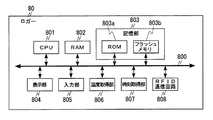
図11は、図10におけるロガーのハードウェア構成を示すブロック図である。
ロガー80は、バス800と、それぞれがバス800に接続された接続されたCPU801、RAM802、ROM803aおよびフラッシュメモリ803bなどの記憶部803、表示部804、入力部805、温度取得部806、時刻取得部807、およびRFID通信回路808を備えている。
<Logger hardware configuration>
FIG. 11 is a block diagram showing a hardware configuration of the logger in FIG.
The
CPU801はロガー80の全体を制御するプロセッサである。RAM802はCPU801が各種処理を実行するときにワークエリアとなるメモリである。ROM803aはOS(オペレーティング・システム)などの基本プログラムや固定データを記憶するメモリである。フラッシュメモリ803bは、サーバ40との通信に使用するプログラムやロガーID、判別コード、および製品情報などのデータなどを保持するメモリである。
The
表示部804は、ロガー80の動作状態や入力部805からの入力情報などを表示するLCD等の表示装置である。入力部805は、ユーザがこのロガー80を操作するための各種キーである。
The
温度取得部806は温度を測定し、温度情報を取得する手段であり、時刻取得部807は時刻情報を取得する手段である。RFID通信回路808は、他のRFID通信回路(本実施形態では端末10内のRFID通信回路110)との間で無線通信を行う手段である。
The
〈物品管理システムの動作〉
以上の構成を備えた物品管理システムの詳細な動作について、「判別コードの登録処理」、「物品保管条件の設定処理」、「容器物品情報の登録処理」、「出荷側の紐付け処理」、「着荷側の紐付け処理および良否判定処理」の順に説明する。
<Operation of article management system>
Regarding the detailed operation of the article management system having the above configuration, “registration code registration process”, “article storage condition setting process”, “container article information registration process”, “shipment side linking process”, The order will be described in the order of the “arrival side linking process and pass / fail determination process”.
《判別コードの登録処理》
この処理の内容は第1の実施形態(図6)と同じである。
《Distinction code registration process》
The contents of this process are the same as those in the first embodiment (FIG. 6).
《物品保管条件の設定処理》
この処理は、出荷担当者が物品の発送の前に、物品の保管条件として、運搬中の上限温度と下限温度をサーバ40に登録する処理である。
<Setting process for article storage conditions>
This process is a process in which the person in charge of shipping registers, in the
図12は、物品保管条件設定処理の手順を示すフローチャートである。
端末10−1は、担当者により決定された物品保管条件が入力されると(ステップS101)、入力された物品保管条件をサーバ40へ送信する(ステップS102)。サーバ40は、物品保管条件を受信し(ステップS103)、物品保管情報DB44に記録(格納)し、記録が完了したことを端末10−1へ送信する(ステップS104)。端末10−1は、記録の完了の通知を受信し、表示する(ステップS105)。
FIG. 12 is a flowchart showing the procedure of the article storage condition setting process.
When the article storage condition determined by the person in charge is input (step S101), the terminal 10-1 transmits the input article storage condition to the server 40 (step S102). The
下記の表18に物品保管条件の一例を示す。ここでは、物品保管条件は、商品コード、温度の上限値および下限値からなる。
《容器測定条件の設定処理》
出荷側の担当者は、新たにロガーが搭載された容器60を購入した際、ロガー80の測定条件をサーバ40に登録する。
《Container measurement condition setting process》
The person in charge on the shipping side registers the measurement conditions of the
図13は、容器測定条件の設定処理の手順を示すフローチャートである。
端末10−1は、担当者により決定された容器測定条件が入力されると(ステップS111)、入力された容器測定条件をサーバ40へ送信する(ステップS112)。サーバ40は、容器測定条件を受信し(ステップS113)、環境情報DB45に記録(格納)し、記録が完了したことを端末10−1へ送信する(ステップS114)。端末10−1は、記録完了の通知を受信し、表示する(ステップS115)。
FIG. 13 is a flowchart illustrating the procedure of the container measurement condition setting process.
When the container measurement condition determined by the person in charge is input (step S111), the terminal 10-1 transmits the input container measurement condition to the server 40 (step S112). The
容器測定条件の一例を下記の表19に示す。
《容器物品情報の登録処理》
第1の実施形態では、容器物品情報がID(容器ID、物品ID)と判別コード(容器=1、物品=0)からなるのに対し、第2の実施形態では、ID(ロガーID、物品ID)、判別コード(ロガー=1、物品=0)、製品情報(商品名/商品コード、製造番号、使用開始日/有効期限)からなる。
<Registration processing of container article information>
In the first embodiment, the container article information includes an ID (container ID, article ID) and a discrimination code (container = 1, article = 0), whereas in the second embodiment, an ID (logger ID, article). ID), discrimination code (logger = 1, article = 0), product information (product name / product code, serial number, use start date / expiration date).
なお、この図の左側に図示されている処理の主体は、「容器60に取り付けられたロガー80、物品70に取り付けられたRFIDタグ71」であるが、説明の便宜上、「容器、物品」とした。また、以後の説明では、ロガーIDを容器IDとし、容器ID+判別コードを容器情報とする。
The main subject of the processing shown on the left side of this figure is “a
下記の表20に容器物品情報の一例を示す。
図14は、容器物品情報の登録処理の手順を示すフローチャートである。
端末10−1は、容器60、物品70に対して、ID送信指示を送信する(ステップS121)。容器60、物品70は、ID送信指示を受信し(ステップS122)、それぞれのタグIDを送信する(ステップS123)。端末10−1は、タグIDを受信するし、表示する(ステップS124)。
FIG. 14 is a flowchart showing a procedure of container article information registration processing.
The terminal 10-1 transmits an ID transmission instruction to the
次に、担当者は表示されたタグIDの先頭を見て、そのタグIDが容器IDなのか物品IDなのかを確認して、判別コードおよび製品情報を入力し、容器60、物品70へ送信する(ステップS125)。判別コードは図6に示した手順で登録されたものであり、「物品:0」、「容器:1」である。また、製品情報は担当者が物品を見て入力する。
Next, the person in charge looks at the head of the displayed tag ID, confirms whether the tag ID is a container ID or an article ID, inputs a discrimination code and product information, and transmits them to the
容器60、物品70は、判別コードおよび製品情報を受信し、メモリ(ロガー80内の記憶部804、RFIDタグ71の内部メモリ)に書き込む(ステップS126)。この結果、容器60および物品70は、容器物品情報を保持することになる。
The
容器60、物品70は、判別コードおよび製品情報の書き込みの後、書き込み完了の通知を端末10−1へ送信し(ステップS127)、端末10−1は、書き込み完了の通知を受信する(ステップS128)。
After writing the identification code and product information, the
次に端末10−1は、容器物品情報(タグID、判別コード、製品情報)をサーバ40へ送信する(ステップS129)。サーバ40は、容器物品情報を受信し(ステップS130)、容器・物品情報DB43に記録(格納)し、記録完了の通知を端末10−1へ送信する(ステップS131)。端末10−1は、記録完了の通知を受信し、データが正しくサーバ40に記録されたことを表示する(ステップS132)。
Next, the terminal 10-1 transmits container article information (tag ID, discrimination code, product information) to the server 40 (step S129). The
《出荷時の紐付け処理》
第1の実施形態と同様に、出荷側で容器IDと、物品IDを紐付ける処理、すなわち、どの容器にどの物品が収納されたかを表す情報をサーバ40に登録する処理を行う。
<< Pasting process at shipment >>
Similar to the first embodiment, a process of associating the container ID and the article ID on the shipping side, that is, a process of registering in the
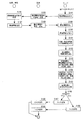
図15は、出荷側の紐付け処理の手順を示すフローチャートである。この図において、ステップS141〜S146は、容器物品情報が製品情報を含むこと以外は、図8(第1の実施形態)におけるステップS21〜S26と同じである。 FIG. 15 is a flowchart showing the procedure of the linking process on the shipping side. In this figure, steps S141 to S146 are the same as steps S21 to S26 in FIG. 8 (first embodiment) except that the container article information includes product information.
次に端末10−1は、容器物品情報、受信回数、および現在時刻をサーバ40へ送信する(ステップS147)。サーバ40は、容器物品情報、受信回数、および現在時刻を受信し、メモリ(RAM402)に格納する(ステップS148)。なお、現在時刻は、端末10−1で生成してもよいし、サーバ40で生成してもよい。
Next, the terminal 10-1 transmits the container article information, the number of receptions, and the current time to the server 40 (Step S147). The
下記の表21にメモリに格納された容器物品情報の一例を示す。
次にサーバ40は、受信回数が1であるか1より大きいかを判定する(ステップS149)。ここでは、受信回数が1であるため、端末10−1に対して、容器物品情報の取得(ステップS142の実行)を指示する。
Next, the
作業者は、容器60に物品70を収納し、蓋61を閉める。例えば容器IDがL00003の容器60に物品IDがB00005、B00006、B00011、B00012の物品70を収納したものとする。
The operator stores the
このように物品70を容器60に収納し、蓋61を閉めた後に、ステップS142〜S145が実行され、端末10−1が受信した容器物品情報は、表22に示すものとなる。
次に端末10−1は、受信回数に1を加え(ステップS146)、受信した容器物品情報、および受信回数(ここでは2)をサーバ40へ送信する(ステップS147)。サーバ40は、容器物品情報および受信回数を受信し、メモリに格納する(ステップS148)。
Next, the terminal 10-1 adds 1 to the number of receptions (step S146), and transmits the received container article information and the number of receptions (here, 2) to the server 40 (step S147). The
次にサーバ40は、受信回数が1であるか1より大きいかを判定する(ステップS149)。今回は受信回数が2であるため、前回取得(メモリに格納)した容器物品情報と、今回新たに取得した容器物品情報とを比較する(ステップS150)。
Next, the
そして、比較の結果、読めなくなった容器物品情報を抽出する(ステップS151)。ここでは、表21に示す容器物品情報と表22に示す容器物品情報の差分の容器物品情報である下記の表23に示す容器物品情報が抽出される。
次に、サーバ40は、抽出された容器物品情報から容器の判別コード(=1)を有する容器物品情報を抽出する(ステップS152)。表23の中で判別コード(=1)を有する容器物品情報は、表23の1行目に記載されている容器ID=LD00003を有する容器物品情報であるから、下記の表24に示す容器情報を含む容器物品情報が抽出される。
次に、サーバ40は、ステップS152で抽出された容器物品情報の中に容器の判別コードを有する容器物品情報があるか否か、換言すれば、容器の判別コードを有する容器物品情報が抽出されたか否かを判定する(ステップS153)。ここでは、表24に示す容器物品情報が抽出されたので、あると判定される。
Next, the
次にサーバ40は、容器の判別コードを有する容器物品情報中の容器IDと、物品の判別コードを有する容器物品情報の物品IDとを紐付け(ステップS154)、紐付け結果および出荷時刻(現在時刻)を容器・物品対応情報として、容器・物品情報DB43に追記する(ステップS155)。下記の表25に紐付け結果と出荷時刻の一例を示す。
次にサーバ40は、ステップS150で読めた容器物品情報(表22)の中に、容器の判別コードを持つものがあるか否かを判定する(ステップS156)。判定の結果、あった場合は、端末10−1に対して、容器物品情報の取得(ステップS142の実行)を指示する。ここでは、表22に示す容器物品情報の中に下記の表26に示す容器物品情報があるので、サーバ40は端末10−1に対して、容器物品情報の取得を指示する。
ステップS156で「なし」と判定されるまで、ステップS142〜S156の処理が繰り返される。そして、「なし」と判定された場合、サーバ40は端末10−1に対して、紐付けの完了の通知を送信し(ステップS157)、端末10−1は紐付け完了の通知を受信する(ステップS158)。紐付けが完了すると、容器・物品情報DB43には下記の表27に示す容器・物品対応情報が格納される。
これにより、複数の容器IDおよび複数の物品IDが読めてしまう環境でも、容器IDと、その容器60に収納された物品70の物品IDとを一意に紐付けることができる。また、物品70が容器60に収納された時刻を正確に、かつロガー80の開始ボタンを押すなどをせずに記録することができる。
以上説明した図15において、サーバが実行する処理のうち、端末との間の通信は通信部41が実行し、サーバ内の処理は管理部40内の容器・物品情報管理部42aが実行する。つまり、通信部41および容器・物品情報管理部42aが請求項2における取得手段に対応し、容器・物品情報管理部42aが請求項2における紐付け手段に対応する。
Thereby, even in an environment where a plurality of container IDs and a plurality of article IDs can be read, the container ID and the article ID of the
In FIG. 15 described above, among the processes executed by the server, communication with the terminal is executed by the
《着荷側の紐付け処理および良否判定処理》
図16は、着荷側の紐付け処理の手順の一部を示すフローチャートである。また、図17は、着荷側の紐付け処理の手順の残りの部分および良否判定処理の手順を示すフローチャートである。
《Landing process on the arrival side and pass / fail judgment process》
FIG. 16 is a flowchart showing a part of the procedure of the linking process on the arrival side. FIG. 17 is a flowchart showing the remaining part of the linking process procedure on the arrival side and the procedure of the pass / fail judgment process.
ここで、着荷側の紐付け処理は、第1の実施形態と同様に、着荷側で容器IDと、物品IDを紐付ける処理、すなわち、着荷側で蓋61を開けたどの容器にどの物品が収納されていたかを表す情報をサーバ40に登録する処理である。また、良否判定処理は、第2の実施形態に特有の処理であり、保管条件と環境情報とを比較して、運搬中の容器60内の環境の良否を判定する処理である。
Here, as with the first embodiment, the linking process on the arrival side is a process of linking the container ID and the article ID on the arrival side, that is, which article has the
受入担当者は、容器60が到着する前に、着荷予定の物品数または容器数をサーバ40に問い合わせるため、端末10−2から配送数送信指示を送信する(ステップS161)。
Before the
サーバ40は、配送数送信指示を受信すると(ステップS162)、容器・物品情報DB43から物品数または容器数を読み出し、端末10−2へ送信する(ステップS163)。端末10−2は、配送数を受信し、未検出数としてメモリ(RAM102)に格納する(ステップS164)。ここでは、下記の表28に示す物品数(=12)または容器数(=3)が格納されたものとする。
次に端末10−2は、受信回数を0に設定し(ステップS165)、着荷区域にある容器60および物品70に対して、容器物品情報の送信指示を行う(ステップS166)。容器物品情報の送信指示を受信した容器60、物品70は(ステップS167)、端末10−2に対して、容器物品情報を送信する(ステップS168)。端末10−2は、容器物品情報を受信し、メモリに格納する(ステップS169)。
Next, the terminal 10-2 sets the number of receptions to 0 (step S165), and instructs the
ただし、まだ受入担当者が容器60の蓋61を開けていないため、端末10−2と通信可能な容器60(厳密にはロガー80)、物品70(厳密にはRFIDタグ71)が存在しないため、容器物品情報は下記の表29に示すように空白となる。
端末10−2は、受信回数に1を加える(ステップS170)。この結果、受信回数は1となる。次に端末10−2は、受信した容器物品情報(空白)、および受信回数(=1)、ならびに現在時刻をサーバ40へ送信する(ステップS171)。 The terminal 10-2 adds 1 to the number of receptions (step S170). As a result, the number of receptions is 1. Next, the terminal 10-2 transmits the received container article information (blank), the number of times of reception (= 1), and the current time to the server 40 (step S171).
サーバ40は、容器物品情報、受信回数、および現在時刻を受信し、メモリ(RAM402)に格納する(ステップS172)。次にサーバ40は、受信回数が1であるか1より大きいかを判定する(ステップS173)。ここでは、受信回数が1であるため、端末10−2に対して、容器物品情報の取得(ステップS166の実行)を指示する。
The
受入担当者は、容器60の蓋61を開ける。この結果、端末10−2は、容器60および物品70と通信可能になる。したがって、端末10−2が容器60、物品70に対して、容器物品情報の送信指示を行うと(ステップS166)、容器60、物品70は、容器物品情報送信指示を受信し(ステップS167)、それぞれが保持している容器物品情報を端末10−2へ送信する(ステップS168)。ここでは、下記の表30に示す容器物品情報が送信されたものとする。
この表に示す容器物品情報の場合、容器ID=L00001の容器60の蓋61が開き、その内部に物品ID=B00001,B00002,B00003,B00004の物品が収納されていたことになる。
In the case of the container article information shown in this table, the
端末10−2は、容器物品情報を受信し(ステップS169)、受信回数に1を加え(ステップS170)、容器物品情報、受信回数、および現在時刻(2015/09/18/15:23)をサーバ40へ送信する(ステップS171)。サーバ40は、容器物品情報、受信回数、および現在時刻を受信し、メモリに格納する(ステップS172)。
The terminal 10-2 receives the container article information (step S169), adds 1 to the number of receptions (step S170), and obtains the container article information, the number of receptions, and the current time (2015/09/18/15: 23). It transmits to the server 40 (step S171). The
次にサーバ40は、受信回数が1であるか1より大きいかを判定する(ステップS173)。今回は受信回数が2であるため、前回取得した容器物品情報と今回新たに取得した容器物品情報とを比較する(ステップS174)。
Next, the
そして、比較の結果、新たに読めた容器物品情報を抽出する(ステップS175)。
ここでは、表29に示す容器物品情報と表30に示す容器物品情報の差分の容器物品情報、すなわち表30に示す容器物品情報が抽出される。
As a result of the comparison, newly read container article information is extracted (step S175).
Here, the container article information of the difference between the container article information shown in Table 29 and the container article information shown in Table 30, that is, the container article information shown in Table 30 is extracted.
次にサーバ40は、抽出された容器物品情報の中から、容器の判別コード(=1)を持つ容器物品情報を抽出する(ステップS176)。ここでは、下記の表31に示す容器物品情報が抽出される。
次にサーバ40は、ステップS176で抽出された容器物品情報の中に、容器の判別コードを有する容器物品識別情報、換言すれば判別コードが1の容器物品情報があるか否かを判定する(ステップS177)。
Next, the
ここでは、表31に示す容器物品対応表が抽出されたので、判別コードが1の容器物品情報があったものと判定され、ステップS178に進んで、容器IDと物品IDを紐付けし(ステップS178)、紐付け結果と着荷時刻を容器・物品対応表として容器・物品情報DB43に追記する(ステップS179)。これにより、下記の表32に示す容器・物品対応表が作成され、容器・物品情報DB43に格納される。
一方、判別コードが1の容器物品情報がなかった場合は、再度、端末10−2に対して、容器物品情報の取得(ステップ166の実行)を指示する。 On the other hand, if there is no container article information with the discrimination code of 1, the terminal 10-2 is again instructed to acquire container article information (execution of step 166).
サーバ40は、ステップS179を実行した後、未検出の物品数または容器数を算出し(ステップS180)、未検出数が0であるか正であるかを判定する(ステップS181)。
After executing step S179, the
ここでは、前回の未検出数が表28に示すものであり、今回の検出数が表30より下記の表33となる。
したがって、現在の未検出数は下記の表34のようになる。
このため、未検出数が正と判定され、サーバ40は、再度、端末10−2に対して、容器物品情報の取得(ステップ166の実行)を指示する。
For this reason, it is determined that the undetected number is positive, and the
着荷予定の全ての物品70または容器60が検出されると、未検出数が0と判定されるので、サーバ40は、端末10−2に対して、紐付け完了の通知を送信する(ステップS182)。端末10−2は、紐付け完了の通知を受信し、表示する(ステップS183)。紐付けの完了により、下記の表35に示す容器・物品対応表が容器・物品情報DB43に記録される。ここまでが紐付け処理である。
次に良否判定処理について説明する。
サーバ40は、端末10−2に対して、環境情報の送信指示を行う(ステップS184)。端末10−2は、検出された容器60に対して、環境情報の送信指示を行い(ステップS185)、容器60(厳密にはロガー80)は、環境情報の送信指示を受信し(ステップS186)、環境情報を端末10−2へ送信する(ステップS187)、端末10−2は、環境情報を受信し、サーバ40へ送信する(ステップS188)。
Next, the quality determination process will be described.
The
サーバ40は、環境情報を受信し(ステップS189)、環境情報DB45に格納する(ステップS190)。下記の表36に環境情報の一例を示す。
次にサーバ40は、容器・物品対応表(表35)に出荷時刻を追記する(ステップS191)。下記の表37は出荷時刻が追記された容器・物品対応表である。
次にサーバ40は、容器・物品対応表の出荷時刻から着荷時刻までの環境情報(ここでは容器60内の温度温度)の最大値と最小値を求め、容器・物品対応表に追記する(ステップS192)。下記の表38に測定温度の最大値と最小値が追記された容器・物品対応表の一例を示す。
次にサーバ40は、物品保管情報DB44から物品保管条件(表18)を抽出し(ステップS193)、容器物品情報と照合して、環境条件の上限値と下限値を容器・物品表に追記する(ステップS194)。下記の表39に環境条件(ここでは容器60内の温度)の最大値と最小値が追記された容器・物品対応表の一例を示す。
次にサーバ40は、環境情報と保管条件とを比較して良否判定を行い(ステップS195、S196)、判定結果(OK、NG)を容器・物品対応表に追記するとともに、端末10−2に通知(送信)する(ステップS197、S198)。下記の表40に判定結果が追記された容器・物品対応表の一例を示す。
端末10−2は、通知された判定結果を表示する(ステップS199、S200)。これによって、容器60と物品70との紐付け、物品70の容器60内の保管期間、および保管結果を容易に管理することができる。なお、ステップS182、S183は省略してもよい。
以上説明した図17において、サーバが実行する処理のうち、端末との間の通信は通信部41が実行し、サーバ内の処理は管理部40内の環境情報管理部42cが実行する。つまり、通信部41および環境情報管理部42cが請求項3における環境情報取得手段に対応し、環境情報管理部42cが請求項3における紐付け手段、および請求項4における判定手段に対応する。
The terminal 10-2 displays the notified determination result (steps S199 and S200). Accordingly, the association between the
In FIG. 17 described above, among the processes executed by the server, communication with the terminal is executed by the
[第3の実施形態]
本発明の第3の実施形態に係る物品管理システムは、本発明の第1の実施形態に係る物品管理システムにおいてサーバ40で実行していた処理のうち、着荷側での紐付け処理の最初のステップである配送数送信指示を受信するステップと、配送数送信を行うステップ以外のステップを端末10で行うようにしたものである。
[Third Embodiment]
The article management system according to the third embodiment of the present invention is the first of the linking processes on the arrival side among the processes executed by the
したがって、本発明の第3の実施形態に係る物品管理システムの全体構成は第1の実施形態(図1)と同じである。また、端末10およびサーバ40のハードウェア構成も第1の実施形態(図2、図3)と同じである。一方、端末10とサーバ40の機能構成は、第1の実施形態のサーバ40(図5)内の配送情報管理部42dおよび配送情報DB46以外を端末10に設けた構成となる。つまり、本実施形態では、端末10内の情報入力部11および情報送受信部12が本発明における取得手段に対応し、情報処理部15が本発明における判別手段および紐付け手段に対応する。
Therefore, the overall configuration of the article management system according to the third embodiment of the present invention is the same as that of the first embodiment (FIG. 1). The hardware configurations of the terminal 10 and the
〈物品管理システムの動作〉
以上の構成を備えた物品管理システムの詳細な動作について、「判別コードの登録処理」、「容器物品情報の登録処理」、「出荷側の紐付け処理」、「着荷側の紐付け処理」の順に説明する。
<Operation of article management system>
Regarding the detailed operation of the article management system having the above-described configuration, the "determination code registration process", "container article information registration process", "shipment side linking process", and "arrival side linking process" These will be described in order.
《判別コードの登録処理》
図18は、判別コードの登録処理の手順を示すフローチャートである。
端末10−1は、例えば受入担当者により決定された判別コードが入力されると(ステップS201)、入力された判別コードを記録(メモリに格納)する(ステップS202)。ここで、登録される判別コードは第1の実施形態(表1)と同じものとする。
《Registration code registration process》
FIG. 18 is a flowchart showing a procedure of discrimination code registration processing.
For example, when the determination code determined by the person in charge of reception is input (step S201), the terminal 10-1 records (stores in the memory) the input determination code (step S202). Here, the registered discrimination code is the same as that in the first embodiment (Table 1).
《容器物品情報の登録処理》
図19は、容器物品情報の登録処理の手順を示すフローチャートである。
この図において、ステップS211〜S218は、図7(第1の実施形態)におけるステップS11〜S18と同じである。
<Registration processing of container article information>
FIG. 19 is a flowchart illustrating a procedure of container article information registration processing.
In this figure, steps S211 to S218 are the same as steps S11 to S18 in FIG. 7 (first embodiment).
次のステップS219では、端末10−1は、容器物品情報をメモリに記録し、記録完了を表示する。このとき記録された容器物品情報は表2(第1の実施形態)と同じものである。 In the next step S219, the terminal 10-1 records the container article information in the memory and displays the recording completion. The container article information recorded at this time is the same as that in Table 2 (first embodiment).
《出荷側の紐付け処理》
図20は、出荷側の紐付け処理の手順を示すフローチャートである。
この図において、ステップS221〜S226は、図8(第1の実施形態)におけるステップS21〜S26と同じである。また、ステップS227〜S234は、動作の主体がサーバ40ではなく、端末10−1であること以外は図8におけるステップS29〜S36と同じである。
《Shipping process on shipping side》
FIG. 20 is a flowchart showing the procedure of the linking process on the shipping side.
In this figure, steps S221 to S226 are the same as steps S21 to S26 in FIG. 8 (first embodiment). Steps S227 to S234 are the same as steps S29 to S36 in FIG. 8 except that the subject of operation is not the
端末10−1およびサーバ40は、ステップS234で「なし」と判定されるまで、ステップS222以降の処理を繰り返す。そして、「なし」と判定された場合、紐付け完了を表示する(ステップS235)。
The terminal 10-1 and the
《着荷側の紐付け処理》
図21は、着荷側の紐付け処理の手順を示すフローチャートである。
この図において、ステップS241〜S250は、図9(第1の実施形態)におけるステップS41〜S50と同じである。また、ステップS251〜S258は、動作の主体がサーバ40ではなく、端末10−2であること以外は図9におけるステップS53〜S60と同じである。
《Pasting process on arrival side》
FIG. 21 is a flowchart showing the procedure of the linking process on the arrival side.
In this figure, steps S241 to S250 are the same as steps S41 to S50 in FIG. 9 (first embodiment). Steps S251 to S258 are the same as steps S53 to S60 in FIG. 9 except that the subject of operation is not the
端末10−2は、ステップS258で未検出数が0と判定されるまで、ステップS246以降の処理を繰り返す。そして、未検出数が0と判定されたら、紐付け完了を表示する(ステップS259)。 The terminal 10-2 repeats the processes after step S246 until the number of undetected items is determined to be 0 in step S258. If it is determined that the number of undetected is 0, the completion of linking is displayed (step S259).
以上詳細に説明したように、本発明の各実施形態に係る物品管理システムによれば、容器の蓋の開閉状態の変化に応じて、読取可能から読取不能に変化した容器識別情報と物品識別情報、または読取不能から読取可能に変化した容器識別情報と物品識別情報とを紐付けて保持するので、複数の容器IDおよび複数の物品IDが読めてしまう環境でも、容器IDと、その容器IDを有する容器に収納された物品の物品IDとを一意に紐付けることができる。
また、第2の実施形態に係る物品管理システムによれば、上記の効果に加えて、物品が容器に収納された時刻を正確に、かつロガーの開始ボタンを押すなどをせずに記録することができる。
また、第2の実施形態に係る物品管理システムによれば、ロガーで測定した環境情報(温度)と保管条件とに基づいて、良否判定を行うことができる。
また、第3の実施形態に係る物品管理システムによれば、第1の実施形態に係る物品管理システムのサーバで実施する処理の大部分を端末で実行するので、端末とサーバとの間の通信量を低減することができる。
As described above in detail, according to the article management system according to each embodiment of the present invention, the container identification information and the article identification information changed from readable to unreadable according to the change in the open / close state of the container lid. Or, the container identification information and the article identification information changed from unreadable to readable are linked and held, so even in an environment where a plurality of container IDs and a plurality of article IDs can be read, the container ID and the container ID are It is possible to uniquely associate the article ID of the article stored in the container having the same.
Further, according to the article management system according to the second embodiment, in addition to the above effects, the time when the article is stored in the container is accurately recorded without pressing the start button of the logger. Can do.
In addition, according to the article management system according to the second embodiment, it is possible to make a pass / fail determination based on environmental information (temperature) measured by a logger and storage conditions.
In addition, according to the article management system according to the third embodiment, since most of the processing performed by the server of the article management system according to the first embodiment is executed by the terminal, communication between the terminal and the server The amount can be reduced.
以上、本発明の好適な実施の形態により本発明を説明した。ここでは特定の具体例を示して本発明を説明したが、特許請求の範囲に定義された本発明の広範な趣旨および範囲から逸脱することなく、これら具体例に様々な修正および変更を加えることができることは明らかである。すなわち、具体例の詳細および添付の図面により本発明が限定されるものと解釈してはならない。下記(1)〜(8)に変形例を示す。 The present invention has been described above by the preferred embodiments of the present invention. While the invention has been described with reference to specific embodiments, various modifications and changes may be made to the embodiments without departing from the broad spirit and scope of the invention as defined in the claims. Obviously you can. In other words, the present invention should not be construed as being limited by the details of the specific examples and the accompanying drawings. Modifications are shown in the following (1) to (8).
(1)第1の実施形態において、容器・物品対応表に時刻情報を追加する。これにより、サーバ40では、出荷時刻および着荷時刻を管理することができる。
(2)第2の実施形態において、環境情報として湿度情報を追加する。
(3)端末10としてGPS受信機などの位置情報取得手段を有するものを使用し、端末10からサーバ40へ容器物品情報とともに位置情報を送信する。これにより、サーバ40は、出荷場所および着荷場所を記録することができる。
(4)端末10と容器60および物品70との間の通信を電波の代わりに赤外線などの光や、超音波を用いる。
(5)容器60の外側にRFIDタグを取り付け、容器60の開閉等によりRFIDタグと端末10の無線通信が遮蔽される工夫、例えば、容器60の蓋をスライドさせることにより容器60の外側に取り付けられたRFIDタグを蓋で覆うといった構成にしてもよい。これにより、着荷時にいくつの容器が存在しているかを容易に把握することができる。
(6)RFIDタグの代わりにBluetooth(登録商標)などにより無線通信を行う無線通信タグを使用し、端末10にRFID通信回路110に代えてBluetooth(登録商標)などの無線通信回路を設け、Bluetooth(登録商標)などにより容器物品情報などの送受信を行う。
(7)容器60の内面および物品70の外面にバーコードやQRコード(登録商標)などのコードタグを付加し、端末10のカメラ109により撮影し、画像認識を行うことにより、容器物品情報を取得する。この場合、容器60および蓋61は光を通さない材料で構成されていればよく、電波遮蔽性は不要である。
(8)容器60および蓋61として、電波遮蔽性を有する包囲部材を有するものではなく、一般的なプラスチック製とする。蓋61を閉じると端末10における受信電波強度が低下するので、予め設定しておいた閾値との比較により、蓋61が閉じたことを検出する。
(1) In the first embodiment, time information is added to the container / article correspondence table. Thereby, the
(2) In the second embodiment, humidity information is added as environmental information.
(3) A terminal 10 having a position information acquisition means such as a GPS receiver is used, and the position information is transmitted from the terminal 10 to the
(4) Communication between the terminal 10 and the
(5) An RFID tag is attached to the outside of the
(6) A wireless communication tag that performs wireless communication using Bluetooth (registered trademark) or the like is used instead of the RFID tag, and the terminal 10 is provided with a wireless communication circuit such as Bluetooth (registered trademark) instead of the
(7) A code tag such as a barcode or a QR code (registered trademark) is added to the inner surface of the
(8) The
10−1…出荷側の端末、10−2…着荷側の端末、30…通信ネットワーク、31…無線基地局、40…サーバ、43…容器・物品情報DB、60…容器、61…蓋、62,71…RFIDタグ、70…物品、80…ロガー。 10-1 ... Shipment side terminal, 10-2 ... Arrival side terminal, 30 ... Communication network, 31 ... Wireless base station, 40 ... Server, 43 ... Container / article information DB, 60 ... Container, 61 ... Lid, 62 , 71 ... RFID tag, 70 ... article, 80 ... logger.
Claims (9)
前記物品識別情報と前記容器識別情報を取得する取得手段と、
前記取得手段が取得した情報が過去の取得時から追加または削減がないかを判別する判別手段と、
前記判別手段の結果から、前記物品識別情報と前記容器識別情報を紐付けて記憶する紐付け手段と、
を備え、
前記紐付け手段は、前記判別手段が前回取得時から追加された前記物品識別情報と前記容器識別情報、または削減された前記物品識別情報と前記容器識別情報を紐付けて記憶する物品管理装置。 An article management device for associating article identification information held by an article with container identification information held by a container having an opening / closing unit,
Obtaining means for obtaining the article identification information and the container identification information;
Determining means for determining whether the information acquired by the acquiring means has not been added or reduced since the past acquisition;
From the result of the determining means, a linking means for storing the article identification information and the container identification information in association with each other;
With
The linking means is an article management apparatus for linking and storing the article identification information and the container identification information added since the previous acquisition by the discrimination means, or the reduced article identification information and the container identification information.
前記取得手段は、前記物品識別情報または前記容器識別情報を取得した時刻を示す時刻情報も取得し、
前記紐付け手段は、前記物品識別情報と前記容器識別情報を紐付ける際に該時刻情報も紐付ける物品管理装置。 The article management apparatus according to claim 1, wherein
The acquisition means also acquires time information indicating the time when the article identification information or the container identification information is acquired,
The article linking device, wherein the linking means associates the time information with the article identification information and the container identification information.
前記容器内の環境情報を取得する環境情報取得手段を有し、
前記紐付け手段は、前記物品識別情報と前記容器識別情報を紐付ける際に、前記物品識別情報に前記環境情報も紐付ける物品管理装置。 The article management apparatus according to claim 1 or 2,
Having environmental information acquisition means for acquiring environmental information in the container;
The correlating unit is an article management apparatus that associates the environment information with the article identification information when the article identification information is associated with the container identification information.
前記環境情報が前記物品に対して設定された所定の保管条件を満たしているかを判定する判定手段を有する物品管理装置。 In the article management apparatus according to claim 3,
An article management apparatus comprising: a determination unit that determines whether the environmental information satisfies a predetermined storage condition set for the article.
前記取得手段は、前記物品および前記容器内に取り付けられた無線通信タグが保持する前記物品識別情報または前記容器識別情報を取得する物品管理装置。 In the article management device according to any one of claims 1 to 4,
The acquisition unit is an article management apparatus that acquires the article identification information or the container identification information held by the article and a wireless communication tag attached to the container.
前記取得手段は、前記物品および前記容器が保持するコードタグを撮像した撮像画像より前記物品識別情報と前記容器識別情報を取得する物品管理装置。 In the article management apparatus according to any one of claims 1 to 5,
The acquisition unit is an article management apparatus that acquires the article identification information and the container identification information from a captured image obtained by imaging the article and a code tag held by the container.
無線通信タグと無線通信を行い、該無線通信タグが保持する前記物品識別情報または前記容器識別情報を取得して、取得した情報を前記物品管理装置に送信する端末と、
を備え、
前記端末は、少なくとも前記容器の開閉部が開いているときと閉まっているときの少なくとも1回ずつ前記無線通信タグと無線通信を行う物品管理システム。 An article management system comprising the article management apparatus according to any one of claims 1 to 5,
A terminal that performs wireless communication with a wireless communication tag, acquires the article identification information or the container identification information held by the wireless communication tag, and transmits the acquired information to the article management device;
With
The article management system in which the terminal performs wireless communication with the wireless communication tag at least once when the opening / closing portion of the container is open and when the terminal is closed.
無線通信タグと無線通信を行い、該無線通信タグが保持する前記物品識別情報または前記容器識別情報を取得して、取得した情報を前記物品管理装置に送信する端末と、
を備え、
前記端末は、前記無線通信タグとの信号強度が所定の閾値以上のときに、該無線通信タグの物品識別情報または容器識別情報を記憶する物品管理システム。 An article management system comprising the article management apparatus according to any one of claims 1 to 5,
A terminal that performs wireless communication with a wireless communication tag, acquires the article identification information or the container identification information held by the wireless communication tag, and transmits the acquired information to the article management device;
With
The said terminal is an article | item management system which memorize | stores the article identification information or container identification information of this radio | wireless communication tag, when the signal strength with the said radio | wireless communication tag is more than a predetermined threshold value.
前記物品識別情報と前記容器識別情報を取得する取得工程と、
前記取得工程が取得した情報が過去の取得時から追加または削減がないかを判別する判別工程と、
前記判別工程の結果から、前記物品識別情報と前記容器識別情報を紐付けて記憶する紐付け工程と、
を備え、
前記紐付け工程は、前記判別工程が前回取得時から追加された前記物品識別情報と前記容器識別情報、または削減された前記物品識別情報と前記容器識別情報を紐付けて記憶する物品管理方法。
An article management method for associating article identification information held by an article with container identification information held by a container having an opening / closing unit,
An acquisition step of acquiring the article identification information and the container identification information;
A determination step of determining whether the information acquired by the acquisition step has not been added or reduced since the past acquisition;
From the result of the determination step, a linking step for linking and storing the article identification information and the container identification information;
With
The linking step is an article management method for linking and storing the article identification information and the container identification information added since the previous acquisition in the determination step, or the reduced article identification information and the container identification information.
Priority Applications (1)
| Application Number | Priority Date | Filing Date | Title |
|---|---|---|---|
| JP2016003039A JP6642013B2 (en) | 2016-01-08 | 2016-01-08 | Article management system and article management method |
Applications Claiming Priority (1)
| Application Number | Priority Date | Filing Date | Title |
|---|---|---|---|
| JP2016003039A JP6642013B2 (en) | 2016-01-08 | 2016-01-08 | Article management system and article management method |
Publications (2)
| Publication Number | Publication Date |
|---|---|
| JP2017122004A true JP2017122004A (en) | 2017-07-13 |
| JP6642013B2 JP6642013B2 (en) | 2020-02-05 |
Family
ID=59306448
Family Applications (1)
| Application Number | Title | Priority Date | Filing Date |
|---|---|---|---|
| JP2016003039A Active JP6642013B2 (en) | 2016-01-08 | 2016-01-08 | Article management system and article management method |
Country Status (1)
| Country | Link |
|---|---|
| JP (1) | JP6642013B2 (en) |
Cited By (4)
| Publication number | Priority date | Publication date | Assignee | Title |
|---|---|---|---|---|
| JP2020528613A (en) * | 2017-07-20 | 2020-09-24 | ツァイニャオ スマート ロジスティクス ホールディング リミティド | Goods transportation method and related devices |
| JP2021012001A (en) * | 2019-07-09 | 2021-02-04 | エヌ・ティ・ティ・コミュニケーションズ株式会社 | Detection system |
| JP2025008753A (en) * | 2023-07-06 | 2025-01-20 | 株式会社キユーソー流通システム | Logistics System |
| US12307415B2 (en) | 2021-02-19 | 2025-05-20 | Toyota Jidosha Kabushiki Kaisha | Shelf inventory management system, shelf inventory management method, and program |
Citations (5)
| Publication number | Priority date | Publication date | Assignee | Title |
|---|---|---|---|---|
| JP2000172811A (en) * | 1998-12-04 | 2000-06-23 | Hitachi Maxell Ltd | Housing device |
| JP2002145419A (en) * | 2000-11-13 | 2002-05-22 | Nippon Signal Co Ltd:The | Commodity management system |
| JP2002193448A (en) * | 2000-12-27 | 2002-07-10 | Dainippon Printing Co Ltd | Inventory management system using non-contact type IC tag |
| JP2005096963A (en) * | 2003-09-26 | 2005-04-14 | Toshiba Corp | Environment optimization system for goods |
| JP2008230860A (en) * | 2008-05-29 | 2008-10-02 | Canon Electronics Inc | Portable distribution management device |
-
2016
- 2016-01-08 JP JP2016003039A patent/JP6642013B2/en active Active
Patent Citations (5)
| Publication number | Priority date | Publication date | Assignee | Title |
|---|---|---|---|---|
| JP2000172811A (en) * | 1998-12-04 | 2000-06-23 | Hitachi Maxell Ltd | Housing device |
| JP2002145419A (en) * | 2000-11-13 | 2002-05-22 | Nippon Signal Co Ltd:The | Commodity management system |
| JP2002193448A (en) * | 2000-12-27 | 2002-07-10 | Dainippon Printing Co Ltd | Inventory management system using non-contact type IC tag |
| JP2005096963A (en) * | 2003-09-26 | 2005-04-14 | Toshiba Corp | Environment optimization system for goods |
| JP2008230860A (en) * | 2008-05-29 | 2008-10-02 | Canon Electronics Inc | Portable distribution management device |
Cited By (6)
| Publication number | Priority date | Publication date | Assignee | Title |
|---|---|---|---|---|
| JP2020528613A (en) * | 2017-07-20 | 2020-09-24 | ツァイニャオ スマート ロジスティクス ホールディング リミティド | Goods transportation method and related devices |
| JP7007456B2 (en) | 2017-07-20 | 2022-01-24 | ツァイニャオ スマート ロジスティクス ホールディング リミティド | Goods transportation method and related devices |
| JP2021012001A (en) * | 2019-07-09 | 2021-02-04 | エヌ・ティ・ティ・コミュニケーションズ株式会社 | Detection system |
| JP7319019B2 (en) | 2019-07-09 | 2023-08-01 | エヌ・ティ・ティ・コミュニケーションズ株式会社 | detection system |
| US12307415B2 (en) | 2021-02-19 | 2025-05-20 | Toyota Jidosha Kabushiki Kaisha | Shelf inventory management system, shelf inventory management method, and program |
| JP2025008753A (en) * | 2023-07-06 | 2025-01-20 | 株式会社キユーソー流通システム | Logistics System |
Also Published As
| Publication number | Publication date |
|---|---|
| JP6642013B2 (en) | 2020-02-05 |
Similar Documents
| Publication | Publication Date | Title |
|---|---|---|
| US11657241B2 (en) | Authentication systems and methods | |
| US9971154B1 (en) | Pointer tracking for eye-level scanners and displays | |
| JP6642013B2 (en) | Article management system and article management method | |
| WO2017215442A1 (en) | Commodity information processing method, apparatus and system | |
| CN108364005A (en) | Automatic identifying method, system, equipment and the storage medium of price tag | |
| CN111626215A (en) | Method and device for identifying article in and out of warehouse | |
| US20140081657A1 (en) | Apparatus and Methods for Storage and Transfer of Patient Information Using Biological Sample Cards with Short Range Communications | |
| JP6534598B2 (en) | Warehouse management system | |
| CN204808523U (en) | Regional monitoring alarm system | |
| JPWO2019207801A1 (en) | Article management system and article management method | |
| CA2882249A1 (en) | Apparatus and methods for storage and transfer of patient information using biological sample cards with short range communications | |
| US20070014693A1 (en) | Modular hospital cart | |
| US20200302897A1 (en) | Business card management system and card case | |
| WO2020007141A1 (en) | Offline commodity information query method, apparatus, device and system | |
| US20220318731A1 (en) | On-hand inventory accuracy system | |
| US20220261746A1 (en) | Method for managing temperature information of transported cargo, terminal device, information processing apparatus, program, and manufacturing method | |
| JP2022123856A (en) | Method for managing temperature information of package to be transported, terminal device, information processor, program, and method for manufacturing | |
| TW201617975A (en) | Method for processing tag, system for identifying tag, and related communication terminal | |
| US20170249645A1 (en) | Mobile device | |
| JP6818795B2 (en) | Information processing equipment, information processing methods and computer programs | |
| JP7091586B2 (en) | Point management server and registration program | |
| US11854679B1 (en) | Medication inventory system including machine learning based medication discrepancy determination and related methods | |
| TWI692646B (en) | Display device detection system and its control method | |
| JP7500661B2 (en) | COMPUTER DEVICE, CONTROL METHOD, AND COMPUTER PROGRAM | |
| JP6944173B1 (en) | Information processing system, information processing method and computer program |
Legal Events
| Date | Code | Title | Description |
|---|---|---|---|
| A621 | Written request for application examination |
Free format text: JAPANESE INTERMEDIATE CODE: A621 Effective date: 20181207 |
|
| A977 | Report on retrieval |
Free format text: JAPANESE INTERMEDIATE CODE: A971007 Effective date: 20190919 |
|
| A131 | Notification of reasons for refusal |
Free format text: JAPANESE INTERMEDIATE CODE: A131 Effective date: 20190924 |
|
| A521 | Request for written amendment filed |
Free format text: JAPANESE INTERMEDIATE CODE: A523 Effective date: 20191119 |
|
| TRDD | Decision of grant or rejection written | ||
| A01 | Written decision to grant a patent or to grant a registration (utility model) |
Free format text: JAPANESE INTERMEDIATE CODE: A01 Effective date: 20191203 |
|
| A61 | First payment of annual fees (during grant procedure) |
Free format text: JAPANESE INTERMEDIATE CODE: A61 Effective date: 20191216 |
|
| R151 | Written notification of patent or utility model registration |
Ref document number: 6642013 Country of ref document: JP Free format text: JAPANESE INTERMEDIATE CODE: R151 |