JP2017174176A - Decision making support system, and method - Google Patents
Decision making support system, and method Download PDFInfo
- Publication number
- JP2017174176A JP2017174176A JP2016059834A JP2016059834A JP2017174176A JP 2017174176 A JP2017174176 A JP 2017174176A JP 2016059834 A JP2016059834 A JP 2016059834A JP 2016059834 A JP2016059834 A JP 2016059834A JP 2017174176 A JP2017174176 A JP 2017174176A
- Authority
- JP
- Japan
- Prior art keywords
- index
- countermeasure
- change
- company
- social
- Prior art date
- Legal status (The legal status is an assumption and is not a legal conclusion. Google has not performed a legal analysis and makes no representation as to the accuracy of the status listed.)
- Granted
Links
Images










Landscapes
- Management, Administration, Business Operations System, And Electronic Commerce (AREA)
Abstract
【課題】企業が社会的脅威への対策を決定するための情報を提供することである。【解決手段】社会的脅威の影響分析部215は、社会的脅威の発生確率に基づいて、社会的脅威により社会または経済が受ける影響に関する第1の指標の変化を算出し、社会的脅威の発生確率と企業のプロファイルとに基づいて、企業が社会的脅威により直接的に受ける影響に関する第2の指標の変化を算出し、第1の指標の変化または第2の指標の変化が、企業の管理指標に与える影響の因果関係を定義した定義情報に基づいて、第1の指標の変化及び第2の指標の変化から企業の管理指標の変化を予測する。社会的脅威の対策推奨部216は、複数の対策候補と、各対策候補を実施したときの、第1または第2の指標の変化の抑制度合いを示す効果と、を対応付けた対策リストを参照して、管理指標の変化が所定の範囲内になるような対策案を立案する。【選択図】図2An object of the present invention is to provide information for a company to determine measures against social threats. An impact analysis unit of a social threat calculates a change in a first index relating to an impact on a society or an economy due to the social threat based on an occurrence probability of the social threat, and generates the occurrence of the social threat Based on the probability and the profile of the company, the change of the second index relating to the direct impact of the company on the social threat is calculated, and the change of the first index or the change of the second index is the management of the company Based on the definition information that defines the causal relationship of the influence on the index, the change in the management index of the company is predicted from the change in the first index and the change in the second index. The social threat countermeasure recommendation unit 216 refers to a countermeasure list in which a plurality of countermeasure candidates are associated with an effect indicating the degree of suppression of the change in the first or second index when each countermeasure candidate is implemented. Then, a countermeasure plan is prepared so that the change of the management index falls within a predetermined range. [Selection] Figure 2
Description
テロ等の社会的脅威が企業へ与える影響度合いを分析し、その影響の度合いを減らすための対策案を立案して対策の意思決定を支援する技術に関する。 The present invention relates to a technology that analyzes the degree of impact of social threats such as terrorism on a company, formulates a countermeasure plan to reduce the degree of the influence, and supports decision making of the countermeasure.
特許文献1では、非常時に、企業の業務実態に即した事業継続プランの原案を提示する。業界知識を有しないユーザであっても、対象企業の業務名を選択するだけで、業務の組み合わせに応じて業種内カテゴリを特定し、当該企業の存続に不可欠な業務を特定し、当該企業の存続に不可欠な業務の組み合わせにより事業継続プランの雛形を抽出する。
In
また、特許文献2では、エキスパートシステムを用いて、トラブルの内容をif−thenルールで判定し、トラブルに対応する対策データを抽出して実行し、トラブルを解決する。
Moreover, in
ところで、テロ等の社会的脅威が生じると、企業活動は直接または間接に様々な影響を受ける。これは、自然災害によるリスクと同様に、企業にとっては避けることができないリスクである。従って、企業は社会的脅威の影響を把握し、それを軽減するための対策を適切に実施することが重要である。 By the way, when social threats such as terrorism occur, corporate activities are directly or indirectly affected. This is an unavoidable risk for companies as well as a natural disaster. Therefore, it is important for companies to understand the impact of social threats and take appropriate measures to mitigate them.
そこで、本発明の目的は、企業が社会的脅威への対策を決定するための情報を提供することである。 Therefore, an object of the present invention is to provide information for a company to determine measures against social threats.
本発明の別の目的は、社会的脅威の発生確率を予測することである。 Another object of the present invention is to predict the probability of occurrence of social threats.
本発明のさらに別の目的は、社会的脅威が企業へ与える影響を定量的に分析することである。 Yet another object of the present invention is to quantitatively analyze the impact of social threats on companies.
本発明の一つの実施態様に係る意思決定支援システムは、社会的脅威の発生確率に基づいて、前記社会的脅威により社会または経済が受ける影響に関する指標である第1の指標の変化を算出する手段と、前記社会的脅威の発生確率と企業のプロファイルとに基づいて、前記企業が前記社会的脅威により直接的に受ける影響に関する指標である第2の指標の変化を算出する手段と、前記第1の指標の変化または前記第2の指標の変化が、前記企業の管理指標に与える影響の因果関係を定義した定義情報に基づいて、前記第1の指標の変化及び前記第2の指標の変化から前記企業の管理指標の変化を予測する手段と、複数の対策候補と、各対策候補を実施したときの、前記第1または前記第2の指標の変化の抑制度合いを示す効果と、を対応付けた対策リストを参照して、前記管理指標の変化が所定の範囲内になるような対策案を立案する手段と、前記対策案を出力する手段と、を備える。 The decision support system according to one embodiment of the present invention is a means for calculating a change in a first index, which is an index relating to an effect on a society or an economy due to the social threat, based on a probability of occurrence of the social threat. And a means for calculating a change in a second index, which is an index relating to an influence that the company is directly affected by the social threat, based on the occurrence probability of the social threat and the profile of the company, From the definition information defining the causal relationship of the influence of the change in the index or the change in the second index on the management index of the company, the change in the first index and the change in the second index Corresponding means for predicting a change in management index of the company, a plurality of countermeasure candidates, and an effect indicating a degree of suppression of a change in the first or second index when each countermeasure candidate is implemented Referring to measures list, and means for changing said management indicator to formulate countermeasure such that within a predetermined range, and means for outputting the countermeasures.
好適な実施態様では、経済成長率、人口増加率及び過去の紛争の状況の一つ以上を用いて、前記社会的脅威の発生確率を予測する手段をさらに備えてもよい。 In a preferred embodiment, it may further comprise means for predicting the probability of occurrence of the social threat using one or more of economic growth rate, population growth rate and past conflict situation.
好適な実施態様では、前記対策案により期待される効果と実績とを対比した評価結果に基づき、前記対策リストを更新する手段をさらに備えてもよい。 In a preferred embodiment, the information processing apparatus may further include means for updating the countermeasure list based on an evaluation result obtained by comparing the effect expected from the countermeasure plan and the actual result.
好適な実施態様では、前記管理指標の変化の予測結果と実績とを対比した評価結果に基づき、前記定義情報を更新する手段をさらに備えてもよい。 In a preferred embodiment, the information processing apparatus may further include means for updating the definition information based on an evaluation result obtained by comparing the prediction result of the change of the management index and the actual result.
本発明の別の一つの実施態様に係る意思決定支援システムは、第1の企業のための第1のプライベートシステムと、第2の企業のための第2のプライベートシステムと、パブリックシステムとを備える。前記パブリックシステムは、経済成長率、人口増加率及び過去の紛争の状況の一つ以上を用いて、社会的脅威の発生確率を予測する手段と、前記予測された社会的脅威の発生確率を前記第1及び第2のプライベートシステムへ送信する手段と、を備える。前記第1のプライベートシステムは、前記社会的脅威の発生確率と前記第1の企業のプロファイルとに基づいて、前記第1の企業が前記社会的脅威により受ける影響に関する指標である第1の指標の変化を算出する手段と、前記第1の指標の変化が、前記第1の企業の管理指標に与える影響の因果関係を定義した第1の定義情報に基づいて、前記第1の指標の変化から前記第1の企業の管理指標の変化を予測する手段と、複数の対策候補と、各対策候補を実施したときの、前記第1の指標の変化の抑制度合いを示す効果と、を対応付けた第1の対策リストを参照して、前記第1の企業の管理指標の変化が所定の範囲内になるような第1の企業向けの対策案を立案する手段と、を備える。前記第2のプライベートシステムは、前記社会的脅威の発生確率と前記第2の企業のプロファイルとに基づいて、前記第2の企業が前記社会的脅威により受ける影響に関する指標である第2の指標の変化を算出する手段と、前記第2の指標の変化が、前記第2の企業の管理指標に与える影響の因果関係を定義した第2の定義情報に基づいて、前記第2の指標の変化から前記第2の企業の管理指標の変化を予測する手段と、複数の対策候補と、各対策候補を実施したときの、前記第2の指標の変化の抑制度合いを示す効果と、を対応付けた第2の対策リストを参照して、前記第2の企業の管理指標の変化が所定の範囲内になるような第2の企業向けの対策案を立案する手段と、を備える。 A decision support system according to another embodiment of the present invention includes a first private system for a first company, a second private system for a second company, and a public system. . The public system includes means for predicting a probability of occurrence of a social threat using one or more of an economic growth rate, a population growth rate, and a situation of past conflict, and the predicted probability of occurrence of the social threat Means for transmitting to the first and second private systems. The first private system is a first index that is an index relating to the influence of the first company on the social threat based on the occurrence probability of the social threat and the profile of the first company. Based on the first definition information defining the causal relationship of the influence of the change of the first index on the management index of the first company, the means for calculating the change, and from the change of the first index The means for predicting the change in the management index of the first company, the plurality of countermeasure candidates, and the effect indicating the degree of suppression of the change in the first index when each countermeasure candidate is implemented are associated with each other Means for drafting a countermeasure plan for the first company such that a change in the management index of the first company falls within a predetermined range with reference to the first countermeasure list. The second private system is based on the probability of occurrence of the social threat and the profile of the second company, and the second index is an index relating to the influence of the second company on the social threat. Based on the second definition information defining the causal relationship between the means for calculating the change and the effect of the change of the second index on the management index of the second company, from the change of the second index The means for predicting the change in the management index of the second company, the plurality of countermeasure candidates, and the effect indicating the degree of suppression of the change in the second index when each countermeasure candidate is implemented are associated with each other Means for making a countermeasure plan for the second company such that the change in the management index of the second company falls within a predetermined range with reference to the second countermeasure list.
好適な実施態様では、前記第1のプライベートシステムは、前記第1の対策リストを前記第2のプライベートシステムへ送信する手段をさらに備えてもよい。前記第2のプライベートシステムは、前記第1のプライベートシステムから送信された第1の対策リストを参照して、前記第2の企業向けの対策案を立案してもよい。 In a preferred embodiment, the first private system may further comprise means for transmitting the first countermeasure list to the second private system. The second private system may devise a countermeasure plan for the second company with reference to the first countermeasure list transmitted from the first private system.
好適な実施態様では、前記第1のプライベートシステムは、前記第1の定義情報を前記第2のプライベートシステムへ送信する手段をさらに備えてもよい。前記第2のプライベートシステムは、前記第1のプライベートシステムから送信された第1の定義情報を用いて、前記第2の企業の管理指標の変化を予測してもよい。 In a preferred embodiment, the first private system may further comprise means for transmitting the first definition information to the second private system. The second private system may predict a change in the management index of the second company using the first definition information transmitted from the first private system.
以下、本発明を実施するための形態を、図面を用いて説明する。 Hereinafter, embodiments for carrying out the present invention will be described with reference to the drawings.
本発明の第1の実施形態について図1〜図20を用いて説明する。本実施形態に係る意思決定支援システムは、テロ等の社会的脅威に対して、その発生を予測し、発生した場合の企業への影響度合いを分析し、企業の経営層が影響の度合いを減らすための対策の意思決定を支援する。ただし、これにより本発明が限定されるものではなく、社会的脅威を予測し、その影響度合いを推定し、影響への対策を立案する何れの状況においても、本発明は適用可能である。 A first embodiment of the present invention will be described with reference to FIGS. The decision support system according to the present embodiment predicts the occurrence of social threats such as terrorism, analyzes the degree of impact on the company when it occurs, and the management of the company reduces the degree of impact To support decision making for measures. However, the present invention is not limited thereby, and the present invention can be applied to any situation in which a social threat is predicted, the degree of influence is estimated, and countermeasures against the influence are planned.
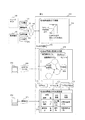
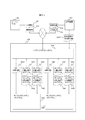
図1は、第1の実施形態に係る意思決定支援システム200の全体像を示した概念図である。本システム200は、ニュースや政府機関の公開情報を用いて社会的脅威を予測し、企業のプロファイルデータを用いて企業への影響を分析し、推奨される企業での対策案を出力するようにしてもよい。
FIG. 1 is a conceptual diagram showing an overall view of a
意思決定支援システム200は、例えば、世界各国の新聞社、テレビ局を初めとしたニュースサイト130で報道されるテロ事件151及び国際紛争152のニュースなどを通信回線180を介して、Webクローリング技術(社会情勢データ収集部212)で収集してもよい。意思決定支援システム200は、同様に、政府機関140で公表される経済指標153や人口統計154などを通信回線180を介して収集し、収集したデータをテキストマイニング技術(テキストマイニング部213)で分析して整形してもよい。意思決定支援システム200は、上記の収集したデータ及び整形したデータを社会的脅威の予測部214に取り込む。社会的脅威の予測部214は、取り込んだデータを基に、ロジスティック回帰分析を行い、都市毎のテロ発生確率155を算出する。通信回線180としては、LAN(Local Area Network)の他、専用回線、WAN(Wide Area Network)、電灯線ネットワーク、無線ネットワーク、公衆回線網、携帯電話網、衛星通信回線など、様々なネットワークを採用することができる。
The
社会的脅威の予測部214は、経済成長率、人口増加率及び過去の紛争の状況の一つ以上を用いて、社会的脅威の発生確率を予測する。
The social
社会的脅威の影響分析部215は、社会的脅威の発生確率に基づいて、社会的脅威は、により社会または経済が受ける影響に関するKPI(例えば、GDP成長率など:第1の指標)の変化を算出する。社会的脅威の影響分析部215は、社会的脅威の発生確率と企業のプロファイルとに基づいて、企業が社会的脅威により直接的に受ける影響に関するKPI(例えば、拠点襲撃確率など:第2の指標)の変化を算出する。第1の指標の変化または第2の指標の変化がKGI(企業の管理指標)に与える影響の因果関係を定義した定義情報に基づいて、社会的脅威の影響分析部215が第1の指標の変化及び第2の指標の変化から企業の管理指標の変化を予測する。
Based on the probability of occurrence of a social threat, the social threat
社会的脅威の影響分析部215は、ユーザが設定した企業プロファイルデータ160を基に、当該企業が進出している都市のテロ発生確率155の当該企業への影響の度合いを、KGI(Key Goal Indicator)として算出する。算出の際は、テロ発生確率155や企業プロファイルデータ160が入力となり、上記KGIが出力となる因果関係モデルを利用する。
Based on the
社会的脅威の対策推奨部216は、複数の対策候補と、各対策候補を実施したときのKPI(第1または第2の指標)の変化の抑制度合いを示す効果とを対応付けた社会的脅威対策推奨アルゴリズム227(対策リスト)を参照して、KGI(管理指標)の変化が所定の範囲内になるような対策案を立案する。
The social threat
社会的脅威の対策推奨部216は、ユーザからにより設定された許容範囲の限界であるKGI(限界KGI170)を基に、テロ発生確率によって悪化したKGIを、限界KGIまで改善させる対策案を探索する。例えば、社会的脅威の対策推奨部216は、探索方法は、限界KGI170を社会的脅威の影響分析部215の因果関係モデルに基づいて、限界KGI170を達成するためには、対策案が関係するKPI(Key Performance Indicator)ノードがどれほど改善される必要があるのかを、限界KGI170から逆算する。そうして得られたKPIの改善値(KPI改善値172)を基に、対策案の数値173(監視カメラの設置台数など)を対策雛形(社会的脅威対策推奨アルゴリズム)に基づいて算出し、推奨される対策案を定める。この対策案は、例えば、企業の経営層に対する提案として活用することができる。
The social threat
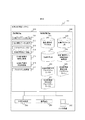
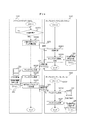
図2は、本実施形態に係る意思決定支援システム200のシステム構成の例を示す。
FIG. 2 shows an example of the system configuration of the
意思決定支援システム200は、中央制御装置230、主記憶装置210、補助記憶装置220、通信装置231、及び入出力装置232を有する一般的なコンピュータで構成されていてもよい。中央制御装置230、主記憶装置210、補助記憶装置220、通信装置231、及び入出力装置232は、バスによって相互に接続されている。
The
補助記憶装置220は、国名−都市名マスタデータベース221、企業プロファイルデータベース222、社会情勢データベース223、予測、影響分析、対策推奨の結果データベース224、社会的脅威予測アルゴリズムファイル225、社会的脅威影響分析アルゴリズムファイル226、社会的脅威対策推奨アルゴリズムファイル227を格納している。
The
主記憶装置210に実現されている、企業プロファイル設定部211、社会情勢データ収集部212、テキストマイニング部213、社会的脅威の予測部214、社会的脅威の影響分析部215、社会的脅威の対策推奨部216、及びアルゴリズム改善部217は、いずれもコンピュータプログラムである。以降、「○○部は」と主体を記した場合は、中央制御装置230が、補助記憶装置220から各プログラムを読み出し、主記憶装置210にロードしたうえで、各プログラムの機能(詳細後記)を実現するものとする。
The company
図2では、意思決定支援システム200は一台のコンピュータマシンで実現するものとしたが、一台のコンピュータマシンと通信回線で他の端末等と接続し、端末の入出力装置でデータを入出力するものとしても良い。
In FIG. 2, the
図3は、国名−都市名マスタデータベース221の例を示す。
FIG. 3 shows an example of the country name-city
国名−都市名マスタデータベース221は、都市マスタテーブル300と、国/地域マスタテーブル310で構成される。
The country-city
都市マスタテーブル300には、世界各国の主要都市の一覧が記憶されている。 The city master table 300 stores a list of major cities around the world.
都市マスタテーブル300は、都市ID301と、都市名302と、国/地域ID303で構成される。都市ID301は、都市を一意に識別するための識別子で、各レコードを識別するためのキーである。都市名302は、都市の名称を示す。国/地域ID303は、都市が属する国/地域を一意に識別するための識別子である。
The city master table 300 includes a
国/地域マスタテーブル310には、世界の主要国家/主要地域の一覧が記憶されている。 The country / region master table 310 stores a list of major countries / major regions of the world.
国/地域マスタテーブル310は、国/地域ID311と、国名/地域名312で構成される。国/地域ID311は、国/地域を一意に識別するための識別子で、各レコードを識別するためのキーである。国名/地域名312は、国家/地域の名称を示す。
The country / region master table 310 includes a country /
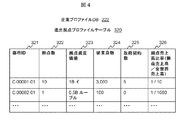
図4は、企業プロファイルデータベース222の例を示す。
FIG. 4 shows an example of the
企業プロファイルデータベース222は、進出拠点プロファイルテーブル320で構成される。
The
進出拠点プロファイルテーブル320には、企業の進出拠点と進出拠点での活動状況の一覧が記憶されている。 The advance base profile table 320 stores a list of companies' advance bases and a list of activities at the advance bases.
進出拠点プロファイルテーブル320は、都市ID321と、拠点数322と、拠点資産価値323と、従業員数324と、政府契約数325と、拠点売上高比率(拠点売上高/全世界売上高)326で構成される。都市ID321は、都市を一意に識別するための識別子で、各レコードを識別するためのキーである。拠点数322は、都市での企業の進出拠点数を示す。拠点資産価値323は、進出拠点の資産価値(固定資産の帳簿価格など)の合計を示す。従業員数324は、進出拠点での従業員数の合計を示す。政府契約数325は、進出拠点での、進出国政府からの契約数(受注済み、内諾済みなどを含む)を示す。拠点売上高比率(拠点売上高/全世界売上高)326は、当該企業の全世界の売上高に対する進出拠点での売上高の比率を示し、当該企業における進出拠点の規模の大きさを測るために活用する。
The expansion base profile table 320 includes a
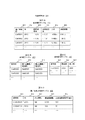
図5と図6に、社会情勢データベース223の例を示す。社会情勢データベース223は、世界情勢テーブル400と、紛争国テーブル410と、紛争期間420と、国/地域別情勢テーブル430と、収集対象一覧テーブル500と、テロ事件テーブル510で構成される。図5A〜Dに、世界情勢テーブル400と、紛争国テーブル410と、紛争期間420と、国/地域別情勢テーブル430の例を示し、図6A、Bに、収集対象一覧テーブル500と、テロ事件テーブル510の例を示す。
5 and 6 show examples of the
図5Aの世界情勢テーブル400には、世界各国/地域の情勢の一覧が記憶されている。 The world situation table 400 in FIG. 5A stores a list of situations in each country / region in the world.
世界情勢テーブル400は、国/地域ID401と、年402と、GDP成長率403と、治安安定度404と、人口405と、来訪者数406で構成される。国/地域ID401は、国/地域を一意に識別するための識別子である。年402は国/地域の情勢がいつの年の情勢か示す。国/地域ID401と年402は、各レコードを識別するためのキーである。GDP成長率403は、国/地域の当該年の経済成長率を示す。治安安定度404は、国/地域の当該年の治安の安定度を示す指数である。この指数は0を基準とした相対的な治安の安定度を示す指標であり、+はより安定を示し、−はより不安定を示す。人口405は、国/地域の当該年の人口の数を示す。来訪者数406は、国/地域の外から当該年に当該国/地域に来訪した人数を示す。
World situation table 400 includes country /
図5Bの紛争国テーブル410には、過去、現在の紛争の当事国一覧が記憶されている。 The conflict country table 410 of FIG. 5B stores a list of parties to the past and current disputes.
紛争国テーブル410は、紛争ID411と、第1当事国/地域ID412と、第2当事国/地域ID413で構成される。紛争ID411は、国際紛争を一意に識別するための識別子である。第1当事国/地域ID412は、国際紛争の一方の当事国/地域を一意に識別するための識別子である。第2当事国/地域ID413は、国際紛争の他方の当時国/地域を一意に識別するための識別子である。紛争ID411と、第1当事国/地域ID412と、第2当事国/地域ID413は、各レコードを識別するためのキーである
The conflict country table 410 includes a
図5Cの紛争期間テーブル420には、過去、現在の紛争の期間一覧が記憶されている。 The dispute period table 420 in FIG. 5C stores a list of past and current dispute periods.
紛争期間テーブル420は、紛争ID421と、開始年422と、終了年423で構成される。紛争ID421は、国際紛争を一意に識別するための識別子であり、各レコードを識別するためのキーである。開始年422は、国際紛争の開始年を示す。終了年423は、国際紛争の終了年を示す。
The conflict period table 420 includes a
図5Dの国/地域別情勢テーブル430には、国内/地域内の都市の情勢の一覧が記憶されている。 In the country / region situation table 430 of FIG. 5D, a list of situations of cities in the country / region is stored.
国/地域別情勢テーブル430は、都市ID431と、年432と、人口規模433と、鉄道路線数434と、高速道路総延長(km)435で構成される。都市ID431は、都市を一意に識別するための識別子である。年432は都市の情勢がいつの年の情勢か示す。都市ID431と年432は、各レコードを識別するためのキーである。人口規模433は、地域の当該年の人口を示す。鉄道路線数434は、都市の当該年の鉄道路線数を示す。高速道路総延長(km)435は、地域の当該年の高速道路の総延長の長さを示す。
The country / regional situation table 430 includes a
図6Aの収集対象一覧テーブル500には、情報源501と、格納先DB502で構成される。
The collection target list table 500 in FIG. 6A includes an
情報源501は、収集する情報の情報源がどのような情報源かを示したものである。格納先DB502は、情報源の情報をどのDBに格納するか示したものである。
The
情報源501は、情報源ID503と、全体名称504と、種別505と、URL506で構成される。情報源ID503は、収集する情報の情報源を一意に識別するための識別子で、各レコードを識別するためのキーである。全体名称504は、情報源の名称(△△ニュースサイト、など)を示す。種別505は、情報源が公開情報か、非公開情報かの種別を示す。URL506は、情報源のアドレスを示す。
The
格納先DB502は、DB名507と、テーブル名508と、カラム名509で構成される。DB名507は、情報源の情報の格納先のDBを示す。テーブル名508は、情報源の情報の格納先のテーブルを示す。カラム名509は、情報源の情報の格納先のカラムを示す。
The
図6Bのテロ事件テーブル510には、世界各国/地域で起きた過去のテロ事件の一覧が記憶されている。 The terrorist incident table 510 of FIG. 6B stores a list of past terrorist incidents that occurred in various countries / regions around the world.
テロ事件テーブル510は、事件ID511と、発生年月日512と、発生国/地域ID513と、発生都市ID514と、被害組織515と、死者数516と、怪我人数517と、手口518と、被疑者519で構成される。事件ID511は、事件を一意に識別するための識別子であり、各レコードを識別するためのキーである。発生年月日512は、事件が発生した年月日を示す。発生国/地域ID513は、事件が発生した国/地域を一意に識別するための識別子である。発生都市514は、事件が発生した都市を一意に識別するための識別子である。被害組織515は、事件の主なターゲットを示す。死者数516は、事件での死者数を示す。怪我人数517は、事件での怪我人数を示す。手口518は、事件での犯行手口を示す。被疑者519は、事件の首謀者を示す。
The terrorist incident table 510 includes an
図7に、予測、影響分析、対策推奨の結果データベース224の例を示す。予測、影響分析、対策推奨の結果データベース224は、予測結果テーブル600と、影響分析結果テーブル610と、対策推奨結果テーブル620で構成される。
FIG. 7 shows an example of the
図7Aの予測結果テーブル600には、予測結果の一覧が記憶されている。 The prediction result table 600 in FIG. 7A stores a list of prediction results.
予測結果テーブル600は、予測ID601と、予測実施日602と、標的候補都市ID603と、テロ発生確率604と、評価605で構成される。予測ID601は、予測結果を一意に識別するための識別子であり、各レコードを識別するためのキーである。予測実施日602は、予測を行った年月日を示す。標的候補都市ID603は、予測の結果、テロの標的として狙われると予測される都市を示しており、都市を一意に識別するための識別子である。テロ発生確率604は、当該都市がテロの標的として狙われる確率を示す。評価605は、予測結果と実績の結果を突き合わせて、テロの予測が的中しているか評価した結果を示す。評価結果は、テロの事象が起きたときに人手で入力しても良いし、社会情勢データベース223のテロ事件テーブル510の更新を受けて自動で入力しても良い。
The prediction result table 600 includes a
図7Bの影響分析結果テーブル610には、影響分析結果の一覧が記憶されている。 A list of impact analysis results is stored in the impact analysis result table 610 of FIG. 7B.
影響分析結果テーブル610は、分析ID611と、分析実施日612と、KGI613と、値614と、単位615と、良悪616と、評価617で構成される。分析ID611は、影響分析結果を一意に識別するための識別子であり、各レコードを識別するためのキーである。分析実施日612は、影響分析を行った年月日を示す。KGI613は、影響分析の結果、企業が影響を受けるKGIを示す。値614は、影響分析の結果、KGI613の値がどのように変化するのかを示す。単位615は、KGI613の値の単位を示す。良悪616は、値614が良い値なのか悪い値なのか不変とみなせる値なのかを示す。評価617は、影響分析結果と実績結果を突き合わせて、企業へのテロの影響分析が的中しているか評価した結果を示す。評価結果は、テロの事象が起きたときに企業への影響状態を人手で入力しても良いし、別システムで影響状態を監視しておき、そこから自動で入力を受け付けても良い。
The impact analysis result table 610 includes an
図7Cの対策推奨結果テーブル620には、対策推奨結果の一覧が記憶されている。 The countermeasure recommendation result table 620 in FIG. 7C stores a list of countermeasure recommendation results.
対策推奨結果テーブル620は、対策ID621と、対策実施日622と、対策623と、KPI効果624と、KGI効果625と、KPI評価626と、KGI評価627で構成される。対策ID621とKPI効果624のノードID630が、各レコードを識別するためのキーである
The recommended countermeasure result table 620 includes a
対策ID621は、推奨された対策の実施結果を一意に識別するための識別子である。対策実施日622は、推奨された対策を実施した年月日を示す。対策623は、推奨され、実施された対策の内容を示すものである。対策623は、さらに、内容628と、個数629とで構成される。内容628は、対策の内容を示す。個数629は、対策の内容のパラメータ(カメラを設置する対策の場合、カメラの台数の個数など)を示す。KPI効果624は、推奨された対策が直接効くKPIのノードとその値の変化を示すものである。KPI効果624は、さらに、ノードID630と、値631とで構成される。ノードID630は、KPIのノードIDを示す。値631は、KPIの値を示す。KGI効果625は、推奨された対策によるKGIのノードの変化を示す。KGI効果625は、さらに、ノードID632と、値633で構成される。ノードID632は、KGIのノードIDを示す。値633は、KGIの値を示す。
The
ここで、対策ID621が一致する複数レコードが存在する場合は、同一の対策に対して効果のあるKPIノードが複数あることを示すが、効果のあるKGIノードは一つの場合もある。その場合は、任意のKPI効果のレコードにのみ、KGIのノードID632とその値633を入力することとし、他のレコードの該当カラム(ノードID632、値633)には「−」を入力することとしてもよい。これは情報の重複入力を避けるためである。
Here, when there are a plurality of records having the
KPI評価626は、事前に想定した対策の結果と実績の結果を突き合わせて、推奨されたテロに対する企業の対策が、KPIの変化に対して適切だったか評価した結果を示す。KGI評価627は、事前に想定した対策の結果と実績の結果を突き合わせて、推奨されたテロに対する企業の対策が、KGIの変化に対して適切だったか評価した結果を示す。ここで、KGIのノードID632とその値633への「−」の入力と同様の理由(情報の重複入力を避けること)により、対策ID621が一致する複数レコードが存在する場合は、KGI評価627には「−」を入力することとしてもよい。評価結果は、テロの事象が起きたときの対策結果を人手で入力しても良いし、別システムで対策結果を監視しておき、そこから自動での入力を受け付けても良い。
The KPI evaluation 626 indicates a result of evaluating whether or not the recommended countermeasure of the company against terrorism is appropriate for the change of KPI by matching the result of the countermeasure assumed in advance with the result of the actual result. The
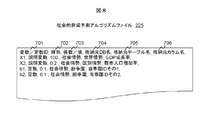
図8は、社会的脅威予測アルゴリズムファイル225の例を示す。
FIG. 8 shows an example of the social threat
社会的脅威予測アルゴリズムファイル225においては、テロ予測に活用するロジスティック回帰式に関する情報が記憶されている。
In the social threat
社会的脅威予測アルゴリズムファイル225は、変数/定数ID701と、種別702と、係数/値703と、格納元DB名704、格納元テーブル名705と、格納元カラム名706で構成される。
The social threat
変数/定数ID701は、ロジスティック回帰式の説明変数および定数(切片)を識別するための識別子である。種別702は、変数/定数ID701が説明変数と定数のどちらか示す。係数/値703は、変数/定数ID701が説明変数の場合はその係数を示し、変数/定数ID701が定数の場合は定数の値そのものを示す。格納元DB名704は、変数/定数ID701の値の格納元のデータベースを示す。格納元テーブル名705は、変数/定数ID701の値の格納元のテーブルを示す。格納元カラム名706は、変数/定数ID701の値の格納元のカラムを示す。
The variable /
図9は、社会的脅威影響分析アルゴリズムファイル226の例を示す。
FIG. 9 shows an example of the social threat impact
社会的脅威影響分析アルゴリズムファイル226においては、テロによる企業へお影響分析に活用する因果関係モデルに関する情報が記憶されている。
The social threat impact
社会的脅威影響分析アルゴリズムファイル226は、KPIのID801と、KPI名802と、計算式/値803で構成される。
The social threat impact
KPIのID801は、KPIを識別するための識別子である。KPIは、企業活動に関する指標を示すもので、因果関係モデルの中のノードを示す。KPI名802は、KPIの名称を示す。計算式/値803は、KPIの値を示す。値が他のKPIで算出される場合はその算出式を示し、データベースから参照する場合は、“データベース名”.“テーブル名”.“カラム名”を示す。
The
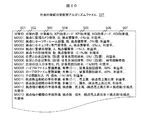
図10は、社会的脅威対策推奨アルゴリズムファイル227の例を示す。
FIG. 10 shows an example of the social threat countermeasure
社会的脅威対策推奨アルゴリズムファイル227においては、テロ対策として推奨する対策案の雛形に関する情報が記憶されている。
In the social threat countermeasure
社会的脅威対策推奨アルゴリズムファイル227は、対策ID901と、対策内容902と、対策単位903と、KPI効果ノード904、KPI効果値905と、KGI効果ノード906と、KGI効果値907で構成される。
The social threat countermeasure
対策ID901は、対策案雛形に記載している対策案を識別するための識別子である。対策内容902は、対策案の内容を示す。対策単位903は、対策案で示した内容のパラメータの単位を示す(例えば、カメラを設置する対策の場合、カメラの台数の個数など)。KPI効果ノード904は、推奨された対策が直接効くKPIのノードIDを示す。KPI効果値905は、推奨された対策が直接効くKPIの値の変化を示す。KPI効果値905は、経験則に基づいて設定されるものでよい。KGI効果ノード906は、推奨された対策が効くKGIのノードIDを示す。KGI効果値907は、推奨された対策が効くKGIの値の変化を示す。KGI効果値907は、空欄でよいが、KPI効果値905と、因果関係モデル(社会的脅威影響分析アルゴリズムファイル226)から算出できる値を記載しておいても良い。
The
続いて、本実施形態における各処理について説明する。 Next, each process in the present embodiment will be described.
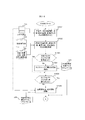
図11は、本実施形態に係る意思決定支援システム200が行う処理の全体フローを示す。
FIG. 11 shows an overall flow of processing performed by the
本実施形態では、データを収集し、収集したデータをもとにテロの発生確率を予測してもよい。また、本実施形態では、テロの予測結果が、自社へ与える影響を分析し、その影響を抑制するための対策案を立案してもよい。さらに、本実施形態では、対策により見込まれる効果と実績とを比較して、対策案立案のアルゴリズムを学習するようにしてもよい。 In the present embodiment, data may be collected and the probability of terrorism occurring may be predicted based on the collected data. In the present embodiment, the influence of the terrorism prediction result on the company may be analyzed and a countermeasure plan for suppressing the influence may be drafted. Further, in the present embodiment, an algorithm for planning a countermeasure may be learned by comparing the expected effect of the countermeasure with the actual result.
処理S1001にて、社会情勢データ収集部212が、データの収集時期が到来しているか否かを判定する。収集時期は、例えば、予めユーザから登録されていてもよい。収集時期は、例えば「毎週月曜10時」などの周期的なイベントとしても良いし、「ユーザから収集指示の入力があったとき」などのように不定期なイベントとしても良い。収集時期であれば処理S1002に進み、収集時期でなければ処理S1003に進む。
In process S1001, the social situation
処理S1002にて、企業プロファイル設定部211がユーザからの企業プロファイルデータの入力を受け付け、社会情勢データ収集部212がWebから社会情勢データなどの公開情報を収集し、収集したデータをデータベースに登録する。(詳細は図12で後述)。
In process S1002, the company
処理S1003にて、社会的脅威の予測部214が、テロの予測を行う時期が到来しているか否かを判定する。テロの予測を行う時期は、例えば、予めユーザから登録されていてもよい。予測時期は、例えば「毎週月曜10時」などの周期的なイベントとしても良いし、「ユーザから予測指示の入力があったとき」などのように不定期なイベントとしても良い。予測時期であれば処理S1004に進み、予測時期でなければ処理S1007に進む。
In process S1003, the social
処理S1004にて、社会的脅威の予測部214が、処理S1002で収集したデータを用いて、テロ(社会的脅威)の発生確率の予測を行う。(詳細は図13で後述)。テロの発生確率は、都市ごとに予測する。
In process S1004, the social
処理S1005にて、230は、処理S1004で予測したテロの予測情報を用いて、テロによる当該企業への影響分析を行う。(詳細は図14で後述)。 In process S1005, 230 performs an impact analysis on the company due to terrorism using the terrorism prediction information predicted in process S1004. (Details will be described later with reference to FIG. 14).
処理S1006にて、処理S1005で分析した結果を用いて、当該企業におけるテロへの対策案の立案を行う。(詳細は図15で後述)。 In step S1006, a countermeasure plan against terrorism is drafted using the result analyzed in step S1005. (Details will be described later with reference to FIG. 15).
処理S1007にて、予測、影響分析、対策推奨のアルゴリズム改善の学習時期が到来しているか否かを判定する。学習時期は予めユーザから登録されていてもよい。学習時期は、例えば「毎週月曜10時」などの周期的なイベントとしても良いし、「ユーザから学習指示の入力があったとき」などのように不定期なイベントとしても良い。学習時期であれば処理S1008に進み、学習時期でなければ処理S1009に進む。 In step S <b> 1007, it is determined whether a learning period for prediction, influence analysis, and countermeasure recommendation algorithm improvement has come. The learning time may be registered in advance by the user. The learning time may be a periodic event such as “every Monday at 10:00” or an irregular event such as “when a user inputs a learning instruction”. If it is the learning time, the process proceeds to step S1008, and if it is not the learning time, the process proceeds to step S1009.
処理S1008にて、テロの予測、テロ予測による企業への影響の分析、及びその対策案について、実績との比較を行い、精度の低いアルゴリズムに関しては、その改善を行う。(詳細は図16及び図17で後述)。 In step S1008, terrorism prediction, analysis of the impact of terrorism on a company, and countermeasures thereof are compared with actual results, and an algorithm with low accuracy is improved. (Details will be described later with reference to FIGS. 16 and 17).
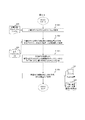
図12は、図11で述べた処理フローに含まれる処理のうち、処理S1002についてのデータ収集、登録の詳細処理フローを示す図である。中央制御装置230が、これらの処理を実行する。
FIG. 12 is a diagram showing a detailed process flow of data collection and registration for process S1002 among the processes included in the process flow described in FIG. The
処理S1101にて、企業プロファイル設定部211が、企業プロファイルデータの設定時期が到来したか否かを判定する。設定時期は予めユーザによって登録されていてもよい。設定時期は、例えば「毎週月曜10時」などの周期的なイベントとしても良いし、「ユーザから設定指示の入力があったとき」などのように不定期なイベントとしても良い。設定時期であれば処理S1102に進み、設定時期でなければ処理S1103に進む。
In process S1101, the company
処理S1102にて、企業プロファイル設定部211が、入出力装置232を介して、ユーザから企業プロファイルデータの入力を受け付け、企業プロファイルデータベース222に登録する。
In process S <b> 1102, the company
処理S1103にて、社会情勢データ収集部212が、社会情勢データの収集時期が到来しているか否かを判定する。収集時期は予めユーザによって登録されていてもよい。収集時期は、例えば「毎週月曜10時」などの周期的なイベントとしても良いし、「ユーザから収集指示の入力があったとき」などのように不定期なイベントとしても良い。収集時期であれば処理S1104に進み、収集時期で無ければ処理S1106に進む。
In process S1103, social situation
処理S1104にて、社会情勢データ収集部212が、社会情勢データの収集対象の収集先一覧を、社会情勢データベース223の収集対象一覧テーブル500から取得する。例えば、社会情勢データ収集部212が、情報源501のURL506を参照する。
In process S <b> 1104, social situation
処理S1105にて、社会情勢データ収集部212が、処理S1104で参照したURL506に通信装置231を介してアクセスし、社会情勢データ(テロ事件151、国際紛争152、経済指標153、人口統計154など)を収集する。収集されるデータはこれらに限定されず、例えば、収集対象一覧テーブル500に登録されているあらゆる情報源から取得可能なデータでよい。このデータ収集は、例えばWebクローリング技術を活用してもよい。収集したデータをテキストマイニング部213にてデータを整形した上で、データベースに登録してもよい。整形にはテキストマイニング技術を活用する。登録先のデータベースは、社会情勢データベース223の収集対象一覧テーブル500で格納先DB502にて指定されている、DB名507、テーブル名508、カラム名509に従ってもよい。
In process S1105, the social situation
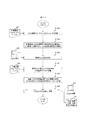
図13は、図11で述べた処理フローに含まれる処理のうち、処理S1004の都市別の社会的脅威(テロ)の予測の詳細処理フローを示す図である。中央制御装置230が、これらの処理を実行する。なお、以降は、社会的脅威の予測部214が処理する。
FIG. 13 is a diagram illustrating a detailed process flow of the social threat (terrorism) prediction for each city in process S1004 among the processes included in the process flow described in FIG. The
処理S1201にて、社会的脅威の予測部214が、社会的脅威予測アルゴリズムファイル225に記述されている予測アルゴリズム(ロジスティック回帰式)を取得する。
In process S1201, the social
処理S1202にて、社会的脅威の予測部214が予測に必要な社会情勢データを223から取得して、ロジスティック回帰式を生成する。ロジスティック回帰式は都市毎に生成される。
In process S1202, the social
例えば、種別702が「説明変数」となっている場合、指定されたデータベース(格納元DB名704、格納元テーブル名705、格納元カラム名706)から、テロ予測を行う都市の都市IDをキーにして、当該都市と関連するデータを取得し、それを説明変数とする。
For example, when the
例えば、図8の説明変数「X1」の例では、まずテロ予測を行う都市が属する国/地域IDを、国名−都市名マスタデータベース221の都市マスタテーブル300を参照して特定する。また、年402は、本処理を行う年の前年とする。ここで決定した国/地域IDと年を基に、社会情勢データベース223の世界情勢テーブル400の国/地域ID401と年402に一致するレコードのGDP成長率403を取得する。
For example, in the example of the explanatory variable “X1” in FIG. 8, first, the country / region ID to which the terror prediction city belongs is specified with reference to the city master table 300 of the country name-city
また、種別702が「定数」となっている場合、係数/値703が切片の値である。切片の値をロジスティック回帰式に加えるかどうかは、テロ予測を行う都市が紛争当事国であるか否かで判断してもよい。例えば、当該都市の属する国/地域IDを、国名−都市名マスタデータベース221の都市マスタテーブル300で特定する。特定された国/地域ID303が、指定されたデータベース(格納元DB名704、格納元テーブル名705、格納元カラム名706)で検索される場合は、切片として係数/定数703をロジスティック回帰式に加え、検索されない場合は加えなくてよい。
When the
例えば、図8の定数「b1」の例では、紛争当事国かどうかを判定するためには、国/地域ID303を用いて、社会情勢データベース223の紛争国テーブル410の第1当事国/地域ID412と一致するかを判定する。一致する場合は、紛争期間テーブル420で紛争ID411と一致する紛争ID421の開始年422と終了年423を取得し、本処理を行う年が開始年422以降であることを確認する。その場合は、係数/値703の値を切片としてロジスティック回帰式に加えてもよい。開始年以降であっても終了年423からの所定期間以上経過している場合は加えなくてよい。この所定期間は、例えば、予めユーザが設定してもよい。
For example, in the example of the constant “b1” in FIG. 8, in order to determine whether or not the country is a dispute party, the country /
処理S1203にて、処理S1202で生成したロジスティック回帰式を基に、都市毎のテロの発生確率を算出する。 In step S1203, the probability of terrorism for each city is calculated based on the logistic regression equation generated in step S1202.
処理S1204にて、処理S1203にて算出されたテロの発生確率を予測結果として、入出力装置232に表示するとともに、予測、影響分析、対策推奨の結果データベース224に登録する。また、算出されたテロ発生確率は、主記憶装置210にて一時的に保持されてもよい。この際、テロの発生確率は、ユーザが予め設定した閾値を超えたもののみを表示、登録、保持することとしても良い。表示画面の例を図18に示す。
In step S1204, the probability of occurrence of terrorism calculated in step S1203 is displayed as a prediction result on the input /
なお、処理S1202、処理S1203では、国−都市名マスタデータベース221で管理する都市毎のテロの発生確率を全ての都市で計算するが、この際に企業プロファイルデータベース222から当該企業の進出国・進出都市を抽出し、進出国・進出都市に対してのみ、テロの発生確率を計算することとして、計算負荷を低減することとしても良い。
In step S1202 and step S1203, the probability of terrorism for each city managed by the country-city
図14は、図11で述べた処理フローに含まれる処理のうち、処理S1005についての社会的脅威(テロ)による企業への影響分析の詳細処理フローを示す図である。中央制御装置230が、テロの影響分析の処理フローを開始する。なお、以降は、社会的脅威の影響分析部215が処理する。
FIG. 14 is a diagram showing a detailed process flow of an analysis of the impact on a company due to a social threat (terrorism) in process S1005 among the processes included in the process flow described in FIG. The
処理S1301にて、社会的脅威の影響分析部215が、社会的脅威影響分析アルゴリズムファイル226に記述されている影響分析アルゴリズム(因果関係モデル)を取得する。
In process S1301, the social threat
処理S1302にて、社会的脅威の影響分析部215が、処理S1004の予測結果(都市毎のテロ発生確率)を主記憶装置210より取得する。また、社会的脅威の影響分析部215が、社会的脅威影響分析アルゴリズムファイル226に記載されている、影響分析に必要な都市毎の企業プロファイルデータを、企業プロファイルデータベース222から取得し、主記憶装置210に保持してもよい。例えば、社会的脅威影響分析アルゴリズムファイル226の計算式/値803に“データベース名”.“テーブル名”.“カラム名”が記載されているものに関して、社会的脅威の影響分析部215がこの指定に従ってデータを取得する。データベース名には、「企業プロファイルデータベース222」が指定されていてもよい。
In process S1302, the
処理S1303にて、社会的脅威の影響分析部215が、処理S1301にて取得した影響分析アルゴリズムを用いてテロ事件による企業への影響を分析する。影響分析アルゴリズムへの入力データは、処理S1302で取得した都市毎のテロ発生確率と企業プロファイルデータである。これらの入力値を、社会的脅威影響分析アルゴリズムファイル226で該当するKPIのID801の計算式/値803に代入して、KPIを算出する。そこで算出されたKPIの値を、別のKPIの計算式/値803で指定されている該当部分に代入し、代入して新たなKPIを算出する。以上の処理を繰り返すことで、最終的なKPIのID801とその値である計算式/値803が、KGIとして得られる。
In process S1303, the social threat
処理S1304にて、社会的脅威の影響分析部215が、処理S1303にて計算された影響分析結果を入出力装置232に表示するとともに、予測、影響分析、対策推奨の結果データベース224に登録する。また、主記憶装置210にて、KPIの値、KGIの値を一時的に保持してもよい。表示画面の例を図19に示す。
In process S1304, the social threat
図15は、図11で述べた処理フローに含まれる処理のうち、処理S1006についての社会的脅威(テロ)への企業における対策推奨の詳細処理フローを示す図である。中央制御装置230が、テロへの企業における対策案の推奨の処理フローを開始する。なお、以降は、社会的脅威の対策推奨部216が処理する。
FIG. 15 is a diagram showing a detailed process flow of recommendation of countermeasures at a company against a social threat (terrorism) in process S1006 among the processes included in the process flow described in FIG. The
処理S1401にて、社会的脅威の対策推奨部216が、社会的脅威対策推奨アルゴリズムファイル227に記述されている対策推奨アルゴリズムを取得する。
In step S1401, the social threat
処理S1402にて、社会的脅威の対策推奨部216が、処理S1005の影響分析結果(KPIの値、KGIの値)を主記憶装置210より取得する。また、社会的脅威の対策推奨部216が、社会的脅威対策推奨アルゴリズムファイル227に記載されている、対策推奨に必要な都市毎の企業プロファイルデータを主記憶装置210より取得する。企業プロファイルデータの取得は影響分析結果の取得時でのKPIの値で代行することとしても良いく、あるいは、企業プロファイルデータベース222から取得することとしても良い。
In process S1402, the social threat
処理S1403にて、社会的脅威の対策推奨部216が、ユーザより、入出力装置232を介して、限界のKGIの設定値(KGIの悪化を許容できる限度の値)を受け付ける。
In process S1403, the social threat
処理S1404にて、社会的脅威の対策推奨部216が、処理S1401にて取得した対策推奨アルゴリズムを用いてテロ事件に対する企業の対策案を抽出する。例えば、社会的脅威の対策推奨部216が処理S1403で取得した限界のKGIの設定値と、処理S1402にて取得したKGIの値との差分を算出し、差分を埋めるために、全てのKPIについてKPIの値をどの程度改善すれば良いか、影響分析アルゴリズムの因果関係モデルから逆算して算出してもよい。
In process S1404, the social threat
処理S1405にて、社会的脅威の対策推奨部216が、処理S1404で算出されたKPIの値の実現のために、社会的脅威対策推奨アルゴリズムファイル227の対策案の雛形を利用して対策案とその数値を算出する。例えば、社会的脅威の対策推奨部216は、処理S1404で算出されたそれぞれのKPIを起点とし、社会的脅威対策推奨アルゴリズムファイル227のKPI効果ノード904と一致するKPIに対して、算出されたKPI実現のために必要な対策の数値(対策単位903における数値)をKPI効果値905から逆算してもよい。例えば、処理S1404で「『拠点襲撃率』のKPIを『10%低減』すべき」というKIPの改善目標が得られたとすれば、KPI効果ノード904が「拠点襲撃率」と一致する対策内容902「拠点に監視カメラ増強」のKPI効果値905を参照して、「−1%/台」と記載あることから監視カメラの数値「10」台(対策単位903が「台」のため)があれば、KPIの10%低減を満足できると分かる。このような対策の数値の逆算を全てのKPIにおいて行い、限界KGIを満たす対策内容902とその数値のリストを得る。
In process S1405, the social threat
処理S1406にて、社会的脅威の対策推奨部216が、処理S1404にて得られた対策内容902とその数値のリストを入出力装置232に表示するとともに、予測、影響分析、対策推奨の結果データベース224に登録する。また、主記憶装置210にて一時的に保持してもよい。表示画面の例を図20に示す。
In process S1406, the social threat
図16及び図17は、図11で述べた処理フローに含まれる処理のうち、処理S1008についての学習によるアルゴリズムの改善の詳細処理フローを示す図である。中央制御装置230が、アルゴリズム学習の処理フローを開始する。なお、以降は、アルゴリズム改善部217が処理する。
FIGS. 16 and 17 are diagrams illustrating a detailed process flow of algorithm improvement by learning about the process S1008 among the processes included in the process flow described in FIG. The
処理S1501にて、アルゴリズム改善部217が、ユーザから、入出力装置232を介して、学習データの対象期間、対象場所(都市、国/地域)の設定、評価のための許容精度の設定を受け付ける。許容精度は、相対値(±10%など)や絶対値(±100人など)でも良い。
In process S1501, the
処理S1502にて、アルゴリズム改善部217が、処理S1501にて設定された対象期間、対象場所に従って、過去の社会情勢データ、過去のテロ予測、過去の影響分析、過去の対象推奨と、それらの実績を、予測、影響分析、対策推奨の結果データベース224より取得する。
In process S1502, the
処理S1503にて、アルゴリズム改善部217が、予測アルゴリズムの精度を、ユーザより予め設定された許容精度(±××%以上、など)以上であるか否かを判定する。精度は、テロの発生確率に基づく発生の期待値(予測結果テーブル600のテロ発生確率604と予測回数の乗算)と、実際にテロが発生した回数(予測結果テーブル600の評価605の「発生」の回数)を用いて、「|発生回数−発生期待値|/発生期待値」として計算してもよい。本計算結果に基づく精度判定の結果、精度が許容精度以上に良い場合は処理S1505に進み、許容精度よりも悪い場合は処理S1504に進む。
In process S1503, the
処理S1504にて、アルゴリズム改善部217が、ロジスティック回帰式の更新を自動で行う。ロジスティック回帰式の更新は、対象期間、対象場所の過去の社会情勢データベースを用いて、テロ発生とのロジスティック回帰分析を行い、新たに取得したロジスティック回帰式を用いて、社会的脅威予測アルゴリズムファイル225のロジスティック回帰式を更新してもよい。
In process S1504, the
処理S1505にて、アルゴリズム改善部217が、影響分析アルゴリズムの精度が、ユーザより予め設定された許容精度(±××%以上、など)以上であるか否かを判定する。精度は、テロが発生した場合の因果関係モデルのKGIと実績を比較することで算出してもよい。例えば、|「影響分析結果テーブル610の値614」−「評価617」/「影響分析結果テーブル610の値614」|」として計算してもよい。本計算結果に基づく精度判定の結果、精度が許容精度以上に良い場合は処理S1507に進み、許容精度よりも悪い場合は処理S1506に進む。
In process S1505, the
処理S1506にて、アルゴリズム改善部217が、因果関係モデルの更新を手動で行う。因果関係モデルの更新は、例えば、因果関係図および因果関係式をユーザに確認してもらい、図や式の改善部分をユーザにて判断して更新してもらうようにしてもよい。この結果を受けて、社会的脅威影響分析アルゴリズムファイル226の因果関係モデルを更新してもよい。
In process S1506, the
処理S1507にて、アルゴリズム改善部217が、対策推奨アルゴリズムの精度を、ユーザより予め設定された許容精度(±××%以上、など)以上であるか否かを判定する。精度は、テロへの対策の因果関係モデルのKPIを実績と比較することで算出してもよい。例えば、|「対策推奨結果テーブル620の値631」−「KPI評価626」/「対策推奨結果テーブル620の値631」|」として計算してもよい。本計算結果に基づく精度判定の結果、精度が許容精度以上に良い場合は処理S1508に進み、許容精度よりも悪い場合は処理S1510に進む。
In process S1507, the
処理S1508にて、アルゴリズム改善部217が、対策推奨アルゴリズムの精度を、ユーザより予め設定された許容精度(±××%以上、など)以上であるか否かを判定する。精度は、テロへの対策の因果関係モデルのKGIを実績と比較することで算出してもよい。例えば、|「対策推奨結果テーブル620の値633」−「KGI評価627」/「対策推奨結果テーブル620の値633」|」として計算してもよい。本計算結果に基づく精度判定の結果、精度が許容精度以上に良い場合は処理を終了し、許容精度よりも悪い場合は処理S1509に進む。
In process S1508, the
処理S1509にて、アルゴリズム改善部217が、因果関係モデルを更新する。因果関係モデルの更新は、ユーザからの入力に従って行ってもよい。例えば、因果関係図および因果関係式をユーザが確認し、図や式の改善部分など、最終的な更新内容はユーザが決定してもよい。この結果を受けて、社会的脅威影響分析アルゴリズムファイル226の因果関係モデルが更新されてもよい。
In process S1509, the
処理S1510にて、アルゴリズム改善部217が、対策案雛形の更新を行う。社会的脅威対策推奨アルゴリズムファイル227(対策案雛形)のKPI効果値905が、実際のKPIの改善効果(対策推奨結果テーブル620の評価626)に合うように、社会的脅威対策推奨アルゴリズムファイル227を自動更新されてもよい。例えば、評価626を個数629で除算した値でKPI効果値905が自動更新される。
In process S1510, the
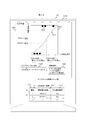
図18に、図13の処理S1204で表示するテロの予測結果表示画面5000の例を示す。予測結果表示画面5000は、都市毎のテロの発生確率を表示するもので、意思決定支援システム200の入出力装置232に表示される。予測結果表示画面5000は、テロ予測のロジスティック回帰イメージ図1600と予測結果一覧表1610で構成される。
FIG. 18 shows an example of a terrorism prediction
ロジスティック回帰イメージ図1600は、テロ発生確率を算出するためのロジスティック回帰式1604と、ロジスティック回帰式の目的変数の確率を表すP、説明変数xの意味を説明する変数意味1605と、本来二次元では表現できないロジスティック回帰式の二次元イメージ図を示すグラフ1601で構成されてもよい。グラフ1601は、本来二次元では表現できないロジスティック回帰式の二次元イメージ曲線を示すロジスティック回帰曲線1603と、過去の社会情勢データとテロ事件の関係をプロットしたプロット1602で構成されてもよい。このロジスティック回帰式を用いて算出された都市毎のテロ発生確率を一覧表にしたものが、予測結果一覧表1610である。
Logistic regression image FIG. 1600 is a
予測結果一覧表1610は、テロの発生確率の上位から順位を付けた順位1611と、予測の対象の都市を示す標的都市候補1612と、都市毎に計算したテロ発生確率を示すテロ発生確率1613で構成されてもよい。ユーザは本画面を予測結果の確認の用途で用いることができる。
The
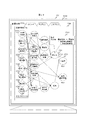
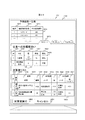
図19に、図14の処理S1304で表示する影響分析結果表示画面6000の例を示す。影響分析結果表示画面6000は、当該企業の都市毎のテロの影響を可視化したもので、意思決定支援システム200の入出力装置232に表示される。影響分析結果表示画面6000は、テロの影響の因果関係を可視化した因果関係モデル1700で構成されてもよい。因果関係モデルは、都市毎に表示を切り替えるためのタブ1710と、企業の目標のKPIであるKGIを示すKGIノード1720と、KPIを示すKPIノード1721と、KPI同士の因果関係を示すアーク1722と、当該因果関係を数式で表現した数式1740で構成されてもよい。また、KPIノード1721のうちテロ発生確率ノード1723は、処理S1204で算出され、図18の予測結果画面に表示されたテロ発生確率を示すノードでよい。さらに、企業プロファイルノード1730は、処理S1102でユーザから受け付け、処理S1302でデータベースから読み込んだ企業プロファイルデータを示すノードでよい。ユーザは本画面を影響分析結果の確認の用途で用いることができる。
FIG. 19 shows an example of the influence analysis
図20に、図15の処理S1406で表示する対策案リスト表示画面7000の例を示す。対策案リスト表示画面7000は、当該企業の都市毎におけるテロに対する対策を可視化したもので、意思決定支援システム200の入出力装置232に表示される。対策案リスト表示画面7000は、予測結果一覧表1810と、タブ1870と、企業への影響度合い1820と、対策案リスト1830と、対策案実行ボタン1860と、キャンセルボタン1861で構成されてもよい。
FIG. 20 shows an example of a countermeasure plan
予測結果一覧表1810は、図18の予測結果一覧表1610と同一のもので、テロの発生確率の上位から順位を付けた順位1811と、予測の対象の都市を示す標的都市候補1812と、都市毎に計算したテロ発生確率を示すテロ発生確率1813で構成されもよい。
The prediction result list 1810 is the same as the
企業への影響度合い1820と対策案リスト1830は、都市毎に表示を切り替えるタブ1870をユーザが操作することで切り替え可能としてもよい。企業への影響度合い1820は、#1821と、KGI1822と、値1823と単位1824と、良悪1825で構成されてよい。#1821はKGIの項番を示す。KGI1822は、影響分析の結果、企業が影響を受けるKGIを示す。値1823は、影響分析の結果、KGI1822の値がどのように変化するか示す。単位1824は、KGI1822の値の単位を示す。良悪1825は、値1823が良い値なのか悪い値なのか不変とみなせる値なのかを示す。
The degree of
対策案リスト1830は、#1831と、選択欄1832と、対策1833と、KPI効果1834と、KGI効果1835で構成されてよい。対策1833は、内容1836と、個数1837とで構成されてよい。KPI効果1834は、ノード1838と、値1839で構成される。KGI効果1835は、ノード1840と、値1841で構成されてよい。
The
#1831は対策を区別するための番号である。選択欄1832は、ユーザに対策を選択してもらうための欄で、選択を入力してもらうラジオボタン1850で構成される。対策1833は、推奨する対策の内容を示すものである。内容1836は、対策の内容を示す。個数1837は、対策の内容のパラメータ(カメラを設置する対策の場合、カメラの台数の個数など)を示す。KPI効果1834は、推奨された対策が直接効くKPIのノードとその値の変化を示すものである。ノード1838は、KPIのノードを示す。値1839は、KPIの値を示す。KGI効果1835は、推奨された対策がKGIのノードの変化を示す。ノード1840は、KGIのノードを示す。値1841は、KGIの値を示す。
# 1831 is a number for distinguishing countermeasures. The
対策案実行ボタン1860は、ユーザが選択欄1832のラジオボタン1850で選択した対策案を、ユーザが実行するためのボタンである。また、キャンセルボタン1861は、ユーザが入力したラジオボタン1850への選択をキャンセルするためのボタンである。これにより、本画面で、ユーザから対策の意思決定を受け付けることができる。
The measure
本実施形態によれば、都市毎に社会的脅威の発生確率を予測することができる。社会的脅威の発生確率を予測するアルゴリズムは、実績に応じて修正することができるので、予測精度を高めることが可能である。 According to this embodiment, the probability of occurrence of a social threat can be predicted for each city. Since the algorithm for predicting the probability of occurrence of a social threat can be modified according to the results, it is possible to improve the prediction accuracy.
また、本実施形態によれば、社会的脅威が企業へ与える影響をKGIという形で定量的に分析することができる。KGIを算出するためのアルゴリズムもまた、実績に応じて修正することができるので、KGI算出の精度を高めることが可能である。 Moreover, according to this embodiment, the influence which a social threat has on a company can be quantitatively analyzed in the form of KGI. Since the algorithm for calculating the KGI can also be modified according to the results, it is possible to increase the accuracy of the KGI calculation.
さらに、本実施形態によれば、企業が社会的脅威への対策を決定するための情報を提供することである。これにより、企業の経営層は所望のKGIを得るために必要な対策案を得ることができ、迅速な意思決定が可能になる。 Furthermore, according to this embodiment, it is providing the information for a company to determine the countermeasure against a social threat. Thereby, the management of a company can obtain a countermeasure plan necessary for obtaining a desired KGI, and can make a quick decision.
次に、本発明の第2の実施形態について、図21から図25を用いて説明する。 Next, a second embodiment of the present invention will be described with reference to FIGS.
本実施形態では、第1の実施形態で示した意思決定支援システムが複数の組織間で連携した場合の実施形態を述べる。そのため、以下の説明では、第1の実施形態と異なる点を中心に説明し、第1の実施形態と同一の構成あるいは機能については同一の符号を付して説明を省略する場合がある。 In this embodiment, an embodiment in which the decision support system shown in the first embodiment is linked between a plurality of organizations will be described. Therefore, in the following description, differences from the first embodiment will be mainly described, and the same configurations or functions as those of the first embodiment may be denoted by the same reference numerals and description thereof may be omitted.
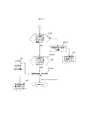
図21に、本発明の第2の実施形態に係る意思決定支援システム203のシステム構成の例を示す。
FIG. 21 shows an example of the system configuration of the
意思決定支援システム203は、パブリッククラウドシステム1900と、オンプレミスシステム1910と、オンプレミスシステム1920で構成される。オンプレミスシステム1910と、オンプレミスシステム1920を区別しやすいように、便宜的に、オンプレミスシステム1910をAシステム、オンプレミスシステム1920をBシステムと呼ぶことにする。パブリッククラウドシステム1900、オンプレミスシステム1910、及びオンプレミスシステム1920のそれぞれが、第1の実施形態で述べた意思決定支援システム200でよい。
The
パブリッククラウドシステム1900は、例えば、ニュースサイト130の公開情報(テロ事件151、国際紛争152)や、政府機関140の公開情報(経済指標153、人口統計154)を用いて社会的脅威を予測する。その結果をオンプレミスシステム1910にテロ予測情報1930として伝達し、オンプレミスシステム1920にテロ予測情報1940として伝達してもよい。これにより、テロの予測処理をオンプレミスシステムからパブリッククラウドシステムにアウトソースすることができ、オンプレミスシステムの計算負荷、通信負荷を低減することができる。あるいは、パブリッククラウドシステム1900は、政府機関140の非公開情報1901を用いてテロの予測精度を上げ、その結果をテロ予測情報1930、テロ予測情報1940としてオンプレミスシステムに伝達することもできる。こうすることで、非公開情報1901をオンプレミスシステムに伝達することなく、公開情報だけの予測結果よりも精度の高い予測結果をオンプレミスシステムで利用することができる。なお、テロ予測情報1930は公開情報のみのテロ予測情報、テロ予測情報1940は非公開情報1901も利用したテロ予測情報としても良く、オンプレミスシステムに応じて、政府機関140の非公開情報1901を利用する/利用しないを選択可能としても良い。
The
また、オンプレミスシステム間で、社会的脅威影響分析アルゴリズムや対策推奨アルゴリズムを共有してもよい。例えば、Aシステムの社会的脅威影響分析アルゴリズム1931や対策推奨アルゴリズム1932をBシステムと共有し、逆にBシステムの社会的脅威影響分析アルゴリズム1941や対策推奨アルゴリズム1942をAシステムと共有してもよい。例えば、同一業種のアルゴリズムであれば、共通点も多いので、共有することで、影響分析や対策推奨の精度が上がるものと期待できる。共有する/共有しないは、オンプレミスシステム毎に選択することとしても良い。
Also, social threat impact analysis algorithms and countermeasure recommendation algorithms may be shared between on-premises systems. For example, the social threat
図22は、パブリッククラウドシステム1900での、データ収集、登録の詳細処理フローを示す図である。
FIG. 22 is a diagram showing a detailed processing flow of data collection and registration in the
処理S2001にて、パブリッククラウドシステム1900の社会情勢データ収集部212が、社会情勢データの収集時期が到来しているか否かを判定する。収集時期は予めユーザから登録されていてもよい。収集時期は、例えば「毎週月曜10時」などの周期的なイベントとしても良いし、「ユーザから収集指示の入力があったとき」などのように不定期なイベントとしても良い。収集時期であれば処理S2002に進み、収集時期でなければ処理を終了する。
In process S2001, the social situation
処理S2002にて、パブリッククラウドシステム1900の社会情勢データ収集部212が、社会情勢データの収集対象の収集先一覧を社会情勢データベース223の収集対象一覧テーブル500から取得する。例えば、社会情勢データ収集部212が情報源501のURL506を参照する。
In process S2002, the social situation
処理S2003にて、社会情勢データ収集部212が、処理S2002にて参照したURL506に、パブリッククラウドシステム1900の通信装置231を介してアクセスし、社会情勢データ(テロ事件151、国際紛争152、経済指標153、人口統計154など)を収集する。収集されるデータはこれらに限定されず、例えば、収集対象一覧テーブル500に登録されているあらゆる情報源から取得可能なデータでよい。このデータ収集は、例えばWebクローリング技術を活用してもい。収集したデータをパブリッククラウドシステム1900のテキストマイニング部213にてデータを整形した上で、パブリッククラウドシステム1900のデータベースに登録してもよい。整形にはテキストマイニング技術を活用する。登録先のデータベースは、社会情勢データベース223の収集対象一覧テーブル500で格納先DB502にて指定されている、DB名507、テーブル名508、カラム名509に従ってもよい。
In process S2003, the social situation
処理S2004にて、社会情勢データ収集部212が、政府機関140の非公開情報1901を、通信装置231を介して収集し、テキストマイニング部213にてデータを整形した上で、データベースに登録する。この際、非公開情報のアクセス先を収集対象一覧テーブル500に記載しておき、そこを参照して収集しても良いし、収集対象一覧テーブル500とは別に機密情報を管理するデータベース、データファイルなどにアクセス先を記載しておき、そちらを参照しても良いし、収集の都度、ユーザに入出力装置232を介してアクセス先を入力してもらっても良い。
In process S2004, the social situation
図23は、パブリッククラウドシステム1900とオンプレミスシステム1910が社会的脅威(テロ)の予測結果を共有する処理フローを示す図である。
FIG. 23 is a diagram illustrating a processing flow in which the
処理S2102にて、パブリッククラウドシステム1900の社会的脅威の予測部214が、パブリッククラウドシステム1900の社会的脅威予測アルゴリズムファイル225に記述されている予測アルゴリズム(ロジスティック回帰式)を取得する。
In process S2102, the social
処理S2103にて、パブリッククラウドシステム1900の社会的脅威の予測部214が、予測に必要な社会情勢データを223から取得して、ロジスティック回帰式を生成する。ロジスティック回帰式は都市毎に生成される。
In process S2103, the social
処理S2104にて、パブリッククラウドシステム1900の社会的脅威の予測部214が、処理S2103で生成したロジスティック回帰式を基に、都市毎のテロの発生確率を算出する。
In process S2104, the social
処理S2105にて、パブリッククラウドシステム1900の社会的脅威の予測部214が、処理S2104にて算出されたテロの発生確率を予測結果として、予測、影響分析、対策推奨の結果データベース224に登録し、オンプレミスシステム1910に通信装置231を介して、テロ予測情報1930を送信する。
In process S2105, the social
処理S2106にて、オンプレミスシステム1910の社会的脅威の予測部214が、オンプレミスシステム1910の通信装置231を介して、テロ予測情報1930を受信する。受信したテロ予測情報を、オンプレミスシステム1910の入出力装置232に表示するとともに、オンプレミスシステム1910の予測、影響分析、対策推奨の結果データベース224に登録する。また、オンプレミスシステム1910の主記憶装置210にて一時的に保持してもよい。
In process S 2106, the social
図24は、パブリッククラウドシステム1900及びオンプレミスシステム1910が、社会的脅威影響分析アルゴリズムを共有する処理フローを示す図である。
FIG. 24 is a diagram showing a processing flow in which the
処理S2203にて、パブリッククラウドシステム1900のアルゴリズム改善部217が、アルゴリズムの共有時期が到来しているか否かを判定する。共有時期は予めユーザから登録されているものとしてもよい。共有時期は、例えば「毎週月曜10時」などの周期的なイベントとしても良いし、「ユーザから共有指示の入力があったとき」などのように不定期なイベントとしても良い。共有時期であれば処理S2204に進み、共有時期でなければ処理S2203に戻る。
In process S2203, the
処理S2204にて、パブリッククラウドシステム1900のアルゴリズム改善部217が、通信装置231を介して、影響分析アルゴリズムの収集の依頼2250を、オンプレミスシステム1910に送信する。
In process S2204, the
処理S2205にて、オンプレミスシステム1910のアルゴリズム改善部217が、通信装置231を介して、収集の依頼2250を受信する。
In process S 2205, the
処理S2206にて、オンプレミスシステム1910のアルゴリズム改善部217が、オンプレミスシステム1910の社会的脅威影響分析アルゴリズムファイル226に記述されている影響分析アルゴリズム(因果関係モデル)を取得し、通信装置231を介して、社会的脅威影響分析アルゴリズム1931として、パブリッククラウドシステム1900に送信する。
In process S2206, the
処理S2207にて、パブリッククラウドシステム1900のアルゴリズム改善部217が、通信装置231を介して、社会的脅威影響分析アルゴリズム1931を受信する。受信結果を、パブリッククラウドシステム1900の入出力装置232に表示してもよい。
In process S <b> 2207, the
処理S2208にて、パブリッククラウドシステム1900のアルゴリズム改善部217が、パブリッククラウドシステム1900の社会的脅威影響分析アルゴリズムファイル226を、オンプレミスシステム1910から取得した社会的脅威影響分析アルゴリズム1931で更新する。このとき、ユーザの承認を得ることを条件としてもよい。
In process S2208, the
処理S2209にて、パブリッククラウドシステム1900のアルゴリズム改善部217が、社会的脅威影響分析アルゴリズム1931を、通信装置231を介して配信してもよい。配信先は、例えば、予め登録してある同一業種の他社であってもよい。
In process S2209, the
処理S2210にて、オンプレミスシステム1920のアルゴリズム改善部217が、通信装置231を介して、社会的脅威影響分析アルゴリズム1931を受信する。アルゴリズム改善部217が受信結果をオンプレミスシステム1920の入出力装置232に表示してもよい。
In process S2210, the
処理S2211にて、オンプレミスシステム1920のアルゴリズム改善部217が、オンプレミスシステム1920の社会的脅威影響分析アルゴリズムファイル226を、オンプレミスシステム1920から取得した社会的脅威影響分析アルゴリズム1931で更新する。このとき、ユーザの承認を得ることを条件としてもよい。
In process S2211, the
図25は、パブリッククラウドシステム1900及びオンプレミスシステム1910が、社会的脅威対策推奨アルゴリズムを共有する処理フローを示す図である。
FIG. 25 is a diagram showing a processing flow in which the
処理S2303にて、パブリッククラウドシステム1900のアルゴリズム改善部217が、アルゴリズムの共有時期が到来しているか否かを判定する。共有時期は予めユーザから登録されていてもよい。共有時期は、例えば「毎週月曜10時」などの周期的なイベントとしても良いし、「ユーザから共有指示の入力があったとき」などのように不定期なイベントとしても良い。共有時期であれば処理S2304に進み、共有時期でなければ処理S2303に戻る。
In process S2303, the
処理S2304にて、パブリッククラウドシステム1900のアルゴリズム改善部217が、通信装置231を介して、対策推奨アルゴリズムの収集の依頼2350を、オンプレミスシステム1910に送信する。
In process S 2304, the
処理S2305にて、オンプレミスシステム1910のアルゴリズム改善部217が、通信装置231を介して、収集の依頼2350を受信する。
In process S 2305, the
処理S2306にて、オンプレミスシステム1910のアルゴリズム改善部217が、オンプレミスシステム1910の社会的脅威対策推奨アルゴリズムファイル227を取得し、通信装置231を介して、社会的脅威対策推奨アルゴリズム1932として、パブリッククラウドシステム1900に送信する。
In process S2306, the
処理S2307にて、パブリッククラウドシステム1900のアルゴリズム改善部217が、通信装置231を介して、社会的脅威対策推奨アルゴリズム1932を受信する。アルゴリズム改善部217が受信結果をパブリッククラウドシステム1900の入出力装置232に表示してもよい。
In process S2307, the
処理S2308にて、パブリッククラウドシステム1900のアルゴリズム改善部217が、パブリッククラウドシステム1900の社会的脅威対策推奨アルゴリズムファイル227を、パブリッククラウドシステム1900から取得した社会的脅威対策推奨アルゴリズム1932で更新する。このとき、ユーザの承認を得ることを条件としてもよい。
In process S 2308, the
処理S2309にて、パブリッククラウドシステム1900のアルゴリズム改善部217が、社会的脅威対策推奨アルゴリズム1932を、通信装置231を介して配信してもよい。配信先は、例えば、予め登録してある同一業種の他社であってもよい。
In process S2309, the
処理S2310にて、オンプレミスシステム1920のアルゴリズム改善部217が、通信装置231を介して、社会的脅威対策推奨アルゴリズム1932を受信する。アルゴリズム改善部217が受信結果をオンプレミスシステム1920の入出力装置232に表示してもよい。
In process S2310, the
処理S2311にて、オンプレミスシステム1920のアルゴリズム改善部217が、オンプレミスシステム1920の社会的脅威対策推奨アルゴリズムファイル227を、オンプレミスシステム1920から取得した社会的脅威対策推奨アルゴリズム1932で更新する。このとき、ユーザの承認を得ることを条件としてもよい。
In process S 2311, the
本実施形態によれば、パブリッククラウドシステム1900でテロ発生確率を予測する際、非公開情報が提供されれば、予測精度の向上が期待できる。
According to the present embodiment, when predicting the probability of occurrence of terrorism in the
さらに、本実施形態によれば、企業間で影響分析アルゴリズム及び対策推奨アルゴリズムを共有できるので、これらについても精度の向上が期待できる。 Furthermore, according to the present embodiment, the impact analysis algorithm and the countermeasure recommendation algorithm can be shared between companies, so that improvement in accuracy can be expected for these.
本発明の第3の実施形態について、図26を用いて説明する。 A third embodiment of the present invention will be described with reference to FIG.
本実施形態では、意思決定支援システムの社会的脅威対策推奨アルゴリズム227(対策案雛形)におけるKPI効果値905を、論理的な根拠に基づいて設定する方法の一形態を示すものである。そのため、以下の説明では、KPI効果値905の設定部分についてのみ述べる。
In the present embodiment, one form of a method for setting the
図26に、KPI効果値905の設定のための対策案数値−KPI因果モデル画面8000の例を示す。
FIG. 26 shows an example of a measure plan value-KPI
同図に示す対策案数値−KPI因果モデルは、KPI効果値905を設定するために、対策内容902の数値(カメラを設置する対策の場合、カメラの台数の個数など)が、KPIにどのような効果を及ぼすか、その因果関係を可視化したモデルである。
In order to set the
対策案数値−KPI因果モデル画面8000は、意思決定支援システム200の入出力装置232に表示され、対策案数値−KPI因果関係モデル2400で構成される。
The measure plan numerical value-KPI
因果関係モデル2400は、対策案雛形でのKPI効果ノード904を示すKPIノード2420と、対策案数値−KPI因果関係モデル2400内で使用するKPIであるサブKPIノード2421と、サブKPIとKPIの因果関係や、サブKPI同士の因果関係を示すサブアーク2422と、因果関係を数式で表現した数式2440で構成されてよい。また、サブKPIノード2421のうち、対策案の数値ノード2423は、対策案雛形の対策内容902の数値を示すノードである。さらに、企業プロファイルノード2430は、処理S1102でユーザから受け付けた企業プロファイルデータを示すノードである。
The
ユーザは対策案数値−KPI因果モデル画面8000を用いて、対策案の数値ノード2423とKPIノード2420との間の因果関係をサブKPI、サブアークを用いて構築し、これらの因果関係を用いてシミュレーションを行うことで、対策案の数値ノード2423の値の変化に対するKPIノード2420の値の変化を確認できる。そのため、この変化の対応関係を基に、KPI効果値905を得ることができる。
The user constructs the causal relationship between the
なお、ここでは因果関係モデルでKPI効果値905を設定するとしたが、他にFTA(Fault Tree Analysis)分析を行って、その分析結果からKPI効果値905を設定するとしても良い。
Although the
あるいは、何れの方法であっても、対策内容902の数値とKGIノード1720の数値の関係が明らかであれば、直接、社会的脅威対策推奨アルゴリズム227のKGI効果値907に数値の関係を記載し、それを利用してKGIの効果を算定しても良い。
Alternatively, in any method, if the relationship between the numerical value of the
上述した本発明の実施形態は、本発明の説明のための例示であり、本発明の範囲をそれらの実施形態にのみ限定する趣旨ではない。当業者は、本発明の要旨を逸脱することなしに、他の様々な態様で本発明を実施することができる。 The above-described embodiments of the present invention are examples for explaining the present invention, and are not intended to limit the scope of the present invention only to those embodiments. Those skilled in the art can implement the present invention in various other modes without departing from the gist of the present invention.
例えば、意思決定支援システムは、データ収集、社会的脅威予測、影響分析、及び対策案の立案を一連の手順で行う必要はなく、それぞれを必要なタイミングで行うようにしてもよい。また、影響分析及び対策の立案を行うために用いるテロ発生確率は、本システムで予測した確率を用いなくてもよい。例えば、他の何らかの手法で求めた都市毎のテロ発生確率を用いて、影響分析及び対策の立案をしてもよい。 For example, the decision support system does not need to perform data collection, social threat prediction, impact analysis, and countermeasure planning in a series of procedures, and may perform each at a necessary timing. The probability of terrorism used for impact analysis and countermeasure planning does not have to be the probability predicted by this system. For example, impact analysis and countermeasure planning may be made using the probability of terrorism for each city obtained by some other method.
200 意思決定支援システム
214 社会的脅威の予測部
215 社会的脅威の影響分析部
216 社会的脅威の対策推奨部
217 アルゴリズム改善部
221 国名−都市名マスタデータベース
222 企業プロファイルデータベース
223 社会情勢データベース
224 予測、影響分析、対策推奨の結果データベース
225 社会的脅威予測アルゴリズムファイル
226 社会的脅威影響分析アルゴリズムファイル
227 社会的脅威対策推奨アルゴリズムファイル
230 中央制御装置
231 通信装置
232 入出力装置
200
Claims (8)
前記社会的脅威の発生確率と企業のプロファイルとに基づいて、前記企業が前記社会的脅威により直接的に受ける影響に関する指標である第2の指標の変化を算出する手段と、
前記第1の指標の変化または前記第2の指標の変化が、前記企業の管理指標に与える影響の因果関係を定義した定義情報に基づいて、前記第1の指標の変化及び前記第2の指標の変化から前記企業の管理指標の変化を予測する手段と、
複数の対策候補と、各対策候補を実施したときの、前記第1または前記第2の指標の変化の抑制度合いを示す効果と、を対応付けた対策リストを参照して、前記管理指標の変化が所定の範囲内になるような対策案を立案する手段と、
前記対策案を出力する手段と、を備える意思決定支援システム。 Means for calculating a change in the first index, which is an index relating to the influence of society or the economy due to the social threat, based on the probability of occurrence of the social threat;
Means for calculating a change in a second index, which is an index relating to an impact directly affected by the social threat, based on the occurrence probability of the social threat and the profile of the company;
Based on the definition information defining the causal relationship of the influence of the change of the first index or the change of the second index on the management index of the company, the change of the first index and the second index Means for predicting the change in the management index of the company from the change in
Change of the management index with reference to a countermeasure list in which a plurality of countermeasure candidates are associated with the effect indicating the degree of suppression of the change of the first or second index when each countermeasure candidate is implemented Means for drafting countermeasures that are within the prescribed range,
A decision support system comprising: means for outputting the countermeasure plan.
前記パブリックシステムは、
経済成長率、人口増加率及び過去の紛争の状況の一つ以上を用いて、社会的脅威の発生確率を予測する手段と、
前記予測された社会的脅威の発生確率を前記第1及び第2のプライベートシステムへ送信する手段と、を備え、
前記第1のプライベートシステムは、
前記社会的脅威の発生確率と前記第1の企業のプロファイルとに基づいて、前記第1の企業が前記社会的脅威により受ける影響に関する指標である第1の指標の変化を算出する手段と、
前記第1の指標の変化が、前記第1の企業の管理指標に与える影響の因果関係を定義した第1の定義情報に基づいて、前記第1の指標の変化から前記第1の企業の管理指標の変化を予測する手段と、
複数の対策候補と、各対策候補を実施したときの、前記第1の指標の変化の抑制度合いを示す効果と、を対応付けた第1の対策リストを参照して、前記第1の企業の管理指標の変化が所定の範囲内になるような第1の企業向けの対策案を立案する手段と、を備え、
前記第2のプライベートシステムは、
前記社会的脅威の発生確率と前記第2の企業のプロファイルとに基づいて、前記第2の企業が前記社会的脅威により受ける影響に関する指標である第2の指標の変化を算出する手段と、
前記第2の指標の変化が、前記第2の企業の管理指標に与える影響の因果関係を定義した第2の定義情報に基づいて、前記第2の指標の変化から前記第2の企業の管理指標の変化を予測する手段と、
複数の対策候補と、各対策候補を実施したときの、前記第2の指標の変化の抑制度合いを示す効果と、を対応付けた第2の対策リストを参照して、前記第2の企業の管理指標の変化が所定の範囲内になるような第2の企業向けの対策案を立案する手段と、を備える、前記意思決定支援システム。 A decision support system comprising a first private system for a first company, a second private system for a second company, and a public system,
The public system is
A means of predicting the probability of occurrence of a social threat using one or more of economic growth rate, population growth rate and past conflict situations;
Means for transmitting the predicted probability of occurrence of the social threat to the first and second private systems,
The first private system is:
Means for calculating a change in a first index, which is an index related to an influence of the first company on the influence of the social threat, based on the occurrence probability of the social threat and the profile of the first company;
Based on the first definition information that defines the causal relationship of the influence of the change of the first index on the management index of the first company, the management of the first company is determined from the change of the first index. A means of predicting changes in indicators,
With reference to the first countermeasure list in which a plurality of countermeasure candidates and the effect indicating the degree of suppression of the change in the first index when each countermeasure candidate is implemented, the first company's And a means for drafting a countermeasure plan for the first company so that the change of the management index is within a predetermined range,
The second private system is
Means for calculating a change in a second index, which is an index relating to the influence of the second company on the social threat, based on the occurrence probability of the social threat and the profile of the second company;
Based on the second definition information defining the causal relationship of the influence of the change of the second index on the management index of the second company, the management of the second company from the change of the second index A means of predicting changes in indicators,
With reference to a second countermeasure list that associates a plurality of countermeasure candidates with an effect indicating the degree of suppression of the change in the second index when each countermeasure candidate is implemented, Means for drafting a countermeasure plan for a second company such that the change in the management index falls within a predetermined range.
前記第1の対策リストを前記第2のプライベートシステムへ送信する手段をさらに備え、
前記第2のプライベートシステムは、
前記第1のプライベートシステムから送信された第1の対策リストを参照して、前記第2の企業向けの対策案を立案する、請求項5に記載の意思決定支援システム。 The first private system is:
Means for transmitting the first countermeasure list to the second private system;
The second private system is
The decision support system according to claim 5, wherein a countermeasure plan for the second company is made with reference to a first countermeasure list transmitted from the first private system.
前記第1の定義情報を前記第2のプライベートシステムへ送信する手段をさらに備え、
前記第2のプライベートシステムは、
前記第1のプライベートシステムから送信された第1の定義情報を用いて、前記第2の企業の管理指標の変化を予測する、請求項5に記載の意思決定支援システム。 The first private system is:
Means for transmitting the first definition information to the second private system;
The second private system is
The decision support system according to claim 5, wherein a change in a management index of the second company is predicted using the first definition information transmitted from the first private system.
社会的脅威の発生確率に基づいて、前記第1の指標であって、前記社会的脅威により社会または経済が受ける影響に関する指標である、前記第1の指標の変化を算出するステップと、
前記社会的脅威の発生確率と前記企業のプロファイルデータとに基づいて、前記第2の指標であって、前記企業が前記社会的脅威により直接的に受ける影響に関する指標である、前記第2の指標の変化を算出するステップと、
前記定義情報に基づいて、前記第1の指標の変化及び前記第2の指標の変化から前記企業の管理指標の変化を予測するステップと、
前記対策リストを参照して、前記管理指標の変化が所定の範囲内になるような対策案を立案するステップと、
前記対策案を出力するステップと、を実行する意思決定支援方法。
Company profile data, definition information defining the causal relationship of the effect of changes in the first index or the second index on the management index of the company, a plurality of countermeasure candidates, and the above-mentioned when each countermeasure candidate is implemented A method performed by a decision support system having a storage unit that stores a countermeasure list that associates an effect indicating a degree of suppression of a change in the first or second index,
Calculating a change in the first index, which is the first index based on the probability of occurrence of a social threat, which is an index relating to the influence of society or the economy due to the social threat;
Based on the probability of occurrence of the social threat and the profile data of the company, the second index, which is an index relating to the effect that the company is directly affected by the social threat. Calculating a change in
Predicting a change in the management index of the company from a change in the first index and a change in the second index based on the definition information;
Referring to the countermeasure list, planning a countermeasure plan such that the change in the management index falls within a predetermined range;
A decision support method for executing the step of outputting the countermeasure plan.
Priority Applications (1)
| Application Number | Priority Date | Filing Date | Title |
|---|---|---|---|
| JP2016059834A JP6498625B2 (en) | 2016-03-24 | 2016-03-24 | Decision support system and method |
Applications Claiming Priority (1)
| Application Number | Priority Date | Filing Date | Title |
|---|---|---|---|
| JP2016059834A JP6498625B2 (en) | 2016-03-24 | 2016-03-24 | Decision support system and method |
Publications (2)
| Publication Number | Publication Date |
|---|---|
| JP2017174176A true JP2017174176A (en) | 2017-09-28 |
| JP6498625B2 JP6498625B2 (en) | 2019-04-10 |
Family
ID=59973479
Family Applications (1)
| Application Number | Title | Priority Date | Filing Date |
|---|---|---|---|
| JP2016059834A Expired - Fee Related JP6498625B2 (en) | 2016-03-24 | 2016-03-24 | Decision support system and method |
Country Status (1)
| Country | Link |
|---|---|
| JP (1) | JP6498625B2 (en) |
Cited By (14)
| Publication number | Priority date | Publication date | Assignee | Title |
|---|---|---|---|---|
| JP2020140581A (en) * | 2019-02-28 | 2020-09-03 | 富士通株式会社 | Extraction program, extraction method and extraction device |
| WO2021002008A1 (en) * | 2019-07-04 | 2021-01-07 | 日本電信電話株式会社 | Learning device, prediction device, learning method, prediction method, and program |
| WO2021086996A1 (en) * | 2019-11-01 | 2021-05-06 | Tableau Software, LLC | Providing data visualizations based on personalized recommendations |
| US11392608B2 (en) | 2019-06-17 | 2022-07-19 | Tableau Software, LLC | Analyzing marks in visualizations based on dataset characteristics |
| US11397746B2 (en) | 2020-07-30 | 2022-07-26 | Tableau Software, LLC | Interactive interface for data analysis and report generation |
| US11550815B2 (en) | 2020-07-30 | 2023-01-10 | Tableau Software, LLC | Providing and surfacing metrics for visualizations |
| US11573807B2 (en) | 2019-03-28 | 2023-02-07 | Tableau Software, LLC | Providing user interfaces based on data source semantics |
| US11579760B2 (en) | 2020-09-08 | 2023-02-14 | Tableau Software, LLC | Automatic data model generation |
| JP2023083259A (en) * | 2021-12-03 | 2023-06-15 | スパロー カンパニー リミテッド | Hybrid cloud-based security service method and apparatus for confidential data security |
| US11783266B2 (en) | 2019-09-18 | 2023-10-10 | Tableau Software, LLC | Surfacing visualization mirages |
| US12242490B2 (en) | 2022-01-28 | 2025-03-04 | Tableau Software, LLC | Intent driven dashboard recommendations |
| JP2025051738A (en) * | 2023-09-22 | 2025-04-04 | ソフトバンクグループ株式会社 | system |
| US12353442B2 (en) | 2021-11-09 | 2025-07-08 | Tableau Software, LLC | Detecting anomalies in visualizations |
| JP7787254B1 (en) | 2024-07-25 | 2025-12-16 | みずほリサーチ&テクノロジーズ株式会社 | Evaluation support system, evaluation support method, and evaluation support program |
Citations (4)
| Publication number | Priority date | Publication date | Assignee | Title |
|---|---|---|---|---|
| JP2001282960A (en) * | 2000-01-24 | 2001-10-12 | Taisei Corp | Building earthquake damage prediction device and building reinforcement measure selection support device |
| JP2006350762A (en) * | 2005-06-17 | 2006-12-28 | Hitachi Ltd | Disaster countermeasure support system and disaster countermeasure support method |
| JP2007193575A (en) * | 2006-01-19 | 2007-08-02 | Hitachi Ltd | Risk countermeasure evaluation device |
| JP2008171348A (en) * | 2007-01-15 | 2008-07-24 | Ohbayashi Corp | Explosion terrorism risk evaluation system |
-
2016
- 2016-03-24 JP JP2016059834A patent/JP6498625B2/en not_active Expired - Fee Related
Patent Citations (4)
| Publication number | Priority date | Publication date | Assignee | Title |
|---|---|---|---|---|
| JP2001282960A (en) * | 2000-01-24 | 2001-10-12 | Taisei Corp | Building earthquake damage prediction device and building reinforcement measure selection support device |
| JP2006350762A (en) * | 2005-06-17 | 2006-12-28 | Hitachi Ltd | Disaster countermeasure support system and disaster countermeasure support method |
| JP2007193575A (en) * | 2006-01-19 | 2007-08-02 | Hitachi Ltd | Risk countermeasure evaluation device |
| JP2008171348A (en) * | 2007-01-15 | 2008-07-24 | Ohbayashi Corp | Explosion terrorism risk evaluation system |
Cited By (25)
| Publication number | Priority date | Publication date | Assignee | Title |
|---|---|---|---|---|
| JP2020140581A (en) * | 2019-02-28 | 2020-09-03 | 富士通株式会社 | Extraction program, extraction method and extraction device |
| JP7268402B2 (en) | 2019-02-28 | 2023-05-08 | 富士通株式会社 | Extraction program, extraction method and extraction device |
| US11573807B2 (en) | 2019-03-28 | 2023-02-07 | Tableau Software, LLC | Providing user interfaces based on data source semantics |
| US11392608B2 (en) | 2019-06-17 | 2022-07-19 | Tableau Software, LLC | Analyzing marks in visualizations based on dataset characteristics |
| WO2021002008A1 (en) * | 2019-07-04 | 2021-01-07 | 日本電信電話株式会社 | Learning device, prediction device, learning method, prediction method, and program |
| JPWO2021002008A1 (en) * | 2019-07-04 | 2021-01-07 | ||
| JP7327482B2 (en) | 2019-07-04 | 2023-08-16 | 日本電信電話株式会社 | Learning device, prediction device, learning method, prediction method, and program |
| US11783266B2 (en) | 2019-09-18 | 2023-10-10 | Tableau Software, LLC | Surfacing visualization mirages |
| JP7313553B2 (en) | 2019-11-01 | 2023-07-24 | タブロー ソフトウェア,エルエルシー | Providing data visualization based on personalized recommendations |
| US12373498B2 (en) | 2019-11-01 | 2025-07-29 | Tableau Software, LLC | Providing data visualizations based on personalized recommendations |
| JP2022554196A (en) * | 2019-11-01 | 2022-12-28 | タブロー ソフトウェア,エルエルシー | Providing data visualization based on personalized recommendations |
| WO2021086996A1 (en) * | 2019-11-01 | 2021-05-06 | Tableau Software, LLC | Providing data visualizations based on personalized recommendations |
| US11550815B2 (en) | 2020-07-30 | 2023-01-10 | Tableau Software, LLC | Providing and surfacing metrics for visualizations |
| US11397746B2 (en) | 2020-07-30 | 2022-07-26 | Tableau Software, LLC | Interactive interface for data analysis and report generation |
| US12056151B2 (en) | 2020-07-30 | 2024-08-06 | Tableau Software, LLC | Providing and surfacing metrics for visualizations |
| US12292898B2 (en) | 2020-07-30 | 2025-05-06 | Tableau Software, LLC | Interactive interface for data analysis and report generation |
| US12260079B2 (en) | 2020-09-08 | 2025-03-25 | Tableau Software, LLC | Automatic data model generation |
| US11579760B2 (en) | 2020-09-08 | 2023-02-14 | Tableau Software, LLC | Automatic data model generation |
| US12353442B2 (en) | 2021-11-09 | 2025-07-08 | Tableau Software, LLC | Detecting anomalies in visualizations |
| JP7508052B2 (en) | 2021-12-03 | 2024-07-01 | スパロー カンパニー リミテッド | Method and apparatus for hybrid cloud-based security service for security of confidential data |
| JP2023083259A (en) * | 2021-12-03 | 2023-06-15 | スパロー カンパニー リミテッド | Hybrid cloud-based security service method and apparatus for confidential data security |
| US12242490B2 (en) | 2022-01-28 | 2025-03-04 | Tableau Software, LLC | Intent driven dashboard recommendations |
| JP2025051738A (en) * | 2023-09-22 | 2025-04-04 | ソフトバンクグループ株式会社 | system |
| JP7787254B1 (en) | 2024-07-25 | 2025-12-16 | みずほリサーチ&テクノロジーズ株式会社 | Evaluation support system, evaluation support method, and evaluation support program |
| JP2026018244A (en) * | 2024-07-25 | 2026-02-05 | みずほリサーチ&テクノロジーズ株式会社 | Evaluation support system, evaluation support method, and evaluation support program |
Also Published As
| Publication number | Publication date |
|---|---|
| JP6498625B2 (en) | 2019-04-10 |
Similar Documents
| Publication | Publication Date | Title |
|---|---|---|
| JP6498625B2 (en) | Decision support system and method | |
| Gallego et al. | Changes in air passenger demand as a result of the COVID-19 crisis: using Big Data to inform tourism policy | |
| Ahmadi et al. | A decision support model for robust allocation and routing of search and rescue resources after earthquake: a case study: G. Ahmadi et al. | |
| Di Lorenzo et al. | AllAboard: Visual exploration of cellphone mobility data to optimise public transport | |
| CN114398669B (en) | Combined credit scoring method and device based on privacy protection calculation and cross-organization | |
| Gupta et al. | A quantitative risk assessment methodology for construction project | |
| Fikar et al. | Agent-based simulation optimization for dynamic disaster relief distribution | |
| Celik et al. | An extended fuzzy TOPSIS–GRA method based on different separation measures for green logistics service provider selection | |
| Trainor et al. | Interdisciplinary approach to evacuation modeling | |
| KR101330519B1 (en) | Intelligent program management information system | |
| Yang et al. | A GIS‐based method to identify cost‐effective routes for rural deviated fixed route transit | |
| Van der Merwe et al. | Dynamic rerouting of vehicles during cooperative wildfire response operations | |
| Hsu et al. | Clearance time estimation for incorporating evacuation risk in routing strategies for evacuation operations | |
| Tan et al. | Development of an inexact fuzzy robust programming model for integrated evacuation management under uncertainty | |
| Hu et al. | Prioritizing disaster mapping tasks for online volunteers based on information value theory | |
| JP2022003597A (en) | Information notification device, information notification method, and program | |
| JP2017501502A (en) | Generating fuel price data | |
| US11941558B2 (en) | Intelligence preparation of the battlefield (IPB) collaborative time machine with real-time options | |
| WO2023049280A1 (en) | Systems and methods to screen a predictive model for risks of the predictive model | |
| Hakimifar et al. | Evaluation of field visit planning heuristics during rapid needs assessment in an uncertain post-disaster environment | |
| Pishahang et al. | A Bayesian agent-based model and software for wildfire safe evacuation planning and management | |
| Yang et al. | Configuration, deployment, and scheduling models for management and optimization of patrol services | |
| Silva et al. | A study of different metaheuristics to solve the urban transit crew scheduling problem | |
| Katsianis et al. | Factors influencing market adoption and evolution of NFV/SDN Cybersecurity Solutions. Evidence from SHIELD Project | |
| Arisal et al. | Analysis of alternatives methodology for large-scale information system implementation |
Legal Events
| Date | Code | Title | Description |
|---|---|---|---|
| A621 | Written request for application examination |
Free format text: JAPANESE INTERMEDIATE CODE: A621 Effective date: 20180219 |
|
| A977 | Report on retrieval |
Free format text: JAPANESE INTERMEDIATE CODE: A971007 Effective date: 20190131 |
|
| TRDD | Decision of grant or rejection written | ||
| A01 | Written decision to grant a patent or to grant a registration (utility model) |
Free format text: JAPANESE INTERMEDIATE CODE: A01 Effective date: 20190226 |
|
| A61 | First payment of annual fees (during grant procedure) |
Free format text: JAPANESE INTERMEDIATE CODE: A61 Effective date: 20190313 |
|
| R150 | Certificate of patent or registration of utility model |
Ref document number: 6498625 Country of ref document: JP Free format text: JAPANESE INTERMEDIATE CODE: R150 |
|
| LAPS | Cancellation because of no payment of annual fees |