JP2017194922A - Mirroring system and operation detection method - Google Patents
Mirroring system and operation detection method Download PDFInfo
- Publication number
- JP2017194922A JP2017194922A JP2016086319A JP2016086319A JP2017194922A JP 2017194922 A JP2017194922 A JP 2017194922A JP 2016086319 A JP2016086319 A JP 2016086319A JP 2016086319 A JP2016086319 A JP 2016086319A JP 2017194922 A JP2017194922 A JP 2017194922A
- Authority
- JP
- Japan
- Prior art keywords
- touch screen
- screen display
- communication device
- mobile communication
- delay time
- Prior art date
- Legal status (The legal status is an assumption and is not a legal conclusion. Google has not performed a legal analysis and makes no representation as to the accuracy of the status listed.)
- Pending
Links
Images

Landscapes
- Two-Way Televisions, Distribution Of Moving Picture Or The Like (AREA)
- Telephone Function (AREA)
- Information Transfer Between Computers (AREA)
Abstract
【課題】操作の検出精度を高くすることができるミラーリングシステム及び操作検出方法を提供すること。【解決手段】1つの態様において、第1通信機器と、第2通信機器と、を含み、第2通信部は、前記第1通信部に第2タッチスクリーンディスプレイに表示させる画像の情報を送信し、第1制御部は、第1通信部で受信した、第2タッチスクリーンディスプレイに表示させる画像を第1タッチスクリーンディスプレイに表示させ、第2制御部は、連続的な接触操作であると判定する基準となる遅延時間に基づいて第1操作情報に含まれる操作を判定し、判定結果の操作に基づいて、第2タッチスクリーンディスプレイの表示を制御し、かつ、第2タッチスクリーンディスプレイに画像情報を表示させる処理の開始時に取得した第1操作情報の遅延時間に基づいて、遅延時間を設定する。【選択図】図1PROBLEM TO BE SOLVED: To provide a mirroring system and an operation detection method capable of increasing operation detection accuracy. SOLUTION: In one embodiment, a first communication device and a second communication device are included, and a second communication unit transmits information of an image to be displayed on a second touch screen display to the first communication unit. , The first control unit displays the image to be displayed on the second touch screen display received by the first communication unit on the first touch screen display, and the second control unit determines that the contact operation is continuous. The operation included in the first operation information is determined based on the reference delay time, the display of the second touch screen display is controlled based on the operation of the determination result, and the image information is displayed on the second touch screen display. The delay time is set based on the delay time of the first operation information acquired at the start of the process to be displayed. [Selection diagram] Fig. 1
Description
本出願は、2つの携帯通信機器で画面を共有するミラーリングシステム及び操作検出方法に関する。 The present application relates to a mirroring system and an operation detection method for sharing a screen between two portable communication devices.
複数の携帯通信機器で画面を共有するミラーリング技術には、双方向で操作を入力可能なミラーリングシステムがある(特許文献1参照)。 As a mirroring technology for sharing a screen among a plurality of mobile communication devices, there is a mirroring system capable of inputting operations in both directions (see Patent Document 1).
双方向で操作を検出する場合、入力された操作に基づいた画面制御をそれぞれの携帯通信機器で行う場合がある。この場合、1つの操作がそれぞれの携帯通信機器で異なる操作と判定されてしまうことがあり、ミラーリングシステムとして問題が生じる。操作の検出精度を高くすることができるミラーリングシステム及び操作検出方法に対するニーズがある。 When an operation is detected in both directions, screen control based on the input operation may be performed by each mobile communication device. In this case, one operation may be determined as a different operation in each mobile communication device, which causes a problem as a mirroring system. There is a need for a mirroring system and operation detection method that can increase the accuracy of operation detection.
1つの態様に係るミラーリングシステムは、第1タッチスクリーンディスプレイと、前記第1タッチスクリーンディスプレイの表示を制御する第1制御部と、前記第1タッチスクリーンディスプレイで検出した第1操作情報を出力する第1通信部と、を備える第1通信機器と、前記第1通信部とデータを送受信する第2通信部と、画像を表示させる第2タッチスクリーンディスプレイと、前記第1操作情報に基づいて、前記第2タッチスクリーンディスプレイの表示を制御する第2制御部と、を備える第2通信機器と、を含み、前記第2通信部は、前記第1通信部に前記第2タッチスクリーンディスプレイに表示させる画像の情報を送信し、前記第1制御部は、前記第1通信部で受信した、前記第2タッチスクリーンディスプレイに表示させる画像を前記第1タッチスクリーンディスプレイに表示させ、前記第2制御部は、連続的な接触操作であると判定する基準となる遅延時間に基づいて前記第1操作情報に含まれる操作を判定し、判定結果の操作に基づいて、前記第2タッチスクリーンディスプレイの表示を制御し、かつ、前記第2タッチスクリーンディスプレイに前記画像情報を表示させる処理の開始時に取得した前記第1操作情報の遅延時間に基づいて、前記遅延時間を設定する。 A mirroring system according to one aspect outputs a first touch screen display, a first control unit that controls display of the first touch screen display, and first operation information detected by the first touch screen display. A first communication device including a first communication unit, a second communication unit that transmits and receives data to and from the first communication unit, a second touch screen display that displays an image, and the first operation information, A second control unit that controls display on the second touch screen display, and the second communication unit displays the image on the second touch screen display on the first communication unit. The first control unit displays the information on the second touch screen display received by the first communication unit. An image is displayed on the first touch screen display, and the second control unit determines an operation included in the first operation information based on a delay time serving as a reference for determining that the operation is a continuous contact operation. Based on the operation of the determination result, the display of the second touch screen display is controlled, and the delay time of the first operation information acquired at the start of the process of displaying the image information on the second touch screen display Based on this, the delay time is set.
1つの態様に係る操作検出方法は、第1タッチスクリーンディスプレイと、前記第1タッチスクリーンディスプレイの表示を制御する第1制御部と、前記第1タッチスクリーンディスプレイで検出した第1操作情報を出力する第1通信部と、を備える第1通信機器と、前記第1通信部とデータを送受信する第2通信部と、画像を表示させる第2タッチスクリーンディスプレイと、前記第1操作情報に基づいて、前記第2タッチスクリーンディスプレイの表示を制御する第2制御部と、を備える第2通信機器と、を含むミラーリングシステムの操作検出方法であって、前記第2制御部が、前記第2タッチスクリーンディスプレイに前記画像情報を表示させる処理の開始時に取得した前記第1操作情報の遅延時間に基づいて、連続的な接触操作であると判定する基準となる遅延時間を設定するステップと、前記第2タッチスクリーンディスプレイに表示させる画像の情報を送信し、前記第2タッチスクリーンディスプレイに表示させる画像を前記第1タッチスクリーンディスプレイに表示させるステップと、前記第2制御部が、前記遅延時間に基づいて前記第1操作情報に含まれる操作を判定し、判定結果の操作に基づいて、前記第2タッチスクリーンディスプレイの表示を制御するステップと、を含む。 An operation detection method according to one aspect outputs a first touch screen display, a first control unit that controls display of the first touch screen display, and first operation information detected by the first touch screen display. A first communication device including a first communication unit, a second communication unit that transmits and receives data to and from the first communication unit, a second touch screen display that displays an image, and the first operation information. A second communication device comprising: a second control unit configured to control display of the second touch screen display; and a method for detecting operation of a mirroring system, wherein the second control unit is configured to display the second touch screen display. Based on the delay time of the first operation information acquired at the start of the process of displaying the image information on the Setting a delay time serving as a reference to determine that, and transmitting information on an image to be displayed on the second touch screen display, and displaying an image to be displayed on the second touch screen display on the first touch screen display And a step in which the second control unit determines an operation included in the first operation information based on the delay time, and controls display on the second touch screen display based on an operation of the determination result. And including.
本出願に係るミラーリングシステム及び操作検出方法を実施するための実施形態を、図面を参照しつつ詳細に説明する。 An embodiment for carrying out a mirroring system and an operation detection method according to the present application will be described in detail with reference to the drawings.
(実施形態)
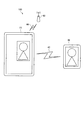
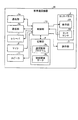
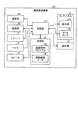
図1から図3を参照しながら、実施形態に係るミラーリングシステムについて説明する。図1は、ミラーリングシステムの概略構成を示す図である。図2は、携帯通信機器のブロック図である。図3は、他方の携帯通信機器のブロック図である。
(Embodiment)
A mirroring system according to an embodiment will be described with reference to FIGS. 1 to 3. FIG. 1 is a diagram showing a schematic configuration of a mirroring system. FIG. 2 is a block diagram of the mobile communication device. FIG. 3 is a block diagram of the other portable communication device.
ミラーリングシステム100は、第1携帯通信機器20と第2携帯通信機器30と、を有する。第1携帯通信機器20と第2携帯通信機器30は、通信部を用いた通信42で画面の情報(データ)の送受信を行い、それぞれの表示部の少なくとも一部に同一の画像を表示するミラーリング機能を有する。ミラーリング機能は、例えば、Miracast(登録商標)又はAirPlay(登録商標)と称する技術を使用する。Miracastは、Wi−Fi Allianceによって策定された機器間の画像の無線伝送技術である。本実施形態において、第1携帯通信機器20と第2携帯通信機器30とは、Miracastを使用してミラーリング機能を実現するものとして説明する。本実施形態のミラーリングシステム100は、第1携帯通信機器20と第2携帯通信機器30との両方で共有している画面を操作することができる。本実施形態では、第1携帯通信機器20に入力した操作を第2携帯通信機器30に送信し、第2携帯通信機器30が第1携帯通信機器20に入力した操作に基づいて処理を実行する場合として説明する。
The
また、ミラーリングシステム100の第1携帯通信機器20と第2携帯通信機器30は、第1携帯通信機器20と第2携帯通信機器30との間で実行する通信42と並行して、他の通信機器40と通信44を実行することができる。ここで、本実施形態の通信42、44は、近距離無線通信を行う。
In addition, the first
次に、図2及び図3を参照しながら、第1携帯通信機器20及び第2携帯通信機器30の構成について説明する。以下の説明においては、同様の構成要素に同一の符号を付すことがある。さらに、重複する説明は省略することがある。
Next, the configuration of the first
図2は、第1携帯通信機器20のブロック図である。図2に示すように、第1携帯通信機器20は、タッチパネル2と、操作部3と、通信部6aと、通信部6bと、レシーバ7と、マイク8と、記憶部9と、制御部10と、スピーカ11と、を有する。
FIG. 2 is a block diagram of the first
タッチパネル2は、表示部2Aと、タッチセンサ2Bとを有する。図2の例では、表示部2A及びタッチセンサ2Bはそれぞれ略長方形状であるが、表示部2A及びタッチセンサ2Bの形状はこれに限定されない。表示部2A及びタッチセンサ2Bは、それぞれが多角形又は円形等のどのような形状もとりうる。図3の例では、表示部2A及びタッチセンサ2Bは重ねて配置されているが、表示部2A及びタッチセンサ2Bの配置はこれに限定されない。表示部2A及びタッチセンサ2Bは、例えば、並べて配置されてもよいし、離して配置されてもよい。図3の例では、表示部2Aの長辺はタッチセンサ2Bの長辺に沿っており、表示部2Aの短辺はタッチセンサ2Bの短辺に沿っているが、表示部2A及びタッチセンサ2Bの重ね方はこれに限定されない。表示部2Aとタッチセンサ2Bとが重ねて配置される場合、例えば、表示部2Aの1ないし複数の辺がタッチセンサ2Bのいずれの辺とも沿っていなくてもよい。
The
表示部2Aは、液晶ディスプレイ(LCD:Liquid Crystal Display)、有機ELディスプレイ(OELD:Organic Electro−Luminescence Display)、又は無機ELディスプレイ(IELD:Inorganic Electro−Luminescence Display)等の画面を有する表示デバイスを備える。表示部2Aは、制御部10からの画像情報に基づいて、文字、画像、記号、及び図形等を表示する。
The
タッチセンサ2Bは、表示部2Aに表示された画像に対する操作を検出する。タッチセンサ2Bは、タッチセンサ2Bに対する、例えば、指F、ペン、又はスタイラスペン等の接触を検出する。タッチセンサ2Bは、複数の指F、ペン、又はスタイラスペン等がタッチセンサ2Bに接触した位置を検出することができる。タッチセンサ2Bの検出方式は、静電容量方式、抵抗膜方式、表面弾性波方式(又は超音波方式)、赤外線方式、電磁誘導方式、及び荷重検出方式等の任意の方式でよい。
The
タッチセンサ2Bは、表示部2Aに対する接触、接触が検出された位置、接触が検出された位置の変化、接触が検出された間隔、及び接触が検出された回数の少なくとも一つを検出してタッチセンサ接触情報を制御部10に出力する。
The
本実施形態において、タッチセンサ2Bには、操作者によって、例えば、「タッチ」、「ロングタッチ」、「リリース」、「スワイプ」、「タップ」、「ダブルタップ」、「ロングタップ」、「ドラッグ」、「フリック」、「ピンチイン」、及び「ピンチアウト」の少なくとも一つが操作として入力され得る。
In the present embodiment, the
タッチセンサ2Bは、接触の検出開始、検出停止が、制御部10で制御される。より詳しくは、タッチセンサ2Bは、第1携帯通信機器20の通常の使用時は、制御部10で、タッチセンサ2Bでの接触の検出が有効とされる。具体的には、タッチセンサ2Bは、第1携帯通信機器20の通常の使用時は、制御部10で、タッチセンサ2Bに対する接触が検出開始されている。このとき、タッチセンサ2Bは、タッチセンサ2Bに対する接触を検出して第一接触情報を制御部10に出力する。
The
操作部3は、利用者の操作を受け付けるための1ないし複数のデバイスを有する。利用者の操作を受け付けるためのデバイスは、例えば、キー、ボタン等を含む。操作部3は、受け付けた操作に応じた信号を制御部10へ入力する。
The operation unit 3 includes one or more devices for receiving user operations. Devices for accepting user operations include, for example, keys, buttons, and the like. The operation unit 3 inputs a signal corresponding to the accepted operation to the
通信部6aは、第1の通信方式で通信を行う通信部である。本実施形態において、第1の通信方式は、公衆回線ネットワーク90を介して通信を行うための2G、3G、4G等の通信方式である。公衆回線ネットワーク90を介して通信を行うための通信規格には、例えば、LTE(Long Term Evolution)、W−CDMA(Wideband Code Division Multiple Access)、CDMA2000、PDC(Personal Digital Cellular)、GSM(登録商標)(Global System for Mobile Communications)、PHS(Personal Handy−phone System)等が含まれる。第1の通信方式は、WiMAX(Worldwide Interoperability for Microwave Access)のように公衆回線ネットワーク90を介してデータ通信を行うための通信方式であってもよい。第1の通信方式がデータ通信を行うための通信方式である場合、通話は、データ伝送の技術と、VoIP(Voice over Internet Protocol)等の音声をデータとして伝送する技術とを組み合わせることによって実現される。通信部6aは、公衆回線ネットワーク90を介して通信を行うための複数の通信方式をサポートしてもよい。 The communication unit 6a is a communication unit that performs communication using the first communication method. In the present embodiment, the first communication method is a communication method such as 2G, 3G, or 4G for performing communication via the public line network 90. Communication standards for performing communication via the public line network 90 include, for example, LTE (Long Term Evolution), W-CDMA (Wideband Code Division Multiple Access), CDMA2000, PDC (Personal Digital Cellular), GSM (registered trademark). ) (Global System for Mobile Communications), PHS (Personal Handy-phone System), and the like. The first communication method may be a communication method for performing data communication via the public network 90, such as WiMAX (Worldwide Interoperability for Microwave Access). When the first communication method is a communication method for performing data communication, a call is realized by combining a data transmission technology and a technology for transmitting voice such as VoIP (Voice over Internet Protocol) as data. The The communication unit 6a may support a plurality of communication methods for performing communication via the public line network 90.
通信部(第1通信部)6bは、第2の通信方式で通信を行う通信部である。本実施形態において、第2の通信方式は、近距離無線通信方式である。近距離無線通信方式には、WiFi(登録商標)、IEEE802.11(IEEEは、The Institute of Electrical and Electronics Engineers, Inc.の略称である)、Bluetooth(登録商標)、ZigBee(登録商標)、DECT(Digital Enhanced Cordless Telecommunications)、Z−Wave、Wi−Sun(Wireless Smart Utility Network)等が含まれる。通信部6bは、複数の近距離無線通信方式をサポートしてもよい。 The communication unit (first communication unit) 6b is a communication unit that performs communication using the second communication method. In the present embodiment, the second communication method is a short-range wireless communication method. Short-range wireless communication systems include WiFi (registered trademark), IEEE 802.11 (IEEE is an abbreviation for The Institute of Electrical and Electronics Engineers, Inc.), Bluetooth (registered trademark), ZigBe (registered trademark), ZigBe (registered trademark), and ZigBe (registered trademark). (Digital Enhanced Cordless Communications), Z-Wave, Wi-Sun (Wireless Smart Utility Network) and the like. The communication unit 6b may support a plurality of short-range wireless communication methods.
レシーバ7及びスピーカ11は、音出力部である。レシーバ7及びスピーカ11は、制御部10から入力される音信号を音として出力する。レシーバ7は、例えば、通話時に相手の声を出力するために用いられる。スピーカ11は、例えば、着信音及び音楽を出力するために用いられる。レシーバ7及びスピーカ11の一方が、他方の機能を兼ねてもよい。マイク8は、音入力部である。マイク8は、利用者の音声等を音信号へ変換して制御部10へ入力する。
The receiver 7 and the
記憶部9は、プログラム及びデータを記憶する。記憶部9は、制御部10の処理結果を一時的に記憶する作業領域としても利用される。記憶部9は、半導体記憶媒体、及び磁気記憶媒体等の任意の非一過的(non−transitory)な記憶媒体を含んでよい。記憶部9は、複数の種類の記憶媒体を含んでよい。記憶部9は、メモリカード、光ディスク、又は光磁気ディスク等の可搬の記憶媒体と、記憶媒体の読み取り装置との組み合わせを含んでよい。記憶部9は、RAM(Random Access Memory)等の一時的な記憶領域として利用される記憶デバイスを含んでよい。
The
記憶部9は、例えば、通信制御プログラム9a及び接続関連データ9bを記憶する。通信制御プログラム9aは、通信部6aを介した公衆無線通信網を用いた通信や、通信部6bを介した近距離無線通信による通信を実行する機能を提供する。接続関連データ9bは、他の携帯通信機器との接続に関する情報を含む。
The
通信制御プログラム9aは、近距離無線通信による通信を確立する機能、近距離無線通信を用いたミラーリング機能を提供する。本実施形態の通信制御プログラム9aは、ミラーリング時に一方の携帯通信機器から他方の携帯通信機器に送信する操作情報の検出に関する設定を調整する機能を提供する。具体的には、通信制御プログラム9aは、操作情報を受信した場合に受信した操作情報が連続操作の情報であるか、つまり前に受信した操作情報と連続する操作の情報であるか否かを判定する時間の基準である遅延時間を調整する機能を提供する。 The communication control program 9a provides a function for establishing communication by short-range wireless communication and a mirroring function using short-range wireless communication. The communication control program 9a of the present embodiment provides a function of adjusting settings related to detection of operation information transmitted from one mobile communication device to the other mobile communication device during mirroring. Specifically, the communication control program 9a determines whether the operation information received when the operation information is received is continuous operation information, that is, whether the operation information is continuous with the previously received operation information. A function of adjusting a delay time that is a reference of a determination time is provided.
接続関連データ9bには、近距離無線通信を確立するための情報、ミラーリングを許可する通信機器の情報及び遅延時間を設定する基準の条件の情報を含む。遅延時間を設定する基準の情報としては、操作情報の間隔の情報に基づいて遅延時間を決定する基準、例えば、複数の操作情報の間隔のうち最も長い間隔を用いるか、平均を用いるか等である。また、遅延時間を設定する基準の情報としては、遅延時間を調整するタイミングの情報も記憶している。 The connection related data 9b includes information for establishing short-range wireless communication, information on a communication device that permits mirroring, and information on a reference condition for setting a delay time. The reference information for setting the delay time is a reference for determining the delay time based on the interval information of the operation information, for example, whether the longest interval among the intervals of the plurality of operation information is used or an average is used. is there. Further, as reference information for setting the delay time, information on timing for adjusting the delay time is also stored.
制御部10は、演算処理装置である。演算処理装置は、例えば、CPU(Central Processing Unit)、SoC(System−on−a−Chip)、MCU(Micro Control Unit)、FPGA(Field−Programmable Gate Array)、およびコプロセッサを含むが、これらに限定されない。制御部10は、第1携帯通信機器20の動作を統括的に制御して各種の機能を実現する。
The
具体的には、制御部10は、記憶部9に記憶されているデータを必要に応じて参照しつつ、記憶部9に記憶されているプログラムに含まれる命令を実行する。そして、制御部10は、データ及び命令に応じて機能部を制御し、それによって各種機能を実現する。機能部は、例えば、タッチパネル2、操作部、通信部6a及び6b、レシーバ7、スピーカ11を含むが、これらに限定されない。制御部10は、検出部の検出結果に応じて、制御を変更することがある。検出部は、例えば、操作部3、通信部6a及び6b及びマイク8を含むが、これらに限定されない。制御部10は、通信制御プログラム9aを実行することにより、操作検出方法における第1携帯通信機器20の動作を実行する。
Specifically, the
図2に示した第1携帯通信機器20の機能的な構成は、例であり、本発明の要旨を損なわない範囲において適宜変更してよい。
The functional configuration of the first
図3は、他方の第2携帯通信機器30のブロック図である。図3に示すように、第2携帯通信機器30は、タッチパネル2と、操作部3と、通信部6aと、通信部(第2通信部)6bと、レシーバ7と、マイク8と、記憶部9と、制御部10と、スピーカ11と、を有する。
FIG. 3 is a block diagram of the other second
記憶部9は、例えば、通信制御プログラム9e、接続関連データ9fを記憶する。通信制御プログラム9eは、通信制御プログラム9aと同様のプログラムである。接続関連データ9fは、第1携帯通信機器20の接続関連データ9bと同様の構成になっている。
The
制御部10は、通信制御プログラム9eを実行することにより、図1及び図2に示した通信制御方法における第2携帯通信機器30の動作を実行する。
The
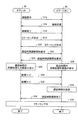
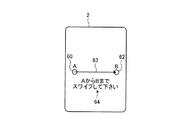
次に、図4及び図5を用いて、ミラーリングシステム100の動作について説明する。図4は、ミラーシングシステムの動作を示すシーケンス図である。図5は、操作を検出する携帯通信機器の画面に表示する画像の一例を示す図である。図4に示す処理は、第1携帯通信機器20の通信部6bと、第2携帯通信機器30の通信部6bとで近距離無線通信を用いてデータ(情報)の送受信を行い、画面の共有、つまりミラーリングを行う処理の一例を示している。図4に示す処理は、第1携帯通信機器20から第2携帯通信機器20に向けてミラーリングの要求を行い、かつ、第1携帯通信機器20から第2携帯通信機器30に操作の情報を送信し、第2携帯通信機器30で画面の表示制御を実行する場合の処理を示している。
Next, the operation of the
まず、ミラーリングシステム100は、第1携帯通信機器20から第2携帯通信機器30に向けて、近距離無線通信の確立を要求する接続要求を送信する(ステップS12)。第2携帯通信機器30は、接続要求を受信した場合、通信の確立に必要な情報を含む接続応答を第1携帯通信機器20に出力する(ステップS14)。第1携帯通信機器20は、第2携帯通信機器30からの接続応答を受信した場合、通信の確立に必要な情報を含む接続応報を行い、接続を完了する(ステップS16)。これにより、第1携帯通信機器20と第2携帯通信機器30とで、通信部(第1通信部、第2通信部)6bを用いた近距離無線通信の回線が確立され、データの送受信が可能な状態となる。
First, the
次に、第1携帯通信機器20は、第2携帯通信機器30にミラーリング要求を送信する(ステップS18)。ミラーリング要求は、画面の同期を要求する情報である。第2携帯通信機器30は、ミラーリング要求を受信した場合、第1携帯通信機器20にミラーリング許可を送信する。ミラーリング許可は、画面の同期を許可する情報である。
Next, the first
次に、第1携帯通信機器20は、第2携帯通信機器30に遅延時間調整開始要求を送信する(ステップS22)。第2携帯通信機器30は、遅延時間調整開始要求を受信した場合、第1携帯通信機器20に遅延時間調整開始要求を送信する(ステップS24)。これにより、ミラーリングシステム100は、遅延時間の調整処理を開始する。具体的には、操作情報を送信する第1携帯通信機器20は、遅延時間の同期処理入力画面を表示する(ステップS26)。具体的には、第1携帯通信機器20は、図5に示すように、遅延時間の検出に必要な操作を入力させる画面を示させる。図5に示す画面は、操作の起点となるマーク60と、終点となるマーク62と、起点と終点を結び、接触点を移動させる軌跡に対応する線63と、「AからBまでスワイプしてください」というメッセージ64を表示させている。なお、画面に表示させる画像はこれに限定されず、使用者に操作を入力させることができる画像であればよい。操作情報を受信する第2携帯通信機器30は、遅延時間の同期処理中画面を表示する(ステップS28)。具体的には、第2携帯通信機器30は、第1携帯通信機器20とのミラーリングに必要な処理を実行していることを示す画面を表示させる。
Next, the first
ミラーリングシステム100は、第1携帯通信機器20と第2携帯通信機器30のそれぞれの表示部2Aに画面を表示させている状態で、第1携帯通信機器20のタッチセンサ2Bで操作を検出し、通信部6bを用いた通信で検出した操作の座標情報を第2携帯通信機器30に送信する(ステップS30、S32)。なお、図4では、2つのステップとして示しているが、検出した操作情報は、第1携帯通信機器20から第2携帯通信機器30に複数回送信される。
The
第2携帯通信機器30は、第1携帯通信機器20から送信された操作情報を複数回受信した後、遅延時間の設定を行う(ステップS34)。具体的には、複数回送信された操作情報の受信間隔を検出し、検出した間隔に基づいて遅延時間を決定する。なお、遅延時間は、受信間隔の平均に基づいて決定しても、最も長い間隔に基づいて決定してもよい。遅延時間は、操作を検出する間隔よりも長い間隔となる。
The second
第2携帯通信機器30は、遅延時間を設定した場合、遅延時間調整完了の情報を第1携帯通信機器20に送信する(ステップS36)。ミラーリングシステム100は、遅延時間調整完了の情報を送信した場合、第1携帯通信機器20と第2携帯通信機器30とでのミラーリングを実行する(ステップS38)。具体的には、第1携帯通信機器20と第2携帯通信機器30のそれぞれの表示部2Aの少なくとも一部に同じ画面(画像)を表示する。また、ミラーリングシステム100は、第1携帯通信機器20のタッチセンサ2Bで操作を検出した場合、操作情報を通信部6bで第2携帯通信機器30に送信する。第2携帯通信機器30は、遅延時間を加味して受信した操作情報を連続操作であるかを判定し、判定した結果に基づいて、処理を実行し、表示部2Aに表示する画面を制御する。
When the delay time is set, the second
本実施形態のミラーリングシステム100は、ミラーリング開始時に遅延時間を調整する処理を実行することで、通信部6bを用いた近距離無線通信の状態に基づいた遅延時間を設定することができる。これにより、操作情報の送信間隔が長くなる近距離無線通信の状態の場合に連続操作を連続していない操作と判定することを抑制することができる。例えば、通信部6bが、複数の通信機器と近距離無線通信を実行するマルチチャネルコンカレンシーで処理を実行している場合、シングルチャネルコンカレンシーで1つの通信機器と通信を行っている場合よりも、操作情報の受信間隔が長くなる。本実施形態のミラーリングシステム100は、ミラーリング開始時に遅延時間を調整する処理を実行することで、マルチチャネルコンカレンシーで処理を実行しており、操作情報の受信間隔が長くなる場合も、遅延時間調整処理で受信間隔を算出し、算出した間隔に基づいて遅延時間を設定することで、連続操作を連続操作として検出することができる。
The
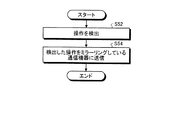
ここで、ミラーリングシステム100は、ミラーリング処理の実行時にも遅延時間を変更することができる。以下、図6から図9を用いて、処理の一例を説明する。まず、図6を用いて、使用者が操作を入力する携帯通信機器の動作について説明する。図6は、操作を検出する携帯通信機器の処理の一例を示すフローチャートである。以下、第1携帯通信機器20が操作を検出した場合として説明する。図6に示す処理は、第1携帯通信機器20の制御部10が各部の動作を実行することで実現することができる。第1携帯通信機器20は、操作を検出する(ステップS52)。具体的には、タッチセンサ2Bで使用者による操作を検出する。第1携帯通信機器20は、操作を検出した場合、検出した操作をミラーリングしている通信機器、本実施形態では第2携帯通信機器30に送信する(ステップS54)。第1携帯通信機器20は、通信部6bで第2携帯通信機器30の通信部6と近距離無線通信を行い、操作情報を第2携帯通信機器30に送信する。
Here, the
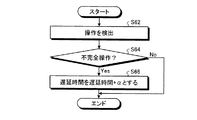
次に、図7から図9を用いて、通信で操作情報を取得した携帯通信機器で実行する処理について説明する。以下、第2携帯通信機器30が第1携帯通信機器20の通信部6bから送信された操作情報を検出した場合として説明する。図7から図9に示す処理は、第2携帯通信機器30の制御部10が各部の動作を実行することで実現することができる。図7は、通信で操作情報を取得した携帯通信機器の処理の一例を示すフローチャートである。本実施形態では、第2携帯通信機器30が通信部6bの近距離無線通信で第1携帯通信機器20から操作情報を受信した場合として説明する。第2携帯通信機器30は、操作を検出する(ステップS62)。具体的には、第2携帯通信機器30は、通信部6bで第1携帯通信機器20から送信された操作情報を受信する。
Next, processing executed by the mobile communication device that has acquired the operation information through communication will be described with reference to FIGS. Hereinafter, a case where the second
第2携帯通信機器30は、検出した操作が不完全操作であるかを判定する(ステップS64)。不完全操作とは、表示部2Aに画面を表示させている機能(アプリケーション)に入力される操作として、処理が対応付けられている操作であるかを判定する。処理が対応付けられている操作とは、入力されることで、表示部2Aに画面を表示させている機能で処理が実行できる操作である。第2携帯通信機器30は、検出した操作が、処理が対応付けられている操作ではない場合、不完全操作と判定する。
The second
第2携帯通信機器30は、不完全操作ではない(ステップS64でNo)と判定した場合、本処理を終了する。第2携帯通信機器30は、入力された操作に基づいた処理は、アプリケーションの処理として実行する。第2携帯通信機器30は、不完全操作である(ステップS64でYes)と判定した場合、遅延時間を遅延時間+αに変更(ステップS66)し、処理を終了する。ここで、αは、正の数である。つまり、第2携帯通信機器30は、不完全操作を検出した場合、遅延時間をより長い時間に変更する。
If the second
第2携帯通信機器30は、ミラーリング処理中に不完全操作を検出した場合、遅延時間を長くすることで、ミラーリング中に他の携帯通信機器から送信される操作情報に含まれる連続操作をより確実に検出することができ、操作の検出精度をより高くすることができる。
When the second
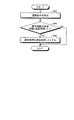
図8は、通信で操作情報を取得した携帯通信機器の処理の一例を示すフローチャートである。第2携帯通信機器30は、操作を検出する(ステップS72)。具体的には、第2携帯通信機器30は、通信部6bで第1携帯通信機器20から送信された操作情報を受信する。第2携帯通信機器30は、検出した操作が不完全操作であるかを判定する(ステップS74)。第2携帯通信機器30は、不完全操作ではない(ステップS74でNo)と判定した場合、ステップS78に進む。
FIG. 8 is a flowchart illustrating an example of processing of the mobile communication device that has acquired operation information through communication. The second
第2携帯通信機器30は、不完全操作である(ステップS74でYes)と判定した場合、所定時間以内に連続操作と判定できる操作があるかを判定する(ステップS76)。具体的には、不完全操作となる操作情報を検出し、遅延時間を経過した後、予め設定した所定時間以内に、第1携帯通信機器20から送信された操作情報を受信し、かつ、受信した操作情報が不完全操作と繋がる連続操作と判定できる操作であるかを判定する。
If it is determined that the operation is incomplete (Yes in step S74), the second
第2携帯通信機器30は、所定時間以内に連続操作と判定できる操作がある(ステップS76でYes)と判定した場合、ステップS78に進む。第2携帯通信機器30は、ステップS74でNo、またはステップS76でYesと判定した場合、検出した操作に基づいて処理を実行する(ステップS78)。第2携帯通信機器30は、所定時間以内に連続操作と判定できる操作がない(ステップS76でNo)と判定した場合、不完全操作として、処理を実行する(ステップS79)。不完全操作に対して設定されている操作としては、不完全操作を無効とする処理や、不完全操作に基づいて機能の処理に対応しない処理、例えば、スワイプ処理の場合、本来移動しない位置へのポインタの移動を実行する。
If it is determined that there is an operation that can be determined as a continuous operation within a predetermined time (Yes in step S76), the second
第2携帯通信機器30は、不完全操作を検出した場合、所定時間の間、連続処理に対応する処理が検出されたかを検出することで、不完全操作と一度判定した操作を連続操作として補完することができる。これにより、使用者が操作を再入力する必要が無くなり、操作性を向上させることができる。
When the second
図9は、通信で操作情報を取得した携帯通信機器の処理の一例を示すフローチャートである。第2携帯通信機器30は、連続操作を検出する(ステップS82)。具体的には、第2携帯通信機器30は、通信部6bで第1携帯通信機器20から送信された複数の操作情報を受信する。第2携帯通信機器30は、受信した操作情報の受信間隔が遅延時間以内であり、かつ、複数の操作情報が連続していると判定できる操作である場合、連続操作を検出したと判定する。
FIG. 9 is a flowchart illustrating an example of processing of the mobile communication device that has acquired operation information through communication. The second
第2携帯通信機器30は、検出した操作情報の取得間隔<遅延時間−βであるかを判定する(ステップS84)。つまり、第2携帯通信機器30は、第1携帯通信機器20から送信された操作情報の受信間隔が、遅延時間に対して一定時間β以上の余裕があるかを判定する。
The second
第2携帯通信機器30は、検出した操作情報の取得間隔<遅延時間−βである(ステップS84でYes)と判定した場合、遅延時間を遅延時間−βとする(ステップS86)。第2携帯通信機器30は、検出した操作情報の取得間隔<遅延時間−βではない(ステップS84でNo)と判定した場合、本処理を終了する。
If the second
第2携帯通信機器30は、ミラーリング処理中に操作情報の取得間隔が遅延時間に対して一定の余裕がある場合、遅延時間を短くすることで、操作をより効率よく取得することができる。また、遅延時間に対して一定の余裕がある場合に実行することで、ミラーリング中に他の携帯通信機器から送信される操作情報に含まれる連続操作の検出精度の低下を抑制しつつ、処理を効率よく実行することができる。また、遅延時間が長くなり、連続しない操作を連続操作として検出することを抑制できる。例えば、ダブルタップをロングタップと検出することを抑制できる。
When the operation information acquisition interval has a certain margin with respect to the delay time during the mirroring process, the second
本実施形態のミラーリングシステム100は、2つの携帯通信機器のそれぞれで操作に基づいた処理を実行したが、これに限定されない。本実施形態のミラーリングシステム100は、2つの携帯通信機器のそれぞれで操作可能とし、2つの携帯通信機器のうち一方で操作に基づいた処理(画面等の表示処理)を行ってもよい。この場合も、操作に基づいた処理を行わない、携帯通信機器から送信される操作情報の検出に本実施形態の処理を実行することで、上記効果を得ることができる。また、本実施形態のミラーリングシステム100は、一方の携帯通信機器で操作を検出し、他方の携帯通信機器で操作に基づいた処理を実行するようにしてもよい。この場合も、上記効果を得ることができる。本実施形態のミラーリングシステム100は、2つの携帯通信機器で通信を行ったが、3つ以上の携帯通信機器で通信を行ってもよい。また本実施形態は、近距離無線通信を用いた場合として説明しているが公衆無線通信を使用している場合も同様に通信の状況によって、遅延時間が変化する。ミラーリングシステム100は、近距離無線通信と、公衆無線通信の両方を使用している場合、公衆無線通信を使用している場合も同様にミラーリングの開始時に本処理を実行することで、本処理の効果を得ることができる。
Although the
添付の請求項に係る技術を完全かつ明瞭に開示するために特徴的な実施形態に関し記載してきた。しかし、添付の請求項は、上記実施形態に限定されるべきものでなく、本明細書に示した基礎的事項の範囲内で当該技術分野の当業者が創作しうるすべての変形例及び代替可能な構成により具現化されるべきである。 The characterizing embodiments have been described in order to fully and clearly disclose the technology according to the appended claims. However, the appended claims should not be limited to the above-described embodiments, but all modifications and alternatives that can be created by those skilled in the art within the scope of the basic matters shown in this specification. Should be embodied by a simple configuration.
2 タッチパネル
3 操作部
6a、6b 通信部
7 レシーバ
8 マイク
9 記憶部
9a、9e 通信制御プログラム
9b、9f 接続関連データ
10 制御部
11 スピーカ
20 第1携帯通信機器
30 第2携帯通信機器
40 通信機器
100 ミラーリングシステム
2 touch panel 3 operation unit 6a, 6b communication unit 7 receiver 8
Claims (6)
前記第1通信部とデータを送受信する第2通信部と、画像を表示させる第2タッチスクリーンディスプレイと、前記第1操作情報に基づいて、前記第2タッチスクリーンディスプレイの表示を制御する第2制御部と、を備える第2通信機器と、を含み、
前記第2通信部は、前記第1通信部に前記第2タッチスクリーンディスプレイに表示させる画像の情報を送信し、
前記第1制御部は、前記第1通信部で受信した、前記第2タッチスクリーンディスプレイに表示させる画像を前記第1タッチスクリーンディスプレイに表示させ、
前記第2制御部は、連続的な接触操作であると判定する基準となる遅延時間に基づいて前記第1操作情報に含まれる操作を判定し、判定結果の操作に基づいて、前記第2タッチスクリーンディスプレイの表示を制御し、
かつ、前記第2タッチスクリーンディスプレイに前記画像情報を表示させる処理の開始時に取得した前記第1操作情報の遅延時間に基づいて、前記遅延時間を設定するミラーリングシステム。 A first touch screen display; a first control unit that controls display of the first touch screen display; and a first communication unit that outputs first operation information detected by the first touch screen display. Communication equipment,
A second communication unit that transmits and receives data to and from the first communication unit; a second touch screen display that displays an image; and a second control that controls display of the second touch screen display based on the first operation information. A second communication device comprising:
The second communication unit transmits information on an image to be displayed on the second touch screen display to the first communication unit,
The first control unit causes the first touch screen display to display an image received by the first communication unit and displayed on the second touch screen display,
The second control unit determines an operation included in the first operation information based on a delay time serving as a reference for determining that the operation is a continuous contact operation, and performs the second touch based on the operation of the determination result. Control the display of the screen display,
And the mirroring system which sets the said delay time based on the delay time of the said 1st operation information acquired at the time of the start of the process which displays the said image information on a said 2nd touch screen display.
不完全操作であると判定した場合、前記遅延時間をより長い時間に変更する請求項1または2に記載のミラーリングシステム。 The second control unit determines whether the first operation information is an incomplete operation that does not match any of the image functions based on the function of the image displayed on the second touch screen display,
The mirroring system according to claim 1, wherein when it is determined that the operation is incomplete, the delay time is changed to a longer time.
不完全操作であると判定した場合、設定された時間、前記第1操作情報の検出を行い、新たに検出した前記第1操作情報が前記不完全操作を補完する操作である場合、連蔵した操作として検出する請求項1から3のいずれか一項に記載のミラーリングシステム。 The second control unit determines whether the first operation information is an incomplete operation that does not match any of the image functions based on the function of the image displayed on the second touch screen display,
When it is determined that the operation is incomplete, the first operation information is detected for a set time, and when the newly detected first operation information is an operation that complements the incomplete operation, the operation is continuously performed. The mirroring system according to claim 1, wherein the mirroring system is detected as an operation.
前記第2制御部が、前記第2タッチスクリーンディスプレイに前記画像情報を表示させる処理の開始時に取得した前記第1操作情報の遅延時間に基づいて、連続的な接触操作であると判定する基準となる遅延時間を設定するステップと、
前記第2タッチスクリーンディスプレイに表示させる画像の情報を送信し、前記第2タッチスクリーンディスプレイに表示させる画像を前記第1タッチスクリーンディスプレイに表示させるステップと、
前記第2制御部が、前記遅延時間に基づいて前記第1操作情報に含まれる操作を判定し、判定結果の操作に基づいて、前記第2タッチスクリーンディスプレイの表示を制御するステップと、を含む操作検出方法。 A first touch screen display; a first control unit that controls display of the first touch screen display; and a first communication unit that outputs first operation information detected by the first touch screen display. Controlling display of the second touch screen display based on the first operation information, a communication device, a second communication unit for transmitting and receiving data to and from the first communication unit, a second touch screen display for displaying an image A second control unit, and a second communication device comprising: a mirroring system operation detection method comprising:
A reference for determining that the second control unit is a continuous contact operation based on a delay time of the first operation information acquired at the start of a process of displaying the image information on the second touch screen display; Setting the delay time to be
Transmitting information on an image to be displayed on the second touch screen display and causing the first touch screen display to display an image to be displayed on the second touch screen display;
The second control unit determining an operation included in the first operation information based on the delay time, and controlling display of the second touch screen display based on the operation of the determination result. Operation detection method.
Priority Applications (1)
| Application Number | Priority Date | Filing Date | Title |
|---|---|---|---|
| JP2016086319A JP2017194922A (en) | 2016-04-22 | 2016-04-22 | Mirroring system and operation detection method |
Applications Claiming Priority (1)
| Application Number | Priority Date | Filing Date | Title |
|---|---|---|---|
| JP2016086319A JP2017194922A (en) | 2016-04-22 | 2016-04-22 | Mirroring system and operation detection method |
Publications (1)
| Publication Number | Publication Date |
|---|---|
| JP2017194922A true JP2017194922A (en) | 2017-10-26 |
Family
ID=60156006
Family Applications (1)
| Application Number | Title | Priority Date | Filing Date |
|---|---|---|---|
| JP2016086319A Pending JP2017194922A (en) | 2016-04-22 | 2016-04-22 | Mirroring system and operation detection method |
Country Status (1)
| Country | Link |
|---|---|
| JP (1) | JP2017194922A (en) |
Cited By (2)
| Publication number | Priority date | Publication date | Assignee | Title |
|---|---|---|---|---|
| CN111405218A (en) * | 2020-03-26 | 2020-07-10 | 深圳市微测检测有限公司 | Touch screen time delay detection method, system, device, equipment and storage medium |
| US12474880B2 (en) | 2022-02-07 | 2025-11-18 | Samsung Electronics Co., Ltd. | Electronic device for controlling external display device, and operation method thereof |
-
2016
- 2016-04-22 JP JP2016086319A patent/JP2017194922A/en active Pending
Cited By (2)
| Publication number | Priority date | Publication date | Assignee | Title |
|---|---|---|---|---|
| CN111405218A (en) * | 2020-03-26 | 2020-07-10 | 深圳市微测检测有限公司 | Touch screen time delay detection method, system, device, equipment and storage medium |
| US12474880B2 (en) | 2022-02-07 | 2025-11-18 | Samsung Electronics Co., Ltd. | Electronic device for controlling external display device, and operation method thereof |
Similar Documents
| Publication | Publication Date | Title |
|---|---|---|
| US9258402B2 (en) | System and method for controlling mobile devices | |
| CN104126295B (en) | The mirror image interface navigation of multiple user interfaces | |
| WO2014080995A1 (en) | Electronic device, control method, and control program | |
| JP2018506118A (en) | Method and device for determining a motion trajectory of a target object and storage medium | |
| KR20150127479A (en) | Terminal device and method for remote control thereof | |
| JP6102474B2 (en) | Display device, input control method, and input control program | |
| JP5696563B2 (en) | Information processing apparatus, screen update method, screen update program, and information processing system | |
| JP6297847B2 (en) | Portable electronic device, display control method, and display control program | |
| US20150042589A1 (en) | Method and electronic device for wireless connection | |
| US9866668B2 (en) | Apparatus and method for providing real-time feedback for information transfer | |
| KR20140110551A (en) | Method for controlling pattern and an electronic device thereof | |
| JP6373722B2 (en) | Portable terminal and control method | |
| JP2017194923A (en) | Mirroring system and operation detection method | |
| JP6416598B2 (en) | Portable terminal and control method | |
| JP6405024B1 (en) | Electronic device, control method, and control program | |
| JP6560410B2 (en) | Mobile terminal and control method | |
| JP6661452B2 (en) | Portable device, control method and control program | |
| JP6087685B2 (en) | Portable electronic device, control method and control program | |
| US8295765B2 (en) | System and method of using a first apparatus and a second remote apparatus | |
| JP6152334B2 (en) | Electronic device, control method, and control program | |
| JP2016103105A (en) | Portable terminal and control method therefor | |
| JP2018005350A (en) | Electronic device, character input control method, and character input control program | |
| WO2014156877A1 (en) | Portable electronic device, control method, and control program | |
| JP2016151810A (en) | Electronic apparatus, control method, and control program | |
| JP2013109633A (en) | Character input device and character input method |
Legal Events
| Date | Code | Title | Description |
|---|---|---|---|
| A621 | Written request for application examination |
Free format text: JAPANESE INTERMEDIATE CODE: A621 Effective date: 20180810 |
|
| A977 | Report on retrieval |
Free format text: JAPANESE INTERMEDIATE CODE: A971007 Effective date: 20190528 |
|
| A131 | Notification of reasons for refusal |
Free format text: JAPANESE INTERMEDIATE CODE: A131 Effective date: 20190604 |
|
| A02 | Decision of refusal |
Free format text: JAPANESE INTERMEDIATE CODE: A02 Effective date: 20191210 |