JP2017201547A - 自動レポート生成方法 - Google Patents
自動レポート生成方法 Download PDFInfo
- Publication number
- JP2017201547A JP2017201547A JP2017121752A JP2017121752A JP2017201547A JP 2017201547 A JP2017201547 A JP 2017201547A JP 2017121752 A JP2017121752 A JP 2017121752A JP 2017121752 A JP2017121752 A JP 2017121752A JP 2017201547 A JP2017201547 A JP 2017201547A
- Authority
- JP
- Japan
- Prior art keywords
- data
- report
- settings
- schema
- query
- Prior art date
- Legal status (The legal status is an assumption and is not a legal conclusion. Google has not performed a legal analysis and makes no representation as to the accuracy of the status listed.)
- Pending
Links
Images
Classifications
-
- G—PHYSICS
- G06—COMPUTING OR CALCULATING; COUNTING
- G06F—ELECTRIC DIGITAL DATA PROCESSING
- G06F16/00—Information retrieval; Database structures therefor; File system structures therefor
- G06F16/20—Information retrieval; Database structures therefor; File system structures therefor of structured data, e.g. relational data
- G06F16/24—Querying
- G06F16/248—Presentation of query results
-
- G—PHYSICS
- G06—COMPUTING OR CALCULATING; COUNTING
- G06F—ELECTRIC DIGITAL DATA PROCESSING
- G06F16/00—Information retrieval; Database structures therefor; File system structures therefor
- G06F16/20—Information retrieval; Database structures therefor; File system structures therefor of structured data, e.g. relational data
- G06F16/21—Design, administration or maintenance of databases
- G06F16/211—Schema design and management
Landscapes
- Engineering & Computer Science (AREA)
- Theoretical Computer Science (AREA)
- Databases & Information Systems (AREA)
- Data Mining & Analysis (AREA)
- Physics & Mathematics (AREA)
- General Engineering & Computer Science (AREA)
- General Physics & Mathematics (AREA)
- Computational Linguistics (AREA)
- Document Processing Apparatus (AREA)
- Information Retrieval, Db Structures And Fs Structures Therefor (AREA)
- Stored Programmes (AREA)
- User Interface Of Digital Computer (AREA)
Abstract
【課題】カスタマイズオプションを有する利用可能なレポート生成技術ツールのセットを改善し、エンドユーザが利用可能なカスタマイズ設定の利便性を向上する。【解決手段】自動レポート作成方法は、カスタマイズ可能なクエリテキスト、データセット、データリンク、利用可能レポートフィールド、およびデータ検索パラメータによりレポート生成のためのデータ構造化スキーマを事前に生成し、このスキーマをストレージに保存するステップと、デフォルトデータ構造化設定を指定するステップと、生成したデータ構造化スキーマおよび指定したデータ構造化設定に従ってレポートテンプレートを生成するステップと、テンプレートに基づいてレポートを生成するステップとを有する。【選択図】図1
Description
本発明は、情報技術分野に属し、特に、自動レポート生成方法に関する。
自動レポート生成は、柔軟な構成、変更オプション、および複雑な構造を有するデータを表示する方法により、複雑なレポートを生成する試みに対処する。
このことは、さまざまなアプローチを用いて解決することができる。
例えば、解決策の1つは、レポート生成コードの手書きでの書き込みであり、これにはデータの検索、レポートテンプレートの生成、検索データのテンプレートへの書き込み、およびこの結果のエンドユーザへの表示が含まれる。
この方法は、以下の欠点を有する。すなわち、レポートカスタマイズオプションの欠如および使用分野の限定である。
米国特許第5809266号(1998年9月15日公開)は、自動レポート生成の方法を提供する。本方法は、クエリ、リンク、またはグループなどのデータオブジェクトを含むデータモデルを定義するためのグラフィカルツールを含む。この場合、本モデルを使用して、データ構造を生成し、データモデルテンプレートを定義し、レポートを生成する。このアプローチにより、複数のクエリの使用が可能となり、各クエリは、1つまたは複数のグループを含み、2つの異なるクエリに属するグループは、リンクオブジェクトを介してリンクされる。結果として生成されたレポートは、複雑な構造を含むことができるとともに、複数クエリの結果を含むことができ、さらなる自由度をもたらす。しかしながら、変更されたレポートの生成には長時間かかる可能性があり、したがって、この方法の使用シナリオは限定される。
したがって、レポート変更のためのオプションおよびエンドユーザに対する使い勝手のよい設定を含み、したがって、既知の解決法の欠点から解放された、自動レポート生成の比較的高速で標準化された方法を提供することにより、技術的ツールのセットを拡張することが必要である。
このタスクを解決し、特定の技術的結果を得るために、本発明は、自動レポート生成方法であって、まず、クエリテキスト、データセット、データリンク、利用可能レポートフィールド、およびデータ検索パラメータを詳細に記述するためのオプションを提供する、レポート生成のためのデータ構造化スキーマを生成し、このスキーマをストレージに保存するステップと、次いで、デフォルトデータ構造化設定を指定するステップと、次いで、以前に生成されたデータ構造化スキーマおよび設定に従ってレポートテンプレートを生成するステップと、最後に、このテンプレートに基づきレポートを生成するステップを含む、以下の段階を含む自動レポート生成方法を提供する。
本発明で提示される方法の特有の特徴は、データが、スクリプトオブジェクトから検索されることである。
この方法の別の特有の特徴は、データ構造化スキーマのデータセットクエリが、設定で指定されたフィールドおよびフィルタに従い実行時に変更される、クエリテンプレートを記述することである。
本方法の別の特有の特徴は、データ構造化スキーマが、変更される可能性のあるクエリ部分を定義することである。
この方法の別の特有の方法は、複数データセットからのデータを組み合わせるデータセットの記述である。
この方法の別の特有の方法は、データセット間の階層関係の記述である。
この方法の別の特有の特徴は、ネスト化されたデータ構造化スキーマの記述である。
この方法の別の特有の特徴は、構造化設定を変更し、レポートテンプレートを生成することである。
この方法の別の特有の特徴は、構造化スキーマのカスタマイズが、レポート内の特定のフィールドの表示を含むことである。
この方法の別の特有の特徴は、エンドユーザがカスタマイズすることができる設定のサブセットを指定することである。
この方法の別の特有の特徴は、レポートテンプレートで使用するために、構造化スキーマ設定のバリエーションを保存することである。
この方法の別の特有の特徴は、参照フィールドの従属フィールドを使用することである。
この方法の別の特有の特徴は、クエリ言語でデータセットクエリテンプレートを記述することであり、データセットクエリ変更が可能である部分を示す追加の構文ユニットを有する。
最後に、本発明の別の特有の特徴は、結果のレポートから直接設定を変更することである。
本発明は、パーソナルコンピュータなどの任意の計算システムで実現することができる。本実装態様は、情報ベース、またはレポート生成で使用されるデータを有する複数のオブジェクトを含むストレージを必要とする。
自動レポート生成方法(automated report generation method)は、複雑な階層構造を有するレポートの迅速な生成のためのものであり、エンドユーザが、すなわち、開発者の手助け無しに、カスタマイズすることができる。
本発明で説明する方法は、クエリテキスト(query text)、データセット(data sets)、データリンク(data links)、利用可能レポートフィールド(available report fields)、およびデータ検索パラメータ(data retrieval parameters)の詳細記述のためのオプションを提供する、レポート生成のためのデータ構造化スキーマ(data structuring schema)の予備生成、およびスキーマのストレージへの保存を含む。
データ構造化スキームは、レポート生成で使用されるデータの本質を記述し、さまざまなデータセットを含むことができる。
レポートデータ構造化スキーマの生成は、ビジュアルツールを使用して、または何らかのビジュアルXMLエディタで、またはスクリプトオブジェクトをプログラムで使用して、対話的に実行することができる。
スクリプトオブジェクトは、特定の機能的目的を有するプログラムオブジェクトの構造セットとして定義される。
データセットは、レポートデータソースであり、このデータをどのように検索するかについて記述する。さまざまなデータセット型、すなわち、追加構文要素を用いてクエリ言語で書き込まれたデータベースクエリテキストを含むクエリ、外部データセット(バリューテーブルなど)についての情報を含むスクリプトオブジェクト、または複数のデータセットからのデータを組み合わせるデータセットがある。
データセットクエリ(data set query)は、クエリテンプレートを記述し、レポート設定で指定されたフィールドおよびフィルタに従って、レポート生成中に変更される。クエリテンプレートは、クエリ言語で、変更することが可能なクエリ部分をマーキングする特定の構文ユニット(specific syntax units)を用いて記述される。変更は、これらの構文ユニット内で実行される。この結果は、元のクエリで選択されたすべてのデータの代わりに、要求されたデータのみを含む。
データ構造化スキーマが、複数のデータセットを含み、これらのデータセットから、リンクされたデータを検索する場合、1つまたはいくつかのレポートフィールドによるデータリンクが指定されなければならない。
データセット間の階層リンク(hierarchical links)を記載することができる。階層リンクは、データセットを書き込むために使用され、このデータセットにおいて、レコードは、結果の文書に対するいくつかのレポートフィールドによって他のレコードにリンクされる。
利用可能フィールドは、データ構造化スキーマが利用可能なレポートフィールドとして定義される。これらの利用可能フィールドは、ソート、フィルタリング、またはグルーピングなどのレポート設定に含むことができる。
パラメータは、レポートデータを検索するための基準として機能する。これらのパラメータは、データセットクエリで直接定義することができ、または仮想データベーステーブルのパラメータとすることができる。
結果として生じるレポート構造は、(上記の米国特許第5809266号で説明されるような、レポートシートの個々の要素の位置を特定することによってではなく)ツリー状記述によって定義される。
ネスト化されたデータ構造化スキーマを追加することが可能である。したがって、特定のレポートのために設計された構造化スキームは、親レポートをリンクすることによって他のレポートで再利用することができ、1つまたはいくつかのフィールドによってネスト化されたレポートで再利用することができる。
この場合、レポートレイアウトを定義するデフォルトデータ構造化設定(default data structuring settings)が指定され、レポートテンプレートが、生成されたデータ構造化スキーマおよび指定されたデータ構造化設定に従って形成される。最後に、レポートは、生成されたテンプレートに従って生成される。
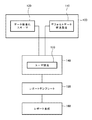
図1は、自動レポート生成のフローチャートの一例を示す。
添付の例において、段階100では、開発者は、現在適用されるタスクに従い、デフォルトデータ構造化スキーマ設定110およびデータ構造化スキーマ120を指定する。データ構造化スキーマ設定110の複数のセットを、段階150で、レポートテンプレート生成のために生成することができる。
開発者はまた、段階100で、ユーザ設定130を指定することができる。これらの設定は、段階140でエンドユーザが利用することができ、いくつかの場合では、さらなる修正無しに、「そのまま」適用することができる。これらの設定の補助により、エンドユーザは、段階140でレポートバリエーションを選択および編集し、今後も使用するために、このレポートバリエーションを保存することができる。したがって、ユーザがしなければならないのは、設定の最小セットの編集のみであり、レポート生成が簡単になる。レポート生成段階160で、ユーザ設定130は、完全データ構造化スキーマ設定110と組み合わされ、レポートは、この組み合わされた設定に従って生成される。したがって、説明する方法は、特定のレポートテンプレートを生成するための、データ構造化設定の変更を含む。
エンドユーザは、結果のレポートからレポート設定を直接変更するためのオプションを有する。例えば、ユーザは、セルをクリックし、次いで、ポップアップメニューから、「フィルタ」または「グループ」を選択することができる。これにより、レポート設定が変更され、この結果、レポートは、選択されたフィールドによってフィルタリングされるか、またはグループ化される。
エンドユーザは、最も有用と思われるレポートバリエーションを選択し、さらに、その設定をカスタマイズし、データがユーザ設定に従って表される同じデータ構造化スキーマに基づいて、異なるレポートを取得することができる。したがって、単一の構造化スキーマを、複数のレポートを生成するために使用することができる。最終結果を定義するデータ構造化設定。
本発明のいくつかの実装バリエーションにおいて、エンドユーザは、(画面に表示する場合に、および印刷する場合に)フィールドがレポートシートのどこに表示されるかを正確に指定する必要が無い。ユーザは、フィールドがレポートに含まれるべきかを単に指定し、フィールドが、開発者によって事前に定義された最適な位置決定スキームに従って、レポートシート上に配置される。
レポート設定において、参照フィールド(reference fields)の従属フィールド(subordinate fields)を使用するためのオプションが存在する。
例えば、レポートが「Item」フィールドを含む場合、ユーザは、「Item.ID」フィールドを、レポートに表示されるフィールドのリストに追加することができる。これは、データセットクエリの自動変更につながり、要求された位置で「ID」フィールドを表示する。ユーザはさらに、「Item.ID」フィールドによってフィルタを追加することができ、これにより、データセットクエリテキストに、対応する条件が自動的に追加され、ユーザは、フィルタリングされたデータを取得する。
したがって、本発明で説明する自動レポート生成の方法は、高速で多目的のレポート生成が可能であり、エンドユーザが利用可能なカスタマイズオプションとカスタマイズ設定の高い操作性を備えた、利用可能な技術ツールのセットを改善し、したがって、既知の解決策の欠点から解放される。
本明細書で説明したレポート生成例は、以下に記載される方式によって定義される、本発明によって提供されるすべてのさまざまなオプションをカバーするものではない。当分野の専門家は、本発明の思想および範囲に従う、本発明の他の実装バリエーションが可能であることを理解することができる。
AUTOMATED REPORT GENERATION METHOD
Field of the Invention
This invention belongs to information technologies area; in particular to automated report generation methods.
Background of the Invention
Automated report generation addresses the challenge of creating complex reports with flexible configuration, modification options, and ways to display data that has complicated structure.
This can be solved using various approaches.
For example, one of possible solutions is manual writing of report generation code, which includes retrieving data, creating a report template, writing the retrieved data to the template, and displaying the result to the end user.
This method has the following disadvantages: lack of report customization options and limited usage areas.
The patent US No. 5809266 (publ. 09.15.1998) offers a method of automated report generation. The method includes a graphical tool for defining the data model that contains data objects, such as queries, links, or groups. Then the model is used to create a data structure, define data model template, and generate a report. This approach allows the use of multiple queries, each containing one or more groups, where groups belonging to two different queries are linked through link objects. The resulting report can have complex structure and it can include results of multiple queries, which provides additional flexibility. However, generating a modified report might take a long time; thus the usage scenarios of this method are limited. Summary of the Invention
Therefore, it is necessary to expand the set of technical tools by providing a comparatively quick and standardized method of automated report generation, including options for report modification and convenient settings for end users, and which therefore is free of the disadvantages of the known solutions.
For solving this task and obtaining the specified technical results, this invention offers an automated report generation method that contains the following stages: first, creating a data structuring schema for report generation, which provides options for detailed description of query text, data sets, data links, available report fields, and data retrieval parameters, and saving the schema to a storage; then specifying default data structuring settings; then creating a report template according to the previously created data structuring schema and settings; and finally, generating the report based on the template.
The distinctive feature of the method presented in this invention is that data is retrieved from script objects.
Another distinctive feature of this method is that the data set queries of the data structuring schema describe query templates, which arc modified at execution time according to the fields and filters specified in the settings.
Another distinctive feature of this method is that the data structuring schema defines the query parts that can be modified.
Another distinctive feature of this method is the description of a data set that combines data from multiple data sets.
Another distinctive feature of this method is the description of hierarchical relations between data sets.
Another distinctive feature of this method is the description of nested data structuring schemas.
Another distinctive feature of this method is modifying the structuring settings in order to generate the report template.
Another distinctive feature of this method is that the customization of the structuring schema includes displaying specific fields in the report. Another distinctive feature of this method is specifying a subset of settings that can be customized by end users.
Another distinctive feature of this method is saving variations of structuring schema settings for use in a report template.
Another distinctive feature of this method is using subordinate fields of reference fields.
Another distinctive feature of this method is describing data set query templates in the query language, with additional syntax units that indicate parts where data set query modification is possible.
Finally, another distinctive feature of this invention is modification of settings directly from the resulting report.
Brief Description of the Drawings
Fig.l shows the flowchart of automated report generation, which includes both operations performed at the development stage and customization of reports settings by end users.
Detailed Description of the Invention
The invention can be implemented in any computation system, such as a personal computer. The implementation requires an information base, or a storage that contains multiple objects whose data is used in report generation.
The automated report generation method is intended for quick generation of reports with complex hierarchical structure, which can be customized by end users, i.e. without developer's help.
The method described in this invention includes preliminary creation of a data structuring schema for report generation, which provides options for detailed description of query text, data sets, data links, available report fields, and data retrieval parameters, and saving the schema to a storage.
The data structuring scheme describes the essence of data used for report generation; it can contain various data sets. The creation of report data structuring schema can be performed interactively using visual tools, or in any visual XML editor, or programmatically using script objects.
Script objects are defined as a structured set of program objects that have specific functional purposes.
Data sets arc report data sources, which describe how that data is retrieved. There are various data set types: a query that includes a database query text written in the query language with use of additional syntax elements; a script object that contains information about an external data set (such as a value table), or a data set that combines data from multiple data sets.
A data set query describes a query template, which is modified during report generation according to fields and filters specified in the report settings. Query templates arc described in the query language, with specific syntax units marking query parts that can be modified. The modification is performed within these syntax units. The result contains only the required data instead of all data selected in the original query.
If a data structuring schema contains multiple data sets, in order to retrieve linked data from these data sets, data links by one or several report fields must be specified.
Hierarchical links between data sets can be described. Hierarchical links are used for writing data sets where records are linked to other records by some report fields to the resulting document.
Available fields are defined as report fields available to the data structuring schema. They can be included in report settings, such as sorting, filtering, or grouping.
Parameters serve as criteria for retrieving report data. They can be defined directly in a data set query, or they can be parameters of virtual database tables.
The resulting report structure is defined by a tree-like description (not by specifying the positions of individual elements on the report sheet, as described in the abovemcntioned patent US No. 5809266). Adding nested data structuring schemas is possible. Therefore, a structuring scheme designed for a specific report can be reused in other reports by linking the parent report and the nested report by one or several fields.
Then the default data structuring settings, which define the report layout, are specified and the report template is formed according to the created data structuring schema and the specified data structuring settings. Finally, the report is generated according to the created template.
Fig.l shows an example the flowchart of automated report generation.
In the attached example, at stage 100 the developer specifies default data structuring schema settings 110 and the data structuring schema 120 according to the current applied task. Multiple sets of data structuring schema settings 110 can be created for report template generation at stage 150.
A developer can also specify user settings 130 at stage 100. These settings become available to end users at stage 140 and in some cases they can be applied "as is", without further modification. With help of these settings, an end user can select and edit report variations at stage 140, as well as save them for future use. Therefore, the user only has to edit a minimum set of settings, which simplifies the report generation. At report generation stage 160 the user settings 130 are combined with the full data structuring schema settings 110, and the report is generated according to the combined settings. Therefore, the method being described includes modification of data structuring settings for creation of a specific report template.
An end user has the option to modify the report settings directly from the resulting report. For example, a user can click a cell, and then select "filter" or "group" from a pop-up menu. This changes the report settings so that the report is filtered or grouped by the selected field.
An end user selects the report variation that they find most useful, and they can also customize the settings and obtain a different report based on the same data structuring schema where data is represented according to the user settings. Therefore, a single structuring schema can be used for creating multiple reports. The data structuring settings that define the final result. In some implementation variations of this invention the end user does not have to specify where exactly fields are displayed in the report sheet (both for viewing on the screen and for printing). The user simply specifics that the field should be included in the report, and the field will be positioned on the report sheet according to the optimal positioning scheme that is predefined by the developer.
There is an option to use subordinate fields of reference fields in report settings.
For example, if a report includes an "Item" field, a user can add the "Item.ID" field to the list of fields displayed in the report. This leads to automatic modification of the data set query and displaying the "ID" field at the required position. The user can also add a filter by the "Item.ID" field, this leads to automatic addition of the corresponding condition to the data set query text, and the user obtains filtered data.
Therefore, the method of automated report generation described in this invention enriches the set of available technological tools with fast and multi-purpose report generation, with customization options and increased usability of customization settings available to end users, and therefore is free of disadvantages of known solutions.
The report generation examples described in this document do not cover all variety of options provided by the invention, which is defined by the formula described below. An expert in this area can figure out that other implementation variations of this invention, which comply with the invention idea and scope, are possible.
Field of the Invention
This invention belongs to information technologies area; in particular to automated report generation methods.
Background of the Invention
Automated report generation addresses the challenge of creating complex reports with flexible configuration, modification options, and ways to display data that has complicated structure.
This can be solved using various approaches.
For example, one of possible solutions is manual writing of report generation code, which includes retrieving data, creating a report template, writing the retrieved data to the template, and displaying the result to the end user.
This method has the following disadvantages: lack of report customization options and limited usage areas.
The patent US No. 5809266 (publ. 09.15.1998) offers a method of automated report generation. The method includes a graphical tool for defining the data model that contains data objects, such as queries, links, or groups. Then the model is used to create a data structure, define data model template, and generate a report. This approach allows the use of multiple queries, each containing one or more groups, where groups belonging to two different queries are linked through link objects. The resulting report can have complex structure and it can include results of multiple queries, which provides additional flexibility. However, generating a modified report might take a long time; thus the usage scenarios of this method are limited. Summary of the Invention
Therefore, it is necessary to expand the set of technical tools by providing a comparatively quick and standardized method of automated report generation, including options for report modification and convenient settings for end users, and which therefore is free of the disadvantages of the known solutions.
For solving this task and obtaining the specified technical results, this invention offers an automated report generation method that contains the following stages: first, creating a data structuring schema for report generation, which provides options for detailed description of query text, data sets, data links, available report fields, and data retrieval parameters, and saving the schema to a storage; then specifying default data structuring settings; then creating a report template according to the previously created data structuring schema and settings; and finally, generating the report based on the template.
The distinctive feature of the method presented in this invention is that data is retrieved from script objects.
Another distinctive feature of this method is that the data set queries of the data structuring schema describe query templates, which arc modified at execution time according to the fields and filters specified in the settings.
Another distinctive feature of this method is that the data structuring schema defines the query parts that can be modified.
Another distinctive feature of this method is the description of a data set that combines data from multiple data sets.
Another distinctive feature of this method is the description of hierarchical relations between data sets.
Another distinctive feature of this method is the description of nested data structuring schemas.
Another distinctive feature of this method is modifying the structuring settings in order to generate the report template.
Another distinctive feature of this method is that the customization of the structuring schema includes displaying specific fields in the report. Another distinctive feature of this method is specifying a subset of settings that can be customized by end users.
Another distinctive feature of this method is saving variations of structuring schema settings for use in a report template.
Another distinctive feature of this method is using subordinate fields of reference fields.
Another distinctive feature of this method is describing data set query templates in the query language, with additional syntax units that indicate parts where data set query modification is possible.
Finally, another distinctive feature of this invention is modification of settings directly from the resulting report.
Brief Description of the Drawings
Fig.l shows the flowchart of automated report generation, which includes both operations performed at the development stage and customization of reports settings by end users.
Detailed Description of the Invention
The invention can be implemented in any computation system, such as a personal computer. The implementation requires an information base, or a storage that contains multiple objects whose data is used in report generation.
The automated report generation method is intended for quick generation of reports with complex hierarchical structure, which can be customized by end users, i.e. without developer's help.
The method described in this invention includes preliminary creation of a data structuring schema for report generation, which provides options for detailed description of query text, data sets, data links, available report fields, and data retrieval parameters, and saving the schema to a storage.
The data structuring scheme describes the essence of data used for report generation; it can contain various data sets. The creation of report data structuring schema can be performed interactively using visual tools, or in any visual XML editor, or programmatically using script objects.
Script objects are defined as a structured set of program objects that have specific functional purposes.
Data sets arc report data sources, which describe how that data is retrieved. There are various data set types: a query that includes a database query text written in the query language with use of additional syntax elements; a script object that contains information about an external data set (such as a value table), or a data set that combines data from multiple data sets.
A data set query describes a query template, which is modified during report generation according to fields and filters specified in the report settings. Query templates arc described in the query language, with specific syntax units marking query parts that can be modified. The modification is performed within these syntax units. The result contains only the required data instead of all data selected in the original query.
If a data structuring schema contains multiple data sets, in order to retrieve linked data from these data sets, data links by one or several report fields must be specified.
Hierarchical links between data sets can be described. Hierarchical links are used for writing data sets where records are linked to other records by some report fields to the resulting document.
Available fields are defined as report fields available to the data structuring schema. They can be included in report settings, such as sorting, filtering, or grouping.
Parameters serve as criteria for retrieving report data. They can be defined directly in a data set query, or they can be parameters of virtual database tables.
The resulting report structure is defined by a tree-like description (not by specifying the positions of individual elements on the report sheet, as described in the abovemcntioned patent US No. 5809266). Adding nested data structuring schemas is possible. Therefore, a structuring scheme designed for a specific report can be reused in other reports by linking the parent report and the nested report by one or several fields.
Then the default data structuring settings, which define the report layout, are specified and the report template is formed according to the created data structuring schema and the specified data structuring settings. Finally, the report is generated according to the created template.
Fig.l shows an example the flowchart of automated report generation.
In the attached example, at stage 100 the developer specifies default data structuring schema settings 110 and the data structuring schema 120 according to the current applied task. Multiple sets of data structuring schema settings 110 can be created for report template generation at stage 150.
A developer can also specify user settings 130 at stage 100. These settings become available to end users at stage 140 and in some cases they can be applied "as is", without further modification. With help of these settings, an end user can select and edit report variations at stage 140, as well as save them for future use. Therefore, the user only has to edit a minimum set of settings, which simplifies the report generation. At report generation stage 160 the user settings 130 are combined with the full data structuring schema settings 110, and the report is generated according to the combined settings. Therefore, the method being described includes modification of data structuring settings for creation of a specific report template.
An end user has the option to modify the report settings directly from the resulting report. For example, a user can click a cell, and then select "filter" or "group" from a pop-up menu. This changes the report settings so that the report is filtered or grouped by the selected field.
An end user selects the report variation that they find most useful, and they can also customize the settings and obtain a different report based on the same data structuring schema where data is represented according to the user settings. Therefore, a single structuring schema can be used for creating multiple reports. The data structuring settings that define the final result. In some implementation variations of this invention the end user does not have to specify where exactly fields are displayed in the report sheet (both for viewing on the screen and for printing). The user simply specifics that the field should be included in the report, and the field will be positioned on the report sheet according to the optimal positioning scheme that is predefined by the developer.
There is an option to use subordinate fields of reference fields in report settings.
For example, if a report includes an "Item" field, a user can add the "Item.ID" field to the list of fields displayed in the report. This leads to automatic modification of the data set query and displaying the "ID" field at the required position. The user can also add a filter by the "Item.ID" field, this leads to automatic addition of the corresponding condition to the data set query text, and the user obtains filtered data.
Therefore, the method of automated report generation described in this invention enriches the set of available technological tools with fast and multi-purpose report generation, with customization options and increased usability of customization settings available to end users, and therefore is free of disadvantages of known solutions.
The report generation examples described in this document do not cover all variety of options provided by the invention, which is defined by the formula described below. An expert in this area can figure out that other implementation variations of this invention, which comply with the invention idea and scope, are possible.
Claims
1. Automated report generation method, which includes the following stages:
- creating a data structuring schema for report generation with customizable query text, data sets, data links, available report fields, and data retrieval parameters, and then saving it to a storage;
- specifying default data structuring settings;
- generating a report template according to the created data structuring schema and specified data structuring settings;
- generating a report based on the template.
2. The method in accordance with claim 1 , wherein above data is obtained from script objects.
3. The method in accordance with claim 1, wherein the data structuring schema in a data set query describes a report template that is modified at execution time according to the fields and filters specified in the report settings.
4. The method in accordance with claim 1 , wherein the data structuring schema describes query fragments that can be modified.
5. The method in accordance with claim 1, wherein the data description contains a union of data from multiple data sets.
6. The method in accordance with claim 1 , wherein hierarchical links between data sets arc described.
7. The method in accordance with claim 1, wherein of nested structuring schemes are described.
8. The method in accordance with claim 1, wherein of structuring settings arc modified in order to generate a template for a specific report.
9. The method in accordance with claim 1, wherein the customization of the structuring scheme includes displaying specific field in the report.
10. The method in accordance with claim 1 , wherein a subset of report settings is available for customization by end users.
11. The method in accordance with claim 1 , wherein variations of structuring schema settings of a report template arc saved.
12. The method in accordance with claim 1 , wherein subordinate fields of reference fields are used.
13. The method in accordance with claim 1 , wherein settings arc modified directly from the resulting report.
14. The method in accordance with claim 4, wherein data set query templates arc described in the query language with specific syntax units marking query parts that can be modified.
1. Automated report generation method, which includes the following stages:
- creating a data structuring schema for report generation with customizable query text, data sets, data links, available report fields, and data retrieval parameters, and then saving it to a storage;
- specifying default data structuring settings;
- generating a report template according to the created data structuring schema and specified data structuring settings;
- generating a report based on the template.
2. The method in accordance with claim 1 , wherein above data is obtained from script objects.
3. The method in accordance with claim 1, wherein the data structuring schema in a data set query describes a report template that is modified at execution time according to the fields and filters specified in the report settings.
4. The method in accordance with claim 1 , wherein the data structuring schema describes query fragments that can be modified.
5. The method in accordance with claim 1, wherein the data description contains a union of data from multiple data sets.
6. The method in accordance with claim 1 , wherein hierarchical links between data sets arc described.
7. The method in accordance with claim 1, wherein of nested structuring schemes are described.
8. The method in accordance with claim 1, wherein of structuring settings arc modified in order to generate a template for a specific report.
9. The method in accordance with claim 1, wherein the customization of the structuring scheme includes displaying specific field in the report.
10. The method in accordance with claim 1 , wherein a subset of report settings is available for customization by end users.
11. The method in accordance with claim 1 , wherein variations of structuring schema settings of a report template arc saved.
12. The method in accordance with claim 1 , wherein subordinate fields of reference fields are used.
13. The method in accordance with claim 1 , wherein settings arc modified directly from the resulting report.
14. The method in accordance with claim 4, wherein data set query templates arc described in the query language with specific syntax units marking query parts that can be modified.
Claims (14)
- カスタマイズ可能なクエリテキスト、データセット、データリンク、利用可能レポートフィールド、およびデータ検索パラメータにより、レポート生成のためのデータ構造化スキーマを作り出し、ストレージに保存するステップと、
デフォルトデータ構造化設定を指定するステップと、
前記作り出したデータ構造化スキーマおよび前記指定したデータ構造化設定に従ってレポートテンプレートを生成するステップと、
前記テンプレートに基づいてレポートを生成するステップと
を含む、自動レポート生成方法。 - 上記のデータは、スクリプトオブジェクトから取得される、請求項1に記載の方法。
- データセットクエリにおける前記データ構造化スキーマは、前記レポート設定で指定される前記フィールドおよびフィルタに従って、実行時に変更されるレポートテンプレートについて記述する、請求項1に記載の方法。
- 前記データ構造化スキーマは、変更することが可能なクエリフラグメントについて記述する、請求項1に記載の方法。
- 前記データ記述は、複数データセットからのデータの共用体を含む、請求項1に記載の方法。
- データセット間の階層リンクが記述される、請求項1に記載の方法。
- ネスト化された構造化スキームが記述される、請求項1に記載の方法。
- 構造化設定は、特定のレポートに対するテンプレートを生成するために変更される、請求項1に記載の方法。
- 前記構造化スキームの前記カスタマイズは、前記レポートにおいて、特定のフィールドを表示するステップを含む、請求項1に記載の方法。
- レポート設定のサブセットが、エンドユーザによるカスタマイズのために利用可能である、請求項1に記載の方法。
- レポートテンプレートの構造化スキーマ設定のバリエーションが保存される、請求項1に記載の方法。
- 参照フィールドの従属フィールドが使用される、請求項1に記載の方法。
- 設定は、前記結果のレポートから直接変更される、請求項1に記載の方法。
- データセットクエリテンプレートは、前記クエリ言語で、変更することが可能なクエリ部分をマーキングする特定の構文ユニットを用いて記述される、請求項4に記載の方法。
Applications Claiming Priority (2)
| Application Number | Priority Date | Filing Date | Title |
|---|---|---|---|
| RU2012144538 | 2012-10-31 | ||
| RU2012144538/08A RU2536390C2 (ru) | 2012-10-31 | 2012-10-31 | Способ для автоматизированного создания отчетов |
Related Parent Applications (1)
| Application Number | Title | Priority Date | Filing Date |
|---|---|---|---|
| JP2015539550A Division JP2015532995A (ja) | 2012-10-31 | 2013-01-21 | 自動レポート生成方法 |
Publications (1)
| Publication Number | Publication Date |
|---|---|
| JP2017201547A true JP2017201547A (ja) | 2017-11-09 |
Family
ID=50627782
Family Applications (2)
| Application Number | Title | Priority Date | Filing Date |
|---|---|---|---|
| JP2015539550A Pending JP2015532995A (ja) | 2012-10-31 | 2013-01-21 | 自動レポート生成方法 |
| JP2017121752A Pending JP2017201547A (ja) | 2012-10-31 | 2017-06-21 | 自動レポート生成方法 |
Family Applications Before (1)
| Application Number | Title | Priority Date | Filing Date |
|---|---|---|---|
| JP2015539550A Pending JP2015532995A (ja) | 2012-10-31 | 2013-01-21 | 自動レポート生成方法 |
Country Status (11)
| Country | Link |
|---|---|
| US (1) | US20150169652A1 (ja) |
| EP (1) | EP2915074A4 (ja) |
| JP (2) | JP2015532995A (ja) |
| KR (1) | KR20150082418A (ja) |
| CN (1) | CN104903891A (ja) |
| BR (1) | BR112015009764B1 (ja) |
| IL (1) | IL238351B (ja) |
| MX (1) | MX344389B (ja) |
| RU (1) | RU2536390C2 (ja) |
| WO (1) | WO2014070037A1 (ja) |
| ZA (1) | ZA201503756B (ja) |
Families Citing this family (24)
| Publication number | Priority date | Publication date | Assignee | Title |
|---|---|---|---|---|
| RU2536391C1 (ru) * | 2013-04-26 | 2014-12-20 | Общество с ограниченной ответственностью "1С" | Способ автоматизированного изменения интерфейса (варианты) |
| CN105653255B (zh) * | 2014-12-08 | 2018-07-27 | 远光软件股份有限公司 | 一种在office框架中设置报告模板以自动生成报告文件的方法 |
| CN107430605A (zh) * | 2015-01-02 | 2017-12-01 | 华为技术有限公司 | 用于提供查询结果的汇总报告选项的方法和结果汇总装置 |
| US10115064B2 (en) * | 2015-08-04 | 2018-10-30 | Sugarcrm Inc. | Business storyboarding |
| CN105243022B (zh) * | 2015-11-10 | 2018-05-18 | 中国建设银行股份有限公司 | 主机应用软件系统的性能数据分析方法及装置 |
| CN107992490B (zh) * | 2016-10-26 | 2021-09-14 | 华为技术有限公司 | 一种数据处理方法以及数据处理设备 |
| CN108319605B (zh) * | 2017-01-16 | 2022-01-28 | 医渡云(北京)技术有限公司 | 医学检查数据的结构化处理方法及系统 |
| CN107391652B (zh) * | 2017-07-17 | 2020-07-14 | 浪潮通用软件有限公司 | 一种模板化报表接口定义系统及方法 |
| CN110019350B (zh) * | 2017-07-28 | 2021-06-29 | 北京京东尚科信息技术有限公司 | 基于配置信息的数据查询方法和装置 |
| CN108536660B (zh) * | 2018-04-03 | 2023-08-04 | 福建榕基软件工程有限公司 | 一种自定义报表的生成方法及终端 |
| CN109597845B (zh) * | 2018-10-23 | 2023-08-08 | 中国平安财产保险股份有限公司 | 报表配置方法、装置、计算机设备及存储介质 |
| KR102183817B1 (ko) * | 2018-12-17 | 2020-11-27 | 아미쿠스렉스 주식회사 | 법률문서 템플릿 작성 시스템 |
| CN109684618A (zh) * | 2018-12-21 | 2019-04-26 | 北京优迅医学检验实验室有限公司 | Word报告自动生成的方法及装置、存储介质和电子装置 |
| EP3786978A1 (en) * | 2019-08-30 | 2021-03-03 | Siemens Healthcare GmbH | Automated clinical workflow |
| CN110895739A (zh) * | 2019-10-25 | 2020-03-20 | 国网北京市电力公司 | 一种自动生成评价报告的系统及其工作流程 |
| CN110880077B (zh) * | 2019-11-25 | 2023-06-30 | 重庆五生信息技术有限公司 | 企业智能咨询云平台 |
| CN111367910A (zh) * | 2020-02-28 | 2020-07-03 | 宁波互海科技有限公司 | 一种船舶日报灵活配置的方法 |
| CN111898359A (zh) * | 2020-07-15 | 2020-11-06 | 成都雨云科技有限公司 | 一种智能质量检测报告生成方法及系统 |
| CN112560420A (zh) * | 2020-12-08 | 2021-03-26 | 中国建设银行股份有限公司 | 一种自动生成报告文件的方法和装置 |
| KR102513398B1 (ko) * | 2021-01-29 | 2023-03-24 | 서울대학교병원 | 뇌파 신호를 정량적으로 분석한 결과를 이용한 뇌파 판독 소견 작성 장치 및 방법 |
| CN113704113B (zh) * | 2021-08-30 | 2024-08-27 | 平安银行股份有限公司 | 一种测试报告管理方法、装置、可读存储介质及终端设备 |
| CN115757876B (zh) * | 2021-09-02 | 2025-06-17 | 远光软件股份有限公司 | 一种企业用户报告推荐和修正方法及系统 |
| US12135934B2 (en) * | 2022-05-18 | 2024-11-05 | Kohlberg Kravis Roberts & Co. L.P. | Methods and systems for dynamic report generation |
| CN119180621B (zh) * | 2024-11-26 | 2025-04-15 | 金盾检测技术股份有限公司 | 一种测评报告自动生成系统及方法 |
Citations (4)
| Publication number | Priority date | Publication date | Assignee | Title |
|---|---|---|---|---|
| US5809266A (en) * | 1994-07-29 | 1998-09-15 | Oracle Corporation | Method and apparatus for generating reports using declarative tools |
| JP2004326626A (ja) * | 2003-04-25 | 2004-11-18 | Just Syst Corp | 構造化文書ファイル管理装置および構造化文書ファイル管理方法 |
| JP2006072980A (ja) * | 2004-08-30 | 2006-03-16 | Microsoft Corp | レポート作成ソフトウェアにおけるカスタムグラフィック表現をサポートするシステムおよび方法 |
| US20080222514A1 (en) * | 2004-02-17 | 2008-09-11 | Microsoft Corporation | Systems and Methods for Editing XML Documents |
Family Cites Families (26)
| Publication number | Priority date | Publication date | Assignee | Title |
|---|---|---|---|---|
| AUPO863697A0 (en) * | 1997-08-15 | 1997-09-11 | OLIVER, Brian Keith | A computerised method of compiling reports |
| US7010546B1 (en) * | 2000-09-20 | 2006-03-07 | Parasoft Corporation | Method and system for testing data sources and database oriented software applications |
| US20020138636A1 (en) * | 2001-03-23 | 2002-09-26 | Mark Buttner | Method for automatically mass generating personalized data report outputs |
| JP2002358346A (ja) * | 2001-05-31 | 2002-12-13 | Trinity Ind Corp | 表作成システム |
| US7725811B1 (en) * | 2001-06-19 | 2010-05-25 | Microstrategy, Inc. | Report system and method using prompt object abstraction |
| US7958443B2 (en) * | 2003-02-28 | 2011-06-07 | Dictaphone Corporation | System and method for structuring speech recognized text into a pre-selected document format |
| US20040193644A1 (en) * | 2003-03-31 | 2004-09-30 | Baker William P. | Exposing a report as a schematized queryable data source |
| CA2427185A1 (en) * | 2003-04-29 | 2004-10-29 | Cognos Incorporated | Automated database query generation |
| US7302444B1 (en) * | 2003-08-15 | 2007-11-27 | Microsoft Corporation | System for designating grid-based database reports |
| US20060004745A1 (en) * | 2004-06-04 | 2006-01-05 | Agfa Corporation | Structured reporting report data manager |
| US20050273365A1 (en) * | 2004-06-04 | 2005-12-08 | Agfa Corporation | Generalized approach to structured medical reporting |
| US7721195B2 (en) * | 2004-08-24 | 2010-05-18 | Oracle International Corporation | RTF template and XSL/FO conversion: a new way to create computer reports |
| US7613688B2 (en) * | 2005-02-28 | 2009-11-03 | Sap Ag | Generating business warehouse reports |
| US20060212452A1 (en) * | 2005-03-18 | 2006-09-21 | Cornacchia Louis G Iii | System and method for remotely inputting and retrieving records and generating reports |
| CA2606344A1 (en) * | 2005-04-27 | 2006-11-09 | Justsystems Canada Inc. | System and method for providing data formatting |
| US7861159B2 (en) * | 2006-04-07 | 2010-12-28 | Pp Associates, Lp | Report generation with integrated quality management |
| CA2542524A1 (en) * | 2006-04-07 | 2007-10-07 | Cognos Incorporated | Report management system |
| US20080120323A1 (en) * | 2006-11-17 | 2008-05-22 | Lehman Brothers Inc. | System and method for generating customized reports |
| US8479093B2 (en) * | 2007-03-01 | 2013-07-02 | Microsoft Corporation | Metamodel-based automatic report generation |
| US9411798B1 (en) * | 2007-06-04 | 2016-08-09 | Open Text Corporation | Methods and apparatus for reusing report design components and templates |
| CN101373464B (zh) * | 2008-09-24 | 2011-04-20 | 金蝶软件(中国)有限公司 | 自动调用表格设置的方法、装置及系统 |
| US20100114609A1 (en) * | 2008-10-30 | 2010-05-06 | Duffy Jr Kevin James | System and method for medical report generation |
| JP5627913B2 (ja) * | 2010-03-31 | 2014-11-19 | 株式会社オービック | 帳票管理装置および帳票管理方法 |
| US8850306B2 (en) * | 2011-03-28 | 2014-09-30 | Microsoft Corporation | Techniques to create structured document templates using enhanced content controls |
| US9384464B2 (en) * | 2011-07-05 | 2016-07-05 | AutoDocs, L.L.C. | Web based template reporting system |
| US20140195555A1 (en) * | 2013-01-09 | 2014-07-10 | Wisdomain Inc. | Automatic report generation in a networked computing environment |
-
2012
- 2012-10-31 RU RU2012144538/08A patent/RU2536390C2/ru active IP Right Revival
-
2013
- 2013-01-21 KR KR1020157014458A patent/KR20150082418A/ko not_active Ceased
- 2013-01-21 BR BR112015009764-2A patent/BR112015009764B1/pt active IP Right Grant
- 2013-01-21 WO PCT/RU2013/000040 patent/WO2014070037A1/en not_active Ceased
- 2013-01-21 MX MX2015005298A patent/MX344389B/es active IP Right Grant
- 2013-01-21 JP JP2015539550A patent/JP2015532995A/ja active Pending
- 2013-01-21 EP EP13850410.5A patent/EP2915074A4/en not_active Withdrawn
- 2013-01-21 CN CN201380064638.5A patent/CN104903891A/zh active Pending
-
2015
- 2015-03-02 US US14/635,475 patent/US20150169652A1/en not_active Abandoned
- 2015-04-16 IL IL238351A patent/IL238351B/en active IP Right Grant
- 2015-05-26 ZA ZA2015/03756A patent/ZA201503756B/en unknown
-
2017
- 2017-06-21 JP JP2017121752A patent/JP2017201547A/ja active Pending
Patent Citations (4)
| Publication number | Priority date | Publication date | Assignee | Title |
|---|---|---|---|---|
| US5809266A (en) * | 1994-07-29 | 1998-09-15 | Oracle Corporation | Method and apparatus for generating reports using declarative tools |
| JP2004326626A (ja) * | 2003-04-25 | 2004-11-18 | Just Syst Corp | 構造化文書ファイル管理装置および構造化文書ファイル管理方法 |
| US20080222514A1 (en) * | 2004-02-17 | 2008-09-11 | Microsoft Corporation | Systems and Methods for Editing XML Documents |
| JP2006072980A (ja) * | 2004-08-30 | 2006-03-16 | Microsoft Corp | レポート作成ソフトウェアにおけるカスタムグラフィック表現をサポートするシステムおよび方法 |
Also Published As
| Publication number | Publication date |
|---|---|
| RU2536390C2 (ru) | 2014-12-20 |
| BR112015009764A2 (pt) | 2017-07-11 |
| KR20150082418A (ko) | 2015-07-15 |
| RU2012144538A (ru) | 2014-05-10 |
| WO2014070037A1 (en) | 2014-05-08 |
| MX2015005298A (es) | 2015-10-09 |
| US20150169652A1 (en) | 2015-06-18 |
| EP2915074A1 (en) | 2015-09-09 |
| IL238351B (en) | 2019-05-30 |
| CN104903891A (zh) | 2015-09-09 |
| ZA201503756B (en) | 2016-11-30 |
| EP2915074A4 (en) | 2016-08-10 |
| BR112015009764B1 (pt) | 2022-03-29 |
| JP2015532995A (ja) | 2015-11-16 |
| IL238351A0 (en) | 2015-06-30 |
| MX344389B (es) | 2016-12-14 |
Similar Documents
| Publication | Publication Date | Title |
|---|---|---|
| JP2017201547A (ja) | 自動レポート生成方法 | |
| US9116899B2 (en) | Managing changes to one or more files via linked mapping records | |
| CN102915237B (zh) | 根据用户应用程序要求改写数据质量规则的方法和系统 | |
| JP5435568B2 (ja) | データアクセス及びプレゼンテーション要素を再利用する方法及び装置 | |
| US20160041815A1 (en) | Computer Source Code Generator for Building Software Applications | |
| CN108628608A (zh) | 一种数据可视化的方法及装置 | |
| JP2000090098A (ja) | データベース問い合わせ方法及びその実施装置並びにその処理プログラムを記録した媒体 | |
| CN103049251B (zh) | 一种数据库持久层装置及数据库操作方法 | |
| CN102081662A (zh) | 修正过程控制数据的方法及装置 | |
| CN105487864A (zh) | 代码自动生成的方法和装置 | |
| CN115956241A (zh) | 利用搜索树和加标签的数据项目进行数据集合管理任务的系统和方法 | |
| CN106407172B (zh) | 一种基于xml的报表生成方法 | |
| JP2009104587A (ja) | 設定変更可能な追跡および報告システム用のデータおよびアプリケーションモデル | |
| US12229171B2 (en) | Intelligent annotation of entity-relationship data models | |
| JPWO2006098031A1 (ja) | キーワード管理装置 | |
| US7908548B2 (en) | User interface for establishing mappings from internal metadata to external metadata | |
| Sengupta et al. | Editing R2RML mappings made easy | |
| Chiticariu et al. | Semi-Automatic Schema Integration in Clio. | |
| US8190661B2 (en) | Using virtual repository items for customized display | |
| KR20060067812A (ko) | 복합 데이터 액세스 | |
| CN117931269A (zh) | 一种低代码平台开发页面多版本管理方法及系统 | |
| US8290905B1 (en) | Method and system for accessing interface design elements | |
| CN106648338A (zh) | 编辑数据的方法和装置 | |
| CN117891864A (zh) | 一种基于自定义模板动态采集数据的方法及系统 | |
| KR100902193B1 (ko) | 보고서 작성시스템, 검색결과에 대한 맞춤 보고서 제공방법 및 시스템, 그리고, 저장매체 |
Legal Events
| Date | Code | Title | Description |
|---|---|---|---|
| A131 | Notification of reasons for refusal |
Free format text: JAPANESE INTERMEDIATE CODE: A131 Effective date: 20181009 |
|
| A02 | Decision of refusal |
Free format text: JAPANESE INTERMEDIATE CODE: A02 Effective date: 20190507 |