JP2017516892A - Method and plant for obtaining crude product - Google Patents
Method and plant for obtaining crude product Download PDFInfo
- Publication number
- JP2017516892A JP2017516892A JP2016565438A JP2016565438A JP2017516892A JP 2017516892 A JP2017516892 A JP 2017516892A JP 2016565438 A JP2016565438 A JP 2016565438A JP 2016565438 A JP2016565438 A JP 2016565438A JP 2017516892 A JP2017516892 A JP 2017516892A
- Authority
- JP
- Japan
- Prior art keywords
- stream
- quench
- effluent
- distillation
- crude
- Prior art date
- Legal status (The legal status is an assumption and is not a legal conclusion. Google has not performed a legal analysis and makes no representation as to the accuracy of the status listed.)
- Withdrawn
Links
Images
Classifications
-
- C—CHEMISTRY; METALLURGY
- C10—PETROLEUM, GAS OR COKE INDUSTRIES; TECHNICAL GASES CONTAINING CARBON MONOXIDE; FUELS; LUBRICANTS; PEAT
- C10G—CRACKING HYDROCARBON OILS; PRODUCTION OF LIQUID HYDROCARBON MIXTURES, e.g. BY DESTRUCTIVE HYDROGENATION, OLIGOMERISATION, POLYMERISATION; RECOVERY OF HYDROCARBON OILS FROM OIL-SHALE, OIL-SAND, OR GASES; REFINING MIXTURES MAINLY CONSISTING OF HYDROCARBONS; REFORMING OF NAPHTHA; MINERAL WAXES
- C10G70/00—Working-up undefined normally gaseous mixtures obtained by processes covered by groups C10G9/00, C10G11/00, C10G15/00, C10G47/00, C10G51/00
- C10G70/04—Working-up undefined normally gaseous mixtures obtained by processes covered by groups C10G9/00, C10G11/00, C10G15/00, C10G47/00, C10G51/00 by physical processes
- C10G70/041—Working-up undefined normally gaseous mixtures obtained by processes covered by groups C10G9/00, C10G11/00, C10G15/00, C10G47/00, C10G51/00 by physical processes by distillation
-
- C—CHEMISTRY; METALLURGY
- C10—PETROLEUM, GAS OR COKE INDUSTRIES; TECHNICAL GASES CONTAINING CARBON MONOXIDE; FUELS; LUBRICANTS; PEAT
- C10G—CRACKING HYDROCARBON OILS; PRODUCTION OF LIQUID HYDROCARBON MIXTURES, e.g. BY DESTRUCTIVE HYDROGENATION, OLIGOMERISATION, POLYMERISATION; RECOVERY OF HYDROCARBON OILS FROM OIL-SHALE, OIL-SAND, OR GASES; REFINING MIXTURES MAINLY CONSISTING OF HYDROCARBONS; REFORMING OF NAPHTHA; MINERAL WAXES
- C10G55/00—Treatment of hydrocarbon oils, in the absence of hydrogen, by at least one refining process and at least one cracking process
- C10G55/02—Treatment of hydrocarbon oils, in the absence of hydrogen, by at least one refining process and at least one cracking process plural serial stages only
- C10G55/04—Treatment of hydrocarbon oils, in the absence of hydrogen, by at least one refining process and at least one cracking process plural serial stages only including at least one thermal cracking step
-
- C—CHEMISTRY; METALLURGY
- C10—PETROLEUM, GAS OR COKE INDUSTRIES; TECHNICAL GASES CONTAINING CARBON MONOXIDE; FUELS; LUBRICANTS; PEAT
- C10G—CRACKING HYDROCARBON OILS; PRODUCTION OF LIQUID HYDROCARBON MIXTURES, e.g. BY DESTRUCTIVE HYDROGENATION, OLIGOMERISATION, POLYMERISATION; RECOVERY OF HYDROCARBON OILS FROM OIL-SHALE, OIL-SAND, OR GASES; REFINING MIXTURES MAINLY CONSISTING OF HYDROCARBONS; REFORMING OF NAPHTHA; MINERAL WAXES
- C10G47/00—Cracking of hydrocarbon oils, in the presence of hydrogen or hydrogen- generating compounds, to obtain lower boiling fractions
-
- C—CHEMISTRY; METALLURGY
- C10—PETROLEUM, GAS OR COKE INDUSTRIES; TECHNICAL GASES CONTAINING CARBON MONOXIDE; FUELS; LUBRICANTS; PEAT
- C10G—CRACKING HYDROCARBON OILS; PRODUCTION OF LIQUID HYDROCARBON MIXTURES, e.g. BY DESTRUCTIVE HYDROGENATION, OLIGOMERISATION, POLYMERISATION; RECOVERY OF HYDROCARBON OILS FROM OIL-SHALE, OIL-SAND, OR GASES; REFINING MIXTURES MAINLY CONSISTING OF HYDROCARBONS; REFORMING OF NAPHTHA; MINERAL WAXES
- C10G69/00—Treatment of hydrocarbon oils by at least one hydrotreatment process and at least one other conversion process
- C10G69/02—Treatment of hydrocarbon oils by at least one hydrotreatment process and at least one other conversion process plural serial stages only
- C10G69/06—Treatment of hydrocarbon oils by at least one hydrotreatment process and at least one other conversion process plural serial stages only including at least one step of thermal cracking in the absence of hydrogen
-
- C—CHEMISTRY; METALLURGY
- C10—PETROLEUM, GAS OR COKE INDUSTRIES; TECHNICAL GASES CONTAINING CARBON MONOXIDE; FUELS; LUBRICANTS; PEAT
- C10G—CRACKING HYDROCARBON OILS; PRODUCTION OF LIQUID HYDROCARBON MIXTURES, e.g. BY DESTRUCTIVE HYDROGENATION, OLIGOMERISATION, POLYMERISATION; RECOVERY OF HYDROCARBON OILS FROM OIL-SHALE, OIL-SAND, OR GASES; REFINING MIXTURES MAINLY CONSISTING OF HYDROCARBONS; REFORMING OF NAPHTHA; MINERAL WAXES
- C10G9/00—Thermal non-catalytic cracking, in the absence of hydrogen, of hydrocarbon oils
- C10G9/002—Cooling of cracked gases
-
- C—CHEMISTRY; METALLURGY
- C10—PETROLEUM, GAS OR COKE INDUSTRIES; TECHNICAL GASES CONTAINING CARBON MONOXIDE; FUELS; LUBRICANTS; PEAT
- C10G—CRACKING HYDROCARBON OILS; PRODUCTION OF LIQUID HYDROCARBON MIXTURES, e.g. BY DESTRUCTIVE HYDROGENATION, OLIGOMERISATION, POLYMERISATION; RECOVERY OF HYDROCARBON OILS FROM OIL-SHALE, OIL-SAND, OR GASES; REFINING MIXTURES MAINLY CONSISTING OF HYDROCARBONS; REFORMING OF NAPHTHA; MINERAL WAXES
- C10G9/00—Thermal non-catalytic cracking, in the absence of hydrogen, of hydrocarbon oils
- C10G9/34—Thermal non-catalytic cracking, in the absence of hydrogen, of hydrocarbon oils by direct contact with inert preheated fluids, e.g. with molten metals or salts
- C10G9/36—Thermal non-catalytic cracking, in the absence of hydrogen, of hydrocarbon oils by direct contact with inert preheated fluids, e.g. with molten metals or salts with heated gases or vapours
-
- C—CHEMISTRY; METALLURGY
- C10—PETROLEUM, GAS OR COKE INDUSTRIES; TECHNICAL GASES CONTAINING CARBON MONOXIDE; FUELS; LUBRICANTS; PEAT
- C10G—CRACKING HYDROCARBON OILS; PRODUCTION OF LIQUID HYDROCARBON MIXTURES, e.g. BY DESTRUCTIVE HYDROGENATION, OLIGOMERISATION, POLYMERISATION; RECOVERY OF HYDROCARBON OILS FROM OIL-SHALE, OIL-SAND, OR GASES; REFINING MIXTURES MAINLY CONSISTING OF HYDROCARBONS; REFORMING OF NAPHTHA; MINERAL WAXES
- C10G2300/00—Aspects relating to hydrocarbon processing covered by groups C10G1/00 - C10G99/00
- C10G2300/40—Characteristics of the process deviating from typical ways of processing
- C10G2300/4006—Temperature
-
- C—CHEMISTRY; METALLURGY
- C10—PETROLEUM, GAS OR COKE INDUSTRIES; TECHNICAL GASES CONTAINING CARBON MONOXIDE; FUELS; LUBRICANTS; PEAT
- C10G—CRACKING HYDROCARBON OILS; PRODUCTION OF LIQUID HYDROCARBON MIXTURES, e.g. BY DESTRUCTIVE HYDROGENATION, OLIGOMERISATION, POLYMERISATION; RECOVERY OF HYDROCARBON OILS FROM OIL-SHALE, OIL-SAND, OR GASES; REFINING MIXTURES MAINLY CONSISTING OF HYDROCARBONS; REFORMING OF NAPHTHA; MINERAL WAXES
- C10G2300/00—Aspects relating to hydrocarbon processing covered by groups C10G1/00 - C10G99/00
- C10G2300/40—Characteristics of the process deviating from typical ways of processing
- C10G2300/4012—Pressure
Landscapes
- Chemical & Material Sciences (AREA)
- Oil, Petroleum & Natural Gas (AREA)
- Engineering & Computer Science (AREA)
- Chemical Kinetics & Catalysis (AREA)
- General Chemical & Material Sciences (AREA)
- Organic Chemistry (AREA)
- Physics & Mathematics (AREA)
- Thermal Sciences (AREA)
- Production Of Liquid Hydrocarbon Mixture For Refining Petroleum (AREA)
Abstract
原油生成物を取得するためのプロセスが提案され、プロセスにおいて、ガスストリーム(d)は、原油ストリーム(b)からの気化(2)によって形成され、ガスストリーム(d)は、水蒸気分解プロセス(1)を少なくとも或る程度受け、水蒸気分解プロセス(1)は、分解ガスストリーム(e)を生成し、分解ガスストリーム(e)は、液体炭化水素ストリーム(f)によって少なくとも或る程度急冷されて、急冷出力ストリーム(g)を与える。本発明は、原油ストリーム(b)の気化(2)中に液体のままである原油ストリーム(b)の留分(f)が、少なくとも或る程度使用されて、急冷プロシージャのために使用される液体炭化水素ストリーム(f)を形成する。急冷のために使用される液体炭化水素ストリームは、急冷出力ストリーム(g)から分離された、又は、急冷出力ストリーム(g)から形成されるストリームから分離された成分の低い又はゼロ内容物を有し、液体炭化水素ストリーム(f)による急冷は、0〜250℃の温度の急冷出力ストリーム(g)を提供する。本発明は、同様に、プロセスを実行するように設計されたシステム(100)を提供する。【選択図】 図1A process for obtaining a crude product is proposed, in which a gas stream (d) is formed by vaporization (2) from the crude stream (b) and the gas stream (d) is converted into a steam cracking process (1 ) At least to some extent, the steam cracking process (1) produces a cracked gas stream (e), which is at least somewhat quenched by the liquid hydrocarbon stream (f), A quench output stream (g) is provided. The present invention is used for a quenching procedure in which the fraction (f) of the crude stream (b) that remains liquid during the vaporization (2) of the crude stream (b) is used at least to some extent. A liquid hydrocarbon stream (f) is formed. The liquid hydrocarbon stream used for quenching has a low or zero content of components separated from the quench output stream (g) or separated from the stream formed from the quench output stream (g). However, quenching with the liquid hydrocarbon stream (f) provides a quench output stream (g) with a temperature of 0-250 ° C. The present invention also provides a system (100) designed to perform the process. [Selection] Figure 1
Description
本発明は、独立請求項の事前特徴付け条項に従って原油製生成物を取得するための方法及び装置に関する。 The present invention relates to a method and apparatus for obtaining a crude product according to the pre-characterizing clause of the independent claims.
知られている精製プロセスにおいて、原油は、最初に脱塩され、加熱後に、常圧での分留(以降で、常圧蒸留と呼ぶ)を受ける。いわゆる残っている常圧残油は減圧蒸留を受ける。 In known refining processes, crude oil is first desalted and, after heating, undergoes fractional distillation at atmospheric pressure (hereinafter referred to as atmospheric distillation). The so-called remaining atmospheric residue is subjected to vacuum distillation.
しかし、常圧蒸留及び減圧蒸留中に取得される全ての留分が利益になるよう利用される可能性があるわけではない。したがって、そこに含まれる化合物の一部は、例えば、触媒反応し、こうして価値を維持してもよい。しかし、これは、常に、完全に成功しているわけではない。水蒸気分解による原油成分の熱反応もまた知られている。 However, not all fractions obtained during atmospheric distillation and vacuum distillation can be used to benefit. Thus, some of the compounds contained therein may, for example, catalyze and thus maintain value. But this is not always completely successful. Thermal reaction of crude oil components by steam cracking is also known.
本発明は、対応するプロセス及び装置を改善するという問題、及び特に、使用価値の高い原油生成物の収率を増加させるという問題を解決するために述べられる。 The present invention is described in order to solve the problem of improving the corresponding processes and equipment and in particular the problem of increasing the yield of valuable oil products.
この問題は、独立請求項の特徴による方法及び装置によって解決される。実施形態は、以下に続く各従属請求項及び明細書の主題である。 This problem is solved by the method and device according to the features of the independent claims. Embodiments are the subject of each dependent claim and specification that follows.
使用される用語及び使用される方法の技術的詳細について、関連する専門家用文献に対して参照が行われてもよい(例えば、Zimmermann,H.and Walzl,R.:Ethylene,In:Ullmann’s Encyclopedia of Industrial Chemistry,Weinheim:Wiley−VCH,Online publication 2007,DOI:10.1002/14356007.a10_045.pub2,and Irion,W.W.and Neuwirth,O.S.:Oil Refining,In:Ullmann’s Encyclopedia of Industrial Chemistry,Weinheim:Wiley−VCH,Online publication 2000,DOI:10.1002/14356007.a18_051参照)。 Reference may be made to relevant specialist literature for technical details of terms used and methods used (eg, Zimmermann, H. and Walzl, R .: Ethylene, In: Ullmann's Encyclopedia of Industrial Chemistry, Weinheim: Wiley-VCH, Online publication 2007, DOI: 10.1002 / 14356007.a10 — 045.pub2, and Ir.W. Encyclopedia of Industrial Chemistry, Weinheim: Wiley-VCH, Online publication 2000, DOI: 10.1002 / 14356007.a18_051).
水蒸気分解プロセスは、一般に、チューブ反応器を使用して実施され、チューブ反応器の反応チューブ、いわゆるコイルは、同一の又は異なる条件下で個々にまたはグループで動作する可能性がある。同一の又は匹敵する条件下で動作する反応チューブ又は反応チューブのセット、並びにおそらくは同様に、均一な条件下で動作する全体としてのチューブ反応器は、以降で、「分解炉(cracking furnace)」と呼ばれる。本明細書で使用される用語における分解炉は、そのため、同一の又は匹敵する反応条件が広がっている水蒸気分解のために使用される構造ユニットである。水蒸気分解装置は、1つ又は複数の分解炉を備えてもよい。 The steam cracking process is generally carried out using a tube reactor, and the reaction tubes of the tube reactor, so-called coils, can operate individually or in groups under the same or different conditions. A reaction tube or set of reaction tubes operating under identical or comparable conditions, and possibly as a whole, a tube reactor operating under uniform conditions will be referred to hereinafter as a “cracking furnace”. be called. A cracking furnace in the terminology used herein is therefore a structural unit used for steam cracking where the same or comparable reaction conditions are spread. The steam cracker may include one or more cracking furnaces.
分解ガスストリームによって、ここでは、1つ又は複数の分解炉からの流出物から形成されるガスストリームが意味される。分解ガスストリーム(英語でcracker effluent(クラッカ流出物)としても知られる)は、通常、第1の冷却工程において、分解ガスクーラ、例えば、リニアクーラ(英語で、Transfer Line Exchanger(移送ライン交換器):TLE)内でクーラント水によって冷却され、その後、第2の冷却工程において、急冷、すなわち、液体炭化水素ストリームとの混合によって冷却される。 By cracked gas stream is here meant a gas stream formed from the effluent from one or more cracking furnaces. The cracked gas stream (also known as cracker effluent in English) is typically used in the first cooling step as a cracked gas cooler, for example, a linear cooler (in English, Transfer Line Exchanger: TLE). ) In the second cooling step, followed by quenching, i.e. by mixing with a liquid hydrocarbon stream.
専門家用文献において、第1の冷却工程、すなわち、例えば分解ガスクーラにおけるクーラント水による分解ガスの冷却は、急冷と呼ばれることもある。しかし、この第1の冷却工程において、分解ガスは、間接的に冷却されるだけであり、第2の冷却工程の場合と同様に、液体炭化水素ストリームと混合されない。したがって、第2の冷却工程は、より明確に第2の冷却工程を区別するために油急冷とも呼ばれてもよい。分解ガスストリームと、急冷のために使用される液体ストリームを結合することによって形成されるストリームは、ここでは急冷流出物と呼ばれる。「急冷流出物(quenching effluent)」は、急冷のために使用される液体ストリームからの全ての化合物、及び、分解ガスのストリームからの全ての化合物を含み、それらは、急冷に起因する反応生成物によってせいぜい減少される。特に、急冷流出物の質量流量は、急冷のために使用される液体ストリームの質量流量及び分解ガスのストリームの質量流量の和に対応し、その結果、その和は、分離もしくは沈殿プロセスの生成物ではない。急冷流出物は、急冷のために使用される液体ストリーム及び分解ガスのストリームの統合直後に存在する。
[本発明の利点]
In the specialist literature, the first cooling step, i.e. cooling of the cracked gas with coolant water, for example in a cracked gas cooler, is sometimes referred to as quenching. However, in this first cooling step, the cracked gas is only cooled indirectly and not mixed with the liquid hydrocarbon stream, as in the second cooling step. Therefore, the second cooling step may be referred to as oil quenching to more clearly distinguish the second cooling step. The stream formed by combining the cracked gas stream and the liquid stream used for quenching is referred to herein as quench effluent. "Quenching effluent" includes all compounds from the liquid stream used for quenching and all compounds from the stream of cracked gas, which are reaction products resulting from quenching It is reduced at most by this. In particular, the mass flow rate of the quench effluent corresponds to the sum of the mass flow rate of the liquid stream used for quenching and the mass flow rate of the cracked gas stream, so that the sum is the product of the separation or precipitation process is not. The quench effluent exists immediately after the integration of the liquid and cracked gas streams used for quenching.
[Advantages of the present invention]
本発明は、原油生成物を取得するための方法を提案し、方法において、ガスストリームは、蒸発によって原油ストリームから形成され、ガスストリームは、水蒸気分解プロセスを少なくとも部分的に受ける。水蒸気分解プロセスにおいて、分解ガスストリームが生成される。対応するプロセスは、例えば、US2008/0221378A1及びWO2010/1174401A1から知られる。 The present invention proposes a method for obtaining a crude product, in which a gas stream is formed from the crude stream by evaporation and the gas stream is at least partially subjected to a steam cracking process. In the steam cracking process, a cracked gas stream is generated. Corresponding processes are known, for example, from US2008 / 0221378A1 and WO2010 / 1174401A1.
本発明の範囲内で、原油の蒸発中に形成されるガスストリームの少なくとも一部は、それ自身に関して、又は、1つ又は複数の更なるストリーム、例えば1つ又は複数のリサイクルストリームと結合された後に、1つ又は複数の分解炉に給送される可能性がある。複数の分解炉が存在する場合、これらは、同様に、異なるストリームを供給されてもよい。既に知られているように、分解炉の装入は、それぞれの場合に、ストリームを付加した後に起こる。 Within the scope of the present invention, at least a part of the gas stream formed during the evaporation of crude oil is associated with itself or combined with one or more further streams, for example one or more recycle streams. Later, it may be fed to one or more cracking furnaces. If there are multiple cracking furnaces, these may be fed different streams as well. As already known, the charging of the cracking furnace takes place in each case after adding the stream.
取得される分解ガスストリームは、液体炭化水素ストリームによって少なくとも部分的に急冷され、それにより、急冷流出物を形成する。本発明は、原油ストリームの蒸発中に液体のままである留分が、急冷のために使用される液体炭化水素ストリームを形成するために少なくとも部分的に使用されることを提案し、急冷のために使用される液体炭化水素ストリームは、急冷流出物から、又は、急冷流出物から形成されるストリームから分離された成分が低い、又は、成分がない。更に、急冷流出物は、0〜250℃範囲内の温度で、液体炭化水素ストリームによって急冷することによって取得される。 The cracked gas stream obtained is at least partially quenched by the liquid hydrocarbon stream, thereby forming a quench effluent. The present invention proposes that fractions that remain liquid during evaporation of the crude stream are used at least in part to form a liquid hydrocarbon stream that is used for quenching. The liquid hydrocarbon stream used in the process has low or no components separated from the quench effluent or from the stream formed from the quench effluent. Furthermore, the quench effluent is obtained by quenching with a liquid hydrocarbon stream at a temperature in the range of 0-250 ° C.
換言すれば、本発明の範囲内で、急冷のために使用される液体炭化水素ストリームは、リサイクルストリームを使用して形成されず、従来の方法から知られる急冷回路は使用されない。従来の方法の急冷回路において、例えば、上下に並べて配置した2つのセクションを有するいわゆる油カラムが使用される。急冷油は、下側セクションの上部において添加される。分解ガスストリームは、急冷油に対して対向流で下部セクションの下側部分に給送される。分解ガスストリーム内に含まれる重質化合物は、急冷油内で溶解又は懸濁し、同時に、分解ガスストリームが冷却される。内部で溶解又は懸濁する任意の化合物を有する急冷油は、油カラムのサンプから引抜かれ、任意選択で処理され、油カラムの下側セクションの上部においてフィードバックされる。油カラムの上側セクションにおいて、熱分解ガソリンが添加され、熱分解ガソリンは、後続の水急冷において分離され、また同様に循環される。 In other words, within the scope of the present invention, the liquid hydrocarbon stream used for quenching is not formed using a recycle stream and the quenching circuit known from conventional methods is not used. In a conventional quenching circuit, for example, a so-called oil column having two sections arranged one above the other is used. Quench oil is added at the top of the lower section. The cracked gas stream is fed to the lower part of the lower section in counterflow to the quench oil. Heavy compounds contained in the cracked gas stream are dissolved or suspended in the quench oil and at the same time the cracked gas stream is cooled. A quench oil with any compound dissolved or suspended therein is withdrawn from the sump of the oil column, optionally processed and fed back at the top of the lower section of the oil column. In the upper section of the oil column, pyrolysis gasoline is added and the pyrolysis gasoline is separated in the subsequent water quench and circulated as well.
しかし、従来の急冷回路の欠点は、急冷油の経年変化である。熱い分解ガスストリームとの頻繁な接触の結果として、最初に粘度の低い化合物が重合し、スート及びタール又は他の粘性があり高沸点の化合物が形成される。したがって、急冷油は、慣例的に、定期的に変更され、新鮮な急冷油によって置換されなければならない。使用済み急冷油は、事実上無価値である。対照的に、急冷油が、急冷流出物又は急冷流出物から分離された化合物が低い又はそれがないことによって、本発明による急冷のために使用される液体炭化水素ストリームは、経年変化プロセスを全く受けない又はほとんど受けない。その理由は、液体炭化水素ストリームが含む非リサイクル化合物が、分解ガスストリームに1回だけ接触するからである。非リサイクル化合物が1回だけ接触するため、経年変化反応は全く存在せず、対応する化合物は、利益になるよう依然として利用される可能性がある生成物留分に移送される可能性がある。 However, a drawback of conventional quench circuits is the aging of quench oil. As a result of frequent contact with the hot cracked gas stream, the low viscosity compound initially polymerizes to form soot and tar or other viscous and high boiling compounds. Thus, quench oil must be routinely changed and replaced with fresh quench oil. Used quench oil is virtually valueless. In contrast, the liquid oil stream used for quenching according to the present invention does not undergo any aging process due to the quench oil being low or absent of the quench effluent or the compound separated from the quench effluent. I don't receive or hardly receive. This is because the non-recycled compounds contained in the liquid hydrocarbon stream come into contact with the cracked gas stream only once. Since non-recycled compounds come in contact only once, there is no aging reaction and the corresponding compounds can be transferred to product fractions that may still be utilized to benefit.
分解ガスストリームは、通常750〜875℃の温度で1つ又は複数の分解炉の放射ゾーンを出る。分解ガスストリームは、例えば、ポリマーの形成等、形成される化合物の更なる反応を防止するため、出来る限り迅速に冷却されるべきである。先に述べたリニアクーラが使用される場合、これらは、分解ガスストリームのかなりの部分を実施する。先に参照したUllmann’s Encyclopedia of Industrial Chemistryの文献「Ethylene」に述べるように、分解ガスストリームは、慣例的に、約230℃の温度で油カラムに入り、約100℃の温度で油カラムを出る。熱の大部分は急冷油によって運び去られる。対応する従来の油急冷が使用されると、分解ガスの温度は、したがって、第1の温度範囲内の温度値から第2の温度範囲内の温度値まで減少し、第2の温度範囲内の温度値は、第1の温度範囲内の温度値より約130℃低い。プロセスがリニアクーラを使用することなく実施されると、温度値の間の温度差は著しく高い。 The cracked gas stream exits the radiation zone of one or more cracking furnaces, typically at a temperature of 750-875 ° C. The cracked gas stream should be cooled as quickly as possible to prevent further reaction of the compound formed, for example, polymer formation. If the previously mentioned linear coolers are used, they implement a significant portion of the cracked gas stream. As described in the previously referenced Ullmann's Encyclopedia of Industrial Chemistry document “Ethylene”, the cracked gas stream customarily enters the oil column at a temperature of about 230 ° C. and the oil column at a temperature of about 100 ° C. Get out. Most of the heat is carried away by quenching oil. When the corresponding conventional oil quench is used, the temperature of the cracked gas is thus reduced from a temperature value within the first temperature range to a temperature value within the second temperature range, and within the second temperature range. The temperature value is about 130 ° C. lower than the temperature value in the first temperature range. If the process is carried out without using a linear cooler, the temperature difference between the temperature values is significantly high.
US2008/0221378 A1から、原油ストリームの蒸発留分を水蒸気分解することによって取得された分解ガスストリームの予備的急冷のために、原油ストリームの非蒸発留分が使用されるプロセスが知られている。予備的急冷は、非蒸発留分内に存在するが、分解ガスストリームの熱によって依然として分解されることが可能である任意の成分を分解するために実施される。したがって、予備的急冷の範囲内での分解ガスストリームに対する非蒸発留分の添加は、分解ガスストリームが、依然として、高温、通常、760〜929℃にある間に起こる。同時に、予備的急冷は、分解ガスストリームの温度を、ほんのわずかに、すなわち、通常111℃以下だけ下げる。したがって、予備的急冷の下流において、取得されるストリームは、依然として非常に高い温度にあり、そのことが、更なる処理が起こる前に更なる急冷を実施することを必要にさせる。換言すれば、したがって、US2008/0221378 A1によるプロセスにおいて、予備的急冷中の分解ガスの温度は、第1の温度範囲内の温度値から第2の温度範囲内の温度値まで減少し、第2の温度範囲内の温度値は、第1の温度範囲内の温度値よりせいぜい111℃低い。第2の温度範囲内の温度値は少なくとも649℃である。 From US 2008/0221378 A1, a process is known in which the non-evaporated fraction of the crude stream is used for the preliminary quenching of the cracked gas stream obtained by steam cracking the evaporated fraction of the crude stream. Pre-quenching is performed to decompose any components that are present in the non-evaporated fraction but can still be decomposed by the heat of the cracked gas stream. Thus, the addition of the non-evaporated fraction to the cracked gas stream within the pre-quenching range occurs while the cracked gas stream is still at a high temperature, typically 760-929 ° C. At the same time, the pre-quenching reduces the temperature of the cracked gas stream only slightly, ie usually below 111 ° C. Thus, downstream of the preliminary quench, the acquired stream is still at a very high temperature, which makes it necessary to perform further quenching before further processing occurs. In other words, therefore, in the process according to US 2008/0221378 A1, the temperature of the cracked gas during the pre-quenching is reduced from a temperature value within the first temperature range to a temperature value within the second temperature range, The temperature value in the temperature range is at most 111 ° C. lower than the temperature value in the first temperature range. The temperature value within the second temperature range is at least 649 ° C.
対照的に、液体炭化水素ストリームによる急冷の結果として、急冷流出物が、既に述べたように、0〜250℃温度範囲内の温度で取得される。温度は、特に50〜200℃、又は50〜150℃の温度範囲内に入る、すなわち、従来の油カラム内で同様に取得され、かつ、急冷流出物の直接の更なる処理を可能にする温度になる。有利には、この場合、液体炭化水素ストリームによって急冷される前に、リニアクーラによって、例えば、分解ガスストリームは、急冷流出物の温度を超えて、50〜200℃、例えば100〜150℃であり、かつ、例えば、従来のプロセスにおける油カラムへの典型的なエントリ温度に対応する温度まで既に冷却されている。この特に好ましい実施形態において、本発明は、更なる急冷油、特に、油回路の使用をなしで済ますことを可能にする。US2008/0221378 A1に基づくと、これを行う理由は存在しない。その理由は、分解ガスストリームが、原油ストリームの非蒸発留分内に存在する任意の化合物を分解するために高温でなければならないことをこの文書が教示するからである。しかし、この非蒸発留分による低温への単純な急冷は、対応する分解反応を停止させることになり、また、妥当な分解収率を達成することが可能でないことになる。したがって、予備的急冷からの流出物が高温であることが必須であり、したがって、油回路の形態での更なる急冷が不可欠である。 In contrast, as a result of quenching with a liquid hydrocarbon stream, a quench effluent is obtained at a temperature in the 0-250 ° C. temperature range, as already mentioned. The temperature is in particular in the temperature range of 50-200 ° C., or 50-150 ° C., ie obtained similarly in a conventional oil column and allows direct further processing of the quench effluent. become. Advantageously, in this case, before being quenched by the liquid hydrocarbon stream, by means of a linear cooler, for example, the cracked gas stream is above the temperature of the quench effluent and is 50-200 ° C., for example 100-150 ° C. And, for example, it has already been cooled to a temperature corresponding to the typical entry temperature to the oil column in a conventional process. In this particularly preferred embodiment, the present invention makes it possible to dispense with the use of further quench oil, in particular an oil circuit. Based on US2008 / 0221378 A1, there is no reason to do this. The reason is that this document teaches that the cracked gas stream must be hot to crack any compounds present in the non-evaporated fraction of the crude oil stream. However, simple quenching to a low temperature by this non-evaporated fraction will stop the corresponding cracking reaction and it will not be possible to achieve a reasonable cracking yield. It is therefore essential that the effluent from the pre-quenching is hot and therefore further quenching in the form of an oil circuit is essential.
従来の水蒸気分解プロセスにおいて、急冷流出物が、急冷のために使用される液体ストリームからのかなりの量の微細分割された油滴(finely divided oil droplet)、並びに、高沸点成分(油、タール等)を含むため、急冷流出物は、いわゆる油カラム内でこうした成分から最初に解放される。油カラムの下流においてだけ、分解ガスから炭化水素生成物を回収するため、対応するストリームが、知られている分離段に供給される可能性がある。 In conventional steam cracking processes, the quench effluent is subjected to a significant amount of finely divided oil droplets from the liquid stream used for quenching, as well as high boiling components (oil, tar, etc. The quench effluent is first released from these components in a so-called oil column. Only downstream of the oil column can recover the hydrocarbon product from the cracked gas, so that the corresponding stream can be fed to a known separation stage.
本発明は、ここで、この種の油カラムをなしで済まし、例えば、原油の従来の処理におけるのと同じ方法で急冷流出物を更に処理するという考えに基づく。これは、原油ストリームの蒸発中に液体のままである留分又はその対応する部分による急冷の結果として、急冷流出物が、常温蒸留を受ける従来の原油ストリームにおいて同様に見出される種類の(より重質の)成分を含むだけである。 The present invention is now based on the idea of eliminating this kind of oil column and further processing the quench effluent in the same way as in, for example, conventional processing of crude oil. This is the kind of (more heavy) that a quench effluent is also found in conventional crude oil streams that undergo cold distillation as a result of quenching by a fraction or its corresponding portion that remains liquid during the evaporation of the crude oil stream. It only contains ingredients.
急冷油回路が設けられる従来のプロセスと対照的に、本発明の範囲内で、急冷のために使用される液体炭化水素ストリームは、1回だけ使用される。したがって、提案される方法の主要な利点は、油(すなわち、急冷のために慣例的に使用される液体炭化水素ストリーム)が、通常、化学反応によって非常に大幅に経年変化し、特に、粘度が著しく増加し、したがって、その価値のほとんどを失う油回路を、急冷が必要としないことである。本発明の範囲内で、この種の経年変化反応は、説明される理由で、取るに足らない。油回路の省略から生じる別の利点は、例えば、油回路内で高価な熱交換器を使用して慣例的に実施される分解ガスからの熱回収が、もはや必要とされず、熱が、急冷流出物を通して、別の消費者ユニットに直接供給される可能性があることである。熱は、例えば、常圧蒸留において使用されるストリームを(予備)加熱するために使用されてもよい。原油ストリームの蒸発中に残っている液体留分は、同様に、使用される前に冷却されてもよく、また、その熱は、他のストリームに伝達されてもよい。 In contrast to conventional processes where a quench oil circuit is provided, the liquid hydrocarbon stream used for quenching is used only once within the scope of the present invention. Thus, the main advantage of the proposed method is that the oil (ie the liquid hydrocarbon stream customarily used for quenching) is usually very aged by chemical reactions, in particular the viscosity Quenching does not require an oil circuit that increases significantly and therefore loses most of its value. Within the scope of the present invention, this type of aging response is insignificant for reasons explained. Another advantage arising from the omission of the oil circuit is, for example, that heat recovery from cracked gas, which is conventionally carried out using expensive heat exchangers in the oil circuit, is no longer required, and the heat is quenched. It can be delivered directly to another consumer unit through the spill. Heat may be used, for example, to (pre) heat a stream used in atmospheric distillation. The liquid fraction remaining during the evaporation of the crude stream may likewise be cooled before being used and its heat transferred to other streams.
したがって、本発明の範囲内で、蒸留流出物を形成するため、別の原油ストリームと共に蒸留によって分離される分離フィードを形成するため、急冷流出物の少なくとも一部が使用される場合が特に有利である。この蒸留分離は、有利には、従来の精製機器で使用されるように、常圧での分留のために構成される蒸留カラムにおいて最初に実施される。常圧蒸留は、このために構成される蒸留カラム内で減圧蒸留を伴う場合がある。蒸留(例えば、常圧蒸留及び/又は減圧蒸留)中に形成される全てのストリーム(カット、留分)は、ここで、蒸留流出物と呼ばれる。 Thus, within the scope of the present invention, it is particularly advantageous if at least a portion of the quench effluent is used to form a separated feed separated by distillation with another crude oil stream to form a distillation effluent. is there. This distillation separation is advantageously carried out first in a distillation column configured for fractional distillation at atmospheric pressure, as used in conventional purification equipment. Atmospheric distillation may involve vacuum distillation in a distillation column configured for this purpose. All streams (cuts, fractions) formed during distillation (eg atmospheric distillation and / or vacuum distillation) are referred to herein as distillation effluent.
分離フィードは、任意の所望の方法で急冷流出物から形成されてもよいが、1つ、2つ、3つ、4つ、又はそれより多い数の炭素原子を有する急冷流出物に含まれる炭化水素、及び/又は、例えば、水素化又は急冷後の更なる反応によって、こうした炭化水素から形成される炭化水素を常に含む。これらは、例えば、メタン、エタン、エチレン、アセチレン、プロパン、プロピレン、及びメチルアセチレン、並びに4つの炭素原子を有する飽和及び不飽和炭化水素であってよい。論じられる分離フィードの「形成(formation)」は、例えば、部分ストリームを分離することによって、部分ストリームを別のストリームと結合することによって、又は、化学反応及び/又は物理反応によって実施されてもよい。 The separation feed may be formed from the quench effluent in any desired manner, but the carbonization contained in the quench effluent having one, two, three, four, or more carbon atoms. It always contains hydrogen and / or hydrocarbons formed from such hydrocarbons, for example by further reaction after hydrogenation or quenching. These may be, for example, methane, ethane, ethylene, acetylene, propane, propylene, and methylacetylene, and saturated and unsaturated hydrocarbons having 4 carbon atoms. The “formation” of the separated feed discussed may be performed, for example, by separating a partial stream, combining a partial stream with another stream, or by chemical and / or physical reactions. .
更に、分離フィードは、有利には、急冷のために使用される液体炭化水素ストリーム内に前もって存在した炭化水素、又は、こうした炭化水素から形成される化合物を含む。これらは、通常、11以上又は21以上でかつ例えば30以上までの炭素原子を有する炭化水素である。そのため、この種の炭化水素は、有利には、急冷流出物から分離される必要があるのではなく、本プロセスの有利な実施形態に従って、第2の原油ストリームと共に結合型蒸留分離を、より詳細には不変のままで、受ける。 Furthermore, the separation feed advantageously comprises hydrocarbons previously present in the liquid hydrocarbon stream used for quenching or compounds formed from such hydrocarbons. These are usually hydrocarbons having 11 or more or 21 or more and for example up to 30 or more carbon atoms. As such, this type of hydrocarbon does not necessarily need to be separated from the quench effluent, but in accordance with an advantageous embodiment of the process, combined distillation separation with a second crude stream is more detailed. Remains unchanged and receives.
換言すれば、急冷流出物の結合型蒸留分離が、第2の原油ストリームと一緒に実施され実施形態が提案される。こうして、以降で同様に説明されるように、例えば、第2の原油ストリームと共に、適切に構成された蒸留カラム内の常圧蒸留に急冷流出物の全体を給送することによって、精製への完全な統合が達成される。これは、水蒸気分解ストリーム又は急冷流出物内での炭化水素用の別個の分離デバイスをなしで済ますことを可能にする。例えば、急冷流出物は、急冷のために使用される液体炭化水素ストリームと共に、従来の原油留分がそこで取得される対応する蒸留カラム内に移送されてもよい。急冷のために使用される液体炭化水素ストリーム内に含まれる化合物は、それらの沸点に応じて、それぞれの留分、例えば、減圧軽油又は常圧軽油に入る。そのため、従来の油カラムの方法での、急冷のために使用される液体炭化水素ストリームに含まれる化合物の更なる分離についての必要性が全く存在しない。熱分解ガソリンが、同様に原油蒸留の対応する留分、すなわちガソリン留分に入るため、水急冷が同様に省略される可能性がある。急冷流出物の別個の圧密化も必要でない。 In other words, a combined distillation separation of the quench effluent is performed with the second crude oil stream and an embodiment is proposed. Thus, as will be explained hereinafter, for example, along with the second crude oil stream, the complete quench effluent can be fed to atmospheric distillation in a properly configured distillation column by feeding the entire quench effluent. Integration is achieved. This makes it possible to dispense with a separate separation device for hydrocarbons in the steam cracking stream or quench effluent. For example, the quench effluent may be transferred along with the liquid hydrocarbon stream used for quenching into a corresponding distillation column from which a conventional crude oil fraction is obtained. Depending on their boiling point, the compounds contained in the liquid hydrocarbon stream used for quenching enter their respective fractions, for example vacuum gas oil or atmospheric gas oil. Therefore, there is no need for further separation of compounds contained in the liquid hydrocarbon stream used for quenching in the conventional oil column process. Since pyrolysis gasoline likewise enters the corresponding fraction of crude oil distillation, i.e. the gasoline fraction, water quenching may be omitted as well. There is also no need for separate consolidation of the quench effluent.
したがって、プロセスは、例えば、従来の方法で分解ガスから分離される重質留分だけが精製プロセスに給送されるUS2009/0050523 A1に述べる、従来技術によるプロセスに比べて、装置に対する大幅に少ない支出で実装される可能性がある。US2009/0050523 A1で始めると、US2009/0050523 A1で使用される急冷油及び熱分解ガソリン回路が急冷油及び熱分解ガソリンの分離を必要とするため、本発明によるプロセスは明白でない。したがって、第2の原油ストリームと共に結合型分離のために急冷流出物内に対応する化合物を送出することは、そこでは可能でない。同じことが、例えばUS2007/0055087 A1に示すプロセスに関して同様に当てはまる。US2010/0320119 A1は、急冷流出物が1次分留を受け、異なるストリームの生成をもたらすプロセスを開示する。しかし、US2010/0320119 A1が、1次分留からのタールストリームの調製及び急冷油回路内でのその使用を教示するため、第2の原油ストリームを1次分留に給送することは可能でない。その理由は、給送することが、給送される更なる原油成分によって、タールストリームを回収することを不可能にすることになるからである。 Thus, the process is significantly less for the apparatus compared to the prior art process described in US 2009/0050523 A1, for example, where only a heavy fraction separated from the cracked gas in a conventional manner is fed to the purification process. May be implemented with spending. Starting with US 2009/0050523 A1, the process according to the present invention is not obvious because the quench oil and pyrolysis gasoline circuit used in US 2009/0050523 A1 requires the separation of quench oil and pyrolysis gasoline. It is therefore not possible there to deliver the corresponding compound in the quench effluent for combined separation with the second crude stream. The same is true for the process shown for example in US 2007/0055087 A1. US 2010/0320119 A1 discloses a process in which a quench effluent undergoes primary fractionation resulting in the production of different streams. However, it is not possible to feed a second crude stream to the primary fraction because US 2010/0320119 A1 teaches the preparation of the tar stream from the primary fraction and its use in the quench oil circuit . The reason is that feeding would make it impossible to recover the tar stream due to the additional crude oil components being fed.
換言すれば、有利な実施形態において、本発明は、常圧蒸留によって、従来の原油ストリームのように、急冷流出物を使用して形成される分離フィードを最初に処理することを提案する。常圧蒸留において、水蒸気分解プロセスの生成物、例えば、エチレン及び他の軽質炭化水素は、蒸留カラムのオーバヘッドストリームに入る。同時に、原油ストリームの(及び急冷のために使用される液体ストリームの)従来のカット又は留分は、この蒸留カラム内で生成される可能性がある。 In other words, in an advantageous embodiment, the present invention proposes to first treat the separation feed formed using the quench effluent, like a conventional crude stream, by atmospheric distillation. In atmospheric distillation, the products of the steam cracking process, such as ethylene and other light hydrocarbons, enter the distillation column overhead stream. At the same time, conventional cuts or fractions of the crude oil stream (and of the liquid stream used for quenching) can be produced in this distillation column.
本発明のこの好ましい実施形態の範囲内で、水蒸気分離プロセスで慣例的に使用される油カラム及び従来の精製プロセスで使用される常圧蒸留用の蒸留カラムは、したがって、機能的に結合される。常圧蒸留用のカラムの上部から又は上側部分から引抜かれる水蒸気分離プロセスの生成物は、存在する場合、原油ストリームからの対応する軽質生成物と共に、分解ガスを調製するために、水蒸気分解プロセスの油カラムから、通常、継続する工程を受けてもよい。 Within the scope of this preferred embodiment of the present invention, the oil column conventionally used in the steam separation process and the distillation column for atmospheric distillation used in the conventional purification process are therefore functionally coupled. . The product of the steam separation process drawn from the top of the column for atmospheric distillation or from the upper part, if present, together with the corresponding light product from the crude oil stream, is prepared in order to prepare the cracked gas. From the oil column, it may typically undergo a continuing process.
例えば、対応するストリーム内に依然として含まれる任意のナフサが、液体形態で沈殿している水ウォッシュが最初に使用されてもよい。水ウォッシュ後、通常、1〜4の炭素原子を有する炭化水素は、依然とし気相のままである。これらは、その後、知られている分離シーケンスを受けてもよい(詳細については、Demethanizer First,Deethanizer First等、挙げた専門家用文献に対して参照が行われてもよい)。 For example, a water wash in which any naphtha still contained in the corresponding stream is precipitated in liquid form may be used first. After water wash, usually hydrocarbons with 1 to 4 carbon atoms remain in the gas phase. These may then be subjected to known separation sequences (for details, reference may be made to the listed specialist literature such as Demethanizer First, Deethanizer First, etc.).
常圧蒸留カラムで生成される更なる蒸留流出物は、未分解原油又は急冷のために使用される液体ストリームに主に由来する重質炭化水素からなる。これらは、例えば、いわゆる常圧軽油(AGO:atmospheric gas oil)及び先に述べた常圧残留物であってよい。 The further distillation effluent produced in the atmospheric distillation column consists of undecomposed crude oil or heavy hydrocarbons mainly derived from the liquid stream used for quenching. These may be, for example, so-called atmospheric gas oil (AGO) and the atmospheric residues mentioned above.
更なる利点は、或る炭化水素、例えば、分解ガス又は更なる原油ストリームに含まれる炭化水素が水蒸気分解プロセスを再び受ける場合に取得される可能性がある。水蒸気分解プロセスをもう一度受けるこの種のストリームは、リサイクルストリームと呼ばれる。リサイクルストリームは、結合され、同一の又は異なる分解炉に、共に又は互いから別々に、任意選択で、新鮮なフィードと共に給送されてもよい。本発明の範囲内で使用される新鮮なフィードは、先に説明したように、原油ストリームの蒸発中に形成されるガスストリームであるが、バッテリリミットから供給される他のストリームを使用することも可能である。 A further advantage may be obtained when certain hydrocarbons, for example hydrocarbons contained in cracked gas or further crude oil streams, undergo the steam cracking process again. This type of stream that is once again subjected to the steam cracking process is called a recycle stream. The recycle streams may be combined and fed to the same or different cracking furnaces, either together or separately from each other, optionally with fresh feed. The fresh feed used within the scope of the present invention is a gas stream formed during the evaporation of the crude stream, as explained above, but other streams supplied from the battery limit can also be used. Is possible.
リサイクルストリームとして提供される留分の分離は、例えば、従来の水蒸気分解プロセスと同じ方法で、本発明の範囲内で提供される従来の分離器で実施されてもよい。したがって、精製において慣例的に起こる軽質成分の別個の分離についての必要性は全く存在しない。この種の揮発性成分は、従来の精製装置の場合と同様に、タンクに貯蔵される必要はない。その理由は、この種の揮発性成分が、リサイクルストリームとして水蒸気分解プロセスに給送される可能性があるからである。以降で同様に説明するように、対応するストリームに含まれる化合物は、同様に、少なくとも部分的に更に反応してもよい。 Separation of the fraction provided as a recycle stream may be performed with a conventional separator provided within the scope of the present invention, for example, in the same manner as a conventional steam cracking process. Thus, there is no need for separate separation of light components that occurs routinely in purification. This type of volatile component does not need to be stored in a tank, as is the case with conventional purification equipment. The reason is that this type of volatile component can be fed to the steam cracking process as a recycle stream. As will be explained hereinafter, the compounds contained in the corresponding stream may likewise be further reacted at least partially.
全体として、本発明による対策は、油カラムについての必要性が全く存在せず、また、別個の生成物として、熱分解油も熱分解ガソリンも取得されないという利点を有する。熱分解油及び熱分解ガソリンに慣例的に入る化合物は、本発明によるプロセスが使用されるときに、(例えば、常圧蒸留及び減圧蒸留からの)対応する蒸留流出物内に見出される。 Overall, the measure according to the invention has the advantage that there is no need for an oil column and that neither pyrolysis oil nor pyrolysis gasoline is obtained as a separate product. Compounds that routinely enter pyrolysis oils and pyrolysis gasolines are found in the corresponding distillation effluents (eg from atmospheric distillation and vacuum distillation) when the process according to the invention is used.
生成物として望まれない全ての蒸留流出物をリサイクルすることによって、本発明の方法は、同様に、ガソリン、軽油、暖房油等のような典型的な精製生成物がもはや生成されないように構成されてもよい。上述した成分は、例えば、一緒の又は別々の、水素化処理又は(中程度の)水素化分解等の適した処置後に、水蒸気分解プロセス用のフィードストックとして使用されてもよい。こうした場合、排他的に、エチレン、プロピレン、ブタジエン、芳香族化合物、及び加圧水蒸気又は電気が、例えば、投入原油から取得される場合がある。この変形は、非常に経済的であることがわかる。本発明による方法は、種々の化合物の特定の要件に柔軟に適合する可能性がある。 By recycling all distillation effluents that are not desired as products, the process of the present invention is similarly configured so that typical refined products such as gasoline, light oil, heating oil, etc. are no longer produced. May be. The components described above may be used as feedstock for a steam cracking process, for example, after suitable treatment such as hydrotreating or (moderate) hydrocracking together or separately. In such cases, exclusively ethylene, propylene, butadiene, aromatics, and pressurized water vapor or electricity may be obtained from, for example, input crude oil. This variant turns out to be very economical. The method according to the invention may be flexibly adapted to the specific requirements of various compounds.
本発明は、同様に、水蒸気分解プロセスで生成される廃熱を特に効果的に利用することを可能にする。この熱は、まず第1に、原油ストリームを予備加熱するために使用される可能性があり、原油ストリームの蒸発部分は、その後、水蒸気分解プロセスを受ける。他の廃熱は、例えば、更なる原油ストリームを加熱するために使用される可能性があり、更なる原油ストリームは、その後、常圧蒸留のために蒸留カラムに給送される。全体として、これは、有利なエネルギー統合及び除去されなければならない廃熱の減少をもたらす。分解ガスクーラは、同様に、例えば、原油ストリームを加熱するため、内部で生成される水蒸気を使用して、対応する熱回収回路に統合されてもよい。 The present invention likewise makes it possible to make particularly effective use of the waste heat generated in the steam cracking process. This heat may be used first of all to preheat the crude oil stream, and the vaporized portion of the crude oil stream then undergoes a steam cracking process. Other waste heat may be used, for example, to heat the further crude oil stream, which is then fed to a distillation column for atmospheric distillation. Overall, this results in advantageous energy integration and reduction of waste heat that must be removed. The cracked gas cooler may also be integrated into a corresponding heat recovery circuit using, for example, internally generated steam to heat the crude oil stream.
更なる原油ストリームと一緒の、急冷流出物を使用して形成される分離フィードの蒸留分離は、有利には、説明したように、初めに常圧で、次に、減圧下で実施されるため、蒸留は、精製技術の知られている方法を使用して実施される可能性があり、また、蒸留流出物を処理する対応する方法もまた使用される可能性がある。 The distillation separation of the separation feed formed using the quench effluent with the further crude oil stream is advantageously carried out first at normal pressure and then under reduced pressure, as explained. The distillation can be carried out using known methods of purification technology, and corresponding methods of treating the distillation effluent can also be used.
既に述べたように、蒸留流出物又は蒸留流出物から誘導されるストリームは、少なくとも部分的に同様に、水蒸気分解プロセスを受ける。2次ストリームが、例えば、部分ストリームを分岐させ、他のストリームと結合させ、対応するストリーム内で少なくとも一部の成分を化学的又は物理的に反応させ、加熱し、冷却し、蒸発させ、凝縮させること等によって形成される可能性がある。 As already mentioned, the distillation effluent or the stream derived from the distillation effluent undergoes a steam cracking process, at least in part as well. A secondary stream, for example, splits a partial stream, combines it with other streams, chemically or physically reacts at least some components in the corresponding stream, heats, cools, evaporates, condenses There is a possibility that it is formed.
特に有利には、対応する2次ストリームは、水素化分解プロセスによって形成されてもよい。これらのプロセスにおいて、蒸留流出物は、任意選択で、前もって更に分離されかつ/又は調製された後に、全体的に又は部分的に触媒的に水素化され、少なくとも部分的に分解される。こうして、炉フィードとして望まれない不飽和炭化水素は、飽和炭化水素に変換され、使用価値の高い生成物を形成するため水蒸気分解プロセスにおいて再び反応してもよい。 Particularly advantageously, the corresponding secondary stream may be formed by a hydrocracking process. In these processes, the distillation effluent is optionally totally or partially catalytically hydrogenated and at least partially decomposed after further separation and / or preparation in advance. Thus, unsaturated hydrocarbons that are not desired as furnace feed may be converted to saturated hydrocarbons and reacted again in the steam cracking process to form a product that is valuable for use.
リサイクルストリームは、特に、水素化処理及び/又は水素化分解によって処理された常圧軽油(AGO)及び水素化処理及び/又は水素化分解によって処理された減圧軽油(VGO)、すなわち、常圧蒸留又は減圧蒸留からの蒸留残留物であってよい。他のリサイクルストリームは、2〜4の炭素原子を有する不飽和炭化水素及び/又は5〜8の炭素原子を有する炭化水素を含んでもよい。ナフサは、同様に、対応する水蒸気分解プロセスにおいて再び使用されてもよい。 Recycle streams are in particular atmospheric gas oil (AGO) treated by hydrotreating and / or hydrocracking and vacuum gas oil (VGO) treated by hydrotreating and / or hydrocracking, ie atmospheric distillation. Or it may be a distillation residue from vacuum distillation. Other recycle streams may include unsaturated hydrocarbons having 2 to 4 carbon atoms and / or hydrocarbons having 5 to 8 carbon atoms. Naphtha may be used again in the corresponding steam cracking process as well.
2〜4の炭素原子を有する不飽和炭化水素が、蒸留分離に続いて受ける分離工程において、例えば、メタン、エタン、プロピレン、ブタジエン、及び/又は芳香族化合物(ベンゼン、トルエン、及び/又はキシレン、共にBTXと呼ばれる)が取得され、装置から除去されてもよい。減圧蒸留中に生成され、更なる有用性が全くない減圧残留物及び/又は形成されたメタンは、エネルギーを回収するため燃焼される可能性がある。 In the separation step that an unsaturated hydrocarbon having 2 to 4 carbon atoms undergoes following distillation separation, for example, methane, ethane, propylene, butadiene, and / or aromatic compounds (benzene, toluene, and / or xylene, (Both referred to as BTX) may be obtained and removed from the device. The vacuum residue and / or formed methane produced during vacuum distillation and having no further utility can be combusted to recover energy.
蒸発によって原油ストリームからガスストリームを形成し、ガスストリームに、水蒸気分解プロセスを少なくとも部分的に受けさせるように構成される、原油生成物を生成するための装置もまた、本発明の主題である。装置は、水蒸気分解プロセスにおいて分解ガスストリームを生成するように構成され、分解ガスストリームは、液体炭化水素ストリームによって少なくとも部分的に急冷されて、急冷流出物を生成する可能性がある。本発明によると、急冷のために使用される液体炭化水素ストリームを形成するため、原油ストリームの蒸発中に液体のままである原油ストリームの留分を少なくとも部分的に使用するように構成される手段が設けられる。急冷のために使用される液体炭化水素ストリームは、急冷流出物から、又は、急冷流出物から形成されるストリームから分離された成分が低い、又は、成分がない。更に、急冷流出物は、0〜250℃範囲内の温度で、液体炭化水素ストリームによって急冷することによって取得される。 An apparatus for producing a crude product that is configured to form a gas stream from a crude oil stream by evaporation and to cause the gas stream to at least partially undergo a steam cracking process is also the subject of the present invention. The apparatus is configured to produce a cracked gas stream in a steam cracking process, which can be at least partially quenched by a liquid hydrocarbon stream to produce a quench effluent. In accordance with the present invention, means configured to at least partially use a fraction of the crude stream that remains liquid during the evaporation of the crude stream to form a liquid hydrocarbon stream that is used for quenching. Is provided. The liquid hydrocarbon stream used for quenching has low or no components separated from the quench effluent or from the stream formed from the quench effluent. Furthermore, the quench effluent is obtained by quenching with a liquid hydrocarbon stream at a temperature in the range of 0-250 ° C.
この種の装置は、本発明によるプロセスを実施することを可能にする全ての手段を備える。有利には、本発明による装置は、常圧での分留のために構成される少なくとも1つの蒸留カラム及びこの蒸留カラムに、急冷流出物及び別の原油ストリームの少なくとも一部を使用して形成される分離フィードを供給するように構成される手段を備える。 Such an apparatus comprises all the means that make it possible to carry out the process according to the invention. Advantageously, the device according to the invention is formed using at least one distillation column configured for fractional distillation at atmospheric pressure and at least part of the quench effluent and another crude oil stream in this distillation column. Means configured to provide a separate feed.
有利には、この蒸留カラム内で形成される蒸留流出物又は蒸留流出物から誘導されるストリームに、水蒸気分解プロセスを同様に少なくとも部分的に受けさせるように構成される手段もまた設けられる。 Advantageously, means are also provided that are configured to subject the distillation effluent formed in the distillation column or the stream derived from the distillation effluent to at least partially undergo a steam cracking process as well.
本発明は、本発明の好ましい実施形態を示す添付図面を参照してより詳細に説明される。 The invention will now be described in more detail with reference to the accompanying drawings, which show preferred embodiments of the invention.
図において、互いに対応する要素は、同一の参照数字を与えられており、繰返し説明されない。図示する装置のコンポーネントは、同時に、プロセスの工程に対応する。 In the figure, elements corresponding to each other are given the same reference numerals and will not be described repeatedly. The components of the illustrated apparatus simultaneously correspond to process steps.
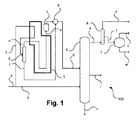
図1は、本発明の一実施形態による原油生成物を生成するための、全体を110で指定した装置を、部分図で概略的に示す。 FIG. 1 schematically illustrates, in partial view, an apparatus designated generally at 110 for producing a crude product according to one embodiment of the present invention.
装置100に供給される原油は、2つの原油ストリームb及びcに分割される。原油ストリームbは、1つ又は複数の分解炉1の対流ゾーン内で予備加熱され、蒸発容器2に移送される。蒸発容器2内で蒸発する原油ストリームbの一部分は、水蒸気と混合された後、ストリームdとして、1つ又は複数の分解炉1の放射ゾーンを通過し、分解ガスeが取得される。
Crude oil supplied to the
分解ガスeは、分解ガスクーラ3において冷却され、その後、蒸発容器2内で液体のままであったストリームfによってここで示す原油ストリームbの一部分と共に、急冷デバイス4において急冷される。急冷流出物gから形成される分離フィード(具体的に示さず)は、常圧分留用の蒸留カラム5内に移送され、蒸留カラム5内に、原油ストリームcもまた給送される。
The cracked gas e is cooled in the cracked gas cooler 3 and then quenched in the
蒸留カラム5は、従来の方法で動作するため、例えば、常圧残留物h及び常圧軽油iがそこで取得される。上部から、又は、蒸留カラム5の上側部分から、ストリームkであって、1つ又は複数の分解炉1からの軽質生成物及び原油ストリームcを含む、ストリームkが引抜かれる。水ウォッシャ6内で水(図示せず)を混合することによって、水ナフサ混合物が、ストリームkから沈殿し、ストリームlとしてデカンタ7内に移送される。このデカンタにおいて、水ストリームm及びナフサストリームnが取得される。
Since the distillation column 5 operates in a conventional manner, for example, atmospheric residue h and atmospheric gas oil i are obtained there. From the top or from the upper part of the distillation column 5, stream k is drawn, comprising light product from one or
本質的に1〜4の炭素原子を有する炭化水素である水ウォッシャ6内でガス形態のままである留分は、ストリームoとして引抜かれ、知られている構成であってよい分留セクション内に給送される。対応する分留セクションにおいて、例えば、最初に、メタン及び/又はメタンとエタンが分離されてもよい(いわゆる、Demethanizer First又はDeethanizer Firstプロセス)。 The fraction that remains in gaseous form in the water washer 6, which is essentially a hydrocarbon having 1 to 4 carbon atoms, is withdrawn as a stream o in the fractionation section, which may be of a known configuration. Be fed. In the corresponding fractionation section, for example, methane and / or methane and ethane may first be separated (so-called Demethanizer First or Dethanizer First process).
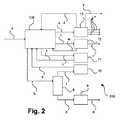
図2は、装置100を拡大図で、すなわち、完全な装置100の、全体を200で指定した拡大詳細として示す。図1に示す装置の一部、すなわち、関連するデバイス2〜4を有する少なくとも1つの分解炉2、並びに、水ウォッシャ6及びデカンタ7を有する常圧分留のために構成される蒸留カラム5は、100で指定される。
FIG. 2 shows the
図2に示すように、減圧残留物pは、減圧蒸留のために構成される蒸留カラム8内で、ストリームhとして蒸留カラム5から引抜かれる常圧残留物から取得される。この減圧残留物pは、デバイス9内で燃焼され、矢印qで示すように、エネルギーを回収するために使用される可能性がある。
As shown in FIG. 2, the vacuum residue p is obtained from the atmospheric residue drawn from the distillation column 5 as a stream h in a distillation column 8 configured for vacuum distillation. This vacuum residue p is combusted in the
蒸留カラム8からのオーバヘッドストリーム、いわゆる減圧軽油は、水素化ユニット10内に移送され、そこで、ストリームrは、例えば、水素化分解によって処理されてもよい。相応して処理されるストリームsは、水蒸気分解プロセス或は1つ又は複数の分解炉1に入るようリサイクルされる可能性がある。同じことが、上述したストリームi、常圧軽油に同様に適用され、常圧軽油は、水素化ユニット11内で処理され、その後、ストリームtとして水蒸気分解プロセスに入るようリサイクルされる可能性がある。5〜8の炭素原子を有する炭化水素を本質的に含むストリームuから、芳香族化合物が、芳香族抽出ユニット12において分離され、ストリームvとして装置から放出される可能性がある。残りの留分は、ストリームwとして別の水蒸気分解プロセスを受ける可能性がある。1〜4の炭素原子を有する炭化水素を主に含む先に述べたストリームoは、C4分留セクション13内に移送される可能性があり、そこで、例えば、エチレン、プロピレン、及びブタジエン等のここでは全体的にxと指定される生成物ストリームが分離される可能性がある。メタンストリームyは、装置から放出されるかつ/又は加熱のために使用される可能性がある。生成物ストリームxとして取得されない炭化水素は、ストリームzとして水蒸気分解プロセスに入るようリサイクルされてもよい。
The overhead stream from the distillation column 8, the so-called vacuum gas oil, is transferred into the
Claims (11)
Applications Claiming Priority (5)
| Application Number | Priority Date | Filing Date | Title |
|---|---|---|---|
| DE102014006326.7 | 2014-04-30 | ||
| DE102014006326.7A DE102014006326A1 (en) | 2014-04-30 | 2014-04-30 | Process and plant for the extraction of crude oil products |
| EP14003149.3 | 2014-09-11 | ||
| EP14003149 | 2014-09-11 | ||
| PCT/EP2015/059249 WO2015165920A1 (en) | 2014-04-30 | 2015-04-28 | Process and system for obtaining crude oil products |
Publications (1)
| Publication Number | Publication Date |
|---|---|
| JP2017516892A true JP2017516892A (en) | 2017-06-22 |
Family
ID=52997464
Family Applications (1)
| Application Number | Title | Priority Date | Filing Date |
|---|---|---|---|
| JP2016565438A Withdrawn JP2017516892A (en) | 2014-04-30 | 2015-04-28 | Method and plant for obtaining crude product |
Country Status (12)
| Country | Link |
|---|---|
| US (1) | US9994781B2 (en) |
| EP (1) | EP3137577B1 (en) |
| JP (1) | JP2017516892A (en) |
| KR (1) | KR20160146767A (en) |
| CN (1) | CN106414672B (en) |
| AU (1) | AU2015254694A1 (en) |
| BR (1) | BR112016025289A2 (en) |
| HU (1) | HUE039685T2 (en) |
| PH (1) | PH12016501983A1 (en) |
| RU (1) | RU2016143914A (en) |
| WO (1) | WO2015165920A1 (en) |
| ZA (1) | ZA201607160B (en) |
Family Cites Families (7)
| Publication number | Priority date | Publication date | Assignee | Title |
|---|---|---|---|---|
| CN1847365A (en) * | 2005-04-14 | 2006-10-18 | 高忠武 | Still catalytically cracking process of producing light fuel oil with heavy oil |
| US7374664B2 (en) | 2005-09-02 | 2008-05-20 | Equistar Chemicals, Lp | Olefin production utilizing whole crude oil feedstock |
| US7563357B2 (en) * | 2007-01-26 | 2009-07-21 | Exxonmobil Chemical Patents Inc. | Process for cracking synthetic crude oil-containing feedstock |
| US8118996B2 (en) * | 2007-03-09 | 2012-02-21 | Exxonmobil Chemical Patents Inc. | Apparatus and process for cracking hydrocarbonaceous feed utilizing a pre-quenching oil containing crackable components |
| US20090050523A1 (en) | 2007-08-20 | 2009-02-26 | Halsey Richard B | Olefin production utilizing whole crude oil/condensate feedstock and selective hydrocracking |
| EP2414488A1 (en) | 2009-03-31 | 2012-02-08 | Equistar Chemicals, LP | Processing of organic acids containing hydrocarbons |
| US8105479B2 (en) | 2009-06-18 | 2012-01-31 | Exxonmobil Chemical Patents Inc. | Process and apparatus for upgrading steam cracker tar-containing effluent using steam |
-
2015
- 2015-04-28 JP JP2016565438A patent/JP2017516892A/en not_active Withdrawn
- 2015-04-28 RU RU2016143914A patent/RU2016143914A/en not_active Application Discontinuation
- 2015-04-28 WO PCT/EP2015/059249 patent/WO2015165920A1/en not_active Ceased
- 2015-04-28 US US15/307,474 patent/US9994781B2/en active Active
- 2015-04-28 HU HUE15717936A patent/HUE039685T2/en unknown
- 2015-04-28 CN CN201580021531.1A patent/CN106414672B/en not_active Expired - Fee Related
- 2015-04-28 KR KR1020167030316A patent/KR20160146767A/en not_active Withdrawn
- 2015-04-28 EP EP15717936.7A patent/EP3137577B1/en not_active Not-in-force
- 2015-04-28 AU AU2015254694A patent/AU2015254694A1/en not_active Abandoned
- 2015-04-28 BR BR112016025289A patent/BR112016025289A2/en not_active IP Right Cessation
-
2016
- 2016-10-06 PH PH12016501983A patent/PH12016501983A1/en unknown
- 2016-10-17 ZA ZA2016/07160A patent/ZA201607160B/en unknown
Also Published As
| Publication number | Publication date |
|---|---|
| PH12016501983A1 (en) | 2016-12-19 |
| US9994781B2 (en) | 2018-06-12 |
| EP3137577B1 (en) | 2018-06-20 |
| EP3137577A1 (en) | 2017-03-08 |
| RU2016143914A3 (en) | 2018-10-15 |
| CN106414672B (en) | 2018-06-22 |
| WO2015165920A1 (en) | 2015-11-05 |
| CN106414672A (en) | 2017-02-15 |
| HUE039685T2 (en) | 2019-01-28 |
| US20170051213A1 (en) | 2017-02-23 |
| AU2015254694A1 (en) | 2016-11-10 |
| RU2016143914A (en) | 2018-05-30 |
| BR112016025289A2 (en) | 2017-08-15 |
| ZA201607160B (en) | 2018-05-30 |
| KR20160146767A (en) | 2016-12-21 |
Similar Documents
| Publication | Publication Date | Title |
|---|---|---|
| JP7417579B2 (en) | Integrated pyrolysis and hydrocracking unit for crude oil to chemicals | |
| EP0204720B1 (en) | Integrated heavy oil pyrolysis process and apparatus | |
| JP6215936B2 (en) | Conversion process of hydrocarbon feedstock by thermal steam cracking | |
| US9464240B2 (en) | Aromatics production process | |
| TWI855045B (en) | A process for conversion of crudes and condensates to chemicals utilizing a mix of hydrogen addition and carbon rejection | |
| JP6464199B2 (en) | Sequential decomposition method | |
| US4300998A (en) | Pre-heat vaporization system | |
| JP6181181B2 (en) | Process for producing olefins by thermal steam cracking in a cracking furnace | |
| JP2016528191A (en) | Process and apparatus for improved ethylene yield for converting crude oil to petrochemical products | |
| JP6184496B2 (en) | Process for producing olefins by thermal steam cracking | |
| JP2021178981A (en) | Crude oil heating method | |
| JP2017516892A (en) | Method and plant for obtaining crude product | |
| JP2017516893A (en) | Method and plant for obtaining crude product | |
| TW201602330A (en) | Method and apparatus for obtaining crude oil products | |
| TW202540394A (en) | Thermal cracking of condensates to produce olefins and diesel | |
| TW201546258A (en) | Method and apparatus for obtaining crude oil products | |
| KR20260008796A (en) | Conversion of ultra-light crude oil, very light crude oil, and condensate into chemicals | |
| JPS62119294A (en) | Hydrocarbon solvent extraction method and bis-breaking method | |
| US2895897A (en) | Production of gasoline from petroleum residues |
Legal Events
| Date | Code | Title | Description |
|---|---|---|---|
| RD01 | Notification of change of attorney |
Free format text: JAPANESE INTERMEDIATE CODE: A7426 Effective date: 20161115 |
|
| A621 | Written request for application examination |
Free format text: JAPANESE INTERMEDIATE CODE: A621 Effective date: 20180125 |
|
| A761 | Written withdrawal of application |
Free format text: JAPANESE INTERMEDIATE CODE: A761 Effective date: 20180711 |