JP2017524355A - Bakery method for producing sugar and improving texture and product formed therefrom - Google Patents
Bakery method for producing sugar and improving texture and product formed therefrom Download PDFInfo
- Publication number
- JP2017524355A JP2017524355A JP2016576024A JP2016576024A JP2017524355A JP 2017524355 A JP2017524355 A JP 2017524355A JP 2016576024 A JP2016576024 A JP 2016576024A JP 2016576024 A JP2016576024 A JP 2016576024A JP 2017524355 A JP2017524355 A JP 2017524355A
- Authority
- JP
- Japan
- Prior art keywords
- amyloglucosidase
- dough
- thermally stable
- bakery product
- sugar
- Prior art date
- Legal status (The legal status is an assumption and is not a legal conclusion. Google has not performed a legal analysis and makes no representation as to the accuracy of the status listed.)
- Granted
Links
Images









Classifications
-
- A—HUMAN NECESSITIES
- A21—BAKING; EDIBLE DOUGHS
- A21D—TREATMENT OF FLOUR OR DOUGH FOR BAKING, e.g. BY ADDITION OF MATERIALS; BAKING; BAKERY PRODUCTS
- A21D13/00—Finished or partly finished bakery products
- A21D13/06—Products with modified nutritive value, e.g. with modified starch content
- A21D13/062—Products with modified nutritive value, e.g. with modified starch content with modified sugar content; Sugar-free products
-
- A—HUMAN NECESSITIES
- A21—BAKING; EDIBLE DOUGHS
- A21D—TREATMENT OF FLOUR OR DOUGH FOR BAKING, e.g. BY ADDITION OF MATERIALS; BAKING; BAKERY PRODUCTS
- A21D8/00—Methods for preparing or baking dough
- A21D8/02—Methods for preparing dough; Treating dough prior to baking
- A21D8/04—Methods for preparing dough; Treating dough prior to baking treating dough with microorganisms or enzymes
- A21D8/042—Methods for preparing dough; Treating dough prior to baking treating dough with microorganisms or enzymes with enzymes
-
- A—HUMAN NECESSITIES
- A21—BAKING; EDIBLE DOUGHS
- A21D—TREATMENT OF FLOUR OR DOUGH FOR BAKING, e.g. BY ADDITION OF MATERIALS; BAKING; BAKERY PRODUCTS
- A21D8/00—Methods for preparing or baking dough
- A21D8/02—Methods for preparing dough; Treating dough prior to baking
- A21D8/04—Methods for preparing dough; Treating dough prior to baking treating dough with microorganisms or enzymes
- A21D8/047—Methods for preparing dough; Treating dough prior to baking treating dough with microorganisms or enzymes with yeasts
-
- C—CHEMISTRY; METALLURGY
- C12—BIOCHEMISTRY; BEER; SPIRITS; WINE; VINEGAR; MICROBIOLOGY; ENZYMOLOGY; MUTATION OR GENETIC ENGINEERING
- C12N—MICROORGANISMS OR ENZYMES; COMPOSITIONS THEREOF; PROPAGATING, PRESERVING, OR MAINTAINING MICROORGANISMS; MUTATION OR GENETIC ENGINEERING; CULTURE MEDIA
- C12N9/00—Enzymes; Proenzymes; Compositions thereof; Processes for preparing, activating, inhibiting, separating or purifying enzymes
- C12N9/14—Hydrolases (3)
- C12N9/24—Hydrolases (3) acting on glycosyl compounds (3.2)
- C12N9/2402—Hydrolases (3) acting on glycosyl compounds (3.2) hydrolysing O- and S- glycosyl compounds (3.2.1)
- C12N9/2405—Glucanases
- C12N9/2408—Glucanases acting on alpha -1,4-glucosidic bonds
- C12N9/2411—Amylases
-
- C—CHEMISTRY; METALLURGY
- C12—BIOCHEMISTRY; BEER; SPIRITS; WINE; VINEGAR; MICROBIOLOGY; ENZYMOLOGY; MUTATION OR GENETIC ENGINEERING
- C12N—MICROORGANISMS OR ENZYMES; COMPOSITIONS THEREOF; PROPAGATING, PRESERVING, OR MAINTAINING MICROORGANISMS; MUTATION OR GENETIC ENGINEERING; CULTURE MEDIA
- C12N9/00—Enzymes; Proenzymes; Compositions thereof; Processes for preparing, activating, inhibiting, separating or purifying enzymes
- C12N9/14—Hydrolases (3)
- C12N9/24—Hydrolases (3) acting on glycosyl compounds (3.2)
- C12N9/2402—Hydrolases (3) acting on glycosyl compounds (3.2) hydrolysing O- and S- glycosyl compounds (3.2.1)
- C12N9/2405—Glucanases
- C12N9/2408—Glucanases acting on alpha -1,4-glucosidic bonds
- C12N9/2411—Amylases
- C12N9/2414—Alpha-amylase (3.2.1.1.)
- C12N9/2417—Alpha-amylase (3.2.1.1.) from microbiological source
-
- C—CHEMISTRY; METALLURGY
- C12—BIOCHEMISTRY; BEER; SPIRITS; WINE; VINEGAR; MICROBIOLOGY; ENZYMOLOGY; MUTATION OR GENETIC ENGINEERING
- C12Y—ENZYMES
- C12Y302/00—Hydrolases acting on glycosyl compounds, i.e. glycosylases (3.2)
- C12Y302/01—Glycosidases, i.e. enzymes hydrolysing O- and S-glycosyl compounds (3.2.1)
- C12Y302/01001—Alpha-amylase (3.2.1.1)
-
- C—CHEMISTRY; METALLURGY
- C12—BIOCHEMISTRY; BEER; SPIRITS; WINE; VINEGAR; MICROBIOLOGY; ENZYMOLOGY; MUTATION OR GENETIC ENGINEERING
- C12Y—ENZYMES
- C12Y302/00—Hydrolases acting on glycosyl compounds, i.e. glycosylases (3.2)
- C12Y302/01—Glycosidases, i.e. enzymes hydrolysing O- and S-glycosyl compounds (3.2.1)
-
- C—CHEMISTRY; METALLURGY
- C12—BIOCHEMISTRY; BEER; SPIRITS; WINE; VINEGAR; MICROBIOLOGY; ENZYMOLOGY; MUTATION OR GENETIC ENGINEERING
- C12Y—ENZYMES
- C12Y302/00—Hydrolases acting on glycosyl compounds, i.e. glycosylases (3.2)
- C12Y302/01—Glycosidases, i.e. enzymes hydrolysing O- and S-glycosyl compounds (3.2.1)
- C12Y302/01003—Glucan 1,4-alpha-glucosidase (3.2.1.3), i.e. glucoamylase
Landscapes
- Life Sciences & Earth Sciences (AREA)
- Engineering & Computer Science (AREA)
- Health & Medical Sciences (AREA)
- Chemical & Material Sciences (AREA)
- Organic Chemistry (AREA)
- Microbiology (AREA)
- Food Science & Technology (AREA)
- Genetics & Genomics (AREA)
- Wood Science & Technology (AREA)
- Bioinformatics & Cheminformatics (AREA)
- Zoology (AREA)
- General Health & Medical Sciences (AREA)
- Molecular Biology (AREA)
- Biochemistry (AREA)
- Biomedical Technology (AREA)
- Biotechnology (AREA)
- General Engineering & Computer Science (AREA)
- Medicinal Chemistry (AREA)
- Mycology (AREA)
- Nutrition Science (AREA)
- Bakery Products And Manufacturing Methods Therefor (AREA)
- Confectionery (AREA)
Abstract
新規な、酵母で膨らませたおよび他のベーカリー製品ならびにそれらの製品を作製する方法が提供される。上記製品は、熱的に安定なアミログルコシダーゼならびに生デンプン分解アミログルコシダーゼおよび/または老化防止性アミラーゼを含む生地から形成される。生地に含まれる添加糖のレベルが実質的に低減され、削除されることさえできる上に、甘味がある製品をなおも実現することが可能である。加えて、得られたベーカリー製品は、フルクトースを含まないまたは少なくとも実質的に含まない。最終的に焼成された製品はまた、より優れた硬さ、レジリエンスおよび粘着性を含む改善されたテクスチャー特性を有し、低減された量の酵母を用いて作製されることができる。【選択図】なしNovel yeast inflated and other bakery products and methods of making those products are provided. The product is formed from a dough containing a thermally stable amyloglucosidase and raw amylolytic amyloglucosidase and / or anti-aging amylase. The level of added sugar contained in the dough can be substantially reduced and even eliminated, and it is still possible to achieve a sweet product. In addition, the resulting bakery product is free or at least substantially free of fructose. The final baked product also has improved textural properties including better hardness, resilience and stickiness and can be made with reduced amounts of yeast. [Selection figure] None
Description
本発明は、焼成中に糖を生成する特定の酵素配合物を組み込むことによる、ベーカリー製品の調製に広く関する。有利には、最終製品は、添加糖およびフルクトースを含まないまたは実質的に含まない上に、添加糖を用いて作製された相当製品と同等のまたはそれより良好な味および香りをなおも有する。加えて、本発明は、含まれる酵素の相乗的な相互作用によって、該ベーカリー製品のテクスチャー品質および貯蔵期間を著しく改善する。 The present invention relates broadly to the preparation of bakery products by incorporating specific enzyme formulations that produce sugar during baking. Advantageously, the final product is free or substantially free of added sugar and fructose and still has a taste and aroma that is equivalent or better than the equivalent product made with the added sugar. In addition, the present invention significantly improves the texture quality and shelf life of the bakery product by the synergistic interaction of the included enzymes.
ベーカリー製品は、一般に、それらの新鮮さおよび甘味によって、消費者の興味をそそっている。先行技術における製品について、これは、該製品を形成するために使用される材料に、糖、例えばスクロース、高フルクトースコーンシロップ、ハチミツなどを加えることによる。最近、添加糖が、食品中の最も健康を害する材料の1つとして指摘されている。添加糖は、潜在的な健康上のリスクと関連付けられているフルクトースを高レベル(一般に50%)で含有する。フルクトースは、肝臓で代謝され、有害な最終生成物、例えばトリグリセリド、尿酸およびフリーラジカルなどを生じる。これは、健康上の病気、とりわけ、例えば非アルコール性脂肪肝疾患、増加されたLDLコレステロール、心血管疾患、痛風および/または高トリグリセリドを引き起こし得る。 Bakery products are generally intrigued by consumers due to their freshness and sweetness. For products in the prior art, this is by adding sugars such as sucrose, high fructose corn syrup, honey, etc. to the materials used to form the product. Recently, added sugar has been pointed out as one of the healthiest ingredients in food. Added sugar contains high levels (typically 50%) of fructose that are associated with potential health risks. Fructose is metabolized in the liver, producing harmful end products such as triglycerides, uric acid and free radicals. This can cause health illnesses, especially non-alcoholic fatty liver disease, increased LDL cholesterol, cardiovascular disease, gout and / or high triglycerides.
したがって、これらの製品に、添加糖、特にフルクトースを含有する添加糖を加えることを避けることが好ましい。しかし、甘味は該製品が魅力的であるには望ましいため、単に糖を加えないならば、味が悪く、消費者の興味をそそらない製品となってしまう。糖の代わりに人工甘味製品を使用すると、それ自体の問題、例えば潜在的な健康上の問題、一部の人々の興味をそそらない味、および消費者に都合の悪い材料表示などを引き起こす。また、糖アルコールは、製品を甘くするのによく使用されるやり方となっているが、典型的な糖ほどの魅力的な味を有しておらず、また、多くの人々は、糖アルコールを適切に消化することができない。 Therefore, it is preferable to avoid adding added sugars, particularly those containing fructose, to these products. However, since sweetness is desirable for the product to be attractive, simply adding no sugar would result in a product that tastes bad and does not appeal to consumers. The use of artificial sweetened products instead of sugar causes its own problems, such as potential health problems, tastes that are intriguing to some people, and material labeling that is inconvenient for consumers. Sugar alcohols are also commonly used to sweeten products, but they do not taste as attractive as typical sugars, and many people use sugar alcohols. Inability to digest properly.
添加糖を含む必要がない、これらの製品の形成方法が必要とされている。さらに、最終製品が、フルクトースを含まないまたは実質的に含まない上に、魅力的で甘い味をなおも有するならば、それは非常に望ましい。 There is a need for a method of forming these products that does not need to contain added sugar. Furthermore, it is highly desirable if the final product is free or substantially free of fructose and still has an attractive and sweet taste.
本発明は、ベーカリー製品を形成する方法であって、
酵母;
初期量の糖;
デンプンの源;
該デンプンが糊化する温度で活性を示す熱的に安定なアミログルコシダーゼ;ならびに
生デンプン分解アミログルコシダーゼ、
老化防止性アミラーゼ、および
それらの混合物
からなる群から選択される酵素
を含む生地を用意することを含む方法に広く関する。
The present invention is a method of forming a bakery product comprising:
yeast;
Initial amount of sugar;
Source of starch;
A thermally stable amyloglucosidase that is active at the temperature at which the starch gelatinizes; and a raw starch-degrading amyloglucosidase;
Broadly relates to a method comprising providing a dough comprising an anti-aging amylase and an enzyme selected from the group consisting of mixtures thereof.
上記生地は、該ベーカリー製品を得るのに十分な時間および温度で焼成され、該ベーカリー製品の糖の最終量は、糖の上記初期量より多い。 The dough is baked at a time and temperature sufficient to obtain the bakery product, and the final amount of sugar in the bakery product is greater than the initial amount of sugar.
本発明はまた、酵母で膨らませたベーカリー製品を形成するのに有用であり、かつデンプンの源、酵母および水を含む生地を提供する。改善点は、該生地が、デンプンが糊化する温度で活性を示す熱的に安定なアミログルコシダーゼ、ならびに
生デンプン分解アミログルコシダーゼ、
老化防止性アミラーゼ、および
それらの混合物
からなる群から選択される酵素を含むことである。
The present invention also provides a dough that is useful in forming a bakery product inflated with yeast and that includes a source of starch, yeast and water. The improvement is that the dough is thermally stable amyloglucosidase that is active at the temperature at which the starch gelatinizes, as well as raw starch degrading amyloglucosidase,
An anti-aging amylase, and an enzyme selected from the group consisting of mixtures thereof.
さらなる実施形態では、本発明は、穀粉、酵母および水から形成される、酵母で膨らませたベーカリー製品を提供する。改善点は、該製品が、
デンプンが糊化する温度で活性を示す熱的に安定なアミログルコシダーゼに由来する、不活性化された熱的に安定なアミログルコシダーゼ、
100重量%とみなされる該ベーカリー製品の総重量に対して少なくとも約5重量%の糖、および
100重量%とみなされる該ベーカリー製品の総重量に対して約0.5重量%未満のフルクトース
を含むことである。
In a further embodiment, the present invention provides a yeast inflated bakery product formed from flour, yeast and water. The improvement is that the product
An inactivated thermally stable amyloglucosidase derived from a thermally stable amyloglucosidase that is active at the temperature at which starch is gelatinized;
Including at least about 5% sugar by weight relative to the total weight of the bakery product considered 100% by weight, and less than about 0.5% fructose based on the total weight of the bakery product considered 100% by weight That is.
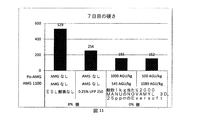
さらなる改善点は、該ベーカリー製品が、図7および図11に説明されているように、8%の添加糖が初期材料中に含まれ、かつ本発明の酵素配合物を含まないまたは現在の市場で標準的な老化防止性酵素製品、例えばCorbionからのUltra Fresh Premium 250を含む材料から形成される同様の製品と比較して、少なくとも約50%、好ましくは少なくとも約75%、より好ましくは約90%〜約100%のクラム硬さの減少を有することである。 A further improvement is that the bakery product contains 8% added sugar in the initial material and does not contain the enzyme formulation of the present invention, as illustrated in FIGS. And at least about 50%, preferably at least about 75%, and more preferably about 90% compared to a similar product formed from a standard anti-aging enzyme product such as Ultra Fresh Premium 250 from Corbion. % To about 100% reduction in crumb hardness.
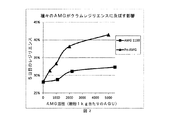
該ベーカリー製品はさらに、図2および図12に説明されているように、8%の添加糖が初期材料中に含まれ、かつ従来の酵素、例えばNovozymesからのAMG 1100または現在の市場で標準的な老化防止性酵素製品、例えばCorbionからのUltra Fresh Premium 250を含む材料から形成される同様の製品と比較して、少なくとも10%、好ましくは少なくとも約15%、より好ましくは約20%〜約28%のクラムレジリエンス(crumb resilience)の改善を有する。 The bakery product further includes 8% added sugar in the initial material, as illustrated in FIGS. 2 and 12, and is conventional in conventional enzymes such as AMG 1100 from Novozymes or current market. Anti-aging enzyme products, such as at least 10%, preferably at least about 15%, more preferably from about 20% to about 28, as compared to similar products formed from materials including, for example, Ultra Fresh Premium 250 from Corbion. % Improvement in crumb resilience.
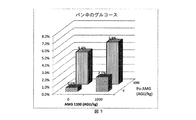
その上、該ベーカリー製品のさらなる改善点は、図3に説明されているように、従来の酵素、例えばNovozymesからのAMG 1100を含む材料から形成される同様の製品と比較して、少なくとも10%、好ましくは少なくとも約25%、より好ましくは約25%〜約50%のクラム粘着性(crumb adhesiveness)の減少である。 Moreover, a further improvement of the bakery product is at least 10% compared to a similar product formed from a material comprising a conventional enzyme, for example AMG 1100 from Novozymes, as illustrated in FIG. A reduction in crumb adhesion of preferably at least about 25%, more preferably from about 25% to about 50%.
より詳細には、本発明は、新規な生地配合物ならびにこれらの配合物を用いて、酵母で膨らませたベーカリー製品および他のベーカリー製品を作製する新規な方法に関する。これらの製品は、パン、プレッツェル、イングリッシュマフィン、バンズ、ロールパン、トルティーヤ(トウモロコシおよび穀粉の両方)、ピザ生地、ベーグルおよびクランペットからなる群から選択されるものを包含する。 More particularly, the present invention relates to novel dough formulations and novel methods of using these formulations to make yeast-inflated bakery products and other bakery products. These products include those selected from the group consisting of bread, pretzels, English muffins, buns, rolls, tortillas (both corn and flour), pizza dough, bagels and crampets.
本発明の方法において、上記特定の製品のための材料が一緒に混捏される。典型的な材料およびそれらの好ましい範囲は、表1に記述されている。 In the method of the present invention, the materials for the specific product are mixed together. Typical materials and their preferred ranges are set forth in Table 1.

特に好ましい実施形態では、該添加糖は約0重量%であり、別の実施形態では、該添加糖は0重量%である。 In a particularly preferred embodiment, the added sugar is about 0% by weight, and in another embodiment, the added sugar is 0% by weight.
MANUおよびAGUは、それぞれ、アミラーゼおよびアミログルコシダーゼの酵素活性の尺度である。本明細書において使用されるとき、1単位のMANU(Maltogenic Amylase Novo Unit)は、0.1Mクエン酸緩衝液1ml当たり10mgのマルトトリオース(Sigma M8378)基質の濃度で、pH5.0、37℃にて30分間に、毎分1μmolのマルトースを放出するのに必要とされる酵素の量と定義される。1単位のAGU(Amyloglucosidase Unit)は、0.1M酢酸緩衝液中に100ミリモルのマルトースの基質濃度で、pH4.3、37℃にて、毎分1μmolのマルトースを加水分解するのに必要とされる酵素の量と定義される。いずれの場合にも、μmolで表されるマルトースの量は、最終溶液を標準マルトース溶液と比較することによって決定されることができる。 MANU and AGU are measures of the enzymatic activity of amylase and amyloglucosidase, respectively. As used herein, one unit of MANU (Maltogenic Amylas Novo Unit) is at a concentration of 10 mg maltotriose (Sigma M8378) substrate per ml of 0.1 M citrate buffer, pH 5.0, 37 ° C. Is defined as the amount of enzyme required to release 1 μmol of maltose per minute in 30 minutes. One unit of AGU (Amyloglucididase Unit) is required to hydrolyze 1 μmol maltose per minute at pH 4.3, 37 ° C. at a substrate concentration of 100 millimolar maltose in 0.1 M acetate buffer. Defined as the amount of enzyme. In either case, the amount of maltose expressed in μmol can be determined by comparing the final solution to a standard maltose solution.
表1の材料に加えて、上記生地は、デンプンの源、例えば、小麦粉、ライ麦粉、オート麦粉、大麦粉、ライ小麦粉、米粉、タピオカデンプン、トウモロコシデンプン、小麦デンプン、米デンプン、ジャガイモデンプン、トウモロコシ粉およびジャガイモ粉からなる群から選択されるものを含む。上記デンプンの源は、典型的には、100重量%とみなされる該穀粉の総重量に対して、約50%〜約95重量%、好ましくは約65%〜約85重量%のレベルのデンプンをもたらすように含まれる。穀粉が該デンプンの源の場合には、これは、典型的には、100重量%とみなされる該生地の総重量に対して、約40%〜約70重量%、好ましくは約50%〜約60重量%の穀粉レベルを結果する。 In addition to the ingredients in Table 1, the dough comprises a starch source such as wheat flour, rye flour, oat flour, barley flour, rye flour, rice flour, tapioca starch, corn starch, wheat starch, rice starch, potato starch, corn Including those selected from the group consisting of flour and potato flour. The starch source typically comprises starch at a level of about 50% to about 95% by weight, preferably about 65% to about 85% by weight, based on the total weight of the flour considered to be 100% by weight. Included to bring. When flour is the source of the starch, this is typically about 40% to about 70% by weight, preferably about 50% to about 70%, based on the total weight of the dough considered to be 100% by weight. A flour level of 60% by weight results.
使用される酵母は、酵母で膨らませたベーカリー製品中に慣用的に使用されている任意の酵母であることができ、クリーム状酵母および圧搾酵母が好ましい。適した生地強化剤は、ステアロイル乳酸ナトリウム、エトキシル化モノグリセリド、モノ−およびジグリセリドのジアセチル酒石酸エステル(DATEM)ならびにそれらの混合物からなる群から選択されるものを含む。 The yeast used can be any yeast conventionally used in bakery products inflated with yeast, with creamy yeast and pressed yeast being preferred. Suitable dough strengtheners include those selected from the group consisting of sodium stearoyl lactate, ethoxylated monoglycerides, diacetyl tartaric acid esters of mono- and diglycerides (DATEM) and mixtures thereof.
好ましい防かび剤は、プロピオン酸カルシウムおよび/またはナトリウム、ソルビン酸カリウム、酢、レーズン果汁濃縮物ならびにそれらの混合物からなる群から選択されるものを含む。好ましい油脂は、大豆油、部分的に水素添加された大豆油、ラード、ヤシ油、トウモロコシ油、綿実油、菜種油およびそれらの混合物からなる群から選択される。 Preferred fungicides include those selected from the group consisting of calcium and / or sodium propionate, potassium sorbate, vinegar, raisin juice concentrate and mixtures thereof. Preferred fats and oils are selected from the group consisting of soybean oil, partially hydrogenated soybean oil, lard, coconut oil, corn oil, cottonseed oil, rapeseed oil and mixtures thereof.
適した穀粉改良剤は、アスコルビン酸、臭素酸カリウム、ヨウ素酸カリウム、アゾジカーボンアミド、過酸化カルシウムおよびそれらの混合物からなる群から選択されるものを含む。従来の任意の乳化剤が利用されることができるが、好ましい乳化剤は、モノステアリン酸ポリオキシエチレンソルビタン(典型的にはポリソルベート60と称される)ならびにモノグリセリド、例えば粉末および水和モノグリセリド、クエン酸モノグリセリドおよびコハク酸モノグリセリドを含む。 Suitable flour improvers include those selected from the group consisting of ascorbic acid, potassium bromate, potassium iodate, azodicarbonamide, calcium peroxide and mixtures thereof. Any conventional emulsifier can be utilized, but preferred emulsifiers are polyoxyethylene sorbitan monostearate (typically referred to as polysorbate 60) and monoglycerides such as powdered and hydrated monoglycerides, citric acid monoglycerides And succinic monoglyceride.
熱的に安定なアミログルコシダーゼ
上記生地はまた、熱的に安定なアミログルコシダーゼを含む。本発明に利用される熱的に安定なアミログルコシダーゼは、焼成プロセス中にデンプンが糊化するときに活性であり、かつデンプンに作用するのに利用できるように選択されるべきである。すなわち、焼成前に生地に存在するデンプンの大部分は、酵素によってすぐには作用されないデンプン粒の形態で存在する。生デンプンは、約65℃で糊化し始め、典型的にはおよそ85℃までに完全に糊化される。糊化デンプンは、アミログルコシダーゼによってより容易に加水分解されてグルコースになる。したがって、選択された熱的に安定なアミログルコシダーゼは、生地がパンに移行する際に、生地中のデンプンに作用することができるように十分に熱安定性であるべきである(すなわち、それは、約65℃〜約85℃で活性であるべきであり、または少なくとも部分的に活性であるべきである)。同時に、完全に焼成された製品における残りのアミログルコシダーゼ活性は、その貯蔵期間中に最終製品の品質に負の影響を及ぼし得るので、選択された熱的に安定なアミログルコシダーゼは、焼成終了(すなわち、約95℃〜約100℃)までに不活性化されることが好ましい。
Thermally stable amyloglucosidase The dough also contains a thermally stable amyloglucosidase. The thermally stable amyloglucosidase utilized in the present invention should be selected so that it is active when the starch gelatinizes during the baking process and is available to act on the starch. That is, the majority of the starch present in the dough before baking is in the form of starch granules that are not immediately acted upon by the enzyme. Raw starch begins to gelatinize at about 65 ° C and is typically fully gelatinized by approximately 85 ° C. Gelatinized starch is more easily hydrolyzed to glucose by amyloglucosidase. Thus, the selected thermally stable amyloglucosidase should be sufficiently heat stable so that it can act on the starch in the dough as it moves to the bread (ie it is It should be active at about 65 ° C to about 85 ° C, or at least partially active). At the same time, the remaining amyloglucosidase activity in the fully baked product can negatively affect the quality of the final product during its storage period, so that the selected thermally stable amyloglucosidase is at the end of baking (i.e. , About 95 ° C. to about 100 ° C.).
したがって、本発明に使用するための熱的に安定なアミログルコシダーゼは、約85℃で約1分間〜約30分間、好ましくは約85℃で約3分間〜約20分間、より好ましくは約85℃で約5分間〜約15分間の半減期(T1/2)を有する。これらの値は、pH4.5で、0.12mM CaCl2中で得られる。 Accordingly, the thermally stable amyloglucosidase for use in the present invention is about 85 ° C for about 1 minute to about 30 minutes, preferably about 85 ° C for about 3 minutes to about 20 minutes, more preferably about 85 ° C. And has a half-life (T 1/2 ) of about 5 minutes to about 15 minutes. These values are obtained in 0.12 mM CaCl 2 at pH 4.5.
一実施形態では、好ましい熱的に安定なアミログルコシダーゼは、pH約4.5でアッセイされるとき、少なくとも約60℃、好ましくは約60℃〜約85℃、より好ましくは約70℃〜約85℃、さらに好ましくは約75℃〜約80℃の最適温度を有する。本明細書において使用されるとき、酵素の「最適温度」は、指定されたアッセイ条件で酵素活性が最も高い温度を指す。 In one embodiment, a preferred thermally stable amyloglucosidase is at least about 60 ° C, preferably from about 60 ° C to about 85 ° C, more preferably from about 70 ° C to about 85 when assayed at a pH of about 4.5. ° C, more preferably from about 75 ° C to about 80 ° C. As used herein, the “optimum temperature” of an enzyme refers to the temperature at which the enzyme activity is highest at the specified assay conditions.
一実施形態では、利用される熱的に安定なアミログルコシダーゼは、85℃にて約15分のインキュベーション後に、約25%〜約90%、好ましくは約35%〜約70%、より好ましくは約35%〜約60%の残存酵素活性を有する。調理されたパンへの負の影響を避けるために、選択された熱的に安定なアミログルコシダーゼは、0.12mM CaCl2を含むpH5.0の緩衝液中、100℃にて約3分後に、約15%未満、好ましくは約10%未満、より好ましくは約5%未満の残存酵素活性を有する。本明細書において使用されるとき、「残存酵素活性」は、特定の酵素がこの段落に記述されている条件に供された後に残存している酵素活性(すなわち「最終活性」(上記で定義されているMANUまたはAGUで表される))である。「%残存酵素活性」は、特定の酵素がこの段落に記述されている条件に供された後に残存している酵素活性(すなわち「最終酵素活性」(上記で定義されているMANUまたはAGUで表される))を、これらの条件に供される前の同酵素の酵素活性(すなわち「初期酵素活性」(先と同様に、MANUまたはAGUで表される))と比較することによって算出される。すなわち、 In one embodiment, the thermally stable amyloglucosidase utilized is about 25% to about 90%, preferably about 35% to about 70%, more preferably about Has a residual enzyme activity of 35% to about 60%. In order to avoid negative effects on cooked bread, the selected thermally stable amyloglucosidase is about 3 minutes at 100 ° C. in a buffer with pH 5.0 containing 0.12 mM CaCl 2 . It has a residual enzyme activity of less than about 15%, preferably less than about 10%, more preferably less than about 5%. As used herein, “residual enzyme activity” is the enzyme activity remaining after a particular enzyme has been subjected to the conditions described in this paragraph (ie, “final activity” (as defined above). Represented by MANU or AGU))). “% Residual enzyme activity” is the enzyme activity remaining after a particular enzyme has been subjected to the conditions described in this paragraph (ie, “final enzyme activity” (expressed in MANU or AGU as defined above). )) Is compared to the enzyme activity of the same enzyme before being subjected to these conditions (ie “initial enzyme activity” (expressed as MANU or AGU as before)). . That is,
一実施形態では、利用される熱的に安定なアミログルコシダーゼは、1mM CaCl2でアッセイされるとき、約3.0〜約7.0、好ましくは約4.0〜約6.0、より好ましくは約4.5〜約5.5の最適pH(すなわち、指定されたアッセイ条件で酵素活性が最も高いpH)を有する。 In one embodiment, the thermally stable amyloglucosidase utilized is about 3.0 to about 7.0, preferably about 4.0 to about 6.0, more preferably when assayed at 1 mM CaCl 2. Has an optimum pH of about 4.5 to about 5.5 (ie, the pH with the highest enzyme activity under the specified assay conditions).
一実施形態では、好ましい熱的に安定なアミログルコシダーゼは、約3.0〜約7.0、好ましくは約4.0〜約6.0、より好ましくは約4.5〜約5.5のpH安定性範囲を有する。pH安定性は、特定の酵素を、指定されたpHで37℃にて20時間、最初にインキュベートすることによって測定される。次いで、保持された酵素活性がアッセイされ、そして最初の酵素活性と比較される。好ましい熱的に安定なアミログルコシダーゼは、上記で言及されたpH安定性範囲において、その最初の活性の少なくとも約70%、好ましくは少なくとも約90%、より好ましくは約95%〜100%を保持する。 In one embodiment, the preferred thermally stable amyloglucosidase is about 3.0 to about 7.0, preferably about 4.0 to about 6.0, more preferably about 4.5 to about 5.5. Has a pH stability range. pH stability is measured by first incubating a specific enzyme at 37 ° C. for 20 hours at the specified pH. The retained enzyme activity is then assayed and compared to the initial enzyme activity. Preferred thermally stable amyloglucosidases retain at least about 70%, preferably at least about 90%, more preferably from about 95% to 100% of their initial activity in the pH stability range referred to above. .
本発明に使用するのに適した熱的に安定なアミログルコシダーゼの特定の例は、下記:
(a)ペニシリウム オキサリクム(Penicillium oxalicum)(例えば、参照によって本明細書に組み込まれる、Novozymesによる国際公開第2011/127802号に記載されているPo−AMG);
(b)タラロマイセス エメルソニイ(Talaromyces emersonii)(例えば、参照によって本明細書に組み込まれる、国際公開第2009/028448号に記載されているもの);
(c)タラロマイセス デュポンティ(Talaromyces duponti)(例えば、参照によって本明細書に組み込まれる、米国特許第4,247,637号に記載されているもの);
(d)タラロマイセス サーモフィリウス(Talaromyces thermophilius)(例えば、参照によって本明細書に組み込まれる、米国特許第4,587,215号明細書に記載されているもの);
(e)クロストリジウム サーモアミロリティクム(Clostridium thermoamylolyticum)(例えば、参照によって本明細書に組み込まれる、欧州特許第135,138号に記載されているもの);および
(f)クロストリジウム サーモヒドロスルフリクム(Clostridium thermohydrosulfuricum)(例えば、参照によって本明細書に組み込まれる、国際公開第1986/001,831号に記載されているもの)
からなる群から選択される菌株から得られる(すなわち、上記菌株の1種に見出されるDNA配列によってコードされる)アミログルコシダーゼを含む。
Specific examples of thermally stable amyloglucosidases suitable for use in the present invention include the following:
(A) Penicillium oxalicum (eg, Po-AMG described in WO 2011/127802 by Novozymes, incorporated herein by reference);
(B) Talaromyces emersonii (for example, as described in WO 2009/028448, which is incorporated herein by reference);
(C) Talaromyces duponti (for example, as described in US Pat. No. 4,247,637, incorporated herein by reference);
(D) Talaromyces thermophilius (eg, those described in US Pat. No. 4,587,215, incorporated herein by reference);
(E) Clostridium thermoamylolyticum (eg, those described in European Patent No. 135,138, incorporated herein by reference); and (f) Clostridium thermohydrosulfuricum ( Clostridium thermohydrosulfuricum) (for example, those described in WO 1986 / 001,831, incorporated herein by reference).
Amyloglucosidase obtained from a strain selected from the group consisting of (ie, encoded by a DNA sequence found in one of the strains).
上記は、いくつかの好ましい熱的に安定なアミログルコシダーゼを記述しているが、上記の特性を満たす任意の熱的に安定なアミログルコシダーゼが、本発明で働き得る。これは、任意の天然源由来のアミログルコシダーゼおよび遺伝子改変を通じて作られる変形を含む。 While the above describes some preferred thermally stable amyloglucosidases, any thermally stable amyloglucosidase that meets the above properties can work with the present invention. This includes amyloglucosidase from any natural source and variations made through genetic modification.
生デンプン分解アミログルコシダーゼ
好ましい実施形態では、生デンプン分解アミログルコシダーゼが、生地中に存在する。生デンプン分解アミログルコシダーゼは、生デンプン分子に作用する。一実施形態では、この生デンプン分解アミログルコシダーゼは、好ましくは、上述した最初のアミログルコシダーゼよりも低い最適温度を有する。また、この生デンプン分解アミログルコシダーゼは、適度に熱的に安定であることのみを必要とする。すなわち、それは、生地温度がデンプンの糊化温度より高いときに、その活性の多くを失いうる。好ましい実施形態では、糖が、生デンプン分解アミログルコシダーゼによって、生地中においてのみ生成され、焼成中には生成されない。すなわち、生デンプン分解酵素(例えばAMG 300およびAMG 1100の名称で販売されているもの)は、デンプンが糊化する温度で、それらの活性の多くを失う。
Raw amylolytic amyloglucosidase In a preferred embodiment, raw amylolytic amyloglucosidase is present in the dough. Raw amylolytic amyloglucosidase acts on raw starch molecules. In one embodiment, the raw amylolytic amyloglucosidase preferably has a lower optimal temperature than the first amyloglucosidase described above. Also, this raw starch degrading amyloglucosidase need only be reasonably thermally stable. That is, it can lose much of its activity when the dough temperature is higher than the gelatinization temperature of starch. In a preferred embodiment, sugar is produced only in the dough by raw amylolytic amyloglucosidase and not during baking. That is, raw starch degrading enzymes (such as those sold under the
好ましい生デンプン分解アミログルコシダーゼは、約70℃まで熱安定性を有するが、好ましくは70℃を超えるとかなり急速に活性を失う。したがって、本発明に使用するための好ましい生デンプン分解アミログルコシダーゼは、約70℃で約1分間〜約20分間、好ましくは約70℃で約3分間〜約15分間、より好ましくは約70℃で約3分間〜約10分間の半減期(T1/2)を有する。好ましくは、利用される生デンプン分解アミログルコシダーゼは、70℃にて約15分後に、少なくとも約5%、好ましくは少なくとも約10%、より好ましくは約10%〜約20%の残存活性を有する。別の実施形態では、該生デンプン分解アミログルコシダーゼは、pH約4.5で、約70℃未満、好ましくは約65℃未満、より好ましくは約40℃〜約65℃、より好ましくは約40℃〜約60℃、さらに好ましくは約45℃〜約55℃の最適温度を有する。 Preferred raw amylolytic amyloglucosidases are thermostable up to about 70 ° C., but preferably lose activity fairly rapidly above 70 ° C. Accordingly, preferred raw amylolytic amyloglucosidases for use in the present invention are about 70 ° C. for about 1 minute to about 20 minutes, preferably about 70 ° C. for about 3 minutes to about 15 minutes, more preferably about 70 ° C. It has a half-life (T 1/2 ) of about 3 minutes to about 10 minutes. Preferably, the raw amylolytic amyloglucosidase utilized has a residual activity of at least about 5%, preferably at least about 10%, more preferably from about 10% to about 20% after about 15 minutes at 70 ° C. In another embodiment, the raw amylolytic amyloglucosidase has a pH of about 4.5 and is less than about 70 ° C, preferably less than about 65 ° C, more preferably about 40 ° C to about 65 ° C, more preferably about 40 ° C. Has an optimum temperature of from about 60C to about 60C, more preferably from about 45C to about 55C.
適した生デンプン分解アミログルコシダーゼは、国際公開第2012/088303号およびPurification and Properties of a Thermophilic Amyloglucosidase from Aspergillus niger, W. Fogarty et.al., Eur J Appl Microbiol Biotechnol (1983) 18:271-278に開示されており、これらは参照によって本明細書に組み込まれる。アスペルギルス(Aspergillus)から産生されるものが好ましく、特に好ましいものは、アスペルギルスニガー(Aspergillus niger)からなる群から選択される菌株から得られるもの(例えば、Novozymes、Denmarkによって、AMG(登録商標)1100の名称で販売されているもの)を含む。 Suitable raw amylolytic amyloglucosidases are described in WO 2012/0888303 and Purification and Properties of a Thermophilic Amyloglucosidase from Aspergillus niger, W. Fogarty et.al., Eur J Appl Microbiol Biotechnol (1983) 18: 271-278. Which are disclosed and incorporated herein by reference. Those produced from Aspergillus are preferred, particularly preferred are those obtained from a strain selected from the group consisting of Aspergillus niger (eg Novozymes, Denmark by AMG® 1100). Including those sold under the name).
老化防止性アミラーゼ
別の実施形態では、細菌アミラーゼまたは老化防止性アミラーゼが含まれる。焼成中にデンプン粒が糊化されるとき、老化防止性アミラーゼによるデンプンの加水分解がさらに一層効果的に起こるため、上記アミラーゼは、約80℃〜約90℃で不活化されるものであることが好ましい。最も好ましい老化防止性アミラーゼは、マルトース生成(maltogenic)アミラーゼであり、より好ましくはマルトース生成α−アミラーゼであり、さらにより好ましくはマルトース生成α−エキソアミラーゼである。そのようなアミラーゼの最も好ましいものは、Novozymes A/SによってNOVAMYLの名称で販売されており、参照によって本明細書に組み込まれる米国特許第RE38,507号に記載されている。このマルトース生成アミラーゼは、バチルス(Bacillus)菌株NCIB 11837によって産生可能であり、またはバチルス菌株NCIB 11837から得られるDNA配列によってコードされるものである(上記マルトース生成アミラーゼは、米国特許第4,598,048号および米国特許第4,604,355号に開示されており、これらの内容は参照によって本明細書に組み込まれる)。本方法で使用されうる別のマルトース生成アミラーゼは、バチルス菌株NCIB 11608によって産生可能なマルトース生成β−アミラーゼである(欧州特許第234858号明細書に開示されており、この内容は参照によって本明細書に組み込まれる)。本発明に使用するための、適した別の老化防止性酵素は、DuPont Daniscoから、POWERFresh(登録商標)G4およびPOWERFresh(登録商標)G+の名称で入手可能である。加えて、米国特許出願公開第2009/0297659号明細書(参照によって本明細書に組み込まれる)が、適したアミラーゼを開示している。
Anti-aging amylase In another embodiment, bacterial amylase or anti-aging amylase is included. When starch granules are gelatinized during baking, starch hydrolysis by anti-aging amylase occurs even more effectively, so that the amylase is inactivated at about 80 ° C. to about 90 ° C. Is preferred. The most preferred anti-aging amylase is a maltogenic amylase, more preferably a maltogenic α-amylase, and even more preferably a maltogenic α-exoamylase. The most preferred of such amylases is sold under the name NOVAMYL by Novozymes A / S and is described in US Pat. No. RE 38,507, incorporated herein by reference. This maltogenic amylase can be produced by the Bacillus strain NCIB 11837 or is encoded by a DNA sequence obtained from the Bacillus strain NCIB 11837 (the maltogenic amylase described in US Pat. No. 4,598, No. 048 and U.S. Pat. No. 4,604,355, the contents of which are incorporated herein by reference). Another maltogenic amylase that can be used in the present method is a maltogenic β-amylase that can be produced by Bacillus strain NCIB 11608 (disclosed in EP 234858, the contents of which are hereby incorporated by reference). Incorporated into). Another suitable anti-aging enzyme for use in the present invention is available from DuPont Danisco under the names POWERFresh® G4 and POWERFresh® G +. In addition, US Patent Application Publication No. 2009/0297659 (incorporated herein by reference) discloses suitable amylases.
マルトース生成アミラーゼに加えて、本発明に含まれることができる他の酵素のいくつかは、真菌アミラーゼ、枯草菌(Bacillus subtilis)由来の細菌α−アミラーゼ、ヘミ−セルラーゼ、キシラナーゼ、プロテアーゼ、グルコースオキシダーゼ、ヘキソースオキシダーゼ、リパーゼ、ホスホリパーゼ、アスパラギナーゼおよびセルラーゼからなる群から選択されるものを含む。 In addition to maltose-producing amylase, some of the other enzymes that can be included in the present invention include fungal amylase, bacterial α-amylase from Bacillus subtilis, hemi-cellulase, xylanase, protease, glucose oxidase, Including those selected from the group consisting of hexose oxidase, lipase, phospholipase, asparaginase and cellulase.
以上に言及されているように、いくつかの実施形態では、本発明は、熱的に安定なアミログルコシダーゼのみを利用する。好ましい実施形態では、本発明は、熱的に安定なアミログルコシダーゼに加えて、生デンプン分解アミログルコシダーゼまたは老化防止性アミラーゼを利用する。特に好ましい実施形態では、本発明は、熱的に安定なアミログルコシダーゼ、生デンプン分解アミログルコシダーゼおよび老化防止性アミラーゼを利用する。言うまでもなく、上記実施形態は、使用者の好みおよび調製される特定の製品に応じて選択されることができる。 As noted above, in some embodiments, the present invention utilizes only a thermally stable amyloglucosidase. In a preferred embodiment, the present invention utilizes raw amylolytic amyloglucosidase or anti-aging amylase in addition to the thermally stable amyloglucosidase. In particularly preferred embodiments, the present invention utilizes thermally stable amyloglucosidase, raw amylolytic amyloglucosidase and anti-aging amylase. Of course, the above embodiments can be selected depending on user preferences and the particular product being prepared.
焼成された製品を作製する方法
本発明による生地を形成する際に、上記の材料は、「ノータイム生地方法(no−time dough process)」を使用して1段階で一緒に簡単に混捏されることができ、または上記材料は「中種生地方法(sponge and dough process)」に供されることができる。「ノータイム生地方法」では、すべての材料が同時にミキシングボウルに加えられ、約5〜約15分間混捏されて、混捏された生地を形成する。
Method of making a baked product In forming a dough according to the present invention, the above materials are easily mixed together in one step using a “no-time dough process”. Or the material can be subjected to a “sponge and dough process”. In the “no time dough method”, all ingredients are added simultaneously to the mixing bowl and mixed for about 5 to about 15 minutes to form a kneaded dough.
「中種生地」方法では、穀粉の一部(例えば、全穀粉の55〜75質量%)が、水、酵母および好ましくは(利用される場合には)生地強化剤と混捏され、そして約3時間〜約4時間の期間発酵される。こうして「中種」を形成する。この期間の後に、残りの材料が、上記中種と約2分〜約10分間混捏されて、混捏された生地を形成する。該混捏された生地は、好ましくは、約5分〜約15分間休まされた後、所望のサイズの片に切り分けて成形され、そして焼成皿に置かれる。次いで、該生地は、好ましくは、約40℃〜約50℃の温度で、約65%〜約95%の相対湿度で、約50分〜約70分の期間、最終発酵される。 In the “medium dough” method, a portion of flour (eg, 55-75% by weight of total flour) is mixed with water, yeast and preferably (if utilized) dough enhancer and about 3 Fermented for a period of time to about 4 hours. Thus, a “medium seed” is formed. After this period, the remaining material is kneaded with the medium seed for about 2 to about 10 minutes to form a kneaded dough. The kneaded dough is preferably rested for about 5 minutes to about 15 minutes, then cut into pieces of the desired size and shaped and placed in a baking dish. The dough is then preferably final fermented at a temperature of about 40 ° C. to about 50 ° C. and a relative humidity of about 65% to about 95% for a period of about 50 minutes to about 70 minutes.
最終発酵(proofing)中、存在する酵素が、デンプンに作用し始める。熱的に安定なアミログルコシダーゼと同様に、存在する任意の生デンプン分解アミログルコシダーゼが、生デンプンに作用し始め、いくらかのデンプンをグルコースに転化する。 During the final proofing, the enzyme present begins to act on the starch. As with the thermally stable amyloglucosidase, any raw starch degrading amyloglucosidase present begins to act on the raw starch and converts some starch to glucose.
上記実施形態にかかわらず、糖(特にフルクトースでない糖)は、焼成プロセス中に(および好ましくは最終発酵中にも)、利用される酵素ブレンドによって生成される。すなわち、出発材料または生地は、何らかの「初期量」の糖を含有する。その初期量は、例えば、添加糖なしの配合物の場合のように、ゼロであることができる。または、その初期量は、以上に記載されているように、いくらか低い糖量(例えば、1〜3%)もしくは10%という高い量であることができる。特に、糖の初期量は、約10重量%以下、好ましくは約3重量%未満、より好ましくは約1重量%未満である。特に好ましい実施形態では、糖の初期量は、約0重量%、より特には0重量%である。該初期量にかかわらず、焼成後に最終製品は、上記初期量を超える最終量の糖の合計を有する。本発明の目的のために、糖は、スクロース、グルコース、フルクトース、高フルクトースコーンシロップ、ハチミツ、ブラウンシュガー、ラクトース、ガラクトース、メープルシロップおよび米飴を含むが、糖アルコールまたは人工甘味材料を含まないことが理解される。 Regardless of the above embodiment, sugars (especially sugars that are not fructose) are produced by the enzyme blend utilized during the baking process (and preferably also during the final fermentation). That is, the starting material or dough contains some “initial amount” of sugar. The initial amount can be zero, for example, as in the case of a formulation without added sugar. Alternatively, the initial amount can be a somewhat lower amount of sugar (eg, 1-3%) or as high as 10%, as described above. In particular, the initial amount of sugar is about 10 wt% or less, preferably less than about 3 wt%, more preferably less than about 1 wt%. In a particularly preferred embodiment, the initial amount of sugar is about 0% by weight, more particularly 0% by weight. Regardless of the initial amount, after firing, the final product has a sum of the final amount of sugar above the initial amount. For the purposes of the present invention, the sugar includes sucrose, glucose, fructose, high fructose corn syrup, honey, brown sugar, lactose, galactose, maple syrup and rice bran but no sugar alcohol or artificial sweetener Is understood.
より詳細には、いくつかの実施形態では、本発明の初期生地(すなわち最終発酵の前)は、(任意の穀粉もしくはデンプンに生来見出される少量の糖、または使用される任意の穀粉もしくはデンプンのタイプ故にもともと存在している少量の糖を超える量の)糖をほとんどまたは全く含有せず、特に、フルクトースをほとんどまたは全く含有しない(すなわち、100重量%とみなされる上記初期生地の総重量に対して各々、約0.2重量%未満、好ましくは約0.1重量%未満、好ましくは約0重量%、好ましくは0重量%である)。一実施形態では、上記初期生地はまた、グルコースをほとんどまたは全く含有しない(初期生地中のフルクトースについて上記したのと同一の低い量である)。最終発酵中、生デンプン分解アミログルコシダーゼおよび熱的に安定なアミログルコシダーゼの両方は、ある特定の量のデンプンをグルコースに転化する。生地が最終発酵された後、典型的には、100重量%とみなされる最終発酵された生地の総重量に対して、少なくとも約1重量%、好ましくは約1〜約2重量%、より好ましくは約2〜約3重量%の糖の合計レベル(すなわち、グルコース、フルクトースおよびマルトースの合計)が存在する。該最終発酵された生地中のグルコースレベルは、典型的には、100重量%とみなされる該最終発酵された生地の総重量に対して、少なくとも約1重量%、好ましくは約1〜約2重量%、より好ましくは約2〜約3重量%である。すなわち、最終発酵後に生地中に存在するグルコースは、一般に、100重量%とみなされる該最終発酵された生地の総重量に対して、0%(もしくは0%に近い)から少なくとも約1%、好ましくは約1〜約2%、より好ましくは約2〜約3重量%に増加する。少なくともいくらかの量のグルコースが、初期材料混合物中に存在する(すなわち、初期材料中に存在するグルコースが0%を超えるが、それでもなお、上記した範囲内である)場合には、最終発酵された生地中に存在するグルコースの合計は、最終発酵前の生地中に存在するグルコース量の少なくとも約5倍、好ましくは少なくとも約10倍、より好ましくは約10〜約15倍の量である。有利には、上述したフルクトースレベルは、実質的に変化しないままである。すなわち、最終発酵された生地は依然として、100重量%とみなされる該最終発酵された生地の総重量に対して、約0.2重量%未満のフルクトース、好ましくは約0.1重量%未満のフルクトース、より好ましくは約0重量%のフルクトースを有する。 More particularly, in some embodiments, the initial dough of the present invention (ie, prior to final fermentation) is a small amount of sugar found naturally in any flour or starch, or of any flour or starch used. Contains little or no sugar (greater than the small amount of sugar originally present), in particular little or no fructose (ie relative to the total weight of the initial dough considered to be 100% by weight) Each less than about 0.2 wt%, preferably less than about 0.1 wt%, preferably about 0 wt%, preferably 0 wt%). In one embodiment, the initial dough also contains little or no glucose (the same low amount as described above for fructose in the initial dough). During the final fermentation, both raw starch-degrading amyloglucosidase and thermally stable amyloglucosidase convert a certain amount of starch into glucose. After the dough has been final fermented, it is typically at least about 1 wt%, preferably about 1 to about 2 wt%, more preferably based on the total weight of the final fermented dough considered to be 100 wt%. There is a total level of sugar from about 2 to about 3% by weight (ie, the sum of glucose, fructose and maltose). The glucose level in the final fermented dough is typically at least about 1% by weight, preferably from about 1 to about 2% by weight, based on the total weight of the final fermented dough considered to be 100% by weight. %, More preferably about 2 to about 3% by weight. That is, the glucose present in the dough after the final fermentation is generally from 0% (or close to 0%) to at least about 1%, preferably at least about 1%, based on the total weight of the final fermented dough considered to be 100% by weight. Increases from about 1 to about 2%, more preferably from about 2 to about 3% by weight. If at least some amount of glucose is present in the initial material mixture (ie, the glucose present in the initial material is greater than 0% but is still within the above range), the final fermented The total glucose present in the dough is at least about 5 times, preferably at least about 10 times, more preferably about 10 to about 15 times the amount of glucose present in the dough before final fermentation. Advantageously, the fructose level described above remains substantially unchanged. That is, the final fermented dough is still less than about 0.2 wt% fructose, preferably less than about 0.1 wt% fructose, based on the total weight of the final fermented dough considered to be 100 wt%. More preferably about 0% by weight fructose.
最終発酵後、次いで、作製される製品のタイプに必要な時間および温度(例えば、約190℃〜約220℃で約20分〜約30分)を使用して焼成され得る。最初の材料中に含まれた任意の生デンプン分解アミログルコシダーゼを含む、任意の熱的に安定でない酵素は、最終発酵中にそれらの活性形態でまだ存在するが、それらは焼成中に不活性化され始めて、酵素骨格を残す。しかし、初期材料中に含まれる(1種または複数の)熱的に安定なアミログルコシダーゼおよび老化防止性アミラーゼは、焼成が開始されるときに、その活性形態でなおも存在する。したがって、焼成中にデンプン粒が糊化するときに、熱的に安定なアミログルコシダーゼは、糊化デンプンを加水分解し続けて、グルコースをより高量でさらに生成することができ、一方、老化防止性アミラーゼは、糊化デンプンを加水分解し続けて、老化防止効果を完成製品に残し、また、マルトース、他のオリゴ糖およびデキストリンを生成する。しかし、焼成サイクルの終了までに、熱的に安定なアミログルコシダーゼおよび老化防止性アミラーゼの両方共が不活性化される。 After the final fermentation, it can then be fired using the time and temperature required for the type of product made (eg, from about 190 ° C. to about 220 ° C. for about 20 minutes to about 30 minutes). Any thermally unstable enzymes, including any raw amylolytic amyloglucosidase contained in the initial material, are still present in their active form during the final fermentation, but they are inactivated during baking Being started, leaving the enzyme skeleton. However, the thermally stable amyloglucosidase and anti-aging amylase contained in the initial material are still present in their active form when firing is initiated. Thus, when the starch granules gelatinize during baking, the thermally stable amyloglucosidase can continue to hydrolyze the gelatinized starch to further produce glucose in higher amounts, while preventing aging Sexual amylase continues to hydrolyze gelatinized starch, leaving an anti-aging effect in the finished product, and also producing maltose, other oligosaccharides and dextrins. However, by the end of the firing cycle, both the thermally stable amyloglucosidase and anti-aging amylase are inactivated.
本発明は、これまで論じてきたものに加えて、いくつかの利点をもたらす。本発明は、先行技術の製品におけるよりも有意に少ない酵母を使用することを結果する。すなわち、先に言及された本発明の酵素配合物を使用することは、糖が初期材料に加えられかつ本発明の酵素配合物を含まない材料から形成された同様の製品と比較されるとき、少なくとも約15%、好ましくは少なくとも約20%、より好ましくは約20%〜約35%の酵母低減をもたらす。例えば、初期材料中に添加糖が0%である生地が、本発明の酵素配合物と組み合わせて利用されると、8%の添加糖が初期材料中に含まれかつ本発明の酵素配合物を含まない材料から形成された同様の製品と比較されるとき、上記の酵母低減が達成される。 The present invention provides several advantages in addition to those discussed above. The present invention results in the use of significantly less yeast than in prior art products. That is, using the enzyme formulation of the invention referred to above, when compared to a similar product formed from a material where sugar is added to the initial material and does not include the enzyme formulation of the invention, It results in a yeast reduction of at least about 15%, preferably at least about 20%, more preferably from about 20% to about 35%. For example, if a dough with 0% added sugar in the initial material is utilized in combination with the enzyme formulation of the present invention, 8% added sugar is included in the initial material and the enzyme formulation of the present invention is The above yeast reduction is achieved when compared to similar products formed from non-containing materials.
本発明の追加の利点は、老化防止性マルトース生成アミラーゼの機能性の増加である(クラム硬さとして測定される)。すなわち、添加糖の多くは、老化防止性マルトース生成アミラーゼを阻害するところ、熱的に安定なアミログルコシダーゼの使用によって、より低い量の糖、例えばスクロースが出発生地に加えられることが可能になり、そのことが老化防止性アミラーゼの性能を改善する。初期材料中に本発明の酵素配合物を含みかつ添加糖が0%である生地が、8%の添加糖が初期材料中に含まれ、かつ本発明の酵素配合物を含まないまたは現在の市場で標準的な老化防止性酵素製品、例えばCorbionからのUltra Fresh Premium 250を含む材料から形成された同様の製品と比較されるとき、クラム硬さを少なくとも約50%、好ましくは少なくとも約75%、より好ましくは約90%〜約100%減少させることが観察されており、その両方が図7および図11に説明されている。
An additional advantage of the present invention is the increased functionality of the anti-aging maltogenic amylase (measured as crumb hardness). That is, many of the added sugars inhibit the anti-aging maltogenic amylase, but the use of a thermally stable amyloglucosidase allows a lower amount of sugar, such as sucrose, to be added to the starting dough, That improves the performance of the anti-aging amylase. Dough containing the enzyme formulation of the present invention in the initial material and 0% added sugar, 8% added sugar is included in the initial material and does not include the enzyme compound of the present invention, or the current market At least about 50%, preferably at least about 75%, when compared to a standard anti-aging enzyme product, such as a similar product formed from a material comprising
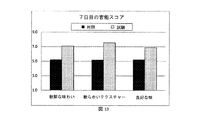
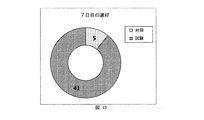
加えて、初期生地を形成する際に、添加糖がほとんどまたは全く含まれなかった(それ故に、フルクトースがほとんどまたは全く含まれなかった)にもかかわらず、本発明の酵素配合物を利用して形成された最終の焼成された製品は、官能試験において8%添加糖(例えばスクロース)対照製品と比較して、同様の甘味があるまたはより甘味がある。すなわち、上記焼成された製品は、典型的には、100重量%とみなされる最終の焼成されたベーカリー製品の総重量に対して、少なくとも約5重量%、好ましくは約6〜約12重量%、より好ましくは約8〜約10重量%の糖の合計レベル(主に、フルクトースを含有しないグルコースおよびマルトース)を有する。初期材料中に少なくともいくらかの糖が存在する(すなわち、初期材料中に糖の量が0%を超える)場合には、最終の焼成された製品中に存在する糖の合計は、一般に、初期材料混合物中に存在する糖の合計の少なくとも約5倍、好ましくは少なくとも約10倍、より好ましくは約16〜約20倍の量である。 In addition, the enzyme formulation of the present invention was utilized in forming the initial dough, despite little or no added sugar (and therefore little or no fructose). The final baked product formed has similar or more sweetness compared to the 8% added sugar (eg sucrose) control product in the sensory test. That is, the baked product is typically at least about 5% by weight, preferably from about 6 to about 12% by weight, based on the total weight of the final baked bakery product considered to be 100% by weight, More preferably, it has a total level of sugars (mainly glucose and maltose without fructose) of about 8 to about 10% by weight. If at least some sugar is present in the initial material (ie, the amount of sugar in the initial material is greater than 0%), the total sugar present in the final baked product is generally The amount is at least about 5 times the total amount of sugars present in the mixture, preferably at least about 10 times, more preferably about 16 to about 20 times.
最終の焼成された製品中のグルコースレベルは、典型的には、100重量%とみなされるベーカリー製品の総重量に対して、少なくとも約3重量%、好ましくは約3〜約10重量%、より好ましくは約4〜約6重量%である。すなわち、初期材料中に少なくともいくらかの量のグルコースが存在する場合には、最終の焼成された製品における生地中に存在するグルコースは、一般に、初期材料配合物中に存在するグルコース量の少なくとも約15倍、好ましくは少なくとも約20倍、より好ましくは約20〜約30倍の量である。 The glucose level in the final baked product is typically at least about 3% by weight, preferably about 3 to about 10% by weight, more preferably based on the total weight of the bakery product considered to be 100% by weight. Is about 4 to about 6% by weight. That is, if there is at least some amount of glucose in the initial material, the glucose present in the dough in the final baked product will generally be at least about 15 of the amount of glucose present in the initial material formulation. Double, preferably at least about 20 times, more preferably about 20 to about 30 times the amount.
この場合も同様に、および有利には、上述したフルクトースレベルは、実質的に変化しないままである。すなわち、最終の焼成された製品は、100重量%とみなされるベーカリー製品の総重量に対して、約1重量%未満のフルクトース、好ましくは約0.5重量%未満のフルクトース、より好ましくは約0重量%未満のフルクトースを有する。このことは、フルクトース消費に関連する健康上のリスクが回避されるので、先行技術に対して有意な利点を提示することが理解されるだろう。 Again, and advantageously, the fructose levels mentioned above remain substantially unchanged. That is, the final baked product is less than about 1% fructose, preferably less than about 0.5% fructose, more preferably about 0%, based on the total weight of the bakery product considered 100% by weight. Has less than% by weight fructose. It will be appreciated that this presents a significant advantage over the prior art as the health risks associated with fructose consumption are avoided.
以上に論じられているように、一実施形態では、本発明は、熱的に安定なアミログルコシダーゼを老化防止性(マルトース生成)アミラーゼと一緒に使用することを伴う。熱的に安定なアミログルコシダーゼおよび老化防止性アミラーゼは共に、同様の熱的安定性を有し、また、デンプン粒が糊化した後に活性なままであるため、それらは焼成中に相乗的に働く。有利には、熱的に安定なアミログルコシダーゼの存在は、焼成された製品の甘味を増加するのみならず、クラム粘着性を減少させ、クラムレジリエンスを増加する。本発明はさらに、高価な老化防止性アミラーゼのレベルが低減されることを可能にすると共に、テクスチャーを改善し、さらに、甘味があるパンを達成することができる。すなわち、本発明に従って形成されたベーカリー製品は、低減された硬さ、低減された粘着性および増加されたクラムレジリエンス故に、改善されたクラムテクスチャーを有するのみならず、これらの製品は、熱的に安定なアミログルコシダーゼおよび老化防止性アミラーゼによって生成された少量の糖、例えばグルコースおよびマルトース故に、改善された味および香りをも有する。 As discussed above, in one embodiment, the present invention involves the use of a thermally stable amyloglucosidase together with an anti-aging (maltogenic) amylase. Both the thermally stable amyloglucosidase and the anti-aging amylase have similar thermal stability and also work synergistically during baking because the starch granules remain active after gelatinization. . Advantageously, the presence of a thermally stable amyloglucosidase not only increases the sweetness of the baked product, but also decreases crumb stickiness and increases crumb resilience. The present invention further allows the level of expensive anti-aging amylase to be reduced, improves texture and further achieves a sweet bread. That is, bakery products formed in accordance with the present invention not only have improved crumb texture because of reduced hardness, reduced tack and increased crumb resilience, but these products are thermally It also has an improved taste and aroma because of the small amount of sugars produced by stable amyloglucosidase and anti-aging amylase, such as glucose and maltose.
上記実施形態にかかわらず、本発明によるベーカリー製品は、下記の試験方法の項に記載された硬さ(すなわち、クラム圧縮性)試験に供されるとき、7日目に約250g未満の力、好ましくは約200g未満の力、さらに好ましくは約160g未満の力の結果を与える。さらに、同じ項に記載された粘着性試験に供されるとき、本発明によるベーカリー製品は、貯蔵期間7日目に測定されると、約5g・mm〜約25g・mm、好ましくは約5g・mm〜約20g・mm、より好ましくは約10g・mm〜約20g・mmの値を与える。達成されるレジリエンスパーセントは、貯蔵期間7日目に測定されるとき、少なくとも約28%、好ましくは約30%〜約40%、より好ましくは約32%〜約37%である。最後に、最終の焼成された製品がパンである場合には、比容は、454gの1塊のパンにおいて、少なくとも約5.5g/cc3、好ましくは少なくとも約6.0g/cc3、より好ましくは少なくとも約6.5g/cc3である。体積は、Stable Micro Systemsによって製造されたVolScanレーザー体積計によって決定される。
Regardless of the above embodiment, the bakery product according to the present invention has a force of less than about 250 g on
本発明は、特に、以下の条項における主題に関するものであり、それにまたはそれによって限定されない。以下の条項に提示されている実施形態は、指示通りに組み合わされ得、また、本明細書における他の事項とおよび特許請求の範囲と組み合わされ得る。 The present invention relates in particular to the subject matter in the following clauses and is not limited thereto or thereby. The embodiments presented in the following clauses may be combined as indicated and may be combined with other matters herein and with the claims.
1.ベーカリー製品を形成する方法であって、
酵母、
初期量の糖、
デンプンの源、
上記デンプンが糊化する温度で活性を示す熱的に安定なアミログルコシダーゼ;ならびに
生デンプン分解アミログルコシダーゼ、
老化防止性アミラーゼ、および
それらの混合物
からなる群から選択される酵素
を含む生地を用意すること、そして
上記生地を、上記ベーカリー製品を得るのに十分な時間および温度で焼成すること、ここで、上記ベーカリー製品の糖の最終量は、糖の上記初期量より多い
を含む方法。
1. A method of forming a bakery product comprising:
yeast,
An initial amount of sugar,
The source of starch,
A thermally stable amyloglucosidase that is active at the temperature at which the starch gelatinizes; and a raw starch-degrading amyloglucosidase,
Providing a dough comprising an enzyme selected from the group consisting of an anti-aging amylase, and mixtures thereof, and baking the dough at a time and temperature sufficient to obtain the bakery product, wherein The method wherein the final amount of sugar in the bakery product comprises more than the initial amount of sugar.
2.糖の上記初期量が、100重量%とみなされる上記生地の総重量に対して約1.0重量%未満であり、
糖の上記最終量が、100重量%とみなされる上記ベーカリー製品の総重量に対して少なくとも約5.0重量%であり、かつ
上記ベーカリー製品が、100重量%とみなされる上記ベーカリー製品の総重量に対して、約0.5重量%未満のフルクトースを含む、
条項1に記載の方法。
2. The initial amount of sugar is less than about 1.0% by weight relative to the total weight of the dough considered to be 100% by weight;
The final amount of sugar is at least about 5.0% by weight relative to the total weight of the bakery product considered 100% by weight, and the total weight of the bakery product where the bakery product is considered 100% by weight Containing less than about 0.5% by weight fructose,
The method according to
3.上記熱的に安定なアミログルコシダーゼが、約65℃〜約85℃の温度で活性である、条項1または2に記載の方法。
3. The method of
4.上記酵素がマルトース生成アミラーゼであり、上記ベーカリー製品が、貯蔵期間7日目に測定されるとき、約5g・mm〜約25g・mmの粘着性を有する、条項1〜3のいずれか1に記載の方法。
4).
5.上記デンプンの源が穀粉である、条項1〜4のいずれか1に記載の方法。
5. 5. The method according to any one of
6.上記熱的に安定なアミログルコシダーゼが、少なくとも約60℃の最適温度を有する、条項1〜5のいずれか1に記載の方法。 6). 6. The method of any one of clauses 1-5, wherein the thermally stable amyloglucosidase has an optimum temperature of at least about 60 ° C.
7.上記熱的に安定なアミログルコシダーゼが、約85℃で約1分間〜約30分間の半減期(T1/2)を有する、条項1〜6のいずれか1に記載の方法。 7). 7. The method of any one of clauses 1-6, wherein the thermally stable amyloglucosidase has a half-life (T 1/2 ) of about 1 minute to about 30 minutes at about 85 ° C.
8.上記熱的に安定なアミログルコシダーゼが、ペニシリウム オキサリクム(Penicillium oxalicum)、タラロマイセス エメルソニイ(Talaromyces emersonii)、タラロマイセス デュポンティ(Talaromyces duponti)、タラロマイセス サーモフィリウス(Talaromyces thermophilius)、クロストリジウム サーモアミロリティクム(Clostridium thermoamylolyticum)およびクロストリジウム サーモヒドロスルフリクム(Clostridium thermohydrosulfuricum)からなる群から選択される菌株に由来する、条項1〜7のいずれか1に記載の方法。
8). The thermally stable amyloglucosidase, Penicillium Okisarikumu (Penicillium oxalicum), Talaromyces Emerusonii (Talaromyces emersonii), Talaromyces DuPont Ti (Talaromyces duponti), Talaromyces thermophilus Fi Cruccuris (Talaromyces thermophilius), Clostridium thermo Ami Lori tee Kum (Clostridium thermoamylolyticum) And the method according to any one of
9.上記酵素が、約70℃で約1分間〜約20分間の半減期(T1/2)を有する生デンプン分解アミログルコシダーゼである、条項1〜8のいずれか1に記載の方法。 9. 9. The method of any one of clauses 1-8, wherein the enzyme is a raw amylolytic amyloglucosidase having a half-life (T 1/2 ) of about 1 minute to about 20 minutes at about 70 ° C.
10.上記生デンプン分解アミログルコシダーゼが、アスペルギルス(Aspergillus)から産生される、条項1〜9のいずれか1に記載の方法。 10. 10. The method of any one of clauses 1-9, wherein the raw amylolytic amyloglucosidase is produced from Aspergillus.
11.糖の上記初期量が、100重量%とみなされる上記生地の総重量に対して約3重量%未満である、条項1〜10のいずれか1に記載の方法。 11. 11. The method of any one of clauses 1-10, wherein the initial amount of sugar is less than about 3% by weight relative to the total weight of the dough considered to be 100% by weight.
12.上記初期量が0%超である、条項10に記載の方法。
12 11. The method of
13.糖の上記最終量が、上記初期量の糖の少なくとも約10倍である、条項1〜12のいずれか1に記載の方法。 13. 13. The method of any one of clauses 1-12, wherein the final amount of sugar is at least about 10 times the initial amount of sugar.
14.糖の上記最終量が、100重量%とみなされる上記ベーカリー製品の重量に対して少なくとも約5重量%である、条項1〜13のいずれか1に記載の方法。 14 14. The method of any one of clauses 1-13, wherein the final amount of sugar is at least about 5% by weight relative to the weight of the bakery product considered to be 100% by weight.
15.上記ベーカリー製品が、100重量%とみなされる上記ベーカリー製品の重量に対して、約1重量%未満のフルクトースを含む、条項1〜14のいずれか1に記載の方法。 15. 15. The method of any one of clauses 1-14, wherein the bakery product comprises less than about 1% by weight fructose, based on the weight of the bakery product considered 100% by weight.
16.上記ベーカリー製品が、100重量%とみなされる上記ベーカリー製品の重量に対して、約0重量%のフルクトースを含む、条項1〜15のいずれか1に記載の方法。 16. 16. The method of any one of clauses 1-15, wherein the bakery product comprises about 0% by weight fructose, based on the weight of the bakery product considered 100% by weight.
17.上記焼成前に、上記生地を最終発酵させることをさらに含む、条項1〜16のいずれか1に記載の方法。 17. The method of any one of clauses 1-16, further comprising subjecting the dough to final fermentation prior to the firing.
18.上記生地が、上記最終発酵前に初期量のグルコースを有し、上記最終発酵後に最終量のグルコースを有し、上記最終量が上記初期量の少なくとも約5倍である、条項17に記載の方法。 18. 18. The method of clause 17, wherein the dough has an initial amount of glucose before the final fermentation, has a final amount of glucose after the final fermentation, and the final amount is at least about 5 times the initial amount. .
19.上記生地が、上記最終発酵前に、100重量%とみなされる上記最終発酵前の生地の総重量に対して、0重量%超のグルコースを有する、条項17または18に記載の方法。 19. 19. Method according to clause 17 or 18, wherein the dough has more than 0% glucose by weight relative to the total weight of the dough before the final fermentation, which is considered 100% by weight before the final fermentation.
20.上記生地が、上記最終発酵後に最終量のグルコースを有し、上記最終量が、100重量%とみなされる上記最終発酵後の生地の総重量に対して、少なくとも約1.0重量%である、条項17〜19のいずれか1に記載の方法。 20. The dough has a final amount of glucose after the final fermentation, and the final amount is at least about 1.0% by weight, based on the total weight of the dough after the final fermentation considered to be 100% by weight; 20. The method according to any one of clauses 17-19.
21.上記ベーカリー製品が、パン、イングリッシュマフィン、プレッツェル、バンズ、ロールパン、トルティーヤ、ピザ生地、ベーグルおよびクランペットからなる群から選択される、条項1〜20のいずれか1に記載の方法。 21. 21. The method of any one of clauses 1-20, wherein the bakery product is selected from the group consisting of bread, English muffins, pretzels, buns, rolls, tortillas, pizza dough, bagels and crampets.
22.上記ベーカリー製品が、貯蔵期間7日目に、約250g未満の力の硬さを有する、条項1〜21のいずれか1に記載の方法。 22. 24. The method of any one of clauses 1-21, wherein the bakery product has a hardness of less than about 250 grams of force at 7 days of storage.
23.上記ベーカリー製品が、貯蔵期間7日目に測定されるとき、少なくとも約28%のレジリエンスパーセントを有する、請求項1から22に記載の方法。 23. 23. The method of claims 1-22, wherein the bakery product has a resilience percentage of at least about 28% as measured on the 7th day of storage.
24.酵母で膨らませたベーカリー製品を形成するのに有用であり、かつデンプンの源、酵母および水を含む生地であって、
上記デンプンが糊化する温度で活性を示す熱的に安定なアミログルコシダーゼ、ならびに
生デンプン分解アミログルコシダーゼ、
老化防止性アミラーゼ、および
それらの混合物
からなる群から選択される酵素
を含むことを特徴とする生地。
24. A dough comprising a source of starch, yeast and water, useful for forming a bakery product inflated with yeast,
A thermally stable amyloglucosidase that is active at the temperature at which the starch gelatinizes, and a raw starch-degrading amyloglucosidase,
A dough comprising an anti-aging amylase and an enzyme selected from the group consisting of mixtures thereof.
25.上記熱的に安定なアミログルコシダーゼが、約65℃〜約85℃の温度で活性である、条項24に記載の生地。 25. 25. The dough of clause 24, wherein the thermally stable amyloglucosidase is active at a temperature of about 65 ° C to about 85 ° C.
26.上記デンプンの源が穀粉である、条項24〜25のいずれか1に記載の生地。 26. 26. The dough according to any one of clauses 24 to 25, wherein the starch source is flour.
27.上記熱的に安定なアミログルコシダーゼが、少なくとも約60℃の最適温度を有する、条項24〜26のいずれか1に記載の生地。 27. 27. The dough according to any one of clauses 24-26, wherein the thermally stable amyloglucosidase has an optimum temperature of at least about 60 ° C.
28.上記熱的に安定なアミログルコシダーゼが、約85℃で約1分間〜約30分間の半減期(T1/2)を有する、条項24〜27のいずれか1に記載の生地。 28. 28. The dough according to any one of clauses 24-27, wherein the thermally stable amyloglucosidase has a half-life (T 1/2 ) of about 1 minute to about 30 minutes at about 85 ° C.
29.上記熱的に安定なアミログルコシダーゼが、ペニシリウム オキサリクム(Penicillium oxalicum)、タラロマイセス エメルソニイ(Talaromyces emersonii)、タラロマイセス デュポンティ(Talaromyces duponti)、タラロマイセス サーモフィリウス(Talaromyces thermophilius)、クロストリジウム サーモアミロリティクム(Clostridium thermoamylolyticum)およびクロストリジウム サーモヒドロスルフリクム(Clostridium thermohydrosulfuricum)からなる群から選択される菌株に由来する、条項24から28のいずれかに記載の生地。 29. The thermally stable amyloglucosidase, Penicillium Okisarikumu (Penicillium oxalicum), Talaromyces Emerusonii (Talaromyces emersonii), Talaromyces DuPont Ti (Talaromyces duponti), Talaromyces thermophilus Fi Cruccuris (Talaromyces thermophilius), Clostridium thermo Ami Lori tee Kum (Clostridium thermoamylolyticum) 29. A dough according to any of clauses 24 to 28, derived from a strain selected from the group consisting of: Clostridium thermohydrosulfuricum.
30.上記酵素が、約70℃で約1分間〜約20分間の半減期(T1/2)を有する生デンプン分解アミログルコシダーゼである、条項24〜29のいずれか1に記載の生地。 30. 30. The dough of any one of clauses 24-29, wherein the enzyme is a raw amylolytic amyloglucosidase having a half-life (T1 / 2 ) of about 1 minute to about 20 minutes at about 70 <0> C.
31.上記生デンプン分解アミログルコシダーゼが、アスペルギルス(Aspergillus)から産生されたものである、条項24〜30のいずれか1に記載の生地。 31. 30. The dough according to any one of clauses 24 to 30, wherein the raw starch-degrading amyloglucosidase is produced from Aspergillus.
32.最終発酵されていない生地である、条項24〜31のいずれか1に記載の生地。 32. 32. The dough according to any one of clauses 24-31, which is a dough that has not been final fermented.
33.上記最終発酵されていない生地が、100重量%とみなされる上記最終発酵されていない生地の総重量に対して、約3重量%未満の糖を含む、条項32に記載の生地。 33. 33. A dough according to clause 32, wherein the unfermented dough comprises less than about 3% sugar by weight relative to the total weight of the unfermented dough considered to be 100% by weight.
34.上記最終発酵されていない生地が、100重量%とみなされる上記最終発酵されていない生地の総重量に対して、約0.5重量%未満の糖を含む、条項32または33に記載の生地。 34. 34. A dough according to clause 32 or 33, wherein the unfermented dough comprises less than about 0.5% sugar by weight relative to the total weight of the unfermented dough considered to be 100% by weight.
35.最終発酵された生地である、条項24〜31のいずれか1に記載の生地。 35. 32. The dough according to any one of clauses 24-31, which is a final fermented dough.
36.上記最終発酵された生地が、100重量%とみなされる上記最終発酵された生地の総重量に対して、少なくとも約1.0重量%の糖を含む、条項35に記載の生地。
36. 36. The dough of
37.上記最終発酵された生地が、100重量%とみなされる上記最終発酵された生地の総重量に対して、約0.2重量%未満のフルクトースを含む、条項35または36に記載の生地。
37. 37. Dough according to
38.上記最終発酵された生地が、100重量%とみなされる上記最終発酵された生地の総重量に対して、約0重量%のフルクトースを含む、条項35〜37のいずれか1に記載の生地。 38. 38. The dough of any one of clauses 35-37, wherein the final fermented dough comprises about 0 wt% fructose, based on the total weight of the final fermented dough considered to be 100 wt%.
39.穀粉、酵母および水から形成された、酵母で膨らませたベーカリー製品であって、
デンプンが糊化する温度で活性を示す熱的に安定なアミログルコシダーゼに由来する不活性化された熱的に安定なアミログルコシダーゼ、
100重量%とみなされる上記ベーカリー製品の総重量に対して少なくとも約5重量%の糖、および
100重量%とみなされる上記ベーカリー製品の総重量に対して約0.5重量%未満のフルクトース
を含むことを特徴とするベーカリー製品。
39. A bakery product inflated with yeast, formed from flour, yeast and water,
An inactivated thermally stable amyloglucosidase derived from a thermally stable amyloglucosidase that is active at the temperature at which starch is gelatinized;
At least about 5% sugar by weight relative to the total weight of the bakery product considered 100% by weight, and less than about 0.5% fructose by weight based on the total weight of the bakery product considered 100% by weight A bakery product characterized by that.
40.上記不活性化された熱的に安定なアミログルコシダーゼが、約65℃〜約85℃の温度で活性である熱的に安定なアミログルコシダーゼに由来する、条項39に記載のベーカリー製品。 40. 40. The bakery product of clause 39, wherein the inactivated thermally stable amyloglucosidase is derived from a thermally stable amyloglucosidase that is active at a temperature of about 65 ° C to about 85 ° C.
41.上記不活性化された熱的に安定なアミログルコシダーゼが、約60℃〜約85℃の最適温度を有する熱的に安定なアミログルコシダーゼに由来する、条項39または40に記載のベーカリー製品。 41. 41. The bakery product of clause 39 or 40, wherein the inactivated thermally stable amyloglucosidase is derived from a thermally stable amyloglucosidase having an optimum temperature of about 60 ° C to about 85 ° C.
42.上記不活性化された熱的に安定なアミログルコシダーゼが、約85℃で約1分間〜約30分間の半減期(T1/2)を有する熱的に安定なアミログルコシダーゼに由来する、条項39〜41のいずれか1に記載のベーカリー製品。 42. Clause 39, wherein the inactivated thermally stable amyloglucosidase is derived from a thermally stable amyloglucosidase having a half-life (T 1/2 ) at about 85 ° C. of about 1 minute to about 30 minutes. A bakery product according to any one of -41.
43.上記不活性化された熱的に安定なアミログルコシダーゼが、ペニシリウム オキサリクム(Penicillium oxalicum)、タラロマイセス エメルソニイ(Talaromyces emersonii)、タラロマイセス デュポンティ(Talaromyces duponti)、タラロマイセス サーモフィリウス(Talaromyces thermophilius)、クロストリジウム サーモアミロリティクム(Clostridium thermoamylolyticum)およびクロストリジウム サーモヒドロスルフリクム(Clostridium thermohydrosulfuricum)からなる群から選択される菌株に由来する熱的に安定なアミログルコシダーゼに由来する、条項39〜42のいずれか1に記載のベーカリー製品。 43. The inactivated thermally stable amyloglucosidases are Penicillium oxalicum, Talaromyces emersonii, Talaromyces duponti, Taromyces duponti Clause 39, derived from a thermally stable amyloglucosidase derived from a strain selected from the group consisting of Clostridium thermoamylolyticum and Clostridium thermohydrosulfuricum 42 bakery product according to any one of the first.
44.上記糖が、100重量%とみなされる上記ベーカリー製品の総重量に対して、約6〜約12重量%のレベルで存在する、条項39〜43のいずれか1に記載のベーカリー製品。 44. 44. A bakery product according to any one of clauses 39 to 43, wherein the sugar is present at a level of about 6 to about 12% by weight relative to the total weight of the bakery product considered to be 100% by weight.
45.上記ベーカリー製品が、100重量%とみなされる上記ベーカリー製品の総重量に対して、約0重量%のフルクトースを含む、条項39〜44のいずれか1記載のベーカリー製品。 45. 45. Bakery product according to any one of clauses 39 to 44, wherein the bakery product comprises about 0% by weight fructose, based on the total weight of the bakery product considered to be 100% by weight.
46.貯蔵期間7日目に測定されるとき、少なくとも約28%のレジリエンスパーセントを有する、条項39〜45のいずれか1に記載のベーカリー製品。 46. 46. A bakery product according to any one of clauses 39-45, having a resilience percentage of at least about 28% as measured on the seventh day of storage.
47.貯蔵期間7日目に、約250g未満の力の硬さを有する、条項39〜46のいずれか1に記載のベーカリー製品。 47. 47. Bakery product according to any one of clauses 39 to 46, having a hardness of less than about 250 g force on the seventh storage period.
48.貯蔵期間7日目に測定されるとき、約5g・mm〜約25g・mmの粘着性を有する、条項39〜47のいずれか1に記載のベーカリー製品。 48. 48. A bakery product according to any one of clauses 39 to 47, having a tackiness of about 5 g · mm to about 25 g · mm as measured on the seventh day of storage.
以下の実施例は、本発明による好ましい方法を記述している。しかし、これらの実施例は、例証として提供されるものであり、その中のいかなる内容も、本発明の全範囲を限定するものとみなされるべきではないことが理解されるべきである。 The following examples describe preferred methods according to the present invention. However, it should be understood that these examples are provided by way of illustration and that no content in them should be considered as limiting the full scope of the invention.
試験方法
テクスチャー分析
パンのテクスチャーは、7日目および14日目に測定された。焼成後、パンは、内部温度が華氏100°になるまで冷まされ(50分)、次いで計量され、体積を測定され、そして温度が華氏72°±華氏2°に制御された部屋に貯蔵された。その時点で、複数ローフのパンが、一度に1ローフずつ、Oliver16ブレードスライサーを用いて25mm±2mmの厚さに薄く切られ、1ポンドの1ローフ当たり10枚を得た。テクスチャープロファイル分析(TPA)手順を使用して、中央の4枚が試験された。測定機器はStable Micro Systemsからのテクスチャーアナライザー(TA−XT2 Texture Analyzer−分解能1gを有するロードセル25kg)であった。この機器を実行するソフトウェアは、Texture Expert Exceed 2.64版であった。テクスチャーアナライザー上でパンのTPAを実行する設定は、下記表の通りである。
Test method
Texture Analysis The bread texture was measured on
理解されるように、当業者は、試験される製品のタイプに基づいて、これらの設定を調整することができる。例えば、距離(mmで表される、試験の深さ)は、試験される製品のタイプに応じて調整されることができる。 As will be appreciated, those skilled in the art can adjust these settings based on the type of product being tested. For example, the distance (test depth expressed in mm) can be adjusted depending on the type of product being tested.
TA−4プローブ(直径1と1/2インチ(38mm)のアクリル製シリンダー)が使用され、グラフの選択は、X軸上に時間および自動範囲、Y軸上に力および自動範囲となるように設定された。
A TA-4 probe (
パンの測定手順は、テクスチャーアナライザーの台上に一枚を置き、プローブが上記一枚のほぼ中央で表面から約10mm上に来るように、上記一枚の位置を定め、そして試験プログラムを開始することであった。上記試験によって、粘着性、硬さおよびレジリエンスを定量化するために使用されるグラフを作成した。特に、粘着性または粘着性の値は、第2の曲線の終端に続く負の領域であり、上記一枚からプローブを引き出すのに必要なエネルギーを表している。硬さは、上記一枚の厚さの25%穿孔深さに相当する第1の曲線上の力点である。レジリエンスは、プローブが上記一枚から持ち上げられるときに上記一枚から放出されるエネルギーと、プローブが上記一枚を圧縮するときに上記一枚にかけられるエネルギーとの比である(AACC方法74−09)。 The pan measurement procedure places a piece on the texture analyzer platform, positions the piece so that the probe is approximately 10 mm above the surface at approximately the center of the piece, and starts the test program. Was that. The above test produced a graph used to quantify stickiness, hardness and resilience. In particular, the stickiness or stickiness value is the negative region following the end of the second curve and represents the energy required to pull the probe from the one piece. The hardness is a force point on the first curve corresponding to 25% perforation depth of the thickness of the single sheet. Resilience is the ratio of the energy released from the sheet when the probe is lifted from the sheet to the energy applied to the sheet when the probe compresses the sheet (AACC Method 74-09). ).
糖の抽出および分析
生地およびパンの両方の糖含量は、生地またはパンクラムの20gのサンプルをブレンディングカップ中に計量することによって試験された。次に、蒸留水80gが加えられ、手持ち式ブレンダーが使用されて、上記生地またはクラムを完全に分散させた。上記混合物の約12mlが15ml管に注がれ、そして氷浴上に置かれた。次いで、上記管が4,000rpmで10分間、遠心分離された。次いで、上清が除去され(上記管の中央に透明な溶液が得られることを確実にする)、次いで、2本の微量遠心管(microfuge)に移された。生地の抽出のために、上記上清は、上記微量遠心管中で1分間煮沸され、次いで氷上で冷却された。上記微量遠心管が12,000rpmで10分間、遠心分離された。次いで、得られた上清は、ラベル付きの新しい2本の微量遠心管に移され、それらは糖の分析まで冷凍庫で貯蔵された。
Sugar Extraction and Analysis The sugar content of both the dough and bread was tested by weighing a 20 g sample of dough or crumb into a blending cup. Next, 80 g of distilled water was added and a hand held blender was used to completely disperse the dough or crumb. About 12 ml of the above mixture was poured into a 15 ml tube and placed on an ice bath. The tube was then centrifuged at 4,000 rpm for 10 minutes. The supernatant was then removed (ensure that a clear solution was obtained in the middle of the tube) and then transferred to two microfuge tubes. For dough extraction, the supernatant was boiled in the microfuge tube for 1 minute and then cooled on ice. The microcentrifuge tube was centrifuged at 12,000 rpm for 10 minutes. The resulting supernatant was then transferred to two new labeled microcentrifuge tubes, which were stored in a freezer until analysis for sugar.
サンプル中の糖含量は、Dionex Ultimate 3000 RS HPLCシステム上で、PA10ガードカラム(4×50mm)が付けられたDionex CarboPac PA1カラム(4×250mm)を用いて分析された。使用された電気化学的検出器は、Thermo Scientificの使い捨て電極を備えたDionex ED40であった。HPLCの移動相Aは50mM NaOHであり、移動相Bは200mM NaOHであった。すべての糖サンプルは、0.4μmのフィルターによりろ過された後、HPLCカラムに充填された。
The sugar content in the samples was analyzed on a
実施例1
アミログルコシダーゼの糖生成およびテクスチャー改変
従来の生デンプン分解(「RSD」)アミログルコシダーゼ(AMG 1100(Novozymes(North Carolina)から))が、熱的に安定なアミログルコシダーゼ(Po−AMG(Novozymesから))と、パン焼成におけるそれらの糖生成能およびクラムテクスチャー改変能に関して比較された。標準的な白パン配合物が、以下の方法に従って調製された。
Example 1
Sugar Production and Texture Modification of Amiloglucosidase Conventional raw starch degradation (“RSD”) amyloglucosidase (AMG 1100 (from Novozymes (North Carolina))) is a thermally stable amyloglucosidase (Po-AMG (from Novozymes)) And their ability to produce sugar and crumb texture in bread baking. A standard white bread formulation was prepared according to the following method.
アミログルコシダーゼの量は、下記表に示されているように変化させた。 The amount of amyloglucosidase was varied as shown in the table below.
上記材料がHobartミキサーに加えられ、そして低速で1分間、次いで高速で13分間混捏された。ミキサーボウルは、20℃の冷水をミキシングボウルの冷却ジャケットに循環させることによって冷却された。混捏後、該生地は、下記表の加工処理パラメータに従って、木製ベンチ上で10分間休まされ、次いで、分割され、伸ばされ、そして成形された。 The material was added to a Hobart mixer and mixed for 1 minute at low speed and then for 13 minutes at high speed. The mixer bowl was cooled by circulating cold water at 20 ° C. through the cooling jacket of the mixing bowl. After kneading, the dough was rested on a wooden bench for 10 minutes according to the processing parameters in the table below, then divided, stretched and molded.
次いで、成形された生地片は、ローフパンの中に置かれ、そして目標とされる高さまで、およそ55〜60分間最終発酵された。焼成前に、糖の抽出および分析用に、最終発酵された各生地のサンプルが採取された。焼成後、複数のローフを金属棚の上に置いて60分間冷却し、次いで、貯蔵寿命分析のためにプラスチック製の袋に個々に包装した。上記貯蔵寿命分析は、上述したテクスチャーアナライザーを用いたテクスチャー分析および糖含量分析を含む。 The shaped dough pieces were then placed in a loaf pan and final fermented for approximately 55-60 minutes to the target height. Prior to baking, a sample of each final fermented dough was taken for sugar extraction and analysis. After firing, the loafs were placed on metal shelves and allowed to cool for 60 minutes and then individually packaged in plastic bags for shelf life analysis. The shelf life analysis includes texture analysis and sugar content analysis using the texture analyzer described above.
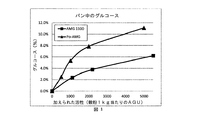
図1は、従来のRSDアミログルコシダーゼ(AMG 1100)の糖生成能を、熱的に安定なアミログルコシダーゼ(Po−AMG)と比較している。結果は、熱的に安定なアミログルコシダーゼ(Po−AMG)が、主に、生デンプンが65℃を超える温度で糊化された後にデンプンをグルコースに変換し続ける能力故に、パンにおいてグルコースを生成することにおいてより効果的であることを示した。図2および図3は、従来のRSDアミログルコシダーゼ(AMG 1100)のパンテクスチャー改変能を、熱的に安定なアミログルコシダーゼ(Po−AMG)と比較している。結果は、熱的に安定なアミログルコシダーゼ(Po−AMG)は、クラムレジリエンスの増加およびクラム粘着性の低減という点から見て、非常に大きなテクスチャー改変能を有することを明らかに示している。 FIG. 1 compares the sugar-producing ability of a conventional RSD amyloglucosidase (AMG 1100) with a thermally stable amyloglucosidase (Po-AMG). The result shows that thermally stable amyloglucosidase (Po-AMG) produces glucose in bread mainly because of its ability to continue to convert starch to glucose after raw starch has been gelatinized at temperatures above 65 ° C. It was shown to be more effective in FIGS. 2 and 3 compare the pan texture modification ability of a conventional RSD amyloglucosidase (AMG 1100) with a thermally stable amyloglucosidase (Po-AMG). The results clearly show that thermally stable amyloglucosidase (Po-AMG) has a very large texture modifying ability in terms of increased crumb resilience and reduced crumb stickiness.
図2に説明されているデータに基づくと、生地中に種々のレベルのPo−AMGを含むことによって、従来の酵素、例えばNovozymesからのAMG 1100が生地中に含まれた材料から形成された同様の製品と比較して、クラムレジリエンスの少なくとも10%、好ましくは少なくとも約15%、より好ましくは約20%〜約28%の改善が達成され得る。また、図3に説明されているように、生地中に種々のレベルのPo−AMGを含めることによって、従来の酵素、例えばNovozymesからのAMG 1100が生地中に含まれた材料から形成された同様の製品と比較して、クラム粘着性の少なくとも10%、好ましくは少なくとも約25%、より好ましくは約25%〜約79%の低減が達成され得る。
Based on the data illustrated in FIG. 2, by including various levels of Po-AMG in the dough, a conventional enzyme such as
実施例2
糖生成能の分析
標準的な白パン配合物が、以下の配合および実施例1に記載されている同一の加工処理パラメータに従って調製された。パン生地のすべてが、1%の添加糖および明記された量のアミログルコシダーゼを用いて作製された。
Example 2
Analysis of Sugar Production A standard white bread formulation was prepared according to the following formulation and the same processing parameters described in Example 1. All of the bread dough was made with 1% added sugar and the specified amount of amyloglucosidase.
再び、最終発酵された生地のサンプルが収集され、そして糖分析用に急速冷凍された。10gの生地が90gの水に分散されたことを除いては、上述したように、生地の糖が抽出された。結果は、図4〜図6に示されている。最終発酵された生地中のおよび焼成されたパン中の糖含量が分析および比較されて、パン作製プロセス中に糖がいつ生成されたかを決定した。 Again, a final fermented dough sample was collected and snap frozen for sugar analysis. The dough sugar was extracted as described above, except that 10 g dough was dispersed in 90 g water. The results are shown in FIGS. The sugar content in the final fermented dough and in the baked bread was analyzed and compared to determine when sugar was produced during the bread making process.
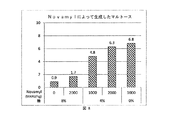
図4〜図6は、アミログルコシダーゼが使用されて、パン作製プロセス中の種々の段階でグルコースを生成したことを示している。図4は、RSDアミログルコシダーゼ、例えばAMG 1100が使用されて、生地の混捏段階中および生地の最終発酵段階中に糖を生成することができるのに対して、より熱的に安定なアミログルコシダーゼ、例えばPo−AMGは、実際の焼成段階中に糖を生成することにおいてさらに一層効果的である(図5および図6を参照のこと)ことを示している。図6は、本発明において使用される熱的に安定なアミログルコシダーゼ、例えばPo−AMGのみが、焼成中に有意な量のグルコースを生成したのに対して、従来のアミログルコシダーゼ、例えばアスペルギルスニガー由来のAMG 1100は、デンプン粒が糊化される前に不活性化されたため、焼成中に有意な量のグルコースを生成することができなかったことを示した。しかし、2種の異なるタイプのアミログルコシダーゼの組合せを使用することによって、パン作製プロセスの全体を通じて、糖、最も有意にはグルコースが生成され得、それは、焼成された完成製品中の糖(特にグルコース)含量を最大にし、生地の最終発酵中に酵母が発酵するのに十分なグルコースをもたらし、かつ焼成された完成製品の望ましい甘味を与えることができる。さらに、上記表に示されているように、熱的に安定な老化防止性マルトース生成アミラーゼによって、焼成全体の間に有意な量のマルトースが生成された。また、焼成された製品中の高量のマルトースは、焼成された製品の香りおよび味に貢献した。
FIGS. 4-6 show that amyloglucosidase was used to produce glucose at various stages during the bread making process. FIG. 4 shows that an RSD amyloglucosidase, such as
実施例3
糖含量およびその老化防止性酵素に及ぼす影響
標準的な白パン配合物が、以下の配合に従って調製された。5種の異なる配合物が、配合物に加えられる糖の量、老化防止性酵素(NOVAMYL(登録商標))のレベルおよびアミログルコシダーゼ(Po−AMG)の量を変化させることによって調製され、他の材料は、下記表に示されているように、それに応じて変化させた。
Example 3
Sugar content and its effect on anti-aging enzymes A standard white bread formulation was prepared according to the following formulation. Five different formulations are prepared by varying the amount of sugar added to the formulation, the level of anti-aging enzyme (NOVAMYL®) and the amount of amyloglucosidase (Po-AMG) The material was varied accordingly as shown in the table below.
本発明の酵素組成物を使用することによって、添加糖は、著しく低減され得、またはパンの配合から完全に除去され得、このことが、老化防止性酵素、例えばNOVAMYL(登録商標)の機能性を大いに高める。 By using the enzyme composition of the present invention, the added sugar can be significantly reduced or completely removed from the bread formulation, which is the functionality of an anti-aging enzyme such as NOVAMYL®. Greatly enhance.
図7は、生地配合中の添加糖の量を低減することによって、NOVAMYL(登録商標)の老化防止機能が大いに高められることを示している。この焼成試験において、本発明者らは、4%添加糖および穀粉1kg当たり1000AGUのPo−AMGでの、穀粉1kg当たり1000MANUのNOVAMYL(登録商標)は、8%添加糖および穀粉1kg当たり0AGUのPo−AMGを含む、穀粉1kg当たり2000MANUのNOVAMYL(登録商標)と類似のクラム軟化効果を有するのに対して、0%添加糖および穀粉1kg当たり1000AGUのPo−AMGを含む、穀粉1kg当たり1000MANUのNOVAMYL(登録商標)は、8%添加糖および穀粉1kg当たり0AGUのPo−AMGを含む、穀粉1kg当たり2000MANUのNOVAMYL(登録商標)に比べて著しく良好に機能することを示した。 FIG. 7 shows that the anti-aging function of NOVAMYL® is greatly enhanced by reducing the amount of added sugar in the dough formulation. In this firing test, we have 1000 MANU NOVAMYL® per kg flour with 4% added sugar and 1000 AGU Po-AMG per kg flour, 8% added sugar and 0 AGU Po per kg flour. -1000MNU NOVAMYL per kg flour with 0% added sugar and 1000 AGU Po-AMG per kg flour, while having similar crumb softening effect with 2000MANU NOVAMYL (R) per kg flour containing AMG ® has been shown to perform significantly better than 2000 MANU NOVAMYL ® per kg flour with 8% added sugar and 0 AGU Po-AMG per kg flour.
図8は、この焼成試験において、老化防止性酵素(NOVAMYL(登録商標))によって生成されたマルトースの量を示す。マルトースは、NOVAMYL(登録商標)作用の最終生成物であり、パン中に生成されるマルトースの量は、酵素の機能性に直接関係している。図8における試験結果は、生地中の添加糖(すなわち、酵素阻害剤)を低減するまたは除去することによって、より多くのマルトースがNOVAMYL(登録商標)によって生成されることを示しており、これは酵素の活性および機能性の増加と一致する。NOVAMYL(登録商標)の増加された活性は、酵素の老化防止効果を改善するのみならず、パン中の高いマルトースレベルをもたらし、これは、完成されたパンの味および香りに正の貢献をした。 FIG. 8 shows the amount of maltose produced by the anti-aging enzyme (NOVAMYL®) in this firing test. Maltose is the end product of NOVAMYL® action and the amount of maltose produced in bread is directly related to the functionality of the enzyme. The test results in FIG. 8 show that more maltose is produced by NOVAMYL® by reducing or removing added sugars (ie, enzyme inhibitors) in the dough. Consistent with increased enzyme activity and functionality. The increased activity of NOVAMYL® not only improved the anti-aging effect of the enzyme, but also resulted in high maltose levels in the bread, which made a positive contribution to the taste and aroma of the finished bread .
この実施例では、本発明の酵素組成物を含み、かつ添加糖を含まないことにより、酵母の添加量が3.0%から2.0%に低減されることができ、これは33%の酵母低減を表している。 In this example, the amount of yeast added can be reduced from 3.0% to 2.0% by including the enzyme composition of the present invention and no added sugar, which is 33%. Represents yeast reduction.
実施例4
AMGの組合せ
この実施例は、0%添加糖で焼成する際の、通例のRSDアミログルコシダーゼ(AMG 1100)および熱的に安定なアミログルコシダーゼ(Po−AMG)の組合せを検討する。白パン生地が、ノータイム系(no−time system)を使用して調製された。この焼成において、穀粉1kg当たり2000MANUのNOVAMYL(登録商標)3D(これは、NOVAMYL(登録商標)の変種である)が、老化防止性酵素として使用された。熱的に安定なアミログルコシダーゼPo−AMGとともに、AMG 1100がRSDアミログルコシダーゼとして使用された。RSDアミログルコシダーゼ(AMG 1100)のレベルは、穀粉1kg当たり500および1000AGUであったのに対して、熱的に安定なアミログルコシダーゼ(Po−AMG)のレベルは、穀粉1kg当たり545AGUおよび1089AGUで試験された。
Example 4
AMG Combinations This example examines the combination of a conventional RSD amyloglucosidase (AMG 1100) and a thermally stable amyloglucosidase (Po-AMG) when calcined with 0% added sugar. White bread dough was prepared using a no-time system. In this firing, 2000
焼成後、貯蔵期間試験用に、パンの複数のローフがプラスチック製の袋の中で貯蔵された。糖分析について、パンクラムが蒸留水で抽出され、糖含量がDionex HPLCシステムで分析された。図9は、パン中の糖のタイプおよび含量を示す。結果は、老化防止性酵素および両方のタイプのアミログルコシダーゼ(AMG 1100およびPo−AMG)を加えることで、有意な量のグルコースおよびマルトースがパン中に生成されたことを示す。しかし、0%添加糖および本発明の酵素組成物を用いて作製されたそのパン中に、検出できる量のフルクトースは存在しなかった。図10は、それらのパンサンプルについての、測定された糖含量に基づいて算出された甘さを示した。結果は、酵素(NOVAMYL(登録商標)3Dと2種のAMGとの両方)を加えることで、0%添加糖のパンは、8%の添加糖を用いて作製された対照パンよりも実際に甘味があることを示した。図11〜図12は、酵素を加えることで、パンの老化が有意に遅くされたことを示した。これは、クラム硬さの減少およびクラムレジリエンスの増加によって測定され得る。この実施例ではまた、本発明の酵素配合物および0%添加糖を用いて作製された生地は、8%添加糖を含み、本発明の酵素配合物を含まない生地と比較して、30%の酵母低減を可能にした。
After baking, several loafs of bread were stored in plastic bags for shelf life testing. For sugar analysis, crumbs were extracted with distilled water and the sugar content was analyzed with a Dionex HPLC system. FIG. 9 shows the type and content of sugar in bread. The results show that the addition of anti-aging enzymes and both types of amyloglucosidase (
クラムレジリエンスおよび粘着性に関する改善のいくつか(図2、3、11および12から算出される)を下記表にまとめる。 Some of the improvements related to crumb resilience and stickiness (calculated from Figures 2, 3, 11, and 12) are summarized in the table below.
実施例5
官能評価
この実施例では、官能知覚のためにパンが調製され、そして評価された。8%の添加糖(この場合にはスクロース)および6.65Promu/kgのNovamyl Pro(これは、NOVAMYL(登録商標)(Novozymesから入手可能)の変種である)を用いて作製された対照パンが、0%の添加糖、33.25PROMU/kgのNovamyl Pro、および生デンプン分解AMG(NovozymesからのGold Crust 3300)とPo−AMGとの組合せを用いて作製された試験パンと比較された。
Example 5
Sensory Evaluation In this example, bread was prepared and evaluated for sensory perception. A control bread made with 8% added sugar (in this case sucrose) and 6.65 Promu / kg Novamyl Pro (which is a variant of NOVAMYL® (available from Novozymes)) , 0% added sugar, 33.25 PROMU / kg Novamyl Pro, and raw starch degrading AMG (Gold Crust 3300 from Novozymes) and a combination of Po-AMG.
図13〜図16は、46名のパネリストを対象とした、8%の粒状スクロースおよび6.65PROMU/kgのNOVAMYL(登録商標)Proを用いて作製された対照パンと、0%の添加糖、33.25PROMU/kgのNOVAMYL(登録商標)Pro、825AGU/kgのGold Crust 3300および756AGU/kgのPo−AMGを用いて作製された試験パンとの官能比較を示した。結果は、0%添加糖での試験パンは、新鮮さ、軟らかいテクスチャーおよび良好な味において、有意に高いスコアを獲得したことを示した。甘さの評価はまた、試験パンが、対照パンに比べてわずかに甘味があったこと、およびそれが「ちょうど良い」甘さにより近いことを示した。全般的に、パネリストの約90%(46名中41名)が、0パーセントの添加糖で作製した試験パンを選好した(図15)。また、糖含量分析(図16)は、添加糖を含まないが、本発明の酵素組成物を含む試験パンがフルクトースを含まなかったことを示した。 FIGS. 13-16 show a control bread made with 8% granular sucrose and 6.65 PROMU / kg NOVAMYL® Pro for 46 panelists, 0% added sugar, A sensory comparison was shown with test breads made with 33.25 PROMU / kg NOVAMYL® Pro, 825 AGU / kg Gold Crust 3300 and 756 AGU / kg Po-AMG. The results showed that the test bread with 0% added sugar gained significantly higher scores in freshness, soft texture and good taste. The sweetness assessment also indicated that the test bread was slightly sweeter than the control bread and that it was closer to the “just right” sweetness. Overall, about 90% of panelists (41 out of 46) preferred test bread made with 0 percent added sugar (Figure 15). The sugar content analysis (FIG. 16) also showed that the test bread containing no added sugar but containing the enzyme composition of the present invention did not contain fructose.
Claims (18)
酵母、
初期量の糖、
デンプンの源、
上記デンプンが糊化する温度で活性を示す熱的に安定なアミログルコシダーゼ;ならびに
生デンプン分解アミログルコシダーゼ、
老化防止性アミラーゼ、および
それらの混合物
からなる群から選択される酵素
を含む生地を用意すること、そして
上記生地を、上記ベーカリー製品を得るのに十分な時間および温度で焼成すること、ここで上記ベーカリー製品の糖の最終量は、糖の上記初期量より多い
を含む方法。 A method of forming a bakery product comprising:
yeast,
An initial amount of sugar,
The source of starch,
A thermally stable amyloglucosidase that is active at the temperature at which the starch gelatinizes; and a raw starch-degrading amyloglucosidase,
Providing a dough comprising an enzyme selected from the group consisting of an anti-aging amylase, and mixtures thereof, and baking the dough at a time and temperature sufficient to obtain the bakery product, wherein The method wherein the final amount of sugar in the bakery product comprises more than the initial amount of sugar.
糖の上記最終量が、100重量%とみなされる上記ベーカリー製品の総重量に対して少なくとも約5.0重量%であり、かつ
上記ベーカリー製品が、100重量%とみなされる上記ベーカリー製品の総重量に対して約0.5重量%未満のフルクトースを含む、
請求項1に記載の方法。 The initial amount of sugar is less than about 1.0% by weight relative to the total weight of the dough considered to be 100% by weight;
The final amount of sugar is at least about 5.0% by weight relative to the total weight of the bakery product considered 100% by weight, and the total weight of the bakery product where the bakery product is considered 100% by weight Less than about 0.5% by weight fructose,
The method of claim 1.
デンプンが糊化する温度で活性を示す熱的に安定なアミログルコシダーゼに由来する、不活性化された熱的に安定なアミログルコシダーゼ、
100重量%とみなされる上記ベーカリー製品の総重量に対して少なくとも約5重量%の糖、および
100重量%とみなされる上記ベーカリー製品の総重量に対して約0.5重量%未満のフルクトース
を含むことを特徴とするベーカリー製品。 A bakery product inflated with yeast, formed from flour, yeast and water,
An inactivated thermally stable amyloglucosidase derived from a thermally stable amyloglucosidase that is active at the temperature at which starch is gelatinized;
At least about 5% sugar by weight relative to the total weight of the bakery product considered 100% by weight, and less than about 0.5% fructose by weight based on the total weight of the bakery product considered 100% by weight A bakery product characterized by that.
Applications Claiming Priority (5)
| Application Number | Priority Date | Filing Date | Title |
|---|---|---|---|
| US201462021899P | 2014-07-08 | 2014-07-08 | |
| EP14176074 | 2014-07-08 | ||
| EP14176074.4 | 2014-07-08 | ||
| US62/021,899 | 2014-07-08 | ||
| PCT/EP2015/065612 WO2016005452A1 (en) | 2014-07-08 | 2015-07-08 | Sugar-producing and texture-improving bakery methods and products formed therefrom |
Related Child Applications (1)
| Application Number | Title | Priority Date | Filing Date |
|---|---|---|---|
| JP2019042175A Division JP6735868B2 (en) | 2014-07-08 | 2019-03-08 | Bakery process for producing sugar and improving texture and products formed therefrom |
Publications (2)
| Publication Number | Publication Date |
|---|---|
| JP2017524355A true JP2017524355A (en) | 2017-08-31 |
| JP6548679B2 JP6548679B2 (en) | 2019-07-24 |
Family
ID=51133924
Family Applications (1)
| Application Number | Title | Priority Date | Filing Date |
|---|---|---|---|
| JP2016576024A Active JP6548679B2 (en) | 2014-07-08 | 2015-07-08 | Bakery method for producing sugar and improving texture and product formed therefrom |
Country Status (12)
| Country | Link |
|---|---|
| US (5) | US20160007618A1 (en) |
| EP (2) | EP4108087A1 (en) |
| JP (1) | JP6548679B2 (en) |
| CN (1) | CN106659168A (en) |
| BR (1) | BR112017000004B1 (en) |
| CA (1) | CA2954220C (en) |
| DK (1) | DK3166412T3 (en) |
| ES (1) | ES2921532T3 (en) |
| MX (2) | MX2017000262A (en) |
| PL (1) | PL3166412T3 (en) |
| PT (1) | PT3166412T (en) |
| WO (1) | WO2016005452A1 (en) |
Cited By (1)
| Publication number | Priority date | Publication date | Assignee | Title |
|---|---|---|---|---|
| JP2021036865A (en) * | 2019-08-30 | 2021-03-11 | 株式会社Adeka | Bakery oil and fat composition |
Families Citing this family (12)
| Publication number | Priority date | Publication date | Assignee | Title |
|---|---|---|---|---|
| CN106659168A (en) | 2014-07-08 | 2017-05-10 | 卡拉万成分股份有限公司 | Baking process producing sugar and improved structure and products formed therefrom |
| WO2017205337A1 (en) * | 2016-05-23 | 2017-11-30 | Dupont Nutrition Biosciences Aps | Baking process and a method thereof |
| JP7489923B2 (en) * | 2018-06-04 | 2024-05-24 | ノボザイムス アクティーゼルスカブ | Solid enzyme articles for use in baking |
| US12171240B2 (en) | 2018-06-12 | 2024-12-24 | Novozymes A/S | Less added sugar in baked products |
| CN118872704A (en) | 2020-02-14 | 2024-11-01 | 兰特门内单烘焙控股公司 | Baked product and method for obtaining the same |
| CA3192286A1 (en) * | 2020-09-21 | 2022-03-24 | Jacob Flyvholm Cramer | Combination of nonmaltogenic exoamylase and glucoamylase for improving bread resilience and reducing amount of added sugars |
| AU2021372822A1 (en) * | 2020-11-02 | 2023-06-01 | Novozymes A/S | Baked and par-baked products with thermostable amg variants from penicillium |
| EP4514136A1 (en) * | 2022-04-24 | 2025-03-05 | Novozymes A/S | Method for preparing steamed flour-based products by using a thermostable glucoamylase |
| EP4608147A1 (en) * | 2022-10-24 | 2025-09-03 | Novozymes A/S | Baking method with thermostable amg variant and alpha-amylase |
| EP4626238A1 (en) * | 2022-11-30 | 2025-10-08 | Novozymes A/S | Baking at low-ph with thermostable glucoamylase variants |
| CN121335631A (en) * | 2023-04-12 | 2026-01-13 | 帝斯曼知识产权资产管理有限公司 | Glucoamylase as a binder for non-animal protein food products |
| WO2025071409A1 (en) * | 2023-09-26 | 2025-04-03 | Mauri Technology B.V. | Bakery product with reduced fodmap content |
Citations (7)
| Publication number | Priority date | Publication date | Assignee | Title |
|---|---|---|---|---|
| JPH03119949A (en) * | 1989-08-10 | 1991-05-22 | Gist Brocades Nv | Delal of crumb firmness in storage |
| JPH04207144A (en) * | 1990-11-30 | 1992-07-29 | Kanegafuchi Chem Ind Co Ltd | Quality-improving agent |
| JPH05500612A (en) * | 1989-09-27 | 1993-02-12 | ノボ ノルディスク アクティーゼルスカブ | anti-aging processes and drugs |
| US5589207A (en) * | 1989-07-14 | 1996-12-31 | Kval Marketing Inc. | Method of producing a frozen yeast dough product |
| JPH11192052A (en) * | 1997-10-31 | 1999-07-21 | Amano Pharmaceut Co Ltd | Dough for baking and its production |
| JP2011521668A (en) * | 2008-06-03 | 2011-07-28 | キャラヴァン イングリーディエンツ アイエヌシー. | Enzyme dough improver and flavor improver for bakery products |
| JP2013046614A (en) * | 2011-08-25 | 2013-03-07 | Csm Nederland Bv | Use of anti-staling enzyme mixture in preparation of baked bread |
Family Cites Families (66)
| Publication number | Priority date | Publication date | Assignee | Title |
|---|---|---|---|---|
| US2615810A (en) * | 1948-03-04 | 1952-10-28 | Wallerstein Company | Retarding the staling of bakery products |
| US4160848A (en) | 1977-04-18 | 1979-07-10 | Pennwalt Corporation | Antistaling agent for bakery products |
| JPS5534046A (en) | 1978-09-01 | 1980-03-10 | Cpc International Inc | Novel glucoamyrase having excellent heat resistance and production |
| DK135983D0 (en) | 1983-03-25 | 1983-03-25 | Novo Industri As | THE AMYLASEENZYM SYMBOL PRODUCT AND PROCEDURE FOR ITS MANUFACTURING AND USING |
| US4536477A (en) | 1983-08-17 | 1985-08-20 | Cpc International Inc. | Thermostable glucoamylase and method for its production |
| US4587215A (en) | 1984-06-25 | 1986-05-06 | Uop Inc. | Highly thermostable amyloglucosidase |
| US4628031A (en) | 1984-09-18 | 1986-12-09 | Michigan Biotechnology Institute | Thermostable starch converting enzymes |
| DK160563C (en) | 1986-02-19 | 1991-09-02 | Novo Industri As | BETA AMYLASE, PROCEDURE FOR ITS PREPARATION AND PREPARATION CONTAINING BETA AMYLASE |
| USRE38507E1 (en) | 1989-09-27 | 2004-04-27 | Novozymes A/S | Antistaling process and agent |
| US5059430A (en) | 1990-09-12 | 1991-10-22 | Enzyme Bio-Systems Ltd. | Enzyme composition for retarding staling of baked goods |
| JP3456756B2 (en) | 1994-05-30 | 2003-10-14 | 天野エンザイム株式会社 | Composition for improving quality of bread and method for producing bread using the composition |
| AU4451897A (en) | 1996-10-11 | 1998-05-11 | Novo Nordisk A/S | Use of a carbohydrate binding domain in baking |
| CA2268966A1 (en) * | 1996-10-25 | 1998-05-07 | Workman Packaging Inc. | Combined reformulation/packaging to delay staling in bakery products |
| US6355282B1 (en) | 1997-10-31 | 2002-03-12 | Amano Pharmaceutical Co., Ltd. | Dough composition and preparation thereof |
| CN1261567C (en) | 1997-11-26 | 2006-06-28 | 诺维信公司 | Thermostable glucoamylase |
| US20010055635A1 (en) | 1998-04-20 | 2001-12-27 | Novozymes A/S | Preparation of dough and baked products |
| SE515569C2 (en) | 1998-08-24 | 2001-08-27 | Clas Loenner Ab | sourdough Product |
| AU6326699A (en) | 1998-11-05 | 2000-05-29 | Novozymes A/S | Methods for using a glucose isomerase in baking |
| WO2000059307A1 (en) | 1999-03-30 | 2000-10-12 | Novozymes A/S | Preparation of dough and baked products |
| CN100510067C (en) | 1999-07-09 | 2009-07-08 | 诺维信公司 | Glucoamylase variants |
| AU7235901A (en) | 2000-07-06 | 2002-01-21 | Novozymes As | Method of preparing a dough or a baked product made from a dough, with addition of lipolytic enzymes |
| US20030035862A1 (en) * | 2001-08-16 | 2003-02-20 | Kathleen Kostival | Ready to bake dough with shaped, coextruded filling and method of making same |
| EP1468084A1 (en) | 2002-01-16 | 2004-10-20 | Novozymes A/S | Lipolytic enzyme variants and method for their production |
| US6896916B2 (en) * | 2002-10-18 | 2005-05-24 | Maple Leaf Baker Inc. | Method of baking yeast-fermented frozen bread products |
| EP1573052B1 (en) | 2002-12-12 | 2008-03-19 | Novozymes A/S | Method of selecting a lipolytic enzyme |
| CA2523400C (en) | 2003-05-09 | 2015-03-17 | Novozymes A/S | Variant lipolytic enzymes |
| DK1709167T3 (en) | 2004-01-08 | 2010-08-16 | Novozymes As | Amylase |
| AR047413A1 (en) | 2004-01-13 | 2006-01-18 | Dsm Ip Assets Bv | PROCESS FOR ENZYMATIC WHITENING OF FOOD PRODUCTS |
| US7413887B2 (en) | 2004-05-27 | 2008-08-19 | Genecor International, Inc. | Trichoderma reesei glucoamylase and homologs thereof |
| KR101336659B1 (en) | 2004-07-07 | 2013-12-04 | 다니스코 유에스 인크. | Polypeptide |
| US20060147581A1 (en) | 2004-12-22 | 2006-07-06 | Novozymes A/S | Hybrid enzymes |
| US8030050B2 (en) | 2005-07-07 | 2011-10-04 | Danisco A/S | Modified amylases from Pseudomonas species |
| FR2897869B1 (en) | 2006-02-28 | 2011-05-06 | Roquette Freres | HIGHLY BRANCHED GLUCOSE SOLUBLE POLYMERS FOR ENTERAL AND PARENTAL NUTRITION AND FOR PERITONEAL DIALYSIS |
| EP2061882A2 (en) | 2006-10-10 | 2009-05-27 | Danisco US, INC., Genencor Division | Glucoamylase variants with altered properties |
| PL2479267T3 (en) | 2006-12-21 | 2017-06-30 | Basf Enzymes Llc | Amylases and glucoamylases, nucleic acids encoding them and methods for making and using them |
| MX2009008090A (en) | 2007-02-01 | 2009-08-12 | Dsm Ip Assets Bv | METHOD FOR PRODUCING CAKE WITH PHOSPHOLIPASE A. |
| BRPI0808513A2 (en) | 2007-03-09 | 2014-08-19 | Danisco Us Inc Genencor Div | ALPHA-AMILASE VARIANTS OF ALKALIFYL BACILLUS SPECIES, COMPOSITIONS UNDERSTANDING ALPHA-AMYLASE VARIANTS AND METHODS OF USE |
| US8916369B2 (en) | 2007-03-14 | 2014-12-23 | Danisco Us Inc. | Trichoderma reesei α-amylase is a maltogenic enzyme |
| WO2008153815A2 (en) | 2007-05-30 | 2008-12-18 | Danisco Us, Inc., Genencor Division | Variants of an alpha-amylase with improved production levels in fermentation processes |
| WO2008148845A2 (en) | 2007-06-07 | 2008-12-11 | Novozymes A/S | Method of preparing a dough-based product |
| WO2009028448A1 (en) | 2007-08-29 | 2009-03-05 | Kyocera Corporation | Electrophotographic photosensitive body and image forming device having an electrophotographic photosensitive body |
| US20110097778A1 (en) | 2008-04-30 | 2011-04-28 | Power Scott D | Chimeric alpha-amylase variants |
| MX364987B (en) | 2008-06-06 | 2019-05-17 | Danisco Us Inc | Variant alpha-amylases from bacillus subtilis and methods of use, thereof. |
| CN102118975B (en) | 2008-08-05 | 2015-02-04 | 帝斯曼知识产权资产管理有限公司 | Starch composition and method for producing baked product |
| US20110274786A1 (en) | 2009-01-16 | 2011-11-10 | Danisco A/S | Enzymatic generation of oligasaccharides from cereals or cereal bi-streams |
| CA2757657C (en) | 2009-04-24 | 2019-01-29 | Novozymes North America, Inc. | Antistaling process for flat bread |
| WO2010124975A1 (en) | 2009-04-28 | 2010-11-04 | Dsm Ip Assets B.V. | Method of preparing an egg composition |
| DK3133154T3 (en) | 2009-05-19 | 2019-01-28 | Dupont Nutrition Biosci Aps | AMYLASE POLYPEPTIDER |
| WO2010142697A1 (en) | 2009-06-10 | 2010-12-16 | Puratos N.V. | Methods for preparing cakes using phospholipases and cake batter and cake mix compositions comprising phopholipases |
| CA2764691A1 (en) | 2009-06-10 | 2010-12-16 | Novozymes A/S | Phospholipases and methods of using same |
| BR112012004946A2 (en) | 2009-09-03 | 2015-09-01 | Dsm Ip Assets Bv | Bakery enzyme composition to replace ssl |
| WO2011039324A1 (en) | 2009-09-30 | 2011-04-07 | Novozymes A/S | Steamed bread preparation methods and steamed bread improving compositions |
| WO2011127802A1 (en) | 2010-04-14 | 2011-10-20 | Novozymes A/S | Polypeptides having glucoamylase activity and polynucleotides encoding same |
| US20110300265A1 (en) | 2010-06-08 | 2011-12-08 | Caravan Ingredients Inc. | Pan release compositions for preparation of long shelf life, bakery products |
| AU2011263706B2 (en) | 2010-06-11 | 2014-07-24 | Novozymes A/S | Enzymatic flour correction |
| EP2595488B1 (en) | 2010-07-21 | 2019-12-04 | Novozymes A/S | Process for preparing a baked product with anti-staling amylase and peptidase |
| DK2595487T3 (en) | 2010-07-21 | 2019-01-07 | Novozymes As | PROCEDURE FOR PREPARING A BAKED PRODUCT WITH INCREASED AROMASTABILITY WITH CATALASE AND PHOSPHOLIPASE |
| US9816112B2 (en) | 2010-12-22 | 2017-11-14 | Novozymes A/S | Processes for producing fermentation products |
| US9445608B2 (en) | 2011-03-31 | 2016-09-20 | Caravan Ingredients Inc. | Antimicrobial powders for the preparation of bakery products |
| ES2616917T3 (en) | 2011-12-22 | 2017-06-14 | Dupont Nutrition Biosciences Aps | Polypeptides that have glucoamylase activity and method of producing them |
| EP2620496B1 (en) | 2012-01-30 | 2015-06-03 | DSM IP Assets B.V. | Alpha-amylase |
| CN106659168A (en) | 2014-07-08 | 2017-05-10 | 卡拉万成分股份有限公司 | Baking process producing sugar and improved structure and products formed therefrom |
| WO2017205337A1 (en) | 2016-05-23 | 2017-11-30 | Dupont Nutrition Biosciences Aps | Baking process and a method thereof |
| CN118872704A (en) | 2020-02-14 | 2024-11-01 | 兰特门内单烘焙控股公司 | Baked product and method for obtaining the same |
| CA3192286A1 (en) | 2020-09-21 | 2022-03-24 | Jacob Flyvholm Cramer | Combination of nonmaltogenic exoamylase and glucoamylase for improving bread resilience and reducing amount of added sugars |
| AU2021372822A1 (en) | 2020-11-02 | 2023-06-01 | Novozymes A/S | Baked and par-baked products with thermostable amg variants from penicillium |
-
2015
- 2015-07-08 CN CN201580036530.4A patent/CN106659168A/en active Pending
- 2015-07-08 EP EP22168860.9A patent/EP4108087A1/en active Pending
- 2015-07-08 US US14/793,992 patent/US20160007618A1/en not_active Abandoned
- 2015-07-08 PT PT157359449T patent/PT3166412T/en unknown
- 2015-07-08 CA CA2954220A patent/CA2954220C/en active Active
- 2015-07-08 WO PCT/EP2015/065612 patent/WO2016005452A1/en not_active Ceased
- 2015-07-08 PL PL15735944.9T patent/PL3166412T3/en unknown
- 2015-07-08 MX MX2017000262A patent/MX2017000262A/en unknown
- 2015-07-08 BR BR112017000004-0A patent/BR112017000004B1/en active IP Right Grant
- 2015-07-08 US US15/324,174 patent/US20170188593A1/en not_active Abandoned
- 2015-07-08 EP EP15735944.9A patent/EP3166412B1/en not_active Revoked
- 2015-07-08 JP JP2016576024A patent/JP6548679B2/en active Active
- 2015-07-08 DK DK15735944.9T patent/DK3166412T3/en active
- 2015-07-08 ES ES15735944T patent/ES2921532T3/en active Active
-
2017
- 2017-01-05 MX MX2022016198A patent/MX2022016198A/en unknown
-
2018
- 2018-04-30 US US15/966,860 patent/US20180242598A1/en not_active Abandoned
-
2022
- 2022-05-17 US US17/746,598 patent/US12256743B2/en active Active
-
2024
- 2024-08-22 US US18/812,302 patent/US20240407378A1/en active Pending
Patent Citations (7)
| Publication number | Priority date | Publication date | Assignee | Title |
|---|---|---|---|---|
| US5589207A (en) * | 1989-07-14 | 1996-12-31 | Kval Marketing Inc. | Method of producing a frozen yeast dough product |
| JPH03119949A (en) * | 1989-08-10 | 1991-05-22 | Gist Brocades Nv | Delal of crumb firmness in storage |
| JPH05500612A (en) * | 1989-09-27 | 1993-02-12 | ノボ ノルディスク アクティーゼルスカブ | anti-aging processes and drugs |
| JPH04207144A (en) * | 1990-11-30 | 1992-07-29 | Kanegafuchi Chem Ind Co Ltd | Quality-improving agent |
| JPH11192052A (en) * | 1997-10-31 | 1999-07-21 | Amano Pharmaceut Co Ltd | Dough for baking and its production |
| JP2011521668A (en) * | 2008-06-03 | 2011-07-28 | キャラヴァン イングリーディエンツ アイエヌシー. | Enzyme dough improver and flavor improver for bakery products |
| JP2013046614A (en) * | 2011-08-25 | 2013-03-07 | Csm Nederland Bv | Use of anti-staling enzyme mixture in preparation of baked bread |
Cited By (2)
| Publication number | Priority date | Publication date | Assignee | Title |
|---|---|---|---|---|
| JP2021036865A (en) * | 2019-08-30 | 2021-03-11 | 株式会社Adeka | Bakery oil and fat composition |
| JP7679183B2 (en) | 2019-08-30 | 2025-05-19 | 株式会社Adeka | Bakery fat composition |
Also Published As
| Publication number | Publication date |
|---|---|
| CA2954220C (en) | 2021-01-26 |
| MX2017000262A (en) | 2017-08-25 |
| US20180242598A1 (en) | 2018-08-30 |
| US20220279802A1 (en) | 2022-09-08 |
| PT3166412T (en) | 2022-07-12 |
| CA2954220A1 (en) | 2016-01-14 |
| DK3166412T3 (en) | 2022-07-11 |
| WO2016005452A1 (en) | 2016-01-14 |
| US20170188593A1 (en) | 2017-07-06 |
| EP3166412B1 (en) | 2022-04-20 |
| BR112017000004B1 (en) | 2022-01-18 |
| BR112017000004A2 (en) | 2017-11-07 |
| US20240407378A1 (en) | 2024-12-12 |
| CN106659168A (en) | 2017-05-10 |
| MX2022016198A (en) | 2023-02-01 |
| JP6548679B2 (en) | 2019-07-24 |
| ES2921532T3 (en) | 2022-08-29 |
| PL3166412T3 (en) | 2022-10-10 |
| EP3166412A1 (en) | 2017-05-17 |
| US20160007618A1 (en) | 2016-01-14 |
| EP4108087A1 (en) | 2022-12-28 |
| US12256743B2 (en) | 2025-03-25 |
Similar Documents
| Publication | Publication Date | Title |
|---|---|---|
| US12256743B2 (en) | Sugar-producing and texture-improving bakery methods and products formed therefrom | |
| US11963537B2 (en) | Methods and compositions for preparing bread | |
| JP2013046614A (en) | Use of anti-staling enzyme mixture in preparation of baked bread | |
| US20230404087A1 (en) | A process for the production of a baked product without addition of sugar | |
| JPH04229128A (en) | Enzyme composition for inhibiting the progress of solidification of baked goods | |
| JP5907799B2 (en) | Hot water species and method for producing the same | |
| Putseys et al. | Enzymes used in baking | |
| US20090297659A1 (en) | Enzymatic dough conditioner and flavor improver for bakery products | |
| JP6735868B2 (en) | Bakery process for producing sugar and improving texture and products formed therefrom | |
| JP2004113051A (en) | Frozen bread dough-improving agent | |
| JP2020022372A (en) | Quality improver for baked confectionery and production method of baked confectionery | |
| JP7196534B2 (en) | Method for producing frozen bread dough and method for producing bread | |
| CA2662369C (en) | Enzymatic dough conditioner and flavor improver for bakery products | |
| JP2025528466A (en) | Thermostable amyloglucosidase (AMG) variants (EC 3.2.1.3) and baking with low added sugars | |
| JP2026502814A (en) | Low pH baking using thermostable glucoamylase variants | |
| JP2025063516A (en) | Freezing Bread Dough | |
| WO2025075145A1 (en) | Bread dough for freezing | |
| JP2019165645A (en) | Fat composition for bread and grain flour dough for bread |
Legal Events
| Date | Code | Title | Description |
|---|---|---|---|
| A621 | Written request for application examination |
Free format text: JAPANESE INTERMEDIATE CODE: A621 Effective date: 20170302 |
|
| A977 | Report on retrieval |
Free format text: JAPANESE INTERMEDIATE CODE: A971007 Effective date: 20180123 |
|
| A131 | Notification of reasons for refusal |
Free format text: JAPANESE INTERMEDIATE CODE: A131 Effective date: 20180207 |
|
| A601 | Written request for extension of time |
Free format text: JAPANESE INTERMEDIATE CODE: A601 Effective date: 20180427 |
|
| A521 | Request for written amendment filed |
Free format text: JAPANESE INTERMEDIATE CODE: A523 Effective date: 20180709 |
|
| A02 | Decision of refusal |
Free format text: JAPANESE INTERMEDIATE CODE: A02 Effective date: 20181112 |
|
| A521 | Request for written amendment filed |
Free format text: JAPANESE INTERMEDIATE CODE: A523 Effective date: 20190308 |
|
| A911 | Transfer to examiner for re-examination before appeal (zenchi) |
Free format text: JAPANESE INTERMEDIATE CODE: A911 Effective date: 20190425 |
|
| TRDD | Decision of grant or rejection written | ||
| A01 | Written decision to grant a patent or to grant a registration (utility model) |
Free format text: JAPANESE INTERMEDIATE CODE: A01 Effective date: 20190527 |
|
| A61 | First payment of annual fees (during grant procedure) |
Free format text: JAPANESE INTERMEDIATE CODE: A61 Effective date: 20190625 |
|
| R150 | Certificate of patent or registration of utility model |
Ref document number: 6548679 Country of ref document: JP Free format text: JAPANESE INTERMEDIATE CODE: R150 |
|
| R250 | Receipt of annual fees |
Free format text: JAPANESE INTERMEDIATE CODE: R250 |
|
| R250 | Receipt of annual fees |
Free format text: JAPANESE INTERMEDIATE CODE: R250 |
|
| R250 | Receipt of annual fees |
Free format text: JAPANESE INTERMEDIATE CODE: R250 |
|
| R250 | Receipt of annual fees |
Free format text: JAPANESE INTERMEDIATE CODE: R250 |