JP2017526302A - Multiple connectivity within a wireless network - Google Patents
Multiple connectivity within a wireless network Download PDFInfo
- Publication number
- JP2017526302A JP2017526302A JP2017512026A JP2017512026A JP2017526302A JP 2017526302 A JP2017526302 A JP 2017526302A JP 2017512026 A JP2017512026 A JP 2017512026A JP 2017512026 A JP2017512026 A JP 2017512026A JP 2017526302 A JP2017526302 A JP 2017526302A
- Authority
- JP
- Japan
- Prior art keywords
- cell
- connection
- user device
- session
- data units
- Prior art date
- Legal status (The legal status is an assumption and is not a legal conclusion. Google has not performed a legal analysis and makes no representation as to the accuracy of the status listed.)
- Pending
Links
Images


Classifications
-
- H—ELECTRICITY
- H04—ELECTRIC COMMUNICATION TECHNIQUE
- H04L—TRANSMISSION OF DIGITAL INFORMATION, e.g. TELEGRAPHIC COMMUNICATION
- H04L45/00—Routing or path finding of packets in data switching networks
- H04L45/24—Multipath
-
- H—ELECTRICITY
- H04—ELECTRIC COMMUNICATION TECHNIQUE
- H04L—TRANSMISSION OF DIGITAL INFORMATION, e.g. TELEGRAPHIC COMMUNICATION
- H04L1/00—Arrangements for detecting or preventing errors in the information received
- H04L1/12—Arrangements for detecting or preventing errors in the information received by using return channel
- H04L1/16—Arrangements for detecting or preventing errors in the information received by using return channel in which the return channel carries supervisory signals, e.g. repetition request signals
- H04L1/1607—Details of the supervisory signal
-
- H—ELECTRICITY
- H04—ELECTRIC COMMUNICATION TECHNIQUE
- H04L—TRANSMISSION OF DIGITAL INFORMATION, e.g. TELEGRAPHIC COMMUNICATION
- H04L1/00—Arrangements for detecting or preventing errors in the information received
- H04L1/12—Arrangements for detecting or preventing errors in the information received by using return channel
- H04L1/16—Arrangements for detecting or preventing errors in the information received by using return channel in which the return channel carries supervisory signals, e.g. repetition request signals
- H04L1/18—Automatic repetition systems, e.g. Van Duuren systems
- H04L1/1829—Arrangements specially adapted for the receiver end
- H04L1/1835—Buffer management
-
- H—ELECTRICITY
- H04—ELECTRIC COMMUNICATION TECHNIQUE
- H04L—TRANSMISSION OF DIGITAL INFORMATION, e.g. TELEGRAPHIC COMMUNICATION
- H04L47/00—Traffic control in data switching networks
- H04L47/10—Flow control; Congestion control
- H04L47/12—Avoiding congestion; Recovering from congestion
- H04L47/125—Avoiding congestion; Recovering from congestion by balancing the load, e.g. traffic engineering
-
- H—ELECTRICITY
- H04—ELECTRIC COMMUNICATION TECHNIQUE
- H04L—TRANSMISSION OF DIGITAL INFORMATION, e.g. TELEGRAPHIC COMMUNICATION
- H04L47/00—Traffic control in data switching networks
- H04L47/10—Flow control; Congestion control
- H04L47/34—Flow control; Congestion control ensuring sequence integrity, e.g. using sequence numbers
-
- H—ELECTRICITY
- H04—ELECTRIC COMMUNICATION TECHNIQUE
- H04W—WIRELESS COMMUNICATION NETWORKS
- H04W36/00—Hand-off or reselection arrangements
- H04W36/24—Reselection being triggered by specific parameters
- H04W36/26—Reselection being triggered by specific parameters by agreed or negotiated communication parameters
- H04W36/28—Reselection being triggered by specific parameters by agreed or negotiated communication parameters involving a plurality of connections, e.g. multi-call or multi-bearer connections
-
- H—ELECTRICITY
- H04—ELECTRIC COMMUNICATION TECHNIQUE
- H04W—WIRELESS COMMUNICATION NETWORKS
- H04W48/00—Access restriction; Network selection; Access point selection
-
- H—ELECTRICITY
- H04—ELECTRIC COMMUNICATION TECHNIQUE
- H04W—WIRELESS COMMUNICATION NETWORKS
- H04W74/00—Wireless channel access
- H04W74/002—Transmission of channel access control information
-
- H—ELECTRICITY
- H04—ELECTRIC COMMUNICATION TECHNIQUE
- H04W—WIRELESS COMMUNICATION NETWORKS
- H04W74/00—Wireless channel access
- H04W74/002—Transmission of channel access control information
- H04W74/006—Transmission of channel access control information in the downlink, i.e. towards the terminal
-
- H—ELECTRICITY
- H04—ELECTRIC COMMUNICATION TECHNIQUE
- H04W—WIRELESS COMMUNICATION NETWORKS
- H04W76/00—Connection management
- H04W76/10—Connection setup
- H04W76/15—Setup of multiple wireless link connections
-
- H—ELECTRICITY
- H04—ELECTRIC COMMUNICATION TECHNIQUE
- H04L—TRANSMISSION OF DIGITAL INFORMATION, e.g. TELEGRAPHIC COMMUNICATION
- H04L1/00—Arrangements for detecting or preventing errors in the information received
- H04L1/12—Arrangements for detecting or preventing errors in the information received by using return channel
- H04L1/16—Arrangements for detecting or preventing errors in the information received by using return channel in which the return channel carries supervisory signals, e.g. repetition request signals
- H04L1/1607—Details of the supervisory signal
- H04L1/1664—Details of the supervisory signal the supervisory signal being transmitted together with payload signals; piggybacking
-
- H—ELECTRICITY
- H04—ELECTRIC COMMUNICATION TECHNIQUE
- H04L—TRANSMISSION OF DIGITAL INFORMATION, e.g. TELEGRAPHIC COMMUNICATION
- H04L1/00—Arrangements for detecting or preventing errors in the information received
- H04L1/12—Arrangements for detecting or preventing errors in the information received by using return channel
- H04L1/16—Arrangements for detecting or preventing errors in the information received by using return channel in which the return channel carries supervisory signals, e.g. repetition request signals
- H04L1/18—Automatic repetition systems, e.g. Van Duuren systems
-
- H—ELECTRICITY
- H04—ELECTRIC COMMUNICATION TECHNIQUE
- H04L—TRANSMISSION OF DIGITAL INFORMATION, e.g. TELEGRAPHIC COMMUNICATION
- H04L1/00—Arrangements for detecting or preventing errors in the information received
- H04L2001/0092—Error control systems characterised by the topology of the transmission link
- H04L2001/0093—Point-to-multipoint
-
- H—ELECTRICITY
- H04—ELECTRIC COMMUNICATION TECHNIQUE
- H04W—WIRELESS COMMUNICATION NETWORKS
- H04W36/00—Hand-off or reselection arrangements
-
- H—ELECTRICITY
- H04—ELECTRIC COMMUNICATION TECHNIQUE
- H04W—WIRELESS COMMUNICATION NETWORKS
- H04W48/00—Access restriction; Network selection; Access point selection
- H04W48/16—Discovering, processing access restriction or access information
Landscapes
- Engineering & Computer Science (AREA)
- Computer Networks & Wireless Communication (AREA)
- Signal Processing (AREA)
- Computer Security & Cryptography (AREA)
- Mobile Radio Communication Systems (AREA)
Abstract
【課題】無線ネットワーク内の多重接続性。【解決手段】例示的技術は、ユーザー・デバイスにより無線ネットワーク内で多重接続セッションを確立するステップであって、多重接続セッションが、ユーザー・デバイスと第1のセルとの間の第1の接続およびユーザー・デバイスと第2のセルとの間の第2の接続を含み、第1の接続および第2の接続は独立しており、多重接続セッションのための1つ以上のダウンリンク・データ・ユニットが第1のセルおよび第2のセルの両方により受信される、ステップと、多重接続セッションの第1のデータ・ユニット群を受信する要求のユーザー・デバイスによる第1のセルへの送信を制御するステップと、多重接続セッションの第2のデータ・ユニット群を受信する要求の、ユーザー・デバイスによる第2のセルへの送信を制御するステップであって、第1のデータ・ユニット群が第2のデータ・ユニット群と異なっている、ステップとを含むことができる。【選択図】図2Multiple connectivity within a wireless network. An example technique includes establishing a multi-connection session in a wireless network by a user device, the multi-connection session comprising: a first connection between the user device and a first cell; One or more downlink data units for a multi-connection session including a second connection between a user device and a second cell, wherein the first connection and the second connection are independent Is received by both the first cell and the second cell, and controls the transmission by the user device to the first cell of a request to receive the first data unit group of the multi-connection session Controlling the transmission of a request to receive the second group of data units of the multi-connection session to the second cell by the user device There, the first data unit group is different from the second data unit group can include a step. [Selection] Figure 2
Description
本明細書は、通信に関する。 This specification relates to communications.
通信システムは、固定または移動体通信デバイスなどの2つ以上のノードまたはデバイス間の通信を可能にする設備であることができる。信号は、有線または無線キャリヤ上で搬送される可能性がある。 A communication system can be a facility that allows communication between two or more nodes or devices, such as fixed or mobile communication devices. The signal may be carried on a wired or wireless carrier.
セルラー通信システムの一例は、第3世代パートナーシップ・プロジェクト(3GPP)によって規格化されているアーキテクチャである。この分野における最近の開発は、多くの場合、ユニバーサル移動体通信システム(UMTS)無線アクセス技術のロング・ターム・エボリューション(UTE)と呼ばれる。E−UTRA(進化型UMTS地上無線アクセス)は、移動体ネットワークのための3GPPのロング・ターム・エボリュション(LTE)アップグレード・パスのエアー・インターフェースである。LTEにおいては、エンハンスト・ノードB(eNB)と呼ばれる基地局が、カバレッジ・エリアまたはセル内部の無線アクセスを提供する。LTEにおいて、移動体デバイスまたは移動局は、ユーザー機器(UE)と呼ばれる。LTEは、多くの改善または開発を含めてきた。 An example of a cellular communication system is an architecture standardized by the Third Generation Partnership Project (3GPP). Recent developments in this area are often referred to as Universal Termination (UMT) radio access technology Long Term Evolution (UTE). E-UTRA (Evolved UMTS Terrestrial Radio Access) is a 3GPP Long Term Evolution (LTE) upgrade path air interface for mobile networks. In LTE, a base station called enhanced Node B (eNB) provides radio access within a coverage area or cell. In LTE, a mobile device or mobile station is called user equipment (UE). LTE has included many improvements or developments.
一例示的実装によると、方法は、ユーザー・デバイスにより無線ネットワーク内で多重接続セッションを確立するステップであって、多重接続セッションが、ユーザー・デバイスと第1のセルとの間の第1の接続およびユーザー・デバイスと第2のセルとの間の第2の接続を含み、第1の接続および第2の接続は独立しており、多重接続セッションのための1つ以上のダウンリンク・データ・ユニットが第1のセルおよび第2のセルの両方により受信される、ステップと、多重接続セッションの第1のデータ・ユニット群を第1のセルから受信する要求のユーザー・デバイスによる第1のセルへの送信を制御するステップと、多重接続セッションの第2のデータ・ユニット群を第2のセルから受信する要求の、ユーザー・デバイスによる第2のセルへの送信を制御するステップであって、第1のデータ・ユニット群が第2のデータ・ユニット群と異なっている、ステップと、を含むことができる。 According to one exemplary implementation, the method comprises establishing a multi-connection session in a wireless network by a user device, wherein the multi-connection session is a first connection between the user device and a first cell. And a second connection between the user device and the second cell, wherein the first connection and the second connection are independent and one or more downlink data for a multi-connection session A unit received by both the first cell and the second cell; and a first cell by a user device in a request to receive a first group of data units of a multi-connection session from the first cell A second request by the user device to control transmission to the second request for receiving a second data unit group of the multi-connection session from the second cell; Comprising the steps of: controlling the transmission to the cell, may include a first data unit group is different from the second data unit group, and step.
一例示的実装によると、装置は、少なくとも1つのプロセッサとコンピュータ命令を含む少なくとも1つのメモリとを含むことができ、このコンピュータ命令は、少なくとも1つのプロセッサにより実行されたとき、装置に、ユーザー・デバイスにより無線ネットワーク内で多重接続セッションを確立させ、多重接続セッションは、ユーザー・デバイスと第1のセルとの間の第1の接続およびユーザー・デバイスと第2のセルとの間の第2の接続を含み、第1の接続および第2の接続は独立しており、多重接続セッションのための1つ以上のダウンリンク・データ・ユニットは第1のセルおよび第2のセルの両方により受信され、多重接続セッションの第1のデータ・ユニット群を受信する要求のユーザー・デバイスによる第1のセルへの送信を制御させ、多重接続セッションの第2のデータ・ユニット群を受信する要求の、ユーザー・デバイスによる第2のセルへの送信を制御させ、第1のデータ・ユニット群は第2のデータ・ユニット群と異なっている。 According to an exemplary implementation, a device can include at least one processor and at least one memory that includes computer instructions that, when executed by the at least one processor, cause the device to have a user A multi-connection session is established in the wireless network by the device, wherein the multi-connection session is a first connection between the user device and the first cell and a second connection between the user device and the second cell. Including a connection, wherein the first connection and the second connection are independent, and one or more downlink data units for a multi-connection session are received by both the first cell and the second cell. Sending a request for receiving a first group of data units of a multi-connection session to a first cell by a user device. Control the transmission of the request to receive the second data unit group of the multi-connection session to the second cell by the user device, wherein the first data unit group is the second data unit Different from the group.
別の例示的実装によると、コンピュータ・プログラム・プロダクトは、コンピュータ可読記憶媒体を含み、実行可能なコードを記憶し、2つの実行可能なコードは、少なくとも1つのデータ処理装置によって実行されたとき、少なくとも1つのデータ処理装置に、ユーザー・デバイスにより無線ネットワーク内で多重接続セッションを確立するステップであって、多重接続セッションが、ユーザー・デバイスと第1のセルとの間の第1の接続およびユーザー・デバイスと第2のセルとの間の第2の接続を含み、第1の接続および第2の接続は独立しており、多重接続セッションのための1つ以上のダウンリンク・データ・ユニットが第1のセルおよび第2のセルの両方により受信される、ステップと、多重接続セッションの第1のデータ・ユニット群を第1のセルから受信する要求のユーザー・デバイスによる第1のセルへの送信を制御するステップと、多重接続セッションの第2のデータ・ユニット群を第2のセルから受信する要求の、ユーザー・デバイスによる第2のセルへの送信を制御するステップであって、第1のデータ・ユニット群が第2のデータ・ユニット群と異なっている、ステップと、を含む方法を実施させるように構成されている。 According to another exemplary implementation, a computer program product includes a computer-readable storage medium and stores executable code, the two executable codes being executed by at least one data processing device, Establishing a multi-connection session in at least one data processing apparatus by a user device in a wireless network, wherein the multi-connection session comprises a first connection between the user device and the first cell and the user. Including a second connection between the device and the second cell, wherein the first connection and the second connection are independent, wherein one or more downlink data units for the multi-connection session are present Steps received by both the first cell and the second cell and the first data user of the multi-connection session. Requesting a user device to transmit a request to receive a set of packets from the first cell to the first cell and a request to receive a second data unit group of the multiple access session from the second cell Controlling the transmission by the user device to the second cell, wherein the first data unit group is different from the second data unit group. It is configured as follows.
一例示的実装によると、装置は、ユーザー・デバイスにより無線ネットワーク内で多重接続セッションを確立するための手段であって、多重接続セッションが、ユーザー・デバイスと第1のセルとの間の第1の接続およびユーザー・デバイスと第2のセルとの間の第2の接続を含み、第1の接続および第2の接続は独立しており、多重接続セッションのための1つ以上のダウンリンク・データ・ユニットが第1のセルおよび第2のセルの両方により受信される、手段と、多重接続セッションの第1のデータ・ユニット群を第1のセルから受信する要求のユーザー・デバイスによる第1のセルへの送信を制御するため手段と、多重接続セッションの第2のデータ・ユニット群を第2のセルから受信する要求の、ユーザー・デバイスによる第2のセルへの送信を制御するための手段であって、第1のデータ・ユニット群が第2のデータ・ユニット群と異なっている手段と、を含むことができる。 According to an example implementation, an apparatus is a means for establishing a multi-connection session in a wireless network by a user device, wherein the multi-connection session is a first between a user device and a first cell. And the second connection between the user device and the second cell, wherein the first connection and the second connection are independent, and one or more downlink links for the multiple connection session Means by which a data unit is received by both the first cell and the second cell; and a first by a user device on request to receive a first data unit group of a multi-connection session from the first cell Means for controlling transmission to the cell and a request by the user device to receive a second data unit group of the multi-connection session from the second cell. And means for controlling the transmission to Le, can include means for first data unit group is different from the second data unit group, the.
別の例示的実装によると、方法は、コア・ネットワークの多重接続エンティティにより、無線ネットワーク内で多重接続エンティティとユーザー・デバイス間の多重接続セッションを確立するステップであって、多重接続セッションが、少なくとも第1のセルを介したユーザー・デバイスと多重接続エンティティとの間の第1の接続、および第2のセルを介したユーザー・デバイスと多重接続セッションとの間の第2の接続を含み、第1の接続および第2の接続とは独立している、ステップと、多重接続セッションの複数のダウンリンク・データ・ユニットの多重接続エンティティによる受信を制御するステップと、多重接続セッションの各ダウンリンク・データ・ユニットのための多重接続セッション・シーケンス数を、多重接続エンティティにより提供するステップと、第1のセルおよび第2のセルの両方に対する多重接続セッションの複数のダウンリンク・データ・ユニットのコピーの多重接続エンティティによる送信を行うステップと、を含むことができる。 According to another exemplary implementation, the method comprises the step of establishing a multi-connection session between a multi-connection entity and a user device in a wireless network by a multi-connection entity of a core network, wherein the multi-connection session is at least A first connection between a user device and a multi-connection entity via a first cell, and a second connection between the user device and a multi-connection session via a second cell; A step independent of one connection and the second connection, controlling the reception by the multi-connection entity of a plurality of downlink data units of the multi-connection session, and each downlink of the multi-connection session. The number of multi-connection session sequences for the data unit May include the steps of providing the I and performing transmission by copying multiple access entity of a plurality of downlink data units for a multiple access sessions for both the first and second cells, the.
一例示的実装によると、装置は、少なくとも1つのプロセッサとコンピュータ命令を含む少なくとも1つのメモリとを含むことができ、このコンピュータ命令は、少なくとも1つのプロセッサにより実行されたとき装置に、無線ネットワーク内でコア・ネットワークの多重接続エンティティとユーザー・デバイスとの間で多重接続セッションをコア・ネットワークの多重接続エンティティにより確立させ、多重接続セッションは少なくとも、第1のセルを介したユーザー・デバイスと多重接続エンティティとの間の第1の接続および第2のセルを介したユーザー・デバイスと多重接続セッションとの間の第2の接続を含み、第1の接続と第2の接続は独立しており、多重接続セッションの複数のダウンリンク・データ・ユニットの、多重接続エンティティによる受信を制御させ、多重接続セッションの各ダウンリンク・データ・ユニットのための多重接続セッション・シーケンス数を、多重接続エンティティにより提供させ、第1のセルおよび第2のセルの両方に対する、多重接続セッションの複数のダウンリンク・データ・ユニットのコピーの、多重接続エンティティによる送信を制御させる。 According to an example implementation, a device can include at least one processor and at least one memory that includes computer instructions that are executed by the at least one processor in the wireless network. A multi-connection session established between the core network multi-connection entity and the user device by the core network multi-connection entity, wherein the multi-connection session is at least a multi-connection with the user device via the first cell Including a first connection between the entity and a second connection between the user device and the multiple connection session via the second cell, wherein the first connection and the second connection are independent; Multiple connections of multiple downlink data units in a multiple connection session The multiple connection session sequence number for each downlink data unit of the multi-connection session is provided by the multi-connection entity and is multiplexed for both the first cell and the second cell. Control transmission of multiple downlink data unit copies of a connection session by a multi-connection entity.
別の例示的実装によると、コンピュータ・プログラム・プロダクトは、コンピュータ可読記憶媒体を含み、実行可能なコードを記憶し、この実行可能なコードは、少なくとも1つのデータ処理装置によって実行されたとき、この少なくとも1つのデータ処理装置に、無線ネットワーク内で多重接続エンティティとユーザー・デバイスとの間で多重接続セッションをコア・ネットワークの多重接続エンティティにより確立するステップであって、該多重接続セッションが少なくとも、第1のセルを介したユーザー・デバイスと多重接続エンティティとの間の第1の接続および第2のセルを介したユーザー・デバイスと多重接続セッションとの間の第2の接続を含み、第1の接続と第2の接続は独立している、ステップと、多重接続セッションの複数のダウンリンク・データ・ユニットの、多重接続エンティティによる受信を制御するステップと、多重接続セッションの各ダウンリンク・データ・ユニットのための多重接続セッション・シーケンス数を、多重接続エンティティにより提供するステップと、第1のセルおよび第2のセルの両方に対する、多重接続セッションの複数のダウンリンク・データ・ユニットのコピーの、多重接続エンティティによる送信を行うステップと、を含む方法を実施させるように構成されている。 According to another example implementation, a computer program product includes a computer-readable storage medium and stores executable code that is executed when executed by at least one data processing device. Establishing at least one data processing device with a multi-connection entity of a core network between a multi-connection entity and a user device in a wireless network, the multi-connection session comprising at least a first A first connection between a user device and a multi-connection entity via one cell and a second connection between the user device and a multi-connection session via a second cell, The connection and the second connection are independent of the step and the multiple connection session. Controlling the reception of a number of downlink data units by a multi-connection entity and providing a number of multi-connection session sequences for each downlink data unit of the multi-connection session by the multi-connection entity And transmitting by a multi-connection entity a copy of a plurality of downlink data units of a multi-connection session for both the first cell and the second cell. Has been.
別の例示的実装によると、装置は、無線ネットワーク内でコア・ネットワークの多重接続エンティティとユーザー・デバイスとの間で多重接続セッションをコア・ネットワークの多重接続エンティティにより確立するための手段であって、多重接続セッションは少なくとも、第1のセルを介したユーザー・デバイスと多重接続エンティティとの間の第1の接続および第2のセルを介したユーザー・デバイスと多重接続セッションとの間の第2の接続を含み、第1の接続と第2の接続は独立している手段と、多重接続セッションの複数のダウンリンク・データ・ユニットの、多重接続エンティティによる受信を制御する手段と、多重接続セッションの各ダウンリンク・データ・ユニットのための多重接続セッション・シーケンス数を、多重接続エンティティにより提供する手段と、第1のセルおよび第2のセルの両方に対する、多重接続セッションの複数のダウンリンク・データ・ユニットのコピーの、多重接続エンティティによる送信を行う手段と、を含むことができる。 According to another exemplary implementation, an apparatus is a means for establishing a multi-connection session between a core network multi-connection entity and a user device in a wireless network by the core network multi-connection entity. The multi-connection session is at least a first connection between the user device and the multi-connection entity via the first cell and a second connection between the user device and the multi-connection session via the second cell. Means for controlling the reception of a plurality of downlink data units of a multi-connection session by a multi-connection entity, and a multi-connection session Multiple connection session sequence number for each downlink data unit And means for transmitting by the multi-connection entity a copy of multiple downlink data units of the multi-connection session for both the first cell and the second cell. it can.
1つ以上の実装例の詳細は、添付図面および以下の説明中に論述されている。他の特徴は、明細書および図面ならびに特許請求の範囲から明らかになるものである。 The details of one or more implementations are set forth in the accompanying drawings and the description below. Other features will be apparent from the description and drawings, and from the claims.
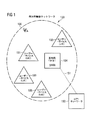
図1は、一例示的実装に係る無線ネットワーク130のブロック図である。図1の無線ネットワーク130において、ユーザー機器(UE)とも呼ばれることのあるユーザー・デバイス131、132、133および135は、同様にエンハンスト・ノードB(eNB)とも呼ばれることのある基本局(BS)134と接続される(およびこれと通信状態にある)ことができる。基地局または(e)Node Bの機能性の少なくとも一部分は、同様に、遠隔無線ヘッドなどの、送受信機に作動的に結合させることのできる任意のノード、サーバーまたはホストによっても実施可能である。BS134は、ユーザー・デバイス131、132、133および135までを含めた1つのセル136の内部の無線カバレッジを提供する。BS134に接続または取付けされているものとして示されているユーザー・デバイスは4つだけであるが、任意の数のユーザー・デバイスを提供することができる。BS134は同様に、S1インターフェース151を介してコア・ネットワーク150にも接続される。これは単に、無線ネットワークの一例にすぎず、他の無線ネットワークも使用することができる。
FIG. 1 is a block diagram of a
ユーザー・デバイス(ユーザー端末、ユーザー機器(UE))は、非限定的に、例えば移動局、モバイル・フォン、セル・フォン、スマートホン、携帯端末(PDA)、ハンドセット、ワイヤレス・モデムを使用するデバイス(アラームまたは測定デバイスなど)、ラップトップおよび/またはタッチ・スクリーン・コンピュータ、タブレット、ファブレット、ゲーム機、ノートブック型パソコン、およびマルチメディア・デバイスなどのタイプのデバイスを含む、加入者識別モジュール(SIM)を用いてまたは用いずに動作する無線移動体通信デバイスを含めた携帯型計算デバイスを意味することができる。ユーザー・デバイスは同様に、ネットワークに画像またはビデオ・クリップをロードするカメラまたはビデオ・カメラを一例とする、ほぼ排他的にアップリンク専用のデバイスでもあることができるという点を認識すべきである。 A user device (user terminal, user equipment (UE)) is a device using, for example, a mobile station, a mobile phone, a cell phone, a smart phone, a personal digital assistant (PDA), a handset, or a wireless modem. Subscriber identification modules (including alarm and measurement devices), types of devices such as laptops and / or touch screen computers, tablets, fablets, game consoles, notebook computers, and multimedia devices ( It can mean a portable computing device including a wireless mobile communication device that operates with or without SIM). It should be appreciated that the user device can also be an almost exclusively uplink-only device, for example a camera or video camera that loads an image or video clip onto the network.
(一例として)LTEでは、コア・ネットワーク150は、BS間でのユーザー・デバイスの移動性/ハンドオーバーを処理するかまたは補助することのできる移動性管理エンティティ(MME)、BSとパケット・データ・ネットワークまたはインターネットとの間でデータまたは制御信号を転送できる1つ以上のゲートウェイ、および他の制御機能またはブロックを含むことのできる進化型パケット・コア(EPC)とも呼ぶことができる。
In LTE (as an example),
図2は、ユーザー・デバイスおよびこのユーザー・デバイスのために、多重接続性(例えば2重接続性)を提供することのできるコア・ネットワークの一例示的実装を示す図式である。一例示的実装によると、多重接続性(またはマルチコネクティビティ)は、独立した無線接続を含めた2つ以上の独立接続を介してユーザー・デバイス131とコア・ネットワーク150との間でデータが通信される多重接続(MC)セッションとして提供可能である。同様に、一例示的実装によると、MCセッションの各接続(または複数の接続)は、異なるセルを介して、ユーザー・デバイス131とコア・ネットワーク150との間で提供可能である。
FIG. 2 is a diagram illustrating an exemplary implementation of a user device and a core network that can provide multiple connectivity (eg, dual connectivity) for the user device. According to one exemplary implementation, multiple connectivity (or multi-connectivity) is where data is communicated between the
図2を参照すると、例示的ユーザー・デバイス131は、ハードウェアおよび/またはソフトウェアの形で実装できる少なくとも1つの無線プロトコル・スタック212を含むことができる。一実施例実装によると、プロトコル・スタックは論理、および/またはプロトコル・スタックの各エンティティのための機能または動作を行うためにプロセッサによって実行されるコンピュータ命令を含むことができる。ユーザー・デバイス131のための一例示的プロトコル・スタック212は、例えば、多重接続(MC)エンティティ250、パケット・データ圧縮プロトコル(PDCP)エンティティ240、無線リンク制御(RLC)エンティティ242、メディア・アクセス制御(MAC)エンティティ244、物理層(PHY)エンティティ246、および無線リソース制御(RRC)エンティティ248を含むことができる。
With reference to FIG. 2, an
PDCPエンティティ240は、例えば、サイファリング(データの暗号化および復号)およびヘッダー圧縮−解凍を行うことができる。RLCエンティティ242は、例えばセグメンテーション/コンカテネーション、エラー検出および訂正、データ再伝送、重複検出、および上位層への順序通りのデータ配送を行うことができる。一例示的実装によると、1つの論理チャネルに対応する1つのRLCが存在することができる。MACエンティティ244は、論理チャネルの多重化(1つ以上の論理チャネルが存在できる場合)、ハイブリッドARQ(HARQ)再伝送(ARQは自動反復要求を意味し得る)、帯域内制御シグナリングのために使用されるMAC制御要素(MAC CE)の挿入、および他のMAC関連機能を行う。PHYエンティティ246は、コーディング/デコーディング、変調/復調、マルチ・アンテナ・マッピング、および他の物理層機能を処理するかまたは行う。ユーザー・デバイス内部の多数のRLCエンティティは、1つのMACエンティティ244および1つのPHYエンティティ246を共用することができる。RRCエンティティ248は、無線アクセス・ネットワーク(RAN)に関連する多くの機能またはプロシージャの処理を担うことができる。
The
再びユーザー・デバイス131の例示的無線プロトコル・スタック212に言及すると、MCエンティティ250は例えば、ユーザー・デバイス131とコア・ネットワーク150との間に確立することのできる1つ以上の多重接続(MC)セッションの確立、管理および/または制御と結びついたユーザー・デバイス機能を行うことができる。指摘した通り、多重接続セッションは、2つ以上の独立した無線接続を含む2つ以上の独立接続を介してユーザー・デバイス210とコア・ネットワーク150との間でデータが通信されるセッションを含むことができる。MCセッション内で伝送されるデータは、ユーザー・デバイス131上でラン中の1つのアプリケーションのためのものであることができ、またはユーザー・デバイス上でラン中の多数のアプリケーションのためのデータ(例えば音声データ、テキスト/メッセージングアプリケーションからのテキスト・データ、ウェブ・ブラウザからのデータなど)を含むことができる。
Referring back to the exemplary
一例示的実装によると、ユーザー・デバイス131は、各々の独立した接続または各々の独立した無線接続のための無線プロトコル・スタック212を含むことができる。同様に、1つのMCエンティティ250を、MCセッションのための多重接続間で共用することもできる。MCセッションのための多数の独立した無線接続を、同じ無線アクセス技術(RAT)のために、または異なるRAT(例えばLTE、無線LAN/WLAN、3G、EDGE...)内で提供することができる。いくつかの事例においては、無線接続が同じRAT用であるMCセッションのために、多数の独立した無線接続の間で、MACエンティティ244およびPHYエンティティ246を共用することができる。
According to one exemplary implementation, the
図2の例示的実施例で示されているように、例えば、BS134により提供されるセル136およびBS144により提供されるセル146を介することを含め、複数のセルを介してコア・ネットワーク150に対してユーザー・デバイス131を結合することができる。この例では、図2には、例えば、矢印270により示されているように、ユーザー・デバイス131がセル156/BS154に向かって移動するにつれてのセル146からセル156へのハンドオーバー(またはセル再選択)をユーザー・デバイス131が行えるようにするため、BS156により提供されるセル156である第3のセルも示されている。ユーザー・デバイス131が第1のセルから第2のセルへのハンドオーバーまたはセル再選択を行う決断は、ユーザー・デバイス131またはコア・ネットワーク150のいずれかによって確定することができる。
As shown in the exemplary embodiment of FIG. 2, for example, to
こうして、図2に示されているこの実施例においては、2つの独立した接続を介してユーザー・デバイス131をコア・ネットワーク150に結合することができ、ここで各接続は、ユーザー・デバイス131とセルの間の独立した無線接続、およびセルとコア・ネットワーク150の間のバックホール接続を含むことができる。例えば、図2に示されているように、無線接続260Aおよびバックホール接続260Bを含みセル146を介して提供される接続260ならびに無線接続262Aおよびバックホール接続262Bを含みセル136を介して提供される接続262を含めた多数の接続をユーザー・デバイス131とコア・ネットワーク150との間に含むMCセッションを確立することができる。この例示的実施例において、MCセッションは、接続を2つしか含んでいないが、MCセッションの一部として任意の数の接続を提供することができる。
Thus, in this embodiment shown in FIG. 2,
無線接続260Aおよび262Aは、その各々がユーザー・デバイス131またはコア・ネットワーク150によって別個に管理されていることから、独立した無線接続であるとみなすことができ、MCセッションの無線接続のいずれかの不具合(または破断)または切断が、このMCセッションの他のいずれかの無線接続の不具合または切断をひき起こす(またはそのような結果をもたらす)ことはない。したがって、例えば、独立した無線接続として、無線接続260Aの不具合または切断が、無線接続262Aに不具合または切断をひき起こすことはなく、無線接続262Aの不具合または切断が、無線接続260Aに不具合または切断をひき起こすこともない。これは、一次セル(Pcell)を介して確立された接続の不具合または切断が、二次セル(Scell)を介して確立された接続の切断をひき起こす、PcellおよびScellの使用と対照的である。
The
一例示的実装によると、(例えば独立した無線接続を含む)独立した接続に起因して、MCセッションの1つの接続の不具合または切断が発生した場合、例えばユーザー・デバイスがMCセッションのためにこの不具合/切断の発生した接続に置換するように新しい接続を再確立している間、このMCセッションについてのデータの全てを、MCセッションの残りの他の接続/セルを介してユーザー・デバイス131とコア・ネットワーク150との間で通信させることができる。同様にして、ユーザー・デバイスがMCセッションの1つの接続についてのハンドオーバーを行う場合、例えば新しい接続が確立されMCセッションに加えられるまで、このようなハンドオーバープロシージャの間、MCセッションの1つ以上の他の接続/セルを介して、MCセッションについてのデータを全て通信することができる。このようにして、例示的実装の1つ以上は、改善された接続ロバスト性を提供する上で一助となることができ、ユーザー・デバイスにとっての中断の無い無線サービスという結果がもたらされる確率は高くなる可能性がある。
According to one exemplary implementation, if a connection failure or disconnection of one of the MC sessions occurs due to an independent connection (eg including an independent wireless connection), for example, the user device may While re-establishing a new connection to replace the failed / disconnected connection, all of the data for this MC session is passed to the
同様に、一例示的実装によると、例えばハンドオーバーまたはセル再選択のためのメッセージおよびリソース・スケジューリング・メッセージなどの、例えば接続管理のためのいくつかの制御信号/メッセージを、典型的には、1つのMCセッション内の各接続またはセルのために別個に送信することができる。すなわち、各接続のための少なくともいくつかの制御メッセージは、それぞれの接続上で通信される。例えば、一例示的実装によると、ユーザー・デバイスとの最初の接続を提供するBSは、ユーザー・デバイスに対する最初の接続上でこの最初の接続についての伝送スケジュールを送信することができる。同様にして、最初の接続についてのハンドオーバーメッセージおよび/またはセル再選択メッセージを、この最初の接続を介してユーザー・デバイスと基地局との間で送信することができる。 Similarly, according to one exemplary implementation, several control signals / messages, eg, for connection management, such as messages for handover or cell reselection and resource scheduling messages, It can be sent separately for each connection or cell within one MC session. That is, at least some control messages for each connection are communicated on each connection. For example, according to one exemplary implementation, a BS that provides an initial connection with a user device may send a transmission schedule for this initial connection on the initial connection to the user device. Similarly, a handover message and / or a cell reselection message for the first connection can be transmitted between the user device and the base station via this first connection.
図2を参照すると、コア・ネットワーク150は、例えば、ユーザー・デバイス131とコア・ネットワーク150の間に確立できるMCセッション用など、1つ以上の多重接続(MC)セッションの確立、管理および/または制御に結びついたコア・ネットワーク機能を行うことのできる多重接続(MC)アンカー252を含むことができる。
With reference to FIG. 2, the
一例示的実装によると、例えば1つのMCセッション内の多重接続/セル間で全てのデータ・ユニットについて共通のデータ・ユニットシーケンス番号セットを適用または使用できるようにするために、PDCPエンティティより上の層またはエンティティにおいてデータ・ユニット(またはパケット)ナンバリングを提供することができる。例えば、ユーザー・デバイス131に向かうダウンリンク方向において、MCアンカー252は、MCセッションのためのデータ・パケット(またはデータ・ユニット)を受信し、MCセッション・シーケンス番号を各データ・ユニットに提供または追加し、データ・ユニットの各々を(MCセッションの多数のセル/BSに対する伝送のために)複製し、このMCセッションのためにユーザー・デバイスに対する接続を提供する各セルまたはBSに対してMCセッションのための全てのデータ・ユニットを転送または送信することができる。MCセッションのためのアップリンク方向(ユーザー・デバイスからコア・ネットワークへのデータ)では、MCアンカー252は、MCセッションのためにセルの各々から1つ以上のデータ・ユニットを受信することができ(ただし、例示的実装において、典型的には、多数のセルから同じデータ・ユニットを受信しない)、各MCセッションデータ・ユニットについてのMCセッション・シーケンス番号に基づいて必要に応じて受信済みデータ・ユニットの順序変更を行うことができ、次に、インターネットまたは他のデータネットワークを介してデータ・ユニットを転送することができる。
According to one exemplary implementation, above a PDCP entity, for example, to be able to apply or use a common data unit sequence number set for all data units between multiple connections / cells in one MC session. Data unit (or packet) numbering may be provided at a layer or entity. For example, in the downlink direction towards the
例示的実装において、MCセッションの一部である各セル(またはこのセルを提供するBS)(またはこのMCセッションの接続を提供する各セル/BS)は、MCアンカー252からのMCセッションの全てのダウンリンク・データ・ユニットを受信し記憶することができる。したがって、例示的実装によると、MCセッションについての重複データ・ストリームが、MCアンカー252からMCセッションの各BS/セルまで(または各接続を介して)、例えばBS144/セル146の両方およびBS134/セル136まで、伝送され得る。例示的実装において、ユーザー・デバイス131は、セルからMCセッションの1つ以上のデータ・ユニット(またはデータ・ユニット群)を受信するよう要求するデータ要求を、MCセッションの各セル/BSに対し送信することができる。ユーザー・デバイス131は、典型的には、MCセッションの各BS/セル/接続からMCセッションの異なるデータ・ユニットを要求(および受信)することができるものの、MCセッションのBS/セルの各々に対しデータ・ユニットを受信する要求を送信することができる。こうして、一例示的実装によると、ユーザー・デバイス131は、MCセッションの各セル/BS/接続から異なるデータ・ユニット群を要求し受信することができる。例えば、ユーザー・デバイス131はセル146/BS144に対し、MCセッションについて(例えばMCセッション・シーケンス番号に基づき)奇数番号付番された全てのデータ・ユニットをセル146から受信する要求を送信することができ、かつユーザー・デバイス131はセル146/BS144に対し、MCセッションについて(例えばMCセッション・シーケンス番号に基づき)偶数番号付番された全てのデータ・ユニットをセル136から受信する要求を送信することができる。これは単なる一例であり、ユーザー・デバイス131は、MCセッションのセルから、任意のデータ・ユニットを要求することができる。
In an exemplary implementation, each cell (or BS that provides this cell) that is part of the MC session (or each cell / BS that provides a connection for this MC session) will receive all of the MC sessions from
一例示的実装によると、MCセッションの各セルは、そのセルにより伝送されるべきデータ・ユニットならびにMCセッションの他のセルにより伝送される(または伝送のためユーザー・デバイスによって要求される)べき他のデータ・ユニットを含めたMCセッションの全てのデータ・ユニットまたはパケットを受信することができる。したがって、例示的実装によると、(MCセッションの全てのデータ・ユニットを含む)重複するダウンリンクデータ・ストリームが、MCアンカー252により、MCセッションの(またはMCセッションに割当てられた)全てのセルに対し送信され得る。同様に、一例示的実装によると、ユーザー・デバイス131は、例えばMCセッションの全てのダウンリンク・データ・ユニットがMCセッションのセル/BSの各々により受信および記憶可能であることから、ユーザー・デバイス131は、MCセッションのセル/BS/接続のいずれからでも任意のデータ・ユニットを要求することができる。これにより、例えば、異なるタイプのトラヒック(例えばデータ、音声)を異なる接続/セル上で送信できる場合、または、MCセッションを用いて各アプリケーションにより要求されるサービスの質、各無線接続のチャネル品質(例えばパケット・エラー・レート、受信済み信号強度)などの1つ以上の基準に基づいて、MCセッションの接続/セルの1つ以上に対しトラヒックを割振ることができる場合、例えばユーザー・デバイスに対するMCセッションのダウンリンクトラヒック(データ・ユニット)のスプリッティングが可能となる場合がある。例えば、ユーザー・デバイスは、各接続の信号強度を測定することができ、より大きい信号強度またはより低いエラー・レートなどを有する接続/セルから受信されるべきMCセッションのデータ・ユニットをより多く(またはより大きい百分率で)要求でき、例えばより低い信号強度またはより高いエラー・レートを有する接続/セルを介して受信すべきMCセッションのデータ・ユニットをより少なくまたはより小数だけ要求することができる。
According to one exemplary implementation, each cell of an MC session is a data unit to be transmitted by that cell as well as others to be transmitted (or requested by a user device for transmission) by other cells of the MC session. All data units or packets of the MC session, including any data unit, can be received. Thus, according to an exemplary implementation, overlapping downlink data streams (including all data units of the MC session) are transmitted to all cells of the MC session (or assigned to the MC session) by the
1つ以上のデータ・ユニットの受信に応答して、ユーザー・デバイス131は、データ・ユニットの1つ以上の受信を確認するため1つ以上の肯定応答をMCセッションの1つ以上のセルに送信することができる。肯定応答の通信のためには、さまざまな技術または実装を使用することができる。例えば、ユーザー・デバイス131は、セル146から受信したデータ・ユニットおよびMCセッションの他のセル(例えばセル136)から受信したデータ・ユニットの両方を受信確認する肯定応答をセル146に送信することができる。こうして、ユーザー・デバイス131が、MCセッションのためにセル146から奇数番号付番された全てのデータ・ユニット(例えば)を受信し、セル136から偶数番号付番された全てのデータ・ユニットを受信する場合には、一例示的実装によると、ユーザー・デバイス131は、奇数番号および偶数番号付番されたデータ・ユニットの両方の受信を確認する肯定応答を両方のセル146および136に送信できる。このようにして、(異なるセルから受信したデータ・ユニットを含む)任意の受信済みデータ・ユニットについてMCセッションの各セルに通知することによって、セルは、ユーザー・デバイス131により受信された任意のデータ・ユニットを廃棄または消去することができる。肯定応答は、受信するセルによって伝送されるデータ・ユニットのみを受信確認する第1の肯定応答、および他のセルにより受信されたデータ・ユニットを受信確認する第2の(別個の)肯定応答(クロスセル肯定応答)として提供可能である。または、代替的に、MCセッションの全てのセルからのデータ・ユニットについての肯定応答を組合わせることができる。同様に、ユーザー・デバイス131からセルに送信された肯定応答は、セルに対して送信されたデータ要求上へピギーバックされ得る。例えば、セル146から1つ以上のデータ・ユニットを受信するためにユーザー・デバイス131によりセル146に送信された要求は同様に、ユーザー・デバイス131が(セル146またはセル136のいずれかから受信した)1つ以上の他のデータ・ユニットを受信したことを確認するピギーバックされた肯定応答を含むことができる。
In response to receiving one or more data units,
別の例示的実装において、ユーザー・デバイス131は、各セルに対し、このようなセルから受信した(例えば唯一の)データを受信確認するために肯定応答を送信することができ、次に各セルは、(例えばユーザー・デバイス131からセルにより受信された肯定応答に基づいて)ユーザー・デバイスによってすでに受信されているデータ・ユニットを識別するためのメッセージを(例えばX2インターフェースまたはBS−BSインターフェースを介して)MCセッションの他のセル/BSに送信できる。したがって、クロスセル肯定応答(例えば他のセルからのデータ・ユニットの受信を確認する)が、ユーザー・デバイス131によってかまたはセルの1つ以上によって、例えばBS−BS(またはセル−セル)インターフェースまたは通信リンクを介して通信され得る。
In another exemplary implementation, the
ここで、ユーザー・デバイス131、MCセッションの(またはMCセッションに割当てられた)基地局(BS)、およびMCアンカーの動作に関して、いくつかの例示的実施例を説明する。図2を参照すると、ユーザー・デバイス131は例えば、最初にセル146/BS144を介してコア・ネットワーク150に対する接続260を確立することができ、次に、セル136/BS134を介してコア・ネットワーク150に対する接続262を確立することができる。ユーザー・デバイス131には、セル146および136各々の内部でユーザー・デバイスを識別できるID(または識別子)を割当てることができる。こうして、この実施例において、ユーザー・デバイス131は、2つの識別子を含むことができる。ユーザー・デバイス131は、MCアンカー252が例えば2つの識別された接続260、262を介してかまたは2つの識別されたセル146および136を介して、ユーザー・デバイス131とコア・ネットワーク150の間にMCセッションを確立またはセットアップすることを要求するため、接続260または262の一方(または両方)を介して(またはセル146または136を介して)MCアンカー252に対して多重接続(MC)セッション・セットアップ要求メッセージを送信することができる。
Several exemplary embodiments will now be described with respect to the operation of the
一例示的実装によると、MCセッション・セットアップ要求メッセージは、1つ以上のフィールド、例えばMCセッション・セットアップ要求、MCセッションに追加(またはMCセッション内に内含)すべきセル146および136を識別するためのセルID、および/またはセル136および146の各々のためのまたは各セル内部のユーザー・デバイスを識別するユーザー・デバイス識別子(例えば移動局IDまたはMSID)を標示するフィールドなどを含むことができる。MCセッションを確立した後、MCアンカー152は、MCセッションが確立されたことを標示するMCセッション・セットアップ応答メッセージをユーザー・デバイス131に対して、接続260、262の1つ以上(または両方)を介して送信できる。ユーザー・デバイス131に向けられるようにアドレス指定されたダウンリンク・データ・ユニットについては、MCアンカー152は、MCセッション・シーケンス番号(例えばPDCP層の上)を各データ・ユニットに追加し、次に、重複したデータ・ユニット(重複データ・ストリーム)をMCセッションの(またはMCセッションに割当てられた)セル/接続(セル146/BS144、およびセル136/BS134)に対して送信することができる。
According to one exemplary implementation, the MC session setup request message identifies one or more fields, eg, MC session setup request,
ユーザー・デバイス131は、ユーザー・デバイス131がセル/BSから受信するよう要求しているMCセッションの1つ以上のデータ・ユニット(またはデータ・ユニット群)を識別するためのメッセージを、MCセッションのセル(セル136/BS134およびセル146/BS144)の各々に送信することができる。代替的には、コア・ネットワーク150は、MCセッションのどのデータ・ユニットまたはデータ・ユニットのどの部分または百分率をユーザー・デバイス131に送信すべきかを決定でき、それをMCセッションの各BS/セルに通知することができる。
The
ユーザー・デバイス131またはコア・ネットワークは、MCセッションのセル/BSの各々に対して(またはそれらから)どのデータ・ユニットまたはデータ・ユニットのどの部分を割振る(または送信する)べきか、を決定するために、例えば接続/セル間での等しいトラヒック負荷の平衡化、各接続のチャネル品質または無線経路状態(例えば受信された信号強度またはエラー・レート)に基づいてセルまたは接続間にトラヒックを割振ること、各セルまたはBS上のトラヒック負荷、各データ・ユニットまたはMCセッション内に含まれる異なるタイプのトラヒックの優先順、などのさまざまな基準またはアプローチを使用または考慮することができる。ユーザー・デバイス131は、上述のように、セル136および146に対し肯定応答を送信できる。クロスセル肯定応答(例えば、MCセッションの別のセルから受信したデータ・ユニットの受信について、セルに受信確認するもの)は、セルに対しユーザー・デバイス131により直接送信され得るか、または、例えばMCセッションの他のセルに対してデータ・ユニットを伝送したセル/BSによって転送される可能性がある。
The
アップリンク方向では、ユーザー・デバイス131は、各データ・ユニットにMCセッション・シーケンス番号を追加することができ、MCセッションの各データ・ユニットをMCセッションのセルの1つに転送することができる。例えば、多重接続/セル間で平衡化する、チャネル品質または無線経路状態などに基づいて多重接続/セルの間でトラヒックを割振る、トラヒック負荷に基づいてMCセッションについて2つ以上の接続/セル間でアップリンクデータ・ユニットをいかに割振るかを決定するために、ユーザー・デバイス131は同じまたは類似の状態を使用する。
In the uplink direction, the
したがって、一例示的実装によると、ダウンリンク方向では、MCセッションの各セルまたはBSは、MCセッションの両方/全てのセル/BSに対して送信されたデータ・ユニットが共通のシーケンス番号付けシステムを使用または提供し、MCセッションの1つのセル/BSのみが各データ・ユニットをユーザー・デバイス131に送信または伝送する(例えばユーザー・デバイスからの要求に基づくか、またはコア・ネットワークからの命令に基づく)MCアンカー152から全てのデータ・ユニットまたは重複するデータ・ストリームを受信することができる。しかしながら、いくつかの事例においては、セル/BSは、別のセル/BSからユーザー・デバイス131によって首尾よく受信/デコードされなかったデータ・ユニットを再伝送するように要求を受ける場合がある。一例示的実装によると、アップリンク方向において、ユーザー・デバイス131は、各データ・ユニットに対しMCセッション・シーケンス番号を追加し、次に各データ・ユニットをMCセッションのセル/BSの1つに伝送または送信することができる。こうして、一例示的実装によると、MCセッションの重複したデータ・ストリーム(または全てのデータ・ユニット)が、MCセッションのアップリンクデータについてではなくダウンリンクデータについてMCセッションの全てのセルに対してMCアンカー252から提供される。
Thus, according to one exemplary implementation, in the downlink direction, each cell or BS of the MC session has a common sequence numbering system in which the data units transmitted to both / all cells / BS of the MC session are common. Used or provided, and only one cell / BS of the MC session transmits or transmits each data unit to the user device 131 (eg, based on a request from the user device or based on a command from the core network) ) All data units or overlapping data streams can be received from the MC anchor 152. However, in some cases, a cell / BS may be requested to retransmit a data unit that was not successfully received / decoded by the
図2を参照すると、ユーザー・デバイス131は、矢印270によって示されているように、セル146から離れてセル156に向かって移動することができる。ユーザー・デバイス131が移動するにつれて、例えば、ユーザー・デバイス131は、セル146からユーザー・デバイス131への伝送がセル136に割当てられるかまたは再度割振られる(またはセル136または他のセルからユーザー・デバイス131までの伝送のために再割当てまたは再割振りされる)ようにスケジューリング(または要求)されたMCセッションの1つ以上のデータ・ユニットをユーザー・デバイス131に再割振りさせることのできるセル146に関する複数の状態を検出することができる。例えば、ユーザー・デバイス131は、次の状態の1つ以上を検出することができる:無線接続260Aの無線リンクの不具合(または、無線接続260Aの不具合の検出)、(セル146と結びついた)無線接続260Aのための無線信号の信号品質(例えば受信信号強度)が閾値よりも低いことの検出、セル146により送信/伝送された1つ以上のデータ・ユニットが(例えば信号干渉に起因して)ユーザー・デバイス131によってデコードされなかったことの検出、セル146に関するハンドオーバー状態の検出(例えば、セル156からの信号の受信信号強度がセル146からの受信信号強度よりも大きく、ユーザー・デバイス131に対し、セル146からセル156へとハンドオーバーを行うことができるまたは行うべきであることが標示されている)(この場合、このようなハンドオーバー状態は、コア・ネットワーク150に報告されて、ユーザー・デバイスのためにコア・ネットワーク150がハンドオーバーの決断を下すことができるようにする可能性があるか、またはユーザー・デバイス31は、独自のハンドオーバーの決断を下すことができる)、セル146からセル156への接続260のハンドオーバーを行うことのユーザー・デバイス131またはコア・ネットワーク150による決断、および/または他の状態または状況の検出。これらは単に一例にすぎず、セル146から1つ以上の他のセル、例えばセル136または他のセルへの1つ以上のデータ・ユニットの伝送を再割振りまたは再割当てするためにユーザー・デバイスをトリガーするかまたはユーザー・デバイスにこれをさせるために、他の状態または状況を使用することができる。
Referring to FIG. 2,
上述の例示的状態の1つ以上をユーザー・デバイス131が検出したことに応答して、ユーザー・デバイス131は、例えばセル146から要求されたもののユーザー・デバイス131によりまだ受信/デコードされていないデータ・ユニットを含む可能性のある、1つ以上要求されてはいるものの欠如しているデータ・ユニットを識別することができる。ユーザー・デバイス131は、(一例としての)上述の状態の1つ以上の検出に応答して、MCセッションの欠如しているデータ・ユニットの1つ以上(または全て)をユーザー・デバイス131に送信/伝送するようセル136に要求する再割振りメッセージをセル136/BS134に送信することができる。ここで、MCセッションのこのような欠如しているデータ・ユニットの受信の肯定応答は、このような欠如しているデータ・ユニットがユーザー・デバイス131によってまだ受信されていないことを理由として、セル136に対しまだ送信されていなかったと考えられるという点に留意されたい。したがって、一例示的実装によると、セル136/BS134は、MCセッションの1つ以上の欠如データ・ユニットをバッファまたはメモリ内に今でも記憶しているはずであり、その場合、ユーザー・デバイス131からの要求があった時点でセル136からユーザー・デバイス131に対してこれらを伝送することができる。例えば、ユーザー・デバイス131が当初、奇数付番されたデータ・ユニットをセル146/BS144から要求し、最後に受信確認された奇数付番されたデータ・ユニットがシーケンス番号であった場合には、上述の状態の1つを検出した時点で、ユーザー・デバイス131は、奇数付番されたデータ・ユニットも送信する要求またはデータ・ユニット237、239、241(次の奇数付番されたデータ・ユニット)などを送信する要求を、セル136/BS134に送信することができる。代替的には、ユーザー・デバイス131は単に、例えば、ユーザー・デバイス131に対してMCセッションの全てのデータ・ユニット(偶数付番されたデータ・ユニットだけでなく)を送信する要求をセル136/BS134に送信することができ、これが、ユーザー・デバイス131に対する伝送のために予めスケジューリングされたまたはセルに割振られたMCセッションの任意の欠如データ・ユニットまたは次の順番の奇数付番データ・ユニットをセル136/BS134に送信させると考えられる。
In response to
一例として、セル146により送信/伝送された1つ以上のデータ・ユニットがユーザー・デバイス131によりデコードされなかったことの検出に応答して、ユーザー・デバイスは、ユーザー・デバイスにより受信またはデコードされなかった1つ以上のデータ・ユニットを送信する要求をMCセッションの他のセル(セル136/BS134)に送信することができる。ユーザー・デバイス131は、接続260が信頼できないことを(例えば、検出された状態または1つ以上のデータ・ユニットのデューディングの不具合に基づいて)仮定できることから、同様に、概してセル146からの伝送のために要求された1つ以上の追加のデータ・ユニット、例えば奇数付番されたデータ・ユニットを要求するメッセージをセル136/BS134に送信することもできる。したがって、ユーザー・デバイス131は、接続260Aを介してセル146からユーザー・デバイス131を切断する要求をセル146に送信することができる。同様に、ユーザー・デバイス131は、随時、接続アッド・メッセージ(MCアンカー151に対し、MCセッションへの接続を追加することを要求する)および/または接続ドロップ・メッセージ(MCアンカー252に対し、MCセッションから接続をドロップすることを要求する)を、MCアンカー252に送信することができる。こうして、この実施例において、ユーザー・デバイス131は、検出された状態に基づいて、MCセッションから接続260/セル146をドロップすることをMCアンカーに要求する接続ドロップ・メッセージを、MCアンカー252に送信することができる。この接続ドロップ・メッセージに基づいて、MCアンカー252は接続260をドロップし、例えばセル146/BS144に対するMCセッションのためのデータ・ユニットの送信をMCアンカー252に中止させる(またはそれ以上送信させないようにする)ことができる。このような実施例においては、接続260/セル146はMCセッションからドロップまたは削除されていることから、MCアンカー252は、(少なくとも一時的に)MCセッションのためのダウンリンク・データ・ユニットをセル136/BS134に対してのみ送信することができる。
As an example, in response to detecting that one or more data units transmitted / transmitted by
いくつかの地点で、ユーザー・デバイス131は、セル156/BS154を介してコア・ネットワーク150に対する接続264(無線接続264Aおよびバックホール接続264Bを含む)を確立することができる。ユーザー・デバイスは、例えば、次に、MCセッションに対し接続264/セル156/BS154を追加するようMCアンカー252に要求するための接続アッド・メッセージをMCアンカー252に送信することができる。MCアンカー252は、次にセル136および(新たに追加された)セル156の両方にMCセッションのためのデータ・ユニットのコピーを送信することができる。接続264がMCセッションに追加されたことを確認する応答を受信した後、ユーザー・デバイス131は、MCセッションの1つ以上のデータ・ユニットを受信すること、例えばメッセージ内で提供され得る特定のシーケンス番号で始まるMCセッションの奇数付番されたデータ・ユニットを受信することを要求するメッセージをセル156/BS154に送信することができる。ユーザー・デバイス131は同様に、特定のシーケンス番号を有するデータ・ユニットのみ、例えば偶数付番されたシーケンス番号を有するデータ・ユニットのみを要求する(進める)メッセージを、セル136/BS134に送信することもできる。このようにして、MCセッションは、(独立した無線接続260A、262Aおよび264Aを含む)独立した接続260、262および264の2つ以上を含むことができ、たとえ接続の1つの中に無線リンクの不具合または他の問題が発生しても、ユーザー・デバイス131に対し、中断されない無線サービスを提供することができる。したがって、例示的実施例においては、接続260Aで無線リンクの不具合または他の問題が検出された後、例えば別の接続264を確立しMCセッションに追加できるまで、セル146/セル144によるユーザー・デバイス131に対する伝送のためにスケジューリングまたは割振られたMCセッションのデータ・ユニットを、MCセッションの1つ以上の残りの接続、例えば接続262/セル136/BS134に対して、再割当てまたは再割振りすることができる。これは、単なる一例示的実施例にすぎず、他の実装または実施例も使用可能である。したがって、例示的実装は、ユーザー・デバイスに対し無線サービスのロバスト性の改善を提供することができる。
At some point,
別の例示的実装によると、ユーザー・デバイス131は、接続260A/セル146に関するハンドオーバー状態を検出し(例えば、セル156からの信号の受信信号強度がセル146からの受信信号強度よりも大きいことを決定すること、セル146からセル156へのハンドオーバーを行うことができるまたは行うべきであることをユーザー・デバイス131に対して標示することができる)、あるいは、ユーザー・デバイス131またはコア・ネットワーク150が、セル146からセル156への接続260のハンドオーバーを行う決断を下す。このような場合、セル146からセル156にハンドオーバーが行なわれている間、MCセッションの1つ以上のセルさらには残りの全てのセル(例えばこの例ではセル136)は、全てのデータ・ユニットを、ユーザー・デバイス131に伝送することができる。一例示的実装によると、セル136はすでに、受信されたものの未伝送である(例えば受信確認されていない)データ・ユニットの全てを記憶またはバッファリングしており、セル136は、セル146からセル156へのハンドオーバーが完了するまで、当初伝送のためセル146に割振られたデータ・ユニットの伝送を少なくとも一時的に処理できることを理由として、このハンドオーバーの一部として、未伝送のバッファリングされたパケット/データ・ユニットをセル146/BS144がセル136/BS134にまたはセル156/セル154に転送する必要はない。このようにして、ソース・セルからターゲット・セルへのハンドオーバーが完了する前にソース・セル(例えばセル146)からバッファリングされたパケットが到着するのを待つようにターゲット・セル(例えばセル156)に要求しないことにより、ハンドオーバーをより迅速に、またはより少ない遅延または待ち時間で行うことができる。
According to another exemplary implementation,
こうして、一例示的実装によると、多重接続セッションは、少なくとも2つの接続、例えば、第1のセルに対する第1の独立した無線接続および第2のセルに対する第2の独立した無線接続などを含むことができる。一例示的実装によると、ユーザー・デバイスは、第1のセルにより記憶され第1のセルからユーザー・デバイスへの配送のために利用可能である多重接続セッションの1つ以上のデータ・ユニットを識別する第1のメッセージを、第1のセルから受信することができる。ユーザー・デバイスは、同様に、第2のセルにより記憶され第2のセルからユーザー・デバイスへの配送のために利用可能である多重接続セッションの1つ以上のデータ・ユニットを識別する第2のメッセージを、第2のセルから受信できる。ユーザー・デバイスは、セルの各々から多重接続セッションのどのデータ・ユニットを受信すべきかを決定することができるが、各データ・ユニットは、典型的には、多重接続セッションのセル/接続の1つのみから伝送される。 Thus, according to one exemplary implementation, a multi-connection session includes at least two connections, such as a first independent wireless connection for a first cell and a second independent wireless connection for a second cell, etc. Can do. According to one exemplary implementation, the user device identifies one or more data units of a multi-connection session that are stored by the first cell and are available for delivery from the first cell to the user device. The first message to be received can be received from the first cell. The user device also identifies a second data unit that identifies one or more data units of a multi-connection session that are stored by the second cell and are available for delivery from the second cell to the user device. A message can be received from the second cell. The user device can determine which data unit of the multi-connection session is to be received from each of the cells, but each data unit is typically one of the cells / connections of the multi-connection session. Only transmitted from.
さらに、ユーザー・デバイスは、例えば各無線接続のチャネル品質(例えば受信信号強度、エラー・レッド...)など、各接続に結びついたさまざまな状態を監視することができ、他のセルからの信号を監視することができる。ハンドオーバー状態は、(例えば第1のセルからの信号よりも強い第3のセルの受信信号を標示する)ユーザー・デバイスから報告され得、コア・ネットワークは、ユーザー・デバイスがハンドオーバーまたはセル再選択を行う決断または決定を行うことができる。一例示的実装において、ユーザー・デバイスは、いつおよびどのターゲット・セルに対してユーザー・デバイスが多重接続セッションの各セルまたは接続についてのハンドオーバーを行うかを決定することができる。 In addition, the user device can monitor various conditions associated with each connection, such as channel quality (eg, received signal strength, error red ...) of each wireless connection, and signals from other cells. Can be monitored. The handover status may be reported from a user device (eg, indicating a third cell received signal stronger than the signal from the first cell) and the core network may allow the user device to perform handover or cell re-establishment. A decision or decision can be made to make a choice. In one exemplary implementation, the user device may determine when and for which target cell the user device will perform a handover for each cell or connection of a multi-connection session.
図3は、一例示的実装に係るユーザー・デバイスの動作を示す流れ図である。動作310は、ユーザー・デバイスにより無線ネットワーク内で多重接続セッションを確立するステップを含み、多重接続セッションは、ユーザー・デバイスと第1のセルとの間の第1の接続およびユーザー・デバイスと第2のセルとの間の第2の接続を含み、第1の接続および第2の接続は独立しており、多重接続セッションのための1つ以上のダウンリンク・データ・ユニットは第1のセルおよび第2のセルの両方により受信される。動作320は、多重接続セッションの第1のデータ・ユニット群を第1のセルから受信する要求のユーザー・デバイスによる第1のセルへの送信を制御するステップを含む。そして、動作330は、多重接続セッションの第2のデータ・ユニット群を第2のセルから受信する要求の、ユーザー・デバイスによる第2のセルへの送信を制御するステップを含み、第1のデータ・ユニット群は第2のデータ・ユニット群と異なっている。
FIG. 3 is a flow diagram illustrating operation of a user device according to an exemplary implementation.
一例示的実装によると、図3に示された方法は、多重接続セッションのどのデータ・ユニットを第1のセルを介して受信すべきか、および多重接続セッションのどのデータ・ユニットを第2のセルを介して受信すべきかについての決定をユーザー・デバイスにより行うステップをさらに含むことができる。 According to one exemplary implementation, the method shown in FIG. 3 may determine which data units of a multi-connection session are to be received via the first cell and which data units of the multi-connection session are the second cell. Further comprising making a decision as to whether to receive via the user device.
一例示的実装によると、図3に示された方法は、多重接続セッションのためのデータが第2のセルを介して通信されている間に、第1のセルから第3のセルへの第1の接続のハンドオーバーを行う決断をユーザー・デバイスにより下すステップをさらに含むことができる。 According to one exemplary implementation, the method shown in FIG. 3 may be performed by a first cell to a third cell while data for a multi-connection session is being communicated via the second cell. The method may further comprise the step of making a decision to perform handover of one connection by the user device.
一例示的実装によると、図3に示された方法は、多重接続セッションのためのデータが第3のセルを介して通信されている間に、第2のセルから第4のセルへの第2の接続のハンドオーバーを行う決断をユーザー・デバイスにより下すステップをさらに含むことができる。 According to one exemplary implementation, the method shown in FIG. 3 can be performed in a second cell to a fourth cell while data for a multi-connection session is being communicated via the third cell. The method may further comprise the step of making a decision to perform handover of the two connections by the user device.
一例示的実装によると、図3に示された方法は、多重接続セッションのためのデータが第2のセルを介して通信されている間に、第1のセルから第3のセルへの第1の接続のハンドオーバーを行う決断をコア・ネットワークにより下すステップをさらに含むことができる。 According to one exemplary implementation, the method shown in FIG. 3 may be performed by a first cell to a third cell while data for a multi-connection session is being communicated via the second cell. The method may further comprise the step of making a decision to perform handover of one connection by the core network.
一例示的実装によると、図3に示された方法は、ユーザー・デバイスへの配送のために第1のセルにおいて利用可能である多重接続セッションの1つ以上のデータ・ユニットを識別する第1のメッセージの、第1のセルからの受信を制御するステップをさらに含むことができ、第1のデータ・ユニット群を受信する要求のユーザー・デバイスによる第1のセルへの送信を制御するステップは、第1のセルにおいて利用可能であるデータ・ユニットの1つ以上を受信する要求の、ユーザー・デバイスによる第1のセルへの送信を制御するステップを含む。 According to one exemplary implementation, the method shown in FIG. 3 includes a first identifying one or more data units of a multi-connection session that are available in a first cell for delivery to a user device. Controlling the reception of the first message from the first cell, wherein the step of controlling the transmission of the request to receive the first group of data by the user device to the first cell comprises: , Controlling the transmission by the user device to the first cell of a request to receive one or more of the data units available in the first cell.
一例示的実装によると、図3に示された方法は、ユーザー・デバイスへの配送のために第2のセルにおいて利用可能である多重接続セッションの1つ以上のデータ・ユニットを識別する第2のメッセージの、第2のセルからの受信を制御するステップをさらに含むことができ、第2のデータ・ユニット群を受信する要求のユーザー・デバイスによる第2のセルへの送信を制御するステップは、第2のセルにおいて利用可能であるデータ・ユニットの1つ以上を受信する要求の、ユーザー・デバイスによる第2のセルへの送信を制御するステップを含む。 According to one exemplary implementation, the method shown in FIG. 3 can be used to identify a second or more data unit of a multi-connection session that is available in a second cell for delivery to a user device. Controlling the reception of the second message from the second cell, wherein the step of controlling the transmission of the request to receive the second group of data by the user device to the second cell comprises: , Controlling the transmission by the user device to the second cell of a request to receive one or more of the data units available in the second cell.
一例示的実装によると、図3に示された方法は、第1のセルおよび第1の接続を介したコア・ネットワークの多重接続エンティティからの第1のデータ・ユニット群の少なくともいくつかの、ユーザー・デバイスによる受信を制御するステップと、第2のセルおよび第2の接続を介した多重接続エンティティからの第2のデータ・ユニット群の少なくともいくつかの、ユーザー・デバイスによる受信を制御するステップと、受信データ・ユニットの1つ以上をユーザー・デバイスにより順序変更するステップと、をさらに含むことができる。 According to one exemplary implementation, the method shown in FIG. 3 includes at least some of the first data units from the multiple access entity of the core network via the first cell and the first connection, Controlling reception by the user device, and controlling reception by the user device of at least some of the second group of data units from the multiple access entity via the second cell and the second connection. And reordering one or more of the received data units by the user device.
一例示的実装によると、図3に示された方法は、第1のデータ・ユニット群の1つ以上のデータ・ユニットおよび第2のデータ・ユニット群の1つ以上のデータ・ユニットの受信を確認する肯定応答の、ユーザー・デバイスから第1のセルへの送信を制御するステップ、をさらに含むことができる。 According to one exemplary implementation, the method shown in FIG. 3 includes receiving one or more data units of a first group of data units and one or more data units of a second group of data units. Controlling transmission of the acknowledgment to confirm from the user device to the first cell may further be included.
一例示的実装によると、肯定応答の送信を制御するステップは、第1のデータ・ユニット群の1つ以上のデータ・ユニットの受信を確認する第1のメッセージの、ユーザー・デバイスから第1のセルへの送信を制御するステップと、第2のデータ・ユニット群の1つ以上のデータ・ユニットの受信を確認する第2のメッセージの、ユーザー・デバイスから第1のセルへの送信を制御するステップとを含むことができる。 According to one exemplary implementation, the step of controlling the transmission of the acknowledgment includes the first message from the user device in a first message confirming receipt of one or more data units of the first group of data units. Controlling transmission from the user device to the first cell, the step of controlling transmission to the cell and a second message confirming receipt of one or more data units of the second group of data units Steps.
一例示的実装によると、図3に示された方法は、第1のデータ・ユニット群の1つ以上のデータ・ユニットおよび第2のデータ・ユニット群の1つ以上のデータ・ユニットの受信を確認する肯定応答の、ユーザー・デバイスから第2のセルへの送信を制御するステップをさらに含むことができる。 According to one exemplary implementation, the method shown in FIG. 3 includes receiving one or more data units of a first group of data units and one or more data units of a second group of data units. Controlling the transmission of the acknowledgment to confirm from the user device to the second cell may further be included.
一例示的実装によると、図3に示された方法は、第2のデータ・ユニット群の1つ以上のデータ・ユニットをユーザー・デバイスが受信したことを確認する第1の肯定応答の、ユーザー・デバイスから第2のセルへの送信を制御するステップと、第2のデータ・ユニット群の1つ以上のデータ・ユニットをユーザー・デバイスが受信したことを確認する第2の肯定応答の、第2のセルまたはコア・ネットワークから第1のセルへの送信を制御するステップとをさらに含むことができる。 According to one exemplary implementation, the method illustrated in FIG. 3 includes a first acknowledgment of the user confirming that the user device has received one or more data units of the second group of data units. Controlling a transmission from the device to the second cell; and a second acknowledgment confirming that the user device has received one or more data units of the second group of data units, Controlling transmission from the second cell or core network to the first cell.
一例示的実装によると、図3に示された方法は、第1のセルに結びついた状態をユーザー・デバイスにより検出するステップと、状態の検出に応答した、ユーザー・デバイスによる第2のセルに対する、第1のデータ・ユニット群の少なくともいくつかを第2のセルから受信する要求の送信を制御するステップとをさらに含むことができる。 According to one exemplary implementation, the method shown in FIG. 3 includes detecting a state associated with a first cell by a user device, and for a second cell by the user device in response to detecting the state. Controlling transmission of a request to receive at least some of the first group of data units from the second cell.
一例示的実装において、状態は、ユーザー・デバイスにより第1のセルから受信された信号の、閾値よりも低い信号品質、ユーザー・デバイスと第1のセルの間の第1の接続の、ユーザー・デバイスによって検出された不具合、第1のセルから第3のセルへのハンドオーバーまたはセル再選択を行うことの、ユーザー・デバイスまたはコア・ネットワークのいずれかによる決断、および第1のセルに対する接続再確立を行うことの、ユーザー・デバイスまたはコア・ネットワークのいずれかによる決断、のうちの少なくとも1つを含むことができる。 In one exemplary implementation, the state is a signal quality lower than a threshold of a signal received from the first cell by the user device, a user connection of the first connection between the user device and the first cell. Failure detected by the device, decision by either user device or core network to perform handover or cell reselection from the first cell to the third cell, and reconnection to the first cell It may include at least one of making a decision by either the user device or the core network.
一例示的実装によると、図3に示された方法は、第1のセルに結びついたエラー状態を検出するステップと、第1のデータ・ユニット群の1つ以上のデータ・ユニットを第2のセルから再伝送する要求の、ユーザー・デバイスから第2のセルまでの送信を制御するステップとをさらに含むことができる。 According to one exemplary implementation, the method shown in FIG. 3 includes detecting an error condition associated with a first cell, and adding one or more data units of a first group of data units to a second Controlling the transmission of the request to retransmit from the cell from the user device to the second cell.
一例示的実装によると、図3に示された方法は、第1のセルに結びついた状態を検出するステップと、第1のデータ・ユニット群の少なくともいくつかを第2のセルから受信する要求の、ユーザー・デバイスによる第2のセルへの送信を制御するステップと、第2のセルがユーザー・デバイスに対して多重接続セッションの全てのデータを送信する間、第1のセルから第3のセルへの第1の接続のためのハンドオーバーまたはセル再選択を行うステップと、多重接続セッションの第3のデータ・ユニット群を受信する要求の、第3のセルへのハンドオーバーまたはセル再選択が完了した後のユーザー・デバイスによる第3のセルへの送信を制御するステップと、をさらに含むことができる。 According to one exemplary implementation, the method shown in FIG. 3 includes detecting a condition associated with a first cell and a request to receive at least some of the first group of data units from the second cell. Controlling the transmission by the user device to the second cell, while the second cell transmits all data of the multi-connection session to the user device from the first cell to the third cell Performing handover or cell reselection for the first connection to the cell, and requesting to receive the third group of data units of the multi-connection session, handover to the third cell or cell reselection Controlling transmission to the third cell by the user device after completion of.
一例示的実装によると、装置は、少なくとも1つのプロセッサとコンピュータ命令を含む少なくとも1つのメモリとを含むことができ、このコンピュータ命令は、少なくとも1つのプロセッサにより実行されたとき、装置に、ユーザー・デバイスにより無線ネットワーク内で多重接続セッションを確立させ、多重接続セッションが、ユーザー・デバイスと第1のセルとの間の第1の接続およびユーザー・デバイスと第2のセルとの間の第2の接続を含み、第1の接続および第2の接続は独立しており、多重接続セッションのための1つ以上のダウンリンク・データ・ユニットが第1のセルおよび第2のセルの両方により受信され、多重接続セッションの第1のデータ・ユニット群を受信する要求のユーザー・デバイスによる第1のセルへの送信を制御させ、多重接続セッションの第2のデータ・ユニット群を受信する要求の、ユーザー・デバイスによる第2のセルへの送信を制御させ、第1のデータ・ユニット群が第2のデータ・ユニット群と異なっている。 According to an exemplary implementation, a device can include at least one processor and at least one memory that includes computer instructions that, when executed by the at least one processor, cause the device to have a user A multi-connection session established by the device in the wireless network, wherein the multi-connection session is a first connection between the user device and the first cell and a second connection between the user device and the second cell; Including a connection, wherein the first connection and the second connection are independent, and one or more downlink data units for a multi-connection session are received by both the first cell and the second cell Sending a request for receiving a first group of data units of a multi-connection session to a first cell by a user device. Control the transmission of a request to receive the second data unit group of the multi-connection session to the second cell by the user device, wherein the first data unit group is the second data unit. Different from the group.
一例示的実装によると、コンピュータ命令は、少なくとも1つのプロセッサにより実行された場合に、さらに装置に、第1のセルに結びついた状態をユーザー・デバイスにより検出させ、状態の検出に応答した、ユーザー・デバイスによる第2のセルに対する、第1のデータ・ユニット群の少なくともいくつかを第2のセルから受信する要求の送信を制御させる。 According to one exemplary implementation, the computer instructions, when executed by at least one processor, further cause the apparatus to detect a state associated with the first cell by the user device and respond to the detection of the state. -Controlling the transmission of a request by the device to receive from the second cell at least some of the first group of data units for the second cell.
一例示的実装によると、状態は、第1のセルからユーザー・デバイスにより受信された信号の、閾値よりも低い信号品質、ユーザー・デバイスと第1のセルの間の第1の接続の、ユーザー・デバイスによって検出された不具合、第1のセルから第3のセルへのハンドオーバーまたはセル再選択を行うことの、ユーザー・デバイスまたはコア・ネットワークのいずれかによる決断、および第1のセルに対する接続再確立を行うことの、ユーザー・デバイスまたはコア・ネットワークのいずれかによる決断、のうちの少なくとも1つを含むことができる。 According to one exemplary implementation, the state is a signal quality lower than a threshold of a signal received by a user device from a first cell, a user of a first connection between the user device and the first cell. The failure detected by the device, the decision by either the user device or the core network to perform handover or cell reselection from the first cell to the third cell, and connection to the first cell It can include at least one of a decision by either the user device or the core network to perform the re-establishment.
一例示的実装によると、コンピュータ・プログラム・プロダクトは、コンピュータ可読記憶媒体を含み、この実行可能なコードを記憶することができ、この実行可能なコードは、少なくとも1つのデータ処理装置によって実行されたとき、少なくとも1つのデータ処理装置に、ユーザー・デバイスのために無線ネットワーク内で多重接続セッションを確立するステップであって、多重接続セッションが、ユーザー・デバイスと第1のセルとの間の第1の接続およびユーザー・デバイスと第2のセルとの間の第2の接続を含み、第1の接続および第2の接続は独立しており、多重接続セッションのための1つ以上のダウンリンク・データ・ユニットが第1のセルおよび第2のセルの両方により受信される、ステップと、多重接続セッションの第1のデータ・ユニット群を受信する要求のユーザー・デバイスによる第1のセルへの送信を制御するステップと、多重接続セッションの第2のデータ・ユニット群を受信する要求の、ユーザー・デバイスによる第2のセルへの送信を制御するステップであって、第1のデータ・ユニット群が第2のデータ・ユニット群と異なっている、ステップと、を含む方法を実施させるように構成されている。 According to one exemplary implementation, a computer program product includes a computer-readable storage medium and can store the executable code, the executable code being executed by at least one data processing device. When establishing a multi-connection session in a wireless network for the user device to at least one data processing apparatus, wherein the multi-connection session is a first between the user device and the first cell. And the second connection between the user device and the second cell, wherein the first connection and the second connection are independent, and one or more downlink links for the multiple connection session A data unit is received by both the first cell and the second cell; Controlling the transmission of a request to receive a first data unit group by a user device to a first cell, and a second request by the user device to receive a second data unit group of a multi-connection session. Controlling the transmission to the cell, wherein the first data unit group is different from the second data unit group.
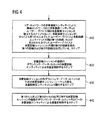
図4は、一例示的実装に係るコア・ネットワークにおける多重接続アンカーの動作を示す流れ図である。動作410は、コア・ネットワークの多重接続エンティティにより、無線ネットワーク内で多重接続エンティティとユーザー・デバイス間の多重接続セッションを確立するステップであって、多重接続セッションが、少なくとも第1のセルを介したユーザー・デバイスと多重接続エンティティとの間の第1の接続、および第2のセルを介したユーザー・デバイスと多重接続セッションとの間の第2の接続を含み、第1の接続および第2の接続は独立している、ステップとを含むことができる。動作420は、多重接続セッションの複数のダウンリンク・データ・ユニットの多重接続エンティティによる受信を制御するステップを含むことができる。動作430は、多重接続セッションの各ダウンリンク・データ・ユニットのための多重接続セッション・シーケンス数を、多重接続エンティティにより提供するステップを含むことができる。そして動作440は、第1のセルおよび第2のセルの両方に対する多重接続セッションの複数のダウンリンク・データ・ユニットのコピーの多重接続エンティティによる送信を制御するステップを含むことができる。
FIG. 4 is a flow diagram illustrating the operation of a multi-connection anchor in a core network according to an example implementation.
一例示的実装によると、図4の方法において、送信を制御するステップは、多重接続セッションが第1のセルおよび第2のセルを含むように構成される一方で、第1のセルおよび第2のセルの両方に対する多重接続セッションの全てのダウンリンク・データ・ユニットのコピーの送信を制御するステップを含むことができる。 According to one exemplary implementation, in the method of FIG. 4, the step of controlling transmission is configured such that the multiple access session includes a first cell and a second cell, while the first cell and the second cell Controlling the transmission of copies of all downlink data units of a multi-connection session to both of the cells.
一例示的実装によると、図4に示された方法は、ユーザー・デバイスが多重接続セッションの第1の接続のために第1のセルから第3のセルへのハンドオーバーまたはセル再選択を行った後に、第1のセルに対する多重接続セッションのためのダウンリンク・データ・ユニットの送信を制御するステップを多重接続エンティティにより中断するステップと、第3のセルからの要求に基づいた第3のセルに対する多重接続セッションのダウンリンク・データ・ユニットの少なくともいくつかのコピーの送信を、多重接続エンティティにより制御するステップと、を行うステップをさらに含むことができる。 According to one exemplary implementation, the method illustrated in FIG. 4 allows a user device to perform a handover or cell reselection from a first cell to a third cell for a first connection of a multi-connection session. After, the step of controlling the transmission of the downlink data unit for the multi-connection session to the first cell by the multi-access entity, and a third cell based on a request from the third cell Controlling the transmission of at least some copies of the downlink data unit of the multi-connection session to the multi-connection entity.
一例示的実装によると、図4に示された方法において、多重接続セッションのダウンリンク・データ・ユニットの各々は、ユーザー・デバイスからの1つ以上の要求に基づいて第1のセルまたは第2のセルのいずれかからユーザー・デバイスへと転送される。 According to one exemplary implementation, in the method shown in FIG. 4, each of the downlink data units of a multi-connection session is configured to receive a first cell or second based on one or more requests from a user device. From one of the cells to the user device.
一例示的実装によると、図4に示された方法は、第1のセルを介して送信されたユーザー・デバイスからの多重接続セッションの1つ以上のアップリンクデータ・ユニットおよび、第2のセルを介して送信されたユーザー・デバイスからの多重接続セッションの1つ以上のアップリンクデータ・ユニットの、多重接続エンティティによる受信を制御するステップであって、受信したアップリンクデータ・ユニットの各々が多重接続セッション・シーケンス数を含む、ステップと、受信したデータ・ユニットの各々について多重接続セッション・シーケンス数に基づき、受信したアップリンクデータ・ユニットを多重接続エンティティによって順序変更するステップと、をさらに含むことができる。 According to one exemplary implementation, the method shown in FIG. 4 includes one or more uplink data units of a multiple access session from a user device transmitted over a first cell and a second cell. Controlling the reception by a multi-connection entity of one or more uplink data units of a multi-connection session transmitted from a user device via a user device, wherein each received uplink data unit is multiplexed Further comprising the steps of: including a number of connected session sequences; and reordering the received uplink data units by the multi-connection entity based on the number of multiple connection session sequences for each received data unit. Can do.
一例示的実装によると、図4に示された方法において、第1の接続は、ユーザー・デバイスと第1のセルとの間の第1の無線接続および、第1のセルと多重接続エンティティとの間の第1のバックホール接続を含むことができ、第2の接続は、ユーザー・デバイスと第2のセルの間の第2の無線接続および、第2のセルと多重接続エンティティの間の第2のバックホール接続を含むことができる。 According to one exemplary implementation, in the method shown in FIG. 4, the first connection includes a first wireless connection between the user device and the first cell, and a first cell and multiple access entity. A first backhaul connection between the second cell and the second wireless connection between the user device and the second cell and between the second cell and the multiple access entity A second backhaul connection can be included.
一例示的実装によると、装置は、少なくとも1つのプロセッサとコンピュータ命令を含む少なくとも1つのメモリとを含むことができ、このコンピュータ命令は、少なくとも1つのプロセッサにより実行されたとき装置に、無線ネットワーク内でコア・ネットワークの多重接続エンティティとユーザー・デバイスとの間でコア・ネットワークの多重接続エンティティにより多重接続セッションを確立させ、この多重接続セッションは少なくとも、第1のセルを介したユーザー・デバイスと多重接続エンティティとの間の第1の接続および第2のセルを介したユーザー・デバイスと多重接続セッションとの間の第2の接続を含み、第1の接続と第2の接続は独立しており、多重接続セッションの複数のダウンリンク・データ・ユニットの、多重接続エンティティによる受信を制御させ、多重接続セッションの各ダウンリンク・データ・ユニットのための多重接続セッション・シーケンス数を、多重接続エンティティにより提供させ、第1のセルおよび第2のセルの両方に対する、多重接続セッションの複数のダウンリンク・データ・ユニットのコピーの、多重接続エンティティによる送信を制御させる。 According to an example implementation, a device can include at least one processor and at least one memory that includes computer instructions that are executed by the at least one processor in the wireless network. A core network multi-connection entity establishes a multi-connection session between the core network multi-connection entity and the user device, wherein the multi-connection session is multiplexed at least with the user device via the first cell. Including a first connection with a connecting entity and a second connection between a user device and a multi-connection session via a second cell, wherein the first connection and the second connection are independent. Multiplexing of multiple downlink data units in a multi-connection session Controlling the reception by the connecting entity and providing the number of multiple connection sessions for each downlink data unit of the multiple connection session by the multiple connection entity, for both the first cell and the second cell, Control transmission of multiple downlink data unit copies of a multi-connection session by the multi-connection entity.
一例示的実装によると、コンピュータのためのコンピュータ・プログラム・プロダクト(例えばメモリ506、図5)は、図3および4のいずれかにおいて説明されている方法を実施することおよび/または図3または4の方法に基づいて説明されるさらなる例示的実装を行うことを含めた、本明細書中に記載の例示的実装、方法またはステップのいずれかのステップを実施するため、またはコンピュータ・プログラム・プロダクトのソフトウェア・コード部分がコンピュータ上でランされているときに以下に列挙する方法クレームのいずれかを行うためのソフトウェア・コード部分を含むことができる。
According to one exemplary implementation, a computer program product (eg,
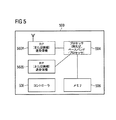
図5は、一例示的実装に係る無線局(例えばBSまたはユーザー・デバイス500のブロック図である。無線局500は、例えば2つのRF(無線周波数)すなわち無線送受信機502A、502Bを含むことができ、ここで、各無線送受機は、信号を伝送するための送信機と信号を受信するための受信機を含む。無線局は同様に、命令またはソフトウェアを実行し信号の伝送および受信を制御するためのプロセッサまたは制御ユニット/エンティティ(コントローラ)504およびデータおよび/または命令を記憶するためのメモリ506を含むこともできる。
5 is a block diagram of a radio station (eg, BS or user device 500) according to an example implementation. The
プロセッサ504は同様に、決断または決定を下し、伝送のためにクレーム、パケットまたはメッセージを生成し、さらなる処理および本明細書中に記載の他のタスクまたは機能のために受信フレームまたはメッセージをデコードすることもできる。例えばベースバンド・プロセッサであり得るプロセッサ504は、無線送受信機502(502Aまたは502B)を介した伝送のためにメッセージ、パケット、フレームまたは他の信号を生成できる。プロセッサ504は、無線ネットワーク上での信号またはメッセージの伝送を制御することができ、(例えば無線送受信機502によりダウンコンバートされた後)、無線ネットワークを介して信号またはメッセージなどの受信を制御することができる。プロセッサ504は、プログラミング可能であり、上述のタスクまたは方法の1つ以上などの上述のさまざまなタスクおよび機能を行うために、メモリ内または他のコンピュータ媒体上に記憶されたソフトウェアまたは他の命令を実行する能力を有することができる。プロセッサ504は、例えば、ハードウェア、プログラマブル論理、ソフトウェアまたはファームウェアを実行するプログラマブル・プロセッサ、および/またはこれらの任意の組合せである(またはこれらを含む)ことができる。他の専門用語を用いると、プロセッサ504および送受信機502を合わせて、例えば無線送信機/受信機システムとみなすことができる。
さらに、図5を参照すると、コントローラ(またはプロセッサ)508は、ソフトウェアおよび命令を実行でき、局500のための全体的制御を提供でき、入/出力デバイス(例えばディスプレー、キーパッド)の制御などの図5に示されていない他のシステムのための制御を提供することができ、かつ/または、無線局500上で提供される可能性のある1つ以上のアプリケーションのためのソフトウェア、例えばEメールプログラム、オーディオ/ビデオ・アプリケーション、ワード・プロセッサ、ボイス・オーバーIPアプリケーションまたは他のアプリケーションまたはソフトウェア、を実行することができる。
Further, referring to FIG. 5, the controller (or processor) 508 can execute software and instructions, can provide overall control for the
さらに、コントローラまたはプロセッサにより実行されたとき、プロセッサ504または他のコントローラまたはプロセッサが上述の機能またはタスクの1つ以上を行う結果となる可能性のある記憶された命令を含む記憶媒体を提供することも可能である。
Furthermore, providing a storage medium containing stored instructions that, when executed by a controller or processor, may result in the
別の例示的実装によると、RFまたは無線送受信機502A/502Bは、信号またはデータを受信し、かつ/または信号またはデータを伝送または送信することができる。プロセッサ504(および場合によっては送受信機502A/502B)は、信号またはデータを受信、送信、ブロードキャストまたは伝送するために、RFまたは無線送受信機502Aまたは502Bを制御できる。
According to another exemplary implementation, the RF or
装置の一実施例は同様に、ユーザー・デバイスにより無線ネットワーク内で多重接続セッションを確立するための手段であって、多重接続セッションが、ユーザー・デバイスと第1のセルとの間の第1の接続およびユーザー・デバイスと第2のセルとの間の第2の接続を含み、第1の接続および第2の接続は独立しており、多重接続セッションのための1つ以上のダウンリンク・データ・ユニットが第1のセルおよび第2のセルの両方により受信される、手段(504、502A/502B)と、多重接続セッションの第1のデータ・ユニット群を第1のセルから受信する要求のユーザー・デバイスによる第1のセルへの送信を制御するための手段(504、502A/502B)と、多重接続セッションの第2のデータ・ユニット群を第2のセルから受信する要求の、ユーザー・デバイスによる第2のセルへの送信を制御するための手段であって、第1のデータ・ユニット群が第2のデータ・ユニット群と異なっている手段(504、502A/502B)と、を含むこともできる。 An embodiment of the apparatus is also a means for establishing a multi-connection session in a wireless network by a user device, the multi-connection session being a first between the user device and the first cell. One or more downlink data for a multi-connection session, comprising a connection and a second connection between a user device and a second cell, wherein the first connection and the second connection are independent A unit is received by both the first cell and the second cell, the means (504, 502A / 502B) and the request to receive the first data unit group of the multi-connection session from the first cell; A means (504, 502A / 502B) for controlling transmission by the user device to the first cell; and a second data unit group of the multi-connection session Means for controlling transmission of a request received from a cell to a second cell by a user device, wherein the first data unit group is different from the second data unit group (504) , 502A / 502B).
一例示的実装によると、装置は、多重接続セッションのどのデータ・ユニットを第1のセルを介して受信すべきか、および多重接続セッションのどのデータ・ユニットを第2のセルを介して受信すべきかについての決定をユーザー・デバイスにより行うための手段(504)をさらに含むことができる。 According to an exemplary implementation, an apparatus should receive which data unit of a multi-connection session via a first cell and which data unit of a multi-connection session via a second cell Means (504) for making a determination by the user device may be further included.
一例示的実装によると、装置は、多重接続セッションのためのデータが第2のセルを介して通信されている間に、第1のセルから第3のセルへの第1の接続のハンドオーバーを行う決断をユーザー・デバイスにより下すための手段(504)をさらに含むことができる。 According to an exemplary implementation, an apparatus can perform handover of a first connection from a first cell to a third cell while data for a multi-connection session is communicated via the second cell. A means (504) for making a decision by the user device may further be included.
多重接続セッションのためのデータが第3のセルを介して通信されている間に、第2のセルから第4のセルへの第2の接続のハンドオーバーを行う決断をユーザー・デバイスにより下すための手段(504)をさらに含むことができる。 To make a decision by the user device to perform a handover of the second connection from the second cell to the fourth cell while data for the multi-connection session is being communicated via the third cell. The means (504) may further be included.
一例示的実装によると、装置は、多重接続セッションのためのデータが第2のセルを介して通信されている間に、第1のセルから第3のセルへの第1の接続のハンドオーバーを行う決断をコア・ネットワークにより下すための手段(504)をさらに含むことができる。
According to an exemplary implementation, an apparatus can perform handover of a first connection from a first cell to a third cell while data for a multi-connection session is communicated via the second cell.
一例示的実装によると、装置は、ユーザー・デバイスへの配送のために第1のセルにおいて利用可能である多重接続セッションの1つ以上のデータ・ユニットを識別する第1のメッセージの、第1のセルからの受信を制御するための手段(504、502A/502B)をさらに含むことができ、ここで、第1のデータ・ユニット群を受信する要求のユーザー・デバイスによるこの第1のセルへの送信を制御するための手段(504、502A/502B)は、第1のセルにおいて利用可能であるデータ・ユニットの1つ以上を受信する要求の、ユーザー・デバイスによる第1のセルへの送信を制御するための手段(504、502A/502B)を含む。
According to an example implementation, an apparatus includes a first message in a first message that identifies one or more data units of a multi-connection session that are available in a first cell for delivery to a user device. Means (504, 502A / 502B) for controlling reception from the first cell, wherein a request to receive the first group of data units by the user device to the first cell may be included. Means (504, 502A / 502B) for controlling the transmission of a request to receive one or more of the data units available in the first cell by the user device to the
一例示的実装によると、装置は、ユーザー・デバイスへの配送のために第2のセルにおいて利用可能である多重接続セッションの1つ以上のデータ・ユニットを識別する第2のメッセージの、第2のセルからの受信を制御するための手段(504、502A/502B)をさらに含むことができ、ここで第2のデータ・ユニット群を受信する要求のユーザー・デバイスによる第2のセルへの送信を制御するための手段(504、502A/502B)は、第2のセルにおいて利用可能であるデータ・ユニットの1つ以上を受信する要求の、ユーザー・デバイスによる第2のセルへの送信を制御するための手段(504、502A/502B)を含む。 According to an example implementation, an apparatus can include a second message in a second message that identifies one or more data units of a multi-connection session that are available in a second cell for delivery to a user device. Means (504, 502A / 502B) for controlling reception from the second cell, wherein a request to receive the second group of data is transmitted by the user device to the second cell Means (504, 502A / 502B) for controlling the transmission by the user device to the second cell of a request to receive one or more of the data units available in the second cell Means (504, 502A / 502B).
一例示的実装によると、装置は、第1のセルおよび第1の接続を介したコア・ネットワークの多重接続エンティティからの第1のデータ・ユニット群の少なくともいくつかの、ユーザー・デバイスによる受信を制御するための手段(504、502A/502B)と、第2のセルおよび第2の接続を介した多重接続エンティティからの第2のデータ・ユニット群の少なくともいくつかの、ユーザー・デバイスによる受信を制御するための手段(504、502A/502B)と、受信データ・ユニットの1つ以上をユーザー・デバイスにより順序変更するための手段(504、502A/502B)と、をさらに含むことができる。 According to an exemplary implementation, an apparatus receives at least some of a first group of data units from a multiple access entity of a core network via a first cell and a first connection by a user device. Means for controlling (504, 502A / 502B) and reception by the user device of at least some of the second group of data units from the multi-connection entity via the second cell and the second connection. Means for controlling (504, 502A / 502B) and means for reordering one or more of the received data units by the user device (504, 502A / 502B) may further be included.
一例示的実装によると、装置は、第1のデータ・ユニット群の1つ以上のデータ・ユニットおよび第2のデータ・ユニット群の1つ以上のデータ・ユニットの受信を確認する肯定応答の、ユーザー・デバイスから第1のセルへの送信を制御するための手段(504、502A/502B)をさらに含むことができる。 According to one exemplary implementation, the device acknowledges confirming receipt of one or more data units of the first data unit group and one or more data units of the second data unit group, Means (504, 502A / 502B) for controlling transmission from the user device to the first cell may further be included.
一例示的実装によると、肯定応答の送信を制御するための手段(504、502A/502B)は、第1のデータ・ユニット群の1つ以上のデータ・ユニットの受信を確認する第1のメッセージの、ユーザー・デバイスから第1のセルへの送信を制御するための手段(504、502A/502B)と、第2のデータ・ユニット群の1つ以上のデータ・ユニットの受信を確認する第2のメッセージの、ユーザー・デバイスから第1のセルへの送信を制御するための手段(504、502A/502B)とを含むことができる。 According to one exemplary implementation, the means (504, 502A / 502B) for controlling the transmission of the acknowledgment is a first message confirming receipt of one or more data units of the first group of data units. Means for controlling transmission from the user device to the first cell (504, 502A / 502B) and a second for confirming receipt of one or more data units of the second group of data units Means (504, 502A / 502B) for controlling transmission of the message from the user device to the first cell.
一例示的実装によると、装置は、第2のデータ・ユニット群の1つ以上のデータ・ユニットおよび第2のデータ・ユニット群の1つ以上のデータ・ユニットの受信を確認する肯定応答の、ユーザー・デバイスから第2のセルへの送信を制御するための手段(504、502A/502B)をさらに含むことができる。 According to one exemplary implementation, the apparatus acknowledges the receipt of one or more data units of the second data unit group and one or more data units of the second data unit group, Means (504, 502A / 502B) for controlling transmission from the user device to the second cell may further be included.
一例示的実装によると、装置は、第2のデータ・ユニット群の1つ以上のデータ・ユニットをユーザー・デバイスが受信したことを確認する第1の肯定応答の、ユーザー・デバイスから第2のセルへの送信を制御するため、および第2のデータ・ユニット群の1つ以上のデータ・ユニットをユーザー・デバイスが受信したことを確認する第2の肯定応答の、第2のセルまたはコア・ネットワークから第1のセルへの送信を制御するための手段(504、502A/502B)をさらに含むことができる。 According to one exemplary implementation, the apparatus receives a second acknowledgment from a user device in a first acknowledgment confirming that the user device has received one or more data units of a second group of data units. A second cell or core of a second acknowledgment for controlling transmission to the cell and confirming that the user device has received one or more data units of the second group of data units. Means (504, 502A / 502B) for controlling transmission from the network to the first cell may further be included.
一例示的実装によると、装置は、第1のセルに結びついた状態をユーザー・デバイスにより検出するための手段(504、502A/502B)と、状態の検出に応答した、ユーザー・デバイスによる第2のセルに対する、第1のデータ・ユニット群の少なくともいくつかを第2のセルから受信する要求の送信を制御するための手段(504、502A/502B)とをさらに含むことができる。 According to one exemplary implementation, the apparatus includes a means (504, 502A / 502B) for detecting a state associated with the first cell by the user device (504, 502A / 502B) and a second by the user device in response to detecting the state. Means (504, 502A / 502B) for controlling transmission of requests to receive at least some of the first data units from the second cell for the first cell.
一例示的実装において状態は、第1のセルからユーザー・デバイスにより受信された信号の、閾値よりも低い信号品質、ユーザー・デバイスと第1のセルの間の第1の接続の、ユーザー・デバイスによって検出された不具合、第1のセルから第3のセルへのハンドオーバーまたはセル再選択を行うことの、ユーザー・デバイスまたはコア・ネットワークのいずれかによる決断、および第1のセルに対する接続再確立を行うることの、ユーザー・デバイスまたはコア・ネットワークのいずれかによる決断のうちの少なくとも1つを含むことができる。 In one exemplary implementation, the state is a signal quality lower than a threshold of a signal received by the user device from the first cell, the user device of the first connection between the user device and the first cell. , The decision by either the user device or the core network to perform handover or cell reselection from the first cell to the third cell, and connection re-establishment for the first cell At least one of the decisions made by either the user device or the core network.
一例示的実装によると、装置は、第1のセルに結びついたエラー状態を検出するため、および第1のデータ・ユニット群の1つ以上のデータ・ユニットを第2のセルから再伝送する要求の、ユーザー・デバイスから第2のセルまでの送信を制御するための手段(504、502A/502B)をさらに含むことができる。 According to an exemplary implementation, an apparatus detects a fault condition associated with a first cell and requests to retransmit one or more data units of a first group of data units from a second cell. Means (504, 502A / 502B) for controlling the transmission from the user device to the second cell.
一例示的実装によると、装置は、第1のセルに結びついた状態を検出するため、および第1のデータ・ユニット群の少なくともいくつかを第2のセルから受信する要求の、ユーザー・デバイスによる第2のセルへの送信を制御するための手段(504、502A/502B)、第2のセルがユーザー・デバイスに対して多重接続セッションの全てのデータを送信する間、第1のセルから第3のセルへの第1の接続のためのハンドオーバーまたはセル再選択を行うための手段(504、502A/502B)、および多重接続セッションの第3のデータ・ユニット群を受信する要求の、第3のセルへのハンドオーバーまたはセル再選択が完了した後のユーザー・デバイスによる第3のセルへの送信を制御するための手段(504、502A/502B)をさらに含むことができる。 According to an exemplary implementation, an apparatus can detect a state associated with a first cell and a request by a user device to receive at least some of a first group of data units from a second cell. Means for controlling transmission to the second cell (504, 502A / 502B), from the first cell to the second cell while the second cell transmits all the data of the multi-connection session to the user device; A request for receiving a handover (504, 502A / 502B) for a first connection to a third cell and a third data unit of a multi-connection session; Means (504, 502A / 5) for controlling transmission by the user device to the third cell after the handover to the third cell or cell reselection is completed 2B) may further include a.
装置の別の実施例は、コア・ネットワークの多重接続エンティティにより、無線ネットワーク内で多重接続エンティティとユーザー・デバイス間の多重接続セッションを確立するための手段であって、多重接続セッションが、少なくとも第1のセルを介したユーザー・デバイスと多重接続エンティティとの間の第1の接続、および第2のセルを介したユーザー・デバイスと多重接続セッションとの間の第2の接続を含み、第1の接続および第2の接続は独立している手段(504、502A/502B)と、多重接続セッションの複数のダウンリンク・データ・ユニットの多重接続エンティティによる受信を制御するための手段(504、502A/502B)と、多重接続セッションの各ダウンリンク・データ・ユニットのための多重接続セッション・シーケンス数を、多重接続エンティティにより提供するための手段(504、502A/502B)と、第1のセルおよび第2のセルの両方に対する多重接続セッションの複数のダウンリンク・データ・ユニットのコピーの多重接続エンティティによる送信を制御するための手段(504、502A/502B)とを含むことができる。 Another embodiment of an apparatus is means for establishing a multi-connection session between a multi-connection entity and a user device in a wireless network by a multi-connection entity of a core network, wherein the multi-connection session is at least a first A first connection between the user device and the multi-connection entity via one cell, and a second connection between the user device and the multi-connection session via a second cell, And the second connection are independent means (504, 502A / 502B) and means for controlling the reception of multiple downlink data units of the multi-connection session by the multi-connection entity (504, 502A). / 502B) and multiple connections for each downlink data unit of the multiple connection session Means (504, 502A / 502B) for providing the sequence number by the multi-connection entity and copies of multiple downlink data units of the multi-connection session for both the first cell and the second cell Means (504, 502A / 502B) for controlling transmissions by multiple connected entities.
ユーザー・デバイスが多重接続セッションの第1の接続のために第1のセルから第3のセルへのハンドオーバーまたはセル再選択を行った後に、第1のセルに対する多重接続セッションのためのダウンリンク・データ・ユニットの送信を制御するステップを多重接続エンティティにより中断するステップと、第3のセルからの要求に基づいた第3のセルに対する多重接続セッションのダウンリンク・データ・ユニットの少なくともいくつかのコピーの送信を、多重接続エンティティにより制御するステップと、行うための手段(504、502A/502B)をさらに含むことができる。 Downlink for multi-connection session for first cell after user device has performed handover or cell reselection from first cell to third cell for first connection of multi-connection session Interrupting the step of controlling the transmission of the data unit by the multi-connection entity, and at least some of the downlink data units of the multi-connection session for the third cell based on a request from the third cell It may further comprise the step of controlling the transmission of the copy by the multiple access entity and means for performing (504, 502A / 502B).
装置の一例示的実装によると、多重接続セッションのダウンリンク・データ・ユニットの各々をユーザー・デバイスからの1つ以上の要求に基づいて第1のセルまたは第2のセルのいずれかからユーザー・デバイスへと転送することができる。 According to an exemplary implementation of the apparatus, each of the downlink data units of the multi-connection session is sent from either the first cell or the second cell based on one or more requests from the user device. Can be transferred to the device.
一例示的実装によると、装置は、第1のセルを介して送信されたユーザー・デバイスからの多重接続セッションの1つ以上のアップリンクデータ・ユニットおよび、第2のセルを介して送信されたユーザー・デバイスからの多重接続セッションの1つ以上のアップリンクデータ・ユニットの、多重接続エンティティによる受信を制御するための手段であって、受信したアップリンクデータ・ユニットの各々が多重接続セッション・シーケンス数を含む、手段(504、502A/502B)と、受信したデータ・ユニットの各々について多重接続セッション・シーケンス数に基づき、受信したアップリンクデータ・ユニットを多重接続エンティティによって順序変更するための手段(504、502A/502B)と、をさらに含むことができる。 According to one exemplary implementation, an apparatus transmits one or more uplink data units of a multiple access session from a user device transmitted via a first cell and a second cell. Means for controlling reception by a multi-connection entity of one or more uplink data units of a multi-connection session from a user device, wherein each received uplink data unit is a multi-connection session sequence Means (504, 502A / 502B) including a number and means for reordering the received uplink data units by the multi-connection entity based on the multi-connection session sequence number for each of the received data units ( 504, 502A / 502B) That.
多重接続の一例示的実装によると、第1の接続は、ユーザー・デバイスと第1のセルとの間の第1の無線接続および、第1のセルと多重接続エンティティとの間の第1のバックホール接続を含むことができ、第2の接続は、ユーザー・デバイスと第2のセルの間の第2の無線接続および、第2のセルと多重接続エンティティの間の第2のバックホール接続を含むことができる。 According to one exemplary implementation of a multiple connection, the first connection includes a first wireless connection between the user device and the first cell and a first between the first cell and the multiple connection entity. A backhaul connection may be included, the second connection being a second wireless connection between the user device and the second cell and a second backhaul connection between the second cell and the multi-connection entity Can be included.
本明細書中に記載のさまざまな技術の実装は、デジタル電子回路内または、コンピュータ・ハードウェア、ファームウェア、ソフトウェア内、またはそれらの組合せの形で実現可能である。実装は、例えば、プログラマブル・プロセッサ、1つのコンピュータまたは多数のコンピュータなどのデータ処理装置による実行のため、またはこれらの装置の動作を制御するために、例えばマシン可読記憶媒体内または伝搬された信号内などの情報キャリヤ内で有形具現化されるコンピュータ・プログラムであるコンピュータ・プログラム・プロダクトとして実現可能である。実装は同様に、非一時的媒体であり得るコンピュータ可読媒体またはコンピュータ可読記憶媒体上で提供することもできる。さまざまな技術の実装は、同様に、一時的信号または媒体を介して提供された実装および/またはインターネットまたは他のネットワーク、つまり有線ネットワークおよび/または無線ネットワークのいずれかを介してダウンロードできるプログラムおよび/またはソフトウェア実装とも含むことができる。さらに、実装は、マシン型通信(MTC)を介してと同様モノのインターネット(IOT)を介しても提供可能である。 Implementations of the various techniques described herein can be implemented in digital electronic circuitry or in computer hardware, firmware, software, or combinations thereof. Implementation can be, for example, in a machine-readable storage medium or in a propagated signal, eg, for execution by a data processor such as a programmable processor, one computer or multiple computers, or to control the operation of these devices. It can be realized as a computer program product which is a computer program tangibly embodied in an information carrier such as Implementations can also be provided on computer readable media or computer readable storage media, which can be non-transitory media. Various technology implementations may similarly be implemented via temporary signals or media and / or programs and / or downloadable via either the Internet or other networks, ie, wired and / or wireless networks. Or it can be included with a software implementation. Furthermore, implementations can be provided via the Internet of Things (IOT) as well as via machine-type communications (MTC).
コンピュータ・プログラムは、ソース・コード形態、オブジェクト・コード形態、またはいくつかの中間形態をとることができ、プログラムを搬送する能力をもつ任意のエンティティまたはデバイスであることのできるいくつかの種類のキャリヤ、配布媒体またはコンピュータ可読媒体中に記憶させることができる。このようなキャリヤは、記録媒体、コンピュータメモリ、読取り専用メモリ、光電および/または電気キャリヤ信号、電気通信信号、およびソフトウェア配布パッケージなどを含む。必要とされる処理出力に応じて、コンピュータ・プログラムを、単一の電子デジタル・コンピュータ内で実行することもでき、または多くのコンピュータの間で分配することもできる。 A computer program can take source code form, object code form, or some intermediate form and can be any kind of carrier that can be any entity or device capable of carrying the program. Can be stored in a distribution medium or a computer-readable medium. Such carriers include recording media, computer memory, read only memory, photoelectric and / or electrical carrier signals, telecommunications signals, software distribution packages, and the like. Depending on the processing output required, the computer program can be executed within a single electronic digital computer or can be distributed among many computers.
さらに、本明細書中に記載のさまざまな技術の実装は、サイバー物理システム(CPS)(物理的エンティティを制御する協働する計算要素のシステム)を使用することができる。CPSは、異なる場所で物理的オブジェクト内に埋込まれる相互接続された莫大な量のICTデバイス(センサー、アクチュエータ、プロセッサ マイクロコントローラー...)の実装および運用を可能にすることができる。問題の物理システムが固有の移度性を有している移動体サイバー物理システムは、サイバー物理システムの下位カテゴリーである。移動体物理システムの例としては、移動ロボット工学、および人間または動物によって輸送される電子機器が含まれる。スマートホンの人気の上昇により、移動体サイバー物理システムの分野に対する関心が高まってきた。したがって、本明細書中に記載の技法の実装を、これらの技術の1つ以上を介して提供することができる。 Furthermore, implementations of the various techniques described herein may use a cyber physical system (CPS), a system of cooperating computational elements that control physical entities. CPS can enable the implementation and operation of a vast amount of interconnected ICT devices (sensors, actuators, processor microcontrollers ...) embedded in physical objects at different locations. Mobile cyber physical systems where the physical system in question has inherent mobility are a subcategory of cyber physical systems. Examples of mobile physics systems include mobile robotics and electronic equipment transported by humans or animals. The growing popularity of smart phones has increased interest in the field of mobile cyber physical systems. Accordingly, implementations of the techniques described herein can be provided via one or more of these techniques.
上述のコンピュータ・プログラムなどのコンピュータ・プログラムは、コンパイラ型言語またはインタープリタ型言語を含めた任意の形態のプログラミング言語で書くことができ、スタンドアロン・プログラムとしてまたはコンピュータ環境内で使用に好適なモジュール、コンポーネント、サブルーチンまたは他のユニットまたはその一部としてを含め、任意の形態で展開可能である。コンピュータ・プログラムは、1つのサイトで1つのコンピュータ上または多数のコンピュータ上で実行されるように展開され得、または多数のサイトを横断して分配され、通信ネットワークによって相互接続され得る。 A computer program, such as the computer program described above, can be written in any form of programming language, including a compiler-type or interpreted language, and is suitable for use as a stand-alone program or within a computer environment. Can be deployed in any form, including as a subroutine or other unit or part thereof. Computer programs can be deployed to run on one computer or on multiple computers at one site, or can be distributed across multiple sites and interconnected by a communications network.
方法ステップは、入力データに対し動作し出力を生成することによって機能を行うために、1つのコンピュータ・プログラムまたは複数のコンピュータ・プログラム部分を実行する1つ以上のプログラマブル・プロセッサによって行うことができる。方法ステップは同様に、例えばFPGA(フィールド・プログラマブル・ゲート・アレイ)またはASIC(特定用途向け集積回路)などの特殊用途論理回路によっても行うことができ、装置をこれらの論理回路として実装することもできる。 Method steps may be performed by one or more programmable processors executing one computer program or multiple computer program portions to perform functions by operating on input data and generating output. The method steps can also be performed by special purpose logic circuits such as, for example, FPGAs (Field Programmable Gate Arrays) or ASICs (Application Specific Integrated Circuits), and the devices can be implemented as these logic circuits. it can.
コンピュータ・プログラムの実行に好適なプロセッサは、例えば汎用および特殊用途の両方のマイクロプロセッサ、およびあらゆる種類のデジタル・コンピュータ、チップまたはチップセットの任意の1つ以上のプロセッサを含むことができる。概して、プロセッサは、読取り専用メモリまたはランダム・アクセス・メモリまたはその両方から命令およびデータを受信する。コンピュータの要素は、命令を実行するための少なくとも1つのプロセッサおよび命令およびデータを記憶するための1つ以上のメモリ・デバイスを含むことができる。概して、コンピュータは同様に、データを記憶するための1つ以上の大容量記憶デバイス、例えば磁気ディスク、光磁気ディスクまたは光ディスクを含むか、またはこれらのデバイスからデータを受信するかまたはこれらのデバイスにデータを転送するように作動的に結合されることができる。コンピュータ・プログラム命令およびデータを具現化するのに好適な情報キャリヤは、一例として、半導体メモリ・デバイス、例えばEPROM、EEPROM、およびフラッシュ・メモリ・デバイス、磁気ディスク、例えば内部ハード・ディスクまたはリムーバブル・ディスク、光磁気ディスク、およびCD−ROMおよびDVD−ROMディスクを含めた、全ての形態の不揮発性メモリを含む。プロセッサおよびメモリを、特殊用途論理回路によって補足するか、または、この回路内に組込むことができる。 Suitable processors for the execution of computer programs may include, for example, both general purpose and special purpose microprocessors, and any one or more processors of any kind of digital computer, chip or chipset. Generally, a processor will receive instructions and data from a read-only memory or a random access memory or both. The computer elements can include at least one processor for executing instructions and one or more memory devices for storing instructions and data. In general, a computer also includes one or more mass storage devices for storing data, such as a magnetic disk, a magneto-optical disk or an optical disk, or receives data from or on these devices. It can be operatively coupled to transfer data. Information carriers suitable for embodying computer program instructions and data include, by way of example, semiconductor memory devices such as EPROM, EEPROM, and flash memory devices, magnetic disks such as internal hard disks or removable disks. All forms of non-volatile memory, including magneto-optical disks and CD-ROM and DVD-ROM disks. The processor and memory can be supplemented by, or incorporated in, special purpose logic circuitry.
ユーザーとのインタラクションを提供するためには、実装は、ユーザーに対して情報を表示するための、例えば陰極線管(CRT)または液晶表示(LCD)モニターなどのディスプレー・デバイスおよびユーザーがコンピュータに入力を提供できるようにするマウスまたはトラックボールなどのポインティング・デバイスおよびキーボードなどのユーザー・インターフェースを有するコンピュータ上で実現可能である。ユーザーとのインタラクションを提供するためには、他の種類のデバイスを使用することも同様に可能である。すなわち、例えば、ユーザーに提供されるフィードバックは、任意の形態の感覚フィードバック、例えば視覚フィードバック、聴覚フィードバックまたは触覚フィードバックであり得、ユーザーからの入力は、音響、音声または触覚入力を含む、任意の形態で受信可能である。 In order to provide user interaction, an implementation can display information to the user, such as a display device, such as a cathode ray tube (CRT) or a liquid crystal display (LCD) monitor, and the user can input input to the computer. It can be implemented on a computer having a pointing device such as a mouse or a trackball to be provided and a user interface such as a keyboard. Other types of devices can be used as well to provide user interaction. That is, for example, the feedback provided to the user can be any form of sensory feedback, such as visual feedback, auditory feedback or haptic feedback, and input from the user can be any form including acoustic, audio or haptic input. Can be received.
実装は、例えばデータ・サーバーなどのバック・エンド・コンポーネントを含むか、またはアプリケーション・サーバーなどのミドルウェア・コンポーネントを含むか、またはフロント・エンド・コンポーネントを含む計算システム、例えばグラフィカル・ユーザーインターフェースを有するクライアント・コンピュータ、またはユーザーが1つの実装とインタラクトできるようにするWebブラウザ、またはこのようなバック・エンド、ミドルウェアまたはフロント・エンド・コンポーネントの任意の組合せの形で実現可能である。コンポーネントは、例えば通信ネットワークなどの任意の形態のデジタル・データ通信または通信媒体により相互接続することができる。通信ネットワークの例としては、ローカル・エリア・ネットワーク(LAN)および広域ネットワーク(WAN)、例えばインターネットがある。 Implementation includes a back end component such as a data server, or includes a middleware component such as an application server, or a computing system including a front end component, such as a client having a graphical user interface It can be realized in the form of a computer or a web browser that allows the user to interact with one implementation, or any combination of such back end, middleware or front end components. The components can be interconnected by any form of digital data communication or communication medium such as, for example, a communication network. Examples of communication networks include a local area network (LAN) and a wide area network (WAN), such as the Internet.
本明細書中に記載されているように、説明した実装のいくつかの特徴が例示されてきたが、当業者は、多くの修正、置換、変更および均等物を発想する。したがって、添付のクレームは、このような修正および変更の全てをさまざまな実施形態の趣旨の範囲内に入るものとしてカバーするように意図されたものである、ということを理解すべきである。 While several features of the described implementation have been illustrated as described herein, those skilled in the art will envision many modifications, substitutions, changes, and equivalents. Therefore, it is to be understood that the appended claims are intended to cover all such modifications and changes as fall within the spirit of the various embodiments.
Claims (25)
ユーザー・デバイスにより無線ネットワーク内で多重接続セッションを確立するステップであって、前記多重接続セッションが、前記ユーザー・デバイスと第1のセルとの間の第1の接続および前記ユーザー・デバイスと第2のセルとの間の第2の接続を含み、前記第1の接続および前記第2の接続は独立しており、前記多重接続セッションのための1つ以上のダウンリンク・データ・ユニットが前記第1のセルおよび前記第2のセルの両方により受信される、ステップと、
前記多重接続セッションの第1のデータ・ユニット群を前記第1のセルから受信する要求の前記ユーザー・デバイスによる前記第1のセルへの送信を制御するステップと、
前記多重接続セッションの第2のデータ・ユニット群を前記第2のセルから受信する要求の、前記ユーザー・デバイスによる前記第2のセルへの送信を制御するステップであって、前記第1のデータ・ユニット群が前記第2のデータ・ユニット群と異なっている、ステップと、
を含む方法。 In a method including a processor configured to execute instructions to perform the method,
Establishing a multi-connection session in a wireless network by a user device, the multi-connection session comprising: a first connection between the user device and a first cell; and the user device and a second The first connection and the second connection are independent, and one or more downlink data units for the multi-connection session are included in the first connection. Received by both one cell and the second cell; and
Controlling transmission by the user device to the first cell of a request to receive a first group of data units of the multi-connection session from the first cell;
Controlling the transmission by the user device to the second cell of a request to receive a second data unit group of the multi-connection session from the second cell, the first data A unit group is different from the second data unit group; and
Including methods.
をさらに含む、請求項1に記載の方法。 Determining the data unit of the multi-connection session to be received via the first cell and the data unit of the multi-connection session to be received via the second cell; The steps performed by the device,
The method of claim 1, further comprising:
をさらに含む、請求項1に記載の方法。 The user decides to perform a handover of the first connection from the first cell to a third cell while data for the multi-connection session is being communicated via the second cell.・ Steps taken by the device,
The method of claim 1, further comprising:
をさらに含む、請求項3に記載の方法。 The user decides to perform a handover of the second connection from the second cell to a fourth cell while data for the multi-connection session is being communicated via the third cell.・ Steps taken by the device,
The method of claim 3, further comprising:
をさらに含み、
第1のデータ・ユニット群を受信する要求の前記ユーザー・デバイスによる前記第1のセルへの送信を制御する前記ステップは、前記第1のセルにおいて利用可能である前記データ・ユニットの1つ以上を受信する要求の、前記ユーザー・デバイスによる前記第1のセルへの送信を制御するステップを含む、請求項1に記載の方法。 Receiving from the first cell a first message identifying one or more data units of the multi-connection session available in the first cell for delivery to the user device; Step to control,
Further including
The step of controlling the transmission of a request to receive a first group of data units by the user device to the first cell comprises one or more of the data units available in the first cell The method of claim 1, comprising controlling transmission of a request to receive to the first cell by the user device.
をさらに含み、
第2のデータ・ユニット群を受信する要求の前記ユーザー・デバイスによる前記第2のセルへの送信を制御する前記ステップは、前記第2のセルにおいて利用可能である前記データ・ユニットの1つ以上を受信する要求の、前記ユーザー・デバイスによる前記第2のセルへの送信を制御するステップを含む、請求項1に記載の方法。 Receiving from the second cell a second message identifying one or more data units of the multi-connection session available in the second cell for delivery to the user device; Step to control,
Further including
The step of controlling transmission of a request to receive a second group of data units by the user device to the second cell comprises one or more of the data units available in the second cell The method of claim 1, comprising controlling transmission of a request to receive to the second cell by the user device.
前記第2のセルおよび前記第2の接続を介した前記多重接続エンティティからの前記第2のデータ・ユニット群の少なくともいくつかの、前記ユーザー・デバイスによる受信を制御するステップと、
前記受信データ・ユニットの1つ以上を前記ユーザー・デバイスにより順序変更するステップと、
をさらに含む、請求項1に記載の方法。 Controlling the reception by the user device of at least some of the first data units from a multiple access entity of a core network via the first cell and the first connection;
Controlling the reception by the user device of at least some of the second group of data units from the multiple access entity via the second cell and the second connection;
Reordering one or more of the received data units by the user device;
The method of claim 1, further comprising:
をさらに含む、請求項1に記載の方法。 Acknowledgment confirming receipt of one or more data units of the first data unit group and one or more data units of the second data unit group from the user device to the first Controlling the transmission to the cell,
The method of claim 1, further comprising:
前記第1のデータ・ユニット群の1つ以上のデータ・ユニットの受信を確認する第1のメッセージの、前記ユーザー・デバイスから前記第1のセルへの送信を制御するステップと、
前記第2のデータ・ユニット群の1つ以上のデータ・ユニットの受信を確認する第2のメッセージの、前記ユーザー・デバイスから前記第1のセルへの送信を制御するステップと、
を含む、請求項8に記載の方法。 The step of controlling transmission of the acknowledgment;
Controlling the transmission from the user device to the first cell of a first message confirming receipt of one or more data units of the first group of data units;
Controlling the transmission from the user device to the first cell of a second message confirming receipt of one or more data units of the second group of data units;
The method of claim 8 comprising:
をさらに含む、請求項1に記載の方法。 An acknowledgment from the user device confirming receipt of one or more data units of the first data unit group and one or more data units of the second data unit group; Controlling the transmission to the cell,
The method of claim 1, further comprising:
前記第2のデータ・ユニット群の前記1つ以上のデータ・ユニットを前記ユーザー・デバイスが受信したことを確認する第2の肯定応答の、前記第2のセルまたはコア・ネットワークから前記第1のセルへの送信を制御するステップと、
をさらに含む、請求項1に記載の方法。 Control transmission of a first acknowledgment from the user device to the second cell confirming that the user device has received one or more data units of the second group of data units And steps to
A second acknowledgment from the second cell or core network confirming that the user device has received the one or more data units of the second group of data from the second cell or core network. Controlling transmission to the cell;
The method of claim 1, further comprising:
前記状態の検出に応答した、前記ユーザー・デバイスによる前記第2のセルに対する、前記第1のデータ・ユニット群の少なくともいくつかを前記第2のセルから受信する要求の送信を制御するステップと、
をさらに含む、請求項1に記載の方法。 Detecting a state associated with the first cell by a user device;
Controlling transmission of a request to receive at least some of the first group of data units from the second cell to the second cell by the user device in response to detecting the condition;
The method of claim 1, further comprising:
前記ユーザー・デバイスにより前記第1のセルから受信された信号の、閾値よりも低い信号品質、
前記ユーザー・デバイスと前記第1のセルの間の前記第1の接続の、前記ユーザー・デバイスによって検出された不具合、
前記第1のセルから第3のセルへのハンドオーバーまたはセル再選択を行うことの、前記ユーザー・デバイスまたはコア・ネットワークのいずれかによる決断、および
前記第1のセルに対する接続再確立を行うことの、前記ユーザー・デバイスまたはコア・ネットワークのいずれかによる決断、
のうちの少なくとも1つを含む、請求項12に記載の方法。 The state is
A signal quality below a threshold of a signal received from the first cell by the user device;
A failure detected by the user device of the first connection between the user device and the first cell;
Determining whether to perform handover or cell reselection from the first cell to the third cell by either the user device or the core network, and reestablishing a connection to the first cell A decision by either the user device or the core network,
The method of claim 12, comprising at least one of:
前記第1のデータ・ユニット群の1つ以上のデータ・ユニットを前記第2のセルから再伝送する要求の、前記ユーザー・デバイスから前記第2のセルまでの送信を制御するステップと、
をさらに含む、請求項1に記載の方法。 Detecting an error condition associated with the first cell;
Controlling the transmission from the user device to the second cell of a request to retransmit one or more data units of the first group of data from the second cell;
The method of claim 1, further comprising:
前記第1のデータ・ユニット群の少なくともいくつかを前記第2のセルから受信する要求の、前記ユーザー・デバイスによる前記第2のセルへの送信を制御するステップと、
前記第2のセルが前記ユーザー・デバイスに対して前記多重接続セッションの全てのデータを送信する間、前記第1のセルから第3のセルへの前記第1の接続のためのハンドオーバーまたはセル再選択を行うステップと、
前記多重接続セッションの第3のデータ・ユニット群を受信する要求の、前記第3のセルへのハンドオーバーまたはセル再選択が完了した後の前記ユーザー・デバイスによる前記第3のセルへの送信を制御するステップと、
をさらに含む、請求項1に記載の方法。 Detecting a state associated with the first cell;
Controlling transmission by the user device to the second cell of a request to receive at least some of the first group of data units from the second cell;
A handover or cell for the first connection from the first cell to a third cell while the second cell transmits all data of the multi-connection session to the user device A step for reselection;
Sending a request to receive a third group of data units of the multi-connection session to the third cell by the user device after a handover to the third cell or cell reselection is completed; A controlling step;
The method of claim 1, further comprising:
ユーザー・デバイスのために無線ネットワーク内で多重接続セッションを確立させ、前記多重接続セッションが、前記ユーザー・デバイスと第1のセルとの間の第1の接続および前記ユーザー・デバイスと第2のセルとの間の第2の接続を含み、前記第1の接続および前記第2の接続は独立しており、前記多重接続セッションのための1つ以上のダウンリンク・データ・ユニットが前記第1のセルおよび前記第2のセルの両方により受信し、
前記多重接続セッションの第1のデータ・ユニット群を受信する要求の前記ユーザー・デバイスによる前記第1のセルへの送信を制御させ、
前記多重接続セッションの第2のデータ・ユニット群を受信する要求の、前記ユーザー・デバイスによる前記第2のセルへの送信を制御させ、第1のデータ・ユニット群が第2のデータ・ユニット群と異なっている、装置。 In an apparatus comprising at least one processor and at least one memory containing computer instructions, the computer instructions, when executed by the at least one processor, are stored in the apparatus.
Establishing a multi-connection session in a wireless network for a user device, wherein the multi-connection session comprises a first connection between the user device and a first cell and the user device and a second cell; A second connection between the first connection and the second connection, wherein one or more downlink data units for the multi-connection session are the first connection Received by both the cell and the second cell;
Controlling transmission of the request to receive the first group of data units of the multi-connection session to the first cell by the user device;
Causing the user device to control transmission of a request to receive a second data unit group of the multi-connection session to the second cell, wherein the first data unit group is a second data unit group. Is different from the device.
前記第1のセルに結びついた状態をユーザー・デバイスにより検出させ、
前記状態の検出に応答した、前記ユーザー・デバイスによる前記第2のセルに対する、前記第1のデータ・ユニット群の少なくともいくつかを前記第2のセルから受信する要求の送信を制御させる、
請求項16に記載の装置。 When the computer instructions are executed by the at least one processor, the computer instructions further
A state associated with the first cell is detected by a user device;
Controlling transmission of a request to receive at least some of the first group of data units from the second cell to the second cell by the user device in response to detecting the state;
The apparatus of claim 16.
前記ユーザー・デバイスにより前記第1のセルから受信された信号の、閾値よりも低い信号品質、
前記ユーザー・デバイスと前記第1のセルの間の前記第1の接続の、前記ユーザー・デバイスによって検出された不具合、
前記第1のセルから第3のセルへのハンドオーバーまたはセル再選択を行うことの、前記ユーザー・デバイスまたはコア・ネットワークのいずれかによる決断、および
前記第1のセルに対する接続再確立を行うことの、前記ユーザー・デバイスまたはコア・ネットワークのいずれかによる決断、
のうちの少なくとも1つを含む、請求項17に記載の装置。 The state is
A signal quality below a threshold of a signal received from the first cell by the user device;
A failure detected by the user device of the first connection between the user device and the first cell;
Determining whether to perform handover or cell reselection from the first cell to the third cell by either the user device or the core network, and reestablishing a connection to the first cell A decision by either the user device or the core network,
The apparatus of claim 17, comprising at least one of:
ユーザー・デバイスのために無線ネットワーク内で多重接続セッションを確立するステップであって、前記多重接続セッションが、前記ユーザー・デバイスと第1のセルとの間の第1の接続および前記ユーザー・デバイスと第2のセルとの間の第2の接続を含み、前記第1の接続および前記第2の接続は独立しており、前記多重接続セッションのための1つ以上のダウンリンク・データ・ユニットが前記第1のセルおよび前記第2のセルの両方により受信される、ステップと、
前記多重接続セッションの第1のデータ・ユニット群を受信する要求の前記ユーザー・デバイスによる前記第1のセルへの送信を制御するステップと、
前記多重接続セッションの第2のデータ・ユニット群を受信する要求の、前記ユーザー・デバイスによる前記第2のセルへの送信を制御するステップであって、第1のデータ・ユニット群が第2のデータ・ユニット群と異なっている、ステップと、
を含む方法を実施させるように構成されている、コンピュータ・プログラム・プロダクト。 In a computer program product comprising a computer-readable storage medium and storing executable code, the executable code is executed by the at least one data processing device when executed by the at least one data processing device.
Establishing a multi-connection session in a wireless network for a user device, the multi-connection session comprising: a first connection between the user device and a first cell; and the user device Including a second connection to a second cell, wherein the first connection and the second connection are independent, wherein one or more downlink data units for the multi-connection session are provided Received by both the first cell and the second cell;
Controlling the transmission by the user device to the first cell of a request to receive a first group of data units of the multi-connection session;
Controlling the transmission of a request to receive a second data unit group of the multi-connection session to the second cell by the user device, wherein the first data unit group is a second data unit Different from data units, steps,
A computer program product configured to cause a method comprising:
コア・ネットワークの多重接続エンティティにより、無線ネットワーク内で前記多重接続エンティティとユーザー・デバイス間の多重接続セッションを確立するステップであって、前記多重接続セッションが、少なくとも第1のセルを介した前記ユーザー・デバイスと前記多重接続エンティティとの間の第1の接続、および第2のセルを介した前記ユーザー・デバイスと前記多重接続セッションとの間の第2の接続を含み、前記第1の接続および前記第2の接続は独立している、ステップと、
前記多重接続セッションの複数のダウンリンク・データ・ユニットの前記多重接続エンティティによる受信を制御するステップと、
前記多重接続セッションの各ダウンリンク・データ・ユニットのための多重接続セッション・シーケンス数を、前記多重接続エンティティにより提供するステップと、
前記第1のセルおよび前記第2のセルの両方に対する前記多重接続セッションの複数の前記ダウンリンク・データ・ユニットのコピーの前記多重接続エンティティによる送信を制御するステップと、
を含む方法。 In a method including a processor configured to execute instructions to perform the method,
Establishing a multi-connection session between the multi-connection entity and a user device in a wireless network by a multi-connection entity of a core network, wherein the multi-connection session is at least via the first cell A first connection between a device and the multi-connection entity, and a second connection between the user device and the multi-connection session via a second cell, the first connection and The second connection is independent; and
Controlling the reception by the multi-connection entity of a plurality of downlink data units of the multi-connection session;
Providing, by the multi-connection entity, a multi-connection session sequence number for each downlink data unit of the multi-connection session;
Controlling transmission by the multiple access entity of a plurality of copies of the downlink data units of the multiple access session to both the first cell and the second cell;
Including methods.
前記第1のセルに対する前記多重接続セッションのためのダウンリンク・データ・ユニットの送信を制御するステップを前記多重接続エンティティにより中断するステップと、
前記第3のセルからの要求に基づいた前記第3のセルに対する前記多重接続セッションの前記ダウンリンク・データ・ユニットの少なくともいくつかのコピーの送信を、前記多重接続エンティティにより制御するステップと、
を行うステップをさらに含む、請求項20に記載の方法。 After the user device has performed a handover or cell reselection from the first cell to a third cell for the first connection of the multi-connection session,
Interrupting by the multi-access entity the step of controlling transmission of downlink data units for the multi-access session to the first cell;
Controlling, by the multi-access entity, transmission of at least some copies of the downlink data unit of the multi-access session to the third cell based on a request from the third cell;
21. The method of claim 20, further comprising the step of:
前記受信したデータ・ユニットの各々について前記多重接続セッション・シーケンス数に基づき、前記受信したアップリンクデータ・ユニットを前記多重接続エンティティによって順序変更するステップと、
をさらに含む、請求項20に記載の方法。 One or more uplink data units of a multiple connection session from the user device transmitted via the first cell and the user device transmitted via the second cell; Controlling the reception by the multi-connection entity of one or more uplink data units of a multi-connection session, wherein each of the received uplink data units includes a number of multi-connection session sequences. When,
Reordering the received uplink data units by the multiple access entity based on the number of multiple access session sequences for each of the received data units;
21. The method of claim 20, further comprising:
前記第2の接続は、前記ユーザー・デバイスと前記第2のセルの間の第2の無線接続および、前記第2のセルと前記多重接続エンティティの間の第2のバックホール接続を含む、
請求項20に記載の方法。 The first connection includes a first wireless connection between the user device and the first cell and a first backhaul connection between the first cell and the multiple access entity. ,
The second connection includes a second wireless connection between the user device and the second cell, and a second backhaul connection between the second cell and the multiple access entity.
The method of claim 20.
無線ネットワーク内でコア・ネットワークの多重接続エンティティとユーザー・デバイスとの間で多重接続セッションを確立させ、該多重接続セッションが少なくとも、第1のセルを介した前記ユーザー・デバイスと前記多重接続エンティティとの間の第1の接続および第2のセルを介した前記ユーザー・デバイスと前記多重接続セッションとの間の第2の接続を含み、前記第1の接続と前記第2の接続は独立しており、
前記多重接続セッションの複数のダウンリンク・データ・ユニットの、前記多重接続エンティティによる受信を制御させ、
前記多重接続セッションの各ダウンリンク・データ・ユニットのための多重接続セッション・シーケンス数を、前記多重接続エンティティにより提供させ、
前記第1のセルおよび前記第2のセルの両方に対する、前記多重接続セッションの複数の前記ダウンリンク・データ・ユニットのコピーの、前記多重接続エンティティによる送信を制御させる、
装置。 An apparatus comprising at least one processor and at least one memory including computer instructions, wherein the computer instructions are executed by the at least one processor when the apparatus is executed by the apparatus.
Establishing a multi-connection session between a multi-connection entity of a core network and a user device in a wireless network, the multi-connection session comprising at least the user device and the multi-connection entity via a first cell; And a second connection between the user device and the multi-connection session via a second cell, wherein the first connection and the second connection are independent And
Controlling the reception by the multi-connection entity of a plurality of downlink data units of the multi-connection session;
Allowing the multi-connection entity to provide a multi-connection session sequence number for each downlink data unit of the multi-connection session;
Controlling transmission by the multi-connection entity of a plurality of copies of the downlink data units of the multi-connection session to both the first cell and the second cell;
apparatus.
Applications Claiming Priority (5)
| Application Number | Priority Date | Filing Date | Title |
|---|---|---|---|
| US14/475,388 | 2014-09-02 | ||
| US14/475,388 US20160066222A1 (en) | 2014-09-02 | 2014-09-02 | Multi-connectivity in a wireless network |
| EPPCT/EP2014/071829 | 2014-10-13 | ||
| PCT/EP2014/071829 WO2016034254A1 (en) | 2014-09-02 | 2014-10-13 | Packet sequence numbering for multi-connectivity in a wireless network |
| PCT/EP2015/066147 WO2016034317A1 (en) | 2014-09-02 | 2015-07-15 | Multi-connectivity in a wireless network |
Publications (1)
| Publication Number | Publication Date |
|---|---|
| JP2017526302A true JP2017526302A (en) | 2017-09-07 |
Family
ID=51690391
Family Applications (1)
| Application Number | Title | Priority Date | Filing Date |
|---|---|---|---|
| JP2017512026A Pending JP2017526302A (en) | 2014-09-02 | 2015-07-15 | Multiple connectivity within a wireless network |
Country Status (5)
| Country | Link |
|---|---|
| US (2) | US20160066222A1 (en) |
| EP (2) | EP3189639A1 (en) |
| JP (1) | JP2017526302A (en) |
| CN (1) | CN107078968A (en) |
| WO (2) | WO2016034254A1 (en) |
Families Citing this family (33)
| Publication number | Priority date | Publication date | Assignee | Title |
|---|---|---|---|---|
| US9992126B1 (en) | 2014-11-07 | 2018-06-05 | Speedy Packets, Inc. | Packet coding based network communication |
| US10999012B2 (en) | 2014-11-07 | 2021-05-04 | Strong Force Iot Portfolio 2016, Llc | Packet coding based network communication |
| US9992088B1 (en) | 2014-11-07 | 2018-06-05 | Speedy Packets, Inc. | Packet coding based network communication |
| US10320526B1 (en) | 2014-11-07 | 2019-06-11 | Strong Force Iot Portfolio 2016, Llc | Packet coding based network communication |
| US10530700B2 (en) | 2015-07-07 | 2020-01-07 | Strong Force Iot Portfolio 2016, Llc | Message reordering timers |
| US9825733B1 (en) | 2014-11-07 | 2017-11-21 | Speedy Packets, Inc. | Packet coding based network communication |
| US9654257B2 (en) * | 2015-01-26 | 2017-05-16 | Motorola Solutions, Inc. | Time efficient group data acknowledgement |
| WO2017039736A1 (en) | 2015-08-31 | 2017-03-09 | Intel IP Corporation | Dual connectivity for reliability |
| KR102460350B1 (en) * | 2015-11-06 | 2022-10-28 | 삼성전자주식회사 | Method and apparatus for transmitting and receiving data in communication system |
| US10568126B2 (en) * | 2016-03-01 | 2020-02-18 | Huawei Technologies Co., Ltd. | Method and apparatus for distributed uplink data processing in a communication network with limited backhaul |
| CN110140411B (en) * | 2016-05-25 | 2023-05-05 | 诺基亚技术有限公司 | Connection establishment in 5G radio access networks |
| CN112492659A (en) | 2016-06-25 | 2021-03-12 | 华为技术有限公司 | Wireless local area network system and wireless local area network communication method |
| JP2019525640A (en) * | 2016-08-12 | 2019-09-05 | 華為技術有限公司Huawei Technologies Co.,Ltd. | Data processing method and related device |
| EP3602885B1 (en) * | 2017-03-24 | 2023-11-22 | Telefonaktiebolaget LM Ericsson (PUBL) | Systems and methods for removal of duplicated packets for transmission |
| JP6881724B2 (en) * | 2017-09-28 | 2021-06-02 | オフィノ, エルエルシー | Packet replication activation signaling |
| WO2019090732A1 (en) * | 2017-11-10 | 2019-05-16 | Oppo广东移动通信有限公司 | Method, apparatus, and computer storage medium for controlling data duplication function |
| WO2019153139A1 (en) * | 2018-02-07 | 2019-08-15 | Oppo广东移动通信有限公司 | Radio link failure handling method and related product |
| US11212695B2 (en) * | 2018-02-15 | 2021-12-28 | Qualcomm Incorporated | Configuration, activation and deactivation of packet duplication |
| CN110839258B (en) * | 2018-08-17 | 2021-09-21 | 展讯通信(上海)有限公司 | Condition switching method and device |
| WO2020075118A1 (en) * | 2018-10-10 | 2020-04-16 | Telefonaktiebolaget Lm Ericsson (Publ) | Method and apparatus used in transmission reliability |
| CN111083730B (en) * | 2018-10-19 | 2023-01-31 | 中兴通讯股份有限公司 | Data processing method and device and network equipment |
| EP3913832A4 (en) * | 2019-03-22 | 2022-01-12 | Huawei Technologies Co., Ltd. | Communication method, apparatus, device, system, and storage medium |
| CN113647037B (en) * | 2019-03-28 | 2024-09-24 | 诺基亚技术有限公司 | Preconfigured radio link switching for bandwidth sections |
| KR102477824B1 (en) * | 2019-04-12 | 2022-12-15 | 삼성전자 주식회사 | A method and an apparatus for determining a radio link failure in wireless communication system |
| CN113632554A (en) * | 2019-04-19 | 2021-11-09 | 富士通株式会社 | Base station, terminal device, and communication system |
| CN119767368A (en) | 2019-12-11 | 2025-04-04 | 华为技术有限公司 | Communication method and device |
| CN113498125B (en) * | 2020-03-20 | 2024-09-17 | 华为技术有限公司 | A communication method, access network equipment, terminal equipment and core network equipment |
| CN119922755A (en) * | 2020-03-27 | 2025-05-02 | 华为技术有限公司 | Communication method and device for multi-link equipment in wireless local area network |
| CN113596736B (en) * | 2020-04-30 | 2022-09-02 | 维沃移动通信有限公司 | Data retransmission method and device, target node, source node and terminal |
| GB2596870B (en) * | 2020-07-10 | 2023-01-18 | Canon Kk | Method and apparatus for wireless communication of low latency data between multilink devices |
| CN116325900B (en) * | 2020-10-22 | 2026-01-06 | 华为技术有限公司 | A communication method and apparatus |
| US20240064808A1 (en) * | 2022-08-17 | 2024-02-22 | Mediatek Inc. | Method and apparatus for assisting wireless communication device with switch back operation for early switching back to listening operation on enhanced multi-link single radio links |
| US12425433B2 (en) * | 2023-10-06 | 2025-09-23 | Palo Alto Networks, Inc. | Adversarial training for malicious protocol data unit detection with field value perturbations |
Citations (4)
| Publication number | Priority date | Publication date | Assignee | Title |
|---|---|---|---|---|
| WO2011155254A1 (en) * | 2010-06-08 | 2011-12-15 | 三菱電機株式会社 | Wireless communication system and radio stations |
| WO2013022751A1 (en) * | 2011-08-10 | 2013-02-14 | Interdigital Patent Holdings, Inc. | Uplink feedback for multi-site scheduling |
| WO2013170789A1 (en) * | 2012-05-18 | 2013-11-21 | 华为技术有限公司 | Data-forwarding method, apparatus and communications system |
| WO2014103145A1 (en) * | 2012-12-28 | 2014-07-03 | 日本電気株式会社 | Wireless communication system, wireless station, wireless terminal, communication control method, and computer-readable medium |
Family Cites Families (9)
| Publication number | Priority date | Publication date | Assignee | Title |
|---|---|---|---|---|
| US7899495B2 (en) * | 2006-07-14 | 2011-03-01 | Qualcomm Incorporated | Methods and apparatus for supporting multiple connections |
| US20080056171A1 (en) * | 2006-08-21 | 2008-03-06 | Khayrallah Ali S | Arrangement and method for cellular data transmission |
| US8477719B2 (en) * | 2007-10-01 | 2013-07-02 | Qualcomm Incorporated | Systems and methods for in-order delivery in downlink during handover |
| CN101436984B (en) * | 2007-11-13 | 2012-09-05 | 华为技术有限公司 | Data transmission method and apparatus |
| US8687602B2 (en) * | 2009-09-29 | 2014-04-01 | Apple Inc. | Methods and apparatus for error correction for coordinated wireless base stations |
| US9894674B2 (en) * | 2011-02-07 | 2018-02-13 | Qualcomm Incorporated | Method and apparatus for system level solution for different service co-existence |
| EP2716132A2 (en) * | 2011-06-02 | 2014-04-09 | Interdigital Patent Holdings, Inc. | Methods, apparatus, and systems for managing converged gateway communications |
| US10560882B2 (en) * | 2012-06-08 | 2020-02-11 | Blackberry Limited | Method and apparatus for multi-rat transmission |
| RU2603626C2 (en) * | 2012-08-23 | 2016-11-27 | Интердиджитал Пэйтент Холдингз, Инк. | Operation with multiple schedulers in wireless system |
-
2014
- 2014-09-02 US US14/475,388 patent/US20160066222A1/en not_active Abandoned
- 2014-10-13 EP EP14783633.2A patent/EP3189639A1/en not_active Withdrawn
- 2014-10-13 WO PCT/EP2014/071829 patent/WO2016034254A1/en not_active Ceased
- 2014-10-13 US US15/508,211 patent/US20170289021A1/en not_active Abandoned
- 2014-10-13 CN CN201480082899.4A patent/CN107078968A/en active Pending
-
2015
- 2015-07-15 JP JP2017512026A patent/JP2017526302A/en active Pending
- 2015-07-15 EP EP15741144.8A patent/EP3189640A1/en not_active Withdrawn
- 2015-07-15 WO PCT/EP2015/066147 patent/WO2016034317A1/en not_active Ceased
Patent Citations (4)
| Publication number | Priority date | Publication date | Assignee | Title |
|---|---|---|---|---|
| WO2011155254A1 (en) * | 2010-06-08 | 2011-12-15 | 三菱電機株式会社 | Wireless communication system and radio stations |
| WO2013022751A1 (en) * | 2011-08-10 | 2013-02-14 | Interdigital Patent Holdings, Inc. | Uplink feedback for multi-site scheduling |
| WO2013170789A1 (en) * | 2012-05-18 | 2013-11-21 | 华为技术有限公司 | Data-forwarding method, apparatus and communications system |
| WO2014103145A1 (en) * | 2012-12-28 | 2014-07-03 | 日本電気株式会社 | Wireless communication system, wireless station, wireless terminal, communication control method, and computer-readable medium |
Also Published As
| Publication number | Publication date |
|---|---|
| CN107078968A (en) | 2017-08-18 |
| US20170289021A1 (en) | 2017-10-05 |
| EP3189639A1 (en) | 2017-07-12 |
| WO2016034254A1 (en) | 2016-03-10 |
| US20160066222A1 (en) | 2016-03-03 |
| WO2016034317A1 (en) | 2016-03-10 |
| EP3189640A1 (en) | 2017-07-12 |
Similar Documents
| Publication | Publication Date | Title |
|---|---|---|
| JP2017526302A (en) | Multiple connectivity within a wireless network | |
| US11743801B2 (en) | Method and apparatus for transmitting and receiving data in communication system | |
| JP7310861B2 (en) | network connection recovery device | |
| EP3611995B1 (en) | Communication method, communication device and communication system therefor | |
| CN110622538B (en) | Repetition and RLC operation in new radio access technology | |
| US10440614B2 (en) | Interruptions in wireless communications | |
| US10277453B2 (en) | Master base station-controlled response to detected failure of radio link between secondary base station and mobile station in dual connectivity wireless networks | |
| US10694400B2 (en) | Use of packet status report from secondary base station to master base station in wireless network | |
| US10028155B2 (en) | Buffer management for wireless networks | |
| CN101433108A (en) | Handover procedure in a wireless communication system | |
| WO2016138937A1 (en) | Connection suspend and resume requests for wireless network | |
| JPWO2015141012A1 (en) | Wireless communication apparatus and wireless communication method | |
| EP3451739A1 (en) | Method and device for switching between inter-rat cells | |
| WO2016127666A1 (en) | Rlc data packet offloading method, and base station | |
| CN108781376A (en) | Data transmission method, user equipment and access network equipment | |
| WO2020253536A1 (en) | Data processing method and apparatus in dual connectivity re-establishment | |
| JP2023534212A (en) | Terminal device, communication device, terminal device method, communication device method, and program | |
| CN120937319A (en) | Terminal device, network device, and method for AI model delivery | |
| JP2022058824A (en) | Radio communication device and radio communication method | |
| HK1241580A1 (en) | Packet sequence numbering for multi-connectivity in a wireless network | |
| WO2017128699A1 (en) | Data processing method and apparatus | |
| WO2019052174A1 (en) | Method and device for changing bearer type, and computer storage medium | |
| WO2016162056A1 (en) | Coordination of radio configuration parameters for multi-connectivity session in wireless network | |
| WO2016127297A1 (en) | Method for retransmitting rlc data packet and base station | |
| HK1222749A1 (en) | Method and system for protocol layer enhancements in data offload over small cells |
Legal Events
| Date | Code | Title | Description |
|---|---|---|---|
| A521 | Request for written amendment filed |
Free format text: JAPANESE INTERMEDIATE CODE: A523 Effective date: 20170414 |
|
| A621 | Written request for application examination |
Free format text: JAPANESE INTERMEDIATE CODE: A621 Effective date: 20170414 |
|
| A977 | Report on retrieval |
Free format text: JAPANESE INTERMEDIATE CODE: A971007 Effective date: 20180511 |
|
| A131 | Notification of reasons for refusal |
Free format text: JAPANESE INTERMEDIATE CODE: A131 Effective date: 20180522 |
|
| A02 | Decision of refusal |
Free format text: JAPANESE INTERMEDIATE CODE: A02 Effective date: 20181113 |