JP2019121908A - Management device, control method for management device, and program - Google Patents
Management device, control method for management device, and program Download PDFInfo
- Publication number
- JP2019121908A JP2019121908A JP2018000306A JP2018000306A JP2019121908A JP 2019121908 A JP2019121908 A JP 2019121908A JP 2018000306 A JP2018000306 A JP 2018000306A JP 2018000306 A JP2018000306 A JP 2018000306A JP 2019121908 A JP2019121908 A JP 2019121908A
- Authority
- JP
- Japan
- Prior art keywords
- user
- restart
- user data
- network device
- management
- Prior art date
- Legal status (The legal status is an assumption and is not a legal conclusion. Google has not performed a legal analysis and makes no representation as to the accuracy of the status listed.)
- Pending
Links
Images





Landscapes
- Computer And Data Communications (AREA)
- Data Exchanges In Wide-Area Networks (AREA)
- Small-Scale Networks (AREA)
- Debugging And Monitoring (AREA)
Abstract
【課題】書き込み権限が制限された初期状態であっても非管理装置の再起動を行うことができる管理装置を提供する。【解決手段】管理装置が管理する秘密鍵のペアとなる公開鍵を保持するネットワークデバイスを管理する管理装置である。管理装置は、ネットワークデバイスに対する再起動の指示が必要な場合に、所定のデバイス管理プロトコルで再起動のために必要となる権限を持つユーザーに係るユーザーデータを作成する作成手段と、ユーザーデータに対して、秘密鍵を用いた暗号化処理を実行する暗号化手段と、暗号化処理に応じて作成された暗号データを用いて、ネットワークデバイスにユーザーデータの登録を要求する要求手段と、ネットワークデバイスで暗号データの復号処理により得られたユーザーデータの登録が行われたことに応じて、所定のデバイス管理プロトコルで再起動の指示をネットワークデバイスに対して送信する送信手段と、を有する。【選択図】図11PROBLEM TO BE SOLVED: To provide a management device capable of restarting a non-management device even in an initial state in which write authority is restricted. A management device that manages a network device that holds a public key that is a pair of private keys managed by the management device. The management device provides a means of creating user data for a user who has the authority required for restarting with a predetermined device management protocol when a restart instruction is required for the network device, and the user data. The encryption means that executes the encryption process using the private key, the request means that requests the network device to register the user data using the encrypted data created according to the encryption process, and the network device. It has a transmission means for transmitting a restart instruction to a network device by a predetermined device management protocol in response to registration of user data obtained by decryption processing of encrypted data. [Selection diagram] FIG. 11
Description
本発明は、管理装置、管理装置の制御方法、及びプログラムに関し、特にネットワーク機器を管理するためのプロトコルSNMPv3に関する。 The present invention relates to a management apparatus, a control method of the management apparatus, and a program, and more particularly to a protocol SNMPv3 for managing a network device.
管理装置からネットワークを介して印刷装置などの被管理装置を管理するためのプロトコルであるSNMPv3の仕様において、管理装置は被管理装置に対して、初期ユーザーから別のユーザーを作成することが可能である。また、特許文献1には、SNMPv3で機器管理を行うユーザー情報の被管理装置への登録について開示がある。SNMPv3の初期ユーザーの推定が容易な場合には、第三者によって、初期ユーザーから別のユーザーとパスワードが生成され、初期ユーザーを削除されると、正規の管理者が被管理装置にアクセスできなくなるという危惧がある。そのため、被管理装置における初期状態として、SNMPv3を無効もしくは書き込みができないようにしている場合がある。 In the specification of SNMPv3, which is a protocol for managing managed devices such as printing devices from a management device via a network, the management device can create another user from the initial user for the managed device. is there. Further, Patent Document 1 discloses the registration of user information for performing device management by SNMPv3 in a managed device. If the initial user of SNMPv3 is easy to deduce, the third party generates another user and password from the initial user, and if the initial user is deleted, the legitimate administrator can not access the managed device. There is a fear that. Therefore, as an initial state in the managed device, there may be a case where the SNMPv3 can not be invalidated or can not be written.
ここで、管理装置がSNMPv3で被管理装置に対して再起動を行うなどといった遠隔操作を行うためには、書き込み権限が必要な場合がある。しかしながら、被管理装置の初期状態でSNMPv3が無効またはSNMPv3での書き込みができない(書き込み権限を制限している)場合、管理装置からSNMPv3で被管理装置に対して再起動を実現できない。つまり、初期状態においては、管理装置から被管理装置に対してSNMPv3を用いた操作については、利便性が悪くなる。 Here, in order to perform remote control such as restarting the management target device by SNMPv3, the management device may need write authority. However, in the initial state of the managed device, if SNMPv3 is invalid or the writing by SNMPv3 can not be performed (the write authority is restricted), the management device can not realize the restart of the managed device by SNMPv3. That is, in the initial state, the convenience for the operation using the SNMPv3 from the management apparatus to the managed apparatus is degraded.
本発明は、上記課題を鑑みて、書き込み権限が制限された初期状態であっても非管理装置の再起動を行うことができる管理装置を提供することを目的とする。 An object of the present invention is to provide a management apparatus capable of restarting a non-management apparatus even in an initial state in which the writing authority is restricted in view of the above-mentioned problems.
上記の課題を解決するために、本発明の管理装置は、管理装置が管理する秘密鍵のペアとなる公開鍵を保持するネットワークデバイスを管理する管理装置であって、前記ネットワークデバイスに対する再起動の指示が必要な場合に、所定のデバイス管理プロトコルで再起動のために必要となる権限を持つユーザーに係るユーザーデータを作成する作成手段と、前記ユーザーデータに対して、前記秘密鍵を用いた暗号化処理を実行する暗号化手段と、前記暗号化処理に応じて作成された暗号データを用いて、前記ネットワークデバイスに前記ユーザーデータの登録を要求する要求手段と、前記ネットワークデバイスで前記暗号データの復号処理により得られた前記ユーザーデータの登録が行われたことに応じて、前記所定のデバイス管理プロトコルで再起動の指示を前記ネットワークデバイスに対して送信する送信手段と、を有することを特徴とする。 In order to solve the above problems, a management apparatus according to the present invention is a management apparatus that manages a network device that holds a public key serving as a pair of secret keys managed by the management apparatus, wherein the network device restarts Creation means for creating user data relating to a user having an authority required for restarting by a predetermined device management protocol when an instruction is required, and encryption using the secret key for the user data Encryption means for executing the encryption process, request means for requesting the network device to register the user data using encrypted data created according to the encryption process, and the network device for the encrypted data In response to the registration of the user data obtained by the decryption process, the predetermined device management protocol is And having a transmitting means for transmitting an instruction to reboot to the network device Le.
本発明によれば、書き込み権限が制限された初期状態であっても非管理装置の再起動を行うことができる管理装置を提供することができる。 According to the present invention, it is possible to provide a management apparatus capable of restarting a non-management apparatus even in an initial state in which the write authority is restricted.
以下、本発明を実施するための最良の形態について図面などを参照して説明する。 Hereinafter, the best mode for carrying out the present invention will be described with reference to the drawings and the like.
(第1実施形態)
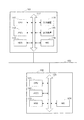
図1は、ハードウェア構成を示す図である。管理装置101は、ネットワークに接続可能な印刷装置などの被管理装置(ネットワークデバイス)102とネットワーク103を介して通信を行う。そして、被管理装置102から情報を取得し、被管理装置102に対して情報を書き込み、再起動する等の操作を行う。管理装置101は、内部にCPU111、メモリ112、HDD113、入力装置114、出力装置115、ネットワークインターフェース116を有し、それぞれがバス117で接続されている。CPU111は、HDD113に保存されたプログラム及びデータをメモリ112にロードし、メモリ112にロードされたプログラムの実行を行う。入力装置114は、ユーザーに入力された情報を取得する。また、出力装置115は、プログラムの操作に必要な情報の表示を行う。ネットワークインターフェース116は、ネットワーク103を介して被管理装置102との信号の送受信を行う。被管理装置102は、内部にCPU121、メモリ122、HDD123、ネットワークインターフェース124を有し、それぞれがバス125で接続されている。CPU121は、HDD123に保存されたプログラム及びデータをメモリ122にロードし、メモリ122にロードされたプログラムの実行を行う。ネットワークインターフェース124は、ネットワーク103を介して管理装置102との信号の送受信を行う。
First Embodiment
FIG. 1 is a diagram showing a hardware configuration. The
図2は、本実施形態に係るソフトウェアの構成図である。ユーザー制御部201、暗号処理部202、再起動処理部203、送受信部204、UI制御部205は、管理装置101のCPU111で実行されるプログラムを構成する各機能モジュールである。格納部206は、メモリ112もしくはHDD113に格納されるデータ格納領域である。ユーザー制御部201は、被管理装置102に対するSNMPv3のユーザーの生成及び削除命令の生成を行う。SNMPv3は、ネットワークに接続可能な印刷装置等の被管理装置102を管理するための所定のデバイス管理プロトコルである。暗号処理部202は、SNMPv3のユーザー名及びパスワードの暗号化を行う。
FIG. 2 is a block diagram of software according to the present embodiment. A
再起動処理部203は、被管理装置102に対する再起動命令の生成を行う。再起動命令については、後述の図4において詳細を説明する。送受信部204は、ユーザー制御部201で生成されたユーザー生成及び削除命令、再起動処理部203で生成された再起動命令の送信を行う。また、被管理装置102からの応答メッセージの処理を行う。UI制御部205は、出力装置115で表示された画面表示に基づくユーザー操作による入力装置114からの入力情報を制御する。
The
ユーザー制御部211、復号処理部212、再起動処理部213、送受信部214は、被管理装置102のCPU121で実行されるプログラムを構成する各機能モジュールである。格納部216は、メモリ122もしくはHDD123に格納されるデータ格納領域である。ユーザー制御部211は、格納部216に保存された表AのSNMPv3のユーザー管理テーブルに対して、ユーザー追加、削除を行う。例えば、ユーザー管理テーブルには、初期状態でInitialという名称の初期ユーザーが定義されており、この初期ユーザーとその初期ユーザーの認証情報(パスワード)を用いて別のユーザーを複製することが可能である。また、ユーザー管理テーブルの各ユーザーに対しては、MIBと呼ばれる機器管理情報の集合の部分集合へのアクセス権を設定することが可能である。つまり、管理装置101からSNMPv3を用いて機器の再起動を行うには、書込権限が必要だが、被管理装置102の初期状態ではSNMPv3が無効であり、書込権限がない。そのため、再起動を行うことができない。そのため、本実施形態では、例えば、初期ユーザーは、再起動ユーザーを生成に関連する処理のみを行うMIBの値にのみへのアクセス権が設定されているものとする。また、後述の再起動専用ユーザーは、再起動を行うためのMIBにのみアクセス権が設定されるものとする。なお、本実施形態では、初期状態においてはSNMPv3が無効であるとする。そして、再起動処理後にSNMPv3を無効にするか否かを予め設定し、再起動処理後に無効化する処理を行ってもよい。
復号処理部212は、管理装置101から受信した暗号化された情報を復号する処理を行う。再起動処理部213は、管理装置101から受信した再起動命令により、被管理装置102の再起動処理を行う。送受信部214は、管理装置101から受信した情報の通信処理を行い、管理装置101に対して返信処理を行う。
The
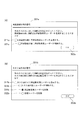
図3は、設定に関するユーザーインターフェースを示す図である。図3(A)は、管理装置101が被管理装置102に対して再起動を行う処理の前の設定をユーザーに行わせるための設定画面301aである。チェックボックス311aは、再起動実行時再起動専用ユーザーを生成するか否かを判断するための値を取得するためのユーザインターフェースである。チェックボックス321aは、再起動後に再起動専用ユーザーを自動削除するか否かを判断するための値を取得するためのユーザインターフェースである。チェックボックス321aは、チェックボックス311aが非選択状態の場合には、選択不可能な状態となる。チェックボックス321aは、チェックボックス311aが選択状態の場合に選択可能な状態となる。
FIG. 3 is a diagram showing a user interface for setting. FIG. 3A illustrates a
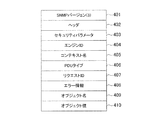
図4は、管理装置101が被管理装置102に対して送信するSNMPv3メッセージのデータ構造を示す図である。SNMPバージョン401は、SNMPのバージョン情報であり、本実施形態では、SNMPv3を採用するので、バージョン3を示す数値の3が入る。ヘッダ情報402には、SNMPv3メッセージを一意に識別するID、受信可能な最大サイズ、メッセージフラグ、セキュリティモデル情報が含まれる。メッセージフラグは、メッセージにおける認証と暗号化の有無に応じて、それぞれ有の場合には1、無の場合には0が入る。
FIG. 4 is a diagram showing a data structure of an SNMPv3 message transmitted by the
再起動ユーザーの生成メッセージの場合、オブジェクト名409は、例えば、AddUsernameであり、オブジェクト値410は、生成する再起動ユーザー名と対応するパスワードを含む暗号化されたデータである。PDUタイプ406は、値を設定することを示す値SetRequest(0xA3)となる。また、再起動ユーザーの削除メッセージの場合、オブジェクト名409は、例えば、DeleteUsername、オブジェクト値410は、削除する名前の文字列が記載される。PDUタイプ406は、値を設定することを示す値SetRequest(0xA3)となる。
In the case of the restart user generated message, the
SNMPv3の表Aユーザー管理テーブルにあるユーザーリスト取得メッセージの場合、オブジェクト名409は、GetUserlistである。PDUタイプ406は、複数の値を順次取得することを示す値GetNextRequest(0xA1)またはGetBulkRequest(0xA5)となる。また、その要求に対する被管理装置102からの応答のメッセージにおいては、PDUタイプ406は、値を返すことを示す値GetResponse(0xA2)となる。なお、要求のメッセージにおけるPDUタイプ406は、値を取得することを示す値GetNextRequest(0xA1)の場合には、表Aユーザー管理テーブルから複数の値の取得が終わるまで、要求と応答の処理が繰り返し行われる。
In the case of the user list acquisition message in the table A user management table of SNMPv3, the
再起動実行のメッセージの場合、オブジェクト名409は、prtGeneralReset、オブジェクト値410は、powerCycleReset(4)といった値がセットされる。PDUタイプ406は、値を設定することを示す値SetRequest(0xA3)となる。また、セキュリティパラメータ403には、再起動専用ユーザー及びパスワードを使って生成されたセキュリティパラメータを含み、そのセキュリティパラメータについては、SNMPv3のセキュリティモデルに従う。セキュリティモデルについては、例えばRFC3414に定義されたユーザーベースセキュリティモデルがあり、本発明ではユーザーベースセキュリティモデルを採用しているものとする。なお、初期状態において、被管理装置が初期ユーザーを有するので、例えば、Initialという名前の初期ユーザーとそれに対応する既定パスワードにより生成されたセキュリティパラメータとなる。再起動を行う処理の場合には、再起動専用ユーザー及びパスワードや管理専用のユーザー及びパスワードか生成されたセキュリティパラメータ403となる。また、データ構造には、エンジン種別を示すエンジンID404、コンテキスト名405、リクエストID407、エラーを示すエラー情報408が含まれる。
In the case of a restart execution message, the
図5は、管理装置101が被管理装置102に対して再起動を行う処理の前の設定処理のフローチャートを示す図である。ステップS101において、UI制御部205が301aの再起動動作に関する設定画面を出力装置115に表示する。ステップS102において、入力装置114がユーザー操作によりOKボタン303aが押下されたことを検知し、OKボタン303aが押下されていれば、ステップS103に移行し、OKボタン303aが押下されていなければステップS101の画面表示に戻る。ステップS103において、UI制御部205は、チェックボックス311a及びチェックボックス321aの選択状態を取得し、その選択状態に応じた値を格納部206に保存する。例えば、チェックボックス311aが選択状態の場合には、再起動実行時再起動専用ユーザーを生成することを意味する値1であり、チェックボックス311aが非選択状態の場合には、再起動実行時に再起動専用ユーザーを生成ないことを意味する値0である。また、チェックボックス321aが選択状態の場合には、再起動実行後に再起動専用ユーザーを削除することを意味する値1であり、チェックボックス321aが非選択状態の場合には、再起動実行後に再起動専用ユーザーを削除しないことを意味する値0である。
FIG. 5 is a diagram showing a flowchart of setting processing prior to processing in which the
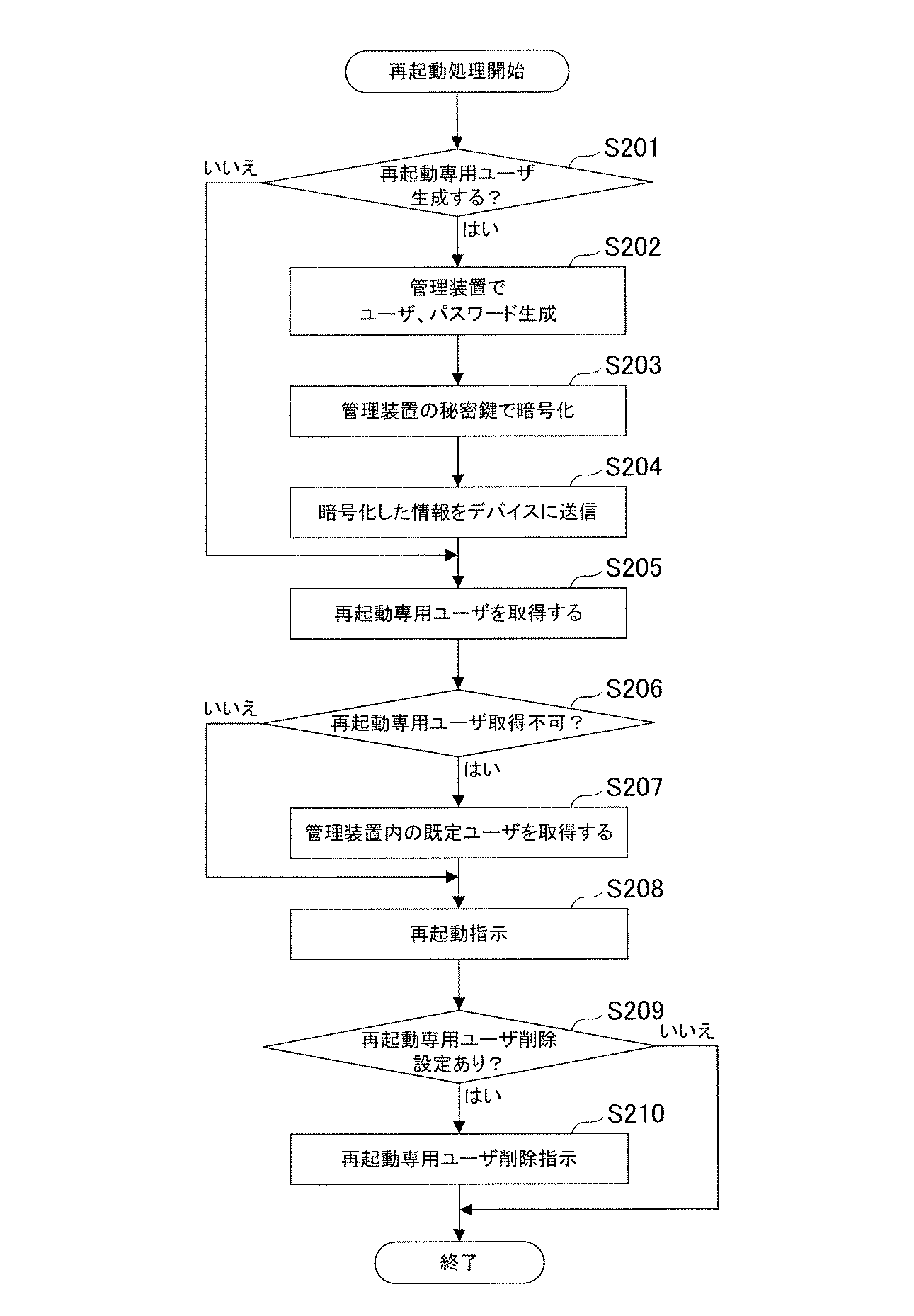
図6は、管理装置101が被管理装置102に対して再起動の指示が必要な場合のフローチャートである。管理装置101が被管理装置102に対する再起動の処理が開始されると、まず、ステップS201において、ユーザー制御部201は、格納部206に保存された再起動実行時再起動専用ユーザーを生成するか否かを示す値を取り出す。そして、再起動専用ユーザーを生成するか否かを判定する。ステップS201で、再起動専用ユーザーを生成すると判定された場合、ステップS202に移行し、再起動専用ユーザーを生成しないと判定された場合、ステップS205に移行する。
FIG. 6 is a flowchart when the
次に、ステップS202において、ユーザー制御部201は、再起動専用のユーザー名とパスワード(ユーザーデータ)を生成し、格納部206に保存する。その際、ユーザー名とパスワードの生成は、一定の生成ルールに基づいて生成される。なお、本実施形態では、再起動専用のユーザー名とパスワードはユーザーが参照する手段はなく、他の管理装置101と被管理装置102からも参照できないものとする。
Next, in
次に、ステップS203において、暗号処理部202は、格納部206に保存された再起動専用のユーザー名とパスワードと予め格納部206に保存された管理装置101の秘密鍵を取り出す。さらに、ステップS203において、暗号処理部202は、秘密鍵によりユーザー名とパスワードの暗号化処理を行う。
Next, in step S203, the
次に、ステップS204において、送受信部204は、前記暗号化されたデータ(暗号データ)を含む再起動ユーザー生成命令を生成し、被管理装置102に送信する処理を行う。被管理装置102の送受信部214は、再起動ユーザー生成命令を受信し、再起動ユーザー生成を行う。次に、ステップS205において、再起動処理部203は、格納部206に保存された再起動専用ユーザーとパスワードの取得を試みる。ステップS206において、再起動処理部203は、再起動専用ユーザーとパスワードの取得ができたか否かを判定し、取得できた場合、ステップS208に移行し、取得できない場合、ステップS207に移行する。
Next, in
次に、ステップS207において、再起動処理部203は、管理装置101に保持された既定のユーザーとパスワードを取得する。なお、管理装置101に保持された既定のユーザーとパスワードを用いる場合には、予め被管理装置102に同じユーザーとパスワードが存在しないと被管理装置102に対して再起動を行うことができない。次に、ステップS208において、再起動処理部203は、ステップS05またはステップS207で取得したユーザーとパスワードを含む再起動命令を生成する。そして、送受信部204は、被管理装置102に対して再起動命令を送信する。被管理装置102の送受信部214は、再起動命令を受信し、被管理装置102の再起動処理部213が再起動処理を行う。なお、再起動処理後にSNMPv3を無効にするか否かを判断するための設定を予め行い、その設定に従って再起動処理後にSNMPv3を無効にするか否かを判定して、無効にする場合には、SNMPv3を無効化する処理を行ってもよい。
Next, in step S207, the
次に、ステップS209において、ユーザー制御部201は、格納部206に保存された再起動専用ユーザーを削除するか否かの値を問合わせて取り出し、再起動専用ユーザーを削除するか否かを判定する。ステップS209で、再起動専用ユーザーを削除処理を行い削除すると判定された場合、ステップS210に移行し、再起動専用ユーザーを削除しないと判定された場合、処理を終了する。
Next, in step S209, the
次に、ステップS210において、ユーザー制御部201は、格納部206に保存された再起動専用ユーザー及びパスワードを取り出し、ユーザー削除命令を生成する。さらに、送受信部204は、被管理装置102に対して前記ユーザー削除命令を送信する。被管理装置102の送受信部214は、ユーザー削除命令を受信し、ユーザー制御部211が格納部216に保存された表Aのユーザー管理テーブルとユーザー及びパスワードが一致するユーザーを削除する。また、ユーザー制御部201は、格納部206に保存された再起動専用ユーザー及びパスワードを削除する。
Next, in step S210, the
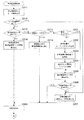
図11は、被管理装置102において、管理装置101から受信した再起動ユーザー生成命令に基づく再起動ユーザー生成のフローチャートである。まず、ステップS301において、送受信部214が管理装置101から再起動ユーザー生成命令を含むパケットを受信し、再起動ユーザー命令を取り出し、復号処理部212に再起動ユーザー生成命令を渡す。次に、ステップS302において、復号処理部212は、再起動ユーザー命令に含まれる暗号化されたデータを公開鍵を用いて復号する。ここで、公開鍵とは、管理装置101が管理する秘密鍵のペアとなる公開鍵であって、被管理装置(ネットワークデバイス)102が保持している。次に、ステップS303において、復号処理部212は、復号できたか否かを判定し、復号できたと判定した場合、ステップS304に移行し、復号できないと判定した場合、処理は終了となる。次に、ステップS304において、ユーザー制御部211が、復号されたユーザー情報を取り出し、格納部216に保存された表Aのユーザー管理テーブルにユーザー情報を追加する。
FIG. 11 is a flowchart of restart user generation in the managed
以上、本実施形態によれば、書き込み権限が制限された初期状態の被管理装置102に対する遠隔操作で管理装置から再起動を行うことが可能となる。
As described above, according to the present embodiment, it is possible to perform restart from the management apparatus by remote control of the managed
(第2実施形態)
以下、第2実施形態について図面を用いて説明する。本実施形態では、既にユーザーが存在する場合を考慮している点が第1実施形態と異なる。第1実施形態と異なる管理装置101が被管理装置102に対して再起動を行う際の処理について、図7及び8を用いて説明する。
Second Embodiment
Hereinafter, the second embodiment will be described using the drawings. The present embodiment is different from the first embodiment in that a case where a user already exists is considered. A process when the
図7及び8は、管理装置101が被管理装置102に対して再起動を行う際のフローチャートを示す図である。まず、ステップS211において、管理装置101のユーザー制御部201は、SNMPv3のユーザーリストの取得要求を生成する。なお、ユーザーリストは、表Aユーザー管理テーブルに存在するユーザー名の一覧である。さらに、送受信部204は、ユーザーリスト情報の取得要求を被管理装置102に送信し、被管理装置102は、格納部216に保存された表Aユーザー管理テーブルに有するユーザーリストを返信する。次に、ステップS212において、ユーザー制御部201は、ユーザーリストを取得できたか否かを判定し、取得できなかったと判定した場合、ステップS207に移行する。一方、ステップS212において、ユーザーリストを取得できたと判定した場合、ステップS213に移行する。
FIGS. 7 and 8 are flowcharts when the
次に、ステップS213において、ユーザー制御部201は、ユーザーリストに再起動専用ユーザーが存在するか否かを確認する。そして、ステップS213で、再起動専用ユーザーが存在しないと判定された場合、ステップS215に移行する。一方、ステップS213で、再起動専用ユーザーが存在すると判定された場合、ステップS214に移行する。次に、ステップS214において、ユーザー制御部201は、再起動専用ユーザーの情報を管理装置101の格納部206から取り出す。格納部206に再起動専用ユーザーが存在しない場合には、再起動専用ユーザー情報を生成する。そして、ステップS214の処理の後、ステップS208に移行し、再起動専用ユーザー情報を用いて、被管理装置102に対する再起動処理が行われる。
Next, in step S213, the
次に、ステップS215において、ユーザー制御部201は、ユーザーリストに初期ユーザーのみが存在するか否かを確認する。そして、ステップS215で、初期ユーザーのみが存在すると判定された場合、ステップS201に移行する。つまり、被管理装置102における初期状態として、SNMPv3が無効であり、初期ユーザーのみが登録されている場合、ステップS201に移行する。一方、ステップS215で、初期ユーザー以外も存在すると判定された場合、ステップS216に移行する。次に、ステップS216において、ユーザー制御部201は、初期ユーザー以外のユーザー情報である管理者ユーザー情報を管理装置101の格納部206から取り出す。ステップS216の処理の後、ステップS208に移行し、管理者ユーザー情報を用いて、被管理装置102に対する再起動処理が行われる。なお、ステップS201からステップS210の処理は、第1実施形態と同様であるため詳細な説明を省略する。
Next, in step S215, the
以上、本実施形態によれば、既に初期ユーザー以外のユーザーが存在する場合でも、被管理装置102に対する遠隔操作で管理装置から再起動を行うことが可能となる。
As described above, according to the present embodiment, even when a user other than the initial user already exists, it is possible to perform restart from the management apparatus by remote control of the managed
(第3実施形態)
以下、第3実施形態について図面を用いて説明する。特に、第1実施形態、第2実施形態と異なる図3、図9及び10についての説明を行う。図3(B)は、管理装置101が被管理装置102に対して再起動を行う処理の前の設定をユーザーに行わせるための設定画面301bである。チェックボックス311bは、再起動実行時再起動専用ユーザーを生成するか否かを判定するための値を取得するために利用するユーザインターフェースである。チェックボックス321bは、再起動実行後にユーザーを削除するか否かを判定するための値を取得するために利用するユーザインターフェースである。
Third Embodiment
Hereinafter, a third embodiment will be described using the drawings. In particular, FIGS. 3, 9 and 10 which are different from the first embodiment and the second embodiment will be described. FIG. 3B is a
チェックボックス321bは、チェックボックス311bが非選択状態の場合には、選択不可能な状態となる。チェックボックス321bは、チェックボックス311bが選択された状態の場合に選択可能な状態となる。ラジオボタン331bは、再起動専用ユーザーを削除するか否かを判定するための値を取得するために利用するユーザインターフェースである。ラジオボタン332bは、初期ユーザーを削除するか否かを判定するための値を取得するために利用するユーザインターフェースである。ラジオボタン331bとラジオボタン332bは、チェックボックス321bが選択された状態の場合にのみ、選択可能な状態となる。また、チェックボックス321bが選択された状態の場合には、ラジオボタン331bかラジオボタン332bのどちらか一方だけが選択された状態となる。
The
本実施形態では、図5のステップS103において、UI制御部205は、チェックボックス311b、ラジオボタン321b、ラジオボタン332bの選択状態を取得し、その選択状態に応じた値を格納部206に保存する。例えば、チェックボックス311bが選択状態の場合には、再起動実行時再起動専用ユーザーを生成することを意味する値1であり、チェックボックス311bが非選択状態の場合には、再起動実行時に再起動専用ユーザーを生成しないことを意味する値0である。また、ラジオボタン321bが選択状態の場合には、再起動実行後に再起動専用ユーザーを削除することを意味する値1であり、ラジオボタン321bが非選択状態の場合には、再起動実行後に再起動専用ユーザーを削除しないことを意味する値0である。また、ラジオボタン322bが選択状態の場合には、再起動実行後に初期ユーザーを削除することを意味する値1であり、ラジオボタン322bが非選択状態の場合には、再起動実行後に初期ユーザーを削除しないことを意味する値0である。
In the present embodiment, in step S103 of FIG. 5, the
図9及び10は、管理装置101が被管理装置102に対して再起動を行う際のフローチャートである。図9及び10は、第2実施形態の図7及び8に示すフローチャートにおけるステップS201からステップS208までと、ステップS211からステップS216までとは同様であるため、その詳細な説明を省略する。そして、ステップS221において、ユーザー制御部201は、格納部216から、再起動専用ユーザーを削除するか否かの情報を取得し、再起動専用ユーザーを削除するか否かを判定する。ステップS221で、再起動専用ユーザーを削除すると判定した場合、ステップS212に移行する。次に、ステップS212において、ユーザー制御部201は、格納部206に保存された再起動専用ユーザー及びパスワードを取り出し、ユーザー削除命令を生成する。さらに、送受信部204は、被管理装置102に対して前記ユーザー削除命令を送信する。
9 and 10 are flowcharts when the
一方、ステップS221で、再起動専用ユーザーを削除しないと判定した場合、ステップS223に移行する。次に、ステップS223において、ユーザー制御部201は、格納部216から、初期ユーザーを削除するか否かの情報を取得し、初期ユーザーを削除するか否かを判定する。そして、ステップS223で、初期ユーザーを削除すると判定した場合、ステップS224に移行する。一方、ステップS223で、初期ユーザーを削除しないと判定した場合、処理が終了に移行する。次に、ステップS224において、ユーザー制御部201は、初期ユーザー名を含むユーザー削除命令を生成し、送受信部204は、ユーザー削除命令を被管理装置102に送信する。被管理装置102の送受信部214は、初期ユーザー情報削除命令を受信し、ユーザー制御部211は、表Aのユーザー管理テーブルから初期ユーザー情報(初期ユーザーデータ)を削除する。
On the other hand, when it is determined in step S221 that the restart dedicated user is not deleted, the process proceeds to step S223. Next, in step S223, the
以上、本実施形態によれば、不要なユーザーを削除しつつ、被管理装置102に対する遠隔操作で管理装置から再起動を行うことが可能となる。
As described above, according to the present embodiment, it is possible to perform restart from the management apparatus by remote control of the managed
(その他の実施例)
本発明は、上述の実施形態の1以上の機能を実現するプログラムを、ネットワーク又は記憶媒体を介してシステム又は装置に供給し、そのシステム又は装置のコンピューターにおける1つ以上のプロセッサーがプログラムを読出し実行する処理でも実現可能である。また、1以上の機能を実現する回路(例えば、ASIC)によっても実現可能である。
(Other embodiments)
The present invention supplies a program that implements one or more functions of the above-described embodiments to a system or apparatus via a network or storage medium, and one or more processors in a computer of the system or apparatus read and execute the program. Can also be realized. It can also be implemented by a circuit (eg, an ASIC) that implements one or more functions.
また、本発明の好ましい実施形態について説明したが、本発明は、これらの実施形態に限定されず、その要旨の範囲内で種々の変形および変更が可能である。 Further, although the preferred embodiments of the present invention have been described, the present invention is not limited to these embodiments, and various modifications and changes are possible within the scope of the present invention.
Claims (12)
前記ネットワークデバイスに対する再起動の指示が必要な場合に、所定のデバイス管理プロトコルで再起動のために必要となる権限を持つユーザーに係るユーザーデータを作成する作成手段と、
前記ユーザーデータに対して、前記秘密鍵を用いた暗号化処理を実行する暗号化手段と、
前記暗号化処理に応じて作成された暗号データを用いて、前記ネットワークデバイスに前記ユーザーデータの登録を要求する要求手段と、
前記ネットワークデバイスで前記暗号データの復号処理により得られた前記ユーザーデータの登録が行われたことに応じて、前記所定のデバイス管理プロトコルで再起動の指示を前記ネットワークデバイスに対して送信する送信手段と、
を有する
ことを特徴とする管理装置。 A management device that manages a network device that holds a public key as a pair of secret keys managed by a management device, the network device comprising:
A creation unit configured to create user data relating to a user having an authority required for restart by a predetermined device management protocol when a restart instruction to the network device is required;
Encryption means for performing encryption processing using the secret key on the user data;
Request means for requesting the network device to register the user data using encrypted data created according to the encryption process;
Transmission means for transmitting a restart instruction to the network device according to the predetermined device management protocol in response to the registration of the user data obtained by the decryption process of the encrypted data in the network device When,
A management apparatus characterized by having.
ことを特徴とする請求項1に記載の管理装置。 The management apparatus according to claim 1, wherein the creation unit creates the user data when the network device is invalidated in the predetermined device management protocol and only an initial user is registered.
をさらに有する
ことを特徴とする請求項1または2に記載の管理装置。 3. The management apparatus according to claim 1, further comprising: first inquiry means for inquiring whether or not the user data created for the restart is to be automatically deleted after the restart.
をさらに有する
ことを特徴とする請求項3に記載の管理装置。 A deletion means for executing deletion processing of the user data created for the restart after the restart when it is instructed by the inquiry of the first inquiry means to automatically delete the user data The management apparatus according to claim 3, further comprising:
ことを特徴とする請求項4に記載の管理装置。 5. The management apparatus according to claim 4, wherein the deletion unit deletes the initial user data when it is instructed by the inquiry of the first inquiry unit not to automatically delete the user data. .
をさらに有する
ことを特徴とする請求項1〜5のいずれか1項に記載の管理装置。 The management apparatus according to any one of claims 1 to 5, further comprising second inquiry means for inquiring whether or not to invalidate the predetermined device management protocol after rebooting.
をさらに有する
ことを特徴とする請求項6に記載の管理装置。 The apparatus further comprises invalidation means for invalidating the predetermined device management protocol after rebooting when it is instructed to invalidate the predetermined device management protocol by the inquiry of the second inquiry means. The management apparatus according to claim 6, characterized in that:
ことを特徴とする請求項1〜7のいずれか1項に記載の管理装置。 The said creation means does not produce the said user data, when the predetermined | prescribed user data hold | maintained at the said management apparatus exist in the user data acquired from the said network device. The management device described in the section.
ことを特徴とする請求項1〜8のいずれか1項に記載の管理装置。 The management apparatus according to any one of claims 1 to 8, wherein only the access right necessary for restart is set as the user data.
ことを特徴とする請求項1〜9のいずれか1項に記載の管理装置。 The management apparatus according to any one of claims 1 to 9, wherein the predetermined device management protocol is SNMPv3.
前記ネットワークデバイスに対する再起動の指示が必要な場合に、所定のデバイス管理プロトコルで再起動のために必要となる権限を持つユーザーに係るユーザーデータを作成する作成工程と、
前記ユーザーデータに対して、前記秘密鍵を用いた暗号化処理を実行する暗号化工程と、
前記暗号化処理に応じて作成された暗号データを用いて、前記ネットワークデバイスに前記ユーザーデータの登録を要求する要求工程と、
前記ネットワークデバイスで前記暗号データの復号処理により得られた前記ユーザーデータの登録が行われたことに応じて、前記所定のデバイス管理プロトコルで再起動の指示を前記ネットワークデバイスに対して送信する送信工程と、
を有する
ことを特徴とする装置の制御方法。 A control method of a management apparatus that manages a network device that holds a public key that is a pair of secret keys managed by a management apparatus.
A creation step of creating user data relating to a user having an authority required for restart by a predetermined device management protocol when a restart instruction to the network device is required;
An encryption process for executing an encryption process using the secret key on the user data;
A request step of requesting the network device to register the user data using encrypted data created according to the encryption process;
A transmitting step of transmitting a restart instruction to the network device by the predetermined device management protocol in response to the registration of the user data obtained by the decryption processing of the encrypted data by the network device When,
A control method of a device characterized by having.
Priority Applications (1)
| Application Number | Priority Date | Filing Date | Title |
|---|---|---|---|
| JP2018000306A JP2019121908A (en) | 2018-01-04 | 2018-01-04 | Management device, control method for management device, and program |
Applications Claiming Priority (1)
| Application Number | Priority Date | Filing Date | Title |
|---|---|---|---|
| JP2018000306A JP2019121908A (en) | 2018-01-04 | 2018-01-04 | Management device, control method for management device, and program |
Publications (1)
| Publication Number | Publication Date |
|---|---|
| JP2019121908A true JP2019121908A (en) | 2019-07-22 |
Family
ID=67305562
Family Applications (1)
| Application Number | Title | Priority Date | Filing Date |
|---|---|---|---|
| JP2018000306A Pending JP2019121908A (en) | 2018-01-04 | 2018-01-04 | Management device, control method for management device, and program |
Country Status (1)
| Country | Link |
|---|---|
| JP (1) | JP2019121908A (en) |
Cited By (2)
| Publication number | Priority date | Publication date | Assignee | Title |
|---|---|---|---|---|
| CN112558569A (en) * | 2020-12-08 | 2021-03-26 | 浙江国利网安科技有限公司 | Data processing method and device, electronic equipment and storage medium |
| WO2024262268A1 (en) * | 2023-06-20 | 2024-12-26 | パナソニックIpマネジメント株式会社 | Wireless machine and method for operating same |
-
2018
- 2018-01-04 JP JP2018000306A patent/JP2019121908A/en active Pending
Cited By (2)
| Publication number | Priority date | Publication date | Assignee | Title |
|---|---|---|---|---|
| CN112558569A (en) * | 2020-12-08 | 2021-03-26 | 浙江国利网安科技有限公司 | Data processing method and device, electronic equipment and storage medium |
| WO2024262268A1 (en) * | 2023-06-20 | 2024-12-26 | パナソニックIpマネジメント株式会社 | Wireless machine and method for operating same |
Similar Documents
| Publication | Publication Date | Title |
|---|---|---|
| JP7381794B2 (en) | Information processing system and its control method and program | |
| JP4109874B2 (en) | Information processing apparatus, control method therefor, program, and recording medium | |
| JP4242819B2 (en) | Computer system having a terminal capable of working offline | |
| JP7418131B2 (en) | Information processing device, control method for information processing device, and program | |
| JP2003244183A (en) | Network equipment and remote control relay server | |
| JP5408910B2 (en) | Network device management apparatus, control method thereof, program, and storage medium | |
| JP3770173B2 (en) | Common key management system and common key management method | |
| JP2019121908A (en) | Management device, control method for management device, and program | |
| JP5707760B2 (en) | Information processing system, information processing apparatus, information processing method, information processing program, and recording medium on which the program is recorded | |
| JP5817238B2 (en) | Information processing system, information processing apparatus, information management method, and information management program | |
| CN111405550A (en) | WhatsApp key file extraction method and device | |
| JP2017121055A (en) | Image reading device, image reading method, and image forming program | |
| JP2005258855A (en) | Communication history monitoring system and information exchange method | |
| US8276187B2 (en) | Information processing system | |
| JP2003256279A (en) | Information management apparatus and method | |
| JP2008158646A (en) | Data processing apparatus, printing apparatus, printing processing method, storage medium, program | |
| JP7577284B2 (en) | Download terminal, key terminal, and storage server of a storage system for processing encrypted files while keeping a private key secret in the key terminal | |
| CN106133708B (en) | Information processing system | |
| CN115225281B (en) | Identity authentication method, device, equipment and readable storage medium | |
| CN111901325B (en) | Service extension method, device, electronic device and storage medium of honeypot node | |
| JP5535104B2 (en) | Information processing system, management server, terminal device, information processing method, and program | |
| JP6162611B2 (en) | Communication control server, communication control method, and program | |
| JP2012137871A (en) | Information processor, information processing method, information processing system, computer program and recording medium | |
| JP2002118546A (en) | Public key handling device and communication equipment | |
| CN113946838A (en) | Data sharing method and related device |