JP2019127724A - On-vehicle device, existence detection method, and computer program - Google Patents
On-vehicle device, existence detection method, and computer program Download PDFInfo
- Publication number
- JP2019127724A JP2019127724A JP2018009177A JP2018009177A JP2019127724A JP 2019127724 A JP2019127724 A JP 2019127724A JP 2018009177 A JP2018009177 A JP 2018009177A JP 2018009177 A JP2018009177 A JP 2018009177A JP 2019127724 A JP2019127724 A JP 2019127724A
- Authority
- JP
- Japan
- Prior art keywords
- unit
- response signal
- reception
- vehicle
- data
- Prior art date
- Legal status (The legal status is an assumption and is not a legal conclusion. Google has not performed a legal analysis and makes no representation as to the accuracy of the status listed.)
- Pending
Links
- 238000001514 detection method Methods 0.000 title claims abstract description 59
- 238000004590 computer program Methods 0.000 title claims abstract description 24
- 230000004044 response Effects 0.000 claims abstract description 246
- 230000005540 biological transmission Effects 0.000 claims abstract description 162
- 238000000034 method Methods 0.000 description 82
- 238000000926 separation method Methods 0.000 description 28
- 238000004891 communication Methods 0.000 description 23
- 238000012545 processing Methods 0.000 description 14
- 238000010586 diagram Methods 0.000 description 12
- 230000006870 function Effects 0.000 description 9
- 230000003287 optical effect Effects 0.000 description 5
- 230000000694 effects Effects 0.000 description 4
- 230000003252 repetitive effect Effects 0.000 description 4
- 238000013459 approach Methods 0.000 description 3
- 239000004065 semiconductor Substances 0.000 description 3
- 239000000470 constituent Substances 0.000 description 2
- 238000012986 modification Methods 0.000 description 2
- 230000004048 modification Effects 0.000 description 2
- 230000000737 periodic effect Effects 0.000 description 2
- 230000000630 rising effect Effects 0.000 description 2
- 230000008054 signal transmission Effects 0.000 description 2
- 238000005259 measurement Methods 0.000 description 1
- 230000001151 other effect Effects 0.000 description 1
Images





Classifications
-
- B—PERFORMING OPERATIONS; TRANSPORTING
- B60—VEHICLES IN GENERAL
- B60R—VEHICLES, VEHICLE FITTINGS, OR VEHICLE PARTS, NOT OTHERWISE PROVIDED FOR
- B60R25/00—Fittings or systems for preventing or indicating unauthorised use or theft of vehicles
- B60R25/20—Means to switch the anti-theft system on or off
- B60R25/24—Means to switch the anti-theft system on or off using electronic identifiers containing a code not memorised by the user
-
- E—FIXED CONSTRUCTIONS
- E05—LOCKS; KEYS; WINDOW OR DOOR FITTINGS; SAFES
- E05B—LOCKS; ACCESSORIES THEREFOR; HANDCUFFS
- E05B49/00—Electric permutation locks; Circuits therefor ; Mechanical aspects of electronic locks; Mechanical keys therefor
-
- H—ELECTRICITY
- H04—ELECTRIC COMMUNICATION TECHNIQUE
- H04Q—SELECTING
- H04Q9/00—Arrangements in telecontrol or telemetry systems for selectively calling a substation from a main station, in which substation desired apparatus is selected for applying a control signal thereto or for obtaining measured values therefrom
Landscapes
- Engineering & Computer Science (AREA)
- Computer Networks & Wireless Communication (AREA)
- Mechanical Engineering (AREA)
- Lock And Its Accessories (AREA)
- Selective Calling Equipment (AREA)
Abstract
【課題】要求信号の送信元近傍での応答信号の送信元の存在を適切に検知することができる車載装置、存在検知方法及びコンピュータプログラムを提供する。
【解決手段】車載装置は、第2応答信号の送信を要求する第2要求信号を無線で無線端末に繰り返し送信し、無線端末から第2応答信号を受信する。車載装置は、無線端末から受信した複数の第2応答信号の受信強度に基づいて、第2応答信号の受信強度が経時的に上昇しているか否かを判定する。
【選択図】図10An on-vehicle apparatus capable of appropriately detecting the presence of a transmission source of a response signal in the vicinity of a transmission source of a request signal, a presence detection method, and a computer program.
An on-vehicle apparatus repeatedly transmits a second request signal requesting transmission of a second response signal to a wireless terminal by radio, and receives a second response signal from the wireless terminal. The on-vehicle apparatus determines whether the reception intensity of the second response signal is increasing with time based on the reception intensities of the plurality of second response signals received from the wireless terminal.
[Selection] Figure 10
Description
本発明は、車載装置、存在検知方法及びコンピュータプログラムに関する。 The present invention relates to an in-vehicle apparatus, a presence detection method, and a computer program.
車載装置と、無線端末、所謂電子キーとが互いに無線で通信する通信システムが普及している。この通信システムでは、応答信号の送信を要求する要求信号を車載装置が無線端末に無線で送信する。無線端末は、要求信号を受信した場合に応答信号を車載装置に無線で送信する。車載装置は、応答信号を受信した場合、車載装置近傍での無線端末の存在を検知する。 Communication systems in which an in-vehicle device and a wireless terminal, so-called electronic key, communicate with each other wirelessly have become widespread. In this communication system, the on-vehicle apparatus wirelessly transmits a request signal requesting transmission of a response signal to the wireless terminal. The wireless terminal wirelessly transmits the response signal to the in-vehicle device when the request signal is received. When the on-vehicle apparatus receives the response signal, the on-vehicle apparatus detects the presence of the wireless terminal in the vicinity of the on-vehicle apparatus.
例えば、ドアが施錠されている車両のドアノブに設けられた押ボタンが押された場合において、車載装置近傍での無線端末の存在が検知されているとき、車載装置は車両のドアの解錠を指示する解錠データを出力する。これにより、車両のドアが解錠される。通常、無線端末の所持者が車両、即ち、車載装置近傍から離れている場合においては、要求信号が無線端末に到達しないため、車載装置近傍での無線端末の存在が検知されることはない。従って、無線端末の所持者が車載装置近傍から離れている場合、無線端末の所持者とは異なる第三者がドアノブの押ボタンを押しても、車両のドアが解錠されることはない。 For example, when the push button provided on the doorknob of the vehicle in which the door is locked is pressed, when the presence of the wireless terminal in the vicinity of the in-vehicle device is detected, the in-vehicle device unlocks the door of the vehicle. Output unlock data to instruct. Thus, the door of the vehicle is unlocked. Usually, when the owner of the wireless terminal is away from the vehicle, that is, the vicinity of the on-vehicle apparatus, the request signal does not reach the wireless terminal, so the presence of the wireless terminal in the vicinity of the on-vehicle apparatus is not detected. Therefore, when the holder of the wireless terminal is away from the vicinity of the in-vehicle apparatus, the door of the vehicle is not unlocked even if a third party different from the holder of the wireless terminal presses the push button on the door knob.
しかしながら、無線端末の所持者が車載装置近傍から離れている場合であっても、第三者が、リレーアタックと呼ばれる手法を用いて、車載装置近傍での無線端末の存在を車載装置に検知させることが可能である。リレーアタックでは、例えば、信号を中継する2つの中継器が用いられる。一方の中継器は、車載装置近傍に配置され、他方の中継器は無線端末近傍に配置される。 However, even when the owner of the wireless terminal is away from the vicinity of the in-vehicle device, a third party uses a technique called relay attack to cause the in-vehicle device to detect the presence of the wireless terminal in the vicinity of the in-vehicle device. It is possible. In relay attack, for example, two relays that relay signals are used. One relay is disposed in the vicinity of the on-vehicle apparatus, and the other relay is disposed in the vicinity of the wireless terminal.
一方の中継器は、車載装置から要求信号を受信した場合、中継信号を生成し、生成した中継信号を他方の中継器に無線で送信する。中継信号には、車載装置が受信した要求信号に含まれているデータと同様のデータが含まれており、中継信号の周波数帯域が要求信号の周波数帯域と異なる。他方の中継器は、中継信号を受信した場合、受信した中継信号に含まれるデータに基づいて、要求信号を生成し、生成した要求信号を無線端末に無線で送信する。前述したように、無線端末は、要求信号を受信した場合、応答信号を車載装置に送信する。この応答信号が車載装置に到達した場合、車載装置は、車載装置近傍での無線端末の存在を誤って検知する可能性がある。 When one repeater receives a request signal from the in-vehicle device, it generates a relay signal and wirelessly transmits the generated relay signal to the other repeater. The relay signal includes data similar to the data included in the request signal received by the on-vehicle apparatus, and the frequency band of the relay signal is different from the frequency band of the request signal. The other relay, upon receiving the relay signal, generates a request signal based on the data included in the received relay signal, and wirelessly transmits the generated request signal to the wireless terminal. As described above, when the wireless terminal receives the request signal, the wireless terminal transmits a response signal to the on-vehicle apparatus. If this response signal arrives at the on-vehicle apparatus, the on-vehicle apparatus may erroneously detect the presence of the wireless terminal in the vicinity of the on-vehicle apparatus.
そこで、特許文献1には、車載装置近傍での無線端末の存在が誤って検知されることを防止する通信システムが開示されている。特許文献1に記載の通信システムでは、無線端末が送信する応答信号の強度が弱く、応答信号の伝播距離が短い。リレーアタックが用いられている場合、無線端末から車載装置までの距離が長いと想定される。このため、無線端末が送信した応答信号が車載装置に到達することはない。結果、車載装置での無線端末の存在が誤って検知されることはない。
Therefore,
しかしながら、特許文献1に記載の通信システムにおいて、要求信号を中継するとともに、要求信号と同様に応答信号を中継する2つの中継器が用いられた場合、応答信号は車載装置に到達する。このため、車載装置での無線端末の存在が誤って検知される可能性がある。
However, in the communication system described in
本発明は斯かる事情に鑑みてなされたものであり、その目的とするところは、要求信号の送信元近傍での応答信号の送信元の存在を適切に検知することができる車載装置、存在検知方法及びコンピュータプログラムを提供することにある。 The present invention has been made in view of such circumstances, and an object of the present invention is to provide an in-vehicle device and presence detection capable of appropriately detecting the presence of a response signal transmission source in the vicinity of a request signal transmission source. A method and computer program are provided.
本発明の一態様に係る車載装置は、応答信号の送信を要求する要求信号を無線で繰り返し送信する送信部と、前記応答信号を無線で受信する受信部と、前記受信部が受信する応答信号の受信強度を検出する検出部と、前記検出部が検出した複数の受信強度に基づいて、前記応答信号の受信強度が経時的に上昇しているか否かを判定する上昇判定部とを備える。 An on-vehicle apparatus according to an aspect of the present invention includes a transmitter configured to wirelessly repeatedly transmit a request signal requesting transmission of a response signal, a receiver configured to wirelessly receive the response signal, and a response signal received by the receiver. And a rise determination unit that determines whether or not the reception intensity of the response signal has increased over time based on a plurality of reception intensities detected by the detection unit.
本発明の一態様に係る存在検知方法は、応答信号の送信を要求する要求信号を無線で繰り返し送信するステップと、複数の前記応答信号の複数の受信強度に基づいて、前記応答信号の受信強度が経時的に上昇しているか否かを判定するステップとを含む。 In the presence detection method according to an aspect of the present invention, a request signal requesting transmission of a response signal is repeatedly transmitted by radio, and the reception intensity of the response signal is received based on a plurality of reception intensities of the plurality of response signals. And determining whether or not is rising with time.
本発明の一態様に係るコンピュータプログラムは、コンピュータに、応答信号の送信を要求する要求信号の無線での送信を繰り返し指示するステップと、複数の前記応答信号の複数の受信強度に基づいて、前記応答信号の受信強度が経時的に上昇しているか否かを判定するステップとを実行させる。 A computer program according to an aspect of the present invention is characterized by repeatedly instructing a computer to transmit a request signal requesting transmission of a response signal by radio, and based on a plurality of reception strengths of a plurality of the response signals. Determining whether the reception strength of the response signal has increased with time.
なお、本発明を、このような特徴的な処理部を備える車載装置として実現することができるだけでなく、かかる特徴的な処理をステップとする存在検知方法として実現したり、かかるステップをコンピュータに実行させるためのコンピュータプログラムとして実現したりすることができる。また、本発明を、車載装置の一部又は全部を実現する半導体集積回路として実現したり、車載装置を含む通信システムとして実現したりすることができる。 Note that the present invention can be realized not only as an in-vehicle device having such a characteristic processing unit, but also as a presence detection method using such characteristic processing as a step, or executing such step in a computer. It can be realized as a computer program for Further, the present invention can be realized as a semiconductor integrated circuit that realizes part or all of the in-vehicle device, or as a communication system including the in-vehicle device.
上記の態様によれば、要求信号の送信元近傍での応答信号の送信元の存在を適切に検知することができる。 According to the above aspect, it is possible to appropriately detect the presence of the transmission source of the response signal in the vicinity of the transmission source of the request signal.
[本発明の実施形態の説明]
最初に本発明の実施態様を列挙して説明する。以下に記載する実施形態の少なくとも一部を任意に組み合わせてもよい。
Description of the embodiment of the present invention
First, embodiments of the present invention will be listed and described. At least a part of the embodiments described below may be arbitrarily combined.
(1)本発明の一態様に係る車載装置は、応答信号の送信を要求する要求信号を無線で繰り返し送信する送信部と、前記応答信号を無線で受信する受信部と、前記受信部が受信する応答信号の受信強度を検出する検出部と、前記検出部が検出した複数の受信強度に基づいて、前記応答信号の受信強度が経時的に上昇しているか否かを判定する上昇判定部とを備える。 (1) An in-vehicle device according to an aspect of the present invention includes: a transmission unit that repeatedly transmits a request signal for requesting transmission of a response signal; a reception unit that wirelessly receives the response signal; and the reception unit that receives the response signal. A detection unit that detects the reception intensity of the response signal, and an increase determination unit that determines whether or not the reception intensity of the response signal increases over time based on a plurality of reception intensities detected by the detection unit; Equipped with
(2)本発明の一態様に係る車載装置は、前記上昇判定部によって、前記応答信号の受信強度が経時的に上昇していると判定された場合に、車両のドアの解錠を指示する解錠データを出力する出力部を備える。 (2) The vehicle-mounted device according to one aspect of the present invention instructs the unlocking of the vehicle door when the increase determination unit determines that the reception strength of the response signal increases with time. An output unit for outputting unlocking data is provided.
(3)本発明の一態様に係る車載装置は、前記上昇判定部によって、前記応答信号の受信強度が経時的に上昇していると判定された場合に、前記検出部が検出した複数の受信強度中の最新の受信強度が閾値以上であるか否かを判定する強度判定部を備え、前記出力部は、前記強度判定部によって、前記最新の受信強度が前記閾値以上であると判定された場合に、前記解錠データを出力する。 (3) The in-vehicle device according to an aspect of the present invention provides a plurality of receptions detected by the detection unit when the increase determination unit determines that the reception intensity of the response signal increases with time. The signal processing apparatus further includes a strength determination unit that determines whether the latest reception strength in strength is equal to or more than a threshold, and the output determination unit determines that the latest reception strength is equal to or more than the threshold. In the case, the unlocking data is output.
(4)本発明の一態様に係る車載装置は、第2の応答信号の送信を要求する第2の要求信号を無線で繰り返し送信する第2の送信部と、前記第2の応答信号を無線で受信する第2の受信部とを備え、前記第2の応答信号は、前記第2の要求信号の受信強度が第2の閾値未満である場合に送信され、前記送信部は、前記第2の受信部が前記第2の応答信号を受信した場合に、前記要求信号の繰り返し送信を開始する。 (4) The on-vehicle apparatus according to an aspect of the present invention wirelessly repeatedly transmits a second request signal requesting transmission of a second response signal wirelessly, and wirelessly transmits the second response signal. And the second response signal is transmitted when the reception strength of the second request signal is less than a second threshold, and the transmission unit is configured to receive the second response signal. When the receiving unit receives the second response signal, it repeatedly starts transmitting the request signal.
(5)本発明の一態様に係る車載装置は、前記検出部が検出した受信強度が第3の閾値未満であるか否かを判定する第2の強度判定部を備え、前記上昇判定部は、前記第2の強度判定部によって、前記受信強度が前記第3の閾値未満であると判定された後に判定を行う。 (5) The on-vehicle apparatus according to an aspect of the present invention includes a second strength determination unit that determines whether the reception strength detected by the detection unit is less than a third threshold, and the increase determination unit The determination is made after the second intensity determining unit determines that the received intensity is less than the third threshold.
(6)本発明の一態様に係る車載装置は、第3の応答信号の送信を要求する第3の要求信号を無線で繰り返し送信する第3の送信部と、前記第3の要求信号の受信強度を示す強度データを含む第3の応答信号を無線で受信する第3の受信部と、前記第3の受信部が受信した第3の応答信号に含まれる強度データが示す受信強度が第4の閾値未満であるか否かを判定する第3の強度判定部とを備え、前記送信部は、前記第3の強度判定部によって、前記強度データが示す受信強度が前記第4の閾値未満であると判定された場合に、前記要求信号の繰り返し送信を開始する。 (6) The on-vehicle apparatus according to one aspect of the present invention repeatedly receives a third request signal requesting transmission of a third response signal by radio, and a third transmission unit, and receives the third request signal. The third receiving unit wirelessly receives a third response signal including intensity data indicating the intensity, and the reception intensity indicated by the intensity data included in the third response signal received by the third receiving unit is the fourth A third strength determining unit that determines whether or not the received data is less than the fourth threshold value, and the transmitting unit is configured such that the received strength indicated by the strength data is less than the fourth threshold value by the third strength determining unit. If it is determined that there is, the repetitive transmission of the request signal is started.
(7)本発明の一態様に係る車載装置は、応答信号の送信を要求する要求信号を無線で繰り返し送信するステップと、複数の前記応答信号の複数の受信強度に基づいて、前記応答信号の受信強度が経時的に上昇しているか否かを判定するステップとを含む。 (7) The on-vehicle apparatus according to an aspect of the present invention repeatedly wirelessly transmits a request signal requesting transmission of a response signal, and, based on a plurality of reception strengths of a plurality of the response signals, Determining whether the reception intensity has increased over time.
(8)本発明の一態様に係るコンピュータプログラムは、コンピュータに、応答信号の送信を要求する要求信号の無線での送信を繰り返し指示するステップと、複数の前記応答信号の複数の受信強度に基づいて、前記応答信号の受信強度が経時的に上昇しているか否かを判定するステップとを実行させる。 (8) A computer program according to an aspect of the present invention is based on the step of repeatedly instructing the computer to transmit a request signal requesting transmission of a response signal wirelessly, and based on a plurality of reception strengths of a plurality of the response signals. And determining whether or not the reception intensity of the response signal increases with time.
上記の一態様に係る車載装置、存在検知方法及びコンピュータプログラムにあっては、要求信号を繰り返し送信することによって受信した複数の応答信号の受信強度に基づいて、応答信号の受信強度が経時的に上昇しているか否かを判定する。要求信号が受信されており、かつ、応答信号の送信元が要求信号の送信元に接近している場合、応答信号の受信強度が経時的に上昇する。従って、応答信号の受信強度が経時的に上昇しているか否かを判定することによって、要求信号の送信元近傍での応答信号の送信元の存在が適切に検知される。 In the in-vehicle device, the presence detection method, and the computer program according to the above aspect, the reception intensity of the response signal is changed over time based on the reception intensity of the plurality of response signals received by repeatedly transmitting the request signal. Determine if it is rising. When the request signal is received and the transmission source of the response signal approaches the transmission source of the request signal, the reception strength of the response signal increases with time. Therefore, the presence of the transmission source of the response signal in the vicinity of the transmission source of the request signal is appropriately detected by determining whether the reception strength of the response signal is increasing with time.
上記の一態様に係る車載装置にあっては、応答信号の受信強度が経時的に上昇していると判定した場合において、例えば、車両のドアの解錠指示を受け付けたとき、解錠データを出力する。これにより、車両のドアが解錠される。 In the in-vehicle device according to the above aspect, when it is determined that the reception strength of the response signal is increasing with time, for example, when an unlocking instruction for the door of the vehicle is received, unlocking data is received. Output. Thus, the door of the vehicle is unlocked.
上記の一態様に係る車載装置にあっては、応答信号の受信強度の上昇に関する判定で用いた複数の受信強度中の最新の受信強度が閾値以上であるか否かを判定する。最新の受信強度が閾値以上である場合、即ち、最新の受信強度が強い場合、応答信号の送信元が要求信号の送信元近傍に存在することが確実である。 In the in-vehicle device according to the above aspect, it is determined whether or not the latest reception strength among the plurality of reception strengths used in the determination regarding the increase in the reception strength of the response signal is equal to or greater than a threshold value. If the latest reception strength is equal to or higher than the threshold, that is, if the latest reception strength is strong, it is certain that the transmission source of the response signal is in the vicinity of the transmission source of the request signal.
上記の一態様に係る車載装置にあっては、第2の応答信号を受信した場合、第2の応答信号の送信元が自装置近傍から離れたとして、応答信号の繰り返し送信を開始し、応答信号の受信強度が経時的に上昇しているか否かを判定する。 In the in-vehicle device according to the above aspect, when the second response signal is received, it is determined that the transmission source of the second response signal has moved away from the vicinity of the own device, and the response signal is repeatedly transmitted. It is determined whether the reception strength of the signal is increasing with time.
上記の一態様に係る車載装置にあっては、応答信号の受信強度が第3の閾値未満となった後、即ち、応答信号の送信元が自装置近傍から1回離れた後、応答信号の受信強度が経時的に上昇しているか否かを判定する。 In the on-vehicle apparatus according to the above aspect, after the reception strength of the response signal becomes less than the third threshold, that is, after the transmission source of the response signal is separated once from the vicinity of the own apparatus, It is determined whether the reception intensity is increasing with time.
上記の一態様に係る車載装置にあっては、第3の要求信号の受信強度が第4の閾値未満となった場合、第3の応答信号の送信元が自装置近傍から離れたとして、要求信号の繰り返し送信を開始し、応答信号の受信強度が経時的に上昇しているか否かを判定する。 In the on-vehicle apparatus according to the above aspect, when the reception strength of the third request signal is less than the fourth threshold, the transmission source of the third response signal is considered to be separated from the vicinity of the own apparatus. Repeated transmission of the signal is started, and it is determined whether the reception strength of the response signal is increasing with time.
[本発明の実施形態の詳細]
本発明の実施形態に係る通信システムの具体例を、以下に図面を参照しつつ説明する。なお、本発明はこれらの例示に限定されるものではなく、特許請求の範囲によって示され、特許請求の範囲と均等の意味および範囲内でのすべての変更が含まれることが意図される。
Details of the Embodiment of the Present Invention
A specific example of a communication system according to an embodiment of the present invention will be described below with reference to the drawings. The present invention is not limited to these exemplifications, but is shown by the claims, and is intended to include all modifications within the meaning and scope equivalent to the claims.
(実施形態1)
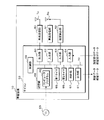
図1は、実施形態1における通信システム1の要部構成を示すブロック図である。通信システム1は、車載装置10、複数のドア11,11,・・・及び無線端末20を備える。車載装置10及び複数のドア11,11,・・・は車両100に搭載されている。
(Embodiment 1)
FIG. 1 is a block diagram showing the main configuration of the
車載装置10は、第1応答信号の送信を要求する第1要求信号と、第2応答信号の送信を要求する第2要求信号とを無線で無線端末20に送信する。第1要求信号及び第2要求信号夫々には、送信元を識別するための送信元識別データが含まれている。車載装置10は、送信元識別データとして、車載装置10に固有の車両識別データを含む第1要求信号及び第2要求信号を無線端末20に送信する。
The in-
第1要求信号及び第2要求信号夫々は、例えば、正弦波状の搬送波の振幅又は周波数を変調することによって生成される信号である。第1要求信号及び第2要求信号の周波数帯域は、例えば、30kHz〜300kHzの範囲内に含まれている。第1要求信号には、第1要求信号であることを示すデータが含まれている。第2要求信号にも、第2要求信号であることを示すデータが含まれている。無線端末20は、受信した信号に含まれるデータに基づいて、受信した信号を識別する。
Each of the first request signal and the second request signal is a signal generated by modulating the amplitude or frequency of a sinusoidal carrier wave, for example. The frequency bands of the first request signal and the second request signal are included in the range of 30 kHz to 300 kHz, for example. The first request signal includes data indicating that it is the first request signal. The second request signal also includes data indicating that it is the second request signal. The
無線端末20は、送信元識別データが車両識別データである第1要求信号を受信した場合、第1応答信号を車載装置10に無線で送信する。無線端末20は、送信元識別データが車両識別データである第2要求信号を受信した場合、第2応答信号を車載装置10に無線で送信する。第1応答信号及び第2応答信号夫々にも、送信元識別データが含まれている。無線端末20は、送信元識別データとして、無線端末20に固有の端末識別データを含む第1応答信号及び第2応答信号を、車載装置10に送信する。
When the
第1応答信号及び第2応答信号夫々は、例えば、正弦波状の搬送波の振幅又は周波数を変調することによって生成される信号である。第1応答信号及び第2応答信号の周波数帯域は、例えば、30MHz〜300MHzの範囲に含まれている。第1応答信号には、第1応答信号であることを示すデータが含まれている。第2応答信号にも、第2応答信号であることを示すデータが含まれている。車載装置10は、受信した信号に含まれるデータに基づいて、受信した信号を識別する。
Each of the first response signal and the second response signal is a signal generated by modulating the amplitude or frequency of a sinusoidal carrier wave, for example. The frequency bands of the first response signal and the second response signal are included in the range of 30 MHz to 300 MHz, for example. The first response signal includes data indicating that it is a first response signal. The second response signal also includes data indicating that it is the second response signal. The in-
以上のように、車載装置10は無線端末20と無線で通信する。車載装置10は、無線端末20との通信状況に基づいて、車両100、即ち、車載装置10近傍での無線端末20の存在を検知する。使用者は、例えば、ドア11のドアノブに設けられた押ボタンを押すことによって、複数のドア11,11,・・・の施錠又は解錠を指示する。複数のドア11,11,・・・が解錠されている状態で押ボタンが押された場合、車載装置10に、複数のドア11,11,・・・の施錠指示を受け付けたことを示す施錠受付データが入力される。複数のドア11,11,・・・が施錠されている状態で押ボタンが押された場合、車載装置10に、複数のドア11,11,・・・の解錠指示を受け付けたことを示す解錠受付データが入力される。
As described above, the in-
車載装置10は、車載装置10近傍での無線端末20の存在を検知している状態で施錠受付データが入力された場合、複数のドア11,11,・・・の施錠を指示する施錠データを、車両100内の図示しない装置に出力する。これにより、複数のドア11,11,・・・が施錠される。
The on-
車載装置10は、車載装置10近傍での無線端末20の存在を検知している状態で解錠受付データが入力された場合、複数のドア11,11,・・・の解錠を指示する解錠データを、車両100内の図示しない装置に出力する。これにより、複数のドア11,11,・・・が解錠される。
車載装置10は、車載装置10近傍での無線端末20の存在を検知していない場合、解錠データ又は施錠データを出力することはない。
The on-
When the on-
図2は、無線端末20の要部構成を示すブロック図である。無線端末20は、端末受信部30、強度検出部31、端末送信部32、マイクロコンピュータ(以下、マイコンという)33、受信アンテナRw及び送信アンテナTwを有する。マイコン33は、入力部40,41、出力部42、記憶部43及び制御部44を有する。
FIG. 2 is a block diagram showing the main configuration of the
受信アンテナRwは、端末受信部30及び強度検出部31に接続されている。端末受信部30及び強度検出部31夫々は、更に、マイコン33が有する入力部40,41に接続されている。送信アンテナTwは、端末送信部32に接続されている。端末送信部32は、更に、マイコン33の出力部42に接続されている。マイコン33内では、入力部40,41、出力部42、記憶部43及び制御部44が内部バス45に接続されている。
The receiving antenna Rw is connected to the
端末受信部30は、受信アンテナRwを介して、車載装置10から第1要求信号及び第2要求信号を受信する。端末受信部30は、第1要求信号を受信した場合、受信した第1要求信号に含まれるデータである第1要求データを入力部40に出力する。第1要求データには、送信元識別データが含まれている。車載装置10が送信した第1要求信号の第1要求データには、送信元識別データとして、車両識別データが含まれている。
The
端末受信部30は、第2要求信号を受信した場合、受信した第2要求信号に含まれるデータである第2要求データを入力部40に出力する。第2要求データにも、送信元識別データが含まれている。車載装置10が送信した第2要求信号の第2要求データにも、送信元識別データとして、車両識別データが含まれている。
When receiving the second request signal, the
端末受信部30から入力部40にデータが入力された場合、入力部40は、その旨を制御部44に通知する。制御部44は、入力部40に入力されたデータを入力部40から取得する。従って、第1要求データ及び第2要求データは、制御部44によって入力部40から取得される。
When data is input from the
強度検出部31は、受信アンテナRwを介して端末受信部30が受信する信号の受信強度を検出する。従って、強度検出部31は、第1要求信号の受信強度を検出する。強度検出部31は、受信強度を検出した場合、検出した受信強度を示す端末強度データを入力部41に出力する。制御部44は、入力部41に入力された端末強度データを入力部41から取得する。
The
出力部42は、制御部44の指示に従って、第1応答信号に含めるべき第1応答データと、第2応答信号に含めるべき第2応答データとを端末送信部32に出力する。第1応答データには、端末識別データと、第1応答信号であることを示すデータとが含まれている。第2応答データには、端末識別データと、第2応答信号であることを示すデータとが含まれている。
The
端末送信部32は、第1応答データが入力された場合、入力された第1応答データを含む第1応答信号を、送信アンテナTwを介して無線で車載装置10に送信する。同様に、端末送信部32は、第2応答信号が入力された場合、入力された第2応答データを含む第2応答信号を、送信アンテナTwを介して無線で車載装置10に送信する。
When the first response data is input, the
端末送信部32は、第1応答データが入力される都度、第1応答信号を送信する。ここで、送信時点における第1応答信号の強度は一定である。同様に、端末送信部32は、第2応答データが入力される都度、第2応答信号を送信する。ここで、送信時点における第2応答信号の強度は一定である。
The
記憶部43は不揮発性メモリである。記憶部43には、車両識別データ及び端末識別データが記憶されている。更に、記憶部43には、コンピュータプログラムP3が記憶されている。
The
制御部44は、一又は複数のCPU(Central Processing Unit)を有する。制御部44が有する一又は複数のCPUは、コンピュータプログラムP3を実行することによって、第1応答信号を送信するための第1送信処理と、第2応答信号を送信するための第2送信処理とを実行する。コンピュータプログラムP3は、制御部44が有する一又は複数のCPUに第1送信処理及び第2送信処理を実行させるために用いられる。
The
なお、コンピュータプログラムP3は、制御部44が有する一又は複数のCPUが読み取り可能に、記憶媒体E3に記憶されていてもよい。この場合、図示しない読み出し装置によって記憶媒体E3から読み出されたコンピュータプログラムP3が記憶部43に書き込まれる。記憶媒体E3は、光ディスク、フレキシブルディスク、磁気ディスク、磁気光ディスク又は半導体メモリ等である。光ディスクは、CD(Compact Disc)−ROM(Read Only Memory)、DVD(Digital Versatile Disc)−ROM、又は、BD(Blu-ray(登録商標) Disc)等である。磁気ディスクは、例えばハードディスクである。また、図示しない通信網に接続されている図示しない外部装置からコンピュータプログラムP3をダウンロードし、ダウンロードしたコンピュータプログラムP3を記憶部43に書き込んでもよい。
The computer program P3 may be stored in the storage medium E3 so that it can be read by one or a plurality of CPUs included in the
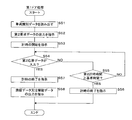
図3は第1送信処理の手順を示すフローチャートである。制御部44は、車両識別データを含む第1要求データが端末受信部30から入力部40に入力される都度、即ち、端末受信部30が、車両識別データが含まれている第1要求信号を受信する都度、第1送信処理を実行する。
FIG. 3 is a flowchart showing the procedure of the first transmission process. Every time the first request data including the vehicle identification data is input from the
まず、制御部44は、入力部41から、第1送信処理の実行に係る第1要求信号の受信強度を示す端末強度データを取得し(ステップS1)、取得した端末強度データが示す第1要求信号の受信強度が端末閾値未満であるか否かを判定する(ステップS2)。端末閾値は、一定値であり、予め設定されている。
First, the
制御部44は、第1要求信号の受信強度が端末閾値未満であると判定した場合(S2:YES)、記憶部43から端末識別データを読み出す(ステップS3)。次に、制御部44は、ステップS3で読み出した端末識別データを含む第1応答データの出力を出力部42に指示する(ステップS4)。これにより、出力部42は、第1応答データを端末送信部32に出力し、端末送信部32は、送信アンテナTwを介して、第1応答データを含む第1応答信号を車載装置10に無線で送信する。従って、出力部42に第1応答データの出力を指示することは、端末送信部32に第1応答信号の無線での送信を指示することに相当する。
第1要求信号、第1応答信号及び端末閾値夫々は、第2の要求信号、第2の応答信号及び第2の閾値に相当する。
When the
The first request signal, the first response signal, and the terminal threshold respectively correspond to a second request signal, a second response signal, and a second threshold.
制御部44は、第1要求信号の受信強度が端末閾値以上であると判定した場合(S2:NO)、又は、ステップS4を実行した後、第1送信処理を終了する。
When it is determined that the reception intensity of the first request signal is equal to or higher than the terminal threshold (S2: NO), or after executing Step S4, the
以上のように、無線端末20では、端末受信部30が受信アンテナRwを介して第1要求信号を受信した場合において、強度検出部31が検出した第1要求信号の受信強度が端末閾値以上であるとき、端末送信部32は、送信アンテナTwを介して第1応答信号を無線で送信する。同様の場合において、強度検出部31が検出した第1要求信号の受信強度が端末閾値未満であるとき、端末送信部32は、第1応答信号を送信することはない。
As described above, in the
図4は、第2送信処理の手順を示すフローチャートである。制御部44は、車両識別データが含まれている第2要求データが端末受信部30から入力部40に入力される都度、即ち、車両識別データが含まれている第2要求信号を端末受信部30が受信する都度、第2送信処理を実行する。
FIG. 4 is a flowchart showing the procedure of the second transmission process. Every time the second request data including the vehicle identification data is input from the
まず、制御部44は、記憶部43から端末識別データを読み出し(ステップS11)、読み出した端末識別データを含む第2応答データの出力を出力部42に指示する(ステップS12)。これにより、出力部42は、第2応答データを端末送信部32に出力し、端末送信部32は、送信アンテナTwを介して第2応答信号を車載装置10に無線で送信する。従って、出力部42に第2応答データの出力を指示することは、端末送信部32に第2応答信号の無線での送信を指示することに相当する。
制御部44は、ステップS12を実行した後、第2送信処理を終了する。
First, the
After executing step S12, the
以上のように、無線端末20では、端末受信部30が第2要求信号を受信する都度、端末送信部32は第2応答信号を無線で送信する。
As described above, in the
図5は車載装置10の要部構成を示すブロック図である。車載装置10は、車両送信部50、車両受信部51、強度検出部52、マイコン53、受信アンテナRc及び送信アンテナTcを有する。マイコン53は、出力部60,61、入力部62,63,64、第1タイマ65、第2タイマ66、時計部67、記憶部68及び制御部69を有する。
FIG. 5 is a block diagram showing the main configuration of the on-
送信アンテナTcは車両送信部50に接続されている。車両送信部50はマイコン53の出力部60に接続されている。受信アンテナRcは、車両受信部51及び強度検出部52に接続されている。車両受信部51及び強度検出部52夫々は、更に、マイコン53が有する入力部62,63に接続されている。マイコン53内では、出力部60,61、入力部62,63,64、第1タイマ65、第2タイマ66、時計部67、記憶部68及び制御部69は内部バス70に接続されている。
The transmission antenna Tc is connected to the
出力部60は、制御部69の指示に従って、第1応答信号の送信を要求する第1要求データと、第2応答信号の送信を要求する第2要求データとを車両送信部50に出力する。
The
車両送信部50は、第1要求データが入力された場合、入力された第1要求データを含む第1要求信号を、送信アンテナTcを介して無線で無線端末20に送信する。第1要求データには、車両識別データと、第1要求信号であることを示すデータとが含まれている。同様に、車両送信部50は、第2要求データが入力された場合、入力された第2要求データを含む第2要求信号を、送信アンテナTcを介して無線で無線端末20に送信する。第2要求データには、車両識別データと、第2要求信号であることを示すデータとが含まれている。
When the first request data is input, the
車両送信部50は、第1要求データが入力される都度、第1要求信号を送信する。ここで、送信時点における第1要求信号の強度は一定である。同様に、車両送信部50は、第2要求データが入力される都度、第2要求信号を送信する。ここで、送信時点における第2要求信号の強度は一定である。
The
車両受信部51は、受信アンテナRcを介して、無線端末20から第1応答信号及び第2応答信号を無線で受信する。車両受信部51は受信部及び第2の受信部として機能する。
車両受信部51は、第1応答信号を受信した場合、受信した第1応答信号に含まれる第1応答データを入力部40に出力する。第1応答データには、送信元識別データが含まれている。前述したように、無線端末20が送信した第1応答信号の第1応答データには、送信元識別データとして、端末識別データが含まれている。
The
When receiving the first response signal, the
車両受信部51は、第2応答信号を受信した場合、受信した第2応答信号に含まれる第2応答データを入力部40に出力する。第2応答データには、送信元識別データが含まれている。前述したように、無線端末20が送信した第2応答信号の第2応答データには、送信元識別データとして、端末識別データが含まれている。
When the
車両受信部51から入力部62にデータが入力された場合、入力部62は、その旨を制御部69に通知する。制御部69は、入力部62に入力されたデータを入力部62から取得する。従って、第1応答データ及び第2応答データは、制御部69によって入力部62から取得される。
When data is input from the
強度検出部52は、受信アンテナRcを介して車両受信部51が受信する信号の受信強度を検出する。従って、強度検出部52は、車両受信部51が受信する第2応答信号の受信強度を検出する。強度検出部52は、受信強度を検出した場合、検出した受信強度を示す車両強度データを入力部63に出力する。制御部69は、入力部63に入力された車両強度データを、入力部63から取得する。
The
入力部64には、施錠受付データ及び解錠受付データが入力される。入力部64は、施錠受付データ又は解錠受付データが入力された場合、入力されたデータを制御部69に通知する。
出力部61は、制御部69の指示に従って、施錠データ及び解錠データを図示しない装置に出力する。出力部61が施錠データを出力した場合、複数のドア11,11,・・・が施錠される。出力部61が解錠データを出力した場合、複数のドア11,11,・・・が解錠される。
Locking reception data and unlocking reception data are input to the
The
第1タイマ65及び第2タイマ66夫々は、制御部69の指示に従って、計時の開始及び終了を行う。制御部69は、第1タイマ65が計時している第1計時時間を第1タイマ65から読み出し、第2タイマ66が計時している第2計時時間を第2タイマ66から読み出す。
制御部69は、時計部67から日時を示す日時データを取得する。制御部69が取得した日時データが示す日時は、取得時点の日時である。
Each of the
記憶部68は不揮発性メモリである。記憶部68には、車両識別データ及び端末識別データが記憶されている。また、記憶部68には、フラグの値が記憶されている。フラグの値は、制御部69によってゼロ又は1に設定される。更に、記憶部68には、コンピュータプログラムP5が記憶されている。フラグの値がゼロであることは、車載装置10近傍での無線端末20の存在が検知されてから、無線端末20が車載装置10近傍から1回も離れていないことを意味する。フラグの値が1であることは、車載装置10近傍での無線端末20の存在が検知されてから、無線端末20が車載装置10近傍から少なくとも1回離れたことを意味する。
The
制御部69は、一又は複数のCPUを有する。制御部69が有する一又は複数のCPUは、コンピュータプログラムP5を実行することによって、離隔検知処理、書き込み処理、第1ドア処理及び第2ドア処理を実行する。離隔検知処理は、無線端末20が車両100、即ち、車載装置10近傍から離れたことを検知する処理である。書き込み処理は、日時データに対応付けて車両強度データを記憶部68に書き込む処理である。第1ドア処理及び第2ドア処理夫々は、複数のドア11,11,・・・の施錠又は解錠を行うための処理である。コンピュータプログラムP5は、制御部69が有する一又は複数のCPUに、離隔検知処理、書き込み処理、第1ドア処理及び第2ドア処理を実行させるために用いられる。
The
なお、コンピュータプログラムP5は、制御部69が有する一又は複数のCPUが読み取り可能に、記憶媒体E5に記憶されていてもよい。この場合、図示しない読み出し装置によって記憶媒体E5から読み出されたコンピュータプログラムP5が記憶部68に書き込まれる。記憶媒体E5は、光ディスク、フレキシブルディスク、磁気ディスク、磁気光ディスク又は半導体メモリ等である。また、図示しない通信網に接続されている図示しない外部装置からコンピュータプログラムP5をダウンロードし、ダウンロードしたコンピュータプログラムP5を記憶部68に書き込んでもよい。
The computer program P5 may be stored in the storage medium E5 so as to be readable by one or a plurality of CPUs included in the
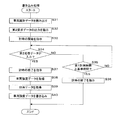
図6は離隔検知処理の手順を示すフローチャートである。車両100が駐車している場合において、フラグの値がゼロであるとき、制御部69は、離隔検知処理を周期的に実行する。車両100が駐車した時点においてはフラグの値はゼロである。
FIG. 6 is a flowchart showing the procedure of the separation detection process. When the
まず、制御部69は、記憶部68から車両識別データを読み出し(ステップS21)、読み出した車両識別データを含む第1要求データの出力を出力部60に指示する(ステップS22)。これにより、出力部60は第1要求データを車両送信部50に出力し、車両送信部50は、出力部60から入力された第1要求データを含む第1要求信号を、送信アンテナTcを介して無線端末20に無線で送信する。従って、出力部60に第1要求データの出力を指示することは、車両送信部50に第1要求信号の無線での送信を指示することに相当する。
First, the
前述したように、無線端末20は、第1要求信号を受信した場合において、第1要求信号の受信強度が端末閾値未満であるときに、第1応答信号を車載装置10に送信する。無線端末20は、同様の場合において、第1要求信号の受信強度が端末閾値以上であるとき、第1応答信号を車載装置10に送信しない。
As described above, when the
従って、車両受信部51が第1応答信号を受信したことは、無線端末20が受信した第1要求信号の受信強度が端末閾値未満であること、即ち、無線端末20が車載装置10近傍から離れたことを意味する。車両受信部51が第1応答信号を受信していないことは、無線端末20が受信した第1要求信号の受信強度が端末閾値以上であること、即ち、無線端末20が車載装置10近傍から離れていないことを意味する。
Therefore, the fact that the
制御部69は、ステップS22を実行した後、第1タイマ65に計時の開始を指示する(ステップS23)。これにより、第1タイマ65は計時を開始する。次に、制御部69は、端末識別データを含む第1応答データが入力部62に入力されたか否かを判定する(ステップS24)。端末識別データを含む第1応答データが入力部62に入力されたことは、端末識別データを含む第1応答信号を車両受信部51が受信したことに相当する。端末識別データを含む第1応答データが入力部62に入力されていないことは、端末識別データを含む第1応答信号を車両受信部51が受信していないことに相当する。
After executing step S22, the
制御部69は、第1応答データが入力されていないと判定した場合(S24:NO)、第1タイマ65が計時している第1計時時間が基準時間以上であるか否かを判定する(ステップS25)。基準時間は、一定値であり、予め設定されている。制御部69は、第1計時時間が基準時間未満であると判定した場合(S25:NO)、ステップS24を実行し、第1応答データが入力部62に入力されるか、又は、第1計時時間が基準時間以上となるまで待機する。
When it is determined that the first response data is not input (S24: NO), the
制御部69は、第1計時時間が基準時間以上であると判定した場合(S25:YES)、第1タイマ65に計時の終了を指示する(ステップS26)。これにより、第1タイマ65は計時を終了する。制御部69は、ステップS26を実行した後、離隔検知処理を終了する。
When it is determined that the first measured time is equal to or longer than the reference time (S25: YES), the
制御部69は、第1応答データが入力されたと判定した場合(S24:YES)、第1タイマ65に計時の終了を指示する(ステップS27)。これにより、第1タイマ65は計時を終了する。次に、制御部69は、無線端末20が車載装置10近傍から離れたとして、フラグの値を1に設定し(ステップS28)、離隔検知処理を終了する。
制御部69がステップS28を実行して離隔検知処理を終了した場合、フラグの値が再びゼロに設定されるまで、離隔検知処理の周期的な実行が停止する。
When it is determined that the first response data is input (S24: YES), the
When the
以上のように、車載装置10では、フラグの値がゼロである場合、制御部69は離隔検知処理を周期的に実行し、車両送信部50は第1要求信号を繰り返し送信する。車両受信部51が第1応答信号を受信した場合、無線端末20が車載装置10近傍から離れたとして、制御部69は、フラグの値を1に設定し、離隔検知処理の周期的な実行を停止する。車両送信部50は第2の送信部として機能する。
As described above, in the in-
図7は、書き込み処理の手順を示すフローチャートである。制御部69は、フラグの値が1である場合、即ち、無線端末20が車載装置10近傍から1回離れた場合に書き込み処理を周期的に実行する。
FIG. 7 is a flowchart showing the procedure of the writing process. The
まず、制御部69は、記憶部68から車両識別データを読み出し(ステップS31)、読み出した車両識別データを含む第2要求データの出力を出力部60に指示する(ステップS32)。これにより、出力部60は第2要求データを車両送信部50に出力し、車両送信部50は、出力部60から入力された第2要求データを含む第2要求信号を、送信アンテナTcを介して無線端末20に無線で送信する。従って、出力部60に第2要求データの出力を指示することは、車両送信部50に第2要求信号の無線での送信を指示することに相当する。
First, the
制御部69は、ステップS32を実行した後、第1タイマ65に計時の開始を指示する(ステップS33)。これにより、第1タイマ65は計時を開始する。次に、制御部69は、端末識別データを含む第2応答データが入力部62に入力されたか否かを判定する(ステップS34)。端末識別データを含む第2応答データが入力部62に入力されたことは、端末識別データを含む第2応答信号を車両受信部51が受信したことに相当する。端末識別データを含む第2応答データが入力部62に入力されていないことは、端末識別データを含む第2応答信号を車両受信部51が受信していないことに相当する。
After executing Step S32, the
制御部69は、第2応答信号が入力されていないと判定した場合(S34:NO)、第1タイマ65が計時している第1計時時間が基準時間以上であるか否かを判定する(ステップS35)。制御部69は、第1計時時間が基準時間未満であると判定した場合(S35:NO)、ステップS34を実行し、第2応答データが入力部62に入力されるか、又は、第1計時時間が基準時間以上となるまで待機する。
When it is determined that the second response signal is not input (S34: NO), the
制御部69は、第1計時時間が基準時間以上であると判定した場合(S35:YES)、第1タイマ65に計時の終了を指示する(ステップS36)。これにより、第1タイマ65は計時を終了する。制御部69は、ステップS36を実行した後、書き込み処理を終了する。
When determining that the first clocked time is equal to or longer than the reference time (S35: YES), the
制御部69は、第2応答データが入力されたと判定した場合(S34:YES)、第1タイマ65に計時の終了を指示する(ステップS37)。これにより、第1タイマ65は計時を終了する。次に、制御部69は、入力部62に入力された第2応答データに対応する第2応答信号の受信強度を示す車両強度データを入力部62から取得する(ステップS38)。次に、制御部69は、時計部67から日時データを取得し(ステップS39)、ステップS39で取得した日時データに対応付けて、ステップS38で取得した車両強度データを記憶部68に書き込む(ステップS40)。ステップS39で取得した日時データは、取得時点の日時を示す。制御部69は、ステップS40を実行した後、書き込み処理を終了する。
When it is determined that the second response data has been input (S34: YES), the
以上のように、車載装置10では、フラグの値が1である場合、即ち、車両受信部51が応答信号を受信した場合に、制御部69は、書き込み処理の周期的な実行を開始し、車両送信部50は第2要求信号の繰り返し送信を開始する。車両送信部50は送信部としても機能する。
車両送信部50が第2要求信号を繰り返し送信している場合において、車両受信部51が第2応答信号を受信する都度、日時データに対応付けて車両強度データを記憶部68に書き込む。従って、記憶部68には、車両受信部51が第2応答信号を受信した日時に対応付けて第2応答信号の受信強度が記憶される。車両送信部50は第2要求信号を繰り返し送信するので、記憶部68には、強度検出部52が検出した複数の受信強度が記憶されている。
As described above, in the on-
When the
図8は、第1ドア処理の手順を示すフローチャートである。制御部69は、フラグの値がゼロである場合において、入力部64に施錠受付データ又は解錠受付データが入力されたときに第1ドア処理を実行する。制御部69は、時分割方式で離隔検知処理及び第1ドア処理を並行して実行する。
まず、制御部69は、記憶部68から車両識別データを読み出し(ステップS51)、読み出した車両識別データを含む第2要求データの出力を出力部60に指示する(ステップS52)。これにより、出力部60は第2要求データを車両送信部50に出力し、車両送信部50は、出力部60から入力された第2要求データを含む第2要求信号を、送信アンテナTcを介して無線端末20に無線で送信する。
FIG. 8 is a flowchart showing the procedure of the first door process. The
First, the
制御部69は、ステップS52を実行した後、第2タイマ66に計時の開始を指示する(ステップS53)。これにより、第2タイマ66は計時を開始する。次に、制御部69は、書き込み処理のステップS34と同様に、端末識別データを含む第2応答データが入力部62に入力されたか否かを判定する(ステップS54)。
After executing Step S52, the
制御部69は、第2応答信号が入力されていないと判定した場合(S54:NO)、第2タイマ66が計時している第2計時時間が基準時間以上であるか否かを判定する(ステップS55)。制御部69は、第2計時時間が基準時間未満であると判定した場合(S55:NO)、ステップS54を実行し、第2応答データが入力部62に入力されるか、又は、第2計時時間が基準時間以上となるまで待機する。
When it is determined that the second response signal is not input (S54: NO), the
制御部69は、第2計時時間が基準時間以上であると判定した場合(S55:YES)、第2タイマ66に計時の終了を指示する(ステップS56)。これにより、第2タイマ66は計時を終了する。制御部69は、ステップS56を実行した後、第1ドア処理を終了する。
When it is determined that the second clocked time is equal to or longer than the reference time (S55: YES), the
制御部69は、第2応答データが入力された、即ち、車両受信部51が第2応答信号を受信したと判定した場合(S54:YES)、第2タイマ66に計時の終了を指示する(ステップS57)。これにより、第2タイマ66は計時を終了する。次に、制御部69は、出力部61に施錠データ又は解錠データの出力を指示する(ステップS58)。
When the second response data is input, that is, when it is determined that the
ステップS58では、入力部64に施錠受付データが入力されたことによって第1ドア処理が開始した場合、制御部69は施錠データの出力を指示する。入力部64に解錠受付データが入力されたことによって第1ドア処理が開始した場合、制御部69は解錠データの出力を指示する。出力部61は、制御部69の指示に従って、施錠データ又は解錠データを出力する。出力部61が施錠データを出力した場合、複数のドア11,11,・・・は施錠される。出力部61が解錠データを出力した場合、複数のドア11,11,・・・が解錠される。
制御部69は、ステップS58を実行した後、第1ドア処理を終了する。
In step S58, when the first door process is started by inputting the lock acceptance data into the
After executing step S58, the
以上のように、車載装置10では、フラグの値がゼロである場合において、入力部64に施錠受付データ又は解錠受付データが入力されたとき、車両送信部50は第2要求信号を送信する。フラグの値がゼロである場合、即ち、無線端末20が車載装置10近傍から離れていない場合においては、複数の中継器によって、第2要求信号又は第2応答信号が中継されている可能性は低い。このため、フラグの値がゼロである場合においては、車両受信部51が第2応答信号を受信したとき、出力部61は施錠データ又は解錠データを出力し、複数のドア11,11,・・・の施錠又は解錠が行われる。
As described above, in the on-
図9は、第2ドア処理の手順を示すフローチャートである。制御部69は、フラグの値が1である場合、即ち、無線端末20が車載装置10近傍から少なくとも1回離れた場合において、入力部64に施錠受付データ又は解錠受付データが入力されたとき、第2ドア処理を実行する。
FIG. 9 is a flowchart showing the procedure of the second door process. When the value of the flag is 1, that is, when the
まず、制御部69は、記憶部68に記憶されている複数の車両強度データに基づいて、第2応答信号の受信強度が経時的に上昇しているか否かを判定する(ステップS61)。第2要求信号が、第2応答信号の送信元である無線端末20によって受信されており、かつ、無線端末20が、第2要求信号の送信元である車載装置10に接近している場合、第2応答信号の受信強度が経時的に上昇する。第2応答信号の受信強度が経時的に上昇していることは、車載装置10近傍に無線端末20が存在していることを意味する。制御部69は、ステップS61を実行することによって、車載装置10近傍での無線端末20の存在を検知する。制御部69は上昇判定部として機能する。
ステップS61では、記憶部68に記憶されている車両強度データの数がゼロ又は1である場合、制御部69は、受信強度が経時的に上昇していないと判定する。
First, based on the plurality of vehicle strength data stored in
In step S61, when the number of vehicle strength data stored in
制御部69は、第2応答信号の受信強度が経時的に上昇していないと判定した場合(S61:NO)、無線端末20が車載装置10近傍に存在していないとして、出力部61に施錠データ又は解錠データの出力を指示することなく、第2ドア処理を終了する。
When the
制御部69は、第2応答信号の受信強度が経時的に上昇していると判定した場合(S61:YES)、記憶部68に記憶されている複数の受信強度中の最新の受信強度が車両閾値以上であるか否かを判定する(ステップS62)。車両閾値は、一定値であり、予め設定されている。最新の受信強度が車両閾値以上である場合、即ち、最新の受信強度が強い場合、車載装置10近傍に無線端末20が存在することが確実である。制御部69は強度判定部としても機能する。
When
制御部69は、最新の受信強度が車両閾値未満であると判定した場合(S62:NO)、車載装置10近傍での無線端末20の存在が確実ではないとして、出力部61に施錠データ又は解錠データの出力を指示することなく、第2ドア処理を終了する。
If the
制御部69は、最新の受信強度が車両閾値以上であると判定した場合(S62:YES)、出力部61に施錠データ又は解錠データの出力を指示する(ステップS63)。ステップS63では、入力部64に施錠受付データが入力されたことによって第2ドア処理が開始した場合、制御部69は施錠データの出力を指示する。入力部64に解錠受付データが入力されたことによって第2ドア処理が開始した場合、制御部69は解錠データの出力を指示する。出力部61は、制御部69の指示に従って、施錠データ又は解錠データを出力する。
When the
制御部69は、ステップS63を実行した後、フラグの値をゼロに設定し(ステップS64)、記憶部68に記憶されている複数の車両強度データを削除し(ステップS65)、第2ドア処理を終了する。
After executing step S63, the
以上のように、車載装置10では、フラグの値が1である場合においては、入力部64に施錠受付データ又は解錠受付データが入力されたとき、第2ドア処理を実行し、第2応答信号の受信強度が経時的に上昇しているか否かを判定する。制御部69は、第2応答信号の受信強度が経時的に上昇していると判定し、かつ、最新の受信強度が車両閾値以上であると判定した場合、無線端末20が車載装置10近傍に存在することが確実であるとして、出力部61は施錠データ又は解錠データを出力する。これにより、複数のドア11,11,・・・の施錠又は解錠が行われる。
As described above, in the on-
図10は、通信システム1の動作例を示すシーケンス図である。車両100が駐車した場合において、フラグの値がゼロであるとき、車載装置10は、第1要求信号を繰り返し無線端末20に送信する。無線端末20は、第1要求信号の受信強度が端末閾値以上である場合、車載装置10近傍から離れていないとして、第1応答信号を車載装置10に送信しない。無線端末20は、第1要求信号の受信強度が端末閾値未満となった場合、車載装置10近傍から離れたとして、第1応答信号を車載装置10に送信する。
FIG. 10 is a sequence diagram illustrating an operation example of the
車載装置10は、第1応答信号を受信した場合、第1応答信号の送信元である無線端末20が、第1要求信号の送信元である車載装置10から離れたとして、フラグの値を1に設定し、無線端末20への第2要求信号の繰り返し送信を開始する。無線端末20は、第2要求信号を受信した場合、第2応答信号を車載装置10に送信する。車載装置10は、第2応答信号を受信した場合、受信した第2応答信号の受信強度を、第2応答信号を受信した日時に対応付けて記憶する。無線端末20の所持者が車載装置10に接近している場合、第2応答の受信強度は経時的に上昇する。
When the on-
フラグの値が1である場合において、ドア11のドアノブに設けられた押ボタンが押され、車載装置10に施錠受付データ又は解錠受付データが入力されたと仮定する。この場合、車載装置10は、記憶されている複数の受信強度に基づいて、第2応答信号の受信強度が経時的に上昇しているか否かを判定する。車載装置10は、第2応答信号の受信強度が経時的に上昇していると判定した場合、第2応答信号の最新の受信強度が車両閾値以上であるか否かを判定する。車載装置10は、最新の受信強度が車両閾値以上であると判定した場合、施錠データ又は解錠データを出力し、複数のドア11,11,・・・の施錠又は解錠が行われる。
When the value of the flag is 1, it is assumed that the push button provided on the doorknob of the
リレーアタックが用いられた場合、車載装置10近傍に第1中継器が配置され、無線端末20近傍に第2中継器が配置される。第1中継器及び第2中継器が第1要求信号、第2要求信号、第1応答信号及び第2応答信号を中継する。リレーアタックが用いられている場合、第1中継器は固定されているため、第2応答信号の受信強度が経時的に上昇することはない。従って、車載装置10近傍での無線端末20の存在を車載装置10が誤って検知することはない。
車載装置10では、制御部69は、第2応答信号の受信強度が経時的に上昇しているか否かを判定することによって、車載装置10近傍での無線端末20の存在を適切に検知することができる。
When the relay attack is used, the first repeater is disposed in the vicinity of the on-
In the on-
(実施形態2)
無線端末20が車載装置10近傍から1回離れたことを検知する機器は、無線端末20に限定されず、車載装置10であってもよい。
以下では、実施形態2について、実施形態1と異なる点を説明する。後述する構成を除く他の構成については、実施形態1と共通している。このため、実施形態1と共通する構成部には実施形態1と同一の参照符号を付し、その説明を省略する。
Second Embodiment
The device that detects that the
The differences between the second embodiment and the first embodiment will be described below. The configuration other than the configuration to be described later is common to the first embodiment. For this reason, the same reference numerals as those of the first embodiment are given to constituent parts common to the first embodiment, and the description thereof is omitted.
実施形態2を実施形態1と比較した場合、車載装置10の制御部69が実行する離隔検知処理が異なる。
図11は、実施形態2における離隔検知処理の手順を示すフローチャートである。車載装置10の制御部69は、実施形態1と同様に、車両100が駐車している場合において、フラグの値がゼロであるとき、制御部69は、離隔検知処理を周期的に実行する。車両100が駐車した時点においてはフラグの値はゼロである。実施形態2における制御部69が実行するステップS71,S73,S75〜S77,S80夫々は、実施形態1における制御部69が実行するステップS21,S23,S25〜S27,S28と同様である。このため、ステップS71,S73,S75〜S77,S80の詳細な説明を省略する。
When Embodiment 2 is compared with
FIG. 11 is a flowchart illustrating the procedure of the separation detection process according to the second embodiment. As in the first embodiment, when the
制御部69は、ステップS71を実行した後、第1要求データではなく、ステップS71で読み出した車両識別データを含む第2要求データの出力を出力部60に指示する(ステップS72)。これにより、出力部60は第2要求データを端末送信部32に出力し、端末送信部32は第2要求データを含む第2要求信号を送信する。無線端末20は、第2要求信号を受信した場合、第2応答信号を送信する。制御部69は、ステップS72を実行した後、ステップS73を実行する。
After executing step S71, the
制御部69は、ステップS73を実行した後、端末識別データを含む第2応答データが入力部62に入力されたか否かを判定する(ステップS74)。制御部69は、第2応答データが入力されていないと判定した場合(S74:NO)、ステップS75を実行する。制御部69は、第1計時時間が基準時間未満であると判定した場合(S75:NO)、ステップS74を実行し、第2応答データが入力部62に入力されるか、又は、第1計時時間が基準時間以上となるまで待機する。制御部69は、第1計時時間が基準時間以上であると判定した場合(S75:YES)、ステップS76を実行する。
After executing step S73, the
制御部69は、第2応答データが入力されたと判定した場合(S74:YES)、ステップS77を実行し、入力部62に入力された第2応答データに対応する第2応答信号の受信強度を示す車両強度データを入力部62から取得する(ステップS78)。実施形態1で述べたように、第2応答信号の受信強度は強度検出部52によって検出される。次に、制御部69は、ステップS78で取得した車両強度データが示す第2応答信号の受信強度が第2の車両閾値未満であるか否かを判定する(ステップS79)。第2の車両閾値は、一定値であり、予め設定されている。第2の車両閾値は、車両閾値未満である。第2の車両閾値は第3の閾値に相当する。制御部69は第2の強度判定部としても機能する。
When it is determined that the second response data is input (S74: YES), the
制御部69は、第2応答信号の受信強度が第2の車両閾値以上であると判定した場合(S79:NO)、無線端末20が車載装置10近傍から離れていないとして、フラグの値をゼロに維持した状態で離隔検知処理を終了する。
If the
制御部69は、ステップS76を実行した後、又は、第2応答信号の受信強度が第2の車両閾値未満であると判定した場合(S79:YES)、無線端末20が車載装置10近傍から離れたとして、ステップS80を実行し、フラグの値を1に設定する。制御部69は、ステップS80を実行した後、離隔検知処理を終了する。フラグの値が1に設定された後、制御部69は、実施形態1と同様に、書き込み処理及び第2ドア処理を実行し、第2応答信号の受信強度が経時的に上昇しているか否かを判定する。
After executing step S76, or when determining that the received intensity of the second response signal is less than the second vehicle threshold (S79: YES), the
図12は、通信システム1の動作例を示すシーケンス図である。車両100が駐車した場合において、フラグの値がゼロであるとき、車載装置10は、第1要求信号の代わりに、第2要求信号を無線端末20に繰り返し送信する。無線端末20は、第2要求信号を受信する都度、第2応答信号を車載装置10に送信する。車載装置10は、第2応答信号の受信強度が第2の車両閾値未満となった場合、無線端末20が車載装置10近傍から離れたとして、フラグの値を1に設定し、無線端末20への第2要求信号の繰り返し送信を再び開始する。
FIG. 12 is a sequence diagram illustrating an operation example of the
また、車載装置10は、第2要求信号を無線端末20に送信したにも関わらず、第2応答信号を受信しなかった場合においても、無線端末20が車載装置10近傍から離れたとして、フラグの値を1に設定し、無線端末20への第2要求信号の繰り返し送信を再び開始する。
車載装置10が第2要求信号の繰り返し送信を再び開始した後における通信システム1の動作は実施形態1と同様である。
Further, even though the on-
The operation of the
実施形態2における車載装置10は、実施形態1における車載装置10が奏する効果の中で、第1要求信号の受信強度に基づいて、無線端末20が車載装置10近傍から離れたことを検知することによって得られる効果を除く他の効果を奏する。
なお、実施形態2における通信システム1では、車載装置10が第1要求信号を送信することはない。このため、無線端末20の制御部44は第1送信処理を実行する必要はない。
The on-
In the
(実施形態3)
実施形態1では、第1要求信号の受信強度が弱いか否かを無線端末20の制御部44が判定している。しかしながら、第1要求信号の受信強度が弱いか否かを車載装置10の制御部69が判定してもよい。
以下では、実施形態3について、実施形態1と異なる点を説明する。後述する構成を除く他の構成については、実施形態1と共通している。このため、実施形態1と共通する構成部には実施形態1と同一の参照符号を付し、その説明を省略する。
(Embodiment 3)
In the first embodiment, the
The differences between the third embodiment and the first embodiment will be described below. The configuration other than the configuration to be described later is common to the first embodiment. For this reason, the same reference numerals as those of the first embodiment are given to constituent parts common to the first embodiment, and the description thereof is omitted.
実施形態3を実施形態1と比較した場合、無線端末20の制御部44が実行する第1送信処理と、車載装置10の制御部69が実行する離隔検知処理とが異なる。
When Embodiment 3 is compared with
図13は第1送信処理の手順を示すフローチャートである。制御部44は、実施形態1と同様に、車両識別データを含む第1要求データが端末受信部30から入力部40に入力される都度、第1送信処理を実行する。実施形態3における第1送信処理で制御部44が実行するステップS91,S92夫々は、実施形態1における第1送信処理のステップS1,S3と同様である。このため、ステップS91,S92の詳細な説明を省略する。
FIG. 13 is a flowchart showing the procedure of the first transmission process. As in the first embodiment, the
制御部44は、ステップS91を実行した後、第1要求信号の受信強度が端末閾値未満であるか否かを判定することなく、ステップS92を実行する。制御部44は、ステップS92を実行した後、ステップS91で取得した端末強度データと、ステップS92で読み出した端末識別データとを含む第1応答データの出力を出力部42に指示する(ステップS93)。これにより、出力部42は、第1応答データを端末送信部32に出力し、端末送信部32は第1応答データを含む第1応答信号を車載装置10に無線で送信する。制御部44は、ステップS93を実行した後、第1送信処理を終了する。
After executing step S91, the
以上のように、無線端末20は、車載装置10から第1要求信号を受信する都度、第1要求信号の受信強度を示す端末強度データを含む第1応答信号を車載装置10に送信する。
As described above, each time the
図14は、離隔検知処理の手順を示すフローチャートである。実施形態1と同様に、車両100が駐車している場合において、フラグの値がゼロであるとき、制御部69は、離隔検知処理を周期的に実行する。車両100が駐車した時点においてはフラグの値はゼロである。
実施形態3における離隔検知処理で制御部69が実行するステップS101〜S107,S109夫々は、実施形態1におけるステップS21〜S27,S28と同様である。このため、ステップS101〜S107,S109の詳細な説明を省略する。
FIG. 14 is a flowchart showing the procedure of the separation detection process. As in the first embodiment, when the value of the flag is zero when the
Steps S101 to S107 and S109 executed by the
制御部69は、ステップS107を実行した後、入力部63に入力された第1応答データの端末強度データが示す第1要求信号の受信強度が第3の車両閾値未満であるか否かを判定する(ステップS108)。
After executing step S107,
制御部69は、第1要求信号の受信強度が第3の車両閾値以上であると判定した場合(S108:NO)、無線端末20が車載装置10近傍から離れていないとして、フラグの値をゼロに維持した状態で離隔検知処理を終了する。
If the
制御部69は、ステップS106を実行した後、又は、第1要求信号の受信強度が第3の車両閾値未満であると判定した場合(S108:YES)、無線端末20が車載装置10近傍から離れたとして、ステップS109を実行し、フラグの値を1に設定する。制御部69は、ステップS109を実行した後、離隔検知処理を終了する。フラグの値が1に設定された後、制御部69は、実施形態1と同様に、書き込み処理及び第2ドア処理を実行し、第2応答信号の受信強度が経時的に上昇しているか否かを判定する。
After executing step S106, or when determining that the reception intensity of the first request signal is less than the third vehicle threshold (S108: YES), the
以上のように、フラグの値がゼロである場合、車載装置10の制御部69は離隔検知処理を周期的に実行し、車両送信部50は第1要求信号を無線で無線端末20に繰り返し送信し、車両受信部51は、端末強度データを含む第1応答信号を無線で無線端末20から受信する。離隔検知処理では、制御部69は、第1応答信号に含まれている第1応答データの端末強度データが示す第1要求信号の受信強度が第3の車両閾値未満であるか否かを判定する。制御部69は、受信強度が第3の車両閾値未満であるか、又は、車両受信部51が第1応答信号を受信しなかった場合、無線端末20が車載装置10近傍から離れたとして、フラグの値を1に設定する。その後、制御部69は書き込み処理を周期的に実行し、車両送信部50は、第2要求信号の繰り返し送信を開始する。
As described above, when the value of the flag is zero, the
車両送信部50は第3の送信部としても機能する。車両受信部51は第3の受信部としても機能する。制御部69は第3の強度判定部としても機能する。第3の車両閾値は、第4の閾値に相当する。
実施形態3では、第1要求信号及び第1応答信号夫々は、第3の要求信号及び第3の応答信号に相当する。
The
In the third embodiment, the first request signal and the first response signal correspond to a third request signal and a third response signal, respectively.
図15は、通信システム1の動作例を示すシーケンス図である。車両100が駐車した場合において、フラグの値がゼロであるとき、車載装置10は、第1要求信号を無線端末20に繰り返し送信する。無線端末20は、第1要求信号を受信する都度、第1要求信号の受信強度を示す端末強度データを含む第2応答信号を車載装置10に送信する。車載装置10は、第1要求信号の受信強度が第3の車両閾値未満となった場合、無線端末20が車載装置10近傍から離れたとして、フラグの値を1に設定し、無線端末20への第2要求信号の繰り返し送信を開始する。その後、第2応答信号の受信強度が経時的に上昇しているか否かを判定する。
FIG. 15 is a sequence diagram showing an operation example of the
また、車載装置10は、第1要求信号を無線端末20に送信したにも関わらず、第1応答信号を受信しなかった場合においても、無線端末20が車載装置10近傍から離れたとして、フラグの値を1に設定し、無線端末20への第2要求信号の繰り返し送信を開始する。
車載装置10が第2要求信号の繰り返し送信を開始した後における通信システム1の動作は実施形態1と同様である。
Also, even though the on-
The operation of the
なお、実施形態1〜3において、第2応答信号の受信強度が経時的に上昇しているか否かを判定するタイミングは、複数のドア11,11,・・・の施錠又は解錠するタイミングに限定されず、例えば、車両100のエンジンを始動させるタイミングであってもよい。例えば、エンジンの始動指示が受け付けられたことを示すデータが車載装置10に入力された場合、車載装置10の制御部69は、第2ドア処理と同様の処理を行ってもよい。この構成では、車載装置10の制御部69が、第2応答信号の受信強度が経時的に上昇していると判定し、かつ、最新の受信強度が車両閾値以上であると判定した場合、車載装置10の出力部61はエンジンの始動を指示するデータを出力し、エンジンが始動する。
In the first to third embodiments, the timing at which it is determined whether the reception intensity of the second response signal increases with time is the timing of locking or unlocking the plurality of
開示された実施形態はすべての点で例示であって、制限的なものではないと考えられるべきである。本発明の範囲は、上述した意味ではなく、特許請求の範囲によって示され、特許請求の範囲と均等の意味及び範囲内でのすべての変更が含まれることが意図される。 The disclosed embodiments are to be considered in all respects only as illustrative and not restrictive. The scope of the present invention is indicated not by the meaning described above but by the claims, and is intended to include all modifications within the meaning and scope equivalent to the claims.
1 通信システム
10 車載装置
11 ドア
20 無線端末
30 端末受信部
31,52 強度検出部
32 端末送信部
33,53 マイコン
40,41,62,63,64 入力部
42,60,61 出力部
43,68 記憶部
44 制御部
45,70 内部バス
50 車両送信部(送信部、第2の送信部、第3の送信部)
51 車両受信部(受信部、第2の受信部、第3の受信部)
65 第1タイマ
66 第2タイマ
67 時計部
69 制御部(上昇判定部、強度判定部、第2の強度判定部、第3の強度判定部)
100 車両
E3,E5 記憶媒体
P3,P5 コンピュータプログラム
Rc,Rw 受信アンテナ
Tc,Tw 送信アンテナ
DESCRIPTION OF
51 Vehicle Receiver (Receiver, Second Receiver, Third Receiver)
65
100 vehicle E3, E5 storage medium P3, P5 computer program Rc, Rw receive antenna Tc, Tw transmit antenna
Claims (8)
前記応答信号を無線で受信する受信部と、
前記受信部が受信する応答信号の受信強度を検出する検出部と、
前記検出部が検出した複数の受信強度に基づいて、前記応答信号の受信強度が経時的に上昇しているか否かを判定する上昇判定部と
を備える車載装置。 A transmitter for repeatedly transmitting a request signal requesting transmission of a response signal by radio;
A receiving unit that wirelessly receives the response signal;
A detection unit that detects the reception intensity of the response signal received by the reception unit;
And a rise determination unit that determines whether the reception intensity of the response signal is increasing with time based on a plurality of reception intensities detected by the detection unit.
を備える請求項1に記載の車載装置。 The output unit for outputting unlocking data for instructing the unlocking of the door of the vehicle when the rise determination unit determines that the reception intensity of the response signal is increasing with time, The in-vehicle device described.
前記出力部は、前記強度判定部によって、前記最新の受信強度が前記閾値以上であると判定された場合に、前記解錠データを出力する
請求項2に記載の車載装置。 When the rise determination unit determines that the reception intensity of the response signal is increasing with time, whether or not the latest reception intensity among the plurality of reception intensities detected by the detection unit is equal to or more than a threshold value Provided with an intensity determination unit that determines
The in-vehicle apparatus according to claim 2, wherein the output unit outputs the unlocking data when the strength determination unit determines that the latest reception strength is equal to or more than the threshold.
前記第2の応答信号を無線で受信する第2の受信部と
を備え、
前記第2の応答信号は、前記第2の要求信号の受信強度が第2の閾値未満である場合に送信され、
前記送信部は、前記第2の受信部が前記第2の応答信号を受信した場合に、前記要求信号の繰り返し送信を開始する
請求項1から請求項3のいずれか1つに記載の車載装置。 A second transmission unit that repeatedly and wirelessly transmits a second request signal requesting transmission of a second response signal;
A second receiving unit that wirelessly receives the second response signal;
The second response signal is transmitted when the reception strength of the second request signal is less than a second threshold,
The in-vehicle apparatus according to any one of claims 1 to 3, wherein the transmission unit starts repeated transmission of the request signal when the second reception unit receives the second response signal. .
前記上昇判定部は、前記第2の強度判定部によって、前記受信強度が前記第3の閾値未満であると判定された後に判定を行う
請求項1から請求項3のいずれか1つに記載の車載装置。 A second intensity determination unit that determines whether the reception intensity detected by the detection unit is less than a third threshold;
The rise determination unit according to any one of claims 1 to 3, wherein the determination is performed after the second strength determination unit determines that the reception strength is less than the third threshold. In-vehicle device.
前記第3の要求信号の受信強度を示す強度データを含む第3の応答信号を無線で受信する第3の受信部と、
前記第3の受信部が受信した第3の応答信号に含まれる強度データが示す受信強度が第4の閾値未満であるか否かを判定する第3の強度判定部と
を備え、
前記送信部は、前記第3の強度判定部によって、前記強度データが示す受信強度が前記第4の閾値未満であると判定された場合に、前記要求信号の繰り返し送信を開始する
請求項1から請求項3のいずれか1つに記載の車載装置。 A third transmission unit that wirelessly and repeatedly transmits a third request signal requesting transmission of a third response signal;
A third receiver wirelessly receiving a third response signal including strength data indicating reception strength of the third request signal;
A third strength determination unit that determines whether the reception strength indicated by the strength data included in the third response signal received by the third reception unit is less than a fourth threshold;
The transmission unit starts repeated transmission of the request signal when it is determined by the third strength determination unit that the reception strength indicated by the strength data is less than the fourth threshold. The vehicle-mounted apparatus as described in any one of Claim 3.
複数の前記応答信号の複数の受信強度に基づいて、前記応答信号の受信強度が経時的に上昇しているか否かを判定するステップと
を含む存在検知方法。 Wirelessly repeatedly transmitting a request signal requesting transmission of a response signal;
Determining whether the reception strength of the response signal has increased over time based on a plurality of reception strengths of the plurality of response signals.
応答信号の送信を要求する要求信号の無線での送信を繰り返し指示するステップと、
複数の前記応答信号の複数の受信強度に基づいて、前記応答信号の受信強度が経時的に上昇しているか否かを判定するステップと
を実行させるためのコンピュータプログラム。 On the computer,
Repeatedly instructing wireless transmission of a request signal requesting transmission of a response signal;
A computer program for performing, based on a plurality of reception strengths of a plurality of the response signals, determining whether the reception strength of the response signal is increasing with time.
Priority Applications (2)
| Application Number | Priority Date | Filing Date | Title |
|---|---|---|---|
| JP2018009177A JP2019127724A (en) | 2018-01-23 | 2018-01-23 | On-vehicle device, existence detection method, and computer program |
| PCT/JP2019/000574 WO2019146420A1 (en) | 2018-01-23 | 2019-01-10 | Vehicular onboard device, presence detection method, and computer program |
Applications Claiming Priority (1)
| Application Number | Priority Date | Filing Date | Title |
|---|---|---|---|
| JP2018009177A JP2019127724A (en) | 2018-01-23 | 2018-01-23 | On-vehicle device, existence detection method, and computer program |
Publications (1)
| Publication Number | Publication Date |
|---|---|
| JP2019127724A true JP2019127724A (en) | 2019-08-01 |
Family
ID=67394953
Family Applications (1)
| Application Number | Title | Priority Date | Filing Date |
|---|---|---|---|
| JP2018009177A Pending JP2019127724A (en) | 2018-01-23 | 2018-01-23 | On-vehicle device, existence detection method, and computer program |
Country Status (2)
| Country | Link |
|---|---|
| JP (1) | JP2019127724A (en) |
| WO (1) | WO2019146420A1 (en) |
Family Cites Families (4)
| Publication number | Priority date | Publication date | Assignee | Title |
|---|---|---|---|---|
| JP2005146708A (en) * | 2003-11-18 | 2005-06-09 | Citizen Watch Co Ltd | Keyless entry system |
| JP5260429B2 (en) * | 2009-07-21 | 2013-08-14 | 株式会社東海理化電機製作所 | Electronic key system |
| JP6148026B2 (en) * | 2013-02-07 | 2017-06-14 | 株式会社東海理化電機製作所 | Electronic key system |
| JP6196814B2 (en) * | 2013-06-04 | 2017-09-13 | 株式会社Soken | In-vehicle device control system |
-
2018
- 2018-01-23 JP JP2018009177A patent/JP2019127724A/en active Pending
-
2019
- 2019-01-10 WO PCT/JP2019/000574 patent/WO2019146420A1/en not_active Ceased
Also Published As
| Publication number | Publication date |
|---|---|
| WO2019146420A1 (en) | 2019-08-01 |
Similar Documents
| Publication | Publication Date | Title |
|---|---|---|
| KR102101638B1 (en) | Terminal, vehicle control system, and vehicle control method | |
| KR100889917B1 (en) | Wireless communication system and method, and, portable wireless communication apparatus and method | |
| JP6776090B2 (en) | Position determination device, position determination method and program, and keyless entry system | |
| JP6428655B2 (en) | Electronic key system, in-vehicle device, and electronic key | |
| JP6429169B2 (en) | On-vehicle device, portable device, and vehicle wireless communication system | |
| US20080287067A1 (en) | System for controlling wireless communication between portable device and communication controller | |
| CN108292931B (en) | In-vehicle device, portable device, and wireless communication system for vehicle | |
| JP2008174952A (en) | Vehicle control system, in-vehicle device, and portable device | |
| CN110710117B (en) | Portable device and control method for portable device | |
| CN113661684B (en) | Illegal communication prevention system and illegal communication prevention method | |
| US12365310B2 (en) | System, and communication device | |
| CN113784307A (en) | Control device and control method | |
| JP2020159766A (en) | Distance measurement system, distance measurement device and distance measurement method | |
| JP6134682B2 (en) | Control system for portable device and vehicle | |
| JP2018020611A (en) | Vehicle door unlocking device | |
| CN113068185A (en) | Communication device and system | |
| CN115626137A (en) | Vehicle control method, smart terminal and vehicle-mounted terminal | |
| CN108291409A (en) | Vehicle-mounted devices, portable devices, and wireless communication systems for vehicles | |
| JP2019127724A (en) | On-vehicle device, existence detection method, and computer program | |
| JP6702840B2 (en) | Wireless communication correctness determination system | |
| CN112929844A (en) | Communication device and method for manufacturing communication device | |
| KR100814537B1 (en) | Procedure for increasing the manipulation security for a bi-directional contactless data transmission | |
| WO2021029111A1 (en) | Control device and program | |
| JP6927060B2 (en) | In-vehicle communication device and communication method | |
| JP4938482B2 (en) | Reception control device |