JP2020073473A - Methods and dietary restrictions to protect against chemical toxicity and age-related illnesses - Google Patents
Methods and dietary restrictions to protect against chemical toxicity and age-related illnesses Download PDFInfo
- Publication number
- JP2020073473A JP2020073473A JP2019179570A JP2019179570A JP2020073473A JP 2020073473 A JP2020073473 A JP 2020073473A JP 2019179570 A JP2019179570 A JP 2019179570A JP 2019179570 A JP2019179570 A JP 2019179570A JP 2020073473 A JP2020073473 A JP 2020073473A
- Authority
- JP
- Japan
- Prior art keywords
- protein
- diet
- day
- days
- igf
- Prior art date
- Legal status (The legal status is an assumption and is not a legal conclusion. Google has not performed a legal analysis and makes no representation as to the accuracy of the status listed.)
- Pending
Links
Images















Classifications
-
- A—HUMAN NECESSITIES
- A23—FOODS OR FOODSTUFFS; TREATMENT THEREOF, NOT COVERED BY OTHER CLASSES
- A23L—FOODS, FOODSTUFFS OR NON-ALCOHOLIC BEVERAGES, NOT OTHERWISE PROVIDED FOR; PREPARATION OR TREATMENT THEREOF
- A23L33/00—Modifying nutritive qualities of foods; Dietetic products; Preparation or treatment thereof
- A23L33/40—Complete food formulations for specific consumer groups or specific purposes, e.g. infant formula
-
- G—PHYSICS
- G01—MEASURING; TESTING
- G01N—INVESTIGATING OR ANALYSING MATERIALS BY DETERMINING THEIR CHEMICAL OR PHYSICAL PROPERTIES
- G01N33/00—Investigating or analysing materials by specific methods not covered by groups G01N1/00 - G01N31/00
- G01N33/48—Biological material, e.g. blood, urine; Haemocytometers
- G01N33/50—Chemical analysis of biological material, e.g. blood, urine; Testing involving biospecific ligand binding methods; Immunological testing
- G01N33/68—Chemical analysis of biological material, e.g. blood, urine; Testing involving biospecific ligand binding methods; Immunological testing involving proteins, peptides or amino acids
-
- A—HUMAN NECESSITIES
- A23—FOODS OR FOODSTUFFS; TREATMENT THEREOF, NOT COVERED BY OTHER CLASSES
- A23L—FOODS, FOODSTUFFS OR NON-ALCOHOLIC BEVERAGES, NOT OTHERWISE PROVIDED FOR; PREPARATION OR TREATMENT THEREOF
- A23L33/00—Modifying nutritive qualities of foods; Dietetic products; Preparation or treatment thereof
- A23L33/10—Modifying nutritive qualities of foods; Dietetic products; Preparation or treatment thereof using additives
- A23L33/115—Fatty acids or derivatives thereof; Fats or oils
-
- A—HUMAN NECESSITIES
- A23—FOODS OR FOODSTUFFS; TREATMENT THEREOF, NOT COVERED BY OTHER CLASSES
- A23L—FOODS, FOODSTUFFS OR NON-ALCOHOLIC BEVERAGES, NOT OTHERWISE PROVIDED FOR; PREPARATION OR TREATMENT THEREOF
- A23L33/00—Modifying nutritive qualities of foods; Dietetic products; Preparation or treatment thereof
- A23L33/10—Modifying nutritive qualities of foods; Dietetic products; Preparation or treatment thereof using additives
- A23L33/15—Vitamins
-
- A—HUMAN NECESSITIES
- A23—FOODS OR FOODSTUFFS; TREATMENT THEREOF, NOT COVERED BY OTHER CLASSES
- A23L—FOODS, FOODSTUFFS OR NON-ALCOHOLIC BEVERAGES, NOT OTHERWISE PROVIDED FOR; PREPARATION OR TREATMENT THEREOF
- A23L33/00—Modifying nutritive qualities of foods; Dietetic products; Preparation or treatment thereof
- A23L33/10—Modifying nutritive qualities of foods; Dietetic products; Preparation or treatment thereof using additives
- A23L33/15—Vitamins
- A23L33/155—Vitamins A or D
-
- A—HUMAN NECESSITIES
- A23—FOODS OR FOODSTUFFS; TREATMENT THEREOF, NOT COVERED BY OTHER CLASSES
- A23L—FOODS, FOODSTUFFS OR NON-ALCOHOLIC BEVERAGES, NOT OTHERWISE PROVIDED FOR; PREPARATION OR TREATMENT THEREOF
- A23L33/00—Modifying nutritive qualities of foods; Dietetic products; Preparation or treatment thereof
- A23L33/10—Modifying nutritive qualities of foods; Dietetic products; Preparation or treatment thereof using additives
- A23L33/17—Amino acids, peptides or proteins
-
- A—HUMAN NECESSITIES
- A23—FOODS OR FOODSTUFFS; TREATMENT THEREOF, NOT COVERED BY OTHER CLASSES
- A23L—FOODS, FOODSTUFFS OR NON-ALCOHOLIC BEVERAGES, NOT OTHERWISE PROVIDED FOR; PREPARATION OR TREATMENT THEREOF
- A23L33/00—Modifying nutritive qualities of foods; Dietetic products; Preparation or treatment thereof
- A23L33/30—Dietetic or nutritional methods, e.g. for losing weight
-
- A—HUMAN NECESSITIES
- A61—MEDICAL OR VETERINARY SCIENCE; HYGIENE
- A61K—PREPARATIONS FOR MEDICAL, DENTAL OR TOILETRY PURPOSES
- A61K31/00—Medicinal preparations containing organic active ingredients
- A61K31/185—Acids; Anhydrides, halides or salts thereof, e.g. sulfur acids, imidic, hydrazonic or hydroximic acids
- A61K31/19—Carboxylic acids, e.g. valproic acid
- A61K31/195—Carboxylic acids, e.g. valproic acid having an amino group
- A61K31/197—Carboxylic acids, e.g. valproic acid having an amino group the amino and the carboxyl groups being attached to the same acyclic carbon chain, e.g. gamma-aminobutyric acid [GABA], beta-alanine, epsilon-aminocaproic acid or pantothenic acid
- A61K31/198—Alpha-amino acids, e.g. alanine or edetic acid [EDTA]
-
- A—HUMAN NECESSITIES
- A61—MEDICAL OR VETERINARY SCIENCE; HYGIENE
- A61K—PREPARATIONS FOR MEDICAL, DENTAL OR TOILETRY PURPOSES
- A61K31/00—Medicinal preparations containing organic active ingredients
- A61K31/33—Heterocyclic compounds
- A61K31/395—Heterocyclic compounds having nitrogen as a ring hetero atom, e.g. guanethidine or rifamycins
- A61K31/40—Heterocyclic compounds having nitrogen as a ring hetero atom, e.g. guanethidine or rifamycins having five-membered rings with one nitrogen as the only ring hetero atom, e.g. sulpiride, succinimide, tolmetin, buflomedil
- A61K31/401—Proline; Derivatives thereof, e.g. captopril
-
- A—HUMAN NECESSITIES
- A61—MEDICAL OR VETERINARY SCIENCE; HYGIENE
- A61K—PREPARATIONS FOR MEDICAL, DENTAL OR TOILETRY PURPOSES
- A61K31/00—Medicinal preparations containing organic active ingredients
- A61K31/33—Heterocyclic compounds
- A61K31/395—Heterocyclic compounds having nitrogen as a ring hetero atom, e.g. guanethidine or rifamycins
- A61K31/41—Heterocyclic compounds having nitrogen as a ring hetero atom, e.g. guanethidine or rifamycins having five-membered rings with two or more ring hetero atoms, at least one of which being nitrogen, e.g. tetrazole
- A61K31/4164—1,3-Diazoles
- A61K31/4172—Imidazole-alkanecarboxylic acids, e.g. histidine
-
- A—HUMAN NECESSITIES
- A61—MEDICAL OR VETERINARY SCIENCE; HYGIENE
- A61P—SPECIFIC THERAPEUTIC ACTIVITY OF CHEMICAL COMPOUNDS OR MEDICINAL PREPARATIONS
- A61P3/00—Drugs for disorders of the metabolism
- A61P3/02—Nutrients, e.g. vitamins, minerals
-
- A—HUMAN NECESSITIES
- A61—MEDICAL OR VETERINARY SCIENCE; HYGIENE
- A61P—SPECIFIC THERAPEUTIC ACTIVITY OF CHEMICAL COMPOUNDS OR MEDICINAL PREPARATIONS
- A61P3/00—Drugs for disorders of the metabolism
- A61P3/08—Drugs for disorders of the metabolism for glucose homeostasis
- A61P3/10—Drugs for disorders of the metabolism for glucose homeostasis for hyperglycaemia, e.g. antidiabetics
-
- A—HUMAN NECESSITIES
- A61—MEDICAL OR VETERINARY SCIENCE; HYGIENE
- A61P—SPECIFIC THERAPEUTIC ACTIVITY OF CHEMICAL COMPOUNDS OR MEDICINAL PREPARATIONS
- A61P39/00—General protective or antinoxious agents
- A61P39/02—Antidotes
-
- A—HUMAN NECESSITIES
- A61—MEDICAL OR VETERINARY SCIENCE; HYGIENE
- A61P—SPECIFIC THERAPEUTIC ACTIVITY OF CHEMICAL COMPOUNDS OR MEDICINAL PREPARATIONS
- A61P43/00—Drugs for specific purposes, not provided for in groups A61P1/00-A61P41/00
-
- A—HUMAN NECESSITIES
- A23—FOODS OR FOODSTUFFS; TREATMENT THEREOF, NOT COVERED BY OTHER CLASSES
- A23V—INDEXING SCHEME RELATING TO FOODS, FOODSTUFFS OR NON-ALCOHOLIC BEVERAGES AND LACTIC OR PROPIONIC ACID BACTERIA USED IN FOODSTUFFS OR FOOD PREPARATION
- A23V2002/00—Food compositions, function of food ingredients or processes for food or foodstuffs
-
- A—HUMAN NECESSITIES
- A61—MEDICAL OR VETERINARY SCIENCE; HYGIENE
- A61K—PREPARATIONS FOR MEDICAL, DENTAL OR TOILETRY PURPOSES
- A61K31/00—Medicinal preparations containing organic active ingredients
- A61K31/185—Acids; Anhydrides, halides or salts thereof, e.g. sulfur acids, imidic, hydrazonic or hydroximic acids
- A61K31/205—Amine addition salts of organic acids; Inner quaternary ammonium salts, e.g. betaine, carnitine
-
- A—HUMAN NECESSITIES
- A61—MEDICAL OR VETERINARY SCIENCE; HYGIENE
- A61K—PREPARATIONS FOR MEDICAL, DENTAL OR TOILETRY PURPOSES
- A61K31/00—Medicinal preparations containing organic active ingredients
- A61K31/21—Esters, e.g. nitroglycerine, selenocyanates
- A61K31/215—Esters, e.g. nitroglycerine, selenocyanates of carboxylic acids
- A61K31/22—Esters, e.g. nitroglycerine, selenocyanates of carboxylic acids of acyclic acids, e.g. pravastatin
- A61K31/23—Esters, e.g. nitroglycerine, selenocyanates of carboxylic acids of acyclic acids, e.g. pravastatin of acids having a carboxyl group bound to a chain of seven or more carbon atoms
-
- A—HUMAN NECESSITIES
- A61—MEDICAL OR VETERINARY SCIENCE; HYGIENE
- A61K—PREPARATIONS FOR MEDICAL, DENTAL OR TOILETRY PURPOSES
- A61K31/00—Medicinal preparations containing organic active ingredients
- A61K31/33—Heterocyclic compounds
- A61K31/395—Heterocyclic compounds having nitrogen as a ring hetero atom, e.g. guanethidine or rifamycins
- A61K31/40—Heterocyclic compounds having nitrogen as a ring hetero atom, e.g. guanethidine or rifamycins having five-membered rings with one nitrogen as the only ring hetero atom, e.g. sulpiride, succinimide, tolmetin, buflomedil
- A61K31/403—Heterocyclic compounds having nitrogen as a ring hetero atom, e.g. guanethidine or rifamycins having five-membered rings with one nitrogen as the only ring hetero atom, e.g. sulpiride, succinimide, tolmetin, buflomedil condensed with carbocyclic rings, e.g. carbazole
- A61K31/404—Indoles, e.g. pindolol
- A61K31/405—Indole-alkanecarboxylic acids; Derivatives thereof, e.g. tryptophan, indomethacin
Landscapes
- Health & Medical Sciences (AREA)
- Life Sciences & Earth Sciences (AREA)
- Chemical & Material Sciences (AREA)
- Engineering & Computer Science (AREA)
- Medicinal Chemistry (AREA)
- General Health & Medical Sciences (AREA)
- Public Health (AREA)
- Veterinary Medicine (AREA)
- Pharmacology & Pharmacy (AREA)
- Food Science & Technology (AREA)
- Animal Behavior & Ethology (AREA)
- Nutrition Science (AREA)
- Mycology (AREA)
- Polymers & Plastics (AREA)
- Epidemiology (AREA)
- Hematology (AREA)
- Immunology (AREA)
- Biomedical Technology (AREA)
- Urology & Nephrology (AREA)
- Molecular Biology (AREA)
- Nuclear Medicine, Radiotherapy & Molecular Imaging (AREA)
- General Chemical & Material Sciences (AREA)
- Chemical Kinetics & Catalysis (AREA)
- Organic Chemistry (AREA)
- Diabetes (AREA)
- Proteomics, Peptides & Aminoacids (AREA)
- Bioinformatics & Cheminformatics (AREA)
- Pediatric Medicine (AREA)
- Pathology (AREA)
- Cell Biology (AREA)
- Biotechnology (AREA)
- Microbiology (AREA)
- Physics & Mathematics (AREA)
- Analytical Chemistry (AREA)
- Biochemistry (AREA)
- General Physics & Mathematics (AREA)
- Obesity (AREA)
- Emergency Medicine (AREA)
- Oil, Petroleum & Natural Gas (AREA)
- Endocrinology (AREA)
Abstract
【課題】年齢関連性の病気および化学毒性の症状を軽減するための方法の提供。【解決手段】対象における化学毒性の症状を軽減するためのキットであって、前記キットが、第1の期間用の低タンパク質食であって、当該低タンパク質食がタンパク質からの10パーセント未満のカロリーを含む低タンパク質食と化学療法剤とを含むことを特徴とするキット。第2〜第5日用の1日当たり12〜25グラムのグリセロールをさらに含む、前記キット。前記化学療法剤が、ドキソルビシン、シクロホスファミド、シスプラチン、5フルオロウラシル、及びその組み合わせからなる群から選択される、前記キット。【選択図】なしPROBLEM TO BE SOLVED: To provide a method for reducing age-related diseases and symptoms of chemical toxicity. A kit for reducing the symptoms of chemical toxicity in a subject, said kit being a low-protein diet for a first period, wherein the low-protein diet has less than 10% calories from protein. A kit characterized by containing a low-protein diet containing and a chemotherapeutic agent. The kit further comprising 12-25 grams of glycerol per day for days 2-5. The kit, wherein the chemotherapeutic agent is selected from the group consisting of doxorubicin, cyclophosphamide, cisplatin, 5-fluorouracil, and combinations thereof. [Selection diagram] None
Description
関連出願の相互参照
本出願は、2013年2月12日に提出された米国仮特許出願第61/763,797号明細書の利益を主張し、この開示は、本明細書において参照によってその全体が組み込まれる。
CROSS REFERENCE TO RELATED APPLICATIONS This application claims the benefit of US Provisional Patent Application No. 61 / 763,797, filed February 12, 2013, the disclosure of which is hereby incorporated by reference in its entirety. Is incorporated.
連邦政府による資金提供を受けた研究開発の記載
本発明は、National Institutes of Healthによって与えられる契約番号P01 AG034906−01の下で政府支援によりなされた。政府は、本発明に対して一定の権利を有する。
STATEMENT REGARDING FEDERALLY SPONSORED RESEARCH AND DEVELOPMENT This invention was made with Government support under Contract No. P01 AG034906-01 awarded by National Institutes of Health. The government has certain rights in this invention.
少なくとも1つの態様では、本発明は、年齢関連性の病気および化学毒性の症状を軽減するための方法に関する。 In at least one aspect, the present invention relates to methods for reducing symptoms of age-related illnesses and chemotoxicity.
栄養失調を伴わないカロリー制限(CR)は、酵母、線虫、およびマウスを含む多くの動物モデルにおいて寿命を増加させることが一貫して示された。しかしながら、非ヒト霊長動物のライフスパンに対するCRの効果は論争の的のままであり、食事内容によって非常に影響を受け得る。モデル生物におけるCRに関連するライフスパン延長は、IGF−1およびインスリンレベルならびにシグナル伝達における続く欠乏に至るGH、GHRに対するその効果を通して働くと考えられる。寿命に対するインスリン/IGF−1経路の効果は、栄養素利用率によって調節されるこの経路における突然変異がライフスパンにおける2倍の増加を引き起こしたことを示すことによって、線虫において発見された。他の研究は、Tor−S6KおよびRas−cAMP−PKAを含む、成長シグナル伝達経路において機能する遺伝子のオルソログにおける突然変異が、複数のモデル生物において加齢を増進し、したがって、成長促進(pro−growth)栄養素シグナル伝達遺伝子による加齢についての、保存された調節の証拠を提供することを明らかにした。 Caloric restriction (CR) without malnutrition has been consistently shown to increase longevity in many animal models including yeast, nematodes, and mice. However, the effect of CR on the lifespan of non-human primates remains controversial and can be highly influenced by dietary content. The life span extension associated with CR in model organisms is thought to work through its effects on GH, GHR leading to IGF-1 and insulin levels and subsequent deficiency in signaling. The effect of the insulin / IGF-1 pathway on longevity was discovered in C. elegans by showing that mutations in this pathway regulated by nutrient utilization caused a 2-fold increase in lifespan. Other studies have shown that mutations in orthologs of genes that function in growth signaling pathways, including Tor-S6K and Ras-cAMP-PKA, enhance aging in multiple model organisms and thus promote growth (pro- It has been shown to provide evidence of conserved regulation of aging by the growth) nutrient signaling gene.
最近、血清IGF−1およびインスリンレベルにおいて主な欠損を示す、成長ホルモン受容体欠損(GHRD)を有するヒトが、癌による死も、糖尿病も示さず、肥満症の罹患率がより高いにもかかわらず、このグループにおける心疾患および発作による複合的な死亡が彼らの親類と同様であったことが示された。癌からの同様の保護もまた、230のGHRDを調査した研究において報告された。 Recently, humans with growth hormone receptor deficiency (GHRD), who show major deficiencies in serum IGF-1 and insulin levels, show no death from cancer or diabetes and have a higher prevalence of obesity. Notably, the combined deaths from heart disease and stroke in this group were similar to their relatives. Similar protection from cancer was also reported in a study investigating 230 GHRDs.
タンパク質制限またはメチオニンおよびトリプトファンなどのような特定のアミノ酸の制限は、タンパク質制限がIGF−1レベルを低下させ、カロリー摂取量と無関係に哺乳動物における寿命を増加させることができ、かつまた、げっ歯動物モデルにおいて癌発生率を低下させることも示されたので、寿命および疾患の危険性に対するカロリー制限の効果の一部について説明し得る。 Protein restriction or restriction of certain amino acids such as methionine and tryptophan can reduce protein IGF-1 levels, increase lifespan in mammals independent of caloric intake, and also rodents. It has also been shown to reduce cancer incidence in animal models and may explain some of the effects of calorie restriction on longevity and risk of disease.
したがって、彼らの食事制限を長期にわたって変更することを望んでいる対象および定期的な介入のみを検討するが、他の点では、彼らの通常の食事制限を継続するつもりである対象の両方において、年齢関連性の病気の症状を軽減することができる食事療法介入についての必要性がある。 Therefore, we consider only subjects who desire to change their diet over time and regular interventions, but otherwise, both in subjects who intend to continue their normal diet. There is a need for dietary interventions that can reduce the symptoms of age-related illness.
本発明は、少なくとも1つの実施形態において、加齢の症状または年齢関連性の症状を軽減するための方法を提供することによって、先行技術の1つ以上の問題を解決する。方法は、対象の平均的な毎日のタンパク質摂取レベルが決定されるステップを含む。一改良では、平均的な毎日のタンパク質摂取レベルが、対象が1日当たり平均して摂取するタンパク質からのカロリーパーセントとして表現される。タンパク質摂取に関して、動物および植物の供給源からのタンパク質カロリーの相対量が、決定される。彼らの通常の食事制限と置換される定期的な低タンパク質高栄養物食は、対象の平均的な毎日のタンパク質摂取レベルが所定のカットオフタンパク質摂取レベルよりも大きいと同定される場合および対象が所定の年齢よりも若い場合、対象に提供される。 The present invention solves, in at least one embodiment, one or more of the problems of the prior art by providing a method for reducing the symptoms of aging or age-related symptoms. The method includes the step of determining the subject's average daily protein intake level. In a refinement, the average daily protein intake level is expressed as the percent calories from the protein that a subject averages on a daily basis. With respect to protein intake, the relative amount of protein calories from animal and plant sources is determined. Regular low-protein, high-nutrition diets that replace their normal dietary restrictions are used when subjects' average daily protein intake levels are identified as greater than a given cut-off protein intake level and If younger than the prescribed age, it is provided to the subject.
他の態様では、対象におけるグルコースおよび/またはIGF−1レベルを低下させるための方法が、提供される。方法は、植物ベースのタンパク質供給源から約10パーセント未満のカロリーを有する定期的な低カロリーおよび/または低タンパク質食を対象に提供するステップを含む。対象のグルコースおよび/またはIGF−1レベルは、タンパク質摂取量を増加させるべきか、減少させるべきかどうかを決定するためにモニターされる。 In another aspect, methods for lowering glucose and / or IGF-1 levels in a subject are provided. The method includes providing a subject with a regular low-calorie and / or low-protein diet having less than about 10 percent calories from a plant-based protein source. The subject's glucose and / or IGF-1 levels are monitored to determine if protein intake should be increased or decreased.
他の態様では、低タンパク質食が、非常に低いタンパク質量または無タンパク質食と一緒に、5〜7日間の期間、摂取されることになっている過剰なレベルの非必須アミノ酸を提供するサプリメントを含む。一改良では、低タンパク質食が、通常のタンパク質食と交替される。そのような変形では、低タンパク質で植物ベースの食事制限が、合間の1〜7週間の通常の食事制限と共に、2週間〜2か月ごとに、7日間、提供される。典型的に、サプリメントは、窒素の供給源として1つ以上の以下のアミノ酸:アラニン、アスパラギン酸、システイン、グルタミン酸、グリシン、ヒスチジン、プロリン、セリン、およびチロシンを提供するが、イソロイシン、ロイシン、リシン、メチオニン、フェニルアラニン、トレオニン、トリプトファン、バリン、およびアルギニンが、組み合わせて、対象の食事制限の全重量の5%未満となる量で存在するように、イソロイシン、ロイシン、リシン、メチオニン、フェニルアラニン、トレオニン、トリプトファン、バリン、およびアルギニンを実質的に除外する。さらなる改良では、イソロイシン、ロイシン、リシン、メチオニン、フェニルアラニン、トレオニン、トリプトファン、バリン、およびアルギニンが、組み合わせて、対象の食事制限の全重量の3%未満となる量で存在する。 In another aspect, a low protein diet is supplemented with a very low protein or protein-free diet that provides excess levels of non-essential amino acids that are to be ingested for a period of 5-7 days. Including. In one refinement, a low protein diet is replaced with a regular protein diet. In such a variant, a low protein, plant-based diet is provided every 2 weeks to 2 months for 7 days, with 1 to 7 weeks of normal dietary restrictions in between. Typically, the supplement provides one or more of the following amino acids as a source of nitrogen: alanine, aspartic acid, cysteine, glutamic acid, glycine, histidine, proline, serine, and tyrosine, but isoleucine, leucine, lysine, Isoleucine, leucine, lysine, methionine, phenylalanine, threonine, tryptophan, such that methionine, phenylalanine, threonine, tryptophan, valine, and arginine are present in combination in an amount of less than 5% of the total weight of the subject's diet. , Valine, and arginine are substantially excluded. In a further refinement, isoleucine, leucine, lysine, methionine, phenylalanine, threonine, tryptophan, valine, and arginine are present in combination in amounts of less than 3% of the total weight of the subject's diet.
本発明の目下好ましい組成物、実施形態、および方法についてここで詳細に言及する。図は必ずしも一定の縮尺ではない。開示される実施形態は、様々なおよび代替の形態で例示されてもよい本発明の単なる例証である。そのため、本明細書において開示される詳細については、限定として解釈されないものとするが、単に、本発明の任意の態様の代表的な基礎としておよび/または本発明を様々に用いるために当業者に教示するための代表的な基礎として解釈されるものとする。 Reference will now be made in detail to the presently preferred compositions, embodiments, and methods of the invention. The figures are not necessarily to scale. The disclosed embodiments are merely illustrative of the invention, which may be illustrated in various and alternative forms. Therefore, details disclosed herein are not to be construed as limitations, but merely to one of ordinary skill in the art as a representative basis for any aspect of the invention and / or for various uses of the invention. It should be construed as a representative basis for teaching.
実施例以外または別段の指示がある場合以外、反応および/または使用の材料の量または条件を示す、この説明におけるすべての数量は、本発明の最も広範な範囲を説明するのに、語「約」によって修飾されるものとして理解されるものとする。述べられる数の範囲内での実施が一般に好ましい。また、別段の指示がない限り、パーセント、「の一部」、および比の値は重量によるものであり、本発明に関する所定の目的に適しているまたは好ましい材料のグループまたはクラスについての説明は、グループまたはクラスの任意の2つ以上のメンバーの混合物が等しく適しているまたは好ましいことを暗示し、化学用語での構成要素の説明は、説明において指定される任意の組み合わせへの追加の時の構成要素を指し、一度混合されたら、混合物の構成要素の間の化学的相互作用を必ずしも起こらないようにするわけではなく、頭文字または他の略語の最初の定義は、同じ略語の本明細書におけるすべての続く使用に適用され、最初に定義された略語の通常の文法上の変形に変更すべき点を変更して適用され、別段の指示がない限り、特性の測定値は、同じ特性についてあらかじめまたは後で参照されるものと同じ技術によって決定される。 Unless otherwise indicated in the examples or unless otherwise indicated, all quantities in this description indicating the amounts or conditions of materials of reaction and / or use are used to describe the broadest scope of the invention. Should be understood as being modified by. Practice within the stated numbers is generally preferred. Also, unless otherwise indicated, percent, "part of", and ratio values are by weight, and a description of a group or class of materials suitable or preferred for a given purpose with respect to the present invention is provided: Implying that a mixture of any two or more members of a group or class is equally suitable or preferred, the description of the constituents in chemical terms indicates that the composition at the time of addition to any combination specified in the description. The first definition of an acronym or other abbreviation refers to an element, and once mixed, does not necessarily prevent chemical interaction between the constituents of the mixture, and the initial definition of the same abbreviation in this specification. It applies to all subsequent uses and applies mutatis mutandis to the usual grammatical variants of the first defined abbreviation, unless otherwise specified. Measurements, previously also for the same properties are determined by the same techniques as those referenced later.
本発明は、特定の構成成分および/または条件がもちろん変わってもよいように、下記に説明される特定の実施形態および方法に限定されない。さらに、本明細書において使用される術語は、本発明の特定の実施形態を説明する目的のみのために使用され、決して限定するようには意図されない。 The present invention is not limited to the particular embodiments and methods described below, as particular components and / or conditions may of course vary. Furthermore, the terminology used herein is used only for the purpose of describing particular embodiments of the invention and is not intended to be limiting in any way.
本明細書および添付の請求項において使用されるように、文脈が明らかに示さない限り、単数形「1つの(a)」、「1つの(an)」、および「その(the)」は、複数形の指示物を含む。たとえば、単数の構成成分への言及は、複数の構成成分を含むことが意図される。 As used in this specification and the appended claims, the singular forms “a”, “an”, and “the” unless the context clearly dictates Includes plural forms of instructions. For example, reference to a singular component is intended to include a plurality of components.
用語「必須アミノ酸」は、生物によって合成することができないアミノ酸を指す。ヒトでは、必須アミノ酸は、イソロイシン、ロイシン、リシン、メチオニン、フェニルアラニン、トレオニン、トリプトファン、バリンを含む。そのうえ、下記のアミノ酸もまた、ある条件でヒトにおいて必須である−ヒスチジン、チロシン、およびセレノシステイン。 The term "essential amino acid" refers to an amino acid that cannot be synthesized by an organism. In humans, essential amino acids include isoleucine, leucine, lysine, methionine, phenylalanine, threonine, tryptophan, valine. Moreover, the following amino acids are also essential in humans under certain conditions-histidine, tyrosine, and selenocysteine.
用語「キロカロリー」(kcal)および「カロリー」は、食物カロリーを指す。用語「カロリー」は、いわゆる小カロリーを指す。 The terms “kicalorie” (kcal) and “calorie” refer to food calories. The term "calorie" refers to so-called small calories.
用語「対象」は、ヒトまたは霊長動物(特に高等霊長動物)、ヒツジ、イヌ、げっ歯動物(たとえばマウスもしくはラット)、モルモット、ヤギ、ブタ、ネコ、ウサギ、および雌ウシなどのようなすべての哺乳動物を含む動物を指す。 The term "subject" refers to all animals such as humans or primates (especially higher primates), sheep, dogs, rodents (eg mice or rats), guinea pigs, goats, pigs, cats, rabbits, cows and the like. Refers to animals, including mammals.
本発明の実施形態では、加齢の症状または年齢関連性の症状を軽減するための方法が、提供される。たとえば、本発明の実施形態の方法は、糖尿病または癌を予防してもよくまたは処置してもよく、年齢関連性の死および他の年齢関連性の疾患を遅延させる。他の変形では、方法が、対象におけるグルコースおよび/またはIGF−1レベルを低下させるのに有用である。さらに他の変形では、方法が、対象における化学毒性を処置する(たとえば、その症状を軽減する)のに有用である。典型的に、方法は、これらの状態の1つ以上の症状を軽減する。特に、対象における寿命を増加させるための方法が、提供される。本発明の状況では、寿命を増加させることは、対象がより長く生きる見込みを改善することを意味する。たとえば、対象と同じプロファイル(体重、年齢、グルコースレベル、インスリンレベルなど、下記を参照されたい)を有する多くの対象が、本発明の方法にかけられる場合、平均的な生存期間は増加する。方法は、対象の平均的な毎日のタンパク質摂取レベルが決定されるステップを含む。一改良では、平均的な毎日のタンパク質摂取レベルが、対象が1日当たり平均して摂取するタンパク質からのカロリーパーセントとして表現される。対象のタンパク質摂取量は、対象が、対象の毎日のまたは毎週のタンパク質、脂肪、および炭水化物摂取に関して、質問に回答するまたは書面の調査に記入することによって評価されてもよい。タンパク質摂取に関して、動物および植物の供給源からのタンパク質カロリーの相対量が、決定される。 In an embodiment of the invention, a method for reducing aging or age-related symptoms is provided. For example, the methods of embodiments of the invention may prevent or treat diabetes or cancer, delay age-related death and other age-related diseases. In another variation, the method is useful for lowering glucose and / or IGF-1 levels in a subject. In yet another variation, the method is useful for treating (eg, ameliorating its symptoms) a chemical toxicity in a subject. Typically, the method alleviates one or more symptoms of these conditions. In particular, methods are provided for increasing lifespan in a subject. In the context of the present invention, increasing lifespan means improving the likelihood that a subject will live longer. For example, when many subjects with the same profile as a subject (weight, age, glucose level, insulin level, etc., see below) are subjected to the methods of the invention, the average survival time increases. The method includes the step of determining the subject's average daily protein intake level. In a refinement, the average daily protein intake level is expressed as the percent calories from the protein that a subject averages on a daily basis. A subject's protein intake may be assessed by the subject answering questions or completing a written survey regarding their daily or weekly protein, fat, and carbohydrate intake. With respect to protein intake, the relative amount of protein calories from animal and plant sources is determined.
低タンパク質食は、対象の平均的な毎日のタンパク質摂取レベルが所定のカットオフタンパク質摂取レベルよりも大きいと同定される場合および対象が所定の年齢よりも若い場合、対象に提供される。典型的に、所定の年齢は、60〜70歳である。所定の年齢は、好ましいものから順に、60歳、61歳、62歳、63歳、64歳、66歳、67歳、68歳、69歳、70歳、65歳、およびそれ以下である。特徴として、低タンパク質食は、所定のカットオフタンパク質摂取レベル未満であるタンパク質からのカロリーパーセントを提供する。典型的に、所定のカットオフタンパク質摂取レベルは、対象によって1日当たり平均して摂取される総カロリーのうち、タンパク質からの20%カロリーである。一改良では、典型的に、所定のカットオフタンパク質摂取レベルが、対象によって1日当たり平均して摂取される総カロリーのうち、タンパク質からの15%カロリーである。一改良では、所定のカットオフタンパク質摂取レベルが、対象によって1日当たり平均して摂取される総カロリーのうち、タンパク質からの10%カロリーである。他の改良では、典型的に、所定のカットオフタンパク質摂取レベルが、対象によって1日当たり平均して摂取される総カロリーのうち、タンパク質からの5%カロリーである。いくつかの改良では、低タンパク質食が、ダイズなどのような植物供給源であるタンパク質から好ましいものから順に、40%、50%、60%、70%、80%、および90%以上のカロリーを提供する。好都合には、低タンパク質食は、植物供給源からタンパク質の約100%のカロリーを提供する。 A low protein diet is provided to a subject if the subject's average daily protein intake level is identified as greater than a predetermined cutoff protein intake level and if the subject is younger than a predetermined age. Typically, the predetermined age is 60-70 years. The predetermined ages are 60, 61, 62, 63, 64, 66, 67, 68, 69, 70, 65, and below in order of preference. Characteristically, a low protein diet provides a percentage of calories from protein that is below a predetermined cutoff protein intake level. Typically, a given cutoff protein intake level is 20% calories from protein of the total calories ingested by a subject on average per day. In one refinement, the predetermined cutoff protein intake level is typically 15% calories from protein of the total calories ingested per day by the subject. In one refinement, the predetermined cutoff protein intake level is 10% calories from protein of the total calories ingested by a subject on average per day. In another refinement, the predetermined cutoff protein intake level is typically 5% calories from protein of the total calories ingested by a subject on average per day. In some improvements, a low-protein diet provides 40%, 50%, 60%, 70%, 80%, and 90% or more calories in order of preference from proteins that are plant-sourced, such as soybean. provide. Conveniently, the low protein diet provides about 100% calories of protein from plant sources.
対象のIGF−1および/またはIGFBP1レベルは、対象が受けるべき食事制限の頻度およびタイプ(たとえば下記のタンパク質量を参照されたい)ならびに特に、タンパク質摂取量を増加させるべきか減少させるべきかどうかを決定するためにモニターされる(すなわち、典型的に、対象が1つ以上のサイクルの低タンパク質食を提供された後、IGF−Iのレベルは減少し、IGFBP1のレベルは増加する。特に、低タンパク質食は、少なくとも10パーセント、IGF−Iを低下させるおよび/または少なくとも50%パーセント、IGFBP1レベルを高める。他の改良では、低タンパク質食が、少なくとも20パーセント、IGF−Iを低下させるおよび/または少なくとも75%、IGFBP1レベルを高める。他の改良では、低タンパク質食が、少なくとも50パーセント、IGF−Iを低下させるおよび/または少なくとも2倍、IGFBP1レベルを高める。IGF−I減少および/またはIGFBP1増加が不十分であると決定される場合、低タンパク質食は、タンパク質供給源からのいっそう低い量のカロリーを提供するように調節することができる。 The subject's IGF-1 and / or IGFBP1 levels are determined by the frequency and type of dietary restriction the subject should undergo (see, eg, protein content below) and, in particular, whether protein intake should be increased or decreased. Monitored to determine (ie, typically levels of IGF-I decrease and levels of IGFBP1 increase after subject is provided with one or more cycles of a low protein diet. A protein diet reduces IGF-I by at least 10 percent and / or increases IGFBP1 levels by at least 50%, hi other improvements, a low protein diet reduces IGF-I by at least 20 percent and / or Increase IGFBP1 levels by at least 75%. Is a low protein diet that reduces IGF-I by at least 50 percent and / or increases IGFBP1 levels by at least a factor of 2. Low if IGF-I reduction and / or IGFBP1 increase is determined to be insufficient. The protein diet can be adjusted to provide a lower amount of calories from the protein source.
本発明の実施形態の変形では、高タンパク質食が、対象の年齢が所定の年齢よりも高い場合、対象に提供され、所定のカットオフタンパク質摂取レベルよりも大きいタンパク質カロリーパーセンテージを有する高タンパク質食を対象に提供する。 In a variation of an embodiment of the invention, a high protein diet is provided to a subject when the subject's age is greater than a predetermined age, and the high protein diet has a protein calorie percentage greater than a predetermined cutoff protein intake level. Provide to the target.
他の変形では、低タンパク質食が、所定の日数、対象に提供される。たとえば、低タンパク質食は、2〜10日間、対象に提供される。他の改良では、低タンパク質食が、3〜7日間、対象に提供される。多くの状況において、低いタンパク質は、対象に定期的に提供される。低タンパク質食が対象に提供される頻度は、インスリン抵抗性、空腹時血糖レベル、IGF−I、IGFBP1、肥満症、ボディマス指数、前の10年間の体重減少、癌の家族歴、糖尿病の家族歴、早死にの家族歴についての対象のレベルによって決定される。頻度は、高いIGF−Iレベル(たとえば200ナノグラム/ml以上)、低レベルのIGFBP1、および/またはインスリン抵抗性を有する対象について毎月〜120〜200ng/mlのIGF−Iを有し、かつインスリン抵抗性を有していない対象について3か月ごとに一度とすることができる。 In another variation, a low protein diet is provided to the subject for a predetermined number of days. For example, a low protein diet is provided to the subject for 2-10 days. In another improvement, a low protein diet is provided to the subject for 3-7 days. In many situations, low protein is provided to the subject on a regular basis. The frequency of low-protein diets provided to subjects is insulin resistance, fasting blood glucose levels, IGF-I, IGFBP1, obesity, body mass index, weight loss over the previous 10 years, family history of cancer, family history of diabetes. Determined by the subject's level of family history of premature death. Frequencies are high IGF-I levels (eg, 200 nanograms / ml or higher), low levels of IGFBP1, and / or IGF-I of 120-200 ng / ml monthly for subjects with insulin resistance, and insulin resistance It can be done once every three months for non-sexual subjects.
一改良では、低タンパク質食が、タンパク質から10%未満のカロリーを提供するおよび/または国際公開第PCT/US13/66236号パンフレットにおいて示されるようにすべてのタンパク質が植物ベースである、断食を模倣する食事制限であり、この特許出願の全開示は、参照によってこれによって組み込まれる。特に、低タンパク質食は、対象に第1の期間に施される。本明細書において使用されるように、時に、この実施形態の低タンパク質食)。一改良では、低タンパク質食が、第1日(1日目)に対象1ポンド当たり4.5〜7キロカロリーおよび次いで、低タンパク質食の第2〜第5日(2〜5日目)に1日当たり対象1ポンド当たり3〜5キロカロリーを提供する。第2の食事制限は、第2の期間に対象に施される。一改良では、第2の食事制限が、低タンパク質食後(たとえば直後)の25〜26日間、対象の通常のカロリー消費量の20パーセント以内にある総カロリー消費量を提供する。特徴として、IGF−Iのレベルが減少し、IGFBP1のレベルが増加することが観察される。一改良では、この実施形態の方法が、1〜5回、繰り返される。他の改良では、この実施形態の方法が、2〜3回、繰り返される。さらに他の改良では、この実施形態の方法が、対象のIGF−IおよびIGFBP1レベルならびにタンパク質摂取量に依存して1〜3か月ごとの頻度で、数年の期間または対象の一生を通じて繰り返される。頻度は、高タンパク質摂取量(タンパク質から15%以上のカロリー)ならびに/または高いIGF−Iレベル(たとえば200ナノグラム/ml以上)および低レベルのIGFBP1ならびに/またはインスリン抵抗性を有する対象について毎月〜10〜15%のカロリーに相当するタンパク質摂取量、120〜200ng/mlのIGF−Iレベルを有し、かつインスリン抵抗性を有していない対象について3か月ごとに一度とすることができる。 In a refinement, a low protein diet provides less than 10% calories from protein and / or mimics fasting, where all proteins are plant-based as shown in WO PCT / US13 / 66236. Dietary restrictions, the entire disclosure of this patent application is hereby incorporated by reference. In particular, the low protein diet is administered to the subject during the first period. (As used herein, sometimes a low protein diet of this embodiment). In one improvement, a low protein diet is 4.5-7 kcal per pound of subject on day 1 (day 1) and then 1 on days 2-5 (2-5) of the low protein diet. Provides 3-5 kcal per pound of target per day. The second dietary restriction is provided to the subject during the second period. In a refinement, the second dietary restriction provides a total caloric expenditure that is within 20 percent of a subject's normal caloric expenditure for 25-26 days after (eg, immediately after) a low protein diet. Characteristically, decreased levels of IGF-I and increased levels of IGFBP1 are observed. In a refinement, the method of this embodiment is repeated 1-5 times. In another refinement, the method of this embodiment is repeated 2-3 times. In yet another refinement, the method of this embodiment is repeated every 1-3 months, depending on the subject's IGF-I and IGFBP1 levels and protein intake, for a period of several years or throughout the subject's life. .. Frequency ranges from monthly to 10 for subjects with high protein intake (15% or more calories from protein) and / or high IGF-I levels (eg, 200 nanograms / ml or more) and low levels of IGFBP1 and / or insulin resistance. It can be once every three months for a subject with a protein intake corresponding to ~ 15% calories, an IGF-I level of 120-200 ng / ml, and no insulin resistance.
他の改良では、低タンパク質食ならびに第2の食事制限(たとえば対象の通常の食事制限およびカロリー摂取量)の組み合わせが、対象の通常のカロリー摂取量の10パーセント以内のカロリーの総数を対象に提供する。他の改良では、低タンパク質食および第2の食事制限の組み合わせが、対象の通常のカロリー摂取量の5パーセント以内のカロリーの総数を対象に提供する。他の改良では、低タンパク質食および第2の食事制限の組み合わせが、対象の通常のカロリー摂取量の1パーセント以内のカロリーの総数を対象に提供する。 In another improvement, a combination of a low protein diet and a second dietary restriction (eg, the subject's normal dietary and caloric intake) provides the subject with a total number of calories within 10 percent of the subject's normal caloric intake. To do. In another refinement, the combination of the low protein diet and the second diet provides the subject with a total number of calories within 5 percent of the subject's normal caloric intake. In another refinement, the combination of a low protein diet and a second dietary restriction provides the subject with a total number of calories within 1 percent of the subject's normal caloric intake.
一改良では、断食を模倣する食事制限(FMD)が、5日間、対象の食事制限と完全に置換されることを含む。この5日間の期間の間に、対象は、多くの水を摂取する。標準体重(18.5〜25の間のボディマス指数またはBMI)の健康な対象については、食事制限は、最初の3か月間、月に一度(5日間、食事制限および25〜26日間、彼らの通常の食事制限)およびその後3か月ごとに(3か月ごとに5日間)摂取される。対象の体重が測定され、対象は、次のサイクルが始められる前に、食事制限の間の失われた体重の少なくとも95%を取り戻さなければならない。18.5未満のBMIを有する対象は、医師によって推奨されないおよび監督されない限り、FMDを行うべきでない。同じレジメン(3か月間、毎月一度、その後3か月ごとに一度)は、特許出願において示される状態のすべての処置のためにまたは処置のサポートに採用することができる。 In one improvement, a fast-mimicking diet (FMD) is completely replaced with the subject's diet for 5 days. During this 5 day period, the subject consumes a lot of water. For healthy subjects with normal body weight (body mass index or BMI between 18.5 and 25), dietary restrictions should be adjusted monthly (5 days, dietary and 25-26 days) for the first 3 months. Ingested (normal dietary restriction) and every 3 months thereafter (5 days every 3 months). Subjects are weighed and they must regain at least 95% of their lost weight during a diet before the next cycle begins. Subjects with a BMI of less than 18.5 should not undergo FMD unless recommended and supervised by a physician. The same regimen (3 months, once a month, then once every 3 months) can be employed for or in support of all treatments for the conditions indicated in the patent application.
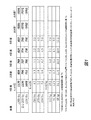
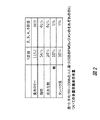
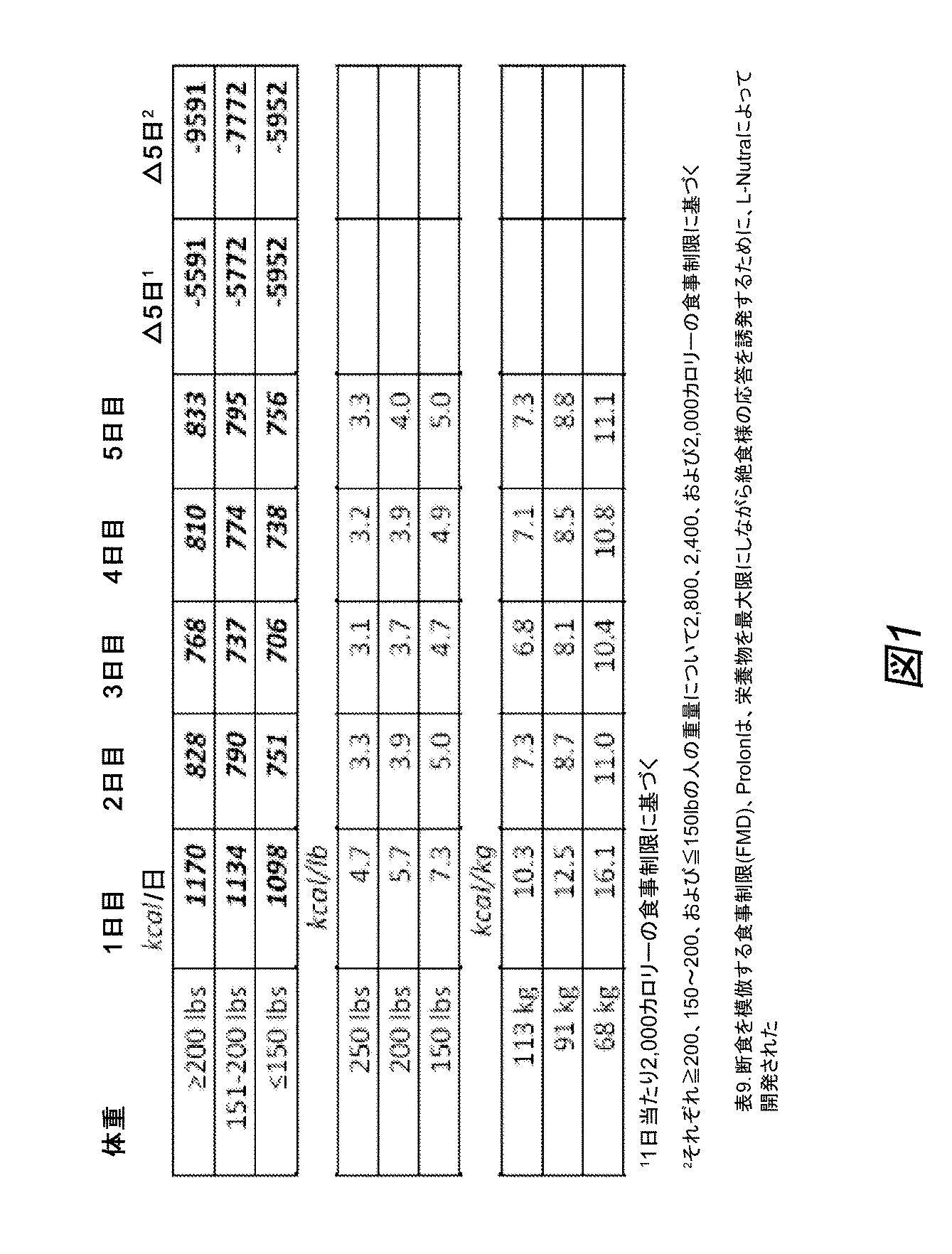
FMDのための摂取ガイドラインは、カロリー、多量栄養素、および微量栄養素に関する栄養成分表(Nutrition Facts)を含む。カロリーは、利用者の体重に従って摂取される。全カロリー消費量は、1日目、1ポンド当たり4.5〜7カロリー(または1キログラム当たり10〜16カロリー)および2〜5日目、1ポンド当たり3〜5カロリー(または1キログラム当たり7〜11カロリー)である。図1〜3は、1日目〜5日目の栄養素の表を提供する。多量栄養素に加えて、食事制限は、1日目に30g未満の糖および2〜5日目に20g未満の糖を含有するべきである。食事制限は、1日目に28g未満のタンパク質および2〜5日目に18g未満のタンパク質を、主としてまたは完全に植物ベースの供給源から含有するべきである。食事制限は、1日目に20〜30グラムの一価不飽和脂肪および2〜5日目に10〜15グラムの一価不飽和脂肪を含有するべきである。食事制限は、1日目に6〜10グラムの多価不飽和脂肪および2〜5日目に3〜5グラムの多価不飽和脂肪を含有するべきである。食事制限は、1日目に12g未満の飽和脂肪および2〜5日目に6グラム未満の飽和脂肪を含有するべきである。典型的に、終日の脂肪は、以下のものの組み合わせに由来する:アーモンド、マカダミアナッツ、ペカン、ココナッツ、ヤシ油、オリーブ油、および亜麻仁。一改良では、FMD食事制限が、終日の食物繊維の推奨一日量の50%以上を含む。さらなる改良では、食物繊維の量が、5日間ずっと、1日当たり15グラム以上である。食事制限は、2〜5日目に、1日当たり12〜25グラムのグリセロールを含有するべきである。一改良では、グリセロールが、体重1ポンド当たり0.1グラム/日で提供される。
Intake guidelines for FMD include Nutrition Facts for calories, macronutrients, and micronutrients. Calories are consumed according to the weight of the user. Total calories consumed are 4.5-7 calories per pound (or 10-16 calories per kilogram) on
一変形では、FMDが、下記の微量栄養素を含む(少なくとも95%非動物ベース):1日当たり5,000IU以上のビタミンA(1〜5日目);1日当たり60〜240mgのビタミンC(1〜5日目);1日当たり400〜800mgのカルシウム(1〜5日目);1日当たり7.2〜14.4mgの鉄(1〜5日目);1日当たり200〜400mgのマグネシウム(1〜5日目);1日当たり1〜2mgの銅(1〜5日目);1日当たり1〜2mgのマンガン(1〜5日目);1日当たり3.5〜7megのセレン(1〜5日目);1日当たり2〜4mgのビタミンB1(1〜5日目);1日当たり2〜4mgのビタミンB2(1〜5日目);1日当たり20〜30mgのビタミンB3(1〜5日目);1日当たり1〜1.5mgのビタミンB5(1〜5日目);1日当たり2〜4mgのビタミンB6(1〜5日目);1日当たり240〜480megのビタミンB9(1〜5日目);1日当たり600〜1000IUのビタミンD(1〜5日目);1日当たり14〜30mgのビタミンE(1〜5日目);1日当たり80meg以上のビタミンK(1〜5日目);16〜25megのビタミンB12が、全5日間の期間の間に提供される;600mgのドコサヘキサエン酸(DHA、藻類由来)が、全5日間の期間の間に提供される。FMD食事制限は、ケール、カシュー、黄ピーマン、タマネギ、レモン汁、酵母、ウコン、マッシュルーム、ニンジン、オリーブ油、ビート汁、ホウレンソウ、トマト、コラード、イラクサ、タイム、塩、胡椒、ビタミンB12(シアノコバラミン)、ビート、バターナットカボチャ、コラード、トマト、オレガノ、トマト汁、オレンジ汁、セロリ、ロメインレタス、ホウレンソウ、クミン、オレンジの皮、クエン酸、ナツメグ、クローブ、およびその組み合わせを含む、ほとんど(つまり重量で50パーセント以上)が自然の供給源由来の高微量栄養素内容物を提供する。表1は、FMD食事制限において提供することができる、さらなる微量栄養素補給の例を提供する。
他の実施形態では、上記に示される食事制限プロトコールの実施のための食事制限パッケージが、提供される。食事制限パッケージは、対象に第1の期間に施されることになっている低タンパク質食のための食料の第1のセットを含み、低タンパク質食が、第1日に対象1ポンド当たり4.5〜7キロカロリーおよび低タンパク質食の第2〜第5日に1日当たり対象1ポンド当たり3〜5キロカロリーを提供する。食事制限パッケージは、第1日に30g未満の糖;第2〜第5日に20g未満の糖、第1日に28g未満のタンパク質、第2〜第5日に18g未満のタンパク質、第1日に20〜30グラムの一価不飽和脂肪、第2〜第5日に10〜15グラムの一価不飽和脂肪、第1日に6〜10グラムの多価不飽和脂肪、第2〜第5日に3〜5グラムの多価不飽和脂肪、第1日に12g未満の飽和脂肪、第2〜第5日に6グラム未満の飽和脂肪;および第2〜第5日に1日当たり12〜25グラムのグリセロールを提供する食料を含む。一改良では、食事制限パッケージが、上記に示される微量栄養素を提供するのに十分な食料をさらに含む。さらなる改良では、食事制限パッケージが、上記に示される方法の詳細を提供する説明書を提供する。
In another embodiment, a dietary restriction package for implementation of the dietary restriction protocol set forth above is provided. The dietary restriction package includes a first set of food for a low protein diet that is to be provided to the subject in a first period, the low protein diet being 4. per pound of subject on the first day. Provide 5-7 kcal and 3-5 kcal per pound of subject per day on days 2-5 of a low protein diet. Dietary restrictions package less than 30g sugar on
上記に示される実施形態の改良では、食事制限の5日間の供給が、スープ/ブロス、ソフトドリンク、ナッツバー、およびサプリメントを含む。食事制限は、以下のように施される:1)第1の日に、高微量栄養物を有する1000〜1200kcal食事制限が提供される;2)次の4日間、650〜800kcalの毎日の食事制限プラス60〜120kcalを提供するグルコース置換炭素供給源(グリセロールまたは等価物)を含有する飲料が提供される。置換炭素供給源は、幹細胞活性化に対する絶食の効果に干渉しない。 In a refinement of the embodiment set forth above, a dietary 5-day supply comprises soups / broths, soft drinks, nut bars, and supplements. The diet is administered as follows: 1) On the first day, a 1000-1200 kcal diet with high micronutrients is provided; 2) a daily diet of 650-800 kcal for the next 4 days. Beverages containing glucose-substituted carbon sources (glycerol or equivalent) that provide a limit plus 60-120 kcal are provided. Substituted carbon sources do not interfere with the effect of fasting on stem cell activation.
上記に示される実施形態の他の改良では、6日間の低タンパク質食事制限プロトコールが、スープ/ブロス、ソフトドリンク、ナッツバー、およびサプリメントを含む。食事制限は、以下のように施される:1)第1の日に、高微量栄養物を有する1000〜1200kcal食事制限が提供される;2)次の3日間、200kcal未満の毎日の食事制限プラス60〜120kcalを提供するグルコース置換炭素供給源を含有する飲料。グリセロールを含むこの置換炭素供給源は、幹細胞活性化に対する絶食の効果に干渉しない;3)5日目に、対象は通常の食事制限を摂取する;ならびに4)6日目に、300kcalの高脂肪供給源および微量栄養物ミックスからなるさらなる補充食物、6日目に、300kcalの高脂肪供給源および微量栄養物ミックスからなる補充食物が、通常の食事制限に加えて提供される。
In another refinement of the embodiment shown above, the 6-day low protein dietary protocol comprises soups / broths, soft drinks, nut bars, and supplements. Dietary restrictions are administered as follows: 1) On the first day, a 1000-1200 kcal dietary meal with high micronutrients is provided; 2) Daily dietary restriction of less than 200 kcal for the next 3 days. A beverage containing a glucose-substituted carbon source that provides plus 60-120 kcal. This substituted carbon source, including glycerol, does not interfere with the effect of fasting on stem cell activation; 3) on
さらに他の改良では、食事制限プロトコールが、スープ/ブロス、ソフトドリンク、ナッツバー、およびサプリメントを含む低タンパク質食事制限の6日間の供給を含む。1)第1の日に、高微量栄養物を有する1000〜1200kcal食事制限が提供される;2)次の3日間、10グラム未満のタンパク質および糖由来の200kcal未満を含有する600〜800kcalの毎日の食事制限;3)5日目に、対象は通常の食事制限を受ける;ならびに4)6日目に、300kcalの高脂肪供給源および微量栄養物ミックスからなるさらなる補充食物、6日目に、300kcalの高脂肪供給源および微量栄養物ミックスからなる補充食物が、通常の食事制限に加えて提供される。
In yet another refinement, the dietary protocol includes a 6-day supply of a low protein diet including soups / broths, soft drinks, nut bars, and supplements. 1) On the first day, a 1000-1200 kcal diet with high micronutrients is provided; 2) 600-800 kcal daily containing less than 10 grams of protein and less than 200 kcal from sugars for the next 3 days. Dietary restrictions; 3) on
特に有用な食事制限プロトコールおよび食事療法パッケージは、国際公開第2011/050302号パンフレットおよび本明細書における食事療法プロトコールによって提供される。国際公開第2011/050302号パンフレットは、参照によってこれによってその全体が組み込まれる。特に、対象は、第1の期間に低タンパク質食、第2の期間に第2の食事制限、および第3の期間に任意選択の第3の食事制限が提供される。低タンパク質食は、対象の通常のカロリー摂取量のせいぜい50%を対象に提供し、少なくとも50%のキロカロリーが脂肪、好ましくは一価不飽和脂肪に由来する。対象の通常のカロリー摂取量は、彼または彼女の重量を維持するために対象が摂取するkcalの数値である。対象の通常のカロリー摂取量は、対象にインタビューすることによってまたは対象の重量を考慮して推定されてもよい。おおよその目安として、対象の通常のカロリー摂取量は、平均して男性については2600kcal/日および女性については1850kcal/日である。ある事例では、低タンパク質食は、700〜1200kcal/日を対象に提供する。特に有用な改良では、低タンパク質食が、約1100kcal/日を平均重量の男性の対象および900kcal/日を平均重量の女性の対象に提供する。典型的に、第1の所定の期間は、約1〜5日である。ある事例では、第1の所定の期間は、1日である。低タンパク質食における脂肪のレベルを客観的に把握するために、U.S.Food and Drug Administrationは、典型的な2000キロカロリーの1日の食事制限について以下の栄養の内訳を推奨している:65グラムの脂肪(約585キロカロリー)、50グラムのタンパク質(約200キロカロリー)、300グラムの全炭水化物(約1200キロカロリー)。そのため、低タンパク質食のあるバージョンにおいて、炭水化物およびタンパク質由来の大部分のカロリーが省かれる。 Particularly useful dietary restriction protocols and dietary packages are provided by WO2011 / 050302 and the dietary protocols herein. WO 2011/050302 is hereby incorporated by reference in its entirety. In particular, the subject is provided with a low protein diet during the first period, a second dietary restriction during the second period, and an optional third dietary restriction during the third period. A low protein diet provides a subject with at most 50% of the subject's normal caloric intake, with at least 50% of the kilocalories coming from fat, preferably monounsaturated fat. A subject's normal caloric intake is the number of kcal a subject ingests to maintain his or her weight. A subject's normal caloric intake may be estimated by interviewing the subject or taking into account the weight of the subject. As a rough guide, the subject's normal caloric intake is 2600 kcal / day for men and 1850 kcal / day for women on average. In one case, the low protein diet provides 700-1200 kcal / day to the subject. In a particularly useful refinement, a low protein diet provides about 1100 kcal / day to male subjects of average weight and 900 kcal / day to female subjects of average weight. Typically, the first predetermined time period is about 1-5 days. In one case, the first predetermined time period is one day. To objectively understand the level of fat in a low protein diet, U.S.P. S. The Food and Drug Administration recommends the following nutritional breakdown for a typical 2000 kcal daily diet: 65 grams fat (about 585 kcal), 50 grams protein (about 200 kcal), 300 grams. Grams of total carbohydrates (about 1200 kcal). Therefore, in some versions of the low protein diet, most of the calories from carbohydrates and proteins are omitted.
低タンパク質食は、脂肪の事実上任意の供給源を包含するが、一価不飽和脂肪供給源および多価不飽和脂肪供給源を含む不飽和脂肪が高い供給源は特に有用である(たとえばオメガ−3/6必須脂肪酸)。一価不飽和食物供給源の適した例は、ピーナッツバター、オリーブ、ナッツ(たとえばアーモンド、ペカン、ピスタチオ、カシュー)、アボカド、種子(たとえばゴマ)、油(たとえばオリーブ、ゴマ、ピーナッツ、キャノーラ)などを含むが、これらに限定されない。多価不飽和食物供給源の適した例は、クルミ、種子(たとえばパンプキン、ヒマワリ)、アマニ、魚(たとえばサケ、マグロ、サバ)、油(たとえばベニバナ、ダイズ、トウモロコシ)を含むが、これらに限定されない。低タンパク質食はまた、野菜抽出物、ミネラル、オメガ−3/6必須脂肪酸、およびその組み合わせからなる群から選択される構成成分をも含む。一改良では、そのような野菜抽出物は、推奨される毎日の1回分の野菜の5回分の相当物を提供する。野菜抽出物に適した供給源は、パクチョイ、ケール、レタス、アスパラガス、ニンジン、バターナットカボチャ、アルファルファ、グリーンピース、トマト、キャベツ、カリフラワー、ビートを含むが、これらに限定されない。オメガ−3/6必須脂肪酸に適した供給源は、サケ、マグロ、サバ、青魚、メカジキ、およびその他同種のものなどのような魚を含む。さらなる改良では、低タンパク質食が、脂肪からの少なくとも25パーセントのカロリーが、2〜7個の炭素原子を有する短鎖脂肪酸および/または8〜12個の炭素原子を有する中鎖飽和脂肪酸からのものとなるように、脂肪供給源を含む。脂肪酸の特定の例は、ラウリン酸および/またはミリスチン酸を含み、脂肪供給源は、オリーブ油、核油、および/またはヤシ油を含む。他の改良では、低タンパク質食が、食事制限中に含有される総カロリーの約0〜22パーセントの量で脂肪からのカロリーを含む。 Low protein diets include virtually any source of fat, but sources of high unsaturated fats, including monounsaturated and polyunsaturated fat sources, are particularly useful (eg, omega). -3/6 essential fatty acid). Suitable examples of monounsaturated food sources include peanut butter, olives, nuts (eg almonds, pecans, pistachios, cashews), avocados, seeds (eg sesame), oils (eg olives, sesame, peanuts, canola), etc. But is not limited to. Suitable examples of polyunsaturated food sources include, but are not limited to, walnuts, seeds (eg pumpkin, sunflower), linseed, fish (eg salmon, tuna, mackerel), oils (eg safflower, soybean, corn). Not limited. The low protein diet also includes a component selected from the group consisting of vegetable extract, minerals, omega-3 / 6 essential fatty acids, and combinations thereof. In a refinement, such vegetable extracts provide 5 equivalents of the recommended daily serving of vegetables. Suitable sources for vegetable extracts include, but are not limited to, pakchoi, kale, lettuce, asparagus, carrot, butternut pumpkin, alfalfa, green peas, tomato, cabbage, cauliflower, beetroot. Suitable sources of omega-3 / 6 essential fatty acids include fish such as salmon, tuna, mackerel, blue fish, swordfish, and the like. In a further refinement, the low protein diet comprises at least 25 percent calories from fat from short chain fatty acids having 2 to 7 carbon atoms and / or medium chain saturated fatty acids having 8 to 12 carbon atoms. To include a fat source. Specific examples of fatty acids include lauric acid and / or myristic acid, and fat sources include olive oil, kernel oil, and / or coconut oil. In another refinement, the low protein diet comprises calories from fat in an amount of about 0 to 22 percent of the total calories contained in the diet.
一改良では、対象が、次いで、第2の期間に第2の食事制限が提供される。第2の食事制限は、せいぜい900kcal/日を対象に提供する。ある事例では、第2の食事制限は、せいぜい200kcal/日を対象に提供する。典型的に、第2の所定の期間は、約2〜7日である。ある特定の事例では、第2の所定の期間は、3日である。さらに他の改良では、第2の食事制限が、野菜抽出物、ミネラル、オメガ−3/6必須脂肪酸、およびその組み合わせからなる群から選択される構成成分を含む。一改良では、そのような野菜抽出物は、推奨される毎日の1回分の野菜の5回分の相当物を提供する。野菜抽出物に適した供給源は、パクチョイ、ケール、レタス、アスパラガス、ニンジン、バターナットカボチャ、アルファルファ、グリーンピース、トマト、キャベツ、カリフラワー、ビートを含むが、これらに限定されない。オメガ−3/6必須脂肪酸に適した供給源は、サケ、マグロ、サバ、青魚、メカジキ、およびその他同種のもの由来の魚油を含む。 In a refinement, the subject is then provided with a second dietary restriction for a second period of time. The second dietary restriction provides for at most 900 kcal / day. In some cases, the second dietary restriction provides subjects with 200 kcal / day at most. Typically, the second predetermined time period is about 2-7 days. In one particular case, the second predetermined time period is 3 days. In yet another improvement, the second dietary restriction comprises a component selected from the group consisting of vegetable extract, minerals, omega-3 / 6 essential fatty acids, and combinations thereof. In a refinement, such vegetable extracts provide 5 equivalents of the recommended daily serving of vegetables. Suitable sources for vegetable extracts include, but are not limited to, pakchoi, kale, lettuce, asparagus, carrot, butternut pumpkin, alfalfa, green peas, tomato, cabbage, cauliflower, beetroot. Suitable sources of omega-3 / 6 essential fatty acids include fish oils from salmon, tuna, mackerel, blue fish, swordfish, and the like.
本明細書における食事療法プロトコールの有効性は、多くの対象のパラメーターの測定値によってモニターされる。たとえば、IGF−Iの対象の血清濃度は、最初のIGF−Iおよびタンパク質摂取レベルならびに添付の刊行物において記載される死からの保護のための最適なレベルに依存して、第2の食事制限期間の終了までに25〜90%低下することが望ましい。対象における血中グルコース濃度は、第2の食事制限期間の終了までに25〜75%低下することもまた望ましい。 The effectiveness of the diet protocol herein is monitored by measurements of many subject parameters. For example, a subject's serum concentration of IGF-I is dependent on the initial IGF-I and protein intake levels and the optimal level for protection from death as described in the accompanying publications, with a second dietary restriction. By the end of the period it is desirable to have a 25-90% drop. It is also desirable that blood glucose levels in the subject be reduced by 25-75% by the end of the second dietary period.
本発明の実施形態の他の変形では、低タンパク質食が、あるアミノ酸を有するアミノ酸特異的なサプリメントを含む。典型的に、サプリメントは、非常に低いタンパク質量または無タンパク質食と一緒に、5〜7日間の期間、摂取されることになっている過剰なレベルの非必須アミノ酸を提供する。一改良では、低タンパク質食が、通常のタンパク質食と交替される。そのような変形では、低タンパク質食が、合間の1〜7週間の通常の食事制限と共に、2週間〜2か月ごとに、7日間、提供される。一改良では、アミノ酸特異的なサプリメントが、以下のアミノ酸、イソロイシン、ロイシン、リシン、メチオニン、フェニルアラニン、トレオニン、トリプトファン、バリン、およびアルギニンを実質的に除外する。この文脈において、「実質的に除外する」は、除外されるアミノ酸の合計が、好ましい順に、対象の食事制限の全重量の5重量パーセント、3重量パーセント、1重量パーセント、および0.5重量パーセント未満であることを意味する。代わりに、アミノ酸特異的な食事制限は、窒素の供給源として1つ以上の以下のアミノ酸を提供する:アラニン、アスパラギン酸、システイン、グルタミン酸、グリシン、ヒスチジン、プロリン、セリン、およびチロシン。表2〜4は、下記に示されるようにタンパク質を制限するものでもあるマウスについてのアミノ酸特異的な食事制限の特徴を提供する。典型的なマウス食事制限は、1日当たり約19kcalを提供する。ヒトなどのような他の哺乳動物については、タンパク質制限(PR)食は、必須カロリーを提供するように調整される。たとえば、米国における成人についての典型的なカロリー摂取量は、1日当たり約2200カロリーである。表5は、ヒト対象についてのそれぞれの供給源由来の1日当たりのキロカロリーを提供するが、表6は、ヒトについてのそれぞれの供給源由来の1日当たりのグラムを提供する。
一改良では、マウスについての1キログラムのアミノ酸特異的な食事制限が、約2g〜20gアラニン、10g〜30gアスパラギン酸、2g〜20gシステイン、40g〜80gグルタミン酸、2g〜20gグリシン、2g〜20gヒスチジン、15g〜50gプロリン、5g〜30gセリン、および5〜30gチロシンを含む。ヒト対象については、ヒト対象についての1日当たりの食事療法製剤の組成物を提供するためにこれらの範囲に係数(すなわち約0.572)を掛ける。たとえば、アミノ酸特異的な食事制限におけるヒト(2200カロリー/日の食事制限)についての特定のアミノ酸の毎日の量は、約2〜12gアラニン、5g〜30gアスパラギン酸、1g〜7gシステイン、18g〜73gグルタミン酸、2g〜9gグリシン、2g〜10gヒスチジン、9g〜37gプロリン、5g〜21gセリン、および5〜21gチロシンである。他の改良では、アミノ酸特異的な食事制限が、1キログラムの食事制限当たり約160〜約240gの特定のアミノ酸を含む。そのため、ヒトについて、アミノ酸特異的な食事制限は、1キログラム当たりの食事制限値を、約2200カロリー/日のヒト食事制限を代表する値に変換するために係数(0.572)を使用すると、1日当たり約80〜160gの特定のアミノ酸を提供する。他の変形では、アミノ酸特異的な食事制限が、上記に示された量で、アラニン、アスパラギン酸、システイン、グルタミン酸、グリシン、ヒスチジン、プロリン、セリン、およびチロシンからなる群から選択される少なくとも6つのアミノ酸を含む。さらに他の変形では、アミノ酸特異的な食事制限が、表7において示される1日当たりのヒト体重1Kg当たりのアミノ酸の量をグラムで提供する。特に、アミノ酸特異的な食事制限は、1日当たりヒト体重1Kg当たり以下のグラム、0.06gアラニン、0.14gアスパラギン酸、0.04gシステイン、0.45gグルタミン酸、0.05gグリシン、0.06gヒスチジン、0.23gプロリン、0.13セリン、および0.13gチロシンを提供した。他の改良では、これらのアミノ酸のそれぞれが、所定の値のプラスまたはマイナス30パーセントの範囲内にある。
他の変形では、方法が、第1の期間に対象にタンパク質制限(PR)食を施すステップを含む。一変形では、低タンパク質食が、特異的なアミノ酸の栄養補助食品を含む。一改良では、第1の期間は、約5日〜14日であり、7日が典型的である。さらに、低タンパク質食は、対象の通常のカロリー摂取量の70〜100パーセントを対象に提供する。低タンパク質食は、窒素の供給源としてアミノ酸のみを実質的に含む。たとえば、タンパク制限食は、タンパク質からそのカロリーの10パーセント未満を得る。他の改良では、タンパク制限食が、タンパク質からそのカロリーの5パーセント未満を得る。他の改良では、タンパク制限食が、タンパク質からそのカロリーの0パーセントを得る。特に、タンパク制限食は、実質的に以下のアミノ酸、イソロイシン、ロイシン、リシン、メチオニン、フェニルアラニン、トレオニン、トリプトファン、バリン、およびアルギニンを除外する。この文脈において、「実質的に除外する」は、除外されるアミノ酸の合計が、好ましい順に、5重量パーセント、3重量パーセント、1重量パーセント、および0.5重量パーセント未満であることを意味する。代わりに、タンパク制限食は、窒素の供給源として1つ以上の以下のアミノ酸を提供する;アラニン、アスパラギン酸、システイン、グルタミン酸、グリシン、ヒスチジン、プロリン、セリン、およびチロシン。表2〜4は、下記に示されるマウス研究についての栄養補助食品を含むタンパク制限食の特徴を提供する。典型的なマウス食事制限は、1日当たり約19kcalを提供する。ヒトなどのような他の哺乳動物については、低タンパク質食は、必須カロリーを提供するように調整される。たとえば、米国における成人についての典型的なカロリー摂取量は、1日当たり約2200kカロリーである。表5は、ヒト対象についてのそれぞれの供給源由来の1日当たりのキロカロリーを提供するが、表6は、ヒトについてのそれぞれの供給源由来の1日当たりのグラムを提供する。 In another variation, the method comprises administering a protein-restricted (PR) diet to the subject during the first period. In one variation, the low protein diet comprises a dietary supplement of specific amino acids. In one refinement, the first period is about 5 to 14 days, with 7 days being typical. In addition, the low protein diet provides the subject with 70-100 percent of the subject's normal caloric intake. A low protein diet contains substantially only amino acids as a source of nitrogen. For example, a protein-restricted diet gets less than 10 percent of its calories from protein. In another refinement, a protein-restricted diet gets less than 5 percent of its calories from protein. In another refinement, a protein-restricted diet gets 0 percent of its calories from protein. In particular, a protein-restricted diet substantially excludes the following amino acids: isoleucine, leucine, lysine, methionine, phenylalanine, threonine, tryptophan, valine, and arginine. In this context, "substantially excluded" means that the total number of excluded amino acids is less than 5 weight percent, 3 weight percent, 1 weight percent, and 0.5 weight percent in order of preference. Instead, the protein-restricted diet provides one or more of the following amino acids as a source of nitrogen; alanine, aspartic acid, cysteine, glutamic acid, glycine, histidine, proline, serine, and tyrosine. Tables 2-4 provide characteristics of protein-restricted diets including dietary supplements for the mouse studies shown below. A typical mouse diet provides approximately 19 kcal per day. For other mammals, such as humans, low protein diets are adjusted to provide essential calories. For example, a typical caloric intake for an adult in the United States is about 2200 kcal per day. Table 5 provides kilocalories per day from each source for human subjects, while Table 6 provides grams per day from each source for humans.
一改良では、マウスについての低タンパク質食の1キログラムにおけるアミノ酸が、表8において提供される。一改良では、マウスについての1キログラムの低タンパク質食が、約2g〜20gアラニン、10g〜30gアスパラギン酸、2g〜20gシステイン、40g〜80gグルタミン酸、2g〜20gグリシン、2g〜20gヒスチジン、15g〜50gプロリン、5g〜30gセリン、および5〜30gチロシンを含む。ヒト対象については、ヒト対象についての1日当たりのこれらのアミノ酸についての毎日の必要量を提供するためにこれらの範囲に係数(すなわち約0.572)を掛ける。たとえば、低タンパク質食におけるヒト(2200カロリー/日の食事制限)についての特定のアミノ酸の毎日の量は、約2〜12gアラニン、5g〜30gアスパラギン酸、1g〜7gシステイン、18g〜73gグルタミン酸、2g〜9gグリシン、2g〜10gヒスチジン、9g〜37gプロリン、5g〜21gセリン、および5〜21gチロシンである。他の改良では、タンパク制限食が、1キログラムの食事制限当たり約160〜約240gの特定のアミノ酸を含む。そのため、ヒトについて、低タンパク質食は、1キログラム当たりの食事制限値を、約2200カロリー/日のヒト食事制限を代表する値に変換するために係数(0.572)を使用すると、1日当たり約80〜160gの特定のアミノ酸を提供する。他の変形では、タンパク制限食が、上記に示された量で、アラニン、アスパラギン酸、システイン、グルタミン酸、グリシン、ヒスチジン、プロリン、セリン、およびチロシンからなる群から選択される少なくとも6つのアミノ酸を含む。表8は、マウス食事制限についてのタンパク制限食におけるアミノ酸内容物の例を提供する。表8はまた、コントロール(通常の食事制限)に対するタンパク制限食における特定のアミノ酸の比である係数を提供する。これらの比は、ヒト対象などのような他の哺乳動物に等しく適用可能である。さらに他の変形では、低タンパク質食が、表8において示される1日当たりのヒト体重1kg当たりのアミノ酸の量をグラムで提供する。特に、PK食は、1日当たりヒト体重1Kg当たり以下のグラム、0.06gアラニン、0.14gアスパラギン酸、0.04gシステイン、0.45gグルタミン酸、0.05gグリシン、0.06gヒスチジン、0.23gプロリン、0.13セリン、および0.13gチロシンを提供した。他の改良では、これらのアミノ酸のそれぞれが、所定の値のプラスまたはマイナス30パーセントの範囲内にある。 In a refinement, the amino acids in 1 kilogram of the low protein diet for mice are provided in Table 8. In a refinement, 1 kilogram of a low protein diet for mice contains about 2 g to 20 g alanine, 10 g to 30 g aspartic acid, 2 g to 20 g cysteine, 40 g to 80 g glutamic acid, 2 g to 20 g glycine, 2 g to 20 g histidine, 15 g to 50 g. Includes proline, 5-30 g serine, and 5-30 g tyrosine. For human subjects, these ranges are multiplied by a factor (ie, about 0.572) to provide the daily requirements for these amino acids for human subjects per day. For example, the daily amount of a particular amino acid for humans (2200 calories / day diet) on a low protein diet is about 2-12 g alanine, 5 g-30 g aspartic acid, 1 g-7 g cysteine, 18 g-73 g glutamic acid, 2 g. .About.9 g glycine, 2 g to 10 g histidine, 9 g to 37 g proline, 5 g to 21 g serine, and 5 to 21 g tyrosine. In another refinement, the protein-restricted diet comprises about 160 to about 240 grams of a particular amino acid per kilogram of dietary restriction. Therefore, for humans, a low protein diet uses about a factor of 0.572 to convert a dietary limit value per kilogram to a value that is representative of a human dietary limit of about 2200 calories / day. Provide 80-160 g of a specific amino acid. In another variation, the protein-restricted diet comprises at least 6 amino acids selected from the group consisting of alanine, aspartic acid, cysteine, glutamic acid, glycine, histidine, proline, serine, and tyrosine in the amounts shown above. . Table 8 provides examples of amino acid contents in a protein-restricted diet for the mouse diet. Table 8 also provides a coefficient, which is the ratio of certain amino acids in a protein-restricted diet to controls (regular diet). These ratios are equally applicable to other mammals, such as human subjects and the like. In yet another variation, a low protein diet provides the amount of amino acids in grams per kg of human body weight per day shown in Table 8. In particular, the PK diet has the following weight per 1 kg of human body weight per day: 0.06 g alanine, 0.14 g aspartic acid, 0.04 g cysteine, 0.45 g glutamic acid, 0.05 g glycine, 0.06 g histidine, 0.23 g Proline, 0.13 serine, and 0.13 g tyrosine were provided. In other refinements, each of these amino acids is within plus or minus 30 percent of a given value.
他の変形では、対象におけるグルコースおよび/またはIGF−1レベルを低下させるための方法が、提供される。方法は、タンパク質供給源から約10パーセント未満のカロリーを有する低タンパク質食を対象に提供するステップを含む。対象のグルコースおよび/またはIGF−1レベルは、タンパク質摂取量を増加させるべきか、減少させるべきかどうかを決定するためにモニターされる。一改良では、低タンパク質食が、タンパク質供給源からの0〜10パーセントのカロリーを有する。さらなる改良では、低タンパク質食が、タンパク質供給源からの0〜5パーセントのカロリーを有する。他の改良では、低タンパク質食が、典型的に、タンパク質供給源からの約0パーセントのカロリーを有する。他の改良では、低タンパク質食がまた、脂肪からのカロリーの少なくとも50パーセントが、13〜28個の炭素原子を有する、上記に示される長鎖不飽和脂肪酸からのものとなるように脂肪供給源を含む、低カロリー食でもある。典型的な脂肪供給源は、ダイズ油などのような植物油を含む。さらなる改良では、低タンパク質食が、脂肪からの少なくとも25パーセントのカロリーが、2〜7個の炭素原子を有する短鎖脂肪酸および/または8〜12個の炭素原子を有する中鎖飽和脂肪酸からのものとなるように、脂肪供給源を含む。脂肪酸の特定の例は、ラウリン酸および/またはミリスチン酸を含み、脂肪供給源は、オリーブ油、核油、および/またはヤシ油を含む。他の改良では、低タンパク質食が、食事制限中に含有される総カロリーの約0〜22パーセントの量で脂肪からのカロリーを含む。 In other variations, methods for lowering glucose and / or IGF-1 levels in a subject are provided. The method includes providing to the subject a low protein diet having less than about 10 percent calories from a protein source. The subject's glucose and / or IGF-1 levels are monitored to determine if protein intake should be increased or decreased. In a refinement, the low protein diet has 0-10 percent calories from the protein source. In a further refinement, the low protein diet has 0-5 percent calories from the protein source. In another refinement, the low protein diet typically has about 0 percent calories from the protein source. In another refinement, the low protein diet is also a fat source such that at least 50 percent of the calories from fat are from the long chain unsaturated fatty acids set forth above having 13 to 28 carbon atoms. It is also a low-calorie diet. Typical fat sources include vegetable oils such as soybean oil and the like. In a further refinement, the low protein diet comprises at least 25 percent calories from fat from short chain fatty acids having 2 to 7 carbon atoms and / or medium chain saturated fatty acids having 8 to 12 carbon atoms. To include a fat source. Specific examples of fatty acids include lauric acid and / or myristic acid, and fat sources include olive oil, kernel oil, and / or coconut oil. In another refinement, the low protein diet comprises calories from fat in an amount of about 0 to 22 percent of the total calories contained in the diet.
他の実施形態では、対象において化学毒性の症状を軽減するための方法が提供される。方法は、第1の期間に低タンパク質食を提供するステップを含み、低タンパク質食が、タンパク質からの10パーセント未満のカロリーを含む。カロリー制限食は、第2の期間に対象に提供され、カロリー制限食が、低タンパク質食のカロリーの0〜50%を有する。一改良では、カロリー制限食が、タンパク質供給源からの0〜10%のカロリーを含む。一改良では、化学療法の処置が、対象に施される。化学療法剤の例は、ドキソルビシン、シクロホスファミド、シスプラチン、5−フルオロウラシル、およびその組み合わせを含むが、これらに限定されない。 In other embodiments, methods are provided for reducing symptoms of chemotoxicity in a subject. The method comprises providing a low protein diet for a first period of time, the low protein diet comprising less than 10 percent calories from protein. A calorie restricted diet is provided to the subject during the second period, the calorie restricted diet having 0 to 50% of the calories of the low protein diet. In a refinement, the calorie restricted diet comprises 0-10% calories from a protein source. In a refinement, chemotherapeutic treatment is administered to the subject. Examples of chemotherapeutic agents include, but are not limited to, doxorubicin, cyclophosphamide, cisplatin, 5-fluorouracil, and combinations thereof.
以下の実施例は、本発明の様々な実施形態を例証する。当業者らは、本発明の精神および請求項の範囲内にある多くの変形を認識するであろう。 The following examples illustrate various embodiments of this invention. Those skilled in the art will recognize many variations that are within the spirit of the invention and scope of the claims.
低タンパク質摂取量の実験
米国における唯一の国家的に代表的な食事療法調査であるNHANESからの50歳以上の6,381人の米国の男性および女性に関する疫学的な研究を、タンパク質およびアミノ酸のレベルおよび供給源、加齢、疾患、ならびに死亡率の間の関係を理解するためにマウスおよび細胞の研究と組み合わせた。
Low Protein Intake Experiments An epidemiological study of 6,381 US men and women over the age of 50 from NHANES, the only nationally representative dietary study in the United States, was conducted on protein and amino acid levels. And combined with mouse and cell studies to understand the relationship between source, aging, disease, and mortality.
結果
ヒト集団
研究集団は、NHANES III、国家的に代表的な横断研究からの、50歳以上の6,381人の成人を含んだ。発明者らの分析サンプルは、65歳の平均年齢を有し、民族性、教育、および健康の特徴において米国の集団の代表となる(表13)。
Results Human Population The study population included 6,381 adults over the age of 50 from NHANES III, a nationally representative cross-sectional study. Our analysis sample has an average age of 65 years and is representative of the US population in ethnicity, education, and health characteristics (Table 13).
平均して、対象は、1,823カロリーを摂取しこのうち大部分は、炭水化物(51%)、次いで脂肪(33%)、タンパク質(16%)−11%が動物タンパク質由来のものであった。タンパク質からのカロリーパーセントは、高タンパク質グループ(タンパク質からの20%以上のカロリー)、中程度タンパク質グループ(タンパク質からの10〜19%のカロリー)、および低タンパク質グループ(タンパク質からの10%未満のカロリー)に対象を分類するために使用した。 On average, subjects consumed 1,823 calories, of which the majority were from carbohydrates (51%), followed by fat (33%), proteins (16%)-11% .. The percentage of calories from protein is high protein group (20% or more calories from protein), medium protein group (10-19% calories from protein), and low protein group (less than 10% calories from protein). ) Was used to classify subjects.
死亡率についての追跡調査は、2006年までの国家死亡指標(National Death Index)との関連を通してすべてのNHANES参加者について入手可能であった(22)。これは、死についての時間の計測および原因を提供した。死亡率についての追跡調査期間は、18年間にわたって合計83,308人年を包含し、全体的な死亡率は40%、心臓血管系疾患(CVD)による死亡率は19%、癌による死亡率は10%、および糖尿病に引き起こされた死亡率は約1%であった。 A follow-up study on mortality was available for all NHANES participants through association with the National Death Index through 2006 (22). This provided a timing and cause for death. The follow-up period for mortality included a total of 83,308 man-years over 18 years with an overall mortality rate of 40%, cardiovascular disease (CVD) mortality rate of 19%, and cancer mortality rate of 40%. The mortality rate caused by 10% and diabetes was about 1%.
タンパク質および死亡率の間の関連性
コックス比例ハザードモデルを使用して、発明者らは、高および中程度タンパク質摂取が、50歳以上の対象すべてについて検討した場合に、糖尿病関連性の死亡率と正に関連したが、総死亡率、CVDまたは癌による死亡率に関連しなかったことを発見した。結果は、中程度および高タンパク質摂取量のグループの両方が、低タンパク質グループにおける参加者と比較して、糖尿病による死についてより高い危険性を有したことを示した。総合的に考えると、これらの結果は、中程度〜高タンパク質摂取量が糖尿病死を増進することを示すが、この可能性についてさらに試験するためにより大きな研究が必要である。より高度のタンパク質グループにおける糖尿病死亡率の上昇についての代替の説明は、糖尿病診断の後に、個人が、より高度のタンパク質、より低度の脂肪、および低度の炭水化物摂取量で構成される食事制限に切り替え得るという可能性である。これについて試験するために、発明者らは、ベースライン時に糖尿病の罹患率がゼロであった参加者においてタンパク質摂取量および糖尿病死亡率の間の関連性を検査した(表19)。
Association Between Protein and Mortality Using the Cox proportional hazards model, we found that high and moderate protein intakes were associated with diabetes-related mortality when examined in all subjects over the age of 50. It was found to be positively associated, but not associated with total mortality, CVD or cancer mortality. The results showed that both the medium and high protein intake groups had a higher risk for death from diabetes compared to participants in the low protein group. Taken together, these results show that moderate to high protein intake enhances diabetic death, but more studies are needed to further test this possibility. An alternative explanation for the increase in diabetic mortality in the higher protein group is that after a diabetic diagnosis, an individual is restricted to a diet consisting of higher protein, lower fat, and lower carbohydrate intake. There is a possibility to switch to. To test this, we examined the association between protein intake and diabetic mortality in participants who had a zero prevalence of diabetes at baseline (Table 19).
ベースライン時に糖尿病を有していなかった対象の間で、高タンパク質グループにおける対象は、危険性が73倍増加したが(HR:73.52;95% CI:4.47〜1209.7)、中程度タンパク質カテゴリーにおける対象は、糖尿病死亡率の危険性においてほぼ23倍増加した(HR:22.93;95% CI:1.31〜400.7)。発明者らは、発明者らのサンプルサイズおよび低タンパク質グループにおける糖尿病による死の非常に低い発生率のために、発明者らのハザード比および信頼区間を上昇させてもよいことを強調する。全体として、ベースライン時に糖尿病を有していなかった人の間で21人だけが糖尿病で死亡した−このうちたった1人が低タンパク質グループであった。しかしながら、小さなサンプルサイズにもかかわらず、発明者らの結果は、タンパク質摂取量の増加および糖尿病関連性の死亡率の間の強い有意な関連性をなお示す。 Among subjects who did not have diabetes at baseline, those in the high protein group had a 73-fold increased risk (HR: 73.52; 95% CI: 4.47-1209.7), Subjects in the moderate protein category had an approximately 23-fold increase in risk of diabetic mortality (HR: 22.93; 95% CI: 1.31-400.7). We emphasize that our hazard ratio and confidence interval may be increased due to our sample size and the very low incidence of diabetic deaths in the low protein group. Overall, only 21 of those who did not have diabetes at baseline died of diabetes-only 1 of these was in the low protein group. However, despite the small sample size, our results still show a strong significant association between increased protein intake and diabetes-related mortality.
コックス比例ハザードモデルは、タンパク質および死亡率の間の関連性が中年および高齢者について異なったかどうかを決定するために再実行し、タンパク質摂取および年齢の間の相互作用について試験した。有意な相互作用が、総死亡率および癌死亡率の両方について発見され、低タンパク質が中年において有益であったことを示すが、その有益性は年齢と共に低下する(図4)。これらの結果に基づいて、発明者らは、2つの年齢のグループ、50〜65歳(n=3,039)の人々および66+歳(n=3,342)の人々に集団を層別化し、タンパク質および原因が特異的な死亡率の間の関係について再検査した。50〜65歳の人々の間で、より高度のタンパク質レベルは、総死亡率および癌死亡率の有意に増加した危険性に関連づけられた(表12)。この年齢層において、高タンパク質グループにおける対象は、総死亡率の彼らの相対危険度が74%増加し(HR:1.74;95% CI:1.02〜2.97)、低タンパク質グループと比較した場合に癌で死ぬ可能性が4倍以上であった(HR:4.33;95% CI:1.96〜9.56)。これらの関連性のどれも、総脂質からのカロリーパーセントまたは全炭水化物からのカロリーパーセントをコントロールすることによって有意に影響を与えられなかった。しかしながら、動物タンパク質からのカロリーパーセントをコントロールした場合、総タンパク質ならびに総死亡率および癌死亡率の間の関連性は、それぞれ、排除されまたは有意に低下し、動物タンパク質が、これらの関係のかなりの部分に影響することを示唆する。発明者らが植物ベースのタンパク質の効果をコントロールしても、タンパク質摂取量および死亡率の間の関連性において変化はなく、高レベルの動物タンパク質が死を増進し、植物ベースのタンパク質が保護効果を有さないことを示す(表17)。 The Cox proportional hazards model was rerun to determine if the association between protein and mortality was different for middle-aged and older people, and tested for interactions between protein intake and age. Significant interactions were found for both overall mortality and cancer mortality, indicating that low protein was beneficial in middle age, but that benefit diminishes with age (Figure 4). Based on these results, we stratified the population into two age groups, people aged 50-65 (n = 3,039) and people aged 66+ (n = 3,342), The relationship between protein and cause-specific mortality was reexamined. Among people aged 50-65, higher protein levels were associated with a significantly increased risk of overall mortality and cancer mortality (Table 12). In this age group, subjects in the high protein group had a 74% increase in their relative risk of overall mortality (HR: 1.74; 95% CI: 1.02 to 2.97) and were in the low protein group. When compared, there was a 4-fold greater chance of dying of cancer (HR: 4.33; 95% CI: 1.96-9.56). None of these associations were significantly affected by controlling the percent calories from total lipids or percent calories from total carbohydrates. However, when controlling the percent calories from animal protein, the association between total protein and total mortality and cancer mortality, respectively, was eliminated or significantly reduced, and animal protein was found to be significantly less of these relationships. Suggest that it affects the part. Even though we control the effects of plant-based proteins, there is no change in the relationship between protein intake and mortality, high levels of animal proteins enhance mortality, and plant-based proteins have protective effects. (Table 17).
低タンパク質食を有する対象と比較して、中程度のレベルのタンパク質を摂取した対象もまた、3倍高い癌死亡率(HR:3.06;95% CI:1.49〜6.25)を有し、これは、脂肪からのカロリーパーセントまたは炭水化物からのカロリーパーセントによって説明されなかったが、動物タンパク質からのカロリーパーセントをコントロールした場合、わずかに低下した(HR:2.71;95% CI:1.24〜5.91)。効果の大きさは、高タンパク質グループにおけるものほど大きくなかった。総合的に考えると、これらの結果は、高レベルの動物タンパク質を摂取している50〜65歳の応答者が、全体的なおよび癌の死亡率についての危険性の大幅な増加を示すが、タンパク質が動物供給源からのものではない場合、危険性は多少、減少し得ることを示す。集団45〜65について検討した場合、同様の結果が得られた(データ示さず)。 Subjects who received moderate levels of protein also had a 3-fold higher cancer mortality rate (HR: 3.06; 95% CI: 1.49-6.25) compared to subjects with a low protein diet. Having, which was not explained by the percent calories from fat or carbohydrates, was slightly reduced when the percent calories from animal protein was controlled (HR: 2.71; 95% CI: 1.24-5.91). The magnitude of effect was not as great as in the high protein group. Taken together, these results show that responders aged 50-65 years who take high levels of animal protein show a significant increase in risk for overall and cancer mortality, It indicates that the risk may be somewhat diminished if the protein is not from an animal source. Similar results were obtained when considering populations 45-65 (data not shown).
上記の発見とは対照的に、ベースライン時に66歳以上であった応答者の間で、より高度のタンパク質レベルは、全体的なおよび癌の死亡率に対する逆の効果に関連したが、糖尿病死亡率に対する同様の効果に関連した(表12)。低タンパク質摂取の対象と比較した場合、高度の量のタンパク質を摂取した対象は、総死亡率において28%低下したが(HR:0.72;95% CI:0.55〜0.94)、中程度の量のタンパク質を摂取した対象は、総死亡率において21%の低下を示した(HR:0.78;95% CI:0.62〜0.99)。さらに、これは、脂肪、炭水化物、または動物タンパク質からのカロリーパーセントによって影響を与えられなかった。高タンパク質摂取を有する対象はまた、低タンパク質食を有する対象と比較して、癌死亡率において60%低下し(HR:0.40;95% CI:0.23〜0.71)、これもまた、他の栄養素摂取量またはタンパク質供給源をコントロールした場合に、影響を与えられなかった。 In contrast to the above findings, among responders who were 66 years or older at baseline, higher protein levels were associated with adverse effects on overall and cancer mortality, but diabetic mortality. Associated with similar effects on rates (Table 12). Subjects who received high amounts of protein had a 28% reduction in overall mortality (HR: 0.72; 95% CI: 0.55 to 0.94) when compared to subjects with low protein intake, Subjects who received a moderate amount of protein showed a 21% reduction in overall mortality (HR: 0.78; 95% CI: 0.62-0.99). Moreover, it was not affected by the percentage of calories from fats, carbohydrates, or animal proteins. Subjects with high protein intake also had a 60% reduction in cancer mortality (HR: 0.40; 95% CI: 0.23 to 0.71) compared to subjects with a low protein diet, which was also It was also unaffected by controlling other nutrient intakes or protein sources.
タンパク質および死亡率の間の関連性に対するIGF−1の影響
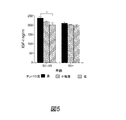
調整した平均IGF−1レベルは、両方の年齢のグループについてタンパク質摂取と正に関連した(図5)。IGF−1が無作為に選択したサブサンプルについてのみ入手可能であったので(n=2,253)、発明者らは、このサンプルにおけるタンパク質および原因が特異的な死亡率の間の年齢特異的な関連性について再検査し、それらが全サンプルにおいて見られたものと同様であることが分かったが、多少、効果の大きさがより大きかった(表15)。次に、発明者らは、IGF−1が、タンパク質および死亡率の間の関連性においてモデレーターまたはメディエーターとして作用するかどうかについて検査した。発明者らは、IGF−1が、タンパク質摂取および死亡率の間の関連性について説明しなかったが(表15)、それは、タンパク質およびIGF−1レベルの間の統計的に有意な相互作用によって示されるように関連性の重要なモデレーターであった(表16)。
Effect of IGF-1 on the association between protein and mortality Adjusted mean IGF-1 levels were positively associated with protein intake for both age groups (FIG. 5). Since IGF-1 was only available for randomly selected sub-samples (n = 2,253), we determined that age-specific mortality during protein and cause-specific mortality in this sample. Were re-examined for similar relevance and were found to be similar to those seen in all samples, but with some greater magnitude of effect (Table 15). Next, the inventors examined whether IGF-1 acts as a moderator or mediator in the association between protein and mortality. Although the inventors did not explain the association between IGF-1 and protein intake and mortality (Table 15), it was due to a statistically significant interaction between protein and IGF-1 levels. It was an important moderator of relevance as shown (Table 16).
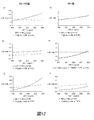
これらのモデルから、IGF−1およびタンパク質のグループによって予測されるハザード比を計算した(図12)。結果は、IGF−1における10ng/mlの増加ごとに、高タンパク質対低タンパク質グループについて50〜65歳の対象の間の癌の死の危険性がさらに9%ずつ増加することを示した(HR高タンパク質×IGF−1:1.09;95% CI:1.01〜1.17)。その代わりに、より高齢の対象(66+年)の間で、低タンパク質グループにおける対象と比較した場合、IGF−1もまた低かった場合、高または中程度タンパク質食を有する対象は、CVDによる死の危険性が低下したが、有益性は、IGF−1が増加するにつれて分からなくなった。 From these models, the hazard ratios predicted by the IGF-1 and protein groups were calculated (Figure 12). The results showed that for each 10 ng / ml increase in IGF-1, there was an additional 9% increase in the risk of cancer death among subjects aged 50-65 for the high vs. low protein groups (HR High protein x IGF-1 : 1.09; 95% CI: 1.01-1.17). Instead, among older subjects (66+ years), when IGF-1 was also low when compared to subjects in the low protein group, subjects with a high or moderate protein diet were dying of CVD. The risk diminished, but the benefit became less apparent as IGF-1 increased.
マウスにおけるタンパク質摂取量、IGF−1、および癌
因果関係を検証し、メカニズムについての発明者らの研究を進めるために、発明者らは、げっ歯動物における循環IGF−1、癌発生率、および腫瘍進行のレベルに対する、NHANES研究における対象と同様の一連のタンパク質摂取量(4〜18%)の効果について検討した。18週齢雄C57BL/6マウスに、CRを課すこともなく、栄養失調を引き起こすこともない、高度(18%)または低度(7%)の量のタンパク質に由来するカロリーを提供するように設計した、実験的な等カロリーの食事制限を39日間続けて供給した(図9A、B)。
To verify protein intake, IGF-1, and cancer causality in mice and to advance our research on mechanisms, we have circulated IGF-1 in rodents, cancer incidence, and The effect of a series of protein intakes (4-18%) similar to the subjects in the NHANES study on the level of tumor progression was examined. Provide 18-week-old male C57BL / 6 mice with high (18%) or low (7%) amounts of protein-derived calories that do not impose CR or cause malnutrition The designed, experimental isocaloric diet was fed for 39 consecutive days (FIGS. 9A, B).
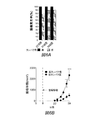
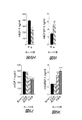
様々なレベルのタンパク質およびIGF−1のレベルが、それぞれの食事制限の1週間後に、新しく形成された腫瘍が生存し、成長する能力に対してどのように影響を与え得るかを理解するために、両方のグループに、20,000個の同一遺伝子マウスメラノーマ細胞(B16)を皮下に移植した。腫瘍測定は、それぞれの食事制限の22日目の移植の15日後に始め、この時点で、発生率は、高タンパク質レベルグループにおいて100%であったが、低タンパク質レベルグループにおいて80%にすぎなかった(図6A)。25日目に、発生率は、低タンパク質グループにおいて90%まで上昇し、実験の終了までそのままであった(図6A)。22日目から実験の終了まで、腫瘍サイズは、より低量のタンパク質を摂取するグループにおいて有意により小さくなり、はるかにゆるやかな腫瘍進行を示した。39日目に、平均腫瘍サイズは、高タンパク質グループにおいて78%より大きいことが観察された(36日目P=0.0001;39日目P<0.0001)(図6B)。IGF−1およびIGF−1阻害性タンパク質、IGFBP−1に対するタンパク質摂取量の効果を決定するために、血液サンプルを16日目に得、分析した。血清IGF−1は、高タンパク質(18%)食を供給した動物と比較した場合、低タンパク質(4%)グループにおいて35%低かった(P=0.0004)(図6C)。反対に、血清IGFBP−1は、高タンパク質グループ(図6D)と比較して、低タンパク質グループにおいて136%高かった(P=0.003)。
To understand how different levels of protein and IGF-1 levels can affect the ability of newly formed tumors to survive and grow one week after each diet. , Both groups were implanted subcutaneously with 20,000 syngeneic mouse melanoma cells (B16). Tumor measurements were initiated 15 days after transplantation on
GHR−IGF−1軸が癌進行を増進するという仮説についてさらに試験するために、発明者らは、GHR/IGF−1欠損GHRKOマウスならびにそれぞれの年齢および性別が一致する同腹仔コントロール(18週齢雄C57BL/6マウス)にメラノーマ(B16)を皮下に移植した。腫瘍測定は移植の10日後から始めて、18日目まで継続した。データは、腫瘍進行が、コントロールグループにおける進行と比較した場合、GHRKOマウスにおいて強く阻害されることを示す(図6E;P<0.01)。
To further test the hypothesis that the GHR-IGF-1 axis promotes cancer progression, we present GHR / IGF-1 deficient GHRKO mice and their age- and sex-matched littermate controls (18 weeks of age). Melanoma (B16) was subcutaneously transplanted into male C57BL / 6 mice). Tumor measurements started 10 days after transplantation and continued until
発明者らはまた、タンパク質レベル、腫瘍発生率、および進行の間の関係について試験するために乳癌マウスモデルを使用した。12週齢雌BALB/cマウスは、マウスが、体重減少を予防するために、第1の週内にタンパク質食からの4%から7%kcalに切り替えなければならなかったという点を除いて、C57BL/6マウスについて記載されたのと同じ食事療法レジメン下に置いた(図9E、F)。これらの食事制限を供給した1週間後に、マウスに、同一遺伝子転移性マウス乳癌(4T1)の20,000個の細胞を皮下に移植し、15日後に、腫瘍について評価した。移植後18日目(食事制限25日目)に、腫瘍発生率は高タンパク質グループにおいて100%であったが、低タンパク質グループにおいて70%にすぎなかった。低タンパク質グループにおける発生率は、39日目に80%まで上昇し、それは、実験の終了までそのままであった(図6F)。腫瘍進行データはまた、より低度のタンパク質食のグループがより小さな平均腫瘍サイズを有したことも示す。45%小さな平均腫瘍サイズは、実験の終了時に53日目までに高タンパクグループと比較して、低タンパク質グループにおいて観察された(P=0.0038)(図6G)。C57BL/6マウスに関しては、IGF−1は、食物タンパク質制限の16日目に測定した。低タンパク質摂取量グループでは、IGF−1レベルは、高レベルグループと比較して、30%低下した(P<0.0001)(図6H)。そのうえ、低タンパク質摂取量はまた、C57BL/6遺伝的背景において観察されたものと同様に(図6D)、84%のIGFBP1増加を引き起こした(P=0.001)(図6I)。同様に、大豆タンパク質摂取量を高レベルから低レベルに低下させた場合、発明者らは、IGF−1における30%の減少(p<0.0001)(図6J)およびIGFBP−1における140%の増加を観察した(p<0.0001)(図6K)。IGF−IおよびIGFBP1に対して、同じレベルの動物タンパク質を植物タンパク質と置換する効果があるという傾向があったが、差異は有意ではなかった。これらのデータは、より低度のタンパク質摂取量が、IGF−1を減少させ、IGF−1阻害剤IGFBP1を増加させることによって、部分的に、癌発生率および/または進行を減少させるのに役割を果たし得ることを示唆する。様々なタイプの動物対植物ベースのタンパク質に関するさらなる研究は、IGF−IおよびIGFBP1に対するそれらの効果を決定するのに必要である。
We also used a breast cancer mouse model to test the relationship between protein levels, tumor incidence, and progression. Twelve week old female BALB / c mice, except that the mice had to switch from 4% to 7% kcal from a protein diet within the first week to prevent weight loss, They were placed under the same dietary regimen as described for C57BL / 6 mice (FIGS. 9E, F). One week after feeding these diets, mice were implanted subcutaneously with 20,000 cells of the same transgenic mouse breast cancer (4T1) and 15 days later evaluated for tumors. On day 18 (25 days after dietary restriction) post-transplant, the tumor incidence was 100% in the high protein group but only 70% in the low protein group. The incidence in the low protein group increased to 80% on
細胞研究
アミノ酸およびライフスパンのレベルの間に重要な関係があるかどうかを理解するために、酵母成長および発達に対する特定の濃度のアミノ酸の存在の影響を、生存および突然変異率アッセイによって評価した。野生型DBY746出芽酵母(S.cerevisiae)株は、半分(0.5×)、標準(1×)、および2倍(2×)のアミノ酸濃度の存在下において成長させ、他のすべての栄養素は一定に維持した。生存は、1、3、5、および8日目に測定した。生存の差異は、1〜3日目の間に観察されなかった。5日目に、2つの最も高度のアミノ酸濃度が、死亡率の増加の傾向を示し、これは、8日目までに生存する細胞の10倍の減少をもたらした(図6L)。
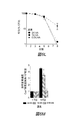
Cellular studies To understand if there was a significant relationship between amino acid and lifespan levels, the effect of the presence of specific concentrations of amino acids on yeast growth and development was assessed by survival and mutation rate assays. The wild-type DBY746 S. cerevisiae strain was grown in the presence of half (0.5 ×), standard (1 ×), and double (2 ×) amino acid concentrations and all other nutrients were It was kept constant. Survival was measured at
アミノ酸、加齢、および年齢依存性のDNA損傷の間の関係を評価するために、発明者らは、自然突然変異率を測定するために高齢出芽酵母(S.cerevisiae)を使用した。突然変異率は、0.5×アミノ酸濃度に曝露された細胞と比較して、それぞれ1×および2×のアミノ酸レベルに曝露された5日齢であるが若くない細胞において3および4倍高かった(図6M)。これらの結果は、単細胞生物においてでさえ、アミノ酸が細胞の加齢および年齢依存性のゲノムの不安定性を増進することを示す。 To evaluate the relationship between amino acids, aging, and age-dependent DNA damage, we used aged Saccharomyces cerevisiae (S. cerevisiae) to measure spontaneous mutation rates. Mutation rates were 3 and 4 times higher in 5 day old but not young cells exposed to 1x and 2x amino acid levels, respectively, compared to cells exposed to 0.5x amino acid concentration. (FIG. 6M). These results indicate that amino acids enhance cell aging and age-dependent genomic instability, even in unicellular organisms.
年齢依存性のゲノムの不安定性の増進に関与する経路をさらに見つけるために、発明者らは、アミノ酸の存在下または非存在下において、Ras−PKA−Msn2−4 Tor−Sch9−Gis1経路によって調節されるストレス応答遺伝子の誘発を測定した。Trp、Leu、およびHis(この株における成長にとって必須)のみを含有するコントロール条件培地において成長させた細胞について、培地におけるすべてのアミノ酸の存在は、ストレス抵抗性遺伝子の誘発を低下させ、アミノ酸の追加が、細胞の保護を阻害するのに十分であったことを示す(図6N)。 To further find the pathways involved in enhancing age-dependent genomic instability, we regulated by the Ras-PKA-Msn2-4 Tor-Sch9-Gis1 pathway in the presence or absence of amino acids. The induction of stress-responsive genes was measured. For cells grown in control conditioned medium containing only Trp, Leu, and His (essential for growth in this strain), the presence of all amino acids in the medium reduced the induction of stress resistance genes and the addition of amino acids. Were sufficient to inhibit the protection of cells (FIG. 6N).
Tor−Sch9経路は寿命を延長するだけではなく、DNA突然変異を増進する。Ras−cAMP−PKAシグナル伝達がまた年齢依存性のゲノムの不安定性を調節するかどうかを決定するために、発明者らはras2の欠損突然変異体について研究した。発明者らは、ras2A突然変異体が長命であることを確認したが(図11A)、また、Rasシグナル伝達の不活性化が年齢および酸化ストレス依存性のゲノムの不安定性を弱めたことをも示す(図11B、11C、6O、11D)。 The Tor-Sch9 pathway not only prolongs lifespan, but enhances DNA mutations. To determine whether Ras-cAMP-PKA signaling also regulates age-dependent genomic instability, we studied ras2 deletion mutants. The inventors confirmed that the ras2A mutant was long-lived (FIG. 11A), but also showed that inactivation of Ras signaling attenuated age- and oxidative stress-dependent genomic instability. Shown (FIGS. 11B, 11C, 6O, 11D).
全体的に、これらの結果は、Tor−Sch9およびRas/PKA経路の活性化によって、少なくとも部分的に、アミノ酸が突然変異頻度、したがってゲノムの不安定性に影響を与えることができるメカニズムが、ストレス抵抗性を減少させたことを示唆する(図6P)。 Overall, these results indicate that activation of the Tor-Sch9 and Ras / PKA pathways, at least in part, is a mechanism by which amino acids can influence mutation frequency and thus genomic instability, but not stress resistance. Suggesting reduced sex (FIG. 6P).
高齢マウスにおける低タンパク質摂取量および体重維持
50〜65歳の対象対65歳以上の対象における低タンパク質食について観察された逆の効果ならびに65歳以降のBMIおよびIGF−1レベルにおける主な低下に基づいて、発明者らは、低タンパク質食のより高齢の対象が栄養不良になり得、十分なレベルのアミノ酸を吸収することも、処理することもできなかったと仮定した。マウスにおけるこの可能性について試験するために、発明者らは、18%または4%の動物タンパク質を含有する等カロリーの食事制限を若いマウス(18週齢)および高齢のマウス(24月齢)に供給した。非常に低度のタンパク質食は、高齢の生物におけるタンパク質制限に対する感受性を明らかにするために意図的に選択した。30間、高タンパク質食で維持した高齢のマウスは、体重が増えたのに対して、低タンパク質食の、若いマウスではなく高齢のマウスは、死に対するタンパク質制限の有益な効果を負の効果に変える加齢の影響に一致して、15日目までにそれらの体重の10%を失った(図4A、B)。
Low protein intake and weight maintenance in aged mice Based on the opposite effects observed for low protein diets in subjects aged 50-65 vs. subjects aged 65 and older and a major reduction in BMI and IGF-1 levels after
議論
ここで米国の集団における栄養についての主な国家的に代表的な研究を使用して、発明者らの結果は、45歳以上の人々の間で、タンパク質摂取量のレベルが、糖尿病による死の危険性の増加に関連するが、総死亡率、癌、またはCVD死亡率における差異に関連しないことを示す。しかしながら、発明者らは、タンパク質摂取および死亡率の間の関連性についての年齢の相互作用を発見し、50〜65歳の対象は低タンパク質摂取量から有益性を受け、66+歳の対象は低タンパク質食から不利益を受けた−少なくとも全体的な死亡率および癌について。これは、ここで報告されるタンパク質摂取量、IGF−1、および死亡率の間の強い関連性が以前に記載されなかった理由を説明し得る。さらに、IGF−1レベルを測定した2253人の対象の間で、低タンパク質摂取量グループと比較した高タンパク質摂取量を有する人々についての総死亡率および癌死亡率の危険性は、高レベルのIGF−1をも有した人々についてさらにもっと増加した。これは、様々なタイプの癌にIGF−1レベルを関連づける以前の研究に一致する。
Discussion Using a major nationally representative study of nutrition here in the US population, our results show that among people over the age of 45, levels of protein intake were diabetic , But not to differences in total mortality, cancer, or CVD mortality. However, we found an age interaction for the association between protein intake and mortality, with subjects aged 50-65 benefiting from low protein intake, and subjects aged 66+ years had low benefits. Poor from a protein diet-at least for overall mortality and cancer. This may explain why the strong association between protein intake, IGF-1, and mortality reported here was not previously described. Moreover, among the 2253 subjects who measured IGF-1 levels, the risk of overall mortality and cancer mortality for those with high protein intake compared to the low protein intake group was high. Even more increased for those who also had -1. This is in agreement with previous studies relating IGF-1 levels to various types of cancer.
特に、摂取されたタンパク質のタイプが重要であるかもしれないという証拠があった。発明者らの結果は、動物供給源に由来するタンパク質の割合が、全体的なタンパク質摂取量ならびに総死亡率および癌死亡率の間の関連性のかなりの部分を説明したことを示した。これらの結果は、赤身の肉の摂取ならびに全死因、CVD、および癌からの死亡の間の関連性についての最近の発見に一致している。米国における以前の研究は、低炭水化物食が、全体的な死亡率の増加に関連し、そのような食事制限に動物ベースの製品の摂取の増加が伴う場合、全体的なならびにCVDおよび癌による死の危険性がさらにもっと増加することを発見した。しかしながら、発明者らの研究は、IGF−I、加齢、糖尿病、および癌に対する動物タンパク質の影響が、タンパク質摂取量を確立する調査後18年間で、45〜65歳の人々について死の主なプロモーターとなり得ることを示す。その時までに、インタビューの時に65歳であったコホートは83歳になり、高タンパク質摂取量が、65歳以上の対象において死を増進し得ることをはっきり示す。
In particular, there was evidence that the type of protein ingested may be important. Our results showed that the percentage of proteins from animal sources accounted for a significant portion of the relationship between overall protein intake and total mortality and cancer mortality. These results are consistent with recent findings on the association between lean meat intake and all-cause mortality, CVD, and death from cancer. Previous studies in the United States have shown that low-carbohydrate diets are associated with increased overall mortality, and when such dietary restrictions are associated with increased intake of animal-based products, overall and CVD and cancer deaths. It has been found that the risk of However, our study shows that the effects of animal proteins on IGF-I, aging, diabetes, and cancer are the leading causes of death for people aged 45-65
酵母およびマウスからの発明者らの結果はまた、アミノ酸、ストレス抵抗性、DNA損傷、および癌発生率/進行の間の関係を提供することによって、タンパク質、癌、および全体的な死亡率の間の重要な関係の少なくとも一部について説明し得る。マウスでは、タンパク質レベルの低下によって引き起こされた変化は、20,000個の腫瘍細胞が皮下部位に既に存在した場合でさえ、腫瘍の10〜30%の定着を予防するのに十分に強力な効果を有した。さらに、メラノーマおよび乳癌の両方の進行は、低タンパク質食によって強く阻害され、低タンパク質食が癌予防および処置の両方において用途を有し得ることを示す。 Our results from yeast and mice also provide a link between amino acids, stress resistance, DNA damage, and cancer incidence / progression, thereby helping to improve protein, cancer, and overall mortality. At least some of these important relationships can be explained. In mice, the changes caused by reduced protein levels were sufficiently potent to prevent 10-30% colonization of tumors, even when 20,000 tumor cells were already present in the subcutaneous site. Had. Moreover, the progression of both melanoma and breast cancer is strongly inhibited by a low protein diet, indicating that a low protein diet may have applications in both cancer prevention and treatment.
タンパク質摂取量はベースライン時に中年であった成人についての死亡率の増加に関連するが、低タンパク質食が高齢者にとって危険となり得るという証拠もまたあった。高齢者における高および中程度タンパク質摂取量は、低いグループと比較して、主な改善に関連し、摂取されたカロリーの少なくとも10%に相当するタンパク質摂取量が、年齢依存性の体重減少を低下させるならびにIGF−1および他の重要な要因の過度の損失を可能性として予防するために、65歳または可能性として75歳以降に必要であるかもしれないことを示唆する。以前の研究は、タンパク質摂取量の増加および結果として生じるIGF−1の増加が高齢者において有益であることを証明し得ると述べた。実際、低タンパク質食の保護作用から有害作用への劇的な切り替えは、体重が安定し、次いで、低下することが知られている時期と重なり合う。以前の長期的な研究に基づいて、体重は、50〜60歳まで増加する傾向があり、この時点で、体重は、65歳以上の人々について毎年平均0.5%ずつ着実に低下し始める前に、安定性になる。発明者らは、これが、かなりのパーセンテージの彼らの体重を失い、タンパク質栄養失調に対してより感受性である低BMIを有する虚弱な対象と見なされている対象の体重減少および虚弱に依存し得ることを推測する。炎症または遺伝要因などのような他の要因が、発明者らのマウス研究に一致して、高齢の対象におけるタンパク質制限に対する感受性の一因となり得る可能性もまたある。
Although protein intake is associated with increased mortality for adults who were middle-aged at baseline, there was also evidence that a low-protein diet could be dangerous to the elderly. High and moderate protein intakes in the elderly are associated with a major improvement compared to the low group, with protein intakes corresponding to at least 10% of the calories ingested reducing age-dependent weight loss Suggest that it may be necessary after
他の研究は、pHの局地的状態における変化、老齢の消化管における適応応答障害、および腸の形態における変化に関するげっ歯動物における栄養素吸収の年齢関連性の低下を述べたが、老化における形態学的および吸収性の変化の間に明らかな関連性はなおない。ヒトでは、いくつかの研究は、食物タンパク質の消化および吸収動態が健康で高齢の男性においてインビボにおいて害されないことを示したが、これらの研究はまた、末梢組織への利用率の減少をもたらすかもしれないAAの内臓抽出の増加をも報告した、また、低タンパク質摂取量またはタンパク質必要量の増加の場合に、食事のAAの全身性の利用率の制限が筋肉タンパク質合成の減少の一因となり得ることを推測する。さらに、ヒトにおいて、不良な歯生状態、医薬品、および心理社会的な問題のような他の要因もまた、栄養失調の率に対してかなりの役割を果たす。 Other studies have described age-related declines in nutrient absorption in rodents with respect to changes in local pH conditions, impaired adaptive response in the aged gastrointestinal tract, and changes in gut morphology. There is still no clear association between changes in physiology and absorbability. In humans, several studies have shown that the digestion and absorption kinetics of dietary proteins are not impaired in vivo in healthy, elderly men, but these studies may also lead to reduced utilization in peripheral tissues. It also reported an increase in visceral extraction of naive AA, and in the case of low protein intake or increased protein requirements, limited systemic availability of dietary AA contributes to decreased muscle protein synthesis. Guess what you get. Moreover, in humans, other factors such as poor dentition, medications, and psychosocial problems also play a significant role in the rate of malnutrition.
IGF−1は、高齢の年齢で減少し、可能性として、虚弱および死の危険性を増加させることが以前に示された。したがって、発明者らの発見は、IGF−Iおよび死亡率に関する論議を説明し得、最低限のレベルのタンパク質および可能性としてIGF−1が高齢において重要であるまたは低循環IGF−1が栄養失調による虚弱および/または罹患の状態を反映することを示す。実際、炎症および他の障害は、IGF−1レベルを減少させることが知られており、低タンパク質および低IGF−1のグループが、大病を有するまたはそれを発症する過程にある、かなりの数の栄養不良であり虚弱でもある個人を含有し得るという可能性を高める。 IGF-1 was previously shown to decrease at older age and potentially increase the risk of frailty and death. Thus, our findings could explain the controversy regarding IGF-I and mortality, with minimal levels of protein and possibly IGF-1 being important in old age or hypocirculating IGF-1 being malnourished. Is shown to reflect the condition of weakness and / or morbidity. Indeed, inflammation and other disorders are known to reduce IGF-1 levels, and a significant number of low protein and low IGF-1 groups are in the process of having or developing major illness. Increases the likelihood of containing malnourished and frail individuals.
発明者らの研究に認められるべきいくつかの限界がある。第1に、死亡率評価について18年間追跡した1回の24時間の食事の回想の使用は、24時間の期間が普通の日ではなかった場合に食事の慣習の分類を誤る可能性を有する。しかしながら、発明者らのサンプルの93%は、その24時間の期間が普通の日に相当したことを報告した。発明者らはまた、発明者らの分析においてコントロールとしてこの変数を含む。さらに、24時間の食事の回想は、対象の「通常の食事制限」を同定する非常に妥当なアプローチであることが示された。発明者らは、食事の摂取に対する長期的なデータの欠如が発明者らの研究の潜在的な限界であることを認めなければならないが、高齢の人々の間の6年間にわたる食事の一貫性についての研究は、食習慣において長い間にわたってほとんど変化しないことを明らかにした。20年間にわたる食習慣を調べる他の研究は、人々が年を取るにつれて、エネルギー摂取量がタンパク質、脂肪、および炭水化物について減少したが、減少は3つのタイプにわたって均等であったことを示した。 There are some limitations that should be acknowledged in our research. First, the use of a single 24-hour meal recollection followed for 18 years for mortality assessment has the potential to misclassify dietary conventions if the 24-hour period was not a normal day. However, 93% of our samples reported that their 24-hour period corresponded to a normal day. We also include this variable as a control in our analysis. In addition, 24-hour dietary recall was shown to be a very valid approach to identify a subject's "normal dietary restriction." We have to admit that the lack of long-term data on dietary intake is a potential limitation of our study, but on the consistency of diet over the six years among older people. Have found that eating habits change little over time. Other studies examining eating habits over 20 years have shown that as people get older, their energy intake decreased for proteins, fats, and carbohydrates, but the decrease was even across the three types.
発明者らの研究の他の限界は、タンパク質グループへの応答者の分類および分析のためのサンプルの層別化が、とりわけ、ベースライン時に糖尿病を有していない人またはIGF−1サブサンプルにおける参加者の間の糖尿病死亡率に関する分析について、比較的小さなサンプルサイズを生成したことである。その結果、発明者らのハザード比および95%信頼区間は、より大きなサンプルサイズで見られていたであろうものよりもはるかに大きいかもしれない。しかしながら、小さなサンプルサイズが発明者らの力を減少させ、関連性を検出するのをより難しくすることを予期するであろう。そのため、発明者らが有意性を検出することができるということは、タンパク質および死亡率の間の関連性が強いことを示す。さらに、発明者らの死亡率分析からの95%信頼区間の下限値は、十分に1.0以上であり、危険性の増加がおそらく大きいことを示す。最終的に、これらの限界を考慮すると、発明者らの研究は、信頼できる、原因が特異的な死亡率についてのデータのその使用および大きな国家的に代表的なサンプルのその包含−多くの場合、以前の文献から欠乏している特徴、によって強められた。 Another limitation of our study is that stratification of samples for the classification and analysis of responders to protein groups is particularly relevant in those who do not have diabetes at baseline or in IGF-1 subsamples. Generating a relatively small sample size for analysis of diabetic mortality among participants. As a result, our hazard ratios and 95% confidence intervals may be much larger than would have been seen with larger sample sizes. However, one would expect that a small sample size would reduce our power and make the association more difficult to detect. Therefore, our ability to detect significance indicates a strong association between protein and mortality. Moreover, the lower limit of the 95% confidence interval from our mortality analysis is well above 1.0, indicating that the increase in risk is probably large. Finally, considering these limitations, our study found that its use of reliable, cause-specific mortality data and its inclusion of large nationally representative samples-often , A feature lacking from previous literature, was reinforced.
全体として、発明者らのヒトおよび動物の研究は、少なくとも部分的に、循環IGF−1および可能性としてインスリンレベルの調節を含んでいてもよいプロセスを通して、中年の間の低タンパク質食が、癌および全体的な死の予防に有用となり得ることを示す。他の疫学的および動物研究に一致して、発明者らの発見は、植物ベースの栄養素が食物摂取量の大部分に相当する食事制限が、健康上の有益性を最大限にする可能性があることを示唆する。しかしながら、発明者らは、65歳および可能性として75歳まで、健康状態に依存して、現在最小限の必要量と見なされる、Food and Nutrition Board of the Institute of Medicineによって公表される0.7〜0.8グラムのタンパク質/体重1kg/日は、19〜70歳の成人によって摂取される1〜1.3gグラムのタンパク質/体重1kg/日に対して、保護的となり得ることを提唱する。発明者らはまた、より高齢の年齢時に、健康な体重の維持および虚弱からの保護を可能にするために、低タンパク質摂取量を回避することおよび徐々に、中程度から高タンパク質、可能性として、主として植物ベースの摂取を採用することは重要となり得ることを提唱する。
Overall, our human and animal studies have shown that, at least in part, through a process that may involve regulation of circulating IGF-1 and possibly insulin levels, a low protein diet during middle age We show that it can be useful in the prevention of cancer and overall death. Consistent with other epidemiological and animal studies, our findings indicate that dietary restrictions in which plant-based nutrients account for the majority of food intake may maximize health benefits. Suggest that there is. However, we have found that, up to
実験手順
ヒトデータについての栄養素摂取量
栄養素摂取量データは、24時間の期間の間の食物および飲料摂取量の報告に基づく。データは、80以上の栄養素についての情報と共に、自動マイクロコンピューターベースのコーディングシステムを介して収集した。食事のデータを収集するためのこの方法の使用に、いくつかの利点がある。摂取および回想の間に経過する時間が短いと仮定すると、参加者は、典型的に、より多くの情報を思い出すことができる。また、報告方法と異なり、24時間の食事の回想は、摂取後のデータ収集に依存し、評価が食事の行動を変える可能性を低下させる。さらに、24時間の回想は、一般に使用される食物頻度アンケートと比較して、総エネルギーおよびタンパク質摂取のより説得力のある推定値であることが示され、Block food−frequency questionnaireおよびNational Cancer Institute’s Diet History Questionnaireの両方よりも、総エネルギーおよび栄養素摂取量について妥当な測定値であることもまた示された。最終的に、このアプローチはまた、ボディマス指数に関係なくエネルギー、タンパク質、脂肪、および炭水化物摂取量を的確に評価することも分かった。
Experimental Procedures Nutrient Intake for Human Data Nutrient intake data is based on reporting food and beverage intake during a 24-hour period. Data were collected via an automated microcomputer-based coding system, with information on over 80 nutrients. There are several advantages to using this method to collect dietary data. Given the short time that elapses between ingestion and recollection, participants can typically remember more information. Also, unlike reporting methods, 24-hour dietary recall relies on post-ingestion data collection, reducing the likelihood that assessment will alter dietary behavior. In addition, the 24-hour recollection was shown to be a more convincing estimate of total energy and protein intake compared to commonly used food frequency questionnaires, with Block food-frequency questionnaires and National Cancer Institute '. It was also shown to be a more reasonable measure of total energy and nutrient intake than both s Diet History Questionnaire. Finally, this approach was also found to accurately assess energy, protein, fat, and carbohydrate intake regardless of body mass index.
疫学的な死追跡調査
死データは、国家死亡指標から入手可能であった。113の可能性のある原死因(UCOD−113)についての情報は、総死亡率、心血管系(CVD)死亡率、癌死亡率、および糖尿病死亡率を決定するために使用した。
Epidemiologic Death Follow-up Death data was available from the National Mortality Index. Information on 113 possible causes of primary mortality (UCOD-113) was used to determine overall mortality, cardiovascular (CVD) mortality, cancer mortality, and diabetes mortality.
ヒトデータについての統計分析
コックス比例ハザードモデルは、タンパク質からのカロリーの摂取量と続く総死亡率、CVD、癌、および糖尿病死亡率の間の関連性を推定するために使用した−後者の3つの実行は競合リスク構造(competing risks structure)を使用した。次に、発明者らは、死亡率との関連に対する年齢およびタンパク質摂取の間の相互作用を試験した。これらの結果に基づいて、発明者らは、2つの年齢グループ(50〜65歳および66+歳)に対象を分類し、これを残りの分析において使用した。年齢層別化比例ハザードモデルは、2つの年齢グループ内の死亡率と、タンパク質からのカロリーパーセントの関連性を推定し、その関係が脂肪からのカロリーのパーセント、炭水化物または動物タンパク質からのカロリーのパーセントによって影響を受けたかどうかを検査するために使用した。ハザードモデルは、IGF−1を含むことがタンパク質摂取量および死亡率の間の関連性を変化させたかどうかを決定するためにIGF−1サブサンプルについて再度推定した。最終的に、比例ハザードモデルは、タンパク質およびIGF−1の間の相互作用を検査するために使用し、様々なIGF−1レベルでそれぞれのタンパク質グループについて予測されるハザード比を計算し、タンパク質摂取量がIGF−1のレベルに依存して死亡率に異なって影響を与えるかどうかを決定するために使用した。分析はすべて、サンプルウェイトを使用し、サンプリング設計について説明し、かつ年齢、人種/民族性、教育、性別、疾患状態、喫煙、食事の変化、および全カロリー消費量についてコントロールして実行した。
Statistical analysis on human data The Cox proportional hazards model was used to estimate the association between caloric intake from proteins and subsequent total mortality, CVD, cancer, and diabetes mortality-the latter three. The run used a competing risk structure. Next, the inventors examined the interaction between age and protein intake on the association with mortality. Based on these results, we classified subjects into two age groups (50-65 years and 66+ years), which were used in the rest of the analysis. The age-stratified proportional hazards model estimates the association between mortality within two age groups and percent calories from protein, the relationship being percent calories from fat, percent calories from carbohydrates or animal protein. Used to test if affected by. The hazard model was re-estimated on IGF-1 subsamples to determine if inclusion of IGF-1 altered the association between protein intake and mortality. Finally, the proportional hazards model was used to examine the interaction between protein and IGF-1 to calculate the predicted hazard ratio for each protein group at various IGF-1 levels and calculate protein uptake. It was used to determine whether the amount affected mortality differently depending on the level of IGF-1. All analyzes were performed using sample weights, explaining the sampling design and controlling for age, race / ethnicity, education, gender, disease status, smoking, dietary changes, and total calorie expenditure.
酵母およびマウスの実験についての材料および方法
コックス比例ハザードモデルを使用して、発明者らは、タンパク質摂取ならびに総死亡率、CVD、または癌死亡率の間の関連性を発見しなかった(表14)。しかしながら、高および中程度タンパク質摂取は、糖尿病関連性の死亡率と正に関連した。1つの説明は、可能性として、糖尿病診断後の、より高度のタンパク質、より低度の脂肪、およびより低度の炭水化物摂取への切り替えのために、糖尿病がこれらのグループにおいてより蔓延しているかもしれないことである。
Materials and Methods for Yeast and Mouse Experiments Using the Cox proportional hazards model, we found no association between protein intake and total mortality, CVD, or cancer mortality (Table 14). ). However, high and moderate protein intake was positively associated with diabetes-related mortality. One explanation is that diabetes is more prevalent in these groups, possibly due to the switch to higher protein, lower fat, and lower carbohydrate intake after diagnosis of diabetes. It may be.
最終的に、高対低タンパク質摂取は、66歳以上の対象についての糖尿病による死の危険性における10倍超の増加に関連することが分かった。しかしながら、高タンパク質グループにおける糖尿病の病歴を有する対象のはるかに高度の罹患率および低タンパク質グループにおける糖尿病の死にかかっている対象が少数であることは、これについて説明するかもしれず、したがって、糖尿病発生率および死亡率に対するタンパク質摂取量の役割を決定するためのさらなる研究の必要性を強調する(HR:10.64;95% CI:1.85〜61.31)。
Finally, high versus low protein intake was found to be associated with more than a 10-fold increase in diabetic death risk for
補足的な材料および方法
ヒトデータにおけるIGF−I
NHANES IIIにおける対象の半分は、推奨される9時間の絶食後に、午前検査に参加するために無作為に選択された。このサブサンプルのうちで、発明者らの研究に含まれた2,253人の対象は、承諾し、IGF−Iについての絶食血清データを測定した。IGF−Iは、標準的な実験室プロトコールを使用してDiagnostic Systems Laboratories Inc.によって測定し、ng/mlで報告した。
Supplemental Materials and Methods IGF-I in Human Data
Half of the subjects in NHANES III were randomly selected to participate in the morning test after a recommended 9 hour fast. Of this subsample, 2,253 subjects included in our study consented and measured fasted serum data for IGF-I. IGF-I was prepared according to Diagnostic Systems Laboratories Inc. using standard laboratory protocols. And was reported in ng / ml.
ヒトデータにおける可能性のある交絡因子
年齢、人種/民族性、教育、性別、疾患状態、喫煙、食事の変化、および全カロリー消費量は、可能性のある交絡因子として分析に含めた。年齢は、応答者の機密性を保護するために、NHANESによるデータセットにおいて年で報告し、90でトップコーディングした。ダミー変数は、3つの人種/民族性カテゴリー:非ヒスパニックの白人、非ヒスパニックの黒人、およびヒスパニックに対象を分類するために作り、教育は教育期間によって示した。ダミー変数は、自己報告の喫煙状態−1度もない、以前、および現在について作った。対象はまた、「医者が今までにあなたが...を有すると言ったことがあるか」と言葉で表された質問において、疾患の彼らの病歴について報告するように依頼され、癌、心筋梗塞、および糖尿病病歴の存在について3つのダミー変数を作るために使用した。食事摂取における最近の変化は、3つの質問に対する返答を使用して評価した−1)「過去12か月の間に、あなたは減量しようとしたことがありますか」?;2)「過去12か月の間に、あらゆる医学的理由または健康状態のために食べるものを変化させたことがありますか?;および3)(24時間の食事の回想後に)「昨日摂取した食物を通常のものと比較してください」。脂肪過多の指標としてBMIより好まれるウエスト周囲を、腸骨稜で右半身から始めて0.1cm単位まで測定した。
Possible confounders in human data Age, race / ethnicity, education, sex, disease status, smoking, dietary changes, and total calorie expenditure were included in the analysis as possible confounders. Age was reported in years in the dataset by NHANES and top coded at 90 to protect the confidentiality of responders. Dummy variables were created to classify subjects into three racial / ethnicity categories: non-Hispanic whites, non-Hispanic blacks, and Hispanics, with education indicated by duration of education. Dummy variables were created for self-reported smoking status-none, once, and now. Subjects were also asked to report on their medical history of the disease, in a question expressed as "Have the doctor ever said that you have ...", cancer, myocardium It was used to create three dummy variables for the presence of infarction and diabetes history. Recent changes in dietary intake were assessed using responses to three questions-1) "Have you ever tried to lose weight in the last 12 months?" 2) "Have you changed your eating habits for any medical reason or condition during the last 12 months ?; and 3) (after recalling a 24-hour meal)" Ingested yesterday Compare food with regular ones. " The waist circumference, which is preferable to BMI as an index of fat excess, was measured to the 0.1 cm unit starting from the right half of the body at the iliac crest.
マウスにおける癌モデル
動物実験はすべて、USC’s Institutional Animal Care and Use Committeeによって承認された手順に従って実行した。皮下癌マウスモデルを確立するために、発明者らは、18週齢雄C57BL/6マウスならびに10月齢GHRKOマウス、年齢が一致する同腹仔コントロールマウス、および野生型同腹仔にB16メラノーマ細胞をならびに12週齢雌BALB/cに4T1乳癌細胞を注射した。注射の前に、成長の対数期の細胞を採取し、2×105細胞または2×106で無血清高グルコースダルベッコ修飾イーグル培地(DMEM)中に懸濁し、続いて、100ul(C57BL/6またはBALB/cマウス当たり2×104細胞;GHRKOマウス当たり2×105細胞)を腰に皮下注射した。マウスはすべて皮下腫瘍注射の前に剪毛した。腫瘍発生率は、注射したエリアの触診によって決定し、腫瘍サイズは、移植の10〜15日後に始めてデジタルノギスを使用して測定した。C57BL/6およびBALB/cについての実験は、腫瘍サイズおよび潰瘍についてUSC IACUCにより承認された人道的なエンドポイント基準に基づいて、様々な時点で終了した。GHRKO(C57BL/6背景)マウスは、J.J.Kopchick(Ohio University、Athens)によって善意で提供された。
Cancer Model in Mice All animal experiments were performed according to procedures approved by the USC's Institutional Animal Care and Use Committee. To establish a subcutaneous cancer mouse model, we established 18-week-old male C57BL / 6 and 10-month-old GHRKO mice, age-matched littermate control mice, and wild-type littermates with B16 melanoma cells and 12 mice. Weekly female BALB / c were injected with 4T1 breast cancer cells. Prior to injection, cells in log phase of growth were harvested and suspended at 2 × 10 5 cells or 2 × 10 6 in serum-free high glucose Dulbecco's Modified Eagle Medium (DMEM), followed by 100 ul (C57BL / 6). Alternatively, 2 × 10 4 cells per BALB / c mouse; 2 × 10 5 cells per GHRKO mouse) were subcutaneously injected into the hip. All mice were shaved prior to subcutaneous tumor injection. Tumor incidence was determined by palpation of the injected area and tumor size was measured using a digital caliper for the first time 10-15 days after implantation. The experiments for C57BL / 6 and BALB / c were terminated at various time points based on the humane endpoint criteria approved by the USC IACUC for tumor size and ulcers. GHRKO (C57BL / 6 background) mice are described in J. J. Kindly provided by Kopchick (Ohio University, Athens).
マウスにおけるタンパク質制限
AIN−93G標準固形飼料は、カゼインベースの高タンパク質基準食として使用し(タンパク質から18%kcal、低タンパク質食1,Oは、カゼインベースの低タンパク質食(タンパク質から4%kcal)(Harlan Laboratories、WI)として使用した。食事制限は等カロリーであり、脂肪または炭水化物からのkcalにおける変化は、タンパク質からのkcalにおける変化に応じて行った。毎日の摂取量の測定は、ベースライン摂取量を確立するために実験を始める1週間前に始めた。すべての動物に、実験の期間、毎日、食物を供給し、適宜の非カロリー制限の給餌を可能にするために、それらのベースライン摂取量の50%超を固形飼料により提供した。腫瘍移植BALB/cマウスは、タンパク質グループの2つの異なるkcalのうちの1つに割り当てる前に、1週間、あらかじめ食物を供給した。これらのマウスの給餌は、上記に記載されるものと同じように、実験の過程を通じて継続した。高齢のマウスに対する低タンパク質の効果を決定するために、24月齢C57BL/6マウスをタンパク質グループの18%または4%kcalに置き、上記に記載されるように継続的な食事制限を供給した。体重および摂取量は毎日決定した。動物は、水をいつでも摂取した。
Protein Restriction in Mice AIN-93G standard chow was used as a high protein reference diet based on casein (18% kcal from protein,
マウスにおける血清mIGF−IおよびmIGFBP−1測定
マウスは3%の吸入用のイソフルランにより麻酔をかけ、静脈を拡大するために徐々に温め、血液は、尾静脈から収集し、血清を毎週得た。血清mIGF−IおよびmIGFBP−1アッセイは、R&D systems(Minneapolis、MN)の組換えマウスIGF−IまたはIGFBP−1タンパク質およびポリクローナル抗体を使用して、インハウスのELISAアッセイを使用して以前に記載された(Hwang et al,2008)ように実行した。
Serum mIGF-I and mIGFBP-1 Measurements in Mice Mice were anesthetized with 3% isoflurane for inhalation, gradually warmed to enlarge the vein, blood was collected from the tail vein, and serum was obtained weekly. Serum mIGF-I and mIGFBP-1 assays were previously described using an in-house ELISA assay using recombinant mouse IGF-I or IGFBP-1 protein and polyclonal antibodies from R & D systems (Minneapolis, MN). (Hwang et al, 2008).
マウスデータについての統計分析
グループの間のIGF−I比較は、スチューデントのt検定を使用して実行し、IGFBP−1グループの比較は、スチューデントのt検定およびANOVAによって実行し、腫瘍体積進行グループの比較は、GraphPad Prism v.6を使用して、二元配置ANOVAにより実行した。統計分析はすべて両側とし、P値<0.05は有意と見なした。
Statistical analysis on mouse data IGF-I comparisons between groups were performed using Student's t-test, IGFBP-1 group comparisons were performed by Student's t-test and ANOVA, and tumor volume progression group. Comparisons are made with GraphPad Prism v. 6 was used to perform a two-way ANOVA. All statistical analyzes were two-sided and P values <0.05 were considered significant.
酵母生存および突然変異頻度測定
広く使用されるDBY746酵母株(MATα leu2−3,112 his3−Δ1 trp1−289,ura3−52 GAL+)の細胞は、対応するプラスミドによる形質転換によって、原栄養株にし、1mlの完全合成培地(SDC)上に接種し、200RPMでオービタルシェーカー上において摂氏30度で一晩成長させた。
Yeast Survival and Mutation Frequency Measurement The cells of the widely used DBY746 yeast strain (MATα leu2-3,112 his3-Δ1 trp1-289, ura3-52 GAL +) were transformed into prototrophic strains by transformation with the corresponding plasmids, It was inoculated onto 1 ml of complete synthetic medium (SDC) and grown overnight at 200 RPM on an orbital shaker at 30 degrees Celsius.
次いで、このスターター培養物は、5:1のフラスコ体積対培地体積比で、0.5×、1×、または2×の標準的なアミノ酸濃度(Hu et al.,2013)を含有する新鮮な合成SDC培地上で分割し(1:100)、全く同じ条件でインキュベーターに戻した。それぞれの培養物の一定分量を一日おきに採取し、適切な希釈液をリッチなYPDプレート上で平板培養した。コロニー形成単位(C.F.U.)は、成長の2日後に数えた。生存のパーセンテージは、生存を100%として3日目にCFUを考慮して評価した。実験はすべて三通り行った、また、標準偏差を示す。突然変異頻度計算のために、107細胞をそれぞれの生存の時点で収集し、水により洗浄し、アルギニンを欠き、60□liq−1のカナバニン(Can)を補足した合成完全(SDC)培地上で平板培養した。Can抵抗性のコロニーは、摂氏30度で成長の2〜3日後に測定し、106の生存可能なCFUのうちのCan抵抗性のクローンの数として表現した。
This starter culture was then freshly containing a standard amino acid concentration of 0.5 ×, 1 ×, or 2 × (Hu et al., 2013) at a flask volume to medium volume ratio of 5: 1. It was split on synthetic SDC medium (1: 100) and returned to the incubator under exactly the same conditions. Aliquots of each culture were taken every other day and the appropriate dilution was plated on rich YPD plates. Colony forming units (CFU) were counted 2 days after growth. The percentage of survival was evaluated by considering CFU on
Ras2実験成長条件
酵母の経日的な寿命は、コロニー形成単位(CFU)を測定することによって期限切れのSDC培地中で48時間ごとにモニターした。1日目のCFUの数は、初期生存(100%)であると見なし、年齢依存性の死亡率を決定するために使用した。
Ras2 Experimental Growth Conditions Yeast life span was monitored every 48 hours in expired SDC medium by measuring colony forming units (CFU). The number of CFU on
Ras2実験Can1突然変異頻度測定
自然突然変異頻度は、CAN1(YEL063)遺伝子の突然変異の頻度を測定することによって評価した。手短に言えば、一晩の接種物を液体SDC培地中に希釈し、30℃でインキュベートした。細胞の生存能力は、酵母抽出物ペプトンデキストロース(YPD)培地プレート上に適切な希釈液を平板培養し、CFUを数えることによって、1日目に始めて2日ごとに測定した。液体培養物においてカナバニン抵抗性突然変異体(Canr)を同定するために、適切な数の細胞(2×10⁷細胞の出発量)を遠心分離によって採取し、滅菌水により一度洗浄し、選択培地(60μg/ml l−カナバニン硫酸塩を補足したSDC−Arg)上で平板培養した。突然変異体コロニーは3〜4日後に数えた。突然変異頻度は、合計の生存可能な細胞に対するCanrの比として表現した。
Ras2 experiment Can1 mutation frequency measurement Spontaneous mutation frequency was evaluated by measuring the frequency of mutations of the CAN1 (YEL063) gene. Briefly, the overnight inoculum was diluted in liquid SDC medium and incubated at 30 ° C. Cell viability was measured every two days beginning on
ヒト低タンパク質摂取量研究
ヒト対象は、低タンパク質低カロリーおよび高栄養物の5日間の断食を模倣する食事制限(FMD、緑色で示す、テキストを参照されたい)、その後に続くおよそ3週間の通常の食事制限(茶色で示す)の3サイクルに参加した(a)。血液は、5日間の食事制限の前および終了時に(時点AおよびB)ならびにまた、3回目の5日間のFMDの終了の5〜8日後に(時点C)、採血した。5日間のダイエットは、血中グルコース(b)、IGF−1(c)、およびIGFBP−1(d)レベルを有意に低下させた。グルコース*、p<0.05、N=18;IGF−1、**、p<0.01、*p<0.05、N=16;IGFBP−1、**、p<0.01、N=17;統計的検定はすべて、もとの値に対して対応のあるt検定、両側として実行した。この研究の結果は図20において認められる。
Human Low Protein Intake Study Human subjects have a dietary restriction (FMD, shown in green, see text) that mimics a 5-day fast of low protein low calorie and high nutrition, followed by normal for approximately 3 weeks. Participated in 3 cycles of dietary restriction (shown in brown) in (a). Blood was drawn before and at the end of the 5 day diet (time points A and B) and also 5-8 days after the end of the third 5 day FMD (time point C). A 5-day diet significantly reduced blood glucose (b), IGF-1 (c), and IGFBP-1 (d) levels. Glucose * , p <0.05, N = 18; IGF-1, ** , p <0.01, * p <0.05, N = 16; IGFBP-1, ** , p <0.01, N = 17; All statistical tests were performed as paired t-tests, two-tailed to the original values. The results of this study are seen in Figure 20.
化学毒性実験についての材料および方法
2.1.マウス
動物プロトコールはすべて、University of Southern CaliforniaのInstitutional Animal Care and Use Committee(IACUC)によって承認された。12〜15週齢の雌CD−1、BalB/C、またはC57BL/6Nマウス(Charles River)は、実験を通じて病原体なしの環境で維持した。
Materials and methods for chemical toxicity experiments 2.1. All mouse animal protocols were approved by the University of Southern California's Institutional Animal Care and Use Committee (IACUC). 12-15 week old female CD-1, BalB / C, or C57BL / 6N mice (Charles River) were maintained in a pathogen-free environment throughout the experiment.
2.2.多量栄養素を定めた食事制限
AIN93G標準固形飼料(Harlan)は、基準食として使用し、別段の定めのない限り、すべてのマウスに供給した。多量栄養素組成(脂肪、タンパク質、および炭水化物)を変更した食事制限はすべて、AIN93Gに基づくものとした(図21および表20)。食事制限20% P−1(脂肪供給源としてダイズ油)および20% P−2(脂肪供給源としてヤシ油)は、AIN93Gの配合と比較して、20%に低下させたタンパク質供給源からのカロリーを有した;0% P食事制限はタンパク質を含有しなかった;これらの食事制限はすべて、AIN93G標準固形飼料と等カロリーであった。低炭水化物LCHP食は、AIN93G配合と比較して20%に低下させた炭水化物からのカロリーを有した(13%対63.9%)が、より多くのタンパク質(45.2%)および脂肪(41.8%)を含有した。ケトン産生高脂肪食60%HFは、脂肪供給源からの摂取カロリーの60%を供給するように設計し、タンパク質および炭水化物から生じるカロリーは、比例して低下させた。90%HF食は、90%の脂肪を含有するケトン食療法とし、最低の炭水化物(1%未満)およびタンパク質含有量の半分(9%)しか供給しない。詳細な食事制限組成およびカロリー含有量は、表S2に要約する。実験グループ(N=5/グループ)にグループ化されたそれらの初期体重に基づいて、実験を始める前に、マウスにAIN93Gコントロール食を供給した。マウスは、実験の前に1週間、試験食に順応させた(調節スケジュールは表22に示す)。別段の定めのない限り、食事制限はすべて適宜供給した。
2.2. Dietary restriction defining
2.3.カロリー制限(CR)および短期間飢餓(STS)
AIN93G食を使用するカロリー制限のために、標準固形飼料は、砕いて粉末にし、必要量でヒドロゲル(Clear H2O)中で混合し、AIN93Gの60%、50%、40%、20%、10%カロリー密度を実現した(表23)。カロリー制限多量栄養素変更食は、同様に調製した(表24)。栄養失調を回避するために、食事制限はすべて、AIN93G中のものに一致するビタミン、ミネラル、繊維、および必須脂肪酸を補足した。ベースライン食物摂取量(3.7gまたは14kcal/日)は、実験の前にAIN93Gの給餌により決定した(データ示さず)。短期間の飢餓(STS)レジメンについては、マウスは、60時間までの間、食物を摂取しなかった。
2.3. Calorie restriction (CR) and short-term starvation (STS)
For caloric restriction to use AIN93G diet, standard chow, crushed into powder, mixed in the hydrogel (Clear H 2 O) in the required amount, 60% of the AIN93G, 50%, 40%, 20%, A 10% calorie density was achieved (Table 23). A calorie restricted macronutrient modified diet was similarly prepared (Table 24). To avoid malnutrition, all dietary supplements supplemented with vitamins, minerals, fiber, and essential fatty acids consistent with those in AIN93G. Baseline food intake (3.7 g or 14 kcal / day) was determined by feeding AIN93G prior to the experiment (data not shown). For the short-term starvation (STS) regimen, mice did not eat for up to 60 hours.
すべてのCRおよびSTS実験のために、マウスは、食糞または残存している固形飼料での給餌を回避するために毎日新たにした、標準的な靴箱形のケージに一匹で入れた。動物は、水をいつでも摂取し、十分な水分補給を確実にするためにヒドロゲルを供給した。それぞれの個々の動物の体重は、CRまたはSTSレジメンの間にルーチン的に測定した。 For all CR and STS experiments, mice were housed singly in standard shoe box cages that were refreshed daily to avoid feeding with faeces or residual chow. Animals received water at all times and provided hydrogels to ensure adequate hydration. The body weight of each individual animal was routinely measured during the CR or STS regimen.
2.4.グルコースおよびIGF−1の測定のための血液収集
マウスは2%の吸入用のイソフルランにより麻酔をかけ、血液は左心室の心臓穿刺によって収集した。血液は、血清調製(BD)のためにK2−EDTAによりコーティングしたチューブ中に収集した。血中グルコースは、Precision Xtra血中グルコースモニタリングシステム(Abbott Laboratories)により測定した。IGF−1は、マウス特異的ELISAキット(R&D systems)を使用して測定した。
2.4. Blood collection for glucose and IGF-1 measurements Mice were anesthetized with 2% isoflurane for inhalation and blood was collected by left ventricular cardiac puncture. Blood was collected in coated tubes by K 2-EDTA for serum preparation (BD). Blood glucose was measured by Precision Xtra blood glucose monitoring system (Abbott Laboratories). IGF-1 was measured using a mouse specific ELISA kit (R & D systems).
2.5.高用量化学療法に対する抵抗性
25〜32gの体重の12〜15週齢の雌CD−1マウスを60時間までの間、絶食させ(STS)、3日間、多量栄養素変更50%CR食を供給し、その後、24mg/kgドキソルビシン(DXR、Bedford Laboratories)を静脈内注射した。すべての実験において、マウスに、化学療法薬注射の後にAIN93G標準固形飼料を提供し、毎日モニターした。重度のストレスのサインを示すおよび/または健康状態を悪くしている動物は、瀕死と指定し、安楽死させた。
2.5. Resistance to High Dose Chemotherapy 12-15 week old female CD-1 mice weighing 25-32 g are fasted (STS) for up to 60 hours and fed a macronutrient modified 50% CR diet for 3 days. Then, 24 mg / kg doxorubicin (DXR, Bedford Laboratories) was injected intravenously. In all experiments, mice received AIN93G standard chow after chemotherapeutic injection and were monitored daily. Animals showing signs of severe stress and / or poor health were designated moribund and euthanized.
2.6.皮下腫瘍モデル
マウス4T1乳癌およびGL26神経膠腫細胞は、5%CO2下、37℃で、10%ウシ胎児血清(FBS)を補足したDMEM(Invitrogen)中で維持した。対数期成長にある細胞を洗浄し、2×10⁶細胞/mLでPBS中に懸濁し、マウスの背下部領域に皮下注射した(s.c.、100μl PBS中2×10⁵細胞/マウス)。腫瘍サイズはカリパスを使用して測定した。ヒトにおけるマルチサイクル処置を模倣するために、マウスは、それぞれ12、8、および8mg/体重1kgで、腫瘍接種後15、33、および44日目に3回、シスプラチン(Teva Parenteral Medicines Inc.)により静脈内で(i.v.、外側尾静脈)処置した。マウスは毎日、モニターし、重度のストレスのサインを示す、健康状態を悪くしている、または過剰な腫瘍の負担(2000mm3)のある動物は、瀕死と指定し、安楽死させた。
2.6. Subcutaneous Tumor Model Mouse 4T1 breast cancer and GL26 glioma cells were maintained at 37 ° C. in 5% CO 2 in DMEM (Invitrogen) supplemented with 10% fetal bovine serum (FBS). Cells in log phase growth were washed, suspended in PBS at 2 × 10 6 cells / mL and injected subcutaneously into the lower dorsal region of mice (sc, 2 × 10 5 cells / mouse in 100 μl PBS). .. Tumor size was measured using calipers. To mimic multi-cycle treatment in humans, mice were treated with cisplatin (Teva Parental Medicines Inc.) three times at
2.7.統計分析
グルコースおよびIGF−1測定におけるグループの間の比較は、GraphPad Prism v.5を使用して、ANOVA、その後に続くTukeyの多重比較により行った。統計分析はすべて両側とし、P値<0.05は有意と見なした。
2.7. Statistical Analysis Comparisons between groups in glucose and IGF-1 measurements are described in GraphPad Prism v. 5 using ANOVA followed by Tukey's multiple comparison. All statistical analyzes were two-sided and P values <0.05 were considered significant.
3.結果
3.1.グルコースおよびIGF−1レベルに対するカロリー制限の効果
短期間の絶食(STS)は、グルコースおよびIGF−1の血清レベルを低下させ、高用量化学療法からの細胞の保護を増加させ、化学療法剤に対して悪性細胞を敏感にする。一旦、動物がおよそ20%の体重を失ったら、グルコースおよびIGF−1に対するSTS効果は、通常実現される。したがって、20%の体重減少は、カロリー制限食のグルコースおよびIGF−1のレベルを60時間のSTSレジメンから得られたものと比較するための基準として使用した。
3. Result 3.1. Effect of Calorie Restriction on Glucose and IGF-1 Levels Short-term fasting (STS) lowers serum levels of glucose and IGF-1, increases protection of cells from high-dose chemotherapy, and improves chemotherapeutic agents. And make malignant cells sensitive. Once the animals have lost approximately 20% body weight, the STS effect on glucose and IGF-1 is usually achieved. Therefore, a 20% weight loss was used as the basis for comparing glucose and IGF-1 levels in a calorie restricted diet with those obtained from the 60 hour STS regimen.
20%体重減少閾値は、90%CRについて4日間、80%CRについて6日間、60%CRについて9日間、または40%CRについて13日間で到達した(図22Aおよび図26A)。20%体重減少を実現する時間は、カロリー制限の厳しさに強く依存する(r2=0.9976で直線フィット;図22B)。48時間で、血中グルコースレベルにおける低下は、カロリー制限の厳しさと関連する(r2=0.7931で直線フィット;補足図26B)。60時間の絶食レジメン(STS)は、適宜に食物を供給したマウスと比較して、血中グルコースレベルを70%低下させる(図22C、P<0.001)。4日間の90%CR措置は、血中グルコースをおよそ40%低下させ、STSよりも有意に低かった(P<0.05)。そのうえ、傾向は、CR給餌の長さに依存して血中グルコースを低下させるCRの効果について観察された:13日間の40%CR給餌におけるグルコースレベルは、4日間の長さの90% CRグループよりも有意に低かった(P<0.05)。しかしながら、60時間絶食グループよりも低い血中グルコースレベルをもたらしたカロリー制限なしのグループはなかった;また、9日以上のCRは、絶食グループにおけるCRの範囲にグルコースを低下させる効果を得るために必要とされた(図22C)。すべての実験CRグループのマウスは、制限の厳しさと無関係に、一旦20%の体重減少の差に到達したら、同様の血清IGF−1レベルに到達し、適宜のコントロールグループのマウスよりも有意に(P<0.001)低いIGF−1レベルを有した(図22D)。
The 20% weight loss threshold was reached at 4 days for 90% CR, 6 days for 80% CR, 9 days for 60% CR, or 13 days for 40% CR (FIGS. 22A and 26A). The time to achieve 20% weight loss strongly depends on the severity of caloric restriction (linear fit with r 2 = 0.9976; FIG. 22B). At 48 hours, a decrease in blood glucose levels is associated with severe caloric restriction (linear fit with r 2 = 0.7931; supplement FIG. 26B). The 60-hour fasting regimen (STS) reduces blood glucose levels by 70% compared to appropriately fed mice (FIG. 22C, P <0.001). The 4-
3.2.グルコースおよびIGF−1レベルに対する多量栄養素を定めた食事制限の効果
多量栄養素を定めた食事制限のセット(図21および表20)は、特定の食事の構成要素の制限が、血中グルコースおよび/または血清IGF−1に対するSTSまたは短期間のCRの効果を模倣することができるかどうかを決定するために、AIN93Gげっ歯動物固形飼料に基づいて設計した。低タンパク質食20% P−1(脂肪供給源としてダイズ油)および20% P−2(脂肪供給源としてヤシ油)は、もとのAIN93Gの配合と比較して、20%に低下させたタンパク質供給源からのカロリーを有し、炭水化物および脂肪は、AIN93Gに等カロリーの食事制限を維持するために増加させる。0% P食事制限はタンパク質を含有しない;炭水化物および脂肪は、食事制限を標準固形飼料に対して等カロリーに保つために比例して増加させる。LCHP食事制限は、もとのAIN93G配合と比較して、20%に低下させた炭水化物供給源からのカロリーを有するが(13%対63.9%)、より多くのタンパク質および脂肪を供給する。高脂肪ケトン食療法60%HFは、脂肪供給源からの摂取カロリーの60%を供給するように設計し、タンパク質および炭水化物から生じるカロリーは、比例して低下させた。90%HF食は、脂肪からの90%のカロリーを含有するケトン食療法であるが、最低の(1%未満の)炭水化物しか供給せず、タンパク質からの9%のカロリーを有する。より高度の脂肪の割合のために、LCHP、60%HF、および90%HF食は、AIN93G標準固形飼料と比較して、高度のカロリーの密度を有する。詳細な食事制限組成およびカロリー含有量は、表21に要約する。
3.2. Effect of Macronutrient-Defined Dietary Restrictions on Glucose and IGF-1 Levels The set of macronutrient-defined dietary restrictions (FIG. 21 and Table 20) indicates that specific dietary component restrictions are blood glucose and / or blood glucose and / or To determine if the effect of STS or short term CR on serum IGF-1 could be mimicked, it was designed based on AIN93G rodent chow.
雌CD−1マウスは、体重プロファイル(図23A、B)を確立し、カロリー摂取量(図23C、D)をモニターするために、9日間連続して実験食を適宜供給した。有意な食物嫌悪は観察されなかったが、タンパク質を欠く食事制限(0%P)を供給したマウスは、6日後に、食物摂食量を完全に低下させることに気づいた(図23C)。カロリー摂取量の低下は、この実験グループにおける動物について体重減少を引き起こした(図23A)。ケトン産生高脂肪グループ(60%HFおよび90%HF)におけるマウスは、摂食の9日間の間に、AIN93G標準固形飼料を供給したマウスよりも多くのカロリーを摂取し(図23D)、ケトン産生90%HF食を適宜供給したマウスは、4〜5日後に急速に体重が増えた(図23B)。食事制限20%PおよびLCHPを供給した実験グループにおけるCD−1マウスは、AIN93Gコントロール食を供給したマウスと比較して、カロリー摂取量または体重における差異を示さなかった(図23A、C)。 Female CD-1 mice were appropriately fed the experimental diet for 9 consecutive days to establish a body weight profile (FIGS. 23A, B) and monitor caloric intake (FIGS. 23C, D). No significant food aversion was observed, but mice fed a protein-deficient dietary restriction (0% P) were found to have a complete reduction in food intake after 6 days (FIG. 23C). Reduced caloric intake caused weight loss for animals in this experimental group (FIG. 23A). Mice in the ketogenic high-fat group (60% HF and 90% HF) consumed more calories than mice fed the AIN93G standard chow during the 9 days of feeding (Fig. 23D) and ketogenic. Mice fed a 90% HF diet ad libitum gained weight rapidly after 4-5 days (FIG. 23B). CD-1 mice in the experimental group fed diet-restricted 20% P and LCHP showed no difference in caloric intake or body weight compared to mice fed the AIN93G control diet (FIGS. 23A, C).
多量栄養素変更食のマウスからの2日目、5日目、および9日目の血中グルコースレベルは、標準固形飼料食のものとは異なっていなかった(図27およびデータ示さず)。対照的に、血清IGF−1レベルは、9日間、ケトン産生60%HF食のマウスにおいて有意に上昇したが(P<0.05)、ケトン産生90%HF食を供給したマウスについては上昇しなかった(図23E)。興味深いことに、多量栄養素組成(たとえばタンパク質含有量)だけではなく、脂肪酸供給源もまた、循環IGF−1レベルを異なって調整する:低タンパク質食20%P−1(唯一の脂肪供給源としてダイズ油を含有する)は、IGF−1レベルを低下させなかったが、低タンパク質食20%P−2(唯一の脂肪供給源としてヤシ油)は、IGF−1レベルを有意に(P<0.05)低下させ、脂肪供給源以外にこれらの食事制限において差異はない。血清IGF−1に対する最も顕著な効果は、9日間、タンパク質欠乏食0%Pを供給したマウスにおいてあった。循環IGF−1は、標準固形飼料のマウスにおいてそのおよそ30%に低下した(図23E)。タンパク質欠乏食0%Pは、血清IGF−1レベルの低下が60時間の短期間の絶食に匹敵する唯一の食事制限であった。
Blood glucose levels on
3.3.短期間のカロリー制限および絶食はストレス抵抗性を改善する
マウスでは、血清IGF−1および血中グルコースレベルの低下は、高用量投与化学療法剤によって誘発された毒性に対処する能力を増進する。多量栄養素を定めた食事制限(完全なタンパク質除去を除いて)ではなく、短期間のカロリー制限が、IGF−1およびグルコースレベルを低下させたので、組み合わせのアプローチは、通常の毎日のカロリー摂取量の50%で供給される定められた多量栄養素が欠乏している食事制限が、化学毒性保護の増強をもたらすことができるかどうかを試験するために使用した。20%P食は、食事制限0%Pが、血清IGF−1に対してはるかにより明らかな効果を示したという事実のために、ストレス抵抗性実験に含まなかった。
3.3. Short-term Calorie Restriction and Fasting Improve Stress Tolerance In mice, reduced serum IGF-1 and blood glucose levels enhance the ability to combat toxicity induced by high-dose chemotherapeutic agents. Since short-term caloric restriction, but not macronutrient-defined dietary restrictions (other than complete protein removal), reduced IGF-1 and glucose levels, the combination approach resulted in normal daily caloric intake. It was used to test whether dietary deficiency lacking defined macronutrients, which is supplied by 50% of the, could result in enhanced chemotoxicity protection. The 20% P diet was not included in the stress resistance experiment due to the fact that dietary 0% P had a much more pronounced effect on serum IGF-1.
ストレス抵抗性は、ドキソルビシン(DXR、24mg/kg、i.v.)処置の前に3日間、通常のカロリー摂取量の50%に低下したAIN93G標準固形飼料または多量栄養素を定めた食事制限を適宜供給したCD−1マウスにおいて試験した(図24A)。50%カロリー制限グループでは、マウスは、3日後に初期体重の12〜15%を失ったのに対して、STSグループでは、マウスは60時間後にそれらの体重の20%を失った。DXR処置後に、AIN93G固形飼料は、すべての動物に適宜提供し、マウスは、化学毒性に誘発された体重減少が始まるまで、体重を回復した(図28A、B)。体重減少は、注射の8日後まですべての実験グループにおいて継続し、その後、多くの動物はゆっくり回復した。カロリー制限0%PおよびLCHP食を供給したマウスは、それらの初期体重を完全には回復しなかった(図28A)。動物は、DXR処置の後の骨髄抑制の発症の報告および最下点の日に一致して、注射の9〜18日後に化学毒性で死に始めた(図24A)(http://dailymed.nlm.nih.gov)。それらがDXR注射の25日後に生きていた場合、マウスは生存者と見なした。DXR注射の3日前にAIN93G食を適宜供給したマウスは、最悪の転帰を示し、25日目までに16%しか生存しなかった(図24A)。適宜食物を供給したマウスとは対照的に、絶食(60時間)マウスの大多数(89%)は、高用量化学療法を切り抜けた。DXRにより処置したコントロールマウスは、運動性の低下、逆立った毛、および丸まった背中の姿勢を含む、毒性のサインを示したのに対して、STSグループのマウスは、処置後にストレスまたは痛みについての目に見えるサインを示さなかった(データ示さず)。DXR注射の前の多量栄養素の変更との50% CRの組み合わせの3日間の給餌は、マウスにおいてストレス抵抗性を改善し、45〜55%の生存をもたらした(図24A)。すべての食事制限が保護についての同様の率を実現したので、脂肪または炭水化物含有量が結果に影響を与えたという徴候はなかった。データは、食事制限の脂肪または炭水化物組成ではなく短期間のCRが、絶食によって引き起こされたものほど強力ではない、部分的な化学保護を与えることを示す。50%CR LCHP食を供給したマウスは、おそらくIGF−1に対するこの食事制限の高タンパク含有量の効果のために、他のすべてのCRを供給したグループより動作がより悪くなった。
Stress resistance was determined by dietary restriction with AIN93G standard chow or macronutrients reduced to 50% of normal caloric intake for 3 days prior to doxorubicin (DXR, 24 mg / kg, iv) treatment. It was tested in fed CD-1 mice (Figure 24A). In the 50% calorie restricted group, mice lost 12-15% of their initial body weight after 3 days, whereas in the STS group, mice lost 20% of their body weight after 60 hours. Following DXR treatment, AIN93G chow was provided to all animals ad libitum and mice recovered body weight until the initiation of chemotoxicity-induced weight loss (FIGS. 28A, B). Weight loss continued in all experimental groups until 8 days post injection, after which many animals slowly recovered. Mice fed a calorie-restricted 0% P and LCHP diet did not fully recover their initial weight (FIG. 28A). Animals started dying of chemotoxicity 9-18 days post injection, consistent with the reported onset and nadir of myelosuppression after DXR treatment (FIG. 24A) (http: //dailymed.nlm). .Nih.gov). Mice were considered survivors if they were alive 25 days after DXR injection. Mice fed an AIN93G
血中グルコース測定は、カロリー制限変更食の3日間の給餌が、50%CRケトン産生90%HF食を除いて、グルコースレベルを有意に低下させるのに十分ではなかったことを明らかにした(図24B)。ケトン産生グループにおけるグルコースレベルの低下は、ストレス抵抗性を増強するようには思われなかった。STSグループのマウスは、他のすべての実験グループよりも血中グルコースレベルが有意に低かった(図24B)。 Blood glucose measurements revealed that 3-day feeding of a calorie-restricted modified diet was not sufficient to significantly reduce glucose levels except for the 50% CR ketone producing 90% HF diet (Figure 24B). Decreased glucose levels in the ketogenic group did not appear to enhance stress resistance. Mice in the STS group had significantly lower blood glucose levels than in all other experimental groups (Figure 24B).
3.4.低タンパク質食はGL26神経膠腫進行を遅延させるようには思われない
タンパク質が低い食事制限は、癌の危険性を低下させることが示されたが、高カロリー高タンパク質食は、肥満症に関連づけられ、発癌を調整するホルモン、代謝、および炎症性の変化を増進する。神経膠腫モデルにおける低タンパク質食の効果を試験するために、マウスは、腫瘍が触診可能であった場合、GL26細胞の移植の10日後に、標準固形飼料(カロリーの18.8%はタンパク質からのものである、表1)からタンパク質が低い食事制限(20% P−1、カロリーの3.9%はタンパク質からのものである)に切り替えた(図25A)。低タンパク質食を供給したマウスは、AIN93G食を適宜供給したマウスと区別できなかった腫瘍進行を示した(図25A)。これらの結果は、一旦腫瘍が確立されたら、腫瘍進行が、タンパク質制限によって遅らせることができなかったことを示す。
3.4. A low-protein diet does not appear to slow GL26 glioma progression A low-protein diet has been shown to reduce cancer risk, but a high-calorie high-protein diet is associated with obesity And enhances hormone, metabolism, and inflammatory changes that regulate carcinogenesis. To test the effect of a low protein diet in a glioma model, mice were treated with standard chow diet (18.8% of calories from protein) 10 days after implantation of GL26 cells if the tumor was palpable. From Table 1), which is low in protein (20% P-1, 3.9% of calories are from protein) (FIG. 25A). Mice fed a low protein diet showed tumor progression that was indistinguishable from mice fed the AIN93G diet ad libitum (FIG. 25A). These results indicate that once tumors were established, tumor progression could not be delayed by protein restriction.
3.5.短期間の断続的なカロリー制限は、乳癌に対する化学療法の効能を増強しない
様々な癌の処置を補うことにおけるSTSの効能は、2倍である:それは正常細胞/組織に対する化学療法誘発性の毒性から保護し、化学療法剤に対して悪性細胞を敏感にする。それにもかかわらず、短い間隔の絶食でさえ(たとえば4日間)、大多数の人々にとって挑戦となり得、したがって、「より穏やかな」カロリー制限アプローチは、より実現可能な解決策となり得る。短期間の断続的な50%CR(ICR)食が確立された絶食プロトコールとして同様の有益な効果をもたらすことができたどうかを試験するために、マウス4T1乳癌細胞を雌BalB/Cマウスに皮下移植し、腫瘍進行をモニターした。腫瘍移植の12日後に、腫瘍体積を測定し、マウスは、未処置コントロールグループ(AIN93G)、シスプラチン(CDDP)を処置したグループ、またはシスプラチン処置の前に3日間、50%CR(ICR)を断続的に供給したグループに割り当てた。未処置コントロールグループにおける腫瘍は、急速に進行し、腫瘍移植の54日後に2000mm3の実験エンドポイント体積に到達した(図25B、黒丸)。シスプラチン処置の3つのサイクルが腫瘍進行を遅延させた;これらのマウスの腫瘍体積は、未処置マウスのサイズのおよそ半分であった(図25B、青色の正方形)。STSとは対照的に、シスプラチン注射の前に3日間マウスに供給した断続的な50%カロリー制限AIN93G供給レジメンは、腫瘍の増感をもたらさず、化学療法を補わなかった(図25B、オレンジ色の三角形)。この実験グループにおける腫瘍体積は、シスプラチンのみにより処置したマウスにおける腫瘍体積と有意に異ならなかった。
3.5. Short-term, intermittent calorie restriction does not enhance the efficacy of chemotherapy for breast cancer. The efficacy of STS in supplementing the treatment of various cancers is doubled: it is chemotherapy-induced toxicity on normal cells / tissues. Protects against and sensitizes malignant cells to chemotherapeutic agents. Nevertheless, even fasting fast intervals (eg, 4 days) can be a challenge for the majority of people, and thus a "gentle" calorie restriction approach can be a more feasible solution. To test whether a short-term intermittent 50% CR (ICR) diet could have a similar beneficial effect as an established fasting protocol, mouse 4T1 breast cancer cells were subcutaneously injected into female BalB / C mice. Transplanted and monitored for tumor progression. Tumor volume was measured 12 days after tumor implantation and mice were interrupted with 50% CR (ICR) for 3 days prior to untreated control group (AIN93G), cisplatin (CDDP) treated group or cisplatin treatment. Assigned to the group that was supplied by the company. Tumors in the untreated control group progressed rapidly and reached the experimental endpoint volume of 2000 mm 3 54 days after tumor implantation (FIG. 25B, closed circles). Three cycles of cisplatin treatment delayed tumor progression; the tumor volume in these mice was approximately half the size of untreated mice (Figure 25B, blue squares). In contrast to STS, the intermittent 50% calorie-restricted AIN93G feeding regimen fed to mice for 3 days prior to cisplatin injection did not result in tumor sensitization and did not supplement chemotherapy (FIG. 25B, orange color). Triangle). Tumor volume in this experimental group did not differ significantly from tumor volume in mice treated with cisplatin alone.
4.議論
血中グルコースおよびIGF−1レベルにおける主な低下は、動物癌モデルにおける2〜3日間の絶食の有益な効果を部分的に担うことが以前に示された。マウスでは、60時間の短期間の絶食は、体重を20%以上、血清IGF−1を75%まで、グルコースを70%まで低下させる。これらの条件下で、動物は、酵母における結果に一致して非常にストレス抵抗性になり、様々な腫瘍は、化学および放射線療法に対して敏感になる。20%の体重減少がエンドポイントとして用いられた場合、予想される通り、様々な程度のCRレジメンは、連続的により速やかな体重減少だけではなく、IGF−1およびグルコースの低下をももたらした。しかしながら、非常に短いSTSレジメンは、CR食が9〜13日間、維持された場合でさえ、ほとんどのCR食よりもグルコースに対してより明らかな効果を有し、等しい20%の体重減少を引き起こしたこともまた観察された。カロリー制限食のそれほど明らかではない効果は、短期間の絶食と比較した場合に、栄養素が完全に不在である条件に特有である、独特な生理応答によって説明されるかもしれない(Lee and Longo,2011)。たとえば、この研究における短期間の絶食によって引き起こされた血中グルコースの減少は、70%であり、60時間以内に生じたのに対して、40%のグルコース低下は、96時間後に90%CR食によって引き起こされた。
4. Discussion The major reductions in blood glucose and IGF-1 levels were previously shown to be partially responsible for the beneficial effects of a 2-3 day fast in an animal cancer model. In mice, a short 60-hour fast reduces body weight by 20% or more, serum IGF-1 by 75%, and glucose by 70%. Under these conditions, animals become very stress resistant, consistent with the results in yeast, and various tumors become sensitive to chemo- and radiotherapy. When 20% weight loss was used as the endpoint, as expected, varying degrees of CR regimen resulted in not only continuous and faster weight loss, but also lowering of IGF-1 and glucose. However, the very short STS regimen has a more pronounced effect on glucose than most CR diets, causing an equal 20% weight loss, even when the CR diet was maintained for 9-13 days. Things were also observed. The less pronounced effects of a calorie-restricted diet may be explained by a unique physiological response that is characteristic of the complete absence of nutrients when compared to a short-term fast (Lee and Longo, 2011). For example, the reduction in blood glucose caused by a short-term fast in this study was 70%, which occurred within 60 hours, whereas the 40% glucose reduction was 90% after 90 hours on a CR diet. Caused by.
食物が欠乏した場合、哺乳動物は一般に3つの代謝期を経験する:1)主な蓄積エネルギー供給源としてのグリコーゲンの使用を含む、食物摂取後に10時間以上続く吸収後の段階、2)一旦肝臓グリコーゲン貯蔵が枯渇したら、糖新生によるアミノ酸依存性グルコースの生成および3)残りのグルコースが脳によってほとんど消費され、グリセロールおよび脂肪酸が脂肪組織から放出され、主なエネルギー源になる段階。脂肪由来のケトン体は、数日間の絶食のうちに主な炭素供給源になる。体内で、これらの変化は、ゲノム安定性および細胞ストレス抵抗性を同時に増加させながら、増殖、細胞成長に関与する経路のダウンレギュレーションおよび活性酸素種の生成の低下を含む、細胞の応答を引き起こす。グルコースは、悪性細胞などのような増殖細胞について主なエネルギー源となり、血中グルコースの上昇は、癌の危険性の増加に関連した。多くの癌細胞は、グルコース取込み率が上昇しており、解糖、その後に続くピルビン酸の酸化の代わりに、酸素の存在下でさえ、解糖、その後に続く乳酸発酵に依存し、これはワールブルク効果として知られている現象である(Oudard et al,1997;Warburg,1956)。正常細胞において、血中グルコースおよびIGF−1の低下は、おそらく、栄養素感知経路および細胞周期進行によって負に調節されるストレス抵抗性転写因子の活性化の特異な調節の一因となるであろう。癌細胞では、低グルコースは、その代りに、特に化学療法薬もまた存在する場合、特異的で大きな課題を与える。 In the absence of food, mammals generally experience three metabolic phases: 1) a post-absorption phase that lasts more than 10 hours after food intake, including the use of glycogen as the main source of stored energy, and 2) once the liver. When glycogen stores are depleted, gluconeogenesis produces amino acid-dependent glucose and 3) most of the remaining glucose is consumed by the brain and glycerol and fatty acids are released from adipose tissue, a major energy source. Fat-derived ketone bodies become the major carbon source within a few days of fasting. In the body, these changes result in cellular responses that include proliferation, downregulation of pathways involved in cell growth, and decreased production of reactive oxygen species, while simultaneously increasing genomic stability and resistance to cellular stress. Glucose is the main source of energy for proliferating cells such as malignant cells, and elevated blood glucose has been associated with an increased risk of cancer. Many cancer cells have an elevated glucose uptake rate and, instead of glycolysis followed by oxidation of pyruvate, rely on glycolysis followed by lactate fermentation even in the presence of oxygen, which This is a phenomenon known as the Warburg effect (Oudard et al, 1997; Warburg, 1956). In normal cells, reduced blood glucose and IGF-1 likely contribute to differential regulation of activation of stress-resistant transcription factors that are negatively regulated by nutrient sensing pathways and cell cycle progression. .. In cancer cells, low glucose presents a unique and greater challenge instead, especially when chemotherapeutic agents are also present.
血中グルコースおよびIGF−1に対する部分的な効果に一致して、この開示の結果は、炭水化物またはタンパク質が制限された食事制限だけでなく、50%CRの72時間は、ストレス抵抗性に対して部分的な効果のみを有することを示す。短期間の断続的な50%CRレジメンおよびシスプラチン処置の組み合わせは、STSおよび化学療法の組み合わせとは対照的に、化学療法の効能の増大が現われなかった。本発明の開示は、3日間の50%ICRが、血中グルコースレベルを有意に低下させず、したがって、この間隔内でマウス乳癌細胞によって代謝される炭素供給源の十分な低下を引き起こさないかもしれないことを示唆する。3日間供給された、50%食事制限食および多量栄養素を定めた食事制限のどれも、ケトン産生90%HF食を除いて、血中グルコースレベルを低下させず、これは、宿主保護および腫瘍増感を増進することが示された。興味深いことには、ケトン食療法で消費されたカロリーにおける50%の低下は、3日間の摂食の後に血中グルコースレベルにおける30%の低下に至り、これは、おそらく、この食事制限の非常に低い炭水化物含有量(1%未満)による効果である。しかしながら、本開示におけるストレス抵抗性実験は、この低下が生存を改善しなかったことを示す。そのうえ、CR食のいずれかからのマウスのどれも、ここで示された実験において60時間の絶食(STS)によって引き起こされたものに等価な保護を実現しなかった。供給措置を延長した、また、実験グループのサイズがより大きなさらなる研究は、特定の食事制限が、絶食サイクルによって引き起こされたものに近いDSRおよびDSS効果を実現するのに十分であるかもしれないかどうかを理解するのに必要になるであろう。今後の研究はまた、ROS産生、腫瘍進行、およびストレス抵抗性に対する、様々な多量栄養素を定めた食事制限およびCR食の効果を評価することもできるであろう。 Consistent with the partial effects on blood glucose and IGF-1, the results of this disclosure show that 72 hours of 50% CR was not only a carbohydrate or protein restricted diet, but stress resistant. It has only a partial effect. The combination of short-term intermittent 50% CR regimen and cisplatin treatment did not show increased efficacy of chemotherapy in contrast to the combination of STS and chemotherapy. The present disclosure shows that a 50% ICR for 3 days does not significantly lower blood glucose levels and thus may not cause a sufficient reduction in the carbon source metabolized by mouse breast cancer cells within this interval. Suggest not. None of the 50% dietary diets and macronutrient-defined diets fed for 3 days reduced blood glucose levels except for the ketogenic 90% HF diet, which resulted in host protection and tumor growth. It was shown to improve the feeling. Interestingly, a 50% reduction in calories expended on the ketogenic diet led to a 30% reduction in blood glucose levels after 3 days of feeding, which is probably the very high degree of this dietary restriction. The effect is due to the low carbohydrate content (less than 1%). However, the stress resistance experiments in this disclosure show that this reduction did not improve survival. Moreover, none of the mice from any of the CR diets achieved protection equivalent to that caused by a 60 hour fast (STS) in the experiments presented here. Further studies with extended feeding measures and larger experimental groups may indicate that certain dietary restrictions are sufficient to achieve DSR and DSS effects close to those evoked by the fasting cycle. You will need it to understand. Future studies will also be able to assess the effects of dietary restriction and CR diets with various macronutrients on ROS production, tumor progression, and stress resistance.
食物タンパク質および結果として生じるアミノ酸含有量は、寿命および健康な加齢に影響を与えるように思われる。タンパク質摂取量の制限は、代謝速度の減少、酸化の損傷の低下、毒素および腫瘍形成性の傷害に対する肝臓抵抗性の増強、前癌病変部および腫瘍の減少を含む、CRの生理学的効果のいくつかを共有する。さらに、CRおよびタンパク質制限の両方は、血清IGF−1レベルを低下させ、IGF−1様のシグナル伝達経路が、線虫、キイロショウジョウバエ、およびマウスなどのような様々なモデル生物においてライフスパンを調節するので、これは、寿命延長に対する一因のうちの1つかもしれない。IGF−1経路は、IGF−1受容体欠損マウスにおける酸化ストレスに対するより大きな抵抗性と一貫して、動物の寿命および酸化ストレスに対する感受性の両方に影響を与えることが示された。フォークヘッドボックスタンパク質O1(FOXO1)、IGF−1/AKTシグナル伝達の下流の標的は、IGF−1/AKTシグナル伝達の非存在下/低下において核に入ることができ、ここで、それは、酸化ストレス抵抗性、寿命、および代謝に関与する幅広い遺伝子を調整することができ、したがって、それは、年齢に関連するストレスおよび疾患発症に対する保護に関与する重要なメカニズムとなる。IGF−1の低下が、高用量化学療法に対するストレス抵抗性の改善および腫瘍増感をもたらすことが以前に示唆された。IGF−Iは、それらの増殖速度を増加させて、アポトーシスを阻害することによって、様々な癌細胞に対して強力な腫瘍形成効果を及ぼす。ラパマイシンおよびS6K1によるmTOR阻害を含む、IGF−Rシグナル伝達の下流エフェクターにおいて欠損を有するマウスにおける研究は、腫瘍成長を同時に低下させながら、ライフスパンおよびストレス抵抗性を調節する際の、IGF−Iの下流の細胞内分裂促進的経路の中心的な役割を実証する。そのうえ、成長ホルモン受容体欠損を有するヒトは、有意により低い循環IGF−1レベルを有し、また、癌および糖尿病の発生率の大幅な低下をも示し、これは、インタクトな成長ホルモン受容体を有する年齢が一致する親類の間でより共通している。 Dietary protein and resulting amino acid content appear to affect longevity and healthy aging. Limiting protein intake limits the number of physiological effects of CR, including reduced metabolic rate, reduced oxidative damage, increased liver resistance to toxins and tumorigenic insults, and reduced precancerous lesions and tumors. Share what you do. Furthermore, both CR and protein restriction reduce serum IGF-1 levels, and IGF-1-like signaling pathways regulate lifespan in various model organisms such as nematodes, Drosophila melanogaster, and mice. As such, this may be one of the factors contributing to life extension. The IGF-1 pathway has been shown to affect both animal longevity and susceptibility to oxidative stress, consistent with greater resistance to oxidative stress in IGF-1 receptor deficient mice. Forkhead box protein O1 (FOXO1), a downstream target of IGF-1 / AKT signaling, can enter the nucleus in the absence / reduction of IGF-1 / AKT signaling, where it is oxidative stress. A wide range of genes involved in resistance, longevity, and metabolism can be regulated, thus making it an important mechanism involved in protection against age-related stress and disease development. It was previously suggested that lowering IGF-1 results in improved stress resistance and tumor sensitization to high dose chemotherapy. IGF-I exerts a potent tumorigenic effect on various cancer cells by increasing their growth rate and inhibiting apoptosis. Studies in mice with defects in downstream effectors of IGF-R signaling, including mTOR inhibition by rapamycin and S6K1, have shown that IGF-I in regulating lifespan and stress resistance while simultaneously reducing tumor growth. Demonstrate the central role of downstream mitogenic pathways. Moreover, humans with growth hormone receptor deficiency have significantly lower circulating IGF-1 levels and also show a significant reduction in the incidence of cancer and diabetes, which shows intact growth hormone receptors. It is more common among age-matched relatives having.
カロリー制限低炭水化物食(LCHP)を供給したグループにおけるマウスは、コントロールグループにおけるマウスに匹敵する、すべてのCRグループのうちで最悪の生存を有した。給餌の3日間の間に、このグループにおけるマウスが同様のまたはより高度の量の脂肪由来のカロリー(50%CR LCHPにおける20.9%対17.2%適宜AIN93G)およびより重要なことには、タンパク質由来のカロリー(50%CR LCHPにおける22.6%対18.8%適宜AIN93G)を摂取したという事実は、保護のこの欠如について説明するかもしれない。ストレス抵抗性の誘発に対して示された結果は、比較的短い(72時間)給餌期間に基づくことは注目すべきであり、したがって、変更したカロリーおよび/または多量栄養素制限によるより長いCRレジメンがストレス抵抗性の改善をもたらすことができ得ることは除外することができない。 Mice in the group fed a calorie restricted low carbohydrate diet (LCHP) had the worst survival of all CR groups, comparable to mice in the control group. During the three days of feeding, mice in this group had similar or higher amounts of adipose-derived calories (20.9% in 50% CR LCHP vs. 17.2% AIN93G as appropriate) and more importantly. , The fact that they took in protein-derived calories (22.6% in 50% CR LCHP vs. 18.8% AIN93G as appropriate) may explain this lack of protection. It should be noted that the results shown for the induction of stress resistance are based on a relatively short (72 hour) feeding period, thus a longer CR regimen due to altered calorie and / or macronutrient restriction. It cannot be excluded that it can lead to an improvement in stress resistance.
ケトン食療法は、子供における難治性てんかんの処置において広範囲に使用されるが、癌治療においても研究されてきた。このアプローチが発明者らのストレス抵抗性および潜在的腫瘍増感実験とどのように匹敵するかを決めるために、2つのケトン食療法を設計した:発明者らの90%HF食(90%:1%:9%の脂肪:炭水化物:タンパク質のカロリー比%;図21)は、それぞれ90%:1.4%:8.6%の脂肪:炭水化物:タンパク質の比を有する古典的ケトン食療法とほとんど同一である(±0.5%の変化)(図29)。高脂肪食60%HF(60%:31%:9%の脂肪:炭水化物:タンパク質のカロリー比%)は、変更したアトキンスダイエットにおいて使用される脂肪の比と同様の脂肪の比を含有したが(60%:5%:35%の脂肪:炭水化物:タンパク質のカロリー比%;図29)、以前の研究が、炭水化物ではなくタンパク質が、ヒトにおけるIGF−1レベルを調節することを確立したので、タンパク質含有量を低下させた。ここで記載される結果は、9日間連続して両方のケトン食療法を供給した後に、グルコースもIGF−1レベルも有意に低下しなかったことを実証する。
The ketone diet is widely used in the treatment of refractory epilepsy in children, but has also been studied in the treatment of cancer. To determine how this approach would compare to our stress resistance and potential tumor sensitization experiments, we designed two ketone diets: our 90% HF diet (90%: The fat: carbohydrate: protein calorie ratio% of 1%: 9%; Fig. 21) is that of a classical ketone diet with a fat: carbohydrate: protein ratio of 90%: 1.4%: 8.6% respectively. Almost the same (± 0.5% change) (FIG. 29). The
癌処置における飽和対不飽和脂肪酸および中鎖対長鎖脂肪酸の効果を評価するために、脂肪供給源としてダイズ油またはヤシ油を有するコントロール食事制限と等カロリーであったが、低タンパク質含有量を有した2つの食事制限を設計した。長鎖不飽和脂肪酸は、最も一般に使用される食物性脂肪およびダイズ油などのような植物油において見つけられるが、短鎖および中鎖飽和脂肪酸(たとえばラウリン酸およびミリスチン酸)が、パームナッツ油およびヤシ油において比較的高度に豊富に見つけられる。中鎖トリグリセリド(MCT)は、胃腸管において容易に加水分解することができ、肝細胞へ門脈静脈系を通して輸送することができ、ほとんどの長鎖脂肪酸は、リンパ系においてカイロミクロンとして輸送され、肝臓においてトリグリセリドの中にパッケージされる。MCTは、ミトコンドリアβ−酸化に容易に供給することができ、LCTは、肝細胞中のミトコンドリア基質を入るために、カルニチンなどのような輸送体に依存する。ヒトの研究からのデータは、MCTの摂取またはより高度な不飽和〜飽和脂肪酸比を有する食事制限が、血中グルコースの減少に関連し、脂質プロファイルを改善し、肥満症を低下させたことを示した。腹部肥満症を有する女性における生化学的および人体計測的プロファイルの研究において、ヤシ油による食事補給は、腹部肥満症における低下を増進した。 To assess the effects of saturated vs. unsaturated and medium vs. long chain fatty acids in cancer treatment, was a low calorie content but wasotcal with a control diet with soybean oil or coconut oil as the fat source. I designed two dietary restrictions I had. Long chain unsaturated fatty acids are found in most commonly used dietary fats and vegetable oils such as soybean oil, but short and medium chain saturated fatty acids (eg, lauric acid and myristic acid) are used in palm nut oil and palm oil. It is found in relatively high abundance in oils. Medium chain triglycerides (MCTs) can be easily hydrolyzed in the gastrointestinal tract and transported to hepatocytes through the portal venous system, most long chain fatty acids are transported as chylomicrons in the lymphatic system, Packaged in the liver in triglycerides. MCTs can readily supply mitochondrial β-oxidation, and LCTs rely on transporters such as carnitine to enter mitochondrial substrates in hepatocytes. Data from human studies show that intake of MCT or dietary restriction with higher unsaturated to saturated fatty acid ratios was associated with decreased blood glucose, improved lipid profile and reduced obesity. Indicated. In a study of biochemical and anthropometric profiles in women with abdominal obesity, dietary supplementation with coconut oil enhanced the reduction in abdominal obesity.
CRの延長の有益な効果は、現在、1世紀以上の間知られている。CRを臨床的な用途に移すことに関連する問題は、長期的なCRが、多くの悪性疾患の進行を遅延させるが、止めず、悪液質癌患者または悪液質になる危険性にある患者にとって不利益かもしれないというだけではなく、また、特に高齢の患者において虚弱を増加させ得る、脂肪および他の貯蔵物を長期にわたって低下させるかもしれない、長期にわたる低下した体重状態に関連することである。実際、CRの延長は、創傷治癒および免疫機能を遅延させ得、これは、化学療法を受けているまたは手術を受けている患者の大多数に対してさらなる障害を与えるかもしれない。さらに、マウスおよびヒトにおける2〜5日間の絶食によって引き起こされた血清IGF−1における75%の低下は、タンパク質摂取量もまた制限されない限り、ヒトにおけるIGF−1レベルを低下させない、より中程度のCRによって実現することができない。タンパク質制限と組み合わせた場合でさえ、長期にわたるCRは、ヒトにおけるIGF−1の30%の低下を引き起こすだけである。長期にわたる低体重を伴わない、グルコースおよびIGF−1に対する一貫した効果ならびに正常細胞の保護および癌細胞の増感に対する結果として生ずる効果のために、定期的な絶食サイクルは、多くの腫瘍の処置においてそれらの効能を増大しながら、様々な化学療法薬により処置した患者を保護する最も高い可能性を有するように思われる。 The beneficial effects of prolonging CR have now been known for over a century. A problem associated with the transfer of CR to clinical use is the risk that long-term CR slows, but does not stop, the progression of many malignancies to patients with cachexia or cachexia. Not only to be detrimental to the patient, but also to long-term decreased weight status, which may increase fat and other stores over time, which may increase weakness, especially in elderly patients. Is. Indeed, prolonging CR can delay wound healing and immune function, which may further impair the majority of patients undergoing chemotherapy or surgery. Furthermore, a 75% reduction in serum IGF-1 caused by a 2-5 day fast in mice and humans does not reduce IGF-1 levels in humans, unless protein intake is also limited, a more moderate degree. It cannot be realized by CR. Even in combination with protein restriction, long-term CR only causes a 30% reduction in IGF-1 in humans. Due to the consistent effect on glucose and IGF-1 and the resulting effect on the protection of normal cells and the sensitization of cancer cells without prolonged underweight, regular fasting cycles have been used in the treatment of many tumors. It appears to have the highest potential to protect patients treated with various chemotherapeutic agents while increasing their efficacy.
例証的な実施形態が上記に記載されたが、これらの実施形態が本発明のすべての形態を記載することは意図されない。正確に言うと、本明細書において使用される語は、限定ではなく説明のための語であり、様々な変化が本発明の精神および範囲から逸脱することなくなされてもよいことが理解される。そのうえ、様々な実行するための実施例の特徴は、本発明のさらなる実施例を形成するために組み合わせられてもよい。
Although illustrative embodiments have been described above, it is not intended that these embodiments describe all aspects of the invention. To be precise, it is understood that the words used herein are words of description rather than limitation, and that various changes may be made without departing from the spirit and scope of the invention. .. Moreover, the features of the various implementing embodiments may be combined to form further embodiments of the invention.
Claims (8)
第1の期間用の低タンパク質食であって、当該低タンパク質食がタンパク質からの10パーセント未満のカロリーを含む低タンパク質食と;
化学療法剤と;
を含むことを特徴とするキット。 A kit for reducing symptoms of chemotoxicity in a subject, said kit comprising:
A low protein diet for a first period of time wherein the low protein diet comprises less than 10 percent calories from protein;
With chemotherapeutic agents;
A kit comprising:
第1日用の30g未満の糖と;
第2〜第5日用の20g未満の糖と;
第1日用の28g未満のタンパク質(すべて植物ベース)と;
第2〜第5日用の18g未満のタンパク質(すべて植物ベース)と;
第1日用の20〜30グラムの一価不飽和脂肪と;
第2〜第5日用の10〜15グラムの一価不飽和脂肪と;
第1日用の6〜10グラムの多価不飽和脂肪と;
第2〜第5日用の3〜5グラムの多価不飽和脂肪と;
第1日用の12g未満の飽和脂肪と;
第2〜第5日用の6グラム未満の飽和脂肪と;
第2〜第5日用の1日当たり12〜25グラムのグリセロールと;
を含むことを特徴とするキット。 The kit of claim 1, wherein the low protein diet is between 4.5 and 7 kcal per pound of subject for the first day and 3-5 per pound of subject per day for the second to fifth days. The low protein diet that provides kcal is:
Less than 30 g sugar for the first day;
Less than 20 g sugar for the 2nd-5th day;
Less than 28 g of protein for day 1 (all plant based);
Less than 18g of protein for day 2-5 (all plant based);
20-30 grams of monounsaturated fat for the first day;
10-15 grams of monounsaturated fat for days 2-5;
6-10 grams of polyunsaturated fat for the first day;
3-5 grams of polyunsaturated fat for days 2-5;
Less than 12 g of saturated fat for the first day;
Less than 6 grams of saturated fat for days 2-5;
12-25 grams of glycerol per day for days 2-5;
A kit comprising:
Applications Claiming Priority (2)
| Application Number | Priority Date | Filing Date | Title |
|---|---|---|---|
| US201361763797P | 2013-02-12 | 2013-02-12 | |
| US61/763,797 | 2013-02-12 |
Related Parent Applications (1)
| Application Number | Title | Priority Date | Filing Date |
|---|---|---|---|
| JP2015557219A Division JP6885671B2 (en) | 2013-02-12 | 2014-02-12 | Methods and dietary restrictions to protect against chemical toxicity and age-related illnesses |
Publications (1)
| Publication Number | Publication Date |
|---|---|
| JP2020073473A true JP2020073473A (en) | 2020-05-14 |
Family
ID=51297596
Family Applications (2)
| Application Number | Title | Priority Date | Filing Date |
|---|---|---|---|
| JP2015557219A Active JP6885671B2 (en) | 2013-02-12 | 2014-02-12 | Methods and dietary restrictions to protect against chemical toxicity and age-related illnesses |
| JP2019179570A Pending JP2020073473A (en) | 2013-02-12 | 2019-09-30 | Methods and dietary restrictions to protect against chemical toxicity and age-related illnesses |
Family Applications Before (1)
| Application Number | Title | Priority Date | Filing Date |
|---|---|---|---|
| JP2015557219A Active JP6885671B2 (en) | 2013-02-12 | 2014-02-12 | Methods and dietary restrictions to protect against chemical toxicity and age-related illnesses |
Country Status (12)
| Country | Link |
|---|---|
| US (3) | US9237761B2 (en) |
| EP (2) | EP3510875B1 (en) |
| JP (2) | JP6885671B2 (en) |
| KR (1) | KR20150124962A (en) |
| CN (3) | CN109187991B (en) |
| AU (3) | AU2014216349B2 (en) |
| BR (1) | BR112015019223A2 (en) |
| CA (1) | CA2900782C (en) |
| ES (1) | ES2807781T3 (en) |
| MX (1) | MX382484B (en) |
| RU (2) | RU2018141475A (en) |
| WO (1) | WO2014127000A2 (en) |
Families Citing this family (34)
| Publication number | Priority date | Publication date | Assignee | Title |
|---|---|---|---|---|
| CA2888811C (en) | 2012-10-22 | 2023-10-24 | University Of Southern California | A diet package, and uses thereof |
| CN109187991B (en) * | 2013-02-12 | 2021-12-24 | 南加利福尼亚大学 | Method for providing a rational protein diet to a subject |
| WO2015002972A1 (en) | 2013-07-01 | 2015-01-08 | University Of Southern California | Fasting condition as dietary treatment of diabetes |
| US10172839B2 (en) | 2014-03-06 | 2019-01-08 | University Of Southern California | Use of short term starvation regimen in combination with kinase inhibitors to enhance traditional chemo-drug efficacy and feasibility and reverse side effects of kinases in normal cells and tissues |
| CA2944479C (en) | 2014-04-02 | 2023-02-21 | University Of Southern California | Dietary formulation and method for treating autoimmune and inflammatory diseases |
| JP6930916B2 (en) | 2015-02-12 | 2021-09-01 | ユニヴァーシティ オブ サザン カリフォルニアUniversity of Southern California | Growth hormone receptor blocker in disease prevention and treatment |
| AU2016248443B2 (en) * | 2015-04-16 | 2021-03-18 | University Of Southern California | Fasting mimicking diet (FMD) and glucose lowering drugs protect normal cells and generate cancer sensitizing conditions in response to standard and high glucose conditions induced by rapamycin and dexamethasone |
| RU2724525C2 (en) * | 2015-05-06 | 2020-06-23 | Юниверсити Оф Саутерн Калифорния | Method of treating high levels of insulin or glucose using a hypocaloric or calorie-free diet or diet simulating abstinence from food |
| WO2017097865A1 (en) * | 2015-12-07 | 2017-06-15 | Istituto Europeo Di Oncologia | Combination of caloric restriction (cr) or igf1/insulin receptor inhibitor with lsd1 inhibitor |
| EP3402345A4 (en) * | 2016-01-12 | 2019-09-11 | University of Southern California | USE OF A LONG-TERM FASTING IMITATION FOR FOOD TREATMENT FOR MULTIPLE MYELOMA AND OTHER CANCERS |
| JP2019505592A (en) | 2016-02-15 | 2019-02-28 | ユニバーシティ オブ サザン カリフォルニア | Pharmaceutical combinations and methods for stimulating embryo-like regeneration to treat diabetes and other diseases |
| US11540550B2 (en) * | 2016-05-11 | 2023-01-03 | University Of Southern California | Fasting mimicking diet (FMD) as an immunoregulatory treatment for gastrointestinal autoimmune/inflammatory diseases |
| IT201700008499A1 (en) * | 2017-01-26 | 2018-07-26 | Univ Degli Studi Genova | Dietary composition for the prevention and / or treatment of endometrial hyperplasia |
| US11284640B2 (en) * | 2017-02-14 | 2022-03-29 | University Of Southern California | Fasting mimicking diet |
| EP3765046A4 (en) * | 2018-03-15 | 2022-04-27 | University Of Southern California | PROMOTING REVERSAL OF INFLAMMATION AND IBD PATHOLOGY THROUGH DIET Mimicking FASTING (FMD), BUT NOT FASTING CONSISTING OF DRINKING ONLY WATER |
| ES2992080T3 (en) * | 2018-06-07 | 2024-12-09 | Nestle Sa | Methods and compositions for increasing ketone bodies in animals |
| US20210267250A1 (en) | 2018-07-18 | 2021-09-02 | Andreas Michalsen | Effects of a short-term fasting mimicking diet on quality of life and tolerance to chemotherapy in patients with cancer |
| CN111000217A (en) * | 2018-10-04 | 2020-04-14 | 株式会社明治 | Dietary therapy for refractory cancer and treatment diet suitable for same |
| MX2021005465A (en) | 2018-11-09 | 2021-12-15 | L Nutra | Nutrition bar for intermittent fasting-mimicking. |
| WO2020223522A1 (en) * | 2019-04-30 | 2020-11-05 | University Of Southern California | Fasting-mimicking diet (fmd) as an intervention for alzheimer's disease (ad) |
| IT201900009954A1 (en) * | 2019-06-24 | 2020-12-24 | Fondazione Irccs Istituto Naz Dei Tumori | Low-calorie food preparation for feeding patients with cancer |
| CN112273641A (en) * | 2019-07-23 | 2021-01-29 | 中国科学院上海营养与健康研究所 | Method for effectively intervening diabetes by alternately using non-dieting high-low protein food |
| WO2021126968A1 (en) * | 2019-12-16 | 2021-06-24 | University Of Southern California | Utilization of a fasting-mimicking diet to reduce senescent cells and inflammation |
| WO2021123245A1 (en) | 2019-12-19 | 2021-06-24 | Leibniz-Institut Für Alternsforschung - Fritz-Lipmann-Institut E.V. (Fli) | Nad-precursors and dietary restriction for treating age-related medical conditions |
| IT202000008740A1 (en) * | 2020-04-23 | 2021-10-23 | L Nutra Inc | Dietary composition for the increase of lean mass and muscle mass |
| IT202000016957A1 (en) | 2020-07-13 | 2022-01-13 | Univ Degli Studi Di Palermo | DIETARY COMPOSITION FOR THE TREATMENT OF DEPRESSION |
| US12029231B2 (en) * | 2020-07-13 | 2024-07-09 | L-Nutra Inc. | Method for the treatment of depression |
| JP7727286B2 (en) * | 2020-09-23 | 2025-08-21 | アミノヴィタ エセ.エレ. | Metabolic Therapy of Cancer |
| TW202227113A (en) | 2020-12-01 | 2022-07-16 | 南加州州立大學 | Fasting-mimicking diet promotes cancer-free survival in acute lymphoblastic leukemia models |
| CN114631628A (en) * | 2020-12-15 | 2022-06-17 | 中国科学院上海营养与健康研究所 | Method for increasing concentration of FGF21 in blood |
| CN114631629A (en) * | 2020-12-15 | 2022-06-17 | 中国科学院上海营养与健康研究所 | A low-protein approach to obesity |
| CN114794487A (en) * | 2021-01-22 | 2022-07-29 | 中国科学院上海营养与健康研究所 | a method of treating diabetes |
| WO2024044036A1 (en) * | 2022-08-23 | 2024-02-29 | University Of Southern California | Dietary compositions to extend longevity while maximizing strength and function |
| TW202541716A (en) * | 2023-12-14 | 2025-11-01 | 美商艾爾 紐特拉公司 | Longevity extending consumable products for maximizing strength and function, methods of consumption and manufacture |
Citations (2)
| Publication number | Priority date | Publication date | Assignee | Title |
|---|---|---|---|---|
| WO2011050302A2 (en) * | 2009-10-22 | 2011-04-28 | University Of Southern California | Methods and nutritional formulations to increase the efficacy and reduce the side effects of cancer treatment |
| JP2011523626A (en) * | 2008-04-24 | 2011-08-18 | ユニバーシティー オブ サウザン カリフォルニア,ユーエスシー スティーブンズ | Dietary compositions and methods for protecting against chemotherapy, radiation therapy, oxidative stress, and aging |
Family Cites Families (9)
| Publication number | Priority date | Publication date | Assignee | Title |
|---|---|---|---|---|
| US6406853B1 (en) * | 1999-12-23 | 2002-06-18 | The Regents Of The University Of California | Interventions to mimic the effects of calorie restriction |
| CA2450809A1 (en) * | 2001-06-15 | 2002-12-27 | Interleukin Genetics, Inc. | Methods for detecting and treating the early onset of aging-related conditions |
| US20040081678A1 (en) * | 2002-08-09 | 2004-04-29 | Anthony Cincotta | Therapeutic process for the treatment of obesity and associated metabolic disorders |
| US20050031671A1 (en) * | 2003-08-06 | 2005-02-10 | James Johnson | Weight management, longevity and health paradigm |
| MX2007007898A (en) * | 2004-12-27 | 2007-08-20 | Nestec Sa | Use of infant formula with reduced protein content. |
| BRPI0707358A2 (en) * | 2006-02-01 | 2011-05-03 | Nestec Sa | nutritional system and methods to increase longevity |
| CN101385543A (en) * | 2008-10-23 | 2009-03-18 | 上海交通大学 | Low-protein food and its preparation method |
| CA2888811C (en) * | 2012-10-22 | 2023-10-24 | University Of Southern California | A diet package, and uses thereof |
| CN109187991B (en) * | 2013-02-12 | 2021-12-24 | 南加利福尼亚大学 | Method for providing a rational protein diet to a subject |
-
2014
- 2014-02-12 CN CN201811023405.1A patent/CN109187991B/en active Active
- 2014-02-12 CN CN202111523134.8A patent/CN114236130A/en active Pending
- 2014-02-12 EP EP19160815.7A patent/EP3510875B1/en active Active
- 2014-02-12 AU AU2014216349A patent/AU2014216349B2/en active Active
- 2014-02-12 MX MX2015010320A patent/MX382484B/en unknown
- 2014-02-12 JP JP2015557219A patent/JP6885671B2/en active Active
- 2014-02-12 RU RU2018141475A patent/RU2018141475A/en unknown
- 2014-02-12 WO PCT/US2014/016025 patent/WO2014127000A2/en not_active Ceased
- 2014-02-12 EP EP14751117.4A patent/EP2956776A4/en not_active Ceased
- 2014-02-12 ES ES19160815T patent/ES2807781T3/en active Active
- 2014-02-12 CA CA2900782A patent/CA2900782C/en active Active
- 2014-02-12 BR BR112015019223A patent/BR112015019223A2/en not_active Application Discontinuation
- 2014-02-12 CN CN201480008545.5A patent/CN105008929B/en active Active
- 2014-02-12 US US14/178,953 patent/US9237761B2/en active Active
- 2014-02-12 RU RU2015134780A patent/RU2674681C2/en active
- 2014-02-12 KR KR1020157024630A patent/KR20150124962A/en not_active Ceased
-
2016
- 2016-01-15 US US14/996,946 patent/US20160331016A1/en not_active Abandoned
- 2016-10-20 US US15/298,963 patent/US20170035094A1/en not_active Abandoned
-
2019
- 2019-09-30 JP JP2019179570A patent/JP2020073473A/en active Pending
-
2020
- 2020-01-15 AU AU2020200297A patent/AU2020200297B2/en active Active
-
2022
- 2022-04-27 AU AU2022202764A patent/AU2022202764A1/en not_active Abandoned
Patent Citations (2)
| Publication number | Priority date | Publication date | Assignee | Title |
|---|---|---|---|---|
| JP2011523626A (en) * | 2008-04-24 | 2011-08-18 | ユニバーシティー オブ サウザン カリフォルニア,ユーエスシー スティーブンズ | Dietary compositions and methods for protecting against chemotherapy, radiation therapy, oxidative stress, and aging |
| WO2011050302A2 (en) * | 2009-10-22 | 2011-04-28 | University Of Southern California | Methods and nutritional formulations to increase the efficacy and reduce the side effects of cancer treatment |
Non-Patent Citations (1)
| Title |
|---|
| ATHEROSCLEROSIS, vol. 150, JPN6021017177, 2000, pages 227 - 243, ISSN: 0004502885 * |
Also Published As
Similar Documents
| Publication | Publication Date | Title |
|---|---|---|
| JP2020073473A (en) | Methods and dietary restrictions to protect against chemical toxicity and age-related illnesses | |
| RU2672594C2 (en) | Fasting condition as dietary treatment of diabetes | |
| Murphy et al. | Dietary protein to maintain muscle mass in aging: a case for per-meal protein recommendations | |
| EP2909802B1 (en) | Diet formulations promoting tissue/organ regeneration | |
| Costa et al. | Influence of the dietary intake of medium chain triglycerides on body composition, energy expenditure and satiety; a systematic review | |
| CN116114873A (en) | Fasting Mimic Meal Pack Uses | |
| JP2021183622A (en) | Use of long-term fasting mimicking as dietary treatment for multiple myeloma and other cancers | |
| Espinosa-Salas et al. | Nutrition: Micronutrient Intake | |
| Nawaz et al. | Role of Nutrition in the Management of Inflammatory Bowel Disease | |
| Dellis et al. | Carbohydrate restriction in the morning increases weight loss effect of a hypocaloric Mediterranean type diet: a randomized, parallel group dietary intervention in overweight and obese subjects | |
| Andreevski et al. | Pulmonary cachexia-a review of malnutrition in patients with advanced lung diseases and strategies for diet therapy. | |
| HK40002950B (en) | Method for providing reasonable protein diet to subject | |
| HK40002950A (en) | Method for providing reasonable protein diet to subject | |
| HK1212028B (en) | Methods and diets to protect against chemotoxicity and age related illnesses | |
| JP2018127415A (en) | Postprandial lipid burning promoter | |
| WO2024028396A1 (en) | Vitamin a-free nutritional compositions for treating dysfunction of liver fat metabolism | |
| Rego Costa et al. | Influencia de la ingesta dietética de los triglicéridos de cadena media sobre la composición corporal, el gasto energético y la saciedad: una revisión sistemática | |
| HK1211723B (en) | Diet formulations promoting tissue/organ regeneration |
Legal Events
| Date | Code | Title | Description |
|---|---|---|---|
| A621 | Written request for application examination |
Free format text: JAPANESE INTERMEDIATE CODE: A621 Effective date: 20191002 |
|
| A131 | Notification of reasons for refusal |
Free format text: JAPANESE INTERMEDIATE CODE: A131 Effective date: 20201006 |
|
| A601 | Written request for extension of time |
Free format text: JAPANESE INTERMEDIATE CODE: A601 Effective date: 20210106 |
|
| A521 | Request for written amendment filed |
Free format text: JAPANESE INTERMEDIATE CODE: A523 Effective date: 20210308 |
|
| A131 | Notification of reasons for refusal |
Free format text: JAPANESE INTERMEDIATE CODE: A131 Effective date: 20210511 |
|
| A601 | Written request for extension of time |
Free format text: JAPANESE INTERMEDIATE CODE: A601 Effective date: 20210810 |
|
| A601 | Written request for extension of time |
Free format text: JAPANESE INTERMEDIATE CODE: A601 Effective date: 20211005 |
|
| A521 | Request for written amendment filed |
Free format text: JAPANESE INTERMEDIATE CODE: A523 Effective date: 20211110 |
|
| A02 | Decision of refusal |
Free format text: JAPANESE INTERMEDIATE CODE: A02 Effective date: 20211130 |