JP2021092995A - Base station and apparatus cooling method - Google Patents
Base station and apparatus cooling method Download PDFInfo
- Publication number
- JP2021092995A JP2021092995A JP2019223474A JP2019223474A JP2021092995A JP 2021092995 A JP2021092995 A JP 2021092995A JP 2019223474 A JP2019223474 A JP 2019223474A JP 2019223474 A JP2019223474 A JP 2019223474A JP 2021092995 A JP2021092995 A JP 2021092995A
- Authority
- JP
- Japan
- Prior art keywords
- region
- liquid refrigerant
- radiator
- air
- cooled
- Prior art date
- Legal status (The legal status is an assumption and is not a legal conclusion. Google has not performed a legal analysis and makes no representation as to the accuracy of the status listed.)
- Granted
Links
Images


Classifications
-
- H—ELECTRICITY
- H05—ELECTRIC TECHNIQUES NOT OTHERWISE PROVIDED FOR
- H05K—PRINTED CIRCUITS; CASINGS OR CONSTRUCTIONAL DETAILS OF ELECTRIC APPARATUS; MANUFACTURE OF ASSEMBLAGES OF ELECTRICAL COMPONENTS
- H05K7/00—Constructional details common to different types of electric apparatus
- H05K7/20—Modifications to facilitate cooling, ventilating, or heating
- H05K7/20709—Modifications to facilitate cooling, ventilating, or heating for server racks or cabinets; for data centers, e.g. 19-inch computer racks
- H05K7/20763—Liquid cooling without phase change
- H05K7/20781—Liquid cooling without phase change within cabinets for removing heat from server blades
-
- H—ELECTRICITY
- H05—ELECTRIC TECHNIQUES NOT OTHERWISE PROVIDED FOR
- H05K—PRINTED CIRCUITS; CASINGS OR CONSTRUCTIONAL DETAILS OF ELECTRIC APPARATUS; MANUFACTURE OF ASSEMBLAGES OF ELECTRICAL COMPONENTS
- H05K7/00—Constructional details common to different types of electric apparatus
- H05K7/20—Modifications to facilitate cooling, ventilating, or heating
- H05K7/20536—Modifications to facilitate cooling, ventilating, or heating for racks or cabinets of standardised dimensions, e.g. electronic racks for aircraft or telecommunication equipment
- H05K7/20627—Liquid coolant without phase change
- H05K7/20654—Liquid coolant without phase change within rooms for removing heat from cabinets
-
- H—ELECTRICITY
- H05—ELECTRIC TECHNIQUES NOT OTHERWISE PROVIDED FOR
- H05K—PRINTED CIRCUITS; CASINGS OR CONSTRUCTIONAL DETAILS OF ELECTRIC APPARATUS; MANUFACTURE OF ASSEMBLAGES OF ELECTRICAL COMPONENTS
- H05K7/00—Constructional details common to different types of electric apparatus
- H05K7/20—Modifications to facilitate cooling, ventilating, or heating
- H05K7/20009—Modifications to facilitate cooling, ventilating, or heating using a gaseous coolant in electronic enclosures
- H05K7/20136—Forced ventilation, e.g. by fans
- H05K7/20145—Means for directing air flow, e.g. ducts, deflectors, plenum or guides
-
- H—ELECTRICITY
- H05—ELECTRIC TECHNIQUES NOT OTHERWISE PROVIDED FOR
- H05K—PRINTED CIRCUITS; CASINGS OR CONSTRUCTIONAL DETAILS OF ELECTRIC APPARATUS; MANUFACTURE OF ASSEMBLAGES OF ELECTRICAL COMPONENTS
- H05K7/00—Constructional details common to different types of electric apparatus
- H05K7/20—Modifications to facilitate cooling, ventilating, or heating
- H05K7/20218—Modifications to facilitate cooling, ventilating, or heating using a liquid coolant without phase change in electronic enclosures
- H05K7/20254—Cold plates transferring heat from heat source to coolant
-
- H—ELECTRICITY
- H05—ELECTRIC TECHNIQUES NOT OTHERWISE PROVIDED FOR
- H05K—PRINTED CIRCUITS; CASINGS OR CONSTRUCTIONAL DETAILS OF ELECTRIC APPARATUS; MANUFACTURE OF ASSEMBLAGES OF ELECTRICAL COMPONENTS
- H05K7/00—Constructional details common to different types of electric apparatus
- H05K7/20—Modifications to facilitate cooling, ventilating, or heating
- H05K7/20218—Modifications to facilitate cooling, ventilating, or heating using a liquid coolant without phase change in electronic enclosures
- H05K7/20272—Accessories for moving fluid, for expanding fluid, for connecting fluid conduits, for distributing fluid, for removing gas or for preventing leakage, e.g. pumps, tanks or manifolds
-
- H—ELECTRICITY
- H05—ELECTRIC TECHNIQUES NOT OTHERWISE PROVIDED FOR
- H05K—PRINTED CIRCUITS; CASINGS OR CONSTRUCTIONAL DETAILS OF ELECTRIC APPARATUS; MANUFACTURE OF ASSEMBLAGES OF ELECTRICAL COMPONENTS
- H05K7/00—Constructional details common to different types of electric apparatus
- H05K7/20—Modifications to facilitate cooling, ventilating, or heating
- H05K7/20709—Modifications to facilitate cooling, ventilating, or heating for server racks or cabinets; for data centers, e.g. 19-inch computer racks
- H05K7/20718—Forced ventilation of a gaseous coolant
-
- H—ELECTRICITY
- H04—ELECTRIC COMMUNICATION TECHNIQUE
- H04W—WIRELESS COMMUNICATION NETWORKS
- H04W88/00—Devices specially adapted for wireless communication networks, e.g. terminals, base stations or access point devices
- H04W88/08—Access point devices
Landscapes
- Engineering & Computer Science (AREA)
- Microelectronics & Electronic Packaging (AREA)
- Physics & Mathematics (AREA)
- Thermal Sciences (AREA)
- Computer Hardware Design (AREA)
- General Engineering & Computer Science (AREA)
- Aviation & Aerospace Engineering (AREA)
- Mobile Radio Communication Systems (AREA)
- Cooling Or The Like Of Electrical Apparatus (AREA)
Abstract
【課題】装置を十分に冷却すること。
【解決手段】基地局は、閉空間を仕切り壁によって仕切ることにより得られる第1領域及び第2領域を有し、前記第1領域は、通信を制御する第1の装置と、前記第1の装置へ液体冷媒を送出する液冷装置とを有し、前記第2領域は、液体冷媒を空気との熱交換によって冷却し、冷却した液体冷媒を前記液冷装置へ供給するとともに、熱交換に用いられた空気を前記第2領域内へ排出するラジエータと、前記ラジエータから排出される空気を用いて放熱し、前記第1の装置による制御に従って無線処理を実行する第2の装置とを有する。
【選択図】図1PROBLEM TO BE SOLVED: To sufficiently cool an apparatus.
A base station has a first region and a second region obtained by partitioning a closed space by a partition wall, and the first region includes a first device for controlling communication and the first region. It has a liquid cooling device that delivers a liquid refrigerant to the device, and the second region cools the liquid refrigerant by heat exchange with air, supplies the cooled liquid refrigerant to the liquid cooling device, and performs heat exchange. It has a radiator that discharges the used air into the second region, and a second device that dissipates heat using the air discharged from the radiator and executes wireless processing under the control of the first device.
[Selection diagram] Fig. 1
Description
本発明は、基地局及び装置冷却方法に関する。 The present invention relates to a base station and a device cooling method.
近年、例えば災害時に通信基地局が停止した場合や、イベント等による突発的な通信量の増大が見込まれる場合に、通信中継装置一式が移動車両に搭載され、移動基地局として臨時に設置されることがある。このような移動基地局には、例えば信号の無線処理を実行する無線装置と、信号のベースバンド処理を実行する無線制御装置と、無線制御装置を制御するサーバ装置となどが搭載される。 In recent years, for example, when a communication base station is stopped in the event of a disaster, or when a sudden increase in communication volume is expected due to an event or the like, a set of communication relay devices is mounted on a mobile vehicle and temporarily installed as a mobile base station. Sometimes. Such a mobile base station is equipped with, for example, a wireless device that executes wireless processing of signals, a wireless control device that executes baseband processing of signals, and a server device that controls the wireless control device.
これらの装置は稼働時に発熱するため、移動基地局となる車両の車室内には例えばエアコンディショナなどの空冷方式の冷却装置が設置され、基地局を構成する各種の装置が冷却される。 Since these devices generate heat during operation, an air-cooled cooling device such as an air conditioner is installed in the vehicle interior of the vehicle serving as a mobile base station to cool various devices constituting the base station.
しかしながら、エアコンディショナの冷却能力には一定の限界があり、各種装置が十分に冷却されないという問題がある。すなわち、移動基地局の車室内には複数の発熱する装置が配置されるが、この車室内に搭載可能なエアコンディショナのサイズ及び能力には限りがある。このため、例えば無線制御装置及びサーバ装置などが十分に冷却されず、装置の故障などが発生する恐れがある。加えて、エアコンディショナの出力を上げて装置を冷却する場合には、エアコンディショナによる消費電力が増大し、無線制御装置及びサーバ装置などへ供給可能な電力量が低下する。結果として、移動基地局としての稼働時間が短くなってしまう。 However, there is a certain limit to the cooling capacity of the air conditioner, and there is a problem that various devices are not sufficiently cooled. That is, although a plurality of heat generating devices are arranged in the passenger compartment of the mobile base station, the size and capacity of the air conditioner that can be mounted in the passenger compartment are limited. Therefore, for example, the wireless control device and the server device are not sufficiently cooled, and there is a possibility that the device may break down. In addition, when the output of the air conditioner is increased to cool the device, the power consumption of the air conditioner increases, and the amount of power that can be supplied to the wireless control device, the server device, and the like decreases. As a result, the operating time as a mobile base station is shortened.
また、無線制御装置及びサーバ装置などは、屋外環境で使用されることを前提としていないため、例えば移動基地局の車室内に外気を導入して装置を冷却することも困難である。すなわち、外気とともに埃や水分などが車室内に進入すると、精密機器である無線制御装置及びサーバ装置などの汚損が発生することがある。 Further, since the wireless control device and the server device are not premised on being used in an outdoor environment, it is difficult to cool the device by introducing outside air into the vehicle interior of a mobile base station, for example. That is, when dust or moisture enters the vehicle interior together with the outside air, the wireless control device and the server device, which are precision devices, may be soiled.
なお、このような問題は、移動基地局に限って発生するものではなく、例えば無線装置、無線制御装置及びサーバ装置を1つのコンテナに搭載する固定された基地局においても同様に発生する。 It should be noted that such a problem does not occur only in a mobile base station, but also occurs in a fixed base station in which a wireless device, a wireless control device, and a server device are mounted in one container, for example.
開示の技術は、かかる点に鑑みてなされたものであって、装置を十分に冷却することができる基地局及び装置冷却方法を提供することを目的とする。 The disclosed technique has been made in view of such a point, and an object of the present invention is to provide a base station and a device cooling method capable of sufficiently cooling the device.
本願が開示する基地局は、1つの態様において、閉空間を仕切り壁によって仕切ることにより得られる第1領域及び第2領域を有し、前記第1領域は、通信を制御する第1の装置と、前記第1の装置へ液体冷媒を送出する液冷装置とを有し、前記第2領域は、液体冷媒を空気との熱交換によって冷却し、冷却した液体冷媒を前記液冷装置へ供給するとともに、熱交換に用いられた空気を前記第2領域内へ排出するラジエータと、前記ラジエータから排出される空気を用いて放熱し、前記第1の装置による制御に従って無線処理を実行する第2の装置とを有する。 The base station disclosed in the present application has, in one embodiment, a first region and a second region obtained by partitioning a closed space by a partition wall, and the first region is a first device for controlling communication. The second region has a liquid cooling device for delivering a liquid refrigerant to the first device, the second region cools the liquid refrigerant by heat exchange with air, and supplies the cooled liquid refrigerant to the liquid cooling device. At the same time, a radiator that discharges the air used for heat exchange into the second region and a second radiator that dissipates heat using the air discharged from the radiator and executes wireless processing under the control of the first device. Has a device.
本願が開示する基地局及び装置冷却方法の1つの態様によれば、装置を十分に冷却することができるという効果を奏する。 According to one aspect of the base station and device cooling method disclosed in the present application, the device can be sufficiently cooled.
以下、本願が開示する基地局及び装置冷却方法の一実施の形態について、図面を参照して詳細に説明する。なお、この実施の形態により本発明が限定されるものではない。 Hereinafter, an embodiment of the base station and device cooling method disclosed in the present application will be described in detail with reference to the drawings. The present invention is not limited to this embodiment.
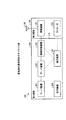
図1は、一実施の形態に係る基地局100の構成を示すブロック図である。基地局100は、例えば車両の車室やコンテナなどの閉空間に複数の装置を配置することによって構成され、少なくとも1つの装置が液冷方式によって冷却される。図1においては、装置間の電気又は光による接続を実線で示し、装置冷却のための冷媒の移動経路を破線で示している。
FIG. 1 is a block diagram showing a configuration of a
基地局100は、閉空間を仕切り壁110によって仕切ることにより形成される、第1領域120及び第2領域130を有する。
The
第1領域120は、サーバ装置121及び無線制御装置122などの装置が配置される領域であり、仕切り壁110によって一定程度の気密性が保たれた空間である。第1領域120に配置されるサーバ装置121及び無線制御装置122は、主に屋内環境で使用されることを前提とした装置であり、以下の説明ではこれらの装置をまとめて「屋内装置」ということがある。
The
サーバ装置121は、第1領域120内に配置された無線制御装置122などを制御する。サーバ装置121は、稼働中に電力消費をすることによって発熱するが、液冷方式によって冷却される。すなわち、サーバ装置121には、冷却された液体状の冷媒が液冷装置123から供給され、サーバ装置121の基板等が冷却される。そして、サーバ装置121において吸熱した冷媒は、液冷装置123へ返還される。
The
無線制御装置122は、サーバ装置121からの制御に従い、信号に対するベースバンド処理を実行する。具体的には、無線制御装置122は、送信信号の符号化及び変調を実行したり、受信信号の復調及び復号を実行したりする。すなわち、無線制御装置122は、例えばCBBU(Centralized Base Band Unit)又はCU(Central Unit)として機能する。無線制御装置122は、稼働中に電力消費をすることによって発熱するが、液冷方式によって冷却される。すなわち、無線制御装置122には、冷却された液体状の冷媒が液冷装置123から供給され、無線制御装置122の基板等が冷却される。そして、無線制御装置122において吸熱した冷媒は、液冷装置123へ返還される。
The
このように、第1領域120に配置される屋内装置は、液冷装置123から供給される液体状の冷媒によって冷却され、例えばエアコンディショナなどの空冷方式の冷却装置によって冷却されるよりも効率的に冷却される。
As described above, the indoor device arranged in the
液冷装置123は、液体状の冷媒を第1領域120内のサーバ装置121及び無線制御装置122へ供給する。また、液冷装置123は、サーバ装置121及び無線制御装置122において吸熱した冷媒を回収し、熱交換により再度冷媒を冷却する。そして、液冷装置123は、再度冷却された冷媒をサーバ装置121及び無線制御装置122へ供給する。
The
液冷装置123は、屋内装置から回収した冷媒を冷却する際、ラジエータ133から供給される冷媒との熱交換を行う。以下においては、ラジエータ133から液冷装置123へ供給される冷媒を「一次冷媒」といい、液冷装置123から屋内装置へ供給される冷媒を「二次冷媒」という。一次冷媒及び二次冷媒は、いずれも液体であり、例えば水などを一次冷媒及び二次冷媒として用いることができる。液冷装置123は、一次冷媒と二次冷媒の熱交換により、屋内装置から回収した二次冷媒を冷却する。
The
第2領域130は、無線装置131及びラジエータ133が配置される領域であり、第1領域120に比べて外気の導入が許容される空間である。第2領域130に配置される無線装置131は、屋外に設置されるアンテナ132に近接して配置されることを前提とした装置である。
The
無線装置131は、第1領域内の無線制御装置122と例えば光ケーブルによって接続され、信号に対する無線処理を実行する。具体的には、無線装置131は、無線制御装置122から送信信号を取得して所定の無線送信処理を施し、アンテナ132から送信する。すなわち、無線装置131は、例えばRRH(Remote Radio Head)又はDU(Distributed Unit)として機能する。また、無線装置131は、アンテナ132から信号を受信し、受信信号に対して所定の無線受信処理を施して無線制御装置122へ送出する。無線装置131は、サーバ装置121及び無線制御装置122と比較して発熱量が小さく、無風環境で使用されなければ、発熱による問題が生じない。
The
ラジエータ133は、液冷装置123から一次冷媒を回収し、空気との熱交換によって一次冷媒を冷却する。そして、ラジエータ133は、冷却された一次冷媒を液冷装置123へ供給する。ラジエータ133は、液冷装置123から回収した一次冷媒を空気との熱交換により冷却するため、図示しないファンを備え、ファンによって空気の流れを形成する。このため、ラジエータ133は、ファンによる排気が無線装置131へ向かう位置に配置され、無線装置131へ送風する。ラジエータ133からの送風により、無線装置131は十分に冷却される。
The
図2は、液冷装置123の構成例を示す図である。図2に示す液冷装置123は、回収タンク201、熱交換器202、分配タンク203及びポンプ部204を有する。回収タンク201、熱交換器202、分配タンク203及びポンプ部204は、それぞれ二次冷媒の流路となるホースによって接続されている。また、熱交換器202は、一次冷媒の流路となるホースによってラジエータ133と接続される。図2においては、一次冷媒又は二次冷媒の流れる方向が黒矢印で示されている。
FIG. 2 is a diagram showing a configuration example of the
回収タンク201は、サーバ装置121及び無線制御装置122などの屋内装置の冷却に使用された二次冷媒を回収し、一時的に貯留する。すなわち、回収タンク201は、屋内装置において吸熱して温められた二次冷媒を回収する。そして、回収タンク201は、貯留された二次冷媒を所定の速度で熱交換器202へ送出する。
The
熱交換器202は、回収タンク201から送出される二次冷媒とラジエータ133から供給される一次冷媒との間で熱交換を行い、二次冷媒を冷却する。熱交換器202は、冷却された二次冷媒を分配タンク203へ送出し、二次冷媒の冷却に用いられた一次冷媒をラジエータ133へ返還する。
The
分配タンク203は、冷却された二次冷媒を一時的に貯留し、屋内装置それぞれへ分配する。具体的には、分配タンク203は、貯留された二次冷媒をサーバ装置121及び無線制御装置122それぞれに対応するポンプ部204へ送出する。
The distribution tank 203 temporarily stores the cooled secondary refrigerant and distributes it to each of the indoor devices. Specifically, the distribution tank 203 sends the stored secondary refrigerant to the
ポンプ部204は、屋内装置それぞれに対応するポンプを備え、ポンプによって二次冷媒を各屋内装置へ供給する。すなわち、ポンプ部204は、冷却された二次冷媒をサーバ装置121及び無線制御装置122へ供給する。ポンプ部204が備えるポンプは、例えば電気的に制御されており、各屋内装置へ供給される二次冷媒の量を調節することが可能である。
The
このように、液冷装置123では、熱交換器202によって一次冷媒と二次冷媒の熱交換が行われ、屋内装置へ供給される二次冷媒が冷却される。すなわち、屋内装置へ供給される二次冷媒は、液冷装置123内で一次冷媒との熱交換によって冷却されるため、外気が導入される第2領域130を二次冷媒が循環することがなく、二次冷媒に不純物が混入することを防止することができる。
In this way, in the
図3は、屋内装置の冷却方法を説明する図である。 FIG. 3 is a diagram illustrating a cooling method for the indoor device.
屋内装置であるサーバ装置121及び無線制御装置122は、それぞれ発熱する部品が搭載される複数の基板220を備える。これらの基板220の間には、内部に二次冷媒の流路が設けられた金属製の板状冷却部材が挟まれ、板状冷却部材の表面が基板220に接触している。二次冷媒の流路は、板状冷却部材の表面の全域に満遍なく張り巡らされ、冷却された二次冷媒が内部を循環することにより、板状冷却部材の表面全体が冷却される。板状冷却部材には、供給用マニホールド211及び回収用マニホールド212が接続される。
The
液冷装置123のポンプ部204から送出された二次冷媒は、ホースを介して供給用マニホールド211まで流れ、供給用マニホールド211から板状冷却部材へ流入する。そして、冷却された二次冷媒が板状冷却部材の内部の流路を循環することにより、板状冷却部材を挟む基板220を冷却する。二次冷媒は、板状冷却部材から回収用マニホールド212へ流出し、ホースを介して液冷装置123の回収タンク201へ流れる。
The secondary refrigerant delivered from the
このように、液冷装置123から供給される二次冷媒によって、屋内装置の基板220が冷却されるため、サーバ装置121及び無線制御装置122を十分に冷却することができる。
In this way, the secondary refrigerant supplied from the
図4は、基地局100の具体的な構成例を示す図である。図4において、図1と同じ部分には同じ符号を付す。
FIG. 4 is a diagram showing a specific configuration example of the
図4に示すように、仕切り壁110によって仕切られた第1領域120には、棚125が設置され、この棚125に屋内装置及び液冷装置123が配置される。すなわち、サーバ装置121、無線制御装置122及び液冷装置123が棚125に配置され、これらの装置間は互いに二次冷媒の流路となるホースによって接続される。図4においては、一次冷媒又は二次冷媒の流れる方向が黒矢印によって示されている。
As shown in FIG. 4, a
第1領域120は、閉空間内の仕切り壁110によって第2領域130と仕切られており、一定程度の気密性が確保されている。このため、第1領域120に配置されるサーバ装置121及び無線制御装置122に外気が接触することがなく、例えば埃や水分などによるサーバ装置121及び無線制御装置122の汚損を防止することができる。また、サーバ装置121及び無線制御装置122は、電力消費によって発熱するが、液冷装置123から供給される二次冷媒によって各装置が集中的に冷却されるため、屋内装置を効率的に冷却することができる。このとき、例えばエアコンディショナなどの空冷装置による冷却が行われないため、騒音を低減することができる。
The
液冷装置123は、仕切り壁110を隔てて第2領域130に配置されたラジエータ133とホースによって接続される。このホースは、仕切り壁110の貫通孔を貫通するが、貫通孔においては、ホースの周囲が例えばパッキンによって密封されるため、第1領域120の気密性を確保することができる。
The
第2領域130は、吸気ダクト135及び排気ダクト136を備え、外気の循環が可能になっている。図4においては、空気の流れる方向が白抜き矢印によって示されている。
The
ラジエータ133は、吸気ダクト135から外気を導入し、空気との熱交換により一時冷媒を冷却する。このとき、ラジエータ133は、ファンによって空気の流れを形成し、一次冷媒の冷却に用いられた空気を上面の開口部133aから排出する。したがって、ラジエータ133は、開口部133aから上方へ送風することになる。
The
ラジエータ133の開口部133aの上方には、屋外のアンテナ132に接続された無線装置131が配置される。すなわち、ラジエータ133の開口部133aに対向し、ラジエータ133からの送風を受ける位置に無線装置131が配置される。無線装置131は、放熱フィン131aを備えており、無線装置131の回路において発生する熱は、放熱フィン131aへ伝導し、放熱フィン131aから放熱される。放熱フィン131aは、ラジエータ133からの送風方向に沿って伸びており、ラジエータ133から排出される空気が複数の放熱フィン131aの間を通過する。これにより、放熱フィン131aは、無線装置131において発生する熱を効率的に放熱することができる。
Above the
無線装置131の放熱フィン131aの間を通過した空気は、排気ダクト136から基地局100の外部へ排出される。これにより、ラジエータ133から排出される空気が無線装置131の放熱に使用された後、外部へ排出することができる。結果として、無線装置131を十分に冷却することができる。
The air that has passed between the
以上のように、本実施の形態によれば、閉空間を仕切り壁によって2つの領域に分離し、一方の気密性が確保された領域に屋内装置を配置して、屋内装置を液冷方式で冷却する。また、他方の領域に無線装置と液冷方式で用いられる冷媒を冷却するためのラジエータとを配置し、ラジエータから排出される空気によって無線装置に放熱させる。このため、サーバ装置及び無線制御装置などの屋内装置を液冷方式で集中的に冷却するとともに、無線装置をラジエータからの送風によって冷却することができる。換言すれば、基地局を構成する装置を十分に冷却することができる。 As described above, according to the present embodiment, the closed space is separated into two areas by a partition wall, the indoor device is arranged in one of the areas where the airtightness is ensured, and the indoor device is liquid-cooled. Cooling. Further, a wireless device and a radiator for cooling the refrigerant used in the liquid cooling system are arranged in the other region, and the air discharged from the radiator dissipates heat to the wireless device. Therefore, the indoor devices such as the server device and the wireless control device can be centrally cooled by the liquid cooling method, and the wireless device can be cooled by blowing air from the radiator. In other words, the devices constituting the base station can be sufficiently cooled.
また、装置が配置される空間全体を冷却する空冷方式に比べて、冷媒を循環させて装置を直接的に冷却する液冷方式により、装置を効率的に冷却することができ、冷却に係る消費電力を低減することができる。結果として、例えば供給電力量が有限である発電機が基地局の電源である場合、サーバ装置、無線制御装置及び無線装置により多くの電力を供給することができ、基地局としての稼働時間を延長することができる。 In addition, compared to the air-cooling method that cools the entire space where the device is placed, the liquid cooling method that circulates the refrigerant and directly cools the device allows the device to be cooled efficiently, and consumes related to cooling. Power can be reduced. As a result, for example, when a generator having a finite amount of power supply is the power source of the base station, more power can be supplied to the server device, the wireless control device, and the wireless device, and the operating time as the base station is extended. can do.
なお、上記一実施の形態においては、第1領域120に配置される屋内装置が液冷装置123から供給される二次冷媒によって冷却されるものとしたが、第1領域120には、空冷方式によって冷却される屋内装置が配置されても良い。すなわち、例えば図5に示すように、第1領域120にサーバ装置301が配置され、サーバ装置301は、例えばエアコンディショナなどの空冷装置302によって冷却されるようにしても良い。
In the above embodiment, the indoor device arranged in the
このような場合でも、サーバ装置121及び無線制御装置122が液冷方式で冷却されるため、空冷装置302の冷却能力をサーバ装置301の冷却に集中させることができ、第1領域120全体を空冷方式で冷却する場合と比べて効率的な冷却が可能である。
Even in such a case, since the
なお、上記一実施の形態においては、ラジエータ133からの送風を受ける位置に無線装置131が配置されるものとしたが、ラジエータ133と無線装置131の位置関係はこれに限定されない。ラジエータ133からの送風により、第2領域130内では空気の循環が発生し、無風状態ではなくなるため、ラジエータ133からの送風を直接受ける位置に無線装置131が配置されていなくても、無線装置131の放熱は可能である。
In the above embodiment, the
また、上記一実施の形態においては、屋内装置を冷却するために二次冷媒が使用され、二次冷媒を冷却するために一次冷媒が使用されるものとしたが、屋内装置を冷却するための冷媒が直接ラジエータによって冷却されるようにしても良い。この場合、図2に示した液冷装置123の構成において、熱交換器202が削除されても良い。そして、回収タンク201によって回収された冷媒は、ラジエータ133へ送出され、ラジエータ133によって冷却された後、液冷装置123の分配タンク203へ送出される。こうすることにより、液冷装置123の構造を簡易にして小型化することができる。
Further, in the above-described embodiment, the secondary refrigerant is used to cool the indoor device, and the primary refrigerant is used to cool the secondary refrigerant. However, to cool the indoor device. The refrigerant may be cooled directly by the radiator. In this case, the
110 仕切り壁
120 第1領域
121、301 サーバ装置
122 無線制御装置
123 液冷装置
130 第2領域
131 無線装置
131a 放熱フィン
132 アンテナ
133 ラジエータ
133a 開口部
135 吸気ダクト
136 排気ダクト
201 回収タンク
202 熱交換器
203 分配タンク
204 ポンプ部
220 基板
110
Claims (5)
前記第1領域は、
通信を制御する第1の装置と、
前記第1の装置へ液体冷媒を送出する液冷装置とを有し、
前記第2領域は、
液体冷媒を空気との熱交換によって冷却し、冷却した液体冷媒を前記液冷装置へ供給するとともに、熱交換に用いられた空気を前記第2領域内へ排出するラジエータと、
前記ラジエータから排出される空気を用いて放熱し、前記第1の装置による制御に従って無線処理を実行する第2の装置とを有する
ことを特徴とする基地局。 It has a first region and a second region obtained by partitioning a closed space with a partition wall.
The first region is
The first device that controls communication,
It has a liquid cooling device that delivers a liquid refrigerant to the first device.
The second region is
A radiator that cools the liquid refrigerant by heat exchange with air, supplies the cooled liquid refrigerant to the liquid cooling device, and discharges the air used for heat exchange into the second region.
A base station having a second device that dissipates heat using air discharged from the radiator and executes wireless processing in accordance with control by the first device.
前記第2領域内へ空気を排出する開口部を有し、
前記第2の装置は、
前記開口部に対向する位置に配置される
ことを特徴とする請求項1記載の基地局。 The radiator is
It has an opening for discharging air into the second region.
The second device is
The base station according to claim 1, wherein the base station is arranged at a position facing the opening.
第1の液体冷媒と第2の液体冷媒との熱交換により、前記第2の液体冷媒を冷却する熱交換器と、
前記熱交換器によって冷却された前記第2の液体冷媒を前記第1の装置へ送出する送出部とを有し、
前記ラジエータは、
前記第1の液体冷媒を空気との熱交換によって冷却し、冷却した前記第1の液体冷媒を前記熱交換器へ供給する
ことを特徴とする請求項1記載の基地局。 The liquid cooling device is
A heat exchanger that cools the second liquid refrigerant by heat exchange between the first liquid refrigerant and the second liquid refrigerant.
It has a delivery unit that sends the second liquid refrigerant cooled by the heat exchanger to the first device.
The radiator is
The base station according to claim 1, wherein the first liquid refrigerant is cooled by heat exchange with air, and the cooled first liquid refrigerant is supplied to the heat exchanger.
発熱する部品を搭載する基板と、
前記基板に接触し、内部に前記液冷装置から送出される液体冷媒を循環させる板状冷却部材と
を有することを特徴とする請求項1記載の基地局。 The first device is
A board on which heat-generating parts are mounted and
The base station according to claim 1, further comprising a plate-shaped cooling member that comes into contact with the substrate and circulates a liquid refrigerant sent from the liquid cooling device inside.
前記第1の装置の冷却に用いられた液体冷媒を前記第2の領域に配置されるラジエータへ送出し、
前記ラジエータにおいて液体冷媒を空気との熱交換によって冷却し、熱交換に用いられた空気を前記第2領域内へ排出し、
前記第2領域内へ排出される空気を用いて、前記第2領域に配置され前記第1の装置による制御に従って無線処理を実行する第2の装置に放熱させる
ことを特徴とする装置冷却方法。 Of the first region and the second region obtained by partitioning the closed space by a partition wall, the first device arranged in the first region and controlling communication is cooled by a liquid refrigerant.
The liquid refrigerant used for cooling the first device is sent to the radiator arranged in the second region.
In the radiator, the liquid refrigerant is cooled by heat exchange with air, and the air used for heat exchange is discharged into the second region.
A device cooling method comprising using air discharged into the second region to dissipate heat to a second device arranged in the second region and performing wireless processing in accordance with control by the first device.
Priority Applications (2)
| Application Number | Priority Date | Filing Date | Title |
|---|---|---|---|
| JP2019223474A JP7306250B2 (en) | 2019-12-11 | 2019-12-11 | Base station and device cooling method |
| US17/104,942 US11406048B2 (en) | 2019-12-11 | 2020-11-25 | Base station and device cooling method |
Applications Claiming Priority (1)
| Application Number | Priority Date | Filing Date | Title |
|---|---|---|---|
| JP2019223474A JP7306250B2 (en) | 2019-12-11 | 2019-12-11 | Base station and device cooling method |
Publications (2)
| Publication Number | Publication Date |
|---|---|
| JP2021092995A true JP2021092995A (en) | 2021-06-17 |
| JP7306250B2 JP7306250B2 (en) | 2023-07-11 |
Family
ID=76312449
Family Applications (1)
| Application Number | Title | Priority Date | Filing Date |
|---|---|---|---|
| JP2019223474A Active JP7306250B2 (en) | 2019-12-11 | 2019-12-11 | Base station and device cooling method |
Country Status (2)
| Country | Link |
|---|---|
| US (1) | US11406048B2 (en) |
| JP (1) | JP7306250B2 (en) |
Families Citing this family (1)
| Publication number | Priority date | Publication date | Assignee | Title |
|---|---|---|---|---|
| JP2024085113A (en) * | 2022-12-14 | 2024-06-26 | ニデック株式会社 | Cooling system |
Citations (7)
| Publication number | Priority date | Publication date | Assignee | Title |
|---|---|---|---|---|
| JP2006012874A (en) * | 2004-06-22 | 2006-01-12 | Matsushita Electric Ind Co Ltd | Semiconductor device cooling device |
| JP2007094648A (en) * | 2005-09-28 | 2007-04-12 | Toshiba Corp | Electronics |
| JP2007227576A (en) * | 2006-02-23 | 2007-09-06 | Nec Engineering Ltd | Cooling structure |
| JP2009158803A (en) * | 2007-12-27 | 2009-07-16 | Toshiba Corp | Liquid-cooled enclosure cooling system |
| US20140260397A1 (en) * | 2013-03-12 | 2014-09-18 | Schneider Electric Industries Sas | Electrical cabinet with improved heat dissipation |
| JP2018125497A (en) * | 2017-02-03 | 2018-08-09 | 富士通株式会社 | Electronic apparatus, cooling controller for electronic apparatus and cooling control method |
| US20190335626A1 (en) * | 2018-04-25 | 2019-10-31 | Dell Products, L.P. | Modulating ahu vs ram air cooling, based on vehicular velocity |
Family Cites Families (10)
| Publication number | Priority date | Publication date | Assignee | Title |
|---|---|---|---|---|
| JPH0920387A (en) | 1995-07-03 | 1997-01-21 | Sadamu Ichikawa | Container |
| JP2832707B2 (en) | 1997-06-09 | 1998-12-09 | ヤンマー農機株式会社 | Combine |
| JP2002264851A (en) | 2001-03-07 | 2002-09-18 | Eiji Yasui | Vehicle-towed full trailer by box-type container system abound in efficiency and convenience for physical distribution |
| US7272945B2 (en) * | 2003-07-29 | 2007-09-25 | Hewlett-Packard Development Company, L.P. | Environmental condition measurement system |
| JP2005228216A (en) | 2004-02-16 | 2005-08-25 | Hitachi Ltd | Electronics |
| JP4719079B2 (en) | 2006-05-19 | 2011-07-06 | 株式会社東芝 | Electronics |
| JPWO2014041819A1 (en) * | 2012-09-14 | 2016-08-18 | Gac株式会社 | Air conditioning system |
| US20160120059A1 (en) * | 2014-10-27 | 2016-04-28 | Ebullient, Llc | Two-phase cooling system |
| US10123461B2 (en) * | 2017-04-05 | 2018-11-06 | Google Llc | Cooling electronic devices in a data center with cooling units mounted in bays of a server rack frame assembly |
| US20190354220A1 (en) * | 2018-05-16 | 2019-11-21 | Johnson Controls Technology Company | Transparent display control device |
-
2019
- 2019-12-11 JP JP2019223474A patent/JP7306250B2/en active Active
-
2020
- 2020-11-25 US US17/104,942 patent/US11406048B2/en active Active
Patent Citations (7)
| Publication number | Priority date | Publication date | Assignee | Title |
|---|---|---|---|---|
| JP2006012874A (en) * | 2004-06-22 | 2006-01-12 | Matsushita Electric Ind Co Ltd | Semiconductor device cooling device |
| JP2007094648A (en) * | 2005-09-28 | 2007-04-12 | Toshiba Corp | Electronics |
| JP2007227576A (en) * | 2006-02-23 | 2007-09-06 | Nec Engineering Ltd | Cooling structure |
| JP2009158803A (en) * | 2007-12-27 | 2009-07-16 | Toshiba Corp | Liquid-cooled enclosure cooling system |
| US20140260397A1 (en) * | 2013-03-12 | 2014-09-18 | Schneider Electric Industries Sas | Electrical cabinet with improved heat dissipation |
| JP2018125497A (en) * | 2017-02-03 | 2018-08-09 | 富士通株式会社 | Electronic apparatus, cooling controller for electronic apparatus and cooling control method |
| US20190335626A1 (en) * | 2018-04-25 | 2019-10-31 | Dell Products, L.P. | Modulating ahu vs ram air cooling, based on vehicular velocity |
Also Published As
| Publication number | Publication date |
|---|---|
| US11406048B2 (en) | 2022-08-02 |
| US20210185860A1 (en) | 2021-06-17 |
| JP7306250B2 (en) | 2023-07-11 |
Similar Documents
| Publication | Publication Date | Title |
|---|---|---|
| KR100298348B1 (en) | Base station heat management system and method | |
| JP7270692B2 (en) | Body antenna module and method for cooling body antenna module | |
| CN109952002B (en) | Cooling and heat dissipation box body and heat dissipation control method | |
| KR101727465B1 (en) | Battery charge device for vehicles | |
| US20080278912A1 (en) | Thermal management systems and methods for electronic components in a sealed enclosure | |
| KR0182794B1 (en) | Pneumatically coupled heat sink assembly | |
| JP6342136B2 (en) | Radar equipment | |
| KR19990078137A (en) | Electronic apparatus having an environmentally sealed external enclosure | |
| EP3349555B1 (en) | Electronic apparatus | |
| US8374653B2 (en) | Communication apparatus and air-cooling method for the same | |
| JP7306250B2 (en) | Base station and device cooling method | |
| US11106255B2 (en) | Cooling device | |
| KR20040044705A (en) | Cooling Apparatus, and Electric-Electronic Equipment with the Cooling Apparatus | |
| JP2008192768A (en) | Rack cooling system | |
| JPH09283958A (en) | Highly efficient cooling structure for integrated circuit | |
| US20090036167A1 (en) | System and method for base station heat dissipation using chimneys | |
| CN112607017A (en) | Unmanned plane | |
| KR200235475Y1 (en) | a cooling device with a thermoelectric module for mobile phone | |
| CN220156945U (en) | Radiating assembly, electric control box and air conditioner | |
| CN110429369B (en) | Air-cooled spherical array antenna | |
| JP2004165528A (en) | Rack cooling unit | |
| CN222814745U (en) | Electrical equipment and navigation induction equipment | |
| JP2002280782A (en) | Heating component heat dissipation mechanism and broadcast transmitter | |
| CN221326926U (en) | Radiator of projector | |
| KR20040001731A (en) | Outdoor information telecommunication device having cooling apparatus |
Legal Events
| Date | Code | Title | Description |
|---|---|---|---|
| A621 | Written request for application examination |
Free format text: JAPANESE INTERMEDIATE CODE: A621 Effective date: 20220809 |
|
| A977 | Report on retrieval |
Free format text: JAPANESE INTERMEDIATE CODE: A971007 Effective date: 20230522 |
|
| TRDD | Decision of grant or rejection written | ||
| A01 | Written decision to grant a patent or to grant a registration (utility model) |
Free format text: JAPANESE INTERMEDIATE CODE: A01 Effective date: 20230530 |
|
| A61 | First payment of annual fees (during grant procedure) |
Free format text: JAPANESE INTERMEDIATE CODE: A61 Effective date: 20230612 |
|
| R150 | Certificate of patent or registration of utility model |
Ref document number: 7306250 Country of ref document: JP Free format text: JAPANESE INTERMEDIATE CODE: R150 |