JP2024149727A - Receiving method and receiving device - Google Patents
Receiving method and receiving device Download PDFInfo
- Publication number
- JP2024149727A JP2024149727A JP2024133194A JP2024133194A JP2024149727A JP 2024149727 A JP2024149727 A JP 2024149727A JP 2024133194 A JP2024133194 A JP 2024133194A JP 2024133194 A JP2024133194 A JP 2024133194A JP 2024149727 A JP2024149727 A JP 2024149727A
- Authority
- JP
- Japan
- Prior art keywords
- audio
- mpu
- video
- data
- sample
- Prior art date
- Legal status (The legal status is an assumption and is not a legal conclusion. Google has not performed a legal analysis and makes no representation as to the accuracy of the status listed.)
- Granted
Links
Images







Classifications
-
- H—ELECTRICITY
- H04—ELECTRIC COMMUNICATION TECHNIQUE
- H04N—PICTORIAL COMMUNICATION, e.g. TELEVISION
- H04N21/00—Selective content distribution, e.g. interactive television or video on demand [VOD]
- H04N21/20—Servers specifically adapted for the distribution of content, e.g. VOD servers; Operations thereof
- H04N21/23—Processing of content or additional data; Elementary server operations; Server middleware
- H04N21/233—Processing of audio elementary streams
-
- H—ELECTRICITY
- H04—ELECTRIC COMMUNICATION TECHNIQUE
- H04N—PICTORIAL COMMUNICATION, e.g. TELEVISION
- H04N21/00—Selective content distribution, e.g. interactive television or video on demand [VOD]
- H04N21/20—Servers specifically adapted for the distribution of content, e.g. VOD servers; Operations thereof
- H04N21/23—Processing of content or additional data; Elementary server operations; Server middleware
- H04N21/236—Assembling of a multiplex stream, e.g. transport stream, by combining a video stream with other content or additional data, e.g. inserting a URL [Uniform Resource Locator] into a video stream, multiplexing software data into a video stream; Remultiplexing of multiplex streams; Insertion of stuffing bits into the multiplex stream, e.g. to obtain a constant bit-rate; Assembling of a packetised elementary stream
- H04N21/2368—Multiplexing of audio and video streams
-
- H—ELECTRICITY
- H04—ELECTRIC COMMUNICATION TECHNIQUE
- H04N—PICTORIAL COMMUNICATION, e.g. TELEVISION
- H04N21/00—Selective content distribution, e.g. interactive television or video on demand [VOD]
- H04N21/20—Servers specifically adapted for the distribution of content, e.g. VOD servers; Operations thereof
- H04N21/25—Management operations performed by the server for facilitating the content distribution or administrating data related to end-users or client devices, e.g. end-user or client device authentication, learning user preferences for recommending movies
- H04N21/262—Content or additional data distribution scheduling, e.g. sending additional data at off-peak times, updating software modules, calculating the carousel transmission frequency, delaying a video stream transmission, generating play-lists
- H04N21/26258—Content or additional data distribution scheduling, e.g. sending additional data at off-peak times, updating software modules, calculating the carousel transmission frequency, delaying a video stream transmission, generating play-lists for generating a list of items to be played back in a given order, e.g. playlist, or scheduling item distribution according to such list
-
- H—ELECTRICITY
- H04—ELECTRIC COMMUNICATION TECHNIQUE
- H04N—PICTORIAL COMMUNICATION, e.g. TELEVISION
- H04N21/00—Selective content distribution, e.g. interactive television or video on demand [VOD]
- H04N21/40—Client devices specifically adapted for the reception of or interaction with content, e.g. set-top-box [STB]; Operations thereof
- H04N21/43—Processing of content or additional data, e.g. demultiplexing additional data from a digital video stream; Elementary client operations, e.g. monitoring of home network or synchronising decoder's clock; Client middleware
- H04N21/4302—Content synchronisation processes, e.g. decoder synchronisation
- H04N21/4307—Synchronising the rendering of multiple content streams or additional data on devices, e.g. synchronisation of audio on a mobile phone with the video output on the TV screen
- H04N21/43072—Synchronising the rendering of multiple content streams or additional data on devices, e.g. synchronisation of audio on a mobile phone with the video output on the TV screen of multiple content streams on the same device
-
- H—ELECTRICITY
- H04—ELECTRIC COMMUNICATION TECHNIQUE
- H04N—PICTORIAL COMMUNICATION, e.g. TELEVISION
- H04N21/00—Selective content distribution, e.g. interactive television or video on demand [VOD]
- H04N21/80—Generation or processing of content or additional data by content creator independently of the distribution process; Content per se
- H04N21/83—Generation or processing of protective or descriptive data associated with content; Content structuring
- H04N21/845—Structuring of content, e.g. decomposing content into time segments
- H04N21/8456—Structuring of content, e.g. decomposing content into time segments by decomposing the content in the time domain, e.g. in time segments
-
- H—ELECTRICITY
- H04—ELECTRIC COMMUNICATION TECHNIQUE
- H04N—PICTORIAL COMMUNICATION, e.g. TELEVISION
- H04N21/00—Selective content distribution, e.g. interactive television or video on demand [VOD]
- H04N21/80—Generation or processing of content or additional data by content creator independently of the distribution process; Content per se
- H04N21/85—Assembly of content; Generation of multimedia applications
- H04N21/854—Content authoring
- H04N21/85406—Content authoring involving a specific file format, e.g. MP4 format
-
- H—ELECTRICITY
- H04—ELECTRIC COMMUNICATION TECHNIQUE
- H04N—PICTORIAL COMMUNICATION, e.g. TELEVISION
- H04N21/00—Selective content distribution, e.g. interactive television or video on demand [VOD]
- H04N21/80—Generation or processing of content or additional data by content creator independently of the distribution process; Content per se
- H04N21/85—Assembly of content; Generation of multimedia applications
- H04N21/854—Content authoring
- H04N21/8547—Content authoring involving timestamps for synchronizing content
Landscapes
- Engineering & Computer Science (AREA)
- Multimedia (AREA)
- Signal Processing (AREA)
- Computer Security & Cryptography (AREA)
- Databases & Information Systems (AREA)
- Two-Way Televisions, Distribution Of Moving Picture Or The Like (AREA)
- Data Exchanges In Wide-Area Networks (AREA)
- Television Signal Processing For Recording (AREA)
- Compression Or Coding Systems Of Tv Signals (AREA)
- Time-Division Multiplex Systems (AREA)
Abstract
Description
本発明は、送信方法、受信方法、送信装置、及び受信装置に関する。 The present invention relates to a transmission method, a reception method, a transmission device, and a reception device.
現在、MPEG-DASH(Dynamic Adaptive Streaming over HTTP)又はMMT(MPEG Media Transport)などのフォーマットにより、オーディオ及びビデオなどの符号化データをセグメント化し、得られたセグメントを分割することでパケット化し、得られたパケットを放送又は通信などで送信することが検討されている。 Currently, studies are being conducted on a method of segmenting coded data such as audio and video using formats such as MPEG-DASH (Dynamic Adaptive Streaming over HTTP) or MMT (MPEG Media Transport), dividing the resulting segments into packets, and transmitting the resulting packets via broadcasting or communications.
例えば、非特許文献1には、MMTに従って、符号化されたメディアデータをパケット毎に送信する技術が開示されている。
For example, Non-Patent
このような、送信方法及び受信方法では、受信装置において、データを受信してから、映像及び音声が再生されるまでの遅延時間を低減することが望まれている。 In such a transmission method and reception method, it is desirable to reduce the delay time between when the data is received by the receiving device and when the video and audio are reproduced.
そこで、本発明は、受信装置において、データを受信してから、映像及び音声が再生されるまでの遅延時間を低減できる送信方法又は受信方法を提供することを目的とする。 The present invention aims to provide a transmission method or a reception method that can reduce the delay time between when data is received and when video and audio are reproduced on a receiving device.
上記目的を達成するために、本発明の一態様に係る受信方法は、個別に再生可能な単位の映像データを再生するための映像制御情報を受信する映像制御情報受信ステップと、前記映像データを受信する映像データ受信ステップと、前記映像データの再生区間に対応する再生区間の音声データを再生するための音声制御情報を受信する音声制御情報受信ステップと、前記音声データを受信する音声データ受信ステップとを含み、前記音声データは、各々が個別に再生可能な複数の音声サンプルを含み、前記音声制御情報は、前記複数の音声サンプルのうち最初に再生される音声サンプルの再生開始時刻である先頭再生開始時刻を示す時刻情報を含み、前記音声データは、各々が前記複数の音声サンプルの一つを含む複数のパケットに分割されており、前記音声制御情報とは異なるパケットに含まれ、前記複数のパケットの各々は、当該パケットが、前記複数のパケットの何番目のパケットであるかを示す順番情報を含み、前記映像データは、映像信号が分割されることにより得られた複数の映像データの一つであり、前記音声データは、音声信号が分割されることにより得られた複数の音声データの一つである。 In order to achieve the above object, a receiving method according to one aspect of the present invention includes a video control information receiving step of receiving video control information for playing video data in units that can be played individually, a video data receiving step of receiving the video data, an audio control information receiving step of receiving audio control information for playing audio data in a playback section corresponding to a playback section of the video data, and an audio data receiving step of receiving the audio data, wherein the audio data includes a plurality of audio samples that can each be played individually, the audio control information includes time information indicating a first playback start time that is the playback start time of the first audio sample to be played among the plurality of audio samples, the audio data is divided into a plurality of packets each including one of the plurality of audio samples and is included in a packet different from the audio control information, each of the plurality of packets includes sequence information indicating which packet is the corresponding packet among the plurality of packets, the video data is one of a plurality of video data obtained by dividing a video signal, and the audio data is one of a plurality of audio data obtained by dividing an audio signal.
なお、これらの全般的または具体的な態様は、システム、方法、集積回路、コンピュータプログラムまたはコンピュータ読み取り可能なCD-ROMなどの記録媒体で実現されてもよく、システム、方法、集積回路、コンピュータプログラム及び記録媒体の任意な組み合わせで実現されてもよい。 These general or specific aspects may be realized as a system, method, integrated circuit, computer program, or computer-readable recording medium such as a CD-ROM, or as any combination of a system, method, integrated circuit, computer program, and recording medium.
以上より、本発明は、受信装置において、データを受信してから、映像及び音声が再生されるまでの遅延時間を低減できる送信方法又は受信方法を提供できる。 As a result, the present invention can provide a transmission method or a reception method that can reduce the delay time between when data is received and when video and audio are played back on a receiving device.
(本発明の基礎となった知見)
各セグメントは、ヘッダ部と符号化データの格納部とから構成される。受信装置は、符号化データからアクセスユニット(DASH及びMMTなどMP4をベースとするフォーマットにおいては、サンプルと呼ぶ)を分離する。また、受信装置は、アクセスユニットのPTS(Presentation Time Stamp)及びDTS(Decoding Time Stamp)を取得するには、ヘッダ部の解析が必要となる。
(Findings on which the present invention is based)
Each segment is composed of a header section and a storage section for encoded data. The receiving device separates the access units (called samples in MP4-based formats such as DASH and MMT) from the encoded data. In addition, the receiving device needs to analyze the header section to obtain the PTS (Presentation Time Stamp) and DTS (Decoding Time Stamp) of the access units.
ここで、従来の放送では、ビデオ及びオーディオは、アクセスユニット毎にパケット化され、MPEG-2 TS(Transport Stream)に多重化されて送信されていた。このため、受信装置は、アクセスユニットの分離、並びにPTS及びDTSの取得をパケット単位で行うことができた。 In conventional broadcasting, video and audio are packetized for each access unit and multiplexed into an MPEG-2 TS (Transport Stream) for transmission. This allows the receiving device to separate the access units and obtain the PTS and DTS on a packet-by-packet basis.
一方、DASH及びMMTなどのように、セグメントがパケット化されて送信される場合には、受信装置は、ランダムアクセス時にもセグメントのヘッダを取得する必要がある。よって、受信装置が、セグメントの途中から信号の受信を開始した場合には、当該受信装置は、当該セグメントのアクセスユニットを復号できない。このため、受信装置が復号できるのは次のセグメントからである。このように、本発明者は、ランダムアクセスにおいて、復号の開始までの遅延時間が増大するという課題があることを見出した。 On the other hand, when segments are packetized and transmitted, such as in DASH and MMT, the receiving device needs to obtain the header of the segment even during random access. Therefore, if the receiving device starts receiving a signal in the middle of a segment, the receiving device cannot decode the access unit of that segment. As a result, the receiving device can only decode from the next segment. Thus, the inventor has discovered that there is a problem with random access, in that the delay time until decoding begins increases.
以下、図1~図4を参照して、MMTを構成するMPU(Media Processing Unit)をパケット多重化する従来の方法における、ランダムアクセス時の課題について説明する。 Below, we will explain the issues that occur during random access in the conventional method of packet multiplexing the MPUs (Media Processing Units) that make up the MMT, with reference to Figures 1 to 4.
まず、従来のMP4におけるビデオ及びオーディオデータの格納方法、並びに、MP4をベースとする伝送フォーマットであるMMTにおけるデータ格納例について説明する。 First, we will explain how video and audio data is stored in conventional MP4, and an example of data storage in MMT, a transmission format based on MP4.
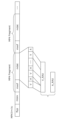
図1は、MP4におけるデータ格納例を示す図である。図1に示すようにMP4ファイルは、複数のMP4フラグメント(Fragment)を含む。各MP4フラグメントは、一対のmoofとmdatとを含む。mdatは、交互に配置された複数のビデオサンプルと複数のオーディオサンプルとを含む。 Figure 1 shows an example of data storage in MP4. As shown in Figure 1, an MP4 file includes multiple MP4 fragments. Each MP4 fragment includes a pair of moof and mdat. The mdat includes multiple video samples and multiple audio samples that are arranged alternately.
一般的に、MP4フラグメントはランダムアクセスポイントとして用いられ、ビデオのランダムアクセス単位(RAU:Random Access Unitと呼ぶ)を構成するサンプルが格納される。オーディオは、任意のサンプルから復号可能であるが、ビデオのランダムアクセス単位の再生区間に対応するサンプルが格納される。 Generally, MP4 fragments are used as random access points, and samples that make up a video random access unit (RAU) are stored in the fragment. Audio can be decoded from any sample, but samples that correspond to the playback section of the video random access unit are stored.
例えば、ビデオのランダムアクセス単位の再生区間が、10秒から11秒の1秒間であるとすると、対応するオーディオサンプルとして、10秒から11秒の1秒間のサンプルが格納される。 For example, if the playback section of a video in a random access unit is one second from 10 seconds to 11 seconds, the corresponding audio sample will be stored as a one second sample from 10 seconds to 11 seconds.
ここで、ビデオのフレームレート及びオーディオのサンプリング周波数によっては、両者の再生区間が厳密には一致しないことがある。この場合には、例えば、ビデオの再生区間の先頭サンプルのPTSの直前となるPTSを持つオーディオのサンプルから、ビデオの再生区間の最終サンプルの再生終了時刻の直前となる再生終了時刻を持つオーディオのサンプルまでが選択される。 Here, depending on the video frame rate and audio sampling frequency, the playback intervals of both may not exactly match. In this case, for example, the audio sample with the PTS immediately before the PTS of the first sample of the video playback interval to the audio sample with the playback end time immediately before the playback end time of the last sample of the video playback interval is selected.
図2は、MMTにおけるMPUへのデータの格納例を示す図である。図1の場合と同様に、ビデオとオーディオとのMPUの再生区間が等しくなるようにMPUが生成される。 Figure 2 shows an example of data storage in an MPU in MMT. As in the case of Figure 1, the MPU is generated so that the playback intervals of the video and audio MPUs are equal.
ビデオ及びオーディオのサンプルの復号においては、当該サンプルが属するMPUのヘッダ(moofなど)の解析が必要である。 When decoding video and audio samples, it is necessary to analyze the header (moof, etc.) of the MPU to which the sample belongs.
図3は、図2に示すようなMMTデータをMMTパケットなどにパケット多重化して送信する際のランダムアクセスにおける課題について示す図である。この図3は、MMTパケットに格納されて送信されるビデオ及びオーディオのデータの並び(送信順)を示す。ここでは、ビデオについては、ビデオサンプルV4からRAUが開始する。つまり、ビデオはビデオサンプルV4から復号可能である。 Figure 3 shows the issues with random access when MMT data as shown in Figure 2 is multiplexed into MMT packets and transmitted. This Figure 3 shows the arrangement (transmission order) of video and audio data stored in MMT packets and transmitted. Here, for video, the RAU starts from video sample V4. In other words, video can be decoded from video sample V4.
また、ここでは、オーディオのN番目のMPU#Nは、オーディオサンプルA1から開始し、MPU#N+1は、オーディオサンプルA10から開始する。また、ビデオサンプルV4のPTSの直後となるPTSを持つオーディオサンプルはオーディオサンプルA2である。 Here, the Nth audio MPU#N starts from audio sample A1, and MPU#N+1 starts from audio sample A10. Also, the audio sample with a PTS that immediately follows the PTS of video sample V4 is audio sample A2.
このような場合において、受信装置がビデオサンプルV4から受信を開始する場合、オーディオのMPU#Nのヘッダを取得できていないため、当該MPU#Nに含まれるオーディオサンプルA2及びA3等を復号できない。よって、受信装置でオーディオが復号できるのは、MPU#N+1の先頭サンプルであるオーディオサンプルA10からである。 In such a case, when the receiving device starts receiving from video sample V4, it cannot obtain the header of the audio MPU#N, and therefore cannot decode audio samples A2, A3, etc. contained in that MPU#N. Therefore, the receiving device can only decode audio from audio sample A10, which is the first sample of MPU#N+1.
一方で、伝送フォーマットとしてMPEG-2 TS(Transport Stream)を用いる従来のTSにおいては、受信装置は、ビデオのランダムアクセスポイントの直後に開始するオーディオのアクセスユニットから復号できた。例えば、図4に示すように、図3と同一の並びでデータを受信した場合に、受信装置は、オーディオをオーディオサンプルA2から復号できる。 On the other hand, in conventional TS that uses MPEG-2 TS (Transport Stream) as the transmission format, the receiving device can decode from the audio access unit that starts immediately after the video random access point. For example, as shown in Figure 4, when data is received in the same order as in Figure 3, the receiving device can decode the audio from audio sample A2.
以上のように、ビデオ及びオーディオが多重化されたMMTのストリームが放送又は通信などにより送信される場合には、受信装置が、ビデオのランダムアクセスポイントから復号を開始してからオーディオの再生を開始できるまでの遅延時間が長くなる場合があるという課題があった。 As described above, when an MMT stream in which video and audio are multiplexed is transmitted via broadcasting or communication, there is a problem in that there may be a long delay between when the receiving device starts decoding from the video random access point and when it can start playing the audio.
ここで、ビデオに関しては、RAU単位でしか再生を開始できないという制限が存在する。そのため、ビデオのデータに関しては、映像が表示されるまでに、ある程度の遅延時間が存在するのは致し方ない。一方、オーディオは任意のサンプルから再生できにもかかわらず、上記のようなケースでは、再生を開始するまでに遅延時間が発生する。このように、受信装置が、再生可能なデータを受信しているにもかかわらず、そのデータの制御情報を受信できていないために当該データを再生できないという課題があること本発明者は見出した。 Here, with regard to video, there is a restriction that playback can only start in RAU units. Therefore, with regard to video data, it is unavoidable that there will be a certain amount of delay time before the image is displayed. On the other hand, even though audio can be played back from any sample, in the above case, there will be a delay time before playback can start. The inventors have discovered that there is a problem in that even though a receiving device receives playable data, it is unable to play back that data because it is unable to receive control information for that data.
本発明の一態様に係る送信方法は、個別に再生可能な単位の映像データを再生するための映像制御情報を送信する映像制御情報送信ステップと、前記映像データを送信する映像データ送信ステップと、前記映像データの再生区間に対応する再生区間の音声データを再生するための音声制御情報の送信順を前記映像制御情報の後に決定し、決定された前記送信順で前記音声制御情報を送信する音声制御情報送信ステップと、前記音声データを送信する音声データ送信ステップとを含む。 A transmission method according to one aspect of the present invention includes a video control information transmission step of transmitting video control information for playing video data in units that can be played individually, a video data transmission step of transmitting the video data, an audio control information transmission step of determining the transmission order of audio control information for playing audio data in a playback section corresponding to the playback section of the video data after the video control information and transmitting the audio control information in the determined transmission order, and an audio data transmission step of transmitting the audio data.
これによれば、当該送信方法は、音声データの音声制御情報を、当該音声データに対応する映像データの映像制御情報より後に送信する。これにより、受信装置は、ランダムアクセス時にビデオの復号を開始できる時刻においてオーディオも復号を開始できる。よって、受信装置が音声データの復号を開始するまでの遅延時間が低減される。また、音声のセグメントを細分化しなくてもよいため、オーバーヘッドも低減できる。 According to this, the transmission method transmits audio control information for audio data after video control information for video data corresponding to the audio data. This allows the receiving device to start decoding audio at the same time that it can start decoding video during random access. This reduces the delay time until the receiving device starts decoding audio data. In addition, overhead can be reduced because there is no need to subdivide audio segments.
例えば、前記音声データは、各々が個別に再生可能な複数の音声サンプルを含み、前記音声制御情報は、前記複数の音声サンプルの各々の再生開始時刻を示す時刻情報を含んでもよい。 For example, the audio data may include a plurality of audio samples, each of which can be played individually, and the audio control information may include time information indicating the start time of playback of each of the plurality of audio samples.
例えば、前記音声データの前記再生区間は、前記映像データの前記再生区間に略等しくてもよい。 For example, the playback section of the audio data may be approximately equal to the playback section of the video data.
例えば、前記音声データ送信ステップでは、前記音声データを、各々が前記複数の音声サンプルの一つを含む複数のパケットに分割して送信し、前記複数のパケットの各々は、当該パケットが、前記複数のパケットの何番目のパケットであるかを示す順番情報を含んでもよい。 For example, in the audio data transmission step, the audio data may be divided into a plurality of packets, each of which includes one of the plurality of audio samples, and then transmitted, and each of the plurality of packets may include sequence information indicating the number of the packet among the plurality of packets.
これによれば、受信装置は、音声制御情報を受信できない場合であっても、各音声サンプルの再生開始時刻を算出し、算出した再生開始時刻を用いて音声サンプルを再生できる。よって、受信装置が音声データの復号を開始するまでの遅延時間が低減される。 With this, even if the receiving device cannot receive audio control information, it can calculate the playback start time of each audio sample and play the audio sample using the calculated playback start time. This reduces the delay time until the receiving device starts decoding the audio data.
例えば、前記映像データは、映像信号が分割されることにより得られた複数の映像データの一つであり、前記音声データは、音声信号が分割されることにより得られた複数の音声データの一つであり、前記音声データの再生時間は、前記映像データの再生時間より短くてもよい。 For example, the video data may be one of a plurality of video data obtained by dividing a video signal, the audio data may be one of a plurality of audio data obtained by dividing an audio signal, and the playback time of the audio data may be shorter than the playback time of the video data.
これによれば、受信装置が音声データの復号を開始するまでの遅延時間が低減される。 This reduces the delay time until the receiving device starts decoding the audio data.
例えば、前記複数の音声データは、前記複数の映像データの各々の再生開始時刻と略等しい再生開始時刻の複数の音声データを含んでもよい。 For example, the multiple audio data may include multiple audio data with playback start times that are approximately equal to the playback start times of each of the multiple video data.
また、本発明の一態様に係る受信方法は、前記送信方法により送信された前記映像制御情報、前記映像データ、前記音声制御情報及び前記音声データを受信する。 A receiving method according to one aspect of the present invention receives the video control information, the video data, the audio control information, and the audio data transmitted by the transmitting method.
これによれば、受信装置は、ランダムアクセス時にビデオの復号を開始できる時刻においてオーディオも復号を開始できる。よって、受信装置が音声データの復号を開始するまでの遅延時間が低減される。 This allows the receiving device to start decoding audio at the same time that it can start decoding video during random access. This reduces the delay time until the receiving device starts decoding audio data.
また、本発明の一態様に係る受信方法は、前記送信方法により送信された前記映像制御情報、前記映像データ、前記音声制御情報及び前記音声データを受信する受信方法であって、前記複数の音声サンプルのうち最初に再生される音声サンプルの再生開始時刻である先頭再生開始時刻を取得する再生開始時刻取得ステップと、前記複数の音声サンプルの各々の再生時間を取得する再生時間取得ステップと、前記先頭再生開始時刻と、前記再生時間と、処理対象の前記パケットに含まれる前記順番情報とを用いて、当該処理対象の前記パケットに含まれる前記音声サンプルの再生開始時刻を判定する判定ステップとを含む。 A receiving method according to one aspect of the present invention is a receiving method for receiving the video control information, the video data, the audio control information, and the audio data transmitted by the transmitting method, and includes a playback start time acquisition step for acquiring a first playback start time, which is the playback start time of the audio sample that is played first among the plurality of audio samples, a playback time acquisition step for acquiring the playback time of each of the plurality of audio samples, and a determination step for determining the playback start time of the audio sample included in the packet to be processed using the first playback start time, the playback time, and the sequence information included in the packet to be processed.
これによれば、受信装置は、音声制御情報を受信できない場合であっても、各音声サンプルの再生開始時刻を算出し、算出した再生開始時刻を用いて音声サンプルを再生できる。よって、受信装置が音声データの復号を開始するまでの遅延時間が低減される。 With this, even if the receiving device cannot receive audio control information, it can calculate the playback start time of each audio sample and play the audio sample using the calculated playback start time. This reduces the delay time until the receiving device starts decoding the audio data.
また、本発明の一態様に係る送信装置は、個別に再生可能な単位の映像データを再生するための映像制御情報を送信する映像制御情報送信部と、前記映像データを送信する映像データ送信部と、前記映像データの再生区間に対応する再生区間の音声データを再生するための音声制御情報の送信順を前記映像制御情報の後に決定し、決定された前記送信順で前記音声制御情報を送信する音声制御情報送信部と、前記音声データを送信する音声データ送信部とを備える。 A transmitting device according to one aspect of the present invention includes a video control information transmitting unit that transmits video control information for playing video data in units that can be played back individually, a video data transmitting unit that transmits the video data, an audio control information transmitting unit that determines the transmission order of audio control information for playing audio data in a playback section corresponding to the playback section of the video data after the video control information and transmits the audio control information in the determined transmission order, and an audio data transmitting unit that transmits the audio data.
これによれば、当該送信装置は、音声データの音声制御情報を、当該音声データに対応する映像データの映像制御情報より後に送信する。これにより、受信装置は、ランダムアクセス時にビデオの復号を開始できる時刻においてオーディオも復号を開始できる。よって、受信装置が音声データの復号を開始するまでの遅延時間が低減される。また、音声のセグメントを細分化しなくてもよいため、オーバーヘッドも低減できる。 With this, the transmitting device transmits audio control information for audio data after video control information for the video data corresponding to the audio data. This allows the receiving device to start decoding audio at the same time that it can start decoding video during random access. This reduces the delay time until the receiving device starts decoding audio data. In addition, overhead can be reduced because there is no need to subdivide audio segments.
また、本発明の一態様に係る受信装置は、前記送信装置により送信された前記映像制御情報、前記映像データ、前記音声制御情報及び前記音声データを受信する。 In addition, a receiving device according to one aspect of the present invention receives the video control information, the video data, the audio control information, and the audio data transmitted by the transmitting device.
これによれば、当該受信装置は、ランダムアクセス時にビデオの復号を開始できる時刻においてオーディオも復号を開始できる。よって、受信装置が音声データの復号を開始するまでの遅延時間が低減される。 This allows the receiving device to start decoding audio at the same time that it can start decoding video during random access. This reduces the delay time until the receiving device starts decoding audio data.
なお、これらの包括的または具体的な態様は、システム、方法、集積回路、コンピュータプログラムまたはコンピュータ読み取り可能なCD-ROMなどの記録媒体で実現されてもよく、システム、方法、集積回路、コンピュータプログラム及び記録媒体の任意な組み合わせで実現されてもよい。 These comprehensive or specific aspects may be realized as a system, a method, an integrated circuit, a computer program, or a recording medium such as a computer-readable CD-ROM, or may be realized as any combination of a system, a method, an integrated circuit, a computer program, and a recording medium.
以下、実施の形態について、図面を参照しながら具体的に説明する。 The following describes the embodiment in detail with reference to the drawings.
なお、以下で説明する実施の形態は、いずれも本発明の一具体例を示すものである。以下の実施の形態で示される数値、形状、材料、構成要素、構成要素の配置位置及び接続形態、ステップ、ステップの順序などは、一例であり、本発明を限定する主旨ではない。また、以下の実施の形態における構成要素のうち、最上位概念を示す独立請求項に記載されていない構成要素については、任意の構成要素として説明される。 The embodiments described below each show a specific example of the present invention. The numerical values, shapes, materials, components, component placement and connection forms, steps, and order of steps shown in the following embodiments are merely examples and are not intended to limit the present invention. Furthermore, among the components in the following embodiments, components that are not described in an independent claim that shows the highest concept are described as optional components.
(実施の形態1)
以下、本実施の形態に係る送信方法及び送信装置について説明する。本実施の形態に係る送信方法は、ビデオのMPUのMPUヘッダを格納するMMTパケットよりも後に、当該ビデオのMPUと同一再生区間を持つオーディオのMPUのMPUヘッダを格納するMMTパケットを送信する。
(Embodiment 1)
A transmission method and a transmission device according to the present embodiment will be described below. The transmission method according to the present embodiment transmits an MMT packet storing an MPU header of an audio MPU having the same playback section as the video MPU after an MMT packet storing an MPU header of the video MPU.
これにより、受信装置は、ランダムアクセス時にビデオの復号を開始できる時刻においてオーディオも復号を開始できる。よって、受信装置がオーディオの復号を開始するまでの遅延時間を低減できる。また、オーディオのセグメントが細分化されないため、オーバーヘッドも低減できる。 This allows the receiving device to start decoding audio at the same time that it can start decoding video during random access. This reduces the delay time until the receiving device starts decoding audio. In addition, overhead can be reduced because audio segments are not subdivided.
まず、本実施の形態に係る送信方法におけるデータ構造を説明する。 First, we will explain the data structure in the transmission method according to this embodiment.
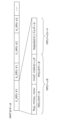
図5は、本実施の形態に係るMPUの構成を示す図である。図5に示すようにMMTデータは、複数のビデオMPU(V_MPU)と、複数のオーディオMPU(A_MPU)とを含む。 Figure 5 is a diagram showing the configuration of an MPU according to this embodiment. As shown in Figure 5, the MMT data includes multiple video MPUs (V_MPUs) and multiple audio MPUs (A_MPUs).
各MPU(ビデオMPU及びオーディオMPU)は、MPUヘッダと、MPUペイロードとを含む。MPUヘッダは、MPUメタデータ(ftyp、mmpu及びmoovなど)と、FRGメタデータ(moof及びmdatなどmovie fragment単位のヘッダ)とを含む。また、MPUヘッダは、MPUメタデータに含まれる複数のサンプル各々のPTS及びDTSの少なくとも一方を示す情報を含む。 Each MPU (video MPU and audio MPU) includes an MPU header and an MPU payload. The MPU header includes MPU metadata (ftyp, mmpu, moov, etc.) and FRG metadata (movie fragment headers such as moof and mdat). The MPU header also includes information indicating at least one of the PTS and DTS of each of the multiple samples included in the MPU metadata.
なお、以下では、ビデオMPUのMPUヘッダをビデオMPUヘッダと呼び、ビデオMPUのMPUペイロードをビデオMPUペイロードと呼ぶ。また、オーディオMPUのMPUヘッダをオーディオMPUヘッダと呼び、オーディオMPUのMPUペイロードをオーディオMPUペイロードと呼ぶ。 Note that, below, the MPU header of a video MPU is referred to as the video MPU header, and the MPU payload of a video MPU is referred to as the video MPU payload. Also, the MPU header of an audio MPU is referred to as the audio MPU header, and the MPU payload of an audio MPU is referred to as the audio MPU payload.
例えば、複数のオーディオMPUの各々は、複数のビデオMPUの一つと対応する。図5では、対応するビデオMPUとオーディオMPUとをV_MPU#n(nは自然数)及びA_MPU#nと表している。また、対応するオーディオMPUとビデオMPUとは、例えば、同一の再生区間を有する。 For example, each of the multiple audio MPUs corresponds to one of the multiple video MPUs. In FIG. 5, the corresponding video MPU and audio MPU are represented as V_MPU#n (n is a natural number) and A_MPU#n. Furthermore, the corresponding audio MPU and video MPU have, for example, the same playback section.
なお、ビデオのフレームレート又はオーディオのサンプリング周波数によっては、両者の再生区間が厳密には一致しないことがある。このときは、例えば、ビデオMPUに対応するオーディオMPUとして、ビデオMPUの再生区間の先頭サンプルのPTSの直前となるPTSを持つオーディオのサンプルから、ビデオMPUの再生区間の最終サンプルの再生終了時刻の直前となる再生終了時刻を持つオーディオのサンプルまでが選択される。なお、ビデオMPUに対応するオーディオMPUとして、ビデオMPUの再生区間の先頭サンプルのPTSの直後となるPTSを持つサンプルから、ビデオMPUの再生区間の最終サンプルの再生終了時刻の直後となる再生終了時刻を持つサンプルまでが選択されてもよい。 Note that, depending on the video frame rate or audio sampling frequency, the playback intervals of the two may not strictly match. In this case, for example, the audio MPU corresponding to the video MPU is selected from an audio sample having a PTS immediately before the PTS of the first sample of the playback interval of the video MPU to an audio sample having a playback end time immediately before the playback end time of the last sample of the playback interval of the video MPU. Note that, the audio MPU corresponding to the video MPU may be selected from a sample having a PTS immediately after the PTS of the first sample of the playback interval of the video MPU to a sample having a playback end time immediately after the playback end time of the last sample of the playback interval of the video MPU.
つまり、対応するビデオMPUとオーディオMPUとは略同一な再生区間を有する。言い換えると、対応するビデオMPUとオーディオMPUとは少なくともと再生区間の一部が重複する。 In other words, the corresponding video MPU and audio MPU have approximately the same playback section. In other words, the corresponding video MPU and audio MPU have at least a portion of their playback sections that overlap.
図6は、本実施の形態におけるMTTパケットの送信順(多重化順)の一例を示す図である。 Figure 6 shows an example of the transmission order (multiplexing order) of MTT packets in this embodiment.
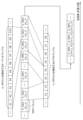
ビデオMPUペイロードは、複数のビデオサンプル(アクセスユニット)V1~V8を含む。ビデオMPUは、複数のMMTパケット(以下、ビデオMMTパケットとも呼ぶ)に分割される。複数のビデオMMTパケットは、ビデオMPUヘッダが格納されるパケット(V_MPU(n)_H)と、ビデオMPUペイロードに含まれる複数のビデオサンプルが格納される複数のパケット(V_MPU(n)_P)とを含む。複数のパケット(V_MPU(n)_P)には、複数のビデオサンプル(V1~V8)が分割されて格納される。 The video MPU payload includes multiple video samples (access units) V1 to V8. The video MPU is divided into multiple MMT packets (hereinafter also referred to as video MMT packets). The multiple video MMT packets include a packet (V_MPU(n)_H) in which a video MPU header is stored, and multiple packets (V_MPU(n)_P) in which multiple video samples included in the video MPU payload are stored. Multiple video samples (V1 to V8) are divided and stored in the multiple packets (V_MPU(n)_P).
オーディオMPUペイロードは、複数のオーディオサンプル(アクセスユニット)A1~A10を含む。オーディオMPUは、複数のMMTパケット(以下、オーディオMMTパケットとも呼ぶ)に分割される。複数のオーディオMMTパケットは、オーディオMPUヘッダが格納されるパケット(A_MPU(n)_H)と、オーディオMPUペイロードに含まれる複数のオーディオサンプルが格納される複数のパケット(A_MPU(n)_P)とを含む。複数のパケット(A_MPU(n)_P)には、複数のオーディオサンプル(A1~A10)が分割されて格納される。 The audio MPU payload includes multiple audio samples (access units) A1 to A10. The audio MPU is divided into multiple MMT packets (hereinafter also referred to as audio MMT packets). The multiple audio MMT packets include a packet (A_MPU(n)_H) in which the audio MPU header is stored, and multiple packets (A_MPU(n)_P) in which the multiple audio samples included in the audio MPU payload are stored. The multiple packets (A_MPU(n)_P) store multiple divided audio samples (A1 to A10).
本実施の形態では、図6に示すように、ビデオMPUのMPUヘッダを格納するMMTパケットV_MPU(n)_Hよりも後に、当該ビデオMPUに対応するオーディオMPUのMPUヘッダを格納するMMTパケットV_MPU(n)_Hを送信する。 In this embodiment, as shown in FIG. 6, an MMT packet V_MPU(n)_H that stores the MPU header of the audio MPU corresponding to the video MPU is transmitted after an MMT packet V_MPU(n)_H that stores the MPU header of the video MPU.
これにより、受信装置は、ランダムアクセス時にビデオの復号を開始できる時刻においてオーディオも復号を開始できる。よって、受信装置がオーディオの復号を開始するまでの遅延時間を低減できる。また、オーディオのセグメントが細分化されないため、オーバーヘッドも低減できる。 This allows the receiving device to start decoding audio at the same time that it can start decoding video during random access. This reduces the delay time until the receiving device starts decoding audio. In addition, overhead can be reduced because audio segments are not subdivided.
ここで、ビデオの符号化においては、RAUの先頭のアクセスユニット(MP4におけるサンプル)の符号量が、後続のアクセスユニットと比較して大きくなるのが一般的である。一方で、オーディオについては、アクセスユニットの符号量のバラツキは、ビデオに比べて少ない。このため、特に、オーディオ及びビデオの符号化データを多重化したパケット列を固定レートで送信する場合、ビデオのRAUの先頭アクセスユニットについては、復号時刻までにアクセスユニットの全データが受信できていることを保証するために、早い時刻から送出が開始される。従って、MMTにおいて、MPEG-2 TS(Transport Stream)と同様にSTD(System Target Decoder)のようなシステムデコーダモデルを規定した場合でも、n番目のビデオMPUヘッダを格納したMMTパケットよりも後に、n番目のオーディオMPUのヘッダを格納したMMTパケットを送信し、かつ、システムデコーダモデルを満たすことができる。 In video coding, the amount of code of the first access unit (sample in MP4) of an RAU is generally larger than that of the subsequent access units. On the other hand, the variation in the amount of code of the access unit for audio is smaller than that for video. For this reason, particularly when a packet sequence in which audio and video coding data are multiplexed is transmitted at a fixed rate, the transmission of the first access unit of the video RAU is started at an early time to ensure that all data of the access unit has been received by the decoding time. Therefore, even if a system decoder model such as STD (System Target Decoder) is specified in MMT as in MPEG-2 TS (Transport Stream), an MMT packet storing the header of the nth audio MPU can be transmitted after an MMT packet storing the header of the nth video MPU, and the system decoder model can be satisfied.
以下、本実施の形態に係る送信装置の構成及びその動作を説明する。 The configuration and operation of the transmission device according to this embodiment are described below.
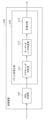
図7は、本実施の形態に係る送信装置100のブロック図である。図7に示す送信装置100は、MPU生成部101と、パケット多重化部102とを備える。パケット多重化部102は、ビデオヘッダ判定部111と、オーディオヘッダ判定部112と、多重化部113とを備える。
Figure 7 is a block diagram of a
図8は、本実施の形態に係る送信処理(多重化処理)のフローチャートである。 Figure 8 is a flowchart of the transmission process (multiplexing process) according to this embodiment.
MPU生成部101は、入力されたビデオ信号及びオーディオ信号を分割することで、複数のビデオMPU及び複数のオーディオMPUを生成する。
The
次に、パケット多重化部102は、ビデオMPU及びオーディオMPUを多重化する。
Next, the
具体的には、まず、ビデオヘッダ判定部111は、n番目のビデオMPUであるV_MPU(n)のMPUヘッダを格納するMMTパケットの送信順(VH_LOC)が決定しているかどうかを判定する(S101)。
Specifically, first, the video
VH_LOCが決定している場合(S101でYes)、オーディオヘッダ判定部112は、n番目のオーディオMPUであるA_MPU(n)のMPUヘッダを格納するMMTパケットが、VH__LOCよりも後に送信されるように送信順を決定する(S102)。
If VH_LOC has been determined (Yes in S101), the audio
次に、多重化部113は、オーディオMPU及びビデオMPUのデータをMMTパケットに格納し、パケットを多重化することで送信ストリームを生成する(S103)。なお、このとき、多重化部113は、オーディオMPUヘッダが格納されるMMTパケットを、ステップS102で決定された送信順に従い送信する。つまり、多重化部113は、n番目のオーディオMPUであるA_MPU(n)のMPUヘッダを格納するMMTパケットを、n番目のビデオMPUであるV_MPU(n)のMPUヘッダを格納するMMTパケットよりも後に送信する。
Next, the
一方、VH_LOCが決定していない場合(S101でNo)、多重化部113は、オーディオMPU及びビデオMPUのデータをMMTパケットに格納し、パケットを多重化することで送信ストリームを生成する(S103)。
On the other hand, if VH_LOC has not been determined (No in S101), the
また、上記の一連の処理が、全てのMMTパケットが送信されるまで、繰り返し行われる(S104)。 The above series of processes is repeated until all MMT packets have been transmitted (S104).
なお、ここでは、送信装置100は、ビデオMPUヘッダのMMTパケットを基準として、当該MMTパケットより送信順が後になるようにオーディオMPUヘッダのMMTパケットの送信順を決定しているが、オーディオMPUヘッダのMMTパケットを基準として、当該MMTパケットより送信順が前になるようにビデオMPUヘッダのMMTパケットの送信順を決定してもよい。言い換えると、多重化部113は、n番目のビデオMPUであるV_MPU(n)のMPUヘッダを格納するMMTパケットを、n番目のオーディオMPUであるA_MPU(n)のMPUヘッダを格納するMMTパケットよりも前に送信してもよい。
Note that here, the transmitting
なお、上記説明では、送信装置100は、各MPUに含まれるMPUヘッダとMPUペイロードとを単一のストリームに多重化して送信しているが、MPUヘッダ(又はMPUヘッダに含まれる情報の一部)を、MPUペイロードが多重化されたストリームとは別の信号として送信してもよい。この場合においても、送信装置100は、当該別の信号において、オーディオMPUヘッダを、当該オーディオMPUヘッダに対応するビデオMPUヘッダより後に送信する。
In the above description, the transmitting
また、送信装置100は、MPUヘッダを送信せずに、MPUペイロードのみを送信する場合も、オーディオMPUとビデオMPUとの再生区間を揃えてもよい。こうすることで、同期して再生されるビデオMPUとオーディオMPUとのインデックス番号が同一となる。MMTの伝送においては、MPU毎のPTS及びDTSの絶対値が受信装置へ提供される。よって、同期再生されるビデオMPUとオーディオMPUのインデックス番号が同一であることにより、受信装置における、再生を開始するビデオのアクセスユニットのPTSに対応するPTSを持つオーディオのアクセスユニットを探索する処理の処理量を削減できる。
In addition, even when transmitting only the MPU payload without transmitting the MPU header, the transmitting
以上のように、本実施の形態に係る送信装置100は、図9に示す処理を行う。
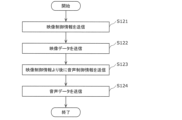
As described above, the transmitting
まず、送信装置100は、個別に再生可能な単位(RAU単位)の映像データ(ビデオMPU)を再生するための映像制御情報(ビデオMPUヘッダ)を送信する(S121)。
First, the transmitting
次に、送信装置100は、上記個別に再生可能な単位(RAU単位)の映像データ(ビデオMPU)を送信する(S122)。
Next, the transmitting
次に、送信装置100は、上記映像データの再生区間に対応する再生区間の音声データ(オーディオMPU)を再生するための音声制御情報(オーディオMPUヘッダ)を、上記映像制御情報を送信した後に送信する(S123)。つまり、送信装置100は、上記映像データの再生区間に対応する再生区間の音声データ(オーディオMPU)を再生するための音声制御情報(オーディオMPUヘッダ)の送信順を上記映像制御情報の後に決定し、決定された送信順で音声制御情報を送信する。言い換えると、送信装置100は、音声制御情報の送信順が上記映像制御情報の前にならないように音声制御情報の送信順を決定し、決定された送信順で音声制御情報を送信する。これにより、音声制御情報は常に映像制御情報の後に送信される。言い換えると、送信装置100は、音声制御情報が映像制御情報より前に送信されることを禁止する。
Next, the transmitting
次に、送信装置100は、上記音声データを送信する(S124)。
Next, the transmitting
例えば、上記音声データは、各々が個別に再生可能な複数の音声サンプルを含む。また、音声制御情報は、複数の音声サンプルの各々の再生開始時刻を示す時刻情報(PTS)を含む。また、音声データの再生区間は、映像データの再生区間に略等しい。 For example, the audio data includes a plurality of audio samples, each of which can be played individually. The audio control information includes time information (PTS) indicating the playback start time of each of the plurality of audio samples. The playback section of the audio data is approximately equal to the playback section of the video data.
以上より、本実施の形態に係る送信装置100は、セグメントをパケット多重化して送信する際に、オーディオのセグメント(MPU)のヘッダを、当該オーディオのセグメントとセグメントの先頭PTSが一致するビデオのセグメントのヘッダよりも後に送信する。これにより、受信装置は、ランダムアクセス時にビデオの復号を開始できる時刻においてオーディオの復号も開始できる。よって、ビデオの復号の開始からオーディオの復号の開始までの遅延時間が低減される。また、オーディオのセグメントを細分化する必要がないため、オーバーヘッドも低減できる。
As described above, when transmitting segments by packet multiplexing, the transmitting
(実施の形態2)
本実施の形態では、送信装置は、受信装置が、オーディオのサンプルデータに含まれる情報等に基づいてオーディオサンプルのPTSを決定できるストリームを生成する。これにより、受信装置は、オーディオMPUヘッダが取得できない場合でも、オーディオサンプルを再生できる。
(Embodiment 2)
In this embodiment, the transmitting device generates a stream that enables the receiving device to determine the PTS of the audio sample based on information included in the audio sample data, etc. This allows the receiving device to play the audio sample even if the audio MPU header cannot be acquired.
例えば、本実施の形態の方法を用いることで、図3に示すケースにおいても、受信装置は、オーディオサンプルA2から復号を開始できる。 For example, by using the method of this embodiment, even in the case shown in Figure 3, the receiving device can start decoding from audio sample A2.
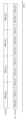
図10は、本実施の形態に係るオーディオMPUの構成を示す図である。 Figure 10 shows the configuration of an audio MPU in this embodiment.
図10に示すように、オーディオサンプルを格納する複数のMMTパケット(A_MPU(n)_P1~AMPU(n)_P8)の各々に、1つのオーディオサンプル(A1~A8のいずれか)が格納される。つまり、複数のMMTパケットは、複数のオーディオサンプルと一対一で対応する。 As shown in FIG. 10, each of the multiple MMT packets (A_MPU(n)_P1 to AMPU(n)_P8) that store audio samples stores one audio sample (any of A1 to A8). In other words, the multiple MMT packets correspond one-to-one with the multiple audio samples.
また、各MMTパケットは、ヘッダと、オーディオサンプルのデータが格納されるペイロードとを含む。当該ヘッダは、フラグメントSNを含む。フラグメントSNは、MPUが分割された単位(フラグメント)のインデックス番号である。つまり、フラグメントSNは、そのフラグメント(パケット)がMPU内において何番目のフラグメントであるかを示す。また、本実施の形態では、1つのフラグメント(パケット)に1つのオーディオサンプルが格納されるので、このフラグメントSNは、当該フラグメントに含まれるオーディオサンプルの、MPU内における復号順を示す。 Each MMT packet also includes a header and a payload in which audio sample data is stored. The header includes a fragment SN. The fragment SN is the index number of the unit (fragment) into which the MPU is divided. In other words, the fragment SN indicates the number of the fragment (packet) in the MPU. In this embodiment, one audio sample is stored in one fragment (packet), so the fragment SN indicates the decoding order of the audio samples contained in the fragment in the MPU.
なお、オーディオサンプルを格納するMMTパケットには、MPUヘッダは含まれない。 Note that MMT packets that store audio samples do not include an MPU header.
また、復号を開始するオーディオMPUにおける先頭サンプルのPTS(Presentation Time Stamp)は、MMTメッセージなどにより、別途受信装置へ送信される。 In addition, the PTS (Presentation Time Stamp) of the first sample in the audio MPU that starts decoding is transmitted separately to the receiving device by an MMT message or the like.
例えば、放送の選局後に復号を開始する場合には、選局時に取得するMMTのPAメッセージなどにおいて、選局後の一定期間に送信されるMPUの先頭サンプルのPTSが示される。 For example, if decoding begins after selecting a broadcast channel, the PTS of the first sample of the MPU that will be transmitted within a certain period of time after the channel is selected is indicated in the MMT PA message acquired when selecting the channel.
また、サンプルデータには、サンプリング周波数を示す情報が含まれる。例えば、MPEG-2及びMPEG-4のAACのADTS(Audio Data Transport Stream)方式においては、ADTSヘッダにサンプリング周波数及びチャネル構成を示す情報が含まれる。 The sample data also contains information indicating the sampling frequency. For example, in the ADTS (Audio Data Transport Stream) format of AAC in MPEG-2 and MPEG-4, the ADTS header contains information indicating the sampling frequency and channel configuration.
また、AACのADTS及びLATM(Low-overhead MPEG-4 Audio Transport Multiplex)をMP4に格納する際には、ADTSヘッダなどのヘッダ情報をサンプルデータから削除して、ヘッダ情報をmoovのstsdに格納することがある。この場合には、AACのサンプルデータに、ヘッダ情報が含まれるかどうかを示す情報を、MP4ファイルのブランド、又は、別途定義されたBoxなどに格納してもよいし、AACのサンプルデータに、ヘッダ情報が含まれるかどうかを放送などの運用規定において予め定めてもよい。あるいは、サンプルデータにヘッダ情報が含まれるかどうかを示す情報が、MMTのSI情報などに含まれてもよい。また、多重化方式がMMTである場合に、ストリームのタイプとしてADTS又はLATMを指定することで、ヘッダ情報がサンプルデータに含まれることを示してもよい。ヘッダ情報がサンプルデータに含まれる場合には、受信装置は、MPUヘッダが送信されない、又は、MPUヘッダが取得できない場合でも、ヘッダ情報に基づいてオーディオを復号し、再生できる。 When storing AAC ADTS and LATM (Low-overhead MPEG-4 Audio Transport Multiplex) in MP4, header information such as the ADTS header may be deleted from the sample data and the header information may be stored in the stsd of the moov. In this case, information indicating whether the AAC sample data includes header information may be stored in the brand of the MP4 file or in a separately defined box, or whether the AAC sample data includes header information may be determined in advance in operational regulations for broadcasting, etc. Alternatively, information indicating whether the sample data includes header information may be included in the SI information of MMT. In addition, when the multiplexing method is MMT, it may be indicated that the header information is included in the sample data by specifying ADTS or LATM as the type of stream. If header information is included in the sample data, the receiving device can decode and play audio based on the header information even if the MPU header is not transmitted or cannot be obtained.
なお、ヘッダ情報がサンプルデータに含まれない場合には、受信装置は、予めサンプルの再生時間を取得する必要がある。なお、受信装置は、ヘッダ情報がサンプルデータに含まれない場合には、下記手法を用いずに、MPUヘッダが取得できるMPUから復号を開始してもよい。 If the sample data does not include header information, the receiving device must obtain the playback time of the sample in advance. If the sample data does not include header information, the receiving device may start decoding from an MPU from which the MPU header can be obtained, without using the method described below.
受信装置は、MPUの先頭サンプルのPTSと、1つオーディオサンプルの再生時間と、フラグメントSNとを用いて、オーディオサンプルのPTSを算出する。 The receiving device calculates the PTS of the audio sample using the PTS of the first sample of the MPU, the playback time of one audio sample, and the fragment SN.
具体的には、受信装置は、下記(式1)を用いて、任意のオーディオサンプルのPTSを決定する。 Specifically, the receiving device determines the PTS of any audio sample using the following (Equation 1).
sample(i).pts=MPU(n).pts+(num_spl/sampling_rate)*frg_sn ・・・(式1) sample(i). pts=MPU(n). pts+(num_spl/sampling_rate)*frg_sn (Formula 1)
ここで、sample(i).ptsは、n番目のMPUにおけるi番目のサンプルのPTSであり、MPU(n).ptsは、n番目のMPUにおいて表示順で先頭となるサンプルのPTSである。 Here, sample(i).pts is the PTS of the i-th sample in the n-th MPU, and MPU(n).pts is the PTS of the first sample in display order in the n-th MPU.
num_splは、オーディオフレームに含まれるサンプル数である。なお、この場合のサンプルはMP4におけるサンプルとは異なる。MPEG-2又はMPEG-4のAAC(Advanced Audio Coding)の場合、サンプル数は1フレームあたり1024である。 num_spl is the number of samples contained in an audio frame. Note that the samples in this case are different from those in MP4. In the case of MPEG-2 or MPEG-4 AAC (Advanced Audio Coding), the number of samples is 1024 per frame.
sampling_rateは、オーディオのサンプリング周波数であり、frg_snは、フラグメントSNである。 sampling_rate is the audio sampling frequency and frg_sn is the fragment SN.
つまり、受信装置は、オーディオフレームに含まれるサンプル数をサンプリング周波数で除算することで、一つのオーディオサンプルの再生時間を算出する。受信装置は、MPUの先頭サンプルのPTSに、一つのオーディオサンプルの再生時間とフラグメントSN(MPU内のサンプルのインデックス番号)との積を加算することで、オーディオサンプルのPTSを算出する。 In other words, the receiving device calculates the playback time of one audio sample by dividing the number of samples contained in an audio frame by the sampling frequency. The receiving device calculates the PTS of an audio sample by adding the product of the playback time of one audio sample and the fragment SN (the index number of a sample within an MPU) to the PTS of the first sample of the MPU.
なお、オーディオサンプルの再生時間を、上記以外の方法により取得できる場合には、受信装置は、他の方法を用いてもよい。 Note that if the playback time of an audio sample can be obtained by a method other than the above, the receiving device may use the other method.
例えば、オーディオのサンプリング周波数が一定であるなど、サンプルの再生時間が一定である場合には、受信装置は、予め取得した再生時間に基づいて、オーディオサンプルのPTSを決定してもよい。 For example, if the playback time of a sample is constant, such as when the audio sampling frequency is constant, the receiving device may determine the PTS of the audio sample based on the playback time obtained in advance.
また、MMTメッセージなどにより、サンプリング周波数、又は、サンプルの再生時間を示す情報が送信されてもよい。また、MMTパケットを、直接、又は、IPパケットに多重化したうえで、TSパケットに格納して送信する場合においては、MPEG-2システムのデスクリプタなどにより、サンプリング周波数、又は、サンプルの再生時間を示す情報が送信されてもよい。 In addition, information indicating the sampling frequency or the playback time of the sample may be transmitted by an MMT message or the like. In addition, when an MMT packet is stored in a TS packet and transmitted directly or after multiplexing into an IP packet, information indicating the sampling frequency or the playback time of the sample may be transmitted by an MPEG-2 system descriptor or the like.
また、ビデオにおいても、フレームレートが既知である、又は、フレームレートがMMTメッセージなどにより別途取得できる場合には、本方法が適用できる。 This method can also be applied to video if the frame rate is known or can be obtained separately via an MMT message, etc.
また、MPEG-4 AVC(Advanced Video Coding)、及びMPEG HEVC(High Efficiency Video Coding)などにおいては、サンプルデータに、SPS(Sequence Parameter Set)及びPPS(Picture Parameter Set)などの復号時の初期化情報が含まれる必要がある。SPS及びPPSがサンプル内に含まれるかどうかは、MP4のブランド名又はサンプルエントリのタイプにより識別できるため、これらの情報が別途送信されてもよい。 In addition, in MPEG-4 AVC (Advanced Video Coding) and MPEG HEVC (High Efficiency Video Coding), the sample data must include initialization information for decoding, such as SPS (Sequence Parameter Set) and PPS (Picture Parameter Set). Whether SPS and PPS are included in the sample can be identified by the MP4 brand name or sample entry type, so this information may be transmitted separately.
以上により、受信装置は、オーディオMPUヘッダを受信できない場合でも、MPU内の任意のオーディオサンプルのPTSを取得できる。これにより、ビデオMPUヘッダとオーディオMPUヘッダとの送信順序に制約を設けることなく、オーディオが再生されるまでの遅延時間を低減できる。 As a result, the receiving device can obtain the PTS of any audio sample in the MPU even if it cannot receive the audio MPU header. This reduces the delay time until audio is played back without placing any restrictions on the transmission order of the video MPU header and the audio MPU header.
以下、本実施の形態に係る送信装置の構成及びその動作を説明する。 The configuration and operation of the transmission device according to this embodiment are described below.
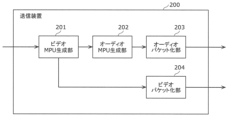
図11は、本実施の形態に係る送信装置200のブロック図である。図11に示す送信装置200は、ビデオMPU生成部201と、オーディオMPU生成部202と、オーディオパケット化部203と、ビデオパケット化部204とを備える。
Figure 11 is a block diagram of a
図12は、本実施の形態に係る送信処理(多重化処理)のフローチャートである。 Figure 12 is a flowchart of the transmission process (multiplexing process) according to this embodiment.
まず、ビデオMPU生成部201は、n番目のビデオMPUであるV_MPU(n)の再生区間を決定する(S201)。また、ビデオパケット化部204は、決定されたV_MPU(n)を複数のMMTパケットにパケット化する。このとき、ビデオパケット化部204は、V_MPU(n)を、当該V_MPU(n)の先頭サンプルがランダムアクセスポイントとなるように生成する。つまり、V_MPU(n)は、1つ以上のビデオのランダムアクセス単位から構成される。
First, the video
次に、オーディオMPU生成部202は、V_MPU(n)の再生区間と一致するように、n番目のオーディオMPUであるA_MPU(n)の再生区間を決定する(S202)。
Next, the audio
次に、オーディオパケット化部203は、ステップS202で決定されたA_MPU(n)に含まれる各サンプルが、それぞれ1つのMMTパケットに格納されるように複数のMMTパケットを生成する(S203)。
Next, the
そして、送信装置200は、オーディオパケット化部203で生成されたオーディオのMMTパケットと、ビデオパケット化部204で生成されたビデオのMMTパケットとを多重化して送信する。
Then, the transmitting
なお、上記説明では、V_MPU(n)とA_MPU(n)との再生区間が一致しているが、V_MPU(n)とA_MPU(n)との再生区間は異なってもよい。本実施の形態においては、受信装置は、オーディオMPUを途中から受信しても、受信直後に取得したサンプルから復号を開始できるため、V_MPU(n)とA_MPU(n)との再生区間が必ずしも一致する必要はない。 In the above description, the playback intervals of V_MPU(n) and A_MPU(n) match, but the playback intervals of V_MPU(n) and A_MPU(n) may be different. In this embodiment, even if the receiving device receives an audio MPU halfway through, it can start decoding from the sample obtained immediately after reception, so the playback intervals of V_MPU(n) and A_MPU(n) do not necessarily need to match.
以上より、本実施の形態に係る送信装置200は、オーディオのセグメントをパケット多重化して送信する際に、セグメントのヘッダ部とデータ格納部とを別パケットに格納し、さらに、データ格納部をアクセスユニット毎にパケット化する。また、送信装置200は、アクセスユニットを格納するパケットのヘッダに、セグメント内における当該アクセスユニットの復号順を示すインデックス番号を格納して送信する。これにより、受信装置は、アクセスユニットのPTSを算出できる。よって、セグメントのパケット多重化動作を制約することなく、受信装置が復号を開始するまでの遅延時間が低減される。
As described above, when transmitting an audio segment by packet multiplexing and transmitting, the transmitting
つまり、送信装置200は、音声データ(オーディオMPU)を、各々が複数の音声サンプル(オーディオサンプル)の一つを含む複数のパケット(MMTパケット)に分割して送信する。また、複数のパケットの各々は、当該パケットが、複数のパケットの何番目のパケットであるかを示す順番情報(フラグメントSN)を含む。
In other words, the transmitting
(実施の形態3)
本実施の形態では、ビデオMPUとオーディオMPUとの再生区間を揃えることなく、オーディオMPUの再生時間を、ビデオMPUの再生時間より短く設定する。これにより、オーディオのMPUの送信頻度が上がるので、ランダムアクセス性を高めることができる。
(Embodiment 3)
In this embodiment, the playback time of the audio MPU is set shorter than the playback time of the video MPU without aligning the playback sections of the video MPU and the audio MPU, which increases the frequency of transmission of the audio MPU and improves random accessibility.
MPU単位でのランダムアクセスを想定すると、ビデオにおいては、符号化データにおけるRAUがMPUの最小単位である。一方、オーディオでは、任意のサンプル(アクセスユニット)から復号可能であるため、MPUを構成するサンプル数は自由に設定できる。 Assuming random access in MPU units, in video, the RAU in the encoded data is the smallest unit of MPU. On the other hand, in audio, decoding is possible from any sample (access unit), so the number of samples that make up an MPU can be freely set.
例えば、ビデオのRAUの再生時間は、符号化効率とランダムアクセス性との兼ね合いから、0.5秒から1秒程度であることが一般的である。また、ビデオMPUの再生時間もRAUの再生時間に従うことになる。 For example, the playback time of a video RAU is generally about 0.5 to 1 second, taking into account the balance between coding efficiency and random accessibility. In addition, the playback time of a video MPU also follows the playback time of the RAU.
一方、オーディオの場合は、MPUの再生時間を0.1秒程度とすることも可能である。例えば、オーディオMPUの再生時間を0.1秒に設定すると、ビデオの再生を開始してから、遅くとも0.1秒以内にオーディオの再生を開始できる。このように、オーディオMPUの再生時間を短く設定することで、ビデオの再生を開始してからオーディオの再生を開始できるまでの遅延時間を短縮できる。 On the other hand, in the case of audio, it is possible to set the MPU playback time to around 0.1 seconds. For example, if the audio MPU playback time is set to 0.1 seconds, audio playback can begin no later than 0.1 seconds after video playback has started. In this way, by setting the audio MPU playback time to a short time, it is possible to reduce the delay time between when video playback begins and when audio playback can begin.
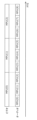
図13は、本実施の形態に係るビデオMPU及びオーディオMPUの一例を示す図である。図13に示すように、複数のオーディオMPUの各々の再生時間は、複数のビデオMPUの各々の再生時間より短く設定される。 Figure 13 is a diagram showing an example of a video MPU and an audio MPU according to this embodiment. As shown in Figure 13, the playback time of each of the multiple audio MPUs is set to be shorter than the playback time of each of the multiple video MPUs.
また、ビデオMPUの先頭PTSに対して、いずれかのオーディオMPUの先頭PTSが対応するように、複数のオーディオMPUの再生区間が設定されてもよい。図14は、この場合のビデオMPU及びオーディオMPUの一例を示す図である。 The playback intervals of multiple audio MPUs may be set so that the first PTS of one of the audio MPUs corresponds to the first PTS of the video MPU. Figure 14 shows an example of a video MPU and an audio MPU in this case.
例えば、図13に示すようにオーディオMPUの再生区間が設定されると、ビデオMPU(1)の先頭PTSと同一の先頭PTSを持つオーディオMPUは存在しない。このように、図13に示す例では、ビデオMPUの先頭PTSに対して、いずれかのオーディオMPUの先頭PTSが対応することが保証されない。 For example, when the playback section of an audio MPU is set as shown in FIG. 13, there is no audio MPU that has the same starting PTS as the starting PTS of video MPU (1). Thus, in the example shown in FIG. 13, it is not guaranteed that the starting PTS of any audio MPU corresponds to the starting PTS of the video MPU.
一方、図14に示すようにオーディオMPUの再生区間が設定されると、各ビデオMPUの先頭PTSと同一の先頭PTSを持つオーディオMPUが必ず存在する。つまり、ビデオMPUの先頭PTSに対して、いずれかのオーディオMPUの先頭PTSが対応することが保証される。 On the other hand, when the playback section of an audio MPU is set as shown in FIG. 14, there will always be an audio MPU that has the same start PTS as the start PTS of each video MPU. In other words, it is guaranteed that the start PTS of one of the audio MPUs corresponds to the start PTS of the video MPU.
また、ビデオのRAUの再生時間が一定であれば、送信装置は、MPU生成処理の開始に先立ってビデオのMPUの再生時間を取得することで、オーディオMPUの再生時間を決定できる。一方、ビデオ素材のフレームレートの切替わり又は符号化条件の変更が発生し、ビデオのRAUの再生時間が可変となる場合には、送信装置は、各ビデオMPUの再生時間を取得しながら、オーディオMPUの再生時間を決定する。 In addition, if the playback time of a video RAU is constant, the transmitting device can determine the playback time of the audio MPU by acquiring the playback time of the video MPU prior to starting the MPU generation process. On the other hand, if a change in the frame rate of the video material or a change in the encoding conditions occurs and the playback time of the video RAU becomes variable, the transmitting device determines the playback time of the audio MPU while acquiring the playback time of each video MPU.
以下、本実施の形態に送信装置の構成及びその動作を説明する。 The configuration and operation of the transmission device in this embodiment are described below.
図15は、本実施の形態に係る送信装置300のブロック図である。図15に示す送信装置300は、ビデオMPU生成部301と、区間判定部302と、第1決定部303と、第2決定部304と、先頭決定部305と、MPU生成部306とを備える。
Figure 15 is a block diagram of a
図16は、本実施の形態に係る送信処理(多重化処理)のフローチャートである。 Figure 16 is a flowchart of the transmission process (multiplexing process) according to this embodiment.
まず、初期設定として、送信装置300は、nを0に設定することで、最初のMPUを選択する(S301)。
First, as an initial setting, the transmitting
次に、ビデオMPU生成部301は、ビデオのRAUに基づいて、先頭のビデオMPU(V_MPU(0))の再生区間を決定する(S302)。ここで、ビデオMPUは、1つ以上のRAUから構成される。
Next, the video
次に、先頭決定部305は、V_MPU(0)と、先頭のオーディオMPU(A_MPU(0))との先頭サンプルのPTSが等しくなるように、A_MPU(0)の先頭サンプルを決定する(S303)。
Next, the
次に、区間判定部302は、処理対象のオーディオのMPU(A_MPU)が、V_MPU(n)の再生区間における最終MPUであるかを判定する(S304)。
Next, the
A_MPUが最終MPUである場合(S304でYes)、第1決定部303は、A_MPUの最終サンプルの再生終了時刻がV_MPU(n)の再生終了時刻と等しくなり、かつ、A_MPUの再生時間が閾値以下となるように、A_MPUの最終サンプルを決定する(S305)。
If A_MPU is the final MPU (Yes in S304), the
一方、A_MPUが最終MPUでない場合(S304でNo)、第2決定部304は、A_MPUの再生時間が閾値以下となるように、A_MPUの最終サンプルを決定する(S306)。
On the other hand, if A_MPU is not the final MPU (No in S304), the
ここで、ステップS305及びS306で用いられる閾値は、ビデオのランダムアクセスポイントの再生開始からオーディオが再生開始できるまでの遅延時間がどこまで許容できるかに基づいて設定される。但し、MPUの再生時間が短くなると共に、送信データを占めるMPUヘッダの割合が増加する。特に、オーディオはビデオに比べてビットレートが低い。また、MPUヘッダにおいては、MPUに格納されるサンプル数に依存しない固定部分が大きい。よって、MPUヘッダのオーバーヘッドの低減は重要である。従って、例えば、遅延時間とMPUヘッダのオーバーヘッドとの両方に基づいて、MPUの再生時間が決定される。 The threshold value used in steps S305 and S306 is set based on the tolerable delay time from the start of playback of the video random access point until audio can start playing. However, as the playback time of the MPU becomes shorter, the proportion of the MPU header in the transmitted data increases. In particular, audio has a lower bit rate than video. Also, the MPU header has a large fixed portion that does not depend on the number of samples stored in the MPU. Therefore, it is important to reduce the overhead of the MPU header. Therefore, for example, the playback time of the MPU is determined based on both the delay time and the overhead of the MPU header.
また、1つのMPUに格納できるオーディオのサンプル数は、1つのサンプルの再生時間に依存する。1つのサンプルの再生時間は、サンプリング周波数などに依存する。 In addition, the number of audio samples that can be stored in one MPU depends on the playback time of one sample. The playback time of one sample depends on the sampling frequency, etc.
ステップS305又はS306の後、MPU生成部306は、ステップS303で決定されたオーディオMPUの先頭サンプルと、ステップS305又はS306で決定されたオーディオMPUの最終サンプルとに基づき、オーディオMPU(n)を生成する。
After step S305 or S306, the
次に、送信装置300は、nを1増加することで、次のMPUを選択し(S307)、全てのMPUの再生区間が決定されるまで、ステップS304~S307の処理を繰り返す(S308)。
Next, the transmitting
なお、先頭のMPU以降のMPUにおける先頭サンプルとして、直前のMPUにおける最終サンプルの直後のサンプルが設定される。 The first sample in an MPU after the first MPU is set to the sample immediately following the final sample in the previous MPU.
また、送信装置300は、サンプリング周波数又はチャネル構成(モノラル、ステレオ、又は5.1チャネルなど)の切替わりにおいて、MPUを分けてもよい。こうすることで、同一MPUにおいてはオーディオの符号化条件が一定となる。これにより、受信装置は、再生時において、MPU単位での符号化条件の切替わりにのみ対応すればよいので、切替わり時点におけるシームレスな再生を容易に実現できる。例えば、受信装置は、再生時において、次のMPUのヘッダ、又は、先頭サンプルに格納される符号化条件(パラメータ)を先読みすることで、切替わりに前もって対応できる。
The transmitting
また、図13及び図14に示すように、ビデオMPUの先頭PTSに対して、いずれかのオーディオMPUの先頭PTSが対応することが保証されてもよいし、保証されなくてもよい。 Also, as shown in Figures 13 and 14, it may or may not be guaranteed that the first PTS of any audio MPU corresponds to the first PTS of a video MPU.
以上より、本実施の形態に係る送信装置300は、ビデオのセグメント(MPU)の先頭がランダムアクセスポイントとなるように生成し、オーディオのセグメントの再生時間が所定値以下となるように生成する。また、送信装置300は、オーディオのセグメントの再生時間を、ビデオのセグメントよりも短く設定する。これにより、オーディオのセグメントに係るオーバーヘッドは増加するものの、受信装置におけるPTS算出処理などを不要にできる。また、受信装置が復号を開始するまでの遅延時間が低減される。
As described above, the transmitting
つまり、映像データ(ビデオMPU)は、映像信号が分割されることにより得られた複数の映像データの一つである。音声データ(オーディオMPU)は、音声信号が分割されることにより得られた複数の音声データの一つである。そして、図13に示すように、音声データ(オーディオMPU)の再生時間は、映像データ(ビデオMPU)の再生時間より短い。 In other words, the video data (video MPU) is one of the multiple pieces of video data obtained by dividing the video signal. The audio data (audio MPU) is one of the multiple pieces of audio data obtained by dividing the audio signal. And, as shown in FIG. 13, the playback time of the audio data (audio MPU) is shorter than the playback time of the video data (video MPU).
また、図14に示すように、複数の音声データ(オーディオMPU)は、複数の映像データ(ビデオMPU)の各々の再生開始時刻(PTS)と略等しい再生開始時刻(PTS)の複数の音声データを含んでもよい。 Also, as shown in FIG. 14, the multiple audio data (audio MPU) may include multiple audio data with playback start times (PTS) that are approximately equal to the playback start times (PTS) of each of the multiple video data (video MPU).
(実施の形態4)
本実施の形態では、上記実施の形態1に係る送信装置100により送信されたデータを受信し、当該データを再生する受信装置について説明する。
(Embodiment 4)
In this embodiment, a receiving device that receives data transmitted by transmitting
図17は、本実施の形態に係る受信装置400のブロック図である。図17に示す受信装置400は、ビデオMPU決定部401と、オーディオMPU決定部402と、サンプル決定部403とを備える。
Figure 17 is a block diagram of a receiving
図18は、本実施の形態に係る受信処理のフローチャートである。図18に示すフローチャートは、ランダムアクセス時に復号を開始するオーディオサンプルを決定する際の動作例について示す。 Figure 18 is a flowchart of the reception process according to this embodiment. The flowchart in Figure 18 shows an example of the operation when determining the audio sample at which to start decoding during random access.
まず、ビデオMPU決定部401は、再生を開始するビデオMPU(V_MPU)を決定する(S401)。例えば、MMTパケットのヘッダには、ペイロードにMPUヘッダとサンプルデータとのどちらが含まれるかを示す識別情報が含まれる。また、パケットのID(TSパケットのPIDに相当)により、受信装置400は、ペイロードに格納されるデータが、ビデオ及びオーディオのアセットのいずれであるかも識別できる。従って、ビデオMPU決定部401は、放送又は通信において、ビデオのアセットに相当するパケットIDを持つパケットの受信を開始した後、最初にMPUヘッダを取得したMPUをV_MPUに決定する。
First, the video
次に、オーディオMPU決定部402は、V_MPUよりも後にMPUヘッダを受信したMPUの中から、V_MPUにおける表示順で先頭となるサンプルのPTS(先頭PTS)と同一の先頭PTSを持つオーディオMPUを探索し、探索により得られたオーディオMPUを、再生を開始するオーディオMPU(A_MPU)として決定する(S402)。ここで、PTSが同一であるとは、PTSが完全に一致している場合に限定されず、実施の形態1において説明したように、互いのPTSが略同一であればよい。
Next, the audio
また、オーディオ及びビデオMPUの先頭PTSは、MMTメッセージ、又は、MMTパケットをTSにより多重化する際のMPEG-2システムのデスクリプタなどにより別途示されるため、オーディオMPU決定部402は、これら別途示される情報に基づいて、V_MPUの先頭PTSを持つオーディオMPUを探索できる。なお、MPUの先頭PTSを示す情報が、MPUヘッダに含まれており、オーディオMPU決定部402は、この情報を用いて、V_MPUの先頭PTSを持つオーディオMPUを探索してもよい。
In addition, the first PTS of the audio and video MPUs is separately indicated by an MMT message or an MPEG-2 system descriptor when MMT packets are multiplexed by a TS, so the audio
次に、サンプル決定部403は、A_MPUの先頭サンプルから再生を開始すると決定する(S403)。
Next, the
なお、ステップS403においては、ビデオMPUとオーディオMPUとの再生区間が揃っていることが保証されるため、サンプル決定部403は、A_MPUの先頭サンプルから再生を開始すると決定できる。一方で、ビデオMPUとオーディオMPUとの再生区間が揃っていることが保証されない場合には、受信装置400は、以下の処理を行ってもよい。
In step S403, since it is guaranteed that the playback sections of the video MPU and audio MPU are aligned, the
まず、受信装置400は、V_MPUの先頭PTS(V_MPU.pts)を取得する。
First, the receiving
次に、受信装置400は、V_MPUよりも後で最初に取得したオーディオMPUの先頭PTSを取得すると共に、MPUヘッダを解析してオーディオMPUの再生時間を取得する。そして、受信装置400は、V_MPU.ptsと同一のPTSを持つオーディオサンプルが当該オーディオMPUに含まれるかどうかを判定する。なお、PTSは必ずしも一致する必要はなく、受信装置400は、V_MPU.ptsの直前、又は、直後のPTSを持つオーディオサンプルがオーディオMPUに含まれるかどうかを判定してもよい。
Next, the receiving
また、オーディオMPUの再生時間が、MPUの先頭PTSと同様に別途示される場合には、受信装置400は、MPUヘッダの解析を行わず、別途示される情報からオーディオMPUの再生時間を取得する。
In addition, if the playback time of the audio MPU is indicated separately, like the first PTS of the MPU, the receiving
V_MPU.ptsと同一のPTSを持つオーディオサンプルが存在しないと判定された場合には、受信装置400は、次のオーディオMPUを取得して、上記判定処理を行う。そして、V_MPU.ptsと同一のPTSを持つオーディオサンプルが存在すると判定されるまで、受信装置400は、後続のオーディオMPUに対して、順次判定処理を繰り返す。
If it is determined that there is no audio sample having the same PTS as V_MPU.pts, the receiving
なお、受信装置400は、ビデオについては、V_MPUの先頭サンプルから再生を開始して、オーディオについては、A_MPUの直後のMPUから再生を開始してもよい。ここで、ビデオにおいて復号順と表示順とが異なる場合には、受信装置400は、復号順で先頭のサンプルから復号を開始し、表示順で先頭のサンプルから再生(表示)を開始する。
Note that the receiving
また、オーディオについては、ビデオのV_MPUの再生の開始に先立って、A_MPUから再生を開始し、ビデオについては、V_MPU.ptsの時刻から再生を開始してもよい。 Also, for audio, playback may start from A_MPU before playback of the video V_MPU starts, and for video, playback may start from the time of V_MPU.pts.
以上より、本実施の形態に係る受信装置400は、受信開始後に最初にヘッダを受信したビデオのセグメントから復号を開始すると決定し、復号開始するビデオのセグメントの先頭PTSと一致するオーディオのセグメントから復号を開始する。これにより、受信装置400は、復号開始までの遅延時間を低減できる。
As a result, the receiving
また、ここでは、実施の形態1に係る送信装置100により送信された信号を受信する場合について説明したが、同様の方法を実施の形態3に係る送信装置300により送信された信号を受信する場合にも適用できる。
Although the case of receiving a signal transmitted by the transmitting
つまり、受信装置400は、受信開始後に最初にヘッダを受信したビデオのセグメントから復号を開始すると決定する。また、受信装置400は、先頭PTSが、復号を開始するビデオのセグメントのPTSと同一又は後であり、かつ、最初に受信したオーディオのセグメントから復号を開始する。これにより、受信装置400は、復号開始までの遅延時間を低減できる。
In other words, the receiving
このように、受信装置400は、実施の形態1又は3に係る送信装置100又は300により送信された映像制御情報(ビデオMPUヘッダ)、映像データ(ビデオMPU)、音声制御情報(オーディオMPUヘッダ)及び音声データ(オーディオMPU)を受信し、映像データ及び音声データを再生できる。
In this way, the receiving
(実施の形態5)
本実施の形態では、上記実施の形態2に係る送信装置200により送信されたデータを受信し、当該データを再生する受信装置について説明する。
(Embodiment 5)
In this embodiment, a receiving device that receives data transmitted by transmitting
図19は、本実施の形態に係る受信装置500のブロック図である。図19に示す受信装置500は、開始PTS決定部501と、判定部502と、第1PTS算出部503と、第2PTS算出部504と、サンプル取得部505とを備える。
Figure 19 is a block diagram of a receiving
図20は、本実施の形態に係る受信処理のフローチャートである。図20に示すフローチャートは、復号を開始するオーディオサンプルを取得して、PTSを決定する動作例を示す。 Figure 20 is a flowchart of the reception process according to this embodiment. The flowchart in Figure 20 shows an example of an operation for obtaining an audio sample to start decoding and determining a PTS.
まず、開始PTS決定部501は、復号を開始するオーディオサンプルのPTS(tgt_pts)を決定する(S501)。また、PTSがtgt_ptsであるオーディオサンプルをtgt_splと記す。tgt_ptsは、例えば、再生を開始するビデオMPUの先頭PTSである。これは、放送の選局後、又は通信ネットワーク経由でコンテンツを取得する際の受信開始時には、ビデオのランダムアクセスポイントを基準とすることが一般的であるためである。
First, the start
次に、判定部502は、tgt_splが属するMPU(mpu_cur)のMPUヘッダを取得できているかどうかを判定する(S502)。例えば、判定部502は、MMTメッセージなどから別途取得した各MPUの先頭PTSに基づいて、PTSがtgt_ptsとなるサンプルが含まれるMPU(mpu_cur)を判定する。なお、MPUの先頭PTSを示す情報が、MPUヘッダに含まれ、判定部502は、当該情報に基づき、PTSがtgt_ptsとなるサンプルが含まれるMPU(mpu_cur)を判定してもよい。または、判定部502は、MMTパッケージを構成するアセットに関する情報を別途ダウンロードし、当該情報に基づき、PTSがtgt_ptsとなるサンプルが含まれるMPU(mpu_cur)を判定してもよい。
Next, the
MPU(mpu_cur)のMPUヘッダを取得できている場合(S502でYes)、第1PTS算出部503は、MPUヘッダを解析して、mpu_cur内におけるtgt_splのインデックス番号を取得する(S503)。ここで、MPUに含まれるサンプルのPTSは、moof内のtrunに含まれるサンプルのDTS及びPTSを示す情報に基づいて決定できる。moofの解析により得られるPTSは、MPUの先頭PTSからの差分値であるため、第1PTS算出部503は、得られたPTSに、MPUの先頭PTSを加算して実際のPTSを算出する。そして、第1PTS算出部503は、算出されたPTSがtgt_ptsと同一であるサンプルをtgt_splとして決定する。なお、PTSがtgt_ptsと同一であるサンプルが存在しない場合には、第1PTS算出部503は、PSTがtgt_ptsの直前或いは直後のサンプルをtgt_splとして決定する。
If the MPU header of the MPU (mpu_cur) has been obtained (Yes in S502), the first
次に、第1PTS算出部503は、tgt_splがMPU内において復号順で何番目のサンプルであるかを示すインデックス番号(フラグメントSN)を取得する。なお、MPUが複数のmovie fragmentから構成されている場合、フラグメントSNは、先頭のmovie fragmentの先頭サンプルからの通し番号である。
Next, the first
一方、MPU(mpu_cur)のMPUヘッダを取得できていない場合(S502でNo)、第2PTS算出部504は、1サンプル当たりの再生時間などから、上記(式1)に基づいてサンプルのPTSを算出し、mpu_cur内におけるtgt_splのインデックス番号を取得する(S504)。また、(式1)を用いる方法以外の方法でサンプルのPTSが求められる場合には、第2PTS算出部504は、それらの方法を用いてもよい。なお、PTSの算出方法に関しては、上述した実施の形態2で詳しく説明している。
On the other hand, if the MPU header of the MPU (mpu_cur) cannot be obtained (No in S502), the second
ステップS503又はS504の後、サンプル取得部505は、MMTパケットのヘッダにおけるMPUのシーケンス番号がmpu_curのシーケンス番号と一致し、かつ、フラグメントSNがステップS503又はS504で得られたインデックス番号と等しいパケットを取得し、当該パケットに含まれる、再生を開始するオーディオサンプルを取得する(S505)。
After step S503 or S504, the
ビデオのランダムアクセスポイントにおいて、対応するオーディオサンプルのMPUヘッダが取得できないケースがある。当該オーディオサンプルが属するMPUをMPU(n)とすると、受信装置500は、MPU(n)に含まれるサンプルについては、ステップS504の方法によりPTSを取得し、MPU(n+1)以降に含まれるサンプルについては、ステップS503の方法でPTSを取得する。
There are cases where the MPU header of the corresponding audio sample cannot be obtained at a video random access point. If the MPU to which the audio sample belongs is MPU(n), the receiving
なお、受信装置500は、ステップS502及びS503の処理を行わず、常にステップS504の方法でPTSを取得してもよい。
Note that the receiving
また、ここでは、ステップS501において、ビデオの再生開始時刻に基づき、復号を開始するオーディオサンプルを決定する例を述べたが、受信開始後に最初に取得できるオーディオサンプルから再生を開始する場合にも本実施の形態を適用できる。図21は、この場合の受信処理のフローチャートである。 In addition, in step S501, an example has been described in which the audio sample from which decoding begins is determined based on the playback start time of the video. However, this embodiment can also be applied to a case in which playback begins from the first audio sample that can be obtained after reception begins. Figure 21 is a flowchart of the reception process in this case.
まず、受信装置500は、復号を開始するオーディオサンプル(tgt_spl)を決定する(S511)。例えば、受信装置500は、最初に受信したオーディオサンプルを、tgt_splに決定する。
First, the receiving
次に、受信装置500は、tgt_splが属するMPU(mpu_cur)のMPUヘッダを取得できているかどうかを判定する(S512)。なお、この処理は上記ステップS502と同様である。
Next, the receiving
MPU(mpu_cur)のMPUヘッダを取得できている場合(S512でYes)、受信装置500は、MPUヘッダを解析して、tgt_splのPTSを算出する(S513)。なお、PTSの算出方法の詳細は、上記ステップS503と同様である。
If the MPU header of the MPU (mpu_cur) has been acquired (Yes in S512), the receiving
一方、MPU(mpu_cur)のMPUヘッダを取得できていない場合(S512でNo)、受信装置500は、1サンプル当たりの再生時間などから、上記(式1)に基づいてサンプルのPTSを算出する(S514)。なお、PTSの算出方法の詳細は、上記ステップS504と同様である。
On the other hand, if the MPU header of the MPU (mpu_cur) cannot be obtained (No in S512), the receiving
以上の処理により、受信装置500は、オーディオのMPUヘッダを取得できない場合でも、オーディオサンプルのPTSを取得できる。
By performing the above processing, the receiving
以上より、受信装置500は、1パケットのペイロードから1アクセスユニット分のデータを取得し、インデックス番号に基づいて、セグメントにおける復号順で先頭となるアクセスユニットと、取得したアクセスユニットとのPTSの差分を算出する。さらに、受信装置500は、セグメントの先頭PTSを別途取得することで、アクセスユニットのPTSを決定する。このように、受信装置500においてアクセスユニットのPTSを算出することで、セグメントのパケット多重化動作を制約せずに、復号の開始までの遅延時間を低減できる。
As described above, the receiving
つまり、受信装置500は、実施の形態2に係る送信装置200により送信された映像制御情報(ビデオMPUヘッダ)、映像データ(ビデオMPU)、音声制御情報(オーディオMPUヘッダ)及び音声データ(オーディオMPU)を受信する。また、受信装置500は、音声データ(オーディオMPU)に含まれる複数の音声サンプル(オーディオサンプル)のうち最初に再生される音声サンプルの再生開始時刻(PTS)である先頭再生開始時刻を取得する。
In other words, the receiving
また、受信装置500は、複数の音声サンプルの各々の再生時間を取得する。例えば、受信装置500は、オーディオフレームに含まれるサンプル数と、サンプリング周波数とを取得し、取得したサンプル数及びサンプリング周波数から複数の音声サンプルの各々の再生時間を算出する。
The receiving
次に、受信装置500は、上記先頭再生開始時刻と、上記再生時間と、処理対象のパケットに含まれる順番情報(フラグメントSN)とを用いて、当該処理対象のパケットに含まれる音声サンプル(オーディオサンプル)の再生開始時刻(PTS)を判定する。
Next, the receiving
(変形例)
本発明で適用される多重化方式は、MP4、MMT、又は、DASHに限定されるものではなく、オーディオ及びビデオなどの符号化データをセグメント化できる他のフォーマットに対しても本発明を適用できる。
(Modification)
The multiplexing scheme applied in the present invention is not limited to MP4, MMT, or DASH, but the present invention can also be applied to other formats in which encoded data such as audio and video can be segmented.
送信装置は、MMTパケットをIPパケットなどに格納して送信してもよい。さらに、放送においては、送信装置は、IPパケットを、TSパケット、又は、ARIB(電波産業会)で規定したTLV(Time Length Value)パケットなどに格納して送信してもよい。 The transmitting device may transmit the MMT packets stored in IP packets or the like. Furthermore, in broadcasting, the transmitting device may transmit the IP packets stored in TS packets or TLV (Time Length Value) packets defined by the Association of Radio Industries and Businesses (ARIB).
また、受信装置は、MPUなどのセグメントを、MMTパケットとは異なるパケットに多重化してもよい。オーディオ及びビデオのMPUデータを1本のストリームにパケット多重化可能な任意のプロトコルに本発明を適用できる。 The receiving device may also multiplex segments such as MPUs into packets other than MMT packets. The present invention can be applied to any protocol that can packet-multiplex audio and video MPU data into a single stream.
また、実施の形態1~3において、送信装置は、パケット多重化時のシステムデコーダモデル(MPEG-2システムにおけるSTD(System Target Decoder)のようなモデル)を満たすようにオーディオ及びビデオのパケットを多重化してもよい。また、MMTパケットの処理においても、システムデコーダモデルが規定できる。 In addition, in the first to third embodiments, the transmitting device may multiplex audio and video packets so as to satisfy a system decoder model (such as a model of STD (System Target Decoder) in the MPEG-2 system) during packet multiplexing. Also, a system decoder model can be specified for processing MMT packets.
また、上記説明では、実施の形態1~3において異なる手法を個別に説明したが、これらの手法のうち2以上を組み合わせてもよい。例えば、実施の形態1に係る手法と、実施の形態2又は3に係る手法とを組み合わせることで、通信エラー等により、受信装置においてオーディオのMPUヘッダが取得できない場合には、実施の形態2又は3に係る手法によりオーディオが再生されるまでの遅延時間を低減できる。また、実施の形態2と実施の形態3とを組み合わせることで、PTSをMPUヘッダ以外の情報から算出する処理の発生頻度を低減できる。 In the above description, different methods are described individually in the first to third embodiments, but two or more of these methods may be combined. For example, by combining the method according to the first embodiment with the method according to the second or third embodiment, if the receiving device is unable to acquire the audio MPU header due to a communication error or the like, the delay time until the audio is played can be reduced by the method according to the second or third embodiment. In addition, by combining the second and third embodiments, the frequency of occurrence of a process that calculates the PTS from information other than the MPU header can be reduced.
以上、実施の形態に係る送信装置、受信装置、送信方法及び受信方法ついて説明したが、本発明は、この実施の形態に限定されるものではない。 The transmitting device, receiving device, transmitting method, and receiving method according to the embodiment have been described above, but the present invention is not limited to this embodiment.
また、上記実施の形態に係る送信装置及び受信装置に含まれる各処理部は典型的には集積回路であるLSIとして実現される。これらは個別に1チップ化されてもよいし、一部又は全てを含むように1チップ化されてもよい。 Furthermore, each processing unit included in the transmitting device and receiving device according to the above-mentioned embodiment is typically realized as an LSI, which is an integrated circuit. These may be individually implemented as single chips, or may be integrated into a single chip to include some or all of them.
また、集積回路化はLSIに限るものではなく、専用回路又は汎用プロセッサで実現してもよい。LSI製造後にプログラムすることが可能なFPGA(Field Programmable Gate Array)、又はLSI内部の回路セルの接続や設定を再構成可能なリコンフィギュラブル・プロセッサを利用してもよい。 In addition, the integrated circuit is not limited to LSI, but may be realized by a dedicated circuit or a general-purpose processor. It is also possible to use an FPGA (Field Programmable Gate Array) that can be programmed after LSI manufacturing, or a reconfigurable processor that can reconfigure the connections and settings of circuit cells inside the LSI.
上記各実施の形態において、各構成要素は、専用のハードウェアで構成されるか、各構成要素に適したソフトウェアプログラムを実行することによって実現されてもよい。各構成要素は、CPU又はプロセッサなどのプログラム実行部が、ハードディスク又は半導体メモリなどの記録媒体に記録されたソフトウェアプログラムを読み出して実行することによって実現されてもよい。 In each of the above embodiments, each component may be configured with dedicated hardware, or may be realized by executing a software program suitable for each component. Each component may be realized by a program execution unit such as a CPU or processor reading and executing a software program recorded on a recording medium such as a hard disk or semiconductor memory.
言い換えると、送信装置及び受信装置は、処理回路(processing circuitry)と、当該処理回路に電気的に接続された(当該制御回路からアクセス可能な)記憶装置(storage)とを備える。処理回路は、専用のハードウェア及びプログラム実行部の少なくとも一方を含む。また、記憶装置は、処理回路がプログラム実行部を含む場合には、当該プログラム実行部により実行されるソフトウェアプログラムを記憶する。処理回路は、記憶装置を用いて、上記実施の形態に係る送信方法又は受信方法を実行する。 In other words, the transmitting device and the receiving device include a processing circuit and a storage device electrically connected to the processing circuit (accessible from the processing circuit). The processing circuit includes at least one of dedicated hardware and a program execution unit. In addition, when the processing circuit includes a program execution unit, the storage device stores a software program to be executed by the program execution unit. The processing circuit uses the storage device to execute the transmitting method or the receiving method according to the above embodiment.
さらに、本発明は上記ソフトウェアプログラムであってもよいし、上記プログラムが記録された非一時的なコンピュータ読み取り可能な記録媒体であってもよい。また、上記プログラムは、インターネット等の伝送媒体を介して流通させることができるのは言うまでもない。 Furthermore, the present invention may be the above software program, or a non-transitory computer-readable recording medium on which the above program is recorded. Needless to say, the above program can be distributed via a transmission medium such as the Internet.
また、上記で用いた数字は、全て本発明を具体的に説明するために例示するものであり、本発明は例示された数字に制限されない。 Furthermore, all the numbers used above are examples to specifically explain the present invention, and the present invention is not limited to the exemplified numbers.
また、ブロック図における機能ブロックの分割は一例であり、複数の機能ブロックを一つの機能ブロックとして実現したり、一つの機能ブロックを複数に分割したり、一部の機能を他の機能ブロックに移してもよい。また、類似する機能を有する複数の機能ブロックの機能を単一のハードウェア又はソフトウェアが並列又は時分割に処理してもよい。 The division of functional blocks in the block diagram is one example, and multiple functional blocks may be realized as one functional block, one functional block may be divided into multiple blocks, or some functions may be transferred to other functional blocks. In addition, the functions of multiple functional blocks having similar functions may be processed in parallel or in a time-sharing manner by a single piece of hardware or software.
また、上記の送信方法又は受信方法に含まれるステップが実行される順序は、本発明を具体的に説明するために例示するためのものであり、上記以外の順序であってもよい。また、上記ステップの一部が、他のステップと同時(並列)に実行されてもよい。 The order in which the steps included in the above-mentioned transmission method or reception method are executed is merely an example to specifically explain the present invention, and the steps may be executed in an order other than the above. Also, some of the steps may be executed simultaneously (in parallel) with other steps.
以上、本発明の一つ又は複数の態様に係る送信装置、受信装置、送信方法及び受信方法について、実施の形態に基づいて説明したが、本発明は、この実施の形態に限定されるものではない。本発明の趣旨を逸脱しない限り、当業者が思いつく各種変形を本実施の形態に施したものや、異なる実施の形態における構成要素を組み合わせて構築される形態も、本発明の一つ又は複数の態様の範囲内に含まれてもよい。 The transmitting device, receiving device, transmitting method, and receiving method according to one or more aspects of the present invention have been described above based on the embodiments, but the present invention is not limited to these embodiments. As long as they do not deviate from the spirit of the present invention, various modifications conceived by those skilled in the art to the present embodiments, and forms constructed by combining components of different embodiments, may also be included within the scope of one or more aspects of the present invention.
本発明は、ビデオデータ及びオーディオデータなどのメディアトランスポートを行う装置又は機器に適用できる。 The present invention can be applied to devices or equipment that transport media such as video data and audio data.
100、200、300 送信装置
101 MPU生成部
102 パケット多重化部
111 ビデオヘッダ判定部
112 オーディオヘッダ判定部
113 多重化部
201、301 ビデオMPU生成部
202 オーディオMPU生成部
203 オーディオパケット化部
204 ビデオパケット化部
302 区間判定部
303 第1決定部
304 第2決定部
305 先頭決定部
306 MPU生成部
400、500 受信装置
401 ビデオMPU決定部
402 オーディオMPU決定部
403 サンプル決定部
501 開始PTS決定部
502 判定部
503 第1PTS算出部
504 第2PTS算出部
505 サンプル取得部
100, 200, 300
Claims (2)
前記映像データを受信する映像データ受信ステップと、
前記映像データの再生区間に対応する再生区間の音声データを再生するための音声制御情報を受信する音声制御情報受信ステップと、
前記音声データを受信する音声データ受信ステップとを含み、
前記音声データは、各々が個別に再生可能な複数の音声サンプルを含み、
前記音声制御情報は、前記複数の音声サンプルのうち最初に再生される音声サンプルの再生開始時刻である先頭再生開始時刻を示す時刻情報を含み、
前記音声データは、各々が前記複数の音声サンプルの一つを含む複数のパケットに分割されており、前記音声制御情報とは異なるパケットに含まれ、
前記複数のパケットの各々は、当該パケットが、前記複数のパケットの何番目のパケットであるかを示す順番情報を含み、
前記映像データは、映像信号が分割されることにより得られた複数の映像データの一つであり、
前記音声データは、音声信号が分割されることにより得られた複数の音声データの一つである、
受信方法。 a video control information receiving step of receiving video control information for playing back video data in units that can be played back individually;
a video data receiving step of receiving the video data;
a voice control information receiving step of receiving voice control information for playing back voice data in a playback section corresponding to the playback section of the video data;
receiving the voice data;
the audio data includes a plurality of audio samples, each of which is individually playable;
the audio control information includes time information indicating a first playback start time which is a playback start time of an audio sample that is to be first played back among the plurality of audio samples,
the audio data is divided into a plurality of packets each including one of the plurality of audio samples, the packets being included in a different packet than the audio control information;
each of the plurality of packets includes sequence information indicating a sequence number of the packet among the plurality of packets;
the video data is one of a plurality of video data obtained by dividing a video signal,
The audio data is one of a plurality of audio data obtained by dividing an audio signal.
Receiving method.
前記映像データを受信する映像データ受信部と、
前記映像データの再生区間に対応する再生区間の音声データを再生するための音声制御情報を受信する音声制御情報受信部と、
前記音声データを受信する音声データ受信部とを備え、
前記音声データは、各々が個別に再生可能な複数の音声サンプルを含み、
前記音声制御情報は、前記複数の音声サンプルのうち最初に再生される音声サンプルの再生開始時刻である先頭再生開始時刻を示す時刻情報を含み、
前記音声データは、各々が前記複数の音声サンプルの一つを含む複数のパケットに分割されており、前記音声制御情報とは異なるパケットに含まれ、
前記複数のパケットの各々は、当該パケットが、前記複数のパケットの何番目のパケットであるかを示す順番情報を含み、
前記映像データは、映像信号が分割されることにより得られた複数の映像データの一つであり、
前記音声データは、音声信号が分割されることにより得られた複数の音声データの一つである、
受信装置。 a video control information receiving unit for receiving video control information for playing back video data in units that can be played back individually;
A video data receiving unit that receives the video data;
an audio control information receiving unit for receiving audio control information for playing audio data of a playback section corresponding to a playback section of the video data;
a voice data receiving unit for receiving the voice data,
the audio data includes a plurality of audio samples, each of which is individually playable;
the audio control information includes time information indicating a first playback start time which is a playback start time of an audio sample that is to be first played back among the plurality of audio samples,
the audio data is divided into a plurality of packets each including one of the plurality of audio samples, the packets being included in a different packet than the audio control information;
each of the plurality of packets includes sequence information indicating a sequence number of the packet among the plurality of packets;
the video data is one of a plurality of video data obtained by dividing a video signal,
The audio data is one of a plurality of audio data obtained by dividing an audio signal.
Receiving device.
Priority Applications (1)
| Application Number | Priority Date | Filing Date | Title |
|---|---|---|---|
| JP2026004840A JP2026043046A (en) | 2013-07-19 | 2026-01-15 | Receiving method and receiving device |
Applications Claiming Priority (5)
| Application Number | Priority Date | Filing Date | Title |
|---|---|---|---|
| US201361856139P | 2013-07-19 | 2013-07-19 | |
| US61/856,139 | 2013-07-19 | ||
| JP2021075990A JP7100175B2 (en) | 2013-07-19 | 2021-04-28 | Transmission method and transmission device |
| JP2022105481A JP7307239B2 (en) | 2013-07-19 | 2022-06-30 | Transmission method and transmission device |
| JP2023107213A JP7538295B2 (en) | 2013-07-19 | 2023-06-29 | Transmission method and transmission device |
Related Parent Applications (1)
| Application Number | Title | Priority Date | Filing Date |
|---|---|---|---|
| JP2023107213A Division JP7538295B2 (en) | 2013-07-19 | 2023-06-29 | Transmission method and transmission device |
Related Child Applications (1)
| Application Number | Title | Priority Date | Filing Date |
|---|---|---|---|
| JP2026004840A Division JP2026043046A (en) | 2013-07-19 | 2026-01-15 | Receiving method and receiving device |
Publications (2)
| Publication Number | Publication Date |
|---|---|
| JP2024149727A true JP2024149727A (en) | 2024-10-18 |
| JP7807496B2 JP7807496B2 (en) | 2026-01-27 |
Family
ID=52487637
Family Applications (7)
| Application Number | Title | Priority Date | Filing Date |
|---|---|---|---|
| JP2014138920A Pending JP2015023575A (en) | 2013-07-19 | 2014-07-04 | Transmission method, reception method, transmission device and reception device |
| JP2019109802A Active JP6878503B2 (en) | 2013-07-19 | 2019-06-12 | Transmission method, reception method, transmission device and reception device |
| JP2021075990A Active JP7100175B2 (en) | 2013-07-19 | 2021-04-28 | Transmission method and transmission device |
| JP2022105481A Active JP7307239B2 (en) | 2013-07-19 | 2022-06-30 | Transmission method and transmission device |
| JP2023107213A Active JP7538295B2 (en) | 2013-07-19 | 2023-06-29 | Transmission method and transmission device |
| JP2024133194A Active JP7807496B2 (en) | 2013-07-19 | 2024-08-08 | Receiving method and receiving device |
| JP2026004840A Pending JP2026043046A (en) | 2013-07-19 | 2026-01-15 | Receiving method and receiving device |
Family Applications Before (5)
| Application Number | Title | Priority Date | Filing Date |
|---|---|---|---|
| JP2014138920A Pending JP2015023575A (en) | 2013-07-19 | 2014-07-04 | Transmission method, reception method, transmission device and reception device |
| JP2019109802A Active JP6878503B2 (en) | 2013-07-19 | 2019-06-12 | Transmission method, reception method, transmission device and reception device |
| JP2021075990A Active JP7100175B2 (en) | 2013-07-19 | 2021-04-28 | Transmission method and transmission device |
| JP2022105481A Active JP7307239B2 (en) | 2013-07-19 | 2022-06-30 | Transmission method and transmission device |
| JP2023107213A Active JP7538295B2 (en) | 2013-07-19 | 2023-06-29 | Transmission method and transmission device |
Family Applications After (1)
| Application Number | Title | Priority Date | Filing Date |
|---|---|---|---|
| JP2026004840A Pending JP2026043046A (en) | 2013-07-19 | 2026-01-15 | Receiving method and receiving device |
Country Status (5)
| Country | Link |
|---|---|
| US (6) | US10484734B2 (en) |
| EP (1) | EP3024244B1 (en) |
| JP (7) | JP2015023575A (en) |
| CN (2) | CN105393547B (en) |
| WO (1) | WO2015008490A1 (en) |
Families Citing this family (14)
| Publication number | Priority date | Publication date | Assignee | Title |
|---|---|---|---|---|
| JP5951893B2 (en) * | 2014-03-24 | 2016-07-13 | 株式会社東芝 | Multiplexer, receiver, multiplexing method, and delay adjustment method |
| US10085051B2 (en) * | 2015-02-13 | 2018-09-25 | Samsung Electronics Co., Ltd. | Method and apparatus for converting MMTP stream to MPEG-2TS |
| JP6535273B2 (en) * | 2015-11-20 | 2019-06-26 | 日本放送協会 | Receiving device, segment acquisition method, and program |
| DE102016116555A1 (en) * | 2016-09-05 | 2018-03-08 | Nanocosmos Informationstechnologien Gmbh | Method for transmitting real-time-based digital video signals in networks |
| CN106792145A (en) * | 2017-02-22 | 2017-05-31 | 杭州当虹科技有限公司 | A kind of method and apparatus of the automatic overlapping text of audio frequency and video |
| CN108632681B (en) * | 2017-03-21 | 2020-04-03 | 华为技术有限公司 | Method, server and terminal for playing media stream |
| BR112021004423A2 (en) * | 2018-09-17 | 2021-05-25 | Google Llc | methods, systems, and media for releasing manifest-free streaming media content |
| CN109257631B (en) * | 2018-09-30 | 2021-04-27 | 武汉斗鱼网络科技有限公司 | Video carousel playing method and device, computer equipment and storage medium |
| US11303688B2 (en) * | 2019-09-30 | 2022-04-12 | Tencent America LLC | Methods and apparatuses for dynamic adaptive streaming over HTTP |
| CN112153395A (en) * | 2020-09-01 | 2020-12-29 | 海信电子科技(深圳)有限公司 | Streaming media data playing method and display equipment |
| US11758206B1 (en) * | 2021-03-12 | 2023-09-12 | Amazon Technologies, Inc. | Encoding media content for playback compatibility |
| KR20230021508A (en) * | 2021-08-05 | 2023-02-14 | 삼성전자주식회사 | Electronic device and method for playing multimedia thereof |
| EP4322536A4 (en) | 2021-08-05 | 2024-10-09 | Samsung Electronics Co., Ltd. | ELECTRONIC DEVICE AND METHOD FOR MULTIMEDIA PLAYBACK IN AN ELECTRONIC DEVICE |
| US20240195513A1 (en) * | 2022-12-13 | 2024-06-13 | Lisnr, Inc | Transmitting data over audio using segmented payloads and segmented retransmission |
Citations (7)
| Publication number | Priority date | Publication date | Assignee | Title |
|---|---|---|---|---|
| JP2000078197A (en) * | 1998-09-03 | 2000-03-14 | Toshiba Corp | Communication node and packet transfer method |
| JP2004350250A (en) * | 2002-06-26 | 2004-12-09 | Matsushita Electric Ind Co Ltd | Multiplexer and demultiplexer |
| JP2006352306A (en) * | 2005-06-14 | 2006-12-28 | Matsushita Electric Ind Co Ltd | Content data distribution device |
| JP2007221826A (en) * | 1997-03-17 | 2007-08-30 | Matsushita Electric Ind Co Ltd | Receiving terminal and receiving method |
| WO2008117524A1 (en) * | 2007-03-26 | 2008-10-02 | Panasonic Corporation | Digital broadcast transmitting apparatus, digital broadcast receiving apparatus, and digital broadcast transmitting/receiving system |
| JP2011055230A (en) * | 2009-09-01 | 2011-03-17 | Fujitsu Toshiba Mobile Communications Ltd | Portable terminal and information processing method |
| JP2015061316A (en) * | 2013-09-20 | 2015-03-30 | パナソニック インテレクチュアル プロパティ コーポレーション オブアメリカPanasonic Intellectual Property Corporation of America | Transmission method, reception method, transmission device, and reception device |
Family Cites Families (15)
| Publication number | Priority date | Publication date | Assignee | Title |
|---|---|---|---|---|
| US1536441A (en) * | 1921-01-08 | 1925-05-05 | Trumbull Electric Mfg Co | Snap-switch terminal |
| US7058721B1 (en) * | 1995-07-14 | 2006-06-06 | Broadband Royalty Corporation | Dynamic quality adjustment based on changing streaming constraints |
| JPH09205618A (en) * | 1996-01-29 | 1997-08-05 | Mitsubishi Electric Corp | Video / audio decompression playback device and video / audio synchronization controller |
| EP0817502A3 (en) | 1996-07-04 | 2010-01-06 | Panasonic Corporation | Multiplexed video data processing method ensuring synchronisation of several data objects |
| KR20010073607A (en) * | 2000-01-19 | 2001-08-01 | 구자홍 | Data Transmission Protocol Of Video Phone |
| GB0007868D0 (en) * | 2000-03-31 | 2000-05-17 | Koninkl Philips Electronics Nv | Methods and apparatus for editing digital video recordings and recordings made by such methods |
| US7558296B2 (en) * | 2002-06-26 | 2009-07-07 | Panasonic Corporation | Multiplexer and demultiplexer |
| KR100561414B1 (en) * | 2003-02-24 | 2006-03-16 | 삼성전자주식회사 | Data decoding device for providing a browsable slide show, decoding method thereof and information storage medium therefor |
| US20040255338A1 (en) * | 2003-06-13 | 2004-12-16 | Apple Computer, Inc. | Interface for sending synchronized audio and video data |
| KR100782835B1 (en) * | 2005-01-29 | 2007-12-06 | 삼성전자주식회사 | A method of controlling presentation time and output priority of caption information and an apparatus thereof |
| CN101494793B (en) * | 2009-03-03 | 2011-06-15 | 北京搜狗科技发展有限公司 | Method, device and system for sending and receiving stream media data |
| ES2624769T3 (en) * | 2009-09-25 | 2017-07-17 | Panasonic Intellectual Property Management Co., Ltd. | Recording medium, playback device and integrated circuit |
| CN102196319A (en) * | 2010-03-17 | 2011-09-21 | 中兴通讯股份有限公司 | Live streaming service system and realization method |
| CN102665141B (en) * | 2012-05-16 | 2014-04-09 | 哈尔滨工业大学深圳研究生院 | AVS (audio video standard) audio and video presynchronizing method based on RTP (real time protocol) package |
| CN102917276B (en) * | 2012-11-12 | 2016-02-24 | 武汉市烽视威科技有限公司 | A kind of Interleave method for packing being applied to streaming media service |
-
2014
- 2014-07-04 JP JP2014138920A patent/JP2015023575A/en active Pending
- 2014-07-17 CN CN201480028426.6A patent/CN105393547B/en active Active
- 2014-07-17 EP EP14825951.8A patent/EP3024244B1/en active Active
- 2014-07-17 WO PCT/JP2014/003799 patent/WO2015008490A1/en not_active Ceased
- 2014-07-17 CN CN201811568920.8A patent/CN109905725B/en active Active
-
2015
- 2015-12-15 US US14/968,947 patent/US10484734B2/en active Active
-
2019
- 2019-06-12 JP JP2019109802A patent/JP6878503B2/en active Active
- 2019-10-10 US US16/597,989 patent/US11064243B2/en active Active
-
2021
- 2021-04-28 JP JP2021075990A patent/JP7100175B2/en active Active
- 2021-06-14 US US17/346,442 patent/US11770577B2/en active Active
-
2022
- 2022-06-30 JP JP2022105481A patent/JP7307239B2/en active Active
-
2023
- 2023-06-08 US US18/207,244 patent/US12342033B2/en active Active
- 2023-06-29 JP JP2023107213A patent/JP7538295B2/en active Active
- 2023-08-15 US US18/233,925 patent/US12520002B2/en active Active
-
2024
- 2024-08-08 JP JP2024133194A patent/JP7807496B2/en active Active
-
2025
- 2025-06-09 US US19/231,797 patent/US20260113504A1/en active Pending
-
2026
- 2026-01-15 JP JP2026004840A patent/JP2026043046A/en active Pending
Patent Citations (7)
| Publication number | Priority date | Publication date | Assignee | Title |
|---|---|---|---|---|
| JP2007221826A (en) * | 1997-03-17 | 2007-08-30 | Matsushita Electric Ind Co Ltd | Receiving terminal and receiving method |
| JP2000078197A (en) * | 1998-09-03 | 2000-03-14 | Toshiba Corp | Communication node and packet transfer method |
| JP2004350250A (en) * | 2002-06-26 | 2004-12-09 | Matsushita Electric Ind Co Ltd | Multiplexer and demultiplexer |
| JP2006352306A (en) * | 2005-06-14 | 2006-12-28 | Matsushita Electric Ind Co Ltd | Content data distribution device |
| WO2008117524A1 (en) * | 2007-03-26 | 2008-10-02 | Panasonic Corporation | Digital broadcast transmitting apparatus, digital broadcast receiving apparatus, and digital broadcast transmitting/receiving system |
| JP2011055230A (en) * | 2009-09-01 | 2011-03-17 | Fujitsu Toshiba Mobile Communications Ltd | Portable terminal and information processing method |
| JP2015061316A (en) * | 2013-09-20 | 2015-03-30 | パナソニック インテレクチュアル プロパティ コーポレーション オブアメリカPanasonic Intellectual Property Corporation of America | Transmission method, reception method, transmission device, and reception device |
Also Published As
| Publication number | Publication date |
|---|---|
| JP6878503B2 (en) | 2021-05-26 |
| US20230336810A1 (en) | 2023-10-19 |
| JP2023115315A (en) | 2023-08-18 |
| US20200045360A1 (en) | 2020-02-06 |
| CN105393547A (en) | 2016-03-09 |
| JP7538295B2 (en) | 2024-08-21 |
| JP2026043046A (en) | 2026-03-11 |
| JP7307239B2 (en) | 2023-07-11 |
| US20230396830A1 (en) | 2023-12-07 |
| US12520002B2 (en) | 2026-01-06 |
| JP2019176503A (en) | 2019-10-10 |
| US20260113504A1 (en) | 2026-04-23 |
| JP7100175B2 (en) | 2022-07-12 |
| US10484734B2 (en) | 2019-11-19 |
| CN109905725B (en) | 2021-09-24 |
| CN105393547B (en) | 2019-01-15 |
| CN109905725A (en) | 2019-06-18 |
| US11064243B2 (en) | 2021-07-13 |
| EP3024244A4 (en) | 2016-07-27 |
| US12342033B2 (en) | 2025-06-24 |
| JP2021119697A (en) | 2021-08-12 |
| JP2022121617A (en) | 2022-08-19 |
| EP3024244B1 (en) | 2019-03-13 |
| WO2015008490A1 (en) | 2015-01-22 |
| JP2015023575A (en) | 2015-02-02 |
| JP7807496B2 (en) | 2026-01-27 |
| US20160100211A1 (en) | 2016-04-07 |
| US20210306698A1 (en) | 2021-09-30 |
| US11770577B2 (en) | 2023-09-26 |
| EP3024244A1 (en) | 2016-05-25 |
Similar Documents
| Publication | Publication Date | Title |
|---|---|---|
| JP7538295B2 (en) | Transmission method and transmission device | |
| JP7260687B2 (en) | Transmission method and transmission device | |
| JP7200329B2 (en) | Transmission method, reception method, transmission device and reception device | |
| JP2018067951A (en) | Decoding device, reception device, transmission device, transmission/reception system, decoding method, and storage medium storing decoding program | |
| WO2016208417A1 (en) | Data processing device, data processing method and program |
Legal Events
| Date | Code | Title | Description |
|---|---|---|---|
| A621 | Written request for application examination |
Free format text: JAPANESE INTERMEDIATE CODE: A621 Effective date: 20240808 |
|
| A131 | Notification of reasons for refusal |
Free format text: JAPANESE INTERMEDIATE CODE: A131 Effective date: 20250909 |
|
| A521 | Request for written amendment filed |
Free format text: JAPANESE INTERMEDIATE CODE: A523 Effective date: 20251205 |
|
| TRDD | Decision of grant or rejection written | ||
| A01 | Written decision to grant a patent or to grant a registration (utility model) |
Free format text: JAPANESE INTERMEDIATE CODE: A01 Effective date: 20251216 |
|
| A61 | First payment of annual fees (during grant procedure) |
Free format text: JAPANESE INTERMEDIATE CODE: A61 Effective date: 20260115 |
|
| R150 | Certificate of patent or registration of utility model |
Ref document number: 7807496 Country of ref document: JP Free format text: JAPANESE INTERMEDIATE CODE: R150 |