JP4100794B2 - Communication terminal, communication method, and recording medium - Google Patents
Communication terminal, communication method, and recording medium Download PDFInfo
- Publication number
- JP4100794B2 JP4100794B2 JP00311599A JP311599A JP4100794B2 JP 4100794 B2 JP4100794 B2 JP 4100794B2 JP 00311599 A JP00311599 A JP 00311599A JP 311599 A JP311599 A JP 311599A JP 4100794 B2 JP4100794 B2 JP 4100794B2
- Authority
- JP
- Japan
- Prior art keywords
- call
- control unit
- ppp
- connection
- communication
- Prior art date
- Legal status (The legal status is an assumption and is not a legal conclusion. Google has not performed a legal analysis and makes no representation as to the accuracy of the status listed.)
- Expired - Fee Related
Links
Images


Landscapes
- Data Exchanges In Wide-Area Networks (AREA)
- Communication Control (AREA)
Description
【0001】
【発明の属する技術分野】
本発明は、PPP(Point-to-Point Protocol)接続確立に続いてTCP(Transmission Control Protocol)またはUDP(User Datagram Protocol)等のPPPの上位プロトコルを利用したメッセージ伝送によって端末の能力の通知や論理チャネルの開設を行うマルチメディア通信に関するものである。
【0002】
【従来の技術】
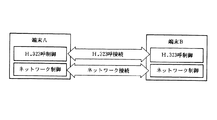
PPP接続に続いてTCPまたはUDPによって端末同士の呼接続を行うマルチメディア端末に、ITU−T勧告H.323準拠端末がある。このH.323準拠端末は、LAN,アナログ回線,PHS等任意のネットワークで動作できるメリットがある反面、ネットワークの接続を確立したのち、H.323で規定する呼接続を行わなければならない。すなわち図4に示すように、端末同士の接続を、ネットワークの接続とH.323の呼接続の2回行う必要がある。
このため接続しようとする2端末でほぼ同時に発呼を開始した場合、ネットワークの接続では衝突を回避できた場合にも、その後のH.323の呼接続時に、発呼の衝突が起こる場合がある。
【0003】
そこで、H.323準拠端末の構成および、その処理動作を説明する。
図5は、H.323準拠端末の基本構成を示す。
マルチメディア通信端末1は、システム制御部2,PPP制御部3,呼制御部4,メディア制御部5,アプリケーション24から構成される。
PPP制御部3は、PPPパケット送信部6,PPPパケット受信部7,PPPパケット作成部8,PPPパケット解析部9から構成される。
呼制御部4は、呼制御メッセージ送信部10,呼制御メッセージ受信部11,呼制御メッセージ作成部12,呼制御メッセージ解析部13から構成される。
メディア制御部5は、メディア送信部14,メディア受信部15,メディア符号化部16,メディア復号化部17,メディア入力部18,メディア出力部19から構成される。
【0004】
マルチメディア通信端末1は、モデム22を介して回線23と接続される。
システム制御部2は、端末全体の動作を制御し、PPP制御部3,呼制御部4,メディア制御部5は、すべてシステム制御部2によって制御される。
PPP制御部3は、端末に接続されたFAXモデムやPHSモデムの接続、切断等を制御するとともに、PPP接続ネゴシエーションに必要なパケットの作成や解析を行う。
【0005】
呼制御部4は、互いの端末のメディア処理能力の通知やメディア用チャネルの開設など、H.323で規定されているメディアの伝送のために必要な呼接続メッセージの送受信および解析をする。呼接続メッセージの送信はTCPにより行う。呼接続メッセージ内の情報は、メディア制御部5に通知する。
【0006】
メディア制御部5は、通知された呼接続メッセージ内の情報に従い、メディアの送受信をする。メディア入力デバイス20は、例えば伝送するメディアが画像であればカメラ、音声であればマイクである。メディア入力部18は、メディア入力デバイス20から入力した音声,画像などの情報をデータ化し、メディア符号化部16に出力する。メディア符号化部16は、入力したデータを伝送に適するように符号化し、メディア送信部14によって送信先のアドレスなどの情報を付加し、回線部22に出力する。メディア受信部15は、回線部22より自端末宛てに送信されたデータを受信し、アドレスなど送信のために付加された情報を除き、受信したデータをメディア復号化部17に出力する。メディア復号化部17は、データを復号し、メディア出力部19を通してメディア出力デバイス21から、受信した音声,画像などの情報を出力する。メディア出力デバイス21は、例えば出力するメディアが画像のときはディスプレイ、音声のときはスピーカである。
アプリケーション24は、ユーザからの接続、切断などの要求をシステム制御部2に通知し、接続完了、切断完了などシステム制御部2からの通知事項をユーザへ知らせる。
【0007】
この従来のH.323準拠端末の動作シーケンスを説明する。
まず、通信する2端末の一方から発呼した場合の動作を説明する。その場合の発呼端末の動作シーケンスを図6に、着呼端末の動作シーケンスを図7に示す。発呼端末のアプリケーションは、自端末のシステム制御部に通信開始要求を発し、システム制御部は、これを受けてPPP制御部にPPP接続要求を発する。PPP制御部は、モデムに発呼要求を発し、モデムは接続処理を開始する。
着呼端末に接続されたモデムは、発呼端末のモデムから着呼し、PPP制御部に着呼通知を発し、接続処理を開始する。
【0008】
通信する2端末に接続されたモデム間で、接続処理が終了すると、両端末のPPP制御部は、モデムから接続処理終了の通知を受け、PPP接続ネゴシエーションを行い、終了後システム制御部にPPP接続確認を発する。
PPP接続確認を受けた発呼端末のシステム制御部は、呼制御部に呼接続要求を発する。PPP接続確認を受けた着呼端末のシステム制御部は、呼接続要求は発さず、着呼待ち状態になる。
発呼端末の呼制御部は、呼接続要求を受け、着呼端末に呼設定メッセージを送信する。
【0009】
着呼端末の呼制御部に、発呼端末から呼設定メッセージが到着すると、着呼端末の呼制御部は、呼び出しおよび接続メッセージを、発呼端末に送信し、システム制御部に呼接続確認を通知する。システム制御部は、呼接続確認を受け、アプリケーションに通信開始確認を通知する。
発呼端末の呼制御部に、着呼端末から呼び出しおよび接続メッセージが到着すると、発呼端末の呼制御部は、システム制御部に呼接続確認を通知する。システム制御部は、呼接続確認を受け、アプリケーションに通信開始確認を通知する。
【0010】
次に、通信する2端末から、ほぼ同時に発呼をしたときの動作を説明する。そのときの両端末の動作シーケンスを図8および図9に示す。
両方の端末のアプリケーションは、それぞれのシステム制御部に通信開始要求を発し、システム制御部は、これを受けてPPP制御部にPPP接続要求を発する。PPP制御部はモデムに発呼要求を発し、モデムは接続処理を開始する。
モデムの接続時に、一方が発呼端末、他方が着呼端末となり接続する。通信する2端末に接続されたモデム間で接続処理が終了すると、両端末のPPP制御部は、モデムから接続処理終了の通知を受け、PPP接続ネゴシエーションを行い、終了後、システム制御部にPPP接続確認を発する。
【0011】
PPP接続確認を受けた両端末のシステム制御部は、呼制御部に呼接続要求を発する。
両端末の呼制御部では、呼接続要求を受け、互いに呼設定メッセージを相手端末に送信する。一方の端末もしくは両方の端末で呼接続の衝突が発生し、呼設定メッセージを送信した後に同じメッセージを受信する。
衝突発生時の対応は様々であるが、例えば呼制御部は相手端末に開放完了メッセージを送信し、自端末のシステム制御部に呼接続失敗を通知する。システム制御部は、これを受け、アプリケーションに通信開始エラーを返す。
【0012】
【発明が解決しようとする課題】
上述したように、例えばH.323端末のようなアウトバンド接続に続きインバンド接続を行う端末において、ほぼ同時に発呼したときに、インバンド接続の発呼の衝突が生ずる場合があった。
また、端末内のシステムが既存の方法により自動的に衝突を回避して接続を行うような処理を追加すると、処理が増えるため、ソフトウェアまたはハードウェアのリソースも必要となった。
【0013】
【課題を解決するための手段】
本発明は、下位の通信プロトコルレイヤが接続されたときの発呼・着呼情報を上位の通信プロトコルレイヤに通知することにより、通信開始時の発呼の衝突を回避するようにし、したがって、衝突回避処理のためのリソースも不要としたものである。
本発明の第1の技術手段は、通信プロトコルの下位レイヤから通信開始時の発呼・着呼情報を得る手段と、それより上位の上位レイヤに前記発呼・着呼情報を通知する手段を有する通信端末であって、前記下位レイヤからの情報が、発呼情報であれば前記上位レイヤでも必ず発呼の動作を行い、前記下位レイヤからの情報が、着呼情報であれば前記上位レイヤでも必ず着呼の動作を行うことを特徴としたものである。
【0014】
本発明の第2の技術手段は、前記第1の技術手段において、前記下位レイヤがPPP( Point-to-Point Protocol )であり、前記上位レイヤがTCP( Transmission Control Protocol )またはUDP( User Datagram Protocol )等のPPPの上位プロトコルであることを特徴としたものである。
【0015】
本発明の第3の技術手段は、通信プロトコルの下位レイヤから通信開始時の発呼・着呼情報を得、それより上位の上位レイヤに前記発呼・着呼情報を通知するようにした通信方法であって、前記下位レイヤからの情報が、発呼情報であれば前記上位レイヤでも必ず発呼の動作を行い、前記下位レイヤからの情報が、着呼情報であれば前記上位レイヤでも必ず着呼の動作を行うことを特徴としたものである。
【0016】
本発明の第4の技術手段は、前記第3の技術手段において、前記下位レイヤがPPP( Point-to-Point Protocol )であり、前記上位レイヤがTCP( Transmission Control Protocol )またはUDP( User Datagram Protocol )等のPPPの上位プロトコルであることを特徴としたものである。
【0017】
本発明の第5の技術手段は、前記第3または第4の技術手段の通信方法を、コンピュータに実行させるための、通信プログラムを記録したコンピュータ読み取り可能な記録媒体であることを特徴としたものである。
【0021】
【発明の実施の形態】
例えば、モデムを経由してPPP接続をする場合には、モデムのリザルト・コードによって着呼を識別できるので、この情報を端末のシステム制御部に通知し、端末のシステム制御部は通知に従って発呼動作をするか、着呼動作をするか決定するようにしたものである。
【0022】
(実施例)
PPPの上位のレイヤプロトコルであるTCPを使って発呼・着呼処理を行うマルチメディア通信端末での実施例を示す。端末の基本構成は、前記従来の技術として説明した図5に記載されたものと同じで、説明は省略する。
【0023】
本発明の一実施例の動作シーケンスを説明する。
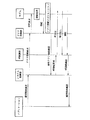
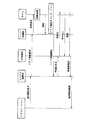
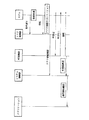
まず、通信する2端末の一方から発呼した場合の動作を説明する。この場合の発呼端末の動作シーケンスを図1に、着呼端末の動作シーケンスを図2に示す。発呼側の端末のアプリケーションは自端末のシステム制御部に通信開始要求を発し、システム制御部はこれを受けてPPP制御部にPPP接続要求を発する。PPP制御部はモデムに発呼要求を発し、モデムは接続処理を開始する。
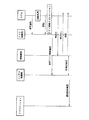
【0024】
着呼端末に接続されたモデムは、発呼端末のモデムから着呼し、PPP制御部に着呼通知を発し、接続処理を開始する。
通信する2端末に接続されたモデム間で接続処理が終了すると、両端末のPPP制御部は、モデムから接続処理終了の通知を受け、PPP接続ネゴシエーションを行い、終了後、システム制御部にPPP接続確認を発する。
このときPPP制御部が、接続処理終了の通知を受けるまでの間に着呼通知を受信していた場合には、着呼PPP接続確認を発する。着呼通知を受信しなかった場合には、発呼PPP接続確認を発する。
【0025】
発呼PPP接続確認を受けたシステム制御部は、呼制御部に呼接続要求を発する。着呼PPP接続確認を受けたシステム制御部は、呼接続要求は発さず、着呼待ち状態になる。
発呼端末の呼制御部は、呼接続要求を受け、着呼端末に呼設定メッセージを送信する。
着呼端末の呼制御部に発呼端末から呼設定メッセージが到着すると、着呼端末の呼制御部は、呼び出しおよび接続メッセージを発呼端末に送信し、システム制御部に呼接続確認を通知する。システム制御部は、呼接続確認を受け、アプリケーションに通信開始確認を通知する。
発呼端末の呼制御部に、着呼端末からの呼び出しおよび接続メッセージが到着すると、発呼端末の呼制御部は、システム制御部に呼接続確認を通知する。システム制御部は、呼接続確認を受け、アプリケーションに通信開始確認を通知する。
【0026】
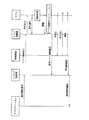
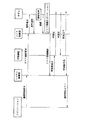
次に、通信する2端末から、ほぼ同時に発呼をしたときの動作を説明する。そのときの両端末の動作シーケンスを図1および図3に示す。
両方の端末のアプリケーションは、それぞれのシステム制御部に通信開始要求を発し、システム制御部は、これを受けてPPP制御部にPPP接続要求を発する。PPP制御部は、モデムに発呼要求を発し、モデムは接続処理を開始する。
【0027】
モデムの接続時に、一方が発呼端末、他方が着呼端末となり接続する。通信する2端末に接続されたモデム間で接続処理が終了すると、両端末のPPP制御部は、モデムから接続処理終了の通知を受け、PPP接続ネゴシエーションを行い、終了後、システム制御部にPPP接続確認を発する。
このときPPP制御部が接続処理終了の通知を受けるまでの間に着呼通知を受信していた場合には、着呼PPP接続確認を発する。着呼通知を受信しなかった場合には、発呼PPP接続確認を発する。
発呼PPP接続確認を受けたシステム制御部は、呼制御部に呼接続要求を発する。着呼PPP接続確認を受けたシステム制御部は、呼接続要求は発さず、着呼待ち状態になる。
【0028】
発呼端末の呼制御部は、呼接続要求を受け、着呼端末に呼設定メッセージを送信する。
着呼端末の呼制御部に、発呼端末から呼設定メッセージが到着すると、着呼端末の呼制御部は、呼び出しおよび接続メッセージを発呼端末に送信し、システム制御部に呼接続確認を通知する。システム制御部は、呼接続確認を受け、アプリケーションに通信開始確認を通知する。
発呼端末の呼制御部に、着呼端末から呼び出しおよび接続メッセージが到着すると、発呼端末の呼制御部は、システム制御部に呼接続確認を通知する。システム制御部は、呼接続確認を受け、アプリケーションに通信開始確認を通知する。上記のシーケンスにより、アプリケーションからほぼ同時に発呼した場合でも、端末がモデムの接続方向に合わせて呼制御部での発呼・着呼を選択し、呼制御部での発呼の衝突を回避できる。
【0029】
【発明の効果】
通信を行う2端末間の発呼の衝突を回避できるため、衝突により接続が失敗する煩わしさが解消され、端末間のインバンド接続で発呼が競合した場合の処理を端末に搭載しなくてもよいため、端末のハードウェアおよびソフトウェアリソースが節約でき、PDAなど、リソースの少ない端末でも動作させることができる。
【図面の簡単な説明】
【図1】本発明の発呼端末の動作シーケンス図である。
【図2】本発明の着呼端末の動作シーケンス図である。
【図3】本発明において2端末が同時発呼を行った場合の動作シーケンス図である。
【図4】H.323準拠端末の呼接続の階層を示す図である。
【図5】H.323準拠端末の構成図である。
【図6】従来の発呼端末の動作シーケンスを示す図である。
【図7】従来の着呼端末の動作シーケンスを示す図である。
【図8】従来の2端末が同時発呼を行った場合の一方の端末の接続シーケンス図である。
【図9】従来の2端末が同時発呼を行った場合の他方の端末の接続シーケンス図である。
【符号の説明】
1…マルチメディア通信端末、2…システム制御部、3…PPP制御部、4…呼制御部、5…メディア制御部、6…PPPパケット送信部、7…PPPパケット受信部、8…PPPパケット作成部、9…PPPパケット解析部、10…呼制御メッセージ送信部、11…呼制御メッセージ受信部、12…呼制御メッセージ作成部、13…呼制御メッセージ解析部、14…メディア送信部、15…メディア受信部、16…メディア符号化部、17…メディア復号化部、18…メディア入力部、19…メディア出力部、20…メディア入力デバイス、21…メディア出力デバイス、22…モデム、23…回線部、24…アプリケーション。[0001]
BACKGROUND OF THE INVENTION
The present invention provides terminal capability notification and logic by message transmission using a higher protocol of PPP such as TCP (Transmission Control Protocol) or UDP (User Datagram Protocol) following establishment of PPP (Point-to-Point Protocol) connection. This is related to multimedia communication for establishing a channel.
[0002]
[Prior art]
A multimedia terminal that performs call connection between terminals by TCP or UDP following PPP connection is an ITU-T Recommendation H.323 terminal. While this H.323 compliant terminal has the merit of being able to operate on any network such as a LAN, analog line, PHS, etc., after establishing the network connection, it is necessary to perform a call connection defined in H.323. That is, as shown in FIG. 4, the terminals need to be connected twice, ie, network connection and H.323 call connection.
For this reason, when the two terminals to be connected start a call almost simultaneously, even if a collision can be avoided by connecting to the network, a call collision may occur during the subsequent H.323 call connection. .
[0003]
Therefore, the configuration of the H.323 compliant terminal and its processing operation will be described.
FIG. 5 shows a basic configuration of an H.323 compliant terminal.
The
The PPP control unit 3 includes a PPP
The
The media control unit 5 includes a
[0004]
The
The system control unit 2 controls the operation of the entire terminal, and the PPP control unit 3, the
The PPP control unit 3 controls connection and disconnection of a FAX modem and a PHS modem connected to the terminal, and creates and analyzes a packet necessary for PPP connection negotiation.
[0005]
The
[0006]
The media control unit 5 transmits / receives media according to the information in the notified call connection message. The
The
[0007]
The operation sequence of this conventional H.323 compliant terminal will be described.
First, an operation when a call is made from one of two communicating terminals will be described. The operation sequence of the calling terminal in that case is shown in FIG. 6, and the operation sequence of the called terminal is shown in FIG. The calling terminal application issues a communication start request to the system control unit of the own terminal, and the system control unit receives the request and issues a PPP connection request to the PPP control unit. The PPP control unit issues a call request to the modem, and the modem starts connection processing.
A modem connected to the called terminal receives a call from the modem of the calling terminal, issues a call notification to the PPP control unit, and starts a connection process.
[0008]
When the connection process is completed between the modems connected to the two communicating terminals, the PPP control units of both terminals receive a notification of the end of the connection process from the modems, perform PPP connection negotiation, and connect to the system control unit after completion of the PPP connection. Issue a confirmation.
Upon receiving the PPP connection confirmation, the system control unit of the calling terminal issues a call connection request to the call control unit. The system controller of the called terminal that has received the PPP connection confirmation does not issue a call connection request and enters a call waiting state.
The call control unit of the calling terminal receives the call connection request and transmits a call setting message to the called terminal.
[0009]
When a call setup message arrives at the call control unit of the called terminal from the calling terminal, the call control unit of the called terminal sends a call and connection message to the calling terminal and confirms the call connection with the system control unit. Notice. The system control unit receives the call connection confirmation and notifies the application of the communication start confirmation.
When a call and connection message arrives at the call control unit of the calling terminal from the called terminal, the call control unit of the calling terminal notifies the system control unit of call connection confirmation. The system control unit receives the call connection confirmation and notifies the application of the communication start confirmation.
[0010]
Next, an operation when calls are made almost simultaneously from two communicating terminals will be described. The operation sequences of both terminals at that time are shown in FIGS.
The applications of both terminals issue a communication start request to the respective system control units, and the system control unit issues a PPP connection request to the PPP control unit in response thereto. The PPP control unit issues a call request to the modem, and the modem starts connection processing.
When the modem is connected, one is the calling terminal and the other is the called terminal. When the connection process is completed between the modems connected to the two communicating terminals, the PPP control units of both terminals receive a notification of the end of the connection process from the modem, perform PPP connection negotiation, and after completion of the PPP connection to the system control unit Issue a confirmation.
[0011]
The system control units of both terminals that have received the PPP connection confirmation issue a call connection request to the call control unit.
The call control units of both terminals receive a call connection request and send a call setup message to the partner terminal. A call connection collision occurs at one or both terminals, and the same message is received after transmitting the call setup message.
For example, the call control unit transmits a release completion message to the partner terminal and notifies the system control unit of the terminal itself of the call connection failure. In response to this, the system control unit returns a communication start error to the application.
[0012]
[Problems to be solved by the invention]
As described above, in a terminal that performs an in-band connection following an out-band connection, such as an H.323 terminal, an in-band connection call collision may occur when calls are made almost simultaneously.
In addition, if a process in the terminal system automatically adds a process that automatically avoids a collision by using an existing method and connects, software or hardware resources are also required because the process increases.
[0013]
[Means for Solving the Problems]
The present invention avoids a call collision at the start of communication by notifying a higher communication protocol layer of outgoing / incoming call information when a lower communication protocol layer is connected. Resources for avoidance processing are also unnecessary.
First technical means of the present invention, the obtained Ru means calling-call information during communication start from the lower layer communication protocol, means for notifying the call-incoming information it than to the upper of the upper layer If the information from the lower layer is call information, the higher layer always performs a call operation. If the information from the lower layer is call information, the upper layer The feature is that an incoming call operation is always performed even in a layer .
[0014]
According to a second technical means of the present invention, in the first technical means, the lower layer is PPP ( Point-to-Point Protocol ), and the upper layer is TCP ( Transmission Control Protocol ) or UDP ( User Datagram Protocol). ) And the like.
[0015]
The third technical means of the present invention obtains call / incoming call information at the start of communication from a lower layer of a communication protocol, and notifies the caller / incoming call information to a higher upper layer. If the information from the lower layer is call information, the upper layer always performs a call operation. If the information from the lower layer is call information, the upper layer always It is characterized by performing an incoming call operation.
[0016]
According to a fourth technical means of the present invention, in the third technical means, the lower layer is PPP ( Point-to-Point Protocol ), and the upper layer is TCP ( Transmission Control Protocol ) or UDP ( User Datagram Protocol). ) And the like.
[0017]
According to a fifth technical means of the present invention, there is provided a computer-readable recording medium recording a communication program for causing a computer to execute the communication method of the third or fourth technical means. It is.
[0021]
DETAILED DESCRIPTION OF THE INVENTION
For example, when a PPP connection is made via a modem, the incoming call can be identified by the modem result code, so this information is notified to the system control unit of the terminal, and the terminal system control unit makes a call according to the notification. It is determined whether to perform an operation or an incoming call operation.
[0022]
(Example)
An embodiment in a multimedia communication terminal that performs calling / incoming call processing using TCP, which is a higher layer protocol of PPP, is shown. The basic configuration of the terminal is the same as that described in FIG. 5 described as the prior art, and description thereof is omitted.
[0023]
The operation sequence of one embodiment of the present invention will be described.
First, an operation when a call is made from one of two communicating terminals will be described. The operation sequence of the calling terminal in this case is shown in FIG. 1, and the operation sequence of the called terminal is shown in FIG. The application of the calling terminal issues a communication start request to the system control unit of its own terminal, and the system control unit receives the request and issues a PPP connection request to the PPP control unit. The PPP control unit issues a call request to the modem, and the modem starts connection processing.
[0024]
A modem connected to the called terminal receives a call from the modem of the calling terminal, issues a call notification to the PPP control unit, and starts a connection process.
When the connection process is completed between the modems connected to the two communicating terminals, the PPP control units of both terminals receive a notification of the end of the connection process from the modem, perform PPP connection negotiation, and after completion of the PPP connection to the system control unit Issue a confirmation.
At this time, if the PPP control unit receives the incoming call notification before receiving the notification of the end of the connection process, it issues an incoming PPP connection confirmation. If the incoming call notification is not received, the outgoing PPP connection confirmation is issued.
[0025]
Upon receiving the call PPP connection confirmation, the system control unit issues a call connection request to the call control unit. The system control unit that has received the incoming PPP connection confirmation does not issue a call connection request, and enters an incoming call waiting state.
The call control unit of the calling terminal receives the call connection request and transmits a call setting message to the called terminal.
When a call setup message arrives at the call control unit of the called terminal from the calling terminal, the call control unit of the called terminal transmits a call and connection message to the calling terminal and notifies the system control unit of the call connection confirmation. . The system control unit receives the call connection confirmation and notifies the application of the communication start confirmation.
When a call from the called terminal and a connection message arrive at the call control unit of the calling terminal, the call control unit of the calling terminal notifies the system control unit of call connection confirmation. The system control unit receives the call connection confirmation and notifies the application of the communication start confirmation.
[0026]
Next, an operation when calls are made almost simultaneously from two communicating terminals will be described. The operation sequences of both terminals at that time are shown in FIGS.
The applications of both terminals issue a communication start request to the respective system control units, and the system control unit issues a PPP connection request to the PPP control unit in response thereto. The PPP control unit issues a call request to the modem, and the modem starts connection processing.
[0027]
When the modem is connected, one is the calling terminal and the other is the called terminal. When the connection process is completed between the modems connected to the two communicating terminals, the PPP control units of both terminals receive a notification of the end of the connection process from the modem, perform PPP connection negotiation, and after completion of the PPP connection to the system control unit Issue a confirmation.
At this time, if the incoming call notification is received before the PPP control unit receives the notification of the end of the connection processing, an incoming PPP connection confirmation is issued. If the incoming call notification is not received, the outgoing PPP connection confirmation is issued.
Upon receiving the call PPP connection confirmation, the system control unit issues a call connection request to the call control unit. The system control unit that has received the incoming PPP connection confirmation does not issue a call connection request, and enters an incoming call waiting state.
[0028]
The call control unit of the calling terminal receives the call connection request and transmits a call setting message to the called terminal.
When a call setup message arrives at the call control unit of the called terminal from the calling terminal, the call control unit of the called terminal sends a call and connection message to the calling terminal and notifies the system control unit of the call connection confirmation. To do. The system control unit receives the call connection confirmation and notifies the application of the communication start confirmation.
When a call and connection message arrives at the call control unit of the calling terminal from the called terminal, the call control unit of the calling terminal notifies the system control unit of call connection confirmation. The system control unit receives the call connection confirmation and notifies the application of the communication start confirmation. By the above sequence, even when an application makes a call almost simultaneously, the terminal can select a call / incoming call in the call control unit according to the connection direction of the modem, and a call collision in the call control unit can be avoided. .
[0029]
【The invention's effect】
Since it is possible to avoid the collision of outgoing calls between two communicating terminals, the troublesome connection failure due to the collision is eliminated, and the processing when the outgoing call competes in the in-band connection between the terminals is not installed in the terminal. Therefore, the hardware and software resources of the terminal can be saved, and even a terminal with few resources such as a PDA can be operated.
[Brief description of the drawings]
FIG. 1 is an operation sequence diagram of a calling terminal according to the present invention.
FIG. 2 is an operation sequence diagram of an incoming call terminal according to the present invention.
FIG. 3 is an operation sequence diagram when two terminals make a simultaneous call in the present invention.
FIG. 4 is a diagram illustrating a call connection hierarchy of an H.323-compliant terminal.
FIG. 5 is a configuration diagram of an H.323-compliant terminal.
FIG. 6 is a diagram showing an operation sequence of a conventional calling terminal.
FIG. 7 is a diagram showing an operation sequence of a conventional incoming call terminal.
FIG. 8 is a connection sequence diagram of one terminal when two conventional terminals make a simultaneous call.
FIG. 9 is a connection sequence diagram of the other terminal when two conventional terminals make a simultaneous call.
[Explanation of symbols]
DESCRIPTION OF
Claims (5)
Priority Applications (1)
| Application Number | Priority Date | Filing Date | Title |
|---|---|---|---|
| JP00311599A JP4100794B2 (en) | 1999-01-08 | 1999-01-08 | Communication terminal, communication method, and recording medium |
Applications Claiming Priority (1)
| Application Number | Priority Date | Filing Date | Title |
|---|---|---|---|
| JP00311599A JP4100794B2 (en) | 1999-01-08 | 1999-01-08 | Communication terminal, communication method, and recording medium |
Publications (2)
| Publication Number | Publication Date |
|---|---|
| JP2000201201A JP2000201201A (en) | 2000-07-18 |
| JP4100794B2 true JP4100794B2 (en) | 2008-06-11 |
Family
ID=11548366
Family Applications (1)
| Application Number | Title | Priority Date | Filing Date |
|---|---|---|---|
| JP00311599A Expired - Fee Related JP4100794B2 (en) | 1999-01-08 | 1999-01-08 | Communication terminal, communication method, and recording medium |
Country Status (1)
| Country | Link |
|---|---|
| JP (1) | JP4100794B2 (en) |
-
1999
- 1999-01-08 JP JP00311599A patent/JP4100794B2/en not_active Expired - Fee Related
Also Published As
| Publication number | Publication date |
|---|---|
| JP2000201201A (en) | 2000-07-18 |
Similar Documents
| Publication | Publication Date | Title |
|---|---|---|
| KR100365357B1 (en) | Method for data communication of mobile terminal | |
| JP3695563B2 (en) | Data network communication call processing method and data network communication call processing network node | |
| US6735288B1 (en) | Voice over IP voice mail system configured for placing an outgoing call and returning subscriber to mailbox after call completion | |
| WO2011109978A1 (en) | Method and terminal for controlling lens | |
| JP4185891B2 (en) | Communication terminal and communication terminal control method | |
| JPH10210080A (en) | Internet communication system | |
| JP2006501734A (en) | Telephone device, multimedia terminal, and server | |
| JP2005278084A (en) | Communication system | |
| JP4100794B2 (en) | Communication terminal, communication method, and recording medium | |
| CN1685701B (en) | Method and device for differential link establishment of MoIP on Internet | |
| US8615007B2 (en) | Network switching system with asynchronous and isochronous interface | |
| US20030126615A1 (en) | Cable modem and protocol conversion processing method | |
| JPH10290448A (en) | Monitoring system | |
| US7864671B2 (en) | Connection control apparatus, connection control method, and program | |
| JP2716984B2 (en) | Communication method | |
| JP4220203B2 (en) | Phone terminal | |
| JP3903822B2 (en) | Button telephone apparatus and program | |
| JP2004363993A (en) | Communication terminal | |
| JP3882801B2 (en) | IP telephone system, server device and router control method | |
| JP2004072441A (en) | Ip camera telephone device with image display function | |
| JP2001016357A (en) | Terminal adaptor with doorphone function | |
| JP4906823B2 (en) | Call control method, communication system, and information processing apparatus | |
| JP3726725B2 (en) | Communication network system and gateway device | |
| JP2003008614A (en) | Communications system | |
| JP2000174904A (en) | Internet telephone system |
Legal Events
| Date | Code | Title | Description |
|---|---|---|---|
| A621 | Written request for application examination |
Free format text: JAPANESE INTERMEDIATE CODE: A621 Effective date: 20050708 |
|
| A977 | Report on retrieval |
Free format text: JAPANESE INTERMEDIATE CODE: A971007 Effective date: 20070416 |
|
| A131 | Notification of reasons for refusal |
Free format text: JAPANESE INTERMEDIATE CODE: A131 Effective date: 20070918 |
|
| A521 | Written amendment |
Free format text: JAPANESE INTERMEDIATE CODE: A523 Effective date: 20071023 |
|
| A131 | Notification of reasons for refusal |
Free format text: JAPANESE INTERMEDIATE CODE: A131 Effective date: 20071127 |
|
| A521 | Written amendment |
Free format text: JAPANESE INTERMEDIATE CODE: A523 Effective date: 20071207 |
|
| TRDD | Decision of grant or rejection written | ||
| A01 | Written decision to grant a patent or to grant a registration (utility model) |
Free format text: JAPANESE INTERMEDIATE CODE: A01 Effective date: 20080318 |
|
| A61 | First payment of annual fees (during grant procedure) |
Free format text: JAPANESE INTERMEDIATE CODE: A61 Effective date: 20080318 |
|
| FPAY | Renewal fee payment (event date is renewal date of database) |
Free format text: PAYMENT UNTIL: 20110328 Year of fee payment: 3 |
|
| R150 | Certificate of patent or registration of utility model |
Free format text: JAPANESE INTERMEDIATE CODE: R150 |
|
| FPAY | Renewal fee payment (event date is renewal date of database) |
Free format text: PAYMENT UNTIL: 20120328 Year of fee payment: 4 |
|
| LAPS | Cancellation because of no payment of annual fees |