JP5114497B2 - Filtration media containing chemical reagents - Google Patents
Filtration media containing chemical reagents Download PDFInfo
- Publication number
- JP5114497B2 JP5114497B2 JP2009547313A JP2009547313A JP5114497B2 JP 5114497 B2 JP5114497 B2 JP 5114497B2 JP 2009547313 A JP2009547313 A JP 2009547313A JP 2009547313 A JP2009547313 A JP 2009547313A JP 5114497 B2 JP5114497 B2 JP 5114497B2
- Authority
- JP
- Japan
- Prior art keywords
- permanganate
- impregnation solution
- kmno
- mixing
- solution
- Prior art date
- Legal status (The legal status is an assumption and is not a legal conclusion. Google has not performed a legal analysis and makes no representation as to the accuracy of the status listed.)
- Active
Links
Images



Classifications
-
- B—PERFORMING OPERATIONS; TRANSPORTING
- B01—PHYSICAL OR CHEMICAL PROCESSES OR APPARATUS IN GENERAL
- B01J—CHEMICAL OR PHYSICAL PROCESSES, e.g. CATALYSIS OR COLLOID CHEMISTRY; THEIR RELEVANT APPARATUS
- B01J20/00—Solid sorbent compositions or filter aid compositions; Sorbents for chromatography; Processes for preparing, regenerating or reactivating thereof
- B01J20/02—Solid sorbent compositions or filter aid compositions; Sorbents for chromatography; Processes for preparing, regenerating or reactivating thereof comprising inorganic material
- B01J20/04—Solid sorbent compositions or filter aid compositions; Sorbents for chromatography; Processes for preparing, regenerating or reactivating thereof comprising inorganic material comprising compounds of alkali metals, alkaline earth metals or magnesium
-
- A—HUMAN NECESSITIES
- A61—MEDICAL OR VETERINARY SCIENCE; HYGIENE
- A61L—METHODS OR APPARATUS FOR STERILISING MATERIALS OR OBJECTS IN GENERAL; DISINFECTION, STERILISATION OR DEODORISATION OF AIR; CHEMICAL ASPECTS OF BANDAGES, DRESSINGS, ABSORBENT PADS OR SURGICAL ARTICLES; MATERIALS FOR BANDAGES, DRESSINGS, ABSORBENT PADS OR SURGICAL ARTICLES
- A61L9/00—Disinfection, sterilisation or deodorisation of air
- A61L9/01—Deodorant compositions
-
- A—HUMAN NECESSITIES
- A61—MEDICAL OR VETERINARY SCIENCE; HYGIENE
- A61L—METHODS OR APPARATUS FOR STERILISING MATERIALS OR OBJECTS IN GENERAL; DISINFECTION, STERILISATION OR DEODORISATION OF AIR; CHEMICAL ASPECTS OF BANDAGES, DRESSINGS, ABSORBENT PADS OR SURGICAL ARTICLES; MATERIALS FOR BANDAGES, DRESSINGS, ABSORBENT PADS OR SURGICAL ARTICLES
- A61L9/00—Disinfection, sterilisation or deodorisation of air
- A61L9/01—Deodorant compositions
- A61L9/014—Deodorant compositions containing sorbent material, e.g. activated carbon
-
- B—PERFORMING OPERATIONS; TRANSPORTING
- B01—PHYSICAL OR CHEMICAL PROCESSES OR APPARATUS IN GENERAL
- B01D—SEPARATION
- B01D39/00—Filtering material for liquid or gaseous fluids
- B01D39/02—Loose filtering material, e.g. loose fibres
- B01D39/06—Inorganic material, e.g. asbestos fibres, glass beads or fibres
-
- B—PERFORMING OPERATIONS; TRANSPORTING
- B01—PHYSICAL OR CHEMICAL PROCESSES OR APPARATUS IN GENERAL
- B01D—SEPARATION
- B01D53/00—Separation of gases or vapours; Recovering vapours of volatile solvents from gases; Chemical or biological purification of waste gases, e.g. engine exhaust gases, smoke, fumes, flue gases, aerosols
- B01D53/34—Chemical or biological purification of waste gases
- B01D53/74—General processes for purification of waste gases; Apparatus or devices specially adapted therefor
- B01D53/81—Solid phase processes
-
- B—PERFORMING OPERATIONS; TRANSPORTING
- B01—PHYSICAL OR CHEMICAL PROCESSES OR APPARATUS IN GENERAL
- B01J—CHEMICAL OR PHYSICAL PROCESSES, e.g. CATALYSIS OR COLLOID CHEMISTRY; THEIR RELEVANT APPARATUS
- B01J20/00—Solid sorbent compositions or filter aid compositions; Sorbents for chromatography; Processes for preparing, regenerating or reactivating thereof
- B01J20/02—Solid sorbent compositions or filter aid compositions; Sorbents for chromatography; Processes for preparing, regenerating or reactivating thereof comprising inorganic material
- B01J20/0203—Solid sorbent compositions or filter aid compositions; Sorbents for chromatography; Processes for preparing, regenerating or reactivating thereof comprising inorganic material comprising compounds of metals not provided for in B01J20/04
- B01J20/0222—Compounds of Mn, Re
-
- B—PERFORMING OPERATIONS; TRANSPORTING
- B01—PHYSICAL OR CHEMICAL PROCESSES OR APPARATUS IN GENERAL
- B01J—CHEMICAL OR PHYSICAL PROCESSES, e.g. CATALYSIS OR COLLOID CHEMISTRY; THEIR RELEVANT APPARATUS
- B01J20/00—Solid sorbent compositions or filter aid compositions; Sorbents for chromatography; Processes for preparing, regenerating or reactivating thereof
- B01J20/02—Solid sorbent compositions or filter aid compositions; Sorbents for chromatography; Processes for preparing, regenerating or reactivating thereof comprising inorganic material
- B01J20/04—Solid sorbent compositions or filter aid compositions; Sorbents for chromatography; Processes for preparing, regenerating or reactivating thereof comprising inorganic material comprising compounds of alkali metals, alkaline earth metals or magnesium
- B01J20/043—Carbonates or bicarbonates, e.g. limestone, dolomite, aragonite
-
- B—PERFORMING OPERATIONS; TRANSPORTING
- B01—PHYSICAL OR CHEMICAL PROCESSES OR APPARATUS IN GENERAL
- B01J—CHEMICAL OR PHYSICAL PROCESSES, e.g. CATALYSIS OR COLLOID CHEMISTRY; THEIR RELEVANT APPARATUS
- B01J20/00—Solid sorbent compositions or filter aid compositions; Sorbents for chromatography; Processes for preparing, regenerating or reactivating thereof
- B01J20/02—Solid sorbent compositions or filter aid compositions; Sorbents for chromatography; Processes for preparing, regenerating or reactivating thereof comprising inorganic material
- B01J20/04—Solid sorbent compositions or filter aid compositions; Sorbents for chromatography; Processes for preparing, regenerating or reactivating thereof comprising inorganic material comprising compounds of alkali metals, alkaline earth metals or magnesium
- B01J20/048—Solid sorbent compositions or filter aid compositions; Sorbents for chromatography; Processes for preparing, regenerating or reactivating thereof comprising inorganic material comprising compounds of alkali metals, alkaline earth metals or magnesium containing phosphorus, e.g. phosphates, apatites, hydroxyapatites
-
- B—PERFORMING OPERATIONS; TRANSPORTING
- B01—PHYSICAL OR CHEMICAL PROCESSES OR APPARATUS IN GENERAL
- B01J—CHEMICAL OR PHYSICAL PROCESSES, e.g. CATALYSIS OR COLLOID CHEMISTRY; THEIR RELEVANT APPARATUS
- B01J20/00—Solid sorbent compositions or filter aid compositions; Sorbents for chromatography; Processes for preparing, regenerating or reactivating thereof
- B01J20/02—Solid sorbent compositions or filter aid compositions; Sorbents for chromatography; Processes for preparing, regenerating or reactivating thereof comprising inorganic material
- B01J20/06—Solid sorbent compositions or filter aid compositions; Sorbents for chromatography; Processes for preparing, regenerating or reactivating thereof comprising inorganic material comprising oxides or hydroxides of metals not provided for in group B01J20/04
- B01J20/08—Solid sorbent compositions or filter aid compositions; Sorbents for chromatography; Processes for preparing, regenerating or reactivating thereof comprising inorganic material comprising oxides or hydroxides of metals not provided for in group B01J20/04 comprising aluminium oxide or hydroxide; comprising bauxite
-
- B—PERFORMING OPERATIONS; TRANSPORTING
- B01—PHYSICAL OR CHEMICAL PROCESSES OR APPARATUS IN GENERAL
- B01J—CHEMICAL OR PHYSICAL PROCESSES, e.g. CATALYSIS OR COLLOID CHEMISTRY; THEIR RELEVANT APPARATUS
- B01J20/00—Solid sorbent compositions or filter aid compositions; Sorbents for chromatography; Processes for preparing, regenerating or reactivating thereof
- B01J20/28—Solid sorbent compositions or filter aid compositions; Sorbents for chromatography; Processes for preparing, regenerating or reactivating thereof characterised by their form or physical properties
- B01J20/28002—Solid sorbent compositions or filter aid compositions; Sorbents for chromatography; Processes for preparing, regenerating or reactivating thereof characterised by their form or physical properties characterised by their physical properties
- B01J20/28004—Sorbent size or size distribution, e.g. particle size
-
- B—PERFORMING OPERATIONS; TRANSPORTING
- B01—PHYSICAL OR CHEMICAL PROCESSES OR APPARATUS IN GENERAL
- B01J—CHEMICAL OR PHYSICAL PROCESSES, e.g. CATALYSIS OR COLLOID CHEMISTRY; THEIR RELEVANT APPARATUS
- B01J20/00—Solid sorbent compositions or filter aid compositions; Sorbents for chromatography; Processes for preparing, regenerating or reactivating thereof
- B01J20/30—Processes for preparing, regenerating, or reactivating
- B01J20/3028—Granulating, agglomerating or aggregating
-
- B—PERFORMING OPERATIONS; TRANSPORTING
- B01—PHYSICAL OR CHEMICAL PROCESSES OR APPARATUS IN GENERAL
- B01J—CHEMICAL OR PHYSICAL PROCESSES, e.g. CATALYSIS OR COLLOID CHEMISTRY; THEIR RELEVANT APPARATUS
- B01J20/00—Solid sorbent compositions or filter aid compositions; Sorbents for chromatography; Processes for preparing, regenerating or reactivating thereof
- B01J20/30—Processes for preparing, regenerating, or reactivating
- B01J20/3035—Compressing
-
- B—PERFORMING OPERATIONS; TRANSPORTING
- B01—PHYSICAL OR CHEMICAL PROCESSES OR APPARATUS IN GENERAL
- B01J—CHEMICAL OR PHYSICAL PROCESSES, e.g. CATALYSIS OR COLLOID CHEMISTRY; THEIR RELEVANT APPARATUS
- B01J20/00—Solid sorbent compositions or filter aid compositions; Sorbents for chromatography; Processes for preparing, regenerating or reactivating thereof
- B01J20/30—Processes for preparing, regenerating, or reactivating
- B01J20/3078—Thermal treatment, e.g. calcining or pyrolizing
-
- B—PERFORMING OPERATIONS; TRANSPORTING
- B01—PHYSICAL OR CHEMICAL PROCESSES OR APPARATUS IN GENERAL
- B01J—CHEMICAL OR PHYSICAL PROCESSES, e.g. CATALYSIS OR COLLOID CHEMISTRY; THEIR RELEVANT APPARATUS
- B01J20/00—Solid sorbent compositions or filter aid compositions; Sorbents for chromatography; Processes for preparing, regenerating or reactivating thereof
- B01J20/30—Processes for preparing, regenerating, or reactivating
- B01J20/32—Impregnating or coating ; Solid sorbent compositions obtained from processes involving impregnating or coating
- B01J20/3202—Impregnating or coating ; Solid sorbent compositions obtained from processes involving impregnating or coating characterised by the carrier, support or substrate used for impregnation or coating
- B01J20/3204—Inorganic carriers, supports or substrates
-
- B—PERFORMING OPERATIONS; TRANSPORTING
- B01—PHYSICAL OR CHEMICAL PROCESSES OR APPARATUS IN GENERAL
- B01J—CHEMICAL OR PHYSICAL PROCESSES, e.g. CATALYSIS OR COLLOID CHEMISTRY; THEIR RELEVANT APPARATUS
- B01J20/00—Solid sorbent compositions or filter aid compositions; Sorbents for chromatography; Processes for preparing, regenerating or reactivating thereof
- B01J20/30—Processes for preparing, regenerating, or reactivating
- B01J20/32—Impregnating or coating ; Solid sorbent compositions obtained from processes involving impregnating or coating
- B01J20/3231—Impregnating or coating ; Solid sorbent compositions obtained from processes involving impregnating or coating characterised by the coating or impregnating layer
- B01J20/3234—Inorganic material layers
- B01J20/3236—Inorganic material layers containing metal, other than zeolites, e.g. oxides, hydroxides, sulphides or salts
-
- B—PERFORMING OPERATIONS; TRANSPORTING
- B01—PHYSICAL OR CHEMICAL PROCESSES OR APPARATUS IN GENERAL
- B01D—SEPARATION
- B01D2239/00—Aspects relating to filtering material for liquid or gaseous fluids
- B01D2239/04—Additives and treatments of the filtering material
- B01D2239/045—Deodorising additives
-
- B—PERFORMING OPERATIONS; TRANSPORTING
- B01—PHYSICAL OR CHEMICAL PROCESSES OR APPARATUS IN GENERAL
- B01D—SEPARATION
- B01D2239/00—Aspects relating to filtering material for liquid or gaseous fluids
- B01D2239/04—Additives and treatments of the filtering material
- B01D2239/0471—Surface coating material
-
- B—PERFORMING OPERATIONS; TRANSPORTING
- B01—PHYSICAL OR CHEMICAL PROCESSES OR APPARATUS IN GENERAL
- B01D—SEPARATION
- B01D2251/00—Reactants
- B01D2251/10—Oxidants
-
- B—PERFORMING OPERATIONS; TRANSPORTING
- B01—PHYSICAL OR CHEMICAL PROCESSES OR APPARATUS IN GENERAL
- B01D—SEPARATION
- B01D2257/00—Components to be removed
- B01D2257/90—Odorous compounds not provided for in groups B01D2257/00 - B01D2257/708
Landscapes
- Chemical & Material Sciences (AREA)
- Chemical Kinetics & Catalysis (AREA)
- Analytical Chemistry (AREA)
- Organic Chemistry (AREA)
- Inorganic Chemistry (AREA)
- Health & Medical Sciences (AREA)
- Engineering & Computer Science (AREA)
- Life Sciences & Earth Sciences (AREA)
- Veterinary Medicine (AREA)
- Public Health (AREA)
- Epidemiology (AREA)
- Environmental & Geological Engineering (AREA)
- Animal Behavior & Ethology (AREA)
- General Health & Medical Sciences (AREA)
- Physics & Mathematics (AREA)
- Materials Engineering (AREA)
- Geology (AREA)
- Thermal Sciences (AREA)
- Biomedical Technology (AREA)
- General Chemical & Material Sciences (AREA)
- Oil, Petroleum & Natural Gas (AREA)
- Solid-Sorbent Or Filter-Aiding Compositions (AREA)
Description
本発明は、臭気除去用の化学試薬を含む固体ろ過媒体を利用した流体用または空気用フィルターに関する。 The present invention relates to a fluid or air filter using a solid filtration medium containing a chemical reagent for removing odor.
消臭のために空気流に活性炭などの活性化された材料を使用することは、よく知られている。従来の炭素系吸着剤は、臭気に対して広い範囲の効力を有することが判っている。しかしながら、空気流から臭気を除去するこのような活性炭による吸着技術は、比較的短時間しか効果がなく、臭気濃度が低い場合にはあまり効果が無く、高い相対湿度では急激に性能が劣化し、時には活性炭ろ過媒体に亘って比較的高い差圧が生じる場合がある。臭気は、活性炭の孔に吸着される。このように吸着された臭気は、温度変化などの条件、吸着面の過飽和および優先的に吸着される気体または蒸気によって、程度は異なるが脱着してしまう場合がある。この作用は、吸着された臭気の異型の脱着臭気複合体の生成の結果、多かれ少なかれ、全ての吸着材に生じる。その結果、比較的多量の活性炭がこのようなフィルター装置に必要になるが、比較的多量の活性炭を使用しても、比較的大きな差圧の問題は、解決しないままである。 The use of activated materials such as activated carbon in the air stream for deodorization is well known. Conventional carbon-based adsorbents have been found to have a wide range of efficacy against odors. However, such adsorption technology with activated carbon that removes odor from the air stream is only effective for a relatively short time, is not very effective when the odor concentration is low, and the performance deteriorates rapidly at high relative humidity, Sometimes a relatively high differential pressure may occur across the activated carbon filtration medium. Odor is adsorbed in the pores of the activated carbon. The odor adsorbed in this way may be desorbed to some extent depending on conditions such as temperature change, supersaturation of the adsorption surface, and preferentially adsorbed gas or vapor. This effect occurs more or less on all adsorbents as a result of the formation of a variant desorbed odor complex of adsorbed odor. As a result, a relatively large amount of activated carbon is required for such a filter device, but the relatively large differential pressure problem remains unsolved even when a relatively large amount of activated carbon is used.
ガスフィルターの支持体として活性化されたアルミナを使用することは、知られている。活性化されたアルミナは、種々の複合された方法で試薬がコートまたは含浸されている。活性アルミナを含浸する際の大きな問題は、所望の度合いの活性および抗摩耗性を維持しながら、含浸材料または支持体を破壊せずに効果的な化学成分をアルミナに経済的に含浸させるということである。充分な強度および所望の性能を維持しながら活性アルミナに含浸させるのが特に難しい材料は、アルカリ金属の過マンガン酸塩、特に過マンガン酸カリウムである。しかしながら、過マンガン酸イオンは、早い反応速度および無機および有機部分に対して広い反応プロフィルを有し、従って液体洗浄用途における脱臭に乾式支持形態で長い間使用されている。また過マンガン酸イオンは、広範囲の臭気に対して性能を有することが証明されてきた歴史がある。過マンガン酸イオンは、アルデヒド、還元された硫黄化合物、不飽和炭化水素、アルコール類、フェノール類、アミン類、硫化水素、二酸化硫黄などと反応することができる強酸化剤である。従って、過マンガン酸塩が含浸した支持材を有するろ過媒体が必要とされている。 The use of activated alumina as a support for gas filters is known. Activated alumina is coated or impregnated with reagents in a variety of complex ways. A major problem with impregnating activated alumina is that it effectively impregnates alumina with effective chemical components without destroying the impregnating material or support while maintaining the desired degree of activity and anti-wear properties. It is. A particularly difficult material to impregnate activated alumina while maintaining sufficient strength and desired performance is an alkali metal permanganate, especially potassium permanganate. However, permanganate ions have a fast reaction rate and a broad reaction profile for inorganic and organic moieties and thus have long been used in dry support forms for deodorization in liquid cleaning applications. Permanganate ions have a history of proven performance over a wide range of odors. Permanganate ions are strong oxidants that can react with aldehydes, reduced sulfur compounds, unsaturated hydrocarbons, alcohols, phenols, amines, hydrogen sulfide, sulfur dioxide, and the like. Accordingly, there is a need for a filtration medium having a support material impregnated with permanganate.
満足のいく過マンガン酸塩などの酸化剤を含む活性化されたアルミナ型(alumina forms)を製造するため初期の開発では、アルミナ出発原料をペレット化し、アルミナのペレットを排気してペレットの孔を空にし、アルミナ型に酸化剤が効果的に含浸できるようにしている。アルミナ型の含浸は、通常、型に含浸溶液を噴霧して行われていた。酸化剤を含浸させた後、アルミナ型を乾燥させて分離した水を除去する。過マンガン酸塩が含浸したアルミナ複合体の製造のための現在使用されている商業的な方法を適合させようとする際の問題として、アルミナ中で酸化剤の所望の均一な配分を得ることが難しいということがある。さらに所望の過マンガン酸塩濃度、所望のペレットサイズまたは形状および所望の物理的強度を有するろ過媒体を経済的に形成することが、未だに課題になっている。 In an early development to produce an activated alumina form containing an oxidant such as a permanganate that is satisfactory, the alumina starting material is pelletized, the alumina pellets are evacuated and the pellet pores are evacuated. It is emptied so that the alumina mold can be effectively impregnated with the oxidizing agent. The impregnation of an alumina mold is usually performed by spraying an impregnation solution on the mold. After impregnating with the oxidizing agent, the alumina mold is dried to remove the separated water. A problem in trying to adapt the currently used commercial process for the production of permanganate impregnated alumina composites is to obtain the desired uniform distribution of oxidant in the alumina. Sometimes it is difficult. Furthermore, it remains a challenge to economically form filtration media having the desired permanganate concentration, the desired pellet size or shape, and the desired physical strength.
本発明は、好ましくはアルミナ系の含浸されたペレットおよびこのペレットの製造方法を提供し、ここではペレットは、流体流の処理に使用するために過マンガン酸塩を含む少なくとも1つの酸化剤が含浸している。過マンガン酸塩は、アルミナ系の粒子、ペレット、タブレットまたはその他の所望の形状を有する媒体に費用の点で効果的な濃度で含浸され、そしてフィルターカートリッジ内に設置される、ばらの状態で使用される、発泡体、合成繊維およびファイバーガラスに機械的または接着によって取り付けられる、または流体流から臭気を取り除くために当業者に知られている他の方法で流体流と接触させられる。過マンガン酸塩類の少なくとも一部は、過マンガン酸カリウムなどの低価格の過マンガン酸塩源の形態の含浸溶液内に置かれる。水および種々の塩も含浸溶液内に導入され、Na+、Li+、K+、NH4 +、Mg2+、Ca2+、Cl−、SO4 2−、BO3 2−、PO4 3−、NO3 −およびこれらの組み合わせなどのイオンおよびイオン化合物を加え、含浸溶液の過マンガン酸塩の溶解度を向上させ、さらに別の消臭剤を加え、および/または形成されたタブレット、ペレットまたは他の形状の媒体の硬度または物理的強度を向上させる。好ましくはアルミナ系のペレットまたはタブレットは、過マンガン酸カリウムを含む含浸溶液を活性化されたアルミナと混合して含浸溶液を含浸させ、所望の形状に形成することによって作製される。 The present invention provides an alumina-based impregnated pellet and a process for producing the pellet, wherein the pellet is impregnated with at least one oxidant comprising permanganate for use in the treatment of fluid streams. is doing. Permanganate is used in bulk, impregnated at a cost effective concentration in alumina-based particles, pellets, tablets or other media with the desired shape and placed in a filter cartridge Applied to the foam, synthetic fibers and fiberglass by mechanical or adhesive bonding or contacted with the fluid stream in other ways known to those skilled in the art to remove odors from the fluid stream. At least a portion of the permanganates is placed in an impregnation solution in the form of a low cost permanganate source, such as potassium permanganate. Water and various salts are also introduced into the impregnation solution, and Na + , Li + , K + , NH 4 + , Mg 2+ , Ca 2+ , Cl − , SO 4 2− , BO 3 2− , PO 4 3− , Add ions and ionic compounds such as NO 3 - and combinations thereof, improve the permanganate solubility of the impregnation solution, add another deodorant, and / or formed tablets, pellets or other Improve the hardness or physical strength of the shaped media. Preferably, alumina-based pellets or tablets are made by mixing an impregnation solution containing potassium permanganate with activated alumina and impregnating the impregnation solution into a desired shape.
本発明のその他の特徴は、添付の図面および特許請求の範囲に関連する以下の詳細な説明から明らかになる。 Other features of the present invention will become apparent from the following detailed description, taken in conjunction with the accompanying drawings and the claims.
添付図面を参照すると、ろ過媒体カートリッジの1つの態様および試薬を含むろ過媒体の試験データを開示しているが、他のカートリッジ、カセット、基材およびろ過媒体およびろ過媒体の組成物を含有または支持するその他の手段は、本発明の開示内容を一読すれば当業者に知られることになるので、本発明は上記態様に限定されるものではないことを理解されたい。 Referring to the accompanying drawings, one embodiment of a filtration media cartridge and filtration media test data including reagents are disclosed, but contain or support other cartridges, cassettes, substrates and filtration media and filtration media compositions. It is to be understood that the present invention is not limited to the above-described embodiments since other means to do so will be known to those skilled in the art after reading the disclosure of the present invention.
本発明は、閉鎖された環境において流体、特に空気から臭気を除去するための化学試薬に関する。臭気除去は、フィルターカートリッジに含まれるろ過媒体、または機械的または接着によって発泡体、合成繊維およびファイバーガラスなどの基体にろ過媒体が取り付けられる他の媒体保持手段または支持材料、または当業界で知られている流体をろ過媒体と接触させる手段などを介して流体を通過させて臭気を酸化させることによって行われる。過マンガン酸塩は、硫化水素または有機物などから発せられる臭気を酸化させる、即ちこれら硫化物および有機物を迅速かつ効率的に臭気のない酸化物に変換させるので、過マンガン酸塩は、フィルターのろ過媒体内に組み込まれる。このろ過媒体は、過マンガン酸塩が含浸した活性化された親水性基材を含む。基材としては、シリカアルミナ、ゲル、活性化されたボーキサイトおよび活性化されたクレーなどが挙げられる。基材は、活性化されたアルミナを含むものであることが好ましい。過マンガン酸塩は、タバコ、人体および料理臭などの臭気の大半を二酸化炭素、水またはいくつかの他の無臭の酸化物に酸化することが知られている。基材中にある量含まれる水は、酸化反応を起こすために必要である。水がないと、過マンガン酸塩は、活性過マンガン酸塩イオンを放出するイオン化を行えない。これがろ過媒体が親水性基材、好ましくはアルミナを含む理由である。 The present invention relates to chemical reagents for removing odors from fluids, particularly air, in a closed environment. Odor removal is a filtration medium contained in filter cartridges, or other media holding means or support materials where the filtration medium is attached to a substrate such as foam, synthetic fibers and fiberglass by mechanical or adhesive, or known in the art. The odor is oxidized by passing the fluid through a means for bringing the fluid in contact with the filtration medium or the like. Permanganate oxidizes the odors emanating from hydrogen sulfide or organic matter, i.e., converts these sulfides and organics to odorless oxides quickly and efficiently, so permanganate is used in filter filtration. Embedded in the media. The filtration medium includes an activated hydrophilic substrate impregnated with permanganate. Examples of the substrate include silica alumina, gel, activated bauxite and activated clay. It is preferable that the base material contains activated alumina. Permanganate is known to oxidize most odors such as tobacco, human body and cooking odors to carbon dioxide, water or some other odorless oxide. A certain amount of water contained in the substrate is necessary to cause an oxidation reaction. Without water, permanganate cannot ionize to release active permanganate ions. This is why the filtration medium contains a hydrophilic substrate, preferably alumina.
基材は、ペレット、タブレットまたは当業界で知られている他の形状のアルミナを多く含むことが好ましい。媒体および当該媒体を流体、好ましくは空気流などの処理に使用するために過マンガン酸塩を含む少なくとも1つの酸化剤に含浸させる媒体の製造方法が提供される。過マンガン酸塩は、所望の濃度で費用の掛からない方法でペレット状、タブレット状または他の形状の媒体に含浸され、所望の硬度を有するろ過媒体を形成し、流体流中に設置され、それに含まれる臭気を除去する。過マンガン酸塩は、Na+、Li+、K+、NH4 +、Mg2+および/またはCa2+の過マンガン酸塩の形態で基材に含浸させるのが好ましい。 The substrate is preferably rich in pellets, tablets or other shapes of alumina known in the art. Provided is a method of making a medium and impregnating the medium with a fluid, preferably at least one oxidant comprising permanganate for use in processing a fluid, preferably an air stream. Permanganate is impregnated in pellets, tablets or other forms of media at the desired concentration and in an inexpensive manner to form a filtration media with the desired hardness, placed in the fluid stream, Remove odors contained. The permanganate is preferably impregnated into the substrate in the form of Na + , Li + , K + , NH 4 + , Mg 2+ and / or Ca 2+ permanganate.
活性化されたアルミナ基材は、実質的に均一に金属過マンガン酸塩に含浸されると有利である。ろ過媒体の製造方法では、最初に活性化されたアルミナ支持材が供される。活性化されたアルミナは、ミクロ粒子の形態で市販されている。予め定められた粒径分布のミクロ粒子状の活性化されたアルミナを供することによって、強度および他の物理的特性が向上したペレット、タブレットまたは他の形状の媒体を得ることができるだけでなく、より均一に含浸した最終的なアルミナ含有媒体が得られる。活性化されたアルミナは、再水和できることが好ましい。その後活性化されたアルミナは、金属過マンガン酸塩を含む含浸溶液と混合され、これによりアルミナは実質的に均一に分布した過マンガン酸塩を含むことになる。圧縮によって媒体を形成する場合、過マンガン酸塩を含むアルミナは、凝集した塊を形成するための熱および湿度条件下で部分的に硬化される。水和および可溶化に関与する水を加えることは、不溶性の過マンガン酸塩は、反応しないので、過マンガン酸塩を溶液中に維持するために必要である。媒体を圧縮によって形成する場合、過マンガン酸塩が含浸した粒子は、形成された媒体に所望の強度特性および抗摩耗性を供するために必要な化学結合が不足するので、部分的に水和した材料が再形成される場合、硬化を最後まで進めないことが必要である。圧縮によって媒体を形成する場合、部分的に硬化した凝集塊は、好ましくは40−80メッシュの粒径の粒子になるように粒状化され、所望の形状に圧縮される。硬化は、媒体が形成されると完了する。水和化および硬化は、所望の強度特性および通気孔容量を得るためにペレット化の前および/または間に行われる。 The activated alumina substrate is advantageously substantially uniformly impregnated with the metal permanganate. In the production method of the filtration medium, an activated alumina support is provided first. Activated alumina is commercially available in the form of microparticles. By providing microparticulate activated alumina with a predetermined particle size distribution, not only can pellets, tablets or other shaped media with improved strength and other physical properties be obtained, but more A final alumina-containing medium impregnated uniformly is obtained. Preferably, the activated alumina can be rehydrated. The activated alumina is then mixed with an impregnation solution containing a metal permanganate so that the alumina contains a substantially uniformly distributed permanganate. When forming the media by compression, the alumina containing permanganate is partially cured under heat and humidity conditions to form an agglomerated mass. The addition of water involved in hydration and solubilization is necessary to maintain the permanganate in solution since insoluble permanganate does not react. When the medium is formed by compression, the permanganate impregnated particles are partially hydrated because they lack the chemical bonds necessary to provide the desired strength properties and anti-wear properties to the formed medium. If the material is reformed, it is necessary not to proceed to the end. When forming the media by compression, the partially hardened agglomerates are preferably granulated to particles with a particle size of 40-80 mesh and compressed to the desired shape. Curing is complete when the media is formed. Hydration and curing are performed before and / or during pelletization to obtain the desired strength properties and pore volume.
過マンガン酸塩は、アルミナにペレット化の前、ペレット化を行っている間、またはペレット化の後のいずれの段階で含浸させてもよく、この含浸は、アルミナ好ましくはミクロ粒子状の活性化されたアルミナを過マンガン酸塩含有含浸溶液と実質的に均一に過マンガン酸塩をアルミナ基材に分布させる方法で混合することによって行われる。この混合は、典型的にはアルミナ基材を過マンガン酸塩と水を含む溶液に機械的に混合することによって行われる。過マンガン酸塩は、アルミナ基材に吸収される。アルミナ基材に吸収される過マンガン酸塩の量は、溶液中の過マンガン酸塩の濃度から予測することができる。過マンガン酸塩溶液を固体材料、例えばアルミナなどと接触させる場合、吸収される過マンガン酸塩の量は、溶液中の過マンガン酸塩の濃度に比例する。従って溶液中の過マンガン酸塩の溶解度が高いほど、最終的な媒体の過マンガン酸塩の濃度が高くなり、これにより酸化能が高くなる。しかしながら、過マンガン酸塩源がより安価なものである場合、過マンガン酸塩のカリウム塩の水に対する溶解度は、室温で約4%(wt/v)にしかならず、過マンガン酸塩源が高価なのものである場合、過マンガン酸塩のカリウム塩の水に対する溶解度は、室温で約40%(wt/v)と高くなる。本発明の含浸溶液は、少なくとも20%(wt/v)の濃度で溶液中に過マンガン酸塩を含むのが好ましく、より高い濃度が望ましい。 The permanganate may be impregnated in the alumina before pelletizing, during pelletizing, or at any stage after pelleting, this impregnation is preferably activated in the form of alumina, preferably microparticulates. The mixed alumina is mixed with the permanganate-containing impregnation solution in a substantially uniform manner so that the permanganate is distributed over the alumina substrate. This mixing is typically done by mechanically mixing the alumina substrate into a solution containing permanganate and water. Permanganate is absorbed by the alumina substrate. The amount of permanganate absorbed by the alumina substrate can be estimated from the concentration of permanganate in the solution. When the permanganate solution is contacted with a solid material such as alumina, the amount of permanganate absorbed is proportional to the concentration of permanganate in the solution. Therefore, the higher the solubility of permanganate in the solution, the higher the concentration of permanganate in the final medium, thereby increasing the oxidation capacity. However, if the permanganate source is cheaper, the solubility of potassium permanganate in water is only about 4% (wt / v) at room temperature, and the permanganate source is expensive. If so, the solubility of potassium permanganate in water is as high as about 40% (wt / v) at room temperature. The impregnation solution of the present invention preferably contains permanganate in the solution at a concentration of at least 20% (wt / v), and higher concentrations are desirable.
Na+、Li+、K+、NH4 +、Mg2+、Ca2+、Cl−、SO4 2−、BO3 2−、CO3 2−、PO4 3−、NO3 −およびこれらの組み合わせなどのイオンおよびイオン化合物の1つ以上を過マンガン酸カリウム含有溶液に導入すると、溶液中に種々の過マンガン酸塩が形成され、よって溶液中の過マンガン酸塩の溶解度が向上する。しかしながら、注目すべき重要なことは、Mg2+またはCa2+を炭酸塩または重炭酸塩としてCO3 2−と共に、またはMg2+またはCa2+を硫酸塩または重硫酸塩としてSO4 2−と共に、またはMg2+またはCa2+をリン酸塩またはその他としてPO4 3−と共に加えると、MgCO3、CaCO3、Mg3(PO4)2、Ca3(PO4)2、MgSO3またはCaSO3などの望ましくない析出物の原因になるので、これらの組み合わせは、避けるべきである。従って、H2O、KMnO4とNa+、Li+、K+、NH4 +、Cl−、SO4 2−、BO3 2−、CO3 2−、PO4 3−、NO3 −およびこれらの組み合わせからなる群またはNa+、Li+、K+、NH4 +、Mg2+、Ca2+、Cl−、BO3 2−、NO3 −およびこれらの組み合わせからなる群から選択される少なくとも1つの塩添加イオンまたはイオン化合物を混合することによって、過マンガン酸塩の溶解度が向上した含浸溶液が得られる。例えばナトリウムカチオンを過マンガン酸カリウム含有溶液中に導入することによって、溶液中に過マンガン酸ナトリウム塩が形成され、溶液中の過マンガン酸塩の溶解度が向上する。過マンガン酸ナトリウム塩は、過マンガン酸カリウム塩よりはるかに含水性である。過マンガン酸ナトリウムは、乾式基準で約2倍以上、過マンガン酸カリウムより高価であるので、硝酸ナトリウム、炭酸ナトリウム、重炭酸ナトリウム、塩化ナトリウムなどからナトリウムカチオンを導入することによって、過マンガン酸カリウムを単独で使用した場合より、より経済的に濃縮された過マンガン酸塩溶液が得られる。この溶液は、過マンガン酸塩の溶解度および/または酸化電位をもたらすためにpHを調整のために加えられる塩基または酸を含んでもよい。この過マンガン酸塩溶液を基材好ましくは活性化されたアルミナに含浸させる。 Na + , Li + , K + , NH 4 + , Mg 2+ , Ca 2+ , Cl − , SO 4 2− , BO 3 2− , CO 3 2− , PO 4 3− , NO 3 − and combinations thereof When one or more of these ions and ionic compounds is introduced into the potassium permanganate-containing solution, various permanganates are formed in the solution, thus improving the solubility of the permanganate in the solution. However, it is important to note that Mg 2+ or Ca 2+ with CO 3 2− as carbonate or bicarbonate, or Mg 2+ or Ca 2+ with SO 4 2− as sulfate or bisulfate, or Addition of Mg 2+ or Ca 2+ as phosphate or otherwise with PO 4 3− is desirable, such as MgCO 3 , CaCO 3 , Mg 3 (PO 4 ) 2 , Ca 3 (PO 4 ) 2 , MgSO 3 or CaSO 3 These combinations should be avoided as they cause no precipitate. Therefore, H 2 O, KMnO 4 and Na + , Li + , K + , NH 4 + , Cl − , SO 4 2− , BO 3 2− , CO 3 2− , PO 4 3− , NO 3 − and these Or at least one selected from the group consisting of Na + , Li + , K + , NH 4 + , Mg 2+ , Ca 2+ , Cl − , BO 3 2− , NO 3 − and combinations thereof. By mixing salt-added ions or ionic compounds, an impregnation solution with improved permanganate solubility is obtained. For example, by introducing a sodium cation into a potassium permanganate-containing solution, a sodium permanganate salt is formed in the solution, and the solubility of the permanganate in the solution is improved. Permanganate sodium salt is much more hydrous than potassium permanganate. Sodium permanganate is approximately twice as expensive on a dry basis and more expensive than potassium permanganate, so by introducing sodium cations from sodium nitrate, sodium carbonate, sodium bicarbonate, sodium chloride, etc., potassium permanganate A more economically concentrated permanganate solution can be obtained than when used alone. The solution may contain a base or acid added to adjust the pH to provide permanganate solubility and / or oxidation potential. This permanganate solution is impregnated into a substrate, preferably activated alumina.
ナトリウム、カルシウムまたはマグネシウムなどのカチオンを過マンガン酸カリウム含有溶液に導入することによって、過マンガン酸ナトリウム、過マンガン酸カルシウムまたは過マンガン酸マグネシウムの形態の過マンガン酸塩を含浸溶液に加える場合より、低コストで効果的な酸化能を有するろ過媒体を実現することができる。1つ以上のイオンまたはイオン化合物を導入することによる過マンガン酸塩の溶解度の向上は、ペレット内の酸化機能を有する成分の濃度を高めることができ、媒体の効率を向上させ、かつ、臭気の漏出(break through)前の本発明のろ過媒体を有するフィルターが作動状態にある時間を増加することができる。このようにしてより安価な過マンガン酸塩、即ち過マンガン酸カリウムのアルミナ系のペレットに含浸する溶液に対する低溶解度の問題を避けることができる臭気を継続的に除去するための経済的な流体フィルターが、構造的に信頼できるろ過媒体を供しながらも、過マンガン酸ナトリウム、過マンガン酸カルシウムまたは過マンガン酸マグネシウムを単独で添加することに関わる追加の費用を発生させずに提供される。 By adding a permanganate in the form of sodium permanganate, calcium permanganate or magnesium permanganate to the impregnation solution by introducing a cation such as sodium, calcium or magnesium into the solution containing potassium permanganate, A filtration medium having effective oxidation ability at low cost can be realized. Increasing the permanganate solubility by introducing one or more ions or ionic compounds can increase the concentration of components having an oxidizing function in the pellet, improve the efficiency of the medium, and reduce odor It is possible to increase the time that the filter with the filter medium of the present invention is in operation before break through. An economical fluid filter for the continuous removal of odors thus avoiding the problem of low solubility in the solution impregnating the cheaper permanganate, ie potassium permanganate alumina-based pellets However, while providing a structurally reliable filtration medium, it is provided without the additional costs associated with adding sodium permanganate, calcium permanganate or magnesium permanganate alone.
硝酸塩は、臭気の減少に効果があると知られている酸化剤である。含浸溶液は、少なくとも1つのアルカリ金属過マンガン酸塩と水溶性硝酸塩を含むと有利であり、その組成は、約0.5−95.5重量パーセントの過マンガン酸塩と0.5−95.5重量パーセントの硝酸塩とを含む。好ましい態様では、含浸溶液の組成は、反応物で飽和した水を含み、この場合反応物は、約20−75重量パーセントのアルカリ金属過マンガン酸塩と約25−80重量パーセントの水溶性硝酸塩とを含み、最も好ましくは反応物は、約33重量パーセントの過マンガン酸塩と67重量パーセントの硝酸塩とを含む。これら2つの好ましい態様において、好ましくは過マンガン酸塩は、含浸溶液に過マンガン酸カリウムとして添加され、硝酸塩は、硝酸ナトリウムの形態で添加される。 Nitrate is an oxidant known to be effective in reducing odor. The impregnation solution advantageously comprises at least one alkali metal permanganate and a water-soluble nitrate, the composition of which is about 0.5-95.5 weight percent permanganate and 0.5-95. 5 weight percent nitrate. In a preferred embodiment, the composition of the impregnation solution comprises water saturated with the reactants, where the reactants are about 20-75 weight percent alkali metal permanganate and about 25-80 weight percent water soluble nitrate. Most preferably, the reactant comprises about 33 weight percent permanganate and 67 weight percent nitrate. In these two preferred embodiments, preferably the permanganate is added to the impregnation solution as potassium permanganate and the nitrate is added in the form of sodium nitrate.
好ましい態様において、含浸溶液に対する過マンガン酸塩の溶解度を向上させるためにナトリウムイオンを添加する方法は、過マンガン酸カリウムを含む含浸溶液に硝酸ナトリウムの形態のナトリウムを添加することを含む。過マンガン酸カリウムと硝酸ナトリウムとの組み合わせは、気体流からの臭気の除去に相乗的に作用する。通常過マンガン酸カリウムは、室温で約4パーセントの飽和条件下で水に可溶性であり、過マンガン酸ナトリウムは、室温で40パーセント以上の可溶性を有する。しかしながら、過マンガン酸カリウムの溶解度は、硝酸ナトリウムの添加によって12パーセント(wt/v)以上、さらには20パーセント(wt/v)以上まで上げることができる。含浸溶液に対する過マンガン酸塩の溶解度を向上させることに加えて、硝酸塩は、アルミナ基材に含浸される。従って、過マンガン酸カリウムと硝酸ナトリウムを添加することによって、過マンガン酸カリウムを単独で導入した場合に較べて、多量の過マンガン酸塩を含む含浸溶液を得ることができ、さらに第2の酸化剤、硝酸塩が供される。この溶解度の増加および硝酸塩の添加により、ろ過媒体への含浸のための高度に効果的かつ効率的な酸化剤溶液が得られる。ここで注目すべき重要なことは、含浸溶液への過マンガン酸塩の添加は、過マンガン酸塩と過マンガン酸ナトリウムなどの過マンガン酸塩によって行われ、これは本発明の範囲内である。過マンガン酸塩と硝酸塩は、含浸溶液中で少なくとも1:1−約4:1の比で維持されるのが好ましい。過マンガン酸塩は、飽和するまで含浸溶液に加えられると有利である。含浸溶液の1つの態様では、この溶液は、約0.5−20重量パーセントの過マンガン酸カリウムと、約0.5−42重量パーセントの硝酸ナトリウムと、約48−99重量パーセントの水を含むと有利である。別の態様では、水性の組成物の場合は、約4−約16重量パーセントの過マンガン酸カリウムと、約8−約33重量パーセントの硝酸ナトリウムと、約59−88重量パーセントの水とを含む。さらに別の態様では、含浸溶液は、その中の過マンガン酸カリウムの溶解度および反応性を最大限にするために調整されたpHの水溶液中に多くの硝酸ナトリウムを含み、この溶液は過マンガン酸塩で飽和している。当然のことながら、過マンガン酸ナトリウムなどの他の過マンガン酸塩も過マンガン酸カリウムと共に含浸溶液に加えてもよく、これも本発明の範囲内である。 In a preferred embodiment, the method of adding sodium ions to improve the solubility of permanganate in the impregnation solution comprises adding sodium in the form of sodium nitrate to the impregnation solution comprising potassium permanganate. The combination of potassium permanganate and sodium nitrate acts synergistically to remove odors from the gas stream. Usually potassium permanganate is soluble in water under about 4 percent saturation conditions at room temperature, and sodium permanganate has a solubility of over 40 percent at room temperature. However, the solubility of potassium permanganate can be increased to 12 percent (wt / v) or more, or even 20 percent (wt / v) or more by the addition of sodium nitrate. In addition to improving the permanganate solubility in the impregnation solution, the nitrate is impregnated into the alumina substrate. Therefore, by adding potassium permanganate and sodium nitrate, an impregnation solution containing a large amount of permanganate can be obtained as compared with the case where potassium permanganate is introduced alone, and the second oxidation is further performed. Agent and nitrate are provided. This increase in solubility and the addition of nitrate provides a highly effective and efficient oxidizer solution for impregnation into the filtration media. It is important to note here that the addition of permanganate to the impregnation solution is performed by permanganate and permanganate such as sodium permanganate, which is within the scope of the present invention. . The permanganate and nitrate are preferably maintained in the impregnation solution at a ratio of at least 1: 1 to about 4: 1. The permanganate is advantageously added to the impregnation solution until saturation. In one embodiment of the impregnation solution, the solution comprises about 0.5-20 weight percent potassium permanganate, about 0.5-42 weight percent sodium nitrate, and about 48-99 weight percent water. And is advantageous. In another aspect, the aqueous composition comprises about 4 to about 16 weight percent potassium permanganate, about 8 to about 33 weight percent sodium nitrate, and about 59 to 88 weight percent water. . In yet another aspect, the impregnation solution comprises a large amount of sodium nitrate in an aqueous solution at a pH adjusted to maximize the solubility and reactivity of potassium permanganate therein, the solution being permanganic acid. Saturated with salt. Of course, other permanganates such as sodium permanganate may be added to the impregnation solution along with potassium permanganate, and this is also within the scope of the present invention.
リン酸ナトリウムおよびリン酸ナトリウムと硝酸ナトリウムとの組み合わせも過マンガン酸カリウムの形態で含浸溶液に導入される過マンガン酸塩の溶解度を高めることに効果的であることが知られている。またある量の重炭酸ナトリウムも過マンガン酸塩の効果的な可溶化剤として知られている。ある量の過マンガン酸カリウムならびにリン酸ナトリウムおよび硝酸ナトリウムのいずれかまたは両方と重炭酸ナトリウムとの組み合わせを含む含浸溶液もまた効果的であることが知られている。当然のことながら、含浸溶液にある量の過マンガン酸塩と共に添加されるNa+、Li+、K+、NH4 +、Mg2+、Ca2+、Cl−、SO4 2−、BO3 2−、PO4 3−、NO3 −およびこれらの組み合わせからなる群から選択されるイオンおよびイオン化合物は、本発明の範囲内である。 Sodium phosphate and the combination of sodium phosphate and sodium nitrate are also known to be effective in increasing the solubility of permanganate introduced into the impregnation solution in the form of potassium permanganate. A certain amount of sodium bicarbonate is also known as an effective solubilizer for permanganate. Impregnation solutions containing a certain amount of potassium permanganate and a combination of either or both sodium phosphate and sodium nitrate and sodium bicarbonate are also known to be effective. Of course, Na + , Li + , K + , NH 4 + , Mg 2+ , Ca 2+ , Cl − , SO 4 2− , BO 3 2− added with a certain amount of permanganate in the impregnation solution. Ions and ionic compounds selected from the group consisting of, PO 4 3− , NO 3 − and combinations thereof are within the scope of the present invention.
含浸溶液は、基材または支持材、例えばアルミナ三水和物などの活性化されたアルミナを含浸するために使用される。1つの方法では、少なくとも部分的な再水和が可能な市販の粒状の活性化アルミナが供される。その後この粒状の活性化アルミナは、過マンガン酸塩および好ましくはナトリウム塩を含む含浸液と混合され、実質的に均一に過マンガン酸塩が分布したアルミナ材を含む複合混合物が得られる。この複合混合物は、再水和され、部分的に硬化されて、アルミナ含有媒体に所望の強度および抗摩耗性を与え、こによりこれを通過する流体中の臭気成分とのペレットの反応性に不利にならない程度に基材の孔を満たすことなく媒体が形成される。含浸溶液が含浸したアルミナは、当業者に知られているあらゆる好適な方法によって所望の形状にペレット化または成形される。例えば、含浸されたアルミナを押し出し、圧縮(煉炭製造で行われるような)またはタンブリングによって凝集することができる。ペレット化する方法では、丸みを帯びたペレットが作製されるようにアルミナを含浸溶液と共にタンブリングする。丸みを帯びたろ過媒体のペレットが好ましい。なぜならこの幾何学構造によって流体流に対する抵抗が小さくなり、かつ、流体流と接触する実質的に露出した表面積が大きくなり、従ってろ過媒体全体の圧力降下が高速で進行する反応によって小さくなる。丸みを帯びた形状は、さらに抗摩耗性に優れているので、ペレットの摩耗を最小限にする。好ましいペレット化の方法は、圧縮成形機で粒子を圧縮することである。この方法は、反応表面積が重要な状況において、タブレットを供する場合に有利であり、球形、サドル状、ラッシヒリング、クロスパーティションリング、ポールリング、カスケードリングなどが丸みを帯びたタブレットまたは楕円形のタブレットと同様に圧縮成形機で形成することが可能である。圧縮成形機は、圧縮比が好ましくは約2−5、より好ましくは約3.15−3.40となるように設定される。ペレット化の後、部分的に水和したペレットを湿潤雰囲気中で放置または加熱して、水和反応を完了させ、圧縮されたペレット内の未結合の水または補充された水分を利用して完成した媒体に所望の物理的および化学的特性が得られる。 The impregnation solution is used to impregnate an activated alumina such as a substrate or support material, for example alumina trihydrate. One method provides commercially available granular activated alumina capable of at least partial rehydration. The particulate activated alumina is then mixed with an impregnating liquid containing permanganate and preferably sodium salt to obtain a composite mixture containing an alumina material in which the permanganate is distributed substantially uniformly. This composite mixture is rehydrated and partially cured to impart the desired strength and anti-wear properties to the alumina-containing medium, thereby detrimental to the reactivity of the pellets with odor components in the fluid passing therethrough. The medium is formed without filling the pores of the substrate to such an extent that it does not become. The alumina impregnated with the impregnation solution is pelletized or formed into the desired shape by any suitable method known to those skilled in the art. For example, impregnated alumina can be extruded and agglomerated by compression (as done in briquetting) or tumbling. In the pelletizing method, alumina is tumbled with the impregnation solution so that rounded pellets are produced. Rounded media pellets are preferred. This geometry reduces resistance to fluid flow and increases the substantially exposed surface area in contact with the fluid flow so that the overall pressure drop across the filtration medium is reduced by a rapidly proceeding reaction. The rounded shape further enhances anti-wear properties, thus minimizing pellet wear. A preferred method of pelletization is to compress the particles in a compression molding machine. This method is advantageous when providing tablets in situations where reaction surface area is important, with round or oval tablets such as round, saddle, rasch ring, cross partition ring, pole ring, cascade ring etc. Similarly, it can be formed by a compression molding machine. The compression molding machine is set so that the compression ratio is preferably about 2-5, more preferably about 3.15-3.40. After pelletization, the partially hydrated pellet is left or heated in a humid atmosphere to complete the hydration reaction and is completed using unbound or replenished water in the compressed pellet The desired physical and chemical properties are obtained in the prepared medium.
別の工程は、過マンガン酸塩を含む含浸溶液の調製である。NO3 −、Na+、Li+、K+、Cl−、SO4 2−、BO3 2−、CO3 2−、PO4 3−、SO3 2−、NH4 +、Mg2+およびCa2+などのイオンまたはイオン化合物の1つ以上の水性含浸溶液を調製し、過マンガン酸カリウムを加えながら、溶液が飽和するまで撹拌する。しかしながら、ここで注目すべき重要なことは、Mg2+またはCa2+を炭酸塩または重炭酸塩としてCO3 2−と共に、またはMg2+またはCa2+を硫酸塩または重硫酸塩としてSO4 2−と共に、またはMg2+またはCa2+をリン酸塩またはその他としてPO4 3−と共に加えると、MgCO3、CaCO3、Mg3(PO4)2、Ca3(PO4)2、MgSO3またはCaSO3などの望ましくない析出物の原因になるので、これらの組み合わせは、避けるべきである。またある量の他の過マンガン酸塩を加えてもよい。好ましくは室温で100ml当たり少なくとも12g、より好ましくは100ml当たり40gの過マンガン酸塩の溶液中での溶解度が得られるのに充分な量のイオンまたはイオン化合物が溶液中に存在する。溶液の温度は、30°Cを超える、好ましくは約90−95°Cの範囲で維持され、さらに溶液中の過マンガン酸塩の溶解度を向上させる。他の試薬をさらなる臭気除去能を付与するために加えることができる。 Another step is the preparation of an impregnation solution containing permanganate. NO 3 − , Na + , Li + , K + , Cl − , SO 4 2− , BO 3 2− , CO 3 2− , PO 4 3− , SO 3 2− , NH 4 + , Mg 2+ and Ca 2+ Prepare one or more aqueous impregnation solutions of ions or ionic compounds such as and stir while adding potassium permanganate until the solution is saturated. However, the important thing to note here is that Mg 2+ or Ca 2+ with CO 3 2− as carbonate or bicarbonate, or Mg 2+ or Ca 2+ with SO 4 2− as sulfate or bisulfate. , Or Mg 2+ or Ca 2+ with phosphate or otherwise as PO 4 3− , MgCO 3 , CaCO 3 , Mg 3 (PO 4 ) 2 , Ca 3 (PO 4 ) 2 , MgSO 3 or CaSO 3 etc. These combinations should be avoided as they cause undesirable precipitates. A certain amount of other permanganate may also be added. A sufficient amount of ions or ionic compounds is present in the solution to provide a solubility in a solution of at least 12 g per 100 ml per room temperature, more preferably 40 g per 100 ml at room temperature. The temperature of the solution is maintained above 30 ° C, preferably in the range of about 90-95 ° C, further improving the solubility of permanganate in the solution. Other reagents can be added to provide additional odor removal capabilities.
噴射ノズルが含浸溶液を導入するタンブリングミル内で含浸溶液と活性化されたアルミナ基材を混合することによって含浸溶液を基材に含浸させる。含浸溶液の凝集効果により基材を球状または楕円状のペレットに凝集させる。基材および含浸溶液の供給量ならびにタンブリングミルの回転速度は、所望の大きさのペレットを作製するために調整される。これとは別に媒体を圧縮成形機で成形してもよい。媒体が圧縮成形される場合、含浸溶液と活性化されたアルミナを混合し、これらを凝集した塊を供する加熱された湿潤環境で部分的に硬化される。この凝集塊を好ましくは約40−80メッシュの粒径に粒状化し、圧縮して所望の形状にする。硬化は、その後所望の強度を有する媒体が形成されたら終了する。また媒体をペレット、タブレットまたは他の形状の媒体を形成する前、間および/または後に硬化を実施するすることができる当業界で知られている他の方法で形成してもよい。 The substrate is impregnated with the impregnating solution by mixing the impregnating solution and the activated alumina substrate in a tumbling mill where the spray nozzle introduces the impregnating solution. The substrate is aggregated into spherical or elliptical pellets by the aggregation effect of the impregnation solution. The feed rate of the substrate and impregnation solution and the rotational speed of the tumbling mill are adjusted to produce pellets of the desired size. Apart from this, the medium may be formed by a compression molding machine. When the media is compression molded, it is partially cured in a heated and humid environment that mixes the impregnation solution and activated alumina and provides agglomerated masses. This agglomerate is preferably granulated to a particle size of about 40-80 mesh and compressed to the desired shape. Curing is then terminated when a medium having the desired strength is formed. The media may also be formed by other methods known in the art in which curing can be performed before, during and / or after forming pellets, tablets or other shaped media.
その後含浸されたアルミナを含む媒体を硬化させて確実に所望の密度および強度が得られるようにしてもよい。硬化の度合い(媒体の形成前、形成中または形成後)は、媒体の強度および孔容積などの所望の特性に依存する。形成された媒体の硬化のための充分な一連の条件は、湿潤条件で約55−60°C、最大で99.9°Cで約4時間硬化することである。硬化工程中にすべての未結合の水を除去しながら媒体を水和化させることによって、摩耗抵抗を有する媒体が得られる。しかしながら、水和化は必ずしも必要ではなく、従って硬化段階中の湿度を下げてもよい。 Thereafter, the medium containing the impregnated alumina may be cured to ensure that the desired density and strength are obtained. The degree of cure (before, during or after media formation) depends on the desired properties such as media strength and pore volume. A sufficient set of conditions for curing the formed media is to cure at about 55-60 ° C. under wet conditions and at a maximum of 99.9 ° C. for about 4 hours. By hydrating the media while removing all unbound water during the curing process, a media having abrasion resistance is obtained. However, hydration is not necessary and therefore the humidity during the curing stage may be reduced.
この方法により、過マンガン酸塩からなる酸化剤が酸化媒体に実質的に均一に配分された過マンガン酸塩−アルミナ複合ろ過媒体が得られる。 By this method, a permanganate-alumina composite filtration medium is obtained in which the oxidant comprising permanganate is substantially uniformly distributed to the oxidation medium.
実施例1
タブレット形状の気相媒体を15gのKMnO4、15gのNaHCO3および10gのNaNO3を溶液タンクに入れて作製した。100gの活性化されたアルミナ(AA)を乾燥粉末ミキサーに入れた。100gの水を溶液タンクに入れ、90−95oCに加熱してKMnO4、NaHCO3およびNaNO3を溶解し、イオン溶液を形成した。AAをイオン溶液と混合し、水分が約26−32パーセントになるまで約50°Cで硬化させた。硬化させた混合物は、水分を約26−32パーセントに維持しながら、均一な粒子に粒状化した。得られた粒子をすぐに圧縮比が3.15−3.40に設定されている圧縮成形機に入れた。粒子を圧縮し、タブレット状にした。得られたタブレットをタブレットが重量で約15−20パーセントの遊離な水を含むまで約50−60°Cで加湿オーブン中で硬化させた。
Example 1
A tablet-shaped gas phase medium was prepared by placing 15 g KMnO 4 , 15 g NaHCO 3 and 10 g NaNO 3 in a solution tank. 100 g of activated alumina (AA) was placed in a dry powder mixer. 100 g of water was placed in the solution tank and heated to 90-95 ° C. to dissolve KMnO 4 , NaHCO 3 and NaNO 3 to form an ionic solution. AA was mixed with the ionic solution and cured at about 50 ° C. until the moisture content was about 26-32 percent. The cured mixture was granulated into uniform particles while maintaining moisture at about 26-32 percent. The obtained particles were immediately put into a compression molding machine in which the compression ratio was set to 3.15-3.40. The particles were compressed into tablets. The resulting tablets were cured in a humidified oven at about 50-60 ° C. until the tablets contained about 15-20 percent free water by weight.
実施例2−15
図1の表に示すようにNaNO3の量を変えてそしてNa3PO4を溶液タンクに導入して実施例1の方法に従ってタブレットを作製した。
Example 2-15
Tablets were made according to the method of Example 1 with varying amounts of NaNO 3 as shown in the table of FIG. 1 and introducing Na 3 PO 4 into the solution tank.
実施例1−15で作製されたペレットを以下の手順に従って硬度、%摩耗、水分含有量および任意に水浸出(water leaching)およびガス容積(gas capacity)を測定するために試験した。 The pellets made in Examples 1-15 were tested to measure hardness,% wear, moisture content and optionally water leaching and gas capacity according to the following procedure.
実施例1−15で形成されたペレットの硬度をYPD200C硬度計を用いて測定した。この硬度計は、タブレットをプレスするための力を伝達するモーターを使用し、センサーのブリッジに圧力信号を増幅させ、この信号はA/Dトランスファー回路を介して硬度値を算出するのに使用される。粒状またはペレット化された媒体の10個のサンプルを個々のバッチとして各実施例の媒体からランダムに取り出し、それぞれの硬度を試験した。各バッチを順に基準プレートの中央に置き、「スタート」キーを押した。バッチのタブレットが粉砕された際の表示値が各実施例の硬度である。これを各実施例のタブレットバッチで繰り返し、その結果を図1の表に示す。 The hardness of the pellet formed in Example 1-15 was measured using a YPD200C hardness meter. This hardness tester uses a motor that transmits the force to press the tablet, amplifies the pressure signal in the bridge of the sensor, and this signal is used to calculate the hardness value via the A / D transfer circuit. The Ten samples of granular or pelletized media were randomly removed from each example media as individual batches and tested for their respective hardness. Each batch was placed in the center of the reference plate in turn and the “Start” key was pressed. The displayed value when the batch tablet is crushed is the hardness of each example. This is repeated for each example tablet batch and the results are shown in the table of FIG.
実施例1−15で形成されたペレットの摩耗を粒状またはペレット化された媒体の摩耗に対する抵抗を測定する薬剤タブレットの脆性を測定する機器を用いて測定した。各実施例からの質量が測定されたタブレットを含むホイールキャビティーハブを特定の速度で所定のサイクル数、回転させた。所定の数のサイクルで回転させた後、媒体を小さくなった片から分離し、媒体の質量を再度測定した。質量の違いは、媒体の摩耗抵抗性を示す。各実施例のタブレットを個別に試験した。 The wear of the pellets formed in Examples 1-15 was measured using an instrument that measures the brittleness of drug tablets that measure the resistance to wear of granular or pelletized media. The wheel cavity hub containing the tablet weighed from each example was rotated at a specific speed for a predetermined number of cycles. After spinning for a predetermined number of cycles, the media was separated from the smaller pieces and the mass of the media was measured again. The difference in mass indicates the wear resistance of the medium. Each example tablet was tested individually.
粒状またはペレット化された媒体の20個のサンプルを個々ののバッチとして各実施例の媒体からランダムに取り出し、摩耗に対する抵抗を測定した。各実施例からのバッチの重さを0.0001gの精度まで測定し、W1として記録した。各バッチを手荒く扱って媒体が壊れないように個別にホイールハブ内に注意して入れた。タブレット脆性測定機器のスィッチを入れ、バッチを含むホイールキャビティーハブを25RPMで回転させた。100回転後、ホイールハブの回転は自動的に停止し、ハブを開け、無傷のタブレットを取り除いた。これら無傷のタブレットの表面からダストを吹き払った。これら無傷のタブレットの重さを0.0001gの精度まで測定し、W2として記録した。すべての観察された折れた媒体の小さい片もW2に含めた。各サンプルからの各バッチのタブレットの摩耗は、次の式から算出した。 Twenty samples of granulated or pelleted media were randomly removed from each example media as individual batches and the resistance to abrasion was measured. The batch weight from each example was measured to an accuracy of 0.0001 g and recorded as W 1 . Each batch was handled roughly and individually placed in the wheel hub to prevent media breakage. The tablet brittleness measurement instrument switch was turned on and the wheel cavity hub containing the batch was rotated at 25 RPM. After 100 rotations, the rotation of the wheel hub automatically stopped, the hub was opened and the intact tablet was removed. Dust was blown off the surface of these intact tablets. The weight of these intact tablets were measured to an accuracy of 0.0001 g, it was recorded as W 2. Small pieces of all the observed broken medium was also included in W 2. The wear of each batch of tablets from each sample was calculated from the following equation.

実施例1−15で形成されたペレットの水分をサンプルをその質量が一定になるまで乾燥させる計量乾燥法(weighing−drying method)によって測定した。測定の始めに水分アナライザーを使用して、サンプルの重さを測定し、その後すぐにサンプルをインテグラルハロゲン加熱モジュールで加熱し、水分を気化させた。乾燥工程中、水分アナライザーは連続的にサンプルの重さを計った。乾燥が完了すると、水分は、乾燥前後に測定された重さの差によって求めた。バッチサンプルをランダムに各実施例の媒体から取り出した。各バッチを個別に水分アナライザーに入れ、セットアップキーを押し、サンプルを乾燥させるために温度を105°Cに設定した。セットアップキーを押し、標準乾燥モードを選択した。テア(Tare)/ゼロキーを押し、目盛りをゼロ(tare the balance)にした。加熱モジュールを開け、バッチサンプルをサンプルパン上に置いた。バッチサンプルの湿式重量(WW)がスクリーンに示され、それを記録した。最高の結果を得るためにはバッチサンプルの湿式重量は、約5gから8gの間のものを使用し、サンプルを均一にサンプルパン上に分布した。加熱モジュールを閉じ、アナライザーは自動的に乾燥および測定工程を開始した。バッチサンプルの重量が一定になった後、乾式重量(DW)を記録し、水分含有量(MC)を次の式に従って自動的に算出した。 The moisture content of the pellets formed in Example 1-15 was measured by a weighing-drying method in which the sample was dried until its mass became constant. At the beginning of the measurement, a moisture analyzer was used to measure the weight of the sample, and immediately thereafter, the sample was heated with an integral halogen heating module to evaporate the moisture. During the drying process, the moisture analyzer continuously weighed the sample. When drying was completed, moisture was determined by the difference in weight measured before and after drying. Batch samples were randomly removed from the media of each example. Each batch was individually placed in a moisture analyzer, the setup key was pressed, and the temperature was set to 105 ° C to dry the sample. Press the Setup key and select the standard drying mode. Press the Tare / Zero key to set the scale to zero. The heating module was opened and the batch sample was placed on the sample pan. The wet weight (WW) of the batch sample was shown on the screen and recorded. For best results, the wet weight of the batch sample was between about 5 g and 8 g, and the sample was evenly distributed on the sample pan. The heating module was closed and the analyzer automatically started the drying and measurement process. After the weight of the batch sample became constant, the dry weight (DW) was recorded and the moisture content (MC) was automatically calculated according to the following formula.
加熱モジュールを開け、次のバッチサンプルを分析した。 The heating module was opened and the next batch sample was analyzed.
実施例1−15からいくつかの実施例を選択し、これら実施例で形成されたペレットの水浸出量をこれら実施例のペレット10gをランダムにサンプリングして測定した。各サンプルを個別に250mlの円錐形のビーカーに入れ、ここに350ml/分の流速で水を導入した。各ビーカーにおいて水が透明になるまで流した時間を分単位で記録した。ペレットをそれらがガス容量試験に適しているかを判断するために分析した。この分析では、最初にこれらペレットが水槽中で完全な状態を維持するほど充分な強度を持っているか否かを判断し、各サンプルからのペレットを粉砕して、ペレット内に水が充分浸透していないことを示す紫色がペレット内に残っているかを判断する。 Several Examples were selected from Examples 1-15, and the water leaching amount of the pellets formed in these Examples was measured by randomly sampling 10 g of the pellets of these Examples. Each sample was individually placed in a 250 ml conical beaker where water was introduced at a flow rate of 350 ml / min. The time for each beaker to flow until the water became clear was recorded in minutes. The pellets were analyzed to determine if they were suitable for gas capacity testing. In this analysis, it is first determined whether these pellets are strong enough to remain intact in the aquarium, and the pellets from each sample are crushed so that water penetrates well into the pellets. Determine if there is a purple color remaining in the pellet.
選択した実施例からのペレットのガス容量は、実験室試験条件下で高濃度の汚染物質を含む気体流に晒した際に種々の未使用の新たに含浸されたまたは使用された粒状またはペレット化された媒体の除去能力を評価することによって測定した。漏出点容量(breakthrough capacity)は、1容量%の汚染物質を含む予熱加湿空気流を特定の条件下で既知量の粒状またはペレット化された媒体のサンプルを介して、排出される気体の汚染物質の濃度が50ppmに到達するまで通過させて測定した。使用した空気は、予熱加湿され、油を含まない、きれいな圧縮された空気である。汚染ガスは、窒素にH2S、Cl2、SO2、NH3などの汚染物質を5%含むものであった。媒体は、選択された各実施例のペレットからランダムにサンプルとして取り出し、試験した。各サンプルの見掛け密度を測定した。汚染物質と空気の流速は、直径1インチの吸着管を介して1450cm3/分の総流量で1.0パーセント(vol./vol.)汚染物質ガス流が発生するように調節した。吸着管は、洗浄、乾燥し、1.0mgまでを概数として風袋を測定(tared)した。媒体によって形成される隙間を最小限にして媒体が管に確実に沈降するように吸着管を軽く叩きながら、1つの実施例からサンプルした媒体116mlを吸着管に入れた。吸着管は、116mlの媒体を含み、約22.9cmの深さの床が形成された。媒体が充填された吸着管の重さを1.0mgまでを概数として風袋を測定した。充填された管をそれから試験システムに移し、試験装置に接続し、汚染された気体が管の底部に入り、ろ過媒体を通過させ、そこでHoneywell Zellweger Analytics社のSPM(Single Point Monitor)で分析した。50ppmの漏出点が示されたとき、開始から50ppmの漏出点まで経過した時間を記録した。これを各選択した実施例の各サンプルに対して繰り返し、次の式に従って各選択した実施例の各サンプルのガス容量を算出した。 The gas volume of the pellets from the selected examples can be changed to various unused freshly impregnated or used granules or pelletized when exposed to a gas stream containing a high concentration of contaminants under laboratory test conditions. Measured by evaluating the removal ability of the treated media. Breakthrough capacity is a gaseous contaminant that is discharged through a preheated humidified air stream containing 1% by volume of contaminants through a sample of granular or pelleted media in known quantities under specified conditions. And measured until it reached 50 ppm. The air used is clean compressed air that is preheated and humidified and does not contain oil. The pollutant gas was nitrogen containing 5% of pollutants such as H 2 S, Cl 2 , SO 2 , and NH 3 . The media was randomly sampled from each selected Example pellet and tested. The apparent density of each sample was measured. The pollutant and air flow rates were adjusted to produce a 1.0 percent (vol./vol.) Pollutant gas stream at a total flow rate of 1450 cm 3 / min through a 1 inch diameter adsorption tube. The adsorption tube was washed and dried, and tared to the nearest 1.0 mg. 116 ml of sampled medium from one example was placed in the adsorption tube while tapping the adsorption tube to ensure that the medium settled into the tube with minimal gaps formed by the medium. The adsorption tube contained 116 ml of medium and a bed with a depth of about 22.9 cm was formed. The tare was measured with the adsorbing tube filled with the medium approximately rounded up to 1.0 mg. The filled tube was then transferred to a test system and connected to a test device where contaminated gas entered the bottom of the tube and allowed to pass through the filtration media where it was analyzed with Honeywell Zellweger Analytics SPM (Single Point Monitor). When a 50 ppm leak point was indicated, the time elapsed from the start to the 50 ppm leak point was recorded. This was repeated for each sample of each selected example and the gas capacity of each sample of each selected example was calculated according to the following formula:
ここで、
Kは、H2Sの場合1.52、SO2の場合2.86、Cl2の場合3.17、CH3SHの場合2.15、NH3の場合0.76、NO2の場合2.05、NOの場合1.39であり、
Cは、空気流中の汚染ガスの濃度(容量パーセント)を表し、
Fは、総流量(cc/分)を表し、
Tbは、50ppmの漏出点まで時間(分)を表し、
Vは、吸着管中の媒体によって形成されたカラムの容量(CC)を表す。
here,
K is 1.52 for H 2 S, 2.86 for SO 2 , 3.17 for Cl 2 , 2.15 for CH 3 SH, 0.76 for NH 3 , 2 for
C represents the concentration (volume percent) of the pollutant gas in the air stream;
F represents the total flow rate (cc / min)
T b represents time (minutes) to the 50 ppm leakage point,
V represents the capacity (CC) of the column formed by the medium in the adsorption tube.
実施例1−15の結果を図1の表に示した。ここで注目すべき重要な点は、これらの実施例は、単に本発明の選択された態様であり、含浸溶液に導入されるイオンまたはその濃度を限定する役割を果たすものではなく、その他の異なるイオンまたはイオン性化合物およびその濃度も本発明の範囲内である。例えば過マンガン酸塩の一部を過マンガン酸ナトリウムまたは過マンガン酸塩として含浸溶液に導入してもよく、これも本発明の範囲内である。 The results of Example 1-15 are shown in the table of FIG. It is important to note here that these examples are merely selected aspects of the present invention and do not serve to limit the ions or their concentration introduced into the impregnation solution, but other different Ions or ionic compounds and their concentrations are also within the scope of the present invention. For example, a portion of permanganate may be introduced into the impregnation solution as sodium permanganate or permanganate, and this is within the scope of the present invention.
NaNO3もNa3PO4も含まない実施例15は、従来技術の例であり、本発明の製造方法によって製せられる本発明のろ過媒体の例との比較の基準としての役割を果たす。図1に示すように、選択された実施例の媒体の平均ガス容量は、約0.0345g/ccであり、従来技術のガス容量は、約0.0248g/ccしかなかった。いくつかの態様は、従来技術の媒体に対して33パーセント以上のガス容量を有し、ガスフィルターカートリッジ、ばらの状態、発泡体、ワイヤー、合成繊維およびファイバーグラスなどの基材に機械的にまたは接着によって装着された媒体または同じ容量のろ過媒体を有する当業者に知られている他の手段によって流体流に接触させられる媒体は、従来のものと比較して1/3の時間でろ過することができる。さらに硬度および摩耗については、殆どの態様で許容され得るものであり、それらの多くは従来技術よりも向上している。 Example 15, which contains neither NaNO 3 nor Na 3 PO 4 , is an example of the prior art and serves as a basis for comparison with the example of the filtration medium of the present invention produced by the production method of the present invention. As shown in FIG. 1, the average gas capacity of the media of the selected example was about 0.0345 g / cc, and the prior art gas capacity was only about 0.0248 g / cc. Some embodiments have a gas capacity of 33 percent or more relative to prior art media and are mechanically attached to substrates such as gas filter cartridges, loose states, foams, wires, synthetic fibers and fiberglass or Media that are brought into contact with the fluid stream by adhesively attached media or other means known to those skilled in the art having the same volume of filtration media should be filtered in 1/3 of the time compared to conventional ones. Can do. Furthermore, hardness and wear are acceptable in most aspects, many of which are improved over the prior art.
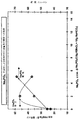
図2および3は、NaNO3およびNa3PO4の濃度の関数(function)としてガス容量および硬度に対する効果をグラフで示している。図2は、KMnO4が15gでNaHCO3が15gで、実施例1、6、7および10のようにNaCO3の量を変えた際のペレットのガス容量を示している。NaNO3の最適量は、約2−8gであり、また5gであると有利であることが容量および硬度曲線がこれらの範囲内で所望のレベルに到達することから、判る。表1の実施例7のタブレットは、15gのKMnO4、15gのNaHCO3および5gのNaNO3を含み、0.046g.H2S/ccのガス容量と61gの硬度を示し、これはNaNO3を含まない実施例10と比較して著しく増加している。しかしながら、NaNO3の量が2g未満の場合、所望のペレット特性が得られ、これも本発明の範囲内である。 2 and 3 graphically show the effect on gas capacity and hardness as a function of NaNO 3 and Na 3 PO 4 concentration. FIG. 2 shows the gas capacity of the pellet when KMnO 4 is 15 g and NaHCO 3 is 15 g and the amount of NaCO 3 is changed as in Examples 1, 6, 7 and 10. It can be seen that the optimum amount of NaNO 3 is about 2-8 g, and that 5 g is advantageous because the capacity and hardness curves reach the desired levels within these ranges. The tablet of Example 7 in Table 1 contains 15 g KMnO 4 , 15 g NaHCO 3 and 5 g NaNO 3 and exhibits a gas capacity of 0.046 g.H 2 S / cc and a hardness of 61 g, which is NaNO 3. It is remarkably increased as compared with Example 10 which does not contain. However, if the amount of NaNO 3 is less than 2 g, the desired pellet properties are obtained and this is also within the scope of the present invention.
図3は、Na3PO4の濃度の関数としてガス容量および硬度に対する効果をグラフで示している。図3は、KMnO4が15gでNaHCO3が15gで、実施例5、10および14のようにNa3PO4の量を変えたペレットのガス容量を示している。NaHCO3の最適量は、約0.1−4gであり、また2gであると有利であることが容量および硬度曲線がこれらの範囲内で所望のレベルに到達することから、判る。表1の実施例14のタブレットは、15gのKMnO4、15gのNaHCO3および2gのNaHCO3を含み、0.046g.H2S/ccのガス容量と55gの硬度を示し、これはNaHCO3を含まない実施例10と比較して著しく増加している。しかしながら、NaHCO3の量が0.1g未満の場合、所望のペレット特性が得られ、これも本発明の範囲内である。 FIG. 3 graphically illustrates the effect on gas capacity and hardness as a function of Na 3 PO 4 concentration. FIG. 3 shows the gas capacity of pellets with 15 g of KMnO 4 and 15 g of NaHCO 3 and varying amounts of Na 3 PO 4 as in Examples 5, 10 and 14. It can be seen that the optimum amount of NaHCO 3 is about 0.1-4 g, and that 2 g is advantageous because the capacity and hardness curves reach the desired levels within these ranges. The tablet of Example 14 in Table 1 contains 15 g KMnO 4 , 15 g NaHCO 3 and 2 g NaHCO 3 , exhibiting a gas capacity of 0.046 g.H 2 S / cc and a hardness of 55 g, which is NaHCO 3. It is remarkably increased as compared with Example 10 which does not contain. However, if the amount of NaHCO 3 is less than 0.1 g, the desired pellet properties are obtained and this is also within the scope of the present invention.
本発明のろ過媒体は、図4に示すようにゆるく詰められた酸化剤ペレットで満たされた多孔性のカートリッジなどのカセットまたは容器に使用の際に入れられる。図4はV字形状のカートリッジフィルターカセット100を示す。当然のことながら、このカートリッジは、化学試薬を含むろ過媒体を収容するフィルターコンテナの一例であり、当業界で知られている他のコンテナも本発明の媒体を収容するのに使用することが可能である。例えば本発明の化学試薬を含む媒体をばらの状態、発泡体、ワイヤー、合成繊維およびファイバーグラスなどの基材に機械的にまたは接着によって装着してもよく、または同じ容量のろ過媒体を有する当業者に知られている他の手段によって流体流に接触させてもよい。フィルターカセット100は、空気流を処理するための媒体のコンテナの一例であり、矩形の一対の側部パネル102を有し、一組のろ過媒体コンテナ101がその間を延びている。各ろ過媒体コンテナ101は、対向する矩形の端部プレート114と後方端部プレート(図示せず)および一組の対向する矩形の媒体スクリーン124で形成されている。一組のろ過媒体コンテナ101は、側部パネル102の角と角の間を延びたカセット100の密閉側部の最も外側の端部プレート114によってV字形状を有する。フィルターカセット100の密閉側は、実質的に滑らかで平坦であり、かつ均一な表面を有し、前部プレート114と側部パネルの密閉縁部126で形成されている。端部プレート114と側部パネル縁部126は、任意に側部パネル102の密閉縁部の間に延びた窪み103を有し、端部プレート114の外方長手縁部に実質的に平行で近接しているのが好ましい。窪み103にはシール112が挿入される。シール112は蝶型シールまたはゲルシールであることが好ましい。端部プレート114の外方縁部上の摩擦低減手段122は、任意に設けられるものであり、図4ではハウジングまたはラックの案内部に係合する矩形の側部パネル102に実質的に垂直な外面に溝を有するクリップ状のものとして示されている。側部パネル102の側縁部の案内ノッチ110は、前部プレート114および後部プレートをそれぞれ有する密閉および非密閉側以外の側に位置する。側部パネル102は、任意にカセット100の密閉面に実質的に平行な側部パネル102の外縁と外縁との間で延びたストリップ状の少なくとも1つのガスケットが位置する窪み108を有する。好ましくは圧縮ガスケットなどのガスケットが各窪みに位置する。任意に各矩形の側部パネル102は、密閉および非密閉側部以外の側部に少なくとも1つの摩擦減少手段120を有する。図示の態様では、側部パネル102は、それぞれカセット100の非密閉面に隣接する角の近くにフィンガーホール104を有する。またこの図にはフィンガーホール104の一部に隣接し、これを囲むノッチ106が再度パネル106に設けられている。
The filtration media of the present invention is placed in use in a cassette or container such as a porous cartridge filled with loosely packed oxidant pellets as shown in FIG. FIG. 4 shows a V-shaped
Claims (19)
(b)前記含浸溶液を加熱する工程と、
(c)活性アルミナ支持体と、凝集塊を得るに足る量の前記含浸溶液とを混合する工程と、
(d)前工程で得た混合物を硬化させて凝集塊を形成させる工程と、
(e)該凝集塊を粒子状にする工程と、
(f)得られた粒子を所望の形状に圧縮成型する工程と、
(g)成型された粒子からろ過媒体を形成する工程と
を含むろ過媒体の製造方法。(A) mixing H 2 O, KMnO 4 , NaNO 3 and Na 3 PO 4 to form an impregnation solution;
(B) heating the impregnation solution;
(C) mixing the activated alumina support with an amount of the impregnation solution sufficient to obtain an agglomerate;
A step of forming aggregates and (d) curing the mixture obtained in the previous step,
(E) making the agglomerates particulate;
(F) compressing and molding the obtained particles into a desired shape;
(G) forming a filtration medium from the molded particles;
A method for producing a filtration medium comprising :
凝集塊を形成するに足る量の前記含浸溶液と、活性アルミナ支持体とを混合する工程と、
前工程で得た混合物を加熱する工程と、
加熱した混合物を硬化させて凝集塊を形成させる工程と
を含むろ過媒体の製造方法。By mixing H 2 O, KMnO 4 , NaNO 3 , Na 3 PO 4 and NaHCO 3 , the ratio of KMnO 4 to NaHCO 3 to NaNO 3 is within the range of 15: 15: 2 to 15: 15: 8 Forming an impregnation solution;
Mixing the impregnation solution in an amount sufficient to form an agglomerate and an activated alumina support;
Heating the mixture obtained in the previous step;
Curing the heated mixture to form an agglomerate, and a method for producing a filtration medium.
この含浸溶液を加熱する工程と、
凝集塊を形成するに足る量の前記含浸溶液と、活性アルミナ支持体とを混合する工程と、
前工程で得た混合物を加熱する工程と、
加熱した混合物を硬化させて凝集塊を形成させる工程と
を含むろ過媒体の製造方法。Mixing H 2 O, KMnO 4 , NaNO 3 , Na 3 PO 4 and NaHCO 3 to form an impregnation solution having a ratio of KMnO 4 to NaHCO 3 to NaNO 3 of 3: 3: 1;
Heating the impregnation solution;
Mixing the impregnation solution in an amount sufficient to form an agglomerate and an activated alumina support;
Heating the mixture obtained in the previous step;
Curing the heated mixture to form an agglomerate, and a method for producing a filtration medium.
凝集塊を形成するに足る量の前記含浸溶液と、活性アルミナ支持体とを混合する工程と、
前工程で得た混合物を加熱する工程と、
加熱した混合物を硬化させて凝集塊を形成させる工程と
を含むろ過媒体の製造方法。Mixing H 2 O, KMnO 4 , NaNO 3 , Na 3 PO 4 and NaHCO 3 , the ratio of KMnO 4 to NaHCO 3 to NaNO 3 ranges from 15: 15: 0.1 to 15: 15: 4 Forming an impregnation solution that is within,
Mixing the impregnation solution in an amount sufficient to form an agglomerate and an activated alumina support;
Heating the mixture obtained in the previous step;
Curing the heated mixture to form an agglomerate, and a method for producing a filtration medium.
Applications Claiming Priority (3)
| Application Number | Priority Date | Filing Date | Title |
|---|---|---|---|
| US11/627,465 US7906456B2 (en) | 2007-01-26 | 2007-01-26 | Filtration media having a chemical reagent |
| US11/627,465 | 2007-01-26 | ||
| PCT/US2008/001046 WO2008094480A2 (en) | 2007-01-26 | 2008-01-25 | Filtration media having a chemical reagent |
Publications (2)
| Publication Number | Publication Date |
|---|---|
| JP2010516392A JP2010516392A (en) | 2010-05-20 |
| JP5114497B2 true JP5114497B2 (en) | 2013-01-09 |
Family
ID=39283967
Family Applications (1)
| Application Number | Title | Priority Date | Filing Date |
|---|---|---|---|
| JP2009547313A Active JP5114497B2 (en) | 2007-01-26 | 2008-01-25 | Filtration media containing chemical reagents |
Country Status (7)
| Country | Link |
|---|---|
| US (2) | US7906456B2 (en) |
| EP (1) | EP2125194B1 (en) |
| JP (1) | JP5114497B2 (en) |
| CN (1) | CN101626827B (en) |
| CA (1) | CA2676548C (en) |
| ES (1) | ES2705594T3 (en) |
| WO (1) | WO2008094480A2 (en) |
Families Citing this family (5)
| Publication number | Priority date | Publication date | Assignee | Title |
|---|---|---|---|---|
| EP2555847A1 (en) * | 2010-04-08 | 2013-02-13 | Purafil, Inc. | Filtration media having recycled waste materials |
| CH711821B1 (en) * | 2015-11-30 | 2020-02-28 | Dr P Pleisch Ag | Impregnated filter material and method of manufacturing the same. |
| IT201900005508A1 (en) * | 2019-04-10 | 2019-07-10 | Molecular Solutions S R L | COMPOUND WITH MOLECULAR SIEVE FUNCTION AND ABSORPTION ELEMENT INCLUDING THIS COMPOUND. |
| CN114101819B (en) * | 2021-11-19 | 2024-08-09 | 江苏集萃精密制造研究院有限公司 | Electrochemical machining working solution circulating and filtering system |
| CN115372344A (en) * | 2021-12-21 | 2022-11-22 | 翰蓝环保科技(上海)有限公司 | Potassium permanganate ball adsorbs H 2 Method for measuring S capacity |
Family Cites Families (17)
| Publication number | Priority date | Publication date | Assignee | Title |
|---|---|---|---|---|
| US3049399A (en) | 1958-12-18 | 1962-08-14 | Borg Warner | Composition and method for deodorizing air |
| US3226332A (en) | 1965-01-14 | 1965-12-28 | Kaiser Aluminium Chem Corp | Production of potassium permanganate activated alumina composite |
| US4482641A (en) | 1983-02-28 | 1984-11-13 | Standard Oil Company (Indiana) | Metal-containing active carbon and method for making same |
| US4637408A (en) | 1983-08-25 | 1987-01-20 | Philip Morris Incorporated | Filter material for the removal of nitric oxide |
| US4855276A (en) | 1987-09-02 | 1989-08-08 | Purafil, Inc. | Solid filtration medium incorporating alumina and carbon |
| US4831003A (en) | 1987-09-14 | 1989-05-16 | Exxon Research And Engineering Company | Catalyst composition and process of making |
| JP2615140B2 (en) | 1988-06-24 | 1997-05-28 | ソマール株式会社 | Method for producing porous carbonaceous material containing ultrafine metal particles |
| US5200092A (en) | 1992-06-23 | 1993-04-06 | Carus Corporation | Composition and method for sulfide control |
| DE69412398T2 (en) | 1993-09-14 | 1999-04-15 | Kuraray Chemical Co., Ltd., Bizen, Okayama | Deodorant containing metal oxide and containing activated carbon |
| CA2207689C (en) | 1993-12-15 | 2002-12-03 | Purafil, Inc. | Improved solid filtration media incorporating elevated levels of permanganate and water |
| US6004522A (en) | 1993-12-15 | 1999-12-21 | Purafil, Inc. | Solid filtration media incorporating elevated levels of permanganate and water |
| US5891221A (en) | 1994-12-23 | 1999-04-06 | Alliedsignal Inc. | Chemical reagent package and method of operation effective at removing a wide range of odors |
| WO1996037288A1 (en) | 1995-05-26 | 1996-11-28 | Hitachi Chemical Company, Ltd. | Environment purifying material |
| US20020178706A1 (en) | 2000-02-04 | 2002-12-05 | The Procter & Gamble Company | Air filtering device |
| WO2002048032A2 (en) | 2000-12-11 | 2002-06-20 | United States Filter Corporation | Activated carbon for odor control and method for making same |
| AU2003263120A1 (en) | 2002-08-27 | 2004-03-19 | John Charles Rintoul | A composition for filtration particulate material |
| AU2003293118B9 (en) | 2002-11-25 | 2010-05-27 | Purafil, Inc. | High capacity solid filtration media |
-
2007
- 2007-01-26 US US11/627,465 patent/US7906456B2/en active Active
-
2008
- 2008-01-25 WO PCT/US2008/001046 patent/WO2008094480A2/en not_active Ceased
- 2008-01-25 JP JP2009547313A patent/JP5114497B2/en active Active
- 2008-01-25 CN CN200880006971.XA patent/CN101626827B/en active Active
- 2008-01-25 CA CA2676548A patent/CA2676548C/en active Active
- 2008-01-25 EP EP08713291.6A patent/EP2125194B1/en active Active
- 2008-01-25 ES ES08713291T patent/ES2705594T3/en active Active
-
2011
- 2011-03-09 US US13/043,797 patent/US8546298B2/en active Active
Also Published As
| Publication number | Publication date |
|---|---|
| US20110155952A1 (en) | 2011-06-30 |
| US20080182748A1 (en) | 2008-07-31 |
| CA2676548C (en) | 2012-06-26 |
| JP2010516392A (en) | 2010-05-20 |
| EP2125194B1 (en) | 2018-11-14 |
| US7906456B2 (en) | 2011-03-15 |
| CN101626827B (en) | 2013-01-23 |
| EP2125194A2 (en) | 2009-12-02 |
| CA2676548A1 (en) | 2008-08-07 |
| CN101626827A (en) | 2010-01-13 |
| WO2008094480A2 (en) | 2008-08-07 |
| US8546298B2 (en) | 2013-10-01 |
| WO2008094480A3 (en) | 2008-10-30 |
| ES2705594T3 (en) | 2019-03-26 |
Similar Documents
| Publication | Publication Date | Title |
|---|---|---|
| JP4959051B2 (en) | Porous pellet adsorbent made from microcrystals | |
| Krishnan et al. | Removal of mercury (II) from aqueous solutions and chlor-alkali industry effluent by steam activated and sulphurised activated carbons prepared from bagasse pith: kinetics and equilibrium studies | |
| EP1838435B1 (en) | Method for the preparation of agglomerates of precipitated insoluble amorphous metal silicates | |
| CN101588855B (en) | Dry-scrubbing media compositions and methods of production and use | |
| JP5114497B2 (en) | Filtration media containing chemical reagents | |
| JP2001152025A (en) | Coated activated carbon | |
| JP2002331222A (en) | Technique for drying gas and adsorbent | |
| WO2008005762A2 (en) | Air filtration media comprising metal-doped silicon-based gel materials with oxidizing agents | |
| JP2013512090A (en) | Amino acid salt articles and methods of making and using the same | |
| USRE39098E1 (en) | Porous pellet adsorbents fabricated from nanocrystals | |
| Dönmez et al. | Adsorption of copper from aqueous solution onto natural sepiolite: equilibrium, kinetics, thermodynamics, and regeneration studies | |
| WO2015109385A1 (en) | Carbon monolith, carbon monolith with metal impregnant and method of producing same | |
| AU2010272565A1 (en) | Solid mineral composition, method for preparing same and use thereof for reducing heavy metals in flue gas | |
| Syah et al. | Sr (Ⅱ) adsorption using amidoxime-functionalized Calcium-Alginate gel beads derived from coral skeletons: kinetic, isotherm, thermodynamic, and mechanisms studies. | |
| JP2003047829A (en) | Removal method of sulfur dioxide | |
| JPH07116510A (en) | Adsorbent and porous adsorbing material | |
| HK1140445A (en) | Filtration media having a chemical reagent | |
| JP4051399B2 (en) | Desiccant raw material and production method thereof | |
| US20080156192A1 (en) | Air filtration media comprising metal-doped silicon-based gel materials with nitric acid and/or potassium persulfate | |
| JP6908820B2 (en) | Formic acid treatment method and formic acid treatment equipment | |
| Ghojavand et al. | Dynamic separation of CO2 from N2 in humid streams using nano-sized zeolites | |
| JP3206107B2 (en) | Air purifier | |
| JP2008289955A (en) | Humidity-conditioning gas-absorbing agent and humidity-conditioning gas-absorbing implement | |
| Njoku et al. | A Thermodynamic and Kinetic Study on Diclofenac Adsorption Using Agricultural Metallic Based Nanoparticles | |
| JP2002045690A (en) | Treatment material, treatment element, treatment equipment and treatment process for exhaust gas |
Legal Events
| Date | Code | Title | Description |
|---|---|---|---|
| A977 | Report on retrieval |
Free format text: JAPANESE INTERMEDIATE CODE: A971007 Effective date: 20110210 |
|
| A131 | Notification of reasons for refusal |
Free format text: JAPANESE INTERMEDIATE CODE: A131 Effective date: 20110301 |
|
| A601 | Written request for extension of time |
Free format text: JAPANESE INTERMEDIATE CODE: A601 Effective date: 20110523 |
|
| A602 | Written permission of extension of time |
Free format text: JAPANESE INTERMEDIATE CODE: A602 Effective date: 20110530 |
|
| A521 | Request for written amendment filed |
Free format text: JAPANESE INTERMEDIATE CODE: A523 Effective date: 20110623 |
|
| A131 | Notification of reasons for refusal |
Free format text: JAPANESE INTERMEDIATE CODE: A131 Effective date: 20120221 |
|
| A521 | Request for written amendment filed |
Free format text: JAPANESE INTERMEDIATE CODE: A523 Effective date: 20120514 |
|
| TRDD | Decision of grant or rejection written | ||
| A01 | Written decision to grant a patent or to grant a registration (utility model) |
Free format text: JAPANESE INTERMEDIATE CODE: A01 Effective date: 20120925 |
|
| A01 | Written decision to grant a patent or to grant a registration (utility model) |
Free format text: JAPANESE INTERMEDIATE CODE: A01 |
|
| A61 | First payment of annual fees (during grant procedure) |
Free format text: JAPANESE INTERMEDIATE CODE: A61 Effective date: 20121015 |
|
| FPAY | Renewal fee payment (event date is renewal date of database) |
Free format text: PAYMENT UNTIL: 20151019 Year of fee payment: 3 |
|
| R150 | Certificate of patent or registration of utility model |
Ref document number: 5114497 Country of ref document: JP Free format text: JAPANESE INTERMEDIATE CODE: R150 Free format text: JAPANESE INTERMEDIATE CODE: R150 |
|
| R250 | Receipt of annual fees |
Free format text: JAPANESE INTERMEDIATE CODE: R250 |
|
| R250 | Receipt of annual fees |
Free format text: JAPANESE INTERMEDIATE CODE: R250 |
|
| R250 | Receipt of annual fees |
Free format text: JAPANESE INTERMEDIATE CODE: R250 |
|
| R250 | Receipt of annual fees |
Free format text: JAPANESE INTERMEDIATE CODE: R250 |
|
| R250 | Receipt of annual fees |
Free format text: JAPANESE INTERMEDIATE CODE: R250 |
|
| R250 | Receipt of annual fees |
Free format text: JAPANESE INTERMEDIATE CODE: R250 |
|
| R250 | Receipt of annual fees |
Free format text: JAPANESE INTERMEDIATE CODE: R250 |
|
| R250 | Receipt of annual fees |
Free format text: JAPANESE INTERMEDIATE CODE: R250 |
|
| R250 | Receipt of annual fees |
Free format text: JAPANESE INTERMEDIATE CODE: R250 |
|
| R250 | Receipt of annual fees |
Free format text: JAPANESE INTERMEDIATE CODE: R250 |
|
| R250 | Receipt of annual fees |
Free format text: JAPANESE INTERMEDIATE CODE: R250 |