JP5115973B2 - Method for producing molded article made of natural material using cross-linking reaction of polymer tannin - Google Patents
Method for producing molded article made of natural material using cross-linking reaction of polymer tannin Download PDFInfo
- Publication number
- JP5115973B2 JP5115973B2 JP2008071952A JP2008071952A JP5115973B2 JP 5115973 B2 JP5115973 B2 JP 5115973B2 JP 2008071952 A JP2008071952 A JP 2008071952A JP 2008071952 A JP2008071952 A JP 2008071952A JP 5115973 B2 JP5115973 B2 JP 5115973B2
- Authority
- JP
- Japan
- Prior art keywords
- tannin
- reaction
- polymer
- usually
- molded article
- Prior art date
- Legal status (The legal status is an assumption and is not a legal conclusion. Google has not performed a legal analysis and makes no representation as to the accuracy of the status listed.)
- Expired - Fee Related
Links
- 229920001864 tannin Polymers 0.000 title claims description 49
- 235000018553 tannin Nutrition 0.000 title claims description 49
- 239000001648 tannin Substances 0.000 title claims description 49
- 229920000642 polymer Polymers 0.000 title claims description 22
- 238000004519 manufacturing process Methods 0.000 title claims description 4
- 238000006243 chemical reaction Methods 0.000 title description 44
- 238000004132 cross linking Methods 0.000 title description 16
- 239000005445 natural material Substances 0.000 title description 8
- MHAJPDPJQMAIIY-UHFFFAOYSA-N Hydrogen peroxide Chemical compound OO MHAJPDPJQMAIIY-UHFFFAOYSA-N 0.000 claims description 31
- 239000002657 fibrous material Substances 0.000 claims description 17
- 238000000034 method Methods 0.000 claims description 14
- 229910052751 metal Inorganic materials 0.000 claims description 13
- 239000002184 metal Substances 0.000 claims description 13
- 238000010438 heat treatment Methods 0.000 claims description 8
- 235000013311 vegetables Nutrition 0.000 claims description 7
- 239000000463 material Substances 0.000 claims description 6
- 238000000465 moulding Methods 0.000 claims description 6
- 229920002770 condensed tannin Polymers 0.000 claims description 5
- 150000004032 porphyrins Chemical class 0.000 claims description 5
- 229950003776 protoporphyrin Drugs 0.000 claims description 3
- 238000002156 mixing Methods 0.000 claims description 2
- 241000196324 Embryophyta Species 0.000 description 30
- 239000000047 product Substances 0.000 description 25
- 238000012360 testing method Methods 0.000 description 18
- 239000000843 powder Substances 0.000 description 15
- 239000000243 solution Substances 0.000 description 15
- XLYOFNOQVPJJNP-UHFFFAOYSA-N water Substances O XLYOFNOQVPJJNP-UHFFFAOYSA-N 0.000 description 15
- 235000013312 flour Nutrition 0.000 description 14
- 239000005018 casein Substances 0.000 description 13
- BECPQYXYKAMYBN-UHFFFAOYSA-N casein, tech. Chemical compound NCCCCC(C(O)=O)N=C(O)C(CC(O)=O)N=C(O)C(CCC(O)=N)N=C(O)C(CC(C)C)N=C(O)C(CCC(O)=O)N=C(O)C(CC(O)=O)N=C(O)C(CCC(O)=O)N=C(O)C(C(C)O)N=C(O)C(CCC(O)=N)N=C(O)C(CCC(O)=N)N=C(O)C(CCC(O)=N)N=C(O)C(CCC(O)=O)N=C(O)C(CCC(O)=O)N=C(O)C(COP(O)(O)=O)N=C(O)C(CCC(O)=N)N=C(O)C(N)CC1=CC=CC=C1 BECPQYXYKAMYBN-UHFFFAOYSA-N 0.000 description 13
- 235000021240 caseins Nutrition 0.000 description 13
- 235000013336 milk Nutrition 0.000 description 13
- 239000008267 milk Substances 0.000 description 13
- 210000004080 milk Anatomy 0.000 description 13
- 239000002023 wood Substances 0.000 description 13
- 241000237502 Ostreidae Species 0.000 description 9
- 235000020636 oyster Nutrition 0.000 description 9
- 238000005452 bending Methods 0.000 description 8
- 238000003756 stirring Methods 0.000 description 8
- 102000003992 Peroxidases Human genes 0.000 description 7
- 239000000203 mixture Substances 0.000 description 7
- QTBSBXVTEAMEQO-UHFFFAOYSA-N Acetic acid Chemical compound CC(O)=O QTBSBXVTEAMEQO-UHFFFAOYSA-N 0.000 description 6
- WSFSSNUMVMOOMR-UHFFFAOYSA-N Formaldehyde Chemical compound O=C WSFSSNUMVMOOMR-UHFFFAOYSA-N 0.000 description 6
- KWYUFKZDYYNOTN-UHFFFAOYSA-M Potassium hydroxide Chemical compound [OH-].[K+] KWYUFKZDYYNOTN-UHFFFAOYSA-M 0.000 description 6
- HEMHJVSKTPXQMS-UHFFFAOYSA-M Sodium hydroxide Chemical compound [OH-].[Na+] HEMHJVSKTPXQMS-UHFFFAOYSA-M 0.000 description 6
- YCIMNLLNPGFGHC-UHFFFAOYSA-N catechol Chemical compound OC1=CC=CC=C1O YCIMNLLNPGFGHC-UHFFFAOYSA-N 0.000 description 6
- KRKNYBCHXYNGOX-UHFFFAOYSA-N citric acid Chemical compound OC(=O)CC(O)(C(O)=O)CC(O)=O KRKNYBCHXYNGOX-UHFFFAOYSA-N 0.000 description 6
- 238000001914 filtration Methods 0.000 description 6
- 108040007629 peroxidase activity proteins Proteins 0.000 description 6
- 235000013824 polyphenols Nutrition 0.000 description 6
- 244000269722 Thea sinensis Species 0.000 description 5
- 239000007864 aqueous solution Substances 0.000 description 5
- 238000006395 oxidase reaction Methods 0.000 description 5
- QGZKDVFQNNGYKY-UHFFFAOYSA-N Ammonia Chemical compound N QGZKDVFQNNGYKY-UHFFFAOYSA-N 0.000 description 4
- XEEYBQQBJWHFJM-UHFFFAOYSA-N Iron Chemical compound [Fe] XEEYBQQBJWHFJM-UHFFFAOYSA-N 0.000 description 4
- CDBYLPFSWZWCQE-UHFFFAOYSA-L Sodium Carbonate Chemical compound [Na+].[Na+].[O-]C([O-])=O CDBYLPFSWZWCQE-UHFFFAOYSA-L 0.000 description 4
- QAOWNCQODCNURD-UHFFFAOYSA-N Sulfuric acid Chemical compound OS(O)(=O)=O QAOWNCQODCNURD-UHFFFAOYSA-N 0.000 description 4
- 210000002421 cell wall Anatomy 0.000 description 4
- BTIJJDXEELBZFS-QDUVMHSLSA-K hemin Chemical compound CC1=C(CCC(O)=O)C(C=C2C(CCC(O)=O)=C(C)\C(N2[Fe](Cl)N23)=C\4)=N\C1=C/C2=C(C)C(C=C)=C3\C=C/1C(C)=C(C=C)C/4=N\1 BTIJJDXEELBZFS-QDUVMHSLSA-K 0.000 description 4
- 229940025294 hemin Drugs 0.000 description 4
- 235000018102 proteins Nutrition 0.000 description 4
- 102000004169 proteins and genes Human genes 0.000 description 4
- 108090000623 proteins and genes Proteins 0.000 description 4
- 235000017166 Bambusa arundinacea Nutrition 0.000 description 3
- 235000017491 Bambusa tulda Nutrition 0.000 description 3
- 241000218645 Cedrus Species 0.000 description 3
- 244000068988 Glycine max Species 0.000 description 3
- 235000010469 Glycine max Nutrition 0.000 description 3
- 244000082204 Phyllostachys viridis Species 0.000 description 3
- 235000015334 Phyllostachys viridis Nutrition 0.000 description 3
- 150000001413 amino acids Chemical class 0.000 description 3
- 239000011425 bamboo Substances 0.000 description 3
- 239000007853 buffer solution Substances 0.000 description 3
- 239000012153 distilled water Substances 0.000 description 3
- 235000013399 edible fruits Nutrition 0.000 description 3
- 230000000694 effects Effects 0.000 description 3
- 125000002887 hydroxy group Chemical group [H]O* 0.000 description 3
- ISWSIDIOOBJBQZ-UHFFFAOYSA-N phenol group Chemical group C1(=CC=CC=C1)O ISWSIDIOOBJBQZ-UHFFFAOYSA-N 0.000 description 3
- 150000008442 polyphenolic compounds Chemical class 0.000 description 3
- 238000003825 pressing Methods 0.000 description 3
- 239000002994 raw material Substances 0.000 description 3
- 239000000126 substance Substances 0.000 description 3
- 239000000725 suspension Substances 0.000 description 3
- 235000013616 tea Nutrition 0.000 description 3
- AZQWKYJCGOJGHM-UHFFFAOYSA-N 1,4-benzoquinone Chemical compound O=C1C=CC(=O)C=C1 AZQWKYJCGOJGHM-UHFFFAOYSA-N 0.000 description 2
- BMUDPLZKKRQECS-UHFFFAOYSA-K 3-[18-(2-carboxyethyl)-8,13-bis(ethenyl)-3,7,12,17-tetramethylporphyrin-21,24-diid-2-yl]propanoic acid iron(3+) hydroxide Chemical compound [OH-].[Fe+3].[N-]1C2=C(C)C(CCC(O)=O)=C1C=C([N-]1)C(CCC(O)=O)=C(C)C1=CC(C(C)=C1C=C)=NC1=CC(C(C)=C1C=C)=NC1=C2 BMUDPLZKKRQECS-UHFFFAOYSA-K 0.000 description 2
- 235000011511 Diospyros Nutrition 0.000 description 2
- 244000236655 Diospyros kaki Species 0.000 description 2
- VEXZGXHMUGYJMC-UHFFFAOYSA-N Hydrochloric acid Chemical compound Cl VEXZGXHMUGYJMC-UHFFFAOYSA-N 0.000 description 2
- 239000002253 acid Substances 0.000 description 2
- 125000003277 amino group Chemical group 0.000 description 2
- 229910021529 ammonia Inorganic materials 0.000 description 2
- 229920000704 biodegradable plastic Polymers 0.000 description 2
- 230000015572 biosynthetic process Effects 0.000 description 2
- 238000009835 boiling Methods 0.000 description 2
- ADRVNXBAWSRFAJ-UHFFFAOYSA-N catechin Natural products OC1Cc2cc(O)cc(O)c2OC1c3ccc(O)c(O)c3 ADRVNXBAWSRFAJ-UHFFFAOYSA-N 0.000 description 2
- 235000005487 catechin Nutrition 0.000 description 2
- 239000001913 cellulose Substances 0.000 description 2
- 229920002678 cellulose Polymers 0.000 description 2
- 238000010908 decantation Methods 0.000 description 2
- 238000004108 freeze drying Methods 0.000 description 2
- 235000015203 fruit juice Nutrition 0.000 description 2
- LRBQNJMCXXYXIU-QWKBTXIPSA-N gallotannic acid Chemical compound OC1=C(O)C(O)=CC(C(=O)OC=2C(=C(O)C=C(C=2)C(=O)OC[C@H]2[C@@H]([C@@H](OC(=O)C=3C=C(OC(=O)C=4C=C(O)C(O)=C(O)C=4)C(O)=C(O)C=3)[C@H](OC(=O)C=3C=C(OC(=O)C=4C=C(O)C(O)=C(O)C=4)C(O)=C(O)C=3)[C@@H](OC(=O)C=3C=C(OC(=O)C=4C=C(O)C(O)=C(O)C=4)C(O)=C(O)C=3)O2)OC(=O)C=2C=C(OC(=O)C=3C=C(O)C(O)=C(O)C=3)C(O)=C(O)C=2)O)=C1 LRBQNJMCXXYXIU-QWKBTXIPSA-N 0.000 description 2
- 229940109738 hematin Drugs 0.000 description 2
- 229910052742 iron Inorganic materials 0.000 description 2
- 238000004898 kneading Methods 0.000 description 2
- 229930014626 natural product Natural products 0.000 description 2
- WQGWDDDVZFFDIG-UHFFFAOYSA-N pyrogallol Chemical compound OC1=CC=CC(O)=C1O WQGWDDDVZFFDIG-UHFFFAOYSA-N 0.000 description 2
- 239000005871 repellent Substances 0.000 description 2
- 229910000029 sodium carbonate Inorganic materials 0.000 description 2
- 238000009864 tensile test Methods 0.000 description 2
- PFTAWBLQPZVEMU-DZGCQCFKSA-N (+)-catechin Chemical compound C1([C@H]2OC3=CC(O)=CC(O)=C3C[C@@H]2O)=CC=C(O)C(O)=C1 PFTAWBLQPZVEMU-DZGCQCFKSA-N 0.000 description 1
- HZOBJTABAZIPIP-WHRKIXHSSA-N 1-(23-acetyl-12-deuterioporphyrin-21-yl)ethanone Chemical compound C(C)(=O)N1C=2C=CC1=CC=1C=CC(=CC3=CC(=C(N3C(C)=O)C=C3C=CC(C=2)=N3)[2H])N=1 HZOBJTABAZIPIP-WHRKIXHSSA-N 0.000 description 1
- VAJVGAQAYOAJQI-UHFFFAOYSA-N 3-[18-(2-carboxylatoethyl)-3,8,13,17-tetramethyl-22,23-dihydroporphyrin-21,24-diium-2-yl]propanoate Chemical compound N1C(C=C2C(C)=CC(N2)=CC=2C(=C(CCC(O)=O)C(=C3)N=2)C)=CC(C)=C1C=C1C(C)=C(CCC(O)=O)C3=N1 VAJVGAQAYOAJQI-UHFFFAOYSA-N 0.000 description 1
- NCAJWYASAWUEBY-UHFFFAOYSA-N 3-[20-(2-carboxyethyl)-9,14-diethyl-5,10,15,19-tetramethyl-21,22,23,24-tetraazapentacyclo[16.2.1.1^{3,6}.1^{8,11}.1^{13,16}]tetracosa-1(21),2,4,6(24),7,9,11,13,15,17,19-undecaen-4-yl]propanoic acid Chemical compound N1C2=C(C)C(CC)=C1C=C(N1)C(C)=C(CC)C1=CC(C(C)=C1CCC(O)=O)=NC1=CC(C(CCC(O)=O)=C1C)=NC1=C2 NCAJWYASAWUEBY-UHFFFAOYSA-N 0.000 description 1
- LSQRFOGUAZKHIW-UHFFFAOYSA-N C1=CC=CC=C1C(C=1C=C2NC(C(=C2C=2C=CC=CC=2)C=2C=CC=CC=2)=CC2=NC(C(=C2C=2C=CC=CC=2)C=2C=CC=CC=2)=CC=2NC(=C(C=2C=2C=CC=CC=2)C=2C=CC=CC=2)C=C2N=1)=C2C1=CC=CC=C1 Chemical compound C1=CC=CC=C1C(C=1C=C2NC(C(=C2C=2C=CC=CC=2)C=2C=CC=CC=2)=CC2=NC(C(=C2C=2C=CC=CC=2)C=2C=CC=CC=2)=CC=2NC(=C(C=2C=2C=CC=CC=2)C=2C=CC=CC=2)C=C2N=1)=C2C1=CC=CC=C1 LSQRFOGUAZKHIW-UHFFFAOYSA-N 0.000 description 1
- KSFOVUSSGSKXFI-GAQDCDSVSA-N CC1=C/2NC(\C=C3/N=C(/C=C4\N\C(=C/C5=N/C(=C\2)/C(C=C)=C5C)C(C=C)=C4C)C(C)=C3CCC(O)=O)=C1CCC(O)=O Chemical compound CC1=C/2NC(\C=C3/N=C(/C=C4\N\C(=C/C5=N/C(=C\2)/C(C=C)=C5C)C(C=C)=C4C)C(C)=C3CCC(O)=O)=C1CCC(O)=O KSFOVUSSGSKXFI-GAQDCDSVSA-N 0.000 description 1
- 240000008886 Ceratonia siliqua Species 0.000 description 1
- 235000013912 Ceratonia siliqua Nutrition 0.000 description 1
- LFQSCWFLJHTTHZ-UHFFFAOYSA-N Ethanol Chemical compound CCO LFQSCWFLJHTTHZ-UHFFFAOYSA-N 0.000 description 1
- 108010001336 Horseradish Peroxidase Proteins 0.000 description 1
- 235000011430 Malus pumila Nutrition 0.000 description 1
- 244000070406 Malus silvestris Species 0.000 description 1
- 235000015103 Malus silvestris Nutrition 0.000 description 1
- 241001465754 Metazoa Species 0.000 description 1
- 240000008790 Musa x paradisiaca Species 0.000 description 1
- 235000018290 Musa x paradisiaca Nutrition 0.000 description 1
- 240000007594 Oryza sativa Species 0.000 description 1
- 235000007164 Oryza sativa Nutrition 0.000 description 1
- 102000004316 Oxidoreductases Human genes 0.000 description 1
- 108090000854 Oxidoreductases Proteins 0.000 description 1
- 244000046052 Phaseolus vulgaris Species 0.000 description 1
- 235000010627 Phaseolus vulgaris Nutrition 0.000 description 1
- 235000019764 Soybean Meal Nutrition 0.000 description 1
- 101710172711 Structural protein Proteins 0.000 description 1
- 235000006468 Thea sinensis Nutrition 0.000 description 1
- 229920001777 Tupperware Polymers 0.000 description 1
- 241000219094 Vitaceae Species 0.000 description 1
- PHBMGNNAIBHRCI-UHFFFAOYSA-N [N]1C2=CC=C1C=C(N1)C=C(CC)C1=CC([N]1)=CC=C1C=C(N1)C=CC1=C2 Chemical compound [N]1C2=CC=C1C=C(N1)C=C(CC)C1=CC([N]1)=CC=C1C=C(N1)C=CC1=C2 PHBMGNNAIBHRCI-UHFFFAOYSA-N 0.000 description 1
- 238000010521 absorption reaction Methods 0.000 description 1
- 239000000654 additive Substances 0.000 description 1
- 239000003125 aqueous solvent Substances 0.000 description 1
- 235000019606 astringent taste Nutrition 0.000 description 1
- 235000013527 bean curd Nutrition 0.000 description 1
- 235000013361 beverage Nutrition 0.000 description 1
- 239000011230 binding agent Substances 0.000 description 1
- 235000020279 black tea Nutrition 0.000 description 1
- 150000001765 catechin Chemical class 0.000 description 1
- 229950001002 cianidanol Drugs 0.000 description 1
- 239000011248 coating agent Substances 0.000 description 1
- 238000000576 coating method Methods 0.000 description 1
- 229910017052 cobalt Inorganic materials 0.000 description 1
- 239000010941 cobalt Substances 0.000 description 1
- GUTLYIVDDKVIGB-UHFFFAOYSA-N cobalt atom Chemical compound [Co] GUTLYIVDDKVIGB-UHFFFAOYSA-N 0.000 description 1
- 230000006835 compression Effects 0.000 description 1
- 238000007906 compression Methods 0.000 description 1
- 238000010411 cooking Methods 0.000 description 1
- 238000001816 cooling Methods 0.000 description 1
- 239000003431 cross linking reagent Substances 0.000 description 1
- 230000003247 decreasing effect Effects 0.000 description 1
- 238000001035 drying Methods 0.000 description 1
- 238000006911 enzymatic reaction Methods 0.000 description 1
- 238000011156 evaluation Methods 0.000 description 1
- 238000000605 extraction Methods 0.000 description 1
- 239000000835 fiber Substances 0.000 description 1
- 235000013305 food Nutrition 0.000 description 1
- 235000011389 fruit/vegetable juice Nutrition 0.000 description 1
- 239000000446 fuel Substances 0.000 description 1
- 238000010353 genetic engineering Methods 0.000 description 1
- 235000021021 grapes Nutrition 0.000 description 1
- 235000009569 green tea Nutrition 0.000 description 1
- 238000007731 hot pressing Methods 0.000 description 1
- 239000010903 husk Substances 0.000 description 1
- 229920001461 hydrolysable tannin Polymers 0.000 description 1
- 238000007654 immersion Methods 0.000 description 1
- 238000011835 investigation Methods 0.000 description 1
- 229920005610 lignin Polymers 0.000 description 1
- 239000008176 lyophilized powder Substances 0.000 description 1
- 244000005700 microbiome Species 0.000 description 1
- 239000004570 mortar (masonry) Substances 0.000 description 1
- 230000007935 neutral effect Effects 0.000 description 1
- 235000015205 orange juice Nutrition 0.000 description 1
- 150000007524 organic acids Chemical class 0.000 description 1
- 235000005985 organic acids Nutrition 0.000 description 1
- 239000007800 oxidant agent Substances 0.000 description 1
- 230000035515 penetration Effects 0.000 description 1
- 125000001997 phenyl group Chemical group [H]C1=C([H])C([H])=C(*)C([H])=C1[H] 0.000 description 1
- 239000010908 plant waste Substances 0.000 description 1
- DIOYYQGYSZRBLA-UHFFFAOYSA-N porphyrin-21,23-dicarbaldehyde Chemical compound C(=O)N1C=2C=CC1=CC=1C=CC(=CC3=CC=C(N3C=O)C=C3C=CC(C2)=N3)N1 DIOYYQGYSZRBLA-UHFFFAOYSA-N 0.000 description 1
- 239000002244 precipitate Substances 0.000 description 1
- 229940079877 pyrogallol Drugs 0.000 description 1
- 150000004053 quinones Chemical class 0.000 description 1
- 239000011541 reaction mixture Substances 0.000 description 1
- 235000009566 rice Nutrition 0.000 description 1
- 238000004904 shortening Methods 0.000 description 1
- 150000003384 small molecules Chemical class 0.000 description 1
- 239000004455 soybean meal Substances 0.000 description 1
- 229910001220 stainless steel Inorganic materials 0.000 description 1
- 239000010935 stainless steel Substances 0.000 description 1
- YNHJECZULSZAQK-UHFFFAOYSA-N tetraphenylporphyrin Chemical compound C1=CC(C(=C2C=CC(N2)=C(C=2C=CC=CC=2)C=2C=CC(N=2)=C(C=2C=CC=CC=2)C2=CC=C3N2)C=2C=CC=CC=2)=NC1=C3C1=CC=CC=C1 YNHJECZULSZAQK-UHFFFAOYSA-N 0.000 description 1
- 231100000331 toxic Toxicity 0.000 description 1
- 230000002588 toxic effect Effects 0.000 description 1
- 238000003828 vacuum filtration Methods 0.000 description 1
- 210000000051 wattle Anatomy 0.000 description 1
Images



Landscapes
- Dry Formation Of Fiberboard And The Like (AREA)
Description
本発明は、植物繊維材料、特に植物性残渣から高分子タンニンの架橋反応を利用して天然素材からなる成形品を製造する方法に関する。 The present invention relates to a method for producing a molded article made of a natural material from a plant fiber material, in particular, a plant residue using a crosslinking reaction of polymer tannin.
木粉、竹粉、茶がら、コーヒー滓、大豆の搾り滓、果汁搾り滓などの植物性残渣は、従来、単に廃棄されたり、燃やしたり、飼料として利用されるだけで、ほとんど利用価値はなかった。 Plant residues such as wood flour, bamboo flour, tea grounds, coffee lees, soybean pomace, and fruit juice lees were simply discarded, burned, or used as feed, and had little utility value. .
特許文献1には、植物繊維材料と柿渋等の天然素材からなるバインダーとを混合し、成形させた生分解性プラスチックが記載されている。 Patent Document 1 describes a biodegradable plastic obtained by mixing and molding a vegetable fiber material and a binder made of a natural material such as persimmon.
しかしながら、特許文献1の生分解性プラスチックは、低い撥水性や高い吸水性による強度低下が起こり、生活化成品としての製品化が限定されていた。 However, the biodegradable plastic of Patent Document 1 has a decrease in strength due to low water repellency and high water absorption, so that commercialization as a life chemical product is limited.
非特許文献1には、ホルムアルデヒドを架橋剤として用いた高分子タンニンによる木粉のボード化方法が記載されている。 Non-Patent Document 1 describes a method for making wood flour with polymer tannin using formaldehyde as a crosslinking agent.
この方法で作成されたボードは高い耐久性を持ち、72時間の煮沸処理も耐えうるが、ホルムアルデヒドは有毒であるため、使用は極力避ける必要がある。 Boards made in this way are highly durable and can withstand boiling for 72 hours, but formaldehyde is toxic and should be avoided as much as possible.
本発明の課題は、植物繊維材料、特に植物性残渣を用いて、ヒトや環境に優しい天然素材からなる成形品を提供することである。 An object of the present invention is to provide a molded article made of a natural material that is friendly to humans and the environment, using plant fiber materials, particularly plant residues.
前記課題に鑑み研究を重ねた結果、本発明者らは、酸化酵素反応又は酵素類似反応を利用することにより、前記課題を解決できることを見出し、本発明を完成した。 As a result of repeated studies in view of the above problems, the present inventors have found that the above problems can be solved by utilizing an oxidase reaction or an enzyme-like reaction, and have completed the present invention.
即ち、本発明の要旨は以下のとおりである。
(1)植物繊維材料及び高分子タンニンを混合し、(i)過酸化水素及びペルオキシダーゼ、又は(ii)過酸化水素及び金属ポルフィリン錯体で処理した後、加熱及び加圧して成形することを特徴とする天然素材からなる成形品の製造方法。
(2)植物繊維材料が植物性残渣である前記(1)に記載の方法。
(3)高分子タンニンが縮合型タンニンである前記(1)又は(2)に記載の方法。
(4)金属ポルフィリン錯体が鉄−プロトポルフィリン錯体である前記(1)〜(3)のいずれかに記載の方法。
(5)前記(1)〜(4)のいずれかに記載の方法によって得られる成形品。
That is, the gist of the present invention is as follows.
(1) A plant fiber material and a polymer tannin are mixed, treated with (i) hydrogen peroxide and peroxidase, or (ii) hydrogen peroxide and a metalloporphyrin complex, and then molded by heating and pressing. A manufacturing method for molded products made of natural materials.
(2) The method according to (1) above, wherein the plant fiber material is a plant residue.
(3) The method according to (1) or (2) above, wherein the polymer tannin is condensed tannin.
(4) The method according to any one of (1) to (3), wherein the metalloporphyrin complex is an iron-protoporphyrin complex.
(5) A molded product obtained by the method according to any one of (1) to (4).
本発明によれば、ヒトや環境に優しい方法を用いて、植物繊維材料、特に植物性残渣から天然素材からなる成形品を提供することができる。 According to the present invention, it is possible to provide a molded article made of a natural material from a plant fiber material, particularly a plant residue, using a method that is friendly to humans and the environment.
以下、本発明を詳細に説明する。 Hereinafter, the present invention will be described in detail.
本発明に用いる植物繊維材料としては、植物に由来し、細胞壁又はセルロースを主成分とする材料であれば、特に制限はない。また、本発明に用いる植物繊維材料としては、解繊処理を行ってセルロース以外の成分を除去したものを用いることもできるが、植物系廃棄物の有効利用の点からは、解繊処理をせずに植物性残渣をそのまま用いることが好ましい。植物性残渣としては、植物に由来し、細胞壁を主成分とするものであれば、特に制限はなく、例えば木粉、竹粉、茶がら、コーヒー滓、大豆の搾り滓(例えば、豆腐粕(おから))、果汁搾り滓、野菜くず、野菜の調理のくずなどが挙げられる。 The plant fiber material used in the present invention is not particularly limited as long as it is a material derived from plants and mainly composed of cell walls or cellulose. Further, as the plant fiber material used in the present invention, a material obtained by performing a defibrating process to remove components other than cellulose can be used. However, from the viewpoint of effective use of plant waste, a defibrating process is required. It is preferable to use the vegetable residue as it is. The plant residue is not particularly limited as long as it is derived from a plant and has a cell wall as a main component. For example, wood flour, bamboo flour, tea powder, coffee lees, soybean lees (for example, tofu lees (o )), Fruit juice squeezed rice cake, vegetable scraps, vegetable cooking scraps and the like.
植物繊維材料は、通常、粉砕して、100メッシュ程度の乾燥粉末として用いる。 The plant fiber material is usually pulverized and used as a dry powder of about 100 mesh.
植物繊維材料として植物性残渣を用いる場合、乾燥粉末の細部にわたって、タンニン溶液が浸透する点から、予め、植物性残渣を高圧蒸気処理することにより脱気することが好ましく、また、架橋時に高い架橋度を確保する点から、ろ過により低分子化合物を除去することが好ましい。 When using plant residues as plant fiber materials, it is preferable to deaerate the plant residues in advance by high-pressure steam treatment from the point of penetration of the tannin solution over the details of the dry powder, and high cross-linking at the time of cross-linking From the viewpoint of securing the degree, it is preferable to remove the low molecular weight compound by filtration.
前記高圧蒸気処理は、好ましくは、オートクレーブなどの装置を使い、100〜140℃程度、好ましくは115〜130℃程度の高温で15〜30分間処理する(同じ時間の煮沸処理でも似た効果は期待できる)ことにより行われる。油性分の多い植物性残渣(コーヒー滓や大豆の搾り滓など)は脱脂処理をすることが望ましい。ろ過は、好ましくは、No.2程度の濾紙で濾過する条件に匹敵する濾過装置で行われる。 The high-pressure steam treatment is preferably carried out using an apparatus such as an autoclave at a high temperature of about 100 to 140 ° C., preferably about 115 to 130 ° C. for 15 to 30 minutes (similar effects are expected even with boiling treatment for the same time). Is possible). It is desirable to degrease vegetable residues (such as coffee lees and squeezed lees from soybeans) with a high oily content. The filtration is preferably No. It is carried out with a filtration device comparable to the conditions for filtering with about 2 filter paper.
タンニンは、植物の幹、皮、葉、実等から抽出される天然物であり、環境に優しい物質である。タンニンには、ピロガロール系の加水分解型タンニンとカテコール系の縮合型タンニンがある。 Tannins are natural products extracted from plant trunks, skins, leaves, fruits, etc., and are environmentally friendly substances. Tannin includes pyrogallol-based hydrolyzable tannin and catechol-based condensed tannin.
本発明に用いる高分子タンニンとは、植物の幹、皮、葉、実等から熱水やアルコール等で抽出されるポリフェノール重縮合体であり、渋みを呈し、多くのタンパク質と強く結合して沈殿を生じるものをいい、通常分子量は約2千〜約100万であり、好ましくは分子量1万以上のものを用いる。本発明においては、加水分解型及びカテコール系の縮合型のいずれの高分子タンニンを用いてもよいが、カテコール系の縮合型タンニンが好ましい。高分子タンニンとしては、例えばケブラチョタンニン、ミモザタンニン、ワットルタンニン等の心材や樹皮に含まれる高分子タンニン;バナナ、リンゴ、カキ等の未熟果実に含まれる高分子タンニン;キャロブ豆、ブドウ等の未熟なサヤや種子に含まれる高分子タンニンが挙げられる。 The polymer tannin used in the present invention is a polyphenol polycondensate extracted from plant trunk, skin, leaves, fruits, etc. with hot water, alcohol, etc., exhibits astringency, strongly binds to many proteins and precipitates. In general, the molecular weight is about 2,000 to about 1,000,000, preferably 10,000 or more. In the present invention, any of hydrolyzed and catechol-based condensed tannins may be used, but catechol-based condensed tannins are preferred. Examples of the high molecular tannin include high molecular tannin contained in heartwood and bark such as quebracho tannin, mimosa tannin and wattle tannin; high molecular tannin contained in immature fruits such as banana, apple and oyster; carob beans, grapes, etc. High-molecular-weight tannin contained in unripe pods and seeds.
一般に「タンニン」と呼ばれる緑茶や紅茶に含まれるカテキン等のポリフェノールは低分子であるため、皮の鞣し作用はほとんどなく、タンパク質との結合も弱く、分子量もカテキンが290で、大きなものでも400から500であり、本発明に用いる高分子タンニンとは異なる。 In general, polyphenols such as catechin and the like contained in green tea and black tea called “tannin” are low in molecular weight, have almost no skin tanning action, weakly bind to proteins, have a molecular weight of 290 catechins, and even large ones from 400 500, which is different from the polymeric tannin used in the present invention.
前記高分子タンニンは、原料から抽出後、通常は乾燥して粉末として用いられるが、原料からの抽出液をそのまま用いてもよい。 The polymer tannin is usually dried and used as a powder after extraction from the raw material, but the extract from the raw material may be used as it is.
高分子タンニンの原材料(例えば、カキタンニンでは柿渋)には、高分子タンニン以外に有機酸、アミノ酸等が含まれているため、必要に応じて精製して、これらの不純物を除去したものを用いてもよい。 The raw materials for high molecular tannin (for example, persimmon astringent for oyster tannin) contain organic acids, amino acids, etc. in addition to high molecular tannin. May be.
本発明において、凍結乾燥や熱風乾燥した植物繊維材料と、高分子タンニンとの重量比(乾燥重量として)は、通常50:1〜1:1、好ましくは20:1〜5:1である。植物繊維材料及び高分子タンニンは、通常、水、緩衝液等の水性溶媒中で混合する。通常、乾燥した又は湿った植物繊維材料(植物性残渣)と高分子タンニン溶液を重量比1:2〜2:1、好ましくは1:1の割合で混練する。 In the present invention, the weight ratio (as dry weight) of the plant fiber material freeze-dried or hot-air dried and the polymer tannin is usually 50: 1 to 1: 1, preferably 20: 1 to 5: 1. The plant fiber material and the polymer tannin are usually mixed in an aqueous solvent such as water or a buffer solution. Usually, the dried or wet plant fiber material (vegetable residue) and the polymer tannin solution are kneaded in a weight ratio of 1: 2 to 2: 1, preferably 1: 1.
植物繊維材料と高分子タンニン溶液との混合物は、植物性残渣が十分に高分子タンニンに覆われて、細胞壁同士が高分子タンニンで接着・結合するように、充分に撹拌することが好ましい。撹拌は、好ましくは混練機で1〜6時間十分撹拌して行われる。 It is preferable that the mixture of the plant fiber material and the polymer tannin solution is sufficiently stirred so that the plant residue is sufficiently covered with the polymer tannin and the cell walls are bonded and bonded with the polymer tannin. Stirring is preferably carried out with sufficient stirring for 1 to 6 hours in a kneader.
本発明においては、前記の植物繊維材料と高分子タンニンとの混合物を酸化酵素反応又は酵素類似反応を利用して架橋させる。 In the present invention, the mixture of the plant fiber material and the polymer tannin is crosslinked using an oxidase reaction or an enzyme-like reaction.
本明細書において、「酸化酵素反応」とは過酸化水素及びペルオキシダーゼによる処理をいい、「酵素類似反応」とは過酸化水素及び金属ポルフィリン錯体による処理をいう。 In the present specification, “oxidase reaction” refers to treatment with hydrogen peroxide and peroxidase, and “enzyme-like reaction” refers to treatment with hydrogen peroxide and a metalloporphyrin complex.
乾燥の時間を短縮しながら、効果的に反応をすすめるために、酵素反応及び酵素類似反応は、ドロドロの状態で行うことが好ましい。したがって、植物繊維質(植物性残渣)の乾燥粉末に対して、等量(重量比)の水溶液とした高分子タンニン溶液を加え、よく混練することが好ましい。 In order to promote the reaction effectively while shortening the drying time, the enzyme reaction and the enzyme-like reaction are preferably performed in a muddy state. Therefore, it is preferable to add a polymer tannin solution in an equal amount (weight ratio) to the dry powder of plant fiber (plant residue) and knead well.
酸化酵素反応を利用して架橋させる場合、反応溶液における高分子タンニン濃度は、通常1〜25重量%、好ましくは2.5〜15重量%、更に好ましくは5〜10重量%であり、pHは、通常4〜10、好ましくは5〜9、更に好ましくは5.5〜7である。必要に応じて、緩衝液や、薄い塩酸、硫酸、酢酸、クエン酸等の酸、又は薄い水酸化ナトリウム、水酸化カリウム、炭酸ナトリウム、アンモニア等の塩基によりpHを調整してもよい。 When crosslinking is performed using an oxidase reaction, the polymer tannin concentration in the reaction solution is usually 1 to 25% by weight, preferably 2.5 to 15% by weight, more preferably 5 to 10% by weight, and the pH is Usually, 4 to 10, preferably 5 to 9, and more preferably 5.5 to 7. If necessary, the pH may be adjusted with a buffer solution, an acid such as dilute hydrochloric acid, sulfuric acid, acetic acid or citric acid, or a base such as dilute sodium hydroxide, potassium hydroxide, sodium carbonate or ammonia.
本発明に用いるペルオキシダーゼは、AH2+H2O2→2H2O+A(AH2は電子供与体)の反応を触媒する酸化還元酵素であり、動物や植物、微生物由来のもの、また遺伝子工学的手段により得られたものが利用できる。本発明においてペルオキシダーゼは、過酸化水素を酸化剤として、高分子タンニンのフェノール性水酸基を酸化する反応を触媒する。低分子ポリフェノールに関する一般的な反応においては、ペルオキシダーゼによりフェノール性水酸基が酸化されてキノンが形成され、この反応性の高いキノンが周辺のベンゼン環やフェノール性水酸基と反応するため架橋が起こると推察されており、高分子タンニンにおいては、主に同様の反応が起こっていると推測されるが、詳細は検討中である。ペルオキシダーゼの反応溶液中の濃度は、反応溶液(ドロドロの懸濁液)200ml当たり、通常0.001〜100mg、好ましくは0.01〜10mgである。 The peroxidase used in the present invention is an oxidoreductase that catalyzes the reaction of AH 2 + H 2 O 2 → 2H 2 O + A (AH 2 is an electron donor), and is derived from animals, plants, microorganisms, or genetic engineering means. Can be used. In the present invention, peroxidase catalyzes a reaction that oxidizes the phenolic hydroxyl group of polymer tannin using hydrogen peroxide as an oxidizing agent. In general reactions involving low-molecular-weight polyphenols, phenolic hydroxyl groups are oxidized by peroxidase to form quinones, and this highly reactive quinone reacts with the surrounding benzene ring and phenolic hydroxyl groups, and it is assumed that crosslinking occurs. In high molecular weight tannins, it is speculated that the same reaction occurs mainly, but the details are under investigation. The concentration of peroxidase in the reaction solution is usually 0.001 to 100 mg, preferably 0.01 to 10 mg per 200 ml of the reaction solution (muddy suspension).
過酸化水素は、通常1〜20重量%水溶液として用いられる。過酸化水素の反応溶液中の濃度は、通常15〜120mM、好ましくは50〜80mMである。 Hydrogen peroxide is usually used as a 1 to 20% by weight aqueous solution. The concentration of hydrogen peroxide in the reaction solution is usually 15 to 120 mM, preferably 50 to 80 mM.
処理温度は、通常0〜70℃、好ましくは5〜70℃、更に好ましくは10〜40℃であり、処理時間は、通常30秒〜48時間、好ましくは30分〜24時間である。 The treatment temperature is usually 0 to 70 ° C., preferably 5 to 70 ° C., more preferably 10 to 40 ° C., and the treatment time is usually 30 seconds to 48 hours, preferably 30 minutes to 24 hours.
反応は、静置反応及び撹拌反応のいずれでもよいが、均質な製品を作成するためには、十分撹拌後、静置して長時間反応を続けることが望ましい。反応の停止は、活性なアミノ基やシステニル基を持つアミノ酸やタンパク質を添加して行う。 The reaction may be either a stationary reaction or a stirring reaction. However, in order to produce a homogeneous product, it is desirable that the reaction is allowed to stand for a long time after sufficient stirring. The reaction is stopped by adding an amino acid or protein having an active amino group or cystenyl group.
酵素類似反応を利用して架橋させる場合、反応溶液における高分子タンニン濃度は、通常1〜25重量%、好ましくは2.5〜15重量%、更に好ましくは5〜10重量%であり、pHは、通常中性付近である。必要に応じて、緩衝液や、薄い塩酸、硫酸、酢酸、クエン酸等の酸、又は薄い水酸化ナトリウム、水酸化カリウム、炭酸ナトリウム、アンモニア等の塩基によりpHを調整してもよい。 When crosslinking is performed using an enzyme-like reaction, the polymer tannin concentration in the reaction solution is usually 1 to 25% by weight, preferably 2.5 to 15% by weight, more preferably 5 to 10% by weight, and the pH is Usually around neutral. If necessary, the pH may be adjusted with a buffer solution, an acid such as dilute hydrochloric acid, sulfuric acid, acetic acid or citric acid, or a base such as dilute sodium hydroxide, potassium hydroxide, sodium carbonate or ammonia.
本発明に用いる金属ポルフィリン錯体としては、好ましくは、金属プロトポルフィリン錯体、金属デューテロポルフィリン錯体、金属ジアセチルデューテロポルフィリン錯体、金属メソポルフィリン錯体、金属ジホルミルポルフィリン錯体、金属テトラフェニルポルフィリン錯体、金属オクタエチルポルフィリンが挙げられる。また、中心金属は、鉄又はコバルト、特に鉄(III)が好ましい。 The metal porphyrin complex used in the present invention is preferably a metal protoporphyrin complex, a metal deuteroporphyrin complex, a metal diacetyl deuteroporphyrin complex, a metal mesoporphyrin complex, a metal diformyl porphyrin complex, a metal tetraphenyl porphyrin complex, or a metal octaphenyl porphyrin complex. An ethyl porphyrin is mentioned. The central metal is preferably iron or cobalt, particularly iron (III).
好ましい金属ポルフィリン錯体の具体例としては、
次式:

The following formula:
過酸化水素は、通常1〜20重量%水溶液として用いられる。過酸化水素の反応溶液中の濃度は、通常15〜120mM、好ましくは50〜80mMである。 Hydrogen peroxide is usually used as a 1 to 20% by weight aqueous solution. The concentration of hydrogen peroxide in the reaction solution is usually 15 to 120 mM, preferably 50 to 80 mM.
処理温度は、通常10〜30℃、好ましくは20〜25℃であり、処理時間は、通常8〜48時間、好ましくは12〜24時間である。 The treatment temperature is usually 10 to 30 ° C., preferably 20 to 25 ° C., and the treatment time is usually 8 to 48 hours, preferably 12 to 24 hours.
反応は、静置反応及び撹拌反応のいずれでもよいが、均質な製品を作成するためには、十分撹拌後、静置して長時間反応を続けることが望ましい。反応の停止は、活性なアミノ基やシステニル基を持つアミノ酸やタンパク質を添加して行う。 The reaction may be either a stationary reaction or a stirring reaction. However, in order to produce a homogeneous product, it is desirable that the reaction is allowed to stand for a long time after sufficient stirring. The reaction is stopped by adding an amino acid or protein having an active amino group or cystenyl group.
前記の酸化酵素反応又は酵素類似反応を利用した架橋反応により、前記混合物中の高分子タンニン同士、高分子タンニンと細胞璧のリグニン又は構造タンパク質とが架橋され、補強される。 The polymer tannins in the mixture, the polymer tannins and the cell wall lignin or structural protein are crosslinked and reinforced by the crosslinking reaction utilizing the oxidase reaction or the enzyme-analogous reaction.
架橋反応終了後、反応溶液を、例えば凍結乾燥等により乾燥することにより架橋化物の粉末を得ることができる。 After completion of the crosslinking reaction, the reaction solution can be dried by, for example, freeze drying to obtain a crosslinked product powder.
以上のようにして得られた架橋化物の粉末を鋳型に入れて、加熱及び加圧して成形することにより目的とする天然素材からなる成形品、例えば平板なボードや各種の容器などを作成することができる。加熱及び加圧は、同時に行ってもよいし、加圧後加熱又は加熱後加圧してもよい。加熱温度は、通常160〜220℃、好ましくは180〜200℃であり、圧力条件は、通常30〜130MPa、好ましくは60〜100MPaである。 The crosslinked product powder obtained as described above is placed in a mold and molded by heating and pressing to produce a molded product made of the desired natural material, such as a flat board or various containers. Can do. Heating and pressurization may be performed at the same time, heating after pressurization, or pressurization after heating. The heating temperature is usually 160 to 220 ° C., preferably 180 to 200 ° C., and the pressure condition is usually 30 to 130 MPa, preferably 60 to 100 MPa.
本発明には、必要に応じ本発明の効果を損なわない範囲で、各種添加剤を用いることができる。 Various additives can be used for this invention in the range which does not impair the effect of this invention as needed.
本発明の天然素材からなる成形品は、ヒトや環境に優しい天然物100%の素材からできており、使用後、燃料として燃やすことも可能であり、また、環境に排出されても生分解性が高い。 The molded product made of the natural material of the present invention is made of 100% natural material that is friendly to humans and the environment, and can be burned as a fuel after use. Is expensive.
以下、実施例を挙げて本発明を更に具体的に説明するが、本発明の範囲はこれらの実施例に限定されるものではない。 EXAMPLES Hereinafter, although an Example is given and this invention is demonstrated further more concretely, the scope of the present invention is not limited to these Examples.
以下の実施例において、カキタンニンとしては丸善製薬株式会社(尾道、広島県)から入手した、精製したカキタンニン粉末を用いた。 In the following examples, purified oyster tannin powder obtained from Maruzen Pharmaceutical Co., Ltd. (Onomichi, Hiroshima Prefecture) was used as oyster tannin.
(実施例1)金属ポルフィリン錯体を用いた架橋反応によるボードの形成
(1)高分子タンニンによる被覆・接着
100メッシュの市販のスギ木粉(未乾燥品(推定水分含量20〜30%))100g(容積約500ml)に蒸留水を加えて、1.5L容にし、オートクレーブ処理(121℃で20分間)した。室温でデカンテーション(3〜5回)後、ブフナーロートで減圧ろ過をした(湿重量203g)。
カキタンニン粉末(凍結乾燥品)10gに蒸留水を加え、200mlに定容して調製した5%タンニン水溶液110mlを、前記減圧ろ過後の湿ったスギ木粉203g(全量)に加えて、混練機で約1時間撹拌した。ボウルの底・側面にサンプルが残ったので、5分おきにヘラを用いてサンプルを混ぜた。
(2)架橋反応
乳鉢でよく粉砕したヘマチン粉末400mgを前記(1)の湿った木粉と混ぜて、撹拌機で十分に撹拌した。5%過酸化水素水溶液を15分おきに10mlずつ滴下しながら(12回、合計120ml添加)室温で3時間反応させた。応混合物(約400g)を大型シャーレに移して、一晩35℃のインキュベーターで保温して反応を促した。24時間後、二等分したものを1Lビーカー内で1つにまとめ、70mlの蒸留水を加えて、撹拌機で1時間撹拌させた。約24時間後に、取り出し、ミルクカゼインを5g加えて、十分に混練機で1時間撹拌した。試料は粘性が増加し、餅状に変化した。更に、35℃のインキュベーター内に一晩置いた。そして、−30℃の冷凍庫で一晩保存して、凍結した。その後、凍結乾燥を行い、乾燥粉末(108g)を作成した。
(3)加熱・圧縮
プレス機の温度を上下共に180℃に設定した。直径7cmの円筒状ダイに前記(2)の試料を15g入れた。このとき試料を少量ずつ取り、薄い層を重ねていくようにして詰めた。プレス機の温度が180℃に近づいたのを確認し、円筒状ダイをプレス板の中央に置き、プレスを開始した。圧力が30MPaに達するまで加圧し、30MPaに達してから10分間放置した。(この間、徐々に圧力が下がったので、30MPaに保つよう随時加圧した。)10分後、試料を取り出した。更に、圧力をあげて、85MPaとして、10分間維持した。
その後、試料を取り出すことにより、円盤状のボード(厚さ3mm,直径7cm)を作成した。
(Example 1) Formation of board by cross-linking reaction using metal porphyrin complex (1) Coating / adhesion with polymer tannin 100 mesh commercial cedar wood flour (undried product (estimated moisture content 20-30%)) 100 g Distilled water was added to (volume of about 500 ml) to make 1.5 L, and autoclaved (at 121 ° C. for 20 minutes). After decantation at room temperature (3 to 5 times), filtration under reduced pressure was performed with a Buchner funnel (wet weight 203 g).
Distilled water is added to 10 g of oyster tannin powder (freeze-dried product), 110 ml of 5% tannin aqueous solution prepared in a constant volume of 200 ml is added to 203 g (whole amount) of wet cedar wood powder after vacuum filtration, and kneading machine For about 1 hour. Since the sample remained on the bottom and side of the bowl, the sample was mixed with a spatula every 5 minutes.
(2) Crosslinking reaction 400 mg of hematin powder well pulverized in a mortar was mixed with the wet wood powder of the above (1) and sufficiently stirred with a stirrer. The reaction was carried out at room temperature for 3 hours while adding 10 ml of a 5% aqueous hydrogen peroxide solution every 15 minutes (12 times, 120 ml added in total). The reaction mixture (about 400 g) was transferred to a large petri dish and incubated overnight in a 35 ° C. incubator to promote the reaction. Twenty-four hours later, the two halves were combined into one in a 1 L beaker, 70 ml of distilled water was added, and the mixture was stirred with a stirrer for 1 hour. After about 24 hours, it was taken out, 5 g of milk casein was added, and the mixture was sufficiently stirred for 1 hour in a kneader. The sample increased in viscosity and changed into a bowl shape. Furthermore, it was placed in a 35 ° C. incubator overnight. And it preserve | saved overnight at -30 degreeC freezer and frozen. Thereafter, freeze-drying was performed to prepare a dry powder (108 g).
(3) Heating / Compression The temperature of the press machine was set to 180 ° C. both in the upper and lower directions. 15 g of the sample (2) was placed in a cylindrical die having a diameter of 7 cm. At this time, samples were taken little by little, and packed so as to overlap thin layers. After confirming that the temperature of the press was approaching 180 ° C., the cylindrical die was placed in the center of the press plate, and pressing was started. The pressure was increased until the pressure reached 30 MPa, and the mixture was left for 10 minutes after reaching 30 MPa. (Since this time, the pressure gradually decreased, pressure was applied as needed to maintain 30 MPa.) After 10 minutes, the sample was taken out. Further, the pressure was increased to 85 MPa and maintained for 10 minutes.
Thereafter, a sample was taken out to prepare a disk-shaped board (
(実施例2)ペルオキシダーゼ酵素を用いた架橋反応によるボードの形成
(1)100メッシュの市販のスギ木粉(未乾燥品(推定水分含量20〜30%))100gを高温蒸気処理し、冷却後、デカンテーション(傾斜法)を3〜5回行い、水可溶性物質をできるだけ除去した。その後、No.2のろ紙をセットしたブフナーロートで減圧濾過により、余分な水分を除いた。(187g)
(2)重量比2対1の割合で、100mlの5%カキタンニン水溶液を加えて、室温で2時間十分に撹拌、混練した。
(3)市販の西洋わさびペルオキシダーゼ1mg/mlの水溶液を1mlずつ加えて、よく撹拌、混練しながら、5%過酸化水素水溶液を滴下しながら10mlずつ加えて、更に撹拌を続けた。
(4)これを、1時間の間に10分間間隔で6回行い、合計2時間続けた。
(5)添加後、全体のどろどろ状態の懸濁液を35℃で一晩インキュベーターで反応させた。
(6)反応後、ミルクカゼインを5g/50mlの溶液にしたものを、加えて、1時間十分に撹拌、混練した。
(7)タッパウエアーに入れて、一晩凍結した。
(8)凍結乾燥機で乾燥した。(乾燥粉末:106g)
(9)15gの乾燥粉末を直径7cmの円筒状ステンレス鋳型に入れて、熱プレス機で、180℃、90MPa、30分間の条件で圧縮して成形した。厚さ約3mmの円盤ボードができた。
(Example 2) Formation of board by cross-linking reaction using peroxidase enzyme (1) 100 g of commercially available cedar wood flour (undried product (estimated moisture content 20-30%)) of 100 mesh was subjected to high-temperature steam treatment and after cooling Decantation (gradient method) was performed 3 to 5 times to remove as much water-soluble substances as possible. Then, no. Excess water was removed by filtration under reduced pressure using a Buchner funnel set with No. 2 filter paper. (187g)
(2) 100 ml of a 5% cachytannin aqueous solution was added at a weight ratio of 2 to 1, and the mixture was sufficiently stirred and kneaded at room temperature for 2 hours.
(3) 1 ml of an aqueous solution of 1 mg / ml of commercially available horseradish peroxidase was added, and 10 ml was added dropwise while adding 5% aqueous hydrogen peroxide while stirring and kneading well, and stirring was continued.
(4) This was done 6 times at 10-minute intervals for 1 hour, and continued for a total of 2 hours.
(5) After the addition, the entire suspension in a muddy state was reacted at 35 ° C. overnight in an incubator.
(6) After the reaction, a solution of milk casein in a 5 g / 50 ml solution was added and sufficiently stirred and kneaded for 1 hour.
(7) Placed in Tupperware and frozen overnight.
(8) It dried with the freeze dryer. (Dry powder: 106g)
(9) 15 g of the dry powder was put into a cylindrical stainless steel mold having a diameter of 7 cm, and compressed by a hot press machine under conditions of 180 ° C., 90 MPa, 30 minutes. A disk board with a thickness of about 3 mm was made.
(実施例3)作成したボードの評価
(1)外観と肌触り
成形物の色や肌触りから、元の木粉からどの程度変化したかを判断した。不十分な成形は、粉ぽい質感であった。完成品は陶器のような肌触りと質感があった。また、叩いた時の音も陶器に近かった。
(2)引っ張り試験による強度試験及び曲がり強度試験
小型卓上試験機を用いて、引っ張り試験を行った。多くの試料は熱プレス機用金型(JIS−K7171型)を用いて成形して、試験を行った。また、円盤型ボードをのこぎりで切断して長方形の切片を作成して、強度試験も行った。引っ張り試験による強度試験及び曲がり強度試験は素材の影響を明らかにするために、比較的弱い熱プレス条件(例えば、30MPa、10分、180又は170℃)を選択した。
(3)撥水試験
10g あるいは15gの凍結乾燥粉末から作成した円盤状の成形物(直径7cm)を20時間35℃のお湯に浸漬後、重量と厚さの変化を調べた。円盤状の成形物を作る際に比較的強い熱プレス条件(通常、180℃、60MPaで10分から30分)を選択した。
(4)結果
木粉に対してカキタンニン5%及び10%の添加にミルクカゼインを5%あるいは10%添加すると、それぞれの強度及び撥水効果が増加することが明らかとなった。この素材を使い、より強い条件で熱プレス(180℃、90MPa、30分間)を行うことで、木質の質感を失うことなく、35℃、24時間の浸漬処理でほとんど吸水が起こらないボードを作成できることが確認できた。
(Example 3) Evaluation of created board (1) Appearance and feel From the color and feel of the molded product, it was determined how much the original wood flour changed. Insufficient molding was a powdery texture. The finished product had a touch and texture like pottery. Also, the sound when hit was close to pottery.
(2) Strength test by bending test and bending strength test A tensile test was performed using a small tabletop testing machine. Many samples were molded using a hot press die (JIS-K7171 type) and tested. In addition, a disk-shaped board was cut with a saw to create a rectangular section, and a strength test was also conducted. In the strength test by the tensile test and the bending strength test, relatively weak hot press conditions (for example, 30 MPa, 10 minutes, 180 or 170 ° C.) were selected in order to clarify the influence of the material.
(3) Water-repellent test A disc-shaped molded article (diameter 7 cm) prepared from 10 g or 15 g of lyophilized powder was immersed in hot water at 35 ° C. for 20 hours, and the change in weight and thickness was examined. When making a disk-shaped molded product, relatively strong hot pressing conditions (usually 180 ° C., 60 MPa at 10 to 30 minutes) were selected.
(4) Results It was revealed that the addition of 5% or 10% milk casein to the addition of 5% and 10% kakitannin to the wood flour increases the strength and water repellency. Using this material, hot press (180 ° C, 90MPa, 30 minutes) under stronger conditions creates a board that absorbs almost no water in the immersion process at 35 ° C for 24 hours without losing the woody texture. I was able to confirm that it was possible.
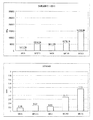
鍵型ボード成形品の引っ張り強度試験におけるカキタンニンとミルクカゼイン(MC)の割合が強度に与える影響を図2に示す(タンニン濃度:5%、ミルクカゼイン濃度:0〜20%、架橋反応:へミンと過酸化水素、熱プレス条件:180℃、30MPa10分〜60MPa10分、サンプル量:7g)。
FIG. 2 shows the influence of the ratio of oyster tannin and milk casein (MC) on the strength in the tensile strength test of the key board molded product (tannin concentration: 5%, milk casein concentration: 0 to 20%, cross-linking reaction: to Min and hydrogen peroxide, hot press conditions: 180 ° C., 30
鍵型ボード成形品の曲げ強度試験におけるカキタンニン(KT)とミルクカゼイン(MC)の割合が曲げ強度に与える影響を図3に示す(タンニン濃度:5%、ミルクカゼイン濃度:0〜20%、架橋反応:へミンと過酸化水素、熱プレス条件:180℃、30MPa10分〜60MPa10分、サンプル量:7g)。
FIG. 3 shows the influence of the ratio of kakitannin (KT) and milk casein (MC) on the bending strength in the bending strength test of the key board molded product (tannin concentration: 5%, milk casein concentration: 0-20%, Crosslinking reaction: hemin and hydrogen peroxide, hot press conditions: 180 ° C., 30
図2及び3において、「STROKE」は強度試験の際の加圧時の試料の伸び(mm)を示す。図3において、「Wfonly」は木粉のみを用いた場合を示す。 2 and 3, “STROKE” indicates the elongation (mm) of the sample during pressurization during the strength test. In FIG. 3, “Wfoundly” indicates a case where only wood flour is used.
円盤状ボード成形品の撥水試験におけるカキタンニン(KT)とミルクカゼイン(MC)の割合が撥水性に与える影響を図4に示す(タンニン濃度:5%、ミルクカゼイン濃度:0〜20%、架橋反応:へミンと過酸化水素、熱プレス条件:180℃、30MPa10分〜60MPa10分、サンプル量:10g)。図4において、「WFonly」は木粉のみを用いた場合を示す。
FIG. 4 shows the effect of the ratio of oyster tannin (KT) and milk casein (MC) on water repellency in a water repellency test of a disk-shaped board molded product (tannin concentration: 5%, milk casein concentration: 0-20%, Crosslinking reaction: hemin and hydrogen peroxide, hot press conditions: 180 ° C., 30
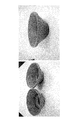
図5に示すお椀型の成形品は、この結果に基づいて作成した(タンニン濃度:5%、ミルクカゼイン濃度:5%、架橋反応:へミンと過酸化水素、熱プレス条件:180℃,60MPa,30分)。また、同様の条件では、木粉のみならず、竹粉、コーヒー残さ、茶殻、大豆の搾りかす、ミカンのジュース滓などから成形品を作成することもできた。 The bowl-shaped molded product shown in FIG. 5 was prepared based on this result (tannin concentration: 5%, milk casein concentration: 5%, crosslinking reaction: hemin and hydrogen peroxide, hot press conditions: 180 ° C., 60 MPa. , 30 minutes). Under similar conditions, it was also possible to produce molded products not only from wood flour, but also from bamboo flour, coffee residue, tea husk, soybean meal, and orange juice juice.
本発明の成形品は、例えば、使い捨ての飲料や食品用容器、食器、弁当箱などや、家電製品、車、携帯電話、パソコンのボードとして利用できる。 The molded product of the present invention can be used, for example, as a disposable beverage or food container, tableware, lunch box, or the like, a home appliance, a car, a mobile phone, or a personal computer board.
Claims (5)
Priority Applications (1)
| Application Number | Priority Date | Filing Date | Title |
|---|---|---|---|
| JP2008071952A JP5115973B2 (en) | 2008-03-19 | 2008-03-19 | Method for producing molded article made of natural material using cross-linking reaction of polymer tannin |
Applications Claiming Priority (1)
| Application Number | Priority Date | Filing Date | Title |
|---|---|---|---|
| JP2008071952A JP5115973B2 (en) | 2008-03-19 | 2008-03-19 | Method for producing molded article made of natural material using cross-linking reaction of polymer tannin |
Publications (2)
| Publication Number | Publication Date |
|---|---|
| JP2009226629A JP2009226629A (en) | 2009-10-08 |
| JP5115973B2 true JP5115973B2 (en) | 2013-01-09 |
Family
ID=41242638
Family Applications (1)
| Application Number | Title | Priority Date | Filing Date |
|---|---|---|---|
| JP2008071952A Expired - Fee Related JP5115973B2 (en) | 2008-03-19 | 2008-03-19 | Method for producing molded article made of natural material using cross-linking reaction of polymer tannin |
Country Status (1)
| Country | Link |
|---|---|
| JP (1) | JP5115973B2 (en) |
Families Citing this family (1)
| Publication number | Priority date | Publication date | Assignee | Title |
|---|---|---|---|---|
| JP2012162621A (en) * | 2011-02-04 | 2012-08-30 | Osaka Univ | Composition for hydrogel and manufacturing method thereof |
Family Cites Families (5)
| Publication number | Priority date | Publication date | Assignee | Title |
|---|---|---|---|---|
| JPS6162573A (en) * | 1984-09-03 | 1986-03-31 | Isao Sakata | Tannin adhesive composition |
| JPH0782442A (en) * | 1993-09-10 | 1995-03-28 | Mitsubishi Chem Corp | Thermoplastic resin composition |
| GB9520231D0 (en) * | 1995-10-04 | 1995-12-06 | Cerestar Holding Bv | Method for the production of tetritols,specifically meso-erythritol |
| JPH10262690A (en) * | 1997-01-22 | 1998-10-06 | Showa Denko Kk | Method for polymerizing phenolic compounds and uses thereof |
| JP4630608B2 (en) * | 2004-08-30 | 2011-02-09 | 積水化学工業株式会社 | Manufacturing method of wood-based composite material |
-
2008
- 2008-03-19 JP JP2008071952A patent/JP5115973B2/en not_active Expired - Fee Related
Also Published As
| Publication number | Publication date |
|---|---|
| JP2009226629A (en) | 2009-10-08 |
Similar Documents
| Publication | Publication Date | Title |
|---|---|---|
| Morais et al. | Note. Production of shiitake mushroom (Lentinus edodes) on lignocellulosic residues/Nota. Cultivo del hongo shiitake (Lentinus edodes) en residuos lignocelulósicos | |
| Kononova et al. | Formation of humic acids during plant residue humification and their nature | |
| KR101277760B1 (en) | Process for production of urushiol free lacquer tree bark extract and its utilization | |
| CN105670010B (en) | A kind of preparation method of rice protein/forulic acid compound or cross-linking agent | |
| CN104171907A (en) | Preparation method of flax high-fiber noodles | |
| JP5115973B2 (en) | Method for producing molded article made of natural material using cross-linking reaction of polymer tannin | |
| CN102068018B (en) | Naturally fermented chilli sauce and preparation method thereof | |
| WO2024100420A1 (en) | A bio-based leather substitute material | |
| WO2005055742A1 (en) | Processed wheat product containing functional components in elevated amounts and processing method therefor | |
| Zeng et al. | Cross-linking oxidized rice straw and chitosan for preparing a fully bio-based adhesive with exceptional water-resistant bonding performance | |
| KR20230015793A (en) | A method for manufacturing cypress leaf extract for removing the smell of the elderly | |
| KR102922178B1 (en) | Method for manufacturing plastic-free thermoplastic wood-based natural materials using agricultural and forestry by-products | |
| KR102764962B1 (en) | Solid Block Soup for Fermented Soybean Stew | |
| JP5344515B2 (en) | Method for producing polymer tannin gel | |
| KR20190060907A (en) | Method for manufacturing of natural paint with black persimmon composition by ripening treatment | |
| KR102754680B1 (en) | Plastic-free thermoplastic wood-based natural material utilizing agricultural and forestry by-products | |
| JP2014005237A (en) | Manufacturing method of lignin, lignin and manufacturing method of oil and fat | |
| KR20190050363A (en) | Jook with edible frog having excellent acceptability and the manufacturing method thereof | |
| RU2385659C1 (en) | Procedure for production of drink out of wheat grain sprouts and drink produced by this procedure | |
| KR100903848B1 (en) | How to concentrate and separate dietary fiber from mushrooms | |
| JP2022540689A (en) | Formaldehyde-free binder and method for producing same | |
| TWI509068B (en) | Mushroom growth promoting agent, preparation method thereof and mushroom liquid using the same | |
| KR101257772B1 (en) | Manufacturing method for fermented mushroom tea | |
| KR101347488B1 (en) | Process for the preparation of environment-friendly ceramics varnishing with lacquer for resisting to fire | |
| KR101844026B1 (en) | Manufacturing method of powder type tangle tea using the monascus fermentation brown rice |
Legal Events
| Date | Code | Title | Description |
|---|---|---|---|
| A621 | Written request for application examination |
Free format text: JAPANESE INTERMEDIATE CODE: A621 Effective date: 20101101 |
|
| A977 | Report on retrieval |
Free format text: JAPANESE INTERMEDIATE CODE: A971007 Effective date: 20120606 |
|
| A131 | Notification of reasons for refusal |
Free format text: JAPANESE INTERMEDIATE CODE: A131 Effective date: 20120619 |
|
| A521 | Written amendment |
Free format text: JAPANESE INTERMEDIATE CODE: A523 Effective date: 20120820 |
|
| TRDD | Decision of grant or rejection written | ||
| A01 | Written decision to grant a patent or to grant a registration (utility model) |
Free format text: JAPANESE INTERMEDIATE CODE: A01 Effective date: 20120918 |
|
| A01 | Written decision to grant a patent or to grant a registration (utility model) |
Free format text: JAPANESE INTERMEDIATE CODE: A01 |
|
| A61 | First payment of annual fees (during grant procedure) |
Free format text: JAPANESE INTERMEDIATE CODE: A61 Effective date: 20121010 |
|
| R150 | Certificate of patent or registration of utility model |
Free format text: JAPANESE INTERMEDIATE CODE: R150 |
|
| FPAY | Renewal fee payment (event date is renewal date of database) |
Free format text: PAYMENT UNTIL: 20151026 Year of fee payment: 3 |
|
| LAPS | Cancellation because of no payment of annual fees |