JP5372964B2 - Enhanced multiplex communication system and technique for uplink control channel - Google Patents
Enhanced multiplex communication system and technique for uplink control channel Download PDFInfo
- Publication number
- JP5372964B2 JP5372964B2 JP2010545993A JP2010545993A JP5372964B2 JP 5372964 B2 JP5372964 B2 JP 5372964B2 JP 2010545993 A JP2010545993 A JP 2010545993A JP 2010545993 A JP2010545993 A JP 2010545993A JP 5372964 B2 JP5372964 B2 JP 5372964B2
- Authority
- JP
- Japan
- Prior art keywords
- control channels
- resources
- transmission
- indicate
- computer
- Prior art date
- Legal status (The legal status is an assumption and is not a legal conclusion. Google has not performed a legal analysis and makes no representation as to the accuracy of the status listed.)
- Active
Links
Images






Classifications
-
- H—ELECTRICITY
- H04—ELECTRIC COMMUNICATION TECHNIQUE
- H04L—TRANSMISSION OF DIGITAL INFORMATION, e.g. TELEGRAPHIC COMMUNICATION
- H04L5/00—Arrangements affording multiple use of the transmission path
- H04L5/003—Arrangements for allocating sub-channels of the transmission path
- H04L5/0053—Allocation of signalling, i.e. of overhead other than pilot signals
-
- H—ELECTRICITY
- H04—ELECTRIC COMMUNICATION TECHNIQUE
- H04B—TRANSMISSION
- H04B7/00—Radio transmission systems, i.e. using radiation field
- H04B7/02—Diversity systems; Multi-antenna system, i.e. transmission or reception using multiple antennas
- H04B7/04—Diversity systems; Multi-antenna system, i.e. transmission or reception using multiple antennas using two or more spaced independent antennas
- H04B7/0413—MIMO systems
-
- H—ELECTRICITY
- H04—ELECTRIC COMMUNICATION TECHNIQUE
- H04B—TRANSMISSION
- H04B7/00—Radio transmission systems, i.e. using radiation field
- H04B7/02—Diversity systems; Multi-antenna system, i.e. transmission or reception using multiple antennas
- H04B7/04—Diversity systems; Multi-antenna system, i.e. transmission or reception using multiple antennas using two or more spaced independent antennas
- H04B7/06—Diversity systems; Multi-antenna system, i.e. transmission or reception using multiple antennas using two or more spaced independent antennas at the transmitting station
- H04B7/0613—Diversity systems; Multi-antenna system, i.e. transmission or reception using multiple antennas using two or more spaced independent antennas at the transmitting station using simultaneous transmission
- H04B7/0615—Diversity systems; Multi-antenna system, i.e. transmission or reception using multiple antennas using two or more spaced independent antennas at the transmitting station using simultaneous transmission of weighted versions of same signal
- H04B7/0619—Diversity systems; Multi-antenna system, i.e. transmission or reception using multiple antennas using two or more spaced independent antennas at the transmitting station using simultaneous transmission of weighted versions of same signal using feedback from receiving side
- H04B7/0621—Feedback content
- H04B7/0623—Auxiliary parameters, e.g. power control [PCB] or not acknowledged commands [NACK], used as feedback information
-
- H—ELECTRICITY
- H04—ELECTRIC COMMUNICATION TECHNIQUE
- H04L—TRANSMISSION OF DIGITAL INFORMATION, e.g. TELEGRAPHIC COMMUNICATION
- H04L1/00—Arrangements for detecting or preventing errors in the information received
- H04L1/12—Arrangements for detecting or preventing errors in the information received by using return channel
- H04L1/16—Arrangements for detecting or preventing errors in the information received by using return channel in which the return channel carries supervisory signals, e.g. repetition request signals
- H04L1/1607—Details of the supervisory signal
- H04L1/1671—Details of the supervisory signal the supervisory signal being transmitted together with control information
-
- H—ELECTRICITY
- H04—ELECTRIC COMMUNICATION TECHNIQUE
- H04L—TRANSMISSION OF DIGITAL INFORMATION, e.g. TELEGRAPHIC COMMUNICATION
- H04L5/00—Arrangements affording multiple use of the transmission path
- H04L5/003—Arrangements for allocating sub-channels of the transmission path
- H04L5/0053—Allocation of signalling, i.e. of overhead other than pilot signals
- H04L5/0055—Physical resource allocation for ACK/NACK
-
- H—ELECTRICITY
- H04—ELECTRIC COMMUNICATION TECHNIQUE
- H04L—TRANSMISSION OF DIGITAL INFORMATION, e.g. TELEGRAPHIC COMMUNICATION
- H04L5/00—Arrangements affording multiple use of the transmission path
- H04L5/0091—Signalling for the administration of the divided path, e.g. signalling of configuration information
- H04L5/0092—Indication of how the channel is divided
-
- H—ELECTRICITY
- H04—ELECTRIC COMMUNICATION TECHNIQUE
- H04L—TRANSMISSION OF DIGITAL INFORMATION, e.g. TELEGRAPHIC COMMUNICATION
- H04L5/00—Arrangements affording multiple use of the transmission path
- H04L5/0001—Arrangements for dividing the transmission path
- H04L5/0014—Three-dimensional division
- H04L5/0023—Time-frequency-space
-
- H—ELECTRICITY
- H04—ELECTRIC COMMUNICATION TECHNIQUE
- H04L—TRANSMISSION OF DIGITAL INFORMATION, e.g. TELEGRAPHIC COMMUNICATION
- H04L5/00—Arrangements affording multiple use of the transmission path
- H04L5/003—Arrangements for allocating sub-channels of the transmission path
- H04L5/0058—Allocation criteria
- H04L5/0064—Rate requirement of the data, e.g. scalable bandwidth, data priority
-
- H—ELECTRICITY
- H04—ELECTRIC COMMUNICATION TECHNIQUE
- H04W—WIRELESS COMMUNICATION NETWORKS
- H04W72/00—Local resource management
- H04W72/12—Wireless traffic scheduling
- H04W72/1263—Mapping of traffic onto schedule, e.g. scheduled allocation or multiplexing of flows
- H04W72/1268—Mapping of traffic onto schedule, e.g. scheduled allocation or multiplexing of flows of uplink data flows
Landscapes
- Engineering & Computer Science (AREA)
- Signal Processing (AREA)
- Computer Networks & Wireless Communication (AREA)
- Mobile Radio Communication Systems (AREA)
Abstract
Description
本件特許出願は、「ENHANCED MULTIPLEXING SYSTEM AND TECHNIQUE FOR UPLINK CONTROL CHANNELS」という名称の2008年2月8日付けの米国仮出願第61/027,242号に基づいて優先権を主張するものであって、当該米国仮出願は、本件出願の出願人に譲渡され、参照によって、本件出願の明細書に明白に組み込まれている。 This patent application claims priority based on US Provisional Application No. 61 / 027,242 dated February 8, 2008 entitled “ENHANCED MULTIPLEXING SYSTEM AND TECHNIQUE FOR UPLINK CONTROL CHANNELS”. The provisional application is assigned to the applicant of the present application and is expressly incorporated into the specification of the present application by reference.
本件明細書において説明される例示的および非制限的態様は、一般に、ワイヤレス通信システム、方法、コンピュータ・プログラム・プロダクトおよびデバイスに関係し、より詳細には、ACK/NAKチャネルおよびサービス要求(SR)チャネルの両方が同時にスケジュールされるときにACK/NAKチャネルおよびサービス要求(SR)チャネルについての情報を効率的に伝達するための技術に関係する。 Exemplary and non-limiting aspects described herein generally relate to wireless communication systems, methods, computer program products, and devices, and more particularly, ACK / NAK channels and service requests (SR). It relates to techniques for efficiently conveying information about ACK / NAK channels and service request (SR) channels when both channels are scheduled simultaneously.
ワイヤレス通信システムは、音声、データなどのような通信コンテンツの様々なタイプを提供するために広く展開されている。これらのシステムは、利用可能なシステム資源(例えば、帯域幅および送信電力)を共有することによって複数のユーザとの通信をサポートすることができる多元接続システムであることができる。そのような多元接続システムの例は、符号分割多元接続(CDMA)システム、時分割多元接続(TDMA)システム、周波数分割多元接続(FDMA)システム、3GPP長期展開(LTE)システム、および直交周波数分割多元接続(OFDM)システムを含む。 Wireless communication systems are widely deployed to provide various types of communication content such as voice, data, and so on. These systems can be multiple access systems that can support communication with multiple users by sharing available system resources (eg, bandwidth and transmit power). Examples of such multiple access systems are code division multiple access (CDMA) systems, time division multiple access (TDMA) systems, frequency division multiple access (FDMA) systems, 3GPP long term deployment (LTE) systems, and orthogonal frequency division multiples Includes connection (OFDM) system.
一般に、ワイヤレス多元接続通信システムは、複数のワイヤレス端末のための通信を同時にサポートすることができる。各端末は、順方向および逆方向リンク上の送信によって1つまたは複数の基地局と通信する。順方向リンク(つまりダウンリンク)とは、基地局から端末までの通信リンクのことをいい、逆方向リンク(つまりアップリンク)とは、端末から基地局までの通信リンクのことをいう。この通信リンクは、単一入力単一出力、複数入力単一出力、または複数入力複数出力(MIMO)システムによって確立されることができる。 In general, a wireless multiple-access communication system can simultaneously support communication for multiple wireless terminals. Each terminal communicates with one or more base stations via transmissions on the forward and reverse links. The forward link (ie, downlink) refers to the communication link from the base station to the terminal, and the reverse link (ie, uplink) refers to the communication link from the terminal to the base station. This communication link may be established by a single input single output, multiple input single output, or multiple input multiple output (MIMO) system.
ユニバーサルモバイル電気通信システム(UMTS)は、第3世代(3G)セル電話技術のうちの1つである。UTRAN(UMTS地上無線接続ネットワークの略)は、ノードBおよびUMTS無線接続ネットワークを構成する無線ネットワーク制御装置の集合的な用語である。この通信ネットワークは、リアルタイムの回線交換からIPベースのパケット交換まで多くのトラフィックタイプを搬送することができる。UTRANは、UE(ユーザ設備)とコアネットワークとの間の接続性を可能にする。UTRANは、ノードBと呼ばれる基地局、および無線ネットワーク制御装置(RNC)を含む。RNCは、1つまたは複数のノードBのための制御機能性を提供する。典型的な実装は、複数のノードBをサーブする中央オフィスに位置する別個のRNCを有するが、ノードBおよびRNCは、同じデバイスであってもよい。ノードBおよびRNCは、物理的に別個でなくてもよいという事実にもかかわらず、これらの間には論理的インターフェースがある。この論理的インターフェースは、Iubとして知られている。RNCおよびRNCの対応するノードBは、無線ネットワークサブシステム(RNS)と呼ばれる。2つ以上のRNSがUTRANに存在し得る。 Universal Mobile Telecommunications System (UMTS) is one of the third generation (3G) cell phone technologies. UTRAN (abbreviation of UMTS terrestrial radio access network) is a collective term for radio network controllers constituting the Node B and the UMTS radio access network. This communication network can carry many traffic types from real-time circuit switching to IP-based packet switching. UTRAN enables connectivity between the UE (User Equipment) and the core network. UTRAN includes a base station called Node B and a radio network controller (RNC). The RNC provides control functionality for one or more Node Bs. A typical implementation has separate RNCs located in a central office serving multiple Node Bs, but Node B and RNCs may be the same device. Despite the fact that Node B and RNC need not be physically separate, there is a logical interface between them. This logical interface is known as Iub. The corresponding Node B of the RNC and RNC is called a radio network subsystem (RNS). There can be more than one RNS in UTRAN.
3GPP LTE(Long Term Evolution)は、将来の要求に対処するためにUMTSモバイル電話規格を改善するための第3世代パートナーシップ・プロジェクト(3GPP)内のプロジェクトに与えられた名称である。3GPP LTEの目標は、効率を上げること、コストを低減すること、サービスを向上すること、新しいスペクトラムの機会を使用すること、および他のオープン規格とのより良い統合である。LTEシステムは、EUTRA(Evolved UTRA)およびEUTRAN(Evolved UTRAN)の仕様書のシリーズにおいて説明されている。 3GPP Long Term Evolution (LTE) is the name given to projects within the 3rd Generation Partnership Project (3GPP) to improve the UMTS mobile phone standard to address future requirements. The goals of 3GPP LTE are to increase efficiency, reduce costs, improve service, use new spectrum opportunities, and better integration with other open standards. LTE systems are described in a series of specifications for EUTRA (Evolved UTRA) and EUTRAN (Evolved UTRAN).
LTEアップリンク(UL)ACK/NACKチャネルおよびサービス要求(SR)チャネル送信の場合、異なるユーザを多重化するために離散フーリエ変換(DFT)およびウォルシュ拡散だけでなく周期的にシフトされるCAZAC(Constant-Amplitude Zero Auto-Correlation)が使用される。両方のチャネルが同時に送られなければならないときに問題が生じる。 For LTE uplink (UL) ACK / NACK channel and service request (SR) channel transmission, CAZAC (Constant) is shifted periodically as well as discrete Fourier transform (DFT) and Walsh spread to multiplex different users -Amplitude Zero Auto-Correlation) is used. A problem arises when both channels must be sent simultaneously.
本件開示の態様のいくつかの態様の基本的な理解を提供するために、以下は、単純化された概要を提示する。この概要は、広範な概観ではなく、そのような態様の鍵となるエレメントまたは重要なエレメントを特定するように意図されているわけでも、そのような態様の範囲を画定するように意図されているわけでもない。その目的は、あとで提示されるより詳細な説明の前置きとして単純化された形式で、説明される特徴のいくつかの概念を提示することである。 In order to provide a basic understanding of some aspects of the presently disclosed aspects, the following presents a simplified summary. This summary is not an extensive overview and is intended to delimit the scope of such aspects, even though it is intended to identify key or critical elements of such aspects. That's not true. Its purpose is to present some concepts of the described features in a simplified form as a prelude to the more detailed description that is presented later.
1つまたは複数の態様および対応するそれらの開示にしたがって、肯定応答およびサービス要求の両方が同時にスケジュールされるとき、1つのアップリンク制御チャネル資源を使用してACK、SR、またはACK+SRがどのように多重化されることができるのかに関する所定のマッピングを提供することに関係して様々な態様が説明される。それによって、アップリンク制御チャネルは、ブラインド復号、より高次の変調によるリンク損失、または追加のハードウェア/ソフトウェアの複雑性をともなうことなく、ACK、SR、またはACK+SRを受信するために逆多重化されることができる。 According to one or more aspects and corresponding disclosure thereof, when both an acknowledgment and a service request are scheduled simultaneously, one uplink control channel resource is used to determine which ACK, SR, or ACK + SR Various aspects are described in connection with providing a predetermined mapping as to how they can be multiplexed. Thereby, the uplink control channel is reversed to receive ACK, SR, or ACK + SR without blind decoding, link loss due to higher order modulation, or additional hardware / software complexity. Can be multiplexed.
ある態様において、第1および第2の資源をそれぞれ割り当てられている第1および第2の制御チャネルが同時送信を要求していると決定することによって、多重化アップリンク制御チャネルを送信することと、前記第1および第2の制御チャネルのうち選択されなかった1つを示さないで、選択された1つを示すことのために、前記第1および第2の制御チャネルのうち選択された1つを、前記第1および第2の資源のうち当該対応する1つを用いて送信することと、および第1および第2の制御チャネルの両方を示すことのために、前記第1および第2の制御チャネルのうち選択された1つを、前記第1および第2の資源のうち当該対応していない1つを用いて送信することとを具備する方法が提供される。 In an aspect, transmitting the multiplexed uplink control channel by determining that the first and second control channels assigned respectively the first and second resources are requesting simultaneous transmission; , Selected one of the first and second control channels to indicate the selected one, not indicating the unselected one of the first and second control channels. For transmitting both using the corresponding one of the first and second resources and indicating both the first and second control channels. Transmitting a selected one of the control channels using the incompatible one of the first and second resources.
他の態様において、多重化アップリンク制御チャネルを送信するための少なくとも1つのプロセッサーが提供される。モジュールは、第1および第2の資源をそれぞれ割り当てられている第1および第2の制御チャネルが同時送信を要求していると決定する。モジュールは、前記第1および第2の制御チャネルのうち選択されなかった1つを示さないで、選択された1つを示すことのために、前記第1および第2の制御チャネルのうち選択された1つを、前記第1および第2の資源のうち当該対応する1つを用いて送信する。モジュールは、前記第1および第2の制御チャネルの両方を示すことのために、前記第1および第2の制御チャネルのうち選択された1つを、前記第1および第2の資源のうち当該対応していない1つを用いて送信する。 In another aspect, at least one processor is provided for transmitting a multiplexed uplink control channel. The module determines that the first and second control channels assigned the first and second resources, respectively, are requesting simultaneous transmission. A module is selected among the first and second control channels to indicate the selected one without indicating the unselected one of the first and second control channels. Is transmitted using the corresponding one of the first and second resources. The module sends a selected one of the first and second control channels to the first and second resources to indicate both the first and second control channels. Transmit using one that is not supported.
追加の態様において、多重化アップリンク制御チャネルを送信するためのコンピュータ・プログラム・プロダクトが提供される。コンピュータ可読記憶装置は、第1および第2の資源をそれぞれ割り当てられている第1および第2の制御チャネルが同時送信を要求しているとコンピュータに決定させるための1セットのコードを具備する。1セットのコードは、前記第1および第2の制御チャネルのうち選択されなかった1つを示さないで、選択された1つを示すことのために、前記第1および第2の制御チャネルのうち選択された1つを、前記第1および第2の資源のうち当該対応する1つを用いて前記コンピュータに送信させる。1セットのコードは、前記第1および第2の制御チャネルの両方を示すことのために、前記第1および第2の制御チャネルのうち選択された1つを、前記第1および第2の資源のうち当該対応していない1つを用いて前記コンピュータに送信させる。 In an additional aspect, a computer program product for transmitting a multiplexed uplink control channel is provided. The computer readable storage device comprises a set of codes for causing the computer to determine that the first and second control channels assigned the first and second resources, respectively, are requesting simultaneous transmission. A set of codes does not indicate the unselected one of the first and second control channels, but to indicate the selected one of the first and second control channels. The selected one is transmitted to the computer using the corresponding one of the first and second resources. A set of codes designates a selected one of the first and second control channels to the first and second resources to indicate both the first and second control channels. Is transmitted to the computer using one of the two that is not supported.
他の追加の態様において、多重化アップリンク制御チャネルを送信するための装置が提供される。第1および第2の資源をそれぞれ割り当てられている第1および第2の制御チャネルが同時送信を要求していると決定するための手段が提供される。前記第1および第2の制御チャネルのうち選択されなかった1つを示さないで、選択された1つを示すことのために、前記第1および第2の制御チャネルのうち選択された1つを、前記第1および第2の資源のうち当該対応する1つを用いて送信するための手段が提供される。前記第1および第2の制御チャネルの両方を示すことのために、前記第1および第2の制御チャネルのうち選択された1つを、前記第1および第2の資源のうち当該対応していない1つを用いて送信するための手段が提供される。 In another additional aspect, an apparatus is provided for transmitting a multiplexed uplink control channel. Means are provided for determining that the first and second control channels assigned the first and second resources, respectively, are requesting simultaneous transmission. A selected one of the first and second control channels to indicate a selected one without indicating a non-selected one of the first and second control channels. Is provided for transmitting using the corresponding one of the first and second resources. To indicate both the first and second control channels, a selected one of the first and second control channels is associated with the corresponding one of the first and second resources. Means are provided for transmitting using no one.
さらなる態様において、多重化アップリンク制御チャネルを送信するための装置が提供される。計算プラットフォームは、第1および第2の資源をそれぞれ割り当てられている第1および第2の制御チャネルが同時送信を要求していると決定する。送信機は、前記第1および第2の制御チャネルのうち選択されなかった1つを示さないで、選択された1つを示すことのために、前記第1および第2の制御チャネルのうち選択された1つを、前記第1および第2の資源のうち当該対応する1つを用いて送信する。ここにおいて、前記送信機はさらに、前記第1および第2の制御チャネルの両方を示すこのために、前記第1および第2の制御チャネルのうち選択された1つを、前記第1および第2の資源のうち当該対応していない1つを用いて送信することのためである。 In a further aspect, an apparatus is provided for transmitting a multiplexed uplink control channel. The computing platform determines that the first and second control channels assigned respectively the first and second resources are requesting simultaneous transmission. The transmitter does not indicate the unselected one of the first and second control channels, but selects the first and second control channels to indicate the selected one. Is transmitted using the corresponding one of the first and second resources. Here, the transmitter further represents a selected one of the first and second control channels for indicating both the first and second control channels, the first and second. This is because transmission is performed using one of the resources that is not supported.
さらにある態様において、第1および第2の資源をそれぞれ割り当てられている第1および第2の制御チャネルが同時送信を要求していると決定することによって、多重化アップリンク制御チャネルを受信することと、前記第1および第2の制御チャネルのうち選択されなかった1つを示さないで、選択された1つを示すことのために、前記第1および第2の資源のうち選択された1つを、前記第1および第2の資源のうち当該対応する1つを用いて受信することと、および、前記第1および第2の制御チャネルの両方を示すことのために、前記第1および第2の制御チャネルのうち選択された1つを、前記第1および第2の資源のうち当該対応していない1つを用いて受信することとを具備する方法が提供される。 Further, in an aspect, receiving a multiplexed uplink control channel by determining that the first and second control channels assigned respectively the first and second resources are requesting simultaneous transmission. A selected one of the first and second resources to indicate a selected one without indicating a non-selected one of the first and second control channels. To receive both using the corresponding one of the first and second resources and to indicate both the first and second control channels Receiving a selected one of the second control channels using the non-corresponding one of the first and second resources.
さらに他の態様において、多重化アップリンク制御チャネルを受信するための少なくとも1つのプロセッサーが提供される。モジュールは、第1および第2の資源をそれぞれ割り当てられている第1および第2の制御チャネルが同時送信を要求していると決定する。モジュールは、前記第1および第2の制御チャネルのうち選択されなかった1つを示さないで、選択された1つを示すことのために、前記第1および第2の制御チャネルのうち選択された1つを、前記第1および第2の資源のうち当該対応する1つを用いて受信する。モジュールは、前記第1および第2の制御チャネルの両方を示すことのために、前記第1および第2の制御チャネルのうち選択された1つを、前記第1および第2の資源のうち当該対応していない1つを用いて受信する。 In yet another aspect, at least one processor is provided for receiving a multiplexed uplink control channel. The module determines that the first and second control channels assigned the first and second resources, respectively, are requesting simultaneous transmission. A module is selected among the first and second control channels to indicate the selected one without indicating the unselected one of the first and second control channels. Is received using the corresponding one of the first and second resources. The module sends a selected one of the first and second control channels to the first and second resources to indicate both the first and second control channels. Receive using one not supported.
さらに追加の態様において、多重化アップリンク制御チャネルを受信するためのコンピュータ・プログラム・プロダクトが提供される。コンピュータ可読記憶装置は、第1および第2の資源をそれぞれ割り当てられている第1および第2の制御チャネルが同時送信を要求しているとコンピュータに決定させるための1セットのコードを具備する。1セットのコードは、前記第1および第2の制御チャネルのうち選択されなかった1つを示さないで、選択された1つを示すことのために、前記第1および第2の制御チャネルのうち選択された1つを、前記第1および第2の資源のうち当該対応する1つを用いて前記コンピュータに受信させる。前記第1および第2の制御チャネルの両方を示すことのために、前記第1および第2の制御チャネルのうち選択された1つを、前記第1および第2の資源のうち当該対応していない1つを用いて前記コンピュータに受信させる。 In yet an additional aspect, a computer program product for receiving a multiplexed uplink control channel is provided. The computer readable storage device comprises a set of codes for causing the computer to determine that the first and second control channels assigned the first and second resources, respectively, are requesting simultaneous transmission. A set of codes does not indicate the unselected one of the first and second control channels, but to indicate the selected one of the first and second control channels. The selected one is received by the computer using the corresponding one of the first and second resources. To indicate both the first and second control channels, a selected one of the first and second control channels is associated with the corresponding one of the first and second resources. The computer using the one that does not exist is allowed to receive.
さらに他の追加の態様において、多重化アップリンク制御チャネルを受信するための装置が提供される。第1および第2の資源をそれぞれ割り当てられている第1および第2の制御チャネルが同時送信を要求していると決定するための手段が提供される。前記第1および第2の制御チャネルのうち選択されなかった1つを示さないで、選択された1つを示すことのために、前記第1および第2の制御チャネルのうち選択された1つを、前記第1および第2の資源のうち当該対応する1つを用いて受信するための手段が提供される。前記第1および第2の制御チャネルの両方を示すことのために、前記第1および第2の制御チャネルのうち選択された1つを、前記第1および第2の資源のうち当該対応していない1つを用いて受信するための手段が提供される。 In yet another additional aspect, an apparatus is provided for receiving a multiplexed uplink control channel. Means are provided for determining that the first and second control channels assigned the first and second resources, respectively, are requesting simultaneous transmission. A selected one of the first and second control channels to indicate a selected one without indicating a non-selected one of the first and second control channels. Is received using the corresponding one of the first and second resources. To indicate both the first and second control channels, a selected one of the first and second control channels is associated with the corresponding one of the first and second resources. Means are provided for receiving with no one.
さらなる態様において、多重化アップリンク制御チャネルを受信するための装置が提供される。計算プラットフォームは、第1および第2の資源をそれぞれ割り当てられている第1および第2の制御チャネルが同時送信を要求していると決定する。受信機は、前記第1および第2の制御チャネルのうち選択されなかった1つを示さないで、選択された1つを示すことのために、前記第1および第2の制御チャネルのうち選択された1つを、前記第1および第2の資源のうち当該対応する1つを用いて受信する。ここにおいて、前記受信機はさらに、前記第1および第2の制御チャネルの両方を示すために、前記第1および第2の制御チャネルのうち選択された1つを、前記第1および第2の資源のうち当該対応していない1つを用いて受信するためである。 In a further aspect, an apparatus is provided for receiving a multiplexed uplink control channel. The computing platform determines that the first and second control channels assigned the first and second resources, respectively, are requesting simultaneous transmission. The receiver does not indicate the unselected one of the first and second control channels, but selects the first and second control channels to indicate the selected one. Is received using the corresponding one of the first and second resources. Here, the receiver further selects a selected one of the first and second control channels to indicate both the first and second control channels. This is because reception is performed using one of the resources that is not supported.
前述の目的および関係する目的の達成のために、1つまたは複数の態様は、以下で十分に説明される特徴および特許請求の範囲において特に指摘される特徴を具備する。以下の説明および追加の図面は、ある例示的態様を詳細に述べ、および態様の原則が採用されることができる様々な方法のうちのいくつかのみを示す。他の利点および新規な特徴は、以下の詳細な説明が図面と一緒に考慮されるとき、当該詳細な説明から明白になり、本件開示の態様は、そのような態様およびそれらの同等物を含むように意図されている。 To the accomplishment of the foregoing and related ends, one or more aspects comprise the features fully described below and the features particularly pointed out in the claims. The following description and additional drawings set forth in detail certain illustrative aspects and illustrate only some of the various ways in which the principles of an aspect may be employed. Other advantages and novel features will become apparent from the detailed description when the following detailed description is considered in conjunction with the drawings, and the aspects disclosed herein include such aspects and their equivalents. Is intended to be.
本件開示の特徴、性質、および利点は、以下に述べられる詳細な説明が図面とともに取り上げられるとき、当該詳細な説明から、いっそう明らかになるであろう。なお、図面において、同様の参照記号は、明細書全体を通じて対応的に一体化している。
ユーザ設備(UE)をスケジュールするベースノードが、ACK/NACKおよびサービス要求(SR)の両方のアップリンク(UL)送信が同時にスケジュールされるときにACK/NACKおよび/またはサービス要求(SR)が受信されたかどうかを決定することができるように、通信システムは、多重通信方式を組み込む。ベースノードが、ACK/NACKまたはSR ULチャネルのいずれかのUEによる選択的使用を解釈することができるので、著しい複雑性の低減、より良いリンクの効率性、およびより高い多重化能力を達成することができる。そのような解釈は、複数のダウンリンク(DL)送信モードが使用されるときに対して、特に、DL単一入力複数出力(SIMO)、ランク1送信のDL複数入力複数出力(MIMO)、およびランク2送信のDL MIMOが使用されるときに対して拡張されることができる。スケジューリングおよびDL送信モードの知識に基づいて、ベースノードは、UEからの可能な応答のマッピングに起因する多数の可能性をブラインド復号する必要がない。加えて、多重通信方式は、周波数分割二重(FDD)および時分割二重(TDD)の両方に利用可能である。その結果、エッジユーザーにとってのリンクパフォーマンスの損失、多重化能力の減少(例えば、最大ACKチャネルを18から12に制限すること)、またはハードウェア/ソフトウェアの複雑性の増加(例えば、ACK対SR+ACKのブラインド復号を要すること)という結果となる、より高次の変調(例えば、QPSKでなく8PSK)のような望まれないアプローチが避けられる。 A base node that schedules user equipment (UE) receives an ACK / NACK and / or service request (SR) when both ACK / NACK and service request (SR) uplink (UL) transmissions are scheduled simultaneously. The communication system incorporates a multiplex communication scheme so that it can be determined whether or not it has been done. Base nodes can interpret selective use by UEs on either ACK / NACK or SR UL channels to achieve significant complexity reduction, better link efficiency, and higher multiplexing capability be able to. Such an interpretation is in particular for when multiple downlink (DL) transmission modes are used, in particular DL single input multiple output (SIMO), DL multiple input multiple output (MIMO) for rank 1 transmission, and It can be extended with respect to when DL MIMO with rank 2 transmission is used. Based on knowledge of scheduling and DL transmission mode, the base node does not need to blind decode many possibilities due to mapping of possible responses from the UE. In addition, multiplex communication schemes are available for both frequency division duplex (FDD) and time division duplex (TDD). As a result, loss of link performance for edge users, reduced multiplexing capability (eg limiting the maximum ACK channel from 18 to 12), or increased hardware / software complexity (eg ACK vs. SR + Undesirable approaches such as higher order modulation (e.g. 8PSK instead of QPSK) resulting in blind decoding of ACKs are avoided.
図面を参照して、これから様々な態様が説明される。以下の説明において、説明の目的のために、1つまたは複数の態様の完全な理解を提供するために多数の特定の詳細が述べられる。しかしながら、様々な態様が、これらの特定の詳細によらずに実施されることができることは明らかである。他の例において、これらの態様の説明を容易にするために、周知の構造およびデバイスはブロック図の形式で図示されている。 Various aspects will now be described with reference to the drawings. In the following description, for the purposes of explanation, numerous specific details are set forth in order to provide a thorough understanding of one or more aspects. It will be apparent, however, that various aspects may be practiced without these specific details. In other instances, well-known structures and devices are shown in block diagram form in order to facilitate describing these aspects.
本件出願において使用されるように、用語「コンポーネント(component)」、「モジュール(module)」、「システム(system)」などは、ハードウェア、ハードウェアおよびソフトウェアの組み合わせ、ソフトウェア、またはソフトウェア実行のいずれかのコンピュータ関連のエンティティのことを意味するよう意図される。例えば、コンポーネントは、次のものには制限されないが、プロセッサー上で実行中のプロセス、プロセッサー、オブジェクト、実行可能、実行スレッド、プログラム、および/またはコンピュータであってもよい。例示として、サーバー上で実行中のアプリケーションおよび特定のサーバー上で実行中のアプリケーションの両方ともコンポーネントであり得る。1つまたは複数のコンポーネントは、プロセスおよび/または実行スレッド内に在ることができ、およびコンポーネントは、1つのコンピュータ上でローカライズされおよび/または2つ以上のコンピュータ間に分散されることができる。 As used in this application, the terms `` component '', `` module '', `` system '', etc. refer to either hardware, a combination of hardware and software, software, or software execution. It is intended to mean any computer-related entity. For example, a component may be, but is not limited to being, a process running on a processor, a processor, an object, an executable, a thread of execution, a program, and / or a computer. By way of illustration, both an application running on a server and the application running on a particular server can be a component. One or more components can reside within a process and / or thread of execution, and components can be localized on one computer and / or distributed between two or more computers.
「例示的(exemplary)」という語は、本件明細書において、一例、事例、または例示としての役割を果たすことを意味する。「例示的(exemplary)」として本件明細書において説明される任意の態様または設計は、他の態様または設計に対して好ましいまたは有利なものとして解釈される必要はない。 The word “exemplary” is meant herein to serve as an example, instance, or illustration. Any aspect or design described herein as "exemplary" need not be construed as preferred or advantageous over other aspects or designs.
さらに、1つまたは複数のバージョンは、開示される態様を実装するためのソフトウェア、ファームウェア、ハードウェア、またはコンピュータを制御するためにこれらの組み合わせを提供するための標準のプログラミングおよび/またはエンジニアリング技術を使用する方法、装置、または製品として実装されることができる。本件明細書において使用されるような用語「製品」(または代替的に「コンピュータ・プログラム・プロダクト」)は、任意のコンピュータ可読デバイス、搬送波、または媒体からアクセス可能なコンピュータ・プログラムを含むよう意図されている。例えば、コンピュータ可読媒体は、次のものには制限されないが、磁気記憶デバイス(例えば、ハードディスク、フレキシブルディスク、磁気ストリップなど)、光ディスク(例えば、コンパクトディスク(CD)、デジタル汎用ディスク(DVD)など)、スマート・カード、およびフラッシュメモリーデバイス(例えば、カード、スティック)を含むことができる。追加的に、搬送波は、電子メールを送信および受信する、またはインターネットまたはローカルエリアネットワーク(LAN)のようなネットワークにアクセスするのに使用されるもののようなコンピュータ可読電子データを搬送するために採用されることができることが認識されるべきである。もちろん、当業者であれば、本件開示の態様の範囲から逸脱することのない範囲で多くの修正が本件構成になされてもよいことを認識するだろう。 Further, one or more versions provide standard programming and / or engineering techniques to provide software, firmware, hardware, or a combination of these to control the computer to implement the disclosed aspects. It can be implemented as a method, apparatus or product to use. The term “product” (or alternatively “computer program product”) as used herein is intended to include a computer program accessible from any computer-readable device, carrier wave, or media. ing. For example, the computer-readable medium is not limited to the following, but is a magnetic storage device (eg, hard disk, flexible disk, magnetic strip, etc.), optical disk (eg, compact disk (CD), digital universal disc (DVD), etc.) , Smart cards, and flash memory devices (eg, cards, sticks). Additionally, the carrier wave is employed to carry computer readable electronic data such as those used to send and receive e-mail or to access a network such as the Internet or a local area network (LAN). It should be recognized that Of course, those skilled in the art will recognize that many modifications may be made to the configuration without departing from the scope of the disclosed aspects.
いくつかのコンポーネント、モジュールなどを含むことができるシステムの観点から、様々な態様が提示される。様々なシステムは、追加のコンポーネント、モジュールなどを含むことができ、および/または図面と関係して議論されるコンポーネント、モジュールなどのすべてを含まないかもしれないことが理解および認識される。これらのアプローチの組み合わせもまた使用されることができる。本件明細書において開示される様々な態様は、タッチスクリーン・ディスプレイ技術および/またはマウスおよびキーボードタイプのインターフェースを利用するデバイスを含む電子デバイス上で実行されることができる。そのようなデバイスの例は、コンピュータ(デスクトップおよびモバイル)、スマートフォン、携帯情報端末(PDA)、および有線およびワイヤレスの両方の他の電子デバイスを含む。 Various aspects are presented in terms of systems that can include a number of components, modules, and the like. It is understood and appreciated that the various systems may include additional components, modules, etc. and / or may not include all of the components, modules, etc. discussed in connection with the drawings. A combination of these approaches can also be used. Various aspects disclosed herein may be performed on electronic devices including devices that utilize touch screen display technology and / or mouse and keyboard type interfaces. Examples of such devices include computers (desktop and mobile), smart phones, personal digital assistants (PDAs), and other electronic devices, both wired and wireless.
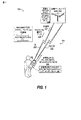
図1を最初に参照して、拡張ベースノード(eNB)102として図示されている基地局の通信システム100は、無線(over-the-air、OTA)リンク104によってユーザ設備(UE)106と通信する。特に、eNB102は、物理アップリンク制御チャネル(PUCCH)110をスケジュールするためにダウンリンク(DL)108を利用する。例えば、PUCCH110上でサービス要求(SR)をするための認可112は、ダウンリンク108上で送信される。その結果、UE106は、eNB102へデータを送信するための資源(例えば、周波数および時間)を要求する機会を有する。eNB102はまた、ARQ(自動再送要求)または混成ARQ(HARQ)を使用するような前方誤り訂正(FEC)方法にしたがってダウンリンク108上でデータ114を送信する。SR認可112は、データ114に応答して予想されるACK/NACKチャネル・スケジューリングとPUCCHスケジューリングとの衝突(116に図示されている)を伝達する。このスケジューリング衝突に応答して、PUCCH110上で、UE106におけるマッピング・コンポーネント120は、124において図示されているように、肯定応答(ACK)、SR、またはSR+ACKを選択的に送信し、eNB102におけるマッピング・コンポーネント122は、これらを選択的に受信する。
Referring initially to FIG. 1, a base
図2において、1つの態様において、アップリンク(UL)送信のためにACK/NACKチャネルとサービス要求(SR)チャネルとを多重化したものを送信するための方法200が提供される。ブロック202において、サービス要求認可がUL制御チャネルの使用のために受信される。加えて、前方誤り制御(FEC)の一部としての自動再送要求方法(例えば、ARQ、HARQ)にしたがってデータが受信される(ブロック204)。受信データについてのSRおよびACK/NACKに関するスケジューリング衝突がPUCCHにあるかどうかについての決定がブロック206においてなされる。スケジューリング衝突がない場合、SRおよびACKの多重化は必要なく、終了する(ブロック207)。衝突の場合、PUCCH上でACK、SR、またはACK+SRを多重化するためのマッピングについての参照がなされる(ブロック208)。 In FIG. 2, in one aspect, a method 200 is provided for transmitting a multiplexed ACK / NACK channel and service request (SR) channel for uplink (UL) transmission. At block 202, a service request grant is received for use of the UL control channel. In addition, data is received according to an automatic repeat request method (eg, ARQ, HARQ) as part of forward error control (FEC) (block 204). A determination is made at block 206 as to whether there is a scheduling conflict for SR and ACK / NACK for the received data on the PUCCH. If there is no scheduling conflict, SR and ACK multiplexing is not necessary and ends (block 207). In the event of a collision, a reference is made for mapping to multiplex ACK, SR, or ACK + SR on the PUCCH (block 208).
マッピングがアップリンク(UL)送信チャネル選択に基づくべき場合(ブロック210)、マッピングにしたがって適切なUL制御送信パラメータが決定される(ブロック212)。ブロック214において、SR、ACK、またはSR+ACKを伝達するために、SRチャネルまたはACKチャネルのいずれかの選択的な使用がなされることができる。例示的な実装において、ACKチャネル上でACKを送信することは、このマッピングにしたがって、SRがないことを示す。SRチャネル上でSRを送信することは、ACKがないことを示す。しかしながら、SRおよびACKのうちの選択された1つを他のチャネル上で送信すること(例えば、ACKをSRチャネル上で送信すること)は、SRおよびACKの両方を示す。 If the mapping is to be based on uplink (UL) transmission channel selection (block 210), appropriate UL control transmission parameters are determined according to the mapping (block 212). In block 214, selective use of either the SR channel or the ACK channel can be made to convey SR, ACK, or SR + ACK. In an exemplary implementation, sending an ACK on the ACK channel indicates that there is no SR according to this mapping. Sending an SR on the SR channel indicates that there is no ACK. However, sending a selected one of SR and ACK on the other channel (eg, sending ACK on the SR channel) indicates both SR and ACK.
ブロック210において、ULチャネル選択がマッピングによって追加の情報を伝達するための手段ではないことをマッピングが示す場合、ブロック216において、適切なマッピングを参照する基準として何のダウンリンク(DL)送信モードが使用されているかについて決定がなされる。 In block 210, if the mapping indicates that UL channel selection is not a means for conveying additional information through the mapping, then in block 216, what downlink (DL) transmission mode is used as a reference to reference the appropriate mapping. A determination is made as to whether it is being used.
DL単一入力複数出力(SIMO)について218において図示されているように、SRおよびACKの両方の多重化は、ACKチャネル上の直交位相シフトキーイング(QPSK)によって達成される(ブロック220)。 As illustrated at 218 for DL single input multiple output (SIMO), multiplexing of both SR and ACK is achieved by quadrature phase shift keying (QPSK) on the ACK channel (block 220).
ランク1送信のためのDL複数入力複数出力(MIMO)について222において図示されているように、SRおよびACKの両方の多重化は、ACKチャネル上のQPSKによって達成される(ブロック224)。 As illustrated at 222 for DL multiple-input multiple-output (MIMO) for rank-1 transmission, multiplexing of both SR and ACK is accomplished by QPSK on the ACK channel (block 224).
DL MIMOランク2送信について226において図示されているように、両方のDLストリームの1つのACK受信により肯定応答をするために、フィードバック制限が実行される(ブロック228)。SRおよびACKの両方の多重化は、ACKチャネル上のQPSKにより達成されることができる(ブロック230)。代替的に、DL SIMOまたはDL MIMOランク1のいずれかを使用するため、またはこれらのうちの1つの使用を特定するためにスケジューリング制限が実行されることができる。 As illustrated at 226 for DL MIMO rank 2 transmission, feedback restriction is performed to acknowledge with one ACK reception of both DL streams (block 228). Multiplexing of both SR and ACK can be achieved by QPSK on the ACK channel (block 230). Alternatively, scheduling restrictions can be implemented to use either DL SIMO or DL MIMO rank 1, or to specify the use of one of these.
その結果、方法200は、ブロック240において要約すると、サービス要求のために割り当てられた資源とは異なる資源にスケジュールされた関連する肯定応答によるデータ送信のための自動再送要求前方誤り制御方法にしたがってデータを受信することを提供することが認識されるべきである。さらに、ブロック242において、方法200はまた、アップリンク制御チャネル上でサービス要求、ACK/NACK(肯定応答/否定応答)、またはサービス要求およびACK/NACKを選択的に多重化することを提供する。このことは、マッピングによって再構成されることができるデータを省く。
As a result, the method 200 summarizes in
ACKおよびSRが、異なるUL制御チャネル資源に割り当てられることが本件開示の利点とともに認識されるべきである。そのようなチャネルのうちの1つのみが送信される場合、それらは、それらに割り当てられた資源において送信される。ACKおよびSRの両方が同時に送信される必要がある場合、単一搬送波の制約のためにACKおよびSRは、それらに割り当てられた資源から同時に送信されることができない。1つの態様において、この状況は、UEがACKおよびSRの両方を送りたいとき、SRに割り当てられた資源上でACK情報を送信することによって対処され、およびUEがSRを送りたくないとき、ACKに割り当てられた資源上でACK情報を送信することによって対処される。その結果、ACK情報の位置に基づいて、受信者は、SRが黙示的に送信されたか否かを知る。 It should be appreciated with the benefit of this disclosure that ACKs and SRs are assigned to different UL control channel resources. If only one of such channels is transmitted, they are transmitted in the resources allocated to them. If both ACK and SR need to be sent simultaneously, ACK and SR cannot be sent simultaneously from the resources assigned to them due to single carrier constraints. In one aspect, this situation is addressed by sending ACK information on resources allocated to SR when the UE wants to send both ACK and SR, and ACK when the UE does not want to send SR. It is addressed by sending ACK information on the resources allocated to. As a result, based on the position of the ACK information, the receiver knows whether or not the SR has been implicitly transmitted.
図3において、1つの態様において、方法300は、アップリンク(UL)送信のためにACK/NACKチャネルとサービス要求(SR)チャネルとを多重化したものを受信することを提供する。ブロック302において、サービス要求認可は、UL制御チャネルの使用のために送信される。加えて、データは、前方誤り制御(FEC)の一部としての自動再送要求方法(例えば、ARQ、HARQ)にしたがって送信される(ブロック304)。送信データについてのSRおよびACK/NACKに関するスケジューリング衝突がPUCCHについてあるかどうかについての決定がブロック306においてなされる。スケジューリング衝突がない場合、SRおよびACKの多重化は必要なく、終了する(ブロック307)。衝突の場合、PUCCH上でACK、SR、またはACK+SRを多重化するためのマッピングについての参照がなされる(ブロック308)。 In FIG. 3, in one aspect, a method 300 provides receiving a multiplexed ACK / NACK channel and service request (SR) channel for uplink (UL) transmission. At block 302, a service request grant is sent for use of the UL control channel. In addition, the data is transmitted according to an automatic repeat request method (eg, ARQ, HARQ) as part of forward error control (FEC) (block 304). A determination is made at block 306 as to whether there is a scheduling collision for PUCCH with respect to SR and ACK / NACK for the transmitted data. If there is no scheduling conflict, SR and ACK multiplexing is not necessary and ends (block 307). In the event of a collision, a reference is made for mapping to multiplex ACK, SR, or ACK + SR on PUCCH (block 308).
マッピングがアップリンク(UL)送信チャネル選択に基づくべき場合(ブロック310)、マッピングにしたがって適切なUL制御送信パラメータが決定される(ブロック312)。ブロック314において、SR、ACK、またはSR+ACKを伝達するために、SRチャネルまたはACKチャネルのいずれかの選択的な使用がなされることができる。例示的な実装において、ACKチャネル上でACKを受信することは、このマッピングにしたがってSRがないことを示す。SRチャネル上でSRを受信することは、ACKがないことを示す。しかしながら、SRおよびACKのうちの選択された1つを他のチャネル上で受信すること(例えば、ACKをSRチャネル上で受信すること)は、SRおよびACKの両方を示す。 If the mapping is to be based on uplink (UL) transmission channel selection (block 310), appropriate UL control transmission parameters are determined according to the mapping (block 312). In block 314, selective use of either the SR channel or the ACK channel can be made to convey SR, ACK, or SR + ACK. In an exemplary implementation, receiving an ACK on the ACK channel indicates that there is no SR according to this mapping. Receiving SR on the SR channel indicates that there is no ACK. However, receiving a selected one of SR and ACK on the other channel (eg, receiving ACK on the SR channel) indicates both SR and ACK.
ブロック310において、ULチャネル選択がマッピングによって追加の情報を伝達するための手段ではないことをマッピングが示す場合、ブロック316において、適切なマッピングを参照する基準として何のダウンリンク(DL)送信モードが使用されているかについて決定がなされる。
In block 310, if the mapping indicates that UL channel selection is not a means for conveying additional information through the mapping, then in
DL単一入力複数出力(SIMO)について318において図示されているように、SRおよびACKの両方の逆多重化は、ACKチャネル上の直交位相シフトキーイング(QPSK)を復調することによって達成される(ブロック320)。 As illustrated at 318 for DL single input multiple output (SIMO), both SR and ACK demultiplexing is achieved by demodulating quadrature phase shift keying (QPSK) on the ACK channel ( Block 320).
ランク1送信のためのDL複数入力複数出力(MIMO)について322において図示されているように、SRおよびACKの両方の逆多重化は、ACKチャネル上のQPSKを復調することによって達成される(ブロック324)。 As illustrated at 322 for DL multiple-input multiple-output (MIMO) for rank-1 transmission, both SR and ACK demultiplexing is achieved by demodulating QPSK on the ACK channel (block 324).
DL MIMOランク2送信について326において図示されているように、両方のDLストリームの1つのACK受信により肯定応答をするためにフィードバック制限が課されている(ブロック328)。SRおよびACKの両方の逆多重化は、ACKチャネル上のQPSKを復調することによって達成されることができる(ブロック330)。代替的に、スケジューリング制限は、DL SIMOまたはDL MIMOランク1のいずれかを使用するため、またはこれらのうちの1つの使用を特定するために課されることができる(ブロック332)。 As illustrated at 326 for DL MIMO rank 2 transmission, a feedback limit is imposed to acknowledge with one ACK reception of both DL streams (block 328). Both SR and ACK demultiplexing may be achieved by demodulating QPSK on the ACK channel (block 330). Alternatively, scheduling restrictions may be imposed to use either DL SIMO or DL MIMO rank 1 or to identify the use of one of these (block 332).
その結果、方法300は、要約すると、340において図示されているように、アップリンク制御チャネル上でサービス要求のための資源割り当てを送信すること、およびサービス要求に割り当てられた資源とは異なる資源にスケジュールされた関連する肯定応答によるデータ送信のための自動再送要求前方誤り制御方法にしたがってデータを送信することを提供する。さらに、342において図示されているように、マッピングによるアップリンク制御チャネル送信のために逆多重化が達成されることができるように、サービス要求、ACK/NACK(肯定応答/否定応答)、またはサービス要求およびACK/NACKを選択的に具備することができるアップリンク制御チャネル上で多重化された送信を受信するための方法が提供される。 As a result, the method 300 summarizes, as illustrated at 340, sending a resource allocation for the service request on the uplink control channel and a resource different from the resource allocated to the service request. It is provided to transmit data according to an automatic repeat request forward error control method for data transmission with a scheduled associated acknowledgment. Further, as illustrated at 342, a service request, ACK / NACK (acknowledgement / negative acknowledgment), or service, so that demultiplexing can be achieved for uplink control channel transmission by mapping A method is provided for receiving a multiplexed transmission on an uplink control channel that can optionally comprise a request and an ACK / NACK.
一般に、ワイヤレス多元接続通信システムは、複数のワイヤレス端末のための通信を同時にサポートすることができる。各端末は、順方向および逆方向リンク上の送信によって1つまたは複数の基地局と通信する。順方向リンク(つまりダウンリンク)は、基地局から端末までの通信リンクのことをいい、逆方向リンク(つまりアップリンク)は、端末から基地局までの通信リンクのことをいう。この通信リンクは、単一入力単一出力、複数入力単一出力、または複数入力複数出力(MIMO)システムによって確立されることができる。 In general, a wireless multiple-access communication system can simultaneously support communication for multiple wireless terminals. Each terminal communicates with one or more base stations via transmissions on the forward and reverse links. The forward link (ie, downlink) refers to the communication link from the base station to the terminal, and the reverse link (ie, uplink) refers to the communication link from the terminal to the base station. This communication link may be established by a single input single output, multiple input single output, or multiple input multiple output (MIMO) system.
MIMOシステムは、データ送信のために複数(NT個)の送信アンテナおよび複数(NR個)の受信アンテナを採用する。NT個の送信アンテナおよびNR個の受信アンテナによって形成されるMIMOチャネルは、NS個の独立チャネルに分解されることができ、NS個の独立チャネルはまた、拡散チャネルとも呼ばれる。ここにおいて、NS ≦ 最小{NT, NR}である。NS個の独立チャネルの各々は、次元に対応する。複数の送信アンテナおよび受信アンテナによって作られる追加の次元が利用される場合、MIMOシステムは、向上したパフォーマンス(例えば、より高い処理量および/またはより大きな信頼性)を提供することができる。 A MIMO system employs multiple (N T ) transmit antennas and multiple (N R ) receive antennas for data transmission. A MIMO channel formed by the N T transmit and N R receive antennas may be decomposed into N S independent channels, the N S independent channels is also referred to as diffusion channel. Here, N S ≦ minimum {N T , N R }. Each of the N S independent channels corresponds to a dimension. A MIMO system can provide improved performance (eg, higher throughput and / or greater reliability) if additional dimensions created by multiple transmit and receive antennas are utilized.
MIMOシステムは、時分割二重(TDD)および周波数分割二重(FDD)システムをサポートする。TDDシステムにおいて、順方向リンクおよび逆方向リンク送信は、同じ周波数領域上にあるので、相関原則は、逆方向リンクチャネルから順方向リンクチャネルの推定を可能にする。これは、複数のアンテナがアクセスポイントにおいて利用可能であるとき、アクセスポイントが順方向リンク上で送信ビームフォーミング利得を抽出することを可能にする。 MIMO systems support time division duplex (TDD) and frequency division duplex (FDD) systems. In a TDD system, the forward link and reverse link transmissions are on the same frequency domain, so the correlation principle allows estimation of the forward link channel from the reverse link channel. This allows the access point to extract transmit beamforming gain on the forward link when multiple antennas are available at the access point.
図4を参照して、1つの態様にしたがっている多元接続ワイヤレス通信システムが例示されている。アクセスポイント450(AP)は、複数のアンテナグループを含み、あるアンテナグループは、454および456を含み、他のアンテナグループは、458および460を含み、および追加のアンテナグループは、462および464を含む。図4において、各アンテナグループについて2つのアンテナのみが図示されているが、各アンテナグループについてより多くのまたはより少ないアンテナが利用されてもよい。アクセス端末(AT)466は、アンテナ462および464と通信状態にある。ここにおいて、アンテナ462および464は、順方向リンク470上でアクセス端末466に情報を送信し、および逆方向リンク468上でアクセス端末466から情報を受信する。アクセス端末472は、アンテナ456および458と通信状態にある。ここにおいて、アンテナ456および458は、順方向リンク476上でアクセス端末472に情報を送信し、および逆方向リンク474上でアクセス端末472から情報を受信する。FDDシステムにおいて、通信リンク468、470、474、および476は、通信のために異なる周波数を使用することができる。例えば、順方向リンク470は、逆方向リンク468によって使用される周波数とは異なる周波数を使用してもよい。アンテナの各グループおよび/または通信するように設計されているエリアは、アクセスポイント450のセクターとしばしば呼ばれる。ある態様において、各アンテナグループは、アクセスポイント450によってカバーされるエリアのセクター内のアクセス端末466、472に通信するように設計される。
With reference to FIG. 4, a multiple access wireless communication system according to one aspect is illustrated. Access point 450 (AP) includes multiple antenna groups, one antenna group includes 454 and 456, another antenna group includes 458 and 460, and additional antenna groups include 462 and 464. . In FIG. 4, only two antennas are shown for each antenna group, but more or fewer antennas may be utilized for each antenna group. Access terminal (AT) 466 is in communication with
順方向リンク470および476上の通信において、アクセスポイント450の送信アンテナは、異なるアクセス端末466および474のための順方向リンクの信号対雑音比を改善するためにビームフォーミングを利用する。また、アクセスポイントのカバレッジ全体にわたってランダムに散在しているアクセス端末に送信するためにビームフォーミングを使用するアクセスポイントは、すべてのアクセスポイントのカバレッジ内のアクセス端末に単一アンテナを通って送信するアクセスポイントよりも少ない干渉を、近隣のセルにおけるアクセス端末に生じる。
In communication on
アクセスポイント450は、端末との通信のために使用される固定局であってもよく、アクセスポイント、ノードB、またはなんらかの他の用語で呼ばれてもよい。アクセス端末466、472はまた、ユーザ設備(UE)、ワイヤレス通信デバイス、端末、アクセス端末、またはなんらかの他の用語で呼ばれてもよい。
図5は、MIMOシステム500における送信機システム510(アクセスポイントとしても知られている)および受信機システム550(アクセス端末としても知られている)の態様のブロック図である。送信機システム510において、いくつかのデータストリームのためのトラフィックデータは、データソース512から送信(TX)データプロセッサー514へ提供される。
FIG. 5 is a block diagram of aspects of a transmitter system 510 (also known as an access point) and a receiver system 550 (also known as an access terminal) in
ある態様において、各データストリームは、それぞれの送信アンテナ上で送信される。TXデータプロセッサー514は、符号化されたデータを提供するために、各データストリームのためのトラフィックデータを、当該データストリームのために選択されている特定の符号化方式に基づいて、フォーマット化し、符号化し、およびインターリーブする。
In certain aspects, each data stream is transmitted on a respective transmit antenna. The
各データストリームのための符号化データは、OFDM技術を使用してパイロットデータと多重化されることができる。パイロットデータは、典型的に、既知の方法で処理される既知のデータパターンであり、およびチャネル応答を推定するために受信機システムにおいて使用されることができる。各データストリームのために多重化されたパイロットおよび符号化データは、次に、変調シンボルを提供するためにそのデータストリームのために選択される特定の変調スキーム(例えば、BPSK、QSPK、M-PSK、またはM-QAM)に基づいて変調される(つまり、シンボルマップされる)。各データストリームのためのデータ・レート、符号化、および変調は、プロセッサー530によって実行される命令によって決定されることができる。
The encoded data for each data stream can be multiplexed with pilot data using OFDM techniques. The pilot data is typically a known data pattern that is processed in a known manner and can be used at the receiver system to estimate the channel response. The multiplexed pilot and encoded data for each data stream is then sent to a specific modulation scheme (eg, BPSK, QSPK, M-PSK) selected for that data stream to provide modulation symbols. Or M-QAM) (ie, symbol mapped). The data rate, coding, and modulation for each data stream can be determined by instructions executed by
すべてのデータストリームのための変調シンボルは、次に、TX MIMOプロセッサー520に提供される。TX MIMOプロセッサー520は、変調シンボル(たとえば、OFDMのため)をさらに処理することができる。TX MIMOプロセッサー520は、次に、NT個の送信機(TMTR)522aないし522tにNT個の変調シンボルストリームを提供する。ある実装において、TX MIMOプロセッサー520は、データストリームのシンボルおよびシンボルが送信されて来るところのアンテナにビームフォーミング重みを適用する。
The modulation symbols for all data streams are then provided to
各送信機522は、1つまたは複数のアナログ信号を提供するためにそれぞれのシンボルストリームを受信および処理し、およびアナログ信号をさらに調整する(例えば、増幅、フィルター、およびアップコンバートする)ことによって、MIMOチャネル上の送信のための適切な変調信号を提供する。送信機522aないし522tからのNT個の変調信号は、次に、NT個のアンテナ524aないし524tからそれぞれ送信される。
Each transmitter 522 receives and processes a respective symbol stream to provide one or more analog signals, and further adjusts (eg, amplifies, filters, and upconverts) the analog signals, Provide an appropriate modulated signal for transmission over a MIMO channel. The N T modulated signals from
受信機システム550において、送信変調信号は、NR個のアンテナ522aないし552rによって受信され、各アンテナ552からの受信信号は、それぞれの受信機(RCVR)554aないし554rにそれぞれ提供される。各受信機554は、それぞれの受信信号を調整し(例えば、フィルター、増幅、およびダウンコンバートし)、サンプルを提供するために調整された信号をデジタル化し、および対応する「受信」シンボルストリームを提供するためにサンプルをさらに処理する。
At
RXデータプロセッサー560は、次に、NT個の「検出」シンボルストリームを提供するために特定の受信機処理技術に基づいてNR個の受信機554からNR個の受信シンボルストリームを受信および処理する。RXデータプロセッサー560は、次に、データストリームのためのトラフィックデータを回復するために、各検出されたシンボルストリームを復調、デインターリーブ、および復号する。RXデータプロセッサー560によって処理することは、送信機システム510においてTX MIMOプロセッサー520およびTXデータプロセッサー514によって実行されること相補関係にある。
プロセッサー570は、どのプリコーディング・マトリックスを使用するかを周期的に決定する(以下で議論される)。プロセッサー570は、マトリックス・インデックス部分およびランク値部分を具備する逆方向リンクメッセージを公式化する。
The
逆方向リンクメッセージは、通信リンクおよび/または受信データストリームに関する様々なタイプの情報を具備することができる。逆方向リンクメッセージは、次に、TXデータプロセッサー538によって処理され(TXデータプロセッサー538はまた、データソース536からのいくつかのデータストリームのためにトラフィックデータを受信する)、変調器580によって変調され、送信機554aないし554rによって条件付けられ、および送信機システム510に送信し戻される。
The reverse link message can comprise various types of information regarding the communication link and / or the received data stream. The reverse link message is then processed by TX data processor 538 (
送信機システム510において、受信機システム550からの変調信号は、受信機システム550によって送信された逆方向リンクメッセージを抽出するためにアンテナ524によって受信され、受信機522によって調整され、復調器540によって復調され、およびRXデータプロセッサー542によって処理される。プロセッサー530は、次に、ビームフォーミング重みを決定するためにどの事前符号化マトリックスを使用するかを決定し、その後、抽出されたメッセージを処理する。
At
ある態様において、論理チャネルは、制御チャネルおよびトラフィックチャネルに分類される。論理制御チャネルは、放送制御チャネル(BCCH)を具備する。BCCHは、システム制御情報を放送するためのDLチャネルである。ページング制御チャネル(PCCH)は、ページング情報を送信するDLチャネルである。マルチキャスト制御チャネル(MCCH)は、マルチメディア放送およびマルチキャストサービス(MBMS)スケジューリング、および1つまたはいくつかのMTCHのための制御情報を送信するために使用されるポイント・ツー・マルチポイントDLチャネルである。一般に、RRC接続を確立した後に、このチャネルは、MBMS(注:古いMCCH+MSCH)を受信するUEによってのみ使用される。専用制御チャネル(DCCH)は、専用制御情報を送信し、RRC接続を有するUEによって使用されるポイント・ツー・ポイントの2方向チャネルである。ある態様において、論理トラフィックチャネルは、専用トラフィックチャネル(DTCH)を具備する。DTCHは、ユーザ情報の送信のために1つのUEに専用のポイント・ツー・ポイントの2方向チャネルである。加えて、マルチキャスト・トラフィック・チャネル(MTCH)は、トラフィックデータを送信するためのポイント・ツー・マルチポイントDLチャネルのためである。 In certain aspects, logical channels are classified into control channels and traffic channels. The logical control channel comprises a broadcast control channel (BCCH). BCCH is a DL channel for broadcasting system control information. The paging control channel (PCCH) is a DL channel that transmits paging information. The Multicast Control Channel (MCCH) is a point-to-multipoint DL channel used to transmit control information for multimedia broadcast and multicast service (MBMS) scheduling and one or several MTCHs . Generally, after establishing an RRC connection, this channel is only used by UEs that receive MBMS (Note: old MCCH + MSCH). The dedicated control channel (DCCH) is a point-to-point bi-directional channel that transmits dedicated control information and is used by UEs having an RRC connection. In certain aspects, the logical traffic channel comprises a dedicated traffic channel (DTCH). DTCH is a point-to-point bi-directional channel dedicated to one UE for transmission of user information. In addition, the multicast traffic channel (MTCH) is for a point-to-multipoint DL channel for transmitting traffic data.
ある態様において、送信チャネルは、DLおよびULに分類される。DL輸送チャネルは、ブロードキャストチャネル(BCH)、ダウンリンク共有データチャネル(DL-SDCH)およびページングチャネル(PCH)を具備し、前記PCHは、UE電力セーブ(DRXサイクルは、ネットワークによってUEに示される)をサポートするためのものであって、セル全体にわたってブロードキャストされ、PHY資源にマップされる。PHY資源は、他の制御/トラフィックチャネルのために使用されることができる。UL輸送チャネルは、ランダム・アクセスチャネル(RACH)、要求チャネル(REQCH)、アップリンク共有データチャネル(UL-SDCH)、および複数のPHYチャネルを具備する。PHYチャネルは、1セットのDLチャネルおよびULチャネルを具備する。 In an aspect, the transmission channel is classified into DL and UL. The DL transport channel comprises a broadcast channel (BCH), a downlink shared data channel (DL-SDCH) and a paging channel (PCH), where the PCH is UE power save (DRX cycle is indicated to the UE by the network) Are broadcast throughout the cell and mapped to PHY resources. PHY resources can be used for other control / traffic channels. The UL transport channel comprises a random access channel (RACH), a request channel (REQCH), an uplink shared data channel (UL-SDCH), and a plurality of PHY channels. The PHY channel comprises a set of DL and UL channels.
DL PHY チャネルは、次のものを具備する。これらは、共通パイロット・チャネル(CPICH)、同期チャネル(SCH)、共通制御チャネル(CCCH)、共有DL制御チャネル(SDCCH)、マルチキャスト制御チャネル(MCCH)、共有UL割当チャネル(SUACH)、肯定応答チャネル(ACKCH)、DL物理共有データチャネル(DL-PSDCH)、UL電力制御チャネル(UPCCH)、ページング・インジケーター・チャネル(PICH)、ロード・インジケーター・チャネル(LICH)である。UL PHYチャネルは、次のものを具備する。これらは、物理ランダム・アクセスチャネル(PRACH)、チャネル品質インジケーター・チャネル(CQICH)、肯定応答チャネル(ACKCH)、アンテナ・サブセット・インジケーター・チャネル(ASICH)、共有要求チャネル(SREQCH)、UL物理共有データチャネル(UL-PSDCH)、ブロードバンド・パイロット・チャネル(BPICH)である。 The DL PHY channel comprises: These are Common Pilot Channel (CPICH), Synchronization Channel (SCH), Common Control Channel (CCCH), Shared DL Control Channel (SDCCH), Multicast Control Channel (MCCH), Shared UL Assignment Channel (SUACH), Acknowledgment Channel (ACKCH), DL physical shared data channel (DL-PSDCH), UL power control channel (UPCCH), paging indicator channel (PICH), and load indicator channel (LICH). The UL PHY channel comprises: These are physical random access channel (PRACH), channel quality indicator channel (CQICH), acknowledgment channel (ACKCH), antenna subset indicator channel (ASICH), shared request channel (SREQCH), UL physical shared data Channel (UL-PSDCH) and Broadband Pilot Channel (BPICH).
ある態様において、単一搬送波形の低PAR特性(任意の所与の時間において、チャネルが周波数において隣接しているまたは一様にスペースを置かれている)を保つチャネル構成が提供される。 In certain aspects, a channel configuration is provided that preserves the low PAR characteristics of a single carrier waveform (channels are adjacent or uniformly spaced in frequency at any given time).
本件明細書の目的のために、以下の省略が適用される。 For the purposes of this specification, the following abbreviations apply:
AIS 自動識別システム
AM 肯定応答モード
AMD 肯定応答モードデータ
ARQ 自動再送要求
BCCH ブロードキャスト制御チャネル
BCH ブロードキャストチャネル
C- 制御-
CCCH 共通制御チャネル
CCH 制御チャネル
CCTRCH 符号化合成輸送チャネル
CDI チャネル指示情報
CP サイクリック・プリフィックス
CRC サイクリック冗長チェック
CTCH 共通トラフィックチャネル
DCCH 専用制御チャネル
DCH 専用チャネル
DL ダウンリンク
DL-SCH ダウンリンク共有チャネル
DSCH ダウンリンク共有チャネル
DTCH 専用トラフィックチャネル
FACH 順方向リンクアクセスチャネル
FDD 周波数分割二重
i.i.d. 独立かつ一義的に分散
L1 層1(物理層)
L2 層2(データ・リンク層)
L3 層3(ネットワーク層)
L1 長さインジケーター
LSB 最下位ビット
MAC 媒体アクセス制御
MBMS マルチメディア・ブロードキャスト・マルチキャストサービス
MBSFN マルチキャスト・ブロードキャスト・単一周波数ネットワーク
MCCH MBMSポイント・ツー・マルチポイント制御チャネル
MCE MBMSコーディネート・エンティティ
MCH マルチキャストチャネル
MIMO 複数入力複数出力
MRW 受信ウィンドウを動かす
MSB 最上位ビット
MSCH MBMSポイント・ツー・マルチポイント・スケジューリングチャネル
MTCH MBMSポイント・ツー・マルチポイント・トラフィックチャネル
PCCH ページング制御チャネル
PCH ページングチャネル
PDCCH 物理ダウンリンク制御チャネル
PDSCH 物理ダウンリンク共有チャネルPDUプロトコル・データユニット
PHY 物理層
PHYCH 物理チャネル
PUSCH 物理アップリンク共有チャネル
PUCCH 物理アップリンク制御チャネル
QoS サービス品質
RACH ランダム・アクセスチャネル
RLC 無線リンク制御
RRC 無線資源制御
SAP サービス・アクセスポイント
SDU サービス・データユニット
SHCCH 共有チャネル制御チャネル
SN シーケンス番号
SUFI スーパー・フィールド
TCH トラフィックチャネル
TDD 時分割二重
TFI 輸送フォーマット・インジケーター
TM 透過モード
TMD 透過モードデータ
TTI 送信時間インターバル
U- ユーザ-
UE ユーザ設備
UL アップリンク
UM 否定応答モード
UMB 超モバイル広帯域
UMD 否定応答モードデータ
UMTS ユニバーサルモバイル電話システム
UTRA UMTS地上無線アクセス
UTRAN UMTS地上無線アクセスネットワーク
WWAN ワイヤレス・ワイドエリア・ネットワーク
AIS automatic identification system
AM acknowledgment mode
AMD acknowledgment mode data
ARQ automatic retransmission request
BCCH broadcast control channel
BCH broadcast channel
C-Control-
CCCH common control channel
CCH control channel
CCTRCH coded synthetic transport channel
CDI channel indication information
CP cyclic prefix
CRC cyclic redundancy check
CTCH common traffic channel
DCCH dedicated control channel
DCH dedicated channel
DL downlink
DL-SCH downlink shared channel
DSCH downlink shared channel
DTCH dedicated traffic channel
FACH Forward link access channel
FDD frequency division duplex
iid independent and uniquely distributed
L1 layer 1 (physical layer)
L2 layer 2 (data link layer)
L3 layer 3 (network layer)
L1 length indicator
LSB least significant bit
MAC medium access control
MBMS Multimedia Broadcast / Multicast Service
MBSFN Multicast Broadcast Single frequency network
MCCH MBMS point-to-multipoint control channel
MCE MBMS coordinated entity
MCH multicast channel
MIMO multiple input multiple output
Move the MRW reception window
MSB most significant bit
MSCH MBMS point-to-multipoint scheduling channel
MTCH MBMS point-to-multipoint traffic channel
PCCH paging control channel
PCH paging channel
PDCCH Physical downlink control channel
PDSCH Physical downlink shared channel PDU protocol data unit
PHY physical layer
PHYCH physical channel
PUSCH physical uplink shared channel
PUCCH physical uplink control channel
QoS quality of service
RACH random access channel
RLC radio link control
RRC radio resource control
SAP service access point
SDU service data unit
SHCCH Shared channel control channel
SN sequence number
SUFI Super Field
TCH traffic channel
TDD time division duplex
TFI transport format indicator
TM transmission mode
TMD transmission mode data
TTI transmission time interval
U-user-
UE user equipment
UL uplink
UM negative response mode
UMB ultra mobile broadband
UMD negative response mode data
UMTS universal mobile phone system
UTRA UMTS terrestrial radio access
UTRAN UMTS Terrestrial Radio Access Network
WWAN wireless wide area network
受信機(例えば、UE)によって送信される肯定応答/否定応答(ACK/NACK)送信は、送信機(例えば、e-NB)によって送信されるデータの受信の成功または失敗を通信する。1つの態様において、受信機によるACK/NACK送信のために割り当てられた資源は、例えば、物理ダウンリンク共有チャネル(PDSCH)送信のための対応する物理ダウンリンク制御チャネル(PDCCH)割り当てへの明示的なマッピングによって事前に知られている。 Acknowledgment / Negative Acknowledgment (ACK / NACK) transmissions sent by a receiver (eg, UE) communicate success or failure of reception of data sent by the transmitter (eg, e-NB). In one aspect, resources allocated for ACK / NACK transmission by a receiver are explicitly assigned to a corresponding physical downlink control channel (PDCCH) allocation for physical downlink shared channel (PDSCH) transmission, for example. It is known in advance by simple mapping.
UEによって送信されるサービス要求(SR)送信は、送信のための資源のためにe-NBに要求を通信する。1つの態様において、UEによるSRの送信のために割り当てられた資源(例えば、周波数および時間割り当て)は、層3(L3)のシグナリングによってシグナルが送られるので、事前に知られる。 A service request (SR) transmission sent by the UE communicates the request to the e-NB for resources for transmission. In one aspect, resources allocated for transmission of SR by the UE (eg, frequency and time allocation) are known a priori as they are signaled by layer 3 (L3) signaling.
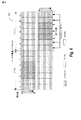
物理アップリンク制御チャネル(PUCCH)は、ACK/NACK送信およびSR送信を含むアップリンク制御情報を搬送し、および複数のフォーマットをサポートすることができる。ある態様において、SRチャネル送信およびアップリンク(UL)ACK/NACKチャネルについて、DFTおよびウォルシュ拡散のみならず周期的にシフトされるCAZAC(Constant Amplitude Zero Auto-Correlation)シーケンスが、異なるユーザを多重化するために使用される。例として、UL ACK/NACKチャネル送信の場合、参照信号(RS)およびデータの両方が、長さ12の周期的シフトのCAZACシーケンスを使用することができる。ある態様において、データのためのRSおよびウォルシュの時間領域拡散のみならずCAZACシーケンスの周期的シフトに基づいて、18個のユーザまで多重化されることができる。図6は、3つのパイロットを備えるUL ACK/NACKチャネル構成600の一例を例示している。
The physical uplink control channel (PUCCH) carries uplink control information including ACK / NACK transmissions and SR transmissions and can support multiple formats. In one aspect, for SR channel transmission and uplink (UL) ACK / NACK channels, a cyclically shifted CAZAC (Constant Amplitude Zero Auto-Correlation) sequence as well as DFT and Walsh spread multiplex different users. Used for. As an example, for UL ACK / NACK channel transmission, both the reference signal (RS) and the data can use a CAZAC sequence of
ACK/NACK送信およびSR送信の両方が同時に送信され、その結果、UEによって多重化される状況において、1つまたは複数の次の問題が提示される。それらは、処理の複雑性の増加、リンクの効率性の減少、および/または多重化能力の必要性の増加である。例えば、SRおよびACK/NACK送信の両方を要する送信ではなくて、ACK/NACK送信のために異なるシフトおよび時間ドメイン拡散符号が特定されるとしたら、SR送信のためにいくつかの資源を取っておくよう要求されるだろう。このアプローチに関連する欠点は、ACKチャネルの多重化能力におけるいくつかの損失、および最大ACKチャネルが18ではなくて12に制限されることを含む。さらに、ACK対SR+ACK送信を区別するためにブラインド復号が必要とされる。その一方で、ACK/NACKおよびSR送信を多重化するために8PSKのようなより高次の変調が実装されるとしたら、QPSKと比べて著しいリンクレベルの損失が結果として生じる。このリンク損失は、カバレッジのエッジにいるユーザのために特に制限するファクターである場合がある。 In the situation where both ACK / NACK transmission and SR transmission are transmitted at the same time and are multiplexed by the UE, one or more of the following problems are presented. They are increased processing complexity, reduced link efficiency, and / or increased need for multiplexing capability. For example, if different shift and time domain spreading codes are specified for ACK / NACK transmission rather than transmission that requires both SR and ACK / NACK transmission, take some resources for SR transmission. You will be asked to leave. Disadvantages associated with this approach include some loss in ACK channel multiplexing capability and the maximum ACK channel is limited to 12 instead of 18. In addition, blind decoding is required to distinguish between ACK vs. SR + ACK transmission. On the other hand, if higher order modulation such as 8PSK is implemented to multiplex ACK / NACK and SR transmissions, a significant link level loss results as compared to QPSK. This link loss may be a particularly limiting factor for users at the edge of coverage.
図7を参照して、1つの態様にしたがってアップリンク制御チャネルのための強化型多重通信方法を例示するフローチャート図が図示されている。ブロック702において、UEは、UEのアップリンク送信モードを決定する。上で議論されたように、SRのための送信資源は、上位層シグナリング(例えば、L3シグナリング)によって事前に知られていてもよい。追加的に、受信機によるACK/NACK送信のために割り当てられた資源は、例えば、物理ダウンリンク共有チャネル(PDSCH)送信のための対応する物理ダウンリンク制御チャネル(PDCCH)割当への明示的なマッピングによって事前に知られている。したがって、上の情報から、UEは、特定のアップリンク送信モードを決定することができる。すなわち、SR送信(第1のアップリンク送信モード)のみを送るようにスケジュールされる場合、ACK/NACK送信(第2のアップリンク送信モード)のみを送るようにスケジュールされる場合、またはSR送信およびACK/NACK送信の両方(第3のアップリンク送信モード)を送るようにスケジュールされる場合である。
Referring to FIG. 7, a flowchart diagram illustrating an enhanced multiplex communication method for an uplink control channel according to one aspect is illustrated. At
第1のアップリンク送信モードにおいて、SR送信のみが送られ(つまり、ACK/NACK送信を含まない)、およびブロック704において、UEは、SR送信のために割り当てられる資源上でSR情報を送信する。第2のアップリンク送信モードにおいて、ACK/NACK送信のみが送られ(つまり、SR送信を含まない)、およびブロック706において、UEは、ACK/NACK送信のために割り当てられた資源上でACK/NACK情報を送信する。
In the first uplink transmission mode, only SR transmission is sent (ie, does not include ACK / NACK transmission), and in
第3のアップリンク送信モードにおいて、UEは、SRおよびACK/NACK送信の両方を送るようにスケジュールされる。UEが、SRを送信しなければならない場合、ブロック708において、UEは、SR送信のために割り当てられた資源上でACK/NACK情報を送信する。SR資源上のACK/NACK情報の送信は、ACK/NACK情報およびサービス要求表示の両方を通信する。
In the third uplink transmission mode, the UE is scheduled to send both SR and ACK / NACK transmissions. If the UE has to send an SR, in
UEがSRおよびACK/NACK送信の両方を送るようにスケジュールされていて、かつ、UEがSR要求を送信しなくてもよい場合、UEは、選択的パス709によって示されているようにACK/NACK資源上でACK/NACK送信を送信する(これは、ブロック706の動作に対応する)。それとして、ACK/NACKを通信するためのSRの送信資源の選択(または否選択)は、SRビットを追加的に合図する。その結果、ACK/NACKチャネルの多重化能力は、減少しない。 If the UE is scheduled to send both SR and ACK / NACK transmissions, and the UE does not have to send an SR request, the UE will receive an ACK / Send an ACK / NACK transmission on the NACK resource (this corresponds to the operation of block 706). As such, the selection (or no selection) of SR transmission resources for communicating ACK / NACK additionally signals the SR bit. As a result, the multiplexing capability of the ACK / NACK channel does not decrease.
図8を参照して、1つの態様にしたがって図7の強化型多重通信技術の受信のための方法を例示するフローチャートが図示されている。ブロック802において、e-NBは、UEの送信アップリンクモードを決定する。上で議論されたように、SRのための送信資源は、上位層のシグナリング(例えば、L3シグナリング)によって事前に知られていてもよい。追加的に、受信機によるACK/NACK送信のために割り当てられた資源は、例えば、物理ダウンリンク共有チャネル(PDSCH)送信のための対応する物理ダウンリンク制御チャネル(PDCCH)割当への明示的なマッピングによって事前に知られている。したがって、上の情報から、e-NBは、UEのアップリンク送信モードを決定することができる。すなわち、UEがSR送信(第1のアップリンク送信モード)のみを送るようにスケジュールされる場合、UEがACK/NACK送信(第2のアップリンク送信モード)のみを送るようにスケジュールされる場合、またはUEがSR送信およびACK/NACK送信の両方(第3のアップリンク送信モード)を送るようにスケジュールされる場合である。
Referring to FIG. 8, a flowchart illustrating a method for reception of the enhanced multiplex communication technique of FIG. 7 according to one aspect is illustrated. At
第1のアップリンク送信モードにおいて、SR送信のみが送られ(つまり、ACK/NACK送信なし)、およびブロック804において、e-NBは、SR送信(つまり、図7のブロック404におけるUEからのSR送信)のために割り当てられた資源上でSR情報を受信および処理(復調、復号など)する。第2のアップリンク送信モードにおいて、ACK/NACK送信のみが送られ(つまり、SR送信なし)、およびブロック806において、e-NBは、ACK/NACK送信(つまり、図4のブロック406におけるUEからのACK/NACK送信)のために割り当てられた資源上でACK/NACK情報を受信および処理する。
In the first uplink transmission mode, only SR transmission is sent (ie no ACK / NACK transmission), and in block 804, the e-NB sends SR transmission (ie SR from the UE in block 404 of FIG. 7). SR information is received and processed (demodulated, decoded, etc.) on resources allocated for transmission. In the second uplink transmission mode, only ACK / NACK transmission is sent (ie, no SR transmission), and in
第3のアップリンク送信モードにおいて、UEは、SRおよびACK/NACK送信の両方を送るようにスケジュールされ、およびブロック808において、e-NBは、ACK/NACKおよびSR送信の両方に割り当てられた資源上でブラインドACK/NACK復調および復号を実施する。ブロック808に続いて、ブロック810において、e-NBは、ACK/NACKがACK/NACK資源上で正しく復調および復号されたかを決定し、そうであるならば、ACK/NACK情報が取得され、さらに、e-NBは、SRがUEによって要求されなかったことを決定する。上で説明されたように、図7において、ACK/NACK資源上のACK/NACK情報の通信(ブロック706)は、ACK/NACK情報のみ(つまり、SRなし)のUEの通信と関連させられる。
In the third uplink transmission mode, the UE is scheduled to send both SR and ACK / NACK transmissions, and at block 808, the e-NB allocates resources for both ACK / NACK and SR transmissions. Perform blind ACK / NACK demodulation and decoding above. Following block 808, at
また、ブロック808に続いて、ブロック814において、e-NBは、ACK/NACKがSR資源上で正しく復調および復号されたかを決定し、そうであるならば、ACK/NACK情報が取得され、さらにe-NBは、SRがUEによって要求されたことを決定する。上で説明されたように、図7において、SR資源上のACK/NACK情報の通信(ブロック708)は、ACK/NACK情報およびさらにはSRのシグナリングのUEの通信と関連させられている。
Also, following block 808, at
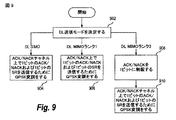
図9を参照して、他の態様にしたがって、アップリンク制御チャネルのための強化型多重通信方法を例示するフローチャートが図示されている。ブロック902において、UEは、ダウンリンク(DL)送信モードを決定する。図9の例において、DL単一入力複数出力(SIMO)、ランク1のDL MIMO、およびランク2のDL MIMOのケースが図示されている。DL SIMOおよびランク1のDL MIMOの両方において、単一のダウンリンク層またはストリームが送信され、およびACK/NACKの1ビットおよびSRの1ビットが通信されることができる。ランク2のDL MIMOにおいて、2つ以上のダウンリンク層またはストリームが送信され、およびACK/NACKの2ビットが典型的に送られる。ここにおいて、各ビットは、特定の層またはストリームに対応し、追加的に、SRの1ビットが送られることができる。
Referring to FIG. 9, a flowchart illustrating an enhanced multiplex communication method for an uplink control channel according to another aspect is illustrated. In
DL SIMOと関連する第1のDL送信モードにおいて、ブロック904において、UEは、ACK/NACKチャネル上でQPSK変調を採用してACK/NACKの1ビットおよびSRの1ビットを送信する。DL MIMOランク1と関連する第2のDL送信モードにおいて、ブロック906において、UEは、ACK/NACKチャネル上でQPSK変調を採用してACK/NACKの1ビットおよびSRの1ビットを送信する。
In a first DL transmission mode associated with DL SIMO, in
DL MIMOランク2と関連する第3のDL送信モードにおいて、ブロック908において、ACK/NACK情報は、1ビットに限定され、および1ビットは、ブロック910において、ACK/NACKチャネル上でQPSK変調を採用してSRを通信するために使用されることができる。例示として、DL MIMOランク2送信の層またはストリームの両方が正しく受信される場合、ACK/NACKビットは、真または「ACK」にセットされることができ、そうでなければ、偽または「NACK」が送られる。
In the third DL transmission mode associated with DL MIMO rank 2, at block 908, ACK / NACK information is limited to 1 bit, and 1 bit adopts QPSK modulation on the ACK / NACK channel at
e-NBは、ブロック904、906、および910と関連するUEによって送信される通信の各々を処理するように構成されている。
The e-NB is configured to process each of the communications sent by the UE associated with
図10を参照して、他の態様にしたがっているアップリンク制御チャネルのための強化型多重通信方法を例示するフローチャートが図示されている。ブロック1002において、UEのアップリンク送信モードが決定される。上で議論されたように、SRのための送信資源は、上位層シグナリング(例えば、L3シグナリング)によって事前に知られていてもよい。追加的に、受信機によってACK/NACK送信のために割り当てられる資源は、例えば、物理ダウンリンク共有チャネル(PDSCH)送信のための対応する物理ダウンリンク制御チャネル(PDCCH)割り当てへの明示的なマッピングによって事前に知られている。したがって、上の情報から、UEがSR送信のみを送るようにスケジュールされるか、またはACK/NACK送信のみを送るようにスケジュールされるか、またはSR送信およびACK/NACK送信の両方を送るようにスケジュールされるかが決定されることができる。
Referring to FIG. 10, a flowchart illustrating an enhanced multiplex communication method for an uplink control channel according to another aspect is illustrated. At
ブロック1004において、ダウンリンク送信がSRサブフレームに対応するかの決定がなされる。このケースにおいて、UEは、SR送信およびACK/NACK送信の両方を送るようにスケジュールされる。ダウンリンク送信がSRサブフレームに対応するならば、フローチャートは、ブロック1006に続く。ここにおいて、スケジューラーは、DL送信モードをUEに制限する。例えば、DL送信モードは、SIMOまたはランク1のMIMOのような単一層または単一ストリーム送信モードに制限されてもよい。それとして、ACKのために1ビットのみが必要とされ、1ビットは、SRを送信するために使用されることができる。したがって、UEは、ACK/NACKチャネル上でQPSK変調を採用してACK/NACKの1ビットおよびSRの1ビットを送信する。ブロック1004において、UEがSR送信およびACK/NACK送信の両方を送るようにスケジュールされていない場合、DL送信モードは、制限されず、MIMOランク2送信がイネーブルにされる。そのようなケースにおいて、SRビットは、必要とされず、ACK/NACKチャネル上でQPSK変調を採用して2ビットが使用される。ここにおいて、MIMOランク2送信と関連する各層またはストリームにつき1ビットである。リンクレベルのパフォーマンスがそれによって改善される。
At
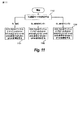
図11を参照して、他の態様にしたがって、アップリンク制御チャネルのための強化型多重通信方法を例示するフローチャートが図示されている。ブロック1102において、UEは、ダウンリンク(DL)送信モードを決定する。図11の例において、DL単一入力複数出力(SIMO)、ランク1のDL MIMO、およびランク2のDL MIMOのケースが図示されている。DL SIMOおよびランク1のDL MIMOの両方において、ACK/NACKの1ビットおよびSRの1ビットが通信されることができる。ランク2のDL MIMOにおいて、ACK/NACKの2ビットが典型的に送られる。ここにおいて、各ビットは、特定の層に対応し、追加的に、SRの1ビットが送られることができる。
Referring to FIG. 11, a flowchart illustrating an enhanced multiplex communication method for an uplink control channel according to another aspect is illustrated. In
DL SIMOと関連する第1のDL送信モードにおいて、ブロック1104において、UEは、ACK/NACKチャネル上でQPSK変調を採用してACK/NACKの1ビットおよびSRの1ビットを送信する。DL MIMOランク1と関連する第2のDL送信モードにおいて、ブロック1106において、UEは、ACK/NACKチャネル上でQPSK変調を採用してACK/NACKの1ビットおよびSRの1ビットを送信する。
In a first DL transmission mode associated with DL SIMO, in
DL MIMOランク2と関連する第3のDL送信モードにおいて、ブロック1108において、UEは、ACK/NACKチャネル上で8PSK変調を採用してACK/NACKの2ビットおよびSRの1ビットを送信する。ランク2のMIMOユーザが典型的に内部ユーザであるので、8PSKとQPSKとの間のリンクレベルの差は、一般に、そのようなユーザの限定的要素とはならない。 In a third DL transmission mode associated with DL MIMO rank 2, in block 1108, the UE employs 8PSK modulation on the ACK / NACK channel and transmits 2 bits of ACK / NACK and 1 bit of SR. Since rank 2 MIMO users are typically internal users, the link level difference between 8PSK and QPSK is generally not a limiting factor for such users.
前述によって、様々な態様が開示されてきたこと、そして以下の態様は例示的ではあるが網羅的ではないリストを具備していることが認識されるべきである。 By the foregoing, it should be appreciated that various aspects have been disclosed, and that the following aspects comprise an exemplary but not exhaustive list.
1つの態様において、UEのアップリンク送信モードを決定すること、およびUEの決定されたアップリンク送信モードに基づいて非ACK/NACK資源上でACK/NACK情報を送信することを具備するアップリンク制御チャネルを多重化するための方法が提供される。他の態様において、UEがサービス要求とACK/NACKを同時に送信するようにスケジュールされるとき、ACK/NACK情報は、サービス要求資源上で送信されることができる。追加的な態様において、サービス要求資源上のACK/NACK情報の存在は、サービス要求をさらに示す。 In one aspect, uplink control comprising determining an uplink transmission mode of the UE and transmitting ACK / NACK information on non-ACK / NACK resources based on the determined uplink transmission mode of the UE A method for multiplexing channels is provided. In another aspect, ACK / NACK information can be sent on the service request resource when the UE is scheduled to send a service request and ACK / NACK at the same time. In an additional aspect, the presence of ACK / NACK information on the service request resource further indicates a service request.
代替的に、前記方法は、UEがサービス要求を送信するようにスケジュールされていて、かつ、ACK/NACKを送信するようにはスケジュールされていないとき、サービス要求資源上でサービス要求を送信することをさらに具備することができる。 Alternatively, the method sends a service request on a service request resource when the UE is scheduled to send a service request and is not scheduled to send an ACK / NACK. Can further be provided.
他の代替として、前記方法は、UEがサービス要求を送信するようにスケジュールされていなくて、ACK/NACKを送信するようにスケジュールされているとき、ACK/NACK資源上でACK/NACKを送信することをさらに具備することができる。 As another alternative, the method sends an ACK / NACK on an ACK / NACK resource when the UE is not scheduled to send a service request and is scheduled to send an ACK / NACK. Can be further provided.
追加的な代替として、前記方法は、UEがサービス要求およびACK/NACKを同時に送信するようにスケジュールされているとき、ACK/NACK資源上でACK/NACKを送信することをさらに具備することができる。ここにおいて、ACK/NACK資源上のACK/NACK情報の存在は、サービス要求の不存在をさらに示す。 As an additional alternative, the method can further comprise transmitting an ACK / NACK on the ACK / NACK resource when the UE is scheduled to transmit the service request and the ACK / NACK simultaneously. . Here, the presence of ACK / NACK information on the ACK / NACK resource further indicates the absence of a service request.
さらなる態様において、UEのアップリンク送信モードを決定することによってアップリンク制御チャネルを受信し、UEからACK/NACK送信を得るために非ACK/NACK資源と一緒にACK/NACK資源をブラインド処理し、およびACK/NACK送信が非ACK/NACK資源から成功的に処理された場合、第2のチャネルのシグナリングを決定するための方法が提供される。他の追加の態様において、非ACK/NACK資源は、サービス要求資源であり、ここにおいて、第2のチャネルのシグナリングは、サービス要求のシグナリングを具備する。代替的に、前記方法は、ACK/NACK送信がACK/NACK資源から成功的に処理された場合、第2のチャネルのシグナリングの不存在を決定することをさらに具備することができる。特に、非ACK/NACK資源は、サービス要求資源であってもよく、ここにおいて、第2のチャネルのシグナリングの不存在を決定することは、サービス要求が送られなかったことを決定することを具備する。 In a further aspect, receiving an uplink control channel by determining a UE uplink transmission mode, blind processing ACK / NACK resources along with non-ACK / NACK resources to obtain an ACK / NACK transmission from the UE; And a method for determining signaling of the second channel if an ACK / NACK transmission is successfully processed from a non-ACK / NACK resource. In another additional aspect, the non-ACK / NACK resource is a service request resource, wherein the second channel signaling comprises service request signaling. Alternatively, the method can further comprise determining the absence of signaling of the second channel if the ACK / NACK transmission is successfully processed from the ACK / NACK resource. In particular, the non-ACK / NACK resource may be a service request resource, wherein determining the absence of second channel signaling comprises determining that a service request has not been sent. To do.
さらに他の態様において、ACK/NACKフィードバック情報を複数のダウンリンク送信ストリームのための単一のビットに制限することによってアップリンク制御チャネルを多重化するための方法が提供される。ここにおいて、ACK/NACK情報およびサービス要求情報の第2のビットをACK/NACKチャネル上でQPSK変調する。 In yet another aspect, a method is provided for multiplexing an uplink control channel by limiting ACK / NACK feedback information to a single bit for multiple downlink transmission streams. Here, the second bit of the ACK / NACK information and the service request information is QPSK modulated on the ACK / NACK channel.
さらに追加の態様において、UEのアップリンク送信モードを決定することによってUEの送信モードをスケジューリングするための方法が提供される。ここにおいて、UEの決定されたアップリンク送信に基づいて、UEのダウンリンク送信モードを単一のストリームに限定する。他の態様において、UEがサービス要求およびACK/NACKを同時に送信するようにスケジュールされるとき、UEは、DL SIMOまたはランク1のDL MIMOに限定されることができる。 In yet an additional aspect, a method is provided for scheduling a UE's transmission mode by determining the UE's uplink transmission mode. Here, the UE's downlink transmission mode is limited to a single stream based on the determined uplink transmission of the UE. In another aspect, the UE may be limited to DL SIMO or rank 1 DL MIMO when the UE is scheduled to transmit service requests and ACK / NACK simultaneously.
もう1つの態様において、UEのダウンリンク送信モードを決定することによってアップリンク制御チャネルを多重化し、UEの単一ストリーム・ダウンリンク送信モードのためのACK/NACKチャネル上でACK/NACK情報の単一ビットおよびサービス要求情報の第2のビットをQPSK変調し、およびUEの複数ストリーム・ダウンリンク送信モードのためのACK/NACKチャネル上でACK/NACK情報の複数のビットおよびサービス要求情報の第2のビットを8PSK変調するための方法が提供される。 In another aspect, the uplink control channel is multiplexed by determining the UE's downlink transmission mode, and the ACK / NACK information is simply transmitted on the ACK / NACK channel for the UE's single stream downlink transmission mode. One bit and a second bit of service request information are QPSK modulated and a plurality of bits of ACK / NACK information and a second of service request information on the ACK / NACK channel for the UE's multiple stream downlink transmission mode A method is provided for 8PSK modulating a plurality of bits.
追加の態様において、ワイヤレス通信システムにおいて動作可能な装置が提供される。UEのアップリンク送信モードを決定するための手段が提供される。UEの決定されたアップリンク送信モードに基づいて非ACK/NACK資源上でACK/NACK情報を送信するための手段が提供される。 In an additional aspect, an apparatus operable in a wireless communication system is provided. Means are provided for determining a UE uplink transmission mode. Means are provided for transmitting ACK / NACK information on non-ACK / NACK resources based on the determined uplink transmission mode of the UE.
さらなる態様において、ワイヤレス通信システムにおいて動作可能な装置が提供される。UEのアップリンク送信モードを決定するための手段が提供される。UEからACK/NACK送信を得るために非ACK/NACK資源と一緒にACK/NACK資源をブラインド処理するための手段が提供される。ACK/NACK送信が非ACK/NACK資源から成功的に処理された場合、第2のチャネルのシグナリングを決定するための手段が提供される。 In a further aspect, an apparatus operable in a wireless communication system is provided. Means are provided for determining a UE uplink transmission mode. Means are provided for blind processing ACK / NACK resources along with non-ACK / NACK resources to obtain ACK / NACK transmissions from the UE. Means are provided for determining signaling for the second channel if the ACK / NACK transmission is successfully processed from a non-ACK / NACK resource.
さらに他の態様において、ワイヤレス通信システムにおいて動作可能である装置が提供される。複数のダウンリンク送信ストリームのためにACK/NACKフィードバック情報を単一のビットに限定するための手段が提供される。ACK/NACK情報の単一のビットおよびACK/NACKチャネル上でサービス要求情報の第2のビットをQPSK変調するための手段が提供される。 In yet another aspect, an apparatus is provided that is operable in a wireless communication system. Means are provided for limiting ACK / NACK feedback information to a single bit for multiple downlink transmission streams. Means are provided for QPSK modulating a single bit of ACK / NACK information and a second bit of service request information on the ACK / NACK channel.
他の態様において、ワイヤレス通信システムにおいて動作可能である装置が提供される。UEのアップリンク送信モードを決定するための手段が提供される。UEの決定されたアップリンク送信モードに基づいてUEのダウンリンク送信モードを単一のストリームに制限するための手段が提供される。 In another aspect, an apparatus is provided that is operable in a wireless communication system. Means are provided for determining a UE uplink transmission mode. Means are provided for limiting the UE's downlink transmission mode to a single stream based on the UE's determined uplink transmission mode.
追加の態様において、ワイヤレス通信システムにおいて動作可能である装置が提供される。UEのダウンリンク送信モードを決定するための手段が提供される。UEの単一ストリーム・ダウンリンク送信モードのためにACK/NACKチャネル上でACK/NACK情報の単一のビットおよびサービス要求情報の第2のビットをQPSK変調するための手段が提供される。UEの複数のストリーム・ダウンリンク送信モードのためにACK/NACKチャネル上でACK/NACK情報の複数のビットおよびサービス要求情報の第2のビットを8PSK変調するための手段が提供される。 In an additional aspect, an apparatus is provided that is operable in a wireless communication system. Means are provided for determining a UE's downlink transmission mode. Means are provided for QPSK modulating a single bit of ACK / NACK information and a second bit of service request information on an ACK / NACK channel for a single stream downlink transmission mode of the UE. Means are provided for 8PSK modulating a plurality of bits of ACK / NACK information and a second bit of service request information on an ACK / NACK channel for a plurality of stream downlink transmission modes of the UE.
他の追加的な態様において、先に述べた方法のうちのいずれかを実行するように構成されている電子デバイスが提供される。 In another additional aspect, an electronic device configured to perform any of the methods described above is provided.
1つの態様において、機械によって実行されるとき、UEのアップリンク送信モードを決定すること、およびUEの決定されたアップリンク送信モードに基づいて非ACK/NACK資源上でACK/NACK情報を送信することを含むオペレーションを機械に実施させるための命令を具備する機械可読媒体が提供される。 In one aspect, when executed by a machine, determining an uplink transmission mode of a UE and transmitting ACK / NACK information on non-ACK / NACK resources based on the determined uplink transmission mode of the UE There is provided a machine readable medium comprising instructions for causing a machine to perform an operation comprising:
他の態様において、機械によって実行されるとき、UEのアップリンク送信モードを決定すること、UEからのACK/NACK送信を得るために非ACK/NACK資源と一緒にACK/NACK資源をブラインド処理すること、およびACK/NACK送信が非ACK/NACK資源から成功的に処理された場合、第2のチャネルのシグナリングを決定することを含むオペレーションを機械に実施させるための命令を具備する機械可読媒体が提供される。 In another aspect, when executed by a machine, determining an uplink transmission mode of a UE, blind processing ACK / NACK resources together with non-ACK / NACK resources to obtain an ACK / NACK transmission from the UE And a machine-readable medium comprising instructions for causing a machine to perform an operation including determining signaling of a second channel if an ACK / NACK transmission is successfully processed from a non-ACK / NACK resource. Provided.
さらなる態様において、機械によって実行されるとき、複数のダウンリンク送信ストリームのためにACK/NACKフィードバック情報を単一ビットに限定すること、およびACK/NACKチャネル上で、ACK/NACK情報の単一のビットおよびサービス要求情報の第2のビットをQPSK変調することを含むオペレーションを機械に実施させるための命令を具備する機械可読媒体が提供される。 In a further aspect, when performed by a machine, limiting ACK / NACK feedback information to a single bit for multiple downlink transmission streams, and a single ACK / NACK information on an ACK / NACK channel A machine readable medium is provided comprising instructions for causing a machine to perform operations including QPSK modulating the bits and the second bit of service request information.
追加の態様において、機械によって実行されるとき、UEのアップリンク送信モードを決定すること、およびUEの決定されたアップリンク送信モードに基づいてUEのダウンリンク送信モードを単一のストリームに限定することを含むオペレーションを機械に実施させるための命令を具備する機械可読媒体が提供される。 In an additional aspect, when performed by a machine, determining a UE's uplink transmission mode and restricting the UE's downlink transmission mode to a single stream based on the UE's determined uplink transmission mode There is provided a machine readable medium comprising instructions for causing a machine to perform an operation comprising:
さらに他の態様において、機械によって実行されるとき、UEのダウンリンク送信モードを決定すること、UEの単一のストリーム・ダウンリンク送信モードのためにACK/NACKチャネル上でACK/NACK情報の単一ビットおよびサービス要求情報の第2のビットをQPSK変調すること、およびUEの複数のストリーム・ダウンリンク送信モードのためにACK/NACKチャネル上でサービス要求情報の第2のビットおよびACK/NACK情報の複数のビットを8PSK変調することを含むオペレーションを機械に実施させるための命令を具備する機械可読媒体が提供される。 In yet another aspect, when performed by a machine, determining a UE's downlink transmission mode, a single ACK / NACK information on an ACK / NACK channel for the UE's single stream downlink transmission mode. QPSK modulating one bit and the second bit of service request information, and the second bit of service request information and ACK / NACK information on the ACK / NACK channel for multiple stream downlink transmission modes of the UE A machine-readable medium is provided comprising instructions for causing a machine to perform an operation including 8PSK modulating a plurality of bits.
さらに他の追加の態様において、ワイヤレス通信システムにおいて動作可能である装置が提供される。プロセッサーは、UEのアップリンク送信モードを決定し、UEの決定されたアップリンク送信モードに基づいて非ACK/NACK資源上でACK/NACK情報を送信するように構成されている。メモリーは、データを記憶するためにプロセッサーに結合されている。 In yet another additional aspect, an apparatus is provided that is operable in a wireless communication system. The processor is configured to determine an uplink transmission mode of the UE and transmit ACK / NACK information on non-ACK / NACK resources based on the determined uplink transmission mode of the UE. A memory is coupled to the processor for storing data.
1つのさらなる態様において、ワイヤレス通信システムにおいて動作可能である装置が提供される。プロセッサーは、UEのアップリンク送信モードを決定し、UEからのACK/NACK送信を得るために非ACK/NACK資源と一緒にACK/NACK資源をブラインド処理し、およびACK/NACK送信が非ACK/NACK資源から成功的に処理されたら第2のチャネルのシグナリングを決定するように構成されている。メモリーは、データを記憶するためにプロセッサーに結合されている。 In one further aspect, an apparatus is provided that is operable in a wireless communication system. The processor determines the uplink transmission mode of the UE, blind processes the ACK / NACK resource together with the non-ACK / NACK resource to obtain the ACK / NACK transmission from the UE, and the ACK / NACK transmission is non-ACK / The second channel signaling is configured to be determined upon successful processing from the NACK resource. A memory is coupled to the processor for storing data.
他の1つの態様において、ワイヤレス通信システムにおいて動作可能である装置が提供される。プロセッサーは、複数のダウンリンク送信ストリームのためにACK/NACKフィードバック情報を単一のビットに制限し、およびACK/NACKチャネル上でACK/NACK情報の単一のビットおよびサービス要求情報の第2のビットをQPSK変調するように構成されている。メモリーは、データを記憶するためにプロセッサーに結合されている。 In another aspect, an apparatus is provided that is operable in a wireless communication system. The processor limits the ACK / NACK feedback information to a single bit for multiple downlink transmission streams, and a second bit of service request information and a single bit of ACK / NACK information on the ACK / NACK channel. The bits are configured to be QPSK modulated. A memory is coupled to the processor for storing data.
1つの態様において、ワイヤレス通信システムにおいて動作可能である装置が提供される。プロセッサーは、UEのアップリンク送信モードを決定し、およびUEの決定されたアップリンク送信モードに基づいてUEのダウンリンク送信モードを単一のストリームに限定するように構成されている。メモリーは、データを記憶するためにプロセッサーに結合されている。 In one aspect, an apparatus is provided that is operable in a wireless communication system. The processor is configured to determine the UE's uplink transmission mode and limit the UE's downlink transmission mode to a single stream based on the UE's determined uplink transmission mode. A memory is coupled to the processor for storing data.
他の態様において、ワイヤレス通信システムにおいて動作可能である装置が提供される。プロセッサーは、UEのダウンリンク送信モードを決定し、UEの単一ストリーム・ダウンリンク送信モードのためにACK/NACKチャネル上でACK/NACK情報の単一のビットおよびサービス要求情報の第2のビットをQPSK変調し、およびUEの複数ストリーム・ダウンリンク送信のためにACK/NACKチャネル上でACK/NACK情報の複数のビットおよびサービス要求情報の第2のビットを8PSK変調するように構成されている。メモリーは、データを記憶するためにプロセッサーに結合されている。 In another aspect, an apparatus is provided that is operable in a wireless communication system. The processor determines the UE's downlink transmission mode, and for the UE's single stream downlink transmission mode, a single bit of ACK / NACK information and a second bit of service request information on the ACK / NACK channel Is configured to 8PSK modulate multiple bits of ACK / NACK information and a second bit of service request information on the ACK / NACK channel for multiple stream downlink transmission of the UE . A memory is coupled to the processor for storing data.
さらに他の追加の態様において、UEのアップリンク送信モードを決定することによってアップリンク制御チャネルを多重化するため、およびUEの決定されたアップリンク送信モードに基づいてアップリンク制御チャネル情報と関連していない資源上でアップリンク制御チャネル情報を送信するための方法が提供される。 In yet another additional aspect, for multiplexing the uplink control channel by determining the uplink transmission mode of the UE, and relating to the uplink control channel information based on the determined uplink transmission mode of the UE. A method is provided for transmitting uplink control channel information over non-consumed resources.
図12において、ベースノード1200は、多重化アップリンク制御チャネルをコンピュータに受信させるためのコードセットのようなモジュールを提供する計算プラットフォーム1202を有する。特に、計算プラットフォーム1202は、プロセッサー1212によって実行される複数のモジュール(例えば、電子コンポーネントまたは論理回路)1206-1210を記憶するコンピュータ可読記憶媒体(例えば、メモリー)1204を含む。プロセッサー1212はまた、eNBと通信するための送信機/受信機コンポーネント1214を制御する(図13)。特に、モジュール1206は、第1および第2の資源をそれぞれ割り当てられている第1および第2のチャネルが同時送信を要求していると決定するために提供される。モジュール1208は、第1および第2の制御チャネルのうち選択されなかった1つを示さないで、選択された1つを示すことのために、第1および第2の制御チャネルのうち選択された1つを、第1および第2の資源のうち当該対応する1つを用いて受信するために提供される。モジュール1210は、第1および第2の制御チャネルの両方を示すことのために、第1および第2の制御チャネルのうち選択された1つを、第1および第2の資源のうち当該対応していない1つを用いて受信するために提供される。
In FIG. 12, the base node 1200 has a computing platform 1202 that provides a module such as a code set for causing a computer to receive a multiplexed uplink control channel. In particular, the computing platform 1202 includes a computer readable storage medium (eg, memory) 1204 that stores a plurality of modules (eg, electronic components or logic circuits) 1206-1210 that are executed by the processor 1212. The processor 1212 also controls the transmitter /
図13において、ユーザ設備(UE)1300は、多重化アップリンク制御チャネルをコンピュータに送信させるためのコードセットのようなモジュールを提供する計算プラットフォーム1302を有する。特に、計算プラットフォーム1302は、プロセッサー1314によって実行される複数のモジュール(例えば、電子コンポーネントまたは論理回路)1306−1310を記憶するコンピュータ可読記憶媒体(例えば、メモリー)1304を含む。プロセッサー1314はまた、eNBと通信するための送信機/受信機コンポーネント1316を制御する(図12)。特に、モジュール1306は、第1および第2の資源をそれぞれ割り当てられている第1および第2の制御チャネルが同時送信を要求していると決定するために提供される。モジュール1308は、第1および第2の制御チャネルのうち選択されなかった1つを示さないで、選択された1つを示すことのために、第1および第2の制御チャネルのうち選択された1つを、第1および第2の資源のうち当該対応する1つを用いて送信するために提供される。モジュール1310は、第1および第2の制御チャネルの両方を示すことのために、第1および第2の制御チャネルのうち選択された1つを、第1および第2の資源のうち当該対応していない1つを用いて送信するために提供される。
In FIG. 13, a user equipment (UE) 1300 has a computing platform 1302 that provides a module such as a code set for causing a computer to transmit a multiplexed uplink control channel. In particular, the computing platform 1302 includes a computer readable storage medium (eg, memory) 1304 that stores a plurality of modules (eg, electronic components or logic circuits) 1306-1310 executed by the processor 1314. The processor 1314 also controls the transmitter /
当業者であるならば、情報および信号は、任意の様々な異なる技術および技巧を使用して表わされることができることを理解するだろう。例えば、上記の説明の全体にわたって言及され得るデータ、命令、コマンド、情報、信号、ビット、シンボル、およびクリップは、電圧、電流、電磁波、磁気フィールドまたは分子、光フィールドまたは分子、または任意のそれらの組み合わせによって表わされてもよい。 Those skilled in the art will understand that information and signals may be represented using any of a variety of different technologies and techniques. For example, data, instructions, commands, information, signals, bits, symbols, and clips that may be referred to throughout the above description are voltages, currents, electromagnetic waves, magnetic fields or molecules, optical fields or molecules, or any of those It may be represented by a combination.
当業者であるならば、本件明細書において開示される実施形態と関係して説明される様々な例示的論理ブロック、モジュール、手段、電流、およびアルゴリズムステップは、電子ハードウェア、コンピュータ・ソフトウェア、またはこれら両方の組み合わせとして実装されることができることをさらに認識するだろう。ハードウェアおよびソフトウェアのこの互換性を明確に例示するために、様々な例示的コンポーネント、ブロック、モジュール、回路、およびステップがそれらの機能性の観点から上で一般に説明されている。そのような機能性がハードウェアとして実装されるかまたはソフトウェアとして実装されるかは、特定のアプリケーションおよび全体のシステム上に課される設計の制約に拠る。当業者は、各特定のアプリケーションのために様々な方法で、説明された機能性を実装することができる。しかし、そのような実装決定は、本件開示の範囲から逸脱を起こすものと解釈されるべきではない。 Those skilled in the art will recognize that the various exemplary logic blocks, modules, means, currents, and algorithm steps described in connection with the embodiments disclosed herein are electronic hardware, computer software, or It will be further appreciated that it can be implemented as a combination of both. To clearly illustrate this interchangeability of hardware and software, various illustrative components, blocks, modules, circuits, and steps have been generally described above in terms of their functionality. Whether such functionality is implemented as hardware or software depends upon the particular application and design constraints imposed on the overall system. Those skilled in the art can implement the described functionality in various ways for each particular application. However, such implementation decisions should not be construed as departing from the scope of this disclosure.
1つまたは複数の例示的な実施形態において、説明された機能性は、ハードウェア、ソフトウェア、ファームウェア、または任意のそれらの組み合わせにおいて実装されてもよい。ソフトウェアで実装される場合、この機能性は、コンピュータ可読媒体上の1つまたは複数の命令またはコードとして記憶または送信されてもよい。コンピュータ可読媒体は、ある所から他の所へのコンピュータ・プログラムの転送を容易にする任意の媒体を含むコンピュータ記憶媒体および通信媒体の両方を含む。記憶媒体は、一般目的または特別目的のコンピュータによってアクセスされることができる任意の利用可能な媒体であってもよい。例として、次のものには制限されないが、そのようなコンピュータ可読媒体は、RAM、ROM,EEPROM、CD-ROM、または他の光ディスク記憶装置、磁気ディスク記憶または他の磁気記憶デバイス、または一般目的または特別目的コンピュータ、または一般目的または特別目的プロセッサーによってアクセスされることができる、命令またはデータ構造の形式で所望のプログラムコード手段を搬送または記憶するために使用されることができる任意の他の媒体を具備することができる。また、任意の接続がコンピュータ可読媒体と適切に呼ばれる。例えば、ソフトウェアが、同軸ケーブル、光ファイバーケーブル、より対線、デジタル加入者ライン(DSL)、またはワイヤレス技術(例えば、赤外線、無線、および電磁波)を使用して、ウェブサイト、サーバー、または他の遠隔ソースから送信される場合、当該同軸ケーブル、光ファイバーケーブル、より対線、DSL、またはワイヤレス技術(例えば、赤外線、無線、および電磁波)は、媒体の定義に含まれる。本件明細書において使用されるように、ディスク(diskおよびdisc)は、コンパクトディスク(CD)、レーザーディスク(登録商標)、光ディスク、デジタル汎用ディスク(DVD)、フレキシブルディスク、およびブルーレイ(登録商標)ディスクを含む。ここにおいて、ディスク(disc)がレーザーにより光学的にデータを再生するのに対し、ディスク(disk)は、磁気的にデータを通常再生する。上記の組み合わせはまた、コンピュータ可読媒体の範囲内に含まれるべきである。 In one or more exemplary embodiments, the described functionality may be implemented in hardware, software, firmware, or any combination thereof. If implemented in software, the functionality may be stored or transmitted as one or more instructions or code on a computer-readable medium. Computer-readable media includes both computer storage media and communication media including any medium that facilitates transfer of a computer program from one place to another. A storage media may be any available media that can be accessed by a general purpose or special purpose computer. By way of example, but not limited to the following, such computer-readable media may be RAM, ROM, EEPROM, CD-ROM, or other optical disk storage, magnetic disk storage or other magnetic storage device, or general purpose Or any other medium that can be used to carry or store the desired program code means in the form of instructions or data structures that can be accessed by a special purpose computer or general purpose or special purpose processor. Can be provided. Also, any connection is properly termed a computer-readable medium. For example, the software uses a coaxial cable, fiber optic cable, twisted pair, digital subscriber line (DSL), or wireless technology (eg, infrared, wireless, and electromagnetic) to websites, servers, or other remote When transmitted from a source, the coaxial cable, fiber optic cable, twisted pair, DSL, or wireless technology (eg, infrared, radio, and electromagnetic) is included in the media definition. As used herein, discs and disks are compact discs (CD), laser discs, optical discs, digital universal discs (DVDs), flexible discs, and Blu-ray discs. including. Here, the disk optically reproduces data by a laser, whereas the disk normally reproduces data magnetically. Combinations of the above should also be included within the scope of computer-readable media.
本件明細書において開示された実施形態と関係して説明されている様々な例示的論理ブロック、モジュール、方法、および回路は、一般目的プロセッサー、デジタル信号プロセッサー(DSP)、特定用途集積回路(ASIC)、フィールド・プログラム可能なゲートアレー(FPGA)または他のプログラム可能な論理デバイス、離散ゲートまたはトランジスタ論理、離散ハードウェア・コンポーネント、または本件明細書において説明された機能を実施するように設計されている任意のそれらの組み合わせにより実装または実施されることができる。一般目的プロセッサーは、マイクロプロセッサであってもよいが、代替的に、プロセッサーは、任意の従来のプロセッサー、コントローラー、マイクロコントローラー、または状態機械であってもよい。プロセッサーはまた、コンピュータ計算デバイスの組み合わせ(例えば、DSPおよびマイクロプロセッサの組み合わせ、複数のマイクロプロセッサ、DSPコアと組み合わせた1つまたは複数のマイクロプロセッサ、または任意の他のそのような構成)として実装されてもよい。 Various exemplary logic blocks, modules, methods, and circuits described in connection with the embodiments disclosed herein are general purpose processors, digital signal processors (DSPs), application specific integrated circuits (ASICs). Designed to perform field programmable gate arrays (FPGAs) or other programmable logic devices, discrete gate or transistor logic, discrete hardware components, or functions described herein It can be implemented or implemented by any combination thereof. A general purpose processor may be a microprocessor, but in the alternative, the processor may be any conventional processor, controller, microcontroller, or state machine. The processor is also implemented as a combination of computer computing devices (eg, a DSP and microprocessor combination, multiple microprocessors, one or more microprocessors in combination with a DSP core, or any other such configuration). May be.
本件明細書において開示された実施形態に関係して説明された方法またはアルゴリズムのステップは、ハードウェアにおいて、プロセッサーによって実行されるソフトウェア・モジュールにおいて、またはそれら2つの組み合わせにおいて直接に具体化されることができる。ソフトウェア・モジュールは、RAMメモリー、フラッシュメモリー、ROMメモリー、EPROMメモリー、EEPROMメモリー、レジスター、ハードディスク、リムーバルディスク、CD-ROM、または当該技術分野で知られている任意の他の形式の記憶媒体内に常駐していてもよい。例示的な記憶媒体は、プロセッサーが、記憶媒体から情報を読み出す、および情報を書き込むことができるようにプロセッサーに結合されていてもよい。代替的に、記憶媒体は、プロセッサーに内蔵されていてもよい。プロセッサーおよび記憶媒体は、ASIC内に常駐していてもよい。ASICは、ユーザ端末内に常駐していてもよい。代替的に、プロセッサーおよび記憶媒体は、ユーザ端末内の離散的コンポーネントとして常駐していてもよい。 The method or algorithm steps described in connection with the embodiments disclosed herein may be embodied directly in hardware, in software modules executed by a processor, or in a combination of the two. Can do. Software modules are stored in RAM memory, flash memory, ROM memory, EPROM memory, EEPROM memory, registers, hard disk, removable disk, CD-ROM, or any other form of storage medium known in the art. It may be resident. An exemplary storage medium may be coupled to the processor such that the processor can read information from, and write information to, the storage medium. In the alternative, the storage medium may be integral to the processor. The processor and the storage medium may reside in an ASIC. The ASIC may reside in the user terminal. In the alternative, the processor and the storage medium may reside as discrete components in a user terminal.
本件開示の実施形態の前の説明は、当該技術者の誰もが本件開示の発明を作るまたは使用することを可能にするように提供されている。これらの実施形態への様々な修正が当該技術者に直ちに明白になり、および本件明細書において定義された一般原則は、本件開示の要旨または範囲から逸脱することのない範囲で他の実施形態に適用可能である。したがって、本件開示は、本件明細書において示されている実施形態に限定されるように意図されているのではなくて、本件明細書において開示されている原則および新規な特徴と一致した最も広い範囲が与えられるべきである。 The previous description of the disclosed embodiments is provided to enable any one of ordinary skill in the art to make or use the disclosed invention. Various modifications to these embodiments will be readily apparent to those skilled in the art, and the general principles defined herein may be used in other embodiments without departing from the spirit or scope of the disclosure. Applicable. Accordingly, the present disclosure is not intended to be limited to the embodiments shown herein, but is the broadest range consistent with the principles and novel features disclosed herein. Should be given.
上で説明された例示的なシステムを考慮して、開示された主題にしたがって実装されることができる方法が、いくつかのフロー図への参照により説明されている。説明の単純化の目的のために、方法は、一連のブロックとして図示されおよび説明されているが、いくつかのブロックは、本件明細書において説明されるものとは異なる順番で生じてもよく、および/または他のブロックと同時に生じてもよいので、特許請求の範囲の主題は、ブロックの順番によって制限されないことが理解されおよび認識されるべきである。さらに、本件明細書において説明された方法を実装するために、すべての例示されたブロックが必要とされるわけではない。代替的に、本件明細書において開示された方法が、コンピュータにそのような方法を伝送および転送することを容易にするために製品上に記憶されることができる。本件明細書において使用されるように、製品という語は、任意のコンピュータ可読デバイス、搬送波、またはメディアからアクセス可能なコンピュータ・プログラムを含むように意図されている。 In view of the exemplary system described above, methods that can be implemented in accordance with the disclosed subject matter are described with reference to several flow diagrams. For purposes of simplicity of description, the method is illustrated and described as a series of blocks, although some blocks may occur in a different order than that described herein, It should be understood and appreciated that claimed subject matter is not limited by the order of the blocks, as they may occur simultaneously with and / or other blocks. Moreover, not all illustrated blocks are required to implement the methods described herein. Alternatively, the methods disclosed herein can be stored on a product to facilitate transmitting and transferring such methods to a computer. As used herein, the term product is intended to include a computer program accessible from any computer-readable device, carrier wave, or media.
参照によって本件明細書に組み込まれていると言われている何らかの特許、出版物、または他の開示された資料のすべてまたは一部は、組み込まれている資料が本件開示において述べられた既存の定義、陳述または他の開示された資料と抵触しない程度でのみ本件明細書において組み込まれていることが認識されるべきである。それとして、必要な程度で、本件明細書において明白に述べられたような開示は、参照によって本件明細書に組み込まれている任意の抵触する資料に優先する。参照によって本件明細書に組み込まれていると言われている何らかの資料またはその一部であって、既存の定義、陳述、または本件明細書記載の他の開示資料と抵触するものは、当該組み込まれている資料と既存の開示資料との間で抵触が生じない限りにおいて組み込まれるものとする。
以下に、本願出願の当初の特許請求の範囲に記載された発明を付記する。
〔1〕
多重化アップリンク制御チャネルを送信するための方法であって、
第1および第2の資源をそれぞれ割り当てられている第1および第2の制御チャネルが同時送信を要求していると決定することと、
前記第1および第2の制御チャネルのうち選択されなかった1つを示さないで、選択された1つを示すことのために、前記第1および第2の制御チャネルのうち選択された1つを、前記第1および第2の資源のうち当該対応する1つを用いて送信することと、および
前記第1および第2の制御チャネルの両方を示すことのために、前記第1および第2の制御チャネルのうち選択された1つを、前記第1および第2の資源のうち当該対応していない1つを用いて送信することと
を具備する方法。
〔2〕
前記第1および第2の制御チャネルは、データの受信の肯定応答およびサービス要求を具備する、〔1〕に記載の方法。
〔3〕
肯定応答およびサービス要求の両方を示すために、サービス要求に割り当てられた資源上でデータの受信に対する肯定応答を送信することと、
サービス要求なしで肯定応答を示すために、肯定応答に割り当てられた資源上でデータの受信に対する肯定応答を送信することと、および
データの受信の肯定応答なしでサービス要求を示すために、前記サービス要求に割り当てられた資源上でサービス要求を送信することと
をさらに具備する、〔2〕に記載の方法。
〔4〕
ダウンリンク(DL)送信モードに基づいて前記サービス要求および前記ACK/NACKを多重化することをさらに具備する、〔2〕に記載の方法。
〔5〕
前記ダウンリンク(DL)送信モードが単一入力複数出力(SIMO)であることを決定することをさらに具備する、〔4〕に記載の方法。
〔6〕
直交位相シフトキーイング(QPSK)変調によってACK/NACKチャネルを利用することによってACKおよびサービス要求を多重化することをさらに具備する、〔5〕に記載の方法。
〔7〕
前記ダウンリンク(DL)送信モードがランク1送信の複数入力複数出力(MIMO)であることを決定することをさらに具備する、〔4〕に記載の方法。
〔8〕
直交位相シフトキーイング(QPSK)変調によってACK/NACKチャネルを利用することによってACKおよびサービス要求を多重化することをさらに具備する、〔7〕に記載の方法。
〔9〕
前記ダウンリンク(DL)送信モードがランク2送信の単一入力複数入力複数出力(MIMO)であることを決定することをさらに具備する、〔4〕に記載の方法。
〔10〕
2つのダウンリンク・ストリームの成功した受信を肯定応答するためのACKを送信するためにフィードバック制限を実行することによってACKおよびサービス要求を多重化することをさらに具備する、〔9〕に記載の方法。
〔11〕
直交位相シフトキーイング(QPSK)によってACKおよびサービス要求を変調することをさらに具備する、〔10〕に記載の方法。
〔12〕
ダウンリンク送信がサービス要求サブフレームに対応するとき単一入力複数出力(SIMO)を選択するためにスケジューリング制限を受信すること、および
直交位相シフトキーイング(QPSK)変調によってACK/NACKチャネルを利用することによってACKおよびサービス要求を多重化することと
をさらに具備する、〔9〕に記載の方法。
〔13〕
ダウンリンク送信がサービス要求サブフレームに対応するときMIMOランク1を選択するためにスケジューリング制限を受信することと、および
直交位相シフトキーイング(QPSK)変調によってACK/NACKチャネルを利用することによってACKおよびサービス要求を多重化することと
をさらに具備する、〔9〕に記載の方法。
〔14〕
多重化アップリンク制御チャネルを送信するための少なくとも1つのプロセッサーであ
って、
第1および第2の資源をそれぞれ割り当てられている第1および第2の制御チャネルが同時送信を要求していると決定するためのモジュールと、
前記第1および第2の制御チャネルのうち選択されなかった1つを示さないで、選択された1つを示すことのために、前記第1および第2の制御チャネルのうち選択された1つを、前記第1および第2の資源のうち当該対応する1つを用いて送信するためのモジュールと、および
前記第1および第2の制御チャネルの両方を示すことのために、前記第1および第2の制御チャネルのうち選択された1つを、前記第1および第2の資源のうち当該対応していない1つを用いて送信するためのモジュールと
を具備するプロセッサー。
〔15〕
コンピュータ可読記憶装置を具備する、多重化アップリンク制御チャネルを送信するためのコンピュータ・プログラム・プロダクトであって、
第1および第2の資源をそれぞれ割り当てられている第1および第2の制御チャネルが同時送信を要求しているとコンピュータに決定させるための1セットのコードと、
前記第1および第2の制御チャネルのうち選択されなかった1つを示さないで、選択された1つを示すことのために、前記第1および第2の制御チャネル選択された1つを、前記第1および第2の資源のうち当該対応する1つを用いて前記コンピュータに送信させるための1セットのコードと、および
前記第1および第2の制御チャネルの両方を示すことのために、前記第1および第2の制御チャネルのうち選択された1つを、前記第1および第2の資源のうち当該対応していない1つを用いて前記コンピュータに送信させるための1セットのコードと
を具備するコンピュータ・プログラム・プロダクト。
〔16〕
多重化アップリンク制御チャネルを送信するための装置であって、
第1および第2の資源をそれぞれ割り当てられている第1および第2の制御チャネルが同時送信を要求していると決定するための手段と、
前記第1および第2の制御チャネルのうち選択されなかった1つを示さないで、選択された1つを示すことのために、前記第1および第2の制御チャネルのうち選択された1つを、前記第1および第2の資源のうち当該対応する1つを用いて送信するための手段と、および
前記第1および第2の制御チャネルの両方を示すことのために、前記第1および第2の制御チャネルのうち選択された1つを、前記第1および第2の資源のうち当該対応していない1つを用いて送信するための手段と
を具備する装置。
〔17〕
多重化アップリンク制御チャネルを送信するための装置であって、
第1および第2の資源をそれぞれ割り当てられている第1および第2の制御チャネルが同時送信を要求していると決定するための計算プラットフォームと、
前記第1および第2の制御チャネルのうち選択されなかった1つを示さないで、選択された1つを示すことのために、前記第1および第2の制御チャネルのうち選択された1つを、前記第1および第2の資源のうち当該対応する1つを用いて送信するための送信機とを具備する装置であって、
前記送信機はさらに、前記第1および第2の制御チャネルの両方を示すことのために、前記第1および第2の制御チャネルのうち選択された1つを、前記第1および第2の資源のうち当該対応する1つを用いて送信するためである、装置。
〔18〕
前記第1および第2の制御チャネルは、データの受信の肯定応答およびサービス要求を具備する、〔17〕に記載の装置。
〔19〕
前記送信機はさらに、肯定応答およびサービス要求の両方を示すために、サービス要求に割り当てられた資源上でデータの受信に対する肯定応答を送信すること、
サービス要求なしで肯定応答を示すために、肯定応答に割り当てられた資源上でデータの受信に対する肯定応答を送信すること、および
データの受信の肯定応答なしでサービス要求を示すために、前記サービス要求に割り当てられた資源上でサービス要求を送信すると
のためである、〔18〕に記載の装置。
〔20〕
ダウンリンク(DL)送信モードに基づいて前記サービス要求および前記ACK/NACKを多重化するための多重化装置をさらに具備する、〔18〕に記載の装置。
〔21〕
前記計算プラットフォームはさらに、前記ダウンリンク(DL)送信モードが単一入力複数出力(SIMO)であることを決定するためである、〔20〕に記載の装置。
〔22〕
前記多重化装置はさらに、直交位相シフトキーイング(QPSK)変調によってACK/NACKチャネルを利用することによってACKおよびサービス要求を多重化するためである、〔21〕に記載の装置。
〔23〕
前記計算プラットフォームはさらに、前記ダウンリンク(DL)送信モードがランク1送信の複数入力複数出力(MIMO)であることを決定するためである、〔20〕に記載の装置。
〔24〕
前記多重化装置はさらに、直交位相シフトキーイング(QPSK)変調によってACK/NACKチャネルを利用することによってACKおよびサービス要求を多重化するためである、〔23〕に記載の装置。
〔25〕
前記計算プラットフォームはさらに、前記ダウンリンク(DL)送信モードがランク2送信の単一入力複数入力複数出力(MIMO)であることを決定するためである、〔20〕に記載の装置。
〔26〕
前記多重化装置はさらに、2つのダウンリンク・ストリームの成功した受信を肯定応答するためのACKを送信するためにフィードバック制限を実行することによってACKおよびサービス要求を多重化するためである、〔25〕に記載の装置。
〔27〕
前記受信機はさらに、直交位相シフトキーイング(QPSK)によってACKおよびサービス要求を復調するためである、〔26〕に記載の装置。
〔28〕
前記受信機はさらに、ダウンリンク送信がサービス要求サブフレームに対応するとき単一入力複数出力(SIMO)を選択するためにスケジューリング制限を受信するためであり、および前記送信機は、直交位相シフトキーイング(QPSK)変調によってACK/NACKチャネルを利用することによってACKおよびサービス要求を多重化するためである、〔23〕に記載の装置。
〔29〕
前記受信機はさらに、ダウンリンク送信がサービス要求サブフレームに対応するときMIMOランク1を選択するためにスケジューリング制限を受信すること、および直交位相シフトキーイング(QPSK)変調によってACK/NACKチャネルを利用することによってACKおよびサービス要求を多重化するためである、〔30〕に記載の装置。
〔30〕
多重化アップリンク制御チャネルを受信するための方法であって、
第1および第2の資源をそれぞれ割り当てられている第1および第2の制御チャネルが同時送信を要求していると決定することと、
前記第1および第2の制御チャネルのうち選択されなかった1つを示さないで、選択された1つを示すことのために、前記第1および第2の制御チャネルのうち選択された1つを、前記第1および第2の資源のうち当該対応する1つを用いて受信することと、および
前記第1および第2の制御チャネルの両方を示すことのために、前記第1および第2の制御チャネルの選択された1つを、前記第1および第2の資源のうち当該対応していない1つを用いて受信することと
を具備する方法。
〔31〕
前記第1および第2の制御チャネルは、データの受信の肯定応答およびサービス要求を具備する、〔30〕に記載の方法。
〔32〕
肯定応答およびサービス要求の両方を示すために、サービス要求に割り当てられた資源上でデータの受信に対する肯定応答を受信することと、
サービス要求なしで肯定応答を示すために、肯定応答に割り当てられた資源上でデータの受信に対する肯定応答を受信することと、および
データの受信の肯定応答なしでサービス要求を示すために、前記サービス要求に割り当てられた資源上でサービス要求を受信することと
をさらに具備する、〔31〕に記載の方法。
〔33〕
ダウンリンク(DL)送信モードを決定することによって前記サービス要求および前記ACK/NACKを逆多重化することをさらに具備する、〔31〕に記載の方法。
〔34〕
前記ダウンリンク(DL)送信モードが単一入力複数出力(SIMO)であることを決定することをさらに具備する、〔33〕に記載の方法。
〔35〕
直交位相シフトキーイング(QPSK)変調ACK/NACKチャネルを復調することによってACKおよびサービス要求を逆多重化することをさらに具備する、〔34〕に記載の方法。
〔36〕
前記ダウンリンク(DL)送信モードがランク1送信の複数入力複数出力(MIMO)であることを決定することをさらに具備する、〔33〕に記載の方法。
〔37〕
直交位相シフトキーイング(QPSK)変調ACK/NACKチャネルを復調することによってACKおよびサービス要求を逆多重化することをさらに具備する、〔36〕に記載の方法。
〔38〕
前記ダウンリンク(DL)送信モードがランク2送信の単一入力複数入力複数出力(MIMO)であることを決定することをさらに具備する、〔33〕に記載の方法。
〔39〕
2つのダウンリンク・ストリームの成功的な受信を肯定応答するためのACKを送信するためにフィードバック制限を課すことによってACKおよびサービス要求を逆多重化することをさらに具備する、〔38〕に記載の方法。
〔40〕
直交位相シフトキーイング(QPSK)ACKおよびサービス要求を復調することをさらに具備する、〔39〕に記載の方法。
〔41〕
ダウンリンク送信がサービス要求サブフレームに対応するとき単一入力複数出力(SIMO)を選択するためにスケジューリング制限を送信することと、および
直交位相シフトキーイング(QPSK)変調ACK/NACKチャネルを復調することによってACKおよびサービス要求を逆多重化することと
をさらに具備する、〔42〕に記載の方法。
〔42〕
ダウンリンク送信がサービス要求サブフレームに対応するときMIMOランク1を選択するためにスケジューリング制限を送信することと、および
直交位相シフトキーイング(QPSK)変調ACK/NACKチャネルを復調することによってACKおよびサービス要求を逆多重化することと
をさらに具備する、〔38〕に記載の方法。
〔43〕
多重化アップリンク制御チャネルを受信するための少なくとも1つのプロセッサーであ
って、
第1および第2の資源をそれぞれ割り当てられている第1および第2の制御チャネルが同時送信を要求していると決定するためのモジュールと、
前記第1および第2の制御チャネルのうち選択されなかった1つを示さないで、選択された1つを示すことのために、前記第1および第2の制御チャネルのうち選択された1つを、前記第1および第2の資源のうち当該対応する1つを用いて受信するためのモジュールと、および
前記第1および第2の制御チャネルの両方を示すことのために、前記第1および第2の制御チャネルのうち選択された1つを、前記第1および第2の資源のうち当該対応していない1つを用いて受信するためのモジュールと
を具備するプロセッサー。
〔44〕
コンピュータ可読記憶装置を具備する、多重化アップリンク制御チャネルを受信するためのコンピュータ・プログラム・プロダクトであって、
第1および第2の資源をそれぞれ割り当てられている第1および第2の制御チャネルが同時送信を要求しているとコンピュータに決定させるための1セットのコードと、
前記第1および第2の制御チャネルのうち選択されなかった1つを示さないで、選択された1つを示すことのために、前記第1および第2の制御チャネルのうち選択された1つを、前記第1および第2の資源のうち当該対応する1つを用いて前記コンピュータに受信させるための1セットのコードと、および
前記第1および第2の制御チャネルの両方を示すことのために、前記第1および第2の制御チャネルのうち選択された1つを、前記第1および第2の資源のうち当該対応していない1つを用いて前記コンピュータに受信させるための1セットのコードと
を具備するコンピュータ・プログラム・プロダクト。
〔45〕
多重化アップリンク制御チャネルを受信するための装置であって、
第1および第2の資源をそれぞれ割り当てられている第1および第2の制御チャネルが同時送信を要求していると決定するための手段と、
前記第1および第2の制御チャネルのうち選択されなかった1つを示さないで、選択された1つを示すことのために、前記第1および第2の制御チャネルのうち選択された1つを、前記第1および第2の資源のうち当該対応する1つを用いて受信するための手段と、および
前記第1および第2の制御チャネルの両方を示すことのために、前記第1および第2の制御チャネルのうち選択された1つを、前記第1および第2の資源のうち当該対応していない1つを用いて受信するための手段と
を具備する装置。
〔46〕
多重化アップリンク制御チャネルを受信するための装置であって、
第1および第2の資源をそれぞれ割り当てられている第1および第2の制御チャネルが同時送信を要求していると決定するための計算プラットフォームと、
前記第1および第2の制御チャネルのうち選択されなかった1つを示さないで、選択された1つを示すことのために、前記第1および第2の制御チャネルのうち選択された1つを、前記第1および第2の資源のうち当該対応する1つを用いて受信するための受信機とを具備する装置であって、
前記受信機はさらに、前記第1および第2の制御チャネルの両方を示すことのために、前記第1および第2の制御チャネルのうち選択された1つを、前記第1および第2の資源のうち当該対応していない1つを用いて受信するためである、装置。
〔47〕
前記第1および第2の制御チャネルは、データの受信の肯定応答およびサービス要求を具備する、〔46〕に記載の装置。
〔48〕
前記受信機はさらに、肯定応答およびサービス要求の両方を示すために、サービス要求に割り当てられた資源上でデータの受信に対する肯定応答を受信すること、
サービス要求なしで肯定応答を示すために、肯定応答に割り当てられた資産上でデータの受信に対する肯定応答を受信すること、および
データの受信の肯定応答なしでサービス要求を示すために、前記サービス要求に割り当てられた資源上でサービス要求を受信すること
のためである、〔47〕に記載の装置。
〔49〕
ダウンリンク(DN)送信モードを決定することによって前記サービス要求および前記ACK/NACKを逆多重化するための逆多重化装置をさらに具備する、〔47〕に記載の装置。
〔50〕
前記計算プラットフォームはさらに、前記ダウンリンク(DL)送信モードが単一入力複数出力(SIMO)であることを決定するためである、〔49〕に記載の装置。
〔51〕
前記逆多重化装置はさらに、直交位相シフトキーイング(QPSK)変調ACK/NACKチャネルを復調することによってACKおよびサービス要求を逆多重化するためである、〔50〕に記載の装置。
〔52〕
前記計算プラットフォームはさらに、前記ダウンリンク(DL)送信モードがランク1送信の多重入力多重出力(MIMO)であることを決定するためである、〔49〕に記載の装置。
〔53〕
前記多重化装置はさらに、直交位相シフトキーイング(QPSK)変調ACK/NACKチャネルを復調することによってACKおよびサービス要求を逆多重化するためである、〔52〕に記載の装置。
〔54〕
前記計算プラットフォームはさらに、前記ダウンリンク(DL)送信モードがランク2送信の単一入力複数入力複数出力(MIMO)であることを決定するためである、〔49〕に記載の装置。
〔55〕
前記計算プラットフォームはさらに、2つのダウンリンク・ストリームの成功的な受信を肯定応答するためのACKを送信するためにフィードバック制限を課すことによってACKおよびサービス要求を逆多重化するためである、〔54〕に記載の装置。
〔56〕
前記受信機はさらに、直交位相シフトキーイング(QPSK)ACKおよびサービス要求を復調するためである、〔55〕に記載の装置。
〔57〕
前記送信機はさらに、ダウンリンク送信がサービス要求サブフレームに対応するとき、単一入力複数出力(SIMO)を選択するためにスケジューリング制限を送信するためであり、前記受信機はさらに、直交位相シフトキーイング(QPSK)変調ACK/NACKチャネルを復調することによってACKおよびサービス要求を逆多重化するためである、〔54〕に記載の装置。
〔58〕
ダウンリンク送信がサービス要求サブフレームに対応するとき、前記送信機はさらに、MIMOランク1を選択するためにスケジューリング制限を送信するためであり、前記受信機はさらに、直交位相シフトキーイング(QPSK)変調ACK/NACKチャネルを復調することによってACKおよびサービス要求を逆多重化するためである、〔54〕に記載の装置。
All or part of any patents, publications, or other disclosed material that is said to be incorporated by reference into this specification is the existing definition in which the incorporated material is stated in this disclosure. It should be recognized that this statement is incorporated herein only to the extent that it does not conflict with statements or other disclosed materials. As such, to the extent necessary, disclosure as expressly set forth herein will supersede any conflicting material incorporated herein by reference. Any material or part thereof that is said to be incorporated herein by reference and that conflicts with an existing definition, statement, or other disclosure material described herein is incorporated into that document. To the extent that there is no conflict between the existing material and the existing disclosure material.
Hereinafter, the invention described in the scope of claims of the present application will be appended.
[1]
A method for transmitting a multiplexed uplink control channel comprising:
Determining that the first and second control channels assigned respectively the first and second resources are requesting simultaneous transmission;
A selected one of the first and second control channels to indicate a selected one without indicating a non-selected one of the first and second control channels. Using the corresponding one of the first and second resources, and
A selected one of the first and second control channels is associated with the corresponding one of the first and second resources to indicate both the first and second control channels. Sending with no one and
A method comprising:
[2]
The method according to [1], wherein the first and second control channels include an acknowledgment of data reception and a service request.
[3]
Sending an acknowledgment to receipt of data on the resource assigned to the service request to indicate both an acknowledgment and the service request;
Sending an acknowledgment for receipt of data on the resource assigned to the acknowledgment to indicate an acknowledgment without a service request; and
Sending a service request on a resource allocated to the service request to indicate the service request without acknowledgment of receipt of data;
The method according to [2], further comprising:
[4]
The method according to [2], further comprising multiplexing the service request and the ACK / NACK based on a downlink (DL) transmission mode.
[5]
The method of [4], further comprising determining that the downlink (DL) transmission mode is single input multiple output (SIMO).
[6]
The method of [5], further comprising multiplexing the ACK and the service request by utilizing an ACK / NACK channel by quadrature phase shift keying (QPSK) modulation.
[7]
The method of [4], further comprising determining that the downlink (DL) transmission mode is multiple-input multiple-output (MIMO) for rank-1 transmission.
[8]
The method of [7], further comprising multiplexing the ACK and the service request by utilizing an ACK / NACK channel by quadrature phase shift keying (QPSK) modulation.
[9]
The method of [4], further comprising determining that the downlink (DL) transmission mode is single-input multiple-input multiple-output (MIMO) for rank-2 transmission.
[10]
The method of [9], further comprising multiplexing the ACK and the service request by performing feedback restriction to send an ACK to acknowledge successful reception of the two downlink streams .
[11]
The method according to [10], further comprising modulating the ACK and the service request by quadrature phase shift keying (QPSK).
[12]
Receiving a scheduling limit to select single input multiple output (SIMO) when the downlink transmission corresponds to a service request subframe; and
Multiplexing ACK and service requests by utilizing ACK / NACK channels with quadrature phase shift keying (QPSK) modulation;
The method according to [9], further comprising:
[13]
Receiving a scheduling restriction to select MIMO rank 1 when the downlink transmission corresponds to a service request subframe; and
Multiplexing ACK and service requests by utilizing ACK / NACK channels with quadrature phase shift keying (QPSK) modulation;
The method according to [9], further comprising:
[14]
At least one processor for transmitting the multiplexed uplink control channel.
What
A module for determining that first and second control channels assigned respectively first and second resources are requesting simultaneous transmission;
A selected one of the first and second control channels to indicate a selected one without indicating a non-selected one of the first and second control channels. For transmitting using the corresponding one of the first and second resources, and
A selected one of the first and second control channels is associated with the corresponding one of the first and second resources to indicate both the first and second control channels. A module for sending with one not
A processor comprising:
[15]
A computer program product for transmitting a multiplexed uplink control channel comprising a computer readable storage device, comprising:
A set of codes for causing the computer to determine that the first and second control channels assigned the first and second resources, respectively, are requesting simultaneous transmission;
In order to indicate the selected one without indicating the unselected one of the first and second control channels, the selected one of the first and second control channels is A set of codes for causing the computer to transmit using the corresponding one of the first and second resources; and
A selected one of the first and second control channels is associated with the corresponding one of the first and second resources to indicate both the first and second control channels. A set of codes for causing the computer to send using one not
A computer program product comprising:
[16]
An apparatus for transmitting a multiplexed uplink control channel, comprising:
Means for determining that first and second control channels assigned respectively first and second resources are requesting simultaneous transmission;
A selected one of the first and second control channels to indicate a selected one without indicating a non-selected one of the first and second control channels. Means for transmitting using the corresponding one of the first and second resources, and
A selected one of the first and second control channels is associated with the corresponding one of the first and second resources to indicate both the first and second control channels. Means for transmitting using not one and
A device comprising:
[17]
An apparatus for transmitting a multiplexed uplink control channel, comprising:
A computing platform for determining that first and second control channels assigned respectively first and second resources are requesting simultaneous transmission;
A selected one of the first and second control channels to indicate a selected one without indicating a non-selected one of the first and second control channels. A transmitter for transmitting using the corresponding one of the first and second resources, comprising:
The transmitter further transmits a selected one of the first and second control channels to the first and second resources to indicate both the first and second control channels. For transmitting using the corresponding one of the devices.
[18]
The apparatus according to [17], wherein the first and second control channels include an acknowledgment of data reception and a service request.
[19]
The transmitter further transmits an acknowledgment for receipt of data on a resource allocated to the service request to indicate both an acknowledgment and the service request;
Sending an acknowledgment for receipt of data on the resource assigned to the acknowledgment to indicate an acknowledgment without a service request; and
Sending a service request on the resource allocated to the service request to indicate the service request without acknowledgment of receipt of data;
[18] The device according to [18].
[20]
[18] The apparatus according to [18], further comprising a multiplexing device for multiplexing the service request and the ACK / NACK based on a downlink (DL) transmission mode.
[21]
The apparatus of [20], wherein the computing platform is further for determining that the downlink (DL) transmission mode is single input multiple output (SIMO).
[22]
[21] The apparatus according to [21], wherein the multiplexing apparatus is further for multiplexing the ACK and the service request by using the ACK / NACK channel by quadrature phase shift keying (QPSK) modulation.
[23]
The apparatus of [20], wherein the computing platform is further for determining that the downlink (DL) transmission mode is rank 1 transmission multiple input multiple output (MIMO).
[24]
The apparatus according to [23], wherein the multiplexer is further for multiplexing the ACK and the service request by using the ACK / NACK channel by quadrature phase shift keying (QPSK) modulation.
[25]
The apparatus of [20], wherein the computing platform is further for determining that the downlink (DL) transmission mode is rank 2 transmission single input multiple input multiple output (MIMO).
[26]
The multiplexer is further for multiplexing the ACK and service request by performing feedback restriction to send an ACK to acknowledge the successful reception of the two downlink streams. ] The apparatus of description.
[27]
The apparatus of [26], wherein the receiver is further for demodulating ACK and service request by quadrature phase shift keying (QPSK).
[28]
The receiver is further for receiving a scheduling limit to select a single input multiple output (SIMO) when a downlink transmission corresponds to a service request subframe, and the transmitter is quadrature phase shift keying The apparatus according to [23], wherein the ACK and the service request are multiplexed by using an ACK / NACK channel by (QPSK) modulation.
[29]
The receiver further receives a scheduling restriction to select MIMO rank 1 when a downlink transmission corresponds to a service request subframe, and utilizes an ACK / NACK channel with quadrature phase shift keying (QPSK) modulation The apparatus according to [30], wherein the ACK and the service request are multiplexed.
[30]
A method for receiving a multiplexed uplink control channel comprising:
Determining that the first and second control channels assigned respectively the first and second resources are requesting simultaneous transmission;
A selected one of the first and second control channels to indicate a selected one without indicating a non-selected one of the first and second control channels. And using the corresponding one of the first and second resources, and
In order to indicate both the first and second control channels, the selected one of the first and second control channels is not corresponding to the first and second resources. Receiving with one
A method comprising:
[31]
The method according to [30], wherein the first and second control channels comprise an acknowledgment of data reception and a service request.
[32]
Receiving an acknowledgment for receipt of data on a resource assigned to the service request to indicate both an acknowledgment and the service request;
Receiving an acknowledgment for receipt of data on the resource assigned to the acknowledgment to indicate an acknowledgment without a service request; and
Receiving a service request on a resource allocated to the service request to indicate the service request without acknowledgment of receipt of data;
The method according to [31], further comprising:
[33]
[31] The method of [31], further comprising demultiplexing the service request and the ACK / NACK by determining a downlink (DL) transmission mode.
[34]
The method of [33], further comprising determining that the downlink (DL) transmission mode is single-input multiple-output (SIMO).
[35]
The method of [34], further comprising demultiplexing the ACK and the service request by demodulating a quadrature phase shift keying (QPSK) modulated ACK / NACK channel.
[36]
The method of [33], further comprising determining that the downlink (DL) transmission mode is multiple-input multiple-output (MIMO) for rank-1 transmission.
[37]
The method of [36], further comprising demultiplexing the ACK and service request by demodulating a quadrature phase shift keying (QPSK) modulated ACK / NACK channel.
[38]
34. The method of [33], further comprising determining that the downlink (DL) transmission mode is single-input multiple-input multiple-output (MIMO) for rank-2 transmission.
[39]
The method of claim 38, further comprising demultiplexing the ACK and the service request by imposing a feedback limit to send an ACK to acknowledge successful reception of the two downlink streams. Method.
[40]
The method of [39], further comprising demodulating a quadrature phase shift keying (QPSK) ACK and a service request.
[41]
Sending a scheduling limit to select single input multiple output (SIMO) when the downlink transmission corresponds to a service request subframe; and
Demultiplexing ACK and service requests by demodulating a quadrature phase shift keying (QPSK) modulated ACK / NACK channel;
The method according to [42], further comprising:
[42]
Sending a scheduling limit to select MIMO rank 1 when the downlink transmission corresponds to a service request subframe; and
Demultiplexing ACK and service requests by demodulating a quadrature phase shift keying (QPSK) modulated ACK / NACK channel;
The method according to [38], further comprising:
[43]
At least one processor for receiving the multiplexed uplink control channel;
What
A module for determining that first and second control channels assigned respectively first and second resources are requesting simultaneous transmission;
A selected one of the first and second control channels to indicate a selected one without indicating a non-selected one of the first and second control channels. For receiving using the corresponding one of the first and second resources, and
A selected one of the first and second control channels is associated with the corresponding one of the first and second resources to indicate both the first and second control channels. A module for receiving with one not
A processor comprising:
[44]
A computer program product for receiving a multiplexed uplink control channel comprising a computer readable storage device, comprising:
A set of codes for causing the computer to determine that the first and second control channels assigned the first and second resources, respectively, are requesting simultaneous transmission;
A selected one of the first and second control channels to indicate a selected one without indicating a non-selected one of the first and second control channels. A set of codes to cause the computer to receive using the corresponding one of the first and second resources; and
To indicate both the first and second control channels, a selected one of the first and second control channels is associated with the corresponding one of the first and second resources. A set of codes for causing the computer to receive using one not
A computer program product comprising:
[45]
An apparatus for receiving a multiplexed uplink control channel comprising:
Means for determining that first and second control channels assigned respectively first and second resources are requesting simultaneous transmission;
A selected one of the first and second control channels to indicate a selected one without indicating a non-selected one of the first and second control channels. Means for receiving using said corresponding one of said first and second resources; and
A selected one of the first and second control channels is associated with the corresponding one of the first and second resources to indicate both the first and second control channels. Means for receiving using one not
A device comprising:
[46]
An apparatus for receiving a multiplexed uplink control channel comprising:
A computing platform for determining that first and second control channels assigned respectively first and second resources are requesting simultaneous transmission;
A selected one of the first and second control channels to indicate a selected one without indicating a non-selected one of the first and second control channels. Comprising: a receiver for receiving using the corresponding one of the first and second resources,
The receiver further transmits a selected one of the first and second control channels to the first and second resources to indicate both the first and second control channels. For receiving using one of the non-corresponding devices.
[47]
[46] The apparatus according to [46], wherein the first and second control channels include an acknowledgment of data reception and a service request.
[48]
The receiver further receives an acknowledgment for receipt of data on the resources allocated to the service request to indicate both an acknowledgment and the service request;
Receiving an acknowledgment for receipt of data on the asset assigned to the acknowledgment to indicate an acknowledgment without a service request; and
Receiving a service request on a resource allocated to the service request to indicate the service request without acknowledgment of receipt of data;
Therefore, the apparatus according to [47].
[49]
[47] The apparatus according to [47], further comprising a demultiplexer for demultiplexing the service request and the ACK / NACK by determining a downlink (DN) transmission mode.
[50]
The apparatus of [49], wherein the computing platform is further for determining that the downlink (DL) transmission mode is single input multiple output (SIMO).
[51]
The apparatus according to [50], wherein the demultiplexer is further for demultiplexing the ACK and the service request by demodulating a quadrature phase shift keying (QPSK) modulated ACK / NACK channel.
[52]
The apparatus of [49], wherein the computing platform is further for determining that the downlink (DL) transmission mode is multiple input multiple output (MIMO) for rank 1 transmission.
[53]
[52] The apparatus according to [52], wherein the multiplexing apparatus is further for demultiplexing the ACK and the service request by demodulating a quadrature phase shift keying (QPSK) modulation ACK / NACK channel.
[54]
[49] The apparatus of [49], wherein the computing platform is further for determining that the downlink (DL) transmission mode is rank 2 transmission single input multiple input multiple output (MIMO).
[55]
The computing platform is further for demultiplexing the ACK and service request by imposing a feedback limit to send an ACK to acknowledge successful reception of the two downlink streams. ] The apparatus of description.
[56]
The apparatus of [55], wherein the receiver is further for demodulating a quadrature phase shift keying (QPSK) ACK and a service request.
[57]
The transmitter is further for transmitting a scheduling limit to select a single input multiple output (SIMO) when the downlink transmission corresponds to a service request subframe, and the receiver further includes a quadrature phase shift [54] The apparatus according to [54], which is for demultiplexing an ACK and a service request by demodulating a keying (QPSK) modulated ACK / NACK channel.
[58]
When the downlink transmission corresponds to a service request subframe, the transmitter further transmits a scheduling restriction to select MIMO rank 1, and the receiver further includes a quadrature phase shift keying (QPSK) modulation. The apparatus according to [54], which is for demultiplexing the ACK and the service request by demodulating the ACK / NACK channel.
Claims (28)
第1および第2の資源をそれぞれ割り当てられている第1および第2の制御チャネルが同時送信を要求していると決定することと、
前記第1および第2の制御チャネルのうち選択されなかった1つを示さないで、選択された1つを示すことのために、前記第1および第2の制御チャネルのうち選択された1つを、前記第1および第2の資源のうち当該対応する1つを用いて送信することと、および
前記第1および第2の制御チャネルの両方を示すことのために、前記第1および第2の制御チャネルのうち選択された1つを、前記第1および第2の資源のうち当該対応していない1つを用いて送信することと
を具備する方法であって、
前記方法は、さらに、
ダウンリンク(DL)送信モードがランク2送信の複数入力複数出力(MIMO)であることを決定すること、
前記DL送信モードの決定に応答して、2つのダウンリンク・ストリームの成功した受信を肯定応答するためのACKを送信するためにフィードバック制限を実行することによってデータ肯定応答およびサービス要求を多重化すること、
をさらに具備する、方法。 A method for transmitting a multiplexed uplink control channel comprising:
Determining that the first and second control channels assigned respectively the first and second resources are requesting simultaneous transmission;
A selected one of the first and second control channels to indicate a selected one without indicating a non-selected one of the first and second control channels. Using the corresponding one of the first and second resources, and
To indicate both the first and second control channels, a selected one of the first and second control channels is associated with the corresponding one of the first and second resources. Sending with no one and
Comprising the steps of:
The method further comprises:
Determining that the downlink (DL) transmission mode is rank 2 transmission multiple input multiple output (MIMO);
In response to determining the DL transmission mode , multiplex the data acknowledgment and service request by performing feedback restriction to send an ACK to acknowledge the successful reception of the two downlink streams. about,
Further comprising a, METHODS.
第1および第2の資源をそれぞれ割り当てられている第1および第2の制御チャネルが同時送信を要求していると決定することと、
前記第1および第2の制御チャネルのうち選択されなかった1つを示さないで、選択された1つを示すことのために、前記第1および第2の制御チャネルのうち選択された1つを、前記第1および第2の資源のうち当該対応する1つを用いて送信することと、および
前記第1および第2の制御チャネルの両方を示すことのために、前記第1および第2の制御チャネルのうち選択された1つを、前記第1および第2の資源のうち当該対応していない1つを用いて送信することと
を具備する方法であって、
上記方法は、さらに、
ダウンリンク(DL)送信モードがランク2送信の複数入力複数出力(MIMO)であることを決定すること、
ダウンリンク送信がサービス要求サブフレームに対応するとき単一入力複数出力(SIMO)を選択するためにスケジューリング制限を受信すること、および
前記DL送信モードの決定に応答して、直交位相シフトキーイング(QPSK)変調によって前記第2の制御チャネルを利用することによってデータ肯定応答およびサービス要求を多重化することと
をさらに具備する、方法。 A method for transmitting a multiplexed uplink control channel comprising:
Determining that the first and second control channels assigned respectively the first and second resources are requesting simultaneous transmission;
A selected one of the first and second control channels to indicate a selected one without indicating a non-selected one of the first and second control channels. Using the corresponding one of the first and second resources, and
To indicate both the first and second control channels, a selected one of the first and second control channels is associated with the corresponding one of the first and second resources. Sending with no one and
Comprising the steps of:
The above method further comprises:
Determining that the downlink (DL) transmission mode is rank 2 transmission multiple input multiple output (MIMO);
Receiving a scheduling limit to select single input multiple output (SIMO) when the downlink transmission corresponds to a service request subframe; and
Wherein in response to the determination of the DL transmission mode, you further comprising a multiplexing the data acknowledgment and a service request by utilizing the second control channel by quadrature phase shift keying (QPSK) modulation, square Law.
第1および第2の資源をそれぞれ割り当てられている第1および第2の制御チャネルが同時送信を要求していると決定することと、
前記第1および第2の制御チャネルのうち選択されなかった1つを示さないで、選択された1つを示すことのために、前記第1および第2の制御チャネルのうち選択された1つを、前記第1および第2の資源のうち当該対応する1つを用いて送信することと、および
前記第1および第2の制御チャネルの両方を示すことのために、前記第1および第2の制御チャネルのうち選択された1つを、前記第1および第2の資源のうち当該対応していない1つを用いて送信することと
を具備する方法であって、
上記方法は、さらに、
ダウンリンク(DL)送信モードがランク2送信の複数入力複数出力(MIMO)であることを決定すること、
ダウンリンク送信がサービス要求サブフレームに対応するときMIMOランク1を選択するためにスケジューリング制限を受信することと、および
前記DL送信モードに応答して、直交位相シフトキーイング(QPSK)変調によって前記第2の制御チャネルを利用することによってデータ肯定応答およびサービス要求を多重化することと
をさらに具備する、方法。 A method for transmitting a multiplexed uplink control channel comprising:
Determining that the first and second control channels assigned respectively the first and second resources are requesting simultaneous transmission;
A selected one of the first and second control channels to indicate a selected one without indicating a non-selected one of the first and second control channels. Using the corresponding one of the first and second resources, and
To indicate both the first and second control channels, a selected one of the first and second control channels is associated with the corresponding one of the first and second resources. Sending with no one and
Comprising the steps of:
The above method further comprises:
Determining that the downlink (DL) transmission mode is rank 2 transmission multiple input multiple output (MIMO);
Receiving a scheduling restriction to select MIMO rank 1 when the downlink transmission corresponds to a service request subframe; and
Wherein in response to the DL transmission mode, you further comprising a multiplexing the data acknowledgment and a service request by utilizing the second control channel by quadrature phase shift keying (QPSK) modulation, METHODS.
第1および第2の資源をそれぞれ割り当てられている第1および第2の制御チャネルが同時送信を要求していると決定するための計算プラットフォームと、
前記第1および第2の制御チャネルのうち選択されなかった1つを示さないで、選択された1つを示すことのために、前記第1および第2の制御チャネルのうち選択された1つを、前記第1および第2の資源のうち当該対応する1つを用いて送信するための送信機とを具備する装置であって、
前記送信機はさらに、前記第1および第2の制御チャネルの両方を示すことのために、前記第1および第2の制御チャネルのうち選択された1つを、前記第1および第2の資源のうち当該対応する1つを用いて送信するためのものであり、
前記計算プラットフォームはさらに、前記ダウンリンク(DL)送信モードがランク2送信の複数入力複数出力(MIMO)であることを決定するためのものであり、
さらに多重化装置を備え、前記多重化装置は、前記DL送信モードの決定に応答して、2つのダウンリンク・ストリームの成功した受信を肯定応答するためのACKを送信するためにフィードバック制限を実行することによってACKおよびサービス要求を多重化するためのものである、装置。 An apparatus for transmitting a multiplexed uplink control channel, comprising:
A computing platform for determining that first and second control channels assigned respectively first and second resources are requesting simultaneous transmission;
A selected one of the first and second control channels to indicate a selected one without indicating a non-selected one of the first and second control channels. A transmitter for transmitting using the corresponding one of the first and second resources, comprising:
The transmitter further transmits a selected one of the first and second control channels to the first and second resources to indicate both the first and second control channels. To transmit using the corresponding one of
The computing platform is further for determining that the downlink (DL) transmission mode is rank 2 transmission multiple input multiple output (MIMO);
And further comprising a multiplexing device , wherein the multiplexing device performs feedback restriction to transmit an ACK to acknowledge successful reception of the two downlink streams in response to the determination of the DL transmission mode. it is for multiplexing the ACK and service requests by, device.
第1および第2の資源をそれぞれ割り当てられている第1および第2の制御チャネルが同時送信を要求していると決定するための計算プラットフォームと、
前記第1および第2の制御チャネルのうち選択されなかった1つを示さないで、選択された1つを示すことのために、前記第1および第2の制御チャネルのうち選択された1つを、前記第1および第2の資源のうち当該対応する1つを用いて送信するための送信機とを具備する装置であって、
前記送信機はさらに、前記第1および第2の制御チャネルの両方を示すことのために、前記第1および第2の制御チャネルのうち選択された1つを、前記第1および第2の資源のうち当該対応する1つを用いて送信するためのものであり、
前記計算プラットフォームはさらに、前記ダウンリンク(DL)送信モードがランク2送信の複数入力複数出力(MIMO)であることを決定するためのものであり、
さらに、ダウンリンク送信がサービス要求サブフレームに対応するとき単一入力複数出力(SIMO)を選択するためにスケジューリング制限を受信するための受信機と、
前記DL送信モードの決定に応答して、直交位相シフトキーイング(QPSK)変調によってACK/NACK前記第2の制御チャネルを利用することによってデータ肯定応答およびサービス要求を多重化するための多重化装置と、
を具備する、装置。 An apparatus for transmitting a multiplexed uplink control channel, comprising:
A computing platform for determining that first and second control channels assigned respectively first and second resources are requesting simultaneous transmission;
A selected one of the first and second control channels to indicate a selected one without indicating a non-selected one of the first and second control channels. A transmitter for transmitting using the corresponding one of the first and second resources, comprising:
The transmitter further transmits a selected one of the first and second control channels to the first and second resources to indicate both the first and second control channels. To transmit using the corresponding one of
The computing platform is further for determining that the downlink (DL) transmission mode is rank 2 transmission multiple input multiple output (MIMO);
A receiver for receiving a scheduling restriction to select a single input multiple output (SIMO) when the downlink transmission corresponds to a service request subframe ;
A multiplexer for multiplexing data acknowledgment and service request by utilizing ACK / NACK said second control channel by quadrature phase shift keying (QPSK) modulation in response to determination of said DL transmission mode ; ,
It comprises a, equipment.
第1および第2の資源をそれぞれ割り当てられている第1および第2の制御チャネルが同時送信を要求していると決定するための計算プラットフォームと、
前記第1および第2の制御チャネルのうち選択されなかった1つを示さないで、選択された1つを示すことのために、前記第1および第2の制御チャネルのうち選択された1つを、前記第1および第2の資源のうち当該対応する1つを用いて送信するための送信機とを具備する装置であって、
前記送信機はさらに、前記第1および第2の制御チャネルの両方を示すことのために、前記第1および第2の制御チャネルのうち選択された1つを、前記第1および第2の資源のうち当該対応する1つを用いて送信するためのものであり、
前記計算プラットフォームはさらに、前記ダウンリンク(DL)送信モードがランク2送信の複数入力複数出力(MIMO)であることを決定するためのものであり、
さらに、ダウンリンク送信がサービス要求サブフレームに対応するときMIMOランク1を選択するためにスケジューリング制限を受信するための受信機と、および
前記DL送信モードの決定に応答して、直交位相シフトキーイング(QPSK)変調によって前記第2の制御チャネルを利用することによってデータ肯定応答およびサービス要求を多重化するための多重化装置と、
を具備する、装置。 An apparatus for transmitting a multiplexed uplink control channel, comprising:
A computing platform for determining that first and second control channels assigned respectively first and second resources are requesting simultaneous transmission;
A selected one of the first and second control channels to indicate a selected one without indicating a non-selected one of the first and second control channels. A transmitter for transmitting using the corresponding one of the first and second resources, comprising:
The transmitter further transmits a selected one of the first and second control channels to the first and second resources to indicate both the first and second control channels. To transmit using the corresponding one of
The computing platform is further for determining that the downlink (DL) transmission mode is rank 2 transmission multiple input multiple output (MIMO);
Et al is a receiver for receiving a scheduling limitations for selecting the MIMO rank 1 when the downlink transmission corresponding to the service request subframes, and
In response to determining the DL transmission mode, a multiplexer for multiplexing the data acknowledgment and service request by utilizing the second control channel by quadrature phase shift keying (QPSK) modulation ;
It comprises a, equipment.
第1および第2の資源をそれぞれ割り当てられている第1および第2の制御チャネルが同時送信を要求していると決定することと、
前記第1および第2の制御チャネルのうち選択されなかった1つを示さないで、選択された1つを示すことのために、前記第1および第2の制御チャネルのうち選択された1つを、前記第1および第2の資源のうち当該対応する1つを用いて受信することと、および
前記第1および第2の制御チャネルの両方を示すことのために、前記第1および第2の制御チャネルの選択された1つを、前記第1および第2の資源のうち当該対応していない1つを用いて受信することと、を具備する方法であって、
前記方法は、さらに、
ダウンリンク(DL)送信モードがランク2送信の複数入力複数出力(MIMO)であることを決定すること、および
前記DL送信モードの決定に応答して、2つのダウンリンク・ストリームの成功的な受信を肯定応答するためのACKを送信するためにフィードバック制限を課すことによってデータ肯定応答およびサービス要求を逆多重化すること、
をさらに具備する、方法。 A method for receiving a multiplexed uplink control channel comprising:
Determining that the first and second control channels assigned respectively the first and second resources are requesting simultaneous transmission;
A selected one of the first and second control channels to indicate a selected one without indicating a non-selected one of the first and second control channels. And using the corresponding one of the first and second resources, and
In order to indicate both the first and second control channels, the selected one of the first and second control channels is not corresponding to the first and second resources. Receiving using one, comprising:
The method further comprises:
Determining that the downlink (DL) transmission mode is multiple input multiple output (MIMO) for rank 2 transmission; and
In response to determining the DL transmission mode, data acknowledgments and service requests are demultiplexed by imposing a feedback limit to send an ACK to acknowledge successful reception of the two downlink streams. To do,
The further you provided, METHODS.
第1および第2の資源をそれぞれ割り当てられている第1および第2の制御チャネルが同時送信を要求していると決定することと、
前記第1および第2の制御チャネルのうち選択されなかった1つを示さないで、選択された1つを示すことのために、前記第1および第2の制御チャネルのうち選択された1つを、前記第1および第2の資源のうち当該対応する1つを用いて受信することと、および
前記第1および第2の制御チャネルの両方を示すことのために、前記第1および第2の制御チャネルの選択された1つを、前記第1および第2の資源のうち当該対応していない1つを用いて受信することと、を具備する方法であって、
前記方法は、さらに、
ダウンリンク送信がサービス要求サブフレームに対応するとき単一入力複数出力(SIMO)を選択するためにスケジューリング制限を送信することと、および
前記DL送信モードの決定に応答して、直交位相シフトキーイング(QPSK)変調によって前記第2の制御チャネルを復調することによってデータ肯定応答およびサービス要求を逆多重化することと
をさらに具備する、方法。 A method for receiving a multiplexed uplink control channel comprising:
Determining that the first and second control channels assigned respectively the first and second resources are requesting simultaneous transmission;
A selected one of the first and second control channels to indicate a selected one without indicating a non-selected one of the first and second control channels. And using the corresponding one of the first and second resources, and
In order to indicate both the first and second control channels, the selected one of the first and second control channels is not corresponding to the first and second resources. Receiving using one, comprising:
The method further comprises:
Sending a scheduling limit to select single input multiple output (SIMO) when the downlink transmission corresponds to a service request subframe; and
In response to the determination of the DL transmission mode, further you and a demultiplexing the data acknowledgment and a service request by demodulating the second control channel by quadrature phase shift keying (QPSK) modulation , mETHODS.
第1および第2の資源をそれぞれ割り当てられている第1および第2の制御チャネルが同時送信を要求していると決定することと、
前記第1および第2の制御チャネルのうち選択されなかった1つを示さないで、選択された1つを示すことのために、前記第1および第2の制御チャネルのうち選択された1つを、前記第1および第2の資源のうち当該対応する1つを用いて受信することと、および
前記第1および第2の制御チャネルの両方を示すことのために、前記第1および第2の制御チャネルの選択された1つを、前記第1および第2の資源のうち当該対応していない1つを用いて受信することと、を具備する方法であって、
前記方法は、さらに、
ダウンリンク送信がサービス要求サブフレームに対応するとき複数入力複数出力(MIMO)ランク1を選択するためにスケジューリング制限を送信することと、および
前記DL伝送モードの決定に応答して、直交位相シフトキーイング(QPSK)変調により前記第2の制御チャネルを復調することによってデータ肯定応答およびサービス要求を逆多重化することと
をさらに具備する、方法。 A method for receiving a multiplexed uplink control channel comprising:
Determining that the first and second control channels assigned respectively the first and second resources are requesting simultaneous transmission;
A selected one of the first and second control channels to indicate a selected one without indicating a non-selected one of the first and second control channels. And using the corresponding one of the first and second resources, and
In order to indicate both the first and second control channels, the selected one of the first and second control channels is not corresponding to the first and second resources. Receiving using one, comprising:
The method further comprises:
Transmitting a scheduling limit to select multiple input multiple output ( MIMO ) rank 1 when the downlink transmission corresponds to a service request subframe; and
Wherein in response to a determination of the DL transmission mode, further comprising a demultiplexing the data acknowledgment and a service request by demodulating the second control channel by quadrature phase shift keying (QPSK) modulation, square Law.
第1および第2の資源をそれぞれ割り当てられている第1および第2の制御チャネルが同時送信を要求していると決定するための計算プラットフォームと、
前記第1および第2の制御チャネルのうち選択されなかった1つを示さないで、選択された1つを示すことのために、前記第1および第2の制御チャネルのうち選択された1つを、前記第1および第2の資源のうち当該対応する1つを用いて受信するための受信機とを具備する装置であって、
前記受信機はさらに、前記第1および第2の制御チャネルの両方を示すことのために、前記第1および第2の制御チャネルのうち選択された1つを、前記第1および第2の資源のうち当該対応していない1つを用いて受信するためのものであり、
前記計算プラットフォームはさらに、前記ダウンリンク(DL)送信モードがランク2送信の複数入力複数出力(MIMO)であることを決定するためのものであり、
前記計算プラットフォームはさらに、前記DL伝送モードの決定に応答して、2つのダウンリンク・ストリームの成功的な受信を肯定応答するためのACKを送信するためにフィードバック制限を課すことによってデータ肯定応答およびサービス要求を逆多重化するためのものである、装置。 An apparatus for receiving a multiplexed uplink control channel comprising:
A computing platform for determining that first and second control channels assigned respectively first and second resources are requesting simultaneous transmission;
A selected one of the first and second control channels to indicate a selected one without indicating a non-selected one of the first and second control channels. Comprising: a receiver for receiving using the corresponding one of the first and second resources,
The receiver further transmits a selected one of the first and second control channels to the first and second resources to indicate both the first and second control channels. For receiving using one of these not supported,
The computing platform is further for determining that the downlink (DL) transmission mode is rank 2 transmission multiple input multiple output (MIMO);
The computing platform is further responsive to the DL transmission mode determination to provide a data acknowledgment by imposing a feedback limit to send an ACK to acknowledge successful reception of two downlink streams and it is intended to demultiplex the service request, equipment.
第1および第2の資源をそれぞれ割り当てられている第1および第2の制御チャネルが同時送信を要求していると決定するための計算プラットフォームと、
前記第1および第2の制御チャネルのうち選択されなかった1つを示さないで、選択された1つを示すことのために、前記第1および第2の制御チャネルのうち選択された1つを、前記第1および第2の資源のうち当該対応する1つを用いて受信するための受信機とを具備する装置であって、
前記受信機はさらに、前記第1および第2の制御チャネルの両方を示すことのために、前記第1および第2の制御チャネルのうち選択された1つを、前記第1および第2の資源のうち当該対応していない1つを用いて受信するためのものであり、
前記計算プラットフォームはさらに、前記ダウンリンク(DL)送信モードがランク2送信の複数入力複数出力(MIMO)であることを決定するためのものであり、
ダウンリンク送信がサービス要求サブフレームに対応するとき、単一入力複数出力(SIMO)を選択するためにスケジューリング制限を送信するための送信機を備え、
ここにおいて、前記計算プラットフォームはさらに、前記DL送信モードの決定に応答して、直交位相シフトキーイング(QPSK)変調による第2の制御チャネルを復調することによってデータ肯定応答およびサービス要求を逆多重化する、装置。 An apparatus for receiving a multiplexed uplink control channel comprising:
A computing platform for determining that first and second control channels assigned respectively first and second resources are requesting simultaneous transmission;
A selected one of the first and second control channels to indicate a selected one without indicating a non-selected one of the first and second control channels. Comprising: a receiver for receiving using the corresponding one of the first and second resources,
The receiver further transmits a selected one of the first and second control channels to the first and second resources to indicate both the first and second control channels. For receiving using one of these not supported,
The computing platform is further for determining that the downlink (DL) transmission mode is rank 2 transmission multiple input multiple output (MIMO);
When down link transmission corresponding to the service request subframe comprises a transmitter for transmitting the scheduling restrictions in order to select a single input multiple output (SIMO),
Wherein said computing platform is further responsive to the determination of the DL transmission mode, demultiplexes data acknowledgment and a service request by demodulating the second control channel due to quadrature phase shift keying (QPSK) modulation , equipment.
第1および第2の資源をそれぞれ割り当てられている第1および第2の制御チャネルが同時送信を要求していると決定するための計算プラットフォームと、
前記第1および第2の制御チャネルのうち選択されなかった1つを示さないで、選択された1つを示すことのために、前記第1および第2の制御チャネルのうち選択された1つを、前記第1および第2の資源のうち当該対応する1つを用いて受信するための受信機とを具備する装置であって、
前記受信機はさらに、前記第1および第2の制御チャネルの両方を示すことのために、前記第1および第2の制御チャネルのうち選択された1つを、前記第1および第2の資源のうち当該対応していない1つを用いて受信するためのものであり、
前記計算プラットフォームはさらに、前記ダウンリンク(DL)送信モードがランク2送信の複数入力複数出力(MIMO)であることを決定するためのものであり、
ダウンリンク送信がサービス要求サブフレームに対応するとき、MIMOランク1を選択するためにスケジューリング制限を送信するための送信機を備え、
ここにおいて、前記計算プラットフォームはさらに、前記DL送信モードの決定に応答して、直交位相シフトキーイング(QPSK)変調による第2の制御チャネルを復調することによってデータ肯定応答およびサービス要求を逆多重化するためのものである、装置。 An apparatus for receiving a multiplexed uplink control channel comprising:
A computing platform for determining that first and second control channels assigned respectively first and second resources are requesting simultaneous transmission;
A selected one of the first and second control channels to indicate a selected one without indicating a non-selected one of the first and second control channels. Comprising: a receiver for receiving using the corresponding one of the first and second resources,
The receiver further transmits a selected one of the first and second control channels to the first and second resources to indicate both the first and second control channels. For receiving using one of these not supported,
The computing platform is further for determining that the downlink (DL) transmission mode is rank 2 transmission multiple input multiple output (MIMO);
When downlink transmission corresponding to the service request subframe comprises a transmitter for transmitting the scheduling limitations for selecting the MIMO rank 1,
Here, the computing platform further demultiplexes the data acknowledgment and service request by demodulating a second control channel with quadrature phase shift keying (QPSK) modulation in response to the determination of the DL transmission mode. der Ru, equipment intended for.
前記コンピュータに、第1および第2の資源をそれぞれ割り当てられている第1および第2の制御チャネルが同時送信を要求していると決定させるためのコードと、 Code for causing the computer to determine that first and second control channels assigned respectively first and second resources are requesting simultaneous transmission;
前記コンピュータに、前記第1および第2の制御チャネルのうち選択されなかった1つを示さないで、選択された1つを示すことのために、前記第1および第2の制御チャネルのうち選択された1つを、前記第1および第2の資源のうち当該対応する1つを用いて送信させるためのコードと、 Select the first and second control channels to indicate to the computer the selected one without indicating the unselected one of the first and second control channels For transmitting the generated one using the corresponding one of the first and second resources,
前記コンピュータに、前記第1および第2の制御チャネルの両方を示すことのために、前記第1および第2の制御チャネルのうち選択された1つを、前記第1および第2の資源のうち当該対応していない1つを用いて送信させるためのコードと、 To indicate to the computer both the first and second control channels, a selected one of the first and second control channels is selected from the first and second resources. A code for transmitting using the one that does not correspond;
前記コンピュータに、ダウンリンク(DL)送信モードがランク2送信の複数入力複数出力(MIMO)であることを決定させるためのコードと、および、 Code for causing the computer to determine that the downlink (DL) transmission mode is rank 2 transmission multiple input multiple output (MIMO); and
前記コンピュータに、前記DL送信モードの決定に応答して、2つのダウンリンク・ストリームの成功した受信を肯定応答するためのACKを送信するためにフィードバック制限を実行することによってデータ肯定応答およびサービス要求を多重化させるためのコードと、 Data acknowledgment and service request by performing feedback restriction to send to the computer an ACK to acknowledge successful reception of two downlink streams in response to the DL transmission mode determination Code for multiplexing
を具備する、コンピュータ読み取り可能な記録媒体。A computer-readable recording medium comprising:
第1および第2の資源をそれぞれ割り当てられている第1および第2の制御チャネルが同時送信を要求していると決定するための手段と、 Means for determining that first and second control channels assigned respectively first and second resources are requesting simultaneous transmission;
前記第1および第2の制御チャネルのうち選択されなかった1つを示さないで、選択された1つを示すことのために、前記第1および第2の制御チャネルのうち選択された1つを、前記第1および第2の資源のうち当該対応する1つを用いて送信するための手段と、 A selected one of the first and second control channels to indicate a selected one without indicating a non-selected one of the first and second control channels. Means for transmitting using said corresponding one of said first and second resources;
前記第1および第2の制御チャネルの両方を示すことのために、前記第1および第2の制御チャネルのうち選択された1つを、前記第1および第2の資源のうち当該対応していない1つを用いて送信するための手段と、 To indicate both the first and second control channels, a selected one of the first and second control channels is associated with the corresponding one of the first and second resources. Means for transmitting using one not, and
ダウンリンク(DL)送信モードがランク2送信の複数入力複数出力(MIMO)であることを決定するための手段と、および Means for determining that the downlink (DL) transmission mode is multiple input multiple output (MIMO) for rank 2 transmission; and
前記DL送信モードの決定に応答して、2つのダウンリンク・ストリームの成功した受信を肯定応答するためのACKを送信するためにフィードバック制限を実行することによってデータ肯定応答およびサービス要求を多重化するための手段と、 In response to determining the DL transmission mode, multiplex the data acknowledgment and service request by performing feedback restriction to send an ACK to acknowledge the successful reception of the two downlink streams. Means for
を具備する、装置。A device comprising:
前記コンピュータに、第1および第2の資源をそれぞれ割り当てられている第1および第2の制御チャネルが同時送信を要求していると決定させるためのコードと、 Code for causing the computer to determine that first and second control channels assigned respectively first and second resources are requesting simultaneous transmission;
前記コンピュータに、前記第1および第2の制御チャネルのうち選択されなかった1つを示さないで、選択された1つを示すことのために、前記第1および第2の制御チャネルのうち選択された1つを、前記第1および第2の資源のうち当該対応する1つを用いて送信させるためのコードと、 Select the first and second control channels to indicate to the computer the selected one without indicating the unselected one of the first and second control channels For transmitting the generated one using the corresponding one of the first and second resources,
前記コンピュータに、前記第1および第2の制御チャネルの両方を示すことのために、前記第1および第2の制御チャネルのうち選択された1つを、前記第1および第2の資源のうち当該対応していない1つを用いて送信させるためのコードと、 To indicate to the computer both the first and second control channels, a selected one of the first and second control channels is selected from the first and second resources. A code for transmitting using the one that does not correspond;
前記コンピュータに、ダウンリンク(DL)送信モードがランク2送信の複数入力複数出力(MIMO)であることを決定させるためのコードと、 A code for causing the computer to determine that the downlink (DL) transmission mode is rank 2 transmission multiple input multiple output (MIMO);
前記コンピュータに、ダウンリンク送信がサービス要求サブフレームに対応するとき単一入力複数出力(SIMO)を選択するためにスケジューリング制限を受信させるためのコードと、および Code for causing the computer to receive a scheduling restriction to select a single input multiple output (SIMO) when a downlink transmission corresponds to a service request subframe; and
前記コンピュータに、前記DL送信モードの決定に応答して、直交位相シフトキーイング(QPSK)変調によって前記第2の制御チャネルを利用することによってデータ肯定応答およびサービス要求を多重化させるためのコードと、 Code for causing the computer to multiplex the data acknowledgment and service request by utilizing the second control channel by quadrature phase shift keying (QPSK) modulation in response to the determination of the DL transmission mode;
を具備する、コンピュータ読み取り可能な記録媒体。 A computer-readable recording medium comprising:
第1および第2の資源をそれぞれ割り当てられている第1および第2の制御チャネルが同時送信を要求していると決定するための手段と、 Means for determining that first and second control channels assigned respectively first and second resources are requesting simultaneous transmission;
前記第1および第2の制御チャネルのうち選択されなかった1つを示さないで、選択された1つを示すことのために、前記第1および第2の制御チャネルのうち選択された1つを、前記第1および第2の資源のうち当該対応する1つを用いて送信するための手段と、 A selected one of the first and second control channels to indicate a selected one without indicating a non-selected one of the first and second control channels. Means for transmitting using said corresponding one of said first and second resources;
前記第1および第2の制御チャネルの両方を示すことのために、前記第1および第2の制御チャネルのうち選択された1つを、前記第1および第2の資源のうち当該対応していない1つを用いて送信するための手段と、 To indicate both the first and second control channels, a selected one of the first and second control channels is associated with the corresponding one of the first and second resources. Means for transmitting using one not, and
ダウンリンク(DL)送信モードがランク2送信の複数入力複数出力(MIMO)であることを決定するための手段と、 Means for determining that the downlink (DL) transmission mode is multiple input multiple output (MIMO) for rank 2 transmission;
ダウンリンク送信がサービス要求サブフレームに対応するとき単一入力複数出力(SIMO)を選択するためにスケジューリング制限を受信するための手段と、および Means for receiving a scheduling limit to select a single input multiple output (SIMO) when the downlink transmission corresponds to a service request subframe; and
前記DL送信モードの決定に応答して、直交位相シフトキーイング(QPSK)変調によって前記第2の制御チャネルを利用することによってデータ肯定応答およびサービス要求を多重化するための手段と、 Means for multiplexing data acknowledgments and service requests by utilizing the second control channel by quadrature phase shift keying (QPSK) modulation in response to the determination of the DL transmission mode;
を具備する、装置。 A device comprising:
前記コンピュータに、第1および第2の資源をそれぞれ割り当てられている第1および第2の制御チャネルが同時送信を要求していると決定させるためのコードと、 Code for causing the computer to determine that first and second control channels assigned respectively first and second resources are requesting simultaneous transmission;
前記コンピュータに、前記第1および第2の制御チャネルのうち選択されなかった1つを示さないで、選択された1つを示すことのために、前記第1および第2の制御チャネルのうち選択された1つを、前記第1および第2の資源のうち当該対応する1つを用いて送信させるためのコードと、 Select the first and second control channels to indicate to the computer the selected one without indicating the unselected one of the first and second control channels For transmitting the generated one using the corresponding one of the first and second resources,
前記コンピュータに、前記第1および第2の制御チャネルの両方を示すことのために、前記第1および第2の制御チャネルのうち選択された1つを、前記第1および第2の資源のうち当該対応していない1つを用いて送信させるためのコードと、 To indicate to the computer both the first and second control channels, a selected one of the first and second control channels is selected from the first and second resources. A code for transmitting using the one that does not correspond;
前記コンピュータに、ダウンリンク(DL)送信モードがランク2送信の複数入力複数出力(MIMO)であることを決定させるためのコードと、 A code for causing the computer to determine that the downlink (DL) transmission mode is rank 2 transmission multiple input multiple output (MIMO);
前記コンピュータに、ダウンリンク送信がサービス要求サブフレームに対応するときMIMOランク1を選択するためにスケジューリング制限を受信させるためのコードと、および Code for causing the computer to receive a scheduling restriction to select MIMO rank 1 when a downlink transmission corresponds to a service request subframe; and
前記コンピュータに、前記DL送信モードに応答して、直交位相シフトキーイング(QPSK)変調によって前記第2の制御チャネルを利用することによってデータ肯定応答およびサービス要求を多重化させるためのコードと、 Code for causing the computer to multiplex the data acknowledgment and service request by utilizing the second control channel by quadrature phase shift keying (QPSK) modulation in response to the DL transmission mode;
を具備する、コンピュータ読み取り可能な記録媒体。 A computer-readable recording medium comprising:
第1および第2の資源をそれぞれ割り当てられている第1および第2の制御チャネルが同時送信を要求していると決定するための手段と、 Means for determining that first and second control channels assigned respectively first and second resources are requesting simultaneous transmission;
前記第1および第2の制御チャネルのうち選択されなかった1つを示さないで、選択された1つを示すことのために、前記第1および第2の制御チャネルのうち選択された1つを、前記第1および第2の資源のうち当該対応する1つを用いて送信するための手段と、 A selected one of the first and second control channels to indicate a selected one without indicating a non-selected one of the first and second control channels. Means for transmitting using said corresponding one of said first and second resources;
前記第1および第2の制御チャネルの両方を示すことのために、前記第1および第2の制御チャネルのうち選択された1つを、前記第1および第2の資源のうち当該対応していない1つを用いて送信するための手段と、 To indicate both the first and second control channels, a selected one of the first and second control channels is associated with the corresponding one of the first and second resources. Means for transmitting using one not, and
ダウンリンク(DL)送信モードがランク2送信の複数入力複数出力(MIMO)であることを決定するための手段と、 Means for determining that the downlink (DL) transmission mode is multiple input multiple output (MIMO) for rank 2 transmission;
ダウンリンク送信がサービス要求サブフレームに対応するときMIMOランク1を選択するためにスケジューリング制限を受信するための手段と、および Means for receiving a scheduling restriction to select MIMO rank 1 when the downlink transmission corresponds to a service request subframe; and
前記DL送信モードに応答して、直交位相シフトキーイング(QPSK)変調によって前記第2の制御チャネルを利用することによってデータ肯定応答およびサービス要求を多重化するための手段と、 Means for multiplexing data acknowledgments and service requests by utilizing the second control channel by quadrature phase shift keying (QPSK) modulation in response to the DL transmission mode;
を具備する、装置。 A device comprising:
前記コンピュータに、第1および第2の資源をそれぞれ割り当てられている第1および第2の制御チャネルが同時送信を要求していると決定させるためのコードと、 Code for causing the computer to determine that first and second control channels assigned respectively first and second resources are requesting simultaneous transmission;
前記コンピュータに、前記第1および第2の制御チャネルのうち選択されなかった1つを示さないで、選択された1つを示すことのために、前記第1および第2の制御チャネルのうち選択された1つを、前記第1および第2の資源のうち当該対応する1つを用いて受信させるためのコードと、 Select the first and second control channels to indicate to the computer the selected one without indicating the unselected one of the first and second control channels For receiving the received one using the corresponding one of the first and second resources;
前記コンピュータに、前記第1および第2の制御チャネルの両方を示すことのために、前記第1および第2の制御チャネルの選択された1つを、前記第1および第2の資源のうち当該対応していない1つを用いて受信させるためのコードと、 In order to indicate to the computer both the first and second control channels, a selected one of the first and second control channels is selected from the first and second resources. A code for receiving using one that is not supported;
前記コンピュータに、ダウンリンク(DL)送信モードがランク2送信の複数入力複数出力(MIMO)であることを決定させるためのコードと、およびCode for causing the computer to determine that the downlink (DL) transmission mode is rank 2 transmission multiple input multiple output (MIMO); and
前記コンピュータに、前記DL送信モードの決定に応答して、2つのダウンリンク・ストリームの成功的な受信を肯定応答するためのACKを送信するためにフィードバック制限を課すことによってデータ肯定応答およびサービス要求を逆多重化させるためのコードと、 Data acknowledgment and service request by imposing a feedback limit to the computer in response to the DL transmission mode determination to send an ACK to acknowledge successful reception of two downlink streams A code for demultiplexing
を具備する、コンピュータ読み取り可能な記録媒体。A computer-readable recording medium comprising:
第1および第2の資源をそれぞれ割り当てられている第1および第2の制御チャネルが同時送信を要求していると決定するための手段と、 Means for determining that first and second control channels assigned respectively first and second resources are requesting simultaneous transmission;
前記第1および第2の制御チャネルのうち選択されなかった1つを示さないで、選択された1つを示すことのために、前記第1および第2の制御チャネルのうち選択された1つを、前記第1および第2の資源のうち当該対応する1つを用いて受信するための手段と、 A selected one of the first and second control channels to indicate a selected one without indicating a non-selected one of the first and second control channels. Means for receiving using said corresponding one of said first and second resources;
前記第1および第2の制御チャネルの両方を示すことのために、前記第1および第2の制御チャネルの選択された1つを、前記第1および第2の資源のうち当該対応していない1つを用いて受信するための手段と、 In order to indicate both the first and second control channels, the selected one of the first and second control channels is not corresponding to the first and second resources. Means for receiving using one;
ダウンリンク(DL)送信モードがランク2送信の複数入力複数出力(MIMO)であることを決定するための手段と、およびMeans for determining that the downlink (DL) transmission mode is multiple input multiple output (MIMO) for rank 2 transmission; and
前記DL送信モードの決定に応答して、2つのダウンリンク・ストリームの成功的な受信を肯定応答するためのACKを送信するためにフィードバック制限を課すことによってデータ肯定応答およびサービス要求を逆多重化するための手段と、 In response to determining the DL transmission mode, data acknowledgments and service requests are demultiplexed by imposing a feedback limit to send an ACK to acknowledge successful reception of the two downlink streams. Means for
を具備する、装置。A device comprising:
前記コンピュータに、第1および第2の資源をそれぞれ割り当てられている第1および第2の制御チャネルが同時送信を要求していると決定させるためのコードと、 Code for causing the computer to determine that first and second control channels assigned respectively first and second resources are requesting simultaneous transmission;
前記コンピュータに、前記第1および第2の制御チャネルのうち選択されなかった1つを示さないで、選択された1つを示すことのために、前記第1および第2の制御チャネルのうち選択された1つを、前記第1および第2の資源のうち当該対応する1つを用いて受信させるためのコードと、 Select the first and second control channels to indicate to the computer the selected one without indicating the unselected one of the first and second control channels For receiving the received one using the corresponding one of the first and second resources;
前記コンピュータに、前記第1および第2の制御チャネルの両方を示すことのために、前記第1および第2の制御チャネルの選択された1つを、前記第1および第2の資源のうち当該対応していない1つを用いて受信させるためのコードと、 In order to indicate to the computer both the first and second control channels, a selected one of the first and second control channels is selected from the first and second resources. A code for receiving using one that is not supported;
前記コンピュータに、ダウンリンク送信がサービス要求サブフレームに対応するとき単一入力複数出力(SIMO)を選択するためにスケジューリング制限を送信させるためのコードと、および Code for causing the computer to transmit a scheduling limit to select a single input multiple output (SIMO) when the downlink transmission corresponds to a service request subframe; and
前記コンピュータに、前記DL送信モードの決定に応答して、直交位相シフトキーイング(QPSK)変調によって前記第2の制御チャネルを復調することによってデータ肯定応答およびサービス要求を逆多重化させるためのコードと、 Code for causing the computer to demultiplex the data acknowledgment and service request by demodulating the second control channel by quadrature phase shift keying (QPSK) modulation in response to the determination of the DL transmission mode; ,
を具備する、コンピュータ読み取り可能な記録媒体。 A computer-readable recording medium comprising:
第1および第2の資源をそれぞれ割り当てられている第1および第2の制御チャネルが同時送信を要求していると決定するための手段と、 Means for determining that first and second control channels assigned respectively first and second resources are requesting simultaneous transmission;
前記第1および第2の制御チャネルのうち選択されなかった1つを示さないで、選択された1つを示すことのために、前記第1および第2の制御チャネルのうち選択された1つを、前記第1および第2の資源のうち当該対応する1つを用いて受信するための手段と、 A selected one of the first and second control channels to indicate a selected one without indicating a non-selected one of the first and second control channels. Means for receiving using said corresponding one of said first and second resources;
前記第1および第2の制御チャネルの両方を示すことのために、前記第1および第2の制御チャネルの選択された1つを、前記第1および第2の資源のうち当該対応していない1つを用いて受信するための手段と、 In order to indicate both the first and second control channels, the selected one of the first and second control channels is not corresponding to the first and second resources. Means for receiving using one;
ダウンリンク送信がサービス要求サブフレームに対応するとき単一入力複数出力(SIMO)を選択するためにスケジューリング制限を送信するための手段と、および Means for transmitting a scheduling limit to select a single input multiple output (SIMO) when the downlink transmission corresponds to a service request subframe; and
前記DL送信モードの決定に応答して、直交位相シフトキーイング(QPSK)変調によって前記第2の制御チャネルを復調することによってデータ肯定応答およびサービス要求を逆多重化するための手段と Means for demultiplexing data acknowledgments and service requests by demodulating the second control channel by quadrature phase shift keying (QPSK) modulation in response to the determination of the DL transmission mode;
を具備する、装置。 A device comprising:
前記コンピュータに、第1および第2の資源をそれぞれ割り当てられている第1および第2の制御チャネルが同時送信を要求していると決定させるためのコードと、 Code for causing the computer to determine that first and second control channels assigned respectively first and second resources are requesting simultaneous transmission;
前記コンピュータに、前記第1および第2の制御チャネルのうち選択されなかった1つを示さないで、選択された1つを示すことのために、前記第1および第2の制御チャネルのうち選択された1つを、前記第1および第2の資源のうち当該対応する1つを用いて受信させるためのコードと、 Select the first and second control channels to indicate to the computer the selected one without indicating the unselected one of the first and second control channels For receiving the received one using the corresponding one of the first and second resources;
前記コンピュータに、前記第1および第2の制御チャネルの両方を示すことのために、前記第1および第2の制御チャネルの選択された1つを、前記第1および第2の資源のうち当該対応していない1つを用いて受信させるためのコードと、 In order to indicate to the computer both the first and second control channels, a selected one of the first and second control channels is selected from the first and second resources. A code for receiving using one that is not supported;
前記コンピュータに、ダウンリンク送信がサービス要求サブフレームに対応するとき複数入力複数出力(MIMO)ランク1を選択するためにスケジューリング制限を送信させるためのコードと、および Code for causing the computer to transmit a scheduling limit to select multiple input multiple output (MIMO) rank 1 when the downlink transmission corresponds to a service request subframe; and
前記コンピュータに、前記DL伝送モードの決定に応答して、直交位相シフトキーイング(QPSK)変調により前記第2の制御チャネルを復調することによってデータ肯定応答およびサービス要求を逆多重化させるためのコードと、 Code for causing the computer to demultiplex the data acknowledgment and the service request by demodulating the second control channel by quadrature phase shift keying (QPSK) modulation in response to the determination of the DL transmission mode; ,
を具備する、コンピュータ読み取り可能な記録媒体。 A computer-readable recording medium comprising:
第1および第2の資源をそれぞれ割り当てられている第1および第2の制御チャネルが同時送信を要求していると決定するための手段と、 Means for determining that first and second control channels assigned respectively first and second resources are requesting simultaneous transmission;
前記第1および第2の制御チャネルのうち選択されなかった1つを示さないで、選択された1つを示すことのために、前記第1および第2の制御チャネルのうち選択された1つを、前記第1および第2の資源のうち当該対応する1つを用いて受信するための手段と、 A selected one of the first and second control channels to indicate a selected one without indicating a non-selected one of the first and second control channels. Means for receiving using said corresponding one of said first and second resources;
前記第1および第2の制御チャネルの両方を示すことのために、前記第1および第2の制御チャネルの選択された1つを、前記第1および第2の資源のうち当該対応していない1つを用いて受信するための手段と、 In order to indicate both the first and second control channels, the selected one of the first and second control channels is not corresponding to the first and second resources. Means for receiving using one;
ダウンリンク送信がサービス要求サブフレームに対応するとき複数入力複数出力(MIMO)ランク1を選択するためにスケジューリング制限を送信するための手段と、および Means for transmitting a scheduling limit to select multiple input multiple output (MIMO) rank 1 when the downlink transmission corresponds to a service request subframe; and
前記DL伝送モードの決定に応答して、直交位相シフトキーイング(QPSK)変調により前記第2の制御チャネルを復調することによってデータ肯定応答およびサービス要求を逆多重化するための手段と、 Means for demultiplexing data acknowledgments and service requests by demodulating the second control channel by quadrature phase shift keying (QPSK) modulation in response to the determination of the DL transmission mode;
を具備する、装置。 A device comprising:
Applications Claiming Priority (5)
| Application Number | Priority Date | Filing Date | Title |
|---|---|---|---|
| US2724208P | 2008-02-08 | 2008-02-08 | |
| US61/027,242 | 2008-02-08 | ||
| US12/365,845 | 2009-02-04 | ||
| US12/365,845 US8855630B2 (en) | 2008-02-08 | 2009-02-04 | Enhanced multiplexing system and technique for uplink control channels |
| PCT/US2009/033218 WO2009100217A2 (en) | 2008-02-08 | 2009-02-05 | Enhanced multiplexing system and technique for uplink control channels |
Publications (2)
| Publication Number | Publication Date |
|---|---|
| JP2011511603A JP2011511603A (en) | 2011-04-07 |
| JP5372964B2 true JP5372964B2 (en) | 2013-12-18 |
Family
ID=40938811
Family Applications (1)
| Application Number | Title | Priority Date | Filing Date |
|---|---|---|---|
| JP2010545993A Active JP5372964B2 (en) | 2008-02-08 | 2009-02-05 | Enhanced multiplex communication system and technique for uplink control channel |
Country Status (15)
| Country | Link |
|---|---|
| US (1) | US8855630B2 (en) |
| EP (1) | EP2243244B1 (en) |
| JP (1) | JP5372964B2 (en) |
| KR (2) | KR20120084821A (en) |
| CN (2) | CN103532691B (en) |
| AU (1) | AU2009212368A1 (en) |
| BR (1) | BRPI0908811B1 (en) |
| CA (1) | CA2712913C (en) |
| ES (1) | ES2660158T3 (en) |
| HU (1) | HUE038145T2 (en) |
| IL (1) | IL207105A0 (en) |
| MX (1) | MX2010008679A (en) |
| RU (1) | RU2486680C2 (en) |
| TW (2) | TWI430638B (en) |
| WO (1) | WO2009100217A2 (en) |
Families Citing this family (27)
| Publication number | Priority date | Publication date | Assignee | Title |
|---|---|---|---|---|
| US8855630B2 (en) * | 2008-02-08 | 2014-10-07 | Qualcomm Incorporated | Enhanced multiplexing system and technique for uplink control channels |
| KR101715938B1 (en) * | 2009-03-03 | 2017-03-14 | 엘지전자 주식회사 | Method and apparatus for transmitting harq ack/nack signal in multiple antenna system |
| EP2293486A1 (en) * | 2009-09-03 | 2011-03-09 | Panasonic Corporation | Feedback scheme for providing feedback on plural transmissions |
| EP2491671B1 (en) * | 2009-10-19 | 2021-06-16 | Samsung Electronics Co., Ltd. | Transmission diversity and multiplexing for harq-ack signals in communication systems |
| EP2555574B1 (en) * | 2010-03-30 | 2018-05-30 | Sharp Kabushiki Kaisha | Mobile communication system, base station apparatus, mobile station apparatus, mobile communication method and integrated circuit |
| US8750143B2 (en) | 2010-04-02 | 2014-06-10 | Sharp Laboratories Of America, Inc. | Extended uplink control information (UCI) reporting via the physical uplink control channel (PUCCH) |
| CN102215595A (en) * | 2010-04-07 | 2011-10-12 | 北京三星通信技术研究有限公司 | Method for transmitting ascending scheduling requirement |
| US8879437B2 (en) | 2010-08-13 | 2014-11-04 | Qualcomm Incorporated | Backward compatible LTE system design for asymmetric uplink/downlink spectrum |
| CN102082645A (en) * | 2010-12-30 | 2011-06-01 | 电子科技大学 | ACK/NACK (acknowledgment/negative-acknowledgment) feedback method for HARQ (hybrid automatic repeat request) under carrier aggregation |
| US9252861B2 (en) | 2012-02-16 | 2016-02-02 | Panasonic Intellectual Property Corporation Of America | Receiver device, transmitter device, reception method, and transmission method |
| EP2748961B1 (en) * | 2012-03-26 | 2015-10-21 | Telefonaktiebolaget L M Ericsson (publ) | Methods of selecting mimo ranks and related devices |
| WO2013183956A1 (en) * | 2012-06-07 | 2013-12-12 | 엘지전자 주식회사 | Method and apparatus for receiving control information through epdcch in wireless communication system |
| AU2013274938B2 (en) | 2012-06-14 | 2016-01-14 | Telefonaktiebolaget L M Ericsson (Publ) | Methods of mapping retransmissions responsive to bundled nack messages and related devices for multi - layer MIMO transmission |
| US9294230B2 (en) | 2012-07-02 | 2016-03-22 | Intel Corporation | Multiplexing of channel state information and hybrid automatic repeat request—acknowledgement information |
| EP2880802B1 (en) * | 2012-08-03 | 2018-03-28 | Intel Corporation | Multiplexing of channel state information and hybrid automatic repeat request - acknowledgement information |
| KR102117024B1 (en) * | 2012-11-28 | 2020-06-01 | 삼성전자 주식회사 | Method and apparatus for communication in wireless communication system |
| US9692550B2 (en) | 2012-11-29 | 2017-06-27 | Huawei Technologies Co., Ltd. | Systems and methods for waveform selection and adaptation |
| US20160119940A1 (en) * | 2013-05-15 | 2016-04-28 | Telefonaktiebolaget L M Ericsson (Publ) | Method and bs for identifying ue transmits sr, and method and ue for transmitting sr to bs |
| US11791882B2 (en) | 2016-04-13 | 2023-10-17 | Qualcomm Incorporated | System and method for beam management |
| US10425200B2 (en) | 2016-04-13 | 2019-09-24 | Qualcomm Incorporated | System and method for beam adjustment request |
| US10805893B2 (en) * | 2016-08-19 | 2020-10-13 | Samsung Electronics Co., Ltd | System and method for providing universal synchronization signals for new radio |
| US10225826B2 (en) * | 2017-03-24 | 2019-03-05 | Nokia Technologies Oy | Transmission of uplink control information for multiple control channel format lengths |
| WO2019024037A1 (en) * | 2017-08-03 | 2019-02-07 | 北京小米移动软件有限公司 | Method and device for indicating multi-service data multiplex transmission, terminal, and base station |
| SG11201910672XA (en) * | 2017-08-10 | 2020-02-27 | Guangdong Oppo Mobile Telecommunications Corp Ltd | Data transmission method and terminal device |
| US10506621B2 (en) * | 2017-11-30 | 2019-12-10 | Qualcomm Incorporated | Uplink sharing in a multiple radio access technology environment |
| KR102609731B1 (en) | 2018-01-05 | 2023-12-05 | 삼성전자 주식회사 | Method and apparatus for transmitting different uplink control information in wirelss communication system |
| WO2019192007A1 (en) | 2018-04-05 | 2019-10-10 | Qualcomm Incorporated | Collision handling for csi reporting on pusch |
Family Cites Families (28)
| Publication number | Priority date | Publication date | Assignee | Title |
|---|---|---|---|---|
| US6970438B2 (en) * | 2001-02-16 | 2005-11-29 | Nokia Mobile Phones Ltd. | Method and device for downlink packet switching |
| US7042856B2 (en) | 2001-05-03 | 2006-05-09 | Qualcomm, Incorporation | Method and apparatus for controlling uplink transmissions of a wireless communication system |
| US7158504B2 (en) | 2001-05-21 | 2007-01-02 | Lucent Technologies, Inc. | Multiple mode data communication system and method and forward and/or reverse link control channel structure |
| US7321780B2 (en) | 2003-04-30 | 2008-01-22 | Motorola, Inc. | Enhanced uplink rate selection by a communication device during soft handoff |
| UA83256C2 (en) | 2003-10-02 | 2008-06-25 | Квелкомм Инкорпорэйтед | Systems and methods for communication control data for multiple data channels using a single control channel (variants) |
| US7616698B2 (en) * | 2003-11-04 | 2009-11-10 | Atheros Communications, Inc. | Multiple-input multiple output system and method |
| US20050250497A1 (en) | 2004-05-05 | 2005-11-10 | Amitava Ghosh | Acknowledgement method for ACK/NACK signaling to facilitate UE uplink data transfer |
| JP2006033778A (en) | 2004-06-17 | 2006-02-02 | Ntt Docomo Inc | Mobile station, base station, control apparatus, mobile communication system, and mobile communication method |
| KR100754660B1 (en) * | 2004-06-19 | 2007-09-03 | 삼성전자주식회사 | Adaptive Modulation / Coded Channel Assignment System and Method in Communication Systems |
| EP1672941B1 (en) | 2004-12-15 | 2007-11-14 | Matsushita Electric Industrial Co., Ltd. | Support of guaranteed bit-rate traffic for uplink transmissions |
| US8831115B2 (en) | 2004-12-22 | 2014-09-09 | Qualcomm Incorporated | MC-CDMA multiplexing in an orthogonal uplink |
| DE602005018040D1 (en) | 2005-07-25 | 2010-01-14 | Panasonic Corp | Limitation of a HARQ procedure and transmission of unplanned control data to upstream channels |
| JP4684045B2 (en) | 2005-08-30 | 2011-05-18 | 株式会社エヌ・ティ・ティ・ドコモ | Transmission control method, mobile station, radio base station, and radio network controller |
| KR101205799B1 (en) * | 2005-11-11 | 2012-11-28 | 가부시키가이샤 엔티티 도코모 | Mobile communication system, mobile station, base station, and control channel allocation method |
| US8254316B2 (en) * | 2005-12-15 | 2012-08-28 | Interdigital Technology Corporation | QOS-based multi-protocol uplink access |
| CN1983914B (en) * | 2005-12-16 | 2011-04-13 | 株式会社Ntt都科摩 | HARQ method and system |
| WO2007081564A2 (en) | 2006-01-03 | 2007-07-19 | Interdigital Technology Corporation | Scheduling channel quality indicator and acknowledgement/negative acknowledgement feedback |
| US7680206B2 (en) * | 2006-01-31 | 2010-03-16 | Beceem Communications Inc. | Selecting modulation and coding level and spatial rate for orthogonal frequency domain modulation systems |
| US8102802B2 (en) * | 2006-05-08 | 2012-01-24 | Motorola Mobility, Inc. | Method and apparatus for providing downlink acknowledgments and transmit indicators in an orthogonal frequency division multiplexing communication system |
| US20080080635A1 (en) * | 2006-10-02 | 2008-04-03 | Nokia Corporation | Advanced feedback signaling for multi-antenna transmission systems |
| EP2076981A4 (en) * | 2006-10-26 | 2013-05-29 | Lg Electronics Inc | Method for reporting channel information in multiple antenna system |
| US7916621B2 (en) * | 2007-02-05 | 2011-03-29 | Samsung Electronics Co., Ltd. | MIMO control signaling in a wireless communication system |
| US20080268785A1 (en) * | 2007-04-30 | 2008-10-30 | Mccoy James W | UE-autonomous CFI reporting |
| US7649831B2 (en) * | 2007-05-30 | 2010-01-19 | Samsung Electronics Co., Ltd. | Multi-user MIMO feedback and transmission in a wireless communication system |
| US20080316959A1 (en) * | 2007-06-19 | 2008-12-25 | Rainer Bachl | Method of transmitting scheduling requests over uplink channels |
| KR20090015778A (en) | 2007-08-08 | 2009-02-12 | 엘지전자 주식회사 | Scheduling Request Signal Transmission Method |
| RU2450460C2 (en) | 2007-10-30 | 2012-05-10 | Нокиа Сименс Нетуоркс Ой | Providing improved scheduling request signalling with acknowledgement (ack/nack) or channel quality indicator (cqi) |
| US8855630B2 (en) * | 2008-02-08 | 2014-10-07 | Qualcomm Incorporated | Enhanced multiplexing system and technique for uplink control channels |
-
2009
- 2009-02-04 US US12/365,845 patent/US8855630B2/en active Active
- 2009-02-05 CN CN201310459435.8A patent/CN103532691B/en active Active
- 2009-02-05 ES ES09707609.5T patent/ES2660158T3/en active Active
- 2009-02-05 EP EP09707609.5A patent/EP2243244B1/en active Active
- 2009-02-05 BR BRPI0908811-3A patent/BRPI0908811B1/en active IP Right Grant
- 2009-02-05 RU RU2010137350/07A patent/RU2486680C2/en active
- 2009-02-05 CA CA2712913A patent/CA2712913C/en active Active
- 2009-02-05 KR KR1020127018571A patent/KR20120084821A/en not_active Ceased
- 2009-02-05 KR KR1020107020061A patent/KR101177632B1/en active Active
- 2009-02-05 AU AU2009212368A patent/AU2009212368A1/en not_active Abandoned
- 2009-02-05 HU HUE09707609A patent/HUE038145T2/en unknown
- 2009-02-05 CN CN2009801043980A patent/CN101939942B/en active Active
- 2009-02-05 JP JP2010545993A patent/JP5372964B2/en active Active
- 2009-02-05 WO PCT/US2009/033218 patent/WO2009100217A2/en not_active Ceased
- 2009-02-05 MX MX2010008679A patent/MX2010008679A/en active IP Right Grant
- 2009-02-06 TW TW098103965A patent/TWI430638B/en not_active IP Right Cessation
- 2009-02-06 TW TW102106072A patent/TWI500306B/en not_active IP Right Cessation
-
2010
- 2010-07-20 IL IL207105A patent/IL207105A0/en unknown
Also Published As
| Publication number | Publication date |
|---|---|
| US20090201869A1 (en) | 2009-08-13 |
| ES2660158T3 (en) | 2018-03-21 |
| US8855630B2 (en) | 2014-10-07 |
| WO2009100217A3 (en) | 2009-11-26 |
| TW200943879A (en) | 2009-10-16 |
| EP2243244A2 (en) | 2010-10-27 |
| RU2486680C2 (en) | 2013-06-27 |
| CN101939942A (en) | 2011-01-05 |
| CA2712913C (en) | 2013-11-26 |
| KR20100126729A (en) | 2010-12-02 |
| KR20120084821A (en) | 2012-07-30 |
| BRPI0908811A2 (en) | 2020-08-18 |
| JP2011511603A (en) | 2011-04-07 |
| MX2010008679A (en) | 2010-08-31 |
| TW201328275A (en) | 2013-07-01 |
| CA2712913A1 (en) | 2009-08-13 |
| BRPI0908811B1 (en) | 2021-03-09 |
| EP2243244B1 (en) | 2017-12-20 |
| RU2010137350A (en) | 2012-03-20 |
| HUE038145T2 (en) | 2018-09-28 |
| TWI430638B (en) | 2014-03-11 |
| CN103532691B (en) | 2017-05-17 |
| CN103532691A (en) | 2014-01-22 |
| WO2009100217A2 (en) | 2009-08-13 |
| IL207105A0 (en) | 2010-12-30 |
| CN101939942B (en) | 2013-10-30 |
| AU2009212368A1 (en) | 2009-08-13 |
| KR101177632B1 (en) | 2012-08-27 |
| TWI500306B (en) | 2015-09-11 |
Similar Documents
| Publication | Publication Date | Title |
|---|---|---|
| JP5372964B2 (en) | Enhanced multiplex communication system and technique for uplink control channel | |
| US10686579B2 (en) | Partial CQI feedback in wireless networks | |
| CN101843024B (en) | Configuration and method for transmitting control information in a wireless communication system | |
| TWI426722B (en) | UE-RS sequence initialization for wireless communication systems | |
| US8493873B2 (en) | Multiplexing of sounding signals in ACK and CQI channels | |
| CA2717912C (en) | Filtering semi-persistent scheduling false alarms | |
| JP5559324B2 (en) | Layer shift for uplink MIMO | |
| JP2013509847A (en) | Apparatus and method for joint encoding of user-specific reference signal information in wireless communication | |
| JP6643457B2 (en) | Physical downlink control channel transmission method and apparatus | |
| KR20120129978A (en) | Methods and systems for uplink transmit diversity | |
| KR101573088B1 (en) | Method and apparatus for transmitting and receiving a signal in wireless communication system | |
| HK1149133A (en) | Enhanced multiplexing system and technique for uplink control channels | |
| HK1149155B (en) | Filtering semi-persistent scheduling false alarms |
Legal Events
| Date | Code | Title | Description |
|---|---|---|---|
| A977 | Report on retrieval |
Free format text: JAPANESE INTERMEDIATE CODE: A971007 Effective date: 20120912 |
|
| A131 | Notification of reasons for refusal |
Free format text: JAPANESE INTERMEDIATE CODE: A131 Effective date: 20121106 |
|
| A601 | Written request for extension of time |
Free format text: JAPANESE INTERMEDIATE CODE: A601 Effective date: 20130206 |
|
| A602 | Written permission of extension of time |
Free format text: JAPANESE INTERMEDIATE CODE: A602 Effective date: 20130214 |
|
| A521 | Request for written amendment filed |
Free format text: JAPANESE INTERMEDIATE CODE: A523 Effective date: 20130408 |
|
| TRDD | Decision of grant or rejection written | ||
| A01 | Written decision to grant a patent or to grant a registration (utility model) |
Free format text: JAPANESE INTERMEDIATE CODE: A01 Effective date: 20130820 |
|
| A61 | First payment of annual fees (during grant procedure) |
Free format text: JAPANESE INTERMEDIATE CODE: A61 Effective date: 20130918 |
|
| R150 | Certificate of patent or registration of utility model |
Ref document number: 5372964 Country of ref document: JP Free format text: JAPANESE INTERMEDIATE CODE: R150 Free format text: JAPANESE INTERMEDIATE CODE: R150 |
|
| R250 | Receipt of annual fees |
Free format text: JAPANESE INTERMEDIATE CODE: R250 |
|
| R250 | Receipt of annual fees |
Free format text: JAPANESE INTERMEDIATE CODE: R250 |
|
| R250 | Receipt of annual fees |
Free format text: JAPANESE INTERMEDIATE CODE: R250 |
|
| R250 | Receipt of annual fees |
Free format text: JAPANESE INTERMEDIATE CODE: R250 |
|
| R250 | Receipt of annual fees |
Free format text: JAPANESE INTERMEDIATE CODE: R250 |
|
| R250 | Receipt of annual fees |
Free format text: JAPANESE INTERMEDIATE CODE: R250 |
|
| R250 | Receipt of annual fees |
Free format text: JAPANESE INTERMEDIATE CODE: R250 |
|
| R250 | Receipt of annual fees |
Free format text: JAPANESE INTERMEDIATE CODE: R250 |
|
| R250 | Receipt of annual fees |
Free format text: JAPANESE INTERMEDIATE CODE: R250 |
|
| R250 | Receipt of annual fees |
Free format text: JAPANESE INTERMEDIATE CODE: R250 |