JP5519787B2 - Message delivery over LTE network - Google Patents
Message delivery over LTE network Download PDFInfo
- Publication number
- JP5519787B2 JP5519787B2 JP2012518542A JP2012518542A JP5519787B2 JP 5519787 B2 JP5519787 B2 JP 5519787B2 JP 2012518542 A JP2012518542 A JP 2012518542A JP 2012518542 A JP2012518542 A JP 2012518542A JP 5519787 B2 JP5519787 B2 JP 5519787B2
- Authority
- JP
- Japan
- Prior art keywords
- mobile device
- message
- address
- message center
- pdn
- Prior art date
- Legal status (The legal status is an assumption and is not a legal conclusion. Google has not performed a legal analysis and makes no representation as to the accuracy of the status listed.)
- Active
Links
- 230000004044 response Effects 0.000 claims description 43
- 238000000034 method Methods 0.000 claims description 17
- 230000007774 longterm Effects 0.000 claims description 3
- 238000010586 diagram Methods 0.000 description 21
- 238000004891 communication Methods 0.000 description 17
- 230000011664 signaling Effects 0.000 description 8
- 230000006870 function Effects 0.000 description 5
- 230000003068 static effect Effects 0.000 description 5
- 230000008859 change Effects 0.000 description 4
- 230000015654 memory Effects 0.000 description 4
- 230000008569 process Effects 0.000 description 3
- 238000007726 management method Methods 0.000 description 2
- 230000001413 cellular effect Effects 0.000 description 1
- 238000013500 data storage Methods 0.000 description 1
- 230000000977 initiatory effect Effects 0.000 description 1
- 239000007787 solid Substances 0.000 description 1
Images








Classifications
-
- H—ELECTRICITY
- H04—ELECTRIC COMMUNICATION TECHNIQUE
- H04W—WIRELESS COMMUNICATION NETWORKS
- H04W88/00—Devices specially adapted for wireless communication networks, e.g. terminals, base stations or access point devices
- H04W88/18—Service support devices; Network management devices
- H04W88/184—Messaging devices, e.g. message centre
-
- H—ELECTRICITY
- H04—ELECTRIC COMMUNICATION TECHNIQUE
- H04L—TRANSMISSION OF DIGITAL INFORMATION, e.g. TELEGRAPHIC COMMUNICATION
- H04L51/00—User-to-user messaging in packet-switching networks, transmitted according to store-and-forward or real-time protocols, e.g. e-mail
- H04L51/21—Monitoring or handling of messages
- H04L51/214—Monitoring or handling of messages using selective forwarding
-
- H—ELECTRICITY
- H04—ELECTRIC COMMUNICATION TECHNIQUE
- H04L—TRANSMISSION OF DIGITAL INFORMATION, e.g. TELEGRAPHIC COMMUNICATION
- H04L51/00—User-to-user messaging in packet-switching networks, transmitted according to store-and-forward or real-time protocols, e.g. e-mail
- H04L51/58—Message adaptation for wireless communication
-
- H—ELECTRICITY
- H04—ELECTRIC COMMUNICATION TECHNIQUE
- H04W—WIRELESS COMMUNICATION NETWORKS
- H04W8/00—Network data management
- H04W8/18—Processing of user or subscriber data, e.g. subscribed services, user preferences or user profiles; Transfer of user or subscriber data
-
- H—ELECTRICITY
- H04—ELECTRIC COMMUNICATION TECHNIQUE
- H04W—WIRELESS COMMUNICATION NETWORKS
- H04W88/00—Devices specially adapted for wireless communication networks, e.g. terminals, base stations or access point devices
- H04W88/16—Gateway arrangements
-
- H—ELECTRICITY
- H04—ELECTRIC COMMUNICATION TECHNIQUE
- H04W—WIRELESS COMMUNICATION NETWORKS
- H04W4/00—Services specially adapted for wireless communication networks; Facilities therefor
- H04W4/12—Messaging; Mailboxes; Announcements
-
- H—ELECTRICITY
- H04—ELECTRIC COMMUNICATION TECHNIQUE
- H04W—WIRELESS COMMUNICATION NETWORKS
- H04W80/00—Wireless network protocols or protocol adaptations to wireless operation
- H04W80/04—Network layer protocols, e.g. mobile IP [Internet Protocol]
-
- H—ELECTRICITY
- H04—ELECTRIC COMMUNICATION TECHNIQUE
- H04W—WIRELESS COMMUNICATION NETWORKS
- H04W84/00—Network topologies
- H04W84/02—Hierarchically pre-organised networks, e.g. paging networks, cellular networks, WLAN [Wireless Local Area Network] or WLL [Wireless Local Loop]
- H04W84/04—Large scale networks; Deep hierarchical networks
- H04W84/042—Public Land Mobile systems, e.g. cellular systems
Landscapes
- Engineering & Computer Science (AREA)
- Computer Networks & Wireless Communication (AREA)
- Signal Processing (AREA)
- Databases & Information Systems (AREA)
- Mobile Radio Communication Systems (AREA)
- Telephonic Communication Services (AREA)
- Information Transfer Between Computers (AREA)
Description
本発明は、通信ネットワークの分野に関し、詳細には、LTEネットワークを介したメッセージ配信に関する。 The present invention relates to the field of communication networks, and in particular, to message delivery over LTE networks.
サービス・プロバイダは、モバイル装置を使う加入者に多数の音声および/またはデータ・サービスを提供するが、こうしたサービスの1つが、テキストおよびマルチメディア・メッセージ通信である。多くのモバイル・ネットワークにおいて、テキスト/マルチメディア・メッセージ通信は、非常に普及した通信モードとなっている。テキスト・メッセージ・サービスの一例は、ショート・メッセージ・サービス(SMS)であるが、これは、モバイル装置の間での短いテキスト・メッセージ(すなわち、160文字)の交換を可能にする通信プロトコルである。マルチメディア・メッセージ・サービスの一例は、Multimedia Message Service(MMS)であるが、これは、モバイル装置の間でのマルチメディア・メッセージ(すなわち、デジタル・ピクチャ、メディア・クリップなど)の交換を可能にする通信プロトコルである。多くの場合、モバイル・ユーザは、音声通話よりも、通信用のテキストまたはマルチメディア・メッセージングを頻繁に利用する。 Service providers offer a number of voice and / or data services to subscribers using mobile devices, one of which is text and multimedia messaging. In many mobile networks, text / multimedia messaging is a very popular communication mode. An example of a text message service is Short Message Service (SMS), which is a communication protocol that allows the exchange of short text messages (ie 160 characters) between mobile devices. . An example of a multimedia message service is Multimedia Message Service (MMS), which allows the exchange of multimedia messages (ie digital pictures, media clips, etc.) between mobile devices Communication protocol. In many cases, mobile users make more frequent use of text or multimedia messaging for communication than voice calls.
モバイル・ユーザに音声およびデータ通信を提供するように動作可能な様々なタイプのネットワークがある。第3世代パートナーシップ・プロジェクト(3GPP、3GPP2)は、こうしたネットワークを介して通信するための標準を定義する仕様を提示している。3GPPにおける現在の1つのプロジェクトは、UMTS携帯電話標準を、将来の要件に対処するように改良するためのプロジェクトであるロング・ターム・エボリューション(LTE)である。このプロジェクトによって定義されたアーキテクチャは、発展型パケット・システム(EPS)と呼ばれる。EPSアーキテクチャは、アクセス側におけるE−UTRAN(次世代UTRAN)およびコア側におけるEPC(発展型パケット・コア)を包含する。 There are various types of networks that are operable to provide voice and data communications to mobile users. The third generation partnership project (3GPP, 3GPP2) presents specifications that define standards for communicating over such networks. One current project in 3GPP is Long Term Evolution (LTE), a project to improve the UMTS cellular standard to address future requirements. The architecture defined by this project is called Evolved Packet System (EPS). The EPS architecture includes E-UTRAN (Next Generation UTRAN) on the access side and EPC (Evolved Packet Core) on the core side.
現時点で、3GPP仕様は、メッセージ配信のために、レガシー・ショート・メッセージ通信サービス・センター(SMSC)およびマルチメディア・メッセージ通信サービス・センター(MMSC)に依拠する。レガシーSMSCおよびMMSCは、LTEネットワークを介してモバイル装置にメッセージを配信することが可能ではない。したがって、モバイル装置がLTEネットワークに登録されている場合であっても、モバイル装置は、LTEネットワークを介してSMSメッセージもMMSメッセージも受信することが可能ではない。 At present, the 3GPP specification relies on the Legacy Short Message Service Center (SMSC) and the Multimedia Message Service Center (MMSC) for message delivery. Legacy SMSCs and MMSCs are not capable of delivering messages to mobile devices over LTE networks. Thus, even if the mobile device is registered with the LTE network, the mobile device is not capable of receiving SMS messages or MMS messages via the LTE network.
本明細書に記載する実施形態は、テキスト、マルチメディア、または他のタイプのメッセージを直接、LTEネットワークを介して配信することが可能である。LTE対応であるモバイル装置に向けられたメッセージが受信されると、モバイル装置のモバイルIPアドレスが識別される。メッセージの配信が次いで、メッセージをレガシーSMSC/MMSCに先にフォワードせずに、LTEネットワークを介して、モバイルIPアドレスに基づいてモバイル装置に対して試みられる。したがって、メッセージ・トラフィックの一部は有利には、レガシーSMSC/MMSCからLTEネットワークにオフロードされ得る。 The embodiments described herein are capable of delivering text, multimedia, or other types of messages directly over the LTE network. When a message directed to a mobile device that is LTE-capable is received, the mobile IP address of the mobile device is identified. Delivery of the message is then attempted to the mobile device based on the mobile IP address via the LTE network without first forwarding the message to the legacy SMSC / MMSC. Thus, some of the message traffic can be advantageously offloaded from the legacy SMSC / MMSC to the LTE network.
一実施形態は、LTEネットワークを介してメッセージを配信するように動作可能なユニバーサル・メッセージ・センター(universal message center)を備える。ユニバーサル・メッセージ・センターは、宛先モバイル装置に向けられたメッセージを受信するように、また、宛先モバイル装置がLTE対応であるかどうか判定するように動作可能な制御システムを備える。宛先モバイル装置がLTE対応である場合、制御システムは、LTEネットワークにおいて宛先モバイル装置に割り当てられたモバイルIPアドレスを識別するようにさらに動作可能である。ユニバーサル・メッセージ・センターは、モバイルIPアドレスに基づいて、LTEネットワークを介して宛先モバイル装置にメッセージをフォワードしようと試みるように動作可能な、先行配信試行(FDA)システムなどの配信システムをさらに備える。宛先モバイル装置がLTE対応でない場合、制御システムは、メッセージの発信元に対するストアアンドフォワード(SFD)メッセージ・センターを識別し、メッセージを、ストアアンドフォワード処理のためにSFDメッセージ・センターにフォワードするようにさらに動作可能である。 One embodiment comprises a universal message center operable to deliver messages over an LTE network. The universal message center comprises a control system operable to receive messages directed to the destination mobile device and to determine whether the destination mobile device is LTE-capable. If the destination mobile device is LTE-capable, the control system is further operable to identify a mobile IP address assigned to the destination mobile device in the LTE network. The universal message center further comprises a delivery system, such as a pre-delivery attempt (FDA) system, operable to attempt to forward the message to the destination mobile device via the LTE network based on the mobile IP address. If the destination mobile device is not LTE-capable, the control system identifies a store and forward (SFD) message center for the originator of the message and forwards the message to the SFD message center for store and forward processing. It is further operable.
他の例示的な実施形態についても、後で説明する。 Other exemplary embodiments are also described later.
本発明のいくつかの実施形態を、例示の目的でのみ、添付の図面を参照して次に記載する。同じ参照番号は、すべての図面において同じ要素または同じタイプの要素を表す。 Several embodiments of the present invention will now be described, by way of example only, with reference to the accompanying drawings. The same reference number represents the same element or same type of element on all drawings.
図面および以下の説明では、本発明の具体的な例示的実施形態を例示する。したがって、本明細書において明示的に記載することも示すこともないが、本発明の原理を実施するとともに本発明の範囲内に含まれる様々な構成を当業者は考案してよいことが理解されよう。さらに、本明細書に記載するどの例も、本発明の原理の理解を助けることを意図しており、具体的に記載するこのような例および条件に限定するものではないものと企図されるべきである。その結果、本発明は、後で説明する具体的な実施形態または例に限定されるのではなく、請求項およびその等価物によって限定される。 The drawings and the following description illustrate specific exemplary embodiments of the invention. Accordingly, it is understood that those skilled in the art may devise various configurations that implement the principles of the invention and fall within the scope of the invention, although not explicitly described or shown herein. Like. Furthermore, any examples described herein are intended to assist in understanding the principles of the invention and are not intended to be limited to such examples and conditions as specifically described. It is. As a result, the invention is not limited to the specific embodiments or examples described below, but by the claims and their equivalents.
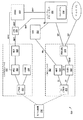
図1は、例示的な実施形態における通信ネットワーク100を示す。通信ネットワーク100は、LTEネットワーク102、ユニバーサル・メッセージ・センター104、加入者データベース106、およびストアアンドフォワード(SFD)メッセージ・センター108を含む。LTEネットワーク102は、ユーザ機器(モバイル装置130〜131など)と、インターネットなど、外部のパケット・ネットワークとの間の接続性を提供するパケット・データ・ネットワーク・ゲートウェイ(PDN−GW)112を含む。PDN−GW112はまた、ユーザ機器との間でトラフィックをルーティングし、ユーザ機器にIPアドレスを割り振る、などのことを行う。LTEネットワーク102は、サービング・ゲートウェイ(S−GW)および移動管理エンティティ(MME)など、他のネットワーク要素を含み得ることが当業者には理解されよう。
FIG. 1 shows a
ユニバーサル・メッセージ・センター104は、LTEネットワーク102を介してユーザ機器にメッセージを配信するように動作可能などのネットワーク要素も備える。ユニバーサル・メッセージ・センター104は、発展型パケット・コア(EPC)ネットワークにおいて独立型要素として実装することができる。別の実施形態では、ユニバーサル・メッセージ・センター104は、SMSCで、MMSCで、または別のネットワーク要素で実装することができる。ユニバーサル・メッセージ・センター104は、制御システム122および配信システム124を含む。配信システム124の一例は、FDA処理を実施するように動作可能な先行配信試行(FDA)システムを含み得る。FDA処理では、メッセージが初期時点で受信されると、メッセージを格納する前に、メッセージの配信が先に試みられる。FDA処理は、配信試行のためにメッセージを手短にキューイングすることを伴い得ることが当業者には理解されよう。ただし、メッセージは、ストアアンドフォワード処理向けになされるように、永続的に格納されるわけではない。
加入者データベース106は、1人または複数の加入者に対する加入者情報または加入者データを格納し維持するどのデータベースまたは同様のシステムも含む。たとえば、加入者データベース106は、モバイル装置130〜131のユーザに対する加入者記録または加入者プロファイルの形で、加入者データを維持することができる。加入者データベース106の一例は、ホーム加入者サーバ(HSS)である。
SFDメッセージ・センター108は、ストアアンドフォワード処理を用いるメッセージの配信を扱うように動作可能などのネットワーク要素も備える。たとえば、SFDメッセージ・センター108は、テキストまたはSMSメッセージを配信するためのSMSプロトコルを実装するSMSCを含み得る。別の例では、SFDメッセージ・センター108は、マルチメディアまたはMMSメッセージを配信するためのMMSプロトコルを実装するMMSCを含み得る。ストアアンドフォワード処理とは、先にメッセージを(永続的に)格納し、次いで、メッセージに対する配信試行を開始することによって、メッセージを配信するプロセスを指す。先行配信試行が不成功の場合、メッセージが配信され、または破棄されるまで、1度または複数のリトライ試行が実施される。1つの仮定は、SFDメッセージ・センター108が従来通り、UMTSネットワークなどの非LTEネットワークを介してモバイル装置にメッセージを配信するものである。
The
本実施形態では、モバイル装置130がLTEネットワーク102によるサービスに登録し、または加入すると仮定する。モバイル装置130は、予め割り当てられた静的IPアドレスをもっている。モバイル装置130がLTEネットワーク102に登録すると、LTEネットワーク102内のネットワーク要素が、モバイル装置130が登録されている間は装置130に動的IPアドレスを割り当てる。たとえば、PDN−GW112が、モバイル装置130に動的IPアドレスを割り当ててよい。別の例では、サービング・ゲートウェイ(図示せず)が、モバイル装置130に動的IPアドレスを割り当ててよい。動的IPアドレスは、モバイル装置130に信号メッセージをルーティングするために使われ、本明細書ではモバイルIPアドレスと呼ばれる。モバイル装置131は、同様にして登録を行い、やはりLTEネットワーク102内部でモバイルIPアドレスを割り当てられる。
In this embodiment, it is assumed that the
モバイル装置130〜131がLTEネットワーク102に登録されている状態において、モバイル装置130〜131と、図示していない他の装置との間でメッセージが交換され得る。モバイル装置130は、モバイル装置131に向けられたメッセージをLTEネットワーク102に送ると仮定する。メッセージは、SIPメッセージなどの信号メッセージにカプセル化されることが当業者には理解されよう。メッセージをレガシーSMSCまたはMMSCに自動的にフォワードするのではなく、PDN−GW112は、メッセージを、処理のためにユニバーサル・メッセージ・センター104にフォワードする。ユニバーサル・メッセージ・センター104のより詳細な動作を、図2に示す。
In a state where the
図2は、例示的な実施形態における、LTEネットワーク102を介してメッセージを配信する方法200を示すフローチャートである。方法200のステップを、図1の通信ネットワーク100を参照して記載するが、方法200は、他のネットワークおよびシステムでも実施され得ることが当業者には理解されよう。本明細書に記載するフローチャートのステップは、包括的ではなく、図示していない他のステップも含み得る。ステップは、代替的順序で実施してもよい。
FIG. 2 is a flowchart illustrating a
ステップ202で、制御システム122が、モバイル装置131に向けられたメッセージを受信する。メッセージは、本実施形態ではテキスト・メッセージを含む。「テキスト・メッセージ」という用語は、テキストを含むショート・メッセージと定義されるが、画像、ビデオ、およびサウンド・コンテンツなどのマルチメディア・データを含むメッセージにも拡大される。「テキスト・メッセージ」のいくつかの例は、SMSメッセージ、MMSメッセージ、またはインスタント・メッセージ(IM)を含む。他の実施形態では、メッセージは、eメールまたは別のタイプのデータ・メッセージを含み得る。
At
ステップ204で、制御システム122は、モバイル装置131がLTE対応であるかどうか判定する。LTE対応と見なされるためには、モバイル装置131は、モバイル装置131がLTEネットワーク102と通信することを可能にするアプリケーションまたは機能を含む。このアプリケーションまたは機能は、LTEネットワーク102に登録し、登録解除する機能を含む。制御システム122は、LTE対応であるモバイル装置のインジケータを有する、サービス・プロバイダによって用意されたローカル・データベースを維持することができる。モバイル装置は、国際移動体加入者識別(IMSI)または他の何らかの識別子に従って、ローカル・データベース中で索引づけられ得る。あるいは、制御システム122は、加入者データベース106に問い合わせて、モバイル装置131がLTE対応であるかどうか判定することができる。制御システム122は、ステップ204で、モバイル装置131がモバイル装置130と同じサービス・プロバイダによってサービスされるかどうか、さらに判定することができる。
In
モバイル装置131がLTE対応であるという判定に応答して、制御システム122は、ステップ206で、LTEネットワーク102においてモバイル装置131に割り当てられたモバイルIPアドレスを識別する。制御システム122が、モバイル装置131に割り当てられたモバイルIPアドレスを識別することが可能な様々なやり方がある。一例では、制御システム122は、図3にさらに示すが、加入者データベース106にモバイルIPアドレスを問い合わせればよい。別の例では、制御システム122は、図4にさらに示すが、PDN−GW112にモバイルIPアドレスを問い合わせればよい。モバイルIPアドレスが識別されると、配信システム124は、ステップ208で、モバイルIPアドレスに基づいて、LTEネットワーク102を介してモバイル装置131にメッセージをフォワードしようと試みる。
In response to determining that
モバイル装置131がLTE対応でないという判定に応答して、制御システム122は、ステップ210で、モバイル装置130に対するSFDメッセージ・センター108を識別する。たとえば、制御システム122は、モバイル装置130の加入者電話番号またはネットワーク・アドレスに基づいて、予め定義されたルーティング・テーブルを処理して、モバイル装置130に対するSFDメッセージ・センター108を識別することができる。制御システム122は代替的には、加入者データベース106に問い合わせてもよい。制御システム122は次いで、ステップ212で、メッセージを、ストアアンドフォワード処理のためにSFDメッセージ・センター108にフォワードする。メッセージの受信に応答して、SFDメッセージ・センター108は、メッセージをメモリに(永続的に)格納する。SFDメッセージ・センター108は次いで、モバイル装置131へのメッセージの配信を試みる。先行配信試行が不成功の場合、一定期間(たとえば、10分、30分など)の後で、配信がリトライされる。メッセージが破棄される前に、予め定義された回数のリトライが実施される。
In response to determining that the
配信システム124が、(ステップ208で)モバイル装置131にメッセージをフォワードしようと試みるとき、配信システム134は、FDA処理を使ってモバイル装置131にメッセージをフォワードしようと試みてよい。FDA処理を使った先行配信試行が失敗した場合、配信システム122は、モバイル装置130に対するSFDメッセージ・センター108を識別し、メッセージを、ストアアンドフォワード処理のためにSFDメッセージ・センター108にフォワードする。
When
通信ネットワーク100内にユニバーサル・メッセージ・センター104を実装することによって、メッセージは有利には、LTEネットワーク102を介してモバイル装置130〜131に配信され得る。ユニバーサル・メッセージ・センター104は、モバイル装置130〜131に対するモバイルIPアドレスを識別することによって、メッセージを配信することが可能である。モバイルIPアドレスが識別されると、ユニバーサル・メッセージ・センター104は有利には、レガシーSMSC/MMSCなどのストアアンドフォワード・メッセージ・センターにメッセージを先にフォワードすることなく、メッセージの配信を試みることができる。したがって、メッセージ・トラフィックの一部は、レガシーSMSC/MMSCからオフロードされ得る。
By implementing the
図3は、例示的な実施形態における、LTEネットワーク102においてモバイル装置131に割り当てられたモバイルIPアドレスを識別する方法300を示すフローチャートである(図2のステップ206を参照)。方法300の場合、制御システム122は、HSSなどの加入者データベース106に問い合わせて、モバイル装置131に割り当てられたモバイルIPアドレスを識別することができる。問合せのために、制御システム122は、ステップ302で、モバイルIPアドレスを要求する要求メッセージを加入者データベース106に送信する。要求メッセージは、静的IPアドレスやIMSIなど、モバイル装置131の識別子を含む。ユニバーサル・メッセージ・センター104と加入者データベース106との間のインタフェースは、加入者データベース106がHSSを含む場合などは、Diameter Shインタフェースを含み得る。したがって、要求メッセージは、Diameter Shユーザ・データ要求(UDR)を含み得る。
FIG. 3 is a flowchart illustrating a
要求メッセージに応答して、加入者データベース106は、モバイル装置131の加入者プロファイルを識別し、このプロファイルはモバイルIPアドレスを含む。モバイルIPアドレスは通常、3GPP/3GPP2仕様によると、加入者プロファイルには含まれない。したがって、新規フィールドが、モバイルIPアドレスに対する加入者プロファイル中に定義される。この新規フィールドは、LTEネットワーク102内の要素によって、たとえばPDN−GW112によって投入を受ける。HSSにモバイルIPアドレスを投入する一例を、図6に示してある。
In response to the request message, the
図3のステップ304で、制御システム122は、モバイルIPアドレスを含む応答メッセージを加入者データベース106から受信する。応答メッセージは、Diameter Shユーザ・データ回答(UDA)を含み得る。本実施形態によると、応答メッセージ(たとえば、UDA)は、モバイルIPアドレス用に定義された属性/値ペア(AVP)を含む。このAVPは、Diameter Shプロトコルにおいて現時点では定義されていない新規AVPである。
In
図4は、例示的な実施形態における、LTEネットワーク102においてモバイル装置131に割り当てられたモバイルIPアドレスを識別する(図2のステップ206を参照)、別の方法400を示すフローチャートである。方法400の場合、制御システム122は、加入者データベース106に問い合わせて、PDN−GW112に対するアドレスを識別することができる。本実施形態では、加入者データベース106ではなく、PDN−GW112が、モバイル装置131のモバイルIPアドレスを格納する。問合せのために、制御システム122は、ステップ402で、PDN−GW112のアドレスを要求する要求メッセージ(たとえば、Diameter Sh UDR)を加入者データベース106に送信する。要求メッセージは、モバイル装置131の、静的IPアドレスやIMSIなどの識別子を含む。
FIG. 4 is a flowchart illustrating another
要求メッセージに応答して、加入者データベース106は、モバイル装置131にサービスしているPDN−GW112を識別し、PDN−GWアドレスを含む応答メッセージ(たとえば、Diameter Sh UDA)を制御システム122に返送する。制御システム122は次いで、ステップ404で応答メッセージを受信する。制御システム122は次いで、モバイル装置131のモバイルIPアドレスをPDN−GW112に問い合わせればよい。この問合せのために、制御システム122は、ステップ406で、PDN−GWアドレスに基づいて、PDN−GW112に別の要求メッセージを送信する。この要求は、PDN−GW112内に格納されている、モバイル装置131に割り当てられたモバイルIPアドレスを求めるものである。
In response to the request message, the
ユニバーサル・メッセージ・センター104は、通信ネットワーク内で予め実装されているわけでも提案されているわけでもないので、ユニバーサル・メッセージ・センター104とPDN−GW112との間に、提案されているインタフェースはない。本明細書で提供されるように、SIPインタフェースを、ユニバーサル・メッセージ・センター104とPDN−GWとの間で使うことができる。したがって、要求メッセージは、モバイル装置131のモバイルIPアドレスを要求するSIP OPTIONSを含み得る。
There is no proposed interface between the
要求メッセージに応答して、PDN−GW112は、モバイル装置131のモバイルIPアドレスを識別する。PDN−GW112は次いで、モバイル装置131のモバイルIPアドレスを有する応答メッセージを制御システム122に返送する。応答メッセージは、SIP200OKを含み得る。ステップ408で、制御システム122は、モバイルIPアドレスを含む応答メッセージをPDN−GW112から受信する。本実施形態によると、応答メッセージは、モバイルIPアドレス用に定義されたフィールドを含む。このフィールドは、ユニバーサル・メッセージ・センター104とPDN−GW112との間のSIPインタフェースにおいて現時点では定義されていない新規フィールドである。
In response to the request message, the PDN-
図5は、別の例示的実施形態における通信ネットワーク500を示す。通信ネットワーク500は、LTEネットワーク502、UMTSネットワーク503、ユニバーサル・メッセージ・センター504、ホーム加入者サーバ(HSS)506、およびSMSC508を含む。LTEネットワーク502は、E−UTRAN512(次世代UTRAN)、移動管理エンティティ(MME)514、サービング・ゲートウェイ(S−GW)516、およびPDN−GW518を含む。UMTSネットワーク503は、UTRAN522、移動スイッチング・センター(MSC)524、サービングGPRSサポート・ノード(SGSN)526、およびホーム・ロケーション・レジスタ(HLR)528を含む。LTEネットワーク502およびUMTSネットワーク503は両方とも、モバイル装置530にサービスを提供することが可能である。
FIG. 5 illustrates a
このアーキテクチャにおいて、ユニバーサル・メッセージ・センター504は、LTEネットワーク502を介してモバイル装置530にメッセージを配信するための、新たに実装されたシステムである。メッセージを配信するために、ユニバーサル・メッセージ・センター504は、HSS506またはPDN−GW518のどちらかから、モバイル装置530のモバイルIPアドレスにアクセスする。ユニバーサル・メッセージ・センター504とHSS506との間の通信を可能にするために、Diameter Shインタフェースが使われる。Diameter Shインタフェースは、本実施形態において、HSS506が、ユニバーサル・メッセージ・センター504にモバイルIPアドレスを与えることが可能になるように、モバイルIPアドレス用の新規定義属性/値ペア(AVP)を含むようにアップグレードされ、または修正される。同様に、ユニバーサル・メッセージ・センター504とPDN−GW518との間の通信を可能にするために、SIPインタフェースが使われる。SIPインタフェースは、本実施形態において、PDN−GW518が、ユニバーサル・メッセージ・センター504にモバイルIPアドレスを与えることが可能になるように、モバイルIPアドレス用の新規定義フィールドまたはパラメータを含むようにアップグレードされ、または修正される。
In this architecture,
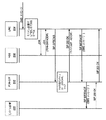
図6は、例示的な実施形態における、LTEネットワーク502へのモバイル装置530の登録を示すメッセージ図である。図6において、モバイル装置530は、MME514に登録メッセージ(アタッチ要求)を送信する。登録メッセージに応答して、MME514は、当業者にとって公知なように、1つまたは複数のメッセージを交換することによって、モバイル装置530を認証する。MME514は次いで、モバイル装置530のモバイルIPアドレスを獲得するためのセッション作成要求メッセージをPDN−GW518に(S−GW516を経由して)送信する。PDN−GW518は、モバイル装置に動的IPアドレスを割り振るネットワーク要素である。したがって、PDN−GW518は、モバイル装置530の動的モバイルIPアドレスでMME514に応答する。MME514は次いで、モバイル装置530のモバイルIPアドレスを含む、SIP NOTIFYなどの通知メッセージをHSS506に送信する。モバイルIPアドレスは、通知メッセージのMIP6−Active−Info AVPに挿入され得る。通知メッセージに応答して、HSS506は、モバイル装置530の加入者プロファイルにモバイルIPアドレスを格納する。HSS506内で維持される加入者プロファイルは、モバイルIPアドレスの新規定義フィールドを含む。HSS506は、SIP200OKでMME514に返答する。本実施形態ではHSS506とMME514との間でSIPが使われるが、他の実施形態では拡張Diameter Cxインタフェースも使うことができる。
FIG. 6 is a message diagram illustrating registration of a
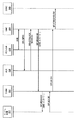
代替形態として、図7は、別の例示的実施形態における、LTEネットワーク502へのモバイル装置530の登録を示すメッセージ図である。図7は、PDN−GW518がS−GW516を経由してMME514からセッション作成要求メッセージを受信するまで、図6でのように進む。モバイル装置530のモバイルIPアドレスでMME514に応答するのではなく、PDN−GW518は、モバイル装置530の静的IPアドレスおよびGW518自体のアドレス(PDN−GWアドレスと呼ばれる)で、MME514に応答する。MME514は次いで、モバイル装置530の静的IPアドレスおよびPDN−GWアドレスを含む、SIP NOTIFYなどの通知メッセージをHSS506に送信する。通知メッセージに応答して、HSS506は、PDN−GWアドレスを、モバイル装置530の加入者プロファイルに格納する。繰り返しになるが、HSS506内で維持される加入者プロファイルは、PDN−GWアドレス用の新規定義フィールドを含む。HSS506は、SIP200OKでMME514に返答する。
As an alternative, FIG. 7 is a message diagram illustrating registration of a
モバイル装置530が登録された状態で、ユニバーサル・メッセージ・センター504は、LTEネットワーク502を介してモバイル装置530に直接(先にメッセージをSMSC508にフォワードせずに)、SMSメッセージを配信しようと試みることができる。図8は、例示的な実施形態における、SMSメッセージの成功配信を示すメッセージ図である。ユニバーサル・メッセージ・センター(UMC)504は、モバイル装置530のユーザに向けられたモバイル着信(MT)SMSメッセージを受信すると仮定する。メッセージの受信に応答して、ユニバーサル・メッセージ・センター504は、モバイル装置530がLTE対応であり、同じサービス・プロバイダ・ネットワーク内にあると判定する。したがって、ユニバーサル・メッセージ・センター504は、モバイルIPアドレスを求めるDiameter Sh UDRをHSS506に送信することによって、LTEネットワーク502においてモバイル装置530に割り当てられたモバイルIPアドレスを識別する。UDRに応答して、HSS506は、モバイル装置530に関連づけられた加入者プロファイルを識別し、加入者プロファイルに格納されたモバイルIPアドレスも識別する。HSS506は次いで、モバイルIPアドレスを含むDiameter Sh UDAをユニバーサル・メッセージ・センター504に送信する。モバイルIPアドレスは、Diameter Sh UDAの新規定義AVPに挿入される。モバイルIPアドレスが識別されると、ユニバーサル・メッセージ・センター504は、モバイルIPアドレスに基づいて、LTEネットワーク502を介して(PDN−GW518を通して)モバイル装置530にSMSメッセージをフォワードしようと試みる。より具体的には、ユニバーサル・メッセージ・センター504は、SMSメッセージを含むSIP MESSAGEをPDN−GW518にフォワードし、PDN−GW518は、E−UTRAN512の信号チャネルを介してモバイル装置530にSIP MESSAGEをフォワードする(図5も参照)。ユニバーサル・メッセージ・センター504は、SMSメッセージの先行配信試行のために、FDAシステム536を使う。したがって、ユニバーサル・メッセージ・センター504は、SMSC508などにSMSメッセージを格納する前に、先に配信を試みる。配信試行が成功した場合、モバイル装置530は、SIP200OKをPDN−GW518に送信し、GW518は、ユニバーサル・メッセージ・センター504に200OKを送る。
With the
図8において、ユニバーサル・メッセージ・センター504は、HSS506に問い合わせて、モバイル装置530のモバイルIPアドレスを獲得することが可能である(図6の登録を参照)。ユニバーサル・メッセージ・センター504は代替的には、PDN−GW518に問い合わせて、モバイル装置530のモバイルIPアドレスを獲得してもよい(図7の登録を参照)。図9は、例示的な実施形態における、SMSメッセージの別の成功配信を示すメッセージ図である。再度、ユニバーサル・メッセージ・センター(UMC)504は、モバイル装置530のユーザに向けられたモバイル着信(MT)SMSメッセージを受信すると仮定する。メッセージの受信に応答して、ユニバーサル・メッセージ・センター504は、モバイル装置530がLTE対応であり、同じサービス・プロバイダ・ネットワーク内にあると判定する。したがって、ユニバーサル・メッセージ・センター504は、PDN−GW518のアドレスを求めるDiameter Sh UDRをHSS506に先に送信することによって、LTEネットワーク502においてモバイル装置530に割り当てられたモバイルIPアドレスを識別する。UDRに応答して、HSS506は、モバイル装置530に関連づけられた加入者プロファイルを識別し、加入者プロファイルに格納されたPDN−GWアドレスも識別する。HSS506は次いで、PDN−GWアドレスを含むDiameter Sh UDAをユニバーサル・メッセージ・センター504に送信する。
In FIG. 8, the
次に、ユニバーサル・メッセージ・センター504は、モバイル装置530のモバイルIPアドレスを要求するSIP OPTIONSをPDN−GW518に送信する。SIP OPTIONSに応答して、PDN−GW518は、モバイル装置530に関して格納されたモバイルIPアドレスを識別する。PDN−GW518は次いで、モバイルIPアドレスを含むSIP200OKをユニバーサル・メッセージ・センター504に送信する。モバイルIPアドレスは、SIP200OKの新規定義フィールドに挿入される。モバイルIPアドレスが識別されると、ユニバーサル・メッセージ・センター504は、再度FDAシステム536を使って、モバイルIPアドレスに基づき、LTEネットワーク502を介して(PDN−GW518を通して)モバイル装置530にメッセージをフォワードしようと試みる。より具体的には、ユニバーサル・メッセージ・センター504は、SMSメッセージを含むSIP MESSAGEをPDN−GW518にフォワードし、PDN−GW518は、E−UTRAN512の信号チャネルを介してモバイル装置530にSIP MESSAGEをフォワードする(図5も参照)。配信試行が成功した場合、モバイル装置530は、SIP200OKをPDN−GW518に送信し、GW518は、ユニバーサル・メッセージ・センター504に200OKを送る。
Next, the
図10は、例示的な実施形態における、SMSメッセージの失敗配信を示すメッセージ図である。図10のメッセージ図は、ユニバーサル・メッセージ・センター504がLTEネットワーク502を介してモバイル装置530にメッセージをフォワードしようと試みるまでは、図8と同様である。本実施形態では、配信試行は失敗した。配信失敗の識別に応答して、ユニバーサル・メッセージ・センター(UMC)504は、SMSメッセージの発信元に対するSMSC508を識別する。たとえば、ユニバーサル・メッセージ・センター504は、ローカルに用意されたデータに基づいて、またはHSS506に問い合わせることによって、SMSC508を識別し得る。ユニバーサル・メッセージ・センター504は次いで、SMSC508にMAP MTフォワード・ショート・メッセージ(MAP MT−Forward−SM)を送ることによって、SMSメッセージを、識別されたSMSC508にフォワードする。SMSC508は次いで、SMSメッセージを格納し、ストアアンドフォワード処理を用いて、さらなる配信試行を開始する。SMSC508は、UMTSネットワーク503を介してモバイル装置530にSMSメッセージを配信しようと試みる。
FIG. 10 is a message diagram illustrating failed delivery of an SMS message in an exemplary embodiment. The message diagram of FIG. 10 is similar to FIG. 8 until
失敗配信の別の実施形態では、ユニバーサル・メッセージ・センター504は、図9に示すのと同じように、モバイルIPアドレスではなく、PDN−GWアドレスをHSS506に問い合わせてもよい。
In another embodiment of unsuccessful delivery, the
図11は、例示的な実施形態における、LTE対応でないモバイル装置へのSMSメッセージの配信を示すメッセージ図である。再度、ユニバーサル・メッセージ・センター(UMC)504は、モバイル装置530のユーザに向けられたモバイル着信(MT)SMSメッセージを受信すると仮定する。メッセージの受信に応答して、ユニバーサル・メッセージ・センター504は、モバイル装置530がLTE対応でないと判定する。したがって、ユニバーサル・メッセージ・センター504は、SMSメッセージの発信元に対するSMSC508を識別し、SMSC508にMAP MTフォワード・ショート・メッセージ(MAP MT−Forward−SM)を送ることによって、識別されたSMSC508にSMSメッセージをフォワードする。SMSC508は次いで、SMSメッセージを格納し、ストアアンドフォワード処理を用いて、UMTSネットワーク503を介した配信試行を開始する。SMSC508は、モバイル装置530の現在の場所を要求するMAPショート・メッセージ用ルーティング情報送付(SRI−SM)を、STP529を通してHLR528に送信する。HLR528は、モバイル装置530にサービスしているMSC524を識別し、MSCアドレスを含むSRI−SM受信通知をSMSC508に送信する。SMSC508は次いで、MSCアドレスに基づいてMSC524にMT−Forward−SMメッセージを送ることによって、SMSメッセージを配信しようと試みる。MT−Forward−SMメッセージに応答して、MSC524は、モバイル装置530にページングする。モバイル装置530がページングに確認応答した場合、MSC524は、UTRAN522のエア・インタフェースを介したSCCP接続において搬送される直接転送アプリケーション部分(DTAP)を使って、モバイル装置530にSMSメッセージを送る(図5も参照)。先行配信試行が成功した場合、MSC524は、SMSメッセージの成功配信を示すMT−Forward−SM応答をSMSC508に送る。先行配信試行が不成功の場合、SMSC508は、予め定義された時間間隔の後、再試行を開始することになる。
FIG. 11 is a message diagram illustrating the delivery of an SMS message to a mobile device that is not LTE-enabled in an exemplary embodiment. Again, assume that Universal Message Center (UMC) 504 receives a Mobile Incoming (MT) SMS message intended for the user of
図8〜11の実施形態では、SMSメッセージの発信元は、LTEネットワークの加入者であると仮定された。したがって、ユニバーサル・メッセージ・センター504は、SMSC508にSMSメッセージが送られる前に、先にSMSメッセージを受信する。SMSメッセージの発信元がLTE加入者ではない場合、SMSメッセージは、先にSMSC508にフォワードされる。図12は、例示的な実施形態における、SMSCからのSMSメッセージの成功配信を示すメッセージ図である。SMSC508は、モバイル装置530のユーザに向けられたモバイル着信(MT)SMSメッセージを受信すると仮定する。SMSメッセージの受信に応答して、SMSC508は、モバイル装置530の場所を発見する必要がある。発見のために、SMSC508は、STP529を通して、モバイル装置530の現在の場所を要求するMAPショート・メッセージ用ルーティング情報送付(SRI−SM)をHLR528に送信する(図5も参照)。本実施形態では、STP529は、SMSC508とHLR528との間に配置されているのだが、SMSC508からのMAP SRI−SMを傍受する。STP529は、MAP SRI−SM中のHLR信号局コードを、ユニバーサル・メッセージ・センター504用の信号局コードで置き換える。したがって、MAP SRI−SMは、HLR528ではなくユニバーサル・メッセージ・センター504にルーティングされる。
In the embodiments of FIGS. 8-11, it was assumed that the source of the SMS message was an LTE network subscriber. Therefore, the
MAP SRI−SMの受信に応答して、ユニバーサル・メッセージ・センター504は、PDN−GW518のPDN−GWアドレスと、すべてのUMTSモバイル装置に関連づけられた一意の番号である、モバイル装置530の国際移動体加入者識別(IMSI)とを求めるUDRをHSS506に送信する。HSS506は、モバイル装置530の加入者プロファイルを処理し、PDN−GWアドレスおよびIMSIを含むUDAで応答する。次に、ユニバーサル・メッセージ・センター504は、モバイル装置530のモバイルIPアドレスを要求するSIP OPTIONSをPDN−GW518に送信する。SIP OPTIONSに応答して、PDN−GW518は、モバイル装置530用に格納されたモバイルIPアドレスを識別する。PDN−GW518は次いで、モバイルIPアドレスを含むSIP200OKをユニバーサル・メッセージ・センター504に送信する。
In response to receiving the MAP SRI-SM, the
HSS506がモバイル装置530の加入者プロファイルにモバイルIPアドレスを格納している場合、ユニバーサル・メッセージ・センター504は、HSS506にモバイルIPアドレスを直接問い合わせてよいことが当業者には理解されよう。このシナリオでは、PDN−GW518への問合せは必要とされず、このことは図13に示してある。
Those skilled in the art will appreciate that if the
図12または13において、ユニバーサル・メッセージ・センター504は、最後に見たPDNアドレス、PDN−GWアドレス、および最新の配信失敗回数で、データベース(IMSI/MSIDNをキーとする)を維持する。モバイルIPアドレスを獲得するための問合せが成功した場合、ユニバーサル・メッセージ・センター504は、モバイル装置530がLTE対応である(すなわち、LTEネットワーク502に登録されている)と判定する。ユニバーサル・メッセージ・センター504は次いで、それ自体のアドレス(すなわち、E.164アドレス)を、サービングMSC524のアドレスの代わりにルーティング情報としてSRI−SM受信通知に挿入し、SRI−SM受信通知をSMSC508に送る。
In FIG. 12 or 13, the
SRI−SM受信通知に応答して、SMSC508は、SMSメッセージをモバイル装置530に配信しようと試みる。そうするために、SMSC508は、SRI−SM受信通知に入れて戻されたアドレスにMAP MTフォワード・ショート・メッセージ(MAP MT−Forward−SM)を送るが、このアドレスは、ユニバーサル・メッセージ・センター504のE.164アドレスである。したがって、SMSC508は、SMSメッセージを、MT−Forward−SMに入れてユニバーサル・メッセージ・センター504にフォワードする。ユニバーサル・メッセージ・センター504は次いで、SMSメッセージを含むMT−Forward−SMからSIP MESSAGEを生成し、FDA処理を使って、PDN−GW518を経由してSIP MESSAGEをモバイル装置530に送ろうと試みる。配信試行が成功した場合、モバイル装置530は、SIP200OKをPDN−GW518に送信し、GW518は、ユニバーサル・メッセージ・センター504に200OKを送る。ユニバーサル・メッセージ・センター504は、SMSメッセージの成功配信を示すMT−Forward−SM応答をSMSC508に送る。
In response to the SRI-SM receipt notification, the
図12〜13のようなメッセージ配信は、多くの利点をもたらす。第1に、メッセージ配信は、UMTSネットワーク503ではなくLTEネットワーク502を介して実施され、そうすることによって、MSC524などのUMTSネットワーク503に資源が保存される。ユニバーサル・メッセージ・センター504がFDA処理を用いるので、ユニバーサル・メッセージ・センター504内に大型記憶設備が必要とされない。また、ユニバーサル・メッセージ・センター504は、レガシーSMSCインタフェースをサポートするので、SMSC508を、LTEネットワーク502を介したSMSメッセージの配信を可能にするように変更する必要がない。
Message delivery as in FIGS. 12-13 provides many advantages. First, message delivery is performed via the
図14は、例示的な実施形態における、SMSCからのSMSメッセージの失敗配信を示すメッセージ図である。本実施形態では、LTEネットワーク502上で配信が失敗した場合、ユニバーサル・メッセージ・センター(UMC)504は、メッセージ配信のためにUMTSデータ・ネットワーク(SGSN)に切り換える。配信試行は、図12または13でのように実施されると仮定する。ただし、ユニバーサル・メッセージ・センター(UMC)504は、メッセージ配信が失敗したという指示を受信する。配信失敗の識別に応答して、ユニバーサル・メッセージ・センター(UMC)504は、メッセージ配信のためにUMTSネットワーク503に切り換える。切換えのために、ユニバーサル・メッセージ・センター504は、HLR528にSRI−GPRSを送る。登録されている装置に対して、HLR528は、SGSN526の識別子またはアドレスを、SRI−GPRS受信通知に入れて戻す。ユニバーサル・メッセージ・センター504は次いで、SGSN IDに基づいてSGSN526にSIP MESSAGEを送り、SGSN526は、UMTSネットワーク530を介してSIP MESSAGEをモバイル装置530に配信する。配信が成功した場合、モバイル装置530は、SIP200OKをSGSN526に送信し、SGSN526は、ユニバーサル・メッセージ・センター504に200OKを送る。ユニバーサル・メッセージ・センター504は次いで、SMSメッセージの成功配信を示すMT−Forward−SM応答をSMSC508に送る。
FIG. 14 is a message diagram illustrating unsuccessful delivery of an SMS message from an SMSC in an exemplary embodiment. In this embodiment, if delivery fails on the
図15〜16は、例示的な実施形態における、SMSCからのSMSメッセージの別の失敗配信を示すメッセージ図である。本実施形態では、LTEネットワーク502上で配信が失敗した場合、ユニバーサル・メッセージ・センター(UMC)504は、メッセージ配信のためにUMTS音声ネットワーク(MSC)に切り換える。配信試行は、図12または13でのように実施されると仮定する。ただし、ユニバーサル・メッセージ・センター(UMC)504は、メッセージ配信が失敗したという、図15の指示を受信する。配信失敗の識別に応答して、ユニバーサル・メッセージ・センター504は、メッセージ配信のためにUMTSネットワーク503に切り換える。切換えのために、ユニバーサル・メッセージ・センター504は、失敗指示を有するMT−Forward−SMをSMSC508に送る。SMSC508は、一定の時間間隔の後、メッセージ配信をリトライする。時間間隔が満了すると、SMSC508は再度、モバイル装置530の現在の場所を要求するMAP SRI−SMを、STP529を通してHLR528に送信する。STP529は、SMSC508からのMAP SRI−SMを傍受し、MAP SRI−SM中のHLR信号局コードを、ユニバーサル・メッセージ・センター504の信号局コードで置き換える。したがって、MAP SRI−SMは、HLR528ではなくユニバーサル・メッセージ・センター504に再度ルーティングされる。MAP SRI−SMの受信に応答して、ユニバーサル・メッセージ・センター504は、PDN−GW518のPDN−GWアドレスを要求するUDRをHSS506に送信する。HSS506は、PDN−GWアドレスを識別し、PDN−GWアドレスを含むSIP200OKをユニバーサル・メッセージ・センター504に返送する。ユニバーサル・メッセージ・センター504は次いで、モバイル装置530のモバイルIPアドレスを要求するSIP OPTIONSをPDN−GW518に送信する。SIP OPTIONSに応答して、PDN−GW518は、モバイル装置530用に格納されているモバイルIPアドレスを識別する。PDN−GW518は次いで、モバイルIPアドレスを含むSIP200OKをユニバーサル・メッセージ・センター504に送信する。
FIGS. 15-16 are message diagrams illustrating another unsuccessful delivery of an SMS message from the SMSC in an exemplary embodiment. In this embodiment, if delivery fails on the
HSS506がモバイル装置530の加入者プロファイルにモバイルIPアドレスを格納している場合、ユニバーサル・メッセージ・センター504は、HSS506にモバイルIPアドレスを直接問い合わせてよいことが当業者には理解されよう。このシナリオでは、PDN−GW518への問合せは必要とされない。
Those skilled in the art will appreciate that if the
図16において、ユニバーサル・メッセージ・センター504は、PDN−GWアドレスの変更、モバイルIPアドレスの変更、またはLTEリトライタイマに基づいて、LTE配信を再度試みるかどうか判定する。このシナリオでは、PDN−GWアドレスの変更もモバイルIPアドレスの変更も仮定せず、LTEリトライタイマは満了していない。したがって、ユニバーサル・メッセージ・センター504は、モバイル装置530の現在の場所(CgPA=UMC E.164)を要求するSRI−SMを、STP529を通してHLR528に送信する。HLR528は、データベース・ルックアップを実施して、モバイル装置530の現在の場所を取り出し、モバイル装置530の現在の場所を示すSRI−SM受信通知をユニバーサル・メッセージ・センター504に戻す。現在の場所は、モバイル装置530にサービスしているMSC524のアドレス(MSC ADDR)でよい。ユニバーサル・メッセージ・センター504は次いで、MSC528のアドレス(またはID)を示すSRI−SM受信通知をSMSC508に送信する。このSRI−SM受信通知は、SRI−SMに応答してSMSC508がHLR528から受信するはずのSRI−SM受信通知と似ている。したがって、SMSC508は、MSC524にMT−Forward−SMメッセージを送ることによって、SMSメッセージを配信しようと試みる。MSC524は次いで、モバイル装置530にページングする。モバイル装置530がページングに確認応答した場合、MSC524は、UTRAN522のエア・インタフェースを介してSCCP接続において搬送される直接転送アプリケーション部分(DTAP)を使って、モバイル装置530にSMSメッセージを送る(図5も参照)。配信が成功した場合、MSC524は、SMSメッセージの成功配信を示すMT−Forward−SM応答をSMSC508に送る。
In FIG. 16, the
図面に示し、または本明細書に記載した様々な要素のいずれも、ハードウェア、ソフトウェア、ファームウェア、またはこれらの何らかの組合せとして実装することができる。たとえば、ある要素は、専用ハードウェアとして実装することができる。専用ハードウェア要素は、「プロセッサ」、「コントローラ」、または何らかの同様の用語と呼ばれ得る。プロセッサによって提供される場合、機能は、その一部が共有され得る、単一の専用プロセッサによって、単一の共有プロセッサによって、または複数の個別プロセッサによって提供され得る。さらに、「プロセッサ」または「コントローラ」という用語の明示的使用は、ソフトウェアを実行することが可能なハードウェアを排他的に指すものと企図されるべきでなく、暗黙的には、限定なしで、デジタル信号プロセッサ(DSP)ハードウェア、ネットワーク・プロセッサ、特定用途向け集積回路(ASIC)または他の回路構成、フィールド・プログラム可能ゲート・アレイ(FPGA)、ソフトウェアを格納する読出し専用メモリ(ROM)、ランダム・アクセス・メモリ(RAM)、不揮発性記憶装置、ロジック、または他の何らかの物理的ハードウェア構成要素もしくはモジュールを含み得る。 Any of the various elements shown in the drawings or described herein may be implemented as hardware, software, firmware, or some combination thereof. For example, an element can be implemented as dedicated hardware. Dedicated hardware elements may be referred to as “processors”, “controllers”, or some similar terminology. If provided by a processor, functionality may be provided by a single dedicated processor, by a single shared processor, or by multiple individual processors, some of which may be shared. Furthermore, the explicit use of the terms “processor” or “controller” should not be intended to refer exclusively to hardware capable of executing software, and implicitly, without limitation, Digital signal processor (DSP) hardware, network processor, application specific integrated circuit (ASIC) or other circuit configuration, field programmable gate array (FPGA), read only memory (ROM) to store software, random May include access memory (RAM), non-volatile storage, logic, or some other physical hardware component or module.
また、ある要素は、要素の機能を実施するようにプロセッサまたはコンピュータによって実行可能な命令として実装され得る。命令のいくつかの例は、ソフトウェア、プログラム・コード、およびファームウェアである。命令は、プロセッサによって実行されると、要素の機能を実施するよう、プロセッサに命じるように動作可能である。命令は、プロセッサによって可読な記憶装置に格納することができる。記憶装置のいくつかの例は、デジタルまたは固体状態メモリ、磁気ディスクおよび磁気テープ、ハード・ドライブ、ならびに光学的に可読なデジタル・データ記憶媒体などの磁気記憶媒体である。 An element may also be implemented as instructions executable by a processor or computer to perform the function of the element. Some examples of instructions are software, program code, and firmware. The instructions are operable to direct the processor to perform the function of the element when executed by the processor. The instructions can be stored in a storage device readable by a processor. Some examples of storage devices are digital or solid state memories, magnetic disks and tapes, hard drives, and magnetic storage media such as optically readable digital data storage media.
具体的な実施形態を本明細書に記載したが、本発明の範囲は、こうした具体的実施形態に限定されない。本発明の範囲は、添付の請求項およびそのあらゆる等価物によって定義される。 Although specific embodiments have been described herein, the scope of the present invention is not limited to such specific embodiments. The scope of the present invention is defined by the appended claims and any equivalents thereof.
Claims (10)
宛先モバイル装置(131)に向けられたテキスト・メッセージを受信するように、前記宛先モバイル装置(131)がLTE対応であるかどうか判定するように、また、前記宛先モバイル装置(131)がLTE対応であるという判定に応答して、前記LTEネットワーク(102)において前記宛先モバイル装置(131)に割り当てられたモバイルIPアドレスを識別するように動作可能な制御システム(122)と、
前記モバイルIPアドレスに基づいて、前記LTEネットワーク(102)を介して前記宛先モバイル装置(131)に前記テキスト・メッセージをフォワードしようと試みるように動作可能な配信システム(124)とを特徴とするユニバーサル・メッセージ・センター(104)。 Long Term Evolution, ie, Universal Message Center (104) operable to deliver messages over LTE, network (102),
The destination mobile device (131) is LTE-capable to determine whether the destination mobile device (131) is LTE-capable to receive a text message directed to the destination mobile device (131). A control system (122) operable to identify a mobile IP address assigned to the destination mobile device (131) in the LTE network (102) in response to the determination that
A distribution system (124) operable to attempt to forward the text message to the destination mobile device (131) via the LTE network (102) based on the mobile IP address; Message center (104).
前記制御システム(122)と前記加入者データベース(106)との間のインタフェースがDiameter Shインタフェースであり、前記モバイルIPアドレスに対して属性/値ペア、すなわちAVPが、前記Diameter Shインタフェースにおいて定義される、請求項1に記載のユニバーサル・メッセージ・センター(104)。 The control system (122) queries a subscriber database (106) storing a subscriber profile for the destination mobile device (131) to identify the mobile IP address assigned to the destination mobile device (131). Is more operable as
The interface between the control system (122) and the subscriber database (106) is a Diameter Sh interface, and an attribute / value pair, ie AVP, is defined in the Diameter Sh interface for the mobile IP address. The universal message center (104) of claim 1.
FDA処理を使った先行配信試行が失敗した場合、前記制御システム(122)が、前記テキスト・メッセージの発信元に対するストアアンドフォワード、すなわちSFD、メッセージ・センター(108)を識別するように、また、前記テキスト・メッセージを、SFD処理のために前記SFDメッセージ・センター(108)にフォワードするようにさらに動作可能である、請求項1に記載のユニバーサル・メッセージ・センター(104)。 The delivery system (124) is further operable to forward the text message to the destination mobile device (131) via the LTE network (102) using a pre-delivery attempt, ie, FDA, processing. Yes,
If the pre-delivery attempt using FDA processing fails, the control system (122) identifies store-and-forward, ie SFD, message center (108) for the origin of the text message, and The universal message center (104) of claim 1, further operable to forward the text message to the SFD message center (108) for SFD processing.
宛先モバイル装置(131)に向けられたテキスト・メッセージを受信するステップと、
前記宛先モバイル装置(131)がLTE対応であるかどうか判定するステップと、
前記宛先モバイル装置(131)がLTE対応であるという判定に応答して、前記LTEネットワーク(102)において前記宛先モバイル装置(131)に割り当てられたモバイルIPアドレスを識別するステップと、
前記モバイルIPアドレスに基づいて、前記LTEネットワーク(102)を介して前記宛先モバイル装置(131)に前記テキスト・メッセージをフォワードしようと試みるステップとを特徴とする方法。 Long term evolution, ie, a method of delivering messages over LTE, network (102), comprising:
Receiving a text message directed to a destination mobile device (131);
Determining whether the destination mobile device (131) is LTE-compatible;
Identifying a mobile IP address assigned to the destination mobile device (131) in the LTE network (102) in response to a determination that the destination mobile device (131) is LTE-enabled;
Attempting to forward the text message to the destination mobile device (131) via the LTE network (102) based on the mobile IP address.
前記テキスト・メッセージを、SFD処理のために前記SFDメッセージ・センター(108)にフォワードするステップとをさらに含む、請求項6に記載の方法。 In response to determining that the destination mobile device (131) is not LTE compliant, identifying store-and-forward, ie SFD, message center (108) to the source of the text message;
7. The method of claim 6, further comprising: forwarding the text message to the SFD message center (108) for SFD processing.
前記宛先モバイル装置(131)の加入者プロファイルを格納する加入者データベース(106)に前記モバイルIPアドレスを問い合わせるステップを含み、
前記加入者データベース(106)とのインタフェースが、Diameter Shインタフェースであり、前記モバイルIPアドレスに対して属性/値ペア、すなわちAVPが、前記Diameter Shインタフェースにおいて定義される、請求項6に記載の方法。 Identifying a mobile IP address assigned to the destination mobile device (131) in the LTE network (102);
Querying the subscriber database (106) storing a subscriber profile of the destination mobile device (131) for the mobile IP address;
The method according to claim 6, wherein the interface to the subscriber database (106) is a Diameter Sh interface, and an attribute / value pair, ie AVP, is defined in the Diameter Sh interface for the mobile IP address. .
前記宛先モバイル装置(131)の加入者プロファイルを格納する加入者データベース(106)に問い合わせて、パケット・データ・ネットワーク・ゲートウェイ、すなわちPDN−GW(112)のPDN−GWアドレスを識別するステップと、
前記PDN−GWアドレスに基づいて、前記PDN−GW(112)に前記モバイルIPアドレスを問い合わせるステップとを含む、請求項6に記載の方法。 Identifying a mobile IP address assigned to the destination mobile device (131) in the LTE network (102);
Querying a subscriber database (106) storing a subscriber profile of the destination mobile device (131) to identify a PDN-GW address of a packet data network gateway, ie, PDN-GW (112);
Querying the PDN-GW (112) for the mobile IP address based on the PDN-GW address.
先行配信試行、すなわちFDA、処理を使って、前記LTEネットワーク(102)を介して前記宛先モバイル装置(131)に前記テキスト・メッセージをフォワードするステップを含み、
FDA処理を使った先行配信試行が失敗した場合、前記方法が、前記テキスト・メッセージの発信元に対するストアアンドフォワード、すなわちSFD、メッセージ・センター(108)を識別するステップと、前記テキスト・メッセージを、SFD処理のために前記SFDメッセージ・センター(108)にフォワードするステップとをさらに含む、請求項6に記載の方法。 Attempting to forward the text message to the destination mobile device (131) via the LTE network (102);
Forwarding the text message to the destination mobile device (131) via the LTE network (102) using a pre-delivery attempt, ie FDA, processing;
If a pre-delivery attempt using FDA processing fails, the method identifies store-and-forward, ie SFD, message center (108) to the origin of the text message, and the text message comprises: And forwarding to the SFD message center (108) for SFD processing.
Applications Claiming Priority (3)
| Application Number | Priority Date | Filing Date | Title |
|---|---|---|---|
| US12/495,331 | 2009-06-30 | ||
| US12/495,331 US8351964B2 (en) | 2009-06-30 | 2009-06-30 | Message delivery over LTE networks |
| PCT/US2010/038787 WO2011002610A1 (en) | 2009-06-30 | 2010-06-16 | Message delivery over lte networks |
Publications (2)
| Publication Number | Publication Date |
|---|---|
| JP2012532525A JP2012532525A (en) | 2012-12-13 |
| JP5519787B2 true JP5519787B2 (en) | 2014-06-11 |
Family
ID=42558482
Family Applications (1)
| Application Number | Title | Priority Date | Filing Date |
|---|---|---|---|
| JP2012518542A Active JP5519787B2 (en) | 2009-06-30 | 2010-06-16 | Message delivery over LTE network |
Country Status (7)
| Country | Link |
|---|---|
| US (1) | US8351964B2 (en) |
| EP (1) | EP2449852B1 (en) |
| JP (1) | JP5519787B2 (en) |
| KR (1) | KR20120040232A (en) |
| CN (1) | CN102577592B (en) |
| TW (1) | TWI436680B (en) |
| WO (1) | WO2011002610A1 (en) |
Families Citing this family (45)
| Publication number | Priority date | Publication date | Assignee | Title |
|---|---|---|---|---|
| US8015293B2 (en) | 2004-12-17 | 2011-09-06 | Telelec | Methods, systems, and computer program products for clustering and communicating between internet protocol multimedia subsystem (IMS) entities |
| US9021014B2 (en) | 2009-03-25 | 2015-04-28 | Tekelec, Inc. | Methods, systems, and computer readable media for providing home subscriber server (HSS) proxy |
| US8412240B2 (en) * | 2009-06-01 | 2013-04-02 | Alcatel Lucent | Direct SMS message delivery over broadband data networks through an SMS-C |
| JP5535536B2 (en) * | 2009-07-02 | 2014-07-02 | 日本電気株式会社 | Femtocell base station, gateway system, MAP-GW apparatus, communication system, control method and program |
| US8615237B2 (en) * | 2010-01-04 | 2013-12-24 | Tekelec, Inc. | Methods, systems, and computer readable media for policy and charging rules function (PCRF) node selection |
| US20110185237A1 (en) * | 2010-01-28 | 2011-07-28 | Futurewei Technologies, Inc. | System and Method for Delivering Messages |
| US8391899B2 (en) * | 2010-03-16 | 2013-03-05 | Alcatel Lucent | Text message delivery to a mobile device in a wireless communication network |
| US8903386B2 (en) * | 2010-04-30 | 2014-12-02 | Nokia Solutions And Networks Oy | MME name in MAP Insert Subscriber Data operation |
| US9444854B2 (en) * | 2010-09-07 | 2016-09-13 | T-Mobile Usa, Inc. | Session initiation protocol (SIP) router |
| WO2012095197A1 (en) * | 2011-01-13 | 2012-07-19 | Telefonaktiebolaget L M Ericsson (Publ) | Roaming control for ims apn |
| US8942747B2 (en) | 2011-02-04 | 2015-01-27 | Tekelec, Inc. | Methods, systems, and computer readable media for provisioning a diameter binding repository |
| WO2012118967A1 (en) | 2011-03-01 | 2012-09-07 | Tekelec, Inc. | Methods, systems, and computer readable media for hybrid session based diameter routing |
| JP5885761B2 (en) | 2011-03-01 | 2016-03-15 | テケレック・インコーポレイテッドTekelec, Inc. | Method, system, and computer-readable medium for sharing diaphragm coupling data |
| JP5758508B2 (en) * | 2011-03-01 | 2015-08-05 | テケレック・インコーポレイテッドTekelec, Inc. | Method, system and computer-readable medium for dynamically learning diameter binding information |
| EP2681940B1 (en) | 2011-03-03 | 2016-05-25 | Tekelec, Inc. | Methods, systems, and computer readable media for enriching a diameter signaling message |
| GB2489917A (en) * | 2011-04-04 | 2012-10-17 | Samsung Electronics Co Ltd | Short message over an Internet Protocol network |
| EP2705698B1 (en) | 2011-05-06 | 2016-04-06 | Tekelec, Inc. | Methods, systems, and computer readable media for steering a subscriber between access networks |
| US9439060B2 (en) * | 2011-07-01 | 2016-09-06 | Interdigital Patent Holdings, Inc. | Method and apparatus for selected internet protocol (IP) traffic offload (SIPTO) and local IP access (LIPA) mobility |
| US9100796B2 (en) | 2011-12-15 | 2015-08-04 | Tekelec, Inc. | Methods, systems, and computer readable media for seamless roaming between diameter and non-diameter networks |
| CN102612015B (en) | 2012-03-21 | 2017-11-17 | 中兴通讯股份有限公司 | A kind of paging method and device |
| US9319378B2 (en) * | 2013-01-23 | 2016-04-19 | Tekelec, Inc. | Methods, systems, and computer readable media for using a diameter routing agent (DRA) to obtain mappings between mobile subscriber identification information and dynamically assigned internet protocol (IP) addresses and for making the mappings accessible to applications |
| US8855654B2 (en) * | 2013-01-28 | 2014-10-07 | Tekelec Global, Inc. | Methods, systems, and computer readable media for tracking and communicating long term evolution (LTE) handset communication capability |
| JP6101644B2 (en) * | 2014-01-29 | 2017-03-22 | Kddi株式会社 | COMMUNICATION SYSTEM, IDENTIFIER APPARATUS AND COMMUNICATION METHOD |
| US9503401B1 (en) * | 2014-01-31 | 2016-11-22 | Whatsapp Inc. | Automated message recall from a sender's device |
| US10951519B2 (en) | 2015-06-17 | 2021-03-16 | Oracle International Corporation | Methods, systems, and computer readable media for multi-protocol stateful routing |
| US10554661B2 (en) | 2015-08-14 | 2020-02-04 | Oracle International Corporation | Methods, systems, and computer readable media for providing access network session correlation for policy control |
| US9668134B2 (en) | 2015-08-14 | 2017-05-30 | Oracle International Corporation | Methods, systems, and computer readable media for providing access network protocol interworking and authentication proxying |
| US9668135B2 (en) | 2015-08-14 | 2017-05-30 | Oracle International Corporation | Methods, systems, and computer readable media for providing access network signaling protocol interworking for user authentication |
| US9923984B2 (en) | 2015-10-30 | 2018-03-20 | Oracle International Corporation | Methods, systems, and computer readable media for remote authentication dial in user service (RADIUS) message loop detection and mitigation |
| US10084755B2 (en) | 2015-08-14 | 2018-09-25 | Oracle International Corporation | Methods, systems, and computer readable media for remote authentication dial in user service (RADIUS) proxy and diameter agent address resolution |
| JP6598629B2 (en) * | 2015-10-16 | 2019-10-30 | 株式会社Nttドコモ | Message transmission system |
| US10701112B2 (en) * | 2016-08-05 | 2020-06-30 | T-Mobile Usa, Inc. | IP-based USSD communications |
| US9986392B1 (en) * | 2016-11-01 | 2018-05-29 | Sprint Spectrum L.P. | Delivering short message service (SMS) messages via an internet protocol multimedia subsystem (IMS) |
| KR102295206B1 (en) * | 2017-03-15 | 2021-08-31 | 한국전자통신연구원 | Operation method of communication node in communication network |
| US11044328B2 (en) | 2018-11-28 | 2021-06-22 | International Business Machines Corporation | Controlling content delivery |
| US10773685B2 (en) | 2019-01-19 | 2020-09-15 | International Business Machines Corporation | Implementing information exchange across IoT enabled vehicular devices for amplified dynamic security |
| US10827335B1 (en) | 2019-06-19 | 2020-11-03 | International Business Machines Corporation | Cognitive emergency management on a 5G telecom network |
| US11487458B2 (en) | 2019-11-26 | 2022-11-01 | International Business Machines Corporation | Risk detection of data loss for 5G enabled devices |
| US11792251B2 (en) | 2020-01-06 | 2023-10-17 | International Business Machines Corporation | Media stream network action decisions |
| US11062595B1 (en) | 2020-03-13 | 2021-07-13 | International Business Machines Corporation | Cognitive data analytics for communication between vehicular devices using a telecommunications network |
| US11393336B2 (en) | 2020-08-10 | 2022-07-19 | International Business Machines Corporation | Smog analysis via digital computing platforms |
| US11263894B1 (en) | 2020-09-03 | 2022-03-01 | International Business Machines Corporation | 5G mobile device based regional patrolling over highways |
| US11283883B1 (en) | 2020-11-09 | 2022-03-22 | Oracle International Corporation | Methods, systems, and computer readable media for providing optimized binding support function (BSF) packet data unit (PDU) session binding discovery responses |
| US11983644B2 (en) | 2020-11-30 | 2024-05-14 | International Business Machines Corporation | Insight allotment to edged locations |
| US11455886B2 (en) | 2021-02-22 | 2022-09-27 | International Business Machines Corporation | Dynamic vehicular passageway information using ad-hoc network and templatized connection |
Family Cites Families (9)
| Publication number | Priority date | Publication date | Assignee | Title |
|---|---|---|---|---|
| SE9701509D0 (en) * | 1997-04-22 | 1997-04-22 | Ericsson Telefon Ab L M | Method of routing a short message into a packaged data network |
| US6611516B1 (en) | 1999-06-21 | 2003-08-26 | Nokia Telecommunications Oyj | Short message service support over a packet-switched telephony network |
| US7715856B2 (en) * | 2004-06-02 | 2010-05-11 | Interdigital Technology Corporation | Reporting terminal capabilities for supporting short message service |
| EP1972123A4 (en) * | 2006-01-10 | 2009-06-17 | Research In Motion Ltd | DOMAIN SELECTION SYSTEM AND METHOD OPERABLE IN NETWORK ENVIRONMENT COMPRISING IP MULTIMEDIA SUBSYSTEM NETWORK |
| CN101030948A (en) | 2006-03-02 | 2007-09-05 | 华为技术有限公司 | Routing method and system based on IP message |
| US7689234B2 (en) * | 2006-05-01 | 2010-03-30 | Motorola, Inc. | Method and system for delivery of short message service messages |
| WO2009025232A1 (en) * | 2007-08-22 | 2009-02-26 | Sharp Kabushiki Kaisha | Mobile terminal, relay equipment and mobile communication system |
| ES2692193T3 (en) * | 2007-11-01 | 2018-11-30 | Telefonaktiebolaget Lm Ericsson (Publ) | Circuit switching services through SAE / LTE networks |
| US7974228B2 (en) * | 2008-01-07 | 2011-07-05 | Alcatel-Lucent Usa Inc. | Method of signaling-free idle mode mobility for an integrated 3GPP and 3GPP2 network |
-
2009
- 2009-06-30 US US12/495,331 patent/US8351964B2/en not_active Expired - Fee Related
-
2010
- 2010-06-16 WO PCT/US2010/038787 patent/WO2011002610A1/en not_active Ceased
- 2010-06-16 EP EP10727615.6A patent/EP2449852B1/en not_active Not-in-force
- 2010-06-16 JP JP2012518542A patent/JP5519787B2/en active Active
- 2010-06-16 KR KR1020127002448A patent/KR20120040232A/en not_active Ceased
- 2010-06-16 CN CN201080029203.3A patent/CN102577592B/en not_active Expired - Fee Related
- 2010-06-28 TW TW099121113A patent/TWI436680B/en not_active IP Right Cessation
Also Published As
| Publication number | Publication date |
|---|---|
| EP2449852B1 (en) | 2019-02-27 |
| US20100331023A1 (en) | 2010-12-30 |
| JP2012532525A (en) | 2012-12-13 |
| US8351964B2 (en) | 2013-01-08 |
| CN102577592A (en) | 2012-07-11 |
| WO2011002610A1 (en) | 2011-01-06 |
| TWI436680B (en) | 2014-05-01 |
| TW201119484A (en) | 2011-06-01 |
| EP2449852A1 (en) | 2012-05-09 |
| KR20120040232A (en) | 2012-04-26 |
| CN102577592B (en) | 2015-06-17 |
Similar Documents
| Publication | Publication Date | Title |
|---|---|---|
| JP5519787B2 (en) | Message delivery over LTE network | |
| JP5792798B2 (en) | Allocation of Internet Protocol (IP) addresses and usage during short message service (SMS) transmission | |
| US9439057B2 (en) | Registration notification for SMS over LTE | |
| US8391899B2 (en) | Text message delivery to a mobile device in a wireless communication network | |
| EP2731365A1 (en) | Method and system for implementing packet switch domain short message service, and user equipment | |
| US20140113668A1 (en) | Short Message Processing Method and Relevant System | |
| US9014730B2 (en) | Device reachability in LTE networks for text messaging | |
| JP5612704B2 (en) | Message waiting notification to external message center | |
| CN103581871B (en) | Determine method, client server and the mobile management network element of the service node of short message service | |
| US11412355B2 (en) | Method, device, and system for optimizing short message signaling | |
| KR101487730B1 (en) | Text messaging over an ehrpd network |
Legal Events
| Date | Code | Title | Description |
|---|---|---|---|
| A131 | Notification of reasons for refusal |
Free format text: JAPANESE INTERMEDIATE CODE: A131 Effective date: 20130415 |
|
| A601 | Written request for extension of time |
Free format text: JAPANESE INTERMEDIATE CODE: A601 Effective date: 20130712 |
|
| A602 | Written permission of extension of time |
Free format text: JAPANESE INTERMEDIATE CODE: A602 Effective date: 20130722 |
|
| TRDD | Decision of grant or rejection written | ||
| A01 | Written decision to grant a patent or to grant a registration (utility model) |
Free format text: JAPANESE INTERMEDIATE CODE: A01 Effective date: 20140306 |
|
| A61 | First payment of annual fees (during grant procedure) |
Free format text: JAPANESE INTERMEDIATE CODE: A61 Effective date: 20140403 |
|
| R150 | Certificate of patent or registration of utility model |
Ref document number: 5519787 Country of ref document: JP Free format text: JAPANESE INTERMEDIATE CODE: R150 |
|
| R250 | Receipt of annual fees |
Free format text: JAPANESE INTERMEDIATE CODE: R250 |
|
| R250 | Receipt of annual fees |
Free format text: JAPANESE INTERMEDIATE CODE: R250 |
|
| R250 | Receipt of annual fees |
Free format text: JAPANESE INTERMEDIATE CODE: R250 |
|
| S111 | Request for change of ownership or part of ownership |
Free format text: JAPANESE INTERMEDIATE CODE: R313113 |
|
| S531 | Written request for registration of change of domicile |
Free format text: JAPANESE INTERMEDIATE CODE: R313531 |
|
| R371 | Transfer withdrawn |
Free format text: JAPANESE INTERMEDIATE CODE: R371 |
|
| S111 | Request for change of ownership or part of ownership |
Free format text: JAPANESE INTERMEDIATE CODE: R313113 |
|
| S531 | Written request for registration of change of domicile |
Free format text: JAPANESE INTERMEDIATE CODE: R313531 |
|
| R350 | Written notification of registration of transfer |
Free format text: JAPANESE INTERMEDIATE CODE: R350 |
|
| R250 | Receipt of annual fees |
Free format text: JAPANESE INTERMEDIATE CODE: R250 |