JP6233339B2 - Organic coated heavy duty steel - Google Patents
Organic coated heavy duty steel Download PDFInfo
- Publication number
- JP6233339B2 JP6233339B2 JP2015057791A JP2015057791A JP6233339B2 JP 6233339 B2 JP6233339 B2 JP 6233339B2 JP 2015057791 A JP2015057791 A JP 2015057791A JP 2015057791 A JP2015057791 A JP 2015057791A JP 6233339 B2 JP6233339 B2 JP 6233339B2
- Authority
- JP
- Japan
- Prior art keywords
- steel material
- layer
- organic
- chemical conversion
- corrosion
- Prior art date
- Legal status (The legal status is an assumption and is not a legal conclusion. Google has not performed a legal analysis and makes no representation as to the accuracy of the status listed.)
- Active
Links
Images

Landscapes
- Laminated Bodies (AREA)
- Chemical Treatment Of Metals (AREA)
- Other Surface Treatments For Metallic Materials (AREA)
Description
本発明は、地中、河川中および海洋中、あるいは海浜地域のような腐食環境の極めて厳しい条件下で用いられる耐陰極剥離性に優れた有機被覆重防食鋼材に関し、特に電気防食と併用される鋼管、鋼管杭、鋼矢板および鋼管矢板等の用途に供して好適なものである。 The present invention relates to an organic-coated heavy-duty anticorrosive steel material excellent in resistance to cathodic peeling used under extremely severe corrosive conditions such as in the ground, in the river and in the ocean, or in a beach area, and particularly used in combination with cathodic protection. It is suitable for use in applications such as steel pipes, steel pipe piles, steel sheet piles, and steel pipe sheet piles.
土中、河川および海洋等で用いられる鋼管、鋼管杭、鋼管矢板および鋼矢板等の鋼構造部材には、50年程度にわたる長期の耐食性を付与することを目的として、ポリオレフィン樹脂やウレタンエラストマーを被覆した、いわゆる有機被覆重防食鋼材が用いられてきた。有機被覆重防食鋼材は、優れた防食性および耐食性を保持することが重要な役割であり、かかる性能を長期間にわたって保証するため、個々の機能に特化した被覆層を多層にわたって積層することが行われてきた。 Steel structures such as steel pipes, steel pipe piles, steel pipe sheet piles and steel sheet piles used in soil, rivers and oceans are coated with polyolefin resin and urethane elastomer for the purpose of providing long-term corrosion resistance for about 50 years. So-called organic-coated heavy-duty corrosion-resistant steel materials have been used. It is important for organic-coated heavy-duty anti-corrosion steel materials to maintain excellent corrosion resistance and corrosion resistance, and in order to guarantee such performance over a long period of time, it is possible to laminate multiple layers of coating layers specialized for individual functions. Has been done.
例えば、ウレタンエラストマーを被覆した重防食鋼材としては、素地鋼材側から順に、素地鋼材に直接施される非常に薄い化成処理層、10〜100μm厚さの接着剤層、そして最も厚い1〜5mm程度の防食層の組み合わせが挙げられる。また、ポリオレフィン樹脂を被覆した重防食鋼材としては、素地鋼材側から順に、素地鋼材に直接施される非常に薄い化成処理層、10〜100μm厚さのエポキシ系接着剤層、100〜500μm厚さのポリオレフィン系接着層、そして最も厚い1〜5mm程度の防食層の組み合わせが挙げられる。
この場合、ポリオレフィン樹脂やウレタンエラストマーから成る最上層の防食層が腐食因子の遮断と機械的な耐衝撃性の確保に、また接着剤層が鋼材への密着性の確保に、そして最下層の化成処理層が接着剤層と鋼材との耐水二次密着性の確保にそれぞれ大きく寄与している。
For example, as heavy-duty anti-corrosion steel material coated with urethane elastomer, in order from the base steel material side, a very thin chemical conversion layer directly applied to the base steel material, an adhesive layer of 10-100 μm thickness, and the thickest about 1-5 mm A combination of anticorrosive layers. In addition, as the heavy duty anti-corrosion steel material coated with polyolefin resin, in order from the base steel material side, a very thin chemical conversion treatment layer directly applied to the base steel material, an epoxy adhesive layer having a thickness of 10 to 100 μm, and a thickness of 100 to 500 μm A combination of the polyolefin adhesive layer and the thickest anticorrosion layer of about 1 to 5 mm.
In this case, the top anti-corrosion layer made of polyolefin resin or urethane elastomer blocks the corrosion factors and ensures mechanical impact resistance, the adhesive layer ensures adhesion to the steel, and the bottom layer of chemical conversion. The treatment layer greatly contributes to ensuring the water-resistant secondary adhesion between the adhesive layer and the steel material.
しかしながら、近年、各種有機被覆重防食鋼材が広く世の中に普及するにつれ、港湾施設の代表的な期待耐用年数である50年に対し、20年程度の防食耐久寿命しか有しないことが明らかになってきた。 However, in recent years, as various organic coated heavy-duty anti-corrosion steel materials are widely used in the world, it has become clear that they have a corrosion-proof durability life of about 20 years compared to 50 years, which is the typical expected service life of port facilities. It was.
即ち、最上層の防食層は、その安定的な化学構造に加え、さらに耐候剤としてカーボンブラックを配合することにより、材料として50年程度の材料寿命を有するものと考えられる。にもかかわらず、実際には、20年程度で鋼材と被覆層の界面に進入した水や酸素等の腐食因子によって被覆層全体が剥離し、被覆層による防食性能が全く期待できなくなる事態が生じていた。
特に、以下に述べるように、重防食鋼材に電気防食(カソード防食法)を併用した場合には、被覆層の剥離が顕著に見受けられた。
That is, it is considered that the uppermost anticorrosion layer has a material life of about 50 years as a material by blending carbon black as a weathering agent in addition to its stable chemical structure. Nevertheless, in fact, the entire coating layer peels off due to corrosion factors such as water and oxygen that have entered the interface between the steel and the coating layer in about 20 years, and the anticorrosion performance of the coating layer cannot be expected at all. It was.
In particular, as described below, when the anticorrosion (cathodic anticorrosion method) was used in combination with the heavy anticorrosive steel material, the coating layer was noticeably peeled off.
鋼矢板、鋼管杭およびラインパイプ等は、被覆層に鋼面に達する傷が生じた場合の鋼材の集中腐食を防ぎ、数十年以上の長期にわたって防食するため、有機被覆による防食と併用して、カソード防食法が適用される。すなわち、万が一、施工の際に有機被覆に素地鋼材にまで達する疵がついた場合でも、鋼材はカソード防食の効果によって防食される。また、鋼管杭や鋼矢板については、朔望平均干潮面の1m下から海上大気部にかけてのみ重防食被覆を行い、海中部は電気防食を適用することによりコストを削減する例も見られ、有機被覆重防食鋼材への電気防食の併用は産業上有用な防食手法である。 Steel sheet piles, steel pipe piles, line pipes, etc. are used in combination with anti-corrosion by organic coatings to prevent concentrated corrosion of steel materials when the coating layer is damaged to reach the steel surface, and to prevent corrosion over a long period of several decades. Cathodic protection is applied. That is, even if the organic coating has a flaw that reaches the base steel material during construction, the steel material is protected against corrosion by the cathodic protection effect. In addition, for steel pipe piles and sheet piles, there are cases in which heavy anti-corrosion coating is applied only from 1m below the envy average low tide surface to the ocean atmosphere, and the cost is reduced by applying anti-corrosion in the sea. Combined use of electro-corrosion protection with heavy anti-corrosion steel is an industrially useful anti-corrosion technique.
その反面、有機被覆層は、カソード防食に由来する防食電流によって剥離速度が加速される。この現象は、防食電流によって被覆層を透過した酸素が還元されてアルカリが発生し、このアルカリのために樹脂被覆層の剥離が発生する、いわゆる「陰極剥離」として知られているものである。
ここで、「カソード防食法」とは、鋼材の電位を腐食が生じる電位よりも卑な電位に下げて、不変態領域の電位とする防食法を意味し、具体的には犠牲アノードを用いる方法と強制通電による方法がある。
On the other hand, the peeling rate of the organic coating layer is accelerated by the anticorrosion current derived from the cathodic protection. This phenomenon is known as so-called “cathode peeling” in which oxygen that has permeated through the coating layer is reduced by an anticorrosion current to generate an alkali, and the resin coating layer peels off due to this alkali.
Here, the “cathodic anticorrosion method” means an anticorrosion method in which the potential of the steel material is lowered to a lower potential than the potential at which corrosion occurs, and the potential in the transformation region is used. Specifically, a method using a sacrificial anode And there is a method by forced energization.
上記した陰極剥離現象は、電気防食併用時に顕著に見られる現象ではあるが、必ずしも電気防食併用時に特有の現象ではない。すなわち、電気防食を施さない素地鋼材の表面の一部が露出した有機被覆重防食鋼材を海水中に浸漬した場合には、露出した素地鋼材表面で鉄が溶出するアノード反応が起こり、露出部に近接した有機被覆層下の素地鋼材表面において酸素が還元されるカソード反応が起こる。その結果、有機被覆層下の素地鋼材表面でアルカリの蓄積が起こり、電気防食併用時よりは進展速度が遅いものの、同様の陰極剥離現象が起こる。 The above-described cathodic peeling phenomenon is a phenomenon that is noticeable when the anticorrosion is used together, but is not necessarily a phenomenon that is peculiar when the anticorrosion is used together. That is, when an organic-coated heavy-duty anticorrosive steel material with a part of the surface of the base steel material that is not subjected to cathodic protection is immersed in seawater, an anode reaction in which iron elutes on the exposed base steel material surface occurs, and the exposed part Cathode reaction occurs in which oxygen is reduced on the surface of the base steel under the adjacent organic coating layer. As a result, alkali accumulation occurs on the surface of the base steel material under the organic coating layer, and the same cathodic peeling phenomenon occurs although the rate of progress is slower than when using the anticorrosion.
なお、電気防食と有機被覆重防食を併用した際の陰極剥離部位については、常に海水中に漬かっている部位については電気防食によって防食される。しかしながら、鋼材露出面積の増加によって犠牲アノードの消費が早くなるだけでなく、剥離した被覆層が潮の干満によって繰返し応力を受け、接着している樹脂被覆層のさらなる剥離の起点となるため、樹脂被覆層の陰極剥離は好ましくない。また、有機被覆重防食に電気防食を併用しない場合には、陰極剥離によって樹脂被覆層が剥離した部位は全く防食されず速やかに腐食が進行するので、やはり樹脂被覆層の陰極剥離は好ましくない。 In addition, about the cathode peeling site | part at the time of using together anti-corrosion and organic covering heavy-duty corrosion, the part always immersed in seawater is protected by electro-corrosion. However, not only does the consumption of the sacrificial anode increase due to an increase in the exposed area of the steel material, but the peeled coating layer is repeatedly stressed by tides and becomes a starting point for further peeling of the bonded resin coating layer. Cathodic stripping of the coating layer is not preferred. Further, when the anticorrosion is not used in combination with the organic coating heavy corrosion protection, the portion where the resin coating layer is peeled off by the cathode peeling is not prevented at all and the corrosion proceeds rapidly, so that the cathode peeling of the resin coating layer is also not preferable.
そこで、有機被覆重防食鋼材の陰極剥離を抑制することを目的として、例えば、以下に述べる種々の技術が提案されている。
特許文献1に記載の技術は、鋼材の表面に、Fe,PおよびVを含む酸化物層を形成し、この酸化物層上にシランカップリング剤層を形成し、さらにこのシランカップリング剤層上に有機樹脂層を被覆することにより、耐陰極剥離性に優れた有機樹脂被覆鋼材を得るものである。この内、鋼材表面に形成する酸化物層は、鋼材表面を擬似不働態化することにより鋼材表面における電気化学反応を抑制する機能を有している。また、その上のシランカップリング剤層は、接着性に乏しい酸化物層と樹脂層の接着を補助する助剤としての機能を有している。ここで、鋼材と被覆層との間で発現する接着力は、鋼材/酸化物層の界面における酸・塩基結合であると考えられる。
Therefore, for example, various techniques described below have been proposed for the purpose of suppressing the cathode peeling of the organic-coated heavy anticorrosive steel material.
In the technique described in Patent Document 1, an oxide layer containing Fe, P and V is formed on the surface of a steel material, a silane coupling agent layer is formed on the oxide layer, and this silane coupling agent layer is further formed. By coating an organic resin layer on top, an organic resin-coated steel material having excellent cathode peel resistance is obtained. Among these, the oxide layer formed on the steel material surface has a function of suppressing an electrochemical reaction on the steel material surface by making the steel material surface pseudo-passivated. Further, the silane coupling agent layer thereon has a function as an auxiliary for assisting adhesion between the oxide layer having poor adhesion and the resin layer. Here, the adhesive force developed between the steel material and the coating layer is considered to be an acid / base bond at the steel material / oxide layer interface.
以下に、酸・塩基結合に基づく接着力発現メカニズムについて説明する。
プロトンの授受及び放出が可能な官能基を有する物質は固有の等電点を有しており、等電点より酸性側の環境ではプロトンを受け取って正に帯電し、等電点よりアルカリ側の環境ではプロトンを放出して負に帯電する。大気中に暴露された鉄の表面はごく薄い鉄酸化層で覆われており、さらにその最表面は水酸化(Fe-OH)されているので、プロトンの受容と放出が可能であり、その等電点はおおよそpH7と考えられる。
同様に、鋼材表面に形成するFe、PおよびVを含む酸化物層中に含有されるVは、バナジン酸塩の状態で存在し、その等電点はおおよそpH2と考えられる。したがって、鋼材表面と上記酸化物層との間の接着力は、鉄表面が負に帯電(プロトンを放出)し、同時に酸化物層に含有されるバナジン酸塩が正に帯電(プロトンを受容)することによって発生する引力に起因すると考えられる。
Below, the mechanism of adhesive force development based on acid / base bonds will be described.
A substance having a functional group capable of exchanging and releasing protons has a unique isoelectric point. In an environment on the acidic side of the isoelectric point, the substance receives a proton and is positively charged. In the environment, protons are released and negatively charged. The surface of iron exposed to the atmosphere is covered with a very thin iron oxide layer, and its outermost surface is hydroxylated (Fe-OH), so that protons can be received and released. The electrical point is considered to be approximately pH 7.
Similarly, V contained in the oxide layer containing Fe, P and V formed on the steel material surface exists in the state of vanadate, and its isoelectric point is considered to be approximately pH 2. Therefore, the adhesion between the steel surface and the oxide layer is such that the iron surface is negatively charged (releases protons) and at the same time the vanadate contained in the oxide layer is positively charged (accepts protons). This is considered to be caused by the attractive force generated by the operation.
ここで、被覆層の近傍で鋼材面が何らかの原因で腐食環境に露出した場合、Fe、PおよびVを含む酸化物層によって鋼材表面が擬似不働態化しているとはいえ、被覆層下でのカソード反応の発生を完全に止めることはきわめて困難である。その結果、発生したアルカリの蓄積により、pHが12程度以上に上昇し、それぞれの等電点よりアルカリ側の環境であるため、鋼材表面およびバナジン酸が共にプロトンを放出して負に帯電し、鉄/酸化物層界面の接着力が失われる。 Here, when the steel surface is exposed to the corrosive environment for some reason in the vicinity of the coating layer, although the steel surface is pseudo-passivated by the oxide layer containing Fe, P and V, It is extremely difficult to completely stop the occurrence of the cathode reaction. As a result, due to the accumulation of the generated alkali, the pH rises to about 12 or more, and because the environment is on the alkali side from each isoelectric point, both the steel surface and vanadic acid release protons and become negatively charged, The adhesive force at the iron / oxide layer interface is lost.
したがって、特許文献1に記載の技術では、有機被覆重防食鋼材の陰極剥離の進展速度をある程度抑えることは可能であるものの、平衡状態としては剥離することが安定状態であるため、充分な耐久性が得られない。
なお、鋼材表面に化成処理を行わず、直接接着剤層を積層した場合でも、鋼材/接着剤層間で形成される結合は、鋼材表面の鉄水酸化物と樹脂に含有される極性基との酸・塩基結合であるため、前述と同様のメカニズムで陰極剥離が進展する。
Therefore, in the technique described in Patent Document 1, although it is possible to suppress the progress of the cathode peeling of the organic-coated heavy anti-corrosion steel material to some extent, since the peeling is stable as an equilibrium state, sufficient durability is achieved. Cannot be obtained.
Even when the adhesive layer is directly laminated without performing chemical conversion treatment on the surface of the steel material, the bond formed between the steel material / adhesive layers is between the iron hydroxide on the steel material surface and the polar group contained in the resin. Since it is an acid / base bond, the cathode peeling progresses by the same mechanism as described above.
一方、特許文献2に記載の技術は、有機被覆重防食鋼材の接着剤層に適用するエポキシ系粉体塗料が、エポキシ当量:500〜2500 g/eqのビスフェノールF型固形エポキシ樹脂(A)と、フェノール性水酸基が300〜800 g/eq、軟化点が70〜120℃の末端ビスフェノールF型フェノール系硬化剤(B)、イミダゾール系硬化促進剤(C)及び無機顔料(D)とからなる粉体塗料組成物であって、エ ポキシ樹脂(A)のエポキシ基1当量当たり、硬化剤(B)のフェノール性水酸基が0.6〜1.0当量で、硬化促進剤(C)がエポキシ樹脂に対して0.2〜5質量%の割合であり、無機顔料(D)が、酸化チタン(a)を必須として、亜リン酸亜鉛(b)、リン酸亜鉛(c)、モリブデン酸アルミ(d)の内の少なくとも1種を含み、無機顔料(D)の合計が粉体塗料組成物中に5〜40質量%含有することを特徴とする有機被覆重防食鋼材である。 On the other hand, in the technique described in Patent Document 2, the epoxy-based powder coating applied to the adhesive layer of the organic-coated heavy anti-corrosion steel has an epoxy equivalent: 500-2500 g / eq of bisphenol F type solid epoxy resin (A). A powder comprising a terminal bisphenol F type phenolic curing agent (B), an imidazole curing accelerator (C) and an inorganic pigment (D) having a phenolic hydroxyl group of 300 to 800 g / eq and a softening point of 70 to 120 ° C. It is a body coating composition, and the phenolic hydroxyl group of the curing agent (B) is 0.6 to 1.0 equivalent and the curing accelerator (C) is 0.2 to the epoxy resin per equivalent of epoxy group of the epoxy resin (A). ˜5 mass%, and the inorganic pigment (D) is essentially composed of titanium oxide (a) and contains at least one of zinc phosphite (b), zinc phosphate (c), and aluminum molybdate (d). 1 type, the total of inorganic pigment (D) is powder coating An organic coating Protective steel characterized by containing 5 to 40 mass% in Narubutsu.
本技術は、プライマー層の水および酸素透過度の抑制と残留応力の低減を両立させることにより、有機被覆重防食鋼材の密着耐久性を向上させるものである。しかしながら、鋼材/被覆層間の接着力の発現機構が、上記した酸・塩基結合に基づいている限りは、平衡状態としては剥離することが安定状態であるため、充分な耐久性が得られないことは自明であり、根本的な解決手段とはならない。 This technique improves the adhesion durability of an organic-coated heavy-duty anticorrosive steel material by achieving both suppression of water and oxygen permeability of the primer layer and reduction of residual stress. However, as long as the mechanism of adhesive strength between the steel / coating layers is based on the acid / base bond described above, peeling is stable in the equilibrium state, so sufficient durability cannot be obtained. Is self-evident and is not a fundamental solution.
本発明の目的は、従来の酸・塩基結合を主体とした鋼材/被覆層の接着力の発現機構とは異なる接着機構を導入することにより、長期にわたって陰極剥離の進展を抑制することができる有機被覆重防食鋼材を提供することにある。 An object of the present invention is to provide an organic material that can suppress the progress of cathode peeling over a long period of time by introducing an adhesive mechanism different from the conventional mechanism of developing the adhesive force of a steel / coating layer mainly composed of acid / base bonds. It is to provide a coated heavy anti-corrosion steel material.
さて、発明者らは、上記課題の解決に向けて鋭意研究を重ねた。
その結果、従来の酸・塩基結合に代えて、鉄/被覆層界面に疎水性相互作用に基づく接着力を導入することにより、鋼材界面のpHに依存することなく長期にわたって接着力を維持できるとの知見を得た。
本発明は、上記の知見に立脚するものである。
Now, the inventors have intensively studied to solve the above problems.
As a result, instead of the conventional acid / base bond, by introducing an adhesive force based on hydrophobic interaction at the iron / coating layer interface, the adhesive force can be maintained over a long period of time without depending on the pH of the steel material interface. I got the knowledge.
The present invention is based on the above findings.
すなわち、本発明の要旨構成は次のとおりである。
1.鋼材の表面に、化成処理層と有機防食層をそなえる防食鋼材であって、
該化成処理層が、水と、直鎖アルキル基を有するアルコキシシランを含有する処理液を鋼材面に塗布し、水で洗浄後、50〜200℃に加熱する化成処理を施して得たものであることを特徴とする有機被覆重防食鋼材。
That is, the gist configuration of the present invention is as follows.
1. A corrosion-resistant steel material having a chemical conversion treatment layer and an organic anti-corrosion layer on the surface of the steel material,
The chemical conversion treatment layer was obtained by applying a chemical treatment containing water and an alkoxysilane having a linear alkyl group to the steel surface, washing with water, and heating to 50 to 200 ° C. An organic-coated heavy-duty anti-corrosion steel material characterized by
2.鋼材の表面に、化成処理層と有機防食層をそなえる防食鋼材であって、
該化成処理層が、直鎖アルキル基を有するアルコキシシランを含有する蒸気に鋼材面を曝した後に、水で洗浄後、50〜200℃に加熱する化成処理を施して得たものであることを特徴とする有機被覆重防食鋼材。
2. A corrosion-resistant steel material having a chemical conversion treatment layer and an organic anti-corrosion layer on the surface of the steel material,
The chemical conversion treatment layer is obtained by subjecting the steel material surface to steam containing an alkoxysilane having a linear alkyl group, and then subjecting it to a chemical conversion treatment that is heated to 50 to 200 ° C. after washing with water. Organic coated heavy duty corrosion resistant steel.
3.鋼材の表面に、化成処理層と有機防食層をそなえる防食鋼材であって、
該化成処理層が、水と、少なくとも水素原子の一つがフッ素原子で置換された直鎖アルキル基を1つ以上有するアルコキシシランを含有する処理液を鋼材面に塗布し、水で洗浄後、50〜200℃に加熱する化成処理を施して得たものであることを特徴とする有機被覆重防食鋼材。
3. A corrosion-resistant steel material having a chemical conversion treatment layer and an organic anti-corrosion layer on the surface of the steel material,
The chemical conversion treatment layer is applied with a treatment liquid containing water and an alkoxysilane having at least one linear alkyl group in which at least one hydrogen atom is substituted with a fluorine atom. An organic-coated heavy-duty anti-corrosion steel material obtained by performing a chemical conversion treatment to be heated to ˜200 ° C.
4.鋼材の表面に、化成処理層と有機防食層をそなえる防食鋼材であって、
該化成処理層が、少なくとも水素原子の一つがフッ素原子で置換された直鎖アルキル基を1つ以上有するアルコキシシランを含有する蒸気に鋼材面を曝した後に、水で洗浄後、50〜200℃に加熱する化成処理を施して得たものであることを特徴とする有機被覆重防食鋼材。
4). A corrosion-resistant steel material having a chemical conversion treatment layer and an organic anti-corrosion layer on the surface of the steel material,
The chemical conversion treatment layer exposes the steel surface to steam containing an alkoxysilane having at least one linear alkyl group in which at least one hydrogen atom is substituted with a fluorine atom, and after washing with water, 50 to 200 ° C. An organic-coated heavy-duty anti-corrosion steel material obtained by subjecting a material to a chemical conversion treatment to be heated.
5.前記有機防食層が、厚み:1〜5mmのポリオレフィン樹脂、フッ素樹脂あるいはウレタンエラストマーからなることを特徴とする前記1または2に記載の有機被覆重防食鋼材。 5. 3. The organic coated heavy anticorrosive steel material according to 1 or 2, wherein the organic anticorrosive layer is made of a polyolefin resin, a fluororesin or a urethane elastomer having a thickness of 1 to 5 mm.
6.前記有機防食層が、厚み:1〜5mmのフッ素樹脂からなることを特徴とする前記3または4に記載の有機被覆重防食鋼材。 6). 5. The organic coated heavy anticorrosive steel material according to 3 or 4, wherein the organic anticorrosive layer is made of a fluororesin having a thickness of 1 to 5 mm.
本発明によれば、有機被覆重防食の陰極剥離の進展を長期に渡って抑制することができ、河川や海岸適用する建材の腐食に対する耐久性の向上に寄与し、産業上格段の効果を奏する。 ADVANTAGE OF THE INVENTION According to this invention, progress of cathode peeling of organic coating heavy-duty corrosion prevention can be suppressed over a long period of time, contributing to improvement in durability against corrosion of building materials applied to rivers and coasts, and having a remarkable industrial effect. .
以下、本発明を具体的に説明する。
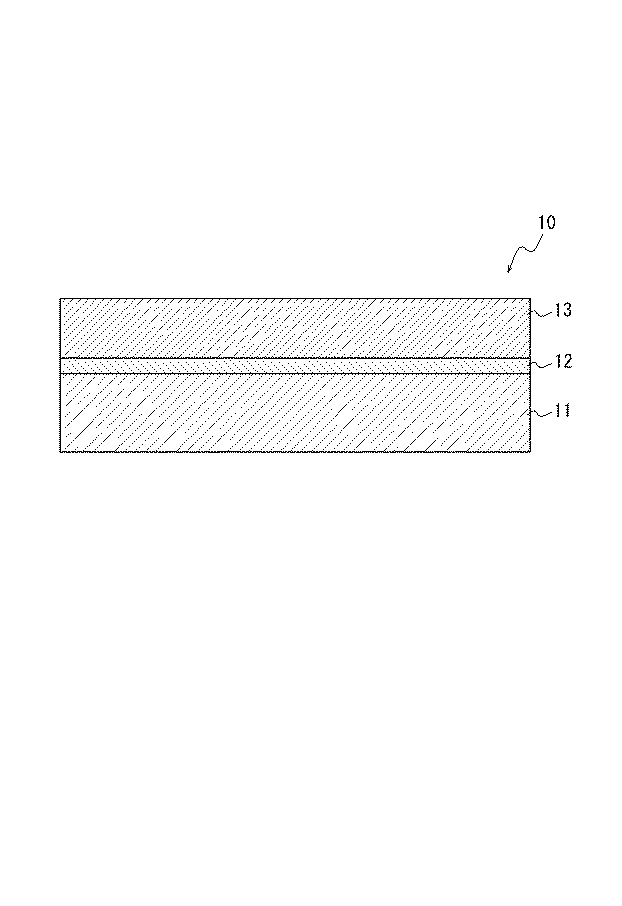
図1に、本発明の有機被覆重防食鋼材10の断面構造を模式的に示す。本発明では、素地鋼材11の表面に、化成処理層12を形成後、有機防食層13を順次形成するが、化成処理層12が発揮する疎水性相互作用によって有機防食層13との間に長期的な密着耐久性を確保したところに特徴がある。
以下に、その詳細を説明する。
Hereinafter, the present invention will be specifically described.
In FIG. 1, the cross-section of the organic coating heavy-duty
The details will be described below.
(1)鋼材
本発明において、使用される鋼材の種類は特に限定されず、従来公知の鋼材を使用することができる。例えば、鋼管杭、鋼管矢板および鋼矢板等に適用される軟鋼や鋼強度鋼あるいは低合金鋼等は好適に使用することができる。なお、鋼材の表面は、均一な化成処理が可能であるように、充分に脱脂することが重要である。脱脂手法は特に限定しないが、例えば強アルカリや有機溶剤による脱脂が挙げられ、水洗後、直ちに乾燥させることが重要である。また、上記した脱脂手法の代替として、酸洗やブラストによる黒皮の除去を実施してもかまわない。さらに、化成処理が効率良く実施できるように、脱脂した鋼材表面に予め水蒸気プラズマ処理を施し、鋼材表面に充分な濃度の水酸基を生成させておくことは有利である。
(1) Steel material In this invention, the kind of steel material used is not specifically limited, A conventionally well-known steel material can be used. For example, mild steel, steel strength steel, low alloy steel, and the like applied to steel pipe piles, steel pipe sheet piles, steel sheet piles, and the like can be suitably used. It is important to sufficiently degrease the surface of the steel material so that a uniform chemical conversion treatment is possible. The degreasing method is not particularly limited, and examples thereof include degreasing with a strong alkali or an organic solvent. It is important to dry immediately after washing with water. Further, as an alternative to the above-described degreasing method, removal of the black skin by pickling or blasting may be performed. Furthermore, it is advantageous to perform a steam plasma treatment on the degreased steel material in advance so that a sufficient concentration of hydroxyl groups is generated on the steel material surface so that the chemical conversion treatment can be carried out efficiently.
(2)化成処理層
本発明では、この化成処理層に特徴がある。すなわち、鋼材の表面に、水と直鎖アルキル基を有するアルコキシシランを混合した処理液を塗布し、水で洗浄した後に、50〜200℃に加熱する化成処理を施すことが重要である。
ここに、直鎖アルキル基を有するアルコキシシランとは、Si原子にメトキシやエトキシ等のアルコキシが1〜3結合し、さらに直鎖アルキル基が結合したものである。直鎖アルキル基の炭素数は特に限定しないが、例えば2〜30、好ましくは3〜16が好適である。化成処理液に対する直鎖アルキル基を有するアルコキシシランの濃度は、0.05〜5mass%とすることが好ましく、0.1〜1mass%がより好ましい。0.05mass%未満の濃度では、化成処理としての効果が期待できず好ましくない。一方、5mass%を超える濃度の場合には、直鎖アルキル基を有するアルコキシシラン同士の自己縮合反応が起こるため、溶液のゲル化による鋼材表面への実質的な化成処理が困難になるだけでなく、密着耐久性向上の効果が大幅に減じるため、好ましくない。なお、溶媒としての水中に、加水分解したアルコキシシランの溶液安定性を向上させるため、酢酸や水酸化ナトリウム等を添加してpH3〜11の範囲に調整することは有効な手段である。
(2) Chemical conversion layer In the present invention, this chemical conversion layer is characterized. That is, it is important to apply a chemical conversion treatment by heating to 50 to 200 ° C. after applying a treatment liquid in which water and an alkoxysilane having a linear alkyl group are mixed to the surface of the steel material, washing with water.
Here, the alkoxysilane having a linear alkyl group is a compound in which alkoxy such as methoxy or ethoxy is bonded to the Si atom by 1 to 3 and further a linear alkyl group is bonded. Although carbon number of a linear alkyl group is not specifically limited, For example, 2-30, Preferably 3-16 are suitable. It is preferable that the density | concentration of the alkoxysilane which has a linear alkyl group with respect to a chemical conversion liquid shall be 0.05-5 mass%, and 0.1-1 mass% is more preferable. If the concentration is less than 0.05 mass%, the effect as a chemical conversion treatment cannot be expected, which is not preferable. On the other hand, when the concentration exceeds 5 mass%, a self-condensation reaction between alkoxysilanes having a linear alkyl group occurs, so that not only the substantial chemical conversion treatment to the steel surface by gelation of the solution becomes difficult. This is not preferable because the effect of improving the adhesion durability is greatly reduced. In addition, in order to improve the solution stability of the hydrolyzed alkoxysilane in the water as a solvent, it is an effective means to adjust to pH 3-11 by adding acetic acid, sodium hydroxide, etc.
また、本発明では、鋼材表面に化成処理層を施す手段として、前述の化成処理液を塗布する以外に、アルコキシシランあるいはアルコキシシランを有する溶液を加熱することによってアルコキシシランを含有する蒸気を発生させ、これに鋼板表面を曝して、鋼板表面にアルコキシシランを吸着させ、前記と同様な水洗および加熱する過程を経て、化成処理することも可能である。アルコキシラン溶液を用いる場合には、水酸基を有しない有機溶剤であれば何でも良く、例えば、トルエンやヘキサン、デカン等が上げられる。またその際に調整するアルコキシシランの濃度は、下限は0.05mass%、上限はアルコキシシランの飽和溶解度の範囲が好ましい。 Further, in the present invention, as a means for applying a chemical conversion treatment layer to the steel material surface, in addition to applying the chemical conversion treatment liquid described above, a vapor containing alkoxysilane is generated by heating alkoxysilane or a solution containing alkoxysilane. It is also possible to subject the steel plate surface to this, adsorb alkoxysilane to the steel plate surface, and perform chemical conversion treatment through the same water washing and heating process as described above. When an alkoxylane solution is used, any organic solvent having no hydroxyl group may be used, and examples thereof include toluene, hexane, decane, and the like. In addition, the lower limit of the concentration of alkoxysilane to be adjusted is 0.05 mass%, and the upper limit is preferably in the range of saturated solubility of alkoxysilane.
さらに、本発明では、上記した化成処理液に添加する直鎖アルキル基を有するアルコキシシランの代替として、フッ素原子で置換されたアルキル基を用いることもできる。ここで、「フッ素原子で置換されたアルキル基」とは、Si原子にメトキシやエトキシ等のアルコキシが1〜3結合し、さらにアルキル基に含まれる水素原子の1個または2個以上が、フッ素原子で置換されている直鎖アルキル基が結合したものである。フッ素原子で置換された炭化水素は、置換されていない炭化水素に比べて疎水性が高い。そのため、フッ素原子で置換されたアルキル基を有するアルコキシシランを用いることにより、より高い疎水性を鋼材表面に付与することができる。そして、その結果として、後述する疎水性相互作用による接着力を、より効果的に得ることができる。アルキル基1つあたりのフッ素原子の数は特に限定されず、1置換のもの(モノフルオロアルキル基)から、すべての水素原子がフッ素で置換されたもの(パーフルオロアルキル基)まで、いずれのものも使用することができる。 Furthermore, in this invention, the alkyl group substituted by the fluorine atom can also be used as a substitute of the alkoxysilane which has a linear alkyl group added to the above-mentioned chemical conversion liquid. Here, “an alkyl group substituted with a fluorine atom” means that an alkoxy such as methoxy or ethoxy is bonded to an Si atom by 1 to 3, and one or more hydrogen atoms contained in the alkyl group are fluorine. It is a combination of linear alkyl groups substituted with atoms. Hydrocarbons substituted with fluorine atoms are more hydrophobic than non-substituted hydrocarbons. Therefore, higher hydrophobicity can be imparted to the steel material surface by using alkoxysilane having an alkyl group substituted with a fluorine atom. And as a result, the adhesive force by the hydrophobic interaction mentioned later can be obtained more effectively. The number of fluorine atoms per alkyl group is not particularly limited, and any one from mono-substituted (monofluoroalkyl group) to those in which all hydrogen atoms are substituted with fluorine (perfluoroalkyl group) Can also be used.
なお、本発明において、化成処理層の付着量は特に限定されないが、単分子層とすることがより好ましい。
また、上記の化成処理液には、化成処理性や化成処理層の特性を損なわない限りにおいて、各種の添加剤を含有させることができる。例えば、シリカ、各種シリケート、各種シランカップリング剤、各種チタネート、および各種アルミネート等を添加してもよい。
In the present invention, the adhesion amount of the chemical conversion layer is not particularly limited, but a monomolecular layer is more preferable.
Further, the chemical conversion treatment liquid may contain various additives as long as the chemical conversion treatment property and the properties of the chemical conversion treatment layer are not impaired. For example, silica, various silicates, various silane coupling agents, various titanates, and various aluminates may be added.
鋼材表面を化成処理液で覆った後に、余分な溶液を水で洗浄し、余分なアルコキシシランやシラノールを洗い流さなければならない。必要以上のアルコキシシランやシラノールが鋼材表面に残留すると、シラノール基同士が自己縮合反応を起こし、化学的に脆弱な層を形成し、陰極剥離の起点になるからである。なお、洗浄液としては、水を用いることが必須である。この点、メタノールやn−デカン、トルエン等の有機溶剤を使用することは、鋼材表面に吸着したアルコキシシランやシラノールを洗い流す点で好ましくない。 After the steel surface is covered with the chemical conversion solution, the excess solution must be washed with water, and excess alkoxysilane and silanol must be washed away. This is because if excessive alkoxysilane or silanol remains on the steel material surface, silanol groups cause a self-condensation reaction to form a chemically fragile layer, which becomes the starting point for cathode peeling. It is essential to use water as the cleaning liquid. In this regard, the use of an organic solvent such as methanol, n-decane, or toluene is not preferable in terms of washing away the alkoxysilane and silanol adsorbed on the steel material surface.
鋼材表面を洗浄した後に、鋼材を50〜200℃に加熱することが重要である。この工程によって、鋼材表面に存在するシラノール基が、鋼材表面のFe-OHと脱水縮合を起こし、Fe-O-Siからなる化学結合が形成され、鋼材表面が直鎖アルキル基または末端にF原子を有するアルキル基で覆われるため、疎水性を示すようになる。焼付け温度が50℃未満の場合には、上記脱水反応が充分に起こらないため、好ましくない。一方、焼き付ける温度が200℃を超える場合には、鋼材表面を修飾した有機分子が熱分解するため好ましくない。 It is important to heat the steel to 50-200 ° C. after cleaning the steel surface. By this process, silanol groups present on the steel material surface undergo dehydration condensation with Fe-OH on the steel material surface, and a chemical bond composed of Fe-O-Si is formed. Since it is covered with an alkyl group having, it becomes hydrophobic. When the baking temperature is less than 50 ° C., the dehydration reaction does not occur sufficiently, which is not preferable. On the other hand, when the baking temperature exceeds 200 ° C., the organic molecules modified on the steel material surface are thermally decomposed, which is not preferable.
(3)有機防食層
腐食環境から進入する腐食因子を遮断するため、化成処理を施した鋼材表面を有機樹脂からなる防食層で覆う。かかる有機防食層としては、直鎖アルキル基を有するアルコキシシランを含有する化成処理液を施した場合には、ポリオレフィン樹脂、ウレタンエラストマーあるいはフッ素樹脂が好ましい。一方、フッ素原子を1つ以上有するアルコキシシランを含有する化成処理液を施した場合には、フッ素樹脂が好ましい。有機防食層の厚みとしては、いずれも1〜5mmが好ましい。厚みが1mm未満の場合には、腐食因子の遮断機能が不十分であるため、密着耐久性に劣る。一方、厚みが5mmを超える場合には、有機防食層に発生する残留応力が増大するため、密着耐久性がむしろ低下するので好ましくない。
なお、この有機防食層には、各種公知の添加剤が含まれていてもよい。かかる添加剤としては、例えば、無機充填材、酸化防止剤、紫外線吸収剤、耐候性を付与するための着色顔料(カーボンブラック等)などが挙げられる。また、有機防食層中における添加剤の含有量は、30質量%以下とすることが好ましく、20質量%以下とすることがより好ましい。
(3) Organic anticorrosion layer In order to block the corrosion factors that enter from the corrosive environment, the steel material surface that has been subjected to chemical conversion treatment is covered with an anticorrosion layer made of an organic resin. Such an organic anticorrosion layer is preferably a polyolefin resin, a urethane elastomer or a fluororesin when a chemical conversion treatment containing an alkoxysilane having a linear alkyl group is applied. On the other hand, when a chemical conversion treatment containing an alkoxysilane having one or more fluorine atoms is applied, a fluororesin is preferable. The thickness of the organic anticorrosion layer is preferably 1 to 5 mm. When the thickness is less than 1 mm, the corrosion factor blocking function is insufficient, resulting in poor adhesion durability. On the other hand, when the thickness exceeds 5 mm, the residual stress generated in the organic anticorrosion layer increases, so that the adhesion durability is rather lowered, which is not preferable.
The organic anticorrosion layer may contain various known additives. Examples of such additives include inorganic fillers, antioxidants, ultraviolet absorbers, and color pigments (carbon black and the like) for imparting weather resistance. Further, the content of the additive in the organic anticorrosion layer is preferably 30% by mass or less, and more preferably 20% by mass or less.
なお、従来の酸・塩基結合を用いて鋼材に被覆層を接着する技術では、鋼材に防食層としてウレタンエラストマーやフッ素樹脂を適用する場合には、その下層に化成処理層に加えてエポキシ系、ウレタン系あるいはフッ素系接着剤層が必須であった。また、鋼材に防食層としてポリオレフィン樹脂を適用する場合には、その下層に化成処理層に加えてエポキシ系接着剤層と接着性ポリオレフィン層が必須であった。鋼材表面が親水性を有するのに対し、防食は疎水性を示すため、直接には接着しないからである。
この点、本発明では、鋼材表面を特定の化成処理によって疎水化し、疎水性相互作用に基づく接着力を鋼材/有機防食層界面に導入しているので、接着剤層や接着性ポリオレフィン層を省略することが可能となる。
In addition, in the technology of adhering a coating layer to a steel material using a conventional acid / base bond, when applying a urethane elastomer or a fluororesin as an anticorrosion layer to the steel material, an epoxy system in addition to a chemical conversion treatment layer, A urethane-based or fluorine-based adhesive layer was essential. In addition, when a polyolefin resin is applied to the steel material as an anticorrosion layer, an epoxy adhesive layer and an adhesive polyolefin layer are essential as a lower layer in addition to the chemical conversion treatment layer. This is because the surface of the steel material is hydrophilic, whereas the anticorrosion is hydrophobic and therefore does not adhere directly.
In this respect, in the present invention, the steel surface is hydrophobized by a specific chemical conversion treatment, and the adhesive force based on the hydrophobic interaction is introduced to the steel material / organic anticorrosion layer interface, so the adhesive layer and the adhesive polyolefin layer are omitted. It becomes possible to do.
次に、本発明の有機被覆重防食鋼材が、従前の技術と比して格段の耐陰極剥離性を有する理由について、以下に説明する。
本発明で開発した有機被覆重防食鋼材を海洋環境に適用した場合、当然のことながら、腐食因子である酸素および水が外部環境から有機防食層を透過して有機被覆層下の鋼材面に到達する。その場合、前述したカソード反応が起こり、アルカリが発生、蓄積する。既に述べたように、従前の酸・塩基結合に基づく接着では、高アルカリ環境下では鋼材表面と化成処理表面、あるいは樹脂表面が共にプロトンを放出して負に帯電するため、必ず結合が切れ剥離していた。これに対し、本発明の疎水性相互作用に基づく接着では、正負の帯電に由来する接着機構でないため、鋼材界面のpHに寄らず一定の接着力を保持し、その結果、陰極剥離の進展が大幅に減じるのである。
Next, the reason why the organic-coated heavy-duty anticorrosive steel material of the present invention has much higher resistance to cathodic releasability than conventional techniques will be described below.
When the organic-coated heavy-duty anti-corrosion steel material developed in the present invention is applied to the marine environment, naturally, corrosion factors such as oxygen and water penetrate the organic anti-corrosion layer from the external environment and reach the steel surface under the organic coating layer. To do. In that case, the cathode reaction described above occurs, and alkali is generated and accumulated. As already mentioned, in conventional adhesion based on acid / base bonds, the steel surface and the chemical conversion surface or the resin surface both release protons and become negatively charged in a highly alkaline environment. Was. On the other hand, in the adhesion based on the hydrophobic interaction of the present invention, since it is not an adhesion mechanism derived from positive and negative charges, a constant adhesive force is maintained regardless of the pH of the steel material interface, and as a result, the progress of cathode peeling is increased. It is greatly reduced.
次に、実施例に基づいて本発明を具体的に説明する。以下の実施例は、本発明の好適な一例を示すものであり、本発明は、該実施例によって何ら限定されるものではない。本発明の実施形態は、本発明の趣旨に適合する範囲で適宜変更することが可能であり、それらは何れも本発明の技術的範囲に包含される。 Next, the present invention will be specifically described based on examples. The following examples show preferred examples of the present invention, and the present invention is not limited to the examples. Embodiments of the present invention can be modified as appropriate within the scope of the gist of the present invention, and any of them can be included in the technical scope of the present invention.
(有機被覆重防食鋼材の作製)
100×100×6mmtの鋼板を用意し、その表面にプラスト処理を行って除錆した。ブラスト処理後の鋼板の表面荒さはRz(十点平均粗さ)で30μmであった。
ついで、上記の鋼板の表面に種々の化成処理を施して、化成処理層を形成した。用いた化成処理液の組成と、加熱温度、さらには処理方法を表1および表2に示す。なお、表2に記載の処理No.15は、ブラスト処理を施した鋼板上にクロメート処理を300 mgCr/m2相当になるよう塗布し、120℃で焼き付けたものである。
(Preparation of organic coated heavy-duty anti-corrosion steel)
A 100 × 100 × 6 mmt steel plate was prepared, and the surface was subjected to plasting to remove rust. The surface roughness of the steel plate after blasting was 30 μm in terms of Rz (ten-point average roughness).
Subsequently, various chemical conversion treatments were performed on the surface of the steel sheet to form chemical conversion treatment layers. Tables 1 and 2 show the composition of the chemical conversion treatment solution used, the heating temperature, and the treatment method. The treatment No. 15 described in Table 2 is obtained by applying a chromate treatment on a blasted steel plate so as to be equivalent to 300 mgCr / m 2 and baking at 120 ° C.
次に、上記の化成処理層の表面に有機樹脂を用いた防食層を形成した。形成した有機防食層の種類を表3に示す。 表3に記載中の試料No.1〜9および14〜16については、化成処理層の上層に、100×100×3mmtのポリエチレンフィルムを積層し、圧力1kgf/cm2、温度180℃の条件で10分間圧着して有機防食層とした。圧着後のポリエチレン層の膜厚は2mmであった。
一方、表3に記載中の試料No.10〜13については、化成処理層の上に、非黄変性のポリイソシアネートを硬化剤として用いた2液型のフッ素樹脂を3mm被覆して有機防食層とした。
なお、表3に記載中の試料No.17,18については、前記クロメート処理を施した鋼板に、ビスフェノールA型エポキシ樹脂と脂環式ポリアミンからなるエポキシプライマー層を、乾燥後の層厚が30〜50μmになるよう塗布し、鋼材温度が150℃なるように電気炉を用いて加熱してゲル化させた。ついで、No.17については、このエポキシプライマー層上に、100×100×0.5mmtの無水マレイン酸変性ポリエチレンフィルムと、100×100×3mmtのポリエチレンを圧着した。また、No.18については、エポキシプライマー層上に、非黄変性のイソシアネートを硬化剤として用いた2液型のフッ素樹脂を3mm被覆した。なお、圧着後の無水マレイン酸変性ポリエチレン層の層厚は200〜300μm、ポリオレフィン防食層の層厚は2mmであった。また、フッ素樹脂の膜厚は3mmであった。
Next, an anticorrosion layer using an organic resin was formed on the surface of the chemical conversion treatment layer. Table 3 shows the types of the formed organic anticorrosion layers. For sample Nos. 1 to 9 and 14 to 16 shown in Table 3, a 100 × 100 × 3 mmt polyethylene film was laminated on the upper layer of the chemical conversion treatment layer, under the conditions of pressure 1 kgf / cm 2 and temperature 180 ° C. An organic anticorrosion layer was formed by pressure bonding for 10 minutes. The film thickness of the polyethylene layer after pressure bonding was 2 mm.
On the other hand, for sample Nos. 10 to 13 shown in Table 3, an organic anticorrosive layer was formed by coating 3 mm of a two-component fluororesin using a non-yellowing polyisocyanate as a curing agent on the chemical conversion treatment layer. It was.
For Sample Nos. 17 and 18 in Table 3, an epoxy primer layer composed of a bisphenol A type epoxy resin and an alicyclic polyamine was applied to the chromate-treated steel plate, and the layer thickness after drying was 30. It apply | coated so that it might become -50micrometer, and it heated and gelatinized so that the steel material temperature might be 150 degreeC. Next, for No. 17, a 100 × 100 × 0.5 mmt maleic anhydride-modified polyethylene film and a 100 × 100 × 3 mmt polyethylene were pressure-bonded onto the epoxy primer layer. For No. 18, 3 mm of a two-component fluororesin using non-yellowing isocyanate as a curing agent was coated on the epoxy primer layer. The thickness of the maleic anhydride-modified polyethylene layer after pressure bonding was 200 to 300 μm, and the thickness of the polyolefin anticorrosive layer was 2 mm. The film thickness of the fluororesin was 3 mm.
(耐陰極剥離性の評価)
以上のようにして得られた、化成処理層と有機防食層を有する被覆鋼板の耐陰極剥離性を、次の方法により評価した。
まず、試験片となる被覆鋼板の中央部に、鋼面に達する直径6mmの人工欠陥をボール盤で作製した。次に、試験片の4端面を研磨した後、樹脂被覆されたリード線を前記4端面のうちの一の端面にアルミリベットを用いて取り付けた。アルミリベット部をエポキシ系の接着剤でシールした後、全ての試験片について、裏面(防食層で被覆されていない素地鋼材表面)と端面をシリコンシーラントでシールした。
ついで、シーラントが完全に乾燥させたのち、試験片を、60℃の3mass%NaCl水溶液に60日間浸漬させた。溶存酸素濃度の影響を一定とするため、前記NaCl溶液には、試験期間中、一定の流量で空気を吹き込んだ。また、前記浸漬中は、カソード防食の状態を再現するために、リード線の片端をポテンシォスタットに接続し、白金電極を対極として、−1.5V vs SCEの電位になるように、人工欠陥部の露出した鋼面に電圧を印加した。
(Evaluation of resistance to cathode peeling)
The cathode peel resistance of the coated steel sheet having the chemical conversion treatment layer and the organic anticorrosion layer obtained as described above was evaluated by the following method.
First, an artificial defect having a diameter of 6 mm reaching the steel surface was produced with a drilling machine in the central part of the coated steel plate to be a test piece. Next, after polishing the four end surfaces of the test piece, a resin-coated lead wire was attached to one end surface of the four end surfaces using an aluminum rivet. After the aluminum rivet portion was sealed with an epoxy-based adhesive, the back surface (the surface steel material surface not covered with the anticorrosion layer) and the end surface of all the test pieces were sealed with a silicon sealant.
Then, after the sealant was completely dried, the test piece was immersed in a 3 mass% NaCl aqueous solution at 60 ° C. for 60 days. In order to keep the effect of dissolved oxygen concentration constant, air was blown into the NaCl solution at a constant flow rate during the test period. In addition, during the immersion, in order to reproduce the state of cathodic protection, one end of the lead wire is connected to a potentiostat and the platinum electrode is used as a counter electrode so that the potential of the artificial defect portion is −1.5 V vs. SCE. A voltage was applied to the exposed steel surface.
上記の試験片を60日間浸漬した後に取り出し、防食層を強制的に剥離させ、人工欠陥部の端面から鋼面が露出した距離をノギスで測定した。なお、この剥離作業にて鋼面が露出した領域は、樹脂被覆層の密着性が失われているため、実質的な防食性能はもはや期待できない部位であり、この露出距離が短いほど良好な耐陰極剥離性を有すると判定できる。 The test piece was taken out after being immersed for 60 days, the anticorrosion layer was forcibly peeled off, and the distance at which the steel surface was exposed from the end face of the artificial defect portion was measured with a caliper. Note that the area where the steel surface is exposed in this peeling operation is a part where the adhesion of the resin coating layer is lost, so that the substantial anticorrosion performance can no longer be expected. It can be determined that it has cathode peelability.
作製した有機被覆重防食鋼材の評価結果を表3に併記する。
本発明の化成処理を施した試料No.1〜11の有機被覆重防食鋼材については、陰極剥離距離が4mm以下と良好な性能を示した。
これに対し、従前のクロメート処理を施した試料No.17および18の場合は、陰極剥離距離14mm程度と劣っていた。また、本発明の化成処理液を塗布した後に有機溶剤で洗浄した試料No.12〜14、ならびに、塗布した化成処理液を水で洗浄した後に50℃未満あるいは200℃を超えた温度に加熱した試料No.15および16の場合は、耐陰極剥離性が劣っていた。
The evaluation results of the produced organic coated heavy anti-corrosion steel materials are also shown in Table 3.
About the organic coating heavy-duty-proofing steel material of sample No. 1-11 which performed the chemical conversion treatment of this invention, the cathode peeling distance showed 4 mm or less and favorable performance.
On the other hand, in the case of samples No. 17 and 18 subjected to the conventional chromate treatment, the cathode peeling distance was about 14 mm. Sample Nos. 12 to 14 were washed with an organic solvent after the chemical conversion treatment liquid of the present invention was applied, and the applied chemical conversion treatment liquid was washed with water and then heated to a temperature of less than 50 ° C. or more than 200 ° C. In the case of Sample Nos. 15 and 16, the cathode peel resistance was inferior.
本発明記載の有機被覆重防食鋼材は、耐食性を付与する有機樹脂被覆層の、特に電気防食を併用する際の密着耐久性を飛躍的に向上させることにより、港湾や土中で使用する土木鋼材の耐久性向上に資するものである。 The organic-coated heavy-duty anticorrosive steel material according to the present invention is a civil engineering steel material used in harbors and soils by dramatically improving the adhesion durability of the organic resin coating layer that imparts corrosion resistance, particularly when used together with anti-corrosion. It contributes to the improvement of durability.
10 被覆鋼材
11 鋼材
12 化成処理層
13 有機防食層
DESCRIPTION OF
Claims (6)
該化成処理層が、水と、直鎖アルキル基を有するアルコキシシランを含有する処理液を鋼材面に塗布し、水で洗浄後、50〜200℃に加熱する化成処理を施して得た、疎水性相互作用に基づく密着力を有するものであることを特徴とする有機被覆重防食鋼材。 A corrosion-resistant steel material having a chemical conversion treatment layer and an organic anti-corrosion layer on the surface of the steel material,
Chemical conversion layer, and the water, a treatment liquid containing an alkoxysilane having a linear alkyl group is coated on the steel surface, washed with water, obtained by applying a chemical conversion treatment by heating to 50 to 200 ° C., hydrophobic Organic coated heavy anti- corrosion steel material having adhesion based on sexual interaction .
該化成処理層が、直鎖アルキル基を有するアルコキシシランを含有する蒸気に鋼材面を曝した後に、水で洗浄後、50〜200℃に加熱する化成処理を施して得た、疎水性相互作用に基づく密着力を有するものであることを特徴とする有機被覆重防食鋼材。 A corrosion-resistant steel material having a chemical conversion treatment layer and an organic anti-corrosion layer on the surface of the steel material,
Hydrophobic interaction obtained by subjecting the steel material surface to a steam containing alkoxysilane having a straight chain alkyl group after the chemical conversion treatment layer was subjected to chemical conversion treatment after washing with water and heating to 50 to 200 ° C. An organic-coated heavy-duty anti-corrosion steel material having adhesion based on
該化成処理層が、水と、少なくとも水素原子の一つがフッ素原子で置換された直鎖アルキル基を1つ以上有するアルコキシシランを含有する処理液を鋼材面に塗布し、水で洗浄後、50〜200℃に加熱する化成処理を施して得た、疎水性相互作用に基づく密着力を有するものであることを特徴とする有機被覆重防食鋼材。 A corrosion-resistant steel material having a chemical conversion treatment layer and an organic anti-corrosion layer on the surface of the steel material,
The chemical conversion treatment layer is applied with a treatment liquid containing water and an alkoxysilane having at least one linear alkyl group in which at least one hydrogen atom is substituted with a fluorine atom. An organic-coated heavy anticorrosive steel material having adhesion based on hydrophobic interaction, obtained by a chemical conversion treatment heated to ˜200 ° C.
該化成処理層が、少なくとも水素原子の一つがフッ素原子で置換された直鎖アルキル基を1つ以上有するアルコキシシランを含有する蒸気に鋼材面を曝した後に、水で洗浄後、50〜200℃に加熱する化成処理を施して得た、疎水性相互作用に基づく密着力を有するものであることを特徴とする有機被覆重防食鋼材。 A corrosion-resistant steel material having a chemical conversion treatment layer and an organic anti-corrosion layer on the surface of the steel material,
The chemical conversion treatment layer exposes the steel surface to steam containing an alkoxysilane having at least one linear alkyl group in which at least one hydrogen atom is substituted with a fluorine atom, and after washing with water, 50 to 200 ° C. An organic-coated heavy-duty anticorrosive steel material having adhesion based on hydrophobic interaction, obtained by subjecting a chemical conversion treatment to heating.
Priority Applications (1)
| Application Number | Priority Date | Filing Date | Title |
|---|---|---|---|
| JP2015057791A JP6233339B2 (en) | 2015-03-20 | 2015-03-20 | Organic coated heavy duty steel |
Applications Claiming Priority (1)
| Application Number | Priority Date | Filing Date | Title |
|---|---|---|---|
| JP2015057791A JP6233339B2 (en) | 2015-03-20 | 2015-03-20 | Organic coated heavy duty steel |
Publications (2)
| Publication Number | Publication Date |
|---|---|
| JP2016176117A JP2016176117A (en) | 2016-10-06 |
| JP6233339B2 true JP6233339B2 (en) | 2017-11-22 |
Family
ID=57070337
Family Applications (1)
| Application Number | Title | Priority Date | Filing Date |
|---|---|---|---|
| JP2015057791A Active JP6233339B2 (en) | 2015-03-20 | 2015-03-20 | Organic coated heavy duty steel |
Country Status (1)
| Country | Link |
|---|---|
| JP (1) | JP6233339B2 (en) |
Families Citing this family (1)
| Publication number | Priority date | Publication date | Assignee | Title |
|---|---|---|---|---|
| CN118895078B (en) * | 2024-08-14 | 2025-09-02 | 中北大学 | A smooth steel high-adhesion organic anti-corrosion coating and its preparation method |
Family Cites Families (3)
| Publication number | Priority date | Publication date | Assignee | Title |
|---|---|---|---|---|
| EP0614941B1 (en) * | 1992-08-28 | 1998-03-11 | Daikin Industries, Limited | Water-base molten fluororesin dispersion composition |
| JP4381771B2 (en) * | 2003-10-21 | 2009-12-09 | Jfeスチール株式会社 | Method for producing organic resin-coated steel |
| JP5261859B2 (en) * | 2005-03-24 | 2013-08-14 | Jfeスチール株式会社 | Sn-based plated steel sheet excellent in solderability, corrosion resistance and whisker resistance, and method for producing the same |
-
2015
- 2015-03-20 JP JP2015057791A patent/JP6233339B2/en active Active
Also Published As
| Publication number | Publication date |
|---|---|
| JP2016176117A (en) | 2016-10-06 |
Similar Documents
| Publication | Publication Date | Title |
|---|---|---|
| JP5217508B2 (en) | Method for producing resin-coated steel | |
| CN105925139A (en) | Acid-resistant wear-resistant solvent-free titanium alloy nano heavy-duty anticorrosive coating | |
| JP5929867B2 (en) | Polyethylene coated steel pipe | |
| CN120464266A (en) | Anti-rust coating for ship accessories and preparation method thereof | |
| JP5651912B2 (en) | Method for producing resin-coated steel | |
| JP4438334B2 (en) | Resin coated heavy duty steel | |
| JP5217507B2 (en) | Method for producing resin-coated steel | |
| KR101556842B1 (en) | Method on Painting for Anticorrosion of Sea Windforce Ironpipe by Metaloxide Sol | |
| JP2016176117A (en) | Organic coated heavy corrosion-proof steel material | |
| JP6079717B2 (en) | Polyethylene-coated steel pipe and manufacturing method thereof | |
| JP6398851B2 (en) | Polyolefin-coated steel with base conversion treatment | |
| JP6085932B2 (en) | Polyethylene-coated steel material and epoxy resin primer layer forming material | |
| JP2016148069A (en) | Coated steel material and manufacturing method thereof | |
| JP4595483B2 (en) | Resin coated heavy duty steel | |
| JP5651911B2 (en) | Method for producing resin-coated steel | |
| JP4882217B2 (en) | Resin coated heavy duty steel | |
| Quale et al. | Cathodic protection by distributed sacrificial anodes–A new cost-effective solution to prevent corrosion of subsea structures | |
| CN107057421B (en) | A kind of nano composite coating on steel bar surface and its preparation method and application | |
| KR200316562Y1 (en) | Pile for ocean structure with ceramic coated layer | |
| JP2016148070A (en) | Coated steel material and manufacturing method thereof | |
| JP2005344147A (en) | Organic resin-coated steel material and method for producing the same | |
| JP2008229998A (en) | Heavy anti-corrosion coated steel | |
| JP2006283045A (en) | Surface treated steel | |
| CN119775864B (en) | A composite anti-corrosion coating for concrete suitable for marine environments and its preparation method | |
| CN203282764U (en) | Epoxy coated steel plate with resistance to cathode peeling |
Legal Events
| Date | Code | Title | Description |
|---|---|---|---|
| A621 | Written request for application examination |
Free format text: JAPANESE INTERMEDIATE CODE: A621 Effective date: 20161025 |
|
| A977 | Report on retrieval |
Free format text: JAPANESE INTERMEDIATE CODE: A971007 Effective date: 20170718 |
|
| A131 | Notification of reasons for refusal |
Free format text: JAPANESE INTERMEDIATE CODE: A131 Effective date: 20170725 |
|
| A521 | Request for written amendment filed |
Free format text: JAPANESE INTERMEDIATE CODE: A523 Effective date: 20170915 |
|
| TRDD | Decision of grant or rejection written | ||
| A01 | Written decision to grant a patent or to grant a registration (utility model) |
Free format text: JAPANESE INTERMEDIATE CODE: A01 Effective date: 20170926 |
|
| A61 | First payment of annual fees (during grant procedure) |
Free format text: JAPANESE INTERMEDIATE CODE: A61 Effective date: 20171009 |
|
| R150 | Certificate of patent or registration of utility model |
Ref document number: 6233339 Country of ref document: JP Free format text: JAPANESE INTERMEDIATE CODE: R150 |
|
| R250 | Receipt of annual fees |
Free format text: JAPANESE INTERMEDIATE CODE: R250 |
|
| R250 | Receipt of annual fees |
Free format text: JAPANESE INTERMEDIATE CODE: R250 |
|
| R250 | Receipt of annual fees |
Free format text: JAPANESE INTERMEDIATE CODE: R250 |
|
| R250 | Receipt of annual fees |
Free format text: JAPANESE INTERMEDIATE CODE: R250 |
|
| R250 | Receipt of annual fees |
Free format text: JAPANESE INTERMEDIATE CODE: R250 |
|
| R250 | Receipt of annual fees |
Free format text: JAPANESE INTERMEDIATE CODE: R250 |