JP6800565B2 - Methods and systems that use the wide-area scene context for adaptation prediction, as well as corresponding programs, vehicles equipped with the system. - Google Patents
Methods and systems that use the wide-area scene context for adaptation prediction, as well as corresponding programs, vehicles equipped with the system. Download PDFInfo
- Publication number
- JP6800565B2 JP6800565B2 JP2015127465A JP2015127465A JP6800565B2 JP 6800565 B2 JP6800565 B2 JP 6800565B2 JP 2015127465 A JP2015127465 A JP 2015127465A JP 2015127465 A JP2015127465 A JP 2015127465A JP 6800565 B2 JP6800565 B2 JP 6800565B2
- Authority
- JP
- Japan
- Prior art keywords
- prediction
- context
- vehicle
- information
- traffic
- Prior art date
- Legal status (The legal status is an assumption and is not a legal conclusion. Google has not performed a legal analysis and makes no representation as to the accuracy of the status listed.)
- Active
Links
Images









Classifications
-
- G—PHYSICS
- G06—COMPUTING OR CALCULATING; COUNTING
- G06V—IMAGE OR VIDEO RECOGNITION OR UNDERSTANDING
- G06V20/00—Scenes; Scene-specific elements
- G06V20/50—Context or environment of the image
- G06V20/56—Context or environment of the image exterior to a vehicle by using sensors mounted on the vehicle
- G06V20/58—Recognition of moving objects or obstacles, e.g. vehicles or pedestrians; Recognition of traffic objects, e.g. traffic signs, traffic lights or roads
-
- G—PHYSICS
- G08—SIGNALLING
- G08G—TRAFFIC CONTROL SYSTEMS
- G08G1/00—Traffic control systems for road vehicles
- G08G1/01—Detecting movement of traffic to be counted or controlled
- G08G1/0104—Measuring and analyzing of parameters relative to traffic conditions
- G08G1/0125—Traffic data processing
-
- B—PERFORMING OPERATIONS; TRANSPORTING
- B60—VEHICLES IN GENERAL
- B60W—CONJOINT CONTROL OF VEHICLE SUB-UNITS OF DIFFERENT TYPE OR DIFFERENT FUNCTION; CONTROL SYSTEMS SPECIALLY ADAPTED FOR HYBRID VEHICLES; ROAD VEHICLE DRIVE CONTROL SYSTEMS FOR PURPOSES NOT RELATED TO THE CONTROL OF A PARTICULAR SUB-UNIT
- B60W30/00—Purposes of road vehicle drive control systems not related to the control of a particular sub-unit, e.g. of systems using conjoint control of vehicle sub-units
- B60W30/08—Active safety systems predicting or avoiding probable or impending collision or attempting to minimise its consequences
- B60W30/095—Predicting travel path or likelihood of collision
- B60W30/0956—Predicting travel path or likelihood of collision the prediction being responsive to traffic or environmental parameters
-
- B—PERFORMING OPERATIONS; TRANSPORTING
- B60—VEHICLES IN GENERAL
- B60W—CONJOINT CONTROL OF VEHICLE SUB-UNITS OF DIFFERENT TYPE OR DIFFERENT FUNCTION; CONTROL SYSTEMS SPECIALLY ADAPTED FOR HYBRID VEHICLES; ROAD VEHICLE DRIVE CONTROL SYSTEMS FOR PURPOSES NOT RELATED TO THE CONTROL OF A PARTICULAR SUB-UNIT
- B60W30/00—Purposes of road vehicle drive control systems not related to the control of a particular sub-unit, e.g. of systems using conjoint control of vehicle sub-units
- B60W30/10—Path keeping
-
- B—PERFORMING OPERATIONS; TRANSPORTING
- B60—VEHICLES IN GENERAL
- B60W—CONJOINT CONTROL OF VEHICLE SUB-UNITS OF DIFFERENT TYPE OR DIFFERENT FUNCTION; CONTROL SYSTEMS SPECIALLY ADAPTED FOR HYBRID VEHICLES; ROAD VEHICLE DRIVE CONTROL SYSTEMS FOR PURPOSES NOT RELATED TO THE CONTROL OF A PARTICULAR SUB-UNIT
- B60W30/00—Purposes of road vehicle drive control systems not related to the control of a particular sub-unit, e.g. of systems using conjoint control of vehicle sub-units
- B60W30/18—Propelling the vehicle
- B60W30/18009—Propelling the vehicle related to particular drive situations
- B60W30/18163—Lane change; Overtaking manoeuvres
-
- B—PERFORMING OPERATIONS; TRANSPORTING
- B60—VEHICLES IN GENERAL
- B60W—CONJOINT CONTROL OF VEHICLE SUB-UNITS OF DIFFERENT TYPE OR DIFFERENT FUNCTION; CONTROL SYSTEMS SPECIALLY ADAPTED FOR HYBRID VEHICLES; ROAD VEHICLE DRIVE CONTROL SYSTEMS FOR PURPOSES NOT RELATED TO THE CONTROL OF A PARTICULAR SUB-UNIT
- B60W40/00—Estimation or calculation of non-directly measurable driving parameters for road vehicle drive control systems not related to the control of a particular sub unit, e.g. by using mathematical models
- B60W40/02—Estimation or calculation of non-directly measurable driving parameters for road vehicle drive control systems not related to the control of a particular sub unit, e.g. by using mathematical models related to ambient conditions
- B60W40/04—Traffic conditions
-
- B—PERFORMING OPERATIONS; TRANSPORTING
- B60—VEHICLES IN GENERAL
- B60W—CONJOINT CONTROL OF VEHICLE SUB-UNITS OF DIFFERENT TYPE OR DIFFERENT FUNCTION; CONTROL SYSTEMS SPECIALLY ADAPTED FOR HYBRID VEHICLES; ROAD VEHICLE DRIVE CONTROL SYSTEMS FOR PURPOSES NOT RELATED TO THE CONTROL OF A PARTICULAR SUB-UNIT
- B60W50/00—Details of control systems for road vehicle drive control not related to the control of a particular sub-unit, e.g. process diagnostic or vehicle driver interfaces
- B60W50/08—Interaction between the driver and the control system
- B60W50/14—Means for informing the driver, warning the driver or prompting a driver intervention
-
- B—PERFORMING OPERATIONS; TRANSPORTING
- B60—VEHICLES IN GENERAL
- B60W—CONJOINT CONTROL OF VEHICLE SUB-UNITS OF DIFFERENT TYPE OR DIFFERENT FUNCTION; CONTROL SYSTEMS SPECIALLY ADAPTED FOR HYBRID VEHICLES; ROAD VEHICLE DRIVE CONTROL SYSTEMS FOR PURPOSES NOT RELATED TO THE CONTROL OF A PARTICULAR SUB-UNIT
- B60W50/00—Details of control systems for road vehicle drive control not related to the control of a particular sub-unit, e.g. process diagnostic or vehicle driver interfaces
- B60W50/08—Interaction between the driver and the control system
- B60W50/14—Means for informing the driver, warning the driver or prompting a driver intervention
- B60W2050/143—Alarm means
-
- B—PERFORMING OPERATIONS; TRANSPORTING
- B60—VEHICLES IN GENERAL
- B60W—CONJOINT CONTROL OF VEHICLE SUB-UNITS OF DIFFERENT TYPE OR DIFFERENT FUNCTION; CONTROL SYSTEMS SPECIALLY ADAPTED FOR HYBRID VEHICLES; ROAD VEHICLE DRIVE CONTROL SYSTEMS FOR PURPOSES NOT RELATED TO THE CONTROL OF A PARTICULAR SUB-UNIT
- B60W50/00—Details of control systems for road vehicle drive control not related to the control of a particular sub-unit, e.g. process diagnostic or vehicle driver interfaces
- B60W50/08—Interaction between the driver and the control system
- B60W50/14—Means for informing the driver, warning the driver or prompting a driver intervention
- B60W2050/146—Display means
-
- B—PERFORMING OPERATIONS; TRANSPORTING
- B60—VEHICLES IN GENERAL
- B60W—CONJOINT CONTROL OF VEHICLE SUB-UNITS OF DIFFERENT TYPE OR DIFFERENT FUNCTION; CONTROL SYSTEMS SPECIALLY ADAPTED FOR HYBRID VEHICLES; ROAD VEHICLE DRIVE CONTROL SYSTEMS FOR PURPOSES NOT RELATED TO THE CONTROL OF A PARTICULAR SUB-UNIT
- B60W2554/00—Input parameters relating to objects
-
- B—PERFORMING OPERATIONS; TRANSPORTING
- B60—VEHICLES IN GENERAL
- B60W—CONJOINT CONTROL OF VEHICLE SUB-UNITS OF DIFFERENT TYPE OR DIFFERENT FUNCTION; CONTROL SYSTEMS SPECIALLY ADAPTED FOR HYBRID VEHICLES; ROAD VEHICLE DRIVE CONTROL SYSTEMS FOR PURPOSES NOT RELATED TO THE CONTROL OF A PARTICULAR SUB-UNIT
- B60W2554/00—Input parameters relating to objects
- B60W2554/40—Dynamic objects, e.g. animals, windblown objects
- B60W2554/404—Characteristics
- B60W2554/4041—Position
-
- B—PERFORMING OPERATIONS; TRANSPORTING
- B60—VEHICLES IN GENERAL
- B60W—CONJOINT CONTROL OF VEHICLE SUB-UNITS OF DIFFERENT TYPE OR DIFFERENT FUNCTION; CONTROL SYSTEMS SPECIALLY ADAPTED FOR HYBRID VEHICLES; ROAD VEHICLE DRIVE CONTROL SYSTEMS FOR PURPOSES NOT RELATED TO THE CONTROL OF A PARTICULAR SUB-UNIT
- B60W2554/00—Input parameters relating to objects
- B60W2554/40—Dynamic objects, e.g. animals, windblown objects
- B60W2554/404—Characteristics
- B60W2554/4045—Intention, e.g. lane change or imminent movement
-
- B—PERFORMING OPERATIONS; TRANSPORTING
- B60—VEHICLES IN GENERAL
- B60W—CONJOINT CONTROL OF VEHICLE SUB-UNITS OF DIFFERENT TYPE OR DIFFERENT FUNCTION; CONTROL SYSTEMS SPECIALLY ADAPTED FOR HYBRID VEHICLES; ROAD VEHICLE DRIVE CONTROL SYSTEMS FOR PURPOSES NOT RELATED TO THE CONTROL OF A PARTICULAR SUB-UNIT
- B60W2554/00—Input parameters relating to objects
- B60W2554/40—Dynamic objects, e.g. animals, windblown objects
- B60W2554/406—Traffic density
-
- B—PERFORMING OPERATIONS; TRANSPORTING
- B60—VEHICLES IN GENERAL
- B60W—CONJOINT CONTROL OF VEHICLE SUB-UNITS OF DIFFERENT TYPE OR DIFFERENT FUNCTION; CONTROL SYSTEMS SPECIALLY ADAPTED FOR HYBRID VEHICLES; ROAD VEHICLE DRIVE CONTROL SYSTEMS FOR PURPOSES NOT RELATED TO THE CONTROL OF A PARTICULAR SUB-UNIT
- B60W2554/00—Input parameters relating to objects
- B60W2554/40—Dynamic objects, e.g. animals, windblown objects
- B60W2554/408—Traffic behavior, e.g. swarm
-
- B—PERFORMING OPERATIONS; TRANSPORTING
- B60—VEHICLES IN GENERAL
- B60W—CONJOINT CONTROL OF VEHICLE SUB-UNITS OF DIFFERENT TYPE OR DIFFERENT FUNCTION; CONTROL SYSTEMS SPECIALLY ADAPTED FOR HYBRID VEHICLES; ROAD VEHICLE DRIVE CONTROL SYSTEMS FOR PURPOSES NOT RELATED TO THE CONTROL OF A PARTICULAR SUB-UNIT
- B60W2554/00—Input parameters relating to objects
- B60W2554/80—Spatial relation or speed relative to objects
-
- B—PERFORMING OPERATIONS; TRANSPORTING
- B60—VEHICLES IN GENERAL
- B60W—CONJOINT CONTROL OF VEHICLE SUB-UNITS OF DIFFERENT TYPE OR DIFFERENT FUNCTION; CONTROL SYSTEMS SPECIALLY ADAPTED FOR HYBRID VEHICLES; ROAD VEHICLE DRIVE CONTROL SYSTEMS FOR PURPOSES NOT RELATED TO THE CONTROL OF A PARTICULAR SUB-UNIT
- B60W2555/00—Input parameters relating to exterior conditions, not covered by groups B60W2552/00, B60W2554/00
- B60W2555/20—Ambient conditions, e.g. wind or rain
-
- B—PERFORMING OPERATIONS; TRANSPORTING
- B60—VEHICLES IN GENERAL
- B60W—CONJOINT CONTROL OF VEHICLE SUB-UNITS OF DIFFERENT TYPE OR DIFFERENT FUNCTION; CONTROL SYSTEMS SPECIALLY ADAPTED FOR HYBRID VEHICLES; ROAD VEHICLE DRIVE CONTROL SYSTEMS FOR PURPOSES NOT RELATED TO THE CONTROL OF A PARTICULAR SUB-UNIT
- B60W2556/00—Input parameters relating to data
- B60W2556/45—External transmission of data to or from the vehicle
- B60W2556/50—External transmission of data to or from the vehicle of positioning data, e.g. GPS [Global Positioning System] data
-
- B—PERFORMING OPERATIONS; TRANSPORTING
- B60—VEHICLES IN GENERAL
- B60W—CONJOINT CONTROL OF VEHICLE SUB-UNITS OF DIFFERENT TYPE OR DIFFERENT FUNCTION; CONTROL SYSTEMS SPECIALLY ADAPTED FOR HYBRID VEHICLES; ROAD VEHICLE DRIVE CONTROL SYSTEMS FOR PURPOSES NOT RELATED TO THE CONTROL OF A PARTICULAR SUB-UNIT
- B60W2556/00—Input parameters relating to data
- B60W2556/45—External transmission of data to or from the vehicle
- B60W2556/55—External transmission of data to or from the vehicle using telemetry
-
- B—PERFORMING OPERATIONS; TRANSPORTING
- B60—VEHICLES IN GENERAL
- B60W—CONJOINT CONTROL OF VEHICLE SUB-UNITS OF DIFFERENT TYPE OR DIFFERENT FUNCTION; CONTROL SYSTEMS SPECIALLY ADAPTED FOR HYBRID VEHICLES; ROAD VEHICLE DRIVE CONTROL SYSTEMS FOR PURPOSES NOT RELATED TO THE CONTROL OF A PARTICULAR SUB-UNIT
- B60W2556/00—Input parameters relating to data
- B60W2556/45—External transmission of data to or from the vehicle
- B60W2556/65—Data transmitted between vehicles
-
- B—PERFORMING OPERATIONS; TRANSPORTING
- B60—VEHICLES IN GENERAL
- B60W—CONJOINT CONTROL OF VEHICLE SUB-UNITS OF DIFFERENT TYPE OR DIFFERENT FUNCTION; CONTROL SYSTEMS SPECIALLY ADAPTED FOR HYBRID VEHICLES; ROAD VEHICLE DRIVE CONTROL SYSTEMS FOR PURPOSES NOT RELATED TO THE CONTROL OF A PARTICULAR SUB-UNIT
- B60W2710/00—Output or target parameters relating to a particular sub-units
- B60W2710/18—Braking system
-
- B—PERFORMING OPERATIONS; TRANSPORTING
- B60—VEHICLES IN GENERAL
- B60W—CONJOINT CONTROL OF VEHICLE SUB-UNITS OF DIFFERENT TYPE OR DIFFERENT FUNCTION; CONTROL SYSTEMS SPECIALLY ADAPTED FOR HYBRID VEHICLES; ROAD VEHICLE DRIVE CONTROL SYSTEMS FOR PURPOSES NOT RELATED TO THE CONTROL OF A PARTICULAR SUB-UNIT
- B60W2720/00—Output or target parameters relating to overall vehicle dynamics
- B60W2720/10—Longitudinal speed
Landscapes
- Engineering & Computer Science (AREA)
- Automation & Control Theory (AREA)
- Transportation (AREA)
- Mechanical Engineering (AREA)
- Physics & Mathematics (AREA)
- General Physics & Mathematics (AREA)
- Theoretical Computer Science (AREA)
- Multimedia (AREA)
- Analytical Chemistry (AREA)
- Mathematical Physics (AREA)
- Chemical & Material Sciences (AREA)
- Human Computer Interaction (AREA)
- Traffic Control Systems (AREA)
- Control Of Driving Devices And Active Controlling Of Vehicle (AREA)
Description
本発明は、乗り物のための自動化されコンピュータ化されたドライバ支援の分野に関する。本発明は、特に広域(グローバル)シーンのコンテクスト(context、状況)を考慮してターゲット乗り物の未来の動き挙動を計算により予測する方法および対応するプログラム、そのようなシステムを装備した乗り物およびシステムそのものに関係する。 The present invention relates to the field of automated and computerized driver assistance for vehicles. The present invention is a method and corresponding program for computationally predicting the future behavior of a target vehicle, especially in view of the context of a wide area scene, and the vehicle and system itself equipped with such a system. Related to.
乗り物における自動化ドライバ支援システムは多くの場合乗り物の環境を物理的に感知するセンサおよび計算ユニットを備え、計算ユニットはセンサ出力信号を受け取り、ドライバを支援して乗り物をガイドする出力信号を計算する。この出力信号は光学的または音響的な表示手段および/またはこの乗り物のアクチュエータ(actuator、作動装置)を制御するためのコントローラユニットに供給されることができる。この乗り物のアクチュエータはたとえばエアバッグシステムのインフレータのような安全装置の一部であることができ、またはたとえばブレーキ、アクセル、ハンドルのような乗り物の動きに影響するアクチュエータであることができる。 Automated driver assistance systems in vehicles often include sensors and computing units that physically sense the environment of the vehicle, which receives sensor output signals and computes output signals that assist the driver and guide the vehicle. This output signal can be supplied to an optical or acoustic display means and / or a controller unit for controlling an actuator (actuator) of the vehicle. The actuator of this vehicle can be part of a safety device such as an inflator of an airbag system, or can be an actuator that affects the movement of the vehicle such as a brake, accelerator, steering wheel.
「適応性クルーズコントロール」(ACC)システム(たとえばISO―Norm 15622:2010に記載されている)のようなドライバ支援システムは、ドライバの快適性および安全性を向上させる。ACCシステムは特にホスト乗り物の長軸方向の制御を行うのに使用され、たとえばドライバによって示されたターゲット速度に関して使用され、たとえば車、モーターバイク、バイク、トラックのような他の乗り物または歩行者などの他の交通オブジェクトに及ぶ。ドライバ支援システム、たとえばレーン(車線)変更支援は、予測システムの支援を有する乗り物の交通環境における他の参加者の未来の挙動の予測をベースとする。 Driver assistance systems such as the "Adaptive Cruise Control" (ACC) system (eg, as described in ISO-Norm 15622: 2010) improve driver comfort and safety. The ACC system is specifically used to control the host vehicle in the longitudinal direction, for example with respect to the target speed indicated by the driver, such as other vehicles such as cars, motorbikes, bikes, trucks or pedestrians. Extends to other traffic objects. Driver assistance systems, such as lane change assistance, are based on predicting the future behavior of other participants in the traffic environment of vehicles with the assistance of a prediction system.
「ホスト乗り物」という用語は、以下の記述において、本発明に従う予測システムを搭載し、交通関係のデータを取得するためのセンサおよび/またはさらなる手段、並びに少なくとも一つの他の交通乗り物がとりうるまたはとりそうな未来の挙動を計算することができる計算システムを装備した交通状況における乗り物に使用する。ホスト乗り物は、エゴ乗り物(自乗り物、自車)と呼ばれることもある。 The term "host vehicle", in the description below, may be taken by a sensor and / or additional means for obtaining traffic-related data, as well as at least one other traffic vehicle, equipped with a prediction system according to the invention. Used for vehicles in traffic conditions equipped with a computing system that can calculate probable future behavior. The host vehicle is sometimes called an ego vehicle (own vehicle, own vehicle).
センサは、ホスト乗り物の環境を感知することにより、ある時点での交通シーンを表現するに適した情報を提供することができる任意の手段でありうる。そのようなセンサはカメラ、レーダ、ライダ(lidar)のようなものであることができる。データ取得手段は、一つまたは複数のセンサその他のデータ源によって提供される交通シーンを表現する任意の種類の情報を取得するためのドライバ支援システムの一部分を構成する。 The sensor can be any means capable of providing information suitable for representing a traffic scene at a given point in time by sensing the environment of the host vehicle. Such sensors can be like cameras, radars, lidars. The data acquisition means constitutes a part of a driver assistance system for acquiring any kind of information representing a traffic scene provided by one or more sensors or other data sources.
ターゲットオブジェクトまたはターゲット乗り物は未来の挙動を予測すべきオブジェクトまたは乗り物である。ターゲットオブジェクトはセンサによって観察されることができ、またはターゲットオブジェクト/乗り物に関する情報はデータ取得手段によって他のデータ源から得ることもできる。 A target object or target vehicle is an object or vehicle whose future behavior should be predicted. The target object can be observed by the sensor, or information about the target object / vehicle can also be obtained from other data sources by data acquisition means.
よく知られているドライバ支援システムの一つの問題は、物理的な予測によって認識される他の交通乗り物の挙動だけをシステムが考慮に入れることである。たとえばもしターゲットオブジェクト(ホスト乗り物の環境内の乗り物で、ホスト乗り物の一つまたは複数のセンサによって物理的に感知される)の一つがレーンを変更しホスト乗り物のレーンを切るか切って他のレーンに移るならば、他の交通オブジェクトを観察しているホスト乗り物はそのようなレーン変更が確実になった後でのみ反応する。その結果、ホスト乗り物の反応が遅れ交通の流れ、特にホスト乗り物のドライバの快適性にマイナスの影響を与える。 One problem with well-known driver assistance systems is that the system only takes into account the behavior of other traffic vehicles as perceived by physical prediction. For example, if one of the target objects (a vehicle in the environment of the host vehicle, physically sensed by one or more sensors of the host vehicle) changes lanes and cuts or cuts the lane of the host vehicle to the other lane. If you move to, host vehicles observing other traffic objects will only react after such lane changes are certain. As a result, the reaction of the host vehicle is delayed, which has a negative effect on the traffic flow, especially the comfort of the driver of the host vehicle.
物理的予測は、変数を提供する直接的なインジケータに依拠し、これらは検出すべき挙動が既に開始しておりさえすれば観察することができる。たとえばレーン変更を予測するためには直接的なインジケータは、軸方向の速度、レーンに対する横位置、レーンに対して変化する方位、または他の交通参加者に対する変化する方位である。 Physical predictions rely on direct indicators that provide variables, which can be observed as long as the behavior to be detected has already begun. For example, to predict a lane change, the direct indicators are axial speed, lateral position with respect to the lane, changing direction with respect to the lane, or changing direction with respect to other traffic participants.
EP 2 562 060 A1は、そのような物理的予測プロセスに加えて、いわゆるコンテクストベースの予測を提案する。コンテクストベースの予測では、ターゲットオブジェクトの未来の動き挙動の確率が計算される。この未来の挙動は物理的予測の結果によって確認されるか棄却される。ありうる未来の動き挙動の確率を計算するためには、間接的なインジケータが使用され、これらはターゲットオブジェクトの挙動が開始してしまっているときに挙動の観察を可能にするばかりでなく、未来の動き挙動が予測される交通シーンについての情報を与える。
間接的インジケータは、予測されるべき未来の動き挙動が始まる前に観察可能な変数を提供する。ここでは間接的インジケータを直接的インジケータの集合を含まないすべてのありうるインジケータの集合と定義する。 Indirect indicators provide observable variables before the future motion behavior to be predicted begins. Here we define an indirect indicator as a set of all possible indicators that does not include a set of direct indicators.
ターゲットオブジェクトの未来の動き挙動に対する計算された確率から、ターゲットオブジェクトの特定の挙動を生じさせそうな交通状況を認識することが可能である。 From the calculated probabilities of the target object's future motion behavior, it is possible to recognize traffic conditions that are likely to cause a particular behavior of the target object.
IEEEインテリジェント交通システムのトランザクション(IEEE transactions on intelligent transportation systems) ボリュームPP、99号、1〜11ページ、「シナリオ特定モデルの組み合わせによる広域的挙動予測」著者:S.ボーニン、T.ヴァイスワング、F.クメリッヒ、およびJ.シュムードリッヒ、IEEE 2014、ISSN 1524-9050は、高速道路シナリオにおいてレーン変更予測のための完全な実施に基づく品質および範囲を向上させるための全体的な特定の分類標識(クラシファイア、classifiers)の組み合わせを論じている。 IEEE transactions on intelligent transportation systems Volume PP, No. 99, pp. 1-11, "Wide-area behavior prediction by combining scenario-specific models" Author: S.A. Bonin, T.M. Weiss Wang, F. Kumerich, and J.M. Schmoodrich, IEEE 2014, ISSN 1524-9050 is a combination of overall specific classification markers (classifiers) to improve quality and scope based on full implementation for lane change prediction in highway scenarios. Is discussing.
このような手法はEP 2 562 060 A1でも引き継がれているが、一つの問題点は、コンテクストベースの予測ではホスト乗り物の交通状況の現在の状況だけが考慮されることである。したがって、特定の時点においてコンテクストベースの予測は、たとえば、隣のレーン上にあるターゲット乗り物がターゲット乗り物と同じレーンを移動する先行乗り物に素早く近づくので、隣のレーン上のターゲット乗り物がホスト乗り物のレーンに割り込む(cut-in、進入する)であろうという結果を与える。EP 2 562 060 A1によると、そのような状況ではターゲット乗り物は割り込んで低速の先行乗り物を追い越すと思われるので、ホスト乗り物の減速をもたらす。
Such a technique is carried over to
しかしそのような予測の基礎になる交通シーンはさらなる特徴によって特徴付けられることができる。ターゲット乗り物およびホスト乗り物が通行する道路は、同じ方向に最小の車間距離でクルーズする多くの乗り物によって混雑しているか、大きな車間距離でクルーズする少数の乗り物だけが存在するかもしれない。 But the traffic scene on which such predictions are based can be characterized by additional features. The roads on which the target and host vehicles travel may be congested by many vehicles cruising in the same direction with the minimum inter-vehicle distance, or there may be only a few vehicles cruising with the large inter-vehicle distance.
既知のコンテクストベースの予測は、交通の密度とは独立に結果を提供する。 Known context-based forecasts provide results independent of traffic density.
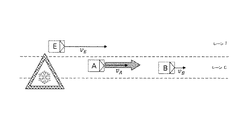
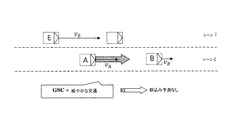
この既知のコンテクストベースの予測が限界に達する状況の例を図1Aおよび1Bを参照して説明する。 An example of a situation in which this known context-based prediction reaches its limit will be described with reference to FIGS. 1A and 1B.
図1Aおよび1Bではターゲット乗り物としての乗り物Aの挙動が予測される。乗り物Aは、複数のレーンをもつ道路の中央レーンを走行しており、同じレーン上を乗り物Aの速度よりも低速でクルーズしている乗り物Bに近づく。すべての図では実線の矢印の長さがそれぞれの乗り物の現在速度を示す。図の先行乗り物に近づきつつある状況においてターゲット乗り物Aの挙動を予測するため、3レーンの道路の左レーン上のギャップを求めるが、このギャップはあまり適切でない。なぜなら、ギャップの後端にいる乗り物E(ホスト乗り物)がターゲット乗り物Aの速度よりもかなり速い速度で近づきつつあるからである。 In FIGS. 1A and 1B, the behavior of vehicle A as a target vehicle is predicted. Vehicle A is traveling in the central lane of a road having a plurality of lanes, and approaches Vehicle B, which is cruising on the same lane at a speed lower than the speed of Vehicle A. In all figures, the length of the solid arrow indicates the current speed of each vehicle. In order to predict the behavior of the target vehicle A in the situation of approaching the preceding vehicle in the figure, the gap on the left lane of the road of 3 lanes is obtained, but this gap is not very appropriate. This is because vehicle E (host vehicle) at the rear end of the gap is approaching at a speed much faster than that of target vehicle A.
図1Aにおいて道路は、小さな車間距離で乗り物Aと同じ方向に移動する多くの乗り物によって混雑している。図で乗り物Aは、求められたギャップが比較的小さいにもかかわらず、ホスト乗り物Eの前でレーン変更しようとしている。乗り物Aのドライバにとって減速するのではなく左レーンに変わるよりよいチャンスはおそらく来ないので、ギャップが比較的小さくてもこのギャップに割り込んでレーン変更する確率が増大する。 In FIG. 1A, the road is congested with many vehicles moving in the same direction as vehicle A with a small inter-vehicle distance. In the figure, vehicle A is trying to change lanes in front of host vehicle E, even though the required gap is relatively small. Since there is probably no better chance for the driver of vehicle A to switch to the left lane instead of slowing down, even if the gap is relatively small, the probability of interrupting this gap and changing lanes increases.
図1Bの交通シーンは、概して大きな車間距離のいくつかの乗り物だけを示し、乗り物は乗り物Aと同じ方向に移動している。乗り物Aはホスト乗り物Eの後ろでレーンを変えようとしているが、図1Aに描いたシーンとは異なり道路がすいているので図に描いたように進むことができる。 The traffic scene of FIG. 1B generally shows only some vehicles with a large inter-vehicle distance, and the vehicles are moving in the same direction as vehicle A. Vehicle A is trying to change lanes behind the host vehicle E, but unlike the scene depicted in FIG. 1A, the road is clear and can proceed as depicted in the diagram.
従来技術の予測システムでは、交通状況の局所コンテクストが異なるとき、ターゲット乗り物の予測挙動が異なると推定される。少なくとも一つの他の交通参加者(ホスト乗り物Eまたはターゲット乗り物A以外を意味する)または自己乗り物のすぐ近くで認識されるインフラストラクチャが異なるなら、局所コンテクストが異なる。たとえば、先行乗り物のような他の交通参加者が異なるか、高速道路が環境に入り口または出口をもつことが考慮される。従って、コンテクストベースの予測のための使用可能な状況モデルは、たとえば次のものに基づく。 In the conventional prediction system, it is estimated that the prediction behavior of the target vehicle is different when the local context of the traffic condition is different. The local context is different if the perceived infrastructure is different in the immediate vicinity of at least one other traffic participant (meaning other than host vehicle E or target vehicle A) or self-vehicle. For example, it is considered that other traffic participants, such as preceding vehicles, are different, or that the highway has an entrance or exit to the environment. Therefore, the available situational models for context-based prediction are based on, for example:
・「割り込み」、「転出(cut-out)」のような検出されたシーンに適用可能な予測挙動、または
・交通参加者の検出されたコンステレーション(constellation、配置)、たとえば隣接レーン上の2つの乗り物、または
・認識されたインフラストラクチャ要素、たとえば走行方向にある高速道路入り口
• Predictive behavior applicable to detected scenes such as “interrupt”, “cut-out”, or • Detected constellations of traffic participants,
しかし、認識された要素が同じ状況を規定していても、ターゲット乗り物の実際のドライバの運転挙動は異なるかもしれない。図1Aでは、ドライバがひどく混雑した高速道路状況を知っており、よりよい進入ギャップが生じる可能性が低いことを知っているので、ギャップが適切でなくてもターゲット乗り物Aが中央レーンから左レーンに移る。もし高速道路がほとんど空で、乗り物A、EおよびBが図1Bに示すような速度および空間分布の同じ交通状況にあるならば、乗り物Aのドライバはより適当なギャップが生じるのを待ってからレーンを変更するであろう。しかし、伝統的な予測的動き挙動法を考慮に入れるとき、両方のケースで乗り物Aの挙動予測の局所コンテクストが同じなので、図1Aおよび1Bのどちらのケースでも割り込み(進入)のありなしのどちらかが予測される。しかし、ターゲット乗り物Aは図1Aおよび図1Bに描かれる状況では異なる行動をとるであろう。 However, even if the recognized factors specify the same situation, the actual driver driving behavior of the target vehicle may differ. In Figure 1A, the driver knows the heavily congested highway situation and knows that a better approach gap is unlikely to occur, so target vehicle A will move from the center lane to the left lane even if the gap is not appropriate. Move on to. If the highway is almost empty and vehicles A, E and B are in the same traffic conditions with the same speed and spatial distribution as shown in Figure 1B, then the driver of vehicle A waits for a more appropriate gap to occur. Will change lanes. However, when taking into account the traditional predictive motion behavior method, the local context of vehicle A's behavior prediction is the same in both cases, so in both cases 1A and 1B, with or without interruption. Is predicted. However, target vehicle A will behave differently in the situations depicted in FIGS. 1A and 1B.
交通密度および挙動予測に関して記述したのと同様の問題が国ごとの広域速度制限または道路が凍っているなどの道路の状態に関して生じる。図2A、2B、3A、3Bに関してその影響をより詳細に説明する。 Problems similar to those described for traffic density and behavior prediction arise with regard to road conditions such as country-specific wide area speed limits or frozen roads. The effects of FIGS. 2A, 2B, 3A and 3B will be described in more detail.
したがって、従来技術のコンテクストベースの予測システムに本来的なターゲット乗り物の挙動予測が不正確であることを説明する。 Therefore, it is explained that the behavior prediction of the target vehicle, which is inherent in the context-based prediction system of the prior art, is inaccurate.
既存の提案によると、ターゲットオブジェクトの未来の挙動を判断するとき、実際の交通状況の局所コンテクストだけが考慮される。したがって、予測システムの予測から推奨される行動の品質が制限される。 According to existing proposals, only the local context of actual traffic conditions is considered when determining the future behavior of the target object. Therefore, the quality of action recommended from the prediction of the prediction system is limited.
したがって、本発明の一つの目的は、予測システムの予測結果の品質を向上させることができる方法を提供することである。 Therefore, one object of the present invention is to provide a method capable of improving the quality of the prediction result of the prediction system.
本発明はこの課題を特許請求の範囲の独立請求項に記載される方法、システム、乗り物およびプログラムによって解決する。 The present invention solves this problem by the methods, systems, vehicles and programs described in the independent claims of the claims.
技術問題を解決する乗り物ドライバ支援方法は、少なくとも一つのデータ取得手段および処理手段を有する乗り物を使用し、この方法は、データ取得手段によってターゲット乗り物の交通環境を表現するデータを取得するステップ、取得したデータに基づいて予測情報を発生するステップ、およびこの予測情報を出力するステップを含む。この発明の方法は、交通環境を表現するデータから広域的シーンコンテクストのデータを生成することおよび予測適合化情報を発生するためにこの広域的シーンコンテクストのデータを処理することをさらに含むことを特徴とし、予測情報を発生するステップでは予測適合化情報に基づいて予測情報が適応される。 The vehicle driver assistance method that solves the technical problem uses a vehicle having at least one data acquisition means and processing means, and this method is a step of acquiring data representing the traffic environment of the target vehicle by the data acquisition means. It includes a step of generating prediction information based on the obtained data and a step of outputting this prediction information. The method of the present invention further comprises generating wide area scene context data from data representing the traffic environment and processing this wide area scene context data to generate predictive adaptation information. Then, in the step of generating the prediction information, the prediction information is applied based on the prediction adaptation information.
この方法は、直接インジケータおよび/または間接インジケータに基づく予測を交通状況の広域的シーンコンテクストの判断と組み合わせた、ターゲット乗り物についての予測情報を出力する効果を提供する。広域的シーンコンテクストは挙動予測の基礎を形成する交通シーンにおけるすべての交通参加者について有効なコンテクストとして定義される。従来技術による交通シーンは交通参加者の配置を分析し、広域的な制約による交通シーンを区別しない。これと対照的にこの発明の方法は、予測システムによって取得されたデータをさらに処理して適合化された予測情報を発生するための予測適合化情報を生成し、その際にすべての交通参加者について広域的に有効なパラメータをも考慮に入れ、異なる交通シーンにおける交通状況をさらに区別する能力を用いてターゲット乗り物について未来の動き挙動予測を発生する。従来技術による手法は、広域的基準に基づいて状況または状況モデルの間を区別する能力を欠いている。したがって、挙動予測の品質は本願の請求項に記載される方法において向上する。 This method provides the effect of combining predictions based on direct and / or indirect indicators with wide-area scene context judgments of traffic conditions to output prediction information about the target vehicle. A wide-area scene context is defined as a valid context for all traffic participants in a traffic scene that forms the basis of behavior prediction. The traffic scene by the conventional technology analyzes the arrangement of traffic participants and does not distinguish the traffic scene due to wide area restrictions. In contrast, the method of the present invention further processes the data acquired by the forecasting system to generate predictive adaptation information to generate adapted predictive information, all of which are traffic participants. It also takes into account widely valid parameters and uses its ability to further distinguish traffic conditions in different traffic scenes to generate future motion behavior predictions for the target vehicle. Conventional methods lack the ability to distinguish between situations or situation models based on broad-based criteria. Therefore, the quality of behavior prediction is improved by the method described in the claims of the present application.
ホスト乗り物のドライバを支援するこの方法は、好ましい実施例では、広域的シーンコンテクストのデータを発生するステップにおいて、次のステップのうち少なくとも一つが実行される。すなわち、この乗り物に搭載された少なくとも一つの局所的センサによって取得されたセンサデータから広域的シーンコンテクストを判断するステップ、外的に受け取られたデータから広域的シーンコンテクストを判断するステップ、および交通ブロードキャスト(放送、同報通信)サービスを介して受け取られたデータから広域的シーンコンテクストを判断するステップのうち少なくとも一つが実行される。 In a preferred embodiment, this method of assisting the driver of the host vehicle performs at least one of the following steps in the step of generating widespread scene context data. That is, a step of determining a wide-area scene context from sensor data acquired by at least one local sensor mounted on the vehicle, a step of determining a wide-area scene context from externally received data, and a traffic broadcast. (Broadcast, broadcast) At least one of the steps to determine the wide area scene context from the data received via the service is performed.
シーンコンテクストデータの導入およびこれに基づく予測適合化情報の生成は予測のためのデータ基盤を大きく向上させ、予測計算および予測結果の判定に対する大まかな観点および大まかな制約に関して予測システムの認識を有利に導入することを可能にする。したがって、交通ブロードキャストサービス、車対車、および車対インフラストラクチャの通信からの情報コンテントは挙動予測および拡張された予測決定のためのデータベースに統合される。 The introduction of scene context data and the generation of forecast adaptation information based on it greatly improves the data infrastructure for forecasting, and favors the perception of the forecasting system with respect to the rough perspectives and constraints on forecast calculation and judgment of forecast results. Allows you to introduce. Therefore, information content from traffic broadcast services, vehicle-to-vehicle, and vehicle-to-infrastructure communications is integrated into a database for behavioral prediction and enhanced forecasting decisions.
センサデータから広域的シーンコンテクストを推定するステップにおいて、広域的シーンコンテクストデータは他の乗り物の挙動の少なくとも一つにログする少なくとも一つのセンサによって発生されるのが有利であり、ログされた挙動ならびに平均速度、乗り物の数などの乗り物状態から交通状態の判定が行われる。したがって、たとえばホスト乗り物に搭載されたカメラによって取得されるセンサデータから最大の利益が得られ、予測計算の品質および予測結果の信頼性が向上する。 In the step of estimating the wide area scene context from the sensor data, it is advantageous that the wide area scene context data is generated by at least one sensor that logs to at least one of the behaviors of other vehicles, as well as the logged behaviors. The traffic condition is determined from the vehicle condition such as the average speed and the number of vehicles. Thus, for example, the maximum benefit is obtained from the sensor data acquired by the camera mounted on the host vehicle, improving the quality of the prediction calculation and the reliability of the prediction result.
広域的シーンコンテクストデータを処理するステップにおけるこの方法の実施例では、コンテクストベースの予測の状況モデルにおける予測計算を変更するよう構成された予測適合化情報を発生すること、ならびにコンテクストベースの予測および物理的予測のうち少なくとも一つからの結果における確率を修正するよう構成された予測適合化情報を発生することの少なくとも一つが実行される。この実施例による予測適合化情報は、処理、処理ステップ、コンテクストベースの予測の処理結果、物理的予測の処理結果のそれぞれまたはこれらの組み合わせに影響するパラメータを適応させるのに有利に適している。したがって、予測システムは、考慮すべき広域的コンテクストデータに関する予測処理の最も効率的な方法を実施することを可能にする。 An example of this method in the step of processing wide-area scene context data is to generate predictive adaptation information that is configured to modify the predictive calculations in the context model of context-based forecasting, as well as context-based forecasting and physics. At least one of generating predictive adaptation information configured to correct the probability in the result from at least one of the target predictions is performed. The prediction adaptation information according to this embodiment is advantageously suitable for adapting parameters that affect each of the processing, processing steps, context-based prediction processing results, physical prediction processing results, or a combination thereof. Therefore, the forecasting system makes it possible to implement the most efficient method of forecasting processing for the wide area context data to be considered.
予測適合化情報を発生するために広域的シーンコンテクストデータを処理するステップでは、コンテクストベースの予測システムの状況モデルにおけるインジケータの少なくとも一つのインジケータ値を修正するための少なくとも一つのスケーリング(変倍)パラメータ、ここで各スケーリングパラメータは広域的シーンコンテクストデータに基づくちょうど一つのインジケータに対応する、を発生すること、およびコンテクストベースの予測システムの結果を直接的に適応させるよう構成された予測適合化情報を発生することの少なくとも一つが実施される。 In the step of processing wide-area scene context data to generate predictive adaptation information, at least one scaling parameter to modify at least one indicator value of the indicator in the context model of the context-based predictive system. Here, each scaling parameter corresponds to just one indicator based on wide-area scene context data, and predictive adaptation information configured to directly adapt the results of the context-based prediction system. At least one of what happens is carried out.
特許請求の範囲に記載される方法の好ましい実施例では、予測情報を発生するステップにおいて、間接的インジケータを使用するコンテクストベースの予測ステップ、およびコンテクストベースの予測の結果が正しいことを確認するため直接的インジケータを使用する物理的予測ステップが実行される。 In a preferred embodiment of the method described in the claims, a context-based prediction step using an indirect indicator in the step of generating the prediction information, and a direct confirmation to confirm that the result of the context-based prediction is correct. A physical prediction step using the contextual indicator is performed.
前記の技術的問題は乗り物のドライバ支援システムによっても解決され、このシステムは交通環境を表現するデータを取得するよう構成されたデータ取得手段、および取得されたデータに基づいて予測情報を発生しこの予測情報を出力するよう構成された処理手段を備える。このシステムは、その処理手段が交通環境を表現するデータから広域的シーンコンテクストデータを生成するよう構成されていること、およびその処理手段が予測適合化情報を発生するために広域的シーンコンテクストデータを処理するよう構成されていること、を特徴とする。この処理手段は、予測適合化情報にも基づいて予測情報を適応させるよう構成されている。 The above technical problems are also solved by a vehicle driver assistance system, which generates data acquisition means configured to acquire data representing the traffic environment and generates predictive information based on the acquired data. The processing means configured to output the prediction information is provided. The system is configured to generate wide-area scene context data from data that represent the traffic environment, and that the processing means generates wide-area scene context data to generate predictive adaptation information. It is characterized in that it is configured to process. This processing means is configured to adapt the prediction information based on the prediction adaptation information as well.
乗り物のドライバを支援するシステムは、広域的シーンコンテクスト推定ユニットを有する処理手段を備え、この推定ユニットは、この乗り物に搭載された少なくとも一つの局所的センサによって取得されるセンサデータから広域的シーンコンテクストを推定すること、外部から受け取られたデータからこの広域的シーンコンテクストを推定すること、および交通ブロードキャストサービスを介して受け取られたデータからこの広域的シーンコンテクストを予測すること、の少なくとも一つを実行することによって広域的シーンコンテクストデータを生成するよう構成されている。 The system assisting the driver of the vehicle comprises a processing means having a wide area scene context estimation unit, which is the wide area scene context from the sensor data acquired by at least one local sensor mounted on the vehicle. Do at least one of estimating, estimating this wide-area scene context from externally received data, and predicting this wide-area scene context from data received via traffic broadcast services. It is configured to generate wide area scene context data by doing so.
一実施例では、乗り物のドライバを支援するシステムは、すくなとも一つのセンサが他の乗り物の挙動状態を記録(ログ)し記録されたデータから交通状態を判断することによって広域的シーンコンテクストデータを生成するよう構成された広域的シーンコンテクスト推定ユニットをさらに備える。 In one embodiment, a system that assists a vehicle driver records wide-area scene context data by at least one sensor recording (logging) the behavioral state of another vehicle and determining the traffic condition from the recorded data. It further comprises a wide area scene context estimation unit configured to generate.
さらに、乗り物のドライバを支援するためのシステムは、広域的シーンコンテクスト情報を予測適合化情報に変換するよう構成された変換ユニットを有する処理手段を備えると有利であり、この変換ユニットは、コンテクストベースの予測の状況モデルにおける予測計算を変えるよう構成された予測適合化情報を生成すること、並びにコンテクストベースの予測および物理的予測の少なくとも一つからの結果における確率を修正するよう構成された予測適合化情報を生成すること、の少なくとも一つによって上記の変換を行う。 Further, it is advantageous that the system for assisting the driver of the vehicle is provided with a processing means having a conversion unit configured to convert wide-area scene context information into predictive adaptation information, which conversion unit is context-based. Predictive adaptation configured to generate predictive adaptation information configured to alter the predictive calculations in the contextual model of the forecast, and to modify the probability in the results from at least one of the context-based and physical forecasts. The above conversion is performed by at least one of generating the conversion information.
乗り物のドライバを支援するためのシステムの一実施例は、広域的シーンコンテクスト情報を予測適合化情報に変換する変換ユニットを有する処理手段を特徴とし、この変換ユニットは、コンテクストベースの予測システムの状況モデルにおけるインジケータの少なくとも一つのインジケータ値を修正するため少なくとも一つのスケーリング(変倍)パラメータ、ここで各スケーリングパラメータは広域的シーンコンテクストデータにも基づく一つのインジケータにぴったり対応する、を生成すること、およびコンテクストベースの予測システムの結果を直接的に適応させるよう構成された予測適合化情報を生成すること、の少なくとも一つを実行することによって上記の変換を行う。 An embodiment of a system for assisting a vehicle driver features a processing means having a conversion unit that converts wide-area scene context information into predictive adaptation information, which is the context of a context-based prediction system. To generate at least one scaling parameter to modify at least one indicator value in the model, where each scaling parameter corresponds exactly to one indicator, which is also based on wide area scene context data. And the above transformation is performed by performing at least one of generating predictive adaptation information configured to directly adapt the results of the context-based prediction system.
乗り物のドライバを支援するためのシステムの有利な一実施例は、予測情報を生成するよう構成された予測システムを有する処理手段を備え、この予測システムは、間接的インジケータに基づいてコンテクストベースの予測情報を生成するよう構成されたコンテクストベースの予測ユニット、およびこのコンテクストベースの予測情報が正しいことを確かめるために直接的インジケータに基づいて予測情報を生成するよう構成された物理的予測ユニット、を備える。 An advantageous embodiment of the system for assisting the driver of a vehicle comprises a processing means having a prediction system configured to generate prediction information, which is a context-based prediction based on an indirect indicator. It comprises a context-based forecasting unit configured to generate information, and a physical forecasting unit configured to generate forecasting information based on direct indicators to ensure that this context-based forecasting information is correct. ..
技術的問題は、上に述べた特徴を有するドライバ支援システムを備えた乗り物によって解決され、このドライバ支援システムは、該システムの出力信号に基づいて乗り物の制御に影響するよう構成されている。 The technical problem is solved by a vehicle equipped with a driver assistance system having the characteristics described above, and the driver assistance system is configured to influence the control of the vehicle based on the output signal of the system.
この方法は、本発明の任意の実施例による方法ステップを実行するためのプログラムコードを有するコンピュータプログラムとして有利に実施することができ、このプログラムはコンピュータまたはディジタル信号プロセッサ上で実行される。本発明は、コンピュータプログラム製品としても実施することができ、このプログラムは機械読込み可能な媒体に格納され、プログラムがコンピュータまたはディジタル信号プロセッサで実行されるとき、本発明の実施例の任意の一つによる方法ステップを実行する。 This method can be advantageously implemented as a computer program having program code for performing the method steps according to any embodiment of the invention, the program being executed on a computer or digital signal processor. The present invention can also be implemented as a computer program product, which is stored in a machine readable medium and is any one of the embodiments of the present invention when the program is executed on a computer or digital signal processor. Perform the method steps by.
本発明の方法およびシステムを添付の図面を参照してさらに詳細に説明する。 The methods and systems of the present invention will be described in more detail with reference to the accompanying drawings.
図面で同じ番号が同じエレメントを示すのに使われ、同じエレメントの説明は後続の図面の説明では必ずしも反復しない。 The same numbers are used to indicate the same element in the drawings, and the description of the same element does not necessarily repeat in subsequent drawings.
本発明による方法は、ホスト乗り物またはホスト乗り物の取得手段にデータを提供する一つまたは複数のセンサを備えたホスト乗り物に搭載された計算システムによって実行されることを前提としている。 The method according to the invention is premised on being performed by a computing system mounted on a host vehicle with one or more sensors that provide data to the host vehicle or means of acquiring the host vehicle.
この計算システムは、必要な計算作業を実行するシステムである。このシステムはこの目的のために特別に作成されていてもよく、または汎用コンピュータを用い、この汎用コンピュータをこのコンピュータに格納されたコンピュータプログラムによって選択的に作動しまたは再構成することができる。この計算システムは、それぞれのタスクを実行するため同じプロセッサまたは異なるプロセッサのネットワークで構成することもできる。 This calculation system is a system that performs necessary calculation work. The system may be specially created for this purpose, or a general purpose computer may be used and the general purpose computer may be selectively operated or reconfigured by a computer program stored in the general purpose computer. The computing system can also consist of networks of the same or different processors to perform each task.
その実行に必要なコンピュータプログラムおよびデータはコンピュータ読み込み可能な媒体に格納することができ、これには、限定的ではないが、フロッピィディスクを含む任意のタイプのディスク、読み取り専用メモリ(ROM)、ランダムアクセスメモリ(RAM)、EPROM、EEPROM、磁気または光学カード、特定用途集積回路(ASIC)、または電子命令を格納するに適した任意のタイプの媒体が含まれ、それぞれコンピュータシステムのバスに結合される。さらに参照したコンピュータは、一つのプロセッサを有してもよく、または計算能力を増大させるため複数のプロセッサ設計、信号プロセッサなどを採用する構造であってもよい。 The computer programs and data needed to run it can be stored on computer-readable media, including, but not limited to, any type of disk, including floppy disks, read-only memory (ROM), and random. Includes access memory (RAM), EPROM, EEPROM, magnetic or optical cards, application-specific integrated circuits (ASICs), or any type of medium suitable for storing electronic instructions, each coupled to the bus of a computer system. .. Further, the referenced computer may have one processor, or may have a structure that employs a plurality of processor designs, signal processors, and the like in order to increase computing power.
この計算システムは少なくとも一つのセンサに機能的に接続されている。本発明の方法は、コンピュータプログラムの形で実施することができる。コンピュータプログラムはコンピュータ読み出し可能な媒体に格納され、計算システム上で走るときに実行される。 The computing system is functionally connected to at least one sensor. The method of the present invention can be carried out in the form of a computer program. Computer programs are stored on computer-readable media and run when running on a computing system.
センサは、たとえばカメラ、レーザスキャナ、赤外線カメラ、または超音波センサのような音響センサでありうる。このセンサは、また有効範囲を感知するための電磁波を使用するレーダであってもよい。一つまたは複数のセンサの組み合わせをホスト乗り物に搭載して有利に使用することもできる。 The sensor can be, for example, a camera, a laser scanner, an infrared camera, or an acoustic sensor such as an ultrasonic sensor. The sensor may also be a radar that uses electromagnetic waves to sense the effective range. A combination of one or more sensors can also be mounted on the host vehicle for advantageous use.
さらにセンサは交通信号、標識、および道路/レーンのマーキングのような道路インフラストラクチャを検出するよう構成することができる。少なくとも一つのセンサはその一および状態を推定するよう構成することもでき、ここで状態の定義はインフラストラクチャエレメントのタイプによる。カメラ像および/ナビゲーションデータに基づいて交通標識などを検出するための既知の手法が当業者のために存在する。 In addition, sensors can be configured to detect road infrastructure such as traffic signals, signs, and road / lane markings. At least one sensor can also be configured to estimate one and its state, where the definition of state depends on the type of infrastructure element. There are known techniques for those skilled in the art for detecting traffic signs and the like based on camera images and / navigation data.
本発明を簡単に理解するためにセンサという用語が明細書全体にわたって使われるが、このセンサに関係する任意の情報は関連情報をシステムの取得手段に提供することができる任意のタイプのデータソースにも関係することが明らかである。そのような取得手段は、一つまたは複数のセンサ、乗り物間通信(車対車、車間通信)からメッセージを受け取るよう構成された任意のエレメントまたはユニット、インフラストラクチャ(車対X、車対インフラストラクチャ通信)からデータを取得し、他の乗り物の位置、速度、加速、およびさらなる状態パラメータを推定することができる。取得手段は、インフラストラクチャ通信からメッセージを受け取り道路環境の位置および状態を推定することができる。 Although the term sensor is used throughout the specification for a brief understanding of the present invention, any information relating to this sensor can be used in any type of data source that can provide relevant information to the acquisition means of the system. It is clear that is also relevant. Such acquisition means are one or more sensors, any element or unit configured to receive messages from vehicle-to-vehicle communication (vehicle-to-vehicle, vehicle-to-vehicle communication), infrastructure (vehicle-to-X, vehicle-to-infrastructure). Data can be obtained from (communication) to estimate the position, speed, acceleration, and additional state parameters of other vehicles. The acquisition means can receive a message from the infrastructure communication and estimate the position and state of the road environment.
少なくとも一つのセンサがターゲット乗り物の位置、速度および加速を推定するよう特別に構成されている。 At least one sensor is specially configured to estimate the position, speed and acceleration of the target vehicle.
もちろん、上述のタスクのいくつかまたはすべてのために様々な特定のセンサを使用することも可能で、たとえば広域ナビゲーション衛生システム(GNSS)を使用して位置情報を取得し、加速度計を使用して加速についての情報を取得することができる。また、複数のビジュアルおよび/または音響センサを使用してホスト乗り物の環境についての情報を取得することができ、たとえば他の交通参加者の位置、および/または道路のインフラストラクチャエレメントの状態を求めることができる。 Of course, it is also possible to use various specific sensors for some or all of the tasks mentioned above, for example using a wide area navigation hygiene system (GNSS) to obtain location information and using an accelerometer. You can get information about acceleration. You can also use multiple visual and / or acoustic sensors to obtain information about the environment of the host vehicle, such as the location of other traffic participants and / or the state of infrastructure elements on the road. Can be done.
位置描画(レンダリング)システムの例としてはGALILEO、GPS(グローバル位置システム)、GLONASS、COMPASSがある。他のナビゲーションシステムは慣性ナビゲーション(デッドレコニング、相対的自己位置推定法)に基づき、ホスト乗り物の現在位置を先に求めた位置を使用して計算し、経過時間にわたっての既知のまたは推定される速度および運転方向に基づいてその位置を前進させる。 Examples of position drawing (rendering) systems include GALILEO, GPS (Global Positioning System), GLONASS, and COMPASS. Other navigation systems are based on inertial navigation (dead reckoning, relative self-position estimation) and calculate the current position of the host vehicle using the previously determined position and known or estimated speed over time. And advance its position based on the driving direction.
広域的シーンコンテクストの推定も車対車または車対Xの通信から得られるデータに基づくことができる。 Wide-area scene context estimates can also be based on data obtained from vehicle-to-vehicle or vehicle-to-X communications.
交通ブロードキャストサービスは価値ある入力データを提供するのに適しており、たとえば交通密度、および事故についての種々の情報源からの広域(グローバル)データ、交通の流れに影響ししたがって広域的シーンコンテクストにも影響する道路工事その他の潜在的交通障害などのデータが得られる。 Traffic broadcast services are well suited to provide valuable input data, such as traffic density, and wide area (global) data from various sources about accidents, affecting traffic flow and thus also in wide area scene contexts. Data on affected road construction and other potential traffic obstacles can be obtained.
搭載されているデータベースまたは搭載されていないデータベースおよびナビゲーション支援からさらなる情報が得られる。道路マップのような地図作成情報、または位置情報および位置軌跡情報に組み合わせた天気情報も交通環境情報の価値ある情報源である。 More information can be obtained from on-board or off-board databases and navigation assistance. Mapping information such as road maps, or weather information combined with location information and location trajectory information, is also a valuable source of traffic environment information.
交通環境の個々の要素が交通密度についての情報も含むことができる。それらは、無線データサービス(RDS)を使ってコード化された交通情報を提供する専用の交通メッセージチャンネル(TMC)、または携帯移動通信システムなどを介したGMS/GPRS/3Gデータ伝送から得ることができる。TMCは自動車のドライバに交通および旅行情報を配信する技術である。情報は、従来のFM無線ブロードキャスト上の無線データシステムを使ってディジタルコード化されている。情報は、ディジタルオーディオ・ブロードキャスティング(DAB)または衛星無線上で伝送することもできる。 Individual elements of the traffic environment can also contain information about traffic density. They can be obtained from a dedicated traffic message channel (TMC) that provides coded traffic information using wireless data services (RDS), or from GMS / GPRS / 3G data transmission via a mobile mobile communication system or the like. it can. TMC is a technology that delivers traffic and travel information to automobile drivers. The information is digitally coded using a radio data system over conventional FM radio broadcasts. Information can also be transmitted over digital audio broadcasting (DAB) or satellite radio.
本発明は、ホスト乗り物の全体的問題を扱い、このホスト乗り物はそれを取り巻く交通環境における他の関連する交通参加者の未来の挙動の予測を必要とする。 The present invention deals with the overall problem of a host vehicle, which requires a prediction of the future behavior of other related traffic participants in the traffic environment surrounding it.
ターゲットオブジェクトの未来の挙動を推定するために、ターゲット乗り物が1組のありうる未来の動き挙動の一つを行う確率が下に述べるようにコンテクストベースの予測によって推定される。もちろん、このような推定は任意の交通オブジェクトをターゲットオブジェクトとして実行することができ、このオブジェクトに対して十分なデータベースが少なくとも一つのセンサによって得られる。 To estimate the future behavior of the target object, the probability that the target vehicle will perform one of a set of possible future behaviors is estimated by context-based prediction as described below. Of course, such an estimation can be performed with any traffic object as the target object, and a sufficient database for this object is obtained by at least one sensor.
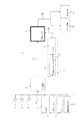
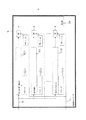
図4は先進的なドライバ支援システム1の全体的構成を示し、このシステムは、少なくとも一つのターゲットオブジェクトの未来の動き挙動を予測するために使用される予測ユニット2を備え、本発明による広域的シーンコンテクスト(GSC)ユニット3を有する。先進的なドライバ支援システム1は、データ取得手段4を備える。図4に示すようにデータ取得手段4は一つまたは複数のセンサ6.1、6.2、6.3、・・・からホスト乗り物の交通環境に関係する(または表現する)データ10を取得する。このセンサ6.1、6.2、6.3、・・・はさまざまなタイプのものであることも同じタイプのものであることもでき、ホスト乗り物に搭載され、特にホスト乗り物の運転方向を観察することができる。センサ6.1、6.2、6.3、・・・は、相対的な速度、位置、その他の変数を計測することができ、これにより交通参加者間の関係を求めることができるよう構成されており、または道路インフラストラクチャを検出するように構成されることができる。
FIG. 4 shows the overall configuration of an advanced
データ取得手段4は、車対車、車対インフラストラクチャの通信手段7、無線交通サービス受信機8、カーナビゲーション手段9、GNSS受信機5などのソース、その他、ホスト乗り物の交通環境の個々の情報エレメントの外部または内部の(搭載された)ソースへのインターフェイスからも交通環境に関するデータを取得することができる。
The data acquisition means 4 is a source such as car-to-vehicle, vehicle-to-infrastructure communication means 7, wireless
交通環境を表現する取得されたデータが予測システムユニット2に提供される。予測システムユニット2を図5を参照して詳細に説明する。
The acquired data representing the traffic environment is provided to the
予測システムユニット2は、予測情報15を乗り物作動手段17に提供し、予測情報15に基づいて直接的な作動を生じさせるか、または図4に示していない制御手段によって作動を生じさせる。典型的には、予測情報に基づいて発生された作動信号がスロットル制御および/またはブレーキ制御を行うために使用される。また、追加的または代替的に、この作動信号は、たとえば一番簡単なケースとしては信号灯(方向指示器)であることができるそれぞれのドライバ警告手段16において情報のためのドライバ警告が実行されるようにする。
The
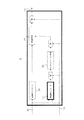
図5に示すような予測システムユニット2は、データ取得手段4によって取得される交通環境10に関するデータに基づいて直接的インジケータを計算するための直接的インジケータ計算ユニット18を備える。交通環境10を表現するデータは、データ取得ユニット4によって取得される位置、速度、・・・などについての情報を含んでおり、間接的インジケータ計算ユニット19に提供され、コンテクストベースの予測のための間接的インジケータが計算される。間接的インジケータは、従来手法で計算された間接的インジケータからなることができ、これは間接的インジケータ計算ユニット19においてセンサ6.1、6.2、6.3の信号から計算される。インジケータ計算の説明および交通オブジェクトの挙動予測の実行のため、EP 2 562 060 A1を参照し、その内容は参照によりここに取り込まれる。
The
直接的インジケータは物理的予測ユニット21に供給され、間接的インジケータがコンテクストベースの予測ユニット20に供給される。コンテクストベースの予測計算の結果は次いでたとえば有効性の確認および真実性のチェックのために物理的予測計算ユニット21に供給され、これはここで参照するEP 2 562 060 A1に詳しく記載されている。最後に予測情報15が予測システムユニット2によって出力され、各ドライバ警告ユニット16において情報のためのドライバ警告も実行されるようにする。また、追加的または代替的に、この信号は乗り物作動ユニット17に供給され、これはこの信号に基づいて直接的に作動されるかまたは予測システムユニット2から供給される信号を入力として受け取る制御ユニットによって作動される。典型的には出力信号がスロットル制御および/またはブレーキ制御に使用される。
The direct indicator is supplied to the
本発明の詳細を説明する前に、コンテクストベースの予測を本発明を理解するために必要と思われる限度で説明する。 Before discussing the details of the invention, context-based predictions will be described to the extent deemed necessary to understand the invention.
コンテクストベースの予測は、1組の分類器からなる。

ここで各分類器
各挙動 b について異なる組の分類器を使用することができる。ここで B は、たとえば次の挙動を含む。
B = {レーン − 変更 − 左、レーン − 変更 − 右、追従 − レーン} (3)
Different sets of classifiers can be used for each behavior b. Where B includes, for example, the following behavior.
B = {lane-change-left, lane-change-right, follow-lane} (3)
フィーチャーベクトル
式(7)、(8)は各挙動について、重み付けられた組み合わせの1組の複数の分類器によって推定され、各分類器が異なる組のインジケータを使用することを規定する。 Equations (7) and (8) are estimated for each behavior by a set of weighted combinations of classifiers, which specify that each classifier uses a different set of indicators.
挙動の開始前に早期の予測を可能にするために直接的インジケータは使用する必要がない。 Direct indicators do not need to be used to allow early prediction before the onset of behavior.
したがって、コンテクストベースの予測は未来の挙動のクラスを決めることができるが、
上述のように直接的インジケータを使用しないコンテクストベースの予測に加えてまたはこれと代替的に、予測時間
既知のコンテクストベースの予測がその限界に達する状況の例を説明する。 An example of a situation in which a known context-based prediction reaches its limit will be described.
図1Aおよび1Bの乗り物Aは、その未来の動き挙動を推定すべきターゲット乗り物を表すとする。乗り物Aは高速道路の同じく中央レーンを走る乗り物Bに近づき、乗り物Bは乗り物Aよりも低速でクルーズ(走行)している。コンテクストベースの挙動予測は、複数レーンの道路の左レーン上のギャップを求めるが、このギャップは乗り物Aによく適合しない、なぜならホスト乗り物Eがターゲット乗り物Aよりもはるかに高速で近づきつつあるからである。 It is assumed that the vehicle A in FIGS. 1A and 1B represents the target vehicle whose future motion behavior should be estimated. Vehicle A is approaching Vehicle B, which also runs in the central lane of the highway, and Vehicle B is cruising (running) at a lower speed than Vehicle A. Context-based behavior prediction finds a gap on the left lane of a multi-lane road, which does not fit well with vehicle A, because host vehicle E is approaching much faster than target vehicle A. is there.
図1Aでは、乗り物Aと同じ方向に走る短距離間隔の多くの乗り物で道路が混雑している。乗り物Aはホスト乗り物Eの前方でレーンを変更しようとしているが、求められたギャップは全く満足できるものではなく、レーン変更(車線変更)にはあまり適していない。 In FIG. 1A, the road is congested with many short-distance vehicles running in the same direction as vehicle A. Vehicle A is trying to change lanes in front of host vehicle E, but the gap sought is not quite satisfactory and is not very suitable for lane changes (lane changes).
図1Bでは乗り物Aと同じ方向に走る乗り物はわずかで乗り物間の距離は概して大きい。乗り物Aはホスト乗り物Eが通過した後でレーン変更しようとしているが、道路がすいているので図に描いたような進行が可能である。 In FIG. 1B, there are few vehicles running in the same direction as vehicle A, and the distance between the vehicles is generally large. Vehicle A is trying to change lanes after the host vehicle E has passed, but because the road is clear, it is possible to proceed as shown in the figure.
しかし従来の動き挙動予測法に基づくと、図1Aおよび1Bのどちらのケースでも乗り物Aの同じ挙動が予測される。これは、どちらのケースでもターゲット乗り物としての乗り物Aの挙動の予測の局所的コンテクストは同じだからである。したがって、従来のコンテクストベースの予測は両方のケースを同じと考え、図1Aおよび1B弐描かれる状況に対し同じ挙動予測を提供する。しかし、図1Aおよび図1Bに描かれる状況ではターゲット乗り物Aは異なる行動をとる可能性が高い。したがって、従来のコンテクストベースの予測システムに本来的なターゲット乗り物の挙動予測における不正確さが問題となる。 However, based on the conventional motion behavior prediction method, the same behavior of the vehicle A is predicted in both cases of FIGS. 1A and 1B. This is because the local context of predicting the behavior of vehicle A as the target vehicle is the same in both cases. Therefore, conventional context-based prediction considers both cases to be the same and provides the same behavior prediction for the situations depicted in FIGS. 1A and 1B. However, the target vehicle A is likely to behave differently in the situations depicted in FIGS. 1A and 1B. Therefore, the inaccuracy in predicting the behavior of the target vehicle, which is inherent in the conventional context-based prediction system, becomes a problem.
図2Aおよび2Bは、既知のコンテクストベースの予測の限界が明らかとなる他の例を示す。ターゲット乗り物としての乗り物Aが乗り物Bに近づく。乗り物AおよびBは両方とも多数レーン(車線)の道路の中央レーンc上を走っている。乗り物Aが中央レーンから左レーンに変更するかもしれない。左レーン上で乗り物Aの前方に適切なギャップがあることが判定される。 2A and 2B show other examples where the limits of known context-based predictions become apparent. Vehicle A as the target vehicle approaches vehicle B. Vehicles A and B both run on central lane c of the road in many lanes (lanes). Vehicle A may change from the central lane to the left lane. It is determined that there is an appropriate gap in front of Vehicle A on the left lane.
しかし図2Aに描かれる状況では広域速度制限がないので、乗り物Aは乗り物Eが高速で走行しているかもしれないことを考慮してレーンcからレーンlへの変更を行わない。 However, in the situation depicted in FIG. 2A, there is no wide area speed limit, so vehicle A does not change from lane c to lane l in consideration that vehicle E may be traveling at high speed.
図2Bに描かれている状況は、図2Aに描かれているのと同じ局所的な交通配置を示している。状況の相違点は、図2Bに速度制限ラベル“130”で示す広域的速度制限および乗り物Aがこの速度制限を超えているという事実である。図2Bの状況では、乗り物Bの速度VBを超えているターゲット乗り物Aの速度VAに応答してコンテクストベースの予測システムがターゲット乗り物Aのレーン変更操作を予測する。ここでターゲット乗り物Aのドライバは、乗り物Eも速度制限を遵守しなければならないから、後方からそんなに速く近づいてこないと考えるであろう。 The situation depicted in FIG. 2B shows the same local traffic arrangement as depicted in FIG. 2A. The difference between the situations is the wide area speed limit indicated by the speed limit label "130" in FIG. 2B and the fact that Vehicle A exceeds this speed limit. In the context of FIG. 2B, in response to the velocity V A of the target vehicle A exceeding the velocity V B of the vehicle B is context-based prediction system for predicting a lane change operation of the target vehicle A. Here, the driver of target vehicle A will think that vehicle E will not approach so quickly from behind as it must also comply with the speed limit.
従来のコンテクストベースの予測システムは、図2Aおよび図2Bのそれぞれのシーンの間での相違点を検出するに適しておらず、両シーンについてターゲット乗り物Aの割り込み(カットイン)を予測するか、または図2Aおよび2Bの状況について割り込みなしを予測するかのどちらかであろう。従来の手法は同じ状況について決定するからである。 Traditional context-based prediction systems are not suitable for detecting differences between the respective scenes of FIGS. 2A and 2B and either predict the interrupt (cut-in) of target vehicle A for both scenes. Or it would either predict no interruption for the situation in FIGS. 2A and 2B. This is because traditional methods determine the same situation.
図3Aおよび3Bは既知のコンテクストベース予測の限界が含まれるさらなる例を示す。 3A and 3B show additional examples that include the limitations of known context-based predictions.
図3Aおよび3Bの状況は、乗り物Aが複数レーンの道路の中央レーンc上を、この道路の同じレーンcを速度VBでクルーズしている乗り物Bより速い速度VAで走行しているので、乗り物Bに近づきつつあることを示している。左レーンl上にほぼ適当なギャップが存在することが判断される。 Situation of Figure 3A and 3B, the vehicle A is over the center lane c of roads plurality of lanes, since traveling at a speed V A from the vehicle B that is cruising at a speed V B of the same lane c of this road , Indicates that it is approaching vehicle B. It is determined that there is a substantially suitable gap on the left lane l.
乗り物の同じ配置を示す図3Aおよび3Bの両ケースで、コンテクストベース予測の周知の手法は、交通環境10を表現するデータのエレメントの値および挙動予測のために考慮すべきしきい値に依存して、割り込みありまたは割り込みなしを予測するであろう。図3Bでは道路面が平坦で乾燥しているのに対し図3Aでは道路面が凍っていても、従来技術では図3Aと図3Bとの間には相違がないであろう。
In both cases 3A and 3B showing the same placement of vehicles, a well-known method of context-based prediction depends on the values of the elements of the data representing the
本発明による広域コンテクストを考慮すると、図3Aにおいては乗り物Aは矢印で示すようにレーンcからレーンlに変更することはないと予測されなければならない。なぜなら、横方向の加速は乗り物のコントロールを失う確率を増加させるからである。一方、図3Bでは、良好な道路条件を考慮に入れて、乗り物Bのドライバは高い確率でレーン変更操作を始めるので、ホスト乗り物Eについて割り込み状況が生じる。 Considering the wide-area context according to the present invention, it must be predicted that in FIG. 3A, vehicle A will not change from lane c to lane l as indicated by the arrow. This is because lateral acceleration increases the probability of losing control of the vehicle. On the other hand, in FIG. 3B, in consideration of good road conditions, the driver of the vehicle B starts the lane change operation with a high probability, so that an interrupt situation occurs for the host vehicle E.
したがって、図3Aおよび3Bに示す例としての状況でも既知のコンテクストベース予測システムによる挙動予測の限界が強く見られる。図3Aの状況は凍った路面について説明したが、雨、雪、泥、こぼれたオイルまたは路面の全体的な相違のようなその他の特定の路面特性が同様の結果を導くであろう。 Therefore, even in the situation as an example shown in FIGS. 3A and 3B, the limit of behavior prediction by a known context-based prediction system is strongly seen. The situation in FIG. 3A described frozen road surfaces, but other specific road surface characteristics such as rain, snow, mud, spilled oil or overall differences in road surface will lead to similar results.
次ぎに、広域的シーンのコンテクスト情報を本発明による予測システムに統合することについて図4から6を参照して説明する。 Next, the integration of the context information of the wide-area scene into the prediction system according to the present invention will be described with reference to FIGS. 4 to 6.
図4でデータ取得手段4が交通環境を表現するデータを取得する。ホスト乗り物の交通環境10を表現するデータを予測システムユニット2に供給するばかりでなく、交通環境を表現するデータは広域的シーンコンテクスト推定ユニット(GSC推定ユニット)11にも提供される。GSC推定ユニット11は交通環境10を表現するデータに基づいてデータを処理し広域的シーンコンテクスト情報12を発生する。
In FIG. 4, the data acquisition means 4 acquires data expressing the traffic environment. Not only is the data representing the
一実施例のGSC推定ユニット11は、広域的シーンコンテクストを求めるため交通環境10を表現する入力データの個々のエレメントを分析するよう構成されている。たとえばGSC推定ユニット11はセンサ6.1、6.2、・・・によって認識されるすべての交通参加者の速度を分析し、乗り物に対する広域速度制限を求めることができるかどうか決定することができる。たとえば、GSC推定ユニット11は、GNSSによって取得されたホスト乗り物の位置情報、搭載され格納されている地図情報、ブロードキャストサービスを介して取得される天気情報を組み合わせて悪天候による悪い道路状況について決定することができる。車対インフラストラクチャの通信受信機7から取得されたデータを介してターゲット乗り物の前方の道路の氷で覆われた帯状領域が識別されることもあり、このときGSC情報12のエレメント「氷状の道路」がGSC推定ユニット11によって発生され出力される。
The
GSC情報12は、予測システムユニット2のための予測適合化情報14を処理し発生するために広域的シーンコンテクストコンバータユニット(GSCコンバータユニット)13に供給される。
The
GSCコンバータユニット13は、GSC推定ユニット11から受け取った推定されたGSC情報12から、予測情報をどのように修正するか、および/または予測システムユニット2における予測情報の発生をどのように修正するか、について特定の情報を抽出するよう構成されている。GSC推定ユニット11によって推定された広域的シーンコンテクストは、GSC情報12に入れられる。GSCコンバータユニット13によって出力される予測適合化情報14は、たとえば予測システムユニット2における挙動予測ステップの結果を直接的に修正するためのパラメータを含む。特に、コンテクストベースの予測ステップの結果が広域的シーンコンテクストに適合化されることができる。予測適合化情報14は、物理的予測ステップの結果を広域的シーンコンテクストに適合化させる情報を含むこともできる。結果を適合化させることは、たとえば予測結果に含まれる確率値を予測適合化情報に含められて予測システムに送られる乗数とかけ算することによって行うことができる。挙動予測の適合化は、予測適合化情報に含めて伝送された値に従って、コンテクストベースの予測で使われた状況モデルにおけるインジケータ値を修正することをも含むことができる。
How the
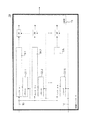
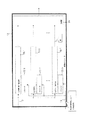
図5および6は、間接インジケータ計算ユニット19における間接インジケータのインジケータ値を適合化する見込みを表している。図6はインジケータ値を適合化する(または調整する)2つの処理を示しており、間接インジケータ計算ユニット19でインジケータの計算に使われるパラメータを適合化するか、または適合化されたインジケータを組み合わせる前に間接インジケータ計算ユニット19によるインジケータ値出力を直接的に変倍し、適合化され組み合わされたインジケータ値をコンテクストベースの予測計算ユニット20に提供する。
5 and 6 show the prospect of adapting the indicator value of the indirect indicator in the indirect
図7A、7B、8および9は、本発明の一実施例による交通乗り物の動き挙動を予測するためのシステムにおける広域的シーンコンテクスト推定の例を示す。図7Aおよび7Bの状況は複数レーンを有する高速道路の2つのレーン上の道路シーンを描いている。図7Aのシーンは図7Bのシーンと異なって大きい交通密度であり、図7Bのシーンは軽度の交通で特徴付けられる。乗り物A、BおよびEのそれぞれの速度はVA、VBおよびVEであり、その配置は図1Aおよび1Bのシーンに対応する。 7A, 7B, 8 and 9 show an example of wide-area scene context estimation in a system for predicting the motion behavior of a traffic vehicle according to an embodiment of the present invention. The situation in FIGS. 7A and 7B depicts a road scene on two lanes of a highway with multiple lanes. The scene of FIG. 7A has a high traffic density unlike the scene of FIG. 7B, and the scene of FIG. 7B is characterized by light traffic. Vehicles A, each of the velocity of B and E is V A, V B and V E, the arrangement corresponds to the scene of Fig. 1A and 1B.
図7Aについての本発明の実施例による動き挙動予測の方法が図8に描かれている。図8において無線交通サービス8からのメッセージが受信され処理のためにデータ取得ユニット4に送られる。このメッセージは公衆高速道路の特定の区間における交通渋滞に言及するものとする。この道路区間は図7Aのシーンを含むものとする。
A method of predicting motion behavior according to an embodiment of the present invention with respect to FIG. 7A is depicted in FIG. In FIG. 8, the message from the
データ取得ユニット4はさらに地図情報を含むナビゲーション情報および位置情報を取得し、交通環境10を表現する取得されたデータのエレメントをGSC推定ユニット11に提供する。GSC推定ユニット11は交通環境10を表現する取得データを処理し、交通環境10を表現するデータの個々のエレメントである、「無線交通メッセージ」、「位置情報」および「ナビゲーション情報」をリンクすることによってターゲット乗り物の現在位置に対する大きい交通密度を示唆する広域的シーンコンテクストを推定する(求める)。一実施例の広域的シーンコンテクスト推定ユニット11は、さらにターゲット乗り物を取り巻く他の交通参加者の数および速度を示すセンサデータをセンサ6.1、6.2、6.3から取得する。一実施例ではセンサデータは、処理された交通データの有意性を増すために処理ステップにおいて時間にわたって平均されることができる。したがって、GSC推定ユニットは、ターゲット乗り物の周囲をモニタすることによって示唆された大きい交通密度が正しいことを確認することができ、大きい交通密度を報告する確認された広域的シーンコンテクスト情報11をGSCコンバータユニット13に提供することができる。
The
GSCコンバータユニット13は、大きい交通密度を表すGSC情報12を処理して1組の変倍値を生成し予測適合化情報14に含める。この実施例での予測適合化情報14は、1組の変倍値(変倍パラメータ)を含み、各変倍値は図6に示すコンテクストベースの予測ステップで求められた真に一つのインジケータ19.1、19.2、・・・、19.Nに対応する。図8では広域的シーンコンテクスト推定「高交通密度」の結果が変倍値“m1=1,5”および“m2=1,0”および“m5=1,5”となり、GSCコンバータユニット13から予測システムユニット2に提供される。
The
図9に描かれるように、予測システムユニット2の間接インジケータ計算ユニット19が予測適合化情報14を取得し間接インジケータ「近づきつつある先行車」19.1および「適切な左ギャップ」19.5のためのそれぞれの変倍パラメータをそれぞれの乗数1,5に設定する。間接インジケータ「強く加速」19.2は、予測適合化信号に含まれている変倍値m2=1,0に従って変えられないままになる。それぞれの適合化された(変倍された)出力値が合成器(コンバイナ)24で連結されてからコンテクストベースの予測ユニット20に供給され、物理的予測計算ユニット21においてさらに処理され最終的に予測情報15が生成される。
As depicted in FIG. 9, the indirect
間接インジケータ「近づきつつある先行車」19.1および「適切な左ギャップ」19.5を増幅し、広域コンテクストとして高交通密度の場合その他の間接インジケータを維持すると、図7Aの状況において左レーンlへのレーン変更を予測する可能性が増すことになり、したがってターゲット乗り物Aにとって比較的小さなギャップしかないときでもターゲット乗り物Aに関し割り込み挙動を予測する確率が高くなる。 Amplifying the indirect indicator "approaching vehicle" 19.1 and "appropriate left gap" 19.5 and maintaining the other indirect indicators in the case of high traffic density as a wide area context, the left lane l in the situation of FIG. 7A. This increases the likelihood of predicting a lane change to, and thus increases the probability of predicting interrupt behavior for target vehicle A even when there is a relatively small gap for target vehicle A.
図7Bのシーンでは議論が逆になる。図8においてGSC推定ユニット11が緩い交通密度を推定する。この広域コンテクスト推定は、GSC推定ユニット11が、ターゲット乗り物の実際の位置についてのそれぞれの交通メッセージが有効でなく、センサ6.1、6.2、6.3、・・・からの信号に基づいて高交通密度が判定されておらず、近隣の乗り物によって高交通密度が通信されていないことを確認するプロセスの結果として得られる。交通環境10を表現するデータのこれらのエレメントの一つを処理することによって、またはGSC推定ユニット11で実行される広域的シーンコンテクスト推定の信頼性を高めるためにこれらのエレメントの組み合わせを処理することによって、「緩い交通」という広域的シーンコンテクストが求められる。GSCコンバータユニット13がそれぞれのGSC情報12を受け取りコンテクストベースの予測システム2における間接インジケータ19.1、19.2、・・・のための適当な変倍値を設定して、予測適合化情報13を生成する。図7Bの状況を例として参照すると、これは間接インジケータ「近づきつつある先行車」19.1および「適切な左ギャップ」19.5の相対的重みを他の間接インジケータ、「強く加速」19.2に関して低減することを意味する。したがって、コンテクストベースの予測計算ユニット20の出力および予測システムユニット2による予測情報15出力は、広域的シーンコンテクストとして緩い交通密度について割り込み挙動の予測をもたらす。なぜなら、間接インジケータ19.2、19.2、・・・19.Nの出力値は大きなギャップだけが求められるように変倍され、乗り物の高い相対速度は予測された割り込み挙動の確信を高める結果となるからである。
The discussion is reversed in the scene of FIG. 7B. In FIG. 8, the
図7A、7B、8および9を参照して説明した広域的シーンコンテクスト推定を有するコンテクストベースの予測の実施例は、したがって、コンテクストベースの予測と物理的予測との組み合わせだけに依存する従来の手法に比べて予測品質の向上を呈する。 The examples of context-based prediction with wide-area scene context estimation described with reference to FIGS. 7A, 7B, 8 and 9 are therefore conventional methods that rely solely on the combination of context-based prediction and physical prediction. The predicted quality is improved compared to.
GSC推定ユニット11の実施例においては、広域的シーンコンテクストの推定は交通環境10を表現する取得データに含まれる一つのエレメントに基づく。広域的シーンコンテクストの推定は交通環境10を表現するデータにも基づくことができ、これにより本発明から逸脱することなく推定された広域的シーンコンテクストの信頼度を向上させることができる。
In the embodiment of the
図10A、10B、11および12は、ターゲット乗り物の動き挙動を予測するための本発明の方法の一実施例によって扱われるさらなるシーンを表現する。乗り物A、乗り物Bおよびホスト乗り物Eの全体的な配置は図2A、2Bに関連してこれまでに説明した状況に対応するので、さらなる説明は省略する。 10A, 10B, 11 and 12 represent additional scenes covered by an embodiment of the method of the invention for predicting the motion behavior of a target vehicle. Since the overall arrangement of Vehicle A, Vehicle B and Host Vehicle E corresponds to the situation described above in connection with FIGS. 2A and 2B, further description is omitted.
センサユニット6.1、6.2、6.3が複数の乗り物、好ましくはセンサのレンジ内にあるすべての乗り物、の速度を測定し、GSC推定ユニット11は広域速度誠意源の存在を推測するよう構成されている。GSC推定ユニットは、速度制限の存在およびその値を判定する時点で終わる予め定めた時間間隔中に測定された乗り物速度を使用するのが好ましい。広域速度制限の存在についてのそれぞれの情報は位置情報と組み合わせてマップ情報を調べることによっても発生することができる。
Sensor units 6.1, 6.2, and 6.3 measure the speed of multiple vehicles, preferably all vehicles within the sensor range, and the
図10Aの状況においてGSC推定ユニット11は、複数の乗り物の測定された速度の分布から上限が設定できないので、広域速度制限が存在しないと結論する。
In the situation of FIG. 10A, the
図10Bの状況においてGSC推定ユニット11は、乗り物のいくつかだけがより速い速度で走っていることが速度分布からわかり、速度の上限を設定することができ、130 km/h の広域速度制限が存在すると判断する。
In the situation of FIG. 10B, the
図11は、ターゲット乗り物の動き挙動を予測するための本発明の方法の一実施例を示し、関係する情報フローが表現されている。ターゲット乗り物の交通環境10を表現するデータは、ターゲット乗り物A、乗り物Bおよびホスト乗り物Eについて測定その他の方法により取得した速度VA、VB、VEを含むものとして示されている。GSC推定ユニット11はターゲット乗り物の周囲の乗り物の挙動を、それらの位置およびそれらの速度に関する値を取得することにより継続的にログ(記録)する。乗り物A、Bおよびホスト乗り物Eの位置および速度を表現する取得された値が統合され、交通環境を表現するデータにおける取得された値から交通状態が推定される。
FIG. 11 shows an embodiment of the method of the present invention for predicting the motion behavior of a target vehicle, and represents a related information flow. Data representing the
たとえば、追いついてきているレーンの位置または方向は交通の方向を求めることを可能にする。一例では、知覚される最大速度を使って速度制限の存在および許される最高速度の推定値についての提案を提供することができる。GSCコンバータユニット13が130 km/h という広域的な速度制限への言及を含むGSC情報12を処理し、交通状態「130 km/h という広域速度制限」を予測システムユニット2における予測計算を変えるよう構成された1組のパラメータへと変換し、これにより 130 km/h という求められた広域速度制限が考慮に入れられる。
For example, the position or direction of the lane that is catching up makes it possible to determine the direction of traffic. In one example, the perceived maximum speed can be used to provide suggestions for the existence of speed limits and estimates of the maximum speed allowed. The
図10Bの 130 km/h という求められた広域速度制限の場合、ターゲット乗り物が推定された広域速度制限を超える速度で走っておりギャップの後方境界に対する相対的距離および/または相対的速度の作用を弱めるならば、割り込み(カットイン)挙動予測を導くよう間接インジケータ計算ユニット19における間接インジケータ「左ギャップ合わせ」のインジケータ値を変えることができる。GSCコンバータユニット13は、たとえば重み付け値などの対応する予測適合化情報14を生成し、生成された余録適合化情報を予測システムユニット2に提供する。
In the case of the calculated wide-area speed limit of 130 km / h in Figure 10B, the target vehicle is running at a speed that exceeds the estimated wide-area speed limit, and the effect of relative distance and / or relative speed on the rear boundary of the gap If weakened, the indicator value of the indirect indicator "left gap alignment" in the indirect
図12は、広域速度制限を求めるための、予測システムユニット2の間接インジケータ計算ユニット19におけるパラメータ22.1、22.2、・・・、22.5を使った間接インジケータ19.1、19.2、19.Nのそれぞれの計算を描く。予測システムユニット2への予測適合化情報14入力は、間接インジケータ「左ギャップ合わせ」19.5を計算するための情報を含み、ターゲット乗り物Aが広域速度制限を超える速度で走っているならば、高いインジケータ値が計算されるようになっている。この高い値は、ギャップの後方境界への接触までの時間(TTC、time-to-contact)が低い場合にも計算される。上に説明した実施例の例において、このTTC値が6秒を超えるならばギャップはよく適合していると通常考えられる。広域速度制限の場合、間接インジケータ「左ギャップ合わせ」19.5の計算に使用するパラメータ22.5は、ターゲット乗り物が広域制限速度を超えて走行しているならば、TTC値を4秒という値に減らすよう変更されることができる。
FIG. 12 shows the indirect indicators 19.1, 19. Using the parameters 22.1, 22.2, ..., 22.5 in the indirect
図10Aに示すように広域速度制限が存在しないと推定するとき、GSCコンバータユニット13は、間接的インジケータ「左ギャップ合わせ」19.5のインジケータ値を割り込み挙動予測を避けるに適すように低減させる予測適合化情報14を発生するか、またはシステムをその通常動作にリセットするよう構成されている。
When presuming that there is no wide area speed limit as shown in FIG. 10A, the
図13Aおよび13Bは、本発明のさらなる実施例を説明するための交通配置を示す。 13A and 13B show traffic arrangements for explaining further embodiments of the present invention.
図13Aの場合、データ取得手段4によって取得された交通環境10を表現するデータは、ターゲット乗り物の走行方向の前方の道路についての情報を含む。道路についてのデータは道路の特定の状態として凍結道路を示す。この種の情報は、たとえば先行する乗り物の車輪スリップの検出から推論することができ、車対インフラストラクチャ通信を介して通信され、影響する領域を走行中の他の乗り物に配信されることができる。
In the case of FIG. 13A, the data representing the
図13Aではターゲット乗り物の前方の道路についての情報が凍結道路についての情報を含む。GSC推定ユニット11において生成されたGSC情報12は、したがって道路状態が「凍結」であることの識別子を含む。GSCコンバータユニット13は予測適合化信号を生成するよう構成されており、この信号によりターゲット乗り物Aのレーン変更挙動の確率が抑えられることになる。
In FIG. 13A, the information about the road in front of the target vehicle includes the information about the frozen road. The
図14の情報フローはデータ取得手段4によって取得された1 km 先の乗り物のタイヤがスリップしている交通環境を表現するデータを示す。GSC情報12におけるそれぞれの道路状況は広域コンテクストとして凍結した道路状況を規定している。GSCコンバータユニット13がGSC情報12を処理する。レーン変更(車線変更)の確率の広域的な抑制は、図14の実施例ではGSCコンバータユニット13における「道路状況=凍結」という用語をパラメータ“C = 0,5”からなる予測適合化情報14に変換することによって達成され、この予測適合化情報は予測システムユニット2に転送される。
The information flow of FIG. 14 shows data representing a traffic environment in which the tires of a
図15は、凍結道路という広域的シーンコンテクストを含むGSC情報12に反応して生成される予測適合化信号14に反応する予測システムユニット2での処理のより詳細を示す。レーン変更の確率は、コンテクストベースの予測および/または物理的予測におけるレーン変更挙動の計算された確率を直接的に低減させることによって低減される。このような確率の低減は、物理的予測計算ユニット21およびコンテクストベースの予測計算ユニット20による確率出力に予め定めた定数値を乗算することによって行うことができる。
FIG. 15 shows more details of the processing in the
予測適合化情報14は、間接インジケータ19.1、19.2、・・・、19.N、間接インジケータ計算ユニット19で間接インジケータ19.1、19.2、・・・、19.Nの計算に使われるパラメータ22.1、22.2、・・・、22.Nのため、および予測システムユニット2による予測情報15出力のための、少なくとも一つの変倍値を含むことができる。特に図15に示す実施例は例示のためのものであり、本発明から逸脱することなく、予測計算の出力のためおよび予測確率の適合化のための変倍パラメータを組み合わせることもできる。もちろん、予測適合化情報のさまざまの可能性およびその使用は、本発明を説明するための例として使用した交通シーンに限られない。
The
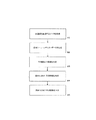
図16は本発明の一実施例で実行される方法ステップのシーケンスを描くフローチャートである。ホスト乗り物のドライバを支援する方法は、データ取得手段4がホスト乗り物の交通環境10を表現するデータを取得する第1ステップS1を含む。次のステップS2では、交通環境10を表現する取得されたデータに基づいて広域的シーンコンテクスト情報12が生成される。後にステップS3において、GSC情報12が処理され、GSC情報12に基づいて予測適合化情報14が生成される。次のステップS4は、適合化された予測情報15を生成することを含み、この予測情報はGSCコンバータユニット13によって提供される予測適合化情報14に基づいて適合化される。次のステップS5では適合化された予測情報15がたとえば作動手段17または警告手段16に出力される。
FIG. 16 is a flowchart depicting a sequence of method steps performed in one embodiment of the present invention. The method of assisting the driver of the host vehicle includes a first step S1 in which the data acquisition means 4 acquires data representing the
まとめると、本発明の方法、システム、乗り物およびプログラムによると、ターゲット乗り物が1組のあり得る未来の動き挙動の一つを実行する確率の計算が実行される。動き挙動予測は予測システムによって計算されるのが好ましいが、コンテクストベースの予測システムおよび交通環境の広域コンテクストを考慮しての計算に限定される訳ではない。上に説明した実施例のすべての単一のフィーチャーを適切かつ有利に組み合わせることも可能である。 In summary, according to the methods, systems, vehicles and programs of the present invention, a calculation of the probability that a target vehicle will perform one of a set of possible future motion behaviors will be performed. The motion behavior prediction is preferably calculated by the prediction system, but is not limited to the calculation considering the context-based prediction system and the wide-area context of the traffic environment. It is also possible to properly and advantageously combine all the single features of the embodiments described above.
Claims (9)
前記データ取得手段によって、交通環境を表現するデータを取得するステップと、
前記取得したデータに基づいて間接的インジケータと直接的インジケータとを算出するステップであって、前記間接的インジケータは、対象物体の将来移動挙動が予測される交通シーンに関する情報を与えるものであって且つ予測されるべき前記将来移動挙動が開始される前に観測可能な指標であり、前記直接的インジケータは、変数を提供するものであって、検出対象である挙動が既に開始されたときに且つその場合にのみ観測可能な指標であるステップと、
実際の交通状況について少なくとも一つの対象物体の将来移動挙動を、コンテクストベース予測と物理的予測とを用いて予測することにより、予測情報を生成するステップであって、コンテクストベース予測では、前記少なくとも一つの対象物体が一組の可能性のある将来移動挙動の一つを実行する確率が一組の複数の分類器の重み付け結合により算出され、前記分類器のそれぞれは、間接的インジケータの異なる組み合わせを用いるものであり、前記物理的予測は、前記直接的インジケータに依拠して前記コンテクストベース予測の結果を検証するものであるステップと、
前記予測情報を出力するステップと、
を含む方法において、
前記交通環境を表現する前記データから広域的シーンコンテクストデータを生成するステップであって、広域的シーンコンテクストは、前記予測情報の生成の基礎を構成する交通シーンの中の全ての交通参加者について有効なコンテクストであり、前記広域的シーンコンテクストデータは、前記広域的シーンコンテクストを示すものであるステップと、
前記広域的シーンコンテクストデータに基づき、前記予測情報を前記広域的シーンコンテクストに適合させるための予測適合化情報を、
−前記コンテクストベース予測の状況モデルにおけるそれぞれの間接的インジケータについて、前記予測適合化情報として、前記間接的インジケータのインジケータ値を修正するための変倍値又は前記間接的インジケータの算出に用いられるパラメータについての変倍値であって、それぞれが真に一つの間接的インジケータに対応している変倍値を生成すること、
−前記間接的インジケータの算出の結果を直接的に適合させるよう構成され且つ意図された前記予測適合化情報を生成すること、
−前記コンテクストベース予測の結果を直接的に適合させるよう構成され且つ意図された前記予測適合化情報を生成すること、および、
−前記物理的予測の結果を直接的に適合させるよう構成され且つ意図された前記予測適合化情報を生成すること、
の少なくとも一つを実行することにより生成するステップと、
を備え、
前記予測情報を生成するステップでは、
−前記変倍値により、前記インジケータ値及び又は前記パラメータを修正すること、
−前記予測適合化情報(14)により、前記間接的インジケータの算出の結果を適合させること、
−前記予測適合化情報により、前記コンテクストベース予測の結果を適合させること、および、
−前記予測適合化情報(14)により、前記物理的予測の結果を適合させること、
の少なくとも一つを実行することにより、前記予測情報が適合化される、
ことを特徴とする方法。 A method for assisting a vehicle driver with at least one data acquisition and processing means.
The step of acquiring data expressing the traffic environment by the data acquisition means, and
It is a step of calculating an indirect indicator and a direct indicator based on the acquired data, and the indirect indicator provides information on a traffic scene in which the future movement behavior of the target object is predicted. An indicator that is observable before the future movement behavior to be predicted begins, and the direct indicator provides a variable when the behavior to be detected has already begun and its Steps, which are indicators that can only be observed if
It is a step of generating prediction information by predicting the future movement behavior of at least one target object with respect to the actual traffic condition by using context-based prediction and physical prediction. In context-based prediction, at least one of the above is used. The probability that an object will perform one of a set of possible future movement behaviors is calculated by weighted coupling of a set of classifiers, each of which has a different combination of indirect indicators. A step that is used and the physical prediction relies on the direct indicator to verify the result of the context-based prediction.
The step of outputting the prediction information and
In the method including
It is a step of generating wide-area scene context data from the data expressing the traffic environment, and the wide-area scene context is effective for all traffic participants in the traffic scene forming the basis of the generation of the prediction information. The wide-area scene context data is a step that indicates the wide-area scene context .
Based on the wide area scene context data, the prediction adaptation information for adapting the prediction information to the wide area scene context is provided.
-For each indirect indicator in the context model of the context-based prediction, as the prediction adaptation information, a variable value for correcting the indicator value of the indirect indicator or a parameter used for calculating the indirect indicator. To generate a variable value of, each corresponding to a truly one indirect indicator,
-To generate the predictive adaptation information configured and intended to directly adapt the results of the calculation of the indirect indicator.
-To generate the prediction adaptation information configured and intended to directly fit the results of the context-based prediction, and
-To generate the prediction adaptation information configured and intended to directly fit the results of the physical prediction,
And the steps generated by performing at least one of
With
In the step of generating the prediction information,
-Modify the indicator value and / or the parameter with the variable value.
-Fit the result of the calculation of the indirect indicator by the predictive adaptation information (14).
-According the results of the context-based prediction with the prediction adaptation information, and
-According the result of the physical prediction by the prediction adaptation information (14),
By performing at least one of the above prediction information, the prediction information is adapted.
A method characterized by that.
前記乗り物に搭載された少なくとも一つの局所センサによって取得されるセンサデータから広域的シーンコンテクストを推定するステップ、および、
前記乗り物の外部から受け取られたデータから前記広域的シーンコンテクストを推定するステップ、
のうちの少なくとも一つを実行することを特徴とする、請求項1に記載の方法。 In the step of generating the wide area scene context data,
A step of estimating a wide-area scene context from sensor data acquired by at least one local sensor mounted on the vehicle, and
A step of estimating the wide area scene context from data received from outside the vehicle,
The method of claim 1, wherein at least one of these is performed.
ことを特徴とする、請求項2に記載の方法。 In the step of estimating the wide-area scene context from the sensor data, the wide-area scene context data is generated by the at least one sensor recording the behavior and / or state of another vehicle, and the wide-area scene context data is generated from the recorded behavior. Traffic condition determination is performed,
The method according to claim 2, wherein the method is characterized by the above.
交通環境を表現するデータを取得するよう構成された少なくとも一つのデータ取得手段と、
前記取得したデータに基づいて間接的インジケータと直接的インジケータとを算出する手段であって、前記間接的インジケータは、対象物体の将来移動挙動が予測される交通シーンに関する情報を与えるものであって且つ予測されるべき前記将来移動挙動が開始される前に観測可能な指標であり、前記直接的インジケータは、変数を提供するものであって、検出対象である挙動が既に開始されたときに且つその場合にのみ観測可能な指標である手段と、
実際の交通状況について少なくとも一つの対象物体の将来移動挙動を、コンテクストベース予測と物理的予測とを用いて予測することにより、予測情報を生成するよう構成された処理手段であって、コンテクストベース予測では、前記少なくとも一つの対象物体が一組の可能性のある将来移動挙動の一つを実行する確率が一組の複数の分類器の重み付け結合により算出され、前記分類器のそれぞれは、間接的インジケータの異なる組み合わせを用いるものであり、前記物理的予測は、前記直接的インジケータに依拠して前記コンテクストベース予測の結果を検証するものである手段と、
を備えるシステムにおいて、
前記処理手段は、前記交通環境を表現する前記データから広域的シーンコンテクストデータを生成するよう構成され、広域的シーンコンテクストは、前記予測情報の生成の基礎を構成する交通シーンの中の全ての交通参加者について有効なコンテクストであり、前記広域的シーンコンテクストデータは、前記広域的シーンコンテクストを示すものであり、
前記処理手段は、前記広域的シーンコンテクストデータに基づき、前記予測情報を前記広域的シーンコンテクストに適合化させるための予測適合化情報を、
−前記コンテクストベース予測の状況モデルにおけるそれぞれの間接的インジケータについて、前記予測適合化情報として、前記間接的インジケータのインジケータ値を修正するための変倍値又は間接的インジケータの算出に用いられるパラメータについての変倍値であって、それぞれが真に一つの間接的インジケータに対応している変倍値を生成すること、
−前記間接的インジケータの算出の結果を直接的に適合させるよう構成され且つ意図された前記予測適合化情報を生成すること、
−前記コンテクストベース予測の結果を直接的に適合させるよう構成され且つ意図された前記予測適合化情報を生成すること、および、
−前記物理的予測の結果を直接的に適合させるよう構成され且つ意図された前記予測適合化情報を生成すること、
の少なくとも一つを実行することにより生成するよう構成され、かつ、
前記処理手段は、
−前記変倍値により、前記インジケータ値及び又は前記パラメータを修正すること、
−前記予測適合化情報(14)により、前記間接的インジケータの算出の結果を適合させること、
−前記予測適合化情報により、前記コンテクストベース予測の結果を適合させること、および、
−前記予測適合化情報(14)により、前記物理的予測の結果を適合させること、
の少なくとも一つを実行することにより、前記予測情報を適合化するよう構成されている、
ことを特徴とする、乗り物のドライバを支援するためのシステム。 A system to assist vehicle drivers
At least one data acquisition means configured to acquire data that represents the traffic environment,
It is a means for calculating an indirect indicator and a direct indicator based on the acquired data, and the indirect indicator provides information on a traffic scene in which the future movement behavior of the target object is predicted. An indicator that is observable before the future movement behavior to be predicted begins, and the direct indicator provides a variable when the behavior to be detected has already begun and its Means, which are indicators that can only be observed in cases,
Context-based prediction, which is a processing means configured to generate prediction information by predicting the future movement behavior of at least one target object with respect to actual traffic conditions using context-based prediction and physical prediction. Then, the probability that at least one target object executes one of a set of possible future movement behaviors is calculated by weighted coupling of a set of a plurality of classifiers, and each of the classifiers is indirect. With different combinations of indicators, the physical prediction relies on the direct indicator to verify the results of the context-based prediction, and
In a system equipped with
The processing means is configured to generate wide-area scene context data from the data representing the traffic environment, and the wide-area scene context is all traffic in the traffic scene that forms the basis of the generation of the forecast information. It is a valid context for the participants, and the wide area scene context data indicates the wide area scene context .
Based on the wide-area scene context data, the processing means provides predictive adaptation information for adapting the prediction information to the wide-area scene context .
-For each indirect indicator in the context model of the context-based prediction, as the prediction adaptation information, a variable value for correcting the indicator value of the indirect indicator or a parameter used for calculating the indirect indicator. Generating variable values, each corresponding to a true one indirect indicator,
-To generate the predictive adaptation information configured and intended to directly adapt the results of the calculation of the indirect indicator.
-To generate the prediction adaptation information configured and intended to directly fit the results of the context-based prediction, and
-To generate the prediction adaptation information configured and intended to directly fit the results of the physical prediction,
It is configured to be generated by running at least one of
The processing means
-Modify the indicator value and / or the parameter with the variable value.
-The result of the calculation of the indirect indicator is adapted by the predictive adaptation information (14).
-According the results of the context-based prediction with the prediction adaptation information, and
-Adapting the result of the physical prediction by the prediction adaptation information (14),
It is configured to adapt the forecast information by performing at least one of the above.
A system for assisting vehicle drivers, which is characterized by that.
ことを特徴とする、請求項4に記載の、乗り物のドライバを支援するためのシステム。 The processing means estimates a wide area scene context from sensor data acquired by at least one local sensor mounted on the vehicle, and obtains the wide area scene context from data received from outside the vehicle. It comprises a wide area scene context estimation unit configured to generate wide area scene context data by performing at least one of the estimates.
The system for assisting a vehicle driver according to claim 4, wherein the system is characterized by this.
ことを特徴とする、請求項5に記載の、乗り物のドライバを支援するためのシステム。 The wide area scene context estimation unit is configured such that at least one sensor records the behavior and / or state of another vehicle to generate the wide area scene context data, and the traffic state from the recorded behavior. Judgment is executed,
The system for assisting a vehicle driver according to claim 5, wherein the system is characterized by this.
前記ドライバ支援システムは、当該ドライバ支援システムの出力信号に基づいて前記乗り物の制御に影響を与えるよう構成されている、
ことを特徴とする乗り物。 A vehicle provided with the driver assistance system according to any one of claims 4 to 6.
The driver assistance system is configured to influence the control of the vehicle based on the output signal of the driver assistance system.
A vehicle characterized by that.
Applications Claiming Priority (2)
| Application Number | Priority Date | Filing Date | Title |
|---|---|---|---|
| EP14182749.3 | 2014-08-29 | ||
| EP14182749.3A EP2990991A1 (en) | 2014-08-29 | 2014-08-29 | Method and system for using global scene context for adaptive prediction and corresponding program, and vehicle equipped with such system |
Publications (3)
| Publication Number | Publication Date |
|---|---|
| JP2016051467A JP2016051467A (en) | 2016-04-11 |
| JP2016051467A5 JP2016051467A5 (en) | 2020-06-18 |
| JP6800565B2 true JP6800565B2 (en) | 2020-12-16 |
Family
ID=51417210
Family Applications (1)
| Application Number | Title | Priority Date | Filing Date |
|---|---|---|---|
| JP2015127465A Active JP6800565B2 (en) | 2014-08-29 | 2015-06-25 | Methods and systems that use the wide-area scene context for adaptation prediction, as well as corresponding programs, vehicles equipped with the system. |
Country Status (3)
| Country | Link |
|---|---|
| US (1) | US9620008B2 (en) |
| EP (1) | EP2990991A1 (en) |
| JP (1) | JP6800565B2 (en) |
Families Citing this family (35)
| Publication number | Priority date | Publication date | Assignee | Title |
|---|---|---|---|---|
| JP6312304B2 (en) * | 2014-01-28 | 2018-04-18 | 三菱重工機械システム株式会社 | Position measuring method, self-position measuring device, and vehicle-mounted device |
| JP6103716B2 (en) * | 2014-06-17 | 2017-03-29 | 富士重工業株式会社 | Vehicle travel control device |
| US9836056B2 (en) * | 2015-06-05 | 2017-12-05 | Bao Tran | Smart vehicle |
| US10691958B1 (en) * | 2015-07-30 | 2020-06-23 | Ambarella International Lp | Per-lane traffic data collection and/or navigation |
| KR20170016177A (en) * | 2015-08-03 | 2017-02-13 | 엘지전자 주식회사 | Vehicle and control method for the same |
| CN107924631B (en) * | 2015-08-19 | 2021-06-22 | 本田技研工业株式会社 | Vehicle control device, vehicle control method, and medium for storing vehicle control program |
| JP6316265B2 (en) * | 2015-12-01 | 2018-04-25 | 本田技研工業株式会社 | Lane change control device |
| US20170248434A1 (en) * | 2016-02-29 | 2017-08-31 | Blake Dearring Best | Car-top mount with population density estimation |
| DE102016002603A1 (en) * | 2016-03-03 | 2017-09-07 | Audi Ag | Method for determining and providing a database containing environmental data relating to a predetermined environment |
| KR101786352B1 (en) * | 2016-05-27 | 2017-11-15 | 현대자동차주식회사 | Apparatus and Method for Controlling Lane Change Considering Order of priority |
| DE102016213660A1 (en) * | 2016-07-26 | 2018-02-01 | Conti Temic Microelectronic Gmbh | Adaptive cruise control with vehicle to vehicle communication |
| JP6415507B2 (en) * | 2016-09-16 | 2018-10-31 | 三菱電機株式会社 | Lane change support device and lane change support method |
| US10514457B2 (en) * | 2017-03-31 | 2019-12-24 | Ford Global Technologies, Llc | Lane change advisor |
| DE102017004826A1 (en) * | 2017-05-19 | 2018-11-22 | Lucas Automotive Gmbh | System and method for handling exception scenarios |
| US20180362047A1 (en) * | 2017-06-19 | 2018-12-20 | Panasonic Intellectual Property Corporation Of America | Information processing device and recording medium |
| CN109901446B (en) * | 2017-12-08 | 2020-07-07 | 广州汽车集团股份有限公司 | Intersection passage control method, device and system |
| KR102506865B1 (en) * | 2017-12-13 | 2023-03-08 | 현대자동차주식회사 | Apparatus and method for determining intention for cut-in |
| US11273836B2 (en) | 2017-12-18 | 2022-03-15 | Plusai, Inc. | Method and system for human-like driving lane planning in autonomous driving vehicles |
| US11130497B2 (en) * | 2017-12-18 | 2021-09-28 | Plusai Limited | Method and system for ensemble vehicle control prediction in autonomous driving vehicles |
| US10583839B2 (en) * | 2017-12-28 | 2020-03-10 | Automotive Research & Testing Center | Method of lane change decision-making and path planning |
| US11822009B2 (en) | 2018-03-28 | 2023-11-21 | Pioneer Corporation | Self-position estimation device, self-position estimation method, program, and recording medium |
| CN110377670B (en) * | 2018-04-11 | 2021-11-26 | 腾讯大地通途(北京)科技有限公司 | Method, device, medium and equipment for determining road element information |
| CN111942389B (en) * | 2019-05-17 | 2024-05-28 | 罗伯特·博世有限公司 | Driving assistance system and lane change determination unit and method thereof |
| CN112583872B (en) * | 2019-09-29 | 2022-05-13 | 华为云计算技术有限公司 | Communication method and device |
| US11966852B2 (en) | 2019-12-11 | 2024-04-23 | Shanghai United Imaging Intelligence Co., Ltd. | Systems and methods for situation awareness |
| CN113542046B (en) * | 2020-04-21 | 2023-01-10 | 百度在线网络技术(北京)有限公司 | Flow estimation method, device, equipment and storage medium |
| DE102020112036A1 (en) * | 2020-05-05 | 2021-11-11 | Valeo Schalter Und Sensoren Gmbh | DRIVER ASSISTANCE FOR A MOTOR VEHICLE |
| US11608079B2 (en) * | 2020-06-09 | 2023-03-21 | GM Global Technology Operations LLC | System and method to adjust overtake trigger to prevent boxed-in driving situations |
| US11608067B2 (en) * | 2020-08-12 | 2023-03-21 | Honda Motor Co., Ltd. | Probabilistic-based lane-change decision making and motion planning system and method thereof |
| CN112513951A (en) * | 2020-10-28 | 2021-03-16 | 华为技术有限公司 | Scene file acquisition method and device |
| KR20220056922A (en) * | 2020-10-28 | 2022-05-09 | 현대자동차주식회사 | Apparatus and method for controlling autonomous driving of vehicle |
| CN113393669A (en) * | 2021-06-11 | 2021-09-14 | 阿波罗智联(北京)科技有限公司 | Control method, device, equipment, medium and program product for vehicle |
| CN113869427A (en) * | 2021-09-29 | 2021-12-31 | 杭州海康威视系统技术有限公司 | Scene analysis method and device, electronic equipment and storage medium |
| DE102021127817A1 (en) * | 2021-10-26 | 2023-04-27 | Bayerische Motoren Werke Aktiengesellschaft | Method for supporting a user of a vehicle in a lane change maneuver, taking into account different areas in the surroundings of the vehicle, and driver assistance system for a vehicle |
| CN117173913B (en) * | 2023-09-18 | 2024-02-09 | 日照朝力信息科技有限公司 | Traffic control method and system based on traffic flow analysis at different time periods |
Family Cites Families (12)
| Publication number | Priority date | Publication date | Assignee | Title |
|---|---|---|---|---|
| US6429789B1 (en) * | 1999-08-09 | 2002-08-06 | Ford Global Technologies, Inc. | Vehicle information acquisition and display assembly |
| DE10349881A1 (en) * | 2003-10-25 | 2005-05-25 | Daimlerchrysler Ag | Regulating method for setting the separation distance of a vehicle in which a number of parameters can be considered in obtaining a set distance, with the final set distance limited to a range of reasonable values |
| DE102004019337A1 (en) * | 2004-04-21 | 2005-11-17 | Siemens Ag | Assistance system for motor vehicles |
| DE102005005140A1 (en) * | 2005-02-04 | 2006-08-10 | Daimlerchrysler Ag | State variable e.g. poor visibility, estimated value determining method, for warning e.g. young driver, involves computing estimated value for state variable based on actual data value and fuzzy logic affiliation value of reference matrix |
| JP4623057B2 (en) * | 2007-06-05 | 2011-02-02 | トヨタ自動車株式会社 | Moving area acquisition device for own vehicle |
| US8885039B2 (en) * | 2008-07-25 | 2014-11-11 | Lg Electronics Inc. | Providing vehicle information |
| EP2562060B1 (en) | 2011-08-22 | 2014-10-01 | Honda Research Institute Europe GmbH | A method and system for predicting movement behavior of a target traffic object |
| US9146898B2 (en) * | 2011-10-27 | 2015-09-29 | Magna Electronics Inc. | Driver assist system with algorithm switching |
| US9381916B1 (en) * | 2012-02-06 | 2016-07-05 | Google Inc. | System and method for predicting behaviors of detected objects through environment representation |
| EP2845779B1 (en) * | 2013-09-09 | 2018-08-01 | Honda Research Institute Europe GmbH | Driving assistance technique for active vehicle control |
| US9707942B2 (en) * | 2013-12-06 | 2017-07-18 | Elwha Llc | Systems and methods for determining a robotic status of a driving vehicle |
| EP2923911B1 (en) * | 2014-03-24 | 2019-03-13 | Honda Research Institute Europe GmbH | A method and system for predicting movement behavior of a target traffic object |
-
2014
- 2014-08-29 EP EP14182749.3A patent/EP2990991A1/en not_active Ceased
-
2015
- 2015-06-25 JP JP2015127465A patent/JP6800565B2/en active Active
- 2015-07-29 US US14/812,357 patent/US9620008B2/en active Active
Also Published As
| Publication number | Publication date |
|---|---|
| EP2990991A1 (en) | 2016-03-02 |
| US9620008B2 (en) | 2017-04-11 |
| US20160063858A1 (en) | 2016-03-03 |
| JP2016051467A (en) | 2016-04-11 |
Similar Documents
| Publication | Publication Date | Title |
|---|---|---|
| JP6800565B2 (en) | Methods and systems that use the wide-area scene context for adaptation prediction, as well as corresponding programs, vehicles equipped with the system. | |
| US12005904B2 (en) | Autonomous driving system | |
| US11155262B2 (en) | Vehicular mitigation system based on wireless vehicle data | |
| CN108122432B (en) | Method for determining data of traffic situation | |
| US10625742B2 (en) | System and method for vehicle control in tailgating situations | |
| CN108263383B (en) | Apparatus and method for controlling speed in a coordinated adaptive cruise control system | |
| US10737667B2 (en) | System and method for vehicle control in tailgating situations | |
| CN115214661B (en) | Cooperative adaptive cruise control system based on target vehicle's driving style | |
| CN107867288B (en) | Method for detecting a forward collision | |
| JP6375221B2 (en) | Method and system for predicting the movement behavior of a target traffic object | |
| CN106985780B (en) | Vehicle safety auxiliary system | |
| JP4483589B2 (en) | Vehicle information providing device | |
| CN104169992B (en) | Method for detecting traffic jams by using wireless vehicle-to-vehicle communication system | |
| JP6219312B2 (en) | Method for determining the position of a vehicle in a lane traffic path of a road lane and a method for detecting alignment and collision risk between two vehicles | |
| US11697410B2 (en) | Vehicle-to-everything communication-based lane change collision avoidance warning | |
| CN108263360B (en) | System and method for vehicle control in a follow-up scenario | |
| CN107539313A (en) | Vehicle communication network and its use and manufacture method | |
| CN105584485A (en) | Use of participative sensing systems to enable enhanced road friction estimation | |
| CN113548045A (en) | Emergency brake preparation device for vehicle | |
| CN116238536A (en) | Preventive planning with minimal risk strategy | |
| EP4357213B1 (en) | A method for determining whether an automatic collision avoidance steering maneuver should be executed or not | |
| JP2004322772A (en) | Automotive electronics | |
| CN102542835A (en) | Navigation system and navigation method with traffic jam recognition function | |
| US20230159026A1 (en) | Predicting Motion of Hypothetical Agents | |
| CN115440025A (en) | Information processing server, processing method of information processing server, and non-transitory storage medium |
Legal Events
| Date | Code | Title | Description |
|---|---|---|---|
| RD02 | Notification of acceptance of power of attorney |
Free format text: JAPANESE INTERMEDIATE CODE: A7422 Effective date: 20170802 |
|
| RD04 | Notification of resignation of power of attorney |
Free format text: JAPANESE INTERMEDIATE CODE: A7424 Effective date: 20170804 |
|
| A621 | Written request for application examination |
Free format text: JAPANESE INTERMEDIATE CODE: A621 Effective date: 20180215 |
|
| A131 | Notification of reasons for refusal |
Free format text: JAPANESE INTERMEDIATE CODE: A131 Effective date: 20190507 |
|
| A521 | Request for written amendment filed |
Free format text: JAPANESE INTERMEDIATE CODE: A523 Effective date: 20190807 |
|
| A131 | Notification of reasons for refusal |
Free format text: JAPANESE INTERMEDIATE CODE: A131 Effective date: 20200204 |
|
| A521 | Request for written amendment filed |
Free format text: JAPANESE INTERMEDIATE CODE: A523 Effective date: 20200501 |
|
| A524 | Written submission of copy of amendment under article 19 pct |
Free format text: JAPANESE INTERMEDIATE CODE: A524 Effective date: 20200501 |
|
| TRDD | Decision of grant or rejection written | ||
| A01 | Written decision to grant a patent or to grant a registration (utility model) |
Free format text: JAPANESE INTERMEDIATE CODE: A01 Effective date: 20201110 |
|
| A61 | First payment of annual fees (during grant procedure) |
Free format text: JAPANESE INTERMEDIATE CODE: A61 Effective date: 20201125 |
|
| R150 | Certificate of patent or registration of utility model |
Ref document number: 6800565 Country of ref document: JP Free format text: JAPANESE INTERMEDIATE CODE: R150 |
|
| R250 | Receipt of annual fees |
Free format text: JAPANESE INTERMEDIATE CODE: R250 |
|
| R250 | Receipt of annual fees |
Free format text: JAPANESE INTERMEDIATE CODE: R250 |
|
| S111 | Request for change of ownership or part of ownership |
Free format text: JAPANESE INTERMEDIATE CODE: R313113 |
|
| R350 | Written notification of registration of transfer |
Free format text: JAPANESE INTERMEDIATE CODE: R350 |