JP6918655B2 - Power generation system evaluation method and power generation system evaluation device - Google Patents
Power generation system evaluation method and power generation system evaluation device Download PDFInfo
- Publication number
- JP6918655B2 JP6918655B2 JP2017175831A JP2017175831A JP6918655B2 JP 6918655 B2 JP6918655 B2 JP 6918655B2 JP 2017175831 A JP2017175831 A JP 2017175831A JP 2017175831 A JP2017175831 A JP 2017175831A JP 6918655 B2 JP6918655 B2 JP 6918655B2
- Authority
- JP
- Japan
- Prior art keywords
- power
- power generation
- amount
- capacity
- storage battery
- Prior art date
- Legal status (The legal status is an assumption and is not a legal conclusion. Google has not performed a legal analysis and makes no representation as to the accuracy of the status listed.)
- Active
Links
Images




Classifications
-
- Y—GENERAL TAGGING OF NEW TECHNOLOGICAL DEVELOPMENTS; GENERAL TAGGING OF CROSS-SECTIONAL TECHNOLOGIES SPANNING OVER SEVERAL SECTIONS OF THE IPC; TECHNICAL SUBJECTS COVERED BY FORMER USPC CROSS-REFERENCE ART COLLECTIONS [XRACs] AND DIGESTS
- Y02—TECHNOLOGIES OR APPLICATIONS FOR MITIGATION OR ADAPTATION AGAINST CLIMATE CHANGE
- Y02B—CLIMATE CHANGE MITIGATION TECHNOLOGIES RELATED TO BUILDINGS, e.g. HOUSING, HOUSE APPLIANCES OR RELATED END-USER APPLICATIONS
- Y02B10/00—Integration of renewable energy sources in buildings
- Y02B10/10—Photovoltaic [PV]
-
- Y—GENERAL TAGGING OF NEW TECHNOLOGICAL DEVELOPMENTS; GENERAL TAGGING OF CROSS-SECTIONAL TECHNOLOGIES SPANNING OVER SEVERAL SECTIONS OF THE IPC; TECHNICAL SUBJECTS COVERED BY FORMER USPC CROSS-REFERENCE ART COLLECTIONS [XRACs] AND DIGESTS
- Y02—TECHNOLOGIES OR APPLICATIONS FOR MITIGATION OR ADAPTATION AGAINST CLIMATE CHANGE
- Y02E—REDUCTION OF GREENHOUSE GAS [GHG] EMISSIONS, RELATED TO ENERGY GENERATION, TRANSMISSION OR DISTRIBUTION
- Y02E10/00—Energy generation through renewable energy sources
- Y02E10/50—Photovoltaic [PV] energy
- Y02E10/56—Power conversion systems, e.g. maximum power point trackers
-
- Y—GENERAL TAGGING OF NEW TECHNOLOGICAL DEVELOPMENTS; GENERAL TAGGING OF CROSS-SECTIONAL TECHNOLOGIES SPANNING OVER SEVERAL SECTIONS OF THE IPC; TECHNICAL SUBJECTS COVERED BY FORMER USPC CROSS-REFERENCE ART COLLECTIONS [XRACs] AND DIGESTS
- Y02—TECHNOLOGIES OR APPLICATIONS FOR MITIGATION OR ADAPTATION AGAINST CLIMATE CHANGE
- Y02E—REDUCTION OF GREENHOUSE GAS [GHG] EMISSIONS, RELATED TO ENERGY GENERATION, TRANSMISSION OR DISTRIBUTION
- Y02E70/00—Other energy conversion or management systems reducing GHG emissions
- Y02E70/30—Systems combining energy storage with energy generation of non-fossil origin
Landscapes
- Supply And Distribution Of Alternating Current (AREA)
- Management, Administration, Business Operations System, And Electronic Commerce (AREA)
Description
本開示は、発電システム評価方法および発電システム評価装置に関するものである。 The present disclosure relates to a power generation system evaluation method and a power generation system evaluation device.
従来、住宅のリフォーム時などに、蓄電池を含む発電システムを設置するのにあたって、光熱費に影響する設備、資材を選択する予測システムや(例えば、特許文献1参照)、設計支援方法(例えば、特許文献2参照)が提案されている。
特許文献1に記載の従来技術は、選択された設備または資材を適用した場合のリフォーム後の光熱費を算出する消費分予測手段を備える。
また、特許文献2に記載の従来技術は、太陽光発電のモジュール群を複数方向に配置された屋根面に亘って組み合わせる系統分け組み合わせ工程と、モジュール群の組合せが電気的に成立可能かを判定し構成部材の算出と価格の算出を行う電気構成算出工程と、を備える。
Conventionally, when installing a power generation system including a storage battery at the time of remodeling a house, a prediction system for selecting equipment and materials that affect utility costs (see, for example, Patent Document 1), and a design support method (for example, a patent). Reference 2) has been proposed.
The prior art described in Patent Document 1 includes a consumption amount predicting means for calculating the utility cost after remodeling when the selected equipment or material is applied.
Further, the prior art described in
上述の従来技術は、選択した設備を設置するのに必要な費用や、光熱費などを算出できるものの、住宅などの建物における想定される消費電力量に対し、蓄電池容量と太陽光発電装置容量との最適な組み合わせを提案できるものではなかった。
すなわち、建物において、消費電力は、発電した電力により賄うことが望ましく、よって電力自給自足率は高い方が望ましい。このような電力自給自足率は、蓄電池容量や太陽光発電装置容量を高くすれば達成することはできる。
しかしながら、消費電力は、その建物の住人構成や、各種仕様により異なるため、単に蓄電池容量や太陽光発電装置容量を高くするだけでは、建物の消費電力量に対して、過剰スペックになるおそれがある。そして、このような過剰スペックの蓄電池や太陽光発電装置を設置した場合、設備コストが高くなるとともに、電力を無駄に売電したり、蓄電したりすることになり、非効率的である。
Although the above-mentioned conventional technology can calculate the cost required to install the selected equipment, the utility cost, etc., the storage battery capacity and the photovoltaic power generation device capacity are compared with the expected power consumption in a building such as a house. It was not possible to propose the optimum combination of.
That is, in a building, it is desirable that the power consumption is covered by the generated power, and therefore it is desirable that the power self-sufficiency rate is high. Such a self-sufficiency rate of electric power can be achieved by increasing the capacity of the storage battery and the capacity of the photovoltaic power generation device.
However, since the power consumption differs depending on the resident composition of the building and various specifications, simply increasing the storage battery capacity and the capacity of the photovoltaic power generation device may result in excessive specifications with respect to the power consumption of the building. .. If such a storage battery or a solar power generation device having an excessive specification is installed, the equipment cost becomes high, and the electric power is wastefully sold or stored, which is inefficient.
そこで、本発明は、建物の想定される消費電力量に対し、蓄電池容量と太陽光発電装置容量との最適な組み合わせを提案可能な発電システム評価方法および発電システム評価装置を提供することを目的としている。 Therefore, an object of the present invention is to provide a power generation system evaluation method and a power generation system evaluation device capable of proposing an optimum combination of a storage battery capacity and a photovoltaic power generation device capacity with respect to the assumed power consumption of a building. There is.
前記目的を達成するために、本開示の発電システム評価方法は、
建物の消費電力量に対する太陽光発電装置容量と蓄電池容量との組み合わせの最適度を評価する発電システム評価方法であって、
評価対象の建物における前記太陽光発電装置容量および前記蓄電池容量の容量条件を入力する容量条件入力ステップと、
前記評価対象の建物において想定した消費電力量、売電電力量、発電電力量、充電量および放電量を入力する電力条件入力ステップと、
前記入力された各条件に基づいて、前記想定した消費電力量に占める想定した買電電力量以外の電力量の割合である電力自給自足率と、前記想定した発電電力量に占める前記想定した売電電力量の割合である売電率と、前記蓄電池容量に占める前記想定した放電量の割合である稼働率と、を求め、さらに、前記電力自給自足率と、前記売電率と、前記稼働率とに基づいて前記最適度の評価する評価値を求める評価値演算ステップと、
を備える発電システム評価方法とした。
In order to achieve the above object, the power generation system evaluation method of the present disclosure is described.
It is a power generation system evaluation method that evaluates the optimum degree of combination of the photovoltaic power generation device capacity and the storage battery capacity with respect to the power consumption of the building.
A capacity condition input step for inputting the capacity conditions of the photovoltaic power generation device capacity and the storage battery capacity in the building to be evaluated, and
A power condition input step for inputting the assumed power consumption amount, power sale amount, power generation amount, charge amount, and discharge amount in the building to be evaluated, and
Based on each of the input conditions, the power self-sufficiency rate, which is the ratio of the power amount other than the assumed power purchase amount to the assumed power consumption amount, and the assumed power sale amount to the assumed power generation amount. The power selling rate, which is the ratio of the electric energy, and the operating rate, which is the ratio of the assumed discharge amount to the storage battery capacity, are obtained, and further, the power self-sufficiency rate, the power selling rate, and the operating rate are obtained. The evaluation value calculation step for obtaining the evaluation value to be evaluated by the optimum degree based on
It was adopted as a power generation system evaluation method equipped with.
また、前記目的を達成するために、本開示の発電システム評価装置は、
入力部と、演算部と、表示部を備え、建物の消費電力量に対する太陽光発電装置容量と蓄電池容量との組み合わせの最適度を評価し表示する発電システム評価装置であって、
前記演算部は、
前記入力部から入力された評価対象の建物における前記太陽光発電装置容量および前記蓄電池容量の容量条件と、前記評価対象の建物において想定した消費電力量、売電電力量、発電電力量、充電量および放電量と、に基づいて、前記想定した消費電力量に占める想定した買電電力量以外の電力量の割合である電力自給自足率と、前記想定した発電電力量に占める想定した売電電力量の割合である売電率と、前記蓄電池容量に占める前記想定した放電量の割合である稼働率と、を求め、さらに、前記電力自給自足率と、前記売電率と、前記稼働率とに基づいて前記最適度の評価する評価値を求め、
前記求めた評価値に基づいて、前記太陽光発電装置容量と前記蓄電池容量との組み合わせの最適度を表示する発電システム評価装置とした。
Further, in order to achieve the above object, the power generation system evaluation device of the present disclosure is used.
It is a power generation system evaluation device that has an input unit, a calculation unit, and a display unit, and evaluates and displays the optimum degree of combination of the photovoltaic power generation device capacity and the storage battery capacity with respect to the power consumption of the building.
The calculation unit
The capacity conditions of the photovoltaic power generation device capacity and the storage battery capacity in the building to be evaluated input from the input unit, and the power consumption, power sales, power generation, charge, and the assumed power consumption, power sales, power generation, and charge in the building to be evaluated. Based on the discharge amount, the power self-sufficiency rate, which is the ratio of the power amount other than the assumed power purchase amount to the estimated power consumption amount, and the ratio of the assumed power sale amount to the assumed power generation amount. The power selling rate and the operating rate, which is the ratio of the assumed discharge amount to the storage battery capacity, are obtained, and further, based on the power self-sufficiency rate, the power selling rate, and the operating rate. Obtain the evaluation value to be evaluated for the optimum degree,
Based on the obtained evaluation value, the power generation system evaluation device is used to display the optimum degree of combination of the solar power generation device capacity and the storage battery capacity.
本開示の発電システム評価方法および発電システム評価装置では、太陽光発電容量と蓄電池容量との組み合わせとして、無駄に売電したり、蓄電したりすること無く、効率的に電力消費が可能な組み合わせを提案可能な発電システムを提供することが可能となる。 In the power generation system evaluation method and the power generation system evaluation device of the present disclosure, as a combination of the photovoltaic power generation capacity and the storage battery capacity, a combination capable of efficiently consuming power without wastefully selling or storing electricity is used. It becomes possible to provide a power generation system that can be proposed.
以下、本発明の実施の形態について図面を参照して説明する。
(実施の形態1)
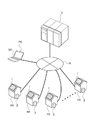
まず、図1を参照しながら実施の形態1の発電システム評価方法を実施する発電システム評価装置としての電力制御システムの全体構成について説明する。
Hereinafter, embodiments of the present invention will be described with reference to the drawings.
(Embodiment 1)
First, the overall configuration of the power control system as a power generation system evaluation device that implements the power generation system evaluation method of the first embodiment will be described with reference to FIG.
この電力制御システムは、制御される建物としての住宅H1,H2,H3,・・・,HXは、電力会社の発電所や地域毎に設置されたコジェネレーション設備などの系統電力網としての商用電源E(図2参照)に接続されている。なお、以下の説明において、住宅H1,・・・,HXのうちの特定のものを指さない場合は、単に住宅Hと表記する。
これらの複数の住宅は、全国に配置されている。また、各住宅は、その所在地に応じた省エネルギ基準に基づいて予め設定された複数の地域区分に分けられており、地域区分に応じた断熱性能が与えられている。例えば、平成25年の省エネルギ基準による地域区分によれば、全国が1〜8の地域区分に分けられている。
This power control system is a house as a controlled building H1, H2, H3, ..., HX is a commercial power source E as a grid power network such as a power plant of a power company or cogeneration equipment installed in each area. It is connected to (see FIG. 2). In the following description, when a specific one of the houses H1, ..., HX is not referred to, it is simply referred to as the house H.
These multiple homes are located all over the country. In addition, each house is divided into a plurality of regional divisions set in advance based on the energy saving standard according to the location, and the heat insulating performance according to the regional division is given. For example, according to the regional divisions based on the 2013 Energy Conservation Standards, the whole country is divided into 1 to 8 regional divisions.
各住宅Hは、少なくとも太陽光発電装置としての太陽光パネル1と、電力を一時的に蓄えておく蓄電池2とを備えている。さらに、これらの住宅Hは、それぞれインターネットなどの外部の通信ネットワークNを介して管理サーバ5に接続され、管理サーバ5との間で、計測値や演算処理結果などのデータの送受信や各種制御信号の送受信などが行われる。本実施の形態1では、これらの住宅Hから管理サーバ5に送られる、消費電力量などの実計測データを用いて、試算対象の住宅(邸)の電力自給自足率、売電率、蓄電池稼働率の演算を行う。
Each house H includes at least a solar panel 1 as a photovoltaic power generation device and a
なお、管理サーバ5は、図示は省略するが、CPUとRAM、ROMなどのメモリを備えた情報処理装置により構成され、CPUの制御による通信ネットワークNを介した通信を行う通信インタフェース51(図3参照)などを備える。
Although not shown, the
(住宅側の構成)
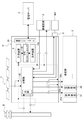
次に、実施の形態1の電力制御システムを適用した住宅の電力系統および通信系統を模式的に示すブロック図である図2に基づいて、住宅H側の構成について説明する。
各住宅Hの電力供給系として、分電盤10が設けられている。
分電盤10は、商用電源Eに接続され、かつ、住宅Hの太陽光パネル(太陽光発電装置)1、蓄電池2、電力負荷群3に接続されている。
(Composition on the residential side)
Next, the configuration on the H side of the house will be described with reference to FIG. 2, which is a block diagram schematically showing the power system and the communication system of the house to which the power control system of the first embodiment is applied.
A
The
太陽光パネル1は、太陽光を、太陽電池を利用することによって、電力に変換して発電を行う装置である。この太陽光パネル1は、太陽光を受けることができる時間帯のみ電力を供給することが可能である。また、太陽光パネル1によって発電された直流電力は、通常、パワーコンディショナ(不図示)によって交流電力に変換されて使用される。なお、これらの住宅Hに設置された太陽光パネル1は、複数の仕様があり、仕様の違いで発電容量などが異なるもので、住宅Hごとの仕様の違いについては、管理サーバ5側の後述する邸情報データベース53aに記憶されている。
The solar panel 1 is a device that converts sunlight into electric power by using a solar cell to generate electric power. The solar panel 1 can supply electric power only during a time period in which sunlight can be received. Further, the DC power generated by the solar panel 1 is usually converted into AC power by a power conditioner (not shown) and used. The solar panels 1 installed in these houses H have a plurality of specifications, and the power generation capacity and the like differ depending on the specifications. The difference in the specifications for each house H will be described later on the
一方、蓄電池2も、太陽光パネル1と同様に、パワーコンディショナ(不図示)により直流−交流の変換が成されて、蓄電(充電)および放電の制御がなされる。この蓄電、放電の制御は、例えば、蓄電池2に、商用電源Eから供給される深夜電力などの電力価格が安い電力や、太陽光パネル1にて発電された電力を蓄電し、商用電源Eの電力価格が高い時間帯に放電を行うよう制御する。加えて、売電価格などを考慮して、発電電力の一部あるいは全てを、商用電源E側に放電して売電する制御も含まれる。なお、蓄電池2の蓄電電力の容量や定格出力などの仕様も、管理サーバ5側の後述する邸情報データベース53aに住宅Hに関連付けて記憶されている。
On the other hand, similarly to the solar panel 1, the
また、蓄電池としてさらに電動車両MVを含んでよい。この電動車両MVに車載の蓄電池(不図示)は、EVパワーコンディショナ8を介して分電盤10と接続可能となっている。この電動車両MVに搭載された蓄電池(不図示)は、走行のための充電を行う場合は負荷となる一方で、住宅Hの電力負荷群3のために放電させる蓄電池2として用いることができる。なお、電動車両MVとしては、モータのみを駆動源とするもののみならず、エンジンも搭載したプラグインハイブリッド車を含む。
Further, the electric vehicle MV may be further included as the storage battery. A storage battery (not shown) mounted on the electric vehicle MV can be connected to the
電力負荷群3は、電力を消費して駆動する複数の電力負荷から成るもので、電力負荷としては、例えば、給湯装置31、空調装置32、照明スタンドやシーリングライトなどの照明装置(不図示)、冷蔵庫やテレビなどの家電装置(不図示)、調理装置などが含まれる。そして、分電盤10と、電力負荷群3の各電力負荷とは、複数の分岐回路20a,20b〜20nを介して接続されている。
The electric
電力負荷群3などの消費電力は、計測装置4により計測される。
すなわち、計測装置4は、商用電源Eから分電盤10へ向けて供給される買電力量、住宅Hから商用電源Eへ向けて供給される売電力量、太陽光パネル1で発電された発電電力量、蓄電池2から放電される放電電力量、蓄電池2に充電される充電電力量を計測する。さらに、各分岐回路20a〜20nを介して電力負荷群3へ供給される消費電力量を計測するようにしてもよい。なお、消費電力量は、前記計測を行わずに買電電力量+(発電電力量−売電電力量)から求めることもできる。
The power consumption of the
That is, the measuring
また、計測装置4による各電力量の計測は、1秒単位、1分単位、1時間単位などの任意の時間毎に積算して行うことができる。そして、計測装置4によって計測された計測値のデータは、管理サーバ5側の後述する消費電力履歴データベース53bに入力され保存される。
Further, the measurement of each electric energy amount by the measuring
なお、各住宅Hには、通信インタフェース19が設けられている。この通信インタフェース19は、インターネットなどの外部の通信ネットワークNを介して管理サーバ5に接続されており、管理サーバ5との間で、計測装置4の計測値や管理サーバ5における演算処理結果などのデータの送受信や制御信号の送受信を行う。
A
また、住宅コントロールユニット18は、分電盤10から蓄電池2を含む電力負荷群3への電力の供給をコントロールすることができるもので、この住宅コントロールユニット18は、管理サーバ5から送られる運転計画に基づいて、蓄電池2を含む電力負荷群3の運転を行う。
Further, the
(管理サーバの構成)
次に、図3に基づいて、管理サーバ5の構成について説明する。
管理サーバ5は、通信インタフェース51と、各種制御を行う制御部52と、邸情報データベース(DB)53aと、消費電力履歴データベース(DB)53bと、電力価格データベース(DB)53cと、気象データベース(DB)53dと、運転パターンデータベース(DB)53eとを備える。
(Management server configuration)
Next, the configuration of the
The
通信インタフェース51は、通信ネットワークNを介して各住宅Hから送信されてくる計測値、処理要求などを、管理サーバ5の制御部52に送る。また、通信インタフェース51は、各種データベース53a〜53eに記憶されたデータ、制御部52で行われた演算処理結果、更新プログラムなどを各住宅Hに向けて送る機能を有している。なお、この制御部52で行われた演算処理結果として、家庭での電力の使用の効率化を図ってエネルギを節約するいわゆるHEMS(Home Energy Management System)制御が含まれる。
The
邸情報データベース53aには、各住宅Hに与えられた邸コード(識別番号)、およびその邸コードに関連付けられた住所、建築年、断熱性能、間取りおよび床面積、電気配線、使用部材、太陽光パネル1の仕様(発電容量)、蓄電池2の仕様(蓄電容量、定格出力)などの各種設備の仕様に関する情報が記憶されている。さらに、邸情報データベース53aには、住宅Hごとに、実際の単位時間毎の発電量が、気象データ(日射量)に関連付けて記憶されている。例えば、住宅H毎に太陽光パネル1の設置条件が異なることから、同じ地域区分で同じ日射量であっても、発電量に違いが生じるため、住宅Hごとにそのデータを記憶する。
In the
消費電力履歴データベース53bには、各住宅Hで計測あるいは演算された消費電力量を含む電力データが、通信インタフェース51を介して受信されて記憶される。この消費電力量の履歴は、単位時間毎に記憶されるとともに、曜日など暦に関連付けして記憶される。なお、消費電力履歴データベース53bでは、気温などの気象条件に影響を受け易い空調装置32などの空調負荷および給湯装置31などの給湯負荷の消費電力量と、気温などの気象条件に影響を受け難いその他の負荷の消費電力量とを負荷別にカテゴリー分けして記憶してもよい。
さらに、消費電力履歴データベース53bには、住宅Hごとに、実際の単位時間毎の発電電力量が、気象データ(日射量)に関連付けて記憶されている。例えば、住宅H毎に太陽光パネル1の設置条件が異なることから、同じ地域区分で同じ日射量であっても、発電量に違いが生じるため、住宅Hごとにそのデータを記憶する。加えて、消費電力履歴データベースには、単位時間毎の買電電力量も記憶されている。
In the power
Further, in the power
電力価格データベース53cには、各時間帯毎の電力価格(住人側から見て買電価格)や、太陽光パネル1で発電した電力を電力会社などが買い取る価格(住人側から見て売電価格)が記憶されている。
In the electric
気象データベース53dには、気象庁や気象予報会社などの図示省略のサーバから通信ネットワークNを介して受信した各住宅Hが立地する全国各地の気温や日射量などの翌日の気象予報データが記憶されている。さらに、気象データベース53dには、時々刻々の実際の気象データ、気温、湿度、日照量などの気象データを記憶し、これを過去のデータとして用いるようにしてもよい。
運転パターンデータベース53eには、各住宅Hに設置された電力負荷群3および蓄電池2の様々な運転パターンが、気象データに対応付けて記憶されている。
The
In the operation pattern database 53e, various operation patterns of the
制御部52は、運転計画部52a、運転監視部52bを備える。
運転計画部52aは、翌日の気象予報および過去の消費電力量データに基づいて、翌日の時間毎の必要な消費電力量、発電量、運転パターンを予測し、蓄電池2の蓄電運転時刻、放電運転時刻、給湯装置31による蓄湯運転時刻などの設定を行う。
The
The
運転監視部52bは、住宅Hから送られてくるデータに基づいて、住宅Hにおける電力を利用する運転状態を監視し、蓄電池2の異常を含む異常発生時には、その異常を報せるなどの異常に応じた処理を実行する。なお、この異常を報せる処理としては、表示装置18aにより表示する処理や、あるいは住宅Hの管理会社に、通信ネットワークNを介して電話やメールなどにより報せる処理などを行う。
The
(発電システム評価方法)
本実施の形態1の発電システム評価方法は、上記の管理サーバ5と、この管理サーバ5と通信ネットワークNを介して接続可能なパーソナルコンピュータ(以下、パソコンという)PCとにより実行される。
(Power generation system evaluation method)
The power generation system evaluation method of the first embodiment is executed by the above-mentioned
このパソコンPCは、周知のように、通信ネットワークからの入力やキーボード操作による入力を行う入力部(不図示)、各種演算処理を行う演算部(不図示)、表示部としての表示画面SCを備える。
そして、このパソコンPCでは、評価対象の住宅(以下、この試算対象の住宅を既存の住宅Hと区別して邸と称する)に関する設定条件データおよび管理サーバ5に記憶された住宅Hのデータに基づいて、電力自給自足率、売電率、蓄電池稼働率を演算し、さらに、これらに基づいて、太陽光パネル容量と蓄電池容量との最適バランスを示す評価値を求める演算を行う。
As is well known, this personal computer PC includes an input unit (not shown) for inputting from a communication network or input by keyboard operation, a calculation unit (not shown) for performing various arithmetic processes, and a display screen SC as a display unit. ..
Then, in this personal computer PC, based on the setting condition data regarding the house to be evaluated (hereinafter, the house to be calculated is referred to as a house to distinguish it from the existing house H) and the data of the house H stored in the
この最適バランスの評価値とは、電力自給自足ができ、無駄な発電を行うことが無く、蓄電池2を無駄なく活用できることの度合を、示す値である。
そして、この評価値は、例えば、邸の新築時、あるいは、既存の邸において、太陽光パネル1の新設あるいは増設の際や、蓄電池2の新設あるいは増設の際に、太陽光パネル容量と蓄電池容量の最適の組み合せを設定する際に用いることができる。
The evaluation value of the optimum balance is a value indicating the degree to which the
Then, this evaluation value is, for example, the solar panel capacity and the storage battery capacity at the time of new construction of a house, or at the time of new installation or expansion of a solar panel 1 or at the time of new installation or expansion of a
ここで、本実施の形態1では、試算対象がいわゆるオール電化住宅の場合を例に挙げる。なお、オール電化住宅とは、調理・空調・照明・給湯などを全て電気で賄っている住宅である。 Here, in the first embodiment, the case where the trial calculation target is a so-called all-electric home will be taken as an example. An all-electric home is a home where cooking, air conditioning, lighting, hot water supply, etc. are all covered by electricity.
(試算処理)
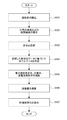
以下に、パソコンPCにおいて実行する評価値の演算の処理の流れを図4のフローチャートに基づいて説明する。
(Trial calculation process)
Hereinafter, the flow of processing for calculating the evaluation value executed on the personal computer PC will be described with reference to the flowchart of FIG.
この電力自給自足率は、パソコンPCにより、試算ソフトを立ち上げることで開始される。
最初のステップS101では、邸条件の読み込みを行う。この邸条件は、パソコンPCの表示画面SCに表示された、邸条件入力画面(不図示)を用いて予め手作業により入力されたもので、この入力された邸条件の読み込みを行う。
This power self-sufficiency rate is started by launching the trial calculation software on a personal computer.
In the first step S101, the residence condition is read. This house condition is manually input in advance using the house condition input screen (not shown) displayed on the display screen SC of the personal computer PC, and the input house condition is read.
なお、ここで、邸条件は、試算対象の邸と消費電力量が共通しそうな住宅Hを選択した上で、試算する蓄電池容量、太陽光パネル容量に応じた消費電力量、発電電力量、売電電力量、充電量および放電量のモデルデータ(邸において想定される各値)を作成するための設定条件である。
具体的には、邸条件としては、邸が建てられている地域区分、住人構成(世帯数あるいは家族構成など)、住宅のタイプ(鉄骨系、木質系など)、延べ床面積が含まれる。さらに、邸条件としては、リフォームにより設置を検討する蓄電池容量(蓄電池の機種などでもよい)、電動車両MVの有無、および既設あるいは増設を含む太陽光パネル容量の容量条件が含まれる。
Here, as for the house conditions, after selecting the house H that is likely to have the same power consumption as the house to be calculated, the storage battery capacity to be calculated, the power consumption according to the solar panel capacity, the power generation amount, and the sale It is a setting condition for creating model data (each value assumed in the house) of electric energy amount, charge amount and discharge amount.
Specifically, the conditions of the house include the area division where the house is built, the composition of residents (number of households or family composition, etc.), the type of housing (steel frame type, wood type, etc.), and the total floor area. Further, the housing conditions include the storage battery capacity (a storage battery model or the like) to be considered for installation by remodeling, the presence or absence of an electric vehicle MV, and the capacity condition of the solar panel capacity including the existing or expansion.
すなわち、試算対象の邸と地域が共通する住宅Hは、断熱性能や、冷房や暖房などの空調その他の消費電力量が類似する傾向にある。同様に、住人構成が共通、あるいは類似する住宅Hでは、空調、給湯、照明などの消費電力量が類似する傾向にある。 That is, the house H, which has the same area as the house to be calculated, tends to have similar heat insulation performance, air conditioning such as cooling and heating, and other power consumption. Similarly, in a house H having a common or similar resident composition, the power consumption of air conditioning, hot water supply, lighting, etc. tends to be similar.
よって、邸条件として、上記のように地域区分、住人構成を入力することにより、管理サーバ5にデータが入力されている住宅Hの中から、試算対象の邸と、消費電力量が類似する住宅Hを、検索することができる。また、邸条件として、評価値の試算を行う蓄電池容量および太陽光パネル容量を入力することにより、同様の組み合わせの住宅における、実際の発電量、売電量、買電量、充電量および放電量を用いて、これらの値の想定値を作成することができる。
Therefore, by inputting the area classification and the resident composition as the house conditions as described above, the house H in which the data is input to the
そこで、次のステップS102では、管理サーバ5にデータが入力されている住宅Hの中から、ステップS101で読み込んだ邸条件に一致する住宅の検索を行うとともに、表示画面SCに検索結果の表示を行う。
Therefore, in the next step S102, the house H whose data is input to the
すなわち、表示画面SCに、邸条件に一致する複数の住宅Hの一覧表示を行う。
なお、本実施の形態1では、蓄電池2が設置されていない住宅におけるリフォームの場合を例示しているため、試算対象の邸と条件が一致する住宅Hとして、蓄電池2が設置されていない住宅Hを検索するようにしてもよい。この場合、後述の充放電量のモデルデータとしては、発電量および消費電力量のモデルデータから演算したものを用いてもよい。
That is, a list of a plurality of houses H that match the housing conditions is displayed on the display screen SC.
Since the case of remodeling in a house in which the
ステップS102に続く点線枠のステップS103は、検索した住宅Hの表示の後に操作者による手作業による入力操作で行われるもので、表示された住宅Hの中から試算に利用したい住宅Hを選択する。 Step S103 of the dotted line frame following step S102 is performed by a manual input operation by the operator after displaying the searched house H, and selects the house H to be used for the trial calculation from the displayed houses H. ..
この場合、選択する住宅Hは、検索された複数の住宅Hの中から、総消費電力量およびその他の条件が満足する実計測データを備えた住宅Hを1つ選択する。この選択は、自動的に行ってもよいが、本実施の形態1では、上記のように手作業により行う。 In this case, the house H to be selected selects one house H having actual measurement data satisfying the total power consumption and other conditions from the plurality of searched houses H. This selection may be made automatically, but in the first embodiment, it is made manually as described above.
すなわち、試算に利用した住宅Hとして、基本的には、複数の住宅Hの中から、総消費電力量ならびに自家消費電力量が、中央値のもの(図5Da1参照)を選択する。したがって、この中央値のものを自動的に選択してもよいが、本実施の形態1のように手動により選択する理由は、下記のとおりである。
住宅Hのデータは、その全て(消費電量の他に、発電電力量、買電電力量、充放電量など)が、所定の期間(例えば、1年)の全期間に亘って正常に計測されているとは限らない可能性がある。そこで、操作者が、データを目視により所定期間に亘って正常に計測されているかどうかを確認し、仮に、総消費電力量ならびに自家消費電力量が中央値のものデータDa1に問題があれば、その近傍のもの(例えば、図5のデータDa2)について、上記と同様に、所定期間(例えば、1年)に亘って正常に計測されているかどうかを確認し、正常であれば、この住宅Hを選択する。
That is, as the house H used for the trial calculation, basically, the house H having the median total power consumption and self-power consumption is selected from the plurality of houses H (see FIG. 5Da1). Therefore, the median value may be automatically selected, but the reason for manually selecting the median value as in the first embodiment is as follows.
All of the data of the house H (in addition to the amount of power consumption, the amount of power generated, the amount of purchased power, the amount of charge / discharge, etc.) are normally measured over the entire period of a predetermined period (for example, one year). It may not always be. Therefore, the operator visually confirms whether or not the data is normally measured over a predetermined period, and if there is a problem with the data Da1 having the median total power consumption and self-consumption. In the same manner as above, it is confirmed whether or not the vicinity thereof (for example, the data Da2 in FIG. 5) is normally measured over a predetermined period (for example, one year), and if it is normal, this house H Select.
なお、選択した住宅Hについて、前述したように、消費電力量、発電電力量、買電電力量、充放電量を含む電力データが管理サーバ5に入力されている。また、これらの消費電力量、発電電力量、買電電力量、充放電量を含む電力データは、1年間に亘る所定時間毎のデータであって、本実施の形態1では、1時間あるいは30分毎のデータを所定期間(例えば、1年間)蓄積したデータである。なお、買電電力量は、消費電力量から発電電力量を差し引いた値として求めることができ、一方、売電電力量は、発電電力量から消費電力量を差し引いた値として求めることができる。したがって、消費電力量、発電電力量、買電電力量については、必ずしも、その全てをダウンロードする必要はない。
同様に、消費電力量としても、住宅Hから消費電力量をそのまま読み込む他に、発電電力量、買電電力量、売電電力量から消費電力量を演算することもできる。すなわち、買電電力量+(発電電力量−売電電力量)=総消費電力量として求めることもできる。
As described above, for the selected house H, power data including the power consumption amount, the generated power amount, the purchased power amount, and the charge / discharge amount is input to the
Similarly, as the power consumption, in addition to reading the power consumption as it is from the house H, the power consumption can be calculated from the generated power amount, the purchased power amount, and the sold power amount. That is, it can also be obtained as the amount of power purchased + (the amount of power generated-the amount of power sold) = total power consumption.
ステップS103に続くステップS104では、ステップS103において選択された住宅Hの消費電力量、発電電力量、買電電力量、充電量および放電量などの実計測データおよび各種仕様のデータから、評価値を求めるのに使用する消費電力量[kWh]、発電電力量[kWh]、買電電力量[kWh]、放電量[kWh](もしくは、太陽光パネル1からの充電量=PV充電量[kWh])のモデルデータを作成し入力する。なお、これらのモデルデータは、住宅の地域、住宅のタイプ、床面積、住人構成などに基づいて、予め入力しておいてもよい。 In step S104 following step S103, an evaluation value is obtained from actual measurement data such as power consumption, power generation, power purchase, charge and discharge of the house H selected in step S103, and data of various specifications. Power consumption [kWh], power generation [kWh], power purchase [kWh], discharge [kWh] (or charge from solar panel 1 = PV charge [kWh]) Create and enter model data. Note that these model data may be input in advance based on the area of the house, the type of the house, the floor area, the composition of residents, and the like.
ここで、まず、選択された住宅Hの消費電力量、発電電力量、買電電力量、放電量の実計測データについて説明すると、本実施の形態1では、太陽光パネル1や蓄電池2の経時的な劣化を考慮して、ステップS103において検索する対象の住宅Hは、築年数が浅く(例えば、2年以内であって、1年以上)劣化が殆ど生じていない住宅Hに限って検索している。したがって、選択された住宅Hの各実計測データも、築年数が浅く(例えば、2年以内)、太陽光パネル1や蓄電池2に劣化が殆ど生じていないデータである。なお、検索する住宅Hとして、築年数の浅い住宅に限らずに検索し、住宅Hの築年数に応じて、総発電電力量などの実計測データを、新築当時のデータ相当に補正するようにしてもよい。
Here, first, the actual measurement data of the power consumption amount, the generated power amount, the purchased power amount, and the discharged amount of the selected house H will be described. In the first embodiment, the solar panel 1 and the
次に、モデルデータについて説明する。
評価値は、本実施の形態1の場合、リフォームにより蓄電池2を新たに設置したり、太陽光パネル1を、増設あるいは新設したりする際に、蓄電池2および太陽光パネル1を、どの程度の容量の組み合わせに設定するのがよいかを判断するのに用いる。
Next, the model data will be described.
In the case of the first embodiment, the evaluation value is how much the
そこで、モデルデータとしては、ステップS101の邸条件として入力された蓄電池容量、太陽光パネル容量に応じて、消費電力量、発電電力量、買電電力量、放電量(あるいはpv充電量)のモデルデータを形成する。 Therefore, as the model data, the model data of the power consumption amount, the generated power amount, the purchased power amount, and the discharge amount (or the pv charge amount) according to the storage battery capacity and the solar panel capacity input as the house condition in step S101. To form.
ここで、選択した住宅Hの蓄電池容量および太陽光パネル容量は、予め分かっている。また、この選択した住宅Hにおける蓄電池容量および太陽光パネル容量と、消費電力量、発電電力量、買電電力量、放電量(pv充電量)との関係に対して、ステップS101で入力された蓄電池容量および太陽光パネル容量に置き換えた場合の発電電力量、買電電力量、放電量(pv充電量)のモデルデータに換算する演算式が、予めパソコンPCに入力されている。また、消費電力についても、試算対象の邸と、選択された住宅Hとの仕様の相違や、住人構成(人数や世帯数)とに相違がある場合、選択された住宅Hの消費電力量を、試算対象の邸の消費電力量に換算する演算式が、予めパソコンPCに入力されている。 Here, the storage battery capacity and the solar panel capacity of the selected house H are known in advance. Further, the storage battery input in step S101 with respect to the relationship between the storage battery capacity and the solar panel capacity in the selected house H and the power consumption amount, the generated power amount, the purchased power amount, and the discharge amount (pv charge amount). Calculation formulas for converting into model data of the amount of power generated, the amount of purchased power, and the amount of discharge (pv charge amount) when replaced with the capacity and the capacity of the solar panel are input to the personal computer PC in advance. Also, regarding the power consumption, if there is a difference in specifications between the house to be calculated and the selected house H, or if there is a difference in the resident composition (number of people or number of households), the power consumption of the selected house H will be calculated. , The calculation formula for converting to the power consumption of the house to be calculated is input to the personal computer PC in advance.
したがって、ステップS104では、選択した住宅Hの消費電力量、発電電力量、買電電力量、放電量から、ステップS101で入力された蓄電池容量、太陽光パネル容量、住人構成に応じた消費電力量、発電電力量、買電電力量、放電量をモデルデータとして演算する。 Therefore, in step S104, the storage battery capacity, the solar panel capacity, and the power consumption according to the resident configuration, which are input in step S101, are obtained from the power consumption amount, power generation amount, power purchase amount, and discharge amount of the selected house H. The amount of generated power, the amount of purchased power, and the amount of discharge are calculated as model data.
続くステップS105では、ステップS104で演算したモデルデータを用いて、最適バランスの評価を表す評価値の演算に用いる、電力自給自足率、売電率、蓄電池稼働率を演算する。
まず、電力自給自足率は、1年間の総消費電力量のうち、買電しなかった電力量の割合であり、下記の式(1)により求めることができる。
電力自給自足率(%)=[1−(買電電力量[kWh]/消費電力量[kWh])]×100・・・(1)
すなわち、1年間を通して、買電電力量が0となると自給自足率が100%となる。
In the following step S105, the power self-sufficiency rate, the power selling rate, and the storage battery operating rate used for calculating the evaluation value representing the evaluation of the optimum balance are calculated using the model data calculated in step S104.
First, the power self-sufficiency rate is the ratio of the amount of power not purchased to the total amount of power consumption in one year, and can be calculated by the following formula (1).
Power self-sufficiency rate (%) = [1- (Purchased power [kWh] / Power consumption [kWh])] x 100 ... (1)
That is, the self-sufficiency rate becomes 100% when the amount of electricity purchased becomes 0 throughout the year.
また、電力自給自足率は、下記の式(2)より求めることもできる。
電力自給自足率(%)=[(自家消費電力量[kWh]+放電量(=PV充電量)[kWh])/消費電力量[kWh]]×100・・・(2)
The power self-sufficiency rate can also be calculated from the following equation (2).
Power self-sufficiency rate (%) = [(self-power consumption [kWh] + discharge amount (= PV charge amount) [kWh]) / power consumption [kWh]] × 100 ... (2)
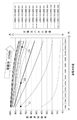
ここで、電力自給自足率と、太陽光パネル容量および蓄電池容量との関係の一例を図6に示す。
この図に示すように、太陽光パネル容量と、蓄電池容量とは、それぞれ、大きい方が、電力自給自足率が向上するのが分かる。
Here, FIG. 6 shows an example of the relationship between the power self-sufficiency rate and the capacity of the solar panel and the capacity of the storage battery.
As shown in this figure, it can be seen that the larger the solar panel capacity and the storage battery capacity, the better the power self-sufficiency rate.
次に、売電率は、全発電電力量に対する、住宅内で使用しなかった余剰電力量の割合を表し、下記の式(3)により求める。
売電率(%)=(売電量[kWh]/発電量[kWh])×100 ・・・(3)
図7に売電率と太陽光パネル容量および蓄電池容量との関係を示す。この図7に示すように、売電率は、太陽光パネル容量が大きくなるほど増加するが、蓄電池容量が大きいほど住宅内での使用が増えて低下する傾向にある。
Next, the power selling rate represents the ratio of the amount of surplus power not used in the house to the total amount of generated power, and is calculated by the following formula (3).
Power sales rate (%) = (Power sales amount [kWh] / Power generation amount [kWh]) x 100 ... (3)
FIG. 7 shows the relationship between the power selling rate and the capacity of the solar panel and the storage battery. As shown in FIG. 7, the power selling rate increases as the capacity of the solar panel increases, but tends to decrease as the capacity of the storage battery increases due to increased use in the house.
ところで、近年、出力抑制問題が生じている。すなわち、商用電源Eなどの系統電力全体におけるエネルギ(電力)生産量が消費量を上回ることが生じないように、このような状況では、売電ができないように出力を抑制するようになっている。また、売電単価も将来的に低下する予定である。このような環境配慮および経済性の観点からは、売電率はできるだけ低く抑えることが好ましい。
すなわち、太陽光売電率が低いということは,それだけ発電した電力を住宅内で有効利用できていることを示す。この売電率が高いということは太陽光パネル容量が住宅における必要容量よりも大きいことを示す。環境的観点で考えると、太陽光パネル1は、製造および廃棄時にエネルギを要するため、住宅内での必要容量程度に収めることが望ましい。
By the way, in recent years, the problem of output suppression has occurred. That is, in such a situation, the output is suppressed so that the power cannot be sold so that the energy (power) production amount in the entire system power such as the commercial power source E does not exceed the consumption amount. .. In addition, the unit price of electricity sold is expected to decrease in the future. From the viewpoint of such environmental consideration and economy, it is preferable to keep the power selling rate as low as possible.
In other words, a low solar power sales rate indicates that the generated power can be effectively used in the house. This high power selling rate indicates that the capacity of the solar panel is larger than the required capacity in the house. From an environmental point of view, the solar panel 1 requires energy during manufacturing and disposal, so it is desirable to keep the capacity within the required capacity in the house.
次に、蓄電池稼働率は、蓄電池容量に対して。住宅H内で使用した電力の割合であり、下記式(4)により求める。
蓄電池稼働率(%)
=(放電量(=PV充電量)[kWh]/蓄電池容量[kWh])×100 ・・・(4)
Next, the storage battery operating rate is relative to the storage battery capacity. It is the ratio of the electric power used in the house H, and is calculated by the following formula (4).
Storage battery operating rate (%)
= (Discharge amount (= PV charge amount) [kWh] / Storage battery capacity [kWh]) × 100 ・ ・ ・ (4)
図8に蓄電池稼働率と、蓄電池容量と太陽光パネル容量との関係を示す。この図に示すように、蓄電池容量が大きいほど、蓄電池稼働率が低下する。また、太陽光パネル容量が大きいほど、蓄電池稼働率が低下する。 FIG. 8 shows the relationship between the storage battery operating rate, the storage battery capacity, and the solar panel capacity. As shown in this figure, the larger the storage battery capacity, the lower the storage battery operating rate. Further, the larger the capacity of the solar panel, the lower the operating rate of the storage battery.
ここで、蓄電池稼働率の高低について、説明すると、蓄電池稼働率が高いということは、蓄電池2の遊び時間が少ないということを示す。環境的観点で考えると、蓄電池2も太陽光パネル1と同様に製造および廃棄時にエネルギを要するため、住宅内での必要容量内に収めることが望ましい。
すなわち、蓄電池稼働率は、遊び時間が少なく、100%に近いことが望ましい。
Here, the high and low of the storage battery operating rate will be explained. When the storage battery operating rate is high, it means that the play time of the
That is, it is desirable that the storage battery operating rate is close to 100% with little play time.
ステップS105において電力自給自足率、売電率、蓄電池稼働率を求めた後に進むステップS106では、評価値を演算する。
この評価値は、電力自給自足率、太陽光パネル1の容量、蓄電池2の容量の最適バランスを示す値である。
具体的には、評価値は、下記の式(5)により求める。
評価値[%]=電力自給自足率[%]×太陽光自家消費率[%])×蓄電池稼働率[%] ・・・(5)
なお、太陽光自家消費率=1−売電率である。
したがって、評価値は、電力自給自足率が高く、太陽光自家消費率が高く(売電率が低く)、蓄電池稼働率が高い組み合わせを高評価とする。
In step S106, which proceeds after obtaining the power self-sufficiency rate, the power selling rate, and the storage battery operating rate in step S105, the evaluation value is calculated.
This evaluation value is a value indicating an optimum balance between the power self-sufficiency rate, the capacity of the solar panel 1, and the capacity of the
Specifically, the evaluation value is obtained by the following formula (5).
Evaluation value [%] = Electric power self-sufficiency rate [%] x Solar self-consumption rate [%]) x Storage battery operating rate [%] ・ ・ ・ (5)
The solar self-consumption rate = 1-power sale rate.
Therefore, as for the evaluation value, a combination having a high power self-sufficiency rate, a high solar self-consumption rate (low power sales rate), and a high storage battery operating rate is highly evaluated.
上述したように、太陽光パネル1の容量および蓄電池2の容量は、やみくもに大きくすればよいものではなく、自給自足を高い割合で達成しつつ、太陽光パネル1において、無駄な発電を行わず、蓄電池2を無駄なく活用することが望ましい。上記の評価値は、このように、高自給自足率、効率的な発電、蓄電池2の少ない無駄時間の無い稼働率との最適バランスを示す。
As described above, the capacity of the solar panel 1 and the capacity of the
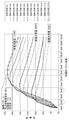
そして、評価値の演算後に進むステップS107では、演算した評価値に基づく、評価値特性を表示画面SCにおいて表示する。この評価値特性は、図9に示すように、蓄電池容量および太陽光パネル容量に応じた評価値を示すものである。図9では、蓄電池容量として複数記載しているが、このステップS107において表示する評価値特性は、ステップS101において設定した蓄電池容量に応じた特性のもののみを表示する。 Then, in step S107, which proceeds after the calculation of the evaluation value, the evaluation value characteristic based on the calculated evaluation value is displayed on the display screen SC. As shown in FIG. 9, this evaluation value characteristic shows an evaluation value according to the storage battery capacity and the solar panel capacity. In FIG. 9, a plurality of storage battery capacities are described, but as the evaluation value characteristics displayed in step S107, only those having characteristics corresponding to the storage battery capacity set in step S101 are displayed.
例えば、図9において蓄電池容量=1kWhの特性を見ると、太陽光パネル容量が2kWの場合が、評価値=12%程度で最も高くなっている。この場合、図6の電力自給自足率の特性を参照すると、蓄電池容量=1kWh、太陽光パネル容量=2kWの組み合わせC1は、電力自給自足率が20%程度となる。また、図7の売電率の特性を参照すると、上記組み合わせC1の場合、売電率は25%程度となる。また、図8の稼働率の特性を参照すると、上記組み合わせC1の場合、稼働率は80%程度となる。 For example, looking at the characteristics of the storage battery capacity = 1 kWh in FIG. 9, the case where the solar panel capacity is 2 kW is the highest at the evaluation value = about 12%. In this case, referring to the characteristics of the power self-sufficiency rate in FIG. 6, the combination C1 having the storage battery capacity = 1 kWh and the solar panel capacity = 2 kW has a power self-sufficiency rate of about 20%. Further, referring to the characteristics of the power selling rate in FIG. 7, in the case of the above combination C1, the power selling rate is about 25%. Further, referring to the characteristics of the operating rate in FIG. 8, in the case of the combination C1, the operating rate is about 80%.
一方、図9の蓄電池容量=5kWhの特性を見ると、太陽光パネル容量が4kWの場合が、評価値=22.5%程度で最も高くなっている。この場合、図6の電力自給自足率の特性を参照すると、蓄電池容量=5kWh、太陽光パネル容量=7kWの組み合わせC2は、電力自給自足率が39%程度となる。また、図7の売電率の特性を参照すると、上記組み合わせC2の場合、売電率は26%程度となる。また、図8稼働率の特性を参照すると、上記組み合わせC2の場合、稼働率は80%程度となる。 On the other hand, looking at the characteristics of the storage battery capacity = 5 kWh in FIG. 9, the case where the solar panel capacity is 4 kW is the highest at the evaluation value = about 22.5%. In this case, referring to the characteristics of the power self-sufficiency rate in FIG. 6, the combination C2 having the storage battery capacity = 5 kWh and the solar panel capacity = 7 kW has a power self-sufficiency rate of about 39%. Further, referring to the characteristics of the power selling rate in FIG. 7, in the case of the combination C2, the power selling rate is about 26%. Further, referring to the characteristics of the operating rate in FIG. 8, in the case of the above combination C2, the operating rate is about 80%.
また、図9の蓄電池容量=11kWhの特性を見ると、太陽光パネル容量が7kWの場合が、評価値=33%程度で最も高くなっている。この場合、図6の電力自給自足率の特性を参照すると、蓄電池容量=11kWh、太陽光パネル容量=7kWの組み合わせC3は、電力自給自足率が62%程度となる。また、図7の売電率の特性を参照すると上記組み合わせC3の場合、売電率は31%程度となる。また、図6の稼働率の特性を参照すると、上記組み合わせC3の場合、稼働率は77%程度となる。 Looking at the characteristics of the storage battery capacity = 11 kWh in FIG. 9, the case where the solar panel capacity is 7 kW is the highest at the evaluation value = about 33%. In this case, referring to the characteristics of the power self-sufficiency rate in FIG. 6, the combination C3 having the storage battery capacity = 11 kWh and the solar panel capacity = 7 kW has a power self-sufficiency rate of about 62%. Further, referring to the characteristics of the power selling rate in FIG. 7, in the case of the above combination C3, the power selling rate is about 31%. Further, referring to the characteristics of the operating rate in FIG. 6, in the case of the combination C3, the operating rate is about 77%.
そして、評価値の演算後に進むステップS107では、蓄電池容量および太陽光パネル容量と評価値との関係を示す評価値特性グラフ(図9参照)を、表示画面SCに表示する。したがって、現在設置されている太陽光パネル1の容量に最適の蓄電池容量を知ることができる。なお、評価値特性のグラフの表示に代えて、最適の蓄電池2の機種を表示するようにしてもよい。
Then, in step S107, which proceeds after the calculation of the evaluation value, an evaluation value characteristic graph (see FIG. 9) showing the relationship between the storage battery capacity and the solar panel capacity and the evaluation value is displayed on the display screen SC. Therefore, it is possible to know the optimum storage battery capacity for the capacity of the currently installed solar panel 1. Instead of displaying the graph of the evaluation value characteristic, the optimum model of the
なお、図9に示すように、蓄電池容量と太陽光パネル容量との組み合わせにより、評価値特性が異なり、また、その際の電力自給自足率、売電率、蓄電池稼働率がそれぞれ異なるのが分かる。そして、評価値が最も高い値の場合に、蓄電池容量と太陽光パネル容量とのバランスが最も良好となる。 As shown in FIG. 9, it can be seen that the evaluation value characteristics differ depending on the combination of the storage battery capacity and the solar panel capacity, and the power self-sufficiency rate, the power selling rate, and the storage battery operating rate at that time differ from each other. .. When the evaluation value is the highest value, the balance between the storage battery capacity and the solar panel capacity is the best.
(実施の形態1の作用)
次に、実施の形態1の作用について説明する。
この作用の説明では、蓄電池2が設置されていない邸のリフォームにおいて、蓄電池2を新たに設置する際に、住人と、営業担当者との間で、蓄電池2の仕様を決定する打合せを例に挙げる。
(Action of Embodiment 1)
Next, the operation of the first embodiment will be described.
In the explanation of this operation, in the remodeling of a house where the
なお、前提として、管理サーバ5には、建設済みの複数の住宅Hにおける消費電力量、太陽光パネル1の発電電力量、蓄電池2の充電電力量、放電電力量のデータが、所定の時間(例えば、1時間、30分)単位で入力されていれる。また、管理サーバ5では、この時間毎のデータが記憶されるとともに、これを積算した1日、週、月、年毎のデータも記憶される。
さらに、管理サーバ5では、住宅H毎の仕様に関するデータも予め記憶されている。
As a premise, data on the power consumption of the plurality of constructed houses H, the power generated by the solar panel 1, the charging power of the
Further, the
上記の打合せの際に、営業担当者であるパソコンPCの操作者は、まず、パソコンPCに、リフォームを行う邸の所在地に応じた地域区分、住人構成、邸のタイプ、太陽光パネル1の容量、設置を検討する蓄電池容量および電動車両MVの有無などの邸条件を入力した上で、評価値を算出するための作動を開始させる。 At the time of the above meeting, the operator of the personal computer PC, who is the sales person, first tells the personal computer PC the area division, the resident composition, the type of the residence, and the capacity of the solar panel 1 according to the location of the residence to be remodeled. After inputting the housing conditions such as the storage battery capacity to be examined and the presence / absence of the electric vehicle MV, the operation for calculating the evaluation value is started.
これにより、まず、管理サーバ5に入力された住宅Hの中から、評価値の算出対象の邸と地域区分が共通するとともに、住人構成が共通あるいは近似する住人構成のオール電化タイプの住宅Hを検索し、検索結果を表示する(S102)。なお、本実施の形態1では、検索対象は、築年数が浅い住宅Hに限っている。
As a result, first, from the housing H input to the
次に、パソコンPCの操作者は、検索された住宅Hの中から、1年間の総消費電力量および自家消費電力量の中央値あるいはその近傍の住宅Hを選択する(S103)。この選択操作に応じ、パソコンPCでは、選択した住宅Hの実計測データに基づいて、邸設定条件の太陽光パネル容量および蓄電池容量に応じた想定される消費電力量、発電電力量、買電電力量、充放電量のモデルデータを作成する(S104)。 Next, the operator of the personal computer PC selects the house H at or near the median of the total power consumption and the self-power consumption for one year from the searched houses H (S103). In response to this selection operation, the PC PC uses the estimated power consumption, power generation, and purchase power according to the solar panel capacity and storage battery capacity of the house setting conditions based on the actual measurement data of the selected house H. , Create model data of charge / discharge amount (S104).
さらに、パソコンPCでは、作成したモデルデータに基づいて、電力自給自足率、売電率、蓄電池稼働率の演算し(S105)、その後、これらの値に基づいて評価値を演算し(S106)、その特性図を表示画面SCに表示する(S107)。
したがって、操作者は、邸において設置されている太陽光パネル1の容量と、邸条件として設定した蓄電池容量との評価を知ることができる。さらに、図9に示す評価値特性グラフを表示することにより、入力した太陽光パネル容量と蓄電池容量との組み合わせに応じた評価値よりも評価値が高い組み合わせが存在する場合には、その組み合わせを知って、必要に応じて、蓄電池容量の変更や、太陽光パネル1の増設などを検討することが可能となる。
Further, in the personal computer PC, the power self-sufficiency rate, the power selling rate, and the storage battery operating rate are calculated based on the created model data (S105), and then the evaluation value is calculated based on these values (S106). The characteristic diagram is displayed on the display screen SC (S107).
Therefore, the operator can know the evaluation of the capacity of the solar panel 1 installed in the house and the storage battery capacity set as the house condition. Further, by displaying the evaluation value characteristic graph shown in FIG. 9, if there is a combination having an evaluation value higher than the evaluation value corresponding to the combination of the input solar panel capacity and the storage battery capacity, the combination is displayed. Knowing that, if necessary, it is possible to consider changing the storage battery capacity or adding a solar panel 1.
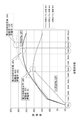
この蓄電池容量の変更や太陽光パネル1の増設について、図10を参照しつつ説明を加える。
図10は、太陽光パネル容量が3kWh、4kWh、5kWhである場合の、評価値特性グラフを示している。なお、図10では、横軸を蓄電池容量としている。
The change in the storage battery capacity and the expansion of the solar panel 1 will be described with reference to FIG.
FIG. 10 shows an evaluation value characteristic graph when the solar panel capacity is 3 kWh, 4 kWh, and 5 kWh. In FIG. 10, the horizontal axis is the storage battery capacity.
各評価値特性グラフでは、蓄電池2が無い場合は、蓄電池2の稼働率=0%であるため、評価値=0である。
ここで、各評価値特性について検討すると、まず、太陽光パネル容量3kWhは、蓄電池容量が6kWh付近で評価値が最大(22%程度)となる。したがって、太陽光パネル容量3kWhの場合は、蓄電池容量を6kWhとすると最もバランスの良い組み合わせとなる。例えば、邸における既存の太陽光パネル1の容量が3kWの場合、蓄電池容量を6kWとするのが望ましい。
In each evaluation value characteristic graph, when there is no
Here, when each evaluation value characteristic is examined, first, the evaluation value of the solar panel capacity of 3 kWh becomes the maximum (about 22%) when the storage battery capacity is around 6 kWh. Therefore, in the case of a solar panel capacity of 3 kWh, if the storage battery capacity is 6 kWh, the combination is the most well-balanced. For example, when the capacity of the existing solar panel 1 in the house is 3 kW, it is desirable that the storage battery capacity is 6 kW.
この場合、電力自給自足率が36%程度、蓄電池2の稼働率が63%程度、売電率が9%程度となる。
なお、評価値特性を見ると分かるように、蓄電池容量をこれよりも大きくすると、稼働率が上昇し(図8参照)、太陽光パネル容量を高くすると売電率が上昇する(図7参照)。
In this case, the power self-sufficiency rate is about 36%, the operating rate of the
As can be seen from the evaluation value characteristics, if the storage battery capacity is made larger than this, the operating rate increases (see FIG. 8), and if the solar panel capacity is increased, the power selling rate increases (see FIG. 7). ..
次に、試しに太陽光パネル容量を増設し、太陽光パネル容量=4kWhとした場合を検討する。この場合、蓄電池容量が9kWh付近で評価値が最大(27%程度)となる。したがって、太陽光パネル容量4kWhの場合は、蓄電池容量を9kWhとすると最もバランスの良い組み合わせとなる。 Next, consider the case where the solar panel capacity is increased as a trial and the solar panel capacity is 4 kWh. In this case, the evaluation value becomes the maximum (about 27%) when the storage battery capacity is around 9 kWh. Therefore, in the case of a solar panel capacity of 4 kWh, if the storage battery capacity is 9 kWh, the combination is the most well-balanced.
この場合、電力自給自足率が46%程度、蓄電池2の稼働率が65%程度、売電率が10%程度となる。
なお、評価値特性を見ると分かるように、蓄電池容量のみをこれよりも大きくすると、稼働率が上昇し(図8参照)、太陽光パネル容量を高くすると売電率が上昇する(図7参照)。
In this case, the power self-sufficiency rate is about 46%, the operating rate of the
As can be seen from the evaluation value characteristics, if only the storage battery capacity is made larger than this, the operating rate increases (see FIG. 8), and if the solar panel capacity is increased, the power selling rate increases (see FIG. 7). ).
次に、太陽光パネル容量5kWhの場合は、蓄電池容量が10kWh付近で評価値が最大(32%程度)となる。したがって、太陽光パネル容量5kWhの場合は、蓄電池容量を10kWhとすると最もバランスの良い組み合わせとなる。 Next, when the solar panel capacity is 5 kWh, the evaluation value becomes the maximum (about 32%) when the storage battery capacity is around 10 kWh. Therefore, in the case of a solar panel capacity of 5 kWh, a storage battery capacity of 10 kWh is the most well-balanced combination.
この場合、電力自給自足率が54%程度、蓄電池2の稼働率が70%程度、売電率が17%程度となる。
なお、評価値特性を見ると分かるように、蓄電池容量をこれよりも大きくすると、稼働率が上昇し(図8参照)、太陽光パネル容量を高くすると売電率が上昇する(図7参照)。
In this case, the power self-sufficiency rate is about 54%, the operating rate of the
As can be seen from the evaluation value characteristics, if the storage battery capacity is made larger than this, the operating rate increases (see FIG. 8), and if the solar panel capacity is increased, the power selling rate increases (see FIG. 7). ..
以上のように、太陽光パネル容量と蓄電池容量との組み合わせに対する評価値特性のグラフをパソコンPCの表示画面SCに表示することにより、パソコンPCの操作を行う営業職およびリフォームの依頼者は、これらを参照しつつ、最適の仕様を決定することができる。 As described above, by displaying the graph of the evaluation value characteristics for the combination of the solar panel capacity and the storage battery capacity on the display screen SC of the personal computer PC, the sales position and the requester of the remodeling who operate the personal computer PC are described. The optimum specifications can be determined with reference to.
また、上記のように最適の組み合わせの蓄電池容量を表示するのに合わせて、蓄電池容量を有する複数種類の蓄電池2(商品および値段)も、同時に表示するようにすることで、ユーザのリフォームの際の仕様決定が、より容易となる。 In addition, by displaying the optimum combination of storage battery capacities as described above, a plurality of types of storage batteries 2 (commodities and prices) having a storage battery capacity are also displayed at the same time, so that when the user is remodeled. It becomes easier to determine the specifications of.
以下に、モデルデータについて説明を追加する。
まず、1年間の総消費電力量、総発電電力量、総買電電力量の計測にあたり、住宅コントロールユニット18では、所定時間毎(例えば、1時間や30分)に各値を計測し、蓄積する。そして、管理サーバ5では、これを、所定時間毎(例えば、1日毎)に読み込んで、蓄積する。例えば、消費電力量は、平日と平日以外の休日などとでは、その消費パターンが異なる場合が多い。よって、モデルデータを作成する場合も、測定データにおける平日のパターンと、平日以外のパターンとに応じて、そのパターンに応じたモデルデータを演算する。そして、1日毎のモデルデータを1週間分蓄積して、1週間の消費電力量、発電電力量、買電電力量、放電量のモデルデータを作成する。そして、これを積算した1か月の消費電力量、発電電力量、買電電力量のモデルデータを作成し、さらに、年間の総消費電力量、総発電電力量、総買電電力量のモデルデータを作成する。
したがって、このように実計測データに基づいた高精度のモデルデータを作成でき、これに基づいて演算する電力自給自足率、蓄電池稼働率、売電率、評価値も高精度で求めることができる。
A description of the model data is added below.
First, in measuring the total power consumption, the total power generation amount, and the total power purchase amount for one year, the
Therefore, high-precision model data based on the actual measurement data can be created in this way, and the power self-sufficiency rate, storage battery operating rate, power selling rate, and evaluation value calculated based on the model data can also be obtained with high accuracy.
上記の消費電力、発電電力、買電電力のモデルデータおよび電力自給自足率の演算結果の例を、図11に示す。
図11は、演算した太陽光発電量と消費電力量とを示しており、4月〜10月は、太陽光発電量が消費電力量を上回る時間帯が多いが、12月〜2月の冬場は、消費電力量が太陽光発電量を上回ることが多いのが分かる。
このように詳細なモデルデータを作成するため、これに基づいて演算する電力自給自足率、蓄電池稼働率、売電率、評価値も、精度の高い値となる。
FIG. 11 shows an example of the model data of the above power consumption, generated power, purchased power, and the calculation result of the power self-sufficiency rate.
FIG. 11 shows the calculated photovoltaic power generation amount and power consumption amount. From April to October, there are many times when the photovoltaic power generation amount exceeds the power consumption amount, but in the winter season from December to February. It can be seen that the amount of power consumption often exceeds the amount of solar power generation.
Since the detailed model data is created in this way, the power self-sufficiency rate, the storage battery operating rate, the power selling rate, and the evaluation value calculated based on the model data are also highly accurate values.
(実施の形態1の効果)
以下に、本開示の実施の形態1の効果を列挙する。
1)実施の形態1の発電システム評価方法は、
建物の消費電力量に対する太陽光パネル容量と蓄電池容量との組み合わせの最適度を評価する発電システム評価方法であって、
評価対象の邸における太陽光パネル容量および蓄電池容量の容量条件を入力する容量条件入力ステップ(S101)と、
評価対象の邸において想定される消費電力量、充放電量、売電電力量、発電電力量であるモデルデータを作成し入力する電力条件入力ステップ(S104)と、
入力された各条件に基づいて、モデルデータの消費電力量に占める買電電力量以外の電力量の割合である電力自給自足率と、モデルデータの発電電力量に占める売電電力量の割合である売電率と、蓄電池容量に占める放電量のモデルデータの割合である稼働率と、を求め(S105)、さらに、電力自給自足率と、売電率と、稼働率とに基づいて最適度の評価値を求める評価値演算ステップ(S106)と、を備える。
したがって、太陽光パネル容量と蓄電池容量との最適の組み合わせを知ることができる。 すなわち、太陽光パネル容量および蓄電池容量は、やみくもに大きくすればよいものではなく、自給自足を高い割合で達成しつつ、太陽光パネル1において、無駄な発電を行わず、蓄電池2を無駄なく活用することが望ましい。上記の評価値に基づいて、高自給自足率、効率的な発電、蓄電池2の高い稼働率との最適バランスが得られる太陽光パネル容量と蓄電池容量との組み合わせを知ることができる。
(Effect of Embodiment 1)
The effects of Embodiment 1 of the present disclosure are listed below.
1) The power generation system evaluation method of the first embodiment is
It is a power generation system evaluation method that evaluates the optimum degree of combination of solar panel capacity and storage battery capacity with respect to the power consumption of a building.
The capacity condition input step (S101) for inputting the capacity conditions of the solar panel capacity and the storage battery capacity in the house to be evaluated, and
The power condition input step (S104) for creating and inputting model data which is the expected power consumption, charge / discharge amount, power sale amount, and power generation amount in the house to be evaluated, and
Based on each input condition, the self-sufficiency rate, which is the ratio of the amount of power other than the purchased power to the power consumption of the model data, and the selling, which is the ratio of the amount of power sold to the amount of power generated in the model data. Obtain the operating rate, which is the ratio of the electric energy and the model data of the amount of discharge to the storage battery capacity (S105), and further evaluate the optimum degree based on the power self-sufficiency rate, the power selling rate, and the operating rate. It includes an evaluation value calculation step (S106) for obtaining a value.
Therefore, it is possible to know the optimum combination of the solar panel capacity and the storage battery capacity. That is, the capacity of the solar panel and the capacity of the storage battery should not be increased blindly, and while achieving self-sufficiency at a high rate, the solar panel 1 does not generate unnecessary power and utilizes the
2)実施の形態1の発電システム評価方法は、
評価値は、電力自給自足率および稼働率に比例し、売電率に反比例する値として求める。
したがって、高自給自足率、効率的な発電、蓄電池2の高い稼働率との最適バランスが得られる太陽光パネル容量と蓄電池容量との組み合わせを、より確実に知ることができる。
2) The power generation system evaluation method of the first embodiment is
The evaluation value is calculated as a value that is proportional to the power self-sufficiency rate and the operating rate and inversely proportional to the power selling rate.
Therefore, it is possible to more reliably know the combination of the solar panel capacity and the storage battery capacity that can obtain the optimum balance between the high self-sufficiency rate, efficient power generation, and the high operating rate of the
3)実施の形態1の発電システム評価方法は、
評価値は、電力自給自足率×前記稼働率×(1−前記売電率)の演算により求める。
したがって、高自給自足率、効率的な発電、蓄電池2の高い稼働率との最適バランスが得られる太陽光パネル容量と蓄電池容量との組み合わせを、さらに確実に知ることができる。
3) The power generation system evaluation method of the first embodiment is
The evaluation value is obtained by calculating the power self-sufficiency rate × the operating rate × (1-the power selling rate).
Therefore, it is possible to more reliably know the combination of the solar panel capacity and the storage battery capacity that can obtain the optimum balance between the high self-sufficiency rate, efficient power generation, and the high operating rate of the
4)実施の形態1の発電システム評価方法は、
電力自給自足率は、自家消費電力量に前記想定放電量を加算した値を、想定消費電力量で除算して求める。
したがって、電力自給自足率を高精度で演算することができる。
4) The power generation system evaluation method of the first embodiment is
The power self-sufficiency rate is obtained by dividing the value obtained by adding the estimated discharge amount to the self-consumption power consumption by the estimated power consumption amount.
Therefore, the power self-sufficiency rate can be calculated with high accuracy.
5)実施の形態1の発電システム評価方法は、
電力条件入力ステップ(S104)は、
既存の複数の住宅Hのそれぞれの、太陽光パネル1の出力能力、蓄電池2の有無およびその容量を含む建物仕様のデータと、各住宅Hの地域データと、各住宅Hの住人構成データと、各住宅Hの所定期間に測定した電力データと、を各住宅Hに関連付けして管理サーバ5のデータベースに入力するデータ入力ステップと、
管理サーバ5のデータベースに入力されたデータから、評価対象となる邸の所在地および住人構成に応じた複数の住宅Hの電力データを含む試算用のデータを抽出する抽出ステップと、
抽出された試算用の電力データに基づいて、評価対象の邸の仕様に応じた所定期間の消費電力量、発電電力量、買電電力量、充放電量を求め、これら所定期間の消費電力量、発電電力量、買電電力量、充放電量と、容量条件とに基づいて消費電力量、発電電力量、買電電力量、充放電量のモデルデータを求めるステップと、を備える。
したがって、モデルデータを、試算対象の邸と同地域、同住人構成の住宅Hの実際に計測した電力データに基づいて作成するため、より高精度で、評価値を演算することが可能となる。
5) The power generation system evaluation method of the first embodiment is
The power condition input step (S104) is
Building specification data including the output capacity of the solar panel 1 and the presence / absence of the
From the data input to the database of the
Based on the extracted power data for trial calculation, the power consumption, generated power, purchased power, and charge / discharge amount for a predetermined period according to the specifications of the house to be evaluated are obtained, and the power consumption for these predetermined periods, It includes a step of obtaining model data of power consumption amount, power generation amount, power purchase amount, and charge / discharge amount based on the power generation amount, the power purchase amount, the charge / discharge amount, and the capacity condition.
Therefore, since the model data is created based on the actually measured power data of the house H in the same area and the same resident composition as the house to be calculated, it is possible to calculate the evaluation value with higher accuracy.
6)実施の形態1の発電システム評価方法は、
データ入力ステップでは、電力データは、所定時間毎に測定した所定時間データと、これを所定期間のデータとして蓄積した所定期間データとを前記データベースに入力する。
このように、細かな単位の電力データを蓄積して、所定期間の電力データ(所定期間データ)とするため、高精度のモデルデータを作成することができる。さらに、この高精度のモデルデータに基づいて、高精度の評価値の演算が可能である。
6) The power generation system evaluation method of the first embodiment is
In the data input step, as the power data, the predetermined time data measured at predetermined time intervals and the predetermined period data accumulated as the data of the predetermined period are input to the database.
In this way, since the power data in small units is accumulated and used as the power data for a predetermined period (predetermined period data), it is possible to create highly accurate model data. Furthermore, it is possible to calculate the evaluation value with high accuracy based on the model data with high accuracy.
7)実施の形態1の発電システム評価方法は、
抽出ステップでは、試算対象となる邸と、所在する地域分類、住人構成に応じて抽出した建物の中から、総消費電力量の中央値に基づいて選択した住宅Hの各電力データを抽出する。
すなわち、消費電力量などの電力データは、住宅Hによりばらつきが大きく、また、複数の住宅Hにおいて同一値となることも少ない。このため、例えば、平均値の住宅Hのデータは、最大値や最小値の住宅Hの電力データの影響を受けやすく精度低下を招くおそれがあり、また、最頻値も得られにくい。そこで、消費電力の中央値の住宅Hを選択することで、最も標準的な電力消費を行っている住宅Hのデータを抽出することが可能となり、これにより、精度の高いモデルデータを得ることが可能となる。
さらに、中央値のみに限定しないことにより、総消費電力量が中央値の住宅Hにおける他のデータに瑕疵がある場合に、これを排除することが可能となり、これよっても電力自給自足率の精度を高めることが可能となる。
7) The power generation system evaluation method of the first embodiment is
In the extraction step, each power data of the house H selected based on the median total power consumption is extracted from the houses to be calculated, the area classification in which they are located, and the buildings extracted according to the composition of residents.
That is, the power data such as the power consumption varies greatly depending on the house H, and it is unlikely that the same value will be obtained in a plurality of houses H. Therefore, for example, the data of the house H having the average value is easily affected by the power data of the house H having the maximum value or the minimum value, which may cause a decrease in accuracy, and it is difficult to obtain the mode value. Therefore, by selecting the house H, which has the median power consumption, it is possible to extract the data of the house H, which consumes the most standard power, and thereby obtain highly accurate model data. It will be possible.
Furthermore, by not limiting to the median only, if there is a defect in other data in the house H whose total power consumption is the median, it is possible to eliminate this, and thus the accuracy of the power self-sufficiency rate. Can be increased.
8)実施の形態1の発電システム評価方法は、
容量条件入力ステップでは、蓄電池容量として、電動車両の蓄電池容量が含まれる。
したがって、電動車両MVを保有している場合の、試算精度がさらに高くなる。
8) The power generation system evaluation method of the first embodiment is
In the capacity condition input step, the storage battery capacity of the electric vehicle is included as the storage battery capacity.
Therefore, when the electric vehicle MV is owned, the estimation accuracy is further improved.
9)実施の形態1の発電システム評価装置は、
入力部と、演算部と、表示画面SCを備えたパソコンPCを有し、建物の消費電力量に対する太陽光パネル容量と蓄電池容量との組み合わせの最適度を評価し表示する発電システム評価装置であって、
パソコンPCの演算部は、
入力部から入力された評価対象の邸における太陽光パネル容量および蓄電池容量の容量条件と、評価対象の邸の想定される消費電力量、充放電量、売電電力量、発電電力量のモデルデータと、に基づいて、モデルデータの消費電力量に占める買電電力量以外の電力量の割合である電力自給自足率と、モデルデータの発電電力量に占める売電電力量の割合である売電率と、蓄電池容量に占める放電量のモデルデータの割合である稼働率と、を求め、さらに、電力自給自足率と、売電率と、稼働率とに基づいて最適度を評価する評価値を求め、求めた評価値に基づいて、太陽光パネル容量と蓄電池容量との組み合わせの最適度を表示する。
したがって、太陽光パネル容量と蓄電池容量との最適の組み合わせを知ることができる。
すなわち、太陽光パネル容量および蓄電池容量は、やみくもに大きくすればよいものではなく、自給自足を高い割合で達成しつつ、太陽光パネル1において、無駄な発電を行わず、蓄電池2を無駄なく活用することが望ましい。上記の評価値に基づいて、高自給自足率、効率的な発電、蓄電池2の高い稼働率との最適バランスが得られる太陽光パネル容量と蓄電池容量との組み合わせを知ることができる。
9) The power generation system evaluation device of the first embodiment is
It is a power generation system evaluation device that has an input unit, a calculation unit, and a personal computer PC equipped with a display screen SC, and evaluates and displays the optimum degree of combination of the solar panel capacity and the storage battery capacity with respect to the power consumption of the building. hand,
The calculation unit of a personal computer is
The capacity conditions of the solar panel capacity and storage battery capacity of the house to be evaluated input from the input unit, and the model data of the estimated power consumption, charge / discharge amount, power sale amount, and power generation amount of the house to be evaluated. Based on the Obtain the operating rate, which is the ratio of the model data of the amount of discharge to the storage battery capacity, and further obtain and obtain the evaluation value to evaluate the optimum degree based on the power self-sufficiency rate, the power selling rate, and the operating rate. Based on the evaluation value, the optimum degree of combination of the solar panel capacity and the storage battery capacity is displayed.
Therefore, it is possible to know the optimum combination of the solar panel capacity and the storage battery capacity.
That is, the capacity of the solar panel and the capacity of the storage battery should not be increased blindly, and while achieving self-sufficiency at a high rate, the solar panel 1 does not generate unnecessary power and utilizes the
以上、図面を参照して、本発明の実施の形態を詳述してきたが、具体的な構成は、この実施の形態に限らず、本発明の要旨を逸脱しない程度の設計的変更は、本発明に含まれる。 Although the embodiment of the present invention has been described in detail with reference to the drawings, the specific configuration is not limited to this embodiment, and design changes to the extent that the gist of the present invention is not deviated are described in the present invention. Included in the invention.
例えば、実施の形態では、本発明を適用する建物として住宅を例に挙げたが、住宅以外の建物に適用することも可能である。
また、実施の形態では、リフォームで、蓄電池を新設する場合を例に挙げたが、本開示の発電システム評価方法は、リフォームに限らず、新築の邸において、設計段階で、蓄電池容量および太陽光パネル容量を決める際に使用することも可能である。
また、実施の形態では、試算対象の邸のタイプとして、オール電化住宅を例示したが、試算対象としては、このオール電化住宅に限定されるものではない。なお、このオール電化住宅以外のタイプの住宅(邸)において評価を行う場合には、評価対象の邸と同様のタイプの住宅を検索し、そのデータをダウンロードするのが好ましい。
さらに、実施の形態では、評価対象の邸(建物)の想定した消費電力量、発電電力量、充放電量(モデルデータ)として、管理データに入力されている住宅の実計測データを用いた例を示したが、これに限定されるものではない。例えば、このような実測データに基づいて、地域、家族構成、床面積などに応じて、予め、モデルデータを作成し、パソコンなどに入力しておいてもよい。
また、実施の形態では、想定した消費電力量、発電電力量、充放電量からモデルデータを作成するのにあたっての、試算対象の住宅(建物)の所在地の情報として、平成25年の省エネルギ基準による地域区分を用いた例を示したが、これに限定されず、都道府県名や市町村名などを用いてもよい。
For example, in the embodiment, a house is taken as an example of a building to which the present invention is applied, but it can also be applied to a building other than a house.
Further, in the embodiment, the case where a storage battery is newly installed by remodeling is taken as an example, but the power generation system evaluation method of the present disclosure is not limited to remodeling, and the storage battery capacity and solar power are used at the design stage in a newly built house. It can also be used when determining the panel capacity.
Further, in the embodiment, the all-electric home is exemplified as the type of the house to be calculated, but the calculation target is not limited to this all-electric home. When evaluating a type of house (house) other than this all-electric house, it is preferable to search for a house of the same type as the house to be evaluated and download the data.
Further, in the embodiment, an example in which the actual measurement data of the house input to the management data is used as the assumed power consumption, generated power, and charge / discharge amount (model data) of the house (building) to be evaluated. However, the present invention is not limited to this. For example, based on such actual measurement data, model data may be created in advance according to the area, family composition, floor area, etc., and input to a personal computer or the like.
In addition, in the embodiment, the 2013 energy saving standard is used as information on the location of the house (building) to be estimated when creating model data from the assumed power consumption, power generation, and charge / discharge amount. The example using the area classification by is shown, but the present invention is not limited to this, and the name of the prefecture or the name of the municipality may be used.
1 太陽光パネル(太陽光発電装置)
2 蓄電池
4 計測装置
5 管理サーバ
E 商用電源
H,H1,・・・,HX 住宅(建物)
MV 電動車両
N 通信ネットワーク
PC パソコン(発電システム評価装置)
SC 表示画面
1 Solar panel (solar power generation device)
2
MV electric vehicle N communication network PC personal computer (power generation system evaluation device)
SC display screen
Claims (9)
評価対象の建物における前記太陽光発電装置容量および前記蓄電池容量の容量条件を入力する容量条件入力ステップと、
前記評価対象の建物において想定した消費電力量、売電電力量、発電電力量、充電量および放電量を入力する電力条件入力ステップと、
前記入力された各条件に基づいて、前記想定した消費電力量に占める想定した買電電力量以外の電力量の割合である電力自給自足率と、前記想定した発電電力量に占める前記想定した売電電力量の割合である売電率と、前記蓄電池容量に占める前記想定した放電量の割合である稼働率と、を求め、さらに、前記電力自給自足率と、前記売電率と、前記稼働率とに基づいて前記最適度の評価する評価値を求める評価値演算ステップと、
を備える発電システム評価方法。 It is a power generation system evaluation method that evaluates the optimum degree of combination of the photovoltaic power generation device capacity and the storage battery capacity with respect to the power consumption of the building.
A capacity condition input step for inputting the capacity conditions of the photovoltaic power generation device capacity and the storage battery capacity in the building to be evaluated, and
A power condition input step for inputting the assumed power consumption amount, power sale amount, power generation amount, charge amount, and discharge amount in the building to be evaluated, and
Based on each of the input conditions, the power self-sufficiency rate, which is the ratio of the power amount other than the assumed power purchase amount to the assumed power consumption amount, and the assumed power sale amount to the assumed power generation amount. The power selling rate, which is the ratio of the electric energy, and the operating rate, which is the ratio of the assumed discharge amount to the storage battery capacity, are obtained, and further, the power self-sufficiency rate, the power selling rate, and the operating rate are obtained. The evaluation value calculation step for obtaining the evaluation value to be evaluated by the optimum degree based on
Power generation system evaluation method equipped with.
前記評価値は、前記電力自給自足率および稼働率に比例し、前記売電率に反比例する値として求める発電システム評価方法。 In the power generation system evaluation method according to claim 1,
A power generation system evaluation method in which the evaluation value is obtained as a value proportional to the power self-sufficiency rate and the operating rate and inversely proportional to the power selling rate.
前記売電率を1から引いた値を太陽光自家消費率とし、
前記評価値は、前記電力自給自足率×前記稼働率×前記太陽光自家消費率の演算により求める発電システム評価方法。 In the power generation system evaluation method according to claim 2,
The value obtained by subtracting the power selling rate from 1 is defined as the solar self-consumption rate.
The evaluation value is a power generation system evaluation method obtained by calculating the power self-sufficiency rate × the operating rate × the solar self-consumption rate.
前記電力自給自足率は、自家消費電力量に前記想定した放電量を加算した値を、前記想定した消費電力量で除算して求める発電システム評価方法。 In the power generation system evaluation method according to any one of claims 1 to 3.
The power self-sufficiency rate is a power generation system evaluation method obtained by dividing a value obtained by adding the assumed discharge amount to the self-power consumption amount by the assumed power consumption amount.
前記電力条件入力ステップは、
既存の複数の建物のそれぞれの、前記太陽光発電装置の出力能力、前記蓄電池の有無およびその容量を含む建物仕様のデータと、各建物の地域データと、各建物の住人構成データと、各建物の所定期間に測定した電力データと、を各建物に関連付けしてデータベースに入力するデータ入力ステップと、
前記データベースに入力された前記データから、評価対象となる建物の所在地および住人構成に応じた前記複数の建物の前記電力データを含む試算用のデータを抽出する抽出ステップと、
前記抽出された試算用の前記電力データに基づいて、前記評価対象の建物の仕様に応じた所定期間の消費電力量、発電電力量、売電電力量を求め、これら所定期間の消費電力量、発電電力量、売電電力量と、前記容量条件とに基づいて前記想定した消費電力量、前記想定した発電電力量、前記想定した売電電力量を求めるステップと、
を備える発電システム評価方法。 In the power generation system evaluation method according to any one of claims 1 to 4.
The power condition input step is
Building specification data including the output capacity of the photovoltaic power generation device, the presence / absence of the storage battery, and the capacity of each of the existing plurality of buildings, regional data of each building, resident composition data of each building, and each building. A data entry step that associates the power data measured during the specified period with each building and inputs it to the database.
From the data input to the database, an extraction step of extracting data for trial calculation including the power data of the plurality of buildings according to the location and resident composition of the building to be evaluated, and an extraction step.
Based on the extracted power data for trial calculation, the power consumption, generated power, and sold power for a predetermined period according to the specifications of the building to be evaluated are obtained, and the power consumption and power generation for these predetermined periods are obtained. A step of obtaining the assumed power consumption, the assumed power generation amount, and the assumed power sales amount based on the electric energy, the electric energy sold, and the capacity condition, and the step of obtaining the assumed electric energy.
Power generation system evaluation method equipped with.
前記データ入力ステップでは、前記電力データは、所定時間毎に測定した所定時間データと、これを前記所定期間のデータとして蓄積した所定期間データとを前記データベースに入力する発電システム評価方法。 In the power generation system evaluation method according to claim 5,
In the data input step, the power data is a power generation system evaluation method for inputting predetermined time data measured at predetermined time intervals and predetermined period data accumulated as data for the predetermined period into the database.
前記抽出ステップでは、前記試算対象となる建物と、所在する地域分類、住人構成に応じて抽出した建物の中から、前記総消費電力量の中央値に基づいて選択した建物の各電力データを抽出する発電システム評価方法。 In the power generation system evaluation method according to claim 5 or 6.
In the extraction step, each power data of the building selected based on the median value of the total power consumption is extracted from the buildings to be calculated, the area classification in which the building is located, and the buildings extracted according to the composition of residents. Power generation system evaluation method.
前記容量条件入力ステップでは、前記蓄電池容量として、電動車両の蓄電池容量が含まれる発電システム評価方法。
In the power generation system evaluation method according to any one of claims 1 to 7.
In the capacity condition input step, a power generation system evaluation method including the storage battery capacity of an electric vehicle as the storage battery capacity.
前記演算部は、
前記入力部から入力された評価対象の建物における前記太陽光発電装置容量および前記蓄電池容量の容量条件と、前記評価対象の建物において想定した消費電力量、売電電力量、発電電力量、充電量および放電量と、に基づいて、前記想定した消費電力量に占める想定した買電電力量以外の電力量の割合である電力自給自足率と、前記想定した発電電力量に占める想定した売電電力量の割合である売電率と、前記蓄電池容量に占める前記想定した放電量の割合である稼働率と、を求め、さらに、前記電力自給自足率と、前記売電率と、前記稼働率とに基づいて前記最適度の評価する評価値を求め、
前記求めた評価値に基づいて、前記太陽光発電装置容量と前記蓄電池容量との組み合わせの最適度を表示する発電システム評価装置。 It is a power generation system evaluation device that has an input unit, a calculation unit, and a display unit, and evaluates and displays the optimum degree of combination of the photovoltaic power generation device capacity and the storage battery capacity with respect to the power consumption of the building.
The calculation unit
The capacity conditions of the photovoltaic power generation device capacity and the storage battery capacity in the building to be evaluated input from the input unit, and the power consumption, power sales, power generation, charge, and the assumed power consumption, power sales, power generation, and charge in the building to be evaluated. Based on the discharge amount, the power self-sufficiency rate, which is the ratio of the power amount other than the assumed power purchase amount to the estimated power consumption amount, and the ratio of the assumed power sale amount to the assumed power generation amount. The power selling rate and the operating rate, which is the ratio of the assumed discharge amount to the storage battery capacity, are obtained, and further, based on the power self-sufficiency rate, the power selling rate, and the operating rate. Obtain the evaluation value to be evaluated for the optimum degree,
A power generation system evaluation device that displays the optimum degree of combination of the photovoltaic power generation device capacity and the storage battery capacity based on the obtained evaluation value.
Priority Applications (1)
| Application Number | Priority Date | Filing Date | Title |
|---|---|---|---|
| JP2017175831A JP6918655B2 (en) | 2017-09-13 | 2017-09-13 | Power generation system evaluation method and power generation system evaluation device |
Applications Claiming Priority (1)
| Application Number | Priority Date | Filing Date | Title |
|---|---|---|---|
| JP2017175831A JP6918655B2 (en) | 2017-09-13 | 2017-09-13 | Power generation system evaluation method and power generation system evaluation device |
Publications (2)
| Publication Number | Publication Date |
|---|---|
| JP2019054584A JP2019054584A (en) | 2019-04-04 |
| JP6918655B2 true JP6918655B2 (en) | 2021-08-11 |
Family
ID=66013950
Family Applications (1)
| Application Number | Title | Priority Date | Filing Date |
|---|---|---|---|
| JP2017175831A Active JP6918655B2 (en) | 2017-09-13 | 2017-09-13 | Power generation system evaluation method and power generation system evaluation device |
Country Status (1)
| Country | Link |
|---|---|
| JP (1) | JP6918655B2 (en) |
Families Citing this family (8)
| Publication number | Priority date | Publication date | Assignee | Title |
|---|---|---|---|---|
| JP7025525B2 (en) * | 2018-02-26 | 2022-02-24 | 京セラ株式会社 | Information processing equipment, control equipment, and control programs |
| JP7437673B2 (en) * | 2019-10-29 | 2024-02-26 | パナソニックIpマネジメント株式会社 | Evaluation methods, programs, and evaluation systems |
| JP7492661B2 (en) * | 2020-03-02 | 2024-05-30 | エナジー・ソリューションズ株式会社 | Photovoltaic power generation optimization system, photovoltaic power generation optimization method, server device, and program |
| JP7502918B2 (en) * | 2020-07-02 | 2024-06-19 | 積水化学工業株式会社 | Electricity self-sufficiency rate calculation device |
| JP7208297B2 (en) * | 2021-04-28 | 2023-01-18 | 株式会社コンテック | power generation control system |
| JP2023051619A (en) * | 2021-09-30 | 2023-04-11 | ミサワホーム株式会社 | Method of proposing energy facility |
| CN116484610B (en) * | 2023-04-21 | 2025-09-26 | 福建永福电力设计股份有限公司 | An optimization design method for large-capacity station-type energy storage power stations |
| CN118735238B (en) * | 2024-09-04 | 2025-01-24 | 苏州复能科技有限公司 | Energy storage container digital configuration method, system, device and storage medium |
Family Cites Families (5)
| Publication number | Priority date | Publication date | Assignee | Title |
|---|---|---|---|---|
| JP4568482B2 (en) * | 2002-04-30 | 2010-10-27 | 淳 伊賀 | Storage battery capacity and merit calculation method and storage battery charge / discharge operation method of a system combining a storage battery with a solar battery |
| JP2008141918A (en) * | 2006-12-05 | 2008-06-19 | Nippon Telegr & Teleph Corp <Ntt> | Photovoltaic power generation system evaluation apparatus, method, and program |
| JP5579459B2 (en) * | 2010-02-03 | 2014-08-27 | 大和ハウス工業株式会社 | Power usage information providing system and power usage information providing method |
| JP6264695B2 (en) * | 2014-11-12 | 2018-01-24 | パナソニックIpマネジメント株式会社 | Power management apparatus and information presentation method |
| JP6403905B2 (en) * | 2015-12-02 | 2018-10-10 | 三菱電機株式会社 | Power management apparatus, power management system, evaluation method, and program |
-
2017
- 2017-09-13 JP JP2017175831A patent/JP6918655B2/en active Active
Also Published As
| Publication number | Publication date |
|---|---|
| JP2019054584A (en) | 2019-04-04 |
Similar Documents
| Publication | Publication Date | Title |
|---|---|---|
| JP6918655B2 (en) | Power generation system evaluation method and power generation system evaluation device | |
| Bayram et al. | Generation, analysis, and applications of high resolution electricity load profiles in Qatar | |
| US11651123B2 (en) | System and method for building heating and gross energy load modification modeling with the aid of a digital computer | |
| JP4938750B2 (en) | Power consumption prediction apparatus, power consumption prediction method, and program | |
| JP6676477B2 (en) | Building power consumption prediction system, power storage device control system, and power storage device control method | |
| EP3422516B1 (en) | Power supply and demand prediction system, power supply and demand prediction method and power supply and demand prediction program | |
| JP6918456B2 (en) | Power control system and power control method | |
| JP2003061245A (en) | Cogeneration system operation planning method | |
| US20230359786A1 (en) | System and method for facilitating implementation of building equipment energy consumption reduction with the aid of a digital computer | |
| CN111339689A (en) | Building integrated energy scheduling method, system, storage medium and computer equipment | |
| US11322938B2 (en) | Capacity estimator for an energy generation and/or storage system | |
| JP6148631B2 (en) | Electric storage device discharge start time determination system | |
| JP2018153011A (en) | Power control system | |
| JP7254481B2 (en) | power control system | |
| JP6985090B2 (en) | Charge / discharge control device | |
| JP6769889B2 (en) | Power control system and power control method | |
| JP2023032358A (en) | Estimation device, system, program, and method for estimating charge/discharge efficiency of storage battery | |
| JP2019088151A (en) | Hot-water supply device control system and hot-water supply device control method | |
| JP7260994B2 (en) | power control system | |
| JP2015056975A (en) | Self-generated power control system and information communication system | |
| JP5969365B2 (en) | Power control system | |
| JP2019053393A (en) | Electric power self-sufficiency rate estimation method and power self-sufficiency rate estimation device | |
| Sakpetch et al. | Mathematical model and simulation for designing a cost-optimized off-grid house solar energy storage system | |
| JP6921680B2 (en) | Power management system | |
| Kádár | Bulk control application for smart homes |
Legal Events
| Date | Code | Title | Description |
|---|---|---|---|
| A621 | Written request for application examination |
Free format text: JAPANESE INTERMEDIATE CODE: A621 Effective date: 20200615 |
|
| A977 | Report on retrieval |
Free format text: JAPANESE INTERMEDIATE CODE: A971007 Effective date: 20210416 |
|
| A131 | Notification of reasons for refusal |
Free format text: JAPANESE INTERMEDIATE CODE: A131 Effective date: 20210511 |
|
| A521 | Request for written amendment filed |
Free format text: JAPANESE INTERMEDIATE CODE: A523 Effective date: 20210512 |
|
| TRDD | Decision of grant or rejection written | ||
| A01 | Written decision to grant a patent or to grant a registration (utility model) |
Free format text: JAPANESE INTERMEDIATE CODE: A01 Effective date: 20210629 |
|
| A61 | First payment of annual fees (during grant procedure) |
Free format text: JAPANESE INTERMEDIATE CODE: A61 Effective date: 20210721 |
|
| R151 | Written notification of patent or utility model registration |
Ref document number: 6918655 Country of ref document: JP Free format text: JAPANESE INTERMEDIATE CODE: R151 |