JP7361983B2 - Occupant detection device and occupant detection method - Google Patents
Occupant detection device and occupant detection method Download PDFInfo
- Publication number
- JP7361983B2 JP7361983B2 JP2023501692A JP2023501692A JP7361983B2 JP 7361983 B2 JP7361983 B2 JP 7361983B2 JP 2023501692 A JP2023501692 A JP 2023501692A JP 2023501692 A JP2023501692 A JP 2023501692A JP 7361983 B2 JP7361983 B2 JP 7361983B2
- Authority
- JP
- Japan
- Prior art keywords
- occupant
- detection
- unit
- detection result
- output
- Prior art date
- Legal status (The legal status is an assumption and is not a legal conclusion. Google has not performed a legal analysis and makes no representation as to the accuracy of the status listed.)
- Active
Links
Images



Classifications
-
- B—PERFORMING OPERATIONS; TRANSPORTING
- B60—VEHICLES IN GENERAL
- B60R—VEHICLES, VEHICLE FITTINGS, OR VEHICLE PARTS, NOT OTHERWISE PROVIDED FOR
- B60R21/00—Arrangements or fittings on vehicles for protecting or preventing injuries to occupants or pedestrians in case of accidents or other traffic risks
- B60R21/01—Electrical circuits for triggering passive safety arrangements, e.g. airbags, safety belt tighteners, in case of vehicle accidents or impending vehicle accidents
- B60R21/015—Electrical circuits for triggering passive safety arrangements, e.g. airbags, safety belt tighteners, in case of vehicle accidents or impending vehicle accidents including means for detecting the presence or position of passengers, passenger seats or child seats, and the related safety parameters therefor, e.g. speed or timing of airbag inflation in relation to occupant position or seat belt use
- B60R21/01512—Passenger detection systems
- B60R21/0153—Passenger detection systems using field detection presence sensors
- B60R21/01532—Passenger detection systems using field detection presence sensors using electric or capacitive field sensors
-
- B—PERFORMING OPERATIONS; TRANSPORTING
- B60—VEHICLES IN GENERAL
- B60R—VEHICLES, VEHICLE FITTINGS, OR VEHICLE PARTS, NOT OTHERWISE PROVIDED FOR
- B60R21/00—Arrangements or fittings on vehicles for protecting or preventing injuries to occupants or pedestrians in case of accidents or other traffic risks
- B60R21/01—Electrical circuits for triggering passive safety arrangements, e.g. airbags, safety belt tighteners, in case of vehicle accidents or impending vehicle accidents
- B60R21/015—Electrical circuits for triggering passive safety arrangements, e.g. airbags, safety belt tighteners, in case of vehicle accidents or impending vehicle accidents including means for detecting the presence or position of passengers, passenger seats or child seats, and the related safety parameters therefor, e.g. speed or timing of airbag inflation in relation to occupant position or seat belt use
- B60R21/01512—Passenger detection systems
- B60R21/01542—Passenger detection systems detecting passenger motion
-
- G—PHYSICS
- G01—MEASURING; TESTING
- G01S—RADIO DIRECTION-FINDING; RADIO NAVIGATION; DETERMINING DISTANCE OR VELOCITY BY USE OF RADIO WAVES; LOCATING OR PRESENCE-DETECTING BY USE OF THE REFLECTION OR RERADIATION OF RADIO WAVES; ANALOGOUS ARRANGEMENTS USING OTHER WAVES
- G01S13/00—Systems using the reflection or reradiation of radio waves, e.g. radar systems; Analogous systems using reflection or reradiation of waves whose nature or wavelength is irrelevant or unspecified
- G01S13/02—Systems using reflection of radio waves, e.g. primary radar systems; Analogous systems
- G01S13/50—Systems of measurement based on relative movement of target
- G01S13/52—Discriminating between fixed and moving objects or between objects moving at different speeds
- G01S13/56—Discriminating between fixed and moving objects or between objects moving at different speeds for presence detection
-
- G—PHYSICS
- G01—MEASURING; TESTING
- G01S—RADIO DIRECTION-FINDING; RADIO NAVIGATION; DETERMINING DISTANCE OR VELOCITY BY USE OF RADIO WAVES; LOCATING OR PRESENCE-DETECTING BY USE OF THE REFLECTION OR RERADIATION OF RADIO WAVES; ANALOGOUS ARRANGEMENTS USING OTHER WAVES
- G01S13/00—Systems using the reflection or reradiation of radio waves, e.g. radar systems; Analogous systems using reflection or reradiation of waves whose nature or wavelength is irrelevant or unspecified
- G01S13/88—Radar or analogous systems specially adapted for specific applications
- G01S13/93—Radar or analogous systems specially adapted for specific applications for anti-collision purposes
- G01S13/931—Radar or analogous systems specially adapted for specific applications for anti-collision purposes of land vehicles
-
- G—PHYSICS
- G01—MEASURING; TESTING
- G01S—RADIO DIRECTION-FINDING; RADIO NAVIGATION; DETERMINING DISTANCE OR VELOCITY BY USE OF RADIO WAVES; LOCATING OR PRESENCE-DETECTING BY USE OF THE REFLECTION OR RERADIATION OF RADIO WAVES; ANALOGOUS ARRANGEMENTS USING OTHER WAVES
- G01S7/00—Details of systems according to groups G01S13/00, G01S15/00, G01S17/00
- G01S7/02—Details of systems according to groups G01S13/00, G01S15/00, G01S17/00 of systems according to group G01S13/00
- G01S7/41—Details of systems according to groups G01S13/00, G01S15/00, G01S17/00 of systems according to group G01S13/00 using analysis of echo signal for target characterisation; Target signature; Target cross-section
- G01S7/411—Identification of targets based on measurements of radar reflectivity
Landscapes
- Engineering & Computer Science (AREA)
- Radar, Positioning & Navigation (AREA)
- Remote Sensing (AREA)
- Physics & Mathematics (AREA)
- Computer Networks & Wireless Communication (AREA)
- General Physics & Mathematics (AREA)
- Mechanical Engineering (AREA)
- Electromagnetism (AREA)
- Seats For Vehicles (AREA)
- Radar Systems Or Details Thereof (AREA)
Description
本開示は、車両に搭乗した乗員を検知する乗員検知装置および乗員検知方法に関する。 The present disclosure relates to an occupant detection device and an occupant detection method that detect an occupant riding in a vehicle.
従来、電波センサを用いて、車両に搭乗した乗員を検知する技術においては、振動により誤検知が発生する場合がある。
これに対し、特許文献1には、振動による誤検知を防止する乗員検知装置が開示されている。
特許文献1の乗員検知装置は、車両の車速Vが車速閾値Vth以上になると、車両の走行に伴い乗員に振動が発生すると推定し、乗員を検知するために用いられる強度閾値Sthを強度閾値Sth´に上げることで、電波による検知の感度を下げて誤検知を防止する。BACKGROUND ART Conventionally, in the technology of detecting an occupant in a vehicle using a radio wave sensor, erroneous detection may occur due to vibration.
In contrast,
The occupant detection device of
しかし、特許文献1の乗員検知装置は、振動が発生する状態において、電波による乗員検知結果を出力できない、という問題があった。仮に、振動が発生する直前の乗員検知結果を利用しようとしても、振動が発生する状態において乗員が席を移動した場合、振動が発生する直前の乗員検知結果は、実際の状態を示さないことがあるため、利用できない。
本開示は、振動が発生する状態において乗員が席を移動した場合であっても、誤りが少ない乗員検知結果を出力できる、乗員検知装置を提供することを目的とする。However, the occupant detection device of
An object of the present disclosure is to provide an occupant detection device that can output occupant detection results with fewer errors even when the occupant moves in the seat in a state where vibrations occur.
本開示の乗員検知装置は、車両に搭乗している乗員を検知する乗員検知装置であって、電波を用いて検知された乗員に関する検知結果を、当該乗員の座席位置ごとに出力する乗員検知部と、車両の振動量に応じて、乗員検知部による検知結果の採否を判断し、採用された場合に当該検知結果を出力する出力判断部と、出力判断部が出力した検知結果を、車両内の座席位置と関連付けて、記憶部に記憶させてから出力する記憶制御部と、電波以外を用いて検知された乗員ごとに移動を検知し、乗員ごとの位置情報を出力する移動検知部と、を備え、記憶制御部は、出力判断部から検知結果が出力されない状態において、移動検知部が乗員の移動を検知した場合、乗員ごとの位置情報を用いて、記憶部に記憶された検知結果と座席位置との関連付けを修正してから、修正後の検知結果および座席位置を示す情報を出力する。 The occupant detection device of the present disclosure is an occupant detection device that detects an occupant riding in a vehicle, and includes an occupant detection unit that outputs detection results regarding the occupant detected using radio waves for each seat position of the occupant. and an output determination unit that determines whether or not the detection result by the occupant detection unit is accepted according to the amount of vibration of the vehicle, and outputs the detection result if adopted, and an output determination unit that outputs the detection result output by the output determination unit. a storage control unit that stores the information in the storage unit and then outputs the information in association with the seat position of the passenger; a movement detection unit that detects the movement of each occupant using a method other than radio waves and outputs position information for each occupant; If the movement detection section detects movement of the occupant in a state where the detection result is not output from the output determination section, the storage control section uses the position information for each occupant to combine the detection result stored in the storage section with the detection result stored in the storage section. After correcting the association with the seat position, the corrected detection results and information indicating the seat position are output.
本開示によれば、上記のように構成したので、振動が発生する状態において乗員が席を移動した場合であっても、誤りが少ない乗員検知結果を出力する、乗員検知装置を提供できる、という効果を奏する。 According to the present disclosure, with the above configuration, it is possible to provide an occupant detection device that outputs occupant detection results with fewer errors even if the occupant moves in the seat in a state where vibrations occur. be effective.
以下、本開示をより詳細に説明するために、本開示を実施するための形態について、添付の図面に従って説明する。 Hereinafter, in order to explain the present disclosure in more detail, embodiments for carrying out the present disclosure will be described with reference to the accompanying drawings.
実施の形態1.
実施の形態1に係る乗員検知装置およびこれを含む乗員検知システムについて、図1から図7を用いて説明する。
図1は、実施の形態1に係る乗員検知装置400を含む乗員検知システム1の構成を示す図である。
乗員検知システム1は、車両に搭乗している乗員を検知して検知結果を車載機器へ出力するシステムである。なお、乗員は、人間及び動物を含む生体であればよい。
An occupant detection device according to
FIG. 1 is a diagram showing the configuration of an
The
乗員検知システム1と車載機器とは、通信可能に接続されている。
車載機器は、例えば、エアバッグ制御装置2、報知装置3、および、表示装置4である。
エアバッグ制御装置2は、乗員検知システム1から検知結果を取得すると、検知結果を用いてエアバッグの制御を行う。
報知装置3は、乗員検知システム1から検知結果を取得すると、検知結果を用いて乗員へ報知するための情報を生成して報知する。
表示装置4は、乗員検知システム1から検知結果を取得すると、検知結果を用いて表示するための情報を生成して表示する。
なお、本開示において、車載機器は、乗員検知システム1から検知結果を取得して処理に利用するものであればよく、上記に限定されない。The
The in-vehicle devices include, for example, an
Upon acquiring the detection result from the
When the
When the
Note that in the present disclosure, the in-vehicle device may be any device that acquires the detection result from the
図1に示す乗員検知システム1は、電波センサ100、振動検知センサ200、車載センサ300、および、乗員検知装置400を備える。
電波センサ100は、電波を送受信するセンサである。
図2は、乗員検知システム1における電波センサ100による検知方式の一例を説明する図である。
電波センサ100は、例えば、図2のように車両の天井付近に設置され、車室内の座席に向けて送信した送信波Txと、当該送信波Txが検知対象物1001により反射した受信波Rxの両方の信号を乗員検知装置400の解析部410へ出力する。なお、電波センサ100は、図2に示す例の設置位置に限定されるものではなく、送信波Txと受信波Rxが検知対象物1001に対して、適切に送受信可能な位置に設ければよい。
本開示において、電波センサ100は、第1のセンサとも記載する。The
The
FIG. 2 is a diagram illustrating an example of a detection method by the
The
In the present disclosure, the
図1に示す振動検知センサ200は、例えば、ジャイロセンサにより構成されており、単位時間当たりのピッチ、ロール、ヨ―の3軸の回転角速度を検出する。例えば、凹凸のある道路を走行すると、前後の回転であるピッチ方向軸の角速度が大きくなる。これを用いて、後述する振動量算出部430は、振動量を算出することができる。
なお、振動検知センサ200は、ジャイロセンサに限定されるものではなく、加速度センサによる加速度、車両の車速、座圧センサによる圧力変化等、車両の振動を検知または推定できる信号を得られるセンサであればよい。The
Note that the
図1に示す車載センサ300は、電波センサ100以外の方法で乗員を検知するためのセンサである。車載センサ300は、例えば、近赤外線カメラまたは可視光カメラといった撮像装置で構成される。または、車載センサ300は、例えば、アレイマイクまたは座席ごとに設置した指向性マイクといった音声収集装置で構成される。または、車載センサは、例えば、座圧センサ等で構成される。車載センサ300は、乗員を識別可能な特徴および乗員の位置を検知できる情報を取得可能なセンサであればよい。
本開示において、車載センサ300は、第2のセンサとも記載する。The vehicle-mounted
In this disclosure, the in-
図1に示す乗員検知装置400は、電波センサ100から出力される信号と、振動検知センサ200から出力される信号と、車載センサ300から出力される信号とを入力し、乗員の有無、体格、姿勢、および、生体情報といった検知結果(以後、「乗員検知結果」とも記載する。)を上記した車載機器へ出力する装置である。
乗員検知装置は、解析部410、乗員検知部420、振動量算出部430、出力判断部460、乗員識別情報取得部470、移動検知部480、および、記憶制御部490、を備える。また、乗員検知装置400は、図示しない制御部を備える。
なお、解析部410、乗員検知部420、振動量算出部430、出力判断部460、乗員識別情報取得部470、移動検知部480、および、記憶制御部490、は、ネットワーク上のサーバに分散されたものであってもよい。この場合、図示しない制御部が、各構成部と通信を行って各構成部の処理を実行させる。The
The occupant detection device includes an
Note that the
解析部410は、電波センサ100からの送信波Txと受信波Rxの信号に基づき、検知対象物1001までの距離、速度、角度等を算出し、乗員検知部420に出力する。より具体的な算出方法としては、パルス方式やFMCW(Frequency Modelated Continous Wave)方式等の公知の技術を用いればよい。そのため、ここでは、その詳細な説明を省略する。
The
乗員検知部420は、電波を用いて検知された乗員に関する乗員検知結果を、座席ごとに出力する。
本開示においては、乗員検知部420を第1の乗員検知部とも記載する。また、本開示においては、第1の乗員検知部による乗員検知結果を第1の検知結果とも記載する。
具体的には、乗員検知部420は、電波センサ100からの信号に基づく解析結果を、解析部410から取得し、乗員に関する検知を行う。乗員検知結果は、例えば、各座席に対応する乗員の有無、体格、姿勢、および、生体情報といった複数種類の検知結果である。乗員検知結果には、検知結果それ自体を示す情報に加え、座席情報、当該乗員検知結果の種類を識別する情報、および、当該乗員検知結果ごとに対応する信頼度が付加される。座席情報は、座席位置を示す位置情報である。
乗員検知部420が出力する上記情報に関し、説明においては、乗員検知結果に含まれる詳細な情報名を省略して、単に乗員検知結果と記載する場合がある。The
In the present disclosure, the
Specifically, the
Regarding the above information output by the
さらに具体的には、乗員検知部420は、乗員有無判定部421、体格判定部422、姿勢判定部423、および、生体情報検出部424を少なくとも1つ以上を備える。
乗員有無判定部421は、解析部410から得られる検知対象物1001に対する距離と速度情報から、移動体(乗員)を3次元(水平、垂直、奥行き方向)情報で表し、当該3次元情報から乗員有無を判定する。乗員有無判定部421は、乗員検知結果として、座席位置を識別する情報、乗員の有無を示す乗員有無情報、および、当該検知結果の信頼度を、出力する。乗員有無情報は、例えば、有・無の2値情報である。
乗員の有無の判定方法としては、例えば、予め、乗員有無の統計モデルを用意しておき、検出した3次元情報と統計モデルとの類似度から判定結果と信頼度を算出する方法がある。また、結果を判定するためのルールを定め、一定区間の出力値における、移動平均値を算出することで、信頼度を出すようにしても良い。More specifically, the
The occupant presence/
As a method for determining the presence or absence of an occupant, for example, there is a method in which a statistical model of the presence or absence of an occupant is prepared in advance, and the determination result and reliability are calculated from the degree of similarity between the detected three-dimensional information and the statistical model. Alternatively, the reliability may be determined by determining a rule for determining the result and calculating a moving average value of the output values in a certain interval.
体格判定部422は、解析部410から得られる検知対象物1001に対する距離と速度情報から、移動体(乗員)を3次元(水平、垂直、奥行き方向)情報で表し、当該3次元情報から乗員の体格を判定する。体格判定部422は、乗員検知結果として、座席位置を識別する情報、乗員の体格を示す体格情報、および、当該乗員検知結果の信頼度を出力する。体格情報は、例えば、乗員の体格を大人・子供等に分類した結果を示す情報である。
乗員の体格の判定方法としては、例えば、予め、各体格(大人、子供等)の統計モデルを用意しておき、検出した3次元情報と統計モデルとの類似度から判定結果と信頼度を算出する方法がある。また、結果を判定するためのルールを定め、一定区間の出力値における、移動平均値を算出することで、信頼度を出すようにしても良い。The
As a method for determining the occupant's physique, for example, a statistical model for each physique (adult, child, etc.) is prepared in advance, and the determination result and reliability are calculated from the similarity between the detected three-dimensional information and the statistical model. There is a way to do it. Alternatively, the reliability may be determined by determining a rule for determining the result and calculating a moving average value of the output values in a certain interval.
姿勢判定部423は、解析部410から得られる検知対象物1001に対する距離と速度情報から、移動体(乗員)を3次元(水平、垂直、奥行き方向)情報で表し、当該3次元情報から乗員の姿勢を判定する。姿勢判定部423は、乗員検知結果として、座席位置を識別する情報、乗員の姿勢を示す姿勢情報、および、当該乗員検知結果の信頼度を出力する。姿勢情報は、例えば、正常・横もたれ・うつむき等の予め定めた乗員の姿勢パターンに分類した結果を示す情報である。
乗員の姿勢の判定方法としては、例えば、予め、各姿勢(正常、うつむき等)の統計モデルを用意しておき、検出した3次元情報と統計モデルとの類似度から判定結果と信頼度を算出する方法がある。また、結果を判定するためのルールを定め、一定区間の出力値における、移動平均値を算出することで、信頼度を出すようにしても良い。The
As a method for determining the occupant's posture, for example, a statistical model for each posture (normal, prone, etc.) is prepared in advance, and the determination result and reliability are calculated from the similarity between the detected three-dimensional information and the statistical model. There is a way to do it. Alternatively, the reliability may be determined by determining a rule for determining the result and calculating a moving average value of the output values in a certain interval.
生体情報検出部424は、例えば、乗員の体表変動を含む反射信号に対し、信号処理を施すことにより、呼吸や心拍の波形を分離して抽出し、当該分離後の波形から呼吸数や心拍数を算出する。これは、解析部410から得られる検知対象物1001からの反射信号には、乗員の呼吸や心拍による、微小な体表変動が表れることを利用するものである。
呼吸や心拍を抽出する信号処理は、公知の技術を用いればよく、詳細な説明は割愛する。
呼吸数と心拍数に対応する信頼度は、例えば、呼吸数や心拍数を一定間隔(1秒単位等)ごとに算出する場合、予め定められた区間(1分単位等)において、呼吸や心拍の検知成否結果(例えば、0 or 1)の移動平均値を算出し、当該移動平均値の算出結果を信頼度とする。
生体情報検出部424は、乗員検知結果として、座席位置を識別する情報、生体情報、および、当該乗員検知結果の信頼度を出力する。生体情報は、例えば、1分間あたりの呼吸数や心拍数等を示す情報である。
なお、生体情報検出部424は、加速度センサ等から得られる車両の振動量を利用し、呼吸数や心拍数の算出時に、呼吸/心拍と振動を区別できるものであってもよい。For example, the biological
Signal processing for extracting respiration and heartbeat may be performed by using known techniques, and detailed description thereof will be omitted.
For example, when calculating the respiration rate and heart rate at regular intervals (e.g. 1 second), the reliability corresponding to the respiration rate and heart rate is A moving average value of the detection success/failure results (for example, 0 or 1) is calculated, and the calculation result of the moving average value is used as the reliability.
The biometric
Note that the biological
なお、乗員検知部420の乗員有無判定部421、体格判定部422、姿勢判定部423、および、生体情報検出部424における算出方法は、例えば、解析部410から得られる情報をもとに、事前に定義した分類に有効な特徴量と所望の結果との関係性を事前に学習し、解析部410から得られる情報を当該学習モデルに従い分類する機械学習法等の公知の種々の技術を用いるものであってもよい。
Note that the calculation methods in the occupant presence/
なお、乗員検知部420は、所定の一定間隔ごと、あるいは、状況に応じて、再検知するようにしてもよい。前記状況は、例えば、停車時、車速が任意の速度以下となった、車両の振動量が所定量以下となった、車両ドアが閉じた、車内の乗員位置に変化が生じた、タイミングの少なくとも1つ以上の状況を含む。
Note that the
図3は、乗員検知装置400の乗員検知部420における乗員検知結果に含まれる情報の一例を説明する図である。
座席位置を識別する座席情報1101は、例えば、運転席、助手席、後席右、後席左、といった情報である。
乗員有無情報1102は、例えば、乗員の有無を示す情報である。
体格情報1103は、例えば、大人、子供、といった情報である。
姿勢情報1104は、例えば、正常、横もたれ、うつむき、といった情報である。
生体情報1105は、例えば、1分あたりの呼吸数/心拍数であり、20回/80回、25回/60回、40回/120回、といった情報である。
さらに、乗員有無情報1102、体格情報1103、姿勢情報1104、および、生体情報1105には、それぞれ信頼度が付加される。図3においては、信頼度の記載は省略している。FIG. 3 is a diagram illustrating an example of information included in the occupant detection result by the
The occupant presence/
The physique information 1103 is, for example, information such as adult or child.
The
Furthermore, reliability is added to each of the
なお、上記説明において、信頼度を含む乗員検知結果を説明したが、実施の形態1では、信頼度を用いないため、信頼度は含まれなくてもよい。信頼度を用いる乗員検知装置については、実施の形態2で説明する。
In addition, in the above description, the occupant detection result including reliability was explained, but in
図1に示す振動量算出部430は、振動検知センサ200から得られるピッチ、ロール、ヨーの3軸の回転角速度における振幅や振動数等を解析し、各軸に対する振動量を算出する。また、振動量算出部430は、加速度、車速、アクセル量、操舵角、ウィンカ点灯状態、および、ブレーキ量といった情報を用いて振動量を算出するものであってもよい。振動量の算出には、公知の種々の技術を用いることができ、これらの技術についての詳細な説明は省略する。
なお、振動検知センサ200に、車両の車速を用いる場合は、例えば、車速自体を振動量として扱うようにしてもよい。つまり、実施の形態1においては、振動量算出部430を備えた構成を説明するが、本開示の乗員検知装置400においては、間接的に振動量を示す情報を用いてもよく、振動量算出部430を必ずしも備えなくてもよい。The vibration
Note that when the vehicle speed of the vehicle is used in the
出力判断部460は、振動量に応じて、乗員検知結果(第1の検知結果)の採否を判断し、採用すると判断した場合に当該乗員検知結果を出力する。
乗員検知結果の採否の判断方法は、特定の方法に限定されない。例えば、振動量が予め定められた閾値を超えた場合に採用しないと判断する方法でもよい。The
The method for determining whether to accept or reject the occupant detection result is not limited to a specific method. For example, a method may be used in which it is determined that the method is not adopted when the amount of vibration exceeds a predetermined threshold value.
出力判断部460は、移動検知部480から乗員が移動中である旨の通知、または、乗員の移動開始を示す通知および乗員の移動終了を示す通知を受け付けるようにしてもよい。この場合、出力判断部460は、通知を受け付けると、通知に応じて乗員が移動中であると判断し、乗員の移動中には乗員検知結果を出力しない。
The
乗員識別情報取得部470は、車載センサ300からの信号に基づいて、乗員を識別可能な特徴および乗員の位置を検知できる情報を取得し、乗員の座席位置を示す座席情報および当該乗員を識別する乗員識別情報、を生成する。乗員識別情報取得部470が生成する上記情報に関し、説明においては、座席情報が付加された乗員識別情報を、単に乗員識別情報と記載する場合がある。
具体的には、乗員識別情報取得部470は、車載センサから得た情報をもとに、座席ごとに着座している乗員を識別し、各座席に対応する乗員識別情報を移動検知部480に出力する。
図4Aおよび図4Bは、乗員検知装置400における座席情報と乗員識別情報の一例を示す図である。
図4Aまたは図4Bに示す通り、例えば、乗員識別情報は、各座席に着座している乗員に付与したユニークなID等である。当該IDは、乗員を検出した順番にA,B、C・・・等にインクリメントしていけばよい。
乗員を識別する方法の一例としては、乗員が車両に乗り込んだ際の所定の時間で、乗員を識別するための特徴量に基づき学習モデルを作成し、新規に取得した特徴量と学習モデルの類似度から乗員を識別することができる。特徴量の具体例は、カメラを用いる場合は乗員の顔や身体に関する特徴量、マイクを用いる場合は音声に関する特徴量、または、座圧センサを用いる場合は体重に関する特徴量等がある。The occupant identification
Specifically, the occupant identification
4A and 4B are diagrams showing examples of seat information and occupant identification information in the
As shown in FIG. 4A or FIG. 4B, for example, the passenger identification information is a unique ID given to the passenger seated in each seat. The ID may be incremented to A, B, C, etc. in the order in which the occupants are detected.
An example of a method for identifying an occupant is to create a learning model based on features for identifying the occupant at a predetermined time when the occupant gets into the vehicle, and then to calculate the similarity between the newly acquired feature and the learning model. Passengers can be identified based on their degree. Specific examples of the feature amounts include feature amounts related to the occupant's face and body when using a camera, feature amounts related to voice when using a microphone, and feature amounts related to body weight when using a sitting pressure sensor.
移動検知部480は、電波以外を用いて検知された乗員ごとに移動を検知し、乗員ごとの位置を出力する。
具体的には、移動検知部480は、車載センサ300から得た情報をもとに、座席ごとに着座している乗員の移動を検知し、当該検知結果に基づき、乗員識別情報取得部470から得た乗員識別情報を記憶制御部490に出力する。例えば、図4Aにおいて、後席右の乗員Cが後席左に移動した場合は、図4Bに示すように後席左の乗員識別情報をCに修正して、当該乗員識別情報を記憶制御部490に出力する。なお、乗員の移動を検知しない場合は、乗員識別情報取得部470の各座席に対応する乗員識別情報をそのまま記憶制御部490に出力する。
乗員移動を検知する方法として、例えば、車載センサにカメラを利用する場合、乗員の頭部をパーティクルフィルタ法等で追跡する既存技術を用いればよく詳細な説明は割愛する。尚、車載センサにアレイマイクを用いる場合は、乗員の発話をアレイマイクで収音し、相互相関法等の手法を用いて、各マイク間に生じる音声の時間差を算出し、乗員音声の到来方向を算出して移動したことを検知するようにしても良い。座圧センサを用いる場合は、各座面の重量変化で乗員の席移動を検知すればよい。The
Specifically, the
As a method for detecting the movement of an occupant, for example, when a camera is used as an in-vehicle sensor, an existing technique for tracking the occupant's head using a particle filter method or the like may be used, and a detailed explanation will be omitted. When using an array microphone as an on-vehicle sensor, the array microphone collects the occupant's utterances, uses a method such as the cross-correlation method to calculate the time difference between the voices generated between each microphone, and calculates the arrival direction of the occupant's voice. The movement may be detected by calculating . When using a seat pressure sensor, it is sufficient to detect the movement of the occupant's seat based on changes in the weight of each seat surface.
記憶制御部490は、出力判断部460が採用した乗員検知結果と移動検知部480から出力された乗員識別情報とをそれぞれに共通する座席情報で関連づけて、図示しない記憶部に記憶する。
記憶制御部490は、出力判断部460から乗員検知結果が出力されない状態において、移動検知部480が乗員の移動を検知した場合、乗員識別情報を用いて、記憶部に記憶された乗員検知結果と座席情報との関連付けを修正してから、修正後の検知結果および座席情報を出力する。
具体的には、記憶制御部490は、予め決められた一定時間ごとに、出力判断部460から乗員検知結果を取得しているか否かを判定する。記憶制御部490は、乗員検知結果を取得していると判定した場合、乗員検知結果を記憶部に記憶する。記憶制御部490は、乗員検知結果を取得していないと判定した場合、移動検知部480から乗員識別情報を取得し、記憶部に記憶されている乗員検知結果と乗員識別情報とを座席情報で紐づけて記憶部に記憶させる。
図5Aおよび図5Bは、乗員検知装置400による乗員検知情報の修正例を説明する図である。
まず、記憶部における記憶例を説明する。例えば、図5Aに示すように出力判断部460が採用した乗員検知結果(本例では体格判定結果)と乗員識別情報を座席ごとに紐づけて記憶する。
さらに、記憶制御部490は、移動検知部480からの乗員識別情報の更新を受けた場合は、紐づけて記憶した乗員検知結果も併せて更新する。例えば、図5Bに示すように乗員Cが後席右から後席左に移動したことを移動検知部480が検知すると、図5Aに示すように乗員Cの体格は子供であることがわかっているため、後席左の体格判定結果を「子供」に更新する。The
When the
Specifically, the
5A and 5B are diagrams illustrating an example of correction of occupant detection information by the
First, an example of storage in the storage section will be explained. For example, as shown in FIG. 5A, the occupant detection result (in this example, the physique determination result) adopted by the
Furthermore, when the
乗員検知システム1のハードウェア構成について説明する。
図6Aおよび図6Bはそれぞれ、乗員検知装置400を含む乗員検知システム1のハードウェア構成の一例を示す図である。
図6Aに示す通り、乗員検知システム1は、電波センサ100、振動検知センサ200、プロセッサ2001及びメモリ2002により構成される。プロセッサ2001及びメモリ2002は、例えば、コンピュータに搭載されているものである。
メモリ2002には、当該コンピュータを解析部410、乗員検知部420、振動量算出部430、出力判断部460、乗員識別情報取得部470、移動検知部480、記憶制御部490、および、図示しない制御部として機能させるためのプログラムが記憶されている。メモリ2002に記憶されたプログラムをプロセッサ2001が読み出して実行することにより、解析部410、乗員検知部420、振動量算出部430、出力判断部460、乗員識別情報取得部470、移動検知部480、記憶制御部490、および、図示しない制御部の機能が実現される。The hardware configuration of the
6A and 6B are diagrams each showing an example of the hardware configuration of the
As shown in FIG. 6A, the
The
プロセッサ2001は、例えば、CPU(Central Processing Unit)、GPU(Graphics Processing Unit)、マイクロプロセッサ、マイクロコントローラ又はDSP(Digital Signal Processor)などを用いたものである。
The
メモリ2002は、RAM(Random Access Memory)、ROM(Read Only Memory)、EPROM(Erasable Programmable ROM)、又はフラッシュメモリ等の不揮発性もしくは揮発性の半導体メモリであってもよいし、ハードディスク又はフレキシブルディスク等の磁気ディスクであってもよいし、CD(Compact Disc)又はDVD(Digital VersatileDisc)等の光ディスクであってもよいし、光磁気ディスクであってもよい。
The
または、図6Bに示す通り、解析部410、乗員検知部420、振動量算出部430、出力判断部460、乗員識別情報取得部470、移動検知部480、記憶制御部490、および、図示しない制御部の機能が専用の処理回路2003により実現されるものであっても良い。処理回路2003は、例えば、単一回路、複合回路、プログラム化したプロセッサ、並列プログラム化したプロセッサ、ASIC(Application Specific Integrated Circuit)、PLD(Programmable Logic Device)、FPGA(Field-Programmable Gate Array)、SoC(System-on-a-Chip)またはシステムLSI(Large-Scale Integration)等を用いたものである。
Alternatively, as shown in FIG. 6B, an
または、解析部410、乗員検知部420、振動量算出部430、出力判断部460、乗員識別情報取得部470、移動検知部480、記憶制御部490、および、図示しない制御部のうちの一部の機能がプロセッサ2001およびメモリ2002により実現され、かつ、残りの機能が処理回路2003により実現されるものであっても良い。
Alternatively, the
なお、解析部410、乗員検知部420、振動量算出部430、出力判断部460、乗員識別情報取得部470、移動検知部480、記憶制御部490、および、図示しない制御部の機能について、一部を専用のハードウェアで実現し、一部をソフトウェア又はファームウェアで実現するようにしてもよい。このように、乗員検知システム1における処理回路2003は、ハードウェア、ソフトウェア、ファームウェア、又はこれらの組み合わせによって、上述の機能を実現することができる。
Note that the functions of the
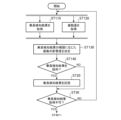
次に、乗員検知装置400の処理の一例を説明する。
図7は、乗員検知装置400の処理を示すフローチャートである。
乗員検知装置400は、例えば、車両のエンジンが始動されるタイミングで処理を開始する。
乗員検知装置400は、解析部410および乗員検知部420により、電波センサから出力された信号を用いた乗員検知を行う。乗員検知装置400の出力判断部460は、乗員検知結果を出力すると判断した場合、座席ごとに乗員検知結果(検知結果を示す情報および座席情報)を出力する(ステップST10)。
記憶制御部490は、乗員検知結果を受けると、座席情報ごとに乗員検知結果を記憶部に記憶させる制御を行う。記憶部は、乗員検知結果(検知結果を示す情報および座席情報)を記憶する(ステップST20)。
記憶制御部490は、乗員検知結果が取得不可であるかを判定する(ステップST30)。記憶制御部490において乗員検知結果が取得不可ではないと判定された場合(ステップST30“NO”)、乗員検知装置400は、ステップST10からの処理を繰り返す。
記憶制御部490は、乗員検知結果が取得不可であると判定した場合(ステップST30“YES”)、乗員識別情報取得部470および移動検知部480を介して、車載センサから出力された信号を用いて得られた、座席ごとの乗員識別情報(乗員識別情報および座席情報)を取得する(ステップST40)。
記憶制御部490は、乗員検知結果と乗員識別情報とをそれぞれに共通する座席情報で紐づけて、図示しない記憶部に記憶させる(ステップST50)。
移動検知部480は、乗員識別情報取得部470を介して、車載センサ300の出力信号から得られた座席情報と乗員識別情報とを用いて乗員の位置を監視する(ステップST60)。
移動検知部480は、乗員が移動したことを検知したかを判定する(ステップST70)。
移動検知部480は、乗員が移動したことを検知した場合(ステップST70“YES”)、検知した乗員に係る座席情報と乗員識別情報とを記憶制御部490へ出力する。
記憶制御部490は、移動検知部480から出力された座席情報と乗員識別情報とを取得し、座席情報と乗員識別情報とを用いて、図示しない記憶部に記憶されている情報を修正する(ステップST80)。
図示しない制御部が、乗員検知装置400の処理を終了するかを判定する(ステップST90)。
図示しない制御部が処理を終了しないと判定した場合(ステップST90“NO”)、
ステップST10からの処理を繰り返す。
図示しない制御部が処理を終了すると判定した場合(ステップST90“YES”)、
乗員検知装置400は処理を終了する。Next, an example of processing by the
FIG. 7 is a flowchart showing the processing of the
The
Upon receiving the occupant detection result, the
The
If the
The
The
When the
The
A control unit (not shown) determines whether to end the processing of the occupant detection device 400 (step ST90).
If the control unit (not shown) determines that the process is not to end (step ST90 "NO"),
The process from step ST10 is repeated.
If the control unit (not shown) determines to end the process (step ST90 "YES"),
実施の形態1に係る乗員検知装置400は、先に出力された乗員検知結果を記憶させておき、電波以外を用いて検知した乗員の座席と位置とを用いて、記憶された乗員検知結果を、乗員の移動に応じて修正して出力できる。これにより、乗員検知装置400は、車両に振動が発生する状態において乗員が席を移動した場合であっても、振動による誤りが少ない乗員検知結果を出力できる。
The
以上のように、本開示に係る乗員検知装置は、車両に搭乗している乗員を検知する乗員検知装置であって、電波を用いて検知された乗員に関する検知結果を、当該乗員の座席位置ごとに出力する乗員検知部と、車両の振動量に応じて、乗員検知部による検知結果の採否を判断し、採用された場合に当該検知結果を出力する出力判断部と、出力判断部が出力した検知結果を、車両内の座席位置と関連付けて、記憶部に記憶させてから出力する記憶制御部と、電波以外を用いて検知された乗員ごとに移動を検知し、乗員ごとの位置情報を出力する移動検知部と、を備え、記憶制御部は、出力判断部から検知結果が出力されない状態において、移動検知部が乗員の移動を検知した場合、乗員ごとの位置情報を用いて、記憶部に記憶された検知結果と座席位置との関連付けを修正してから、修正後の検知結果および座席位置を示す情報を出力する、ように構成した。
これにより、車両に振動が発生する状態において乗員が席を移動した場合であっても、誤りが少ない乗員検知結果を出力する乗員検知装置を提供できる、という効果を奏する。As described above, the occupant detection device according to the present disclosure is an occupant detection device that detects an occupant riding in a vehicle, and detects the detection results regarding the occupant detected using radio waves for each seat position of the occupant. an output determination unit that determines whether or not a detection result by the occupant detection unit is accepted according to the amount of vibration of the vehicle, and outputs the detection result if adopted; A storage control unit that associates the detection results with the seat position in the vehicle, stores them in the storage unit, and then outputs them; and a storage control unit that detects the movement of each passenger detected using something other than radio waves, and outputs position information for each passenger. and a movement detection unit, the storage control unit stores information in the storage unit using position information for each occupant when the movement detection unit detects movement of the occupant in a state where the detection result is not output from the output determination unit. After correcting the association between the stored detection results and seat positions, the system is configured to output information indicating the corrected detection results and seat positions.
This has the effect of providing an occupant detection device that outputs occupant detection results with fewer errors even when the occupant moves in his or her seat while the vehicle is subject to vibrations.
本開示に係る乗員検知装置は、さらに、車両の振動量が閾値以上である場合、出力判断部は、乗員検知部による検知結果を出力しない、ように構成した。
これにより、さらに、車両に振動が発生する状態において乗員が席を移動した場合であっても、誤りが少ない乗員検知結果を出力する乗員検知装置を提供できる、という効果を奏する。The occupant detection device according to the present disclosure is further configured such that, when the amount of vibration of the vehicle is equal to or greater than a threshold value, the output determination section does not output the detection result by the occupant detection section.
As a result, it is possible to provide an occupant detection device that outputs occupant detection results with fewer errors even when the occupant moves in the seat while the vehicle is subject to vibrations.
本開示に係る乗員検知装置は、さらに、乗員検知部による検知結果は、乗員の有無、乗員の体格、乗員の姿勢、および生体情報のうちの少なくとも1つである、ように構成した。
これにより、さらに、車両に振動が発生する状態において乗員が席を移動した場合であっても、誤りが少ない乗員の有無、乗員の体格、乗員の姿勢、および生体情報を出力する乗員検知装置を提供できる、という効果を奏する。The occupant detection device according to the present disclosure is further configured such that the detection result by the occupant detection unit is at least one of the presence or absence of an occupant, the occupant's physique, the occupant's posture, and biological information.
As a result, the occupant detection device can detect the presence of an occupant, the occupant's physique, the occupant's posture, and output biometric information with fewer errors even if the occupant moves in the seat while the vehicle is subject to vibrations. It has the effect of being able to provide
本開示に係る乗員検知装置は、さらに、移動検知部により乗員の移動を検知している間、出力判断部は、乗員検知部による検知結果を出力しない、ように構成した。
これにより、さらに、車両に振動が発生する状態において乗員が席を移動した場合であっても、誤りが少ない乗員検知結果を出力する乗員検知装置を提供できる、という効果を奏する。The occupant detection device according to the present disclosure is further configured such that while the movement detection section is detecting the movement of the occupant, the output determination section does not output the detection result by the occupant detection section.
As a result, it is possible to provide an occupant detection device that outputs occupant detection results with fewer errors even when the occupant moves in the seat while the vehicle is subject to vibrations.
本開示に係る乗員検知装置は、さらに、電波以外を用いて検知された乗員および座席位置を示す乗員識別情報、を生成する乗員識別情報取得部を、さらに備え、記憶制御部は、出力判断部が出力した検知結果を、乗員識別情報と関連付けて、記憶部に記憶させ、移動検知部において乗員の移動が終了したことを検知した場合、記憶制御部は、乗員の移動が終了した後の乗員識別情報を用いて、記憶部に記憶された検知結果と乗員識別情報との関連付けを修正する、ように構成した。
これにより、さらに、車両に振動が発生する状態において乗員が席を移動した場合であっても、誤りが少ない乗員検知結果を出力する乗員検知装置を提供できる、という効果を奏する。The occupant detection device according to the present disclosure further includes an occupant identification information acquisition unit that generates occupant identification information indicating the detected occupant and seat position using other than radio waves, and the storage control unit includes an output determination unit. The detection result output by the is associated with the occupant identification information and stored in the storage unit, and when the movement detection unit detects that the occupant has finished moving, the storage control unit stores the detection result of the occupant after the occupant has finished moving. The identification information is used to correct the association between the detection results stored in the storage unit and the occupant identification information.
As a result, it is possible to provide an occupant detection device that outputs occupant detection results with fewer errors even when the occupant moves in the seat while the vehicle is subject to vibrations.
本開示に係る乗員検知装置は、さらに、乗員ごとの位置情報は、撮像装置、音声収集装置、および座圧センサのうち少なくとも1つを用いて乗員および座席位置を検知した結果である、ように構成した。
これにより、さらに、電波以外のセンサとして、撮像装置、音声収集装置、または、座圧センサからの信号を用いて、誤りが少ない乗員検知結果を出力する乗員検知装置を提供できる、という効果を奏する。The occupant detection device according to the present disclosure is further configured such that the position information for each occupant is a result of detecting the occupant and seat position using at least one of an imaging device, a voice collection device, and a seat pressure sensor. Configured.
This has the effect that it is possible to provide an occupant detection device that outputs occupant detection results with fewer errors by using signals from an imaging device, an audio collection device, or a seat pressure sensor as sensors other than radio waves. .
本開示に係る乗員検知方法は、車両に搭乗している乗員を検知する乗員検知方法であって、乗員検知部が、電波を用いて検知された乗員に関する検知結果を、当該乗員の座席位置ごとに出力するステップと、出力判断部が、車両の振動量に応じて、乗員検知部による検知結果の採否を判断し、採用された場合に当該検知結果を出力するステップと、
記憶制御部が、出力判断部が出力した検知結果を、車両内の座席位置と関連付けて、記憶部に記憶させてから出力するステップと、移動検知部が、電波以外を用いて検知された乗員ごとに移動を検知し、乗員ごとの位置情報を出力するステップと、記憶制御部が、出力判断部から検知結果が出力されない状態において、移動検知部が乗員の移動を検知した場合、乗員ごとの位置情報を用いて、記憶部に記憶された検知結果と座席位置との関連付けを修正してから、修正後の検知結果および座席位置を示す情報を出力するステップと、を備える、ように構成した。
これにより、車両に振動が発生する状態において乗員が席を移動した場合であっても、誤りが少ない乗員検知結果を出力する乗員検知装置を提供できる、という効果を奏する。The occupant detection method according to the present disclosure is an occupant detection method for detecting an occupant riding in a vehicle, in which an occupant detection unit detects detection results regarding the occupant detected using radio waves for each seat position of the occupant. and a step in which the output determination unit determines whether or not the detection result by the occupant detection unit is accepted according to the amount of vibration of the vehicle, and outputs the detection result if it is adopted.
The storage control unit associates the detection result output by the output determination unit with the seat position in the vehicle, stores it in the storage unit, and then outputs the result; The step of detecting the movement of each occupant and outputting the position information of each occupant, and the step of detecting the movement of the occupant and outputting the position information of each occupant, and the storage control unit detecting the movement of the occupant when the movement detection unit detects the movement of the occupant in a state where the detection result is not output from the output judgment unit, correcting the association between the detection result stored in the storage unit and the seat position using the position information, and then outputting the corrected detection result and information indicating the seat position. .
This has the effect of providing an occupant detection device that outputs occupant detection results with fewer errors even when the occupant moves in his or her seat while the vehicle is subject to vibrations.
実施の形態2
実施の形態2に係る乗員検知装置およびこれを含む乗員検知システムについて、図8から図12を用いて説明する。
実施の形態2は、実施の形態1に加え、振動が発生する状態において、乗員検知結果の種類ごとに、振動量に応じた影響度を考慮して、振動の影響が少ない乗員検知結果を出力する形態である。
An occupant detection device and an occupant detection system including the same according to a second embodiment will be described with reference to FIGS. 8 to 12.
In addition to
図8は、実施の形態2に係る乗員検知システム1´の構成を示す図である。
図8に示す乗員検知システム1´は、図1に示す乗員検知システム1に対し、正規化処理部440、影響度決定部450を追加した点が異なる。また、図8に示す乗員検知システム1´は、図1に示す乗員検知システム1に対し、出力判断部460´が異なる。
以下、図8について、特に、図1とは異なる構成について説明し、図1と同じ構成についてはその説明を適宜省略する。FIG. 8 is a diagram showing the configuration of an occupant detection system 1' according to the second embodiment.
The occupant detection system 1' shown in FIG. 8 differs from the
Hereinafter, regarding FIG. 8, a description will be given of a structure different from that of FIG. 1, and a description of the same structure as that of FIG. 1 will be omitted as appropriate.
正規化処理部440は、振動量算出部430から得られる振動量を正規化する。正規化の方法として、例えば、全く振動が生じていない場合を「1」とし、さらに、振動が大きくなるにつれて「0」に近づくように正規化すればよい。正規化処理部440は、正規化した振動量(以後、「正規化振動量」という。)を影響度決定部450に出力する。
なお、実施の形態1においては、振動量を正規化した正規化振動量を用いているが、本開示の乗員検知装置400´においては、乗員検知結果の種類ごとに、振動量に応じた影響を考慮して乗員検知結果を出力するかを判断できればよく、正規化処理部440を必ずしも備えなくてもよい。The
Note that in the first embodiment, a normalized vibration amount obtained by normalizing the vibration amount is used, but in the occupant detection device 400' of the present disclosure, the influence according to the vibration amount is determined for each type of occupant detection result. The
影響度決定部450は、正規化処理部440から正規化振動量を取得し、当該正規化振動量および乗員検知部420からの乗員検知結果(第1の検知結果)を用いて、乗員検知結果の種類ごとに振動の影響度を決定する。
The
例えば、具体的には、影響度決定部450は、乗員検知結果の種類に対応する、振動に対する影響度(以後、「振動影響度」といい、当該振動影響度は、乗員検知結果の種類ごとに事前に定義しておく。)と、正規化処理部440から得られる正規化振動量から、当該正規化振動量を当該振動影響度の値で補正した振動量(以後、「補正振動量」という。)を算出する。
なお、説明においては「補正振動量」を用いるが、「補正振動量」は、正規化した振動量を当該振動影響度の値で補正した値であるため、本開示においては「補正振動量」という用語に換えて、単に「影響度」との用語を用いることができる。すなわち、影響度決定部450は、乗員検知結果(第1の検知結果)の種類ごとに、振動量に応じた影響度として「補正振動量」を算出する。For example, specifically, the influence
Note that in the description, "corrected vibration amount" is used, but since "corrected vibration amount" is a value obtained by correcting the normalized vibration amount by the value of the vibration influence degree, in this disclosure, "corrected vibration amount" is used. Instead of the term "degree of influence", the term "degree of influence" can be simply used. That is, the influence
図9は、乗員検知結果の種類ごとの振動影響度の一例と、影響度を用いて補正した補正後の補正振動量とを説明する図である。
例えば、図9に示すように、乗員検知結果の種類1201ごとに振動影響度1202を事前に定めておき、影響度決定部450は、乗員検知結果の種類ごとに補正振動量1203を算出する。
図9には、正規化振動量が「0.7」である場合の、各検知の種類1201に対応する補正振動量1203を示している。影響度決定部450は、検知結果の種類1201が「乗員有無」である場合、正規化振動量「0.7」に、振動影響度1202「+0.2」を加算して、補正振動量1203「0.9」を算出する。影響度決定部450は、検知結果の種類が「体格判定」である場合、正規化振動量「0.7」に、振動影響度1202「-0.1」を加算して、補正振動量1203「0.6」を算出する。影響度決定部450は、検知結果の種類1201が「姿勢判定」である場合、正規化振動量「0.7」に、振動影響度1202「-0.2」を加算して、補正振動量1203「0.5」を算出する。影響度決定部450は、検知結果の種類1201が「生体情報」である場合、正規化振動量「0.7」に、振動影響度1202「-0.3」を加算して、補正振動量1203「0.4」を算出する。図9における「振動影響度」は、振動が検知結果に強い影響を与えるほど、負の方向に値が大きくなり、振動が検知結果に影響を与えないほど、正の方向に値が大きくなるように、定められている。
なお、この例では、補正振動量1203は、正規化振動量の最大値「1」を超えていないが、仮に正規化振動量が「0.9」である場合、検知結果の種類1201「乗員有無」における補正振動量1203が「1.1」になり、正規化振動量の最大値「1」を超えてしまう。このような場合、影響度決定部450は、補正振動量1203「1.1」を「1.0」に修正する処理を行う。FIG. 9 is a diagram illustrating an example of the vibration influence degree for each type of occupant detection result and the corrected vibration amount after correction using the influence degree.
For example, as shown in FIG. 9, a
FIG. 9 shows the corrected
In this example, the corrected
なお、影響度決定部450は、乗員検知結果の種類ごとにおける振動影響度1202を事前に定めるようにしたが、各座席による影響度も加味して、振動影響度を定めるようにしてもよい。
Note that although the influence
出力判断部460´は、乗員検知結果の種類ごとの振動影響度と正規化振動量と、から得られた補正振動量(振動量に応じた影響度)を用いて乗員検知結果(第1の検知結果)の採否を判断し、採用すると判断した場合に当該乗員検知結果を出力させる。 The output determination unit 460' uses the vibration influence degree and normalized vibration amount for each type of occupant detection result and the corrected vibration amount (influence degree according to the vibration amount) obtained from If it is determined to be adopted, the occupant detection result is output.
例えば、出力判断部460´は、影響度決定部450を介して乗員検知部420から得られる乗員検知結果(検知結果を示す情報、当該検知結果の種類を識別する情報、および、当該検知結果の種類に対応する信頼度)と、影響度決定部450から得られる補正振動量と、当該検知結果を採用するか否かを判定するための閾値(以後、「閾値」という。)と、に基づき、当該検知結果の採用要否を決定する。
For example, the output determination unit 460' may output the occupant detection result obtained from the
出力判断部460´における判断方法は、「補正振動量を用いて信頼度を補正し、補正後の信頼度(以後、「補正信頼度」という。)と閾値とを比較して、乗員検知結果の採否を判断する第1の方法」、「補正振動量を用いて閾値を補正し、信頼度と補正後の閾値とを比較して、乗員検知結果の採否を判断する第2の方法」、「補正振動量を用いて信頼度および閾値をそれぞれ補正し、補正信頼度と補正後の閾値とを比較して、乗員検知結果の採否を判断する第3の方法」があり、これらの方法のうちのいずれでもよい。
例えば、具体的には、第1の方法は、「補正振動量に応じて乗員検知結果の種類に対応する信頼度を変更し、変更した信頼度(補正信頼度)が閾値を上回った場合に、当該乗員検知結果を採用する方法」である。
また、第2の方法は、「補正振動量に応じて閾値を変更し、乗員検知結果の種類に対応する信頼度が当該閾値を上回った場合に、当該乗員検知結果を採用する方法」である。
また、第3の方法は、「補正振動量に応じて、乗員検知結果の種類に対応する信頼度と、閾値の両方を変更し、当該乗員検知結果に対応する信頼度が当該閾値を上回った場合に、当該検知結果を採用する方法」である。The determination method in the output determination unit 460' is to correct the reliability using the corrected vibration amount, compare the corrected reliability (hereinafter referred to as "corrected reliability") with a threshold, and determine the occupant detection result. ``A first method for determining whether to accept or reject an occupant detection result'', ``a second method for determining whether to accept or reject an occupant detection result by correcting a threshold value using the corrected vibration amount, and comparing the reliability with the corrected threshold value''; There is a "third method in which the reliability and threshold are each corrected using the corrected vibration amount, and the corrected reliability and the corrected threshold are compared to determine whether or not to accept the occupant detection result." Any one of them is fine.
For example, specifically, the first method is to change the reliability corresponding to the type of occupant detection result according to the amount of corrected vibration, and when the changed reliability (corrected reliability) exceeds a threshold, , a method of employing the occupant detection results.
The second method is "a method in which the threshold is changed according to the amount of corrected vibration, and when the reliability corresponding to the type of occupant detection result exceeds the threshold, the occupant detection result is adopted." .
In addition, the third method is to change both the reliability level corresponding to the type of occupant detection result and the threshold value according to the corrected vibration amount, and when the reliability level corresponding to the occupant detection result exceeds the threshold value. method of adopting the detection result in the case of
ここで、第1の方法における、具体例について、図10を用いて説明する。
図10は、振動影響度を用いて乗員検知結果の信頼度を補正する一例を説明する図である。図10においては、( )内に信頼度を示している。
説明の前提を説明する。出力判断部460´の入力は「(1)乗員検知部420で出力される乗員検知結果と信頼度」と「(2)影響度決定部450で算出される補正振動量」は図10に記載の通りとし、出力判断部460´の閾値は「0.5」とし、乗員検知部420では、乗員有無と体格判定を行うものとする。出力判断部460´では、図10の通り、例えば、(1)の検知結果の種類ごとに対応する信頼度に対して、(2)の検知結果の種類ごとに対応する補正振動量を乗じることで、(2)の信頼度を(3)の通り変更する。具体的には、(1)の後席左の体格判定では、検知結果が子供、信頼度が0.8であり、(2)の体格判定の補正振動量が0.6であるため、出力判断部460´において、後席左の体格判定結果に対応する信頼度は、0.48(=0.8×0.6)となり、閾値「0.5」を上回らないため、当該後席左の体格判定結果は棄却される。Here, a specific example of the first method will be described using FIG. 10.
FIG. 10 is a diagram illustrating an example of correcting the reliability of the occupant detection result using the degree of vibration influence. In FIG. 10, the reliability is shown in parentheses.
Explain the premise of the explanation. The inputs of the
なお、図示しない制御部は、例えば、乗員検知装置400´の処理を開始させたり、終了させたりする制御を行う。 Note that a control unit (not shown) controls, for example, starting and ending processing of the occupant detection device 400'.
乗員検知システム1´のハードウェア構成について説明する。
ハードウェア構成は、図6Aおよび図6Bと同様であるため、図6Aおよび図6Bを用いて説明する。
図6Aに示す通り、乗員検知システム1は、電波センサ100、振動検知センサ200、プロセッサ2001及びメモリ2002により構成される。プロセッサ2001及びメモリ2002は、例えば、コンピュータに搭載されているものである。
メモリ2002には、当該コンピュータを解析部410、乗員検知部420、振動量算出部430、正規化処理部440、影響度決定部450、出力判断部460´、乗員識別情報取得部470、移動検知部480、記憶制御部490、および、図示しない制御部として機能させるためのプログラムが記憶されている。メモリ2002に記憶されたプログラムをプロセッサ2001が読み出して実行することにより、解析部410、乗員検知部420、振動量算出部430、正規化処理部440、影響度決定部450、出力判断部460´、乗員識別情報取得部470、移動検知部480、記憶制御部490、および、図示しない制御部の機能が実現される。The hardware configuration of the occupant detection system 1' will be explained.
Since the hardware configuration is the same as that in FIGS. 6A and 6B, it will be explained using FIGS. 6A and 6B.
As shown in FIG. 6A, the
The
プロセッサ2001は、例えば、CPU(Central Processing Unit)、GPU(Graphics Processing Unit)、マイクロプロセッサ、マイクロコントローラ又はDSP(Digital Signal Processor)などを用いたものである。
The
メモリ2002は、RAM(Random Access Memory)、ROM(Read Only Memory)、EPROM(Erasable Programmable ROM)、又はフラッシュメモリ等の不揮発性もしくは揮発性の半導体メモリであってもよいし、ハードディスク又はフレキシブルディスク等の磁気ディスクであってもよいし、CD(Compact Disc)又はDVD(Digital VersatileDisc)等の光ディスクであってもよいし、光磁気ディスクであってもよい。
The
または、図6Bに示す通り、解析部410、乗員検知部420、振動量算出部430、正規化処理部440、影響度決定部450、出力判断部460´、乗員識別情報取得部470、移動検知部480、記憶制御部490、および、図示しない制御部の機能が専用の処理回路2003により実現されるものであっても良い。処理回路2003は、例えば、単一回路、複合回路、プログラム化したプロセッサ、並列プログラム化したプロセッサ、ASIC(Application Specific Integrated Circuit)、PLD(Programmable Logic Device)、FPGA(Field-Programmable Gate Array)、SoC(System-on-a-Chip)またはシステムLSI(Large-Scale Integration)等を用いたものである。
Alternatively, as shown in FIG. 6B, an
または、解析部410、乗員検知部420、振動量算出部430、正規化処理部440、影響度決定部450、出力判断部460´、乗員識別情報取得部470、移動検知部480、記憶制御部490、および、図示しない制御部のうちの一部の機能がプロセッサ2001およびメモリ2002により実現され、かつ、残りの機能が処理回路2003により実現されるものであっても良い。
Alternatively, the
なお、解析部410、乗員検知部420、振動量算出部430、正規化処理部440、影響度決定部450、出力判断部460´、乗員識別情報取得部470、移動検知部480、記憶制御部490、および、図示しない制御部の機能について、一部を専用のハードウェアで実現し、一部をソフトウェア又はファームウェアで実現するようにしてもよい。このように、乗員検知システム1における処理回路2003は、ハードウェア、ソフトウェア、ファームウェア、又はこれらの組み合わせによって、上述の機能を実現することができる。
Note that the
図11は、実施の形態2に係る乗員検知装置400´の処理を示すフローチャートである。
図11のフローチャートは、図7のフローチャートのステップST10からステップST30までの処理に関連し、ST40以降が図7のフローチャートのST40以降と同様である。
そこで、ST40以降の説明を省略する。FIG. 11 is a flowchart showing the processing of occupant detection device 400' according to the second embodiment.
The flowchart in FIG. 11 is related to the processing from step ST10 to step ST30 in the flowchart in FIG. 7, and the steps after ST40 are the same as the steps after ST40 in the flowchart in FIG.
Therefore, the description of ST40 and subsequent steps will be omitted.
乗員検知装置400´は、例えば、車両のエンジンが始動されるタイミングで処理を開始する。
乗員検知装置400´における乗員検知部420は、解析部410から電波センサ100の信号を解析した結果を受けると、乗員の有無、乗員の体格、乗員の姿勢、および、乗員の生体情報といった複数種類の検知を行う。
影響度決定部450は、乗員検知部420から、種類ごとに乗員検知結果を取得する(ステップST10)。
また、乗員検知装置400´における影響度決定部450は、振動量算出部430および正規化処理部440を介して、車両の振動量を取得する(ステップST20)。
影響度決定部450は、乗員検知結果および振動量を取得すると、当該振動量および乗員検知部420からの乗員検知結果を用いて、乗員検知結果の種類ごとに振動の影響度を決定する(ステップST30)。
ステップST30の処理が終了すると、乗員検知装置400´は、ステップST40以降の処理に進む。The occupant detection device 400' starts processing, for example, at the timing when the engine of the vehicle is started.
When the
The
In addition, the
After acquiring the occupant detection result and the amount of vibration, the
When the process of step ST30 is completed, the occupant detection device 400' proceeds to the process of step ST40 and subsequent steps.
乗員検知装置400´の処理について、さらに詳細な一例を、図9および図10に示した数値例を用いて説明する。
図12は、実施の形態2に係る乗員検知装置400´の処理の詳細な一例を示すフローチャートである。
以下、乗員検知部420が乗員の有無および乗員の体格を乗員検知結果として出力するものとし、乗員検出結果のうち、乗員の体格が誤って検知された例を説明する。
乗員検知結果の種類ごとに予め定義された振動影響度は、図9に示すとおり、「乗員有無:+0.2」「体格判定:-0.1」とする。
出力判断部460´で用いる閾値は「0.5」とし、出力判断部460´における乗員検知結果の採用要否の判断方法は第1の方法として説明する。A more detailed example of the processing of the occupant detection device 400' will be described using numerical examples shown in FIGS. 9 and 10.
FIG. 12 is a flowchart showing a detailed example of the processing of the occupant detection device 400' according to the second embodiment.
Hereinafter, it is assumed that the
As shown in FIG. 9, the predefined vibration influence degree for each type of occupant detection result is "occupant presence/absence: +0.2" and "physique determination: -0.1".
The threshold value used by the output determining section 460' is set to "0.5", and the method for determining whether or not to employ the occupant detection result in the output determining section 460' will be described as a first method.
乗員検知部420は、電波センサ100の出力信号を用いて複数種類の乗員検知を行い、座席ごとの乗員検知結果、および、乗員検知結果の種類ごとに信頼度を出力する(ステップST111)。なお、ステップST111は、図11におけるステップST110に関連する。
具体的には、乗員検知部420は、座席情報「助手席」、乗員有無情報「有(信頼度:0.7)」、体格情報「子供(信頼度:0.8)」を出力したとする。The
Specifically, the
振動量算出部430は、振動検知センサ200の出力信号を用いて、車両の振動量を算出する(ステップST121)。
正規化処理部440は、振動量算出部430から得られた振動量を正規化し、正規化振動量「0.7」を得る(ステップST122)。
なお、ステップST121およびステップST122は、図11におけるステップST120に関連する。The vibration
The
Note that step ST121 and step ST122 are related to step ST120 in FIG. 11.
影響度決定部450は、乗員検知結果および振動量を取得すると、当該振動量および乗員検知部420からの乗員検知結果を用いて、乗員検知結果の種類ごとに振動影響度を決定する(ステップST130)。具体的には、影響度決定部450は、乗員有無の検知結果に対する振動影響度を「+0.2」に決定し、乗員の体格の検知結果に対する振動影響度を「-0.1」に決定する。
After acquiring the occupant detection result and the amount of vibration, the influence
影響度決定部450は、振動影響度を決定すると、乗員検知結果の種類に対応する振動の影響度に応じて、正規化振動量を補正する(ステップST141)。具体的には、影響度決定部450は、正規化振動量「0.7」に、乗員有無の検知結果に対する振動影響度「+0.2」を加算して、補正振動量「0.9」を算出する。また、影響度決定部450は、正規化振動量「0.7」に、乗員の体格の検知結果に対する振動影響度を「-0.1」を加算して、補正振動量「0.6」を算出する。
After determining the vibration influence degree, the influence
出力判断部460´は、補正後の振動量(補正振動量)に応じて、乗員検知結果の信頼度、または、検知結果の採否を判断するための閾値を変更する(ステップST142)。具体的には、出力判断部460´は、乗員検知結果の信頼度を変更するものである場合、乗員有無の検知結果に対する信頼度「0.7」と補正振動量「0.9」とを乗算して補正信頼度「0.63」を算出する。また、乗員の体格の検知結果に対する信頼度「0.8」と振動影響度「0.6」とを乗算して補正信頼度「0.48」を算出する。 The output determination unit 460' changes the reliability of the occupant detection result or the threshold value for determining whether the detection result is accepted or not, according to the corrected vibration amount (corrected vibration amount) (step ST142). Specifically, when the reliability of the occupant detection result is to be changed, the output determination unit 460' changes the reliability of the occupant presence/absence detection result to "0.7" and the corrected vibration amount to "0.9". By multiplying, a corrected reliability of "0.63" is calculated. Further, a corrected reliability of "0.48" is calculated by multiplying the reliability of the detection result of the occupant's physique "0.8" by the vibration influence degree of "0.6".
出力判断部460´は、乗員検知結果の種類ごとの信頼度が閾値以上であるかを判定する(ステップST145)。例えば、出力判断部460´は、乗員検知結果の信頼度を変更するものである場合、乗員有無の検知結果に対する補正信頼度「0.63」と閾値「0.5」とを比較し、閾値以上であると判定する。 The output determination unit 460' determines whether the reliability of each type of occupant detection result is greater than or equal to a threshold value (step ST145). For example, when the reliability of the occupant detection result is to be changed, the output determination unit 460' compares the corrected reliability of the occupant presence/absence detection result "0.63" with the threshold "0.5", and It is determined that the above is the case.
出力判断部460´は、乗員検知結果の種類ごとの信頼度が閾値以上である場合(ステップST145“YES”)、乗員有無の検知結果を乗員検知結果として採用すると判断する(ステップST146)。
記憶制御部490は、出力判断部460´が採用すると判断した、乗員の座席情報「後席左」および乗員有無情報「有」を、図示しない記憶部に記憶する。その際、記憶制御部490は、乗員識別情報取得部470から出力された乗員識別情報を関連付けて記憶した上で、乗員の座席情報「後席左」および乗員有無情報「有」を、車載装置へ出力する(ステップST20)。
影響度決定部450は、乗員検知結果および振動量を取得すると、当該振動量および乗員検知部420からの乗員検知結果を用いて、乗員検知結果の種類ごとに振動の影響度を決定する(ステップST30)。
ステップST30の処理が終了すると、乗員検知装置400´は、ステップST40以降の処理に進む。When the reliability of each type of occupant detection result is equal to or greater than the threshold (step ST145 "YES"), the output determination unit 460' determines that the detection result of the presence or absence of an occupant is adopted as the occupant detection result (step ST146).
The
After acquiring the occupant detection result and the amount of vibration, the
When the process of step ST30 is completed, the occupant detection device 400' proceeds to the process of step ST40 and subsequent steps.
実施の形態2に係る乗員検知装置400´は、振動が発生する状態において、乗員検知結果の種類ごとに、振動量に応じた影響度を考慮して、振動の影響が少ない乗員検知結果を出力することができる。これにより、乗員検知装置400´は、車両に振動が発生する状態において乗員が席を移動した場合であっても、振動による誤りが少ない乗員検知結果を出力できる。
また、実施の形態1に係る乗員検知装置400´は、振動の影響度が小さい検知結果に対しては、信頼度を下げにくくすることで、誤棄却(正しく出力された検知結果を誤って棄却してしまうこと)を削減することができる。また、振動の影響度が大きい検知結果に対しては、信頼度を下げることで、誤判定を削減することができる。In a state where vibration occurs, the occupant detection device 400' according to the second embodiment considers the degree of influence according to the amount of vibration for each type of occupant detection result, and outputs an occupant detection result that is less affected by vibration. can do. Thereby, the occupant detection device 400' can output occupant detection results with fewer errors due to vibrations even if the occupant moves in the seat while vibrations occur in the vehicle.
In addition, the occupant detection device 400' according to the first embodiment makes it difficult to lower the reliability of detection results with a small degree of influence of vibration, so that the occupant detection device 400' can erroneously reject (incorrectly reject a correctly output detection result) can reduce the amount of In addition, by lowering the reliability of detection results that are highly influenced by vibration, false determinations can be reduced.
なお、本開示は、その開示の範囲内において、各実施の形態の自由な組み合わせ、或いは、各実施の形態における任意の構成要素の変形、若しくは、各実施の形態における任意の構成要素の省略が可能である。 Note that this disclosure does not include any free combination of embodiments, modification of any component in each embodiment, or omission of any component in each embodiment, within the scope of the disclosure. It is possible.
本開示に係る乗員検知装置は、振動が発生する状態においても、誤りが少ない乗員検知結果を出力できるので、車両の制御に用いられる乗員検知結果を出力する乗員検知装置等に用いるのに適している。 The occupant detection device according to the present disclosure can output occupant detection results with few errors even in a state where vibrations occur, so it is suitable for use in an occupant detection device etc. that outputs occupant detection results used for vehicle control. There is.
1,1´ 乗員検知システム、2 エアバッグ制御装置、3 報知装置、4 表示装置、100 電波センサ(第1検知センサ)、200 振動検知センサ、300 車載センサ(第2検知センサ)、400,400´ 乗員検知装置、410 解析部、420 乗員検知部、421 乗員有無判定部、422 体格判定部、423 姿勢判定部、424 生体情報検出部、430 振動量算出部、440 正規化処理部、450 影響度決定部、460,460´ 出力判断部、470 乗員識別情報取得部、480 移動検知部、490 記憶制御部、1001 乗員、1101 座席情報、1102 乗員有無情報、1103 体格情報、1104 姿勢情報、1105 生体情報、1201 検知結果の種類、1202 影響度、1203 補正振動量(補正後の振動量)、2001 プロセッサ、2002 メモリ、2003 処理回路。 1,1′ occupant detection system, 2 airbag control device, 3 notification device, 4 display device, 100 radio wave sensor (first detection sensor), 200 vibration detection sensor, 300 vehicle sensor (second detection sensor), 400,400 'Occupant detection device, 410 analysis unit, 420 occupant detection unit, 421 occupant presence/absence determination unit, 422 physique determination unit, 423 posture determination unit, 424 biological information detection unit, 430 vibration amount calculation unit, 440 normalization processing unit, 450 influence degree determination unit, 460, 460' output determination unit, 470 occupant identification information acquisition unit, 480 movement detection unit, 490 storage control unit, 1001 occupant, 1101 seat information, 1102 occupant presence/absence information, 1103 physique information, 1104 posture information, 1105 Biological information, 1201 Type of detection result, 1202 Degree of influence, 1203 Corrected vibration amount (vibration amount after correction), 2001 Processor, 2002 Memory, 2003 Processing circuit.
Claims (7)
電波を用いて検知された乗員に関する検知結果を、当該乗員の座席位置ごとに出力する乗員検知部と、
車両の振動量に応じて、前記乗員検知部による検知結果の採否を判断し、採用された場合に当該検知結果を出力する出力判断部と、
前記出力判断部が出力した検知結果を、車両内の座席位置と関連付けて、記憶部に記憶させてから出力する記憶制御部と、
電波以外を用いて検知された乗員ごとに移動を検知し、乗員ごとの位置情報を出力する移動検知部と、
を備え、
前記記憶制御部は、前記出力判断部から検知結果が出力されない状態において、前記移動検知部が乗員の移動を検知した場合、乗員ごとの位置情報を用いて、前記記憶部に記憶された検知結果と座席位置との関連付けを修正してから、修正後の検知結果および座席位置を示す情報を出力する、
乗員検知装置。An occupant detection device that detects an occupant riding in a vehicle,
an occupant detection unit that outputs detection results regarding the occupant detected using radio waves for each seat position of the occupant;
an output determination unit that determines whether or not a detection result by the occupant detection unit is accepted according to the amount of vibration of the vehicle, and outputs the detection result when the result is adopted;
a storage control unit that associates the detection result output by the output determination unit with a seat position in the vehicle, stores the detection result in a storage unit, and then outputs the result;
a movement detection unit that detects movement of each occupant detected using a method other than radio waves, and outputs position information for each occupant;
Equipped with
When the movement detection unit detects the movement of the occupant in a state where the detection result is not output from the output determination unit, the storage control unit stores the detection result stored in the storage unit using position information for each occupant. Correct the association between the and the seat position, and then output the corrected detection results and information indicating the seat position.
Occupant detection device.
請求項1に記載の乗員検知装置。When the amount of vibration of the vehicle is equal to or greater than a threshold value, the output determination unit does not output the detection result by the occupant detection unit,
The occupant detection device according to claim 1.
請求項1に記載の乗員検知装置。While the movement detection unit is detecting the movement of the occupant, the output determination unit does not output the detection result by the occupant detection unit.
The occupant detection device according to claim 1.
前記記憶制御部は、前記出力判断部が出力した検知結果を、前記乗員識別情報と関連付けて、記憶部に記憶させ、
前記移動検知部において乗員の移動が終了したことを検知した場合、
前記記憶制御部は、乗員の移動が終了した後の乗員識別情報を用いて、記憶部に記憶された検知結果と乗員識別情報との関連付けを修正する、
請求項1に記載の乗員検知装置。further comprising an occupant identification information acquisition unit that generates occupant identification information indicating the detected occupant and seat position using a method other than radio waves,
The storage control unit causes the storage unit to store the detection result output by the output determination unit in association with the occupant identification information,
When the movement detection unit detects that the movement of the occupant has ended,
The storage control unit corrects the association between the detection result and the occupant identification information stored in the storage unit, using the occupant identification information after the occupant has finished moving.
The occupant detection device according to claim 1.
請求項1から請求項5のうちのいずれか1項に記載の乗員検知装置。The position information for each passenger is the result of detecting the passenger and seat position using at least one of an imaging device, a voice collection device, and a seat pressure sensor.
The occupant detection device according to any one of claims 1 to 5.
乗員検知部が、電波を用いて検知された乗員に関する検知結果を、当該乗員の座席位置ごとに出力するステップと、
出力判断部が、車両の振動量に応じて、前記乗員検知部による検知結果の採否を判断し、採用された場合に当該検知結果を出力するステップと、
記憶制御部が、前記出力判断部が出力した検知結果を、車両内の座席位置と関連付けて、記憶部に記憶させてから出力するステップと、
移動検知部が、電波以外を用いて検知された乗員ごとに移動を検知し、乗員ごとの位置情報を出力するステップと、
前記記憶制御部が、前記出力判断部から検知結果が出力されない状態において、前記移動検知部が乗員の移動を検知した場合、乗員ごとの位置情報を用いて、前記記憶部に記憶された検知結果と座席位置との関連付けを修正してから、修正後の検知結果および座席位置を示す情報を出力するステップと、
を備えた乗員検知方法。An occupant detection method for detecting an occupant riding in a vehicle, the method comprising:
a step in which the occupant detection unit outputs detection results regarding the occupant detected using radio waves for each seat position of the occupant;
an output determination unit determining whether or not the detection result by the occupant detection unit is accepted according to the amount of vibration of the vehicle, and outputting the detection result if adopted;
a storage control unit associates the detection result output by the output determination unit with a seat position in the vehicle, stores the detection result in a storage unit, and then outputs the result;
a step in which the movement detection unit detects movement of each detected occupant using a method other than radio waves, and outputs position information for each occupant;
When the movement detection section detects movement of the occupant in a state where the detection result is not output from the output determination section, the storage control section stores the detection result stored in the storage section using position information for each occupant. correcting the association between the and the seat position, and then outputting the corrected detection result and information indicating the seat position;
Occupant detection method with
Applications Claiming Priority (1)
| Application Number | Priority Date | Filing Date | Title |
|---|---|---|---|
| PCT/JP2021/006720 WO2022180656A1 (en) | 2021-02-24 | 2021-02-24 | Occupant sensing device and occupant sensing method |
Publications (2)
| Publication Number | Publication Date |
|---|---|
| JPWO2022180656A1 JPWO2022180656A1 (en) | 2022-09-01 |
| JP7361983B2 true JP7361983B2 (en) | 2023-10-16 |
Family
ID=83047800
Family Applications (1)
| Application Number | Title | Priority Date | Filing Date |
|---|---|---|---|
| JP2023501692A Active JP7361983B2 (en) | 2021-02-24 | 2021-02-24 | Occupant detection device and occupant detection method |
Country Status (4)
| Country | Link |
|---|---|
| US (1) | US20240077600A1 (en) |
| JP (1) | JP7361983B2 (en) |
| DE (1) | DE112021007150T5 (en) |
| WO (1) | WO2022180656A1 (en) |
Families Citing this family (1)
| Publication number | Priority date | Publication date | Assignee | Title |
|---|---|---|---|---|
| WO2025027770A1 (en) * | 2023-08-01 | 2025-02-06 | 三菱電機株式会社 | Occupant detection device and occupant detection method |
Citations (4)
| Publication number | Priority date | Publication date | Assignee | Title |
|---|---|---|---|---|
| JP2002331816A (en) | 2001-05-08 | 2002-11-19 | Toyota Motor Corp | Vehicle suspension characteristics control device |
| JP2012225825A (en) | 2011-04-21 | 2012-11-15 | Hino Motors Ltd | Radar device, bus, and passenger movement detection method, and program |
| JP2017181225A (en) | 2016-03-30 | 2017-10-05 | 本田技研工業株式会社 | Vehicle occupant detection device |
| JP2017199123A (en) | 2016-04-26 | 2017-11-02 | パナソニックIpマネジメント株式会社 | Passenger movement detection device, passenger movement detection system, and passenger movement detection method |
Family Cites Families (10)
| Publication number | Priority date | Publication date | Assignee | Title |
|---|---|---|---|---|
| US7243945B2 (en) * | 1992-05-05 | 2007-07-17 | Automotive Technologies International, Inc. | Weight measuring systems and methods for vehicles |
| US8152198B2 (en) * | 1992-05-05 | 2012-04-10 | Automotive Technologies International, Inc. | Vehicular occupant sensing techniques |
| US9290146B2 (en) * | 1992-05-05 | 2016-03-22 | Intelligent Technologies International, Inc. | Optical monitoring of vehicle interiors |
| US7900736B2 (en) * | 1995-06-07 | 2011-03-08 | Automotive Technologies International, Inc. | Vehicular seats with fluid-containing weight sensing system |
| US20050098640A1 (en) * | 2003-11-10 | 2005-05-12 | Yoshinori Ichishi | Temperature detection device and vehicle air conditioner using the same |
| JP2020508912A (en) * | 2016-12-23 | 2020-03-26 | ティ.ケイ.ホールディングス、インコーポレイテッド | System and method for detecting movement of an occupant seated in a vehicle |
| JP2019123354A (en) * | 2018-01-16 | 2019-07-25 | 株式会社デンソー | Occupant detection device |
| US20220172489A1 (en) * | 2018-05-09 | 2022-06-02 | Motherson Innovations Company Limited | Systems and methods for object detection in the interior of a motor vehicle |
| KR102598956B1 (en) * | 2018-10-15 | 2023-11-07 | 현대자동차주식회사 | Apparatus for detecting a passenger of vehicle, system having the same and method thereof |
| KR101982605B1 (en) * | 2018-10-16 | 2019-08-29 | 주식회사 젠다카디언 | Device for detecting a passenger in a vehicle |
-
2021
- 2021-02-24 JP JP2023501692A patent/JP7361983B2/en active Active
- 2021-02-24 US US18/272,901 patent/US20240077600A1/en not_active Abandoned
- 2021-02-24 WO PCT/JP2021/006720 patent/WO2022180656A1/en not_active Ceased
- 2021-02-24 DE DE112021007150.5T patent/DE112021007150T5/en active Pending
Patent Citations (4)
| Publication number | Priority date | Publication date | Assignee | Title |
|---|---|---|---|---|
| JP2002331816A (en) | 2001-05-08 | 2002-11-19 | Toyota Motor Corp | Vehicle suspension characteristics control device |
| JP2012225825A (en) | 2011-04-21 | 2012-11-15 | Hino Motors Ltd | Radar device, bus, and passenger movement detection method, and program |
| JP2017181225A (en) | 2016-03-30 | 2017-10-05 | 本田技研工業株式会社 | Vehicle occupant detection device |
| JP2017199123A (en) | 2016-04-26 | 2017-11-02 | パナソニックIpマネジメント株式会社 | Passenger movement detection device, passenger movement detection system, and passenger movement detection method |
Also Published As
| Publication number | Publication date |
|---|---|
| JPWO2022180656A1 (en) | 2022-09-01 |
| WO2022180656A1 (en) | 2022-09-01 |
| DE112021007150T5 (en) | 2023-12-14 |
| US20240077600A1 (en) | 2024-03-07 |
Similar Documents
| Publication | Publication Date | Title |
|---|---|---|
| US8045766B2 (en) | Device, program, and method for determining sleepiness | |
| CN108394414B (en) | Wakefulness determination system and wakefulness determination method | |
| JP5576234B2 (en) | Biological condition monitoring device | |
| US7397382B2 (en) | Drowsiness detecting apparatus and method | |
| JP4623128B2 (en) | Vehicle control device | |
| US11393226B2 (en) | Emotion estimation device | |
| CN112141026A (en) | Intelligent driving atmosphere adjustment system | |
| JP7361982B2 (en) | Occupant detection device and occupant detection method | |
| JP2008217274A (en) | Driver state determination device and driving support device | |
| US20130158415A1 (en) | Ballistocardiogram analysis apparatus and method, and system for utilizing ballistocardiogram for vehicle using the same | |
| US10845802B2 (en) | Method for operating a motor vehicle | |
| JP2022076391A (en) | Organism detecting device | |
| JP7361983B2 (en) | Occupant detection device and occupant detection method | |
| US20230227044A1 (en) | Apparatus, method, and computer program for monitoring driver | |
| CN111891000B (en) | Method and system for locating occupants in a vehicle | |
| JP3719112B2 (en) | Operating load judgment device | |
| JP2007233475A (en) | Dozing determination device and dozing operation warning device | |
| US20200290541A1 (en) | Biological information output device, biological information output method, and non-transitory computer-readable medium | |
| JP7806400B2 (en) | Occupant detection device, method, and program | |
| JP6597524B2 (en) | Biological information recording device | |
| US20150126876A1 (en) | Ballistocardiogram analysis method and vehicle ballistocardiogram analysis system using the same | |
| JP7536117B2 (en) | Arousal level inference device, arousal level inference method, arousal level learning device, and arousal level learning method | |
| US12542143B2 (en) | Microphone system | |
| JP7766848B2 (en) | Condition monitoring device and condition monitoring method | |
| JP7742973B2 (en) | Occupant state determination device, occupant state determination system, occupant state determination method, and occupant state determination program |
Legal Events
| Date | Code | Title | Description |
|---|---|---|---|
| A621 | Written request for application examination |
Free format text: JAPANESE INTERMEDIATE CODE: A621 Effective date: 20230106 |
|
| TRDD | Decision of grant or rejection written | ||
| A01 | Written decision to grant a patent or to grant a registration (utility model) |
Free format text: JAPANESE INTERMEDIATE CODE: A01 Effective date: 20230905 |
|
| A61 | First payment of annual fees (during grant procedure) |
Free format text: JAPANESE INTERMEDIATE CODE: A61 Effective date: 20231003 |
|
| R150 | Certificate of patent or registration of utility model |
Ref document number: 7361983 Country of ref document: JP Free format text: JAPANESE INTERMEDIATE CODE: R150 |