JP7586833B2 - Anti-IgE antibody - Google Patents
Anti-IgE antibody Download PDFInfo
- Publication number
- JP7586833B2 JP7586833B2 JP2021559827A JP2021559827A JP7586833B2 JP 7586833 B2 JP7586833 B2 JP 7586833B2 JP 2021559827 A JP2021559827 A JP 2021559827A JP 2021559827 A JP2021559827 A JP 2021559827A JP 7586833 B2 JP7586833 B2 JP 7586833B2
- Authority
- JP
- Japan
- Prior art keywords
- domain
- antibody
- seq
- variant
- amino acid
- Prior art date
- Legal status (The legal status is an assumption and is not a legal conclusion. Google has not performed a legal analysis and makes no representation as to the accuracy of the status listed.)
- Active
Links
Images








Classifications
-
- C—CHEMISTRY; METALLURGY
- C07—ORGANIC CHEMISTRY
- C07K—PEPTIDES
- C07K16/00—Immunoglobulins [IG], e.g. monoclonal or polyclonal antibodies
- C07K16/42—Immunoglobulins [IG], e.g. monoclonal or polyclonal antibodies against immunoglobulins
- C07K16/4283—Immunoglobulins [IG], e.g. monoclonal or polyclonal antibodies against immunoglobulins against an allotypic or isotypic determinant on Ig
- C07K16/4291—Immunoglobulins [IG], e.g. monoclonal or polyclonal antibodies against immunoglobulins against an allotypic or isotypic determinant on Ig against IgE
-
- A—HUMAN NECESSITIES
- A61—MEDICAL OR VETERINARY SCIENCE; HYGIENE
- A61K—PREPARATIONS FOR MEDICAL, DENTAL OR TOILETRY PURPOSES
- A61K39/00—Medicinal preparations containing antigens or antibodies
- A61K39/395—Antibodies; Immunoglobulins; Immune serum, e.g. antilymphocytic serum
- A61K39/39533—Antibodies; Immunoglobulins; Immune serum, e.g. antilymphocytic serum against materials from animals
- A61K39/39566—Antibodies; Immunoglobulins; Immune serum, e.g. antilymphocytic serum against materials from animals against immunoglobulins, e.g. anti-idiotypic antibodies
-
- A—HUMAN NECESSITIES
- A61—MEDICAL OR VETERINARY SCIENCE; HYGIENE
- A61P—SPECIFIC THERAPEUTIC ACTIVITY OF CHEMICAL COMPOUNDS OR MEDICINAL PREPARATIONS
- A61P11/00—Drugs for disorders of the respiratory system
- A61P11/06—Antiasthmatics
-
- A—HUMAN NECESSITIES
- A61—MEDICAL OR VETERINARY SCIENCE; HYGIENE
- A61P—SPECIFIC THERAPEUTIC ACTIVITY OF CHEMICAL COMPOUNDS OR MEDICINAL PREPARATIONS
- A61P37/00—Drugs for immunological or allergic disorders
- A61P37/02—Immunomodulators
-
- A—HUMAN NECESSITIES
- A61—MEDICAL OR VETERINARY SCIENCE; HYGIENE
- A61P—SPECIFIC THERAPEUTIC ACTIVITY OF CHEMICAL COMPOUNDS OR MEDICINAL PREPARATIONS
- A61P37/00—Drugs for immunological or allergic disorders
- A61P37/02—Immunomodulators
- A61P37/06—Immunosuppressants, e.g. drugs for graft rejection
-
- A—HUMAN NECESSITIES
- A61—MEDICAL OR VETERINARY SCIENCE; HYGIENE
- A61P—SPECIFIC THERAPEUTIC ACTIVITY OF CHEMICAL COMPOUNDS OR MEDICINAL PREPARATIONS
- A61P37/00—Drugs for immunological or allergic disorders
- A61P37/08—Antiallergic agents
-
- A—HUMAN NECESSITIES
- A61—MEDICAL OR VETERINARY SCIENCE; HYGIENE
- A61K—PREPARATIONS FOR MEDICAL, DENTAL OR TOILETRY PURPOSES
- A61K39/00—Medicinal preparations containing antigens or antibodies
- A61K2039/505—Medicinal preparations containing antigens or antibodies comprising antibodies
-
- C—CHEMISTRY; METALLURGY
- C07—ORGANIC CHEMISTRY
- C07K—PEPTIDES
- C07K2317/00—Immunoglobulins specific features
- C07K2317/20—Immunoglobulins specific features characterized by taxonomic origin
- C07K2317/22—Immunoglobulins specific features characterized by taxonomic origin from camelids, e.g. camel, llama or dromedary
-
- C—CHEMISTRY; METALLURGY
- C07—ORGANIC CHEMISTRY
- C07K—PEPTIDES
- C07K2317/00—Immunoglobulins specific features
- C07K2317/20—Immunoglobulins specific features characterized by taxonomic origin
- C07K2317/24—Immunoglobulins specific features characterized by taxonomic origin containing regions, domains or residues from different species, e.g. chimeric, humanized or veneered
-
- C—CHEMISTRY; METALLURGY
- C07—ORGANIC CHEMISTRY
- C07K—PEPTIDES
- C07K2317/00—Immunoglobulins specific features
- C07K2317/30—Immunoglobulins specific features characterized by aspects of specificity or valency
- C07K2317/33—Crossreactivity, e.g. for species or epitope, or lack of said crossreactivity
-
- C—CHEMISTRY; METALLURGY
- C07—ORGANIC CHEMISTRY
- C07K—PEPTIDES
- C07K2317/00—Immunoglobulins specific features
- C07K2317/50—Immunoglobulins specific features characterized by immunoglobulin fragments
- C07K2317/52—Constant or Fc region; Isotype
-
- C—CHEMISTRY; METALLURGY
- C07—ORGANIC CHEMISTRY
- C07K—PEPTIDES
- C07K2317/00—Immunoglobulins specific features
- C07K2317/50—Immunoglobulins specific features characterized by immunoglobulin fragments
- C07K2317/52—Constant or Fc region; Isotype
- C07K2317/524—CH2 domain
-
- C—CHEMISTRY; METALLURGY
- C07—ORGANIC CHEMISTRY
- C07K—PEPTIDES
- C07K2317/00—Immunoglobulins specific features
- C07K2317/50—Immunoglobulins specific features characterized by immunoglobulin fragments
- C07K2317/52—Constant or Fc region; Isotype
- C07K2317/526—CH3 domain
-
- C—CHEMISTRY; METALLURGY
- C07—ORGANIC CHEMISTRY
- C07K—PEPTIDES
- C07K2317/00—Immunoglobulins specific features
- C07K2317/50—Immunoglobulins specific features characterized by immunoglobulin fragments
- C07K2317/55—Fab or Fab'
-
- C—CHEMISTRY; METALLURGY
- C07—ORGANIC CHEMISTRY
- C07K—PEPTIDES
- C07K2317/00—Immunoglobulins specific features
- C07K2317/50—Immunoglobulins specific features characterized by immunoglobulin fragments
- C07K2317/56—Immunoglobulins specific features characterized by immunoglobulin fragments variable (Fv) region, i.e. VH and/or VL
- C07K2317/565—Complementarity determining region [CDR]
-
- C—CHEMISTRY; METALLURGY
- C07—ORGANIC CHEMISTRY
- C07K—PEPTIDES
- C07K2317/00—Immunoglobulins specific features
- C07K2317/50—Immunoglobulins specific features characterized by immunoglobulin fragments
- C07K2317/56—Immunoglobulins specific features characterized by immunoglobulin fragments variable (Fv) region, i.e. VH and/or VL
- C07K2317/569—Single domain, e.g. dAb, sdAb, VHH, VNAR or nanobody®
-
- C—CHEMISTRY; METALLURGY
- C07—ORGANIC CHEMISTRY
- C07K—PEPTIDES
- C07K2317/00—Immunoglobulins specific features
- C07K2317/70—Immunoglobulins specific features characterized by effect upon binding to a cell or to an antigen
- C07K2317/71—Decreased effector function due to an Fc-modification
-
- C—CHEMISTRY; METALLURGY
- C07—ORGANIC CHEMISTRY
- C07K—PEPTIDES
- C07K2317/00—Immunoglobulins specific features
- C07K2317/70—Immunoglobulins specific features characterized by effect upon binding to a cell or to an antigen
- C07K2317/72—Increased effector function due to an Fc-modification
-
- C—CHEMISTRY; METALLURGY
- C07—ORGANIC CHEMISTRY
- C07K—PEPTIDES
- C07K2317/00—Immunoglobulins specific features
- C07K2317/70—Immunoglobulins specific features characterized by effect upon binding to a cell or to an antigen
- C07K2317/76—Antagonist effect on antigen, e.g. neutralization or inhibition of binding
-
- C—CHEMISTRY; METALLURGY
- C07—ORGANIC CHEMISTRY
- C07K—PEPTIDES
- C07K2317/00—Immunoglobulins specific features
- C07K2317/90—Immunoglobulins specific features characterized by (pharmaco)kinetic aspects or by stability of the immunoglobulin
- C07K2317/92—Affinity (KD), association rate (Ka), dissociation rate (Kd) or EC50 value
Landscapes
- Health & Medical Sciences (AREA)
- Chemical & Material Sciences (AREA)
- Immunology (AREA)
- Organic Chemistry (AREA)
- Medicinal Chemistry (AREA)
- Life Sciences & Earth Sciences (AREA)
- General Health & Medical Sciences (AREA)
- Engineering & Computer Science (AREA)
- Bioinformatics & Cheminformatics (AREA)
- Public Health (AREA)
- Pharmacology & Pharmacy (AREA)
- Animal Behavior & Ethology (AREA)
- Veterinary Medicine (AREA)
- Nuclear Medicine, Radiotherapy & Molecular Imaging (AREA)
- General Chemical & Material Sciences (AREA)
- Chemical Kinetics & Catalysis (AREA)
- Pulmonology (AREA)
- Molecular Biology (AREA)
- Biophysics (AREA)
- Genetics & Genomics (AREA)
- Biochemistry (AREA)
- Proteomics, Peptides & Aminoacids (AREA)
- Epidemiology (AREA)
- Mycology (AREA)
- Microbiology (AREA)
- Transplantation (AREA)
- Peptides Or Proteins (AREA)
- Medicines Containing Antibodies Or Antigens For Use As Internal Diagnostic Agents (AREA)
- Preparation Of Compounds By Using Micro-Organisms (AREA)
- Micro-Organisms Or Cultivation Processes Thereof (AREA)
- Medicines That Contain Protein Lipid Enzymes And Other Medicines (AREA)
Description
(発明の分野)
本発明は、IgEに結合する抗体及び自己免疫疾患、特に、水疱性類天疱瘡(BP)及び慢性自発性蕁麻疹(CSU)の治療におけるその使用に関する。抗IgE抗体は、野生型Fcドメインと比べて増大した親和性でFc受容体FcRnに結合するバリアントFcドメインを含む。抗IgE抗体は、ABDEG(商標)技術を組み込んでいるバリアントFcドメインを含むことができ、ここで、バリアントABDEG(商標) Fcドメインは、野生型Fcドメインと比べて増大した親和性でFcRnに結合する。FcRnは、IgG自己抗体を含むIgG抗体の血漿再循環に重要である。したがって、本発明の抗IgE抗体は、自己免疫疾患の治療におけるIgE及びIgG自己抗体の二重標的化を提供する。
FIELD OF THEINVENTION
The present invention relates to antibodies that bind IgE and their use in the treatment of autoimmune diseases, particularly bullous pemphigoid (BP) and chronic spontaneous urticaria (CSU). The anti-IgE antibodies comprise a variant Fc domain that binds to the Fc receptor FcRn with increased affinity compared to a wild-type Fc domain. The anti-IgE antibodies can comprise a variant Fc domain incorporating ABDEG™ technology, where the variant ABDEG™ Fc domain binds to FcRn with increased affinity compared to a wild-type Fc domain. FcRn is important for plasma recirculation of IgG antibodies, including IgG autoantibodies. Thus, the anti-IgE antibodies of the present invention provide dual targeting of IgE and IgG autoantibodies in the treatment of autoimmune diseases.
(発明の背景)
免疫グロブリンE(IgE)は、1966年に最初に発見された。これは、最も存在量の少ない免疫グロブリンクラス又はアイソタイプである。IgE分子は、主に、肥満細胞及び好塩基球上の受容体、具体的には、FcεRI受容体とのその高親和性会合により、ヒトアレルギーにおいて中心的な役割を果たす。IgE分子へのアレルゲン結合は、FcεRI受容体架橋を引き起こし、それにより、「脱顆粒」と呼ばれるプロセスにおけるエフェクター細胞からのヒスタミン及び他の炎症性メディエータの放出が誘発される。IgE媒介姓刺激は、炎症応答を生じる数多くのサイトカイン及び他の因子の合成も引き起こす。IgEは、B細胞、マクロファージ、及び血小板を含む細胞型に位置する低親和性受容体(FcεRII又はCD23)とも会合する。
BACKGROUND OF THEINVENTION
Immunoglobulin E (IgE) was first discovered in 1966. It is the least abundant immunoglobulin class or isotype. IgE molecules play a central role in human allergy, primarily due to their high affinity association with receptors on mast cells and basophils, specifically the FcεRI receptor. Allergen binding to IgE molecules causes FcεRI receptor cross-linking, which triggers the release of histamine and other inflammatory mediators from effector cells in a process called "degranulation." IgE-mediated stimulation also leads to the synthesis of numerous cytokines and other factors that produce an inflammatory response. IgE also associates with low affinity receptors (FcεRII or CD23) located on cell types including B cells, macrophages, and platelets.
喘息、アレルギー性鼻炎、及び他のアレルギー性障害などの疾患においてIgE分子により果たされる中心的な役割を考慮して、IgEは、長い間、これらの疾患の魅力的な治療標的となっている。IgEを標的とする薬剤、例えば、抗体を開発する上での課題は、それ自体、IgE受容体複合体を架橋しない薬剤を産生することである、すなわち、該薬剤は、非アナフィラキシー誘発性でなければならない。喘息及びアレルギー性障害などの疾患において、肥満細胞及び好塩基球の脱顆粒の誘因は、特異的IgE抗体の外因性リガンドである。つい最近、自己抗原を認識するIgE抗体も、その同族リガンドに応答して脱顆粒を誘発することができることが明らかになった。したがって、IgEは、いくつかの形態の慢性蕁麻疹(CSU及びCIndUを含む)、並びに水疱性類天疱瘡などの自己免疫疾患において役割を果たすことができる。数多くの他の自己免疫疾患も、自己抗原を認識するIgE抗体が関与する可能性がある(Maurerらの文献、Frontiers in Immunology(2018)9: 1-17;及びSanjuanらの文献 JACI 137(6): 1651-1661を参照されたい)。 Given the central role played by IgE molecules in diseases such as asthma, allergic rhinitis, and other allergic disorders, IgE has long been an attractive therapeutic target for these diseases. The challenge in developing drugs, e.g., antibodies, that target IgE is to produce drugs that do not themselves crosslink the IgE receptor complex, i.e., they must be non-anaphylactogenic. In diseases such as asthma and allergic disorders, the trigger for degranulation of mast cells and basophils is the exogenous ligand of a specific IgE antibody. More recently, it has become clear that IgE antibodies that recognize self-antigens can also induce degranulation in response to their cognate ligand. Thus, IgE may play a role in autoimmune diseases such as some forms of chronic urticaria (including CSU and CIndU), as well as bullous pemphigoid. A number of other autoimmune diseases may also involve IgE antibodies that recognize self-antigens (see Maurer et al., Frontiers in Immunology (2018) 9: 1-17; and Sanjuan et al., JACI 137(6): 1651-1661).
オマリズマブは、IgEに対する高い結合親和性を有するヒト化モノクローナル抗IgE抗体である(総説については、Kawakiらの文献、J. Immunol.(2016) 197(11): 4187-9192;及びSchulman E.S.の文献、Am J Respir Crit Care Med.(2001) 164: S6-S11を参照されたい)。オマリズマブは、血清IgE分子に結合することにより、アレルギー応答を阻害し、それにより、IgEとIgE受容体との相互作用を妨げる。FcεRIに結合したIgEを架橋することができる他の抗IgE抗体とは異なり、オマリズマブは、アナフィラキシー効果を引き起こさない。オマリズマブは、遊離IgEのCε3(又はCH3)ドメインに結合し、それがFcεRIに結合するのを妨げる。血清IgEを枯渇させることにより、オマリズマブは、肥満細胞及び好塩基球並びに抗原提示細胞上でのFcεRIの発現も下方調節する。その後、これにより、これらの細胞の脱顆粒に対する感受性が低くなり、そのため、肥満細胞及び好塩基球の活性化が制限される。遊離IgEの枯渇並びに肥満細胞及び好塩基球上でのFcεRIの下方調節に加えて、オマリズマブは、種々の他の機構を介して、その治療効果を発揮し得ることが示唆されている。 Omalizumab is a humanized monoclonal anti-IgE antibody with high binding affinity for IgE (for reviews, see Kawaki et al., J. Immunol. (2016) 197(11): 4187-9192; and Schulman E.S., Am J Respir Crit Care Med. (2001) 164: S6-S11). Omalizumab inhibits allergic responses by binding to serum IgE molecules, thereby preventing the interaction of IgE with the IgE receptor. Unlike other anti-IgE antibodies that can crosslink IgE bound to FcεRI, omalizumab does not cause anaphylactic effects. Omalizumab binds to the Cε3 (or CH3) domain of free IgE and prevents it from binding to FcεRI. By depleting serum IgE, omalizumab also downregulates the expression of FcεRI on mast cells and basophils as well as antigen-presenting cells. This then renders these cells less susceptible to degranulation, thereby limiting mast cell and basophil activation. In addition to depleting free IgE and downregulating FcεRI on mast cells and basophils, it has been suggested that omalizumab may exert its therapeutic effects through a variety of other mechanisms.
オマリズマブは、アレルギー性喘息の治療において、US及びEUで初めて承認された。2014年に、これは、慢性自発性蕁麻疹(CSU)を有する患者での使用が承認された。CSUは、消耗性の高い皮膚病である。これは、6週間を超える期間の痒みを伴う膨疹及び潮紅皮膚反応、血管性浮腫、又はその両方の存在を特徴とする。CSUで観察される膨疹及び血管性浮腫は、皮膚肥満細胞の脱顆粒を伴うように見え、これにより、血小板活性化因子及び他のアラキドン酸代謝物質の生成とともに、ヒスタミン、プロテアーゼ、及びサイトカインが放出される。これらのメディエータは、血管拡張を誘導し、血管透過性を増大させ、腫脹、発赤、及び痒みをもたらす感覚神経終末を刺激する。病変部位又は膨疹は、浮腫、肥満細胞脱顆粒、並びに細胞-CD4+リンパ球、単球、好中球、好酸球、及び好塩基球の血管周囲浸潤を特徴とする。CSUを有する患者の約半数は、抗ヒスタミン薬でうまく治療することができる。しかしながら、抗ヒスタミン薬が機能しない患者では、オマリズマブが二次治療として承認されている(総説については、Ferrer M.の文献、Clin Transl Allergy(2015) 5:30; Kolkhirらの文献、J Allergy Clin Immunol.(2017) 139: 1772-81; Kaplan A.P.の文献、Allergy Asthma Immunol Res.(2017) 9(6): 477-482を参照されたい)。 Omalizumab was first approved in the US and EU for the treatment of allergic asthma. In 2014, it was approved for use in patients with chronic spontaneous urticaria (CSU). CSU is a debilitating skin condition. It is characterized by the presence of an itch-inducing wheal and flush skin reaction, angioedema, or both, for a period of more than 6 weeks. The wheal and angioedema observed in CSU appear to involve degranulation of cutaneous mast cells, which releases histamine, proteases, and cytokines along with the production of platelet-activating factor and other arachidonic acid metabolites. These mediators stimulate sensory nerve endings that induce vasodilation, increase vascular permeability, and result in swelling, redness, and itching. The lesion or wheal is characterized by edema, mast cell degranulation, and perivascular infiltration of cells-CD4+ lymphocytes, monocytes, neutrophils, eosinophils, and basophils. Approximately half of patients with CSU can be successfully treated with antihistamines. However, in patients in whom antihistamines fail, omalizumab is approved as a second-line treatment (for reviews, see Ferrer M., Clin Transl Allergy (2015) 5:30; Kolkhir et al., J Allergy Clin Immunol. (2017) 139: 1772-81; Kaplan A.P., Allergy Asthma Immunol Res. (2017) 9(6): 477-482).
オマリズマブがCSUを有する患者でその治療効果を発揮する機能を解明するために、多くの研究が実施されている(Changらの文献、J Allergy Clin Immunol.(2015) 135: 337-42;及びKaplanらの文献、Allergy(2017) 72(4): 519-533を参照されたい)。IgEは、明らかに、CSUの発病において重要な役割を果たしており、累積証拠により、IgEが、肥満細胞上のFcεRIへの結合によって、これらの細胞の増殖及び生存を促進し、それにより、肥満細胞プールを拡大することができることが示されている。IgEとFcεRIのエンゲージメントは、肥満細胞の放出閾値を減少させ、様々な刺激に対するその感受性を増大させることもできる。オマリズマブによるこれらの効果の逆転は、少なくとも一部は、CSUの治療におけるその有効性の主な原因である可能性が高い。 Many studies have been conducted to elucidate the mechanism by which omalizumab exerts its therapeutic effect in patients with CSU (see Chang et al., J Allergy Clin Immunol. (2015) 135: 337-42; and Kaplan et al., Allergy (2017) 72(4): 519-533). IgE clearly plays a key role in the pathogenesis of CSU, and accumulating evidence indicates that IgE, by binding to FcεRI on mast cells, can promote the proliferation and survival of these cells, thereby expanding the mast cell pool. Engagement of IgE with FcεRI can also decrease the release threshold of mast cells and increase their sensitivity to various stimuli. The reversal of these effects by omalizumab is likely to be, at least in part, the main cause of its efficacy in treating CSU.
上記に加えて、CSUは、重要な自己免疫成分を有することが観察されている。実際、自己免疫プロセスは、CSUのほとんどの症例の主な原因であり得ることが示唆されている。CSU患者は、高い頻度で全IgEレベルの増加を示し、関連自己免疫疾患、特に、橋本甲状腺炎などの甲状腺自己免疫障害を有する。研究により、CSU患者血清中の甲状腺ペルオキシダーゼ(TPO)及びdsDNAに対する自己反応性IgE分子の存在が報告されている。それゆえ、オマリズマブは、少なくとも一部は、自己反応性IgE抗体を阻害することにより、その治療効果を発揮する可能性が高い。 In addition to the above, CSU has been observed to have a significant autoimmune component. Indeed, it has been suggested that an autoimmune process may be the primary cause of most cases of CSU. CSU patients frequently exhibit elevated total IgE levels and have associated autoimmune diseases, particularly thyroid autoimmune disorders such as Hashimoto's thyroiditis. Studies have reported the presence of autoreactive IgE molecules against thyroid peroxidase (TPO) and dsDNA in the serum of CSU patients. It is therefore likely that omalizumab exerts its therapeutic effect, at least in part, by inhibiting autoreactive IgE antibodies.
CSUに加えて、自己反応性IgEの病態生理学的役割は、SLEなどの全身症状及びグレーブス病などの組織特異的疾患を含む、いくつかの他の自己免疫疾患で観察されている。IgE自己抗体が重要な役割を果たすと考えられる1つの疾患は、水疱性類天疱瘡(BP)である。BPは、最も一般的な皮膚の抗体媒介性自己免疫水疱形成疾患である。この疾患は、主に高齢者で生じ(UKにおける提示の中央値年齢は80歳である)、緊満性水疱及び蕁麻疹型プラークを特徴とする。BP患者に関する研究により、患者の約50%が血液好酸球増加症を有し、約70%が上昇した血清IgEを有することが明らかになった。さらに、患者の70%超は、表皮と真皮の基底膜との間の接着分子として作用するXVII型コラーゲン(COL17)タンパク質である抗原BP180(又はBPAg2)に対する血清IgEを有する。第二の自己抗原も、BP患者における自己反応性IgEの標的として同定されている。この自己抗原は、ヘミデスモソームに局在する細胞接着結合プラークタンパク質であるBP230(又はBP抗原1もしくはBPAG1/BPAG1e)である(Hammersらの文献、Annu. Rev. Pathol. Mech. Dis.(2016) 11: 175-197; Saniklidouらの文献、Arch Dermatol Res.(2018) 310(1): 11-28を参照されたい)。BPの治療用に未だ正式に認可されていないが、オマリズマブは、一部のヒト対象におけるBPの症状を治療するのに有効であることが証明されている(Fairleyらの文献、J. Allergy Clin Immunol.(2009) 123: 704-705; Dufourらの文献、Br J. Dermatol.(2012) 166: 1140-1142; Yuらの文献、J. Am. Acad. Dermatol.(2014) 71(3): 468-474)。
In addition to CSU, the pathophysiological role of autoreactive IgE has been observed in several other autoimmune diseases, including systemic conditions such as SLE and tissue-specific diseases such as Graves' disease. One disease in which IgE autoantibodies appear to play an important role is bullous pemphigoid (BP). BP is the most common antibody-mediated autoimmune blistering disease of the skin. The disease occurs primarily in older adults (median age at presentation in the UK is 80 years) and is characterized by tense blisters and urticaria-type plaques. Studies of BP patients have revealed that approximately 50% of patients have blood eosinophilia and approximately 70% have elevated serum IgE. Furthermore, more than 70% of patients have serum IgE against the antigen BP180 (or BPAg2), a type XVII collagen (COL17) protein that acts as an adhesion molecule between the basement membrane of the epidermis and the dermis. A second autoantigen has also been identified as a target of autoreactive IgE in BP patients. This autoantigen is BP230 (or
(発明の概要)
アレルギー疾患と自己免疫疾患の両方におけるIgE免疫グロブリンの重要性を考慮すると、IgEを標的とする改善された薬剤、例えば、抗体を開発する必要がある。本発明は、新規の抗IgE抗体の提供によって、この問題に対処する。
(Summary of the invention)
Given the importance of IgE immunoglobulin in both allergic and autoimmune diseases, there is a need to develop improved drugs, such as antibodies, that target IgE. The present invention addresses this problem by providing novel anti-IgE antibodies.
さらに、本発明は、自己反応性IgE抗体と自己反応性IgG抗体の両方によって引き起こされる自己免疫疾患の治療に特に適している抗IgE抗体を提供しようとするものである。上記のように、CSU及びBPは、自己反応性IgE抗体が病態生理学において重要な役割を果たす自己免疫疾患の2つの例である。これらの疾患の両方において、自己抗原に対する自己反応性IgG抗体も、一部の患者で同定されている。 Furthermore, the present invention seeks to provide an anti-IgE antibody that is particularly suitable for the treatment of autoimmune diseases caused by both autoreactive IgE and autoreactive IgG antibodies. As mentioned above, CSU and BP are two examples of autoimmune diseases in which autoreactive IgE antibodies play an important role in the pathophysiology. In both of these diseases, autoreactive IgG antibodies against self-antigens have also been identified in some patients.
CSUにおいて、高親和性IgE受容体FcεRIに結合するIgG自己抗体は、35%~40%の患者で観察されている。IgEそれ自体に結合するIgG自己抗体も、5%~10%の患者で観察されている。抗FcεRI IgG自己抗体の直接的な結合によるか又は抗IgE IgG自己抗体の間接的な結合による肥満細胞及び好塩基球上のFcεRI受容体の架橋は、これらの疾患の発病において重要な役割を果たす可能性が高い。 In CSU, IgG autoantibodies that bind to the high affinity IgE receptor FcεRI have been observed in 35% to 40% of patients. IgG autoantibodies that bind to IgE itself have also been observed in 5% to 10% of patients. Cross-linking of FcεRI receptors on mast cells and basophils, either by direct binding of anti-FcεRI IgG autoantibodies or by indirect binding of anti-IgE IgG autoantibodies, likely plays an important role in the pathogenesis of these diseases.
BPは、IgG自己抗体、例えば、上記のBP180抗原に結合するIgG自己抗体の存在によっても特徴付けられる。BP180のNC16Aドメインに対するIgE自己抗体は、試験された血清の77%で見られ、抗BP180 NC16A IgG自己抗体の頻度と同等であった。自己反応性抗BP180 IgE自己抗体とともに、BPを有する患者で同定された抗BP180 IgG自己抗体は、疾患進行の原因となる役割を果たすと考えられる。IgG自己抗体は、基底膜帯でBP180に結合し、補体活性化及び好中球の動員を誘導する。好中球はBP180の切断を誘導し、切断されたBP180はIgE自己抗体によって連結され、好酸球及び肥満細胞の活性化並びに疾患の悪化をもたらす。 BP is also characterized by the presence of IgG autoantibodies, such as those that bind to the BP180 antigen mentioned above. IgE autoantibodies against the NC16A domain of BP180 were found in 77% of sera tested, comparable in frequency to anti-BP180 NC16A IgG autoantibodies. Anti-BP180 IgG autoantibodies identified in patients with BP, along with autoreactive anti-BP180 IgE autoantibodies, are thought to play a causative role in disease progression. IgG autoantibodies bind to BP180 at the basement membrane zone, inducing complement activation and neutrophil recruitment. Neutrophils induce the cleavage of BP180, which is ligated by IgE autoantibodies, leading to activation of eosinophils and mast cells and exacerbation of the disease.
上記のことを考慮して、本発明者らは、自己反応性IgEとIgG病原性成分の両方を有する疾患を治療するための有効な戦略としてのIgE及びIgG自己抗体の二重標的化の可能性を検討した。本明細書で報告されているように、本発明の抗体は、IgEに対する結合特異性を示し、ネイティブなIgG分子よりも高い親和性でFc受容体FcRnに結合することにより、IgGレベルを激減させる能力を有する。これらの抗体は、BP及びCSUなどの自己免疫疾患の治療に対する2方面からのアプローチを提供する。 In view of the above, the inventors have explored the possibility of dual targeting IgE and IgG autoantibodies as an effective strategy to treat diseases with both autoreactive IgE and IgG pathogenic components. As reported herein, the antibodies of the present invention exhibit binding specificity for IgE and have the ability to deplete IgG levels by binding to the Fc receptor FcRn with higher affinity than native IgG molecules. These antibodies provide a two-pronged approach to the treatment of autoimmune diseases such as BP and CSU.
第一の態様において、本発明は、IgEに結合する抗体を提供し、ここで、該抗体は、野生型Fcドメインと比べて増大した親和性でFcRnに結合するバリアントFcドメイン又はそのFcRn結合断片を含む。 In a first aspect, the present invention provides an antibody that binds to IgE, wherein the antibody comprises a variant Fc domain, or an FcRn-binding fragment thereof, that binds to FcRn with increased affinity compared to a wild-type Fc domain.
ある実施態様において、バリアントFcドメイン又はそのFcRn結合断片は、野生型IgG Fcドメインと比べて増大した親和性でFcRnに結合する。ある実施態様において、バリアントFcドメイン又はそのFcRn結合断片は、野生型ヒトIgG Fcドメインと比べて増大した親和性でヒトFcRnに結合する。好ましい実施態様において、バリアントFcドメイン又はそのFcRn結合断片は、野生型ヒトIgG1 Fcドメインと比べて増大した親和性でヒトFcRnに結合する。 In certain embodiments, the variant Fc domain or FcRn-binding fragment thereof binds to FcRn with increased affinity compared to a wild-type IgG Fc domain. In certain embodiments, the variant Fc domain or FcRn-binding fragment thereof binds to human FcRn with increased affinity compared to a wild-type human IgG Fc domain. In a preferred embodiment, the variant Fc domain or FcRn-binding fragment thereof binds to human FcRn with increased affinity compared to a wild-type human IgG1 Fc domain.
ある実施態様において、バリアントFcドメイン又はそのFcRn結合断片は、pH 6.0で、増大した親和性でヒトFcRnに結合する。ある実施態様において、バリアントFcドメイン又はそのFcRn結合断片は、pH 7.4で、増大した親和性でヒトFcRnに結合する。好ましい実施態様において、バリアントFcドメイン又はそのFcRn結合断片は、pH 6.0及びpH 7.4で、増大した親和性でヒトFcRnに結合する。 In certain embodiments, the variant Fc domain or FcRn-binding fragment thereof binds to human FcRn with increased affinity at pH 6.0. In certain embodiments, the variant Fc domain or FcRn-binding fragment thereof binds to human FcRn with increased affinity at pH 7.4. In preferred embodiments, the variant Fc domain or FcRn-binding fragment thereof binds to human FcRn with increased affinity at pH 6.0 and pH 7.4.
ある実施態様において、バリアントFcドメイン又はそのFcRn結合断片は、野生型ヒトIgG1 Fcドメインと比較したとき、pH 6.0で少なくとも20倍増大している結合親和性でヒトFcRnに結合する。好ましい実施態様において、バリアントFcドメイン又はそのFcRn結合断片は、野生型ヒトIgG1 Fcドメインと比較したとき、pH 6.0で少なくとも30倍増大している結合親和性でヒトFcRnに結合する。 In certain embodiments, the variant Fc domain or FcRn-binding fragment thereof binds to human FcRn with a binding affinity that is at least 20-fold increased at pH 6.0 when compared to the wild-type human IgG1 Fc domain. In preferred embodiments, the variant Fc domain or FcRn-binding fragment thereof binds to human FcRn with a binding affinity that is at least 30-fold increased at pH 6.0 when compared to the wild-type human IgG1 Fc domain.
ある実施態様において、pH 6.0でのヒトFcRnに対するバリアントFcドメイン又はFcRn結合断片の結合親和性は、KD 15nMよりも強い。ある実施態様において、pH 7.4でのヒトFcRnに対するバリアントFcドメイン又はFcRn結合断片の結合親和性は、KD 320nMよりも強い。
In certain embodiments, the binding affinity of the variant Fc domain or FcRn-binding fragment to human FcRn at pH 6.0 is stronger than
ある実施態様において、バリアントFcドメイン又はそのFcRn結合断片は、対応する野生型Fcドメインと比較したとき、少なくとも1つのアミノ酸置換、少なくとも2つのアミノ酸置換、少なくとも3つのアミノ酸置換を含む。バリアントFcドメイン又はそのFcRn結合断片は、以下のもの: 237M; 238A; 239K; 248I; 250A; 250F; 250I; 250M; 250Q; 250S; 250V; 250W; 250Y; 252F; 252W; 252Y; 254T; 255E; 256D; 256E; 256Q; 257A; 257G; 257I; 257L; 257M; 257N; 257S; 257T; 257V; 258H; 265A; 270F; 286A; 286E; 289H; 297A; 298G; 303A; 305A; 307A; 307D; 307F; 307G; 307H; 307I; 307K; 307L; 307M; 307N; 307P; 307Q; 307R; 307S; 307V; 307W; 307Y; 308A; 308F; 308I; 308L; 308M; 308P; 308Q; 308T; 309A; 309D; 309E; 309P; 309R; 311A; 311H; 311I; 312A; 312H; 314K; 314R; 315A; 315H; 317A; 325G; 332V; 334L; 360H; 376A; 378V; 380A; 382A; 384A; 385D; 385H; 386P; 387E; 389A; 389S; 424A; 428A; 428D; 428F; 428G; 428H; 428I; 428K; 428L; 428N; 428P; 428Q; 428S; 428T; 428V; 428W; 428Y; 433K; 434A; 434F; 434H; 434S; 434W; 434Y; 436H; 436I、及び436Fから選択される少なくとも1つのアミノ酸、少なくとも2つのアミノ酸、又は少なくとも3つのアミノ酸を含むことができ、ここで、該位置は、EU付番に従って規定される。 In one embodiment, the variant Fc domain or its FcRn-binding fragment comprises at least one amino acid substitution, at least two amino acid substitutions, or at least three amino acid substitutions when compared to the corresponding wild-type Fc domain. Variant Fc domains or FcRn-binding fragments thereof include: 237M; 238A; 239K; 248I; 250A; 250F; 250I; 250M; 250Q; 250S; 250V; 250W; 250Y; 252F; 252W; 252Y; 254T; 255E; 256D; 256E; 256Q; 257A; 257G; 257I; 257L; 257M; 257N; 257S; 257T; 257V; 258H; 265A; 270F; 286A; 286E; 289H; 297A; 298G; 303A; 305A; 307A; 307D; 307F; 307G; 307H; 307I; 307K; 307L; 307M; 307N; 307P; 307Q; 307R; 307S; 307V; 307W; 307Y; 308F; 308I; 308L; 308M; 308P; 308Q; 308T; 309A; 309D; 309E; 309P; 309R; 311A; 311H; 311I; 312A; 312H; 314K; 315A; 315H; 317A; 325G; 332V; 334L; 360H; 376A; 378V; 380A; 382A; 384A; 385D; 385H; 386P; 387E; 389A; 389S; 424A; 428A; 428D; 428G; 428H; 428I; 428K; 428L; 428N; 428P; 428Q; 428S; 428T; 428V; 428W; 428Y; 433K; 434A; 434F; 434H; 434S; 434W; 436H; 436I, and 436F, where the positions are defined according to EU numbering.
好ましい実施態様において、バリアントFcドメイン又はそのFcRn結合断片は、それぞれ、EU位置252、254、256、433、434、及び436に、アミノ酸Y、T、E、K、F、及びYを含む。 In a preferred embodiment, the variant Fc domain or FcRn-binding fragment thereof comprises amino acids Y, T, E, K, F, and Y at EU positions 252, 254, 256, 433, 434, and 436, respectively.
バリアントFcドメイン又はそのFcRn結合断片は、G237M; P238A; S239K; K248I; T250A; T250F; T250I; T250M; T250Q; T250S; T250V; T250W; T250Y; M252F; M252W; M252Y; S254T; R255E; T256D; T256E; T256Q; P257A; P257G; P257I; P257L; P257M; P257N; P257S; P257T; P257V; E258H; D265A; D270F; N286A; N286E; T289H; N297A; S298G; V303A; V305A; T307A; T307D; T307F; T307G; T307H; T307I; T307K; T307L; T307M; T307N; T307P; T307Q; T307R; T307S; T307V; T307W; T307Y; V308A; V308F; V308I; V308L; V308M; V308P; V308Q; V308T; V309A; V309D; V309E; V309P; V309R; Q311A; Q311H; Q311I; D312A; D312H; L314K; L314R; N315A; N315H; K317A; N325G; I332V; K334L; K360H; D376A; A378V; E380A; E382A; N384A; G385D; G385H; Q386P; P387E; N389A; N389S; S424A; M428A; M428D; M428F; M428G; M428H; M428I; M428K; M428L; M428N; M428P; M428Q; M428S; M428T; M428V; M428W; M428Y; H433K; N434A; N434F; N434H; N434S; N434W; N434Y; Y436H; Y436I、及びY436F:から選択される少なくとも1つ、少なくとも2つ、又は少なくとも3つのアミノ酸置換を含むことができ、ここで、該位置は、EU付番に従って規定される。 The variant Fc domain or FcRn-binding fragment thereof may be selected from the group consisting of G237M; P238A; S239K; K248I; T250A; T250F; T250I; T250M; T250Q; T250S; T250V; T250W; T250Y; M252F; M252W; M252Y; S254T; R255E; T256D; T256E; T256Q; P257A; P257G; P257I; P257L; P257M; P257N; P257S; P257T; P257V; E258H; D265A; D270F; N286A; N286E; T289H; N297A; S298G; V303A; V305A; T307A; T307D; T307F; T307G; T307H; T307I; T307K; T307L; T307M; T307N; 8F; V308I; V308L; V308M; V308P; V308Q; V308T; V309A; V309D; V309E; V309P; K317A; N325G; I332V; K334L; K360H; D376A; A378V; E380A; E382A; N384A; G385D; G385H; 8G; M428H; M428I; M428K; M428L; M428N; M428P; M428Q; M428S; M428T; M428V; M428W; It may contain at least one, at least two, or at least three amino acid substitutions selected from: Y436I, Y436F, and Y436I, where the positions are defined according to EU numbering.
好ましい実施態様において、バリアントFcドメイン又はそのFcRn結合断片は、アミノ酸置換M252Y、S254T、T256E、H433K、及びN434Fを含む。 In a preferred embodiment, the variant Fc domain or FcRn-binding fragment thereof comprises the amino acid substitutions M252Y, S254T, T256E, H433K, and N434F.
ある実施態様において、バリアントFcドメイン又はそのFcRn結合断片は、それぞれ、EU位置252、308、及び434に、アミノ酸Y、P、及びYの組合せを含まない。ある実施態様において、バリアントFcドメイン又はFcRn結合断片は、アミノ酸置換: M252Y、V308P、及びN434Yの組合せを含まない。 In certain embodiments, the variant Fc domain or FcRn-binding fragment thereof does not contain the combination of amino acids Y, P, and Y at EU positions 252, 308, and 434, respectively. In certain embodiments, the variant Fc domain or FcRn-binding fragment does not contain the combination of amino acid substitutions: M252Y, V308P, and N434Y.
また本明細書に提供されるのは、IgEに結合する抗体であり、ここで、該抗体は、バリアントFcドメイン又はそのFcRn結合断片を含み、該バリアントFcドメイン又はFcRn結合断片は、それぞれ、EU位置252、254、256、433、434、及び436に、アミノ酸Y、T、E、K、F、及びYを含む。 Also provided herein is an antibody that binds IgE, wherein the antibody comprises a variant Fc domain or an FcRn-binding fragment thereof, the variant Fc domain or FcRn-binding fragment comprising amino acids Y, T, E, K, F, and Y at EU positions 252, 254, 256, 433, 434, and 436, respectively.
本明細書に記載される全ての抗IgE抗体に関するある実施態様において、バリアントFcドメイン又はそのFcRn結合断片は、バリアントヒトFcドメイン又はそのFcRn結合断片である。バリアントFcドメイン又はそのFcRn結合断片は、バリアントIgG Fcドメイン又はそのFcRn結合断片であってもよい。バリアントFcドメイン又はそのFcRn結合断片は、バリアントIgG1 Fcドメイン又はそのFcRn結合断片、好ましくは、バリアントヒトIgG1 Fcドメイン又はそのFcRn結合断片であってもよい。 In certain embodiments of any of the anti-IgE antibodies described herein, the variant Fc domain or FcRn-binding fragment thereof is a variant human Fc domain or FcRn-binding fragment thereof. The variant Fc domain or FcRn-binding fragment thereof may be a variant IgG Fc domain or FcRn-binding fragment thereof. The variant Fc domain or FcRn-binding fragment thereof may be a variant IgG1 Fc domain or FcRn-binding fragment thereof, preferably a variant human IgG1 Fc domain or FcRn-binding fragment thereof.
本明細書に記載される全ての抗IgE抗体に関するある実施態様において、バリアントFcドメイン又はそのFcRn結合断片は、対応する野生型Fcドメインと比較したとき、20以下、10以下、又は5以下のアミノ酸置換からなる。 In certain embodiments of any of the anti-IgE antibodies described herein, the variant Fc domain or FcRn-binding fragment thereof consists of no more than 20, no more than 10, or no more than 5 amino acid substitutions when compared to the corresponding wild-type Fc domain.
ある好ましい実施態様において、バリアントFcドメインは、配列番号1、配列番号2、もしくは配列番号3に示されるアミノ酸配列を含むか又は該アミノ酸配列からなる。さらに好ましい実施態様において、バリアントFcドメインは、配列番号5、配列番号6、もしくは配列番号7に示されるアミノ酸配列を含むか又は該アミノ酸配列からなる。 In a preferred embodiment, the variant Fc domain comprises or consists of the amino acid sequence set forth in SEQ ID NO:1, SEQ ID NO:2, or SEQ ID NO:3. In a further preferred embodiment, the variant Fc domain comprises or consists of the amino acid sequence set forth in SEQ ID NO:5, SEQ ID NO:6, or SEQ ID NO:7.
ある実施態様において、バリアントFcドメイン又はそのFcRn結合断片は、バリアントFc領域内に含まれ、該バリアントFc領域は、2つのFcドメイン又はそのFcRn結合断片からなる。バリアントFc領域の2つのFcドメイン又はFcRn結合断片は、同一であってもよい。そのような実施態様において、バリアントFc領域の2つのFcドメインは、各々、配列番号1、配列番号2、もしくは配列番号3に示されるアミノ酸配列を含むか又は該アミノ酸配列からなることができる。或いは、バリアントFc領域の2つのFcドメインは、各々、配列番号5、配列番号6、もしくは配列番号7に示されるアミノ酸配列を含むか又は該アミノ酸配列からなることができる。 In certain embodiments, the variant Fc domain or FcRn-binding fragment thereof is comprised within a variant Fc region, which consists of two Fc domains or FcRn-binding fragments thereof. The two Fc domains or FcRn-binding fragments of the variant Fc region may be identical. In such embodiments, the two Fc domains of the variant Fc region may each comprise or consist of the amino acid sequence set forth in SEQ ID NO:1, SEQ ID NO:2, or SEQ ID NO:3. Alternatively, the two Fc domains of the variant Fc region may each comprise or consist of the amino acid sequence set forth in SEQ ID NO:5, SEQ ID NO:6, or SEQ ID NO:7.
抗IgE抗体がバリアントFc領域を含む実施態様について、バリアントFc領域は、CD16aに対する増大した親和性を有することができる。ある実施態様において、バリアントFc領域のFcドメインは、EU位置297にN-結合型グリカンを含まない。或いは、バリアントFc領域のFcドメインは、EU位置297に脱フコシル化N-結合型グリカンを含む。或いは、バリアントFc領域のFcドメインは、FcドメインのEU位置297にバイセクティングGlcNacを有するN-結合型グリカンを含む。 For embodiments in which the anti-IgE antibody comprises a variant Fc region, the variant Fc region can have increased affinity for CD16a. In certain embodiments, the Fc domain of the variant Fc region does not comprise an N-linked glycan at EU position 297. Alternatively, the Fc domain of the variant Fc region comprises a defucosylated N-linked glycan at EU position 297. Alternatively, the Fc domain of the variant Fc region comprises an N-linked glycan having a bisecting GlcNac at EU position 297 of the Fc domain.
本明細書に提供される抗IgE抗体は、IgEのCH3ドメインに結合することができる。IgEへの結合は、FcεRIへのIgEの結合を阻害し、かつ/又は肥満細胞もしくは好塩基球の脱顆粒を阻害することができる。好ましい実施態様において、抗IgE抗体は、アナフィラキシー性ではない。 The anti-IgE antibodies provided herein can bind to the CH3 domain of IgE. Binding to IgE can inhibit binding of IgE to FcεRI and/or inhibit degranulation of mast cells or basophils. In a preferred embodiment, the anti-IgE antibodies are not anaphylactic.
ある好ましい実施態様において、抗IgE抗体は、該抗体が中性pHよりも酸性pHで低い抗原結合活性を示すようなpH依存的標的結合を示す。酸性pHでの抗原結合活性と中性pHでの抗原結合活性の比は、KD(酸性pH)/KD(中性pH)によって測定したとき、少なくとも2、少なくとも3、少なくとも5、少なくとも10であり得る。ある実施態様において、pH依存性抗IgE抗体は、1以上のHis置換を含む1以上のCDRを含む。 In certain preferred embodiments, the anti-IgE antibody exhibits pH-dependent target binding such that the antibody exhibits lower antigen binding activity at acidic pH than at neutral pH. The ratio of antigen binding activity at acidic pH to antigen binding activity at neutral pH can be at least 2, at least 3, at least 5, at least 10, as measured by KD(acidic pH)/KD(neutral pH). In certain embodiments, the pH-dependent anti-IgE antibody comprises one or more CDRs that contain one or more His substitutions.
本明細書に提供される抗IgE抗体は、IgG抗体、好ましくは、IgG1抗体であることができる。ある実施態様において、抗IgE抗体は、非ヒト抗体、例えば、ラクダ科動物由来抗体のヒト化又は生殖系列化バリアントである。ある実施態様において、抗IgE抗体は、本明細書に記載される例示的な抗IgE抗体のCDR、VH、及び/又はVL配列を含む。 The anti-IgE antibodies provided herein can be IgG antibodies, preferably IgG1 antibodies. In certain embodiments, the anti-IgE antibodies are humanized or germlined variants of non-human antibodies, e.g., camelid-derived antibodies. In certain embodiments, the anti-IgE antibodies comprise the CDR, VH, and/or VL sequences of the exemplary anti-IgE antibodies described herein.
さらに本明細書に提供されるのは、抗IgE抗体をコードするポリヌクレオチド、及び該抗体の発現を可能にする調節配列に機能的に連結された該ポリヌクレオチドを含む発現ベクターである。また提供されるのは、発現ベクターを含有する宿主細胞又は無細胞発現系である。さらに提供されるのは、組換え抗体を産生する方法であって、宿主細胞又は無細胞発現系を該抗体の発現を可能にする条件下で培養すること、及び発現された抗体を回収することを含む、方法である。 Further provided herein is an expression vector comprising a polynucleotide encoding an anti-IgE antibody, and the polynucleotide operably linked to a regulatory sequence that allows for expression of the antibody. Also provided is a host cell or cell-free expression system containing the expression vector. Also provided is a method of producing a recombinant antibody, the method comprising culturing a host cell or cell-free expression system under conditions that allow for expression of the antibody, and recovering the expressed antibody.
さらなる態様において、本発明は、本発明の抗IgE抗体及び少なくとも1つの医薬として許容し得る担体又は賦形剤を含む医薬組成物を提供する。抗IgE抗体及びそれを含む医薬組成物は、医薬品として使用するためのものであり得る。 In a further aspect, the present invention provides a pharmaceutical composition comprising an anti-IgE antibody of the present invention and at least one pharma- ceutical acceptable carrier or excipient. The anti-IgE antibody and pharmaceutical composition comprising same may be for use as a medicament.
またさらなる態様において、本発明は、対象、好ましくは、ヒト対象の抗体媒介性障害を治療する方法を提供する。該方法は、それを必要としている患者に、上記の本発明の態様による抗IgE抗体又は医薬組成物の治療有効量を投与することを含む。 In yet a further aspect, the present invention provides a method of treating an antibody-mediated disorder in a subject, preferably a human subject, comprising administering to a patient in need thereof a therapeutically effective amount of an anti-IgE antibody or pharmaceutical composition according to the above aspect of the invention.
抗体媒介性障害は、IgE媒介性障害であり得る。その代わりに又はそれに加えて、抗体媒介性障害は、自己免疫疾患であり得る。自己免疫疾患は、同種異系膵島移植拒絶反応、円形脱毛症、強直性脊椎炎、抗リン脂質症候群、自己免疫性アジソン病、アルツハイマー病、抗好中球細胞質自己抗体(ANCA)、副腎の自己免疫疾患、自己免疫性溶血性貧血、自己免疫性肝炎、自己免疫性筋炎、自己免疫性好中球減少症、自己免疫性卵巣炎及び精巣炎、自己免疫性血小板減少症、自己免疫性蕁麻疹、ベーチェット病、水疱性類天疱瘡、心筋症、キャッスルマン症候群、セリアックスプルー-皮膚炎、慢性疲労免疫機能不全症候群、慢性炎症性脱髄性多発神経炎(CIDP)、慢性誘発性蕁麻疹、慢性自発性蕁麻疹、チャーグ-ストラウス症候群、瘢痕性類天疱瘡、CREST症候群、寒冷凝集素症、クローン病、皮膚筋炎、拡張型心筋症、円板状狼瘡、後天性表皮水疱症、本態性混合型クリオグロブリン血症、第VIII因子欠乏症、線維筋痛-線維筋炎、糸球体腎炎、グレーブス病、ギラン・バレー、グッドパスチャー症候群、移植片対宿主病(GVHD)、橋本甲状腺炎、血友病A、特発性膜性ニューロパチー、特発性肺線維症、特発性血小板減少性紫斑病(ITP)、IgAニューロパチー、IgM多発ニューロパチー、免疫媒介性血小板減少症、若年性関節炎、川崎病、扁平苔癬、硬化性苔癬、全身性エリテマトーデス、ループス腎炎、メニエール病、混合性結合組織疾患、粘膜類天疱瘡、多発性硬化症、1型真性糖尿病、多巣性運動ニューロパチー(MMN)、重症筋無力症、傍腫瘍性水疱性類天疱瘡、妊娠性類天疱瘡、尋常性天疱瘡、落葉状天疱瘡、悪性貧血、結節性多発動脈炎、多発性軟骨炎、多内分泌腺症候群、リウマチ性多発筋痛、多発性筋炎及び皮膚筋炎、原発性無ガンマグロブリン血症、原発性胆汁性肝硬変、乾癬、乾癬性関節炎、再発性多発性軟骨炎、レイノー現象、ライター症候群、関節リウマチ、サルコイドーシス、強皮症、シェーグレン症候群、固形臓器移植片拒絶反応、スティッフマン症候群、全身エリテマトーデス、高安動脈炎、中毒性表皮壊死症(TEN)、スティーブンズ-ジョンソン症候群(SJS)、側頭動脈炎/巨細胞性動脈炎、血栓性血小板減少性紫斑病、潰瘍性大腸炎、ぶどう膜炎、疱疹状皮膚炎型血管炎、抗好中球細胞質抗体関連血管炎、白斑、並びにウェゲナー肉芽腫症からなる群から選択され得る。 The antibody-mediated disorder may be an IgE-mediated disorder. Alternatively or in addition, the antibody-mediated disorder may be an autoimmune disease. Autoimmune diseases include allogeneic islet transplant rejection, alopecia areata, ankylosing spondylitis, antiphospholipid syndrome, autoimmune Addison's disease, Alzheimer's disease, antineutrophil cytoplasmic autoantibodies (ANCA), autoimmune disease of the adrenal gland, autoimmune hemolytic anemia, autoimmune hepatitis, autoimmune myositis, autoimmune neutropenia, autoimmune oophoritis and orchitis, autoimmune thrombocytopenia, autoimmune urticaria, Behcet's disease, bullous pemphigoid, cardiomyopathy, Castleman's syndrome, celiac sprue dermatitis, chronic fatigue immune dysfunction syndrome, chronic inflammatory demyelinating polyneuropathy (CIP). IDP), chronic induced urticaria, chronic spontaneous urticaria, Churg-Strauss syndrome, cicatricial pemphigoid, CREST syndrome, cold agglutinin disease, Crohn's disease, dermatomyositis, dilated cardiomyopathy, discoid lupus, epidermolysis bullosa acquisita, essential mixed cryoglobulinemia, factor VIII deficiency, fibromyalgia-fibromyositis, glomerulonephritis, Graves' disease, Guillain-Barré, Goodpasture's syndrome, graft-versus-host disease (GVHD), Hashimoto's thyroiditis, hemophilia A, idiopathic membranous neuropathy, idiopathic pulmonary fibrosis, idiopathic thrombocytopenic purpura (ITP), IgA neuropathy , IgM polyneuropathy, immune-mediated thrombocytopenia, juvenile arthritis, Kawasaki disease, lichen planus, lichen sclerosus, systemic lupus erythematosus, lupus nephritis, Meniere's disease, mixed connective tissue disease, mucous membrane pemphigoid, multiple sclerosis, diabetes mellitus type 1, multifocal motor neuropathy (MMN), myasthenia gravis, paraneoplastic bullous pemphigoid, gestational pemphigoid, pemphigus vulgaris, pemphigus foliaceus, pernicious anemia, polyarteritis nodosa, polychondritis, polyendocrine syndrome, polymyalgia rheumatica, polymyositis and dermatomyositis, primary agammaglobulinemia, primary biliary hepatitis The disease may be selected from the group consisting of cirrhosis, psoriasis, psoriatic arthritis, relapsing polychondritis, Raynaud's phenomenon, Reiter's syndrome, rheumatoid arthritis, sarcoidosis, scleroderma, Sjogren's syndrome, solid organ transplant rejection, stiff-man syndrome, systemic lupus erythematosus, Takayasu's arteritis, toxic epidermal necrolysis (TEN), Stevens-Johnson syndrome (SJS), temporal arteritis/giant cell arteritis, thrombotic thrombocytopenic purpura, ulcerative colitis, uveitis, dermatitis herpetiformis type vasculitis, antineutrophil cytoplasmic antibody-associated vasculitis, vitiligo, and Wegener's granulomatosis.
好ましい実施態様において、自己免疫疾患は、慢性自発性蕁麻疹又は水疱性類天疱瘡である。したがって、本明細書に提供されるのは、慢性自発性蕁麻疹又は水疱性類天疱瘡の治療において使用するための本発明の抗IgE抗体又は医薬組成物である。 In a preferred embodiment, the autoimmune disease is chronic spontaneous urticaria or bullous pemphigoid. Accordingly, provided herein is an anti-IgE antibody or pharmaceutical composition of the invention for use in treating chronic spontaneous urticaria or bullous pemphigoid.
ある実施態様において、抗IgE抗体又は医薬組成物は、追加の治療剤と同時に又は連続的に対象に投与され得る。 In certain embodiments, the anti-IgE antibody or pharmaceutical composition may be administered to a subject simultaneously or sequentially with an additional therapeutic agent.
(図面の簡単な説明)
(詳細な説明)
(A.定義)
別途定義されない限り、本明細書で使用される技術的及び科学的用語は全て、本発明の技術分野の専門家によって一般的に理解されているものと同じ意味を有する。
(Detailed Description)
(A. Definitions)
Unless otherwise defined, all technical and scientific terms used herein have the same meaning as commonly understood by one of ordinary skill in the art of this invention.
「抗体」-本明細書で使用される場合、「抗体」という用語は、全長抗体及び限定されないが、修飾抗体、ヒト化抗体、生殖系列化抗体(下記の定義を参照)を含む、そのバリアントを包含することが意図される。「抗体」という用語は、典型的には、2つの重鎖と2つの軽鎖の組合せを有する免疫グロブリンポリペプチドを指すために本明細書で使用され、ここで、該ポリペプチドは、対象となる抗原(本明細書においては、IgE)に対する顕著な特異的免疫反応活性を有する。IgGクラスの抗体について、抗体は、分子量約23,000ダルトンの2つの同一の軽ポリペプチド鎖及び分子量53,000~70,000の2つの同一の重鎖を含む。これら4つの鎖は、「Y」字の形状でジスルフィド結合により接続されており、ここで、軽鎖は重鎖を挟み、「Y」字の口部分で始まって、可変領域を通じて伸びている。抗体の軽鎖は、カッパ又はラムダ(κ、λ)のいずれかに分類される。各々の重鎖クラスは、カッパ軽鎖又はラムダ軽鎖のいずれかと結合することができる。一般に、軽鎖及び重鎖は、互いに共有結合しており、2つの重鎖の「テール」部分は、免疫グロブリンが、ハイブリドーマ、B細胞、又は遺伝子改変宿主細胞のいずれかによって生成されるとき、共有結合的ジスルフィド連結又は非共有結合的連結によって互いに結合する。重鎖において、アミノ酸配列は、Y字の形状のフォーク型端部のN-末端から各々の鎖の下端のC-末端まで続いている。 "Antibody" - As used herein, the term "antibody" is intended to encompass full length antibodies and variants thereof, including, but not limited to, modified antibodies, humanized antibodies, germlined antibodies (see definition below). The term "antibody" is used herein to refer to an immunoglobulin polypeptide, typically having a combination of two heavy chains and two light chains, where the polypeptide has a significant specific immune reaction activity against an antigen of interest (herein, IgE). For antibodies of the IgG class, the antibody contains two identical light polypeptide chains of molecular weight about 23,000 daltons and two identical heavy chains of molecular weight 53,000-70,000. These four chains are connected by disulfide bonds in a "Y" configuration, where the light chains sandwich the heavy chains, begin at the mouth of the "Y" and extend through the variable region. The light chains of antibodies are classified as either kappa or lambda (κ, λ). Each heavy chain class can bind either a kappa light chain or a lambda light chain. Generally, the light and heavy chains are covalently linked to each other, and the "tail" portions of the two heavy chains are linked to each other by covalent disulfide bonds or non-covalent bonds when the immunoglobulin is produced by either a hybridoma, a B cell, or a genetically engineered host cell. In the heavy chains, the amino acid sequences run from the N-terminus at the forked ends of the Y to the C-terminus at the bottom of each chain.
当業者は、重鎖が、ガンマ、ミュー、アルファ、デルタ、又はイプシロン(γ、μ、α、δ、ε)に分類され、その中にいくつかのサブクラス(例えば、γ1~γ4)があることを認識しているであろう。抗体の「クラス」を、それぞれ、IgG、IgM、IgA、IgD、又はIgEとして決定することが、この鎖の性質である。免疫グロブリンサブクラス(アイソタイプ)、例えば、IgG1、IgG2、IgG3、IgG4、IgA1などは、十分に特徴付けられており、機能特化を付与することが知られている。本明細書で使用される「抗体」という用語は、抗体の任意のクラス又はサブクラス由来の抗体を包含する。 Those skilled in the art will recognize that heavy chains are classified as gamma, mu, alpha, delta, or epsilon (γ, μ, α, δ, ε), with several subclasses within them (e.g., γ1-γ4). It is the nature of this chain that determines the "class" of an antibody as IgG, IgM, IgA, IgD, or IgE, respectively. Immunoglobulin subclasses (isotypes), e.g., IgG1, IgG2, IgG3, IgG4, IgA1, etc., are well characterized and are known to confer functional specialization. As used herein, the term "antibody" encompasses antibodies from any class or subclass of antibody.
「可変領域」又は「可変ドメイン」-「可変領域」及び「可変ドメイン」という用語は、本明細書で互換的に使用され、等価な意味を有することが意図される。「可変」という用語は、可変ドメインVH及びVLのある部分が抗体間で配列が広範囲に異なるという事実を指し、その標的抗原に対する各々の特定の抗体の結合及び特異性に関して使用される。しかしながら、可変性は、抗体の可変ドメインの全体を通して一様には分布していない。それは、抗原結合部位の部分を形成するVLドメイン及びVHドメインの各々の中の「超可変ループ」と呼ばれる3つのセグメントに集中している。Vラムダ軽鎖ドメインの第一、第二、及び第三の超可変ループは、本明細書において、L1(λ)、L2(λ)、及びL3(λ)と称され、VLドメイン中の残基24~33(9、10、又は11個のアミノ酸残基からなるL1(λ))、49~53(3個の残基からなるL2(λ))、及び90~96(5個の残基からなるL3(λ))を含むものとして定義することができる(Moreaらの文献、Methods 20:267-279(2000))。Vカッパ軽鎖ドメインの第一、第二、及び第三の超可変ループは、本明細書において、L1(κ)、L2(κ)、及びL3(κ)と称され、VLドメイン中の残基25~33(6、7、8、11、12、又は13個の残基からなるL1(κ))、49~53(3個の残基からなるL2(κ))、及び90~97(6個の残基からなるL3(κ))を含むものとして定義することができる(Moreaらの文献、Methods 20:267-279(2000))。VHドメインの第一、第二、及び第三の超可変ループは、本明細書において、H1、H2、及びH3と称され、VHドメイン中の残基25~33(7、8、又は9個の残基からなるH1)、52~56(3又は4個の残基からなるH2)、及び91~105(長さに大きなばらつきがあるH3)を含むものとして定義することができる(Moreaらの文献、Methods 20:267-279(2000))。 "Variable Region" or "Variable Domain" - The terms "variable region" and "variable domain" are used interchangeably herein and are intended to have equivalent meanings. The term "variable" refers to the fact that certain portions of the variable domains, VH and VL, differ extensively in sequence among antibodies and is used with respect to the binding and specificity of each particular antibody for its target antigen. However, the variability is not uniformly distributed throughout the variable domains of antibodies. It is concentrated in three segments called "hypervariable loops" in each of the VL and VH domains that form part of the antigen-binding site. The first, second, and third hypervariable loops of a Vlamda light chain domain are referred to herein as L1(λ), L2(λ), and L3(λ), and can be defined as comprising residues 24-33 (an L1(λ) of 9, 10, or 11 amino acid residues), 49-53 (an L2(λ) of 3 residues), and 90-96 (an L3(λ) of 5 residues) in the VL domain (Morea et al., Methods 20:267-279 (2000)). The first, second, and third hypervariable loops of the V kappa light chain domain are referred to herein as L1(κ), L2(κ), and L3(κ), and can be defined as comprising residues 25-33 (6, 7, 8, 11, 12, or 13 residues L1(κ)), 49-53 (3 residues L2(κ)), and 90-97 (6 residues L3(κ)) in the VL domain (Morea et al., Methods 20:267-279 (2000)). The first, second, and third hypervariable loops of the VH domain are referred to herein as H1, H2, and H3, and can be defined as comprising residues 25-33 (H1 consisting of 7, 8, or 9 residues), 52-56 (H2 consisting of 3 or 4 residues), and 91-105 (H3, which varies greatly in length) in the VH domain (Morea et al., Methods 20:267-279 (2000)).
別途示されない限り、L1、L2、及びL3という用語は、それぞれ、VLドメインの第一、第二、及び第三の超可変ループを指し、VカッパアイソタイプとVラムダアイソタイプの両方から得られる超可変ループを包含する。H1、H2、及びH3という用語は、それぞれ、VHドメインの第一、第二、及び第三の超可変ループを指し、γ、ε、δ、α、又はμを含む、既知の重鎖アイソタイプのいずれかから得られる超可変ループを包含する。 Unless otherwise indicated, the terms L1, L2, and L3 refer to the first, second, and third hypervariable loops, respectively, of the VL domain and include hypervariable loops from both Vkappa and Vlambda isotypes. The terms H1, H2, and H3 refer to the first, second, and third hypervariable loops, respectively, of the VH domain and include hypervariable loops from any of the known heavy chain isotypes, including gamma, epsilon, delta, alpha, or mu.
超可変ループL1、L2、L3、H1、H2、及びH3は、各々、以下で定義される「相補性決定領域」又は「CDR」の部分を含むことができる。「超可変ループ」及び「相補性決定領域」という用語は、厳密には同義ではないが、それは、超可変ループ(HV)が構造に基づいて定義されるのに対し、相補性決定領域(CDR)は配列可変性に基づいて定義されており(Kabatらの文献、免疫学的関心のあるタンパク質の配列(Sequences of Proteins of Immunological Interest)、第5版. Public Health Service、National Institutes of Health, Bethesda, MD., 1983)、かつHV及びCDRの境界がいくつかのVH及びVLドメインで異なるからである。 Hypervariable loops L1, L2, L3, H1, H2, and H3 may each comprise a portion of a "complementarity determining region" or "CDR" as defined below. The terms "hypervariable loop" and "complementarity determining region" are not strictly synonymous because hypervariable loops (HV) are defined on the basis of structure, whereas complementarity determining regions (CDRs) are defined on the basis of sequence variability (Kabat et al., Sequences of Proteins of Immunological Interest, 5th ed. Public Health Service, National Institutes of Health, Bethesda, MD., 1983), and the boundaries of HV and CDR differ in some VH and VL domains.
VL及びVHドメインのCDRは、通常、以下のアミノ酸:軽鎖可変ドメイン中の残基24~34(LCDR1)、50~56(LCDR2)、及び89~97(LCDR3)、並びに重鎖可変ドメイン中の残基31~35又は31~35b(HCDR1)、50~65(HCDR2)、及び95~102(HCDR3)を含むものとして定義することができる;(Kabatらの文献、免疫学的関心のあるタンパク質の配列(Sequences of Proteins of Immunological Interest)、第5版. Public Health Service, National Institutes of Health, Bethesda, MD.(1991))。したがって、HVは、対応するCDR内に含まれることができ、別途示されない限り、VH及びVLドメインの「超可変ループ」に対する本明細書中の言及は、対応するCDRも包含すると解釈されるべきであり、逆もまた同様である。 The CDRs of the VL and VH domains can generally be defined as comprising the following amino acids: residues 24-34 (LCDR1), 50-56 (LCDR2), and 89-97 (LCDR3) in the light chain variable domain, and residues 31-35 or 31-35b (HCDR1), 50-65 (HCDR2), and 95-102 (HCDR3) in the heavy chain variable domain; (Kabat et al., Sequences of Proteins of Immunological Interest, 5th ed. Public Health Service, National Institutes of Health, Bethesda, MD. (1991)). Thus, HVs can be included within the corresponding CDRs, and unless otherwise indicated, references herein to "hypervariable loops" of the VH and VL domains should be construed to encompass the corresponding CDRs, and vice versa.
可変ドメインのより高度に保存された部分は、以下で定義されるように、フレームワーク領域(FR)と呼ばれる。天然の重鎖及び軽鎖の可変ドメインは、各々、3つの超可変ループによって接続された、主としてβ-シート形状を取っている4つのFR(それぞれ、FR1、FR2、FR3、及びFR4)を含む。各々の鎖の超可変ループは、FRによりごく接近して結び付けられ、他の鎖由来の超可変ループとともに、抗体の抗原結合部位の形成に寄与する。抗体の構造解析により、配列と相補性決定領域によって形成される結合部位の形状の関係性が明らかになった(Chothiaらの文献、J. Mol. Biol. 227: 799-817(1992)); Tramontanoらの文献、J. Mol. Biol, 215:175-182(1990))。その高度な配列可変性にもかかわらず、これら6つのループのうちの5つは、「カノニカル構造」と呼ばれる、主鎖立体構造の小さいレパートリーのみを採用する。これらの立体構造は、まず第一に、ループの長さにより決定され、第二に、そのパッキング、水素結合、又は通常でない主鎖立体構造を取る能力によって立体構造を決定するループ中及びフレームワーク領域中の特定の位置での重要残基の存在により決定される。 The more highly conserved portions of the variable domains are called framework regions (FRs), as defined below. Natural heavy and light chain variable domains each contain four FRs (FR1, FR2, FR3, and FR4, respectively) that are connected by three hypervariable loops and are primarily in a β-sheet configuration. The hypervariable loops of each chain are held in close proximity by the FRs and, together with the hypervariable loops from the other chain, contribute to the formation of the antigen-binding site of antibodies. Structural analysis of antibodies has revealed a relationship between the sequence and the shape of the binding site formed by the complementarity determining regions (Chothia et al., J. Mol. Biol. 227: 799-817 (1992)); Tramontano et al., J. Mol. Biol, 215:175-182 (1990)). Despite their high degree of sequence variability, five of these six loops adopt only a small repertoire of main-chain conformations, called "canonical structures". These conformations are determined, firstly, by the length of the loop, and secondly, by the presence of key residues at specific positions in the loops and in the framework regions that determine the conformation by their packing, hydrogen bonding, or ability to adopt unusual main-chain conformations.
「CDR」-本明細書で使用される場合、「CDR」又は「相補性決定領域」という用語は、重鎖ポリペプチドと軽鎖ポリペプチドの両方の可変領域内に見られる非連続的な抗原結合部位を意味する。これらの特定の領域は、Kabatらの文献、J. Biol. Chem. 252, 6609-6616(1977)及びKabatらの文献、免疫学的関心のあるタンパク質の配列(Sequences of Protein of Immunological Interest)(1991)、並びにChothiaらの文献、J. Mol. Biol. 196:901-917(1987)、並びにMacCallumらの文献、J. Mol. Biol. 262:732-745(1996)によって記載されており、ここで、これらの定義は、互いに比較したとき、アミノ酸残基の重複又は部分集合を含む。上で引用された参考文献の各々によって定義されるCDRを包含するアミノ酸残基が比較のために示されている。好ましくは、「CDR」という用語は、配列比較に基づいてKabatにより定義されたCDRである。
表1: CDR定義

2残基の付番はChothiaらの文献(上記)の命名体系に従う
3残基の付番はMacCallumらの文献(上記)の命名体系に従う
"CDR" - As used herein, the term "CDR" or "complementarity determining region" refers to the non-contiguous antigen-binding sites found within the variable regions of both heavy and light chain polypeptides. These particular regions are described by Kabat et al., J. Biol. Chem. 252, 6609-6616 (1977) and Kabat et al., Sequences of Proteins of Immunological Interest (1991), as well as Chothia et al., J. Mol. Biol. 196:901-917 (1987), and MacCallum et al., J. Mol. Biol. 262:732-745 (1996), where these definitions include overlapping or subsets of amino acid residues when compared with each other. The amino acid residues encompassing the CDRs defined by each of the above cited references are provided for comparison. Preferably, the term "CDR" refers to the CDRs defined by Kabat based on sequence comparisons.
Table 1: CDR definitions
2 Residue numbering follows the nomenclature of Chothia et al. (supra).
The numbering of the three residues follows the nomenclature of MacCallum et al. (supra).
「フレームワーク領域」-本明細書で使用される「フレームワーク領域」又は「FR領域」という用語は、(例えば、CDRのKabat定義を用いて)可変領域の部分であるが、CDRの部分ではないアミノ酸残基を含む。それゆえ、可変領域フレームワークは、約100~120アミノ酸の長さであるが、CDRの外側のアミノ酸しか含まない。重鎖可変ドメインの具体的な例について、及びKabatらによって定義されるCDRについて、フレームワーク領域1は、アミノ酸1~30を包含する可変領域のドメインに対応し;フレームワーク領域2は、アミノ酸36~49を包含する可変領域のドメインに対応し;フレームワーク領域3は、アミノ酸66~94を包含する可変領域のドメインに対応し、フレームワーク領域4は、アミノ酸103から可変領域の末端までの可変領域のドメインに対応する。軽鎖のフレームワーク領域は、軽鎖可変領域CDRの各々によって同様に隔てられる。同様に、Chothiaら又はMcCallumらによるCDRの定義を用いて、フレームワーク領域境界は、上記のようなそれぞれのCDR末端によって隔てられる。好ましい実施態様において、CDRは、Kabatによって定義されている通りである。
"Framework Region" - As used herein, the term "framework region" or "FR region" includes amino acid residues that are part of a variable region (e.g., using the Kabat definition of CDR) but are not part of a CDR. Thus, the variable region framework is about 100-120 amino acids in length, but includes only amino acids outside the CDRs. For the specific example of a heavy chain variable domain, and for the CDRs defined by Kabat et al.,
天然の抗体において、各々の単量体抗体上に存在する6つのCDRは、抗体が水性環境中でその3次元形状を取る場合に、抗原結合部位を形成するように特異的に配置されている、アミノ酸の短い非連続的な配列である。重及び軽可変ドメインの残りの部分は、アミノ酸配列に関してより低い分子間可変性を示し、フレームワーク領域と呼ばれる。フレームワーク領域は、主としてβ-シート立体配置を取っており、CDRは、β-シート構造に接続し、場合によっては、その部分を形成するループを形成する。したがって、これらのフレームワーク領域は、6つのCDRを鎖間の非共有結合的相互作用によって正しい方向に位置決めさせる足場を形成するように作用する。位置決めされたCDRによって形成される抗原結合部位は、免疫反応性抗原上のエピトープに相補的な表面を規定する。この相補的な表面は、抗体と免疫反応性抗原エピトープとの非共有結合を促進する。CDRの位置は、当業者により容易に同定されることができる。 In natural antibodies, the six CDRs present on each monomeric antibody are short, non-contiguous sequences of amino acids that are specifically positioned to form an antigen-binding site when the antibody assumes its three-dimensional shape in an aqueous environment. The remainder of the heavy and light variable domains show less intermolecular variability in terms of amino acid sequence and are called framework regions. The framework regions adopt a predominantly β-sheet conformation, and the CDRs form loops that connect to and, in some cases, form part of the β-sheet structure. These framework regions thus act to form a scaffold that positions the six CDRs in the correct orientation by interchain non-covalent interactions. The antigen-binding site formed by the positioned CDRs defines a surface that is complementary to an epitope on the immunoreactive antigen. This complementary surface promotes non-covalent binding of the antibody to the immunoreactive antigen epitope. The location of the CDRs can be readily identified by one skilled in the art.
「定常領域」-本明細書で使用される場合、「定常領域」という用語は、可変ドメイン又は可変領域の外側の抗体分子の部分を指す。免疫グロブリン軽鎖は、通常は「CL」又は「CL1ドメイン」と呼ばれる、単一ドメイン「定常領域」を有する。このドメインは、VLドメインのC末端にある。免疫グロブリン重鎖は、免疫グロブリンのクラス(γ、μ、α、δ、ε)によって、その定常領域が異なる。重鎖γ、α、及びδは、CH1ドメインとCH2ドメインを隔てる可撓性ヒンジ領域とともに、3つの免疫グロブリンドメイン(CH1、CH2、及びCH3と呼ばれる)からなる定常領域を有する。重鎖μ及びεは、4つのドメイン(CH1~CH4)からなる定常領域を有する。重鎖の定常ドメインは、VHドメインのC末端に位置する。 "Constant Region" - As used herein, the term "constant region" refers to the portion of an antibody molecule outside the variable domain or regions. Immunoglobulin light chains have a single domain, the "constant region", usually called the "CL" or "CL1 domain". This domain is C-terminal to the VL domain. Immunoglobulin heavy chains differ in their constant regions depending on the immunoglobulin class (gamma, mu, alpha, delta, epsilon). The gamma, alpha, and delta heavy chains have a constant region consisting of three immunoglobulin domains (called CH1, CH2, and CH3) with a flexible hinge region separating the CH1 and CH2 domains. The mu and epsilon heavy chains have a constant region consisting of four domains (CH1-CH4). The heavy chain constant domain is located C-terminal to the VH domain.
重及び軽免疫グロブリン鎖におけるアミノ酸の付番は、Y字の形状のフォーク型端部のN-末端から各々の鎖の下端のC-末端まで続いている。免疫グロブリン重鎖及び軽鎖の定常ドメインを規定するために、様々な付番方式が使用される。EU付番方式によれば、IgG分子の重鎖定常ドメインは、次のように特定される: CH1-アミノ酸残基118~215; CH2-アミノ酸残基231~340; CH3-アミノ酸残基341~446。Kabat付番方式によれば、IgG分子の重鎖定常ドメインは、次のように特定される: CH1-アミノ酸残基114~223; CH2-アミノ酸残基244~360; CH3-アミノ酸残基361~477。 The numbering of amino acids in heavy and light immunoglobulin chains runs from the N-terminus at the forked end of the Y to the C-terminus at the bottom end of each chain. Various numbering systems are used to define the constant domains of heavy and light immunoglobulin chains. According to the EU numbering system, the heavy chain constant domain of an IgG molecule is identified as follows: CH1 - amino acid residues 118-215; CH2 - amino acid residues 231-340; CH3 - amino acid residues 341-446. According to the Kabat numbering system, the heavy chain constant domain of an IgG molecule is identified as follows: CH1 - amino acid residues 114-223; CH2 - amino acid residues 244-360; CH3 - amino acid residues 361-477.
「Fcドメイン」-本明細書で使用される場合、「Fcドメイン」は、CH2及びCH3ドメインを含む免疫グロブリン重鎖の定常領域の部分を規定する。これは、通常、パパイン切断部位のすぐ上流のヒンジ領域から始まり、抗体のC-末端で終わる単一の免疫グロブリン重鎖の部分を規定する。Fcドメインは、通常、ヒンジ領域由来のいくつかの残基を含む。したがって、完全なFcドメインは、通常、ヒンジ(例えば、上、中央、及び/又は下のヒンジ領域)ドメイン、CH2ドメイン、並びにCH3ドメインの少なくとも一部を含む。 "Fc domain" - As used herein, an "Fc domain" defines a portion of the constant region of an immunoglobulin heavy chain that includes the CH2 and CH3 domains. It usually defines the portion of a single immunoglobulin heavy chain that begins at the hinge region just upstream of the papain cleavage site and ends at the C-terminus of the antibody. The Fc domain usually includes several residues from the hinge region. Thus, a complete Fc domain usually includes at least a portion of the hinge (e.g., upper, middle, and/or lower hinge regions), CH2 domain, and CH3 domain.
「ヒンジ領域」は、CH1ドメインをCH2ドメインに接続する重鎖分子の部分を含む。このヒンジ領域は、約25残基を含み、可撓性であり、したがって、2つのN-末端抗原結合領域が独立に動くことを可能にする。ヒンジ領域は、3つの異なるドメイン:上部、中央、及び下部ヒンジドメインに細分することができる(Roux K.H.らの文献、J. Immunol. 161:4083-90 1998)。「完全ヒト」ヒンジ領域を含む本発明の抗体は、下の表2に示されるヒンジ領域配列のうちの1つを含有することができる。
表2:ヒトヒンジ配列
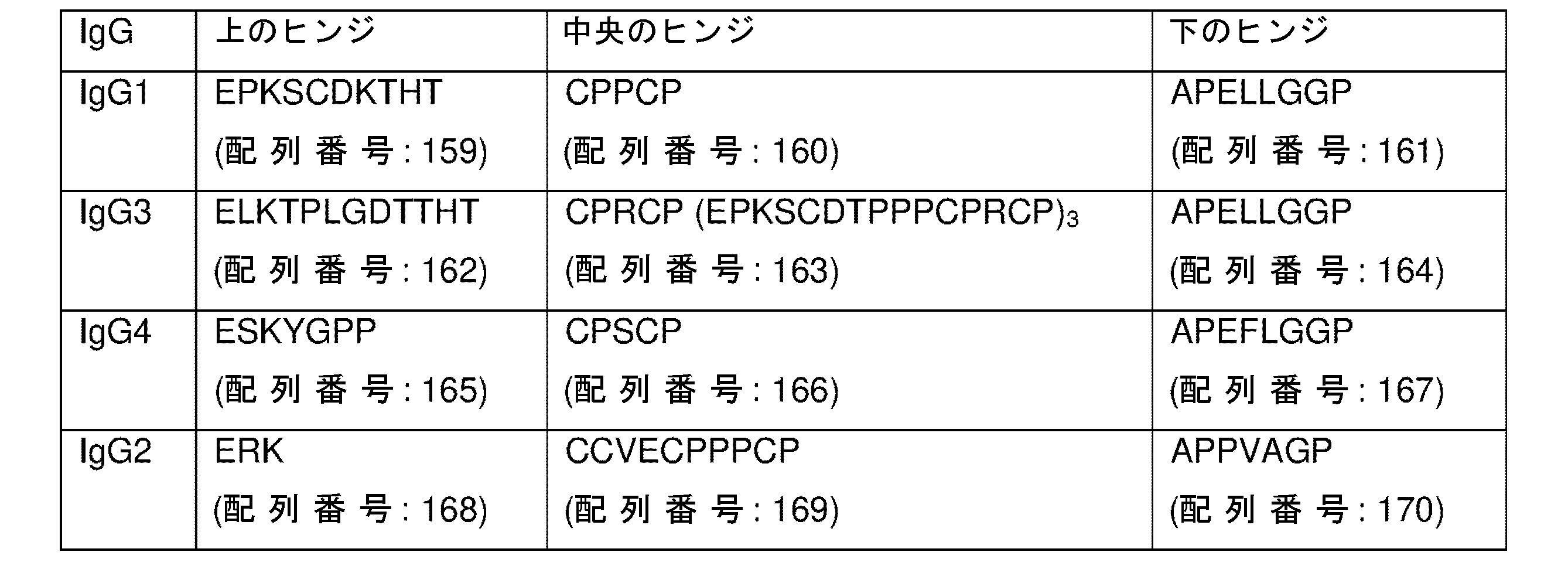
Table 2: Human hinge sequences
「バリアントFcドメイン」-本明細書で使用される場合、「バリアントFcドメイン」という用語は、野生型Fcドメイン、例えば、天然又は「野生型」ヒトIgGのFcドメインに対する1以上の改変を有するFcドメインを指す。改変としては、アミノ酸の置換、付加、及び/もしくは欠失、追加の部分の連結、並びに/又はネイティブなグリカンの改変を挙げることができる。 "Variant Fc Domain" - As used herein, the term "variant Fc domain" refers to an Fc domain that has one or more modifications relative to a wild-type Fc domain, e.g., the Fc domain of a naturally occurring or "wild-type" human IgG. The modifications can include amino acid substitutions, additions, and/or deletions, attachment of additional moieties, and/or modification of native glycans.
「Fc領域」-本明細書で使用される場合、「Fc領域という用語は、2つの重鎖のFcドメインによって形成されるネイティブな免疫グロブリンの部分を指す。ネイティブな又は野生型のFc領域は、通常、ホモ二量体である。 "Fc region" - As used herein, the term "Fc region" refers to the portion of a native immunoglobulin formed by the Fc domains of two heavy chains. A native or wild-type Fc region is usually a homodimer.
「バリアントFc領域」-本明細書で使用される場合、「バリアントFc領域」という用語は、Fcドメインの少なくとも1つが、野生型Fc領域、例えば、天然のヒトIgGのFc領域の野生型ドメインに対する1以上の改変を有するFc領域を指す。ある実施態様において、この用語は、構成要素のFcドメインの各々が同じであるホモ二量体Fc領域を包含する。ある実施態様において、この用語は、構成要素のFcドメインの各々が異なるヘテロ二量体Fc領域を包含する。ヘテロ二量体実施態様について、Fcドメインのうちの1つ又は両方がバリアントFcドメインであってもよい。 "Variant Fc Region" - As used herein, the term "variant Fc region" refers to an Fc region in which at least one of the Fc domains has one or more modifications relative to a wild-type Fc region, e.g., a wild-type domain of a native human IgG Fc region. In certain embodiments, the term encompasses homodimeric Fc regions in which each of the constituent Fc domains is the same. In certain embodiments, the term encompasses heterodimeric Fc regions in which each of the constituent Fc domains is different. For heterodimeric embodiments, one or both of the Fc domains may be a variant Fc domain.
「FcRn結合断片」-本明細書で使用される場合、「FcRn結合断片」という用語は、FcRn結合を付与するのに十分であるFcドメイン又はFc領域の一部を指す。 "FcRn-binding fragment" - As used herein, the term "FcRn-binding fragment" refers to a portion of an Fc domain or Fc region that is sufficient to confer FcRn binding.
「特異性」及び「多重特異性抗体」-本明細書に記載される抗体は、特定の標的抗原であるIgEに結合する。抗体は、その標的抗原に「特異的に結合する」ことが好ましく、ここで、「特異的に結合する」という用語は、所与の標的、例えば、IgEと優先的に免疫反応する任意の抗体の能力を指す。本発明の抗体は、単一特異的であり、特定の標的に特異的に結合する1以上の結合部位を含有することができる。抗体は、「多重特異性抗体」フォーマット、例えば、二重特異性抗体へと組み込むことができ、ここで、多重特異性抗体は、2以上の標的抗原に結合する。多重特異性を達成するために、「多重特異性抗体」は、通常、異なるVH-VL対を有する重鎖及び軽鎖ポリペプチドの異なる組合せ又は対合を含むように人為作製される。多重特異性、特に、二重特異性抗体は、ネイティブな抗体、例えば、Fc領域にコンジュゲートされた異なる特異性のFabアームを有するY字形の抗体の全体的な立体構造を取るように人為作製することができる。或いは、多重特異性抗体、例えば、二重特異性抗体は、非ネイティブな立体構造を取るように人為作製することができ、例えば、この場合、異なる特異性を有する可変ドメイン又は可変ドメイン対は、Fc領域の反対の末端に位置付けられる。 "Specificity" and "Multispecific Antibodies" - The antibodies described herein bind to a specific target antigen, IgE. The antibody preferably "specifically binds" to its target antigen, where the term "specifically binds" refers to the ability of any antibody to preferentially immunoreact with a given target, e.g., IgE. The antibodies of the present invention can be monospecific and contain one or more binding sites that specifically bind to a particular target. Antibodies can be incorporated into "multispecific antibody" formats, e.g., bispecific antibodies, where the multispecific antibodies bind to more than one target antigen. To achieve multispecificity, "multispecific antibodies" are usually engineered to contain different combinations or pairings of heavy and light chain polypeptides with different VH-VL pairs. Multispecific, and particularly bispecific, antibodies can be engineered to adopt the overall conformation of a native antibody, e.g., a Y-shaped antibody with Fab arms of different specificities conjugated to the Fc region. Alternatively, multispecific antibodies, e.g., bispecific antibodies, can be engineered to adopt a non-native conformation, e.g., where variable domains or variable domain pairs with different specificities are positioned at opposite ends of the Fc region.
「修飾抗体」-本明細書で使用される場合、「修飾抗体」という用語は、天然ではないように改変されている合成形態の抗体を含む。例としては、少なくとも2つの重鎖部分を含むが、2つの完全な重鎖を含まない抗体(例えば、ドメイン欠失抗体又はミニボディ); 2以上の異なる抗原に又は単一の抗原上の異なるエピトープに結合するように改変された多重特異的形態の抗体(例えば、二重特異性、三重特異性など); scFv分子に接続された重鎖分子などを含む。scFv分子は当技術分野で公知であり、例えば、米国特許第5,892,019号に記載されている。さらに、「修飾抗体」という用語は、多価形態の抗体(例えば、3コピー以上の同じ抗原に結合する三価、四価などの抗体)が挙げられる。 "Modified Antibodies" - As used herein, the term "modified antibodies" includes synthetic forms of antibodies that have been altered to be non-natural. Examples include antibodies that contain at least two heavy chain portions, but do not contain two complete heavy chains (e.g., domain deleted antibodies or minibodies); multispecific forms of antibodies (e.g., bispecific, trispecific, etc.) that have been altered to bind to two or more different antigens or to different epitopes on a single antigen; heavy chain molecules connected to scFv molecules, etc. scFv molecules are known in the art and are described, for example, in U.S. Pat. No. 5,892,019. Additionally, the term "modified antibodies" includes multivalent forms of antibodies (e.g., trivalent, tetravalent, etc. antibodies that bind to three or more copies of the same antigen).
「修飾抗体」という用語は、本明細書で構造的に定義された本発明の抗体のアミノ酸配列バリアントを指すために、本明細書で使用することもできる。抗体は、それが由来した抗体と比較してアミノ酸配列が異なるバリアント抗体を産生するように修飾され得ることが当業者によって理解されるであろう。例えば、「非必須」アミノ酸残基における保存的置換又は変化をもたらすヌクレオチド又はアミノ酸置換を(例えば、CDR及び/又はフレームワーク残基中で)行うことができる。アミノ酸置換は、1以上のアミノ酸と天然又は非天然アミノ酸との置換を含むことができる。 The term "modified antibody" can also be used herein to refer to amino acid sequence variants of the antibodies of the invention as structurally defined herein. It will be understood by one of skill in the art that antibodies can be modified to produce variant antibodies that differ in amino acid sequence compared to the antibody from which it was derived. For example, nucleotide or amino acid substitutions can be made (e.g., in CDR and/or framework residues) that result in conservative substitutions or changes in "non-essential" amino acid residues. Amino acid substitutions can include the replacement of one or more amino acids with natural or non-natural amino acids.
本発明による修飾抗体は、本発明によって定義されたバリアントFcドメイン又はそのFcRn結合断片に連結された本発明で定義された任意の好適な抗原結合断片を含むことができる。 The modified antibody according to the invention can comprise any suitable antigen-binding fragment defined according to the invention linked to a variant Fc domain defined according to the invention or an FcRn-binding fragment thereof.
「抗原結合断片」-本明細書で使用される「抗原結合断片」という用語は、無傷の又は完全な抗体よりも少ないアミノ酸残基を含む一方で、抗原結合活性を保持している全長抗体又は抗体鎖の部分(part)又は部分(portion)である断片を指す。抗体の抗原結合断片には、抗体(例えば、IgE)と同じ抗原に対する特異的な免疫反応活性を示すペプチド断片が含まれる。本明細書で使用される「抗原結合断片」という用語は、抗体軽鎖可変ドメイン(VL);抗体重鎖可変ドメイン(VH); VH-VLドメイン対;単鎖抗体(scFv); F(ab')2断片; Fab断片; Fd断片; Fv断片;一腕(一価)抗体;ダイアボディ、トリアボディ、テトラボディ、又はそのような抗原結合断片の組合せ、アセンブリ、もしくはコンジュゲーションによって形成される任意の抗原結合分子:から選択される抗体断片を包含することが意図される。本明細書で使用される「抗原結合断片」という用語は、ユニボディ;ドメイン抗体;及びナノボディ:からなる群から選択される抗体断片を包含することもできる。断片は、例えば、無傷のもしくは完全な抗体もしくは抗体鎖の化学的もしくは酵素的処理によるか、又は組換え手段によって得ることができる。 "Antigen-binding fragment" - As used herein, the term "antigen-binding fragment" refers to a fragment that is a part or portion of a full-length antibody or antibody chain that contains fewer amino acid residues than an intact or complete antibody, while retaining antigen-binding activity. Antigen-binding fragments of an antibody include peptide fragments that exhibit specific immune reaction activity against the same antigen as the antibody (e.g., IgE). As used herein, the term "antigen-binding fragment" is intended to encompass antibody fragments selected from: an antibody light chain variable domain (VL); an antibody heavy chain variable domain (VH); a VH-VL domain pair; a single-chain antibody (scFv); an F(ab')2 fragment; an Fab fragment; an Fd fragment; an Fv fragment; a one-arm (monovalent) antibody; a diabody, a triabody, a tetrabody, or any antigen-binding molecule formed by combination, assembly, or conjugation of such antigen-binding fragments. As used herein, the term "antigen-binding fragment" can also encompass antibody fragments selected from the group consisting of: a unibody; a domain antibody; and a nanobody. Fragments can be obtained, for example, by chemical or enzymatic treatment of an intact or complete antibody or antibody chain, or by recombinant means.
「ヒト化置換」-本明細書で使用される場合、「ヒト化置換」という用語は、抗体のVH又はVLドメイン中の特定の位置に存在するアミノ酸残基が参照ヒトVH又はVLドメイン中の等価な位置に生じるアミノ酸残基と置き換えられるアミノ酸置換を指す。参照ヒトVH又はVLドメインは、ヒト生殖系列によってコードされるVH又はVLドメインであってもよい。ヒト化置換は、本明細書で定義される抗体のフレームワーク領域及び/又はCDR中で行われてもよい。 "Humanizing Substitution" - As used herein, the term "humanizing substitution" refers to an amino acid substitution in which an amino acid residue present at a particular position in a VH or VL domain of an antibody is replaced with an amino acid residue occurring at the equivalent position in a reference human VH or VL domain. The reference human VH or VL domain may be a VH or VL domain encoded by human germline. The humanizing substitution may be made in the framework regions and/or CDRs of an antibody defined herein.
「ヒト化バリアント」-本明細書で使用される場合、「ヒト化バリアント」又は「ヒト化抗体」という用語は、参照抗体と比較して1以上の「ヒト化置換」を含有するバリアント抗体を指し、ここで、該参照抗体の部分(例えば、少なくとも1つのCDRを含有するVHドメイン及び/もしくはVLドメイン又はその部分)は、非ヒト種に由来するアミノ酸を有し、該「ヒト化置換」は、非ヒト種に由来するアミノ酸配列内で生じる。 "Humanized variant" - As used herein, the term "humanized variant" or "humanized antibody" refers to a variant antibody that contains one or more "humanizing substitutions" compared to a reference antibody, where a portion of the reference antibody (e.g., the VH domain and/or VL domain or portion thereof containing at least one CDR) has amino acids derived from a non-human species, and the "humanizing substitutions" occur within the amino acid sequence derived from the non-human species.
「生殖系列化バリアント」-「生殖系列化バリアント」又は「生殖系列化抗体」という用語は、「ヒト化置換」が抗体のVH又はVLドメイン中の特定の位置に存在する1以上のアミノ酸残基とヒト生殖系列によってコードされる参照ヒトVH又はVLドメイン中の等価な位置に生じるアミノ酸残基との置換をもたらす「ヒト化バリアント」を具体的に指すために本明細書で使用される。任意の所与の「生殖系列化バリアント」について、生殖系列化バリアントへと置換される置換アミノ酸残基は、ヒト生殖系列によってコードされる単一のVH又はVLドメインから独占的に又は優先的に取得されることが一般的である。「ヒト化バリアント」及び「生殖系列化バリアント」という用語は、多くの場合、互換的に使用される。ラクダ科動物由来(例えば、ラマ由来)VH又はVLドメインへの1以上の「ヒト化置換」の導入は、ラクダ科動物(ラマ)由来VH又はVLドメインの「ヒト化バリアント」の産生をもたらす。置換されるアミノ酸残基が優先的に又は独占的にヒト生殖系列によってコードされる単一のVH又はVLドメイン配列に由来する場合、ラクダ科動物(ラマ)由来VH又はVLドメインの「ヒト生殖系列化バリアント」という結果になり得る。 "Germlined variant" - The term "germlined variant" or "germlined antibody" is used herein to specifically refer to a "humanized variant" in which "humanizing substitutions" result in the replacement of one or more amino acid residues present at specific positions in a VH or VL domain of an antibody with amino acid residues occurring at equivalent positions in a reference human VH or VL domain encoded by the human germline. For any given "germlined variant", the substituted amino acid residues substituted into the germlined variant are typically taken exclusively or preferentially from a single VH or VL domain encoded by the human germline. The terms "humanized variant" and "germlined variant" are often used interchangeably. The introduction of one or more "humanizing substitutions" into a camelid-derived (e.g., llama-derived) VH or VL domain results in the production of a "humanized variant" of the camelid (llama)-derived VH or VL domain. If the substituted amino acid residues are derived from a single VH or VL domain sequence that is preferentially or exclusively encoded by the human germline, this can result in a "human germlined variant" of the camelid (llama)-derived VH or VL domain.
「親和性バリアント」-本明細書で使用される場合、「親和性バリアント」という用語は、参照抗体と比較してアミノ酸配列の1以上の変化を示すバリアント抗体を指し、ここで、該親和性バリアントは、参照抗体と比較して標的抗原に対する改変された親和性を示す。例えば、親和性バリアントは、参照IgE抗体と比較したとき、標的、例えば、IgEに対する変化した親和性を示す。好ましくは、親和性バリアントは、参照抗体と比較したとき、標的抗原に対する改善された親和性を示す。親和性バリアントは、通常、参照抗体と比較したとき、CDR中のアミノ酸配列の1以上の変化を示す。そのような置換は、CDR中の所与の位置に存在するもとのアミノ酸と、天然のアミノ酸残基又は非天然のアミノ酸残基であり得る異なるアミノ酸残基との置換をもたらすことができる。アミノ酸置換は、保存的であっても非保存的であってもよい。 "Affinity variant" - As used herein, the term "affinity variant" refers to a variant antibody that exhibits one or more changes in amino acid sequence compared to a reference antibody, where the affinity variant exhibits altered affinity for a target antigen compared to the reference antibody. For example, the affinity variant exhibits altered affinity for a target, e.g., IgE, when compared to a reference IgE antibody. Preferably, the affinity variant exhibits improved affinity for a target antigen when compared to the reference antibody. Affinity variants usually exhibit one or more changes in amino acid sequence in the CDRs when compared to the reference antibody. Such substitutions can result in the replacement of the original amino acid present at a given position in the CDR with a different amino acid residue, which can be a natural amino acid residue or a non-natural amino acid residue. The amino acid substitutions can be conservative or non-conservative.
「人為作製された」-本明細書で使用される場合、「人為作製された」という用語は、合成手段による(例えば、組換え技法、インビトロペプチド合成による、ペプチドの酵素的もしくは化学的カップリングによる、又はこれらの技法のいくつかの組合せによる)核酸又はポリペプチド分子の操作を含む。好ましくは、本発明の抗体は、例えば、抗原結合、安定性/半減期、又はエフェクター機能などの1以上の特性を改善するように、人為作製されているヒト化抗体を含めて、改変される。 "Artificially produced" - As used herein, the term "artificially produced" includes the manipulation of a nucleic acid or polypeptide molecule by synthetic means (e.g., by recombinant techniques, by in vitro peptide synthesis, by enzymatic or chemical coupling of peptides, or by some combination of these techniques). Preferably, the antibodies of the invention are modified, including humanized antibodies, that have been artificially produced to improve one or more characteristics, such as, for example, antigen binding, stability/half-life, or effector function.
「FcRn」-本明細書で使用される場合、「FcRn」という用語は、新生児Fc受容体を指す。例示的なFcRn分子としては、RefSeq NM_004107に示されているようなFCGRT遺伝子によってコードされたヒトFcRnが挙げられる。 "FcRn" - As used herein, the term "FcRn" refers to the neonatal Fc receptor. Exemplary FcRn molecules include human FcRn encoded by the FCGRT gene as set forth in RefSeq NM_004107.
「CD16」-本明細書で使用される場合、「CD16」という用語は、抗体依存性細胞媒介性細胞傷害(ADCC)に必要とされるFcγRIII Fc受容体を指す。例示的なCD16分子としては、RefSeq NM_000569に示されているようなヒトCD16aが挙げられる。 "CD16" - As used herein, the term "CD16" refers to the FcγRIII Fc receptor required for antibody-dependent cell-mediated cytotoxicity (ADCC). Exemplary CD16 molecules include human CD16a as shown in RefSeq NM_000569.
「N-結合型グリカン」-本明細書で使用される場合、「N-結合型グリカン」という用語は、Fc領域のCH2ドメインに存在する配列(すなわち、Asn-X-Ser又はAsn-X-Thr配列(ここで、Xは、プロリン以外の任意のアミノ酸である))中のアスパラギンの側鎖中の窒素(N)に付着したN-結合型グリカンを指す。そのようなN-グリカンは、例えば、引用により完全に本明細書中に組み込まれるDrickamer K及びTaylor MEの文献(2006)、糖鎖生物学入門(Introduction to Glycobiology)、第2版に完全に記載されている。 "N-linked glycan" - As used herein, the term "N-linked glycan" refers to an N-linked glycan attached to the nitrogen (N) in the side chain of an asparagine in a sequence present in the CH2 domain of the Fc region (i.e., an Asn-X-Ser or Asn-X-Thr sequence, where X is any amino acid except proline). Such N-glycans are described fully in, for example, Drickamer K and Taylor ME (2006), Introduction to Glycobiology, 2nd Edition, which is incorporated herein by reference in its entirety.
「脱フコシル化された」-本明細書で使用される場合、「脱フコシル化された」という用語は、引用により完全に本明細書中に組み込まれる米国特許第8067232号に記載されているようなコアフコース分子を欠くN-結合型グリカンを指す。 "Defucosylated" - As used herein, the term "defucosylated" refers to N-linked glycans that lack a core fucose molecule as described in U.S. Patent No. 8,067,232, which is incorporated herein by reference in its entirety.
「バイセクティングGlcNac」-本明細書で使用される場合、「バイセクティングGlcNac」という用語は、引用により完全に本明細書中に組み込まれる米国特許第8021856号に記載されているような、コアマンノース分子に連結されたN-アセチルグルコサミン(GlcNAc)分子を有するN-結合型グリカンを指す。 "Bisecting GlcNac" - As used herein, the term "bisecting GlcNac" refers to an N-linked glycan having an N-acetylglucosamine (GlcNAc) molecule linked to a core mannose molecule, as described in U.S. Pat. No. 8,021,856, which is incorporated herein by reference in its entirety.
「IgE」-本明細書で使用される場合、「IgE」という用語は、「免疫グロブリンE」分子又は「クラスE免疫グロブリン」を指す。IgEは、ヒト血清中で最も存在量の少ない免疫グロブリンアイソタイプである。IgE免疫グロブリンは、免疫グロブリンの他のクラス又はアイソタイプに共通する四量体構造を取る。しかしながら、IgEは、4つの定常領域: Cε1、Cε2、Cε3、及びCε4(本明細書において、CH1、CH2、CH3、及びCH4とも呼ばれる)を含むそのε重鎖を特徴とする。本明細書の別所で説明されているように、IgEは、肥満細胞及び好塩基球上の高親和性Fc受容体に結合することにより、アレルギー及び過敏症において重要な役割を果たす。この高親和性受容体FcεRIは、1つのIgE結合αサブユニット、1つのβサブユニット、及びジスルフィド結合γサブユニットの二量体を含む、多サブユニット構造を有する。低親和性IgE受容体FcαRII(CD23としても知られる)は、B細胞上で構成的に発現されており、かつIL-4に応答して、マクロファージ、好酸球、血小板、及び一部のT細胞で発現されることができる。 "IgE" - As used herein, the term "IgE" refers to an "immunoglobulin E" molecule or a "class E immunoglobulin." IgE is the least abundant immunoglobulin isotype in human serum. IgE immunoglobulins adopt a tetrameric structure common to other classes or isotypes of immunoglobulins. However, IgE is characterized by its ε heavy chain, which contains four constant regions: Cε1, Cε2, Cε3, and Cε4 (also referred to herein as CH1, CH2, CH3, and CH4). As explained elsewhere herein, IgE plays an important role in allergy and hypersensitivity by binding to high affinity Fc receptors on mast cells and basophils. This high affinity receptor, FcεRI, has a multisubunit structure, containing one IgE-binding α subunit, one β subunit, and a dimer of disulfide-linked γ subunits. The low affinity IgE receptor FcαRII (also known as CD23) is constitutively expressed on B cells and can be expressed on macrophages, eosinophils, platelets, and some T cells in response to IL-4.
オマリズマブ-オマリズマブは、IgEに結合する組換えヒト化モノクローナル抗体である。これは、5%のマウス配列と95%のヒト配列を含有する。これは、ゾレア(登録商標)としてNovartisにより市販されており、アレルギー性喘息及び慢性自発性蕁麻疹(CSU)の治療用に承認されている。オマリズマブのCDR、VH及びVL配列は、下の表3に示されている。
表3 オマリズマブのCDR、VH及びVL配列
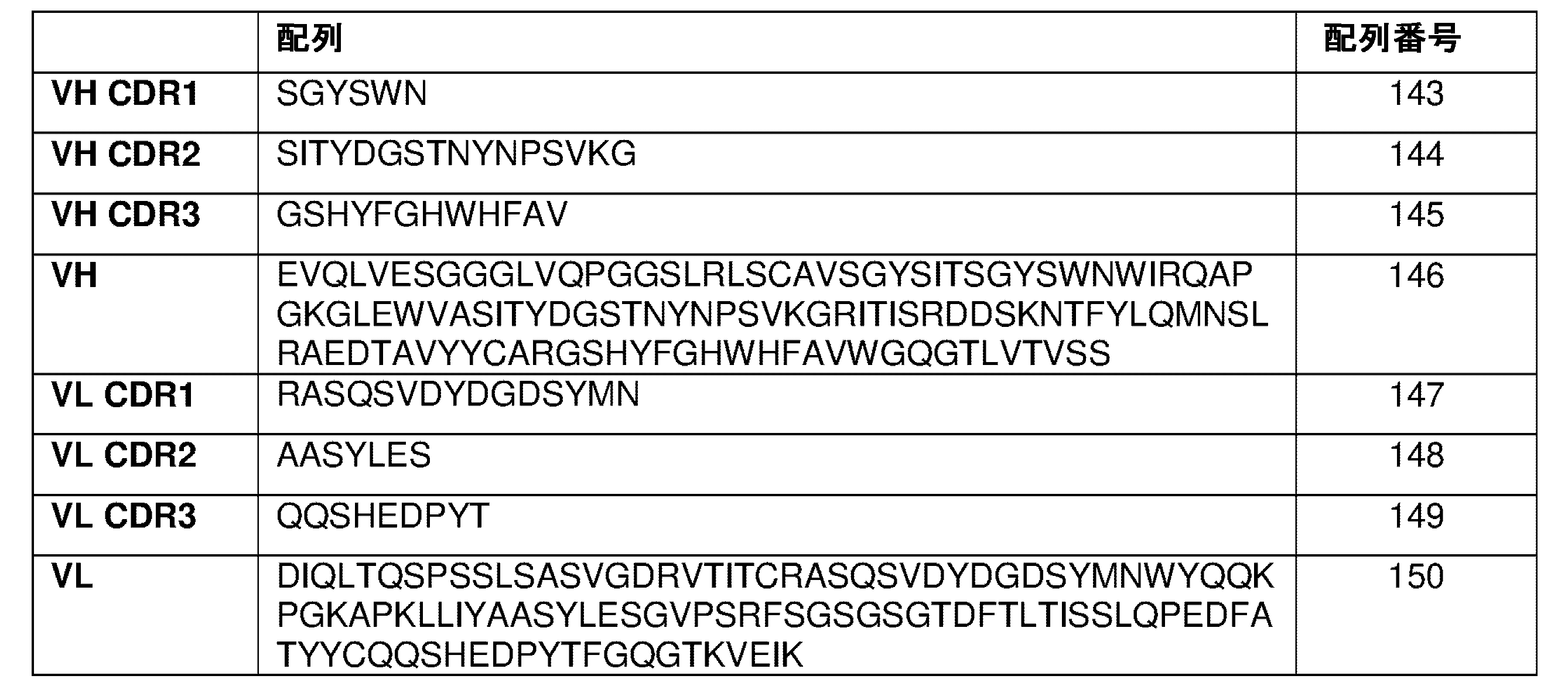
Table 3. Omalizumab CDR, VH and VL sequences
オマリズマブは、IgEの受容体結合部分、すなわち、CH3又はCε3ドメイン内の領域に結合する。オマリズマブによって認識されるエピトープは、高親和性IgE受容体と低親和性IgE受容体の両方の結合領域を包含するので、オマリズマブは、両方のタイプの受容体に結合するIgEの能力を消失させる。重要なことに、オマリズマブは、細胞表面に既に結合しているIgE分子を架橋することができない。すなわち、これは、非アナフィラキシー誘発性である。一方のIgE重鎖の1つのCH3ドメインへのFcεRIの結合は、もう一方のIgE重鎖のCH3領域へのオマリズマブの結合を阻害又は妨害する。したがって、オマリズマブは、循環中にあるIgEにしか結合することができない。循環中では、IgEの各々の分子がオマリズマブの2つの分子によって同時に結合されることができる。 Omalizumab binds to the receptor-binding portion of IgE, i.e., a region within the CH3 or Cε3 domain. The epitope recognized by Omalizumab encompasses the binding regions of both the high-affinity and low-affinity IgE receptors, so Omalizumab abolishes the ability of IgE to bind to both types of receptors. Importantly, Omalizumab cannot crosslink IgE molecules already bound to cell surfaces; i.e., it is non-anaphylactic. Binding of FcεRI to one CH3 domain of one IgE heavy chain inhibits or prevents Omalizumab binding to the CH3 region of the other IgE heavy chain. Thus, Omalizumab can only bind to IgE that is in the circulation, where each molecule of IgE can be simultaneously bound by two molecules of Omalizumab.
リゲリズマブ-リゲリズマブは、IgEに結合する第二のヒト化モノクローナル抗体である。これは、オマリズマブと同じIgEの領域に結合するが、より高い親和性でIgEに結合する。リゲリズマブのCDR、VH及びVL配列は、下の表4に示されている。
表4 リゲリズマブのCDR、VH及びVL配列

Table 4. Ligelizumab CDR, VH and VL sequences
「抗体媒介性障害」-本明細書で使用される場合、「抗体媒介性障害」という用語は、対象における抗体の存在によって生じるか又は悪化する任意の疾患又は障害を指す。 "Antibody-Mediated Disorder" - As used herein, the term "antibody-mediated disorder" refers to any disease or disorder that is caused or exacerbated by the presence of antibodies in a subject.
「治療する、治療すること、及び治療」-本明細書で使用される場合、「治療する」、「治療すること」、及び「治療」という用語は、本明細書に記載される治療的又は予防的手段を指す。「治療」の方法は、抗体媒介性疾患もしくは障害(例えば、自己免疫疾患)又は再発性疾患もしくは障害を予防するか、治癒させるか、遅延させるか、その重症度を軽減するか、又はその1以上の症状を改善するために、或いはそのような治療の非存在下で期待される以上に対象の生存期間を延長するために、対象、例えば、該疾患もしくは障害を有するか又はそのような疾患もしくは障害を有する素因がある対象への本発明による抗体の投与を利用する。 "Treat, Treating, and Treatment" - As used herein, the terms "treat," "treating," and "treatment" refer to therapeutic or prophylactic measures described herein. A method of "treatment" utilizes administration of an antibody according to the invention to a subject, e.g., a subject having or predisposed to having an antibody-mediated disease or disorder (e.g., an autoimmune disease) or a recurrent disease or disorder, to prevent, cure, delay, reduce the severity of, or ameliorate one or more symptoms thereof, or to prolong the survival of the subject beyond that expected in the absence of such treatment.
「対象」-本明細書で使用される場合、「対象」という用語は、任意のヒト又は非ヒト動物を指す。ある実施態様において、「対象」という用語は、任意のヒト又は非ヒト哺乳動物を指す。好ましい実施態様において、対象は、ヒトである。ある実施態様において、対象は、成人である。本明細書で使用される場合、「成人」は、少なくとも18歳のヒトである。 "Subject" - As used herein, the term "subject" refers to any human or non-human animal. In certain embodiments, the term "subject" refers to any human or non-human mammal. In preferred embodiments, the subject is a human. In certain embodiments, the subject is an adult. As used herein, an "adult" is a human who is at least 18 years of age.
(B.バリアントFcドメインを有する抗IgE抗体)
(i)バリアントFcドメイン及びそのFcRn結合断片
第一の態様において、本発明は、IgEに結合する抗体(すなわち、抗IgE抗体)を提供し、ここで、該抗体は、少なくとも1つのバリアントFcドメイン又はそのFcRn結合断片を含む。このバリアントFcドメイン又はそのFcRn結合断片は、野生型Fcドメインと比べて増大した親和性で新生児Fc受容体FcRnに結合する能力を特徴とする。言い換えると、本明細書に記載される抗IgE抗体のバリアントFcドメイン又はFcRn結合断片とFcRnとの間の結合親和性は、野生型FcドメインとFcRnとの間の結合親和性と比較してより高い。
B. Anti-IgE Antibodies with Variant Fc Domains
(i) Variant Fc Domains and FcRn-binding Fragments Thereof In a first aspect, the present invention provides antibodies that bind to IgE (i.e., anti-IgE antibodies), wherein the antibodies comprise at least one variant Fc domain or FcRn-binding fragment thereof. The variant Fc domain or FcRn-binding fragment thereof is characterized by an ability to bind to the neonatal Fc receptor FcRn with increased affinity compared to the wild-type Fc domain. In other words, the binding affinity between the variant Fc domain or FcRn-binding fragment of the anti-IgE antibodies described herein and FcRn is higher compared to the binding affinity between the wild-type Fc domain and FcRn.
FcRn受容体は、サルベージ受容体経路によって血漿中のIgG濃度を調節する際に重要な役割を果たす。FcRn機能のモデルは、次の通りである。細胞外環境の中性付近のpHは、通常、FcRn-IgG相互作用に対して許容性がないので、循環中のIgGは、おそらくは流体相ピノサイトーシスによって、細胞に取り込まれる。取込み後の酸性の初期エンドソーム中のFcRnに結合するIgGは、再循環(又はトランスサイトーシス)され、エキソサイトーシスによって細胞表面で放出される。対照的に、FcRnに結合しないIgGは、リソソーム経路に入り、分解される。 The FcRn receptor plays a key role in regulating plasma IgG concentrations via the salvage receptor pathway. A model of FcRn function is as follows: Because the near-neutral pH of the extracellular environment is normally not permissive for FcRn-IgG interactions, circulating IgG is taken up into cells, presumably by fluid-phase pinocytosis. IgG that binds to FcRn in acidic early endosomes after uptake is recycled (or transcytosed) and released at the cell surface by exocytosis. In contrast, IgG that does not bind FcRn enters the lysosomal pathway and is degraded.
FcRnにより高い親和性で結合することにより、本発明の抗IgE抗体は、内在性IgG分子の再循環を妨害し、それにより、内在性IgG抗体、例えば、IgG自己抗体のレベルを低下させることができる。したがって、本発明の抗IgE抗体は、内在性IgE(可変領域を介する抗原結合による)と内在性IgG(バリアントFcドメインを介するFcRnへの結合を競合することによる)の両方を標的とすることになる。 By binding with higher affinity to FcRn, the anti-IgE antibodies of the invention can interfere with the recycling of endogenous IgG molecules, thereby reducing the levels of endogenous IgG antibodies, e.g., IgG autoantibodies. Thus, the anti-IgE antibodies of the invention will target both endogenous IgE (by antigen binding via the variable regions) and endogenous IgG (by competing for binding to FcRn via the variant Fc domain).
バリアントFcドメイン又はそのFcRn結合断片は、野生型Fcドメインと比べて増大した親和性で、FcRnに結合する。ある実施態様において、バリアントFcドメインの結合親和性が比較される野生型Fcドメインは、バリアントFcドメインが由来する野生型Fcドメインであってもよい。上記のように、本発明との関連におけるバリアントFcドメインは、野生型Fcドメイン、例えば、天然又は「野生型」ヒトIgGのFcドメインと比べて1以上の改変を有するFcドメインを指す。改変としては、アミノ酸の置換、付加、及び/もしくは欠失、追加の部分の連結、並びに/又はネイティブなグリカンの改変を挙げることができる。バリアントFcドメインが由来する天然又は野生型FcドメインがヒトIgG1 Fcドメインである場合、該バリアントFcドメインは、野生型ヒトIgG1 Fcドメインよりも高い親和性でFcRnに結合することができる。 The variant Fc domain or FcRn-binding fragment thereof binds to FcRn with increased affinity compared to the wild-type Fc domain. In certain embodiments, the wild-type Fc domain to which the binding affinity of the variant Fc domain is compared may be the wild-type Fc domain from which the variant Fc domain is derived. As noted above, a variant Fc domain in the context of the present invention refers to an Fc domain that has one or more modifications compared to a wild-type Fc domain, e.g., the Fc domain of a natural or "wild-type" human IgG. The modifications may include amino acid substitutions, additions, and/or deletions, linking of additional moieties, and/or modifications of native glycans. When the natural or wild-type Fc domain from which the variant Fc domain is derived is a human IgG1 Fc domain, the variant Fc domain may bind to FcRn with higher affinity than the wild-type human IgG1 Fc domain.
バリアントFcドメイン又はFcRn結合断片によって示されるFcRnに対する増大した親和性は、必ずしもバリアントFcドメイン又はFcRn結合断片が由来するFcドメインではない野生型Fcドメインと比べたものであってもよい。例えば、バリアントFcドメイン又はそのFcRn結合断片は、野生型ヒトIgG Fcドメインと比べて増大した親和性でFcRnに結合することができる。野生型ヒトIgGは、IgG1、IgG2、IgG3、又はIgG4であることができる。好ましい実施態様において、本明細書に記載される抗IgE抗体のバリアントFcドメイン又はそのFcRn結合断片は、野生型ヒトIgG1 Fcドメイン又は野生型ヒトIgG3 Fcドメインと比べて増大した親和性でFcRnに結合する。好ましい実施態様において、本明細書に記載される抗IgE抗体のバリアントFcドメイン又はそのFcRn結合断片は、野生型ヒトIgG1 Fcドメインと比べて増大した親和性でFcRnに結合する。 The increased affinity for FcRn exhibited by the variant Fc domain or FcRn-binding fragment may be compared to a wild-type Fc domain, not necessarily the Fc domain from which the variant Fc domain or FcRn-binding fragment is derived. For example, the variant Fc domain or FcRn-binding fragment thereof may bind to FcRn with increased affinity compared to a wild-type human IgG Fc domain. The wild-type human IgG may be IgG1, IgG2, IgG3, or IgG4. In a preferred embodiment, the variant Fc domain or FcRn-binding fragment thereof of the anti-IgE antibody described herein binds to FcRn with increased affinity compared to a wild-type human IgG1 Fc domain or a wild-type human IgG3 Fc domain. In a preferred embodiment, the variant Fc domain or FcRn-binding fragment thereof of the anti-IgE antibody described herein binds to FcRn with increased affinity compared to a wild-type human IgG1 Fc domain.
本発明の抗IgE抗体は、ヒト疾患の治療、特に、自己免疫疾患を有する患者からのIgG自己抗体の除去において使用することが意図されるので、バリアントFc領域又はそのFcRn結合断片は、通常、より高い親和性でヒトFcRnに結合する。言い換えると、本明細書に記載される抗IgE抗体のバリアントFc領域又はFcRn結合断片は、ヒトFcRnへの結合をネイティブな又は内在性の患者IgG抗体と競合する。 Because the anti-IgE antibodies of the invention are intended for use in the treatment of human disease, in particular in the removal of IgG autoantibodies from patients with autoimmune disease, the variant Fc region or FcRn-binding fragment thereof typically binds to human FcRn with higher affinity. In other words, the variant Fc region or FcRn-binding fragment of the anti-IgE antibodies described herein competes with native or endogenous patient IgG antibodies for binding to human FcRn.
IgG FcドメインとFcRnとの間の相互作用はpH依存的である。結合親和性は、通常、酸性pH(すなわち、初期エンドソーム区画で見られるpH)でより強く、中性pH(すなわち、血漿pH)でより弱い。本明細書に記載されるバリアントFcドメイン又はFcRn結合断片は、酸性pH、例えば、pH 6.0で、増大した親和性でFcRnに結合することができる。その代わりに又はそれに加えて、本明細書に記載されるバリアントFcドメイン又はFcRn結合断片は、中性pH、例えば、pH 7.4で、増大した親和性でFcRnに結合することができる。好ましい実施態様において、本明細書に記載される抗IgE抗体のバリアントFcドメイン又はFcRn結合断片は、pH 6.0とpH 7.4の両方で、増大した親和性でFcRnに結合する。ある実施態様において、該バリアントFcドメイン及び/又はFcRn結合断片は、野生型Fcドメイン、特に、野生型ヒトIgG1 Fcドメインと比較して低下したpH依存度でFcRnに結合する。該バリアントFcドメイン又はFcRn結合断片が低下したpH依存度でFcRn結合する実施態様について、結合親和性がpH 6.0及びpH 7.4で増大していることがなお好ましい。 The interaction between the IgG Fc domain and FcRn is pH-dependent. The binding affinity is usually stronger at acidic pH (i.e., pH found in early endosomal compartments) and weaker at neutral pH (i.e., plasma pH). The variant Fc domain or FcRn-binding fragment described herein can bind to FcRn with increased affinity at acidic pH, e.g., pH 6.0. Alternatively or additionally, the variant Fc domain or FcRn-binding fragment described herein can bind to FcRn with increased affinity at neutral pH, e.g., pH 7.4. In preferred embodiments, the variant Fc domain or FcRn-binding fragment of the anti-IgE antibody described herein binds to FcRn with increased affinity at both pH 6.0 and pH 7.4. In certain embodiments, the variant Fc domain and/or FcRn-binding fragment binds to FcRn with reduced pH-dependency compared to the wild-type Fc domain, in particular the wild-type human IgG1 Fc domain. For embodiments in which the variant Fc domain or FcRn-binding fragment binds to FcRn with reduced pH dependence, it is even more preferred that the binding affinity is increased at pH 6.0 and pH 7.4.
本明細書で説明されているように、本明細書に記載されるバリアントFcドメイン又はFcRn結合断片とFcRnとの間の結合親和性は、本発明の抗体がFcRnへの結合を内在性IgG、特に、IgG自己抗体と競合するように増大している。 As described herein, the binding affinity between the variant Fc domains or FcRn-binding fragments described herein and FcRn is increased such that the antibodies of the invention compete with endogenous IgG, and in particular IgG autoantibodies, for binding to FcRn.
Vaccaroらの文献(インビボの抗体レベルを調節するための免疫グロブリンGのFc領域の改変(Engineering the Fc region of immunoglobulin G to modulate in vivo antibody level)、Nature Biotechnology(2005) 23(10): 1283-1288)、Ulrichtsらの文献(新生児Fc受容体アンタゴニストエフガルチギモドはヒトで安全かつ持続的にIgGを低下させる(Neonatal Fc receptor antagonist efgartigimod safely and sustainably reduces IgGs in humans)、J. Clinical Investigation.(2018) 128(10): 4372-4386)で報告されているように、及び同じく本明細書で報告されているように、ABDEG(商標)突然変異(M252Y/S254T/T256E/H433K/N434F)を有するバリアントFcドメインを含むバリアントFc領域は、増大した親和性でヒトFcRnに結合し、それにより、内在性IgGレベルを低下させることができる。Vaccaroらの文献(引用により本明細書中に引用されている)では、野生型ヒトIgG1のKD 370nMという結合親和性(表面プラズモン共鳴解析により測定)と比較して、バリアントABDEG(商標) Fc領域のpH 6.0でのKD 15.5nMというヒトFcRnに対する結合親和性が報告されている。したがって、ある実施態様において、本明細書に記載されるバリアントFcドメイン又はFcRn結合断片は、pH 6.0で、野生型ヒトIgG1 Fcドメインと比較して、少なくとも20倍増大している親和性でヒトFcRnに結合する。ある実施態様において、本明細書に記載されるバリアントFcドメイン又はFcRn結合断片は、pH 6.0で、野生型ヒトIgG1 Fcドメインと比較して、少なくとも25倍、好ましくは、少なくとも30倍増大している親和性でヒトFcRnに結合する。バリアントFcドメイン又はFcRn結合断片の結合親和性は、該Fcドメイン(又は断片)の親和性が全長IgG分子との関連において試験される場合、野生型ヒトIgG1 Fcドメインの結合親和性と比較されてもよい。 Vaccaro et al. (Engineering the Fc region of immunoglobulin G to modulate in vivo antibody level, Nature Biotechnology(2005) 23(10): 1283-1288); Ulrichts et al. (Neonatal Fc receptor antagonist efgartigimod safely and sustainably reduces IgGs in humans), J. Clinical Investigation.(2018) 128(10): As reported in J. Immunol. 1999, 4372-4386 (2001) and as also reported herein, a variant Fc region comprising a variant Fc domain with ABDEG™ mutations (M252Y/S254T/T256E/H433K/N434F) can bind to human FcRn with increased affinity, thereby reducing endogenous IgG levels. Vaccaro et al. (herein incorporated by reference) report a binding affinity for human FcRn of K D 15.5 nM at pH 6.0 for the variant ABDEG™ Fc region, compared to a binding affinity of wild-type human IgG1 of K D 370 nM (measured by surface plasmon resonance analysis). Thus, in certain embodiments, the variant Fc domain or FcRn-binding fragment described herein binds to human FcRn with an affinity that is at least 20-fold increased at pH 6.0 compared to wild-type human IgG1 Fc domain. In certain embodiments, the variant Fc domain or FcRn-binding fragment described herein binds to human FcRn with an affinity that is increased by at least 25-fold, preferably at least 30-fold, compared to the wild-type human IgG1 Fc domain at pH 6.0. The binding affinity of the variant Fc domain or FcRn-binding fragment may be compared to the binding affinity of the wild-type human IgG1 Fc domain when the affinity of the Fc domain (or fragment) is tested in the context of a full-length IgG molecule.
Ulrichtsらの文献で報告されているように、FcRnアンタゴニストのエフガルチギモドは、それぞれ、pH 6.0及びpH 7.4で、14.2nM及び320nMというヒトFcRnに対する平衡解離定数(KD)を有する。したがって、ある実施態様において、本明細書に記載されるバリアントFcドメイン又はFcRn結合断片は、pH 6.0で、KD 15nMよりも強い結合親和性でヒトFcRnに結合する。その代わりに又はそれに加えて、本明細書に記載されるバリアントFcドメイン又はFcRn結合断片は、pH 7.4で、KD 320nMよりも強い結合親和性でヒトFcRnに結合することができる。バリアントFcドメイン又はそのFcRn結合断片の結合親和性は、該バリアントFcドメイン又はそのFcRn結合断片がバリアントFc領域(すなわち、2つのFcドメインを含む)との関連において試験されるときに決定することができる。
As reported in Ulrichts et al., the FcRn antagonist efgartigimod has an equilibrium dissociation constant (K D ) for human FcRn of 14.2 nM and 320 nM at pH 6.0 and pH 7.4, respectively. Thus, in certain embodiments, the variant Fc domain or FcRn-binding fragment described herein binds to human FcRn with a binding affinity of greater than
バリアントFcドメイン又はFcRn結合断片は、野生型Fcドメインと比べて、1以上の改変を含む。ある実施態様において、バリアントFcドメイン又はFcRn結合断片は、野生型Fcドメインと比べて、少なくとも1つのアミノ酸置換を含む。バリアントFcドメイン又はFcRn結合断片は、ある実施態様において、野生型Fcドメインと比べて、少なくとも2つ、少なくとも3つ、少なくとも4つ、又は少なくとも5つのアミノ酸置換を含むことができる。 The variant Fc domain or FcRn-binding fragment comprises one or more modifications compared to the wild-type Fc domain. In certain embodiments, the variant Fc domain or FcRn-binding fragment comprises at least one amino acid substitution compared to the wild-type Fc domain. In certain embodiments, the variant Fc domain or FcRn-binding fragment can comprise at least two, at least three, at least four, or at least five amino acid substitutions compared to the wild-type Fc domain.
バリアントFcドメイン又はそのFcRn結合断片における改変の数は、対応する野生型Fcドメイン又はFcRn結合断片と比べて限定することができる。例えば、バリアントFcドメイン又はFcRn結合断片におけるアミノ酸置換の総数は、対応する野生型Fcドメイン又はFcRn結合断片と比べて限定することができる。ある実施態様において、バリアントFcドメイン又はそのFcRn結合断片は、対応する野生型Fcドメインと比較して、5以下、6以下、7以下、8以下、9以下、10以下、11以下、12以下、15以下、20以下の改変からなる。改変は、アミノ酸の置換、付加、及び/もしくは欠失、追加の部分の連結、並びに/又はネイティブなグリカンの改変から選択することができる。ある実施態様において、バリアントFcドメイン又はそのFcRn結合断片は、対応する野生型Fcドメインと比較して、5以下、6以下、7以下、8以下、9以下、10以下、11以下、12以下、15以下、20以下のアミノ酸置換からなる。 The number of modifications in the variant Fc domain or FcRn-binding fragment thereof can be limited compared to the corresponding wild-type Fc domain or FcRn-binding fragment. For example, the total number of amino acid substitutions in the variant Fc domain or FcRn-binding fragment can be limited compared to the corresponding wild-type Fc domain or FcRn-binding fragment. In certain embodiments, the variant Fc domain or FcRn-binding fragment thereof consists of 5 or less, 6 or less, 7 or less, 8 or less, 9 or less, 10 or less, 11 or less, 12 or less, 15 or less, 20 or less modifications compared to the corresponding wild-type Fc domain. The modifications can be selected from amino acid substitutions, additions, and/or deletions, linking of additional moieties, and/or modifications of native glycans. In certain embodiments, the variant Fc domain or FcRn-binding fragment thereof consists of 5 or less, 6 or less, 7 or less, 8 or less, 9 or less, 10 or less, 11 or less, 12 or less, 15 or less, 20 or less amino acid substitutions compared to the corresponding wild-type Fc domain.
ある実施態様において、バリアントFcドメイン又はそのFcRn結合断片は、少なくとも1つのアミノ酸置換、ただし、合計20以下のアミノ酸置換を含むか又は該アミノ酸置換からなる。ある実施態様において、バリアントFcドメイン又はそのFcRn結合断片は、少なくとも2つのアミノ酸置換、ただし、合計20以下のアミノ酸置換を含むか又は該アミノ酸置換からなる。ある実施態様において、バリアントFcドメイン又はそのFcRn結合断片は、少なくとも1つのアミノ酸置換、ただし、合計10以下のアミノ酸置換を含むか又は該アミノ酸置換からなる。ある実施態様において、バリアントFcドメイン又はそのFcRn結合断片は、少なくとも2つのアミノ酸置換、ただし、合計10以下のアミノ酸置換を含むか又は該アミノ酸置換からなる。ある実施態様において、バリアントFcドメイン又はそのFcRn結合断片は、少なくとも1つのアミノ酸置換、ただし、合計5以下のアミノ酸置換を含むか又は該アミノ酸置換からなる。ある実施態様において、バリアントFcドメイン又はそのFcRn結合断片は、少なくとも2つのアミノ酸置換、ただし、合計5以下のアミノ酸置換を含むか又は該アミノ酸置換からなる。 In certain embodiments, the variant Fc domain or FcRn-binding fragment thereof comprises or consists of at least one amino acid substitution, but not more than a total of 20 amino acid substitutions. In certain embodiments, the variant Fc domain or FcRn-binding fragment thereof comprises or consists of at least two amino acid substitutions, but not more than a total of 20 amino acid substitutions. In certain embodiments, the variant Fc domain or FcRn-binding fragment thereof comprises or consists of at least one amino acid substitution, but not more than a total of 10 amino acid substitutions. In certain embodiments, the variant Fc domain or FcRn-binding fragment thereof comprises or consists of at least two amino acid substitutions, but not more than a total of 10 amino acid substitutions. In certain embodiments, the variant Fc domain or FcRn-binding fragment thereof comprises or consists of at least one amino acid substitution, but not more than a total of 5 amino acid substitutions. In certain embodiments, the variant Fc domain or FcRn-binding fragment thereof comprises or consists of at least two amino acid substitutions, but not more than a total of 5 amino acid substitutions.
本明細書に記載される抗IgE抗体のバリアントFcドメインが由来する野生型Fcドメインは、IgG Fcドメインであってもよい。そのような実施態様において、該バリアントFcドメインは、バリアントIgG Fcドメインである。好ましい実施態様において、該バリアントFcドメインは、バリアントIgG1 Fcドメインである、すなわち、該バリアントFcドメインは、野生型IgG1ドメインと比べて、1以上の改変を保有する。 The wild-type Fc domain from which the variant Fc domain of the anti-IgE antibodies described herein is derived may be an IgG Fc domain. In such an embodiment, the variant Fc domain is a variant IgG Fc domain. In a preferred embodiment, the variant Fc domain is a variant IgG1 Fc domain, i.e., the variant Fc domain possesses one or more modifications compared to a wild-type IgG1 domain.
本発明の抗IgE抗体は、ヒト患者で使用するためのものであり得るので、バリアントFcドメイン又はそのFcRn結合断片は、好ましくは、ヒトFcドメインのバリアント形態である、すなわち、バリアントFcドメイン又はそのFcRn結合断片は、バリアントヒトFcドメイン又はそのFcRn結合断片である。バリアントFcドメインの目的は、FcRnへの結合をネイティブなIgG抗体と競合させることであるので、バリアントFcドメインは、ヒトバリアントIgGドメイン、例えば、IgG1、IgG2、IgG3、又はIgG4から選択されるヒトバリアントIgGドメインであることが好ましい。特に好ましい実施態様において、バリアントFcドメインは、バリアントIgG1 Fcドメイン又はそのFcRn結合断片である。 Since the anti-IgE antibodies of the invention may be for use in human patients, the variant Fc domain or FcRn-binding fragment thereof is preferably a variant form of a human Fc domain, i.e., the variant Fc domain or FcRn-binding fragment thereof is a variant human Fc domain or FcRn-binding fragment thereof. Since the purpose of the variant Fc domain is to compete with native IgG antibodies for binding to FcRn, it is preferred that the variant Fc domain is a human variant IgG domain, e.g. a human variant IgG domain selected from IgG1, IgG2, IgG3, or IgG4. In a particularly preferred embodiment, the variant Fc domain is a variant IgG1 Fc domain or FcRn-binding fragment thereof.
本発明の抗IgE抗体のバリアントFcドメイン又はFcRn結合断片は、該バリアントFcドメイン又はFcRn結合断片が、FcRn、好ましくは、ヒトFcRnに対する必要不可欠な増大した結合親和性を示すという条件で、任意の非ネイティブなアミノ酸残基を含むことができる。本明細書で使用される場合、「非ネイティブなアミノ酸」という用語は、それがバリアントFcドメイン又はそのFcRn結合断片中にある位置で天然には生じないアミノ酸を意味する。 The variant Fc domain or FcRn-binding fragment of the anti-IgE antibody of the present invention can include any non-native amino acid residue, provided that the variant Fc domain or FcRn-binding fragment exhibits the requisite increased binding affinity to FcRn, preferably human FcRn. As used herein, the term "non-native amino acid" means an amino acid that does not naturally occur at the position where it is located in the variant Fc domain or FcRn-binding fragment thereof.
バリアントFcドメインを有し、かつFcRnに対する増大した結合親和性を示す抗体は、文献中で報告されている。これらのバリアントFcドメインは、Fcドメイン内の特定の位置に様々な非ネイティブなアミノ酸を有するものとして報告されている。本明細書に記載される抗IgE抗体のバリアントFcドメイン及びFcRn結合断片は、FcRnに対するFcドメイン結合親和性を増大させることができるものとして文献に記載されている非ネイティブなアミノ酸及び/又はアミノ酸置換のいずれかを含むことができる。本明細書に記載される抗IgE抗体のバリアントFcドメイン及びFcRn結合断片は、FcRnに対するFcドメイン結合親和性を増大させることができるものとして文献に記載されている非ネイティブなアミノ酸及び/又はアミノ酸置換の任意の組合せを含むこともできる。本明細書に記載されるバリアントFcドメイン又はFcRn結合断片に含めることができるアミノ酸置換の非限定的な例は、その内容全体が引用により本明細書中に組み込まれる、Yeungらの文献(ヒト新生児Fc受容体に対するヒトIgG1親和性の改変:霊長類における薬物動態に対する親和性改善の影響(Engineering Human IgG1 Affinity to Human Neonatal Fc Receptor: Impact of Affinity Improvement on Pharmacokinetics in Primates.) J. Immunol.(2009) 182: 7663-7671)、及び国際特許出願WO2011/122011号にも報告されている。 Antibodies with variant Fc domains and exhibiting increased binding affinity to FcRn have been reported in the literature. These variant Fc domains have been reported as having various non-native amino acids at specific positions within the Fc domain. The variant Fc domains and FcRn-binding fragments of the anti-IgE antibodies described herein can contain any of the non-native amino acids and/or amino acid substitutions described in the literature as being capable of increasing Fc domain binding affinity to FcRn. The variant Fc domains and FcRn-binding fragments of the anti-IgE antibodies described herein can also contain any combination of non-native amino acids and/or amino acid substitutions described in the literature as being capable of increasing Fc domain binding affinity to FcRn. Non-limiting examples of amino acid substitutions that can be included in the variant Fc domains or FcRn-binding fragments described herein are also reported in Yeung et al. (Engineering Human IgG1 Affinity to Human Neonatal Fc Receptor: Impact of Affinity Improvement on Pharmacokinetics in Primates. J. Immunol. (2009) 182: 7663-7671), the entire contents of which are incorporated herein by reference, and in International Patent Application WO2011/122011.
ある実施態様において、本明細書に記載されるバリアントFcドメイン又はFcRn結合断片は、以下のもの: 237M; 238A; 239K; 248I; 250A; 250F; 250I; 250M; 250Q; 250S; 250V; 250W; 250Y; 252F; 252W; 252Y; 254T; 255E; 256D; 256E; 256Q; 257A; 257G; 257I; 257L; 257M; 257N; 257S; 257T; 257V; 258H; 265A; 270F; 286A; 286E; 289H; 297A; 298G; 303A; 305A; 307A; 307D; 307F; 307G; 307H; 307I; 307K; 307L; 307M; 307N; 307P; 307Q; 307R; 307S; 307V; 307W; 307Y; 308A; 308F; 308I; 308L; 308M; 308P; 308Q; 308T; 309A; 309D; 309E; 309P; 309R; 311A; 311H; 311I; 312A; 312H; 314K; 314R; 315A; 315H; 317A; 325G; 332V; 334L; 360H; 376A; 378V; 380A; 382A; 384A; 385D; 385H; 386P; 387E; 389A; 389S; 424A; 428A; 428D; 428F; 428G; 428H; 428I; 428K; 428L; 428N; 428P; 428Q; 428S; 428T; 428V; 428W; 428Y; 433K; 434A; 434F; 434H; 434S; 434W; 434Y; 436H; 436I、及び436Fから選択される少なくとも1つのアミノ酸を含み、ここで、該位置は、EU付番によって規定されている。EU付番は、Edelman, G.M.らの文献、Proc. Natl. Acad. Sci. USA, 63: 78-85(1969);及びKabatらの文献、「免疫学的関心のあるタンパク質の配列(Sequences of Proteins of Immunological Interest)」、U.S. Dept. Health and Human Services、第5版、1991に記載されているFc領域の慣例を指す。本明細書に記載されるバリアントFcドメイン又はFcRn結合断片は、以下のもの: 237M; 238A; 239K; 248I; 250A; 250F; 250I; 250M; 250Q; 250S; 250V; 250W; 250Y; 252F; 252W; 252Y; 254T; 255E; 256D; 256E; 256Q; 257A; 257G; 257I; 257L; 257M; 257N; 257S; 257T; 257V; 258H; 265A; 270F; 286A; 286E; 289H; 297A; 298G; 303A; 305A; 307A; 307D; 307F; 307G; 307H; 307I; 307K; 307L; 307M; 307N; 307P; 307Q; 307R; 307S; 307V; 307W; 307Y; 308A; 308F; 308I; 308L; 308M; 308P; 308Q; 308T; 309A; 309D; 309E; 309P; 309R; 311A; 311H; 311I; 312A; 312H; 314K; 314R; 315A; 315H; 317A; 325G; 332V; 334L; 360H; 376A; 378V; 380A; 382A; 384A; 385D; 385H; 386P; 387E; 389A; 389S; 424A; 428A; 428D; 428F; 428G; 428H; 428I; 428K; 428L; 428N; 428P; 428Q; 428S; 428T; 428V; 428W; 428Y; 433K; 434A; 434F; 434H; 434S; 434W; 434Y; 436H; 436I、及び436Fから選択される2つ、3つ、4つ、又は5つのアミノ酸を含むことができ、ここで、該位置は、EU付番によって規定され、かつ任意の組合せが想定される。 In certain embodiments, the variant Fc domain or FcRn-binding fragment described herein is selected from the group consisting of: 237M; 238A; 239K; 248I; 250A; 250F; 250I; 250M; 250Q; 250S; 250V; 250W; 250Y; 252F; 252W; 252Y; 254T; 255E; 256D; 256E; 256Q; 257A; 257G; 257I; 257L; 257M; 257N; 257S; 257T; 257V; 258H; 265A; 270F; 286A; 286E; 289H; 297A; 298G; 303A; 305A; 307A; 307D; 307F; 307G; 307H; 307I; 307K; 307L; 307M; 307N; 307P; 307Q; 307R; 307S; 307V; 307W; 7Y; 308A; 308F; 308I; 308L; 308M; 308P; 308Q; 308T; 309A; 309D; 309E; 309P; 309R; 311A; 311H; 311I; 312A; 312H; 314R; 315A; 315H; 317A; 325G; 332V; 334L; 360H; 376A; 378V; 380A; 382A; 384A; 385D; 385H; 386P; 387E; 389A; 389S; 424A; 428A; 428F; 428G; 428H; 428I; 428K; 428L; 428N; 428P; 428Q; 428S; 428T; 428V; 428W; 428Y; 433K; 434A; 434F; 434H; 434S; and 436F, wherein the positions are defined by the EU numbering, which refers to the Fc region convention described in Edelman, G.M. et al., Proc. Natl. Acad. Sci. USA, 63: 78-85 (1969); and Kabat et al., Sequences of Proteins of Immunological Interest, U.S. Dept. Health and Human Services, 5th ed., 1991. Variant Fc domains or FcRn-binding fragments described herein include the following: 237M; 238A; 239K; 248I; 250A; 250F; 250I; 250M; 250Q; 250S; 250V; 250W; 250Y; 252F; 252W; 252Y; 254T; 255E; 256D; 256E; 256Q; 257A; 257G; 257I; 257L; 257M; 257N; 257S; 257T; 257V; 258H; 265A; 270F; 286A; 286E; 289H; 297A; 298G; 303A; 305A; 307A; 307D; 307F; 307G; 307H; 307I; 307K; 307L; 307M; 307N; 307P; 307Q; 307R; 307S; 307V; 307W; 307Y; 308F; 308I; 308L; 308M; 308P; 308Q; 308T; 309A; 309D; 309E; 309P; 309R; 311A; 311H; 311I; 312A; 312H; 314K; 315A; 315H; 317A; 325G; 332V; 334L; 360H; 376A; 378V; 380A; 382A; 384A; 385D; 385H; 386P; 387E; 389A; 389S; 424A; 428A; 428D; 428G; 428H; 428I; 428K; 428L; 428N; 428P; 428Q; 428S; 428T; 428V; 428W; 428Y; 433K; 434A; 434F; 434H; 434S; 434W; 436H; 436I, and 436F, where the positions are defined by the EU numbering, and any combination is envisioned.
ある実施態様において、本明細書に記載されるバリアントFcドメイン又はFcRn結合断片は、以下のもの:
(i)それぞれ、EU位置252、254、256、433、434、及び436のY、T、E、K、F、及びY;
(ii)それぞれ、EU位置250及び428のQ及びL;
(iii)それぞれ、EU位置308及び434のP及びA;
(iv)それぞれ、EU位置308及び434のP及びY;又は
(v)それぞれ、EU位置252、286、及び434のY、E、及びY
から選択されるアミノ酸の組合せを含む。
In certain embodiments, the variant Fc domain or FcRn-binding fragment described herein comprises:
(i) Y, T, E, K, F, and Y at EU positions 252, 254, 256, 433, 434, and 436, respectively;
(ii) Q and L at EU positions 250 and 428, respectively;
(iii) P and A at EU positions 308 and 434, respectively;
(iv) P and Y at EU positions 308 and 434, respectively; or
(v) Y, E, and Y at EU positions 252, 286, and 434, respectively.
The present invention includes a combination of amino acids selected from the group consisting of:
ある実施態様において、本明細書に記載されるバリアントFcドメイン又はFcRn結合断片は、G237M; P238A; S239K; K248I; T250A; T250F; T250I; T250M; T250Q; T250S; T250V; T250W; T250Y; M252F; M252W; M252Y; S254T; R255E; T256D; T256E; T256Q; P257A; P257G; P257I; P257L; P257M; P257N; P257S; P257T; P257V; E258H; D265A; D270F; N286A; N286E; T289H; N297A; S298G; V303A; V305A; T307A; T307D; T307F; T307G; T307H; T307I; T307K; T307L; T307M; T307N; T307P; T307Q; T307R; T307S; T307V; T307W; T307Y; V308A; V308F; V308I; V308L; V308M; V308P; V308Q; V308T; V309A; V309D; V309E; V309P; V309R; Q311A; Q311H; Q311I; D312A; D312H; L314K; L314R; N315A; N315H; K317A; N325G; I332V; K334L; K360H; D376A; A378V; E380A; E382A; N384A; G385D; G385H; Q386P; P387E; N389A; N389S; S424A; M428A; M428D; M428F; M428G; M428H; M428I; M428K; M428L; M428N; M428P; M428Q; M428S; M428T; M428V; M428W; M428Y; H433K; N434A; N434F; N434H; N434S; N434W; N434Y; Y436H; Y436I、及びY436F:から選択される少なくとも1つのアミノ酸置換を含み、ここで、該位置は、EU付番によって規定される。本明細書に記載されるバリアントFcドメイン又はFcRn結合断片は、以下のもの: G237M; P238A; S239K; K248I; T250A; T250F; T250I; T250M; T250Q; T250S; T250V; T250W; T250Y; M252F; M252W; M252Y; S254T; R255E; T256D; T256E; T256Q; P257A; P257G; P257I; P257L; P257M; P257N; P257S; P257T; P257V; E258H; D265A; D270F; N286A; N286E; T289H; N297A; S298G; V303A; V305A; T307A; T307D; T307F; T307G; T307H; T307I; T307K; T307L; T307M; T307N; T307P; T307Q; T307R; T307S; T307V; T307W; T307Y; V308A; V308F; V308I; V308L; V308M; V308P; V308Q; V308T; V309A; V309D; V309E; V309P; V309R; Q311A; Q311H; Q311I; D312A; D312H; L314K; L314R; N315A; N315H; K317A; N325G; I332V; K334L; K360H; D376A; A378V; E380A; E382A; N384A; G385D; G385H; Q386P; P387E; N389A; N389S; S424A; M428A; M428D; M428F; M428G; M428H; M428I; M428K; M428L; M428N; M428P; M428Q; M428S; M428T; M428V; M428W; M428Y; H433K; N434A; N434F; N434H; N434S; N434W; N434Y; Y436H; Y436I、及びY436Fから選択される2つ、3つ、4つ、又は5つのアミノ酸を含むことができ、ここで、該位置は、EU付番によって規定され、かつ置換の任意の組合せが想定される。 In certain embodiments, the variant Fc domain or FcRn-binding fragment described herein is selected from the group consisting of G237M; P238A; S239K; K248I; T250A; T250F; T250I; T250M; T250Q; T250S; T250V; T250W; T250Y; M252F; M252W; M252Y; S254T; R255E; T256D; T256E; T256Q; P257A; P257G; P257I; P257L; P257M; P257N; P257S; P257T; P257V; E258H; D265A; D270F; N286A; N286E; T289H; N297A; T307K; T307L; T307M; T307N; T307P; T307Q; T307R; T307S; T307V; T307W; V307Y; V308A; V308F; V308I; V308L; V308M; V308P; V308Q; V308T; V309A; V309D; V309E; L314K; L314R; N315A; N315H; K317A; N325G; I332V; K334L; K360H; D376A; A378V; E380A; E382A; N384A; G385D; M428D; M428F; M428G; M428H; M428I; M428K; M428L; M428N; M428P; M428Q; M428S; M428T; N434S; N434W; N434Y; It comprises at least one amino acid substitution selected from: Y436H; Y436I, and Y436F, where the positions are defined by the EU numbering. Variant Fc domains or FcRn-binding fragments described herein include the following: G237M; P238A; S239K; K248I; T250A; T250F; T250I; T250M; T250Q; T250S; T250V; T250W; T250Y; M252F; M252W; M252Y; S254T; R255E; T256D; T256E; T256Q; P257A; P257G; P257I; P257L; P257M; P257N; P257S; P257T; P257V; E258H; D265A; D270F; N286A; N286E; T289H; N297A; T307K; T307L; T307M; T307N; T307P; T307Q; T307R; T307S; T307V; T307W; V307Y; V308A; V308F; V308I; V308L; V308M; V308P; V308Q; V308T; V309A; V309D; V309E; L314K; L314R; N315A; N315H; K317A; N325G; I332V; K334L; K360H; D376A; A378V; E380A; E382A; N384A; G385D; M428D; M428F; M428G; M428H; M428I; M428K; M428L; M428N; M428P; M428Q; M428S; M428T; N434S; N434W; N434Y; It can contain two, three, four, or five amino acids selected from Y436H; Y436I, and Y436F, where the positions are defined by the EU numbering and any combination of substitutions is envisioned.
ある実施態様において、本明細書に記載されるバリアントFcドメイン又はFcRn結合断片は、以下のもの:
(i)M252Y、S254T、T256E、H433K、及びN434F;
(ii)T250Q及びM428L;
(iii)V308P及びN434A;
(iv)V308P及びN434Y;又は
(v)M252Y、N286E、及びN434Y
から選択されるアミノ酸置換の組合せを含む。
In certain embodiments, the variant Fc domain or FcRn-binding fragment described herein comprises:
(i) M252Y, S254T, T256E, H433K, and N434F;
(ii) T250Q and M428L;
(iii) V308P and N434A;
(iv) V308P and N434Y; or
(v) M252Y, N286E, and N434Y
The present invention includes a combination of amino acid substitutions selected from the group consisting of:
ある実施態様において、バリアントFcドメイン又はFcRn結合断片は、それぞれ、EU位置252、308、及び434のアミノ酸Y、P、及びYの組合せを含まない。ある実施態様において、バリアントFcドメイン又はFcRn結合断片は、アミノ酸置換: M252Y、V308P、及びN434Yの組合せを含まない。 In some embodiments, the variant Fc domain or FcRn-binding fragment does not include the combination of amino acids Y, P, and Y at EU positions 252, 308, and 434, respectively. In some embodiments, the variant Fc domain or FcRn-binding fragment does not include the combination of amino acid substitutions: M252Y, V308P, and N434Y.
ある実施態様において、本発明の抗IgE抗体は、2つのFcドメイン又はそのFcRn結合断片からなるバリアントFc領域を含み、ここで、該Fcドメイン又はFcRn結合断片の少なくとも1つは、本明細書に記載されるバリアントFcドメイン又はFcRn結合断片である。ある実施態様において、バリアントFc領域の2つのバリアントFcドメインは異なり、ヘテロ二量体を形成する。ヘテロ二量体実施態様について、Fcドメイン又はそのFcRn結合断片の一方又は両方は、バリアントFcドメイン又はそのFcRn結合断片であってもよい。ある実施態様において、バリアントFc領域の2つのバリアントFcドメインは同一であり、ホモ二量体を形成する。 In certain embodiments, the anti-IgE antibodies of the invention comprise a variant Fc region consisting of two Fc domains or FcRn-binding fragments thereof, where at least one of the Fc domains or FcRn-binding fragments is a variant Fc domain or FcRn-binding fragment described herein. In certain embodiments, the two variant Fc domains of the variant Fc region are different and form a heterodimer. For heterodimeric embodiments, one or both of the Fc domains or FcRn-binding fragments thereof may be a variant Fc domain or FcRn-binding fragment thereof. In certain embodiments, the two variant Fc domains of the variant Fc region are identical and form a homodimer.
(ii)ABDEG(商標)を組み込んでいるバリアントFcドメイン及びそのFcRn結合断片
好ましい実施態様において、本発明は、IgEに結合する抗体(すなわち、抗IgE抗体)を提供し、ここで、該抗体は、ABDEG(商標)技術を組み込んでいる少なくとも1つのバリアントFcドメインを含む。Vaccaroらの文献(Nat. Biotechnology(2005) 23(10):1283-8)で報告されているように、ABDEG(商標)抗体(つまり、「IgG分解を増強する抗体」)は、改変又はバリアントFc領域を含む。この改変又はバリアントFc領域は、野生型抗体のFc領域と比較してより高い親和性及び低下したpH依存度で新生児Fc受容体FcRnに結合することができる。
(ii) Variant Fc Domains Incorporating ABDEG™ and FcRn-Binding Fragments Thereof In a preferred embodiment, the present invention provides antibodies that bind to IgE (i.e., anti-IgE antibodies), which comprise at least one variant Fc domain incorporating ABDEG™ technology. As reported in Vaccaro et al. (Nat. Biotechnology (2005) 23(10):1283-8), ABDEG™ antibodies (i.e., "antibodies that enhance IgG degradation") comprise a modified or variant Fc region. The modified or variant Fc region is capable of binding to the neonatal Fc receptor FcRn with higher affinity and reduced pH-dependence compared to the Fc region of a wild-type antibody.
上で説明されているように、FcRn受容体は、サルベージ受容体経路によって血漿中のIgG濃度を調節する際に重要な役割を果たす。より高い親和性でFcRnに結合することにより、ABDEG(商標)抗体は、内在性免疫グロブリンの再循環を妨害し、それにより、内在性免疫グロブリン、例えば、自己抗体のレベルを低下させることができる。ABDEG(商標)技術を組み込んでいるABDEG(商標)抗体及びFcRnアンタゴニストが自己免疫疾患などの抗体媒介性疾患の治療について記載されている(引用により本明細書中に組み込まれるWO2006/130834号及びWO2015/100299号を参照されたい)。 As explained above, the FcRn receptor plays an important role in regulating plasma IgG concentrations through the salvage receptor pathway. By binding to FcRn with higher affinity, the ABDEG™ antibody can interfere with the recycling of endogenous immunoglobulins, thereby reducing the levels of endogenous immunoglobulins, e.g., autoantibodies. ABDEG™ antibodies and FcRn antagonists incorporating ABDEG™ technology have been described for the treatment of antibody-mediated diseases, such as autoimmune diseases (see WO2006/130834 and WO2015/100299, which are incorporated herein by reference).
ABDEG(商標)抗体のFcドメインアミノ酸「シグナチャー」は、十分に特徴付けられている。それゆえ、好ましい実施態様において、本発明は、IgEに結合する抗体を提供し、ここで、該抗体は、バリアントFcドメイン又はそのFcRn結合断片を含み、該バリアントFcドメイン又はそのFcRn結合断片は、それぞれ、EU位置252、254、256、433、434、及び436に、アミノ酸Y、T、E、K、F、及びYを含む。このバリアントFcドメインは、本明細書において、バリアントABDEG(商標) Fcドメインと呼ばれる。 The Fc domain amino acid "signature" of the ABDEG™ antibody has been well characterized. Thus, in a preferred embodiment, the invention provides an antibody that binds to IgE, wherein the antibody comprises a variant Fc domain, or an FcRn-binding fragment thereof, that comprises amino acids Y, T, E, K, F, and Y at EU positions 252, 254, 256, 433, 434, and 436, respectively. This variant Fc domain is referred to herein as the variant ABDEG™ Fc domain.
上記のように、ABDEG(商標)抗体のバリアントFcドメインは、Fc受容体FcRn、特に、ヒトFcRnに対する結合親和性を増大させるように改変される。バリアントABDEG(商標) Fcドメイン又はそのFcRn結合断片は、野生型Fcドメインと比べて増大した親和性でFcRnに結合する。そのような実施態様において、野生型Fcドメインは、バリアントFcドメインが由来する由来の野生型Fcドメインであってもよい。例えば、バリアントABDEG(商標) FcドメインがヒトIgG1 Fcドメインに由来する場合、該バリアントFcドメインは、ヒトIgG1 Fcドメインよりも高い親和性でFcRnに結合することができる。 As described above, the variant Fc domain of the ABDEG™ antibody is modified to increase its binding affinity to the Fc receptor FcRn, in particular human FcRn. The variant ABDEG™ Fc domain or FcRn-binding fragment thereof binds to FcRn with increased affinity compared to the wild-type Fc domain. In such embodiments, the wild-type Fc domain may be the wild-type Fc domain from which the variant Fc domain is derived. For example, if the variant ABDEG™ Fc domain is derived from a human IgG1 Fc domain, the variant Fc domain may bind to FcRn with higher affinity than the human IgG1 Fc domain.
ある実施態様において、バリアントABDEG(商標) Fcドメイン又はそのFcRn結合断片は、野生型IgG Fcドメイン、好ましくは、野生型ヒトIgG Fcドメインと比べて増大した親和性で、FcRn、好ましくは、ヒトFcRnに結合する。好ましい実施態様において、バリアントABDEG(商標) Fcドメイン又はそのFcRn結合断片は、野生型ヒトIgG1 Fcドメイン又は野生型ヒトIgG3 Fcドメインと比べて増大した親和性で、FcRn、好ましくは、ヒトFcRnに結合する。ヒトIgG自己抗体を枯渇させる際に使用することが意図される本発明の抗IgE抗体について、バリアントABDEG(商標) Fcドメイン又はそのFcRn結合断片(その起源を問わない)は、野生型ヒトIgG1 Fcドメインと比べて増大した親和性でヒトFcRnに結合することが好ましい。 In one embodiment, the variant ABDEG™ Fc domain or FcRn-binding fragment thereof binds to FcRn, preferably human FcRn, with increased affinity compared to a wild-type IgG Fc domain, preferably a wild-type human IgG Fc domain. In a preferred embodiment, the variant ABDEG™ Fc domain or FcRn-binding fragment thereof binds to FcRn, preferably human FcRn, with increased affinity compared to a wild-type human IgG1 Fc domain or a wild-type human IgG3 Fc domain. For anti-IgE antibodies of the invention intended for use in depleting human IgG autoantibodies, the variant ABDEG™ Fc domain or FcRn-binding fragment thereof (regardless of origin) preferably binds to human FcRn with increased affinity compared to a wild-type human IgG1 Fc domain.
本明細書に記載される抗IgE抗体のバリアントABDEG(商標) Fcドメイン又はそのFcRn結合断片は、任意の好適な野生型免疫グロブリンFcドメインに由来するバリアントFcドメイン又はFcRn結合断片であってもよい。ある実施態様において、バリアントABDEG(商標) Fcドメイン又はそのFcRn結合断片は、バリアントIgG Fcドメイン又はそのFcRn結合断片である。野生型IgGドメインは、IgG1、IgG2、IgG3、及びIgG4を含む、任意のサブクラスのIgGであってもよい。野生型IgGドメインは、好ましくは、ヒトのものである。 The variant ABDEG™ Fc domain or FcRn-binding fragment thereof of the anti-IgE antibodies described herein may be a variant Fc domain or FcRn-binding fragment thereof derived from any suitable wild-type immunoglobulin Fc domain. In certain embodiments, the variant ABDEG™ Fc domain or FcRn-binding fragment thereof is a variant IgG Fc domain or FcRn-binding fragment thereof. The wild-type IgG domain may be of any subclass of IgG, including IgG1, IgG2, IgG3, and IgG4. The wild-type IgG domain is preferably human.
好ましい実施態様において、バリアントABDEG(商標) Fcドメイン又はそのFcRn結合断片は、バリアントIgG1 Fcドメイン又はそのFcRn結合断片である。そのような実施態様において、バリアントABDEG(商標) Fcドメインは、本明細書に記載されるABDEG(商標)アミノ酸シグナチャー、具体的には、それぞれ、EU位置252、254、256、433、434、及び436のアミノ酸Y、T、E、K、F、及びYを含むか又は該アミノ酸からなる野生型IgG1ドメインのアミノ酸配列を有する。野生型IgG1ドメインは、好ましくは、ヒトのものである。 In a preferred embodiment, the variant ABDEG™ Fc domain or FcRn-binding fragment thereof is a variant IgG1 Fc domain or FcRn-binding fragment thereof. In such an embodiment, the variant ABDEG™ Fc domain has the amino acid sequence of a wild-type IgG1 domain comprising or consisting of the ABDEG™ amino acid signature described herein, specifically amino acids Y, T, E, K, F, and Y at EU positions 252, 254, 256, 433, 434, and 436, respectively. The wild-type IgG1 domain is preferably human.
ある実施態様において、バリアントABDEG(商標) Fcドメイン又はそのFcRn結合断片は、対応する野生型Fcドメインと比較して、5以下、6以下、7以下、8以下、9以下、10以下、11以下、12以下、15以下、20以下の改変からなる。改変は、アミノ酸の置換、付加、及び/もしくは欠失、追加の部分の連結、並びに/又はネイティブなグリカンの改変から選択することができる。ある実施態様において、バリアントABDEG(商標) Fcドメイン又はそのFcRn結合断片は、対応する野生型Fcドメインと比較して、5以下、6以下、7以下、8以下、9以下、10以下、11以下、12以下、15以下、20以下のアミノ酸置換からなる。 In certain embodiments, the variant ABDEG™ Fc domain or FcRn-binding fragment thereof consists of no more than 5, no more than 6, no more than 7, no more than 8, no more than 9, no more than 10, no more than 11, no more than 12, no more than 15, no more than 20 amino acid substitutions compared to the corresponding wild-type Fc domain. The modifications can be selected from amino acid substitutions, additions, and/or deletions, linking of additional moieties, and/or modifications of native glycans. In certain embodiments, the variant ABDEG™ Fc domain or FcRn-binding fragment thereof consists of no more than 5, no more than 6, no more than 7, no more than 8, no more than 9, no more than 10, no more than 11, no more than 12, no more than 15, no more than 20 amino acid substitutions compared to the corresponding wild-type Fc domain.
ある実施態様において、バリアントABDEG(商標) Fcドメイン又はそのFcRn結合断片は、少なくとも5つのアミノ酸置換、ただし、合計20以下のアミノ酸置換を含むか又は該アミノ酸置換からなる。ある実施態様において、バリアントABDEG(商標) Fcドメイン又はそのFcRn結合断片は、少なくとも5つのアミノ酸置換、ただし、合計10以下のアミノ酸置換を含むか又は該アミノ酸置換からなる。 In certain embodiments, the variant ABDEG™ Fc domain or FcRn-binding fragment thereof comprises or consists of at least five amino acid substitutions, but no more than a total of 20 amino acid substitutions. In certain embodiments, the variant ABDEG™ Fc domain or FcRn-binding fragment thereof comprises or consists of at least five amino acid substitutions, but no more than a total of 10 amino acid substitutions.
ある実施態様において、バリアントFcドメイン又はFcRn結合断片は、それぞれ、EU位置252、254、256、433、434、及び436のアミノ酸Y、T、E、K、F、及びYを除いて、対応する野生型Fcドメイン又はFcRn結合断片と同一である。 In certain embodiments, the variant Fc domain or FcRn-binding fragment is identical to the corresponding wild-type Fc domain or FcRn-binding fragment except for amino acids Y, T, E, K, F, and Y at EU positions 252, 254, 256, 433, 434, and 436, respectively.
本明細書に記載される抗IgE抗体に含めるためのバリアントFcドメインの非限定的な例は、下の表5に示されている。ある実施態様において、バリアントFcドメインは、配列番号1に示されるアミノ酸配列を含むか又は該アミノ酸配列からなる。ある実施態様において、バリアントFcドメインは、配列番号2に示されるアミノ酸配列を含むか又は該アミノ酸配列からなる。ある実施態様において、バリアントFcドメインは、配列番号3に示されるアミノ酸配列を含むか又は該アミノ酸配列からなる。ある実施態様において、バリアントFcドメインは、重鎖CH1ドメインに連結されており、重鎖定常領域は、配列番号4に示されるアミノ酸配列を含むか又は該アミノ酸配列からなる。
表5.バリアントFcドメイン及びバリアントFcドメインを組み込んでいる重鎖定常領域の非限定的な例のアミノ酸配列
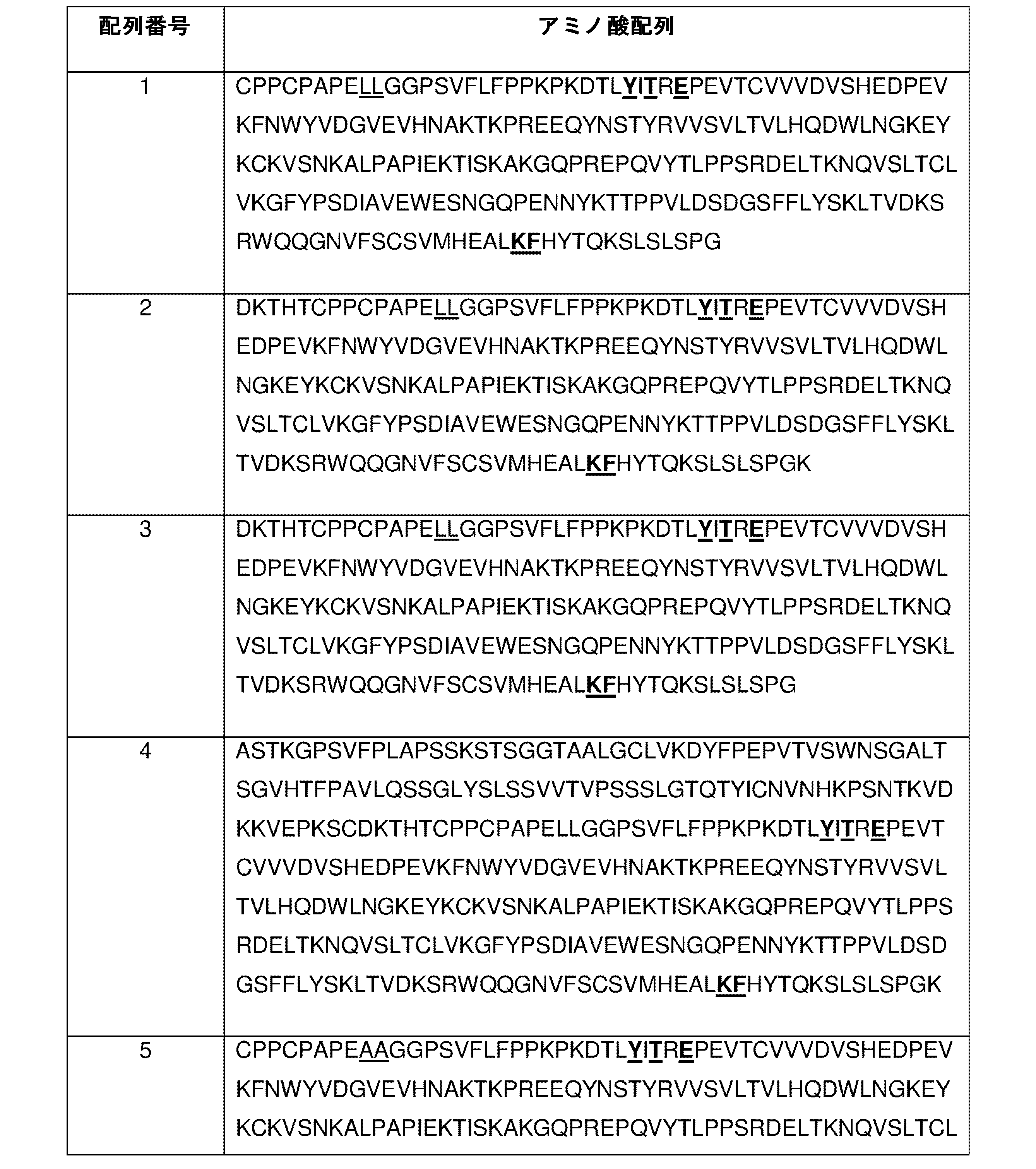
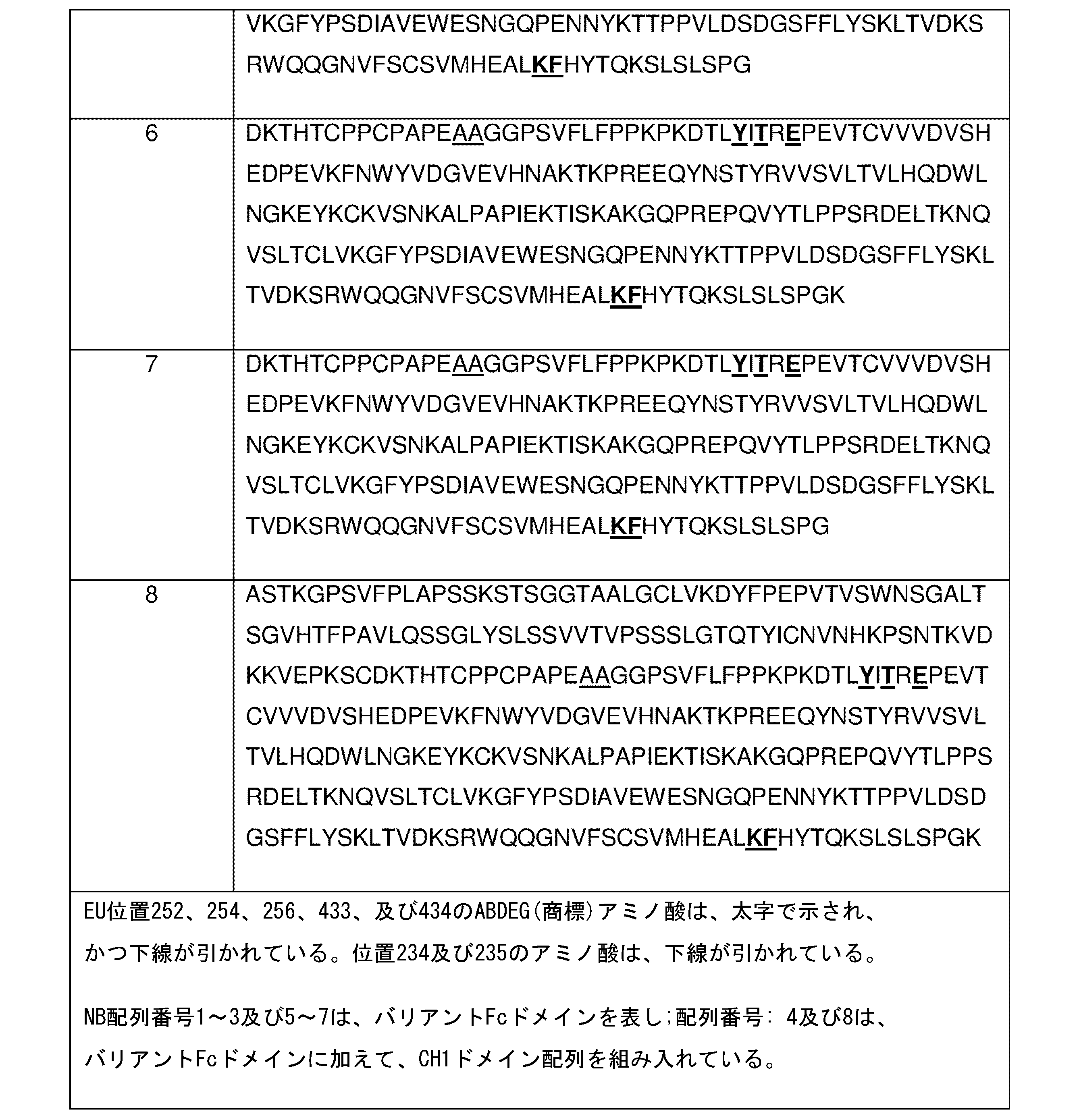
Table 5. Amino acid sequences of non-limiting examples of variant Fc domains and heavy chain constant regions incorporating variant Fc domains
バリアントFcドメインが、ABDEG(商標)突然変異に加えて、1以上の非天然のアミノ酸残基を含む実施態様について、バリアントFcドメイン又はそのFcRn結合断片は、それぞれ、EU位置234及び235にアミノ酸A、Aを含むことができる。 For embodiments in which the variant Fc domain includes one or more non-naturally occurring amino acid residues in addition to the ABDEG™ mutation, the variant Fc domain or FcRn-binding fragment thereof can include amino acids A, A at EU positions 234 and 235, respectively.
ある実施態様において、バリアントFcドメインは、配列番号5に示されるアミノ酸配列を含むか又は該アミノ酸配列からなる。ある実施態様において、バリアントFcドメインは、配列番号6に示されるアミノ酸配列を含むか又は該アミノ酸配列からなる。ある実施態様において、バリアントFcドメインは、配列番号7に示されるアミノ酸配列を含むか又は該アミノ酸配列からなる。ある実施態様において、バリアントFcドメインは、重鎖CH1ドメインに連結されており、重鎖定常領域は、配列番号8に示されるアミノ酸配列を含むか又は該アミノ酸配列からなる。 In certain embodiments, the variant Fc domain comprises or consists of the amino acid sequence set forth in SEQ ID NO:5. In certain embodiments, the variant Fc domain comprises or consists of the amino acid sequence set forth in SEQ ID NO:6. In certain embodiments, the variant Fc domain comprises or consists of the amino acid sequence set forth in SEQ ID NO:7. In certain embodiments, the variant Fc domain is linked to a heavy chain CH1 domain and the heavy chain constant region comprises or consists of the amino acid sequence set forth in SEQ ID NO:8.
上記のように、ある実施態様において、本発明の抗IgE抗体は、2つのFcドメイン又はそのFcRn結合断片からなるバリアントFc領域を含み、ここで、該Fcドメイン又はFcRn結合断片の少なくとも1つは、本明細書に記載されるバリアントFcドメイン又はFcRn結合断片である。ある実施態様において、バリアントFc領域の2つのバリアントFcドメイン又はFcRn結合断片の各々は、それぞれ、EU位置252、254、256、433、434、及び436に、アミノ酸Y、T、E、K、F、及びYを含む。ある実施態様において、バリアントFc領域の2つのバリアントFcドメインは異なり、ヘテロ二量体を形成する。ヘテロ二量体の実施態様について、該Fcドメイン又はそのFcRn結合断片の一方又は両方がバリアントFcドメイン又はFcRn結合断片であってもよい。代わりの実施態様において、バリアントFc領域の2つのバリアントFcドメインは同一であり、ホモ二量体を形成する。ある実施態様において、バリアントFc領域中のバリアントFcドメインの各々のアミノ酸配列は、配列番号1、2、もしくは3に示されるアミノ酸配列を含むか又は該アミノ酸配列からなる。ある実施態様において、バリアントFc領域中のバリアントFcドメインの各々のアミノ酸配列は、配列番号5、6、もしくは7に示されるアミノ酸配列を含むか又は該アミノ酸配列からなる。 As described above, in certain embodiments, the anti-IgE antibodies of the invention comprise a variant Fc region consisting of two Fc domains or FcRn-binding fragments thereof, wherein at least one of the Fc domains or FcRn-binding fragments is a variant Fc domain or FcRn-binding fragment described herein. In certain embodiments, each of the two variant Fc domains or FcRn-binding fragments of the variant Fc region comprises amino acids Y, T, E, K, F, and Y at EU positions 252, 254, 256, 433, 434, and 436, respectively. In certain embodiments, the two variant Fc domains of the variant Fc region are different and form a heterodimer. For heterodimeric embodiments, one or both of the Fc domains or FcRn-binding fragments thereof may be a variant Fc domain or FcRn-binding fragment. In alternative embodiments, the two variant Fc domains of the variant Fc region are identical and form a homodimer. In certain embodiments, the amino acid sequence of each of the variant Fc domains in the variant Fc region comprises or consists of the amino acid sequence set forth in SEQ ID NO: 1, 2, or 3. In certain embodiments, the amino acid sequence of each of the variant Fc domains in the variant Fc region comprises or consists of the amino acid sequence set forth in SEQ ID NO: 5, 6, or 7.
バリアントFcドメインが、ABDEG(商標)突然変異に加えて、1以上の非天然のアミノ酸残基を含む実施態様について、バリアントFcドメイン又はそのFcRn結合断片は、FcRn結合を増大させ、それにより、抗体薬物動態を改善することが報告されている1以上の追加のFc置換を含むことができる。そのような置換は、例えば、その内容が完全に本明細書中に組み込まれる、Zalevskyらの文献(2010) Nat. Biotechnol. 28(2):157-9; Hintonらの文献(2006) J Immunol. 176:346-356; Yeungらの文献(2009) J Immunol. 182:7663-7671; Presta LG.(2008) Curr. Op. Immunol. 20:460-470;及びVaccaroらの文献(2005) Nat. Biotechnol. 23(10):1283-88で報告されている。 For embodiments in which the variant Fc domain comprises one or more non-naturally occurring amino acid residues in addition to the ABDEG™ mutation, the variant Fc domain or FcRn-binding fragment thereof may comprise one or more additional Fc substitutions that have been reported to increase FcRn binding, thereby improving antibody pharmacokinetics. Such substitutions are reported, for example, in Zalevsky et al. (2010) Nat. Biotechnol. 28(2):157-9; Hinton et al. (2006) J Immunol. 176:346-356; Yeung et al. (2009) J Immunol. 182:7663-7671; Presta LG. (2008) Curr. Op. Immunol. 20:460-470; and Vaccaro et al. (2005) Nat. Biotechnol. 23(10):1283-88, the contents of which are incorporated herein in their entirety.
バリアントFcドメインが、ABDEG(商標)突然変異に加えて、1以上の非天然のアミノ酸残基を含む実施態様について、バリアントFcドメイン又はそのFcRn結合断片は、Kabatの文献に記載されているEUインデックスによって付番された234、235、236、239、240、241、243、244、245、247、262、263、264、265、266、267、269、296、297、298、299、313、325、326、327、328、329、330、332、333、及び334からなる群から選択される1以上の位置に、非天然のアミノ酸残基を含むことができる。任意に、バリアントFcドメインは、当業者に公知の追加の及び/又は代わりの位置に、非天然のアミノ酸残基を含むことができる(例えば、その内容が引用により本明細書中に完全に組み込まれる、米国特許第5,624,821号;第6,277,375号;第6,737,056号;PCT特許公開WO 01/58957号; WO 02/06919号; WO 04/016750号; WO 04/029207号; WO 04/035752号、及びWO 05/040217号を参照されたい)。 For embodiments in which the variant Fc domain comprises one or more non-naturally occurring amino acid residues in addition to the ABDEG™ mutation, the variant Fc domain or FcRn-binding fragment thereof may comprise the non-naturally occurring amino acid residue at one or more positions selected from the group consisting of 234, 235, 236, 239, 240, 241, 243, 244, 245, 247, 262, 263, 264, 265, 266, 267, 269, 296, 297, 298, 299, 313, 325, 326, 327, 328, 329, 330, 332, 333, and 334, as numbered by the EU index as set forth in Kabat. Optionally, the variant Fc domain can include non-naturally occurring amino acid residues in additional and/or alternative positions known to those of skill in the art (see, e.g., U.S. Patent Nos. 5,624,821; 6,277,375; 6,737,056; PCT Patent Publications WO 01/58957; WO 02/06919; WO 04/016750; WO 04/029207; WO 04/035752, and WO 05/040217, the contents of which are incorporated herein by reference in their entireties).
ある実施態様において、バリアントFcドメイン又はFcRn結合断片は、Kabatの文献に記載されているEUインデックスによって付番された234D、234E、234N、234Q、234T、234H、234Y、234I、234V、234F、235A、235D、235R、235W、235P、235S、235N、235Q、235T、235H、235Y、235I、235V、235F、236E、239D、239E、239N、239Q、239F、239T、239H、239Y、2401、240A、240T、240M、241W、241L、241Y、241E、241R、243W、243L、243Y、243R、243Q、244H、245A、247V、247G、262I、262A、262T、262E、263I、263A、263T、263M、264L、264I、264W、264T、264R、264F、264M、264Y、264E、265G、265N、265Q、265Y、265F、265V、265I、265L、265H、265T、266I、266A、266T、266M、267Q、267L、269H、269Y、269F、269R、296E、296Q、296D、296N、296S、296T、296L、296I、296H、269G、297S、297D、297E、298H、298I、298T、298F、299I、299L、299A、299S、299V、299H、299F、299E、313F、325Q、325L、325I、325D、325E、325A、325T、325V、325H、327G、327W、327N、327L、328S、328M、328D、328E、328N、328Q、328F、328I、328V、328T、328H、328A、329F、329H、329Q、330K、330G、330T、330C、330L、330Y、330V、330I、330F、330R、330H、332D、332S、332W、332F、332E、332N、332Q、332T、332H、332Y、及び332Aからなる群から選択される少なくとも1つの追加の非天然のアミノ酸残基を含む。任意に、Fcドメイン又はそのFcRn結合断片は、当業者に公知の追加の及び/又は代わりの非天然のアミノ酸残基を含むことができる(例えば、その内容が引用により本明細書中に完全に組み込まれる、米国特許第5,624,821号;第6,277,375号;第6,737,056号;PCT特許公開WO 01/58957号; WO 02/06919号; WO 04/016750号; WO 04/029207号; WO 04/035752号、及びWO 05/040217号を参照されたい)。 In one embodiment, the variant Fc domain or FcRn-binding fragment is selected from the group consisting of 234D, 234E, 234N, 234Q, 234T, 234H, 234Y, 234I, 234V, 234F, 235A, 235D, 235R, 235W, 235P, 235S, 235N, 235Q, 235T, 235H, 235Y, 235I, 235V, 235F, 236E, 239D, 239E, 239N, 239Q, 239F, 239T, 239H, 239Y, as numbered by the EU index as described in Kabat. , 2401, 240A, 240T, 240M, 241W, 241L, 241Y, 241E, 241R, 243W, 243L, 243Y, 243R, 243Q, 244H, 245A, 247V, 247G, 262I, 262A, 262T, 262E, 263I , 263A, 263T, 263M, 264L, 264I, 264W, 264T, 264R, 264F, 264M, 264Y, 26 4E, 265G, 265N, 265Q, 265Y, 265F, 265V, 265I, 265L, 265H, 265T, 266I, 266A, 266T, 266M, 267Q, 267L, 269H, 269Y, 269F, 269R, 296E, 296Q, 296D, 296N, 296S, 296T, 296L, 296I, 296H, 269G, 297S, 297D, 297E, 298H, 298I, 298T, 298F, 299I, 299L, 299A, 299S, 299V, 299H, 299F, 299E, 313 F, 325Q, 325L, 325I, 325D, 325E, 325A, 325T, 325V, 325H, 327G, 327W, 3 and at least one additional non-naturally occurring amino acid residue selected from the group consisting of 27N, 327L, 328S, 328M, 328D, 328E, 328N, 328Q, 328F, 328I, 328V, 328T, 328H, 328A, 329F, 329H, 329Q, 330K, 330G, 330T, 330C, 330L, 330Y, 330V, 330I, 330F, 330R, 330H, 332D, 332S, 332W, 332F, 332E, 332N, 332Q, 332T, 332H, 332Y, and 332A. Optionally, the Fc domain or FcRn-binding fragment thereof can include additional and/or alternative non-naturally occurring amino acid residues known to those of skill in the art (see, e.g., U.S. Patent Nos. 5,624,821; 6,277,375; 6,737,056; PCT Patent Publications WO 01/58957; WO 02/06919; WO 04/016750; WO 04/029207; WO 04/035752, and WO 05/040217, the contents of which are incorporated herein by reference in their entireties).
バリアントFcドメイン又はFcRn結合断片に組み込まれ得る追加のFcドメイン改変には、限定されるものではないが、その内容が引用により本明細書中に完全に組み込まれる、Ghetieらの文献、1997, Nat. Biotech. 15:637-40; Duncanらの文献、1988, Nature 332:563-564; Lundらの文献、1991, J. Immunol., 147:2657-2662; Lundらの文献、1992, Mol. Immunol., 29:53-59; Alegreらの文献、1994, Transplantation 57:1537-1543; Hutchinsらの文献、1995, Proc Natl. Acad Sci USA, 92:11980-11984; Jefferisらの文献、1995, Immunol Lett., 44:111-117; Lundらの文献、1995, Faseb J., 9:115-119; Jefferisらの文献、1996, Immunol Lett., 54:101-104; Lundらの文献、1996, J. Immunol., 157:4963-4969; Armourらの文献、1999, Eur J Immunol. 29:2613-2624; Idusogieらの文献、2000, J. Immunol., 164:4178-4184; Reddyらの文献、2000, J. Immunol., 164:1925-1933; Xuらの文献、2000, Cell Immunol., 200:16-26; Idusogieらの文献、2001, J. Immunol., 166:2571-2575; Shieldsらの文献、2001, J Biol. Chem., 276:6591-6604; Jefferisらの文献、2002, Immunol Lett., 82:57-65; Prestaらの文献、2002, Biochem Soc Trans., 30:487-490);米国特許第5,624,821号;第5,885,573号;第5,677,425号;第6,165,745号;第6,277,375号;第5,869,046号;第6,121,022号;第5,624,821号;第5,648,260号;第6,528,624号;第6,194,551号;第6,737,056号;第6,821,505号;第6,277,375号;米国特許公開2004/0002587号及びPCT公開WO 94/29351号; WO 99/58572号; WO 00/42072号; WO 02/060919号; WO 04/029207号; WO 04/099249号; WO 04/063351号に開示されているものも含まれる。 Additional Fc domain modifications that may be incorporated into a variant Fc domain or FcRn-binding fragment include, but are not limited to, those described in Ghetie et al., 1997, Nat. Biotech. 15:637-40; Duncan et al., 1988, Nature 332:563-564; Lund et al., 1991, J. Immunol., 147:2657-2662; Lund et al., 1992, Mol. Immunol., 29:53-59; Alegre et al., 1994, Transplantation 57:1537-1543; Hutchins et al., 1995, Proc Natl. Acad Sci USA, 92:11980-11984; Jefferis et al., 1995, Immunol Lett., 1996, 1999, J. Immunol., 29:53-59, the contents of which are entirely incorporated by reference herein. 44:111-117; Lund et al., 1995, Faseb J., 9:115-119; Jefferis et al., 1996, Immunol Lett., 54:101-104; Lund et al., 1996, J. Immunol., 157:4963-4969; Armour et al., 1999, Eur J Immunol. 29:2613-2624; Idusogie et al., 2000, J. Immunol., 164:4178-4184; Reddy et al., 2000, J. Immunol., 164:1925-1933; Xu et al., 2000, Cell Immunol., 200:16-26; Idusogie et al., 2001, J. Immunol., 166:2571-2575; Shields et al., 2001, J. Biol. Chem., 276:6591-6604; Jefferis et al., 2002, Immunol Lett., 82:57-65; Presta et al., 2002, Biochem Soc Trans., 30:487-490); U.S. Patent Nos. 5,624,821; 5,885,573; 5,677,425; 6,165,745; 6,277,375; 5,869,046; 6,121,022; 5,624,821; 5,648,260; 6,528,624; 6,194,551; 6,737,056; 6,821,505; 6,277,375; U.S. Patent Publication No. 2004/0002587 and PCT Publication Nos. WO 94/29351; WO 99/58572; WO 00/42072; WO This also includes those disclosed in WO 02/060919; WO 04/029207; WO 04/099249; and WO 04/063351.
本明細書に記載されているように、本発明の抗IgE抗体に組み込まれるバリアントFcドメイン又はそのFcRn結合断片は、身体からの病原性IgG自己抗体のクリアランスを助けることができる。この効果は、バリアントFcドメイン又はそのFcRn結合断片によって達成されるFcRn受容体への抗IgE抗体のより高い親和性結合によって媒介される。自己免疫疾患で観察される病原性IgG抗体は、これらの疾患の病原性誘因であるか、又は疾患進行に寄与し、細胞性Fc受容体の不適切な活性化を介して疾患を媒介するかのいずれかであると考えられている。凝集した自己抗体及び/又は自己抗原と複合体を形成した自己抗体(免疫複合体)は、活性化Fc受容体に結合し、数多くの自己免疫疾患(これは、一つには、自己組織に対する免疫媒介性炎症の理由で起こる)を引き起こす(例えば、引用により本明細書中に完全に組み込まれる、Clarksonらの文献、NEJM 314(9), 1236-1239(2013)); US20040010124A1号; US20040047862A1号;及びUS2004/0265321A1号を参照されたい)。 As described herein, the variant Fc domains or FcRn-binding fragments thereof incorporated into the anti-IgE antibodies of the invention can aid in the clearance of pathogenic IgG autoantibodies from the body. This effect is mediated by the higher affinity binding of anti-IgE antibodies to the FcRn receptor achieved by the variant Fc domains or FcRn-binding fragments thereof. Pathogenic IgG antibodies observed in autoimmune diseases are believed to either be pathogenic triggers of these diseases or contribute to disease progression, mediating disease through inappropriate activation of cellular Fc receptors. Aggregated autoantibodies and/or autoantibodies complexed with autoantigens (immune complexes) bind to activating Fc receptors, causing numerous autoimmune diseases that arise, in part, due to immune-mediated inflammation directed against self-tissues (see, e.g., Clarkson et al., NEJM 314(9), 1236-1239 (2013); US20040010124A1; US20040047862A1; and US2004/0265321A1, all of which are incorporated by reference herein in their entireties).
したがって、抗体媒介性障害(例えば、自己免疫疾患)を治療するために、有害な自己抗体を除去することとこれらの抗体の免疫複合体と活性化Fc受容体(例えば、Fcγ受容体、例えば、CD16a)との相互作用を遮断することの両方が有利である。したがって、ある実施態様において、抗IgE抗体のバリアントFcドメイン又はバリアントFc領域は、CD16a(例えば、ヒトCD16a)への増大した結合を示す。これは、抗IgE抗体がFcRn阻害による除去について標的とされている自己抗体の免疫複合体誘導性炎症応答にさらに拮抗することを可能にするという点で特に有利である。CD16a(例えば、ヒトCD16a)に対する親和性を増大させる当技術分野で認識されている任意の手段を利用することができる。ある実施態様において、抗IgE抗体は、N-結合型グリカンを(例えば、EU位置297に)含むバリアントFcドメイン又はバリアントFc領域を含む。この場合、グリカン構造を改変することにより、CD16aに対する抗IgE抗体の結合親和性を増大させることが可能である。Fc領域のN-結合型グリカンの改変は、当技術分野で周知である。例えば、脱フコシル化N-結合型グリカン又はバイセクティングGlcNac構造を有するN-グリカンは、CD16aに対する増大した親和性を示すことが示されている。したがって、ある実施態様において、N-結合型グリカンは、脱フコシル化されている。脱フコシル化は、当技術分野で認識されている任意の手段を用いて達成することができる。例えば、フコースがバリアントFcドメイン又はバリアントFc領域のEU位置297のN-結合型グリカンに付加されないように、抗IgE抗体をフコシルトランスフェラーゼを欠く細胞で発現させることができる(例えば、その内容が引用により完全に本明細書中に組み込まれるUS 8,067,232号を参照されたい)。ある実施態様において、N-結合型グリカンは、バイセクティングGlcNac構造を有する。バイセクティングGlcNac構造は、当技術分野で認識されている任意の手段を用いて達成することができる。例えば、バイセクティングGlcNacがバリアントFcドメイン又はバリアントFc領域のEU位置297のN-結合型グリカンに付加されるように、抗IgE抗体をβ1-4-N-アセチルグルコサミニルトランスフェラーゼIII(GnTIII)を発現する細胞で発現させることができる(例えば、その内容が引用により完全に本明細書中に組み込まれるUS 8021856号を参照されたい)。それに加えて又はその代わりに、N-結合型グリカン構造の改変は、酵素的手段によってインビトロ達成することもできる。 Thus, to treat antibody-mediated disorders (e.g., autoimmune diseases), it is advantageous to both remove harmful autoantibodies and block the interaction of these antibodies with immune complexes and activating Fc receptors (e.g., Fcγ receptors, e.g., CD16a). Thus, in certain embodiments, a variant Fc domain or variant Fc region of an anti-IgE antibody exhibits increased binding to CD16a (e.g., human CD16a). This is particularly advantageous in that it allows the anti-IgE antibody to further antagonize immune complex-induced inflammatory responses of the autoantibodies that are targeted for removal by FcRn inhibition. Any art-recognized means of increasing affinity for CD16a (e.g., human CD16a) can be utilized. In certain embodiments, the anti-IgE antibody comprises a variant Fc domain or variant Fc region that includes an N-linked glycan (e.g., at EU position 297). In this case, it is possible to increase the binding affinity of the anti-IgE antibody to CD16a by modifying the glycan structure. Modification of N-linked glycans of Fc regions is well known in the art. For example, it has been shown that defucosylated N-linked glycans or N-glycans with bisecting GlcNac structures exhibit increased affinity for CD16a. Thus, in certain embodiments, the N-linked glycans are defucosylated. Defucosylation can be achieved using any means recognized in the art. For example, an anti-IgE antibody can be expressed in cells lacking fucosyltransferases such that fucose is not added to the N-linked glycan at EU position 297 of the variant Fc domain or variant Fc region (see, for example, US 8,067,232, the contents of which are incorporated herein by reference in their entirety). In certain embodiments, the N-linked glycans have a bisecting GlcNac structure. The bisecting GlcNac structure can be achieved using any means recognized in the art. For example, an anti-IgE antibody can be expressed in cells expressing β1-4-N-acetylglucosaminyltransferase III (GnTIII) such that a bisecting GlcNac is added to the N-linked glycan at EU position 297 of the variant Fc domain or region (see, e.g., US 8,021,856, the contents of which are incorporated herein by reference in their entirety). Additionally or alternatively, modification of the N-linked glycan structure can be accomplished in vitro by enzymatic means.
本明細書に開示される本発明のIgE抗体の製造可能性を高めるために、バリアントFcドメイン又はバリアントFc領域は、任意の非ジスルフィド結合システイン残基を含まないことが好ましい。したがって、ある実施態様において、バリアントFcドメイン又はバリアントFc領域は、遊離システイン残基を含まない。 To increase the manufacturability of the IgE antibodies of the invention disclosed herein, it is preferred that the variant Fc domain or variant Fc region does not contain any non-disulfide bonded cysteine residues. Thus, in certain embodiments, the variant Fc domain or variant Fc region does not contain any free cysteine residues.
ある実施態様において、バリアントFcドメイン又はバリアントFc領域は、さらなるFc受容体に対する改変された(例えば、増大した又は減少した)結合親和性を有する。バリアントFcドメイン又はバリアントFc領域は、Fcγ受容体、例えば、FcγRI(CD64)、FcγRIIA(CD32)、FcγRIIB(CD32)、FcγRIIIA(CD16a)、及びFcγRIIIB(CD16b)のうちの1つ又は複数に対する改変された(例えば、増大した又は減少した)結合親和性を有することができる。さらなるFc受容体に対する親和性を改変する当技術分野で認識されている任意の手段を利用することができる。 In certain embodiments, the variant Fc domain or variant Fc region has altered (e.g., increased or decreased) binding affinity to an additional Fc receptor. The variant Fc domain or variant Fc region can have altered (e.g., increased or decreased) binding affinity to one or more of the Fcγ receptors, e.g., FcγRI (CD64), FcγRIIA (CD32), FcγRIIB (CD32), FcγRIIIA (CD16a), and FcγRIIIB (CD16b). Any art-recognized means of altering affinity to an additional Fc receptor can be utilized.
(iii)IgEに結合する抗体
本発明の抗IgE抗体は、該抗体が上記のような少なくとも1つのバリアントFcドメイン又はFcRn結合断片を含むという条件で、IgEに対する免疫反応性を示す任意の好適な抗体のフォーマットを取ることができる。これに関して、「抗体」という用語は、そのヒト化及び生殖系列化バリアントを含む二価の四量体抗体を包含し、かつ非ネイティブな免疫グロブリン構造を有する修飾抗体も包含するように広く解釈されるべきである。
(iii) Antibodies that Bind IgE The anti-IgE antibodies of the invention can take the format of any suitable antibody that is immunoreactive with IgE, provided that the antibody comprises at least one variant Fc domain or FcRn-binding fragment as described above. In this regard, the term "antibody" should be interpreted broadly to include bivalent tetrameric antibodies, including humanized and germline variants thereof, and also to include modified antibodies having non-native immunoglobulin structures.
本発明の抗IgE抗体は、上記のバリアントFcドメイン又はそのFcRn結合断片に加えて、任意の抗原結合断片又は領域を含むことができる。ある実施態様において、該抗原結合断片又は領域は、VH-VLドメイン対、scFv断片、Fab、Fab'、F(ab')2を含むか又はこれらからなる。ある実施態様において、抗IgE抗体は、本明細書で定義されるバリアントFc領域又はFcRn結合断片を有する二価IgGである。ある実施態様において、抗IgE抗体は、本明細書で定義されるバリアントFcドメイン又はFcRn結合断片を有する一価IgGである。一価抗IgE抗体は、FcεRI受容体を架橋する能力を有さない場合があるという点で有利であり得る。 The anti-IgE antibodies of the present invention may comprise any antigen-binding fragment or region in addition to the variant Fc domain or FcRn-binding fragment thereof described above. In certain embodiments, the antigen-binding fragment or region comprises or consists of a VH-VL domain pair, an scFv fragment, Fab, Fab', F(ab')2. In certain embodiments, the anti-IgE antibody is a bivalent IgG having a variant Fc region or FcRn-binding fragment as defined herein. In certain embodiments, the anti-IgE antibody is a monovalent IgG having a variant Fc domain or FcRn-binding fragment as defined herein. Monovalent anti-IgE antibodies may be advantageous in that they may not have the ability to crosslink FcεRI receptors.
本明細書に記載される抗体は、ヒトへの治療的使用が意図されており、それゆえ、通常、IgA、IgD、IgE、IgG、IgMタイプのもの、多くはIgGタイプのものであり、この場合、これは、4つのサブクラスIgG1、IgG2a及びb、IgG3、又はIgG4のいずれかに属することができる。好ましい実施態様において、本発明の抗IgE抗体は、IgG抗体、任意に、IgG1抗体である。抗体は、モノクローナル、ポリクローナル、多重特異性抗体(例えば、二重特異性抗体)であることができ、ただし、これらは、その標的に対する適切な免疫学的特異性を示す。モノクローナル抗体が好ましいが、それは、これが極めて特異的であり、単一の抗原性部位に対するものであるからである。 The antibodies described herein are intended for therapeutic use in humans and therefore are usually of the IgA, IgD, IgE, IgG, IgM type, mostly of the IgG type, which may belong to any of the four subclasses IgG1, IgG2a and b, IgG3, or IgG4. In a preferred embodiment, the anti-IgE antibody of the invention is an IgG antibody, optionally an IgG1 antibody. The antibodies may be monoclonal, polyclonal, or multispecific (e.g. bispecific) antibodies, provided that they exhibit the appropriate immunological specificity for their targets. Monoclonal antibodies are preferred, since they are highly specific and directed against a single antigenic site.
本明細書に記載される抗IgE抗体は、高いヒト相同性を示すことができる。高いヒト相同性を有するそのような抗体分子は、ヒト生殖系列配列に対する十分に高い%配列同一性を示すネイティブな非ヒト抗体のVH及びVLドメインを含む抗体を含むことができる。ある実施態様において、抗体分子は、非ヒト抗体のヒト化又は生殖系列化バリアントである。 The anti-IgE antibodies described herein can exhibit high human homology. Such antibody molecules with high human homology can include antibodies that contain VH and VL domains of a native non-human antibody that exhibits a sufficiently high percent sequence identity to human germline sequences. In certain embodiments, the antibody molecule is a humanized or germlined variant of a non-human antibody.
本明細書に記載される抗IgE抗体は、好ましくは、その受容体FcεRIへのIgEの結合を阻害する。ある実施態様において、該抗IgE抗体は、FcεRIとFcεRIIの両方へのIgEの結合を示す。該抗IgE抗体は、IgE重鎖のCH3ドメイン内に位置するエピトープに結合することができる。本明細書に記載される抗IgE抗体は、好ましくは、FcεRIと既に会合しているIgE、すなわち、膜局在性IgEに結合しない。好ましい実施態様において、本発明の抗IgE抗体は、アナフィラキシー性ではない。 The anti-IgE antibodies described herein preferably inhibit binding of IgE to its receptor FcεRI. In certain embodiments, the anti-IgE antibodies exhibit binding of IgE to both FcεRI and FcεRII. The anti-IgE antibodies can bind to an epitope located within the CH3 domain of the IgE heavy chain. The anti-IgE antibodies described herein preferably do not bind to IgE already associated with FcεRI, i.e., membrane-localized IgE. In a preferred embodiment, the anti-IgE antibodies of the invention are not anaphylactic.
(iv)pH依存性抗体
本明細書に記載される抗IgE抗体はいずれも、pH依存的抗原結合、すなわち、IgEへのpH依存的結合を示すことができる。
(iv) pH-Dependent Antibodies Any of the anti-IgE antibodies described herein can exhibit pH-dependent antigen binding, i.e. pH-dependent binding to IgE.
抗原に結合している抗体は、細胞内に取り込まれ、エンドソーム-リソソーム分解経路に輸送される。初期エンドソーム中でその抗原から解離することができる抗体は、再循環されて、細胞表面に戻ることができる。エンドソーム区画中でその抗原に高い親和性で結合する抗体は、通常、分解のためにリソソームに輸送される。抗体が、血漿pHと比較して、初期エンドソームpHでその抗原に対するより低い結合親和性を有するようなpH依存的抗原結合活性を有する場合、抗体は、より効率的に細胞表面に再循環されることが以前に示されている。これは、抗体血漿半減期を延長し、同じ抗体が複数の抗原に結合するのを可能にすることができる。この理由から、本明細書に記載される抗IgE抗体がpH依存的抗原結合を示すことが有利である。本発明によるpH依存性抗IgE抗体は、循環中のこれらの自己抗体に結合し、IgE自己抗体を内在化させることにより、血清IgE自己抗体を排除する能力を有する。IgE自己抗体は、酸性のエンドソーム区画中で放出され、分解のためにリソソームに輸送されることができる。本発明の遊離の抗IgE抗体は、さらなるIgE自己抗体に結合して、それを内在化させることができるように、細胞表面へ再循環されることができる。 Antibodies that are bound to an antigen are internalized and transported to the endosomal-lysosomal degradation pathway. Antibodies that can dissociate from their antigen in early endosomes can be recycled back to the cell surface. Antibodies that bind with high affinity to their antigen in endosomal compartments are usually transported to lysosomes for degradation. It has previously been shown that antibodies are more efficiently recycled to the cell surface if they have pH-dependent antigen binding activity such that they have a lower binding affinity for their antigen at early endosomal pH compared to plasma pH. This can extend the antibody plasma half-life and allow the same antibody to bind to multiple antigens. For this reason, it is advantageous that the anti-IgE antibodies described herein exhibit pH-dependent antigen binding. The pH-dependent anti-IgE antibodies according to the present invention have the ability to eliminate serum IgE autoantibodies by binding to these autoantibodies in the circulation and internalizing the IgE autoantibodies. The IgE autoantibodies can be released in acidic endosomal compartments and transported to lysosomes for degradation. The free anti-IgE antibodies of the present invention can be recycled to the cell surface so that they can bind and internalize additional IgE autoantibodies.
本発明の抗IgE抗体は、内因性のpH依存的抗原結合活性を保有し得る、すなわち、それは、この性質について選択されたものであり得る。その代わりに又はそれに加えて、本明細書に記載される抗IgE抗体は、pH依存的標的結合を示すように改変することができる。抗体分子中のpH依存的抗原結合活性を改変する方法は、例えば、引用により本明細書中に組み込まれるEP2275443号に記載されている。抗体分子中のpH依存的抗原結合を改変する方法は、引用により本明細書中に組み込まれるWO2018/206748号にも記載されている。本明細書に記載される抗体は、pH依存的結合を達成するように、任意の技法によって修飾することができる。例えば、該抗体は、pH依存的抗原結合を示すように、EP2275443号又はWO2018/206748号に記載されている方法に従って修飾することができる。 The anti-IgE antibody of the invention may possess intrinsic pH-dependent antigen binding activity, i.e., it may have been selected for this property. Alternatively or additionally, the anti-IgE antibody described herein may be modified to exhibit pH-dependent target binding. Methods for modifying pH-dependent antigen binding activity in antibody molecules are described, for example, in EP2275443, which is incorporated herein by reference. Methods for modifying pH-dependent antigen binding in antibody molecules are also described in WO2018/206748, which is incorporated herein by reference. The antibodies described herein may be modified by any technique to achieve pH-dependent binding. For example, the antibodies may be modified according to the methods described in EP2275443 or WO2018/206748 to exhibit pH-dependent antigen binding.
本明細書に記載される抗IgE抗体のpH依存的実施態様について、抗原結合活性は、血漿pHでの抗原結合活性と比較して、エンドソームpHでより低い。エンドソームpHが、通常、酸性pHであるのに対し、血漿pHは、通常、中性pHである。したがって、本明細書に記載される抗体は、その抗原結合活性が、中性pHでの抗原結合活性と比較して、酸性pHでより低いようなpH依存的抗原結合を示し得る。エンドソームpH又は「酸性pH」は、約pH 4.0~約pH 6.5、好ましくは、約pH 5.5~約pH 6.5、好ましくは、約pH 5.5~約pH 6.0、好ましくは、pH 5.5、pH 5.6、pH 5.7、又はpH 5.8というpHであり得る。血漿pH又は「中性pH」は、約pH 6.9~約pH 8.0、好ましくは、約pH 7.0~約pH 8.0、好ましくは、約pH 7.0~約pH 7.4、好ましくは、pH 7.0又はpH 7.4というpHであり得る。 For pH-dependent embodiments of the anti-IgE antibodies described herein, the antigen-binding activity is lower at endosomal pH compared to the antigen-binding activity at plasma pH. Endosomal pH is typically an acidic pH, whereas plasma pH is typically a neutral pH. Thus, the antibodies described herein may exhibit pH-dependent antigen-binding such that their antigen-binding activity is lower at acidic pH compared to the antigen-binding activity at neutral pH. Endosomal pH or "acidic pH" may be a pH of about pH 4.0 to about pH 6.5, preferably about pH 5.5 to about pH 6.5, preferably about pH 5.5 to about pH 6.0, preferably pH 5.5, pH 5.6, pH 5.7, or pH 5.8. Plasma pH or "neutral pH" can be a pH of about pH 6.9 to about pH 8.0, preferably about pH 7.0 to about pH 8.0, preferably about pH 7.0 to about pH 7.4, preferably pH 7.0 or pH 7.4.
ある実施態様において、抗IgE抗体は、pH 5.8での抗原結合活性がpH 7.4での抗原結合活性と比較してより低いようなpH依存的結合を示す。pH依存性抗IgE抗体は、酸性pH又はpH 5.8での抗体-抗原相互作用の解離定数(KD)が中性pH又はpH 7.4での抗体-抗原相互作用の解離定数(KD)よりも高いことを特徴とし得る。ある実施態様において、抗IgE抗体は、pH 5.8での抗原に対するKDとpH 7.4での抗原に対するKDの比(KD(pH5.8)/KD(pH7.4))が、2以上、4以上、6以上、8以上、10以上、12以上となるようなpH依存的結合を示す。 In certain embodiments, the anti-IgE antibody exhibits pH-dependent binding such that the antigen-binding activity at pH 5.8 is lower compared to the antigen-binding activity at pH 7.4. The pH-dependent anti-IgE antibody may be characterized by a higher dissociation constant (KD) of the antibody-antigen interaction at acidic pH or pH 5.8 than the dissociation constant (KD) of the antibody-antigen interaction at neutral pH or pH 7.4. In certain embodiments, the anti-IgE antibody exhibits pH-dependent binding such that the ratio of the KD for the antigen at pH 5.8 to the KD for the antigen at pH 7.4 (KD(pH5.8)/KD(pH7.4)) is 2 or more, 4 or more, 6 or more, 8 or more, 10 or more, or 12 or more.
抗体分子のpH依存的抗原結合活性は、酸性pHでの抗原結合能を損なう及び/又は中性pHでの抗原結合能を増大させるように抗体分子を修飾することにより改変することができる。例えば、抗体分子は、抗体分子の少なくとも1つのアミノ酸をヒスチジンと置換することによるか、又は少なくとも1つのヒスチジンを抗体分子に挿入することにより修飾することができる。そのようなヒスチジン突然変異(置換又は挿入)部位は、特には限定されず、突然変異又は挿入前と比較して、エンドソームpH(例えば、pH 5.8)での抗原結合活性が血漿pH(例えば、pH 7.4)での抗原結合活性よりも低い限り、任意の部位が許容される。 The pH-dependent antigen-binding activity of an antibody molecule can be altered by modifying the antibody molecule to impair the antigen-binding ability at acidic pH and/or increase the antigen-binding ability at neutral pH. For example, the antibody molecule can be modified by substituting at least one amino acid of the antibody molecule with histidine or by inserting at least one histidine into the antibody molecule. The site of such histidine mutation (substitution or insertion) is not particularly limited, and any site is acceptable as long as the antigen-binding activity at endosomal pH (e.g., pH 5.8) is lower than the antigen-binding activity at plasma pH (e.g., pH 7.4) compared to before the mutation or insertion.
ある実施態様において、抗IgE抗体は、可変ドメインへの1以上の置換の導入によって、pH依存的抗原結合を示すように改変することができる。好ましい実施態様において、抗IgE抗体は、抗体の1以上のCDRへの1以上の置換の導入によって、pH依存的抗原結合を示すように改変される。置換は、pH依存的抗原結合を付与するために、1以上のHis残基を、可変ドメイン、好ましくは、重鎖及び/又は軽鎖CDRの1以上の部位に導入することができる。 In certain embodiments, an anti-IgE antibody can be modified to exhibit pH-dependent antigen binding by the introduction of one or more substitutions into the variable domain. In a preferred embodiment, an anti-IgE antibody is modified to exhibit pH-dependent antigen binding by the introduction of one or more substitutions into one or more CDRs of the antibody. The substitutions can be to introduce one or more His residues into the variable domain, preferably into one or more sites in the heavy and/or light chain CDRs, to confer pH-dependent antigen binding.
抗体が3つの重鎖CDR配列と3つの軽鎖CDR配列を含む本発明の実施態様について、組み合わされる6つのCDRは、合計1~10個のHis置換、任意に、1~5個のHis置換、任意に、1、2、3、4、5、6、7、8、9、又は10個のHis置換からなることができる。抗IgE抗体は、引用により本明細書中に組み込まれるWO2018/206748号に記載されている方法に従って改変することができる。非ヒスチジン置換を、本明細書に記載されるpH依存性抗体の可変ドメイン、特に、CDRに組み込むこともできる。 For embodiments of the invention in which an antibody comprises three heavy chain CDR sequences and three light chain CDR sequences, the six combined CDRs can consist of a total of 1-10 His substitutions, optionally 1-5 His substitutions, optionally 1, 2, 3, 4, 5, 6, 7, 8, 9, or 10 His substitutions. Anti-IgE antibodies can be modified according to the methods described in WO2018/206748, which is incorporated herein by reference. Non-histidine substitutions can also be incorporated into the variable domains, particularly the CDRs, of the pH-dependent antibodies described herein.
好ましい実施態様において、本明細書に列挙されている特定のCDR、VH、及び/又はVLドメイン配列を有する例示的な抗IgE抗体は、それがpH依存的抗原結合を示すように改変される。例えば、本明細書に記載される例示的な抗IgE抗体のCDR配列は、pH依存的抗原結合を示す抗体を産生するための1以上のヒスチジン置換の導入によって修飾することができる。 In a preferred embodiment, an exemplary anti-IgE antibody having the specific CDR, VH, and/or VL domain sequences listed herein is modified such that it exhibits pH-dependent antigen binding. For example, the CDR sequences of the exemplary anti-IgE antibodies described herein can be modified by the introduction of one or more histidine substitutions to produce an antibody that exhibits pH-dependent antigen binding.
(v)ラクダ科動物由来抗IgE抗体
本発明の抗IgE抗体は、ラクダ科動物由来であってもよい。ラクダ科動物由来抗体は、重鎖のみの抗体、すなわち、VHH抗体であってもよく、又は従来のヘテロ四量体抗体であってもよい。好ましい実施態様において、本発明の抗IgE抗体は、ラクダ科動物のヘテロ四量体抗体に由来する。
(v) Camelid-derived anti-IgE antibody The anti-IgE antibody of the present invention may be derived from a camelid. The camelid-derived antibody may be a heavy chain-only antibody, i.e., a VHH antibody, or may be a conventional heterotetrameric antibody. In a preferred embodiment, the anti-IgE antibody of the present invention is derived from a camelid heterotetrameric antibody.
例えば、抗体分子は、ラクダ科動物を、IgE、好ましくは、ヒトIgEで免疫する工程を含む方法によって得られる免疫ライブラリーから選択することができる。ラクダ科動物を、IgEタンパク質もしくはそのポリペプチド断片で、又は該タンパク質もしくはそのポリペプチド断片を発現するmRNA分子もしくはcDNA分子で免疫することができる。抗体をラクダ科動物種で産生し、好ましい標的に対する抗体をラクダ科動物免疫ライブラリーから選択する方法は、例えば、引用により本明細書中に組み込まれる、国際特許出願WO2010/001251号に記載されている。 For example, antibody molecules can be selected from an immune library obtained by a method comprising immunizing a camelid with IgE, preferably human IgE. The camelid can be immunized with an IgE protein or a polypeptide fragment thereof, or with an mRNA or cDNA molecule expressing said protein or a polypeptide fragment thereof. Methods for producing antibodies in camelid species and selecting antibodies against preferred targets from camelid immune libraries are described, for example, in International Patent Application WO2010/001251, which is incorporated herein by reference.
ある実施態様において、抗体分子は、ラクダ科ファミリーの種のVHドメイン又はVLドメインから得られる少なくとも1つの超可変ループ又は相補性決定領域を含むという点で、ラクダ科動物由来であり得る。特に、抗体分子は、IgEによる非近交系のラクダ科動物、例えば、ラマの能動免疫によって得られるVH及び/もしくはVLドメイン、又はそのCDRを含むことができる。 In certain embodiments, the antibody molecule may be derived from a camelid, in that it comprises at least one hypervariable loop or complementarity determining region derived from a VH domain or a VL domain of a species of the Camelidae family. In particular, the antibody molecule may comprise a VH and/or VL domain, or CDRs thereof, derived by active immunization of an outbred camelid, e.g., a llama, with IgE.
これに関連した「から得られる」という用語は、抗体分子のHV又はCDRがもとはラクダ科免疫グロブリン遺伝子によってコードされていたアミノ酸配列(又はそのマイナーバリアント)を具体化するという意味で構造的関係性を意味する。しかしながら、これは、抗体分子を調製するために使用される産生プロセスに関して、必ずしも特定の関係性を意味するものではない。 The term "derived from" in this context refers to a structural relatedness in that the HV or CDRs of the antibody molecule embody an amino acid sequence (or a minor variant thereof) originally encoded by a camelid immunoglobulin gene. However, this does not necessarily imply a particular relatedness with respect to the production process used to prepare the antibody molecule.
ラクダ科動物由来抗体分子は、とりわけ、ラマ、ヒトコブラクダ、アルパカ、ビクーニャ、グアナコ、又はラクダを含む、任意のラクダ科動物種に由来することができる。 The camelid-derived antibody molecule may be derived from any camelid species, including, inter alia, llama, dromedary, alpaca, vicuña, guanaco, or camel.
ラクダ科動物由来VH及びVLドメイン、又はそのCDRを含む抗体分子は、通常、組換え発現されたポリペプチドであり、キメラポリペプチドであってもよい。「キメラポリペプチド」という用語は、それ以外の場合には隣接して生じることがない2以上のペプチド断片の並置によって作り出される人工的な(非天然の)ポリペプチドを指す。この定義に含まれるのは、2以上の種、例えば、ラクダ科動物及びヒトによってコードされるペプチド断片の並置によって作り出される「種」キメラポリペプチドである。 Antibody molecules comprising camelid-derived VH and VL domains, or CDRs thereof, are usually recombinantly expressed polypeptides and may be chimeric polypeptides. The term "chimeric polypeptide" refers to an artificial (non-naturally occurring) polypeptide created by the juxtaposition of two or more peptide fragments that do not otherwise occur contiguous. Included in this definition are "species" chimeric polypeptides created by the juxtaposition of peptide fragments encoded by two or more species, e.g., camelids and humans.
ある実施態様において、VHドメイン全体及び/又はVLドメイン全体は、ラクダ科ファミリーの種から得ることができる。ラクダ科動物由来VHドメイン及び/又はラクダ科動物由来VLドメインは、その後、1以上のアミノ酸置換、挿入、又は欠失がラクダ科動物アミノ酸配列に導入されるタンパク質エンジニアリングに供することができる。これらの人為操作される変化は、好ましくは、ラクダ科動物配列に対するアミノ酸置換を含む。そのような変化には、ラクダ科動物によってコードされるVH又はVLドメイン中の1以上のアミノ酸残基がヒトによってコードされる相同なVH又はVLドメイン由来の等価な残基と置き換えられる、「ヒト化」又は「生殖系列化」が含まれる。 In certain embodiments, the entire VH domain and/or the entire VL domain may be obtained from a species of the Camelidae family. The Camelid-derived VH domain and/or the Camelid-derived VL domain may then be subjected to protein engineering, in which one or more amino acid substitutions, insertions, or deletions are introduced into the Camelid amino acid sequence. These engineered changes preferably include amino acid substitutions relative to the Camelid sequence. Such changes include "humanization" or "germlining", in which one or more amino acid residues in a Camelid-encoded VH or VL domain are replaced with the equivalent residue from a homologous human-encoded VH or VL domain.
ラクダ科動物(例えば、ラマ)の能動免疫によって得られる単離されたラクダ科動物VH及びVLドメインは、本発明に従って抗体分子を人為作製する土台として使用することができる。無傷のラクダ科動物VH及びVLドメインから出発して、出発ラクダ科動物配列から逸脱する1以上のアミノ酸置換、挿入、又は欠失を人為作製することが可能である。ある実施態様において、そのような置換、挿入、又は欠失は、VHドメイン及び/又はVLドメインのフレームワーク領域中に存在していてもよい。 Isolated camelid VH and VL domains obtained by active immunization of camelids (e.g. llamas) can be used as a basis for engineering antibody molecules according to the present invention. Starting from intact camelid VH and VL domains, it is possible to engineer one or more amino acid substitutions, insertions or deletions which deviate from the starting camelid sequence. In certain embodiments, such substitutions, insertions or deletions may be present in the framework regions of the VH and/or VL domains.
他の実施態様において、ラクダ科動物由来VH及びVLドメイン(又はその人為操作されるバリアント)及び非ラクダ科抗体由来の1以上の定常ドメイン、例えば、ヒトによってコードされる定常ドメイン(又はその人為操作されるバリアント)を含む「キメラ」抗体分子が提供される。そのような実施態様において、VHドメインとVLドメインは両方ともラクダ科動物の同じ種から得られることが好ましく、例えば、(人為操作されるアミノ酸配列バリエーションの導入の前に)、VHとVLは両方ともラマ(Lama glama)に由来するものであってもよく、又はVHとVLは両方ともアルパカ(Lama pacos)に由来するものであってもよい。そのような実施態様において、VHドメインとVLドメインは両方とも、単一の動物、特に、対象となる抗原で能動免疫された単一の動物に由来してもよい。 In other embodiments, "chimeric" antibody molecules are provided that comprise camelid-derived VH and VL domains (or engineered variants thereof) and one or more constant domains from a non-camelid antibody, e.g., a human-encoded constant domain (or engineered variants thereof). In such embodiments, both the VH and VL domains are preferably derived from the same species of camelid, e.g., (prior to the introduction of engineered amino acid sequence variations), both the VH and VL may be derived from a llama (Lama glama), or both the VH and VL may be derived from an alpaca (Lama pacos). In such embodiments, both the VH and VL domains may be derived from a single animal, in particular a single animal that has been actively immunized with an antigen of interest.
ラクダ科VH及び/又はVLドメインの一次アミノ酸配列の変化を人為操作する代わりとして、個々のラクダ科動物由来超可変ループもしくはCDR、又はその組合せをラクダ科動物VH/VLドメインから単離し、CDRグラフティングにより、代わりの(すなわち、非ラクダ科)フレームワーク、例えば、ヒトVH/VLフレームワークに移すことができる。 As an alternative to engineered changes in the primary amino acid sequence of camelid VH and/or VL domains, individual camelid-derived hypervariable loops or CDRs, or combinations thereof, can be isolated from camelid VH/VL domains and transferred by CDR grafting into an alternative (i.e. non-camelid) framework, e.g. a human VH/VL framework.
非限定的な実施態様において、本発明の抗IgE抗体分子は、CH1ドメイン及び/又はCLドメイン(それぞれ、重鎖及び軽鎖由来)を含むことができ、そのアミノ酸配列は、完全に又は実質的にヒトのものである。ヒトでの治療的使用が意図される抗体分子について、抗体の定常領域全体、又はその少なくとも一部が完全に又は実質的にヒトのアミノ酸配列を有することが典型的である。本明細書に記載されているように、本発明の抗IgE抗体のバリアントFcドメイン及び/又はバリアントFc領域は、バリアントヒトFcドメイン及び/又はバリアントヒトFc領域であることができる。そのヒト化及び生殖系列化バリアントを含む、ラクダ科動物由来IgE抗体のCDR又は抗原結合ドメインは、上の(i)節及び(ii)節に記載されているバリアントヒトFcドメイン又はバリアントヒトFc領域のいずれかと組み合わせることができる。 In non-limiting embodiments, the anti-IgE antibody molecules of the invention may comprise a CH1 domain and/or a CL domain (from the heavy and light chains, respectively), the amino acid sequence of which is fully or substantially human. For antibody molecules intended for therapeutic use in humans, it is typical that the entire constant region of the antibody, or at least a portion thereof, has a fully or substantially human amino acid sequence. As described herein, the variant Fc domain and/or variant Fc region of the anti-IgE antibody of the invention may be a variant human Fc domain and/or variant human Fc region. The CDRs or antigen-binding domain of a camelid-derived IgE antibody, including its humanized and germlined variants, may be combined with any of the variant human Fc domains or variant human Fc regions described in sections (i) and (ii) above.
CH1ドメイン、ヒンジ領域、CH2ドメイン、CH3ドメイン、及びCLドメイン(及び存在する場合、CH4ドメイン)の1つもしくは複数又は任意の組合せは、そのアミノ酸配列に関して、完全に又は実質的にヒトのものであることができる。CH1ドメイン、ヒンジ領域、CH2ドメイン、CH3ドメイン、及び/又はCLドメイン(及び/又は存在する場合、CH4ドメイン)は、ヒト抗体、好ましくは、ヒトIgG抗体、より好ましくは、サブタイプIgG1、IgG2、IgG3、又はIgG4のヒトIgG1抗体に由来するものであることができる。本明細書に記載されているように、本発明の抗IgE抗体のバリアントFcドメイン及びバリアントFc領域は、バリアントヒトIgG Fcドメイン又はバリアントヒトIgG Fc領域、例えば、バリアントヒトIgG1、IgG2、IgG3、又はIgG4 Fcドメイン又はFc領域であることができる。そのヒト化及び生殖系列化バリアントを含む、ラクダ科動物由来IgE抗体のCDR又は抗原結合ドメインは、上の(i)節及び(ii)節に記載されているバリアントヒトFcドメイン又はバリアントヒトFc領域のいずれかと組み合わせることができる。 One or more or any combination of the CH1 domain, hinge region, CH2 domain, CH3 domain, and CL domain (and CH4 domain, if present) can be fully or substantially human with respect to their amino acid sequence. The CH1 domain, hinge region, CH2 domain, CH3 domain, and/or CL domain (and/or CH4 domain, if present) can be derived from a human antibody, preferably a human IgG antibody, more preferably a human IgG1 antibody of subtype IgG1, IgG2, IgG3, or IgG4. As described herein, the variant Fc domains and variant Fc regions of the anti-IgE antibodies of the invention can be variant human IgG Fc domains or variant human IgG Fc regions, e.g., variant human IgG1, IgG2, IgG3, or IgG4 Fc domains or Fc regions. The CDRs or antigen-binding domains of camelid-derived IgE antibodies, including their humanized and germlined variants, may be combined with any of the variant human Fc domains or variant human Fc regions described in sections (i) and (ii) above.
有利には、CH1ドメイン、ヒンジ領域、CH2ドメイン、CH3ドメイン、及びCLドメイン(及び存在する場合、CH4ドメイン)は全て、実質的にヒトのアミノ酸配列を有することができる。ヒト化もしくはキメラ抗体、又は抗体断片の定常領域との関連において、「実質的にヒトの」という用語は、ヒト定常領域との少なくとも90%、又は少なくとも92%、又は少なくとも95%、又は少なくとも97%、又は少なくとも99%のアミノ酸配列同一性を指す。これに関連した「ヒトアミノ酸配列」という用語は、再配列され、かつ体細胞突然変異した生殖系列の遺伝子を含む、ヒト免疫グロブリン遺伝子によってコードされるアミノ酸配列を指す。 Advantageously, the CH1 domain, hinge region, CH2 domain, CH3 domain, and CL domain (and CH4 domain, if present) may all have substantially human amino acid sequences. In the context of the constant region of a humanized or chimeric antibody or antibody fragment, the term "substantially human" refers to at least 90%, or at least 92%, or at least 95%, or at least 97%, or at least 99% amino acid sequence identity with a human constant region. The term "human amino acid sequence" in this context refers to an amino acid sequence encoded by a human immunoglobulin gene, including rearranged and somatically mutated germline genes.
(vi)例示的なラクダ科動物由来抗IgE抗体
ある実施態様において、本発明の抗IgE抗体は、以下のもの:
(i)配列番号11を含むHCDR3;配列番号10を含むHCDR2;配列番号9を含むHCDR1;配列番号56を含むLCDR3;配列番号55を含むLCDR2;及び配列番号54を含むLCDR1;
(ii)配列番号14を含むHCDR3;配列番号13を含むHCDR2;配列番号12を含むHCDR1;配列番号58を含むLCDR3;配列番号55を含むLCDR2;及び配列番号57を含むLCDR1;
(iii)配列番号17を含むHCDR3;配列番号16を含むHCDR2;配列番号15を含むHCDR1;配列番号61を含むLCDR3;配列番号60を含むLCDR2;及び配列番号59を含むLCDR1;
(iv)配列番号19を含むHCDR3;配列番号18を含むHCDR2;配列番号12を含むHCDR1;配列番号61を含むLCDR3;配列番号60を含むLCDR2;及び配列番号59を含むLCDR1;
(v)配列番号22を含むHCDR3;配列番号21を含むHCDR2;配列番号20を含むHCDR1;配列番号63を含むLCDR3;配列番号55を含むLCDR2;及び配列番号62を含むLCDR1;
(vi)配列番号24を含むHCDR3;配列番号23を含むHCDR2;配列番号20を含むHCDR1;配列番号66を含むLCDR3;配列番号65を含むLCDR2;及び配列番号64を含むLCDR1;
(vii)配列番号27を含むHCDR3;配列番号26を含むHCDR2;配列番号25を含むHCDR1;配列番号66を含むLCDR3;配列番号67を含むLCDR2;及び配列番号54を含むLCDR1;
(viii)配列番号22を含むHCDR3;配列番号21を含むHCDR2;配列番号20を含むHCDR1;配列番号56を含むLCDR3;配列番号69を含むLCDR2;及び配列番号68を含むLCDR1;
(ix)配列番号30を含むHCDR3;配列番号29を含むHCDR2;配列番号28を含むHCDR1;配列番号72を含むLCDR3;配列番号71を含むLCDR2;及び配列番号70を含むLCDR1;
(x)配列番号33を含むHCDR3;配列番号32を含むHCDR2;配列番号31を含むHCDR1;配列番号56を含むLCDR3;配列番号55を含むLCDR2;及び配列番号54を含むLCDR1;
(xi)配列番号22を含むHCDR3;配列番号23を含むHCDR2;配列番号34を含むHCDR1;配列番号63を含むLCDR3;配列番号55を含むLCDR2;及び配列番号62を含むLCDR1;
(xii)配列番号37を含むHCDR3;配列番号36を含むHCDR2;配列番号35を含むHCDR1;配列番号75を含むLCDR3;配列番号74を含むLCDR2;及び配列番号73を含むLCDR1;
(xiii)配列番号38を含むHCDR3;配列番号21を含むHCDR2;配列番号20を含むHCDR1;配列番号63を含むLCDR3;配列番号55を含むLCDR2;及び配列番号62を含むLCDR1;
(xiv)配列番号40を含むHCDR3;配列番号39を含むHCDR2;配列番号12を含むHCDR1;配列番号78を含むLCDR3;配列番号77を含むLCDR2;及び配列番号76を含むLCDR1;
(xv)配列番号43を含むHCDR3;配列番号42を含むHCDR2;配列番号41を含むHCDR1;配列番号81を含むLCDR3;配列番号80を含むLCDR2;及び配列番号79を含むLCDR1;
(xvi)配列番号14を含むHCDR3;配列番号13を含むHCDR2;配列番号12を含むHCDR1;配列番号56を含むLCDR3;配列番号55を含むLCDR2;及び配列番号82を含むLCDR1;
(xvii)配列番号45を含むHCDR3;配列番号44を含むHCDR2;配列番号12を含むHCDR1;配列番号66を含むLCDR3;配列番号55を含むLCDR2;及び配列番号54を含むLCDR1;
(xviii)配列番号48を含むHCDR3;配列番号47を含むHCDR2;配列番号46を含むHCDR1;配列番号85を含むLCDR3;配列番号84を含むLCDR2;及び配列番号83を含むLCDR1;
(xix)配列番号50を含むHCDR3;配列番号49を含むHCDR2;配列番号12を含むHCDR1;配列番号88を含むLCDR3;配列番号87を含むLCDR2;及び配列番号86を含むLCDR1;並びに
(xx)配列番号53を含むHCDR3;配列番号52を含むHCDR2;配列番号51を含むHCDR1;配列番号91を含むLCDR3;配列番号90を含むLCDR2;及び配列番号89を含むLCDR1
から選択される可変重鎖CDR3(HCDR3)、可変重鎖CDR2(HCDR2)、及び可変重鎖CDR1(HCDR1)、可変軽鎖CDR3(LCDR3)、可変軽鎖CDR2(LCDR2)、及び可変軽鎖CDR1(LCDR1)の組合せを含む抗体から選択される。
(vi) Exemplary Camelid-Derived Anti-IgE Antibodies In certain embodiments, the anti-IgE antibodies of the invention are
(i) an HCDR3 comprising SEQ ID NO:11; an HCDR2 comprising SEQ ID NO:10; an HCDR1 comprising SEQ ID NO:9; an LCDR3 comprising SEQ ID NO:56; an LCDR2 comprising SEQ ID NO:55; and an LCDR1 comprising SEQ ID NO:54;
(ii) an HCDR3 comprising SEQ ID NO:14; an HCDR2 comprising SEQ ID NO:13; an HCDR1 comprising SEQ ID NO:12; an LCDR3 comprising SEQ ID NO:58; an LCDR2 comprising SEQ ID NO:55; and an LCDR1 comprising SEQ ID NO:57;
(iii) an HCDR3 comprising SEQ ID NO: 17; an HCDR2 comprising SEQ ID NO: 16; an HCDR1 comprising SEQ ID NO: 15; an LCDR3 comprising SEQ ID NO: 61; an LCDR2 comprising SEQ ID NO: 60; and an LCDR1 comprising SEQ ID NO: 59;
(iv) an HCDR3 comprising SEQ ID NO:19; an HCDR2 comprising SEQ ID NO:18; an HCDR1 comprising SEQ ID NO:12; an LCDR3 comprising SEQ ID NO:61; an LCDR2 comprising SEQ ID NO:60; and an LCDR1 comprising SEQ ID NO:59;
(v) an HCDR3 comprising SEQ ID NO:22; an HCDR2 comprising SEQ ID NO:21; an HCDR1 comprising SEQ ID NO:20; an LCDR3 comprising SEQ ID NO:63; an LCDR2 comprising SEQ ID NO:55; and an LCDR1 comprising SEQ ID NO:62;
(vi) an HCDR3 comprising SEQ ID NO:24; an HCDR2 comprising SEQ ID NO:23; an HCDR1 comprising SEQ ID NO:20; an LCDR3 comprising SEQ ID NO:66; an LCDR2 comprising SEQ ID NO:65; and an LCDR1 comprising SEQ ID NO:64;
(vii) an HCDR3 comprising SEQ ID NO:27; an HCDR2 comprising SEQ ID NO:26; an HCDR1 comprising SEQ ID NO:25; an LCDR3 comprising SEQ ID NO:66; an LCDR2 comprising SEQ ID NO:67; and an LCDR1 comprising SEQ ID NO:54;
(viii) HCDR3 comprising SEQ ID NO:22; HCDR2 comprising SEQ ID NO:21; HCDR1 comprising SEQ ID NO:20; LCDR3 comprising SEQ ID NO:56; LCDR2 comprising SEQ ID NO:69; and LCDR1 comprising SEQ ID NO:68;
(ix) an HCDR3 comprising SEQ ID NO:30; an HCDR2 comprising SEQ ID NO:29; an HCDR1 comprising SEQ ID NO:28; an LCDR3 comprising SEQ ID NO:72; an LCDR2 comprising SEQ ID NO:71; and an LCDR1 comprising SEQ ID NO:70;
(x) an HCDR3 comprising SEQ ID NO: 33; an HCDR2 comprising SEQ ID NO: 32; an HCDR1 comprising SEQ ID NO: 31; an LCDR3 comprising SEQ ID NO: 56; an LCDR2 comprising SEQ ID NO: 55; and an LCDR1 comprising SEQ ID NO: 54;
(xi) an HCDR3 comprising SEQ ID NO:22; an HCDR2 comprising SEQ ID NO:23; an HCDR1 comprising SEQ ID NO:34; an LCDR3 comprising SEQ ID NO:63; an LCDR2 comprising SEQ ID NO:55; and an LCDR1 comprising SEQ ID NO:62;
(xii) an HCDR3 comprising SEQ ID NO: 37; an HCDR2 comprising SEQ ID NO: 36; an HCDR1 comprising SEQ ID NO: 35; an LCDR3 comprising SEQ ID NO: 75; an LCDR2 comprising SEQ ID NO: 74; and an LCDR1 comprising SEQ ID NO: 73;
(xiii) an HCDR3 comprising SEQ ID NO:38; an HCDR2 comprising SEQ ID NO:21; an HCDR1 comprising SEQ ID NO:20; an LCDR3 comprising SEQ ID NO:63; an LCDR2 comprising SEQ ID NO:55; and an LCDR1 comprising SEQ ID NO:62;
(xiv) HCDR3 comprising SEQ ID NO:40; HCDR2 comprising SEQ ID NO:39; HCDR1 comprising SEQ ID NO:12; LCDR3 comprising SEQ ID NO:78; LCDR2 comprising SEQ ID NO:77; and LCDR1 comprising SEQ ID NO:76;
(xv) an HCDR3 comprising SEQ ID NO: 43; an HCDR2 comprising SEQ ID NO: 42; an HCDR1 comprising SEQ ID NO: 41; an LCDR3 comprising SEQ ID NO: 81; an LCDR2 comprising SEQ ID NO: 80; and an LCDR1 comprising SEQ ID NO: 79;
(xvi) HCDR3 comprising SEQ ID NO:14; HCDR2 comprising SEQ ID NO:13; HCDR1 comprising SEQ ID NO:12; LCDR3 comprising SEQ ID NO:56; LCDR2 comprising SEQ ID NO:55; and LCDR1 comprising SEQ ID NO:82;
(xvii) HCDR3 comprising SEQ ID NO:45; HCDR2 comprising SEQ ID NO:44; HCDR1 comprising SEQ ID NO:12; LCDR3 comprising SEQ ID NO:66; LCDR2 comprising SEQ ID NO:55; and LCDR1 comprising SEQ ID NO:54;
(xviii) HCDR3 comprising SEQ ID NO:48; HCDR2 comprising SEQ ID NO:47; HCDR1 comprising SEQ ID NO:46; LCDR3 comprising SEQ ID NO:85; LCDR2 comprising SEQ ID NO:84; and LCDR1 comprising SEQ ID NO:83;
(xix) an HCDR3 comprising SEQ ID NO:50; an HCDR2 comprising SEQ ID NO:49; an HCDR1 comprising SEQ ID NO:12; an LCDR3 comprising SEQ ID NO:88; an LCDR2 comprising SEQ ID NO:87; and an LCDR1 comprising SEQ ID NO:86; and
(xx) HCDR3 comprising SEQ ID NO: 53; HCDR2 comprising SEQ ID NO: 52; HCDR1 comprising SEQ ID NO: 51; LCDR3 comprising SEQ ID NO: 91; LCDR2 comprising SEQ ID NO: 90; and LCDR1 comprising SEQ ID NO: 89
In one embodiment, the antibody comprises a combination of a variable heavy chain CDR3 (HCDR3), a variable heavy chain CDR2 (HCDR2), and a variable heavy chain CDR1 (HCDR1), a variable light chain CDR3 (LCDR3), a variable light chain CDR2 (LCDR2), and a variable light chain CDR1 (LCDR1) selected from the group consisting of:
ある実施態様において、本発明の抗IgE抗体は、以下のもの:
(i)配列番号22を含むHCDR3;配列番号21を含むHCDR2;配列番号132を含むHCDR1;配列番号56を含むLCDR3;配列番号69を含むLCDR2;及び配列番号68を含むLCDR1;
(ii)配列番号22を含むHCDR3;配列番号21を含むHCDR2;配列番号20を含むHCDR1;配列番号56を含むLCDR3;配列番号69を含むLCDR2;及び配列番号135を含むLCDR1;
(iii)配列番号22を含むHCDR3;配列番号21を含むHCDR2;配列番号132を含むHCDR1;配列番号56を含むLCDR3;配列番号69を含むLCDR2;及び配列番号135を含むLCDR1;
(iv)配列番号24を含むHCDR3;配列番号23を含むHCDR2;配列番号133を含むHCDR1;配列番号66を含むLCDR3;配列番号65を含むLCDR2;及び配列番号64を含むLCDR1;
(v)配列番号24を含むHCDR3;配列番号23を含むHCDR2;配列番号20を含むHCDR1;配列番号66を含むLCDR3;配列番号65を含むLCDR2;及び配列番号64を含むLCDR1;
(vi)配列番号19を含むHCDR3;配列番号18を含むHCDR2;配列番号134を含むHCDR1;配列番号61を含むLCDR3;配列番号60を含むLCDR2;及び配列番号59を含むLCDR1;並びに
(vii)配列番号19を含むHCDR3;配列番号18を含むHCDR2;配列番号12を含むHCDR1;配列番号136を含むLCDR3;配列番号60を含むLCDR2;及び配列番号59を含むLCDR1
から選択される可変重鎖CDR3(HCDR3)、可変重鎖CDR2(HCDR2)、及び可変重鎖CDR1(HCDR1)、可変軽鎖CDR3(LCDR3)、可変軽鎖CDR2(LCDR2)、及び可変軽鎖CDR1(LCDR1)の組合せを含む抗体から選択される。
In certain embodiments, the anti-IgE antibody of the invention is
(i) an HCDR3 comprising SEQ ID NO:22; an HCDR2 comprising SEQ ID NO:21; an HCDR1 comprising SEQ ID NO:132; an LCDR3 comprising SEQ ID NO:56; an LCDR2 comprising SEQ ID NO:69; and an LCDR1 comprising SEQ ID NO:68;
(ii) an HCDR3 comprising SEQ ID NO:22; an HCDR2 comprising SEQ ID NO:21; an HCDR1 comprising SEQ ID NO:20; an LCDR3 comprising SEQ ID NO:56; an LCDR2 comprising SEQ ID NO:69; and an LCDR1 comprising SEQ ID NO:135;
(iii) an HCDR3 comprising SEQ ID NO:22; an HCDR2 comprising SEQ ID NO:21; an HCDR1 comprising SEQ ID NO:132; an LCDR3 comprising SEQ ID NO:56; an LCDR2 comprising SEQ ID NO:69; and an LCDR1 comprising SEQ ID NO:135;
(iv) an HCDR3 comprising SEQ ID NO:24; an HCDR2 comprising SEQ ID NO:23; an HCDR1 comprising SEQ ID NO:133; an LCDR3 comprising SEQ ID NO:66; an LCDR2 comprising SEQ ID NO:65; and an LCDR1 comprising SEQ ID NO:64;
(v) an HCDR3 comprising SEQ ID NO:24; an HCDR2 comprising SEQ ID NO:23; an HCDR1 comprising SEQ ID NO:20; an LCDR3 comprising SEQ ID NO:66; an LCDR2 comprising SEQ ID NO:65; and an LCDR1 comprising SEQ ID NO:64;
(vi) an HCDR3 comprising SEQ ID NO:19; an HCDR2 comprising SEQ ID NO:18; an HCDR1 comprising SEQ ID NO:134; an LCDR3 comprising SEQ ID NO:61; an LCDR2 comprising SEQ ID NO:60; and an LCDR1 comprising SEQ ID NO:59; and
(vii) HCDR3 comprising SEQ ID NO:19; HCDR2 comprising SEQ ID NO:18; HCDR1 comprising SEQ ID NO:12; LCDR3 comprising SEQ ID NO:136; LCDR2 comprising SEQ ID NO:60; and LCDR1 comprising SEQ ID NO:59
In one embodiment, the antibody comprises a combination of a variable heavy chain CDR3 (HCDR3), a variable heavy chain CDR2 (HCDR2), and a variable heavy chain CDR1 (HCDR1), a variable light chain CDR3 (LCDR3), a variable light chain CDR2 (LCDR2), and a variable light chain CDR1 (LCDR1) selected from the group consisting of:
好ましい実施態様において、本発明の抗IgE抗体は、
-

-

-

-

-

-

:を含む。
In a preferred embodiment, the anti-IgE antibody of the invention
-
-
-
-
-
Contains :.
好ましい実施態様において、本発明の抗IgE抗体は、






:を含む。
In a preferred embodiment, the anti-IgE antibody of the invention
Contains :.
ある実施態様において、抗IgE抗体は、以下のもの:
(i)配列番号92のアミノ酸配列又はそれと少なくとも80%、90%、95%、98%、99%の同一性を有するアミノ酸配列を含むか又は該アミノ酸配列からなるVHドメイン、及び配列番号93のアミノ酸配列又はそれと少なくとも80%、90%、95%、98%、99%の同一性を有するアミノ酸配列を含むか又は該アミノ酸配列からなるVLドメイン;
(ii)配列番号94のアミノ酸配列又はそれと少なくとも80%、90%、95%、98%、99%の同一性を有するアミノ酸配列を含むか又は該アミノ酸配列からなるVHドメイン、及び配列番号95のアミノ酸配列又はそれと少なくとも80%、90%、95%、98%、99%の同一性を有するアミノ酸配列を含むか又は該アミノ酸配列からなるVLドメイン;
(iii)配列番号96のアミノ酸配列又はそれと少なくとも80%、90%、95%、98%、99%の同一性を有するアミノ酸配列を含むか又は該アミノ酸配列からなるVHドメイン、及び配列番号97のアミノ酸配列又はそれと少なくとも80%、90%、95%、98%、99%の同一性を有するアミノ酸配列を含むか又は該アミノ酸配列からなるVLドメイン;
(iv)配列番号98のアミノ酸配列又はそれと少なくとも80%、90%、95%、98%、99%の同一性を有するアミノ酸配列を含むか又は該アミノ酸配列からなるVHドメイン、及び配列番号99のアミノ酸配列又はそれと少なくとも80%、90%、95%、98%、99%の同一性を有するアミノ酸配列を含むか又は該アミノ酸配列からなるVLドメイン;
(v)配列番号100のアミノ酸配列又はそれと少なくとも80%、90%、95%、98%、99%の同一性を有するアミノ酸配列を含むか又は該アミノ酸配列からなるVHドメイン、及び配列番号101のアミノ酸配列又はそれと少なくとも80%、90%、95%、98%、99%の同一性を有するアミノ酸配列を含むか又は該アミノ酸配列からなるVLドメイン;
(vi)配列番号102のアミノ酸配列又はそれと少なくとも80%、90%、95%、98%、99%の同一性を有するアミノ酸配列を含むか又は該アミノ酸配列からなるVHドメイン、及び配列番号103のアミノ酸配列又はそれと少なくとも80%、90%、95%、98%、99%の同一性を有するアミノ酸配列を含むか又は該アミノ酸配列からなるVLドメイン;
(vii)配列番号104のアミノ酸配列又はそれと少なくとも80%、90%、95%、98%、99%の同一性を有するアミノ酸配列を含むか又は該アミノ酸配列からなるVHドメイン、及び配列番号105のアミノ酸配列又はそれと少なくとも80%、90%、95%、98%、99%の同一性を有するアミノ酸配列を含むか又は該アミノ酸配列からなるVLドメイン;
(viii)配列番号106のアミノ酸配列又はそれと少なくとも80%、90%、95%、98%、99%の同一性を有するアミノ酸配列を含むか又は該アミノ酸配列からなるVHドメイン、及び配列番号107のアミノ酸配列又はそれと少なくとも80%、90%、95%、98%、99%の同一性を有するアミノ酸配列を含むか又は該アミノ酸配列からなるVLドメイン;
(ix)配列番号108のアミノ酸配列又はそれと少なくとも80%、90%、95%、98%、99%の同一性を有するアミノ酸配列を含むか又は該アミノ酸配列からなるVHドメイン、及び配列番号109のアミノ酸配列又はそれと少なくとも80%、90%、95%、98%、99%の同一性を有するアミノ酸配列を含むか又は該アミノ酸配列からなるVLドメイン;
(x)配列番号110のアミノ酸配列又はそれと少なくとも80%、90%、95%、98%、99%の同一性を有するアミノ酸配列を含むか又は該アミノ酸配列からなるVHドメイン、及び配列番号111のアミノ酸配列又はそれと少なくとも80%、90%、95%、98%、99%の同一性を有するアミノ酸配列を含むか又は該アミノ酸配列からなるVLドメイン;
(xi)配列番号112のアミノ酸配列又はそれと少なくとも80%、90%、95%、98%、99%の同一性を有するアミノ酸配列を含むか又は該アミノ酸配列からなるVHドメイン、及び配列番号113のアミノ酸配列又はそれと少なくとも80%、90%、95%、98%、99%の同一性を有するアミノ酸配列を含むか又は該アミノ酸配列からなるVLドメイン;
(xii)配列番号114のアミノ酸配列又はそれと少なくとも80%、90%、95%、98%、99%の同一性を有するアミノ酸配列を含むか又は該アミノ酸配列からなるVHドメイン、及び配列番号115のアミノ酸配列又はそれと少なくとも80%、90%、95%、98%、99%の同一性を有するアミノ酸配列を含むか又は該アミノ酸配列からなるVLドメイン;
(xiii)配列番号116のアミノ酸配列又はそれと少なくとも80%、90%、95%、98%、99%の同一性を有するアミノ酸配列を含むか又は該アミノ酸配列からなるVHドメイン、及び配列番号117のアミノ酸配列又はそれと少なくとも80%、90%、95%、98%、99%の同一性を有するアミノ酸配列を含むか又は該アミノ酸配列からなるVLドメイン;
(xiv)配列番号118のアミノ酸配列又はそれと少なくとも80%、90%、95%、98%、99%の同一性を有するアミノ酸配列を含むか又は該アミノ酸配列からなるVHドメイン、及び配列番号119のアミノ酸配列又はそれと少なくとも80%、90%、95%、98%、99%の同一性を有するアミノ酸配列を含むか又は該アミノ酸配列からなるVLドメイン;
(xv)配列番号120のアミノ酸配列又はそれと少なくとも80%、90%、95%、98%、99%の同一性を有するアミノ酸配列を含むか又は該アミノ酸配列からなるVHドメイン、及び配列番号121のアミノ酸配列又はそれと少なくとも80%、90%、95%、98%、99%の同一性を有するアミノ酸配列を含むか又は該アミノ酸配列からなるVLドメイン;
(xvi)配列番号122のアミノ酸配列又はそれと少なくとも80%、90%、95%、98%、99%の同一性を有するアミノ酸配列を含むか又は該アミノ酸配列からなるVHドメイン、及び配列番号123のアミノ酸配列又はそれと少なくとも80%、90%、95%、98%、99%の同一性を有するアミノ酸配列を含むか又は該アミノ酸配列からなるVLドメイン;
(xvii)配列番号124のアミノ酸配列又はそれと少なくとも80%、90%、95%、98%、99%の同一性を有するアミノ酸配列を含むか又は該アミノ酸配列からなるVHドメイン、及び配列番号125のアミノ酸配列又はそれと少なくとも80%、90%、95%、98%、99%の同一性を有するアミノ酸配列を含むか又は該アミノ酸配列からなるVLドメイン;
(xviii)配列番号126のアミノ酸配列又はそれと少なくとも80%、90%、95%、98%、99%の同一性を有するアミノ酸配列を含むか又は該アミノ酸配列からなるVHドメイン、及び配列番号127のアミノ酸配列又はそれと少なくとも80%、90%、95%、98%、99%の同一性を有するアミノ酸配列を含むか又は該アミノ酸配列からなるVLドメイン;
(xix)配列番号128のアミノ酸配列又はそれと少なくとも80%、90%、95%、98%、99%の同一性を有するアミノ酸配列を含むか又は該アミノ酸配列からなるVHドメイン、及び配列番号129のアミノ酸配列又はそれと少なくとも80%、90%、95%、98%、99%の同一性を有するアミノ酸配列を含むか又は該アミノ酸配列からなるVLドメイン;及び
(xx)配列番号130のアミノ酸配列又はそれと少なくとも80%、90%、95%、98%、99%の同一性を有するアミノ酸配列を含むか又は該アミノ酸配列からなるVHドメイン、及び配列番号131のアミノ酸配列又はそれと少なくとも80%、90%、95%、98%、99%の同一性を有するアミノ酸配列を含むか又は該アミノ酸配列からなるVLドメイン
から選択される可変重鎖ドメイン(VH)及び可変軽鎖ドメイン(VL)を含む抗体から選択される。
In certain embodiments, the anti-IgE antibody is:
(i) a VH domain comprising or consisting of the amino acid sequence of SEQ ID NO: 92 or an amino acid sequence having at least 80%, 90%, 95%, 98%, 99% identity thereto, and a VL domain comprising or consisting of the amino acid sequence of SEQ ID NO: 93 or an amino acid sequence having at least 80%, 90%, 95%, 98%, 99% identity thereto;
(ii) a VH domain comprising or consisting of the amino acid sequence of SEQ ID NO: 94 or an amino acid sequence having at least 80%, 90%, 95%, 98%, 99% identity thereto, and a VL domain comprising or consisting of the amino acid sequence of SEQ ID NO: 95 or an amino acid sequence having at least 80%, 90%, 95%, 98%, 99% identity thereto;
(iii) a VH domain comprising or consisting of the amino acid sequence of SEQ ID NO: 96 or an amino acid sequence having at least 80%, 90%, 95%, 98%, 99% identity thereto, and a VL domain comprising or consisting of the amino acid sequence of SEQ ID NO: 97 or an amino acid sequence having at least 80%, 90%, 95%, 98%, 99% identity thereto;
(iv) a VH domain comprising or consisting of the amino acid sequence of SEQ ID NO: 98 or an amino acid sequence having at least 80%, 90%, 95%, 98%, 99% identity thereto, and a VL domain comprising or consisting of the amino acid sequence of SEQ ID NO: 99 or an amino acid sequence having at least 80%, 90%, 95%, 98%, 99% identity thereto;
(v) a VH domain comprising or consisting of the amino acid sequence of SEQ ID NO: 100, or an amino acid sequence having at least 80%, 90%, 95%, 98%, 99% identity thereto, and a VL domain comprising or consisting of the amino acid sequence of SEQ ID NO: 101, or an amino acid sequence having at least 80%, 90%, 95%, 98%, 99% identity thereto;
(vi) a VH domain comprising or consisting of the amino acid sequence of SEQ ID NO: 102 or an amino acid sequence having at least 80%, 90%, 95%, 98%, 99% identity thereto, and a VL domain comprising or consisting of the amino acid sequence of SEQ ID NO: 103 or an amino acid sequence having at least 80%, 90%, 95%, 98%, 99% identity thereto;
(vii) a VH domain comprising or consisting of the amino acid sequence of SEQ ID NO: 104, or an amino acid sequence having at least 80%, 90%, 95%, 98%, 99% identity thereto, and a VL domain comprising or consisting of the amino acid sequence of SEQ ID NO: 105, or an amino acid sequence having at least 80%, 90%, 95%, 98%, 99% identity thereto;
(viii) a VH domain comprising or consisting of the amino acid sequence of SEQ ID NO: 106, or an amino acid sequence having at least 80%, 90%, 95%, 98%, 99% identity thereto, and a VL domain comprising or consisting of the amino acid sequence of SEQ ID NO: 107, or an amino acid sequence having at least 80%, 90%, 95%, 98%, 99% identity thereto;
(ix) a VH domain comprising or consisting of the amino acid sequence of SEQ ID NO: 108 or an amino acid sequence having at least 80%, 90%, 95%, 98%, 99% identity thereto, and a VL domain comprising or consisting of the amino acid sequence of SEQ ID NO: 109 or an amino acid sequence having at least 80%, 90%, 95%, 98%, 99% identity thereto;
(x) a VH domain comprising or consisting of the amino acid sequence of SEQ ID NO: 110, or an amino acid sequence having at least 80%, 90%, 95%, 98%, 99% identity thereto, and a VL domain comprising or consisting of the amino acid sequence of SEQ ID NO: 111, or an amino acid sequence having at least 80%, 90%, 95%, 98%, 99% identity thereto;
(xi) a VH domain comprising or consisting of the amino acid sequence of SEQ ID NO: 112, or an amino acid sequence having at least 80%, 90%, 95%, 98%, 99% identity thereto, and a VL domain comprising or consisting of the amino acid sequence of SEQ ID NO: 113, or an amino acid sequence having at least 80%, 90%, 95%, 98%, 99% identity thereto;
(xii) a VH domain comprising or consisting of the amino acid sequence of SEQ ID NO: 114, or an amino acid sequence having at least 80%, 90%, 95%, 98%, 99% identity thereto, and a VL domain comprising or consisting of the amino acid sequence of SEQ ID NO: 115, or an amino acid sequence having at least 80%, 90%, 95%, 98%, 99% identity thereto;
(xiii) a VH domain comprising or consisting of the amino acid sequence of SEQ ID NO: 116, or an amino acid sequence having at least 80%, 90%, 95%, 98%, 99% identity thereto, and a VL domain comprising or consisting of the amino acid sequence of SEQ ID NO: 117, or an amino acid sequence having at least 80%, 90%, 95%, 98%, 99% identity thereto;
(xiv) a VH domain comprising or consisting of the amino acid sequence of SEQ ID NO: 118, or an amino acid sequence having at least 80%, 90%, 95%, 98%, 99% identity thereto, and a VL domain comprising or consisting of the amino acid sequence of SEQ ID NO: 119, or an amino acid sequence having at least 80%, 90%, 95%, 98%, 99% identity thereto;
(xv) a VH domain comprising or consisting of the amino acid sequence of SEQ ID NO: 120, or an amino acid sequence having at least 80%, 90%, 95%, 98%, 99% identity thereto, and a VL domain comprising or consisting of the amino acid sequence of SEQ ID NO: 121, or an amino acid sequence having at least 80%, 90%, 95%, 98%, 99% identity thereto;
(xvi) a VH domain comprising or consisting of the amino acid sequence of SEQ ID NO: 122, or an amino acid sequence having at least 80%, 90%, 95%, 98%, 99% identity thereto, and a VL domain comprising or consisting of the amino acid sequence of SEQ ID NO: 123, or an amino acid sequence having at least 80%, 90%, 95%, 98%, 99% identity thereto;
(xvii) a VH domain comprising or consisting of the amino acid sequence of SEQ ID NO: 124, or an amino acid sequence having at least 80%, 90%, 95%, 98%, 99% identity thereto, and a VL domain comprising or consisting of the amino acid sequence of SEQ ID NO: 125, or an amino acid sequence having at least 80%, 90%, 95%, 98%, 99% identity thereto;
(xviii) a VH domain comprising or consisting of the amino acid sequence of SEQ ID NO: 126, or an amino acid sequence having at least 80%, 90%, 95%, 98%, 99% identity thereto, and a VL domain comprising or consisting of the amino acid sequence of SEQ ID NO: 127, or an amino acid sequence having at least 80%, 90%, 95%, 98%, 99% identity thereto;
(xix) a VH domain comprising or consisting of the amino acid sequence of SEQ ID NO: 128 or an amino acid sequence having at least 80%, 90%, 95%, 98%, 99% identity thereto, and a VL domain comprising or consisting of the amino acid sequence of SEQ ID NO: 129 or an amino acid sequence having at least 80%, 90%, 95%, 98%, 99% identity thereto; and
(xx) an antibody comprising a variable heavy domain (VH) and a variable light domain (VL) selected from a VH domain comprising or consisting of the amino acid sequence of SEQ ID NO: 130 or an amino acid sequence having at least 80%, 90%, 95%, 98%, 99% identity thereto, and a VL domain comprising or consisting of the amino acid sequence of SEQ ID NO: 131 or an amino acid sequence having at least 80%, 90%, 95%, 98%, 99% identity thereto.
ある実施態様において、抗IgE抗体は、以下のもの:
(i)配列番号137のアミノ酸配列又はそれと少なくとも80%、90%、95%、98%、99%の同一性を有するアミノ酸配列を含むか又は該アミノ酸配列からなるVHドメイン、及び配列番号107のアミノ酸配列又はそれと少なくとも80%、90%、95%、98%、99%の同一性を有するアミノ酸配列を含むか又は該アミノ酸配列からなるVLドメイン;
(ii)配列番号106のアミノ酸配列又はそれと少なくとも80%、90%、95%、98%、99%の同一性を有するアミノ酸配列を含むか又は該アミノ酸配列からなるVHドメイン、及び配列番号138のアミノ酸配列又はそれと少なくとも80%、90%、95%、98%、99%の同一性を有するアミノ酸配列を含むか又は該アミノ酸配列からなるVLドメイン;
(iii)配列番号137のアミノ酸配列又はそれと少なくとも80%、90%、95%、98%、99%の同一性を有するアミノ酸配列を含むか又は該アミノ酸配列からなるVHドメイン、及び配列番号138のアミノ酸配列又はそれと少なくとも80%、90%、95%、98%、99%の同一性を有するアミノ酸配列を含むか又は該アミノ酸配列からなるVLドメイン;
(iv)配列番号139のアミノ酸配列又はそれと少なくとも80%、90%、95%、98%、99%の同一性を有するアミノ酸配列を含むか又は該アミノ酸配列からなるVHドメイン、及び配列番号103のアミノ酸配列又はそれと少なくとも80%、90%、95%、98%、99%の同一性を有するアミノ酸配列を含むか又は該アミノ酸配列からなるVLドメイン;
(v)配列番号102のアミノ酸配列又はそれと少なくとも80%、90%、95%、98%、99%の同一性を有するアミノ酸配列を含むか又は該アミノ酸配列からなるVHドメイン、及び配列番号140のアミノ酸配列又はそれと少なくとも80%、90%、95%、98%、99%の同一性を有するアミノ酸配列を含むか又は該アミノ酸配列からなるVLドメイン;
(vi)配列番号139のアミノ酸配列又はそれと少なくとも80%、90%、95%、98%、99%の同一性を有するアミノ酸配列を含むか又は該アミノ酸配列からなるVHドメイン、及び配列番号140のアミノ酸配列又はそれと少なくとも80%、90%、95%、98%、99%の同一性を有するアミノ酸配列を含むか又は該アミノ酸配列からなるVLドメイン;
(vii)配列番号141のアミノ酸配列又はそれと少なくとも80%、90%、95%、98%、99%の同一性を有するアミノ酸配列を含むか又は該アミノ酸配列からなるVHドメイン、及び配列番号99のアミノ酸配列又はそれと少なくとも80%、90%、95%、98%、99%の同一性を有するアミノ酸配列を含むか又は該アミノ酸配列からなるVLドメイン;及び
(viii)配列番号98のアミノ酸配列又はそれと少なくとも80%、90%、95%、98%、99%の同一性を有するアミノ酸配列を含むか又は該アミノ酸配列からなるVHドメイン、及び配列番号142のアミノ酸配列又はそれと少なくとも80%、90%、95%、98%、99%の同一性を有するアミノ酸配列を含むか又は該アミノ酸配列からなるVLドメイン
から選択される可変重鎖ドメイン(VH)及び可変軽鎖ドメイン(VL)を含む抗体から選択される。
In certain embodiments, the anti-IgE antibody is:
(i) a VH domain comprising or consisting of the amino acid sequence of SEQ ID NO: 137, or an amino acid sequence having at least 80%, 90%, 95%, 98%, 99% identity thereto, and a VL domain comprising or consisting of the amino acid sequence of SEQ ID NO: 107, or an amino acid sequence having at least 80%, 90%, 95%, 98%, 99% identity thereto;
(ii) a VH domain comprising or consisting of the amino acid sequence of SEQ ID NO: 106, or an amino acid sequence having at least 80%, 90%, 95%, 98%, 99% identity thereto, and a VL domain comprising or consisting of the amino acid sequence of SEQ ID NO: 138, or an amino acid sequence having at least 80%, 90%, 95%, 98%, 99% identity thereto;
(iii) a VH domain comprising or consisting of the amino acid sequence of SEQ ID NO: 137, or an amino acid sequence having at least 80%, 90%, 95%, 98%, 99% identity thereto, and a VL domain comprising or consisting of the amino acid sequence of SEQ ID NO: 138, or an amino acid sequence having at least 80%, 90%, 95%, 98%, 99% identity thereto;
(iv) a VH domain comprising or consisting of the amino acid sequence of SEQ ID NO: 139, or an amino acid sequence having at least 80%, 90%, 95%, 98%, 99% identity thereto, and a VL domain comprising or consisting of the amino acid sequence of SEQ ID NO: 103, or an amino acid sequence having at least 80%, 90%, 95%, 98%, 99% identity thereto;
(v) a VH domain comprising or consisting of the amino acid sequence of SEQ ID NO: 102, or an amino acid sequence having at least 80%, 90%, 95%, 98%, 99% identity thereto, and a VL domain comprising or consisting of the amino acid sequence of SEQ ID NO: 140, or an amino acid sequence having at least 80%, 90%, 95%, 98%, 99% identity thereto;
(vi) a VH domain comprising or consisting of the amino acid sequence of SEQ ID NO: 139, or an amino acid sequence having at least 80%, 90%, 95%, 98%, 99% identity thereto, and a VL domain comprising or consisting of the amino acid sequence of SEQ ID NO: 140, or an amino acid sequence having at least 80%, 90%, 95%, 98%, 99% identity thereto;
(vii) a VH domain comprising or consisting of the amino acid sequence of SEQ ID NO: 141 or an amino acid sequence having at least 80%, 90%, 95%, 98%, 99% identity thereto, and a VL domain comprising or consisting of the amino acid sequence of SEQ ID NO: 99 or an amino acid sequence having at least 80%, 90%, 95%, 98%, 99% identity thereto; and
(viii) an antibody comprising a variable heavy domain (VH) and a variable light domain (VL) selected from a VH domain comprising or consisting of the amino acid sequence of SEQ ID NO: 98, or an amino acid sequence having at least 80%, 90%, 95%, 98%, 99% identity thereto, and a VL domain comprising or consisting of the amino acid sequence of SEQ ID NO: 142, or an amino acid sequence having at least 80%, 90%, 95%, 98%, 99% identity thereto.
好ましい実施態様において、抗IgE抗体は、配列番号137のアミノ酸配列もしくはそれと少なくとも80%、90%、95%、98%、99%の同一性を有するアミノ酸配列を含むか又は該アミノ酸配列からなる可変重鎖ドメイン(VH)、及び配列番号138のアミノ酸配列もしくはそれと少なくとも80%、90%、95%、98%、99%の同一性を有するアミノ酸配列を含むか又は該アミノ酸配列からなる可変軽鎖ドメイン(VL)を含むか又はこれらからなる。 In a preferred embodiment, the anti-IgE antibody comprises or consists of a variable heavy domain (VH) comprising or consisting of the amino acid sequence of SEQ ID NO: 137 or an amino acid sequence having at least 80%, 90%, 95%, 98%, 99% identity thereto, and a variable light domain (VL) comprising or consisting of the amino acid sequence of SEQ ID NO: 138 or an amino acid sequence having at least 80%, 90%, 95%, 98%, 99% identity thereto.
好ましい実施態様において、抗IgE抗体は、配列番号173のアミノ酸配列もしくはそれと少なくとも80%、90%、95%、98%、99%の同一性を有するアミノ酸配列を含むか又は該アミノ酸配列からなる可変重鎖ドメイン(VH)、及び配列番号174のアミノ酸配列もしくはそれと少なくとも80%、90%、95%、98%、99%の同一性を有するアミノ酸配列を含むか又は該アミノ酸配列からなる可変軽鎖ドメイン(VL)を含むか又はこれらからなる。 In a preferred embodiment, the anti-IgE antibody comprises or consists of a variable heavy domain (VH) comprising or consisting of the amino acid sequence of SEQ ID NO: 173 or an amino acid sequence having at least 80%, 90%, 95%, 98%, 99% identity thereto, and a variable light domain (VL) comprising or consisting of the amino acid sequence of SEQ ID NO: 174 or an amino acid sequence having at least 80%, 90%, 95%, 98%, 99% identity thereto.
好ましい実施態様において、抗IgE抗体は、配列番号173のアミノ酸配列を含むか又は該アミノ酸配列からなる可変重鎖ドメイン(VH)及び配列番号174のアミノ酸配列を含むか又は該アミノ酸配列からなる可変軽鎖ドメイン(VL)を含むか又はこれらからなる。 In a preferred embodiment, the anti-IgE antibody comprises or consists of a variable heavy domain (VH) comprising or consisting of the amino acid sequence of SEQ ID NO: 173 and a variable light domain (VL) comprising or consisting of the amino acid sequence of SEQ ID NO: 174.
好ましい実施態様において、抗IgE抗体は、配列番号106のアミノ酸配列もしくはそれと少なくとも80%、90%、95%、98%、99%の同一性を有するアミノ酸配列を含むか又は該アミノ酸配列からなる可変重鎖ドメイン(VH)、及び配列番号138のアミノ酸配列もしくはそれと少なくとも80%、90%、95%、98%、99%の同一性を有するアミノ酸配列を含むか又は該アミノ酸配列からなる可変軽鎖ドメイン(VL)を含むか又はこれらからなる。 In a preferred embodiment, the anti-IgE antibody comprises or consists of a variable heavy domain (VH) comprising or consisting of the amino acid sequence of SEQ ID NO: 106 or an amino acid sequence having at least 80%, 90%, 95%, 98%, 99% identity thereto, and a variable light domain (VL) comprising or consisting of the amino acid sequence of SEQ ID NO: 138 or an amino acid sequence having at least 80%, 90%, 95%, 98%, 99% identity thereto.
好ましい実施態様において、抗IgE抗体は、配列番号215のアミノ酸配列もしくはそれと少なくとも80%、90%、95%、98%、99%の同一性を有するアミノ酸配列を含むか又は該アミノ酸配列からなる可変重鎖ドメイン(VH)、及び配列番号174のアミノ酸配列もしくはそれと少なくとも80%、90%、95%、98%、99%の同一性を有するアミノ酸配列を含むか又は該アミノ酸配列からなる可変軽鎖ドメイン(VL)を含むか又はこれらからなる。 In a preferred embodiment, the anti-IgE antibody comprises or consists of a variable heavy domain (VH) comprising or consisting of the amino acid sequence of SEQ ID NO: 215 or an amino acid sequence having at least 80%, 90%, 95%, 98%, 99% identity thereto, and a variable light domain (VL) comprising or consisting of the amino acid sequence of SEQ ID NO: 174 or an amino acid sequence having at least 80%, 90%, 95%, 98%, 99% identity thereto.
好ましい実施態様において、抗IgE抗体は、配列番号215のアミノ酸配列もしくはそれと少なくとも80%、90%、95%、98%、99%の同一性を有するアミノ酸配列を含むか又は該アミノ酸配列からなる可変重鎖ドメイン(VH)及び配列番号174のアミノ酸配列を含むか又は該アミノ酸配列からなる可変軽鎖ドメイン(VL)を含むか又はこれらからなる。 In a preferred embodiment, the anti-IgE antibody comprises or consists of a variable heavy domain (VH) comprising or consisting of the amino acid sequence of SEQ ID NO: 215 or an amino acid sequence having at least 80%, 90%, 95%, 98%, 99% identity thereto, and a variable light domain (VL) comprising or consisting of the amino acid sequence of SEQ ID NO: 174.
抗体又は抗原結合断片のドメインが参照配列に対する特定のパーセンテージ配列同一性によって規定される実施態様について、VH及び/又はVLドメインは、ばらつきがフレームワーク領域内にのみ存在するように、参照配列中に存在するCDR配列と同一のCDR配列を保持し得る。 For embodiments in which antibody or antigen-binding fragment domains are defined by a particular percentage sequence identity to a reference sequence, the VH and/or VL domains may retain CDR sequences identical to those present in the reference sequence, such that variation exists only within the framework regions.
上で列挙されている具体的なCDR、VH、及び/又はVLドメインのいずれかを有する例示的なラクダ科動物由来抗IgE抗体は、上の(i)及び(ii)節に記載されている実施態様によるバリアントFcドメイン又はそのFcRn結合断片のいずれかを含み得る。上で列挙されている具体的なCDR、VH、及び/又はVLドメインのいずれかを有する例示的なラクダ科動物由来抗IgE抗体は、上の(i)及び(ii)節に記載されている実施態様によるバリアントFcドメイン又はそのFcRn結合断片のいずれかを含み得る。 Exemplary camelid-derived anti-IgE antibodies having any of the specific CDRs, VH, and/or VL domains listed above may comprise any of the variant Fc domains or FcRn-binding fragments thereof according to the embodiments described in sections (i) and (ii) above. Exemplary camelid-derived anti-IgE antibodies having any of the specific CDRs, VH, and/or VL domains listed above may comprise any of the variant Fc domains or FcRn-binding fragments thereof according to the embodiments described in sections (i) and (ii) above.
ある実施態様において、本明細書に記載される例示的なラクダ科動物由来抗IgE抗体は、バリアントIgG Fcドメイン又はそのFcRn結合断片、好ましくは、バリアントIgG1ドメイン又はそのFcRn結合断片を含む。ある実施態様において、本明細書に記載される例示的なラクダ科動物由来抗IgE抗体は、バリアントヒトIgG Fcドメイン又はそのFcRn結合断片、好ましくは、バリアントヒトIgG1 Fcドメイン又はそのFcRn結合断片を含む。 In certain embodiments, the exemplary camelid-derived anti-IgE antibodies described herein comprise a variant IgG Fc domain or an FcRn-binding fragment thereof, preferably a variant IgG1 domain or an FcRn-binding fragment thereof. In certain embodiments, the exemplary camelid-derived anti-IgE antibodies described herein comprise a variant human IgG Fc domain or an FcRn-binding fragment thereof, preferably a variant human IgG1 Fc domain or an FcRn-binding fragment thereof.
ある実施態様において、本明細書に記載される例示的なラクダ科動物由来抗IgE抗体は、それぞれ、EU位置252、254、256、433、434、及び436に、アミノ酸Y、T、E、K、F、及びYを含むバリアントヒトIgG Fcドメイン又はそのFcRn結合断片を含む。ある実施態様において、本明細書に記載される例示的なラクダ科動物由来抗IgE抗体は、それぞれ、EU位置252、254、256、433、434、及び436に、アミノ酸Y、T、E、K、F、及びYを含むバリアントヒトIgG1 Fcドメイン又はそのFcRn結合断片を含む。ある実施態様において、本明細書に記載される例示的なラクダ科動物由来抗IgE抗体は、2つの同一のバリアントヒトIgG Fcドメインを含むか又は該ドメインからなるバリアントヒトIgG Fc領域を含み、ここで、各々のバリアントFcドメインは、ぞれぞれ、EU位置252、254、256、433、434、及び436に、アミノ酸Y、T、E、K、F、及びYを含む。ある実施態様において、本明細書に記載される例示的なラクダ科動物由来抗IgE抗体は、2つの同一のバリアントヒトIgG1 Fcドメインを含むか又は該ドメインからなるバリアントヒトIgG1 Fc領域を含み、ここで、各々のバリアントFcドメインは、ぞれぞれ、EU位置252、254、256、433、434、及び436に、アミノ酸Y、T、E、K、F、及びYを含む。 In certain embodiments, exemplary camelid-derived anti-IgE antibodies described herein comprise a variant human IgG Fc domain or FcRn-binding fragment thereof comprising amino acids Y, T, E, K, F, and Y at EU positions 252, 254, 256, 433, 434, and 436, respectively. In certain embodiments, exemplary camelid-derived anti-IgE antibodies described herein comprise a variant human IgG1 Fc domain or FcRn-binding fragment thereof comprising amino acids Y, T, E, K, F, and Y at EU positions 252, 254, 256, 433, 434, and 436, respectively. In certain embodiments, an exemplary camelid-derived anti-IgE antibody described herein comprises a variant human IgG Fc region that comprises or consists of two identical variant human IgG Fc domains, where each variant Fc domain comprises amino acids Y, T, E, K, F, and Y at EU positions 252, 254, 256, 433, 434, and 436, respectively. In certain embodiments, an exemplary camelid-derived anti-IgE antibody described herein comprises a variant human IgG1 Fc region that comprises or consists of two identical variant human IgG1 Fc domains, where each variant Fc domain comprises amino acids Y, T, E, K, F, and Y at EU positions 252, 254, 256, 433, 434, and 436, respectively.
ある実施態様において、本明細書に記載される例示的なラクダ科動物由来抗IgE抗体は、配列番号1、2、もしくは3のいずれか1つに示されるアミノ酸配列を含むか又は該アミノ酸配列からなるバリアントFcドメインを含む。ある実施態様において、本明細書に記載される例示的なラクダ科動物由来抗IgE抗体は、2つのバリアントFcドメインからなるバリアントFc領域を含み、ここで、各々のバリアントFcドメインは、配列番号1、2、もしくは3のいずれか1つに示されるアミノ酸配列を含むか又は該アミノ酸配列からなる。ある実施態様において、本明細書に記載される例示的なラクダ科動物由来抗IgE抗体は、配列番号5、6、もしくは7のいずれか1つに示されるアミノ酸配列を含むか又は該アミノ酸配列からなるバリアントFcドメインを含む。ある実施態様において、本明細書に記載される例示的なラクダ科動物由来抗IgE抗体は、2つのバリアントFcドメインからなるバリアントFc領域を含み、ここで、各々のバリアントFcドメインは、配列番号5、6、もしくは7のいずれか1つに示されるアミノ酸配列を含むか又は該アミノ酸配列からなる。ある実施態様において、本明細書に記載される例示的なラクダ科動物由来抗IgE抗体は、配列番号4に示されるアミノ酸配列を含むか又は該アミノ酸配列からなる重鎖定常領域を含む。ある実施態様において、本明細書に記載される例示的なラクダ科動物由来抗IgE抗体は、配列番号8に示されるアミノ酸配列を含むか又は該アミノ酸配列からなる重鎖定常領域を含む。 In certain embodiments, the exemplary camelid-derived anti-IgE antibodies described herein comprise a variant Fc domain comprising or consisting of the amino acid sequence set forth in any one of SEQ ID NOs: 1, 2, or 3. In certain embodiments, the exemplary camelid-derived anti-IgE antibodies described herein comprise a variant Fc region consisting of two variant Fc domains, wherein each variant Fc domain comprises or consists of the amino acid sequence set forth in any one of SEQ ID NOs: 1, 2, or 3. In certain embodiments, the exemplary camelid-derived anti-IgE antibodies described herein comprise a variant Fc domain comprising or consisting of the amino acid sequence set forth in any one of SEQ ID NOs: 5, 6, or 7. In certain embodiments, the exemplary camelid-derived anti-IgE antibodies described herein comprise a variant Fc region consisting of two variant Fc domains, wherein each variant Fc domain comprises or consists of the amino acid sequence set forth in any one of SEQ ID NOs: 5, 6, or 7. In certain embodiments, the exemplary camelid-derived anti-IgE antibodies described herein comprise a heavy chain constant region that comprises or consists of the amino acid sequence set forth in SEQ ID NO: 4. In certain embodiments, the exemplary camelid-derived anti-IgE antibodies described herein comprise a heavy chain constant region that comprises or consists of the amino acid sequence set forth in SEQ ID NO: 8.
本明細書に記載される例示的なラクダ科動物由来抗IgE抗体は、pH依存的抗原結合を示す。ある実施態様において、抗IgE抗体は、可変ドメインへの1以上の置換の導入によって、pH依存的抗原結合を示すように改変することができる。好ましい実施態様において、抗IgE抗体は、抗体の1以上のCDRへの1以上の置換の導入によって、pH依存的抗原結合を示すように改変される。置換は、pH依存的抗原結合を付与するために、1以上のHis残基を、可変ドメイン、好ましくは、重鎖及び/又は軽鎖CDRの1以上の部位に導入することができる。組み合わされる6つの重鎖及び軽鎖CDRは、合計1~10個のHis置換、任意に、1~5個のHis置換、任意に、1、2、3、4、5、6、7、8、9、又は10個のHis置換からなることができる。抗IgE抗体は、WO2018/206748号に記載されている方法に従って改変することができる。非ヒスチジン置換を、本明細書に記載されるpH依存性抗体の可変ドメイン、特に、CDRに組み込むこともできる。 Exemplary camelid-derived anti-IgE antibodies described herein exhibit pH-dependent antigen binding. In certain embodiments, the anti-IgE antibodies can be modified to exhibit pH-dependent antigen binding by the introduction of one or more substitutions into the variable domain. In a preferred embodiment, the anti-IgE antibodies are modified to exhibit pH-dependent antigen binding by the introduction of one or more substitutions into one or more CDRs of the antibody. The substitutions can be one or more His residues introduced into the variable domain, preferably into one or more sites of the heavy and/or light chain CDRs, to confer pH-dependent antigen binding. The six combined heavy and light chain CDRs can consist of a total of 1-10 His substitutions, optionally 1-5 His substitutions, optionally 1, 2, 3, 4, 5, 6, 7, 8, 9, or 10 His substitutions. The anti-IgE antibodies can be modified according to the methods described in WO2018/206748. Non-histidine substitutions can also be incorporated into the variable domains, particularly the CDRs, of the pH-dependent antibodies described herein.
(vii)例示的な抗IgE抗体
本明細書の別所に記載されているように、IgEに結合する抗体は、当技術分野で公知である。本発明の抗IgE抗体は、IgE、好ましくは、ヒトIgEに対する結合特異性を示すことが知られている任意の抗IgE抗体のCDR、VH、及び/又はVLドメインアミノ酸配列を含み得る。
(vii) Exemplary Anti-IgE Antibodies As described elsewhere herein, antibodies that bind IgE are known in the art. The anti-IgE antibodies of the invention may comprise the CDR, VH, and/or VL domain amino acid sequences of any anti-IgE antibody known to exhibit binding specificity for IgE, preferably human IgE.
IgEに結合することが知られている例示的な抗体としては、オマリズマブ及びリゲリズマブが挙げられるが、これらに限定されない。本発明の抗IgE抗体は、オマリズマブ又はリゲリズマブに由来するCDR、VH、及び/又はVLアミノ酸配列を含み得る。 Exemplary antibodies known to bind IgE include, but are not limited to, omalizumab and ligelizumab. The anti-IgE antibodies of the invention may comprise CDR, VH, and/or VL amino acid sequences derived from omalizumab or ligelizumab.
それゆえ、ある実施態様において、抗IgE抗体は、以下のもの:
(i)配列番号145を含むHCDR3;配列番号144を含むHCDR2;配列番号143を含むHCDR1;配列番号149を含むLCDR3;配列番号148を含むLCDR2;及び配列番号147を含むLCDR1;並びに
(ii)配列番号153を含むHCDR3;配列番号152を含むHCDR2;配列番号151を含むHCDR1;配列番号157を含むLCDR3;配列番号156を含むLCDR2;及び配列番号155を含むLCDR1;
から選択される可変重鎖CDR3(HCDR3)、可変重鎖CDR2(HCDR2)、及び可変重鎖CDR1(HCDR1)、可変軽鎖CDR3(LCDR3)、可変軽鎖CDR2(LCDR2)、及び可変軽鎖CDR1(LCDR1)の組合せを含む抗体から選択される。
Thus, in certain embodiments, the anti-IgE antibody is:
(i) an HCDR3 comprising SEQ ID NO: 145; an HCDR2 comprising SEQ ID NO: 144; an HCDR1 comprising SEQ ID NO: 143; an LCDR3 comprising SEQ ID NO: 149; an LCDR2 comprising SEQ ID NO: 148; and an LCDR1 comprising SEQ ID NO: 147; and
(ii) an HCDR3 comprising SEQ ID NO: 153; an HCDR2 comprising SEQ ID NO: 152; an HCDR1 comprising SEQ ID NO: 151; an LCDR3 comprising SEQ ID NO: 157; an LCDR2 comprising SEQ ID NO: 156; and an LCDR1 comprising SEQ ID NO: 155;
In one embodiment, the antibody comprises a combination of a variable heavy chain CDR3 (HCDR3), a variable heavy chain CDR2 (HCDR2), and a variable heavy chain CDR1 (HCDR1), a variable light chain CDR3 (LCDR3), a variable light chain CDR2 (LCDR2), and a variable light chain CDR1 (LCDR1) selected from the group consisting of:
ある実施態様において、抗IgE抗体は、以下のもの:
(i)配列番号146のアミノ酸配列又はそれと少なくとも80%、90%、95%、98%、99%の同一性を有するアミノ酸配列を含むか又は該アミノ酸配列からなるVHドメイン、及び配列番号150のアミノ酸配列又はそれと少なくとも80%、90%、95%、98%、99%の同一性を有するアミノ酸配列を含むか又は該アミノ酸配列からなるVLドメイン;並びに
(ii)配列番号154のアミノ酸配列又はそれと少なくとも80%、90%、95%、98%、99%の同一性を有するアミノ酸配列を含むか又は該アミノ酸配列からなるVHドメイン、及び配列番号158のアミノ酸配列又はそれと少なくとも80%、90%、95%、98%、99%の同一性を有するアミノ酸配列を含むか又は該アミノ酸配列からなるVLドメイン
から選択される可変重鎖ドメイン(VH)及び可変軽鎖ドメイン(VL)を含む抗体から選択される。
In certain embodiments, the anti-IgE antibody is:
(i) a VH domain comprising or consisting of the amino acid sequence of SEQ ID NO: 146 or an amino acid sequence having at least 80%, 90%, 95%, 98%, 99% identity thereto, and a VL domain comprising or consisting of the amino acid sequence of SEQ ID NO: 150 or an amino acid sequence having at least 80%, 90%, 95%, 98%, 99% identity thereto; and
(ii) an antibody comprising a variable heavy domain (VH) and a variable light domain (VL) selected from a VH domain comprising or consisting of the amino acid sequence of SEQ ID NO: 154, or an amino acid sequence having at least 80%, 90%, 95%, 98%, 99% identity thereto, and a VL domain comprising or consisting of the amino acid sequence of SEQ ID NO: 158, or an amino acid sequence having at least 80%, 90%, 95%, 98%, 99% identity thereto.
抗体又は抗原結合断片のドメインが参照配列に対する特定のパーセンテージ配列同一性によって規定される実施態様について、VH及び/又はVLドメインは、ばらつきがフレームワーク領域内にのみ存在するように、参照配列中に存在するCDR配列と同一のCDR配列を保持し得る。 For embodiments in which antibody or antigen-binding fragment domains are defined by a particular percentage sequence identity to a reference sequence, the VH and/or VL domains may retain CDR sequences identical to those present in the reference sequence, such that variation exists only within the framework regions.
ある実施態様において、抗IgE抗体は、配列番号146のアミノ酸配列を含むか又は該アミノ酸配列からなる可変重鎖ドメイン(VH)及び配列番号150のアミノ酸配列を含むか又は該アミノ酸配列からなるVLドメインを含む。 In one embodiment, the anti-IgE antibody comprises a variable heavy domain (VH) that comprises or consists of the amino acid sequence of SEQ ID NO: 146 and a VL domain that comprises or consists of the amino acid sequence of SEQ ID NO: 150.
ある実施態様において、抗IgE抗体は、配列番号154のアミノ酸配列を含むか又は該アミノ酸配列からなる可変重鎖ドメイン(VH)及び配列番号158のアミノ酸配列を含むか又は該アミノ酸配列からなるVLドメインを含む。 In one embodiment, the anti-IgE antibody comprises a variable heavy domain (VH) that comprises or consists of the amino acid sequence of SEQ ID NO: 154 and a VL domain that comprises or consists of the amino acid sequence of SEQ ID NO: 158.
上で列挙されているCDR、VH、及び/又はVLアミノ酸配列を有する抗IgE抗体は、上の(iii)節に記載されているように、pH依存的となるように改変することができる。本明細書に記載される例示的な抗IgE抗体は、可変ドメインへの1以上の置換の導入によって、pH依存的抗原結合を示すように改変することができる。好ましい実施態様において、抗IgE抗体は、抗体の1以上のCDRへの1以上の置換の導入によって、pH依存的抗原結合を示すように改変される。置換は、pH依存的抗原結合を付与するために、1以上のHis残基を、可変ドメイン、好ましくは、重鎖及び/又は軽鎖CDRの1以上の部位に導入することができる。組み合わされる6つの重鎖及び軽鎖CDRは、合計1~10個のHis置換、任意に、1~5個のHis置換、任意に、1、2、3、4、5、6、7、8、9、又は10個のHis置換からなることができる。抗IgE抗体は、WO2018/206748号に記載されている方法に従って改変することができる。非ヒスチジン置換を、本明細書に記載されるpH依存性抗体の可変ドメイン、特に、CDRに組み込むこともできる。 Anti-IgE antibodies having the CDR, VH, and/or VL amino acid sequences listed above can be modified to be pH-dependent, as described in section (iii) above. Exemplary anti-IgE antibodies described herein can be modified to exhibit pH-dependent antigen binding by the introduction of one or more substitutions into the variable domain. In a preferred embodiment, an anti-IgE antibody is modified to exhibit pH-dependent antigen binding by the introduction of one or more substitutions into one or more CDRs of the antibody. The substitutions can be one or more His residues introduced into the variable domain, preferably into one or more sites in the heavy and/or light chain CDRs, to confer pH-dependent antigen binding. The six combined heavy and light chain CDRs can consist of a total of 1-10 His substitutions, optionally 1-5 His substitutions, optionally 1, 2, 3, 4, 5, 6, 7, 8, 9, or 10 His substitutions. Anti-IgE antibodies can be modified according to the methods described in WO2018/206748. Non-histidine substitutions can also be incorporated into the variable domains, particularly the CDRs, of the pH-dependent antibodies described herein.
本発明による例示的なpH依存性抗IgE抗体は、具体的なCDR、VH、及び/又はVL配列を参照して、以下に記載されている。 Exemplary pH-dependent anti-IgE antibodies according to the invention are described below with reference to specific CDR, VH, and/or VL sequences.
ある実施態様において、本発明のpH依存性抗IgE抗体は、




:を含む。
In one embodiment, the pH-dependent anti-IgE antibody of the present invention comprises:
Contains :.
ある実施態様において、本発明のpH依存性抗IgE抗体は、





:を含む。
In one embodiment, the pH-dependent anti-IgE antibody of the present invention comprises:
Contains :.
ある実施態様において、本発明のpH依存性抗IgE抗体は、





:を含む。
In one embodiment, the pH-dependent anti-IgE antibody of the present invention comprises:
Contains :.
ある実施態様において、抗IgE抗体は、配列番号206のアミノ酸配列もしくはそれと少なくとも80%、90%、95%、98%、99%の同一性を有するアミノ酸配列を含むか又は該アミノ酸配列からなる可変重鎖ドメイン(VH)、及び配列番号211のアミノ酸配列もしくはそれと少なくとも80%、90%、95%、98%、99%の同一性を有するアミノ酸配列を含むか又は該アミノ酸配列からなる可変軽鎖ドメイン(VL)を含むか又はこれらからなる。 In one embodiment, the anti-IgE antibody comprises or consists of a variable heavy domain (VH) comprising or consisting of the amino acid sequence of SEQ ID NO: 206 or an amino acid sequence having at least 80%, 90%, 95%, 98%, 99% identity thereto, and a variable light domain (VL) comprising or consisting of the amino acid sequence of SEQ ID NO: 211 or an amino acid sequence having at least 80%, 90%, 95%, 98%, 99% identity thereto.
好ましい実施態様において、抗IgE抗体は、配列番号206のアミノ酸配列を含むか又は該アミノ酸配列からなる可変重鎖ドメイン(VH)、及び配列番号211のアミノ酸配列を含むか又は該アミノ酸配列からなる可変軽鎖ドメイン(VL)を含むか又はこれらからなる。 In a preferred embodiment, the anti-IgE antibody comprises or consists of a variable heavy domain (VH) comprising or consisting of the amino acid sequence of SEQ ID NO: 206, and a variable light domain (VL) comprising or consisting of the amino acid sequence of SEQ ID NO: 211.
ある実施態様において、抗IgE抗体は、配列番号207のアミノ酸配列もしくはそれと少なくとも80%、90%、95%、98%、99%の同一性を有するアミノ酸配列を含むか又は該アミノ酸配列からなる可変重鎖ドメイン(VH)、及び配列番号209のアミノ酸配列もしくはそれと少なくとも80%、90%、95%、98%、99%の同一性を有するアミノ酸配列を含むか又は該アミノ酸配列からなる可変軽鎖ドメイン(VL)を含むか又はこれらからなる。 In one embodiment, the anti-IgE antibody comprises or consists of a variable heavy domain (VH) comprising or consisting of the amino acid sequence of SEQ ID NO: 207 or an amino acid sequence having at least 80%, 90%, 95%, 98%, 99% identity thereto, and a variable light domain (VL) comprising or consisting of the amino acid sequence of SEQ ID NO: 209 or an amino acid sequence having at least 80%, 90%, 95%, 98%, 99% identity thereto.
好ましい実施態様において、抗IgE抗体は、配列番号207のアミノ酸配列を含むか又は該アミノ酸配列からなる可変重鎖ドメイン(VH)、及び配列番号209のアミノ酸配列を含むか又は該アミノ酸配列からなる可変軽鎖ドメイン(VL)を含むか又はこれらからなる。 In a preferred embodiment, the anti-IgE antibody comprises or consists of a variable heavy domain (VH) comprising or consisting of the amino acid sequence of SEQ ID NO: 207, and a variable light domain (VL) comprising or consisting of the amino acid sequence of SEQ ID NO: 209.
ある実施態様において、抗IgE抗体は、配列番号186のアミノ酸配列もしくはそれと少なくとも80%、90%、95%、98%、99%の同一性を有するアミノ酸配列を含むか又は該アミノ酸配列からなる可変重鎖ドメイン(VH)、及び配列番号158のアミノ酸配列もしくはそれと少なくとも80%、90%、95%、98%、99%の同一性を有するアミノ酸配列を含むか又は該アミノ酸配列からなる可変軽鎖ドメイン(VL)を含むか又はこれらからなる。 In one embodiment, the anti-IgE antibody comprises or consists of a variable heavy domain (VH) comprising or consisting of the amino acid sequence of SEQ ID NO: 186 or an amino acid sequence having at least 80%, 90%, 95%, 98%, 99% identity thereto, and a variable light domain (VL) comprising or consisting of the amino acid sequence of SEQ ID NO: 158 or an amino acid sequence having at least 80%, 90%, 95%, 98%, 99% identity thereto.
好ましい実施態様において、抗IgE抗体は、配列番号186のアミノ酸配列を含むか又は該アミノ酸配列からなる可変重鎖ドメイン(VH)、及び配列番号158のアミノ酸配列を含むか又は該アミノ酸配列からなる可変軽鎖ドメイン(VL)を含むか又はこれらからなる。 In a preferred embodiment, the anti-IgE antibody comprises or consists of a variable heavy domain (VH) comprising or consisting of the amino acid sequence of SEQ ID NO: 186, and a variable light domain (VL) comprising or consisting of the amino acid sequence of SEQ ID NO: 158.
上で列挙されている具体的なCDR、VH、及び/又はVLドメインのいずれかを有する例示的な抗IgE抗体は、上の(i)及び(ii)節に記載されている実施態様によるバリアントFcドメイン又はそのFcRn結合断片のいずれかを含み得る。上で列挙されている具体的なCDR、VH、及び/又はVLドメインのいずれかを有する例示的な抗IgE抗体は、上の(i)及び(ii)節に記載されている実施態様によるバリアントFc領域又はそのFcRn結合断片のいずれかを含み得る。 Exemplary anti-IgE antibodies having any of the specific CDRs, VH, and/or VL domains listed above may include any of the variant Fc domains or FcRn-binding fragments thereof according to the embodiments described in sections (i) and (ii) above. Exemplary anti-IgE antibodies having any of the specific CDRs, VH, and/or VL domains listed above may include any of the variant Fc domains or FcRn-binding fragments thereof according to the embodiments described in sections (i) and (ii) above.
ある実施態様において、本明細書に記載される例示的な抗IgE抗体は、バリアントIgG Fcドメイン又はそのFcRn結合断片、好ましくは、バリアントIgG1ドメイン又はそのFcRn結合断片を含む。ある実施態様において、本明細書に記載される例示的な抗IgE抗体は、バリアントヒトIgG Fcドメイン又はそのFcRn結合断片、好ましくは、バリアントヒトIgG1ドメイン又はそのFcRn結合断片を含む。 In certain embodiments, the exemplary anti-IgE antibodies described herein comprise a variant IgG Fc domain or an FcRn-binding fragment thereof, preferably a variant IgG1 domain or an FcRn-binding fragment thereof. In certain embodiments, the exemplary anti-IgE antibodies described herein comprise a variant human IgG Fc domain or an FcRn-binding fragment thereof, preferably a variant human IgG1 domain or an FcRn-binding fragment thereof.
ある実施態様において、本明細書に記載される例示的な抗IgE抗体は、それぞれ、EU位置252、254、256、433、434、及び436に、アミノ酸Y、T、E、K、F、及びYを含むバリアントヒトIgG Fcドメイン又はそのFcRn結合断片を含む。ある実施態様において、本明細書に記載される例示的な抗IgE抗体は、それぞれ、EU位置252、254、256、433、434、及び436に、アミノ酸Y、T、E、K、F、及びYを含むバリアントヒトIgG1 Fcドメイン又はそのFcRn結合断片を含む。ある実施態様において、本明細書に記載される例示的な抗IgE抗体は、2つの同一のバリアントヒトIgG Fcドメインを含むか又は該ドメインからなるバリアントヒトIgG Fc領域を含み、ここで、各々のバリアントFcドメインは、それぞれ、EU位置252、254、256、433、434、及び436に、アミノ酸Y、T、E、K、F、及びYを含む。ある実施態様において、本明細書に記載される例示的な抗IgE抗体は、2つの同一のバリアントヒトIgG1 Fcドメインを含むか又は該ドメインからなるバリアントヒトIgG1 Fc領域を含み、ここで、各々のバリアントFcドメインは、それぞれ、EU位置252、254、256、433、434、及び436に、アミノ酸Y、T、E、K、F、及びYを含む。 In certain embodiments, exemplary anti-IgE antibodies described herein comprise a variant human IgG Fc domain or FcRn-binding fragment thereof comprising amino acids Y, T, E, K, F, and Y at EU positions 252, 254, 256, 433, 434, and 436, respectively. In certain embodiments, exemplary anti-IgE antibodies described herein comprise a variant human IgG1 Fc domain or FcRn-binding fragment thereof comprising amino acids Y, T, E, K, F, and Y at EU positions 252, 254, 256, 433, 434, and 436, respectively. In certain embodiments, an exemplary anti-IgE antibody described herein comprises a variant human IgG Fc region that comprises or consists of two identical variant human IgG Fc domains, where each variant Fc domain comprises amino acids Y, T, E, K, F, and Y at EU positions 252, 254, 256, 433, 434, and 436, respectively. In certain embodiments, an exemplary anti-IgE antibody described herein comprises a variant human IgG1 Fc region that comprises or consists of two identical variant human IgG1 Fc domains, where each variant Fc domain comprises amino acids Y, T, E, K, F, and Y at EU positions 252, 254, 256, 433, 434, and 436, respectively.
ある実施態様において、本明細書に記載される例示的な抗IgE抗体は、配列番号1、2、もしくは3のいずれか1つに示されるアミノ酸配列を含むか又は該アミノ酸配列からなるバリアントFcドメインを含む。ある実施態様において、本明細書に記載される例示的な抗IgE抗体は、2つのバリアントFcドメインからなるバリアントFc領域を含み、ここで、各々のバリアントFcドメインは、配列番号1、2、もしくは3のいずれか1つに示されるアミノ酸配列を含むか又は該アミノ酸配列からなる。ある実施態様において、本明細書に記載される例示的な抗IgE抗体は、配列番号5、6、もしくは7のいずれか1つに示されるアミノ酸配列を含むか又は該アミノ酸配列からなるバリアントFcドメインを含む。ある実施態様において、本明細書に記載される例示的な抗IgE抗体は、2つのバリアントFcドメインからなるバリアントFc領域を含み、ここで、各々のバリアントFcドメインは、配列番号5、6、もしくは7のいずれか1つに示されるアミノ酸配列を含むか又は該アミノ酸配列からなる。ある実施態様において、本明細書に記載される例示的な抗IgE抗体は、配列番号4に示されるアミノ酸配列を含むか又は該アミノ酸配列からなる重鎖定常領域を含む。ある実施態様において、本明細書に記載される例示的な抗IgE抗体は、配列番号8に示されるアミノ酸配列を含むか又は該アミノ酸配列からなる重鎖定常領域を含む。 In certain embodiments, the exemplary anti-IgE antibodies described herein comprise a variant Fc domain comprising or consisting of the amino acid sequence set forth in any one of SEQ ID NOs: 1, 2, or 3. In certain embodiments, the exemplary anti-IgE antibodies described herein comprise a variant Fc region consisting of two variant Fc domains, wherein each variant Fc domain comprises or consists of the amino acid sequence set forth in any one of SEQ ID NOs: 1, 2, or 3. In certain embodiments, the exemplary anti-IgE antibodies described herein comprise a variant Fc domain comprising or consisting of the amino acid sequence set forth in any one of SEQ ID NOs: 5, 6, or 7. In certain embodiments, the exemplary anti-IgE antibodies described herein comprise a variant Fc region consisting of two variant Fc domains, wherein each variant Fc domain comprises or consists of the amino acid sequence set forth in any one of SEQ ID NOs: 5, 6, or 7. In certain embodiments, the exemplary anti-IgE antibodies described herein comprise a heavy chain constant region comprising or consisting of the amino acid sequence set forth in SEQ ID NO: 4. In certain embodiments, the exemplary anti-IgE antibodies described herein comprise a heavy chain constant region that comprises or consists of the amino acid sequence set forth in SEQ ID NO:8.
(B.抗IgE抗体をコードするポリヌクレオチド)
本発明はまた、本発明の抗IgE抗体又はその断片をコードするポリヌクレオチド分子を提供し、宿主細胞又は無細胞発現系における該抗体又はその断片の発現を可能にする調節配列に機能的に連結された本発明の該ヌクレオチド配列を含有する発現ベクター、及びこの発現ベクターを含有する宿主細胞又は無細胞発現系も提供する。
B. Polynucleotides Encoding Anti-IgE Antibodies
The present invention also provides a polynucleotide molecule encoding an anti-IgE antibody or fragment thereof of the present invention, and provides an expression vector containing the nucleotide sequence of the present invention operably linked to a regulatory sequence allowing expression of the antibody or fragment thereof in a host cell or cell-free expression system, and a host cell or cell-free expression system containing this expression vector.
本発明の抗体をコードするポリヌクレオチド分子には、例えば、組換えDNA分子が含まれる。「核酸」、「ポリヌクレオチド」、又は「ポリヌクレオチド分子」という用語は、本明細書で互換的に使用され、一本鎖又は二本鎖のいずれかの任意のDNA又はRNA分子、及び一本鎖の場合、その相補的配列の分子を指す。核酸分子を議論する際、特定の核酸分子の配列又は構造は、5'から3'への方向に配列を提供する通常の慣例に従って、本明細書に記載され得る。本発明のいくつかの実施態様において、核酸又はポリヌクレオチドは「単離されて」いる。この用語は、核酸分子に適用されるとき、それが由来した生物の天然のゲノム中で直接隣接している配列から分離されている核酸分子を指す。例えば、「単離された核酸」は、プラスミド又はウイルスベクターなどのベクターに挿入されているか、或いは原核もしくは真核細胞又は非ヒト宿主生物のゲノムDNAに組み込まれているDNA分子を含むことができる。RNAに適用されるとき、「単離されたポリヌクレオチド」は、主に、上で定義された単離されたDNA分子によってコードされるRNA分子を指す。或いは、この用語は、その天然状態で(すなわち、細胞又は組織中で)関連しているであろう他の核酸から精製/分離されているRNA分子を指すことができる。単離されたポリヌクレオチド(DNA又はRNAのいずれか)は、生物学的又は合成的手段により直接産生され、その産生の間に存在する他の構成要素から分離された分子をさらに表すことができる。 Polynucleotide molecules encoding the antibodies of the invention include, for example, recombinant DNA molecules. The terms "nucleic acid", "polynucleotide", or "polynucleotide molecule" are used interchangeably herein and refer to any DNA or RNA molecule, either single-stranded or double-stranded, and, if single-stranded, to the molecule of its complementary sequence. When discussing nucleic acid molecules, the sequence or structure of a particular nucleic acid molecule may be described herein according to the usual convention of providing the sequence in the 5' to 3' direction. In some embodiments of the invention, the nucleic acid or polynucleotide is "isolated". This term, when applied to a nucleic acid molecule, refers to a nucleic acid molecule that is separated from sequences with which it is immediately adjacent in the native genome of the organism from which it was derived. For example, an "isolated nucleic acid" can include a DNA molecule that is inserted into a vector, such as a plasmid or viral vector, or that is integrated into the genomic DNA of a prokaryotic or eukaryotic cell or a non-human host organism. When applied to RNA, an "isolated polynucleotide" refers primarily to an RNA molecule that is encoded by an isolated DNA molecule as defined above. Alternatively, the term can refer to an RNA molecule that is purified/separated from other nucleic acids with which it would be associated in its native state (i.e., in a cell or tissue). An isolated polynucleotide (either DNA or RNA) can further refer to a molecule that has been produced directly by biological or synthetic means and separated from other components present during its production.
本発明による抗体の組換え産生のために、それをコードする組換えポリヌクレオチドを(標準的な分子生物学技法を用いて)調製し、選ばれた宿主細胞又は無細胞発現系における発現のための複製可能なベクターに挿入することができる。好適な宿主細胞は、原核生物、酵母、高等真核生物細胞、具体的には、哺乳動物であることができる。有用な哺乳動物宿主細胞株の例は、SV40によって形質転換されたサル腎臓CV1株(COS-7、ATCC CRL 1651);ヒト胎児腎臓株(懸濁培養での増殖用にサブクローニングされた293又は293細胞、Grahamらの文献、J. Gen. Virol. 36:59(1977));ベイビーハムスター腎臓細胞(BHK、ATCC CCL 10);チャイニーズハムスター卵巣細胞/-DHFR(CHO、Urlaubらの文献、Proc. Natl. Acad. Sci. USA 77:4216(1980));マウスセルトリ細胞(TM4、Matherの文献、Biol. Reprod. 23:243-251(1980));マウス骨髄腫細胞SP2/0-AG14(ATCC CRL 1581; ATCC CRL 8287)又はNS0(HPAカルチャーコレクション第85110503号);サル腎臓細胞(CV1 ATCC CCL 70);アフリカミドリザル腎臓細胞(VERO-76、ATCC CRL-1587);ヒト子宮頸癌細胞(HELA、ATCC CCL 2);イヌ腎臓細胞(MDCK、ATCC CCL 34);バッファローラット肝臓細胞(BRL 3A、ATCC CRL 1442);ヒト肺細胞(W138、ATCC CCL 75);ヒト肝臓細胞(Hep G2、HB 8065);マウス乳腺腫瘍(MMT 060562、ATCC CCL51); TRI細胞(Matherらの文献、Annals N.Y. Acad. Sci. 383:44-68(1982)); MRC 5細胞; FS4細胞;及びヒト肝癌株(Hep G2)、並びにDSMのPERC-6 細胞株である。これらの宿主細胞の各々で使用するのに好適な発現ベクターも当技術分野で一般に公知である。 For recombinant production of an antibody according to the invention, a recombinant polynucleotide encoding it can be prepared (using standard molecular biology techniques) and inserted into a replicable vector for expression in a chosen host cell or cell-free expression system. Suitable host cells can be prokaryotes, yeast, higher eukaryotic cells, particularly mammalian. Examples of useful mammalian host cell lines include the SV40 transformed monkey kidney CV1 line (COS-7, ATCC CRL 1651); human embryonic kidney line (293 or 293 cells subcloned for growth in suspension culture, Graham et al., J. Gen. Virol. 36:59 (1977)); baby hamster kidney cells (BHK, ATCC CCL 10); Chinese hamster ovary cells/-DHFR (CHO, Urlaub et al., Proc. Natl. Acad. Sci. USA 77:4216 (1980)); mouse Sertoli cells (TM4, Mather, Biol. Reprod. 23:243-251 (1980)); mouse myeloma cells SP2/0-AG14 (ATCC CRL 1581; ATCC CRL 8287) or NS0 (HPA Culture Collection No. 85110503); monkey kidney cells (CV1 ATCC CCL 70); African green monkey kidney cells (VERO-76, ATCC CRL-1587); human cervical carcinoma cells (HELA, ATCC CCL 2); dog kidney cells (MDCK, ATCC CCL 34); buffalo rat liver cells (BRL 3A, ATCC CRL 1442); human lung cells (W138, ATCC CCL 75); human liver cells (Hep G2, HB 8065); mouse mammary tumor (MMT 060562, ATCC CCL51); TRI cells (Mather et al., Annals N.Y. Acad. Sci. 383:44-68 (1982)); MRC 5 cells; FS4 cells; and a human hepatoma line (Hep G2), as well as PERC-6 from DSM. and cell lines. Suitable expression vectors for use with each of these host cells are also generally known in the art.
「宿主細胞」という用語は、一般に、培養細胞株を指すことに留意すべきである。本発明による抗体をコードする発現ベクターが導入されているヒト全体は、「宿主細胞」の定義から明白に除外される。 It should be noted that the term "host cell" generally refers to a cultured cell line. Whole humans into which an expression vector encoding an antibody according to the invention has been introduced are expressly excluded from the definition of "host cell."
(C.抗体産生)
さらなる態様において、本発明は、本発明の抗IgE抗体を産生する方法であって、該抗体の発現を可能にする条件下で該抗体をコードするポリヌクレオチド(例えば、発現ベクター)を含有する宿主細胞(又は無細胞発現系)を培養すること、及び発現された抗体を回収することを含む、方法も提供する。この組換え発現プロセスは、ヒトでの治療的使用が意図されるモノクローナル抗体を含む、本発明による抗IgEの大規模製造に使用することができる。インビボでの治療的使用に好適な組換え抗体の大規模製造のための好適なベクター、細胞株、及び製造プロセスは、一般に、当技術分野で入手可能であり、かつ当業者に周知である。
(C. Antibody Production)
In a further aspect, the present invention also provides a method for producing an anti-IgE antibody of the invention, comprising culturing a host cell (or a cell-free expression system) containing a polynucleotide (e.g., an expression vector) encoding the antibody under conditions allowing expression of the antibody, and recovering the expressed antibody. This recombinant expression process can be used for large-scale production of anti-IgE according to the invention, including monoclonal antibodies intended for therapeutic use in humans. Suitable vectors, cell lines, and production processes for large-scale production of recombinant antibodies suitable for in vivo therapeutic use are generally available in the art and well known to the skilled artisan.
(D.医薬組成物)
本発明の範囲には、1以上の医薬として許容し得る担体又は賦形剤とともに製剤化された、本発明の抗IgEのうちの1つ又は組合せを含有する医薬組成物が含まれる。そのような組成物は、(例えば、2以上の異なる)抗IgE抗体のうちの1つ又は組合せを含むことができる。ヒトでの治療的使用のためのモノクローナル抗体を製剤化するための技法は、当技術分野で周知であり、例えば、その内容が本明細書中に完全に組み込まれる、Wangらの文献、Journal of Pharmaceutical Sciences, Vol.96, pp1-26, 2007で概説されている。
D. Pharmaceutical Compositions
The scope of the present invention includes pharmaceutical compositions containing one or a combination of the anti-IgEs of the present invention, formulated with one or more pharma- ceutically acceptable carriers or excipients. Such compositions can contain one or a combination of (e.g., two or more different) anti-IgE antibodies. Techniques for formulating monoclonal antibodies for therapeutic use in humans are well known in the art and are reviewed, for example, in Wang et al., Journal of Pharmaceutical Sciences, Vol. 96, pp1-26, 2007, the contents of which are incorporated herein in their entirety.
組成物を製剤化するために使用し得る医薬として許容し得る賦形剤としては、イオン交換体、アルミナ、ステアリン酸アルミニウム、レシチン、血清タンパク質、例えば、人血清アルブミン、緩衝物質、例えば、リン酸塩、グリシン、ソルビン酸、ソルビン酸カリウム、飽和植物脂肪酸の部分グリセリド混合物、水、塩、又は電解質、例えば、プロタミン硫酸塩、リン酸水素二ナトリウム、リン酸水素カリウム、塩化ナトリウム、亜鉛塩、コロイド状シリカ、三ケイ酸マグネシウム、ポリビニルピロリドン、セルロース系物質(例えば、カルボキシメチルセルロースナトリウム)、ポリエチレングリコール、ポリアクリレート、ワックス、ポリエチレン-ポリオキシプロピレン-ブロックポリマー、ポリエチレングリコール、及び羊毛脂:が挙げられるが、これらに限定されない。 Pharmaceutically acceptable excipients that may be used to formulate the compositions include, but are not limited to, ion exchangers, alumina, aluminum stearate, lecithin, serum proteins such as human serum albumin, buffer substances such as phosphates, glycine, sorbic acid, potassium sorbate, partial glyceride mixtures of saturated vegetable fatty acids, water, salts, or electrolytes such as protamine sulfate, disodium hydrogen phosphate, potassium hydrogen phosphate, sodium chloride, zinc salts, colloidal silica, magnesium trisilicate, polyvinylpyrrolidone, cellulosic substances (e.g., sodium carboxymethylcellulose), polyethylene glycol, polyacrylates, waxes, polyethylene-polyoxypropylene-block polymers, polyethylene glycol, and wool fat.
ある実施態様において、医薬組成物は、限定されないが、筋肉内、静脈内、皮内、腹腔内注射、皮下、硬膜外、経鼻、口腔、直腸、局所、吸入、口腔内(例えば、舌下)、及び経皮投与を含む、任意の好適な投与経路を介する対象への投与のために製剤化される。好ましい実施態様において、該組成物は、静脈内又は皮下投与のために製剤化される。 In certain embodiments, the pharmaceutical composition is formulated for administration to a subject via any suitable route of administration, including, but not limited to, intramuscular, intravenous, intradermal, intraperitoneal injection, subcutaneous, epidural, nasal, buccal, rectal, topical, inhalation, buccal (e.g., sublingual), and transdermal administration. In preferred embodiments, the composition is formulated for intravenous or subcutaneous administration.
(E.治療方法)
本明細書に記載される抗IgE抗体及び医薬組成物は、治療方法における使用が意図される。したがって、本発明は、医薬として使用するための本発明の第一の態様による抗IgE抗体又はそれを含む医薬組成物を提供する。
(E. Treatment Methods)
The anti-IgE antibodies and pharmaceutical compositions described herein are intended for use in methods of treatment. Accordingly, the present invention provides an anti-IgE antibody according to the first aspect of the invention, or a pharmaceutical composition comprising same, for use as a medicament.
さらに提供されるのは、対象の抗体媒介性障害を治療する方法であって、それを必要としている患者に、本発明の第一の態様による抗IgE抗体又はそれを含む医薬組成物の治療有効量を投与することを含む、方法である。本発明は、それを必要としている対象における抗体媒介性障害の治療において使用するための本発明の第一の態様による抗IgE抗体又はそれを含む医薬組成物も提供する。対象は、好ましくは、ヒトである。本発明の抗IgE抗体及び医薬組成物に関して本明細書に記載される実施態様は全て、本明細書に記載される方法に等しく適用される。 Further provided is a method of treating an antibody-mediated disorder in a subject, comprising administering to a patient in need thereof a therapeutically effective amount of an anti-IgE antibody according to the first aspect of the invention or a pharmaceutical composition comprising same. The invention also provides an anti-IgE antibody according to the first aspect of the invention or a pharmaceutical composition comprising same for use in treating an antibody-mediated disorder in a subject in need thereof. The subject is preferably a human. All embodiments described herein with respect to the anti-IgE antibodies and pharmaceutical compositions of the invention apply equally to the methods described herein.
ある実施態様において、本明細書に記載される方法に従って治療される抗体媒介性障害は、IgE媒介性障害である。ある実施態様において、抗体媒介性障害は、自己免疫障害である。本明細書に記載される方法に従って治療し得る自己免疫障害又は疾患としては、同種異系膵島移植拒絶反応、円形脱毛症、アミロイド症、強直性脊椎炎、抗リン脂質症候群、自己免疫性アジソン病、アルツハイマー病、抗好中球細胞質自己抗体(ANCA)、自己免疫性血球減少症、副腎の自己免疫疾患、自己免疫性溶血性貧血、自己免疫性肝炎、自己免疫性筋炎、自己免疫性好中球減少症、自己免疫性卵巣炎及び精巣炎、自己免疫性血小板減少症、自己免疫性蕁麻疹、ベーチェット病、水疱性類天疱瘡、心筋症、キャッスルマン症候群、セリアックスプルー-皮膚炎、慢性疲労免疫機能不全症候群、慢性炎症性脱髄性多発神経炎(CIDP)、慢性誘発性蕁麻疹、慢性自発性蕁麻疹、チャーグ-ストラウス症候群、瘢痕性類天疱瘡、CREST症候群、寒冷凝集素症、クローン病、皮膚筋炎、円板状狼瘡、本態性混合型クリオグロブリン血症、第VIII因子欠乏症、線維筋痛-線維筋炎、糸球体腎炎、グレーブス病、ギラン・バレー症候群、グッドパスチャー症候群、移植片対宿主病(GVHD)、橋本甲状腺炎、血友病A、特発性肺線維症、特発性血小板減少性紫斑病(ITP)、IgAニューロパチー、IgM多発ニューロパチー、免疫媒介性血小板減少症、若年性関節炎、川崎病、扁平苔癬、全身性エリテマトーデス、ループス腎炎、メニエール病、混合性結合組織疾患、菌状息肉腫、多発性硬化症、1型真性糖尿病、多巣性運動ニューロパチー(MMN)、重症筋無力症、水疱性類天疱瘡、尋常性天疱瘡、落葉状天疱瘡、悪性貧血、結節性多発動脈炎、多内分泌腺症候群、リウマチ性多発筋痛、多発性筋炎及び皮膚筋炎、多発性神経炎、原発性無ガンマグロブリン血症、原発性胆汁性肝硬変、乾癬、乾癬性関節炎、レイノー現象、ライター症候群、関節リウマチ、サルコイドーシス、強皮症、シャープ症候群、シェーグレン症候群、固形臓器移植片拒絶反応、スティッフマン症候群、全身エリテマトーデス、高安動脈炎、中毒性表皮壊死症(TEN)、スティーブンズ-ジョンソン症候群(SJS)、側頭動脈炎/巨細胞性動脈炎、血栓性血小板減少性紫斑病、血小板減少性紫斑病、潰瘍性大腸炎、ぶどう膜炎、疱疹状皮膚炎型血管炎、抗好中球細胞質抗体関連血管炎、白斑、並びにウェゲナー肉芽腫症が挙げられるが、これらに限定されない。 In certain embodiments, the antibody-mediated disorder treated according to the methods described herein is an IgE-mediated disorder. In certain embodiments, the antibody-mediated disorder is an autoimmune disorder. Autoimmune disorders or diseases that may be treated according to the methods described herein include allogeneic islet transplant rejection, alopecia areata, amyloidosis, ankylosing spondylitis, antiphospholipid syndrome, autoimmune Addison's disease, Alzheimer's disease, antineutrophil cytoplasmic autoantibodies (ANCA), autoimmune cytopenias, autoimmune diseases of the adrenal gland, autoimmune hemolytic anemia, autoimmune hepatitis, autoimmune myositis, autoimmune neutropenia, autoimmune oophoritis and orchitis, autoimmune thrombocytopenia, autoimmune urticaria, Behcet's disease, bullous pemphigoid, cardiomyopathy, Castleman's syndrome, and cerebrovascular disease. Reax sprue dermatitis, chronic fatigue immune dysfunction syndrome, chronic inflammatory demyelinating polyneuropathy (CIDP), chronic induced urticaria, chronic spontaneous urticaria, Churg-Strauss syndrome, cicatricial pemphigoid, CREST syndrome, cold agglutinin disease, Crohn's disease, dermatomyositis, discoid lupus, essential mixed cryoglobulinemia, factor VIII deficiency, fibromyalgia-fibromyositis, glomerulonephritis, Graves' disease, Guillain-Barré syndrome, Goodpasture's syndrome, graft-versus-host disease (GVHD), Hashimoto's thyroiditis, hemophilia A, idiopathic pulmonary fibrosis, idiopathic thrombocytopenic purpura (ITP) P), IgA neuropathy, IgM polyneuropathy, immune-mediated thrombocytopenia, juvenile arthritis, Kawasaki disease, lichen planus, systemic lupus erythematosus, lupus nephritis, Meniere's disease, mixed connective tissue disease, mycosis fungoides, multiple sclerosis, diabetes mellitus type 1, multifocal motor neuropathy (MMN), myasthenia gravis, bullous pemphigoid, pemphigus vulgaris, pemphigus foliaceus, pernicious anemia, polyarteritis nodosa, polyendocrine syndrome, polymyalgia rheumatica, polymyositis and dermatomyositis, polyneuropathy, primary agammaglobulinemia, primary biliary cirrhosis, psoriasis, psoriatic-related These include, but are not limited to, arthritis, Raynaud's phenomenon, Reiter's syndrome, rheumatoid arthritis, sarcoidosis, scleroderma, Sharp's syndrome, Sjogren's syndrome, solid organ transplant rejection, stiff-man syndrome, systemic lupus erythematosus, Takayasu's arteritis, toxic epidermal necrolysis (TEN), Stevens-Johnson syndrome (SJS), temporal arteritis/giant cell arteritis, thrombotic thrombocytopenic purpura, thrombocytopenic purpura, ulcerative colitis, uveitis, dermatitis herpetiformis type vasculitis, antineutrophil cytoplasmic antibody-associated vasculitis, vitiligo, and Wegener's granulomatosis.
好ましい実施態様において、本明細書に記載される方法は、慢性自発性蕁麻疹又は水疱性類天疱瘡の治療のためのものである。本明細書の別所で説明されているように、これらの障害は、自己反応性IgE抗体及び/又は自己反応性IgG抗体の両方の存在を特徴とする。したがって、本発明の抗IgE抗体は、両方の形態の自己反応性抗体を標的とし、それにより、CSU又はBP患者におけるIgE自己抗体レベルとIgG自己抗体レベルの両方を激減させることができるので、本明細書に記載される抗IgE抗体は、これら2つの自己免疫障害の治療に特に適している。IgE及び/又はIgG自己抗体の両方が関係するさらなる適応としては、全身エリテマトーデス、ループス腎炎、自己免疫ぶどう膜炎、アレルギー性気管支肺アスペルギルス症、チャーグ-ストラウス症候群、ウェゲナー肉芽腫症、及び甲状腺自己免疫疾患、例えば、グレーブス病及び橋本甲状腺炎が挙げられる。 In a preferred embodiment, the methods described herein are for the treatment of chronic spontaneous urticaria or bullous pemphigoid. As described elsewhere herein, these disorders are characterized by the presence of both autoreactive IgE and/or autoreactive IgG antibodies. Thus, the anti-IgE antibodies described herein are particularly suitable for the treatment of these two autoimmune disorders, as they target both forms of autoreactive antibodies, thereby depleting both IgE and IgG autoantibody levels in CSU or BP patients. Further indications involving both IgE and/or IgG autoantibodies include systemic lupus erythematosus, lupus nephritis, autoimmune uveitis, allergic bronchopulmonary aspergillosis, Churg-Strauss syndrome, Wegener's granulomatosis, and thyroid autoimmune diseases, such as Graves' disease and Hashimoto's thyroiditis.
本明細書に記載される方法は、さらなる治療剤の投与を含み得る。 The methods described herein may include administration of an additional therapeutic agent.
方法が慢性自発性蕁麻疹を治療するためのものである実施態様について、該方法は、抗ヒスタミン、シクロスポリン、ダプソン、ヒドロキシクロロキン、スルファサラジン、コルヒチン、メトトレキサート、IVIG、コルチコステロイド、H2受容体アンタゴニスト、又はロイコトリエンアンタゴニストから選択される1以上のさらなる治療剤の投与を含み得る。方法が水疱性類天疱瘡を治療するためのものである実施態様について、該方法は、コルチコステロイド、リツキシマブ、又は免疫抑制物質、例えば、アザチオプリン、ミコフェノレート、ダプソン、メトトレキサート、クロランブシル、及びシクロホスファミドから選択される1以上のさらなる治療剤の投与を含み得る。 For embodiments in which the method is for treating chronic spontaneous urticaria, the method may include administration of one or more additional therapeutic agents selected from antihistamines, cyclosporine, dapsone, hydroxychloroquine, sulfasalazine, colchicine, methotrexate, IVIG, corticosteroids, H2 receptor antagonists, or leukotriene antagonists. For embodiments in which the method is for treating bullous pemphigoid, the method may include administration of one or more additional therapeutic agents selected from corticosteroids, rituximab, or immunosuppressants, such as azathioprine, mycophenolate, dapsone, methotrexate, chlorambucil, and cyclophosphamide.
本明細書に記載される方法に従って治療される患者又は対象は、既に治療を受けていてもよいし、又は以前の治療に失敗していてもよい。例えば、本明細書に記載される方法に従って治療される患者又は対象は、コルチコステロイド、免疫抑制物質、IViG、抗ヒスタミン、及び/もしくはオマリズマブなどの治療を受けていてもよいし、又は該治療を既に受けたことがあってもよい。 A patient or subject treated according to the methods described herein may already be undergoing treatment or may have failed previous treatment. For example, a patient or subject treated according to the methods described herein may be undergoing or may have previously undergone treatment, such as corticosteroids, immunosuppressants, IViG, antihistamines, and/or omalizumab.
(引用による組み込み)
様々な刊行物が前述の説明において及び以下の実施例の全体を通して引用されており、これらは各々、引用により完全に本明細書中に組み込まれる。
(Incorporated by reference)
Various publications are cited in the foregoing description and throughout the examples which follow, each of which is incorporated herein by reference in its entirety.
(実施例)
本発明は、以下の非限定的な実施例を参照して、さらに理解される。
(Example)
The invention will be further understood with reference to the following non-limiting examples.
(実施例1.ラマにおける抗IgE抗体の産生)
(A.ラマの免疫)
不完全フロイントアジュバントと混合した後、4頭のラマを、首への筋肉内注射によって、組換えヒト免疫グロブリンE(hIgE)(Abcam製のプロテインL精製IgE; cat# ab65866)で免疫した。免疫スキームは、表6にまとめられている。
表6:免疫スケジュール及び組織回収のまとめ

(A. Llama Immunization)
Four llamas were immunized with recombinant human immunoglobulin E (hIgE) (Protein L purified IgE from Abcam; cat# ab65866) by intramuscular injection in the neck after mixing with incomplete Freund's adjuvant. The immunization scheme is summarized in Table 6.
Table 6: Summary of immunization schedule and tissue collection.
最後の免疫から4~5日後、免疫ラマ由来の400mLの血液を回収して、PBMCを単離し、RNA抽出を可能にした。免疫ラマの免疫応答を決定するために、酵素結合免疫吸着アッセイ(ELISA)設定を使用した。 4-5 days after the last immunization, 400 mL of blood from the immunized llamas was collected to isolate PBMCs and allow RNA extraction. To determine the immune response of the immunized llamas, an enzyme-linked immunosorbent assay (ELISA) setup was used.
ELISAを実施するために、Maxisorpプレートを、1μg/mlのhIgEで、4℃、O/Nでコーティングした。プレートをPBS-Tweenで洗浄し、PBS+1%カゼインで2時間ブロッキングした。免疫前及び免疫後のラマ血清の連続希釈物をプレートのウェルに添加し、1時間インキュベートした。コーティングしたhIgEに結合したラマ免疫グロブリン(Ig)をマウス抗ラマVH特異的抗体(27E10)で検出した。検出は、抗マウスIgG-HRP(DAMPO)で実現した。最後に、TMBの添加後、反応を0.5M H2SO4で停止させ、吸光度を450nmで測定した(Tecan Sunrise, Magellanソフトウェア)。全ての免疫ラマがhIgEに対する特異的免疫応答を示した(図1を参照)。 To perform the ELISA, Maxisorp plates were coated with 1 μg/ml hIgE O/N at 4°C. The plates were washed with PBS-Tween and blocked with PBS + 1% casein for 2 h. Serial dilutions of pre- and post-immune llama sera were added to the wells of the plate and incubated for 1 h. Llama immunoglobulins (Ig) bound to the coated hIgE were detected with a mouse anti-llama VH specific antibody (27E10). Detection was achieved with anti-mouse IgG-HRP (DAMPO). Finally, after addition of TMB, the reaction was stopped with 0.5 M H 2 SO 4 and the absorbance was measured at 450 nm (Tecan Sunrise, Magellan software). All immunized llamas showed a specific immune response against hIgE (see Figure 1).
(B.ライブラリー構築(Fab))
Fabライブラリーを次のように構築した: Qiagen製のRneasy Midiキットを用いて、mRNAを免疫ラマの血液から単離されたPBMCから精製した。RNAの完全性をExperion StdSens Analysis Kitによって確認した。mRNAをランダムヘキサマープライマーで逆転写させて、cDNAを得た。重鎖及び軽鎖ライブラリーの構築のために、2段階PCRを使用した。まず、非タグ化プライマーをcDNAに対して直接用いて、VH-CH1、VL-CL、及びVk-Ckを増幅させた。その後、PCR産物を精製し、タグ化プライマーとともに第二のPCRで用いて、VH-CH、VL、及びVkを増幅させた。軽鎖(Vλ-Cλ又はVκ-Cκ)を同じラマに由来する重鎖(VH-CH)ライブラリーに再クローニングして、Fabライブラリーを作成した。
表7:作製されたライブラリーのサイズ(CFU)

Fab libraries were constructed as follows: mRNA was purified from PBMCs isolated from the blood of immunized llamas using the Rneasy Midi kit from Qiagen. RNA integrity was confirmed by the Experion StdSens Analysis Kit. mRNA was reverse transcribed with random hexamer primers to obtain cDNA. For the construction of heavy and light chain libraries, a two-step PCR was used. First, non-tagged primers were used directly on the cDNA to amplify VH-CH1, VL-CL, and Vk-Ck. The PCR products were then purified and used in a second PCR with tagged primers to amplify VH-CH, VL, and Vk. The light chains (Vλ-Cλ or Vκ-Cκ) were recloned into the heavy chain (VH-CH) library from the same llama to generate the Fab library.
Table 7: Size of libraries generated (CFU)
特異的なhIgE Fab断片を発現するファージの濃縮を、固定化されたhIgEに対する3ラウンドの選択によって実施した。ファージ選択後の溶出のタイプだけが異なる2つの異なる選択方法を使用した。 Enrichment of phages expressing specific hIgE Fab fragments was performed by three rounds of selection against immobilized hIgE. Two different selection methods were used, differing only in the type of elution after phage selection.
hIgEに特異的な適当なFabクローンの最初の選択をバイオパニングアプローチによって実施した。簡潔に述べると、hIgEをMaxisorp ELISAプレート上に固定化し、その後、TBS pH7.4中のFabファージライブラリー(Input)を添加した。未結合のファージを複数の洗浄工程によって除去した。最後に、結合したファージをトリプシン又はTBS pH 5.5で溶出させた。選択されたファージを増幅させるために、大腸菌(E.coli)を溶出された材料で感染させた。このプロセスは、hIgEに対する高い親和性を有するFabを発現するファージ集団の濃縮をもたらした。選択ラウンドの最後に、溶出されたファージの数を感染した大腸菌の力価測定によって推定し、アンピシリン及びグルコースを含む固体LB培地を含有するペトリ皿の上にスポットした(10-1~10-6)。両方のラマ由来のラムダ及びカッパライブラリーの第一の選択ラウンドは、hIgEに対する特異的ファージのわずかな濃縮をもたらした。第二及び第三の選択ラウンドは、おそらくhIgEに対するより高い親和性を有するFabを発現するファージの濃縮をもたらした。2つの異なる選択作戦を実施した:
・作戦1: 3つ全ての選択ラウンドを、Abcamで購入したhIgEを用いて行った(cat# ab65866)。1~9で始まるクローンをこの作戦で得た。
・作戦2:第一の選択ラウンドを、Abcam hIgEを用いて行った。第二及び第三の選択ラウンドを、Kerafastで購入したhIgE:(cat # EX0011)を用いて行った。10~20で始まるクローンをこの作戦で得た。
The initial selection of suitable Fab clones specific for hIgE was performed by a biopanning approach. Briefly, hIgE was immobilized on a Maxisorp ELISA plate, after which the Fab phage library (Input) in TBS pH 7.4 was added. Unbound phages were removed by several washing steps. Finally, bound phages were eluted with trypsin or TBS pH 5.5. To amplify the selected phages, E. coli was infected with the eluted material. This process resulted in an enrichment of the phage population expressing Fabs with high affinity for hIgE. At the end of the selection round, the number of eluted phages was estimated by titration of infected E. coli and spotted (10 -1 to 10 -6 ) on Petri dishes containing solid LB medium with ampicillin and glucose. The first selection round of lambda and kappa libraries from both llamas resulted in a slight enrichment of specific phages for hIgE. The second and third selection rounds resulted in enrichment of phages expressing Fabs with presumably higher affinity for hIgE. Two different selection strategies were performed:
- Strategy 1: All three selection rounds were performed using hIgE purchased from Abcam (cat# ab65866). Clones starting with 1-9 were obtained in this strategy.
-Strategy 2: The first selection round was performed with Abcam hIgE. The second and third selection rounds were performed with hIgE purchased from Kerafast: (cat # EX0011). Starting clones 10-20 were obtained in this strategy.
表3~5は、様々な選択ラウンドに使用されたコーティング量を示している。単一クローンの作製の結果として、マスタープレートが作製された。これらのマスタープレートから、ペリプラズムマスタープレート(PMP)を産生した。Fabフォーマットの抗体断片は、IPTGによる誘導によって、大腸菌のペリプラズム空間に分泌させることができる。このために、マスタープレート由来の単一のクローンをまず96ウェルフォーマット(ディープウェル)で増幅させ、Fabの産生をIPTGとの終夜インキュベーションによって誘導した。翌日、細菌を2サイクルの凍結/融解(-80℃及び-20℃)によって溶解させた。遠心分離後、上清(ペリプラズム抽出物)を回収し、その結合能力を試験する(ELISA及びBiacore)ために、別々の96ウェルプレートに移した。
表8:第一の選択ラウンド(R1)



Table 8: First selection round (R1)
(C. ELISAによるFabペリプラズム抽出物のスクリーニング)
hIgEへのFabの結合能力を試験するために、ELISA結合アッセイを確立した。簡潔に述べると、MaxisorpプレートをhIgE(1μg/mL)でコーティングし、その後、PBS 1%カゼインでブロッキングした後、Fab-Mycを含有するペリプラズム抽出物(PBS中、希釈1/4)とともにインキュベートした。抗Myc-HRP抗体を用いて、バインダーの検出を実施した。Tecan装置を用いて、吸光度を450nm(基準620nm)で測定した。
C. Screening of Fab periplasmic extracts by ELISA
To test the binding ability of Fab to hIgE, an ELISA binding assay was established. Briefly, Maxisorp plates were coated with hIgE (1 μg/mL) and then blocked with
(D.競合ELISAによるFabペリプラズム抽出物のスクリーニング)
IgE-FcεRIα相互作用を遮断するFabを同定するために、競合ELISA結合アッセイを確立した。簡潔に述べると、Maxisorpプレートを1μg/mlの可溶性FcεRIα(R&D system, cat #6678-FC)でコーティングし、その後、PBS 1%カゼインでブロッキングした。ビオチン化hIgEをペリプラズム抽出物(PBS中、希釈1/4)とともにプレインキュベートした後、FcεRIαをコーティングしたウェルに添加した。ストレプトアビジン-HRP試薬を用いて、hIgE結合を検出した。Tecan装置を用いて、吸光度を450nm(基準620nm)で測定した。
D. Screening of Fab periplasmic extracts by competitive ELISA
A competitive ELISA binding assay was established to identify Fabs that block IgE-FcεRIα interaction. Briefly, Maxisorp plates were coated with soluble FcεRIα (R&D system, cat #6678-FC) at 1 μg/ml and then blocked with
(E. SPRによるpH依存的結合Fabペリプラズム抽出物のスクリーニング)
hIgEへの結合能力を、pH 7.4及びpH 5.5で、Biacore T3000で解析した。このために、CM5チップに、2000RUでhIgEをコーティングした。ペリプラズム抽出物(HBSEP pH7.4バッファー又はHBSEP pH5.5中、希釈1/10)をhIgEでコーティングしたチップに注入した。生データを、ブランク減算を用いて、BIA評価ソフトウェアにより解析した。
(E. Screening of pH-dependent binding Fab periplasmic extracts by SPR)
The binding capacity to hIgE was analyzed on a Biacore T3000 at pH 7.4 and pH 5.5. For this, a CM5 chip was coated with hIgE at 2000 RU. Periplasmic extracts (diluted 1/10 in HBSEP pH 7.4 buffer or HBSEP pH 5.5) were injected onto the hIgE-coated chip. The raw data was analyzed by the BIAevaluation software using blank subtraction.
pH依存性IgE結合クローンのCDR、VH、及びVL配列は、下の表11~13に示されている。
表11: IgEに結合するFabの重鎖CDR配列


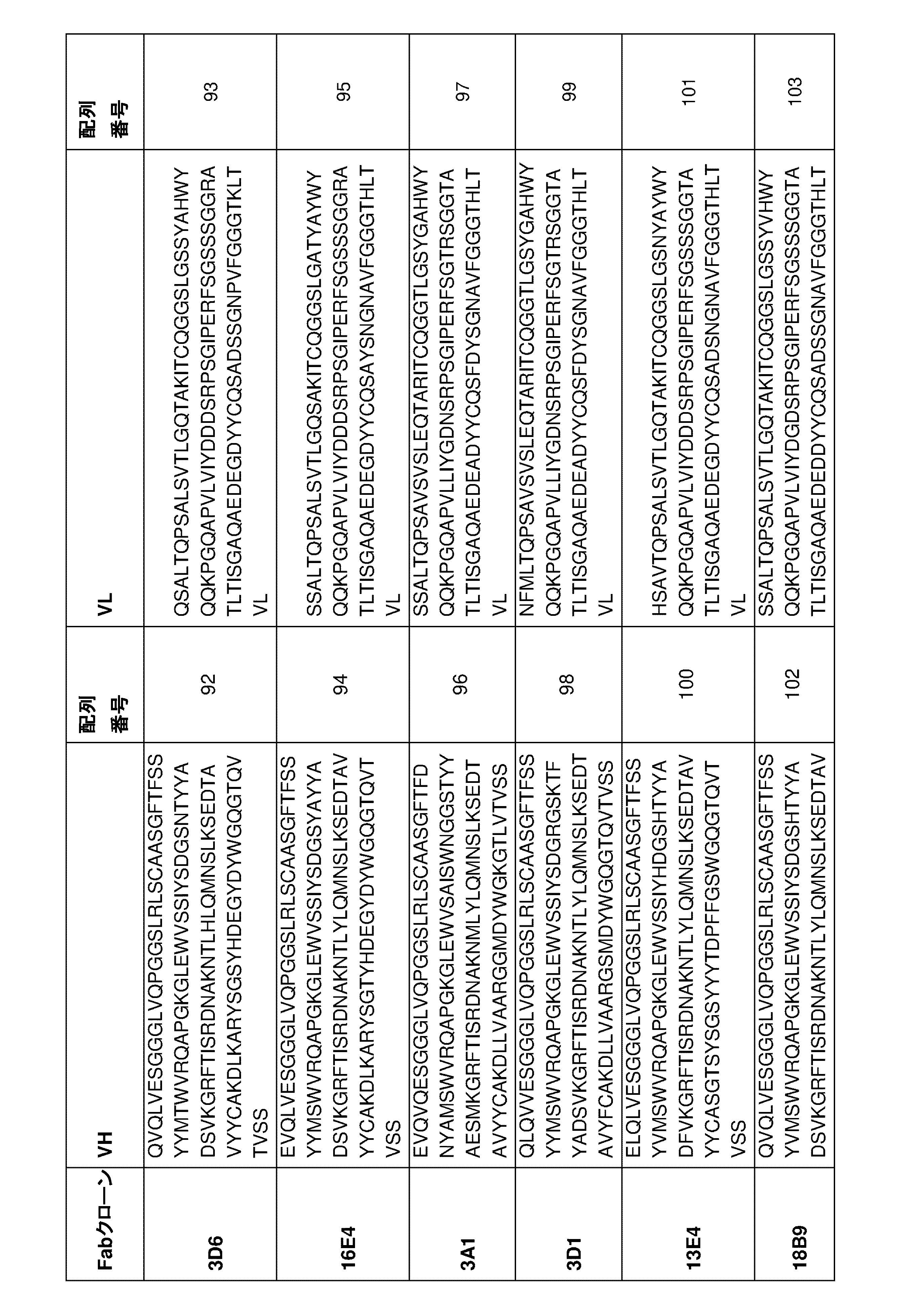

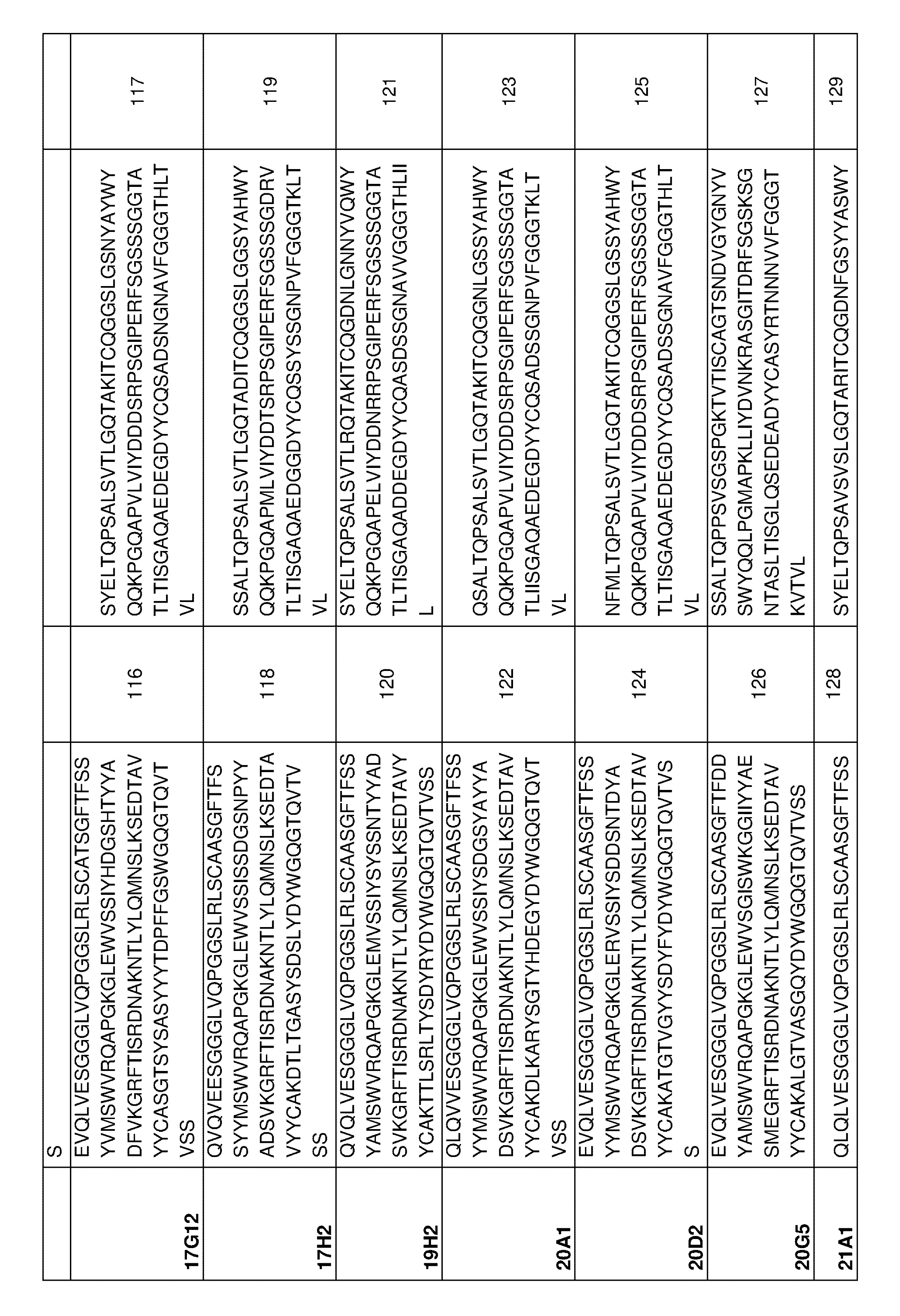

Table 11: Heavy chain CDR sequences of Fabs that bind IgE
(実施例2.抗IgE Fabクローンのさらなる特徴解析)
(A. Fabクローンのシークエンシング及び再フォーマット化)
以下の8つのFabクローン: 3D6、16E4、3A1、3D1、13E4、18B9、20D5、及び18E2を、さらなる特徴解析のために、ヒトhIgG1 Fcに再クローニングした。
Example 2. Further characterization of anti-IgE Fab clones
A. Sequencing and reformatting of Fab clones
The following eight Fab clones were recloned into human hIgG1 Fc for further characterization: 3D6, 16E4, 3A1, 3D1, 13E4, 18B9, 20D5, and 18E2.
このために、各々のクローンのVH及びVLを、特異的プライマーを用いてPCR増幅させ、電気泳動によって分離し、精製し、制限酵素(BsmBi)で消化した。消化及び浄化後、DNA(VH又はVL)のライゲーションを行って、ヒトラムダもしくはカッパ軽鎖(VκについてはpUPEX116.08、VλについてはpUPEX116.09)又はヒトIgG1重鎖(CH1-CH2-CH3、pUPEX116.07)の定常ドメインを含有する予めBsmBiで消化したベクターに入れた。熱ショック及びアンピシリン(ベクターの耐性遺伝子)を含むアガロースプレート上への移し替えによって、ライゲーションされた産物の各々の形質転換を行い、Top10細菌に入れた。各々のクローン(HC及びLC)について、4~8個のコロニーを拾い、シークエンシングに送った。適切な挿入物を示すクローンを選択し、DNA配列を精製する(MidiPrep)ために増幅させた。 For this, the VH and VL of each clone were PCR amplified using specific primers, separated by electrophoresis, purified and digested with restriction enzymes (BsmBi). After digestion and purification, the DNA (VH or VL) was ligated into a vector previously digested with BsmBi containing the constant domains of the human lambda or kappa light chain (pUPEX116.08 for Vκ, pUPEX116.09 for Vλ) or the human IgG1 heavy chain (CH1-CH2-CH3, pUPEX116.07). Each of the ligated products was transformed into Top10 bacteria by heat shock and transfer onto agarose plates containing ampicillin (resistance gene of the vector). For each clone (HC and LC), 4 to 8 colonies were picked and sent for sequencing. Clones showing the appropriate insert were selected and amplified to purify the DNA sequence (MidiPrep).
8つのヒトIgG1抗体の産生を、重鎖DNA発現ベクターと軽鎖DNA発現ベクターを1/1の比で含有する混合物によるHEK293E細胞のトランスフェクション(ポリエチレンイミン(PEI)を使用)によって実施した。細胞に6日間発現させた後、プロテイン-Aセファロースビーズを用いて、ヒトモノクローナル抗体を細胞上清から精製した。最後に、SDS-PAGE解析を実施して、抗体の純度及び完全性を評価した。 Eight human IgG1 antibodies were produced by transfection of HEK293E cells (using polyethyleneimine (PEI)) with a mixture containing heavy chain DNA expression vector and light chain DNA expression vector in a 1/1 ratio. After 6 days of expression in the cells, the human monoclonal antibodies were purified from the cell supernatant using protein-A sepharose beads. Finally, SDS-PAGE analysis was performed to assess the purity and integrity of the antibodies.
(B.抗hIgEモノクローナル抗体の特徴解析)
ELISAとT3000 Biacoreを用いるSPRとを用いて、抗hIgE mAbパネルの結合特性を評価した。
B. Characterization of anti-hIgE monoclonal antibodies
The binding properties of a panel of anti-hIgE mAbs were assessed using ELISA and SPR using a T3000 Biacore.
(i.結合ELISA)
hIgEの配列をWGSデータベースから取得した。モタビズマブ抗体のVH及びhIgEの定常重鎖(Cε1~Cε4)をコードするDNAを合成し、発現ベクターに再クローニングした。モタビズマブ軽鎖の可変及び定常ヒトκと一緒に、IgEベクターをCHO K1細胞にトランスフェクトし、組換えモタビズマブヒトIgE(rMota-hIgE)を産生した。MabSelect(商標) SuRe(商標)を用いて、hIgEを精製した。rMota-hIgEを用いて、ELISAにより、8つの抗hIgE mAbの相対的結合特性を評価した。簡潔に述べると、Maxisorpプレートを組換えヒト呼吸器合胞体ウイルスタンパク質F(RSV-F)(0.5μg/mL)でコーティングし、その後、3%BSA及び0.05%Tweenを含むPBSでブロッキングした。1μg/mlのrMota-hIgEを捕捉した後、抗hIgE mAbの連続希釈物とともにインキュベートした。pH 7.4又はpH 5.5での数回の洗浄工程の後、抗ヒトFc-HRP抗体を用いて、結合したmAbの検出を実施した。Tecan装置を用いて、吸光度を450nM(基準620nm)で測定した。再クローニングされた抗体は全て、ヒトIgEに結合することができた(図2を参照)。
(i. Binding ELISA)
The sequence of hIgE was obtained from the WGS database. DNA encoding the VH of the Motavizumab antibody and the constant heavy chain of hIgE (Cε1-Cε4) was synthesized and recloned into an expression vector. The IgE vector, together with the variable and constant human kappa of the Motavizumab light chain, was transfected into CHO K1 cells to produce recombinant Motavizumab human IgE (rMota-hIgE). hIgE was purified using MabSelect™ SuRe™. rMota-hIgE was used to evaluate the relative binding properties of eight anti-hIgE mAbs by ELISA. Briefly, Maxisorp plates were coated with recombinant human respiratory syncytial virus protein F (RSV-F) (0.5 μg/mL) and then blocked with PBS containing 3% BSA and 0.05% Tween. 1 μg/ml rMota-hIgE was captured and then incubated with serial dilutions of anti-hIgE mAb. After several washing steps at pH 7.4 or pH 5.5, detection of bound mAb was performed with anti-human Fc-HRP antibody. Absorbance was measured at 450 nM (reference 620 nm) using a Tecan instrument. All recloned antibodies were able to bind human IgE (see Figure 2).
(ii.競合ELISA)
初期のスクリーニング時に使用された設定とちょうど同じ設定において、8つの異なる抗hIgE抗体によるhFcεRIαへのhIgE結合の阻害をpH 7.4及びpH 6でELISAによって解析した。生データ(OD値)をGraphPad Prism 7.01でプロットした。各々の化合物のIC50値を、非線形回帰(対数(アゴニスト)対応答可変勾配(4パラメータ))を用いて計算した。結果は、図3及び表14に示されている。クローン13E4は、pH 7.4でhIgEに対する最大の親和性を示した。3つのクローン: 3D6、16E4、及び18B9は、hIgEに対する最大のpH依存的示差親和性を示した。
表14: ELISAによるFcεRIへのhIgE結合の阻害のIC50(nM)

Inhibition of hIgE binding to hFcεRIα by eight different anti-hIgE antibodies was analyzed by ELISA at pH 7.4 and
Table 14: IC50 (nM) for inhibition of hIgE binding to FcεRI by ELISA
(iii. SPR解析: FcεRIへのIgE結合の競合)
ヒト抗hIgE IgG1 mAbの結合能力をBiacore T3000で解析した。このために、競合アプローチを設定した。CM5チップに、1500RUでhFcεRIαをコーティングした。固定濃度のhIgE(1μg/mL)を連続濃度のヒトIgG1抗体パネルとともにプレインキュベートした後、hFcεRIαでコーティングしたチップに注入した。このアッセイをHBS-EP pH7.4又はHBS-EP pH 5.5中で実施した。生データを、ブランク減算(2-1)を用いて、BIA評価ソフトウェアにより解析した。RU値をGraphPad Prism 7.01でプロットした。各々の化合物のIC50値を、非線形回帰(対数(アゴニスト)対応答可変勾配(4パラメータ))を用いて計算した。結果は、下の図4及び表15に示されている。競合ELISAで観察されたように、最大効力を有する抗体は、クローン13E4である。このアプローチにおいて、クローン3D6は、最大のpH依存度を示した。
表15: BiacoreによるFcεRIへのhIgE結合の阻害のIC50(nM)

The binding capacity of human anti-hIgE IgG1 mAbs was analyzed on a Biacore T3000. For this, a competitive approach was set up. CM5 chips were coated with hFcεRIα at 1500RU. A fixed concentration of hIgE (1 μg/mL) was pre-incubated with a panel of human IgG1 antibodies at serial concentrations and then injected onto the chip coated with hFcεRIα. The assay was performed in HBS-EP pH 7.4 or HBS-EP pH 5.5. The raw data was analyzed by the BIA evaluation software with blank subtraction (2-1). The RU values were plotted in GraphPad Prism 7.01. The IC50 value of each compound was calculated using nonlinear regression (logarithm (agonist) vs. response variable slope (4 parameters)). The results are shown in Figure 4 and Table 15 below. As observed in the competitive ELISA, the antibody with the greatest potency is clone 13E4. In this approach, clone 3D6 showed the greatest pH dependence.
Table 15: IC50 (nM) for inhibition of hIgE binding to FcεRI by Biacore
(C.カニクイザルIgE(cIgE)に交差反応するクローンの同定)
cIgEの配列をWGSデータベースから取得した。この配列は、完全なFc(Cε1~Cε4)で85%の同一性を示した。モタビズマブ抗体のVH及びcIgEの定常重鎖(Cε1~Cε4)をコードするDNAを合成し、発現ベクターに再クローニングした。モタビズマブのVLをコードするDNAを、Vカッパ定常領域を含有する発現ベクターにクローニングした。プラスミドをCHO K1細胞にトランスフェクトした。MabSelect(商標) SuRe(商標)を用いて、cIgEを精製した。ELISAとT3000 Biacoreを用いるSPRとを用いて、抗hIgE mAbパネルの交差反応性を評価した。
(C. Identification of clones cross-reactive with cynomolgus monkey IgE (cIgE))
The sequence of cIgE was obtained from the WGS database. The sequence showed 85% identity over the complete Fc (Cε1-Cε4). DNA encoding the VH of the motavizumab antibody and the constant heavy chain of cIgE (Cε1-Cε4) were synthesized and recloned into an expression vector. DNA encoding the VL of motavizumab was cloned into an expression vector containing the Vkappa constant region. Plasmids were transfected into CHO K1 cells. cIgE was purified using MabSelect™ SuRe™. Cross-reactivity of the anti-hIgE mAb panel was assessed using ELISA and SPR using a T3000 Biacore.
(i.結合ELISA)
hIgEに使用された設定と同様の設定において、8つの抗hIgE mAbの相対的結合特性をELISAによって解析した。簡潔に述べると、MaxisorpプレートをRSV-F(0.5μg/mL)でコーティングし、その後、3%BSA及び0.05%Tweenを含むPBSでブロッキングした。1μg/mlのrMota-cIgEを捕捉した後、抗hIgE mAbの連続希釈物とともにインキュベートした。pH 7.4又はpH 5.5での数回の洗浄工程の後、結合したmAbの検出を、抗ヒトFc-HRP抗体を用いて行った。Tecan装置を用いて、吸光度を450nM(基準620nm)で測定した。最後に、生データ(OD値)をGraphPad Prism 7.01でプロットした。8つのクローンは、様々な親和性でcIgEに結合することができる(図5を参照)。クローン3D6及び13E4は、cIgEに対するpH依存的結合親和性を有する。
(i. Binding ELISA)
The relative binding properties of the eight anti-hIgE mAbs were analyzed by ELISA in a similar setup to that used for hIgE. Briefly, Maxisorp plates were coated with RSV-F (0.5 μg/mL) and then blocked with PBS containing 3% BSA and 0.05% Tween. 1 μg/ml of rMota-cIgE was captured and then incubated with serial dilutions of anti-hIgE mAbs. After several washing steps at pH 7.4 or pH 5.5, detection of bound mAbs was performed with an anti-human Fc-HRP antibody. The absorbance was measured at 450 nM (reference 620 nm) using a Tecan instrument. Finally, the raw data (OD values) were plotted in GraphPad Prism 7.01. The eight clones are able to bind cIgE with different affinities (see FIG. 5). Clones 3D6 and 13E4 have a pH-dependent binding affinity for cIgE.
(実施例3.ヒスチジン改変によるIgE/FcεRIα相互作用を遮断するpH依存性抗IgE抗体の同定)
(A. pH依存的IgE結合の改変)
pH依存度を増大させるために、3つの抗体を選択した。ヒスチジン突然変異を、引用により本明細書中に組み込まれるWO2018/206748号に記載されているように、合理的な位置選択によってCDR配列に導入して、突然変異させた。
Example 3. Identification of pH-dependent anti-IgE antibodies that block IgE/FcεRIα interactions by histidine modification.
A. Modification of pH-Dependent IgE Binding
Three antibodies were selected to increase pH dependency, and histidine mutations were introduced into the CDR sequences by rational position selection and mutated as described in WO2018/206748, which is incorporated herein by reference.
突然変異クローンのCDR、VH、及びVL配列は、下の表16、17、及び18に記載されている。
表16: hIgEに対するpH依存的親和性を増大させるために産生された抗体の重鎖CDR配列
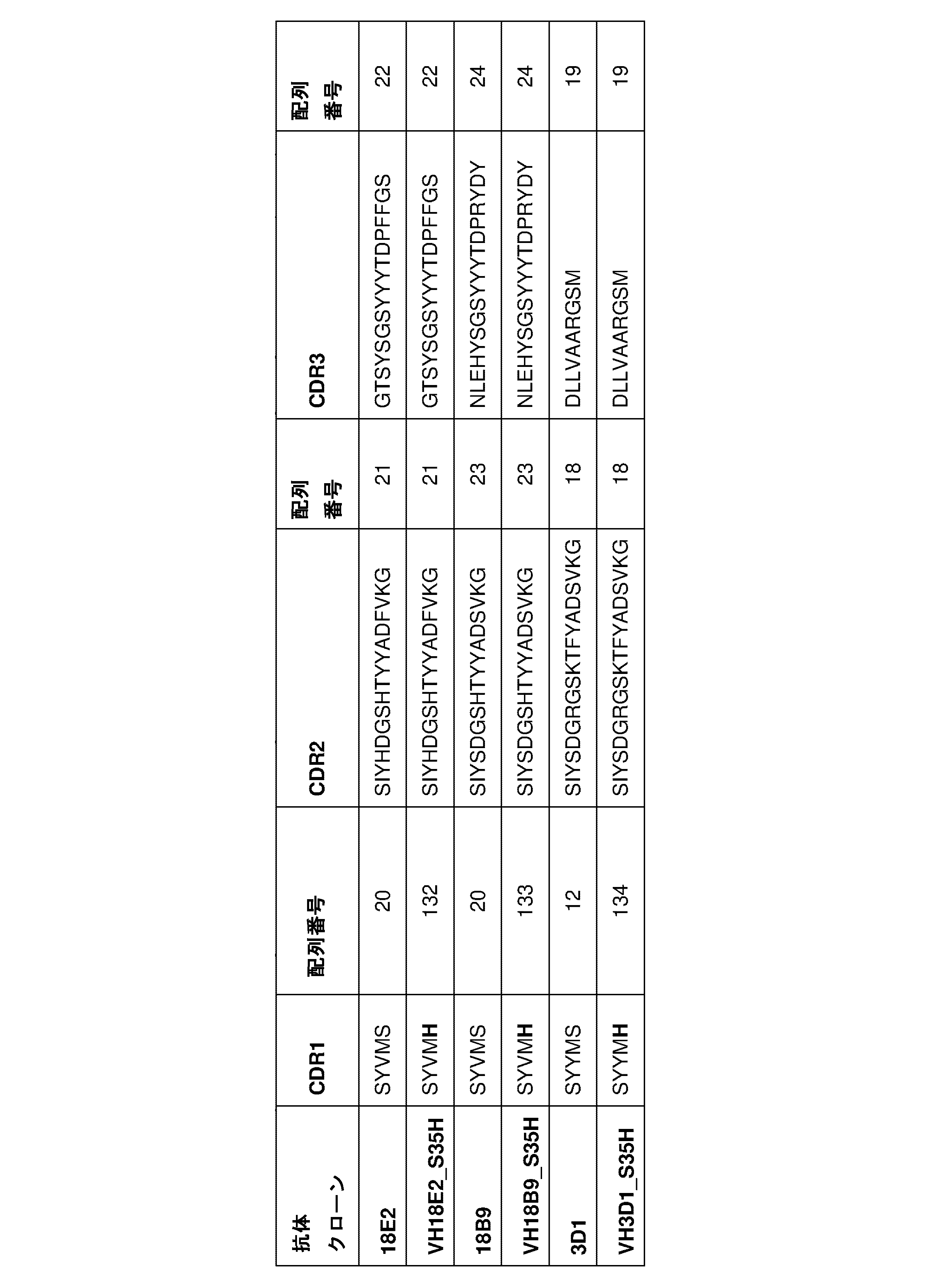
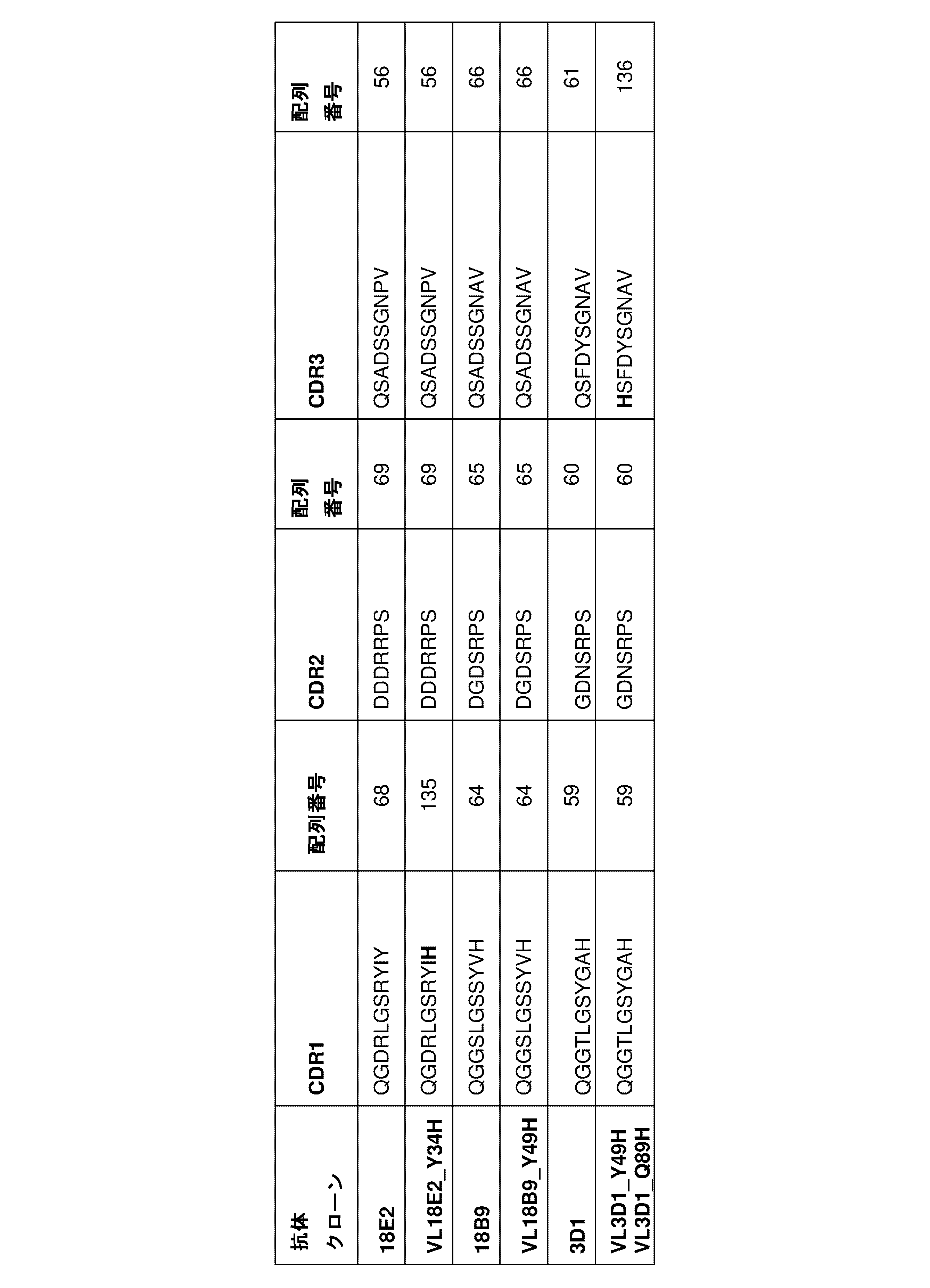
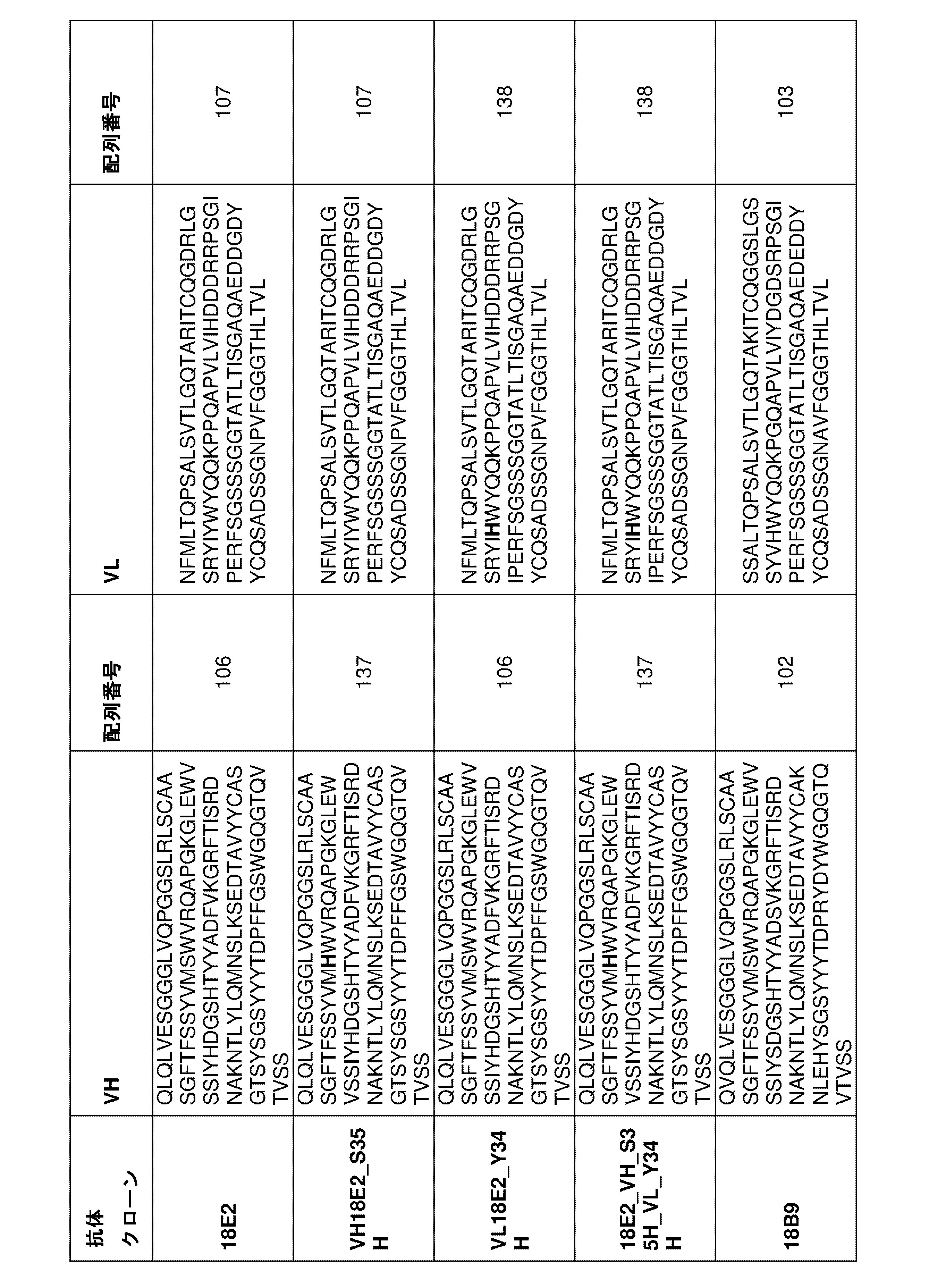
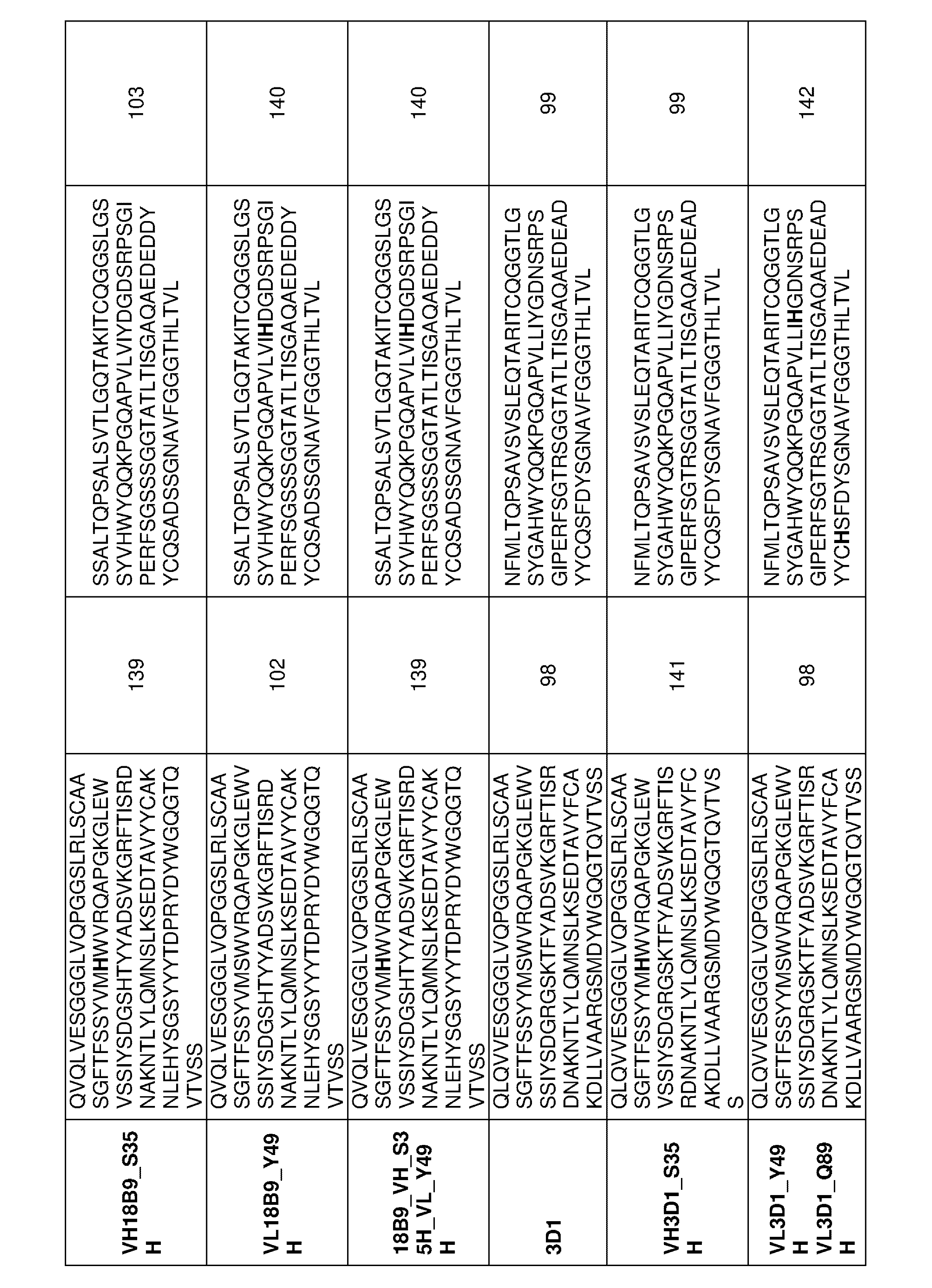
Table 16: Heavy chain CDR sequences of antibodies generated to increase pH-dependent affinity to hIgE
T3000 Biacoreを用いるSPRを用いて、突然変異クローンの結合能力を評価した。先に記載した競合アプローチを使用した。生データを、ブランク減算(2-1)を用いて、BIA評価ソフトウェアにより解析した。RU値をGraphPad Prism 7.01でプロットした。各々の化合物のIC50値を、非線形回帰(対数(アゴニスト)対応答可変勾配(4パラメータ))を用いて計算した。結果は、下の表19に示されている。
表19: pH依存性改変抗hIgEクローンのIC50
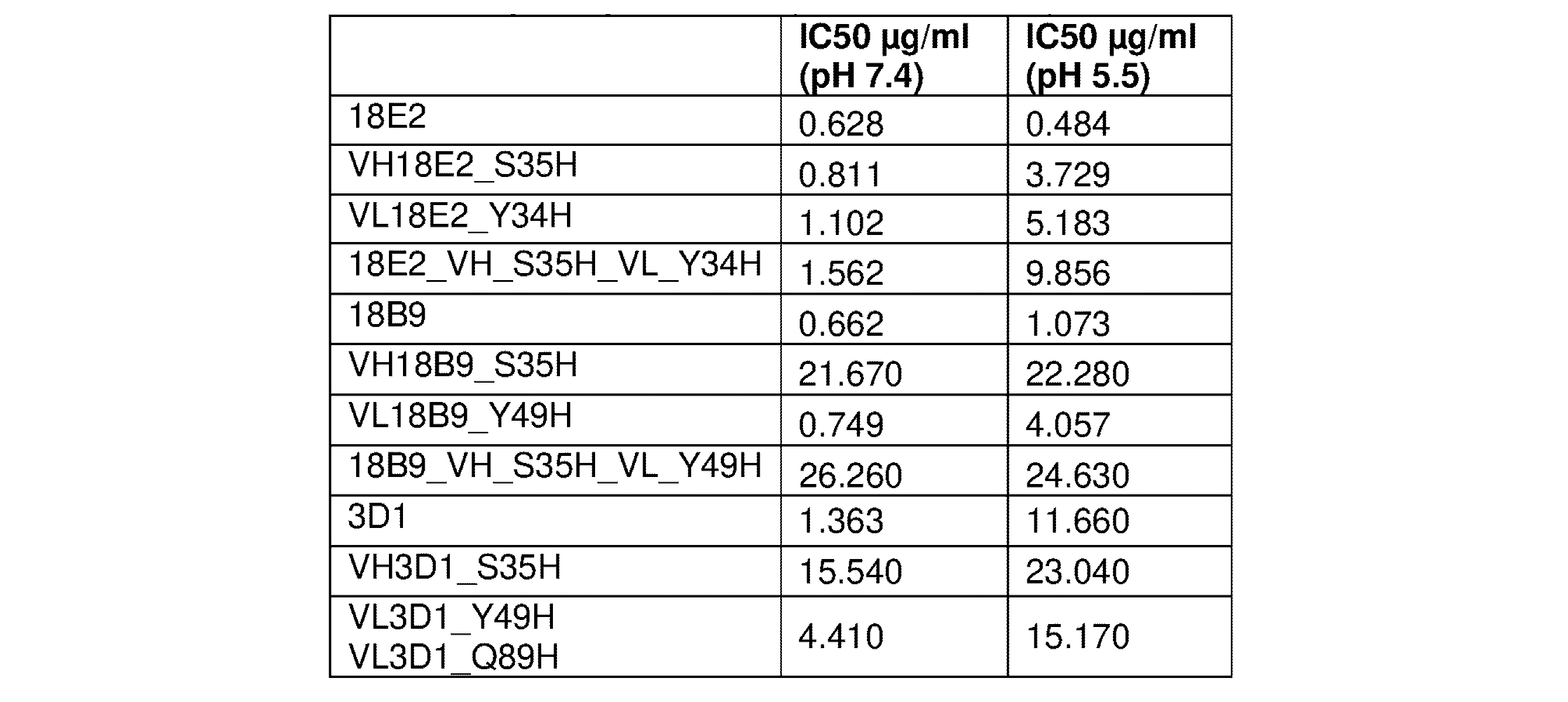
Table 19: IC50 of pH-dependent modified anti-hIgE clones
結果は、次のようにまとめることができる:
・突然変異S35Hは、pH 7.4でIgE結合に影響を及ぼさないが、クローン18E2におけるpH依存度を増大させる。対照的に、この突然変異は、クローン18B9及び3D1のIgE結合を消失させる。
・クローン18E2について、最も優れたpH依存性バインダーは、pH 5.5でのIC50とpH 7.4でのIC50の間で6.3の比を有する18E2_VH_S35H_VL_Y34Hである。しかしながら、pH 7.4での親和性は、WTクローンと比較して、2.5倍低下している。
・クローン18B9について、最も優れたpH依存性バインダーは、pH 5.5でのIC50とpH 7.4でのIC50の間で5.4の比を有するVL18B9_Y49Hである。pH 7.4での親和性は、影響を受けない。
・クローンWT 3D1は、pH 5.5でのIC50とpH 7.4でのIC50の間で8.6の比を有する最も優れたpH依存的親和性を示した。His突然変異は、pH 7.4でのIgE結合に影響を及ぼし、WT抗体と比較して、pH 5.5でのIC50とpH 7.4でのIC50の間の比を増大させない。
The results can be summarized as follows:
The mutation S35H does not affect IgE binding at pH 7.4 but increases the pH dependence in clone 18E2. In contrast, this mutation abolishes IgE binding in clones 18B9 and 3D1.
For clone 18E2, the best pH-dependent binder is 18E2_VH_S35H_VL_Y34H with a ratio of 6.3 between IC50 at pH 5.5 and IC50 at pH 7.4. However, the affinity at pH 7.4 is reduced by 2.5-fold compared to the WT clone.
For clone 18B9, the best pH-dependent binder is VL18B9_Y49H with a ratio of 5.4 between IC50 at pH 5.5 and IC50 at pH 7.4. Affinity at pH 7.4 is unaffected.
Clone WT 3D1 showed the best pH-dependent affinity with a ratio of 8.6 between IC50 at pH 5.5 and IC50 at pH 7.4. The His mutations affect IgE binding at pH 7.4 and do not increase the ratio between IC50 at pH 5.5 and IC50 at pH 7.4 compared to the WT antibody.
(実施例4.抗hIgE-ABDEG 抗体の産生及び特徴解析)
(A.ヒトIgG1 Fc-ABDEG(商標)ヒトIgG1 Fc-LALA-ABDEG(商標)への抗IgE Fabの再フォーマット化)
3つのFabクローン: 13E4; 18E2_VH_S35H_VL_Y34H(18E2His2);及びVL18B9_Y49H(18B9His)を、ABDEG(商標)突然変異を含有するヒトhIgG1 Fcに再クローニングした。このために、BsmBI制限部位を含有する各々のクローンのVHのDNA列を注文した。消化及び浄化後、DNAのライゲーションを行って、ABDEG(商標)突然変異を有するヒトIgG1重鎖の定常ドメインを含有する予めBsmBiで消化したベクター(CH1-CH2-CH3、pUPEX32a)又はLALA及びABDEG(商標)突然変異を有するヒトIgG1重鎖の定常ドメインを含有する予めBsmBiで消化したベクター(CH1-CH2-CH3、pUPEX94)に入れた。熱ショック及びアンピシリン(ベクターの耐性遺伝子)を含むアガロースプレート上への形質転換細菌の移し替えによって、ライゲーションされた産物の各々の形質転換を行い、Top10細菌に入れた。クローン(HC及びLC)毎に、4~8個のコロニーを拾い、シークエンシングに送った。適切な挿入物を示すクローンを選択し、DNA配列を精製する(MidiPrep)ために増幅させた。
Example 4. Production and characterization of anti-hIgE-ABDEG antibodies
A. Reformatting of anti-IgE Fab to human IgG1 Fc-ABDEG™ human IgG1 Fc-LALA-ABDEG™
Three Fab clones: 13E4; 18E2_VH_S35H_VL_Y34H (18E2His2); and VL18B9_Y49H (18B9His) were recloned into human hIgG1 Fc containing the ABDEG™ mutation. For this, a DNA sequence of the VH of each clone containing a BsmBI restriction site was ordered. After digestion and cleanup, the DNA was ligated into a vector previously digested with BsmBi (CH1-CH2-CH3, pUPEX32a) containing the constant domain of the human IgG1 heavy chain with the ABDEG™ mutation or a vector previously digested with BsmBi (CH1-CH2-CH3, pUPEX94) containing the constant domain of the human IgG1 heavy chain with the LALA and ABDEG™ mutations. Each of the ligated products was transformed into Top10 bacteria by heat shock and transfer of transformed bacteria onto agarose plates containing ampicillin (resistance gene of the vector). Four to eight colonies per clone (HC and LC) were picked and sent for sequencing. Clones showing the appropriate insert were selected and amplified for DNA sequence purification (MidiPrep).
3つのヒトIgG1-ABDEG(商標)抗体の産生を、ポリエチレンイミン(PEI)によって1つの軽鎖につき1つの重鎖の比でHEK293E細胞に組み込まれるトランスフェクションにより行った。6日後、プロテイン-Aセファロースビーズを用いて、ヒトモノクローナル抗体を細胞上清から精製した。最後に、SDS-PAGE解析を行い、抗体(150kDa)の純度及び完全性を評価した。 The three human IgG1-ABDEG™ antibodies were produced by transfection into HEK293E cells with polyethyleneimine (PEI) in a ratio of one heavy chain per one light chain. After six days, the human monoclonal antibodies were purified from the cell supernatant using Protein-A Sepharose beads. Finally, SDS-PAGE analysis was performed to assess the purity and integrity of the antibodies (150 kDa).
(B.抗IgE-ABDEG(商標)抗体の特徴解析)
ELISAとT3000 Biacoreを用いるSPRとを用いて、抗hIgE-ABDEG(商標)mAbの結合特性を評価した。
B. Characterization of Anti-IgE-ABDEG™ Antibodies
The binding properties of the anti-hIgE-ABDEG™ mAb were evaluated using ELISA and SPR using a T3000 Biacore.
(i.IgE結合ELISA)
上で使用された設定とちょうど同じ設定において、3つの抗hIgE-ABDEG(商標)抗体の相対的結合特性をELISAによって解析した。生データ(OD値)をGraphPad Prism 7.01でプロットした(図6を参照)。
・3つのクローンは全て、hIgEに結合し、hIgEへの結合をFcεRIAと競合することができた。
・クローン13E4は、hIgEに対する最も高い親和性を有していた。
・クローン18E2His2は、最も高いpH依存度を示した。
(i. IgE binding ELISA)
The relative binding properties of the three anti-hIgE-ABDEG™ antibodies were analyzed by ELISA using exactly the same settings as those used above. Raw data (OD values) were plotted in GraphPad Prism 7.01 (see Figure 6).
All three clones bound hIgE and were able to compete with FcεRIA for binding to hIgE.
Clone 13E4 had the highest affinity for hIgE.
Clone 18E2His2 showed the highest pH dependence.
(ii. IgE競合ELISA)
上で使用された設定とちょうど同じ設定において、抗hIgE-ABDEG(商標)抗体によるhFcεRIαへのhIgE結合の阻害をpH 7.4及びpH 6でELISAによって解析した。生データ(OD値)をGraphPad Prism 7.01でプロットした。各々の化合物のIC50値を、非線形回帰(対数(アゴニスト)対阻害可変勾配(4パラメータ))を用いて計算した。結果は、下の表20に示されている。
表20: IgE競合ELISAのIC50。ABDEG(商標)機能は、IgE結合に影響を及ぼさない。
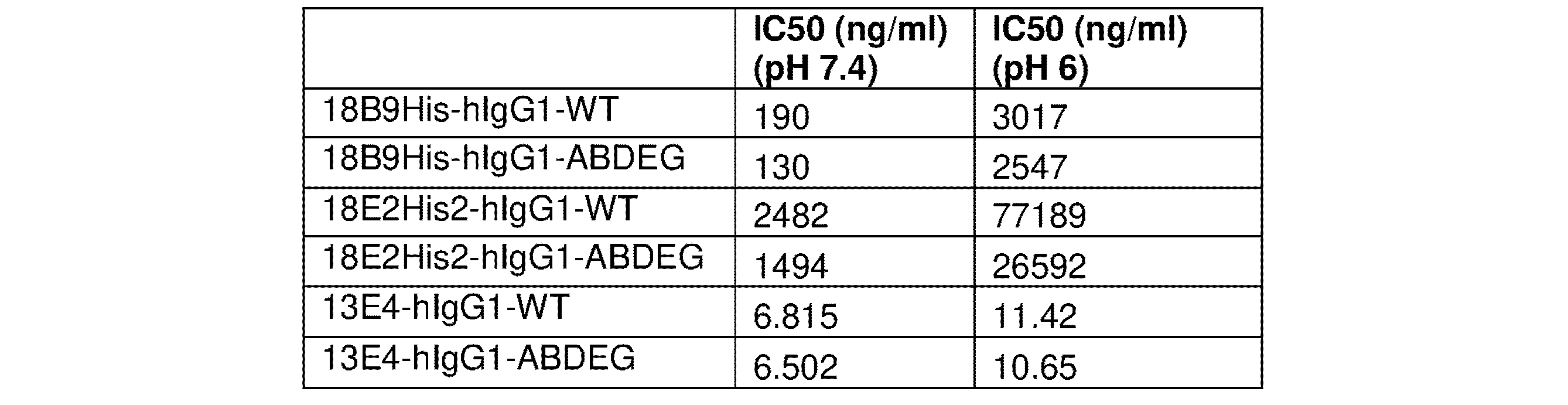
・クローン13E4は、IgE:FcεRIα相互作用を阻害するための最も効力のあるクローンであった。
(ii. IgE Competitive ELISA)
Inhibition of hIgE binding to hFcεRIα by anti-hIgE-ABDEG™ antibody was analyzed by ELISA at pH 7.4 and
Table 20: IC50 of IgE competitive ELISA. ABDEG™ function does not affect IgE binding.
Clone 13E4 was the most potent clone for inhibiting IgE:FcεRIα interaction.
(iii. IgE:FcεRIα相互作用の競合についてのSPR解析)
上記のように、競合アプローチを用いて、ヒトIgG1 mAb抗hIgEの結合能力をBiacore T3000で解析した。このアッセイをHBS-EP pH7.4又はHBS-EP pH 5.5中で実施した。生データを、ブランク減算(2-1)を用いて、BIA評価ソフトウェアにより解析した。RU値をGraphPad Prism 7.01でプロットした。各々の化合物のIC50値を、非線形回帰(対数(アゴニスト)対応答可変勾配(4パラメータ))を用いて計算した。結果を以下の表21に示す。得られた結果は、競合ELISAで観察されたデータを裏付けた。
表21: IgE競合のIC50、SPR解析
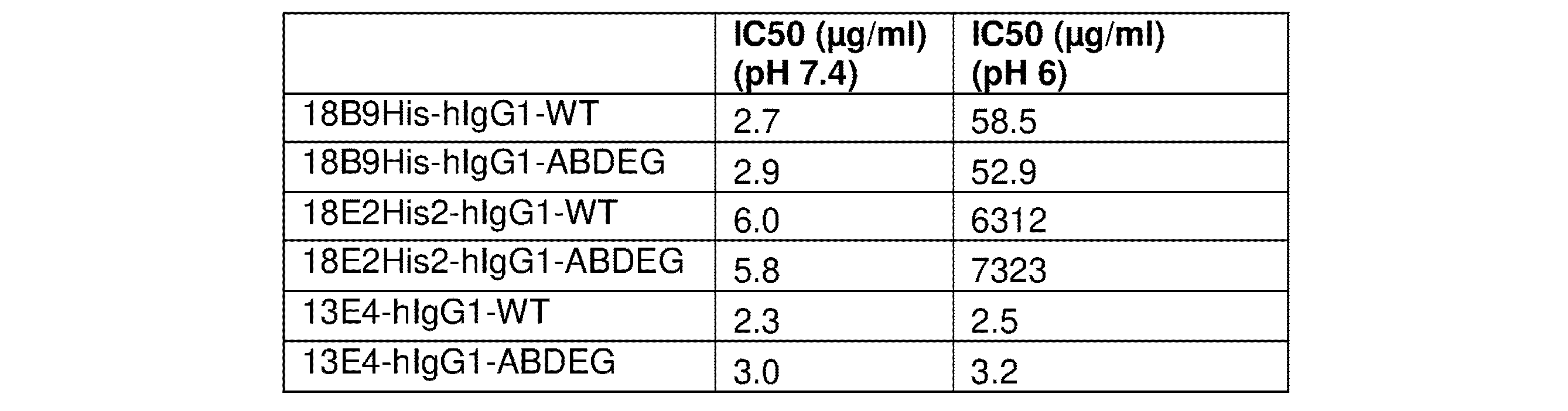
The binding capacity of human IgG1 mAb anti-hIgE was analyzed on a Biacore T3000 using a competitive approach as described above. The assay was performed in HBS-EP pH 7.4 or HBS-EP pH 5.5. Raw data was analyzed by BIAevaluation software using blank subtraction (2-1). RU values were plotted in GraphPad Prism 7.01. IC50 values of each compound were calculated using nonlinear regression (logarithm (agonist) vs. response variable slope (4 parameters)). The results are shown in Table 21 below. The results obtained confirmed the data observed in the competitive ELISA.
Table 21: IC50 of IgE competition, SPR analysis
3つのクローンは、IgE:FcεRIα相互作用を阻害することができた。最も効力のあるクローンがクローン13E4である一方、最も高い結合pH依存度を有するクローンは18E2His2であった。 Three clones were able to inhibit the IgE:FcεRIα interaction. The most potent clone was clone 13E4, while the clone with the highest pH dependence of binding was 18E2His2.
(iv.FcRn結合ELISA)
ABDEG(商標)を備えた完全抗体のFcRnへの結合能力を試験するために、ELISA結合アッセイを確立した。簡潔に述べると、Maxisorpプレートをニュートラアビジン(1μg/mL、ThermoFisher Cat# 31000)でコーティングし、その後、PBS1%カゼインでブロッキングした。ビオチン化ヒトFcRn(0.5μg/ml、ImmuniTrack, cat# ITF01)を添加した後、hIgEとともにプレインキュベートされた又はプレインキュベートされていない抗hIgG1-ABDEG抗体の連続希釈物とともにインキュベートした。ヤギF(ab')2抗ヒトIgG-Fc-HRP(1/20,000、Abcam cat# ab98595)を用いて、バインダーの検出を実施した。アッセイをpH 6及びpH7で実施した。Tecan装置を用いて、吸光度を450nm(基準620nm)で測定した。結果は、図7に示されている。ABDEG(商標)突然変異を備えたヒトIgG1 Fcに再フォーマット化された抗体は、pH 6及びpH 7でヒトIgG1 Fc WTよりも高いFcRnに対する親和性を有していた。
(iv. FcRn binding ELISA)
To test the binding ability of full antibodies with ABDEG™ to FcRn, an ELISA binding assay was established. Briefly, Maxisorp plates were coated with neutravidin (1 μg/mL, ThermoFisher Cat# 31000) and then blocked with
(v. IgG3競合ELISA)
ABDEG(商標)を備えた完全抗体におけるABDEG(商標)の機能性をインビトロアッセイで試験するために、競合ELISA結合アッセイを確立した。手短に述べると、Maxisorpプレートをニュートラアビジン(1μg/mL、ThermoFisher Cat# 31000)でコーティングし、その後、PBS1%カゼインでブロッキングした。ビオチン化ヒトFcRn(0.5μg/ml、ImmuniTrack, cat# ITF01)、組換えhIgG3(自家生産)、及びhIgEとともにプレインキュベートされた又はインキュベートされていない抗hIgG1-ABDEG抗体の連続希釈物の混合物をプレートに添加した。マウス抗ヒトIgG3(ThermoFisher Cat# MH1732)ヤギF(ab')2抗ヒトIgG-Fc-HRP(1/20,000、Abcam cat# ab98595)を用いて、結合したIgG3の検出を実施した。アッセイをpH 6で実施した。Tecan装置を用いて、吸光度を450nm(基準620nm)で測定した。結果は、図8に示されている。
(v. IgG3 competitive ELISA)
To test the functionality of ABDEG™ in intact antibodies with ABDEG™ in an in vitro assay, a competitive ELISA binding assay was established. Briefly, Maxisorp plates were coated with neutravidin (1 μg/mL, ThermoFisher Cat# 31000) and then blocked with
(実施例5. FcεRI+細胞へのIgE結合の阻害)
hFcεRIα+細胞へのIgE結合を阻害する抗hIgE-ABDEG(商標)抗体の能力を解析した。骨髄細胞をTg hIgE/hFcεRIαマウスから単離した。これらの細胞を、マウスIL-3の存在下、インビトロで30日間、肥満細胞に分化させた。骨髄由来肥満細胞を抗IgE-ABDEG(商標) mAbの連続希釈物の存在下でヒトIgEとともにインキュベートした。残存するhIgE結合をフローサイトメトリーによって測定した。FlowJoソフトウェアを用いて計算された蛍光強度中央値をGraphPad Prism 7.01でプロットした。各々の化合物のIC50値を、非線形回帰(対数(アゴニスト)対阻害可変勾配(4パラメータ))を用いて計算した。結果は、図9に示されている。
・3つのクローンは、hFcεRIα+細胞へのhIgE結合を阻害することができた。
・クローン13E4は、最も高い効力を示した。
・Fc断片中のABDEG(商標)突然変異は、様々なクローンの抗IgE機能に影響を及ぼさない。
Example 5. Inhibition of IgE binding to FcεRI+ cells
The ability of anti-hIgE-ABDEG™ antibodies to inhibit IgE binding to hFcεRIα+ cells was analyzed. Bone marrow cells were isolated from Tg hIgE/hFcεRIα mice. These cells were differentiated into mast cells in vitro for 30 days in the presence of mouse IL-3. Bone marrow-derived mast cells were incubated with human IgE in the presence of serial dilutions of anti-IgE-ABDEG™ mAb. Residual hIgE binding was measured by flow cytometry. Median fluorescence intensity values calculated using FlowJo software were plotted in GraphPad Prism 7.01. IC50 values for each compound were calculated using nonlinear regression (logarithm (agonist) vs. variable slope of inhibition (4 parameters)). Results are shown in Figure 9.
Three clones were able to inhibit hIgE binding to hFcεRIα+ cells.
Clone 13E4 showed the highest potency.
The ABDEG™ mutation in the Fc fragment does not affect the anti-IgE function of the various clones.
(実施例6. FcεRI+細胞に予め結合したIgEへの抗IgE抗体結合)
(A. IgE架橋ELISA)
FcεRIαと関連したヒトIgEへの抗体結合をELISAによって解析した。簡潔に述べると、MaxisorpプレートをhFcεRIα(0.5μg/mL)でコーティングし、その後、1%BSA及び0.05%Tweenを含むPBSでブロッキングした。3μg/mlのrMota-cIgEを捕捉した後、抗hIgE mAbの連続希釈物とともにインキュベートした。数回の洗浄工程の後、結合したmAbの検出を、抗ヒトFc-HRP抗体を用いて行った。Tecan装置を用いて、吸光度を450nM(基準620nm)で測定した。最後に、生データ(OD値)をGraphPad Prism 7.01でプロットした(図10を参照)。
・クローン13E4及び18B9Hisは、hFcεRIα+と関連したIgEに結合することができた。
・クローン18E2His2は、hFcεRIα+と関連したIgEに結合しない。
Example 6. Anti-IgE antibody binding to IgE pre-bound to FcεRI+ cells
(A. IgE Bridging ELISA)
Antibody binding to human IgE in the context of FcεRIα was analyzed by ELISA. Briefly, Maxisorp plates were coated with hFcεRIα (0.5 μg/mL) and then blocked with PBS containing 1% BSA and 0.05% Tween. 3 μg/ml of rMota-cIgE was captured and then incubated with serial dilutions of anti-hIgE mAb. After several washing steps, detection of bound mAb was performed with anti-human Fc-HRP antibody. Absorbance was measured at 450 nM (reference 620 nm) using a Tecan instrument. Finally, raw data (OD values) were plotted in GraphPad Prism 7.01 (see Figure 10).
Clones 13E4 and 18B9His were able to bind IgE associated with hFcεRIα+.
Clone 18E2His2 does not bind to IgE associated with hFcεRIα+.
(B.好塩基球活性化試験)
ヒト好塩基球に予め結合したヒトIgEへの抗体結合をフローサイトメトリーによって解析した。血液をイエダニアレルギーを有するドナーから得た。好塩基球活性化を抗hIgE-ABDEG(商標)抗体の存在下でFLOW CAST(登録商標)キット(BUHLMANN)に従って測定した。結果をフローサイトメトリーによって解析し、生データをFlowJoソフトウェアを用いて処理した。好塩基球細胞は、CCR3+細胞として同定した。活性化好塩基球は、CCR3+CD63+細胞として定義した。活性化好塩基球のパーセンテージ(%)は、下の表22に示されている。
・クローン13E4及び18B9Hisは、好塩基球活性化を誘導する。
・クローン18E2His2は、好塩基球活性化を誘導しない。
表22:好塩基球活性化試験

Antibody binding to human IgE pre-bound to human basophils was analyzed by flow cytometry. Blood was obtained from a donor with house dust mite allergy. Basophil activation was measured in the presence of anti-hIgE-ABDEG™ antibody according to the FLOW CAST® kit (BUHLMANN). Results were analyzed by flow cytometry and raw data was processed using FlowJo software. Basophil cells were identified as CCR3+ cells. Activated basophils were defined as CCR3+CD63+ cells. The percentage (%) of activated basophils is shown in Table 22 below.
- Clones 13E4 and 18B9His induce basophil activation.
Clone 18E2His2 does not induce basophil activation.
Table 22: Basophil Activation Test
(実施例7.抗IgE-ABDEG(商標)抗体による非疾患モデルにおけるIgE及びIgGのクリアランス)
IgE及びIgGクリアランスを増大させる抗hIgE-ABDEG(商標)抗体の能力をマウスにおいてインビボで解析した。抗hIgE-ABDEG mAbを注射する2時間前に、rMota-hIgEをC75BL6マウスに注射した。血液をマウスから回収し、hIgE及びマウスIgGレベルをELISAによって測定した(図11を参照)。
・ABDEG(商標)突然変異を備えた非IgE結合クローン(HEL-hIgG1-ABDEG)は、IgG枯渇を誘導したが、IgE枯渇を誘導しなかった。
・オマリズマブは、IgE枯渇もIgG枯渇も誘導することができなかった。
・クローン18E2His2-hIgG1-ABDEGは、IgG枯渇及びIgE枯渇を誘導した。
Example 7. Clearance of IgE and IgG in a non-disease model by anti-IgE-ABDEG™ antibodies
The ability of anti-hIgE-ABDEG™ antibodies to increase IgE and IgG clearance was analyzed in mice in vivo. rMota-hIgE was injected into
A non-IgE binding clone with the ABDEG™ mutation (HEL-hIgG1-ABDEG) induced IgG but not IgE depletion.
Omalizumab was unable to induce either IgE or IgG depletion.
Clone 18E2His2-hIgG1-ABDEG induced IgG and IgE depletion.
(実施例8 ラマ抗IgE Fabクローンの生殖系列化)
実施例2及び3由来の選択された抗IgE Fabクローンを、ラマCDR配列をヒトフレームワーク配列に移植することによる生殖系列化に供した。生殖系列化されたFabクローンは: 13E4; 18E2_VH_35H_VL_Y34H(18E2His2); VL18E2_Y34H; VH18E2_S35H;及びVL18B9_Y49H(18B9His)であった。生殖系列化クローンのVH及びVL配列は、下の表23に示されている。
表23 生殖系列化抗IgE FabクローンのVH及びVL配列

Selected anti-IgE Fab clones from Examples 2 and 3 were subjected to germlining by grafting llama CDR sequences into human framework sequences. The germlined Fab clones were: 13E4; 18E2_VH_35H_VL_Y34H (18E2His2); VL18E2_Y34H; VH18E2_S35H; and VL18B9_Y49H (18B9His). The VH and VL sequences of the germlined clones are shown in Table 23 below.
Table 23. VH and VL sequences of germlined anti-IgE Fab clones
(競合ELISA)
初期のスクリーニング時に使用された設定とちょうど同じ設定において、5つの異なる抗hIgE生殖系列化クローンによるhFcεRIαへのhIgE結合の阻害をpH 7.4及びpH 6でELISAによって解析した。生データ(OD値)をGraphPad Prism 7.01でプロットした。各々の抗体のIC50値を、非線形回帰(対数(アゴニスト)対応答可変勾配(4パラメータ))を用いて計算した。結果は、下の表24に示されている。全てのクローンが依然としてIgEに結合することができた。先に観察されたように、クローン13E4は、pH 7.4でhIgEに対する最も高い親和性を示した。クローン18E2VHS35HVLY34HMG(生殖系列化18E2His2)は、hIgEに対する最も高いpH依存的示差親和性を示した。
表24 ELISAによるFcεRIへのhIgE結合の阻害のIC50(ng/ml)

Inhibition of hIgE binding to hFcεRIα by five different anti-hIgE germlined clones was analyzed by ELISA at pH 7.4 and
Table 24. IC50 (ng/ml) for inhibition of hIgE binding to FcεRI by ELISA
(実施例9 抗IgE抗体CL-2CのpH依存性バリアントの人為作製)
クローンCL-2Cの抗IgE FabのpH依存性バリアントを図12に模式的に示されている方法に従って人為作製した。この方法の様々な段階は、以下で詳細に説明されている。
Example 9: Artificial creation of pH-dependent variants of anti-IgE antibody CL-2C
A pH-dependent variant of the anti-IgE Fab of clone CL-2C was engineered according to the method depicted diagrammatically in Figure 12. The different steps of the method are described in detail below.
(A.遺伝子断片の設計)
クローンCL-2CのVH及びVL(Vκ)ドメインのタンパク質配列は、引用により本明細書中に組み込まれる米国特許US7531169号に記載されている。これらのVH及びVLドメインから始めて、図12に示されている模式図の第一の工程に示されているアプローチに従って、ヒスチジン突然変異をCDR領域中の各々の位置(VH及びVL)に導入した。Kabat付番方式を用いて、可変ドメインのアミノ酸残基を付番した。好適なクローニング部位と一緒にVκ及びVH可変領域のCDR中に所望の突然変異を有する遺伝子断片を設計した。フレームワーク領域3(FR3)をFR3aとFR3bに分割し、その間にクローニング部位を入れた(図12に示されている)。
A. Design of Gene Fragments
The protein sequences of the VH and VL (Vκ) domains of clone CL-2C are described in US Patent US7531169, which is incorporated herein by reference. Starting with these VH and VL domains, histidine mutations were introduced at each position (VH and VL) in the CDR regions according to the approach shown in the first step of the schematic diagram shown in Figure 12. The Kabat numbering system was used to number the amino acid residues of the variable domains. Gene fragments were designed with the desired mutations in the CDRs of the Vκ and VH variable regions together with suitable cloning sites. Framework region 3 (FR3) was divided into FR3a and FR3b with a cloning site between them (shown in Figure 12).
(B.ライブラリー構築)
ライブラリー構築への第一の工程として、Vκ突然変異体(Vκm)サブライブラリーを、BsmBI消化されたVκ遺伝子断片のApaLI/XhoI pCB13-CKファージミドベクターへのクローニングによって構築した。このVκサブライブラリーから始めて、2つのアプローチ(下で説明されているA及びB)を用いて、最終的なFabライブラリーを作製した。
B. Library Construction
As a first step towards library construction, a Vκ mutant (Vκm) sub-library was constructed by cloning BsmBI digested Vκ gene fragments into the ApaLI/XhoI pCB13-CK phagemid vector. Starting from this Vκ sub-library, two approaches (A and B described below) were used to generate the final Fab library.
アプローチAに従って、SfiI/NheI消化されたVκmサブライブラリー(hCH1を含有する)への2つのSfiI/BsmBI(NheI互換性あり)消化された突然変異体VH(VHm)遺伝子断片のクローニングによって、3重ライゲーションを実施した。アプローチBに従って、4点ライゲーションによるpCB13-CKから抽出されたhCH1 NheI/NotIを有するSfiI/BsmBI消化されたVHm-遺伝子断片のSfiI/NotI消化されたVκm サブライブラリーへの複合クローニングによって、ライゲーションを実施した。ライゲーションに続いて、TG1大腸菌エレクトロコンピテント細胞への形質転換を行った。最終的なFabライブラリーは、CDR中に最大4つのHis突然変異(HCDR1又はHCDR2中に0~1個及びHCDR3中に0~1個、LCDR1又はLCDR2中に0~1個、LCDR3中に0~1個)を含有していた。アプローチAとBの両方からの最終的なVκライブラリー(M13Rを使用)及びVHライブラリー(PelB3を使用)のうちの32個のランダムなクローンに対して配列解析を実施した。ライゲーションに続いて、TG1大腸菌エレクトロコンピテント細胞への形質転換を行った。VHm又はVκmサブライブラリーは、最大2つのHis突然変異(CDR1又はCDR2中に0~1個のHis及びCDR3中に0~1個のHis)を含有していた。対照Fabは、1Vκlig01A(WT Vκ)及び1VHlig01A(WT VH)の個別のクローニングによって作製した。アプローチAから、シークエンシングされた32個のVκクローンのうちの25個(78%)は、正しいV-領域配列を示した。アプローチBから、これは、32個のクローンのうちの24個(75%)について当てはまった。アプローチAから、シークエンシングされた32個のVHクローンのうちの17個(53%)は、正しいV-領域配列を示した。アプローチBから、これは、32個のクローンのうちの16個(50%)について当てはまった。 According to approach A, triple ligation was performed by cloning two SfiI/BsmBI (NheI compatible) digested mutant VH (VHm) gene fragments into an SfiI/NheI digested Vκm sublibrary (containing hCH1). According to approach B, ligation was performed by composite cloning of SfiI/BsmBI digested VHm-gene fragments with hCH1 NheI/NotI extracted from pCB13-CK by 4-point ligation into an SfiI/NotI digested Vκm sublibrary. Ligation was followed by transformation into TG1 E. coli electrocompetent cells. The final Fab library contained up to four His mutations in the CDRs (0-1 in HCDR1 or HCDR2 and 0-1 in HCDR3, 0-1 in LCDR1 or LCDR2, 0-1 in LCDR3). Sequence analysis was performed on 32 random clones of the final Vκ (with M13R) and VH (with PelB3) libraries from both approaches A and B. Ligation was followed by transformation into TG1 E. coli electrocompetent cells. The VHm or Vκm sub-libraries contained up to two His mutations (0-1 His in CDR1 or CDR2 and 0-1 His in CDR3). Control Fabs were generated by individual cloning of 1Vκlig01A (WT Vκ) and 1VHlig01A (WT VH). From approach A, 25 (78%) of the 32 sequenced Vκ clones showed the correct V-region sequence. From approach B, this was true for 24 (75%) of the 32 clones. From approach A, 17 (53%) of the 32 sequenced VH clones showed the correct V-region sequence. From approach B, this was true for 16 of 32 clones (50%).
(C.選択)
両方のアプローチからのFabライブラリーを用いてFabファージディスプレイを実施し、解離速度洗浄(可溶性標的の存在下での洗浄)とpH溶出を組み合わせて、増大したストリンジェンシーで選択を実施した。溶出ファージを大腸菌TG1細胞の感染に使用した。数回の選択ラウンドからの溶出ファージの産出物をプレーティングして、単一コロニーを得た。個々のクローンを無作為に拾い、6つのマスタープレートを作製した。
(C. Selection)
Fab phage display was performed with Fab libraries from both approaches and selection was performed at increased stringency using a combination of off-rate wash (wash in the presence of soluble target) and pH elution. Eluted phages were used to infect E. coli TG1 cells. Output of eluted phages from several selection rounds was plated to obtain single colonies. Individual clones were randomly picked to generate six master plates.
(D. IgE結合ELISAによるスクリーニング)
ペリプラズム抽出物(PERIと呼ばれる分泌された単量体Fabを含有する粗画分)を、作製された全てのマスタープレートから得られた1mlの大腸菌培養物(IPTGで誘導)から産生した。上の実施例2に記載されているプロトコルに正確に従って、hIgE結合ELISAを実施した。hIgEへのpH依存的結合を示すクローンのシークエンシングにより、His突然変異に富むVκ及びVH中の位置が明らかになった。これらの結果は、図13に模式的に示されている。
(D. Screening by IgE-binding ELISA)
Periplasmic extracts (crude fractions containing secreted monomeric Fab, called PERI) were produced from 1 ml E. coli cultures (induced with IPTG) from all master plates generated. hIgE binding ELISAs were performed following exactly the protocol described in Example 2 above. Sequencing of clones showing pH-dependent binding to hIgE revealed positions in Vκ and VH that are enriched for His mutations. These results are shown diagrammatically in Figure 13.
(E.再フォーマット化)
さらなる特徴解析のために、下の表25に示されている8つのVκ及び5つのVH列を、ヒト定常ドメイン(ヒトhIgG1)を含有する哺乳動物発現ベクターに再クローニングした。
表25
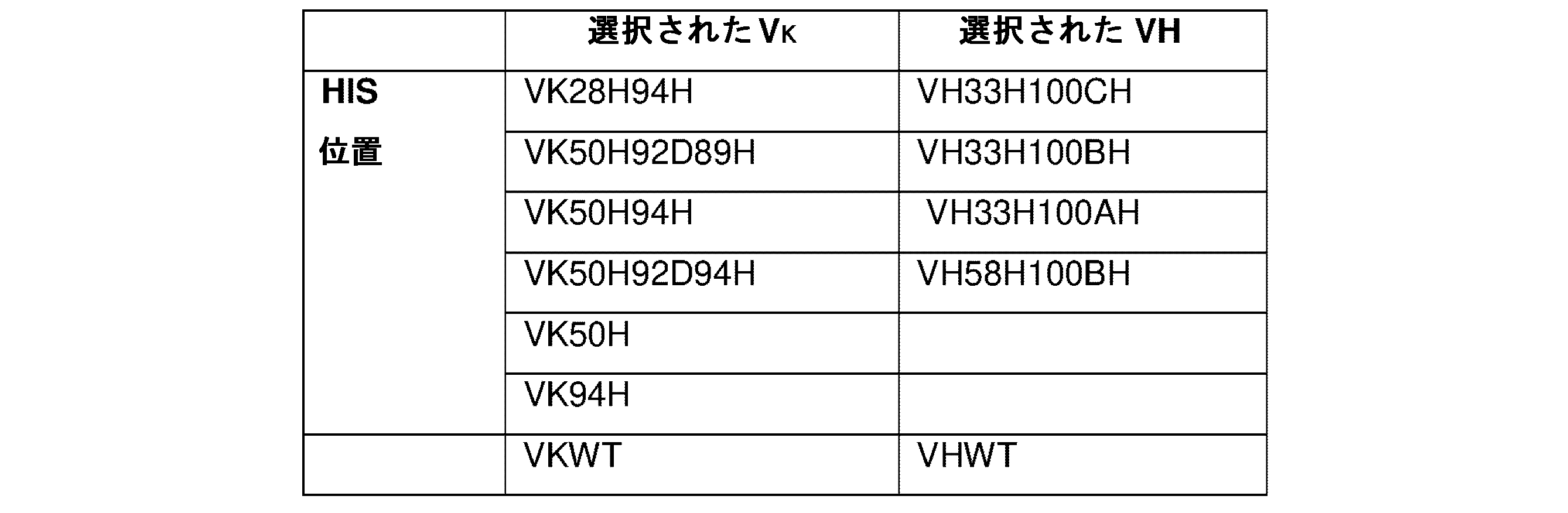
For further characterization, the eight Vκ and five VH strings shown in Table 25 below were recloned into a mammalian expression vector containing a human constant domain (human hIgG1).
Table 25
各々のVH及びVLについて、DNA列断片を設計し、Geneartから注文し、その後、制限酵素(BsmBi)で消化した。消化及び浄化後、DNA(VH又はVL)のライゲーションを行って、ヒトカッパ軽鎖の定常ドメインを含有する予めBsmBiで消化したベクター(VκについてのpUPEX116.08)又はヒトIgG1-ABDEG(商標)重鎖の定常ドメインを含有する予めBsmBiで消化したベクター(CH1-CH2-CH3、pUPEX32a)に入れた。ライゲーションされた産物を熱ショックによって形質転換して、Top10細菌に入れ、アンピシリン(ベクターの耐性遺伝子)を含むアガロースプレート上に移した。各々のクローン(HC及びLC)について、4~8個のコロニーを拾い、シークエンシングに送った。適切な挿入物を示すクローンを選択し、DNA配列を精製する(MidiPrep)ために増幅させた。 For each VH and VL, DNA sequence fragments were designed and ordered from Geneart and then digested with restriction enzymes (BsmBi). After digestion and cleanup, the DNA (VH or VL) was ligated into a pre-BsmBi digested vector containing the constant domain of the human kappa light chain (pUPEX116.08 for Vκ) or into a pre-BsmBi digested vector containing the constant domain of the human IgG1-ABDEG™ heavy chain (CH1-CH2-CH3, pUPEX32a). The ligated products were transformed by heat shock into Top10 bacteria and transferred onto agarose plates containing ampicillin (resistance gene of the vector). For each clone (HC and LC), 4-8 colonies were picked and sent for sequencing. Clones showing the appropriate insert were selected and amplified to purify the DNA sequence (MidiPrep).
全てのVκと全てのVHとの組合せから得られる35個のヒトIgG1抗体の産生をHEK293E細胞のトランスフェクション(重鎖DNA発現ベクターと軽鎖DNA発現ベクターを1/1の比で含有する混合物とともにポリエチレンイミン(PEI)を使用)によって実施した。細胞にタンパク質を6日間発現させた後、ヒトモノクローナル抗体を、プロテイン-Aセファロースビーズを用いて、細胞上清から精製した。最後に、SDS-PAGE解析を実施して、抗体の純度及び完全性を評価した。 The production of 35 human IgG1 antibodies from all Vκ and all VH combinations was carried out by transfection of HEK293E cells (using polyethyleneimine (PEI) with a mixture containing heavy chain DNA expression vector and light chain DNA expression vector in a 1/1 ratio). After expressing the proteins in the cells for 6 days, the human monoclonal antibodies were purified from the cell supernatant using protein-A sepharose beads. Finally, SDS-PAGE analysis was performed to evaluate the purity and integrity of the antibodies.
(F. pH改変抗hIgE抗体の特徴解析)
改変CL-2C抗体パネルのhIgE結合特性を、実施例2に記載されているプロトコルに従って、SPR解析(Biacore 3000を使用)によって及びIgE結合ELISAによって評価した。
F. Characterization of pH-modified anti-hIgE antibodies
The hIgE binding properties of the modified CL-2C antibody panel were assessed by SPR analysis (using a Biacore 3000) and by IgE binding ELISA, following the protocol described in Example 2.
(i. SPR解析)
SPR解析の結果は、下の表26に示されている。pH 5.5で測定されたKDとpH 7.4で測定されたKDの比をCL-2C抗体の各々について計算した。
表26 Biacoreによって測定されたhIgEへのpH改変CL-2C抗体の結合
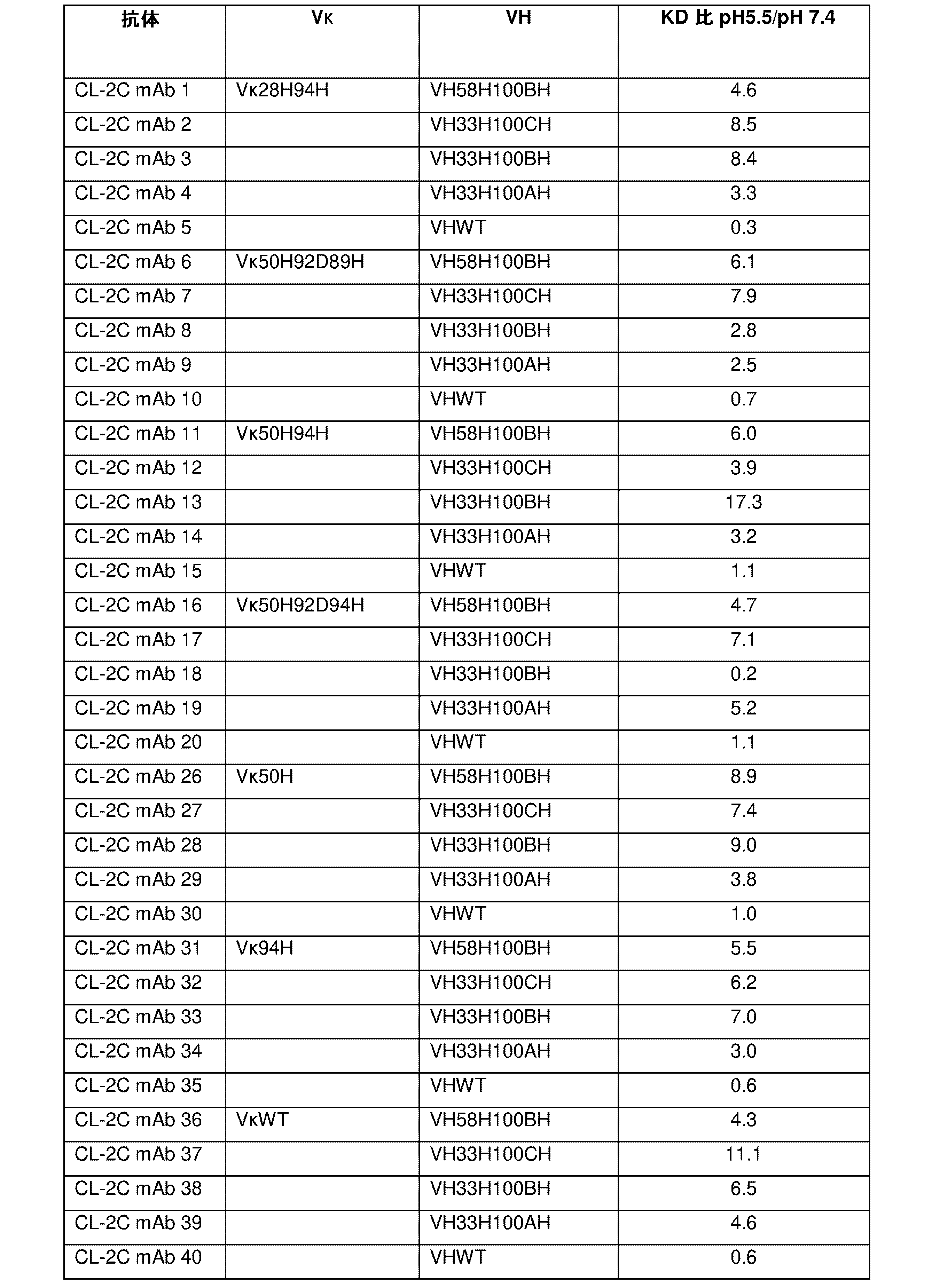
The results of the SPR analysis are shown below in Table 26. The ratio of the K D measured at pH 5.5 to the K D measured at pH 7.4 was calculated for each of the CL-2C antibodies.
Table 26. Binding of pH modified CL-2C antibodies to hIgE measured by Biacore
全てのクローンがpH依存性であるとは限らないことが分かった。SPR解析により、CL-2C mAb13は、最大のpH依存度を示した。 We found that not all clones were pH-dependent. SPR analysis showed that CL-2C mAb13 showed the greatest pH dependence.
(ii. IgE結合ELISA)
hIgE結合ELISAの結果は、下の表27に示されている。pH 7.4で測定されたOD450とpH 6で測定されたOD450の比をCL-2C抗体の各々について計算した。
表27 ELISAによって測定されたhIgEへのpH改変CL-2C抗体の結合
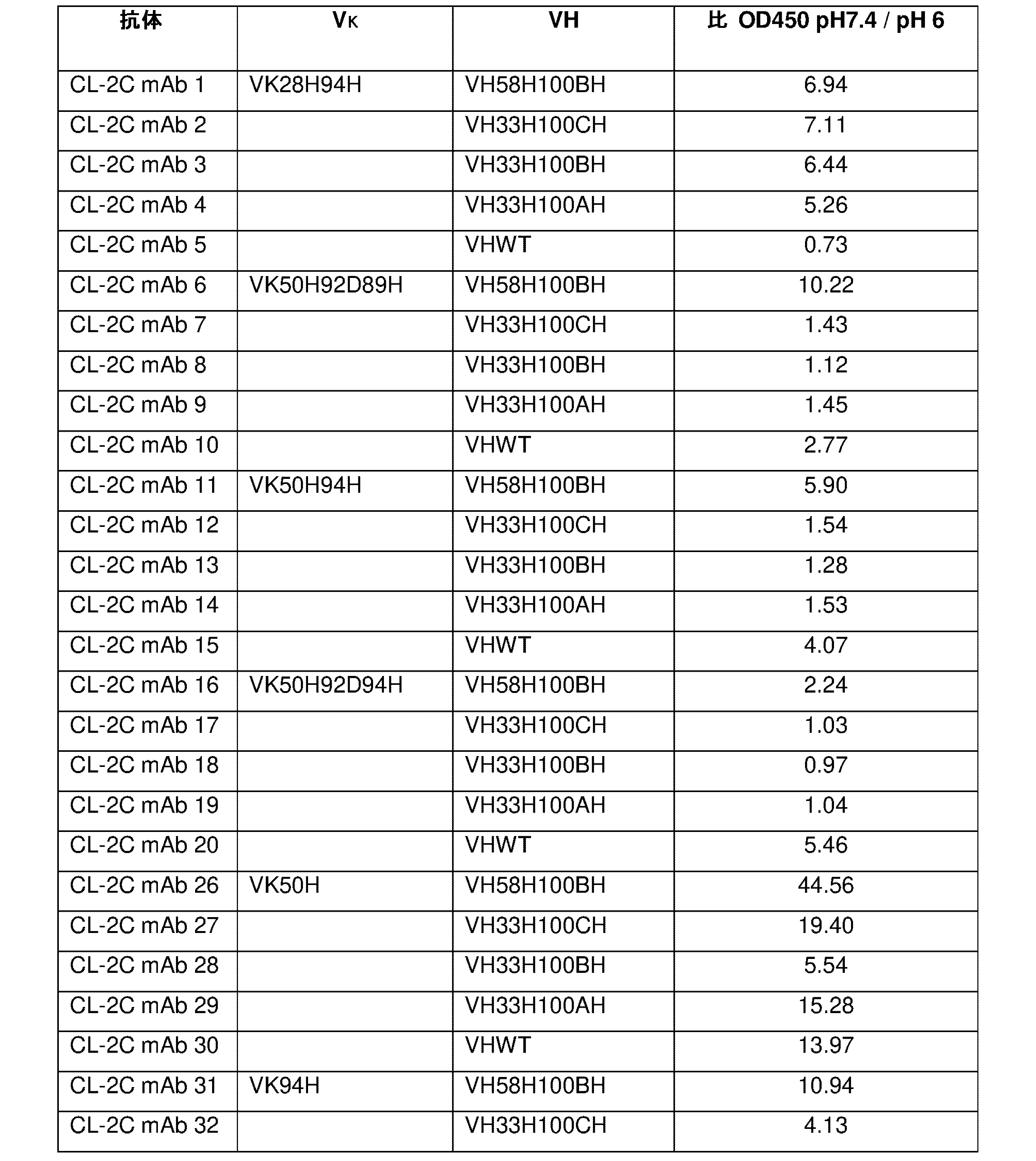

The results of the hIgE binding ELISA are shown below in Table 27. The ratio of the OD450 measured at pH 7.4 to the OD450 measured at
Table 27. Binding of pH modified CL-2C antibodies to hIgE measured by ELISA
Biacoreの結果と同様、全てのクローンがpH依存性であるとは限らないことが分かった。ELISA解析により、CL-2C mAb26は、最大のpH依存度を示した。 Similar to the Biacore results, we found that not all clones were pH-dependent. ELISA analysis showed that CL-2C mAb26 showed the greatest pH dependence.
pH改変CL-2C抗体バリアントのCDR、VHドメイン、及びVLドメイン配列は、下の表28、29、及び30に示されている。
表28 pH改変VHドメインの重鎖CDR配列
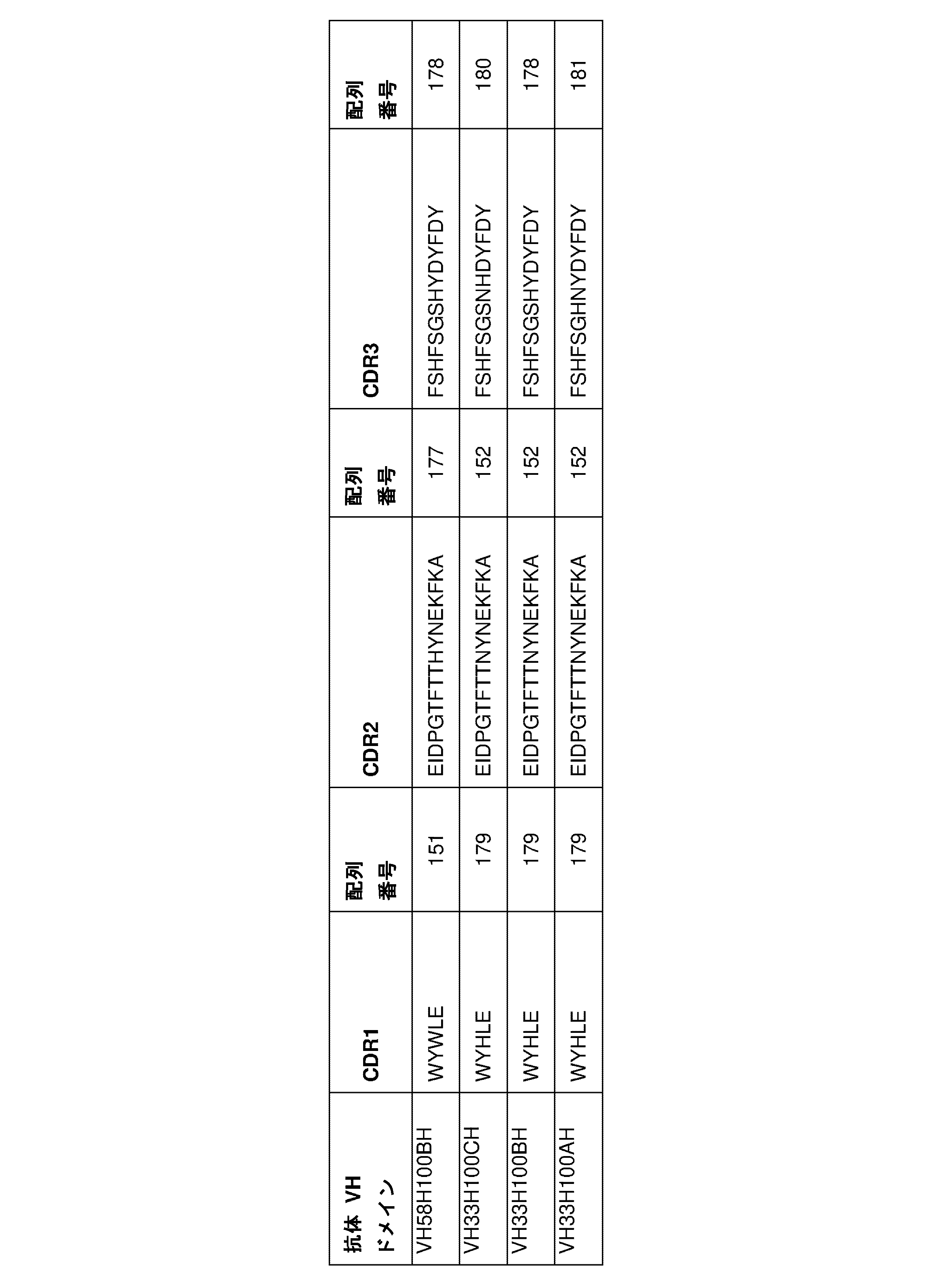
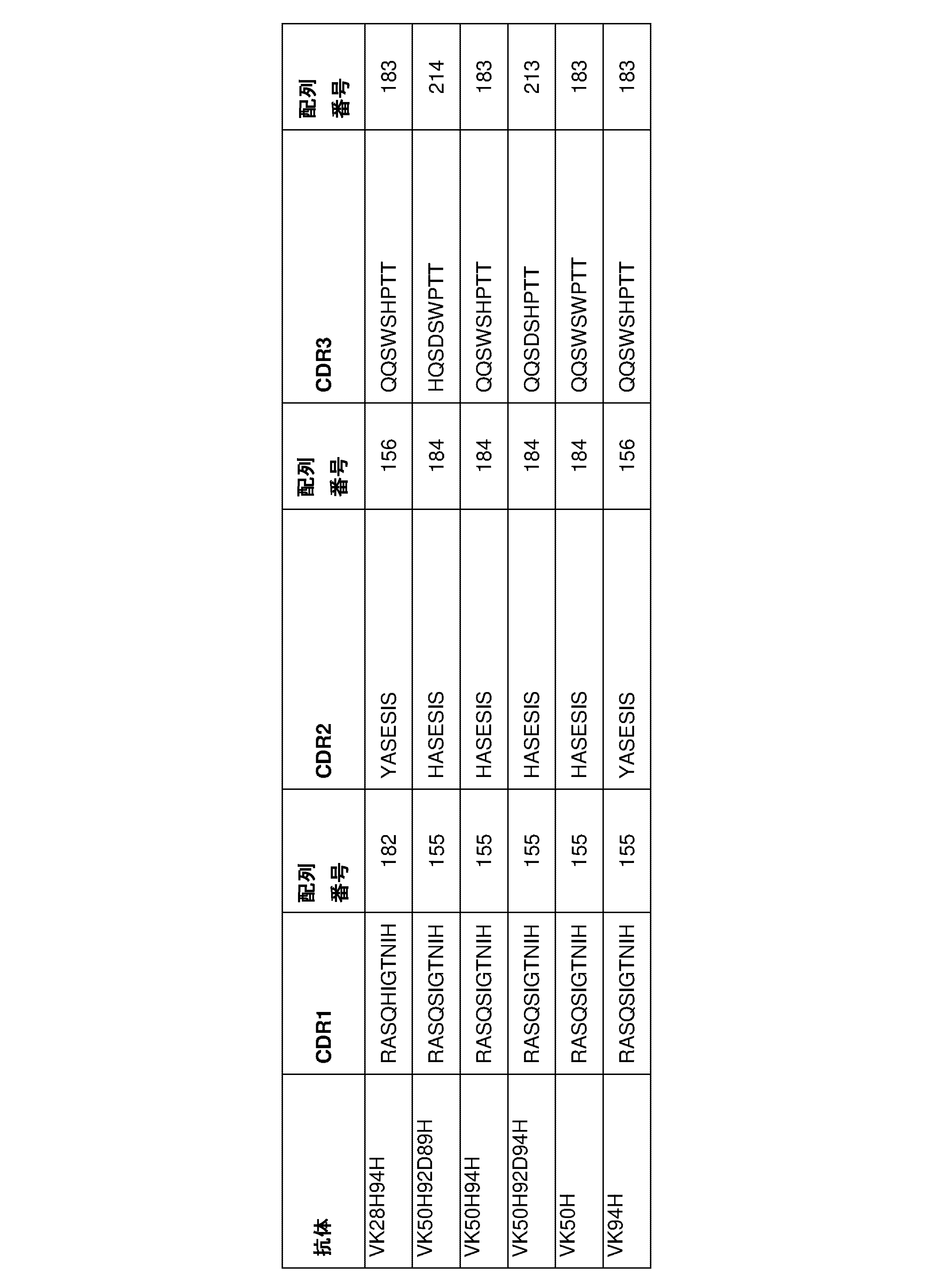
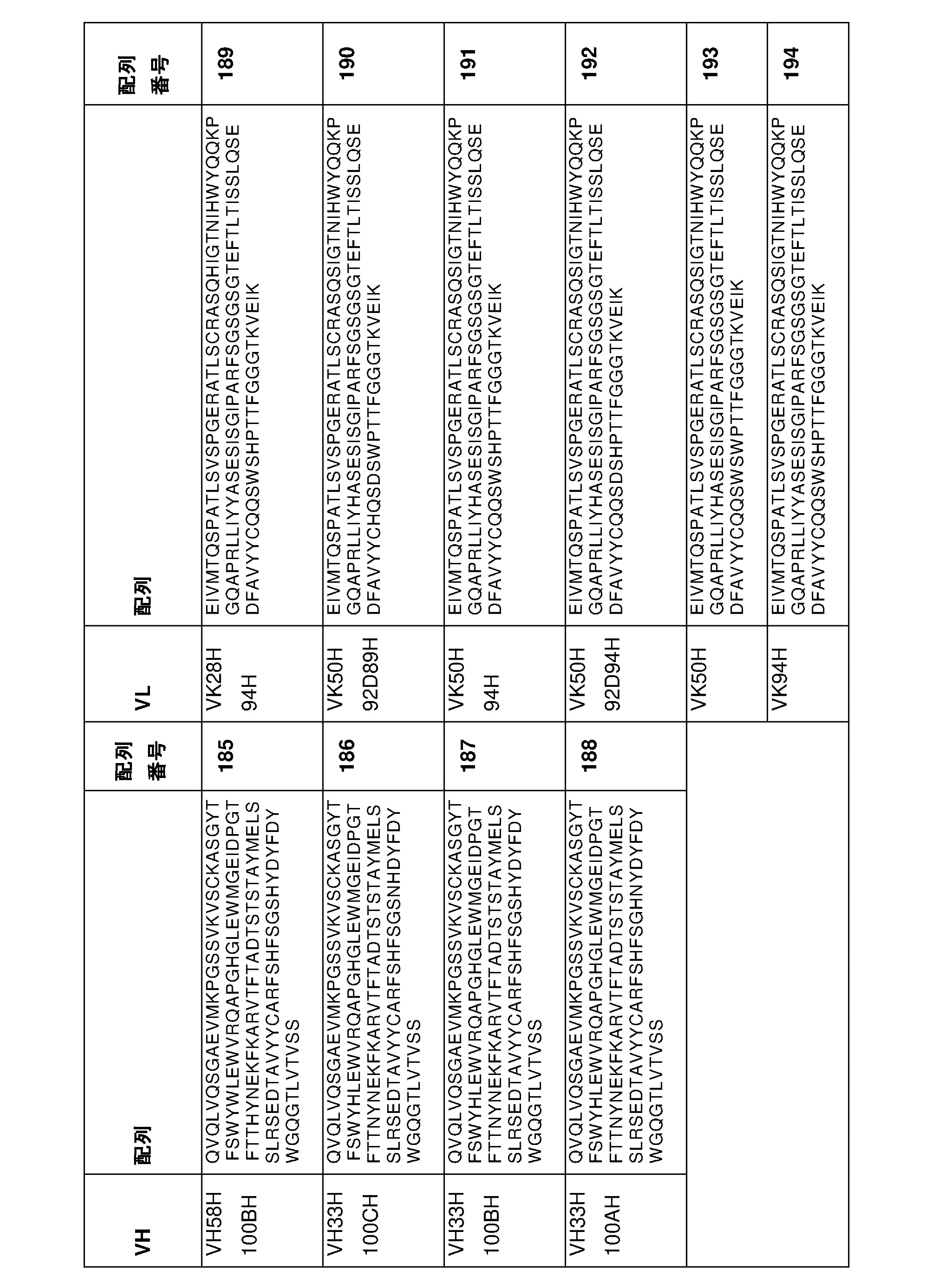
Table 28. Heavy Chain CDR Sequences of pH-modified VH Domains
(実施例10 抗IgE抗体オマリズマブのpH依存性バリアントの人為作製)
pH依存性バリアントの作製の前に、オマリズマブ抗体を親和性成熟のプロセスに供した。これらの方法は、以下で詳細に記載されている。
Example 10: Artificial creation of pH-dependent variants of the anti-IgE antibody omalizumab
Prior to the generation of pH-dependent variants, the omalizumab antibody was subjected to a process of affinity maturation, the methods of which are described in detail below.
(オマリズマブ親和性成熟)
(A.ライブラリー作製)
オマリズマブVH及びVLドメインのCDR領域における重要な残基を突然変異誘発に供した。CDRアミノ酸残基の付番をKabat付番方式に従って実施した。CDRサブライブラリー当たり最大6つの残基を突然変異させた(6.40×10⁷という理論上の多様性を生じる)。ライブラリー設計は、天然の抗体配列に基づく溶媒露出残基及び/又は高変動性をベースにした。
(Omalizumab affinity maturation)
(A. Library Construction)
Key residues in the CDR regions of Omalizumab VH and VL domains were subjected to mutagenesis. Numbering of CDR amino acid residues was performed according to the Kabat numbering system. Up to six residues were mutated per CDR sub-library (generating a theoretical diversity of 6.40× 10⁷ ). Library design was based on solvent exposed residues and/or high variability based on natural antibody sequences.
(B.親Fabの作製)
2μgのオマリズマブVHWT cDNAをNcoI/NheIで消化し、2μgのオマリズマブVkWTをApalI/BswiIで消化した。試料を1%アガロースゲル中で分離し、pCB13.ck4とのさらなるライゲーションのために精製した。43ngのオマリズマブVHWT及びオマリズマブVkWT DNA断片を、それぞれ、NcoI/NheI及びApalI/BsiWIで消化した200ngのpCB 13 Ck4ベクターとライゲーションした。精製した10μlのライゲーション液の形質転換を、25μlのECC TG1 細胞(Lucigen Cat nr 60502 2)を用いて実施した。
B. Generation of Parent Fab
2 μg of Omalizumab VHWT cDNA was digested with NcoI/NheI and 2 μg of Omalizumab VkWT was digested with ApalI/BswiI. Samples were separated in a 1% agarose gel and purified for further ligation with pCB13.ck4. 43 ng of Omalizumab VHWT and Omalizumab VkWT DNA fragments were ligated with 200 ng of pCB 13 Ck4 vector digested with NcoI/NheI and ApalI/BsiWI, respectively. Transformation of 10 μl of purified ligation was performed with 25 μl of ECC TG1 cells (Lucigen Cat nr 60502 2).
(C.バリアントFabライブラリー作製)
Vk及びVH遺伝子バリアントを、8つの重複するオリゴヌクレオチドを用いるPCR及び遺伝子アセンブリプロトコルによって作製した。NcoI/NheI消化したVLWT pCB13へのNcoI/NheI消化したVHのライゲーション及びApalI BsiWI消化したVHWTpCB13へのApalI/BsiWI消化したVLのライゲーションによって、ライブラリーを作製した。ライブラリーをECC TG1細胞(Lucigen Cat nr 60502 2)へと形質転換した。
C. Variant Fab Library Construction
Vk and VH gene variants were generated by PCR and gene assembly protocol using eight overlapping oligonucleotides. Libraries were generated by ligation of NcoI/NheI digested VH into NcoI/NheI digested VLWT pCB13 and ApalI/BsiWI digested VL into ApalBsiWI digested VHWTpCB13. Libraries were transformed into ECC TG1 cells (Lucigen Cat nr 60502 2).
(D.選択)
上記のように作製されたFabライブラリーを用いて、Fabファージディスプレイを実施した。増大したストリンジェンシー及び解離速度洗浄(可溶性標的の存在下での洗浄)で、選択を実施した。溶出ファージを大腸菌TG1細胞の感染に使用した。数回の選択ラウンドからの溶出ファージの産出物をプレーティングして、単一コロニーを得た。個々のクローンを無作為に拾い、マスタープレート(MP)に入れた。
(D. Selection)
Fab phage display was performed using the Fab library generated as described above. Selections were performed with increasing stringency and off-rate washes (washes in the presence of soluble target). Eluted phages were used to infect E. coli TG1 cells. Output of eluted phages from several selection rounds was plated to obtain single colonies. Individual clones were randomly picked and placed into master plates (MP).
(E. hIgE結合のスクリーニング)
ペリプラズム抽出物(PERIと呼ばれる分泌された単量体Fabを含有する粗画分)を、作製された全てのマスタープレートから得られた1mlの大腸菌培養物(IPTGで誘導)から産生した。hIgEへのFabペリプラズム抽出物の結合を実施例2に記載されているSPR解析によって評価した。結果は、下の表31に示されている。
表31 Biacoreによって測定されたhIgEへの親和性成熟オマリズマブ抗体の結合

Periplasmic extracts (crude fractions containing secreted monomeric Fab, called PERI) were produced from 1 ml E. coli cultures (induced with IPTG) from all master plates generated. Binding of Fab periplasmic extracts to hIgE was assessed by SPR analysis as described in Example 2. Results are shown in Table 31 below.
Table 31. Binding of affinity matured omalizumab antibodies to hIgE measured by Biacore
1つの特定のクローンVH15VL3は、最も高い親和性増加を示し、さらなるpH改変のために選択された。 One particular clone, VH15VL3, showed the highest affinity increase and was selected for further pH modification.
(オマリズマブpH改変)
(A. pH依存性オマリズマブ抗体バリアントの産生)
CL-2Cについて実施例9に記載されているものと同様のアプローチにおいて、ヒスチジン突然変異をオマリズマブ親抗体のVH及びVLドメインのCDR領域中の各々の位置に導入した。
(Omalizumab pH modification)
A. Production of pH-Dependent Omalizumab Antibody Variants
In an approach similar to that described in Example 9 for CL-2C, histidine mutations were introduced at each position in the CDR regions of the VH and VL domains of the omalizumab parent antibody.
このアプローチを用いて、VHドメイン中の2つの突然変異及びVLドメイン中の2つの突然変異を、pH依存性クローンにおけるその集積に基づいて選択した:
VH: CDR2中のG55H及びCDR3中のW100bH
Vκ: CDR1中のD28H及びCDR1中のS31H
Using this approach, two mutations in the VH domain and two mutations in the VL domain were selected based on their enrichment in pH-dependent clones:
VH: G55H in CDR2 and W100bH in CDR3
Vκ: D28H in CDR1 and S31H in CDR1
上記の同定されたヒスチジン「ホットスポット」をオマリズマブの親和性成熟バリアント-VH15VL3に挿入した。全てのVκと全てのVHとの組合せから得られる16種のヒトIgG1抗体の産生を先に記載されている通りに実施した。 The histidine "hot spots" identified above were inserted into the affinity matured variant of omalizumab - VH15VL3. The production of 16 human IgG1 antibodies resulting from all Vκ and all VH combinations was performed as previously described.
(B. pH依存性オマリズマブ抗体バリアントの特徴解析)
改変されたオマリズマブ抗体パネルのhIgE結合特性を、実施例2に記載されているプロトコルに従って、SPR解析(Biacore 3000を使用)、IgE結合ELISA、及びIgE競合ELISAによって評価した。
B. Characterization of pH-Dependent Omalizumab Antibody Variants
The hIgE binding properties of the modified omalizumab antibody panel were assessed by SPR analysis (using a Biacore 3000), IgE binding ELISA, and IgE competition ELISA according to the protocols described in Example 2.
(i. SPR解析)
SPR解析の結果は、下の表32に示されている。
表32 Biacoreによって測定されたhIgEへのpH改変オマリズマブ抗体の結合
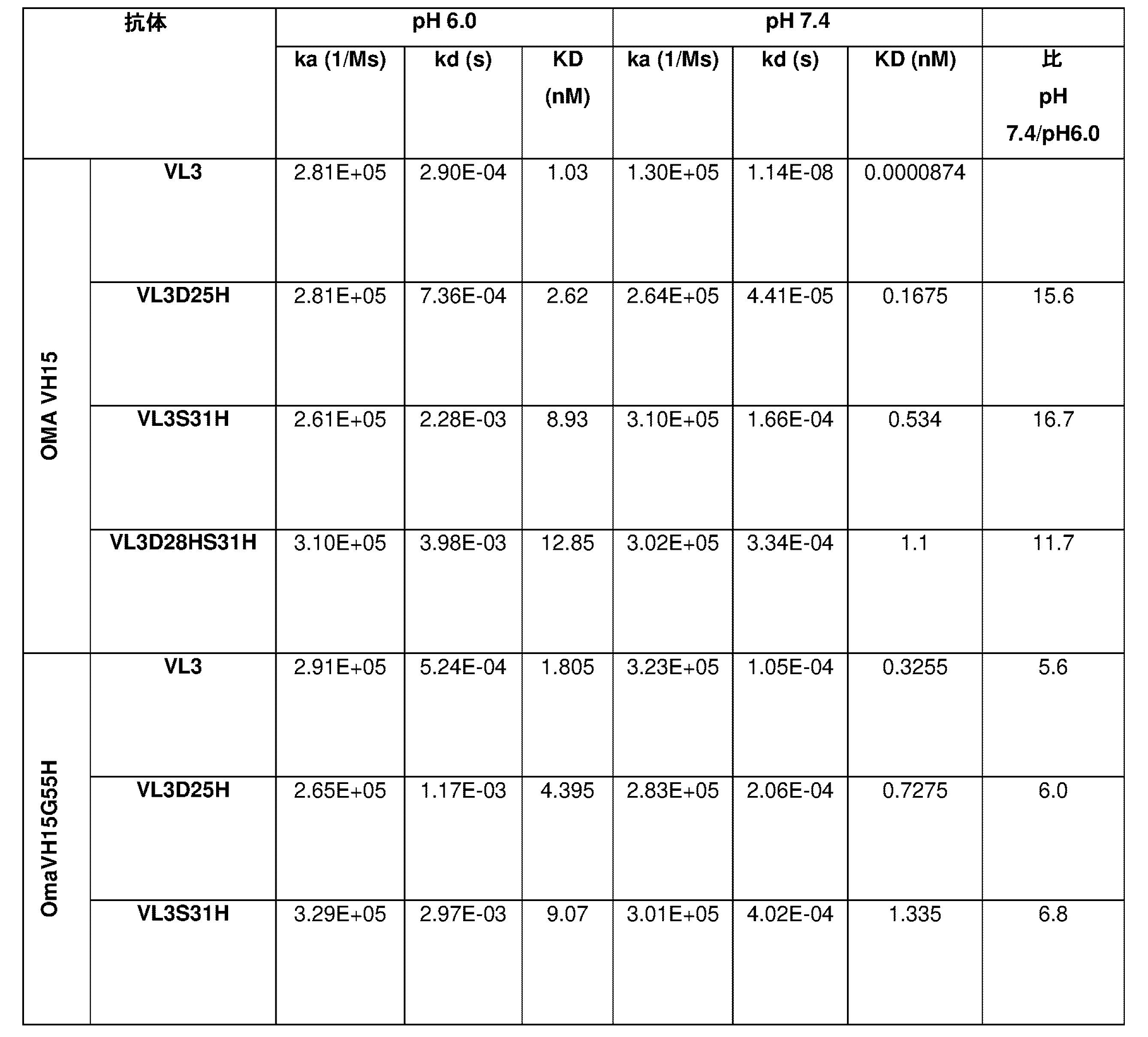
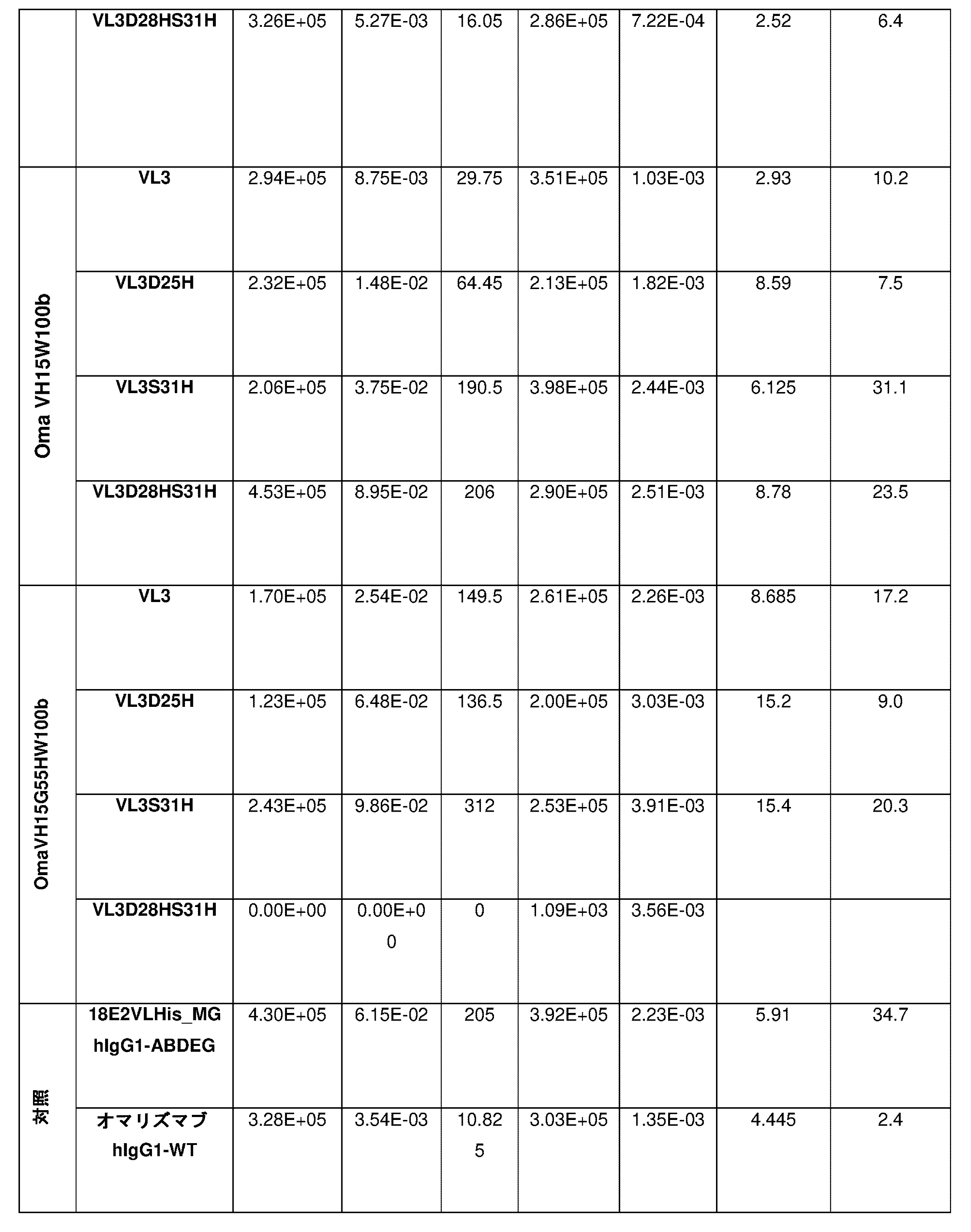
The results of the SPR analysis are shown in Table 32 below.
Table 32. Binding of pH-modified Omalizumab antibodies to hIgE measured by Biacore
これらの結果から、全てのクローンがpH依存性であるとは限らないことが明らかにされた。OmaVH15W100b-VL3S31Hは、Biacoreによって測定したとき、最も高いpH依存度を示した。 These results demonstrate that not all clones are pH-dependent. OmaVH15W100b-VL3S31H showed the highest pH dependence as measured by Biacore.
(ii. IgE結合ELISA)
hIgE結合ELISAの結果は、下の表33に示されている。
表33 ELISAによって測定されたhIgEへのpH改変オマリズマブ抗体の結合

The results of the hIgE binding ELISA are shown in Table 33 below.
Table 33. Binding of pH-modified Omalizumab antibodies to hIgE measured by ELISA
SPR解析で見られた結果と同様に、全てのクローンがpH依存性であるとは限らなかった。OmaVH15W100b-VL3D28H、OmaVH15W100b-VL3S31H、OmaVH15W100b-VL3D28HS31H、OmaVH15G55hW100b-VL3S31H、及びOmaVH15G55hW100b-VL3D28HS31Hは、hIgE結合ELISAによって測定したとき、最も高いpH依存度を示した。 Similar to the results seen with SPR analysis, not all clones were pH dependent. OmaVH15W100b-VL3D28H, OmaVH15W100b-VL3S31H, OmaVH15W100b-VL3D28HS31H, OmaVH15G55hW100b-VL3S31H, and OmaVH15G55hW100b-VL3D28HS31H showed the highest pH dependence as measured by hIgE binding ELISA.
(iii. IgE競合ELISA)
hIgE競合ELISAの結果は、下の表34に示されている。
表34 競合ELISAによって測定されたhIgEに対するpH改変オマリズマブ抗体の活性
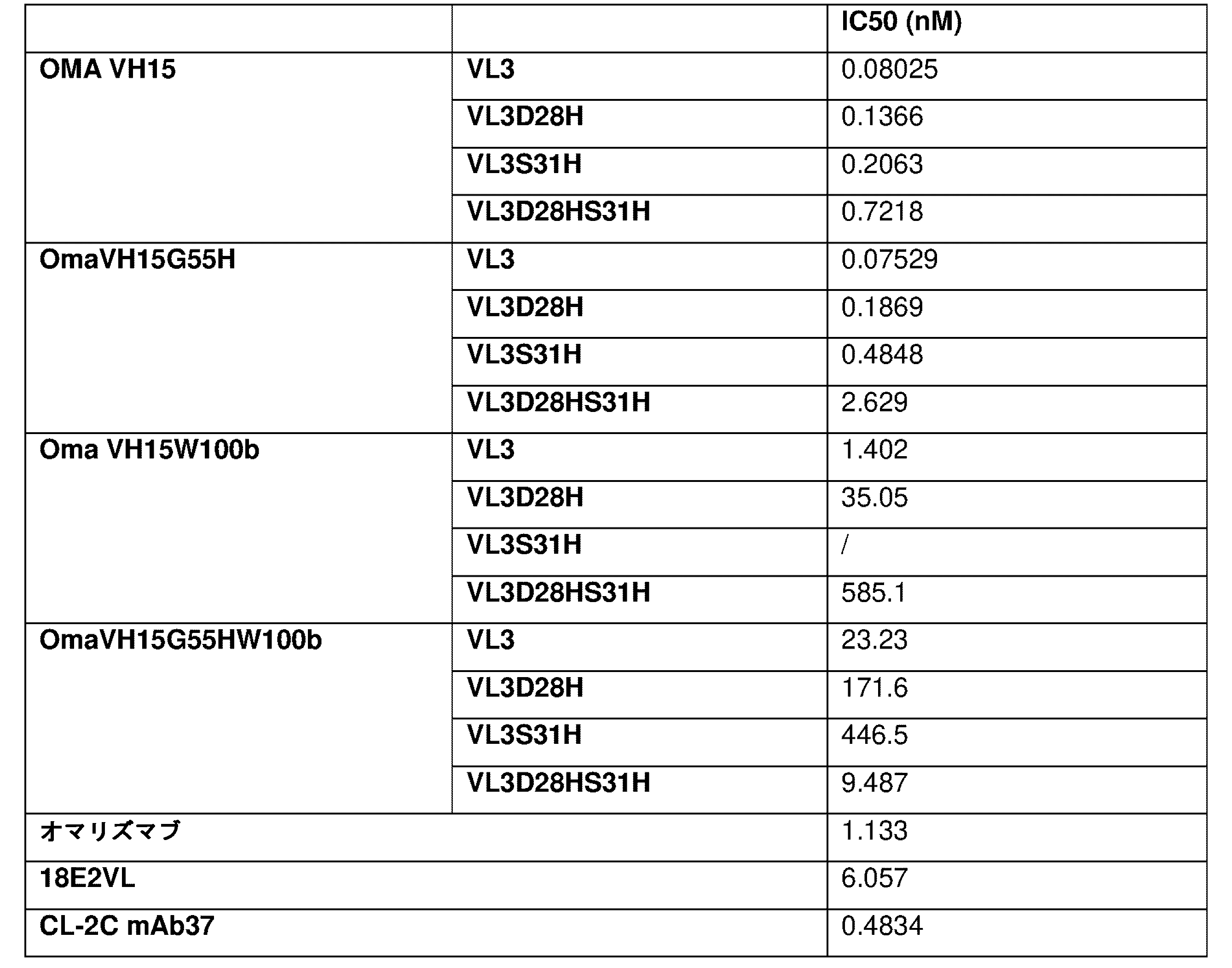
The results of the hIgE competitive ELISA are shown in Table 34 below.
Table 34. Activity of pH-modified Omalizumab antibodies against hIgE measured by competitive ELISA
この実験において、OMAVH15VL3は、最も高い親和性を示した。ヒスチジン改変は、OMAVH15VL3がFcεRIαへのIgE結合を阻害する能力に影響を及ぼすことが分かった。 In this experiment, OMAVH15VL3 showed the highest affinity. The histidine modifications were found to affect the ability of OMAVH15VL3 to inhibit IgE binding to FcεRIα.
クローンVH15VL3及びそのpH改変バリアントのCDR、VH、及びVL配列は、下の表35、36、及び37に示されている。
表35 改変VHドメインの重鎖CDR配列
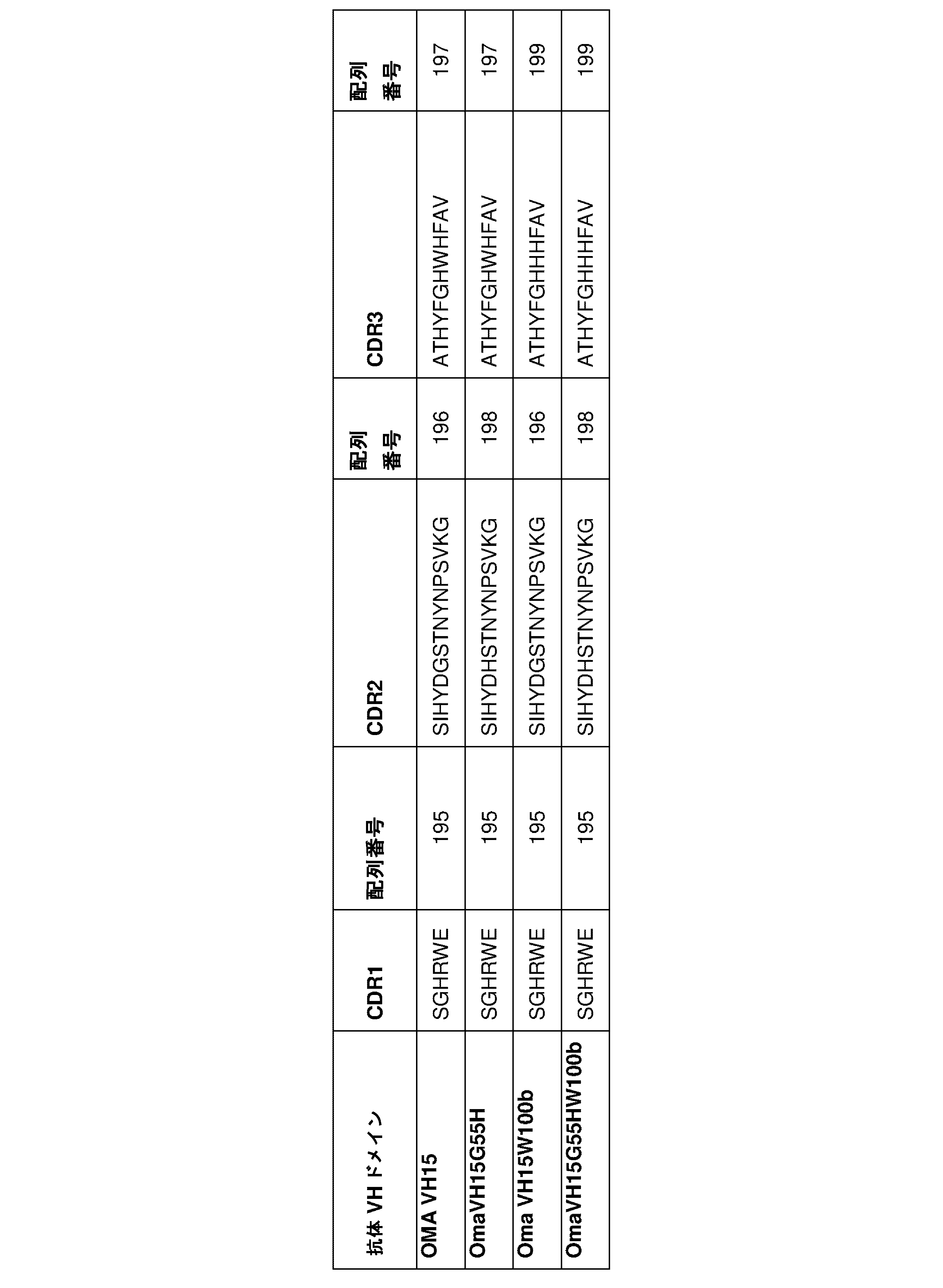


Table 35. Heavy chain CDR sequences of modified VH domains
(実施例11 FcεRIα+細胞へのIgE結合の阻害)
ヒト肥満細胞を、KITとFcεRIを共発現し、FcεRIの架橋によって脱顆粒することができるまで、CD34+血液前駆細胞(健常ドナー)から、SCF、IL-6、及びIL-3とともに12週間培養した。キメラNP特異的IgE(ヒト定常領域;マウス可変領域)を、JW8/5/13細胞(Sigma) を用いて産生し、オマリズマブ結合セファロースを用いて精製した。NP特異的IgEをAPCにカップリングさせた。ヒト肥満細胞を様々な濃度の様々な抗IgE mAbとともにプレインキュベートした後、APC-hIgEを添加した。APC蛍光を1時間後に解析して、IgE+肥満細胞のパーセンテージ(%)を決定した。結果は、図14に示されている。18E2His2-MG-hIgG1-ABDEGは、ヒト肥満細胞に対する最大の競合能力を示した。OMAVH15G55H-VL3S31Hは、ヒト肥満細胞に対する最小の競合能力を示した。
Example 11 Inhibition of IgE binding to FcεRIα+ cells
Human mast cells were cultured with SCF, IL-6, and IL-3 from CD34+ blood progenitor cells (healthy donor) for 12 weeks until they co-expressed KIT and FcεRI and could be degranulated by cross-linking of FcεRI. Chimeric NP-specific IgE (human constant region; mouse variable region) was produced using JW8/5/13 cells (Sigma) and purified using omalizumab-conjugated sepharose. NP-specific IgE was coupled to APC. Human mast cells were preincubated with various concentrations of different anti-IgE mAbs before adding APC-hIgE. APC fluorescence was analyzed after 1 hour to determine the percentage (%) of IgE+ mast cells. The results are shown in Figure 14. 18E2His2-MG-hIgG1-ABDEG showed the greatest competitive ability for human mast cells. OMAVH15G55H-VL3S31H showed minimal competitive ability against human mast cells.
(実施例12 抗IgE-ABDEG(商標)抗体の安全性試験)
本明細書中の別所に記載されているように、抗IgE抗体は、細胞表面のFcεRIαに既に結合しているIgEの架橋などの望ましくない特性を示すことがある。この架橋は、肥満細胞及び好塩基球活性化などの下流の効果をもたらし、望ましくないアナフィラキシーを開始することがある。受容体に結合したIgEに結合し、それにより、下流の事象を誘発する本明細書に記載される様々な抗IgE抗体の能力を下記のように評価した。
Example 12 Safety Testing of Anti-IgE-ABDEG™ Antibody
As described elsewhere herein, anti-IgE antibodies can exhibit undesirable properties such as cross-linking of IgE already bound to cell surface FcεRIα. This cross-linking can lead to downstream effects such as mast cell and basophil activation, initiating undesirable anaphylaxis. The ability of various anti-IgE antibodies described herein to bind receptor-bound IgE and thereby trigger downstream events was evaluated as follows.
(A.肥満細胞活性化アッセイ)
骨髄細胞をhIgE/hFcεRIαマウスから単離した。細胞をRPMI+10%FBS+Glut+Pen/Strep+30ng/mL IL-3中で16日間分化させた。96ウェル中、100μLの3E+06/mLの骨髄肥満細胞を3μg/mLのIgEで2.5時間感作させて、受容体FcεRIαをロードした。余分なIgEを除去した後、様々な濃度の抗IgE抗体を感作細胞に30分間添加した。100μLの細胞上清を200μLの氷冷FACSバッファーに移して、脱顆粒反応及びCD63リサイクリングを停止させた。cKit+ CD49b-(肥満細胞) CD63+ 細胞(活性化マーカー)を調べることにより、活性化肥満細胞を同定した。結果は、図15に示されている。パートAは、20μg/mLの抗体による刺激を示し、パートBは、200μg/mlの抗体による刺激を示す。抗体13E4-hIgG1-ABDEG(商標)及び18B9-hIgG1-ABDEGを例外として、様々な被験抗IgE抗体は、基本的には、最も高い被験濃度でも肥満細胞の活性化を示さなかった。
A. Mast Cell Activation Assay
Bone marrow cells were isolated from hIgE/hFcεRIα mice. Cells were differentiated for 16 days in RPMI + 10% FBS + Glut + Pen/Strep + 30ng/mL IL-3. 100μL 3E+06/mL bone marrow mast cells were sensitized with 3μg/mL IgE for 2.5 hours in 96-well plates to load the receptor FcεRIα. After removing excess IgE, various concentrations of anti-IgE antibodies were added to the sensitized cells for 30 minutes. 100μL of cell supernatant was transferred to 200μL ice-cold FACS buffer to stop degranulation and CD63 recycling. Activated mast cells were identified by examining cKit+ CD49b- (mast cells) CD63+ cells (activation marker). Results are shown in Figure 15. Part A shows stimulation with 20μg/mL antibody and part B shows stimulation with 200μg/ml antibody. With the exception of antibodies 13E4-hIgG1-ABDEG™ and 18B9-hIgG1-ABDEG, the various anti-IgE antibodies tested essentially did not induce mast cell activation even at the highest tested concentrations.
(B.好塩基球活性化試験)
ヒト好塩基球に予め結合したヒトIgEへの抗体結合をフローサイトメトリーによって解析した。血液をイエダニアレルギーを有するドナーから得た。好塩基球活性化を様々な抗hIgE-ABDEG(商標)抗体の存在下でFLOW CAST(登録商標)キット(BUHLMANN)に従って測定した。結果をフローサイトメトリーによって解析し、生データをFlowJoソフトウェアを用いて処理した。好塩基球細胞は、CCR3+細胞として同定した。活性化好塩基球は、CCR3+CD63+細胞として定義した。活性化好塩基球のパーセンテージ(%)及び刺激指数(SI)は、下の表38に示されている。2を上回るSI(投与後に活性化した%対基底状態で活性化した%)及び5%を上回る好塩基球活性化が陽性とみなされる。
表38 抗IgE抗体による好塩基球活性化

Antibody binding to human IgE prebound to human basophils was analyzed by flow cytometry. Blood was obtained from a donor with house dust mite allergy. Basophil activation was measured in the presence of various anti-hIgE-ABDEG™ antibodies according to the FLOW CAST® kit (BUHLMANN). Results were analyzed by flow cytometry and raw data was processed using FlowJo software. Basophil cells were identified as CCR3+ cells. Activated basophils were defined as CCR3+CD63+ cells. The percentage (%) and stimulation index (SI) of activated basophils are shown in Table 38 below. SI (% activated after administration vs. % activated under basal conditions) of more than 2 and basophil activation of more than 5% are considered positive.
Table 38 Basophil activation by anti-IgE antibodies
肥満細胞活性化実験で見られた結果と同様に、クローン18B9及び13E4をベースにした抗体は、ある程度の好塩基球活性化を示した。様々な他の被験抗IgE ABDEG(商標)抗体は、好塩基球を活性化しなかった。 Similar to the results seen in the mast cell activation experiments, antibodies based on clones 18B9 and 13E4 showed some degree of basophil activation. Various other anti-IgE ABDEG™ antibodies tested did not activate basophils.
(C.インビボアナフィラキシー)
インビボでのアナフィラキシー反応の可能性を評価するために、マウスを様々な抗IgE抗体で刺激した。-1日目に、hFcεRIα/hIgEマウスを15mg/kgの組換えヒトIgEのi.p.注射によって感作した。1日後、マウスを50mg/kg又は15mg/kgの抗IgEクローンでi.v.刺激した。体温を15分毎に2時間測定した。結果は、図16に示されている。パートA及びBは、15mg/kgの用量で投与された抗体についての実験の時間経過にわたる体温変化を示している。パートCは、50mg/kgの用量で投与された抗体についての実験の時間経過にわたる体温変化を示している。
(C. In vivo anaphylaxis)
To evaluate the possibility of anaphylactic reactions in vivo, mice were challenged with various anti-IgE antibodies. On day -1, hFcεRIα/hIgE mice were sensitized by ip injection of 15 mg/kg recombinant human IgE. One day later, mice were challenged iv with 50 mg/kg or 15 mg/kg anti-IgE clones. Body temperature was measured every 15 minutes for 2 hours. The results are shown in FIG. 16. Parts A and B show the body temperature change over the time course of the experiment for the antibody administered at a dose of 15 mg/kg. Part C shows the body temperature change over the time course of the experiment for the antibody administered at a dose of 50 mg/kg.
(実施例13 IgG及びIgE自己抗体によって誘導される水疱性類天疱瘡疾患モデルの阻害)
マウス水疱性類天疱瘡BP疾患モデルを用いて、インビボで疾患を修飾するABDEG(商標)抗体の能力を評価した。
Example 13 Inhibition of Bullous Pemphigoid Disease Model Induced by IgG and IgE Autoantibodies
A murine bullous pemphigoid BP disease model was used to evaluate the ability of the ABDEG™ antibody to modify disease in vivo.
(A. IgG媒介性BP疾患)
8週齢のヒトNC16Aノックインマウスに、抗hNC16A IgG(250μg/g体重)をHEL-ABDEG(商標)(50μg/g体重)の非存在下又は存在下でi.p.注射し、注射から48時間後に調べた。結果は、図17のパート(A)及び(B)に示されている。HEL-ABDEG(商標)は、皮膚疾患の重症度を有意に低下させ(図17Aを参照)、これは、循環中の抗NC16A IgGのレベルの有意な低下と関連していた(図17Bを参照)。各々の群について、*p<0.001、n=6。
(A. IgG-Mediated BP Disease)
Eight-week-old human NC16A knock-in mice were ip injected with anti-hNC16A IgG (250 μg/g body weight) in the absence or presence of HEL-ABDEG™ (50 μg/g body weight) and examined 48 hours after injection. The results are shown in parts (A) and (B) of FIG. 17. HEL-ABDEG™ significantly reduced the severity of skin disease (see FIG. 17A), which was associated with a significant reduction in the levels of circulating anti-NC16A IgG (see FIG. 17B). * p<0.001, n=6 for each group.
(B. IgE媒介性BP疾患)
8週齢のhFcεRI/hNC16Aマウスの耳介に、抗hNC16A IgE又は対照IgE(100ng/g体重)を注射し、その後、18E2VLHis-ABDEG(商標)(50μg/g体重)をi.p.注射した。マウスをIgE注射から48時間後に調べた。結果は、図17のパート(C)及び(D)に示されている。18E2VLHis-ABDEG(商標)で処置されたマウスは、臨床的疾患活性の有意な低下を示し(図17Cを参照)、これは、皮膚タンパク質抽出物における好酸球ペルオキシダーゼ(EPO)活性のレベルの有意な低下(IgEの低下を示す)と関連していた(図17Dを参照)。各々の群について、*p<0.01、n=3~5。
本件出願は、以下の態様の発明を提供する。
(態様1)
IgEに結合する抗体であって、野生型Fcドメインと比べて増大した親和性でFcRnに結合するバリアントFcドメイン又はそのFcRn結合断片を含む、前記抗体。
(態様2)
前記バリアントFcドメイン又はそのFcRn結合断片が野生型IgG Fcドメインと比べて増大した親和性でFcRnに結合する、態様1記載の抗体。
(態様3)
前記バリアントFcドメイン又はそのFcRn結合断片が野生型ヒトIgG Fcドメイン、好ましくは、野生型ヒトIgG1 Fcドメインと比べて増大した親和性でヒトFcRnに結合する、態様1記載の抗体。
(態様4)
前記バリアントFcドメイン又はそのFcRn結合断片が、pH 6.0及びpH 7.4で、増大した親和性でヒトFcRnに結合する、態様1~3のいずれか一項記載の抗体。
(態様5)
pH 6.0でのヒトFcRnに対する前記バリアントFcドメイン又はそのFcRn結合断片の結合親和性が、野生型ヒトIgG1 Fcドメインと比べて、少なくとも20倍、好ましくは、少なくとも30倍増大している、態様1~4のいずれか一項記載の抗体。
(態様6)
pH 6.0でのヒトFcRnに対する前記バリアントFcドメイン又はそのFcRn結合断片の結合親和性がK
D
15nMよりも強い、態様1~5のいずれか一項記載の抗体。
(態様7)
pH 7.4でのヒトFcRnに対する前記バリアントFcドメイン又はそのFcRn結合断片の結合親和性がK
D
320nMよりも強い、態様1~6のいずれか一項記載の抗体。
(態様8)
前記バリアントFcドメイン又はそのFcRn結合断片が、対応する野生型Fcドメインと比較して、少なくとも1つのアミノ酸置換を含む、態様1~7のいずれか一項記載の抗体。
(態様9)
前記バリアントFcドメイン又はそのFcRn結合断片が、以下のもの: 237M; 238A; 239K; 248I; 250A; 250F; 250I; 250M; 250Q; 250S; 250V; 250W; 250Y; 252F; 252W; 252Y; 254T; 255E; 256D; 256E; 256Q; 257A; 257G; 257I; 257L; 257M; 257N; 257S; 257T; 257V; 258H; 265A; 270F; 286A; 286E; 289H; 297A; 298G; 303A; 305A; 307A; 307D; 307F; 307G; 307H; 307I; 307K; 307L; 307M; 307N; 307P; 307Q; 307R; 307S; 307V; 307W; 307Y; 308A; 308F; 308I; 308L; 308M; 308P; 308Q; 308T; 309A; 309D; 309E; 309P; 309R; 311A; 311H; 311I; 312A; 312H; 314K; 314R; 315A; 315H; 317A; 325G; 332V; 334L; 360H; 376A; 378V; 380A; 382A; 384A; 385D; 385H; 386P; 387E; 389A; 389S; 424A; 428A; 428D; 428F; 428G; 428H; 428I; 428K; 428L; 428N; 428P; 428Q; 428S; 428T; 428V; 428W; 428Y; 433K; 434A; 434F; 434H; 434S; 434W; 434Y; 436H; 436I、及び436Fから選択される少なくとも1つのアミノ酸を含み、ここで、該位置がEU付番に従って規定される、態様1~8のいずれか一項記載の抗体。
(態様10)
前記バリアントFcドメイン又はそのFcRn結合断片が、
(i)それぞれ、EU位置252、254、256、433、434、及び436のアミノ酸Y、T、E、K、F、及びY;
(ii)それぞれ、EU位置250及び428のアミノ酸Q及びL;
(iii)それぞれ、EU位置308及び434のアミノ酸P及びA;
(iv)それぞれ、EU位置308及び434のアミノ酸P及びY;又は
(v)それぞれ、EU位置252、286、及び434のアミノ酸Y、E、及びY
:を含む、態様1~9のいずれか一項記載の抗体。
(態様11)
前記バリアントFcドメイン又はそのFcRn結合断片が、それぞれ、EU位置252、254、256、433、434、及び436のアミノ酸Y、T、E、K、F、及びYを含む、態様10記載の抗体。
(態様12)
前記バリアントFcドメイン又はそのFcRn結合断片が、G237M; P238A; S239K; K248I; T250A; T250F; T250I; T250M; T250Q; T250S; T250V; T250W; T250Y; M252F; M252W; M252Y; S254T; R255E; T256D; T256E; T256Q; P257A; P257G; P257I; P257L; P257M; P257N; P257S; P257T; P257V; E258H; D265A; D270F; N286A; N286E; T289H; N297A; S298G; V303A; V305A; T307A; T307D; T307F; T307G; T307H; T307I; T307K; T307L; T307M; T307N; T307P; T307Q; T307R; T307S; T307V; T307W; T307Y; V308A; V308F; V308I; V308L; V308M; V308P; V308Q; V308T; V309A; V309D; V309E; V309P; V309R; Q311A; Q311H; Q311I; D312A; D312H; L314K; L314R; N315A; N315H; K317A; N325G; I332V; K334L; K360H; D376A; A378V; E380A; E382A; N384A; G385D; G385H; Q386P; P387E; N389A; N389S; S424A; M428A; M428D; M428F; M428G; M428H; M428I; M428K; M428L; M428N; M428P; M428Q; M428S; M428T; M428V; M428W; M428Y; H433K; N434A; N434F; N434H; N434S; N434W; N434Y; Y436H; Y436I、及びY436F:から選択される少なくとも1つのアミノ酸置換を含み、ここで、該位置がEU付番に従って規定される、態様1~11のいずれか一項記載の抗体。
(態様13)
前記バリアントFcドメイン又はそのFcRn結合断片が、アミノ酸置換:
(i)M252Y、S254T、T256E、H433K、及びN434F;
(ii)T250Q及びM428L;
(iii)V308P及びN434A;
(iv)V308P及びN434Y;又は
(v)M252Y、N286E、及びN434Y
を含む、態様1~12のいずれか一項記載の抗体。
(態様14)
前記バリアントFcドメイン又はそのFcRn結合断片が、アミノ酸置換M252Y、S254T、T256E、H433K、及びN434Fを含む、態様13記載の抗体。
(態様15)
前記バリアントFcドメイン又はそのFcRn結合断片が、それぞれ、EU位置252、308、及び434のアミノ酸Y、P、及びYの組合せを含まないか、又はアミノ酸置換: M252Y、V308P、及びN434Yの組合せを含まない、態様1~14のいずれか一項記載の抗体。
(態様16)
IgEに結合する抗体であって、バリアントFcドメイン又はそのFcRn結合断片を含み、該バリアントFcドメイン又はFcRn結合断片が、それぞれ、EU位置252、254、256、433、434、及び436にアミノ酸Y、T、E、K、F、及びYを含む、前記抗体。
(態様17)
前記バリアントFcドメイン又はそのFcRn結合断片がバリアントヒトFcドメイン又はそのFcRn結合断片である、態様1~16のいずれか一項記載の抗体。
(態様18)
前記バリアントFcドメイン又はそのFcRn結合断片がバリアントIgG Fcドメイン又はそのFcRn結合断片である、態様1~17のいずれか一項記載の抗体。
(態様19)
前記バリアントFcドメイン又はそのFcRn結合断片がバリアントIgG1 Fcドメイン又はそのFcRn結合断片である、態様1~18のいずれか一項記載の抗体。
(態様20)
前記バリアントFcドメイン又はそのFcRn結合断片が、対応する野生型Fcドメインと比較して、20以下のアミノ酸置換からなる、態様1~19のいずれか一項記載の抗体。
(態様21)
前記バリアントFcドメイン又はそのFcRn結合断片が、対応する野生型Fcドメインと比較して、10以下のアミノ酸置換からなる、態様1~19のいずれか一項記載の抗体。
(態様22)
前記バリアントFcドメイン又はそのFcRn結合断片が、対応する野生型Fcドメインと比較して、5以下のアミノ酸置換からなる、態様1~19のいずれか一項記載の抗体。
(態様23)
前記バリアントFcドメインが、配列番号1、配列番号2、もしくは配列番号3に示されるアミノ酸配列を含むか又は該アミノ酸配列からなる、態様1~22のいずれか一項記載の抗体。
(態様24)
前記バリアントFcドメインが、配列番号5、配列番号6、もしくは配列番号7に示されるアミノ酸配列を含むか又は該アミノ酸配列からなる、態様1~22のいずれか一項記載の抗体。
(態様25)
前記バリアントFcドメイン又はそのFcRn結合断片がバリアントFc領域内に含まれ、該バリアントFc領域が2つのFcドメイン又はそのFcRn結合断片からなる、態様1~24のいずれか一項記載の抗体。
(態様26)
前記バリアントFc領域の2つのFcドメイン又はFcRn結合断片が同一である、態様25記載の抗体。
(態様27)
前記バリアントFc領域の2つのFcドメインが各々配列番号1、配列番号2、もしくは配列番号3に示されるアミノ酸配列を含むか又は該アミノ酸配列からなる、態様26記載の抗体。
(態様28)
前記バリアントFc領域の2つのFcドメインが各々配列番号5、配列番号6、もしくは配列番号7に示されるアミノ酸配列を含むか又は該アミノ酸配列からなる、態様26記載の抗体。
(態様29)
前記バリアントFc領域がCD16aに対する増大した親和性を有する、態様25~28のいずれか一項記載の抗体。
(態様30)
前記バリアントFc領域のFcドメインがEU位置297にN-結合型グリカンを含まない、態様25~28のいずれか一項記載の抗体。
(態様31)
前記バリアントFc領域のFcドメインがEU位置297に脱フコシル化N-結合型グリカンを含む、態様25~28のいずれか一項記載の抗体。
(態様32)
前記バリアントFc領域のFcドメインが該FcドメインのEU位置297にバイセクティングGlcNacを有するN-結合型グリカンを含む、態様25~28のいずれか一項記載の抗体。
(態様33)
前記抗体がIgEのCH3ドメインに結合する、態様1~32のいずれか一項記載の抗体。
(態様34)
前記抗体がIgEのFcεRIへの結合を阻害する、態様1~33のいずれか一項記載の抗体。
(態様35)
前記抗体が肥満細胞又は好塩基球の脱顆粒を阻害する、態様1~34のいずれか一項記載の抗体。
(態様36)
前記抗体がアナフィラキシー性ではない、態様1~35のいずれか一項記載の抗体。
(態様37)
前記抗体が中性pHよりも酸性pHで低い抗原結合活性を示す、態様1~36のいずれか一項記載の抗体。
(態様38)
酸性pHでの抗原結合活性と中性pHでの抗原結合活性の比が、KD(酸性pH)/KD(中性pH)によって測定したとき、少なくとも2である、態様37記載の抗体。
(態様39)
1以上のCDRが1以上のHis置換を含む、態様37又は態様38記載の抗体。
(態様40)
前記抗体がIgG抗体、好ましくは、IgG1抗体である、態様1~39のいずれか一項記載の抗体。
(態様41)
前記抗体が非ヒト抗体のヒト化又は生殖系列化バリアントである、態様1~40のいずれか一項記載の抗体。
(態様42)
前記非ヒト抗体がラクダ科動物由来である、態様41記載の抗体。
(態様43)
前記抗体が可変重鎖ドメイン(VH)及び可変軽鎖ドメイン(VL)を含み、ここで、該VH及びVLドメインが、
(i)配列番号11を含むHCDR3;配列番号10を含むHCDR2;配列番号9を含むHCDR1;配列番号56を含むLCDR3;配列番号55を含むLCDR2;及び配列番号54を含むLCDR1;
(ii)配列番号14を含むHCDR3;配列番号13を含むHCDR2;配列番号12を含むHCDR1;配列番号58を含むLCDR3;配列番号55を含むLCDR2;及び配列番号57を含むLCDR1;
(iii)配列番号17を含むHCDR3;配列番号16を含むHCDR2;配列番号15を含むHCDR1;配列番号61を含むLCDR3;配列番号60を含むLCDR2;及び配列番号59を含むLCDR1;
(iv)配列番号19を含むHCDR3;配列番号18を含むHCDR2;配列番号12を含むHCDR1;配列番号61を含むLCDR3;配列番号60を含むLCDR2;及び配列番号59を含むLCDR1;
(v)配列番号27を含むHCDR3;配列番号26を含むHCDR2;配列番号25を含むHCDR1;配列番号66を含むLCDR3;配列番号67を含むLCDR2;及び配列番号54を含むLCDR1;
(vi)配列番号22を含むHCDR3;配列番号21を含むHCDR2;配列番号20を含むHCDR1;配列番号56を含むLCDR3;配列番号69を含むLCDR2;及び配列番号68を含むLCDR1;
(vii)配列番号30を含むHCDR3;配列番号29を含むHCDR2;配列番号28を含むHCDR1;配列番号72を含むLCDR3;配列番号71を含むLCDR2;及び配列番号70を含むLCDR1;
(viii)配列番号33を含むHCDR3;配列番号32を含むHCDR2;配列番号31を含むHCDR1;配列番号56を含むLCDR3;配列番号55を含むLCDR2;及び配列番号54を含むLCDR1;
(ix)配列番号22を含むHCDR3;配列番号23を含むHCDR2;配列番号34を含むHCDR1;配列番号63を含むLCDR3;配列番号55を含むLCDR2;及び配列番号62を含むLCDR1;
(x)配列番号37を含むHCDR3;配列番号36を含むHCDR2;配列番号35を含むHCDR1;配列番号75を含むLCDR3;配列番号74を含むLCDR2;及び配列番号73を含むLCDR1;
(xi)配列番号38を含むHCDR3;配列番号21を含むHCDR2;配列番号20を含むHCDR1;配列番号63を含むLCDR3;配列番号55を含むLCDR2;及び配列番号62を含むLCDR1;
(xii)配列番号40を含むHCDR3;配列番号39を含むHCDR2;配列番号12を含むHCDR1;配列番号78を含むLCDR3;配列番号77を含むLCDR2;及び配列番号76を含むLCDR1;
(xiii)配列番号43を含むHCDR3;配列番号42を含むHCDR2;配列番号41を含むHCDR1;配列番号81を含むLCDR3;配列番号80を含むLCDR2;及び配列番号79を含むLCDR1;
(xiv)配列番号14を含むHCDR3;配列番号13を含むHCDR2;配列番号12を含むHCDR1;配列番号56を含むLCDR3;配列番号55を含むLCDR2;及び配列番号82を含むLCDR1;
(xv)配列番号45を含むHCDR3;配列番号44を含むHCDR2;配列番号12を含むHCDR1;配列番号66を含むLCDR3;配列番号55を含むLCDR2;及び配列番号54を含むLCDR1;
(xvi)配列番号48を含むHCDR3;配列番号47を含むHCDR2;配列番号46を含むHCDR1;配列番号85を含むLCDR3;配列番号84を含むLCDR2;及び配列番号83を含むLCDR1;
(xvii)配列番号50を含むHCDR3;配列番号49を含むHCDR2;配列番号12を含むHCDR1;配列番号88を含むLCDR3;配列番号87を含むLCDR2;及び配列番号86を含むLCDR1;並びに
(xviii)配列番号53を含むHCDR3;配列番号52を含むHCDR2;配列番号51を含むHCDR1;配列番号91を含むLCDR3;配列番号90を含むLCDR2;及び配列番号89を含むLCDR1
:からなる群から選択されるCDR配列を含む、態様1~42のいずれか一項記載の抗体。
(態様44)
前記抗体が、
(i)配列番号92のアミノ酸配列又はそれと少なくとも80%、90%、95%、98%、99%の同一性を有するアミノ酸配列を含むか又は該アミノ酸配列からなるVHドメイン、及び配列番号93のアミノ酸配列又はそれと少なくとも80%、90%、95%、98%、99%の同一性を有するアミノ酸配列を含むか又は該アミノ酸配列からなるVLドメイン;
(ii)配列番号94のアミノ酸配列又はそれと少なくとも80%、90%、95%、98%、99%の同一性を有するアミノ酸配列を含むか又は該アミノ酸配列からなるVHドメイン、及び配列番号95のアミノ酸配列又はそれと少なくとも80%、90%、95%、98%、99%の同一性を有するアミノ酸配列を含むか又は該アミノ酸配列からなるVLドメイン;
(iii)配列番号96のアミノ酸配列又はそれと少なくとも80%、90%、95%、98%、99%の同一性を有するアミノ酸配列を含むか又は該アミノ酸配列からなるVHドメイン、及び配列番号97のアミノ酸配列又はそれと少なくとも80%、90%、95%、98%、99%の同一性を有するアミノ酸配列を含むか又は該アミノ酸配列からなるVLドメイン;
(iv)配列番号98のアミノ酸配列又はそれと少なくとも80%、90%、95%、98%、99%の同一性を有するアミノ酸配列を含むか又は該アミノ酸配列からなるVHドメイン、及び配列番号99のアミノ酸配列又はそれと少なくとも80%、90%、95%、98%、99%の同一性を有するアミノ酸配列を含むか又は該アミノ酸配列からなるVLドメイン;
(v)配列番号104のアミノ酸配列又はそれと少なくとも80%、90%、95%、98%、99%の同一性を有するアミノ酸配列を含むか又は該アミノ酸配列からなるVHドメイン、及び配列番号105のアミノ酸配列又はそれと少なくとも80%、90%、95%、98%、99%の同一性を有するアミノ酸配列を含むか又は該アミノ酸配列からなるVLドメイン;
(vi)配列番号106のアミノ酸配列又はそれと少なくとも80%、90%、95%、98%、99%の同一性を有するアミノ酸配列を含むか又は該アミノ酸配列からなるVHドメイン、及び配列番号107のアミノ酸配列又はそれと少なくとも80%、90%、95%、98%、99%の同一性を有するアミノ酸配列を含むか又は該アミノ酸配列からなるVLドメイン;
(vii)配列番号108のアミノ酸配列又はそれと少なくとも80%、90%、95%、98%、99%の同一性を有するアミノ酸配列を含むか又は該アミノ酸配列からなるVHドメイン、及び配列番号109のアミノ酸配列又はそれと少なくとも80%、90%、95%、98%、99%の同一性を有するアミノ酸配列を含むか又は該アミノ酸配列からなるVLドメイン;
(viii)配列番号110のアミノ酸配列又はそれと少なくとも80%、90%、95%、98%、99%の同一性を有するアミノ酸配列を含むか又は該アミノ酸配列からなるVHドメイン、及び配列番号111のアミノ酸配列又はそれと少なくとも80%、90%、95%、98%、99%の同一性を有するアミノ酸配列を含むか又は該アミノ酸配列からなるVLドメイン;
(ix)配列番号112のアミノ酸配列又はそれと少なくとも80%、90%、95%、98%、99%の同一性を有するアミノ酸配列を含むか又は該アミノ酸配列からなるVHドメイン、及び配列番号113のアミノ酸配列又はそれと少なくとも80%、90%、95%、98%、99%の同一性を有するアミノ酸配列を含むか又は該アミノ酸配列からなるVLドメイン;
(x)配列番号114のアミノ酸配列又はそれと少なくとも80%、90%、95%、98%、99%の同一性を有するアミノ酸配列を含むか又は該アミノ酸配列からなるVHドメイン、及び配列番号115のアミノ酸配列又はそれと少なくとも80%、90%、95%、98%、99%の同一性を有するアミノ酸配列を含むか又は該アミノ酸配列からなるVLドメイン;
(xi)配列番号116のアミノ酸配列又はそれと少なくとも80%、90%、95%、98%、99%の同一性を有するアミノ酸配列を含むか又は該アミノ酸配列からなるVHドメイン、及び配列番号117のアミノ酸配列又はそれと少なくとも80%、90%、95%、98%、99%の同一性を有するアミノ酸配列を含むか又は該アミノ酸配列からなるVLドメイン;
(xii)配列番号118のアミノ酸配列又はそれと少なくとも80%、90%、95%、98%、99%の同一性を有するアミノ酸配列を含むか又は該アミノ酸配列からなるVHドメイン、及び配列番号119のアミノ酸配列又はそれと少なくとも80%、90%、95%、98%、99%の同一性を有するアミノ酸配列を含むか又は該アミノ酸配列からなるVLドメイン;
(xiii)配列番号120のアミノ酸配列又はそれと少なくとも80%、90%、95%、98%、99%の同一性を有するアミノ酸配列を含むか又は該アミノ酸配列からなるVHドメイン、及び配列番号121のアミノ酸配列又はそれと少なくとも80%、90%、95%、98%、99%の同一性を有するアミノ酸配列を含むか又は該アミノ酸配列からなるVLドメイン;
(xiv)配列番号122のアミノ酸配列又はそれと少なくとも80%、90%、95%、98%、99%の同一性を有するアミノ酸配列を含むか又は該アミノ酸配列からなるVHドメイン、及び配列番号123のアミノ酸配列又はそれと少なくとも80%、90%、95%、98%、99%の同一性を有するアミノ酸配列を含むか又は該アミノ酸配列からなるVLドメイン;
(xv)配列番号124のアミノ酸配列又はそれと少なくとも80%、90%、95%、98%、99%の同一性を有するアミノ酸配列を含むか又は該アミノ酸配列からなるVHドメイン、及び配列番号125のアミノ酸配列又はそれと少なくとも80%、90%、95%、98%、99%の同一性を有するアミノ酸配列を含むか又は該アミノ酸配列からなるVLドメイン;
(xvi)配列番号126のアミノ酸配列又はそれと少なくとも80%、90%、95%、98%、99%の同一性を有するアミノ酸配列を含むか又は該アミノ酸配列からなるVHドメイン、及び配列番号127のアミノ酸配列又はそれと少なくとも80%、90%、95%、98%、99%の同一性を有するアミノ酸配列を含むか又は該アミノ酸配列からなるVLドメイン;
(xvii)配列番号128のアミノ酸配列又はそれと少なくとも80%、90%、95%、98%、99%の同一性を有するアミノ酸配列を含むか又は該アミノ酸配列からなるVHドメイン、及び配列番号129のアミノ酸配列又はそれと少なくとも80%、90%、95%、98%、99%の同一性を有するアミノ酸配列を含むか又は該アミノ酸配列からなるVLドメイン;及び
(xviii)配列番号130のアミノ酸配列又はそれと少なくとも80%、90%、95%、98%、99%の同一性を有するアミノ酸配列を含むか又は該アミノ酸配列からなるVHドメイン、及び配列番号131のアミノ酸配列又はそれと少なくとも80%、90%、95%、98%、99%の同一性を有するアミノ酸配列を含むか又は該アミノ酸配列からなるVLドメイン
:からなる群から選択される可変重鎖ドメイン(VH)及び可変軽鎖ドメイン(VL)を含む、態様1~43のいずれか一項記載の抗体。
(態様45)
前記抗体が可変重鎖ドメイン(VH)及び可変軽鎖ドメイン(VL)を含み、ここで、該VH及びVLドメインが、
(i)配列番号22を含むHCDR3;配列番号21を含むHCDR2;配列番号132を含むHCDR1;配列番号56を含むLCDR3;配列番号69を含むLCDR2;及び配列番号68を含むLCDR1;
(ii)配列番号22を含むHCDR3;配列番号21を含むHCDR2;配列番号20を含むHCDR1;配列番号56を含むLCDR3;配列番号69を含むLCDR2;及び配列番号135を含むLCDR1;並びに
(iii)配列番号22を含むHCDR3;配列番号21を含むHCDR2;配列番号132を含むHCDR1;配列番号56を含むLCDR3;配列番号69を含むLCDR2;及び配列番号135を含むLCDR1
:からなる群から選択されるCDR配列を含む、態様1~42のいずれか一項記載の抗体。
(態様46)
前記抗体が、
(i)配列番号137のアミノ酸配列又はそれと少なくとも80%、90%、95%、98%、99%の同一性を有するアミノ酸配列を含むか又は該アミノ酸配列からなるVHドメイン、及び配列番号107のアミノ酸配列又はそれと少なくとも80%、90%、95%、98%、99%の同一性を有するアミノ酸配列を含むか又は該アミノ酸配列からなるVLドメイン;
(ii)配列番号106のアミノ酸配列又はそれと少なくとも80%、90%、95%、98%、99%の同一性を有するアミノ酸配列を含むか又は該アミノ酸配列からなるVHドメイン、及び配列番号138のアミノ酸配列又はそれと少なくとも80%、90%、95%、98%、99%の同一性を有するアミノ酸配列を含むか又は該アミノ酸配列からなるVLドメイン;及び
(iii)配列番号137のアミノ酸配列又はそれと少なくとも80%、90%、95%、98%、99%の同一性を有するアミノ酸配列を含むか又は該アミノ酸配列からなるVHドメイン、及び配列番号138のアミノ酸配列又はそれと少なくとも80%、90%、95%、98%、99%の同一性を有するアミノ酸配列を含むか又は該アミノ酸配列からなるVLドメイン
:からなる群から選択される可変重鎖ドメイン(VH)及び可変軽鎖ドメイン(VL)を含む、態様1~45のいずれか一項記載の抗体。
(態様47)
前記抗体が、
(化1)

(化2)

(化3)

(化4)

(化5)

(化6)

:を含む、態様1~42のいずれか一項記載の抗体。
(態様48)
前記抗体が、配列番号137のアミノ酸配列又はそれと少なくとも80%、90%、95%、98%、99%の同一性を有するアミノ酸配列を含む可変重鎖ドメイン(VH)、及び配列番号138のアミノ酸配列又はそれと少なくとも80%、90%、95%、98%、99%の同一性を有するアミノ酸配列を含む可変軽鎖ドメイン(VL)を含む、態様47記載の抗体。
(態様49)
前記抗体が、配列番号173のアミノ酸配列又はそれと少なくとも80%、90%、95%、98%、99%の同一性を有するアミノ酸配列を含む可変重鎖ドメイン(VH)、及び配列番号174のアミノ酸配列又はそれと少なくとも80%、90%、95%、98%、99%の同一性を有するアミノ酸配列を含む可変軽鎖ドメイン(VL)を含む、態様47記載の抗体。
(態様50)
前記抗体が、
(化7)

(化8)

(化9)

(化10)

(化11)

(化12)

:を含む、態様1~42のいずれか一項記載の抗体。
(態様51)
前記抗体が、配列番号106のアミノ酸配列又はそれと少なくとも80%、90%、95%、98%、99%の同一性を有するアミノ酸配列を含む可変重鎖ドメイン(VH)、及び配列番号138のアミノ酸配列又はそれと少なくとも80%、90%、95%、98%、99%の同一性を有するアミノ酸配列を含む可変軽鎖ドメイン(VL)を含む、態様50記載の抗体。
(態様52)
前記抗体が、配列番号215のアミノ酸配列又はそれと少なくとも80%、90%、95%、98%、99%の同一性を有するアミノ酸配列を含む可変重鎖ドメイン(VH)、及び配列番号174のアミノ酸配列又はそれと少なくとも80%、90%、95%、98%、99%の同一性を有するアミノ酸配列を含む可変軽鎖ドメイン(VL)を含む、態様50記載の抗体。
(態様53)
前記抗体が、
(化13)

(化14)

(化15)

(化16)

(化17)

(化18)

:を含む、態様1~41のいずれか一項記載の抗体。
(態様54)
前記抗体が、配列番号146のアミノ酸配列又はそれと少なくとも80%、90%、95%、98%、99%の同一性を有するアミノ酸配列を含む可変重鎖ドメイン(VH)、及び配列番号150のアミノ酸配列又はそれと少なくとも80%、90%、95%、98%、99%の同一性を有するアミノ酸配列を含む可変軽鎖ドメイン(VL)を含む、態様53記載の抗体。
(態様55)
前記抗体が、
(化19)

(化20)

(化21)

(化22)

(化23)

(化24)

:を含む、態様1~41のいずれか一項記載の抗体。
(態様56)
前記抗体が、配列番号206のアミノ酸配列又はそれと少なくとも80%、90%、95%、98%、99%の同一性を有するアミノ酸配列を含む可変重鎖ドメイン(VH)、及び配列番号211のアミノ酸配列又はそれと少なくとも80%、90%、95%、98%、99%の同一性を有するアミノ酸配列を含む可変軽鎖ドメイン(VL)を含む、態様55記載の抗体。
(態様57)
前記抗体が、
(化25)

(化26)

(化27)

(化28)

(化29)

(化30)

:を含む、態様1~41のいずれか一項記載の抗体。
(態様58)
前記抗体が、配列番号207のアミノ酸配列又はそれと少なくとも80%、90%、95%、98%、99%の同一性を有するアミノ酸配列を含む可変重鎖ドメイン(VH)、及び配列番号209のアミノ酸配列又はそれと少なくとも80%、90%、95%、98%、99%の同一性を有するアミノ酸配列を含む可変軽鎖ドメイン(VL)を含む、態様57記載の抗体。
(態様59)
前記抗体が、
(化31)

(化32)

(化33)

(化34)

(化35)

(化36)

:を含む、態様1~41のいずれか一項記載の抗体。
(態様60)
前記抗体が、配列番号154のアミノ酸配列又はそれと少なくとも80%、90%、95%、98%、99%の同一性を有するアミノ酸配列を含む可変重鎖ドメイン(VH)、及び配列番号158のアミノ酸配列又はそれと少なくとも80%、90%、95%、98%、99%の同一性を有するアミノ酸配列を含む可変軽鎖ドメイン(VL)を含む、態様59記載の抗体。
(態様61)
前記抗体が、
(化37)

(化38)

(化39)

(化40)

(化41)

(化42)

:を含む、態様1~41のいずれか一項記載の抗体。
(態様62)
前記抗体が、配列番号186のアミノ酸配列又はそれと少なくとも80%、90%、95%、98%、99%の同一性を有するアミノ酸配列を含む可変重鎖ドメイン(VH)、及び配列番号158のアミノ酸配列又はそれと少なくとも80%、90%、95%、98%、99%の同一性を有するアミノ酸配列を含む可変軽鎖ドメイン(VL)を含む、態様61記載の抗体。
(態様63)
態様1~62のいずれか一項記載の抗体をコードする、単離されたポリヌクレオチド(単数)又はポリヌクレオチド(複数)。
(態様64)
前記抗体の発現を可能にする調節配列に機能的に連結された態様63記載のポリヌクレオチド(単数)又はポリヌクレオチド(複数)を含む発現ベクター。
(態様65)
態様64記載の発現ベクターを含有する宿主細胞又は無細胞発現系。
(態様66)
組換え抗体又はその抗原結合断片を産生する方法であって、態様65記載の宿主細胞又は無細胞発現系を該抗体又は抗原結合断片の発現を可能にする条件下で培養すること及び発現された抗体又は抗原結合断片を回収することを含む、前記方法。
(態様67)
態様1~62のいずれか一項記載の抗体及び少なくとも1つの医薬として許容し得る担体又は賦形剤を含む医薬組成物。
(態様68)
医薬として使用するための、態様1~62のいずれか一項記載の抗体又は態様67記載の医薬組成物。
(態様69)
対象の抗体媒介性障害を治療する方法であって、それを必要としている患者に、態様1~62のいずれか一項記載の抗体又は態様67記載の医薬組成物の治療有効量を投与することを含む、前記方法。
(態様70)
前記抗体媒介性障害がIgE媒介性障害である、態様69記載の方法。
(態様71)
前記抗体媒介性障害が自己免疫疾患である、態様69又は態様70記載の方法。
(態様72)
前記自己免疫疾患が、同種異系膵島移植拒絶反応、円形脱毛症、アミロイド症、強直性脊椎炎、抗リン脂質症候群、自己免疫性アジソン病、アルツハイマー病、抗好中球細胞質自己抗体(ANCA)、自己免疫性血球減少症、副腎の自己免疫疾患、自己免疫性溶血性貧血、自己免疫性肝炎、自己免疫性心筋炎、自己免疫性好中球減少症、自己免疫性卵巣炎及び精巣炎、自己免疫性血小板減少症、自己免疫性蕁麻疹、ベーチェット病、水疱性類天疱瘡、心筋症、キャッスルマン症候群、セリアックスプルー-皮膚炎、慢性疲労免疫機能不全症候群、慢性炎症性脱髄性多発神経炎(CIDP)、慢性誘発性蕁麻疹、慢性自発性蕁麻疹、チャーグ-ストラウス症候群、瘢痕性類天疱瘡、CREST症候群、寒冷凝集素症、クローン病、皮膚筋炎、円板状狼瘡、本態性混合型クリオグロブリン血症、第VIII因子欠乏症、線維筋痛-線維筋炎、糸球体腎炎、グレーブス病、ギラン・バレー症候群、グッドパスチャー症候群、移植片対宿主病(GVHD)、橋本甲状腺炎、血友病A、特発性肺線維症、特発性血小板減少性紫斑病(ITP)、IgAニューロパチー、IgM多発ニューロパチー、免疫媒介性血小板減少症、若年性関節炎、川崎病、扁平苔癬、全身性エリテマトーデス、ループス腎炎、メニエール病、混合性結合組織疾患、菌状息肉腫、多発性硬化症、1型真性糖尿病、多巣性運動ニューロパチー(MMN)、重症筋無力症、水疱性類天疱瘡、尋常性天疱瘡、落葉状天疱瘡、悪性貧血、結節性多発動脈炎、多発性軟骨炎、多内分泌腺症候群、リウマチ性多発筋痛、多発性筋炎及び皮膚筋炎、多発性神経炎、原発性無ガンマグロブリン血症、原発性胆汁性肝硬変、乾癬、乾癬性関節炎、レイノー現象、ライター症候群、関節リウマチ、サルコイドーシス、強皮症、シャープ症候群、シェーグレン症候群、固形臓器移植片拒絶反応、スティッフマン症候群、全身エリテマトーデス、高安動脈炎、中毒性表皮壊死症(TEN)、スティーブンズ-ジョンソン症候群(SJS)、側頭動脈炎/巨細胞性動脈炎、血栓性血小板減少性紫斑病、血小板減少性紫斑病、潰瘍性大腸炎、ぶどう膜炎、疱疹状皮膚炎型血管炎、抗好中球細胞質抗体関連血管炎、白斑、並びにウェゲナー肉芽腫症からなる群から選択される、態様71記載の方法。
(態様73)
前記自己免疫疾患が慢性自発性蕁麻疹である、態様72記載の方法。
(態様74)
前記自己免疫疾患が水疱性類天疱瘡である、態様72記載の方法。
(態様75)
前記抗体が追加の治療剤と同時に又は連続的に前記対象に投与される、態様69~74のいずれか一項記載の方法。
(態様76)
慢性自発性蕁麻疹又は水疱性類天疱瘡の治療において使用するための、態様1~62のいずれか一項記載の抗体又は態様67記載の医薬組成物。
(B. IgE-Mediated BP Disease)
Eight-week-old hFcεRI/hNC16A mice were injected into the ear pinna with anti-hNC16A IgE or control IgE (100 ng/g body weight) followed by ip injection of 18E2VLHis-ABDEG™ (50 μg/g body weight). Mice were examined 48 hours after IgE injection. The results are shown in parts (C) and (D) of FIG. 17. Mice treated with 18E2VLHis-ABDEG™ showed a significant reduction in clinical disease activity (see FIG. 17C), which was associated with a significant reduction in the level of eosinophil peroxidase (EPO) activity in skin protein extracts (indicating reduced IgE) (see FIG. 17D). * p<0.01, n=3-5 for each group.
The present application provides the following aspects of the invention.
(Aspect 1)
An antibody that binds to IgE, comprising a variant Fc domain or an FcRn-binding fragment thereof that binds to FcRn with increased affinity compared to a wild-type Fc domain.
(Aspect 2)
2. The antibody of
(Aspect 3)
2. The antibody of
(Aspect 4)
The antibody of any one of
(Aspect 5)
The antibody of any one of
(Aspect 6)
The antibody of any one of
(Aspect 7)
The antibody of any one of
(Aspect 8)
The antibody of any one of
(Aspect 9)
The variant Fc domain or FcRn-binding fragment thereof is: 237M; 238A; 239K; 248I; 250A; 250F; 250I; 250M; 250Q; 250S; 250V; 250W; 250Y; 252F; 252W; 252Y; 254T; 255E; 256D; 256E; 256Q; 257A; 257G; 257I; 257L; 257M; 257N; 257S; 257T; 257V; 258H; 265A; 270F; 286A; 286E; 289H; 297A; 298G; 303A; 305A; 307A; 307D; 307F; 307G; 307H; 307I; 307K; 307L; 307M; 307N; 307P; 307Q; 307R; 307S; 307V; 307W; 307Y; 308F; 308I; 308L; 308M; 308P; 308Q; 308T; 309A; 309D; 309E; 309P; 309R; 311A; 311H; 311I; 312A; 312H; 314K; 315A; 315H; 317A; 325G; 332V; 334L; 360H; 376A; 378V; 380A; 382A; 384A; 385D; 385H; 386P; 387E; 389A; 389S; 424A; 428A; 428D; 428G; 428H; 428I; 428K; 428L; 428N; 428P; 428Q; 428S; 428T; 428V; 428W; 428Y; 433K; 434A; 434F; 434H; 434S; 434W; The antibody of any one of embodiments 1 to 8, comprising at least one amino acid selected from: 436H; 436I, and 436F, wherein said positions are defined according to EU numbering.
(Aspect 10)
The variant Fc domain or FcRn-binding fragment thereof,
(i) amino acids Y, T, E, K, F, and Y at EU positions 252, 254, 256, 433, 434, and 436, respectively;
(ii) amino acids Q and L at EU positions 250 and 428, respectively;
(iii) amino acids P and A at EU positions 308 and 434, respectively;
(iv) amino acids P and Y at EU positions 308 and 434, respectively; or
(v) amino acids Y, E, and Y at EU positions 252, 286, and 434, respectively
10. The antibody of any one of
(Aspect 11)
11. The antibody of
(Aspect 12)
The variant Fc domain or FcRn-binding fragment thereof is selected from the group consisting of G237M; P238A; S239K; K248I; T250A; T250F; T250I; T250M; T250Q; T250S; T250V; T250W; T250Y; M252F; M252W; M252Y; S254T; R255E; T256D; T256E; T256Q; P257A; P257G; P257I; P257L; P257M; P257N; P257S; P257T; P257V; E258H; D265A; D270F; N286A; N286E; T289H; N297A; S298G; V303A; V305A; T307A; T307D; T307F; T307G; T307H; T307I; T307K; T307L; T307M; T307N; 8F; V308I; V308L; V308M; V308P; V308Q; V308T; V309A; V309D; V309E; V309P; K317A; N325G; I332V; K334L; K360H; D376A; A378V; E380A; E382A; N384A; G385D; G385H; 8G; M428H; M428I; M428K; M428L; M428N; M428P; M428Q; M428S; M428T; M428V; M428W; 12. The antibody of any one of
(Aspect 13)
The variant Fc domain or FcRn-binding fragment thereof comprises the amino acid substitution:
(i) M252Y, S254T, T256E, H433K, and N434F;
(ii) T250Q and M428L;
(iii) V308P and N434A;
(iv) V308P and N434Y; or
(v) M252Y, N286E, and N434Y
13. The antibody of any one of
(Aspect 14)
14. The antibody of embodiment 13, wherein the variant Fc domain, or FcRn-binding fragment thereof, comprises the amino acid substitutions M252Y, S254T, T256E, H433K, and N434F.
(Aspect 15)
15. The antibody of any one of
(Aspect 16)
1. An antibody that binds to IgE, comprising a variant Fc domain, or an FcRn-binding fragment thereof, wherein the variant Fc domain or FcRn-binding fragment comprises amino acids Y, T, E, K, F, and Y at EU positions 252, 254, 256, 433, 434, and 436, respectively.
(Aspect 17)
The antibody of any one of
(Aspect 18)
The antibody of any of
(Aspect 19)
The antibody of any of
(Aspect 20)
20. The antibody of any of embodiments 1-19, wherein said variant Fc domain, or an FcRn-binding fragment thereof, consists of no more than 20 amino acid substitutions compared to the corresponding wild-type Fc domain.
(Aspect 21)
20. The antibody of any of embodiments 1-19, wherein said variant Fc domain, or an FcRn-binding fragment thereof, consists of no more than 10 amino acid substitutions compared to the corresponding wild-type Fc domain.
(Aspect 22)
20. The antibody of any of embodiments 1-19, wherein said variant Fc domain, or an FcRn-binding fragment thereof, consists of no more than 5 amino acid substitutions compared to the corresponding wild-type Fc domain.
(Aspect 23)
23. The antibody of any of
(Aspect 24)
23. The antibody of any of
(Aspect 25)
25. The antibody of any one of
(Aspect 26)
26. The antibody of
(Aspect 27)
27. The antibody of
(Aspect 28)
27. The antibody of
(Aspect 29)
The antibody of any one of
(Aspect 30)
The antibody of any one of
(Aspect 31)
The antibody of any one of
(Aspect 32)
The antibody of any one of
(Aspect 33)
The antibody of any one of
(Aspect 34)
The antibody of any one of
(Aspect 35)
The antibody of any one of
(Aspect 36)
The antibody of any one of
(Aspect 37)
The antibody of any one of
(Aspect 38)
38. The antibody of embodiment 37, wherein the ratio of antigen-binding activity at acidic pH to antigen-binding activity at neutral pH is at least 2, as measured by KD(acidic pH)/KD(neutral pH).
(Aspect 39)
39. The antibody of embodiment 37 or embodiment 38, wherein one or more CDRs comprise one or more His substitutions.
(Aspect 40)
The antibody of any of
(Aspect 41)
The antibody of any one of
(Aspect 42)
42. The antibody of embodiment 41, wherein the non-human antibody is of camelid origin.
(Aspect 43)
The antibody comprises a variable heavy domain (VH) and a variable light domain (VL), wherein the VH and VL domains
(i) an HCDR3 comprising SEQ ID NO:11; an HCDR2 comprising SEQ ID NO:10; an HCDR1 comprising SEQ ID NO:9; an LCDR3 comprising SEQ ID NO:56; an LCDR2 comprising SEQ ID NO:55; and an LCDR1 comprising SEQ ID NO:54;
(ii) an HCDR3 comprising SEQ ID NO:14; an HCDR2 comprising SEQ ID NO:13; an HCDR1 comprising SEQ ID NO:12; an LCDR3 comprising SEQ ID NO:58; an LCDR2 comprising SEQ ID NO:55; and an LCDR1 comprising SEQ ID NO:57;
(iii) an HCDR3 comprising SEQ ID NO: 17; an HCDR2 comprising SEQ ID NO: 16; an HCDR1 comprising SEQ ID NO: 15; an LCDR3 comprising SEQ ID NO: 61; an LCDR2 comprising SEQ ID NO: 60; and an LCDR1 comprising SEQ ID NO: 59;
(iv) an HCDR3 comprising SEQ ID NO:19; an HCDR2 comprising SEQ ID NO:18; an HCDR1 comprising SEQ ID NO:12; an LCDR3 comprising SEQ ID NO:61; an LCDR2 comprising SEQ ID NO:60; and an LCDR1 comprising SEQ ID NO:59;
(v) an HCDR3 comprising SEQ ID NO:27; an HCDR2 comprising SEQ ID NO:26; an HCDR1 comprising SEQ ID NO:25; an LCDR3 comprising SEQ ID NO:66; an LCDR2 comprising SEQ ID NO:67; and an LCDR1 comprising SEQ ID NO:54;
(vi) an HCDR3 comprising SEQ ID NO:22; an HCDR2 comprising SEQ ID NO:21; an HCDR1 comprising SEQ ID NO:20; an LCDR3 comprising SEQ ID NO:56; an LCDR2 comprising SEQ ID NO:69; and an LCDR1 comprising SEQ ID NO:68;
(vii) an HCDR3 comprising SEQ ID NO:30; an HCDR2 comprising SEQ ID NO:29; an HCDR1 comprising SEQ ID NO:28; an LCDR3 comprising SEQ ID NO:72; an LCDR2 comprising SEQ ID NO:71; and an LCDR1 comprising SEQ ID NO:70;
(viii) an HCDR3 comprising SEQ ID NO:33; an HCDR2 comprising SEQ ID NO:32; an HCDR1 comprising SEQ ID NO:31; an LCDR3 comprising SEQ ID NO:56; an LCDR2 comprising SEQ ID NO:55; and an LCDR1 comprising SEQ ID NO:54;
(ix) an HCDR3 comprising SEQ ID NO:22; an HCDR2 comprising SEQ ID NO:23; an HCDR1 comprising SEQ ID NO:34; an LCDR3 comprising SEQ ID NO:63; an LCDR2 comprising SEQ ID NO:55; and an LCDR1 comprising SEQ ID NO:62;
(x) an HCDR3 comprising SEQ ID NO: 37; an HCDR2 comprising SEQ ID NO: 36; an HCDR1 comprising SEQ ID NO: 35; an LCDR3 comprising SEQ ID NO: 75; an LCDR2 comprising SEQ ID NO: 74; and an LCDR1 comprising SEQ ID NO: 73;
(xi) an HCDR3 comprising SEQ ID NO:38; an HCDR2 comprising SEQ ID NO:21; an HCDR1 comprising SEQ ID NO:20; an LCDR3 comprising SEQ ID NO:63; an LCDR2 comprising SEQ ID NO:55; and an LCDR1 comprising SEQ ID NO:62;
(xii) an HCDR3 comprising SEQ ID NO:40; an HCDR2 comprising SEQ ID NO:39; an HCDR1 comprising SEQ ID NO:12; an LCDR3 comprising SEQ ID NO:78; an LCDR2 comprising SEQ ID NO:77; and an LCDR1 comprising SEQ ID NO:76;
(xiii) an HCDR3 comprising SEQ ID NO: 43; an HCDR2 comprising SEQ ID NO: 42; an HCDR1 comprising SEQ ID NO: 41; an LCDR3 comprising SEQ ID NO: 81; an LCDR2 comprising SEQ ID NO: 80; and an LCDR1 comprising SEQ ID NO: 79;
(xiv) HCDR3 comprising SEQ ID NO:14; HCDR2 comprising SEQ ID NO:13; HCDR1 comprising SEQ ID NO:12; LCDR3 comprising SEQ ID NO:56; LCDR2 comprising SEQ ID NO:55; and LCDR1 comprising SEQ ID NO:82;
(xv) HCDR3 comprising SEQ ID NO:45; HCDR2 comprising SEQ ID NO:44; HCDR1 comprising SEQ ID NO:12; LCDR3 comprising SEQ ID NO:66; LCDR2 comprising SEQ ID NO:55; and LCDR1 comprising SEQ ID NO:54;
(xvi) HCDR3 comprising SEQ ID NO:48; HCDR2 comprising SEQ ID NO:47; HCDR1 comprising SEQ ID NO:46; LCDR3 comprising SEQ ID NO:85; LCDR2 comprising SEQ ID NO:84; and LCDR1 comprising SEQ ID NO:83;
(xvii) HCDR3 comprising SEQ ID NO:50; HCDR2 comprising SEQ ID NO:49; HCDR1 comprising SEQ ID NO:12; LCDR3 comprising SEQ ID NO:88; LCDR2 comprising SEQ ID NO:87; and LCDR1 comprising SEQ ID NO:86; and
(xviii) HCDR3 comprising SEQ ID NO: 53; HCDR2 comprising SEQ ID NO: 52; HCDR1 comprising SEQ ID NO: 51; LCDR3 comprising SEQ ID NO: 91; LCDR2 comprising SEQ ID NO: 90; and LCDR1 comprising SEQ ID NO: 89
43. The antibody of any one of
(Aspect 44)
The antibody,
(i) a VH domain comprising or consisting of the amino acid sequence of SEQ ID NO: 92 or an amino acid sequence having at least 80%, 90%, 95%, 98%, 99% identity thereto, and a VL domain comprising or consisting of the amino acid sequence of SEQ ID NO: 93 or an amino acid sequence having at least 80%, 90%, 95%, 98%, 99% identity thereto;
(ii) a VH domain comprising or consisting of the amino acid sequence of SEQ ID NO: 94 or an amino acid sequence having at least 80%, 90%, 95%, 98%, 99% identity thereto, and a VL domain comprising or consisting of the amino acid sequence of SEQ ID NO: 95 or an amino acid sequence having at least 80%, 90%, 95%, 98%, 99% identity thereto;
(iii) a VH domain comprising or consisting of the amino acid sequence of SEQ ID NO: 96 or an amino acid sequence having at least 80%, 90%, 95%, 98%, 99% identity thereto, and a VL domain comprising or consisting of the amino acid sequence of SEQ ID NO: 97 or an amino acid sequence having at least 80%, 90%, 95%, 98%, 99% identity thereto;
(iv) a VH domain comprising or consisting of the amino acid sequence of SEQ ID NO: 98 or an amino acid sequence having at least 80%, 90%, 95%, 98%, 99% identity thereto, and a VL domain comprising or consisting of the amino acid sequence of SEQ ID NO: 99 or an amino acid sequence having at least 80%, 90%, 95%, 98%, 99% identity thereto;
(v) a VH domain comprising or consisting of the amino acid sequence of SEQ ID NO: 104, or an amino acid sequence having at least 80%, 90%, 95%, 98%, 99% identity thereto, and a VL domain comprising or consisting of the amino acid sequence of SEQ ID NO: 105, or an amino acid sequence having at least 80%, 90%, 95%, 98%, 99% identity thereto;
(vi) a VH domain comprising or consisting of the amino acid sequence of SEQ ID NO: 106 or an amino acid sequence having at least 80%, 90%, 95%, 98%, 99% identity thereto, and a VL domain comprising or consisting of the amino acid sequence of SEQ ID NO: 107 or an amino acid sequence having at least 80%, 90%, 95%, 98%, 99% identity thereto;
(vii) a VH domain comprising or consisting of the amino acid sequence of SEQ ID NO: 108, or an amino acid sequence having at least 80%, 90%, 95%, 98%, 99% identity thereto, and a VL domain comprising or consisting of the amino acid sequence of SEQ ID NO: 109, or an amino acid sequence having at least 80%, 90%, 95%, 98%, 99% identity thereto;
(viii) a VH domain comprising or consisting of the amino acid sequence of SEQ ID NO: 110, or an amino acid sequence having at least 80%, 90%, 95%, 98%, 99% identity thereto, and a VL domain comprising or consisting of the amino acid sequence of SEQ ID NO: 111, or an amino acid sequence having at least 80%, 90%, 95%, 98%, 99% identity thereto;
(ix) a VH domain comprising or consisting of the amino acid sequence of SEQ ID NO: 112, or an amino acid sequence having at least 80%, 90%, 95%, 98%, 99% identity thereto, and a VL domain comprising or consisting of the amino acid sequence of SEQ ID NO: 113, or an amino acid sequence having at least 80%, 90%, 95%, 98%, 99% identity thereto;
(x) a VH domain comprising or consisting of the amino acid sequence of SEQ ID NO: 114, or an amino acid sequence having at least 80%, 90%, 95%, 98%, 99% identity thereto, and a VL domain comprising or consisting of the amino acid sequence of SEQ ID NO: 115, or an amino acid sequence having at least 80%, 90%, 95%, 98%, 99% identity thereto;
(xi) a VH domain comprising or consisting of the amino acid sequence of SEQ ID NO: 116, or an amino acid sequence having at least 80%, 90%, 95%, 98%, 99% identity thereto, and a VL domain comprising or consisting of the amino acid sequence of SEQ ID NO: 117, or an amino acid sequence having at least 80%, 90%, 95%, 98%, 99% identity thereto;
(xii) a VH domain comprising or consisting of the amino acid sequence of SEQ ID NO: 118, or an amino acid sequence having at least 80%, 90%, 95%, 98%, 99% identity thereto, and a VL domain comprising or consisting of the amino acid sequence of SEQ ID NO: 119, or an amino acid sequence having at least 80%, 90%, 95%, 98%, 99% identity thereto;
(xiii) a VH domain comprising or consisting of the amino acid sequence of SEQ ID NO: 120, or an amino acid sequence having at least 80%, 90%, 95%, 98%, 99% identity thereto, and a VL domain comprising or consisting of the amino acid sequence of SEQ ID NO: 121, or an amino acid sequence having at least 80%, 90%, 95%, 98%, 99% identity thereto;
(xiv) a VH domain comprising or consisting of the amino acid sequence of SEQ ID NO: 122, or an amino acid sequence having at least 80%, 90%, 95%, 98%, 99% identity thereto, and a VL domain comprising or consisting of the amino acid sequence of SEQ ID NO: 123, or an amino acid sequence having at least 80%, 90%, 95%, 98%, 99% identity thereto;
(xv) a VH domain comprising or consisting of the amino acid sequence of SEQ ID NO: 124, or an amino acid sequence having at least 80%, 90%, 95%, 98%, 99% identity thereto, and a VL domain comprising or consisting of the amino acid sequence of SEQ ID NO: 125, or an amino acid sequence having at least 80%, 90%, 95%, 98%, 99% identity thereto;
(xvi) a VH domain comprising or consisting of the amino acid sequence of SEQ ID NO: 126, or an amino acid sequence having at least 80%, 90%, 95%, 98%, 99% identity thereto, and a VL domain comprising or consisting of the amino acid sequence of SEQ ID NO: 127, or an amino acid sequence having at least 80%, 90%, 95%, 98%, 99% identity thereto;
(xvii) a VH domain comprising or consisting of the amino acid sequence of SEQ ID NO: 128 or an amino acid sequence having at least 80%, 90%, 95%, 98%, 99% identity thereto, and a VL domain comprising or consisting of the amino acid sequence of SEQ ID NO: 129 or an amino acid sequence having at least 80%, 90%, 95%, 98%, 99% identity thereto; and
(xviii) a VH domain comprising or consisting of the amino acid sequence of SEQ ID NO: 130 or an amino acid sequence having at least 80%, 90%, 95%, 98%, 99% identity thereto, and a VL domain comprising or consisting of the amino acid sequence of SEQ ID NO: 131 or an amino acid sequence having at least 80%, 90%, 95%, 98%, 99% identity thereto.
44. The antibody of any one of
(Aspect 45)
The antibody comprises a variable heavy domain (VH) and a variable light domain (VL), wherein the VH and VL domains
(i) an HCDR3 comprising SEQ ID NO:22; an HCDR2 comprising SEQ ID NO:21; an HCDR1 comprising SEQ ID NO:132; an LCDR3 comprising SEQ ID NO:56; an LCDR2 comprising SEQ ID NO:69; and an LCDR1 comprising SEQ ID NO:68;
(ii) an HCDR3 comprising SEQ ID NO:22; an HCDR2 comprising SEQ ID NO:21; an HCDR1 comprising SEQ ID NO:20; an LCDR3 comprising SEQ ID NO:56; an LCDR2 comprising SEQ ID NO:69; and an LCDR1 comprising SEQ ID NO:135; and
(iii) HCDR3 comprising SEQ ID NO: 22; HCDR2 comprising SEQ ID NO: 21; HCDR1 comprising SEQ ID NO: 132; LCDR3 comprising SEQ ID NO: 56; LCDR2 comprising SEQ ID NO: 69; and LCDR1 comprising SEQ ID NO: 135
43. The antibody of any one of
(Aspect 46)
The antibody,
(i) a VH domain comprising or consisting of the amino acid sequence of SEQ ID NO: 137, or an amino acid sequence having at least 80%, 90%, 95%, 98%, 99% identity thereto, and a VL domain comprising or consisting of the amino acid sequence of SEQ ID NO: 107, or an amino acid sequence having at least 80%, 90%, 95%, 98%, 99% identity thereto;
(ii) a VH domain comprising or consisting of the amino acid sequence of SEQ ID NO: 106 or an amino acid sequence having at least 80%, 90%, 95%, 98%, 99% identity thereto, and a VL domain comprising or consisting of the amino acid sequence of SEQ ID NO: 138 or an amino acid sequence having at least 80%, 90%, 95%, 98%, 99% identity thereto; and
(iii) a VH domain comprising or consisting of the amino acid sequence of SEQ ID NO: 137 or an amino acid sequence having at least 80%, 90%, 95%, 98%, 99% identity thereto, and a VL domain comprising or consisting of the amino acid sequence of SEQ ID NO: 138 or an amino acid sequence having at least 80%, 90%, 95%, 98%, 99% identity thereto.
46. The antibody of any one of
(Aspect 47)
The antibody,
(Chemical formula 1)
(Chemical formula 2)
(Chemical formula 3)
(Chemical formula 4)
(Chemical formula 5)
(Chemical formula 6)
43. The antibody of any one of
(Aspect 48)
48. The antibody of embodiment 47, wherein the antibody comprises a variable heavy domain (VH) comprising the amino acid sequence of SEQ ID NO: 137, or an amino acid sequence having at least 80%, 90%, 95%, 98%, 99% identity thereto, and a variable light domain (VL) comprising the amino acid sequence of SEQ ID NO: 138, or an amino acid sequence having at least 80%, 90%, 95%, 98%, 99% identity thereto.
(Aspect 49)
48. The antibody of embodiment 47, wherein the antibody comprises a variable heavy domain (VH) comprising the amino acid sequence of SEQ ID NO: 173, or an amino acid sequence having at least 80%, 90%, 95%, 98%, 99% identity thereto, and a variable light domain (VL) comprising the amino acid sequence of SEQ ID NO: 174, or an amino acid sequence having at least 80%, 90%, 95%, 98%, 99% identity thereto.
(Aspect 50)
The antibody,
(Chemical formula 7)
(Chemical formula 8)
(Chemical formula 9)
(Chemical formula 10)
(Chemical formula 11)
(Chemical formula 12)
43. The antibody of any one of
(Aspect 51)
51. The antibody of
(Aspect 52)
51. The antibody of
(Aspect 53)
The antibody,
(Chemical formula 13)
(Chemical formula 14)
(Chemical formula 15)
(Chemical formula 16)
(Chemical formula 17)
(Chemical formula 18)
42. The antibody of any one of
(Aspect 54)
54. The antibody of embodiment 53, wherein the antibody comprises a variable heavy domain (VH) comprising the amino acid sequence of SEQ ID NO: 146, or an amino acid sequence having at least 80%, 90%, 95%, 98%, 99% identity thereto, and a variable light domain (VL) comprising the amino acid sequence of SEQ ID NO: 150, or an amino acid sequence having at least 80%, 90%, 95%, 98%, 99% identity thereto.
(Aspect 55)
The antibody,
(Chemical formula 19)
(Chemical formula 20)
(Chemical formula 21)
(Chemical formula 22)
(Chemical formula 23)
(Chemical formula 24)
42. The antibody of any one of
(Aspect 56)
56. The antibody of embodiment 55, wherein the antibody comprises a variable heavy domain (VH) comprising the amino acid sequence of SEQ ID NO: 206, or an amino acid sequence having at least 80%, 90%, 95%, 98%, 99% identity thereto, and a variable light domain (VL) comprising the amino acid sequence of SEQ ID NO: 211, or an amino acid sequence having at least 80%, 90%, 95%, 98%, 99% identity thereto.
(Aspect 57)
The antibody,
(Chemical formula 25)
(Chemical formula 26)
(Chemical formula 27)
(Chemical formula 28)
(Chemical formula 29)
(Chemical formula 30)
42. The antibody of any one of
(Aspect 58)
58. The antibody of embodiment 57, wherein the antibody comprises a variable heavy domain (VH) comprising the amino acid sequence of SEQ ID NO: 207, or an amino acid sequence having at least 80%, 90%, 95%, 98%, 99% identity thereto, and a variable light domain (VL) comprising the amino acid sequence of SEQ ID NO: 209, or an amino acid sequence having at least 80%, 90%, 95%, 98%, 99% identity thereto.
(Aspect 59)
The antibody,
(Chemical formula 31)
(Chemical formula 32)
(Chemical formula 33)
(Chemical formula 34)
(Chemical formula 35)
(Chemical formula 36)
42. The antibody of any one of
(Aspect 60)
60. The antibody of embodiment 59, wherein the antibody comprises a variable heavy domain (VH) comprising the amino acid sequence of SEQ ID NO: 154, or an amino acid sequence having at least 80%, 90%, 95%, 98%, 99% identity thereto, and a variable light domain (VL) comprising the amino acid sequence of SEQ ID NO: 158, or an amino acid sequence having at least 80%, 90%, 95%, 98%, 99% identity thereto.
(Aspect 61)
The antibody,
(Chemical formula 37)
(Chemical formula 38)
(Chemical formula 39)
(Chemical formula 40)
(Chemical formula 41)
(Chemical formula 42)
42. The antibody of any one of
(Aspect 62)
62. The antibody of embodiment 61, wherein the antibody comprises a variable heavy domain (VH) comprising the amino acid sequence of SEQ ID NO: 186, or an amino acid sequence having at least 80%, 90%, 95%, 98%, 99% identity thereto, and a variable light domain (VL) comprising the amino acid sequence of SEQ ID NO: 158, or an amino acid sequence having at least 80%, 90%, 95%, 98%, 99% identity thereto.
(Aspect 63)
An isolated polynucleotide or polynucleotides encoding the antibody of any one of
(Aspect 64)
64. An expression vector comprising the polynucleotide or polynucleotides according to
(Aspect 65)
65. A host cell or a cell-free expression system comprising an expression vector according to embodiment 64.
(Aspect 66)
66. A method for producing a recombinant antibody or antigen-binding fragment thereof, the method comprising culturing a host cell or a cell-free expression system according to embodiment 65 under conditions that allow expression of the antibody or antigen-binding fragment, and recovering the expressed antibody or antigen-binding fragment.
(Aspect 67)
A pharmaceutical composition comprising the antibody according to any one of
(Aspect 68)
The antibody according to any one of
(Aspect 69)
A method for treating an antibody-mediated disorder in a subject, the method comprising administering to a patient in need thereof a therapeutically effective amount of the antibody according to any of
(Aspect 70)
70. The method of embodiment 69, wherein the antibody-mediated disorder is an IgE-mediated disorder.
(Aspect 71)
71. The method of embodiment 69 or
(Aspect 72)
The autoimmune disease is selected from the group consisting of allogeneic islet transplant rejection, alopecia areata, amyloidosis, ankylosing spondylitis, antiphospholipid syndrome, autoimmune Addison's disease, Alzheimer's disease, antineutrophil cytoplasmic autoantibodies (ANCA), autoimmune cytopenias, autoimmune diseases of the adrenal gland, autoimmune hemolytic anemia, autoimmune hepatitis, autoimmune myocarditis, autoimmune neutropenia, autoimmune oophoritis and orchitis, autoimmune thrombocytopenia, autoimmune urticaria, Behcet's disease, bullous pemphigoid, cardiomyopathy, Castleman's syndrome, celiac sprue dermatitis, chronic fatigue immune function, and the like. Deficiency syndrome, chronic inflammatory demyelinating polyneuropathy (CIDP), chronic inducible urticaria, chronic spontaneous urticaria, Churg-Strauss syndrome, cicatricial pemphigoid, CREST syndrome, cold agglutinin disease, Crohn's disease, dermatomyositis, discoid lupus, essential mixed cryoglobulinemia, factor VIII deficiency, fibromyalgia-fibromyositis, glomerulonephritis, Graves' disease, Guillain-Barré syndrome, Goodpasture's syndrome, graft-versus-host disease (GVHD), Hashimoto's thyroiditis, hemophilia A, idiopathic pulmonary fibrosis, idiopathic thrombocytopenic purpura (ITP), IgA neuropathy, IgM Polyneuropathy, immune-mediated thrombocytopenia, juvenile arthritis, Kawasaki disease, lichen planus, systemic lupus erythematosus, lupus nephritis, Meniere's disease, mixed connective tissue disease, mycosis fungoides, multiple sclerosis,
(Aspect 73)
The method of embodiment 72, wherein said autoimmune disease is chronic spontaneous urticaria.
(Aspect 74)
The method of embodiment 72, wherein the autoimmune disease is bullous pemphigoid.
(Aspect 75)
The method of any of embodiments 69 to 74, wherein said antibody is administered to said subject simultaneously or sequentially with an additional therapeutic agent.
(Aspect 76)
The antibody according to any one of
Claims (31)
前記バリアントFcドメイン又はそのFcRn結合断片が、バリアントIgG Fcドメイン又はそのFcRn結合断片である、及び/又は
前記バリアントFcドメイン又はそのFcRn結合断片が、バリアントIgG1 Fcドメイン又はそのFcRn結合断片である、請求項1~9のいずれか一項記載の抗体。 10. The antibody of any one of claims 1 to 9, wherein the variant Fc domain or FcRn-binding fragment thereof is a variant human Fc domain or FcRn-binding fragment thereof, and/or the variant Fc domain or FcRn-binding fragment thereof is a variant IgG Fc domain or FcRn-binding fragment thereof, and/or the variant Fc domain or FcRn-binding fragment thereof is a variant IgG1 Fc domain or FcRn-binding fragment thereof.
任意に、該バリアントFc領域の該2つのFcドメイン又はFcRn結合断片が同一である、請求項1~11のいずれか一項記載の抗体。 the variant Fc domain or FcRn-binding fragment thereof is comprised within a variant Fc region, the variant Fc region consisting of two Fc domains or FcRn-binding fragments thereof;
12. The antibody of any one of claims 1 to 11, optionally wherein the two Fc domains or FcRn-binding fragments of the variant Fc region are identical.
(ii) 前記バリアントFc領域のFcドメインが、EU位置297にN-結合型グリカンを含まない;
(iii) 前記バリアントFc領域のFcドメインが、EU位置297に脱フコシル化N-結合型グリカンを含む;又は
(iv) 前記バリアントFc領域のFcドメインが、該FcドメインのEU位置297にバイセクティングGlcNacを有するN-結合型グリカンを含む、請求項12記載の抗体。 (i) the variant Fc region has increased affinity for CD16a;
(ii) the Fc domain of the variant Fc region does not contain an N-linked glycan at EU position 297;
(iii) the Fc domain of the variant Fc region comprises a defucosylated N-linked glycan at EU position 297; or
(iv) the antibody of claim 12, wherein the Fc domain of the variant Fc region comprises an N-linked glycan having a bisecting GlcNac at EU position 297 of the Fc domain.
(ii) 前記抗体が、IgEのFcεRIへの結合を阻害する;
(iii) 前記抗体が、肥満細胞又は好塩基球の脱顆粒を阻害する;及び/又は
(iv) 前記抗体が、アナフィラキシー性ではない、請求項1~13のいずれか一項記載の抗体。 (i) the antibody binds to the CH3 domain of IgE;
(ii) the antibody inhibits the binding of IgE to FcεRI;
(iii) the antibody inhibits degranulation of mast cells or basophils; and/or
(iv) The antibody of any one of claims 1 to 13, wherein the antibody is not anaphylactic.
任意に、酸性pHでの抗原結合活性と中性pHでの抗原結合活性の比が、KD(酸性pH)/KD(中性pH)によって測定したとき、少なくとも2であり、
任意に、1以上のCDRが1以上のHis置換を含む、請求項1~14のいずれか一項記載の抗体。 the antibody exhibits lower antigen-binding activity at acidic pH than at neutral pH;
Optionally, the ratio of antigen-binding activity at acidic pH to antigen-binding activity at neutral pH is at least 2, as measured by KD(acidic pH)/KD(neutral pH);
15. The antibody of any one of claims 1 to 14, optionally wherein one or more CDRs comprise one or more His substitutions.






を含む、請求項1~17のいずれか一項記載の抗体。 The antibody,
The antibody of any one of claims 1 to 17 , comprising:
該方法が、それを必要としている患者に、治療有効量の該医薬組成物を投与することを含む、前記医薬組成物。 A pharmaceutical composition comprising an antibody according to any one of claims 1 to 19 or a pharmaceutical composition according to claim 24 for use in a method for treating an antibody-mediated disorder in a subject,
The method comprises administering to a patient in need thereof a therapeutically effective amount of the pharmaceutical composition.
任意に、該自己免疫疾患が、同種異系膵島移植拒絶反応、円形脱毛症、アミロイド症、強直性脊椎炎、抗リン脂質症候群、自己免疫性アジソン病、アルツハイマー病、抗好中球細胞質自己抗体(ANCA)、自己免疫性血球減少症、副腎の自己免疫疾患、自己免疫性溶血性貧血、自己免疫性肝炎、自己免疫性心筋炎、自己免疫性好中球減少症、自己免疫性卵巣炎及び精巣炎、自己免疫性血小板減少症、自己免疫性蕁麻疹、ベーチェット病、水疱性類天疱瘡、心筋症、キャッスルマン症候群、セリアックスプルー-皮膚炎、慢性疲労免疫機能不全症候群、慢性炎症性脱髄性多発神経炎(CIDP)、慢性誘発性蕁麻疹、慢性自発性蕁麻疹、チャーグ-ストラウス症候群、瘢痕性類天疱瘡、CREST症候群、寒冷凝集素症、クローン病、皮膚筋炎、円板状狼瘡、本態性混合型クリオグロブリン血症、第VIII因子欠乏症、線維筋痛-線維筋炎、糸球体腎炎、グレーブス病、ギラン・バレー症候群、グッドパスチャー症候群、移植片対宿主病(GVHD)、橋本甲状腺炎、血友病A、特発性肺線維症、特発性血小板減少性紫斑病(ITP)、IgAニューロパチー、IgM多発ニューロパチー、免疫媒介性血小板減少症、若年性関節炎、川崎病、扁平苔癬、全身性エリテマトーデス、ループス腎炎、メニエール病、混合性結合組織疾患、菌状息肉腫、多発性硬化症、1型真性糖尿病、多巣性運動ニューロパチー(MMN)、重症筋無力症、水疱性類天疱瘡、尋常性天疱瘡、落葉状天疱瘡、悪性貧血、結節性多発動脈炎、多発性軟骨炎、多内分泌腺症候群、リウマチ性多発筋痛、多発性筋炎及び皮膚筋炎、多発性神経炎、原発性無ガンマグロブリン血症、原発性胆汁性肝硬変、乾癬、乾癬性関節炎、レイノー現象、ライター症候群、関節リウマチ、サルコイドーシス、強皮症、シャープ症候群、シェーグレン症候群、固形臓器移植片拒絶反応、スティッフマン症候群、全身エリテマトーデス、高安動脈炎、中毒性表皮壊死症(TEN)、スティーブンズ-ジョンソン症候群(SJS)、側頭動脈炎/巨細胞性動脈炎、血栓性血小板減少性紫斑病、血小板減少性紫斑病、潰瘍性大腸炎、ぶどう膜炎、疱疹状皮膚炎型血管炎、抗好中球細胞質抗体関連血管炎、白斑、並びにウェゲナー肉芽腫症からなる群から選択される、請求項26記載の使用のための医薬組成物。 the antibody-mediated disorder is an autoimmune disease;
Optionally, the autoimmune disease is selected from the group consisting of allogeneic islet transplant rejection, alopecia areata, amyloidosis, ankylosing spondylitis, antiphospholipid syndrome, autoimmune Addison's disease, Alzheimer's disease, antineutrophil cytoplasmic autoantibodies (ANCA), autoimmune cytopenias, autoimmune diseases of the adrenal gland, autoimmune hemolytic anemia, autoimmune hepatitis, autoimmune myocarditis, autoimmune neutropenia, autoimmune oophoritis and orchitis, autoimmune thrombocytopenia, autoimmune urticaria, Behcet's disease, bullous pemphigoid, cardiomyopathy, Castleman's syndrome, celiac sprue dermatitis, chronic fatigue immune function, Deficiency syndrome, chronic inflammatory demyelinating polyneuropathy (CIDP), chronic inducible urticaria, chronic spontaneous urticaria, Churg-Strauss syndrome, cicatricial pemphigoid, CREST syndrome, cold agglutinin disease, Crohn's disease, dermatomyositis, discoid lupus, essential mixed cryoglobulinemia, factor VIII deficiency, fibromyalgia-fibromyositis, glomerulonephritis, Graves' disease, Guillain-Barré syndrome, Goodpasture's syndrome, graft-versus-host disease (GVHD), Hashimoto's thyroiditis, hemophilia A, idiopathic pulmonary fibrosis, idiopathic thrombocytopenic purpura (ITP), IgA neuropathy, IgM polyneuropathy rheumatic disease, immune-mediated thrombocytopenia, juvenile arthritis, Kawasaki disease, lichen planus, systemic lupus erythematosus, lupus nephritis, Meniere's disease, mixed connective tissue disease, mycosis fungoides, multiple sclerosis, diabetes mellitus type 1, multifocal motor neuropathy (MMN), myasthenia gravis, bullous pemphigoid, pemphigus vulgaris, pemphigus foliaceus, pernicious anemia, polyarteritis nodosa, polychondritis, polyendocrine syndrome, polymyalgia rheumatica, polymyositis and dermatomyositis, polyneuropathy, primary agammaglobulinemia, primary biliary cirrhosis, psoriasis, psoriatic arthritis, Raynaud's phenomenon, leukemia ... 27. The pharmaceutical composition for use according to claim 26, wherein the disease is selected from the group consisting of: rheumatoid arthritis, sarcoidosis, scleroderma, Sharp's syndrome, Sjogren's syndrome, solid organ transplant rejection, stiff-man syndrome, systemic lupus erythematosus, Takayasu's arteritis, toxic epidermal necrolysis (TEN), Stevens-Johnson syndrome (SJS), temporal arteritis/giant cell arteritis, thrombotic thrombocytopenic purpura, thrombocytopenic purpura, ulcerative colitis, uveitis, dermatitis herpetiformis type vasculitis, antineutrophil cytoplasmic antibody associated vasculitis, vitiligo, and Wegener 's granulomatosis.
Applications Claiming Priority (3)
| Application Number | Priority Date | Filing Date | Title |
|---|---|---|---|
| GB1905150.7 | 2019-04-11 | ||
| GB1905150.7A GB2589049C (en) | 2019-04-11 | 2019-04-11 | Anti-IgE antibodies |
| PCT/EP2020/060240 WO2020208177A1 (en) | 2019-04-11 | 2020-04-09 | ANTI-IgE ANTIBODIES |
Publications (3)
| Publication Number | Publication Date |
|---|---|
| JP2022528927A JP2022528927A (en) | 2022-06-16 |
| JP2022528927A5 JP2022528927A5 (en) | 2023-04-18 |
| JP7586833B2 true JP7586833B2 (en) | 2024-11-19 |
Family
ID=66809886
Family Applications (1)
| Application Number | Title | Priority Date | Filing Date |
|---|---|---|---|
| JP2021559827A Active JP7586833B2 (en) | 2019-04-11 | 2020-04-09 | Anti-IgE antibody |
Country Status (16)
| Country | Link |
|---|---|
| US (3) | US20220177604A1 (en) |
| EP (1) | EP3953396A1 (en) |
| JP (1) | JP7586833B2 (en) |
| KR (1) | KR20210150430A (en) |
| CN (1) | CN113939540A (en) |
| AU (1) | AU2020271405A1 (en) |
| BR (1) | BR112021020329A2 (en) |
| CA (1) | CA3133941A1 (en) |
| EA (1) | EA202192785A1 (en) |
| GB (1) | GB2589049C (en) |
| IL (1) | IL287035A (en) |
| MA (1) | MA55600A (en) |
| MX (1) | MX2021012457A (en) |
| PH (1) | PH12021552545A1 (en) |
| SG (1) | SG11202110247XA (en) |
| WO (1) | WO2020208177A1 (en) |
Families Citing this family (15)
| Publication number | Priority date | Publication date | Assignee | Title |
|---|---|---|---|---|
| JP2023509195A (en) | 2020-01-08 | 2023-03-07 | アルジェニクス ビーブイ | How to treat pemphigus |
| EP4370157A1 (en) | 2021-07-14 | 2024-05-22 | Lycia Therapeutics, Inc. | Asgpr cell surface receptor binding compounds and conjugates |
| EP4431528A1 (en) * | 2021-10-29 | 2024-09-18 | Longbio Pharma (Suzhou) Co., Ltd. | Isolated antigen binding protein and use thereof |
| CN119698429A (en) | 2022-06-15 | 2025-03-25 | 阿根思有限公司 | FCRN binding molecules and methods of use |
| JP2025523583A (en) | 2022-07-01 | 2025-07-23 | アルク-アベーロ アクティーゼルスカブ | Displacer of IgE-FcERI |
| CN115724951B (en) * | 2022-11-15 | 2023-10-03 | 怡道生物科技(苏州)有限公司 | Antibodies or antigen binding fragments thereof that bind to HPV type 11 and uses thereof |
| CN120882430A (en) * | 2023-01-18 | 2025-10-31 | 利西亚治疗公司 | Circulating lysosomal targeting antibody conjugates |
| CN118725128B (en) * | 2023-03-28 | 2025-09-16 | 东莞市朋志生物科技有限公司 | Anti-IgE antibody, reagent and kit for detecting IgE |
| CN119490594B (en) * | 2023-08-15 | 2025-09-16 | 东莞市朋志生物科技有限公司 | Anti-immunoglobulin E antibody and application thereof |
| US20250101111A1 (en) * | 2023-09-07 | 2025-03-27 | argenx BV | Fcrn antagonists and methods of use |
| GB202318512D0 (en) * | 2023-12-04 | 2024-01-17 | argenx BV | Methods of determining potency |
| WO2025229206A1 (en) * | 2024-05-03 | 2025-11-06 | argenx BV | Monovalent anti-iga binding molecules and methods of use |
| US20250353930A1 (en) | 2024-05-17 | 2025-11-20 | Excellergy, Inc. | Antibodies and antibody fragments that bind ige |
| WO2025255496A1 (en) * | 2024-06-07 | 2025-12-11 | Nuvig Therapeutics, Inc. | Modified fc polypeptides |
| WO2026015664A1 (en) * | 2024-07-10 | 2026-01-15 | Lycia Therapeutics, Inc. | Cycling lysosomal targeting chimeras targeting immunoglobulin e (ige) |
Citations (6)
| Publication number | Priority date | Publication date | Assignee | Title |
|---|---|---|---|---|
| JP2011526493A (en) | 2008-07-02 | 2011-10-13 | アルゲン−エックス ビー.ブイ. | Antigen-binding polypeptide from camelids |
| JP2017501725A (en) | 2013-12-24 | 2017-01-19 | アルゲン−エックス エヌ.ブイ. | FcRn antagonists and methods of use |
| WO2017211928A1 (en) | 2016-06-10 | 2017-12-14 | Ucb Biopharma Sprl | ANTI-IgE ANTIBODIES |
| JP2018509413A (en) | 2015-03-09 | 2018-04-05 | アルゲン−エックス ビーブイビーエー | Methods for reducing serum levels of Fc-containing agents using FcRn antagonists |
| US20180222965A1 (en) | 2013-03-15 | 2018-08-09 | Xencor, Inc. | Fc VARIANTS THAT IMPROVE FcRn BINDING AND/OR INCREASE ANTIBODY HALF-LIFE |
| WO2018206748A1 (en) | 2017-05-10 | 2018-11-15 | Argenx Bvba | Method of preparing ph-dependent antibodies |
Family Cites Families (35)
| Publication number | Priority date | Publication date | Assignee | Title |
|---|---|---|---|---|
| JP3101690B2 (en) | 1987-03-18 | 2000-10-23 | エス・ビィ・2・インコーポレイテッド | Modifications of or for denatured antibodies |
| US5892019A (en) | 1987-07-15 | 1999-04-06 | The United States Of America, As Represented By The Department Of Health And Human Services | Production of a single-gene-encoded immunoglobulin |
| US5677425A (en) | 1987-09-04 | 1997-10-14 | Celltech Therapeutics Limited | Recombinant antibody |
| CA2118508A1 (en) | 1992-04-24 | 1993-11-11 | Elizabeth S. Ward | Recombinant production of immunoglobulin-like domains in prokaryotic cells |
| US5885573A (en) | 1993-06-01 | 1999-03-23 | Arch Development Corporation | Methods and materials for modulation of the immunosuppressive activity and toxicity of monoclonal antibodies |
| AU691811B2 (en) | 1993-06-16 | 1998-05-28 | Celltech Therapeutics Limited | Antibodies |
| US5869046A (en) | 1995-04-14 | 1999-02-09 | Genentech, Inc. | Altered polypeptides with increased half-life |
| US6121022A (en) | 1995-04-14 | 2000-09-19 | Genentech, Inc. | Altered polypeptides with increased half-life |
| US6277375B1 (en) | 1997-03-03 | 2001-08-21 | Board Of Regents, The University Of Texas System | Immunoglobulin-like domains with increased half-lives |
| US6194551B1 (en) | 1998-04-02 | 2001-02-27 | Genentech, Inc. | Polypeptide variants |
| US6528624B1 (en) | 1998-04-02 | 2003-03-04 | Genentech, Inc. | Polypeptide variants |
| GB9809951D0 (en) | 1998-05-08 | 1998-07-08 | Univ Cambridge Tech | Binding molecules |
| US6737056B1 (en) | 1999-01-15 | 2004-05-18 | Genentech, Inc. | Polypeptide variants with altered effector function |
| PL209392B1 (en) | 1999-01-15 | 2011-08-31 | Genentech Inc | Polypeptide variants with altered effector function |
| HUP0204475A2 (en) | 2000-02-11 | 2003-04-28 | Merck Patent Gmbh | Enhancing the circulating half-life of antibody-based fusion proteins |
| US6725230B2 (en) | 2000-07-18 | 2004-04-20 | Aegis Analytical Corporation | System, method and computer program for assembling process data of multi-database origins using a hierarchical display |
| US6946292B2 (en) | 2000-10-06 | 2005-09-20 | Kyowa Hakko Kogyo Co., Ltd. | Cells producing antibody compositions with increased antibody dependent cytotoxic activity |
| WO2002040047A2 (en) | 2000-11-20 | 2002-05-23 | Canadian Blood Services | Method for treating thrombocytopenia with monoclonal ivig |
| US7083784B2 (en) | 2000-12-12 | 2006-08-01 | Medimmune, Inc. | Molecules with extended half-lives, compositions and uses thereof |
| NZ571596A (en) | 2001-08-03 | 2010-11-26 | Glycart Biotechnology Ag | Antibody glycosylation variants having increased antibody-dependent cellular cytotoxicity |
| US20040002587A1 (en) | 2002-02-20 | 2004-01-01 | Watkins Jeffry D. | Fc region variants |
| US20040132101A1 (en) | 2002-09-27 | 2004-07-08 | Xencor | Optimized Fc variants and methods for their generation |
| ATE483472T1 (en) | 2002-05-30 | 2010-10-15 | Macrogenics Inc | CD16A BINDING PROTEINS AND USE IN THE TREATMENT OF IMMUNE DISEASES |
| DK1534335T4 (en) | 2002-08-14 | 2015-10-05 | Macrogenics Inc | FCGAMMARIIB-SPECIFIC ANTIBODIES AND PROCEDURES FOR USE THEREOF |
| EP1553975B8 (en) | 2002-09-27 | 2023-04-12 | Xencor, Inc. | Optimized fc variants and methods for their generation |
| DK1562972T3 (en) | 2002-10-15 | 2010-12-06 | Facet Biotech Corp | Modification of FcRn binding affinities or serum half-lives for antibodies by mutagenesis |
| CA2512729C (en) | 2003-01-09 | 2014-09-16 | Macrogenics, Inc. | Identification and engineering of antibodies with variant fc regions and methods of using same |
| CA2512974A1 (en) | 2003-01-13 | 2004-07-29 | Macrogenics, Inc. | Soluble fc.gamma.r fusion proteins and methods of use thereof |
| WO2004070011A2 (en) | 2003-02-01 | 2004-08-19 | Tanox, Inc. | HIGH AFFINITY ANTI-HUMAN IgE ANTIBODIES |
| GB0324368D0 (en) | 2003-10-17 | 2003-11-19 | Univ Cambridge Tech | Polypeptides including modified constant regions |
| US8367805B2 (en) * | 2004-11-12 | 2013-02-05 | Xencor, Inc. | Fc variants with altered binding to FcRn |
| WO2006130834A2 (en) | 2005-05-31 | 2006-12-07 | Board Of Regents, The University Of Texas System | IGGl ANTIBODIES WITH MUTATED FC PORTION FOR INCREASED BINDING TO FCRN RECEPTOR AND USES THEREOF |
| KR102057826B1 (en) | 2008-04-11 | 2019-12-20 | 추가이 세이야쿠 가부시키가이샤 | Antigen-binding molecule capable of binding to two or more antigen molecules repeatedly |
| TWI667257B (en) * | 2010-03-30 | 2019-08-01 | 中外製藥股份有限公司 | Antibodies with modified affinity to fcrn that promote antigen clearance |
| PL3137504T3 (en) * | 2014-04-30 | 2023-10-16 | Hanall Biopharma Co., Ltd. | Antibody binding to fcrn for treating autoimmune diseases |
-
2019
- 2019-04-11 GB GB1905150.7A patent/GB2589049C/en active Active
-
2020
- 2020-04-09 MX MX2021012457A patent/MX2021012457A/en unknown
- 2020-04-09 WO PCT/EP2020/060240 patent/WO2020208177A1/en not_active Ceased
- 2020-04-09 SG SG11202110247XA patent/SG11202110247XA/en unknown
- 2020-04-09 KR KR1020217034261A patent/KR20210150430A/en not_active Ceased
- 2020-04-09 EP EP20718649.5A patent/EP3953396A1/en active Pending
- 2020-04-09 AU AU2020271405A patent/AU2020271405A1/en active Pending
- 2020-04-09 PH PH1/2021/552545A patent/PH12021552545A1/en unknown
- 2020-04-09 CA CA3133941A patent/CA3133941A1/en active Pending
- 2020-04-09 CN CN202080038130.8A patent/CN113939540A/en active Pending
- 2020-04-09 EA EA202192785A patent/EA202192785A1/en unknown
- 2020-04-09 BR BR112021020329A patent/BR112021020329A2/en unknown
- 2020-04-09 JP JP2021559827A patent/JP7586833B2/en active Active
- 2020-04-09 MA MA055600A patent/MA55600A/en unknown
- 2020-04-09 US US17/598,033 patent/US20220177604A1/en not_active Abandoned
-
2021
- 2021-10-06 IL IL287035A patent/IL287035A/en unknown
-
2025
- 2025-07-02 US US19/258,059 patent/US20250388700A1/en active Pending
- 2025-07-02 US US19/257,976 patent/US20250388699A1/en active Pending
Patent Citations (6)
| Publication number | Priority date | Publication date | Assignee | Title |
|---|---|---|---|---|
| JP2011526493A (en) | 2008-07-02 | 2011-10-13 | アルゲン−エックス ビー.ブイ. | Antigen-binding polypeptide from camelids |
| US20180222965A1 (en) | 2013-03-15 | 2018-08-09 | Xencor, Inc. | Fc VARIANTS THAT IMPROVE FcRn BINDING AND/OR INCREASE ANTIBODY HALF-LIFE |
| JP2017501725A (en) | 2013-12-24 | 2017-01-19 | アルゲン−エックス エヌ.ブイ. | FcRn antagonists and methods of use |
| JP2018509413A (en) | 2015-03-09 | 2018-04-05 | アルゲン−エックス ビーブイビーエー | Methods for reducing serum levels of Fc-containing agents using FcRn antagonists |
| WO2017211928A1 (en) | 2016-06-10 | 2017-12-14 | Ucb Biopharma Sprl | ANTI-IgE ANTIBODIES |
| WO2018206748A1 (en) | 2017-05-10 | 2018-11-15 | Argenx Bvba | Method of preparing ph-dependent antibodies |
Non-Patent Citations (4)
| Title |
|---|
| ALLERGY, ASTHMA & IMMUNOLOGY RESEARCH : AAIR,2015年,VOL:7, NR:6,PAGE(S):583-589 |
| JOURNAL OF ALLERGY AND CLINICAL IMMUNOLOGY,2012年04月,VOL:129, NR:4,PAGE(S):1102-1115 |
| JOURNAL OF VIROLOGY,2001年12月15日,VOL:75, NR:24,PAGE(S):12161-12168 |
| NATURE BIOTECHNOLOGY,2005年10月,VOL:23, NR:10,PAGE(S):1283-1288 |
Also Published As
| Publication number | Publication date |
|---|---|
| WO2020208177A1 (en) | 2020-10-15 |
| US20220177604A1 (en) | 2022-06-09 |
| BR112021020329A2 (en) | 2021-12-14 |
| US20250388700A1 (en) | 2025-12-25 |
| JP2022528927A (en) | 2022-06-16 |
| GB2589049B (en) | 2023-12-13 |
| EP3953396A1 (en) | 2022-02-16 |
| GB2589049C (en) | 2024-02-21 |
| AU2020271405A1 (en) | 2021-10-14 |
| PH12021552545A1 (en) | 2022-07-04 |
| GB201905150D0 (en) | 2019-05-29 |
| GB2589049A (en) | 2021-05-26 |
| IL287035A (en) | 2021-12-01 |
| CN113939540A (en) | 2022-01-14 |
| SG11202110247XA (en) | 2021-10-28 |
| EA202192785A1 (en) | 2022-03-03 |
| US20250388699A1 (en) | 2025-12-25 |
| KR20210150430A (en) | 2021-12-10 |
| MA55600A (en) | 2022-02-16 |
| CA3133941A1 (en) | 2020-10-15 |
| MX2021012457A (en) | 2022-01-04 |
Similar Documents
| Publication | Publication Date | Title |
|---|---|---|
| JP7586833B2 (en) | Anti-IgE antibody | |
| JP7050191B2 (en) | A method of lowering serum levels of Fc-containing agents using FcRn antagonists | |
| JP7789236B2 (en) | FCRN/HSA binding molecules and methods of use | |
| CA2902253A1 (en) | Antibody specific for brain-derived neurotrophic factor | |
| WO2025133202A1 (en) | Monovalent molecules binding to iga and methods of use | |
| WO2025133694A1 (en) | Fcrn/hsa-binding molecules and methods of use | |
| HK40058421A (en) | Anti-ige antibodies | |
| EA049400B1 (en) | ANTIBODIES TO IGE | |
| HK40117118A (en) | Fcrn/hsa binding molecules and methods of use | |
| HK40117079A (en) | Fcrn/antigen-binding molecules and methods of use |
Legal Events
| Date | Code | Title | Description |
|---|---|---|---|
| A521 | Request for written amendment filed |
Free format text: JAPANESE INTERMEDIATE CODE: A523 Effective date: 20220114 |
|
| A521 | Request for written amendment filed |
Free format text: JAPANESE INTERMEDIATE CODE: A523 Effective date: 20230407 |
|
| A621 | Written request for application examination |
Free format text: JAPANESE INTERMEDIATE CODE: A621 Effective date: 20230407 |
|
| A711 | Notification of change in applicant |
Free format text: JAPANESE INTERMEDIATE CODE: A711 Effective date: 20230522 |
|
| A131 | Notification of reasons for refusal |
Free format text: JAPANESE INTERMEDIATE CODE: A131 Effective date: 20240402 |
|
| A521 | Request for written amendment filed |
Free format text: JAPANESE INTERMEDIATE CODE: A523 Effective date: 20240701 |
|
| TRDD | Decision of grant or rejection written | ||
| A01 | Written decision to grant a patent or to grant a registration (utility model) |
Free format text: JAPANESE INTERMEDIATE CODE: A01 Effective date: 20241029 |
|
| A61 | First payment of annual fees (during grant procedure) |
Free format text: JAPANESE INTERMEDIATE CODE: A61 Effective date: 20241107 |
|
| R150 | Certificate of patent or registration of utility model |
Ref document number: 7586833 Country of ref document: JP Free format text: JAPANESE INTERMEDIATE CODE: R150 |