JP7634018B2 - Method for transmitting and receiving vital signs in a continuous blood glucose monitoring system - Google Patents
Method for transmitting and receiving vital signs in a continuous blood glucose monitoring system Download PDFInfo
- Publication number
- JP7634018B2 JP7634018B2 JP2022548084A JP2022548084A JP7634018B2 JP 7634018 B2 JP7634018 B2 JP 7634018B2 JP 2022548084 A JP2022548084 A JP 2022548084A JP 2022548084 A JP2022548084 A JP 2022548084A JP 7634018 B2 JP7634018 B2 JP 7634018B2
- Authority
- JP
- Japan
- Prior art keywords
- biometric information
- communication
- received
- unreceived
- sensor transmitter
- Prior art date
- Legal status (The legal status is an assumption and is not a legal conclusion. Google has not performed a legal analysis and makes no representation as to the accuracy of the status listed.)
- Active
Links
Images



Classifications
-
- A—HUMAN NECESSITIES
- A61—MEDICAL OR VETERINARY SCIENCE; HYGIENE
- A61B—DIAGNOSIS; SURGERY; IDENTIFICATION
- A61B5/00—Measuring for diagnostic purposes; Identification of persons
- A61B5/0002—Remote monitoring of patients using telemetry, e.g. transmission of vital signals via a communication network
- A61B5/0015—Remote monitoring of patients using telemetry, e.g. transmission of vital signals via a communication network characterised by features of the telemetry system
-
- A—HUMAN NECESSITIES
- A61—MEDICAL OR VETERINARY SCIENCE; HYGIENE
- A61B—DIAGNOSIS; SURGERY; IDENTIFICATION
- A61B5/00—Measuring for diagnostic purposes; Identification of persons
- A61B5/0002—Remote monitoring of patients using telemetry, e.g. transmission of vital signals via a communication network
- A61B5/0015—Remote monitoring of patients using telemetry, e.g. transmission of vital signals via a communication network characterised by features of the telemetry system
- A61B5/002—Monitoring the patient using a local or closed circuit, e.g. in a room or building
-
- A—HUMAN NECESSITIES
- A61—MEDICAL OR VETERINARY SCIENCE; HYGIENE
- A61B—DIAGNOSIS; SURGERY; IDENTIFICATION
- A61B5/00—Measuring for diagnostic purposes; Identification of persons
- A61B5/145—Measuring characteristics of blood in vivo, e.g. gas concentration or pH-value ; Measuring characteristics of body fluids or tissues, e.g. interstitial fluid or cerebral tissue
- A61B5/14532—Measuring characteristics of blood in vivo, e.g. gas concentration or pH-value ; Measuring characteristics of body fluids or tissues, e.g. interstitial fluid or cerebral tissue for measuring glucose, e.g. by tissue impedance measurement
-
- A—HUMAN NECESSITIES
- A61—MEDICAL OR VETERINARY SCIENCE; HYGIENE
- A61B—DIAGNOSIS; SURGERY; IDENTIFICATION
- A61B5/00—Measuring for diagnostic purposes; Identification of persons
- A61B5/15—Devices for taking samples of blood
- A61B5/150007—Details
- A61B5/150847—Communication to or from blood sampling device
-
- A—HUMAN NECESSITIES
- A61—MEDICAL OR VETERINARY SCIENCE; HYGIENE
- A61B—DIAGNOSIS; SURGERY; IDENTIFICATION
- A61B5/00—Measuring for diagnostic purposes; Identification of persons
- A61B5/15—Devices for taking samples of blood
- A61B5/155—Devices specially adapted for continuous or multiple sampling, e.g. at predetermined intervals
-
- G—PHYSICS
- G16—INFORMATION AND COMMUNICATION TECHNOLOGY [ICT] SPECIALLY ADAPTED FOR SPECIFIC APPLICATION FIELDS
- G16H—HEALTHCARE INFORMATICS, i.e. INFORMATION AND COMMUNICATION TECHNOLOGY [ICT] SPECIALLY ADAPTED FOR THE HANDLING OR PROCESSING OF MEDICAL OR HEALTHCARE DATA
- G16H40/00—ICT specially adapted for the management or administration of healthcare resources or facilities; ICT specially adapted for the management or operation of medical equipment or devices
- G16H40/60—ICT specially adapted for the management or administration of healthcare resources or facilities; ICT specially adapted for the management or operation of medical equipment or devices for the operation of medical equipment or devices
- G16H40/67—ICT specially adapted for the management or administration of healthcare resources or facilities; ICT specially adapted for the management or operation of medical equipment or devices for the operation of medical equipment or devices for remote operation
-
- H—ELECTRICITY
- H04—ELECTRIC COMMUNICATION TECHNIQUE
- H04W—WIRELESS COMMUNICATION NETWORKS
- H04W4/00—Services specially adapted for wireless communication networks; Facilities therefor
- H04W4/30—Services specially adapted for particular environments, situations or purposes
- H04W4/38—Services specially adapted for particular environments, situations or purposes for collecting sensor information
-
- A—HUMAN NECESSITIES
- A61—MEDICAL OR VETERINARY SCIENCE; HYGIENE
- A61B—DIAGNOSIS; SURGERY; IDENTIFICATION
- A61B2560/00—Constructional details of operational features of apparatus; Accessories for medical measuring apparatus
- A61B2560/02—Operational features
- A61B2560/0204—Operational features of power management
- A61B2560/0209—Operational features of power management adapted for power saving
-
- A—HUMAN NECESSITIES
- A61—MEDICAL OR VETERINARY SCIENCE; HYGIENE
- A61B—DIAGNOSIS; SURGERY; IDENTIFICATION
- A61B5/00—Measuring for diagnostic purposes; Identification of persons
- A61B5/0002—Remote monitoring of patients using telemetry, e.g. transmission of vital signals via a communication network
- A61B5/0004—Remote monitoring of patients using telemetry, e.g. transmission of vital signals via a communication network characterised by the type of physiological signal transmitted
Landscapes
- Health & Medical Sciences (AREA)
- Life Sciences & Earth Sciences (AREA)
- Engineering & Computer Science (AREA)
- Physics & Mathematics (AREA)
- Biomedical Technology (AREA)
- General Health & Medical Sciences (AREA)
- Medical Informatics (AREA)
- Public Health (AREA)
- Veterinary Medicine (AREA)
- Heart & Thoracic Surgery (AREA)
- Molecular Biology (AREA)
- Surgery (AREA)
- Animal Behavior & Ethology (AREA)
- Biophysics (AREA)
- Pathology (AREA)
- Computer Networks & Wireless Communication (AREA)
- Optics & Photonics (AREA)
- Emergency Medicine (AREA)
- Hematology (AREA)
- Epidemiology (AREA)
- Primary Health Care (AREA)
- General Business, Economics & Management (AREA)
- Business, Economics & Management (AREA)
- Signal Processing (AREA)
- Measuring And Recording Apparatus For Diagnosis (AREA)
- Telephonic Communication Services (AREA)
- Measurement Of The Respiration, Hearing Ability, Form, And Blood Characteristics Of Living Organisms (AREA)
- Mobile Radio Communication Systems (AREA)
- Investigating Or Analysing Biological Materials (AREA)
Description
本発明は、連続血糖測定システムでセンサートランスミッタと通信端末機との間で生体情報を送受信するための方法に関するものであり、より具体的には、正規通信周期ごとにセンサートランスミッタと通信端末機との間で生体情報を成功的に送受信したかを判断しないし、正規通信周期より相対的に大きい未受信通信周期だけに未受信生体情報が存在するかを判断して未受信生体情報が存在する場合未受信生体情報を受信することで、未受信生体情報が存在するかの正規通信周期ごとに判断するが、所要される演算負荷と未受信生体情報を正規通信周期ごとに受信することに所要されるエネルギー無駄使いを減らすことができる生体情報の送受信方法に関するものである。 The present invention relates to a method for transmitting and receiving biometric information between a sensor transmitter and a communication terminal in a continuous blood glucose measurement system, and more specifically, to a method for transmitting and receiving biometric information that does not determine whether biometric information has been successfully transmitted and received between a sensor transmitter and a communication terminal in each regular communication cycle, but determines whether unreceived biometric information exists only in unreceived communication cycles that are relatively longer than the regular communication cycle, and receives the unreceived biometric information if unreceived biometric information exists in each regular communication cycle, thereby reducing the required computational load and the energy waste required to receive unreceived biometric information in each regular communication cycle.
糖尿病は現代人にたくさん発生される慢性疾患であり、韓国の場合全体人口の5%に該当する200万人以上に至る。 Diabetes is a chronic disease that affects many people today, and in Korea, it affects more than 2 million people, or 5% of the total population.
糖尿病は肥満、ストレス、誤った食習慣、先天的遺伝など多様な原因によって膵臓で作られるインシュリンが絶対的に不足であるか、または相対的に不足で血液で糖に対する均衡をすぐ取ってくれることができないことで、血液中に糖成分が絶対的に多くなるようになって発病する。 Diabetes occurs when there is an absolute or relative deficiency of insulin produced by the pancreas due to a variety of causes, including obesity, stress, poor eating habits, and congenital genetics, which prevents the blood from quickly balancing the sugar levels, resulting in an absolute excess of sugar in the blood.
血液中には普通一定濃度の葡萄糖が含有されているし、組織細胞はここでエネルギーを得ている。 Blood normally contains a certain amount of glucose, which is where tissue cells get their energy.
しかし、葡萄糖が必要以上に増加するようになれば、肝臓や筋肉または脂肪細胞などに適切に貯蔵されることができずに血液中に蓄積され、これにより糖尿病患者は正常人よりずっと高い血糖が維持され、過多な血糖は組織をそのまま通過して小便で排出されることによって身体の各組織に絶対的に必要な糖分は不足になって身体各組織に異常を催すようになる。 However, if glucose levels increase more than necessary, it cannot be stored properly in the liver, muscles, or fat cells and instead accumulates in the blood. This causes diabetics to maintain a much higher blood sugar level than normal people, and the excess blood sugar passes through the tissues and is excreted in the urine, causing a shortage of sugar that is absolutely necessary for each tissue in the body, resulting in abnormalities in each tissue.
糖尿病は初期にはほとんど自覚症状がないことが特徴であるが、病気が進行されれば糖尿病特有の多飲、多食、多尿、体重減少、全身倦怠、肌かゆみ症、手と足の傷が治らないで長続きする場合などの特有の症状が現われて、病気がいっそうさらに進行されれば、視力障碍、高血圧、腎臓病、中風、歯周疾患、筋肉痙攣及び神経痛、壊疽などで先に進む余病が現われる。 Diabetes is characterized by the fact that in the early stages there are almost no noticeable symptoms, but as the disease progresses, symptoms specific to diabetes such as excessive drinking, eating, and urination, weight loss, general fatigue, itchy skin, and persistent wounds on the hands and feet that do not heal appear, and as the disease progresses further, complications such as impaired vision, high blood pressure, kidney disease, stroke, periodontal disease, muscle spasms and neuralgia, and gangrene appear.
このような糖尿病を診断して余病に進展されないように管理するためには体系的な血糖測定と治療が併行されなければならない。 In order to diagnose this type of diabetes and manage it so that it does not progress to other diseases, systematic blood glucose measurement and treatment must be carried out simultaneously.
糖尿病は管理のために弛まなく血糖を測定する必要があって、血糖測定と関連される装置はその需要が弛まず増加する趨勢である。糖尿病患者が血糖調節を厳格にする場合、糖尿病の余病発生が著しく減ることは各種研究を通じて確認されている。それによって糖尿病患者は血糖調節のために規則的に血糖を測定することが非常に重要である。 Diabetes requires constant monitoring of blood glucose levels to be managed, and the demand for blood glucose monitoring and related devices is steadily increasing. Various studies have confirmed that when diabetic patients strictly control their blood glucose levels, the occurrence of diabetic complications is significantly reduced. Therefore, it is very important for diabetic patients to regularly monitor their blood glucose levels to control their blood glucose levels.
糖尿病患者の血糖管理のために一般に採血式血糖測定器(finger prick method)が主に使用されるが、このような採血式血糖測定器は糖尿病患者の血糖管理にお手助けになるが、測定当時の結果だけ現われるので、頻りに変化する血糖数値を正確に把握することが難しい問題がある。また、採血式血糖測定器は一日にも随時に血糖を測定するために毎度採血をする必要があって、糖尿病患者に採血に対する負担が大きい問題がある。 Generally, blood glucose meters using the finger prick method are used to manage blood glucose levels for diabetic patients. Although this method helps diabetic patients manage their blood glucose levels, it has the problem that it is difficult to accurately grasp blood glucose levels, which change frequently, because it only shows the results at the time of measurement. In addition, blood glucose meters require blood to be drawn every time to measure blood glucose levels at any time throughout the day, which places a heavy burden on diabetic patients.
糖尿病患者は、一般に高血糖及び低血糖状態を行き交うが、応急状況は低血糖状態で発生する。低血糖状態は糖分が長い間持続しない場合に発生し、意識を失うか、または最悪の場合命を失うこともある。したがって、低血糖状態を即刻で見つけることは糖尿病患者に非常に重要である。しかし、間歇的に血糖を測定する採血式血糖測定器は明らかな限界がある。 Diabetic patients generally fluctuate between hyperglycemic and hypoglycemic states, but emergency situations occur during hypoglycemic states. Hypoglycemic states occur when sugar is not sustained for a long period of time, and can result in loss of consciousness or, in the worst case, loss of life. Therefore, it is very important for diabetic patients to detect hypoglycemic states immediately. However, blood glucose measuring devices that measure blood glucose intermittently have clear limitations.
このような採血式血糖測定器の限界を乗り越えるため、人体内に挿入して水分間隔で血糖を測定する連続血糖測定システム(CGMS:Continuous Glucose Monitoring System)が開発されたし、これを利用して糖尿病患者の管理と応急状況に容易に対処することができる。 To overcome the limitations of blood glucose meters, a continuous glucose monitoring system (CGMS) has been developed that is inserted into the human body to measure blood glucose at intervals, making it easy to manage diabetic patients and respond to emergency situations.
連続血糖測定システムは使用者の身体部位に付着されて体液を抽出して血糖を測定するセンサートランスミッタと、伝送された血糖数値を出力する通信端末機などを含んで構成される。センサートランスミッタは人体にセンサーが挿入された状態で一定期間、例えば、おおよそ15日程度の間に使用者の血糖を測定して血糖情報を生成する。センサートランスミッタは周期的に血糖情報を生成し、通信端末機は血糖情報を周期的に受信して受信した血糖情報を使用者が確認することができるように出力する。 The continuous blood glucose measurement system comprises a sensor transmitter that is attached to a part of the user's body to extract bodily fluids and measure blood glucose, and a communication terminal that outputs the transmitted blood glucose value. With the sensor inserted into the human body, the sensor transmitter measures the user's blood glucose for a certain period of time, for example, about 15 days, and generates blood glucose information. The sensor transmitter periodically generates the blood glucose information, and the communication terminal periodically receives the blood glucose information and outputs the received blood glucose information so that the user can check it.
以上で説明した連続血糖測定システムでセンサートランスミッタと通信端末機は有線通信方式または無線通信方式で血糖情報を送受信するが、通信端末機はセンサートランスミッタから送信パケットを紛失なしに連続して受信しなければならない。 In the continuous blood glucose measurement system described above, the sensor transmitter and the communication terminal transmit and receive blood glucose information using a wired or wireless communication method, and the communication terminal must continuously receive transmission packets from the sensor transmitter without any loss.
しかし、センサートランスミッタと通信端末機との間の一時的通信断絶または使用者の動作未熟によって通信端末機は血糖情報を連続してセンサートランスミッタから受信することができなくて、これによって使用者は通信端末機を通じて自分の血糖情報を連続してモニタリングすることができなくなる場合が発生する。 However, due to a temporary interruption in communication between the sensor transmitter and the communication terminal or due to the user's immature operation, the communication terminal may not be able to continuously receive blood glucose information from the sensor transmitter, which may result in the user being unable to continuously monitor their own blood glucose information through the communication terminal.
このような場合受信することができなかった血糖情報を獲得しなければならないが、使用者が不必要であると判断される未受信血糖情報を除いて使用者が必要であると判断される血糖情報のみに対してセンサートランスミッタに記憶された血糖情報が削除される前受信しなければならないし、限定されたエネルギーを浪費しないし、未受信した血糖情報を受信する方式に対する要求がある。 In such cases, the blood glucose information that could not be received must be obtained, but only the blood glucose information that the user determines is necessary must be received before the blood glucose information stored in the sensor transmitter is deleted, excluding unreceived blood glucose information that the user determines is unnecessary, and there is a demand for a method of receiving unreceived blood glucose information without wasting limited energy.
本発明は、上で言及した従来生体情報の送受信方法が有する問題点を解決するためのものであり、本発明が成そうとする目的は通信端末機がセンサートランスミッタから未受信した生体情報が存在するかを判断し、未受信した生体情報が存在する場合未受信した生体情報を受信する生体情報の送受信方法を提供することである。 The present invention is intended to solve the problems of the conventional methods for transmitting and receiving biometric information mentioned above, and the purpose of the present invention is to provide a method for transmitting and receiving biometric information in which a communication terminal determines whether there is any unreceived biometric information from a sensor transmitter, and receives the unreceived biometric information if there is any unreceived biometric information.
本発明が成そうとする他の目的は、センサートランスミッタで生体情報を通信端末機に送信する正規通信周期ごとにセンサートランスミッタと通信端末機との間で生体情報を成功的に送受信したかを判断しないし、未受信通信周期だけに未受信した生体情報が存在するかを判断して未受信生体情報を受信する生体情報の送受信方法を提供することである。 Another object of the present invention is to provide a method for transmitting and receiving biometric information that does not determine whether biometric information has been successfully transmitted and received between a sensor transmitter and a communication terminal for each regular communication cycle in which the sensor transmitter transmits biometric information to a communication terminal, but determines whether unreceived biometric information exists only during unreceived communication cycles, and receives unreceived biometric information.
本発明が成そうとするまた他の目的は、通信端末機で未受信した生体情報が存在しても使用者が要請する場合だけに未受信した生体情報を選択的に提供を受けることができる生体情報の送受信方法を提供することである。 Another object of the present invention is to provide a method for transmitting and receiving biometric information that allows a user to selectively receive unreceived biometric information only when requested by the user, even if there is unreceived biometric information in the communication terminal.
本発明の目的を達成するために本発明による生体情報の送受信方法は、センサートランスミッタで測定センサーを通じて測定した生体情報を具備する生体情報メッセージを生成して正規通信周期ごとに通信端末機で生体情報メッセージを送信する段階と、通信端末機でセンサートランスミッタに記憶された生体情報のうちで通信端末機で未受信した生体情報を要請する未受信要請メッセージを生成して未受信通信周期ごとにセンサートランスミッタで未受信要請メッセージを送信する段階を含み、未受信通信周期は正規通信周期より大きいことを特徴とする。 To achieve the object of the present invention, the method for transmitting and receiving biometric information according to the present invention includes the steps of generating a biometric information message having biometric information measured through a measurement sensor in a sensor transmitter and transmitting the biometric information message to a communication terminal at every regular communication period, and generating a non-received request message in the communication terminal requesting biometric information not received by the communication terminal among the biometric information stored in the sensor transmitter and transmitting the non-received request message from the sensor transmitter at every non-received communication period, wherein the non-received communication period is longer than the regular communication period.
ここで生体情報メッセージには、生体情報識別子が具備されていることを特徴とする。 The biometric information message here is characterized by having a biometric information identifier.
ここで未受信要請メッセージには未受信通信周期間センサートランスミッタから未受信した生体情報の識別子が具備されていることを特徴とする。 The non-reception request message is characterized in that it includes an identifier of the biometric information not received from the sensor transmitter during the non-reception communication period.
ここで未受信通信周期は、センサートランスミッタで生体情報が生成された時点から削除される時点の間の記憶周期より小さなことを特徴とする。 The unreceived communication period is characterized in that it is shorter than the storage period between the time the biometric information is generated by the sensor transmitter and the time it is deleted.
望ましくは、本発明による生体情報の送信方法は、通信端末機で未受信通信周期ごとにセンサートランスミッタに記憶された生体情報のうちで通信端末機で未受信した生体情報が存在するかを判断する段階と、未受信生体情報が存在する場合未受信生体情報が存在することを知らせるためのインジケータを出力する段階と、インジケータに回答して未受信生体情報を要請する使用者命令が入力されるかを判断する段階をさらに含み、未受信生体情報を要請する使用者命令が入力される場合未受信要請メッセージを生成してセンサートランスミッタに送信することを特徴とする。 Preferably, the method for transmitting biometric information according to the present invention further includes a step of determining whether there is any biometric information that has not been received by the communication terminal among the biometric information stored in the sensor transmitter for each unreceived communication period in the communication terminal, a step of outputting an indicator for notifying the presence of unreceived biometric information if there is unreceived biometric information, and a step of determining whether a user command requesting unreceived biometric information is input in response to the indicator, and if a user command requesting unreceived biometric information is input, a unreceived request message is generated and transmitted to the sensor transmitter.
望ましくは、本発明の一実施例で未受信要請メッセージは通信端末機で未受信通信周期間センサートランスミッタから生体情報メッセージを受信する度に生体情報識別子に基づいて受信した生体情報識別子が通信端末機に最後に記憶された最後の生体情報識別子と連続されるかを判断する段階と、受信した生体情報識別子が最後の生体情報識別子と連続されない場合受信した生体情報識別子と最後の生体情報識別子の間の未受信生体情報識別子を判断する段階と、未受信通信周期の満了時未受信生体情報識別子を具備する未受信要請メッセージを生成する段階と、を通じて生成されることを特徴とする。 Preferably, in one embodiment of the present invention, the non-received request message is generated through the steps of: determining whether the received biometric identifier is consecutive to the last biometric identifier last stored in the communication terminal based on the biometric identifier each time the communication terminal receives a biometric message from the sensor transmitter during the non-received communication period; determining an unreceived biometric identifier between the received biometric identifier and the last biometric identifier if the received biometric identifier is not consecutive to the last biometric identifier; and generating a non-received request message having the unreceived biometric identifier when the non-received communication period expires.
望ましくは、本発明の他の実施例で未受信要請メッセージは通信端末機で未受信通信周期間センサートランスミッタから受信した生体情報を生体情報識別子手順に整列する段階と、整列した生体情報識別子に基づいて未受信生体情報識別子が存在するかを判断する段階と、未受信通信周期の満了時未受信生体情報識別子を具備する未受信要請メッセージを生成する段階を通じて生成されることを特徴とする。 Preferably, in another embodiment of the present invention, the non-received request message is generated through a step of aligning biometric information received from the sensor transmitter during the non-received communication period in the communication terminal according to a biometric information identifier procedure, determining whether an unreceived biometric information identifier exists based on the aligned biometric information identifier, and generating a non-received request message having the unreceived biometric information identifier when the non-received communication period expires.
本発明による生体情報の送受信方法は、通信端末機で正規通信周期ごとに設定された第1通信間隔の間センサートランスミッタから生体情報メッセージを受信したかを判断する段階と、通信端末機で第1通信間隔の間生体情報メッセージを受信するか、または第1通信間隔が終了する場合センサートランスミッタとの通信を終了する段階と、をさらに含み、第1通信間隔の間生体情報メッセージを受信成功するか、または第1通信間隔の間生体情報メッセージを受信失敗した場合別途の受信確認メッセージなしにセンサートランスミッタとの通信を終了することを特徴とする。 The method for transmitting and receiving biometric information according to the present invention further includes a step of determining whether a biometric information message has been received from a sensor transmitter during a first communication interval set in a communication terminal for each regular communication cycle, and a step of terminating communication with the sensor transmitter when the communication terminal receives the biometric information message during the first communication interval or when the first communication interval ends, and is characterized in that the communication with the sensor transmitter is terminated without a separate reception confirmation message when the biometric information message is successfully received during the first communication interval or when the biometric information message is unsuccessfully received during the first communication interval.
本発明による生体情報の送受信方法は、通信端末機で未受信通信周期ごとに設定された第2通信間隔の間センサートランスミッタから未受信生体情報を具備する未受信生体情報メッセージを受信したかを判断する段階と、通信端末機で第2通信間隔の間未受信生体情報メッセージを受信するか、または第2通信間隔が満了する場合センサートランスミッタとの通信を終了する段階をさらに含み、第2通信間隔の間未受信生体情報メッセージを成功的に受信したかを示す受信確認メッセージをセンサートランスミッタに送信することを特徴とする。 The method for transmitting and receiving biometric information according to the present invention further includes a step of determining whether the communication terminal has received an unreceived biometric information message having unreceived biometric information from the sensor transmitter during a second communication interval set for each unreceived communication period, and a step of receiving the unreceived biometric information message during the second communication interval or terminating communication with the sensor transmitter when the second communication interval expires, and is characterized in that the communication terminal transmits a reception confirmation message to the sensor transmitter indicating whether the unreceived biometric information message has been successfully received during the second communication interval.
本発明による生体情報の送受信方法は次のような効果を有する。 The method for transmitting and receiving biometric information according to the present invention has the following advantages:
第一、本発明による生体情報の送受信方法は、センサートランスミッタで生体情報を通信端末機に送信する正規通信周期ごとにセンサートランスミッタと通信端末機との間で生体情報を成功的に送受信したかを判断しないし、正規通信周期より相対的に大きい未受信通信周期だけに未受信生体情報が存在するかを判断することで、未受信生体情報が存在するかの正規通信周期ごとに判断することに所要されるプロセス負荷と未受信生体情報を正規通信周期ごとに受信することに所要されるエネルギー無駄使いを減らすことができる。 First, the method of transmitting and receiving biometric information according to the present invention does not determine whether biometric information has been successfully transmitted and received between the sensor transmitter and the communication terminal during each regular communication cycle in which the sensor transmitter transmits biometric information to the communication terminal, but determines whether unreceived biometric information exists only during unreceived communication cycles that are relatively longer than the regular communication cycle, thereby reducing the process load required to determine whether unreceived biometric information exists during each regular communication cycle and the waste of energy required to receive unreceived biometric information during each regular communication cycle.
二番目、本発明による生体情報の送受信方法は、正規通信周期ごとにセンサートランスミッタと通信端末機との間で送受信される生体情報メッセージには生体情報と共に生体情報識別子を含むように生成することで、生体情報識別子に基づいて未受信通信周期間未受信した生体情報を判断して未受信生体情報のみを選択的に受信することができる。 Second, the method of transmitting and receiving biometric information according to the present invention generates a biometric information message transmitted and received between the sensor transmitter and the communication terminal at each regular communication cycle to include a biometric information identifier along with the biometric information, and can selectively receive only the unreceived biometric information by determining the biometric information that has not been received during the unreceived communication cycle based on the biometric information identifier.
三番目、本発明による生体情報の送受信方法は、未受信通信周期間未受信生体情報が存在する場合インジケータを使用者に出力してインジケータに基づいて使用者が未受信生体情報を要請する場合だけに未受信生体情報を受信することで、未受信生体情報のうちで使用者が必要であると判断される未受信生体情報のみを選択的に提供を受けることができる。 Third, the method of transmitting and receiving biometric information according to the present invention outputs an indicator to the user when there is unreceived biometric information during the unreceived communication period, and receives the unreceived biometric information only when the user requests the unreceived biometric information based on the indicator, so that the user can selectively receive only the unreceived biometric information that is determined to be necessary from among the unreceived biometric information.
四番目、本発明による生体情報の送受信方法はインジケータが出力された後設定時間が経過するように未受信生体情報を要請する使用者命令が入力されないか、または使用者が未受信生体情報の受信を拒否する場合インジケータを削除制御することで、不必要な未受信生体情報による使用者の不便さを減らすことができる。 Fourth, the method of transmitting and receiving biometric information according to the present invention can reduce the inconvenience to the user caused by unnecessary unreceived biometric information by deleting and controlling the indicator if a user command requesting unreceived biometric information is not input or if the user refuses to receive the unreceived biometric information so that a set time has elapsed after the indicator is output.
本発明で使用される技術的用語は単に特定の実施例を説明するために使用されたものであり、本発明を限定しようとする意図ではないことを留意しなければならない。また、本発明で使用される技術的用語は本発明で特別に他の意味に定義されない限り、本発明が属する技術分野で通常の知識を有した者によって一般に理解される意味で解釈されなければならないし、過度に包括的な意味で解釈されるか、または過度に縮まった意味で解釈されてはいけない。また、本発明で使用される技術的な用語が本発明の思想を正確に表現することができない誤った技術的用語である時には、当業者が正しく理解することができる技術的用語で取り替えられて理解されなければならないであろう。 It should be noted that the technical terms used in the present invention are merely used to describe specific embodiments and are not intended to limit the present invention. Furthermore, unless otherwise specifically defined in the present invention, the technical terms used in the present invention should be interpreted in a manner generally understood by a person having ordinary knowledge in the technical field to which the present invention belongs, and should not be interpreted in an overly comprehensive or overly narrow sense. Furthermore, when the technical terms used in the present invention are incorrect technical terms that cannot accurately express the idea of the present invention, they should be replaced and understood by technical terms that can be correctly understood by a person skilled in the art.
また、本発明で使用される単数の表現は文脈上明白に異なるように志さない限り複数の表現を含む。本発明で、"構成される"または"含む"などの用語は発明に記載した多くの構成要素ら、または多くの段階を必ずすべて含むことで解釈されてはいけなくて、そのうち一部構成要素らまたは一部段階らは含まれないこともあって、または追加的な構成要素または段階らをさらに含むことができることで解釈されなければならない。 In addition, singular expressions used in the present invention include plural expressions unless the context clearly dictates differently. In the present invention, terms such as "comprise" or "include" should not be interpreted as including all of the components or steps described in the invention, but rather as including some of the components or steps that may not be included, or may further include additional components or steps.
また、添付された図面は本発明の思想を易しく理解できるようにするためのことであるだけで、添付された図面によって本発明の思想が制限されることで解釈されてはいけないことを留意しなければならない。 Please also note that the attached drawings are provided solely to facilitate understanding of the concept of the present invention and should not be construed as limiting the concept of the present invention.
以下、添付した図面を参照で本発明による生体情報の送受信方法に対してより具体的に詳しく見る。 The method for transmitting and receiving biometric information according to the present invention will be described in more detail below with reference to the attached drawings.
図1は、本発明の一実施例による連続生体情報の測定システムを示した概略図である。 Figure 1 is a schematic diagram showing a continuous biometric measurement system according to one embodiment of the present invention.
図1を参照すれば、本発明の一実施例による連続生体情報測定システム1はセンサートランスミッタ10及び通信端末機30を含む。
Referring to FIG. 1, a continuous
センサートランスミッタ10は身体に付着されるが、センサートランスミッタ10が身体に付着時センサートランスミッタ10のセンサー一端は肌に挿入されて人体の体液を周期的に抽出して生体情報を測定する。
The
通信端末機30はセンサートランスミッタ10から生体情報を受信して受信した 生体情報を使用者に表示することができる端末機であり、スマートフォン、タブレットPC、またはノートブックなどのようにセンサートランスミッタ10と通信することができる移動端末機が利用されることができる。勿論、通信端末機30はこれに限定されるものではなくて、通信機能を含んでプログラムやアプリケーションが設置されることができる端末機ならどのような種類の端末機であることができる。
The
センサートランスミッタ10は通信端末機30の要請によってまたは設定された時刻ごとに周期的に測定された生体情報を通信端末機30に送るが、センサートランスミッタ10と通信端末機30との間でデータ通信のためにセンサートランスミッタ10と通信端末機30はお互いにUSBケーブルなどによって有線で通信連結されるか、または赤外線通信、NFC通信、ブルートゥース(登録商標)などの無線通信方式で通信連結されることができる。
The
ここで、通信端末機30はセンサートランスミッタ10から未受信した生体情報が存在するかの如何を判断し、未受信生体情報が存在する場合使用者に未受信生体情報が存在することを知らせるためのインジケータを提供して使用者の選択によって未受信生体情報を受信する。
Here, the
本発明が適用される分野によってセンサートランスミッタ10は血糖情報などの多様な種類の生体情報を測定することができるし、測定した生体情報がセンサートランスミッタと通信端末機との間で送受信されることができる。
Depending on the field to which the present invention is applied, the
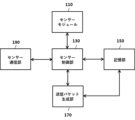
図2は、本発明によるセンサートランスミッタを説明するための機能ブロック図である。 Figure 2 is a functional block diagram illustrating the sensor transmitter according to the present invention.
図2を参照してより具体的に詳しく見れば、センサーモジュール110はセンサーを具備するが、センサーは身体に一部挿入されて生体情報を測定する。
Referring more specifically to FIG. 2, the
センサー制御部130はセンサーモジュール110から測定された生体情報を受信して受信した生体情報を記憶部150に記憶する。ここで、センサー制御部130がセンサーモジュール110から受信する生体情報はアナログ信号であるが、センサー制御部130はアナログ信号でノイズを除去して再びデジタル信号に変更して生体情報を生成することができる。
The
送信パケット生成部170は記憶部150に記憶された生体情報から生体情報を具備する送信パケットを生成するが、送信パケット生成部170は送信パケットが生成される度に生体情報を識別するための生体情報識別子を含んで送信パケットを生成する。
The transmission
センサー制御部130は正規通信周期ごとにセンサー通信部190を通じて広告メッセージを通信端末機に送信して通信端末機と通信を連結しながら生成した送信パケットを通信端末機で送信制御する。正規通信周期に割り当てされた通信間隔が経過する場合センサー制御部130は通信端末機から送信パケットを成功的に受信したかを確認する確認(acknowledgement)メッセージの受信なしに直ちに通信を終了する。
The
一方、センサー制御部130は未受信通信周期ごとに通信端末機と通信を連結して通信端末機から未受信要請メッセージを受信する場合、未受信要請メッセージに具備されている未受信生体情報識別子に基づいて未受信生体情報識別子に該当する未受信生体情報を記憶部150から抽出して抽出した未受信生体情報でなされた未受信生体情報メッセージを生成する。センサー制御部150は未受信生体情報メッセージを未受信通信周期に割り当てされた通信間隔の間通信端末機に送信するが、センサー制御部150は通信間隔の間通信端末機から受信される確認メッセージに基づいて未受信生体情報メッセージを成功的に送信したかを判断する。
Meanwhile, when the
センサー制御部130は生体情報を生体情報が生成された時点から記憶周期間に記憶部150に記憶して記憶周期が終了する場合記憶された生体情報を順次に削除するが、生体情報が削除される前未受信通信周期ごとに未受信生体情報を通信端末機に送信して生成された生体情報を安全に通信端末機に送信するようにする。
The
望ましくは、確認メッセージを通じて未受信生体情報が成功的に通信端末機に送信されない場合センサー制御部130は未受信生体情報を除いて記憶部150に記憶された生体情報を削除することができるし、次の未受信通信周期が渡来する場合、以前に送信することができなかった未受信生体情報を通信端末機に送信することができる。
Preferably, if the unreceived biometric information is not successfully transmitted to the communication terminal through the confirmation message, the
図3は、センサートランスミッタで生体情報が生成される一例を説明するための図面である。 Figure 3 is a diagram illustrating an example of biometric information generated by a sensor transmitter.
先ず、センサートランスミッタで測定される生体信号に対するデータは、所定の間隔ごとに測定されるが、一回測定が始めれば何回にかけて測定されることができる。例えば、センサートランスミッタは10秒ごとに生体信号データを測定する。この時、一回測定をスタートする度に30回にわたって生体信号を測定し、生体信号の測定に所要される時間は1秒であることがある。したがって、センサートランスミッタは10秒ごとに30回のアナログ生体信号データを測定する。
First, the data on the biosignal measured by the sensor transmitter is measured at a predetermined interval, and once a measurement is started, it can be measured any number of times. For example, the sensor transmitter measures the biosignal data every 10 seconds. In this case, the biosignal is measured 30 times each time a measurement is started, and the time required to measure the biosignal may be 1 second. Therefore, the sensor transmitter measures
すなわち、一例で、午後2時14分25秒から26秒の間に生体情報を30回測定し、午後2時14分35秒から36秒の間に生体情報を再び30回測定することのように、10秒間隔で生体情報を測定することができる。 That is, in one example, biometric information can be measured 30 times between 2:14:25 and 2:14:26 PM, and then again 30 times between 2:14:35 and 2:14:36 PM, so that biometric information can be measured at 10-second intervals.
このように測定された生体信号データはデジタル信号に変換される。センサートランスミッタはデジタル信号に変換された生体情報データ30個を切削平均方式で平均値を計算して10秒ごとに一つの平均値を算定する。この時、30個の生体情報データのうちで上位7個のデータと下位7個のデータを除去し、残り16個のデータの平均値(A)を算定する。 The biosignal data measured in this way is converted into a digital signal. The sensor transmitter calculates the average value of the 30 pieces of bioinformation data converted into digital signals using the cutting average method to calculate one average value every 10 seconds. At this time, the top 7 and bottom 7 pieces of data are removed from the 30 pieces of bioinformation data, and the average value (A) of the remaining 16 pieces of data is calculated.
このように算定された切削平均値(A)は10秒単位に生成されることができるし、図示されたように、1分間六個の切削平均値(A1~A6)が生成されることができる。 The cutting average value (A) calculated in this way can be generated in 10-second intervals, and as shown in the figure, six cutting average values (A1 to A6) can be generated per minute.
また、1分間六個の切削平均値(A1~A6)を生成し、生成した六個の切削平均値(A1~A6)を利用して再び2次切削平均値(B1)を生成する。この時、生成された2次切削平均値(B1)は六個の切削平均値(A1~A6)のうちで最大の値及び一番小さな値を除去して残り四つの値の平均から計算される。したがって、1分に一つの2次切削平均値(B)から生体情報を生成する。 In addition, six cutting average values (A1 to A6) are generated per minute, and the generated six cutting average values (A1 to A6) are used to generate a secondary cutting average value (B1). At this time, the generated secondary cutting average value (B1) is calculated by removing the maximum and minimum values from the six cutting average values (A1 to A6) and averaging the remaining four values. Therefore, biometric information is generated from one secondary cutting average value (B) per minute.
このように1分ごとに生成された生体情報データはセンサートランスミッタに記憶され、記憶された生体情報は正規通信周期ごとに送信パケットで生成されて通信端末機に伝送されることができる。 In this way, the biometric data generated every minute is stored in the sensor transmitter, and the stored biometric information can be generated as a transmission packet at each regular communication cycle and transmitted to the communication terminal.
図4は、センサートランスミッタで送信パケットを生成する例を説明するための図面であり、図4(a)を参照で送信パケットを生成する一例を詳しく見れば、設定された生体情報生成周期(TP)ごとに順次に生体情報(B1、B2、B3、B4、B5、B6、...)を生成するが、生体情報が生成される度に該当生体情報を具備する送信パケット(P1、P2、P3、P4、P5、P6)を生成する。送信パケットを生成時送信パケットの生成手順によって固有な一連の識別子が割り当てされて生体情報識別子と生体情報を具備するように送信パケットが生成される。望ましくは、送信パケットの生成手順によって順次に増加するシーケンスを生体情報識別子で割り当てるか、または送信パケットの生成時刻を生体情報識別子で割り当てることができる。 4 is a diagram for explaining an example of generating a transmission packet in a sensor transmitter, and looking at an example of generating a transmission packet in detail with reference to FIG. 4(a), biometric information (B1, B2, B3, B4, B5, B6, ...) is generated sequentially at a set biometric information generation period (T P ), and a transmission packet (P1, P2, P3, P4, P5, P6) having the corresponding biometric information is generated each time the biometric information is generated. When the transmission packet is generated, a unique series of identifiers are assigned according to the transmission packet generation procedure, and the transmission packet is generated to have the biometric information identifier and the biometric information. Preferably, a sequence that increases sequentially according to the transmission packet generation procedure can be assigned to the biometric information identifier, or the generation time of the transmission packet can be assigned to the biometric information identifier.
生成された送信パケット(P1、P2、P3、P4、P5、P6)は記憶部に記憶されるが、設定された正規通信周期(TS)が渡来する場合、記憶部に記憶されている送信パケット(P1、P2、P3、P4、P5)をそれぞれ通信端末機に送信する。 The generated transmission packets (P1, P2, P3, P4, P5, P6) are stored in a memory unit, and when the set regular communication cycle (T S ) arrives, the transmission packets (P1, P2, P3, P4, P5) stored in the memory unit are each transmitted to a communication terminal.
図4(b)を参照で送信パケットを生成する他の例を詳しく見れば、設定された生体情報生成周期(TP)ごとに順次に生体情報(B1、B2、B3、B4、B5、B6、...)を生成するが、生体情報は生成される度に記憶部に記憶されて設定された正規通信周期(TS)が渡来する場合、正規通信周期まで記憶部に記憶された生体情報(B1、B2、B3、B4、B5)をすべて含む送信パケット(P1)を生成して生成した送信パケット(P1)を通信端末機に送信する。 Referring to FIG. 4(b) for another example of generating a transmission packet, biometric information (B1, B2, B3, B4, B5, B6, ...) is generated sequentially for each set biometric information generation cycle (T P ). Whenever the biometric information is generated, it is stored in the memory. When the set regular communication cycle (T S ) arrives, a transmission packet (P1) is generated including all the biometric information (B1, B2, B3, B4, B5) stored in the memory up to the regular communication cycle, and the generated transmission packet (P1) is transmitted to the communication terminal.
図5は、本発明による通信端末機を説明するための機能ブロック図である。 Figure 5 is a functional block diagram for explaining a communication terminal according to the present invention.
図5を参照してより具体的に詳しく見れば、端末機制御部210は端末機通信部230を通じて設定した正規通信周期ごとにセンサートランスミッタから送信される広告(advertisement)メッセージを受信する場合、端末機通信部230を通じてセンサートランスミッタと通信を連結する。端末機制御部210はセンサートランスミッタと通信が連結される場合端末機通信部230を通じてセンサートランスミッタから生体情報を受信して受信した生体情報を記憶部250に記憶する。端末機制御部210は通信間隔が経過するセンサートランスミッタとの通信を終了するか、またはセンサートランスミッタから送信パケットの受信を完了する場合通信間隔が経過する前でもセンサートランスミッタとの通信を終了する。
Referring to FIG. 5 in more detail, when the
一方、生体情報管理部240は設定した未受信通信周期ごとに記憶部250に記憶された生体情報の識別子に基づいて未受信通信周期間に未受信した生体情報が存在するかを判断する。端末機制御部210は未受信生体情報が存在する場合未受信生体情報識別子を具備する未受信要請メッセージを生成して端末機通信部230を通じてセンサートランスミッタに送信する。
Meanwhile, the biometric
ここで生体情報管理部240は、未受信通信周期間記憶部250に記憶された生体情報を識別子手順に整列し、生体情報識別子に基づいて連続されない生体情報識別子を判断して連続されない生体情報識別子の生体情報を未受信生体情報で判断する。
Here, the biometric
望ましくは、端末機制御部210は未受信した生体情報が存在する場合未受信した生体情報の存在如何、未受信した生体情報の数などを示すインジケータを生成して生成したインジケータに対する情報をディスプレイ部270にディスプレイして使用者に未受信生体情報が存在することを知らせてくれる。使用者インターフェース290から未受信生体情報を受信するための使用者命令が入力される場合使用者命令に従って未受信生体情報識別子を具備する未受信要請メッセージを生成して端末機通信部230を通じてセンサートランスミッタに送信する。
Preferably, if there is unreceived biometric information, the
端末機制御部210は未受信通信周期ごとに未受信要請メッセージに回答してセンサートランスミッタから未受信生体情報を受信する場合、受信した未受信生体情報を記憶部250に記憶制御する。
When the
望ましくは、端末機制御部210はディスプレイされたインジケータに回答して未受信生体情報を受信拒絶する使用者命令が入力される場合ディスプレイされたインジケータを削除して別途の未受信要請メッセージを生成しない。
Preferably, when a user command to refuse to receive unreceived biometric information is input in response to the displayed indicator, the
望ましくは、端末機制御部210はインジケータがディスプレイされた時点から設定時間以内に使用者命令が入力されない場合ディスプレイされたインジケータを削除して別途の未受信要請メッセージを生成しないこともある。
Preferably, if no user command is input within a set time from when the indicator is displayed, the
望ましくは、端末機制御部210はインジケータがディスプレイされた時点から設定時間以内に使用者命令が入力されない場合未受信生体情報が存在することを知らせるためのメッセージをディスプレイ部に出力し、メッセージに回答して未受信生体情報を受信拒絶する使用者命令が入力されるか、またはメッセージがディスプレイ部に出力された時点から再び設定時間以内に使用者命令が入力されない場合ディスプレイされたインジケータを削除して別途の未受信要請メッセージを生成しないこともある。
Preferably, if a user command is not input within a set time from the time the indicator is displayed, the
図6は、本発明による生体情報の送受信方法でセンサートランスミッタと通信端末機との間で送受信されるメッセージを説明するための図面である。 Figure 6 is a diagram illustrating messages transmitted and received between a sensor transmitter and a communication terminal in the method for transmitting and receiving biometric information according to the present invention.
図6を参照してより具体的に詳しく見れば、センサートランスミッタは正規通信周期ごとに広告メッセージを周辺通信端末機に送信する(S1)。 Referring to FIG. 6 in more detail, the sensor transmitter transmits an advertisement message to the surrounding communication terminal at each regular communication cycle (S1).
広告メッセージに回答して通信端末機は情報要請メッセージをセンサートランスミッタに送信して通信端末機とセンサートランスミッタとの間の通信を連結する(S2)。望ましくは、センサートランスミッタは固有のセンサートランスミッタ識別子を広告メッセージに含んで通信端末機に送信し、通信端末機はセンサートランスミッタ識別子に基づいてセンサートランスミッタを認証して該当センサートランスミッタと通信を連結することができる。 In response to the advertisement message, the communication terminal transmits an information request message to the sensor transmitter to establish communication between the communication terminal and the sensor transmitter (S2). Preferably, the sensor transmitter transmits a unique sensor transmitter identifier to the communication terminal in the advertisement message, and the communication terminal can authenticate the sensor transmitter based on the sensor transmitter identifier and establish communication with the corresponding sensor transmitter.
センサートランスミッタと通信端末機との間に通信が連結される場合、センサートランスミッタは設定された通信間隔の間センサートランスミッタで生成した、生体情報を具備する送信パケットを通信端末機に送信する(S3)。望ましくは、送信パケットには生体情報を識別するための生体情報識別子が含まれている。設定された通信間隔が経過する場合通信連結を終了するか、または通信端末機で送信パケットを受信する場合通信間隔が経過する前でも通信連結を終了する。 When communication is established between the sensor transmitter and the communication terminal, the sensor transmitter transmits a transmission packet containing biometric information generated by the sensor transmitter to the communication terminal during a set communication interval (S3). Preferably, the transmission packet includes a biometric information identifier for identifying the biometric information. When the set communication interval has elapsed, the communication connection is terminated, or when the communication terminal receives a transmission packet, the communication connection is terminated even before the communication interval has elapsed.
センサートランスミッタと通信端末機との間では正規通信周期ごとに前で説明したS1、S2、S3段階を繰り返してセンサートランスミッタで生成された、生体情報を具備する送信パケットを送受信する。 The sensor transmitter and the communication terminal repeat steps S1, S2, and S3 described above at each regular communication cycle to transmit and receive transmission packets containing biometric information generated by the sensor transmitter.
一方、未受信通信周期が渡来する場合通信端末機は、未受信通信周期間センサートランスミッタから未受信した生体情報を判断し、未受信した生体情報を識別するための未受信生体情報識別子を具備する未受信要請メッセージをセンサートランスミッタに送信する(S6)。 On the other hand, when a non-received communication period occurs, the communication terminal determines the biometric information that has not been received from the sensor transmitter during the non-received communication period, and transmits a non-received request message to the sensor transmitter that includes an unreceived biometric information identifier for identifying the unreceived biometric information (S6).
未受信要請メッセージに回答してセンサートランスミッタと通信端末機は、設定された通信間隔の間通信が連結されるが、未受信要請メッセージを受信した通信端末機は未受信要請メッセージに具備されている未受信生体情報識別子に該当する生体情報を判断して判断した未受信生体情報を具備する送信パケットを通信間隔の間通信端末機に送信する(S7)。 In response to the unreceived request message, the sensor transmitter and the communication terminal are connected for the set communication interval, and the communication terminal that receives the unreceived request message determines the biometric information corresponding to the unreceived biometric information identifier included in the unreceived request message and transmits a transmission packet including the determined unreceived biometric information to the communication terminal during the communication interval (S7).
通信端末機は通信間隔の間未受信生体情報識別子に該当する生体情報をセンサートランスミッタから受信したかを判断して確認メッセージをセンサートランスミッタに送信するが、通信端末機は未受信生体情報識別子に該当する生体情報を成功的に受信する場合受信成功メッセージを生成してセンサートランスミッタに送信して未受信生体情報識別子に該当する生体情報を受信失敗する場合受信失敗メッセージを生成してセンサートランスミッタに送信する。 The communication terminal determines whether biometric information corresponding to the unreceived biometric information identifier has been received from the sensor transmitter during the communication interval and transmits a confirmation message to the sensor transmitter. If the communication terminal successfully receives the biometric information corresponding to the unreceived biometric information identifier, it generates a reception success message and transmits it to the sensor transmitter, and if the communication terminal fails to receive the biometric information corresponding to the unreceived biometric information identifier, it generates a reception failure message and transmits it to the sensor transmitter.
望ましくは、通信端末機で未受信通信周期が渡来したかを判断して通信端末機で未受信要請メッセージをセンサートランスミッタに送信することで、未受信生体情報の受信を始めることができるが、センサートランスミッタで未受信通信周期が渡来したかを判断してセンサートランスミッタで未受信生体情報を送受信するための広告メッセージを通信端末機に送信することで、未受信生体情報の受信を始めることができる。 Preferably, the communication terminal determines whether an unreceived communication cycle has arrived and sends a unreceived request message to the sensor transmitter to start receiving the unreceived biometric information, but the sensor transmitter can also determine whether an unreceived communication cycle has arrived and sends an advertisement message to the communication terminal for transmitting and receiving the unreceived biometric information to start receiving the unreceived biometric information.
図7は、本発明によって正規通信周期ごとに生体情報を送受信する方法を説明するための流れ図である。 Figure 7 is a flow chart illustrating a method for transmitting and receiving biometric information at regular communication intervals according to the present invention.
図7を参照してより具体的に詳しく見れば、正規通信周期が渡来したかを判断する(S110)。 Looking more specifically at Figure 7, it is determined whether a regular communication cycle has arrived (S110).
正規通信周期が渡来する場合、通信端末機はセンサートランスミッタから広告メッセージを受信したかを判断する(S130)。 When the regular communication cycle arrives, the communication terminal determines whether it has received an advertising message from the sensor transmitter (S130).
広告メッセージを受信する場合通信端末機はセンサートランスミッタで受信要請メッセージを送信してセンサートランスミッタとの通信を連結する(S150)。 When receiving an advertisement message, the communication terminal transmits a reception request message to the sensor transmitter and establishes communication with the sensor transmitter (S150).
センサートランスミッタと通信端末機との間に通信が連結される場合、正規通信周期に割り当てされた通信間隔の間センサートランスミッタは通信端末機で生体情報を具備する送信パケットを送信するが、通信端末機は通信間隔の間センサートランスミッタから送信パケットを受信したかを判断する(S160)。 When communication is established between the sensor transmitter and the communication terminal, the sensor transmitter transmits a transmission packet containing biometric information to the communication terminal during a communication interval assigned to a regular communication cycle, and the communication terminal determines whether it has received a transmission packet from the sensor transmitter during the communication interval (S160).
通信間隔の間送信パケットを受信する場合通信端末機はセンサートランスミッタと連結された通信を終了する(S190)。望ましくは、通信端末機は送信パケットを受信する場合割り当てされた通信間隔が満了する前でもセンサートランスミッタと連結された通信を終了することができる。 If the communication terminal receives a transmission packet during the communication interval, the communication terminal terminates the communication connected to the sensor transmitter (S190). Preferably, if the communication terminal receives a transmission packet, the communication terminal can terminate the communication connected to the sensor transmitter even before the allocated communication interval expires.
一方、通信間隔が満了したかを判断して通信間隔が満了する前なら通信間隔の間続いて送信パケットを受信したかを判断し(S170)、通信間隔が満了するまでセンサートランスミッタから送信パケットを受信することができなくてもセンサートランスミッタと通信端末機との間の通信を終了する(S190)。 On the other hand, it is determined whether the communication interval has expired, and if it has not yet expired, it is determined whether a transmission packet has been continuously received during the communication interval (S170), and even if a transmission packet cannot be received from the sensor transmitter until the communication interval expires, the communication between the sensor transmitter and the communication terminal is terminated (S190).
図8は、本発明によって未受信通信周期ごとに未受信生体情報を送受信する方法を説明するための流れ図である。 Figure 8 is a flow chart for explaining a method for transmitting and receiving unreceived biometric information for each unreceived communication cycle according to the present invention.
図8を参照してより具体的に詳しく見れば、未受信通信周期が渡来したかを判断する(S210)。 Looking more specifically at Figure 8, it is determined whether an unreceived communication period has arrived (S210).
未受信通信周期が渡来する場合通信端末機は、未受信要請メッセージを生成してセンサートランスミッタに送信する(S220)。未受信通信周期が渡来する場合未受信通信周期間未受信生体情報が存在するかの如何及び未受信生体情報が存在する場合、未受信生体情報識別子を判断する(S220)。センサートランスミッタでは生体情報を生成する度に順次に増加する生体情報識別子を割り当てるが、望ましくは、通信端末機は未受信通信周期間受信した生体情報の識別子の連続性に基づいて未受信生体情報が存在するかの如何及び未受信生体情報識別子を判断するようになる。すなわち、未受信通信周期間受信した生体情報の識別子の連続性に基づいて抜け落ちされた生体情報識別子が存在する場合、未受信生体情報が存在するものとして判断することができる。 When a non-received communication period occurs, the communication terminal generates a non-received request message and transmits it to the sensor transmitter (S220). When a non-received communication period occurs, it determines whether there is unreceived biometric information during the non-received communication period and, if there is unreceived biometric information, determines the unreceived biometric information identifier (S220). The sensor transmitter assigns a biometric information identifier that increases sequentially each time it generates biometric information, and preferably, the communication terminal determines whether there is unreceived biometric information and the unreceived biometric information identifier based on the continuity of the identifier of the biometric information received during the non-received communication period. That is, if there is a missing biometric information identifier based on the continuity of the identifier of the biometric information received during the non-received communication period, it can be determined that there is unreceived biometric information.
未受信生体情報が存在する場合未受信生体情報識別子を具備する未受信要請メッセージを生成して生成した未受信要請メッセージを通信端末機に送信する(S230)。 If unreceived biometric information exists, a unreceived request message having an unreceived biometric information identifier is generated and the generated unreceived request message is transmitted to the communication terminal (S230).
未受信通信周期に割り当てされた通信間隔の間センサートランスミッタと通信端末機との間の通信が連結されるが、通信間隔の間未受信要請メッセージに回答してセンサートランスミッタから未受信生体情報を受信したかを判断する(S240)。 Communication between the sensor transmitter and the communication terminal is established during the communication interval assigned to the unreceived communication cycle, and it is determined whether unreceived biometric information has been received from the sensor transmitter in response to a unreceived request message during the communication interval (S240).
未受信生体情報識別子に該当する未受信生体情報をすべて受信する場合、受信成功メッセージを生成して生成した受信成功メッセージをセンサートランスミッタに送信し(S250)、センサートランスミッタと通信端末機との間の通信を終了する(S290)。望ましくは、通信端末機は未受信生体情報をすべて受信する場合割り当てされた通信間隔が満了する前でもセンサートランスミッタと連結された通信を終了することができる。 When all unreceived biometric information corresponding to the unreceived biometric information identifier is received, a reception success message is generated and transmitted to the sensor transmitter (S250), and communication between the sensor transmitter and the communication terminal is terminated (S290). Preferably, when the communication terminal receives all unreceived biometric information, it can terminate communication connected to the sensor transmitter even before the allocated communication interval expires.
一方、通信間隔が満了したかを判断して通信間隔が満了する前なら通信間隔の間続いて未受信生体情報を受信したかを判断し(S270)、通信間隔が満了するまでセンサートランスミッタから未受信生体情報をすべて受信することができない場合受信失敗メッセージを生成してセンサートランスミッタに送信する(S280)。受信失敗メッセージを送信後センサートランスミッタと通信端末機との間の通信を終了する(S290)。 Meanwhile, it is determined whether the communication interval has expired, and if it has not yet expired, it is determined whether unreceived biometric information has been received continuously during the communication interval (S270). If it is not possible to receive all of the unreceived biometric information from the sensor transmitter until the communication interval expires, a reception failure message is generated and transmitted to the sensor transmitter (S280). After transmitting the reception failure message, communication between the sensor transmitter and the communication terminal is terminated (S290).
図9は、正規通信周期と未受信通信周期の一例を説明するための図面である。 Figure 9 is a diagram to explain an example of a regular communication cycle and a non-received communication cycle.
図9を参照してより具体的に詳しく見れば、正規通信周期(TS)ごとにセンサートランスミッタで生成された生体情報を通信端末機に送信する。通信端末機は正規通信周期ごとに送信される生体情報を成功的に受信したかに対する確認メッセージをセンサートランスミッタに送信しないし、センサートランスミッタも生体情報を成功的に送信したかに無関係に正規通信周期に割り当てされた通信間隔が終了する場合通信端末機との通信を終了する。 9, the biometric information generated by the sensor transmitter is transmitted to the communication terminal every regular communication cycle (T S ). The communication terminal does not transmit a confirmation message to the sensor transmitter as to whether the biometric information transmitted every regular communication cycle has been successfully received, and the sensor transmitter also terminates communication with the communication terminal when the communication interval assigned to the regular communication cycle ends, regardless of whether the biometric information has been successfully transmitted.
一方、未受信通信周期(TH)ごとに未受信通信周期間未受信した生体情報をセンサートランスミッタで要請して受信するようになるが、通信端末機は未受信生体情報を成功的に受信したかに対する確認メッセージを生成してセンサートランスミッタに送信してセンサートランスミッタは確認メッセージに基づいて未受信生体情報を成功的に送信したかを判断する。 Meanwhile, the sensor transmitter requests and receives the biometric information not received during the unreceived communication period every unreceived communication period (T H ), and the communication terminal generates a confirmation message as to whether the unreceived biometric information has been successfully received and transmits it to the sensor transmitter, and the sensor transmitter determines whether the unreceived biometric information has been successfully transmitted based on the confirmation message.
ここで、未受信通信周期(TH)は正規通信周期(TS)より大きく設定されるが、正規通信周期ごとに生体情報を成功的に送受信したかに対してセンサートランスミッタまたは通信端末機は別途確認しないか、または正規通信周期ごとに生体情報を成功的に送受信したかを確認するための確認メッセージを送受信しないし、未受信通信周期だけに未受信生体情報が存在するかを判断して未受信生体情報を要請して受信して未受信生体情報を成功的に受信したかに対する確認メッセージを送受信することで、正規通信周期ごとに生体情報を成功的に受信したかを判断するが、必要な演算負荷とエネルギーの無駄使いを減らすことができる。 Here, the unreceived communication cycle (T H ) is set to be longer than the regular communication cycle (T S ), but the sensor transmitter or communication terminal does not separately check whether the biometric information has been successfully transmitted or received during each regular communication cycle, or does not transmit or receive a confirmation message to check whether the biometric information has been successfully transmitted or received during each regular communication cycle. Instead, it determines whether unreceived biometric information exists during the unreceived communication cycle only, requests and receives the unreceived biometric information, and transmits or receives a confirmation message to check whether the unreceived biometric information has been successfully received, thereby reducing the necessary calculation load and energy waste.
ここで、未受信通信周期(TH)はセンサートランスミッタに生体情報が記憶される記憶周期(TM)より大きく設定されるが、センサートランスミッタで生成された生体情報がセンサートランスミッタで削除される前に未受信生体情報を要請して未受信生体情報を安全に受信することができる。 Here, the unreceived communication period ( TH ) is set to be longer than the storage period ( TM ) in which the biometric information is stored in the sensor transmitter, and the unreceived biometric information can be safely received by requesting the unreceived biometric information before the biometric information generated by the sensor transmitter is deleted by the sensor transmitter.
図10は、本発明によって未受信生体情報の存在如何を使用者に知らせてくれる方法を説明するための図面である。 Figure 10 is a diagram illustrating a method for notifying a user of the presence of unreceived biometric information according to the present invention.
図10に示されているように、未受信通信周期が渡来する場合未受信通信周期間未受信生体情報が存在するかの如何を判断する(S221)。 As shown in FIG. 10, when a non-received communication period occurs, it is determined whether there is any unreceived biometric information during the non-received communication period (S221).
未受信生体情報が存在する場合未受信生体情報が存在することを使用者に知らせてくれるためのインジケータをディスプレイ部に出力する(S223)。ここで、インジケータには未受信生体情報の存在如何、未受信生体情報の数、未受信生体情報が危険領域に属するか、それとも正常領域に属するかに対する情報などを含むことができる。ここで、未受信生体情報が属した領域は未受信生体情報に隣接して受信した生体情報が属した領域に基づいて予測されることを特徴とする。 If there is unreceived biometric information, an indicator is output to the display unit to inform the user that there is unreceived biometric information (S223). Here, the indicator may include information on whether there is unreceived biometric information, the number of unreceived biometric information, whether the unreceived biometric information belongs to a dangerous area or a normal area, etc. Here, the area to which the unreceived biometric information belongs is characterized in that it is predicted based on the area to which the received biometric information adjacent to the unreceived biometric information belongs.
使用者インターフェース部を通じて未受信生体情報の確認如何に対する使用者命令が入力されるかを判断し(S225)、設定された時間が経過するように使用者命令が入力されないかを判断する(S226)。 The user interface unit determines whether a user command is input regarding whether to check unreceived biometric information (S225), and determines whether a user command is input so that a set time has elapsed (S226).
設定された時間が経過するように使用者命令が入力されない場合ディスプレイされたインジケータを削除してインジケータを続いてディスプレイすることによって発生することができる不便さを使用者に与えないようにする(S227)。望ましくは、設定された時間が経過するように使用者命令が入力されない場合未受信生体情報が存在することを知らせるメッセージを再びディスプレイ部にディスプレイすることができるし、メッセージがディスプレイされた後にも一定時間が経過する場合インジケータを削除することができる。 If a user command is not input for the set time to elapse, the displayed indicator is deleted to prevent the user from experiencing inconvenience that may occur due to the continued display of the indicator (S227). Preferably, if a user command is not input for the set time to elapse, a message notifying the user that there is unreceived biometric information can be displayed again on the display unit, and if a certain amount of time has elapsed after the message is displayed, the indicator can be deleted.
一方、使用者命令が入力される場合入力された使用者命令が未受信生体情報を確認拒否するための使用者命令であるかを判断し(S228)、入力された使用者命令が確認拒否命令の場合ディスプレイされたインジケータを削除してインジケータを続いてディスプレイすることによって発生することがある不便さを使用者に与えないようにする(S227)。しかし、入力された使用者命令が確認命令の場合未受信要請メッセージを生成してセンサートランスミッタに送信する(S229)。 Meanwhile, when a user command is input, it is determined whether the input user command is a user command to refuse to confirm unreceived biometric information (S228), and if the input user command is a command to refuse confirmation, the displayed indicator is deleted to prevent the user from experiencing inconvenience that may occur due to the continued display of the indicator (S227). However, if the input user command is a command to confirm, a non-reception request message is generated and transmitted to the sensor transmitter (S229).
このように未受信生体情報が存在することを知らせるためのインジケータをディスプレイして使用者に未受信生体情報を知らせてくれるが、未受信生体情報を確認するための使用者命令が設定時間の間入力されないか、または使用者が未受信生体情報の確認が不必要であると確認する場合インジケータを削除し、使用者が未受信生体情報を要請する場合だけに選択的に未受信生体情報を要請することで、不必要な未受信生体情報を送受信することに必要な演算負荷とエネルギー無駄使いを減らすことができる。 In this way, an indicator is displayed to inform the user that unreceived biometric information exists, but if a user command to check the unreceived biometric information is not input for a set time or if the user confirms that checking the unreceived biometric information is unnecessary, the indicator is deleted, and unreceived biometric information is selectively requested only when the user requests unreceived biometric information, thereby reducing the computational load and energy waste required to send and receive unnecessary unreceived biometric information.
一方、前述した本発明の実施例らはコンピューターで実行されることができるプログラムで作成可能であり、コンピューターで読める記録媒体を利用して前記プログラムを動作させる汎用デジタルコンピューターで具現されることができる。 Meanwhile, the above-described embodiments of the present invention can be created as a program that can be executed by a computer, and can be embodied in a general-purpose digital computer that runs the program using a computer-readable recording medium.
前記コンピューターで読める記録媒体は、マグネチック記憶媒体(例えば、ロム(Read Only Memory)、フロッピーディスク、ハードディスクなど)、光学的判読媒体(例えば、CD-ROM、ディーブイディーなど)及びキャリアウエーブ(例えば、インターネットを通じた伝送)のような記憶媒体を含む。 The computer-readable recording medium includes storage media such as magnetic storage media (e.g., ROM (Read Only Memory), floppy disks, hard disks, etc.), optically readable media (e.g., CD-ROM, DVD, etc.) and carrier wave (e.g., transmission via the Internet).
本発明は、図面に示された実施例を参照に説明されたが、これは例示的なものに過ぎなくて、本技術分野の通常の知識を有した者ならこれから多様な変形及び均等な他の実施例が可能であるという点を理解するであろう。よって、本発明の真正な技術的保護範囲は、添付された登録請求範囲の技術的思想によって決まらなければならないであろう。 The present invention has been described with reference to the embodiments shown in the drawings, however, these are merely illustrative and a person skilled in the art will understand that various modifications and equivalent other embodiments are possible. Therefore, the true technical scope of protection of the present invention must be determined by the technical ideas of the appended registered claims.
Claims (8)
前記センサートランスミッタにより、
測定センサーを通じて測定した生体情報を具備する生体情報メッセージを生成し、
正規通信周期ごとに前記通信端末機へ前記生体情報メッセージを送信する
段階と、
前記通信端末機により、
未受信通信周期の間に、前記センサートランスミッタに記憶されている生体情報における前記センサートランスミッタから受信していない生体情報である未受信生体情報が存在するか否かを判断し、
受信していない生体情報が存在する場合に、未受信生体情報が存在することを知らせるためのインジケータを出力し、
前記インジケータに応じて、未受信生体情報を要請する使用者命令が入力されるか否かを判断し、
未受信生体情報を要請する使用者命令が入力された場合に、前記未受信生体情報を要請する未受信要請メッセージを生成し、
前記未受信通信周期ごとに前記センサートランスミッタへ前記未受信要請メッセージを送信する
段階を含み、
前記未受信通信周期は、前記正規通信周期より大きく、
未受信生体情報の受信を拒絶する使用者命令が入力されるか、又は、前記インジケータの出力時点から所定時間、使用者命令が入力されない場合に、前記通信端末機により、出力された前記インジケータを削除する
生体情報の送受信方法。 A method for transmitting and receiving biometric information between a sensor transmitter disposed on a part of a user's body for measuring the biometric information of the user and a communication terminal for receiving the biometric information from the sensor transmitter, comprising:
The sensor transmitter
generating a biometric information message including biometric information measured by the measurement sensor ;
transmitting the biometric information message to the communication terminal every regular communication period;
By the communication terminal,
During a non-reception communication period, it is determined whether or not there is unreceived biological information that is biological information that has not been received from the sensor transmitter among the biological information stored in the sensor transmitter;
outputting an indicator for notifying the user of the presence of unreceived biometric information when the biometric information has not been received;
determining whether a user command requesting unreceived biometric information is input in response to the indicator;
generating a non-received request message for requesting the non-received biometric information when a user command for requesting the non-received biometric information is input ;
Transmitting the non -reception request message to the sensor transmitter every non-reception communication period.
The steps include:
the unreceived communication period is greater than the regular communication period,
When a user command to refuse to receive unreceived vital signs is input, or when a user command is not input for a predetermined time from the time when the indicator is output, the indicator output by the communication terminal is deleted.
Methods for transmitting and receiving biometric information.
前記生体情報メッセージには生体情報識別子が具備されている
生体情報の送受信方法。 The method for transmitting and receiving biological information according to claim 1,
The biometric message includes a biometric identifier.
Methods for transmitting and receiving biometric information.
前記未受信要請メッセージには前記未受信通信周期の間の未受信生体情報の識別子が具備されている
生体情報の送受信方法。 The method for transmitting and receiving biological information according to claim 2,
The non-received request message includes an identifier of non-received biometric information during the non-received communication period.
Methods for transmitting and receiving biometric information.
前記未受信通信周期は、前記センサートランスミッタで生体情報が生成された時点から削除される時点の間の記憶周期より小さい
生体情報の送受信方法。 The method for transmitting and receiving biological information according to claim 1,
The non-received communication period is shorter than a storage period between the time when the biological information is generated and the time when the biological information is deleted in the sensor transmitter.
Methods for transmitting and receiving biometric information.
前記未受信要請メッセージは、
前記通信端末機により実行される段階である、
未受信通信周期の間に前記センサートランスミッタから生体情報メッセージを受信する度に生体情報識別子に基づいて受信した生体情報識別子が通信端末機に最後に記憶された最後の生体情報識別子と連続するかを判断する段階と、
受信した生体情報識別子が前記最後の生体情報識別子と連続しない場合、受信した生体情報識別子と最後の生体情報識別子との間の未受信生体情報の識別子を判断する段階と、
前記未受信通信周期の満了時、未受信生体情報の識別子を具備する未受信要請メッセージを生成する段階と、
を通じて生成される
生体情報の送受信方法。 The method for transmitting and receiving biological information according to claim 3,
The non-receipt request message is
A step performed by the communication terminal,
determining whether the received biometric information identifier is consecutive to the last biometric information identifier last stored in the communication terminal based on the biometric information identifier every time the biometric information message is received from the sensor transmitter during the non-reception communication period;
determining an identifier of unreceived biometric information between the received biometric information identifier and the last biometric information identifier if the received biometric information identifier is not consecutive to the last biometric information identifier;
generating a non-received request message having an identifier of the non-received biometric information when the non-received communication period expires;
Generated through
Methods for transmitting and receiving biometric information.
前記未受信要請メッセージは、
前記通信端末機により実行される段階である、
未受信通信周期の間に前記センサートランスミッタから受信した生体情報を生体情報識別子の順に整列する段階と、
整列した前記生体情報識別子に基づいて未受信生体情報の識別子が存在するかを判断する段階と、
前記未受信通信周期の満了時、前記未受信生体情報の識別子を具備する未受信要請メッセージを生成する段階と、
を通じて生成される
生体情報の送受信方法。 The method for transmitting and receiving biological information according to claim 3,
The non-receipt request message is
A step performed by the communication terminal,
Sorting the biometric information received from the sensor transmitter during a non-reception communication period in order of the biometric information identifier;
determining whether an identifier of unreceived biometric information exists based on the arranged biometric information identifiers;
generating a non-received request message including an identifier of the non-received biometric information when the non-received communication period expires;
Generated through
Methods for transmitting and receiving biometric information.
前記通信端末機により実行される段階である、
前記正規通信周期ごとに設定された第1通信間隔の間に前記センサートランスミッタから前記生体情報メッセージを受信したかを判断する段階と、
前記第1通信間隔の間前記生体情報メッセージを受信するか、または前記第1通信間隔が終了する場合、前記センサートランスミッタとの通信を終了する段階
をさらに含み、
前記第1通信間隔の間に前記生体情報メッセージの受信に成功するか、または前記第1通信間隔の間に前記生体情報メッセージの受信に失敗した場合、別途の受信確認メッセージなしに前記センサートランスミッタとの通信を終了する
生体情報の送受信方法。 The method for transmitting and receiving biological information according to claim 3,
A step performed by the communication terminal,
determining whether the biological information message is received from the sensor transmitter during a first communication interval set for each regular communication period;
receiving the biometric message during the first communication interval or terminating communication with the sensor transmitter when the first communication interval ends ;
Further comprising:
If the biometric message is successfully received during the first communication interval or if the biometric message is unsuccessfully received during the first communication interval , communication with the sensor transmitter is terminated without a separate receipt confirmation message.
Methods for transmitting and receiving biometric information.
前記通信端末機により実行される段階である、
前記未受信通信周期ごとに設定された第2通信間隔の間に前記センサートランスミッタから未受信生体情報を具備する未受信生体情報メッセージを受信したかを判断する段階と、
前記第2通信間隔の間に前記未受信生体情報メッセージを受信した場合に当該受信の完了を示す受信確認メッセージを前記センサートランスミッタに送信する段階と、
前記第2通信間隔の間に前記未受信生体情報メッセージを受信するか、または前記第2通信間隔が満了する場合、前記センサートランスミッタとの通信を終了する段階と、
をさらに含む
生体情報の送受信方法。 The method for transmitting and receiving biological information according to claim 3,
A step performed by the communication terminal,
determining whether an unreceived biometric information message including unreceived biometric information is received from the sensor transmitter during a second communication interval set for each unreceived communication period;
transmitting, when the unreceived vital sign message is received during the second communication interval, a receipt confirmation message indicating completion of the receipt to the sensor transmitter;
terminating communication with the sensor transmitter when the unreceived vital sign message is received during the second communication interval or when the second communication interval expires ;
Also includes
Methods for transmitting and receiving biometric information.
Applications Claiming Priority (3)
| Application Number | Priority Date | Filing Date | Title |
|---|---|---|---|
| KR10-2020-0025385 | 2020-02-28 | ||
| KR1020200025385A KR102331551B1 (en) | 2020-02-28 | 2020-02-28 | Method for providing biometrics in continuous glucose monitoring system |
| PCT/KR2021/002547 WO2021172968A2 (en) | 2020-02-28 | 2021-03-02 | Method for transmitting or receiving biometric information in continuous blood glucose measurement system |
Publications (2)
| Publication Number | Publication Date |
|---|---|
| JP2023514818A JP2023514818A (en) | 2023-04-11 |
| JP7634018B2 true JP7634018B2 (en) | 2025-02-20 |
Family
ID=77490313
Family Applications (1)
| Application Number | Title | Priority Date | Filing Date |
|---|---|---|---|
| JP2022548084A Active JP7634018B2 (en) | 2020-02-28 | 2021-03-02 | Method for transmitting and receiving vital signs in a continuous blood glucose monitoring system |
Country Status (7)
| Country | Link |
|---|---|
| US (1) | US20230105204A1 (en) |
| EP (1) | EP4085824B1 (en) |
| JP (1) | JP7634018B2 (en) |
| KR (1) | KR102331551B1 (en) |
| CN (1) | CN115066200B (en) |
| AU (1) | AU2021225709B2 (en) |
| WO (1) | WO2021172968A2 (en) |
Families Citing this family (7)
| Publication number | Priority date | Publication date | Assignee | Title |
|---|---|---|---|---|
| KR102420940B1 (en) * | 2022-02-10 | 2022-07-14 | 네메시스 주식회사 | Continuous blood glucose measurement data receiving device, the control method thereof and the system comprising the same |
| KR102870938B1 (en) * | 2022-09-08 | 2025-10-21 | 주식회사 유엑스엔 | Continuous Anaylyte Measurement Device With Neelde Cap |
| KR102864086B1 (en) * | 2022-09-08 | 2025-09-24 | 주식회사 유엑스엔 | Continuous Anaylyte Measurement Device With Sensor Guide |
| KR102876570B1 (en) * | 2022-09-08 | 2025-10-30 | 주식회사 유엑스엔 | Continuous Anaylyte Measurement Device With Tansmitter Holder |
| KR102866881B1 (en) * | 2022-09-08 | 2025-10-13 | 주식회사 유엑스엔 | Continuous Anaylyte Measurement Device With Tansmitter |
| KR20250170370A (en) * | 2024-05-28 | 2025-12-05 | 주식회사 아이센스 | Method for outputting blood sugar data |
| WO2026034834A1 (en) * | 2024-08-05 | 2026-02-12 | Sd Biosensor, Inc. | Method for continuously measuring blood glucose using a sensor module, and medical device management system using the same |
Citations (4)
| Publication number | Priority date | Publication date | Assignee | Title |
|---|---|---|---|---|
| JP2001104257A (en) | 1999-10-07 | 2001-04-17 | Toto Ltd | Biological information transmission device of biological information management system |
| JP2013144017A (en) | 2012-01-13 | 2013-07-25 | Omron Healthcare Co Ltd | Biological information measuring device |
| WO2017108996A1 (en) | 2015-12-22 | 2017-06-29 | Koninklijke Philips N.V. | Low-power wireless solution for mban applications with multiple aggregator devices |
| JP2018525694A (en) | 2015-05-12 | 2018-09-06 | デックスコム・インコーポレーテッド | Distributed system architecture for continuous glucose monitoring |
Family Cites Families (19)
| Publication number | Priority date | Publication date | Assignee | Title |
|---|---|---|---|---|
| US6424625B1 (en) * | 1998-10-28 | 2002-07-23 | Telefonaktiebolaget Lm Ericsson (Publ) | Method and apparatus for discarding packets in a data network having automatic repeat request |
| US8086672B2 (en) * | 2000-06-17 | 2011-12-27 | Microsoft Corporation | When-free messaging |
| JP2004234622A (en) * | 2002-11-19 | 2004-08-19 | Seiko Instruments Inc | Living body information measuring system |
| JP2006050519A (en) * | 2003-10-24 | 2006-02-16 | Sony Corp | Wireless communication system, wireless communication apparatus, wireless communication method, and computer program |
| US7339923B2 (en) * | 2003-10-31 | 2008-03-04 | Rivulet Communications, Inc. | Endpoint packet scheduling system |
| KR100800714B1 (en) * | 2005-09-15 | 2008-02-01 | 삼성전자주식회사 | Method and apparatus for transmitting / receiving status report indicating reception status of packet data in mobile communication system |
| JP4776462B2 (en) * | 2006-07-19 | 2011-09-21 | 株式会社東芝 | Portable electronic device and method for controlling portable electronic device |
| US20080092638A1 (en) * | 2006-10-19 | 2008-04-24 | Bayer Healthcare Llc | Wireless analyte monitoring system |
| US9135594B2 (en) * | 2008-05-23 | 2015-09-15 | International Business Machines Corporation | Ambient project management |
| JP5451564B2 (en) * | 2010-09-16 | 2014-03-26 | 株式会社Nttドコモ | Server apparatus and program |
| HK1219036A1 (en) * | 2013-03-12 | 2017-03-24 | F. Hoffmann-La Roche Ag | Method for transmitting a glucose measure, method for displaying status during a wireless transmission of a glucose measure and handheld glucose meter |
| US11284815B2 (en) * | 2013-04-26 | 2022-03-29 | Roche Diabetes Care, Inc. | Bolus calculator time keeping between mobile phone application and bG meters |
| CN116170766A (en) * | 2013-11-07 | 2023-05-26 | 德克斯康公司 | Systems and methods for emission and continuous monitoring of analyte values |
| US9996668B2 (en) * | 2015-10-30 | 2018-06-12 | Dexcom, Inc. | Data backfilling for continuous glucose monitoring |
| WO2017105600A1 (en) * | 2015-12-18 | 2017-06-22 | Dexcom, Inc. | Data backfilling for continuous glucose monitoring |
| US20170156665A1 (en) * | 2016-01-26 | 2017-06-08 | Def Medical Technologies, Inc. | In vivo measurement of cell concentrations in fluid near an implanted medical device |
| JP6866508B2 (en) * | 2017-06-02 | 2021-04-28 | アイセンス,インコーポレーテッド | Sensor applicator assembly for continuous blood glucose meter |
| KR102082357B1 (en) * | 2018-02-14 | 2020-02-27 | 주식회사 아이센스 | Method for managing biometric data using sensor use information |
| KR102248614B1 (en) * | 2019-07-22 | 2021-05-06 | 주식회사 아이센스 | Method for communicating biometric data without loss |
-
2020
- 2020-02-28 KR KR1020200025385A patent/KR102331551B1/en active Active
-
2021
- 2021-03-02 WO PCT/KR2021/002547 patent/WO2021172968A2/en not_active Ceased
- 2021-03-02 EP EP21759600.6A patent/EP4085824B1/en active Active
- 2021-03-02 AU AU2021225709A patent/AU2021225709B2/en active Active
- 2021-03-02 US US17/798,072 patent/US20230105204A1/en active Pending
- 2021-03-02 JP JP2022548084A patent/JP7634018B2/en active Active
- 2021-03-02 CN CN202180012946.8A patent/CN115066200B/en active Active
Patent Citations (4)
| Publication number | Priority date | Publication date | Assignee | Title |
|---|---|---|---|---|
| JP2001104257A (en) | 1999-10-07 | 2001-04-17 | Toto Ltd | Biological information transmission device of biological information management system |
| JP2013144017A (en) | 2012-01-13 | 2013-07-25 | Omron Healthcare Co Ltd | Biological information measuring device |
| JP2018525694A (en) | 2015-05-12 | 2018-09-06 | デックスコム・インコーポレーテッド | Distributed system architecture for continuous glucose monitoring |
| WO2017108996A1 (en) | 2015-12-22 | 2017-06-29 | Koninklijke Philips N.V. | Low-power wireless solution for mban applications with multiple aggregator devices |
Also Published As
| Publication number | Publication date |
|---|---|
| EP4085824A4 (en) | 2024-01-03 |
| US20230105204A1 (en) | 2023-04-06 |
| AU2021225709B2 (en) | 2026-03-05 |
| CN115066200A (en) | 2022-09-16 |
| JP2023514818A (en) | 2023-04-11 |
| EP4085824B1 (en) | 2026-05-06 |
| KR102331551B1 (en) | 2021-11-29 |
| EP4085824A2 (en) | 2022-11-09 |
| KR20210110010A (en) | 2021-09-07 |
| WO2021172968A2 (en) | 2021-09-02 |
| CN115066200B (en) | 2025-09-26 |
| WO2021172968A3 (en) | 2021-10-21 |
| AU2021225709A1 (en) | 2022-08-25 |
Similar Documents
| Publication | Publication Date | Title |
|---|---|---|
| JP7634018B2 (en) | Method for transmitting and receiving vital signs in a continuous blood glucose monitoring system | |
| JP7324359B2 (en) | How to send and receive biological information without loss in a continuous blood glucose measurement system | |
| JP7471486B2 (en) | Blood glucose calibration method | |
| JP7765395B2 (en) | A method for calculating the calibration sensitivity of a body-internal sensor. | |
| AU2019318970B2 (en) | Apparatus for controlling operation of continuous blood glucose tester | |
| JP2024026379A (en) | How to manage calibration information in a continuous blood glucose measurement system | |
| JP7717703B2 (en) | Method for transmitting and receiving vital signs without loss based on transmission packet identifier in continuous blood glucose measurement system | |
| JP7355721B2 (en) | Monitoring system, monitored person terminal, and monitoring method | |
| KR101145142B1 (en) | U health care system for managing diabetic patients and management method therefor | |
| JP7665638B2 (en) | How a communication terminal operates | |
| EP3721790A1 (en) | Continuous biometric information measuring device using sensor usage information stored in memory | |
| CN117814765A (en) | Physiological parameter continuous monitoring method, terminal equipment and storage medium | |
| JP2025517011A (en) | Method for calibrating vital signs based on the presence or absence of stabilization of vital signs in a vital signs measurement system | |
| KR102470263B1 (en) | ICT-based two-way communication and user blood glucose measurement management system | |
| EP4616798A1 (en) | Method for correcting biometric information | |
| JP2024545803A (en) | Calibration Alarm Method | |
| JP2025502635A (en) | Method for calibrating vital signs in a continuous vital sign measurement system | |
| CN120878045A (en) | Critical patient grading early-stage activity guiding system based on bedside ultrasonic gastric emptying threshold judgment | |
| JP2003210415A (en) | Biological information data management device |
Legal Events
| Date | Code | Title | Description |
|---|---|---|---|
| A621 | Written request for application examination |
Free format text: JAPANESE INTERMEDIATE CODE: A621 Effective date: 20231205 |
|
| A977 | Report on retrieval |
Free format text: JAPANESE INTERMEDIATE CODE: A971007 Effective date: 20240927 |
|
| A131 | Notification of reasons for refusal |
Free format text: JAPANESE INTERMEDIATE CODE: A131 Effective date: 20241008 |
|
| A521 | Request for written amendment filed |
Free format text: JAPANESE INTERMEDIATE CODE: A523 Effective date: 20250108 |
|
| TRDD | Decision of grant or rejection written | ||
| A01 | Written decision to grant a patent or to grant a registration (utility model) |
Free format text: JAPANESE INTERMEDIATE CODE: A01 Effective date: 20250128 |
|
| A61 | First payment of annual fees (during grant procedure) |
Free format text: JAPANESE INTERMEDIATE CODE: A61 Effective date: 20250207 |
|
| R150 | Certificate of patent or registration of utility model |
Ref document number: 7634018 Country of ref document: JP Free format text: JAPANESE INTERMEDIATE CODE: R150 |