JP7682964B2 - Anti-C5 Antibodies and Their Uses - Google Patents
Anti-C5 Antibodies and Their Uses Download PDFInfo
- Publication number
- JP7682964B2 JP7682964B2 JP2023146751A JP2023146751A JP7682964B2 JP 7682964 B2 JP7682964 B2 JP 7682964B2 JP 2023146751 A JP2023146751 A JP 2023146751A JP 2023146751 A JP2023146751 A JP 2023146751A JP 7682964 B2 JP7682964 B2 JP 7682964B2
- Authority
- JP
- Japan
- Prior art keywords
- antibody
- antibodies
- amino acid
- antigen
- seq
- Prior art date
- Legal status (The legal status is an assumption and is not a legal conclusion. Google has not performed a legal analysis and makes no representation as to the accuracy of the status listed.)
- Active
Links
Images

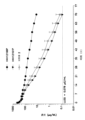
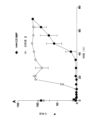


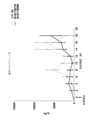


Classifications
-
- C—CHEMISTRY; METALLURGY
- C07—ORGANIC CHEMISTRY
- C07K—PEPTIDES
- C07K16/00—Immunoglobulins [IG], e.g. monoclonal or polyclonal antibodies
- C07K16/18—Immunoglobulins [IG], e.g. monoclonal or polyclonal antibodies against material from animals or humans
-
- A—HUMAN NECESSITIES
- A61—MEDICAL OR VETERINARY SCIENCE; HYGIENE
- A61K—PREPARATIONS FOR MEDICAL, DENTAL OR TOILETRY PURPOSES
- A61K39/00—Medicinal preparations containing antigens or antibodies
- A61K39/395—Antibodies; Immunoglobulins; Immune serum, e.g. antilymphocytic serum
- A61K39/39533—Antibodies; Immunoglobulins; Immune serum, e.g. antilymphocytic serum against materials from animals
- A61K39/3955—Antibodies; Immunoglobulins; Immune serum, e.g. antilymphocytic serum against materials from animals against proteinaceous materials, e.g. enzymes, hormones, lymphokines
-
- A—HUMAN NECESSITIES
- A61—MEDICAL OR VETERINARY SCIENCE; HYGIENE
- A61K—PREPARATIONS FOR MEDICAL, DENTAL OR TOILETRY PURPOSES
- A61K45/00—Medicinal preparations containing active ingredients not provided for in groups A61K31/00 - A61K41/00
- A61K45/06—Mixtures of active ingredients without chemical characterisation, e.g. antiphlogistics and cardiaca
-
- A—HUMAN NECESSITIES
- A61—MEDICAL OR VETERINARY SCIENCE; HYGIENE
- A61P—SPECIFIC THERAPEUTIC ACTIVITY OF CHEMICAL COMPOUNDS OR MEDICINAL PREPARATIONS
- A61P1/00—Drugs for disorders of the alimentary tract or the digestive system
- A61P1/04—Drugs for disorders of the alimentary tract or the digestive system for ulcers, gastritis or reflux esophagitis, e.g. antacids, inhibitors of acid secretion, mucosal protectants
-
- A—HUMAN NECESSITIES
- A61—MEDICAL OR VETERINARY SCIENCE; HYGIENE
- A61P—SPECIFIC THERAPEUTIC ACTIVITY OF CHEMICAL COMPOUNDS OR MEDICINAL PREPARATIONS
- A61P11/00—Drugs for disorders of the respiratory system
-
- A—HUMAN NECESSITIES
- A61—MEDICAL OR VETERINARY SCIENCE; HYGIENE
- A61P—SPECIFIC THERAPEUTIC ACTIVITY OF CHEMICAL COMPOUNDS OR MEDICINAL PREPARATIONS
- A61P11/00—Drugs for disorders of the respiratory system
- A61P11/06—Antiasthmatics
-
- A—HUMAN NECESSITIES
- A61—MEDICAL OR VETERINARY SCIENCE; HYGIENE
- A61P—SPECIFIC THERAPEUTIC ACTIVITY OF CHEMICAL COMPOUNDS OR MEDICINAL PREPARATIONS
- A61P13/00—Drugs for disorders of the urinary system
-
- A—HUMAN NECESSITIES
- A61—MEDICAL OR VETERINARY SCIENCE; HYGIENE
- A61P—SPECIFIC THERAPEUTIC ACTIVITY OF CHEMICAL COMPOUNDS OR MEDICINAL PREPARATIONS
- A61P13/00—Drugs for disorders of the urinary system
- A61P13/10—Drugs for disorders of the urinary system of the bladder
-
- A—HUMAN NECESSITIES
- A61—MEDICAL OR VETERINARY SCIENCE; HYGIENE
- A61P—SPECIFIC THERAPEUTIC ACTIVITY OF CHEMICAL COMPOUNDS OR MEDICINAL PREPARATIONS
- A61P13/00—Drugs for disorders of the urinary system
- A61P13/12—Drugs for disorders of the urinary system of the kidneys
-
- A—HUMAN NECESSITIES
- A61—MEDICAL OR VETERINARY SCIENCE; HYGIENE
- A61P—SPECIFIC THERAPEUTIC ACTIVITY OF CHEMICAL COMPOUNDS OR MEDICINAL PREPARATIONS
- A61P17/00—Drugs for dermatological disorders
- A61P17/02—Drugs for dermatological disorders for treating wounds, ulcers, burns, scars, keloids, or the like
-
- A—HUMAN NECESSITIES
- A61—MEDICAL OR VETERINARY SCIENCE; HYGIENE
- A61P—SPECIFIC THERAPEUTIC ACTIVITY OF CHEMICAL COMPOUNDS OR MEDICINAL PREPARATIONS
- A61P19/00—Drugs for skeletal disorders
- A61P19/02—Drugs for skeletal disorders for joint disorders, e.g. arthritis, arthrosis
-
- A—HUMAN NECESSITIES
- A61—MEDICAL OR VETERINARY SCIENCE; HYGIENE
- A61P—SPECIFIC THERAPEUTIC ACTIVITY OF CHEMICAL COMPOUNDS OR MEDICINAL PREPARATIONS
- A61P21/00—Drugs for disorders of the muscular or neuromuscular system
- A61P21/04—Drugs for disorders of the muscular or neuromuscular system for myasthenia gravis
-
- A—HUMAN NECESSITIES
- A61—MEDICAL OR VETERINARY SCIENCE; HYGIENE
- A61P—SPECIFIC THERAPEUTIC ACTIVITY OF CHEMICAL COMPOUNDS OR MEDICINAL PREPARATIONS
- A61P25/00—Drugs for disorders of the nervous system
-
- A—HUMAN NECESSITIES
- A61—MEDICAL OR VETERINARY SCIENCE; HYGIENE
- A61P—SPECIFIC THERAPEUTIC ACTIVITY OF CHEMICAL COMPOUNDS OR MEDICINAL PREPARATIONS
- A61P25/00—Drugs for disorders of the nervous system
- A61P25/08—Antiepileptics; Anticonvulsants
-
- A—HUMAN NECESSITIES
- A61—MEDICAL OR VETERINARY SCIENCE; HYGIENE
- A61P—SPECIFIC THERAPEUTIC ACTIVITY OF CHEMICAL COMPOUNDS OR MEDICINAL PREPARATIONS
- A61P25/00—Drugs for disorders of the nervous system
- A61P25/14—Drugs for disorders of the nervous system for treating abnormal movements, e.g. chorea, dyskinesia
- A61P25/16—Anti-Parkinson drugs
-
- A—HUMAN NECESSITIES
- A61—MEDICAL OR VETERINARY SCIENCE; HYGIENE
- A61P—SPECIFIC THERAPEUTIC ACTIVITY OF CHEMICAL COMPOUNDS OR MEDICINAL PREPARATIONS
- A61P25/00—Drugs for disorders of the nervous system
- A61P25/18—Antipsychotics, i.e. neuroleptics; Drugs for mania or schizophrenia
-
- A—HUMAN NECESSITIES
- A61—MEDICAL OR VETERINARY SCIENCE; HYGIENE
- A61P—SPECIFIC THERAPEUTIC ACTIVITY OF CHEMICAL COMPOUNDS OR MEDICINAL PREPARATIONS
- A61P25/00—Drugs for disorders of the nervous system
- A61P25/28—Drugs for disorders of the nervous system for treating neurodegenerative disorders of the central nervous system, e.g. nootropic agents, cognition enhancers, drugs for treating Alzheimer's disease or other forms of dementia
-
- A—HUMAN NECESSITIES
- A61—MEDICAL OR VETERINARY SCIENCE; HYGIENE
- A61P—SPECIFIC THERAPEUTIC ACTIVITY OF CHEMICAL COMPOUNDS OR MEDICINAL PREPARATIONS
- A61P27/00—Drugs for disorders of the senses
- A61P27/02—Ophthalmic agents
-
- A—HUMAN NECESSITIES
- A61—MEDICAL OR VETERINARY SCIENCE; HYGIENE
- A61P—SPECIFIC THERAPEUTIC ACTIVITY OF CHEMICAL COMPOUNDS OR MEDICINAL PREPARATIONS
- A61P29/00—Non-central analgesic, antipyretic or antiinflammatory agents, e.g. antirheumatic agents; Non-steroidal antiinflammatory drugs [NSAID]
-
- A—HUMAN NECESSITIES
- A61—MEDICAL OR VETERINARY SCIENCE; HYGIENE
- A61P—SPECIFIC THERAPEUTIC ACTIVITY OF CHEMICAL COMPOUNDS OR MEDICINAL PREPARATIONS
- A61P3/00—Drugs for disorders of the metabolism
- A61P3/04—Anorexiants; Antiobesity agents
-
- A—HUMAN NECESSITIES
- A61—MEDICAL OR VETERINARY SCIENCE; HYGIENE
- A61P—SPECIFIC THERAPEUTIC ACTIVITY OF CHEMICAL COMPOUNDS OR MEDICINAL PREPARATIONS
- A61P3/00—Drugs for disorders of the metabolism
- A61P3/08—Drugs for disorders of the metabolism for glucose homeostasis
- A61P3/10—Drugs for disorders of the metabolism for glucose homeostasis for hyperglycaemia, e.g. antidiabetics
-
- A—HUMAN NECESSITIES
- A61—MEDICAL OR VETERINARY SCIENCE; HYGIENE
- A61P—SPECIFIC THERAPEUTIC ACTIVITY OF CHEMICAL COMPOUNDS OR MEDICINAL PREPARATIONS
- A61P31/00—Antiinfectives, i.e. antibiotics, antiseptics, chemotherapeutics
-
- A—HUMAN NECESSITIES
- A61—MEDICAL OR VETERINARY SCIENCE; HYGIENE
- A61P—SPECIFIC THERAPEUTIC ACTIVITY OF CHEMICAL COMPOUNDS OR MEDICINAL PREPARATIONS
- A61P31/00—Antiinfectives, i.e. antibiotics, antiseptics, chemotherapeutics
- A61P31/04—Antibacterial agents
-
- A—HUMAN NECESSITIES
- A61—MEDICAL OR VETERINARY SCIENCE; HYGIENE
- A61P—SPECIFIC THERAPEUTIC ACTIVITY OF CHEMICAL COMPOUNDS OR MEDICINAL PREPARATIONS
- A61P37/00—Drugs for immunological or allergic disorders
- A61P37/02—Immunomodulators
-
- A—HUMAN NECESSITIES
- A61—MEDICAL OR VETERINARY SCIENCE; HYGIENE
- A61P—SPECIFIC THERAPEUTIC ACTIVITY OF CHEMICAL COMPOUNDS OR MEDICINAL PREPARATIONS
- A61P37/00—Drugs for immunological or allergic disorders
- A61P37/02—Immunomodulators
- A61P37/06—Immunosuppressants, e.g. drugs for graft rejection
-
- A—HUMAN NECESSITIES
- A61—MEDICAL OR VETERINARY SCIENCE; HYGIENE
- A61P—SPECIFIC THERAPEUTIC ACTIVITY OF CHEMICAL COMPOUNDS OR MEDICINAL PREPARATIONS
- A61P7/00—Drugs for disorders of the blood or the extracellular fluid
-
- A—HUMAN NECESSITIES
- A61—MEDICAL OR VETERINARY SCIENCE; HYGIENE
- A61P—SPECIFIC THERAPEUTIC ACTIVITY OF CHEMICAL COMPOUNDS OR MEDICINAL PREPARATIONS
- A61P7/00—Drugs for disorders of the blood or the extracellular fluid
- A61P7/06—Antianaemics
-
- A—HUMAN NECESSITIES
- A61—MEDICAL OR VETERINARY SCIENCE; HYGIENE
- A61P—SPECIFIC THERAPEUTIC ACTIVITY OF CHEMICAL COMPOUNDS OR MEDICINAL PREPARATIONS
- A61P9/00—Drugs for disorders of the cardiovascular system
-
- A—HUMAN NECESSITIES
- A61—MEDICAL OR VETERINARY SCIENCE; HYGIENE
- A61P—SPECIFIC THERAPEUTIC ACTIVITY OF CHEMICAL COMPOUNDS OR MEDICINAL PREPARATIONS
- A61P9/00—Drugs for disorders of the cardiovascular system
- A61P9/10—Drugs for disorders of the cardiovascular system for treating ischaemic or atherosclerotic diseases, e.g. antianginal drugs, coronary vasodilators, drugs for myocardial infarction, retinopathy, cerebrovascula insufficiency, renal arteriosclerosis
-
- A—HUMAN NECESSITIES
- A61—MEDICAL OR VETERINARY SCIENCE; HYGIENE
- A61K—PREPARATIONS FOR MEDICAL, DENTAL OR TOILETRY PURPOSES
- A61K39/00—Medicinal preparations containing antigens or antibodies
- A61K2039/505—Medicinal preparations containing antigens or antibodies comprising antibodies
-
- A—HUMAN NECESSITIES
- A61—MEDICAL OR VETERINARY SCIENCE; HYGIENE
- A61K—PREPARATIONS FOR MEDICAL, DENTAL OR TOILETRY PURPOSES
- A61K39/00—Medicinal preparations containing antigens or antibodies
- A61K2039/54—Medicinal preparations containing antigens or antibodies characterised by the route of administration
-
- C—CHEMISTRY; METALLURGY
- C07—ORGANIC CHEMISTRY
- C07K—PEPTIDES
- C07K2317/00—Immunoglobulins specific features
- C07K2317/20—Immunoglobulins specific features characterized by taxonomic origin
- C07K2317/21—Immunoglobulins specific features characterized by taxonomic origin from primates, e.g. man
-
- C—CHEMISTRY; METALLURGY
- C07—ORGANIC CHEMISTRY
- C07K—PEPTIDES
- C07K2317/00—Immunoglobulins specific features
- C07K2317/30—Immunoglobulins specific features characterized by aspects of specificity or valency
- C07K2317/33—Crossreactivity, e.g. for species or epitope, or lack of said crossreactivity
-
- C—CHEMISTRY; METALLURGY
- C07—ORGANIC CHEMISTRY
- C07K—PEPTIDES
- C07K2317/00—Immunoglobulins specific features
- C07K2317/30—Immunoglobulins specific features characterized by aspects of specificity or valency
- C07K2317/34—Identification of a linear epitope shorter than 20 amino acid residues or of a conformational epitope defined by amino acid residues
-
- C—CHEMISTRY; METALLURGY
- C07—ORGANIC CHEMISTRY
- C07K—PEPTIDES
- C07K2317/00—Immunoglobulins specific features
- C07K2317/50—Immunoglobulins specific features characterized by immunoglobulin fragments
- C07K2317/51—Complete heavy chain or Fd fragment, i.e. VH + CH1
-
- C—CHEMISTRY; METALLURGY
- C07—ORGANIC CHEMISTRY
- C07K—PEPTIDES
- C07K2317/00—Immunoglobulins specific features
- C07K2317/50—Immunoglobulins specific features characterized by immunoglobulin fragments
- C07K2317/515—Complete light chain, i.e. VL + CL
-
- C—CHEMISTRY; METALLURGY
- C07—ORGANIC CHEMISTRY
- C07K—PEPTIDES
- C07K2317/00—Immunoglobulins specific features
- C07K2317/50—Immunoglobulins specific features characterized by immunoglobulin fragments
- C07K2317/56—Immunoglobulins specific features characterized by immunoglobulin fragments variable (Fv) region, i.e. VH and/or VL
- C07K2317/565—Complementarity determining region [CDR]
-
- C—CHEMISTRY; METALLURGY
- C07—ORGANIC CHEMISTRY
- C07K—PEPTIDES
- C07K2317/00—Immunoglobulins specific features
- C07K2317/70—Immunoglobulins specific features characterized by effect upon binding to a cell or to an antigen
- C07K2317/76—Antagonist effect on antigen, e.g. neutralization or inhibition of binding
-
- C—CHEMISTRY; METALLURGY
- C07—ORGANIC CHEMISTRY
- C07K—PEPTIDES
- C07K2317/00—Immunoglobulins specific features
- C07K2317/90—Immunoglobulins specific features characterized by (pharmaco)kinetic aspects or by stability of the immunoglobulin
- C07K2317/92—Affinity (KD), association rate (Ka), dissociation rate (Kd) or EC50 value
-
- C—CHEMISTRY; METALLURGY
- C07—ORGANIC CHEMISTRY
- C07K—PEPTIDES
- C07K2317/00—Immunoglobulins specific features
- C07K2317/90—Immunoglobulins specific features characterized by (pharmaco)kinetic aspects or by stability of the immunoglobulin
- C07K2317/94—Stability, e.g. half-life, pH, temperature or enzyme-resistance
Landscapes
- Health & Medical Sciences (AREA)
- Chemical & Material Sciences (AREA)
- Medicinal Chemistry (AREA)
- Life Sciences & Earth Sciences (AREA)
- General Health & Medical Sciences (AREA)
- Organic Chemistry (AREA)
- Bioinformatics & Cheminformatics (AREA)
- Engineering & Computer Science (AREA)
- Veterinary Medicine (AREA)
- Public Health (AREA)
- Animal Behavior & Ethology (AREA)
- Pharmacology & Pharmacy (AREA)
- General Chemical & Material Sciences (AREA)
- Nuclear Medicine, Radiotherapy & Molecular Imaging (AREA)
- Chemical Kinetics & Catalysis (AREA)
- Immunology (AREA)
- Neurology (AREA)
- Biomedical Technology (AREA)
- Neurosurgery (AREA)
- Diabetes (AREA)
- Urology & Nephrology (AREA)
- Hematology (AREA)
- Pulmonology (AREA)
- Epidemiology (AREA)
- Endocrinology (AREA)
- Obesity (AREA)
- Psychiatry (AREA)
- Physical Education & Sports Medicine (AREA)
- Orthopedic Medicine & Surgery (AREA)
- Cardiology (AREA)
- Heart & Thoracic Surgery (AREA)
- Communicable Diseases (AREA)
- Oncology (AREA)
- Pain & Pain Management (AREA)
- Rheumatology (AREA)
- Genetics & Genomics (AREA)
- Molecular Biology (AREA)
- Biophysics (AREA)
- Biochemistry (AREA)
- Proteomics, Peptides & Aminoacids (AREA)
Description
本出願は2017年6月13日にPCT国際特許出願として出願され、そして米国仮出願第62/349,705号(2016年6月14日出願);同第62/405,561号(2016年10月7日);及び同第62/422,107号(2016年11月15日)(それぞれの開示はそれら全体として参照により本明細書に加入される)に対して優先権の利益を主張する。 This application was filed as a PCT international patent application on June 13, 2017, and claims the benefit of priority to U.S. Provisional Applications Nos. 62/349,705 (filed June 14, 2016); 62/405,561 (filed October 7, 2016); and 62/422,107 (filed November 15, 2016), the disclosures of each of which are incorporated herein by reference in their entireties.
発明の分野
本発明は、補体因子C5に特異的に結合する抗体及び抗体の抗原結合フラグメント、並びにそれらの抗体を使用する治療方法及び診断方法に関する。
FIELD OF THEINVENTION The present invention relates to antibodies and antigen-binding fragments of antibodies that specifically bind to complement factor C5, and to therapeutic and diagnostic methods using those antibodies.
発明の背景
補体系は、活性化された場合に標的細胞溶解をもたらし、そしてオプソニン化によりファゴサイトーシスを促進する一群の血漿タンパク質である。補体は3つの主要な経路による一連のタンパク質溶解工程により活性化される:古典的経路、これは典型的には免疫複合体により活性化される、無保護細胞表面により誘導され得る代替経路、及びマンノース結合レクチン経路。補体カスケードの3つの経路全てが補体成分5(C5)タンパク質のタンパク質分解切断に収束する。補体成分5(C5)の切断は、補体カスケードの活性化の間の重大なプロセスであるフラグメントC5a及びC5bの生成をもたらす。C5aはその受容体を通して多面的な生理学的応答を生じ得る(非特許文献1)。C5aは走化性移動を誘導する強力な炎症促進性メディエータであり、細胞接着を増強し、酸化的バーストを刺激し、そしてヒスタミン又はサイトカインのような様々な炎症メディエータの放出を誘導する。C5bは膜侵襲複合体(MAC、又はC5b-9)の形成を媒介し、補体依存性細胞障害(CDC)の後期に細胞溶解をもたらす。さらに、C5b-9による細胞溶解に抵抗性である有核細胞において、半溶解的な(sublytic)量のC5b-9は、細胞活性化を引き起こし得、これが細胞増殖、炎症促進性メディエータの生成及び細胞外マトリクスの産生を生じる。
Background of the invention The complement system is a group of plasma proteins that, when activated, lead to target cell lysis and promote phagocytosis by opsonization. Complement is activated by a series of proteolytic steps by three major pathways: the classical pathway, which is typically activated by immune complexes, the alternative pathway, which can be induced by unprotected cell surfaces, and the mannose-binding lectin pathway. All three pathways of the complement cascade converge on the proteolytic cleavage of the complement component 5 (C5) protein. Cleavage of complement component 5 (C5) leads to the generation of fragments C5a and C5b, which are critical processes during activation of the complement cascade. C5a can produce pleiotropic physiological responses through its receptors (Non-Patent Document 1). C5a is a potent pro-inflammatory mediator that induces chemotactic migration, enhances cell adhesion, stimulates the oxidative burst, and induces the release of various inflammatory mediators such as histamine or cytokines. C5b mediates the formation of the membrane attack complex (MAC, or C5b-9), which leads to cell lysis at the late stage of complement dependent cytotoxicity (CDC). Furthermore, in nucleated cells that are resistant to lysis by C5b-9, sublytic amounts of C5b-9 can cause cell activation, which results in cell proliferation, production of proinflammatory mediators, and production of extracellular matrix.
C5に対するモノクローナル抗体は当該分野で公知であり、例えば特許文献1、特許文献2、特許文献3、特許文献4、特許文献5、特許文献6、特許文献7、特許文献8、特許文献9、特許文献10、特許文献11、特許文献12、特許文献13、特許文献14、特許文献15、特許文献16、特許文献17、特許文献18、特許文献19、特許文献20、特許文献21、並びに特許文献22、特許文献23、特許文献24、特許文献25、特許文献26、及び特許文献27に記載されている。 Monoclonal antibodies against C5 are known in the art and are described, for example, in U.S. Patent No. 6,233,663, ...
高い親和性でC5タンパク質に特異的に結合し、かつ改善された薬物動態特性を有する完全ヒト抗体は、様々なC5関連疾患(例えば、非典型溶血性尿毒症症候群)の予防及び処置において重要であり得る。 Fully human antibodies that specifically bind to the C5 protein with high affinity and have improved pharmacokinetic properties may be important in the prevention and treatment of various C5-related diseases (e.g., atypical hemolytic uremic syndrome).
発明の簡単な要旨
本発明は、補体因子5(C5)タンパク質に特異的に結合する抗体及びその抗原結合フラグメントを提供する。本発明の抗体は、とりわけ、C5タンパク質の活性を阻害又は中和するために有用である。特定の実施態様において、抗体は、被験体においてC5関連疾患又は障害の少なくとも1つの症状又は徴候を予防するか、処置するか又は寛解させる際に有用である。特定の実施態様において、抗体は、C5関連疾患又は障害を有するか又は有する危険性のある被験体に予防的又は治療的に投与され得る。特定の実施態様において、抗C5抗体は、高い親和性でC5に結合し、かつ改善された薬物動態(PK)及び薬力学(PD)特性を有する完全ヒト抗体である。このような改善されたPK/PDを有する高親和性抗体は、C5関連疾患又は障害を有する被験体においてより少ない頻度の投薬ともに、優れた有効性を提供するために使用され得る。
BRIEF SUMMARY OF THE INVENTION The present invention provides antibodies and antigen-binding fragments thereof that specifically bind to complement factor 5 (C5) protein. The antibodies of the present invention are useful, inter alia, for inhibiting or neutralizing the activity of C5 protein. In certain embodiments, the antibodies are useful in preventing, treating, or ameliorating at least one symptom or sign of a C5-related disease or disorder in a subject. In certain embodiments, the antibodies can be administered prophylactically or therapeutically to subjects having or at risk of having a C5-related disease or disorder. In certain embodiments, the anti-C5 antibodies are fully human antibodies that bind to C5 with high affinity and have improved pharmacokinetic (PK) and pharmacodynamic (PD) properties. Such high affinity antibodies with improved PK/PD can be used to provide superior efficacy with less frequent dosing in subjects with C5-related diseases or disorders.
本発明の抗体は全長(例えば、IgG1又はIgG4抗体)であっても、抗原結合部分(例えば、Fab、F(ab’)2又はscFvフラグメント)のみを含んでいてもよく、そして機能に影響を及ぼすため、例えば、宿主における持続性を増加させるため、又は残留エフェクター機能を除外するために改変されてもよい(Reddy et al.,2000,J.Immunol.164:1925-1933)。特定の実施態様において、抗体は二重特異性であってもよい。 The antibodies of the invention may be full length (e.g., IgG1 or IgG4 antibodies) or may comprise only the antigen-binding portion (e.g., Fab, F(ab') 2 or scFv fragments) and may be modified to affect function, e.g., to increase persistence in the host or to eliminate residual effector function (Reddy et al., 2000, J. Immunol. 164:1925-1933). In certain embodiments, the antibodies may be bispecific.
第一の局面において、本発明は、C5タンパク質に特異的に結合する単離された組み換
えモノクローナル抗体又はその抗原結合フラグメントを提供する。いくつかの実施態様において、抗体は完全ヒトモノクローナル抗体である。
In a first aspect, the present invention provides an isolated and recombinant monoclonal antibody or antigen-binding fragment thereof that specifically binds to a C5 protein. In some embodiments, the antibody is a fully human monoclonal antibody.
本発明の例となる抗C5抗体は、本明細書の表1及び2に列挙される。表1は、例となる抗C5抗体の、重鎖可変領域(HCVR)、軽鎖可変領域(LCVR)、重鎖相補性決定領域(HCDR1、HCDR2及びHCDR3)、及び軽鎖相補性決定領域(LCDR1、LCDR2及びLCDR3)のアミノ酸配列識別子を示す。表2は、例となる抗C5抗体のHCVR、LCVR、HCDR1、HCDR2 HCDR3、LCDR1、LCDR2及びLCDR3の核酸配列識別子を示す。 Exemplary anti-C5 antibodies of the present invention are listed in Tables 1 and 2 herein. Table 1 shows the amino acid sequence identifiers of the heavy chain variable region (HCVR), light chain variable region (LCVR), heavy chain complementarity determining region (HCDR1, HCDR2, and HCDR3), and light chain complementarity determining region (LCDR1, LCDR2, and LCDR3) of exemplary anti-C5 antibodies. Table 2 shows the nucleic acid sequence identifiers of the HCVR, LCVR, HCDR1, HCDR2 HCDR3, LCDR1, LCDR2, and LCDR3 of exemplary anti-C5 antibodies.
本発明は、表1に列挙されるHCVRアミノ酸配列又はそれに対して少なくとも90%、少なくとも95%、少なくとも98%又は少なくとも99%の配列同一性を有するその実質的に類似した配列のいずれかから選択されるアミノ酸配列を含むHCVRを含む、抗体又はその抗原結合フラグメントを提供する。 The present invention provides an antibody or antigen-binding fragment thereof comprising an HCVR comprising an amino acid sequence selected from any of the HCVR amino acid sequences listed in Table 1 or substantially similar sequences thereof having at least 90%, at least 95%, at least 98% or at least 99% sequence identity thereto.
本発明はまた、表1に列挙されるLCVRアミノ酸配列又はそれに対して少なくとも90%、少なくとも95%、少なくとも98%又は少なくとも99%の配列同一性を有するその実質的に類似した配列のいずれかから選択されるアミノ酸配列を含むLCVRを含む、抗体又はその抗原結合フラグメントを提供する。 The present invention also provides an antibody or antigen-binding fragment thereof comprising an LCVR comprising an amino acid sequence selected from any of the LCVR amino acid sequences listed in Table 1 or substantially similar sequences thereof having at least 90%, at least 95%, at least 98% or at least 99% sequence identity thereto.
本発明はまた、表1に列挙されるLCVRアミノ酸配列のいずれかと対になった表1に列挙されるHCVRアミノ酸配列のいずれかを含むHCVR及びLCVRアミノ酸配列対(HCVR/LCVR)を含む、抗体又はその抗原結合フラグメントを提供する。特定の実施態様によれば、本発明は、表1に列挙される例となる抗C5抗体のいずれか内に含有されるHCVR/LCVRアミノ酸配列対を含む、抗体又はその抗原結合フラグメントを提供する。特定の実施態様において、HCVR/LCVRアミノ酸配列対は、配列番号2/10、18/26、34/42、50/58、66/74、82/90、98/106、98/114、122/106、98/130、138/106、146/106、122/130、146/114、146/130、138/130、154/162、170/178、186/194、202/210、218/226、234/242、250/258、266/258、274/282、290/298、306/314、322/330、及び338/346からなる群より選択される。特定の実施態様において、HCVR/LCVRアミノ酸配列対は、配列番号50/58(例えば、H4H12161P)、98/106(例えば、H4H12166P)、138/106(例えば、H4H12166P5)、又は202/210(例えば、H4H12170P)のうちの1つから選択される。特定の実施態様において、本発明はHCVR及びLCVRを含む抗C5抗体又はその抗原結合フラグメントを提供し、該HCVRは5以下のアミノ酸置換を有する表1に列挙されるアミノ酸配列を含み、そして該LCVRは2以下のアミノ酸置換を有する表1に列挙されるアミノ酸配列を含む。例えば、本発明は、HCVR及びLCVRを含む抗C5抗体又はその抗原結合フラグメントを提供し、該HCVRは5以下のアミノ酸置換を有する配列番号98のアミノ酸配列を含み、そして該LCVRは2以下のアミノ酸置換を有する配列番号106のアミノ酸配列を含む。別の実施態様において、本発明は、HCVR及びLCVRを含む抗C5抗体又はその抗原結合フラグメントを提供し、該HCVRは少なくとも1つのアミノ酸置換を有する配列番号98のアミノ酸配列を含み、そして該LCVRは1つのアミノ酸置換を有する配列番号106のアミノ酸配列を含む。 The present invention also provides antibodies or antigen-binding fragments thereof that include an HCVR and LCVR amino acid sequence pair (HCVR/LCVR) that includes any of the HCVR amino acid sequences listed in Table 1 paired with any of the LCVR amino acid sequences listed in Table 1. In certain embodiments, the present invention provides antibodies or antigen-binding fragments thereof that include an HCVR/LCVR amino acid sequence pair contained within any of the exemplary anti-C5 antibodies listed in Table 1. In certain embodiments, the HCVR/LCVR amino acid sequence pair is selected from the group consisting of SEQ ID NOs: 2/10, 18/26, 34/42, 50/58, 66/74, 82/90, 98/106, 98/114, 122/106, 98/130, 138/106, 146/106, 122/130, 146/114, 146/130, 138/130, 154/162, 170/178, 186/194, 202/210, 218/226, 234/242, 250/258, 266/258, 274/282, 290/298, 306/314, 322/330, and 338/346. In certain embodiments, the HCVR/LCVR amino acid sequence pair is selected from one of SEQ ID NOs: 50/58 (e.g., H4H12161P), 98/106 (e.g., H4H12166P), 138/106 (e.g., H4H12166P5), or 202/210 (e.g., H4H12170P). In certain embodiments, the invention provides an anti-C5 antibody or antigen-binding fragment thereof comprising an HCVR and an LCVR, wherein the HCVR comprises an amino acid sequence listed in Table 1 with no more than 5 amino acid substitutions, and the LCVR comprises an amino acid sequence listed in Table 1 with no more than 2 amino acid substitutions. For example, the invention provides an anti-C5 antibody or antigen-binding fragment thereof comprising an HCVR and an LCVR, wherein the HCVR comprises the amino acid sequence of SEQ ID NO: 98 with no more than 5 amino acid substitutions, and the LCVR comprises the amino acid sequence of SEQ ID NO: 106 with no more than 2 amino acid substitutions. In another embodiment, the present invention provides an anti-C5 antibody or antigen-binding fragment thereof comprising an HCVR and an LCVR, wherein the HCVR comprises the amino acid sequence of SEQ ID NO: 98 with at least one amino acid substitution, and the LCVR comprises the amino acid sequence of SEQ ID NO: 106 with one amino acid substitution.
本発明はまた、表1に列挙されるHCDR1アミノ酸配列のいずれか又は少なくとも90%、少なくとも95%、少なくとも98%もしくは少なくとも99%の配列同一性を有するその実質的に類似した配列から選択されるアミノ酸配列を含む重鎖CDR1(HCDR1)を含む抗体又はその抗原結合フラグメントを提供する。 The present invention also provides an antibody or antigen-binding fragment thereof comprising a heavy chain CDR1 (HCDR1) comprising an amino acid sequence selected from any of the HCDR1 amino acid sequences listed in Table 1 or a substantially similar sequence thereof having at least 90%, at least 95%, at least 98% or at least 99% sequence identity.
本発明はまた、表1に列挙されるHCDR2アミノ酸配列のいずれか又は少なくとも90%、少なくとも95%、少なくとも98%もしくは少なくとも99%の配列同一性を有するその実質的に類似した配列から選択されるアミノ酸配列を含む重鎖CDR2(HCDR2)を含む抗体又はその抗原結合フラグメントを提供する。 The present invention also provides an antibody or antigen-binding fragment thereof comprising a heavy chain CDR2 (HCDR2) comprising an amino acid sequence selected from any of the HCDR2 amino acid sequences listed in Table 1 or a substantially similar sequence thereof having at least 90%, at least 95%, at least 98% or at least 99% sequence identity.
本発明はまた、表1に列挙されるHCDR3アミノ酸配列のいずれか又は少なくとも90%、少なくとも95%、少なくとも98%もしくは少なくとも99%の配列同一性を有するその実質的に類似した配列から選択されるアミノ酸配列を含む重鎖CDR3(HCDR3)を含む抗体又はその抗原結合フラグメントを提供する。 The present invention also provides an antibody or antigen-binding fragment thereof comprising a heavy chain CDR3 (HCDR3) comprising an amino acid sequence selected from any of the HCDR3 amino acid sequences listed in Table 1 or a substantially similar sequence thereof having at least 90%, at least 95%, at least 98% or at least 99% sequence identity.
本発明はまた、表1に列挙されるLCDR1アミノ酸のいずれか又は少なくとも90%、少なくとも95%、少なくとも98%もしくは少なくとも99%の配列同一性を有するその実質的に類似した配列から選択されるアミノ酸配列を含む軽鎖CDR1(LCDR1)を含む抗体又はその抗原結合フラグメントを提供する。 The present invention also provides an antibody or antigen-binding fragment thereof comprising a light chain CDR1 (LCDR1) comprising an amino acid sequence selected from any of the LCDR1 amino acids listed in Table 1 or a substantially similar sequence thereof having at least 90%, at least 95%, at least 98% or at least 99% sequence identity.
本発明はまた、表1に列挙されるLCDR2アミノ酸配列のいずれか又は少なくとも90%、少なくとも95%、少なくとも98%もしくは少なくとも99%の配列同一性を有するその実質的に類似した配列から選択されるアミノ酸配列を含む軽鎖CDR2(LCDR2)を含む抗体又はその抗原結合フラグメントを提供する。 The present invention also provides an antibody or antigen-binding fragment thereof comprising a light chain CDR2 (LCDR2) comprising an amino acid sequence selected from any of the LCDR2 amino acid sequences listed in Table 1 or a substantially similar sequence thereof having at least 90%, at least 95%, at least 98% or at least 99% sequence identity.
本発明はまた、表1に列挙されるLCDR3アミノ酸配列のいずれか又は少なくとも90%、少なくとも95%、少なくとも98%もしくは少なくとも99%の配列同一性を有するその実質的に類似した配列を含む軽鎖CDR3(LCDR3)を含む抗体又はその抗原結合フラグメントを提供する。 The present invention also provides an antibody or antigen-binding fragment thereof comprising a light chain CDR3 (LCDR3) comprising any of the LCDR3 amino acid sequences listed in Table 1 or a substantially similar sequence thereof having at least 90%, at least 95%, at least 98% or at least 99% sequence identity.
本発明はまた、表1に列挙されるLCDR3アミノ酸配列のいずれかと対になった表1に列挙されるHCDR3アミノ酸配列のいずれかを含むHCDR3及びLCDR3アミノ酸対(HCDR3/LCDR3)を含む抗体又はその抗原結合フラグメントを提供する。特定の実施態様によれば、本発明は、表1に列挙される例となる抗C5抗体のいずれか内に含有されるHCDR3/LCDR3アミノ酸配列対を含む抗体又はその抗原結合フラグメントを提供する。特定の実施態様において、HCDR3/LCDR3アミノ酸配列対は、配列番号56/64(例えば、H4H12161P)、104/112(例えば、H4H12166P)、144/112(例えば、H4H12166P5)、及び208/216(例えば、H4H12170P)からなる群より選択される。 The present invention also provides antibodies or antigen-binding fragments thereof that comprise a HCDR3 and LCDR3 amino acid pair (HCDR3/LCDR3) that comprises any of the HCDR3 amino acid sequences listed in Table 1 paired with any of the LCDR3 amino acid sequences listed in Table 1. According to certain embodiments, the present invention provides antibodies or antigen-binding fragments thereof that comprise a HCDR3/LCDR3 amino acid sequence pair contained within any of the exemplary anti-C5 antibodies listed in Table 1. In certain embodiments, the HCDR3/LCDR3 amino acid sequence pair is selected from the group consisting of SEQ ID NOs: 56/64 (e.g., H4H12161P), 104/112 (e.g., H4H12166P), 144/112 (e.g., H4H12166P5), and 208/216 (e.g., H4H12170P).
本発明はまた、HCVR及びLCVRを含む抗体又はその抗原結合フラグメントを提供し、該HCVRは、表1に列挙されるアミノ酸配列と1アミノ酸異なるアミノ酸配列を含むHCDR1、表1に列挙されるアミノ酸配列と1アミノ酸異なるアミノ酸配列を含むHCDR2、及び表1に列挙されるアミノ酸配列と1アミノ酸異なるアミノ酸配列を含むHCDR3を含む。特定の実施態様において、本発明は、HCVR及びLCVRを含む抗体又は抗原結合フラグメントを提供し、該LCVRは、表1に列挙されるアミノ酸配列と1アミノ酸異なるアミノ酸配列を含むLCDR1、表1に列挙されるアミノ酸配列と1アミノ酸異なるアミノ酸配列を含むLCDR2、及び表1に列挙されるアミノ酸配列と1アミノ酸異なるアミノ酸配列を含むLCDR3を含む。例えば、本発明は、HCVR及びLCVRを含む抗C5抗体又はその抗原結合フラグメントを提供し、該HCVRは、配列番号100のアミノ酸配列又は配列番号100と1アミノ酸異なるアミノ酸配列を含むHCDR1、配列番号102のアミノ酸配列又は配列番号102と1アミノ酸異なるアミノ酸配列を含むHCDR2、及び配列番号104のアミノ酸配列又は配列番号104と1アミノ酸異なるアミノ酸配列を含むHCDR3を含む。別の例となる実施態様において、本発明
は、HCVR及びLCVRを含む抗体又はその抗原結合フラグメントを提供し、該LCVRは、配列番号108のアミノ酸配列又は配列番号108と1アミノ酸異なるアミノ酸配列を含むLCDR1、配列番号110のアミノ酸配列又は配列番号110と1アミノ酸異なるアミノ酸配列を含むLCDR2、及び配列番号112のアミノ酸配列又は配列番号112と1アミノ酸異なるアミノ酸配列を含むLCDR3を含む。
The invention also provides an antibody or antigen-binding fragment thereof comprising an HCVR and an LCVR, wherein the HCVR comprises an HCDR1 comprising an amino acid sequence that differs by one amino acid from the amino acid sequence listed in Table 1, an HCDR2 comprising an amino acid sequence that differs by one amino acid from the amino acid sequence listed in Table 1, and an HCDR3 comprising an amino acid sequence that differs by one amino acid from the amino acid sequence listed in Table 1. In certain embodiments, the invention provides an antibody or antigen-binding fragment thereof comprising an HCVR and an LCVR, wherein the LCVR comprises an LCDR1 comprising an amino acid sequence that differs by one amino acid from the amino acid sequence listed in Table 1, an LCDR2 comprising an amino acid sequence that differs by one amino acid from the amino acid sequence listed in Table 1, and an LCDR3 comprising an amino acid sequence that differs by one amino acid from the amino acid sequence listed in Table 1. For example, the invention provides an anti-C5 antibody or antigen-binding fragment thereof comprising an HCVR and an LCVR, wherein the HCVR comprises an HCDR1 comprising the amino acid sequence of SEQ ID NO: 100 or an amino acid sequence that differs by one amino acid from SEQ ID NO: 100, an HCDR2 comprising the amino acid sequence of SEQ ID NO: 102 or an amino acid sequence that differs by one amino acid from SEQ ID NO: 102, and an HCDR3 comprising the amino acid sequence of SEQ ID NO: 104 or an amino acid sequence that differs by one amino acid from SEQ ID NO: 104. In another exemplary embodiment, the invention provides an antibody or antigen-binding fragment thereof comprising an HCVR and an LCVR, wherein the LCVR comprises an LCDR1 comprising the amino acid sequence of SEQ ID NO: 108 or an amino acid sequence that differs by one amino acid from SEQ ID NO: 108, an LCDR2 comprising the amino acid sequence of SEQ ID NO: 110 or an amino acid sequence that differs by one amino acid from SEQ ID NO: 110, and an LCDR3 comprising the amino acid sequence of SEQ ID NO: 112 or an amino acid sequence that differs by one amino acid from SEQ ID NO: 112.
本発明は、配列番号353のアミノ酸配列、又はそれに対して少なくとも80%、少なくとも85%、少なくとも90%、少なくとも95%、少なくとも98%もしくは少なくとも99%の配列同一性を有する実質的に類似した配列を含む重鎖を含む抗体又はその抗原結合フラグメントを提供する。 The present invention provides an antibody or antigen-binding fragment thereof comprising a heavy chain comprising the amino acid sequence of SEQ ID NO:353, or a substantially similar sequence having at least 80%, at least 85%, at least 90%, at least 95%, at least 98% or at least 99% sequence identity thereto.
本発明はまた、配列番号354のアミノ酸配列、又はそれに対して少なくとも80%、少なくとも85%、少なくとも90%、少なくとも95%、少なくとも98%もしくは少なくとも99%の配列同一性を有する実質的に類似した配列を含む軽鎖を含む抗体又はその抗原結合フラグメントを提供する。 The present invention also provides an antibody or antigen-binding fragment thereof comprising a light chain comprising the amino acid sequence of SEQ ID NO:354, or a substantially similar sequence having at least 80%, at least 85%, at least 90%, at least 95%, at least 98% or at least 99% sequence identity thereto.
特定の実施態様において、本発明は、配列番号353のアミノ酸配列、又はそれに対して少なくとも80%、もしくは少なくとも90%の配列同一性を有する実質的に類似した配列を含む重鎖;及び配列番号354のアミノ酸配列、又はそれに対して少なくとも80%、もしくは少なくとも90%の配列同一性を有する実質的に類似した配列を含む軽鎖を含む抗体又はその抗原結合フラグメントを提供する。 In certain embodiments, the present invention provides an antibody or antigen-binding fragment thereof comprising a heavy chain comprising the amino acid sequence of SEQ ID NO:353, or a substantially similar sequence having at least 80%, or at least 90%, sequence identity thereto; and a light chain comprising the amino acid sequence of SEQ ID NO:354, or a substantially similar sequence having at least 80%, or at least 90%, sequence identity thereto.
本発明はまた、表1に列挙される例となる抗C5抗体のいずれか内に含有される6つのCDRのセット(すなわち、HCDR1-HCDR2-HCDR3-LCDR1-LCDR2-LCDR3)を含む抗体又はその抗原結合フラグメントを提供する。特定の実施態様において、HCDR1-HCDR2-HCDR3-LCDR1-LCDR2-LCDR3アミノ酸配列セットは、配列番号52-54-56-60-62-64(例えば、H4H12161P)、100-102-104-108-110-112(例えば、H4H12166P)、140-142-144-108-110-112(例えば、H4H12166P5)、及び204-206-208-212-214-216(例えば、H4H12170P)からなる群より選択される。 The present invention also provides an antibody or antigen-binding fragment thereof comprising a set of six CDRs (i.e., HCDR1-HCDR2-HCDR3-LCDR1-LCDR2-LCDR3) contained within any of the exemplary anti-C5 antibodies listed in Table 1. In certain embodiments, the HCDR1-HCDR2-HCDR3-LCDR1-LCDR2-LCDR3 amino acid sequence set is selected from the group consisting of SEQ ID NOs: 52-54-56-60-62-64 (e.g., H4H12161P), 100-102-104-108-110-112 (e.g., H4H12166P), 140-142-144-108-110-112 (e.g., H4H12166P5), and 204-206-208-212-214-216 (e.g., H4H12170P).
関連する実施態様において、本発明は、表1に列挙される例となる抗C5抗体のいずれかにより定義されるHCVR/LCVRアミノ酸配列対内に含有される6つのCDRのセット(すなわち、HCDR1-HCDR2-HCDR3-LCDR1-LCDR2-LCDR3)を含む抗体又はその抗原結合フラグメントを提供する。例えば、本発明は、配列番号50/58(例えば、H4H12161P)、98/106(例えば、H4H12166P)、138/106(例えば、H4H12166P5)、又は202/210(例えば、H4H12170P)からなる群より選択されるHCVR/LCVRアミノ酸配列対内に含有されるHCDR1-HCDR2-HCDR3-LCDR1-LCDR2-LCDR3アミノ酸配列セットを含む抗体又はその抗原結合フラグメントを含む。HCVR及びLCVRアミノ酸配列内のCDRを同定するための方法及び技術は当該分野で周知であり、そして本明細書に開示される特定のHCVR及び/又はLCVRアミノ酸配列内のCDRを同定するために使用され得る。CDRの境界を同定するために使用され得る例となる慣例としては、例えば、Kabat定義、Chothia定義、及びAbM定義が挙げられる。一般的には、Kabat定義は配列可変性に基づき、Chothia定義は構造的ループ領域の位置に基づき、そしてAbM定義はKabat及びChothiaアプローチの間の折衷である。例えば、Kabat、「Sequences of Proteins of Immunological Interest,」National Institutes of Health、Bethesda、Md.(1991);
Al-Lazikani et al.、J.Mol.Biol.273:927-948 (1997);及びMartin et al.、Proc.Natl.Acad.Sci.USA 86:9268-9272(1989)を参照のこと。公開データベースも抗体内のCDR配列を同定するために利用可能である。
In a related embodiment, the invention provides an antibody, or antigen-binding fragment thereof, that comprises a set of six CDRs (i.e., HCDR1-HCDR2-HCDR3-LCDR1-LCDR2-LCDR3) contained within the HCVR/LCVR amino acid sequence pair defined by any of the exemplary anti-C5 antibodies listed in Table 1. For example, the invention includes an antibody, or antigen-binding fragment thereof, that comprises a set of HCDR1-HCDR2-HCDR3-LCDR1-LCDR2-LCDR3 amino acid sequences contained within the HCVR/LCVR amino acid sequence pair selected from the group consisting of SEQ ID NOs: 50/58 (e.g., H4H12161P), 98/106 (e.g., H4H12166P), 138/106 (e.g., H4H12166P5), or 202/210 (e.g., H4H12170P). Methods and techniques for identifying CDRs within HCVR and LCVR amino acid sequences are well known in the art and may be used to identify CDRs within the particular HCVR and/or LCVR amino acid sequences disclosed herein. Exemplary conventions that may be used to identify CDR boundaries include, for example, the Kabat definition, the Chothia definition, and the AbM definition. Generally, the Kabat definition is based on sequence variability, the Chothia definition is based on the location of structural loop regions, and the AbM definition is a compromise between the Kabat and Chothia approaches. See, e.g., Kabat, "Sequences of Proteins of Immunological Interest," National Institutes of Health, Bethesda, Md. (1991);
See Al-Lazikani et al., J. Mol. Biol. 273:927-948 (1997); and Martin et al., Proc. Natl. Acad. Sci. USA 86:9268-9272 (1989). Public databases are also available for identifying CDR sequences within antibodies.
特定の実施態様において、本発明は、C5に特異的に結合する抗体又はその抗原結合フラグメントを含み、ここで抗体又はその抗原結合フラグメントは、重鎖可変領域(HCVR)内に含有される3つの重鎖相補性決定領域(CDR)(HCDR1、HCDR2及びHCDR3)及び軽鎖可変領域(LCVR)内に含有される3つの軽鎖CDR(LCDR1、LCDR2及びLCDR3)を含み、ここでHCVRは:(i)配列番号98のアミノ酸配列、(ii)配列番号98に対して少なくとも90%の同一性を有するアミノ酸配列、(iii)配列番号98に対して少なくとも95%の同一性を有するアミノ酸配列;又は(iv)5以下のアミノ酸置換を有する配列番号98のアミノ酸配列を含み;そしてLCVRは:(i)配列番号106のアミノ酸配列、(ii)配列番号106に対して少なくとも90%の同一性を有するアミノ酸配列、(iii)配列番号106に対して少なくとも95%の同一性を有するアミノ酸配列;又は(iv)5以下のアミノ酸置換を有する配列番号106のアミノ酸配列を含む。 In certain embodiments, the invention includes an antibody or antigen-binding fragment thereof that specifically binds to C5, wherein the antibody or antigen-binding fragment thereof comprises three heavy chain complementarity determining regions (CDRs) (HCDR1, HCDR2, and HCDR3) contained within a heavy chain variable region (HCVR) and three light chain CDRs (LCDR1, LCDR2, and LCDR3) contained within a light chain variable region (LCVR), wherein the HCVR has: (i) the amino acid sequence of SEQ ID NO:98; (ii) an amino acid sequence that is at least 90% identical to SEQ ID NO:98; (iii) an amino acid sequence having at least 95% identity to SEQ ID NO:98; or (iv) an amino acid sequence of SEQ ID NO:98 with 5 or fewer amino acid substitutions; and LCVR comprises: (i) an amino acid sequence of SEQ ID NO:106, (ii) an amino acid sequence having at least 90% identity to SEQ ID NO:106, (iii) an amino acid sequence having at least 95% identity to SEQ ID NO:106; or (iv) an amino acid sequence of SEQ ID NO:106 with 5 or fewer amino acid substitutions.
本発明は、改変されたグリコシル化パターンを有する抗C5抗体を含む。いくつかの実施態様において、望ましくないグリコシル化部位を除去する改変、例えば抗体依存性細胞傷害(ADCC)機能を増加させるための、オリゴ糖鎖上に存在するフコース部分を欠いた抗体は有用であり得る(Shield et al.(2002)JBC 277:26733を参照のこと)。他の適用において、ガラクトシル化の改変が補体依存性細胞障害(CDC)を改変するために行われ得る。 The present invention includes anti-C5 antibodies with altered glycosylation patterns. In some embodiments, modifications to remove undesired glycosylation sites may be useful, such as antibodies lacking fucose moieties present on the oligosaccharide chains to increase antibody-dependent cellular cytotoxicity (ADCC) function (see Shield et al. (2002) JBC 277:26733). In other applications, galactosylation modifications may be made to alter complement-dependent cytotoxicity (CDC).
特定の実施態様において、本発明は、C5に対するpH依存性結合を示す抗体及びその抗原結合フラグメントを提供する。例えば、本発明は、酸性pHよりも中性pHでより高い親和性でC5に結合する(すなわち、酸性pHで減少した結合)抗体及びその抗原結合フラグメントを含む。 In certain embodiments, the present invention provides antibodies and antigen-binding fragments thereof that exhibit pH-dependent binding to C5. For example, the present invention includes antibodies and antigen-binding fragments thereof that bind to C5 with greater affinity at neutral pH than at acidic pH (i.e., reduced binding at acidic pH).
特定の実施態様において、本発明は、改善された薬物動態及び薬力学特性を示す抗体及び抗原結合フラグメントを提供し、例えば、本発明は、延長された血清半減期を有する抗C5抗体を提供する。特定の実施態様において、本発明の抗C5抗体は、C5ヒト化マウスにおいて40日目まで10μg/mLより高い血清濃度を有する。特定の実施態様において、本発明の抗C5抗体は、C5ヒト化マウスへの投与の際に、35日目までCP溶血及びAP溶血を遮断する。
In certain embodiments, the invention provides antibodies and antigen-binding fragments that exhibit improved pharmacokinetic and pharmacodynamic properties, e.g., the invention provides anti-C5 antibodies with extended serum half-lives. In certain embodiments, the anti-C5 antibodies of the invention have serum concentrations of greater than 10 μg/mL in C5-humanized mice up to
本発明はまた、HCVRのCDR及びLCVRのCDRを含む抗体又はその抗原結合フラグメントとC5に対する特異的結合について競合する抗体及びその抗原結合フラグメントを提供し、ここでHCVR及びLCVRはそれぞれ、表1に列挙されるHCVR及びLCVR配列から選択されるアミノ酸配列を有する。 The present invention also provides antibodies and antigen-binding fragments thereof that compete for specific binding to C5 with an antibody or antigen-binding fragment thereof comprising a CDR of HCVR and a CDR of LCVR, wherein the HCVR and LCVR have amino acid sequences selected from the HCVR and LCVR sequences listed in Table 1, respectively.
本発明はまた、HCVRのCDR及びLCVRのCDRを含む参照抗体又はその抗原結合フラグメントとC5に対する結合について交差競合する抗体及びその抗原結合フラグメントを提供し、ここでHCVR及びLCVRはそれぞれ、表1に列挙されるHCVR及びLCVR配列から選択されるアミノ酸配列を有する。 The present invention also provides antibodies and antigen-binding fragments thereof that cross-compete for binding to C5 with a reference antibody or antigen-binding fragment thereof that includes a CDR of HCVR and a CDR of LCVR, where the HCVR and LCVR have amino acid sequences selected from the HCVR and LCVR sequences listed in Table 1, respectively.
本発明はまた、HCVRのCDR及びLCVRのCDRを含む参照抗体又はその抗原結合フラグメントと同じエピトープに結合する抗体及びその抗原結合フラグメントを提供し、ここでHCVR及びLCVRはそれぞれ、表1に列挙されるHCVR及びLCVR配列
から選択されるアミノ酸配列を有する。特定の実施態様において、本発明は、HCVRのCDR及びLCVRのCDRを含む参照抗体又はその抗原結合フラグメントと同じエピトープに結合する抗体及びその抗原結合フラグメントを提供し、ここでHCVR/LCVRアミノ酸配列対は配列番号98/106を有する。
The present invention also provides antibodies and antigen-binding fragments thereof that bind to the same epitope as a reference antibody or antigen-binding fragment thereof comprising a CDR of HCVR and a CDR of LCVR, wherein the HCVR and LCVR have amino acid sequences selected from the HCVR and LCVR sequences listed in Table 1. In certain embodiments, the present invention provides antibodies and antigen-binding fragments thereof that bind to the same epitope as a reference antibody or antigen-binding fragment thereof comprising a CDR of HCVR and a CDR of LCVR, wherein the HCVR/LCVR amino acid sequence pair has SEQ ID NO: 98/106.
本発明はまた、C5のアルファ鎖及び/又はベータ鎖に含まれる1つ又はそれ以上のアミノ酸残基に結合する抗C5抗体及びその抗原結合フラグメントを含む。特定の実施態様において、本発明は、C5のアルファ鎖中の1つ又はそれ以上のアミノ酸及びC5のベータ鎖中の1つ又はそれ以上のアミノ酸に結合する抗体及びその抗原結合フラグメントを提供する。特定の実施態様において、本発明は、C5のアルファ鎖及びベータ鎖中の1つ又はそれ以上のアミノ酸に結合する抗体及びその抗原結合フラグメントを提供し、ここで抗体はC5aアナフィラトキシンドメインに結合しない。特定の実施態様において、本発明は、ヒトC5(配列番号359)内に含有される1つ又はそれ以上のアミノ酸と相互作用する抗C5抗体を提供する。特定の実施態様において、本発明は、ヒトC5(配列番号359)内に含有される1つ又はそれ以上のアミノ酸と相互作用する抗C5抗体を提供し、ここで抗体は、C5のC5aアナフィラトキシンドメインに結合しない。特定の実施態様において、本発明は、(a)配列番号359のアミノ酸591~599;(b)配列番号359のアミノ酸593~599;(c)配列番号359のアミノ酸775~787;(d)配列番号359のアミノ酸775~794;及び(e)配列番号359のアミノ酸779~787からなる群より選択されるアミノ酸配列と相互作用する抗C5抗体及びその抗原結合フラグメントを提供する。特定の実施態様において、本発明は、配列番号359内に含有される1つ又はそれ以上のアミノ酸と相互作用する抗C5抗体及びその抗原結合フラグメントを提供し、例えば、本発明は、配列番号361内に含有される少なくとも5つのアミノ酸、少なくとも10のアミノ酸、又は少なくとも15のアミノ酸と相互作用する抗C5抗体及びその抗原結合フラグメントを提供する。特定の実施態様において、本発明は、配列番号359内に含有される1つ又はそれ以上のアミノ酸と相互作用する抗C5抗体及びその抗原結合フラグメントを提供し、例えば、本発明は、配列番号360内に含有される少なくとも5つのアミノ酸と相互作用する抗C5抗体及びその抗原結合フラグメントを提供する。特定の実施態様において、本発明は、配列番号360及び361内に含有される少なくとも5つのアミノ酸と相互作用する抗C5抗体及びその抗原結合フラグメントを提供する。特定の実施態様において、本発明は、配列番号360のアミノ酸配列(配列番号359のアミノ酸591~599に対応する)及び配列番号361のアミノ酸配列(配列番号359のアミノ酸775~794に対応する)と相互作用する抗C5抗体及びその抗原結合フラグメントを提供する。 The present invention also includes anti-C5 antibodies and antigen-binding fragments thereof that bind to one or more amino acid residues contained in the alpha and/or beta chains of C5. In certain embodiments, the present invention provides antibodies and antigen-binding fragments thereof that bind to one or more amino acids in the alpha chain of C5 and one or more amino acids in the beta chain of C5. In certain embodiments, the present invention provides antibodies and antigen-binding fragments thereof that bind to one or more amino acids in the alpha and beta chains of C5, where the antibodies do not bind to the C5a anaphylatoxin domain. In certain embodiments, the present invention provides anti-C5 antibodies that interact with one or more amino acids contained within human C5 (SEQ ID NO: 359). In certain embodiments, the present invention provides anti-C5 antibodies that interact with one or more amino acids contained within human C5 (SEQ ID NO: 359), where the antibodies do not bind to the C5a anaphylatoxin domain of C5. In certain embodiments, the present invention provides anti-C5 antibodies and antigen-binding fragments thereof that interact with an amino acid sequence selected from the group consisting of: (a) amino acids 591-599 of SEQ ID NO:359; (b) amino acids 593-599 of SEQ ID NO:359; (c) amino acids 775-787 of SEQ ID NO:359; (d) amino acids 775-794 of SEQ ID NO:359; and (e) amino acids 779-787 of SEQ ID NO:359. In certain embodiments, the present invention provides anti-C5 antibodies and antigen-binding fragments thereof that interact with one or more amino acids contained within SEQ ID NO:359, e.g., the present invention provides anti-C5 antibodies and antigen-binding fragments thereof that interact with at least 5 amino acids contained within SEQ ID NO:361. In certain embodiments, the present invention provides anti-C5 antibodies and antigen-binding fragments thereof that interact with one or more amino acids contained within SEQ ID NO:359, e.g., the present invention provides anti-C5 antibodies and antigen-binding fragments thereof that interact with at least 5 amino acids contained within SEQ ID NO:360. In certain embodiments, the present invention provides anti-C5 antibodies and antigen-binding fragments thereof that interact with at least five amino acids contained within SEQ ID NOs: 360 and 361. In certain embodiments, the present invention provides anti-C5 antibodies and antigen-binding fragments thereof that interact with the amino acid sequence of SEQ ID NO: 360 (corresponding to amino acids 591-599 of SEQ ID NO: 359) and the amino acid sequence of SEQ ID NO: 361 (corresponding to amino acids 775-794 of SEQ ID NO: 359).
いくつかの実施態様において、抗体又はその抗原結合フラグメントは、アゴニスト様式でC5に特異的に結合し得、すなわち、C5結合及び/又は活性を増強又は刺激し得;他の実施態様では、抗体はアンタゴニスト様式でC5に特異的に結合し得、すなわち、C5結合及び/又は活性を遮断し得る。 In some embodiments, the antibody or antigen-binding fragment thereof may specifically bind to C5 in an agonistic manner, i.e., may enhance or stimulate C5 binding and/or activity; in other embodiments, the antibody may specifically bind to C5 in an antagonistic manner, i.e., may block C5 binding and/or activity.
本発明はまた、C5転換酵素へのC5の結合を遮断する単離された抗体及びその抗原結合フラグメントを提供する。いくつかの実施態様において、C5転換酵素へのC5の結合を遮断する抗体又はその抗原結合フラグメントは、C5転換酵素と同じC5上のエピトープに結合し得るか、又はC5転換酵素と異なるC5上のエピトープに結合し得る。いくつかの実施態様において、本発明は、サルC5転換酵素へのC5の結合を遮断する抗体又はその抗原結合フラグメントを提供する。 The present invention also provides isolated antibodies and antigen-binding fragments thereof that block the binding of C5 to C5 convertase. In some embodiments, the antibodies or antigen-binding fragments thereof that block the binding of C5 to C5 convertase may bind to the same epitope on C5 as the C5 convertase or may bind to a different epitope on C5 than the C5 convertase. In some embodiments, the present invention provides antibodies or antigen-binding fragments thereof that block the binding of C5 to monkey C5 convertase.
特定の実施態様において、本発明の抗体又は抗原結合フラグメントは、C5タンパク質の第一のエピトープに対する第一の結合特異性及びC5タンパク質の第二のエピトープに対する第二の特異性を含む二重特異性であり、ここで第一及び第二のエピトープは異なり
、かつ重ならない。
In certain embodiments, the antibodies or antigen-binding fragments of the invention are bispecific, comprising a first binding specificity for a first epitope of C5 protein and a second specificity for a second epitope of C5 protein, where the first and second epitopes are different and non-overlapping.
特定の実施態様において、本発明の抗体及び抗原結合フラグメントは、C5aに対して0.5nM未満のIC50で結合する。特定の実施態様において、抗体は、配列番号290、306、322、及び338からなる群より選択されるアミノ酸配列を含むHCVRを含む。特定の実施態様において、抗体は、配列番号298、314、330、及び346からなる群より選択されるアミノ酸配列を含むLCVRを含む。 In certain embodiments, the antibodies and antigen-binding fragments of the invention bind to C5a with an IC50 of less than 0.5 nM. In certain embodiments, the antibodies comprise a HCVR comprising an amino acid sequence selected from the group consisting of SEQ ID NOs: 290, 306, 322, and 338. In certain embodiments, the antibodies comprise a LCVR comprising an amino acid sequence selected from the group consisting of SEQ ID NOs: 298, 314, 330, and 346.
特定の実施態様において、本発明は、以下の1つ又はそれ以上を有する単離された抗体又はその抗原結合フラグメントを提供する:(a)完全ヒトモノクローナル抗体である;(b)表面プラズモン共鳴で測定して、25℃で0.9nM未満の解離定数(KD)でヒトC5に結合する;(c)表面プラズモン共鳴アッセイで測定して、37℃で0.3nM未満のKDでヒトC5に結合する;(d)表面プラズモン共鳴アッセイで測定して、65nM未満のKDでサルC5に結合する;(e)表面プラズモン共鳴アッセイで測定して、0.5nM未満のKDでヒトC5変異体R885H(配列番号356)に結合する;(f)表面プラズモン共鳴アッセイで測定して、0.5nM未満のKDでヒトC5変異体R885C(配列番号357)に結合する;(g)CP溶血アッセイで測定して、6nM未満のIC50で95%より多くヒトC5媒介古典的経路(CP)溶血を遮断する;(h)AP溶血アッセイで測定して、165nM未満のIC50で70%より多くヒトC5媒介代替経路(AP)溶血を遮断する;(i)CP溶血アッセイで測定して、185nM未満のIC50でアフリカミドリザルC5媒介CP溶血を阻害する;(j)AP溶血アッセイで測定して、235nM未満のIC50でアフリカミドリザルC5媒介AP溶血を阻害する;(k)CP溶血アッセイで測定して、145nM未満のIC50でカニクイザルC5媒介CP溶血を阻害する;及び(l)AP溶血アッセイで測定して、30nM未満のIC50でカニクイザルC5媒介AP溶血を阻害する。 In certain embodiments, the present invention provides isolated antibodies or antigen-binding fragments thereof having one or more of the following: (a) are fully human monoclonal antibodies; (b) bind to human C5 with a dissociation constant (KD) of less than 0.9 nM at 25°C as measured by surface plasmon resonance; ( c ) bind to human C5 with a KD of less than 0.3 nM at 37°C as measured by a surface plasmon resonance assay; (d) bind to monkey C5 with a KD of less than 65 nM as measured by a surface plasmon resonance assay; (e) bind to human C5 variant R885H (SEQ ID NO: 356) with a KD of less than 0.5 nM as measured by a surface plasmon resonance assay; (f) bind to human C5 variant R885C (SEQ ID NO: 357) with a KD of less than 0.5 nM as measured by a surface plasmon resonance assay; (g) bind to human C5 variant R885C (SEQ ID NO: 357) with a KD of less than 0.5 nM as measured by a CP hemolysis assay; (h) blocks human C5-mediated classical pathway (CP) hemolysis by greater than 70 % with an IC50 of less than 165 nM as measured in an AP hemolysis assay; (i) inhibits African green monkey C5-mediated CP hemolysis with an IC50 of less than 185 nM as measured in a CP hemolysis assay; (j) inhibits African green monkey C5-mediated AP hemolysis with an IC50 of less than 235 nM as measured in an AP hemolysis assay; (k) inhibits cynomolgus monkey C5-mediated CP hemolysis with an IC50 of less than 145 nM as measured in a CP hemolysis assay; and (l) inhibits cynomolgus monkey C5-mediated AP hemolysis with an IC50 of less than 30 nM as measured in an AP hemolysis assay.
特定の実施態様において、本発明は、以下の特徴の1つ又はそれ以上を有する単離された組み換えモノクローナル抗C5抗体又はその抗原結合フラグメントを提供する:(a)配列番号100-102-104-108-110-112のアミノ酸配列を含む6つのCDRのセットを含む;(b)表面プラズモン共鳴アッセイで測定して、25℃で0.2nM未満の解離定数(KD)でヒトC5に結合する;(c)表面プラズモン共鳴アッセイで測定して、37℃で0.3nM未満のKDでヒトC5に結合する;(d)表面プラズモン共鳴アッセイで測定して、37℃で0.4nM未満のKDでヒトC5変異体(R885H)に結合する;(e)3nM未満のIC50でヒト血清の古典経路(CP)媒介溶血を阻害する;(f)27nM未満のIC50でヒト血清の代替経路(AP)媒介溶血を阻害する;(g)21nM未満のIC50でサル血清のCP媒介溶血を阻害する;(g)10nM未満のIC50でサル血清のAP媒介溶血を阻害する;(h)C5ヒト化マウスにおいて10日より長い血清半減期(t1/2)を有する;(i)C5ヒト化マウスに投与する際に40日目まで10μg/mLより高い血清濃度を有する;(j)C5ヒト化マウスにおいて50日までCP媒介溶血を遮断する;並びに(k)配列番号359のアルファ鎖及び/又はベータ鎖に含まれる1つ又はそれ以上のアミノ酸に結合し、ここで抗体はC5のC5aアナフィラトキシンドメインに結合しない。
In certain embodiments, the present invention provides an isolated recombinant monoclonal anti-C5 antibody or antigen-binding fragment thereof having one or more of the following characteristics: (a) comprises a set of six CDRs comprising the amino acid sequences of SEQ ID NOs: 100-102-104-108-110-112; (b) binds to human C5 with a dissociation constant (K D ) of less than 0.2 nM at 25° C. as measured by a surface plasmon resonance assay; (c) binds to human C5 with a K D of less than 0.3 nM at 37° C. as measured by a surface plasmon resonance assay; (d) binds to human C5 mutant (R885H) with a K D of less than 0.4 nM at 37° C. as measured by a surface plasmon resonance assay; (e) inhibits classical pathway (CP)-mediated hemolysis of human serum with an IC 50 of less than 3 nM; (f) inhibits alternative pathway (AP)-mediated hemolysis of human serum with an IC 50 of less than 27 nM; (g) inhibits human serum with an
第二の局面において、本発明は、抗C5抗体又はその部分をコードする核酸分子を提供する。例えば、本発明は、表1に列挙されるHCVRアミノ酸配列のいずれかをコードする核酸分子を提供し;特定の実施態様において、核酸分子は、表2に列挙されるHCVR核酸配列のいずれか、又はそれらに対して少なくとも90%、少なくとも95%、少なくとも98%もしくは少なくとも99%の配列同一性を有するその実質的に類似した配列から選択されるポリヌクレオチド配列を含む。 In a second aspect, the present invention provides a nucleic acid molecule encoding an anti-C5 antibody or a portion thereof. For example, the present invention provides a nucleic acid molecule encoding any of the HCVR amino acid sequences listed in Table 1; in certain embodiments, the nucleic acid molecule comprises a polynucleotide sequence selected from any of the HCVR nucleic acid sequences listed in Table 2, or a substantially similar sequence thereof having at least 90%, at least 95%, at least 98%, or at least 99% sequence identity thereto.
本発明はまた、表1に列挙されるLCVRアミノ酸配列のいずれかをコードする核酸分子を提供し;特定の実施態様において、核酸分子は、表2に列挙されるLCVR核酸配列、又はそれらに対して少なくとも90%、少なくとも95%、少なくとも98%もしくは少なくとも99%の配列同一性を有するその実質的に類似した配列のいずれかから選択されるポリヌクレオチド配列を含む。 The present invention also provides a nucleic acid molecule encoding any of the LCVR amino acid sequences listed in Table 1; in certain embodiments, the nucleic acid molecule comprises a polynucleotide sequence selected from any of the LCVR nucleic acid sequences listed in Table 2, or a substantially similar sequence thereof having at least 90%, at least 95%, at least 98% or at least 99% sequence identity thereto.
本発明はまた、表1に列挙されるHCDR1アミノ酸配列のいずれかをコードする核酸分子を提供し;特定の実施態様において、核酸分子は、表2に列挙されるHCDR1核酸配列、又はそれらに対して少なくとも90%、少なくとも95%、少なくとも98%もしくは少なくとも99%の配列同一性を有するその実質的に類似した配列のいずれかから選択されるポリヌクレオチド配列を含む。 The present invention also provides a nucleic acid molecule encoding any of the HCDR1 amino acid sequences listed in Table 1; in certain embodiments, the nucleic acid molecule comprises a polynucleotide sequence selected from any of the HCDR1 nucleic acid sequences listed in Table 2, or a substantially similar sequence thereof having at least 90%, at least 95%, at least 98%, or at least 99% sequence identity thereto.
本発明はまた、表1に列挙されるHCDR2アミノ酸配列のいずれかをコードする核酸分子を提供し;特定の実施態様において、核酸分子は、表2に列挙されるHCDR2核酸配列、又はそれらに対して少なくとも90%、少なくとも95%、少なくとも98%もしくは少なくとも99%の配列同一性を有するその実質的に類似した配列のいずれかから選択されるポリヌクレオチド配列を含む。 The present invention also provides a nucleic acid molecule encoding any of the HCDR2 amino acid sequences listed in Table 1; in certain embodiments, the nucleic acid molecule comprises a polynucleotide sequence selected from any of the HCDR2 nucleic acid sequences listed in Table 2, or a substantially similar sequence thereof having at least 90%, at least 95%, at least 98%, or at least 99% sequence identity thereto.
本発明はまた、表1に列挙されるHCDR3アミノ酸配列のいずれかをコードする核酸分子を提供し;特定の実施態様において、核酸分子は、表2に列挙されるHCDR3核酸配列、又はそれらに対して少なくとも90%、少なくとも95%、少なくとも98%もしくは少なくとも99%の配列同一性を有するその実質的に類似した配列のいずれかから選択されるポリヌクレオチド配列を含む。 The present invention also provides a nucleic acid molecule encoding any of the HCDR3 amino acid sequences listed in Table 1; in certain embodiments, the nucleic acid molecule comprises a polynucleotide sequence selected from any of the HCDR3 nucleic acid sequences listed in Table 2, or a substantially similar sequence thereof having at least 90%, at least 95%, at least 98%, or at least 99% sequence identity thereto.
本発明はまた、表1に列挙されるLCDR1アミノ酸配列のいずれかをコードする核酸分子を提供し;特定の実施態様において、核酸分子は、表2に列挙されるLCDR1核酸配列、又はそれらに対して少なくとも90%、少なくとも95%、少なくとも98%もしくは少なくとも99%の配列同一性を有するその実質的に類似した配列のいずれかから選択されるポリヌクレオチド配列を含む。 The present invention also provides a nucleic acid molecule encoding any of the LCDR1 amino acid sequences listed in Table 1; in certain embodiments, the nucleic acid molecule comprises a polynucleotide sequence selected from any of the LCDR1 nucleic acid sequences listed in Table 2, or a substantially similar sequence thereof having at least 90%, at least 95%, at least 98%, or at least 99% sequence identity thereto.
本発明はまた、表1に列挙されるLCDR2アミノ酸配列のいずれかをコードする核酸分子を提供し;特定の実施態様において、核酸分子は、表2に列挙されるLCDR2核酸配列、又はそれらに対して少なくとも90%、少なくとも95%、少なくとも98%もしくは少なくとも99%の配列同一性を有するその実質的に類似した配列のいずれかから選択されるポリヌクレオチド配列を含む。 The present invention also provides a nucleic acid molecule encoding any of the LCDR2 amino acid sequences listed in Table 1; in certain embodiments, the nucleic acid molecule comprises a polynucleotide sequence selected from any of the LCDR2 nucleic acid sequences listed in Table 2, or a substantially similar sequence thereof having at least 90%, at least 95%, at least 98% or at least 99% sequence identity thereto.
本発明はまた、表1に列挙されるLCDR3アミノ酸配列のいずれかをコードする核酸分子を提供し;特定の実施態様において、核酸分子は、表2に列挙されるLCDR3核酸配列、又はそれらに対して少なくとも90%、少なくとも95%、少なくとも98%もしくは少なくとも99%の配列同一性を有するその実質的に類似した配列のいずれかから選択されるポリヌクレオチド配列を含む。 The present invention also provides a nucleic acid molecule encoding any of the LCDR3 amino acid sequences listed in Table 1; in certain embodiments, the nucleic acid molecule comprises a polynucleotide sequence selected from any of the LCDR3 nucleic acid sequences listed in Table 2, or a substantially similar sequence thereof having at least 90%, at least 95%, at least 98% or at least 99% sequence identity thereto.
本発明はまたHCVRをコードする核酸分子を提供し、ここでHCVRは、3つのCDRのセット(すなわち、HCDR1-HCDR2-HCDR3)を含み、ここでHCDR1-HCDR2-HCDR3アミノ酸配列セットは、表1に列挙される例となる抗C5抗体のいずれかにより定義されるとおりである。 The present invention also provides a nucleic acid molecule encoding an HCVR, where the HCVR comprises a set of three CDRs (i.e., HCDR1-HCDR2-HCDR3), where the HCDR1-HCDR2-HCDR3 amino acid sequence set is as defined by any of the exemplary anti-C5 antibodies listed in Table 1.
本発明はまたLCVRをコードする核酸分子を提供し、ここでLCVRは、3つのCDRのセット(すなわち、LCDR1-LCDR2-LCDR3)をを含み、ここでLCDR1-LCDR2-LCDR3アミノ酸配列セットは、表1に列挙される例となる抗C5
抗体のいずれかにより定義されるとおりである。
The present invention also provides a nucleic acid molecule encoding an LCVR, wherein the LCVR comprises a set of three CDRs (i.e., LCDR1-LCDR2-LCDR3), wherein the LCDR1-LCDR2-LCDR3 amino acid sequence set includes exemplary anti-C5
The antibody may be any of the antibodies.
本発明はまたHCVR及びLCVRの両方をコードする核酸分子を提供し、ここでHCVRは、表1に列挙されるHCVRアミノ酸配列のいずれかのアミノ酸配列を含み、そしてここでLCVRは、表1に列挙されるLCVRアミノ酸配列のいずれかのアミノ酸配列を含む。特定の実施態様において、核酸分子は、表2に列挙されるHCVR核酸配列、又はそれに対して少なくとも90%、少なくとも95%、少なくとも98%もしくは少なくとも99%の配列同一性を有するその実質的に類似した配列のいずれかから選択されるポリヌクレオチド配列、及び表1に列挙されるLCVR核酸配列、又はそれに対して少なくとも90%、少なくとも95%、少なくとも98%もしくは少なくとも99%の配列同一性を有するその実施的に類似した配列のいずれかから選択されるポリヌクレオチド配列を含む。本発明のこの局面に従う特定の実施態様において、核酸分子はHCVR及びLCVRをコードし、ここでHCVR及びLCVRは、両方とも表1に列挙される同じ抗C5抗体から誘導される。 The present invention also provides a nucleic acid molecule encoding both HCVR and LCVR, wherein HCVR comprises any of the amino acid sequences of the HCVR amino acid sequences listed in Table 1, and wherein LCVR comprises any of the amino acid sequences of the LCVR amino acid sequences listed in Table 1. In certain embodiments, the nucleic acid molecule comprises a polynucleotide sequence selected from any of the HCVR nucleic acid sequences listed in Table 2, or a substantially similar sequence thereof having at least 90%, at least 95%, at least 98% or at least 99% sequence identity thereto, and a polynucleotide sequence selected from any of the LCVR nucleic acid sequences listed in Table 1, or a substantially similar sequence thereof having at least 90%, at least 95%, at least 98% or at least 99% sequence identity thereto. In certain embodiments according to this aspect of the invention, the nucleic acid molecule encodes HCVR and LCVR, wherein both HCVR and LCVR are derived from the same anti-C5 antibody listed in Table 1.
関連する局面において、本発明は、抗C5抗体の重鎖または軽鎖可変領域を含むポリペプチドを発現することができる組み換え発現ベクターを提供する。例えば、本発明は、上述の核酸分子のいずれか、すなわち、表2に示されるHCVR、LCVR、及び/又はCDR配列のいずれかをコードする核酸分子を含む組み換え発現ベクターを含む。このようなベクターがその細胞中に導入されている宿主細胞、さらには宿主細胞を抗体又は抗体フラグメントの産生を可能にする条件下で宿主細胞を培養すること、並びにこのようにして産生された抗体及び抗体フラグメントを回収することにより抗体又はその一部を製造する方法もまた本発明の範囲内に包含される。 In a related aspect, the invention provides recombinant expression vectors capable of expressing a polypeptide comprising a heavy or light chain variable region of an anti-C5 antibody. For example, the invention includes recombinant expression vectors comprising any of the nucleic acid molecules described above, i.e., any of the HCVR, LCVR, and/or CDR sequences shown in Table 2. Host cells in which such vectors have been introduced into the cells, as well as methods of producing antibodies or portions thereof by culturing the host cells under conditions that permit the production of antibodies or antibody fragments, and recovering the antibodies and antibody fragments thus produced, are also included within the scope of the invention.
第三の局面において、本発明は、治療有効量の、C5に特異的に結合する少なくとも1つの組み換えモノクローナル抗体又はその抗原結合フラグメント、及び薬学的に許容しうる担体を含む医薬組成物を提供する。関連する局面において、本発明は、抗C5抗体と第二の治療剤との組み合わせである組成物を特徴とする。一実施態様において、第二の治療剤は、抗C5抗体と有利に組み合わせられるいずれかの薬剤である。抗C5抗体と有利に組み合わせられ得る例となる薬剤としては、限定することなく、C5活性に結合し、かつ/もしくは阻害する他の薬剤(他の抗体又はその抗原結合フラグメントなどを含む)及び/又はC5に直接結合しないが、それにもかかわらずC5関連疾患もしくは障害の少なくとも1つの症状もしくは徴候を処置もしくは寛解する薬剤が挙げられる。本発明の抗C5抗体を含むさらなる組み合わせ治療及び同時処方(co-formulations)は本明細書の他所に開示される。 In a third aspect, the invention provides a pharmaceutical composition comprising a therapeutically effective amount of at least one recombinant monoclonal antibody or antigen-binding fragment thereof that specifically binds to C5, and a pharma- ceutically acceptable carrier. In a related aspect, the invention features a composition that is a combination of an anti-C5 antibody and a second therapeutic agent. In one embodiment, the second therapeutic agent is any agent that may be advantageously combined with an anti-C5 antibody. Exemplary agents that may be advantageously combined with an anti-C5 antibody include, without limitation, other agents that bind and/or inhibit C5 activity (including other antibodies or antigen-binding fragments thereof, etc.) and/or agents that do not directly bind to C5 but nevertheless treat or ameliorate at least one symptom or sign of a C5-related disease or disorder. Additional combination therapies and co-formulations that include the anti-C5 antibodies of the invention are disclosed elsewhere herein.
第四の局面において、本発明は、本発明の抗C5抗体又は抗体の抗原結合部分を使用して被験体においてC5に関連する疾患又は障害を処置するための治療方法を提供し、ここで治療方法は、治療有効量の、本発明の抗体又は抗体の抗原結合フラグメントを含む医薬組成物をそれを必要とする被験体に投与することを含む。処置される障害は、C5活性の阻害により改善されるか、寛解されるか、阻害されるか又は予防されるいずれかの疾患又は状態である。特定の実施態様において、本発明は、非典型溶血性尿毒症症候群(aHUS)の少なくとも1つの症状を予防するか、処置するか又は寛解させる方法を提供し、該方法は、治療有効量の本発明の抗C5抗体又はその抗原結合フラグメントをそれを必要とする被験体に投与することを含む。いくつかの実施態様において、本発明は、本発明の抗C5抗体を投与することにより、被験体において発作性夜間ヘモグロビン尿症(PNH)の少なくとも1つの症状又は徴候を寛解させるか又は重症度を減少させる方法を提供する。いくつかの実施態様において、抗体又はその抗原結合フラグメントは、C5関連疾患又は障害を有するか又はそれを有する危険性のある被験体に予防的又は治療的に投与され得る。特定の実施態様において、本発明の抗体又はその抗原結合フラグメントは、第二の治
療剤と組み合わせてそれを必要とする被験体に投与される。第二の治療剤は、抗炎症薬(例えば、コルチコステロイド類、及び非ステロイド性抗炎症薬)、C5に対する異なる抗体、抗酸化剤のような栄養補助食品及び当該分野で公知のいずれかの他の薬物又は治療法からなる群より選択され得る。特定の実施態様において、第二の治療剤は、本発明の抗体又はその抗原結合フラグメントに関連するいずれかの可能な副作用を、そのような副作用が発生する場合に、対抗するか又は低減させるために役立つ薬剤でありえる。抗体又はそのフラグメントは、皮下、静脈内、皮内、腹腔内、経口又は筋内に投与され得る。抗体又はそのフラグメントは、被験体の約0.1mg/体重kgから約100mg/体重kgの用量で投与され得る。特定の実施態様において、本発明の抗体は、50mg~600mgの間を含む1又はそれ以上の用量で投与され得る。
In a fourth aspect, the present invention provides a therapeutic method for treating a disease or disorder associated with C5 in a subject using an anti-C5 antibody or antigen-binding portion of the antibody of the present invention, the therapeutic method comprising administering to a subject in need thereof a therapeutically effective amount of a pharmaceutical composition comprising an antibody or antigen-binding fragment of the antibody of the present invention. The disorder to be treated is any disease or condition that is improved, ameliorated, inhibited or prevented by inhibition of C5 activity. In certain embodiments, the present invention provides a method for preventing, treating or ameliorating at least one symptom of atypical hemolytic uremic syndrome (aHUS), the method comprising administering to a subject in need thereof a therapeutically effective amount of an anti-C5 antibody or antigen-binding fragment thereof of the present invention. In some embodiments, the present invention provides a method for ameliorating or reducing the severity of at least one symptom or sign of paroxysmal nocturnal hemoglobinuria (PNH) in a subject by administering an anti-C5 antibody of the present invention. In some embodiments, the antibody or antigen-binding fragment thereof may be administered prophylactically or therapeutically to a subject having or at risk of having a C5-related disease or disorder. In certain embodiments, the antibody or antigen-binding fragment thereof of the present invention is administered to a subject in need thereof in combination with a second therapeutic agent. The second therapeutic agent may be selected from the group consisting of anti-inflammatory drugs (e.g., corticosteroids and nonsteroidal anti-inflammatory drugs), different antibodies against C5, nutritional supplements such as antioxidants, and any other drug or treatment known in the art. In certain embodiments, the second therapeutic agent may be an agent that serves to counteract or reduce any possible side effects associated with the antibody or antigen-binding fragment thereof of the present invention, if such side effects occur. The antibody or fragment thereof may be administered subcutaneously, intravenously, intradermally, intraperitoneally, orally, or intramuscularly. The antibody or fragment thereof may be administered at a dose of about 0.1 mg/kg to about 100 mg/kg of body weight of the subject. In certain embodiments, the antibody of the present invention may be administered at one or more doses, including between 50 mg and 600 mg.
本発明はまた、C5の結合及び/又は活性の遮断から利益を得るであろう疾患又は障害の処置のための薬剤の製造における、本発明の抗C5抗体又はその抗原結合フラグメントの使用を含む。 The invention also includes the use of an anti-C5 antibody or antigen-binding fragment thereof of the invention in the manufacture of a medicament for the treatment of a disease or disorder that would benefit from blocking the binding and/or activity of C5.
他の実施態様は、以下の詳細な説明の検討から明らかとなるだろう。 Other embodiments will become apparent from consideration of the detailed description that follows.
詳細な説明
本発明の方法を記載する前に、当然のことながら、記載される方法及び実験条件は変化し得るので、この発明は記載される特定の方法及び実験条件に限定されない。また当然のことながら、本発明の範囲は添付の特許請求の範囲によってのみ限定されるので、本明細書において使用される用語は、特定の実施態様を記載する目的のみのためであり、限定することを意図されない。
DETAILED DESCRIPTION Before describing the methods of the present invention, it is to be understood that this invention is not limited to the particular methods and experimental conditions described, as they may vary. It is also to be understood that the terminology used herein is for the purpose of describing particular embodiments only, and is not intended to be limiting, since the scope of the present invention will be limited only by the appended claims.
他の定義がなければ、本明細書において使用される全ての技術用語及び科学用語は、本発明が属する分野の当業者により一般的に理解される意味と同じ意味を有する。本明細書に記載される方法及び材料と類似しているか又は等価であるいずれの方法及び材料も本発明の実施又は試験において使用され得るが、好ましい方法及び材料がここで記載される。本明細書において言及される全ての刊行物は、参照によりそれら全体として本明細書に加入される。 Unless otherwise defined, all technical and scientific terms used herein have the same meaning as commonly understood by one of ordinary skill in the art to which this invention belongs. Although any methods and materials similar or equivalent to those described herein can be used in the practice or testing of the present invention, the preferred methods and materials are described here. All publications mentioned herein are incorporated by reference in their entirety.
定義
「補体成分5」又は「補体因子5」とも呼ばれる用語「C5」は、補体カスケードの血清タンパク質を指す。C5タンパク質は、2つの鎖アルファ及びベータを含む1676アミノ酸タンパク質である。タンパク質は、3つの補体活性化経路の収束点を表す:古典的経路、代替経路及びマンノース結合レクチン経路。全長C5タンパク質のアミノ酸配列は受け入れ番号NP_001726.2(配列番号355)としてGenBankで提供されるアミノ酸配列により例示される。用語「C5」は組み換えC5タンパク質又はそのフラグメントを含む。この用語はまた、例えば、ヒスチジンタグ、マウスもしくはヒトFc、又はROR1のようなシグナル配列にカップリングしたC5タンパク質又はそのフラグメントも包含する。例えば、この用語は、全長C5タンパク質のアミノ酸残基19~1676にカップリングされたC末端にヒスチジンタグを含む配列番号356又は357に示される配列により例示される配列を含む。この用語はまた、R885H変化又はR885C変化を有し、全長C5タンパク質のアミノ酸残基19~1676にカップリングされたC末端にヒスチジンタグを含むタンパク質変異体も含む。
DEFINITIONS The term "C5", also referred to as "
本明細書で使用される用語「抗体」は、ジスルフィド結合により相互接続された4つのポリペプチド鎖、2つの重(H)鎖及び2つの軽(L)鎖から構成される免疫グロブリン分子(すなわち、「完全抗体分子」)、さらにはそれらの多量体(例えば、IgM)又はそれらの抗原結合フラグメントを指すことを意図される。各重鎖は、重鎖可変領域(「HCVR」又は「VH」)及び重鎖定常領域(ドメインCH1、CH2及びCH3から構成される)から構成される。各軽鎖は、軽鎖可変領域(「LCVR」又は「VL」)及び軽鎖定常領域(CL)から構成される。VH及びVL領域は、より保存されたフレームワーク領域(FR)と呼ばれる領域に組み入れられた、相補性決定領域(CDR)と呼ばれる超可変性の領域にさらに細分され得る。各VH及びVLは、アミノ末端からカルボキシ末端に以下の順序で配置された3つのCDR及び4つのFRから構成される:FR1、CDR1、FR2、CDR2、FR3、CDR3、FR4。本発明の特定の実施態様において、抗体(又はその抗原結合フラグメント)のFRは、ヒト生殖系列配列と同一であり得、又は天然にもしくは人工的に改変され得る。アミノ酸コンセンサス配列は、2つ又はそれ以上のCDRの対照(side-by-side)解析に基づいて定義され得る。
The term "antibody" as used herein is intended to refer to an immunoglobulin molecule (i.e., a "complete antibody molecule") composed of four polypeptide chains, two heavy (H) chains and two light (L) chains, interconnected by disulfide bonds, as well as multimers thereof (e.g., IgM) or antigen-binding fragments thereof. Each heavy chain is composed of a heavy chain variable region ("HCVR" or " VH ") and a heavy chain constant region (composed of
1つもしくはそれ以上のCDR残基の置換又は1つもしくはそれ以上のCDRの削除も可能である。1つ又は2つのCDRが結合のために省かれ得る抗体が科学文献に記載されている。Padlanら(1995 FASEB J.9:133-139)は、公開さ
れた結晶構造に基づいて抗体とそれらの抗原との間の接触領域を解析し、そしてCDR残基のおよそ5分の1から3分の1のみが実際に抗原に接触すると結論づけた。Padlanはまた、1つ又は2つのCDRが抗原と接触するアミノ酸を有していない多くの抗体を発見した(Vajdos et al.2002 J Mol Biol 320:415-428も参照のこと)。
Substitution of one or more CDR residues or deletion of one or more CDRs is also possible. Antibodies in which one or two CDRs may be omitted for binding have been described in the scientific literature. Padlan et al. (1995 FASEB J. 9:133-139) analyzed the contact regions between antibodies and their antigens based on published crystal structures and concluded that only approximately one-fifth to one-third of the CDR residues actually contact the antigen. Padlan also found many antibodies in which one or two CDRs do not have amino acids that contact the antigen (see also Vajdos et al. 2002 J Mol Biol 320:415-428).
抗原と接触していないCDR残基は、分子モデリングにより及び/又は経験的にChothia CDRの外側にあるKabat CDRの領域から、以前の研究に基づいて同定することができる(例えば、CDRH2における残基H60~H65はしばしば必要ない)。CDR又はその残基が削除される場合、それは通常、別のヒト抗体配列又はそのような配列のコンセンサスにおける対応する位置を占めるアミノ酸と置き換えられる。CDR内の置換の位置及び置換するべきアミノ酸もまた経験的に選択され得る。経験的置換は保存的置換でも非保存的置換でもよい。 CDR residues that are not in contact with the antigen can be identified based on previous studies, by molecular modeling and/or empirically from regions of the Kabat CDRs that are outside the Chothia CDRs (e.g., residues H60-H65 in CDRH2 are often not necessary). When a CDR or its residues are deleted, it is usually replaced with an amino acid that occupies the corresponding position in another human antibody sequence or a consensus of such sequences. The position of substitution within the CDR and the amino acid to be substituted can also be selected empirically. Empirical substitutions can be conservative or non-conservative.
本明細書に開示される完全ヒト抗C5モノクローナル抗体は、対応する生殖系列配列と比較して、1つ又はそれ以上のアミノ酸置換、挿入及び/又は欠失を、重鎖及び軽鎖可変ドメインのフレームワーク領域及び/又はCDR領域に含み得る。このような変異は、本明細書に開示されるアミノ酸配列を、例えば公開抗体配列データベースから利用可能な生殖系列配列と比較することにより容易に確認され得る。本発明は、本明細書に開示されるアミノ酸配列のいずれかから誘導される抗体及びその抗原結合フラグメントを含み、ここで1つ又はそれ以上のフレームワーク領域及び/又はCDR領域中の1つ又はそれ以上のアミノ酸は、その抗体が誘導された生殖系列配列の対応する残基、又は別のヒト生殖系列配列の対応する残基、又は対応する生殖系列残基の保存的アミノ酸置換に変異されている(このような配列変化は、本明細書において集合的に「生殖系列変異」と呼ばれる)。当業者は、本明細書に開示される重鎖及び軽鎖可変領域配列から開始して、1つ又はそれ以上の個々の生殖系列変異又はその組み合わせを含む多数の抗体及び抗原結合フラグメントを容易に製造することができる。特定の実施態様において、VH及び/又はVLドメイン内の全てのフレームワーク及び/又はCDR残基は、抗体が誘導された元の生殖系列配列中に見られる残基に変異して戻される。他の実施態様において、特定の残基のみが元の生殖系列配列に変異して戻される、例えば、FR1の最初の8つのアミノ酸内もしくはFR4の最後の8つのアミノ酸内に見られる変異した残基のみ、又はCDR1、CDR2もしくはCDR3内に見られる変異した残基のみ。他の実施態様において、フレームワーク及び/又はCDR残基の1つ又はそれ以上は、異なる生殖系列配列の対応する残基に変異される(すなわち、抗体が元々誘導された生殖配列と異なる生殖配列)。さらに、本発明の抗体は、フレームワーク及び/又はCDR領域内の2つ又はそれ以上の生殖系列変異のいずれかの組み合わせを含有し得、例えば、ここで特定の個々の残基が特定の生殖系列配列の対応する残基へと変異され、一方で元の生殖系列配列とは異なる特定の他の残基は維持されるか、又は異なる生殖系列配列の対応する残基へと変異される。1つ又はそれ以上の生殖系列変異を含有する抗体及び抗原結合フラグメントが得られると、それらは改善された結合特異性、増加した結合親和性、改善されたか又は増強されたアンタゴニスト又はアゴニストの生物学的特性(場合によって)、減少した免疫原性などのような1つ又はそれ以上の所望の特性について容易に試験され得る。この一般的な方法で得られる抗体及び抗原結合フラグメントは本発明内に包含される。 The fully human anti-C5 monoclonal antibodies disclosed herein may contain one or more amino acid substitutions, insertions and/or deletions in the framework and/or CDR regions of the heavy and light chain variable domains compared to the corresponding germline sequences. Such mutations can be easily ascertained by comparing the amino acid sequences disclosed herein to germline sequences available, for example, from public antibody sequence databases. The present invention includes antibodies and antigen-binding fragments thereof derived from any of the amino acid sequences disclosed herein, in which one or more amino acids in one or more framework and/or CDR regions are mutated to the corresponding residue in the germline sequence from which the antibody is derived, or to the corresponding residue in another human germline sequence, or to a conservative amino acid substitution of the corresponding germline residue (such sequence changes are collectively referred to herein as "germline mutations"). Starting from the heavy and light chain variable region sequences disclosed herein, one skilled in the art can easily produce a large number of antibodies and antigen-binding fragments containing one or more individual germline mutations or combinations thereof. In certain embodiments, all framework and/or CDR residues in the VH and/or VL domains are mutated back to the residue found in the original germline sequence from which the antibody was derived. In other embodiments, only certain residues are mutated back to the original germline sequence, for example, only those mutated residues found within the first 8 amino acids of FR1 or the last 8 amino acids of FR4, or only those mutated residues found in CDR1, CDR2 or CDR3. In other embodiments, one or more of the framework and/or CDR residues are mutated to the corresponding residue in a different germline sequence (i.e., a germline sequence that differs from the germline sequence from which the antibody was originally derived). Furthermore, the antibodies of the present invention may contain any combination of two or more germline mutations in the framework and/or CDR regions, for example, where certain individual residues are mutated to the corresponding residue in a particular germline sequence, while certain other residues that differ from the original germline sequence are maintained or are mutated to the corresponding residue in a different germline sequence. Once antibodies and antigen-binding fragments containing one or more germline mutations are obtained, they can be readily tested for one or more desired properties, such as improved binding specificity, increased binding affinity, improved or enhanced antagonist or agonist biological properties (as the case may be), reduced immunogenicity, etc. Antibodies and antigen-binding fragments obtained in this general manner are encompassed within the present invention.
本発明はまた、1つ又はそれ以上の保存的置換を有する本明細書に開示されるHCVR、LCVR、及び/又はCDRアミノ酸配列のいずれかの変異体を含む完全ヒト抗C5モノクローナル抗体を含む。例えば、本発明は、本明細書に開示されるHCVR、LCVR、及び/又はCDRアミノ酸配列のいずれかと比較して例えば、10又はそれ以下、8又はそれ以下、6又はそれ以下、4又はそれ以下などの保存的アミノ酸置換を有するHCVR、LCVR、及び/又はCDRアミノ酸配列を有する抗C5抗体を含む。 The present invention also includes fully human anti-C5 monoclonal antibodies that include variants of any of the HCVR, LCVR, and/or CDR amino acid sequences disclosed herein having one or more conservative substitutions. For example, the present invention includes anti-C5 antibodies that have HCVR, LCVR, and/or CDR amino acid sequences that have, for example, 10 or fewer, 8 or fewer, 6 or fewer, 4 or fewer, etc., conservative amino acid substitutions compared to any of the HCVR, LCVR, and/or CDR amino acid sequences disclosed herein.
本明細書で使用される用語「ヒト抗体」は、ヒト生殖系列免疫グロブリン配列から誘導された可変領域及び定常領域を有する抗体を含むことを意図される。本発明のヒトmAbは、例えばCDR、及び特にCDR3において、ヒト生殖系列免疫グロブリン配列によりコードされていないアミノ酸残基を含み得る(例えば、インビトロでのランダムもしくは部位特異的変異誘発により又はインビボでの体細胞変異により導入される変異)。しかし、本明細書で使用される用語「ヒト抗体」は、別の哺乳動物種(例えば、マウス)の生殖系列から誘導されたCDR配列がヒトFR配列上にグラフト化されているmAbを含むことは意図されない。この用語は、非ヒト哺乳動物において、又は非ヒト哺乳動物の細胞において組み換え的に産生された抗体を含む。この用語は、ヒト被験体から単離されたか又はヒト被験体において生成された抗体を含むことを意図されない。 The term "human antibody" as used herein is intended to include antibodies having variable and constant regions derived from human germline immunoglobulin sequences. Human mAbs of the invention may contain amino acid residues not encoded by human germline immunoglobulin sequences, e.g., in the CDRs, and particularly CDR3 (e.g., mutations introduced by random or site-specific mutagenesis in vitro or by somatic mutation in vivo). However, the term "human antibody" as used herein is not intended to include mAbs in which CDR sequences derived from the germline of another mammalian species (e.g., mouse) have been grafted onto human FR sequences. The term includes antibodies recombinantly produced in a non-human mammal or in the cells of a non-human mammal. The term is not intended to include antibodies isolated from or generated in a human subject.
本明細書において使用される用語「組み換え(体)」は、例えば、DNAスプライシング及びトランスジェニック発現を含む組み換えDNA技術として当該分野で知られている技術又は方法により生成され、発現され、単離され、又は得られる本発明の抗体又はその抗原結合フラグメントを指す。この用語は、非ヒト哺乳動物(トランスジェニック非ヒト哺乳動物、例えば、トランスジェニックマウスを含む)、もしくは細胞(例えば、CHO細胞)発現系において発現されるか、又は組み換えコンビナトリアルヒト抗体ライブラリーから単離される抗体を指す。 As used herein, the term "recombinant" refers to an antibody or antigen-binding fragment thereof of the invention that is produced, expressed, isolated, or obtained by techniques or methods known in the art as recombinant DNA technology, including, for example, DNA splicing and transgenic expression. The term refers to an antibody that is expressed in a non-human mammal (including a transgenic non-human mammal, e.g., a transgenic mouse) or cell (e.g., CHO cell) expression system, or that is isolated from a recombinant combinatorial human antibody library.
用語「特異的に結合する」又は「~に特異的に結合する」、又は同様のものは、抗体又はその抗原結合フラグメントが、生理条件下で比較的安定な抗原との複合体を形成することを意味する。特異的結合は、少なくとも約1x10⁻⁸M又はそれ以下(例えば、より小さなKDはより緊密な結合を示す)の平衡解離定数を特徴とし得る。2つの分子が特異的に結合するかどうかを決定するための方法は当該分野で周知であり、そしてこれらとしては、例えば、平衡透析、表面プラズモン共鳴などが挙げられる。本明細書に記載される抗体は、表面プラズモン共鳴、例えば、BIACORETMにより同定されており、C5に特異的に結合する。さらに、C5における1つのドメイン及び1つもしくはそれ以上のさらなる抗原に結合する多選択性(multi-specific)抗体、又はC5の2つの異なる領域に結合する二重特異性は、それにもかかわらず、本明細書で使用される「特異的に結合する」抗体とみなされる。 The terms "specifically bind" or "specifically bind to," or the like, mean that an antibody or antigen-binding fragment thereof forms a complex with an antigen that is relatively stable under physiological conditions. Specific binding may be characterized by an equilibrium dissociation constant of at least about 1×10 −8 M or less (e.g., a smaller K D indicates tighter binding). Methods for determining whether two molecules specifically bind are well known in the art and include, for example, equilibrium dialysis, surface plasmon resonance, and the like. The antibodies described herein have been identified by surface plasmon resonance, e.g., BIACORE ™ , and specifically bind to C5. Furthermore, multi-specific antibodies that bind to one domain in C5 and one or more additional antigens, or bispecifics that bind to two different regions of C5, are nevertheless considered to be "specifically bind" antibodies as used herein.
用語「高親和性」抗体は、表面プラズモン共鳴、例えば、BIACORETM又は溶液アフィニティELISAにより測定して、少なくとも10-8M;好ましくは10-9 M;より好ましくは10-10M、なおより好ましくは10-11M、なおより好ましくは10-12MのKDとして表されるC5に対する結合親和性を有するmAbを指す。 The term "high affinity" antibody refers to a mAb having a binding affinity for C5, expressed as a K D of at least 10 −8 M; preferably 10 −9 M; more preferably 10 −10 M, even more preferably 10 −11 M, even more preferably 10 −12 M, as measured by surface plasmon resonance , e.g., BIACORE TM, or solution affinity ELISA.
用語「遅い解離速度」、「Koff」又は「kd」は、表面プラズモン共鳴、例えば、BIACORETMにより決定して、1x10⁻³s-1又はそれ以下、好ましくは1x10⁻⁴ s-1又はそれ以下の速度定数でC5から解離する抗体を意味する。 The terms "slow off rate,""Koff," or "kd" refer to an antibody that dissociates from C5 with a rate constant of 1×10 -3 s -1 or less, preferably 1×10 -4 s -1 or less, as determined by surface plasmon resonance, eg, BIACORE™.
本明細書で使用される用語抗体の「抗原結合部分」、抗体の「抗原結合フラグメント」などは、抗原と特異的に結合して複合体を形成するいずれかの天然に存在するか、酵素的に入手可能か、合成的、又は遺伝子的に操作されたポリペプチド又は糖タンパク質を含む。本明細書で使用される用語抗体の「抗原結合フラグメント」又は「抗体フラグメント」は、C5タンパク質に結合する能力を保持した抗体の1つ又はそれ以上のフラグメントを指す。 As used herein, the terms "antigen-binding portion" of an antibody, "antigen-binding fragment" of an antibody, etc., include any naturally occurring, enzymatically obtainable, synthetic, or genetically engineered polypeptide or glycoprotein that specifically binds to an antigen to form a complex. As used herein, the terms "antigen-binding fragment" of an antibody or "antibody fragment" refer to one or more fragments of an antibody that retain the ability to bind to C5 protein.
特定の実施態様において、本発明の抗体又は抗体フラグメントは、リガンドもしくは治療的部分のような部分(「免疫結合体」)、第二の抗C5抗体、又はC5関連疾患もしく
は障害を処置するために有用ないずれかの他の治療的部分に結合され得る。
In certain embodiments, the antibodies or antibody fragments of the present invention may be conjugated to a moiety such as a ligand or therapeutic moiety (an "immunoconjugate"), a second anti-C5 antibody, or any other therapeutic moiety useful for treating a C5-related disease or disorder.
本明細書で使用される「単離された抗体」は、異なる抗原特異性を有する他の抗体(Ab)を実質的に含まない抗体を指すことを意図される(例えば、C5に特異的に結合する単離された抗体又はそのフラグメントは、C5意以外の抗原に特異的に結合するAbを実質的に含まない)。 As used herein, an "isolated antibody" is intended to refer to an antibody that is substantially free of other antibodies (Abs) having different antigen specificities (e.g., an isolated antibody or fragment thereof that specifically binds to C5 is substantially free of Abs that specifically bind to antigens other than C5).
本明細書で使用される「遮断抗体」又は「中和抗体」(又は「C5活性を中和する抗体」又は「アンタゴニスト抗体」)は、C5へのその結合がC5の少なくとも1つの生物学的活性の阻害を生じる抗体を指すことを意図される。例えば、本発明の抗体は、古典的経路又は代替経路による補体媒介溶血を防止又は遮断し得る。 As used herein, a "blocking antibody" or "neutralizing antibody" (or an "antibody that neutralizes C5 activity" or an "antagonist antibody") is intended to refer to an antibody whose binding to C5 results in inhibition of at least one biological activity of C5. For example, an antibody of the invention may prevent or block complement-mediated hemolysis by the classical or alternative pathway.
本明細書で使用される用語「表面プラズモン共鳴」は、例えば、BIACORETMシステム(Pharmacia Biosensor AB、Uppsala、Sweden and Piscataway、N.J.)を使用して、バイオセンサーマトリックス内のタンパク質濃度における変化の検出による実時間生体分子相互作用の分析を可能にする光学現象を指す。 As used herein, the term "surface plasmon resonance" refers to an optical phenomenon that allows the analysis of real-time biomolecular interactions through the detection of changes in protein concentration within a biosensor matrix, for example, using the BIACORE ™ system (Pharmacia Biosensor AB, Uppsala, Sweden and Piscataway, N.J.).
本明細書で使用される用語「KD」は、特定の抗体-抗原相互作用の平衡解離定数を指すことを意図される。 The term "K D ," as used herein, is intended to refer to the equilibrium dissociation constant of a particular antibody-antigen interaction.
用語「エピトープ」は、パラトープとして知られる抗体分子の可変領域における特異的抗原結合部位と相互作用する抗原性決定基を指す。単一の抗原が1つより多くのエピトープを有し得る。したがって、異なる抗体は、抗原上の異なる領域に結合し得、そして異なる生物学的効果を有し得る。用語「エピトープ」はまた、B及び/又はT細胞が応答する抗原上の部位を指す。これは抗体により結合される抗原の領域も指す。エピトープは構造的又は機能的として定義され得る。機能的エピトープは、一般的には構造的エピトープのサブセットであり、そして相互作用の親和性に直接寄与する残基を有する。エピトープはまた構造的であり得、すなわち、非線状アミノ酸から構成される。特定の実施態様において、エピトープは、アミノ酸、糖側鎖、ホスホリル基、又はスルホニル基のような分子の化学的に活性な表面集団である決定基を含み得、そして特定の実施態様では、特異的三次元構造特徴、及び/又は特異的電荷特徴を有し得る。 The term "epitope" refers to an antigenic determinant that interacts with a specific antigen-binding site in the variable region of an antibody molecule known as the paratope. A single antigen may have more than one epitope. Thus, different antibodies may bind to different regions on an antigen and have different biological effects. The term "epitope" also refers to a site on an antigen to which B and/or T cells respond. It also refers to the region of an antigen that is bound by an antibody. Epitopes may be defined as structural or functional. Functional epitopes are generally a subset of structural epitopes and have residues that directly contribute to the affinity of the interaction. Epitopes may also be structural, i.e., composed of non-linear amino acids. In certain embodiments, epitopes may include determinants that are chemically active surface groupings of molecules such as amino acids, sugar side chains, phosphoryl groups, or sulfonyl groups, and in certain embodiments may have specific three-dimensional structural characteristics, and/or specific charge characteristics.
本明細書で使用される用語「交差競合する」は、抗体又はその抗原結合フラグメントが抗原に結合し、そして別の抗体又はその抗原結合フラグメントの結合を阻害又は遮断することを意味する。この用語はまた、両方向での2つの抗体間の競合も含み、すなわち、結合して第二の抗体の結合を遮断する第一の抗体およびその逆。特定の実施態様において、第一の抗体及び第二の抗体は同じエピトープに結合し得る。あるいは、第一及び第二の抗体は、異なるが重なっているエピトープに結合し得、その結果、一方の結合は第二の抗体の結合を、例えば立体障害により阻害又は遮断する。抗体間の交差競合は、当該分野で公知の方法により、例えば実時間無標識バイオレイヤー干渉アッセイにより測定され得る。2つの抗体間の交差競合は、自己-自己結合(ここで第一及び第二の抗体は同じ抗体である)に起因するバックグラウンドシグナルより低い第二の抗体の結合として表され得る。2つの抗体間の交差競合は、例えば、ベースライン自己-自己バックグラウンド結合(ここで第一及び第二の抗体は同じ抗体である)より低い第二の抗体の結合%として表され得る。 The term "cross-compete" as used herein means that an antibody or antigen-binding fragment thereof binds to an antigen and inhibits or blocks the binding of another antibody or antigen-binding fragment thereof. The term also includes competition between two antibodies in both directions, i.e., a first antibody binding and blocking the binding of a second antibody and vice versa. In certain embodiments, the first antibody and the second antibody may bind to the same epitope. Alternatively, the first and second antibodies may bind to different but overlapping epitopes such that the binding of one inhibits or blocks the binding of the second antibody, for example, by steric hindrance. Cross-competition between antibodies may be measured by methods known in the art, for example, by real-time label-free biolayer interference assays. Cross-competition between two antibodies may be expressed as the binding of the second antibody below the background signal due to self-self binding (where the first and second antibodies are the same antibody). Cross-competition between two antibodies may be expressed, for example, as the % binding of the second antibody below the baseline self-self background binding (where the first and second antibodies are the same antibody).
核酸又はそのフラグメントに言及する場合の用語「実質的な同一性」又は「実質的に同一」は、別の核酸(又はその相補鎖)と適切なヌクレオチド挿入又は欠失を含んで最適に整列された場合に、以下に考察されるように、FASTA、BLAST又はGAPのよう
な配列同一性のいずれかの周知のアルゴリズムにより測定して、ヌクレオチド塩基の少なくとも約90%、そしてより好ましくは少なくとも約95%、96%、97%、98%又は99%においてヌクレオチド配列同一性があることを示す。参照核酸分子に対して実質的な同一性を有する核酸分子は、特定の例において、参照核酸分子によりコードされるポリペプチドと同じかまたは実質的に類似したアミノ酸配列を有するポリペプチドをコードし得る。
The term "substantial identity" or "substantially identical" when referring to a nucleic acid or fragment thereof indicates that when optimally aligned with another nucleic acid (or its complementary strand), including appropriate nucleotide insertions or deletions, there is nucleotide sequence identity in at least about 90%, and more preferably at least about 95%, 96%, 97%, 98% or 99% of the nucleotide bases, as measured by any well-known algorithm of sequence identity, such as FASTA, BLAST or GAP, as discussed below. A nucleic acid molecule having substantial identity to a reference nucleic acid molecule may, in certain instances, encode a polypeptide having the same or substantially similar amino acid sequence as the polypeptide encoded by the reference nucleic acid molecule.
ポリペプチドに適用される用語「実質的な類似性」又は「実質的に類似した」は、デフォルトギャップ重みを使用してGAP又はBESTFITのようなプログラムにより最適に整列された場合に、2つのペプチド配列が、少なくとも90%配列同一性、なおより好ましくは少なくとも95%、98%又は99%の配列同一性を共有することを意味する。好ましくは、同一でない残基位置は、保存的アミノ酸置換により異なる。「保存的アミノ酸置換」は、アミノ酸残基が類似した化学特性(例えば、電荷又は疎水性)を有する側鎖(R基)を有する別のアミノ酸残基で置換されているものである。一般に、保存的アミノ酸置換は、タンパク質の機能的特性を実質的に変更しない。2つ又はそれ以上のアミノ酸配列が互いに保存的置換により異なる場合、類似性パーセント又は類似度は、置換の保存的性質を補正するために上方調整され得る。この調整を行う手段は当業者に周知である。例えば、Pearson(1994)Methods Mol.Biol.24:307-331(これは参照により本明細書に加入される)を参照のこと。類似した化学特性を有する側鎖を有するアミノ酸のグループの例としては、1)脂肪族側鎖:グリシン、アラニン、バリン、ロイシン及びイソロイシン;2)脂肪族-ヒドロキシル側鎖:セリン及びスレオニン;3)アミド含有側鎖:アスパラギン及びグルタミン;4)芳香族側鎖:フェニルアラニン、チロシン、及びトリプトファン;5)塩基性側鎖:リジン、アルギニン、及びヒスチジン;6)酸性側鎖:アスパラギン酸及びグルタミン酸、並びに7)硫黄含有側鎖:システイン及びメチオニンがあげられる。好ましい保存的アミノ酸置換グループは:バリン-ロイシン-イソロイシン、フェニルアラニン-チロシン、リジン-アルギニン、アラニン-バリン、グルタミン酸-アスパラギン酸、及びアスパラギン-グルタミンである。あるいは、保存的置換は、Gonnet et al.(1992)Science 256:1443 45(参照により本明細書に加入される)において開示されるPAM250対数尤度行列において正の値を有する変化である。「中程度に保存的な」置換は、PAM250対数尤度行列において負ではない値を有する変化である。 The term "substantial similarity" or "substantially similar" as applied to polypeptides means that two peptide sequences share at least 90% sequence identity, and even more preferably at least 95%, 98% or 99% sequence identity, when optimally aligned by programs such as GAP or BESTFIT using default gap weights. Preferably, non-identical residue positions differ by conservative amino acid substitutions. A "conservative amino acid substitution" is one in which an amino acid residue is replaced with another amino acid residue having a side chain (R group) with similar chemical properties (e.g., charge or hydrophobicity). In general, conservative amino acid substitutions do not substantially alter the functional properties of a protein. When two or more amino acid sequences differ from each other by conservative substitutions, the percent similarity or degree of similarity may be adjusted upwards to correct for the conservative nature of the substitution. Means for making this adjustment are well known to those of skill in the art. See, e.g., Pearson (1994) Methods Mol. Biol. 24:307-331, which is incorporated herein by reference. Examples of groups of amino acids having side chains with similar chemical properties include: 1) aliphatic side chains: glycine, alanine, valine, leucine, and isoleucine; 2) aliphatic-hydroxyl side chains: serine and threonine; 3) amide-containing side chains: asparagine and glutamine; 4) aromatic side chains: phenylalanine, tyrosine, and tryptophan; 5) basic side chains: lysine, arginine, and histidine; 6) acidic side chains: aspartic acid and glutamic acid, and 7) sulfur-containing side chains: cysteine and methionine. Preferred conservative amino acids substitution groups are: valine-leucine-isoleucine, phenylalanine-tyrosine, lysine-arginine, alanine-valine, glutamic acid-aspartic acid, and asparagine-glutamine. Alternatively, conservative substitutions can be made as described in Gonnet et al. (1992) Science 256:1443 45, incorporated herein by reference. A "moderately conservative" substitution is one that has a non-negative value in the PAM250 log-likelihood matrix.
ポリペプチドについての配列類似性は、典型的には配列解析ソフトウェアを使用して測定される。タンパク質解析ソフトウェアは、保存的アミノ酸置換を含む様々な置換、欠失及び他の改変に割り当てられた類似性の尺度を使用して類似した配列をマッチングする。例えば、GCGソフトウェアはGAP及びBESTFITのようなプログラムを含有し、これらはデフォルトパラメーターを用いて、密に関連するポリペプチド間、例えば異なる種の生物由来の相同ポリペプチド間、又は野生型タンパク質及びそのムテイン間の配列相同性又は配列同一性を決定するために使用され得る。例えば、GCGバージョン6.1を参照のこと。ポリペプチド配列はまた、FASTAを使用してデフォルト又は推奨パラメーターを使用して比較することができる;GCGバージョン6.1中のプログラム。FASTA(例えば、FASTA2及びFASTA3)は、クエリー配列と検索配列との間の最大オーバーラップの領域のアラインメント及び配列同一性パーセントを提供する(Pearson(2000)前出)。本発明の配列を、異なる生物由来の多数の配列を含有するデータベースと比較する場合に好ましい別のアルゴリズムは、デフォルトパラメーターを使用する、コンピュータプログラムBLAST、特にBLASTP又はTBLASTNである。例えば、Altschul et al.(1990) J.Mol.Biol.215:403-410及び(1997) Nucleic Acids Res.25:3389-3402(これらはそれぞれ参照により本明細書に加入される)を参照のこと。 Sequence similarity for polypeptides is typically measured using sequence analysis software. Protein analysis software matches similar sequences using measures of similarity assigned to various substitutions, deletions and other modifications, including conservative amino acid substitutions. For example, GCG software contains programs such as GAP and BESTFIT, which can be used with default parameters to determine sequence homology or sequence identity between closely related polypeptides, e.g., between homologous polypeptides from different species of organisms, or between a wild-type protein and its mutein. See, e.g., GCG version 6.1. Polypeptide sequences can also be compared using default or recommended parameters using FASTA; a program in GCG version 6.1. FASTA (e.g., FASTA2 and FASTA3) provides alignments and percent sequence identity of the regions of maximum overlap between the query and search sequences (Pearson (2000) supra). Another preferred algorithm for comparing the sequences of the present invention to a database containing a large number of sequences from different organisms is the computer program BLAST, particularly BLASTP or TBLASTN, using default parameters. See, for example, Altschul et al. (1990) J. Mol. Biol. 215:403-410 and (1997) Nucleic Acids Res. 25:3389-3402, each of which is incorporated herein by reference.
句「治療有効量」は、そのために投与される所望の効果を生じる量を意味する。正確な量は処置の目的に依存し、そして当業者により公知の技術を使用して確認可能である(例えば、Lloyd (1999) The Art、Science and Technology of Pharmaceutical Compoundingを参照のこと)。 The phrase "therapeutically effective amount" means the amount for which it is administered that produces the desired effect. The exact amount will depend on the purpose of the treatment and can be ascertained by one skilled in the art using known techniques (see, for example, Lloyd (1999) The Art, Science and Technology of Pharmaceutical Compounding).
本明細書で使用される用語「被験体」は、非典型溶血性尿毒症症候群(aHUS)又は発作性夜間ヘモグロビン尿症(PNH)のようなC5関連疾患又は障害の寛解、予防及び/又は処置を必要とする動物、好ましくは哺乳動物、より好ましくはヒトを指す。この用語は、このような疾患又は障害を有するか又は有する危険性のあるヒト被験体を含む。 As used herein, the term "subject" refers to an animal, preferably a mammal, more preferably a human, in need of amelioration, prevention and/or treatment of a C5-related disease or disorder, such as atypical hemolytic uremic syndrome (aHUS) or paroxysmal nocturnal hemoglobinuria (PNH). The term includes human subjects having or at risk of having such a disease or disorder.
本明細書で使用される用語「処置する」、「処置すること」又は「処置」は、本発明の抗体のような治療剤の、それを必要とする被験体への投与に起因する、C5関連疾患又は障害の少なくとも1つの症状又は徴候の重症度の低減又は寛解を指す。これらの用語は、疾患の進行又は症状/徴候の悪化の阻害を含む。これらの用語はまた、疾患のポジテイブな予後を含み、すなわち、被験体は、本発明の抗体のような治療剤を投与すると疾患がなくなり得るか又は減少した疾患を有し得る。治療剤は、被験体への治療的用量で投与され得る。 As used herein, the terms "treat," "treating," or "treatment" refer to a reduction in severity or amelioration of at least one symptom or sign of a C5-related disease or disorder resulting from administration of a therapeutic agent, such as an antibody of the invention, to a subject in need thereof. These terms include inhibition of progression of the disease or worsening of symptoms/signs. These terms also include a positive prognosis of the disease, i.e., the subject may be disease-free or have reduced disease upon administration of a therapeutic agent, such as an antibody of the invention. The therapeutic agent may be administered in a therapeutic dose to the subject.
用語「予防する」、「予防すること」又は「予防」は、C5関連疾患もしくは障害又はこのような疾患もしくは障害の徴候の出現を、本発明の抗体の投与の際に阻害することを指す。 The terms "prevent", "preventing" or "prevention" refer to inhibiting the appearance of a C5-related disease or disorder or a symptom of such a disease or disorder upon administration of an antibody of the invention.
抗体の抗原結合フラグメント
特に具体的に示されていなければ、本明細書で使用される用語「抗体」は、2つの免疫グロブリン重鎖及び2つの免疫グロブリン軽鎖を含む抗体分子、すなわち、「完全抗体分子」)、さらにはその抗原結合フラグメントを包含すると理解されるものとする。本明細書で使用される用語抗体の「抗原結合部分」、抗体の「抗原結合フラグメント」などは、抗原に特異的に結合して複合体を形成する、天然に存在するか、酵素的に得ることができるか、合成又は遺伝子的に操作されたポリペプチド又は糖タンパク質を含む。本明細書で使用される用語抗体の「抗原結合フラグメント」、又は「抗体フラグメント」は、C5タンパク質に特異的に結合する能力を保持する抗体の1つ又はそれ以上のフラグメントを指す。抗体フラグメントとしては、Fabフラグメント、F(ab’)2フラグメント、Fvフラグメント、dAbフラグメント、CDRを含有するフラグメント、又は単離されたCDRが挙げられる。特定の実施態様において、用語「抗原結合フラグメント」は、多選択性抗原結合分子のポリペプチドフラグメントを指す。抗体の抗原結合フラグメントは、例えば、完全抗体分子から、タンパク質溶解消化又は抗体可変ドメイン及び(場合により)定常ドメインをコードするDNAの操作及び発現を含む組み換え遺伝子操作のようないずれかの適切な標準的技術を使用して誘導され得る。このようなDNAは、公知であり、かつ/又は、例えば、商業的供給源、DNAライブラリー(例えば、ファージ-抗体ライブラリーを含む)から容易に入手可能であるか、又は合成することができる。DNAは配列決定され得、そして化学的操作されるか又は分子生物学技術を使用することにより、例えば、1つもしくはそれ以上の可変及び/もしくは定常ドメインを適切な構成に配置し得るか、又はコドンを導入するか、システイン残基を作製するか、アミノ酸を修飾、付加もしくは欠失するなどし得る。
Antigen-binding fragments of antibodies Unless otherwise specifically indicated, the term "antibody" as used herein shall be understood to encompass an antibody molecule comprising two immunoglobulin heavy chains and two immunoglobulin light chains, i.e., a "complete antibody molecule"), as well as antigen-binding fragments thereof. As used herein, the terms "antigen-binding portion" of an antibody, "antigen-binding fragment" of an antibody, and the like, include naturally occurring, enzymatically obtainable, synthetic or genetically engineered polypeptides or glycoproteins that specifically bind to an antigen to form a complex. As used herein, the term "antigen-binding fragment" of an antibody, or "antibody fragment" refers to one or more fragments of an antibody that retain the ability to specifically bind to a C5 protein. Antibody fragments include Fab fragments, F(ab') 2 fragments, Fv fragments, dAb fragments, fragments containing CDRs, or isolated CDRs. In certain embodiments, the term "antigen-binding fragment" refers to a polypeptide fragment of a multispecific antigen-binding molecule. Antigen-binding fragments of antibodies can be derived, for example, from intact antibody molecules using any suitable standard technique, such as proteolytic digestion or recombinant genetic engineering, including the manipulation and expression of DNA encoding antibody variable and (optionally) constant domains. Such DNA is known and/or readily available, for example, from commercial sources, DNA libraries (including, for example, phage-antibody libraries), or can be synthesized. The DNA can be sequenced and chemically manipulated or using molecular biology techniques, for example, to place one or more variable and/or constant domains in the appropriate configuration, or to introduce codons, create cysteine residues, modify, add or delete amino acids, etc.
抗原結合フラグメントの非限定的な例としては:(i)Fabフラグメント;(ii)F(ab’)2フラグメント;(iii)Fdフラグメント;(iv)Fvフラグメント;(v)単鎖Fv(scFv)分子;(vi)dAbフラグメント;及び(vii)抗体
の超可変領域を模倣したアミノ酸残基からなる最小認識単位(例えば、CDR3ペプチドのような単離された相補性決定領域(CDR))、又は拘束性FR3-CDR3-FR4ペプチドが挙げられる。ドメイン特異的抗体、単一ドメイン抗体、ドメイン欠失抗体、キメラ抗体、CDR-グラフト化抗体、二重特異性抗体(diabodies)、三重特異性抗体(triabodies)、四重特異性抗体(tetrabodies)、ミニボディ(minibodies)、ナノボディ(nanobodies)(例えば、一価ナノボディ、二価ナノボディなど)、小モジュラー免疫薬(small modular immunopharmaceuticals)(SMIP)、及びサメ可変IgNARドメインのような他の操作された分子もまた、本明細書で使用される表現「抗原結合フラグメント」内に包含される。
Non-limiting examples of antigen-binding fragments include: (i) Fab fragments; (ii) F(ab')2 fragments; (iii) Fd fragments; (iv) Fv fragments; (v) single chain Fv (scFv) molecules; (vi) dAb fragments; and (vii) minimal recognition units consisting of amino acid residues that mimic the hypervariable regions of an antibody (e.g., isolated complementarity determining regions (CDRs) such as CDR3 peptides), or constrained FR3-CDR3-FR4 peptides. Domain specific antibodies, single domain antibodies, domain deleted antibodies, chimeric antibodies, CDR-grafted antibodies, diabodies, triabodies, tetrabodies, minibodies, nanobodies (e.g., monovalent nanobodies, bivalent nanobodies, etc.), small modular immunopharmaceuticals (SMIPs), and other engineered molecules such as shark variable IgNAR domains are also encompassed within the expression "antigen-binding fragment" as used herein.
抗体の抗原結合フラグメントは、典型的には少なくとも1つの可変ドメインを含む。可変ドメインはいずれのサイズ又はアミノ酸組成のものでもよく、そして一般的には少なくとも1つのCDRを含み、これは1つ又はそれ以上のフレームワーク配列に隣接するかインフレームである。VLドメインと関連するVHドメインを有する抗原結合フラグメントにおいて、VH及びVLドメインは、互いに対していずれかの適切な配置に位置し得る。例えば、可変領域は二量体であり得、そしてVH-VH、VH-VL又はVL-VL二量体であり得る。あるいは、抗体の抗原結合フラグメントは、単量体VH又はVLドメインを含有し得る。 Antigen-binding fragments of antibodies typically contain at least one variable domain. The variable domain may be of any size or amino acid composition and generally comprises at least one CDR, which is adjacent or in-frame with one or more framework sequences. In antigen-binding fragments having a VH domain associated with a VL domain, the VH and VL domains may be positioned in any suitable orientation relative to each other. For example, the variable regions may be dimeric and may be VH - VH , VH- VL or VL - VL dimers. Alternatively, an antigen-binding fragment of an antibody may contain monomeric VH or VL domains.
特定の実施態様において、抗体の抗原結合フラグメントは、少なくとも1つの定常ドメインに共有結合で連結された少なくとも1つの可変ドメインを含有し得る。本発明の抗体の抗原結合フラグメント内に見られ得る可変及び定常ドメインの非限定的な例となる構成としては:(i)VH-CH1;(ii)VH-CH2;(iii) VH-CH3;(iv)VH-CH1-CH2;(v)VH-CH1-CH2-CH3;(vi)VH-CH2-CH3;(vii)VH-CL;(viii)VL-CH1;(ix)VL-CH2;(x)VL-CH3;(xi)VL-CH1-CH2;(xii)VL-CH1-CH2-CH3;(xiii)VL-CH2-CH3;及び(xiv)VL-CLが挙げられる。上で列挙された例となる構成のいずれかを含めて可変及び定常ドメインのいずれかの構成において、可変及び定常ドメインは、互いに直接連結されていても、完全又は部分的ヒンジ又はリンカー領域により連結されていてもよい。ヒンジ領域は、少なくとも2つ(例えば、5、10、15、20、40、60又はそれ以上)のアミノ酸からなるものであり得、これは単一のポリペプチド分子中の隣接する可変及び/又は定常ドメイン間の可動性又は半可動性の連結を生じる。さらに、本発明の抗体の抗原結合フラグメントは、互いに非共有結合している、及び/又は1つもしくはそれ以上の単量体VHもしくはVLドメインとの(例えば、ジスルフィド結合により)、上に列挙された可変及び定常ドメイン構成のいずれかのホモ二量体又はヘテロ二量体(又は他の多量体)を含み得る。
In certain embodiments, an antigen-binding fragment of an antibody may contain at least one variable domain covalently linked to at least one constant domain. Non-limiting exemplary configurations of variable and constant domains that may be found in the antigen-binding fragment of an antibody of the invention include: (i) VH -
完全抗体分子のように、抗原結合フラグメントは、単一特異的又は多選択的(例えば、二重特異性)であり得る。抗体の多選択性抗原結合フラグメントは、典型的には少なくとも2つの異なる可変ドメインを含み、ここで各可変ドメインは、別の抗原又は同じ抗原上の異なるエピトープに特異的に結合することができる。本明細書に開示される例となる二重特異性抗体形式を含むいずれの多選択性抗体形式も、当該分野で利用可能な通常の技術を使用して本発明の抗体の抗原結合フラグメントの状況における使用のために適合され得る。 Like intact antibody molecules, antigen-binding fragments can be monospecific or multispecific (e.g., bispecific). Multispecific antigen-binding fragments of antibodies typically contain at least two different variable domains, where each variable domain can specifically bind to a different antigen or a different epitope on the same antigen. Any of the multispecific antibody formats, including the exemplary bispecific antibody formats disclosed herein, can be adapted for use in the context of antigen-binding fragments of antibodies of the present invention using routine techniques available in the art.
ヒト抗体の製造
トランスジェニックマウスにおいてヒト抗体を生成するための方法は当該分野で公知である。いずれかのこのような公知の方法を本発明の状況で使用して、C5タンパク質に特異的に結合するヒト抗体を製造することができる。
Production of Human Antibodies Methods for generating human antibodies in transgenic mice are known in the art. Any such known method can be used in the context of the present invention to produce human antibodies that specifically bind to the C5 protein.
以下のいずれか1つを含む免疫原を使用してC5タンパク質に対する抗体を生成することができる。特定の実施態様において、本発明の抗体は、全長天然C5タンパク質(例えば、GenBank受け入れ番号NP_001726.2を参照のこと)(配列番号355)を用いて、又はそのタンパク質もしくはそのフラグメントをコードするDNAを用いて免疫されたマウスから得られる。あるいは、タンパク質又はそのフラグメントは、標準的な生化学的技術を使用して製造され得、改変され得、そして免疫原として使用され得る。本発明の特定の実施態様において、免疫原は、配列番号355のアミノ酸残基約19~1676の範囲に及ぶC5タンパク質のフラグメントである。 Antibodies to the C5 protein can be generated using an immunogen comprising any one of the following: In certain embodiments, the antibodies of the invention are obtained from mice immunized with the full-length native C5 protein (see, e.g., GenBank Accession No. NP_001726.2) (SEQ ID NO:355) or with DNA encoding the protein or a fragment thereof. Alternatively, the protein or a fragment thereof can be produced, modified, and used as an immunogen using standard biochemical techniques. In certain embodiments of the invention, the immunogen is a fragment of the C5 protein spanning amino acid residues from about 19 to 1676 of SEQ ID NO:355.
いくつかの実施態様において、免疫原は、E.coli又はいずれかの他の真核生物もしくはチャイニーズハムスター卵巣(CHO)細胞のような哺乳動物細胞において発現される組み換えC5タンパク質又はそのフラグメントであり得る。 In some embodiments, the immunogen can be a recombinant C5 protein or fragment thereof expressed in E. coli or any other eukaryotic or mammalian cell, such as a Chinese Hamster Ovary (CHO) cell.
VELOCIMMUNE(R)技術(例えば、US 6,596,541、Regeneron Pharmaceuticals、VELOCIMMUNE(R)を参照のこと)又はモノクローナル抗体を生成するためのいずれかの他の公知の方法を使用して、ヒト可変領域及びマウス定常領域を有するC5に対する高親和性キメラ抗体を最初に単離する。VELOCIMMUNE(R)技術は、マウスが抗原性刺激に応じてヒト可変領域及びマウス定常領域を含む抗体を産生するように、内在性マウス定常領域遺伝子座に作動可能に連結されたヒト重鎖及び軽鎖可変領域を含むゲノムを有するトランスジェニックマウスの生成を含む。抗体の重鎖及び軽鎖の可変領域をコードするDNAは単離され、そしてヒト重鎖及び軽鎖定常領域をコードするDNAに作動可能に連結される。ついでDNAを、完全ヒト抗体を発現することができる細胞において発現させる。 Using VELOCIMMUNE® technology (see, e.g., US 6,596,541, Regeneron Pharmaceuticals, VELOCIMMUNE® ) or any other known method for producing monoclonal antibodies, a high affinity chimeric antibody against C5 having a human variable region and a mouse constant region is first isolated. VELOCIMMUNE® technology involves the generation of a transgenic mouse having a genome comprising human heavy and light chain variable regions operably linked to endogenous mouse constant region loci such that the mouse produces antibodies comprising human variable regions and mouse constant regions in response to antigenic stimulation. DNA encoding the heavy and light chain variable regions of the antibody is isolated and operably linked to DNA encoding the human heavy and light chain constant regions. The DNA is then expressed in a cell capable of expressing a fully human antibody.
一般に、VELOCIMMUNE(R)マウスに、目的の抗原を負荷し、そしてリンパ球(例えばB細胞)を、抗体を発現するマウスから回収する。リンパ球は、不死ハイブリドーマ細胞株を製造するために骨髄腫細胞株と融合され得、そしてこのようなハイブリドーマ細胞はスクリーニングされ、そして目的の抗原に特異的な抗体を産生するハイブリドーマ細胞株を同定するために選択される。重鎖及び軽鎖の可変領域をコードするDNAは単離され得、そして重鎖及び軽鎖の所望のアイソタイプ定常領域に連結される。このような抗体タンパク質はCHO細胞のような細胞で産生され得る。あるいは、抗原特異的キメラ抗体又は軽鎖及び重鎖の可変ドメインをコードするDNAが抗原特異的リンパ球から直接単離され得る。 Generally, VELOCIMMUNE® mice are loaded with the antigen of interest and lymphocytes (e.g., B cells) are harvested from the mice that express the antibody. The lymphocytes may be fused with a myeloma cell line to produce an immortal hybridoma cell line, and such hybridoma cells are screened and selected to identify hybridoma cell lines that produce antibodies specific to the antigen of interest. DNA encoding the variable regions of the heavy and light chains may be isolated and linked to the desired isotype constant regions of the heavy and light chains. Such antibody proteins may be produced in cells such as CHO cells. Alternatively, DNA encoding the antigen-specific chimeric antibody or the variable domains of the light and heavy chains may be isolated directly from the antigen-specific lymphocytes.
最初に、ヒト可変領域及びマウス定常領域を有する高親和性キメラ抗体を単離する。以下の実験セクションにおけるように、抗体を特徴づけし、そして親和性、選択性、エピトープなどを含む所望の特徴について選択する。マウス定常領域を所望のヒト定常領域と置き換えて、本発明の完全ヒト抗体、例えば野生型又は改変されたIgG1又はIgG4を生成する。選択された定常領域は特定の用途によって変わり得るが、高親和性抗原結合及び標的特異性特徴は可変領域に存在する。 First, a high affinity chimeric antibody having a human variable region and a mouse constant region is isolated. The antibody is characterized and selected for desired characteristics including affinity, selectivity, epitope, etc., as in the experimental section below. The mouse constant region is replaced with the desired human constant region to generate a fully human antibody of the invention, e.g., wild-type or modified IgG1 or IgG4. While the constant region selected can vary depending on the particular application, the high affinity antigen binding and target specificity characteristics reside in the variable region.
生物学的同等性
本発明の抗C5抗体及び抗体フラグメントは、記載された抗体と異なるアミノ酸配列を有するが、C5タンパク質に結合する能力は保持しているタンパク質を包含する。このような変異体抗体及び抗体フラグメントは、親配列と比較した場合にアミノ酸の1つ又はそれ以上の付加、欠失、又は置換を有するが、記載された抗体と本質的に等価な生物学的活性を示す。同様に、本発明の抗体をコードするDNA配列は、開示された配列と比較した場合にヌクレオチドの1つ又はそれ以上の付加、欠失、又は置換を含むが、本発明の抗体又は抗体フラグメントと本質的に生物学的に同等である抗体又は抗体フラグメントをコー
ドする配列を包含する。
Biological Equivalence The anti-C5 antibodies and antibody fragments of the present invention include proteins that have a different amino acid sequence than the described antibodies, but retain the ability to bind to C5 protein. Such variant antibodies and antibody fragments have one or more additions, deletions, or substitutions of amino acids when compared to the parent sequence, but exhibit essentially equivalent biological activity to the described antibodies. Similarly, DNA sequences encoding the antibodies of the present invention include sequences that contain one or more additions, deletions, or substitutions of nucleotides when compared to the disclosed sequences, but encode antibodies or antibody fragments that are essentially biologically equivalent to the antibodies or antibody fragments of the present invention.
2つの抗原結合タンパク質、又は抗体は、例えば、それらが単回用量又は複数回用量のいずれかで同様の実験条件下で同じモル用量で投与された場合に、その吸収の速度及び程度が有意な差異を示さない薬学的等価物又は薬学的代替物である場合、生物学的に同等とみなされる。いくつかの抗体は、それらがそれらの吸収の程度において等価であるが吸収の速度では等価ではない場合に等価物又は薬学的代替物とみなされ、そしてさらに吸収速度におけるこのような差異は意図的ではなく、そして標識において反映され、例えば、慢性的使用での有効体内薬物濃度の達成には本質的ではなく、そして研究される特定の薬品には医学的に重要でないとみなされるので、生物学的に同等とみなされ得る。 Two antigen-binding proteins, or antibodies, are considered bioequivalent if, for example, they are pharmaceutical equivalents or pharmaceutical substitutes whose rate and extent of absorption do not differ significantly when administered at the same molar dose under similar experimental conditions, either in single or multiple doses. Some antibodies may be considered equivalents or pharmaceutical substitutes if they are equivalent in their extent of absorption but not in their rate of absorption, and furthermore, such differences in absorption rates are unintentional and reflected in the label, are not essential, for example, to achieving effective body drug concentrations in chronic use, and are considered medically insignificant for the particular drug being studied.
一実施態様において、2つの抗原結合タンパク質は、それらの安全性、純度、又は効力において臨床的に有意な差異がなければ生物学的に同等である。 In one embodiment, two antigen binding proteins are bioequivalent if there are no clinically significant differences in their safety, purity, or potency.
一実施態様において、2つの抗原結合タンパク質は、患者が参照製剤と生物学的製剤との間を、切り替えせずに継続した治療と比較して、免疫原性の臨床的に有意な変化を含む有害効果の危険性の予期される増加も、有効性の減少もなしに、1回又はそれ以上切り替えることができる場合に、生物学的に同等である。 In one embodiment, two antigen binding proteins are bioequivalent if a patient can switch between the reference product and the biologic product one or more times without an expected increased risk of adverse effects, including clinically significant changes in immunogenicity, or a decrease in efficacy, compared to continuing treatment without switching.
一実施態様において、2つの抗原結合タンパク質は、それらが両方共、使用の条件について共通の作用機序により、そのような機序が知られている程度まで作用する場合に生物学的に同等である。 In one embodiment, two antigen binding proteins are bioequivalent if they both act by a common mechanism of action for the conditions of use, to the extent that such mechanism is known.
生物学的同等性はインビボ及び/又はインビトロの方法により実証され得る。生物学的同等性測定としては、例えば、(a)抗体又はその代謝物の濃度が、血液、血漿、血清、又は他の生体液において、時間の関数として測定される、ヒト又は他の哺乳動物におけるインビボ試験;(b)ヒトインビボバイオアベイラビリティデータと相関しており、かつ合理的に予測可能であるインビトロ試験;(c)抗体(又はその標的)の適切な急性薬理効果が時間の関数として測定される、ヒト又は他の哺乳動物におけるインビボ試験;及び(d)抗体の安全性、有効性、又はバイオアベイラビリティ又は生物学的透過性を確立する十分に管理された臨床試験において、が挙げられる。 Bioequivalence may be demonstrated by in vivo and/or in vitro methods. Bioequivalence measurements include, for example, (a) in vivo studies in humans or other mammals in which concentrations of the antibody or its metabolites are measured as a function of time in blood, plasma, serum, or other biological fluids; (b) in vitro studies that are correlated with and reasonably predictive of human in vivo bioavailability data; (c) in vivo studies in humans or other mammals in which the relevant acute pharmacological effects of the antibody (or its target) are measured as a function of time; and (d) in well-controlled clinical trials that establish the safety, efficacy, or bioavailability or biological permeability of the antibody.
本発明の抗体の生物学的に等価な変異体は、例えば、残基もしくは配列の様々な置換を作製することにより、又は生物学的活性に必要でない末端もしくは内部残基もしくは配列を除去することにより構築され得る。例えば、生物学的活性に必須でないシステイン残基は、再生の際に不必要又は不正確な分子内ジスルフィド架橋の形成を防止するために、除去され得るか、又は他のアミノ酸と置き換えられ得る。他の状況において、生物学的に同等な抗体は、抗体のグリコシル化特徴を改変するアミノ酸変化、例えばグリコシル化を排除又は除去する変異を含む抗体変異体を含み得る。 Biologically equivalent variants of the antibodies of the invention can be constructed, for example, by making various substitutions of residues or sequences, or by removing terminal or internal residues or sequences that are not required for biological activity. For example, cysteine residues that are not essential for biological activity can be removed or replaced with other amino acids to prevent the formation of unnecessary or incorrect intramolecular disulfide bridges upon renaturation. In other situations, biologically equivalent antibodies can include antibody variants that contain amino acid changes that alter the glycosylation characteristics of the antibody, for example mutations that preclude or eliminate glycosylation.
Fc変異体を含む抗C5抗体
本発明の特定の実施態様によれば、例えば、中性pHと比較して酸性pHで、FcRn受容体に対する抗体結合を増強するか又は減少させる1つ又はそれ以上の変異を含むFcドメインを含む抗C5抗体が提供される。例えば、本発明は、FcドメインのCH2又はCH3領域に変異を含む抗C5抗体を含み、ここで変異は酸性環境で(例えば、pHが約5.5から約6.0の範囲に及ぶエンドソームにおいて)FcRnに対するFcドメインの親和性を増大させる。このような変異は、動物に投与された場合に抗体の血清半減期の増加を生じ得る。このようなFc改変の非限定的な例としては、例えば、位置250(例えば、E又はQ);250及び428(例えば、L又はF);252(例えば、L/Y/F/W又はT)、254(例えば、S又はT)、並びに256(例えば、S/R/Q/E
/D又はT)での改変;又は位置428及び/若しくは433(例えば、H/L/R/S/P/Q又はK)及び/若しくは434(例えば、A、W、H、F又はY [N434A、N434W、N434H、N434F又はN434Y])での改変;又は位置250及び/若しくは428での改変;又は位置307若しくは308(例えば、308F、V308F)、及び434での改変が挙げられる。一実施態様において、改変は、428L(例えば、M428L)及び434S(例えば、N434S)改変;428L、259I(例えば、V259I)、及び308F(例えば、V308F)改変;433K(例えば、H433K)及び434(例えば、434Y)改変;252、254、及び256(例えば、252Y、254T、及び256E)改変;250Q及び428L改変(例えば、T250Q及びM428L);並びに307及び/又は308改変(例えば、308F又は308P)を含む。更に別の実施態様において、改変は265A(例えば、D265A)及び/又は297A(例えば、N297A)改変を含む。
Anti-C5 Antibodies Comprising Fc Variants According to certain embodiments of the present invention, there are provided anti-C5 antibodies comprising an Fc domain comprising one or more mutations that enhance or decrease antibody binding to the FcRn receptor, e.g., at acidic pH compared to neutral pH. For example, the present invention includes anti-C5 antibodies comprising mutations in the CH2 or CH3 regions of the Fc domain, where the mutations increase the affinity of the Fc domain for FcRn in acidic environments (e.g., in endosomes, where the pH ranges from about 5.5 to about 6.0). Such mutations may result in increased serum half-life of the antibody when administered to an animal. Non-limiting examples of such Fc modifications include, for example, modifications at positions 250 (e.g., E or Q); 250 and 428 (e.g., L or F); 252 (e.g., L/Y/F/W or T), 254 (e.g., S or T), and 256 (e.g., S/R/Q/E
/D or T); or an alteration at positions 428 and/or 433 (e.g., H/L/R/S/P/Q or K) and/or 434 (e.g., A, W, H, F or Y [N434A, N434W, N434H, N434F or N434Y]); or an alteration at positions 250 and/or 428; or an alteration at positions 307 or 308 (e.g., 308F, V308F), and 434. In one embodiment, the modifications include 428L (e.g., M428L) and 434S (e.g., N434S) modifications; 428L, 259I (e.g., V259I), and 308F (e.g., V308F) modifications; 433K (e.g., H433K) and 434 (e.g., 434Y) modifications; 252, 254, and 256 (e.g., 252Y, 254T, and 256E) modifications; 250Q and 428L modifications (e.g., T250Q and M428L); and 307 and/or 308 modifications (e.g., 308F or 308P). In yet another embodiment, the modifications include 265A (e.g., D265A) and/or 297A (e.g., N297A) modifications.
例えば、本発明は、250Q及び248L(例えば、T250Q及びM248L);252Y、254T及び256E(例えば、M252Y、S254T及びT256E);428L及び434S(例えば、M428L及びN434S);257I及び311I(例えば、P257I及びQ311I);257I及び434H(例えば、P257I及びN434H);376V及び434H(例えば、D376V及びN434H);307A、380A及び434A(例えば、T307A、E380A及びN434A);並びに433K及び434F(例えば、H433K及びN434F)からなる群より選択される変異の1つ又はそれ以上の対又は群を含むFcドメインを含む抗C5抗体を含む。本明細書に開示される前述のFcドメイン変異及び抗体可変ドメイン内の他の変異すべての可能な組み合わせが、本発明の範囲内に考慮される。 For example, the present invention provides 250Q and 248L (e.g., T250Q and M248L); 252Y, 254T and 256E (e.g., M252Y, S254T and T256E); 428L and 434S (e.g., M428L and N434S); 257I and 311I (e.g., P257I and Q311I); 257I and 434H (e.g., P257I and and N434H); 376V and 434H (e.g., D376V and N434H); 307A, 380A and 434A (e.g., T307A, E380A and N434A); and 433K and 434F (e.g., H433K and N434F). All possible combinations of the foregoing Fc domain mutations and other mutations in antibody variable domains disclosed herein are considered within the scope of the present invention.
本発明はまた、キメラ重鎖定常(CH)領域を含む抗C5抗体を含み、ここでキメラCH領域は、1つより多くの免疫グロブリンアイソタイプのCH領域から誘導されたセグメントを含む。例えば、本発明の抗体は、ヒトIgG1、ヒトIgG2又はヒトIgG4分子から誘導されたCH3ドメインの一部又は全てと組み合わされた、ヒトIgG1、ヒトIgG2又はヒトIgG4分子から誘導されたCH2ドメインの一部又はすべてを含むキメラCH領域を含み得る。特定の実施態様によれば、本発明の抗体は、キメラヒンジ領域を有するキメラCH領域を含む。例えば、キメラヒンジは、ヒトIgG1、ヒトIgG2又はヒトIgG4ヒンジ領域から誘導された「下部ヒンジ(lower hinge)」配列(EU番号付けにしたがって位置228から236のアミノ酸残基)と組み合わされた、ヒトIgG1、ヒトIgG2又はヒトIgG4ヒンジ領域から誘導された「上部ヒンジ(upper hinge)」アミノ酸配列(EU番号付けに従って位置216から227のアミノ酸残基)を含み得る。特定の実施態様によれば、キメラヒンジ領域は、ヒトIgG1又はヒトIgG4上部ヒンジから誘導されたアミノ酸残基及びヒトIgG2下部ヒンジから誘導されたアミノ酸残基を含む。本明細書に記載されるキメラCH領域を含む抗体は、特定の実施態様において、抗体の治療的特性又は薬物動態特性に不利な影響を及ぼさずに改変されたFcエフェクター機能を示し得る。(例えば、米国特許出願公開第2014/0243504号(その開示は参照によりその全体として本明細書に加入される)を参照のこと)。 The present invention also includes anti-C5 antibodies comprising a chimeric heavy chain constant ( CH ) region, where the chimeric CH region comprises segments derived from the CH regions of more than one immunoglobulin isotype. For example, an antibody of the present invention may comprise a chimeric CH region comprising a portion or all of a CH2 domain derived from a human IgG1, human IgG2 or human IgG4 molecule combined with a portion or all of a CH3 domain derived from a human IgG1, human IgG2 or human IgG4 molecule. According to a particular embodiment, an antibody of the present invention comprises a chimeric CH region having a chimeric hinge region. For example, the chimeric hinge may comprise an "upper hinge" amino acid sequence derived from a human IgG1, human IgG2 or human IgG4 hinge region (amino acid residues at positions 216 to 227 according to EU numbering) combined with a "lower hinge" sequence derived from a human IgG1, human IgG2 or human IgG4 hinge region (amino acid residues at positions 228 to 236 according to EU numbering). According to certain embodiments, the chimeric hinge region comprises amino acid residues derived from a human IgG1 or human IgG4 upper hinge and amino acid residues derived from a human IgG2 lower hinge. Antibodies comprising the chimeric CH regions described herein may, in certain embodiments, exhibit altered Fc effector functions without adversely affecting the therapeutic or pharmacokinetic properties of the antibody. (See, e.g., U.S. Patent Application Publication No. 2014/0243504, the disclosure of which is incorporated herein by reference in its entirety).
抗体の生物学的特徴
一般に、本発明の抗体は、C5タンパク質に結合し、そしてC5a及びC5bへのその切断を防止することにより機能する。例えば、本発明は、C5タンパク質に(例えば、25℃又は37℃で)、例えば本明細書の実施例3において規定されるアッセイ形式を使用して表面プラズモン共鳴により測定して9nM未満のKDで結合する抗体及び抗体の抗原結合フラグメントを含む。特定の実施態様において、抗体又はその抗原結合フラグメントは、例えば本明細書の実施例3において規定されるアッセイ形式、又は実質的に同様のア
ッセイを使用して表面プラズモン共鳴により測定して約9nM未満、約5nM未満、約2nM未満、約1nM未満、約500pM、250pM未満、又は100pM未満のKDでC5に結合する。
Biological Characteristics of Antibodies Generally, the antibodies of the invention function by binding to C5 protein and preventing its cleavage into C5a and C5b. For example, the invention includes antibodies and antigen-binding fragments of antibodies that bind to C5 protein (e.g., at 25° C. or 37° C.) with a K D of less than 9 nM as measured by surface plasmon resonance using, for example, the assay format defined in Example 3 herein. In certain embodiments, the antibodies or antigen-binding fragments thereof bind to C5 with a K D of less than about 9 nM, less than about 5 nM, less than about 2 nM, less than about 1 nM, less than about 500 pM, less than 250 pM, or less than 100 pM as measured by surface plasmon resonance using, for example, the assay format defined in Example 3 herein, or a substantially similar assay .
本発明はまた、例えば本明細書の実施例4において規定されるアッセイ形式、又は実質的に同様のアッセイを使用して表面プラズモン共鳴により25℃で測定して、約2分より長い解離半減期(t1/2)でヒトC5タンパク質に結合する抗体及びその抗原結合フラグメントを含む。特定の実施態様において、本発明の抗体又は抗原結合フラグメントは、例えば本明細書の実施例3において規定されるアッセイ形式(例えば、mAb捕捉又は抗原捕捉形式)、又は実質的に同様のアッセイを使用して表面プラズモン共鳴により25℃で測定して、約5分より長い、約10分より長い、約30分より長い、約50分より長い、約100分より長い、約150分より長い、約200分より長い、又は約250分より長いt1/2でC5タンパク質に結合する。 The invention also includes antibodies and antigen-binding fragments thereof that bind to human C5 protein with a dissociation half-life (t 1/2 ) of greater than about 2 minutes, as measured at 25° C. by surface plasmon resonance using, for example, an assay format defined in Example 4 herein, or a substantially similar assay. In certain embodiments, the antibodies or antigen-binding fragments of the invention bind to C5 protein with a t 1/2 of greater than about 5 minutes, greater than about 10 minutes, greater than about 30 minutes, greater than about 50 minutes, greater than about 100 minutes, greater than about 150 minutes, greater than about 200 minutes, or greater than about 250 minutes, as measured at 25° C. by surface plasmon resonance using, for example, an assay format defined in Example 3 herein (e.g., mAb capture or antigen capture format) , or a substantially similar assay.
本発明はまた、例えば、本明細書の実施例4において規定されるアッセイ形式、又は実質的に同様のアッセイを使用して表面プラズモン共鳴により37℃で測定して、約1.5分より長い解離半減期(ヒトC5タンパク質に結合する抗体及びその抗原結合フラグメントを含む。特定の実施態様において、本発明の抗体又は抗原結合フラグメントは、例えば、本明細書の実施例において規定されるアッセイ形式(例えば、mAb捕捉又は抗原捕捉形式)、又は実質的に同様のアッセイを使用して表面プラズモン共鳴により37℃で測定して、約2分より長い、約5分より長い、約10分より長い、約25分より長い、約50分より長い、約100分より長い、約150分より長い、又は約200分より長いt1/2でC5タンパク質に結合する。 The invention also includes antibodies and antigen-binding fragments thereof that bind to human C5 protein with a dissociation half-life (as measured at 37° C. by surface plasmon resonance using, for example, the assay format defined in Example 4 herein, or a substantially similar assay, of greater than about 1.5 minutes. In certain embodiments, the antibodies or antigen-binding fragments of the invention bind to C5 protein with a t 1/2 greater than about 2 minutes, greater than about 5 minutes, greater than about 10 minutes, greater than about 25 minutes, greater than about 50 minutes, greater than about 100 minutes, greater than about 150 minutes, or greater than about 200 minutes, as measured at 37° C. by surface plasmon resonance using, for example, the assay format defined in the Examples herein (e.g., mAb capture or antigen capture formats), or a substantially similar assay.
本発明はまた、例えば、本明細書の実施例3において規定されるアッセイ形式を使用して表面プラズモン共鳴により測定して、120nM未満のKDでサルC5タンパク質に(例えば、25℃又は37℃で)結合する抗体及び抗体の抗原結合フラグメントを含む。特定の実施態様において、抗体又はその抗原結合フラグメントは、例えば、本明細書の実施例3において規定されるアッセイ形式、又は実質的に同様のアッセイを使用して表面プラズモン共鳴により測定して、約120nM未満、約100nM未満、約50nM未満、約25nM未満、約10nM未満、約5nM未満、約1nM未満、約500pM、又は250pM未満のKDでサルC5に結合する。 The invention also includes antibodies and antigen-binding fragments of antibodies that bind to monkey C5 protein (e.g., at 25° C. or 37° C.) with a K D of less than 120 nM, e.g., as measured by surface plasmon resonance using the assay format defined in Example 3 herein. In certain embodiments, the antibodies or antigen-binding fragments thereof bind to monkey C5 with a K D of less than about 120 nM, less than about 100 nM, less than about 50 nM, less than about 25 nM, less than about 10 nM, less than about 5 nM, less than about 1 nM, less than about 500 pM, or less than 250 pM, e.g., as measured by surface plasmon resonance using the assay format defined in Example 3 herein, or a substantially similar assay.
本発明はまた、例えば、本明細書の実施例3において規定されるアッセイ形式を使用して表面プラズモン共鳴により測定して70nM未満のKDで、R885H変化(配列番号356により例示される)を有する改変されたヒトC5タンパク質に結合する抗体及び抗体の抗原結合フラグメントを含む。C5変異体は、当該分野で以前に開示された抗C5抗体に対する不十分な応答を示した(例えば、Nishimura et al 2014、New Engl.J.Med.370:632-639)。特定の実施態様において、抗体又はその抗原結合フラグメントは、例えば、本明細書の実施例3において規定されるアッセイ形式、又は実質的に同様のアッセイを使用して表面プラズモン共鳴により測定して、約65nM未満、約50nM未満、約20nM未満、約10nM未満、約5nM未満、約3nM未満、又は2nM未満のKDで改変されたヒトC5に結合する。 The invention also includes antibodies and antigen-binding fragments of antibodies that bind to modified human C5 protein having an R885H alteration (exemplified by SEQ ID NO: 356) with a K D of less than 70 nM, e.g., as measured by surface plasmon resonance using the assay format defined in Example 3 herein. C5 mutants have shown poor responses to anti-C5 antibodies previously disclosed in the art (e.g., Nishimura et al 2014, New Engl. J. Med. 370:632-639). In certain embodiments, the antibodies or antigen-binding fragments thereof bind to modified human C5 with a K D of less than about 65 nM, less than about 50 nM, less than about 20 nM, less than about 10 nM, less than about 5 nM, less than about 3 nM, or less than 2 nM, e.g., as measured by surface plasmon resonance using the assay format defined in Example 3 herein, or a substantially similar assay .
本発明はまた、R885C変化を有する改変されたヒトC5タンパク質(配列番号357により例示される)に、例えば、本明細書の実施例3において規定されるアッセイ形式を使用して表面プラズモン共鳴により測定して160nM未満のKDで結合する抗体及び抗体の抗原結合フラグメントを含む。C5変異体は、当該分野で以前に開示された抗C5抗体に対して不十分な応答を示した(例えば、Nishimura et al 2014、New Engl.J.Med.370:632-639)。特定の実施態様におい
て、抗体又はその抗原結合フラグメントは、例えば、本明細書の実施例3において規定されるアッセイ形式、又は実質的に同様のアッセイを使用して表面プラズモン共鳴により測定して、約150nM未満、約100nM未満、約50nM未満、約20nM未満、約10nM未満、約5nM未満、又は2nM未満のKD で改変されたヒトC5に結合する。
The invention also includes antibodies and antigen-binding fragments of antibodies that bind to a modified human C5 protein having an R885C change (exemplified by SEQ ID NO:357) with a K D of less than 160 nM, e.g., as measured by surface plasmon resonance using the assay format defined in Example 3 herein. C5 mutants have shown poor responses to anti-C5 antibodies previously disclosed in the art (e.g., Nishimura et al 2014, New Engl. J. Med. 370:632-639). In certain embodiments, the antibodies or antigen-binding fragments thereof bind to modified human C5 with a K D of less than about 150 nM, less than about 100 nM, less than about 50 nM, less than about 20 nM, less than about 10 nM, less than about 5 nM, or less than 2 nM, e.g., as measured by surface plasmon resonance using the assay format defined in Example 3 herein, or a substantially similar assay .
本発明はまた、例えば、本明細書の実施例6において規定されるアッセイ形式を使用してルミネッセンスアッセイにより測定して、10nM未満のIC50で補体依存性細胞傷害(CDC)を阻害する抗体及び抗体の抗原結合フラグメントを含む。特定の実施態様において、抗体又はその抗原結合フラグメントは、例えば、本明細書の実施例6において規定されるアッセイ形式又は実質的に同様のアッセイを使用してB細胞ルミネッセンスアッセイにより測定して、約5nM未満、約3.5nM未満、又は約2nM未満のIC50でCDCを阻害する。 The invention also includes antibodies and antigen-binding fragments of antibodies that inhibit complement dependent cytotoxicity (CDC) with an IC 50 of less than 10 nM, e.g., as measured by a luminescence assay using the assay format defined in Example 6 herein. In certain embodiments, the antibodies or antigen-binding fragments thereof inhibit CDC with an IC 50 of less than about 5 nM, less than about 3.5 nM, or less than about 2 nM, e.g., as measured by a B cell luminescence assay using the assay format defined in Example 6 herein or a substantially similar assay.
本発明はまた、ヒトC5媒介古典的経路(CP)溶血を、例えば、本明細書の実施例8において規定されるアッセイ形式を使用してCP溶血アッセイにより測定して6nM未満のIC50で94%より多く遮断する抗体及び抗原結合フラグメントを含む。特定の実施態様において、抗体又はその抗原結合フラグメントは、例えば、本明細書の実施例8において規定されるアッセイ形式又は実質的に同様のアッセイを使用して、CP溶血アッセイにより測定して、約6nM未満、約5nM未満、約4nM未満、約3nM未満、又は約2nM未満のIC50でCP溶血を遮断する。
The invention also includes antibodies and antigen-binding fragments that block human C5-mediated classical pathway (CP) hemolysis by greater than 94% with an IC 50 of less than 6 nM, e.g., as measured by a CP hemolysis assay using the assay format defined herein in Example 8. In certain embodiments, the antibodies or antigen-binding fragments thereof block CP hemolysis with an
本発明はまた、例えば、本明細書の実施例8において規定されるアッセイ形式を使用して、AP溶血アッセイにより測定して165nM未満のIC50で70%より多くヒトC5媒介代替経路(AP)溶血を遮断する抗体及び抗原結合フラグメントを含む。特定の実施態様において、抗体又はその抗原結合フラグメントは、例えば、本明細書の実施例8において規定されるアッセイ形式又は実質的に同様のアッセイを使用して、AP溶血アッセイにより測定して約160nM未満、約150nM未満、約100nM未満、約50nM未満、又は約20nM未満のIC50でAP溶血を遮断する。
The invention also includes antibodies and antigen-binding fragments that block human C5-mediated alternative pathway (AP) hemolysis by more than 70% with an IC 50 of less than 165 nM as measured by an AP hemolysis assay, e.g., using the assay format defined herein in Example 8. In certain embodiments, the antibodies or antigen-binding fragments thereof block AP hemolysis with an
本発明はまた、例えば、本明細書の実施例8において規定されるアッセイ形式を使用して、CP溶血アッセイにより測定して185nM未満のIC50で、アフリカミドリザルC5媒介古典的経路(CP)溶血を40%より多く遮断する抗体及び抗原結合フラグメントを含む。特定の実施態様において、抗体又はその抗原結合フラグメントは、例えば、本明細書の実施例8において規定されるアッセイ形式又は実質的に同様のアッセイを使用して、CP溶血アッセイにより測定して約180nM未満、約150nM未満、約100nM未満、約75nM、又は約50nM未満のIC50でCP溶血を遮断する。
The invention also includes antibodies and antigen-binding fragments that block African green monkey C5-mediated classical pathway (CP) hemolysis by greater than 40%, with an IC 50 of less than 185 nM as measured by a CP hemolysis assay, e.g., using the assay format defined herein in Example 8. In certain embodiments, the antibodies or antigen-binding fragments thereof block CP hemolysis with an
本発明はまた、例えば、本明細書の実施例8において規定されるアッセイ形式を使用してAP溶血アッセイにより測定して、235nM未満のIC50でアフリカミドリザルC5媒介代替経路(AP)を遮断する抗体及び抗原結合フラグメントを含む。特定の実施態様において、抗体又はその抗原結合フラグメントは、例えば、本明細書の実施例8において規定されるアッセイ形式又は実質的に同様のアッセイを使用して、AP溶血アッセイにより測定して、約200nM未満、約150nM未満、約100nM未満、約50nM未満、又は約20nM未満のIC50でAP溶血を遮断する。
The invention also includes antibodies and antigen-binding fragments that block African green monkey C5-mediated alternative pathway (AP) with an IC 50 of less than 235 nM, e.g., as measured by an AP hemolysis assay using the assay format defined herein in Example 8. In certain embodiments, the antibodies or antigen-binding fragments thereof block AP hemolysis with an
本発明はまた、例えば、本明細書の実施例8において規定されるアッセイ形式を使用して、CP溶血アッセイにより測定して、145nM未満のIC50でカニクイザルC5媒介古典的経路(CP)溶血を90%より多く遮断する抗体及び抗原結合フラグメントを含む。特定の実施態様において、抗体又はその抗原結合フラグメントは、例えば、本明細書の実施例8において規定されるアッセイ形式又は実質的に同様のアッセイを使用して、C
P溶血アッセイにより測定して、約140nM未満、約120nM未満、約100nM未満、約75nM未満、又は約50nM未満のIC50でCP溶血を遮断する。
The invention also includes antibodies and antigen-binding fragments that block cynomolgus monkey C5-mediated classical pathway (CP) hemolysis by greater than 90% with an IC50 of less than 145 nM, as measured by a CP hemolysis assay, e.g., using the assay format defined in Example 8 herein or a substantially similar assay. In certain embodiments, the antibody or antigen-binding fragment thereof blocks C5-mediated classical pathway (CP) hemolysis by greater than 90% with an IC50 of less than 145 nM, as measured by a CP hemolysis assay, e.g., using the assay format defined in Example 8 herein or a substantially similar assay.
Blocks CP hemolysis with an IC 50 of less than about 140 nM, less than about 120 nM, less than about 100 nM, less than about 75 nM, or less than about 50 nM as measured by a CP hemolysis assay.
本発明はまた、例えば、本明細書の実施例8において規定されるアッセイ形式を使用して、AP溶血アッセイにより測定して、30nM未満のIC50で果肉老猿C5媒介代替経路(AP)溶血を遮断する抗体及び抗原結合フラグメントを含む。特定の実施態様において、抗体又はその抗原結合フラグメントは、例えば、本明細書の実施例8において規定されるアッセイ形式又は実質的に同様のアッセイを使用して、AP溶血アッセイにより測定して、約25nM未満、約20nM未満、約10nM未満、約5nM未満、又は約2nM未満のIC50でAP溶血を遮断する。
The invention also includes antibodies and antigen-binding fragments that block pulp old monkey C5-mediated alternative pathway (AP) hemolysis with an IC 50 of less than 30 nM, as measured by an AP hemolysis assay, e.g., using the assay format defined herein in Example 8. In certain embodiments, the antibodies or antigen-binding fragments thereof block AP hemolysis with an
本発明はまた、当該分野の抗C5抗体と比較して改善された薬物動態(PK)及び薬力学(PD)特性を示す抗体及び抗原結合フラグメントを含む。本発明の抗C5抗体は、本明細書の実施例9及び10に示されるように、投与の際に標的媒介クリアランスのより低い感受性を示す。特定の実施態様において、本発明は、例えば、20日より長い、25日より長い、30日より長い、35日より長い、40日より長い、45日より長い、50日より長い、55日より長い、又は60日より長い、延長された期間の間血清濃度示す抗C5抗体及びその抗原結合フラグメントを含む。特定の実施態様において、本発明の抗C5抗体は、当該分野における抗C5抗体と比較して、10日より長い延長された血清半減期を示す。 The present invention also includes antibodies and antigen-binding fragments that exhibit improved pharmacokinetic (PK) and pharmacodynamic (PD) properties compared to anti-C5 antibodies in the art. The anti-C5 antibodies of the present invention exhibit less susceptibility to target-mediated clearance upon administration, as shown in Examples 9 and 10 herein. In certain embodiments, the present invention includes anti-C5 antibodies and antigen-binding fragments thereof that exhibit serum concentrations for extended periods of time, e.g., greater than 20 days, greater than 25 days, greater than 30 days, greater than 35 days, greater than 40 days, greater than 45 days, greater than 50 days, greater than 55 days, or greater than 60 days. In certain embodiments, the anti-C5 antibodies of the present invention exhibit an extended serum half-life of greater than 10 days compared to anti-C5 antibodies in the art.
特定の実施態様において、本発明は、ヒトC5に対して高い親和性(例えば、0.3nM未満のKD)及びより低いクリアランス(例えば、延長された血清半減期、以前に知られている抗C5抗体よりも長い日数にわたる改善された薬力学的活性)を有する抗C5抗体及びその抗原結合フラグメントを提供する。本発明のこのような抗体は、C5関連疾患又は障害を有する被験体においてより少ない投薬頻度で有利に使用され得る。 In certain embodiments, the invention provides anti-C5 antibodies and antigen-binding fragments thereof having high affinity for human C5 (e.g., K D less than 0.3 nM) and lower clearance (e.g., extended serum half-life, improved pharmacodynamic activity over a longer period of days than previously known anti-C5 antibodies). Such antibodies of the invention can be advantageously used with less frequent dosing in subjects with a C5-related disease or disorder.
一実施態様において、本発明は、C5タンパク質に特異的に結合する単離された組み換え抗体又はその抗原結合フラグメントを提供し、ここで抗体又はそのフラグメントは、以下の特徴の1つ又はそれ以上を示す:(a)完全ヒトモノクローナル抗体である;(b)表面プラズモン共鳴アッセイにおいて測定して、25℃で0.9nM未満の解離定数(KD)でヒトC5に結合する;(c)表面プラズモン共鳴アッセイにおいて測定して、37℃で0.3nM未満のKDでヒトC5に結合する;(d)カニクイザルへの投与の際に70日間にわたって10μg/mLより高い血清濃度を有する;(e)エクスビボ溶血アッセイにおいて測定して、カニクイザルへの投与の際に35日間にわたってCP溶血及びAP溶血を遮断する;(f)カニクイザルにおいて10日より長い血清半減期を有する;(g)C5ヒト化マウスへの投与の際に40日間にわたって10μg/mLより高い血清濃度を有する;(h)エクスビボ溶血アッセイにおいて測定して、C5ヒト化マウスへの投与の際に30日間にわたってCP溶血を遮断する;並びに(i)C5ヒト化マウスにおいて10日より長い血清半減期を有する。 In one embodiment, the present invention provides an isolated recombinant antibody or antigen-binding fragment thereof that specifically binds to C5 protein, wherein the antibody or fragment thereof exhibits one or more of the following characteristics: (a) is a fully human monoclonal antibody; (b) binds to human C5 with a dissociation constant (K D ) of less than 0.9 nM at 25° C., as measured in a surface plasmon resonance assay; (c) has a K D of less than 0.3 nM at 37° C., as measured in a surface plasmon resonance assay. ( d ) has a serum concentration of greater than 10 μg/mL for 70 days upon administration to cynomolgus monkeys; (e) blocks CP hemolysis and AP hemolysis for 35 days upon administration to cynomolgus monkeys as measured in an ex vivo hemolysis assay; (f) has a serum half-life of greater than 10 days in cynomolgus monkeys; (g) has a serum concentration of greater than 10 μg/mL for 40 days upon administration to C5-humanized mice; (h) blocks CP hemolysis for 30 days upon administration to C5-humanized mice as measured in an ex vivo hemolysis assay; and (i) has a serum half-life of greater than 10 days in C5-humanized mice.
一実施態様において、本発明は、C5タンパク質に特異的に結合する単離された組み換え抗体又はその抗原結合フラグメントを提供し、ここで抗体又はそのフラグメントは、以下の特徴の1つ又はそれ以上を示す:(a)完全ヒトモノクローナル抗体である;(b)表面プラズモン共鳴アッセイにおいて測定して、25℃で0.9nM未満の解離定数(KD)でヒトC5に結合する;(c)表面プラズモン共鳴アッセイにおいて測定して、37℃で0.3nM未満のKDでヒトC5に結合する;(d)表面プラズモン共鳴アッセイにおいて測定して、65nM未満のKDでサルC5に結合する;(e)表面プラズモン共鳴アッセイにおいて測定して、0.5nM未満のKDでヒトC5変異体R885H(配列番号356)に結合する;(f)表面プラズモン共鳴アッセイにおいて測定して、0.5n
M未満のKDでヒトC5変異体R885C(配列番号357)に結合する;(g)CP溶血アッセイにおいて測定して、6nM未満のIC50でヒトC5媒介古典的経路(CP)溶血を95%より多く遮断する;(h)AP溶血アッセイにおいて測定して、165nM未満のIC50でヒトC5媒介代替経路(AP)溶血を70%より多く遮断する;(i)CP溶血アッセイにおいて測定して、185nM未満のIC50でアフリカミドリザルC5媒介CP溶血を阻害する;(j)AP溶血アッセイにおいて測定して、235nM未満のIC50でアフリカミドリザルC5媒介AP溶血を阻害する;(k)CP溶血アッセイにおいて測定して、145nM未満のIC50でカニクイザルC5媒介CP溶血を阻害する;及び(l)AP溶血アッセイにおいて測定して、30nM未満のIC50でカニクイザルC5媒介AP溶血を阻害する。
In one embodiment, the present invention provides an isolated recombinant antibody or antigen-binding fragment thereof that specifically binds to C5 protein, wherein the antibody or fragment thereof exhibits one or more of the following characteristics: (a) is a fully human monoclonal antibody; (b) binds to human C5 with a dissociation constant (K D ) of less than 0.9 nM at 25° C., as measured in a surface plasmon resonance assay; (c) binds to human C5 with a K D of less than 0.3 nM at 37° C., as measured in a surface plasmon resonance assay; (d) binds to monkey C5 with a K D of less than 65 nM, as measured in a surface plasmon resonance assay; (e) binds to human C5 mutant R885H (SEQ ID NO: 356) with a K D of less than 0.5 nM, as measured in a surface plasmon resonance assay; (f) binds to human C5 mutant R885H (SEQ ID NO: 356) with a K D of less than 0.5 nM, as measured in a surface plasmon resonance assay;
(g) blocks greater than 95% of human C5-mediated classical pathway (CP) hemolysis with an IC50 of less than 6 nM as measured in a CP hemolysis assay; (h) blocks greater than 70% of human C5-mediated alternative pathway (AP) hemolysis with an IC50 of less than 165 nM as measured in an AP hemolysis assay; (i) inhibits African green monkey C5-mediated CP hemolysis with an IC50 of less than 185 nM as measured in a CP hemolysis assay; (j) inhibits African green monkey C5-mediated AP hemolysis with an IC50 of less than 235 nM as measured in an AP hemolysis assay; (k) inhibits cynomolgus monkey C5-mediated CP hemolysis with an IC50 of less than 145 nM as measured in a CP hemolysis assay; and (l) inhibits human C5-mediated CP hemolysis with an IC50 of less than 30 nM as measured in an AP hemolysis assay. 50 inhibits cynomolgus C5-mediated AP hemolysis.
本発明の抗体は、前述の生物学的特徴の1つ若しくはそれ以上、又はそれらの組み合わせを有し得る。本発明の抗体の他の生物学的特徴は、本明細書の実施例を含む本開示を検討することにより当業者に明らかとなる。 Antibodies of the invention may have one or more of the above biological characteristics, or a combination thereof. Other biological characteristics of antibodies of the invention will be apparent to those of skill in the art upon consideration of this disclosure, including the Examples herein.
エピトープマッピング及び関連技術
本発明は、アルファポリペプチド及びベータポリペプチドを含むC5タンパク質分子の1つ又はそれ以上の領域内に見出される1つ又はそれ以上のアミノ酸と相互作用する抗C5抗体を含む。抗体が結合するエピトープは、C5タンパク質分子の上述のドメインのいずれか(例えば、ドメイン中の線状エピトープ)内に位置する3つ又はそれ以上例えば、3、4、5、6、7、8、9、10、11、12、13、14、15、16、17、18、19、20又はそれ以上)のアミノ酸の単一の連続した配列からなるものであり得る。あるいは、エピトープは、タンパク質分子の上述のドメイン(例えば、構造的エピトープ)のいずれか又は両方内に位置する複数の非連続アミノ酸(又はアミノ酸配列)からなるものであり得る。
Epitope Mapping and Related Technology The present invention includes anti-C5 antibodies that interact with one or more amino acids found within one or more regions of the C5 protein molecule, including the alpha and beta polypeptides. The epitope to which the antibody binds may consist of a single contiguous sequence of three or more amino acids, e.g., 3, 4, 5, 6, 7, 8, 9, 10, 11, 12, 13, 14, 15, 16, 17, 18, 19, 20 or more, located within any of the above-mentioned domains of the C5 protein molecule (e.g., a linear epitope within a domain). Alternatively, the epitope may consist of multiple non-contiguous amino acids (or sequences of amino acids) located within either or both of the above-mentioned domains (e.g., a structural epitope) of the protein molecule.
当業者に公知の様々な技術を、抗体がポリペプチド又はタンパク質内の「1つ又はそれ以上のアミノ酸と相互作用する」かどうかを決定するために使用することができる。例となる技術としては、例えば、Antibodies、Harlow and Lane (Cold Spring Harbor Press、Cold Spring Harbor、NY)に記載されるような、慣用の交差-ブロッキングアッセイが挙げられる。他の方法としては、アラニンスキャニング変異分析、ペプチドブロット分析(Reineke(2004)Methods Mol.Biol.248:443-63)、ペプチド切断分析結晶学的研究及びNMR分析が挙げられる。さらに、エピトープ切除、エピトープ抽出及び抗原の化学修飾のような方法が使用され得る(Tomer(2000)Prot.Sci.9:487-496)。抗体が相互作用するポリペプチド内のアミノ酸を同定するために使用することができる別の方法は、質量分析により検出される水素/重水素交換である。一般的に、水素/重水素法は、目的のタンパク質の重水素標識、続いて抗体の重水素標識タンパク質への結合を含む。次に、タンパク質/抗体複合体は水に移され、そして抗体複合体により保護されているアミノ酸内の交換可能なプロトンは、界面の一部ではないアミノ酸内の交換可能なプロトンよりも遅い速度で重水素から水素への逆交換を受ける。結果として、タンパク質/抗体界面の一部を形成するアミノ酸は重水素を保持し得、したがって界面に含まれていないアミノ酸と比較して比較的高い質量を示す。抗体の解離後、標的タンパク質をプロテアーゼ切断及び質量分析にかけて、それにより抗体が相互作用する特定のアミノ酸に対応する重水素標識残基を明らかにする。例えば、Ehring(1999)Analytical Biochemistry 267:252-259;Engen and Smith(2001)Anal.Chem.73:256A-265Aを参照のこと。 A variety of techniques known to those of skill in the art can be used to determine whether an antibody "interacts with one or more amino acids" within a polypeptide or protein. Exemplary techniques include conventional cross-blocking assays, such as those described in Antibodies, Harlow and Lane (Cold Spring Harbor Press, Cold Spring Harbor, NY). Other methods include alanine scanning mutation analysis, peptide blot analysis (Reineke (2004) Methods Mol. Biol. 248:443-63), peptide truncation analysis, crystallographic studies, and NMR analysis. Additionally, methods such as epitope excision, epitope extraction, and chemical modification of antigens can be used (Tomer (2000) Prot. Sci. 9:487-496). Another method that can be used to identify amino acids in a polypeptide with which an antibody interacts is hydrogen/deuterium exchange detected by mass spectrometry. In general, the hydrogen/deuterium method involves deuterium labeling of a protein of interest followed by binding of an antibody to the deuterium-labeled protein. The protein/antibody complex is then transferred to water and exchangeable protons in amino acids protected by the antibody complex undergo back exchange from deuterium to hydrogen at a slower rate than exchangeable protons in amino acids that are not part of the interface. As a result, amino acids that form part of the protein/antibody interface may retain deuterium and thus exhibit a relatively high mass compared to amino acids that are not included in the interface. After dissociation of the antibody, the target protein is subjected to protease cleavage and mass spectrometry, thereby revealing deuterium-labeled residues that correspond to the specific amino acids with which the antibody interacts. See, for example, Ehring (1999) Analytical Biochemistry 267:252-259; Engen and Smith (2001) Anal. Chem. See 73:256A-265A.
用語「エピトープ」はB及び/又はT細胞が応答する抗原上の部位を指す。B細胞エピ
トープは、タンパク質の三次元折りたたみにより並置された連続的アミノ酸又は非連続的アミノ酸の両方から形成され得る。連続的アミノ酸から形成されたエピトープは、典型的には変性溶媒に露出されて保持されるが、一方三次元折りたたみにより形成されたエピトープは、変性溶媒での処理で典型的に失われる。エピトープは典型的には、少なくとも3、そしてより通常では少なくとも5又は8~10のアミノ酸を独特の空間配置で含む。
The term "epitope" refers to a site on an antigen to which B and/or T cells respond. B cell epitopes can be formed both from contiguous amino acids or from noncontiguous amino acids juxtaposed by tertiary folding of a protein. Epitopes formed from contiguous amino acids are typically retained on exposure to denaturing solvents, whereas epitopes formed by tertiary folding are typically lost on treatment with denaturing solvents. Epitopes typically include at least 3, and more usually at least 5 or 8-10 amino acids in a unique spatial arrangement.
抗原構造ベースの抗体プロファイリング(ASAP)としても知られる修飾援用プロファイリング(Modification-Assisted Profiling)(MAP)は、化学的又は酵素的に修飾された抗原表面への各抗体の結合プロフィールの類似性に従って、同じ抗原に特異的な多数のモノクローナル抗体(mAb)を分類する方法である(US2004/0101920(参照によりその全体として本明細書に具体的に加入される)を参照のこと)。各カテゴリーは、別のカテゴリーにより表されるエピトープと非常に異なるか又は部分的に重なる特有のエピトープを反映し得る。この技術は、遺伝子的に同一の抗体の高速フィルタリングを可能にし、その結果特徴付は、遺伝子的に異なる抗体に集中され得る。ハイブリドーマスクリーニングに適用される場合、MAPは所望の特徴を有するmAbを生じる希少なハイブリドーマクローンの同定を容易にし得る。MAPは、本発明の抗体を、異なるエピトープに結合する抗体のグループに分類するために使用され得る。 Modification-Assisted Profiling (MAP), also known as Antigen Structure-Based Antibody Profiling (ASAP), is a method for classifying a large number of monoclonal antibodies (mAbs) specific for the same antigen according to the similarity of the binding profile of each antibody to a chemically or enzymatically modified antigen surface (see US 2004/0101920, specifically incorporated herein by reference in its entirety). Each category may reflect a unique epitope that is highly distinct or overlaps with the epitope represented by another category. This technique allows for rapid filtering of genetically identical antibodies, so that characterization can be focused on genetically distinct antibodies. When applied to hybridoma screening, MAP can facilitate the identification of rare hybridoma clones that give rise to mAbs with desired characteristics. MAP can be used to classify the antibodies of the invention into groups of antibodies that bind to different epitopes.
特定の実施態様において、抗C5抗体又はその抗原結合フラグメントは、配列番号355において例示される天然形態、又は組み換え産生されたC5タンパク質、又はそのフラグメントにおいて例示される領域のいずれか1つ又はそれ以上内のエピトープに結合する。いくつかの実施態様において、本発明の抗体は、ヒトC5タンパク質のアミノ酸残基19~1676からなる群より選択される1つ又はそれ以上のアミノ酸を含む領域に結合する。 In certain embodiments, the anti-C5 antibody or antigen-binding fragment thereof binds to an epitope within any one or more of the regions exemplified in the native or recombinantly produced C5 protein, or fragments thereof, exemplified in SEQ ID NO: 355. In some embodiments, the antibody of the invention binds to a region comprising one or more amino acids selected from the group consisting of amino acid residues 19-1676 of the human C5 protein.
特定の実施態様において、本発明の抗体は、配列番号355のおよそ位置19からおよそ位置750までの範囲に及ぶアミノ酸残基;又はおよそ位置751からおよそ位置1676の範囲に及ぶアミノ酸残基からなる群より選択される少なくとも1つのアミノ酸配列と相互作用する。
In certain embodiments, the antibodies of the present invention interact with at least one amino acid sequence selected from the group consisting of amino acid residues ranging from about
特定の実施態様において、本発明は、C5(配列番号359)のアルファ鎖及び/又はベータ鎖内に見出される1つ又はそれ以上のエピトープと相互作用する抗C5抗体及びその抗原結合フラグメントを含む。エピトープは、C5のアルファ鎖及び/又はベータ鎖内に位置する3つ又はそれ以上(例えば、3、4、5、6、7、8、9、10、11、12、13、14、15、16、17、18、19、20又はそれ以上)のアミノ酸の1つ又はそれ以上の連続配列からなるものであり得る。あるいは、エピトープは、C5内に位置する複数の非連続アミノ酸(又はアミノ酸配列)からなるものであり得る。本明細書の実施例11に示されるように、本発明の例となる抗体H4H12166Pが相互作用するC5のエピトープは:(i)配列番号359のベータ鎖に含まれるアミノ酸591~599に対応するアミノ酸配列NMATGMDSW(配列番号360);及び(ii)配列番号359のアルファ鎖に含まれるアミノ酸775~794に対応するアミノ酸配列WEVHLVPRRKQLQFALPDSL(配列番号361)により定義される。従って、本発明は、(i)配列番号359のアミノ酸591~599に対応するアミノ酸配列NMATGMDSW(配列番号360);及び(ii)配列番号359のアミノ酸775~794に対応するアミノ酸配列WEVHLVPRRKQLQFALPDSL(配列番号361)からなる領域内に含有される1つ又はそれ以上のアミノ酸と相互作用する抗C5抗体を含む。 In certain embodiments, the present invention includes anti-C5 antibodies and antigen-binding fragments thereof that interact with one or more epitopes found within the alpha and/or beta chains of C5 (SEQ ID NO: 359). An epitope can consist of one or more contiguous sequences of three or more (e.g., 3, 4, 5, 6, 7, 8, 9, 10, 11, 12, 13, 14, 15, 16, 17, 18, 19, 20 or more) amino acids located within the alpha and/or beta chains of C5. Alternatively, an epitope can consist of multiple non-contiguous amino acids (or amino acid sequences) located within C5. As shown in Example 11 herein, the epitope of C5 with which the exemplary antibody H4H12166P of the present invention interacts is defined by: (i) the amino acid sequence NMATGMDSW (SEQ ID NO:360) corresponding to amino acids 591-599 in the beta chain of SEQ ID NO:359; and (ii) the amino acid sequence WEVHLVPRRKQLQFALPDSL (SEQ ID NO:361) corresponding to amino acids 775-794 in the alpha chain of SEQ ID NO:359. Thus, the present invention includes anti-C5 antibodies that interact with one or more amino acids contained within the region consisting of (i) the amino acid sequence NMATGMDSW (SEQ ID NO:360) corresponding to amino acids 591-599 in SEQ ID NO:359; and (ii) the amino acid sequence WEVHLVPRRKQLQFALPDSL (SEQ ID NO:361) corresponding to amino acids 775-794 in SEQ ID NO:359.
本発明は、表1に列挙される特定の例となる抗体のいずれかと同じエピトープ又は該エ
ピトープの一部に結合する抗C5抗体を含む。同様に、本発明はまた、表1に列挙される特定の例となる抗体のいずれかと、C5タンパク質又はそのフラグメントに対する結合について競合する抗C5抗体も含む。例えば、本発明は、表1に列挙される1つ又はそれ以上の抗体と、C5タンパク質に対する結合について交差競合する抗C5抗体を含む。
The present invention includes anti-C5 antibodies that bind to the same epitope or a portion of the epitope as any of the specific exemplary antibodies listed in Table 1. Similarly, the present invention also includes anti-C5 antibodies that compete for binding to C5 protein or a fragment thereof with any of the specific exemplary antibodies listed in Table 1. For example, the present invention includes anti-C5 antibodies that cross-compete for binding to C5 protein with one or more of the antibodies listed in Table 1.
当該分野で公知の慣用の方法を使用することにより、抗体が参照抗C5抗体と同じエピトープに結合するかどうか、又は参照C5抗体と結合について競合するかどうかを容易に決定することができる。例えば、試験抗体が本発明の参照抗C5抗体と同じエピトープに結合するかどうかを決定するために、参照抗体は、飽和条件下でC5タンパク質又はペプチドに結合させられる。次に、C5分子に結合する試験抗体の能力を評価する。試験抗体が、参照抗C5抗体との飽和結合後にC5に結合することができる場合、試験抗体は参照抗C5抗体と異なるエピトープに結合すると結論付けることができる。他方で、試験抗体が参照抗C5抗体との飽和結合後にC5に結合する事ができない場合、試験抗体は本発明の参照抗C5抗体により結合されるエピトープと同じエピトープに結合するかもしれない。 By using routine methods known in the art, it is easy to determine whether an antibody binds to the same epitope as a reference anti-C5 antibody or competes for binding with the reference C5 antibody. For example, to determine whether a test antibody binds to the same epitope as a reference anti-C5 antibody of the present invention, the reference antibody is bound to a C5 protein or peptide under saturating conditions. The ability of the test antibody to bind to a C5 molecule is then evaluated. If the test antibody is able to bind to C5 after saturation binding with the reference anti-C5 antibody, it can be concluded that the test antibody binds to a different epitope than the reference anti-C5 antibody. On the other hand, if the test antibody is unable to bind to C5 after saturation binding with the reference anti-C5 antibody, the test antibody may bind to the same epitope as the epitope bound by the reference anti-C5 antibody of the present invention.
参照抗C5抗体との結合について抗体が競合するかどうかを決定するために、上記の結合方法論を2つの方向性で行う:第一の方向性では、参照抗体を飽和条件下でC5タンパク質に結合させて、続いてC5分子への試験抗体の結合を評価する。第二の方向性では、試験抗体を飽和条件下でC5分子に結合させて、続いて参照抗体のC5分子への結合を評価する。両方の方向性において、第一(飽和)抗体のみがC5分子に結合することができる場合、試験抗体及び参照抗体はC5結合について競合すると結論付けられる。当業者には当然のことながら、参照抗体との結合について競合する抗体は、必ずしも参照抗体と同一のエピトープに結合していないかもしれないが、重なっているか又は隣接するエピトープに結合することにより参照抗体の結合を立体的にブロックし得る。 To determine whether an antibody competes for binding with a reference anti-C5 antibody, the above binding methodology is performed in two orientations: in the first orientation, the reference antibody is allowed to bind to the C5 protein under saturating conditions, followed by assessment of binding of the test antibody to the C5 molecule. In the second orientation, the test antibody is allowed to bind to the C5 molecule under saturating conditions, followed by assessment of binding of the reference antibody to the C5 molecule. In both orientations, if only the first (saturating) antibody is able to bind to the C5 molecule, it is concluded that the test and reference antibodies compete for C5 binding. It will be appreciated by those skilled in the art that an antibody that competes for binding with the reference antibody may not necessarily bind to the same epitope as the reference antibody, but may sterically block binding of the reference antibody by binding to an overlapping or adjacent epitope.
2つの抗体は、それぞれが抗原への他方の結合を競合的に阻害する(遮断する)場合、同じか又は重なっているエピトープに結合する。すなわち、1倍、5倍、10倍、20倍又は100倍過剰の一方の抗体は、競合結合アッセイ(例えば、Junghans et
al.、Cancer Res.1990 50:1495-1502を参照のこと)で測定して、他方の結合を少なくとも50%阻害するが、好ましくは75%、90%又は99%も阻害するあるいは、一方の抗体の結合を減少させるか又は排除する抗原中の本質的に全てのアミノ酸変異が他方の結合を減少させるか又は排除する場合、2つの抗体は同じエピトープを有する。一方の抗体の結合を減少させるか又は排除するいくつかのアミノ酸変異が他方の結合を減少させるか又は排除する場合、2つの抗体は重なったエピトープを有する。
Two antibodies bind to the same or overlapping epitope if each competitively inhibits (blocks) the binding of the other to the antigen. That is, a 1-, 5-, 10-, 20-, or 100-fold excess of one antibody is used in a competitive binding assay (see, e.g., Junghans et al., J. Med. Soc. 2010, 102, 103, 104, 105, 106, 107, 108, 109, 210, 211, 212, 213, 214, 215, 220, 225, 226, 227, 228, 230, 231, 232, 233, 234, 235, 236, 237, 238, 239, 240, 241
al., Cancer Res. 1990 50:1495-1502), but preferably inhibit binding of the other by at least 50%, but also by 75%, 90% or 99%. Alternatively, two antibodies have the same epitope if essentially all amino acid mutations in the antigen that reduce or eliminate binding of one antibody reduce or eliminate binding of the other. Two antibodies have overlapping epitopes if some amino acid mutations that reduce or eliminate binding of one antibody reduce or eliminate binding of the other.
ついで、さらなる慣用の実験(例えば、ペプチド変異及び結合解析)を行って、観察された試験抗体の結合がないことが、実際に参照抗体と同じエピトープへの結合に起因するか、又は立体ブロッキング(又は別の減少)が観察された結合の無いことの原因であるかどうかを確認することができる。この種の実験は、ELISA、RIA、表面プラズモン共鳴、フローサイトメトリー又は当該分野で利用可能ないずれかの他の定量的若しくは定性的な抗体結合アッセイを使用して行うことができる。 Further routine experiments (e.g., peptide mutations and binding analysis) can then be performed to confirm whether the observed lack of binding of the test antibody is indeed due to binding to the same epitope as the reference antibody, or whether steric blocking (or another reduction) is responsible for the observed lack of binding. This type of experiment can be performed using ELISA, RIA, surface plasmon resonance, flow cytometry, or any other quantitative or qualitative antibody binding assay available in the art.
免疫結合体
本発明は、C5関連疾患又は障害(例えば、非典型溶血性尿毒症症候群)を処置するための、治療的部分に結合されたヒト抗C5モノクローナル抗体(免疫結合体)を包含する。本明細書で使用される用語「免疫結合体」は、放射性薬剤、サイトカイン、インターフェロン、標的又はレポーター部分、酵素、ペプチド若しくはタンパク質又は治療剤に化学的又は生物学的に連結されている抗体を指す。抗体は、その標的と結合できる限り、分子
に沿ったいずれの位置でも放射性薬剤、サイトカイン、インターフェロン、標的又はレポーター部分、酵素、ペプチド又は治療剤に連結され得る。免疫結合体の例としては、抗体薬物結合体及び抗体-毒素融合タンパク質が挙げられる。一実施態様において、薬剤はC5タンパク質に対する第二の異なる抗体であり得る。抗C5抗体に結合され得る治療的部分の種類は、処置しようとする状態及び達成しようとする所望の治療効果を考慮に入れる。免疫結合体を形成するための適切な薬剤の例は当該分野で公知である;例えば、WO 05/103081を参照のこと。
Immunoconjugates The present invention encompasses human anti-C5 monoclonal antibodies conjugated to a therapeutic moiety (immunoconjugates) for treating C5-related diseases or disorders (e.g., atypical hemolytic uremic syndrome). As used herein, the term "immunoconjugate" refers to an antibody that is chemically or biologically linked to a radiopharmaceutical, cytokine, interferon, target or reporter moiety, enzyme, peptide or protein, or therapeutic agent. The antibody may be linked to a radiopharmaceutical, cytokine, interferon, target or reporter moiety, enzyme, peptide or therapeutic agent at any position along the molecule as long as it is capable of binding to its target. Examples of immunoconjugates include antibody drug conjugates and antibody-toxin fusion proteins. In one embodiment, the agent may be a second, different antibody against the C5 protein. The type of therapeutic moiety that may be conjugated to an anti-C5 antibody takes into account the condition to be treated and the desired therapeutic effect to be achieved. Examples of suitable agents for forming immunoconjugates are known in the art; see, for example, WO 05/103081.
多選択性抗体
本発明の抗体は単一特異性でも、二重特異性でも、多選択性でもよい。多選択性抗体は、1つの標的ポリペプチドの異なるエピトープに特異的であっても、1つより多くの標的ポリペプチドに特異的な抗原結合ドメインを含有していてもよい、例えば、Tutt et al.、1991、J.Immunol.147:60-69;Kufer et al.、2004、Trends Biotechnol.22:238-244を参照のこと。
Multispecific Antibodies The antibodies of the invention may be monospecific, bispecific, or multispecific. Multispecific antibodies may be specific for different epitopes of a single target polypeptide, or may contain antigen-binding domains specific for more than one target polypeptide, see, e.g., Tutt et al., 1991, J. Immunol. 147:60-69; Kufer et al., 2004, Trends Biotechnol. 22:238-244.
本発明の多選択性抗原結合分子のいずれか又はその変異体は、当業者に公知であるような標準的な分子生物学技術(例えば、組み換えDNA及びタンパク質発現技術)を使用して構築され得る。 Any of the multispecific antigen-binding molecules of the present invention or variants thereof can be constructed using standard molecular biology techniques (e.g., recombinant DNA and protein expression techniques) as known to those of skill in the art.
いくつかの実施態様において、C5特異的抗体は、C5タンパク質の異なるドメインに結合する可変領域が一緒に連結されて、単一結合分子内に二重ドメイン特異性をもたらす二重特異性形式(「二重特異性(bi-specific)」)で生成される。適切に設計された二重特異性は、特異性及び結合力の両方を増加させることによりC5タンパク質阻害有効性全体を増強し得る。個々のドメイン(例えば、N末端ドメインのセグメント)に対して特異性を有するか又は1つのドメイン内の異なる領域に結合することができる可変領域は、構造足場上で対になり、各領域が別々のエピトープ又は1つのドメイン内の異なる領域に同時に結合することを可能にする。二重特異性についての一例において、1つのドメインに対して特異性を有する結合剤由来の重鎖可変領域(VH)は、そのVHに対する元の特異性を破壊することなく元のVHと対になることができる非同族VLパートナーを同定するために、第二のドメインに対する特異性を有する一連の結合剤由来の軽鎖可変領域(VL)と再結合される。このようにして、単一VLセグメント(例えば、VL1)は、2つの異なるVHドメイン(例えば、VH1及びVH2)と結合されて、2つの結合「アーム」(VH1-VL1及びVH2-VL1)から構成される二重特異性を生じる。単一VLセグメントの使用は、系の複雑さを低減し、そしてそれにより、二重特異性を生成するために使用されるクローニング、発現、及び精製のプロセスを単純化し、それらのおける有効性を増加させる(例えば、USSN13/022759及びUS2010/0331527)。
In some embodiments, C5-specific antibodies are generated in a bispecific format ("bi-specific") in which variable regions that bind different domains of the C5 protein are linked together to provide dual domain specificity within a single binding molecule. Properly designed bispecifics can enhance overall C5 protein inhibitory efficacy by increasing both specificity and avidity. Variable regions with specificity for individual domains (e.g., segments of the N-terminal domain) or capable of binding to different regions within one domain are paired on a structural scaffold, allowing each region to simultaneously bind separate epitopes or different regions within one domain. In one example of bispecificity, a heavy chain variable region ( VH ) from a binder with specificity for one domain is recombined with a light chain variable region ( VL ) from a set of binders with specificity for a second domain to identify non-cognate VL partners that can pair with the original VH without destroying the original specificity for that VH. In this way, a single VL segment (e.g., VL1 ) is combined with two different VH domains (e.g., VH1 and VH2 ) to generate a bispecific composed of two combining "arms" ( VH1 - VL1 and VH2 - VL1 ). The use of a single VL segment reduces the complexity of the system and thereby simplifies and increases the efficiency of the cloning, expression and purification processes used to generate bispecifics (e.g.,
あるいは、1つより多くのドメイン、及び限定されないが、例えば第二の異なる抗C5抗体のような第二の標的に結合する抗体は、本明細書に記載される技術、又は当業者に公知の他の技術を使用して二重特異性形式で製造され得る。異なる領域に結合する抗体可変領域は、例えばC5の細胞外ドメイン上の関連する部位に結合する可変領域と一緒に連結されて、単一結合分子内に二重抗原特異性をもたらし得る。この性質の適切に設計された二重特異性は二重機能に役立つ。細胞外ドメインに対して特異性を有する可変領域は、細胞外ドメインの外側に対して特異性を有する可変領域と結合され、そして各可変領域が別々の抗原に結合することを可能にする構造足場上で対にされる。 Alternatively, more than one domain and an antibody that binds to a second target, such as, but not limited to, a second, different anti-C5 antibody, can be produced in a bispecific format using the techniques described herein or other techniques known to those of skill in the art. Antibody variable regions that bind to different regions can be linked together, for example, with variable regions that bind to related sites on the extracellular domain of C5, resulting in dual antigen specificity within a single binding molecule. Properly designed bispecifics of this nature lend themselves to dual functions. A variable region with specificity for the extracellular domain is combined with a variable region with specificity for the outside of the extracellular domain and paired on a structural scaffold that allows each variable region to bind a separate antigen.
本発明の状況において使用され得る例となる二重特異性抗体形式は、第一の免疫グロブリン(Ig)CH3ドメイン及び第二のIg CH3ドメインの使用を含み、ここで第一
及び第二のIg CH3ドメインは、互いに少なくとも1アミノ酸異なり、そしてここで少なくとも1つのアミノ酸差異は、アミノ酸差異の無い二重特異性抗体と比較して、プロテインAに対する二重特異性抗体の結合を減少させる。一実施態様において、第一のIg
CH3ドメインはプロテインAに結合し、そして第二のIg CH3ドメインは、H95R改変(IMGTエクソン番号付けによる;EU番号付けではH435R)のようなプロテインA結合を減少させるか又は消失させる変異を含有する。第二のCH3はY96F改変(IMGTによる;EUではY436F)を更に含み得る。第二のCH3内に見られ得るさらなる改変としては:IgG1抗体の場合、D16E、L18M、N44S、K52N、V57M、及びV82I(IMGTによる;EUではD356E、L358M、N384S、K392N、V397M、及びV422I);IgG2抗体の場合、N44S、K52N、及びV82I(EUではIMGT;N384S、K392N、及びV422I);並びにIgG4抗体の場合、Q15R、N44S、K52N、V57M、R69K、E79Q、及びV82I(IMGTによる;EUではQ355R、N384S、K392N、V397M、R409K、E419Q、及びV422I)が挙げられる。上記の二重特異性抗体でのバリエーションは本発明の範囲で検討される。
An exemplary bispecific antibody format that may be used in the context of the present invention involves the use of a first immunoglobulin (Ig)
The CH3 domain binds Protein A and the second Ig CH3 domain contains a mutation that reduces or abolishes Protein A binding, such as a H95R modification (according to IMGT exon numbering; H435R in EU numbering). The second CH3 may further include a Y96F modification (according to IMGT; Y436F in EU). Additional modifications that may be found within 3 include: for IgG1 antibodies, D16E, L18M, N44S, K52N, V57M, and V82I (by IMGT; D356E, L358M, N384S, K392N, V397M, and V422I in EU); for IgG2 antibodies, N44S, K52N, and V82I (by IMGT; N384S, K392N, and V422I in EU); and for IgG4 antibodies, Q15R, N44S, K52N, V57M, R69K, E79Q, and V82I (by IMGT; Q355R, N384S, K392N, V397M, R409K, E419Q, and V422I in EU). Variations on the bispecific antibodies described above are contemplated within the scope of the present invention.
本発明の状況において使用され得る他の例となる二重特異性形式としては、限定することなく、例えば、scFvベース又は二特異性抗体(diabody)二重特異性形式、IgG-scFv融合物、二重可変ドメイン(DVD)-Ig、クアドローマ、ノブ・イントゥ・ホール(knobs-into-holes)、共通軽鎖(例えば、ノブ・イントゥ・ホールとの共通軽鎖など)、CrossMab、CrossFab、(SEED)ボディ、ロイシンジッパー、Duobody、IgG1/IgG2、二重作用Fab(DAF)-IgG、及びMab2二重特異性形式(前述の形式の概説については、例えば、Klein et al.2012、mAbs 4:6、1-11、及びそこに引用される参考文献を参照のこと)。二重特異性抗体はまた、ペプチド/核酸結合体を使用して構築することもでき、例えば、ここで直交化学反応性を有する非天然アミノ酸を使用して、部位特異的抗体-オリゴヌクレオチド結合体を生成し、ついでこれが自己集合して規定された組成、原子価及び配置を有する多量体複合体となる。(例えば、Kazane et
al.、J.Am.Chem.Soc.[Epub:Dec.4、2012])。
Other exemplary bispecific formats that may be used in the context of the present invention include, but are not limited to, for example, scFv-based or diabody bispecific formats, IgG-scFv fusions, dual variable domain (DVD)-Ig, quadroma, knobs-into-holes, common light chain (such as common light chain with knobs-into-holes), CrossMab, CrossFab, (SEED) body, leucine zipper, Duobody, IgG1/IgG2, dual acting Fab (DAF)-IgG, and Mab 2 bispecific formats (for a review of the aforementioned formats, see, e.g., Klein et al. 2012, mAbs 4:6, 1-11, and references cited therein). Bispecific antibodies can also be constructed using peptide/nucleic acid conjugates, for example, where unnatural amino acids with orthogonal chemical reactivity are used to generate site-specific antibody-oligonucleotide conjugates that then self-assemble into multimeric complexes with defined composition, valency and geometry (see, e.g., Kazane et al., J. Am. Soc. 1999, 143:1311-1323).
al. , J. Am. Chem. Soc. [Epub: Dec. 4, 2012]).
治療的投与及び製剤
本発明は、本発明の抗C5抗体又はその抗原結合フラグメントを含む治療用組成物を提供する。本発明に従う治療用組成物は、適切な担体、賦形剤、及び改善された輸送、送達、耐性などを提供するために製剤中に組み込まれる他の薬剤とともに投与される。多数の適切な製剤が、全ての薬剤師に知られる処方集において見られ得る:Remington’s Pharmaceutical Sciences、Mack Publishing Company、Easton、PA。これらの製剤としては、例えば、散剤、ペースト剤、軟膏、ゼリー、ワックス、オイル、脂質、脂質(カチオン性又はアニオン性)含有小胞(例えば、LIPOFECTINTM)、DNA結合体、無水吸収ペースト、水中油及び油中水乳剤、carbowax乳剤(emulsions carbowax)(様々な分子量のポリエチレングリコール)、半固形ゲル、及びcarbowaxを含有する半固形混合物が挙げられる。Powell et al.「Compendium of excipients for parenteral formulations」 PDA (1998)J Pharm Sci Technol 52:238-311も参照のこと。
Therapeutic Administration and Formulations The present invention provides therapeutic compositions comprising the anti-C5 antibodies or antigen-binding fragments thereof of the present invention. Therapeutic compositions according to the present invention are administered with suitable carriers, excipients, and other agents that are incorporated into the formulation to provide improved transport, delivery, tolerance, etc. A large number of suitable formulations can be found in the formulary known to every pharmacist: Remington's Pharmaceutical Sciences, Mack Publishing Company, Easton, PA. These formulations include, for example, powders, pastes, ointments, jellies, waxes, oils, lipids, lipid (cationic or anionic)-containing vesicles (e.g., LIPOFECTIN ™ ), DNA conjugates, anhydrous absorption pastes, oil-in-water and water-in-oil emulsions, carbowax emulsions (polyethylene glycol of various molecular weights), semi-solid gels, and semi-solid mixtures containing carbowax. See also Powell et al. "Compendium of excipients for parenteral formulations" PDA (1998) J Pharm Sci Technol 52:238-311.
抗体の用量は、投与しようとする被験体の年齢及びサイズ、標的疾患、状態、投与経路などに依存して変わり得る。本発明の抗体が成人患者における疾患又は障害を処置するために使用される場合、本発明の抗体を通常、約0.1~約100 mg/体重kgの単回用量、より好ましくは約5~約80、約10~約70、又は約20~約50mg/体重k
gの単回用量で投与することが有利である。状態の重症度に依存して、処置の頻度及び期間は調整され得る。特定の実施態様において、本発明の抗体又は抗原結合フラグメントは、少なくとも約0.1mg~約800mg、約1~約600mg、約5~約500mg、又は約10~約400mgの初期用量で投与され得る。特定の実施態様において、初期用量に続いて、抗体又はその抗原結合フラグメントの第二又は複数のその後の用量が、初期用量とほぼ同じか又は初期用量より少ない量で投与され得、ここでその後の用量は、少なくとも1日~3日;少なくとも1週、少なくとも2週;少なくとも3週;少なくとも4週;少なくとも5週;少なくとも6週;少なくとも7週;少なくとも8週;少なくとも9週;少なくとも10週;少なくとも12週;又は少なくとも14週だけ離される。
The dosage of the antibody may vary depending on the age and size of the subject to be administered, the target disease, condition, route of administration, etc. When the antibody of the invention is used to treat a disease or disorder in an adult patient, the antibody of the invention is typically administered in a single dose of about 0.1 to about 100 mg/kg of body weight, more preferably about 5 to about 80, about 10 to about 70, or about 20 to about 50 mg/kg of body weight.
g of antibody or antigen-binding fragment thereof. Depending on the severity of the condition, the frequency and duration of treatment may be adjusted. In certain embodiments, the antibody or antigen-binding fragment of the invention may be administered at an initial dose of at least about 0.1 mg to about 800 mg, about 1 to about 600 mg, about 5 to about 500 mg, or about 10 to about 400 mg. In certain embodiments, following the initial dose, a second or multiple subsequent doses of the antibody or antigen-binding fragment thereof may be administered in an amount about the same as the initial dose or less than the initial dose, where the subsequent doses are separated by at least 1 to 3 days; at least 1 week, at least 2 weeks; at least 3 weeks; at least 4 weeks; at least 5 weeks; at least 6 weeks; at least 7 weeks; at least 8 weeks; at least 9 weeks; at least 10 weeks; at least 12 weeks; or at least 14 weeks.
様々な送達系が公知であり、そして本発明の医薬組成物を投与するために使用され得る、例えば、リポソームでのカプセル化、マイクロパーティクル、マイクロカプセル、変異ウイルスを発現することができる組み換え細胞、受容体媒介エンドサイトーシス(例えば、Wu et al.(1987) J.Biol.Chem.262:4429-4432を参照のこと)。導入方法としては、限定されないが、皮内、経皮、筋内、腹腔内、静脈内、皮下、鼻腔内、上皮及び経口経路が挙げられる。組成物は、いずれかの都合の良い経路、例えば注入又はボーラス注射により、上皮又は粘膜裏層(例えば、口腔粘膜、直腸及び腸粘膜など)を通した吸収により投与され得、そして他の生物学的に活性な薬剤と一緒に投与され得る。投与は全身でも局所でもよい。医薬組成物は小胞、特にリポソームでも送達され得る(例えば、Langer (1990) Science 249:1527-1533)。 A variety of delivery systems are known and may be used to administer the pharmaceutical compositions of the invention, for example, encapsulation in liposomes, microparticles, microcapsules, recombinant cells capable of expressing mutant viruses, receptor-mediated endocytosis (see, for example, Wu et al. (1987) J. Biol. Chem. 262:4429-4432). Methods of introduction include, but are not limited to, intradermal, transdermal, intramuscular, intraperitoneal, intravenous, subcutaneous, intranasal, epidermal, and oral routes. The compositions may be administered by any convenient route, for example, by infusion or bolus injection, by absorption through epithelial or mucosal linings (e.g., oral mucosa, rectal and intestinal mucosa, etc.), and may be administered together with other biologically active agents. Administration may be systemic or local. The pharmaceutical compositions may also be delivered in vesicles, particularly liposomes (see, for example, Langer (1990) Science 249:1527-1533).
本発明の抗体を送達するためのナノ粒子の使用もまた本明細書において検討される。抗体結合ナノ粒子は、治療適用及び診断適用の両方に使用され得る。抗体結合ナノ粒子並びに製造及び使用の方法は、Arruebo、M.らにより2009年に詳細に記載される(「Antibody-conjugated nanoparticles for biomedical applications」 in J.Nanomat.Volume 2009、Article ID 439389、24 pages、doi:10.1155/2009/439389)(参照により本明細書に加入される)。ナノ粒子は、細胞を標的化するために開発され、そして医薬組成物中に含有される抗体に結合され得る。薬物送達のためのナノ粒子は、例えばUS 8257740又はUS 8246995(それぞれその全体として本明細書に加入される)にも記載されている。 The use of nanoparticles to deliver the antibodies of the invention is also contemplated herein. Antibody-conjugated nanoparticles can be used for both therapeutic and diagnostic applications. Antibody-conjugated nanoparticles and methods of manufacture and use are described in detail by Arruebo, M. et al., 2009 ("Antibody-conjugated nanoparticles for biomedical applications" in J. Nanomat. Volume 2009, Article ID 439389, 24 pages, doi: 10.1155/2009/439389), incorporated herein by reference. Nanoparticles can be developed to target cells and conjugated to antibodies contained in pharmaceutical compositions. Nanoparticles for drug delivery are also described, for example, in US 8,257,740 or US 8,246,995, each of which is incorporated herein in its entirety.
特定の状況において、医薬組成物は制御放出系で送達され得る。一実施態様において、ポンプが使用され得る。別の実施態様において、ポリマー材料が使用され得る。更に別の実施態様において、制御放出系は組成物の標的の近傍に置かれ得、従って全身投薬のほんの一部しか必要としない。 In certain circumstances, the pharmaceutical composition may be delivered in a controlled release system. In one embodiment, a pump may be used. In another embodiment, a polymeric material may be used. In yet another embodiment, the controlled release system may be placed in proximity to the target of the composition, thus requiring only a fraction of the systemic dosage.
注射可能製剤は、静脈内、皮下、皮内、頭蓋内、腹腔内及び筋内注射、点滴などのための投薬形態を含み得る。これらの注射可能製剤は、公知の方法により製造され得る。例えば、注射可能製剤は、例えば、上記の抗体又はその塩を、従来に注射に使用される滅菌水性媒体又は油性媒体中に溶解、懸濁化又は乳化させることにより製造され得る。注射のための水性媒体としては、例えば、生理食塩水、グルコース及び他の補助剤を含有する等張液などがあり、これらは、アルコール(例えば、エタノール)、多価アルコール(例えば、プロピレングリコール、ポリエチレングリコール)、非イオン性界面活性剤[例えば、ポリソルベート80、HCO-50(硬化ヒマシ油のポリオキシエチレン(50mol)付加物)]などのような適切な可溶化剤と組み合わせて使用され得る。油性媒体としては、例えば、ゴマ油、大豆油などが使用され、これらは安息香酸ベンジル、ベンジルアルコールなどのような可溶化剤と組み合わせて使用され得る。このようにして製造された注射剤は、好ましくは適切なアンプルに充填される。
The injectable preparations may include dosage forms for intravenous, subcutaneous, intradermal, intracranial, intraperitoneal and intramuscular injections, infusions, and the like. These injectable preparations may be manufactured by known methods. For example, the injectable preparations may be manufactured by dissolving, suspending or emulsifying the above-mentioned antibody or a salt thereof in a sterile aqueous medium or oily medium conventionally used for injections. Aqueous media for injection include, for example, physiological saline, isotonic solutions containing glucose and other adjuvants, and the like, which may be used in combination with suitable solubilizers such as alcohols (e.g., ethanol), polyhydric alcohols (e.g., propylene glycol, polyethylene glycol), nonionic surfactants [e.g.,
本発明の医薬組成物は、標準的な針及びシリンジを用いて皮下又は静脈内に送達され得る。さらに、皮下送達に関して、ペン型送達デバイスは、本発明の医薬組成物の送達において容易に有用性を有する。このようなペン型送達デバイスは、再使用可能か又は使い捨てであり得る。再使用可能ペン型送達デバイスは、一般的に、医薬組成物を含有する交換可能なカートリッジを利用する。カートリッジ内の医薬組成物が全て投与されてカートリッジが空になると、空のカートリッジは容易に廃棄することができ、そして医薬組成物を含有する新しいカートリッジと交換される。その後ペン型送達デバイスは再使用され得る。使い捨てペン型送達デバイスには交換可能カートリッジはない。むしろ、使い捨てペン型送達デバイスは、デバイス内のリザーバ中に保持された医薬組成物を予め充填された状態である。リザーバから医薬組成物が空になると、デバイス全体が廃棄される。 The pharmaceutical compositions of the present invention may be delivered subcutaneously or intravenously using a standard needle and syringe. Additionally, for subcutaneous delivery, pen delivery devices have ready utility in delivering the pharmaceutical compositions of the present invention. Such pen delivery devices may be reusable or disposable. Reusable pen delivery devices generally utilize a replaceable cartridge containing the pharmaceutical composition. Once all of the pharmaceutical composition in the cartridge has been administered and the cartridge is emptied, the empty cartridge can be easily discarded and replaced with a new cartridge containing the pharmaceutical composition. The pen delivery device may then be reused. Disposable pen delivery devices do not have a replaceable cartridge. Rather, disposable pen delivery devices come pre-filled with the pharmaceutical composition held in a reservoir within the device. Once the reservoir is emptied of the pharmaceutical composition, the entire device is discarded.
多数の再使用可能ペン型及び自動注射器送達デバイスが本発明の医薬組成物の皮下送達において有用性を有する。例としては、確かに限定されないが、少数の例を挙げると、AUTOPENTM(Owen Mumford、Inc.、Woodstock、UK)、DISETRONICTMペン(Disetronic Medical Systems、Burghdorf、Switzerland)、HUMALOG MIX 75/25TMペン、HUMALOGTMペン、HUMALIN 70/30TMペン(Eli Lilly and Co.、Indianapolis、IN)、NOVOPENTMI、II及びIII(Novo Nordisk、Copenhagen、Denmark)、NOVOPEN JUNIORTM(Novo Nordisk、Copenhagen、Denmark)、BDTMペン(Becton Dickinson、Franklin Lakes、NJ)、OPTIPENTM、OPTIPEN PROTM、OPTIPEN STARLETTM、並びにOPTICLIKTM(Sanofi-Aventis、Frankfurt、Germany)が挙げられる。本発明の医薬組成物の皮下送達において有用性を有する使い捨て可能ペン型デバイスの例としては、確かに限定されないが、少数の例を挙げると、SOLOSTARTMペン(Sanofi-Aventis)、FLEXPENTM(Novo Nordisk)、及びKWIKPENTM(Eli Lilly)、SURECLICKTM自動注射器(Amgen、Thousand Oaks、CA)、PENLETTM(Haselmeier、Stuttgart、Germany)、EPIPEN(Dey、L.P.)及びHUMIRATMペン(Abbott Labs、Abbott Park、IL)が挙げられる。
A number of reusable pen and auto-injector delivery devices have utility in the subcutaneous delivery of the pharmaceutical compositions of the present invention. Examples, certainly not limited to, include AUTOPEN ™ (Owen Mumford, Inc., Woodstock, UK), DISETRONIC ™ pen (Disetronic Medical Systems, Burghdorf, Switzerland), HUMALOG MIX 75/25 ™ pen, HUMALOG ™ pen,
有利には、上記の経口又は非経口用途のための医薬組成物は、活性成分の用量に合うように適合された単位用量で製造されて投薬形態となる。このような単位用量の投薬形態としては、例えば、錠剤、丸剤、カプセル剤、注射剤(アンプル)、坐剤などが挙げられる。含有される抗体の量は、一般的に単位用量の投薬形態あたり約5~約500mgであり;特に注射剤の形態では、抗体は約5~約300mgで含有されることが好ましく、そして他の投薬形態については約10~約300mgで含有されることが好ましい。 Advantageously, the pharmaceutical compositions for oral or parenteral use described above are prepared in unit doses adapted to the dose of the active ingredient to form a dosage form. Such unit dose dosage forms include, for example, tablets, pills, capsules, injections (ampoules), suppositories, etc. The amount of antibody contained is generally about 5 to about 500 mg per unit dose dosage form; particularly in the form of injections, the antibody is preferably contained in an amount of about 5 to about 300 mg, and for other dosage forms, preferably in an amount of about 10 to about 300 mg.
抗体の治療上の使用
本発明の抗体は、C5に関連する疾患若しくは障害若しくは状態の処置及び/若しくは予防のため、又はこのような疾患、障害若しくは状態に伴う少なくとも少なくとも1つの症状を寛解させるために有用である。特定の実施態様において、本明細書の抗体又はその抗原結合フラグメントは、C5に関連する疾患又は障害又は状態を有する患者に治療的用量で投与され得る。
Therapeutic Uses of Antibodies The antibodies of the present invention are useful for the treatment and/or prevention of a disease or disorder or condition associated with C5, or for ameliorating at least one symptom associated with such a disease, disorder or condition. In certain embodiments, the antibodies or antigen-binding fragments thereof herein may be administered in therapeutic doses to patients having a disease or disorder or condition associated with C5.
特定の実施態様において、本発明の抗体は、非典型溶血性尿毒症症候群(aHUS)の症状又は徴候を処置又は予防する際に有用である。aHUSの症状及び徴候としては、限定されないが、血小板活性化、溶血、脳卒中、心臓発作、腎不全及び/又は死亡に至る全
身性血栓性微小血管症(身体中の小血管における血餅の形成)、末期腎疾患、持続性腎損傷、腹痛、錯乱、浮腫、疲労、悪心/嘔吐、下痢、並びに微小血管症性貧血が挙げられる。
In certain embodiments, the antibodies of the invention are useful in treating or preventing symptoms or signs of atypical hemolytic uremic syndrome (aHUS), including, but not limited to, platelet activation, hemolysis, systemic thrombotic microangiopathy (formation of blood clots in small blood vessels throughout the body) leading to stroke, heart attack, renal failure and/or death, end-stage renal disease, persistent kidney damage, abdominal pain, confusion, edema, fatigue, nausea/vomiting, diarrhea, and microangiopathic anemia.
特定の実施態様において、本発明の抗体は、発作性夜間ヘモグロビン尿症(PNH)の症状又は徴候を処置又は予防する際に有用である。PNHの症状及び徴候としては、限定されないが、赤血球の破壊、血栓症(深部静脈血栓症、肺塞栓症を含む)、血管内溶血性貧血、尿の赤変、疲労、息切れ、及び動悸のような貧血の症状、腹痛並びに嚥下困難が挙げられる。 In certain embodiments, the antibodies of the invention are useful in treating or preventing symptoms or signs of paroxysmal nocturnal hemoglobinuria (PNH). Symptoms and signs of PNH include, but are not limited to, destruction of red blood cells, thrombosis (including deep vein thrombosis, pulmonary embolism), intravascular hemolytic anemia, red urine, symptoms of anemia such as fatigue, shortness of breath, and palpitations, abdominal pain, and difficulty swallowing.
特定の実施態様において、本発明の抗体は、神経学的障害、腎障害、多発性硬化症、脳卒中、ギラン・バレー症候群、外傷性脳傷害、パーキンソン病、不適切又は望ましくない補体活性化の障害、血液透析合併症、超急性同種移植片拒絶、異種移植片拒絶、IL-2治療の間のインターロイキン-2誘導毒性、炎症性障害、自己免疫疾患の炎症、クローン病、成人呼吸促迫症候群、火傷又は凍傷を含む熱傷、虚血後再灌流状態、心筋梗塞、毛細管漏出症候群、肥満、糖尿病、アルツハイマー病、統合失調症、脳卒中、てんかん、アテローム性動脈硬化、血管炎、水疱性類天疱瘡、C3腎症(C3 glomerulopathy)、膜増殖性糸球体腎炎、バルーン血管形成術、心肺バイパス術又は腎動脈バイパス術におけるポンプ後(post-pump)症候群、血液透析、腎虚血、大動脈再建後の腸間膜動脈再灌流、感染性疾患又は敗血症、免疫複合体病及び自己免疫疾患、糖尿病性腎症、アルポート症候群、進行性腎不全、蛋白尿性腎臓病、腎虚血-再灌流傷害、ループス腎炎、糸球体症、関節リウマチ、全身性エリテマトーデス(SLE)、SLE腎炎、膜性増殖性腎炎、溶血性貧血、視神経脊髄炎、腎移植、遺伝性CD59欠乏、乾癬、及び重症筋無力症からなる群より選択されるC5関連疾患又は障害の少なくとも1つの症状又は徴候を処置又は予防するために有用である。特定の他の実施態様において、本発明の抗体は、呼吸困難、喀血、ARDS、喘息、慢性閉塞性肺疾患(COPD)、肺気腫、肺塞栓症及び梗塞、肺炎、線維形成性粉塵疾患、不活性粉塵及び鉱物に起因する傷害(例えば、ケイ素、炭塵、ベリリウム、及びアスベスト)、肺線維症、有機粉塵疾患、化学的損傷(刺激性ガス及び化学物質、例えば、塩素、ホスゲン、二酸化硫黄、硫化水素、二酸化窒素、アンモニア、及び塩酸に起因する)、煙傷害、熱傷(例えば、火傷、凍傷)、喘息、アレルギー、気管支収縮、過敏性肺炎、寄生虫症、グッドパスチャー症候群、肺血管炎、遺伝性血管性浮腫、及び免疫複合体関連炎症のような肺の疾患及び障害からなる群より選択されるC5関連疾患又は障害の少なくとも1つの症状又は徴候を処置又は予防するために有用である。 In certain embodiments, the antibodies of the present invention are used to treat neurological disorders, nephropathy, multiple sclerosis, stroke, Guillain-Barré syndrome, traumatic brain injury, Parkinson's disease, disorders of inappropriate or undesirable complement activation, hemodialysis complications, hyperacute allograft rejection, xenograft rejection, interleukin-2 induced toxicity during IL-2 therapy, inflammatory disorders, inflammation in autoimmune diseases, Crohn's disease, adult respiratory distress syndrome, burns including burns or frostbite, post-ischemic reperfusion conditions, myocardial infarction, capillary leak syndrome, obesity, diabetes, Alzheimer's disease, schizophrenia, stroke, epilepsy, atherosclerosis, vasculitis, bullous pemphigoid, C3 nephropathy (C3 glomerulopathy), membranoproliferative glomerulonephritis, balloon angioplasty, post-pump syndrome in cardiopulmonary bypass or renal artery bypass surgery, hemodialysis, renal ischemia, mesenteric artery reperfusion after aortic reconstruction, infectious disease or sepsis, immune complex disease and autoimmune disease, diabetic nephropathy, Alport syndrome, progressive renal failure, proteinuric kidney disease, renal ischemia-reperfusion injury, lupus nephritis, glomerulopathy, rheumatoid arthritis, systemic lupus erythematosus (SLE), SLE nephritis, membranoproliferative nephritis, hemolytic anemia, neuromyelitis optica, kidney transplantation, inherited CD59 deficiency, psoriasis, and myasthenia gravis. In certain other embodiments, the antibodies of the invention are useful for treating or preventing at least one symptom or sign of a C5-related disease or disorder selected from the group consisting of pulmonary diseases and disorders such as dyspnea, hemoptysis, ARDS, asthma, chronic obstructive pulmonary disease (COPD), emphysema, pulmonary embolism and infarction, pneumonia, fibrosing dust disease, injury due to inert dusts and minerals (e.g., silicon, coal dust, beryllium, and asbestos), pulmonary fibrosis, organic dust disease, chemical injury (due to irritant gases and chemicals, e.g., chlorine, phosgene, sulfur dioxide, hydrogen sulfide, nitrogen dioxide, ammonia, and hydrochloric acid), smoke injury, burn injury (e.g., burns, frostbite), asthma, allergies, bronchoconstriction, hypersensitivity pneumonitis, parasitosis, Goodpasture's syndrome, pulmonary vasculitis, hereditary angioedema, and immune complex-associated inflammation.
特定の実施態様において、本発明の抗体は、加齢黄斑変性(AMD)、糖尿病黄斑浮腫(DME)、糖尿病性網膜症、眼内血管新生(脈絡膜、角膜又は網膜組織に影響を及ぼす眼内新血管形成)、地図状萎縮(GA)、ぶどう膜炎及び視神経脊髄炎のような眼疾患に罹患している被験体を処置するために有用である。本発明の抗体は、萎縮型(dry)AMD又は滲出型(wet)AMDの少なくとも1つの症状又は徴候を処置するか又は寛解させるために使用され得る。いくつかの実施態様において、本発明の抗体は、視力喪失を防止するか又は速度を遅くする際に有用である。一実施態様において、本発明の抗体は、萎縮型AMDを有する被験体の眼におけるドルーゼンを減少させる際に有用である。一実施態様において、本発明の抗体は、AMDを有する被験体における視力喪失を防止又は低減/遅延する際に有用である。 In certain embodiments, the antibodies of the invention are useful for treating subjects suffering from ocular diseases such as age-related macular degeneration (AMD), diabetic macular edema (DME), diabetic retinopathy, ocular neovascularization (intraocular new blood vessel formation affecting choroidal, corneal or retinal tissue), geographic atrophy (GA), uveitis and neuromyelitis optica. The antibodies of the invention may be used to treat or ameliorate at least one symptom or sign of dry AMD or wet AMD. In some embodiments, the antibodies of the invention are useful in preventing or slowing the rate of vision loss. In one embodiment, the antibodies of the invention are useful in reducing drusen in the eye of a subject with dry AMD. In one embodiment, the antibodies of the invention are useful in preventing or reducing/delaying vision loss in a subject with AMD.
本発明の1つ又はそれ以上の抗体は、眼の疾患又は傷害の症状又は状態/徴候の1つ又はそれ以上の重症度を軽減するか又は予防するか又は減少させるために投与され得る。抗体は、視力喪失、視覚の歪み、低光量への適合の困難性、屈曲した中心視野、中心/全体視野のかすみ(haziness)の増加、ドルーゼンの存在(網膜上に蓄積する細胞外
物質の小さな蓄積)、色素変化、変視症の形態での歪んだ視野(ここで直線の格子は波状のように見え、そして格子の一部は空白に見える)、滲出性変化(眼の出血、硬性白斑、網膜下/RPE下/網膜内液)、明るい光に曝露された後の視覚機能の遅い回復(光ストレス試験)、初発及び地図状萎縮、視力の急激な減少(2レベル又はそれ以上)、例えば、20/20から20/80、優先的超視野測定変化(preferential hyperacuity perimetry changes)(滲出性AMDについて)、かすみ目、中心視野の緩やかな喪失(非滲出性黄斑変性を有するものについて)、視野喪失の急速な開始(滲出性黄斑変性を有する被験体における異常血管の漏出及び出血によりしばしば引き起こされる)、中心暗点(影又は視野の欠損した領域)、色の区別の困難、特に暗色と暗色の区別及び明色と明色の区別、対比感度の喪失、Amsler格子において屈曲したように見える直線を含むがこれらに限定されない少なくとも1つの症状を寛解させるか又は重症度を減少させるために使用され得る。
One or more antibodies of the invention may be administered to alleviate or prevent or reduce the severity of one or more symptoms or conditions/signs of an ocular disease or injury, including vision loss, distorted vision, difficulty adapting to low light, crooked central vision, increased haze in central/panoramic vision, presence of drusen (small accumulations of extracellular material that accumulate on the retina), pigmentary changes, distorted vision in the form of metamorphopsia (where a straight grid appears wavy and parts of the grid appear blank), exudative changes (bleeds in the eye, hard white spots, subretinal/sub-RPE/intraretinal fluid), slow recovery of visual function after exposure to bright light (light stress test), initial and geographic atrophy, sudden decrease in visual acuity (2 levels or more), e.g., from 20/20 to 20/80, preferential hyperacuity perimetry changes, and/or other changes in vision. The present invention may be used to ameliorate or reduce the severity of at least one symptom including, but not limited to, blurred vision, gradual loss of central vision (for those with non-exudative macular degeneration), rapid onset of visual field loss (often caused by leakage and bleeding of abnormal blood vessels in subjects with exudative macular degeneration), central scotoma (a shadow or missing area of vision), difficulty distinguishing colors, especially distinguishing dark from dark and light from light, loss of contrast sensitivity, and straight lines that appear bent in an Amsler grid.
50歳を超えた被験体、黄斑変性の家族歴がある被験体、喫煙者、及び肥満、高コレステロール、心臓血管疾患、又は不健康な食事を有する被験体のような、黄斑変性を発症する危険性がある被験体に、予防的に本発明の1つ又はそれ以上の抗体を使用することも本明細書において検討される。 Also contemplated herein is the use of one or more antibodies of the invention prophylactically in subjects at risk of developing macular degeneration, such as subjects over the age of 50, subjects with a family history of macular degeneration, smokers, and subjects with obesity, high cholesterol, cardiovascular disease, or an unhealthy diet.
本発明のさらなる実施態様において、本抗体は、C5に関連する疾患又は障害に罹患している患者を処置するための医薬組成物又は薬剤の製造のために使用される。本発明の別の実施態様において、本抗体は、C5に関連する疾患又は障害を処置するか又は寛解させるために有用である当業者に公知のいずれかの他の薬剤又はいずれかの他の治療とともに補助治療として使用される。 In a further embodiment of the invention, the antibody is used for the manufacture of a pharmaceutical composition or medicament for treating a patient suffering from a disease or disorder associated with C5. In another embodiment of the invention, the antibody is used as an adjunctive therapy with any other drug or any other therapy known to those skilled in the art to be useful for treating or ameliorating a disease or disorder associated with C5.
組み合わせ治療
組み合わせ治療は、本発明の抗C5抗体、及び本発明の抗体と若しくは本発明の抗体の生物学的に活性なフラグメントと有利に組み合わせられ得るいずれかのさらなる治療剤を含み得る。本発明の抗体は、C5に関連する疾患又は障害を処置するために1つ又はそれ以上の薬物又は治療と相乗的に組み合わせられ得る。いくつかの実施態様において、本発明の抗体は、前記疾患の1つ又はそれ以上の症状を寛解させるために第二の治療剤と組み合わせられ得る。
Combination Therapy Combination therapy may include an anti-C5 antibody of the invention and any additional therapeutic agent that may be advantageously combined with the antibody of the invention or with a biologically active fragment of the antibody of the invention. The antibody of the invention may be synergistically combined with one or more drugs or therapies to treat a disease or disorder associated with C5. In some embodiments, the antibody of the invention may be combined with a second therapeutic agent to ameliorate one or more symptoms of the disease.
C5関連疾患又は障害に依存して、本発明の抗体は1つ又はそれ以上のさらなる治療剤と組み合わせて使用され得、これらとしては、限定されないが、抗凝固薬(例えば、ワルファリン、アスピリン、ヘパリン、フェニンジオン、フォンダパリヌクス、イドラパリナックス、及びトロンビン阻害剤(例えば、アルガトロバン、レピルジン、ビバリルジン、又はダビガトラン)、抗炎症薬(例えば、コルチコステロイド類、及び非ステロイド抗炎症薬)、降圧薬(例えば、アンジオテンシン変換酵素阻害剤)、免疫抑制剤(例えば、ビンクリスチン、シクロスポリンA、又はメトトレキサート)、線維素溶解剤(例えば、アンクロッド、ε-アミノカプロン酸、抗プラスミン-a1、プロスタサイクリン、及びデフィブロチド)、ヒドロキシメチルグルタリルCoA還元酵素の阻害剤のような脂質低下剤、リツキシマブのような抗CD20薬、インフリキシマブのような抗TNF薬、抗けいれん薬(例えば、硫酸マグネシウム)、C3阻害剤、又は抗血栓薬が挙げられる。 Depending on the C5-related disease or disorder, the antibodies of the invention may be used in combination with one or more additional therapeutic agents, including, but not limited to, anticoagulants (e.g., warfarin, aspirin, heparin, phenindione, fondaparinux, idraparinux, and thrombin inhibitors (e.g., argatroban, lepirudin, bivalirudin, or dabigatran), anti-inflammatory drugs (e.g., corticosteroids and nonsteroidal anti-inflammatory drugs), antihypertensive drugs (e.g., angiotensin-converting enzyme inhibitors), immunosuppressants (e.g., vincristine, cyclosporine A, or methotrexate), fibrinolytic agents (e.g., ancrod, ε-aminocaproic acid, antiplasmin-a 1 , prostacyclin, and defibrotide), lipid lowering agents such as inhibitors of hydroxymethylglutaryl CoA reductase, anti-CD20 drugs such as rituximab, anti-TNF drugs such as infliximab, anticonvulsants (e.g., magnesium sulfate), C3 inhibitors, or antithrombotic agents.
特定の実施態様において、第二の治療剤はC5タンパク質に対する別の抗体である。C5に対する広い中和又は阻害活性を有する抗体の組み合わせ(「カクテル」)の使用は本明細書において検討される。いくつかの実施態様において、非競合抗体は、それを必要とする被験体に組み合わされて投与され得る。いくつかの実施態様において、その組み合わせを構成する抗体は、タンパク質状の異なる重なっていないエピトープに結合する。組み合わせを構成する抗体は、C5のC5転換酵素への結合を遮断し得、かつ/又はC5のC
5a及びC5bへの切断を防止/阻害し得る。特定の実施態様において、第二の抗体はヒト血清中でより長い半減期を有し得る。
In certain embodiments, the second therapeutic agent is another antibody against the C5 protein. The use of combinations ("cocktails") of antibodies with broad neutralizing or inhibitory activity against C5 is contemplated herein. In some embodiments, non-competing antibodies may be administered in combination to a subject in need thereof. In some embodiments, the antibodies that make up the combination bind to different, non-overlapping epitopes on the protein. The antibodies that make up the combination may block binding of C5 to the C5 convertase and/or inhibit the binding of C5 to the C5 convertase.
It may prevent/inhibit cleavage into C5a and C5b. In certain embodiments, the second antibody may have a longer half-life in human serum.
本明細書に記載される用語「~と組み合わせて」は、さらなる治療活性成分が、本発明の抗C5抗体の投与の前、抗C5抗体の投与と同時、又は抗C5抗体の投与後に投与され得ることを意味する。用語「~と組み合わせて」はまた抗C5抗体及び第二の治療剤の連続的又は同時の投与も含む。 The term "in combination with" as used herein means that a further therapeutically active ingredient may be administered prior to, simultaneously with, or after administration of the anti-C5 antibody of the present invention. The term "in combination with" also includes sequential or simultaneous administration of an anti-C5 antibody and a second therapeutic agent.
さらなる治療活性成分は、本発明の抗C5抗体の投与の前に被験体に投与され得る。例えば、第一の成分は、第一の成分が第二の成分の投与の1週間前、72時間前、60時間前、48時間前、36時間前、24時間前、12時間前、6時間前、5時間前、4時間前、3時間前、2時間前、1時間前、30分前、15分前、10分前、5分前、又は1分未満前に投与される場合に、第二の成分「の前に」投与されるとみなされ得る。他の実施態様において、さらなる治療活性成分は、本発明の抗C5抗体の投与の後に被験体に投与され得る。例えば、第一の成分は、第一の成分が第二の成分の投与の1分後、5分後、10分後、15分後、30分後、1時間後、2時間後、3時間後、4時間後、5時間後、6時間後、12時間後、24時間後、36時間後、48時間後、60時間後、72時間後に投与される場合に、第二の成分「の後に」投与されるとみなされ得る。更に他の実施態様において、さらなる治療活性成分は、本発明の抗C5抗体の投与と同時に被験体に投与され得る。本発明の目的のための「同時」投与は、例えば、抗C5抗体及びさらなる治療活性成分は、単一の投薬形態で、又は互いに約30分若しくはそれ以下以内に被験体に投与される別々の投薬形態での被験体への投与を含む。別々の投薬形態で投与される場合、各投薬形態は、同じ経路を介して投与され得(例えば、抗C5抗体及びさらなる治療活性成分の両方が静脈内投与などされ得る);あるいは、各投薬形態は異なる経路で投与され得る(例えば、抗C5抗体が静脈内投与され得、そしてさらなる治療活性成分は経口投与され得る)。いずれにしても、単一投薬形態、同じ経路による別々の投薬形態、又は異なる経路による別々の投薬形態は、本開示の目的のために全て「同時投与」とみなされる。本開示の目的のために、さらなる治療活性成分の投与の「前」、「同時」又は「後」(本明細書の上で定義される用語と同様)の抗C5抗体の投与は、さらなる治療活性成分「と組み合わせた」抗C5抗体の投与とみなされる。 An additional therapeutically active component may be administered to a subject prior to administration of an anti-C5 antibody of the present invention. For example, a first component may be considered to be administered "before" a second component if the first component is administered 1 week, 72 hours, 60 hours, 48 hours, 36 hours, 24 hours, 12 hours, 6 hours, 5 hours, 4 hours, 3 hours, 2 hours, 1 hour, 30 minutes, 15 minutes, 10 minutes, 5 minutes, or less than 1 minute before administration of the second component. In other embodiments, an additional therapeutically active component may be administered to a subject after administration of an anti-C5 antibody of the present invention. For example, a first component may be considered to be administered "after" a second component if the first component is administered 1 minute, 5 minutes, 10 minutes, 15 minutes, 30 minutes, 1 hour, 2 hours, 3 hours, 4 hours, 5 hours, 6 hours, 12 hours, 24 hours, 36 hours, 48 hours, 60 hours, 72 hours after administration of the second component. In yet other embodiments, an additional therapeutically active component may be administered to a subject simultaneously with administration of an anti-C5 antibody of the invention. "Concurrent" administration for purposes of the present invention includes, for example, administration to a subject where an anti-C5 antibody and an additional therapeutically active component are administered in a single dosage form or in separate dosage forms that are administered to the subject within about 30 minutes or less of each other. When administered in separate dosage forms, each dosage form may be administered via the same route (e.g., both the anti-C5 antibody and the additional therapeutically active ingredient may be administered intravenously, etc.); alternatively, each dosage form may be administered by a different route (e.g., the anti-C5 antibody may be administered intravenously and the additional therapeutically active ingredient may be administered orally). In any event, a single dosage form, separate dosage forms by the same route, or separate dosage forms by different routes are all considered "co-administration" for purposes of this disclosure. For purposes of this disclosure, administration of an anti-C5 antibody "before," "concurrently," or "after" (as those terms are defined herein above) administration of an additional therapeutically active ingredient is considered administration of the anti-C5 antibody "in combination with" the additional therapeutically active ingredient.
本発明は、本発明の抗C5抗体が、本明細書の他所に記載されるようにさらなる治療活性成分の1つ又はそれ以上と同時処方される(co-formulated)医薬組成物を含む。 The present invention includes pharmaceutical compositions in which the anti-C5 antibodies of the present invention are co-formulated with one or more additional therapeutically active ingredients as described elsewhere herein.
投与レジメン
特定の実施態様によれば、本発明の抗C5抗体(又は抗C5抗体と本明細書において言及されるさらなる治療活性薬剤のいずれかとの組み合わせを含む医薬組成物)の単回用量は、それを必要とする被験体に投与され得る。本発明の特定の実施態様によれば、抗C5抗体(又は抗C5抗体と本明細書において言及されるさらなる治療活性薬剤のいずれかとの組み合わせを含む医薬組成物)の複数回用量は、規定された時間経過にわたって被験体に投与され得る。本発明のこの局面に従う方法は、複数回用量の本発明の抗C5抗体を被験体に連続して投与することを含む。本明細書において使用される「連続的に投与すること」は、各用量の抗C5抗体が、異なる時点に、例えば所定の間隔(例えば、時間、日、週、又は月)だけ離れた異なる日に被験体に投与されることを意味する。本発明は、単回初期用量の抗C5抗体、続いて1又はそれ以上の二次用量の抗C5抗体、そして場合により続いて1又はそれ以上の三次用量の抗C5抗体を患者に連続的に投与することを含む方法を含む。
Dosing regimens According to certain embodiments, a single dose of the anti-C5 antibody of the invention (or a pharmaceutical composition comprising a combination of an anti-C5 antibody and any of the additional therapeutically active agents mentioned herein) may be administered to a subject in need thereof. According to certain embodiments of the invention, multiple doses of the anti-C5 antibody (or a pharmaceutical composition comprising a combination of an anti-C5 antibody and any of the additional therapeutically active agents mentioned herein) may be administered to a subject over a defined time course. The method according to this aspect of the invention comprises sequentially administering multiple doses of the anti-C5 antibody of the invention to a subject. As used herein, "sequentially administering" means that each dose of the anti-C5 antibody is administered to the subject at different times, for example on different days separated by a predetermined interval (e.g., hours, days, weeks, or months). The invention includes methods comprising sequentially administering to a patient a single initial dose of an anti-C5 antibody, followed by one or more secondary doses of the anti-C5 antibody, and optionally followed by one or more tertiary doses of the anti-C5 antibody.
用語「初期用量」、「二次用量」、及び「三次用量」は、本発明の抗C5抗体の投与の
時間的順序を指す。したがって、「初期用量」は処置レジメンの初めに投与される用量であり(「ベースライン用量」とも呼ばれる);「二次用量」は初期用量の後に投与される用量であり;そして「三次用量」は、二次用量の後に投与される用量である。初期、二次、及び三次用量は、全て同じ量の抗C5抗体を含有していてもよいが、一般に投与頻度に関して互いに異なり得る。しかし、特定の実施態様において、初期、二次及び/又は三次用量中に含有される抗C5抗体の量は、処置の経過の間互いに異なる(例えば、必要に応じて上下に調整される)。特定の実施態様において、2又はそれ以上(例えば、2、3、4、又は5)の用量が、「ローディング用量」として処置レジメンの初めに投与され、続いてその後の用量がより少ない頻度で投与される(例えば、「維持量」)。
The terms "initial dose", "secondary dose", and "tertiary dose" refer to the temporal order of administration of the anti-C5 antibody of the present invention. Thus, an "initial dose" is a dose administered at the beginning of a treatment regimen (also called a "baseline dose"); a "secondary dose" is a dose administered after the initial dose; and a "tertiary dose" is a dose administered after the secondary dose. The initial, secondary, and tertiary doses may all contain the same amount of anti-C5 antibody, but generally may differ from each other in terms of frequency of administration. However, in certain embodiments, the amount of anti-C5 antibody contained in the initial, secondary, and/or tertiary doses differs from each other during the course of treatment (e.g., adjusted up or down as necessary). In certain embodiments, two or more (e.g., 2, 3, 4, or 5) doses are administered at the beginning of a treatment regimen as a "loading dose", followed by subsequent doses administered less frequently (e.g., "maintenance doses").
本発明の例となる実施態様によれば、各二次及び/又は三次用量は、直前の投薬の1~48(例えば、1、11/2、2、21/2、3、31/2、4、41/2、5、51/2、6、61/2、7、71/2、8、81/2、9、91/2、10、101/2、11、111/2、12、121/2、13、131/2、14、141/2、15、151/2、16、161/2、17、171/2、18、181/2、19、191/2、20、201/2、21、211/2、22、221/2、23、231/2、24、241/2、25、251/2、26、261/2、又はそれ以上)時間後に投与される。本明細書で使用される句「直前の用量」は、複数回投与の順序で、介在する投与がなくその順序ですぐ次の用量の投与の前に患者に投与される抗C5抗体の用量を意味する。 According to an exemplary embodiment of the invention, each secondary and/or tertiary dose is administered within 1 to 48 (e.g., 1, 1 1/2 , 2, 2 1/2, 3 , 3 1/2 , 4 , 4 1/2 , 5, 5 1/2 , 6 , 6 1/2 , 7 , 7 1/2 , 8, 8 1/2 , 9, 9 1/2 , 10 , 10 1/2 , 11 , 11 1/2, 12 , 12 1/2 , 13, 13 1/2 , 14 , 14 1/2 , 15 , 15 1/2 , 16, 16 1/2 , 17, 17 1/2 , 18, 18 1/2, , 19 , 19½ , 20 , 20½, 21 , 21½ , 22, 22½, 23, 23½, 24, 24½, 25, 25½, 26, 26½ , or more ) hours after the first dose of an anti-C5 antibody administered to a patient in a multiple dose sequence, with no intervening doses, prior to administration of the immediately succeeding dose in that sequence.
本発明のこの局面に従う方法は、いずれかの数の二次及び/又は三次用量の抗C5抗体を患者に投与することを含み得る。例えば、特定の実施態様において、単回のみの二次用量が患者に投与される。他の実施態様において、2又はそれ以上(例えば、2、3、4、5、6、7、8、又はそれ以上)の二次用量が患者に投与される。同様に、特定の実施態様において、単回のみの三次用量が患者に投与される。他の実施態様において、2又はそれ以上(例えば、2、3、4、5、6、7、8、又はそれ以上)の三次用量が患者に投与される。 The method according to this aspect of the invention may include administering any number of secondary and/or tertiary doses of an anti-C5 antibody to a patient. For example, in certain embodiments, only a single secondary dose is administered to a patient. In other embodiments, two or more (e.g., 2, 3, 4, 5, 6, 7, 8, or more) secondary doses are administered to a patient. Similarly, in certain embodiments, only a single tertiary dose is administered to a patient. In other embodiments, two or more (e.g., 2, 3, 4, 5, 6, 7, 8, or more) tertiary doses are administered to a patient.
本発明の特定の実施態様において、二次及び/又は三次用量が患者に投与される頻度は、処置レジメンの間に変わり得る。投与頻度はまた、臨床検査後に個々の患者の必要によって医師により処置の間に調整され得る。 In certain embodiments of the invention, the frequency at which secondary and/or tertiary doses are administered to a patient may vary during the treatment regimen. The frequency of administration may also be adjusted during treatment by the physician according to the needs of the individual patient after clinical testing.
抗体の診断上の使用
本発明の抗C5抗体は、例えば診断目的のために、サンプル中のC5を検出及び/又は測定するために使用され得る。いくつかの実施態様は、C5関連疾患又は障害を検出するためのアッセイにおいて本発明の1つ又はそれ以上の抗体の使用を検討する。C5についての例となる診断アッセイは、例えば、患者から得られたサンプルを本発明の抗C5抗体と接触させることを含み、ここで抗C5抗体は、検出可能な標識若しくはレポーター分子で標識されるか、又は患者のサンプルからC5を選択的に単離するための捕捉リガンドとして使用される。あるいは、非標識抗C5抗体は、それ自体検出可能に標識された二次抗体と組み合わせて診断適用において使用され得る。検出可能な標識又はレポーター分子は、3H、14C、32P、35S、若しくは125Iのような放射性同位体;フルオレセインイソチオシアネート若しくはローダミンのような蛍光若しくは化学発光部分;又はアルカリホスファターゼ、β-ガラクトシダーゼ、西洋ワサビペルオキシダーゼ、若しくはルシフェラーゼのような酵素であり得る。サンプル中のC5を検出又は測定するために使用することができる具体的な例となるアッセイとしては、酵素結合免疫吸着測定法(ELISA)、ラジオイムノアッセイ(RIA)、及び蛍光標識細胞分取(FACS)が挙げられる。
Diagnostic Uses of Antibodies The anti-C5 antibodies of the invention may be used to detect and/or measure C5 in a sample, e.g., for diagnostic purposes. Some embodiments contemplate the use of one or more antibodies of the invention in an assay to detect a C5-related disease or disorder. An exemplary diagnostic assay for C5 includes, for example, contacting a sample obtained from a patient with an anti-C5 antibody of the invention, where the anti-C5 antibody is labeled with a detectable label or reporter molecule or is used as a capture ligand to selectively isolate C5 from the patient sample. Alternatively, an unlabeled anti-C5 antibody may be used in diagnostic applications in combination with a secondary antibody that is itself detectably labeled. The detectable label or reporter molecule may be a radioisotope, such as 3H , 14C , 32P , 35S , or 125I ; a fluorescent or chemiluminescent moiety, such as fluorescein isothiocyanate or rhodamine; or an enzyme, such as alkaline phosphatase, β-galactosidase, horseradish peroxidase, or luciferase. Specific exemplary assays that can be used to detect or measure C5 in a sample include enzyme-linked immunosorbent assay (ELISA), radioimmunoassay (RIA), and fluorescence activated cell sorting (FACS).
本発明に従うC5診断アッセイにおいて使用され得るサンプルは、患者から得ることが
できるいずれかの組織又は流体サンプルを含み、これは正常又は病的状態下での検出可能な量のC5タンパク質又はそのフラグメントのいずれかを含有する。一般に、健常患者(例えば、C5に関連する疾患をに罹患していない患者)から得られる特定のサンプル中のC5タンパク質のレベルは、C5のベースライン又は標準レベルを最初に確立するために測定される。ついでC5のこのベースラインレベルは、C5に関連する状態又はこのような状態に関連する症状を有することが疑われる個体から得られたサンプルにおいて測定されたC5レベルに対して比較され得る。
Samples that can be used in the C5 diagnostic assays according to the present invention include any tissue or fluid sample that can be obtained from a patient, which contains a detectable amount of either C5 protein or a fragment thereof under normal or pathological conditions. In general, the level of C5 protein in a particular sample obtained from a healthy patient (e.g., a patient not suffering from a C5-related disease) is measured to first establish a baseline or standard level of C5. This baseline level of C5 can then be compared to C5 levels measured in samples obtained from individuals suspected of having a C5-related condition or symptoms associated with such a condition.
C5タンパク質に対して特異的な抗体は、さらなる標識若しくは部分を含有していなくてもよく、又はそれらはN末端若しくはC末端標識若しくは部分を含有し得る。一実施態様において、標識又は部分はビオチンである。結合アッセイにおいて、標識の位置(もしあれば)は、ペプチドが結合される表面に対してペプチドの方向性を決定し得る。例えば、表面がアビジンで被覆される場合、N末端ビオチンを含有するペプチドは、ペプチドのC末端部分が表面に対して遠位になるように方向付けられる。 Antibodies specific for the C5 protein may contain no additional labels or moieties, or they may contain N-terminal or C-terminal labels or moieties. In one embodiment, the label or moiety is biotin. In binding assays, the location of the label (if any) may determine the orientation of the peptide relative to the surface to which it is bound. For example, if the surface is coated with avidin, a peptide containing an N-terminal biotin will be oriented such that the C-terminal portion of the peptide is distal to the surface.
選択された実施態様
本開示の選択された実施態様は以下を含む:
実施態様1において、本発明は補体因子5(C5)タンパク質に特異的に結合する単離された抗体又はその抗原結合フラグメントを含み、ここで抗体又はその抗原結合フラグメントは、水素/重水素交換により決定して、C5(配列番号359)内に含有される1つ又はそれ以上のアミノ酸と相互作用する。
Selected embodiments of the present disclosure include:
In
実施態様2において、本発明は、抗体又はその抗原結合フラグメントが、水素/重水素交換により決定して、C5のアルファ鎖及び/又はベータ鎖内に含有される1つ又はそれ以上のアミノ酸と相互作用する、実施態様1の抗原結合フラグメントの単離された抗体を含む。
In
実施態様3において、本発明は抗体又はその抗原結合フラグメントが、水素/重水素交換により決定して、C5のC5aアナフィラトキシン領域のアミノ酸と相互作用しない、実施態様1又は2の抗原結合フラグメントの単離された抗体を含む。
In
実施態様4において、本発明は、抗体又はその抗原結合フラグメントが、水素/重水素交換により決定して、配列番号360及び/又は配列番号361内に含有される1つ又はそれ以上のアミノ酸と相互作用する、実施態様1~3のいずれか1つの抗原結合フラグメントの単離された抗体を含む。
In
実施態様5において、本発明は、抗体又はその抗原結合フラグメントが、(a)配列番号359のアミノ酸591~599;(b)配列番号359のアミノ酸593~599;(c)配列番号359のアミノ酸775~787;(d)配列番号359のアミノ酸775~794;及び(e)配列番号359のアミノ酸779~787からなる群より選択されるアミノ酸配列と相互作用する、実施態様1~4のいずれか1項の単離された抗体又はその抗原結合フラグメントを含む。
In
実施態様6において、本発明は、抗体又はその抗原結合フラグメントが、配列番号360及び361からなる群より選択されるアミノ酸配列内に含有される少なくとも5つのアミノ酸と相互作用する、実施態様1~5のいずれか1つの単離された抗体又はその抗原結合フラグメントを含む。
In
実施態様7において、本発明は、抗体又はその抗原結合フラグメントが、配列番号360 及び361のアミノ酸配列と相互作用する、実施態様1~5のいずれか1つの単離さ
れた抗体又はその抗原結合フラグメントを含む。
In
実施態様8において、本発明は、補体因子5(C5)タンパク質に特異的に結合する単離された抗体又はその抗原結合フラグメントを含み、ここで抗体又はその抗原結合フラグメントは、以下のアミノ酸残基の少なくとも1つと相互作用する:配列番号359のN591、M592、A593、T594、G595、M596、D597、S598、W599、W775、E776、V777、H778、L779、V780、P781、R782、R783、K784、Q785、L786、Q787、F788、A789、L790、P791、D792、S793、又はL794。
In
実施態様9において、本発明は、抗体が以下の特徴のうちの1つ又はそれ以上を有する、実施態様1~8のいずれか1つの単離された抗体又はその抗原結合フラグメントを含む:(a)カニクイザルへの投与の際に70日目まで10μg/mLより高い血清濃度を有する;(b)エクスビボ溶血アッセイにおいて測定して、カニクイザルへの投与の際に35日目まで古典的経路(CP)溶血を遮断する;(c)エクスビボ溶血アッセイにおいて測定して、カニクイザルへの投与の際に35日目まで代替経路(AP)溶血を遮断する;(d)カニクイザルにおいて10日より長い血清半減期を有する;(e)C5ヒト化マウスへの投与の際に40日目まで10μg/mLより高い血清濃度を有する;(f)エクスビボ溶血アッセイにおいて測定して、C5ヒト化マウスへの投与の際に30日目までCP溶血を遮断する;及び(g)C5ヒト化マウスにおいて10日より長い血清半減期を有する。
In
実施態様10において、本発明は、抗体が、以下からなる群より選択されるさらなる特徴を有する、実施態様1~9のいずれか1つの単離された抗体又はその抗原結合フラグメントを含む:(a)完全ヒトモノクローナル抗体である;(b)表面プラズモン共鳴アッセイにおいて測定して、25℃で0.9nM未満の解離定数(KD)でヒトC5に結合する;(c)表面プラズモン共鳴アッセイにおいて測定して、37℃で0.3nM未満のKDでヒトC5に結合する;(d)表面プラズモン共鳴アッセイにおいて測定して、65nM未満のKDでサルC5に結合する;(e)表面プラズモン共鳴アッセイにおいて測定して、0.5nM未満のKDでヒトC5変異体R885H(配列番号356)に結合する;(f)表面プラズモン共鳴アッセイにおいて測定して、0.5nM未満のKDでヒトC5変異体R885C(配列番号357)に結合する;(g)CP溶血アッセイにおいて測定して、6nM未満のIC50でヒトC5媒介古典的経路(CP)溶血を95%より多く遮断する;(h)AP溶血アッセイにおいて測定して、165nM未満のIC50でヒトC5媒介代替経路(AP)溶血を70%より多く遮断する;(i)CP溶血アッセイにおいて測定して、185nM未満のIC50でアフリカミドリザルC5媒介CP溶血を阻害する;(j)AP溶血アッセイにおいて測定して、235nM未満のIC50でアフリカミドリザルC5媒介AP溶血を阻害する;(k)CP溶血アッセイにおいて測定して、145nM未満のIC50でカニクイザルC5媒介CP溶血を阻害する;及び(l)AP溶血アッセイにおいて測定して、30nM未満のIC50でカニクイザルC5媒介AP溶血を阻害する。
In
実施態様11において、本発明は、実施態様1~10のいずれか1つの単離された抗体又は抗原結合フラグメントを含み、ここで、抗体又は抗原結合フラグメントは、表1に列挙される重鎖可変領域(HCVR)配列のいずれか1つ内に含有される3つの重鎖相補性決定領域(CDR)(HCDR1、HCDR2及びHCDR3);及び表1に列挙される軽鎖可変領域(LCVR)配列のいずれか1つ内に含有される3つの軽鎖CDR(LCDR1、LCDR2及びLCDR3)を含む。
In
実施態様12において、本発明は:(a)配列番号4、20、36、52、68、84
、100、124、140、148、156、172、188、204、220、236、252、268、276、292、308、324、及び340からなる群より選択されるアミノ酸配列を有するHCDR1ドメイン;(b)配列番号6、22、38、54、70、86、102、126、142、150、158、174、190、206、222、238、254、270、278、294、310、326、及び342からなる群より選択されるアミノ酸配列を有するHCDR2ドメイン;(c)ドメイン配列番号8、24、40、56、72、88、104、128、144、152、160、176、192、208、224、240、256、272、280、296、312、328、及び344からなる群より選択されるアミノ酸配列を有するHCDR3ドメイン;(d)配列番号12、28、44、60、76、92、108、116、132、164、180、196、212、228、244、260、284、300、316、332、及び348からなる群より選択されるアミノ酸配列を有するLCDR1ドメイン;(e)配列番号14、30、46、62、78、94、110、118、134、166、182、198、214、230、246、262、286、302、318、334、及び350からなる群より選択されるアミノ酸配列を有するLCDR2ドメイン;並びに(f)配列番号16、32、48、64、80、96、112、120、136、168、184、200、216、232、248、264、288、304、320、336、及び352からなる群より選択されるアミノ酸配列を有するLCDR3ドメインを含む、実施例1~11のいずれか1つの単離された抗体又はその抗原結合フラグメントを含む。
In
, 100, 124, 140, 148, 156, 172, 188, 204, 220, 236, 252, 268, 276, 292, 308, 324, and 340; (b) an HCDR1 domain having an amino acid sequence selected from the group consisting of SEQ ID NOs: 6, 22, 38, 54, 70, 86, 102, 126, 142, 150, 158, 174, 190, 206, 222, 238, 254, 270, 278, 294, 310, 326 (c) a HCDR2 domain having an amino acid sequence selected from the group consisting of SEQ ID NOs: 8, 24, 40, 56, 72, 88, 104, 128, 144, 152, 160, 176, 192, 208, 224, 240, 256, 272, 280, 296, 312, 328, and 344; (d) a HCDR3 domain having an amino acid sequence selected from the group consisting of SEQ ID NOs: 12, 28, 44, 60, 76, (e) an LCDR1 domain having an amino acid sequence selected from the group consisting of SEQ ID NOs: 14, 30, 46, 62, 78, 94, 110, 118, 134, 166, 182, 198, 214, 230, 246, 262, 286, 302, 318, 334, and 350; and (f) an LCDR2 domain having an amino acid sequence selected from the group consisting of SEQ ID NOs: 16, 32, 48, 64, 80, 96, 112, 120, 136, 168, 184, 200, 216, 232, 248, 264, 288, 304, 320, 336, and 352.
実施態様13において、本発明は、表1に列挙されるHCVR配列からなる群より選択されるアミノ酸配列を有するHCVRを含む、実施態様1~12のいずれか1つの単離された抗体又はその抗原結合フラグメントを含む。
In
実施態様14において、本発明は、表1に列挙されるLCVR配列からなる群より選択されるアミノ酸配列を有するLCVRを含む、実施態様13の単離された抗体又はその抗原結合フラグメントを含む。
In
実施態様15において、本発明は、配列番号2/10、18/26、34/42、50/58、66/74、82/90、98/106、98/114、122/106、98/130、138/106、146/106、122/130、146/114、146/130、138/130、154/162、170/178、186/194、202/210、218/226、234/242、250/258、266/258、274/282、290/298、306/314、322/330、及び338/346からなる群より選択されるHCVR/LCVRアミノ酸配列対を含む、実施態様11~14のいずれか1つの単離された抗体又は抗原結合フラグメントを含む。
In
実施態様16において、本発明は、配列番号50、98、138、及び202からなる群より選択されるHCVR内に含有される3つのCDR;並びに配列番号58、106、及び210からなる群より選択されるLCVR内に含有される3つのCDRを含む、実施態様11~15のいずれか1つの単離された抗体又はその抗原結合フラグメントを含む。
In
実施態様17において、本発明は:(a)配列番号52、54、56、60、62、及び64;(b)配列番号100、102、104、108、110、及び112;(c)配列番号140、142、144、108、110、及び112;並びに(d)配列番号204、206、208、212、214、及び216からなる群より選択されるCDRを含む、実施態様16の単離された抗体又はその抗原結合フラグメントを含む。
In
実施態様18において、本発明は、配列番号50/58、98/106、138/106、及び202/210からなる群より選択されるHCVR/LCVR アミノ酸配列対
を含む、実施態様17の単離された抗体又はその抗原結合フラグメントを含む。
In
実施態様19において、本発明は、C5への結合について実施態様17の抗体又は抗原結合フラグメントと競合する抗体又はその抗原結合フラグメントを含む。
In
実施態様20において、本発明は、実施態様17の抗体又は抗原結合フラグメントと同じエピトープに結合する抗体又は抗原結合フラグメントを含む。
In
実施態様21において、本発明は、5以下のアミノ酸置換を有する表1に列挙されるアミノ酸配列を含む重鎖可変領域を含む、実施態様9又は10の抗体又はその抗原結合フラグメントを含む。
In
実施態様22において、本発明は、5以下のアミノ酸置換を有する表1に列挙されるアミノ酸配列を含む軽鎖可変領域を含む、実施態様21の抗体又はその抗原結合フラグメントを含む。
In embodiment 22, the invention includes an antibody or antigen-binding fragment thereof of
実施態様23において、本発明は、配列番号98に対して少なくとも90%の配列同一性を有する重鎖可変領域を含む、実施態様9又は10の抗体又はその抗原結合フラグメントを含む。
In embodiment 23, the invention includes an antibody or antigen-binding fragment thereof of
実施態様24において、本発明は、配列番号106に対して少なくとも90%の配列同一性を有する軽鎖可変領域を含む、実施態様23の抗体又はその抗原結合フラグメントを含む。 In embodiment 24, the invention includes an antibody or antigen-binding fragment thereof of embodiment 23, comprising a light chain variable region having at least 90% sequence identity to SEQ ID NO: 106.
実施態様25において、本発明は、HCVRの3つのCDR[ここでHCVRは、配列番号2、18、34、50、66、82、98、122、138、146、154、170、186、202、218、234、250、266、274、290、306、322、及び338からなる群より選択されるアミノ酸配列を有する];及びLCVRの3つのCDR、[ここでLCVRは、配列番号10、26、42、58、74、90、106、114、130、162、178、194、210、226、242、258、282、298、314、330、及び346からなる群より選択されるアミノ酸配列を有する]を含む、C5a及びC5bへのC5切断を遮断する単離されたモノクローナル抗体又はその抗原結合フラグメントを含む。
In
実施態様26において、本発明は、実施態様1~25のいずれか1つに従うC5に結合する単離された抗体又はその抗原結合フラグメント、及び薬学的に許容しうる担体又は希釈剤を含む医薬組成物を含む。
In embodiment 26, the invention includes a pharmaceutical composition comprising an isolated antibody or antigen-binding fragment thereof that binds to C5 according to any one of
実施態様27において、本発明は、実施態様1~25のいずれか1つに示される抗体のHCVRをコードするポリヌクレオチド配列を含む単離されたポリヌクレオチド分子を含む。
In embodiment 27, the present invention includes an isolated polynucleotide molecule comprising a polynucleotide sequence encoding the HCVR of an antibody as set forth in any one of
実施態様28において、本発明は、実施態様1~25のいずれか1つに示される抗体のLCVRをコードするポリヌクレオチド配列を含む単離されたポリヌクレオチド分子を含む。
In
実施態様29において、本発明は実施態様27又は28のポリヌクレオチド配列を含むベクターを含む。
In embodiment 29, the present invention includes a vector comprising the polynucleotide sequence of
実施態様30において、本発明は実施態様29のベクターを発現する細胞を含む。
In
実施態様31において、本発明は、C5に関連する疾患又は障害の少なくとも1つの症状又は徴候を予防するか、処置するか又はさせる方法を含み、該方法は、実施態様1~25のいずれか1つの抗体又は抗原結合フラグメントを、それを必要とする被験体に投与することを含む。
In embodiment 31, the invention includes a method of preventing, treating, or causing at least one symptom or sign of a disease or disorder associated with C5, the method comprising administering to a subject in need thereof an antibody or antigen-binding fragment of any one of
実施態様32において、本発明は、疾患又は障害が、非典型溶血性尿毒症症候群(aHUS)、発作性夜間ヘモグロビン尿症(PNH)、加齢性黄斑変性、地図状萎縮、ぶどう膜炎、視神経脊髄炎、多発性硬化症、脳卒中、ギラン・バレー症候群、外傷性脳損傷、パーキンソン病、不適切又は望ましくない補体活性化の障害、血液透析合併症、超急性同種移植片拒絶、異種移植片拒絶、IL-2治療の間のインターロイキン-2誘導毒性、炎症性障害、自己免疫疾患の炎症、クローン病、成人呼吸促迫症候群、火傷又は凍傷を含む熱傷、虚血後再灌流状態、心筋梗塞、毛細管漏出症候群、肥満、糖尿病、アルツハイマー病、統合失調症、脳卒中、てんかん、アテローム性動脈硬化、血管炎、水疱性類天疱瘡、C3腎症、膜増殖性糸球体腎炎、糖尿病性腎症、アルポート症候群、進行性腎不全、蛋白尿性腎臓病、腎虚血-再灌流傷害、ループス腎炎、バルーン血管形成術、心肺バイパス術又は腎動脈バイパス術におけるポンプ後症候群、血液透析、腎虚血、大動脈再建後の腸間膜動脈再灌流、感染性疾患又は敗血症、免疫複合体病及び自己免疫疾患、腎障害、関節リウマチ、全身性エリテマトーデス(SLE)、SLE腎炎、増殖性腎炎、溶血性貧血、喘息、慢性閉塞性肺疾患(COPD)、肺気腫、肺塞栓症及び梗塞、肺炎、並びに重症筋無力症からなる群より選択される、実施態様31の方法を含む。
In
実施態様33において、本発明は、疾患又は障害がaHUSである実施態様31の方法を含む。 In embodiment 33, the invention includes the method of embodiment 31, wherein the disease or disorder is aHUS.
実施態様34において、本発明は、疾患又は障害がPNHである実施態様31の方法を含む。 In embodiment 34, the invention includes the method of embodiment 31, wherein the disease or disorder is PNH.
実施態様35において、本発明は、医薬組成物がそれを必要とする被験体に予防的又は治療的に投与される、実施態様31~34のいずれか1つの方法を含む。
In
実施態様36において、本発明は、医薬組成物が第二の治療剤と組み合わせて投与される、実施態様31~35のいずれか1つの方法を含む。 In embodiment 36, the invention includes any one of the methods of embodiments 31-35, wherein the pharmaceutical composition is administered in combination with a second therapeutic agent.
実施態様37、本発明は、抗凝固薬、抗炎症薬、降圧薬、免疫抑制剤、脂質低下剤、リツキシマブのような抗CD20薬、インフリキシマブのような抗TNF薬、抗てんかん薬、C3阻害剤、第二の抗C5抗体、及び抗血栓剤からなる群より選択される、実施態様36の方法を含む。 Embodiment 37: The invention includes the method of embodiment 36, wherein the therapeutic agent is selected from the group consisting of anticoagulants, anti-inflammatory drugs, antihypertensive drugs, immunosuppressants, lipid-lowering drugs, anti-CD20 drugs such as rituximab, anti-TNF drugs such as infliximab, anti-epileptic drugs, C3 inhibitors, a second anti-C5 antibody, and antithrombotic drugs.
実施態様38において、本発明は、医薬組成物が、皮下、静脈内、皮内、腹腔内、経口、筋内、又は頭蓋内に投与される、実施態様31~37のいずれか1つの方法を含む。 In embodiment 38, the invention includes any one of the methods of embodiments 31 to 37, wherein the pharmaceutical composition is administered subcutaneously, intravenously, intradermally, intraperitoneally, orally, intramuscularly, or intracranially.
以下の実施例は、本発明の方法及び組成物を製造し使用する方法の完全な開示及び記載を当業者に提供するように示されるものであり、本発明者らが彼らの発明とみなす範囲を限定することは意図されない。使用される数値(例えば、量、温度など)に関して正確性を確実にするために努力がなされたが、いくらかの実験誤差及び偏差が占めるはずである。特に示されていなければ、部数は質量部であり、分子量は平均分子量であり、温度は摂氏度であり、室温は約25℃であり、そして圧力は大気圧又は大気圧付近である。 The following examples are presented so as to provide those of ordinary skill in the art with a complete disclosure and description of how to make and use the methods and compositions of the present invention, and are not intended to limit the scope of what the inventors regard as their invention. Efforts have been made to ensure accuracy with respect to numbers used (e.g., amounts, temperature, etc.), but some experimental error and deviation should be accounted for. Unless otherwise indicated, parts are parts by weight, molecular weight is average molecular weight, temperature is in degrees Celsius, room temperature is about 25° C., and pressure is at or near atmospheric.
実施例1:補体因子5(C5)タンパク質に対するヒト抗体の生成
C5タンパク質に対するヒト抗体を、ヒト免疫グロブリン重鎖及びカッパ軽鎖可変領域をコードするDNAを含むVELOCIMMUNE(R)マウスにおいて生成した。血清精製ヒトC5タンパク質(Calbiochem カタログ番号20-4888)を用いてマウスを免疫した。
Example 1: Generation of human antibodies against the complement factor 5 (C5) protein Human antibodies against the C5 protein were generated in VELOCIMMUNE mice, which contain DNA encoding human immunoglobulin heavy and kappa light chain variable regions. Mice were immunized with serum purified human C5 protein (Calbiochem catalog number 20-4888).
抗体免疫応答をC5特異的免疫アッセイによりモニタリングした。所望の免疫応答が達成された場合、脾細胞を採取し、そしてマウス骨髄腫細胞と融合させてそれらの生存能を保存し、そしてハイブリドーマ細胞株を形成した。ハイブリドーマ細胞株を、スクリーニングそして選択して、C5特異的抗体を産生する細胞株を同定した。これらの細胞株を使用して、いくつかの抗C5キメラ抗体(すなわち、ヒト可変ドメイン及びマウス定常ドメインを有する抗体)を得た;この方法で生成された例となる抗体をH2M11683N及びH2M11686Nと名付けた。 Antibody immune responses were monitored by C5-specific immunoassays. When the desired immune response was achieved, splenocytes were harvested and fused with mouse myeloma cells to preserve their viability and form hybridoma cell lines. The hybridoma cell lines were screened and selected to identify cell lines producing C5-specific antibodies. These cell lines were used to obtain several anti-C5 chimeric antibodies (i.e., antibodies with human variable domains and mouse constant domains); exemplary antibodies generated in this manner were named H2M11683N and H2M11686N.
また抗C5抗体を、米国特許第7582298号(参照によりその全体として本明細書に具体的に加入される)に記載されるように、骨髄腫細胞に融合することなく抗原陽性マウスB細胞から直接単離した。この方法を使用して、いくつかの完全ヒト抗C5抗体(すなわち、ヒト可変ドメイン及びヒト定常ドメインを有する抗体)を得た;この方法で生成された例となる抗体を、H4H12159P、H4H12161P、H4H12163P、H4H12164P、H4H12166P、H4H12167P、H4H12168P、H4H12169P、H4H12170P、H4H12171P、H4H12175P、H4H12176P2、H4H12177P2及びH4H12183P2と指定した。 Anti-C5 antibodies were also isolated directly from antigen-positive mouse B cells without fusion to myeloma cells, as described in U.S. Patent No. 7,582,298, specifically incorporated herein by reference in its entirety. Using this method, several fully human anti-C5 antibodies (i.e., antibodies having human variable and human constant domains) were obtained; exemplary antibodies generated in this manner were designated H4H12159P, H4H12161P, H4H12163P, H4H12164P, H4H12166P, H4H12167P, H4H12168P, H4H12169P, H4H12170P, H4H12171P, H4H12175P, H4H12176P2, H4H12177P2, and H4H12183P2.
この実施例の方法に従って生成された例となる抗体の生物学的特性を、以下に示される実施例において詳細に記載する。 The biological properties of exemplary antibodies generated according to the methods of this example are described in detail in the Examples provided below.
実施例2:重鎖及び軽鎖可変領域アミノ酸及び核酸配列
表1は、本発明の選択された抗C5抗体の重鎖及び軽鎖可変領域並びにCDRのアミノ酸配列識別子を示す。
Example 2: Heavy and Light Chain Variable Region Amino Acid and Nucleic Acid Sequences Table 1 shows the amino acid sequence identifiers for the heavy and light chain variable regions and CDRs of selected anti-C5 antibodies of the invention.

対応する核酸配列識別子を表2に示す。 The corresponding nucleic acid sequence identifiers are shown in Table 2.

抗体は、本明細書において典型的には以下の命名法に従って言及される:Fc接頭語(例えば、「H4H」、「H2M」など)、続いて数字識別子(例えば、表2に示されるような「11686」、「12166」、「12183」など)、続いて「P」、「P2」、又は「N」接尾語。従って、この命名法によれば、抗体は、本明細書では例えば、「H2M11686N」、「H4H12183P2」、「H4H12168P」などと呼ばれ得る。本明細書において使用される抗体記号表示でのH4H及びH2M接頭語は、抗体の
特定のFc領域アイソタイプを示す、例えば、「H4H」抗体は、二量体安定化を促進するためにヒンジ領域にセリンからプロリンへの変異(S108P)を含むヒトIgG4を有し、そして「H2M」抗体は、マウスIgG2 Fc(a又はbアイソタイプ)を有する(全ての可変領域は抗体記号表示において最初に「H」と示される完全ヒトである)。当業者には当然のことながら、特定のFcアイソタイプを有する抗体は、異なるFcアイソタイプに転換され得る(例えば、マウスIgG1 Fcを有する抗体は、ヒトIgG4を有する抗体などに転換され得る)が、いずれにしても、可変ドメイン(CDRを含む)
- これらは表2に示される数値識別子により示される - は同じままであり、そして抗原に対する結合特性は、Fcドメインの性質にかかわらず同一であるか又は実質的に同様であると期待される。
Antibodies are typically referred to herein according to the following nomenclature: an Fc prefix (e.g., "H4H", "H2M", etc.), followed by a numeric identifier (e.g., "11686", "12166", "12183", etc., as shown in Table 2), followed by a "P", "P2", or "N" suffix. Thus, according to this nomenclature, antibodies may be referred to herein as, for example, "H2M11686N", "H4H12183P2", "H4H12168P", etc. The H4H and H2M prefixes in the antibody designation used herein indicate the particular Fc region isotype of the antibody, e.g., an "H4H" antibody has a human IgG4 with a serine to proline mutation (S108P) in the hinge region to promote dimer stabilization, and an "H2M" antibody has a murine IgG2 Fc (a or b isotype) (all variable regions are fully human, indicated with an initial "H" in the antibody designation). Those of skill in the art will appreciate that an antibody with a particular Fc isotype can be converted to a different Fc isotype (e.g., an antibody with a murine IgG1 Fc can be converted to an antibody with a human IgG4, etc.), but in any event, the variable domains (including the CDRs)
The binding characteristics for the Fc domain - which are indicated by the numerical identifiers shown in Table 2 - are expected to remain the same and the binding characteristics for the antigen are expected to be the same or substantially similar regardless of the nature of the Fc domain.
特定の実施態様において、マウスIgG1 Fcを有する選択された抗体を、ヒトIgG4 Fcを有する抗体に転換した。一実施態様において、IgG4 FcドメインはUS20100331527に開示される2又はそれ以上のアミノ酸変化を含む。 In certain embodiments, a selected antibody having a murine IgG1 Fc was converted to an antibody having a human IgG4 Fc. In one embodiment, the IgG4 Fc domain contains two or more amino acid changes disclosed in US20100331527.
変異した抗体を生成するために、H4H12166Pの相補性決定領域(CDR)における様々な残基をヒスチジンに変異させ、H4H12166P2~H4H12166P10として同定される9つの変異した抗体を生成した。CDRにおけるヒスチジン変異は、標的抗原に対する結合のpH依存性を付与することが示されており、改善された薬物動態をもたらす(Igawa et al.2010、Nat.Biotechnol.28:1203-1207)。 To generate the mutated antibodies, various residues in the complementarity determining regions (CDRs) of H4H12166P were mutated to histidines, generating nine mutated antibodies identified as H4H12166P2-H4H12166P10. Histidine mutations in the CDRs have been shown to confer pH-dependence of binding to target antigens, resulting in improved pharmacokinetics (Igawa et al. 2010, Nat. Biotechnol. 28:1203-1207).
以下の実施例において使用された対照構築物
以下の対照構築物(抗C5抗体)を、比較の目的のために本明細書に開示される実験に含めた:「対照薬1」、米国特許第6,355,245号(Alexion Pharmaceuticals、Inc.)に従う抗体「h5G1.1」のVH/VL配列を有するヒトC5に対するモノクローナル抗体;及び「対照薬2」、米国特許出願公開第2013/0022615号(Novartis)に従う抗体「8109」のVH/VL配列を有するヒトC5に対するヒトモノクローナル抗体。
Control Constructs Used in the Examples Below The following control constructs (anti-C5 antibodies) were included in the experiments disclosed herein for comparison purposes: "
実施例3:表面プラズモン共鳴により決定したC5への抗体の結合
精製された抗C5抗体へのC5結合についての平衡解離定数(KD値)を、Biacore T200機器で実時間表面プラズモン共鳴バイオセンサーアッセイを使用して決定した。ヒトFc定常領域を有する発現された抗C5抗体を捕捉するために、Biacoreセンサー表面を、アミンカップリングによりモノクローナルマウス抗ヒトFc抗体(GE Healthcare、番号BR-1008-39)で誘導体化した。Biacore結合試験を、HBSTランニングバッファ(0.01M HEPES pH 7.4、0.15M NaCl、3mM EDTA、0.05%体積/体積 Surfactant P20)中で行った。ヒトC5を商業的供給源(EMD)から入手した。C末端myc-myc-ヘキサヒスチジンタグを有する他のC5試薬を発現させた(以後C5-mmhと呼ぶ)。アルギニン885においてヒスチジン及びシステイン点変異を含有するヒトC5-mmh試薬も発現させた(以後それぞれC5 R885H-mmh及びC5 R885C-mmhと呼ぶ)。HBSTランニングバッファ中で調製した様々な濃度のヒトC5、ヒトC5 R885H-mmh(配列番号356)、ヒトC5 R885C-mmh(配列番号357)及びサルC5-mmh(配列番号358)(100nM~1.23nMの範囲に及ぶ、3倍希釈)を、抗C5抗体捕捉表面上に30μL/分の流速で注入した。捕捉されたモノクローナル抗体のそれぞれへの全C5試薬の結合を3分間モニタリングし、そしてHBSTランニングバッファ中のそれらの解離を8分間モニタリングした。全ての結合動力学実験を25℃又は37℃のいずれかで行った。動力学的結合(ka)及び解離(kd)速度定数を、実時間センサーグラムを1;1結合モデルに対してScrub
ber 2.0c曲線フィッティングソフトウェアを使用してフィッティングさせることにより決定した。結合解離平衡定数(KD)及び解離半減期(t1/2)を、動力学的速度定数から:KD(M)=kd/ka 及びt1/2(分)=ln2/(60xkd)として計算した。
Example 3: Antibody binding to C5 determined by surface plasmon resonance The equilibrium dissociation constants ( K values) for C5 binding to purified anti-C5 antibodies were determined using a real-time surface plasmon resonance biosensor assay on a Biacore T200 instrument. To capture expressed anti-C5 antibodies with human Fc constant regions, the Biacore sensor surface was derivatized with a monoclonal mouse anti-human Fc antibody (GE Healthcare, no. BR-1008-39) by amine coupling. Biacore binding studies were performed in HBST running buffer (0.01 M HEPES pH 7.4, 0.15 M NaCl, 3 mM EDTA, 0.05% vol/vol Surfactant P20). Human C5 was obtained from a commercial source (EMD). Other C5 reagents were expressed with a C-terminal myc-myc-hexahistidine tag (hereafter referred to as C5-mmh). Human C5-mmh reagents containing histidine and cysteine point mutations at arginine 885 were also expressed (hereafter referred to as C5 R885H-mmh and C5 R885C-mmh, respectively). Various concentrations of human C5, human C5 R885H-mmh (SEQ ID NO: 356), human C5 R885C-mmh (SEQ ID NO: 357) and monkey C5-mmh (SEQ ID NO: 358) (ranging from 100 nM to 1.23 nM, 3-fold dilutions) prepared in HBST running buffer were injected over the anti-C5 antibody capture surface at a flow rate of 30 μL/min. Binding of the total C5 reagent to each of the captured monoclonal antibodies was monitored for 3 min, and their dissociation in HBST running buffer was monitored for 8 min. All binding kinetics experiments were performed at either 25° C. or 37° C. Kinetic association (k a ) and dissociation (k d ) rate constants were calculated using Scrub correlation to a 1:1 binding model of real-time sensorgrams.
The binding dissociation equilibrium constant ( KD ) and dissociation half-life (t1 /2 ) were calculated from the kinetic rate constants: KD (M) = kd / ka and t1 /2 (min) = ln2/( 60xkd ).
25℃及び37℃での抗C5抗体へのヒトC5結合についての結合動力学的パラメーターを表3及び4に示す。 The binding kinetic parameters for human C5 binding to anti-C5 antibodies at 25°C and 37°C are shown in Tables 3 and 4.


25℃及び37℃での抗C5抗体へのサルC5-mmh結合を表5及び6に示す。 Monkey C5-mmh binding to anti-C5 antibodies at 25°C and 37°C is shown in Tables 5 and 6.


25℃での抗C5抗体へのヒトC5 R885H-mmh及びヒトC5 R885C-mmhの結合をそれぞれ表7及び8に示す。 The binding of human C5 R885H-mmh and human C5 R885C-mmh to anti-C5 antibodies at 25°C is shown in Tables 7 and 8, respectively.


37℃での抗C5抗体へのヒトC5 R885H-mmh及びヒトC5 R885C-mmhの結合をそれぞれ表9及び10に示す。 The binding of human C5 R885H-mmh and human C5 R885C-mmh to anti-C5 antibodies at 37°C is shown in Tables 9 and 10, respectively.


25℃で、本発明の全25の抗C5抗体は、表3に示されるようにヒトC5に73pM~8.4nMの範囲に及ぶKD値で結合した。37℃では、本発明の抗C5抗体は、表4に示されるように103pM~18.5nMの範囲に及ぶKD値でヒトC5に結合した。25℃では、試験された25の本発明の抗C5抗体のうち25が、表5に示されるように133pM~64nMの範囲に及ぶKD値でサルC5-mmhに結合した。37℃では、試験された25の本発明の抗C5抗体のうち25が、表6に示されるように133pM~118nMの範囲に及ぶKD値でサルC5-mmhに結合した。25℃で試験された本発明の抗C5抗体のうち16が、表7に示されるように147pM~10.9nMの範囲に及ぶKD値でヒトC5 R885H-mmhに結合した。25℃で試験された本発明の16の抗C5抗体のうち16が、表8に示されるように251pM~190nMの範囲に及ぶKD値でヒトC5 R885C-mmhに結合した。37℃で試験された本発明の16の抗C5抗体のうち16が、表9に示されるように1.49nM~69.4nMの範囲に及ぶKD値でヒトC5 R885H-mmhに結合した。25℃で試験された本発明の16の抗C5抗体のうち16が、表10に示されるように1.74nM~159nMの範囲に及ぶKD値でヒトC5 R885C-mmhに結合した。 At 25°C, all 25 anti-C5 antibodies of the invention bound to human C5 with K values ranging from 73 pM to 8.4 nM, as shown in Table 3. At 37°C, the anti-C5 antibodies of the invention bound to human C5 with K values ranging from 103 pM to 18.5 nM, as shown in Table 4. At 25°C, 25 of the 25 tested anti-C5 antibodies of the invention bound to monkey C5-mmh with K values ranging from 133 pM to 64 nM, as shown in Table 5. At 37°C, 25 of the 25 tested anti-C5 antibodies of the invention bound to monkey C5-mmh with K values ranging from 133 pM to 118 nM, as shown in Table 6. Sixteen of the anti-C5 antibodies of the invention tested at 25° C. bound to human C5 R885H-mmh with K values ranging from 147 pM to 10.9 nM as shown in Table 7. Sixteen of the sixteen anti-C5 antibodies of the invention tested at 25° C. bound to human C5 R885C-mmh with K values ranging from 251 pM to 190 nM as shown in Table 8. Sixteen of the sixteen anti-C5 antibodies of the invention tested at 37° C. bound to human C5 R885H-mmh with K values ranging from 1.49 nM to 69.4 nM as shown in Table 9. Sixteen of the sixteen anti-C5 antibodies of the invention tested at 25° C. bound to human C5 R885C-mmh with K values ranging from 1.74 nM to 159 nM as shown in Table 10.
実施例4:異なるpHでC5に結合する抗体
精製された抗C5モノクローナル抗体に結合した組み換えヒトC5の解離速度に対するpHの効果を、実時間表面プラズモン共鳴バイオセンサーを使用してBiacore T200を使用して決定した。Biacoreセンサー表面を、最初にアミンカップリングによりモノクローナルマウス抗ヒトFc抗体(GE、番号BR-1008-39)を用いて誘導体化して、ヒトIgG4 Fcを有する発現された抗C5モノクローナル抗体を捕捉した。全てのBiacore結合試験は、2つのランニングバッファPBS-T、pH7.4(0.01M Na2HPO4/NaH2PO4、0.15M NaCl,、0.05%体積/体積 Tween-20、pH7.4に調整)及びPBS-T、pH6.0(0.01M Na2HPO4/NaH2PO4、0.15M NaCl、0.05%体積/体積 Tween-20、pH6.0に調整)を使用して行った。様々な濃度のヒトC5(EMD、カタログ番号204888)又はサルC5.mmh(PBS-T中で調製、100nMから11.11nMまでの範囲に及ぶpH7.4、3倍希釈)を、抗C5モノクローナル抗体を捕捉した表面上に3分間50μL/分の流速で注入し、そして2つのランニングバッファPBS-T、pH7.4及びPBS-T、pH6.0中でのそれらの解離を6分間モニタリングした。全ての結合動力学実験を25℃及び37℃で行った。動力学的解離定数(kd)を、Scrubber 2.0c曲線フィッティングソフトウェアを使用して実時間センサーグラムを1;1結合モデルにフィッティングすることにより決定した。結合解離半減期(t1/2)をkdから:

2つのランニングバッファーPBS-T、pH7.4及びPBS-T、pH6.0中における25℃及び37℃での様々な抗C5モノクローナル抗体へのヒトC5結合についての半減期の比を表11及び12に示す。 The half-life ratios for human C5 binding to various anti-C5 monoclonal antibodies at 25°C and 37°C in two running buffers, PBS-T, pH 7.4 and PBS-T, pH 6.0, are shown in Tables 11 and 12.


2つのランニングバッファーPBS-T、pH7.4及びPBS-T、pH6.0での25℃及び37℃における様々な抗C5モノクローナル抗体へのサルC5結合についての半減期の比を表13及び14に示す。 The half-life ratios for monkey C5 binding to various anti-C5 monoclonal antibodies at 25°C and 37°C in two running buffers, PBS-T, pH 7.4 and PBS-T, pH 6.0, are shown in Tables 13 and 14.


表11~14に示されるように、選択された抗C5抗体は、t1/2比によりわかるようにpH依存性結合を示した。 As shown in Tables 11-14, selected anti-C5 antibodies exhibited pH-dependent binding as evidenced by the t 1/2 ratios.
実施例5:抗C5抗体間のOctet交差競合
抗C5モノクローナル抗体(mAb)間の結合競合を、実時間無標識バイオレイヤー干渉(bio-layer interferometry)アッセイを使用してOctet RED384バイオセンサー(Pall ForteBio Corp.)で決定した。実験全体を25℃で0.01 M HEPES pH7.4、0.15M NaCl、0.05%体積/体積Surfactant Tween-20、0.1mg/mL BSA(Octet HBS-P buffer)中で1000rpmでプレートを振盪しながら行った。2つの抗体がヒトC5(血漿から精製されたhC5、EMD)上のそれらのそれぞれのエピトープへの結合について互いに競合することができるかどうかを評価するために、チップを3分間抗ヒトC5 mAb(以後mAb1と呼ばれる)の50μg/mL溶液を含有するウェルに沈めることにより、抗hFc抗体被覆Octetバイオセンサーチップ(Pall ForteBio Corp.、番号18-5060)上に約1.5nmの抗ヒトC5 mAbを最初に捕捉させた。ついで抗体が捕捉されたバイオセンサーチップを、ブロッキングmAbの200μg/mL溶液を含有するウェル中に4分間浸けることにより、ブロッキングH4HアイソタイプコントロールmAb(以後ブロッキングmAbと呼ばれる)を飽和させた。続いて予め2時間インキュベートされていた50nM hC5及び第二の抗ヒトC5 mAb(以後mAb2と呼ばれる)1μMの共複
合体化(co-complexed)溶液を含有するウェルにバイオセンサーチップを4分間浸けた。バイオセンサーチップを、実験の各工程間にOctet HBS-P緩衝液で洗浄した。実時間結合応答を実験の過程の間モニタリングし、そして各工程の終わりに結合応答を記録した。ヒトC5が予め複合体化された(pre-complexed)mAb2のmAb1に対する結合をバックグラウンド結合に対して補正し、比較し、そして様々な抗C5モノクローナル抗体の競合的/非競合的挙動を決定した。
Example 5: Octet cross-competition between anti-C5 antibodies Binding competition between anti-C5 monoclonal antibodies (mAbs) was determined using a real-time label-free bio-layer interferometry assay with an Octet RED384 biosensor (Pall ForteBio Corp.) The entire experiment was performed at 25°C in 0.01 M HEPES pH 7.4, 0.15 M NaCl, 0.05% vol/vol Surfactant Tween-20, 0.1 mg/mL BSA (Octet HBS-P buffer) with plate shaking at 1000 rpm. To assess whether the two antibodies could compete with each other for binding to their respective epitopes on human C5 (hC5 purified from plasma, EMD), approximately 1.5 nm of anti-human C5 mAb was first captured onto an anti-hFc antibody-coated Octet biosensor chip (Pall ForteBio Corp., no. 18-5060) by submerging the chip in a well containing a 50 μg/mL solution of anti-human C5 mAb (hereafter referred to as mAb1) for 3 minutes. The blocking H4H isotype control mAb (hereafter referred to as blocking mAb) was then saturated by immersing the antibody-captured biosensor chip in a well containing a 200 μg/mL solution of blocking mAb for 4 minutes. The biosensor chip was then immersed for 4 min in a well containing a co-complexed solution of 50 nM hC5 and 1 μM of a second anti-human C5 mAb (hereafter referred to as mAb2) that had been pre-incubated for 2 h. The biosensor chip was washed with Octet HBS-P buffer between each step of the experiment. Real-time binding responses were monitored during the course of the experiment and recorded at the end of each step. Binding of mAb2 pre-complexed with human C5 to mAb1 was corrected for background binding and compared to determine the competitive/non-competitive behavior of various anti-C5 monoclonal antibodies.
表15は、結合の順序とは独立して、両方向で競合する抗体の関係を明確に規定する。 Table 15 clearly defines the relationship of competing antibodies in both directions, independent of the order of binding.

実施例6:B細胞バイオアッセイにおけるC5媒介補体依存性細胞傷害の阻害
この実施例は、古典的補体経路において抗CD20抗体を使用してC5の役割を試験するバイオアッセイを記載する。B細胞特異的細胞表面抗原CD20に対する治療的抗CD20抗体は、B細胞のCDCをもたらすことが示されており(Glennie et al.2007、Mol.Immunol.44:3823-3837)、そしてCD20を発現する細胞株を使用したCDCアッセイは以前に記載されている(Flieger et al.2000、Cell.Immunol.204:55-63)。CD20を発現するヒトB細胞株であるDaudi細胞、補体保存血清又は外来C5変異体ではC5欠乏血清、及び抗CD20抗体(米国特許第8,529,902号からの「2F2」のVH/VLを含む抗体)を、CDCにおけるC5の役割を評価するために使用した。
Example 6: Inhibition of C5-Mediated Complement-Dependent Cytotoxicity in a B-Cell Bioassay This example describes a bioassay to test the role of C5 using an anti-CD20 antibody in the classical complement pathway. Therapeutic anti-CD20 antibodies against the B-cell specific cell surface antigen CD20 have been shown to result in CDC of B cells (Glennie et al. 2007, Mol. Immunol. 44:3823-3837), and a CDC assay using a cell line expressing CD20 has been previously described (Flieger et al. 2000, Cell. Immunol. 204:55-63). Daudi cells, a human B cell line expressing CD20, complement-preserved serum or C5-depleted serum for exogenous C5 variants, and an anti-CD20 antibody (containing the "2F2" VH/VL from U.S. Pat. No. 8,529,902) were used to assess the role of C5 in CDC.
C5 CDCバイオアッセイのために、Daudi細胞を96ウェルアッセイプレート上に10,000細胞/ウェルで10% FBS、ペニシリン/ストレプトマイシン、L
-グルタミン、ピルビン酸ナトリウム及び非必須アミノ酸を含有するRPMI(RPMI完全培地)又は1%BSA、ペニシリン/ストレプトマイシン及び L-グルタミン(RPMI/BSA)を含有するRPMIのいずれか中で播種した。変異した抗hC5抗体を試験する全てのアッセイは、C5含有ヒト血清を用いる非変異抗体の試験とともに、RPMI完全培地で試験したが、非変異抗体を試験するアッセイはアフリカミドリザル血清を用い、そしてヒトC5変異体はRPMI/BSA培地で試験された。ヒト又はサル血清を用いてCDCを測定するために、抗CD20抗体を100nMから2pMに1:3希釈し(抗体を含有しない対照サンプルを含む)、そして細胞とともに10分間25℃でインキュベートし、続いて1.66%血清又は1.66%のC5欠乏血清及び6.6nM C5変異体タンパク質を加えた。C5欠乏血清に加えるべきC5タンパク質の量は、ヒト血清中のC5濃度の報告された値0.37uMに基づくものであった(Rawal et al 2008、J.Biol.Chem.283:7853-7863)。CDCのC5抗体阻害を試験するために、C5抗体を100nMから2pMに1:3希釈し(抗体を含有しない対照サンプルを含む)、そして1.66%血清又は1.66%のC5欠乏血清及び6.6nM C5変異体タンパク質とともに30分間インキュベートした。血清とともに抗体を細胞に加える10分前に、抗CD20抗体を細胞に1nM、2nM、3nM、3.5nM、7nM、10nM、又は30nMで加えた。抗CD20抗体とのインキュベートの完了時に、抗体/血清混合物を細胞に加えた。細胞傷害を、37℃5% CO2での3.5時間のインキュベーションの後、CytoTox-GloTM試薬(Promega、番号G9292)を加えた後に測定した。CytoTox-GloTMは、細胞死滅を測定する発光ベースの試薬であり、増加した発光は増加した細胞傷害が増加するにつれて観察される(相対的光単位、RLUで測定される)。対照ウェル中の未処理の細胞を、CytoTox-GloTM試薬を加えた直後にジギトニンで処理することによりリンスして、細胞の最大殺傷を決定した。プレートをCytoTox-GloTMを加えた15分後にVictor X機器(Perkin Elmer)により発光について読み取った。計算された場合、細胞傷害のパーセンテージを、以下の等式を使用することによりRLU値を用いて計算した:

Cells were seeded in either RPMI containing 0.1-glutamine, sodium pyruvate and non-essential amino acids (RPMI complete) or RPMI containing 1% BSA, penicillin/streptomycin and L-glutamine (RPMI/BSA). All assays testing mutated anti-hC5 antibodies were tested in RPMI complete, along with tests of non-mutated antibodies using C5-containing human serum, whereas assays testing non-mutated antibodies used African green monkey serum and human C5 mutants were tested in RPMI/BSA medium. To measure CDC with human or monkey serum, anti-CD20 antibodies were diluted 1:3 from 100 nM to 2 pM (including control samples containing no antibody) and incubated with the cells for 10 min at 25°C, followed by addition of 1.66% serum or 1.66% C5-depleted serum and 6.6 nM C5 mutant protein. The amount of C5 protein to be added to the C5-depleted serum was based on the reported value of 0.37 uM for C5 concentration in human serum (Rawal et al 2008, J. Biol. Chem. 283:7853-7863). To test C5 antibody inhibition of CDC, C5 antibody was diluted 1:3 from 100 nM to 2 pM (including a control sample containing no antibody) and incubated with 1.66% serum or 1.66% C5-depleted serum and 6.6 nM C5 mutant protein for 30 minutes. Anti-CD20 antibody was added to the cells at 1 nM, 2 nM, 3 nM, 3.5 nM, 7 nM, 10 nM, or 30
この等式において、「バックグラウンド細胞溶解」は、いずれのCD20抗体も用いずの培地及び血清のみで処理された細胞からの発光であり、そして「最大細胞溶解」は、ジギトニンで処理された細胞からの発光である。細胞傷害%又はRLUとして表される結果を、Prism 5ソフトウェア(GraphPad)を用いて非線形回帰(4パラメーターロジスティクス)を使用して解析し、EC50値及びIC50値を得た。0~100%阻害が、阻害剤を用いないアッセイにおいて使用された抗CD20抗体の濃度から0nM抗CD20抗体までの阻害の範囲であるように抗体の阻害を計算した。
In this equation, "background cell lysis" is the luminescence from cells treated with medium and serum alone without any CD20 antibody, and "maximum cell lysis" is the luminescence from cells treated with digitonin. Results, expressed as % cytotoxicity or RLU, were analyzed using nonlinear regression (four parameter logistics) with
結果
合計で25の抗ヒトC5抗体(16の非変異及び9の変異したもの)を、Daudi細胞を使用して抗CD20抗体及びヒト血清(正常hC5又はC5変異体を含む)又はアフリカミドリザル血清を用いたCDCアッセイにおいてC5を阻害するそれらの能力について試験した。H4H12166Pの相補性決定領域(CDR)中の様々な残基をヒスチジンに変異させ、9つの変異した抗体H4H12166P2~H4H12166P10を生成した。CDR中のヒスチジン変異は、標的抗原に結合のpH依存性を付与し、改善された薬物動態をもたらすことを示されている(Igawa et al.2010、Nat.Biotechnol.28:1203-1207)。
Results A total of 25 anti-human C5 antibodies (16 unmutated and 9 mutated) were tested for their ability to inhibit C5 in a CDC assay with anti-CD20 antibodies and human serum (containing normal hC5 or C5 mutants) or African green monkey serum using Daudi cells. Various residues in the complementarity determining regions (CDRs) of H4H12166P were mutated to histidines to generate nine mutated antibodies H4H12166P2-H4H12166P10. Histidine mutations in the CDRs have been shown to confer pH dependence of binding to target antigens and result in improved pharmacokinetics (Igawa et al. 2010, Nat. Biotechnol. 28:1203-1207).

表16及び17に示されるように、全25の抗hC5抗体が、ヒト血清の1.66%で存在するC5により媒介されるCDCの完全阻害を示した。非変異抗体のIC50は1.2~3.4nMの範囲に及んだ。変異抗体のIC50は3.0nM~12nMの範囲に及んだ。親非変異抗体H4H12166Pは、IC50 2.6nM及び2.9nMで完全阻害を生じた。 As shown in Tables 16 and 17, all 25 anti-hC5 antibodies showed complete inhibition of CDC mediated by C5, which is present in 1.66% of human sera. The IC50s of the non-mutated antibodies ranged from 1.2 to 3.4 nM. The IC50s of the mutated antibodies ranged from 3.0 nM to 12 nM. The parent non-mutated antibody H4H12166P produced complete inhibition with IC50s of 2.6 nM and 2.9 nM.

16の非変異抗hC5抗体は、2.0nM~14nMの範囲に及ぶIC50でアフリカミドリザルC5により媒介されるCDCの完全阻害を示した。 Sixteen non-mutated anti-hC5 antibodies showed complete inhibition of African green monkey C5-mediated CDC with IC50s ranging from 2.0 nM to 14 nM.
9つの変異抗体のうち4つは、7.1nM~9.9nMの範囲に及ぶIC50でアフリカミドリザルC5により媒介されるCDCの完全阻害を示した。残りの6つの変異抗体は、10nMより大きいIC50での遮断薬であり、そして最大阻害(100nM抗体で)は34%~85%の範囲に及んだ。親非変異抗体H4H12166Pは4.5nM及び5.6nMのIC50で完全阻害を生じた。 Four of the nine mutant antibodies showed complete inhibition of African green monkey C5-mediated CDC with IC50s ranging from 7.1 nM to 9.9 nM. The remaining six mutant antibodies were blockers with IC50s greater than 10 nM and maximal inhibition (at 100 nM antibody) ranged from 34% to 85%. The parent non-mutated antibody H4H12166P produced complete inhibition with IC50s of 4.5 nM and 5.6 nM.
抗hC5抗体がヒトC5変異体、R885H及びR885Cを阻害するかどうかを試験するために、C5欠乏ヒト血清を各C5変異体6.6nMを用いて試験した。全25の抗hC5抗体は、0.48nM~4.2nMの範囲に及ぶ非変異抗体のIC50でC5変異体R885Hにより媒介されるCDCの完全阻害を示したが、変異抗体のIC50は1.3nM~7.0nMの範囲に及んだ。親非変異抗体H4H12166Pは、1.3nM及
び1.3nMのIC50で完全阻害を生じた。
To test whether anti-hC5 antibodies inhibit the human C5 mutants, R885H and R885C, C5-depleted human serum was tested with 6.6 nM of each C5 mutant. All 25 anti-hC5 antibodies showed complete inhibition of CDC mediated by C5 mutant R885H, with IC50s of the non-mutated antibodies ranging from 0.48 nM to 4.2 nM, whereas IC50s of the mutated antibodies ranged from 1.3 nM to 7.0 nM. The parent non-mutated antibody H4H12166P produced complete inhibition with an IC50 of 1.3 nM and 1.3 nM.
16の非変異抗体hC5抗体のうち15は、0.43nM~1.6nMの範囲に及ぶIC50でC5変異体R885Cにより媒介されるCDCの完全阻害を示した。1つの非変異抗体は、最大阻害67%(100nM抗体にて)及びIC50>20nMでCDCの弱い阻害を示した。全9つの変異抗体は、0.77nM~3.5nMの範囲に及ぶIC50でC5変異体R885Cにより媒介されるCDCの完全阻害を示した。親非変異抗体H4H12166Pは0.46nM及び0.76nMのIC50で完全阻害を生じた。 Fifteen of the 16 non-mutated hC5 antibodies showed complete inhibition of CDC mediated by the C5 variant R885C with IC50s ranging from 0.43 nM to 1.6 nM. One non-mutated antibody showed weak inhibition of CDC with a maximum inhibition of 67% (at 100 nM antibody) and an IC50 > 20 nM. All nine mutated antibodies showed complete inhibition of CDC mediated by the C5 variant R885C with IC50s ranging from 0.77 nM to 3.5 nM. The parent non-mutated antibody H4H12166P produced complete inhibition with IC50s of 0.46 nM and 0.76 nM.
抗CD20抗体は、1.66%血清を用いて、ヒト血清について1.0nM、1.4nM、及び1.9nM、アフリカミドリザル血清について2.4nM及び2.6nM、hC5変異体R885Hを用いてhC5欠乏血清について1.9nM及び6.3nM、そしてhC5変異体R885Cを用いてhC5欠乏血清について2.7nM及び9.5nMのEC50でDaudi細胞のCDCを示した。関連のないIgG対照抗体、対照mAb1及び対照mAb2のいずれもCDCのいずれの阻害も示さなかった。 The anti-CD20 antibodies demonstrated CDC of Daudi cells with EC50s of 1.0 nM, 1.4 nM, and 1.9 nM for human serum, 2.4 nM and 2.6 nM for African green monkey serum, 1.9 nM and 6.3 nM for hC5-deficient serum with hC5 variant R885H, and 2.7 nM and 9.5 nM for hC5-deficient serum with hC5 variant R885C, using 1.66% serum. None of the irrelevant IgG control antibodies, Control mAb1, or Control mAb2 demonstrated any inhibition of CDC.
実施例7:ルシフェラーゼアッセイにより決定されたC5a活性の阻害
この実施例は、その受容体の1つであるC5aR1によるC5aの活性化を試験するためのアッセイを記載する。C5aR1はGタンパク質共役受容体(GPCR)であり、そして様々なGPCR共役シグナル伝達経路を開始することができる(Monk et al.2007、Br.J.Pharmacol.152:429-448)。ヒトC5aR1(受け入れ番号NP_001727.1)及びヒトGα16(受け入れ番号NP_002059.3)を用いてリスフェラーゼ受容体[NFAT応答エレメント(4X)-ルシフェラーゼ]とともに安定にトランスフェクトされたHEK293細胞を使用してバイオアッセイを確立した。Gα16は比較的乱雑な(promiscuous)Gタンパク質であり、これは様々な種類のGPCRと共役してPLC-β活性化及びその後のCa++上昇をもたらし得、これが今度はNFAT転位及びレポーター遺伝子転写を活性化する(Kostenis et al.2005、Trends Pharmacol.Sci.26:595-602)。結果として得られた細胞株HEK293/ hGα16/hC5aR1/NFAT-lucを単離し、そして10% FBS、NEAA、ペニシリン/ストレプトマイシン、500μg/mL G418、100μg/mLハイグロマイシンB、及び7μg/mLブラストサイジンを含有する10% DMEM中で維持した。
Example 7: Inhibition of C5a activity determined by luciferase assay This example describes an assay to test the activation of C5a by one of its receptors, C5aR1. C5aR1 is a G protein-coupled receptor (GPCR) and can initiate various GPCR-coupled signaling pathways (Monk et al. 2007, Br. J. Pharmacol. 152:429-448). A bioassay was established using HEK293 cells stably transfected with the luciferase receptor [NFAT response element (4X)-luciferase] using human C5aR1 (Accession No. NP_001727.1) and human Gα16 (Accession No. NP_002059.3). Gα16 is a relatively promiscuous G protein that can couple with a variety of GPCRs leading to PLC-β activation and subsequent Ca ++ elevation, which in turn activates NFAT translocation and reporter gene transcription (Kostenis et al. 2005, Trends Pharmacol. Sci. 26:595-602). The resulting cell line, HEK293/hGα16/hC5aR1/NFAT-luc, was isolated and maintained in 10% DMEM containing 10% FBS, NEAA, penicillin/streptomycin, 500 μg/mL G418, 100 μg/mL hygromycin B, and 7 μg/mL blasticidin.
C5aルシフェラーゼバイオアッセイのために、HEK293/hG□16/hC5aR1/NFAT-luc細胞を96ウェルアッセイプレートに20,000細胞/ウェルで0.5% BSA、ペニシリン/ストレプトマイシン及びL-グルタミンを追加したOPTIMEM(Invitrogen、番号31985-070)中で播種し、ついで37℃及び5% CO2で終夜インキュベートした。血清はhC5aを切断し活性化することが示されていたのでBSAをFBSの代わりに使用した(Klos et al.、2013、Pharmacol.Rev.65:500-543)。翌朝に、hC5aを100nMから2pMに滴定し(hC5aを含有しない対照サンプルを含む)、そして細胞に加えて細胞株についての用量応答滴定曲線を決定した。hC5aのhC5a抗体阻害を調べるために、500pMのhC5aを細胞に加えた。その直後に、100nMから2pMに1:3希釈した抗体を(抗体を含有しない対照サンプルを含む)細胞に加えた。細胞を5.5時間37℃で5%CO2の存在下にてインキュベートした。OneGloTM試薬(Promega、番号E6051)とともにインキュベートした後にルシフェラーゼ活性を検出した。OneGloTMは、細胞中に存在するルシフェラーゼの量を測定する発光ベースの試薬である。このアッセイにおいて、増加したhC5a活性化は増加したルシフェラーゼ産生及び発光をもたらす(相対的光単位RLUで測定して)。発光の測定をVictor X機器(Perkin Elmer)を使用して行った。Prism 5
ソフトウェア(GraphPad)用いて非線形回帰(4パラメーターロジスティクス)を使用して結果を解析してEC50値及びIC50値を得た。0~100%阻害が阻害剤のない500pM hC5aから0nM hC5aまでの阻害範囲であるように抗体の阻害を計算した。
For the C5a luciferase bioassay, HEK293/hG□16/hC5aR1/NFAT-luc cells were seeded at 20,000 cells/well in 96-well assay plates in OPTIMEM (Invitrogen, #31985-070) supplemented with 0.5% BSA, penicillin/streptomycin, and L-glutamine, then incubated overnight at 37°C and 5% CO2 . BSA was used instead of FBS because serum has been shown to cleave and activate hC5a (Klos et al., 2013, Pharmacol. Rev. 65:500-543). The following morning, hC5a was titrated from 100 nM to 2 pM (including a control sample containing no hC5a) and added to the cells to determine a dose-response titration curve for the cell line. To examine hC5a antibody inhibition of hC5a, 500 pM hC5a was added to the cells. Immediately after, 1:3 dilutions of antibody from 100 nM to 2 pM were added to the cells (including a control sample containing no antibody). The cells were incubated for 5.5 hours at 37° C. in the presence of 5% CO 2. Luciferase activity was detected after incubation with OneGlo TM reagent (Promega, no. E6051). OneGlo TM is a luminescence-based reagent that measures the amount of luciferase present in cells. In this assay, increased hC5a activation leads to increased luciferase production and luminescence (measured in relative light units, RLU). Luminescence measurements were performed using a Victor X instrument (Perkin Elmer).
The results were analyzed using non-linear regression (four parameter logistics) with software (GraphPad) to obtain EC50 and IC50 values. Antibody inhibition was calculated such that 0-100% inhibition was the inhibition range from 500 pM hC5a with no inhibitor to 0 nM hC5a.
HEK293/hGα16/hC5aR1/NFAT-luc細胞の500pM hC5a活性化の阻害の程度を測定することにより、その受容体hC5aR1のhC5a活性化を阻害するそれらの能力について4つの抗hC5抗体を試験した。 Four anti-hC5 antibodies were tested for their ability to inhibit hC5a activation of its receptor hC5aR1 by measuring the degree of inhibition of 500 pM hC5a activation in HEK293/hGα16/hC5aR1/NFAT-luc cells.

表18に示されるように、本発明の4つの抗体は全て、0.035nM~0.46nMの範囲に及ぶIC50で500pM hC5aの完全阻害を示した。関連のないIgG対照抗体、対照mAb3は、hC5aのいずれの阻害も示さなかった。hC5aはHEK293/Gα16/hC5aR1/NFAT-luc細胞をEC50 0.39nMで活性化した。 As shown in Table 18, all four antibodies of the invention showed complete inhibition of 500 pM hC5a with IC50s ranging from 0.035 nM to 0.46 nM. An irrelevant IgG control antibody, control mAb3, did not show any inhibition of hC5a. hC5a activated HEK293/Gα16/hC5aR1/NFAT-luc cells with an EC50 of 0.39 nM.
実施例8:溶血バイオアッセイ
古典的経路溶血アッセイ(CH)及び代替経路溶血アッセイ(AH)を抗体活性を試験するために開発した。
Example 8: Hemolytic bioassays The classical pathway hemolytic assay (CH) and the alternative pathway hemolytic assay (AH) were developed to test antibody activity.
CHは古典的補体経路の活性化のためのスクリーニングアッセイであり、これは経路のいずれかの成分の減少、不在、及び/又は不活性に対して感受性である。CHは、ウサギ抗ヒツジ赤血球抗体(溶血素)で予め被覆されたヒツジ赤血球(SRBC)を溶解する古典的経路の血清補体成分の機能的能力を試験する。抗体で被覆されたSRBCを試験血清とインキュベートした場合、補体の古典的経路は活性化され、そして溶血が生じる。補体成分が存在しない場合、CHレベルはゼロになり;古典的経路の1つ又はそれ以上の成分が減少する場合、CHは減少する。(Nilsson et al 1984、J.Immunol.Meth.72:49-59)。このアッセイは、高親和性抗ヒトC5抗体の特徴づけ及びスクリーニングのために使用される。 CH is a screening assay for activation of the classical complement pathway, which is sensitive to the reduction, absence, and/or inactivity of any component of the pathway. CH tests the functional ability of serum complement components of the classical pathway to lyse sheep red blood cells (SRBCs) that have been previously coated with rabbit anti-sheep red blood cell antibodies (hemolysins). When antibody-coated SRBCs are incubated with test serum, the classical pathway of complement is activated and hemolysis occurs. If no complement components are present, CH levels will be zero; if one or more components of the classical pathway are reduced, CH will be reduced. (Nilsson et al 1984, J. Immunol. Meth. 72:49-59). This assay is used to characterize and screen high affinity anti-human C5 antibodies.
方法
(A)古典的経路補体溶血アッセイ
所望の数のヒツジ赤血球(SRBC)をGVB++緩衝液で洗浄し、そして1x10^9細胞/mLで再懸濁させた。SRBCを感作するために、等体積の1:50希釈されたウサギ抗ヒツジ溶血素(1.5mg/mL)と37℃で20分間混合した。感作されたS
RBC細胞を、溶血アッセイにおいて使用する前にGVB++中で2x10^8細胞/mlに希釈した。正常ヒト血清又はカニクイザル血清を2%又は10%にGVB++緩衝液で希釈した。C5媒介溶血活性の阻害を調べるために、試験抗体を、2%~10%正常ヒト又は10%カニクイザル血清若しくはアフリカミドリザル血清中で0.6nM~800nMの範囲に及ぶ濃度で20分間4℃でプレインキュベートした。丸底96ウェルプレートを溶血活性を測定するために使用した。合計で100ulの感作されたヒツジRBC(2x10^8細胞/ml)を96ウェルプレートにプレーティングし、続いて試験抗体とプレインキュベートされたそれぞれの血清サンプル100ulを加えた。細胞を穏やかに混合し、そして37℃で60分間インキュベートした。インキュベーション時間後に、細胞を4℃で1250xgでの遠心分離により沈降させた。合計100uLの上清を新しい96平底プレートに移し、そして412nmでSpectramaxマイクロプレートリーダーで読み取った。溶血活性を処理のために1~5%の最終血清濃度で計算した。
method
(A) Classical pathway complement hemolysis assay. The desired number of sheep red blood cells (SRBCs) were washed with GVB++ buffer and resuspended at 1x10^9 cells/mL. To sensitize SRBCs, they were mixed with an equal volume of 1:50 diluted rabbit anti-sheep hemolysin (1.5 mg/mL) at 37°C for 20 min. Sensitized SRBCs were incubated at 37°C for 20 min.
RBC cells were diluted to 2x10^8 cells/ml in GVB++ before use in the hemolysis assay. Normal human serum or cynomolgus monkey serum was diluted to 2% or 10% in GVB++ buffer. To examine inhibition of C5-mediated hemolytic activity, test antibodies were pre-incubated at concentrations ranging from 0.6 nM to 800 nM in 2%-10% normal human or 10% cynomolgus monkey serum or African green monkey serum for 20 minutes at 4°C. Round-bottom 96-well plates were used to measure hemolytic activity. A total of 100 ul of sensitized sheep RBCs (2x10^8 cells/ml) were plated in a 96-well plate, followed by the addition of 100 ul of each serum sample pre-incubated with the test antibody. The cells were gently mixed and incubated at 37°C for 60 minutes. After the incubation period, the cells were pelleted by centrifugation at 1250xg at 4°C. A total of 100 uL of supernatant was transferred to a new 96 flat bottom plate and read on a Spectramax microplate reader at 412 nm. Hemolytic activity was calculated at final serum concentrations of 1-5% for treatment.
溶血パーセントを以下のように計算した:

この等式において、「バックグラウンド細胞溶解」は、血清を含有しないGVB++緩衝液のみでインキュベートされた細胞からのA412nmでのODである。「最大細胞溶解」は、水で処理された細胞からのA412nmでのODである。溶血%で表される結果を、Prism 5ソフトウェア(GraphPad)を用いて非線形回帰(4パラメーターロジスティクス)を使用して解析し、IC50値を得た。データは平均±平均の標準誤差として表される。
In this equation, "background cell lysis" is the OD at A412 nm from cells incubated with serum-free GVB++ buffer alone. "maximum cell lysis" is the OD at A412 nm from cells treated with water. Results, expressed as % hemolysis, were analyzed using nonlinear regression (four-parameter logistics) with
(B)代替補体アッセイ
所望の数のウサギ赤血球(RbRBC)をGVB-Mg2+/EGTA緩衝液で洗浄し、そして2x10^8細胞/mlで再懸濁させた。正常ヒト又はカニクイザル血清をGVB-Mg2+/EGTA緩衝液中10%に希釈した。C5媒介溶血活性の阻害を試験するために、3nM~800nMの範囲に及ぶ濃度の抗体を20分間4℃で5~10%正常ヒト血清又はカニクイザル血清中でプレインキュベートした。丸底96ウェルプレートを使用して溶血活性を測定した。合計100ulのRbRBC(2x10^8細胞/ml)を96ウェルプレートにプレーティングし、続いて抗C5抗体とプレインキュベートされた10%正常ヒト血清又はカニクイザル又はアフリカミドリザル血清100ulを加えた。細胞を穏やかに混合し、そして37℃で60分間インキュベートした。インキュベーション時間後に、細胞を1250xgで4℃にて遠心分離することにより沈降させた。合計で100uLの上清を、新しい96平底プレートに移し、そしてSpectramaxマイクロプレートリーダーで412nmで読み取った。溶血活性を5%血清の最終血清濃度で計算した。
(B) Alternative Complement Assay The desired number of rabbit red blood cells (RbRBC) were washed with GVB-Mg 2+ /EGTA buffer and resuspended at 2x10^8 cells/ml. Normal human or cynomolgus serum was diluted to 10% in GVB-Mg 2+ /EGTA buffer. To test inhibition of C5-mediated hemolytic activity, antibodies at concentrations ranging from 3 nM to 800 nM were preincubated in 5-10% normal human or cynomolgus serum for 20 minutes at 4°C. Hemolytic activity was measured using round-bottom 96-well plates. A total of 100 ul of RbRBC (2x10^8 cells/ml) was plated in a 96-well plate, followed by the addition of 100 ul of 10% normal human serum or cynomolgus or African green monkey serum preincubated with anti-C5 antibody. The cells were gently mixed and incubated at 37°C for 60 minutes. After the incubation period, cells were pelleted by centrifugation at 1250×g at 4° C. A total of 100 uL of supernatant was transferred to a new 96-flat bottom plate and read at 412 nm on a Spectramax microplate reader. Hemolytic activity was calculated at a final serum concentration of 5% serum.
溶血パーセントを以下のように計算した:

この等式において、「バックグラウンド細胞溶解」は、血清を含有しないか又はいずれ
の抗C5抗体も用いないGVB-Mg/EGTA緩衝液のみでインキュベートされた細胞からのA412nmでのODである。「最大細胞溶解」は、水で処理された細胞からのA412nmでのODである。抗C5抗体による阻害、IC50値を、Prism 6ソフトウェア(GraphPad)を用いて非線形回帰(4パラメーターロジスティクス)を使用して計算した。
In this equation, "background cell lysis" is the OD at A412 nm from cells incubated with GVB-Mg/EGTA buffer alone without serum or any anti-C5 antibody. "Maximum cell lysis" is the OD at A412 nm from cells treated with water. Inhibition by anti-C5 antibodies, IC50 values, were calculated using nonlinear regression (four parameter logistics) with
結果
(A)ヒトC5溶血の阻害
合計25の抗ヒトC5(hC5)抗体(16の非変異及び9つの変異)を、CH50アッセイにおいて感作されたヒツジ赤血球(SRBC)を使用して、及びウサギ赤血球(RRBC)を使用してAH50アッセイにおいて正常ヒト血清(NHS)からのC5を阻害するそれらの能力について試験した。
result
(A) Inhibition of human C5 hemolysis A total of 25 anti-human C5 (hC5) antibodies (16 non-mutated and 9 mutated) were tested for their ability to inhibit C5 from normal human serum (NHS) in the CH50 assay using sensitized sheep red blood cells (SRBCs) and in the AH50 assay using rabbit red blood cells (RRBCs).

表19に示されるように、本発明の16の抗hC5抗体は、ヒト血清の1%で存在するC5により媒介される古典的経路(CP)において溶血の94%より多い阻害を示した。抗体のIC50は2.1~5.9nMの範囲に及び、そして阻害パーセントは95%~99%の範囲に及んだ。全16の抗C5抗体は、5% NHS中に存在するC5により媒介される代替経路(AP)溶血アッセイにおいて60%より多い阻害(H4H12169Pを除く)を示した。抗体のIC50は13~160nMの範囲に及び、そして阻害活性パーセントは44%~81%の範囲に及んだ。 As shown in Table 19, 16 anti-hC5 antibodies of the present invention showed greater than 94% inhibition of hemolysis in the classical pathway (CP) mediated by C5 present in 1% of human serum. The IC50s of the antibodies ranged from 2.1 to 5.9 nM, and the percent inhibition ranged from 95% to 99%. All 16 anti-C5 antibodies showed greater than 60% inhibition (except H4H12169P) in the alternative pathway (AP) hemolysis assay mediated by C5 present in 5% NHS. The IC50s of the antibodies ranged from 13 to 160 nM, and the percent inhibition activity ranged from 44% to 81%.

表20に示されるように、9つの変異した抗hC5抗体は全て、5%ヒト血清中に存在するC5により媒介されるCP及びAP溶血活性の阻害を示した。CP溶血アッセイにおいて、親非変異抗体H4H12166Pは、10.9nMのIC50で98%より高い阻害を示した。8つの変異抗hC5抗体は、10.3nM~24.3nMの範囲に及ぶIC50で90%より高い阻害を示した。変異体抗C5抗体12166P10は74%の部分阻害を示した。AP溶血アッセイにおいて、親非変異抗体H4H12166Pは、20.9nMのIC50で85%より高い阻害を示した。変異抗hC5抗体は72~83%の阻害範囲を示し、IC50抗体は28nM~0.15μMの範囲に及んだ。 As shown in Table 20, all nine mutated anti-hC5 antibodies showed inhibition of CP and AP hemolytic activity mediated by C5 present in 5% human serum. In the CP hemolytic assay, the parent non-mutated antibody H4H12166P showed greater than 98% inhibition with an IC50 of 10.9 nM. The eight mutated anti-hC5 antibodies showed greater than 90% inhibition with IC50s ranging from 10.3 nM to 24.3 nM. The mutant anti-C5 antibody 12166P10 showed partial inhibition of 74%. In the AP hemolytic assay, the parent non-mutated antibody H4H12166P showed greater than 85% inhibition with an IC50 of 20.9 nM. The mutated anti-hC5 antibodies showed a range of inhibition of 72-83%, with IC50 antibodies ranging from 28 nM to 0.15 μM.
(B)サルC5溶血の阻害
合計25の抗ヒトC5(hC5)抗体(16の非変異及び9つの変異)を、感作ヒツジ赤血球(SRBC)を使用するCH50アッセイ及びウサギ赤血球(RRBC)を使用するAH50アッセイにおいてカニクイザル及びアフリカミドリザル由来のC5を阻害するそれらの能力について試験した。
(B) Inhibition of Monkey C5 Hemolysis A total of 25 anti-human C5 (hC5) antibodies (16 non-mutated and 9 mutated) were tested for their ability to inhibit C5 from cynomolgus and African green monkeys in the CH50 assay using sensitized sheep red blood cells (SRBCs) and the AH50 assay using rabbit red blood cells (RRBCs).

表21に示されるように、抗hC5抗体は、5%アフリカミドリザル血清において様々なレベルのCP又はAP溶血活性の阻害を示した。CPアッセイにおいて、16の抗hC5抗体のうち2つが溶血活性の阻害を示さなかった。14の抗体は、25nM~180nMの範囲に及ぶIC50で43~94%の範囲に及ぶ阻害を示した。AP溶血アッセイにおいて、17の抗体のうち13は、22.5nM~233nMの範囲に及ぶIC50で17%~93%の範囲に及ぶ阻害活性を示した。 As shown in Table 21, anti-hC5 antibodies showed various levels of inhibition of CP or AP hemolytic activity in 5% African green monkey serum. In the CP assay, 2 of 16 anti-hC5 antibodies showed no inhibition of hemolytic activity. 14 antibodies showed inhibition ranging from 43 to 94% with IC50s ranging from 25 nM to 180 nM. In the AP hemolytic assay, 13 of 17 antibodies showed inhibitory activity ranging from 17% to 93% with IC50s ranging from 22.5 nM to 233 nM.

表22に示されるように、抗hC5抗体(64%CP阻害を示したH4H12183P2を除く)は、5%カニクイザル血清においてCP又はAP溶血アッセイの90%より高い阻害を示した。CP溶血アッセイにおいて、抗体のIC50は7.15nM~142nMの範囲に及んだ。AP溶血アッセイにおいて、抗体のIC50は5.4~29.6nMの範囲に及んだ。 As shown in Table 22, anti-hC5 antibodies (except H4H12183P2, which showed 64% CP inhibition) showed greater than 90% inhibition in the CP or AP hemolysis assays in 5% cynomolgus serum. In the CP hemolysis assay, the IC50s of the antibodies ranged from 7.15 nM to 142 nM. In the AP hemolysis assay, the IC50s of the antibodies ranged from 5.4 to 29.6 nM.
(C)変異体ヒトC5溶血の阻害
選択された抗C5抗体を、CH50アッセイにおいてC5欠乏ヒト血清からの変異体ヒトC5(本明細書の実施例3を参照のこと)を阻害するそれらの能力について試験した。外来性C5変異体R885Hを追加したC5欠乏ヒト血清において、H4H12166P、及び対照薬2は、それぞれ6.0nM及び4.4nMのIC50値、並びにそれぞれ7.6nM及び5.5nMのIC80値でCP溶血を遮断した。変異体R885Cについて、H4H12166P及び対照薬2は、外来性C5変異体を含むC5欠乏ヒト血清中のCP溶血を、それぞれ9.3nM及び6.8nMのIC50値、並びにそれぞれ11nM及び8.2nMのIC80値で遮断した。予測されたように、対照薬1はヒトC5変異体の溶血活性を遮断しなかった。
(C) Inhibition of mutant human C5 hemolysis Selected anti-C5 antibodies were tested for their ability to inhibit mutant human C5 from C5-deficient human serum (see Example 3 herein) in a CH50 assay. In C5-deficient human serum supplemented with exogenous C5 mutant R885H, H4H12166P and control
(D)ヒトC5b-6複合体の阻害
選択された抗C5抗体を、CH50アッセイにおいてC5欠乏ヒト血清からのヒトC5
b-6複合体を阻害するそれらの能力について試験した。H4H12166Pは、外来性huC5b-6複合体を追加したC5欠乏ヒト血清中でCP溶血を3.8nMのIC50値及び5.8nMのIC80値で強く遮断した。対照的に、対照薬1はC5b-6複合体媒介溶血をより低い効力で、それぞれ5.0nMのIC50値及び46nMのIC80値で遮断した。対照薬1は、試験された最も高い濃度で総溶血の70%か阻害しなかった。対照薬2はヒトC5b-6複合体溶血活性を遮断しなかった。
(D) Inhibition of human C5b-6 complex. Selected anti-C5 antibodies inhibited human C5b-6 complex from C5-deficient human serum in the CH50 assay.
The huC5b-6 complexes were tested for their ability to inhibit CP hemolysis in C5-deficient human serum supplemented with exogenous huC5b-6 complex with IC50 and IC80 values of 3.8 and 5.8 nM, respectively. In contrast, control
実施例9:抗C5抗体はCP溶血アッセイにおいてC5aの生成を遮断する
抗C5抗体がC5aの生成を阻害するかどうかを評価するために、古典的経路(CP)溶血についてのアッセイからの上清をELISAによりC5aレベルについて分析した。
Example 9: Anti-C5 antibodies block the generation of C5a in a CP hemolysis assay To assess whether anti-C5 antibodies inhibit the generation of C5a, supernatants from an assay for classical pathway (CP) hemolysis were analyzed for C5a levels by ELISA.
C5切断の結果として生成されたC5aは74アミノ酸のタンパク質フラグメントである。C5aは血清カルボキシペプチダーゼにより代謝されて、C末端アルギニンの除去により、より安定で活性のより低い73アミノ酸形態、C5a des-Argとなる。従ってC5a des-Argの定量は、インビボ及びインビトロでのC5aの生成をモニタリングするための信頼できる尺度を提供する。本明細書で使用されるMicroVue
C5a ELISAキットは、製造者により提供される情報に従ってC5a des-Argを検出する。予備実験(データは示していない)は、C5aの一次74アミノ酸形態も検出されるということを示す。本実施例の目的のために、両方の形態が集合的に「C5a」と呼ばれる。
C5a, generated as a result of C5 cleavage, is a 74 amino acid protein fragment. C5a is metabolized by serum carboxypeptidases to a more stable and less active 73 amino acid form, C5a des-Arg, by removal of the C-terminal arginine. Quantitation of C5a des-Arg therefore provides a reliable measure for monitoring the generation of C5a in vivo and in vitro.
The C5a ELISA kit detects C5a des-Arg according to information provided by the manufacturer. Preliminary experiments (data not shown) indicate that the primary 74 amino acid form of C5a is also detected. For the purposes of this example, both forms are collectively referred to as "C5a."
C5aタンパク質レベルを、CP溶血アッセイからの上清において、実施例8に記載されるようにH4H12166P又はアイソタイプコントロール抗体とともにプレインキュベートされた補体が保存された正常ヒト血清(NHS)を使用して決定した。C5aタンパク質レベルを、MicroVue C5a ELISAキットを使用して製造者の指示に従って測定した。手短には、サンプルを希釈し、そして捕捉抗体(ヒトC5a上の新エピトープ(neo-epitope)に特異的なマウス抗C5a)で予め被覆されたプレートでインキュベートした。製造者により提供されたヒトC5aタンパク質を、較正のための標準として使用した。上清中のC5aを、HRP結合検出抗体(C5のC5a領域に対するマウスモノクローナル抗体)により検出した。発色性HRP-基質、3,3’,5,5’-テトラメチルベンジジン(TMB)を、HRP活性を検出するために加えた。1N塩酸溶液を使用して反応を停止させ、そして450nmでの光学密度(OD450)をSpectraMaxプレートリーダーで測定した。GraphPad Prismにおいて非線形回帰(4パラメーターロジスティクス)を使用してデータを分析した。C5a濃度はng/上清mLとして解析した。 C5a protein levels were determined in supernatants from CP hemolytic assays using complement-preserved normal human serum (NHS) preincubated with H4H12166P or isotype control antibody as described in Example 8. C5a protein levels were measured using the MicroVue C5a ELISA kit according to the manufacturer's instructions. Briefly, samples were diluted and incubated on plates precoated with capture antibody (mouse anti-C5a specific for a neo-epitope on human C5a). Human C5a protein provided by the manufacturer was used as a standard for calibration. C5a in the supernatants was detected by HRP-conjugated detection antibody (mouse monoclonal antibody against the C5a region of C5). A chromogenic HRP-substrate, 3,3',5,5'-tetramethylbenzidine (TMB), was added to detect HRP activity. The reaction was stopped using 1N hydrochloric acid solution, and the optical density at 450 nm (OD450) was measured on a SpectraMax plate reader. Data were analyzed using nonlinear regression (4-parameter logistics) in GraphPad Prism. C5a concentrations were analyzed as ng/mL of supernatant.
5% NHSを使用したアッセイにおいて、H4H12166PはC5aタンパク質レベルの増加を用量依存性の様式で8.5nMのIC50で強く遮断したが、アイソタイプコントロール抗体はC5aレベルに対して影響を有していなかった(図1)。最も高い試験されたH4H12166P濃度(267nM)での最大遮断は、5%血清において最も低い試験されたH4H12166P濃度(1nM)で観察された34ng/mL(2.8nM)と比較して、3.8ng/mL(0.3nM)へのC5aへレベルの約10倍の減少を生じた。最大遮断について観察されたC5a濃度は、未処理の5%NHSにおける2.3ng/mL(0.2nM)のベースラインC5aレベルに近かった。 In assays using 5% NHS, H4H12166P potently blocked increases in C5a protein levels in a dose-dependent manner with an IC50 of 8.5 nM, whereas an isotype control antibody had no effect on C5a levels (Figure 1). Maximal blockade at the highest tested H4H12166P concentration (267 nM) resulted in an approximately 10-fold reduction in C5a levels to 3.8 ng/mL (0.3 nM) compared to 34 ng/mL (2.8 nM) observed at the lowest tested H4H12166P concentration (1 nM) in 5% serum. The C5a concentration observed for maximal blockade was close to baseline C5a levels of 2.3 ng/mL (0.2 nM) in untreated 5% NHS.
実施例10:カニクイザルにおける抗C5抗体の薬物動態及び薬力学の特徴づけ
この実施例は、雄性カニクイザルにおいて実施された選択された抗C5抗体の薬物動態(PK)及び薬力学(PD)の特徴づけを記載する。内因性C5レベルを、抗C5抗体投薬の前に決定し、そして動物投薬群を階層化するために使用した。
Example 10: Pharmacokinetic and pharmacodynamic characterization of anti-C5 antibodies in cynomolgus monkeys This example describes the pharmacokinetic (PK) and pharmacodynamic (PD) characterization of selected anti-C5 antibodies performed in male cynomolgus monkeys. Endogenous C5 levels were determined prior to anti-C5 antibody dosing and used to stratify animal dosing groups.
カニクイザルにおける総循環C5レベルを、ヒト補体C5 ELISA(Abcam、カタログ番号ab125963)を使用して決定し、これは製造者の推奨に従って行った。サルにおけるC5タンパク質の平均濃度は0.85μg/mL±19.17μg/mLと決定された。 Total circulating C5 levels in cynomolgus monkeys were determined using a human complement C5 ELISA (Abcam, catalog no. ab125963), which was performed according to the manufacturer's recommendations. The mean concentration of C5 protein in monkeys was determined to be 0.85 μg/mL ± 19.17 μg/mL.
各抗C5抗体について、4匹のカニクイザルにそれぞれ単回静脈(IV)注射を15mg/kgの用量で投与した。血液サンプルを投薬前から1680時間(70日)まで各動物から集め、処理して血清にし、そして-80℃でPK及びPDについて分析するまで凍結した。 For each anti-C5 antibody, four cynomolgus monkeys were each administered a single intravenous (IV) injection at a dose of 15 mg/kg. Blood samples were collected from each animal from pre-dose up to 1680 hours (70 days), processed to serum, and frozen at -80°C until analyzed for PK and PD.
ELISAイムノアッセイによる総IgG抗体レベル分析
サル血清サンプル中の総抗体濃度を、未検証直接ELISAを使用して測定した。ELISA手順は、マウス抗ヒトIgG1/IgG4 Fcモノクローナル抗体で被覆されたマイクロタイタープレートを使用した。様々な抗C5抗体をプレートに加え、そしてプレート上に捕捉された抗C5抗体を、ビオチン化マウス抗ヒトIgG4 Fcモノクローナル抗体、続いて西洋ワサビペルオキシダーゼと結合体化されたNeutrAvidin(NeutrAvidin HRP)を使用して検出した。次いでペルオキシダーゼに特異的なルミノールベースの基質を加えて、捕捉された抗C5抗体の合計濃度に比例するシグナル強度を達成した。較正標準及びそれらのそれぞれの名目濃度の相対的光単位(RLU)測定値を、重み付けした4パラメーターロジスティック(4 Parameter Logistic)式を使用してフィッティングし、抗C5抗体の濃度及びアッセイの応答関係を記載した較正式を生成した。定量下限(LLOQ)はこのアッセイ(2%サル血清)において1.56ng/mLであり、そしてそのままのサル血清では78ng/mLであった。
Total IgG antibody level analysis by ELISA immunoassay Total antibody concentrations in monkey serum samples were measured using an unvalidated direct ELISA. The ELISA procedure used a microtiter plate coated with mouse anti-human IgG1/IgG4 Fc monoclonal antibody. Various anti-C5 antibodies were added to the plate, and anti-C5 antibodies captured on the plate were detected using a biotinylated mouse anti-human IgG4 Fc monoclonal antibody followed by NeutrAvidin conjugated with horseradish peroxidase (NeutrAvidin HRP). A luminol-based substrate specific for the peroxidase was then added to achieve a signal intensity proportional to the total concentration of captured anti-C5 antibodies. The relative light unit (RLU) measurements of the calibration standards and their respective nominal concentrations were fitted using a weighted 4 Parameter Logistic equation to generate a calibration equation describing the anti-C5 antibody concentration and assay response relationship. The lower limit of quantification (LLOQ) was 1.56 ng/mL in this assay (2% monkey serum) and 78 ng/mL in neat monkey serum.
PKパラメーターの決定
PKパラメーターを、Phoenix(R)WinNonlin(R)ソフトウェア(バージョン6.4、Certara、L.P.)及びIVボーラス投薬モデルを使用してノンコンパートメント解析(NCA)により決定した。
Determination of PK Parameters PK parameters were determined by noncompartmental analysis (NCA) using Phoenix® WinNonlin® software (version 6.4, Certara, LP) and an IV bolus dosing model.
全てのPKパラメーターは、血清中で観察された最大濃度(Cmax)を含むそれぞれの平均濃度値、観察されたピーク濃度の時間、tmax、及び観察された推定半減期(T1/2)から誘導された。各抗体について、最後の測定可能な濃度までの濃度対時間曲線下面積(AUClast)及び時間ゼロから無限大まで推定したもの(AUCinf)を、線形補間及び均一重み付けを用いて線形台形規則を使用して決定した。 All PK parameters were derived from respective mean concentration values including maximum observed concentration in serum ( Cmax ), observed time of peak concentration, tmax , and estimated observed half-life (T1 /2 ). For each antibody, the area under the concentration versus time curve to the last measurable concentration ( AUClast ) and extrapolated from time zero to infinity ( AUCinf ) were determined using the linear trapezoidal rule with linear interpolation and uniform weighting.
エクスビボ溶血アッセイによるPD解析
選択された抗C5抗体の薬力学を、エクスビボ古典的経路及び大体経路溶血アッセイを使用して分析した。
PD Analysis by Ex Vivo Hemolysis Assays The pharmacodynamics of selected anti-C5 antibodies were analyzed using ex vivo classical and proximal pathway hemolysis assays.
古典的経路溶血アッセイ:ヒツジ赤血球(SRBC)をGVB++緩衝液(CaCl2及びMgCl2を含むゼラチン・ベロナール緩衝液)(Boston BioProducts)で洗浄し、そして1x10^9細胞/mLで再懸濁させた。SRBCを感作するために、合計1x10^9/mLのSRBCを等体積の1:50希釈ウサギ抗ヒツジ溶血素(1.5mg/mL)と37℃で20分間混合した。感作したSRBCを、溶血アッセイにおける使用前に2x10^8細胞/mLにGVB++緩衝液中で希釈した。カニクイザルからの血液を、PD解析のために投薬前、並びに投薬の5分、4及び8時間、及び1、2、3、5、7、10、14、18、21、28、35、42、49、56、63及び70日後に集めた。血清を製造してさらなる使用まで凍結させた。アッセイの日に、それぞれの時点からのカニクイザル血清をGVB++緩衝液で10%に希釈した。丸底96ウ
ェルプレートを溶血活性を測定するために使用した。合計100μlの感作SRBC(2x10^8細胞/mL)を96ウェルプレートに37℃でプレーティングし、続いてそれぞれの時点からの10%カニクイザル血清100ulを加えた。SRBCを穏やかに混合し、そして37℃で10分間インキュベートした。インキュベーション時間の後に、細胞を1250xg、4℃で遠心分離した。合計100μLの上清を新しい96平底プレートに移し、そしてSpectramaxマイクロプレートリーダーにて412nmで読み取った。溶血活性を5%の最終血清濃度で計算した。溶血パーセントを、以下の式を使用することにより吸光度値を用いて計算した:

この式において、「バックグラウンド細胞溶解」は、血清を含有しないGVB++緩衝液のみでインキュベートされたSRBCからのA412nmでのODである。「最大細胞溶解」は、水で処理されたSRBCからのA412nmでのODである。溶血%で表される結果を、Prism 5ソフトウェア(GraphPad)を用いて非線形回帰(4パラメーターロジスティクス)を使用して解析してIC50値を得た。データは平均±平均の標準誤差として表される。
In this formula, "background cell lysis" is the OD at A412 nm from SRBCs incubated with serum-free GVB++ buffer alone. "Maximum cell lysis" is the OD at A412 nm from SRBCs treated with water. Results, expressed as % hemolysis, were analyzed using nonlinear regression (four-parameter logistics) with
代替経路溶血アッセイ:所望の数のウサギ赤血球(RbRBC)をGVB-Mg2+/EGTA緩衝液で洗浄し、そして2x10^8細胞/mLで再懸濁させた。カニクイザルからの血液を、PD解析のために投薬前、並びに投薬の5分、4及び8時間、及び1、2、3、5、7、10、14、18、21、28、35、42、及び49日後に集めた。血清を製造してさらなる使用まで凍結させた。丸底96ウェルプレートを溶血活性を測定するために使用した。合計100μlのRbRBC(2x10^8細胞/mL)を96ウェルプレートに37℃でプレーティングし、続いて上に列挙されるそれぞれの時点からの10%カニクイザル血清100ulを加えた。RbRBCを穏やかに混合し、そして37℃で60分間インキュベートした。インキュベーション時間の後に、細胞を1250xg、4℃で遠心分離した。合計100μLの上清を新しい96平底プレートに移し、そしてSpectramaxマイクロプレートリーダーにて412nmで読み取った。溶血活性を、5%の最終血清濃度について計算し、そして水によるRBCの総溶血のパーセンテージとして表した。溶血パーセントを上記のように計算した。 Alternative pathway hemolysis assay: The desired number of rabbit red blood cells (RbRBCs) were washed with GVB-Mg 2+ /EGTA buffer and resuspended at 2x10^8 cells/mL. Blood from cynomolgus monkeys was collected pre-dose and at 5 min, 4 and 8 h and 1, 2, 3, 5, 7, 10, 14, 18, 21, 28, 35, 42, and 49 days post-dose for PD analysis. Serum was produced and frozen until further use. Round-bottom 96-well plates were used to measure hemolytic activity. A total of 100 μl of RbRBCs (2x10^8 cells/mL) were plated in 96-well plates at 37°C, followed by the addition of 100 ul of 10% cynomolgus serum from each time point listed above. RbRBCs were gently mixed and incubated at 37°C for 60 minutes. After the incubation period, the cells were centrifuged at 1250xg at 4°C. A total of 100 μL of supernatant was transferred to a new 96-flat bottom plate and read at 412 nm in a Spectramax microplate reader. Hemolytic activity was calculated for a final serum concentration of 5% and expressed as a percentage of total hemolysis of RBCs by water. Percent hemolysis was calculated as above.
結果
選択された抗C5抗体(表1に列挙される)を、初期実験においてカニクイザル及びC5ヒト化マウスにおける延長された薬物動態プロフィールについて試験した(実施例10に記載される)。H4H12166P及びH4H12161Pを、延長されたPKと共役した高親和性を有するとして選択し、そして本明細書以後の実験において対照薬1及び対照薬2とともに使用した。
Results Selected anti-C5 antibodies (listed in Table 1) were tested for extended pharmacokinetic profiles in cynomolgus monkeys and C5-humanized mice in initial experiments (described in Example 10). H4H12166P and H4H12161P were selected as having high affinity coupled with extended PK and were used along with
カニクイザルにH4H12166P、H4H12161P、又は対照薬2の単回15mg/kg IVボーラス用量を投与した。総抗体血清濃度及び古典的経路(CP)溶血活性パーセントを、70日生存期間の間に19の時点で決定した。代替経路(AP)溶血を、50日生存期間の間に17の時点で決定した。表23は全3つの抗体についての平均抗体濃度を要約する。平均総抗体濃度対時間プロフィールを図2に示す。平均PKパラメーターを表24に記載する。
Cynomolgus monkeys were administered a single 15 mg/kg IV bolus dose of H4H12166P, H4H12161P, or control

IVボーラス投与後に、H4H12166P、H4H12161P、及び対照薬2の総IgG濃度-時間プロフィールを、生存期間にわたって初期短期間分布相、続いて単一排出相により特徴づけした。ピークH4H12166P、H4H12161P、及び対照薬2濃度は非常に似ており、全抗体間の対応するCmax/用量値は1.1倍以内であった(それぞれ29.7、30.4、及び30.6[(ug/mL)/(mg/kg)])(表24)。
Following IV bolus administration, total IgG concentration-time profiles of H4H12166P, H4H12161P, and

濃度-時間プロフィールの評価は、研究71日目まで終末抗体濃度≧10μg/mLで最も遅い排出を示すことを明らかにした。H4H12161P及び対照薬2の動力学は似ていた;両方ともmAb濃度≧10μg/mLでそれぞれ22日及び29日目までH4H12166Pより早い排出を示した。
Evaluation of the concentration-time profiles revealed that terminal antibody concentrations ≥ 10 μg/mL showed the slowest elimination through study day 71. Kinetics for H4H12161P and control
結果として、用量正規化曝露(AUClast/用量)は、H4H12166Pが339日*(μg/mL)/(mg/kg)で最も高い曝露を有していたが、H4H12161P及び対照薬2はH4H12166Pよりも約2倍低い曝露、それぞれ157及び187日*(μg/mL)/(mg/kg)を有していた。
As a result, dose-normalized exposure (AUC last /dose) showed that H4H12166P had the highest exposure at 339 days*(μg/mL)/(mg/kg), while H4H12161P and control
排出相の間の計算された抗体半減期(t1/2)は、投薬群にわたって5.5~15.6日の範囲に及び、そしてまたH4H12166Pが対応する最も高いt1/2 15.6日を有する一方でH4H12161P及び対照薬2はそれぞれ5.5日及び5.9日のt1/2値を有していたので、曝露と相関していた。
The calculated antibody half-life (t 1/2 ) during the elimination phase ranged from 5.5 to 15.6 days across dose groups and also correlated with exposure, with H4H12166P having the highest corresponding t 1/2 of 15.6 days, while H4H12161P and control
カニクイザル血清サンプルからの抗C5抗体の薬理効果を、感作ヒツジ赤血球(SRBC)の補体古典的経路(CP)溶血及びウサギ赤血球(RbRBC)の代替経路(AP)
溶血によりエクスビボで決定した。溶血活性の阻害を5%の最終血清濃度について計算し、そして水によるRBCの総溶血のパーセンテージとして表した。表25は、平均溶血パーセントにより決定された3つの抗体のエクスビボ活性を要約する。
The pharmacological effects of anti-C5 antibodies from cynomolgus monkey serum samples were evaluated by measuring the hemolysis of sensitized sheep red blood cells (SRBCs) through the classical complement pathway (CP) and rabbit red blood cells (RbRBCs) through the alternative complement pathway (AP).
Hemolysis was determined ex vivo. Inhibition of hemolytic activity was calculated for a final serum concentration of 5% and expressed as a percentage of total hemolysis of RBCs by water. Table 25 summarizes the ex vivo activity of the three antibodies as determined by the average percent hemolysis.

表25及び図2に示されるように、PD効果を、70日目まで補体CP(10分インキュベーション)により測定した。H4H12166Pは35日までCP溶血活性の95%より多くを遮断した。活性は70日までに試験前の最大溶血レベルに戻った。対照薬2は10日目までCP溶血活性の約95%を遮断し、そして活性は18日目までに試験前最大溶血レベルまで急速に戻った。
As shown in Table 25 and Figure 2, PD efficacy was measured by complement CP (10 min incubation) until
PD効果も49日目まで補体AP経路(60分インキュベーション)溶血アッセイにより測定した。表25及び図3に示されるように、H4H12166Pは18日まで総AP溶血活性の80%を遮断し、そして活性は59日目までに試験前最大溶血レベルに戻った。H4H1216P及び対照薬2は7日目までAP溶血活性の90%を遮断し、そして活
性は21日目までに試験前最大溶血レベルに戻った。
PD efficacy was also measured by complement AP pathway (60 min incubation) hemolysis assay through
実施例11:C5ヒト化マウスにおける抗C5抗体のPK/PDの特徴づけ
この実験セットにおいて、選択された抗C5抗体の薬物動態及び薬力学を、Velocigene(R)技術(Valenzuela et al 2003、Nat.Biotechnol.21:652-659)を使用してヒトC5タンパク質を発現するようにヒト化されたマウスにおいて評価した。ヒト化マウスを、マウスC5遺伝子のエクソン2からエクソン41をヒトC5遺伝子のエクソン2~42と置き換えるように操作した(米国特許出願公開2015/0313194(本明細書のその全体として加入される)に開示される)。
Example 11: PK/PD characterization of anti-C5 antibodies in C5-humanized mice In this set of experiments, the pharmacokinetics and pharmacodynamics of selected anti-C5 antibodies were evaluated in mice humanized to express human C5 protein using Velocigene® technology (Valenzuela et al 2003, Nat. Biotechnol. 21:652-659). Humanized mice were engineered to replace
総循環ヒトC5レベルを、製造者の推奨に従って行われたヒト補体C5 ELISA (Abcam、カタログ番号ab125963)を使用して決定した。 Total circulating human C5 levels were determined using a human complement C5 ELISA (Abcam, catalogue no. ab125963) performed according to the manufacturer's recommendations.
血清中の総薬物レベルのELISAによる決定
C5結合及び未結合の両方の循環抗C5抗体濃度を、総ヒト抗体分析によりELISAを使用して決定した。手短には、ヤギ抗ヒトIgGポリクローナル抗体をPBS中1μg/mLで96ウェルプレートに終夜固定化した;プレートを洗浄して未結合のIgGを除去し、ついで5%BSAでブロッキングした。抗C5抗体含有血清サンプルの段階希釈(6点)及びそれぞれの抗体の参照標準(12点)を、抗ヒトIgG被覆プレートに移し、そして1時間インキュベートした。ついでプレートに結合した抗C5抗体を、西洋ワサビペルオキシダーゼと結合したヤギ抗ヒトIgGポリクローナル抗体を使用して検出した。製造者の推薦するプロトコルに従ってプレートをTMB基質で現像し、そして450nmでの光学密度(OD)のシグナルを、Perkin Elmer Victor X4マルチモードプレートリーダーを使用して記録した。血清中の抗C5抗体濃度を、GraphPad Prismソフトウェアを使用して生成された参照標準較正曲線に基づいて計算した。
Determination of total drug levels in serum by ELISA Circulating anti-C5 antibody concentrations, both C5-bound and unbound, were determined using ELISA by total human antibody analysis. Briefly, goat anti-human IgG polyclonal antibody was immobilized overnight on a 96-well plate at 1 μg/mL in PBS; the plate was washed to remove unbound IgG and then blocked with 5% BSA. Serial dilutions (6 points) of anti-C5 antibody-containing serum samples and reference standards (12 points) of each antibody were transferred to anti-human IgG-coated plates and incubated for 1 hour. Plate-bound anti-C5 antibody was then detected using goat anti-human IgG polyclonal antibody conjugated with horseradish peroxidase. Plates were developed with TMB substrate according to the manufacturer's recommended protocol, and the optical density (OD) signal at 450 nm was recorded using a Perkin Elmer Victor X4 multimode plate reader. Anti-C5 antibody concentrations in serum were calculated based on a reference standard calibration curve generated using GraphPad Prism software.
PKパラメーターの決定
PKパラメーターを、Phoenix(R)WinNonlin(R)ソフトウェア(バージョン6.3、Certara、L.P.)及び血管外投薬モデルを使用してノンコンパートメント解析(NCA)により決定した。各抗体についてのそれぞれの平均濃度を使用して、観察された推定半減期(t1/2)を含めて全てのPKパラメーター、及び最後の測定可能な濃度までの濃度対時間曲線下の面積(AUClast)を、線形補間及び均一重み付けを使用して決定した。
Determination of PK parameters PK parameters were determined by noncompartmental analysis (NCA) using Phoenix® WinNonlin® software (version 6.3, Certara, L.P.) and an extravascular dosing model. Using the respective mean concentrations for each antibody, all PK parameters, including the estimated observed half-life (t 1/2 ), and the area under the concentration versus time curve to the last measurable concentration (AUC last ), were determined using linear interpolation and uniform weighting.
溶血アッセイによるPD解析
選択された抗C5抗体の薬力学を、古典的経路補体溶血アッセイを使用して決定した。ヒツジ赤血球(SRBC)(オルシーバー液中のヒツジ血液)をGVB++緩衝液(CaCl2及びMgCl2を含むゼラチンベロナール緩衝液)(Boston BioProducts)で洗浄し、そして1x10^9細胞/mLで再懸濁させた。感作するために、1x10^9/mLのSRBCを等体積の1:50希釈されたウサギ抗ヒツジ溶血素(1.5mg/mL)と37℃で20分間混合した。感作したSRBCを2x10^8細胞/mLにGVB++中で溶血アッセイの前に希釈した。投与前動物又は投薬後10、20、30、40及び50日目に集められた抗C5抗体を投与されたヒト化C5マウスからの血清サンプルを、GVB++緩衝液で20%に希釈した。感作SRBC合計100μl(2x10^8細胞/mL)を96ウェル丸底プレート中に37℃でプレーティングし、続いて160~180μg/mLヒト補体3(huC3)タンパク質を追加された20%血清100μlを加えた。細胞を穏やかに混合し、そして37℃で1時間インキュベートした。インキュベーション後に、細胞を1250xgで4℃にて遠心分離した。上清合計1
00μLを新しい96平底プレートに移し、そしてA412nmでSpectramaxマイクロプレートリーダーで読み取った。溶血パーセントを吸光度値を用いて以下の式を使用することにより計算した:

100 μL was transferred to a new 96 flat bottom plate and read on a Spectramax microplate reader at A412 nm. Percent hemolysis was calculated with the absorbance values by using the following formula:
この式において、「バックグラウンド細胞溶解」は、血清を含有しないGVB++緩衝液のみでインキュベートされたSRBCからのA412nmでのODである。「最大細胞溶解」は、水で処理されたSRBCからのA412nmでのODである。溶血%で表される結果を、Prism 6ソフトウェア(GraphPad)を用いて非線形回帰(4パラメーターロジスティクス)を使用して解析してIC50値を得た。データは平均±平均の標準誤差として表される。
In this formula, "background cell lysis" is the OD at A412 nm from SRBCs incubated with serum-free GVB++ buffer alone. "Maximum cell lysis" is the OD at A412 nm from SRBCs treated with water. Results, expressed as % hemolysis, were analyzed using nonlinear regression (four-parameter logistics) with
実験1
この実験において、例となる抗体H4H12166Pの薬物動態及び薬力学を、ヒト化C5マウスにおける対照薬1及び対照薬2と比較して評価した。総循環ヒトC5レベルを、製造者の推奨に従って行われたヒト補体C5 ELISA(Abcam、カタログ番号ab125963)を使用して決定した。マウスにおけるヒトC5の平均濃度を39.73μg/mL±17.82μg/mLと決定した。雄性(55.4±1.7μg/ml、n=47)マウスと雌性(24.7±0.6μg/ml、n=49)マウスとの間に差異があった。
In this experiment, the pharmacokinetics and pharmacodynamics of the exemplary antibody H4H12166P were evaluated in comparison to
抗体投薬前に、雄性及び雌性ヒト化C5マウスを、平均40μg/mLのヒトC5レベルに従って階層化した。各抗C5抗体について、22匹のマウスのコホートに単回15mg/kg用量のH4H12166P、対照薬1又は対照薬2を皮下(s.c.)注射により投与した。全てのマウスはPK分析のために投薬前及び注射後1日に失血した。さらに、注射の10、20、30、40及び50日後に、各コホートからの4又は5匹のマウスのグループを安楽死させ、そして終末血をPK及びPD分析のために集めた。1日目の血清サンプルは、22匹のマウスのコホート全体の平均であった。血液を処理して血清にし、そして-80℃で分析されるまで凍結した。
Prior to antibody dosing, male and female humanized C5 mice were stratified according to human C5 levels, which averaged 40 μg/mL. For each anti-C5 antibody, cohorts of 22 mice were administered a single 15 mg/kg dose of H4H12166P,
生存期間の50日にわたって、総抗体濃度を7つの時点で決定し、そして溶血活性パーセントを6つの時点で決定した。総抗C5抗体濃度を表26にまとめる。平均総抗体濃度対時間プロフィールを図4に示す。平均PKパラメーターを表27に記載する。 Over the 50-day survival period, total antibody concentrations were determined at seven time points and percent hemolytic activity was determined at six time points. Total anti-C5 antibody concentrations are summarized in Table 26. Mean total antibody concentration versus time profiles are shown in Figure 4. Mean PK parameters are listed in Table 27.


1日目の平均濃度対時間プロフィールは、3つの抗体、H4H12166P、対照薬1及び対照薬2がそれぞれ178、229及び164μg/mLの同様の血清濃度を有していたことを示す。対照薬1は、30日目までH4H12166Pと同様の排出プロフィールを有していたが、40日目及び50日目に、H4H12166Pに対してクリアランスの急速な増加を示した。50日目に、H4H12166Pは約9μg/mLの平均抗体血清濃度を有していたが、対照薬1及び対照薬2は両方とも、0.3μg/mLという30倍低い平均抗体血清濃度を有していた。対照薬2は試験された3つの抗体のうち最も低い曝露を有し、H4H12166P(2801日μg/mL)及び対照薬1(2708日μg/mL)と比較して約2倍低いAUClast(1408日μg/mL)であった。
The mean concentration versus time profiles on
ヒトC3を追加したヒト化C5マウス血清サンプルからの抗C5抗体H4H12166P、対照薬1及び対照薬2の薬理効果を50日目まで測定し、そして感作SRBCの補体古典的経路(CP)溶血によりエクスビボで決定した。各抗C5抗体についての平均溶血パーセントを表28にまとめ、そして平均溶血パーセント対時間プロフィールを図5に示す。
The pharmacological effects of anti-C5 antibodies H4H12166P,

H4H12166P、対照薬1及び対照薬2は、終末補体溶血活性を阻害し、これは抗体曝露と相関しているようであった。H4H12166Pは30日目まで溶血活性を85%より多く遮断し、活性は50日目までに投薬前ベースラインレベルまで戻った。対照薬1及び対照薬2はそれぞれ20日目及び10日目まで約80%溶血活性を遮断し、活性は両方について30日目までにベースラインに戻った。
H4H12166P,
実験2
この実験において、抗C5抗体H4H12166P、H4H12161P、対照薬1、及びアイソタイプコントロールの薬物動態及び薬力学を、ヒト化C5マウス(ヒトC5発現についてホモ接合性のマウス)において評価した。総循環C5レベルを、製造者の推奨に従って行われたヒト補体C5 ELISA(Abcam、カタログ番号ab125963)を使用して決定した。マウスにおけるヒトC5の平均濃度は、48.98μg/mL±15.1μg/mLと決定された。
In this experiment, the pharmacokinetics and pharmacodynamics of anti-C5 antibodies H4H12166P, H4H12161P, control
抗体投薬の前に、ヒト化雄性及び雌性C5マウスを、ヒトC5レベルに従って階層化し、これは平均50μg/mLであった。各抗C5 mAbについて5匹のマウスのコホートに、H4H12166P、H4H12161P、対照薬1又はアイソタイプコントロールの単回15mg/kg皮下(s.c.)注射を投与した。全てのマウスは、PK分析のために、投薬前、注射の6時間、1、2、3、4、7、10、13、21、30及び45日後に出血した。さらに、59日目に、各コホートからの全てのマウスを安楽死させ、そして終末血をPK及びPD分析のために集めた。血液を処理して血清とし、分析されるまで-80℃で凍結した。
Prior to antibody dosing, humanized male and female C5 mice were stratified according to human C5 levels, which averaged 50 μg/mL. Cohorts of five mice for each anti-C5 mAb were administered a single 15 mg/kg subcutaneous (s.c.) injection of H4H12166P, H4H12161P, control
59日の生存期間の間に総抗体濃度を12の時点で決定し、そして溶血活性パーセントを1つの時点で決定した。各抗C5抗体についての総血清抗体濃度を表29にまとめる。平均総抗体濃度対時間プロフィールを図6に示す。平均PKパラメーターを表30に記載する。 Total antibody concentrations were determined at 12 time points and percent hemolytic activity was determined at one time point during the 59-day survival period. Total serum antibody concentrations for each anti-C5 antibody are summarized in Table 29. Mean total antibody concentration versus time profiles are shown in Figure 6. Mean PK parameters are listed in Table 30.


平均濃度対時間プロフィールは、H4H12166P、H4H12161P、対照薬1及びアイソタイプコントロールが、それぞれ1.3倍以内の同様のCmax値(178、225、183及び221)μg/mLで1~3日目に最大血清濃度(Cmax)に達したことを示す。H4H12166P及びアイソタイプコントロールは類似した排出プロフィールを有し、残留薬物レベルは59日目に約4μg/mLであった。H4H12161PはH4H12166P及びアイソタイプコントロールよりも速いクリアランスを示したが、対照薬1よりもゆっくりと除去された。59日目に、H4H12161Pは平均血清薬物レベル0.6μg/mLを有していたが、対照薬1は0.08μg/mLというほぼ
検出不可能な薬物レベルであった。
Mean concentration versus time profiles show that H4H12166P, H4H12161P,
アイソタイプコントロール、H4H12166P及びH4H12161Pは、1.3倍以内の同様の曝露(AUClast)値(それぞれ4080、3490及び3040日μg/mL)を示したが、対照薬1は、H4H12166Pと比較して1.6倍低い曝露(2240日μg/mL)を示した。
The isotype controls, H4H12166P and H4H12161P, showed similar exposure (AUC last ) values within 1.3-fold (4080, 3490 and 3040 day μg/mL, respectively), whereas
実施例12:総ヒトC5の濃度を決定するためのLC-MRM-MSベースのアッセイ
この実施例において、総ヒトC5の血清濃度を、抗C5抗体H4H12166Pの薬物動態/薬力学試験において多重反応モニタリング質量分析と連結された液体クロマトグラフィー(LC-MRM-MS)法を使用して決定した。
Example 12: LC-MRM-MS based assay to determine the concentration of total human C5 In this example, serum concentrations of total human C5 were determined using a liquid chromatography coupled with multiple reaction monitoring mass spectrometry (LC-MRM-MS) method in a pharmacokinetic/pharmacodynamic study of the anti-C5 antibody H4H12166P.
総ヒトC5の血清濃度を、C5の代理としてC5配列に含有される10アミノ酸ペプチドLQGTLPVEAR(配列番号359のアミノ酸(aa)1129~1138)の濃度を測定することにより決定した。理論的には、この方法はC5分裂産物C5bも検出し得る。しかし、遊離C5bの不安定性のために、血清中のC5bの濃度は一般的に低く、C5bの大部分はMAC複合体の形態で細胞表面に結合している(Cooper & Muller-Eberhard 1970、J.Exp.Med.132:775-93;Hadders et al 2012、Cell Rep.1:200-7)。従って、ここで分析される処理された血清サンプルは、もしあれば無視できる量のC5b生成物だけ含有する可能性がある。 Serum concentrations of total human C5 were determined by measuring the concentration of the 10 amino acid peptide LQGTLPVEAR (amino acids (aa) 1129-1138 of SEQ ID NO: 359), which is contained in the C5 sequence as a surrogate for C5. In theory, this method could also detect the C5 cleavage product C5b. However, due to the instability of free C5b, the concentration of C5b in serum is generally low, and most of C5b is bound to the cell surface in the form of a MAC complex (Cooper & Muller-Eberhard 1970, J. Exp. Med. 132:775-93; Hadders et al 2012, Cell Rep. 1:200-7). Thus, the processed serum samples analyzed here are likely to contain only negligible amounts, if any, of C5b products.
方法
PK/PD研究のために、マウスにH4H12166Pの単回15mg/kg用量を皮下(s.c.)注射により投与した。全てのマウスは、PK分析のために投薬前及び注射後1日目に出血した。さらに、注射の10、20、30、40、50及び60日後に、マウスを安楽死させて、PK及びPD分析のために終末血を集めた。
Methods For PK/PD studies, mice were administered a single 15 mg/kg dose of H4H12166P via subcutaneous (s.c.) injection. All mice were bled pre-dose and 1 day post-injection for PK analysis. Additionally, at 10, 20, 30, 40, 50 and 60 days post-injection, mice were euthanized and terminal blood was collected for PK and PD analysis.
ヒトC5を較正のための参照標準として使用し;そしてC末端安定同位体標識アルギニン残基を有する製造されたヒトC5ペプチドを内部標準として使用した(LQGTLPVEAR-13C6
15N4)。マウスC5遺伝子が削除されている(C5-/-)社内で生成されたC5ノックアウトマウスからの血清において参照標準を3.9~250μg/mL(1:2段階希釈)の範囲に及ぶ濃度で使用した。C5-/-マウスからの血清をネガティブコントロール(ブランク)としても使用した。較正標準、ブランク、及び試験血清サンプル(それぞれ10μL)を乾燥させ、ついで8M尿素/20mM Tris(2-カルボキシエチル)ホスフィン(TCEP)緩衝液100μL中37℃で1時間変性させた。次に、25nM内部標準10μLを全てのサンプルに加えた。サンプルを、2-ヨードアセトアミド10mMで室温にて30分間アルキル化し、そして50mM炭酸水素アンモニウムを使用して最終体積500μLに希釈した。ついでサンプルをトリプシン(1:20質量/質量)により終夜37℃で消化した。C5由来のトリプシンペプチドLQGTLPVEARを検出し、そしてWaters Xevo TQ-SをACQUITY UPLCシステムとともに使用するLC-MRM-MSにより定量した。処理された各サンプル(10μL)を予め平衡化されたACQUITY UPLC BEH C18カラムに注入した。流量は0.6mL/分であった(移動相A:水:ギ酸/100:0.1[体積:体積]及び移動相B:アセトニトリル:ギ酸/100:0.1[体積:体積])。保持時間及びピーク面積をMasslynx Analystデータソフトウェア(Waters)を使用して決定した。内部標準(安定同位体標識C5ペプチド)に対するC5参照標準(hC5のトリプシン消化により生成された未標識C5ペプチドLQGTLPVEAR-12C6
14N4)のピーク面積比を、C5参照標準の名目濃度に対してプロットすることにより構築された較正曲線からC5検体の濃度を計算した。濃度を線形回帰を
使用して計算した。C5参照標準の最も低い濃度(3.9μg/mL)はアッセイのダイナミックレンジ内であり、そしてアッセイのLLOQと定義された。
Human C5 was used as the reference standard for calibration; and a manufactured human C5 peptide with a C-terminal stable isotope labeled arginine residue was used as the internal standard (LQGTLPVEAR- 13 C 6 15 N 4 ). The reference standard was used at concentrations ranging from 3.9 to 250 μg/mL (1:2 serial dilutions) in serum from in-house generated C5 knockout mice in which the mouse C5 gene had been deleted (C5−/−). Serum from C5−/− mice was also used as a negative control (blank). Calibration standards, blanks, and test serum samples (10 μL each) were dried and then denatured in 100 μL of 8 M urea/20 mM Tris(2-carboxyethyl)phosphine (TCEP) buffer at 37° C. for 1 hour. 10 μL of 25 nM internal standard was then added to all samples. Samples were alkylated with 10 mM 2-iodoacetamide for 30 min at room temperature and diluted to a final volume of 500 μL using 50 mM ammonium bicarbonate. Samples were then digested with trypsin (1:20 wt/wt) overnight at 37°C. The tryptic peptide LQGTLPVEAR derived from C5 was detected and quantified by LC-MRM-MS using a Waters Xevo TQ-S with an ACQUITY UPLC system. Each processed sample (10 μL) was injected onto a pre-equilibrated ACQUITY UPLC BEH C18 column. The flow rate was 0.6 mL/min (mobile phase A: water:formic acid/100:0.1 [vol:vol] and mobile phase B: acetonitrile:formic acid/100:0.1 [vol:vol]). Retention times and peak areas were determined using Masslynx Analyst data software (Waters). Concentrations of C5 analytes were calculated from a calibration curve constructed by plotting the peak area ratio of the C5 reference standard (unlabeled C5 peptide LQGTLPVEAR- 12 C 6 14 N 4 generated by trypsin digestion of hC5) to the internal standard (stable isotope labeled C5 peptide) versus the nominal concentration of the C5 reference standard. Concentrations were calculated using linear regression. The lowest concentration of the C5 reference standard (3.9 μg/mL) was within the dynamic range of the assay and was defined as the LLOQ of the assay.
結果
血清中の総ヒトC5濃度を、投薬する前に尾出血を介して(投薬前)及び10、30及び35日目に終末血を介して、対応する動物から集めたサンプルについて評価した。投薬の10、30、及び35日後にH4H12166P投薬後の総hC5濃度は、投薬前レベルと類似していた(約1~0.9倍以内)。観察された少量の差異は、GraphPad
Prismソフトウェアを使用したMann-Whitney検定により評価して統計
的に有意ではなかった。C5/H4H12166Pモル比の分析は、H4H12166Pが投薬後35日目までC5のモル過剰のままであるということを実証した(表31)。
Results Total human C5 concentrations in serum were assessed for samples collected from matched animals via tail bleed prior to dosing (pre-dose) and via terminal bleed on
This was not statistically significant as assessed by the Mann-Whitney test using Prism software. Analysis of the C5/H4H12166P molar ratio demonstrated that H4H12166P remained in molar excess of C5 up to 35 days post-dosing (Table 31).

実施例13:水素/重水素交換によるC5へのH4H12166P結合のエピトープマッピング
H4H12166Pが相互作用するhC5[(配列番号359のアミノ酸M1-C1676)のアミノ酸残基を決定するために、質量分析を用いたH/D交換エピトープマッピングを行った。H/D交換法の一般的な説明は、例えば、Ehring (1999) Analytical Biochemistry 267(2):252-259;及びEngen and Smith (2001) Anal.Chem.73:256A-265Aに示される。
Example 13: Epitope mapping of H4H12166P binding to C5 by hydrogen/deuterium exchange To determine the amino acid residues of hC5 [(amino acids M1-C1676 of SEQ ID NO: 359) with which H4H12166P interacts, H/D exchange epitope mapping using mass spectrometry was performed. General descriptions of H/D exchange methods are provided, for example, in Ehring (1999) Analytical Biochemistry 267(2):252-259; and Engen and Smith (2001) Anal. Chem. 73:256A-265A.
重水素標識のためのLeaptec HDX PALシステム、サンプル消化及びローディングのためのWaters Acquity M-クラス(補助溶媒マネージャー)、分析カラムグラジエントのためのWaters Acquity M-クラス(μBinary溶媒マネージャー)、並びに消化ペプチド質量測定のためのSynapt G2-Si質量分光計からなる一体化HDX/MSプラットフォームでHDX-MS実験を行
った。
HDX-MS experiments were performed on an integrated HDX/MS platform consisting of a Leaptec HDX PAL system for deuterium labeling, a Waters Acquity M-Class (auxiliary solvent manager) for sample digestion and loading, a Waters Acquity M-Class (μBinary solvent manager) for analytical column gradients, and a Synapt G2-Si mass spectrometer for digested peptide mass measurement.
標識化溶液をD2O中10mM PBS緩衝液でpD 7.0(pH 6.6に等しい)にて製造した重水素標識のために、C5 3.8μL(6 pmol/μL)又は1:1モル比で抗体と予め混合されたC5を、56.2μL D2O標識化溶液と様々な時点でインキュベートした(例えば、非重水素化コントロール=0秒、1分間及び20分間標識)。重水素化をサンプル50μLを、予め冷却したクエンチ緩衝液50μL(0.2M
TCEP、100mMリン酸緩衝液中6M塩化グアニジン、pH 2.5)を移すことによりクエンチし、そして混合したサンプルを1.0℃で2分間インキュベートした。次いで、クエンチしたサンプルをWaters HDXマネージャーにオンラインペプシン/プロテアーゼXIII消化のために注入した。消化されたペプチドをACQUITY UPLC BEH C18 1.7-μm、2.1 × 5 mm VanGuardプレカラム上に0℃で捕捉し、そして分析カラムACQUITY UPLC BEH C18 1.7-μm、1.0×50mmに5%~40% B (移動相A:水中0.1%ギ酸、移動相B:アセトニトリル中0.1%ギ酸)へ9分間グラジエント分離のために溶出した。質量分析計を、コーン電圧37V、スキャン時間0.5秒、及び質量/電荷範囲50~1700 Thomson単位(Th)に設定した。
For deuterium labeling, 3.8 μL of C5 (6 pmol/μL) or C5 premixed with antibody in a 1:1 molar ratio was incubated with 56.2 μL D2O labeling solution for various time points (e.g., non-deuterated control = 0 s, 1 min and 20 min labeling). For deuterium labeling, 50 μL of sample was added to 50 μL of pre-chilled quench buffer ( 0.2 M
The peptides were quenched by transfer of 100 mM TCEP, 6 M guanidine chloride in 100 mM phosphate buffer, pH 2.5) and the mixed samples were incubated at 1.0°C for 2 min. The quenched samples were then injected into a Waters HDX Manager for online pepsin/protease XIII digestion. The digested peptides were captured on an ACQUITY UPLC BEH C18 1.7-μm, 2.1 × 5 mm VanGuard precolumn at 0°C and eluted on an analytical column ACQUITY UPLC BEH C18 1.7-μm, 1.0 × 50 mm from 5% to 40% B (mobile phase A: 0.1% formic acid in water, mobile phase B: 0.1% formic acid in acetonitrile) for 9 min gradient separation. The mass spectrometer was set at a cone voltage of 37 V, a scan time of 0.5 s, and a mass/charge range of 50-1700 Thomson units (Th).
ヒトC5からのペプチドの同定のために、非重水素化サンプルからのLC-MSEデータを処理し、そしてヒトC5、ペプシン、及びそれらの無作為化配列を含むデータベースに対してWaters ProteinLynxグローバルサーバー(PLGS)ソフトウェアを介して検索した同定されたペプチドをDynamXソフトウェアにインポートし、そして2つの基準でフィルタリングした:(1)=アミノ酸あたりの最小生成物=0.3及び(2)反復ファイル閾値=3。次いでDynamXソフトウェアは、各時点に3つの複製を有する多数の時点にわって保持時間及び高質量精度(<10ppm)に基づいて各ペプチドの重水素取り込みを自動的に決定した。 For identification of peptides from human C5, LC-MS E data from non-deuterated samples were processed and searched via Waters ProteinLynx Global Server (PLGS) software against a database containing human C5, pepsin, and their randomized sequences. The identified peptides were imported into DynamX software and filtered with two criteria: (1) = minimum products per amino acid = 0.3 and (2) replicate file threshold = 3. The DynamX software then automatically determined the deuterium incorporation of each peptide based on retention time and high mass accuracy (<10 ppm) across multiple time points with three replicates for each time point.
MSEデータ取得と連結されたオンラインペプシン/プロテアーゼXIIIカラムを使用して、ヒトC5からの合計189のペプチドを抗体の存在しない場合又は存在下で同定し、62%配列範囲を表した。5つのペプチドは、H4H12166Pに結合した場合に有意に減少した重水素取り込みを有しており(重心(Centroid)デルタ値>0.9ダルトン、p値<0.05)、これは表32に示される。 Using an online Pepsin/Protease XIII column coupled with MS SE data acquisition, a total of 189 peptides from human C5 were identified in the absence or presence of antibody, representing 62% sequence coverage. Five peptides had significantly reduced deuterium uptake when bound to H4H12166P (Centroid delta value >0.9 Daltons, p value <0.05), which are shown in Table 32.

記録されたペプチド質量は、3つの複製からの重心MH+質量の平均値に対応する。アミノ酸591~599及び775~794に対応するこれらのペプチドは、H4H121
66Pに結合するとより遅い重水素化速度を有していた。これらの同定された残基は、UniprotエントリーP01031 (CO5_HUMAN;配列番号359)により定義されるヒトC5の残基591~599及び775~794にも対応する。
The reported peptide masses correspond to the average of the centroid MH + masses from three replicates. These peptides, corresponding to amino acids 591-599 and 775-794, are H4H121.
It had a slower deuteration rate upon binding to 66P. These identified residues also correspond to residues 591-599 and 775-794 of human C5 as defined by Uniprot entry P01031 (CO5_HUMAN; SEQ ID NO:359).
実施例14:マウスにおける実験的自己免疫ぶどう膜炎における眼炎症に対する抗C5抗体の効果
本試験は、実験的自己免疫ぶどう膜炎(EAU)におけるC5の役割を評価するために始められた。遺伝的[C5ノックアウト(KO)、C3/C5二重KOマウス]、及び薬理的(抗C5抗体)の両方の実験アプローチを使用した。
Example 14: Effect of anti-C5 antibodies on ocular inflammation in experimental autoimmune uveitis in mice This study was undertaken to evaluate the role of C5 in experimental autoimmune uveitis (EAU) using both genetic [C5 knockout (KO), C3/C5 double KO mice] and pharmacological (anti-C5 antibodies) experimental approaches.
方法
成体C57BL/6Jマウス(n=25、Jackson labs)、C5 KO(n=13)及びC3/C5 KO(n=8)マウス(Regeneron Pharmaceuticals Inc.)を使用した。完全フロイントアジュバントでのヒト光受容体間レチノイド結合タンパク質ペプチド(IRBP、New England Peptide)の皮下注射及び百日咳毒素の腹腔内注射によりEAUを誘導した。抗マウスC5 mAb又はアイソタイプコントロールmAbを、5日目から28日目まで3日ごとに皮下注射により投与した。この試験において使用した抗C5抗体(M1M17628N)は配列番号362/363のHCVR/LCVRを含んでいた。SPECTRALIS(R) HRA+OCT (Heidelberg Engineering、Inc.)を使用して、-1、7、14、21及び28日目の炎症レベルを評価した。全ての動物を28日目に眼及び血液収集のために安楽死させた。ヒトC3を用いるか又は用いない溶血アッセイを、補体阻害を実証するために行った。データをANOVAにより分析した。
Methods: Adult C57BL/6J mice (n=25, Jackson labs), C5 KO (n=13) and C3/C5 KO (n=8) mice (Regeneron Pharmaceuticals Inc.) were used. EAU was induced by subcutaneous injection of human interphotoreceptor retinoid binding protein peptide (IRBP, New England Peptide) in complete Freund's adjuvant and intraperitoneal injection of pertussis toxin. Anti-mouse C5 mAb or isotype control mAb was administered by subcutaneous injection every 3 days from
結果
野生型マウスと比較して、炎症発生(30~50%)及び硝子体細胞クラスター数はC5 KOマウスにおいて有意に減少した(p<0.01)。C5 KOマウスにおける光干渉断層撮影(OCT)スコアもまた3週目に50%有意に減少した(p<0.0001)。興味深いことに、C3/C5二重KOマウスにおいて、野生型マウスと比較して、28日目に有意により多くの硝子体細胞クラスター及びより高い疾患スコアがあった(p<0.05)。抗mC5 Ab(50mg/kg)を投与された動物において、炎症発生率及び硝子体細胞クラスターは、21日目に未処置又はアイソタイプコントロール群のいずれかと比較して有意に低かった(p<0.01)。3週及び4週目に、抗C5抗体処置群におけるOCTスコアは、未処置又はアイソタイプコントロールと比較して有意に低かった(p<0.0001)。(図7) ヒトC3を用いるか又は用いない溶血アッセイにより、4週目に抗C5抗体の阻害効果を確認した(図8)。
Results: Compared to wild-type mice, inflammation incidence (30-50%) and vitreous cell cluster number were significantly reduced in C5 KO mice (p<0.01). Optical coherence tomography (OCT) scores in C5 KO mice were also significantly reduced by 50% at week 3 (p<0.0001). Interestingly, there were significantly more vitreous cell clusters and higher disease scores at
結論
EAUに起因する眼の炎症は、遺伝的欠損又は特異的抗C5抗体を用いた薬理的阻害のいずれかによりC5活性を阻害することにより軽減された。C5欠乏はEAUの発生を遅らせ、そしてOCT疾患スコアを減少させた。これらの結果は、C5が自己免疫ぶどう膜炎についての可能性のある治療標的であることを示す。抗C5抗体は、野生型マウスにおいてEAU疾患に対する保護効果を有する。我々の知見もまた、C3がマウスにおけるEAU疾患に有益であり得るということを示唆する。
Conclusions Ocular inflammation caused by EAU was attenuated by inhibiting C5 activity, either by genetic deficiency or pharmacological inhibition with a specific anti-C5 antibody. C5 deficiency delayed the development of EAU and reduced OCT disease scores. These results indicate that C5 is a potential therapeutic target for autoimmune uveitis. Anti-C5 antibodies have a protective effect against EAU disease in wild-type mice. Our findings also suggest that C3 may be beneficial for EAU disease in mice.
実施例15:実験的自己免疫ぶどう膜炎に対する抗ヒトC5抗体の効果
この実施例は、実験的自己免疫ぶどう膜炎(EAU)のマウスモデルにおいてヒトC5に対する抗C5抗体の効果を記載する。この試験に使用されたマウスは、Velocigene(R)技術(Valenzuela et al 2003、Nat.Biotechnol.21:652-659)を使用してヒトC5タンパク質を発現するようにヒ
ト化された。ヒト化マウスを、マウスC5遺伝子のエクソン2~エクソン41をヒトC5遺伝子のエクソン2~42で置き換えるように操作した(米国特許出願公開第2015/0313194号(その全体として本明細書に加入される)に開示される)。
Example 15: Effect of anti-human C5 antibodies on experimental autoimmune uveitis This example describes the effect of anti-C5 antibodies to human C5 in a mouse model of experimental autoimmune uveitis (EAU). Mice used in this study were humanized to express human C5 protein using Velocigene® technology (Valenzuela et al 2003, Nat. Biotechnol. 21:652-659). Humanized mice were engineered to replace exons 2-41 of the mouse C5 gene with exons 2-42 of the human C5 gene (disclosed in U.S. Patent Application Publication No. 2015/0313194, incorporated herein in its entirety).
方法
成体雄性マウスを、マイコバクテリウム・ツベルクローシス(Mycobacterium tuberculosis)株H37RAを2.5mg/mlまで追加したCFAの0.2mlエマルションでヒト光受容体間レチノイド結合タンパク質(IRBP)ペプチド1~20(GPTHLFQPSLVLDMAKVLLD)(配列番号364)(Avichezer et al 2000、Invest.Ophthalmol.Vis.Sci.41:127-131)150μgを皮下で免疫した。次いで、免疫応答のTh1極性化を促進することにより細胞媒介自己免疫の誘導を容易にするために、百日咳毒素(PTX)1.0μgをマウスに腹腔内接種した(Thurau et al 1997、Clin.Exp.Immunol.109:370-376;Silver et
al 1999、Invest.Ophthalmol.Vis.Sci.40:2898-2905)。動物の体重を週に2回モニタリングした。
Methods Adult male mice were immunized subcutaneously with 150 μg of human interphotoreceptor retinoid binding protein (IRBP) peptide 1-20 (GPTHLFQPSLVLDMAKVLLD) (SEQ ID NO: 364) (Avichezer et al 2000, Invest. Ophthalmol. Vis. Sci. 41:127-131) in a 0.2 ml emulsion of CFA supplemented with Mycobacterium tuberculosis strain H37RA to 2.5 mg/ml. Mice were then inoculated intraperitoneally with 1.0 μg of pertussis toxin (PTX) to facilitate the induction of cell-mediated autoimmunity by promoting Th1 polarization of the immune response (Thurau et al 1997, Clin. Exp. Immunol. 109:370-376; Silver et al 1999, J. Immunol. 109:370-376).
al 1999, Invest. Ophthalmol. Vis. Sci. 40:2898-2905. Animal body weights were monitored twice weekly.
眼の試験を-1日目、EAU誘導前、並びに7、14、21及び28日目に行った。マウスをケタミン(120mg/kg、IP)及びキシラジン(5mg/kg、IP)で麻酔した。トロピカミドの0.5%点眼液を使用して瞳孔を散大させ、そして眼底カメラを備えたコンタクトレンズを使用してSpectralis Heidelberg網膜血管造影プラットフォーム(HRA)+OCTシステム(Heidelberg Engineering、Carlsbad、CA、USA)において試験した。
Ocular examinations were performed on day -1, before EAU induction, and on
Spectralis HRA+OCTシステム(Heidelberg Engineering、Carlsbad、CA、USA))でOCT機能を使用して各眼について一連の61の側方光学断面を得た。OCT画像化領域を、視神経円板の中心にして視神経乳頭の上下の等しい画像化を可能にした。網膜の厚さをRPE層の下部から眼の内境界膜まで間の距離として測定した。視神経円板から1500μmを測定し、そして4つの異なる網膜の四分円(例えば、上方、下方、側方及び鼻側)からの値を、眼の平均網膜厚のために平均した。 A series of 61 lateral optical sections were obtained for each eye using the OCT function on a Spectralis HRA+OCT system (Heidelberg Engineering, Carlsbad, CA, USA). The OCT imaging area was centered on the optic disc to allow equal imaging above and below the optic disc. Retinal thickness was measured as the distance between the bottom of the RPE layer to the internal limiting membrane of the eye. 1500 μm was measured from the optic disc, and values from four different retinal quadrants (e.g., superior, inferior, lateral, and nasal) were averaged for the mean retinal thickness of the eye.
硝子体への炎症性細胞浸潤の重症度も、眼ごとに視神経を横断する4つの側方OCTスキャンにおいて硝子体における炎症細胞クラスターの平均数を評価することによりOCT画像において等級付した。 The severity of inflammatory cell infiltration into the vitreous was also graded in OCT images by assessing the average number of inflammatory cell clusters in the vitreous in four lateral OCT scans across the optic nerve per eye.
OCT画像における疾患重症度の評価のために4点スケールを開発した(OCTスコア)(表33)。 A 4-point scale was developed to assess disease severity on OCT images (OCT score) (Table 33).
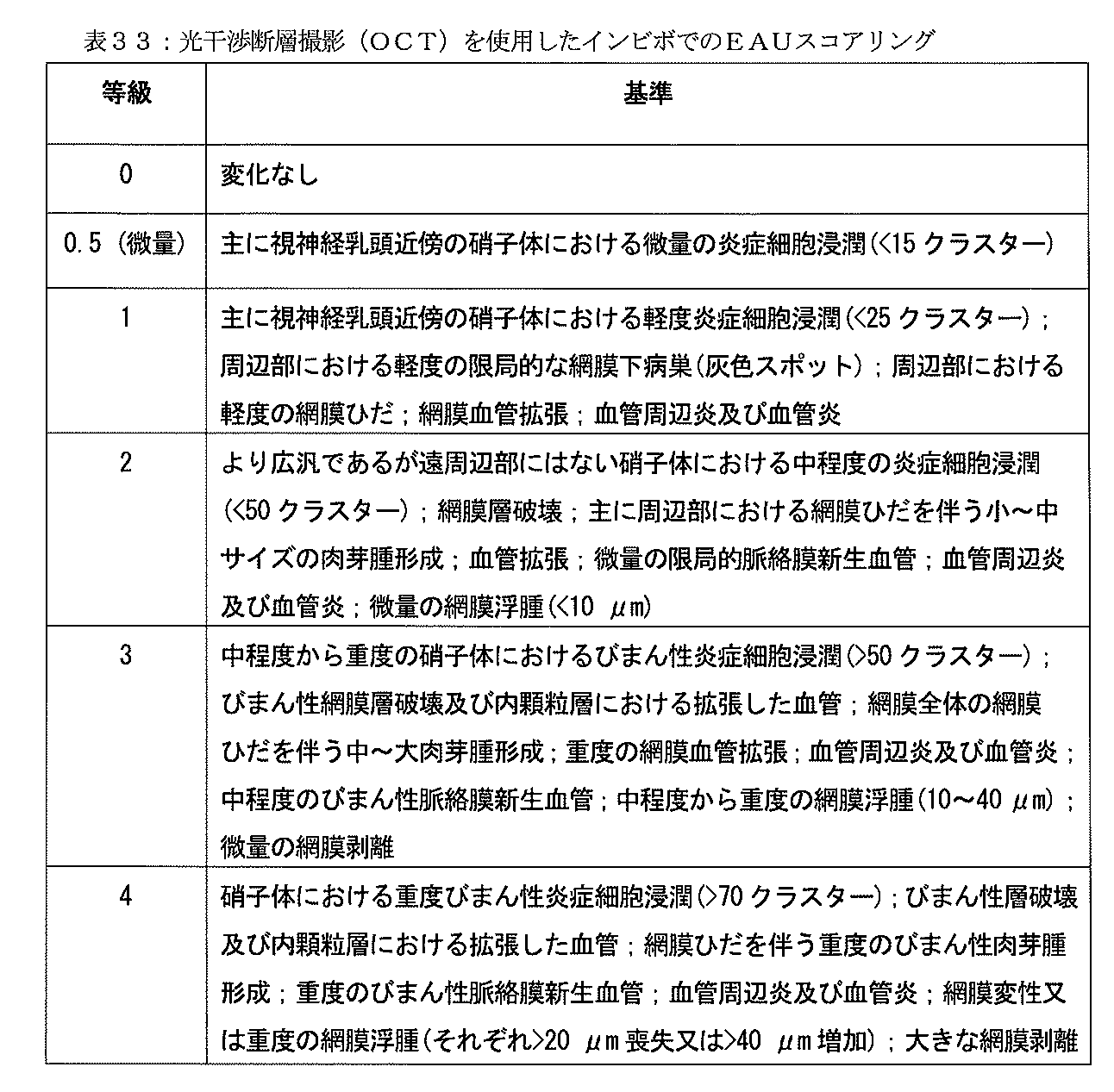
統計解析
パラメーターデータについての統計解析(体重、硝子体における炎症細胞クラスター、及び網膜厚)を、片側ANOVA検定及びTukeyの多重比較検定により行った。ノンパラメトリックデータについて(OCTスコア及び組織学スコア)、クラスカル-ウォリス検定及びダン検定によりGraphPad Prismバージョン5.0dソフトウェアを用いてアイソタイプコントロール又は未処置群と比較して行った。データは平均値±SEMを示す。0.05未満のp値を統計的に有意とみなした。
Statistical Analysis Statistical analysis for parametric data (body weight, inflammatory cell clusters in the vitreous, and retinal thickness) was performed by one-way ANOVA and Tukey's multiple comparison test. For non-parametric data (OCT scores and histology scores), Kruskal-Wallis and Dunn's tests were performed in comparison with isotype control or untreated groups using GraphPad Prism version 5.0d software. Data are presented as mean ± SEM. A p value of less than 0.05 was considered statistically significant.
結果
第一の試験において(試験A)、マウスをアイソタイプコントロール抗体(50mg/kg)、又はH4H12170P 10mg/kg若しくは50mg/kgで5日目から3日ごとに皮下処置した。10mg/kg H4H12170Pを用いた処置は、炎症及び網膜損傷の減少を生じた(図9)。10mg/kg H4H12170Pで処置されたマウスはまた、21日目及び28日目にOCTスコアの統計的に有意な減少も示した(図10)。
Results In the first study (Study A), mice were treated subcutaneously with isotype control antibody (50 mg/kg) or H4H12170P at 10 mg/kg or 50 mg/kg every 3 days starting on
第二の試験において(試験B)、アイソタイプコントロール(10mg/kg)、H4
H12166P 3mg/kg若しくは10mg/kg、又は対照薬2(本明細書の実施例2;「以下の実施例において使用された対照構築物」を参照のこと)のいずれかを用いて6日目から3日ごとにマウスを皮下処置した。3mg/kg又は10mg/kgのいずれかでのH4H12166Pを用いた処置は、14日目から28日目に統計的に有意であるOCTスコアの用量関連減少を生じた(図11)。C5ヒト化マウスにおいてEAU誘導の6日後に開始した10mg/kg H4H12166Pを用いた処置は、14日目~28日目に得られたOCTにより決定して炎症及び網膜損傷の用量関連減少を生じた(図12)。
In the second study (Study B), isotype control (10 mg/kg), H4
Mice were treated subcutaneously every 3 days starting on
両方の試験について、非侵襲性のOCTによる生存中評価は、IRBPを用いた免疫後の対照マウスにおいて進行性の炎症の発生、増加した網膜厚及び形態異常を示した。 For both studies, in-life assessment by non-invasive OCT showed the development of progressive inflammation, increased retinal thickness and morphological abnormalities in control mice following immunization with IRBP.
結論
これらの実験は、C5が自己免疫ぶどう膜炎の病理において役割を果たすというさらなる薬理学的証拠を提供する。完全ヒト抗ヒトC5抗体の薬理的欠乏は、EAU発生を遅らせ、そして疾患重症度減少し、自己免疫ぶどう膜炎におけるこれらの抗体の有効性を確立する。
Conclusions These experiments provide further pharmacological evidence that C5 plays a role in the pathology of autoimmune uveitis. Pharmacological depletion of fully human anti-human C5 antibodies delayed EAU development and reduced disease severity, establishing the efficacy of these antibodies in autoimmune uveitis.
実施例16:腎虚血-再灌流傷害に対する抗C5抗体の効果
本試験は、腎虚血-再灌流傷害におけるC5の役割を評価するために行われた。遺伝的(C3ノックアウト及びC5ノックアウトマウスを使用する)及び薬理的アプローチ(抗C5抗体を使用する)の両方を使用した。虚血-再灌流モデルを、45分間両側腎茎をクランプし、続いて48時間の再灌流により誘導した。偽開腹が対照としての役目を果たした。抗C5抗体を50mg/kgで静脈内に単回用量として虚血直後に(治療的);又は2回用量として、-1日目及び1日目の手術時に皮下投与した(予防的)。この試験に使用した抗C5抗体は、配列番号362/363のHCVR/LCVRを含むM1M17628Nであった。血中尿素窒素(BUN)及び血清クレアチニンマーカーを、マウスにおける疾患及び保護のレベルを評価するために使用した。
Example 16: Effect of anti-C5 antibody on renal ischemia-reperfusion injury This study was performed to evaluate the role of C5 in renal ischemia-reperfusion injury. Both genetic (using C3 knockout and C5 knockout mice) and pharmacological approaches (using anti-C5 antibody) were used. The ischemia-reperfusion model was induced by bilateral renal pedicle clamping for 45 minutes followed by 48 hours of reperfusion. Sham laparotomy served as a control. Anti-C5 antibody was administered at 50 mg/kg intravenously as a single dose immediately after ischemia (therapeutic); or as two doses subcutaneously at the time of surgery on days -1 and 1 (prophylactic). The anti-C5 antibody used in this study was M1M17628N, which contains the HCVR/LCVR of SEQ ID NO: 362/363. Blood urea nitrogen (BUN) and serum creatinine markers were used to assess the level of disease and protection in the mice.


野生型マウスと比較して、C3及びC5ノックアウトマウスは、血中尿素窒素及び血清クレアチニンレベルの減少により証明されるように、急性腎臓傷害のRIRIモデルにおいて有意な機能的保護を示した。抗C5抗体は、予防的及び治療的の両方の様式でRIRIモデルにおいて機能的保護を示した(表34~35)。 Compared to wild-type mice, C3 and C5 knockout mice showed significant functional protection in the RIRI model of acute kidney injury, as evidenced by reduced blood urea nitrogen and serum creatinine levels. Anti-C5 antibodies showed functional protection in the RIRI model in both a prophylactic and therapeutic manner (Tables 34-35).
実施例17:ループス腎炎に対する抗C5抗体の効果
この実施例は、マウスモデルにおいてループス腎炎を処置する際の抗C5抗体の有効性を記載する。
Example 17: Effect of anti-C5 antibody on lupus nephritis This example describes the effectiveness of anti-C5 antibody in treating lupus nephritis in a mouse model.
全身性エリテマトーデス(SLE)は、自己抗原に対する忍容性の喪失、自己抗体の産生及び損傷組織における補体結合免疫複合体(IC)の沈着により引き起こされる自己免疫障害である。SLEは広範囲の臨床症状及び標的器官を特徴とし、ループス腎炎は最も深刻な合併症の1つである。ループス腎炎患者の腎臓における補体活性化は、炎症及び組織損傷に寄与する。ループス腎炎の処置における抗C5抗体の有効性を、ループス腎炎の自然発症マウスモデルであるNZBWF1マウスにおいて調べた(Yang et al
1996、PNAS)。マウスは、ヒトSLEに似た自己免疫疾患、核内抗原に対する自己抗体及び細胞膜タンパク質、高ガンマグロブリン血症、アルブミン尿、タンパク尿を発症し、免疫複合体糸球体腎炎を引き起こし、そして35~50週齢で腎不全及び終末期腎疾患で死亡する。
Systemic lupus erythematosus (SLE) is an autoimmune disorder caused by loss of tolerance to self-antigens, production of autoantibodies, and deposition of complement-binding immune complexes (ICs) in damaged tissues. SLE is characterized by a wide range of clinical symptoms and target organs, and lupus nephritis is one of the most serious complications. Complement activation in the kidneys of patients with lupus nephritis contributes to inflammation and tissue damage. The efficacy of anti-C5 antibody in treating lupus nephritis was investigated in NZBWF1 mice, a spontaneous mouse model of lupus nephritis (Yang et al.
1996, PNAS). Mice develop an autoimmune disease resembling human SLE, autoantibodies to nuclear antigens and cell membrane proteins, hypergammaglobulinemia, albuminuria, proteinuria, immune complex glomerulonephritis, and die of renal failure and end-stage renal disease at 35-50 weeks of age.
この試験のために、25週齢NZBWF1マウスを、30mg/kgのアイソタイプコントロール、又は抗C5抗体で週に2回8週間、続いて週に3回10週間皮下処置した。この試験のために使用した抗マウスC5抗体は、それぞれ配列番号362/363及び365/366のHCVR/LCVRを含むM1M17628N及びM1M17627Nであった。 For this study, 25-week-old NZBWF1 mice were treated subcutaneously with 30 mg/kg of isotype control or anti-C5 antibody twice weekly for 8 weeks, followed by 3 times weekly for 10 weeks. The anti-mouse C5 antibodies used for this study were M1M17628N and M1M17627N, which contain HCVR/LCVR of SEQ ID NOs: 362/363 and 365/366, respectively.
抗C5抗体での処置はマウスにおいて生存率を有意に改善した(図13)。両方の抗体が、処置の8~14週目にアルブミン尿(図14)、及び処置の12~16週目に血中尿素窒素(図15)を改善した。 Treatment with anti-C5 antibodies significantly improved survival in mice (Figure 13). Both antibodies improved albuminuria at 8-14 weeks of treatment (Figure 14) and blood urea nitrogen at 12-16 weeks of treatment (Figure 15).
実施例18:星状細胞細胞死に対する抗C5抗体の効果
視神経脊髄炎(NMO)は、主に視神経及び脊髄に影響を及ぼす中枢神経系(CNS)の自己免疫疾患である。NMOにおいて、抗アクアポリン4自己抗体(AQP4-Ab)は補体依存性細胞傷害(CDC)を活性化することにより正常細胞への損傷を引き起こす。この試験の目標は、NMO進行における補体系の役割、及びNMOのための可能性のある治療的処置としての補体に対する抗体の使用を評価することであった。
Example 18: Effect of anti-C5 antibody on astrocyte cell death Neuromyelitis optica (NMO) is an autoimmune disease of the central nervous system (CNS) that primarily affects the optic nerve and spinal cord. In NMO, anti-aquaporin 4 autoantibodies (AQP4-Ab) cause damage to normal cells by activating complement-dependent cytotoxicity (CDC). The goal of this study was to evaluate the role of the complement system in NMO progression and the use of antibodies against complement as a potential therapeutic treatment for NMO.
初代ラット皮質星状細胞を生後ラット仔の大脳皮質から得て、AQP4-Ab(米国特許出願公開2014/0170140号からの抗体「rAb-53」;Bennett et al 2009、Ann.Neurol.66:617-629)及び補体タンパク質とともに培養し、細胞媒介細胞傷害を実証した。次いで星状細胞破壊の遮断を実証するために抗C5抗体を加えて実験を繰り返した。 Primary rat cortical astrocytes were obtained from the cerebral cortex of postnatal rat pups and incubated with AQP4-Ab (antibody "rAb-53" from US Patent Application Publication No. 2014/0170140; Bennett et al 2009, Ann. Neurol. 66:617-629) and complement proteins to demonstrate cell-mediated cytotoxicity. The experiment was then repeated with the addition of anti-C5 antibody to demonstrate blockade of astrocyte destruction.
細胞死を定量するために、CytoTox-GloTM発光細胞傷害アッセイを行った。このアッセイは様々な濃度の抗C5抗体(0.001μg/ml、0.01μg/ml、0.1μg/ml、1μg/ml、10μg/ml、100μg/ml、又は1000μg/ml)又はアイソタイプコントロール抗体を使用した。 To quantitate cell death, a CytoTox-Glo ™ luminescent cytotoxicity assay was performed using various concentrations of anti-C5 antibody (0.001 μg/ml, 0.01 μg/ml, 0.1 μg/ml, 1 μg/ml, 10 μg/ml, 100 μg/ml, or 1000 μg/ml) or an isotype control antibody.
抗C5抗体がAQP4-Ab誘導CDCを遮断することができるかどうかを決定するために、星状細胞をプレーティングし、そしてそのプレーティングに最適なAQP4-Abの用量を発見するためにCytoTox-GloTM細胞傷害アッセイを繰り返した。AQP4-Ab最適濃度は50μg/mLであることがわかり、そして以下の実験では、一定用量のAQP4-Ab(50μg/mL)を使用しながら抗C5抗体の用量を変化させた。図16に示されるように、抗C5抗体の量を増加させるにつれてRLUの減少が見られ(平均300kから平均100k)、抗C5抗体が星状細胞細胞死を遮断することを実証した。両方の実験について、RLUはアイソタイプコントロール抗体では変化しなかった。図16に示されるように、抗C5抗体はAQP4 Ab誘導細胞傷害を初代皮質星状細胞において15~17nMのIC50で阻害した。 To determine whether anti-C5 antibody can block AQP4-Ab-induced CDC, astrocytes were plated and the CytoTox-Glo ™ cytotoxicity assay was repeated to find the optimal AQP4-Ab dose for plating. The optimal AQP4-Ab concentration was found to be 50 μg/mL, and in the following experiments, the dose of anti-C5 antibody was varied while using a constant dose of AQP4-Ab (50 μg/mL). As shown in FIG. 16, a decrease in RLU was observed with increasing amounts of anti-C5 antibody (from average 300k to average 100k), demonstrating that anti-C5 antibody blocks astrocyte cell death. For both experiments, RLU was unchanged with isotype control antibody. As shown in FIG. 16, anti-C5 antibody inhibited AQP4 Ab-induced cytotoxicity with an IC50 of 15-17 nM in primary cortical astrocytes.
その後の試験において、CNSにおける星状細胞の補体媒介細胞傷害に対する治療有効性を評価するために抗AQP4抗体及び抗C5抗体をラット脳に注入する。 In subsequent studies, anti-AQP4 and anti-C5 antibodies will be injected into rat brains to evaluate their therapeutic efficacy against complement-mediated cytotoxicity of astrocytes in the CNS.
実施例19:内皮アッセイ
この実施例は、抗C5抗体がC5b-9及びC3沈着を遮断するかどうかを調べるためのインビトロ糸球体内皮アッセイを記載する。
Example 19: Endothelial Assay This example describes an in vitro glomerular endothelial assay to examine whether anti-C5 antibodies block C5b-9 and C3 deposition.
補体活性化に対する薬物候補の阻害効果を評価するための再現可能な方法が全臨床開発に必須である。補体活性化経路の複雑性に起因して、アッセイは所定の治療適応症に適切な細胞及び評価項目を使用するべきである。ここでは、不死化ヒト糸球体内皮細胞株(HGEC)を使用して、補体C3及びC5沈着モデルを抗C3又はC5mAbの遮断活性を評価する使用について実証した。 Reproducible methods to evaluate the inhibitory effect of drug candidates on complement activation are essential for all clinical development. Due to the complexity of the complement activation pathway, assays should use cells and endpoints appropriate for a given therapeutic indication. Here, we demonstrate the use of complement C3 and C5 deposition models to evaluate the blocking activity of anti-C3 or C5 mAbs using an immortalized human glomerular endothelial cell line (HGEC).
方法
ヒト初代腎臓糸球体内皮細胞(HGEC;Cell Biologics)を完全培地中でコラーゲンI被覆黒色透明底96ウェルプレートに終夜プレーティングした。細胞をPBS(対照)で処理するか又は10uM ADPで10分間活性化した。PBS洗浄後に、50%ヒト血清(補体保存、C3欠乏、又はC5欠乏)を4時間加えた。抗C5抗体を処置前に1mg/mLで血清に加えた。細胞を洗浄し、固定化し、そして抗C3b抗体(Thermofisher)及び/又は抗C5b-9抗体(Abcam)、二次抗体を用いて調べ、そしてDAPIを用いて対比染色した。画像をImagExpressで記録し、そしてハイコンテンツ画像解析を使用して各画像について蛍光染色を定量し、そして条件ごとに平均した。
Methods Human primary kidney glomerular endothelial cells (HGEC; Cell Biologies) were plated overnight in collagen I-coated black clear-bottom 96-well plates in complete medium. Cells were treated with PBS (control) or activated with 10 uM ADP for 10 min. After PBS washes, 50% human serum (complement-preserved, C3-depleted, or C5-depleted) was added for 4 h. Anti-C5 antibody was added to serum at 1 mg/mL prior to treatment. Cells were washed, fixed, and probed with anti-C3b antibody (Thermofisher) and/or anti-C5b-9 antibody (Abcam), secondary antibodies, and counterstained with DAPI. Images were captured in ImagExpress and fluorescent staining was quantified for each image using high content image analysis and averaged per condition.
結果
C3及びC5b-9沈着が正常ヒト血清に曝露されたADP活性化HGECで観察されたが、非活性化HGECでは観察されなかった(C3:1.5x10⁷±1.0x10⁷
;C5:7.9x10⁶±6.6x10⁶、P<0.05対非ADP活性化HGEC)。C3及びC5b-9の沈着はC3又はC5欠乏血清に曝露されたADP活性化HGECにおいて有意に減少された(C3:3.3x10⁵±4.8x10⁴;C5:1.5x10⁶±6.0x10⁵、P<0.05)。遮断抗C5 mAbを加えることにより、ADP活性化HGEC上への正常ヒト血清由来C5b-9沈着を有意に減少し、沈着はC5欠乏血清と同様であった(C5 mAb:1.02x10⁶±6.0x10⁵、対照 mAb
3.7x10⁶±1.6x10⁶、P<0.05対対照mAb)。
Results C3 and C5b-9 deposition was observed in ADP-activated HGEC exposed to normal human serum, but not in non-activated HGEC (C3: 1.5x10 7 ±1.0x10 7
; C5: 7.9x10⁶ ± 6.6x10⁶ , P<0.05 vs. non-ADP-activated HGEC). C3 and C5b-9 deposition was significantly reduced in ADP-activated HGEC exposed to C3- or C5-deficient serum (C3: 3.3x10⁵ ± 4.8x10⁴ ; C5: 1.5x10⁶ ± 6.0x10⁵ , P<0.05). Addition of blocking anti-C5 mAb significantly reduced normal human serum-derived C5b-9 deposition on ADP-activated HGEC, with deposition similar to that of C5-deficient serum (C5 mAb: 1.02x10⁶ ± 6.0x10⁵ , control mAb).
3.7x10⁶ ± 1.6x10⁶ , P<0.05 vs. control mAb).
結論
これらのデータは、補体C3及びC5沈着のモデルを作るためのインビトロヒト糸球体沈着の有用性を実証する。インビトロスクリーニングに加えて、このアッセイは、患者由来の血清サンプルを使用して腎疾患における抗補体ストラテジーを評価するための翻訳モデルとしての可能性を示す。
Conclusions These data demonstrate the utility of in vitro human glomerular deposition to model complement C3 and C5 deposition. In addition to in vitro screening, this assay shows potential as a translational model for evaluating anti-complement strategies in renal disease using patient-derived serum samples.
本発明は、本明細書に記載される特定の実施態様により範囲を限定されるべきではない。実際に、本明細書に記載されるものに加えて本発明の様々な改変が、前述の記載及び添付の図面から当業者に明らかとなるだろう。このような改変は添付の特許請求の範囲内であることが意図される。 The present invention is not to be limited in scope by the specific embodiments described herein. Indeed, various modifications of the invention in addition to those described herein will become apparent to those skilled in the art from the foregoing description and accompanying figures. Such modifications are intended to be within the scope of the appended claims.
Claims (9)
当該HCVRおよび当該LCVRをコードするポリヌクレオチドを宿主細胞に導入し、
前記宿主細胞を前記抗体またはその抗原結合フラグメントの産生を可能とする条件下で培養し、そして、
このようにして産生された前記抗体またはその抗原結合フラグメントを回収する、
ことを含む、方法。 1. A method of making an antibody or antigen-binding fragment thereof that specifically binds to complement factor 5 (C5) protein and comprises a heavy chain variable region ( HCVR ) comprising three heavy chain complementarity determining regions (HCDR1, HCDR2 and HCDR3 ) and a light chain variable region ( LCVR ) comprising three light chain complementarity determining regions (LCDR1, LCDR2 and LCDR3 ) , wherein HCDR1 comprises the amino acid sequence of SEQ ID NO: 100, HCDR2 comprises the amino acid sequence of SEQ ID NO: 102, HCDR3 comprises the amino acid sequence of SEQ ID NO: 104, LCDR1 comprises the amino acid sequence of SEQ ID NO: 108, LCDR2 comprises the amino acid sequence of SEQ ID NO: 110, and LCDR3 comprises the amino acid sequence of SEQ ID NO: 112, comprising:
introducing polynucleotides encoding the HCVR and the LCVR into a host cell;
Culturing the host cell under conditions that allow for the production of the antibody or antigen-binding fragment thereof; and
recovering the antibody or antigen-binding fragment thereof thus produced.
The method includes:
前記HCDR2は配列番号101のヌクレオチド配列によりコードされ、
前記HCDR3は配列番号103のヌクレオチド配列によりコードされ、
前記LCDR1は配列番号107のヌクレオチド配列によりコードされ、
前記LCDR2は配列番号109のヌクレオチド配列によりコードされ、そして、
前記LCDR3は配列番号111のヌクレオチド配列によりコードされる、
請求項1記載の方法。 The HCDR1 is encoded by the nucleotide sequence of SEQ ID NO:99;
said HCDR2 being encoded by the nucleotide sequence of SEQ ID NO: 101;
the HCDR3 is encoded by the nucleotide sequence of SEQ ID NO: 103;
the LCDR1 is encoded by the nucleotide sequence of SEQ ID NO: 107;
said LCDR2 being encoded by the nucleotide sequence of SEQ ID NO: 109; and
The LCDR3 is encoded by the nucleotide sequence of SEQ ID NO: 111;
The method of claim 1 .
Priority Applications (1)
| Application Number | Priority Date | Filing Date | Title |
|---|---|---|---|
| JP2025080407A JP2025134088A (en) | 2016-06-14 | 2025-05-13 | Anti-C5 antibodies and their uses |
Applications Claiming Priority (9)
| Application Number | Priority Date | Filing Date | Title |
|---|---|---|---|
| US201662349705P | 2016-06-14 | 2016-06-14 | |
| US62/349,705 | 2016-06-14 | ||
| US201662405561P | 2016-10-07 | 2016-10-07 | |
| US62/405,561 | 2016-10-07 | ||
| US201662422107P | 2016-11-15 | 2016-11-15 | |
| US62/422,107 | 2016-11-15 | ||
| PCT/US2017/037226 WO2017218515A1 (en) | 2016-06-14 | 2017-06-13 | Anti-c5 antibodies and uses thereof |
| JP2018565286A JP7102353B2 (en) | 2016-06-14 | 2017-06-13 | Anti-C5 antibodies and their use |
| JP2022077865A JP7368543B2 (en) | 2016-06-14 | 2022-05-11 | Anti-C5 antibodies and their uses |
Related Parent Applications (1)
| Application Number | Title | Priority Date | Filing Date |
|---|---|---|---|
| JP2022077865A Division JP7368543B2 (en) | 2016-06-14 | 2022-05-11 | Anti-C5 antibodies and their uses |
Related Child Applications (1)
| Application Number | Title | Priority Date | Filing Date |
|---|---|---|---|
| JP2025080407A Division JP2025134088A (en) | 2016-06-14 | 2025-05-13 | Anti-C5 antibodies and their uses |
Publications (2)
| Publication Number | Publication Date |
|---|---|
| JP2023175765A JP2023175765A (en) | 2023-12-12 |
| JP7682964B2 true JP7682964B2 (en) | 2025-05-26 |
Family
ID=59091673
Family Applications (4)
| Application Number | Title | Priority Date | Filing Date |
|---|---|---|---|
| JP2018565286A Active JP7102353B2 (en) | 2016-06-14 | 2017-06-13 | Anti-C5 antibodies and their use |
| JP2022077865A Active JP7368543B2 (en) | 2016-06-14 | 2022-05-11 | Anti-C5 antibodies and their uses |
| JP2023146751A Active JP7682964B2 (en) | 2016-06-14 | 2023-09-11 | Anti-C5 Antibodies and Their Uses |
| JP2025080407A Pending JP2025134088A (en) | 2016-06-14 | 2025-05-13 | Anti-C5 antibodies and their uses |
Family Applications Before (2)
| Application Number | Title | Priority Date | Filing Date |
|---|---|---|---|
| JP2018565286A Active JP7102353B2 (en) | 2016-06-14 | 2017-06-13 | Anti-C5 antibodies and their use |
| JP2022077865A Active JP7368543B2 (en) | 2016-06-14 | 2022-05-11 | Anti-C5 antibodies and their uses |
Family Applications After (1)
| Application Number | Title | Priority Date | Filing Date |
|---|---|---|---|
| JP2025080407A Pending JP2025134088A (en) | 2016-06-14 | 2025-05-13 | Anti-C5 antibodies and their uses |
Country Status (29)
| Country | Link |
|---|---|
| US (4) | US10633434B2 (en) |
| EP (3) | EP4374922B1 (en) |
| JP (4) | JP7102353B2 (en) |
| KR (3) | KR102667023B1 (en) |
| CN (3) | CN116769024A (en) |
| AU (2) | AU2017283470B2 (en) |
| CA (1) | CA3027487A1 (en) |
| CL (1) | CL2018003563A1 (en) |
| CO (1) | CO2018014413A2 (en) |
| DK (1) | DK3468990T3 (en) |
| ES (1) | ES2984352T3 (en) |
| FI (1) | FI3468990T3 (en) |
| HR (1) | HRP20240815T1 (en) |
| HU (1) | HUE067224T2 (en) |
| IL (3) | IL263481B2 (en) |
| LT (1) | LT3468990T (en) |
| MA (1) | MA45235B1 (en) |
| MD (1) | MD3468990T2 (en) |
| MX (3) | MX2018015149A (en) |
| MY (3) | MY191668A (en) |
| PH (2) | PH12023500007A1 (en) |
| PL (1) | PL3468990T3 (en) |
| PT (1) | PT3468990T (en) |
| RS (1) | RS65633B1 (en) |
| SG (2) | SG11201810933QA (en) |
| SI (1) | SI3468990T1 (en) |
| SM (1) | SMT202400269T1 (en) |
| UA (1) | UA124734C2 (en) |
| WO (1) | WO2017218515A1 (en) |
Families Citing this family (72)
| Publication number | Priority date | Publication date | Assignee | Title |
|---|---|---|---|---|
| CN104761637B (en) | 2006-03-31 | 2021-10-15 | 中外制药株式会社 | Methods for modulating antibody hemodynamics |
| ES2595638T3 (en) | 2007-09-26 | 2017-01-02 | Chugai Seiyaku Kabushiki Kaisha | Method to modify the isoelectric point of an antibody by replacing amino acids in a CDR |
| KR102057826B1 (en) | 2008-04-11 | 2019-12-20 | 추가이 세이야쿠 가부시키가이샤 | Antigen-binding molecule capable of binding to two or more antigen molecules repeatedly |
| PY09026846A (en) * | 2008-08-05 | 2015-09-01 | Novartis Ag | COMPOSITIONS AND METHODS FOR ANTIBODIES THAT TARGET THE C5 COMPLEMENT PROTEIN |
| EP2647706B1 (en) | 2010-11-30 | 2023-05-17 | Chugai Seiyaku Kabushiki Kaisha | Antigen-binding molecule capable of binding to plurality of antigen molecules repeatedly |
| IL288931B2 (en) | 2013-03-14 | 2025-05-01 | Alnylam Pharmaceuticals Inc | Complement component c5 irna compositions and methods of use thereof |
| NZ631007A (en) | 2014-03-07 | 2015-10-30 | Alexion Pharma Inc | Anti-c5 antibodies having improved pharmacokinetics |
| KR101860280B1 (en) | 2014-12-19 | 2018-05-21 | 추가이 세이야쿠 가부시키가이샤 | Anti-myostatin antibodies, polypeptides containing variant fc regions, and methods of use |
| BR112017011235A2 (en) | 2014-12-19 | 2018-02-06 | Chugai Pharmaceutical Co Ltd | anti-c5 antibodies and methods of use |
| KR102605798B1 (en) | 2015-02-05 | 2023-11-23 | 추가이 세이야쿠 가부시키가이샤 | Antibodies comprising an ion concentration dependent antigen-binding domain, fc region variants, il-8-binding antibodies, and uses therof |
| CA3024618A1 (en) | 2016-05-27 | 2017-11-30 | Alexion Pharmaceuticals, Inc. | Methods for treatment of refractory generalized myasthenia gravis |
| CN116769024A (en) * | 2016-06-14 | 2023-09-19 | 瑞泽恩制药公司 | Anti-C5 antibodies and their uses |
| EP3494991A4 (en) | 2016-08-05 | 2020-07-29 | Chugai Seiyaku Kabushiki Kaisha | COMPOSITION FOR PREVENTING OR TREATING DISEASES RELATING TO IL-8 |
| JP7364221B2 (en) * | 2017-03-06 | 2023-10-18 | ザ トラスティーズ オブ ザ ユニバーシティ オブ ペンシルバニア | Anti-C5 antibody and its use |
| DK3658184T5 (en) | 2017-07-27 | 2024-08-26 | Alexion Pharma Inc | HIGHLY CONCENTRATED ANTI-C5 ANTIBODY FORMULATIONS |
| US11525002B2 (en) | 2017-10-11 | 2022-12-13 | Board Of Regents, The University Of Texas System | Human PD-L1 antibodies and methods of use therefor |
| CN118512588A (en) | 2017-10-26 | 2024-08-20 | 亚力兄制药公司 | Dosage and administration of anti-C5 antibodies for the treatment of paroxysmal nocturnal hemoglobinuria (PNH) and atypical hemolytic uremic syndrome (AHUS) |
| CA3274059A1 (en) | 2017-12-13 | 2026-03-02 | Regeneron Pharmaceuticals, Inc. | Anti-c5 antibody combinations and uses thereof |
| US20190247560A1 (en) * | 2018-02-13 | 2019-08-15 | Gambro Lundia Ab | Extracorporeal devices and methods of treating complement factor related diseases |
| CN119101158A (en) | 2018-03-23 | 2024-12-10 | 得克萨斯州大学系统董事会 | Human PD-L2 antibodies and methods of use thereof |
| SG11202009258RA (en) * | 2018-03-23 | 2020-10-29 | Univ Texas | Dual specificity antibodies to human pd-l1 and pd-l2 and methods of use therefor |
| EP4501355A3 (en) | 2018-03-23 | 2025-04-30 | Board Of Regents, The University Of Texas System | Dual specificity antibodies to pd-l1 and pd-l2 and methods of use therefor |
| SG11202110121VA (en) | 2018-04-26 | 2021-10-28 | Univ Pennsylvania | Compositions and methods for retrieving tumor-related antibodies and antigens |
| EP3802593B1 (en) * | 2018-05-31 | 2024-09-11 | Alexion Pharmaceuticals, Inc. | Dosage and administration of anti-c5 antibodies for treatment of paroxysmal nocturnal hemoglobinuria (pnh) in pediatric patients |
| EP3802603A1 (en) | 2018-06-04 | 2021-04-14 | Alexion Pharmaceuticals, Inc. | Dosage and administration of anti-c5 antibodies for treatment of atypical hemolytic uremic syndrome (ahus) in pediatric patients |
| US12312394B2 (en) | 2018-06-28 | 2025-05-27 | Alexion Pharmaceuticals, Inc. | Methods of producing anti-C5 antibodies |
| JP7653909B2 (en) * | 2018-09-06 | 2025-03-31 | ザ トラスティーズ オブ ザ ユニバーシティ オブ ペンシルバニア | Humanized anti-C5 antibodies and their uses |
| EP3852874A1 (en) * | 2018-09-17 | 2021-07-28 | Kyoto University | Administration of an anti-c5 agent for treatment of hepatic injury or failure |
| US20200095307A1 (en) | 2018-09-21 | 2020-03-26 | Alexion Pharmaceuticals, Inc. | Compositions and methods for the treatment of neuromyelitis optica |
| US20210388070A1 (en) | 2018-10-30 | 2021-12-16 | Alexion Pharmaceuticals, Inc. | Co-administration of a hyaluronidase and anti-c5 antibody for treatment of complement-associated conditions |
| EP3873602B1 (en) | 2018-10-30 | 2023-12-06 | Alexion Pharmaceuticals, Inc. | Subcutaneous dosage and administration of anti-c5 antibodies for treatment of paroxysmal nocturnal hemoglobinuria (pnh) |
| CN117838856A (en) | 2019-01-25 | 2024-04-09 | 亚力兄制药公司 | Dosage and administration of anti-C5 antibodies for the treatment of atypical hemolytic uremic syndrome (AHUS) |
| EP3924380A1 (en) | 2019-02-14 | 2021-12-22 | Alexion Pharmaceuticals, Inc. | Dosage and administration of anti-c5 antibodies for treatment of generalized myasthenia gravis |
| US20220227851A1 (en) * | 2019-05-24 | 2022-07-21 | Alexion Pharmaceuticals, Inc. | Methods of treating vitiligo using an anti-c5 antibody |
| US20220259305A1 (en) | 2019-08-05 | 2022-08-18 | Alexion Pharmaceuticals, Inc. | Methods for treatment of refractory generalized myasthenia gravis with eculizumab |
| WO2021034639A1 (en) * | 2019-08-16 | 2021-02-25 | Regeneron Pharmaceuticals, Inc. | High concentration anti-c5 formulations |
| US20220356234A1 (en) | 2019-10-02 | 2022-11-10 | Alexion Pharmaceuticals, Inc. | Complement inhibitors for treating drug-induced complement-mediated response |
| CA3153195A1 (en) | 2019-10-25 | 2021-04-29 | John Davis | Dosing regimens for treating or preventing c5-associated diseases |
| EP4061400A4 (en) * | 2019-11-20 | 2024-01-10 | Cornell University | Generation of kidney glomerular specific endothelial cells and methods of use |
| KR20220110827A (en) | 2019-12-09 | 2022-08-09 | 알렉시온 파마슈티칼스, 인코포레이티드 | Anti-C5 Antibody for Treatment of Optic Neuromyelitis Spectrum Disorders |
| JP7734673B2 (en) | 2019-12-23 | 2025-09-05 | アレクシオン ファーマシューティカルズ, インコーポレイテッド | Methods for treating pregnancy-associated atypical hemolytic uremic syndrome using anti-C5 antibodies |
| KR20210095781A (en) | 2020-01-24 | 2021-08-03 | 주식회사 에이프릴바이오 | A multi-specific antibody comprising a fusion construct consisting of a Fab and a bioactive effector moiety |
| CN111234016B (en) * | 2020-02-23 | 2021-09-07 | 北京康普美特创新医药科技有限责任公司 | Fully human monoclonal antibody of anti-complement C5 molecule and application |
| JP2023523790A (en) | 2020-04-30 | 2023-06-07 | アルナイラム ファーマシューティカルズ, インコーポレイテッド | COMPLEMENT FACTOR B (CFB) iRNA COMPOSITIONS AND METHODS OF USE THEREOF |
| TW202208427A (en) | 2020-05-06 | 2022-03-01 | 德商因夫萊亞斯有限公司 | Humanized anti-c5a antibodies |
| US20230172930A1 (en) | 2020-05-12 | 2023-06-08 | Alexion Pharmaceuticals, Inc. | Use of complement factor d inhibitors alone or in combination with anti-c5 antibodies for treatment of paroxysmal nocturnal hemoglobinuria |
| JP2023525581A (en) | 2020-05-15 | 2023-06-16 | アレクシオン ファーマシューティカルズ, インコーポレイテッド | Methods of using extracellular vesicles to detect complement activation and their use to assess and/or monitor treatment of complement disorders |
| CN113754763B (en) * | 2020-06-05 | 2024-03-08 | 天辰生物医药(苏州)有限公司 | Isolated antigen binding proteins and their uses |
| CA3173011A1 (en) | 2020-06-24 | 2021-12-30 | Alexion Pharmaceuticals, Inc. | Subcutaneous (sc) administration of anti-c5 antibodies for treatment of complement-associated conditions |
| US20230235035A1 (en) * | 2020-07-09 | 2023-07-27 | Alexion Pharmaceuticals, Inc. | Dosage and administration of anti-c5 antibodies for treating paroxysmal nocturnal hemoglobinuria (pnh) in pediatric patients |
| WO2022036151A1 (en) | 2020-08-13 | 2022-02-17 | Alexion Pharmaceuticals, Inc. | Dosage and administration of anti-c5 antibodies for treating hematopoietic stem cell transplant-associated thrombotic microangiopathy (hsct-tma) |
| EP4213940A1 (en) | 2020-09-21 | 2023-07-26 | Alexion Pharmaceuticals, Inc. | Dosage and administration of anti-c5 antibodies for treating c5-mediated glomerular nephritis (gn), including lupus nephritis (ln) and/or iga nephropathy (igan) |
| CA3196434A1 (en) | 2020-10-23 | 2022-04-28 | Krista K. JOHNSON | Methods of treating patients having complement disorders using anti-c5 antibodies |
| EP4281472A1 (en) | 2021-01-22 | 2023-11-29 | Alexion Pharmaceuticals, Inc. | Methods of treating complement mediated thrombotic microangiopathy using an anti-c5 antibody |
| WO2022251446A1 (en) | 2021-05-28 | 2022-12-01 | Alexion Pharmaceuticals, Inc. | Methods for detecting cm-tma biomarkers |
| WO2022265915A1 (en) | 2021-06-14 | 2022-12-22 | Alexion Pharmaceuticals, Inc. | Dosage and administration of anti-c5 antibodies for treating dermatomyositis (dm) |
| US20250154232A1 (en) | 2021-07-14 | 2025-05-15 | Alexion Pharmaceuticals, Inc. | Dosage and administration of anti-c5 antibodies for treatment of myasthenia gravis |
| WO2023023220A1 (en) | 2021-08-20 | 2023-02-23 | Alexion Pharmaceuticals, Inc. | Methods for treating sickle cell disease or beta thalassemia using a complement alternative pathway inhibitor |
| WO2023050233A1 (en) * | 2021-09-29 | 2023-04-06 | The Trustees Of The University Of Pennsylvania | Humanized anti-c5a antibodies and uses thereof |
| US20240415980A1 (en) | 2021-10-28 | 2024-12-19 | Regeneron Pharmaceuticals, Inc. | Crispr/cas-related methods and compositions for knocking out c5 |
| CN118302525A (en) | 2021-10-29 | 2024-07-05 | 阿尔尼拉姆医药品有限公司 | Complement factor B (CFB) iRNA compositions and methods of use thereof |
| KR20250057830A (en) * | 2022-08-30 | 2025-04-29 | 롱바이오 파마 (수조우) 컴퍼니 리미티드 | Anti-human complement C5 antibody and fusion protein thereof |
| TW202426048A (en) | 2022-09-06 | 2024-07-01 | 美商阿雷希昂製藥公司 | Supplemental dosage and administration of anti-c5 antibodies for treating hematopoietic stem cell transplant-associated thrombotic microangiopathy (hsct-tma) |
| EP4583911A1 (en) | 2022-09-06 | 2025-07-16 | Alexion Pharmaceuticals, Inc. | Diagnostic and prognostic biomarker profiles in patients with hematopoietic stem cell transplant-associated thrombotic microangiopathy (hsct-tma) |
| TW202423479A (en) | 2022-09-28 | 2024-06-16 | 美商阿雷希昂製藥公司 | Dosage and administration of anti-c5 antibodies for preventing or minimizing cardiac surgery associated acute kidney injury (csa-aki) and/or subsequent major adverse kidney events (make) in patients with chronic kidney disease |
| WO2024238421A1 (en) | 2023-05-12 | 2024-11-21 | Alexion Pharmaceuticals, Inc. | Use of biomarkers for the identification and treatment of complement-mediated disorders |
| WO2024238422A1 (en) | 2023-05-12 | 2024-11-21 | Alexion Pharmaceuticals, Inc. | Use of a panel of lectins for detection of complement biomarkers in urine extracellular vesicles |
| US12180274B2 (en) | 2023-05-26 | 2024-12-31 | Inflarx Gmbh | Treatment of pneumonia and ARDS with inhibitors of C5a and IL-6 activity |
| WO2025166118A1 (en) | 2024-02-02 | 2025-08-07 | Alexion Pharmaceuticals, Inc. | Dosage and administration of anti-c5 antibodies for treating iga nephropathy (igan) |
| WO2025221479A1 (en) | 2024-04-16 | 2025-10-23 | Alexion Pharmaceuticals, Inc. | Biomarkers for monitoring effective treatment of neuromyelitis optica spectrum disorder (nmosd) with complement component c5 inhibitors |
| WO2026076098A2 (en) | 2024-10-01 | 2026-04-09 | Regeneron Pharmaceuticals, Inc. | Anti-c5 antibody/c5 irna dosing regimens for treating c5-associated diseases |
| CN119409815B (en) * | 2025-01-07 | 2025-04-08 | 天辰生物医药(苏州)有限公司 | Anti-human complement C5 VHH antibodies and uses thereof |
Citations (2)
| Publication number | Priority date | Publication date | Assignee | Title |
|---|---|---|---|---|
| JP2011529700A (en) | 2008-08-05 | 2011-12-15 | ノバルティス アーゲー | Compositions and methods relating to antibodies targeting complement protein C5 |
| WO2014047500A1 (en) | 2012-09-21 | 2014-03-27 | Alexion Pharmaceuticals, Inc. | Screening assays for complement component c5 antagonists |
Family Cites Families (114)
| Publication number | Priority date | Publication date | Assignee | Title |
|---|---|---|---|---|
| US4816567A (en) | 1983-04-08 | 1989-03-28 | Genentech, Inc. | Recombinant immunoglobin preparations |
| US4686100A (en) | 1985-04-02 | 1987-08-11 | The Board Of Trustees Of The Leland Stanford Junior University | Method for the treatment of adult respiratory distress syndrome |
| EP1041142A3 (en) | 1991-07-15 | 2007-10-24 | Oklahoma Medical Research Foundation | Universal donor cells |
| WO1994000560A1 (en) | 1992-06-29 | 1994-01-06 | Alexion Pharmaceuticals, Inc. | Matrix for universal donor microvascular endothelial cells |
| DE69533921T2 (en) | 1994-03-23 | 2005-12-01 | Alexion Pharmaceuticals, Inc., New Haven | METHOD FOR REDUCING MALFUNCTIONS OF IMMUNE SYSTEM AND HEMOSTASE DURING EXTRACORPOREAL CIRCULATION |
| US6074642A (en) | 1994-05-02 | 2000-06-13 | Alexion Pharmaceuticals, Inc. | Use of antibodies specific to human complement component C5 for the treatment of glomerulonephritis |
| US5562904A (en) | 1994-07-21 | 1996-10-08 | Alexion Pharmaceuticals, Inc. | Retroviral transduction of cells using soluble complement inhibitors |
| DE69534701T2 (en) | 1994-09-23 | 2006-10-19 | Alexion Pharmaceuticals, Inc., Cheshire | METHOD FOR THE TREATMENT OF INFLAMMATORY JOINT DISEASES |
| US6673346B1 (en) | 1999-08-31 | 2004-01-06 | The Regents Of The University Of Michigan | Compositions and methods for the treatment of sepsis |
| EP2896631A1 (en) | 2000-10-10 | 2015-07-22 | Genentech, Inc. | Inhibition of complement C5 activation for the treatment and prevention of delayed xenograft or acute vascular rejection |
| US6596541B2 (en) | 2000-10-31 | 2003-07-22 | Regeneron Pharmaceuticals, Inc. | Methods of modifying eukaryotic cells |
| EP3372243A1 (en) | 2001-08-17 | 2018-09-12 | Genentech, Inc. | Complement pathway inhibitors binding to c5 and c5a without preventing formation of c5b |
| ES2283594T5 (en) | 2001-08-17 | 2016-03-15 | Genentech, Inc. | Inhibitors of the complement pathway that bind to C5 and C5a without preventing the formation of C5b |
| ITMI20021527A1 (en) | 2002-07-11 | 2004-01-12 | Consiglio Nazionale Ricerche | C5 COMPONENT ANTIBODIES OF COMPLEMENT AND THEIR USE |
| JP4601426B2 (en) | 2002-09-06 | 2010-12-22 | アレクシオン ファーマシューティカルズ, インコーポレイテッド | Method for the treatment of asthma using antibodies against complement component C5 |
| US9415102B2 (en) | 2002-09-06 | 2016-08-16 | Alexion Pharmaceuticals, Inc. | High concentration formulations of anti-C5 antibodies |
| US20050271660A1 (en) | 2002-09-06 | 2005-12-08 | Alexion Pharmaceuticals, Inc. | Nebulization of monoclonal antibodies for treating pulmonary diseases |
| BRPI0315295C1 (en) | 2002-10-17 | 2021-05-25 | Genmab As | isolated human monoclonal antibody, prokaryotic host cell, pharmaceutical composition, bispecific molecule, uses of an antibody, in vitro methods of detecting the presence of cd20 antigen or a cell expressing cd20 in a sample, kit, and expression vector |
| US20040101920A1 (en) | 2002-11-01 | 2004-05-27 | Czeslaw Radziejewski | Modification assisted profiling (MAP) methodology |
| US7361339B2 (en) | 2003-01-09 | 2008-04-22 | Alexion Pharmaceuticals, Inc. | Methods for reducing morality associated with acute myocardial infarction |
| ES2702942T3 (en) | 2003-04-17 | 2019-03-06 | Alnylam Pharmaceuticals Inc | Modified RNAi agents |
| EP1629098B1 (en) | 2003-06-02 | 2009-04-01 | Varleigh Limited | Complement inhibitors from ticks |
| US7199064B2 (en) | 2003-09-08 | 2007-04-03 | Matsushita Electric Industrial Co., Ltd. | Plasma processing method and apparatus |
| US20050169921A1 (en) | 2004-02-03 | 2005-08-04 | Leonard Bell | Method of treating hemolytic disease |
| US20070116710A1 (en) | 2004-02-03 | 2007-05-24 | Leonard Bell | Methods of treating hemolytic anemia |
| US7850962B2 (en) | 2004-04-20 | 2010-12-14 | Genmab A/S | Human monoclonal antibodies against CD20 |
| EP2338511A3 (en) | 2004-05-14 | 2012-07-25 | Alexion Pharmaceuticals, Inc. | Prolongation of survival of an allograft by inhibiting complement activity |
| US7763708B2 (en) | 2004-08-12 | 2010-07-27 | Institute For Protein Science Co., Ltd. | Methods and compositions for modulating C5-a-mediated inflammatory responses |
| US8257740B1 (en) | 2011-08-15 | 2012-09-04 | Gp Medical, Inc. | Pharmaceutical composition of nanoparticles |
| US8246995B2 (en) | 2005-05-10 | 2012-08-21 | The Board Of Trustees Of The Leland Stanford Junior University | Hydrophobic nanotubes and nanoparticles as transporters for the delivery of drugs into cells |
| GB0518443D0 (en) | 2005-09-09 | 2005-10-19 | Evolutec Ltd | Method of treating myasthenia gravis |
| AU2013200223B2 (en) | 2005-11-04 | 2015-08-20 | Genentech, Inc. | Use of Complement Pathway Inhibitors to Treat Ocular Diseases |
| SG10201804008UA (en) | 2005-11-04 | 2018-06-28 | Genentech Inc | Use of complement pathway inhibitors to treat ocular diseases |
| JP5722524B2 (en) | 2006-03-02 | 2015-05-20 | アレクシオン ファーマシューティカルズ, インコーポレイテッド | Prolonging allograft survival by inhibiting complement activity |
| US20090220508A1 (en) | 2006-03-15 | 2009-09-03 | Alexion Pharmaceuticals, Inc. | Treatment Of Paroxysmal Nocturnal Hemoglobinuria Patients By An Inhibitor Of Complement |
| JP5307708B2 (en) | 2006-06-02 | 2013-10-02 | リジェネロン・ファーマシューティカルズ・インコーポレイテッド | High affinity antibody against human IL-6 receptor |
| US9388235B2 (en) | 2006-09-05 | 2016-07-12 | Alexion Pharmaceuticals, Inc. | Methods and compositions for the treatment of antibody mediated neuropathies |
| GB0617734D0 (en) | 2006-09-08 | 2006-10-18 | Evolutec Ltd | Method of treating peripheral nerve disorders |
| PL2061501T3 (en) | 2006-09-08 | 2016-01-29 | Volution Immuno Pharmaceuticals Sa | Method of treating respiratory disorders |
| EP2073898A1 (en) | 2006-10-10 | 2009-07-01 | Academisch Ziekenhuis Bij De Universiteit Van Amsterdam | Complement inhibition for improved nerve regeneration |
| HUE026001T2 (en) | 2007-02-05 | 2016-04-28 | Apellis Pharmaceuticals Inc | Compstatin analogues for use in the treatment of inflammatory conditions of the respiratory system |
| CL2008003241A1 (en) | 2007-11-02 | 2009-07-31 | Novartis Ag | Binding molecule comprising an antigen-binding portion that binds to a c3b neoepitope; pharmaceutical composition comprising it; and its use to treat eye disorders |
| KR102057826B1 (en) | 2008-04-11 | 2019-12-20 | 추가이 세이야쿠 가부시키가이샤 | Antigen-binding molecule capable of binding to two or more antigen molecules repeatedly |
| US8270952B2 (en) | 2009-01-28 | 2012-09-18 | Headwater Partners I Llc | Open development system for access service providers |
| AU2014201433B2 (en) | 2008-08-05 | 2016-05-26 | Novartis Ag | Compositions and methods for antibodies targeting complement protein C5 |
| EP2340028B1 (en) | 2008-09-30 | 2018-06-27 | The Trustees Of The University Of Pennsylvania | Method of inhibiting biomaterial-induced procoagulant activity using complement inhibitors |
| US9891219B2 (en) | 2008-10-10 | 2018-02-13 | Mayo Foundation For Medical Education And Research | Methods for treating neuromyelitis optica (NMO) by administration of eculizumab to an individual that is aquaporin-4 (AQP4)-IgG autoantibody positive |
| CA2742802C (en) | 2008-11-10 | 2019-11-26 | Alexion Pharmaceuticals, Inc. | Methods and compositions for treating complement-associated disorders |
| CA2766565A1 (en) | 2009-06-23 | 2010-12-29 | Alexion Pharmaceuticals, Inc. | Bispecific antibodies that bind to complement proteins |
| MY192182A (en) | 2009-06-26 | 2022-08-04 | Regeneron Pharma | Readily isolated bispecific antibodies with native immunoglobulin format |
| JP2012533771A (en) | 2009-07-17 | 2012-12-27 | コーニング ケーブル システムズ リミテッド ライアビリティ カンパニー | Optical fiber ribbon and ribbon matrix material with low oligomer content |
| EP2327725A1 (en) | 2009-11-26 | 2011-06-01 | InflaRx GmbH | Anti-C5a binding moieties with high blocking activity |
| JP5840623B2 (en) | 2010-01-08 | 2016-01-06 | ヴォリューション イミュノ ファーマシューティカルズ エスエイ | EV576 for use in the treatment of respiratory tract viral infections |
| SMT202600080T1 (en) | 2010-02-08 | 2026-03-09 | Regeneron Pharma | Common light chain mouse |
| ES2615732T3 (en) | 2010-03-01 | 2017-06-08 | Alexion Pharmaceuticals, Inc. | Compositions to treat Degos disease |
| TWI667257B (en) | 2010-03-30 | 2019-08-01 | 中外製藥股份有限公司 | Antibodies with modified affinity to fcrn that promote antigen clearance |
| MX340696B (en) | 2010-04-30 | 2016-07-21 | Alexion Pharma Inc | Anti-c5a antibodies and methods for using the antibodies. |
| AU2015201676B2 (en) | 2010-04-30 | 2016-10-13 | Alexion Pharmaceuticals, Inc. | Anti-C5a antibodies and methods for using the antibodies |
| SG186397A1 (en) * | 2010-06-22 | 2013-01-30 | Univ Colorado Regents | Antibodies to the c3d fragment of complement component 3 |
| JP6152090B2 (en) | 2011-04-21 | 2017-06-21 | ザ リージェンツ オブ ザ ユニバーシティ オブ コロラド,ア ボディー コーポレイトTHE REGENTS OF THE UNIVERSITY OF COLORADO,a body corporate | Compositions and methods for treating optic neuritis |
| ES2728278T3 (en) | 2011-12-21 | 2019-10-23 | Novartis Ag | Compositions comprising antibodies directed to factor P and C5 |
| AU2013265255B2 (en) | 2012-05-25 | 2018-03-29 | Novartis Ag | Aqueous pharmaceutical composition containing a biologic therapeutic agent and guanidine or a guanidine derivative and an injection including the composition |
| US9133269B2 (en) | 2012-08-24 | 2015-09-15 | Anaptysbio, Inc. | Humanized antibodies directed against complement protein C5 |
| WO2014119969A1 (en) | 2013-01-31 | 2014-08-07 | 서울대학교 산학협력단 | C5 antibody and method for preventing and treating complement-related diseases |
| TWI635098B (en) | 2013-02-01 | 2018-09-11 | 再生元醫藥公司 | Antibody containing chimeric constant region |
| EP2978451B1 (en) | 2013-03-29 | 2019-11-27 | Alexion Pharmaceuticals, Inc. | Compositions and methods for increasing the serum half-life of a therapeutic agent targeting complement c5 |
| SI3011345T1 (en) | 2013-08-07 | 2017-12-29 | Alexion Pharmaceuticals, Inc. | Atypical hemolytic uremic syndrome (ahus) biomarker proteins |
| JP6654137B2 (en) | 2013-09-16 | 2020-02-26 | チルドレンズ ホスピタル メディカル センター | Compositions and methods for the treatment of HSCT-related thrombotic microangiopathy |
| WO2015054298A1 (en) | 2013-10-07 | 2015-04-16 | Massachusetts Eye And Ear Infirmary | Methods of preventing or reducing photoreceptor cell death |
| US10238700B2 (en) | 2014-01-02 | 2019-03-26 | Genelux Corporation | Oncolytic virus adjunct therapy with agents that increase virus infectivity |
| EP3102701A1 (en) | 2014-02-07 | 2016-12-14 | Novartis AG | Impact of genetic factors on disease progression and response to anti-c5 antibody in geographic atrophy |
| WO2015127134A2 (en) | 2014-02-20 | 2015-08-27 | Allergan, Inc. | Complement component c5 antibodies |
| CA2935285A1 (en) | 2014-02-21 | 2015-08-27 | Medimmune, Llc | Anti-pcsk9-glp-1 fusions and methods for use |
| NZ631007A (en) | 2014-03-07 | 2015-10-30 | Alexion Pharma Inc | Anti-c5 antibodies having improved pharmacokinetics |
| CA2940319A1 (en) | 2014-03-20 | 2015-09-24 | Inflarx Gmbh | Inhibitors of c5a for the treatment of viral pneumonia |
| EP3636073B1 (en) | 2014-05-05 | 2023-11-15 | Regeneron Pharmaceuticals, Inc. | Humanized c5 and c3 animals |
| EP3160990A2 (en) | 2014-06-25 | 2017-05-03 | Novartis AG | Compositions and methods for long acting proteins |
| JP6564776B2 (en) | 2014-07-12 | 2019-08-21 | 株式会社カネカ | Composite solar cell, solar cell module, and concentrating solar cell |
| US20160168237A1 (en) | 2014-12-12 | 2016-06-16 | Alexion Pharmaceuticals, Inc. | Method for treating a complement mediated disorder caused by an infectious agent in a patient |
| BR112017011235A2 (en) | 2014-12-19 | 2018-02-06 | Chugai Pharmaceutical Co Ltd | anti-c5 antibodies and methods of use |
| CN113956354A (en) | 2015-01-22 | 2022-01-21 | 中外制药株式会社 | Combinations and methods of use of two or more anti-C5 antibodies |
| US20190135903A1 (en) | 2015-03-31 | 2019-05-09 | Alexion Pharmaceuticals, Inc. | Identifying and treating subpopulations of paroxysmal nocturnal hemoglobinuria (pnh) patients |
| US20180311299A1 (en) | 2015-05-01 | 2018-11-01 | Alexion Pharmaceuticals, Inc. | Efficacy of an anti-c5 antibody in the prevention of antibody mediated rejection in sensitized recipients of a kidney transplant |
| US11840564B2 (en) | 2015-06-09 | 2023-12-12 | Children's Hospital Medical Center | Dosing algorithm for complement inhibitor |
| US20160362482A1 (en) | 2015-06-10 | 2016-12-15 | Case Western Reserve University | Compositions and methods of modulating b cell response |
| WO2016201301A1 (en) | 2015-06-12 | 2016-12-15 | Alnylam Pharmaceuticals, Inc. | Complement component c5 irna compositions and methods of use thereof |
| WO2017035362A1 (en) | 2015-08-26 | 2017-03-02 | Achillion Pharmaceuticals, Inc. | Use of complement pathway inhibitor compounds to mitigate adoptive t-cell therapy associated adverse immune responses |
| US20170073399A1 (en) | 2015-09-11 | 2017-03-16 | Alexion Pharmaceuticals, Inc. | Recombinant glycosylated eculizumab and eculizumab variants |
| JP2018528975A (en) | 2015-09-28 | 2018-10-04 | アレクシオン ファーマシューティカルズ, インコーポレイテッド | Method for treating ADAMTS13 deficiency and congenital thrombotic thrombocytopenic purpura in pediatric patients |
| EP3359566A1 (en) | 2015-10-07 | 2018-08-15 | Alexion Pharmaceuticals, Inc. | A method for treating age-related macular degeneration in a patient |
| TW201718014A (en) | 2015-10-12 | 2017-06-01 | 諾華公司 | Use of C5 inhibitors in Transplant Associated Microangiopathy |
| JP7221691B2 (en) | 2015-10-30 | 2023-02-14 | アレクシオン ファーマシューティカルズ, インコーポレイテッド | Method for inhibiting exacerbation of T cell-mediated allograft vasculopathy |
| HUE065073T2 (en) | 2015-12-18 | 2024-04-28 | Chugai Pharmaceutical Co Ltd | Anti-c5 antibodies and methods of use |
| EP3402816A1 (en) | 2016-01-11 | 2018-11-21 | Alexion Pharmaceuticals, Inc. | Dosage and administration of anti-c5 antibodies for treatment |
| WO2017132259A1 (en) | 2016-01-25 | 2017-08-03 | Shire Human Genetic Therapies, Inc. | Anti-c5 antibodies with enhanced ph switch |
| GB201602802D0 (en) | 2016-02-17 | 2016-03-30 | Volution Immuno Pharmaceuticals Sa | Method of treatment |
| CA3024618A1 (en) | 2016-05-27 | 2017-11-30 | Alexion Pharmaceuticals, Inc. | Methods for treatment of refractory generalized myasthenia gravis |
| US20190127453A1 (en) | 2016-06-07 | 2019-05-02 | Novartis Ag | An anti-c5 antibody dosing regimen |
| EP3464351A1 (en) | 2016-06-07 | 2019-04-10 | Novartis AG | Anti-c5 antibody for treating patients with complement c5 polymorphism |
| EP3469083A1 (en) | 2016-06-10 | 2019-04-17 | Alnylam Pharmaceuticals, Inc. | COMPLEMENT COMPONENT C5 iRNA COMPOSITIONS AND METHODS OF USE THEREOF FOR TREATING PAROXYSMAL NOCTURNAL HEMOGLOBINURIA (PNH) |
| CN116769024A (en) | 2016-06-14 | 2023-09-19 | 瑞泽恩制药公司 | Anti-C5 antibodies and their uses |
| IL263657B2 (en) | 2016-06-17 | 2025-12-01 | Chugai Pharmaceutical Co Ltd | Anti-C5 antibodies and methods of using them |
| CN109479078A (en) | 2016-07-06 | 2019-03-15 | 迈卓黛西有限责任公司 | Wearables and systems for personal audio messaging |
| US20190256915A1 (en) | 2016-09-14 | 2019-08-22 | The United States Of America, As Represented By The Secretary, Department Of Health And Human Serv | Methods of diagnosing and treating cd55 deficiency, hyperactivation of complement, angiopathic thrombosis and protein losing enteropathy (chaple), a newly identified orphan disease |
| WO2018071624A1 (en) | 2016-10-12 | 2018-04-19 | Alexion Pharmaceuticals, Inc. | Efficacy of an anti-c5 antibody in the prevention of antibody mediated rejection in sensitized recipients of a kidney transplant |
| US10802945B2 (en) | 2016-12-07 | 2020-10-13 | Ab Initio Technology Llc | Differencing of executable dataflow graphs |
| CA3044502A1 (en) | 2016-12-16 | 2018-06-21 | Samsung Bioepis Co., Ltd. | Stable aqueous anti-c5 antibody composition |
| KR102365871B1 (en) | 2017-01-31 | 2022-02-21 | 추가이 세이야쿠 가부시키가이샤 | A pharmaceutical composition for use in the treatment or prevention of a c5-related disease and a method for treating or preventing a c5-related disease |
| JP7364221B2 (en) | 2017-03-06 | 2023-10-18 | ザ トラスティーズ オブ ザ ユニバーシティ オブ ペンシルバニア | Anti-C5 antibody and its use |
| SG11201908744PA (en) | 2017-03-23 | 2019-10-30 | Univ Pennsylvania | Anti-c5a antibodies and uses thereof |
| EP3612561A1 (en) | 2017-04-19 | 2020-02-26 | Alexion Pharmaceuticals, Inc. | Efficacy of an anti-c5 antibody in the prevention of antibody mediated rejection in sensitized recipients of a kidney transplant |
| TWI786132B (en) | 2017-06-23 | 2022-12-11 | 德商因夫萊亞斯有限公司 | Activity |
| CA3274059A1 (en) | 2017-12-13 | 2026-03-02 | Regeneron Pharmaceuticals, Inc. | Anti-c5 antibody combinations and uses thereof |
| WO2021034639A1 (en) | 2019-08-16 | 2021-02-25 | Regeneron Pharmaceuticals, Inc. | High concentration anti-c5 formulations |
-
2017
- 2017-06-13 CN CN202310681159.3A patent/CN116769024A/en active Pending
- 2017-06-13 DK DK17731785.6T patent/DK3468990T3/en active
- 2017-06-13 EP EP24156366.7A patent/EP4374922B1/en active Active
- 2017-06-13 MY MYPI2018002398A patent/MY191668A/en unknown
- 2017-06-13 SG SG11201810933QA patent/SG11201810933QA/en unknown
- 2017-06-13 CN CN202310681088.7A patent/CN116751293A/en active Pending
- 2017-06-13 MA MA45235A patent/MA45235B1/en unknown
- 2017-06-13 US US15/621,689 patent/US10633434B2/en active Active
- 2017-06-13 KR KR1020237016626A patent/KR102667023B1/en active Active
- 2017-06-13 MY MYPI2022000480A patent/MY196220A/en unknown
- 2017-06-13 EP EP17731785.6A patent/EP3468990B1/en active Active
- 2017-06-13 RS RS20240701A patent/RS65633B1/en unknown
- 2017-06-13 AU AU2017283470A patent/AU2017283470B2/en active Active
- 2017-06-13 KR KR1020247015883A patent/KR20240070728A/en active Pending
- 2017-06-13 EP EP26151863.3A patent/EP4706763A3/en active Pending
- 2017-06-13 MY MYPI2022000479A patent/MY196006A/en unknown
- 2017-06-13 KR KR1020197001136A patent/KR102534895B1/en active Active
- 2017-06-13 MX MX2018015149A patent/MX2018015149A/en unknown
- 2017-06-13 CN CN201780049512.9A patent/CN109563159B/en active Active
- 2017-06-13 HU HUE17731785A patent/HUE067224T2/en unknown
- 2017-06-13 UA UAA201900312A patent/UA124734C2/en unknown
- 2017-06-13 IL IL263481A patent/IL263481B2/en unknown
- 2017-06-13 SG SG10202012243VA patent/SG10202012243VA/en unknown
- 2017-06-13 HR HRP20240815TT patent/HRP20240815T1/en unknown
- 2017-06-13 PL PL17731785.6T patent/PL3468990T3/en unknown
- 2017-06-13 PH PH1/2023/500007A patent/PH12023500007A1/en unknown
- 2017-06-13 PH PH1/2018/502560A patent/PH12018502560B1/en unknown
- 2017-06-13 SM SM20240269T patent/SMT202400269T1/en unknown
- 2017-06-13 ES ES17731785T patent/ES2984352T3/en active Active
- 2017-06-13 FI FIEP17731785.6T patent/FI3468990T3/en active
- 2017-06-13 CA CA3027487A patent/CA3027487A1/en active Pending
- 2017-06-13 WO PCT/US2017/037226 patent/WO2017218515A1/en not_active Ceased
- 2017-06-13 PT PT177317856T patent/PT3468990T/en unknown
- 2017-06-13 JP JP2018565286A patent/JP7102353B2/en active Active
- 2017-06-13 LT LTEPPCT/US2017/037226T patent/LT3468990T/en unknown
- 2017-06-13 IL IL309975A patent/IL309975B2/en unknown
- 2017-06-13 MD MDE20190468T patent/MD3468990T2/en unknown
- 2017-06-13 SI SI201731523T patent/SI3468990T1/en unknown
-
2018
- 2018-12-06 MX MX2023001726A patent/MX2023001726A/en unknown
- 2018-12-06 MX MX2023001727A patent/MX2023001727A/en unknown
- 2018-12-11 CL CL2018003563A patent/CL2018003563A1/en unknown
- 2018-12-31 CO CONC2018/0014413A patent/CO2018014413A2/en unknown
-
2020
- 2020-03-16 US US16/819,989 patent/US11479602B2/en active Active
- 2020-03-16 US US16/819,977 patent/US11492392B2/en active Active
-
2022
- 2022-05-11 JP JP2022077865A patent/JP7368543B2/en active Active
- 2022-09-19 US US17/933,148 patent/US20230174631A1/en active Pending
-
2023
- 2023-09-11 JP JP2023146751A patent/JP7682964B2/en active Active
-
2024
- 2024-06-19 AU AU2024204175A patent/AU2024204175A1/en active Pending
-
2025
- 2025-05-13 JP JP2025080407A patent/JP2025134088A/en active Pending
- 2025-11-09 IL IL324531A patent/IL324531A/en unknown
Patent Citations (2)
| Publication number | Priority date | Publication date | Assignee | Title |
|---|---|---|---|---|
| JP2011529700A (en) | 2008-08-05 | 2011-12-15 | ノバルティス アーゲー | Compositions and methods relating to antibodies targeting complement protein C5 |
| WO2014047500A1 (en) | 2012-09-21 | 2014-03-27 | Alexion Pharmaceuticals, Inc. | Screening assays for complement component c5 antagonists |
Non-Patent Citations (1)
| Title |
|---|
| TRANSLATIONAL RESEARCH,NL,2015年02月,VOL:165, NR:2,PAGE(S):306 - 320 |
Also Published As
Similar Documents
| Publication | Publication Date | Title |
|---|---|---|
| JP7682964B2 (en) | Anti-C5 Antibodies and Their Uses | |
| US12037401B2 (en) | Anti-TrkB monoclonal antibodies and methods of use | |
| HK40110954A (en) | Anti-c5 antibodies and uses thereof | |
| EA039858B1 (en) | Anti-c5 antibodies and uses thereof | |
| HK40001079B (en) | Anti-c5 antibodies and uses thereof | |
| HK40001079A (en) | Anti-c5 antibodies and uses thereof | |
| BR122022016127B1 (en) | POLYNUCLEOTIDE MOLECULES ENCODING AN ANTIBODY OR ANTIGEN-BINDING FRAGMENT THEREOF THAT SPECIFICALLY BINDS TO C5 AND VECTORS | |
| EA048201B1 (en) | POLYNUCLEOTIDES ENCODING ANTIBODIES AGAINST C5 AND A METHOD FOR OBTAINING ANTIBODIES AGAINST C5 | |
| BR122022016112B1 (en) | USES OF AN ANTIBODY OR ANTIGEN-BINDING FRAGMENT THEREOF WHICH SPECIFICALLY BINDS C5 | |
| BR112018075875B1 (en) | ANTIBODY OR ANTIGEN-BINDING FRAGMENT THEREOF THAT SPECIFICALLY BINDS TO C5 AND PHARMACEUTICAL COMPOSITION COMPRISING THEM |
Legal Events
| Date | Code | Title | Description |
|---|---|---|---|
| A521 | Request for written amendment filed |
Free format text: JAPANESE INTERMEDIATE CODE: A523 Effective date: 20230911 |
|
| A621 | Written request for application examination |
Free format text: JAPANESE INTERMEDIATE CODE: A621 Effective date: 20230911 |
|
| A131 | Notification of reasons for refusal |
Free format text: JAPANESE INTERMEDIATE CODE: A131 Effective date: 20240903 |
|
| A601 | Written request for extension of time |
Free format text: JAPANESE INTERMEDIATE CODE: A601 Effective date: 20241203 |
|
| A601 | Written request for extension of time |
Free format text: JAPANESE INTERMEDIATE CODE: A601 Effective date: 20250131 |
|
| A521 | Request for written amendment filed |
Free format text: JAPANESE INTERMEDIATE CODE: A523 Effective date: 20250228 |
|
| TRDD | Decision of grant or rejection written | ||
| A01 | Written decision to grant a patent or to grant a registration (utility model) |
Free format text: JAPANESE INTERMEDIATE CODE: A01 Effective date: 20250415 |
|
| A61 | First payment of annual fees (during grant procedure) |
Free format text: JAPANESE INTERMEDIATE CODE: A61 Effective date: 20250514 |
|
| R150 | Certificate of patent or registration of utility model |
Ref document number: 7682964 Country of ref document: JP Free format text: JAPANESE INTERMEDIATE CODE: R150 |