KR20090052014A - Method of providing automatic classification packing service for each person and kiosk providing the same - Google Patents
Method of providing automatic classification packing service for each person and kiosk providing the same Download PDFInfo
- Publication number
- KR20090052014A KR20090052014A KR1020070118518A KR20070118518A KR20090052014A KR 20090052014 A KR20090052014 A KR 20090052014A KR 1020070118518 A KR1020070118518 A KR 1020070118518A KR 20070118518 A KR20070118518 A KR 20070118518A KR 20090052014 A KR20090052014 A KR 20090052014A
- Authority
- KR
- South Korea
- Prior art keywords
- person
- image
- packing
- service
- automatic classification
- Prior art date
- Legal status (The legal status is an assumption and is not a legal conclusion. Google has not performed a legal analysis and makes no representation as to the accuracy of the status listed.)
- Withdrawn
Links
Images



Classifications
-
- G—PHYSICS
- G06—COMPUTING OR CALCULATING; COUNTING
- G06V—IMAGE OR VIDEO RECOGNITION OR UNDERSTANDING
- G06V40/00—Recognition of biometric, human-related or animal-related patterns in image or video data
- G06V40/10—Human or animal bodies, e.g. vehicle occupants or pedestrians; Body parts, e.g. hands
- G06V40/16—Human faces, e.g. facial parts, sketches or expressions
- G06V40/172—Classification, e.g. identification
- G06V40/173—Classification, e.g. identification face re-identification, e.g. recognising unknown faces across different face tracks
-
- H—ELECTRICITY
- H04—ELECTRIC COMMUNICATION TECHNIQUE
- H04N—PICTORIAL COMMUNICATION, e.g. TELEVISION
- H04N1/00—Scanning, transmission or reproduction of documents or the like, e.g. facsimile transmission; Details thereof
- H04N1/00127—Connection or combination of a still picture apparatus with another apparatus, e.g. for storage, processing or transmission of still picture signals or of information associated with a still picture
- H04N1/00132—Connection or combination of a still picture apparatus with another apparatus, e.g. for storage, processing or transmission of still picture signals or of information associated with a still picture in a digital photofinishing system, i.e. a system where digital photographic images undergo typical photofinishing processing, e.g. printing ordering
-
- H—ELECTRICITY
- H04—ELECTRIC COMMUNICATION TECHNIQUE
- H04N—PICTORIAL COMMUNICATION, e.g. TELEVISION
- H04N1/00—Scanning, transmission or reproduction of documents or the like, e.g. facsimile transmission; Details thereof
- H04N1/00127—Connection or combination of a still picture apparatus with another apparatus, e.g. for storage, processing or transmission of still picture signals or of information associated with a still picture
- H04N1/00132—Connection or combination of a still picture apparatus with another apparatus, e.g. for storage, processing or transmission of still picture signals or of information associated with a still picture in a digital photofinishing system, i.e. a system where digital photographic images undergo typical photofinishing processing, e.g. printing ordering
- H04N1/00185—Image output
- H04N1/00188—Printing, e.g. prints or reprints
-
- H—ELECTRICITY
- H04—ELECTRIC COMMUNICATION TECHNIQUE
- H04N—PICTORIAL COMMUNICATION, e.g. TELEVISION
- H04N1/00—Scanning, transmission or reproduction of documents or the like, e.g. facsimile transmission; Details thereof
- H04N1/00567—Handling of original or reproduction media, e.g. cutting, separating, stacking
-
- H—ELECTRICITY
- H04—ELECTRIC COMMUNICATION TECHNIQUE
- H04N—PICTORIAL COMMUNICATION, e.g. TELEVISION
- H04N1/00—Scanning, transmission or reproduction of documents or the like, e.g. facsimile transmission; Details thereof
- H04N1/00567—Handling of original or reproduction media, e.g. cutting, separating, stacking
- H04N1/00631—Ejecting or stacking
- H04N1/00633—Ejecting or stacking selectively to one of a plurality of output trays
Landscapes
- Engineering & Computer Science (AREA)
- Multimedia (AREA)
- Signal Processing (AREA)
- Health & Medical Sciences (AREA)
- General Health & Medical Sciences (AREA)
- Oral & Maxillofacial Surgery (AREA)
- Human Computer Interaction (AREA)
- Physics & Mathematics (AREA)
- General Physics & Mathematics (AREA)
- Theoretical Computer Science (AREA)
- Projection-Type Copiers In General (AREA)
- Sorting Of Articles (AREA)
Abstract
본 발명에서는 인물별 자동분류 패킹 서비스를 제공하는 방법 및 이를 제공하는 키오스크가 개시된다. 상기 인물별 자동분류 패킹 서비스를 제공하는 방법은, (a) 사진인화가 의뢰된 각 이미지의 얼굴영역 내로부터 등장인물의 특징량을 추출하는 단계, (b) 추출된 특징량을 갖고 개인별 특징량이 축적된 데이터 베이스를 조회하여, 주목 인물이 새로운 인물인지 판단하는 단계, (c) 새로운 인물로 판단되면, 주목 인물의 특징량을 데이터 베이스에 축적하고, 주목 인물에게 새로운 패킹 라인을 할당하며, 할당된 패킹 라인 내에 해당 이미지를 추가하는 단계 및 (d) 데이터 베이스에 기록된 기존 인물로 판단되면, 주목 인물의 패킹 라인에 해당 이미지를 추가하는 단계;를 포함한다. The present invention discloses a method for providing automatic classification packing service for each person, and a kiosk providing the same. The method for providing automatic classification packing service for each person may include (a) extracting a feature amount of a character from within a face region of each image requested for photo printing, and (b) extracting the feature amount for each individual with the extracted feature amount. Querying the accumulated database to determine whether the person of interest is a new person; (c) if it is determined that the person of interest is a new person, accumulating the feature amount of the person of interest in the database, assigning a new packing line to the person of interest, and assigning Adding the corresponding image in the packing line, and (d) if it is determined that the existing person is recorded in the database, adding the image to the packing line of the person of interest.
Description
본 발명은 사진인화와 관련하여, 인물별 자동분류 패킹 서비스(packing service)를 제공하는 방법과, 인물별 자동분류 패킹 서비스(packing service)를 제공하는 키오스크(kiosk)에 관한 것이다. The present invention relates to a method for providing automatic classification packing service for each person and a kiosk for providing automatic classification packing service for each person in relation to photo printing.
키오스크는 학교,은행,공항,호텔,유통업체 등과 같이 사람의 왕래가 잦은 공공장소에 설치된 단말장치로서, 여행안내, 이용안내 등과 같은 정보 제공서비스와 전용업무의 자동화 처리를 위하여, 대중이 편리하게 이용할 수 있도록 공공 장소에 설치되는 무인 자동화 단말장치를 말한다. 종래에는 주로 공공장소의 이용안내, 길 찾기 안내 등과 같이, 단순히 시스템에 저장된 정보를 획일적으로 전달하는 용도로 주로 사용되어 왔으며, 이에 따라 그 활용도가 제한되고, 설치를 위한 제반 소요비용을 고려할 때, 경제적으로 부가가치가 낮은 서비스를 제공하여 왔다. The kiosk is a terminal device installed in public places with frequent traffic such as schools, banks, airports, hotels, and distribution companies. An unmanned automated terminal device installed in a public place for use. Conventionally, it has been mainly used for the purpose of uniformly delivering information stored in the system, such as the use of public places, directions for guidance, etc. Therefore, its utilization is limited and when considering all the costs for installation, It has provided economically low value added services.
한편, 최근 디지털 카메라 및 카메라 내장형 모바일 기기들의 급속한 보급에 따라, 디지털 이미지의 인쇄 출력과 관련된 제반 산업 및 서비스 분야가 성장하고 있으며, 이와 관련하여 잉크젯(ink jet) 방식, 열승화(dye sublimation transfer) 방식, 감열(direct thermal) 방식 등의 프린팅 기술을 적용하여, 촬영된 사진 이미지를 인쇄하는 포토 프린터(photo printer)가 상용화되고 있다. 또한, 포토 프린터의 구입 및 유지관리에 소요되는 제반 비용을 감안하여, 온-라인 또는 오프-라인 상으로 사진 인화를 의뢰받고 사진 이미지의 출력 대행 서비스를 제공하는 디지털 사진 현상소가 운영되고 있다.Meanwhile, with the rapid spread of digital cameras and mobile camera-equipped mobile devices, various industries and services related to the printing of digital images are growing. In this regard, ink jet method and dye sublimation transfer are related. Photo printers, which print photographed photographic images by applying printing techniques such as a method and a direct thermal method, are commercially available. In addition, in consideration of all costs incurred in the purchase and maintenance of photo printers, digital photo labs are operated to request photo prints and provide a print image printing service on or off-line.
그런데, 종래 사진인화 서비스에서는 사진출력의 의뢰인 또는 서비스 제공자가 각 사진 이미지 내에 촬영된 인물들을 일일이 확인하여 인쇄매수를 결정하는 한편으로, 사진 출력 이후에도 인쇄 출력물들을 각 인물별로 배분(sorting)하는 수작업이 뒤따르게 되므로 인화 서비스의 자동화율이 저조한 실정이었는 바, 인화 서비스의 완전 무인 자동화를 위한 기술적 수단이 요구되고 있다. However, in the conventional photo printing service, the client or service provider of the photo output determines the number of prints by individually checking the persons photographed in each photo image, while the manual work of sorting the printed outputs by each person even after the photo output is performed. As a result, the automation rate of the print service was low. Therefore, a technical means for the fully unattended automation of the print service is required.
본 발명의 목적은 사진인화가 의뢰된 이미지들에 대한 영상처리 기술을 기반으로, 사진 속에 등장하는 각 인물들을 식별하여 개개인에게 출력될 사진 인쇄물들을 자동으로 분류해주는 인물별 자동분류 패킹 서비스를 제공함으로써 사진인화 서비스의 완전 무인 자동화가 가능하게 되며, 단순 안내 서비스 차원에서 벗어나 경제적으로 고부가가치의 서비스 분야로 그 활용도가 확대되는 키오스크를 제공하는 것이다. SUMMARY OF THE INVENTION An object of the present invention is to provide an automatic classification packing service for each person, based on image processing technology for images requested to be printed, to automatically classify photographic prints to be output to individuals by identifying each person appearing in the picture. It will be possible to fully automate photo printing services and provide kiosks that can be used more economically in high value-added services beyond simple guidance services.
상기와 같은 목적 및 그 밖의 목적을 달성하기 위하여, 본 발명의 인물별 자동분류 패킹 서비스를 제공하는 방법은, In order to achieve the above object and other objects, the method for providing automatic classification packing service for each person of the present invention,
(a) 사진인화가 의뢰된 각 이미지의 얼굴영역 내로부터 등장인물의 특징량을 추출하는 단계;(a) extracting a feature amount of the character from within the face region of each image requested for photo printing;
(b) 추출된 특징량을 갖고 개인별 특징량이 축적된 데이터 베이스를 조회하여, 주목 인물이 새로운 인물인지 판단하는 단계;(b) querying a database having the extracted feature amounts and the accumulated individual feature amounts to determine whether the person of interest is a new person;
(c) 새로운 인물로 판단되면, 주목 인물의 특징량을 데이터 베이스에 축적하고, 주목 인물에게 새로운 패킹 라인을 할당하며, 할당된 패킹 라인 내에 해당 이미지를 추가하는 단계; 및(c) if determined to be a new person, accumulating a feature amount of the person of interest in a database, assigning a new packing line to the person of interest, and adding a corresponding image within the assigned packing line; And
(d) 데이터 베이스에 기록된 기존 인물로 판단되면, 주목 인물의 패킹 라인에 해당 이미지를 추가하는 단계;를 포함하는 것을 특징으로 한다.(d) if it is determined that the existing person is recorded in the database, adding the corresponding image to the packing line of the person of interest.
바람직하게, 상기 패킹 서비스를 제공하는 방법은 사용자로부터 입력된 이미지들에 대해 고유한 식별번호를 부여하는 단계를 더 포함할 수 있다.Preferably, the method of providing the packing service may further include assigning a unique identification number to the images input from the user.
바람직하게, 상기 (a) 단계 내지 (d) 단계는 인쇄대상 이미지들로부터 임의 순서에 따라 호출되는 각 이미지들에 대해 반복적으로 적용된다. 이때, 상기 (a) 단계에서, 동일 이미지 내로부터 복수의 인물들이 검색될 때, 상기 주목 인물들을 진전시키면서 상기 (b) 단계 내지 (d) 단계가 반복 적용되는 것이 바람직하다.Preferably, steps (a) to (d) are repeatedly applied to each of the images called in any order from the images to be printed. In this case, in the step (a), when a plurality of people are searched from within the same image, it is preferable that steps (b) to (d) are repeatedly applied while advancing the person of interest.
본 발명의 일 실시 형태에서, 상기 패킹 라인은 각 인물에게 할당되는 저장공간으로서의 버퍼 메모리로 구현되며, 상기 (c) 및 (d) 단계에서는 패킹 라인 내에 해당 이미지의 식별번호를 저장해두게 된다.In one embodiment of the present invention, the packing line is implemented as a buffer memory as a storage space allocated to each person, and in steps (c) and (d), the identification number of the image is stored in the packing line.
이때, 상기 (d) 단계 이후에는, (e) 각 개인별 패킹 라인을 조회하여 식별번호가 저장된 이미지들을 인쇄하는 단계;를 포함하는 것이 바람직하다.In this case, after the step (d), (e) querying each individual packing line to print the image stored the identification number; preferably includes.
한편, 본 발명의 다른 실시 형태에서, 상기 패킹 라인은 각 인물에게 할당되는 출력 위치로서 각 개인에게 배분될 출력 인쇄물들이 공간적으로 구분되도록, 서로 격리된 위치에 병렬적으로 설치되는 수취용 트레이로 구현된다. 이때, 상기 (c) 및 (d) 단계에서는 할당된 수취용 트레이상으로 해당 이미지를 인쇄 출력해두게 된다.On the other hand, in another embodiment of the present invention, the packing line is implemented as a receiving tray that is installed in parallel to each other so that the output prints to be distributed to each individual as an output position assigned to each person, spatially separated do. In this case, in the steps (c) and (d), the image is printed and output on the assigned receiving tray.
한편, 본 발명의 다른 측면에 다른 인물별 자동분류 패킹 서비스를 제공하는 방법은, On the other hand, in another aspect of the present invention provides a method for providing automatic classification packing service for each person,
(a) 사진인화가 의뢰된 각 이미지로부터 등장인물들을 인식하는 단계;(a) recognizing characters from each image requested for photo printing;
(b) 각 이미지에 대한 등장인물의 대응관계를 데이터 테이블로 구축하는 단 계; 및(b) constructing a correspondence of the characters for each image into a data table; And
(c) 각 인쇄대상 인물에 대해 패킹 라인을 할당하고, 상기 데이터 테이블을 참조하여, 각 패킹 라인에 해당 인쇄대상이 포착된 이미지의 식별번호를 축적하는 단계;를 포함한다.(c) assigning a packing line to each person to be printed, and referring to the data table, accumulating an identification number of an image of the image to be captured in the packing line in each packing line.
본 발명의 일 실시 형태에서, 상기 패킹 라인은 각 인물에게 할당되는 저장공간으로서의 버퍼 메모리로 구현되며, 상기 (c) 단계에서는 패킹 라인 내에 해당 이미지의 식별번호를 저장해둔다. In one embodiment of the present invention, the packing line is implemented as a buffer memory as a storage space allocated to each person. In step (c), the identification number of the image is stored in the packing line.
이때, 상기 (c) 단계 이후에는, 각 패킹 라인을 조회하여 식별번호가 저장된 이미지들을 인쇄하는 단계가 더 포함되는 것이 바람직하다. In this case, after the step (c), it is preferable to further include the step of printing each image stored in the identification number by inquiring each packing line.
한편, 본 발명의 다른 실시 형태에서, 상기 패킹 라인은 각 인물에게 할당되는 출력 위치로서 각 개인에게 배분될 출력 인쇄물들이 공간적으로 구분되도록, 서로 격리된 위치에 병렬적으로 설치되는 수취용 트레이로 구현된다. On the other hand, in another embodiment of the present invention, the packing line is implemented as a receiving tray that is installed in parallel to each other so that the output prints to be distributed to each individual as an output position assigned to each person, spatially separated do.
이때, 상기 (c) 단계에서는 할당된 수취용 트레이상으로 해당 이미지를 인쇄 출력해두는 것이 바람직하다. In this case, in the step (c), it is preferable to print out the image on the allocated receiving tray.
한편, 상기 (b) 단계 이후에는, 상기 데이터 테이블로부터 등장인물들의 리스트를 추출하고, 사용자의 인쇄대상 또는 인쇄배제대상에 대한 선정을 안내하는 단계를 더 포함할 수 있다.Meanwhile, after the step (b), the method may further include extracting a list of characters from the data table and guiding a user to select a print object or a print exclusion object.
한편, 본 발명의 또 다른 측면에 따른 인물별 자동분류 패킹 서비스를 제공하는 방법은,On the other hand, the method for providing automatic classification packing service for each person according to another aspect of the present invention,
(a) 사진인화가 의뢰된 대상 이미지들로부터, 등장인물 개개인에 대한 특징 량을 추출하는 단계;(a) extracting feature quantities for individual characters from the target images to which photo-printing is requested;
(b) 추출된 특징량을 매개로 하여, 주목 인물이 인쇄대상인지 판단하는 단계;(b) determining whether the person of interest is a print object based on the extracted feature amount;
(c) 인쇄대상이면, 주목 인물에게 할당된 패킹 라인 내에 해당 이미지의 식별번호를 저장해두는 단계; 및(c) storing the identification number of the image in the packing line assigned to the person of interest if the object is a print object; And
(d) 각 개인별 패킹 라인을 조회하여 식별번호가 저장된 이미지들을 인쇄하는 단계;를 포함한다.(d) inquiring each individual packing line and printing the images in which the identification number is stored.
본 발명의 일 실시 형태에 의하면, 상기 (a) 단계 이후에, 상기 사진인화가 의뢰된 대상 이미지들로부터 검색된 제 인물들의 영상을 표시하여, 사용자의 인쇄대상 또는 인쇄배제대상에 대한 입력을 안내하는 단계를 더 포함한다. 이때, 상기 (b) 단계에서는 추출된 특징량을 매개로 하여, 주목 인물이 사용자로부터 선정된 인쇄대상 또는 인쇄배제대상인지 판단하게 된다.According to an embodiment of the present invention, after the step (a), the image of the first person retrieved from the target images requested to print the photo is displayed to guide the user's input of the print object or the print exclusion object. It further comprises a step. At this time, in step (b), it is determined whether the person of interest is a print object or a print exclusion object selected by the user based on the extracted feature amount.
본 발명의 다른 실시 형태에 의하면, 상기 (a) 단계 이후에, 상기 사진인화가 의뢰된 대상 이미지들로부터 검색된 제 인물들의 영상을 표시하여, 사용자의 관계 설정에 대한 입력을 안내하는 단계를 더 포함한다. 이때, 상기 (b) 단계는, According to another embodiment of the present invention, after step (a), the method further includes the step of guiding an input for setting a relationship of the user by displaying an image of the first person searched from the target images requested to be printed. do. At this time, the step (b),
(b-1) 추출된 특징량을 매개로 하여, 주목 인물이 사용자에 의해 관계 설정된 일군의 인물에 속하는지 판단하는 단계;(b-1) determining whether the person of interest belongs to a group of people associated with the user based on the extracted feature;
(b-2) 상기 주목 인물이 관계 설정된 인물이면, 상기 일군에 속하는 다른 관계인의 패킹 라인을 조회하여 해당 이미지의 식별번호가 저장되어 있는 확인하는 단계; 및(b-2) if the person of interest is a person having a relationship, checking the packing line of another person belonging to the group and confirming that an identification number of the corresponding image is stored; And
(b-3) 상기 주목 인물이 관계 설정된 인물이 아니거나, 또는 관계 설정된 인물이라도 상기 (b-2) 단계의 확인 결과 다른 관계인의 패킹 라인에 식별번호가 저장되어 있지 않으며, 주목 인물을 인쇄대상으로 판단하는 단계;를 포함한다. (b-3) The identification number is not stored in the packing line of the other person as a result of the checking in the step (b-2) even if the person of interest is not the person who is established or the person who is related, Determining as; includes.
한편, 본 발명의 다른 측면에 따른 인물별 자동분류 패킹 서비스가 제공되는 키오스크는,On the other hand, the kiosk provided with automatic classification packing service for each person according to another aspect of the present invention,
사진인화가 의뢰된 대상 이미지들로부터 얼굴영역을 검색하고, 검색된 얼굴영역으로부터 개인별 특징량을 추출하는 얼굴 인식부; 및A face recognition unit searching for a face region from the target images requested to print a photo, and extracting an individual feature amount from the detected face region; And
주목 인물의 개인별 특징량을 갖고, 개인별 특징량이 축적된 데이터 베이스를 검색한 결과에 따라,According to a search result of a database having individual feature quantities of the person of interest and accumulated individual feature quantities,
주목 인물이 새로운 인물로 판단되면, 주목 인물에게 새로운 패킹 라인을 할당하고 할당된 패킹 라인에 해당 이미지를 추가하며, If the person is determined to be a new person, assign a new packing line to the person and add the image to the assigned packing line.
주목 인물이 데이터 베이스에 기록된 기존 인물로 판단되면, 주목 인물의 패킹 라인에 해당 이미지를 추가하는 제어부;를 구비한다.And if it is determined that the person of interest is an existing person recorded in the database, the controller adds a corresponding image to the packing line of the person of interest.
본 발명의 일 실시 형태에서, 상기 패킹 라인은 각 인물에게 할당되는 저장공간으로서의 버퍼 메모리로 구현되며, 상기 제어부는 패킹 라인 내에 해당 이미지의 식별번호를 저장한다. 이 경우, 상기 키오스크는 각 개인별로 할당된 버퍼 메모리를 조회하여 식별번호가 저장된 이미지들을 용지상에 출력하는 인쇄부를 더 구비하는 것이 바람직하다.In one embodiment of the present invention, the packing line is implemented as a buffer memory as a storage space allocated to each person, and the control unit stores the identification number of the image in the packing line. In this case, the kiosk preferably further includes a printing unit for querying the buffer memory allocated to each individual and outputting the images stored with the identification number on a sheet of paper.
본 발명의 다른 실시 형태에서, 상기 패킹 라인은 각 인물에게 할당되는 출력 위치로서 각 개인에게 배분될 출력 인쇄물들이 공간적으로 구분되도록, 서로 격 리된 위치에 병렬적으로 설치되는 수취용 트레이로 구현된다. 이때, 상기 제어부는 인쇄부를 가동하여 각 개인별로 할당된 수취용 트레이 상으로 해당 이미지를 인쇄 출력해두게 된다.In another embodiment of the present invention, the packing line is implemented as a receiving tray which is installed in parallel with each other so that the output prints to be distributed to each individual as an output position assigned to each person are spatially separated. At this time, the control unit operates the printing unit to print out the image on the receiving tray assigned to each individual.
한편, 상기 키오스크는 인쇄대상이 되는 이미지를 전송받기 위한 통신환경을 설정하고 제어하기 위한 통신 제어부를 더 구비하는 것이 바람직하다. On the other hand, the kiosk is preferably further provided with a communication control unit for setting and controlling a communication environment for receiving the image to be printed.
본 발명의 인물별 자동분류 패킹 서비스를 제공하는 방법 및 인물별 자동분류 서비스를 제공하는 키오스크에 의하면, 사진인화가 의뢰된 이미지들에 대한 영상처리 기술을 기반으로, 사진 속에 등장하는 각 인물들을 식별하여 개개인에게 출력될 사진 인쇄물들을 자동으로 분류해주는 인물별 자동분류 패킹 서비스를 제공함으로써 사진인화 서비스의 완전 무인 자동화가 가능하게 되며, 키오스크의 활용도가 종래 단순 안내 서비스 차원에서 벗어나 경제적으로 고부가가치의 서비스 분야로 확대될 수 있다. According to the method of providing the automatic classification packing service for each person of the present invention and the kiosk providing the automatic classification service for each person, based on the image processing technology for the images requested for photo printing, each person in the photo is identified. By providing automatic sorting packing service for each person that automatically classifies the printed photographs to be printed out to individuals, fully automatic automation of the photo printing service becomes possible, and the utilization of kiosk is economically high value-added service beyond the simple guide service. It can be extended to the field.
또한, 사진인화를 의뢰한 고객의 개인적인 취향이나 필요를 반영하여, 선택된 특정인물들에 대해서만 인쇄를 의뢰하거나, 또는 고객으로부터 특수관계가 설정된 일군의 인물들에 대해서는 각 인물당 개별적인 인쇄에 의하지 않고, 그룹화하여 하나의 인쇄로 대체함으로써, 고객들의 서비스 만족도를 높일 수 있다. In addition, in order to reflect the personal tastes and needs of the customers who requested the printing of the photographs, it is not requested to print only selected specific persons or to print a group of persons for whom a special relationship has been established by the clients. By grouping and replacing it with a single print, customers' service satisfaction can be improved.
이하, 본 명세서에 첨부된 도면들을 참조하여 본 발명의 바람직한 실시예에 따른 인물별 자동분류 패킹 서비스를 제공하는 방법 및 그에 적용되는 키오스크에 대해 설명하기로 한다. 도 1은 본 발명의 키오스크(100)에 관한 기능적인 구성을 보여주는 블록 구성도이다. 도면을 참조하면 키오스크(100)는 그래픽 환경의 유저 인터페이스(user-interface)를 제공하는 터치 스크린(10), 이미지의 전송 경로를 초기화하고 제어하기 위한 통신 제어부(30), 전송된 사진 이미지들을 임시 저장하는 이미지 저장부(40), 사진 이미지의 디지털 신호를 분석하여 얼굴영역을 검출하고 개인별 특징량을 추출하는 얼굴 인식부(70), 얼굴 인식부(70)에서 추출된 특징량을 해당 인물의 ID로서 기억하는 데이터 베이스(61), 각 개인별로 출력대상 이미지의 식별번호를 저장하여 두는 버퍼 메모리(62), 버퍼 메모리(62)에 식별번호가 기록된 사진 이미지를 인쇄용지상으로 출력하는 인쇄부(80) 및 이상 각 부의 동작 상태 및 그들 상호 간의 데이터 흐름을 총괄 제어하는 CPU로서의 제어부(50)를 포함한다. Hereinafter, a method for providing automatic classification packing service for each person according to a preferred embodiment of the present invention and a kiosk applied thereto will be described with reference to the accompanying drawings. 1 is a block diagram showing a functional configuration of a
상기 스크린(10)은 사진 출력과 관계된 제반 정보와, 각종 메뉴 화면을 표시하여 사용자의 옵션 선택을 안내한다. 바람직하게, 상기 스크린(10)은 직접 사용자 입력부를 제공하기 위한 터치 스크린(touch screen)으로 구성될 수 있다. 상기 터치 스크린(10)에 부가하여 또는 터치 스크린(10)을 대체하여 사용자 입력부로서의 키 조작부(20)가 더 마련될 수 있다. 상기 키 조작부(20)가 터치 스크린(10)을 대체하는 경우, 상기 스크린(10)은 디스플레이 전용의 범용 스크린으로 마련될 수 있다. 상기 키 조작부(20)는 커서의 이동이나, 활성화된 커서가 지시하는 메뉴 항목을 선택하기 위한 선택-확인 키 등 다수의 조작 키들을 포함할 수 있다. 터치 스크린(20) 및/또는 키 조작부(10)를 통하여 감지되는 사용자 조작은 대응되는 입력 신 호로 변환되어 제어부(50)로 전달된다. The
상기 통신 제어부(30)는 사용자가 직접 소지하고 있는 휴대용 착탈식 메모리의 접속을 위한 USB 포트, 카드 리더기 포트 등을 제공할 수 있다. 바람직하게, 인터넷 등의 유/무선 통신망으로 연결되어 있을 때, 상기 통신 제어부(30)는 특정 웹 서버에 접속하여 통신 설정을 초기화하고 이미지 전송을 제어한다. 상기 이미지 저장부(40)는 통신 제어부(30)를 통하여 전송된 사진 이미지들을 보관하는 기능을 하며, DRAM 등의 임시 기억장치로 구현될 수 있다.The
상기 얼굴 인식부(70)는 얼굴인식 알고리즘을 수행함으로써 입력된 이미지 내로부터, 사람의 얼굴이 찍혀 있는 얼굴영역을 검출하는 제1 처리와, 검출된 얼굴영역으로부터 개인별 특징량을 추출하는 제2 처리를 수행한다. 제1 처리에서는 이미지상에 나타나는 휘도신호의 분포로부터 에지 정보(윤곽선)를 검출하고, 형상학적인 모델과의 대조를 통하여 얼굴의 윤곽선,눈,코,입 등의 구성 요소가 검출되는가의 여부에 따라 얼굴영역으로 판단하게 된다. 이어지는 제2 처리에서는 사진촬영된 각 개인에 대한 식별 정보로서, 제1 처리에서 검출된 얼굴영역으로부터 개인마다의 고유한 특징량을 추출하게 된다. 예를 들어, 상기 특징량으로는 눈이나 코와 같은 얼굴의 일부 구성요소를 수학적으로 변환하여 측정한 수량적 정보나, 얼굴의 명암 정보, 컬러 정보 등이 예시될 수 있다. The
상기 얼굴 인식부(70)는 입력된 이미지를 얼굴추출에 용이한 이미지로 변환하여 인식율을 높이고 제1, 제2 처리의 효율성을 제고하기 위한 목적으로, 전처리(preprocessing)를 수행할 수 있다. 전처리 단계에서는 입력된 대상 이미지에 대 해 저주파통과필터를 적용함으로써 고주파의 잡음 성분을 제거하는 필터링, RGB 색상 정보를 YCrCb 공간으로 변환하는 컬러 스페이스 변환, 조명환경 변화에 따른 얼굴 인식률의 차이를 상쇄하기 위한 조도 보정 등을 수행할 수 있다. 상기 얼굴 인식부(70)는 전용의 CPU 또는 제어부의 CPU 내에 내장 프로그램화되어 구현될 수 있다. The
상기 데이터 베이스(61)에는 얼굴 인식부(70)로부터 입수된 개인별 특징량이 축적되는데, 예를 들어, 해당 인물과 1:1 대응 관계를 맺도록 데이터 테이블화되어 저장될 수 있다. 이와 관련하여 제어부(50)가 임의 사진 이미지 내로부터 추출된 개인별 특징량을 갖고 데이터 베이스(61)를 조회한 결과, 오차범위 내에서 동일한 추출량이 검색되면 동일 인물로 판단하며, 이런 의미에서 데이터 베이스(61)에 저장되어 있는 개인별 특징량은 인물 개개인에 대한 식별자(ID)로 이해될 수 있다. The
상기 버퍼 메모리(62)는 사진 이미지에 등장하는 개개인에 대해 서로 독립적인 저장공간을 할당하며, 여기에 각 개인이 등장하는 사진의 식별번호를 누적시킨다. 궁극적으로 제어부(50)는 각 개인에게 할당된 버퍼 메모리(62)를 검색하여, 식별번호로 참조되는 사진 이미지를 인쇄함으로써 해당 인물에 대한 제반 인쇄를 완료하게 된다.The
상기 인쇄부(80)는 제어부(50)의 인쇄 명령에 반응하여 해당 이미지에 대한 인쇄 작업을 수행하는 것으로, 인쇄용지상의 발색 물질을 선택적으로 가열하여 소정화상을 표현하는 열 전사 화상형성 메커니즘, 감광드럼 상에 형성된 정전 잠상의 전위차를 이용하는 전자사진 화상형성 메커니즘, 또는 인쇄용지상에 잉크 액적을 토출 분사하는 잉크젯 화상형성 메커니즘을 포함하여, 여타의 다른 메커니즘으로 구현될 수 있다.The
도 2는 키오스크(100)의 외관을 예시적으로 보여주는 사시도이다. 도면을 참조하면, 사용자가 마주하는 정면 방향에는 사진 출력에 필요한 제반 정보들이 표시되는 스크린(10)이 설치되어 있다. 스크린(10)에 이웃하여서는 메모리 삽입용 슬롯(130)이 형성되어 있는데, 메모리 종류에 따라 개별화된 슬롯들이 적어도 하나 이상 다수로 병설될 수 있다. 그리고, 전방으로 돌출되어 있는 기기 본체(110) 상에는 다수의 조작 키들이 마련된 키 조작부(20)가 설치되어, 터치 스크린(10)과 함께 사용자의 입력신호를 받아들이는 사용자 입력부를 구성할 수 있다. 또한, 기기 본체(110)에는 결제수단을 투입하기 위한 결제수단 투입구(150)가 마련될 수 있으며, 동전, 지폐, 신용카드 등의 다양한 결제수단에 대응하여 개별화된 복수의 투입구들이 마련될 수 있다. 한편, 인쇄된 출력물들은 기기 본체(110)에 마련된 수취용 트레이(180) 상에 적치된다. 상기 수취용 트레이(180)는 개개 인물에 대한 인쇄 출력물들을 공간적으로 분리시켜 제공하기 위해 다수로 병설될 수 있다. 개별 트레이(180)로부터 출력물들을 분리 수취하는 것으로 사용자에 의한 분리 수작업이 생략될 수 있어, 그만큼 사용자 편의성이 향상될 수 있다. 2 is a perspective view illustrating an external appearance of the
이하, 본 발명의 인물별 자동분류 패킹 서비스를 제공하는 방법에 대해 설명하기로 하는데 먼저, 본 발명의 원리에 대해 간략히 설명하기로 한다. 본 발명에 개시된 패킹 서비스는 각 사진 이미지에 포착된 등장 인물들을 식별하고, 각 인물에 대해 해당 인물이 등장하는 제 사진의 인쇄출력을 제공한다. 이를 위해, 복수의 입력 사진에 등장하는 각 개인의 동일성 분석에 기반하여, 개인별로 할당된 버퍼 메모리 내에 해당 인물이 등장하는 이미지의 식별번호를 축적하고, 각 버퍼 메모리에 기록된 대상 이미지를 일괄 인쇄함으로써, 해당 인물에 대한 인쇄작업을 완료하게 된다. 예를 들어, 식별번호가 부여된 복수의 입력 사진들 (#1~#4)로부터 등장 인물 A,B,C,D가 분석될 때, 각 등장 인물들에 대해 할당된 버퍼 메모리M(A),M(B),M(C),M(D)에는 이하의 예시처럼, 인쇄대상이 되는 사진 이미지들의 식별번호가 축적될 수 있다. Hereinafter, a method of providing automatic classification packing service for each person of the present invention will be described. First, the principle of the present invention will be briefly described. The packing service disclosed in the present invention identifies the characters captured in each photographic image, and provides a printout of the first photograph in which the character appears for each character. To this end, based on the analysis of the identity of each person appearing in the plurality of input pictures, the identification number of the image of the person appears in the buffer memory allocated to each person, and the target images recorded in each buffer memory are collectively printed. By doing so, the print job for the person is completed. For example, when characters A, B, C, and D are analyzed from a plurality of
M(B)={#2,#4}M (B) = {# 2, # 4}
M(C)={#1,#3}M (C) = {# 1, # 3}
M(D)={#3,#4}M (D) = {# 3, # 4}
각 인물 A,B,C,D에 대해 할당된 버퍼 메모리 M(A),M(B),M(C),M(D)에 기록된 식별번호를 참조하여 해당 사진들을 연속 인쇄하면, 예컨대 버퍼 M(A)에 기록된 식별번호 #1,#2를 참조하여 해당 사진들을 인쇄하는 것으로, 인물 A가 등장하는 제 사진에 대한 인쇄가 완료되는 것이다. 이런 점에서, 수학식 1은 각 개인에게 배분될 사진 목록을 기록한 패킹 리스트(packing list)를 예시하고 있는 것이다. By continuously printing the pictures with reference to the identification numbers recorded in the buffer memories M (A), M (B), M (C), and M (D) allocated for each person A, B, C, and D, for example, By printing the corresponding pictures by referring to
이하에서는 본 발명의 패킹 서비스를 제공하는 방법에 대해 설명하기로 한다. Hereinafter, a method of providing a packing service of the present invention will be described.
(제1 실시 형태)(1st embodiment)
도 3a 및 도 3b는 본 발명의 제1 실시 형태에 관한 패킹 서비스(packing service)를 제공하는 방법을 설명하기 위한 흐름도이다. 보다 구체적으로 상기 도면들은 패킹 서비스를 제공하는 키오스크(100)의 제어방법을 설명하기 위한 흐름도로서, 주로 제어부(50)에 의해 수행되는 알고리즘을 나타낸다.3A and 3B are flowcharts for explaining a method for providing a packing service according to the first embodiment of the present invention. More specifically, the drawings are flowcharts for explaining a control method of the
사용자의 접근을 감지하기 이전에는 사실상 키오스크(100)의 휴지 상태로서, 제공 가능한 서비스 종류를 열거하는 메뉴 화면을 전면의 스크린(10)상에 표시하면서 사용자의 접근을 대기하는 대기 모드를 유지할 수 있다(S10). 터치 스크린(10, touch-screen) 또는 키 조작부(20) 등의 사용자 입력부로부터 사용자의 신호 입력이 감지되면(S11), 제어부(50)는 입력된 신호에 따라 해당 서비스를 제공할 준비를 한다. Prior to detecting a user's access, the user can maintain a standby mode waiting for the user's access while displaying a menu screen on the
즉, 사용자의 입력신호가 사진인화를 위한 포토 출력 서비스(photo-printing service)에 대한 선택으로 판단되면, 제어부(50)는 사용자에게 인쇄대상이 되는 사진 이미지의 전송을 요청하고, 사용자로부터 입수된 사진 이미지를 이미지 저장부에 입력한다(S12). 이때, 제어부(50)는 해당 이미지의 입수경로를 다양하게 선택할 수 있도록 메뉴화면을 통하여 사용자의 경로지정을 안내할 수 있다. 일 예로서, 사용자는 자신이 휴대하고 있는 이동 착탈식 메모리를 키오스크(100)에 접속시켜 메모리에 저장된 사진 이미지를 키오스크(100)로 전송할 수 있다. 또한, 사용자는 키오스크(100)를 통하여 특정 웹 서버에 접근하여 자신이 업로드하여 저장한 사진 이미지를 웹 서버로부터 다운로드 받을 수 있다. 유/무선 접속 또는 인터넷 통신망 등을 통하여 전송되는 사진 이미지들은 키오스크(100)의 이미지 저장부에 저장된다. 이때, 키오스크(100)의 구현예에 따라, 전송된 사진 이미지들에 대한 편집을 허용할 수 있으며, 제어부(50)는 전송된 사진 이미지에 대한 편집 여부를 사용자에게 문의하고, 사용자의 지시에 따라 편집 작업을 수행할 수 있다. That is, if it is determined that the input signal of the user is a selection for a photo-printing service for photo printing, the
다음에, 제어부(50)는 포토 출력과 관계된 세부 서비스 항목들을 표시하여 사용자의 옵션 선택을 안내한다. 특히, 본 발명에서는 입력된 사진 이미지에 포착된 등장 인물들을 식별함으로써, 각 개인별 사진 출력을 제공하는 이른바, "인물별 자동분류 패킹 서비스"의 YES/NO에 대한 선택지를 스크린상에 표시하여 사용자의 선택을 입력받고, 사용자 입력신호를 판독한다(S13). 사용자 입력이 "인물별 자동분류 패킹 서비스"에 대한 비 선택("NO")으로 판단되면, S14 이하의 흐름에 따라 이미지 저장부(40)에서 사진 이미지를 호출하여 인쇄작업을 수행하는데, 특히 인쇄매수와 관련하여, 사용자 지시에 따라 전체 사진에 대해 일괄적으로 특정한 인쇄매수가 지정되거나, 또는 각 사진에 대한 사용자의 개별적인 조회결과에 따라 인쇄매수가 서로 다르게 지정될 수 있을 것이다(S14). Next, the
한편, "인물별 자동분류 패킹 서비스"에 대한 선택("YES")으로 판단되면, S15 이하의 흐름에 따라 인물별 자동분류 처리를 호출하는데, 이하 상세히 설명하기로 한다. 제어부(50)는 이미지 저장부(40)에 기록된 M개의 사진 이미지들을 임의의 순서에 따라 하나씩 호출하면서 각각의 사진 이미지에 대해 후술하는 일련의 서브루틴 (sub routine, S15~S24)을 반복하여 적용한다. 각 서브루틴에서는 현재 입력된 사진 이미지를 개인별로 할당된 버퍼 메모리(62) 내에 편입시키는 것으로 개 인별 패킹 리스트를 갱신한다. 이때, 처리대상이 되는 사진 이미지의 진행에 따라 현재 입력된 사진 이미지에 대한 처리의 종료는 미처리된 다음번 사진 이미지의 호출과 그에 대한 처리의 개시를 수반한다. 마지막 호출된 사진 이미지의 처리가 완료되는 M번째 서브루틴에서 패킹 리스트가 완성된다. On the other hand, if it is determined that the selection ("YES") for the "automatic classification packing service for each person", calling the automatic classification process for each person according to the flow of S15 or less, it will be described in detail below. The
상기 제어부(50)는 예를 들어, 호출 순서에 입각하여 현재 입력된 사진 이미지에 대해 고유한 식별번호(#N)를 부여하는 것으로 자동분류 서브루틴(S15~S24)을 개시한다. 이후 해당 사진 이미지는 자신에게 부여된 식별번호(#N)로 참조될 수 있다. 그리고, 상기 제어부(50)는 현재 호출된 사진 이미지에 대해 얼굴인식 알고리즘을 적용하여(S16), 사진 속 등장 인물들 개개인에 대해 식별 가능한 특징 요소들을 추출하게 된다. 예를 들어, 상기 제어부(50)는 호출된 사진 이미지에 대해 노이즈 성분을 제거하기 위한 고주파통과 필터링을 포함하여 인식률을 높이기 위한 일련의 전 처리(preprocessing)를 수행한 후, 이렇게 전 처리된 이미지로부터 추출된 에지(윤곽선) 정보와 형상학적 모델과의 대조를 통하여, 눈,코,입 등의 구성 요소를 획득하는 것에 따라 등장 인물의 얼굴이 찍혀 있는 얼굴영역을 검출할 수 있다. The
다음에, 검출된 얼굴영역 내로부터 특징량을 추출하게 되는데, 여기서, 특징량은 각 개인마다의 고유한 용모를 대표할 수 있는 것으로, 일군의 사람들로부터 각 개인을 가려낼 수 있는 변수로 선정되는 것이 바람직하며, 예를 들어, 눈이나 코와 같은 일부 얼굴 요소에 대한 기하학적인 특징을 수량화한 것이나 얼굴의 명암 정보, 컬러 정보 등이 이에 해당될 수 있을 것이다. Next, a feature amount is extracted from the detected face region, where the feature amount can represent a unique feature for each individual, and is selected as a variable capable of screening each individual from a group of people. It is preferable to quantify the geometrical features of some facial elements, such as eyes or nose, or the like, for example, contrast information of a face, color information, or the like.
한편, 처리대상이 되는 사진 이미지의 진행에 따라, 선행하여 호출된 사진 이미지들에 대해 일련의 서브루틴(S15~S24)이 앞서 적용되었을 때, 그 사진 이미지들로부터 추출된 특징량들은 현재 데이터 베이스(61) 내에 축적되어 있을 것이며, 바람직하게, 각 개인에 대해 1:1 대응관계를 맺도록 테이블화되어 있을 것이다. 이때, 상기 제어부(50)는 현재 산출된 특징량과, 데이터 베이스(61) 내에 저장되어 있는 다수의 데이터들을 하나씩 대조하게 된다(S17). 데이터 베이스(61)의 조회 결과에 따라 오차범위 내에서 동일/유사한 값이 검출되면 해당 인물이 전 단계에서 이미 인식된 특정인으로 판단하고, 동일/유사한 값이 검색되지 않으면 해당 인물을 현 단계에서 새롭게 인식된 인물로 판단한다(S18). 먼저, 새로운 인물로 판단될 때에는, 새롭게 인식된 인물에 대해 추출된 특징량을 해당 인물에 대한 ID로서 데이터 베이스(61) 내에 축적시킴으로써, 다른 사진 이미지들로부터 동일한 인물임을 인식할 수 있도록 대비한다. 그리고, 해당 인물에 대해 할당될 새로운 버퍼 메모리(62)를 생성한 후, 여기에 현재 사진에 부여된 식별번호(#N)를 기록한다. 또 다른 처리 흐름으로, 기 인식된 인물인 경우에는 S21 단계에 따라 해당 인물에 대응되는 버퍼 메모리(62)에 사진의 식별번호(#N)를 추가로 기록한다. 다음에, 현재 입력된 사진 이미지 내로부터 검색된 모든 인물에 대해 처리가 완료되었는가를 판단한다(S22). 즉, 입력된 사진 내로부터 다수의 인물이 검색될 경우에는 다른 인물들에 대해서도 S18 이하의 단계를 반복하여 처리한다. Meanwhile, when a series of subroutines S15 to S24 have been previously applied to previously called photo images according to the progress of the photographic image to be processed, the feature quantities extracted from the photographic images are stored in the current database. It will be accumulated in (61), and preferably, it will be tabled so as to form a 1: 1 correspondence for each individual. In this case, the
상술한 제어부(50)의 처리와 관련하여 일례를 들어 설명하면, 현재 입력된 사진 이미지상에 인물 A,B,C가 존재할 때, 제어부는 각 인물에 대한 특징량들을 추출하여 데이터 베이스(61)를 조회한 결과, 추출된 특징량과 데이터 간의 동일성에 기초하여 인물 A,B는 기 인식된 인물이라고 판단하고, 인물 C는 새 인물이라고 판단한다고 상정한다. 이때, 제어부는 기 인식된 인물 A,B에 대해서는 현재 이미지의 식별번호(#N)를 인물 A, B에 각기 할당된 버퍼 메모리 M(A)={...,#N}, M(B)={..,#N} 에 추가하는 것으로 그 처리를 완료하고, 새롭게 인식된 인물 C에 대해서는 버퍼 메모리 M(C)를 생성하고, 해당 버퍼 메모리 M(C)에 이미지의 식별번호(#N)를 저장하게 된다(M(C)={#N}). 각 인물에 대해 할당된 버퍼 메모리에는 처리대상의 진전에 따라 해당 인물과 관계된 사진의 식별번호가 축적되며, 궁극적으로 인쇄부(80)는 각 메모리에서 입수된 출력대상 리스트를 참조하여 해당 인물에 대한 인쇄작업을 진행하게 된다. As an example with respect to the processing of the above-described
현재 입력된 사진 이미지에 대해 인물별 자동분류 처리가 종료되면, 제어부(50)는 이미지 저장부(40)를 조회하여 미처리된 사진 이미지가 존재하는지 여부를 확인하고(S23), 조회 결과에 따라 처리대상을 진전시키기 위해 미처리된 사진 이미지를 호출하여 인물별 자동분류 서브루틴(S15~S24)을 개시한다. 단계 S24는 사진 이미지의 호출 순서에 따라 연속적으로 증가되는 식별번호의 부여(N=N+1)를 예시한 것으로, 처리대상의 진전에 따라 식별번호가 하나씩 증가하게 된다. When the automatic classification process for each person is terminated with respect to the currently input photo image, the
한편, 이미지 저장부(40)에 미처리된 사진 이미지가 존재하지 않는 경우, 제어부(50)는 모든 사진 이미지에 대해 자동분류 처리가 완료된 것으로 판단하고, 인쇄작업을 개시한다(S25). 제어부(50)는 수학식 1로 예시된 바와 같이 인물별로 분류된 패킹 리스트를 참조하여, 식별번호로 참조되는 사진 이미지들에 대한 인쇄데이터를 생성하고, 인쇄부(80)를 가동하여 각 개인에 대한 일괄적인 인쇄작업을 수 행한다. 이때, 인쇄부(80)는 각 개인에 대한 연쇄 출력을 통하여 출력순서에 따라 각 개인당 출력물들이 시간적으로 분리되도록 함으로써, 사용자가 별도의 배분 작업을 하지 않도록 하는 것이 바람직하다. 이와 관련하여, 외부로 출력되는 사진 출력물들은 키오스크(100)에 마련된 수취용 트레이(180) 위에 적치될 수 있으며, 키오스크(100)의 구체적인 형태에 따라 다수의 수취용 트레이(180)들이 복층으로 병설될 수 있고, 각 트레이(180) 마다에는 서로 다른 인물에게 할당될 사진 출력물들이 적치되어 개인별 출력물들을 공간적으로 분리시킬 수 있다. On the other hand, if there is no unprocessed photographic image in the
(제2 실시 형태)(2nd embodiment)
본 발명의 제2 실시 형태에서는 입력된 사진들에 등장하는 각 개인에 대해 전용의 수취용 트레이를 할당하고, 사진 이미지로부터 특정인물이 분석됨과 동시에, 해당 인물의 수취용 트레이로 사진 이미지를 출력한다. 예를 들어, 복수의 입력 사진들(#1~#4)로부터 등장 인물 A,B,C,D가 분석될 때, 각 등장 인물들에 대해 할당된 수취용 트레이 T(A),T(B),T(C),T(D)에는 이하의 예시처럼, 인쇄된 사진 출력물들이 적치된다. In the second embodiment of the present invention, a dedicated receiving tray is assigned to each individual appearing in the input pictures, and a specific person is analyzed from the photo image, and a photo image is output to the receiving tray of the person. . For example, when characters A, B, C, and D are analyzed from a plurality of
T(B)={#2,#4}T (B) = {# 2, # 4}
T(C)={#1,#3}T (C) = {# 1, # 3}
T(D)={#3,#4}T (D) = {# 3, # 4}
이렇게 각 트레이 T(A),T(B),T(C),T(D)에는 각 인물 A,B,C,D에게 배분될 사 진들(#1~#4)이 적치되는 것이며, 수학식 2는 인물별 패킹 리스트(packing list)를 나타내고 있는 것이다. In this way, each of the trays T (A), T (B), T (C), and T (D) contains pictures (# 1 to # 4) to be allocated to each person A, B, C, and D. Equation 2 represents a packing list for each person.
도 4a 및 도 4b에는 제2 실시 형태에 관계된 키오스크(100)의 제어방법을 설명하기 위한 흐름도가 도시되어 있다. 이하, 도 3a 및 도 3b에 도시된 제1 실시 형태와 상이한 기술적 사항을 중심으로 설명하기로 한다. 대기 모드(Z10)를 수행하던 제어부(50)가 터치 스크린(10) 등을 통하여 사용자 접촉을 감지하면(Z11), 대기 모드로부터 활성화되고 사용자의 입력에 따라 사진 출력 서비스를 제공하기 위한 제반 절차를 수행한다. 구체적으로, 상기 제어부(50)는 사용자에게 인쇄대상이 되는 사진 이미지의 전송을 요청하며, 인터넷 등의 통신망이나 USB 등의 입력 포트를 통하여 전송받은 사진 이미지들을 이미지 저장부에 저장한다(Z12). 4A and 4B are flowcharts illustrating a control method of the
다음에, 제어부(50)는 사진 출력과 관계된 서비스 항목으로, "인물별 자동분류 패킹 서비스"의 YES/NO에 대한 선택지를 스크린상에 표시하여 사용자의 선택을 입력받고 입력신호를 판독한다(Z13). 사용자 입력이 "인물별 자동분류 패킹 서비스"에 대한 "NO"로 판단되면, Z14 이하의 흐름에 따라 인쇄 작업을 처리한다. 반면에, 사용자 입력이 "인물별 자동분류 패킹 서비스"에 대한 "YES"로 판단되면, 제어부(50)는 이미지 저장부(40)에 기록된 사진 이미지들을 임의의 순서에 따라 하나씩 호출하면서 각각의 사진 이미지에 대해 후술하는 일련의 인물별 자동분류 서브루틴(sub routine, Z15~S25)을 반복하여 적용한다. 즉, 각 서브루틴에서는 현재 호출된 사진에 대해 고유한 식별번호(#N)를 부여하고, 이 사진에 대해 얼굴인식 알고리즘을 적용하여 얼굴영역들을 검출하고(Z16), 주목하는 1 얼굴영역으로부터 추출된 특징량을 갖고 데이터 베이스를 조회한다(Z17). 상기 데이터 베이스(61)에는 현재까지 처리된 사진 이미지들로부터 추출된 특징량과 해당 인물 간의 대응관계가 축적되어 있다. 조회결과에 따라 새로운 인물인가를 판단하고(Z18), 새로운 인물로 판단될 때에는 해당 인물에 대해 추출된 특징량을 데이터 베이스(61)에 기록하는 한편(Z19), 여분의 수취용 트레이를 할당한 후(Z20), 인쇄 작업을 수행하여 할당된 수취용 트레이로 사진 이미지를 출력한다(Z21). 또 다른 처리 흐름으로, 이미 전 단계에서 인식된 기존 인물로 판단될 경우에는 Z22 단계에 따라 해당 인물에 대해 할당된 수취용 트레이 상으로 사진 이미지를 출력한다. 도시되지는 않았으나, 사진 이미지를 목적하는 트레이로 안내하는 것은 키오스크 내부에 마련된 가이드 레일의 출력단을 선회시켜서, 사진 인쇄물의 출력 경로를 다수의 트레이들에 대해 가변적으로 운용함으로써 가능할 수 있다. 다음으로, 현재 입력된 사진 이미지 내로부터 검색된 모든 인물에 대한 처리가 완료되었는지를 판단한다(Z23). 즉, 현재 사진으로부터 둘 이상 다수의 인물들이 검색되면, 다른 인물들에 대해서도 동일한 처리가 반복된다. Next, the
이상 제어부의 처리에 대해 예를 들어 설명하면, 현재 입력된 사진 이미지상에 인물 A,B,C가 존재할 때, 제어부는 각 인물에 대한 특징량들을 추출하여 데이터 베이스를 조회한 결과, 추출된 특징량과 데이터 간의 동일성에 기초하여 인물 A,B는 기 인식된 인물이라고 판단하고, 인물 C는 새 인물이라고 판단한다고 상정한다. 이때, 제어부는 기 인식된 인물 A,B에 대해서는 인물 A,B에 각기 할당된 트레이 T(A),T(B) 상으로 사진 인쇄물을 출력하는 것으로 그 처리를 완료한다. 그리고, 새 롭게 인식된 인물 C에 대해서는 여분의 트레이 T(C)를 할당하고, 트레이 T(C) 상으로 사진 인쇄물을 출력한다. 본 실시 형태에서는 각 사진에 대한 인물 검출시마다 개별적으로 인쇄작업을 수행하는 것인데, 이는 도 3a 및 도 3b에 도시된 본 발명의 제1 실시 형태에서 입력된 모든 사진들에 대한 이미지 분석을 완료한 후, 인물별로 분류된 사진들을 일괄적으로 인쇄하는 방식과는 상이한 것이다. For example, the processing of the controller will be described. When there is a person A, B, or C on the currently input photo image, the controller extracts the feature quantities for each person and queries the database. Based on the identity between the quantity and the data, it is assumed that the figures A and B are pre-recognized persons and the figures C are judged to be new persons. At this time, the controller completes the process by outputting photo prints on the trays T (A) and T (B) assigned to the persons A and B, respectively, for the recognized persons A and B. For the newly recognized person C, an extra tray T (C) is allocated, and a photo printout is output onto the tray T (C). In the present embodiment, printing is performed individually at each person detection for each picture, which is performed after image analysis of all pictures inputted in the first embodiment of the present invention shown in FIGS. 3A and 3B. This is different from the method of collectively printing photos classified by people.
한편, 현재 호출된 사진 이미지에 대한 처리가 종료되면, 제어부는 이미지 저장부를 조회하여 미처리된 사진 이미지가 존재하는지 여부를 확인하고(Z24), 조회 결과에 따라 새로운 식별번호를 준비하고(Z25), 처리대상을 진전시키기 위해 미처리된 사진 이미지를 호출하여 Z15~Z25 단계를 반복하게 된다. 이와 달리, 이미지 저장부를 조회한 결과, 미처리된 사진 이미지가 존재하지 않는 경우, 제어부는 모든 사진 이미지에 대한 처리가 완료된 것으로 판단하고 절차를 종료한다. On the other hand, when the processing for the currently called photo image is finished, the controller checks whether the unprocessed photo image exists by searching the image storage unit (Z24), prepares a new identification number according to the inquiry result (Z25), In order to advance the processing object, an unprocessed photographic image is called to repeat steps Z15 to Z25. On the contrary, when the image storage unit is queried and no unprocessed photographic image exists, the controller determines that the processing for all photographic images is completed and ends the procedure.
(제3 실시 형태)(Third embodiment)
도 5a 및 도 5b는 본 발명의 제3 실시 형태에 관한 등장 인물별 패킹 서비스를 제공하는 방법을 설명하기 위한 순서도이다. 도면을 참조하면, 먼저 제어부(50)는 사용자로부터 입력된 사진들에 대해 인물별 자동분류 패킹 서비스의 개시 여부를 문의하고(W10), 사용자의 응답에 따라 W11 단계로 도시된 일반적인 절차에 따라 사진 인쇄 작업을 진행할 수 있으며, 예를 들어, 입력된 사진들에 대해 사용자로부터 지정된 일정한 인쇄매수로 출력이 진행될 수 있다. 또 다른 처리 흐름으로, 제어부(50)는 W12 이하 단계들을 따라 인물별 자동분류 패킹 서비스를 진행할 수 있다. 상기 인물별 자동분류 패킹 서비스는 사용자가 지정한 입수경로를 따라 저장된 다수의 입력 사진들 중에서, 임의순서에 따라 사진들을 하나씩 호출하면서 얼굴인식 알고리즘을 적용하는 것으로 개시된다(W12). 각 사진 이미지 내에 등장하는 인물들을 인식하고 각 사진 이미지에 대한 등장인물의 대응관계를 데이터 테이블로 구축하게 된다(W13). 예를 들어, 고유한 식별번호 #1이 부여된 사진으로부터 인물 A,B가 검색될 때, 식별번호 #1에 대해 인물 A,B를 대응시키게 된다. 궁극적으로, 식별번호 #1, #2, #3, #4가 각기 부여된 사진들로부터 인물 A, B, C, D가 검색될 때, 이하와 같은 데이터 테이블이 구축될 수 있다. 5A and 5B are flowcharts for explaining a method of providing a packing service for each character according to a third embodiment of the present invention. Referring to the drawings, first, the
다음에, 입력된 제 사진들에 대한 분류가 완료되었다고 판단되면(W14), 등장인물들에 대한 리스트를 추출하고(W15), 사용자로부터 인쇄대상에 대한 선정을 입력받는다(W16). 예를 들어, 상기 제어부(50)는 데이터 테이블(표1)로부터 인식된 인물 A, B, C, D의 리스트를 추출하고 사용자에게 제시하는데, 화면상에 축소 영상의 형태로 배열하여 표시해주고, 사용자에게 인쇄대상(또는 인쇄배제대상)의 선정을 요청할 수 있다. Next, if it is determined that classification of the inputted first pictures is completed (W14), a list of characters is extracted (W15), and a selection of a print object is input from the user (W16). For example, the
다음에, 선정된 각 인쇄대상 인물에 대해 버퍼 메모리를 할당한다(W17). 예를 들어, 인물 A,C가 인쇄대상으로 선정되었을 때, 제어부(50)는 버퍼 메모리 M(A), M(C)를 생성하고, 데이터 테이블(표1)을 검색하여 인쇄대상 A,C가 등장하는 이미지의 식별번호를 버퍼 메모리 M(A),M(C) 내에 저장한다(W18). 예컨대, 데이터 테이블(표1)에서 각 이미지의 식별번호 #1~#4에 대응되는 라인을 하나씩 검색하면서, 인쇄대상 A,C가 존재하는지를 검색하고, 인쇄대상 A,C가 기록된 식별번호 #1~#4를 M(A), M(C)에 저장하여, 수학식과 같은 패킹 라인을 완성한다. Next, a buffer memory is allocated for each selected person to be printed (W17). For example, when the person A, C is selected as the print object, the
M(C) = {#2,#4}M (C) = {# 2, # 4}
데이터 테이블의 검색이 종료되면(W19), 각 패킹 라인에 기록된 이미지의 식별번호를 참조하여, 일괄적인 인쇄작업을 진행하게 된다(W20). 즉, 먼저 M(A)에 기록된 사진의 식별번호를 참조하여 #1,#3,#4에 해당되는 사진들을 연속 출력한 후, 다음에, M(C)에 기록된 사진들의 식별번호를 참조하여 #2,#4에 해당되는 사진들을 연속 출력한다. When the retrieval of the data table is completed (W19), the batch printing operation is performed with reference to the identification number of the image recorded on each packing line (W20). That is, first by referring to the identification number of the picture recorded in M (A) and continuously output the pictures corresponding to # 1, # 3, # 4, and then, the identification number of the pictures recorded in M (C) For reference, photos corresponding to # 2 and # 4 are continuously output.
한편, 도 5a 및 도 5c에는 변형된 실시 형태에 관한 패킹 서비스의 제공방법을 설명하기 위한 순서도가 도시되어 있다. 도 5a에 도시된 단계들은 전술한 바 있으므로 그에 관한 중복된 설명은 생략하고, 도 5c의 W15`이하의 단계들에 대해 설명하기로 한다. 단계 W15`에서는 데이터 테이블(표1)로부터 모든 등장인물, 즉, A, B, C, D의 리스트를 추출하고 이를 표시하여, 사용자로부터 인쇄대상(또는 인쇄배제대상)을 입력받는다(W16`). 다음에, 인쇄대상으로 선정된 인물 A,C에 대해 수취용 트레이 T(A),T(B)를 할당하고(W17`), 데이터 테이블(표1)에서 이미지의 식별번호 #1~#4에 해당되는 라인을 하나씩 탐색하면서 인쇄대상 A,C가 검색될 때마다 해당되는 수취용 트레이 T(A),T(B) 상으로 이미지를 출력하게 된다(W18`). 예를 들 어, 식별번호 #1에 대한 조회 결과, 인쇄대상 A가 검색될 때, 곧바로 수취용 트레이 T(A) 상에 식별번호 #1로 참조되는 이미지의 출력이 진행되는 것이다. 그리고, 식별번호 #2에 대한 조회 결과, 인쇄대상 B가 검색되면 곧바로 T(B) 상으로 식별번호 #2로 참조되는 이미지의 출력이 진행된다. 이렇게 데이터 테이블로부터 인쇄대상 A,C가 검색될 때마다 곧바로 개별적인 출력을 진행하며, 데이터 테이블에 대한 검색이 완료되면, 각 등장 인물들에 대해 할당된 수취용 트레이 T(A),T(C)에는 이하의 예시처럼, 인쇄된 사진 출력물들이 적치된다. 5A and 5C are flowcharts illustrating a method of providing a packing service according to a modified embodiment. Since the steps illustrated in FIG. 5A have been described above, redundant description thereof will be omitted and the steps below W15 ′ in FIG. 5C will be described. In step W15`, a list of all the characters, i.e., A, B, C, D, is extracted from the data table (Table 1) and displayed, and a print object (or print exclusion object) is input from the user (W16`). . Next, the receiving trays T (A) and T (B) are assigned to the persons A and C selected for printing (W17`), and the
T(C) = {#2,#4}T (C) = {# 2, # 4}
한편, 도 5a에 도시된 단계들을 통하여 표1과 같은 데이터 테이블을 구축하는 것은 사용자의 인쇄 요청과 무관하게 별도로 진행될 수 있다. 예를 들어, 사용자의 인쇄 요청을 동반하지 않고 입수된 사진들에 대해 얼굴인식 알고리즘을 적용하여 각 사진 별 등장인물의 리스트를 구축하고 있다가, 상당한 시간이 경과된 이후에 사용자의 인쇄 요청에 반응하여, 비로서 도 5b 또는 도 5c에 도시된 절차들을 속행하여 인쇄작업을 완성할 수 있다. 예를 들어, 웹 상으로 업로드 되는 이미지에 대해, 부가적인 정보로서 등장인물에 관한 데이터 테이블을 저장하고 있다가 로컬영역의 인쇄요청에 따라 이미 완성된 데이터 테이블을 활용하여 인쇄작업을 진행할 수 있는 것이다. 이런 점에서, 제안된 패킹 서비스의 제공방법은 반드시 시간상으로 연속된 하나의 절차에 의하지 않고도, 시간 상으로 서로 분리된 둘 이상의 절차 들이 조합됨으로써 구현될 수도 있다. On the other hand, building the data table as shown in Table 1 through the steps shown in Figure 5a can be performed separately regardless of the user's print request. For example, a face recognition algorithm is applied to pictures obtained without accompanying the user's print request to build a list of characters for each picture, and then responds to the user's print request after a considerable time has elapsed. As a result, the printing operation can be completed by continuing the procedures shown in FIG. 5B or 5C. For example, for an image uploaded onto the web, a data table of characters can be stored as additional information, and the print job can be processed by utilizing the data table already completed according to the print request of the local area. . In this regard, the method of providing the proposed packing service may be implemented by combining two or more procedures separated from each other in time without necessarily having to be a single procedure that is continuous in time.
(제4 실시 형태)(4th embodiment)
본 발명의 제4 실시 형태에서는 인쇄 요청된 사진들에 등장하는 모든 인물들에 대해 획일적으로 인쇄를 진행하지 않고, 필요에 따라 사용자에 의해 선택된 일부 인물에 대해서만 인쇄를 진행하거나, 역으로 선택된 일부 인물에 대해서만 인쇄에서 배제시키는 "인물 선택 모드"를 제공한다. 인쇄대상을 지정할 것인지 또는 인쇄배제대상을 지정할 것인지는 이용자의 조작 편이 차원에서 선택될 수 있으며, 일반적으로 키 조작이 적은 편으로 선택하게 될 것이다. In the fourth embodiment of the present invention, the printing is not performed uniformly for all the characters appearing in the pictures requested to be printed, and only printing is performed for some persons selected by the user as needed, or some characters selected in reverse. Provides a "portrait selection mode" to exclude from printing only. Whether to designate a print target or a print exclusion target may be selected in terms of a user's convenience of operation, and in general, a key operation is less likely to be selected.
도 6a 및 도 6b에는 제4 실시 형태에 관계된 키오스크(100)의 제어방법을 설명하기 위한 흐름도가 도시되어 있다. 이하, 도면들을 참조하여, 제3 실시예에 대해 설명하기로 하되, 제1 실시예와 상이한 기술적 사항을 중심으로 설명하기로 한다. 6A and 6B are flowcharts for explaining the control method of the
P10 단계에서 키오스크(100) 정면에 설치된 스크린(10)상에 메뉴 화면을 표시하며 대기 모드를 수행하던 제어부(50)는 사용자의 입력, 예를 들어, 터치 스크린(10) 상의 접촉 신호를 감지하면(P11), 이에 반응하여 활성화되며 입력된 신호에 따라 사진 출력 서비스 제공하기 위한 제 절차를 수행하게 된다. 즉, 상기 제어부(50)는 사용자에게 인쇄대상이 되는 사진 이미지의 전송을 요청하며, 인터넷 등의 통신망이나 USB 등의 입력 포트를 통하여 전송된 사진 이미지들을 이미지 저장부에 저장한다(P12). In step P10, the
다음에, 제어부(50)는 사진 출력과 관계된 세부 서비스 항목으로, "인물별 자동분류 패킹 서비스"의 YES/NO에 대한 선택지를 스크린상에 표시하여 사용자의 선택을 입력받고 사용자의 입력신호를 판독한다(P13). 사용자 입력이 "인물별 자동분류 패킹 서비스"에 대한 비 선택("NO")으로 판단되면, P14 이하의 흐름에 따라 인쇄 작업을 처리하며, "인물별 자동분류 패킹 서비스"에 대한 선택("YES")으로 판단되면, 그에 속하는 세부 서비스 항목으로서 "인물 선택 모드"의 YES/NO 선택지를 화면상에 표시하여 사용자 선택을 요청하고 사용자의 입력 신호를 판독한다(P15). 사용자의 입력 신호가 "NO"로 판단되면, 제1 실시 형태에서 설명된 일반적인 모드에 따라 제 등장 인물에 대한 일괄적인 인쇄 작업을 진행하게 된다(P16). 반면에, 사용자의 입력이 "YES" 신호로 판단되면, 인물 선택 모드가 개시되며 입력된 사진들에 대해 얼굴인식 알고리즘을 적용하여 이미지 분석을 진행하고(P17), 분석결과 각 개인에 대해 추출된 특징량을 가지고 인물 데이터 베이스(61)를 구축하게 된다(P18). 즉, 각 입력 사진들의 디지털 화상 신호로부터 얼굴영역을 검출하고 검출된 얼굴영역으로부터 특징량을 추출하여 특정 인물-특징량 간의 대응관계를 데이터 베이스화한다. 서로 다른 사진들로부터 동일/유사한 특징 요소가 검출되는 인물에 대해서는 동일인물로 파악하고 데이터를 통합한다. 이렇게 확보된 데이터 베이스(61)로부터 개개 인물들을 인쇄대상과 인쇄배제대상으로 분류하게 되는데, 예를 들어, 데이터 베이스(61)에 수록된 제 인물들에 대한 얼굴영역을 축소 영상의 형태로 한 화면상에 나열하여 표시하여, 이용자가 특정 인물의 영상을 확인하고 이를 인쇄대상 또는 인쇄배제대상으로 지정할 수 있도록 안내할 수 있다. 예를 들어, 사용자는 화면상에 표시된 인물 A,B,C,D의 축소 영상을 확인하고, 인물 C의 축소 영 상으로 활성화된 커서를 이동시켜 선택하고 인쇄배제대상으로 지정할 수 있다. Next, the
사용자로부터 인쇄대상의 선정에 관한 신호입력이 감지되면(P20), 제어부(50)는 데이터 베이스(61)에 수록된 각 인물들에 대해 버퍼 메모리(62)를 할당하는데, 인쇄대상으로 선정된 인물들에 대해서만 선택적으로 버퍼 메모리(62)를 할당한다(P21). 그리고, 이미지 저장부(40)의 사진들을 하나씩 호출하면서 식별번호(#N)의 부여와 함께 사진 내로부터 인물 검색을 수행한다(P22). 제어부(50)는 검색된 인물이 인쇄대상으로 판단되면(P23), 해당 인물의 버퍼 메모리에 사진의 식별번호(#N)를 축적시킨다(P24). 한편, 검색된 인물이 인쇄배제대상으로 판단되면, 제어부(50)는 별다른 처리 없이 그대로 스킵한다. 검색된 인물에 대한 인쇄대상 여부의 판단은 인물 데이터 베이스(61)를 조회하여 인쇄대상으로 선정된 인물과의 동일성 판단으로 가능하다. 동일성 판단은 특징량의 상호 대조로부터 이루어질 수 있다. 다음으로, 현재 입력된 사진 내로부터 검색된 모든 인물에 대해 처리가 완료되었는가를 판단한다(P25). 즉, 현재 호출된 사진으로부터 둘 이상의 인물이 검색되면, 검색된 다른 인물들에 대해서도 P23 이하의 단계를 반복하여 처리하게 된다. When a signal input for selecting a print object is detected from the user (P20), the
상술한 제어부(50)의 처리와 관련하여 일례를 들어 설명하면, 인물 A,B,C,D 중에서, 인물 C가 인쇄배제대상인 경우에, 인물 A,B,D에 대해 각기 버퍼 메모리 M(A),M(B),M(D)를 할당하고, 식별번호 (#1~#4)를 갖는 사진들을 분석하여 각 버퍼 메모리에 해당 인물이 등장하는 사진의 식별번호를 축적함으로써, 수학식 1과 같이 인물별로 정렬된 패킹 리스트를 획득하게 된다. 다만, 인쇄배제대상 C에 대해 별도의 버퍼 메모리가 할당되지 않고, 제어부(50)는 비대상으로 인지하고 있는 인물 C 가 현재 사진으로부터 검색되어도 별도의 처리 없이 무시하게 된다.As an example with respect to the processing of the above-described
한편, 현재 호출된 사진 이미지에 대한 처리가 종료되면, 제어부(50)는 이미지 저장부(40)를 조회하여 미처리된 사진 이미지가 존재하는지 여부를 확인하고(P26), 조회 결과에 따라 새로운 식별번호를 준비하고(P27), 처리대상을 진전시키기 위해 미처리된 사진 이미지를 호출하여 P22 이하의 단계들을 반복하게 된다. 이미지 저장부(40)의 모든 사진에 대한 인물별 분류 처리가 완료되면, 제어부는 P28 단계에 따라 개인별 버퍼 메모리를 참조하여 인쇄작업을 개시하게 된다. On the other hand, when the processing for the currently called photo image is finished, the
한편, 이상의 설명에서는 사용자로부터 인쇄대상(또는 인쇄배제대상)에 관한 선정을 직접 입력받는 것으로 예시되어 있다. 다만, 인쇄대상에 대한 선정은 사용자의 직접 입력 이외에도, 사용자가 미리 설정해놓은 바에 따라 시스템 상에서 가족관계, 친구관계를 구성하는 다수의 인물들을 소그룹 집단으로 관리하고 있는 경우에는 사용자가 특정 소그룹을 구성하는 인물들을 개개로 지정하지 않더라도 단순히 가족 또는 친구로 지정하는 것에 따라 인쇄대상에 대한 일괄 선정이 이루어질 수 있을 것이다. 또는, 사용자가 인쇄대상이나 인쇄배제대상을 이미 시스템 상에 저장해놓은 경우라면, 사용자의 관여 없이 자동적으로 선별적인 인쇄 작업이 수행될 수 있음은 물론이다. Meanwhile, in the above description, it is illustrated that a user directly receives a selection regarding a print object (or a print exclusion object). However, in addition to the user's direct input, the user selects a print target when the user configures a specific small group when the user manages a large number of people in a family group or a friend relationship in a small group. Even if people are not designated individually, collective selection of print objects may be performed by simply designating family members or friends. Alternatively, if the user has already stored the print object or print exclusion object on the system, the selective print job may be automatically performed without the user's involvement.
(제5 실시 형태)(5th embodiment)
본 발명의 제5 실시 형태에서는 서로 다른 인물들 사이에 특수 관계가 설정됨에 따라, 각 인물에 대한 개별적인 출력을 진행하는 것이 아니고, 관계가 설정된 2인 이상 다수의 인물에 대해 하나의 출력으로 대체하게 된다. 예를 들어, 가족 관 계(부부 관계)를 형성하는 특수 관계인들에게 동일한 사진을 개인별로 다수 장 제공하는 것은 의미가 없고, 출력에 소요되는 자원 및 비용 낭비만 야기할 수 있다. 일반적으로 가족이나 부부 관계를 구성하는 특수 관계인들간에는 사진의 공유가 가능하다는 것을 전제로, 특수 관계인들 중 적어도 한 인물이 촬영된 사진과, 특수 관계인들 모두가 촬영된 사진은 1 장만을 출력하도록 하는 것이다.In the fifth embodiment of the present invention, as a special relationship is set between different people, instead of outputting each person individually, instead of outputting two or more people with a relationship, one output is replaced by one output. do. For example, it would not make sense to provide multiple individuals with the same photographs to the people involved in a family relationship (father-to-child relationship), which would only waste resources and costs for printing. In general, it is possible to share pictures among the related persons who make up the family or marital relationship, so that at least one of the related persons is photographed, and only one photograph is taken by all the related persons. It is.
도 7a 및 도 7b에는 제5 실시 형태에 관계된 키오스크(100)의 제어방법을 설명하기 위한 흐름도가 도시되어 있다. 이하, 도면들을 참조하여, 제5 실시 형태에 대해 설명하기로 하되, 도 3a 및 도 3b에 도시된 제1 실시 형태와 상이한 기술적 사항을 중심으로 설명하기로 한다. 7A and 7B are flowcharts illustrating a control method of the
Q10 단계에 따라 대기 모드를 수행하던 제어부(50)는 터치 스크린(10) 등을 통하여 사용자 접촉을 감지함으로써(Q11) 대기 모드로부터 활성화되고, 사용자의 입력에 따라 사진 출력 서비스를 제공하기 위한 제반 절차를 수행한다. 구체적으로, 상기 제어부(50)는 사용자에게 인쇄대상이 되는 사진 이미지의 전송을 요청하며, 인터넷 등의 통신망이나 USB 등의 입력 포트를 통하여 전송된 사진 이미지들을 이미지 저장부에 저장한다(Q12). The
다음에, 제어부(50)는 사진 출력과 관계된 세부 서비스 항목으로, "인물별 자동분류 패킹 서비스"의 YES/NO에 대한 선택지를 스크린(10)상에 표시하여 사용자의 선택을 입력받고, 사용자의 입력신호를 판독하게 된다(Q13). 사용자 입력이 "인물별 자동분류 패킹 서비스"에 대한 비 선택("NO")으로 판단되면, Q14 이하의 흐름에 따라 인쇄 작업을 처리하며, "인물별 자동분류 패킹 서비스"에 대한 선 택("YES")으로 판단되면, 그에 속하는 세부 서비스 항목으로서 "관계 설정 모드"의 YES/NO 선택지를 화면상에 표시하여, 사용자로 하여금 사진에 포착된 인물들 사이에 특수 관계를 설정할 것인지에 대해 선택하게 하고 사용자의 입력신호를 판독한다(Q15). 사용자의 입력신호가 "NO"로 판단되면, 제1 실시 형태에서 설명된 일반 모드에 따라 각 인물에 대한 개별적인 인쇄 작업을 진행하게 된다(Q16). 반면에, 사용자의 입력이 "YES" 신호로 판단되면, 입력 신호에 따라 관계 설정 모드가 개시되며 입력된 사진들에 대해 얼굴인식 알고리즘을 적용하고(Q17), 사진 내 등장 인물들로부터 추출된 특징량을 갖고 데이터 베이스(61)를 구축하게 된다(Q18). Next, the
즉, 사진 이미지의 디지털 신호를 분석하여 얼굴영역을 검출하고, 검출된 얼굴영역에 대해 특징량을 추출하는 작업을 진행하면서, 각 인물들에 대한 특징량을 1:1 대응되게 테이블화하여 데이터 베이스(61)를 구축한다. 이때, 서로 다른 사진 이미지에서 유사한 특징이 검출되는 중복 인물에 대해서는 동일 인물로 판단하여 데이터를 통합한다. 그런 후, 인물 정보를 수록한 데이터 베이스(61)에 기초하여, 제어부(50)는 검색된 전체 인물을 표시해주면서 사용자에게 특수 관계가 설정되는 인물들을 지목하도록 한다. 예를 들어, 제어부(50)는 등장 인물들의 얼굴영역을 축소 영상으로 하나의 화면상에 배열하여 표시함으로써, 특수 관계가 설정되는 일군의 인물들을 지명하도록 안내할 수 있다. 예를 들어, 사용자는 화면상에 표시된 인물 A,B,C,D의 축소 영상을 확인하고, 인물 A,B의 축소 영상으로 활성화된 커서를 이동시켜 선택함으로써, 이들 간에 관계 설정이 가능하다. In other words, by analyzing the digital signal of the photographic image to detect the face area, while extracting the feature amount for the detected face area, the feature amount for each person in a table corresponding to the table 1: 1
사용자로부터 관계 설정에 관한 입력신호가 감지되면(Q20), 제어부(50)는 데 이터 베이스(61)에 수록된 각 인물들에 대해 버퍼 메모리를 할당하고(Q21), 이미지 저장부(40)의 사진 이미지들을 하나씩 순차로 호출하고 호출된 사진에 대해 고유한 식별번호(#N)를 부여하는 것과 함께, 그 사진 내로부터 인물 검색을 수행한다(Q22). 검색된 인물(I)이 사용자에 의해 관계 설정된 인물인지에 대해 판단한 후(Q23), 판단 결과에 따라 서로 다른 처리 흐름을 따르게 된다. 우선 검색된 인물(I)이 관계 설정된 인물이 아니라고 판단되면, 해당 인물(I)의 패킹 라인에 사진의 식별번호를 추가하는 것으로 처리를 완료한다(Q24). 이와 달리, 검색된 인물(I)이 특정 인물(I`)과 관계 설정되어 있는 것으로 판단되면, 제어부(50)는 관계 지워진 특정 인물(I`)의 버퍼 메모리를 조회하여, 현재 검토되고 있는 사진의 식별번호가 이미 기록되어 있지 않은지 확인한다(Q25). 그 결과에 따라, 관계 지워진 특정 인물(I`)의 버퍼 메모리에 이미 식별번호가 존재할 때에는, 재차 검색된 인물(I)의 버퍼 메모리에 식별번호를 기록하지 않고 그대로 처리를 종료한다. 이와 달리, 특정 인물(I`)의 버퍼 메모리를 조회하여도 동일한 식별번호가 검색되지 않으며, 검색된 인물(I)의 버퍼 메모리에 식별번호를 추가하게 된다(Q24). 다음으로, 현재 입력된 사진 이미지 내로부터 검색된 모든 인물에 대한 처리가 완료되었는지를 판단한다(Q27). 즉, 현재 사진으로부터 둘 이상 다수의 인물들이 검색되면, 다른 인물들에 대해서도 동일한 처리가 반복된다. When an input signal related to a relationship is detected from a user (Q20), the
이상 제어부의 처리에 대해 예를 들어 설명하면, 제어부(50)는 데이터 베이스(61)로부터 존재가 확인된 인물 A,B,C,D에 대해 각기 버퍼 메모리 M(A),M(B),M(C),M(D)를 할당하고, 식별번호 (#1~#4)를 갖는 사진들을 분석하여 각 버퍼 메모리에 해당 인물이 등장하는 사진의 식별번호를 축적함으로써, 궁극적으로 수학식 1과 같이 인물별로 인쇄될 사진의 식별번호가 수록된 리스트를 획득하게 된다. 관계 설정된 인물들에 대한 처리와 관련하여, 상기 제어부(50)는 현재 사진으로부터 관계 설정된 인물이 검출될 때, 그 인물과 관련된 특수 관계인의 버퍼 메모리를 검색하여 해당 사진 번호가 이미 축적되어 있는지 확인한다. 예를 들어 설명하면, 인물 A-B 간에 관계 설정되어 있고, 검토 중인 사진 #2로부터 인물 A가 검출되었다고 가정할 때, 제어부는 인물 A와 관계지어진 인물 B의 버퍼 메모리(M(B))를 검색하여 사진 #2에 대한 리스팅이 존재하면, 인물 A의 버퍼 메모리에는 사진 #2를 기록하지 않는다. 그러나, 특수 관계인 B의 버퍼 메모리에 사진 #2의 리스트가 없다면 인물 A에 할당된 버퍼 메모리에 사진 #2에 대한 기록을 추가한다. 이러한 처리는 관계 부여된 인물 A-B가 동시에 촬영된 사진에 대해서는 중복인쇄하지 않으면서(1장만 인쇄), 인물 A 또는 B가 따로 촬영된 사진에 대해서는 누락 없이 인쇄를 보장한다. For example, the processing of the above-described control unit will be described. For example, the
한편, 현재 호출된 사진 이미지에 대한 처리가 종료되면, 제어부(50)는 이미지 저장부(40)를 조회하여 미처리된 사진 이미지가 존재하는지 여부를 확인하고(Q28), 조회 결과에 따라 새로운 식별번호를 준비하고(Q29), 처리대상을 진전시키기 위해 미처리된 사진 이미지를 호출하여 Q22 ~Q29 단계를 반복하게 된다. 이미지 저장부(40)의 모든 사진에 대한 인물별 분류 처리가 완료되면, 제어부(50)는 Q30 단계에 따라 개인별 버퍼 메모리를 참조하여 인쇄작업을 개시하게 된다. On the other hand, when the processing for the currently called photo image is finished, the
이상에서는 첨부된 도면에 도시된 실시예를 참고로 설명되었으나, 이는 예시 적인 것에 불과하며, 본 발명이 속하는 기술분야에서 통상의 지식을 가진 자라면 이로부터 다양한 변형 및 균등한 타 실시예가 가능하다는 점을 이해할 수 있을 것이다. 따라서 본 발명의 진정한 보호 범위는 첨부된 특허청구범위에 의해서 정해져야 한다. The above has been described with reference to the embodiments illustrated in the accompanying drawings, which are merely exemplary, and those skilled in the art to which the present invention pertains may make various modifications and other equivalent embodiments therefrom. You will understand. Therefore, the true scope of protection of the present invention should be defined by the appended claims.
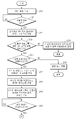
도 1은 인물별 자동분류 패킹 서비스를 제공하는 키오스크에 대한 기능적인 구성을 보여주는 블록 구성도이다.1 is a block diagram showing a functional configuration for a kiosk providing automatic classification packing service for each person.
도 2는 키오스크의 외관 구성을 일례를 들어 보여주는 사시도이다. 2 is a perspective view showing an external configuration of a kiosk as an example.
도 3a 및 도 3b는 본 발명의 제1 실시 형태에 따른 인물별 자동분류 패킹 서비스를 제공하는 방법을 설명하기 위한 플로우 차트이다. 3A and 3B are flowcharts illustrating a method of providing automatic classification packing service for each person according to the first embodiment of the present invention.
도 4a 및 도 4b는 본 발명의 제2 실시 형태에 따른 인물별 자동분류 패킹 서비스를 제공하는 방법을 설명하기 위한 플로우 차트이다.4A and 4B are flowcharts illustrating a method of providing automatic classification packing service for each person according to a second embodiment of the present invention.
도 5a-도 5b 및 도 5a-도 5c는 본 발명의 제3 실시 형태 및 그에 대한 변형 예에 따른 인물별 자동분류 패킹 서비스를 제공하는 방법을 설명하기 위한 플로우 차트들이다.5A to 5B and 5A to 5C are flowcharts for describing a method of providing automatic classification packing service for each person according to a third embodiment of the present invention and a modification thereof.
도 6a 및 도 6b는 본 발명의 제4 실시 형태에 따른 인물별 자동분류 패킹 서비스를 제공하는 방법을 설명하기 위한 플로우 차트이다.6A and 6B are flowcharts illustrating a method of providing automatic classification packing service for each person according to a fourth embodiment of the present invention.
도 7a 및 도 7b는 본 발명의 제5 실시 형태에 따른 인물별 자동분류 패킹 서비스를 제공하는 방법을 설명하기 위한 플로우 차트이다.7A and 7B are flowcharts illustrating a method of providing automatic classification packing service for each person according to a fifth embodiment of the present invention.
<도면의 주요 부분에 대한 부호의 설명><Explanation of symbols for the main parts of the drawings>
10 : 터치 스크린 20 : 키 조작부10: touch screen 20: key operation
30 : 통신 제어부 40 : 이미지 저장부30: communication control unit 40: image storage unit
50 : 제어부 61 : 데이터 베이스50: control unit 61: database
62 : 버퍼 메모리 70 : 얼굴 인식부62: buffer memory 70: face recognition unit
80 : 인쇄부 100 : 키오스크80: printing unit 100: kiosk
110 : 키오스크의 기기본체 130 : 메모리 삽입용 슬롯110: device body of the kiosk 130: slot for inserting memory
150 : 결제수단 투입구 180 : 수취용 트레이150: payment means inlet 180: receiving tray
Claims (25)
Priority Applications (2)
| Application Number | Priority Date | Filing Date | Title |
|---|---|---|---|
| KR1020070118518A KR20090052014A (en) | 2007-11-20 | 2007-11-20 | Method of providing automatic classification packing service for each person and kiosk providing the same |
| US12/287,842 US20090129638A1 (en) | 2007-11-20 | 2008-10-14 | Method of providing automatic sorting packing service sorting photo images according to characters in photo images and kiosk providing the automatic sorting packing service |
Applications Claiming Priority (1)
| Application Number | Priority Date | Filing Date | Title |
|---|---|---|---|
| KR1020070118518A KR20090052014A (en) | 2007-11-20 | 2007-11-20 | Method of providing automatic classification packing service for each person and kiosk providing the same |
Publications (1)
| Publication Number | Publication Date |
|---|---|
| KR20090052014A true KR20090052014A (en) | 2009-05-25 |
Family
ID=40641998
Family Applications (1)
| Application Number | Title | Priority Date | Filing Date |
|---|---|---|---|
| KR1020070118518A Withdrawn KR20090052014A (en) | 2007-11-20 | 2007-11-20 | Method of providing automatic classification packing service for each person and kiosk providing the same |
Country Status (2)
| Country | Link |
|---|---|
| US (1) | US20090129638A1 (en) |
| KR (1) | KR20090052014A (en) |
Cited By (2)
| Publication number | Priority date | Publication date | Assignee | Title |
|---|---|---|---|---|
| KR20210085882A (en) * | 2019-12-31 | 2021-07-08 | (주)케이아이에스 | Method Of Making Virtual Reality Photo Book By System For Playing Field Study Using Virtual Reality |
| KR102632861B1 (en) * | 2023-08-03 | 2024-02-06 | (주)성산기획 | A kiosk that executes the school history archive e-book album |
Families Citing this family (13)
| Publication number | Priority date | Publication date | Assignee | Title |
|---|---|---|---|---|
| US8342391B2 (en) * | 2008-12-18 | 2013-01-01 | Ncr Corporation | Travel kiosk |
| US8369608B2 (en) * | 2009-06-22 | 2013-02-05 | Toyota Motor Engineering & Manufacturing North America, Inc. | System and method for detecting drowsy facial expressions of vehicle drivers under changing illumination conditions |
| KR20110047398A (en) * | 2009-10-30 | 2011-05-09 | 삼성전자주식회사 | Image Provision System and Image Provision Method |
| US8645287B2 (en) | 2010-02-04 | 2014-02-04 | Microsoft Corporation | Image tagging based upon cross domain context |
| US11410438B2 (en) * | 2010-06-07 | 2022-08-09 | Affectiva, Inc. | Image analysis using a semiconductor processor for facial evaluation in vehicles |
| CN101930376A (en) * | 2010-08-25 | 2010-12-29 | 中兴通讯股份有限公司 | A method and terminal for loading picture resources of a JAVA virtual machine |
| US8687213B2 (en) * | 2010-12-16 | 2014-04-01 | Hewlett-Packard Development Company, L.P. | Data filtering for print service providers |
| JP5814700B2 (en) * | 2011-08-25 | 2015-11-17 | キヤノン株式会社 | Image processing system and image processing method |
| US9530083B2 (en) * | 2013-02-28 | 2016-12-27 | Ricoh Company, Ltd. | Input tray selection mechanism |
| CN109213882B (en) * | 2014-03-12 | 2020-07-24 | 华为技术有限公司 | Picture ordering method and terminal |
| JP6432735B2 (en) * | 2014-11-28 | 2018-12-05 | 富士ゼロックス株式会社 | Printer |
| CN105022802A (en) * | 2015-07-02 | 2015-11-04 | 深圳市金立通信设备有限公司 | Photo classification method and terminal |
| JP2017199103A (en) * | 2016-04-26 | 2017-11-02 | 京セラドキュメントソリューションズ株式会社 | Image processing system, image processing apparatus, and image processing method |
Family Cites Families (11)
| Publication number | Priority date | Publication date | Assignee | Title |
|---|---|---|---|---|
| JP2001094720A (en) * | 1999-09-27 | 2001-04-06 | Fuji Photo Film Co Ltd | Image output processing unit and image output processing method |
| US6481711B1 (en) * | 2000-08-24 | 2002-11-19 | Sharp Laboratories Of America, Inc. | Fast inkjet printer having multiple output trays |
| US20030128389A1 (en) * | 2001-12-26 | 2003-07-10 | Eastman Kodak Company | Method for creating and using affective information in a digital imaging system cross reference to related applications |
| US20030193567A1 (en) * | 2002-04-12 | 2003-10-16 | Hubel Paul M. | Digital camera media scanning methods, digital image processing methods, digital camera media scanning systems, and digital imaging systems |
| US7212308B2 (en) * | 2002-12-18 | 2007-05-01 | Morgan Carol L | Interactive photo kiosk |
| US6985673B2 (en) * | 2003-09-02 | 2006-01-10 | Molldrem Jr Bernhard P | Automated film processing kiosk system |
| US7822233B2 (en) * | 2003-11-14 | 2010-10-26 | Fujifilm Corporation | Method and apparatus for organizing digital media based on face recognition |
| EP1589444A3 (en) * | 2004-04-21 | 2008-03-12 | Samsung Electronics Co., Ltd. | Method, medium, and apparatus for detecting situation change of digital photos and method, medium, and apparatus for situation-based photo clustering in digital photo album |
| US7783085B2 (en) * | 2006-05-10 | 2010-08-24 | Aol Inc. | Using relevance feedback in face recognition |
| JP4273434B2 (en) * | 2006-08-25 | 2009-06-03 | ソニー株式会社 | Image processing method, image processing method program, recording medium storing image processing method program, and image processing apparatus |
| US20090164701A1 (en) * | 2007-12-20 | 2009-06-25 | Murray Thomas J | Portable image indexing device |
-
2007
- 2007-11-20 KR KR1020070118518A patent/KR20090052014A/en not_active Withdrawn
-
2008
- 2008-10-14 US US12/287,842 patent/US20090129638A1/en not_active Abandoned
Cited By (2)
| Publication number | Priority date | Publication date | Assignee | Title |
|---|---|---|---|---|
| KR20210085882A (en) * | 2019-12-31 | 2021-07-08 | (주)케이아이에스 | Method Of Making Virtual Reality Photo Book By System For Playing Field Study Using Virtual Reality |
| KR102632861B1 (en) * | 2023-08-03 | 2024-02-06 | (주)성산기획 | A kiosk that executes the school history archive e-book album |
Also Published As
| Publication number | Publication date |
|---|---|
| US20090129638A1 (en) | 2009-05-21 |
Similar Documents
| Publication | Publication Date | Title |
|---|---|---|
| KR20090052014A (en) | Method of providing automatic classification packing service for each person and kiosk providing the same | |
| JP4902270B2 (en) | How to assemble a collection of digital images | |
| CN108596277B (en) | Vehicle identity recognition method and device and storage medium | |
| CN108230262B (en) | Image processing method, image processing apparatus, and storage medium | |
| US7477841B2 (en) | Service provision system and automatic photography system | |
| JP2019191832A (en) | Image processing device, image processing method, and program | |
| AU3685299A (en) | A method and apparatus for processing documents in an image-based document processing system | |
| US6934048B2 (en) | Image data processing system and server system | |
| WO2019230275A1 (en) | Image processing device, image processing method, image processing program, and recording medium storing image processing program | |
| KR101560449B1 (en) | System and method for automatically classifying photograph | |
| JP4638274B2 (en) | Image selection method, image selection apparatus, program, and print order receiving machine | |
| US8370758B2 (en) | Image browsing device, image browsing method, image browsing program, and image browsing system | |
| JP7207908B2 (en) | Information processing system, information processing device, program, and information processing method | |
| JP2020140557A (en) | Image processing equipment, control methods, and programs | |
| JP2004304765A (en) | Image recording apparatus, method, and program | |
| JP7336209B2 (en) | Image processing device, control method, and program | |
| JP4333481B2 (en) | Image classification device, image classification program, and electronic camera | |
| KR20230108209A (en) | Method and apparatus for providng photo print service based user trends | |
| JP2007293399A (en) | Image exchange apparatus, image exchange method, and image exchange processing program | |
| JP7023338B2 (en) | Collection management system | |
| JP2023537379A (en) | Object photographing device and object photographing method | |
| KR100925907B1 (en) | Apparatus and method for identifying marker | |
| JP2007114836A (en) | Information processing apparatus, control method for information processing apparatus, and control program | |
| JP2005297411A (en) | Photo image printing apparatus and program | |
| JP4893775B2 (en) | Image classification program, recording medium, and electronic camera control program |
Legal Events
| Date | Code | Title | Description |
|---|---|---|---|
| PA0109 | Patent application |
Patent event code: PA01091R01D Comment text: Patent Application Patent event date: 20071120 |
|
| N231 | Notification of change of applicant | ||
| PN2301 | Change of applicant |
Patent event date: 20090413 Comment text: Notification of Change of Applicant Patent event code: PN23011R01D |
|
| PG1501 | Laying open of application | ||
| N231 | Notification of change of applicant | ||
| PN2301 | Change of applicant |
Patent event date: 20100423 Comment text: Notification of Change of Applicant Patent event code: PN23011R01D |
|
| PC1203 | Withdrawal of no request for examination | ||
| WITN | Application deemed withdrawn, e.g. because no request for examination was filed or no examination fee was paid |