KR20140077498A - Method and apparatus for transmitting/receiving discovery signal in mobile communication system - Google Patents
Method and apparatus for transmitting/receiving discovery signal in mobile communication system Download PDFInfo
- Publication number
- KR20140077498A KR20140077498A KR1020120146378A KR20120146378A KR20140077498A KR 20140077498 A KR20140077498 A KR 20140077498A KR 1020120146378 A KR1020120146378 A KR 1020120146378A KR 20120146378 A KR20120146378 A KR 20120146378A KR 20140077498 A KR20140077498 A KR 20140077498A
- Authority
- KR
- South Korea
- Prior art keywords
- discovery signal
- terminal
- cell
- base station
- information
- Prior art date
- Legal status (The legal status is an assumption and is not a legal conclusion. Google has not performed a legal analysis and makes no representation as to the accuracy of the status listed.)
- Granted
Links
Images







Classifications
-
- H—ELECTRICITY
- H04—ELECTRIC COMMUNICATION TECHNIQUE
- H04W—WIRELESS COMMUNICATION NETWORKS
- H04W36/00—Hand-off or reselection arrangements
- H04W36/24—Reselection being triggered by specific parameters
- H04W36/30—Reselection being triggered by specific parameters by measured or perceived connection quality data
-
- H—ELECTRICITY
- H04—ELECTRIC COMMUNICATION TECHNIQUE
- H04W—WIRELESS COMMUNICATION NETWORKS
- H04W48/00—Access restriction; Network selection; Access point selection
- H04W48/16—Discovering, processing access restriction or access information
-
- H—ELECTRICITY
- H04—ELECTRIC COMMUNICATION TECHNIQUE
- H04W—WIRELESS COMMUNICATION NETWORKS
- H04W24/00—Supervisory, monitoring or testing arrangements
- H04W24/10—Scheduling measurement reports ; Arrangements for measurement reports
-
- H—ELECTRICITY
- H04—ELECTRIC COMMUNICATION TECHNIQUE
- H04W—WIRELESS COMMUNICATION NETWORKS
- H04W36/00—Hand-off or reselection arrangements
- H04W36/0005—Control or signalling for completing the hand-off
- H04W36/0055—Transmission or use of information for re-establishing the radio link
- H04W36/0058—Transmission of hand-off measurement information, e.g. measurement reports
-
- H—ELECTRICITY
- H04—ELECTRIC COMMUNICATION TECHNIQUE
- H04W—WIRELESS COMMUNICATION NETWORKS
- H04W36/00—Hand-off or reselection arrangements
- H04W36/0005—Control or signalling for completing the hand-off
- H04W36/0055—Transmission or use of information for re-establishing the radio link
- H04W36/0072—Transmission or use of information for re-establishing the radio link of resource information of target access point
-
- H—ELECTRICITY
- H04—ELECTRIC COMMUNICATION TECHNIQUE
- H04W—WIRELESS COMMUNICATION NETWORKS
- H04W36/00—Hand-off or reselection arrangements
- H04W36/0005—Control or signalling for completing the hand-off
- H04W36/0083—Determination of parameters used for hand-off, e.g. generation or modification of neighbour cell lists
- H04W36/0085—Hand-off measurements
-
- H—ELECTRICITY
- H04—ELECTRIC COMMUNICATION TECHNIQUE
- H04W—WIRELESS COMMUNICATION NETWORKS
- H04W48/00—Access restriction; Network selection; Access point selection
- H04W48/08—Access restriction or access information delivery, e.g. discovery data delivery
-
- H—ELECTRICITY
- H04—ELECTRIC COMMUNICATION TECHNIQUE
- H04W—WIRELESS COMMUNICATION NETWORKS
- H04W56/00—Synchronisation arrangements
-
- H—ELECTRICITY
- H04—ELECTRIC COMMUNICATION TECHNIQUE
- H04W—WIRELESS COMMUNICATION NETWORKS
- H04W56/00—Synchronisation arrangements
- H04W56/001—Synchronization between nodes
-
- H—ELECTRICITY
- H04—ELECTRIC COMMUNICATION TECHNIQUE
- H04W—WIRELESS COMMUNICATION NETWORKS
- H04W56/00—Synchronisation arrangements
- H04W56/001—Synchronization between nodes
- H04W56/0015—Synchronization between nodes one node acting as a reference for the others
-
- Y—GENERAL TAGGING OF NEW TECHNOLOGICAL DEVELOPMENTS; GENERAL TAGGING OF CROSS-SECTIONAL TECHNOLOGIES SPANNING OVER SEVERAL SECTIONS OF THE IPC; TECHNICAL SUBJECTS COVERED BY FORMER USPC CROSS-REFERENCE ART COLLECTIONS [XRACs] AND DIGESTS
- Y02—TECHNOLOGIES OR APPLICATIONS FOR MITIGATION OR ADAPTATION AGAINST CLIMATE CHANGE
- Y02D—CLIMATE CHANGE MITIGATION TECHNOLOGIES IN INFORMATION AND COMMUNICATION TECHNOLOGIES [ICT], I.E. INFORMATION AND COMMUNICATION TECHNOLOGIES AIMING AT THE REDUCTION OF THEIR OWN ENERGY USE
- Y02D30/00—Reducing energy consumption in communication networks
- Y02D30/70—Reducing energy consumption in communication networks in wireless communication networks
Landscapes
- Engineering & Computer Science (AREA)
- Computer Networks & Wireless Communication (AREA)
- Signal Processing (AREA)
- Computer Security & Cryptography (AREA)
- Mobile Radio Communication Systems (AREA)
Abstract
본 발명은 디스커버리 신호(discovery signal)를 정의하여 단말이 소정의 셀을 탐색하고(cell search), 해당 셀의 시간/주파수 동기를 획득하며, 소정의 셀을 활성상태(active state) 또는 휴면상태(dormant state)로 운영하여 시스템의 에너지 효율을 높이는 방법 및 장치에 관한 것으로, 본 발명의 실시예에 따른 무선 이동통신 시스템의 기지국에서 디스커버리 신호(discovery signal) 송신 방법은, 인접 셀의 디스커버리 신호 설정(discovery signal configuration) 정보를 획득하는 단계; 단말로 디스커버리 신호 설정 정보를 전송하는 단계; 단말로부터 디스커버리 신호 설정 정보를 이용하여 측정한 인접 셀의 디스커버리 신호에 대한 측정 리포트(measurement report)를 수신하는 단계 및 측정 리포트를 이용하여 상기 단말의 핸드오버(handover) 여부를 판단하는 단계를 포함하는 것을 특징으로 한다.
본 발명에 따르면, 이동통신 시스템의 에너지 효율을 높일 수 있다. The present invention defines a discovery signal so that a terminal searches for a predetermined cell and acquires time / frequency synchronization of the cell, and when a predetermined cell is in an active state or a sleep state a method of transmitting a discovery signal in a base station of a wireless mobile communication system according to an embodiment of the present invention includes discovery signal setting of a neighboring cell discovery signal configuration information; Transmitting discovery signal setting information to the terminal; Receiving a measurement report of a discovery signal of a neighbor cell measured using the discovery signal setting information from the terminal, and determining whether the terminal is handed over using the measurement report .
According to the present invention, energy efficiency of a mobile communication system can be enhanced.
Description
본 발명은 셀룰러(cellular) 무선 통신 시스템에 대한 것으로, 특히 디스커버리 신호(discovery signal)를 정의하여 단말이 소정의 셀을 탐색하고(cell search), 해당 셀의 시간/주파수 동기를 획득하며, 소정의 셀을 활성상태(active state) 또는 휴면상태(dormant state)로 운영하여 시스템의 에너지 효율을 높이는 방법 및 장치에 관한 것이다.BACKGROUND OF THE
이동 통신 시스템은 초기의 음성 위주의 서비스를 제공하던 것에서 벗어나 데이터 서비스 및 멀티미디어 서비스를 제공하기 위하여 고속, 고품질의 무선 패킷 데이터 통신 시스템으로 발전하고 있다. 최근 3GPP의 HSDPA(High Speed Downlink Packet Access), HSUPA(High Speed Uplink Packet Access), LTE(Long Term Evolution), LTE-A(Long Term Evolution Advanced), 3GPP2의 HRPD(High Rate Packet Data), 그리고 IEEE의 802.16 등 다양한 이동 통신 표준이 고속, 고품질의 무선 패킷 데이터 전송 서비스를 지원하기 위해 개발되었다. 특히, LTE 시스템은 고속 무선 패킷 데이터 전송을 효율적으로 지원하기 위하여 개발된 시스템으로, 다양한 무선 접속 기술을 활용하여 무선 시스템 용량을 최대화한다. LTE-A 시스템은 LTE 시스템의 진보된 무선 시스템으로 LTE와 비교하여 향상된 데이터 전송 능력을 가지고 있다.The mobile communication system has evolved into a high-speed and high-quality wireless packet data communication system in order to provide data services and multimedia services apart from providing initial voice-oriented services. Recently, 3GPP's High Speed Downlink Packet Access (HSDPA), HSUPA (Long Term Evolution), Long Term Evolution Advanced (LTE), High Rate Packet Data (3GPP2) And 802.16, have been developed to support high-speed, high-quality wireless packet data transmission services. In particular, the LTE system was developed to efficiently support high - speed wireless packet data transmission, and maximizes wireless system capacity by utilizing various wireless connection technologies. The LTE-A system is an advanced wireless system in LTE systems and has improved data transmission capabilities compared to LTE.
광대역 무선 통신 시스템의 대표적인 예인 LTE 시스템은, 하향링크(Downlink)는 OFDM(Orthogonal Frequency Division Multiplexing) 방식을 채용하고 있고, 상향링크(Uplink)는 SC-FDMA(Single Carrier Frequency Division Multiple Access) 방식을 채용하고 있다. 이러한 다중 접속 방식은, 통상 각 사용자 별로 데이터 혹은 제어정보를 실어 보낼 시간-주파수 자원이 서로 겹치지 않도록, 즉, 직교성(Orthogonality)이 성립하도록 할당 및 운용함으로써 각 사용자 별 데이터 혹은 제어정보를 구분한다.The LTE system, which is a typical example of a broadband wireless communication system, adopts an OFDM (Orthogonal Frequency Division Multiplexing) scheme for downlink and a Single Carrier Frequency Division Multiple Access (SC-FDMA) scheme for an uplink. . In such a multiple access scheme, data or control information for each user is distinguished by assigning and operating so that time-frequency resources for transmitting data or control information for each user do not overlap each other, that is, orthogonality is established.
도 1은 LTE 및 LTE-A 시스템의 하향링크에서 무선 자원영역의 구조를 나타내는 도면이다. 1 is a diagram illustrating a structure of a radio resource region in a downlink of an LTE and an LTE-A system.
보다 구체적으로, 도 1은 LTE 및 LTE-A 시스템의 하향링크에서 데이터 혹은 제어채널이 전송되는 무선 자원영역인 시간-주파수영역의 기본 구조와 하향링크 물리채널과 시그널의 매핑 관계를 나타낸다. More specifically, FIG. 1 illustrates a basic structure of a time-frequency domain, which is a radio resource region in which data or control channels are transmitted in a downlink of an LTE and LTE-A system, and a mapping relationship between a downlink physical channel and a signal.
도 1을 참조하면, 가로축은 시간 영역을, 세로축은 주파수 영역을 나타낸다. 시간 영역에서의 최소 전송단위는 OFDMA 심벌(104)로서, NsymbDL (통상 NsymbDL = 7)개의 OFDM 심벌이 모여 하나의 슬롯(101)을 구성한다. 그리고 2개의 슬롯이 모여 1ms 길이의 하나의 서브프레임(102)을 구성하고, 20개의 슬롯, 즉 10개의 서브프레임이 모여 10ms 길이의 라디오프레임(103)을 구성한다. 주파수 영역에서의 최소 전송단위는 서브캐리어(105)로서, 전체 시스템 전송 대역(109)은 총 NBW 개의 서브캐리어로 구성된다. NBW 는 시스템 전송 대역에 비례하여 값을 갖는다. 시간-주파수영역에서 자원의 기본 단위는 리소스 엘리먼트(Resource Element; RE, 106)로서 OFDM 심벌 인덱스 및 서브캐리어 인덱스로 정의할 수 있다. 리소스 블록(Resource Block (RB) 또는 Physical Resource Block (PRB)(107, 108)은 시간영역에서 NsymbDL 개의 연속된 OFDM 심벌과 주파수 영역에서 NscRB (통상 NscRB = 12)개의 연속된 서브캐리어로 정의된다. 따라서, 하나의 RB는 NsymbDL x NscRB 개의 RE로 구성된다. 일반적으로 데이터 혹은 제어정보의 최소 전송단위는 RB 단위이다. Referring to FIG. 1, the horizontal axis represents time domain and the vertical axis represents frequency domain. The minimum transmission unit in the time domain is an
하향링크 제어채널은 상기 서브프레임 내의 최초 N OFDM 심벌 개수 이내에 전송된다. 일반적으로 N = {1, 2, 3} 이다. 따라서 현재 서브프레임에 전송해야 할 제어정보의 양에 따라 상기 N 값이 서브프레임마다 가변할 수 있다. 상기 제어채널로는 상기 N 값을 나타내는 지시자를 포함하는 PCFICH(Physical Control Format Indicator Channel), 상향링크 또는 하향링크 스케쥴링 정보를 포함하는 PDCCH(Physical Downlink Control Channel), HARQ ACK/NACK 신호를 포함하는 PHICH(Physical HARQ Indicator Channel) 이 있다. 그리고 하향링크 물리 데이터 채널인 PDSCH(Physical Downlink Shared Channel, 111)는 하향링크 제어채널이 전송되지 않는 나머지 서브프레임 구간 동안 전송된다.The downlink control channel is transmitted within the first N OFDM symbols in the subframe. In general, N = {1, 2, 3}. Therefore, the N value may vary from one subframe to another depending on the amount of control information to be transmitted in the current subframe. The control channel includes a Physical Control Format Indicator Channel (PCFICH) including an indicator indicating the N value, a Physical Downlink Control Channel (PDCCH) including uplink or downlink scheduling information, a PHICH including a HARQ ACK / (Physical HARQ Indicator Channel). The Physical Downlink Shared Channel (PDSCH) 111, which is a downlink physical data channel, is transmitted during the remaining subframe periods in which the downlink control channel is not transmitted.
기지국은 단말로 하여금 하향링크 채널 상태를 측정하는데 참조하도록 하거나 또는 PDSCH 를 복조하는데 참조하도록 하는 기준 신호(reference signal, 이하 RS)를 전송한다. 기준 신호는 파일럿(pilot) 신호라고도 불린다. RS는 셀 내의 단말들이 공동으로 수신할 수 있는 CRS(Cell-specific Reference Signal, 112), CRS 대비 안테나 포트(antenna port) 당 상대적으로 적은 자원을 사용하는 CSI-RS(Channel Status Information Reference Signal, 114), 소정의 단말에게 스케쥴링된 PDSCH를 단말이 복조하는데 참조하는 DM-RS(Demodulation Reference Signal, 113)로 구분된다. 만약 상기 CSI-RS 및 DM-RS 가 매핑될 수 있는 자원 영역의 일부 또는 전부에 CSI-RS 및 DM-RS 가 전송되지 않으면, PDSCH 전송을 위해 사용될 수 있다. The base station transmits a reference signal (RS) that allows the UE to refer to the downlink channel state measurement or to refer to demodulate the PDSCH. The reference signal is also referred to as a pilot signal. RS is a cell-specific reference signal (CRS) 112 that can be received jointly by UEs in a cell, a CSI-RS (Channel Status Information Reference Signal) 114 using relatively few resources per antenna port relative to CRS And a demodulation reference signal (DM-RS) 113, which is referred to by the UE for demodulating the PDSCH scheduled for a predetermined UE. If the CSI-RS and the DM-RS are not transmitted to some or all of the resource areas to which the CSI-RS and the DM-RS are mapped, the CSI-RS and the DM-RS can be used for PDSCH transmission.
Antenna port는 논리적 개념으로, CSI-RS는 antenna port 별로 정의되어 각 antenna port에 대한 채널 상태를 측정하도록 운용된다. 만약 동일한 CSI-RS가 여러 개의 물리적인 안테나로부터 전송되면, 단말은 각각의 물리적인 안테나들을 구분할 수 없게 되고 하나의 antenna port로 인식하게 된다. The antenna port is a logical concept, and the CSI-RS is defined for each antenna port and is operated to measure the channel status for each antenna port. If the same CSI-RS is transmitted from multiple physical antennas, the terminal can not distinguish between the physical antennas and recognizes it as a single antenna port.
기지국은 각 셀 별로 별도의 위치를 할당하여 CSI-RS를 전송 할 수 있다. 이와 같이 셀 별로 서로 다른 위치에서 CSI-RS 전송을 위한 시간 및 주파수 자원을 할당하는 것은 서로 다른 셀들의 CSI-RS가 서로 상호 간섭을 발생시키는 것을 방지하기 위함이다. The BS may transmit a CSI-RS by allocating a separate location for each cell. The allocation of the time and frequency resources for the CSI-RS transmission at different locations in each cell is to prevent CSI-RSs of different cells from mutually interfering with each other.
LTE 및 LTE-A 시스템에서 단말이 셀 ID 를 획득하고, 서브프레임 및 라디오 프레임 동기와 주파수 동기를 획득하도록 하기 위해, 기지국은 PSS(Primary Synchronization Signal) 및 SSS(Secondary Synchronization Signal)를 전송한다. 기지국은 PSS 및 SSS 로서 각각 정해진 시퀀스를 사용하여, 라디오 프레임 내에 정해진 위치에 매핑하여 라디오 프레임 단위로 반복해서 전송한다. In the LTE and LTE-A systems, the base station transmits a Primary Synchronization Signal (PSS) and a Secondary Synchronization Signal (SSS) in order to acquire a cell ID and obtain subframe and radio frame synchronization and frequency synchronization. The base station uses the predetermined sequence as the PSS and the SSS to map to a predetermined position in the radio frame, and repeatedly transmits in units of radio frames.
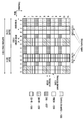
도 2는 LTE 및 LTE-A 시스템에서 FDD(Frequency Division Duplex) 경우, PSS(Primary Synchronization Signal) 및 SSS(Secondary Synchronization Signal)의 구체적인 매핑 위치를 나타내는 도면이다.FIG. 2 is a diagram showing concrete mapping positions of a Frequency Division Duplex (FDD) case, a Primary Synchronization Signal (PSS), and a Secondary Synchronization Signal (SSS) in the LTE and LTE-A systems.
도 2를 참조하면, 시간영역에서 PSS 는 서브프레임#0 및 서브프레임#5의 OFDM 심벌#6 (201, 203)에서 각각 전송된다. 그리고 SSS는 서브프레임#0 및 서브프레임#5의 OFDM 심벌#5 (202, 204)에서 각각 전송된다. 주파수 영역에서는 시스템 전송대역의 가운데 6 RB (205) 에 PSS와 SSS가 매핑된다. Referring to FIG. 2, in the time domain, PSS is transmitted in
추가적으로, PSS 및 SSS는 단말이 지속적으로 해당 셀의 시간 및 주파수를 트래킹(tracking) 하기 위하여 사용되며, 단말이 주변 셀로 핸드오버를 하기 위한 준비과정으로 주변 셀의 PSS 및 SSS로부터 주변 셀을 검출하고 measurement를 수행하는 용도로도 활용된다. In addition, the PSS and the SSS are used to continuously track the time and frequency of the corresponding cell, and the neighboring cell is detected from the PSS and the SSS of the neighboring cell in preparation for handover to the neighboring cell It is also used to perform measurement.
근래에 상기와 같이 동작하는 LTE 및 LTE-A 시스템의 오버헤드를 줄여서 시스템의 에너지 효율을 증대시키는 방안이 논의되고 있다. 예를 들어, 하향링크 제어채널의 전송을 최소화 하거나, CRS 의 시간-주파수 영역에서의 전송간격을 줄이는 방안이 논의되고 있다. Recently, a method of increasing the energy efficiency of the system by reducing the overhead of the LTE and LTE-A systems operating as described above is being discussed. For example, a method of minimizing the transmission of the downlink control channel or reducing the transmission interval in the time-frequency domain of the CRS is being discussed.
본 발명은 상술한 문제점을 해결하기 위하여 제안된 것으로 디스커버리 신호를 정의하여 단말이 소정의 셀을 탐색하고 해당 셀의 시간/주파수 동기를 획득하며, 소정의 셀을 활성상태 또는 휴면상태로 운영하여 시스템의 에너지 효율을 높일 수 있는 방법 및 장치를 제공하는데 그 목적이 있다.Disclosure of Invention Technical Problem [8] The present invention has been proposed in order to solve the above-described problems, and it is an object of the present invention to provide a method and apparatus for detecting a discovery signal, And to provide a method and an apparatus capable of enhancing the energy efficiency of the apparatus.
상기와 같은 문제점을 해결하기 위한 본 발명의 실시예에 따른 무선 이동통신 시스템의 기지국에서 디스커버리 신호(discovery signal) 송신 방법은, 인접 셀의 디스커버리 신호 설정(discovery signal configuration) 정보를 획득하는 단계; 단말로 디스커버리 신호 설정 정보를 전송하는 단계; 단말로부터 디스커버리 신호 설정 정보를 이용하여 측정한 인접 셀의 디스커버리 신호에 대한 측정 리포트(measurement report)를 수신하는 단계 및 측정 리포트를 이용하여 상기 단말의 핸드오버(handover) 여부를 판단하는 단계를 포함하는 것을 특징으로 한다. According to an aspect of the present invention, there is provided a method of transmitting a discovery signal in a base station of a wireless mobile communication system, the method comprising: acquiring discovery signal configuration information of a neighbor cell; Transmitting discovery signal setting information to the terminal; Receiving a measurement report of a discovery signal of a neighbor cell measured using the discovery signal setting information from the terminal, and determining whether the terminal is handed over using the measurement report .
또한, 본 발명의 다른 실시예에 따른 무선 이동통신 시스템의 단말에서 디스커버리 신호(discovery signal) 수신 방법은, 기지국으로부터 인접 셀의 디스커버리 신호 설정 정보를 수신하는 단계; 수신한 디스커버리 신호 설정 정보를 기반으로 인접 셀의 디스커버리 신호를 검출하고 측정하는 단계; 및 디스커버리 신호의 측정 결과를 보고하는 단계를 포함하는 것을 특징으로 한다.According to another aspect of the present invention, there is provided a method of receiving a discovery signal in a terminal of a wireless mobile communication system, comprising: receiving discovery signal setting information of a neighboring cell from a base station; Detecting and measuring a discovery signal of an adjacent cell based on the received discovery signal setting information; And reporting the measurement result of the discovery signal.
또한, 본 발명의 또다른 실시예에 따른 무선 이동통신 시스템의 기지국 장치는, 인접 셀의 디스커버리 신호 설정(discovery signal configuration) 정보를 획득하고, 단말로 디스커버리 신호 설정 정보를 전송하며, 단말로부터 디스커버리 신호 설정 정보를 이용하여 측정한 상기 인접 셀의 디스커버리 신호에 대한 측정 리포트(measurement report)를 수신하고 측정 리포트를 이용하여 단말의 핸드오버(handover) 여부를 판단하도록 제어하는 스케쥴러를 포함하는 것을 특징한다.Also, the base station apparatus of the wireless mobile communication system according to another embodiment of the present invention acquires discovery signal configuration information of a neighbor cell, transmits discovery signal configuration information to the terminal, And a scheduler for receiving a measurement report of the discovery signal of the neighboring cell measured using the setting information and determining whether the terminal is handed over using the measurement report.
또한, 본 발명의 또다른 실시예에 따른 무선 이동통신 시스템의 단말 장치는, 기지국으로부터 인접 셀의 디스커버리 신호 설정 정보를 수신하고, 수신한 디스커버리 신호 설정 정보를 기반으로 인접 셀의 디스커버리 신호를 검출하고 측정하며, 디스커버리 신호의 측정 결과를 보고하도록 제어하는 제어부를 포함하는 것을 특징으로 한다.In addition, the terminal device of the wireless mobile communication system according to another embodiment of the present invention receives the discovery signal setting information of the neighboring cell from the base station, detects the discovery signal of the adjacent cell based on the received discovery signal setting information And to report the result of the measurement of the discovery signal.
본 발명에 따르면, 이동통신 시스템의 에너지 효율을 높일 수 있다. According to the present invention, energy efficiency of a mobile communication system can be enhanced.
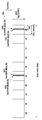
도 1은 LTE 및 LTE-A 시스템의 하향링크에서 무선 자원영역의 구조를 나타내는 도면이다.
도 2는 LTE 및 LTE-A 시스템에서 FDD(Frequency Division Duplex) 경우, PSS(Primary Synchronization Signal) 및 SSS(Secondary Synchronization Signal)의 구체적인 매핑 위치를 나타내는 도면이다.
도 3은 본 발명 일 실시예에 따른 시스템 동작의 개념을 나타내는 도면이다.
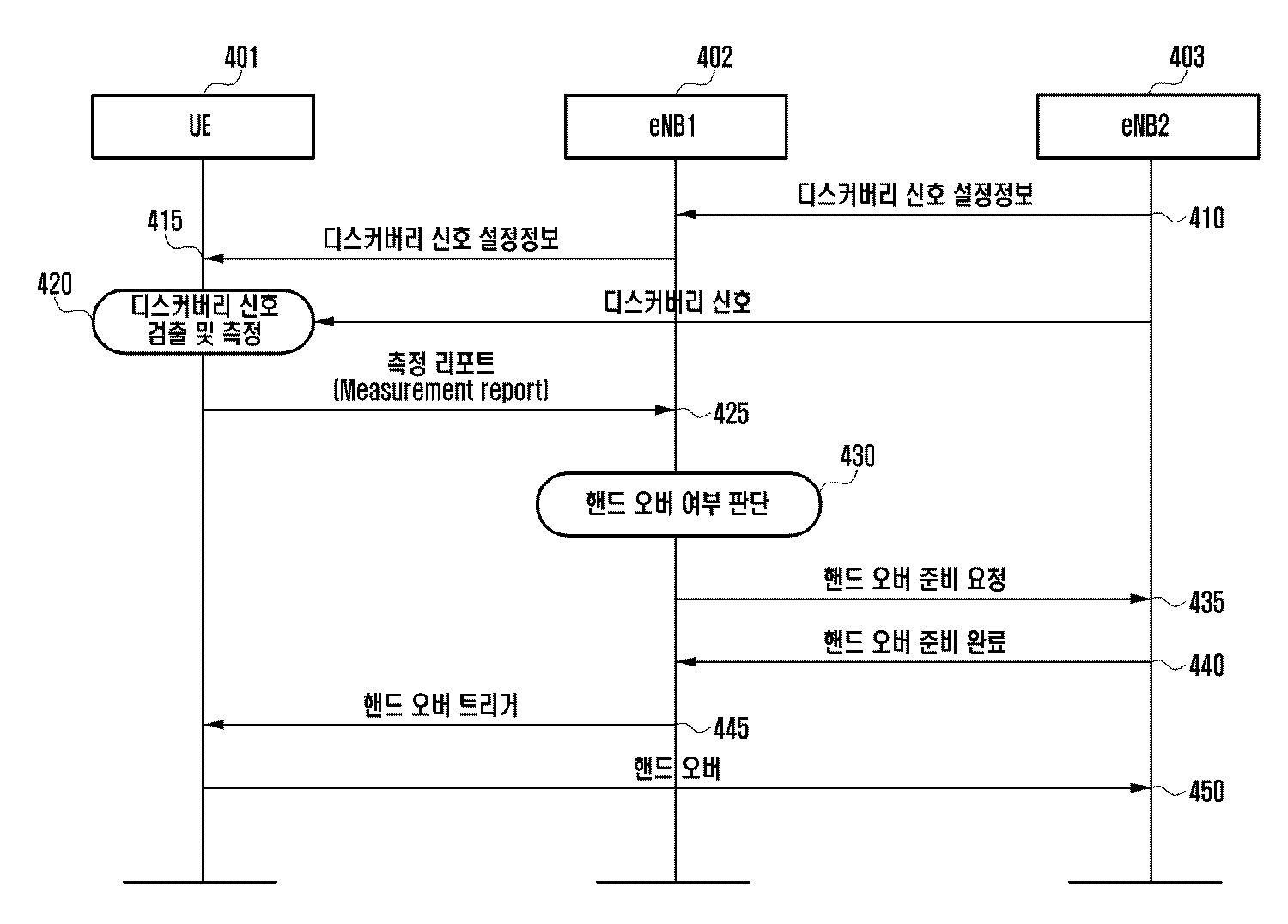
도 4는 본 발명의 일 실시예에 따른 단말과 기지국 사이의 신호 흐름을 나타낸 도면이다.
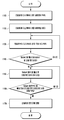
도 5는 본 발명의 일 실시예에 따른 기지국 동작을 나타내는 순서도이다.
도 6는 본 발명의 일 실시예에 따른 단말 동작을 나타내는 순서도이다.
도 7은 본 발명의 일 실시예에 따른 디스커버리 신호의 구성 방법을 나타낸 도면이다.
도 8은 본 발명의 다른 실시예에 따른 디스커버리 신호의 구성 방법을 나타낸 도면이다.
도 9는 본 발명의 또다른 실시예에 따른 디스커버리 신호의 구성 방법을 나타낸 도면이다.
도 10은 본 발명의 다른 실시예에 따른 단말 동작을 나타내는 순서도이다.
도 11은 본 발명의 다른 실시예에 따른 기지국 동작을 나타내는 순서도이다.
도 12는 본 발명의 일 실시예에 따른 디스커버리 신호의 시간-주파수 영역에서의 매핑위치를 나타낸 도면이다.
도 13은 본 발명의 일 실시예에 따른 기지국 장치를 나타낸 도면이다.
도 14는 본 발명의 일 실시예에 따른 단말 장치를 나타낸 도면이다.1 is a diagram illustrating a structure of a radio resource region in a downlink of an LTE and an LTE-A system.
FIG. 2 is a diagram showing concrete mapping positions of a Frequency Division Duplex (FDD) case, a Primary Synchronization Signal (PSS), and a Secondary Synchronization Signal (SSS) in the LTE and LTE-A systems.
3 is a diagram illustrating a concept of system operation according to an embodiment of the present invention.
4 is a diagram illustrating a signal flow between a terminal and a base station according to an embodiment of the present invention.
5 is a flowchart illustrating a base station operation in accordance with an embodiment of the present invention.
6 is a flowchart illustrating a terminal operation according to an exemplary embodiment of the present invention.
FIG. 7 illustrates a method of constructing a discovery signal according to an embodiment of the present invention. Referring to FIG.
8 is a diagram illustrating a method of configuring a discovery signal according to another embodiment of the present invention.
9 is a diagram illustrating a method of configuring a discovery signal according to another embodiment of the present invention.
10 is a flowchart illustrating a terminal operation according to another embodiment of the present invention.
11 is a flowchart illustrating a base station operation according to another embodiment of the present invention.
FIG. 12 is a diagram showing a mapping position in a time-frequency domain of a discovery signal according to an embodiment of the present invention.
13 is a diagram illustrating a base station apparatus according to an embodiment of the present invention.
FIG. 14 is a diagram illustrating a terminal device according to an embodiment of the present invention.
본 발명에서 기지국은 단말의 자원할당을 수행하는 주체로서, eNode B, eNB, Node B, BS(Base Station), 무선 접속 유닛, 기지국 제어기, 또는 네트워크 상의 노드 중 적어도 하나일 수 있다. In the present invention, the BS may be at least one of eNode B, eNB, Node B, Base Station (BS), radio access unit, base station controller, or a node on the network.
본 발명에서 단말은 UE(User Equipment), MS(Mobile Station), 셀룰러폰, 스마트폰, 컴퓨터, 또는 통신기능을 수행할 수 있는 멀티미디어시스템을 포함할 수 있다. A terminal in the present invention may include a user equipment (UE), a mobile station (MS), a cellular phone, a smart phone, a computer, or a multimedia system capable of performing communication functions.
본 발명에서 상향링크(uplink, UL)는 단말이 기지국으로 데이터 혹은 제어신호를 전송하는 무선링크를 뜻하고, 하향링크(downlink, DL)는 기지국이 단말로 데이터 혹은 제어신호를 전송하는 무선링크를 뜻한다. In the present invention, an uplink (UL) refers to a radio link through which a mobile station transmits data or a control signal to a base station, and a downlink (DL) refers to a radio link through which a base station transmits data or control signals to the mobile station. It means.
본 발명과 유사한 기술적 배경 및/또는 채널형태를 갖는 여타의 통신시스템에도 본 발명의 실시예가 적용될 수 있다. 또한, 본 발명의 실시예는 숙련된 기술적 지식을 가진 자의 판단으로써 본 발명의 범위를 크게 벗어나지 아니하는 범위에서 일부 변형을 통해 다른 통신시스템에도 적용될 수 있다. 예를 들어, HSPA 시스템에서도 본 발명의 실시예의 일 측면에 따른 송수신 방법을 적용할 수 있다.Embodiments of the present invention may also be applied to other communication systems having a technical background and / or channel configuration similar to the present invention. In addition, embodiments of the present invention may be applied to other communication systems by a person skilled in the art without departing from the scope of the present invention. For example, the HSPA system can also be applied to the transmission / reception method according to one aspect of the present invention.
이하, 첨부된 도면을 참조하여 본 발명의 바람직한 실시 예들을 상세히 설명한다. 이 때, 첨부된 도면에서 동일한 구성 요소는 가능한 동일한 부호로 나타내고 있음에 유의해야 한다. 또한 본 발명의 요지를 흐리게 할 수 있는 공지 기능 및 구성에 대한 상세한 설명은 생략할 것이다.Hereinafter, preferred embodiments of the present invention will be described in detail with reference to the accompanying drawings. Note that, in the drawings, the same components are denoted by the same reference symbols as possible. Further, the detailed description of well-known functions and constructions that may obscure the gist of the present invention will be omitted.
도 3은 본 발명 일 실시예에 따른 시스템 동작의 개념을 나타내는 도면이다.3 is a diagram illustrating a concept of system operation according to an embodiment of the present invention.
도 3을 참조하면, 매크로 기지국(301)의 커버리지(302) 내에 상대적으로 적은 커버리지(coverage)(304, 306, 308)를 갖는 피코(pico) 기지국(303, 305, 307)이 배치되어 있다. 이때, 매크로 기지국과 피코 기지국이 사용하는 주파수는 동일 주파수 이거나 또는 서로 다른 주파수일 수 있다.Referring to FIG. 3,
매크로 기지국은 일반적으로 피코 기지국보다 상대적으로 높은 전송전력으로 신호전송이 가능하여, 매크로 기지국은 피코 기지국보다 상대적으로 큰 커버리지를 갖는다. Macro base stations can transmit signals with higher transmission power than pico base stations in general, and macro base stations have a relatively larger coverage than pico base stations.
일반적으로 단말 혹은 기지국이 전송하고자 하는 신호의 전송경로가 짧을수록 전송신호의 감쇄가 적게 발생한다. 그러므로, 신호의 전송경로가 짧은 경우, 상대적으로 적은 전송전력으로 고속 데이터 서비스가 가능하고 또한 간섭발생도 적은 특징이 있다. 따라서 매크로 기지국의 커버리지 내에 여러 개의 단말이 있어 데이터 트래픽을 각각의 피코 기지국으로 분산하고자 하는 경우(Case A), 각각의 피코 기지국 또는 매크로 기지국과 가깝게 위치한 단말이 해당 기지국과 통신을 수행하도록 운용함으로써 전체 시스템 스루풋(throughput)을 향상시킬 수 있다. 즉, 단말(312)는 매크로 기지국 (301)과 통신하고, 단말(309)는 피코 기지국(307)과 통신하며, 단말(310)는 피코 기지국(305)과 통신하고, 단말(311)는 피코 기지국(303)과 통신한다. In general, the shorter the transmission path of the signal to be transmitted by the terminal or the base station, the less the attenuation of the transmission signal occurs. Therefore, when the signal transmission path is short, high-speed data service is possible with a relatively low transmission power, and interference generation is also small. Accordingly, when there are a plurality of terminals in the coverage of the macro base station and the data traffic is distributed to each pico base station (Case A), the terminal located close to each pico base station or macro base station communicates with the base station System throughput can be improved. That is, the terminal 312 communicates with the
만약 매크로 기지국 커버리지 내에 데이터 통신을 필요로 하는 단말이 많지 않아 데이터 트래픽을 분산할 필요가 없는 경우(Case B), 피코 기지국들(303, 305, 307)을 휴면상태(dormant state)로 운용하고, 매크로 기지국을 활성상태(active state)로 운용하여 시스템 에너지 효율을 증가시킬 수 있다. 도 3에서, 매크로 기지국은 상대적으로 커버리지가 넓기 때문에 단말의 이동성을 지원하기 위해 가급적 활성상태를 유지한다. 즉, 단말(309)는 매크로 기지국(301)과 통신한다. (Case B), the
기지국이 휴면상태(dormant state)이면, 일반적인 데이터 채널, 제어채널, RS 중 일부 혹은 전부의 송수신 동작을 중지하고, 단말의 셀 탐색(cell search)을 지원하기 위한 디스커버리 신호(discovery signal)만을 간헐적으로 전송한다. 따라서 기지국의 에너지 소모를 감소시키는 효과가 있다. 기지국이 활성상태이면, 통상적인 데이터 채널, 제어채널, RS 등의 송수신 동작을 수행한다. When the base station is in a dormant state, it stops transmitting / receiving operations of some or all of the general data channel, the control channel, and the RS, intermittently transmits only a discovery signal for supporting cell search of the terminal send. Therefore, the energy consumption of the base station is reduced. When the base station is in an active state, a normal data channel, a control channel, an RS, and the like are transmitted and received.
Case A는 모든 기지국이 활성상태(active state)이고, Case B는 전부 또는 일부의 기지국이 휴면상태 인 것을 나타낸다.Case A shows that all the base stations are active, and Case B shows that all or some of the base stations are in a dormant state.
Case B인 경우에, 만약 매크로 기지국의 커버리지 내에 여러 단말들이 데이터 통신을 다시 필요로 하게 되면, Case A 로의 전환이 필요하다. 이를 위해, 단말이 휴면상태인 기지국(303, 305, 307)들을 탐색하고 이를 기지국으로 알려줘서 해당 기지국을 활성상태로 전환하는 절차가 필요하다.In Case B, if multiple terminals need to communicate data again within the coverage of the macro base station, switching to Case A is necessary. To this end, there is a need for a procedure for searching for
도 4는 본 발명의 일 실시예에 따른 단말과 기지국 사이의 신호 흐름을 나타낸 도면이다. 4 is a diagram illustrating a signal flow between a terminal and a base station according to an embodiment of the present invention.
도 4를 참조하면, 단말이 기지국으로부터 디스커버리 신호를 검출하고 해당 기지국으로 핸드오버(handover)하는 일련의 과정을 나타낸다. 도 4에서, 단말(401)은 현재 기지국1(402)에 접속하여 통신을 수행하고, 기지국2(403)는 기지국1의 인접 셀로서 단말의 셀 탐색을 지원하기 위해 디스커버리 신호를 전송하는 것으로 가정한다. Referring to FIG. 4, a mobile station detects a discovery signal from a base station and performs a handover to a corresponding base station. 4, it is assumed that the terminal 401 communicates with the
먼저, 기지국2(403)은 410 단계에서, 기지국1(402)로 자신의 디스커버리 신호 설정 정보(discovery signal configuration)를 알려준다. 여기서 디스커버리 신호 설정 정보는 디스커버리 신호의 전송주기, 전송시점, 대역폭, 자원 매핑 정보, 시퀀스 정보 등을 포함할 수 있다. 그 후, 기지국1(402)은 415 단계에서 기지국2(403)의 디스커버리 신호 설정 정보를 단말(401)로 알려준다. 이때, 기지국1(402)은 기지국2(403) 이외의 다른 기지국의 디스커버리 신호 설정 정보도 함께 알려줄 수도 있다. First, in
단말(401)은 420 단계에서 획득한 디스커버리 신호 설정 정보를 이용하여, 기지국2(403)가 전송한 디스커버리 신호를 검출한다. 단말은 검출한 디스커버리 신호로부터 기지국2(혹은 셀)(403)의 서브프레임/라디오프레임 동기를 획득하고, 기지국2(403)의 셀 ID를 획득한다. 나아가 단말(401)은 검출한 디스커버리 신호의 수신 세기를 측정한다. 여기서는 단말(401)이 기지국2(403)의 디스커버리 신호를 검출한 것으로 설명하였으나, 단말(401)은 기지국1(402)로부터 수신한 기지국2(403) 외에 다른 기지국의 디스커버리 신호 설정 정보를 이용하여 다른 기지국의 디스커버리 신호를 검출하는 것도 가능하다. The terminal 401 detects the discovery signal transmitted by the
그 후, 단말(401)은 425 단계에서 단말은 디스커버리 신호의 검출 및 측정 결과를 기지국1에게 측정 리포트(measurement report)로 알려준다. 측정 리포트는 검출한 하나 또는 복수 개의 디스커버리 신호의 셀 ID 및 수신신호 세기 등의 정보를 포함한다. 이 경우, 단말(401)의 불필요한 오버헤드를 줄이기 위해서, 디스커버리 신호의 수신신호 세기가 소정의 임계값보다 큰 경우에 대한 측정 리포트만을 상기 측정 리포트에 포함하여 기지국1(402)로 알려줄 수 있다. 상기 임계값은 기지국1(402)이 단말(401)에게 알려주는 410 단계의 디스커버리 신호 설정 관련 정보에 포함하거나 또는 고정된 값을 사용할 수도 있다. Thereafter, in
기지국1(402)는 430단계에서 단말(401)의 측정리포트를 기반으로 단말(401)을 기지국2(403)로 핸드오버 시킬 것인지 여부를 판단한다. 기지국1(402)은 430 단계의 판단 결과, 단말(401)의 측정리포트에 인접 기지국2(402)의 셀 ID 가 포함되어 있고, 수신신호 세기가 충분히 크다고 판단되면, 435 단계에서 기지국2(402)에게 단말(401)을 기지국2(403)로 핸드오버 시킬 것을 요청하는 핸드오버 준비 요청 메시지를 전송한다. The
그 후, 기지국1(402)는 440 단계에서 핸드오버 준비 요청에 대항 응답으로 기지국2(403)로부터 핸드오버 준비 완료 메시지를 수신하는 경우, 기지국1(402)은 445 단계에서 단말(401)에게 기지국2(403)로 핸드오버 할 것을 명령한다. Thereafter, when the
단말(401)은 기지국1(402)로부터 핸드오버 명령을 수신하는 경우, 450 단계에서 핸드오버 명령에 따라 기지국2(403)로 핸드오버를 수행한다.When receiving a handover command from the
도 4의 일련의 과정에서 기지국1(402)는 매크로 기지국이고 기지국2(403)는 피코 기지국에 해당할 수 있다. 4, the
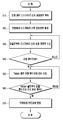
도 5는 본 발명의 일 실시예에 따른 기지국 동작을 나타내는 순서도이다. 특히, 도 5는 도 4에서 기지국1(402) 또는 매크로 기지국의 동작을 나타내는 순서도이다. 5 is a flowchart illustrating a base station operation in accordance with an embodiment of the present invention. 5 is a flowchart showing operations of the
먼저, 510 단계에서 기지국은 인접 셀로부터 인접 셀의 디스커버리 신호 설정 정보를 획득하고, 520 단계에서 인접 셀의 디스커버리 신호 설정 정보를 단말에게 통지한다. 상기 기재한 바와 같이 디스커버리 신호 설정 정보는 디스커버리 신호의 전송주기, 전송시점, 대역폭, 자원 매핑 정보, 시퀀스 정보 등을 포함할 수 있고 기지국은 하나 이상의 인접 셀의 디스커버리 신호 설정 정보를 획득하여 단말에게 통지할 수도 있다. First, in
그 후, 기지국은 530 단계에서 단말로부터 검출한 하나 또는 복수 개의 디스커버리 신호에 대한 셀 ID 및 수신신호 세기 등의 정보를 포함하는 측정 리포트를 수신한다. 이 경우, 단말의 불필요한 오버헤드를 줄이기 위해서, 디스커버리 신호의 수신신호 세기가 소정의 임계값보다 큰 경우에 대한 측정 리포트만을 수신할 수 있으며, 상기 임계값은 520 단계에서 디스커버리 신호 설정 관련 정보에 포함되거나 또는 고정된 값을 사용할 수도 있다. In
기지국은 540 단계에서, 수신한 측정 리포트를 기반으로 단말을 핸드오버 할지 여부를 판단한다. 이때, 기지국은 측정리포트에 인접 기지국의 셀 ID 가 포함되어 있고, 수신신호 세기가 충분히 크다고 판단되면, 단말을 핸드오버 할 것으로 판단할 수 있다. In
기지국이 540 단계에서 단말을 핸드오버하지 않기로 판단하는 경우, 기지국은 530 단계로 이동하여 단말의 다음 번 측정 리포트를 수신한다. 기지국이 540 단계에서 단말을 핸드오버 하도록 판단한 경우, 기지국은 550 단계로 진행하여 단말을 핸드오버시킬 목적 셀(target cell)로 핸드오버 준비 요청 메시지를 전송한다. 그 후, 기지국이 560 단계에서 목적 셀로부터 해당 단말의 핸드오버 준비 완료메시지를 수신하는 경우, 570단계로 진행하여 단말에게 목적 셀로 핸드오버 할 것을 명령한다. 기지국이 560 단계에서 핸드오버 준비 완료 메시지를 수신하지 못한 경우에는, 기지국은 550 단계로 이동하여 관련 절차를 다시 진행한다.If the base station determines in
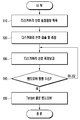
도 6는 본 발명의 일 실시예에 따른 단말 동작을 나타내는 순서도이다.6 is a flowchart illustrating a terminal operation according to an exemplary embodiment of the present invention.
먼저, 610 단계에서 단말은 기지국으로부터 인접 셀의 디스커버리 신호 설정 정보를 획득한다. 상기 기재한 바와 같이 디스커버리 신호 설정 정보는 디스커버리 신호의 전송주기, 전송시점, 대역폭, 자원 매핑 정보, 시퀀스 정보 등을 포함할 수 있고 단말은 기지국으로부터 하나 이상의 인접 셀의 디스커버리 신호 설정 정보를 획득할 수도 있다. First, in
620 단계에서 단말은 획득한 인접 셀의 디스커버리 신호 설정 정보를 이용하여, 디스커버리 신호를 검출 및 측정한다. 그 후, 단말은 630 단계로 진행하여, 측정한 디스커버리 신호에 대한 측정 리포트(measurement report)를 기지국으로 전송한다. 이때, 단말의 불필요한 오버헤드를 줄이기 위해서, 디스커버리 신호의 수신신호 세기가 소정의 임계값보다 큰 경우에 대한 측정 리포트만을 상기 측정 리포트에 포함하여 기지국에 알려줄 수 있다. 상기 임계값은 610 단계에서 디스커버리 신호 설정 관련 정보에 포함하여 수신하거나 또는 고정된 값을 사용할 수도 있다. In
이후 단말은 640 단계에서 기지국으로부터 핸드오버 명령을 수신하는지 여부를 판단한다. 단말이 640 단계에서 핸드오버 명령을 수신하지 않은 경우, 단말은 630 단계로 이동하여 관련 절차를 진행한다. 단말이 640 단계에서 핸드오버 명령을 수신하는 경우, 단말은 650 단계로 진행하여 핸드오버 명령이 지시하는 목적 셀로 핸드오버를 수행한다. In
이하 구체적인 실시예를 통해서 상술한 본 발명의 동작을 보다 자세히 설명한다.Hereinafter, the operation of the present invention will be described in detail with reference to specific embodiments.
<제1 <First 실시예Example >>
제1 실시예는 본 발명의 일 실시예에 따라 기지국이 단말에게 알려주는 디스커버리 신호 설정 정보의 구체적인 구성정보를 설명한다. 상술한 바와 같이 디스커버리 신호 설정 정보는 디스커버리 신호의 전송주기, 전송시점, 대역폭, 자원 매핑 정보, 시퀀스 정보 등을 포함할 수 있다.The first embodiment describes specific configuration information of discovery signal setting information that the base station informs the terminal according to an embodiment of the present invention. As described above, the discovery signal setting information may include a transmission period, a transmission time, a bandwidth, a resource mapping information, a sequence information, and the like of the discovery signal.
디스커버리 신호는 기존의 라디오 프레임 단위(10ms)로 전송되는 PSS/SSS를 대신하여 상대적으로 긴 주기로 전송될 수 있다. 따라서, 디스커버리 신호가 전송되지 않는 시간 동안 데이터 트래픽이 발생하지 않는 경우 해당 기지국이 휴면상태(dormant state)로 진입하고 송수신 동작을 중단시켜 시스템 에너지 효율을 증대시킬 수 있다. 마찬가지로 단말은 데이터 트래픽이 발생하지 않는 경우, 디스커버리 신호가 전송되는 구간에서만 하향링크 신호의 수신 동작을 수행하도록 함으로써 단말의 전력 소모를 감소시킬 수 있다. The discovery signal may be transmitted in a relatively long period instead of the PSS / SSS transmitted in the existing radio frame unit (10 ms). Accordingly, when data traffic does not occur during a period in which the discovery signal is not transmitted, the base station enters a dormant state, and the transmission / reception operation is interrupted to increase system energy efficiency. Likewise, when data traffic does not occur, the terminal may perform a reception operation of a downlink signal only during a period in which a discovery signal is transmitted, thereby reducing power consumption of the terminal.
시간 영역에서의 디스커버리 신호의 전송주기는 기존의 PSS/SSS의 전송주기보다 상대적으로 길지만, 주파수 영역에서 상대적으로 많은 자원에 매핑되도록 함으로써, 단말이 디스커버리 신호를 통해서 추가적인 시간 지연 없이 셀 탐색(cell search) 및 서브브레임/라디오프레임 동기를 수행하도록 할 수 있다. 즉, 디스커버리 신호의 수신 성능을 향상시키고 단말이 셀탐색 및 서브프레임/라디오프레임 동기를 수행하는데 소요되는 시간을 최소화 하도록 할 수 있다. The transmission period of the discovery signal in the time domain is relatively longer than the transmission period of the existing PSS / SSS, but is mapped to a relatively large number of resources in the frequency domain, so that the terminal can perform cell search without additional time delay through a discovery signal ) And sub-breath / radio frame synchronization. That is, it is possible to improve the reception performance of the discovery signal and to minimize the time required for the UE to perform the cell search and the subframe / radio frame synchronization.
상기와 같이 긴 주기로 전송되는 디스커버리 신호에 대한 사전정보가 없을 경우, 단말은 디스커버리 신호를 검출하기 위해 지속적으로 하향링크 신호를 모니터링 해야 하고 따라서 단말의 전력소모를 낮추고자 하는 디스커버리 신호의 도입 목적을 충족하지 못하게 된다. 이에 기지국은 단말에게 인접 셀의 디스커버리 신호 설정 정보를 미리 알려주고, 디스커버리 신호 설정 정보에 기반하여 단말이 어느 시점에 디스커버리 신호를 모니터링 해야 하는지에 대한 타이밍 정보를 포함할 수 있다. 상기 타이밍 정보는 하기 실시예 1-1 또는 실시예 1-2를 통해서 구성할 수 있다.If there is no prior information on the discovery signal transmitted over a long period as described above, the terminal must continuously monitor the downlink signal to detect the discovery signal, and thus the terminal satisfies the purpose of introducing the discovery signal to lower the power consumption of the terminal I can not. The base station may inform the terminal of the discovery signal setting information of the neighboring cell in advance and may include timing information about when the terminal should monitor the discovery signal based on the discovery signal setting information. The timing information may be configured through the following embodiments 1-1 or 1-2.
[실시예 1-1][Example 1-1]
실시예 1-1은 디스커버리 신호의 전송주기 및 타이밍 오프셋으로 타이밍 정보를 구성하는 방법이다. 전송주기의 단위는 라디오 프레임(10ms)으로 디스커버리 신호가 전송되는 주기를 나타낸다. 타이밍 오프셋은 현재 단말이 접속한 셀을 기준으로 디스커버리 신호가 전송되는 상대적인 타이밍을 나타낸다. 예를 들어, 단말은 다음과 같은 수식(1)을 만족하는 시점에 디스커버리 신호의 검출을 시도한다. Embodiment 1-1 is a method for constructing timing information with a transmission period and a timing offset of a discovery signal. The unit of the transmission period is a period in which a discovery signal is transmitted in a radio frame (10 ms). The timing offset indicates the relative timing at which the discovery signal is transmitted based on the cell to which the present terminal is connected. For example, the terminal attempts to detect a discovery signal at a time when the following expression (1) is satisfied.
SFN mod 전송주기 = 타이밍 오프셋 수식(1)SFN mod transmission period = timing offset formula (1)
SFN(System Frame Number)은 현재 단말이 접속한 셀의 SFN으로서 라디오 프레임 단위로 카운트 되는 일종의 카운터이며 0 ~ 1023 의 값을 갖고, 1024 라디오 프레임 주기로 반복된다. 다음은 타이밍 정보에 대한 시그널링 구성의 일례이다.The SFN (System Frame Number) is a kind of a counter that is counted in radio frame units as the SFN of a cell connected to the present terminal, has a value of 0 to 1023, and is repeated at a period of 1024 radio frames. The following is an example of a signaling configuration for timing information.
전송주기 = {1, 2, 4, 8, 16, 32, 64, 128, …} Transmission cycle = {1, 2, 4, 8, 16, 32, 64, 128, ... }
타이밍 오프셋 = {0, 1, 2, 3, …}Timing offset = {0, 1, 2, 3, ... }
만약 기지국이 단말에게 인접 셀의 디스커버리 신호에 대한 타이밍 정보로서 전송주기 = 64 (즉, 640ms), 타이밍 오프셋 = 2 를 시그널링을 통해 알려줬다면, 단말은 SFN mod 64 = 2의 관계를 만족하는 현재 셀의 SFN 시점인, SFN=2, 66, 130, 194, 258, 322, 386, …, 등의 시점에 인접 셀의 디스커버리 신호를 모니터링한다. 만약 여러 개의 인접 셀이 서로 다른 시점에 디스커버리 신호 을 전송하는 경우, 기지국은 각각의 셀의 디스커버리 신호에 대한 상기 타이밍 정보를 단말에게 전송할 수 있다.If the base station informs the UE through the signaling of the transmission period = 64 (i.e., 640 ms) and the timing offset = 2 as the timing information for the discovery signal of the neighboring cell, the UE transmits the current cell SFN = 2, 66, 130, 194, 258, 322, 386, ... , ≪ / RTI > and so on. If a plurality of neighbor cells transmit a discovery signal at a different point in time, the base station may transmit the timing information for the discovery signal of each cell to the terminal.
[실시예 1-2][Example 1-2]
실시예 1-2는 인접 셀이 현재 단말이 접속한 셀과 타이밍 동기가 맞아 있는지 여부를 알려준다. 만약 인접 셀이 현재 단말이 접속한 셀과 타이밍 동기가 맞아 있는 경우, 단말은 인접 셀의 디스커버리 신호 전송시점을 현재 단말이 접속한 셀의 디스커버리 신호 전송시점과 동일하다고 인지하고, 해당시점에 디스커버리 신호를 모니터링한다. 인접 셀이 현재 단말이 접속한 셀과 타이밍 동기가 맞아 있는지 여부는, 예를 들어, 1 비트 시그널링을 통해 알려줄 수 있다. 즉, 해당 비트가 0이면 인접 셀이 현재 단말이 접속한 셀과 타이밍 동기가 맞아 있지 않은 것을 나타내고, 1이면 인접 셀이 현재 단말이 접속한 셀과 타이밍 동기가 맞아 있는 것을 나타낸다. 상기 시그널링은 각각의 인접 셀에 대해 정의되어, 각 셀이 현재 단말이 접속한 셀과 타이밍 동기가 맞아 있는지 여부를 알려준다.Embodiment 1-2 indicates whether the neighboring cell is synchronized with a cell to which the present terminal is connected, in timing synchronization. If the neighbor cell is timing synchronized with the cell currently connected to the UE, the UE recognizes that the discovery signal transmission point of the neighbor cell is the same as the discovery signal transmission point of the cell currently connected to the UE, Lt; / RTI > Whether the neighboring cell is timing synchronized with the cell to which the current terminal is connected can be informed through, for example, 1-bit signaling. That is, if the corresponding bit is 0, it indicates that the neighboring cell does not match timing synchronization with the cell currently connected to the terminal. If the bit is 1, it indicates that the neighboring cell is timing synchronized with the cell connected to the current terminal. The signaling is defined for each neighbor cell and indicates whether each cell is timing synchronized with the cell currently connected to the terminal.
상기 타이밍 정보 이외에 단말의 디스커버리 신호에 대한 수신 프로세스를 용이하게 하기 위해 추가적인 시그널링을 정의할 수 있다. In addition to the timing information, additional signaling may be defined to facilitate the receiving process for the terminal ' s discovery signal.
첫 번째로, 기지국이 PSS/SSS와 디스커버리 신호를 모두 수신할 수 있는 단말에 대해, 셀 탐색 혹은 서브프레임/라디오 프레임 동기화를 위해 구체적으로 어느 신호를 모니터링 해야 할 것인지를 단말에게 시그널링으로 알려줄 수 있다. 따라서 단말이 PSS/SSS와 디스커버리 신호를 모두 모니터링 해야하는 프로세싱 오버헤드를 줄일 수 있다. 또는 기지국이 시그널링을 통해서 단말에게 셀 탐색을 위해서 디스커버리 신호를 모니터링 하고, 서브프레임/라디오 프레임 동기화를 위해서 PSS/SSS를 모니터링 하도록 알려줄 수도 있다. First, the base station can inform the mobile station of which signal to monitor for cell search or subframe / radio frame synchronization, specifically signaling, to the terminal capable of receiving both the PSS / SSS and the discovery signal . Therefore, it is possible to reduce the processing overhead in which the terminal monitors both the PSS / SSS and the discovery signal. Alternatively, the BS may inform the MS through signaling to monitor the discovery signal for cell search and to monitor the PSS / SSS for subframe / radio frame synchronization.
두 번째로, 단말이 모니터링 해야 하는 셀 ID 개수를 제한하는 시그널링을 정의할 수 있다. 디스커버리 신호는 셀 ID 의 함수로서 정의될 수 있다. 현재 LTE 및 LTE-A 시스템에서 지원하는 셀 ID 는 총 504 개인데, 상기 단말이 모니터링 해야 하는 셀 ID 개수를 제한하는 시그널링을 통해서, 단말의 디스커버리 신호 수신 프로세싱의 오버헤드를 줄일 수 있다.Second, signaling can be defined that limits the number of cell IDs that the terminal should monitor. The discovery signal may be defined as a function of the cell ID. A total of 504 cell IDs are currently supported in the LTE and LTE-A systems. The signaling for limiting the number of cell IDs to be monitored by the terminal can reduce the overhead of reception processing of the terminal's discovery signal.
<제2 <2nd 실시예Example >>
제1 실시예에 따르면, 단말이 어느 시점에 디스커버리 신호를 모니터링 해야 하는지에 대한 타이밍 정보를 기지국으로부터 획득할 수 있다. 제2 실시예는 단말이 검출한 디스커버리 신호로부터 디스커버리 신호를 전송하는 셀의 구체적인 타이밍 정보, 예를 들어, SFN(System Frame Number)을 획득하는 방법을 설명한다. 소정의 셀에서 단말의 RACH 전송 시점, SRS 전송 시점, CSI-RS 수신 시점 등의 타이밍이 SFN 에 의해 정해지므로, 단말은 SFN 정보를 정확히 획득할 필요가 있다.According to the first embodiment, it is possible to acquire, from the base station, timing information on at what point the terminal should monitor the discovery signal. The second embodiment describes a method of acquiring specific timing information, for example, SFN (System Frame Number), of a cell for transmitting a discovery signal from a discovery signal detected by a terminal. Since the timings of the RACH transmission time, the SRS transmission time, and the CSI-RS reception time of the UE are determined by the SFN in a predetermined cell, the UE needs to accurately obtain the SFN information.
[실시예 2-1][Example 2-1]
도 7은 본 발명의 일 실시예에 따른 디스커버리 신호의 구성 방법을 나타낸 도면이다.FIG. 7 illustrates a method of constructing a discovery signal according to an embodiment of the present invention. Referring to FIG.
도 7을 참조하여 [실시예 2-1]을 설명하면 다음과 같다. 디스커버리 신호를 전송하는 기지국은 SFN 주기에 해당하는 1024 라디오 프레임마다, 디스커버리 신호가 디스커버리 신호 전송주기 P 간격으로 상기 <제1 실시예>의 방법을 통해 정의한 전송시점에 시퀀스#0, 시퀀스#1, …, 시퀀스#(N-1) 등 총 N 개의 디스커버리 신호용 시퀀스가 일대일 매핑되어 각각 전송되도록 구성할 수 있다. 이때 N = ceiling(1024/P) 인 관계를 만족한다. ceiling (x) 는 x 보다 작지 않은 최소 정수를 의미한다. [Embodiment 2-1] will be described with reference to FIG. 7 as follows. The base station that transmits the discovery signal transmits a discovery signal at a transmission time point defined by the method of the first embodiment at a discovery signal transmission interval P every 1024 radio frames corresponding to the SFN period, ... , And sequence # (N-1), are mapped on a one-to-one basis and transmitted. Where N = ceiling (1024 / P). ceiling (x) means the smallest integer not less than x.
예를 들어, 단말이 현재 접속한 셀 A와 디스커버리 신호를 수신하는 인접 셀 B를 가정하고, 디스커버리 신호의 전송주기 P = 256 (706), 셀 A의 SFN 대비 타이밍 오프셋 = 2 (709)로 설정한 경우, <제1 실시예>의 방법에 따라 셀 B에서의 디스커버리 신호의 전송시점을 전송시점 701, 702, 703, 704로 정의할 수 있다. 디스커버리 신호의 전송주기 P = 256 이면, 4(= ceiling(1024 / 256)) 개의 서로 다른 시퀀스에 해당하는, 시퀀스#0, 시퀀스#1, 시퀀스#2, 시퀀스#3을 정의하여 각각 전송시점 701, 702, 703, 704에 디스커버리 신호를 전송할 수 있다. For example, assume that the cell A currently connected to the terminal and the neighboring cell B receiving the discovery signal are set to a transmission period P = 256 (706) of the discovery signal and a timing offset = 2 (709) The transmission time point of the discovery signal in the cell B can be defined as the
도 7에서는 셀 B 의 시퀀스#0의 전송시점 701이 셀 B의 SFN#0에 매핑되는 것을 미리 약속하거나 또는 기지국이 단말에게 미리 알려준 것을 가정한다. 따라서 단말은 디스커버리 신호로서 시퀀스#0을 검출하면 셀 B의 디스커버리 신호 전송시점 701에 대응되는 셀 B의 SFN#0을 알 수 있다. 마찬가지로 시퀀스#1을 검출하면 셀 B의 디스커버리 신호전송시점 702에 대응되는 셀 B의 SFN#256 (P=256)을 알 수 있고, 시퀀스#2를 검출하면 셀 B의 디스커버리 신호 전송시점 703에 대응되는 셀 B의 SFN#512 (2P = 512)를 알 수 있으며, 시퀀스#3을 검출하면 셀 B의 디스커버리 신호 전송시점 704에 대응되는 셀 B의 SFN#768 (3P = 768)을 알 수 있다.In FIG. 7, it is assumed that the
[실시예 2-2][Example 2-2]
도 8은 본 발명의 다른 일 실시 예에 따른 디스커버리 신호의 구성 방법을 나타낸 도면이다.8 is a diagram illustrating a method of configuring a discovery signal according to another embodiment of the present invention.
도 8을 참조하여 [실시예 2-2]를 설명하면, 디스커버리 신호용 시퀀스가 디스커버리 신호의 전송시점과 일대다(1 to N)로 매핑되는 경우이다. 도 8에서 디스커버리 신호의 전송주기 P = 64 를 가정하면, N = 16 (= ceiling(1024 / 64)) 번의 디스커버리 신호(801 ~ 816)이 SFN 주기에 해당하는 1024 라디오 프레임마다 전송된다. [실시예 2-1]과 다르게 [실시예 2-2]에서는 16 번의 디스커버리 신호를 M 개씩 그룹화해서, 각 그룹마다 고유의 시퀀스를 매핑해서 디스커버리 신호로서 전송한다. Referring to FIG. 8, [Embodiment 2-2] is a case where the sequence for a discovery signal is mapped to a one-to-many (1 to N) to a transmission time of the discovery signal. Assuming a transmission period P = 64 of the discovery signal in FIG. 8, N = 16 (= ceiling (1024/64)) discovery signals 801 to 816 are transmitted for every 1024 radio frames corresponding to the SFN period. Unlike [Embodiment 2-1], in [Example 2-2], 16 discovery signals are grouped into M groups, and unique sequences are mapped for each group and are transmitted as a discovery signal.
예를 들어, M = 4 인 경우, 처음 M 개의 디스커버리 신호는 시퀀스#0(817)을 사용해서 전송시점 801 ~ 804에 각각 반복해서 전송하고, 두 번째 M 개의 디스커버리 신호는 시퀀스#1(818)을 사용해서 전송시점 805 ~ 808에 각각 반복해서 전송하며, 세 번째 M개의 디스커버리 신호는 시퀀스#2(819)를 사용해서 전송시점 809 ~ 812에 각각 반복해서 전송하고, 네 번째 M개의 디스커버리 신호는 시퀀스#3(820)을 사용해서 전송시점 813 ~ 816에 각각 반복해서 전송한다. For example, if M = 4, the first M discovery signals are repeatedly transmitted at
도 8 에서는 시퀀스#0의 전송시점 801이 디스커버리 신호를 전송하는 셀의 SFN#0에 매핑되는 것을 미리 약속하거나 또는 기지국이 단말에게 미리 알려준 것을 가정한다. 따라서 단말이 시퀀스#0을 검출하면 디스커버리 신호를 전송한 셀의 SFN 이 0 ~ 255 범위인 것을 알 수 있고, 시퀀스#1을 검출하면 디스커버리 신호를 전송한 셀의 SFN 이 256 ~ 511 범위인 것을 알 수 있고, 시퀀스#2를 검출하면 디스커버리 신호를 전송한 셀의 SFN이 511 ~ 767 범위인 것을 알 수 있고, 시퀀스#3을 검출하면 디스커버리 신호를 전송한 셀의 SFN 이 768 ~ 1023 범위인 것을 알 수 있다. In FIG. 8, it is assumed that the
[실시예 2-2]는 디스커버리 신호의 전송주기 P 가 상대적으로 짧고, 디스커버리 신호로서 사용하는 시퀀스 개수에 제한이 있는 경우 유용하다.[Embodiment 2-2] is useful when the transmission period P of the discovery signal is relatively short and there is a limitation on the number of sequences used as the discovery signal.
[실시예 2-3][Example 2-3]
[실시예 2-3]은 [실시예 2-2]의 변형된 방법으로서, 상기 고유의 시퀀스를 사용하는 M 개의 그룹화된 디스커버리 신호를 SFN 주기 내에서 골고루 분산시켜서 전송할 수 있다. [Embodiment 2-3] is a modified method of [Embodiment 2-2], and M grouped discovery signals using the inherent sequence can be dispersed evenly within the SFN period and transmitted.
도 9는 본 발명의 또다른 실시예에 따른 디스커버리 신호의 구성 방법을 나타낸 도면이다.9 is a diagram illustrating a method of configuring a discovery signal according to another embodiment of the present invention.
도 9를 참조하면, 디스커버리 신호의 전송주기 P = 64 를 가정하는 경우, N = 16 (= ceiling(1024 / 64)) 번의 디스커버리 신호(901 ~ 916)이 SFN 주기에 해당하는 1024 라디오 프레임마다 전송된다. 이때, 각각의 순차적인 디스커버리 신호 전송시점(901 ~ 916) 마다, 시퀀스#0 (917), 시퀀스#1(918), 시퀀스#2(919), 시퀀스#3(920)를 각각 반복해서 매핑하여 전송한다. 9, when the transmission period P = 64 of the discovery signal is assumed, N = 16 (= ceiling (1024/64)) discovery signals 901 to 916 are transmitted for every 1024 radio frames corresponding to SFN cycles do. At this time, the
도 9 에서는 시퀀스#0의 전송시점 901이 디스커버리 신호를 전송하는 셀의 SFN#0에 매핑되는 것을 미리 약속하거나 또는 기지국이 단말에게 미리 알려준 것을 가정한다. 따라서, 예를 들어, 단말이 시퀀스#0 (917)을 검출하면 디스커버리 신호를 전송한 셀의 SFN 이 시퀀스#0의 전송시점 901, 905, 909, 913에 대응되는 SFN#0, SFN#256, SFN#512, SFN#768 중에 하나임을 알 수 있다.In FIG. 9, it is assumed that the
<제3 <Third 실시예Example >>
제3 실시예는 디스커버리 신호에 해당 셀이 활성상태(active state)인지 휴면상태(dormant state)인지를 나타내는 상태 정보(state information)를 부가하여 전송하는 방법 및 관련 절차를 설명한다. The third embodiment describes a method and related procedure for adding a state information indicating whether a corresponding cell is in an active state or a dormant state to a discovery signal and transmitting the state information.
[실시예 3-1] [Example 3-1]
디스커버리 신호에 사용되는 시퀀스를 두 그룹으로 나누어, 한 그룹의 시퀀스는 디스커버리 신호가 전송되는 셀이 활성상태인 경우 사용하고, 다른 한 그룹의 시퀀스는 디스커버리 신호가 전송되는 셀이 휴면 상태인 경우 사용한다. 어느 시퀀스가 어느 그룹에 속하는지는 기지국과 단말의 상호 약속에 의해 공통으로 인지하도록 한다. 또는 기지국이 단말에게 미리 알려주는 인접 셀의 디스커버리 신호설정 정보에 포함할 수도 있다.A sequence used for a discovery signal is divided into two groups. A sequence of one group is used when a cell to which a discovery signal is transmitted is used, and a sequence of another group is used when a cell to which a discovery signal is transmitted is in a dormant state . The group to which the sequence belongs is commonly recognized by the mutual promise of the base station and the terminal. Or may be included in the discovery signal setting information of the adjacent cell informed to the terminal in advance by the base station.
[실시예 3-2] [Example 3-2]
디스커버리 신호가 전송되는 셀의 셀 ID 와 해당 셀의 상태 정보를 사용해서 디스커버리 신호에 사용되는 시퀀스를 생성한다. 예를 들어, 기존의 PSS로 사용되는 시퀀스에 본 실시예를 적용하여 다음과 같은 수학식(1)로 디스커버리 신호용 시퀀스를 표현할 수 있다. 수학식(2)은 62 샘플 길이의 시퀀스로서, root 시퀀스 인덱스 u 인 주파수 영역 Zadoff-Chu 시퀀스와 셀 상태 정보 a의 곱셈으로 표현된다. 그리고 root 시퀀스 인덱스 u 는 셀 ID 에 따라 결정된다. 셀 상태 정보 a는, 디스커버리 신호가 전송되는 셀이 활성상태인 경우 a=1, 디스커버리 신호가 전송되는 셀이 휴면 상태인 경우 a=-1 로 정의할 수 있다. 수학식(1)에 의해 표현되는 시퀀스의 길이는 하나의 예시로, 다른 길이의 시퀀스로 디스커버리 신호용 시퀀스를 정의할 수도 있다.A sequence used for the discovery signal is generated by using the cell ID of the cell to which the discovery signal is transmitted and the state information of the corresponding cell. For example, the present embodiment can be applied to a sequence used as a conventional PSS to express a sequence for a discovery signal by the following equation (1). Equation (2) is a sequence of 62 samples long and is expressed as a multiplication of the frequency-domain Zadoff-Chu sequence, which is the root sequence index u, and the cell state information a. The root sequence index u is determined by the cell ID. The cell state information a can be defined as a = 1 when the cell to which the discovery signal is transmitted is active and a = -1 when the cell to which the discovery signal is transmitted is in the sleep state. The length of the sequence expressed by the equation (1) may be defined as a sequence of the discovery signal in a sequence of different lengths as one example.

[실시예 3-3][Example 3-3]
기지국은 해당 셀이 휴면상태인 경우에만 디스커버리 신호를 전송하고, 해당 셀이 활성상태인 경우에는 디스커버리 신호를 전송하지 않는다. 이는 실시예 3-2의 특별한 경우로서, 디스커버리 신호가 전송되는 셀이 활성상태이면 a=0, 디스커버리 신호가 전송되는 셀이 휴면상태이면 a=1 인 경우에 해당한다. 따라서 기지국은 해당 셀이 활성상태인 경우에는 디스커버리 신호를 전송하지 않음으로써 기지국 전송전력을 아낄 수 있다. 이에 반해 실시예 3-1과 3-2는 기지국의 셀 상태와 상관없이 항상 디스커버리 신호를 전송하는 특징이 있다.The base station transmits a discovery signal only when the corresponding cell is in the sleep state, and does not transmit the discovery signal when the cell is active. This is a special case of the embodiment 3-2, where a = 0 if the cell to which the discovery signal is transmitted is active, and a = 1 if the cell to which the discovery signal is transmitted is dormant. Therefore, when the corresponding cell is active, the base station can save the base station transmission power by not transmitting the discovery signal. On the contrary, in Examples 3-1 and 3-2, a discovery signal is always transmitted irrespective of the cell state of the base station.
단말은 상기 실시예 3-1, 3-2 및 3-3에 의해서 생성된 디스커버리 신호를 검출하여 해당 셀의 상태를 판단할 수 있다. 해당 셀의 상태를 판단한 이후의 단말 동작은 다음과 같은 방법으로 정의할 수 있다.The UE can detect the discovery signal generated by the embodiments 3-1, 3-2, and 3-3 and determine the state of the corresponding cell. The terminal operation after determining the state of the corresponding cell can be defined in the following manner.
<제4 <Fourth 실시예Example >>
단말이 획득한 디스커버리 신호의 셀 상태 정보가 휴면상태인 경우, 단말은 디스커버리 신호의 검출 및 측정 결과를 기지국에게 측정 리포트(measurement report)로서 알려준다. 그러나, 단말이 검출한 디스커버리 신호로부터 해당 셀이 활성상태인 것을 인지한 경우, 단말은 디스커버리 신호의 검출 및 측정 결과를 기지국에게 측정 리포트로서 알려주지 않는다. 따라서 단말의 측정 리포트에 포함된 셀들은 모두 휴면상태 임을 보장하게 되고, 단말의 측정 리포트에 대한 오버헤드를 감소시킬 수 있다. 측정리포트는 검출한 하나 또는 복수 개의 디스커버리 신호의 셀 ID 및 수신신호 세기 등의 정보를 포함한다. 추가적으로, 단말의 불필요한 오버헤드를 줄이기 위해서, 디스커버리 신호의 수신신호 세기가 소정의 임계값보다 큰 경우에 대한 측정 리포트만을 상기 측정리포트에 포함하여 기지국으로 알려줄 수 있다. 그리고 디스커버리 신호의 측정리포트에 포함된 셀들은 모두 휴면상태이므로, 기지국은 단말의 측정리포트로부터 측정 리포트에 포함된 셀들에 대해서 활성화(activate)할지 휴면상태로 유지시킬지 여부를 결정한다. 만약 기지국이 단말의 측정 리포트에 포함된 셀들에 대해서 활성화시킬 것을 결정한 경우, 기지국은 단말을 활성화시킨 셀로 핸드오버 시킬지 여부를 추가적으로 결정할 수 있다.If the cell state information of the discovery signal acquired by the terminal is in a dormant state, the terminal informs the base station of the detection result of the discovery signal and the measurement result as a measurement report. However, when it is recognized from the discovery signal detected by the terminal that the corresponding cell is active, the terminal does not notify the base station of the detection result of the discovery signal and the measurement result as a measurement report. Therefore, all the cells included in the measurement report of the UE are guaranteed to be in a sleep state, and the overhead of the measurement report of the UE can be reduced. The measurement report includes information such as the cell ID and received signal strength of one or a plurality of detected discovery signals. In addition, in order to reduce the unnecessary overhead of the terminal, the measurement report may include only the measurement report in the case where the received signal strength of the discovery signal is greater than a predetermined threshold value, and notify the base station of the measurement report. And since the cells included in the measurement report of the discovery signal are all in a dormant state, the base station determines from the measurement report of the terminal whether to keep the cells included in the measurement report active or dormant. If the base station determines to activate the cells included in the measurement report of the mobile station, the base station can additionally determine whether to hand over the mobile station to the activated cell.
<제5 <Fifth 실시예Example >>
제5 실시예는 제4 실시예와 다르게, 단말이 획득한 디스커버리 신호의 셀 상태 정보가 활성상태인 경우, 디스커버리 신호의 검출 및 측정 결과를 기지국에게 측정리포트로서 알려준다. 그러나, 단말이 검출한 디스커버리 신호로부터 해당 셀이 휴면상태인 것을 인지한 경우, 단말은 디스커버리 신호의 검출 및 측정 결과를 기지국에게 측정 리포트로서 알려주지 않는다. 따라서 단말의 측정 리포트에 포함된 셀들은 모두 활성상태임을 보장하게 되고, 단말의 측정 리포트에 대한 오버헤드를 감소시킬 수 있다. 측정리포트는 검출한 하나 또는 복수 개의 디스커버리 신호의 셀 ID 및 수신신호 세기 등의 정보를 포함한다. 추가적으로, 단말의 불필요한 오버헤드를 줄이기 위해서, 디스커버리 신호의 수신신호 세기가 소정의 임계값보다 큰 경우에 대한 측정 리포트만을 상기 측정 리포트에 포함하여 기지국으로 알려줄 수 있다. 그리고 디스커버리 신호의 측정 리포트에 포함된 셀들은 모두 활성상태이므로, 기지국은 단말의 측정 리포트로부터 측정 리포트에 포함된 셀들로 단말을 핸드오버 시킬지 여부를 결정한다. The fifth embodiment differs from the fourth embodiment in that when the cell state information of the obtained discovery signal is active, the detection and measurement result of the discovery signal is notified to the base station as a measurement report. However, when it is recognized from the discovery signal detected by the terminal that the corresponding cell is in the sleep state, the terminal does not notify the base station of the detection result of the discovery signal and the measurement result as a measurement report. Therefore, it is guaranteed that all the cells included in the measurement report of the UE are in the active state, and the overhead for the measurement report of the UE can be reduced. The measurement report includes information such as the cell ID and received signal strength of one or a plurality of detected discovery signals. In addition, in order to reduce the unnecessary overhead of the terminal, the measurement report may include only the measurement report in the case where the received signal strength of the discovery signal is greater than a predetermined threshold value, and notify the base station of the measurement report. Since all the cells included in the measurement report of the discovery signal are active, the base station determines whether to hand over the terminal from the measurement report of the terminal to the cells included in the measurement report.
<제6 <Sixth 실시예Example >>
제6 실시예는 제4 실시예 및 제5 실시예와 다르게, 단말은 검출한 디스커버리 신호 중 해당 셀이 휴면상태이거나 또는 활성상태인 경우에 대해서 측정 리포트를 구성하는 것이 아니라, 셀 상태에 무관하게 측정 리포트를 구성한다. 그리고, 단말이 디스커버리 신호의 측정 리포트에 검출한 디스커버리 신호의 셀 ID 및 수신신호 세기, 그리고 셀 상태를 포함한다. 제6 실시예는 단말의 디스커버리 신호에 대한 측정리포트를 수신하는 기지국이 사전에 인접 셀의 셀 상태에 대한 정보를 알지 못하는 경우에 유용하다. 즉, 기지국이 단말로부터 수신한 디스커버리 신호에 대한 측정 리포트로부터, 예를 들어, 셀 A 가 현재 휴면상태이고 단말의 수신신호 세기가 충분히 큰 경우, 기지국은 셀 A 를 활성화시키도록 판단할 수 있다. 또한, 측정리포트에 포함된 셀 B 가 현재 활성상태이고 단말의 수신신호 세기가 충분히 큰 경우, 기지국은 단말을 셀 B 로 핸드오버 시키도록 판단할 수 있다.The sixth embodiment differs from the fourth and fifth embodiments in that the UE does not constitute a measurement report in the case where the corresponding cell of the detected discovery signal is in a dormant state or in an active state, Configure the measurement report. The cell ID and the received signal strength of the discovery signal detected by the terminal in the measurement report of the discovery signal, and the cell state are included. The sixth embodiment is useful when the base station receiving the measurement report for the discovery signal of the terminal does not previously know the information of the cell state of the adjacent cell. That is, from the measurement report of the discovery signal received from the base station by the base station, for example, when the cell A is currently in a sleep state and the received signal strength of the terminal is sufficiently large, the base station can determine to activate the cell A. In addition, if the cell B included in the measurement report is currently active and the received signal strength of the terminal is sufficiently large, the base station can determine to hand over the terminal to the cell B.
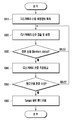
도 10은 본 발명의 다른 실시예에 따른 단말 동작을 나타내는 순서도이다. 특히 도 10은 제4 실시예에 따른 단말 동작을 나타내고 있다.10 is a flowchart illustrating a terminal operation according to another embodiment of the present invention. Particularly, FIG. 10 shows a terminal operation according to the fourth embodiment.
먼저, 1010 단계에서 단말은 기지국으로부터 인접 셀의 디스커버리 신호 설정 정보를 획득한다. 상기 기재한 바와 같이 디스커버리 신호 설정 정보는 디스커버리 신호의 전송주기, 전송시점, 대역폭, 자원 매핑 정보, 시퀀스 정보 등을 포함할 수 있고 단말은 기지국으로부터 하나 이상의 인접 셀의 디스커버리 신호 설정 정보를 획득할 수도 있다. First, in
1020 단계에서 단말은 획득한 인접 셀의 디스커버리 신호 설정 정보를 이용하여, 디스커버리 신호를 검출 및 측정한다. 그 후, 단말은 1030 단계로 진행하여 1020 단계에서 검출한 디스커버리 신호에 대응되는 셀이 휴면상태인지 여부를 판단한다. 단말이 1030 단계에서 셀이 휴면상태가 아니라고 판단하는 경우, 단말은 1020 단계로 되돌아가 관련 절차를 진행한다. 단말이 1030 단계에서 셀이 휴면상태라고 판단하는 경우, 단말은 1040 단계로 진행하여 1020 단계에서 측정한 디스커버리 신호에 대한 측정 리포트(measurement report)를 기지국으로 알려준다. In
이후, 단말은 1050 단계로 진행하여 기지국으로부터 핸드오버 명령 수신 여부를 판단하여, 핸드오버 명령을 수신하지 않은 경우 1020 단계로 되돌아가 관련 절차를 진행하고 핸드오버 명령을 수신하면, 1060 단계로 진행하여 핸드오버 명령이 지시하는 목적 셀로 핸드오버를 수행한다. In
제4 실시예 및 제5 실시예는 도 10을 참조하여, 하기와 같은 변경사항을 적용하여 설명할 수 있다. 제4 실시예는 1030 단계에서 단말이 검출한 디스커버리 신호에 대응되는 셀이 활성상태인지 여부를 판단하고, 활성상태인 경우 1040 단계로 진행하고, 활성상태가 아니면 1020 단계의 절차를 진행한다. 그리고 제5 실시예는 1030 단계의 판단 절차없이, 1040 단계의 단말의 디스커버리 신호 측정 리포트에 해당 셀의 셀 상태를 포함한다.The fourth embodiment and the fifth embodiment can be explained by applying the following changes with reference to FIG. The fourth embodiment determines whether a cell corresponding to the discovery signal detected by the terminal is active in
도 11은 본 발명의 다른 실시예에 따른 기지국 동작을 나타내는 순서도이다. 특히 도 11은 제4 실시예에 따른 기지국 동작을 나타내고 있다.11 is a flowchart illustrating a base station operation according to another embodiment of the present invention. 11 shows a base station operation according to the fourth embodiment.
먼저, 1110 단계에서 기지국은 인접 셀로부터 인접 셀의 디스커버리 신호 설정 정보를 획득하고, 1120 단계에서 인접 셀의 디스커버리 신호 설정 정보를 단말에게 통지한다. 디스커버리 신호 설정 정보는 디스커버리 신호의 전송주기, 전송시점, 대역폭, 자원 매핑 정보, 시퀀스 정보 등을 포함할 수 있고 기지국은 하나 이상의 인접 셀의 디스커버리 신호 설정 정보를 획득하여 단말에게 통지할 수도 있다. In
그 후, 기지국은 1130 단계에서 단말로부터 검출한 하나 또는 복수 개의 디스커버리 신호에 대한 셀 ID 및 수신신호 세기 등의 정보를 포함하는 측정 리포트를 수신한다. 이 경우, 단말의 불필요한 오버헤드를 줄이기 위해서, 디스커버리 신호의 수신신호 세기가 소정의 임계값보다 큰 경우에 대한 측정 리포트만을 수신할 수 있으며, 상기 임계값은 1120 단계에서 디스커버리 신호 설정 관련 정보에 포함되거나 또는 고정된 값을 사용할 수도 있다. In
나아가 기지국은 1140 단계에서 측정 리포트에 포함된 셀을 활성화시킬지 여부와 활성화시키는 경우 단말을 해당 셀로 핸드오버 시킬지 여부를 판단한다. 기지국이 1140 단계에서 상기 셀을 활성화시키지 않거나 또는 단말을 상기 셀로 핸드오버 하지 않기로 판단하는 경우, 기지국은 1130 단계로 이동하여 단말의 다음 측정 리포트를 획득하도록 한다. 기지국이 1140 단계에서 상기 셀을 활성화시키고 단말을 상기 셀로 핸드오버 하도록 판단하는 경우, 기지국은 1150 단계로 진행하여 상기 셀을 활성화할 것을 요청하고, 단말을 상기 셀로 핸드오버 할 것을 요청하는 핸드오버 준비 요청을 한다. In
기지국은 1160 단계에서 상기 셀로부터 셀 활성화 완료 및 해당 단말의 핸드오버 준비 완료메시지를 획득하면, 1170단계에서 단말에게 상기 셀로 핸드오버 할 것을 명령하고, 기지국이 1106 단계에서 셀 activate 완료메시지 또는 핸드오버 준비 완료 메시지를 획득하지 못하면, 1150 단계로 이동하여 관련 절차를 진행한다. In
제5 실시예에 대한 기지국 절차는 상술한 도 5의 기지국 절차를 적용할 수 있고, 제6 실시예에 대한 기지국 절차는 도 5 및 도 11의 기지국 절차를 적절히 변형하여 적용할 수 있다.The base station procedure for the fifth embodiment may apply the base station procedure of FIG. 5 described above, and the base station procedure for the sixth embodiment may appropriately modify and apply the base station procedure of FIGS. 5 and 11.
<제7 <Seventh 실시예Example >>
제7 실시예는 디스커버리 신호를 시간-주파수영역에 매핑하는 구체적인 방법을 설명한다. The seventh embodiment describes a specific method of mapping the discovery signal to the time-frequency domain.
도 12는 본 발명의 일 실시 예에 따른 디스커버리 신호의 시간-주파수영역에서의 매핑위치를 나타낸 도면이다.FIG. 12 is a diagram showing a mapping position in a time-frequency domain of a discovery signal according to an embodiment of the present invention.
LTE 및 LTE-A 시스템에서 시스템 운영에 필수적인 PSS/SSS, PBCH (Physical Broadcasting Channel), Paging 등이 전송되는 시그널 또는 제어채널의 서브프레임 매핑 위치는 고정되어 있다. 따라서 디스커버리 신호는 가능한 상기 시그널 또는 제어채널과 의 충돌을 최대한 회피하도록 FDD 의 경우 서브프레임#1, #2, #3, #6, #7, #8 에 전송 될 수 있도록 하고, TDD 의 경우 서브프레임#3, #4, #7, #8, #9에 전송되도록 한다. 디스커버리 신호가 전송되는 서브프레임 내에서는 CRS, DM-RS, CSI-RS 등과의 충돌을 피할 수 있고, 시간 또는 주파수 영역에서 연속적인 자원활용이 가능한 위치에 디스커버리 신호를 매핑한다. 이와 같은 조건을 만족하도록 도 1의 시간-주파수영역의 기본 구조와 하향링크 물리채널과 시그널의 매핑관계를 고려하여, 디스커버리 신호를 매핑 가능한 시간주파수 영역은 도 12의 참조번호 1212, 1213, 1214, 1215 영역에 해당한다. 주파수 영역은 필요에 따라 다른 신호와의 충돌 없이 확장할 수 있다. 참조번호 1212, 1213, 1214, 1215 영역 중에서, 슬롯#0 의 OFDM 심벌#3 의 영역(1213)은 PDSCH 이외에 어떠한 다른 신호도 매핑되지 않으므로, 디스커버리 신호를 다른 신호와의 충돌 없이 매핑 가능하다. PDSCH는 기지국 스케줄링 판단에 의해 자원매핑의 조정이 가능하므로, 슬롯#0 의 OFDM 심벌#3 영역(1213)에서 디스커버리 신호와의 충돌을 회피할 수 있다. 슬롯#0의 OFDM 심벌#2 영역(1212)은 하향링크 제어채널의 시간영역 매핑 길이 N = {1, 2} 인 경우에, 디스커버리 신호를 다른 신호와의 충돌 없이 매핑 가능하다. 예를 들어, MBSFN 서브프레임의 경우 N = {1, 2} 로 제한되므로, 슬롯#0의 OFDM 심벌#2 영역(1212)을 디스커버리 신호 전송용으로 활용할 수 있다. 슬롯#1의 OFDM 심벌#2 영역(1214)과 슬롯#1의 OFDM 심벌#3 영역 (1215) 은 CSI-RS 가 매핑될 수 있는 영역이지만, 디스커버리 신호 전송을 위해 사용할 경우 기지국이 해당 영역은 CSI-RS 를 매핑하지 않도록 운용할 수도 있다.In the LTE and LTE-A systems, the subframe mapping positions of the signal or control channel to which PSS / SSS, PBCH (Physical Broadcasting Channel), and Paging, which are essential for system operation, are transmitted are fixed. Therefore, the discovery signal can be transmitted to the
도 13은 본 발명의 일 실시예에 따른 기지국 장치를 나타낸 도면이다. 본 발명과 직접적인 관련이 없는 장치는 설명의 편의를 위해 생략한다.13 is a diagram illustrating a base station apparatus according to an embodiment of the present invention. Devices which are not directly related to the present invention are omitted for convenience of explanation.
도 13을 참조하면, 기지국 장치(1300)는 디스커버리 신호 블록(1305), PSS/SSS 블록(1310), PDCCH 블록(1315), PDSCH 블록(1320), 다중화기(1325), 송신 RF 블록(1330)으로 구성되는 송신부(1335)와 PUCCH 블록(1340), PUSCH 블록(1345), 역다중화기(1350), 수신 RF 블록(1355)으로 구성되는 수신부(1360)와 스케쥴러(1365)로 구성된다. 13, the base station apparatus 1300 includes a
스케쥴러(1365)는 송신부(1335) 및 수신부(1360)의 각각의 구성블록들을 제어하여 약속된 신호를 생성 및 획득할 수 있도록 하며, 셀을 활성상태로 할지 휴면상태로 할지 판단하는 역할을 한다. 셀을 휴면상태로 하는 경우, 이외의 신호 송/수신 동작은 최소화하여 운용한다. 디스커버리 신호 블록(1305)은 스케쥴러(1365)의 제어에 따라 정해진 시간-주파수영역에 매핑될 수 있도록 디스커버리 신호를 생성한다. PSS/SSS 블록(1310)은 스케쥴러의 제어에 따라 PSS/SSS를 생성한다. PDCCH 블록(1315)은 스케쥴러(1365)의 제어에 따라 스케쥴링 정보 등을 포함하는 하향링크 제어정보에 대해 채널 코딩, 변조 등의 프로세스를 수행하여 PDCCH(Physical Downlink Control Channel)를 생성한다. PDSCH 블록(1320)은 스케쥴러(1365)의 제어에 따라 하향링크 데이터에 대해 채널 코딩, 변조 등의 프로세스를 수행하여 PDSCH(Physical Downlink Shared Channel)를 생성한다. 각각의 디스커버리 신호 블록(1305), PSS/SSS 블록(1310), PDCCH 블록(1315), PDSCH 블록(1320)에서 생성된 디스커버리 신호, PSS/SSS, PDCCH, PDSCH는 다중화기(1325)에 의해 다중화되어 시간-주파수 영역에 매핑된 다음, 송신 RF 블록(1330)에서 신호처리 된 후, 단말에게 전송된다. The
기지국의 수신부(1360)는 단말로부터 수신한 신호를 역다중화하여 각각 PUCCH 블록(1340), PUSCH 블록(1345)으로 배분한다. PUCCH 블록(1340)은 UCI 를 포함하는 PUCCH(Physical Uplink Control Channel)에 대해 복조, 채널 디코딩 등의 프로세스를 수행하여 HARQ-ACK/NACK, CSI 등의 정보를 획득한다. PUSCH 블록(1345)은 단말의 상향링크 데이터를 포함하는 PUSCH(Physical Uplink Shared Channel)에 대해 복조, 채널 디코딩 등의 프로세스를 수행하여 단말이 전송한 상향링크 데이터를 획득한다. 기지국의 수신부(1360)는 PUCCH 블록(1340)과 PUSCH 블록(1345)의 출력 결과를 스케쥴러(1365)로 인가하여 스케쥴링 프로세스 에 활용한다.The
도 14는 본 발명의 일 실시예에 따른 단말 장치를 나타낸 도면이다. 본 발명과 직접적인 관련이 없는 장치는 설명의 편의를 위해 생략한다.FIG. 14 is a diagram illustrating a terminal device according to an embodiment of the present invention. Devices which are not directly related to the present invention are omitted for convenience of explanation.
도 14를 참조하면, 단말은 PUCCH 블록(1405), PUSCH 블록(1410), 다중화기(1415), 송신 RF 블록(1420)으로 구성되는 송신부(1425)와 디스커버리 신호 블록(1430), PSS/SSS 블록(1435), PDCCH 블록(1440), PDSCH 블록(1445), 역다중화기(1450), 수신 RF블록(1455)으로 구성되는 수신부(1460)와 제어기(1465)로 구성된다. 제어기(1470)는 기지국으로부터 수신한 제어정보로부터 단말의 디스커버리 신호 수신동작을 제어하고, 수신부(1460) 및 송신부(1425)의 각각의 구성 블록들을 제어한다. 14, a UE includes a
수신부(1460)에서 디스커버리 신호 블록(1430)은 단말이 사전에 약속된 시간-주파수 영역에서 디스커버리 신호를 획득하는 프로세스를 수행한다. PSS/SSS 블록(1435)은 단말이 사전에 약속된 시간-주파수 영역에서 PSS/SSS를 획득하는 프로세스를 수행한다. PDCCH 블록(1440)은 단말이 수신한 PDCCH에 대해 복조, 채널 디코딩 등의 프로세스를 수행하여 하향링크 제어정보를 획득한다. PDSCH 블록(1445)은 단말이 수신한 PDSCH에 대해 복조, 채널 디코딩 등의 프로세스를 수행하여 하향링크 데이터를 획득한다. The
송신부(1425)에서 PUCCH 블록(1405)은 HARQ-ACK/NACK, CSI 등을 포함하는 UCI 에 대해 채널 코딩, 변조 등의 프로세스를 수행하여 PUCCH를 생성한다. PUSCH 블록(1410)은 상향링크 데이터에 대해 채널 코딩, 변조 등의 프로세스를 수행하여 PUSCH를 생성한다. In the
각각의 PUCCH 블록(1405), PUSCH 블록(1410)에서 생성된 PUCCH, PUSCH는 다중화기(1415)에 의해 다중화된 다음, 송신 RF 블록(1420)에서 신호처리 된 후, 기지국에게 전송된다.Each
이 때, 처리 흐름도 도면들의 각 블록과 흐름도 도면들의 조합들은 컴퓨터 프로그램 인스트럭션들에 의해 수행될 수 있음을 이해할 수 있을 것이다. 이들 컴퓨터 프로그램 인스트럭션들은 범용 컴퓨터, 특수용 컴퓨터 또는 기타 프로그램 가능한 데이터 프로세싱 장비의 프로세서에 탑재될 수 있으므로, 컴퓨터 또는 기타 프로그램 가능한 데이터 프로세싱 장비의 프로세서를 통해 수행되는 그 인스트럭션들이 흐름도 블록(들)에서 설명된 기능들을 수행하는 수단을 생성하게 된다. 이들 컴퓨터 프로그램 인스트럭션들은 특정 방식으로 기능을 구현하기 위해 컴퓨터 또는 기타 프로그램 가능한 데이터 프로세싱 장비를 지향할 수 있는 컴퓨터 이용 가능 또는 컴퓨터 판독 가능 메모리에 저장되는 것도 가능하므로, 그 컴퓨터 이용가능 또는 컴퓨터 판독 가능 메모리에 저장된 인스트럭션들은 흐름도 블록(들)에서 설명된 기능을 수행하는 인스트럭션 수단을 내포하는 제조 품목을 생산하는 것도 가능하다. 컴퓨터 프로그램 인스트럭션들은 컴퓨터 또는 기타 프로그램 가능한 데이터 프로세싱 장비 상에 탑재되는 것도 가능하므로, 컴퓨터 또는 기타 프로그램 가능한 데이터 프로세싱 장비 상에서 일련의 동작 단계들이 수행되어 컴퓨터로 실행되는 프로세스를 생성해서 컴퓨터 또는 기타 프로그램 가능한 데이터 프로세싱 장비를 수행하는 인스트럭션들은 흐름도 블록(들)에서 설명된 기능들을 실행하기 위한 단계들을 제공하는 것도 가능하다.At this point, it will be appreciated that the combinations of blocks and flowchart illustrations in the process flow diagrams may be performed by computer program instructions. These computer program instructions may be loaded into a processor of a general purpose computer, special purpose computer, or other programmable data processing apparatus, so that those instructions, which are executed through a processor of a computer or other programmable data processing apparatus, Thereby creating means for performing functions. These computer program instructions may also be stored in a computer usable or computer readable memory capable of directing a computer or other programmable data processing apparatus to implement the functionality in a particular manner so that the computer usable or computer readable memory The instructions stored in the block diagram (s) are also capable of producing manufacturing items containing instruction means for performing the functions described in the flowchart block (s). Computer program instructions may also be stored on a computer or other programmable data processing equipment so that a series of operating steps may be performed on a computer or other programmable data processing equipment to create a computer- It is also possible for the instructions to perform the processing equipment to provide steps for executing the functions described in the flowchart block (s).
또한, 각 블록은 특정된 논리적 기능(들)을 실행하기 위한 하나 이상의 실행 가능한 인스트럭션들을 포함하는 모듈, 세그먼트 또는 코드의 일부를 나타낼 수 있다. 또, 몇 가지 대체 실행 예들에서는 블록들에서 언급된 기능들이 순서를 벗어나서 발생하는 것도 가능함을 주목해야 한다. 예컨대, 잇달아 도시되어 있는 두 개의 블록들은 사실 실질적으로 동시에 수행되는 것도 가능하고 또는 그 블록들이 때때로 해당하는 기능에 따라 역순으로 수행되는 것도 가능하다.In addition, each block may represent a module, segment, or portion of code that includes one or more executable instructions for executing the specified logical function (s). It should also be noted that in some alternative implementations, the functions mentioned in the blocks may occur out of order. For example, two blocks shown in succession may actually be executed substantially concurrently, or the blocks may sometimes be performed in reverse order according to the corresponding function.
이 때, 본 실시 예에서 사용되는 '~부'라는 용어는 소프트웨어 또는 FPGA또는 ASIC과 같은 하드웨어 구성요소를 의미하며, '~부'는 어떤 역할들을 수행한다. 그렇지만 '~부'는 소프트웨어 또는 하드웨어에 한정되는 의미는 아니다. '~부'는 어드레싱할 수 있는 저장 매체에 있도록 구성될 수도 있고 하나 또는 그 이상의 프로세서들을 재생시키도록 구성될 수도 있다. 따라서, 일 예로서 '~부'는 소프트웨어 구성요소들, 객체지향 소프트웨어 구성요소들, 클래스 구성요소들 및 태스크 구성요소들과 같은 구성요소들과, 프로세스들, 함수들, 속성들, 프로시저들, 서브루틴들, 프로그램 코드의 세그먼트들, 드라이버들, 펌웨어, 마이크로코드, 회로, 데이터, 데이터베이스, 데이터 구조들, 테이블들, 어레이들, 및 변수들을 포함한다. 구성요소들과 '~부'들 안에서 제공되는 기능은 더 작은 수의 구성요소들 및 '~부'들로 결합되거나 추가적인 구성요소들과 '~부'들로 더 분리될 수 있다. 뿐만 아니라, 구성요소들 및 '~부'들은 디바이스 또는 보안 멀티미디어카드 내의 하나 또는 그 이상의 CPU들을 재생시키도록 구현될 수도 있다.Herein, the term " part " used in the present embodiment means a hardware component such as software or an FPGA or an ASIC, and 'part' performs certain roles. However, 'part' is not meant to be limited to software or hardware. &Quot; to " may be configured to reside on an addressable storage medium and may be configured to play one or more processors. Thus, by way of example, 'parts' may refer to components such as software components, object-oriented software components, class components and task components, and processes, functions, , Subroutines, segments of program code, drivers, firmware, microcode, circuitry, data, databases, data structures, tables, arrays, and variables. The functions provided in the components and components may be further combined with a smaller number of components and components or further components and components. In addition, the components and components may be implemented to play back one or more CPUs in a device or a secure multimedia card.
본 명세서와 도면에 개시된 본 발명의 실시예들은 본 발명의 기술 내용을 쉽게 설명하고 본 발명의 이해를 돕기 위해 특정 예를 제시한 것일 뿐이며, 본 발명의 범위를 한정하고자 하는 것은 아니다. 여기에 개시된 실시예들 이외에도 본 발명의 기술적 사상에 바탕을 둔 다른 변형 예들이 실시 가능하다는 것은 본 발명이 속하는 기술 분야에서 통상의 지식을 가진 자에게 자명한 것이다.The embodiments of the present invention disclosed in the present specification and drawings are intended to be illustrative only and not intended to limit the scope of the present invention. It will be apparent to those skilled in the art that other modifications based on the technical idea of the present invention are possible in addition to the embodiments disclosed herein.
Claims (14)
인접 셀의 디스커버리 신호 설정(discovery signal configuration) 정보를 획득하는 단계;
단말로 상기 디스커버리 신호 설정 정보를 전송하는 단계;
상기 단말로부터 상기 디스커버리 신호 설정 정보를 이용하여 측정한 상기 인접 셀의 디스커버리 신호에 대한 측정 리포트(measurement report)를 수신하는 단계; 및
상기 측정 리포트를 이용하여 상기 단말의 핸드오버(handover) 여부를 판단하는 단계를 포함하는 것을 특징으로 하는 방법.A method for transmitting a discovery signal in a base station of a wireless mobile communication system,
Obtaining discovery signal configuration information of an adjacent cell;
Transmitting the discovery signal setting information to the terminal;
Receiving a measurement report of a discovery signal of the adjacent cell measured using the discovery signal setting information from the terminal; And
And determining whether the terminal is handed over using the measurement report.
상기 단말을 핸드오버 시킬 것으로 판단하는 경우, 목적 셀(target cell)로 핸드오버 준비 요청(handover preparation request) 메시지를 전송하는 단계; 및
상기 목적 셀로부터 핸드오버 준비 완료(handover preparation complete) 메시지를 수신하는 경우, 단말로 핸드오버 명령을 전송하는 단계를 더 포함하는 것을 특징으로 하는 방법.The method according to claim 1,
Transmitting a handover preparation request message to a target cell when determining to perform handover of the terminal; And
Further comprising transmitting a handover command to the terminal when receiving a handover preparation complete message from the target cell.
상기 단말의 핸드오버(handover) 여부를 판단하는 단계는,
상기 측정 리포트에 포함된 인젭 셀을 활성화(activate)할 것인지 여부를 판단하는 단계를 포함하는 것을 특징으로 하는 방법. The method according to claim 1,
The step of determining whether a handover of the UE is performed includes:
Comprising the steps of: determining whether to activate an embedded cell included in the measurement report.
상기 디스커버리 신호 설정 정보는 상기 디스커버리 신호의 전송주기, 전송시점, 대역폭, 자원 매핑 정보, 시퀀스 정보 및 타이밍 정보 중 적어도 하나 이상을 포함하는 것을 특징으로 하는 방법.The method according to claim 1,
Wherein the discovery signal setting information includes at least one of a transmission period, a transmission time, a bandwidth, a resource mapping information, a sequence information, and a timing information of the discovery signal.
기지국으로부터 인접 셀의 디스커버리 신호 설정 정보를 수신하는 단계;
상기 수신한 디스커버리 신호 설정 정보를 기반으로 상기 인접 셀의 디스커버리 신호를 검출하고 측정하는 단계; 및
상기 디스커버리 신호의 측정 결과를 보고하는 단계를 포함하는 것을 특징으로 하는 방법.A method for receiving a discovery signal in a terminal of a wireless mobile communication system,
Receiving discovery signal setting information of a neighbor cell from a base station;
Detecting and measuring a discovery signal of the neighboring cell based on the received discovery signal setting information; And
And reporting the measurement result of the discovery signal.
상기 기지국으로부터 핸드오버 명령을 수신하는 경우, 목적 셀로 핸드오버를 수행하는 단계를 더 포함하는 것을 특징으로 하는 방법.6. The method of claim 5,
Further comprising: performing a handover to a target cell when receiving a handover command from the base station.
상기 디스커버리 신호 설정 정보는 상기 디스커버리 신호의 전송주기, 전송시점, 대역폭, 자원 매핑 정보, 시퀀스 정보 및 타이밍 정보 중 적어도 하나 이상을 포함하는 것을 특징으로 하는 방법.The method according to claim 6,
Wherein the discovery signal setting information includes at least one of a transmission period, a transmission time, a bandwidth, a resource mapping information, a sequence information, and a timing information of the discovery signal.
인접 셀의 디스커버리 신호 설정(discovery signal configuration) 정보를 획득하고, 단말로 상기 디스커버리 신호 설정 정보를 전송하며, 상기 단말로부터 상기 디스커버리 신호 설정 정보를 이용하여 측정한 상기 인접 셀의 디스커버리 신호에 대한 측정 리포트(measurement report)를 수신하고 상기 측정 리포트를 이용하여 상기 단말의 핸드오버(handover) 여부를 판단하도록 제어하는 스케쥴러를 포함하는 것을 특징으로 하는 장치.A base station apparatus of a wireless mobile communication system,
The method comprising: acquiring discovery signal configuration information of an adjacent cell, transmitting the discovery signal configuration information to a terminal, measuring a discovery signal of the adjacent cell measured using the discovery signal setting information from the terminal, and a scheduler for receiving a measurement report and controlling the handover of the terminal using the measurement report.
상기 스케쥴러는,
상기 단말을 핸드오버 시킬 것으로 판단하는 경우, 목적 셀(target cell)로 핸드오버 준비 요청(handover preparation request) 메시지를 전송하고, 상기 목적 셀로부터 핸드오버 준비 완료(handover preparation complete) 메시지를 수신하는 경우 단말로 핸드오버 명령을 전송하도록 제어하는 것을 특징으로 하는 장치.9. The method of claim 8,
The scheduler includes:
When it is determined that the UE should be handed over, a handover preparation request message is transmitted to a target cell and a handover preparation complete message is received from the target cell And to transmit the handover command to the terminal.
상기 스케쥴러는,
상기 단말의 핸드오버(handover) 여부를 판단 시, 상기 측정 리포트에 포함된 인젭 셀을 활성화(activate)할 것인지 여부를 판단하도록 제어하는 것을 특징으로 하는 장치.9. The method of claim 8,
The scheduler includes:
Wherein the control unit determines whether to activate the cell included in the measurement report when determining whether the UE is handed over.
상기 디스커버리 신호 설정 정보는 상기 디스커버리 신호의 전송주기, 전송시점, 대역폭, 자원 매핑 정보, 시퀀스 정보 및 타이밍 정보 중 적어도 하나 이상을 포함하는 것을 특징으로 하는 장치.9. The method of claim 8,
Wherein the discovery signal setting information includes at least one of a transmission period, a transmission time, a bandwidth, a resource mapping information, a sequence information, and a timing information of the discovery signal.
기지국으로부터 인접 셀의 디스커버리 신호 설정 정보를 수신하고, 상기 수신한 디스커버리 신호 설정 정보를 기반으로 상기 인접 셀의 디스커버리 신호를 검출하고 측정하며, 상기 디스커버리 신호의 측정 결과를 보고하도록 제어하는 제어부를 포함하는 것을 특징으로 하는 장치.A terminal apparatus of a wireless mobile communication system,
And a control unit for receiving the discovery signal setting information of the neighboring cell from the base station, detecting and measuring the discovery signal of the adjacent cell based on the received discovery signal setting information, and reporting the measurement result of the discovery signal Lt; / RTI >
상기 제어부는,
상기 기지국으로부터 핸드오버 명령을 수신하는 경우, 목적 셀로 핸드오버를 수행하도록 제어하는 것을 특징으로 하는 장치.13. The method of claim 12,
Wherein,
And performs handover to a target cell when receiving a handover command from the base station.
상기 디스커버리 신호 설정 정보는 상기 디스커버리 신호의 전송주기, 전송시점, 대역폭, 자원 매핑 정보, 시퀀스 정보 및 타이밍 정보 중 적어도 하나 이상을 포함하는 것을 특징으로 하는 장치.13. The method of claim 12,
Wherein the discovery signal setting information includes at least one of a transmission period, a transmission time, a bandwidth, a resource mapping information, a sequence information, and a timing information of the discovery signal.
Priority Applications (13)
| Application Number | Priority Date | Filing Date | Title |
|---|---|---|---|
| KR1020120146378A KR101988506B1 (en) | 2012-12-14 | 2012-12-14 | Method and apparatus for transmitting/receiving discovery signal in mobile communication system |
| PCT/KR2013/011517 WO2014092475A1 (en) | 2012-12-14 | 2013-12-12 | Discovery signal transmission/reception method and apparatus for use in mobile communication system |
| ES13862052T ES2890100T3 (en) | 2012-12-14 | 2013-12-12 | Detection signal transmission/reception method and apparatus for use in a mobile communication system |
| CN201811424417.5A CN109348525B (en) | 2012-12-14 | 2013-12-12 | Discovery signal transmitting/receiving method and apparatus for use in mobile communication system |
| EP13862052.1A EP2932758B1 (en) | 2012-12-14 | 2013-12-12 | Discovery signal transmission/reception method and apparatus for use in mobile communication system |
| CN201380071763.9A CN104956728B (en) | 2012-12-14 | 2013-12-12 | Discovery signal transmission/reception method and device used in mobile communication system |
| PL13862052T PL2932758T3 (en) | 2012-12-14 | 2013-12-12 | METHOD AND DEVICE TO TRANSMIT / RECEIVE SEARCH SIGNAL FOR USE IN A MOBILE COMMUNICATION SYSTEM |
| US14/105,873 US9526064B2 (en) | 2012-12-14 | 2013-12-13 | Discovery signal transmission/reception method and apparatus for use in mobile communication system |
| US15/383,404 US9826471B2 (en) | 2012-12-14 | 2016-12-19 | Discovery signal transmission/reception method and apparatus for use in mobile communication system |
| US15/818,078 US10149235B2 (en) | 2012-12-14 | 2017-11-20 | Discovery signal transmission/reception method and apparatus for use in mobile communication system |
| US16/207,645 US10484936B2 (en) | 2012-12-14 | 2018-12-03 | Discovery signal transmission/reception method and apparatus for use in mobile communication system |
| US16/598,409 US10805871B2 (en) | 2012-12-14 | 2019-10-10 | Discovery signal transmission/reception method and apparatus for use in mobile communication system |
| US17/069,308 US11350354B2 (en) | 2012-12-14 | 2020-10-13 | Discovery signal transmission/reception method and apparatus for use in mobile communication system |
Applications Claiming Priority (1)
| Application Number | Priority Date | Filing Date | Title |
|---|---|---|---|
| KR1020120146378A KR101988506B1 (en) | 2012-12-14 | 2012-12-14 | Method and apparatus for transmitting/receiving discovery signal in mobile communication system |
Related Child Applications (1)
| Application Number | Title | Priority Date | Filing Date |
|---|---|---|---|
| KR1020190066667A Division KR102102225B1 (en) | 2019-06-05 | 2019-06-05 | Method and apparatus for transmitting/receiving discovery signal in mobile communication system |
Publications (2)
| Publication Number | Publication Date |
|---|---|
| KR20140077498A true KR20140077498A (en) | 2014-06-24 |
| KR101988506B1 KR101988506B1 (en) | 2019-09-30 |
Family
ID=50931494
Family Applications (1)
| Application Number | Title | Priority Date | Filing Date |
|---|---|---|---|
| KR1020120146378A Active KR101988506B1 (en) | 2012-12-14 | 2012-12-14 | Method and apparatus for transmitting/receiving discovery signal in mobile communication system |
Country Status (7)
| Country | Link |
|---|---|
| US (6) | US9526064B2 (en) |
| EP (1) | EP2932758B1 (en) |
| KR (1) | KR101988506B1 (en) |
| CN (2) | CN109348525B (en) |
| ES (1) | ES2890100T3 (en) |
| PL (1) | PL2932758T3 (en) |
| WO (1) | WO2014092475A1 (en) |
Cited By (3)
| Publication number | Priority date | Publication date | Assignee | Title |
|---|---|---|---|---|
| WO2017146448A1 (en) * | 2016-02-25 | 2017-08-31 | 엘지전자 주식회사 | Method for performing measurement and device using same |
| US20170273015A1 (en) * | 2013-07-18 | 2017-09-21 | Electronics & Telecommunications Research Institute | Cell and mobile terminal discovery method |
| KR20170127444A (en) * | 2015-03-13 | 2017-11-21 | 퀄컴 인코포레이티드 | Discovery and synchronization channels for user-tracking zones in a cellular network |
Families Citing this family (48)
| Publication number | Priority date | Publication date | Assignee | Title |
|---|---|---|---|---|
| KR101988506B1 (en) | 2012-12-14 | 2019-09-30 | 삼성전자 주식회사 | Method and apparatus for transmitting/receiving discovery signal in mobile communication system |
| WO2014109615A1 (en) * | 2013-01-14 | 2014-07-17 | 엘지전자 주식회사 | Method and device for detecting discovery signal |
| PL2982206T3 (en) * | 2013-04-05 | 2019-02-28 | Telefonaktiebolaget Lm Ericsson (Publ) | Ue, network node and methods of assisting measurements in mixed signal configuration |
| WO2014166032A1 (en) * | 2013-04-07 | 2014-10-16 | 华为技术有限公司 | Method and apparatus for transmitting common signal |
| US20150029877A1 (en) * | 2013-07-26 | 2015-01-29 | Qualcomm Incorporated | Discovery signals for lte |
| JP6053632B2 (en) * | 2013-08-01 | 2016-12-27 | 株式会社Nttドコモ | User terminal, radio base station, and communication control method |
| CN104349442B (en) * | 2013-08-07 | 2019-07-12 | 中兴通讯股份有限公司 | The notification method and device, acquisition methods and device of descending power adjustment |
| EP3080940B1 (en) * | 2013-12-12 | 2017-11-29 | Telefonaktiebolaget LM Ericsson (publ) | Network node, wireless device and methods for handling evaluation of a secondary cell for a wireless device |
| CN105659694B (en) | 2013-12-25 | 2020-09-04 | 松下电器(美国)知识产权公司 | Mobile station and reception quality measurement method |
| JP6297163B2 (en) * | 2014-01-15 | 2018-03-20 | エルジー エレクトロニクス インコーポレイティド | Method for executing cell search process based on search signal in radio communication system and user apparatus for executing search process |
| US20150215855A1 (en) * | 2014-01-23 | 2015-07-30 | Humax Holdings Co., Ltd. | Apparatus for cell specific reference signal transmission on lte small cell |
| CN106416305B (en) * | 2014-01-31 | 2019-11-01 | 华为技术有限公司 | Cell discovering device, network and method |
| CN106537964B (en) | 2014-01-31 | 2020-01-03 | 华为技术有限公司 | Apparatus, network and method for network adaptation and utilizing downlink discovery reference signals |
| CN105981447B (en) * | 2014-02-21 | 2019-11-29 | 华为技术有限公司 | The transmission of the timing information of state of activation about the base station for using DTX |
| US9888430B2 (en) * | 2014-03-14 | 2018-02-06 | Intel IP Corporation | Enhanced node B, UE and method for selecting cell discovery signals in LTE networks |
| WO2015166624A1 (en) | 2014-04-29 | 2015-11-05 | Nec Corporation | Method and system for configuring device-to-device communication |
| CN105208543A (en) * | 2014-06-09 | 2015-12-30 | 中国移动通信集团公司 | Discovery method and system for small cell, base station, and user equipment |
| EP3197224B1 (en) * | 2014-07-29 | 2019-02-27 | LG Electronics Inc. | Method for transceiving signal for device-to-device (d2d) communication and apparatus therefor in wireless communication system |
| US10645661B2 (en) * | 2014-08-15 | 2020-05-05 | Telefonaktiebolaget L M Ericsson (Publ) | Configuring discovery signals |
| CN105376869B (en) * | 2014-08-22 | 2020-04-03 | 中兴通讯股份有限公司 | A method, system and access point for sending a discovery signal on an unlicensed carrier |
| CN107172890B (en) * | 2014-09-12 | 2020-11-06 | 日本电气株式会社 | Radio station, radio terminal, and method for terminal measurement |
| JP6605024B2 (en) * | 2014-09-24 | 2019-11-13 | エルジー エレクトロニクス インコーポレイティド | D2D signal transmission method and terminal therefor |
| US20160183113A1 (en) * | 2014-12-23 | 2016-06-23 | Qualcomm Incorporated | Efficient pairwise ranging to nodes in a large cluster |
| US10512033B2 (en) * | 2015-01-29 | 2019-12-17 | Qualcomm Incorporated | Timing information for discovery in unlicensed spectrum |
| EP3251300B2 (en) | 2015-01-30 | 2023-09-13 | Nokia Solutions and Networks Oy | Method and apparatus for performing radio-resource-management measurements |
| WO2016144075A1 (en) | 2015-03-06 | 2016-09-15 | Lg Electronics Inc. | Method and apparatus for handling starting subframe of control channel for mtc ue in wireless communication system |
| CN106559880B (en) * | 2015-09-25 | 2021-11-02 | 中兴通讯股份有限公司 | Discovery signal and physical downlink shared channel multiplexing sending and receiving method and device |
| WO2017057984A1 (en) * | 2015-10-02 | 2017-04-06 | 엘지전자 주식회사 | Method and device for transmitting and receiving primary synchronization signal in wireless access system supporting narrowband internet of things |
| WO2017065680A1 (en) * | 2015-10-15 | 2017-04-20 | Telefonaktiebolaget Lm Ericsson (Publ) | Prose operation on non-serving carrier frequency |
| US10536940B2 (en) * | 2016-01-12 | 2020-01-14 | Nokia Solutions And Networks Oy | Discovery signal block mapping |
| US10462675B2 (en) * | 2016-03-06 | 2019-10-29 | At&T Intellectual Property I, L.P. | Dynamic spectrum partitioning between LTE and 5G systems |
| CN110233694B (en) * | 2016-04-25 | 2020-11-24 | 韩国电子通信研究院 | Method of transmitting/receiving discovery signal |
| PT3823371T (en) | 2016-07-01 | 2025-01-07 | Guangdong Oppo Mobile Telecommunications Corp Ltd | Method and device for signal detection |
| US10356675B2 (en) * | 2016-08-09 | 2019-07-16 | Qualcomm Incorporated | Handover candidate cell identification and radio link failure (RLF) mitigation in coverage areas |
| US10200906B2 (en) * | 2016-09-02 | 2019-02-05 | Qualcomm Incorporated | Systems and methods for radio resource management |
| US20200068378A1 (en) * | 2016-11-18 | 2020-02-27 | Nokia Technologies Oy | Opportunistic use of drs instances in lte-u stand alone systems |
| CN108124289B (en) * | 2016-11-28 | 2020-06-02 | 北京佰才邦技术有限公司 | Method and device for obtaining neighbor cell discovery signal measurement time configuration DMTC information |
| KR102771301B1 (en) * | 2017-02-24 | 2025-02-24 | 삼성전자주식회사 | Apparatus and method for generating secure key in wireless communication system |
| US11374712B2 (en) * | 2017-05-03 | 2022-06-28 | Lg Electronics Inc. | Method for receiving reference signal in wireless communication system and device therefor |
| CN110603853B (en) * | 2017-05-05 | 2020-11-27 | 中兴通讯股份有限公司 | Techniques for conveying synchronization signal timing information |
| CN114513291B (en) * | 2017-06-16 | 2024-08-09 | 中兴通讯股份有限公司 | Method, device, storage medium and processor for sending and determining timing information |
| CN109151922B (en) * | 2017-06-16 | 2021-05-14 | 华为技术有限公司 | Measurement method, measurement configuration method and related equipment |
| CN107396326A (en) * | 2017-08-02 | 2017-11-24 | 北京北方烽火科技有限公司 | A kind of method and master clock system for generating System Frame Number |
| JP7201665B2 (en) * | 2018-03-30 | 2023-01-10 | 株式会社Nttドコモ | Terminal, wireless communication method and system |
| CN110719150B (en) * | 2018-07-11 | 2021-08-10 | 大唐移动通信设备有限公司 | Information transmission method, terminal and base station |
| CN112822713B (en) * | 2019-11-18 | 2022-07-08 | 维沃移动通信有限公司 | SRS reporting processing method and related equipment |
| EP4020823A1 (en) * | 2020-12-22 | 2022-06-29 | INTEL Corporation | A distributed radiohead system |
| EP4020853A1 (en) * | 2020-12-24 | 2022-06-29 | INTEL Corporation | A distributed radiohead system |
Citations (2)
| Publication number | Priority date | Publication date | Assignee | Title |
|---|---|---|---|---|
| US20100317343A1 (en) * | 2009-06-12 | 2010-12-16 | Motorola, Inc. | Interference Control, SINR Optimization and Signaling Enhancements to Improve the Performance of OTDOA Measurements |
| US20120257515A1 (en) * | 2011-04-08 | 2012-10-11 | Nokia Siemens Networks Oy | Reference signal port discovery involving transmission points |
Family Cites Families (43)
| Publication number | Priority date | Publication date | Assignee | Title |
|---|---|---|---|---|
| US6061551A (en) * | 1998-10-21 | 2000-05-09 | Parkervision, Inc. | Method and system for down-converting electromagnetic signals |
| EP1155589A1 (en) * | 1999-02-26 | 2001-11-21 | QUALCOMM Incorporated | Method and system for handoff between an asynchronous cdma base station and a synchronous cdma base station |
| GB2374252A (en) * | 2001-04-04 | 2002-10-09 | Ubinetics Ltd | Identification of neighbouring cell scrambling codes |
| US6836506B2 (en) * | 2002-08-27 | 2004-12-28 | Qualcomm Incorporated | Synchronizing timing between multiple air link standard signals operating within a communications terminal |
| KR101108038B1 (en) * | 2004-05-10 | 2012-01-25 | 엘지전자 주식회사 | Method of providing base station information for handover in broadband wireless access system |
| JP2008502270A (en) * | 2004-06-08 | 2008-01-24 | エスケーテレコム株式会社 | Handover method in mobile communication system where asynchronous and synchronous networks overlap |
| WO2006036043A1 (en) * | 2004-08-17 | 2006-04-06 | Samsung Electronics Co., Ltd. | Method and system for forming and transmitting/receiving neighbor base station information in a bwa communication system |
| US8131295B2 (en) * | 2006-06-20 | 2012-03-06 | Interdigital Technology Corporation | Methods and system for performing handover in a wireless communication system |
| CN101536585A (en) * | 2006-11-17 | 2009-09-16 | 艾利森电话股份有限公司 | Transmission of special neighbor cell lists |
| KR101138850B1 (en) * | 2007-05-02 | 2012-05-14 | 노키아 코포레이션 | Method, apparatus and computer readable medium for signaling allocation of neighbor cells |
| US20120124231A9 (en) * | 2007-07-10 | 2012-05-17 | Qualcomm Incorporated | Methods and apparatus for controlling switching between resources and/or communicating resource change information in a wireless communications system |
| US8134931B2 (en) | 2007-07-10 | 2012-03-13 | Qualcomm Incorporated | Apparatus and method of generating and maintaining orthogonal connection identifications (CIDs) for wireless networks |
| KR101430461B1 (en) * | 2007-11-23 | 2014-08-18 | 엘지전자 주식회사 | Communication terminal and display method thereof |
| GB2456503A (en) * | 2008-01-10 | 2009-07-22 | Ip Access Ltd | Using global cell identifier for handover in a combined femto-cell/macro-cell environment |
| GB2458447B (en) * | 2008-03-12 | 2010-03-10 | I P Access Ltd | Method and apparatus for obtaining neighbouring cell attributes |
| US8711811B2 (en) * | 2008-06-19 | 2014-04-29 | Telefonaktiebolaget L M Ericsson (Publ) | Identifying multi-component carrier cells |
| WO2010000695A1 (en) * | 2008-07-01 | 2010-01-07 | Nokia Siemens Networks Oy | Preamble offset for femto base stations |
| US8830879B2 (en) * | 2009-01-20 | 2014-09-09 | Lg Electronics Inc. | Method for performing handover in a mobile communication system |
| CN101873657B (en) * | 2009-04-23 | 2014-12-10 | 中兴通讯股份有限公司 | Method for estimating quality of uplink signal in neighboring area and switching and optimizing method |
| US9210586B2 (en) * | 2009-05-08 | 2015-12-08 | Qualcomm Incorporated | Method and apparatus for generating and exchanging information for coverage optimization in wireless networks |
| CN102461289B (en) * | 2009-05-29 | 2016-08-03 | 瑞典爱立信有限公司 | Signaling measurements in wireless networks for positioning |
| US8331965B2 (en) * | 2009-06-12 | 2012-12-11 | Qualcomm Incorporated | Methods and apparatus for controlling resource use in a wireless communications system |
| KR101710204B1 (en) * | 2009-07-28 | 2017-03-08 | 엘지전자 주식회사 | Method and apparatus of transmitting reference signal for channel measurement in multiple input multiple output communication system |
| JP2011055363A (en) * | 2009-09-03 | 2011-03-17 | Fujitsu Ltd | Method of radio communication, mobile terminal, and radio network control apparatus |
| CN104602295A (en) * | 2010-01-08 | 2015-05-06 | 交互数字专利控股公司 | WTRU and method for use in wireless communications |
| US8989757B2 (en) * | 2010-02-16 | 2015-03-24 | Telefonaktiebolaget L M Ericsson (Publ) | Method for energy control in a cellular radio system |
| EP2567564B1 (en) * | 2010-05-06 | 2014-03-12 | Koninklijke KPN N.V. | Method, computer program and telecommunications infrastructure for activating an inactive cell |
| US8892094B2 (en) * | 2010-06-15 | 2014-11-18 | Telefonaktiebolaget L M Ericsson (Publ) | Cell search and measurement in heterogeneous networks |
| JP2012010065A (en) * | 2010-06-24 | 2012-01-12 | Fujitsu Ltd | Base station apparatus and handover method |
| US8331955B2 (en) * | 2010-12-28 | 2012-12-11 | Trueposition, Inc. | Robust downlink frame synchronization schemes in CDMA wireless networks for geo-location |
| CN102083182A (en) * | 2010-12-31 | 2011-06-01 | 华为技术有限公司 | A method and device for realizing energy saving in a communication system |
| US20120214540A1 (en) * | 2011-02-21 | 2012-08-23 | Motorola Mobility, Inc. | Signal Measurement on Component Carriers in Wireless Communication Systems |
| US9014169B2 (en) * | 2011-03-10 | 2015-04-21 | Telefonaktiebolaget L M Ericsson (Publ) | Cell search procedure for heterogeneous networks |
| US20120252432A1 (en) * | 2011-04-01 | 2012-10-04 | Renesas Mobile Corporation | Method, apparatus and computer program product for obtaining deactivated secondary cell measurements while a mobile terminal is in motion |
| WO2012150815A2 (en) * | 2011-05-02 | 2012-11-08 | 엘지전자 주식회사 | Method for performing device-to-device communication in wireless access system and apparatus therefor |
| JP5662913B2 (en) * | 2011-09-16 | 2015-02-04 | 株式会社日立製作所 | Wireless communication system and base station |
| US9497693B2 (en) * | 2011-09-16 | 2016-11-15 | Ntt Docomo, Inc. | Extension carrier discovery for carrier aggregation |
| CN103313250B (en) * | 2012-03-16 | 2016-09-28 | 华为技术有限公司 | Cell configuring method and synchronous method, subscriber equipment and base station |
| US9294995B2 (en) * | 2012-03-23 | 2016-03-22 | Nokia Solutions And Networks Oy | Activate ES cell for particular UE(s) |
| JP6045808B2 (en) * | 2012-04-06 | 2016-12-14 | 株式会社Nttドコモ | User terminal, radio base station, and radio communication method |
| US9143984B2 (en) * | 2012-04-13 | 2015-09-22 | Intel Corporation | Mapping of enhanced physical downlink control channels in a wireless communication network |
| JP6031610B2 (en) * | 2012-08-23 | 2016-11-24 | インターデイジタル パテント ホールディングス インコーポレイテッド | Method and apparatus for performing device-to-device discovery |
| KR101988506B1 (en) * | 2012-12-14 | 2019-09-30 | 삼성전자 주식회사 | Method and apparatus for transmitting/receiving discovery signal in mobile communication system |
-
2012
- 2012-12-14 KR KR1020120146378A patent/KR101988506B1/en active Active
-
2013
- 2013-12-12 EP EP13862052.1A patent/EP2932758B1/en active Active
- 2013-12-12 PL PL13862052T patent/PL2932758T3/en unknown
- 2013-12-12 WO PCT/KR2013/011517 patent/WO2014092475A1/en not_active Ceased
- 2013-12-12 CN CN201811424417.5A patent/CN109348525B/en active Active
- 2013-12-12 ES ES13862052T patent/ES2890100T3/en active Active
- 2013-12-12 CN CN201380071763.9A patent/CN104956728B/en active Active
- 2013-12-13 US US14/105,873 patent/US9526064B2/en active Active
-
2016
- 2016-12-19 US US15/383,404 patent/US9826471B2/en active Active
-
2017
- 2017-11-20 US US15/818,078 patent/US10149235B2/en active Active
-
2018
- 2018-12-03 US US16/207,645 patent/US10484936B2/en active Active
-
2019
- 2019-10-10 US US16/598,409 patent/US10805871B2/en active Active
-
2020
- 2020-10-13 US US17/069,308 patent/US11350354B2/en active Active
Patent Citations (2)
| Publication number | Priority date | Publication date | Assignee | Title |
|---|---|---|---|---|
| US20100317343A1 (en) * | 2009-06-12 | 2010-12-16 | Motorola, Inc. | Interference Control, SINR Optimization and Signaling Enhancements to Improve the Performance of OTDOA Measurements |
| US20120257515A1 (en) * | 2011-04-08 | 2012-10-11 | Nokia Siemens Networks Oy | Reference signal port discovery involving transmission points |
Non-Patent Citations (1)
| Title |
|---|
| Netmanias 기술문서: EMM Procedure: 6. Handover without TAU (2편) - X2 Handover* * |
Cited By (4)
| Publication number | Priority date | Publication date | Assignee | Title |
|---|---|---|---|---|
| US20170273015A1 (en) * | 2013-07-18 | 2017-09-21 | Electronics & Telecommunications Research Institute | Cell and mobile terminal discovery method |
| KR20170127444A (en) * | 2015-03-13 | 2017-11-21 | 퀄컴 인코포레이티드 | Discovery and synchronization channels for user-tracking zones in a cellular network |
| KR20220062139A (en) * | 2015-03-13 | 2022-05-13 | 퀄컴 인코포레이티드 | Discovery and synchronization channels for user-tracking zones in a cellular network |
| WO2017146448A1 (en) * | 2016-02-25 | 2017-08-31 | 엘지전자 주식회사 | Method for performing measurement and device using same |
Also Published As
| Publication number | Publication date |
|---|---|
| US20170099631A1 (en) | 2017-04-06 |
| ES2890100T3 (en) | 2022-01-17 |
| PL2932758T3 (en) | 2021-12-20 |
| CN109348525B (en) | 2022-08-09 |
| US10484936B2 (en) | 2019-11-19 |
| CN104956728B (en) | 2018-12-21 |
| CN109348525A (en) | 2019-02-15 |
| KR101988506B1 (en) | 2019-09-30 |
| US11350354B2 (en) | 2022-05-31 |
| CN104956728A (en) | 2015-09-30 |
| US20180077635A1 (en) | 2018-03-15 |
| EP2932758A4 (en) | 2016-08-10 |
| US20140171073A1 (en) | 2014-06-19 |
| EP2932758A1 (en) | 2015-10-21 |
| US10149235B2 (en) | 2018-12-04 |
| WO2014092475A1 (en) | 2014-06-19 |
| US9826471B2 (en) | 2017-11-21 |
| US9526064B2 (en) | 2016-12-20 |
| US10805871B2 (en) | 2020-10-13 |
| US20210029626A1 (en) | 2021-01-28 |
| US20190104466A1 (en) | 2019-04-04 |
| US20200045622A1 (en) | 2020-02-06 |
| EP2932758B1 (en) | 2021-08-25 |
Similar Documents
| Publication | Publication Date | Title |
|---|---|---|
| KR101988506B1 (en) | Method and apparatus for transmitting/receiving discovery signal in mobile communication system | |
| US12143328B2 (en) | Method and device for transmitting data in mobile communication system | |
| KR102552291B1 (en) | Method and apparatus for controlling uplink transmission power in wireless communication system | |
| US11139880B2 (en) | Dynamic beam-switching latency for beam refinement procedures | |
| EP2868142B1 (en) | Sounding reference signal (srs) mechanism for intracell device-to-device (d2d) communication | |
| JP2023162367A (en) | Method for network device | |
| KR102144644B1 (en) | Uplink channel quality measurement using a subframe with high-intensity reference signal bursts | |
| CN113557763A (en) | Method and apparatus for performing communication in wireless communication system | |
| WO2016046771A1 (en) | Discovery signal design | |
| KR20230097791A (en) | Method and apparatus for base station energy savings in a wireless communication system | |
| JP6239299B2 (en) | Radio base station, user terminal, and radio communication method | |
| WO2022153248A1 (en) | Beam failure detection for single-dci based multi-trp schemes | |
| US20230239091A1 (en) | Method of configuring and indicating beam information for m-trp communication in wireless communication system | |
| KR102102225B1 (en) | Method and apparatus for transmitting/receiving discovery signal in mobile communication system | |
| CN109565310A (en) | Assignment of reference signals | |
| KR102225990B1 (en) | METHOD AND APPARATUS TO TRANSMIT/RECEIVE DISCOVERY SIGNAL IN Wireless COMMUNICATION SYSTEMS | |
| EP4608019A1 (en) | Method and device for dynamic on-off of trp in communication system |
Legal Events
| Date | Code | Title | Description |
|---|---|---|---|
| PA0109 | Patent application |
Patent event code: PA01091R01D Comment text: Patent Application Patent event date: 20121214 |
|
| PG1501 | Laying open of application | ||
| A201 | Request for examination | ||
| PA0201 | Request for examination |
Patent event code: PA02012R01D Patent event date: 20171214 Comment text: Request for Examination of Application Patent event code: PA02011R01I Patent event date: 20121214 Comment text: Patent Application |
|
| E902 | Notification of reason for refusal | ||
| PE0902 | Notice of grounds for rejection |
Comment text: Notification of reason for refusal Patent event date: 20190103 Patent event code: PE09021S01D |
|
| E701 | Decision to grant or registration of patent right | ||
| PE0701 | Decision of registration |
Patent event code: PE07011S01D Comment text: Decision to Grant Registration Patent event date: 20190306 |
|
| A107 | Divisional application of patent | ||
| GRNT | Written decision to grant | ||
| PA0107 | Divisional application |
Comment text: Divisional Application of Patent Patent event date: 20190605 Patent event code: PA01071R01D |
|
| PR0701 | Registration of establishment |
Comment text: Registration of Establishment Patent event date: 20190605 Patent event code: PR07011E01D |
|
| PR1002 | Payment of registration fee |
Payment date: 20190607 End annual number: 3 Start annual number: 1 |
|
| PG1601 | Publication of registration | ||
| FPAY | Annual fee payment |
Payment date: 20220530 Year of fee payment: 4 |
|
| PR1001 | Payment of annual fee |
Payment date: 20220530 Start annual number: 4 End annual number: 4 |