KR20170017455A - Mutual authentication method between mutual authentication devices based on session key and token, mutual authentication devices - Google Patents
Mutual authentication method between mutual authentication devices based on session key and token, mutual authentication devices Download PDFInfo
- Publication number
- KR20170017455A KR20170017455A KR1020150111389A KR20150111389A KR20170017455A KR 20170017455 A KR20170017455 A KR 20170017455A KR 1020150111389 A KR1020150111389 A KR 1020150111389A KR 20150111389 A KR20150111389 A KR 20150111389A KR 20170017455 A KR20170017455 A KR 20170017455A
- Authority
- KR
- South Korea
- Prior art keywords
- authentication token
- authentication
- shared
- encrypted
- steps
- Prior art date
- Legal status (The legal status is an assumption and is not a legal conclusion. Google has not performed a legal analysis and makes no representation as to the accuracy of the status listed.)
- Granted
Links
Images






Classifications
-
- H—ELECTRICITY
- H04—ELECTRIC COMMUNICATION TECHNIQUE
- H04L—TRANSMISSION OF DIGITAL INFORMATION, e.g. TELEGRAPHIC COMMUNICATION
- H04L9/00—Cryptographic mechanisms or cryptographic arrangements for secret or secure communications; Network security protocols
- H04L9/32—Cryptographic mechanisms or cryptographic arrangements for secret or secure communications; Network security protocols including means for verifying the identity or authority of a user of the system or for message authentication, e.g. authorization, entity authentication, data integrity or data verification, non-repudiation, key authentication or verification of credentials
- H04L9/321—Cryptographic mechanisms or cryptographic arrangements for secret or secure communications; Network security protocols including means for verifying the identity or authority of a user of the system or for message authentication, e.g. authorization, entity authentication, data integrity or data verification, non-repudiation, key authentication or verification of credentials involving a third party or a trusted authority
- H04L9/3213—Cryptographic mechanisms or cryptographic arrangements for secret or secure communications; Network security protocols including means for verifying the identity or authority of a user of the system or for message authentication, e.g. authorization, entity authentication, data integrity or data verification, non-repudiation, key authentication or verification of credentials involving a third party or a trusted authority using tickets or tokens, e.g. Kerberos
-
- H—ELECTRICITY
- H04—ELECTRIC COMMUNICATION TECHNIQUE
- H04L—TRANSMISSION OF DIGITAL INFORMATION, e.g. TELEGRAPHIC COMMUNICATION
- H04L9/00—Cryptographic mechanisms or cryptographic arrangements for secret or secure communications; Network security protocols
- H04L9/08—Key distribution or management, e.g. generation, sharing or updating, of cryptographic keys or passwords
- H04L9/0816—Key establishment, i.e. cryptographic processes or cryptographic protocols whereby a shared secret becomes available to two or more parties, for subsequent use
- H04L9/0819—Key transport or distribution, i.e. key establishment techniques where one party creates or otherwise obtains a secret value, and securely transfers it to the other(s)
Landscapes
- Engineering & Computer Science (AREA)
- Computer Security & Cryptography (AREA)
- Computer Networks & Wireless Communication (AREA)
- Signal Processing (AREA)
- Mobile Radio Communication Systems (AREA)
Abstract
미리 공유된 마스터 키에 기초한 제1 세션 키를 이용하여 미리 공유된 인증 토큰을 제1 암호화하여 제1 장치에게 전송하고, 제1 암호화된 인증 토큰에 대한 제1 장치의 검증 결과에 따라 전송된, 제2 암호화된 인증 토큰을 제1 세션 키를 이용하여 복호화하여 검증하는, 상호 인증 방법을 제공할 수 있다.Transmitting a pre-shared authentication token to the first device by using a first session key based on a pre-shared master key, transmitting the pre-shared authentication token to the first device, and transmitting, based on the verification result of the first device to the first encrypted authentication token, And decrypting and verifying the second encrypted authentication token using the first session key.
Description
아래의 실시예들은 세션 키 및 인증 토큰에 기반한 상호 인증 장치들 간의 상호 인증 방법 및 상호 인증 장치들에 관한 것이다.The following embodiments relate to mutual authentication methods and mutual authentication devices between mutual authentication devices based on a session key and an authentication token.
마스터 키를 이용한 인증 방식은 상호 인증하고자 하는 객체들이 동일한 마스터 키를 공유하고 있어야 상호 인증을 수행할 수 있으므로 마스터 키에 대한 의존도가 매우 높다. 때문에 마스터 키를 소프트웨어 방식으로 보관해야 하는 다양한 IoT(Internet of Thing) 기기들에서 마스터 키만을 이용한 인증은 보안이 취약하다는 위험이 있다. 뿐만 아니라, 다양한 서비스를 제공하는 IoT 기기는 각각의 객체에 대한 서로 다른 서비스를 위한 권한 관리를 필요로 하므로 권한 관리를 위한 방안 또한 요구된다.The authentication method using the master key requires that the objects to be mutually authenticated must share the same master key, so that mutual authentication can be performed, so that it is highly dependent on the master key. Therefore, in various IoT (Internet of Thing) devices which need to keep the master key by software, there is a risk that security using only the master key is weak. In addition, IoT devices that provide various services require rights management for different services for each object, so a method for rights management is also required.
일 실시예에 따르면, 상호 인증 장치들 간의 상호 인증을 통해 보안 수준을 높일 수 있다. According to one embodiment, mutual authentication between mutual authentication devices can increase the level of security.
일 실시예에 따르면, 권한 확인(authorization check) 및 상호 인증(mutual authentication)을 한 번에 수행함으로써 권한 확인 절차를 간소화하는 한편, IoT 자원을 효율적으로 이용할 수 있다.According to one embodiment, authorization checking and mutual authentication are performed at one time, thereby simplifying the authority checking procedure and efficiently utilizing IoT resources.
일 측에 따른 제1 장치와 상호 인증하는 제2 장치를 위한 상호 인증 방법은 미리 공유된 마스터 키에 기초한 제1 세션 키를 이용하여 미리 공유된 인증 토큰을 제1 암호화하는 단계; 상기 제1 암호화된 인증 토큰을 상기 제1 장치에게 전송하는 단계; 상기 제1 암호화된 인증 토큰에 대한 상기 제1 장치의 검증 결과에 따라 전송된, 제2 암호화된 인증 토큰을 수신하는 단계; 상기 제1 세션 키를 이용하여 상기 제2 암호화된 인증 토큰을 복호화하는 단계; 및 상기 복호화된 인증 토큰을 검증하는 단계를 포함한다. A mutual authentication method for a second device for mutual authentication with a first device according to one side comprises: first encrypting a pre-shared authentication token using a first session key based on a pre-shared master key; Sending the first encrypted authentication token to the first device; Receiving a second encrypted authentication token sent in accordance with the verification result of the first device for the first encrypted authentication token; Decrypting the second encrypted authentication token using the first session key; And verifying the decrypted authentication token.
상기 제1 암호화하는 단계는 상기 제2 장치를 위한 제1 변조 알고리즘에 기초하여 상기 미리 공유된 인증 토큰을 제1 변조하는 단계; 및 상기 제1 변조된 인증 토큰을 상기 제1 세션 키를 이용하여 상기 제1 암호화하는 단계를 포함할 수 있다. Wherein the first encrypting step comprises: first modulating the pre-shared authentication token based on a first modulation algorithm for the second device; And first encrypting the first modulated authentication token using the first session key.
상기 제1 변조하는 단계는 상기 제1 변조 알고리즘에 기초하여 상기 미리 공유된 인증 토큰의 일부를 상기 제1 변조하는 단계를 포함할 수 있다. The first modulating step may include the first modulating a portion of the pre-shared authentication token based on the first modulating algorithm.
상기 복호화된 인증 토큰을 검증하는 단계는 상기 제1 장치를 위한 제2 변조 알고리즘에 기초하여 상기 복호화된 인증 토큰을 검증하는 단계를 포함할 수 있다. The verifying the decrypted authentication token may include verifying the decrypted authentication token based on a second modulation algorithm for the first device.
상기 복호화된 인증 토큰을 검증하는 단계는 상기 제2 변조 알고리즘에 기초하여 상기 미리 공유된 인증 토큰을 제2 변조하는 단계; 및 상기 제2 변조된 인증 토큰을 이용하여 상기 복호화된 인증 토큰을 검증하는 단계를 포함할 수 있다. Wherein verifying the decrypted authentication token comprises: a second modulating the pre-shared authentication token based on the second modulation algorithm; And verifying the decrypted authentication token using the second modulated authentication token.
상기 제2 장치를 위한 상호 인증 방법은 세션 키 생성을 위한 랜덤 정보를 생성하는 단계; 및 상기 미리 공유된 마스터 키 및 상기 랜덤 정보를 이용하여 제1 세션 키를 생성하는 단계를 더 포함할 수 있다. The mutual authentication method for the second device comprises: generating random information for session key generation; And generating a first session key using the pre-shared master key and the random information.
상기 제2 장치를 위한 상호 인증 방법은 상기 제1 장치의 인증 요청을 수신하는 단계; 및 상기 인증 요청에 응답하여, 상기 제1 장치를 검증하는 단계를 더 포함할 수 있다. Wherein the mutual authentication method for the second device comprises: receiving an authentication request of the first device; And in response to the authentication request, verifying the first device.
상기 인증 요청은 상기 제1 장치의 MAC 정보 및 상기 제1 장치의 칩 정보를 포함하는 식별 정보를 포함하고, 상기 제1 장치를 검증하는 단계는 상기 식별 정보를 이용하여 상기 제1 장치를 검증하는 단계를 포함할 수 있다. Wherein the authentication request includes identification information including MAC information of the first device and chip information of the first device, and verifying the first device verifies the first device using the identification information Step < / RTI >
상기 제2 장치를 위한 상호 인증 방법은 상기 인증 요청에 앞서, 상기 제2 장치 및 상기 제1 장치 간에 상기 마스터 키 및 상기 인증 토큰을 공유하는 단계를 더 포함할 수 있다. The mutual authentication method for the second device may further include sharing the master key and the authentication token between the second device and the first device prior to the authentication request.
상기 공유하는 단계는 상기 제1 장치의 등록 요청에 응답하여, 상기 제1 장치를 위한 인증 토큰(Token)을 생성하는 단계; 랜덤 정보 및 이니셜 키(initial key)를 이용하여 임시 키를 생성하는 단계; 및 상기 임시 키를 이용하여 암호화한 암호학적 정보(credential)- 상기 암호학적 정보는 상기 마스터 키, 및 상기 인증 토큰을 포함함-를 상기 랜덤 정보와 함께 상기 제1 장치에게 전송하는 단계를 포함할 수 있다. Wherein the sharing comprises: generating an authentication token (Token) for the first device in response to a registration request of the first device; Generating a temporary key using random information and an initial key; And transmitting the cryptographic information together with the random information to the first device, wherein the cryptographic information includes the master key and the authentication token, the cryptographic information being encrypted using the temporary key .
상기 인증 토큰은 상기 제1 장치의 권한 정보, 상기 랜덤 정보, 상기 제2 장치의 식별 정보 및 상기 제1 장치의 식별 정보 중 적어도 하나를 포함할 수 있다. The authentication token may include at least one of the authorization information of the first device, the random information, the identification information of the second device, and the identification information of the first device.
상기 제2 장치를 위한 상호 인증 방법은 상기 제1 장치의 권한 정보가 변경된 경우, 상기 인증 토큰을 갱신하는 단계를 더 포함할 수 있다. The mutual authentication method for the second device may further include updating the authentication token when the rights information of the first device is changed.
상기 제2 장치를 위한 상호 인증 방법은 상기 제1 장치로부터 상기 암호학적 정보의 공유가 완료되었음을 나타내는 신호를 수신함에 따라 상기 제1 장치를 등록하는 단계를 더 포함할 수 있다. The mutual authentication method for the second device may further comprise registering the first device upon receiving a signal from the first device indicating that the sharing of the cryptographic information is completed.
일 측에 따르면, 제2 장치와 상호 인증하는 제1 장치를 위한 상호 인증 방법은 인증 요청에 응답하여 상기 제2 장치로부터 전송된, 제1 암호화된 인증 토큰을 수신하는 단계; 미리 공유된 마스터 키에 기초한 제2 세션 키를 이용하여 상기 제1 암호화된 인증 토큰을 복호화하는 단계; 상기 복호화된 인증 토큰을 검증하는 단계; 상기 검증 결과에 따라, 미리 공유된 인증 토큰을 제2 암호화하는 단계; 및 상기 제2 암호화된 인증 토큰을 상기 제2 장치에게 전송하는 단계를 포함한다. According to one aspect, a mutual authentication method for a first device for mutual authentication with a second device includes receiving a first encrypted authentication token sent from the second device in response to an authentication request; Decrypting the first encrypted authentication token using a second session key based on a pre-shared master key; Verifying the decrypted authentication token; Encrypting a pre-shared authentication token in accordance with the verification result; And transmitting the second encrypted authentication token to the second device.
상기 복호화된 인증 토큰을 검증하는 단계는 상기 제2 장치를 위한 제1 변조 알고리즘에 기초하여 상기 복호화된 인증 토큰을 검증하는 단계를 포함할 수 있다. Wherein verifying the decrypted authentication token may include verifying the decrypted authentication token based on a first modulation algorithm for the second device.
상기 복호화된 인증 토큰을 검증하는 단계는 상기 미리 공유된 인증 토큰을 상기 제1 변조 알고리즘을 이용하여 제1 변조하는 단계; 및 상기 제1 변조된 인증 토큰을 이용하여 상기 복호화한 인증 토큰을 검증하는 단계를 포함할 수 있다. Wherein verifying the decrypted authentication token comprises: first modulating the pre-shared authentication token using the first modulation algorithm; And verifying the decrypted authentication token using the first modulated authentication token.
상기 제2 암호화하는 단계는 상기 제1 장치를 위한 제2 변조 알고리즘에 기초하여 상기 미리 공유된 인증 토큰을 제2 변조하는 단계; 및 상기 제2 변조된 인증 토큰을 상기 제2 세션 키를 이용하여 상기 제2 암호화하는 단계를 포함할 수 있다. Wherein the second encrypting step comprises: a second modulating the pre-shared authentication token based on a second modulation algorithm for the first device; And second encrypting the second modulated authentication token using the second session key.
상기 제2 변조하는 단계는 상기 제2 변조 알고리즘에 기초하여 상기 미리 공유된 인증 토큰의 일부를 제2 변조하는 단계를 포함할 수 있다. The second modulating step may include a second modulating a portion of the pre-shared authentication token based on the second modulating algorithm.
상기 제1 장치를 위한 상호 인증 방법은 상기 인증 요청에 앞서, 상기 제2 장치 및 상기 제1 장치 간에 상기 마스터 키 및 상기 인증 토큰을 공유하는 단계를 더 포함할 수 있다. The mutual authentication method for the first device may further include sharing the master key and the authentication token between the second device and the first device prior to the authentication request.
상기 공유하는 단계는 상기 제2 장치에게 등록을 요청하는 단계; 상기 등록 요청에 응답하여, 상기 제2 장치에서 암호화된 암호학적 정보- 상기 암호학적 정보는 상기 제2 장치가 생성한 마스터 키, 및 인증 토큰을 포함함-를 수신하는 단계; 상기 암호학적 정보를 복호화하여 상기 마스터 키 및 상기 인증 토큰을 추출하는 단계; 상기 마스터 키 및 상기 인증 토큰을 저장하는 단계; 및 상기 제2 장치에게, 상기 암호학적 정보의 공유가 완료되었음을 알리는 신호를 전송하는 단계를 포함할 수 있다. Wherein the sharing step comprises: requesting the second device to register; Receiving, in response to the registration request, encrypted cryptographic information in the second device, the cryptographic information including a master key generated by the second device, and an authentication token; Decrypting the cryptographic information to extract the master key and the authentication token; Storing the master key and the authentication token; And transmitting to the second device a signal indicating that sharing of the cryptographic information is complete.
일 측에 따르면, 제1 장치와 상호 인증하는 제2 장치는 미리 공유된 마스터 키에 기초한 제1 세션 키를 이용하여 미리 공유된 인증 토큰을 제1 암호화하고, 제1 장치가 전송한 제2 암호화된 인증 토큰을 상기 제1 세션 키에 의해 복호화하여 검증하는 프로세서; 상기 제1 암호화된 인증 토큰을 상기 제1 장치에게 전송하고, 상기 제1 암호화된 인증 토큰에 대한 제1 장치의 검증 결과에 따라 전송된 제2 암호화된 인증 토큰을 수신하는 송수신부; 및 상기 미리 공유된 마스터 키 및 상기 미리 공유된 인증 토큰을 저장하는 메모리를 포함한다. According to one aspect, a second device for mutual authentication with the first device first encrypts a pre-shared authentication token using a first session key based on a pre-shared master key, A processor for decrypting the authentication token by the first session key; A transceiver for transmitting the first encrypted authentication token to the first device and receiving a second encrypted authentication token transmitted according to the verification result of the first device for the first encrypted authentication token; And a memory for storing the pre-shared master key and the pre-shared authentication token.
일 측에 따르면, 제2 장치와 상호 인증하는 제1 장치는 인증 요청에 응답하여 제2 장치로부터 전송된 제1 암호화된 인증 토큰을 수신하고, 제2 암호화된 인증 토큰을 상기 제2 장치에게 전송하는 송수신부; 미리 공유된 마스터 키에 기초한 제2 세션 키를 이용하여 상기 제1 암호화된 인증 토큰을 복호화하여 검증하고, 상기 검증 결과에 따라, 미리 공유된 인증 토큰을 제2 암호화하는 프로세서; 및 상기 미리 공유된 마스터 키 및 상기 미리 공유된 인증 토큰을 저장하는 메모리를 포함한다.According to one aspect, a first device for mutual authentication with a second device receives a first encrypted authentication token sent from a second device in response to an authentication request, and sends a second encrypted authentication token to the second device Receiving unit; A processor for decrypting and verifying the first encrypted authentication token using a second session key based on a pre-shared master key, and secondly encrypting a pre-shared authentication token according to the verification result; And a memory for storing the pre-shared master key and the pre-shared authentication token.
본 발명의 일 측에 따르면, 마스터 키 및 인증 토큰을 함께 이용하여 상호 인증을 수행함으로써 보안 수준을 강화할 수 있다. According to one aspect of the present invention, the level of security can be enhanced by performing mutual authentication using both the master key and the authentication token.
본 발명의 일 측에 따르면, 권한 확인(authorization check) 및 상호 인증(mutual authentication)을 한 번에 수행함으로써 권한 확인 절차를 간소화하는 한편, 원격 통신 절차 및 서버의 부하를 줄일 수 있다. According to one aspect of the present invention, an authorization check and mutual authentication can be performed at one time to simplify the authorization procedure while reducing the load on the telecommunication procedure and the server.
본 발명의 일 측에 따르면, 마스터 키 및 인증 토큰을 함께 이용하여 상호 인증을 수행함으로써 별도의 장치가 없이도 IoT 기기에서 자체적으로 권한을 확인할 수 있다.According to one aspect of the present invention, the mutual authentication is performed using both the master key and the authentication token, so that the IoT device itself can verify the authority without a separate device.
도 1은 일 실시예에 따른 상호 인증 방법이 수행되는 시스템 환경을 나타낸 도면.
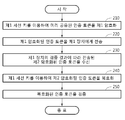
도 2는 일 실시예에 따른 서버를 위한 상호 인증 방법을 나타낸 흐름도.
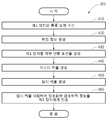
도 3은 다른 실시예에 따른 서버를 위한 상호 인증 방법을 나타낸 흐름도.
도 4는 일 실시예에 따른 마스터 키 및 인증 토큰을 공유하기 위한 서버의 동작을 나타낸 흐름도.
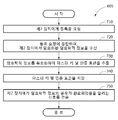
도 5는 일 실시예에 따른 대상 기기를 위한 상호 인증 방법을 나타낸 흐름도.
도 6은 다른 실시예에 따른 대상 기기를 위한 상호 인증 방법을 나타낸 흐름도.
도 7은 일 실시예에 따른 마스터 키 및 인증 토큰을 공유하기 위한 대상 기기의 동작을 나타낸 흐름도.
도 8은 일 실시예에 따른 대상 기기와 서버 간의 기기 등록 절차를 설명하기 한 도면.
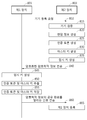
도 9는 일 실시예에 따른 대상 기기와 서버 간의 상호 인증 절차를 설명하기 한 도면.
도 10은 일 실시예에 따른 서버의 블록도.
도 11은 일 실시예에 따른 대상 기기의 블록도.1 illustrates a system environment in which a mutual authentication method according to one embodiment is performed.
2 is a flow diagram illustrating a mutual authentication method for a server according to an embodiment;
3 is a flowchart illustrating a mutual authentication method for a server according to another embodiment;
4 is a flow diagram illustrating operations of a server for sharing a master key and an authentication token in accordance with one embodiment.
5 is a flowchart illustrating a mutual authentication method for a target device according to an embodiment.
6 is a flowchart illustrating a mutual authentication method for a target device according to another embodiment;
7 is a flow diagram illustrating operations of a target device for sharing a master key and an authentication token in accordance with an embodiment;
8 is a view for explaining a device registration procedure between a target device and a server according to an exemplary embodiment;
9 is a view for explaining a mutual authentication procedure between a target device and a server according to an exemplary embodiment;
10 is a block diagram of a server according to one embodiment.
11 is a block diagram of a target device according to one embodiment.
이하에서, 첨부된 도면을 참조하여 실시예들을 상세하게 설명한다. 각 도면에 제시된 동일한 참조 부호는 동일한 부재를 나타낸다.In the following, embodiments will be described in detail with reference to the accompanying drawings. Like reference symbols in the drawings denote like elements.
아래 설명하는 실시예들에는 다양한 변경이 가해질 수 있다. 아래 설명하는 실시예들은 실시 형태에 대해 한정하려는 것이 아니며, 이들에 대한 모든 변경, 균등물 내지 대체물을 포함하는 것으로 이해되어야 한다.Various modifications may be made to the embodiments described below. It is to be understood that the embodiments described below are not intended to limit the embodiments, but include all modifications, equivalents, and alternatives to them.
실시예에서 사용한 용어는 단지 특정한 실시예를 설명하기 위해 사용된 것으로, 실시예를 한정하려는 의도가 아니다. 단수의 표현은 문맥상 명백하게 다르게 뜻하지 않는 한, 복수의 표현을 포함한다. 본 명세서에서, "포함하다" 또는 "가지다" 등의 용어는 명세서 상에 기재된 특징, 숫자, 단계, 동작, 구성 요소, 부품 또는 이들을 조합한 것이 존재함을 지정하려는 것이지, 하나 또는 그 이상의 다른 특징들이나 숫자, 단계, 동작, 구성 요소, 부품 또는 이들을 조합한 것들의 존재 또는 부가 가능성을 미리 배제하지 않는 것으로 이해되어야 한다.The terms used in the examples are used only to illustrate specific embodiments and are not intended to limit the embodiments. The singular expressions include plural expressions unless the context clearly dictates otherwise. In this specification, the terms "comprises" or "having" and the like refer to the presence of stated features, integers, steps, operations, elements, components, or combinations thereof, But do not preclude the presence or addition of one or more other features, integers, steps, operations, elements, components, or combinations thereof.
다르게 정의되지 않는 한, 기술적이거나 과학적인 용어를 포함해서 여기서 사용되는 모든 용어들은 실시예가 속하는 기술 분야에서 통상의 지식을 가진 자에 의해 일반적으로 이해되는 것과 동일한 의미를 가지고 있다. 일반적으로 사용되는 사전에 정의되어 있는 것과 같은 용어들은 관련 기술의 문맥 상 가지는 의미와 일치하는 의미를 가지는 것으로 해석되어야 하며, 본 출원에서 명백하게 정의하지 않는 한, 이상적이거나 과도하게 형식적인 의미로 해석되지 않는다.Unless defined otherwise, all terms used herein, including technical or scientific terms, have the same meaning as commonly understood by one of ordinary skill in the art to which this embodiment belongs. Terms such as those defined in commonly used dictionaries are to be interpreted as having a meaning consistent with the contextual meaning of the related art and are to be interpreted as either ideal or overly formal in the sense of the present application Do not.
또한, 첨부 도면을 참조하여 설명함에 있어, 도면 부호에 관계없이 동일한 구성 요소는 동일한 참조 부호를 부여하고 이에 대한 중복되는 설명은 생략하기로 한다. 실시예를 설명함에 있어서 관련된 공지 기술에 대한 구체적인 설명이 실시예의 요지를 불필요하게 흐릴 수 있다고 판단되는 경우 그 상세한 설명을 생략한다.In the following description of the present invention with reference to the accompanying drawings, the same components are denoted by the same reference numerals regardless of the reference numerals, and redundant explanations thereof will be omitted. In the following description of the embodiments, a detailed description of related arts will be omitted if it is determined that the gist of the embodiments may be unnecessarily blurred.
도 1은 일 실시예에 따른 장치들 간의 상호 인증 방법이 수행되는 시스템 환경을 나타낸 도면이다.1 is a diagram illustrating a system environment in which a mutual authentication method between devices according to an exemplary embodiment is performed.
도 1을 참조하면, 일 실시예에 따른 시스템 환경은 네트워크(50), 상호 인증 대상 장치(110, 이하 '제1 장치') 및 상기 제1 장치와 상호 인증을 하는 상호 인증 장치(130, 이하 '제2 장치')를 포함한다. 1, a system environment according to an exemplary embodiment includes a
네트워크(50)는, 예를 들면, 인터넷, 인트라넷들, 익스트라넷들, 광역 네트워크들(WANs), 근거리 네트워크들(LANs), 유선 네트워크들, 무선 네트워크들, 혹은 그 외 적합한 네트워크들, 등 혹은 상기 네트워크들의 둘 이상의 임의의 조합을 포함할 수 있다. The
제1 장치(110)는 예를 들어, 퍼스널 컴퓨터(Personal Computer), 스마트 폰(smart phone), PDA(Personal Digital Assistant), 게이트웨이(Gateway) 등과 같은 통신 장치, 또는 CCTV(Closed Circuit Television), 출입 통제 단말기, 가정 내 전자 기기 등과 같이 사물 인터넷(Internet of Thing; IoT) 서비스가 가능한 다양한 전자 장치 등으로 구현될 수 있다. 제1 장치(110)는 제2 장치(130)에 직접 또는 간접적으로 연결된 단순 에지 디바이스(Edge Device)일 수 있다. The
제1 장치(110)는 제2 장치(130)와의 상호 인증을 거친 후 일정 정보를 주고 받고자 하는 기기일 수 있다. The
제2 장치(130)는 예를 들어, 퍼스널 컴퓨터(Personal Computer), 스마트 폰(smart phone), PDA(Personal Digital Assistant), 게이트웨이(Gateway) 등과 같은 통신 장치, 또는 CCTV(Closed Circuit Television), 출입 통제 단말기, 가정 내 전자 기기 등과 같이 사물 인터넷(Internet of Thing; IoT) 서비스가 가능한 다양한 전자 장치 등으로 구현될 수 있다. 제2 장치(130)는 제1 장치(110)에 직접 또는 간접적으로 연결된 단순 에지 디바이스(Edge Device)일 수 있다. The
이와 다르게, 제2 장치(130)는 예를 들어, 단일의 서버 컴퓨터 또는 이와 유사한 시스템이거나, 또는 하나 이상의 서버 뱅크들(server banks) 또는 그 외 다른 배열들로 배열되는 복수의 서버들일 수 있다. 제2 장치(130)는 서버 플랫폼으로서 단일 시설에 놓일 수도 있고, 혹은 많은 서로 다른 지리적 위치들 간에 분산된 서버 "클라우드(cloud)"일 수도 있다. Alternatively, the
제1 장치(110) 또한, 제2 장치(130)와 마찬가지로, 단일의 서버 컴퓨터 또는 이와 유사한 시스템이거나, 또는 하나 이상의 서버 뱅크들(server banks) 또는 그 외 다른 배열들로 배열되는 복수의 서버들일 수 있다. 제2 장치(130)는 서버 플랫폼으로서 단일 시설에 놓일 수도 있고, 혹은 많은 서로 다른 지리적 위치들 간에 분산된 서버 "클라우드(cloud)"일 수도 있다.The
이하, 제1 장치(110)가 통신 장치 또는 가정 내 전자 기기이고, 제2 장치(130)가 서버인 경우를 일 예로 들어 설명한다. Hereinafter, the case where the
제1 장치(110)는 단수 개일 수도 있고, 복수 개일 수도 있다. 제1 장치(110)와 제2 장치(130)는 1:1 또는 n:1의 관계로 서로 직접 또는 간접 연결될 수 있다. The
제1 장치(110)는 네트워크 망(50)을 통해 제2 장치(130)와 상호 인증을 수행할 수 있다. 일 실시예에 따른 제1 장치(110) 및 제2 장치(130)는 마스터 키(master key) 이외에도 인증 토큰(authentication token)이라는 독립적인 암호학적 정보(credential)를 함께 이용하여 상호 인증을 수행함으로써 보안성을 강화할 수 있다. The
제1 장치(110)는 제2 장치(130)에 기기를 최초 등록할 때 제2 장치(130)로부터 마스터 키와 인증 토큰을 부여 받을 수 있다. 이와 같은 방식으로 시스템 내에 포함된 객체들은 서로 동일한 마스터 키 및 인증 토큰을 공유할 수 있다. 제1 장치(110)와 제2 장치(130) 간의 기기 등록 절차는 도 8을 참조하여 설명한다. The
제2 장치(130)는 제1 장치(110)와 상호 간에 공유된 마스터 키를 이용하여 세션 키(session key)를 생성하고, 세션 키로 인증 토큰을 암호화하여 제1 장치(110)에게 전달할 수 있다. 이하에서, 제2 장치(130)에서 생성되는 세션 키를 '제1 세션 키'라고 부르기로 한다. 또한, 제2 장치(130)에서 제1 세션 키에 의해 암호화된 인증 토큰을 '제1 암호화된 인증 토큰'이라 부르기로 한다. The
제1 장치(110) 또한 제2 장치(130)와 동일한 방식으로 세션 키를 생성하고, 세션 키를 이용하여 제2 장치(130)가 전송한 제1 암호화된 인증 토큰을 복호화하여 추출할 수 있다. 이하에서, 제1 장치(110)에서 생성된 세션 키를 '제2 세션 키'라고 부르기로 한다. 또한, 제1 장치(110)에서 제2 세션 키에 의해 암호화된 인증 토큰을 '제2 암호화된 인증 토큰'이라고 부르기로 한다. The
제1 장치(110)는 제2 장치(130)로부터 수신한 인증 토큰을 자신이 소유하고 있는 인증 토큰과 비교하여 인증을 수행할 수 있다. 이와 마찬가지로, 제2 장치(130) 또한, 제1 장치(110)로부터 수신한 인증 토큰을 자신이 소유하고 있는 인증 토큰과 비교하여 인증을 수행할 수 있다. 제1 장치(110)와 제2 장치(130) 간의 상호 인증 절차는 도 9를 참조하여 설명한다. The
일 실시예에서 상호 인증을 수행하고자 하는 객체들은 모두 사전에 동일한 마스터 키와 인증 토큰을 가지고 있어야 인증을 성공적으로 수행할 수 있다. 이를 통해, 허가 받지 않은 사용자가 제1 장치(110) 또한 제2 장치(130)에 접근하는 것을 방지할 수 있다. In one embodiment, all objects to be mutually authenticated must have the same master key and authentication token in advance, so authentication can be successfully performed. This may prevent an unauthorized user from accessing the
이 밖에도, 제1 장치(110)는 제2 장치(130)가 생성한 인증 토큰에 포함된 제1 장치(110)의 권한 정보를 통해 자체적으로 자신(제1 장치(110))의 권한을 확인할 수 있다. 제1 장치(110)의 권한 정보가 변경된 경우, 제2 장치(130)는 인증 토큰을 갱신하여 제1 장치(110)에게 전송할 수 있다. 이하, 도면들을 통해 상호 인증을 위한 제1 장치(110) 및 제2 장치(130)의 동작을 살펴본다. In addition, the
도 2는 일 실시예에 따른 제2 장치를 위한 상호 인증 방법을 나타낸 흐름도이다.2 is a flowchart illustrating a mutual authentication method for a second device according to an embodiment.
도 2를 참조하면, 일 실시예에 따른 제2 장치는 미리 공유된 마스터 키에 기초한 제1 세션 키를 이용하여 미리 공유된 인증 토큰을 제1 암호화한다(210). 단계(210)에서 제2 장치는 제1 변조 알고리즘에 기초하여 미리 공유된 인증 토큰을 제1 변조하고, 제1 변조된 인증 토큰을 제1 세션 키를 이용하여 제1 암호화할 수 있다. 이때, 제1 변조 알고리즘을 제2 장치에서 사용되는 변조 알고리즘으로서 제2 장치와 제1 장치 간에 미리 약속된 것일 수 있다. 제1 변조 알고리즘은 제1 장치에서 사용되는 제2 변조 알고리즘과는 상이한 것일 수 있다. Referring to FIG. 2, a second device according to one embodiment first encrypts (210) a pre-shared authentication token using a first session key based on a pre-shared master key. In step 210, the second device may first modulate the pre-shared authentication token based on the first modulation algorithm, and first encrypt the first modulated authentication token using the first session key. At this time, the first modulation algorithm may be a modulation algorithm used in the second apparatus, which is predetermined between the second apparatus and the first apparatus. The first modulation algorithm may be different from the second modulation algorithm used in the first device.
제2 장치는 제1 변조 알고리즘에 기초하여 미리 공유된 인증 토큰의 일부를 제1 변조할 수 있다. 제2 장치는 예를 들어, 미리 공유된 인증 토큰의 앞 1/3만을 제1 변조하거나, 인증 토큰의 앞 1/2부분 중 짝수 위치에 해당하는 값만을 제1 변조할 수 있다. The second device may first modulate a portion of the pre-shared authentication token based on the first modulation algorithm. The second device may, for example, first modulate only the first 1/3 of the pre-shared authentication token, or only the value corresponding to the even-numbered position of the first half of the authentication token.
제2 장치는 예를 들어, 스크램블, 마스킹 등 다양한 암호화 기법에 의해 제1 세션 키로 제1 변조된 인증 토큰을 제2 암호화할 수 있다. The second device may second encrypt an authentication token that is first modulated with the first session key by various encryption techniques, e.g., scrambling, masking, and the like.
제2 장치는 제1 암호화된 인증 토큰을 제1 장치에게 전송한다(220).The second device sends a first encrypted authentication token to the first device (220).
제2 장치는 제1 장치로부터 제2 암호화된 인증 토큰을 수신한다(230). 이때, 제2 암호화된 인증 토큰은 제1 암호화된 인증 토큰에 대한 제1 장치의 검증 결과가 성공인 경우에 전송될 수 있다. 예를 들어, 제2 장치가 제1 장치에게 전송한 제1 암호화된 인증 토큰이 제1 장치에서 검증에 실패한 경우, 제1 장치는 제1 암호화된 인증 토큰을 전송한 제2 장치가 상호 인증을 위한 적절한 제2 장치가 아니라고 판단하여 제2 암호화된 인증 토큰을 전송하지 않을 수 있다. The second device receives a second encrypted authentication token from the first device (230). At this time, the second encrypted authentication token may be transmitted if the verification result of the first device for the first encrypted authentication token is successful. For example, if the first encrypted authentication token transmitted by the second device to the first device fails verification in the first device, the first device may authenticate the second device that transmitted the first encrypted authentication token It is determined that the second device is not an appropriate second device for transmitting the second encrypted authentication token.
제2 장치는 제1 세션 키를 이용하여 제2 암호화된 인증 토큰을 복호화하고(240), 복호화된 인증 토큰을 검증함으로써 상호 인증을 완료할 수 있다(250). 단계(250)에서, 제2 장치는 제1 장치를 위한 제2 변조 알고리즘에 기초하여 복호화된 인증 토큰을 검증할 수 있다. 제2 장치는 예를 들어, 제2 변조 알고리즘에 기초하여 미리 공유된 인증 토큰을 제2 변조하고, 제2 변조된 인증 토큰을 이용하여 복호화된 인증 토큰을 검증할 수 있다. 제2 암호화된 인증 토큰은 제1 장치에 의해 암호화된 것일 수 있다. The second device may decrypt the second encrypted authentication token using the first session key (240) and complete the mutual authentication by verifying the decrypted authentication token (250). In
만약, 제2 암호화된 인증 토큰이 상호 인증을 위한 정당한 상대방으로부터 전송된 경우, 제2 장치가 사전에 약속된 제2 변조 알고리즘에 의해 미리 공유된 인증 토큰을 제2 변조한 결과(제2 변조된 인증 토큰)와 복호화된 인증 토큰이 동일한 값을 가질 수 있다. 제2 장치는 제2 변조된 인증 토큰과 복호화된 인증 토큰의 값이 동일한 경우, 제1 장치에 대한 검증을 성공한 것으로 판단할 수 있다. If the second encrypted authentication token is transmitted from a legitimate counterpart for mutual authentication, the second device modulates the second authentication result by second modulating the pre-shared authentication token by a second predetermined modulation algorithm Authentication token) and the decrypted authentication token may have the same value. The second device can determine that the verification for the first device is successful if the value of the decrypted authentication token is equal to the value of the second modulated authentication token.
도 3은 다른 실시예에 따른 제2 장치를 위한 상호 인증 방법을 나타낸 흐름도이다.3 is a flowchart illustrating a mutual authentication method for a second apparatus according to another embodiment.
도 3을 참조하면, 제2 장치는 제1 장치와 마스터 키 및 인증 토큰을 공유할 수 있다(305). 제2 장치와 제1 장치 간에 마스터 키 및 인증 토큰을 공유하기 위한 제2 장치의 동작은 도 4를 참조하여 설명한다. Referring to FIG. 3, the second device may share the master key and the authentication token with the first device (305). The operation of the second device for sharing the master key and the authentication token between the second device and the first device is described with reference to FIG.
제2 장치는 제1 장치의 인증 요청을 수신할 수 있다(310). 이때, 인증 요청에는 제1 장치의 식별 정보가 함께 포함될 수 있다. 제1 장치의 식별 정보는 예를 들어, 제1 장치의 MAC(Media Access Control) 정보 및 제1 장치의 칩 정보(예를 들어, 시리얼 번호) 등을 포함할 수 있다. The second device may receive the authentication request of the first device (310). At this time, the identification information of the first device may be included together in the authentication request. The identification information of the first device may include, for example, MAC (Media Access Control) information of the first device and chip information (e.g., serial number) of the first device and the like.
제2 장치는 단계(310)의 인증 요청에 응답하여, 제1 장치를 검증할 수 있다(315). 단계(315)에서의 검증은 제1 장치 자체에 대한 검증으로서, 제2 장치는 제1 장치의 인증 요청 시에 인증 요청과 함께 포함된 제1 장치의 식별 정보를 이용하여 제1 장치를 검증할 수 있다. In response to the authentication request of
제2 장치는 랜덤 정보를 생성할 수 있다(320). 여기서, 랜덤 정보는 세션 키 생성을 위한 것으로서, 예를 들어, 랜덤 함수 등에 생성되는 랜덤 값일 수 있다. The second device may generate random information (320). Here, the random information is for generating a session key, and may be a random value generated in a random function or the like.
제2 장치는 미리 공유된 마스터 키 및 단계(320)에서 생성된 랜덤 정보를 이용하여 제1 세션 키를 생성할 수 있다(325). The second device may generate the first session key using the pre-shared master key and the random information generated in step 320 (325).
제2 장치는 제1 변조 알고리즘에 기초하여 미리 공유된 인증 토큰을 제1 변조하고(330), 제1 변조된 인증 토큰을 단계(325)에서 생성된 제1 세션 키를 이용하여 제1 암호화할 수 있다(335). The second device first modulates (330) a pre-shared authentication token based on a first modulation algorithm, and first modulates the first modulated authentication token using the first session key generated in step 325 (335).
제2 장치는 단계(335)에서 제1 암호화된 인증 토큰을 제1 장치에게 전송할 수 있다(340).The second device may transmit the first encrypted authentication token to the first device at step 335 (340).
제2 장치는 제1 장치로부터 제2 암호화된 인증 토큰을 수신할 수 있다(345). 이때, 제2 암호화된 인증 토큰은 단계(340)에서 제2 장치가 전송한 제1 암호화된 인증 토큰에 대한 제1 장치의 검증 결과에 따라 전송된 것일 수 있다. The second device may receive the second encrypted authentication token from the first device (345). At this time, the second encrypted authentication token may have been transmitted in accordance with the verification result of the first device for the first encrypted authentication token transmitted by the second device in
제2 장치는 단계(325)에서 생성한 제1 세션 키를 이용하여 제2 암호화된 인증 토큰을 복호화할 수 있다(350). The second device may decrypt the second encrypted authentication token using the first session key generated in step 325 (350).
제2 장치는 제2 변조 알고리즘에 기초하여 미리 공유된 인증 토큰을 제2 변조하고(355), 제2 변조된 인증 토큰을 이용하여 단계(350)에서 복호화된 인증 토큰을 검증할 수 있다(360). The second device may second modulate (355) the pre-shared authentication token based on the second modulation algorithm and verify the decrypted authentication token in
도 4는 일 실시예에 따른 마스터 키 및 인증 토큰을 공유하기 위한 제2 장치의 동작을 나타낸 흐름도이다.4 is a flow diagram illustrating operation of a second device for sharing an authentication token and a master key according to one embodiment.
도 4를 참조하면, 일 실시예에 따른 제2 장치는 제1 장치의 (기기) 등록 요청을 수신할 수 있다(410).Referring to FIG. 4, a second device according to one embodiment may receive a (device) registration request of a first device (410).
제2 장치는 등록 요청에 응답하여, 임시 키 생성을 위한 랜덤 정보를 생성할 수 있다(420). In response to the registration request, the second device may generate random information for temporary key generation (420).
제2 장치는 제1 장치를 위한 인증 토큰을 생성할 수 있다(430). 제2 장치는 제1 장치의 권한 정보에 기초하여 제1 장치를 위한 인증 토큰을 생성할 수 있다. 시스템 내에 포함된 제1 장치가 복수 개인 경우, 제2 장치는 제1 장치마다 서로 다른 인증 토큰을 생성할 수 있다. 제1 장치의 권한 정보는 제1 장치가 제공하는 서비스에 따라 제1 장치마다 서로 달라질 수 있다. The second device may generate an authentication token for the first device (430). The second device may generate an authentication token for the first device based on the rights information of the first device. If there are a plurality of first devices included in the system, the second device may generate different authentication tokens for each first device. The rights information of the first device may be different for each first device according to the service provided by the first device.
인증 토큰은 예를 들어, 제1 장치의 권한 정보, 랜덤 정보, 제2 장치의 식별 정보(ID) 및 제1 장치의 식별 정보(ID) 등을 포함할 수 있다. The authentication token may include, for example, authorization information of the first device, random information, identification information (ID) of the second device, and identification information (ID) of the first device.
제2 장치는 마스터 키를 생성할 수 있다(440). 제2 장치는 키 시드(Key Seed) 값을 이용하여 마스터 키를 생성할 수 있다. 제2 장치는 인증 토큰과 마스터 키를 서로 독립적인 방법으로 생성함으로써 서로 간의 관련성이 없도록 할 수 있다. 이에 따라, 마스터 키와 인증 토큰 중 어느 하나가 외부에 노출되더라도 다른 하나에 대한 보안성이 유지될 수 있다. The second device may generate a master key (440). The second device may generate a master key using a key seed value. The second device may generate the authentication token and the master key in a manner independent of each other so that they are not related to each other. Accordingly, even if one of the master key and the authentication token is exposed to the outside, the security for the other can be maintained.
제2 장치는 단계(420)에서 생성한 랜덤 정보 및 이니셜 키(initial key)를 이용하여 임시 키(temporary key)를 생성할 수 있다(450). 임시 키는 마스터 키 및 인증 토큰의 전송을 위해 1번만 사용되고 폐기되는 일회성의 키로서, '원-타임 키(One-Time key)'라고도 부를 수 있다. 이니셜 키는 제1 장치의 제작 시점에 제1 장치에 주입된 키일 수 있다. 제2 장치는 제1 장치의 이니셜 키에 대한 정보를 미리 파악할 수 있다. The second device may generate a temporary key using the random information generated in
제2 장치는 단계(450)에서 생성된 임시 키를 이용하여 암호학적 정보(credential)를 암호화하고, 암호화한 암호학적 정보를 단계(420)에서 생성된 랜덤 정보와 함께 제1 장치에게 전송할 수 있다(460). 암호학적 정보는 예를 들어, 단계(430)에서 생성된 인증 토큰 및 단계(440)에서 생성된 마스터 키를 포함할 수 있다. The second device may encrypt the cryptographic credentials using the temporary key generated in
도 5는 일 실시예에 따른 제1 장치를 위한 상호 인증 방법을 나타낸 흐름도이다.5 is a flowchart illustrating a mutual authentication method for a first device according to an embodiment.
도 5를 참조하면, 일 실시예에 따른 제1 장치는 제2 장치에게 인증을 요청할 수 있다(510). Referring to FIG. 5, a first device according to one embodiment may request authentication to a second device (510).
제1 장치는 단계(510)의 인증 요청에 응답하여 제2 장치로부터 전송된, 제1 암호화된 인증 토큰을 수신한다(520).The first device receives (520) the first encrypted authentication token sent from the second device in response to the authentication request of
제1 장치는 제2 세션 키를 이용하여 제1 암호화된 인증 토큰을 복호화 한다(530). 제2 세션 키는 미리 공유된 마스터 키에 기초한 것일 수 있다. The first device decrypts the first encrypted authentication token using the second session key (530). The second session key may be based on a pre-shared master key.
제1 장치는 단계(530)에서 복호화된 인증 토큰을 검증한다(540). 단계(540)에서, 제1 장치는 제2 장치를 위한 제1 변조 알고리즘에 기초하여 복호화된 인증 토큰을 검증할 수 있다. The first device verifies the decrypted authentication token in step 530 (540). In
제1 장치는 단계(540)의 검증 결과에 따라, 미리 공유된 인증 토큰을 제2 암호화한다(550). 제1 장치는 제2 변조 알고리즘에 기초하여 미리 공유된 인증 토큰을 제2 변조하고, 제2 변조된 인증 토큰을 제2 세션 키를 이용하여 제2 암호화할 수 있다 할 수 있다. 이때, 제1 장치는 미리 공유된 인증 토큰의 일부만을 제2 변조할 수 있다. 제1 장치는 예를 들어, 미리 공유된 인증 토큰의 뒤 1/3만을 제2 변조하거나, 앞 1/3 부분 중 홀수 위치에 해당하는 값만을 제2 변조할 수 있다. The first device second encrypts the pre-shared authentication token according to the verification result of step 540 (550). The first device may be capable of second modulating the pre-shared authentication token based on the second modulation algorithm and secondly encrypting the second modulated authentication token using the second session key. At this time, the first device may second modulate only a part of the pre-shared authentication token. The first device may, for example, second modulate only the last 1/3 of the pre-shared authentication token or only the value corresponding to the odd number of the first 1/3 portions.
일 실시예에 따른 제2 장치 및 제1 장치는 도 5의 제2 암호화 과정에서 제1 장치가 암호화한 인증 토큰이 도 2의 제1 암호화 과정에서 제2 장치가 암호화하는 인증 토큰과 결합되는 경우, 인증 토큰 전체의 값이 드러나지 않는 범위 내에서 인증 토큰의 일부를 변조 및 암호화할 수 있다. The second device and the first device according to the embodiment are configured such that when the authentication token encrypted by the first device in the second encryption process of FIG. 5 is combined with the authentication token encrypted by the second device in the first encryption process of FIG. 2 , A portion of the authentication token can be modulated and encrypted within a range in which the value of the entire authentication token is not revealed.
제1 장치는 예를 들어, 스크램블, 마스킹 등 다양한 암호화 기법에 의해 제2 세션 키로 제2 변조된 인증 토큰을 제2 암호화할 수 있다. The first device may second encrypt an authentication token that is secondly modulated with the second session key by various encryption techniques, e.g., scrambling, masking, and the like.
제1 장치는 제2 암호화된 인증 토큰을 제2 장치에게 전송한다(560).The first device sends a second encrypted authentication token to the second device (560).
도 6은 다른 실시예에 따른 제1 장치를 위한 상호 인증 방법을 나타낸 흐름도이다.6 is a flowchart illustrating a mutual authentication method for a first apparatus according to another embodiment.
도 6을 참조하면, 일 실시예에 따른 제1 장치는 마스터 키 및 인증 토큰을 제2 장치와 공유할 수 있다(605). 마스터 키 및 인증 토큰의 공유를 위한 제1 장치의 동작은 도 7을 참조하여 설명한다. Referring to FIG. 6, a first device according to one embodiment may share a master key and an authentication token with a second device (605). The operation of the first device for sharing the master key and authentication token is described with reference to FIG.
제1 장치는 제2 장치에게 인증을 요청하고(610), 인증 요청에 응답하여 제2 장치로부터 전송된, 제1 암호화된 인증 토큰을 수신한다(615).The first device requests authentication (610) to the second device, and receives (615) the first encrypted authentication token sent from the second device in response to the authentication request.
제1 장치는 제2 세션 키를 이용하여 제1 암호화된 인증 토큰을 복호화 할 수 있다(620). The first device may decrypt the first encrypted authentication token using the second session key (620).
제1 장치는 미리 공유된 인증 토큰을 제1 변조 알고리즘을 이용하여 제1 변조하고(625), 제1 변조된 인증 토큰을 이용하여 복호화한 인증 토큰을 검증할 수 있다(630). 제1 장치는 제1 변조된 인증 토큰이 단계(620)에서 복호화한 인증 토큰과 동일한지 여부에 따라 복호화한 인증 토큰을 검증할 수 있다. The first device may first modulate the pre-shared authentication token using a first modulation algorithm (625) and verify the decrypted authentication token using the first modulated authentication token (630). The first device may verify the decrypted authentication token according to whether the first modulated authentication token is the same as the decrypted authentication token in
제1 장치는 복호화한 인증 토큰에 대한 검증이 성공인지 여부를 판단할 수 있다(635). 단계(635)에서 검증이 실패한 것으로 판단되면, 제1 장치는 동작을 종료할 수 있다. The first device may determine whether verification of the decrypted authentication token is successful (635). If it is determined in
단계(635)에서 검증이 성공한 것으로 판단되면, 제1 장치는 제2 변조 알고리즘에 기초하여 미리 공유된 인증 토큰을 제2 변조할 수 있다(640). 이때, 제1 장치는 미리 공유된 인증 토큰의 일부만을 제2 변조할 수 있다. If it is determined in
제1 장치는 제2 변조된 인증 토큰을 제2 세션 키를 이용하여 제2 암호화할 수 있다(645).The first device may second encrypt (645) the second modulated authentication token using the second session key.
제1 장치는 제2 암호화된 인증 토큰을 제2 장치에게 전송할 수 있다(650). The first device may send a second encrypted authentication token to the second device (650).
도 7은 일 실시예에 따른 마스터 키 및 인증 토큰을 공유하기 위한 제1 장치의 동작을 나타낸 흐름도이다.7 is a flow diagram illustrating operation of a first device for sharing a master key and an authentication token in accordance with one embodiment.
도 7을 참조하면, 제1 장치는 제2 장치에게 (기기) 등록을 요청할 수 있다(710). 단계(710)에서, 제1 장치는 제2 장치에게 제1 장치의 식별 정보를 전송하여 기기 등록을 요청할 수 있다. 제1 장치의 식별 정보는 예를 들어, 제1 장치의 아이디, 칩 시리얼 번호, 및 제1 장치의 MAC 정보 등을 포함할 수 있다. Referring to FIG. 7, the first device may request registration (device) to the second device (710). In
제1 장치는 단계(710)의 등록 요청에 응답하여, 제2 장치가 생성한 랜덤 정보 및 제2 장치에서 암호화된 암호학적 정보를 수신할 수 있다(720). 암호학적 정보는 마스터 키, 및 인증 토큰을 포함할 수 있다. 암호학적 정보는 미리 저장된 이니셜 키 및 제2 장치에서 생성된 랜덤 정보를 이용하여 생성한 임시키를 이용하여 암호화된 것일 수 있다. In response to the registration request of
제1 장치는 암호학적 정보를 복호화하여 마스터 키 및 인증 토큰을 추출하고(730), 마스터 키 및 인증 토큰을 저장할 수 있다(740).The first device may decrypt the cryptographic information to extract the master key and the authentication token (730), and may store the master key and the authentication token (740).
제1 장치는 제2 장치에게, 암호학적 정보의 공유가 완료되었음을 알리는 신호를 전송할 수 있다(750). The first device may send a signal to the second device indicating that the sharing of the cryptographic information is complete (750).
도 8은 일 실시예에 따른 제1 장치와 제2 장치 간의 기기 등록 절차를 설명하기 한 도면이다.8 is a view for explaining a device registration procedure between a first device and a second device according to an embodiment.
도 8을 참조하면, 제1 장치(801) 및 제2 장치(803) 간에 수행되는 기기 등록 절차가 도시된다. Referring to FIG. 8, a device registration procedure performed between the
제1 장치(801)는 제2 장치(803)에게 제1 장치(801)의 기기 등록을 요청할 수 있다(810). 이때, 제1 장치(801)는 기기 등록 요청과 함께 제1 장치(801)를 식별할 수 있는 식별 정보(예를 들어, 디바이스 ID, 칩 시리얼 번호, MAC 등)를 전송할 수 있다. The
제2 장치(803)는 제1 장치(801)의 식별 정보가 사전에 등록된 기기 정보 목록에 있는지 확인하여 제1 장치(801)를 검증할 수 있다(815). 제1 장치(801)의 식별 정보는 일반적으로 제1 장치(801)가 공장에서 제조된 시점에 제2 장치(803)의 기기 정보 목록에 등록될 수 있다. The
제2 장치(803)는 임시 키를 생성하기 위한 랜덤 정보를 생성할 수 있다(820).The
제2 장치(803)는 제1 장치(801)에 대한 인증 토큰을 생성할 수 있다(825). 제1 장치(801)가 복수 개인 경우, 제2 장치(803)는 제1 장치(801)의 권한을 기준으로 제1 장치(801) 별로 인증 토큰을 생성할 수 있다. 여기서, 인증 토큰은 마스터 키와 동일한 수준의 보안이 요구되는 정보로 이해될 수 있다. The
제1 장치(801)의 권한 정보가 변경되는 경우, 제2 장치(803)는 인증 토큰을 갱신하여 제1 장치(801)를 재등록할 수 있다. 제1 장치(801)의 재등록 시 제2 장치(803)는 상호 인증에 따라 이미 생성된 세션 키를 이용하여 갱신된 인증 토큰을 암호화하여 제1 장치(801)에게 전송할 수 있다. When the rights information of the
제2 장치(803)는 예를 들어, 제1 장치(801)의 권한 정보, 제1 장치(801)의 식별 정보, 랜덤 정보 등을 조합하여 인증 토큰을 생성할 수 있다. 인증 토큰은 제1 장치(801)의 권한 정보, 제1 장치(801)의 식별 정보, 랜덤 정보, 제2 장치(803)의 식별 정보 중 적어도 하나를 포함할 수 있다. The
제2 장치(803)는 마스터 키를 생성할 수 있다(830). 제2 장치(803)는 별도의 키 시드(Key Seed) 값을 이용하여 마스터 키를 생성할 수 있다. 일 실시예에서는 인증 토큰과 마스터 키를 서로 독립적인 방법으로 생성하여 서로 간의 관련성이 발생하지 않도록 함으로써 마스터 키와 인증 토큰 중 어느 하나가 노출되더라도 나머지 하나가 유출되지 않도록 할 수 있다. The
제2 장치(803)는 임시 키를 생성할 수 있다(835). 제2 장치(803)는 제조 시점에 제1 장치(801)에 주입한 이니셜 키와 동일한 키 및 단계(820)에서 생성한 랜덤 정보를 이용하여 임시 키를 생성할 수 있다. 이때, 임시 키를 생성하는 알고리즘은 제2 장치(803)와 제1 장치(801) 간에 사전에 공유될 수 있다. The
제2 장치(803)는 단계(830)에서 생성한 마스터 키, 및 단계(825)에서 생성한 인증 토큰을 임시 키로 암호화하여 단계(820)에서 생성한 랜덤 정보와 함께 제1 장치(801)에게 전송할 수 있다(840). 이때, 임시 키로 암호화되는 정보들(마스터 키, 및 인증 토큰)을 암호학적 정보라고 부를 수 있다.The
제1 장치(801)는 제조 시점에 제1 장치(801)에 주입된 이니셜 키와 단계(840)에서 전송된 랜덤 정보를 이용하여 임시 키를 생성할 수 있다(845).The
제1 장치(801)는 단계(845)에서 생성한 임시 키를 이용하여 단계(840)에서 수신한 암호화된 암호학적 정보를 복호화하여 인증 토큰 및 마스터 키를 추출할 수 있다(850). 이와 같이, 제1 장치(801)와 제2 장치(803)는 임시 키를 이용하여 안전한 방식으로 동일한 마스터 키와 인증 토큰을 공유할 수 있다. 임시 키는 마스터 키 및 인증 토큰의 전송을 위해 1번만 사용되고 폐기될 수 있다. The
제1 장치(801)는 단계(850)에서 추출한 인증 토큰 및 마스터 키를 제1 장치(801)의 안정한 영역에 저장할 수 있다(855).The
제1 장치(801)는 암호학적 정보의 공유가 완료되었음을 나타내는 신호를 제2 장치(803)에게 전송할 수 있다(860). 제1 장치(801)로부터 암호학적 정보의 공유가 완료되었음을 나타내는 신호를 수신한 제2 장치(803)는 제1 장치(801)를 등록할 수 있다(865). The
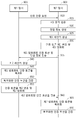
제1 장치(801) 및 제2 장치(803)는 상술한 기기 등록 절차를 통해 마스터 키와 인증 토큰을 서로 공유할 수 있다. The
도 9는 일 실시예에 따른 제1 장치와 제2 장치 간의 상호 인증 절차를 설명하기 한 도면이다.FIG. 9 is a view for explaining a mutual authentication procedure between a first device and a second device according to an embodiment.
도 9를 참조하면, 도 8을 통한 기기 등록 절차를 완료한 제1 장치(901)와 제2 장치(903) 간에 수행되는 상호 인증 절차가 도시된다. Referring to FIG. 9, there is shown a mutual authentication procedure performed between a
제1 장치(901)는 제2 장치(903)에게 상호 인증을 요청할 수 있다(910). 제1 장치(901)는 상호 인증 요청과 함께, 예를 들어, 제1 장치(901)의 MAC 정보 및 제1 장치(901)의 칩 시리얼 정보 등을 포함하는 식별 정보를 전송할 수 있다. The
제2 장치(903)는 단계(910)에서 전송된 식별 정보를 이용하여 제1 장치(901)를 검증할 수 있다(915). The
제2 장치(903)는 세션 키 생성을 위한 랜덤 정보를 생성할 수 있다(920).The
제2 장치(903)는 미리 공유된 마스터 키 및 단계(920)에서 생성한 랜덤 정보를 이용하여 세션 키(제1 세션 키)를 생성할 수 있다(925). The
제2 장치(903)는 미리 공유된 인증 토큰을 특정 알고리즘(제1 변조 알고리즘)에 의해 제1 변조한 다음 제1 세션 키를 이용하여 암호화(제1 암호화)할 수 있다(930). The
제2 장치(903)는 단계(930)에서 제1 암호화된 인증 토큰을, 단계(920)에서 생성한 랜덤 정보와 함께 제1 장치(901)에게 전송할 수 있다(935). The
제1 장치(901)는 단계(935)를 통해 수신한 랜덤 정보와 사전에 공유된 마스터 키를 이용하여 세션 키(제2 세션 키)를 생성할 수 있다(940). The
제1 장치(901)는 단계(935)에서 수신한 제1 암호화된 인증 토큰을, 제2 세션 키를 이용하여 복호화할 수 있다(945). The
제1 장치(901)는 단계(945)에서 복호화한 인증 토큰을 검증할 수 있다(950). 제1 장치(901)는 미리 공유된 인증 토큰을 제2 장치(903)가 단계(930)에서 한 것과 동일한 방식으로 변조할 수 있다. 그리고, 변조된 인증 토큰이 단계(945)에서 복호화 한 인증 토큰과 동일한 지 비교함으로써 복호화한 인증 토큰을 검증할 수 있다. 다시 말해, 제1 장치(901)는 미리 공유된 인증 토큰을 제1 변조 알고리즘을 이용하여 제1 변조하고, 제1 변조된 인증 토큰과 단계(945)에서 복호화한 인증 토큰을 비교하여 복호화한 인증 토큰을 검증할 수 있다. 이때, 제1 장치(901)는 제2 장치(903)에서 사용한 제1 변조 알고리즘을 미리 알고 있어야 한다. The
제2 장치(903)로부터 수신한 인증 토큰에 대한 검증을 마친 제1 장치(901)는 제2 장치(903)의 검증을 위한 인증 토큰을 제2 장치(903)와는 다른 방식으로 변조 및 암호화하여 제2 장치(903)에게 전송할 수 있다. 제1 장치(901)는 제1 장치를 위한 특정 알고리즘(제2 변조 알고리즘)에 기초하여 미리 공유된 인증 토큰을 변조(제2 변조)하고, 제2 변조된 인증 토큰을 단계(940)에서 생성된 제2 세션 키를 이용하여 암호화(제2 암호화)할 수 있다(955). After verifying the authentication token received from the
제1 장치(901)는 제2 암호화된 인증 토큰을 제2 장치(903)에게 전송할 수 있다(960). The
제2 장치(903)는 단계(960)에서 수신한 제2 암호화된 인증 토큰을 단계(925)에서 생성한 제1 세션 키를 이용하여 복호화할 수 있다(965).The
제2 장치(903)는 미리 공유된 인증 토큰을 단계(955)에서 제1 장치(901)가 수행한 것과 동일한 방식으로 변조한 다음, 단계(965)에서의 복호화 결과와 같은지를 비교함으로써 단계(965)에서 복호화 된 인증 토큰을 검증할 수 있다(970). 보다 구체적으로, 제2 장치(903)는 제2 변조 알고리즘에 기초하여 미리 공유된 인증 토큰을 제2 변조하고, 제2 변조된 인증 토큰과 단계(965)에서 복호화된 인증 토큰이 같다면 상호 인증이 성공한 것으로 판단할 수 있다. 이때, 제2 장치(903)는 제1 장치(901)에서 사용한 제2 변조 알고리즘을 미리 알고 있어야 한다. The
일 실시예에서는 상호 인증을 수행하는 객체 간에 마스터 키와 인증 토큰을 모두 알고 있어야 인증이 성공적으로 수행될 수 있다. 마스터 키와 인증 토큰 중 어느 하나의 정보가 노출되더라도 상호 인증을 수행할 수 없으므로 높은 수준의 보안성을 확보할 수 있다. 또한, 일 실시예에서는 제2 장치와 제1 장치에서 각각 한 번씩 인증 토큰을 검증하기 때문에, 제2 장치가 제1 장치를 검증하고, 제1 장치가 제2 장치를 검증하는 문자 그대로의 상호 인증을 수행할 수 있다. In an exemplary embodiment, both the master key and the authentication token are known between the objects performing the mutual authentication, so that the authentication can be successfully performed. Mutual authentication can not be performed even if information of either the master key or the authentication token is exposed, so that a high level of security can be ensured. Further, in one embodiment, since the second device verifies the authentication token once each in the first device, the second device verifies the first device, and the first device verifies the second device. Can be performed.
또한, 일 실시예에서는 인증 토큰을 상호 검증할 때 단순히 인증 토큰의 암호화 방식 및 복호화 방식뿐만 아니라, 인증 토큰의 변조 알고리즘까지 알고 있어야 한다. 다시 말해, 외부 침입자가 일 실시예에 따른 상호 인증 보안을 공격하기 위해서는 마스터 키, 세션 키의 생성 알고리즘뿐만 아니라, 인증 토큰, 제2 장치에서의 인증 토큰의 변조 알고리즘(제1 변조 알고리즘), 및 제1 장치에서의 인증 토큰의 변조 알고리즘(제2 변조 알고리즘)의 총 5 개의 정보를 모두 알아야 하므로, 보다 높은 수준의 보안성을 확보할 수 있다.In addition, when mutually verifying the authentication token, in one embodiment, not only the encryption method and the decryption method of the authentication token but also the modulation algorithm of the authentication token should be known. In other words, in order for an external intruder to attack the mutual authentication security according to an embodiment, an authentication token, an authentication algorithm of the authentication token in the second device (first modulation algorithm), and an authentication algorithm And a modulation algorithm of the authentication token in the first device (second modulation algorithm), all of the five pieces of information need to be known, so that a higher level of security can be secured.
사물 인터넷(IoT) 서비스의 특성상 IoT 객체(예를 들어, 디바이스, 게이트웨이, 제2 장치 플랫폼 등)는 다양한 서비스를 제공하게 된다. 이로 인해, IoT 객체 간의 권한 관리 방안은 사물 인터넷 보안의 주요 요소라 할 수 있다. 일 실시예에 따른 토큰 정보는 각 제1 장치의 식별 정보 및 권한 정보를 조합하여 생성되므로 권한 관리 정보로도 활용될 수 있다. 다시 말해, 토큰 정보가 각 제1 장치의 권한 정보를 포함하고 있으므로 제1 장치는 별도의 권한 확인 절차 없이 상호 인증을 수행하는 것만으로도 권한 확인을 함께 수행할 수 있다. IoT objects (for example, devices, gateways, second device platforms, etc.) provide various services due to the nature of the Internet (IoT) service. Therefore, the authority management method between IoT objects is a key element of Internet security of things. Since the token information according to the embodiment is generated by combining the identification information and the authority information of each first device, the token information can also be used as the authority management information. In other words, since the token information includes the rights information of each first device, the first device can execute the mutual authentication without mutual authentication without any additional authorization.
도 10은 일 실시예에 따른 제2 장치의 블록도이다.10 is a block diagram of a second apparatus according to one embodiment.
도 10을 참조하면, 일 실시예에 따른 제2 장치(1000)는 프로세서(1010), 송수신부(1020), 및 메모리(1030)를 포함할 수 있다. 프로세서(1010), 송수신부(1020), 및 메모리(1030)는 버스(1040)를 통해 서로 통신할 수 있다. Referring to FIG. 10, a
프로세서(1010)는 미리 공유된 마스터 키에 기초한 제1 세션 키를 이용하여 미리 공유된 인증 토큰을 제1 암호화한다. 프로세서(1010)는 제1 장치가 전송한 제2 암호화된 인증 토큰을 제1 세션 키에 의해 복호화하여 검증한다. The
송수신부(1020)는 프로세서(1010)에서 제1 암호화된 인증 토큰을 제1 장치에게 전송하고, 제1 장치로부터 제2 암호화된 인증 토큰을 수신한다. 이때, 제2 암호화된 인증 토큰은 제1 암호화된 인증 토큰에 대한 제1 장치의 검증 결과에 따라 전송된 것일 수 있다.
메모리(1030)는 미리 공유된 마스터 키 및 미리 공유된 인증 토큰을 저장할 수 있다. 메모리(1030)는 미리 공유된 마스터 키에 기초한 생성한 제1 세션 키를 저장할 수 있다. 이 밖에도, 메모리(1030)는 세션 키의 생성 알고리즘, 제2 장치에서의 인증 토큰의 변조 알고리즘(제1 변조 알고리즘), 및 제1 장치에서의 인증 토큰의 변조 알고리즘(제2 변조 알고리즘) 등을 저장할 수 있다. The
이 밖에도, 프로세서(1010)는 도 2 내지 도 9를 통하여 전술한 적어도 하나의 방법을 수행할 수 있다.In addition, the
프로세서(1010)는 프로그램을 실행하고, 제2 장치(1000)를 제어할 수 있다. 프로세서(1010)에 의하여 실행되는 프로그램 코드는 메모리(1030)에 저장될 수 있다. 제2 장치(1000)는 입출력 장치(도면 미 표시)를 통하여 외부 장치(예를 들어, 제1 장치 또는 네트워크)에 연결되고, 데이터를 교환할 수 있다.The
도 11은 일 실시예에 따른 제1 장치의 블록도이다. 11 is a block diagram of a first apparatus according to one embodiment.
도 11을 참조하면, 일 실시예에 따른 제1 장치(1100)는 프로세서(1110), 송수신부(1120), 및 메모리(1130)를 포함할 수 있다.Referring to FIG. 11, a
프로세서(1110)는 미리 공유된 마스터 키에 기초한 제2 세션 키를 이용하여 제1 암호화된 인증 토큰을 복호화 한다. 프로세서(1110)는 검증 결과에 따라, 미리 공유된 인증 토큰을 제2 암호화한다.The
송수신부(1120)는 제1 장치(1100)의 인증 요청에 응답하여 제2 장치로부터 전송된 제1 암호화된 인증 토큰을 수신하고, 프로세서(1110)에서 제2 암호화된 인증 토큰을 제2 장치에게 전송한다. The
메모리(1130)는 미리 공유된 마스터 키 및 미리 공유된 인증 토큰을 저장할 수 있다. 메모리(1130)는 미리 공유된 마스터 키에 기초한 생성한 제2 세션 키를 저장할 수 있다. 이 밖에도, 메모리(1130)는 세션 키의 생성 알고리즘, 제2 장치에서의 인증 토큰의 변조 알고리즘(제1 변조 알고리즘), 및 제1 장치에서의 인증 토큰의 변조 알고리즘(제2 변조 알고리즘) 등을 저장할 수 있다. The
이 밖에도, 프로세서(1110)는 도 2 내지 도 9를 통하여 전술한 적어도 하나의 방법을 수행할 수 있다.In addition, the
프로세서(1110)는 프로그램을 실행하고, 제1 장치(1100)를 제어할 수 있다. 프로세서(1110)에 의하여 실행되는 프로그램 코드는 메모리(1130)에 저장될 수 있다. 제1 장치(1100)는 입출력 장치(도면 미 표시)를 통하여 외부 장치(예를 들어, 제2 장치 또는 네트워크)에 연결되고, 데이터를 교환할 수 있다.The
본 발명의 일 실시예에 따른 방법은 다양한 컴퓨터 수단을 통하여 수행될 수 있는 프로그램 명령 형태로 구현되어 컴퓨터 판독 가능 매체에 기록될 수 있다. 상기 컴퓨터 판독 가능 매체는 프로그램 명령, 데이터 파일, 데이터 구조 등을 단독으로 또는 조합하여 포함할 수 있다. 상기 매체에 기록되는 프로그램 명령은 본 발명을 위하여 특별히 설계되고 구성된 것들이거나 컴퓨터 소프트웨어 당업자에게 공지되어 사용 가능한 것일 수도 있다. 컴퓨터 판독 가능 기록 매체의 예에는 하드 디스크, 플로피 디스크 및 자기 테이프와 같은 자기 매체(magnetic media), CD-ROM, DVD와 같은 광기록 매체(optical media), 플롭티컬 디스크(floptical disk)와 같은 자기-광 매체(magneto-optical media), 및 롬(ROM), 램(RAM), 플래시 메모리 등과 같은 프로그램 명령을 저장하고 수행하도록 특별히 구성된 하드웨어 장치가 포함된다. 프로그램 명령의 예에는 컴파일러에 의해 만들어지는 것과 같은 기계어 코드뿐만 아니라 인터프리터 등을 사용해서 컴퓨터에 의해서 실행될 수 있는 고급 언어 코드를 포함한다. 상기된 하드웨어 장치는 본 발명의 동작을 수행하기 위해 하나 이상의 소프트웨어 모듈로서 작동하도록 구성될 수 있으며, 그 역도 마찬가지이다.The method according to an embodiment of the present invention can be implemented in the form of a program command which can be executed through various computer means and recorded in a computer-readable medium. The computer-readable medium may include program instructions, data files, data structures, and the like, alone or in combination. The program instructions recorded on the medium may be those specially designed and constructed for the present invention or may be available to those skilled in the art of computer software. Examples of computer-readable media include magnetic media such as hard disks, floppy disks and magnetic tape; optical media such as CD-ROMs and DVDs; magnetic media such as floppy disks; Magneto-optical media, and hardware devices specifically configured to store and execute program instructions such as ROM, RAM, flash memory, and the like. Examples of program instructions include machine language code such as those produced by a compiler, as well as high-level language code that can be executed by a computer using an interpreter or the like. The hardware devices described above may be configured to operate as one or more software modules to perform the operations of the present invention, and vice versa.
이상과 같이 본 발명은 비록 한정된 실시예와 도면에 의해 설명되었으나, 본 발명은 상기의 실시예에 한정되는 것은 아니며, 본 발명이 속하는 분야에서 통상의 지식을 가진 자라면 이러한 기재로부터 다양한 수정 및 변형이 가능하다.While the invention has been shown and described with reference to certain preferred embodiments thereof, it will be understood by those of ordinary skill in the art that various changes in form and details may be made therein without departing from the spirit and scope of the invention as defined by the appended claims. This is possible.
그러므로, 본 발명의 범위는 설명된 실시예에 국한되어 정해져서는 아니되며, 후술하는 특허청구범위뿐만 아니라 이 특허청구범위와 균등한 것들에 의해 정해져야 한다.Therefore, the scope of the present invention should not be construed as being limited to the embodiments described, but should be determined by equivalents to the appended claims, as well as the appended claims.
1000: 제2 장치
1010: 프로세서
1020: 송수신부
1030: 메모리
1040: 버스1000: Second device
1010: Processor
1020:
1030: Memory
1040: bus
Claims (23)
미리 공유된 마스터 키에 기초한 제1 세션 키를 이용하여 미리 공유된 인증 토큰을 제1 암호화하는 단계;
상기 제1 암호화된 인증 토큰을 상기 제1 장치에게 전송하는 단계;
상기 제1 암호화된 인증 토큰에 대한 상기 제1 장치의 검증 결과에 따라 전송된, 제2 암호화된 인증 토큰을 수신하는 단계;
상기 제1 세션 키를 이용하여 상기 제2 암호화된 인증 토큰을 복호화하는 단계; 및
상기 복호화된 인증 토큰을 검증하는 단계
를 포함하는, 상호 인증 방법.A mutual authentication method for a second device for mutual authentication with a first device,
First encrypting a pre-shared authentication token using a first session key based on a pre-shared master key;
Sending the first encrypted authentication token to the first device;
Receiving a second encrypted authentication token sent in accordance with the verification result of the first device for the first encrypted authentication token;
Decrypting the second encrypted authentication token using the first session key; And
Verifying the decrypted authentication token
The method comprising the steps of:
상기 제1 암호화하는 단계는
상기 제2 장치를 위한 제1 변조 알고리즘에 기초하여 상기 미리 공유된 인증 토큰을 제1 변조하는 단계; 및
상기 제1 변조된 인증 토큰을 상기 제1 세션 키를 이용하여 상기 제1 암호화하는 단계
를 포함하는, 상호 인증 방법.The method according to claim 1,
Wherein the first encrypting step
First modulating the pre-shared authentication token based on a first modulation algorithm for the second device; And
Encrypting the first modulated authentication token using the first session key,
The method comprising the steps of:
상기 제1 변조하는 단계는
상기 제1 변조 알고리즘에 기초하여 상기 미리 공유된 인증 토큰의 일부를 상기 제1 변조하는 단계
를 포함하는, 상호 인증 방법.3. The method of claim 2,
The first modulating step
Modifying a portion of the pre-shared authentication token based on the first modulation algorithm
The method comprising the steps of:
상기 복호화된 인증 토큰을 검증하는 단계는
상기 제1 장치를 위한 제2 변조 알고리즘에 기초하여 상기 복호화된 인증 토큰을 검증하는 단계
를 포함하는, 상호 인증 방법.The method according to claim 1,
The step of verifying the decrypted authentication token
Verifying the decrypted authentication token based on a second modulation algorithm for the first device
The method comprising the steps of:
상기 복호화된 인증 토큰을 검증하는 단계는
상기 제2 변조 알고리즘에 기초하여 상기 미리 공유된 인증 토큰을 제2 변조하는 단계; 및
상기 제2 변조된 인증 토큰을 이용하여 상기 복호화된 인증 토큰을 검증하는 단계
를 포함하는, 상호 인증 방법.5. The method of claim 4,
The step of verifying the decrypted authentication token
Second modulating the pre-shared authentication token based on the second modulation algorithm; And
Verifying the decrypted authentication token using the second modulated authentication token
The method comprising the steps of:
세션 키 생성을 위한 랜덤 정보를 생성하는 단계; 및
상기 미리 공유된 마스터 키 및 상기 랜덤 정보를 이용하여 제1 세션 키를 생성하는 단계
를 더 포함하는, 상호 인증 방법.The method according to claim 1,
Generating random information for session key generation; And
Generating a first session key using the pre-shared master key and the random information
Further comprising the steps of:
상기 제1 장치의 인증 요청을 수신하는 단계; 및
상기 인증 요청에 응답하여, 상기 제1 장치를 검증하는 단계
를 더 포함하는, 상호 인증 방법.The method according to claim 1,
Receiving an authentication request of the first device; And
In response to the authentication request, verifying the first device
Further comprising the steps of:
상기 인증 요청은
상기 제1 장치의 MAC 정보 및 상기 제1 장치의 칩 정보를 포함하는 식별 정보를 포함하고,
상기 제1 장치를 검증하는 단계는
상기 식별 정보를 이용하여 상기 제1 장치를 검증하는 단계
를 포함하는, 상호 인증 방법.6. The method of claim 5,
The authentication request
The MAC information of the first device, and the chip information of the first device,
The step of verifying the first device
Verifying the first device using the identification information
The method comprising the steps of:
상기 인증 요청에 앞서, 상기 제2 장치 및 상기 제1 장치 간에 상기 마스터 키 및 상기 인증 토큰을 공유하는 단계
를 더 포함하는, 상호 인증 방법.8. The method of claim 7,
Prior to the authentication request, sharing the master key and the authentication token between the second device and the first device
Further comprising the steps of:
상기 공유하는 단계는
상기 제1 장치의 등록 요청에 응답하여, 상기 제1 장치를 위한 인증 토큰(Token)을 생성하는 단계;
랜덤 정보 및 이니셜 키(initial key)를 이용하여 임시 키를 생성하는 단계; 및
상기 임시 키를 이용하여 암호화한 암호학적 정보(credential)- 상기 암호학적 정보는 상기 마스터 키, 및 상기 인증 토큰을 포함함-를 상기 랜덤 정보와 함께 상기 제1 장치에게 전송하는 단계
를 포함하는, 상호 인증 방법.10. The method of claim 9,
The sharing step
In response to the registration request of the first device, generating an authentication token (Token) for the first device;
Generating a temporary key using random information and an initial key; And
Transmitting the cryptographic information encrypted with the temporary key, the cryptographic information including the master key and the authentication token to the first device together with the random information,
The method comprising the steps of:
상기 인증 토큰은
상기 제1 장치의 권한 정보, 상기 랜덤 정보, 상기 제2 장치의 식별 정보 및 상기 제1 장치의 식별 정보 중 적어도 하나를 포함하는, 상호 인증 방법.11. The method of claim 10,
The authentication token
The identification information of the first device, the identification information of the first device, the identification information of the first device, the random information, the identification information of the second device, and the identification information of the first device.
상기 제1 장치의 권한 정보가 변경된 경우, 상기 인증 토큰을 갱신하는 단계
를 더 포함하는, 상호 인증 방법.12. The method of claim 11,
Updating the authentication token if the rights information of the first device has changed
Further comprising the steps of:
상기 제1 장치로부터 상기 암호학적 정보의 공유가 완료되었음을 나타내는 신호를 수신함에 따라 상기 제1 장치를 등록하는 단계
를 더 포함하는, 상호 인증 방법.11. The method of claim 10,
Registering the first device upon receiving a signal from the first device indicating that sharing of the cryptographic information is completed
Further comprising the steps of:
인증 요청에 응답하여 상기 제2 장치로부터 전송된, 제1 암호화된 인증 토큰을 수신하는 단계;
미리 공유된 마스터 키에 기초한 제2 세션 키를 이용하여 상기 제1 암호화된 인증 토큰을 복호화하는 단계;
상기 복호화된 인증 토큰을 검증하는 단계;
상기 검증 결과에 따라, 미리 공유된 인증 토큰을 제2 암호화하는 단계; 및
상기 제2 암호화된 인증 토큰을 상기 제2 장치에게 전송하는 단계
를 포함하는, 상호 인증 방법.A mutual authentication method for a first apparatus for mutual authentication with a second apparatus,
Receiving a first encrypted authentication token sent from the second device in response to the authentication request;
Decrypting the first encrypted authentication token using a second session key based on a pre-shared master key;
Verifying the decrypted authentication token;
Encrypting a pre-shared authentication token in accordance with the verification result; And
Transmitting the second encrypted authentication token to the second device
The method comprising the steps of:
상기 복호화된 인증 토큰을 검증하는 단계는
상기 제2 장치를 위한 제1 변조 알고리즘에 기초하여 상기 복호화된 인증 토큰을 검증하는 단계
를 포함하는, 상호 인증 방법.15. The method of claim 14,
The step of verifying the decrypted authentication token
Verifying the decrypted authentication token based on a first modulation algorithm for the second device
The method comprising the steps of:
상기 복호화된 인증 토큰을 검증하는 단계는
상기 미리 공유된 인증 토큰을 상기 제1 변조 알고리즘을 이용하여 제1 변조하는 단계; 및
상기 제1 변조된 인증 토큰을 이용하여 상기 복호화한 인증 토큰을 검증하는 단계
를 포함하는, 상호 인증 방법.16. The method of claim 15,
The step of verifying the decrypted authentication token
First modulating the pre-shared authentication token using the first modulation algorithm; And
Verifying the decrypted authentication token using the first modulated authentication token
The method comprising the steps of:
상기 제2 암호화하는 단계는
상기 제1 장치를 위한 제2 변조 알고리즘에 기초하여 상기 미리 공유된 인증 토큰을 제2 변조하는 단계; 및
상기 제2 변조된 인증 토큰을 상기 제2 세션 키를 이용하여 상기 제2 암호화하는 단계
를 포함하는, 상호 인증 방법.15. The method of claim 14,
The second encrypting step
Second modulating the pre-shared authentication token based on a second modulation algorithm for the first device; And
Encrypting the second modulated authentication token using the second session key,
The method comprising the steps of:
상기 제2 변조하는 단계는
상기 제2 변조 알고리즘에 기초하여 상기 미리 공유된 인증 토큰의 일부를 제2 변조하는 단계
를 포함하는, 상호 인증 방법.18. The method of claim 17,
The second modulating step
Second modulating a portion of the pre-shared authentication token based on the second modulation algorithm
The method comprising the steps of:
상기 인증 요청에 앞서, 상기 제2 장치 및 상기 제1 장치 간에 상기 마스터 키 및 상기 인증 토큰을 공유하는 단계
를 더 포함하는, 상호 인증 방법.15. The method of claim 14,
Prior to the authentication request, sharing the master key and the authentication token between the second device and the first device
Further comprising the steps of:
상기 공유하는 단계는
상기 제2 장치에게 등록을 요청하는 단계;
상기 등록 요청에 응답하여, 상기 제2 장치에서 암호화된 암호학적 정보- 상기 암호학적 정보는 상기 제2 장치가 생성한 마스터 키, 및 인증 토큰을 포함함-를 수신하는 단계;
상기 암호학적 정보를 복호화하여 상기 마스터 키 및 상기 인증 토큰을 추출하는 단계;
상기 마스터 키 및 상기 인증 토큰을 저장하는 단계; 및
상기 제2 장치에게, 상기 암호학적 정보의 공유가 완료되었음을 알리는 신호를 전송하는 단계
를 포함하는, 상호 인증 방법.20. The method of claim 19,
The sharing step
Requesting registration to the second device;
Receiving, in response to the registration request, encrypted cryptographic information in the second device, the cryptographic information including a master key generated by the second device, and an authentication token;
Decrypting the cryptographic information to extract the master key and the authentication token;
Storing the master key and the authentication token; And
Transmitting to the second device a signal indicating that the sharing of the cryptographic information has been completed
The method comprising the steps of:
상기 제1 암호화된 인증 토큰을 상기 제1 장치에게 전송하고, 상기 제1 암호화된 인증 토큰에 대한 제1 장치의 검증 결과에 따라 전송된 제2 암호화된 인증 토큰을 수신하는 송수신부; 및
상기 미리 공유된 마스터 키 및 상기 미리 공유된 인증 토큰을 저장하는 메모리
를 포함하는, 제1 장치와 상호 인증하는 제2 장치.A processor for first encrypting a pre-shared authentication token using a first session key based on a pre-shared master key, and decrypting and verifying a second encrypted authentication token transmitted by the first device using the first session key, ;
A transceiver for transmitting the first encrypted authentication token to the first device and receiving a second encrypted authentication token transmitted according to the verification result of the first device for the first encrypted authentication token; And
A memory for storing the pre-shared master key and the pre-
And a second device for authenticating the first device.
미리 공유된 마스터 키에 기초한 제2 세션 키를 이용하여 상기 제1 암호화된 인증 토큰을 복호화하여 검증하고, 상기 검증 결과에 따라, 미리 공유된 인증 토큰을 제2 암호화하는 프로세서; 및
상기 미리 공유된 마스터 키 및 상기 미리 공유된 인증 토큰을 저장하는 메모리
를 포함하는, 제2 장치와 상호 인증하는 제1 장치.A transceiver for receiving a first encrypted authentication token transmitted from a second device in response to an authentication request and for transmitting a second encrypted authentication token to the second device;
A processor for decrypting and verifying the first encrypted authentication token using a second session key based on a pre-shared master key, and secondly encrypting a pre-shared authentication token according to the verification result; And
A memory for storing the pre-shared master key and the pre-
And a second device for authenticating the second device.
Priority Applications (1)
| Application Number | Priority Date | Filing Date | Title |
|---|---|---|---|
| KR1020150111389A KR101802588B1 (en) | 2015-08-07 | 2015-08-07 | Mutual authentication method between mutual authentication devices based on session key and token, mutual authentication devices |
Applications Claiming Priority (1)
| Application Number | Priority Date | Filing Date | Title |
|---|---|---|---|
| KR1020150111389A KR101802588B1 (en) | 2015-08-07 | 2015-08-07 | Mutual authentication method between mutual authentication devices based on session key and token, mutual authentication devices |
Publications (2)
| Publication Number | Publication Date |
|---|---|
| KR20170017455A true KR20170017455A (en) | 2017-02-15 |
| KR101802588B1 KR101802588B1 (en) | 2017-12-28 |
Family
ID=58112235
Family Applications (1)
| Application Number | Title | Priority Date | Filing Date |
|---|---|---|---|
| KR1020150111389A Active KR101802588B1 (en) | 2015-08-07 | 2015-08-07 | Mutual authentication method between mutual authentication devices based on session key and token, mutual authentication devices |
Country Status (1)
| Country | Link |
|---|---|
| KR (1) | KR101802588B1 (en) |
Cited By (8)
| Publication number | Priority date | Publication date | Assignee | Title |
|---|---|---|---|---|
| KR102125047B1 (en) * | 2018-12-26 | 2020-06-19 | 한전케이디엔 주식회사 | Key Management and Operation Method for Improving Security of Distribution Intelligence System |
| KR102135727B1 (en) * | 2019-01-16 | 2020-07-20 | 목포대학교산학협력단 | Internet of things blockchain system using token and multi-phase authentication method usign the system |
| KR102159188B1 (en) * | 2019-05-31 | 2020-09-23 | 백석대학교산학협력단 | A CCTV control security system using convergence security token based on Moire |
| CN112383897A (en) * | 2020-10-19 | 2021-02-19 | 东软集团股份有限公司 | Information transmission method, device, medium and electronic equipment based on intelligent network connection |
| CN114040349A (en) * | 2020-07-21 | 2022-02-11 | 华为技术有限公司 | Electronic equipment and distributed system |
| KR20220136650A (en) * | 2021-04-01 | 2022-10-11 | 삼성에스디에스 주식회사 | Method and apparatus for handling user certification information |
| CN120729634A (en) * | 2025-08-25 | 2025-09-30 | 贵州电网有限责任公司 | A method, device and medium for secondary authentication of digital terminals in power systems based on quantum keys |
| CN121509121A (en) * | 2026-01-14 | 2026-02-10 | 珠海安士佳电子有限公司 | Data processing methods, devices, equipment and media |
Family Cites Families (2)
| Publication number | Priority date | Publication date | Assignee | Title |
|---|---|---|---|---|
| JP2000215165A (en) * | 1999-01-26 | 2000-08-04 | Nippon Telegr & Teleph Corp <Ntt> | Information access control method and apparatus, and recording medium recording information access control program |
| KR100987213B1 (en) * | 2008-07-11 | 2010-10-12 | 삼성전자주식회사 | Method and apparatus for performing communication based on bioIP using bio key |
-
2015
- 2015-08-07 KR KR1020150111389A patent/KR101802588B1/en active Active
Cited By (11)
| Publication number | Priority date | Publication date | Assignee | Title |
|---|---|---|---|---|
| KR102125047B1 (en) * | 2018-12-26 | 2020-06-19 | 한전케이디엔 주식회사 | Key Management and Operation Method for Improving Security of Distribution Intelligence System |
| KR102135727B1 (en) * | 2019-01-16 | 2020-07-20 | 목포대학교산학협력단 | Internet of things blockchain system using token and multi-phase authentication method usign the system |
| KR102159188B1 (en) * | 2019-05-31 | 2020-09-23 | 백석대학교산학협력단 | A CCTV control security system using convergence security token based on Moire |
| CN114040349A (en) * | 2020-07-21 | 2022-02-11 | 华为技术有限公司 | Electronic equipment and distributed system |
| CN114040349B (en) * | 2020-07-21 | 2024-04-09 | 华为技术有限公司 | Electronic device and distributed system |
| CN112383897A (en) * | 2020-10-19 | 2021-02-19 | 东软集团股份有限公司 | Information transmission method, device, medium and electronic equipment based on intelligent network connection |
| CN112383897B (en) * | 2020-10-19 | 2023-09-22 | 东软集团股份有限公司 | Information transmission method, device, medium and electronic equipment based on intelligent network |
| KR20220136650A (en) * | 2021-04-01 | 2022-10-11 | 삼성에스디에스 주식회사 | Method and apparatus for handling user certification information |
| CN120729634A (en) * | 2025-08-25 | 2025-09-30 | 贵州电网有限责任公司 | A method, device and medium for secondary authentication of digital terminals in power systems based on quantum keys |
| CN121509121A (en) * | 2026-01-14 | 2026-02-10 | 珠海安士佳电子有限公司 | Data processing methods, devices, equipment and media |
| CN121509121B (en) * | 2026-01-14 | 2026-04-10 | 珠海安士佳电子有限公司 | Data processing method, device, equipment and medium |
Also Published As
| Publication number | Publication date |
|---|---|
| KR101802588B1 (en) | 2017-12-28 |
Similar Documents
| Publication | Publication Date | Title |
|---|---|---|
| US12143476B2 (en) | Method of data transfer, a method of controlling use of data and cryptographic device | |
| KR101802588B1 (en) | Mutual authentication method between mutual authentication devices based on session key and token, mutual authentication devices | |
| US11336641B2 (en) | Security enhanced technique of authentication protocol based on trusted execution environment | |
| US8539559B2 (en) | System for using an authorization token to separate authentication and authorization services | |
| US8171527B2 (en) | Method and apparatus for securing unlock password generation and distribution | |
| US10637818B2 (en) | System and method for resetting passwords on electronic devices | |
| US10594479B2 (en) | Method for managing smart home environment, method for joining smart home environment and method for connecting communication session with smart device | |
| CN110971415A (en) | An anonymous access authentication method and system for a space-earth integrated spatial information network | |
| JP2020530726A (en) | NFC tag authentication to remote servers with applications that protect supply chain asset management | |
| KR20140059485A (en) | Device authentication apparatus and method using physical unclonable function | |
| CN108809633B (en) | Identity authentication method, device and system | |
| US12113892B2 (en) | Device access authorization via connected user equipment | |
| WO2019001834A1 (en) | Methods and apparatuses for access control to a network device from a user device | |
| CN108282779A (en) | Incorporate Information Network low time delay anonymous access authentication method | |
| KR101531662B1 (en) | Method and system for mutual authentication between client and server | |
| KR102415628B1 (en) | Method and apparatus for authenticating drone using dim | |
| CN116707983A (en) | Authorization authentication method and device, access authentication method and device, equipment, medium | |
| CN107040501B (en) | Authentication method and device based on platform as a service | |
| Liu et al. | Light-Weighted Mutual Authentication and Key Agreement in V2N VANET. | |
| CN116866034B (en) | Distributed node authentication method, electronic equipment and storage medium | |
| KR20210083992A (en) | Method of authenticating entity for lightweight device and apparatuses performing the same | |
| US12615156B2 (en) | Device linked session | |
| US11616789B2 (en) | Communication system, communication method, and computer program product | |
| KR20220107431A (en) | Method for mutual authenticating between authentication server and device using hardware security module and method using the same | |
| KR20240168123A (en) | Encryption Key Generation and Authentification Method and Apparatus |
Legal Events
| Date | Code | Title | Description |
|---|---|---|---|
| A201 | Request for examination | ||
| PA0109 | Patent application |
St.27 status event code: A-0-1-A10-A12-nap-PA0109 |
|
| PA0201 | Request for examination |
St.27 status event code: A-1-2-D10-D11-exm-PA0201 |
|
| R18-X000 | Changes to party contact information recorded |
St.27 status event code: A-3-3-R10-R18-oth-X000 |
|
| D13-X000 | Search requested |
St.27 status event code: A-1-2-D10-D13-srh-X000 |
|
| D14-X000 | Search report completed |
St.27 status event code: A-1-2-D10-D14-srh-X000 |
|
| E902 | Notification of reason for refusal | ||
| PE0902 | Notice of grounds for rejection |
St.27 status event code: A-1-2-D10-D21-exm-PE0902 |
|
| P11-X000 | Amendment of application requested |
St.27 status event code: A-2-2-P10-P11-nap-X000 |
|
| P13-X000 | Application amended |
St.27 status event code: A-2-2-P10-P13-nap-X000 |
|
| PG1501 | Laying open of application |
St.27 status event code: A-1-1-Q10-Q12-nap-PG1501 |
|
| E90F | Notification of reason for final refusal | ||
| PE0902 | Notice of grounds for rejection |
St.27 status event code: A-1-2-D10-D21-exm-PE0902 |
|
| E13-X000 | Pre-grant limitation requested |
St.27 status event code: A-2-3-E10-E13-lim-X000 |
|
| P11-X000 | Amendment of application requested |
St.27 status event code: A-2-2-P10-P11-nap-X000 |
|
| P13-X000 | Application amended |
St.27 status event code: A-2-2-P10-P13-nap-X000 |
|
| E701 | Decision to grant or registration of patent right | ||
| PE0701 | Decision of registration |
St.27 status event code: A-1-2-D10-D22-exm-PE0701 |
|
| GRNT | Written decision to grant | ||
| PR0701 | Registration of establishment |
St.27 status event code: A-2-4-F10-F11-exm-PR0701 |
|
| PR1002 | Payment of registration fee |
St.27 status event code: A-2-2-U10-U11-oth-PR1002 Fee payment year number: 1 |
|
| PG1601 | Publication of registration |
St.27 status event code: A-4-4-Q10-Q13-nap-PG1601 |
|
| R18-X000 | Changes to party contact information recorded |
St.27 status event code: A-5-5-R10-R18-oth-X000 |
|
| P22-X000 | Classification modified |
St.27 status event code: A-4-4-P10-P22-nap-X000 |
|
| PR1001 | Payment of annual fee |
St.27 status event code: A-4-4-U10-U11-oth-PR1001 Fee payment year number: 4 |
|
| PR1001 | Payment of annual fee |
St.27 status event code: A-4-4-U10-U11-oth-PR1001 Fee payment year number: 5 |
|
| PR1001 | Payment of annual fee |
St.27 status event code: A-4-4-U10-U11-oth-PR1001 Fee payment year number: 6 |
|
| PR1001 | Payment of annual fee |
St.27 status event code: A-4-4-U10-U11-oth-PR1001 Fee payment year number: 7 |
|
| PR1001 | Payment of annual fee |
St.27 status event code: A-4-4-U10-U11-oth-PR1001 Fee payment year number: 8 |
|
| PR1001 | Payment of annual fee |
St.27 status event code: A-4-4-U10-U11-oth-PR1001 Fee payment year number: 9 |
|
| U11 | Full renewal or maintenance fee paid |
Free format text: ST27 STATUS EVENT CODE: A-4-4-U10-U11-OTH-PR1001 (AS PROVIDED BY THE NATIONAL OFFICE) Year of fee payment: 9 |