KR20170053280A - Method for displaying one or more virtual objects in a plurality of electronic devices, and an electronic device supporting the method - Google Patents
Method for displaying one or more virtual objects in a plurality of electronic devices, and an electronic device supporting the method Download PDFInfo
- Publication number
- KR20170053280A KR20170053280A KR1020150155577A KR20150155577A KR20170053280A KR 20170053280 A KR20170053280 A KR 20170053280A KR 1020150155577 A KR1020150155577 A KR 1020150155577A KR 20150155577 A KR20150155577 A KR 20150155577A KR 20170053280 A KR20170053280 A KR 20170053280A
- Authority
- KR
- South Korea
- Prior art keywords
- screen
- electronic device
- application
- external device
- virtual
- Prior art date
- Legal status (The legal status is an assumption and is not a legal conclusion. Google has not performed a legal analysis and makes no representation as to the accuracy of the status listed.)
- Granted
Links
Images






Classifications
-
- G—PHYSICS
- G06—COMPUTING OR CALCULATING; COUNTING
- G06T—IMAGE DATA PROCESSING OR GENERATION, IN GENERAL
- G06T19/00—Manipulating three-dimensional [3D] models or images for computer graphics
- G06T19/006—Mixed reality
-
- G—PHYSICS
- G06—COMPUTING OR CALCULATING; COUNTING
- G06F—ELECTRIC DIGITAL DATA PROCESSING
- G06F3/00—Input arrangements for transferring data to be processed into a form capable of being handled by the computer; Output arrangements for transferring data from processing unit to output unit, e.g. interface arrangements
- G06F3/14—Digital output to display device ; Cooperation and interconnection of the display device with other functional units
- G06F3/1454—Digital output to display device ; Cooperation and interconnection of the display device with other functional units involving copying of the display data of a local workstation or window to a remote workstation or window so that an actual copy of the data is displayed simultaneously on two or more displays, e.g. teledisplay
- G06F3/1462—Digital output to display device ; Cooperation and interconnection of the display device with other functional units involving copying of the display data of a local workstation or window to a remote workstation or window so that an actual copy of the data is displayed simultaneously on two or more displays, e.g. teledisplay with means for detecting differences between the image stored in the host and the images displayed on the remote displays
-
- G—PHYSICS
- G06—COMPUTING OR CALCULATING; COUNTING
- G06F—ELECTRIC DIGITAL DATA PROCESSING
- G06F3/00—Input arrangements for transferring data to be processed into a form capable of being handled by the computer; Output arrangements for transferring data from processing unit to output unit, e.g. interface arrangements
- G06F3/01—Input arrangements or combined input and output arrangements for interaction between user and computer
- G06F3/048—Interaction techniques based on graphical user interfaces [GUI]
-
- G—PHYSICS
- G06—COMPUTING OR CALCULATING; COUNTING
- G06F—ELECTRIC DIGITAL DATA PROCESSING
- G06F3/00—Input arrangements for transferring data to be processed into a form capable of being handled by the computer; Output arrangements for transferring data from processing unit to output unit, e.g. interface arrangements
- G06F3/01—Input arrangements or combined input and output arrangements for interaction between user and computer
- G06F3/03—Arrangements for converting the position or the displacement of a member into a coded form
- G06F3/033—Pointing devices displaced or positioned by the user, e.g. mice, trackballs, pens or joysticks; Accessories therefor
- G06F3/0346—Pointing devices displaced or positioned by the user, e.g. mice, trackballs, pens or joysticks; Accessories therefor with detection of the device orientation or free movement in a three-dimensional [3D] space, e.g. 3D mice, 6-DOF [six degrees of freedom] pointers using gyroscopes, accelerometers or tilt-sensors
-
- G—PHYSICS
- G06—COMPUTING OR CALCULATING; COUNTING
- G06F—ELECTRIC DIGITAL DATA PROCESSING
- G06F3/00—Input arrangements for transferring data to be processed into a form capable of being handled by the computer; Output arrangements for transferring data from processing unit to output unit, e.g. interface arrangements
- G06F3/14—Digital output to display device ; Cooperation and interconnection of the display device with other functional units
- G06F3/1423—Digital output to display device ; Cooperation and interconnection of the display device with other functional units controlling a plurality of local displays, e.g. CRT and flat panel display
-
- G—PHYSICS
- G06—COMPUTING OR CALCULATING; COUNTING
- G06F—ELECTRIC DIGITAL DATA PROCESSING
- G06F3/00—Input arrangements for transferring data to be processed into a form capable of being handled by the computer; Output arrangements for transferring data from processing unit to output unit, e.g. interface arrangements
- G06F3/14—Digital output to display device ; Cooperation and interconnection of the display device with other functional units
- G06F3/1423—Digital output to display device ; Cooperation and interconnection of the display device with other functional units controlling a plurality of local displays, e.g. CRT and flat panel display
- G06F3/1438—Digital output to display device ; Cooperation and interconnection of the display device with other functional units controlling a plurality of local displays, e.g. CRT and flat panel display using more than one graphics controller
-
- G—PHYSICS
- G06—COMPUTING OR CALCULATING; COUNTING
- G06F—ELECTRIC DIGITAL DATA PROCESSING
- G06F3/00—Input arrangements for transferring data to be processed into a form capable of being handled by the computer; Output arrangements for transferring data from processing unit to output unit, e.g. interface arrangements
- G06F3/14—Digital output to display device ; Cooperation and interconnection of the display device with other functional units
- G06F3/1454—Digital output to display device ; Cooperation and interconnection of the display device with other functional units involving copying of the display data of a local workstation or window to a remote workstation or window so that an actual copy of the data is displayed simultaneously on two or more displays, e.g. teledisplay
-
- G—PHYSICS
- G06—COMPUTING OR CALCULATING; COUNTING
- G06F—ELECTRIC DIGITAL DATA PROCESSING
- G06F3/00—Input arrangements for transferring data to be processed into a form capable of being handled by the computer; Output arrangements for transferring data from processing unit to output unit, e.g. interface arrangements
- G06F3/14—Digital output to display device ; Cooperation and interconnection of the display device with other functional units
- G06F3/147—Digital output to display device ; Cooperation and interconnection of the display device with other functional units using display panels
-
- G—PHYSICS
- G09—EDUCATION; CRYPTOGRAPHY; DISPLAY; ADVERTISING; SEALS
- G09G—ARRANGEMENTS OR CIRCUITS FOR CONTROL OF INDICATING DEVICES USING STATIC MEANS TO PRESENT VARIABLE INFORMATION
- G09G3/00—Control arrangements or circuits, of interest only in connection with visual indicators other than cathode-ray tubes
- G09G3/001—Control arrangements or circuits, of interest only in connection with visual indicators other than cathode-ray tubes using specific devices not provided for in groups G09G3/02 - G09G3/36, e.g. using an intermediate record carrier such as a film slide; Projection systems; Display of non-alphanumerical information, solely or in combination with alphanumerical information, e.g. digital display on projected diapositive as background
- G09G3/002—Control arrangements or circuits, of interest only in connection with visual indicators other than cathode-ray tubes using specific devices not provided for in groups G09G3/02 - G09G3/36, e.g. using an intermediate record carrier such as a film slide; Projection systems; Display of non-alphanumerical information, solely or in combination with alphanumerical information, e.g. digital display on projected diapositive as background to project the image of a two-dimensional display, such as an array of light emitting or modulating elements or a CRT
-
- G—PHYSICS
- G09—EDUCATION; CRYPTOGRAPHY; DISPLAY; ADVERTISING; SEALS
- G09G—ARRANGEMENTS OR CIRCUITS FOR CONTROL OF INDICATING DEVICES USING STATIC MEANS TO PRESENT VARIABLE INFORMATION
- G09G5/00—Control arrangements or circuits for visual indicators common to cathode-ray tube indicators and other visual indicators
- G09G5/12—Synchronisation between the display unit and other units, e.g. other display units, video-disc players
-
- G—PHYSICS
- G09—EDUCATION; CRYPTOGRAPHY; DISPLAY; ADVERTISING; SEALS
- G09G—ARRANGEMENTS OR CIRCUITS FOR CONTROL OF INDICATING DEVICES USING STATIC MEANS TO PRESENT VARIABLE INFORMATION
- G09G2370/00—Aspects of data communication
- G09G2370/02—Networking aspects
-
- G—PHYSICS
- G09—EDUCATION; CRYPTOGRAPHY; DISPLAY; ADVERTISING; SEALS
- G09G—ARRANGEMENTS OR CIRCUITS FOR CONTROL OF INDICATING DEVICES USING STATIC MEANS TO PRESENT VARIABLE INFORMATION
- G09G2370/00—Aspects of data communication
- G09G2370/02—Networking aspects
- G09G2370/022—Centralised management of display operation, e.g. in a server instead of locally
-
- G—PHYSICS
- G09—EDUCATION; CRYPTOGRAPHY; DISPLAY; ADVERTISING; SEALS
- G09G—ARRANGEMENTS OR CIRCUITS FOR CONTROL OF INDICATING DEVICES USING STATIC MEANS TO PRESENT VARIABLE INFORMATION
- G09G2370/00—Aspects of data communication
- G09G2370/12—Use of DVI or HDMI protocol in interfaces along the display data pipeline
-
- G—PHYSICS
- G09—EDUCATION; CRYPTOGRAPHY; DISPLAY; ADVERTISING; SEALS
- G09G—ARRANGEMENTS OR CIRCUITS FOR CONTROL OF INDICATING DEVICES USING STATIC MEANS TO PRESENT VARIABLE INFORMATION
- G09G2370/00—Aspects of data communication
- G09G2370/16—Use of wireless transmission of display information
Landscapes
- Engineering & Computer Science (AREA)
- Theoretical Computer Science (AREA)
- Physics & Mathematics (AREA)
- General Physics & Mathematics (AREA)
- General Engineering & Computer Science (AREA)
- Human Computer Interaction (AREA)
- Computer Hardware Design (AREA)
- Computer Graphics (AREA)
- Software Systems (AREA)
- Multimedia (AREA)
- User Interface Of Digital Computer (AREA)
Abstract
본 발명은 전자 장치에 있어서, 통신부 및 상기 통신부와 전기적으로 연결된 프로세서를 포함하고, 상기 프로세서는, 적어도 하나의 외부 장치로부터 어플리케이션 관련 정보를 수신하고, 상기 적어도 하나의 외부 장치의 어플리케이션을 표시하기 위한 기준이 되는 스크린의 외형을 인식하고, 상기 인식된 스크린의 외형에 기반하여 결정된 일 영역에, 상기 수신한 어플리케이션 관련 정보를 기반으로 가상 객체를 표시하도록 설정된 전자 장치를 포함할 수 있다. 다만, 상기 실시예에 한정되지 않고 다른 실시예를 포함할 수 있다.The present invention relates to an electronic device, comprising: a communication unit; and a processor electrically connected to the communication unit, wherein the processor is configured to receive application-related information from at least one external device and to display the application of the at least one external device And an electronic device configured to recognize the appearance of the reference screen and display the virtual object on the basis of the received application-related information in one area determined based on the appearance of the recognized screen. However, the present invention is not limited to the above-described embodiments, but may include other embodiments.

Description
본 발명은 복수의 전자 장치 사이에서 가상 객체를 표시하는 방법 및 이를 지원하는 전자 장치에 관한 것이다.The present invention relates to a method for displaying a virtual object between a plurality of electronic devices and an electronic device supporting the same.
기술이 발전함에 따라, 전자 장치(예: 스마트 폰)와 근거리 무선 통신으로 연결 되는 착용 가능한 전자 장치(예: 스마트 시계, 스마트 밴드)가 시장에 선보이고 있다. 이러한 착용 가능한 전자 장치를 통해 각종 알림 서비스, 콜(call) 서비스, 이메일/SNS 확인 기능, 운동량 측정 서비스 등을 통해 사용자에게 새로운 경험을 제공해 주고 있다. 착용 가능한 전자장치의 형태에는 머리 장착 형 디스플레이(예: Head-mounted display), 스마트 안경 (smart glasses), 스마트 시계 또는 밴드(smart watch, wristband), 콘텍트 렌즈 형 장치, 반지 형 장치, 신발 형 장치, 의복 형 장치, 장갑형 장치 등 인체의 일부 또는 의복에 탈 부착 가능한 다양한 형태일 수 있다.As technology advances, wearable electronic devices (eg, smart clocks, smart bands) that connect to electronic devices (eg smart phones) and short-range wireless communications are on the market. Through these wearable electronic devices, users are provided with new experiences through various notification service, call service, e-mail / SNS confirmation function, and exercise measurement service. Examples of wearable electronic devices include head-mounted displays (e.g., head-mounted displays), smart glasses, smart watches or wristbands, contact lens-type devices, ring- , A garment-type device, a glove-type device, or the like, which can be attached to a part of the human body or clothes.
전자 장치 디스플레이의 해상도 증가와 연산속도의 증가, 그래픽 처리 장치의 성능 향상으로 인해, 과거 대형기기에서만 동작하던 가상현실 디스플레이 장치가 최근 소형화, 경량화 되고 있다. 예를 들면, 전자 장치의 사용자는 기존 3D TV에서만 보는 3D영상들도 소형화된 가상현실 디스플레이 장치를 통해 접할 수 있게 되었고, 과거 활용성이 낮았던 360도 파노라마 영상들도 가상현실 디스플레이 장치를 통해 접할 수 있게 되었다. 전자 장치의 사용자는 기존 PC의 모니터나 스마트폰 화면에서 느끼지 못했던 임장감을 HMD장비의 가속도 센서를 통해 머리의 움직임을 센싱함으로써 HMD장비에서는 임장감을 느낄 수 있게 되었다.Due to the increase in the resolution of the electronic device display, the increase in the computation speed, and the improvement in the performance of the graphics processing device, the virtual reality display device which has been operated only in the past large-sized devices has recently become smaller and lighter. For example, users of electronic devices can access 3D images viewed only from conventional 3D TV through a miniaturized virtual reality display device, and 360-degree panoramic images with low utilization in the past can also be accessed through a virtual reality display device It was. The user of the electronic device senses the motion of the head through the acceleration sensor of the HMD device and the feel of the head on the monitor of the PC or the screen of the smartphone.
복수의 전자 장치를 사용하는 사용자는 각각의 전자 장치에 포함된 어플리케이션을 독립적으로 이용한다. 다만, 각 전자 장치의 어플리케이션의 호환성 또는 동기화가 떨어짐에 따라 일 전자 장치를 사용하고 있는 사용자는 다른 전자 장치에서 문자 메시지를 수신하거나 통화가 오는 등 새로운 이벤트가 발생하는 경우 해당 전자 장치에서만 이를 개별적으로 확인해야 하는 불편함이 존재한다.A user who uses a plurality of electronic devices independently uses an application included in each electronic device. However, as applications of each electronic device become less compatible or synchronized, a user who is using one electronic device may receive a text message from another electronic device, or when a new event occurs such as a call, There is an inconvenience to check.
또한, 복수의 전자 장치들의 스크린 크기는 개별적으로 상이함에도, 각각의 전자 장치를 구성하는 하드웨어적 구성(예: 스크린의 크기, 지원 해상도 등)에 기반하여 각 어플리케이션을 수행할 수 밖에 없는 한계점이 존재한다.In addition, although the screen sizes of the plurality of electronic devices are different from each other, there is a limit point in which each application can be performed based on the hardware configuration (e.g., screen size, support resolution, etc.) constituting each electronic device do.
이에 후술할 실시예는 가상 객체를 표시하는 방법 및 이를 지원하는 전자 장치에 있다. The embodiment to be described later is a method of displaying a virtual object and an electronic device supporting the same.
본 발명의 일 실시예에 따른 전자 장치에 있어서, 통신부 및 상기 통신부와 전기적으로 연결된 프로세서를 포함하고, 상기 프로세서는, 적어도 하나의 외부 장치로부터 어플리케이션 관련 정보를 수신하고, 상기 적어도 하나의 외부 장치의 어플리케이션을 표시하기 위한 기준이 되는 스크린의 외형을 인식하고, 상기 인식된 스크린의 외형에 기반하여 결정된 일 영역에, 상기 수신한 어플리케이션 관련 정보를 기반으로 가상 객체를 표시하도록 설정된 전자 장치를 포함할 수 있다.In an electronic device according to an embodiment of the present invention, And a processor electrically connected to the communication unit, wherein the processor receives the application-related information from at least one external device and recognizes the appearance of the screen as a reference for displaying the application of the at least one external apparatus And an electronic device configured to display a virtual object on the basis of the received application-related information in one area determined based on the recognized appearance of the screen.
본 발명의 일 실시예에 따른 가상 객체를 표시하는 전자 장치의 어플리케이션 표시 방법에 있어서, 적어도 하나의 외부 장치로부터 어플리케이션 관련 정보를 수신하는 동작, 상기 적어도 하나의 외부 장치의 어플리케이션을 표시하기 위한 기준이 되는 스크린의 외형을 인식하는 동작, 및 상기 인식된 스크린의 외형에 기반하여 결정된 일 영역에, 상기 수신한 어플리케이션 관련 정보를 기반으로 가상 객체를 표시하는 동작을 포함할 수 있다.A method of displaying an application of an electronic device for displaying a virtual object according to an embodiment of the present invention includes the steps of receiving application-related information from at least one external device, displaying a reference for displaying the application of the at least one external device And displaying the virtual object based on the received application-related information in one area determined based on the appearance of the recognized screen.
본 발명의 다양한 실시예에 따르면, 전자 장치가 일 외부 장치의 스크린으로부터 설정된 거리 이내의 가상영역에 또 다른 외부 장치의 어플리케이션 관련 가상 객체를 표시함으로써, 사용자는 확장된 가상 스크린에 표시된 어플리케이션을 통해 보다 편리한 작업을 수행할 수 있다.According to various embodiments of the present invention, by displaying an application-related virtual object of another external device in a virtual area within a predetermined distance from a screen of an external device, the electronic device can display the application- It is possible to perform a convenient operation.
본 발명의 다양한 실시예에 따르면, 전자 장치가 또 다른 외부 장치의 이벤트(예: 문자 메시지 수신 등) 갱신 시, 표시 중인 가상 객체를 변경함으로써 사용자가 보다 편리한 작업을 수행할 수 있다.According to various embodiments of the present invention, when an electronic device updates an event (e.g., receiving a text message) of another external device, the user can perform a more convenient operation by changing the virtual object being displayed.
본 발명의 다양한 실시예에 따르면, 전자 장치에 의해 표시되는 가상 객체를 일 외부 장치의 입력 장치를 통해 편집함으로써, 사용자가 보다 용이하게 관련 기능을 수행할 수 있다.According to various embodiments of the present invention, a virtual object displayed by an electronic device is edited through an input device of an external device so that a user can more easily perform a related function.
도 1은 본 발명의 다양한 실시예에 따른 네트워크 환경을 도시하는 블럭도이다.
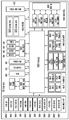
도 2는 본 발명의 다양한 실시예에 따른 전자 장치의 블럭도를 도시한다.
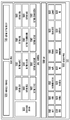
도 3은 본 발명의 다양한 실시예에 따른 프로그램 모듈의 블록도를 도시한다.
도 4는 본 발명의 다양한 실시예에 따른 전자 장치와 제1 외부 장치, 제2 외부장치 및 서버의 연결을 도시한다.
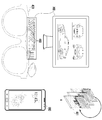
도 5는 본 발명의 다양한 실시예에 따른 전자 장치의 가상 객체의 표시를 도시한다.
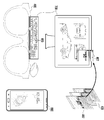
도 6a 및 6b는 본 발명의 다양한 실시예에 따른 전자 장치의 가상 객체의 표시를 도시한다.
도 7a 및 도 7b는 본 발명의 다양한 실시예에 따른 전자 장치의 가상 확장 스크린을 도시한다.
도 8a 및 도 8b는 본 발명의 다양한 실시예에 따른 전자 장치의 가상 객체의 표시를 도시한다.
도 9는 본 발명의 다양한 실시예에 따른 전자 장치의 가상 객체의 표시를 도시한다.
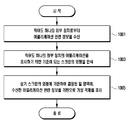
도 10은 본 발명의 다양한 실시예에 따른 전자 장치의 가상 객체를 표시하는 순서도를 도시한다.
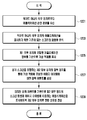
도 11은 본 발명의 다양한 실시예에 따른 전자 장치의 가상 객체를 표시하는 순서도를 도시한다.
도 12는 본 발명의 다양한 실시예에 따른 전자 장치의 가상 객체를 표시하는 순서도를 도시한다.1 is a block diagram illustrating a network environment in accordance with various embodiments of the present invention.
Figure 2 shows a block diagram of an electronic device according to various embodiments of the present invention.
3 shows a block diagram of a program module according to various embodiments of the present invention.
Figure 4 illustrates the connection of an electronic device with a first external device, a second external device and a server according to various embodiments of the present invention.
Figure 5 shows a representation of a virtual object of an electronic device according to various embodiments of the present invention.
6A and 6B illustrate the representation of virtual objects of an electronic device according to various embodiments of the present invention.
Figures 7A and 7B illustrate a virtual expansion screen of an electronic device according to various embodiments of the present invention.
8A and 8B illustrate the representation of a virtual object of an electronic device according to various embodiments of the present invention.
Figure 9 shows a representation of a virtual object of an electronic device according to various embodiments of the present invention.
Figure 10 shows a flowchart depicting a virtual object of an electronic device according to various embodiments of the present invention.
Figure 11 shows a flow chart depicting a virtual object of an electronic device according to various embodiments of the present invention.
Figure 12 shows a flowchart depicting a virtual object of an electronic device according to various embodiments of the present invention.
이하, 본 문서의 다양한 실시예들이 첨부된 도면을 참조하여 기재된다. 실시예 및 이에 사용된 용어들은 본 문서에 기재된 기술을 특정한 실시 형태에 대해 한정하려는 것이 아니며, 해당 실시예의 다양한 변경, 균등물, 및/또는 대체물을 포함하는 것으로 이해되어야 한다. 도면의 설명과 관련하여, 유사한 구성요소에 대해서는 유사한 참조 부호가 사용될 수 있다. 단수의 표현은 문맥상 명백하게 다르게 뜻하지 않는 한, 복수의 표현을 포함할 수 있다. 본 문서에서, "A 또는 B" 또는 "A 및/또는 B 중 적어도 하나" 등의 표현은 함께 나열된 항목들의 모든 가능한 조합을 포함할 수 있다. "제 1," "제 2," "첫째," 또는 "둘째,"등의 표현들은 해당 구성요소들을, 순서 또는 중요도에 상관없이 수식할 수 있고, 한 구성요소를 다른 구성요소와 구분하기 위해 사용될 뿐 해당 구성요소들을 한정하지 않는다. 어떤(예: 제 1) 구성요소가 다른(예: 제 2) 구성요소에 "(기능적으로 또는 통신적으로) 연결되어" 있다거나 "접속되어" 있다고 언급된 때에는, 상기 어떤 구성요소가 상기 다른 구성요소에 직접적으로 연결되거나, 다른 구성요소(예: 제 3 구성요소)를 통하여 연결될 수 있다.Hereinafter, various embodiments of the present document will be described with reference to the accompanying drawings. It is to be understood that the embodiments and terminologies used herein are not intended to limit the invention to the particular embodiments described, but to include various modifications, equivalents, and / or alternatives of the embodiments. In connection with the description of the drawings, like reference numerals may be used for similar components. The singular expressions may include plural expressions unless the context clearly dictates otherwise. In this document, the expressions "A or B" or "at least one of A and / or B" and the like may include all possible combinations of the items listed together. Expressions such as " first, "" second," " first, "or" second, " But is not limited to those components. When it is mentioned that some (e.g., first) component is "(functionally or communicatively) connected" or "connected" to another (second) component, May be connected directly to the component, or may be connected through another component (e.g., a third component).
본 문서에서, "~하도록 구성된(또는 설정된)(configured to)"은 상황에 따라, 예를 들면, 하드웨어적 또는 소프트웨어적으로 "~에 적합한," "~하는 능력을 가지는," "~하도록 변경된," "~하도록 만들어진," "~를 할 수 있는," 또는 또는 "~하도록 설계된"과 상호 호환적으로(interchangeably) 사용될 수 있다. 어떤 상황에서는, "~하도록 구성된 장치"라는 표현은, 그 장치가 다른 장치 또는 부품들과 함께 "~할 수 있는" 것을 의미할 수 있다. 예를 들면, 문구 "A, B, 및 C를 수행하도록 구성된(또는 설정된) 프로세서"는 해당 동작을 수행하기 위한 전용 프로세서(예: 임베디드 프로세서), 또는 메모리 장치에 저장된 하나 이상의 소프트웨어 프로그램들을 실행함으로써, 해당 동작들을 수행할 수 있는 범용 프로세서(예: CPU 또는 application processor)를 의미할 수 있다. In this document, the term " configured to (or configured) to "as used herein is intended to encompass all types of hardware, software, Quot ;, "made to do "," made to do ", or "designed to" In some situations, the expression "a device configured to" may mean that the device can "do " with other devices or components. For example, a processor configured (or configured) to perform the phrases "A, B, and C" may be implemented by executing one or more software programs stored in a memory device or a dedicated processor (e.g., an embedded processor) , And a general purpose processor (e.g., a CPU or an application processor) capable of performing the corresponding operations.
본 문서의 다양한 실시예들에 따른 전자 장치는, 예를 들면, 스마트폰, 태블릿 PC, 이동 전화기, 영상 전화기, 전자책 리더기, 데스크탑 PC, 랩탑 PC, 넷북 컴퓨터, 워크스테이션, 서버, PDA, PMP(portable multimedia player), MP3 플레이어, 의료기기, 카메라, 또는 웨어러블 장치 중 적어도 하나를 포함할 수 있다. 웨어러블 장치는 액세서리형(예: 시계, 반지, 팔찌, 발찌, 목걸이, 안경, 콘택트 렌즈, 또는 머리 착용형 장치(head-mounted-device(HMD)), 직물 또는 의류 일체형(예: 전자 의복), 신체 부착형(예: 스킨 패드 또는 문신), 또는 생체 이식형 회로 중 적어도 하나를 포함할 수 있다. 어떤 실시예들에서, 전자 장치는, 예를 들면, 텔레비전, DVD(digital video disk) 플레이어, 오디오, 냉장고, 에어컨, 청소기, 오븐, 전자레인지, 세탁기, 공기 청정기, 셋톱 박스, 홈 오토매이션 컨트롤 패널, 보안 컨트롤 패널, 미디어 박스(예: 삼성 HomeSyncTM, 애플TVTM, 또는 구글 TVTM), 게임 콘솔(예: XboxTM, PlayStationTM), 전자 사전, 전자 키, 캠코더, 또는 전자 액자 중 적어도 하나를 포함할 수 있다.Electronic devices in accordance with various embodiments of the present document may be used in various applications such as, for example, smart phones, tablet PCs, mobile phones, videophones, electronic book readers, desktop PCs, laptop PCs, netbook computers, workstations, a portable multimedia player, an MP3 player, a medical device, a camera, or a wearable device. Wearable devices may be of the type of accessories (eg, watches, rings, bracelets, braces, necklaces, glasses, contact lenses or head-mounted-devices (HMD) (E.g., a skin pad or tattoo), or a bio-implantable circuit. In some embodiments, the electronic device may be, for example, a television, a digital video disk (Eg Samsung HomeSyncTM, Apple TVTM, or Google TVTM), game consoles, home appliances, air conditioners, air conditioners, refrigerators, air conditioners, vacuum cleaners, ovens, microwaves, washing machines, air cleaners, set top boxes, home automation control panels, (E.g., Xbox (TM), PlayStation (TM)), an electronic dictionary, an electronic key, a camcorder, or an electronic photo frame.
다른 실시예에서, 전자 장치는, 각종 의료기기(예: 각종 휴대용 의료측정기기(혈당 측정기, 심박 측정기, 혈압 측정기, 또는 체온 측정기 등), MRA(magnetic resonance angiography), MRI(magnetic resonance imaging), CT(computed tomography), 촬영기, 또는 초음파기 등), 네비게이션 장치, 위성 항법 시스템(GNSS(global navigation satellite system)), EDR(event data recorder), FDR(flight data recorder), 자동차 인포테인먼트 장치, 선박용 전자 장비(예: 선박용 항법 장치, 자이로 콤파스 등), 항공 전자기기(avionics), 보안 기기, 차량용 헤드 유닛(head unit), 산업용 또는 가정용 로봇, 드론(drone), 금융 기관의 ATM, 상점의 POS(point of sales), 또는 사물 인터넷 장치 (예: 전구, 각종 센서, 스프링클러 장치, 화재 경보기, 온도조절기, 가로등, 토스터, 운동기구, 온수탱크, 히터, 보일러 등) 중 적어도 하나를 포함할 수 있다. 어떤 실시예에 따르면, 전자 장치는 가구, 건물/구조물 또는 자동차의 일부, 전자 보드(electronic board), 전자 사인 수신 장치(electronic signature receiving device), 프로젝터, 또는 각종 계측 기기(예: 수도, 전기, 가스, 또는 전파 계측 기기 등) 중 적어도 하나를 포함할 수 있다. 다양한 실시예에서, 전자 장치는 플렉서블하거나, 또는 전술한 다양한 장치들 중 둘 이상의 조합일 수 있다. 본 문서의 실시예에 따른 전자 장치는 전술한 기기들에 한정되지 않는다. 본 문서에서, 사용자라는 용어는 전자 장치를 사용하는 사람 또는 전자 장치를 사용하는 장치(예: 인공지능 전자 장치)를 지칭할 수 있다. In an alternative embodiment, the electronic device may be any of a variety of medical devices (e.g., various portable medical measurement devices such as a blood glucose meter, a heart rate meter, a blood pressure meter, or a body temperature meter), magnetic resonance angiography (MRA) A navigation system, a global navigation satellite system (GNSS), an event data recorder (EDR), a flight data recorder (FDR), an automobile infotainment device, a marine electronic equipment (For example, marine navigation systems, gyro compasses, etc.), avionics, security devices, head units for vehicles, industrial or domestic robots, drones, ATMs at financial institutions, of at least one of the following types of devices: a light bulb, a fire detector, a fire alarm, a thermostat, a streetlight, a toaster, a fitness device, a hot water tank, a heater, a boiler, . According to some embodiments, the electronic device may be a piece of furniture, a building / structure or part of an automobile, an electronic board, an electronic signature receiving device, a projector, or various measuring devices (e.g., Gas, or radio wave measuring instruments, etc.). In various embodiments, the electronic device is flexible or may be a combination of two or more of the various devices described above. The electronic device according to the embodiment of the present document is not limited to the above-described devices. In this document, the term user may refer to a person using an electronic device or a device using an electronic device (e.g., an artificial intelligence electronic device).
도 1을 참조하여, 다양한 실시예에서의, 네트워크 환경(100) 내의 전자 장치(101)가 기재된다. 전자 장치(101)는 버스(110), 프로세서(120), 메모리(130), 입출력 인터페이스(150), 디스플레이(160), 및 통신 인터페이스(170)를 포함할 수 있다. 어떤 실시예에서는, 전자 장치(101)는, 구성요소들 중 적어도 하나를 생략하거나 다른 구성요소를 추가적으로 구비할 수 있다. 버스(110)는 구성요소들(110-170)을 서로 연결하고, 구성요소들 간의 통신(예: 제어 메시지 또는 데이터)을 전달하는 회로를 포함할 수 있다. 프로세서(120)는, 중앙처리장치, 어플리케이션 프로세서, 또는 커뮤니케이션 프로세서(communication processor(CP)) 중 하나 또는 그 이상을 포함할 수 있다. 프로세서(120)는, 예를 들면, 전자 장치(101)의 적어도 하나의 다른 구성요소들의 제어 및/또는 통신에 관한 연산이나 데이터 처리를 실행할 수 있다. Referring to Figure 1, in various embodiments, an electronic device 101 in a
메모리(130)는, 휘발성 및/또는 비휘발성 메모리를 포함할 수 있다. 메모리(130)는, 예를 들면, 전자 장치(101)의 적어도 하나의 다른 구성요소에 관계된 명령 또는 데이터를 저장할 수 있다. 한 실시예에 따르면, 메모리(130)는 소프트웨어 및/또는 프로그램(140)을 저장할 수 있다. 프로그램(140)은, 예를 들면, 커널(141), 미들웨어(143), 어플리케이션 프로그래밍 인터페이스(API)(145), 및/또는 어플리케이션 프로그램(또는 "어플리케이션")(147) 등을 포함할 수 있다. 커널(141), 미들웨어(143), 또는 API(145)의 적어도 일부는, 운영 시스템으로 지칭될 수 있다. 커널(141)은, 예를 들면, 다른 프로그램들(예: 미들웨어(143), API(145), 또는 어플리케이션 프로그램(147))에 구현된 동작 또는 기능을 실행하는 데 사용되는 시스템 리소스들(예: 버스(110), 프로세서(120), 또는 메모리(130) 등)을 제어 또는 관리할 수 있다. 또한, 커널(141)은 미들웨어(143), API(145), 또는 어플리케이션 프로그램(147)에서 전자 장치(101)의 개별 구성요소에 접근함으로써, 시스템 리소스들을 제어 또는 관리할 수 있는 인터페이스를 제공할 수 있다.
미들웨어(143)는, 예를 들면, API(145) 또는 어플리케이션 프로그램(147)이 커널(141)과 통신하여 데이터를 주고받을 수 있도록 중개 역할을 수행할 수 있다. 또한, 미들웨어(143)는 어플리케이션 프로그램(147)으로부터 수신된 하나 이상의 작업 요청들을 우선 순위에 따라 처리할 수 있다. 예를 들면, 미들웨어(143)는 어플리케이션 프로그램(147) 중 적어도 하나에 전자 장치(101)의 시스템 리소스(예: 버스(110), 프로세서(120), 또는 메모리(130) 등)를 사용할 수 있는 우선 순위를 부여하고, 상기 하나 이상의 작업 요청들을 처리할 수 있다. API(145)는 어플리케이션(147)이 커널(141) 또는 미들웨어(143)에서 제공되는 기능을 제어하기 위한 인터페이스로, 예를 들면, 파일 제어, 창 제어, 영상 처리, 또는 문자 제어 등을 위한 적어도 하나의 인터페이스 또는 함수(예: 명령어)를 포함할 수 있다. 입출력 인터페이스(150)는, 예를 들면, 사용자 또는 다른 외부 기기로부터 입력된 명령 또는 데이터를 전자 장치(101)의 다른 구성요소(들)에 전달하거나, 또는 전자 장치(101)의 다른 구성요소(들)로부터 수신된 명령 또는 데이터를 사용자 또는 다른 외부 기기로 출력할 수 있다. The
디스플레이(160)는, 예를 들면, 액정 디스플레이(LCD), 발광 다이오드(LED) 디스플레이, 유기 발광 다이오드(OLED) 디스플레이, 또는 마이크로 전자기계 시스템 (MEMS) 디스플레이, 또는 전자종이(electronic paper) 디스플레이를 포함할 수 있다. 디스플레이(160)는, 예를 들면, 사용자에게 각종 콘텐츠(예: 텍스트, 이미지, 비디오, 아이콘, 및/또는 심볼 등)을 표시할 수 있다. 디스플레이(160)는, 터치 스크린을 포함할 수 있으며, 예를 들면, 전자 펜 또는 사용자의 신체의 일부를 이용한 터치, 제스쳐, 근접, 또는 호버링 입력을 수신할 수 있다. 통신 인터페이스(170)는, 예를 들면, 전자 장치(101)와 외부 장치(예: 제 1 외부 전자 장치(102), 제 2 외부 전자 장치(104), 또는 서버(106)) 간의 통신을 설정할 수 있다. 예를 들면, 통신 인터페이스(170)는 무선 통신 또는 유선 통신을 통해서 네트워크(162)에 연결되어 외부 장치(예: 제 2 외부 전자 장치(104) 또는 서버(106))와 통신할 수 있다.The
무선 통신은, 예를 들면, LTE, LTE-A(LTE Advance), CDMA(code division multiple access), WCDMA(wideband CDMA), UMTS(universal mobile telecommunications system), WiBro(Wireless Broadband), 또는 GSM(Global System for Mobile Communications) 등 중 적어도 하나를 사용하는 셀룰러 통신을 포함할 수 있다. 한 실시예에 따르면, 무선 통신은, 예를 들면, WiFi(wireless fidelity), 블루투스, 블루투스 저전력(BLE), 지그비(Zigbee), NFC(near field communication), 자력 시큐어 트랜스미션(Magnetic Secure Transmission), 라디오 프리퀀시(RF), 또는 보디 에어리어 네트워크(BAN) 중 적어도 하나를 포함할 수 있다. 한실시예에 따르면, 무선 통신은 GNSS를 포함할 수 있다. GNSS는, 예를 들면, GPS(Global Positioning System), Glonass(Global Navigation Satellite System), Beidou Navigation Satellite System(이하 “Beidou”) 또는 Galileo, the European global satellite-based navigation system일 수 있다. 이하, 본 문서에서는, “GPS”는 “GNSS”와 상호 호환적으로 사용될 수 있다. 유선 통신은, 예를 들면, USB(universal serial bus), HDMI(high definition multimedia interface), RS-232(recommended standard232), 전력선 통신, 또는 POTS(plain old telephone service) 등 중 적어도 하나를 포함할 수 있다. 네트워크(162)는 텔레커뮤니케이션 네트워크, 예를 들면, 컴퓨터 네트워크(예: LAN 또는 WAN), 인터넷, 또는 텔레폰 네트워크 중 적어도 하나를 포함할 수 있다.The wireless communication may include, for example, LTE, LTE-A (LTE Advance), code division multiple access (CDMA), wideband CDMA (WCDMA), universal mobile telecommunications system (UMTS), wireless broadband (WiBro) System for Mobile Communications), and the like. According to one embodiment, the wireless communication may be wireless communication, such as wireless fidelity (WiFi), Bluetooth, Bluetooth low power (BLE), Zigbee, NFC, Magnetic Secure Transmission, Frequency (RF), or body area network (BAN). According to one example, wireless communication may include GNSS. GNSS may be, for example, Global Positioning System (GPS), Global Navigation Satellite System (Glonass), Beidou Navigation Satellite System (Beidou) or Galileo, the European global satellite-based navigation system. Hereinafter, in this document, " GPS " can be used interchangeably with " GNSS ". The wired communication may include, for example, at least one of a universal serial bus (USB), a high definition multimedia interface (HDMI), a recommended standard 232 (RS-232), a power line communication or a plain old telephone service have.
제 1 및 제 2 외부 전자 장치(102, 104) 각각은 전자 장치(101)와 동일한 또는 다른 종류의 장치일 수 있다. 다양한 실시예에 따르면, 전자 장치(101)에서 실행되는 동작들의 전부 또는 일부는 다른 하나 또는 복수의 전자 장치(예: 전자 장치(102,104), 또는 서버(106)에서 실행될 수 있다. 한 실시예에 따르면, 전자 장치(101)가 어떤 기능이나 서비스를 자동으로 또는 요청에 의하여 수행해야 할 경우에, 전자 장치(101)는 기능 또는 서비스를 자체적으로 실행시키는 대신에 또는 추가적으로, 그와 연관된 적어도 일부 기능을 다른 장치(예: 전자 장치(102, 104), 또는 서버(106))에게 요청할 수 있다. 다른 전자 장치(예: 전자 장치(102, 104), 또는 서버(106))는 요청된 기능 또는 추가 기능을 실행하고, 그 결과를 전자 장치(101)로 전달할 수 있다. 전자 장치(101)는 수신된 결과를 그대로 또는 추가적으로 처리하여 요청된 기능이나 서비스를 제공할 수 있다. 이를 위하여, 예를 들면, 클라우드 컴퓨팅, 분산 컴퓨팅, 또는 클라이언트-서버 컴퓨팅 기술이 이용될 수 있다.Each of the first and second external
도 2는 다양한 실시예에 따른 전자 장치(201)의 블록도이다. 전자 장치(201)는, 예를 들면, 도 1에 도시된 전자 장치(101)의 전체 또는 일부를 포함할 수 있다. 전자 장치(201)는 하나 이상의 프로세서(예: AP)(210), 통신 모듈(220), (가입자 식별 모듈(224), 메모리(230), 센서 모듈(240), 입력 장치(250), 디스플레이(260), 인터페이스(270), 오디오 모듈(280), 카메라 모듈(291), 전력 관리 모듈(295), 배터리(296), 인디케이터(297), 및 모터(298) 를 포함할 수 있다. 프로세서(210)는, 예를 들면, 운영 체제 또는 응용 프로그램을 구동하여 프로세서(210)에 연결된 다수의 하드웨어 또는 소프트웨어 구성요소들을 제어할 수 있고, 각종 데이터 처리 및 연산을 수행할 수 있다. 2 is a block diagram of an electronic device 201 according to various embodiments. The electronic device 201 may include all or part of the electronic device 101 shown in Fig. 1, for example. The electronic device 201 may include one or more processors (e.g., AP) 210, a communications module 220, a
프로세서(210)는, 예를 들면, SoC(system on chip) 로 구현될 수 있다. 한 실시예에 따르면, 프로세서(210)는 GPU(graphic processing unit) 및/또는 이미지 신호 프로세서를 더 포함할 수 있다. 프로세서(210)는 도 2에 도시된 구성요소들 중 적어도 일부(예: 셀룰러 모듈(221))를 포함할 수도 있다. 프로세서(210) 는 다른 구성요소들(예: 비휘발성 메모리) 중 적어도 하나로부터 수신된 명령 또는 데이터를 휘발성 메모리에 로드)하여 처리하고, 결과 데이터를 비휘발성 메모리에 저장할 수 있다.The processor 210 may be implemented with, for example, a system on chip (SoC). According to one embodiment, the processor 210 may further include a graphics processing unit (GPU) and / or an image signal processor. Processor 210 may include at least some of the components shown in FIG. 2 (e.g., cellular module 221). Processor 210 may load instructions and / or data received from at least one of the other components (e.g., non-volatile memory) into volatile memory) and process the resultant data in non-volatile memory.
통신 모듈(220)(예: 통신 인터페이스(170))와 동일 또는 유사한 구성을 가질 수 있다. 통신 모듈(220)은, 예를 들면, 셀룰러 모듈(221), WiFi 모듈(223), 블루투스 모듈(225), GNSS 모듈(227), NFC 모듈(228) 및 RF 모듈(229)를 포함할 수 있다. 셀룰러 모듈(221)은, 예를 들면, 통신망을 통해서 음성 통화, 영상 통화, 문자 서비스, 또는 인터넷 서비스 등을 제공할 수 있다. 한 실시예에 따르면, 셀룰러 모듈(221)은 가입자 식별 모듈(예: SIM 카드)(224)을 이용하여 통신 네트워크 내에서 전자 장치(201)의 구별 및 인증을 수행할 수 있다. 한 실시예에 따르면, 셀룰러 모듈(221)은 프로세서(210)가 제공할 수 있는 기능 중 적어도 일부 기능을 수행할 수 있다. 한 실시예에 따르면, 셀룰러 모듈(221)은 커뮤니케이션 프로세서(CP)를 포함할 수 있다. 어떤 실시예에 따르면, 셀룰러 모듈(221), WiFi 모듈(223), 블루투스 모듈(225), GNSS 모듈(227) 또는 NFC 모듈(228) 중 적어도 일부(예: 두 개 이상)는 하나의 integrated chip(IC) 또는 IC 패키지 내에 포함될 수 있다. RF 모듈(229)은, 예를 들면, 통신 신호(예: RF 신호)를 송수신할 수 있다. RF 모듈(229)은, 예를 들면, 트랜시버, PAM(power amp module), 주파수 필터, LNA(low noise amplifier), 또는 안테나 등을 포함할 수 있다. 다른 실시예에 따르면, 셀룰러 모듈(221), WiFi 모듈(223), 블루투스 모듈(225), GNSS 모듈(227) 또는 NFC 모듈(228) 중 적어도 하나는 별개의 RF 모듈을 통하여 RF 신호를 송수신할 수 있다. 가입자 식별 모듈(224)은, 예를 들면, 가입자 식별 모듈을 포함하는 카드 또는 임베디드 SIM을 포함할 수 있으며, 고유한 식별 정보(예: ICCID(integrated circuit card identifier)) 또는 가입자 정보(예: IMSI(international mobile subscriber identity))를 포함할 수 있다. May have the same or similar configuration as communication module 220 (e.g., communication interface 170). The communication module 220 may include, for example, a
메모리(230)(예: 메모리(130))는, 예를 들면, 내장 메모리(232) 또는 외장 메모리(234)를 포함할 수 있다. 내장 메모리(232)는, 예를 들면, 휘발성 메모리(예: DRAM, SRAM, 또는 SDRAM 등), 비휘발성 메모리(예: OTPROM(one time programmable ROM), PROM, EPROM, EEPROM, mask ROM, flash ROM, 플래시 메모리, 하드 드라이브, 또는 솔리드 스테이트 드라이브 (SSD) 중 적어도 하나를 포함할 수 있다. 외장 메모리(234)는 플래시 드라이브(flash drive), 예를 들면, CF(compact flash), SD(secure digital), Micro-SD, Mini-SD, xD(extreme digital), MMC(multi-media card) 또는 메모리 스틱 등을 포함할 수 있다. 외장 메모리(234)는 다양한 인터페이스를 통하여 전자 장치(201)와 기능적으로 또는 물리적으로 연결될 수 있다.Memory 230 (e.g., memory 130) may include, for example, internal memory 232 or external memory 234. Volatile memory (e.g., a DRAM, an SRAM, or an SDRAM), a non-volatile memory (e.g., an OTPROM, a PROM, an EPROM, an EEPROM, a mask ROM, a flash ROM , A flash memory, a hard drive, or a solid state drive (SSD). The external memory 234 may be a flash drive, for example, a compact flash (CF) ), Micro-SD, Mini-SD, extreme digital (xD), multi-media card (MMC), or memory stick, etc. External memory 234 may communicate with electronic device 201, Or may be physically connected.
센서 모듈(240)은, 예를 들면, 물리량을 계측하거나 전자 장치(201)의 작동 상태를 감지하여, 계측 또는 감지된 정보를 전기 신호로 변환할 수 있다. 센서 모듈(240)은, 예를 들면, 제스처 센서(240A), 자이로 센서(240B), 기압 센서(240C), 마그네틱 센서(240D), 가속도 센서(240E), 그립 센서(240F), 근접 센서(240G), 컬러(color) 센서(240H)(예: RGB(red, green, blue) 센서), 생체 센서(240I), 온/습도 센서(240J), 조도 센서(240K), 또는 UV(ultra violet) 센서(240M) 중의 적어도 하나를 포함할 수 있다. 추가적으로 또는 대체적으로, 센서 모듈(240)은, 예를 들면, 후각(e-nose) 센서, 일렉트로마이오그라피(EMG) 센서, 일렉트로엔씨팔로그램(EEG) 센서, 일렉트로카디오그램(ECG) 센서, IR(infrared) 센서, 홍채 센서 및/또는 지문 센서를 포함할 수 있다. 센서 모듈(240)은 그 안에 속한 적어도 하나 이상의 센서들을 제어하기 위한 제어 회로를 더 포함할 수 있다. 어떤 실시예에서는, 전자 장치(201)는 프로세서(210)의 일부로서 또는 별도로, 센서 모듈(240)을 제어하도록 구성된 프로세서를 더 포함하여, 프로세서(210)가 슬립(sleep) 상태에 있는 동안, 센서 모듈(240)을 제어할 수 있다.The sensor module 240 may, for example, measure a physical quantity or sense the operating state of the electronic device 201 to convert the measured or sensed information into an electrical signal. The sensor module 240 includes a
입력 장치(250)는, 예를 들면, 터치 패널(252), (디지털) 펜 센서(254), 키(256), 또는 초음파 입력 장치(258)를 포함할 수 있다. 터치 패널(252)은, 예를 들면, 정전식, 감압식, 적외선 방식, 또는 초음파 방식 중 적어도 하나의 방식을 사용할 수 있다. 또한, 터치 패널(252)은 제어 회로를 더 포함할 수도 있다. 터치 패널(252)은 택타일 레이어(tactile layer)를 더 포함하여, 사용자에게 촉각 반응을 제공할 수 있다. (디지털) 펜 센서(254)는, 예를 들면, 터치 패널의 일부이거나, 별도의 인식용 쉬트를 포함할 수 있다. 키(256)는, 예를 들면, 물리적인 버튼, 광학식 키, 또는 키패드를 포함할 수 있다. 초음파 입력 장치(258)는 마이크(예: 마이크(288))를 통해, 입력 도구에서 발생된 초음파를 감지하여, 상기 감지된 초음파에 대응하는 데이터를 확인할 수 있다.The input device 250 may include, for example, a
디스플레이(260)(예: 디스플레이(160))는 패널(262), 홀로그램 장치(264), 프로젝터(266), 및/또는 이들을 제어하기 위한 제어 회로를 포함할 수 있다. 패널(262)은, 예를 들면, 유연하게, 투명하게, 또는 착용할 수 있게 구현될 수 있다. 패널(262)은 터치 패널(252)과 하나 이상의 모듈로 구성될 수 있다. 홀로그램 장치(264)는 빛의 간섭을 이용하여 입체 영상을 허공에 보여줄 수 있다. 프로젝터(266)는 스크린에 빛을 투사하여 영상을 표시할 수 있다. 스크린은, 예를 들면, 전자 장치(201)의 내부 또는 외부에 위치할 수 있다. 인터페이스(270)는, 예를 들면, HDMI(272), USB(274), 광 인터페이스(optical interface)(276), 또는 D-sub(D-subminiature)(278)를 포함할 수 있다. 인터페이스(270)는, 예를 들면, 도 1에 도시된 통신 인터페이스(170)에 포함될 수 있다. 추가적으로 또는 대체적으로, 인터페이스(270)는, 예를 들면, MHL(mobile high-definition link) 인터페이스, SD카드/MMC(multi-media card) 인터페이스, 또는 IrDA(infrared data association) 규격 인터페이스를 포함할 수 있다. Display 260 (e.g., display 160) may include panel 262, hologram device 264, projector 266, and / or control circuitry for controlling them. The panel 262 may be embodied, for example, flexibly, transparently, or wearably. The panel 262 may comprise a
오디오 모듈(280)은, 예를 들면, 소리와 전기 신호를 쌍방향으로 변환시킬 수 있다. 오디오 모듈(280)의 적어도 일부 구성요소는, 예를 들면, 도 1 에 도시된 입출력 인터페이스(145)에 포함될 수 있다. 오디오 모듈(280)은, 예를 들면, 스피커(282), 리시버(284), 이어폰(286), 또는 마이크(288) 등을 통해 입력 또는 출력되는 소리 정보를 처리할 수 있다. 카메라 모듈(291)은, 예를 들면, 정지 영상 및 동영상을 촬영할 수 있는 장치로서, 한 실시예에 따르면, 하나 이상의 이미지 센서(예: 전면 센서 또는 후면 센서), 렌즈, 이미지 시그널 프로세서(ISP), 또는 플래시(예: LED 또는 xenon lamp 등)를 포함할 수 있다. 전력 관리 모듈(295)은, 예를 들면, 전자 장치(201)의 전력을 관리할 수 있다. 한 실시예에 따르면, 전력 관리 모듈(295)은 PMIC(power management integrated circuit), 충전 IC, 또는 배터리 또는 연료 게이지를 포함할 수 있다. PMIC는, 유선 및/또는 무선 충전 방식을 가질 수 있다. 무선 충전 방식은, 예를 들면, 자기공명 방식, 자기유도 방식 또는 전자기파 방식 등을 포함하며, 무선 충전을 위한 부가적인 회로, 예를 들면, 코일 루프, 공진 회로, 또는 정류기 등을 더 포함할 수 있다. 배터리 게이지는, 예를 들면, 배터리(296)의 잔량, 충전 중 전압, 전류, 또는 온도를 측정할 수 있다. 배터리(296)는, 예를 들면, 충전식 전지 및/또는 태양 전지를 포함할 수 있다. The
인디케이터(297)는 전자 장치(201) 또는 그 일부(예: 프로세서(210))의 특정 상태, 예를 들면, 부팅 상태, 메시지 상태 또는 충전 상태 등을 표시할 수 있다. 모터(298)는 전기적 신호를 기계적 진동으로 변환할 수 있고, 진동, 또는 햅틱 효과 등을 발생시킬 수 있다. 전자 장치(201)는, 예를 들면, DMB(digital multimedia broadcasting), DVB(digital video broadcasting), 또는 미디어플로(mediaFloTM) 등의 규격에 따른 미디어 데이터를 처리할 수 있는 모바일 TV 지원 장치(예: GPU)를 포함할 수 있다. 본 문서에서 기술된 구성요소들 각각은 하나 또는 그 이상의 부품(component)으로 구성될 수 있으며, 해당 구성요소의 명칭은 전자 장치의 종류에 따라서 달라질 수 있다. 다양한 실시예에서, 전자 장치(예: 전자 장치(201))는 일부 구성요소가 생략되거나, 추가적인 구성요소를 더 포함하거나, 또는, 구성요소들 중 일부가 결합되어 하나의 개체로 구성되되, 결합 이전의 해당 구성요소들의 기능을 동일하게 수행할 수 있다.The
도 3은 다양한 실시예에 따른 프로그램 모듈의 블록도이다. 한 실시예에 따르면, 프로그램 모듈(310)(예: 프로그램(140))은 전자 장치(예: 전자 장치(101))에 관련된 자원을 제어하는 운영 체제 및/또는 운영 체제 상에서 구동되는 다양한 어플리케이션(예: 어플리케이션 프로그램(147))을 포함할 수 있다. 운영 체제는, 예를 들면, AndroidTM, iOSTM, WindowsTM, SymbianTM, TizenTM, 또는 BadaTM를 포함할 수 있다. 도 3을 참조하면, 프로그램 모듈(310)은 커널(320)(예: 커널(141)), 미들웨어(330)(예: 미들웨어(143)), (API(360)(예: API(145)), 및/또는 어플리케이션(370)(예: 어플리케이션 프로그램(147))을 포함할 수 있다. 프로그램 모듈(310)의 적어도 일부는 전자 장치 상에 프리로드 되거나, 외부 전자 장치(예: 전자 장치(102, 104), 서버(106) 등)로부터 다운로드 가능하다.3 is a block diagram of a program module according to various embodiments. According to one embodiment, program module 310 (e.g., program 140) includes an operating system that controls resources associated with an electronic device (e.g., electronic device 101) and / E.g., an application program 147). The operating system may include, for example, AndroidTM, iOSTM, WindowsTM, SymbianTM, TizenTM, or BadaTM. 3,
커널(320)은, 예를 들면, 시스템 리소스 매니저(321) 및/또는 디바이스 드라이버(323)를 포함할 수 있다. 시스템 리소스 매니저(321)는 시스템 리소스의 제어, 할당, 또는 회수를 수행할 수 있다. 한 실시예에 따르면, 시스템 리소스 매니저(321)는 프로세스 관리부, 메모리 관리부, 또는 파일 시스템 관리부를 포함할 수 있다. 디바이스 드라이버(323)는, 예를 들면, 디스플레이 드라이버, 카메라 드라이버, 블루투스 드라이버, 공유 메모리 드라이버, USB 드라이버, 키패드 드라이버, WiFi 드라이버, 오디오 드라이버, 또는 IPC(inter-process communication) 드라이버를 포함할 수 있다. 미들웨어(330)는, 예를 들면, 어플리케이션(370)이 공통적으로 필요로 하는 기능을 제공하거나, 어플리케이션(370)이 전자 장치 내부의 제한된 시스템 자원을 사용할 수 있도록 API(360)를 통해 다양한 기능들을 어플리케이션(370)으로 제공할 수 있다. 한 실시예에 따르면, 미들웨어(330) 는 런타임 라이브러리(335), 어플리케이션 매니저(341), 윈도우 매니저(342), 멀티미디어 매니저(343), 리소스 매니저(344), 파워 매니저(345), 데이터베이스 매니저(346), 패키지 매니저(347), 커넥티비티 매니저(348), 노티피케이션 매니저(349), 로케이션 매니저(350), 그래픽 매니저(351), 또는 시큐리티 매니저(352) 중 적어도 하나를 포함할 수 있다.The kernel 320 may include, for example, a system resource manager 321 and / or a device driver 323. The system resource manager 321 can perform control, allocation, or recovery of system resources. According to one embodiment, the system resource manager 321 may include a process manager, a memory manager, or a file system manager. The device driver 323 may include, for example, a display driver, a camera driver, a Bluetooth driver, a shared memory driver, a USB driver, a keypad driver, a WiFi driver, an audio driver, or an inter-process communication . The middleware 330 may provide various functions through the
런타임 라이브러리(335)는, 예를 들면, 어플리케이션(370)이 실행되는 동안에 프로그래밍 언어를 통해 새로운 기능을 추가하기 위해 컴파일러가 사용하는 라이브러리 모듈을 포함할 수 있다. 런타임 라이브러리(335)는 입출력 관리, 메모리 관리, 또는 산술 함수 처리를 수행할 수 있다. 어플리케이션 매니저(341)는, 예를 들면, 어플리케이션(370)의 생명 주기를 관리할 수 있다. 윈도우 매니저(342)는 화면에서 사용되는 GUI 자원을 관리할 수 있다. 멀티미디어 매니저(343)는 미디어 파일들의 재생에 필요한 포맷을 파악하고, 해당 포맷에 맞는 코덱을 이용하여 미디어 파일의 인코딩 또는 디코딩을 수행할 수 있다. 리소스 매니저(344)는 어플리케이션(370)의 소스 코드 또는 메모리의 공간을 관리할 수 있다. 파워 매니저(345)는, 예를 들면, 배터리의 용량 또는 전원을 관리하고, 전자 장치의 동작에 필요한 전력 정보를 제공할 수 있다. 한 실시예에 따르면, 파워 매니저(345)는 바이오스(BIOS: basic input/output system)와 연동할 수 있다. 데이터베이스 매니저(346)는, 예를 들면, 어플리케이션(370)에서 사용될 데이터베이스를 생성, 검색, 또는 변경할 수 있다. 패키지 매니저(347)는 패키지 파일의 형태로 배포되는 어플리케이션의 설치 또는 갱신을 관리할 수 있다. The
커넥티비티 매니저(348)는, 예를 들면, 무선 연결을 관리할 수 있다. 노티피케이션 매니저(349)는, 예를 들면, 도착 메시지, 약속, 근접성 알림 등의 이벤트를 사용자에게 제공할 수 있다. 로케이션 매니저(350)는, 예를 들면, 전자 장치의 위치 정보를 관리할 수 있다. 그래픽 매니저(351)는, 예를 들면, 사용자에게 제공될 그래픽 효과 또는 이와 관련된 사용자 인터페이스를 관리할 수 있다. 보안 매니저(352)는, 예를 들면, 시스템 보안 또는 사용자 인증을 제공할 수 있다. 한 실시예에 따르면, 미들웨어(330)는 전자 장치의 음성 또는 영상 통화 기능을 관리하기 위한 통화(telephony) 매니저 또는 전술된 구성요소들의 기능들의 조합을 형성할 수 있는 하는 미들웨어 모듈을 포함할 수 있다. 한 실시예에 따르면, 미들웨어(330)는 운영 체제의 종류 별로 특화된 모듈을 제공할 수 있다. 미들웨어(330)는 동적으로 기존의 구성요소를 일부 삭제하거나 새로운 구성요소들을 추가할 수 있다. API(360)는, 예를 들면, API 프로그래밍 함수들의 집합으로, 운영 체제에 따라 다른 구성으로 제공될 수 있다. 예를 들면, 안드로이드 또는 iOS의 경우, 플랫폼 별로 하나의 API 셋을 제공할 수 있으며, 타이젠의 경우, 플랫폼 별로 두 개 이상의 API 셋을 제공할 수 있다.The
어플리케이션(370)은, 예를 들면, 홈(371), 다이얼러(372), SMS/MMS(373), IM(instant message)(374), 브라우저(375), 카메라(376), 알람(377), 컨택트(378), 음성 다이얼(379), 이메일(380), 달력(381), 미디어 플레이어(382), 앨범(383), 와치(384), 헬스 케어(예: 운동량 또는 혈당 등을 측정), 또는 환경 정보(예: 기압, 습도, 또는 온도 정보) 제공 어플리케이션을 포함할 수 있다. 한 실시예에 따르면, 어플리케이션(370)은 전자 장치와 외부 전자 장치 사이의 정보 교환을 지원할 수 있는 정보 교환 어플리케이션을 포함할 수 있다. 정보 교환 어플리케이션은, 예를 들면, 외부 전자 장치에 특정 정보를 전달하기 위한 노티피케이션 릴레이 어플리케이션, 또는 외부 전자 장치를 관리하기 위한 장치 관리 어플리케이션을 포함할 수 있다. 예를 들면, 알림 전달 어플리케이션은 전자 장치의 다른 어플리케이션에서 발생된 알림 정보를 외부 전자 장치로 전달하거나, 또는 외부 전자 장치로부터 알림 정보를 수신하여 사용자에게 제공할 수 있다. 장치 관리 어플리케이션은, 예를 들면, 전자 장치와 통신하는 외부 전자 장치의 기능(예: 외부 전자 장치 자체(또는, 일부 구성 부품)의 턴-온/턴-오프 또는 디스플레이의 밝기(또는, 해상도) 조절), 또는 외부 전자 장치에서 동작하는 어플리케이션을 설치, 삭제, 또는 갱신할 수 있다. 한 실시예에 따르면, 어플리케이션(370)은 외부 전자 장치의 속성에 따라 지정된 어플리케이션(예: 모바일 의료 기기의 건강 관리 어플리케이션)을 포함할 수 있다. 한 실시예에 따르면, 어플리케이션(370)은 외부 전자 장치로부터 수신된 어플리케이션을 포함할 수 있다. 프로그램 모듈(310)의 적어도 일부는 소프트웨어, 펌웨어, 하드웨어(예: 프로세서(210)), 또는 이들 중 적어도 둘 이상의 조합으로 구현(예: 실행)될 수 있으며, 하나 이상의 기능을 수행하기 위한 모듈, 프로그램, 루틴, 명령어 세트 또는 프로세스를 포함할 수 있다.The application 370 may include a
도 4는 본 발명의 다양한 실시예에 따른 전자 장치(400)와 서버(500), 제1 외부 장치(600) 및 제2 외부장치(700)의 연결을 도시한다. 여기서, 전자 장치(400), 제1 외부 장치(600) 및 제2 외부장치(700)는 도1에 도시된 전자 장치(101), 전자 장치(102), 전자 장치(104) 중 일 장치일 수 있다. 여기서, 서버(500)는 도 1에 도시된 서버(106)일 수 있으며 전자 장치(400)의 일부일 수도 있다.4 illustrates the connection of an
본 발명의 일 실시예에 따른 전자 장치(400)는 프로세서(410), 사용자 입력 처리부(420), 영상 처리부(430), 통신부(440) 및 외부장치 정보 처리부(450)를 포함할 수 있다. 전자 장치(400)의 구성요소는 추가되거나 생략될 수 있다. 예를 들면, 전자 장치(400)는 센서 모듈(예: 가속도 센서, 자이로 센서, 지자계 센서, 근접 센서 등)을 더 포함할 수 있다.The
본 발명의 일 실시예에 따른 전자 장치(400)는 웨어러블 기기일 수 있다. 예를 들어, 웨어러블 기기는 웨어러블 장치는 액세서리형(예: 시계, 안경, 콘택트 렌즈, 또는 머리 착용형 장치(head-mounted-device(HMD)), 중 적어도 어느 하나일 수 있다.The
본 발명의 일 실시예에 따른 전자 장치(400)는 사용자의 양안에 접안 또는 착용하여 영상을 표시하는 장치일 수 있다. 일 실시예에 따른 전자 장치(400)는 증강 현실(AR: Augmented reality)을 제공하는 씨 스루(See-through) 기능 또는 가상 현실(VR: Virtual reality)을 제공하는 씨 클로즈드(See-closed)기능 중 적어도 하나를 제공할 수 있다. 상기 씨 스루(See-through) 기능은 디스플레이를 통하여 실제 외부 영상들을 사용자의 안구에 전달하면서 실시간으로 부가적인 정보 또는 이미지를 하나의 영상으로 제공하는 기능을 의미할 수 있다. 상기 씨 클로즈드(See-closed)기능은 디스플레이를 통하여 제공되는 컨텐츠들만 영상으로 제공하는 기능을 의미할 수 있다.The
본 발명의 일 실시예에 따른 프로세서(410)는 통신부(440)를 통해 서버(500), 제1 외부 장치(600) 및 제2 외부 장치(700)와 연결할 수 있다. 일 실시예에 따른 프로세서(410)는 가상 영역을 활성화하는 입력 신호를 외부 장치들(600, 700)로부터 수신할 수 있다. 예를 들면, 외부 장치들(600, 700)은 가상 영역을 활성화하는 사용자 입력 이벤트를 감지하거나 미리 설정된 기준(예: 외부 장치들(600, 700)이 전자 장치(400)와의 연결 수립 등)을 충족하는 경우 전자 장치(400)로 활성화 신호를 전달할 수 있다.The
본 발명의 일 실시예에 따른 프로세서(410)는, 적어도 하나의 외부 장치로부터 어플리케이션 관련 정보를 수신할 수 있다. 일 실시예에 따른 프로세서(410)는 통신부(440)를 통해 제1 외부 장치(600)로부터 어플리케이션 관련 정보를 수신할 수 있다.The
일 실시예에 따른 상기 어플리케이션은 외부 장치들(600, 700)에서 현재 표시 중인 어플리케이션, 초기 화면, 현재 실행 중인 어플리케이션 리스트, 사용자에 의해 미리 지정된 어플리케이션, 특정 기능을 제공하는 어플리케이션 중 적어도 어느 하나일 수 있다.The application according to an embodiment may be at least one of an application currently displayed, an initial screen, a list of applications currently being executed, an application predetermined by the user, and an application providing a specific function in the
본 발명의 일 실시예에 따른 프로세서(410)는 외부장치 정보 처리부(450)를 통해 외부 장치들(600, 700)로부터 수신한 어플리케이션의 표시 특성을 결정할 수 있다. 여기서 표시 특성이란 어플리케이션을 기반으로 표시할 가상 객체의 위치 정보(예: 절대적 위치 정보, 상대적 위치 정보), 공간/물체에 대한 깊이(depth) 정보(이하에서는 깊이 정보라 칭할 수 있다) 등일 수 있다. 또는 표시 특성은, 수신한 어플리케이션의 표시를 결정하는 조건일 수 있다. 예를 들면, 전자 장치(400)는 알람 어플리케이션, SNS 어플리케이션, 사진 촬영 어플리케이션 등을 수신하는 경우, 해당 어플리케이션을 기반으로 가상 객체를 표시할 수 있다.The
본 발명의 일 실시예에 따른 프로세서(410)는 외부 장치들(600. 700)로부터 수신한 어플리케이션 정보를 전자 장치(400)에서 실행하기 위한 정보(예: 고유 ID 정보, 사용자 계정 정보, 어플리케이션의 현재 상태 정보, 클라우드 정보 등)를 수신할 수 있다. 프로세서(410)는 수신한 정보를 기반으로 가상 객체를 표시하도록 제어할 수 있다. The
일 실시예에 따른 프로세서(410)는 가상 객체를 표시하고 있음을 나타내는 정보를 외부 장치(600, 700)에게 전달할 수 있다. The
본 발명의 일 실시예에 따른 전자 장치(400)와 외부 장치들(600, 700)의 연동 방식은 어플리케이션, 사용자의 선호도, 외부 장치들(600, 700) 및 전자 장치(400)의 성능, 클라우드 공유에 관련된 정보에 따라 달라질 수 있다.The interworking method of the
본 발명의 일 실시예에 따른 프로세서(410)는 적어도 하나의 외부 장치의 어플리케이션을 표시하는 스크린 외형을 인식할 수 있다. 일 실시예에 따른 프로세서(410)는 영상 처리부(430)를 통해 제2 외부장치(700)의 스크린 외형을 인식할 수 있다. 예를 들면, 프로세서(410)는 영상 처리부(430)를 통해 제2 외부장치(700)의 프로그램 등이 표시되는 스크린의 하드웨어 경계면을 인식할 수 있다.The
본 발명의 일 실시예에 따른 영상 처리부(430)는 적어도 하나의 카메라로부터 영상을 수신할 수 있다. 수신하는 영상은 2차원 영상이거나, 깊이(depth) 정보일 수 있다. 일 실시예에 따른 영상 처리부(430)는 고해상도 카메라, 스테레오 카메라, IR 카메라 등을 이용하여 제2 외부장치(700)의 스크린을 인식할 수 있다. The
본 발명의 일 실시예에 따른 영상 처리부(430)는 수신한 영상에 포함된 영상 정보를 분석하여 영상 내 영상객체를 인식할 수 있다. 일 실시예에 따른 영상 처리부(430)는 카메라 모듈을 통해 영상객체의 종류, 속성 등을 인식 할 수 있다. 예를 들어, 영상 처리부(430)는 카메라를 통해 인식된 객체가 전자 장치, 인체의 손가락, 인체의 손목 등을 구별할 수 있다.The
본 발명의 일 실시예에 따른 영상 처리부(430)는 카메라 모듈을 통해 영상객체의 경계, 인체의 골격 등을 인식할 수 있다. 예를 들면, 영상 처리부(430)는 카메라 모듈을 통해 인식된 외부 전자 장치 스크린의 외곽선 경계, 사용자 손가락의 관절 위치 등을 인식할 수 있다. 추가적인 예를 들면, 영상 처리부(430)는 전자 장치(400) 사용자의 시선 방향, 시선에 따른 관심 영역 등을 검출할 수 있다.The
일 실시예에 따른 전자 장치(400)의 시선 검출은, 전자 장치(400)의 일측에 실장된 시선 추적부(Eye tracker, 미도시)는, 예를 들면, EOG 센서(Electircal oculography), Coil systems, Dual purkinje systems, Bright pupil systems, Dark pupil systems 중 적어도 하나의 방식을 이용하여 사용자의 시선을 추적할 수 있다. 또한, 상기 시선 추적부는 시선추적을 위한 마이크로 카메라를 더 포함할 수도 있다. 일 실시예에 따른 전자 장치(400)의 일측에 실장된 초점 조절부(Ajustable optics, 미도시)는 사용자가 자신의 시력에 적합한 영상을 감상할 수 있도록 사용자의 양안 사이 거리(IPD: Inter-Pupil Distance)를 측정하여 렌즈의 거리 및 디스플레이 위치를 조정할 수 있다.The eye tracker (not shown) mounted on one side of the
본 발명의 일 실시예에 따른 프로세서(410)는 인식된 스크린의 외형에 기반하여 결정된 일 영역에, 수신한 어플리케이션 관련 정보를 기반으로 가상 객체를 표시할 수 있다. 일 실시예에 따른 프로세서(410)는 영상 처리부(430)를 통해 생성된 출력영상을 인식된 스크린 외형으로부터 설정된 거리 이내의 가상 영역에 가상 객체를 표시하도록 제어할 수 있다. The
본 발명의 일 실시예에 따른 영상 처리부(430)는 3D 공간 정보와 사용자 움직임 정보에 기반하여 가상영상을 생성할 수 있다. 일 실시예에 따른 영상 처리부(430)는 복수의 영상들을 가상 영상과 합성하여 최종 출력 영상을 생성할 수 있다. 상기 3D 공간 정보는 외부 장치들(예: 제1 외부 장치(600), 제2 외부 장치(700))의 스크린 정보(예: 크기 정보, 해상도 정보 등)를 포함할 수 있다. 추가적인 일 실시예에 따른 영상 처리부(430)는 전자 장치(400)의 움직임 검출, 전자 장치(400) 사용자의 시선 검출, 영상 렌더링 기능 등을 수행할 수 있다. 일 실시예에 따른 영상 처리부(430)는 전자 장치(400)가 웨어러블 기기인 경우 사용자 양안에 표시하는 화면을 달리하여 표시할 수 있다. The
일 실시예에 따른 상기 인식된 스크린의 외형에 기반하여 결정된 일 영역은,적어도 하나의 외부 장치의 어플리케이션을 표시하는 스크린의 물리적 경계선 영역으로부터 설정된 거리 이내의 가상 영역일 수 있다. 예를 들면, 프로세서(410)는 영상 처리부(430)을 통해, 제2 외부 장치(700)의 스크린이 23인치(가로 495.36mm × 세로 309.60mm)인 경우 40인치(가로 906mm × 세로 609m)의 가상 확장 스크린을 표시하고, 가상 확장 스크린 중 일 영역에 어플리케이션 관련 가상 객체를 표시할 수 있다.One area determined based on the appearance of the recognized screen according to an exemplary embodiment may be a virtual area within a predetermined distance from a physical boundary area of a screen displaying an application of at least one external device. For example, when the screen of the second
본 발명의 일 실시예에 따른 프로세서(410)는 영상 처리부(430)를 통해 인식된 스크린의 크기 정보 및 스크린의 화면 정보(예: 해상도 정보 등) 중 적어도 어느 하나의 정보를 기반으로 가상 객체를 표시할 수 있다. 일 실시예에 따른 프로세서(410)는 미리 저장된 조건, 제2 외부 장치(700)에서 현재 출력중인 컨텐츠 정보, 텍스트 정보 등을 기반으로 가상 객체를 표시할 수 있다.
The
본 발명의 일 실시예에 따른 프로세서(410)는 외부장치들(예: 600, 700)을 인식하고, 가상 확장 스크린 중 어느 일 영역에 배치할 것인지 여부를 결정할 수 있다. 일 실시예에 따른 프로세서(410)는 전자 장치(400) 사용자의 시선 정보, 움직임 정보를 기반으로 가상 객체가 표시될 영역, 해상도 정보, 색상 정보, 밝기 정보 등을 결정할 수 있다. The
본 발명의 일 실시예에 따른 프로세서(410)는 사용자 입력을 수신하는 경우, 수신한 사용자 입력을 기반으로 어플리케이션을 수행할 수 있다. 일 실시예에 따른 프로세서(410)는 수행된 어플리케이션을 외부 장치들(예: 제1 외부 장치(600), 제2 외부 장치(700) 등)에 전달할 수 있다. The
본 발명의 일 실시예에 따른 전자 장치(400)는 외부 장치들(600, 700)로부터 수신한 제어신호를 기반으로, 표시중이거나 표시할 가상 객체의 그래픽 사용자 인터페이스를 변경할 수 있다. 예를 들면, 전자 장치(400)는 제1 외부 장치(600)로부터 제어 입력 신호(예: 터치 입력 이벤트 등)를 수신하는 경우, 가상 객체의 그래픽 사용자 인터페이스를 변경할 수 있다. 추가적인 예를 들면, 전자 장치(400)는 가상 객체 변경 시 관련 신호를 제2 외부 장치(700)에 전달할 수 있다. The
본 발명의 일 실시예에 따른 프로세서(410)는 영상 처리부(430)를 통해 적어도 하나의 외부 장치의 백그라운드에서 실행중인 어플리케이션을 기반으로 가상 객체를 표시할 수 있다. 일 실시예에 따른 프로세서(410)는 영상 처리부(430)를 통해 제1 외부 장치(600)의 백그라운드에서 실행중인 어플리케이션을 기반으로 가상 객체를 표시할 수 있다.The
본 발명의 일 실시예에 따른 프로세서(410)는 제1 외부 장치(600)에서 일 어플리케이션을 백그라운드에서 실행하더라도, 제1 외부 장치(600)로부터 해당 어플리케이션 정보를 수신할 수 있다. 일 실시예에 따른 프로세서(410)는 수신한 어플리케이션 정보를 기반으로 가상 객체를 표시할 수 있다.The
본 발명의 일 실시예에 따른 프로세서(410)는 수신한 어플리케이션 정보를 기반으로 가상 객체를 표시하고 있는 중에, 외부 장치들(600, 700)에서 제2 어플리케이션을 표시하고자 하는 경우, 프로세서(410)는 외부 장치들(600, 700)로부터 제2 어플리케이션을 수신할 수 있다. 프로세서(410)는 어플리케이션 및 제2 어플리케이션을 모두 표시하거나, 하나의 어플리케이션만을 선택하여 표시할 수 있다. The
본 발명의 일 실시예에 따른 외부 장치들(600, 700)은 상기 어플리케이션 및 제2 어플리케이션에 대해 멀티 태스킹을 수행할 수 있다. 예를 들면, 프로세서(400)가 수신한 어플리케이션을 기반으로 가상 객체를 표시하는 동안, 외부 장치들(600, 700)에서 어플리케이션이 종료되지 않도록 제어할 수 있다.The
본 발명의 일 실시예에 따른 전자 장치(400)의 외부 장치 정보 처리부(450)는 수신한 제2 어플리케이션의 표시 특성을 결정할 수 있다. 여기서 표시 특성이란 위치 정보(예: 절대적 위치 정보, 상대적 위치 정보, 크기 정보, 깊이(depth) 정보 등)일 수 있다. 추가적인 예를 들면, 프로세서(400)는 어플리케이션과 제2 어플리케이션을 기반으로 하는 가상 객체가, 같은 깊이(depth) 정보를 갖도록 가상 영역에서 나란히 표시되도록 제어할 수 있다. 또 다른 예를 들면, 프로세서(400)는 어플리케이션과 제2 어플리케이션을 기반으로 하는 가상 객체가, 다른 깊이 정보를 갖도록 가상 영역에서 계층적으로 표시되도록 제어할 수 있다.The external device
본 발명의 일 실시예에 따른 프로세서(410)는 적어도 하나의 외부 장치로부터 어플리케이션 관련 정보가 변경됨에 따른 갱신 신호를 수신하는 경우, 수신한 변경 신호를 기반으로 상기 표시된 가상 객체를 갱신할 수 있다. 일 실시예에 따른 프로세서(410)는 제1 외부 장치(600)에 새로운 이벤트(예: 메시지 수신 등)가 발생하는 경우, 표시 중인 가상 객체의 그래픽 사용자 인터페이스를 갱신할 수 있다. 예를 들면, 전자 장치(400)는 가상 객체의 그래픽 사용자 인터페이스의 배치를 변경하거나, 제1 외부 장치(600)의 어플리케이션 변경에 따른 알림 아이템을 가상 영역에 표시할 수 있다. The
본 발명의 일 실시예에 따른 프로세서(410)는 표시된 가상 객체를 상기 적어도 하나의 외부 장치의 입력 장치를 통해 갱신할 수 있다. 일 실시예에 따른 프로세서(410)는 표시 중인 가상 객체를 전자 장치(400) 사용자의 제스처 입력 또는 제2 외부 장치(700)의 입력 장치(예: 마우스 등)를 통해 갱신(예: 크기 확대, 크기 축소 등)할 수 있다. 일 실시예에 따른 프로세서(410)는 가상 객체를 제스처 입력 또는 외부 장치들(600, 700)의 입력 장치(예: 마우스, 터치 스크린)에 의한 이동 입력 이벤트(예: 드래그 앤 드롭, 터치 스와이프 등)를 통해 제2 외부 장치(700)의 스크린에 표시하도록 제어할 수 있다. The
본 발명의 일 실시예에 따른 프로세서(410)는 영상 처리부(430)를 통해 제1 외부 장치(600)에 포함된 어플리케이션 정보를 기반으로 가상 객체를 표시할 수 있다. 일 실시예에 따른 프로세서(410)는 스크린을 포함하는 제2 외부 장치(700)의 입력장치를 통해 가상 객체에 포함된 이미지 아이템에 대한 입력 이벤트를 감지할 수 있다. The
본 발명의 일 실시예에 따른 프로세서(410)는 감지된 입력 이벤트를 기반으로 제2 외부 장치(700)의 스크린 화면에 이미지 아이템에 대응하는 어플리케이션을 표시하도록 통신부(440)를 통해 제2 외부 장치(700)로 관련 신호를 전송할 수 있다. 일 실시예에 따른 프로세서(410)는 표시중인 가상 객체에 대한 입력 이벤트(예: 제2 외부 장치(의 입력장치(예: 마우스)에 의한 드래그 앤 드롭 입력 이벤트, 클릭 입력 이벤트 등)를 감지할 수 있다. The
본 발명의 일 실시예에 따른 프로세서(410)는 제2 외부 장치(700)에서 실행 가능한 어플리케이션인지 여부를 판단할 수 있다. 일 실시예에 따른 프로세서(410)는 제2 외부 장치(700)에서 실행 가능한 어플리케이션인 것으로 판단되는 경우, 제1 외부 장치(600)에서 제2 외부 장치(700)로 해당 어플리케이션(예: 문서 파일, 첨부 파일 관련 어플리케이션 등)을 전송할 수 있다. 제2 외부 장치(700)는 수신한 어플리케이션을 기반으로 어플리케이션을 실행할 수 있다. 예를 들면, 프로세서(410)는 제2 외부 장치(700)가 해당 어플리케이션을 표시하는 경우, 3D로 표시 중인 가상 객체를 2D로 변환하여 제2 외부 장치(700)의 스크린에 표시되도록 제어할 수 있다.The
본 발명의 일 실시예에 따른 프로세서(410)는 상기 입력 이벤트가 감지된 가상 객체에 대응하는 어플리케이션의 영상 정보를 통신부(440)를 통해 제1 외부 장치(600)로부터 수신할 수 있다. 일 실시예에 따른 프로세서(410)는 수신한 영상 정보를 가상 객체로 변환하여 표시할 수 있다.The
본 발명의 일 실시예에 따른 프로세서(410)는 통신부(440)를 통해 제2 외부 장치(700)의 스크린 화면에 표시된 일 아이템을 가상 객체로 이동하는 입력 이벤트가 감지되는 경우, 제1 외부 장치(600)로 관련 신호를 전송할 수 있다. 예를 들면, 프로세서(410)는 제1 외부 장치(600)에서 e-mail을 수신하는 경우 첨부파일이 오피스 파일일 경우 제1 외부 장치(600)의 스크린 크기보다 큰 스크린을 갖는 제2 외부 장치(700)에서 작업을 바로 수행할 수 있도록 제1 외부 장치(600)로 관련 신호를 전송할 수 있다. 추가적인 예를 들면, 프로세서(410)는 제2 외부 장치(700)의 스크린을 통해 문서를 편집하고, 편집된 문서의 파일을 이동 입력 이벤트(예: 드래그 이벤트 등)를 이용하여 표시중인 가상 객체에 드롭하면 해당 파일이 첨부되어 전송되도록 제어할 수 있다.When an input event for moving a item displayed on the screen screen of the second
본 발명의 일 실시예에 따른 프로세서(410)는 영상 처리부(430)를 통해 인식된 스크린의 크기 대비 확장된 크기를 갖는 가상 스크린을 가상 영역에 표시할 수 있다. 일 실시예에 따른 프로세서(410)는 영상 처리부(430)를 통해 제2 외부 장치(700) 스크린과 평행한 형태이면서 보다 큰 크기를 갖는 가상 확장 스크린을 표시할 수 있다. 가상 확장 스크린의 크기는 사용자에 의해 지정될 수 있고, 제2 외부 장치(700) 스크린이 표시할 수 있는 디스플레이 해상도, 물리적 크기 등을 기반으로 표시될 수 있다.The
본 발명의 일 실시예에 따른 프로세서(410)는 외부 장치들(600, 700)의 스크린을 제외한 일 영역에 가상 확장 스크린을 표시할 수 있다. 예를 들면, 서로 다른 깊이(depth) 정보를 갖는 복수의 계층 스크린을 표시할 수 있다.The
본 발명의 일 실시예에 따른 프로세서(410)는 현실 객체(예: 실제 물체 등)를 기반으로 가상 확장 스크린을 배치할 수 있다. 예를 들면, 제2 외부 장치(700)의 스크린 근처에 실제 객체(예: 컵)가 존재하고, 가상 객체를 실제 객체의 주변에 배치할 수 있다. 이런 경우, 실제 객체(예: 컵)이 움직이면 해당 가상 객체도 상응하여 움직일 수 있다. 일 실시예에 따른 프로세서(410)는 실제 객체(예: 음료수병, 연필, 컵 등)의 위치를 가상 객체를 표시할 공간 좌표의 기준으로 사용하고, 표시된 이후에는 실제 객체와 독립적으로 이동되어 표시되도록 제어할 수 있다. The
본 발명의 일 실시예에 따른 프로세서(410)는 가상 확장 스크린을 통해 홀로그램 이미지를 표시할 수 있다. 예를 들면, 프로세서(410)가 가상 확장 스크린에 가상 객체를 표시할 때 해당 객체가 3D 정보를 가지고 있는 경우 홀로그램 형태로 표시할 수 있다. 일 실시예에 따른 프로세서(410)는 특정 어플리케이션을 확장 스크린으로 이동하여 표시할 대 해당 어플리케이션이 3D 인터페이스를 가지고 있는 경우, 이를 이용하여 3D 모드로 표시하도록 제어할 수 있다.The
본 발명의 일 실시예에 따른 프로세서(410)는 제2 외부 장치(700)의 스크린에 표시되고 있는 제2 외부 장치(700)의 입력 장치(예: 마우스)가 스크린의 물리적 경계를 초과하는 경우 가상 객체의 마우스 커서로 변환할 수 있다.The
본 발명의 일 실시예에 따른 프로세서(410)는 제2 외부 장치(700)의 스크린으로부터 제2 외부 장치(700)의 입력 장치(예: 마우스)가 스크린의 물리적 경계를 넘어서는 입력이 수신될 때, 3차원 공간의 창이 존재하는 경우 3차원 공간의 컨트롤로 변환할 수 있다.The
본 발명의 일 실시예에 따른 프로세서(410)가 가상 확장 스크린을 이용할 때, 전자 장치(410) 및 외부 장치들(600, 700)에 대한 사용자의 입력 또한 연동될 수 있다. 예를 들어 사용자가 PC에서 기존의 키보드나 마우스와 같은 컨트롤러를 사용하고 있을 때, 만약 마우스의 포인트가 커서가 PC의 스크린 밖에 위치한 가상 확장 스크린에 위치한 객체에 대한 입력이 가능할 수 있다.The user's input to the
추가적인 예를 들면, 마우스의 커서가 기존에 사용자가 제어하고 있던 일 스크린의 영상 표시 영역을 벗어난 경우 기존에 사용하던 입력 도구의 모드를 전환하여 가상 확장 스크린에 위치한 객체를 제어할 수 있다. 기존의 일 스크린을 벗어난 가상 확장 스크린의 경우 다차원의 가상 스크린이 가능하며, 이에 맞게 사용자 입력도구도 2D 에서 3D 제어로 그 동작 모드가 바뀔 수 있다.As an additional example, if the cursor of the mouse is out of the video display area of the one screen that the user was controlling, it is possible to control the object located on the virtual extended screen by switching the mode of the input tool that was used previously. In the case of a virtual extension screen that is out of the conventional one screen, a multi-dimensional virtual screen is possible, and the user input tool can also change its operation mode from 2D to 3D control.
본 발명의 일 실시예에 따른 모드의 전환은 사용자의 요청 혹은 가상 확장 스크린으로의 진입을 인지하는 경우를 통해 전환될 수 있다. 사용자는 기기 화면에 있는 아이콘이나 어플리케이션의 실행 등을 통해 입력도구의 모드를 전환할 수 있다. 일 실시예에 따른 가상 확장 스크린은 포인터나 커서가 기존의 화면을 벗어난 영역으로 움직이는 것을 전자 장치(400), 외부 장치들(600, 700)이 인지 할 때 모드가 전환 될 수 있다. 포인터나 커서의 인지는 전자 장치(400)의 시각적인 인지, 외부 카메라 등 외부에 위치한 센서기기에 의한 인지, 근거리 통신 등의 전파적인 기법을 통한 정보전달을 통한 인지 등의 방법을 통해 인지할 수 있다.The switching of the mode according to an embodiment of the present invention can be switched through the case of recognizing the user's request or entry into the virtual expansion screen. The user can change the mode of the input tool through an icon on the device screen or execution of an application. The virtual extension screen according to an embodiment can be switched when the
모드의 전환이 이루어지고 나면 전자 장치(400)의 사용자는 기존의 입력수단을 사용하여 확장 스크린 (3D 공간)을 제어 할 수 있다. 이는 마우스나 키보드 등에서 버튼이나 추가적인 입력 기기를 작동 가능하게 하는 등의 방법일 수 있다. 일 실시예에 따른 가상 확장 스크린에서의 동작은 제어 관련 기능 및 화면 업데이트를 위한 기능까지 두 기기 간에 교환이 가능할 수 있다.Once the mode is switched, the user of the
예를 들어 2D 화면을 사용하는 PC 나 태블릿 PC에 가상 확장 스크린에 제어하고자 하는 객체가 위치하는 경우 헤드 마운트 디스플레이(HMD)에 있는 모션 컨트롤이나 음성 컨트롤을 이용하여 객체를 제어할 수 있다.For example, if a PC or a tablet PC using a 2D screen has an object to be controlled on the virtual extension screen, the object can be controlled using the motion control or voice control on the head-mounted display (HMD).
일 실시예에 따른 2D에서 3D 또는 3D에서 2D 모드의 전환은 사용자의 요청 또는 가상 확장 스크린으로의 진입을 인지하는 경우 등에 전환될 수 있다. 전자 장치(400)는 사용자에 의해 기기 화면에 있는 아이콘이나 어플리케이션의 실행 등을 통해 어떠한 기기의 입력도구를 이용할 것인지 여부를 선택하는 입력을 감지할 수 있다. 일 실시예에 따른 가상 확장 스크린은 포인터나 커서가 기존의 화면을 벗어난 영역으로 움직이는 것을 HMD 또는 모바일, PC 등의 기기가 인지 할 때 입력 도구가 전환 될 수 있다. 포인터나 커서의 인지는 HMD의 시각적인 인지, 외부 카메라 등 외부에 위치한 센서기기에 의한 인지, 근거리 통신 등의 전파적인 기법을 통한 정보전달을 통한 인지할 수 있다.The transition from 2D to 3D or 3D to 2D mode according to one embodiment may be switched, for example, when the user is aware of a request or entry into a virtual extension screen. The
일 실시예에 따른 모드의 전환이 이루어진 후 전자 장치(400)의 사용자는 제 2 기기(예 외부 장치들(600, 700)의 입력수단을 사용하여 가상 객체를 제어 할 수 있다. 예를 들면 키보드와 마우스 등을 통해 제어를 하다가 제어권이 바뀐 후에는 전자 장치(예: 헤드 마운트 디스플레이(HMD), 400)의 음성입력이나 제스처 입력을 통해 입력할 수 있다. 이 때 제어 관련 및 화면 업데이트를 위한 정보는 두 기기 간에 교환이 가능하다.A user of the
본 발명의 일 실시예에 따른 전자 장치(400)는 인식된 사용자 제스처 정보를 제1 외부 장치(600)로 전달하여 실행되고 있는 하나 이상의 어플리케이션을 제어 할 수 있다.The
본 발명의 일 실시예에 따른 전자 장치(400)는 깊이(depth) 정보를 갖고 있는 두 개 이상의 어플리케이션이 표시되는 경우, 전자 장치(400)는 사용자 입력에 대한 깊이 정보를 판단하여 임의의 어플리케이션을 선택할 수 있다.When the
본 발명의 일 실시예에 따른 전자 장치(400)는 깊이 정보를 갖고 있는 두 개 이상의 어플리케이션이 표시되는 경우, 전자 장치(400)에서 사용자 입력에 대한 깊이 정보를 판단하여 각 어플리케이션의 표시 깊이 정보를 변경할 수 있다.When two or more applications having depth information are displayed, the
본 발명의 일 실시예에 따른 전자 장치(400)는 하나 이상의 어플리케이션이 표시되는 경우, 전자 장치(400)에서 인식된 사용자 제스처 정보를 사용하여 제2 외부 장치(700)의 어플리케이션의 수행을 제어할 수 있다.The
본 발명의 일 실시예에 따른 전자 장치(400)는 사용자 특정 제스처를 전자 장치(400)에서 인식한 경우 외부 장치들(600, 700)의 어플리케이션을 새로이 수행할 수 있다. 일 실시예에 따른 전자 장치(400)는 특정 제스쳐를 전자 장치(400)에서 인식한 경우 백그라운드에서 수행중인 어플리케이션을 포-그라운드로 변경할 수 있다.The
본 발명의 일 실시예에 따른 프로세서(410)는 영상 처리부(430)를 통해 서로 다른 깊이(depth) 정보를 갖는 복수의 가상 영역들을 표시할 수 있다.The
본 발명의 일 실시예에 따른 각각의 가상 영역이 포함되는 가상 객체는, 상기 표시될 가상 객체에 대응하는 어플리케이션의 종류 및 미리 설정된 가상 객체 배열 정보 중 적어도 어느 하나를 기반으로 표시될 수 있다.A virtual object including each virtual area according to an embodiment of the present invention may be displayed based on at least one of a type of an application corresponding to the virtual object to be displayed and a preset virtual object arrangement information.
본 발명의 일 실시예에 따른 사용자 입력 처리부(420)는 전자 장치(400) 사용자의 제스처를 인식 한 후 인식된 제스처에 대응하는 정보를 프로세서(410)에 전달할 수 있다. 일 실시예에 따른 사용자 입력 처리부(420)는 제스처를 인식하고, 사용자 시선 입력을 인식할 수 있다.The
본 발명의 일 실시예에 따른 통신부(440)는 외부 장치들(600, 700)과 정보(예: 외부 장치들(600, 700)의 출력정보, 사용자 입력 관련 정보, 어플리케이션 정보 등)를 송수신할 수 있다.The
일 실시예에 따른 전자 장치(400)는 증강 현실(AR: Augmented reality)을 제공하는 씨 스루(see-through) 기능을 지원하는 디스플레이를 포함할 수 있다. 일 실시예에 따른 전자 장치(400)는 공간 정보 및 객체 정보 중 적어도 어느 하나의 정보를 포함하는 영상 정보를 인식할 수 있는 카메라 모듈 및 센서 모듈 중 적어도 어느 하나의 모듈을 더 포함할 수 있다.The
본 발명의 일 실시예에 따른 외부장치 정보 처리부(450)는 전자 장치(400)와 연결된 외부 장치들(600, 700)의 출력정보(예: 영상 정보, 음성 정보, 진동 피드백 정보 등)를 처리할 수 있다. 예를 들면, 외부 장치들(600, 700)로부터 소리 정보를 수신하는 경우, 수신한 소리 정보에 대응하는 오디오를 재생할 수 있다. 추가적인 예를 들면, 외부장치 정보 처리부(450)는 외부장치들(600, 700)의 출력 정보 중 영상 정보를 배치(예: 공간좌표, 방향 등의 속성 등)할 수 있다. 외부장치 정보 처리부(450)는 배치된 영상 정보에 기반하여 소리를 렌더링할 수 있다.The external device
본 발명의 일 실시예에 따른 전자 장치(400)는 제2 외부 장치(700)에서 실행중인 어플리케이션 또는 윈도우를 가상 영역에 표시할 수 있다. 일 실시예에 따른 전자 장치(400)는 제2 외부 장치(700)에서 실행중인 어플리케이션 또는 윈도우에 대한 제어를 전자 장치(400) 사용자의 제스처 입력을 통해 수행할 수 있다. 일 실시예에 따른 전자 장치(400)는 제2 외부 장치(700)에서 실행중인 어플리케이션 또는 윈도우에 대한 제어를 제2 외부 장치(700)로부터 I/O 정보(예: 마우스 커서의 위치 정보 등)을 공유 받아 마우스 포인터 또는 커서를 가상영역에 표시할 수 있다.The
본 발명의 일 실시예에 따른 전자 장치(400)는 제2 외부 장치(700)의 어플리케이션 또는 윈도우의 깊이(depth) 정보를 갖고 표시할 수 있다. 예를 들면, 전자 장치(400)는 가장 최근에 갱신한 어플리케이션 또는 또는 윈도우를 다른 어플리케이션들 대비 전자 장치(400)로부터 가장 가까운 거리의 가상영역에 표시할 수 있다.The
본 발명의 일 실시예에 따른 전자 장치(400)는 제2 외부장치(700)에서 실행 중인 문서를 마우스로 드래그하여 제2 외부장치(700)의 스크린 경계영역 밖으로 이동시키는 경우, 제2 외부장치(700)의 스크린 경계영역을 벗어나는 순간 해당 문서를 가상 객체로 변환하여 생성할 수 있다. 전자 장치(400)는 생성된 문서 가상 객체를 드롭하는 영역에 고정하여 표시할 수 있다.The
본 발명의 일 실시예에 따른 서버(500)는 전자 장치(400)의 모듈 중 일부를 포함할 수 있다. 일 실시예에 따른 서버(500)는 전자 장치(400)를 포함한 장치와 데이터를 송수신할 수 있다. The
본 발명의 일 실시예에 따른 제1 외부 장치(600)는 제어부(610), 사용자 입력 처리부(620) 및 통신부(630)를 포함할 수 있다. 일 실시예에 따른 제1 외부 장치(600)는 이동 단말기 등일 수 있다.The first
일 실시예에 따른 제1 외부 장치(600)의 사용자 입력 처리부(620)는 제1 외부 장치(600)에서 감지되는 사용자 입력(예: 터치 입력 등)이 감지되는 경우, 감지된 사용자 입력에 대응하는 신호를 제어부(610)에 전달할 수 있다.The user
일 실시예에 따른 제1 외부 장치(600)의 제어부(610)는 통신부(630)를 통해 전자 장치(400)와 제2 외부 장치(700)와의 연결을 수행할 수 있다.
The control unit 610 of the first
본 발명의 일 실시예에 따른 제2 외부 장치(700)는 제어부(710), 사용자 입력 처리부(720) 및 통신부(730)를 포함할 수 있다. 제2 외부 장치(700)는 일정한 크기를 갖는 스크린을 포함하는 장치일 수 있다.The second
일 실시예에 따른 제2 외부 장치(700)의 사용자 입력 처리부(720)는 제2 외부 장치(700)에서 감지되는 사용자 입력(예: 키보드 입력, 마우스 입력 등)이 감지되는 경우, 감지된 사용자 입력에 대응하는 신호를 제어부(710)에 전달할 수 있다.The user
일 실시예에 따른 제2 외부 장치(700)의 제어부(710)는 통신부(730)를 통해 전자 장치(400)와 제2 외부 장치(700)와의 연결을 수행할 수 있다.The control unit 710 of the second
본 발명의 일 실시예에 따른 전자 장치(400)는 가상 객체를 표시할 수 있다. 여기서 가상 객체는 전자 장치(400)에 의해 렌더링 되어 전자 장치(400) 사용자에게 보여지는 객체를 의미할 수 있다. 예를 들면, 전자 장치(400)가 가상의 스크린을 생성하고, 해당 스크린에 영화 컨텐츠를 상영하는 경우 생성된 스크린은 가상 객체일 수 있다. 가상 객체와 달리 현실 객체란 실제 현실에 존재하는 객체를 의미할 수 있다. 예를 들어, 방과 같은 환경을 생각해보면 책상, 의자, 책장 등의 가구나 텔레비전, 오디오 등의 가전 제품 등은 현실 객체일 수 있다. The
본 발명의 일 실시예에 따른 전자 장치(400)는 현실의 객체와 가상의 객체를 혼합하여 보여줄 수 있다. 일 실시예에 따른 전자 장치(400)는 현실 객체에 오버랩 되어 가상 객체를 표시할 수 있다.The
전자 장치(400)가 제공할 수 있는 증강 현실(AR: Augmented Reality) 기능 다양한 기능을 제공할 수 있다. 증강 현실 기능 수행 시 현실객체와 가상 객체는 다양한 상관관계를 가질 수 있다. 일 실시예에 따른 가상 객체는 현실 객체와 같은 공간에서 현실 객체와 동일한 물리법칙을 적용 받으며 하나의 현실 객체처럼 존재 할 수 있다. 예를 들면, 방에 쇼파와 그 앞에 배치된 가상의 테이블이 있으면, 전자 장치(400) 사용자의 위치에 따라 사용자가 보는 쇼파의 부분이 달라지듯이, 가상객체 테이블도 사용자의 위치에 따라 실제 테이블이 있는 것처럼 스케일 등을 렌더링할 수 있다.And can provide a variety of functions of an Augmented Reality (AR) function that the
본 발명의 일 실시예에 따른 전자 장치(400)는 가상 객체와 현실 객체를 오버랩하여 표시할 수 있다. 예를 들면, 전자 장치(400)가 시스루(see-through) 안경인 경우, 가상 스크린을 우측 상단에 위치시킨 후 별도의 미디어 컨텐츠를 재생할 때 해당 가상 스크린은 실제 사물이 시야에 있더라도 상관없이 해당 객체를 오버랩하여 표시되도록 제어할 수 있다.The
본 발명의 일 실시예에 따른 가상 객체와 현실 객체는 특정한 상관 관계를 갖을 수 있다. 예를 들면, 현실 객체인 테이블과 가상 객체인 테이블 관련 정보 창이 있을 때, 가상 객체인 테이블 관련 정보는 테이블의 가격과 브랜드 크기 등의 부가 정보를 표시할 수 있다. 추가적인 실시예에 따르면, 상기 테이블과 해당 정보창은 사용자의 시선에서 오버랩 되지 않도록 상호 위치를 고려하여 가상 객체를 표시할 수 있다.The virtual object and the real object according to an exemplary embodiment of the present invention may have a specific correlation. For example, when there is a table that is a real object and a table-related information window that is a virtual object, the table-related information as a virtual object can display additional information such as a price of a table and a brand size. According to a further embodiment, the table and the corresponding information window can display a virtual object in consideration of mutual positions so as not to overlap in the line of sight of the user.
예를 들어, 사용자는 전자 장치(400)를 장착하고 방에 들어갈 수 있다. 이 때, 현실 객체인 테이블 창문, 전등, 문 등이 표시되고, 가상 객체들이 현실 객체와 함께 표시될 수 있다. 예를 들면, 가상 객체는 전자 장치(400)와의 통신을 통해 연결된 또 다른 장치의 통화 상대방 얼굴일 수 있다.For example, the user can mount the
본 발명의 일 실시예에 따른 가상 객체는 또 다른 전자장치로부터 수신한 사용자의 위치 정보 또는 시선 정보에 기반하여 상기 또 다른 전자 장치로 전달할 영상을 렌더링할 수 있다. 상기 렌더링의 전체 또는 일부는 상기 또 다른 전자 장치에서 수행될 수 있다.The virtual object according to an exemplary embodiment of the present invention may render an image to be transmitted to another electronic device based on position information or gaze information of the user received from another electronic device. All or part of the rendering may be performed in the further electronic device.
본 발명의 일 실시예에 따른 가상 객체들의 일부는 전자 장치(400) 사용자의 위치 정보 또는 시선 정보에 기반하여 표시될 수 있다. 일 실시예에 따른 가상 객체들의 일부는 객체 위치, 크기, 회전각, 기울기, 색상 등의 속성을 포함할 수 있다. 예를 들면, 가상 영역에서 표시되는 책꽂이 위쪽에 표시된 인덱싱 정보 객체는 전자 장치(400) 사용자의 시선 정보에 기반하여 회전각 및 기울기 속성이 변경되어 사용자가 인덱싱 정보 객체를 바라보는 위치, 각도에 무관하여 같은 평면을 보도록 표시될 수 있다. 상기 인덱싱 정보 객체의 위치 정보는 사용자 위치 또는 시선 정보와 무관하게 가상 영역에서 일정한 값을 갖을 수 있다.Some of the virtual objects according to an embodiment of the present invention may be displayed based on the position information or gaze information of the user of the
본 발명의 일 실시예에 따른 가상 객체들의 일부는 전자 장치(400) 사용자의 위치 정보 또는 시선 정보에 무관하게 표시될 수 있다. 상기 사용자의 위치 또는 시선 정보에 영향 받지 않는 가상 객체들은 가상 공간에 포함된 가상 객체이거나 현실 객체일 수 있다.Some of the virtual objects according to an embodiment of the present invention may be displayed irrespective of the position information or sight line information of the user of the
일 실시예에 따른 위치 또는 시선 정보에 영향 받지 않는 가상 객체는 또 다른 전자 장치(예: 클라이언트 단말, 외부 서버 등)에서 생성되어 사용자에게 제공되는 정보일 수 있다. 일 실시예에 따른 영상 객체는 가상 공간 서버에서 동작되는 3D렌더링부와 독립적으로 영상이 처리될 수 있다. 예를 들면, 3D 렌더링부에서 렌더링된 영상 정보를 클라이언트 단말에서 수신한 후 클라이언트 단말에서 생성된 영상 객체를 렌더링된 영상 정보에 혼합하여 표시될 수 있다.A virtual object that is not affected by location or line of sight information according to one embodiment may be information generated in another electronic device (e.g., client terminal, external server, etc.) and provided to the user. A video object according to an exemplary embodiment may be processed independently of a 3D rendering unit operated in a virtual space server. For example, after receiving the image information rendered in the 3D rendering unit at the client terminal, the image object generated at the client terminal may be mixed with the rendered image information and displayed.
본 발명의 일 실시예에 따른 전자 장치(400)는 전자 장치(400) 또는 전자 장치(400)와 연결된 또 다른 기기들을 이용하여 전자 장치(400) 사용자의 주변 환경을 인식할 수 있다. 여기서 환경 정보는 카메라(예: 깊이(depth) 카메라, 적외선(IR: Infrared) 카메라 등)을 통해 획득할 수 있는 비디오 정보, 객체들의 거리 정보 등을 포함할 수 있다. The
본 발명의 일 실시예에 따른 전자 장치(400)는 무선 통신 기술을 통해 사용자 주위의 전파 정보 등을 인식할 수 있다. 상기 전파 정보는 전자 장치(400) 근처에 있는 기기들 등의 위치 정보 역할 정보들을 포함할 수 있다. 예를 들면, GPS나 실내 측위 기술 등을 통해 위치 정보 등을 획득할 수 있다.The
본 발명의 일 실시예에 따른 전자 장치(400)는 센서나 타 기기와의 정보 교환 등으로 얻은 환경 정보를 기반으로 전자 장치(400) 사용자 주위의 객체들을 인식하고 분석할 수 있다. 일 실시예에 따른 전자 장치(400)의 분석은 전자 장치(400) 독립적으로도 가능하고 또 다른 전자 장치(예: 서버) 등과의 연산 혹은 데이터를 공유하여 진행할 수 있다.The
본 발명의 일 실시예에 따른 전자 장치(400)는 상기 분석을 통해 전자 장치(400) 사용자 주위의 현실 객체의 특징 정보, 예를 들면, 위치, 사용 용도, 모델명, 구성 물질, 모양, 색, 근거리 통신 모듈의 유무, 전파 세기 등의 물리적 전자적 추가 정보를 인식할 수 있다.The
본 발명의 일 실시예에 따른 전자 장치(400)는 현실 객체에 가상 객체 혹은 전자 장치(400)의 특정 기능 사이에 현실 객체의 특징 정보를 바탕으로 한 연관관계를 형성할 수 있다. 예를 들면, 책상 위에 있는 현실 객체인 연필에 가상 객체인 메모 어플리케이션 창을 매핑하게 되면, 전자 장치(400)는 연필의 특성(예: 색, 모양, 길이 등)을 파악하고 이를 통해 해당 연필에 메모 어플리케이션 창을 연결하여, 연필을 움직이면 가상 객체인 메모창이 연필의 움직임을 따라 같이 움직이는 등의 동작을 수행할 수 있다.The
본 발명의 일 실시예에 따른 전자 장치(400)는 현실 객체를 스캔하고 현실 객체의 용도를 파악할 수 있다. 일 실시예에 따른 전자 장치(400)는 현실 객체의 용도에 기반하여 가상 객체를 현실 객체의 표면이나 현실 객체의 근접한 위치에 배치할 수 있다. 예를 들어 일 실시예에 따른 가상 객체는 사용자 터치, 클릭, 또는 전자 장치(400) 사용자의 시선 인식에 의하여 사용자 입력을 인식할 수 있다. 전자 장치(400)는 인식된 사용자 입력을 통해 전자 장치(400)의 기능 수행, 또는 전자 장치(400)와 연결된 다른 기기의 기능을 제어할 수 있다. 이때, 가상 객체 아이콘의 배치는 사용자가 지정할 수 있고, 전자 장치(400) 기기에서 초기 위치를 지정할 수 있다.The
본 발명의 일 실시예에 따른 전자 장치(400)는 전자 장치(400) 사용자의 방을 스캔한 후 영상 정보를 통해 책장, TV, 오디오, 테이블 등이 전자 장치(400) 사용자 주변에 있음을 인식할 수 있다. 일 실시예에 따른 전자 장치(400)는 인식 후에 현실 객체 중 책장의 용도가 책 등의 보관에 쓰인다는 것을 인식하고, E-book과 관련된 인터페이스나 E-book 아이콘 등을 책장의 위 또는 책장의 근처에 표시할 수 있다. 추가적인 실시예에 따른 전자 장치(400)는 테이블 위에는 테이블 게임이나 게임 트로피와 같은 관련된 가상 객체를 배치하거나, 오디오의 옆에 볼륨 조절과 같은 미디어 관련 가상 객체를 배치 할 수 있다. The
본 발명의 일 실시예에 따른 전자 장치(400)는 주위 환경의 전파 신호(507)를 수신할 수 있다. 본 발명의 일 실시예에 따른 전자 장치(400)는 사용자 주위 환경을 시각적인 센서 외에 전파적인 신호를 인식하는 센서를 통해서 인식할 수 있다. 일 실시예에 따른 전자 장치(400)는 또 다른 전자 기기의 위치를, 전파적인 신호에 기반하여 인식할 수 있다. 전자 장치(400)는 인식된 또 다른 전자 기기와 관련성 있는 가상 객체를 해당 기기와 근접한 위치에 배치 할 수 있다. The
예를 들어, 블루투스와 같은 근거리 통신모듈을 수행하는 네트워크 기기가 있을 경우, 해당 기기와 전자 장치(400)와의 통신을 통해 얻는 위치 정보와 컨텐츠 정보를 기반으로 가상 객체를 배치 할 수 있다. 전자 장치(400)는 근거리 통신(예: 블루투스(Blueetooth) 등) 연결을 통해 오디오 기기의 설정 정보와 위치 정보를 기반으로, 오디오 기기의 볼륨을 조절하는 기능을 제공하는 가상 객체를 해당 실제 오디오 기기의 위나 근접한 공간에 표시할 수 있다.For example, when there is a network device that performs a short-range communication module such as Bluetooth, a virtual object can be arranged based on location information and content information obtained through communication between the device and the
본 발명의 일 실시예에 따른 전자 장치(400)는 가상 객체를 가상 영역에 표시할 수 있다. 본 발명의 일 실시예에 따른 전자 장치(400)의 센서를 이용해 획득한 정보를 기반으로 획득한 센싱 정보와 현실 객체를 연동하여 가상 객체를 배치할 수 있다. 예를 들면 전자 장치(400) 사용자의 시선 정보의 수집을 통해 특정 공간에서 가장 시선이 많이 머무르는 공간에 메모장이나 알람 기능을 하는 가상 객체를 배치 할 수 있다. 추가적인 예를 들면, 시간 정보나 장소 정보를 전자 장치(400)의 센서로 스캔 하여 해당 장소나 시간에 맞도록 가상 객체를 재배치하거나 보여지는 방법을 다르게 할 수 있다.The
본 발명의 일 실시예에 따른 전자 장치(400)는 전자 장치(400)의 센서로부터 획득된 센싱 정보와 현실 객체의 특성정보를 혼합하여 가상 객체를 배치할 수 있다. 예를 들면, 전자 장치(400)는 전자 장치(400) 사용자의 시선 정보의 수집을 통해 특정 공간에서 가장 시선이 많이 머무르는 공간을 파악할 수 있다. 추가적인 예를 들면, 전자 장치(400)는 가상 객체를 표시 하기 좋은 현실 객체를 물리적 특성 등에 기반하여 파악하고 이를 통해 가장 적합한 거실 벽과 같은 공간에 가상 스크린을 배치 할 수 있다. 추가적인 예를 들면, 전자 장치(400)는 해당 정보에 더하여 가상 객체나 어플리케이션의 종류와 특성에 관련된 추가적인 요소로 같이 고려하여 배치할 수 있다.The
본 발명의 일 실시예에 따른 전자 장치(400)는 지원 하는 기능을 현실객체의 특정 부분 또는 현실 객체 또는 전자 장치(400) 자체에 매핑할 수 있다. 예를 들어 실제 연필의 하단 연필 촉 부분에 스타일러스의 쓰기 기능을 매핑하고 연필의 다른 끝 부분에 스타일러스의 지우개 기능을 매핑 할 수 있다. 위와 같이 기능 매핑이 된 후에는 연필을 전자 장치(400)를 통해 스타일러스 도구로 사용할 수 있다.The
일 실시예에 따른 물리적인 현실 객체인 연필의 기능을 가상 세계로 확장하여 가상 세계의 특정 기능을 담당할 수 있는 도구로 사용할 수 있다. 예를 들면, 빗자루를 가상 세계 테니스 게임 등에서 테니스 라켓으로 매핑 하여 사용할 수 있다. 일 실시예에 따른 전자 장치(400)는 빗자루를 인식하고 물리적, 전파적 특징을 통해 해당 현실 객체를 특정 지어 정의하고 해당 빗자루에 게임 컨트롤러의 기능을 부여할 수 있다. 상기 예에서 연필이나 빗자루는 스타일러스나 게임 컨트롤러 역할을 하기 위한 어떠한 전자적 장치를 가지고 있지 않지만 전자 장치(400)를 통해 특정 부위에 특정 기능을 부여 받아 사용 할 수 있다.The function of a pencil, which is a physical reality object according to an exemplary embodiment, can be extended to a virtual world and used as a tool capable of taking charge of a specific function of a virtual world. For example, a broom can be mapped to a tennis racket in a virtual world tennis game or the like. The
본 발명의 일 실시예에 따른 전자 장치(400)는 가상 객체를 현실 객체와 결합한 형태로 표시할 수 있다.The
예를 들어, 바퀴와 컨트롤러 등으로 구성된 BASE 형태의 로봇이 있으면 로봇의 팔과 얼굴 부분을 가상으로 생성하여 이를 BASE 형태의 로봇과 결합하여 하나의 객체처럼 사용 할 수 있다. 일 실시예에 따른 가상의 객체에 특정 기능을 매핑 하여 사용자의 컨트롤 용이성을 높일 수 있다. 예를 들면 나무 조각에 전자 장치(400)를 통해 리모콘 기능을 매핑 할 수 있다. 이때 전자 장치(400)는 가상객체로 버튼들을 나무 토막에 오버랩 시켜서 사용자가 해당 나무 조각을 리모콘을 사용할 때 실제 현실 객체에는 버튼이 없어도 현실 객체에 오버랩 된 버튼을 사용하여 리모콘 기능을 보다 원활하게 수행 할 수 있다. For example, if there is a BASE type robot composed of a wheel and a controller, a robot arm and a face portion can be virtually created and combined with a BASE type robot to be used as an object. A specific function may be mapped to a virtual object according to an embodiment of the present invention, thereby enhancing the controllability of the user. For example, a piece of wood can be mapped to the remote control function via
본 발명의 일 실시예에 따른 가상 객체는 버튼뿐 아니라 근접 거리에 위치하여 아래 그림과 같이 사용자가 조정 가능한 컨트롤러 기능이나, 부가 정보 표시창 등의 전자 장치(400)와 연관된 부분을 수행 할 수 있게 해줄 수 있다. 이때 매핑된 정보는 전자 장치(400) 자체의 기능을 제어하는 것뿐 아니라 전자 장치(400)와 연결되어 제어가 가능한 외부기기들의 기능도 포함할 수 있다. 예를 들면 방의 온도나 습도를 조정하거나, 전자 장치(400)와 연결된 비디오 기기들의 볼륨을 조절하는 등이 있을 수 있다. The virtual object according to an exemplary embodiment of the present invention is located at a proximity to a button as well as a button, thereby enabling a user to perform a part related to the
일 실시예에 따른 전자 장치(400)는 현실 사물이 아무 기능이 없는 기기가 아니라 특정 전자 장치를 가진 기계 혹은 제품일 경우에도 기능의 매핑을 수행할 수 있다. 이 경우에 기능의 매핑은 기존의 현실에 존재하는 기기가 가지고 있는 기능을 제어 하는 것에 더하여 전자 장치(400)와의 융합을 통해 기존 현실 기기의 기능을 확장하는 용도로 사용 가능할 수 있다. 예를 들면, 조도가 조정 가능한 무선 인터페이스를 가진 실내등이 있는 경우 사용자는 전자 장치(400)를 통해서 조도의 조정이 가능한 인터페이스를 현실의 실내등에 매핑 하고 실내등에 손을 댈 경우 단계적으로 조도가 변하도록 전자 장치(400)에 세팅 할 수 있다. 이때 전자 장치(400)는 사용자가 현실 사물을 터치하는 것을 인식하고 동시에 실내등과 연결되어 실제로 실내등이 조도의 변화를 줄 수 있도록 컨트롤 신호를 전송 할 수 있다. 실제 실내등의 작동이 특정한 색의 빛만 표현 할 수 있는 경우 전자 장치(400)는 랜더링을 통해 표현 실제 실내등이 표현 할 수 없는 빛으로까지 기능을 확장 할 수 있도록 가상 공간에 효과를 줄 수 있다.The
본 발명의 일 실시예에 따른 전자 장치(400)는 통신부(440), 및 상기 통신부와 전기적으로 연결된 프로세서(410)를 포함하고, 상기 프로세서(410)는, 적어도 하나의 외부 장치로부터 어플리케이션 관련 정보를 수신하고, 상기 적어도 하나의 외부 장치의 어플리케이션을 표시하기 위한 기준이 되는 스크린의 외형을 인식하고, 상기 인식된 스크린의 외형에 기반하여 결정된 일 영역에, 상기 수신한 어플리케이션 관련 정보를 기반으로 가상 객체를 표시하도록 설정될 수 있다.An
본 발명의 일 실시예에 따른 프로세서(410)는, 상기 인식된 스크린의 크기 정보 및 상기 스크린의 화면 정보 중 적어도 어느 하나의 정보를 기반으로 상기 가상 객체를 표시하도록 설정될 수 있다. 상기 인식된 스크린의 외형에 기반하여 결정된 일 영역은, 상기 적어도 하나의 외부 장치의 어플리케이션을 표시하는 스크린의 물리적 경계선 영역으로부터 설정된 거리 이내의 가상 영역일 수 있다.The
본 발명의 일 실시예에 따른 상기 프로세서(410)는 상기 적어도 하나의 외부 장치의 백그라운드에서 실행중인 어플리케이션을 기반으로 가상 객체를 표시하도록 설정될 수 있다. 상기 프로세서(410)는, 상기 적어도 하나의 외부 장치로부터 상기 어플리케이션 관련 정보가 갱신됨에 따른 변경 신호를 수신하는 경우 상기 수신한 변경 신호를 기반으로 상기 표시된 가상 객체를 갱신하고, 상기 가상 객체에 대해 상기 적어도 하나의 외부 장치의 일 입력 장치를 통한 입력 이벤트가 감지되는 경우 상기 감지된 입력 이벤트에 대응하여 상기 가상 객체가 갱신되도록 설정될 수 있다.The
본 발명의 일 실시예에 따른 상기 프로세서(410)는, 제1 외부 장치(600)에 포함된 어플리케이션 정보를 기반으로 가상 객체를 표시하고, 상기 스크린을 포함하는 제2 외부 장치(700)의 입력장치를 통해 상기 가상 객체에 포함된 이미지 아이템에 대한 입력 이벤트를 감지하고, 상기 감지된 입력 이벤트를 기반으로 상기 제2 외부 장치(700)의 스크린 화면에 상기 이미지 아이템에 대응하는 어플리케이션을 표시하도록 상기 제2 외부 장치(700)로 관련 신호를 전송하도록 설정될 수 있다.The
본 발명의 일 실시예에 따른
상기 프로세서(410)는, 상기 제2 외부 장치(700)의 스크린 화면에 표시된 일 아이템을 상기 가상 객체로 이동하는 입력 이벤트가 감지되는 경우, 상기 제1 외부 장치(600)로 관련 신호를 전송하도록 설정될 수 있다.According to one embodiment of the present invention
When an input event for moving an item displayed on the screen screen of the second
본 발명의 일 실시예에 따른 상기 프로세서(410)는, 상기 인식된 스크린의 크기 대비 확장된 크기를 갖는 가상 확장 스크린을 가상 영역에 표시하도록 설정될 수 있다. 상기 프로세서(410)는, 서로 다른 깊이(depth) 정보를 갖는 복수의 가상 확장 스크린을 표시하도록 설정될 수 있다. 상기 각각의 가상 확장 스크린에 표시되는 가상 객체는, 어플리케이션의 종류 및 미리 설정된 가상 객체 배열 정보 중 적어도 어느 하나를 기반으로 표시될 수 있다.The
도 5는 본 발명의 다양한 실시예에 따른 전자 장치(400)의 가상 객체의 표시를 도시한다.5 illustrates a representation of a virtual object of an
도 5를 참조하면, 본 발명의 다양한 실시예에 따른 전자 장치(400)는 가상 객체를 표시할 수 있다.Referring to FIG. 5, an
본 발명의 다양한 실시예에 따른 전자 장치(400)는 안경 형태로 카메라(460, 예: 뎁스 카메라, IR 카메라, 고해상도 카메라 등)가 실장될 수 있다. 제1 외부 장치(600)는 휴대 단말일 수 있고, 제2 외부 장치(700)는 스크린을 갖는 퍼스널 컴퓨터(PC: Personal Computer)일 수 있다.The
본 발명의 다양한 실시예에 따른 전자 장치(400)는 제1 외부 장치(600)에서 백그라운드에서 실행중인 어플리케이션(601)을 제2 외부 장치(700)의 스크린 외형으로부터 설정된 거리 이내인 가상 영역에 가상 객체(401)를 표시할 수 있다.The
본 발명의 다양한 실시예에 따른 전자 장치(400)는 제1 외부 장치(600)에서 알림 메시지(예: push 메시지 등)가 수신되는 경우, 수신한 알림 메시지에 대응하는 가상 객체들(403)을 가상 영역에 표시할 수 있다. The
본 발명의 일 실시예에 따른 가상 객체들(401, 403)은 제2 외부장치(700)의 스크린 크기, 스크린이 표시 중인 해상도 정보, 스크린이 표시중인 폰트 크기 등을 기반으로 표시될 수 있다.The
도 6a 및 도 6b는 본 발명의 다양한 실시예에 따른 전자 장치(400)는 가상 객체를 표시할 수 있다.6A and 6B illustrate an
도 6a를 참조하면, 제1 외부 장치(600)에서 새로운 이벤트(예: 문자 메시지 수신, SNS 업데이트, 커뮤니케이션 어플리케이션 업데이트 등)가 발생하는 경우, 전자 장치(400)는 현재 표시 중인 가상 객체를 변경할 수 있다. 예를 들어, 전자 장치(400)는 제1 외부 장치(600)에서 문자 어플리케이션의 갱신이 발생한 경우, 각 어플리케이션을 기반으로 표시중인 가상 객체들(401)의 순서를 변환하여, 최근에 갱신된 문자 어플리케이션의 가상 객체를 가장 앞쪽에 표시되도록 가상 객체들(401)의 배치를 변경할 수 있다. 6A, when a new event (e.g., receiving a text message, updating an SNS, updating a communication application, etc.) occurs in the first
도 6b를 참조하면, 전자 장치(400)에서 표시 중인 가상 객체들(401) 중 일 가상 객체(407)에 대한 입력 이벤트가 감지되는 경우, 제2 외부 장치(700)는 제2 외부 장치(700)의 스크린에 가상 객체(407)에 대응하는 어플리케이션을 화면에 표시할 수 있다. 일 가상 객체(407)에 대한 입력 이벤트가 감지되는 경우, 제1 외부 장치(600)은 제2 외부 장치(700)로 일 가상 객체(407)에 대응하는 어플리케이션 관련 정보를 제2 외부 장치(700)로 전달할 수 있다. 6B, when an input event to a
예를 들면, 제2 외부 장치(700)의 입력 장치(예: 마우스 등)를 이용하여 일 가상 객체(407)를 선택하고, 입력 이벤트(예: 드래그 앤 드롭 이벤트, 더블 클릭 등)가 감지되는 경우, 제2 외부 장치(700)는 스크린에 일 가상 객체(407)에 대응하는 어플리케이션을 표시할 수 있다. 추가적인 예를 들면, 전자 장치(400)의 사용자 제스처 정보(예: 움직임 정보, 터치 입력 정보, 터치 스와이프 입력 정보 등)등을 기반으로, 제2 외부 장치(700)는 스크린에 일 가상 객체(407)에 대응하는 어플리케이션을 표시할 수 있다.For example, one
도 7a 및 도 7b는 본 발명의 다양한 실시예에 따른 전자 장치(400)의 가상 확장 스크린을 도시한다.7A and 7B illustrate a virtual expansion screen of an
도 7a를 참조하면, 전자 장치(400)는 제2 외부 장치(700)의 스크린 대비 보다 확장된 가상 확장 스크린(409)을 표시할 수 있다. 일 실시예에 따른 전자 장치(400)는 가상 확장 스크린(409)에 가상 객체(411)를 표시할 수 있다. 가상 확장 스크린의 크기는 제2 외부 장치(700)의 스크린 크기 가로 및 세로길이 대비 1.5배, 3배, 4배 등이 될 수 있으며, 사용자에 의해 지정되거나 변경될 수 있다. 일 실시예에 따른 상기 가상 확장 스크린(409)에 표시되는 가상 객체(411)는 제2 외부 장치(700)의 디스플레이 해상도, 표시되는 컨텐츠의 속성(예: 폰트, 크기, 종류 등)에 기반하여 표시될 수 있다.Referring to FIG. 7A, the
도 7b를 참조하면, 전자 장치(400)는 제2 외부 장치(700)의 스크린 대비 보다 확장되고 서로 다른 깊이(depth) 정보를 갖는 복수의 가상 확장 스크린들(413, 415, 417)을 계층적으로 표시할 수 있다. 일 실시예에 따른 각각의 가상 확장 스크린들(413, 415, 417)은 가상 객체(411)을 표시할 수 있다. 7B, the
본 발명의 일 실시예에 따른 각각의 가상 확장 스크린들(413, 415, 417)에 표시되는 가상 객체는 어플리케이션의 종류 및 미리 설정된 가상 객체 배열 정보를 기반으로 서로 달리 표시될 수 있다. The virtual objects displayed on the respective virtual extension screens 413, 415, and 417 according to an embodiment of the present invention may be displayed differently based on the types of applications and virtual object arrangement information set in advance.
예를 들면, 제1 가상 확장 스크린(413)에는 커뮤니케이션 관련 가상 객체들(예: SNS 어플리케이션, 문자 어플리케이션 등)을 표시하고, 제2 가상 확장 스크린(415)에는 일 관련 가상 객체들(예: 문서 관련 어플리케이션 등)을 표시하고, 제3 가상 확장 스크린(417)에는 사용자 관심 관련 가상 객체들(예: 쇼핑 어플리케이션, 맛집 어플리케이션 등)을 표시할 수 있다. 추가적인 예를 들면, 어플리케이션이 요구하는 프로세서 속도값 또는 해상도 요구값(예: 3D 게임 어플리케이션 대비 메모 어플리케이션 등)에 의해서도 각각의 가상 확장 스크린들(413, 415, 417)이 표시하는 가상 객체들이 구분되어 표시될 수 있다. For example, the first
도 8a 및 도 8b는 본 발명의 다양한 실시예에 따른 전자 장치(400)의 가상 객체의 표시를 도시한다.8A and 8B illustrate the representation of a virtual object of an
도 8a를 참조하면, 전자 장치(400)는 가상 메신저 객체(419)를 가상 영역에 표시할 수 있다. 일 실시예에 따른 전자 장치(400)는 가상 메신저 객체(419)를 실제 머그컵(421)의 위치를 기반으로 표시할 수 있다. 예를 들어, 전자 장치(400)는 가상 메신저 객체(419)를 실제 머그컵(421)의 주변에 표시할 수 있다. 추가적인 예를 들면, 전자 장치(400)는 실제 머그컵(421)이 움직이는 경우, 가상 메신저 객체(419)도 이에 상응하게 이동하여 표시할 수 있다. 추가적인 예를 들면, 전자 장치(400)는 가상 메신저 객체(419) 표시 시 실제 머그컵(421)의 위치는 초기 공간 좌표 값으로만 활용하고, 그 이후에는 실제 머그컵(421)과 독립적으로 가상 메신저 객체(419)를 이동하여 표시할 수 있다.Referring to FIG. 8A, the
도 8b를 참조하면, 전자 장치(400)는 홀로그램 가상 객체(423)를 표시할 수 있다. 일 실시예에 따른 전자 장치(400)는 일 객체(예: 자동차 이미지, 물체 이미지 등)가 3D 정보를 갖고 있는 경우 홀로그램 형태로 가상영역에 표시할 수 있다. 일 실시예에 따른 전자 장치(400)는 제2 외부 장치(700)의 스크린에 표시중인 객체를 이동 입력 이벤트에 따라 가상 영역에 표시하는 경우, 상기 객체를 홀로그램으로 표시할 수 있다.Referring to FIG. 8B, the
도 9는 본 발명의 다양한 실시예에 따른 전자 장치의 가상 객체의 표시를 도시한다.Figure 9 shows a representation of a virtual object of an electronic device according to various embodiments of the present invention.
도 9를 참조하면, 전자 장치(400)는 가상 객체를 표시할 가상 영역을 설정하고, 설정된 가상 영역에 가상 객체를 표시할 수 있다. Referring to FIG. 9, the
901을 참조하면, 전자 장치(400)의 깊이 카메라(460)를 통해 공간 정보를 획득할 수 있다. 일 실시예에 따른 깊이 카메라(460)는 제2 외부 장치(700)의 스크린 외형을 인식할 수 있다.Referring to 901, spatial information can be obtained through the
903 및 905를 참조하면, 전자 장치(400)는 제1 외부 장치(600)의 어플리케이션을 기반으로 하는 가상 객체를 표시할 가상 영역을 설정할 수 있다. 전자 장치(400)는 제2 외부 장치(700)의 스크린의 물리적 경계면으로부터 설정된 거리 이내의 가상 영역을 가상 객체를 표시할 영역으로 결정할 수 있다. 전자 장치(400)는 결정된 가상 영역에 어플리케이션을 기반으로 하는 가상 객체(423)을 제2 외부 장치(700)의 스크린 옆에 표시할 수 있다.903 and 905, the
도 10은 본 발명의 다양한 실시예에 따른 전자 장치(400)의 가상 객체를 표시하는 순서도를 도시한다.Figure 10 shows a flowchart depicting a virtual object of an
1001을 참조하면, 전자 장치(400)는 적어도 하나의 외부 장치로부터 어플리케이션 관련 정보를 수신할 수 있다. 일 실시예에 따른 전자 장치(400)는 인식된 상기 스크린의 크기 정보 및 상기 스크린의 화면 정보 중 적어도 어느 하나의 정보를 기반으로 상기 가상 객체를 표시할 수 있다.Referring to 1001, the
1003을 참조하면, 전자 장치(400)는 적어도 하나의 외부 장치의 어플리케이션을 표시하기 위한 기준이 되는 스크린의 외형을 인식할 수 있다.Referring to 1003, the
1005를 참조하면, 전자 장치(400)는 상기 인식된 스크린의 외형에 기반하여 결정된 일 영역에, 상기 수신한 어플리케이션 관련 정보를 기반으로 가상 객체를 표시할 수 있다. 상기 인식된 스크린의 외형에 기반하여 결정된 일 영역은, 상기 적어도 하나의 외부 장치의 어플리케이션을 표시하는 스크린의 물리적 경계선 영역으로부터 설정된 거리 이내의 가상 영역일 수 있다.Referring to 1005, the
일 실시예에 따른 전자 장치(400)는 상기 적어도 하나의 외부 장치의 백그라운드에서 실행중인 어플리케이션을 기반으로 가상 객체를 표시할 수 있다.An
도 11은 본 발명의 다양한 실시예에 따른 전자 장치(400)의 가상 객체를 표시하는 순서도를 도시한다.Figure 11 shows a flowchart depicting a virtual object of an
1101을 참조하면, 전자 장치(400)는 적어도 하나의 외부 장치로부터 어플리케이션 관련 정보를 수신할 수 있다. 일 실시예에 따른 전자 장치(400)는 인식된 상기 스크린의 크기 정보 및 상기 스크린의 화면 정보 중 적어도 어느 하나의 정보를 기반으로 상기 가상 객체를 표시할 수 있다.Referring to 1101, the
1103을 참조하면, 전자 장치(400)는 적어도 하나의 외부 장치의 어플리케이션을 표시하기 위한 기준이 되는 스크린의 외형을 인식할 수 있다.Referring to 1103, the
1105를 참조하면, 전자 장치(400)는 상기 인식된 스크린의 외형에 기반하여 결정된 일 영역에, 상기 수신한 어플리케이션 관련 정보를 기반으로 가상 객체를 표시할 수 있다. 상기 인식된 스크린의 외형에 기반하여 결정된 일 영역은, 상기 적어도 하나의 외부 장치의 어플리케이션을 표시하는 스크린의 물리적 경계선 영역으로부터 설정된 거리 이내의 가상 영역일 수 있다.Referring to 1105, the
1107을 참조하면, 전자 장치(400)는 적어도 하나의 외부 장치로부터, 어플리케이션 관련 정보가 갱신됨에 따른 변경 신호를 수신하는 경우, 수신한 변경 신호를 기반으로 표시된 가상 객체를 갱신할 수 있다.Referring to 1107, when the
본 발명의 일 실시예에 따른 전자 장치(400)는 가상 객체에 대해 상기 적어도 하나의 외부 장치의 일 입력 장치를 통한 입력 이벤트가 감지되는 경우 상기 감지된 입력 이벤트에 대응하여 상기 가상 객체가 갱신되도록 제어할 수 있다.The
도 12는 본 발명의 다양한 실시예에 따른 전자 장치의 가상 객체를 표시하는 순서도를 도시한다.Figure 12 shows a flowchart depicting a virtual object of an electronic device according to various embodiments of the present invention.
1201을 참조하면, 전자 장치(400)는 적어도 하나의 외부 장치로부터 어플리케이션 관련 정보를 수신할 수 있다. 일 실시예에 따른 전자 장치(400)는 인식된 상기 스크린의 크기 정보 및 상기 스크린의 화면 정보 중 적어도 어느 하나의 정보를 기반으로 상기 가상 객체를 표시할 수 있다. 상기 적어도 하나의 외부 장치는 제1 외부 장치(600)일 수 있다.Referring to 1201, the
1203을 참조하면, 전자 장치(400)는 적어도 하나의 외부 장치의 어플리케이션을 표시하기 위한 기준이 되는 스크린의 외형을 인식할 수 있다. 상기 적어도 하나의 외부 장치는 제2 외부 장치(700)일 수 있다.Referring to 1203, the
1205를 참조하면, 전자 장치(400)는 제1 외부 장치(600)에 포함된 어플리케이션 정보를 기반으로 가상 객체를 표시할 수 있다.Referring to 1205, the
1207을 참조하면, 전자 장치(400)는 상기 스크린을 포함하는 제2 외부 장치(700)의 입력 장치를 통해 가상 객체에 포함된 이미지 아이템에 대한 입력 이벤트를 감지할 수 있다.Referring to 1207, the
1209를 참조하면, 전자 장치(400)는 감지된 입력 이벤트를 기반으로 제2 외부 장치(700)의 스크린 화면에 이미지 아이템에 대응하는 어플리케이션을 표시하도록 제2 외부 장치(700)로 관련 신호를 전송할 수 있다. Referring to 1209, the
본 발명의 일 실시예에 따른 전자 장치(400)는 인식된 스크린의 크기 대비 확장된 크기를 갖는 가상 확장 스크린을 가상 영역에 표시할 수 있다. 일 실시예에 따른 전자 장치(400)는 서로 다른 깊이(depth) 정보를 갖는 복수의 가상 확장 스크린을 표시할 수 있다. 각각의 가상 확장 스크린에 표시되는 가상 객체는, 어플리케이션의 종류 및 미리 설정된 가상 객체 배열 정보 중 적어도 어느 하나를 기반으로 표시될 수 있다.The
본 발명의 일 실시예에 따른 전자 장치(400)는 적어도 하나의 외부 장치로부터 어플리케이션 관련 정보를 수신하는 동작, 상기 적어도 하나의 외부 장치의 어플리케이션을 표시하기 위한 기준이 되는 스크린의 외형을 인식하는 동작, 상기 인식된 스크린의 외형에 기반하여 결정된 일 영역에, 상기 수신한 어플리케이션 관련 정보를 기반으로 가상 객체를 표시하는 동작, 상기 전자 장치를 통해, 인식된 상기 스크린의 크기 정보 및 상기 스크린의 화면 정보 중 적어도 어느 하나의 정보를 기반으로 상기 가상 객체를 표시하는 동작 중 적어도 어느 하나의 동작을 수행할 수 있다. 일 실시예에 따른 상기 인식된 스크린의 외형에 기반하여 결정된 일 영역은,
상기 적어도 하나의 외부 장치의 어플리케이션을 표시하는 스크린의 물리적 경계선 영역으로부터 설정된 거리 이내의 가상 영역일 수 있다. The
본 발명의 일 실시예에 따른 전자 장치(400)는 상기 적어도 하나의 외부 장치의 백그라운드에서 실행중인 어플리케이션을 기반으로 가상 객체를 표시하는 동작, 상기 적어도 하나의 외부 장치로부터 상기 어플리케이션 관련 정보가 갱신됨에 따른 변경 신호를 수신하는 경우 상기 수신한 변경 신호를 기반으로 상기 표시된 가상 객체를 갱신하는 동작, 상기 가상 객체에 대해 상기 적어도 하나의 외부 장치의 일 입력 장치를 통한 입력 이벤트가 감지되는 경우 상기 감지된 입력 이벤트에 대응하여 상기 가상 객체가 갱신되도록 제어하는 동작 중 어느 하나의 동작을 수행할 수 있다.The
본 발명의 일 실시예에 따른 전자 장치(400)는 제1 외부 장치에 포함된 어플리케이션 정보를 기반으로 가상 객체를 표시하는 동작, 상기 스크린을 포함하는 제2 외부 장치의 입력장치를 통해 상기 가상 객체에 포함된 이미지 아이템에 대한 입력 이벤트를 감지하는 동작, 상기 감지된 입력 이벤트를 기반으로 상기 제2 외부 장치의 스크린 화면에 상기 이미지 아이템에 대응하는 어플리케이션을 표시하도록 상기 제2 외부 장치로 관련 신호를 전송하는 동작, 상기 제2 외부 장치의 스크린 화면에 표시된 일 아이템을 상기 가상 객체로 이동하는 입력 이벤트가 감지되는 경우, 상기 제1 외부 장치로 관련 신호를 전송하는 동작, 상기 인식된 스크린의 크기 대비 확장된 크기를 갖는 가상 확장 스크린을 가상 영역에 표시하는 동작 중 적어도 어느 하나의 동작을 수행할 수 있다. The
일 실시예에 따른 상기 각각의 가상 확장 스크린에 표시되는 가상 객체는, 어플리케이션의 종류 및 미리 설정된 가상 객체 배열 정보 중 적어도 어느 하나를 기반으로 표시될 수 있다. 본 발명의 일 실시예에 따른 전자 장치(400)는 서로 다른 깊이(depth) 정보를 갖는 복수의 가상 확장 스크린을 표시하는 동작을 수행할 수 있다.The virtual objects displayed on the respective virtual extension screens according to an exemplary embodiment may be displayed based on at least one of a type of application and a virtual object arrangement information set in advance. The
본 문서에서 사용된 용어 "모듈"은 하드웨어, 소프트웨어 또는 펌웨어로 구성된 유닛을 포함하며, 예를 들면, 로직, 논리 블록, 부품, 또는 회로 등의 용어와 상호 호환적으로 사용될 수 있다. "모듈"은, 일체로 구성된 부품 또는 하나 또는 그 이상의 기능을 수행하는 최소 단위 또는 그 일부가 될 수 있다. "모듈"은 기계적으로 또는 전자적으로 구현될 수 있으며, 예를 들면, 어떤 동작들을 수행하는, 알려졌거나 앞으로 개발될, ASIC(application-specific integrated circuit) 칩, FPGAs(field-programmable gate arrays), 또는 프로그램 가능 논리 장치를 포함할 수 있다. 다양한 실시예에 따른 장치(예: 모듈들 또는 그 기능들) 또는 방법(예: 동작들)의 적어도 일부는 프로그램 모듈의 형태로 컴퓨터로 판독 가능한 저장 매체(예:메모리(130))에 저장된 명령어로 구현될 수 있다. 상기 명령어가 프로세서(예: 프로세서(120))에 의해 실행될 경우, 프로세서가 상기 명령어에 해당하는 기능을 수행할 수 있다. 컴퓨터로 판독 가능한 기록 매체는, 하드디스크, 플로피디스크, 마그네틱 매체(예: 자기테이프), 광기록 매체(예: CD-ROM, DVD, 자기-광 매체 (예: 플롭티컬 디스크), 내장 메모리 등을 포함할 수 있다. 명령어는 컴파일러에 의해 만들어지는 코드 또는 인터프리터에 의해 실행될 수 있는 코드를 포함할 수 있다. 다양한 실시예에 따른 모듈 또는 프로그램 모듈은 전술한 구성요소들 중 적어도 하나 이상을 포함하거나, 일부가 생략되거나, 또는 다른 구성요소를 더 포함할 수 있다. 다양한 실시예에 따른, 모듈, 프로그램 모듈 또는 다른 구성요소에 의해 수행되는 동작들은 순차적, 병렬적, 반복적 또는 휴리스틱하게 실행되거나, 적어도 일부 동작이 다른 순서로 실행되거나, 생략되거나, 또는 다른 동작이 추가될 수 있다.As used herein, the term "module " includes units comprised of hardware, software, or firmware and may be used interchangeably with terms such as, for example, logic, logic blocks, components, or circuits. A "module" may be an integrally constructed component or a minimum unit or part thereof that performs one or more functions. "Module" may be implemented either mechanically or electronically, for example, by application-specific integrated circuit (ASIC) chips, field-programmable gate arrays (FPGAs) And may include programmable logic devices. At least some of the devices (e.g., modules or functions thereof) or methods (e.g., operations) according to various embodiments may be stored in a computer readable storage medium (e.g., memory 130) . ≪ / RTI > When the instruction is executed by a processor (e.g., processor 120), the processor may perform a function corresponding to the instruction. The computer-readable recording medium may be a hard disk, a floppy disk, a magnetic medium such as a magnetic tape, an optical recording medium such as a CD-ROM, a DVD, a magnetic-optical medium such as a floppy disk, The instructions may include code that is generated by the compiler or code that may be executed by the interpreter. Modules or program modules according to various embodiments may include at least one or more of the components described above Operations that are performed by modules, program modules, or other components, in accordance with various embodiments, may be performed in a sequential, parallel, iterative, or heuristic manner, or at least in part Some operations may be executed in a different order, omitted, or other operations may be added.
101: 전자 장치
110: 버스
120: 프로세서
130: 메모리
150: 입출력 인터페이스
160: 디스플레이
170: 통신 인터페이스101: electronic device 110: bus
120: processor 130: memory
150: input / output interface 160: display
170: Communication interface
Claims (20)
통신부; 및
상기 통신부와 전기적으로 연결된 프로세서를 포함하고,
상기 프로세서는,
적어도 하나의 외부 장치로부터 어플리케이션 관련 정보를 수신하고,
상기 적어도 하나의 외부 장치의 어플리케이션을 표시하기 위한 기준이 되는 스크린의 외형을 인식하고,
상기 인식된 스크린의 외형에 기반하여 결정된 일 영역에, 상기 수신한 어플리케이션 관련 정보를 기반으로 가상 객체를 표시하도록 설정된 전자 장치.In an electronic device,
A communication unit; And
And a processor electrically connected to the communication unit,
The processor comprising:
Receiving application-related information from at least one external device,
Recognizing the appearance of the screen as a reference for displaying the application of the at least one external apparatus,
And to display a virtual object based on the received application-related information in one area determined based on the appearance of the recognized screen.
상기 프로세서는,
상기 인식된 스크린의 크기 정보 및 상기 스크린의 화면 정보 중 적어도 어느 하나의 정보를 기반으로 상기 가상 객체를 표시하도록 설정된 전자 장치.The method according to claim 1,
The processor comprising:
And displaying the virtual object on the basis of at least any one of size information of the recognized screen and screen information of the screen.
상기 인식된 스크린의 외형에 기반하여 결정된 일 영역은,
상기 적어도 하나의 외부 장치의 어플리케이션을 표시하는 스크린의 물리적 경계선 영역으로부터 일 거리 이내의 가상 영역인 것을 특징으로 하는 전자 장치.The method according to claim 1,
A region determined based on the appearance of the recognized screen,
Is a virtual region within a distance from a physical boundary region of a screen indicating an application of the at least one external device.
상기 프로세서는
상기 적어도 하나의 외부 장치의 백그라운드에서 실행중인 어플리케이션을 기반으로 가상 객체를 표시하도록 설정된 전자 장치.The method according to claim 1,
The processor
And to display a virtual object based on an application running in the background of the at least one external device.
상기 프로세서는,
상기 적어도 하나의 외부 장치로부터 상기 어플리케이션 관련 정보가 갱신됨에 따른 변경 신호를 수신하는 경우 상기 수신한 변경 신호를 기반으로 상기 표시된 가상 객체를 갱신하고, 상기 가상 객체에 대해 상기 적어도 하나의 외부 장치의 일 입력 장치를 통한 입력 이벤트가 감지되는 경우 상기 감지된 입력 이벤트에 대응하여 상기 가상 객체가 갱신되도록 설정된 전자 장치.The method according to claim 1,
The processor comprising:
Updating the displayed virtual object on the basis of the received change signal when receiving the change signal as the application related information is updated from the at least one external device, And when the input event is detected through the input device, the virtual object is updated in response to the detected input event.
상기 프로세서는,
제1 외부 장치에 포함된 어플리케이션 정보를 기반으로 가상 객체를 표시하고,
상기 스크린을 포함하는 제2 외부 장치의 입력장치를 통해 상기 가상 객체에 포함된 이미지 아이템에 대한 입력 이벤트를 감지하고,
상기 감지된 입력 이벤트를 기반으로 상기 제2 외부 장치의 스크린 화면에 상기 이미지 아이템에 대응하는 어플리케이션을 표시 또는 실행하도록 상기 제2 외부 장치로 관련 신호를 전송 하도록 설정된 전자 장치.The method according to claim 1,
The processor comprising:
A virtual object is displayed based on application information included in the first external device,
Detecting an input event for an image item included in the virtual object through an input device of a second external device including the screen,
And transmit an associated signal to the second external device to display or execute an application corresponding to the image item on a screen screen of the second external device based on the sensed input event.
상기 프로세서는,
상기 제2 외부 장치의 스크린 화면에 표시된 일 아이템을 상기 가상 객체로 이동하는 입력 이벤트가 감지되는 경우, 상기 제1 외부 장치로 관련 신호를 전송하도록 설정된 전자 장치.The method according to claim 6,
The processor comprising:
And to transmit an associated signal to the first external device when an input event for moving a item displayed on a screen screen of the second external device to the virtual object is sensed.
상기 프로세서는,
상기 인식된 스크린의 크기 대비 확장된 크기를 갖는 가상 확장 스크린을 가상 영역에 표시하도록 설정된 전자 장치.The method according to claim 1,
The processor comprising:
And a virtual extended screen having an expanded size in relation to the size of the recognized screen.
상기 프로세서가,
서로 다른 깊이(depth) 정보를 갖는 복수의 가상 확장 스크린을 표시하도록 설정된 전자 장치. 9. The method of claim 8,
The processor comprising:
An electronic device set up to display a plurality of virtual extension screens having different depth information.
상기 각각의 가상 확장 스크린에 표시되는 가상 객체는,
어플리케이션의 종류 및 미리 설정된 가상 객체 배열 정보 중 적어도 어느 하나를 기반으로 표시되는 것을 특징으로 하는 전자 장치.10. The method of claim 9,
Wherein the virtual objects displayed on each of the virtual extension screens comprise:
The type of the application, and the virtual object arrangement information set in advance.
상기 전자 장치는,
증강 현실(AR: Augmented reality)을 제공하는 씨 스루(see-through) 기능을 지원하는 디스플레이; 및
공간 정보 및 객체 정보 중 적어도 어느 하나의 정보를 포함하는 영상 정보를 인식할 수 있는 카메라 모듈 및 센서 모듈 중 적어도 어느 하나의 모듈을 더 포함하는 전자 장치.The method according to claim 1,
The electronic device includes:
A display supporting a see-through function providing Augmented reality (AR); And
A camera module and a sensor module capable of recognizing image information including at least one of spatial information and object information.
적어도 하나의 외부 장치로부터 어플리케이션 관련 정보를 수신하는 동작;
상기 적어도 하나의 외부 장치의 어플리케이션을 표시하기 위한 기준이 되는 스크린의 외형을 인식하는 동작; 및
상기 인식된 스크린의 외형에 기반하여 결정된 일 영역에, 상기 수신한 어플리케이션 관련 정보를 기반으로 가상 객체를 표시하는 동작을 포함하는 어플리케이션 표시 방법.A method of displaying an application of an electronic device for displaying a virtual object,
Receiving application-related information from at least one external device;
Recognizing the appearance of the screen as a reference for displaying the application of the at least one external device; And
And displaying a virtual object on the basis of the received application-related information in one area determined based on the recognized appearance of the screen.
상기 수신한 어플리케이션 관련 정보를 기반으로 가상 객체를 표시하는 동작은,
상기 전자 장치를 통해, 인식된 상기 스크린의 크기 정보 및 상기 스크린의 화면 정보 중 적어도 어느 하나의 정보를 기반으로 상기 가상 객체를 표시하는 동작을 포함하는 방법.13. The method of claim 12,
Wherein the displaying of the virtual object based on the received application-
Displaying the virtual object on the basis of at least one of the size information of the recognized screen and the screen information of the screen through the electronic device.
상기 인식된 스크린의 외형에 기반하여 결정된 일 영역은,
상기 적어도 하나의 외부 장치의 어플리케이션을 표시하는 스크린의 물리적 경계선 영역으로부터 일 거리 이내의 가상 영역인 것을 특징으로 하는 방법.13. The method of claim 12,
A region determined based on the appearance of the recognized screen,
Wherein the virtual area is a virtual area within a distance from a physical boundary area of a screen displaying an application of the at least one external device.
상기 수신한 어플리케이션 관련 정보를 기반으로 가상 객체를 표시하는 동작은,
상기 적어도 하나의 외부 장치의 백그라운드에서 실행중인 어플리케이션을 기반으로 가상 객체를 표시하는 동작을 포함하는 방법.13. The method of claim 12,
Wherein the displaying of the virtual object based on the received application-
And displaying a virtual object based on an application running in the background of the at least one external device.
상기 적어도 하나의 외부 장치로부터 상기 어플리케이션 관련 정보가 갱신됨에 따른 변경 신호를 수신하는 경우 상기 수신한 변경 신호를 기반으로 상기 표시된 가상 객체를 갱신하는 동작; 및
상기 가상 객체에 대해 상기 적어도 하나의 외부 장치의 일 입력 장치를 통한 입력 이벤트가 감지되는 경우 상기 감지된 입력 이벤트에 대응하여 상기 가상 객체가 갱신되도록 제어하는 동작을 더 포함하는 표시 방법.13. The method of claim 12,
Updating the displayed virtual object based on the received change signal when receiving a change signal as the application related information is updated from the at least one external device; And
And controlling the virtual object to be updated in response to the detected input event when an input event through the one input device of the at least one external device is detected for the virtual object.
상기 가상 객체를 표시하는 동작은,
제1 외부 장치에 포함된 어플리케이션 정보를 기반으로 가상 객체를 표시하는 동작을 포함하고,
상기 스크린을 포함하는 제2 외부 장치의 입력장치를 통해 상기 가상 객체에 포함된 이미지 아이템에 대한 입력 이벤트를 감지하는 동작; 및
상기 감지된 입력 이벤트를 기반으로 상기 제2 외부 장치의 스크린 화면에 상기 이미지 아이템에 대응하는 어플리케이션을 표시 또는 실행하도록 상기 제2 외부 장치로 관련 신호를 전송하는 동작을 더 포함하는 방법.13. The method of claim 12,
Wherein the act of displaying the virtual object comprises:
And displaying the virtual object based on the application information included in the first external device,
Detecting an input event for an image item included in the virtual object through an input device of a second external device including the screen; And
Further comprising transmitting an associated signal to the second external device to display or execute an application corresponding to the image item on a screen screen of the second external device based on the sensed input event.
상기 제2 외부 장치의 스크린 화면에 표시된 일 아이템을 상기 가상 객체로 이동하는 입력 이벤트가 감지되는 경우, 상기 제1 외부 장치로 관련 신호를 전송하는 동작을 더 포함하는 표시 방법.18. The method of claim 17,
Further comprising transmitting an associated signal to the first external device when an input event for moving a item displayed on a screen screen of the second external device to the virtual object is sensed.
상기 인식된 스크린의 크기 대비 확장된 크기를 갖는 가상 확장 스크린을 가상 영역에 표시하는 동작을 더 포함하는 방법. 13. The method of claim 12,
Further comprising displaying in the virtual area a virtual extended screen having an expanded size relative to a size of the recognized screen.
상기 가상 영역을 표시하는 동작은,
서로 다른 깊이(depth) 정보를 갖는 복수의 가상 확장 스크린을 표시하는 동작을 포함하는 방법.20. The method of claim 19,
Wherein the operation of displaying the virtual area comprises:
And displaying a plurality of virtual extended screens having different depth information.
Priority Applications (2)
| Application Number | Priority Date | Filing Date | Title |
|---|---|---|---|
| KR1020150155577A KR102471977B1 (en) | 2015-11-06 | 2015-11-06 | Method for displaying one or more virtual objects in a plurality of electronic devices, and an electronic device supporting the method |
| US15/343,351 US10289376B2 (en) | 2015-11-06 | 2016-11-04 | Method for displaying virtual object in plural electronic devices and electronic device supporting the method |
Applications Claiming Priority (1)
| Application Number | Priority Date | Filing Date | Title |
|---|---|---|---|
| KR1020150155577A KR102471977B1 (en) | 2015-11-06 | 2015-11-06 | Method for displaying one or more virtual objects in a plurality of electronic devices, and an electronic device supporting the method |
Publications (2)
| Publication Number | Publication Date |
|---|---|
| KR20170053280A true KR20170053280A (en) | 2017-05-16 |
| KR102471977B1 KR102471977B1 (en) | 2022-11-30 |
Family
ID=58664228
Family Applications (1)
| Application Number | Title | Priority Date | Filing Date |
|---|---|---|---|
| KR1020150155577A Active KR102471977B1 (en) | 2015-11-06 | 2015-11-06 | Method for displaying one or more virtual objects in a plurality of electronic devices, and an electronic device supporting the method |
Country Status (2)
| Country | Link |
|---|---|
| US (1) | US10289376B2 (en) |
| KR (1) | KR102471977B1 (en) |
Cited By (6)
| Publication number | Priority date | Publication date | Assignee | Title |
|---|---|---|---|---|
| KR20200076449A (en) * | 2018-12-19 | 2020-06-29 | 삼성전자주식회사 | Method and electronic device for controlling augmented reality device |
| KR102154684B1 (en) * | 2019-09-24 | 2020-09-10 | (주)코드쓰리 | System for outputting of multi-projector and method thereof |
| CN111708504A (en) * | 2020-06-16 | 2020-09-25 | 成都忆光年文化传播有限公司 | Display method of extended screen |
| WO2023106895A1 (en) * | 2021-12-10 | 2023-06-15 | 삼성전자 주식회사 | Electronic device for using virtual input device and operating method in electronic device |
| WO2024096244A1 (en) * | 2022-10-31 | 2024-05-10 | 삼성전자주식회사 | Electronic device for providing virtual space information and method for same |
| WO2024101950A1 (en) * | 2022-11-11 | 2024-05-16 | 삼성전자 주식회사 | Electronic device for displaying virtual object, and control method therefor |
Families Citing this family (82)
| Publication number | Priority date | Publication date | Assignee | Title |
|---|---|---|---|---|
| US8312033B1 (en) | 2008-06-26 | 2012-11-13 | Experian Marketing Solutions, Inc. | Systems and methods for providing an integrated identifier |
| US8738516B1 (en) | 2011-10-13 | 2014-05-27 | Consumerinfo.Com, Inc. | Debt services candidate locator |
| US9916621B1 (en) | 2012-11-30 | 2018-03-13 | Consumerinfo.Com, Inc. | Presentation of credit score factors |
| US10255598B1 (en) | 2012-12-06 | 2019-04-09 | Consumerinfo.Com, Inc. | Credit card account data extraction |
| US10102570B1 (en) | 2013-03-14 | 2018-10-16 | Consumerinfo.Com, Inc. | Account vulnerability alerts |
| US10650591B1 (en) | 2016-05-24 | 2020-05-12 | Out of Sight Vision Systems LLC | Collision avoidance system for head mounted display utilized in room scale virtual reality system |
| US12229895B1 (en) * | 2016-12-08 | 2025-02-18 | Out of Sight Vision Systems LLC | Virtual reality detection and projection system for use with a head mounted display |
| US10261595B1 (en) * | 2017-05-19 | 2019-04-16 | Facebook Technologies, Llc | High resolution tracking and response to hand gestures through three dimensions |
| US11048325B2 (en) | 2017-07-10 | 2021-06-29 | Samsung Electronics Co., Ltd. | Wearable augmented reality head mounted display device for phone content display and health monitoring |
| WO2019013409A1 (en) | 2017-07-10 | 2019-01-17 | Samsung Electronics Co., Ltd. | Wearable augmented reality head mounted display device for phone content display and health monitoring |
| US10242390B2 (en) | 2017-07-31 | 2019-03-26 | Bank Of America Corporation | Digital data processing system for controlling automated exchange zone systems |
| WO2019091943A1 (en) * | 2017-11-07 | 2019-05-16 | Koninklijke Philips N.V. | Augmented reality drag and drop of objects |
| CN108154864B (en) * | 2017-12-22 | 2020-02-21 | 联想(北京)有限公司 | Display screen processing method, first electronic device and second electronic device |
| KR102338901B1 (en) * | 2018-04-03 | 2021-12-13 | 삼성전자주식회사 | An electronic apparatus and operating method for the same |
| US10970937B2 (en) * | 2018-05-04 | 2021-04-06 | Intel Corporation | Technologies for virtual attribute assignment referencing real objects |
| US10818093B2 (en) | 2018-05-25 | 2020-10-27 | Tiff's Treats Holdings, Inc. | Apparatus, method, and system for presentation of multimedia content including augmented reality content |
| US10984600B2 (en) | 2018-05-25 | 2021-04-20 | Tiff's Treats Holdings, Inc. | Apparatus, method, and system for presentation of multimedia content including augmented reality content |
| US10635895B2 (en) | 2018-06-27 | 2020-04-28 | Facebook Technologies, Llc | Gesture-based casting and manipulation of virtual content in artificial-reality environments |
| US11265324B2 (en) | 2018-09-05 | 2022-03-01 | Consumerinfo.Com, Inc. | User permissions for access to secure data at third-party |
| US11036284B2 (en) | 2018-09-14 | 2021-06-15 | Apple Inc. | Tracking and drift correction |
| CN111399631B (en) * | 2019-01-03 | 2021-11-05 | 广东虚拟现实科技有限公司 | Virtual content display method and device, terminal equipment and storage medium |
| US11238656B1 (en) * | 2019-02-22 | 2022-02-01 | Consumerinfo.Com, Inc. | System and method for an augmented reality experience via an artificial intelligence bot |
| US11366564B2 (en) * | 2019-03-13 | 2022-06-21 | Samsung Electronics Co., Ltd. | Electronic device and method for multi-view browsing in an augmented reality environment |
| CN113874918B (en) * | 2019-05-22 | 2026-01-13 | 交互数字Vc控股公司 | Method for rendering augmented reality content in conjunction with an external display |
| CN110248026B (en) * | 2019-06-18 | 2021-10-22 | 北京字节跳动网络技术有限公司 | Mobile terminal, display system, display control method of display system and recording medium |
| US11775130B2 (en) * | 2019-07-03 | 2023-10-03 | Apple Inc. | Guided retail experience |
| US11816800B2 (en) | 2019-07-03 | 2023-11-14 | Apple Inc. | Guided consumer experience |
| CN110377764B (en) * | 2019-07-19 | 2022-10-11 | 芋头科技(杭州)有限公司 | Information display method |
| US11941065B1 (en) | 2019-09-13 | 2024-03-26 | Experian Information Solutions, Inc. | Single identifier platform for storing entity data |
| US11379033B2 (en) * | 2019-09-26 | 2022-07-05 | Apple Inc. | Augmented devices |
| US11823343B1 (en) * | 2020-03-26 | 2023-11-21 | Apple Inc. | Method and device for modifying content according to various simulation characteristics |
| US11589124B1 (en) | 2020-04-14 | 2023-02-21 | Worldpay Limited | Methods and systems for seamlessly transporting objects between connected devices for electronic transactions |
| US11250642B1 (en) * | 2020-04-14 | 2022-02-15 | Worldpay Limited | Methods and systems for displaying virtual objects from an augmented reality environment on a multimedia device |
| TWI757824B (en) * | 2020-08-10 | 2022-03-11 | 宏碁股份有限公司 | Augmented reality screen system and augmented reality screen display method |
| KR102833872B1 (en) | 2020-09-25 | 2025-07-15 | 애플 인크. | Methods for manipulating objects in an environment |
| CN116719452A (en) | 2020-09-25 | 2023-09-08 | 苹果公司 | Method for interacting with virtual controls and/or affordances for moving virtual objects in a virtual environment |
| CN117555417B (en) | 2020-09-25 | 2024-07-19 | 苹果公司 | Method for adjusting and/or controlling immersion associated with a user interface |
| US11175791B1 (en) * | 2020-09-29 | 2021-11-16 | International Business Machines Corporation | Augmented reality system for control boundary modification |
| CN112269614A (en) * | 2020-10-26 | 2021-01-26 | 维沃移动通信有限公司 | Message processing method and device and electronic equipment |
| EP4614295A3 (en) * | 2020-12-17 | 2025-10-08 | Samsung Electronics Co., Ltd. | Electronic device and operation method of electronic device |
| CN116670627A (en) | 2020-12-31 | 2023-08-29 | 苹果公司 | Methods for Grouping User Interfaces in Environments |
| JP7713189B2 (en) | 2021-02-08 | 2025-07-25 | サイトフル コンピューターズ リミテッド | Content Sharing in Extended Reality |
| EP4288950A4 (en) | 2021-02-08 | 2024-12-25 | Sightful Computers Ltd | User interactions in extended reality |
| JP7663915B2 (en) | 2021-02-08 | 2025-04-17 | サイトフル コンピューターズ リミテッド | Extended Reality for Productivity |
| US11995230B2 (en) | 2021-02-11 | 2024-05-28 | Apple Inc. | Methods for presenting and sharing content in an environment |
| TWI775397B (en) * | 2021-04-21 | 2022-08-21 | 宏碁股份有限公司 | 3d display system and 3d display method |
| WO2023009580A2 (en) | 2021-07-28 | 2023-02-02 | Multinarity Ltd | Using an extended reality appliance for productivity |
| JP7702573B2 (en) | 2021-09-25 | 2025-07-03 | アップル インコーポレイテッド | DEVICE, METHOD, AND GRAPHICAL USER INTERFACE FOR PRESENTING VIRTUAL OBJECTS IN A VIRTUAL ENVIRONMENT - Patent application |
| US20230147561A1 (en) * | 2021-11-08 | 2023-05-11 | Niantic, Inc. | Metaverse Content Modality Mapping |
| US12456271B1 (en) | 2021-11-19 | 2025-10-28 | Apple Inc. | System and method of three-dimensional object cleanup and text annotation |
| CN114327723A (en) * | 2021-12-28 | 2022-04-12 | 阿波罗智联(北京)科技有限公司 | Application processing method, device and equipment based on virtual screen and storage medium |
| CN118871875A (en) | 2022-01-12 | 2024-10-29 | 苹果公司 | Methods for displaying, selecting, and moving objects and containers in the environment |
| KR20240134030A (en) * | 2022-01-19 | 2024-09-05 | 애플 인크. | Methods for displaying and repositioning objects within an environment. |
| US12380238B2 (en) | 2022-01-25 | 2025-08-05 | Sightful Computers Ltd | Dual mode presentation of user interface elements |
| US11948263B1 (en) | 2023-03-14 | 2024-04-02 | Sightful Computers Ltd | Recording the complete physical and extended reality environments of a user |
| US12175614B2 (en) | 2022-01-25 | 2024-12-24 | Sightful Computers Ltd | Recording the complete physical and extended reality environments of a user |
| US12541280B2 (en) | 2022-02-28 | 2026-02-03 | Apple Inc. | System and method of three-dimensional placement and refinement in multi-user communication sessions |
| US12272005B2 (en) | 2022-02-28 | 2025-04-08 | Apple Inc. | System and method of three-dimensional immersive applications in multi-user communication sessions |
| WO2023196258A1 (en) | 2022-04-04 | 2023-10-12 | Apple Inc. | Methods for quick message response and dictation in a three-dimensional environment |
| CN119404170A (en) | 2022-04-20 | 2025-02-07 | 苹果公司 | Occluded objects in a 3D environment |
| US12511009B2 (en) | 2022-04-21 | 2025-12-30 | Apple Inc. | Representations of messages in a three-dimensional environment |
| US12620187B2 (en) | 2022-05-17 | 2026-05-05 | Apple Inc. | Systems, methods, and user interfaces for generating a three-dimensional virtual representation of an object |
| US12498837B2 (en) | 2022-05-19 | 2025-12-16 | Microsoft Technology Licensing, Llc | Mouse cursor and content migration between 3D space and physical flat displays |
| US12394167B1 (en) | 2022-06-30 | 2025-08-19 | Apple Inc. | Window resizing and virtual object rearrangement in 3D environments |
| CN117555446A (en) * | 2022-08-03 | 2024-02-13 | 华为技术有限公司 | Device control method and device |
| US12423924B2 (en) * | 2022-09-09 | 2025-09-23 | Shopify Inc. | Methods for calibrating augmented reality scenes |
| US12112011B2 (en) | 2022-09-16 | 2024-10-08 | Apple Inc. | System and method of application-based three-dimensional refinement in multi-user communication sessions |
| US12148078B2 (en) | 2022-09-16 | 2024-11-19 | Apple Inc. | System and method of spatial groups in multi-user communication sessions |
| US12099653B2 (en) | 2022-09-22 | 2024-09-24 | Apple Inc. | User interface response based on gaze-holding event assessment |
| US12405704B1 (en) | 2022-09-23 | 2025-09-02 | Apple Inc. | Interpreting user movement as direct touch user interface interactions |
| CN120266077A (en) | 2022-09-24 | 2025-07-04 | 苹果公司 | Methods for controlling and interacting with a three-dimensional environment |
| WO2024064937A1 (en) | 2022-09-24 | 2024-03-28 | Apple Inc. | Methods for interacting with user interfaces based on attention |
| EP4591145A1 (en) | 2022-09-24 | 2025-07-30 | Apple Inc. | Methods for time of day adjustments for environments and environment presentation during communication sessions |
| EP4595015A1 (en) | 2022-09-30 | 2025-08-06 | Sightful Computers Ltd | Adaptive extended reality content presentation in multiple physical environments |
| WO2024163514A1 (en) | 2023-01-30 | 2024-08-08 | Apple Inc. | Devices, methods, and graphical user interfaces for displaying sets of controls in response to gaze and/or gesture inputs |
| TWI863827B (en) * | 2023-02-15 | 2024-11-21 | 宏達國際電子股份有限公司 | Method for generating pass-through view according to tracker status and host |
| JP2024138675A (en) * | 2023-03-27 | 2024-10-09 | パナソニックオートモーティブシステムズ株式会社 | Information processing device, information processing system, information processing method, and information processing program |
| US12443286B2 (en) | 2023-06-02 | 2025-10-14 | Apple Inc. | Input recognition based on distinguishing direct and indirect user interactions |
| US12118200B1 (en) | 2023-06-02 | 2024-10-15 | Apple Inc. | Fuzzy hit testing |
| WO2024254096A1 (en) | 2023-06-04 | 2024-12-12 | Apple Inc. | Methods for managing overlapping windows and applying visual effects |
| US12099695B1 (en) | 2023-06-04 | 2024-09-24 | Apple Inc. | Systems and methods of managing spatial groups in multi-user communication sessions |
| US12608877B2 (en) | 2024-06-09 | 2026-04-21 | Apple Inc. | Methods of interacting with content in a virtual environment |
Citations (8)
| Publication number | Priority date | Publication date | Assignee | Title |
|---|---|---|---|---|
| US20120042036A1 (en) * | 2010-08-10 | 2012-02-16 | Microsoft Corporation | Location and contextual-based mobile application promotion and delivery |
| US8576276B2 (en) * | 2010-11-18 | 2013-11-05 | Microsoft Corporation | Head-mounted display device which provides surround video |
| KR20140027034A (en) * | 2012-08-23 | 2014-03-06 | 삼성전자주식회사 | Method and system for transmitting information, device and computer readable recording medium thereof |
| KR20140033677A (en) * | 2012-09-10 | 2014-03-19 | 삼성전자주식회사 | Method for executing application and device thereof |
| KR20140128197A (en) * | 2013-04-27 | 2014-11-05 | 엘지전자 주식회사 | Mobile terminal and method for controlling thereof |
| KR20140139883A (en) * | 2013-05-28 | 2014-12-08 | 엘지전자 주식회사 | Display apparatus |
| JP2015049498A (en) * | 2013-09-05 | 2015-03-16 | セイコーエプソン株式会社 | Head-mounted display device, method for controlling head-mounted display device, image display system, and information processing device |
| KR20150074345A (en) * | 2013-12-24 | 2015-07-02 | 현대자동차주식회사 | Method for executing remote application in local apparatus |
Family Cites Families (5)
| Publication number | Priority date | Publication date | Assignee | Title |
|---|---|---|---|---|
| US8276069B2 (en) * | 2007-03-28 | 2012-09-25 | Honeywell International Inc. | Method and system for automatically generating an adaptive user interface for a physical environment |
| US10019962B2 (en) * | 2011-08-17 | 2018-07-10 | Microsoft Technology Licensing, Llc | Context adaptive user interface for augmented reality display |
| US9292085B2 (en) * | 2012-06-29 | 2016-03-22 | Microsoft Technology Licensing, Llc | Configuring an interaction zone within an augmented reality environment |
| US10042655B2 (en) * | 2015-01-21 | 2018-08-07 | Microsoft Technology Licensing, Llc. | Adaptable user interface display |
| JP6585929B2 (en) * | 2015-06-02 | 2019-10-02 | キヤノン株式会社 | System, control method of system |
-
2015
- 2015-11-06 KR KR1020150155577A patent/KR102471977B1/en active Active
-
2016
- 2016-11-04 US US15/343,351 patent/US10289376B2/en active Active
Patent Citations (8)
| Publication number | Priority date | Publication date | Assignee | Title |
|---|---|---|---|---|
| US20120042036A1 (en) * | 2010-08-10 | 2012-02-16 | Microsoft Corporation | Location and contextual-based mobile application promotion and delivery |
| US8576276B2 (en) * | 2010-11-18 | 2013-11-05 | Microsoft Corporation | Head-mounted display device which provides surround video |
| KR20140027034A (en) * | 2012-08-23 | 2014-03-06 | 삼성전자주식회사 | Method and system for transmitting information, device and computer readable recording medium thereof |
| KR20140033677A (en) * | 2012-09-10 | 2014-03-19 | 삼성전자주식회사 | Method for executing application and device thereof |
| KR20140128197A (en) * | 2013-04-27 | 2014-11-05 | 엘지전자 주식회사 | Mobile terminal and method for controlling thereof |
| KR20140139883A (en) * | 2013-05-28 | 2014-12-08 | 엘지전자 주식회사 | Display apparatus |
| JP2015049498A (en) * | 2013-09-05 | 2015-03-16 | セイコーエプソン株式会社 | Head-mounted display device, method for controlling head-mounted display device, image display system, and information processing device |
| KR20150074345A (en) * | 2013-12-24 | 2015-07-02 | 현대자동차주식회사 | Method for executing remote application in local apparatus |
Cited By (7)
| Publication number | Priority date | Publication date | Assignee | Title |
|---|---|---|---|---|
| KR20200076449A (en) * | 2018-12-19 | 2020-06-29 | 삼성전자주식회사 | Method and electronic device for controlling augmented reality device |
| KR102154684B1 (en) * | 2019-09-24 | 2020-09-10 | (주)코드쓰리 | System for outputting of multi-projector and method thereof |
| CN111708504A (en) * | 2020-06-16 | 2020-09-25 | 成都忆光年文化传播有限公司 | Display method of extended screen |
| WO2023106895A1 (en) * | 2021-12-10 | 2023-06-15 | 삼성전자 주식회사 | Electronic device for using virtual input device and operating method in electronic device |
| US12374058B2 (en) | 2021-12-10 | 2025-07-29 | Samsung Electronics Co., Ltd. | Electronic device for using virtual input device and operation method in the electronic device |
| WO2024096244A1 (en) * | 2022-10-31 | 2024-05-10 | 삼성전자주식회사 | Electronic device for providing virtual space information and method for same |
| WO2024101950A1 (en) * | 2022-11-11 | 2024-05-16 | 삼성전자 주식회사 | Electronic device for displaying virtual object, and control method therefor |
Also Published As
| Publication number | Publication date |
|---|---|
| US10289376B2 (en) | 2019-05-14 |
| KR102471977B1 (en) | 2022-11-30 |
| US20170131964A1 (en) | 2017-05-11 |
Similar Documents
| Publication | Publication Date | Title |
|---|---|---|
| KR102471977B1 (en) | Method for displaying one or more virtual objects in a plurality of electronic devices, and an electronic device supporting the method | |
| US11221695B2 (en) | Electronic device | |
| EP3586316B1 (en) | Method and apparatus for providing augmented reality function in electronic device | |
| KR102423447B1 (en) | Electronic device comprising bended display and method for controlling the same | |
| KR102559625B1 (en) | Method for Outputting Augmented Reality and Electronic Device supporting the same | |
| US9952711B2 (en) | Electronic device and method of processing screen area of electronic device | |
| KR102183212B1 (en) | Method for controlling display and an electronic device thereof | |
| KR102265086B1 (en) | Virtual Environment for sharing of Information | |
| EP3336675B1 (en) | Electronic devices and input method of electronic device | |
| US20180181274A1 (en) | Electronic device, wearable device, and method of controlling displayed object in electronic device | |
| KR102481632B1 (en) | Electronic device and method for inputting adaptive touch using display in the electronic device | |
| KR20230062517A (en) | Electronic device and notification processing method of electronic device | |
| US20170046123A1 (en) | Device for providing sound user interface and method thereof | |
| KR102654621B1 (en) | Method for displaying object and electronic device thereof | |
| KR20180095409A (en) | Electronic device and method for displaying screen thereof | |
| KR20170005602A (en) | Method for providing an integrated Augmented Reality and Virtual Reality and Electronic device using the same | |
| KR20160063812A (en) | Method for configuring screen, electronic apparatus and storage medium | |
| KR102398503B1 (en) | Electronic device for detecting pressure of input and operating method thereof | |
| KR20170013623A (en) | Apparatus and method for controlling a display | |
| KR102580327B1 (en) | Electronic device and method for cotrolling of the electronic device | |
| KR20170052368A (en) | Electronic device, wearable device and method for controlling an object displayed in electronic device | |
| KR20160051411A (en) | An electoronic device for controlling an external object and a method thereof | |
| KR102328102B1 (en) | Electronic apparatus and screen display method thereof | |
| KR20180041905A (en) | Electronic device comprising electromagnetic interference sensor | |
| KR20170040706A (en) | Device For Providing One-Handed Manipulation User Interface and Method Thereof |
Legal Events
| Date | Code | Title | Description |
|---|---|---|---|
| PA0109 | Patent application |
Patent event code: PA01091R01D Comment text: Patent Application Patent event date: 20151106 |
|
| PG1501 | Laying open of application | ||
| A201 | Request for examination | ||
| PA0201 | Request for examination |
Patent event code: PA02012R01D Patent event date: 20200917 Comment text: Request for Examination of Application Patent event code: PA02011R01I Patent event date: 20151106 Comment text: Patent Application |
|
| E902 | Notification of reason for refusal | ||
| PE0902 | Notice of grounds for rejection |
Comment text: Notification of reason for refusal Patent event date: 20220228 Patent event code: PE09021S01D |
|
| E701 | Decision to grant or registration of patent right | ||
| PE0701 | Decision of registration |
Patent event code: PE07011S01D Comment text: Decision to Grant Registration Patent event date: 20220908 |
|
| GRNT | Written decision to grant | ||
| PR0701 | Registration of establishment |
Comment text: Registration of Establishment Patent event date: 20221124 Patent event code: PR07011E01D |
|
| PR1002 | Payment of registration fee |
Payment date: 20221125 End annual number: 3 Start annual number: 1 |
|
| PG1601 | Publication of registration |