KR20170077403A - Refrigerator and method for controlling thereof - Google Patents
Refrigerator and method for controlling thereof Download PDFInfo
- Publication number
- KR20170077403A KR20170077403A KR1020150187259A KR20150187259A KR20170077403A KR 20170077403 A KR20170077403 A KR 20170077403A KR 1020150187259 A KR1020150187259 A KR 1020150187259A KR 20150187259 A KR20150187259 A KR 20150187259A KR 20170077403 A KR20170077403 A KR 20170077403A
- Authority
- KR
- South Korea
- Prior art keywords
- refrigerator
- item
- storage information
- information
- storage
- Prior art date
- Legal status (The legal status is an assumption and is not a legal conclusion. Google has not performed a legal analysis and makes no representation as to the accuracy of the status listed.)
- Withdrawn
Links
Images









Classifications
-
- F—MECHANICAL ENGINEERING; LIGHTING; HEATING; WEAPONS; BLASTING
- F25—REFRIGERATION OR COOLING; COMBINED HEATING AND REFRIGERATION SYSTEMS; HEAT PUMP SYSTEMS; MANUFACTURE OR STORAGE OF ICE; LIQUEFACTION SOLIDIFICATION OF GASES
- F25D—REFRIGERATORS; COLD ROOMS; ICE-BOXES; COOLING OR FREEZING APPARATUS NOT OTHERWISE PROVIDED FOR
- F25D29/00—Arrangement or mounting of control or safety devices
-
- F—MECHANICAL ENGINEERING; LIGHTING; HEATING; WEAPONS; BLASTING
- F25—REFRIGERATION OR COOLING; COMBINED HEATING AND REFRIGERATION SYSTEMS; HEAT PUMP SYSTEMS; MANUFACTURE OR STORAGE OF ICE; LIQUEFACTION SOLIDIFICATION OF GASES
- F25D—REFRIGERATORS; COLD ROOMS; ICE-BOXES; COOLING OR FREEZING APPARATUS NOT OTHERWISE PROVIDED FOR
- F25D29/00—Arrangement or mounting of control or safety devices
- F25D29/005—Mounting of control devices
-
- F—MECHANICAL ENGINEERING; LIGHTING; HEATING; WEAPONS; BLASTING
- F25—REFRIGERATION OR COOLING; COMBINED HEATING AND REFRIGERATION SYSTEMS; HEAT PUMP SYSTEMS; MANUFACTURE OR STORAGE OF ICE; LIQUEFACTION SOLIDIFICATION OF GASES
- F25D—REFRIGERATORS; COLD ROOMS; ICE-BOXES; COOLING OR FREEZING APPARATUS NOT OTHERWISE PROVIDED FOR
- F25D11/00—Self-contained movable devices, e.g. domestic refrigerators
-
- G—PHYSICS
- G06—COMPUTING OR CALCULATING; COUNTING
- G06K—GRAPHICAL DATA READING; PRESENTATION OF DATA; RECORD CARRIERS; HANDLING RECORD CARRIERS
- G06K7/00—Methods or arrangements for sensing record carriers, e.g. for reading patterns
- G06K7/10—Methods or arrangements for sensing record carriers, e.g. for reading patterns by electromagnetic radiation, e.g. optical sensing; by corpuscular radiation
- G06K7/10009—Methods or arrangements for sensing record carriers, e.g. for reading patterns by electromagnetic radiation, e.g. optical sensing; by corpuscular radiation sensing by radiation using wavelengths larger than 0.1 mm, e.g. radio-waves or microwaves
- G06K7/10366—Methods or arrangements for sensing record carriers, e.g. for reading patterns by electromagnetic radiation, e.g. optical sensing; by corpuscular radiation sensing by radiation using wavelengths larger than 0.1 mm, e.g. radio-waves or microwaves the interrogation device being adapted for miscellaneous applications
-
- F—MECHANICAL ENGINEERING; LIGHTING; HEATING; WEAPONS; BLASTING
- F25—REFRIGERATION OR COOLING; COMBINED HEATING AND REFRIGERATION SYSTEMS; HEAT PUMP SYSTEMS; MANUFACTURE OR STORAGE OF ICE; LIQUEFACTION SOLIDIFICATION OF GASES
- F25D—REFRIGERATORS; COLD ROOMS; ICE-BOXES; COOLING OR FREEZING APPARATUS NOT OTHERWISE PROVIDED FOR
- F25D2317/00—Details or arrangements for circulating cooling fluids; Details or arrangements for circulating gas, e.g. air, within refrigerated spaces, not provided for in other groups of this subclass
- F25D2317/04—Treating air flowing to refrigeration compartments
- F25D2317/041—Treating air flowing to refrigeration compartments by purification
- F25D2317/0413—Treating air flowing to refrigeration compartments by purification by humidification
- F25D2317/04131—Control means therefor
-
- F—MECHANICAL ENGINEERING; LIGHTING; HEATING; WEAPONS; BLASTING
- F25—REFRIGERATION OR COOLING; COMBINED HEATING AND REFRIGERATION SYSTEMS; HEAT PUMP SYSTEMS; MANUFACTURE OR STORAGE OF ICE; LIQUEFACTION SOLIDIFICATION OF GASES
- F25D—REFRIGERATORS; COLD ROOMS; ICE-BOXES; COOLING OR FREEZING APPARATUS NOT OTHERWISE PROVIDED FOR
- F25D2700/00—Means for sensing or measuring; Sensors therefor
- F25D2700/06—Sensors detecting the presence of a product
-
- F—MECHANICAL ENGINEERING; LIGHTING; HEATING; WEAPONS; BLASTING
- F25—REFRIGERATION OR COOLING; COMBINED HEATING AND REFRIGERATION SYSTEMS; HEAT PUMP SYSTEMS; MANUFACTURE OR STORAGE OF ICE; LIQUEFACTION SOLIDIFICATION OF GASES
- F25D—REFRIGERATORS; COLD ROOMS; ICE-BOXES; COOLING OR FREEZING APPARATUS NOT OTHERWISE PROVIDED FOR
- F25D2700/00—Means for sensing or measuring; Sensors therefor
- F25D2700/08—Sensors using Radio Frequency Identification [RFID]
-
- F—MECHANICAL ENGINEERING; LIGHTING; HEATING; WEAPONS; BLASTING
- F25—REFRIGERATION OR COOLING; COMBINED HEATING AND REFRIGERATION SYSTEMS; HEAT PUMP SYSTEMS; MANUFACTURE OR STORAGE OF ICE; LIQUEFACTION SOLIDIFICATION OF GASES
- F25D—REFRIGERATORS; COLD ROOMS; ICE-BOXES; COOLING OR FREEZING APPARATUS NOT OTHERWISE PROVIDED FOR
- F25D2700/00—Means for sensing or measuring; Sensors therefor
- F25D2700/12—Sensors measuring the inside temperature
-
- Y02B40/30—
Landscapes
- Engineering & Computer Science (AREA)
- Physics & Mathematics (AREA)
- Toxicology (AREA)
- Combustion & Propulsion (AREA)
- Mechanical Engineering (AREA)
- Thermal Sciences (AREA)
- General Engineering & Computer Science (AREA)
- Health & Medical Sciences (AREA)
- Chemical & Material Sciences (AREA)
- Electromagnetism (AREA)
- General Health & Medical Sciences (AREA)
- Artificial Intelligence (AREA)
- Computer Vision & Pattern Recognition (AREA)
- General Physics & Mathematics (AREA)
- Theoretical Computer Science (AREA)
- Cold Air Circulating Systems And Constructional Details In Refrigerators (AREA)
- Devices That Are Associated With Refrigeration Equipment (AREA)
Abstract
냉장고의 제어 방법은, 상기 냉장고의 적어도 하나의 보관 영역의 온도 및 습도 중 적어도 하나를, 제 1 보관 정보에 기초하여 제어하는 동작, 상기 냉장고와 상이한 다른 냉장고로부터, 상기 다른 냉장고의 제 2 보관 정보를 수신하는 동작 및 상기 수신된 제 2 보관 정보에 기초하여, 상기 냉장고의 적어도 하나의 보관 영역의 상기 온도 및 상기 습도 중 적어도 하나를 제어하는 동작을 포함할 수 있다.The control method of the refrigerator includes the steps of controlling at least one of the temperature and the humidity of at least one storage area of the refrigerator based on the first storage information from the other refrigerator different from the refrigerator, And controlling at least one of the temperature and the humidity of at least one storage area of the refrigerator based on the received second storage information.
Description
본 발명은 냉장고 및 그 제어 방법에 관한 것으로, 더욱 상세하게는 다른 냉장고와 통신을 수행할 수 있는 냉장고 및 그 제어 방법에 관한 것이다.BACKGROUND OF THE INVENTION 1. Field of the Invention [0001] The present invention relates to a refrigerator and a control method thereof, and more particularly, to a refrigerator capable of performing communication with another refrigerator and a control method thereof.
근자에 들어서 다른 전자 장치와 통신이 가능한 냉장고에 대한 개발이 활발하게 진행되고 있다. 예를 들어, 종래의 냉장고는 스마트폰등과 연동될 수 있으며, 스마트폰으로부터 수신되는 제어 신호를 이용하여 보관 환경을 제어할 수 있다. 즉, 냉장고가 외부의 전자 장치와 통신을 수행할 수 있게 됨에 따라서, 원격에서도 냉장고의 보관 환경을 제어하는 기능이 제공될 수 있다.Recently, development of a refrigerator capable of communicating with other electronic devices has been progressing actively. For example, a conventional refrigerator can be interlocked with a smart phone or the like, and can control a storage environment using a control signal received from a smart phone. That is, as the refrigerator can communicate with the external electronic device, a function of controlling the storage environment of the refrigerator can be provided even at a remote place.
종래의 냉장고는, 주로 외부 전자 장치로부터 제어 신호를 수신하여 수신된 제어 신호에 기초하여 보관 환경을 제어하는 기능을 제공하였다. 이에 따라, 사용자는 특정 냉장고를 원격에서 제어하는 경우에, 원하는 보관 환경을 직접 스마트폰 등에 입력할 수 있으며, 스마트폰은 사용자로부터 입력된 정보에 기초하여 발생시킨 제어 신호를 냉장고로 송신할 수 있다. 이에 따라, 냉장고는 사용자가 입력한 정보에 기초하여 보관 환경을 제어할 수 있다.The conventional refrigerator mainly provided a function of receiving a control signal from an external electronic device and controlling the storage environment based on the received control signal. Accordingly, when the user controls the specific refrigerator remotely, the user can input the desired storage environment directly to the smart phone or the like, and the smart phone can transmit the control signal generated based on the information input from the user to the refrigerator . Accordingly, the refrigerator can control the storage environment based on the information inputted by the user.
상술한 바와 같이, 종래의 냉장고를 원격에서 제어하는 경우, 사용자는 원하는 정보를 직접 원격 제어장치, 예를 들어 스마트폰에 입력하여야 한다. 이에 따라, 특정 아이템에 대하여 정확히 요구되는 보관 정보를 사용자가 파악하지 못한 경우에는, 해당 아이템이 바람직하지 않은 보관 환경에서 보관되는 문제점이 발생할 수 있다.As described above, when the conventional refrigerator is remotely controlled, the user must input desired information directly to the remote control device, for example, a smart phone. Accordingly, if the user can not grasp the storage information that is exactly required for a specific item, the item may be stored in an undesirable storage environment.
본 발명은 상술한 문제점 또는 다른 문제점을 해결하기 위하여 안출된 것으로, 본 발명의 다양한 실시예에 의한 냉장고 및 그 제어 방법은, 다른 냉장고로부터 보관 정보 자체를 수신하고, 수신된 보관 정보로 냉장고를 제어할 수 있다.The present invention has been conceived to solve the above-mentioned problems or other problems, and it is an object of the present invention to provide a refrigerator and a control method thereof, which are capable of receiving stored information from another refrigerator, can do.
본 발명의 다양한 실시예에 따르는 냉장고의 제어 방법은, 상기 냉장고의 적어도 하나의 보관 영역의 온도 및 습도 중 적어도 하나를, 제 1 보관 정보에 기초하여 제어하는 동작; 상기 냉장고와 상이한 다른 냉장고로부터, 상기 다른 냉장고의 제 2 보관 정보를 수신하는 동작; 및 상기 수신된 제 2 보관 정보에 기초하여, 상기 냉장고의 적어도 하나의 보관 영역의 상기 온도 및 상기 습도 중 적어도 하나를 제어하는 동작을 포함할 수 있다.The method for controlling a refrigerator according to various embodiments of the present invention includes the steps of: controlling at least one of temperature and humidity of at least one storage area of the refrigerator based on first storage information; Receiving second storage information of the other refrigerator from another refrigerator different from the refrigerator; And controlling at least one of the temperature and the humidity of at least one storage area of the refrigerator based on the received second storage information.
본 발명의 다양한 실시예에 따르는 냉장고는, 상기 냉장고의 적어도 하나의 보관 영역의 온도 및 습도 중 적어도 하나를 제어하는 냉장 장치; 통신 모듈; 상기 통신 모듈 및 상기 냉장 장치에 전기적으로 연결되는 프로세서; 및 상기 프로세서에 전기적으로 연결되는 메모리를 포함하고, 상기 메모리는, 실행시에 상기 프로세서가, 제 1 보관 정보에 기초하여 상기 냉장 장치를 제어하고, 상기 통신 모듈을 통하여 다른 냉장고로부터 제 2 보관 정보가 수신되면, 상기 수신된 제 2 보관 정보에 기초하여 상기 냉장 장치를 제어하는 인스트럭션을 저장할 수 있다.A refrigerator according to various embodiments of the present invention includes a refrigerator for controlling at least one of temperature and humidity of at least one storage area of the refrigerator; Communication module; A processor electrically connected to the communication module and the refrigerator; And a memory electrically connected to the processor, wherein the processor, when executed, controls the refrigeration apparatus based on the first storage information, receives second storage information from another refrigerator through the communication module, The controller may store instructions for controlling the refrigerator based on the received second storage information.
본 발명의 다양한 실시예에 따르는 냉장고의 제어 방법은, 제 1 보관 정보에 기초하여, 제 1 아이템을 보관하는 보관 영역의 온도 및 습도를 제어하는 동작; 상기 제 1 아이템의 이탈을 검출하는 동작; 상기 제 1 아이템의 입고를 검출한 다른 냉장고로부터, 상기 제 1 아이템의 입고의 정보를 포함하는 제 1 신호를 수신하는 동작; 및 상기 제 1 신호의 수신에 대응하여 상기 제 1 보관 정보를 상기 다른 냉장고로 송신하는 동작을 포함할 수 있다.A control method of a refrigerator according to various embodiments of the present invention includes: an operation of controlling a temperature and a humidity of a storage area for storing a first item based on first storage information; Detecting a departure of the first item; Receiving a first signal from another refrigerator that has detected a receipt of the first item, the first signal including information of receipt of the first item; And transmitting the first storage information to the other refrigerator in response to receipt of the first signal.
본 발명의 다양한 실시예에 따르는 냉장고는, 제 1 보관 정보에 기초하여, 제 1 아이템을 보관하는 보관 영역의 온도 및 습도 중 적어도 하나를 제어하는 냉장 장치; 통신 모듈; 상기 통신 모듈 및 상기 냉장 장치에 전기적으로 연결되는 프로세서; 및 상기 프로세서에 전기적으로 연결되는 메모리를 포함하고, 상기 메모리는, 실행시에 상기 프로세서가, 상기 제 1 아이템의 이탈을 검출하고, 상기 통신 모듈을 통하여, 상기 제 1 아이템의 입고를 검출한 다른 냉장고로부터, 상기 제 1 아이템의 입고의 정보를 포함하는 제 1 신호가 수신되면, 상기 제 1 신호의 수신에 대응하여 상기 제 1 보관 정보를 상기 다른 냉장고로 송신하도록 상기 통신 모듈을 제어하는 인스트럭션을 저장할 수 있다.A refrigerator according to various embodiments of the present invention includes a refrigerator for controlling at least one of temperature and humidity of a storage area for storing a first item based on first storage information; Communication module; A processor electrically connected to the communication module and the refrigerator; And a memory electrically connected to the processor, wherein the processor is operable to cause the processor to detect a departure of the first item and to receive, via the communication module, another An instruction to control the communication module to transmit the first storage information to the other refrigerator in response to receipt of the first signal from the refrigerator when a first signal including information on receipt of the first item is received Can be stored.
본 발명의 다양한 실시예에 따르는 냉장고의 제어 방법은, 제 1 보관 정보에 기초하여, 제 1 아이템을 보관하는 보관 영역의 온도 및 습도를 제어하는 동작; 상기 제 1 아이템을 식별하는 동작; 상기 제 1 아이템에 대한 상기 제 1 보관 정보의 변경을 검출하는 동작; 상기 제 1 아이템의 식별 결과 및 상기 제 1 보관 정보의 변경에 대응하는 다른 전자 장치를 판단하는 동작; 및 상기 다른 전자 장치로, 상기 제 1 보관 정보의 변경의 정보를 포함하는 신호를 송신하는 동작을 포함할 수 있다.A control method of a refrigerator according to various embodiments of the present invention includes: an operation of controlling a temperature and a humidity of a storage area for storing a first item based on first storage information; Identifying the first item; Detecting a change in the first archive information for the first item; Determining an identification result of the first item and another electronic device corresponding to the change of the first storage information; And transmitting, to the other electronic device, a signal including information of a change in the first storage information.
본 발명의 다양한 실시예에 따르는 냉장고는, 제 1 보관 정보에 기초하여, 제 1 아이템을 보관하는 보관 영역의 온도 및 습도 중 적어도 하나를 제어하는 냉장 장치; 통신 모듈; 상기 통신 모듈 및 상기 냉장 장치에 전기적으로 연결되는 프로세서; 및 상기 프로세서에 전기적으로 연결되는 메모리를 포함하고, 상기 메모리는, 실행시에 상기 프로세서가, 상기 제 1 아이템을 식별하고, 상기 제 1 아이템에 대한 상기 제 1 보관 정보의 변경을 검출하고, 상기 제 1 아이템의 식별 결과 및 상기 제 1 보관 정보의 변경에 대응하는 다른 전자 장치를 판단하고, 상기 다른 전자 장치로, 상기 제 1 보관 정보의 변경의 정보를 포함하는 신호를 송신하도록 상기 통신 모듈을 제어하는 인스트럭션을 저장할 수 있다.A refrigerator according to various embodiments of the present invention includes a refrigerator for controlling at least one of temperature and humidity of a storage area for storing a first item based on first storage information; Communication module; A processor electrically connected to the communication module and the refrigerator; And a memory electrically coupled to the processor, wherein the processor is operable, when executed, to cause the processor to identify the first item, detect a change in the first stored information for the first item, Determine the other electronic device corresponding to the identification result of the first item and the change of the first storage information and transmit the signal including the information of the change of the first storage information to the other electronic device The instruction to control can be stored.
본 발명의 다양한 실시예에 따라서, 냉장고 및 그 제어 방법은, 다른 냉장고로부터 보관 정보 자체를 수신하고, 수신된 보관 정보로 냉장고를 제어할 수 있다. 이에 따라, 사용자의 개입 없이도 정확한 보관 정보가 냉장고들 사이에서 공유될 수 있어, 특정 아이템에 대한 바람직한 보관이 가능할 수 있다. 특히, 하나의 아이템이 하나의 냉장고에서 다른 냉장고로 이동되는 경우, 냉장고들 사이의 보관 정보 공유에 따라서, 아이템의 유사한 보관 환경 내에서의 보관이 가능할 수 있다.According to various embodiments of the present invention, the refrigerator and its control method can receive the storage information itself from another refrigerator and control the refrigerator with the received storage information. Accordingly, accurate storage information can be shared among the refrigerators without the user's intervention, so that desirable storage for a specific item can be possible. In particular, when an item is moved from one refrigerator to another refrigerator, storage of items within a similar storage environment may be possible, depending on sharing of storage information between the refrigerators.
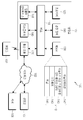
도 1은 냉장고를 포함하는 네트워크 환경의 블록도를 도시한다.
도 2는 본 발명의 다양한 실시예에 따른 복수 개의 냉장고들의 시스템의 개념도를 도시한다.
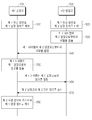
도 3은 본 발명의 다양한 실시예에 따른 냉장고의 제어 방법을 설명하기 위한 흐름도를 도시한다.
도 4a 및 4b는 본 발명의 다양한 실시예에 의한 냉장고들의 개념도를 도시한다.
도 5는 본 발명의 다양한 실시예에 의한 냉장고의 제어 방법을 설명하기 위한 흐름도를 도시한다.
도 6a 및 6b는 본 발명의 다양한 실시예에 의한 냉장고의 개념도들을 도시한다.
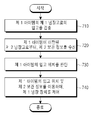
도 7은 본 발명의 다양한 실시예에 따른 제 1 냉장고의 제어 방법을 설명하기 위한 흐름도를 도시한다.
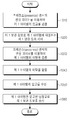
도 8 내지 도 10은 본 발명의 다양한 실시예에 따른 아이템의 입고 또는 이탈을 검출하는 방법을 설명하기 위한 흐름도들을 도시한다.
도 11은 본 발명의 다양한 실시예에 따른 냉장고의 제어 방법을 설명하기 위한 흐름도를 도시한다.
도 12는 본 발명의 다양한 실시예에 의한 냉장고의 제어 방법을 설명하기 위한 흐름도를 도시한다.
도 13은 본 발명의 다양한 실시예에 의한 냉장고의 제어 방법을 설명하기 위한 흐름도를 도시한다.
도 14는 본 발명의 다양한 실시예에 따른 냉장고의 동작을 설명하기 위한 개념도를 도시한다.
도 15는 본 발명의 다양한 실시예에 따른 냉장고의 동작을 설명하기 위한 흐름도를 도시한다.
도 16은 본 발명의 다양한 실시예에 따른 냉장고 사이의 연결을 설명하기 위한 개념도를 도시한다.
도 17은 본 발명의 다양한 실시예에 의한 냉장고의 동작을 설명하기 위한 흐름도를 도시한다.
도 18은 본 발명의 다양한 실시예에 의한 냉장고의 동작을 설명하기 위한 개념도를 도시한다.Figure 1 shows a block diagram of a network environment including a refrigerator.
2 shows a conceptual diagram of a system of a plurality of refrigerators according to various embodiments of the present invention.
FIG. 3 is a flowchart illustrating a method of controlling a refrigerator according to various embodiments of the present invention.
Figures 4A and 4B illustrate conceptual views of refrigerators according to various embodiments of the present invention.
FIG. 5 is a flowchart illustrating a method of controlling a refrigerator according to various embodiments of the present invention.
6A and 6B show conceptual views of a refrigerator according to various embodiments of the present invention.
7 is a flowchart illustrating a method of controlling a first refrigerator according to various embodiments of the present invention.
Figures 8-10 illustrate flow charts for illustrating methods of detecting an incoming or outgoing item in accordance with various embodiments of the present invention.
11 is a flowchart illustrating a method of controlling a refrigerator according to various embodiments of the present invention.
12 is a flowchart illustrating a method of controlling a refrigerator according to various embodiments of the present invention.
13 is a flowchart illustrating a method of controlling a refrigerator according to various embodiments of the present invention.
14 shows a conceptual diagram for explaining the operation of a refrigerator according to various embodiments of the present invention.
15 shows a flowchart for explaining the operation of a refrigerator according to various embodiments of the present invention.
Figure 16 shows a conceptual diagram for illustrating the connection between refrigerators according to various embodiments of the present invention.
17 shows a flowchart for explaining the operation of the refrigerator according to various embodiments of the present invention.
18 is a conceptual diagram for explaining the operation of the refrigerator according to various embodiments of the present invention.
이하, 본 문서의 다양한 실시예가 첨부된 도면을 참조하여 기재된다. 그러나, 이는 본 문서에 기재된 기술을 특정한 실시 형태에 대해 한정하려는 것이 아니며, 본 문서의 실시예의 다양한 변경(modifications), 균등물(equivalents), 및/또는 대체물(alternatives)을 포함하는 것으로 이해되어야 한다. 도면의 설명과 관련하여, 유사한 구성요소에 대해서는 유사한 참조 부호가 사용될 수 있다.Hereinafter, various embodiments of the present document will be described with reference to the accompanying drawings. It should be understood, however, that this invention is not intended to be limited to the particular embodiments described herein but includes various modifications, equivalents, and / or alternatives of the embodiments of this document . In connection with the description of the drawings, like reference numerals may be used for similar components.
본 문서에서, "가진다," "가질 수 있다," "포함한다," 또는 "포함할 수 있다" 등의 표현은 해당 특징(예: 수치, 기능, 동작, 또는 부품 등의 구성요소)의 존재를 가리키며, 추가적인 특징의 존재를 배제하지 않는다.In this document, the expressions "having," " having, "" comprising," or &Quot;, and does not exclude the presence of additional features.
본 문서에서, "A 또는 B," "A 또는/및 B 중 적어도 하나," 또는 "A 또는/및 B 중 하나 또는 그 이상"등의 표현은 함께 나열된 항목들의 모든 가능한 조합을 포함할 수 있다. 예를 들면, "A 또는 B," "A 및 B 중 적어도 하나," 또는 "A 또는 B 중 적어도 하나"는, (1) 적어도 하나의 A를 포함, (2) 적어도 하나의 B를 포함, 또는 (3) 적어도 하나의 A 및 적어도 하나의 B 모두를 포함하는 경우를 모두 지칭할 수 있다.In this document, the expressions "A or B," "at least one of A or / and B," or "one or more of A and / or B," etc. may include all possible combinations of the listed items . For example, "A or B," "at least one of A and B," or "at least one of A or B" includes (1) at least one A, (2) Or (3) at least one A and at least one B all together.
본 문서에서 사용된 "제 1," "제 2," "첫째," 또는 "둘째,"등의 표현들은 다양한 구성요소들을, 순서 및/또는 중요도에 상관없이 수식할 수 있고, 한 구성요소를 다른 구성요소와 구분하기 위해 사용될 뿐 해당 구성요소들을 한정하지 않는다. 예를 들면, 제 1 사용자 기기와 제 2 사용자 기기는, 순서 또는 중요도와 무관하게, 서로 다른 사용자 기기를 나타낼 수 있다. 예를 들면, 본 문서에 기재된 권리 범위를 벗어나지 않으면서 제 1 구성요소는 제 2 구성요소로 명명될 수 있고, 유사하게 제 2 구성요소도 제 1 구성요소로 바꾸어 명명될 수 있다.As used herein, the terms "first," "second," "first," or "second," and the like may denote various components, regardless of their order and / or importance, But is used to distinguish it from other components and does not limit the components. For example, the first user equipment and the second user equipment may represent different user equipment, regardless of order or importance. For example, without departing from the scope of the rights described in this document, the first component can be named as the second component, and similarly the second component can also be named as the first component.
어떤 구성요소(예: 제 1 구성요소)가 다른 구성요소(예: 제 2 구성요소)에 "(기능적으로 또는 통신적으로) 연결되어((operatively or communicatively) coupled with/to)" 있다거나 "접속되어(connected to)" 있다고 언급된 때에는, 상기 어떤 구성요소가 상기 다른 구성요소에 직접적으로 연결되거나, 다른 구성요소(예: 제 3 구성요소)를 통하여 연결될 수 있다고 이해되어야 할 것이다. 반면에, 어떤 구성요소(예: 제 1 구성요소)가 다른 구성요소(예: 제 2 구성요소)에 "직접 연결되어" 있다거나 "직접 접속되어" 있다고 언급된 때에는, 상기 어떤 구성요소와 상기 다른 구성요소 사이에 다른 구성요소(예: 제 3 구성요소)가 존재하지 않는 것으로 이해될 수 있다.(Or functionally or communicatively) coupled with / to "another component (eg, a second component), or a component (eg, a second component) Quot; connected to ", it is to be understood that any such element may be directly connected to the other element or may be connected through another element (e.g., a third element). On the other hand, when it is mentioned that a component (e.g., a first component) is "directly connected" or "directly connected" to another component (e.g., a second component) It can be understood that there is no other component (e.g., a third component) between other components.
본 문서에서 사용된 표현 "~하도록 구성된(또는 설정된)(configured to)"은 상황에 따라, 예를 들면, "~에 적합한(suitable for)," "~하는 능력을 가지는(having the capacity to)," "~하도록 설계된(designed to)," "~하도록 변경된(adapted to)," "~하도록 만들어진(made to)," 또는 "~를 할 수 있는(capable of)"과 바꾸어 사용될 수 있다. 용어 "~하도록 구성된(또는 설정된)"은 하드웨어적으로 "특별히 설계된(specifically designed to)" 것만을 반드시 의미하지 않을 수 있다. 대신, 어떤 상황에서는, "~하도록 구성된 장치"라는 표현은, 그 장치가 다른 장치 또는 부품들과 함께 "~할 수 있는" 것을 의미할 수 있다. 예를 들면, 문구 "A, B, 및 C를 수행하도록 구성된(또는 설정된) 프로세서"는 해당 동작을 수행하기 위한 전용 프로세서(예: 임베디드 프로세서), 또는 메모리 장치에 저장된 하나 이상의 소프트웨어 프로그램들을 실행함으로써, 해당 동작들을 수행할 수 있는 범용 프로세서(generic-purpose processor)(예: CPU 또는 application processor)를 의미할 수 있다. As used herein, the phrase " configured to " (or set) to be "configured according to circumstances may include, for example, having the capacity to, To be designed to, "" adapted to, "" made to, "or" capable of ". The term " configured to (or set up) "may not necessarily mean" specifically designed to "in hardware. Instead, in some situations, the expression "configured to" may mean that the device can "do " with other devices or components. For example, a processor configured (or configured) to perform the phrases "A, B, and C" may be implemented by executing one or more software programs stored in a memory device or a dedicated processor (e.g., an embedded processor) , And a generic-purpose processor (e.g., a CPU or an application processor) capable of performing the corresponding operations.
본 문서에서 사용된 용어들은 단지 특정한 실시예를 설명하기 위해 사용된 것으로, 다른 실시예의 범위를 한정하려는 의도가 아닐 수 있다. 단수의 표현은 문맥상 명백하게 다르게 뜻하지 않는 한, 복수의 표현을 포함할 수 있다. 기술적이거나 과학적인 용어를 포함해서 여기서 사용되는 용어들은 본 문서에 기재된 기술 분야에서 통상의 지식을 가진 자에 의해 일반적으로 이해되는 것과 동일한 의미를 가질 수 있다. 본 문서에 사용된 용어들 중 일반적인 사전에 정의된 용어들은, 관련 기술의 문맥상 가지는 의미와 동일 또는 유사한 의미로 해석될 수 있으며, 본 문서에서 명백하게 정의되지 않는 한, 이상적이거나 과도하게 형식적인 의미로 해석되지 않는다. 경우에 따라서, 본 문서에서 정의된 용어일지라도 본 문서의 실시예들을 배제하도록 해석될 수 없다.The terminology used herein is for the purpose of describing particular embodiments only and is not intended to limit the scope of the other embodiments. The singular expressions may include plural expressions unless the context clearly dictates otherwise. Terms used herein, including technical or scientific terms, may have the same meaning as commonly understood by one of ordinary skill in the art. The general predefined terms used in this document may be interpreted in the same or similar sense as the contextual meanings of the related art and, unless expressly defined in this document, include ideally or excessively formal meanings . In some cases, even the terms defined in this document can not be construed as excluding the embodiments of this document.
도 1을 참조하여, 다양한 실시예에서의, 네트워크 환경(100) 내의 냉장고(101)가 기재된다. 냉장고(101)는 버스(110), 프로세서(120), 메모리(130), 입출력 인터페이스(150), 디스플레이(160), 통신 모듈(170) 및 냉장 장치(190)를 포함할 수 있다. 어떤 실시예에서는, 냉장고(101)는, 구성요소들 중 적어도 하나를 생략하거나 다른 구성요소를 추가적으로 구비할 수 있다. Referring to Figure 1, in various embodiments, a
버스(110)는, 예를 들면, 구성요소들(110-190)을 서로 연결하고, 구성요소들 간의 통신(예: 제어 메시지 및/또는 데이터)을 전달하는 회로를 포함할 수 있다.The
프로세서(120)는, 중앙처리장치(central processing unit(CPU)), 어플리케이션 프로세서(application processor(AP)), 또는 커뮤니케이션 프로세서(communication processor(CP)) 중 하나 또는 그 이상을 포함할 수 있다. 프로세서(120)는, 예를 들면, 냉장고(101)의 적어도 하나의 다른 구성요소들의 제어 및/또는 통신에 관한 연산이나 데이터 처리를 실행할 수 있다. The
메모리(130)는, 휘발성 및/또는 비휘발성 메모리를 포함할 수 있다. 메모리(130)는, 예를 들면, 냉장고(101)의 적어도 하나의 다른 구성요소에 관계된 명령 또는 데이터를 저장할 수 있다. 한 실시예에 따르면, 메모리(130)는 소프트웨어 및/또는 프로그램(140)을 저장할 수 있다. 프로그램(140)은, 예를 들면, 커널(141), 미들웨어(143), 어플리케이션 프로그래밍 인터페이스(application programming interface(API))(145), 및/또는 어플리케이션 프로그램(또는 "어플리케이션")(147) 등을 포함할 수 있다. 커널(141), 미들웨어(143), 또는 API(145)의 적어도 일부는, 운영 시스템(operating system(OS))으로 지칭될 수 있다.
커널(141)은, 예를 들면, 다른 프로그램들(예: 미들웨어(143), API(145), 또는 어플리케이션 프로그램(147))에 구현된 동작 또는 기능을 실행하는 데 사용되는 시스템 리소스들(예: 버스(110), 프로세서(120), 또는 메모리(130) 등)을 제어 또는 관리할 수 있다. 또한, 커널(141)은 미들웨어(143), API(145), 또는 어플리케이션 프로그램(147)에서 냉장고(101)의 개별 구성요소에 접근함으로써, 시스템 리소스들을 제어 또는 관리할 수 있는 인터페이스를 제공할 수 있다. The
미들웨어(143)는, 예를 들면, API(145) 또는 어플리케이션 프로그램(147)이 커널(141)과 통신하여 데이터를 주고받을 수 있도록 중개 역할을 수행할 수 있다. The
또한, 미들웨어(143)는 어플리케이션 프로그램(147)으로부터 수신된 하나 이상의 작업 요청들을 우선 순위에 따라 처리할 수 있다. 예를 들면, 미들웨어(143)는 어플리케이션 프로그램(147) 중 적어도 하나에 냉장고(101)의 시스템 리소스(예: 버스(110), 프로세서(120), 또는 메모리(130) 등)를 사용할 수 있는 우선 순위를 부여할 수 있다. 예컨대, 미들웨어(143)는 상기 적어도 하나에 부여된 우선 순위에 따라 상기 하나 이상의 작업 요청들을 처리함으로써, 상기 하나 이상의 작업 요청들에 대한 스케쥴링 또는 로드 밸런싱 등을 수행할 수 있다.In addition, the
API(145)는, 예를 들면, 어플리케이션(147)이 커널(141) 또는 미들웨어(143)에서 제공되는 기능을 제어하기 위한 인터페이스로, 예를 들면, 파일 제어, 창 제어, 영상 처리, 또는 문자 제어 등을 위한 적어도 하나의 인터페이스 또는 함수(예: 명령어)를 포함할 수 있다. The
입출력 인터페이스(150)는, 예를 들면, 사용자 또는 다른 외부 기기로부터 입력된 명령 또는 데이터를 냉장고(101)의 다른 구성요소(들)에 전달할 수 있는 인터페이스의 역할을 할 수 있다. 또한, 입출력 인터페이스(150)는 냉장고(101)의 다른 구성요소(들)로부터 수신된 명령 또는 데이터를 사용자 또는 다른 외부 기기로 출력할 수 있다. The input /
디스플레이(160)는, 예를 들면, 액정 디스플레이(liquid crystal display(LCD)), 발광 다이오드(light-emitting diode(LED)) 디스플레이, 유기 발광 다이오드(organic light-emitting diode(OLED)) 디스플레이, 또는 마이크로 전자기계 시스템(microelectromechanical systems(MEMS)) 디스플레이, 또는 전자종이(electronic paper) 디스플레이를 포함할 수 있다. 디스플레이(160)는, 예를 들면, 사용자에게 각종 콘텐츠(예: 텍스트, 이미지, 비디오, 아이콘, 또는 심볼 등)을 표시할 수 있다.
통신 모듈(170)은, 예를 들면, 냉장고(101)와 외부 장치(예: 제 2 냉장고(102), 제 3 냉장고(104), 또는 서버(106)) 간의 통신을 설정할 수 있다. 예를 들면, 통신 모듈(170)은 무선 통신 또는 유선 통신을 통해서 네트워크(162)에 연결되어 외부 장치(예: 제 3 냉장고(104) 또는 서버(106))와 통신할 수 있다.The
냉장 장치(190)는 냉장고(101)의 적어도 하나의 보관 영역의 온도 및 습도 중 적어도 하나를 제어할 수 있다. 예를 들어, 냉장 장치(190)는 냉장고(101)의 적어도 하나의 보관 영역의 온도를 조정하도록 냉매 반응을 제어할 수 있으며, 예를 들어 냉매 제어 밸브를 제어할 수 있다. 또는, 냉장 장치(190)는 습도를 조정할 수 있는 제습 장치 또는 가습 장치를 포함할 수도 있다.The refrigerator (190) can control at least one of temperature and humidity of at least one storage area of the refrigerator (101). For example, the
무선 통신은, 예를 들면, 셀룰러 통신 프로토콜로서, 예를 들면, LTE(long-term evolution), LTE-A(LTE Advance), CDMA(code division multiple access), WCDMA(wideband CDMA), UMTS(universal mobile telecommunications system), WiBro(Wireless Broadband), 또는 GSM(Global System for Mobile Communications) 등 중 적어도 하나를 사용할 수 있다. 또한, 무선 통신은, 예를 들면, 근거리 통신(164)을 포함할 수 있다. 근거리 통신(164)은, 예를 들면, WiFi(wireless fidelity), 블루투스(Bluetooth), NFC(near field communication), 또는 GNSS(global navigation satellite system) 등 중 적어도 하나를 포함할 수 있다. GNSS는 사용 지역 또는 대역폭 등에 따라, 예를 들면, GPS(Global Positioning System), Glonass(Global Navigation Satellite System), Beidou Navigation Satellite System(이하 "Beidou") 또는 Galileo, the European global satellite-based navigation system 중 적어도 하나를 포함할 수 있다. 이하, 본 문서에서는, "GPS"는 "GNSS"와 혼용되어 사용(interchangeably used)될 수 있다. 유선 통신은, 예를 들면, USB(universal serial bus), HDMI(high definition multimedia interface), RS-232(recommended standard232), 또는 POTS(plain old telephone service) 등 중 적어도 하나를 포함할 수 있다. 네트워크(162)는 통신 네트워크(telecommunications network), 예를 들면, 컴퓨터 네트워크(computer network)(예: LAN 또는 WAN), 인터넷, 또는 전화 망(telephone network) 중 적어도 하나를 포함할 수 있다.Wireless communications may include, for example, cellular communication protocols such as long-term evolution (LTE), LTE Advance (LTE), code division multiple access (CDMA), wideband CDMA (WCDMA) mobile telecommunications system, WiBro (Wireless Broadband), or Global System for Mobile Communications (GSM). The wireless communication may also include, for example, local communication 164. The local area communication 164 may include at least one of, for example, wireless fidelity (WiFi), Bluetooth, near field communication (NFC), or global navigation satellite system (GNSS). GNSS can be classified into two types according to the use area or bandwidth, for example, Global Positioning System (GPS), Global Navigation Satellite System (Glonass), Beidou Navigation Satellite System (Beidou) And may include at least one. Hereinafter, in this document, "GPS" can be interchangeably used with "GNSS ". The wired communication may include at least one of, for example, a universal serial bus (USB), a high definition multimedia interface (HDMI), a recommended standard 232 (RS-232), or plain old telephone service (POTS). The
냉장고(102, 104) 각각은 냉장고(101)와 동일한 또는 다른 종류의 장치일 수 있다. 한 실시예에 따르면, 서버(106)는 하나 또는 그 이상의 서버들의 그룹을 포함할 수 있다. 다양한 실시예에 따르면, 냉장고(101)에서 실행되는 동작들의 전부 또는 일부는 다른 하나 또는 복수의 냉장고(예: 냉장고(102,104), 또는 서버(106)에서 실행될 수 있다. 한 실시예에 따르면, 냉장고(101)가 어떤 기능이나 서비스를 자동으로 또는 요청에 의하여 수행해야 할 경우에, 냉장고(101)는 기능 또는 서비스를 자체적으로 실행시키는 대신에 또는 추가적으로, 그와 연관된 적어도 일부 기능을 다른 장치(예: 냉장고(102, 104), 또는 서버(106))에게 요청할 수 있다. 다른 냉장고(예: 냉장고(102, 104), 또는 서버(106))는 요청된 기능 또는 추가 기능을 실행하고, 그 결과를 냉장고(101)로 전달할 수 있다. 냉장고(101)는 수신된 결과를 그대로 또는 추가적으로 처리하여 요청된 기능이나 서비스를 제공할 수 있다. 이를 위하여, 예를 들면, 클라우드 컴퓨팅, 분산 컴퓨팅, 또는 클라이언트-서버 컴퓨팅 기술이 이용될 수 있다.Each of the
본 발명의 다양한 실시예에서, 냉장 장치(190)는 상기 냉장고(101)의 적어도 하나의 보관 영역의 온도 및 습도 중 적어도 하나를 제어할 수 있다. 상기 메모리(130)는, 실행시에 상기 프로세서(120)가, 제 1 보관 정보에 기초하여 상기 냉장 장치(190)를 제어하고, 상기 통신 모듈(170)을 통하여 다른 냉장고로부터 제 2 보관 정보가 수신되면, 상기 수신된 제 2 보관 정보에 기초하여 상기 냉장 장치(190)를 제어하는 인스트럭션을 저장할 수 있다.In various embodiments of the present invention, the
본 발명의 다양한 실시예에서, 상기 메모리(130)는, 실행시에 상기 프로세서(120)가, 제 1 아이템의 입고를 검출하는 인스트럭션을 저장하고, 상기 통신 모듈(170)은, 상기 제 1 아이템의 이탈을 검출한 상기 다른 냉장고로부터 상기 제 2 보관 정보를 수신할 수 있다.In various embodiments of the present invention, the
본 발명의 다양한 실시예에서, 상기 메모리(130)는, 실행시에 상기 프로세서(120)가, 상기 제 2 보관 정보에 기초하여, 상기 제 1 아이템이 입고된 보관 영역의 상기 온도 및 상기 습도 중 적어도 하나를 제어하는 인스트럭션을 저장할 수 있다.In various embodiments of the present invention, the
본 발명의 다양한 실시예에서, 상기 통신 모듈(170)은, 상기 제 1 아이템의 입고의 정보를 포함하는 제 1 신호를 송신하고, 상기 다른 냉장고는, 상기 제 1 신호의 수신에 대응하여, 상기 제 2 보관 정보를 송신할 수 있다.In various embodiments of the present invention, the
본 발명의 다양한 실시예에서, 상기 통신 모듈(170)은, 상기 다른 냉장고로부터, 상기 제 1 아이템의 이탈의 정보를 포함하는 제 2 신호를 수신하고, 상기 제 2 신호의 수신에 대응하여, 상기 제 2 보관 정보를 요청하는 제 3 신호를 상기 다른 냉장고로 송신하고, 상기 다른 냉장고는, 상기 제 3 신호의 수신에 대응하여, 상기 제 2 보관 정보를 송신할 수 있다.In various embodiments of the present invention, the
본 발명의 다양한 실시예에서, 상기 냉장고(101)는 상기 제 1 아이템의 RFID 태그를 스캐닝하는 RFID 리더(reader)(미도시)를 더 포함하고, 상기 메모리(130)는, 실행시에 상기 프로세서(120)가, 상기 RFID 태그의 스캐닝 결과에 기초하여, 상기 제 1 아이템의 입고를 검출하는 인스트럭션을 저장할 수 있다.In various embodiments of the present invention, the
본 발명의 다양한 실시예에서, 상기 통신 모듈(170)은, 상기 제 1 아이템의 상기 RFID 태그의 스캐닝 결과에 기초하여 상기 제 1 아이템의 이탈을 검출한 상기 다른 냉장고로부터, 상기 제 2 보관 정보를 수신할 수 있다.In various embodiments of the present invention, the
본 발명의 다양한 실시예에서, 상기 냉장고(101)는 상기 적어도 하나의 보관 영역의 무게가 제 1 무게만큼 증가하는 것을 검출하는 무게 센서(미도시)를 더 포함하고, 상기 메모리(130)는, 실행시에 상기 프로세서(120)가, 상기 제 1 무게의 증가에 기초하여, 상기 제 1 아이템의 입고를 검출하는 인스트럭션을 저장할 수 있다.In various embodiments of the present invention, the
본 발명의 다양한 실시예에서, 상기 통신 모듈(170)은, 상기 제 1 무게의 감소의 검출에 기초하여 상기 제 1 아이템의 이탈을 검출한 상기 다른 냉장고로부터, 상기 제 2 보관 정보를 수신할 수 있다.In various embodiments of the present invention, the
본 발명의 다양한 실시예에서, 상기 냉장고에 포함된 아이템의 존재에 대한 검출을 수행하는 프레전스 센서(미도시)를 더 포함하고, 상기 메모리(130)는, 실행시에 상기 프로세서(120)가, 상기 프레전스 센서로부터의 센싱 데이터에 기초하여 제 1 시점에서 상기 제 1 아이템의 입고를 검출하는 인스트럭션을 저장할 수 있다.In various embodiments of the present invention, the refrigerator further includes a presence sensor (not shown) that performs detection of the presence of an item contained in the refrigerator, wherein the memory (130) And store an instruction to detect an arrival of the first item at a first time point based on sensing data from the presence sensor.
본 발명의 다양한 실시예에서, 상기 통신 모듈(170)은, 상기 제 1 시점과 기설정된 임계치 이내의 차이를 가지는 제 2 시점에서 상기 제 1 아이템의 이탈을 검출한 상기 다른 냉장고로부터, 상기 제 2 보관 정보를 수신할 수 있다.In various embodiments of the present invention, the
본 발명의 다양한 실시예에서, 상기 제 2 보관 정보는, 상기 제 1 아이템에 대한 보관 정보 히스토리를 포함하고, 상기 메모리(130)는, 실행시에 상기 프로세서(120)가, 상기 제 1 아이템에 대한 보관 정보 히스토리에 기초하여 냉장고의 적어도 하나의 보관 영역의 상기 온도 및 상기 습도 중 적어도 하나를 제어하는 인스트럭션을 저장할 수 있다.In various embodiments of the present invention, the second storage information includes a history of archival information for the first item, and the memory (130) stores, at run time, the processor (120) And store the instructions for controlling at least one of the temperature and the humidity of at least one storage area of the refrigerator based on the storage information history for the refrigerator.
본 발명의 다양한 실시예에서, 상기 제 2 보관 정보는, 상기 제 1 아이템에 대한 부패 상태를 포함하고, 상기 메모리(130)는, 실행시에 상기 프로세서(120)가, 상기 제 1 아이템에 대한 부패 상태에 기초하여 냉장고의 적어도 하나의 보관 영역의 상기 온도 및 상기 습도 중 적어도 하나를 제어하는 인스트럭션을 저장할 수 있다.In various embodiments of the present invention, the second storage information includes a corruption state for the first item, and the memory (130) is configured such that upon execution, the processor (120) The controller may store instructions that control at least one of the temperature and the humidity of at least one storage area of the refrigerator based on the corruption state.
본 발명의 다양한 실시예에서, 냉장 장치(190)는 제 1 보관 정보에 기초하여, 제 1 아이템을 보관하는 보관 영역의 온도 및 습도 중 적어도 하나를 제어할 수 있다. 상기 메모리(130)는, 실행시에 상기 프로세서(120)가, 상기 제 1 아이템의 이탈을 검출하고, 상기 통신 모듈(170)을 통하여, 상기 제 1 아이템의 입고를 검출한 다른 냉장고로부터, 상기 제 1 아이템의 입고의 정보를 포함하는 제 1 신호가 수신되면, 상기 제 1 신호의 수신에 대응하여 상기 제 1 보관 정보를 상기 다른 냉장고로 송신하도록 상기 통신 모듈(170)을 제어하는 인스트럭션을 저장할 수 있다.In various embodiments of the present invention, the
본 발명의 다양한 실시예에서, 상기 통신 모듈(170)은, 상기 제 1 아이템의 이탈의 정보를 포함하는 제 2 신호를 송신하고, 상기 제 1 신호는, 상기 제 2 신호에 대응하며, 상기 제 1 보관 정보를 요청하는 정보를 포함할 수 있다.In various embodiments of the present invention, the
본 발명의 다양한 실시예에서, 냉장 장치(190)는 제 1 보관 정보에 기초하여, 제 1 아이템을 보관하는 보관 영역의 온도 및 습도 중 적어도 하나를 제어할 수 있다. 상기 메모리(130)는, 실행시에 상기 프로세서(120)가, 상기 제 1 아이템을 식별하고, 상기 제 1 아이템에 대한 상기 제 1 보관 정보의 변경을 검출하고, 상기 제 1 아이템의 식별 결과 및 상기 제 1 보관 정보의 변경에 대응하는 다른 전자 장치를 판단하고, 상기 다른 전자 장치로, 상기 제 1 보관 정보의 변경의 정보를 포함하는 신호를 송신하도록 상기 통신 모듈(170)을 제어하는 인스트럭션을 저장할 수 있다.In various embodiments of the present invention, the
도 2는 본 발명의 다양한 실시예에 따른 복수 개의 냉장고들의 시스템의 개념도를 도시한다.2 shows a conceptual diagram of a system of a plurality of refrigerators according to various embodiments of the present invention.
도 2에 도시된 바와 같이, 제 1 냉장고(101)는 제 2 냉장고(102) 및 제 3 냉장고(103)와 통신을 수행할 수 있다. 예를 들어, 제 1 냉장고(101)와 제 2 냉장고(102) 및 제 3 냉장고(103)는 WiFi(wireless fidelity), 지그비(Zig-bee), 블루투스(Bluetooth), NFC(near field communication), 또는 GNSS(global navigation satellite system) 등의 다양한 통신 방식에 기초하여 근거리 통신을 수행할 수 있다. 또는, 도시되지는 않았지만, 제 1 냉장고(101), 제 2 냉장고(102) 및 제 3 냉장고(103)를 관리하는 홈 서버(미도시)가 배치될 수도 있으며, 홈 서버의 중계를 통하여 제 1 냉장고(101), 제 2 냉장고(102) 및 제 3 냉장고(103)가 서로 통신을 수행할 수도 있다. 또는, 제 1 냉장고(101), 제 2 냉장고(102) 및 제 3 냉장고(103)는 셀룰러 통신 프로토콜을 이용한 원거리 통신을 이용하여 서로 통신을 수행할 수도 있다.As shown in FIG. 2, the
도 3은 본 발명의 다양한 실시예에 따른 냉장고의 제어 방법을 설명하기 위한 흐름도를 도시한다.FIG. 3 is a flowchart illustrating a method of controlling a refrigerator according to various embodiments of the present invention.
310 동작에서, 제 1 냉장고(101)는 제 1 보관 정보로 제 1 냉장 장치를 제어할 수 있다. 여기에서, 제 1 보관 정보는, 제 1 냉장고(101)의 보관 환경에 대한 정보일 수 있으며, 예를 들어 제 1 냉장고(101)의 적어도 일부분의 온도 정보 및 적어도 일부분의 습도 정보 중 적어도 하나를 포함할 수 있다. 제 1 보관 정보는, 제 1 냉장고(101)의 격납 공간별로 구분되어 관리될 수도 있으며, 예를 들어 표 1과 같을 수도 있다.In
상술한 바와 같이, 제 1 보관 정보는 제 1 냉장고(101)의 적어도 일부분의 온도 정보 및 습도 정보 중 적어도 하나를 포함할 수 있다. 한편, 냉장고의 상태를 나타낼 수 있는 정보라면, 보관 정보에 포함될 수 있으며, 보관 정보의 종류에는 제한이 없음을 당업자는 용이하게 이해할 수 있을 것이다. 더욱 상세하게 후술할 것으로 보관 정보는, 보관 히스토리를 포함할 수도 있다.As described above, the first storage information may include at least one of temperature information and humidity information of at least a portion of the
한편, 제 1 냉장 장치는 제 1 냉장고에 포함된 보관 정보의 변경을 제어할 수 있는 전자 장치일 수 있다. 예를 들어, 제 1 냉장 장치는, 온도 정보를 변경할 수 있는 냉각기로 구현되거나 또는 습도 정보를 변경할 수 있는 제습기 또는 가습기로 구현될 수 있다. 제 1 냉장 장치는, 현재 보관 정보와 제 1 보관 정보를 비교할 수 있으며, 비교 결과에 기초하여 제 1 냉장 장치를 제어할 수 있다. 예를 들어, 제 1 냉장실의 온도가 5°C인 경우에는, 제 1 보관 정보인 4°C로 온도가 하강하도록 냉각기의 냉매를 제어할 수 있다. Meanwhile, the first refrigerator may be an electronic device that can control the change of the stored information included in the first refrigerator. For example, the first refrigerator can be implemented with a dehumidifier or a humidifier, which can be implemented as a cooler capable of changing temperature information or can change humidity information. The first refrigerator can compare the current stored information with the first stored information, and can control the first refrigerator based on the comparison result. For example, when the temperature of the first refrigerating compartment is 5 ° C, the refrigerant in the refrigerator can be controlled so that the temperature falls to 4 ° C, which is the first storage information.
제 1 보관 정보는 디폴트(dafault)된 값일 수 있다. 또는, 제 1 보관 정보는 사용자의 입력에 의하여 결정된 값일 수 있다. 이 경우, 제 1 보관 정보는 제 1 냉장고(101)에 구비된 입출력 인터페이스를 통하여 입력되거나 또는 다른 전자 장치에 의하여 통신으로 수신될 수도 있다. 또는, 제 1 보관 정보는 제 1 냉장고(101)에 의하여 결정된 값일 수 있다. 더욱 상세하게, 제 1 냉장고(101)는 보관을 위하여 입고되는 아이템을 식별할 수도 있으며, 아이템별 보관 정보에 기초하여 제 1 보관 정보를 결정할 수도 있다.The first archive information may be a dafaulted value. Alternatively, the first storage information may be a value determined by the user's input. In this case, the first storage information may be inputted through the input / output interface provided in the
320 동작에서, 제 2 냉장고(102)는 제 2 보관 정보로 제 2 냉장 장치를 제어할 수 있다.In
330 동작에서, 제 2 냉장고(102)는 제 2 냉장고(102)의 제 2 보관 정보를 제 1 냉장고(101)로 송신할 수 있다. 제 2 냉장고(102)는 보관 정보 송신을 위한 이벤트를 미리 저장할 수 있다. 제 2 냉장고(102)는 보관 정보 송신을 위한 이벤트의 검출을 트리거(trigger)로 하여, 제 2 보관 정보를 제 1 냉장고(101)로 송신할 수 있다. 여기에서, 보관 정보 송신을 위한 이벤트의 다양한 실시예에 대하여서는 더욱 상세하게 후술하도록 한다. 또는, 제 2 냉장고(102)는 별다른 트리거 없이 주기적 또는 비주기적으로 제 2 보관 정보를 제 1 냉장고(101)로 송신할 수도 있다.In
340 동작에서, 제 1 냉장고(101)는 수신된 제 2 냉장고(102)의 제 2 보관 정보에 기초하여 제 1 냉장 장치를 제어할 수 있다. 예를 들어, 제 1 냉장고(101)는 적어도 하나의 부분이 제 2 보관 정보로 동작하도록 제 1 냉장 장치를 제어할 수 있다. 또는, 제 1 냉장고(101)는 제 2 보관 정보를 이용하여, 특정 아이템이 제 3 보관 정보에서 보관되어야 함을 판단할 수도 있다. 이 경우, 제 1 냉장고(101)는 적어도 하나의 부분이 제 3 보관 정보로 동작하도록 제 1 냉장 장치를 제어할 수도 있다.In
한편, 본 발명의 다양한 실시예에서, 제 1 냉장고(101)는 수신된 제 2 보관 정보와 관련된 내용을 디스플레이(160) 상에 표시할 수도 있다. 예를 들어, 제 1 냉장고(101)는 제 2 보관 정보와 보관 정보가 유사한 보관 영역을 표시함으로써, 사용자로 하여금 특정 아이템을 제 2 보관 정보와 유사한 보관 정보를 가지는 보관 영역에 보관하도록 유도할 수 있다. 또는, 더욱 상세하게 후술할 것으로, 제 1 냉장고(101)는 특정 아이템에 대한 부패 상태에 대한 정보를 수신할 수도 있으며, 부패 상태를 디스플레이(160) 상에 표시할 수도 있다.Meanwhile, in various embodiments of the present invention, the
도 4a 및 4b는 본 발명의 다양한 실시예에 의한 냉장고들의 개념도를 도시한다.Figures 4A and 4B illustrate conceptual views of refrigerators according to various embodiments of the present invention.
도 4a를 참조하면, 제 1 냉장고(101)는 제 1 보관 정보에 기초하여 동작할 수 있다. 예를 들어, 제 1 냉장고(101)의 제 1 보관 정보는, 5°C의 온도 정보 및 50%의 습도 정보를 포함할 수 있다. 제 1 냉장고(101)는 5°C의 온도 정보 및 50%의 습도 정보를 유지하도록, 제 1 냉장고(101)에 포함된 냉각기 및 제습기 또는 가습기 중 적어도 하나를 제어할 수 있다. 제 1 냉장고(101)는 디스플레이(160) 상에 제 1 보관 정보를 표시할 수 있다. 제 2 냉장고(102)는 제 2 보관 정보에 기초하여 동작할 수 있다. 예를 들어, 제 2 냉장고(102)의 제 2 보관 정보는, 4°C의 온도 정보 및 30%의 습도 정보를 포함할 수 있다. 제 2 냉장고(102)는 4°C의 온도 정보 및 30%의 습도 정보를 유지하도록, 제 2 냉장고(102)에 포함된 냉각기 및 제습기 또는 가습기 중 적어도 하나를 제어할 수 있다. 제 2 냉장고(101)는 디스플레이(161) 상에 제 2 보관 정보를 표시할 수 있다.Referring to FIG. 4A, the
한편, 제 2 냉장고(102)는 제 2 보관 정보(401)를 제 1 냉장고(101)로 송신할 수 있다. 제 2 냉장고(102)는 다양한 방식의 근거리 통신을 이용하여 제 1 냉장고(101)로 제 2 보관 정보(401)를 송신할 수 있거나 또는 다른 중계장치의 중계를 통하여 제 2 보관 정보(401)를 제 1 냉장고(101)로 송신할 수 있다. 아울러, 상술한 바와 같이, 제 2 냉장고(102)는 보관 정보 송신 이벤트를 검출한 것에 대응하여 제 2 보관 정보(401)를 송신할 수 있거나 또는 주기적 또는 비주기적으로 제 2 보관 정보(401)를 송신할 수 있다.On the other hand, the
도 4b를 참조하면, 제 1 냉장고(101)는 수신된 제 2 보관 정보(401)를 이용하여 동작할 수 있다. 하나의 실시예에서, 제 1 냉장고(101)는 수신된 제 2 보관 정보(401)로 아이템을 보관할 수 있도록, 제 1 냉장 장치를 제어할 수 있다. 이에 따라, 제 1 냉장고(101)의 보관 정보가 4°C의 온도 정보 및 30%의 습도 정보로 변경될 수 있으며, 변경된 보관 정보는 디스플레이(160) 상에 표시될 수 있다. 제 1 냉장고(101)는 적어도 하나의 부분이 수신된 보관 정보로 유지되도록 동작할 수 있다. 즉, 제 1 냉장고(101)는 적어도 하나의 부분의 보관 정보를 제 2 냉장고(102)의 적어도 하나의 부분의 보관 정보와 동기화시킬 수 있다. 이에 따라, 제 2 냉장고(102)에서 보관되던 아이템이 제 1 냉장고(101)에 입고된 경우에, 제 1 냉장고(101)는 입고된 아이템이 동일한 보관 조건에서 보관되도록 제어할 수 있다. 또는, 동일한 종류의 아이템을 제 1 냉장고(101) 및 제 2 냉장고(102)에 분배하여 입고시킨 경우에, 사용자는 어떤 보관 조건에서 아이템이 더욱 양호하게 보관되었는지를 판단하여, 더욱 양호하게 보관된 냉장고의 보관 조건으로 다른 냉장고의 보관 조건을 동기화시키도록 조작할 수도 있다.Referring to FIG. 4B, the
도 5는 본 발명의 다양한 실시예에 의한 냉장고의 제어 방법을 설명하기 위한 흐름도를 도시한다. 도 5의 실시예는 도 6a 및 6b를 참조하여 더욱 상세하게 설명하도록 한다. 도 6a 및 6b는 본 발명의 다양한 실시예에 의한 냉장고의 개념도들을 도시한다.FIG. 5 is a flowchart illustrating a method of controlling a refrigerator according to various embodiments of the present invention. The embodiment of Fig. 5 will be described in more detail with reference to Figs. 6A and 6B. 6A and 6B show conceptual views of a refrigerator according to various embodiments of the present invention.
510 동작에서, 제 1 냉장고(101)는 제 1 보관 정보로 제 1 냉장 장치를 제어할 수 있다. 520 동작에서, 제 2 냉장고(102)는 제 2 보관 정보로 제 2 냉장 장치를 제어할 수 있다. 예를 들어, 도 6a의 실시예에서, 제 1 냉장고(101)의 제 1 보관 정보는, 5°C의 온도 정보 및 50%의 습도 정보를 포함할 수 있다. 제 1 냉장고(101)는 5°C의 온도 정보 및 50%의 습도 정보를 유지하도록, 제 1 냉장고(101)에 포함된 냉각기 및 제습기 또는 가습기 중 적어도 하나를 제어할 수 있다. 제 1 냉장고(101)는 디스플레이(160) 상에 제 1 보관 정보를 표시할 수 있다. 제 2 냉장고(102)는 제 2 보관 정보에 기초하여 동작할 수 있다. 예를 들어, 제 2 냉장고(102)의 제 2 보관 정보는, 4°C의 온도 정보 및 30%의 습도 정보를 포함할 수 있다. 제 2 냉장고(102)는 4°C의 온도 정보 및 30%의 습도 정보를 유지하도록, 제 2 냉장고(102)에 포함된 냉각기 및 제습기 또는 가습기 중 적어도 하나를 제어할 수 있다. 제 2 냉장고(101)는 디스플레이(161) 상에 제 2 보관 정보를 표시할 수 있다.In
530 동작에서, 제 2 냉장고(102)는 제 1 아이템(601)의 제 2 냉장고(102)로부터의 이탈(611)을 검출할 수 있다. 제 1 아이템(610)은 최초에 제 2 냉장고(102)에 입고된 상태일 수 있다. 예를 들어, 제 2 냉장고(102)는 제 1 아이템(601)의 입고를 검출하고, 제 1 아이템(601)을 관리할 수 있다. 제 2 냉장고(102)는 제 1 아이템(601)의 RFID 태그(602) 검출, 제 1 아이템(601)의 무게 검출 또는 제 1 아이템(601)의 프레즌스(presence) 정보를 검출 등의 다양한 방식을 통하여 제 1 아이템(601)의 제 2 냉장고(102)로의 입고를 검출할 수 있다. 이후, 제 1 아이템(601)은 제 2 냉장고(102)로부터 이탈(611)될 수 있으며, 제 2 냉장고(102)는 이탈(611)을 검출할 수 있다. 예를 들어, 제 2 냉장고(102)는 제 1 아이템(601)의 RFID 태그(602) 검출, 제 1 아이템(601)의 무게 검출 또는 제 1 아이템(601)의 프레즌스(presence) 정보를 검출 등의 다양한 방식을 통하여 제 1 아이템(601)의 제 2 냉장고(102)로부터의 이탈(611)을 검출할 수 있다.In
540 동작에서, 제 2 냉장고(102)는 제 1 아이템(601)의 제 2 냉장고(102)로부터의 이탈(611)을 알릴 수 있다. 예를 들어, 제 2 냉장고(101)는 도 6a에서와 같이, 제 1 아이템(601)의 이탈(611)의 정보를 포함하는 신호(621)를 송신할 수 있다. 제 2 냉장고(101)는 제 1 아이템(601)의 이탈(611)의 정보를 포함하는 신호(621)를 제 1 냉장고(101)로 유니캐스팅하거나 또는 멀티캐스팅 또는 브로드캐스팅할 수 있다.In
550 동작에서, 제 1 냉장고(101)는 제 1 아이템(601)의 제 1 냉장고(101)로의 입고(612)를 검출할 수 있다. 예를 들어, 제 1 냉장고(101)는 제 1 아이템(601)의 RFID 태그(602) 검출, 제 1 아이템(601)의 무게 검출 또는 제 1 아이템(601)의 프레즌스(presence) 정보를 검출 등의 다양한 방식을 통하여 제 1 아이템(601)의 제 1 냉장고(101)로의 입고(612)를 검출할 수 있다.In
560 동작에서, 제 1 냉장고(101)는 제 1 아이템(601)의 제 1 냉장고(101)로의 입고(612)를 알릴 수 있다. 예를 들어, 제 1 냉장고(101)는 제 1 아이템(601)의 제 1 냉장고(101)로의 입고(612) 정보를 포함하는 신호(622)를 송신할 수 있다. 제 1 냉장고(101)는 제 1 아이템(601)의 이탈(611)을 알린 제 2 냉장고(102)에 신호(622)를 유니캐스팅하거나 또는 멀티캐스팅 또는 브로드캐스팅할 수 있다.In
본 발명의 다양한 실시예에서, 제 1 냉장고(101)는 제 1 아이템(601)의 입고(612)에 대응하여, 제 1 아이템(601)의 이탈(611)을 알린 제 2 냉장고(101)에 바로 보관 정보를 요청할 수도 있다. 즉, 본 발명의 다양한 실시예에서, 신호(622)는 제 1 냉장고(101)로의 입고(612) 정보를 포함하지 않고, 제 2 냉장고(102)의 보관 정보를 요청하는 정보를 포함할 수도 있다.In various embodiments of the present invention, the
570 동작에서, 제 2 냉장고(102)는 제 2 냉장고(102)의 제 2 보관 정보(623)를 송신할 수 있다. 제 2 냉장고(101)는 이탈(611)을 검출한 제 1 아이템(601)에 대하여 입고(612)를 알린 제 1 냉장고(101)에 제 2 보관 정보(623)를 송신할 수 있다. 또 다른 실시예에서, 신호(622)가 제 2 냉장고(102)의 보관 정보를 요청하는 정보를 포함한 경우에는, 제 2 냉장고(102)는 신호(622)의 수신에 대응하여 제 2 보관 정보(623)를 제 1 냉장고(101)로 송신할 수 있다.In
580 동작에서, 제 1 냉장고(101)는 수신된 제 2 보관 정보(623)에 기초하여 제 1 냉장 장치를 제어할 수 있다. 예를 들어, 도 6b에 도시된 바와 같이, 제 1 냉장고(101)는 적어도 하나의 부분이 제 2 보관 정보(623)인 4°C의 온도 정보 및 30%의 습도 정보를 유지하도록, 제 1 냉장고(101)에 포함된 냉각기 및 제습기 또는 가습기 중 적어도 하나를 제어할 수 있다. 제 1 냉장고(101)는 제 1 아이템(601)이 입고된 영역을 판단할 수도 있으며, 판단된 입고 영역이 제 2 보관 정보(623)로 유지되도록 제 1 냉장 장치를 제어할 수 있다. 상술한 바에 따라서, 아이템이 하나의 냉장고로부터 다른 냉장고로 이동한 경우에, 별다른 사용자 개입 없이도 동일한 보관 조건에서의 보관이 가능할 수 있다.In
도 7은 본 발명의 다양한 실시예에 따른 제 1 냉장고의 제어 방법을 설명하기 위한 흐름도를 도시한다.7 is a flowchart illustrating a method of controlling a first refrigerator according to various embodiments of the present invention.
710 동작에서, 제 1 냉장고(101)는 제 1 아이템의 제 1 냉장고(101)로의 입고를 검출할 수 있다. 상술한 바와 같이, 제 1 냉장고(101)는, 제 1 아이템의 RFID 검출, 제 1 아이템의 무게 정보, 또는 제 1 아이템의 프레즌스 정보 등의 다양한 방식에 기초하여 제 1 아이템의 입고를 검출할 수 있다.In
720 동작에서, 제 1 냉장고(101)는 제 1 아이템이 이탈된 제 2 냉장고(102)로부터, 제 2 보관 정보를 수신할 수 있다. 상술한 바와 같이, 제 1 냉장고(101)는 제 2 냉장고(102)로부터 제 1 아이템의 이탈 정보를 미리 수신할 수도 있으며, 수신된 이탈 정보를 이용하여 제 2 냉장고(102)에 보관 정보를 요청할 수 있다. 제 2 냉장고(120)는 보관 정보의 요청에 대응하여 제 2 보관 정보를 제 1 냉장고(101)로 송신할 수 있다. 또 다른 실시예에서, 제 1 냉장고(101)는 제 1 아이템의 입고를 제 2 냉장고(102)를 포함한 적어도 하나의 냉장고로 알릴 수 있다. 제 2 냉장고(102)는 제 1 아이템의 이탈을 검출하여 저장하고 있다가, 제 1 아이템의 입고를 알린 제 1 냉장고(102)에 제 2 보관 정보를 알릴 수 있다.In
730 동작에서, 제 1 냉장고(101)는 제 1 아이템의 입고 위치를 판단할 수 있다. 예를 들어, 제 1 냉장고(101)는 복수 개의 보관 영역을 포함할 수 있으며, 제 1 아이템이 입고되는 보관 영역을 판단할 수 있다.In
740 동작에서, 제 1 냉장고(101)는 제 1 아이템의 입고 위치 및 제 2 보관 정보를 이용하여, 제 1 냉장 장치를 제어할 수 있다. 예를 들어, 제 1 냉장고(101)는 복수 개의 보관 영역 중 제 1 아이템이 입고되는 것으로 판단된 보관 영역을 제 2 보관 정보로 유지되도록 제 1 냉장 장치를 제어할 수 있다.In
도 8 내지 도 10은 본 발명의 다양한 실시예에 따른 제 1 아이템의 입고 또는 이탈을 검출하는 방법을 설명하기 위한 흐름도들을 도시한다.FIGS. 8-10 illustrate flow charts for illustrating a method for detecting the arrival or departure of a first item in accordance with various embodiments of the present invention.
우선, 도 8을 참조하면, 810 동작에서 제 1 냉장고(101)는 제 1 아이템의 RFID 태그를 검출할 수 있다. 예를 들어, 제 1 냉장고(101)는 RFID 태그를 리드(read)할 수 있는 RFID 리더(reader)를 포함할 수 있다. 제 1 냉장고(101)는 아이템의 입고시에 RFID 태그를 리드할 수 있는 위치에 RFID 리더를 포함할 수 있다. RFID 리더는 아이템 상에 부착된 RFID 태그를 스캐닝(scanning)할 수 있다.Referring to FIG. 8, in
820 동작에서, 제 1 냉장고(101)는 RFID 스캐닝 결과에 기초하여 제 1 아이템을 식별할 수 있다. 제 1 냉장고(101)는 RFID 태그에 포함된 정보를 이용하여 제 1 아이템을 식별할 수 있다. 예를 들어, 제 1 냉장고(101)는 제 1 아이템의 종류, 유통기한, 제조일자 등의 정보를 식별할 수 있다.In
830 동작에서, 제 1 냉장고(101)는 제 1 아이템의 식별 결과를 이용하여, 제 1 아이템에 대응하는 제 1 보관 정보를 결정할 수 있다. 제 1 냉장고(101)는 아이템의 식별 정보와 보관 정보 사이의 연관 정보를 미리 저장할 수 있다. 예를 들어, 제 1 냉장고(101)는 표 2와 같은 연관 정보를 저장할 수 있다.In
예를 들어, 제 1 냉장고(101)는 제 1 아이템이 감자이며, 제조일자가 2015.12.4.인 것을 식별할 수 있다. 제 1 냉장고(101)는 감자에 대응하는 보관 정보인, 5°C의 온도 정보 및 20%의 습도 정보를 확인할 수 있다.For example, the
840 동작에서, 제 1 냉장고(101)는 확인된 제 1 보관 정보로 제 1 냉장 장치를 제어할 수 있다. 예를 들어, 제 1 냉장고(101)는 감자에 대응하는 보관 정보인 5°C의 온도 정보 및 20%의 습도 정보를 유지하도록 제 1 냉장고(101)의 제 1 냉장 장치를 제어할 수 있다. 본 발명의 다양한 실시예에서, 제 1 냉장고(101)는 감자가 보관된 영역이 5°C의 온도 정보 및 20%의 습도 정보를 유지하도록 제 1 냉장고(101)의 제 1 냉장 장치를 제어할 수 있다. 본 발명의 다양한 실시예에서, 제 1 냉장고(101)는 특정한 영역에 복수 개의 아이템이 입고된 것으로 판단할 수도 있다. 제 1 냉장고(101)는 복수 개의 아이템 각각의 보관 정보를 이용하여 제 1 보관 영역의 제 1 보관 정보를 결정할 수도 있다. 예를 들어, 제 1 냉장고(101)는 감자, 양파, 소고기가 제 1 보관 영역에 입고된 것으로 판단할 수도 있다. 제 1 냉장고(101)는 복수 개의 아이템 각각의 보관 정보의 연산 결과를 이용하여 제 1 보관 정보를 결정할 수 있다. 또는, 제 1 냉장고(101)는 복수 개의 아이템 각각의 보관 정보의 우선 순위를 이용하여 제 1 보관 정보를 결정할 수도 있다.In
850 동작에서, 제 1 냉장고(101)는 제 1 아이템의 이탈 중에 RFID 태그를 검출할 수 있다. 860 동작에서, 제 1 냉장고(101)는 제 1 아이템의 이탈을 판단하고, 제 1 아이템의 이탈을 알릴 수 있다. 또 다른 실시예에서, 제 1 냉장고(101)는 제 1 아이템의 이탈을 알리지 않고, 제 1 아이템의 이탈에 대한 히스토리를 저장할 수도 있다.In
870 동작에서, 제 1 냉장고(101)는 다른 냉장고로부터 제 1 아이템의 입고를 수신할 수 있다. 다른 냉장고 또한 RFID 리더를 포함할 수 있으며, RFID 스캐닝 결과를 이용하여 제 1 아이템의 입고를 검출할 수 있다. 또 다른 실시예에서, 제 1 냉장고(101)는 다른 냉장고로부터 제 1 보관 정보의 요청을 수신할 수도 있다.In
880 동작에서, 제 1 냉장고(101)는 제 1 아이템을 입고한 냉장고로 제 1 보관 정보를 송신할 수 있다. 제 1 보관 정보를 수신한 냉장고는, 제 1 보관 정보를 이용하여 동작할 수 있다.In
도 9를 참조하면, 910 동작에서, 제 1 냉장고(101)는 무게 증가를 검출하고, 검출된 무게 증가에 대응하여 제 1 아이템의 입고를 검출할 수 있다. 제 1 냉장고(101)는 무게 증감을 검출할 수 있는 무게 센서를 포함할 수 있다. 920 동작에서, 제 1 냉장고(101)는 제 1 보관 정보로 제 1 아이템에 대응하는 제 1 냉장 장치를 제어할 수 있다. 930 동작에서, 제 1 냉장고(101)는 무게 감소를 검출하고, 감소된 무게 증가에 대응하여 제 1 아이템의 이탈을 검출할 수 있다.예를 들어, 제 1 냉장고(101)는 무게의 증감에 대한 히스토리를 저장할 수 있으며, 이에 따라 아이템의 입고 또는 이탈을 관리할 수 있다. 표 3은 본 발명의 다양한 실시예에 따른 무게의 증감에 대한 히스토리의 예시이다.Referring to Fig. 9, in 910 operation, the
제 1 냉장고(101)는 표 3과 같은 무게의 증감에 대한 히스토리를 이용하여, 아이템의 입고 또는 이탈을 판단할 수 있다. 예를 들어, 2015.12.3. 18시 10분에 제 1 아이템의 이탈을 판단할 수 있다.The
940 동작에서, 제 1 냉장고(101)는 제 1 아이템의 이탈을 알릴 수 있다. 이 경우, 제 1 냉장고(101)는 무게의 증감 정보, 예를 들어 500g의 무게 감소 정보를 포함하는 신호를 다른 냉장고로 송신할 수 있다. 또 다른 실시예에서, 제 1 냉장고(101)는 신호를 송신하지 않고, 제 1 아이템의 이탈의 히스토리를 저장할 수도 있다.In
950 동작에서, 제 1 냉장고(101)는 다른 냉장고로부터 제 1 아이템의 입고를 수신할 수 있다. 예를 들어, 제 1 냉장고(101)는 다른 냉장고로부터 500g의 무게 증가 정보를 포함하는 신호를 수신할 수 있다. 다른 냉장고는, 500g의 무게 증가를 검출하여, 해당 무게 증감에 대한 정보를 포함하는 신호를 제 1 냉장고(101)로 송신할 수 있다. 또 다른 실시예에서, 제 1 냉장고(101)는 500g의 무게 증가 정보를 포함하는 신호를 수신함에 대응하여, 500g의 무게 증가 감소와 비교할 수 있으며, 해당 아이템, 즉 제 1 아이템의 다른 냉장고로의 입고를 판단할 수 있다.In
960 동작에서, 제 1 냉장고(101)는 제 1 아이템을 입고한 냉장고로 제 1 보관 정보를 송신할 수 있다. 제 1 보관 정보를 수신한 냉장고는, 제 1 보관 정보를 이용하여 동작할 수 있다.In
도 10을 참조하면, 1010 동작에서, 제 1 냉장고(101)는 프레전스(presence) 센서의 센싱 데이터를 이용하여 제 1 아이템의 입고를 검출할 수 있다. 프레전스 센서는, 예를 들어 적외선 기반 센서, 레이저 센서, 조명 센서 등의 다양한 방식의 아이템의 유무 여부를 판단할 수 있는 센서를 포함할 수 있다.Referring to FIG. 10, in
1020 동작에서, 제 1 냉장고(101)는 제 1 보관 정보로 제 1 아이템에 대응하는 제 1 냉장 장치를 제어할 수 있다. 1030 동작에서, 제 1 냉장고(101)는 프레전스(presence) 센서의 센싱 데이터를 이용하여 제 1 아이템의 이탈을 검출할 수 있다. 예를 들어, 제 1 냉장고(101)는 표 4와 같은 아이템의 입고 및 이탈에 대한 히스토리를 관리할 수 있다.In
제 1 냉장고(101)는 위치 정보에 대응하여 아이템 입고 또는 이탈을 판단할 수 있다. 예를 들어, 2015.12.3. 18시10분에 제1냉장실의 (a,b) 위치에서의 이탈의 센싱 정보에 기초하여, 제 1 아이템의 이탈을 판단할 수 있다.The
1040 동작에서, 제 1 냉장고(101)는 제 1 아이템의 이탈을 알릴 수 있다. 제 1 냉장고(101)는 제 1 아이템의 이탈 시간, 예를 들어 2015.12.3. 18시10분의 시간 정보를 포함하는 신호를 송신할 수 있다.In
1050 동작에서, 제 1 냉장고(101)는 제 1 아이템의 입고를 수신할 수 있다. 예를 들어, 다른 냉장고는 아이템의 입고를 프레전스 센서로부터의 센싱 데이터를 이용하여 확인할 수 있다. 다른 냉장고는, 아이템의 입고 시간을 판단할 수 있으며, 예를 들어 2015.12.3. 18시11분인 것을 판단할 수 있다. 다른 냉장고는, 아이템의 입고 시간과 제 1 냉장고(101)로부터의 이탈 시간을 비교할 수 있다. 다른 냉장고는, 아이템의 입고 시간 및 제 1 냉장고(101)로부터의 이탈 시간 사이의 차이가 기지정된 임계치 미만으로 판단되면, 입고된 아이템이 제 1 냉장고(101)로부터 이동한 것으로 판단할 수 있다. 또 다른 실시예에서, 다른 냉장고는 입고 시간, 예를 들어 2015.12.3. 18시11분의 시간 정보를 포함하는 신호를 제 1 냉장고(101)로 송신할 수도 있다. 이 경우, 제 1 냉장고(101)는 제 1 아이템의 이탈 시간과 수신된 입고 시간 사이의 차이가 기지정된 임계치 미만인 것으로 판단할 수 있으며, 이에 따라 다른 냉장고에 입고된 아이템이 이탈된 제 1 아이템인 것으로 판단할 수도 있다.In
1060 동작에서, 제 1 냉장고(101)는 제 1 아이템을 입고한 냉장고로 제 1 보관 정보를 송신할 수 있다. 제 1 보관 정보를 수신한 냉장고는, 제 1 보관 정보를 이용하여 동작할 수 있다.In
본 발명의 다양한 실시예에서, 제 1 냉장고(101)는 도 8 내지 도 10의 실시예 중 어느 하나의 방법을 이용하여 아이템의 입고 및 이탈을 판단할 수 있다. 또는, 제 1 냉장고(101)는 도 8 내지 도 10의 실시예 중 적어도 두 개의 조합을 이용하여 아이템의 입고 및 이탈을 판단할 수 있다.In various embodiments of the present invention, the
도 11은 본 발명의 다양한 실시예에 따른 냉장고의 제어 방법을 설명하기 위한 흐름도를 도시한다.11 is a flowchart illustrating a method of controlling a refrigerator according to various embodiments of the present invention.
1110 동작에서, 제 1 냉장고(101)는 제 2 냉장고(102)로부터 제 1 아이템의 이탈의 알림을 수신할 수 있다. 1120 동작에서, 제 1 냉장고(101)는 제 1 아이템의 입고를 검출하고 알릴 수 있다.In
1130 동작에서, 제 1 냉장고(101)는 제 1 아이템이 이탈된 냉장고로부터 보관 정보를 수신할 수 있다. 예를 들어, 제 2 냉장고(102)는 제 1 냉장고(101)의 제 1 아이템 입고 알림에 대응하여, 제 1 아이템에 대한 보관 정보를 제 1 냉장고(101)로 송신할 수 있다. 또는, 제 1 냉장고(101)는 제 2 냉장고(102)로부터 수신된 제 1 아이템의 이탈의 알림과, 제 1 아이템의 입고에 대응하여, 제 1 아이템에 대한 보관 정보를 제 2 냉장고(102)로 요청하여 수신할 수도 있다.In
1140 동작에서, 제 1 냉장고(101)는 제 1 아이템이 입고된 보관 영역을 판단할 수 있다. 예를 들어, 제 1 냉장고(101)는 복수 개의 보관 영역을 포함할 수 있으며, 복수 개의 보관 영역 중 제 1 아이템이 입고된 보관 영역을 판단할 수 있다. 제 1 냉장고(101)는 상술한 바와 같이, RFID 태그의 스캐닝 위치, 무게 검출, 또는 프레전스 센서로부터의 센싱 데이터 등 다양한 방식에 따라 제 1 아이템이 입고된 보관 영역을 판단할 수 있다. 1150 동작에서, 제 1 냉장고(101)는 제 1 아이템의 입고된 보관 영역에 대응하는 냉장 장치를, 수신된 보관 정보를 이용하여 제어할 수 있다. 본 발명의 또 다른 실시예에서, 제 1 냉장고(101)는 수신된 제 1 아이템의 보관 정보와, 기존의 보관 영역에 보관되던 아이템들의 보관 정보를 함께 고려하여 냉장 장치를 제어할 수도 있다.In
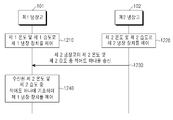
도 12는 본 발명의 다양한 실시예에 의한 냉장고의 제어 방법을 설명하기 위한 흐름도를 도시한다.12 is a flowchart illustrating a method of controlling a refrigerator according to various embodiments of the present invention.
1210 동작에서, 제 1 냉장고(101)는 제 1 온도 및 제 1 습도로 제 1 냉장 장치를 제어할 수 있다. 1220 동작에서, 제 2 냉장고(102)는 제 2 온도 및 제 2 습도로 제 2 냉장 장치를 제어할 수 있다. 1230 동작에서, 제 2 냉장고(102)는 제 2 냉장고의 제 2 온도 및 제 2 습도 중 적어도 하나를 송신할 수 있다. 1240 동작에서, 제 1 냉장고(101)는 수신된 제 2 온도 및 제 2 습도 중 적어도 하나에 기초하여 제 1 냉장 장치를 제어할 수 있다. 예를 들어, 제 1 냉장고(101)는 적어도 하나의 영역이 제 2 온도가 되도록 제 1 냉장 장치를 제어할 수 있다. 또는, 제 1 냉장고(101)는 적어도 하나의 영역이 제 1 온도 및 제 2 온도를 고려하여 연산된 제 3 온도가 되도록 제 1 냉장 장치를 제어할 수 있다. 또는, 제 1 냉장고(101)는 적어도 하나의 영역이 제 2 습도가 되도록 제 1 냉장 장치를 제어할 수 있다. 또는, 제 1 냉장고(101)는 적어도 하나의 영역이 제 1 습도 및 제 2 습도를 고려하여 연산된 제 3 습도가 되도록 제 1 냉장 장치를 제어할 수 있다. In
도 13은 본 발명의 다양한 실시예에 의한 냉장고의 제어 방법을 설명하기 위한 흐름도를 도시한다. 도 13의 실시예는 도 14를 참조하여 더욱 상세하게 설명하도록 한다. 도 14는 본 발명의 다양한 실시예에 따른 냉장고의 동작을 설명하기 위한 개념도를 도시한다.13 is a flowchart illustrating a method of controlling a refrigerator according to various embodiments of the present invention. The embodiment of Fig. 13 will be described in more detail with reference to Fig. 14 shows a conceptual diagram for explaining the operation of a refrigerator according to various embodiments of the present invention.
1310 동작에서, 제 2 냉장고(102)는 제 1 아이템의 입고를 검출할 수 있다. 제 2 냉장고(102)는, 도 14에서와 같이, 제 1 아이템(601)을 입고하고 있을 수 있다.In
1320 동작에서, 제 2 냉장고(102)는 제 1 아이템의 보관 정보 히스토리를 저장할 수 있다. 예를 들어, 도 14에서와 같이, 제 2 냉장고(102)는 날짜별 보관 정보를 포함하는 보관 정보 히스토리(1423)를 저장할 수 있다. 도 14에서는, 보관 정보 히스토리(1423)가 일자별로 관리되는 것과 같이 도시되지만, 시간의 단위에는 제한이 없다. 아울러, 보관 정보가 온도 정보 및 습도 정보를 포함하는 것과 같이 도시되지만, 이 또한 단순히 예시적인 것이다.In
1330 동작에서, 제 2 냉장고(102)는 제 1 아이템(601)의 이탈(611)을 검출하고 알릴 수 있다. 예를 들어, 도 14a에서와 같이 제 2 냉장고(102)는 제 1 아이템(601)의 이탈(611)의 정보를 포함하는 신호(621)를 송신할 수 있다.In
1340 동작에서, 제 2 냉장고(102)는 제 1 아이템(601)의 입고(612)를 알리는 신호(622)를 수신할 수 있다. 1350 동작에서, 제 2 냉장고(102)는 제 1 아이템이 입고된 냉장고로, 제 1 아이템의 보관 정보 히스토리(1423)를 송신할 수 있다.In
1360 동작에서, 제 1 냉장고(101)는 제 1 아이템의 보관 정보 히스토리(1423)를 이용하여, 상기 제 1 아이템을 보관하기 위한 냉장 장치를 제어할 수 있다. 예를 들어, 제 1 냉장고(101)는 제 1 아이템(601)을 식별할 수 있으며, 이에 대응하는 미리 저장된 보관 정보를 독출할 수 있다. 미리 저장된 보관 정보는, 아이템의 종류별로 설정된 시간에 따른 보관 정보에 대한 정보일 수 있으며, 표 5는 미리 저장된 보관 정보의 예시이다.In operation 1360, the
본 발명의 다양한 실시예에서, 제 1 냉장고(101)는 표 4와 같은 보관 정보를 미리 저장하거나 또는 다른 전자 장치로부터 수신할 수도 있다. 제 1 냉장고(101)는 미리 저장된 보관 정보와 제 2 냉장고(102)로부터 수신한 보관 정보 히스토리(1423)를 비교할 수 있으며, 비교 결과에 기초하여 냉장 장치를 제어할 수 있다. 예를 들어, 제 1 냉장고(101)는 9월 1일부터 6일간의 보관 정보가 미리 저장된 보관 정보의 1일차 내지 6일차에 대응됨을 판단할 수 있으며, 이후 7일차부터의 보관 정보가 유지되도록 냉장 장치를 제어할 수 있다. 상술한 바에 따라서, 특정 아이템에 대한 연속적인 보관이 가능할 수 있다.In various embodiments of the present invention, the
도 15는 본 발명의 다양한 실시예에 따른 냉장고의 동작을 설명하기 위한 흐름도를 도시한다.15 shows a flowchart for explaining the operation of a refrigerator according to various embodiments of the present invention.
1510 동작에서, 제 2 냉장고(102)는 제 1 아이템의 입고를 검출할 수 있다. 1520 동작에서, 제 2 냉장고(102) 제 1 아이템의 부패 상태를 판단할 수 있다. 예를 들어, 제 2 냉장고(102)는 부패 상태에 대응하는 화학물질을 센싱하는 센서를 포함할 수 있으며, 센싱된 데이터에 기초하여 제 1 아이템의 부패 상태를 판단할 수 있다. 부패 상태는, 부패 시간 및 부패 정도 중 적어도 하나를 포함할 수 있다. 1530 동작에서, 제 2 냉장고(102)는 제 1 아이템의 부패 상태를 저장할 수 있다.In operation 1510, the
1540 동작에서, 제 2 냉장고(102)는 제 1 아이템의 이탈을 검출하고 이를 알릴 수 있다. 1550 동작에서, 제 2 냉장고(102)는 제 1 아이템의 입고의 알림을 수신할 수 있다. 예를 들어, 제 1 냉장고(101)는 제 1 아이템의 입고를 검출하고, 제 1 아이템의 입고에 대한 정보를 포함하는 신호를 송신할 수 있다.In operation 1540, the
1560 동작에서, 제 2 냉장고(102)는 제 1 아이템이 입고된 냉장고로, 제 1 아이템의 부패 상태를 송신할 수 있다. 1570 동작에서, 제 1 냉장고(102)는 제 1 아이템의 부패 상태를 이용하여, 상기 제 1 아이템을 보관하기 위한 냉장 장치를 제어할 수 있다. 또는, 제 1 냉장고(102)는 부패 상태를 알리기 위한 출력을 발생시킬 수도 있다.In
도 16은 본 발명의 다양한 실시예에 따른 냉장고 사이의 연결을 설명하기 위한 개념도를 도시한다. 도 16에 도시된 바와 같이, 제 1 냉장고(101) 및 제 2 냉장고(102)는 홈 네트워크 환경(1600)에 포함될 수 있다. 여기에서, 홈 네트워크 환경(1600)은 다양한 방식의 근거리 통신을 이용하여 통신 가능한 범위를 의미할 수도 있으며, 또는 홈 네트워크(1600)를 관장하는 CP(control point)에 의하여 제어될 수 있는 영역을 의미할 수도 있다. 제 1 냉장고(101) 및 제 2 냉장고(102)는 신호(1601)를 송수신할 수 있으며, 신호(1601)는 보관 정보를 포함할 수 있거나, 또는 아이템의 입고 또는 이탈에 대한 정보를 포함할 수도 있다. 또는, 신호(1601)는 보관 정보 히스토리 또는 부패 상태를 포함할 수도 있다.Figure 16 shows a conceptual diagram for illustrating the connection between refrigerators according to various embodiments of the present invention. As shown in FIG. 16, the
한편, 제 1 냉장고(101)는 홈 네트워크(1600)의 외부에 배치되는 제 3 냉장고(103)와 원격으로 통신을 수행할 수도 있다. 예를 들어, 제 1 냉장고(101)는 셀룰러 통신 프로토콜을 이용한 원거리 통신을 이용하여 제 3 냉장고(103)와 통신을 수행할 수도 있다. 제 1 냉장고(101)와 제 3 냉장고(103)는 신호(1602)를 송수신할 수 있으며, 신호(1602)는 보관 정보를 포함할 수 있거나, 또는 아이템의 입고 또는 이탈에 대한 정보를 포함할 수도 있다. 또는, 신호(1602)는 보관 정보 히스토리 또는 부패 상태를 포함할 수도 있다.Meanwhile, the
도 17은 본 발명의 다양한 실시예에 의한 냉장고의 동작을 설명하기 위한 흐름도를 도시한다. 도 17의 실시예는 도 18을 참조하여 더욱 상세하게 설명하도록 한다. 도 18은 본 발명의 다양한 실시예에 의한 냉장고의 동작을 설명하기 위한 개념도를 도시한다.17 shows a flowchart for explaining the operation of the refrigerator according to various embodiments of the present invention. The embodiment of Fig. 17 will be described in more detail with reference to Fig. 18 is a conceptual diagram for explaining the operation of the refrigerator according to various embodiments of the present invention.
1710 동작에서, 제 1 냉장고(101)는 제 1 아이템의 입고를 검출할 수 있다. 예를 들어, 도 18에서와 같이, 제 1 냉장고(101)는 제 1 아이템(1810)을 제 1 보관 영역(1800)에 입고할 수 있다. 1720 동작에서, 제 1 냉장고(101)는 제 1 아이템(1810)을 식별할 수 있다. 예를 들어, 제 1 냉장고(101)는 제 1 아이템(1810)에 부착된 RFID 태그(1811)를 스캐닝한 결과에 기초하여, 제 1 아이템(1810)에 대한 정보를 식별할 수 있다. 예를 들어, 제 1 냉장고(101)는 제 1 아이템(1810)의 종류가 냉동 소고기인 것으로 식별할 수 있다.In operation 1710, the
1730 동작에서, 제 1 냉장고(101)는 제 1 아이템(101)에 대한 보관 정보 변동을 검출할 수 있다. 예를 들어, 제 1 냉장고(101)는 제 1 아이템(1810)이 입고된 제 1 보관 영역(1800)에 대한 해동 명령을 수신할 수 있다. 이에 따라, 제 1 냉장고(101)는 제 1 아이템(101)에 대한 보관 정보, 즉 온도 정보가 증가하는 것을 검출할 수 있다.In
1740 동작에서, 제 1 냉장고(101)는 제 1 아이템(1810)과 연관된 제 2 전자 장치를 판단할 수 있다. 본 발명의 다양한 실시예에서, 제 1 냉장고(101)는 제 1 아이템(1810)의 보관 정보 변동에 대응하는 전자 장치를 판단할 수 있다. 예를 들어, 도 18의 실시예에서는, 제 1 냉장고(101)는 온도 정보의 증가에 대응하여 아이템(1810)에 대응하는 전자 장치로서 오븐(1830)을 판단할 수 있다. 제 1 냉장고(101)는 냉동 소고기에 대한 해동 명령과 오븐을 연관하여 저장할 수 있으며, 이에 따라 온도 정보의 증가에 대응하여 오븐(1830)을 아이템(1810)에 대응하는 전자 장치로서 판단할 수 있다.In
1750 동작에서, 제 1 냉장고(101)는 제 2 전자 장치, 즉 오븐(1830)에 제 1 아이템에 대한 보관 정보 변동을 송신할 수 있다. 1760 동작에서, 제 2 전자 장치, 즉 오븐(1830)은 수신된 제 1 아이템에 대한 보관 정보를 이용하여 구동할 수 있다. 오븐(1830)은 온도 정보 증가에 대응하여, 지정된 동작인 예열 동작을 수행할 수 있다. 오븐(1830)은 온도 정보의 증가 정도에 따라서, 예열 온도를 설정할 수도 있다. 상술한 바에 따라서, 사용자는 제 1 냉장고(101)가 제 1 아이템(1810)에 대한 해동을 종료한 경우, 바로 예열된 오븐(1830)으로 제 1 아이템(1810)을 조리할 수 있다.In 1750 operation, the
상기 전자 장치의 전술한 구성요소들 각각은 하나 또는 그 이상의 부품(component)으로 구성될 수 있으며, 해당 구성 요소의 명칭은 전자 장치의 종류에 따라서 달라질 수 있다. 다양한 실시예에서, 전자 장치는 전술한 구성요소 중 적어도 하나를 포함하여 구성될 수 있으며, 일부 구성요소가 생략되거나 또는 추가적인 다른 구성요소를 더 포함할 수 있다. 또한, 다양한 실시예에 따른 전자 장치의 구성 요소들 중 일부가 결합되어 하나의 개체(entity)로 구성됨으로써, 결합되기 이전의 해당 구성 요소들의 기능을 동일하게 수행할 수 있다.Each of the above-described components of the electronic device may be composed of one or more components, and the name of the component may be changed according to the type of the electronic device. In various embodiments, the electronic device may be configured to include at least one of the components described above, with some components omitted or further comprising additional other components. In addition, some of the components of the electronic device according to various embodiments may be combined into one entity, so that the functions of the components before being combined can be performed in the same manner.
본 문서에서 사용된 용어 “모듈”은, 예를 들면, 하드웨어, 소프트웨어 또는 펌웨어(firmware) 중 하나 또는 둘 이상의 조합을 포함하는 단위(unit)를 의미할 수 있다. “모듈”은, 예를 들면, 유닛(unit), 로직(logic), 논리 블록(logical block), 부품(component), 또는 회로(circuit) 등의 용어와 바꾸어 사용(interchangeably use)될 수 있다. “모듈”은, 일체로 구성된 부품의 최소 단위 또는 그 일부가 될 수 있다. “모듈”은 하나 또는 그 이상의 기능을 수행하는 최소 단위 또는 그 일부가 될 수도 있다. “모듈”은 기계적으로 또는 전자적으로 구현될 수 있다. 예를 들면,“모듈”은, 알려졌거나 앞으로 개발될, 어떤 동작들을 수행하는 ASIC(application-specific integrated circuit) 칩, FPGAs(field-programmable gate arrays) 또는 프로그램 가능 논리 장치(programmable-logic device) 중 적어도 하나를 포함할 수 있다. As used in this document, the term " module " may refer to a unit comprising, for example, one or a combination of two or more of hardware, software or firmware. A " module " may be interchangeably used with terms such as, for example, unit, logic, logical block, component, or circuit. A " module " may be a minimum unit or a portion of an integrally constructed component. A " module " may be a minimum unit or a portion thereof that performs one or more functions. &Quot; Modules " may be implemented either mechanically or electronically. For example, a "module" may be an application-specific integrated circuit (ASIC) chip, field-programmable gate arrays (FPGAs) or programmable-logic devices And may include at least one.
다양한 실시예에 따른 장치(예: 모듈들 또는 그 기능들) 또는 방법(예: 동작들)의 적어도 일부는, 예컨대, 프로그램 모듈의 형태로 컴퓨터로 읽을 수 있는 저장매체(computer-readable storage media)에 저장된 명령어로 구현될 수 있다. 상기 명령어는, 프로세서(예: 프로세서(120))에 의해 실행될 경우, 상기 하나 이상의 프로세서가 상기 명령어에 해당하는 기능을 수행할 수 있다. 컴퓨터로 읽을 수 있는 저장매체는, 예를 들면, 상기 메모리(130)가 될 수 있다. At least a portion of a device (e.g., modules or functions thereof) or a method (e.g., operations) according to various embodiments may include, for example, computer-readable storage media in the form of program modules, As shown in FIG. The instructions, when executed by a processor (e.g., processor 120), may cause the one or more processors to perform functions corresponding to the instructions. The computer readable storage medium may be, for example, the
상기 컴퓨터로 판독 가능한 기록 매체는, 하드디스크, 플로피디스크, 마그네틱 매체(magnetic media)(예: 자기테이프), 광기록 매체(optical media)(예: CD-ROM(compact disc read only memory), DVD(digital versatile disc), 자기-광 매체(magneto-optical media)(예: 플롭티컬 디스크(floptical disk)), 하드웨어 장치(예: ROM(read only memory), RAM(random access memory), 또는 플래시 메모리 등) 등을 포함할 수 있다. 또한, 프로그램 명령에는 컴파일러에 의해 만들어지는 것과 같은 기계어 코드뿐만 아니라 인터프리터 등을 사용해서 컴퓨터에 의해서 실행될 수 있는 고급 언어 코드를 포함할 수 있다. 상술한 하드웨어 장치는 다양한 실시예의 동작을 수행하기 위해 하나 이상의 소프트웨어 모듈로서 작동하도록 구성될 수 있으며, 그 역도 마찬가지다.The computer readable recording medium may be a hard disk, a floppy disk, a magnetic media (e.g., a magnetic tape), an optical media (e.g., a compact disc read only memory (CD-ROM) but are not limited to, digital versatile discs, magneto-optical media such as floptical discs, hardware devices such as read only memory (ROM), random access memory (RAM) Etc.), etc. The program instructions may also include machine language code such as those produced by a compiler, as well as high-level language code that may be executed by a computer using an interpreter, etc. The above- May be configured to operate as one or more software modules to perform the operations of the various embodiments, and vice versa.
다양한 실시예에 따른 모듈 또는 프로그램 모듈은 전술한 구성요소들 중 적어도 하나 이상을 포함하거나, 일부가 생략되거나, 또는 추가적인 다른 구성요소를 더 포함할 수 있다. 다양한 실시예에 따른 모듈, 프로그램 모듈 또는 다른 구성요소에 의해 수행되는 동작들은 순차적, 병렬적, 반복적 또는 휴리스틱(heuristic)한 방법으로 실행될 수 있다. 또한, 일부 동작은 다른 순서로 실행되거나, 생략되거나, 또는 다른 동작이 추가될 수 있다.Modules or program modules according to various embodiments may include at least one or more of the elements described above, some of which may be omitted, or may further include additional other elements. Operations performed by modules, program modules, or other components in accordance with various embodiments may be performed in a sequential, parallel, iterative, or heuristic manner. Also, some operations may be performed in a different order, omitted, or other operations may be added.
본 발명의 다양한 실시예에 따르면, 명령들을 저장하고 있는 저장 매체에 있어서, 상기 명령들은 적어도 하나의 프로세서에 의하여 실행될 때에 상기 적어도 하나의 프로세서로 하여금 적어도 하나의 동작을 수행하도록 설정된 것으로서, 상기 적어도 하나의 동작은, 냉장고의 적어도 하나의 보관 영역의 온도 및 습도 중 적어도 하나를, 제 1 보관 정보에 기초하여 제어하는 동작; 상기 냉장고와 상이한 다른 냉장고로부터, 상기 다른 냉장고의 제 2 보관 정보를 수신하는 동작; 및 상기 수신된 제 2 보관 정보에 기초하여, 상기 냉장고의 적어도 하나의 보관 영역의 상기 온도 및 상기 습도 중 적어도 하나를 제어하는 동작을 포함할 수 있다. According to various embodiments of the present invention there is provided a storage medium having stored thereon instructions for causing the at least one processor to perform at least one operation when executed by at least one processor, The operation of controlling at least one of the temperature and the humidity of at least one storage area of the refrigerator based on the first storage information; Receiving second storage information of the other refrigerator from another refrigerator different from the refrigerator; And controlling at least one of the temperature and the humidity of at least one storage area of the refrigerator based on the received second storage information.
그리고 본 문서에 개시된 실시예는 개시된, 기술 내용의 설명 및 이해를 위해 제시된 것이며, 본 개시의 범위를 한정하는 것은 아니다. 따라서, 본 개시의 범위는, 본 개시의 기술적 사상에 근거한 모든 변경 또는 다양한 다른 실시예를 포함하는 것으로 해석되어야 한다.And the embodiments disclosed in this document are presented for the purpose of explanation and understanding of the disclosed contents, and do not limit the scope of the present disclosure. Accordingly, the scope of the present disclosure should be construed as including all modifications based on the technical idea of the present disclosure or various other embodiments.
Claims (32)
상기 냉장고의 적어도 하나의 보관 영역의 온도 및 습도 중 적어도 하나를, 제 1 보관 정보에 기초하여 제어하는 동작;
상기 냉장고와 상이한 다른 냉장고로부터, 상기 다른 냉장고의 제 2 보관 정보를 수신하는 동작; 및
상기 수신된 제 2 보관 정보에 기초하여, 상기 냉장고의 적어도 하나의 보관 영역의 상기 온도 및 상기 습도 중 적어도 하나를 제어하는 동작
을 포함하는 냉장고의 제어 방법.A control method for a refrigerator,
Controlling at least one of temperature and humidity of at least one storage area of the refrigerator based on first storage information;
Receiving second storage information of the other refrigerator from another refrigerator different from the refrigerator; And
Controlling at least one of the temperature and the humidity of at least one storage area of the refrigerator based on the received second storage information
And controlling the refrigerator.
제 1 아이템의 입고를 검출하는 동작
을 더 포함하고,
상기 제 2 보관 정보를 수신하는 동작은,
상기 제 1 아이템의 이탈을 검출한 상기 다른 냉장고로부터 상기 제 2 보관 정보를 수신하는 냉장고의 제어 방법.The method according to claim 1,
An operation to detect the arrival of the first item
Further comprising:
Wherein the operation of receiving the second storage information comprises:
And receives the second storage information from the other refrigerator that detects the departure of the first item.
상기 냉장고의 적어도 하나의 보관 영역의 상기 온도 및 상기 습도 중 적어도 하나를 제어하는 동작은,
상기 제 2 보관 정보에 기초하여, 상기 제 1 아이템이 입고된 보관 영역의 상기 온도 및 상기 습도 중 적어도 하나를 제어하는 냉장고의 제어 방법.3. The method of claim 2,
The operation of controlling at least one of the temperature and the humidity of at least one storage area of the refrigerator,
And controls the at least one of the temperature and the humidity of the storage area in which the first item is received based on the second storage information.
상기 제 1 아이템의 입고의 정보를 포함하는 제 1 신호를 송신하는 동작
을 더 포함하고,
상기 다른 냉장고는, 상기 제 1 신호의 수신에 대응하여, 상기 제 2 보관 정보를 송신하는 냉장고의 제어 방법.3. The method of claim 2,
An operation of transmitting a first signal including information of receipt of the first item
Further comprising:
And the other refrigerator transmits the second storage information in response to reception of the first signal.
상기 제 2 보관 정보를 수신하는 동작은,
상기 다른 냉장고로부터, 상기 제 1 아이템의 이탈의 정보를 포함하는 제 2 신호를 수신하는 동작; 및
상기 제 2 신호의 수신에 대응하여, 상기 제 2 보관 정보를 요청하는 제 3 신호를 상기 다른 냉장고로 송신하는 동작
을 더 포함하고,
상기 다른 냉장고는, 상기 제 3 신호의 수신에 대응하여, 상기 제 2 보관 정보를 송신하는 냉장고의 제어 방법.3. The method of claim 2,
Wherein the operation of receiving the second storage information comprises:
Receiving a second signal from the other refrigerator, the second signal comprising information of departure of the first item; And
In response to receiving the second signal, transmitting a third signal requesting the second storage information to the other refrigerator
Further comprising:
And the other refrigerator transmits the second storage information in response to reception of the third signal.
상기 제 1 아이템의 입고를 검출하는 동작은,
상기 제 1 아이템의 RFID 태그를 스캐닝하는 동작; 및
상기 RFID 태그의 스캐닝 결과에 기초하여, 상기 제 1 아이템의 입고를 검출하는 동작
을 포함하는 냉장고의 제어 방법.3. The method of claim 2,
Wherein the detecting of the arrival of the first item comprises:
Scanning an RFID tag of the first item; And
Detecting an arrival of the first item on the basis of a result of scanning the RFID tag
And controlling the refrigerator.
상기 제 2 보관 정보를 수신하는 동작은,
상기 제 1 아이템의 상기 RFID 태그의 스캐닝 결과에 기초하여 상기 제 1 아이템의 이탈을 검출한 상기 다른 냉장고로부터, 상기 제 2 보관 정보를 수신하는 냉장고의 제어 방법.The method according to claim 6,
Wherein the operation of receiving the second storage information comprises:
And receives the second storage information from the other refrigerator that detects the departure of the first item based on the scanning result of the RFID tag of the first item.
상기 제 1 아이템의 입고를 검출하는 동작은,
상기 적어도 하나의 보관 영역의 무게가 제 1 무게만큼 증가하는 검출하는 동작; 및
상기 제 1 무게의 증가에 기초하여, 상기 제 1 아이템의 입고를 검출하는 동작
을 포함하는 냉장고의 제어 방법.3. The method of claim 2,
Wherein the detecting of the arrival of the first item comprises:
Detecting that the weight of the at least one storage area increases by a first weight; And
Based on an increase in the first weight, detecting an arrival of the first item
And controlling the refrigerator.
상기 제 2 보관 정보를 수신하는 동작은,
상기 제 1 무게의 감소의 검출에 기초하여 상기 제 1 아이템의 이탈을 검출한 상기 다른 냉장고로부터, 상기 제 2 보관 정보를 수신하는 냉장고의 제어 방법.9. The method of claim 8,
Wherein the operation of receiving the second storage information comprises:
And receives the second storage information from the other refrigerator that detects the departure of the first item based on the detection of the decrease in the first weight.
상기 제 1 아이템의 입고를 검출하는 동작은,
상기 냉장고에 포함된 아이템의 존재에 대한 검출을 수행하는 프레전스 센서로부터의 센싱 데이터에 기초하여 제 1 시점에서 상기 제 1 아이템의 입고를 검출하는 냉장고의 제어 방법.3. The method of claim 2,
Wherein the detecting of the arrival of the first item comprises:
And detecting arrival of the first item at a first point of time based on sensing data from a presence sensor that detects the presence of the item contained in the refrigerator.
상기 제 2 보관 정보를 수신하는 동작은,
상기 제 1 시점과 기설정된 임계치 이내의 차이를 가지는 제 2 시점에서 상기 제 1 아이템의 이탈을 검출한 상기 다른 냉장고로부터, 상기 제 2 보관 정보를 수신하는 냉장고의 제어 방법.11. The method of claim 10,
Wherein the operation of receiving the second storage information comprises:
And receives the second storage information from the other refrigerator which detects the departure of the first item at a second time point having a difference between the first time point and a predetermined threshold value.
상기 제 2 보관 정보는, 상기 제 1 아이템에 대한 보관 정보 히스토리를 포함하고,
상기 냉장고의 적어도 하나의 보관 영역의 상기 온도 및 상기 습도 중 적어도 하나를 제어하는 동작은, 상기 제 1 아이템에 대한 보관 정보 히스토리에 기초하여 냉장고의 적어도 하나의 보관 영역의 상기 온도 및 상기 습도 중 적어도 하나를 제어하는 냉장고의 제어 방법.3. The method of claim 2,
Wherein the second storage information includes a storage information history for the first item,
Wherein the operation of controlling at least one of the temperature and the humidity of at least one storage area of the refrigerator includes at least one of the temperature and the humidity of at least one storage area of the refrigerator based on the storage information history for the first item A method of controlling a refrigerator that controls one.
상기 제 2 보관 정보는, 상기 제 1 아이템에 대한 부패 상태를 포함하고,
상기 냉장고의 적어도 하나의 보관 영역의 상기 온도 및 상기 습도 중 적어도 하나를 제어하는 동작은, 상기 제 1 아이템에 대한 부패 상태에 기초하여 냉장고의 적어도 하나의 보관 영역의 상기 온도 및 상기 습도 중 적어도 하나를 제어하는 냉장고의 제어 방법.3. The method of claim 2,
Wherein the second storage information includes a corruption state for the first item,
Wherein the operation of controlling at least one of the temperature and the humidity of at least one storage area of the refrigerator is based on at least one of the temperature and the humidity of at least one storage area of the refrigerator based on the decay status for the first item Of the refrigerator.
상기 냉장고의 적어도 하나의 보관 영역의 온도 및 습도 중 적어도 하나를 제어하는 냉장 장치;
통신 모듈;
상기 통신 모듈 및 상기 냉장 장치에 전기적으로 연결되는 프로세서; 및
상기 프로세서에 전기적으로 연결되는 메모리
를 포함하고,
상기 메모리는, 실행시에 상기 프로세서가,
제 1 보관 정보에 기초하여 상기 냉장 장치를 제어하고,
상기 통신 모듈을 통하여 다른 냉장고로부터 제 2 보관 정보가 수신되면, 상기 수신된 제 2 보관 정보에 기초하여 상기 냉장 장치를 제어하는 인스트럭션을 저장하는 냉장고.In the refrigerator,
A refrigerator for controlling at least one of temperature and humidity of at least one storage area of the refrigerator;
Communication module;
A processor electrically connected to the communication module and the refrigerator; And
A memory electrically coupled to the processor,
Lt; / RTI >
Wherein the memory, upon execution,
Controls the refrigeration apparatus based on the first storage information,
And stores the instruction to control the refrigerator based on the received second storage information when the second storage information is received from another refrigerator through the communication module.
상기 메모리는, 실행시에 상기 프로세서가,
제 1 아이템의 입고를 검출하는 인스트럭션을 저장하고,
상기 통신 모듈은, 상기 제 1 아이템의 이탈을 검출한 상기 다른 냉장고로부터 상기 제 2 보관 정보를 수신하는 냉장고.15. The method of claim 14,
Wherein the memory, upon execution,
Storing an instruction to detect an arrival of a first item,
And the communication module receives the second storage information from the other refrigerator that detects the departure of the first item.
상기 메모리는, 실행시에 상기 프로세서가, 상기 제 2 보관 정보에 기초하여, 상기 제 1 아이템이 입고된 보관 영역의 상기 온도 및 상기 습도 중 적어도 하나를 제어하는 인스트럭션을 저장하는 냉장고.16. The method of claim 15,
Wherein the memory stores instructions that, when executed, cause the processor to control at least one of the temperature and the humidity of the storage area in which the first item is received based on the second storage information.
상기 통신 모듈은, 상기 제 1 아이템의 입고의 정보를 포함하는 제 1 신호를 송신하고,
상기 다른 냉장고는, 상기 제 1 신호의 수신에 대응하여, 상기 제 2 보관 정보를 송신하는 냉장고.16. The method of claim 15,
Wherein the communication module transmits a first signal including information on receipt of the first item,
And the other refrigerator transmits the second storage information in response to receipt of the first signal.
상기 통신 모듈은,
상기 다른 냉장고로부터, 상기 제 1 아이템의 이탈의 정보를 포함하는 제 2 신호를 수신하고, 상기 제 2 신호의 수신에 대응하여, 상기 제 2 보관 정보를 요청하는 제 3 신호를 상기 다른 냉장고로 송신하고,
상기 다른 냉장고는, 상기 제 3 신호의 수신에 대응하여, 상기 제 2 보관 정보를 송신하는 냉장고.16. The method of claim 15,
The communication module includes:
Receiving a second signal from the other refrigerator including information on the departure of the first item and sending a third signal to the other refrigerator in response to receipt of the second signal requesting the second storage information and,
And the other refrigerator transmits the second storage information in response to receipt of the third signal.
상기 제 1 아이템의 RFID 태그를 스캐닝하는 RFID 리더(reader)
를 더 포함하고,
상기 메모리는, 실행시에 상기 프로세서가, 상기 RFID 태그의 스캐닝 결과에 기초하여, 상기 제 1 아이템의 입고를 검출하는 인스트럭션을 저장하는 냉장고.16. The method of claim 15,
An RFID reader for scanning the RFID tag of the first item,
Further comprising:
Wherein the memory stores instructions that, when executed, cause the processor to detect the arrival of the first item based on a result of scanning the RFID tag.
상기 통신 모듈은, 상기 제 1 아이템의 상기 RFID 태그의 스캐닝 결과에 기초하여 상기 제 1 아이템의 이탈을 검출한 상기 다른 냉장고로부터, 상기 제 2 보관 정보를 수신하는 냉장고.20. The method of claim 19,
And the communication module receives the second storage information from the other refrigerator that detects the departure of the first item based on the scanning result of the RFID tag of the first item.
상기 적어도 하나의 보관 영역의 무게가 제 1 무게만큼 증가하는 것을 검출하는 무게 센서
를 더 포함하고,
상기 메모리는, 실행시에 상기 프로세서가, 상기 제 1 무게의 증가에 기초하여, 상기 제 1 아이템의 입고를 검출하는 인스트럭션을 저장하는 냉장고.16. The method of claim 15,
A weight sensor for detecting that the weight of the at least one storage area is increased by a first weight,
Further comprising:
Wherein the memory stores instructions that, when executed, cause the processor to detect an arrival of the first item based on an increase in the first weight.
상기 통신 모듈은, 상기 제 1 무게의 감소의 검출에 기초하여 상기 제 1 아이템의 이탈을 검출한 상기 다른 냉장고로부터, 상기 제 2 보관 정보를 수신하는 냉장고.22. The method of claim 21,
Wherein the communication module receives the second storage information from the other refrigerator that detects the departure of the first item based on the detection of the decrease in the first weight.
상기 냉장고에 포함된 아이템의 존재에 대한 검출을 수행하는 프레전스 센서
를 더 포함하고,
상기 메모리는, 실행시에 상기 프로세서가, 상기 프레전스 센서로부터의 센싱 데이터에 기초하여 제 1 시점에서 상기 제 1 아이템의 입고를 검출하는 인스트럭션을 저장하는 냉장고.16. The method of claim 15,
The refrigerator includes a refrigerator, a refrigerator,
Further comprising:
Wherein the memory stores instructions that, when executed, cause the processor to detect a wear of the first item at a first point of time based on sensing data from the presence sensor.
상기 통신 모듈은, 상기 제 1 시점과 기설정된 임계치 이내의 차이를 가지는 제 2 시점에서 상기 제 1 아이템의 이탈을 검출한 상기 다른 냉장고로부터, 상기 제 2 보관 정보를 수신하는 냉장고.24. The method of claim 23,
Wherein the communication module receives the second storage information from the other refrigerator that detects the departure of the first item at a second time point having a difference between the first time point and a predetermined threshold value.
상기 제 2 보관 정보는, 상기 제 1 아이템에 대한 보관 정보 히스토리를 포함하고,
상기 메모리는, 실행시에 상기 프로세서가, 상기 제 1 아이템에 대한 보관 정보 히스토리에 기초하여 냉장고의 적어도 하나의 보관 영역의 상기 온도 및 상기 습도 중 적어도 하나를 제어하는 인스트럭션을 저장하는 냉장고.16. The method of claim 15,
Wherein the second storage information includes a storage information history for the first item,
Wherein the memory stores instructions that, at run time, cause the processor to control at least one of the temperature and the humidity of at least one storage area of the refrigerator based on an archive information history for the first item.
상기 제 2 보관 정보는, 상기 제 1 아이템에 대한 부패 상태를 포함하고,
상기 메모리는, 실행시에 상기 프로세서가, 상기 제 1 아이템에 대한 부패 상태에 기초하여 냉장고의 적어도 하나의 보관 영역의 상기 온도 및 상기 습도 중 적어도 하나를 제어하는 인스트럭션을 저장하는 냉장고.16. The method of claim 15,
Wherein the second storage information includes a corruption state for the first item,
Wherein the memory stores instructions that, when executed, cause the processor to control at least one of the temperature and the humidity of at least one storage area of the refrigerator based on a corruption state for the first item.
제 1 보관 정보에 기초하여, 제 1 아이템을 보관하는 보관 영역의 온도 및 습도를 제어하는 동작;
상기 제 1 아이템의 이탈을 검출하는 동작;
상기 제 1 아이템의 입고를 검출한 다른 냉장고로부터, 상기 제 1 아이템의 입고의 정보를 포함하는 제 1 신호를 수신하는 동작; 및
상기 제 1 신호의 수신에 대응하여 상기 제 1 보관 정보를 상기 다른 냉장고로 송신하는 동작
을 포함하는 냉장고의 제어 방법.A control method for a refrigerator,
Controlling the temperature and humidity of the storage area for storing the first item based on the first storage information;
Detecting a departure of the first item;
Receiving a first signal from another refrigerator that has detected a receipt of the first item, the first signal including information of receipt of the first item; And
And transmitting the first storage information to the other refrigerator corresponding to the reception of the first signal
And controlling the refrigerator.
상기 제 1 아이템의 이탈의 정보를 포함하는 제 2 신호를 송신하는 동작
을 더 포함하고,
상기 제 1 신호는, 상기 제 2 신호에 대응하며, 상기 제 1 보관 정보를 요청하는 정보를 포함하는 냉장고의 제어 방법.28. The method of claim 27,
Transmitting a second signal including information of a departure of the first item
Further comprising:
Wherein the first signal corresponds to the second signal and comprises information requesting the first storage information.
제 1 보관 정보에 기초하여, 제 1 아이템을 보관하는 보관 영역의 온도 및 습도 중 적어도 하나를 제어하는 냉장 장치;
통신 모듈;
상기 통신 모듈 및 상기 냉장 장치에 전기적으로 연결되는 프로세서; 및
상기 프로세서에 전기적으로 연결되는 메모리
를 포함하고,
상기 메모리는, 실행시에 상기 프로세서가,
상기 제 1 아이템의 이탈을 검출하고,
상기 통신 모듈을 통하여, 상기 제 1 아이템의 입고를 검출한 다른 냉장고로부터, 상기 제 1 아이템의 입고의 정보를 포함하는 제 1 신호가 수신되면, 상기 제 1 신호의 수신에 대응하여 상기 제 1 보관 정보를 상기 다른 냉장고로 송신하도록 상기 통신 모듈을 제어하는 인스트럭션을 저장하는 냉장고.In the refrigerator,
A refrigeration apparatus which controls, based on the first storage information, at least one of a temperature and a humidity of a storage area for storing the first item;
Communication module;
A processor electrically connected to the communication module and the refrigerator; And
A memory electrically coupled to the processor,
Lt; / RTI >
Wherein the memory, upon execution,
Detecting a departure of the first item,
When receiving a first signal including information on receipt of the first item from another refrigerator that has detected the receipt of the first item through the communication module, And store the instructions to control the communication module to transmit information to the other refrigerator.
상기 통신 모듈은, 상기 제 1 아이템의 이탈의 정보를 포함하는 제 2 신호를 송신하고,
상기 제 1 신호는, 상기 제 2 신호에 대응하며, 상기 제 1 보관 정보를 요청하는 정보를 포함하는 냉장고.30. The method of claim 29,
The communication module transmits a second signal including information on the departure of the first item,
Wherein the first signal corresponds to the second signal and comprises information requesting the first storage information.
제 1 보관 정보에 기초하여, 제 1 아이템을 보관하는 보관 영역의 온도 및 습도를 제어하는 동작;
상기 제 1 아이템을 식별하는 동작;
상기 제 1 아이템에 대한 상기 제 1 보관 정보의 변경을 검출하는 동작;
상기 제 1 아이템의 식별 결과 및 상기 제 1 보관 정보의 변경에 대응하는 다른 전자 장치를 판단하는 동작;
상기 다른 전자 장치로, 상기 제 1 보관 정보의 변경의 정보를 포함하는 신호를 송신하는 동작
을 포함하는 냉장고의 제어 방법.A control method for a refrigerator,
Controlling the temperature and humidity of the storage area for storing the first item based on the first storage information;
Identifying the first item;
Detecting a change in the first archive information for the first item;
Determining an identification result of the first item and another electronic device corresponding to the change of the first storage information;
Transmitting, to said another electronic device, a signal including information of a change of said first storage information
And controlling the refrigerator.
제 1 보관 정보에 기초하여, 제 1 아이템을 보관하는 보관 영역의 온도 및 습도 중 적어도 하나를 제어하는 냉장 장치;
통신 모듈;
상기 통신 모듈 및 상기 냉장 장치에 전기적으로 연결되는 프로세서; 및
상기 프로세서에 전기적으로 연결되는 메모리
를 포함하고,
상기 메모리는, 실행시에 상기 프로세서가,
상기 제 1 아이템을 식별하고,
상기 제 1 아이템에 대한 상기 제 1 보관 정보의 변경을 검출하고,
상기 제 1 아이템의 식별 결과 및 상기 제 1 보관 정보의 변경에 대응하는 다른 전자 장치를 판단하고,
상기 다른 전자 장치로, 상기 제 1 보관 정보의 변경의 정보를 포함하는 신호를 송신하도록 상기 통신 모듈을 제어하는 인스트럭션을 저장하는 냉장고.In the refrigerator,
A refrigeration apparatus which controls, based on the first storage information, at least one of a temperature and a humidity of a storage area for storing the first item;
Communication module;
A processor electrically connected to the communication module and the refrigerator; And
A memory electrically coupled to the processor,
Lt; / RTI >
Wherein the memory, upon execution,
Identifying the first item,
Detecting a change in the first storage information for the first item,
Determine another electronic device corresponding to the identification result of the first item and the change of the first storage information,
And to said another electronic device, instructions for controlling said communication module to transmit a signal comprising information of a change in said first storage information.
Priority Applications (2)
| Application Number | Priority Date | Filing Date | Title |
|---|---|---|---|
| KR1020150187259A KR20170077403A (en) | 2015-12-28 | 2015-12-28 | Refrigerator and method for controlling thereof |
| US15/393,197 US9982938B2 (en) | 2015-12-28 | 2016-12-28 | Refrigerator and method for controlling the same |
Applications Claiming Priority (1)
| Application Number | Priority Date | Filing Date | Title |
|---|---|---|---|
| KR1020150187259A KR20170077403A (en) | 2015-12-28 | 2015-12-28 | Refrigerator and method for controlling thereof |
Publications (1)
| Publication Number | Publication Date |
|---|---|
| KR20170077403A true KR20170077403A (en) | 2017-07-06 |
Family
ID=59088260
Family Applications (1)
| Application Number | Title | Priority Date | Filing Date |
|---|---|---|---|
| KR1020150187259A Withdrawn KR20170077403A (en) | 2015-12-28 | 2015-12-28 | Refrigerator and method for controlling thereof |
Country Status (2)
| Country | Link |
|---|---|
| US (1) | US9982938B2 (en) |
| KR (1) | KR20170077403A (en) |
Cited By (1)
| Publication number | Priority date | Publication date | Assignee | Title |
|---|---|---|---|---|
| KR20190100108A (en) * | 2019-08-09 | 2019-08-28 | 엘지전자 주식회사 | Refrigerator for managing item using artificial intelligence and operating method thereof |
Families Citing this family (7)
| Publication number | Priority date | Publication date | Assignee | Title |
|---|---|---|---|---|
| US10373472B2 (en) * | 2016-03-14 | 2019-08-06 | Amazon Technologies, Inc. | Scent-based spoilage sensing refrigerator |
| CN106168660A (en) * | 2016-07-05 | 2016-11-30 | 合肥华凌股份有限公司 | Refrigerator and the positioner of refrigerator |
| US11360498B2 (en) * | 2019-02-13 | 2022-06-14 | Honeywell International Inc. | Refrigeration manager tool for monitoring and controlling disparate refrigeration systems at an installation site |
| KR20210103608A (en) | 2020-02-13 | 2021-08-24 | 삼성전자주식회사 | Refrigerator, server and method for controlling the refrigerator |
| KR20220021742A (en) * | 2020-08-14 | 2022-02-22 | 삼성전자주식회사 | Electronic device, method for identifying freshness in the electronic device and non-transitory storage medium |
| US12406225B1 (en) | 2021-02-17 | 2025-09-02 | Amazon Technologies, Inc. | Devices for monitoring inventory within enclosures |
| CN117474027A (en) * | 2023-12-28 | 2024-01-30 | 珠海格力电器股份有限公司 | Article position tracking method and device, article storage equipment and storage medium |
Family Cites Families (7)
| Publication number | Priority date | Publication date | Assignee | Title |
|---|---|---|---|---|
| US5798694A (en) * | 1996-12-19 | 1998-08-25 | Motorola, Inc. | Food storage apparatus and methods and systems for monitoring a food item |
| KR100339398B1 (en) | 2000-03-30 | 2002-06-01 | 구자홍 | refrigerator and control method of the same |
| KR100635990B1 (en) | 2004-05-18 | 2006-10-20 | 오세훈 | Refrigerator information management system using radio frequency recognition technology |
| KR100641974B1 (en) | 2005-02-21 | 2006-11-06 | 엘지이노텍 주식회사 | How to manage refrigerator food using wireless identification technology |
| US9208520B2 (en) * | 2011-04-28 | 2015-12-08 | International Business Machines Corporation | Shelf life expiration date management |
| US9733012B2 (en) * | 2012-08-23 | 2017-08-15 | Trumed Systems, Inc. | Smart storage of temperature sensitive pharmaceuticals |
| KR20150075836A (en) | 2013-12-26 | 2015-07-06 | 동부대우전자 주식회사 | Multi-refrigerator capable of individual control |
-
2015
- 2015-12-28 KR KR1020150187259A patent/KR20170077403A/en not_active Withdrawn
-
2016
- 2016-12-28 US US15/393,197 patent/US9982938B2/en active Active
Cited By (1)
| Publication number | Priority date | Publication date | Assignee | Title |
|---|---|---|---|---|
| KR20190100108A (en) * | 2019-08-09 | 2019-08-28 | 엘지전자 주식회사 | Refrigerator for managing item using artificial intelligence and operating method thereof |
Also Published As
| Publication number | Publication date |
|---|---|
| US9982938B2 (en) | 2018-05-29 |
| US20170184342A1 (en) | 2017-06-29 |
Similar Documents
| Publication | Publication Date | Title |
|---|---|---|
| KR20170077403A (en) | Refrigerator and method for controlling thereof | |
| US11037092B2 (en) | Actively managed food delivery | |
| US8638222B2 (en) | Controllable device selection based on controller location | |
| EP3032272B1 (en) | Method for estimating location, and electronic device and server thereof | |
| CN202677472U (en) | System for managing and controlling medical articles stored in medical refrigerator or freezer | |
| US10028103B2 (en) | Position management system, position management apparatus, position management method, and non-transitory computer-readable information recording medium | |
| AU2020281049A1 (en) | Electronic apparatus and operation method thereof | |
| US20120298763A1 (en) | Distributed networked thermostat system and method | |
| CN108029069A (en) | Event Monitoring for Event Candidates Associated with ID Nodes in a Wireless Node Network | |
| US10621540B1 (en) | Detecting and preventing inaccurate package delivery statuses | |
| US20180017299A1 (en) | Detecting refrigerant leak in a refrigeration system | |
| CN109936838B (en) | RF setup systems and mobile terminals | |
| JP2024528929A (en) | Positioning method, device, equipment, system, and storage medium | |
| US11239660B2 (en) | Demand response system and method for controlling devices to participate in demand response automatically | |
| US20230267393A1 (en) | System and Method for Dynamic Perishable Item Replenishment | |
| KR101856009B1 (en) | Method for controlling temperature of storage place and system thereof | |
| Aung et al. | Design and implementation of a smart refrigerator: A case study | |
| US12141735B2 (en) | Management apparatus, management system, management method and management program | |
| WO2019229838A1 (en) | Article management device, article management system, area selection method, and program | |
| US20240155307A1 (en) | Coordination of beacon signal scanning in an object tracking system | |
| US11595226B1 (en) | Method and system for collecting sensor data in buildings | |
| KR20240040524A (en) | Cold chain integration system and method | |
| US10271279B2 (en) | Battery efficiency for tracking shipment items | |
| KR20200107236A (en) | Apparatus and system for sensing of food condition, and method for sensing thereof | |
| US8988246B2 (en) | System and method for proximal device configuration using a directed beam |
Legal Events
| Date | Code | Title | Description |
|---|---|---|---|
| PA0109 | Patent application |
Patent event code: PA01091R01D Comment text: Patent Application Patent event date: 20151228 |
|
| PG1501 | Laying open of application | ||
| A201 | Request for examination | ||
| PA0201 | Request for examination |
Patent event code: PA02012R01D Patent event date: 20201228 Comment text: Request for Examination of Application Patent event code: PA02011R01I Patent event date: 20151228 Comment text: Patent Application |
|
| PC1202 | Submission of document of withdrawal before decision of registration |
Comment text: [Withdrawal of Procedure relating to Patent, etc.] Withdrawal (Abandonment) Patent event code: PC12021R01D Patent event date: 20211229 |
|
| WITB | Written withdrawal of application |